Boulder Philharmonic Announces season of collaborations for 2015–16

“Reflections: The Spirit of Boulder” will offer soloists, dance, visiting composers, photography, and a great choral work

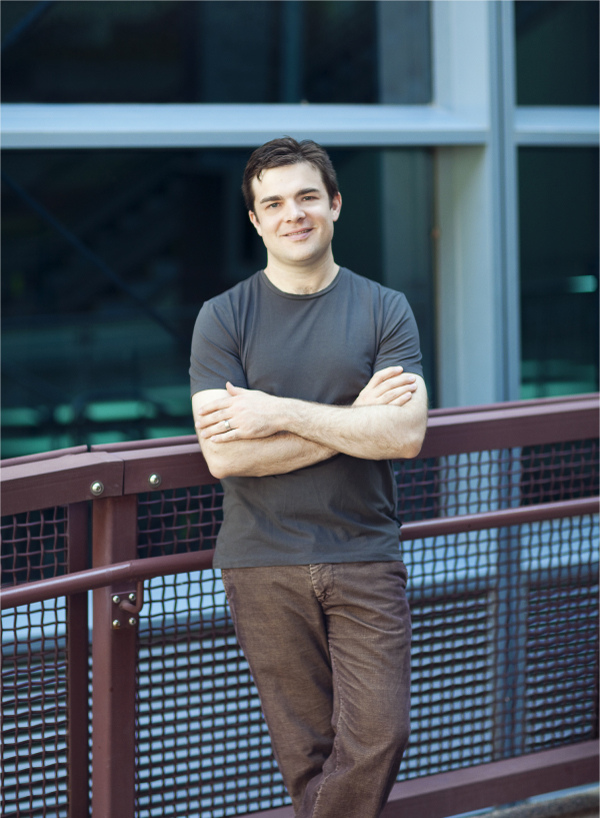
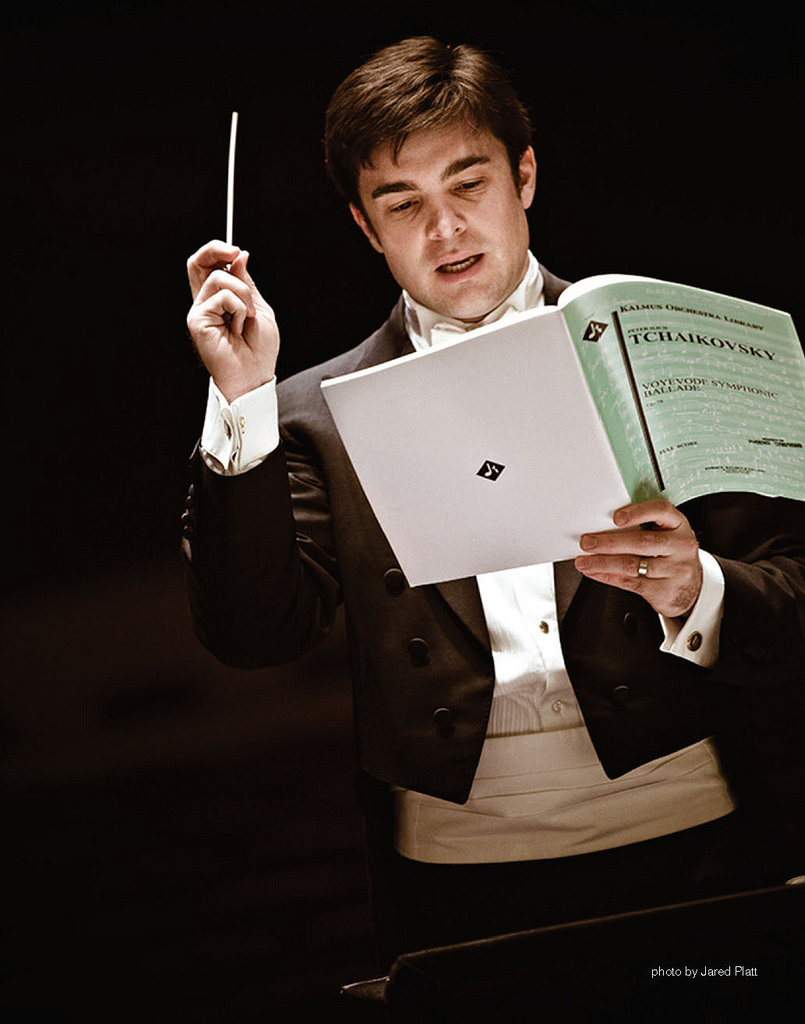
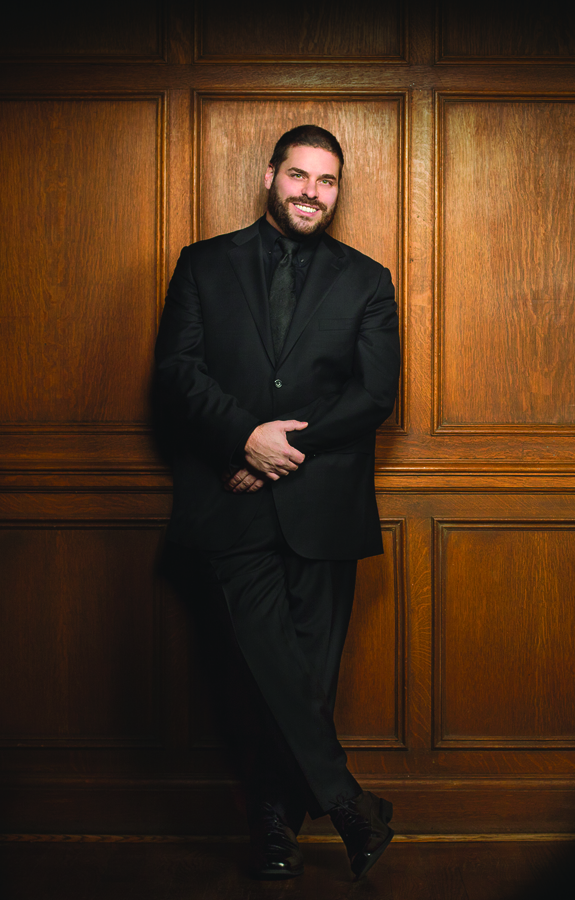
Michael Butterman. Photo by Glenn Ross

Michael Butterman. Photo by Glenn Ross

By Peter Alexander

Next year will be a season of collaborations for the Boulder Philharmonic Orchestra and music director Michael Butterman.

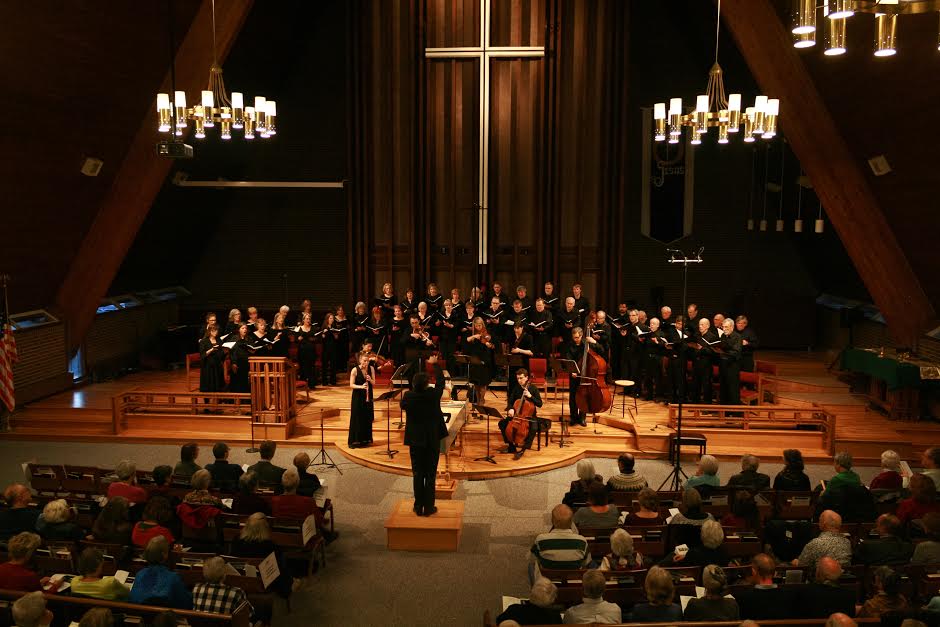
The 2015–16 season, which has just been announced, will include a broad array of collaborative work, from the usual appearances of renowned visiting soloists to the season finale, a semi-staged performance of Bach’s St. Matthew Passion presented in conjunction with Central City Opera, the Boulder Bach Festival, and choruses from the CU College of Music.

In between, there will be two visiting composers, a performance enhanced by the photography of John Fielder, two joint performances with Boulder Ballet, and a return of the aerial and stage performers of Cirque de la Symphonie. (Unless otherwise noted, performances mentioned below are at 7:30 p.m. in Macky Auditorium.)
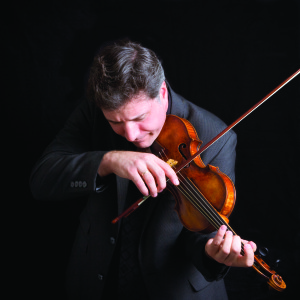
Charles Wetherbee

Charles Wetherbee

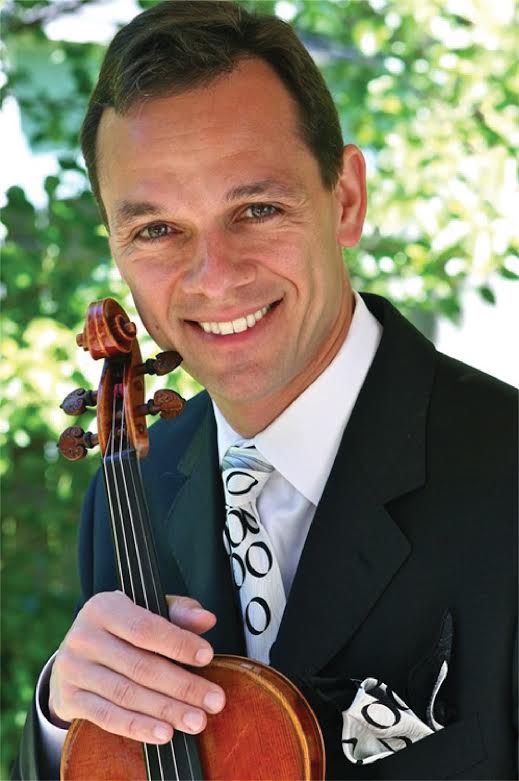
Billed as “Reflections: The Spirit of Boulder” (see full schedule below), the season gets underway at 7 p.m. Sept. 13—a Sunday evening performance—with a program featuring two soloists. Charles Wetherbee, the orchestra’s concertmaster will perform The Storyteller, a piece based on Japanese folk tales that was written for him by Korine Fujiwara; and Gabriela Montero will perform Rachmaninoff’s Piano Concerto No. 2.

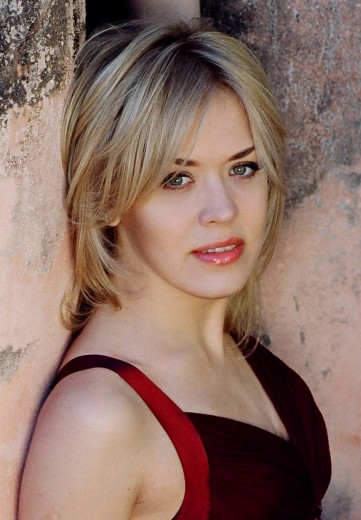
Gabriela Montero. Photo by Uli Weber.

Gabriela Montero. Photo by Uli Weber.

Montero is sometimes remembered for her participation in President Obama’s first inaugural, when it was notoriously too cold to play live outside and a recorded performance was substituted, but she is also renowned as a virtuoso pianist who performs to acclaim around the globe. But Butterman is looking forward to her visit for another reason.

“The thing that’s so amazing about her, and quite unique, is her ability to improvise—it’s straight out of another era,” he says. “I‘ve heard her do this a number times and it’s just remarkable— everything from what seems like perfectly worked out Bachian counterpoint to ragtime, to impressionistic, Debussy-esque sort of things.

“What’s so amazing about it is that it seems so beautifully worked out, through all these different styles.”

Charles Den;er/ Photo courtesy of Grumpy Monkey Music.

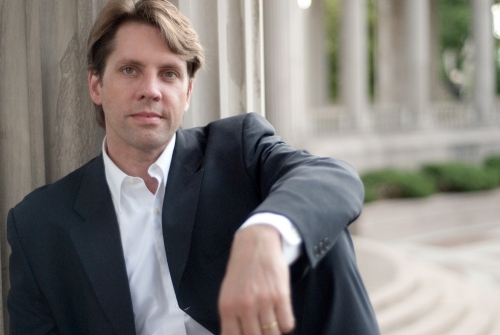
Charles Denler. Photo courtesy of Grumpy Monkey Music.

The November subscription concert (Nov. 14) will offer the world premier of a new work for piano and orchestra by Denver composer/pianist Charles David Denler, who will also play the solo part. Inspired by the nature writing of American author Henry David Thoreau, Denler’s Portraits in Seasons will be presented with projections of images selected by Colorado photographer John Fielder.

“I would describe the music as certainly tuneful, pictorial, a little bit atmospheric,” Butterman says. “I thought this would be really nice with something to look at and to read. It occurred to everybody that Fielder is so well known and is such a fine artist that we approached him with this particular proposition.”

Fielder has said that to illustrate the seasons, he will choose photographs that are more intimate in scale than many of the large-scale mountain landscapes that he is well known for.

Following the traditional Nutcracker performances over Thanksgiving weekend—this year with new scenery—and the return of the popular “Christmas with the Phil” concerts in December, January will see the orchestra sharing the stage with the Boulder Ballet for a subscription concert. Titled “Dance, American Style,” the Jan. 16 performance will feature the full ballet of Rodeo by Aaron Copland.

Filling out the program will be orchestral performances of the New England Triptych by William Schuman, Leonard Bernstein’s Symphonic Dances from West Side Story, and three excerpts from Copland’s Billy the Kid.

Anne Akiko Meyers. Photo by Molina Visuals.

Anne Akiko Meyers. Photo by Molina Visuals.

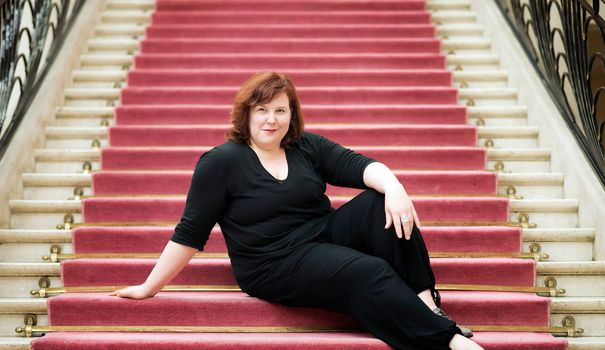
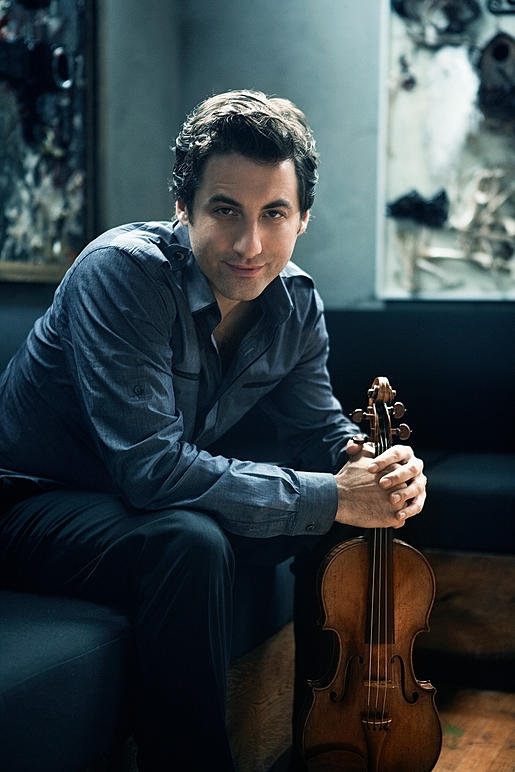
February brings a Friday concert (Feb. 12), with another acclaimed guest soloist, Anne Akiko Meyers playing Mendelssohn’s much loved Violin Concerto in E minor, and the season’s second visiting composer, in the form of an artistic residence by Missy Mazzoli.

Dubbed “the coolest thing to happen to the violin since Stradivari” by the Denver Post, Meyers is one of the leading violin soloists of her generation. Her playing has been featured on practically everything from CBS “Sunday Morning” to “The Good Wife” on television, many CDs, and countless radio broadcasts.
Missy Mazzoli. Photo by Stephen S. Taylor.

Missy Mazzoli. Photo by Stephen S. Taylor.

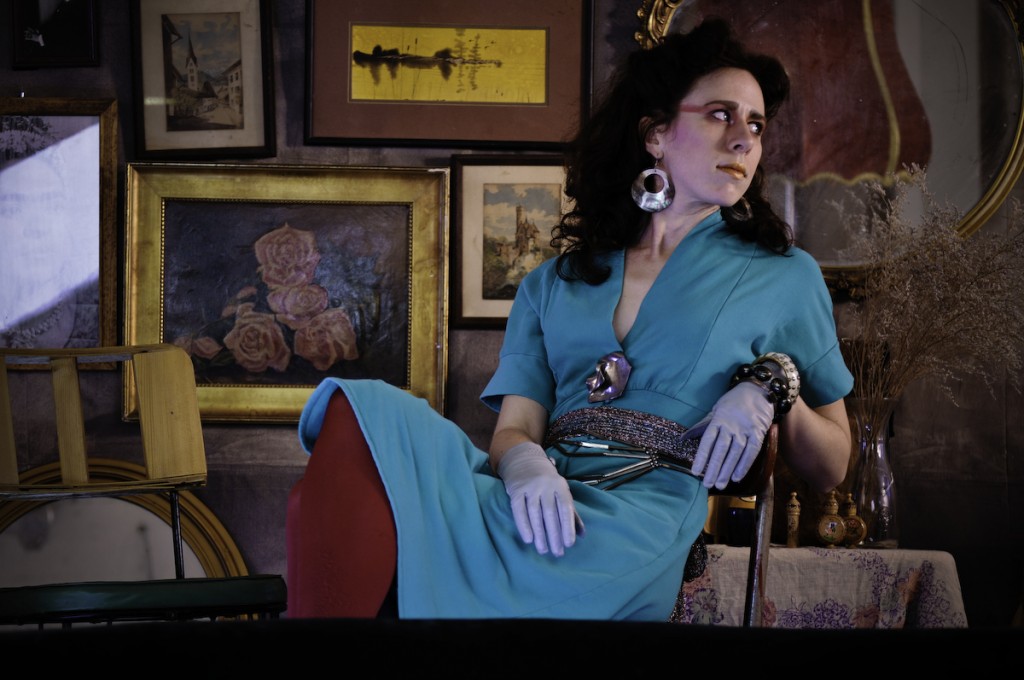
Missy Mazzoli may not be well known in Colorado, but she is, Butterman says, “a pretty hot composer in the New York scene in particular.” Her week-long residency will include educational activities and chamber performances, as well as the Boulder Phil’s premiere of a new version of her Sinfonia (for Orbiting Spheres).

The title refers, Butterman explains, not to planets but “the idea of circularity and cycles.” The title takes the 18th-century term “Sinfonia,” in reference to ideas from Baroque music and ornamentation that the composer used.

“It’s not exactly a neo-Baroque piece, but it certainly has some connections to earlier periods,” Butterman says—which led him to the other pieces on the concert program: Shostakovich’s Haydn-esque Symphony No. 9, Tchaikovsky’s Mozartiana and the classically inspired Mendelssohn Violin Concerto.

Boulder Philharmonic with Cirque de la Symphonie. Photo by Glenn Ross.

Boulder Philharmonic with Cirque de la Symphonie. Photo by Glenn Ross.

Cirque de la Symphonie will make its third appearance with the Boulder Philharmonic with two performances, at 2 and 7:30 p.m. April 2. Building off the famed Cirque du Soleil and other cirque programs, the troop presents aerial flyers, acrobats, contortionists, dancers, jugglers, balancers and strongmen choreographed to classical music.

“What I like about them is their ability to appeal very, very broadly to an audience, but to do so while allowing us to present just great classical music,” Butterman says. Based on their previous appearances in Boulder, he says that the audience will “know the basic concept of what they’re going to see, but their repertoire will be different enough that it will be fresh and people will enjoy it.”

The success of the previous sold-out performances led the Boulder Phil to expand to two performances in 2016, adding the 2 p.m. matinee the same day as the evening concert.

Macky Auditorium

Macky Auditorium

The season-ending semi-staged performance of the St. Matthew Passion will also have two performances, 7 p.m. Saturday, April 23, in Macky Auditorium, and at a time and place to be determined on Sunday, April 24. Although it was written as a sacred oratorio, in modern times the St. Matthew Passion has sometimes been staged. One recent notable production, directed by Peter Sellars with conductor Simon Rattle and the Berlin Philharmonic, was imported into the U.S. for performances in New York City last year.

“This piece is positively operatic in its sweep and pacing,” Butterman says. “However, I don’t think its been done (in a staged performance) in Colorado.”

The idea originated with a proposal from Central City Opera for some kind of collaboration with Boulder Phil. After various ideas were discussed, the two groups, along with the Boulder Bach Festival and the CU College of Music, settled on the St. Matthew Passion.

“We’re going to do it at Macky, but we’re going to be able to use the space creatively,” Butterman says. “(Central City Opera General/Artistic Director) Pat Pearce said Central City was looking for was some kind of immersive experience, where the audience feels enveloped in the drama.

“The Bach repertoire is delicate for us, because we are not a chamber orchestra, and there is already an entity in town that has laid claim to that. So if we were ever going to tackle something like this, we had to have a reason that was unique enough and compelling enough, and this potential four-way collaboration would be just that.”

In addition to Butterman and players from the Boulder Philharmonic, the performance will feature choruses from the CU College of Music and the Bach Festival Chorus, specialized instrumentalists from the Bach Festival, and stage direction by Central City Opera. The Macky stage will be modified, similar to what the CU does every year for their Holiday Festival.

In addition to the subscription concerts, the Boulder Philharmonic will offer Discovery Concerts for local elementary students, free “Cafe Phil” open rehearsals at the Dairy Center, and “Nature & Music” guided hikes with the cooperation of Boulder Open Space & Mountain Parks.

Season subscriptions packages are available here. Check the Boulder Philharmonic Web page for more information.

# # # # #

Boulder Philharmonic Orchestra
2015-2016 Season—Reflections: The Spirit of Boulder
logo2September 13, 2015 (Sunday): Opening Night
Maurice Ravel: Mother Goose Suite
Korine Fujiwara: The Storyteller, with Charles Wetherbee, violin
Sergei Rachmaninoff: Piano Concerto No.2, with Gabriela Montero, piano

CANCELED: October 10, 2015: Gregory Alan Isakov with the Boulder Phil
Gregory Alan Isakov, singer-songwriter, guitar

November 14, 2015: Portraits in Season
Johannes Brahms: Schicksalslied (Song of Destiny), with Boulder Chorale
Charles Denler: Portraits in Season, with Charles Denler, piano; photography by John Fielder
Johannes Brahms: Symphony No. 2

November 27 through November 29, 2015: The Nutcracker with Boulder Ballet

December 20, 2015: Christmas with the Phil, Venue TBD, Boulder
December 21, 2015: Christmas with the Phil, Vilar Performing Arts Center, Beaver Creek
December 22, 2015: Christmas with the Phil, Lone Tree Arts Center, Lone Tree, with Boulder Bach Festival Chorus

January 16, 2016: Dance, American Style (with Boulder Ballet)
January 17, 2016: Dance, American Style, St. Luke’s, Highlands Ranch (without dancers)
William Schuman: New England Triptych
Leonard Bernstein: Symphonic Dances from West Side Story
Aaron Copland: “Prairie Night,” “Waltz” and “Celebration Dance” from Billy the Kid
Aaron Copland: Rodeo (complete ballet), with Boulder Ballet

February 12, 2016 (Friday): Spheres of Influence
Missy Mazzoli: Sinfonia (for Orbiting Spheres), a Music Alive Composer Residency
Dmitri Shostakovich: Symphony No. 9
Pyotr Tchaikovsky: Mozartiana
Felix Mendelssohn: Violin Concerto in E minor, with Anne Akiko Meyers, violin

April 2, 2016: Cirque de la Symphonie (2 p.m. & 7:30 p.m.)

April 23 & 24, 2016: Season Finale
Bach: St. Matthew Passion
Semi-staged production with Central City Opera, Boulder Bach Festival & CU Choruses

NOTE: Edited 22 April to reflect an unexpected change in the season schedule.

A musical two-by-four helps build new matinee series at the Dairy Center

dairy-logo

Soundscape Series will offer adventurous programs

By Peter Alexander

The Dairy Center for the Arts is building a new matinee music series, and they have brought in a two-by-four.

No, not a wooden 2×4; a concert featuring two quartets. The performance, “Music for Four,” will be at 2 p.m. Wednesday (March 18) in the Dairy’s Performance Space. The program will be shared by the Boulder Bassoon Quartet, playing music from their album “From the Opposite Shore”; and the Altius String Quartet, playing music by Joseph Haydn and György Ligeti.

2015_SOUNDSCAPE_bannerThe Dairy’s intriguing and adventurous Soundscape series of monthly concerts started in January, and so far has featured programs of “Women in Classical Music” and “Jazz in Classical Music.” The current series will continue through June, then take two months off before resuming in the fall. You can learn about the remaining concerts through the Spring, featuring the Austin Piazzolla Quintet, “Classical Music Unbuttoned” and the Miami String Quartet with composer Bruce Adolphe on the Dairy Center Web page.

The 2015-16 series will be announced by June, director James Bailey says.

Bailey started the series to fill an unmet need that he saw. “I have held the belief for a long time that there are many people in the Boulder area, and in the Denver area, who either cannot go out at night, or who don’t like to go out at night,” he says.

“I’ve often thought there was a need for a good, broadly diversified, highly professional matinee series, so people who go during the day could be out before the traffic got bad. They could be home for dinner and have had a wonderful artistic experience during the early afternoon.”

Bailey, who has organized concert series in Denver at Dazzle and Lannie’s Cabaret over the past four years, was able to sell his idea to Bill Obermeier, executive director of the Dairy. Obermeier liked the idea and gave Bailey the go-ahead for the Soundscape matinee series last fall.

“I think that the key (to programming the series) is a lot of variety,” Bailey says. “In terms of the genres of music, there’s going to be a lot of modern music. But I personally believe that people will get off their sofas and come out to hear contemporary music. There is an appetite for modern music, particularly modern chamber music, that is not being met.”

Bailey said that the performers will all be professionals, from young freelancers from the various universities, to university professors, to freelance professionals who perform with the Boulder Philharmonic, the Colorado Symphony and other groups around the state. Occasionally, groups who are traveling in Colorado will also be featured. The musicians will be paid modestly.

“They aren’t doing it for the money,” Bailey says. “What they are going to be able to do is perform alongside other professional musicians, doing music that they really want to do.”

Boulder Bassoon Quartet

Boulder Bassoon Quartet

Wednesday’s concert is a perfect example of Bailey’s approach. It features two young ensembles, playing music they love to perform. Members of the Boulder Bassoon Quartet are graduates of CU who met as students. Today they are freelance musicians who also perform as a quartet.

“It’s an unusual type of group,” Bailey says. “(But) they are brilliant performers, and they’re a lot of fun. They play music that is alive, it’s exciting, and in the performances that I’ve heard, they stole the show.”

opposite-shore-album-coverThe quartet will play two works that they commissioned, a quartet that American bassoonist/composer Paul Hanson wrote while living in Japan, and one that Japanese composer Rica Narimoto wrote while living in New York City. Both are on the quartet’s debut album, “From the Opposite Shore.”

Brian Jack, one of the members of the quartet, explains that Hanson is a virtuoso bassoonist and composer whom they really wanted to work with. “He’s not only a classical musician, he’s a jazz musician and a funk bassoonist, an electric bassoonist,” he says. “He’s an amazing pioneer with the instrument.

“He went to Japan because he was invited by Cirque de Soleil to create his own role at the new production in Tokyo. So the guy’s music is very worldly and eclectic and of super high quality. And his quartet is all about his time in Japan.”

The Japanese composer, Narimoto, spent several months on a grant living in New York, so the quartet members asked her to write a piece about her time there. “Her piece is quite different from what we got from Paul Hanson, but they are both really high quality,” Jack says. “Her musical language is modern, but it’s written in a way that really captures all these experiences that everybody has had, (such as) running through sudden rain and hearing subway announcements.”

Altius String Quartet. Photo by  Jon Hess.

Altius String Quartet. Photo by Jon Hess.

The Altius String Quartet is the graduate string quartet-in-residence in the CU College of Music. They are mentored by the renowned Takács String Quartet, but they also perform widely as a professional quartet in their own right. They are resident quartet of the Western Slope Concert Series in Grand Junction and have coached chamber music and performed at Music in the Mountains Conservatory in Durango.

“This is a young group that has already won a number of competitions,” Bailey says. “They are really, really good. And they are going to perform what I think is one of the best string quartets of the 20th century: the Ligeti String Quartet, ‘Metamorphoses Nocturnes’. That is just an amazingly good piece of music.”

The Hungarian composer György Ligeti composed his First String Quartet, titled “Metamorphoses Nocturnes,” in 1953–54, but his music was banned at the time by the Communist regime in Hungary. It was not performed until 1958, after Ligeti had moved to the west. In addition, Altius will play a movement from a string quartet by Joseph Haydn, and both groups will show their lighter side by playing arrangements of rock music.

With a program that will appeal to Boulder’s adventurous audience, this is a concert to be relished. And Bailey is sure that you will hear about both groups in the future.

“This is one of those instances where we’re going to be able to say, ‘Wow, I heard those guys when they were (getting started)’,” Bailey says. “In fact sometimes, I joke that I really want to book both of these groups as much as I can now, because some day I won’t be able to afford them!”

Tickets for Wednesday’s Soundscape performance are available here.

Silent film and oratorio comprise Pro Musica Colorado program

Performance “merges two fabulous works of art”

By Peter Alexander

Renée Jeanne Falconetti as Joan in The Passion of Joan of Arc. Photo courtesy of Alliance Artist Management.

Renée Jeanne Falconetti as Joan in The Passion of Joan of Arc. Photo courtesy of Alliance Artist Management.

Cynthia Katsarelis has conducted many concerts, but her next program with the Pro Musica Colorado Chamber Orchestra is unique and exciting in many ways.

“It’s fab,” she says. “It’s just fab!”

She is referring to Voices of Light by Richard Einhorn, which Pro Musica Colorado will perform with a screening of the 1928 silent film The Passion of Joan of Arc, directed by Carl Theodor Dreyer. An oratorio for small orchestra, chorus and soloists, Voices of Light was composed in 1994 specifically to accompany Dreyer’s film, which is considered one of the greatest silent films ever made.

Performances are at 7:30 p.m. Friday, March 13, in St. John’s Cathedral, Denver, and Saturday, March 14, in First United Methodist Church, Boulder. Soloists appearing with Pro Musica and the St. John’s Cathedral Choir will be soprano Ashley Hoffman, alto Marjorie Bunday, tenor Steven Soph and bass David Farwig.

The Passion of Joan of Arc is a masterpiece,” Katsarelis says. “The acting by Renée Jeanne Falconetti [as Joan] is just amazing.”

Read more at Boulder Weekly.

Michael Christie talks about life and career since Boulder

“I’m not dealing with violin soloists as much as I’m dealing with tenors”

By Peter Alexander

Michael Christie

Michael Christie

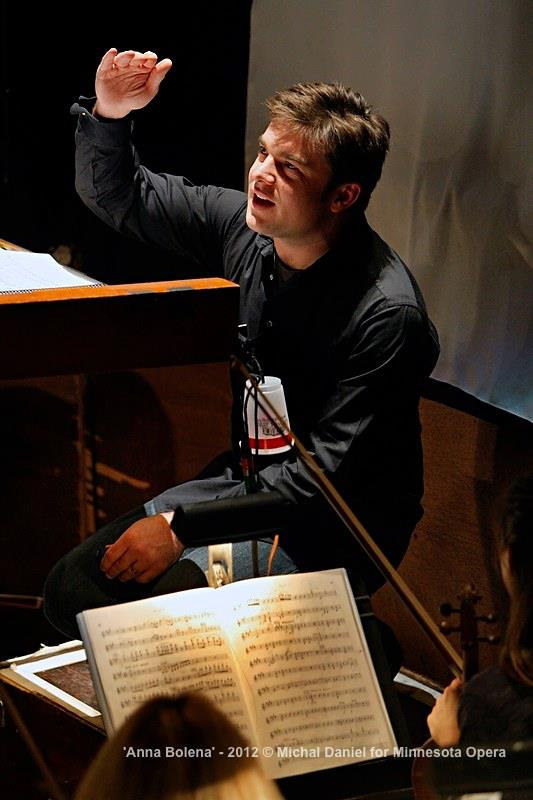
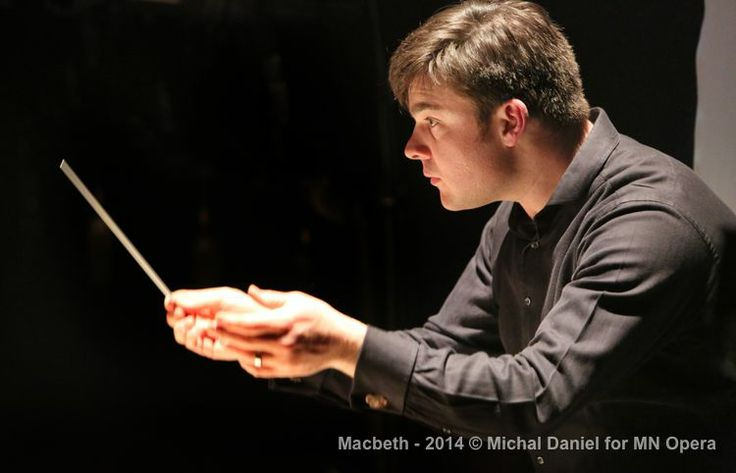
When I was in Minneapolis March 5–9 for the premiere of Kevin Puts’s opera The Manchurian Candidate at the Minnesota Opera (see review below), I had the opportunity to speak with former Colorado Music Festival Music Director Michael Christie about his life and career since he moved to Minneapolis. Christie, who is now the music director of the Minnesota Opera and conducted the premiere, had interesting observations about the life of symphony conductors vs. opera conductors, how much he loves Minneapolis, and how much he misses his friends from Boulder. Here is a lightly edited version of our conversation:

PA: I understand that you will take your first summer off in how long?

MC: Seventeen years! I’ve been contemplating for a few years what it would look like to actually take a sabbatical. I worked with my manager to identify the summer of ‘15 as an opportunity, and certainly when my wife and I discovered that we were going to have a little boy I thought ‘Oh, this will be fantastic, he’ll be one, my daughter will be seven, it’s a perfect time to just have some time!’ So I’m taking three months off. The coming summers after that will be mayhem. There will be some wonderful announcements about future summers soon, so that’s good.

Is your career mostly opera at this point?

I’d say it’s still 50-50, but doing an opera is a five to seven week time commitment. Doing Carmen or Manchurian Candidate or anything like that takes a big chunk of time, versus doing one orchestral project, which is a week. In terms of the actual amount of time per year it’s heavily weighted toward opera, but in terms of the number of projects themselves, it’s still quite balanced.

Of course, opera preparation time is pretty massive.

Yes, absolutely. Just speaking of Carmen, which we’re doing next month, that score is 750 pages of music! Even though it’s this ubiquitous title, and we generally know the orchestral music (and) a lot of the great arias, there is all of this connecting tissue—hundreds of pages of connecting tissue. And then with the director you have to figure out how is the drama going to work. To do that over 700 pages is a lot of time.

Michael Christie with the cast of "Manchurian Candidate" at Minnesota Opera

Michael Christie with the cast of “Manchurian Candidate” at Minnesota Opera

And when you do a premiere, nobody has heard a note of Manchurian Candidate until it arrives on your desk.

That’s right, but that’s what’s great about this particular team. (Composer) Kevin Puts and (librettist) Mark Campbell have worked together (before), we’ve worked together as a group, and they are very attuned to what’s happening on stage. So when we make decisions about a tempo or something like that, it will be Kevin who will say, ‘We need to tighten that up,’ or ‘We need more music here.’ He’s not one of these guys who says ‘Two years ago I wrote music and it must remain that way.’ He looks at it and says, ‘Oh, I see, they can’t get the sofa onstage in time, can you repeat those two bars?’ Which is really amazing.

So he’s very practical.

He’s very practical. And there are some times when he just says, ‘Look guys I can’t draw this out any more, you need to tighten up on your side.’ But certainly, it has been very interesting to experiment with the piece, (to) try this a little quicker, or a little slower. It’s been very exciting but wonderfully collaborative.

At this time do you hold any other positions than music director at Minnesota Opera?

All of my work outside of Minnesota Opera is freelance. Music Director at Minnesota Opera is my one title. Having held three at one point, I can tell you one is a good thing.

For many years Christie had to fly his own airplane to get to and from the three positions he held as conductor.

For many years Christie flew his own airplane to get to and from the three positions he held as music director.

That must give you a lot more flexibility and a lot more control of your schedule.

Yes, that’s exactly right. When I look back at the ebbs and flows of the intensity of life (in) my late 20s and early 30s—Phoenix, Brooklyn, Boulder—sometimes I’m amazed that I survived, because the needs of those organizations beyond doing performances was enormous. It’s good to have been through that, to know now what an organization needs from one of its artistic leaders.

Your wife and your children must appreciate the fact that you now have a more stable lifestyle.
Yes, absolutely, and my wife had been doing all of her medical training during that same time period. We both were on a hamster wheel, just running like crazy. She’s in an amazing medical practice here in Minneapolis, so it’s all just worked out well. So we do have a great life with a lot of interesting opportunities.

And you like Minneapolis?

It’s an amazing place for culture and cuisine. In a lot of the cities I’m visiting around the United States, the food’s just getting much, much better—everywhere, cities large and small. Minneapolis is a city that goes out. People go out of their homes, they go to theater and they go to sports—they just go out, so they want to have a good scene.
Michael Christie.04

Photo by Jared Platt

Do you miss planning an entire symphony or summer season, which gives you the opportunity to a different kind of planning than what you can do with an opera company?

I’m certainly keeping an eye on what’s going on in the business, who’s doing what kind of programming, who’s doing what kind of collaboration, those groups that are bringing more multi-media, interdisciplinary performances. Some of the stuff we had started doing in Boulder, we were thinking in a way that the industry was starting to think as well. I’m very pleased about that. I’m not sure that I miss it per se, but I’m aware that I need to stay on top of it in order to be effective the next time around. It’s a new set of colleagues, and I’m not dealing with violin soloists as much as I’m dealing with tenors.

I won’t ask if that’s an improvement.

Exactly! But it is different. It’s nice when I am doing some of the symphony projects, and if there’s a voice required, I now have a rolodex of people that I can recommend. I don’t view the opera and symphony worlds as segregated. There are more of us that are crossing over and are able to negotiate the needs of both pretty readily, I think.

When you are planning for a symphony, whether it’s the regular season in Phoenix or a summer festival in Boulder, you can do a broader palette of composers and styles, whereas with opera—how many works do you do in a season?

We do five.

Christie in the pit of the Minnesota Opera at the Ordway Music Theater

Christie in the pit of the Minnesota Opera at the Ordway Music Theater. Photo by Michal Daniel.

And of those you will conduct?

I will do between three and five. It depends on what’s going on outside, but I definitely get your point about variety. You can’t do 24 operas in a season! But at the same time, one thing that I have come to really appreciate is that when you do five operas and you have five weeks for each, you really get to grow into it.

Sometimes in the pressure cooker of a festival or just a normal symphony season, you’re thinking about 10 different programs at a time. If you don’t stay on top of it, you’re not ready to start that next program the minute the previous one ends. There is something quite nice to having a little bit more space to ask yourself, ‘Well, should it and could it be a little bit this, or more of that?’ Whereas sometimes with a symphony you have to show up on that Tuesday morning (to start rehearsals), you have 10 hours and come hell or high water—it’s going to be within a fairly narrow range.

I like that you get to know people a lot better, too. You get to know that group of singers very well, certainly the stage director, but even the orchestra. On one project we’re probably together for 30 hours vs. the 12 for a symphony.

I would guess that the orchestra players would have a different attitude toward the repertoire because while they have played Carmen before, it’s not a Beethoven symphony that they may have played dozens of times before.

That’s right. Some of our orchestra (members) have probably played it twice. I think there isn’t an exhaustion with the repertory. Since the Minnesota Opera does happen to be on quite a great run over the last couple of decades, there’s so much ownership (by the players). And I do think when somebody’s decided to be part of an opera orchestra, there is thinking that goes into how they approach playing together. They know that they play a more supportive role than they would if they were on a concert platform. Opera orchestras know you have to listen, and we have to work this out together.

In opera there are so many different elements to bring together, it seems to me about the most difficult art form. And I don’t know of any job harder than what an opera singer does, mastering the vocal technique, learning all of the music, doing it onstage, in costume, while acting.

I agree. And you have to do it with lights shining on you, and you have this guy down in the pit waving his arms trying to keep together 60 people with you at the same time. Opera is very complicated. When you think about the other art forms that are somewhat similar, Broadway musicals are on a continuum with opera, but that band is 12 people, most of the time keyboards.

And the singers are all miked now.

Right, the singers are all miked. When you think about the cast of Lion King, some of my buddies who do this stuff say they sing with 30% of their voice, 40% of their voice. That’s what you have to do to survive eight performances a week. When you hear an opera singer who’s been going at it all night afterward, and they speak to you, that voice is a little bit strained. It’s such a massive physical undertaking.

Photo by MIchal Dnaiel for the Minnesota Opera.

Photo by Michal Daniel for the Minnesota Opera.

Is it an increased challenge professionally, moving from orchestral to opera conducting?

I think it just depends on your approach to it. If you want to be a dictatorial conductor who only wants it their way, opera’s not your bag, because you have to be sensitive to what’s going on in the drama. So it’s not that I’ve taken a step up, it’s that I feel like I’ve just opened up my ears, opened up my mind toward different interpretational concepts.

I actually think that when I go back to the symphony repertory now, I can’t help but think—Dvorák for example. Given that he’s written something like nine operas, there’s no way that he wanted people to have relative freedom in his operas, and then absolute rigor: ‘Don’t you diverge one iota from my symphonic writing!’ Sometimes you would think that if you’re doing symphonies, it says an eighth note so it must be an eighth note. Well, maybe that eighth note’s there to facilitate a breath before the next phrase, or whatever that case may be. So I just feel very lucky to have had that training.

I learned when I started listening to opera, that with singers, an eighth note is not just an eighth note.

That’s exactly right. It’s a time for reflection, or it can be a moment of anger, curtness, it can be a moment of pause. That’s what’s fun about those five weeks, that you get to work with the singer on developing, if it’s going to be anger, what do we have to do around that to make that happen, with the lighting, with the orchestra crescendo, etc.

And when you work with a living composer, in an opera like Manchurian Candidate, you realize that at least with certain composers that they’re saying to us, ‘I’m trying my best to write this in a way that gives you as thorough of a road map as possible, but you have to make sure the drama works.’ And that makes me even more convinced that (with) Mozart, Berlioz, these composers that were steeped in both traditions, those traditions definitely overlapped each other. And it gives much more license than we would normally think.

Another thing that I love about opera is that the patrons, the fans—they’re just so rabid. I love that people are as fussy about whether they like the singing of the mezzo singing Carmen as they are about the sets—they’re watching all the elements, they’re listening and wondering, ‘Can I hear this? Can I see that? Why did they make that cut there?’ And they let you know! Which is fine.

I’m sure they do! The outrage over some of the recent Met productions, as intense as it has gotten, is also somehow reassuring, that people care so much about the art form.

I think so, too. I love that. I think it’s healthy and was one of the things that really attracted me to coming to the Twin Cities. First of all, the opera position afforded the opportunity to get involved in that world, but the community itself has very high expectations for everything. So whether it’s education, the environment, or just the community asking ‘Can we access that bike trail? What’s our access to the river like? What’s the quality of life?’ It’s such an interesting thing to be in a community where there’s this underlying expectation of ‘We’re here and it’s got to be good.’ That’s a wonderful bit of pressure for an arts company.

To wrap up: Is there anything coming up that you can share with us? Any future plans, other than having the summer off?

We’ve announced next season. We have The Shining which is our new opera for next year, based on the Steven King novel. It will be by Paul Moravec, the composer, and Mark Campbell is also doing the libretto for that. Unusually, we’re bringing back a production of Magic Flute which was a co-production with the Komische Oper in Berlin. It’s (based on) this fantastic 1920 film. It’s really quite remarkable, it kind of harkens back to my multi-media film with orchestra concepts.

The bigger news starts in 2017. That will start coming in the spring of this year, and we can talk about that when it happens.

Do you have a message for your friends in Boulder?

I miss them all! Every summer was a pivotal time because we tried things and it was fun to see what worked, what had to be changed, and everything that we did together really kind of informs decisions I make, whether it’s opera or symphony. So it’s a special place in my heart.

Note: Edited March 12 for clarity and to correct minor errors of punctuation and typos.

Puts’s Manchurian Candidate wins the audience on opening night

Michael Christie leads taut premiere

750x400_04Manchurian_2

By Peter Alexander

The Minnesota Opera rocked the Ordway last night (March 7) with the world premiere of Kevin Puts’s new opera, The Manchurian Candidate.

The performance was conducted by Michael Christie, former music director of the Colorado Music Festival who is now music director of the Minnesota Opera. A strong cast and first-rate orchestra gave a taut, polished performance that swept the audience up in its brisk, powerful motion, from the brittle, menacing opening sounds in the orchestra to the final, brutal punctuation mark.

Composer Kevin Puts

Composer Kevin Puts

Puts’s only previous opera, the Pulitzer Prize-winning Silent Night, had its premiere by the Minnesota Opera in 2011. For Manchurian Candidate he set a very effective libretto by Mark Campbell, based on Richard Condon’s 1950s novel of the same title. A gripping if improbable tale of cold-war brainwashing set against the McCarthy-era red scares, the novel was twice made into a film—first in 1962 starring Frank Sinatra, Laurence Harvey and Angela Lansbury; and again in 2004 with Denzel Washington, Meryl Streep and Liev Schreiber.

Campbell, who also wrote the libretto for Silent Night, here created a very efficient text from Condon’s clunky potboiler. What he could not do is give depth to characters who are often little more than plot devices: Raymond Shaw, the tainted “war hero” who is a pawn of the communists; his war buddy Ben Marco, whose role it is to unlock Shaw’s corrupted mind; Jocie Jordan, who exists only to be Shaw’s love interest and to die tragically near the end; her father, Thomas Jordan, the “good” senator of liberal beliefs; Eleanor Iselin, Shaw’s predatory mother; and her husband, Johnny Iselin, the stand-in for Sen. Joe McCarthy.

That said, the opera runs lucidly through the various complexities of the original story, dispensing with events and characters not essential to the unwinding of the plot’s mainspring. It is this focus on the central story, and Puts’ compelling music, that give the opera both clarity and momentum. And at just over 2 hours including intermission, Manchurian Candidate never drags.

0356-750x400

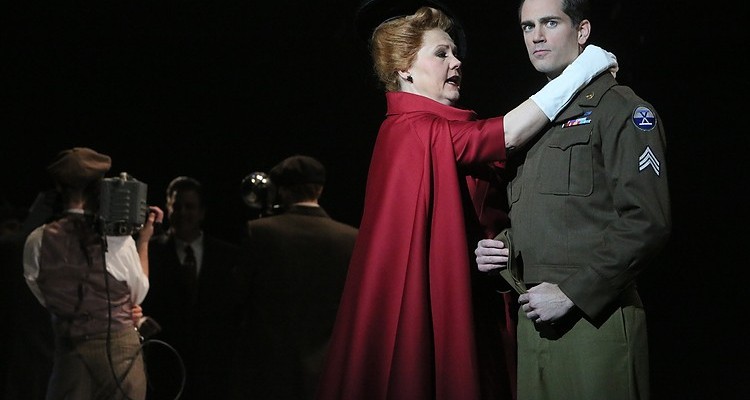
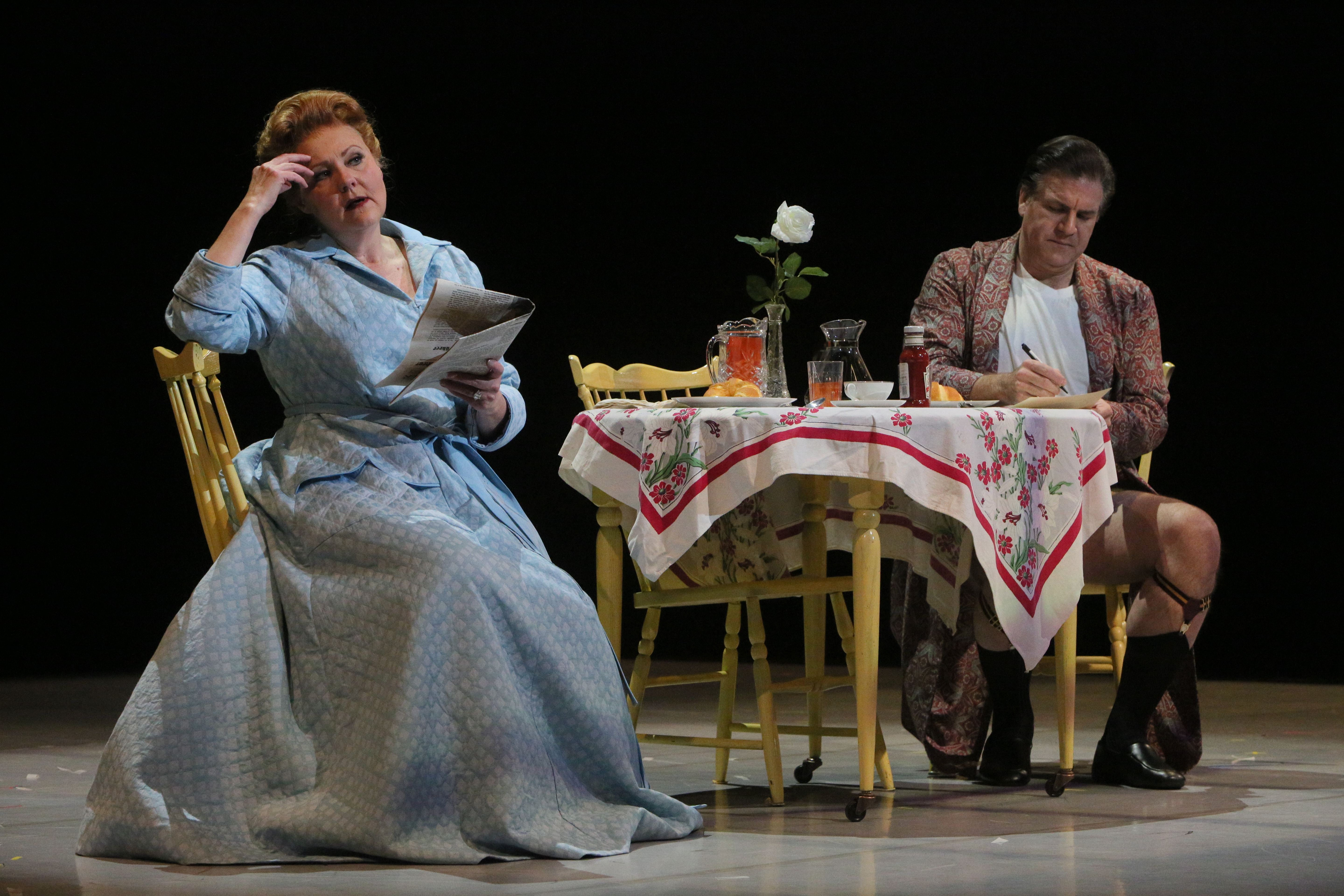
Brenda Harris as Eleanor Iselin and Mathew Worth as Sgt. Raymond Shaw. Minnesota Opera production of “The Manchurian Candidate” by Kevin Puts. Photo by Michal Daniel.

Puts has written a score of power and complexity. As scene moves rapidly to scene, he is extremely effective in changing moods and providing what contours he can to the relatively flat characters. The aura of menace around Shaw’s mother is creepily apparent, and one cannot miss the bluster and pomposity of her dim-witted husband. Similarly, the horror of Shaw’s brainwashing, the shallowness of the political hangers-on, and the languid warmth of Shaw’s “summer by the lake” are all well conveyed through the music.

Puts has mastered a range of styles, from the military band music that greets Raymond Shaw’s arrival as a Medal of Honor winner, to the delightful train music of one lighter scene, to a patriotic hymn, to the manic music of a political convention. The text is set clearly and is almost always intelligible, with the vocal parts embedded in atmospheric orchestral sounds that illuminate the meaning of the text.

The text only lost intelligibility when two different scenes were unfolding at once. Then one was grateful to have supertitles; otherwise, the audience would have no way of knowing what occurred in a some critical moments in the opera. In a theater without titles, this could be a serious shortcoming.

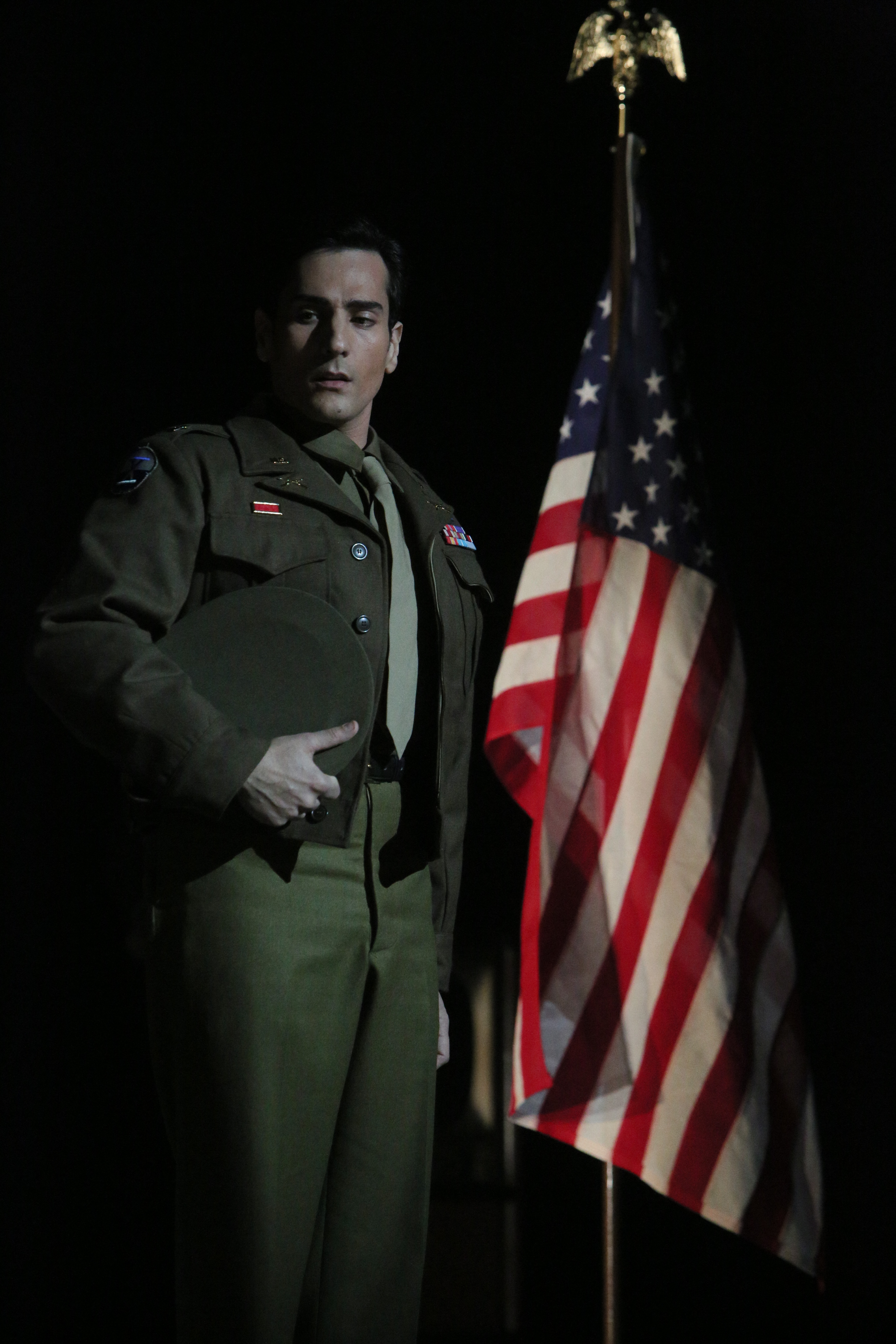
Matthew Worth as Sergeant Raymond Shaw in the Minnesota Opera production of The Manchurian Candidate. Photo by Michal Daniel.

Matthew Worth as Sergeant Raymond Shaw. Photo by Michal Daniel.

In his setting of English, Puts appears to have learned from the operas of Benjamin Britten—nowhere more so that in Raymond Shaw’s “mad scene,” in which the mixed fragments of previously-heard texts recall Britten’s mad scene for Peter Grimes. If not original, it is effective and was powerfully sung by baritone Matthew Worth.

Leonardo Capalbo as Captain Ben Marco in the Minnesota Opera production of The Manchurian Candidate. Popto by Michal Daniel

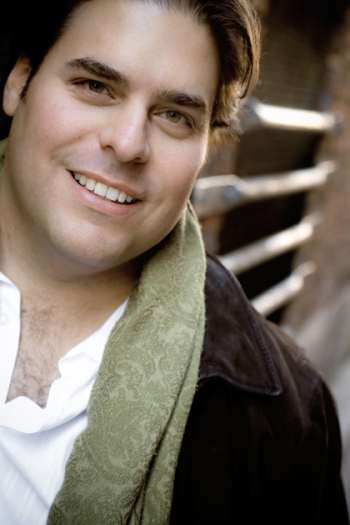
Leonardo Capalbo as Captain Ben Marco. Photo by Michal Daniel.

While it is not possible to cover everyone in the large cast, mention should be made of Leonardo Capalbo as Ben Marco. His scene recalling his nightmares, “Night After Night,” was one of the most effective set pieces in the opera.

Brenda Harris as Eleanor Iselin and Daniel Sumegi as Senator Johnny Iselin in the Minnesota Opera production of The Manchurian Candidate. Photo by Michal Daniel.

Brenda Harris as Eleanor Iselin and Daniel Sumegi as Senator Johnny Iselin. Photo by Michal Daniel.

Soprano Brenda Harris has the opera’s most virtuosic music, particularly in her scene at the end of Act I, calling on “My darling little boy” and foretelling that “Terrible, terrible things will happen in this country.” This moment of almost Queen-of-the-Night threat and fireworks is a great dramatic stroke, set in the middle of a party scene that can only be described as satirical, and it was spectacularly dispatched by Harris.

Daniel Sumegi’s rough-hewn voice was appropriate for Johnny Iselin’s bluster, if not particularly beautiful. Angela Mortellaro was a lovely, winsome Jocie Jordan. Other roles, from the Chinese and Russians who brainwashed Shaw to the partygoers at the Iselins’, all filled their roles ably.

The production made good use of designer Robert Brill’s unit set. Kevin Newbury’s direction was uncomplicated and natural. There were a number of effective touches, including the menacing men in suits who moved furniture and seemed to be looming behind the scenes at critical moments, and the lighting effects that seemed to put Shaw in the shadow of prison bars when others were in open light.

Michael Christie

Michael Christie

But above all one must credit conductor Michael Christie and the musicians of the Minnesota Opera orchestra. Playing in an exposed pit, they only once covered the singers. Christie maintained the flow of the opera ably. Although it is hard to judge a new work, every tempo felt right, the transitions happened smoothly and there were no audible stumbles in the complex score. I particularly appreciated that Christie did not make an entrance into the pit to elicit applause, but just started both halves with no warning.

The Manchurian Candidate is an important new opera, and it was given a worthy premiere performance at the Ordway Music Theater last night. The audience responded warmly at the end, and recognized Harris in particular as a favorite with shouts and a standing ovation.

One must congratulate the Minnesota Opera for their ongoing commissioning and support of new opera. They far surpass some much larger companies in that regard. Indeed, the recent history of the Minnesota Opera in general, and the success of The Manchurian Candidate in particular, shows that new operas can provide compelling music drama and find an important place in a successful company.

Additional performances of Manchurian Candidate will be March 8, 12, 14 and 15. Visit the Minnesota Opera Web page for details and tickets.

# # #

The same weekend as the premiere of Manchurian Candidate, the St. Paul Chamber Orchestra opened a beautiful new concert hall in the Ordway complex, with concerts Thursday and Friday evening (March 5 and 6).

This is the first time in its 30-plus-year history that the SPCO has had a home that was designed for a chamber orchestra. Previously they played many concerts in the Ordway Music Theater, whose proscenium stage, members of the orchestra say, muddied and muffled the sound that reached the audience.

To judge by the performance I heard (Friday evening, March 6), the new hall is a spectacular success. It is a beautiful space, with gentle curves, warm wood and sound-reflective gypsum blocks dominating the visual aspect. No one is more than 90 feet from the stage. The sound is very present all the way to the top of the second tier—where I was sitting. Even the softest pizzicatos carried well and the texture was consistently clean and transparent. I didn’t know if the audience’s standing ovation at the end of the concert was for the performance, or for the hall.

The first half of the program was well chosen to show the orchestra and the hall to good advantage. Playing without a conductor but following concertmaster Steve Copes’s cues, the orchestra gave a brilliant account of Prokofiev’s “Classical” Symphony. Every note of the sparkling string parts came through, and the winds were bright and clear throughout.

After Prokofiev, the SPCO gave an unlisted performance of Charles Ives’s Unanswered Question, apparently decided on at the last minute. With string playing at a barely-audible whisper and the trumpet sounding beautifully from the balcony, this was an extreme test of both orchestra and hall, and both passed, again brilliantly.

The piece commissioned for the occasion, Coraggio for string orchestra (from String Quartet No. 3) by George Tsontakis, is a pleasant, unchallenging score that passed muster as an occasional piece. If it did not test the orchestra as much as Prokofiev and Ives, it served its festive purpose well.

The second half of the concert, again without conductor, was Beethoven’s “Eroica” Symphony. It was good to hear it played by an orchestra of the size Beethoven would have known, especially of the quality of the SPCO. The dynamic range was impressive, and the momentum at the end brought the audience to their feet. But on the whole I found it less satisfying than the earlier pieces: the balance was less sure, some individual lines were too prominent, and the overall contour of the piece less controlled than might be the case with a conductor.

Still, it was a wonderful concert, and it gives hope to all fans of the SPCO. They now have a home worthy of the orchestra’s quality.

# # #

NOTE: Updated March 8 to include the running time of the performance and future performance dates  of Manchurian Candidate.

New CMF music director Jean-Marie Zeitouni: “Don’t call me maestro!”

The conductor wants to build a relationship with the orchestra

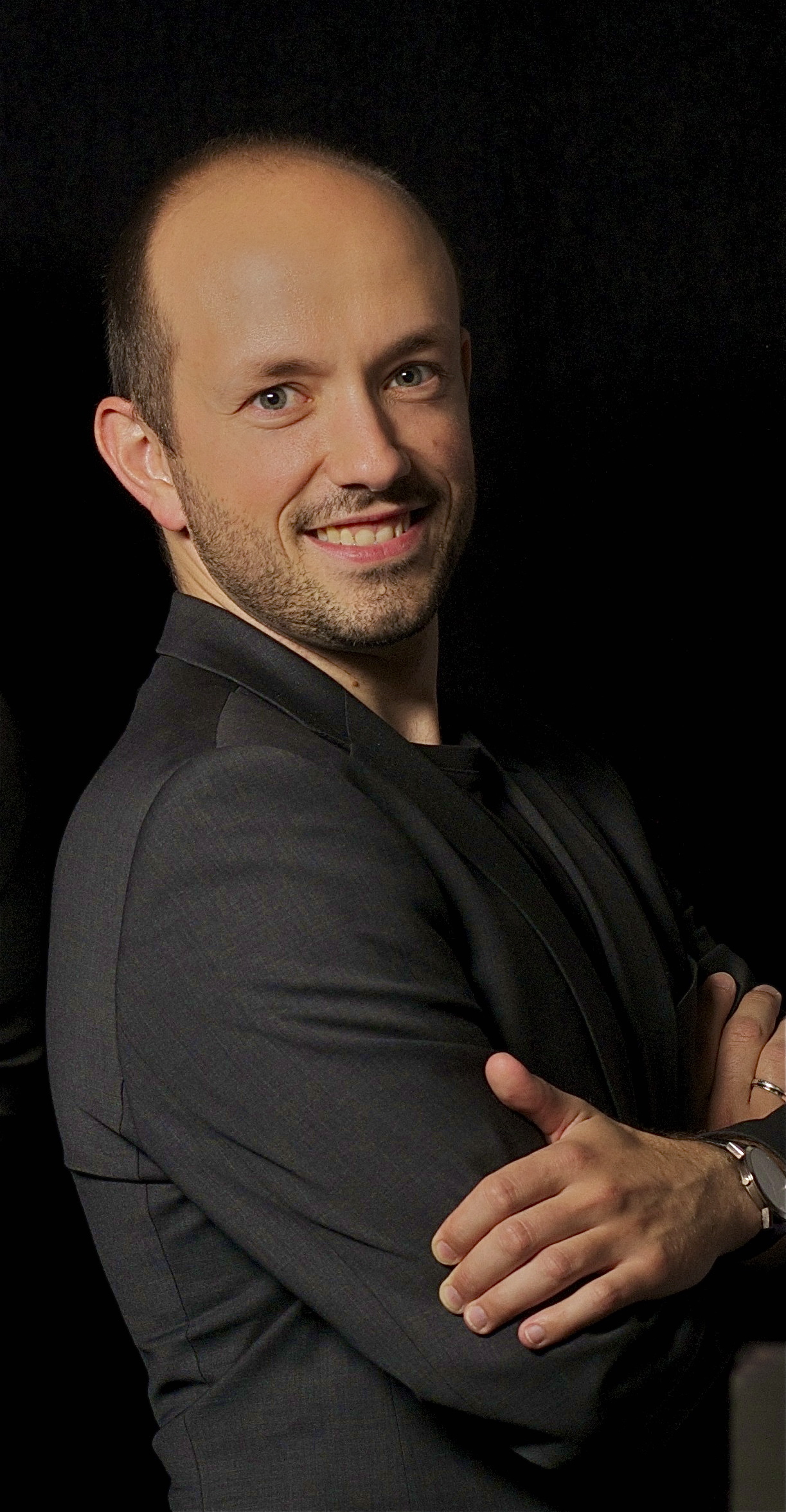
Jean-Marie Zeitouni

Jean-Marie Zeitouni

By Peter Alexander

Jean-Marie Zeitouni, the new music director of the Colorado Music Festival, finds Boulder a very comfortable place to fit in and make friends.

Just don’t call him “maestro.”

He made this clear when he introduced the 2015 festival season Thursday evening (Feb. 26) at the Chautauqua Community House. “You can call me Jean-Marie or JMZ,” he said. “You can call me many things behind my back. But don’t call me maestro.”

When asked about that a couple of days later, he shook his head and made a sour face. “No,” he said. “I have played in an orchestra. There is not one master and the rest are slaves.”

This experience as an orchestra member is a very important part of the way Zeitouni thinks about his job here in Boulder. “I try to be the conductor I would want as a member of the orchestra,” he says. “The greatest goal for me this year (at the Colorado Music Festival) is to develop my relationship with the orchestra.”

One part of that relationship is to be found in the repertoire that Zeitouni, as music director, selects for the players, as members of the orchestra, to rehearse and perform. And in the season that was announced Thursday night, Zeitouni has included pieces that the musicians may be expected to relish.

For example, in addition to the usual Beethoven and Tchaikovsky and Sibelius symphonies, which the orchestra members have probably played many times, there are pieces such as Charles Ives’s Symphony No. 3 and Michael Daugherty’s Deus ex Machina that are outside the standard repertoire.

Surely some of the orchestra members will look forward to the French Baroque music of Jean-Philippe Rameau’s Les Boréades. A rarity like George Antheil’s Jazz Symphony will have its advocates. And next to the perennially popular American in Paris there is the rare opportunity to play Darius Milhaud’s response, A Frenchman in New York.

But probably nothing will be more exciting for the players than Bartók’s Bluebeard’s Castle. As with much of Bartók’s orchestral music, this is a virtuoso score that gives the players a chance to really show their worth. Although it has two singing characters, Zeitouni describes Bluebeard’s Castle as “an opera where the orchestra is the main character.” (It will be performed in Hungarian with English surtitles.)

Andrew Bradford

Andrew Bradford

Indeed, Zeitouni and CMF executive director Andrew Bradford confirm that they have already heard from members of the orchestra that this is the piece that they are most looking forward to.

Zeitouni, who lives in Montreal, will spend the summer in Boulder with his family. He readily cites Boulder’s concern for health, the environment, and the presence of many different cultural—and counter-cultural—elements as aspects of the city that he likes. “Like in Canada, you can be whoever you are,” he says. “I feel comfortable here.”

“It reminds me of the places I have been most joyous, in the Rockies of Canada, especially Banff.”

Speaking of their vision of the CMF, Zeitouni and Bradford point out that there were some limitations to what they could do in the first year. There was not time to develop partnerships that could be assets to the festival, and many potential soloists were not available on relatively short notice. That will change as they have more time to plan coming seasons.

2015-festival-icon-with-dates-300x213As for the future, Zeitouni says there is no fixed version of what any festival should be. He is clear that taking the heritage and the strengths of the CMF in consideration, they expect to move in new directions, aiming to make the summers more exciting, and to gain more national recognition for a festival that has already achieved a great deal in its history.

“We have many ideas” Zeitouni says. “We have big things in mind that we are starting to organize, but we want people to focus on what is there this year.

“What we have put together is quite good and we want to people to get excited about that.”

# # #

Read my season preview, and view a complete listing of the summer’s concert, below.

Boulder Bach Festival presents a complete realization of the B-minor Mass

J.S. Bach

J.S. Bach

By Peter Alexander

Zachary Carrettin and the Boulder Bach Festival last night (Feb. 28) delivered a performance of Bach’s monumental Mass in B minor that was creative, provocative, and sensational.

This was the first major work Carrettin has led since becoming musical director of the festival. If this is a harbinger of things to come, Boulder has much to look forward to.

The choral singing was immaculate, the orchestra superb, and the five soloists—sopranos Josefien Stoppelenburg and Melissa Givens, mezzo-soprano Julie Simson, tenor John Grau, and bass-baritone Michael Dean—were as well matched as any oratorio soloists you are likely to hear.

The B-minor Mass, nearly two hours of music, is a vast undertaking for any conductor or performing organization. It is so well known, and has been performed so often, that it is difficult to offer anything new. And yet Carrettin, who rethought the score from beginning to end, managed to make it fresh.

One departure from the norm was the choice to have some choral movements sung by the soloists rather than the full chorus. This is sanctioned by history, since the alternation between solo and group performance is one of the cornerstones of Baroque music, and Bach is known to have made similar decisions in performances he directed. There have even been modern Bach performances that reduced the entire chorus to soloists throughout, though few scholars endorse such an extreme.

Zachary Carrettin

Zachary Carrettin

For this performance, Carrettin used soloists to stress the personal as opposed to congregational expression of the text, as at the beginning of the Credo (“I believe in one God.”) This was extremely effective, both as a way to illuminate the meaning of the text, and as a source of variety in the texture and sound of the performance.

I was less convinced by another departure, when Carrettin gave the choral movement “Confiteor” (“I confess one baptism”) to a single soprano soloist and strings, converting a choral movement into an aria. On the one hand, this decision brings out the highly personal nature of the text at the moment that the soprano sings “I look for the resurrection of the dead.” But on the other, it suppresses the brilliant counterpoint among equal parts that Bach wrote.

There can be no complaint about the quality of the performance, however. Stoppelenburg has a soprano voice of remarkable purity and clarity, and her singing in the “Confiteor” was exquisite.

Another decision concerns the placement of the intermission. It usually occurs between the Gloria and the Credo movements, a location that corresponds to a break in the liturgical segments of the mass. But Carrettin understands that performances of the B-minor Mass are just that—performances—because the piece is not suited to use in a service. And so he decided move intermission to a moment of high drama within the Credo, immediately following the “Crucifixus” (“He was crucified’).

Boulder Bach Festival singers and players. Courtesy of the Boulder Bach Festival

Boulder Bach Festival singers and players. Courtesy of the Boulder Bach Festival

Carrettin had asked the audience not to applaud at that point, so Bach’s deeply moving music faded into silence, leaving the audience to contemplate the central event of Christian belief. That moment was made even more moving by the decision to have the “Crucifixus” sung only by the soloists, making it a musical expression of failing strength after the preceding full chorus.

After intermission, the audience returned for “Et resurrexit” (“And he rose again”), one of Bach’s most joyous and uplifting moments. Purists may object to having a break where there is usually continuity from sorrow to joy, but I found it highly effective as a moment of musical drama. It is this kind of creative rethinking that keeps the great masterpieces alive in our times.

On a purely musical level, the performance was extraordinary. The intonation among the singers and the orchestral players was exquisite, lending a clarity and transparency to Bach’s counterpoint that is only rarely achieved. This effect was aided by the meticulous phrasing, often based in the individual motives rather than long, Romantic lines that can obscure the exchanges among parts.

Earlier I praised Stoppelenburg’s performance of the “Confiteor,” but it would be unfair to single out only one soloist. They all sang with great precision of pitch and rhythm, rendering their complex lines, almost instrumental in quality, with remarkable clarity.

The balance among forces was carefully controlled throughout. In this respect particularly I would be remiss not to mention the brass players. The trumpets managed Bach’s high and difficult parts without ever overwhelming the singers, and the duet between horn and bassoon in the bass aria “Quoniam” becomes a new piece when the parts are so carefully balanced.

BBF-2014-15-season-brochure-pdfThe Boulder Bach Festival is likewise fortunate to have a flute player of the quality of Ysmael Reyes. His sound was gorgeous throughout, but especially in his duet with Grau in the “Benedictus.”

But above all else, I admired the pacing of the performance. It is hard to manage musical forces over such a long span of time, so that the chorus at the end of the Gloria can rise to a climax for the entire movement, and so that they can then achieve one more level of fullness of sound for the final “Dona nobis pacem,” before subsiding to a moment of rest and, indeed, peace.

In its accumulated impact, this may have been the most complete realization of the B-minor Mass I have heard. It was a remarkable achievement by the performers, and for everyone in attendance it was a night to remember.

Jean-Marie Zeitouni will lead Colorado Music Festival and audiences on “a journey together”

2015 season includes expanded chamber series and “Cellobration” mini-festival

By Peter Alexander

Jean-Marie Zeitouni

Jean-Marie Zeitouni

“This will be a season to get acquainted” Jean-Marie Zeitouni, new music director of the Colorado Music Festival, told the festival’s friends and supporters last night (Feb. 26) in introducing the program for the summer of 2015.

“It will be a chance to get to know one another better, and for me and the orchestra to know each other,” he said.

The festival program that Zeitouni and CMF’s executive director Andrew Bradford laid out included features that provide continuity with past festivals, as well as elements that reflect the personality of the new music director. (The full schedule is now listed below.)

Continuity will be represented in the general layout of the festival, with weekly concerts by the Festival Orchestra and Chamber Orchestra during the season, which runs from June 26 to Aug. 9. That is a slight shift from past festivals, opening on a Friday and ending on a Sunday, rather than ending with a Friday concert by the Festival Orchestra.

There will be many elements familiar from past festivals, including Music Mash-up concerts directed by Steve Hackman; an expanded series of five chamber concerts, moved to Boulder’s First Congregational Church (1128 Pine St.); and a one-week mini-festival, this time a “Cellobration” presenting both chamber and orchestral works that feature the cello.

In introducing the mini-festival, Zeitouni joked that Bradford, a cellist, had insisted on the “Cellobration.” In fact, the programs are well chosen, and will provide audiences the opportunity to hear a foundational instrument of orchestral and chamber music in a wide variety of contexts, including solo works, sonatas with piano, concertos, and as a member of large and small ensembles.

Olga Kern

Olga Kern. Photo by Fernando Baez

There will also be some new wrinkles to the festival. One will be a solo piano recital in the Chautauqua Auditorium by Van Cliburn Competition Gold Medalist and CMF favorite Olga Kern. Another surprise will be an evening of musical humor by Igudesman & Joo. Two classically trained and exceptional performers, violinist Aleksey Igudesman and pianist Hyung-ki Joo will present their wildly popular program, “A Little Nightmare Music.”

Zeitouni’s musical personality will be reflected principally in the orchestral repertoire of the festival. One aspect is his love of vocal music, reflected in the appearance of solo singers with the orchestra; another is the inclusion of some intriguing and not always familiar bits of French music.

Marie-Nicole Lemieux

Marie-Nicole Lemieux

Those interests show up already on the Festival Opening Night (July 1). Zeitouni and the Festival Orchestra will present a program of French and Italian music—“a voyage, to start our journey together,” Zeitouni said. Like any good voyage, this one starts on the sea, with Debussy’s La Mer. Contralto Marie-Nicole Lemieux will sing Ravel’s song cycle Shéhérazade, based on poems by the eccentric French poet who adopted the pseudo-Wagnerian name Tristan Klingsor. To enhance the audience’s understanding of the cycle, the Colorado Shakespeare Festival’s Timothy Orr will read translations of the poems.

The second, Italian half of the program will include a number of operatic arias for contralto by Rossini, again sung by Lemieux, and conclude with Respighi’s colorful Pines of Rome.

The season will end Aug. 9 with “A Royal Finish,” featuring the chamber orchestra, soprano Sarah Coburn, and the Colorado Music Festival Chorus in vocal works by Mozart and Handel. Once again there are familiar pieces, like Mozart’s Exsultate, Jubilate and Handel’s Music for the Royal Fireworks. But there are also some great music that should be heard more often, including Mozart’s early Regina Coeli K. 108, and Handel’s splendid Zadok the Priest.

Composer Michael Daugherty

Composer Michael Daugherty

The remainder of the orchestral series will include popular works from the standard repertoire—Beethoven and Tchaikovsky symphonies, Stravinsky’s Firebird Suite—as well as some less familiar works that will appeal to Boulder’s musical adventurers. Among these, one has to mention the Colorado premiere of the Grammy-Award winning piano concerto “Deus Ex Machina” by the seriously hip pop-influenced composer Michael Daugherty; and the Colorado premiere of Opening Remarks by Lee Actor.

Also off the beaten path will be the North American premiere of the Festive Overture by Spanish composer Benet Casablancas; the much admired if rarely heard Third Symphony by American Charles Ives; and the even more rarely heard Jazz Symphony by the self-proclaimed “bad boy of music,” George Antheil.

Continuing the focus on vocal music will be a concert performance of Bartók’s two-character opera Bluebeard’s Castle, performed in Hungarian with English supertitles. Hungarian singers Krisztina Szabo, soprano, and Gabor Bretz, bass-baritone, will be guest soloists.

Joining nature and music, “John Fielder’s Colorado” will celebrate the centennial of Rocky Mountain National Park. Fielder’s acclaimed photos will be coordinated with performances of Sibelius’ Symphony No. 5 and Beethoven’s Symphony No. 6.

Steve Hackman

Steve Hackman

Turning to this year’s Music Mash-Up series, Steve Hackman will once again bring a completely new score, Bartók + Bjork. The other mash-ups feature an earlier Hackman score, Copland + Bon Iver, the Colorado group SHEL, and singer/actress Storm Large with her band, Le Bonheur.

Finally, Bradford has announced the very welcome return of the “Click Commission.” This program, which gives the audience the chance to select the recipient of a commission of a new piece for the following year’s festival, will now be expanded to include a mini-residency at the CMF for the winning composer.

The commission for the 2016 festival will go to one of three composers selected by the CMF: Pierre Jalbert, Hannah Lash and Daniel Wohl. Potential contributors to the program will have the opportunity to hear works by all three, and to vote with their contributions for the composer they prefer. This is your chance to pay the piper and call the tune! Watch the CMF Web page for details.

# # #

In September of last year, I stuck my neck out by offering suggestions for the future of the Colorado Music Festival. While I do not claim any influence on the professional directors and the board of the festival, I am pleased that three of my six suggestions—reinstate the “Click Commission,” expand the chamber music series, and bring back the mini-festival—were addressed in the program for the coming year. I believe that all three are integral to the unique character of the Colorado Music Festival.

Another idea I offered—that the festival should treasure its orchestra—is honored in Zeitouni’s selection of repertoire, which will certainly give the orchestra the opportunity to shine throughout the summer. This is a season that the players will enjoy.

And my preference to hear challenging explorations of music by living composers gets some satisfaction from the inclusion of works by Michael Daugherty, Lee Actor and Benet Casablancas.

With less than one year to pull a festival together, Zeitouni and Bradford have delivered an interesting season. There’s plenty for all of CMF’s diverse constituencies, and much to relish.

# # #

Subscription tickets will be available starting early in March, with single tickets going on sale April 1. See the CMF Web page for details as they become available.

# # #

COLORADO MUSIC FESTIVAL
2015 Season Program
All Concerts in Chautauqua Auditorium unless otherwise indicated

Week 1

10 a.m. Friday, June 26, and Saturday, June 27
Young People’s Concerts, program TBD
7:30 p.m. Wednesday, July 1: Opening Night, Welcome Jean-Marie!
Festival Orchestra, Jean-Marie Zeitouni, conductor, with Marie-Nicole Lemieux, contralto, and Timothy Orr, speaker
Debussy: La Mer
Ravel: Shéhérazade
Rossini: Arias from Trancredi and Semiramide
Respighi: Pines of Rome
7:30 p.m. Friday, July 3: An Evening with Olga Kern
Olga Kern, piano
Beethoven: Variations on a Theme by Salieri, WoO 73
Charles-Valentin Alkan: Etude No. 3
Chopin: Sonata No. 2 in B-flat minor
Rachmaninoff: Twelve Preludes

Week 2

7:30 p.m. Monday, July 6, First Congregational Church: Piano Chamber Music
Musicians of the CMF
Dvorák: Piano Quartet
Schumann: Piano Quintet in E-flat Major, Op. 44
7:30 p.m. Tuesday, July 7: Music Mash-Up, Bartók + Bjork
Steve Hackman, conductor, with singers TBA
Hackman: Bartók + Bjork Mash-Up (World Premiere)
7:30 p.m. Thursday, July 9, and Friday, July 10: Tchaikovsky and the Grammys
Festival Orchestra, David Danzmayr, conductor, with Terrence Wilson, piano
Lee Actor: Opening Remarks (Colorado premiere)
Michael Daugherty: Deus ex Machina (Colorado premiere)
Tchaikovsky: Symphony No. 5
7:30 p.m. Sunday, July 12: An Evening in Vienna
Chamber Orchestra, David Danzmayr, conductor, with Alexandra Soumm, violin
Schubert: German Dance in D major (arr. Anton Webern)
Mozart: Violin Concerto in D major, K.218
Beethoven: Symphony No. 2

Week 3: Cellobration Mini-Festival

4 & 8 p.m. Tuesday, July 14, First Congregational Church: Complete Bach Suites for solo cello
Bjorn Ranheim and Guy Fishman, cello
7:30 p.m. Thursday, July 16, and Friday, July 17: Impossible Dreams
Festival Orchestra, Jean-Marie Zeitouni, conductor, with Desmond Hoebig, cello
Wagner: Prelude to Tristan und Isolde
Prokofiev: Romeo and Juliet Suite No. 2
Richard Strauss: Don Quixote
4 & 8 p.m. Saturday, July 18, First Congregational Church: Complete Beethoven cello sonatas
Musicians of the CMF
7:30 p.m. Sunday, July 19: Monday July 20 in Estes Park
Chamber Orchestra, Jean-Marie Zeitouni, conductor, with Julie Albers, cello
Mozart: Overture to The Marriage of Figaro
Haydn: Cello Concerto No. 2 in D major
Bach: Brandenburg Concerto No. 3
Mozart: Symphony No. 31 in D major (“Paris”)

Week 4

7:30 p.m. Tuesday, July 21: Music Mash-Up, Copland + Bon Iver Featuring SHEL
Steve Hackman, conductor
7:30 p.m. Thursday, July 23, and Friday, July 24: Beyond Fairy Tales
Festival Orchestra, Jean-Marie Zeitouni, conductor, with Krisztina Szabo, soprano, and Gabor Bretz, bass-baritone
Stravinsky: The Firebird Suite (1919 version)
Bartók: Bluebeard’s Castle (In Hungarian with English supertitles)
7:30 p.m. Sunday, July 26; Monday July 27 in Estes Park: Sounds of the Mediterranean
Chamber Orchestra, Jean-Marie Zeitouni, conductor, with Ana Vidovic, guitar
Benet Casablancas: Festive Overture (North American premiere)
Joaquin Rodrigo: Concierto d’Aranjuez
Vivaldi: Guitar Concerto in D major, RV.93
Mendelssohn: Symphony No. 4 (“Italian”)

Week 5

7:30 p.m. Tuesday, July 28, First Congregational Church: Chamber Music for Strings
Musicians of the CMF
Brahms: Sextet for Strings in G major
Schoenberg: Verklärte Nacht
7:30 p.m. Thursday, July 30, and Friday, July 31: John Fielder’s Colorado
Festival Orchestra, Jean-Marie Zeitouni, conductor
Sibelius: Symphony No. 5
Beethoven: Symphony No. 6 (“Pastoral”)
Performed with projected images by photographer John Fielder
7:30 p.m. Saturday, Aug. 1: A Little Nightmare Music
Igudesman & Joo
7:30 p.m. Sunday, Aug. 2; Monday, Aug. 3 in Estes Park: Nature’s Tableaux
Chamber Orchestra, Jean-Marie Zeitouni, conductor, with Calin Lupanu, violin
Jean-Philippe Rameau: Les Boreades
Charles Ives: Symphony No. 3
Vaughan Williams: The Lark Ascending
Haydn: Symphony No. 73 in D major (“The Hunt”)

Week 6

7:30 p.m. Tuesday, Aug. 4: Music Mash-Up, The Crazy Arc of Love with Storm Large
Steve Hackman, Storm Large & Le Bonheur
7:30 pm. Thursday, Aug. 6, and Friday, Aug. 7: Trading Places
Festival Orchestra, Jean-Marie Zeitouni, conductor, with Marc-André Hamelin, piano
Bernstein: Overture to Candide
Ravel: Piano Concerto for the Left Hand
George Antheil: Jazz Symphony (1955 version)
George Gershwin: An American in Paris
Darius Milhaud: A Frenchman in New York
7:30 p.m. Saturday, Aug. 8, First Congregational Church: Chamber Music for winds and piano
Musicians of the CMF
Samuel Barber: Summer Music
Walter Piston: Wind Quintet
Beethoven: Quintet for piano and winds
7:30 p.m. Sunday, Aug. 9: A Royal Finish
Chamber Orchestra, Jean-Marie Zeitouni, conductor, with Sarah Coburn, soprano, and the Colorado Festival Chorus
Mozart: Ave Verum Corpus
Mozart: Exsultate Jubilate
Mozart: Regina Coeli K.108
Handel: Zadok the Priest
Handel: Music for the Royal Fireworks
Handel: Excerpts from Ode for St. Cecilia’s Day

Edited Feb. 27 for minor corrections in the program, consistency between the program listing and the text of the article, and to insert the date of the announcement.

Edited March 1 to correct the title of Milhaud’s Frenchman in New York.

Carrettin and the Boulder Bach Festival take a new look at the B-minor Mass

Boulder Bach Festival singers and players. Courtesy of the Boulder Back Festival

Boulder Bach Festival singers and players. Courtesy of the Boulder Bach Festival

By Peter Alexander

Bach’s B-minor Mass is one of the most studied, most well known works of music there is.

But have all the answers been found to performing this monumental work? Zachary Carrettin, the music director of the Boulder Bach Festival, who will conduct the B-minor Mass this weekend (Friday at Montview Presbyterian in Denver and Saturday at First United Methodist in Boulder, both at 7:30 p.m.), doesn’t think so.

“The great choirs all over the world have been performing the B-minor Mass for over 200 years,” he says. “Each one of those masterful renditions differs greatly in tempo, in the sense of the musical line, in the dramaturgy of the text and the music. So there is still room for us to re-examine the music and what it means to us today.”

Zachary Carrettin

Zachary Carrettin

Carrettin has invited vocal soloists and other performers to join the Boulder Bach Chorus and Players. The guest artists will be soprano Josefien Stoppelenburg from the Netherlands; American mezzo-soprano Melissa Givens; alto Julie Simson, who returns to Boulder where she taught at CU; tenor John Grau from Minneapolis, who also taught at CU; and American bass-baritone Michael Dean. Violinist Kenneth Goldsmith will be concertmaster.

“I have chosen such autonomous musicians that a lot of my work will involve listening to them, watching them and learning from them,” Carrettin says. “Bringing together the wealth of experiences and the distinct relationships that we all have to Bach and the B-minor Mass—it’s a great honor and a great thing to be part of.”

Read more in Boulder Weekly.

# # #

BBF-2014-15-season-brochure-pdfJ.S. Bach: Mass in B minor
Boulder Bach Festival and soloists
Zachary Carrettin, conductor

7:30 p.m. Friday, Feb. 27
Montview Blvd. Presbyterian Church
1980 Dahlia St., Denver

7:30 p.m. Saturday, Feb. 28
First United Methodist Church
1421 Spruce St., Boulder

Tickets

Boulder Phil marks Valentine’s with Legendary Lovers and Red Violin

heart-roses1By Peter Alexander

Valentine’s will be a day for heart-shaped candies; lacy greeting cards; special dinners with your sweetheart; and—thanks to the Boulder Philharmonic—music about a red violin.

Violinist Philippe Quint will join conductor Michael Butterman and the orchestra Saturday evening (7:30 p.m. Feb. 14 in Macky Auditorium) to perform John Corigliano’s Red Violin Concerto. The concert, titled “Legendary Love,” will also feature the Prelude and Liebestod (Love Death) from Wagner’s Tristan und Isolde and Tchaikovsky’s Fantasy-Overture Romeo and Juliet.

Michael Butterman. Photo by Glenn Ross.

Michael Butterman. Photo by Glenn Ross.

As part of a season of musical “Legends,” a concert on Valentine’s Day suggests obvious possibilities. “Fortunately for us, there is no shortage of good pieces that have dealt with this particular topic—literary couples and so on,” Butterman says. “We thought the date was a mixed blessing (but) we hope that people will choose to make it an evening out and make it part of their Valentine’s plans.”

Philippe Quint. Photo by Lisa Marie Mazzucco.

Philippe Quint. Photo by Lisa Marie Mazzucco.

If you don’t know Corigliano’s Red Violin Concerto, Quint thinks you are in for a treat. “Expect the unexpected,” he says.

“Prepare for an emotional roller coaster. It will really take you from a space of meditation into an absolute emotional frenzy and back, and back again.”

The concerto had its origin in the Academy Award-winning score that Corigliano wrote for the 1998 film The Red Violin. The story of tumultuous and passionate events in the 300-year history of a violin that has literally been varnished with blood, the film featured music played by virtuoso violinist Joshua Bell.

While using music from the film score, the concerto is at least one step removed, since ideas from the film are reworked for a completely different genre. After finishing the film score, Corigliano, whose father was the concertmaster of the New York Philharmonic, created several concert pieces for violin from the film music. When he pulled the Red Violin music into the concerto, he was thinking of the performances he had heard his father give in Carnegie Hall.

“This is my first (concerto) for my first love, the violin,” he has written. “It is an ‘in the great tradition’ kind of concerto, because I wrote it in an attempt to write the piece my father would love to play.”

Quint concurs. “This work is mostly a throwback into the Romantic period of great violin writing,” he says. “It’s a very substantial work, where Corigliano takes it to the next level by adding these really unbelievable effects. There are going to be some sounds that you never heard.”

Philippe Quint. Photo by Philipp Jekker

Philippe Quint. Photo by Philipp Jekker

He particularly points to the concerto’s final movement, which the composer describes as “a rollicking race” between soloist and orchestra. Quint compares that movement to a famous scene from another film: “You remember those Indiana Jones movies, with the huge rock that’s running, and you’re running away. The last movement is really like that rock, it’s coming at you at this crazy speed and you’re trying to get away from it.”

By coincidence, Quint himself plays a violin that is known for the reddish tint of its varnish—although there is no blood involved. It is a Stradivarius violin from 1708—near the age of the red violin of the film—that is known as “The Ruby Strad.”

“I love to speculate that this is the violin that inspired the film,” Quint says. “But it’s a fictional story, so any such claim is false.” Noting that the violin belongs to the Stradivari Society of Chicago, Quint adds, “I feel very, very fortunate to have an opportunity to play on this violin.”

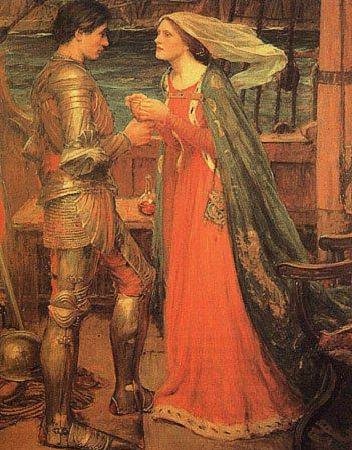
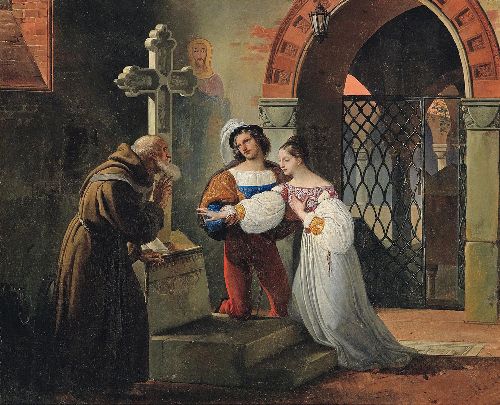
The two pieces that comprise the second half of the concert program are about legendary lovers—Tristan and Isolde, and Romeo and Juliet. Both works date from the second half of the 19th century, Wagner’s Tristan und Isolde from 1859, and Tchaikovsky’s Romeo and Juliet from 1870 (revised in 1880). But though they both celebrate famous love stories, they are in many ways very different.

Tristan and Isolde. Painting by John William Waterhouse, 1911.

Tristan and Isolde. Painting by John William Waterhouse, 1911.

Often described as the beginning of modernism in music, Wagner’s Tristan und Isolde is famous for the use of chromatic harmonies to extend a feeling of musical tension across an entire 5-hour opera. Even before it had been premiered, Wagner himself made an arrangement pairing the Prelude—the opera’s opening section, today studied in detail by all music students—and the closing passage, Isolde’s Liebestod (Love death).

“What we have in this piece in particular is, not so much the soaring high moments that one feels in romance, but the longing, the anticipation, the tension, the bittersweet aspects,” Butterman says. “That is wholly the function of Wagner’s ability to create tension and almost never quite give it resolution.”

Romeo and Juliet. Painting by Francesco-Paolo-Hayez.

Romeo and Juliet. Painting by Francesco-Paolo-Hayez.

If Wagner’s score lacks the “soaring high moments that one feels in romance,” as Butterman says, that’s just what Tchaikovsky’s Romeo and Juliet offers in its “rhapsodic, passionate melody” representing the lovers.

“The tension that Tchaikovsky creates is not so much with this use of chromatic harmony,” Butterman says, “but with his ability to bring in elements of the conflict between the families with the introduction of brass and percussion.

“You have this soaring theme and all of a sudden (brass and percussion interruptions) and then it goes back to the soaring theme. It’s not a piece where you can follow the story in a linear fashion from beginning to end. I think it is more just ideas from the drama that have gotten mixed together in a 20-minute piece.”

In addition to the Valentine’s Day performance, there will be other events leading up to the concert. From 7:30 to 10 p.m. Wednesday evening (Feb. 11), the Dairy Center in Boulder will present Café Phil—a free open rehearsal of the orchestra with Butterman. This is very much a working rehearsal, and will be without the soloist, but will be a revealing glimpse into the inner workings of the orchestra. Wine, beer, coffee, juice, snacks and pastries are available for purchase until 9:30 p.m.

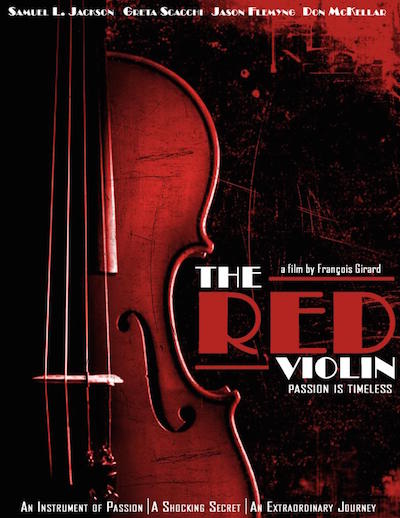
There is also the opportunity to see the film of The Red Violin, which will be screened at the Dairy Center’s Boedecker Theater. Showings will be at 4 p.m. Wednesday and Friday, Feb. 11 and 13, and at 7 p.m. Thursday, Feb. 12.

# # # # #

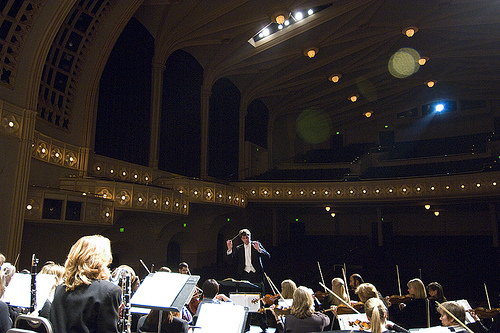
Michael Butterman and the Boulder Philharmonic in Macky Auditorium

Michael Butterman and the Boulder Philharmonic in Macky Auditorium

“Legendary Love”
Boulder Philharmonic, Michael Butterman, conductor Philippe Quint, violin
John Corigliano: Red Violin Concerto
Wagner: Prelude and Liebestod from Tristan und Isolde
Tchaikovsky: Romeo and Juliet

7:30 p.m. Saturday, Feb. 14
Macky Auditorium
Information and tickets

Café Phil open rehearsal
Boulder Philharmonic and Michael Butterman, conductor
7:30–10 p.m. Wednesday, Feb. 11
Dairy Center for the Arts Free

RedViolin400x518Screenings of The Red Violin
4 p.m. Wednesday, Feb. 11
7 p.m. Thursday, Feb. 12
4 p.m. Friday, Feb. 13
The Dairy Center for the Arts
Information and tickets