Colorado MahlerFest announces new music director

Kenneth Woods will be second permanent director in festival history

By Peter Alexander

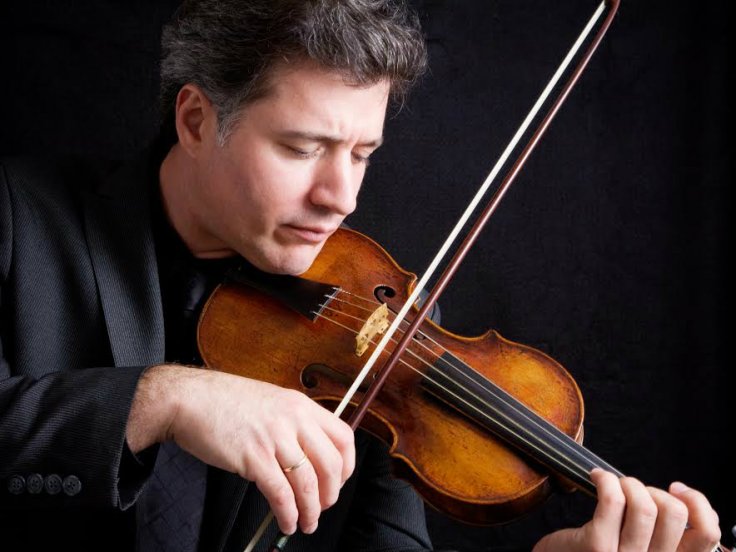
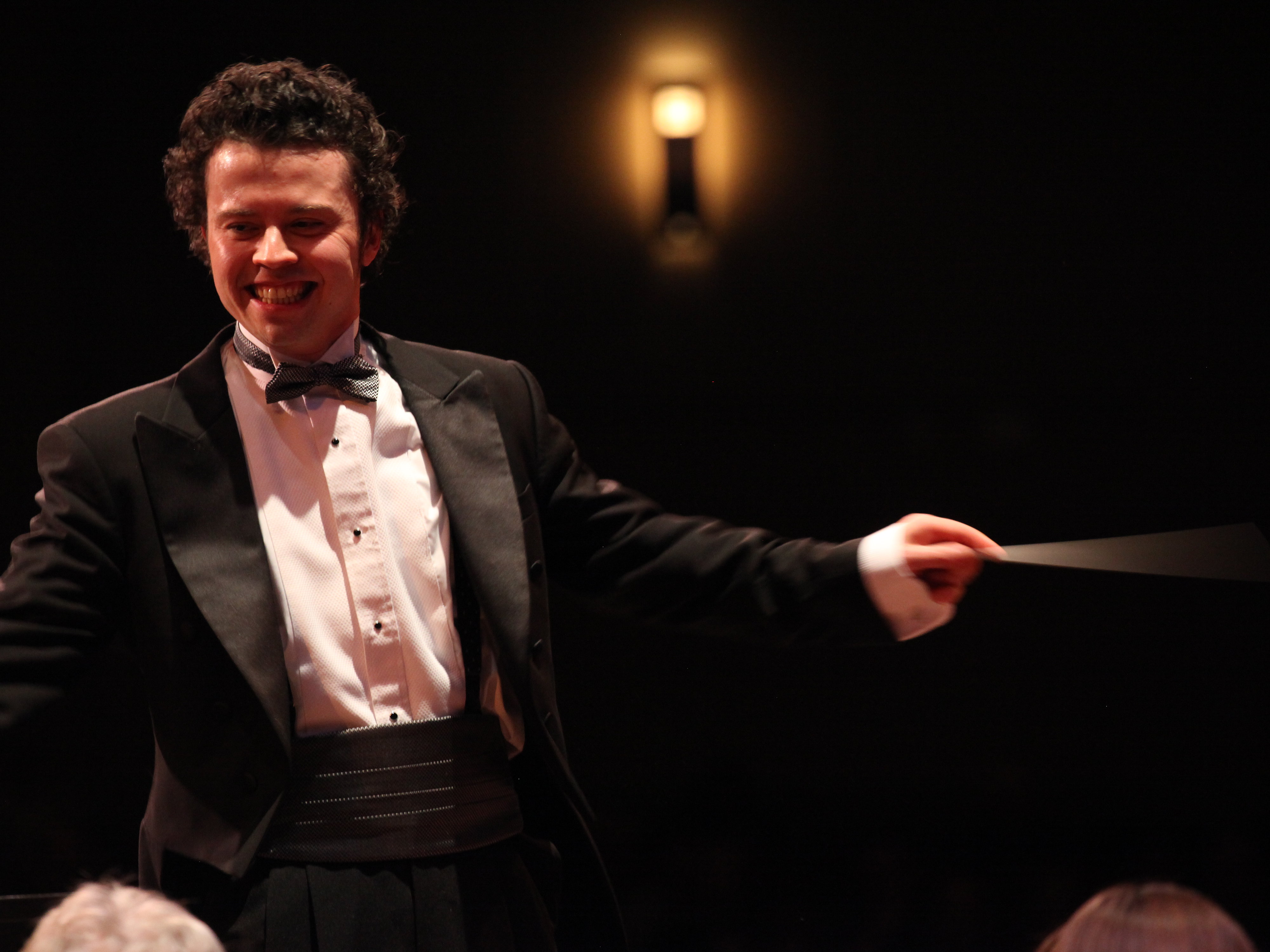
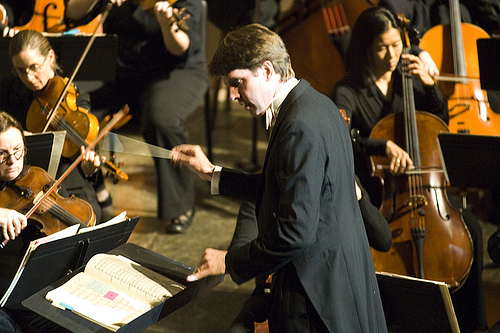
Kenneth Woods. Photo by Benjamin Ealovega.

Kenneth Woods. Photo by Benjamin Ealovega.

Colorado MahlerFest has announced the hiring of Kenneth Woods to succeed the festival’s founding director Robert Olson as music director and conductor.

Olson conducted his final performances, powerful and moving interpretations of Mahler’s elegiac Symphony No. 9, Saturday and Sunday (May 16 and 17) in Mackey Auditorium, as the culmination of the 28th festival. Woods’ appointment as only the second director in the festival’s history was announced at the performances.

Woods will direct the 29th MahlerFest in 2016, with performances scheduled for May 21 and 22 in Boulder.

Artistic director and principal conductor of the English Symphony Orchestra located in Worcester and Worcestershire, England, Woods has been an enthusiastic advocate of Mahler’s music. In addition to conducting and recording versions of Mahler’s music, he has participated in panel discussions of Mahler’s music for the BBC and NPR.

Woods commented, “I’m thrilled and humbled to be invited to steer the festival’s ongoing exploration of one of the greatest composers of all time. I’ve always been impressed by the sophistication of MahlerFest’s programming and presentation, not to mention the musical standards attained by its participants.

Robert Olson, founding director of Colorado MahlerFest. Photo by Keith Bobo.

Robert Olson, founding director of Colorado MahlerFest. Photo by Keith Bobo.

“I must extend enormous congratulations to Bob Olson for everything he has achieved. The complexity and scale of some tasks can only be fully appreciated once you’ve done them yourself, and as someone who has put together a few crazy Mahler projects of my own over the years, I know something about the kind of heroic effort Bob has made to build and sustain this festival. I take very seriously my responsibility to keep the torch he has lit blazing brightly for many years to come.”

Olson noted that “It wasn’t easy for me to wrap my brain around turning this over to somebody else. For obvious reasons, I would want someone who had the same dedication and passion to the music that I hope I bring to it. I’m just thrilled to say I will be supporting (Woods) 100%. I think he will be terrific for the festival.”

Olson started Colorado MahlerFest in 1988 with an all-volunteer, unpaid orchestra performing Mahler’s First Symphony. Since then, he has guided the festival through three nearly complete cycles of Mahler’s 10 symphonies and other major works, all the while recruiting outstanding players and singers for the festival and maintaining the volunteer character of the orchestra and chorus. Today players come from all across the U.S. at their own expense for the opportunity to play in the festival orchestra.

For the third full cycle of Mahler’s major works, only symphonies Seven, Eight and Ten, and the complete Lied von der Erde, remain unperformed. Programming for the 2016 festival has not yet been announced, but Woods said that completing the third cycle is a possible goal for his first years with the festival.

[NOTE: I will be posting an interview with Woods in a few days. In the meantime, readers who wish to get acquainted with him may read his blog, A View from the Podium.]

Boulder Chamber Orchestra puts tickets on sale for 2015–16

Season runs from Baroque to Brahms to Britten, plus the Boulder premiere of a piano (yes: a piano, not a player)

By Peter Alexander

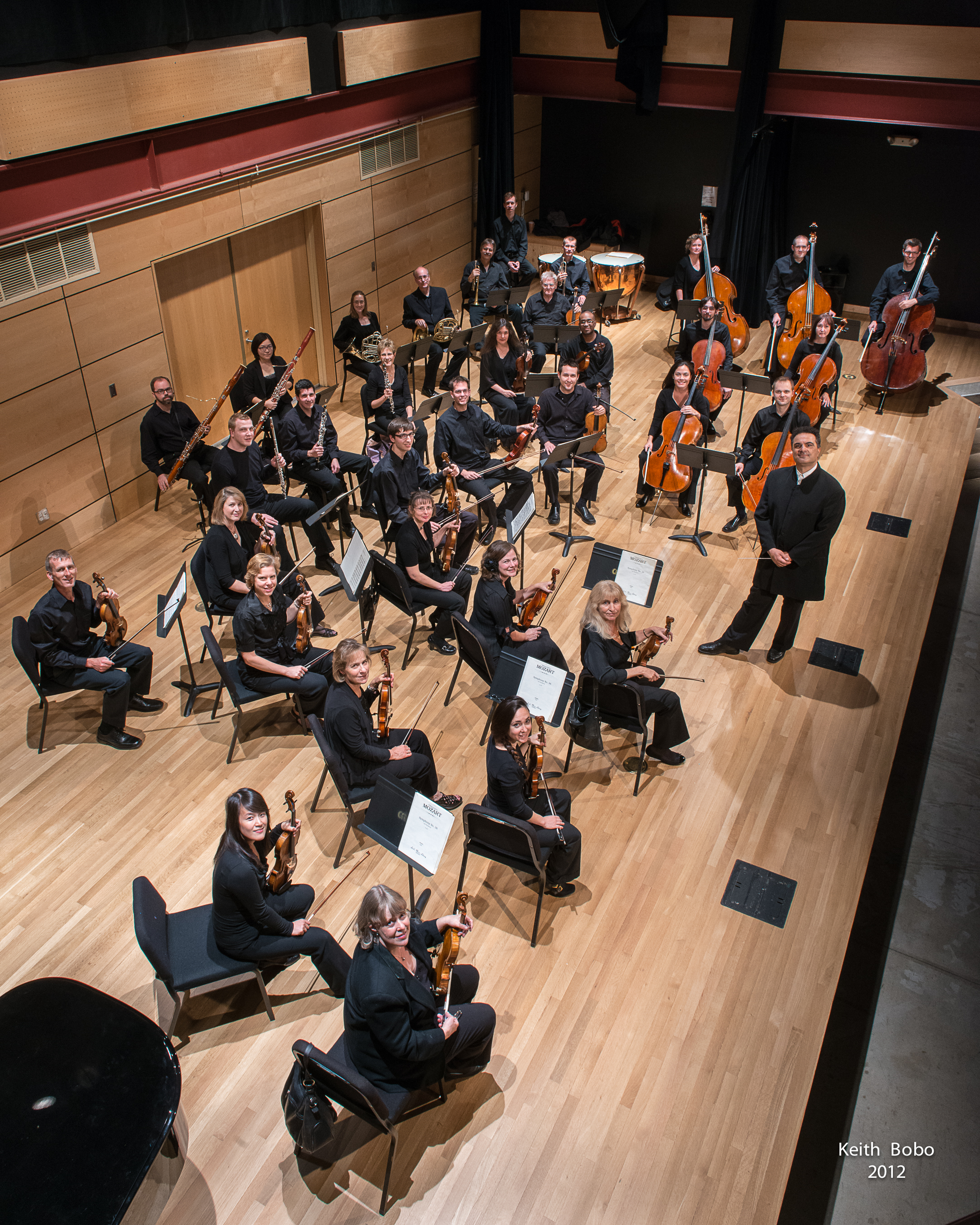
Bahman Saless and the Boulder Chamber Orchestra. Photo by Keith Bobo.

Bahman Saless and the Boulder Chamber Orchestra. Photo by Keith Bobo.

Bahman Saless and the Boulder Chamber Orchestra will expand beyond the usual Classical/Baroque repertoire of smaller ensembles for their 2015–16 season, with concertos by Romantic composers Brahms and Tchaikovsky.

The season will also include contemporary works by John Rutter and Astor Piazzolla, music from Alfred Hitchcock’s iconic film Psycho, and the Boulder debut of a historical piano that was built in Paris in 1895.

Series tickets for the 2015–16 season are now available from the BCO. The full season schedule is not yet listed on the orchestra’s Web page, but the BCO shared a preliminary program with Sharpsandflatirons, as listed below. While some programs are incomplete, the dates and venues are definite. Watch the BCO Web page for more details.

There will also be a series of mini-chamber concerts, to be announced later.

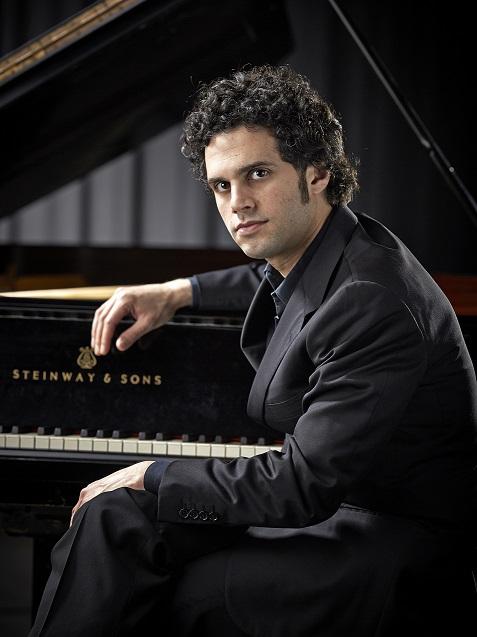
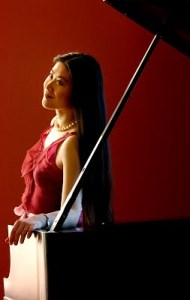
Mina Gajić

Mina Gajić

The season will open Oct. 30 in Boulder and Oct. 31 in Lakewood with a concert featuring pianist Mina Gajić performing on an 1895 straight-strung Érard piano. A performer who has played on many Romantic-era pianos, Gajić found the Érard in Amsterdam and had it shipped to her home in Boulder in 2014. The one-of-a-kind instrument was commissioned by a noble family in Brussels, and was hand painted for them.

The historic instrument is ideal for one work on the program—Franz Liszt’s one-movement Malédiction for piano and strings, which was composed in the 1830s. Gajić will also play a 20th-century work on the same piano, Benjamin Britten’s Young Apollo for piano and strings. The program, calling on the BCO strings only, will also feature film music from Psycho and Mozart’s Adagio and Fugue in C minor for strings.

Zachary Carrettin

Zachary Carrettin

The following concerts, Dec. 4 in Boulder and Dec. 5 in Broomfield, will present the pairing of Vivaldi’s evergreen Four Seasons concertos for violin and strings, and the Vivaldi-inspired Four Seasons of Buenos Aires by Argentinean tango composer Astor Piazzolla. The soloist will be Zachary Carrettin, known in Boulder as the adventurous director of the Boulder Bach Festival. Though far from Bach, Piazzolla is not out of Carrettin’s rather large musical ball park by any means: he performed for 10 years in a duo with a “Tango Nuevo” composer working in the same style as Piazzolla.

It is noteworthy that this will be the second opportunity in less than two years for Boulder audiences to hear the Vivaldi/Piazzolla pairing, which was presented by the Pro Musica Colorado Chamber Orchestra in April of 2014, with violinist Lina Bahn and conductor Cynthia Katsarelis. The pairing of these two works was popularized by violinist Gidon Kremer when he recorded them together, and it has been played by violinists around the world.

The performance is also the second collaboration between the Bach Festival and a Boulder-based orchestra to be announced for the coming year, along with a semi-staged performance of the St. Matthew Passion with the Boulder Philharmonic and conductor Michael Butterman scheduled for April 23 and 24, 2016.

Jennifer Ellis Kampani

Jennifer Ellis Kampani

Concerts Dec. 19 in Boulder and Dec. 20 in Broomfield will feature soprano Jennifer Ellis Kampani performing Baroque vocal music (full program to be announced later). Especially known for performing the music of Spain and Latin America, Kampani has sung numerous roles in Baroque opera productions and appeared with leading early music ensembles in the U.S. and Europe.

On the same program BCO will play John Rutter’s Suite Antique for flute, harpsichord and strings; and Sibelius’ Rakastava (The lover), a short suite for string orchestra based on folksongs that tell of a nighttime tryst that must end at dawn.

BCO will continue its recent tradition of playing a News Year’s Eve concert at the Lakewood Cultural Center. The program will be announced later.

Soheil Nasseri

Soheil Nasseri

The final two programs of the season, in April and May, will see the orchestra entering Romantic repertoire with two much loved virtuoso concertos. Concerts April 15 in Broomfield and April 16 in Boulder will feature pianist Soheil Nasseri returning to the BCO for Brahms’s Second Piano Concerto, on a program that will include Mozart’s Symphony No. 40 in G minor.

The final concert of the season will be May 6 in Broomfield and May 8 in Boulder. Multiple prize-winning violinist Chloé Trevor will play Tchaikovsky’s Violin Concerto on a program with Beethoven’s “Pastoral” Symphony.

# # # # #
Season XII 2015–16
Boulder Chamber Orchestra
Bahman Saless, Music Director and Conductor

Friday, Oct. 30, First United Methodist Church, Bouldernewbanner3
Saturday, Oct. 31, Lakewood Cultural Center
Benjamin Britten: Young Apollo for piano and strings, op. 16
Franz Liszt: Malédiction in E minor for piano and strings
Music from Psycho
Mozart: Adagio and Fugue in C minor for strings, K546
With Mina Gajić, piano

Friday, Dec. 4, First United Methodist Church, Boulder
Saturday, Dec. 5, Broomfield Auditorium
Antonio Vivaldi: The Four Seasons
Astor Piazzolla: Four Seasons of Buenos Aires
With Zachary Carrettin, violin

Saturday, Dec. 19, Seventh-day Adventist Church, Boulder
Sunday, Dec. 20, Broomfield Auditorium
Jan Sibelius: Rakastava (The lover) for string orchestra, op. 14
John Rutter: Suite Antique for flute, harpsichord and strings
Baroque vocal music
With Jennifer Ellis Kampani, soprano

Thursday, Dec. 31, Lakewood Cultural Center
New Year’s Eve Concert
Program to be announced

Friday, April 15, Broomfield Auditorium
Saturday, April 16, Seventh-day Adventist Church, Boulder

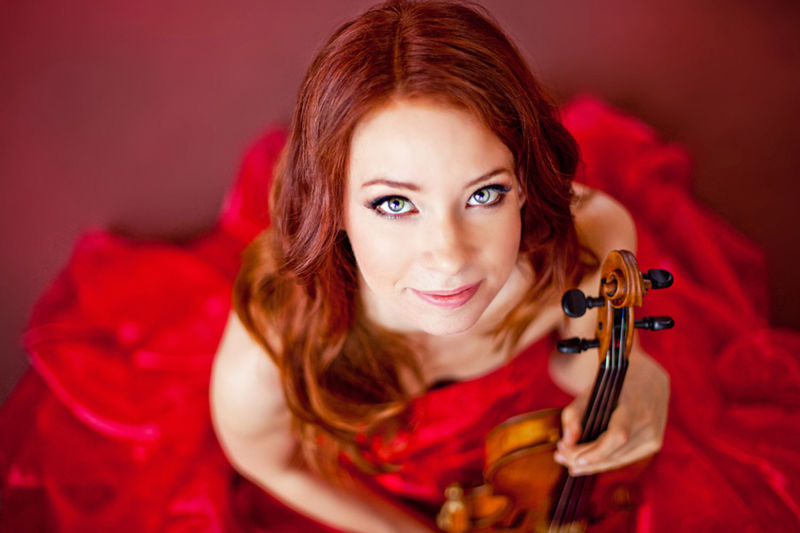
Chloé Trevor

Chloé Trevor

Mozart: Symphony No 40 in G minor, K550
Brahms: Piano Concerto No. 2 in B-flat major, op. 83
With Soheil Nasseri, piano

Friday, May 6, Broomfield Auditorium
Sunday, May 8, Seventh-day Adventist Church, Boulder
Beethoven Symphony No. 6 in F major, op. 68 (“Pastoral”)
Tchaikovsky: Violin Concerto
With Chloe Trevor, violin

Season tickets

A perfect piece for Robert Olson’s final MahlerFest

By Peter Alexander

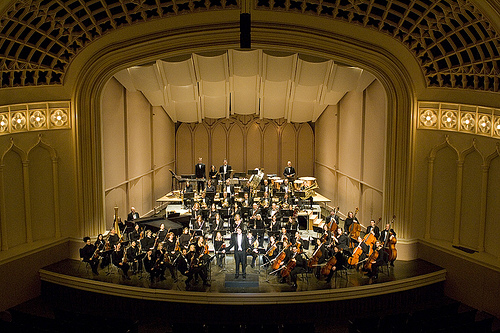
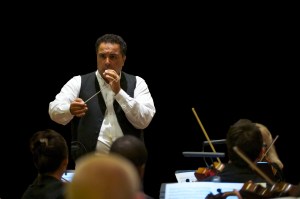
Robert Olson with the MahlerFest orchestra. Photo by Keith Bobo.

Robert Olson with the MahlerFest orchestra. Photo by Keith Bobo.

Robert Olson’s final concerts with the Colorado MahlerFest will be memorable occasions — for Boulder audiences, for the festival’s world-wide fans and for Olson himself.

Olson will lead his final two concerts with the festival that he nurtured from the merest of ideas 28 years ago to an event recognized around the world today, at 7:30 p.m. Saturday and 3:30 p.m. Sunday, May 16 and 17. He will conduct Mahler’s Ninth Symphony — the last of the composer’s completed symphonies — which he says is “not only the most perfect piece to end on, but may be one of the most perfect pieces, period.”

The festival will also include film showings at the Boedecker Theater at the Dairy Center, at 2 p.m. Thursday and Friday, May 14 and 15; and a free public symposium on the University of Colorado Boulder campus Saturday, May 16.

Apart from the opportunity to hear one of Mahler’s less frequently performed masterpieces, this year’s concerts will be memorable for audiences because Olson’s appearances at MahlerFest have become a familiar part of the Boulder musical landscape. After these concerts, that landscape changes. It will be memorable for Mahler fans around the world who have come to Boulder over the years because many of them will return to hear Olson conduct one last time. And it will be memorable for Olson for many reasons.

Read more at Boulder Weekly.

# # # # #

Colorado MahlerFest XXVIII

Gustav Mahler. Photo by Moritz Näher.

Gustav Mahler. Photo by Moritz Nähr.

MahlerFest Orchestra, Robert Olson, artistic director and conductor
Mahler: Symphony No. 9
7:30 p.m. Saturday, May 16
3:30 p.m. Sunday, May 17
Mackey Auditorium
Tickets

Film:
For Love of Mahler: The Inspired Life of Henry-Louis de la Grange (World Premiere)
2 p.m. Friday, May 15 SOLD OUT
The Boedecker Theater at the Dairy Center,

Symposium:
8:30 a.m. Saturday, May 16
Morning session: Imig Music Building, Room C-199
Afternoon session: ATLAS 102
University of Colorado, Boulder campus
Free and open to the public

“A crazy piece” tops off Boulder Chamber Orchestra’s season

After Rossini and Chopin, season-ending concert ends with Beethoven’s Fourth Symphony

Bahman Saless and the Boulder Chamber Orchestra. Photo by Keith Bobo.

Bahman Saless and the Boulder Chamber Orchestra. Photo by Keith Bobo.

By Peter Alexander

First it’s serious, and then it’s not; then it seems not, but it is.

That’s more or less the way Bahman Saless, music director of the Boulder Chamber Orchestra, describes Beethoven’s Fourth Symphony. Saless and the BCO end their 2014–15 season with that energetic symphony, Saturday in Broomfield and Sunday in Boulder (May 9 and 10, both concerts at 7:30 p.m.; details).

In addition to Beethoven’s symphony—one that is less well known than the Third or the Fifth or Seventh or Ninth— the program features the rollicking Overture to La Scala di seta (The Silken Ladder) by Rossini and Chopin’s Second Piano Concerto, performed by soloist Hsing-ay Hsu. This adds up to a comfortable and enjoyable evening—a humorous Rossini overture, an elegant, decorative piano concerto, and a cheerful Beethoven symphony that Robert Schumann compared to a “slender Greek maiden.”

I’ll get back to Beethoven and that Greek maiden in a moment, but first the concert opens with the overture by Rossini. It is easy to think of all of those bubbly Rossini overtures as being almost interchangeable, but Saless had a reason for choosing the one he did.

“I picked La Scala di seta because we’ve done many of the other ones, and this one seemed just fun to do,” he says. “I listened to three or four of them and I thought it fits the character of this concert, just because it’s kind of comical.”

Next on the program will be Chopin’s Piano Concerto No. 2—actually the first to be written, while the composer was still studying at the Warsaw Academy and first performed in 1830. It is not modeled on the heroic concerto of Beethoven and the later 19th century, but is more lyrical, decorative and free-flowing.
Hsing-ay Hsu. Photo by Cyrus McCrimmon.

Hsing-ay Hsu. Photo by Cyrus McCrimmon.

The concerto was the choice of the soloist, Hsing-ay Hsu. “I think that every great composer has his own voice and there is a lot of poetry in Chopin. It’s emotionally very approachable, and for an audience to experience that kind of soaring and that kind of blissful energy is a great experience.”

Poetry suggests a certain freedom for the soloist, which Hsu identifies as the greatest challenge of the concerto. “What I find really challenging is that on one hand it has to feel completely free and improvised, and on the other hand the rhythmic integrity is very important,” she says. “There’s the sense of very long-reaching lines and having that flexibility within this larger structure is something that is really exciting and really challenging at the same time.”

That flexibility is in turn a challenge for the conductor, who has to follow the soloist without constraining her expressivity. “The pianist can take all of these elaborations on every phrase, with a lot of freedom if they want to, so the rubato (alteration of tempo) is going to challenge any conductor to make sure they play together,” Saless says.

Because he wrote the concerto before leaving Poland, Chopin did not have the Parisian drawing room in mind. In fact, Hsu hears a lot of the composer’s native culture in the music.

“I think of the third movement as a mazurka,” she says, referring to a Polish folk dance. “You might not dance to it because it’s quite complex music, but I think that understanding the rhythm is crucial to the performance, and having that feeling of lifting your dress up and twirling and all that is part of the character of the third movement.

“I think it’s music of the people. It’s a movement that’s meant to be a joyful family gathering.”

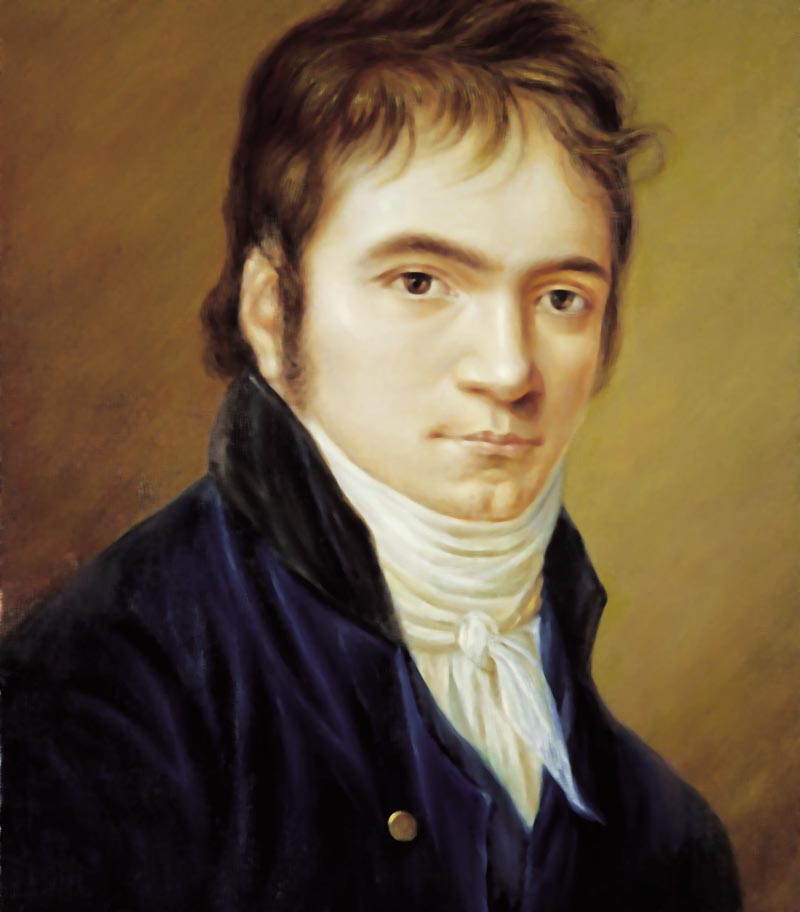
Beethoven_Hornemann

Beethoven around the time of the Fourth Symphony. Portrait by Christian Horneman.

After intermission it’s time for Schumann’s “slender Greek maiden,” a phrase suggesting that Beethoven’s Fourth Symphony is graceful and ingratiating, and avoids the drama of some of his music.

But maybe not. Saless sees far more going on in the symphony than the cheerful surface Schumann describes. “It’s a crazy piece,” Saless says. “It’s lighter and folksier, but at the same time in many ways crazier than even the Third Symphony, in the sense that he’s just pushing the boundaries and experimenting with extremes.”

Saless points to the very beginning of the symphony. It opens with a very somber slow introduction that seems to be building to a dramatic climax when suddenly, a fast and bumptious allegro seems to explode out of nowhere.

In other words, first it’s serious and then it’s not.

“Beethoven tries at first to kind of fool you into thinking this is going to be a serious piece of music,” Saless says. “The first 12, 15 bars is very serious. You think ‘Oh my God, what’s going to happen,’ but then suddenly, brrum! It’s like a horse race!”

Saless compares this beginning, seeming so solemn before bursting into a raucous romp, to Beethoven’s private piano recitals, when he would practically mock his audiences. “He would perform something and purposefully make the music deep,” Saless explains. “Everybody was drawn in, their complete attention was to the music, and then he would suddenly stop and laugh at them!”

The slow movement moves in another direction, from placid beauty to something more troubling. “I think the slow movement has a lot more depth than people have thought,” Saless says.
Bahman Saless.

Bahman Saless. Photo by Keith Bobo.

The movement is dominated by one of Beethoven’s most serene melodies. It seems perfectly calm, but it is accompanied by a constant rhythmic figure that, to Saless, represents the composer’s heartbeat. “Why would you put that against this legato melody?” Saless asks. “He obviously wants to keep you unsettled.”

At one point, the heartbeat figure takes over completely, and is played in unison and forte by the whole orchestra. “It seems like the whole idea of this beautiful melody gets dropped and he’s really concerned about his heart,” Saless says. “What’s that about? It’s nothing musical, it’s not fate knocking on the door, it’s just really amazing.”

So now it doesn’t seem serious, but it is.

After that, the last movement poses virtuoso challenges to the players, but refreshingly few complications to the audience. It moves like the wind from beginning to the end, and is one of the great movements of Beethovenian exuberance. It is, Saless says, “as showoff a piece as anything, if you can pull it off!”

Making a great ending for a concert or a season.

# # # # #

newbanner3“Character”
Boulder Chamber Orchestra
Bahman Saless, conductor, with Hsing-ay Hsu, piano

Rossini: Overture to La Scala di seta
Chopin: Piano Concerto No. 2 in F minor
Beethoven: Symphony No. 4 in B-flat major

7:30 p.m. Saturday, May 9, Broomfield Auditorium, Broomfield
7:30 p.m. Sunday, May 10, Seventh-Day Adventist Church,
345 Mapleton Ave., Boulder

Tickets

Boulder Symphony launches “Love’s Arrow” straight at the heart

Concert performance of Bizet’s Carmen is a big undertaking

By Peter Alexander

The Boulder Symphony enters new territory this week.

Boulder Symphony conductor Devin Patrick Hughes

Boulder Symphony conductor Devin Patrick Hughes

Under the zingy title “Love’s Arrow,” the orchestra and conductor Devin Patrick Hughes will present a semi-staged performance of Bizet’s Carmen—the first time they have undertaken an entire opera. Featuring a cast of mostly local singers, Carmen will be performed at 7 p.m. Saturday, May 9, in Boulder’s Symphony usual home, the First Presbyterian Church in Boulder (see cast list below).

Putting an opera into a church is a challenge, but Hughes has found a way to make it work. “There’s a lower stage and a higher stage, and the lower stage is almost like a pit,” he says. “It’s not low enough (to be a real pit), so balance is a little bit of an issue, but we have a slightly reduced orchestra to account for that.”

The singers, on the higher level, will be dressed mostly in black, with only a few other elements of costume and a few props. There will be minimal stage direction by Michael Travis Ringer, who also has a role in the opera.

“We are focusing on the music and the drama of Carmen, which of course are my favorite elements,” Hughes says. “We’re a small organization made up of mostly volunteers, and this is a big and exciting undertaking. We’re really blessed to have highly seasoned singers who have done (their roles) before.”

Semi-staged and concert performances of operas have become more common for orchestras in recent years, but there have been relatively few in Boulder. The most recent I could find was a concert performance of Ainadamar by Osvaldo Golijov at the Colorado Music Festival in 2007, and the CMF is scheduled to perform Bartók’s Bluebeard’s Castle July 23 and 24 as part of the 2015 summer festival.

Georges Bizet

Georges Bizet

In case you don’t know the story, love’s arrow is fatal in Carmen. The naive young soldier Don José falls for Carmen, a feisty and independent gypsy woman whom he is supposed to arrest. Instead he lets her escape, and after serving time in jail he joins Carmen and the band of smugglers in their hideout. By then, Carmen has fallen for another man, the handsome torreador Escamillo. In a fit of jealousy, Don José confronts Carmen, with fatal results.

“For me, this opera is all about woman power,” Hughes says. “Carmen gets killed in the end, but she dictates the entire course of events. She’s totally in control of the entire story, to the point that she goes the way that she wants to go and all the male characters are pawns. I think society has been catching up to Carmen for the last 150 years.”

But of course the plot is only one part of the opera. “What drew me to Carmen initially is not the story but it’s how the music conveys the story,” Hughes says. “To me the music is just as powerful as the character of Carmen and Don José.”

The musical appeal makes Carmen an ideal first opera for audiences. Many of the melodies are familiar—such as Escamillo’s “Torreador’s Song” and Carmen’s “Habanera”—and the rest of the score is equally tuneful.

Asheville_Lyric_Opera_Carmen“I would aim (the performance) at people who know these themes, and would like to experience this for the first time and see the entire version,” Hughes says. “That’s what the Boulder Symphony is. We’re trying to build excitement for classical music, which includes opera and orchestral works.”

Hughes believes that opera is a greater challenge for Boulder Symphony than most orchestra programs. “We’re trying to expand on what we’ve done in the past,” he says. “Operatic literature is incredibly difficult for orchestras, because the tempos are changing constantly, you’re having to not only watch the conductor but listen to the singer.”

This expanded challenge to the players is one reason Hughes is wants to perform opera with the Boulder Symphony. Another is what it can mean for the audience: “You hear symphonic music all the time and you hear these cadences and these chord progressions. Opera actually puts a human emotional element (on those sounds). It tells you exactly what that music is saying.”

Hughes and the Boulder Symphony will perform Carmen with spoken dialog between the musical numbers. This is the original version of the opera, which was written for the middle-class audiences of Paris’ Opéra-Comique rather than the aristocratic audiences of the Grand Opera. In this way Carmen is more like a Broadway show, which also enhances its appeal to audiences by making the story easy to follow.

Although Boulder Symphony’s next season has not yet been announced, Hughes lets drop a hint: “Carmen is the first of a planned multi-year operatic exploration,” he says, suggesting there will be other semi-staged operas in the future.

But in the meantime there is Carmen. “When you say Carmen, everybody gets excited,” Hughes says.

To share the excitement, you may purchase tickets here.

# # # # #

20_event“Love’s Arrow”
Boulder Symphony, Devin Patrick Hughes, conductor
With vocal soloists and chorus

Carmen by Georges Bizet (semi-staged performance)
7 p.m. Saturday, May 9
First Presbyterian Church, 16th & Canyon, Boulder
Tickets 

CAST:

CarmenErica Papillion-Posey, Carmen
Jason Baldwin, Don José
Mica Dominguez-Robinson, Micaëla
Tom Kittle, Escamillo
Tom Sitzler, Moralès
Darci Lobdell, Mercédès
Molly Kittle, Frasquita
Zachary Garcia, Zuniga
Humberto Barboa, Remendado
Michael Travis Risner, Stage Director, Dancaïre

Legendary Concertos Wrap Up Boulder Phil Season

Orchestra presents popular works by Dvořák and Bartók

The entire orchestra will be in the solo spotlight when the Boulder Phil performs Bartók's Concerto for Orchestra

The entire orchestra will be in the solo spotlight when the Boulder Phil performs Bartók’s Concerto for Orchestra

By Peter Alexander

The Boulder Philharmonic will conclude its season Saturday (April 24) with “Legendary Virtuosity,” a concert featuring two of the most popular pieces in the orchestra repertoire—coincidentally, both written in the United States.

Both are concertos that call on the virtuosity of the performers, although only one is written for a soloist with orchestra. Dvořák wrote his Cello Concerto in New York in 1894, near the end of his tenure at the National Conservatory of Music. And almost 50 years later, Bartók, a refugee from a European war and working at a retreat in upstate New York, had the idea of featuring the entire orchestra in his Concerto for Orchestra, completed in 1943.

The concert, at 7:30 p.m. in Macky Auditorium, will open with the atmospheric Enchanted Lake of Russian composer Anatoly Liadov. The Boulder Phil’s music director Michael Butterman will conduct, and cellist Zuill Bailey will be the soloist for Dvořák. Tickets are available from the Boulder Phil.

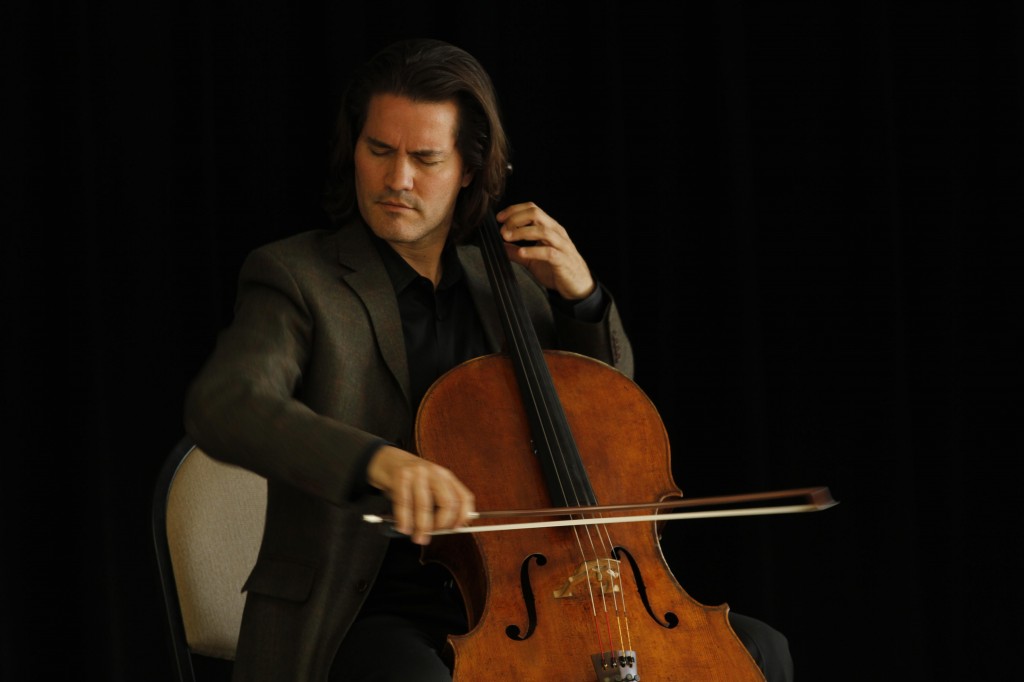
Zuill Bailey

Zuill Bailey

Dvořák taught at the National Conservatory during parts of three years, 1892–94. In the spring of 1894 he heard a new cello concerto by one of his colleagues at the conservatory, the Irish-American cellist and composer, Victor Herbert. Best known for his operettas, including Naughty Marietta and Babes in Toyland, Herbert was an accomplished cellist who had led the cello section at the premiere of Dvořák’s New World Symphony at Carnegie Hall the year before.

Inspired by Herbert’s concerto, and later touched by the death of his sister-in-law—by legend the one true love of his life—Dvořák wrote a work of broad and deep emotional reach. It has remained one of the most beloved works in the repertoire.

“This is a piece that gets deeper as one gets older,” Bailey says. “It is never a piece that I tire of. In fact, I’m always amazed at the goosebumps that happen before my entrance. This has never failed me.

“This is why the orchestras, and audiences, so adore this concerto. Every single time it’s another journey.”

Butterman speaks of the score’s melodic richness as part of its appeal. “Like much of Dvorak’s music it has an abundance of melodic elements that just keep coming at you, one after another,” he says. “He never seemed to run dry.”

Michael Butterman

Michael Butterman

Bailey believes Dvořák not only wrote a great concerto for the cello, he changed the very nature of the concerto. “He changed the landscape of how things were done,” he says. “This is a symphony with a cello part—a very heroic cello part.”

Bailey is pleased to be making his first Boulder concerto appearance with Butterman and the Phil. “I am thrilled to be working with maestro Butterman,” he says. “I think he is one of the great collaborators out there. Every time I’ve worked with him it’s been an absolute pleasure, and it’s really terrific that we get to share the Dvořák (Concerto).”

Butterman reciprocates the compliment. “I’m delighted to have Bailey come into Boulder,” he says. “He’s a wonderful artist, a very intense and charismatic performer.”

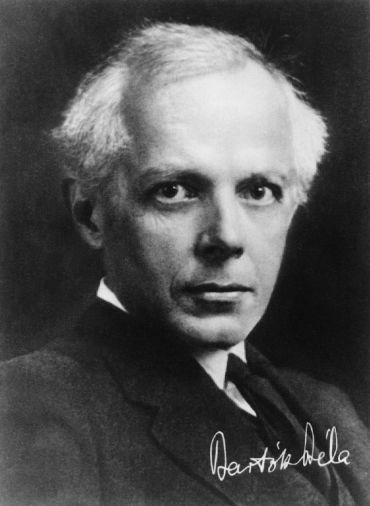
Composer Béla Bartók

Composer Béla Bartók

If the name Bartók suggests difficult modern music, you may not know The Concerto for Orchestra. Written in the last years of Bartók’s life, it is a deliberately accessible piece that at times is downright comical. At one point the orchestra breaks into musical laughter at an interruption by a borrowed melody, and the second movement makes great fun of presenting each of the woodwind instrument pairs matched at different intervals.

“A lot of people may see the name Bartók and think about music that is written in some language that they find foreign sounding,” Butterman says. “But this is a piece that continues to be one of the most popular 20th-century works in the orchestral canon—for good reason.

“It was chosen as kind of bookend to our season opener, Scheherazade, a piece that featured our new concertmaster. (The Concerto for Orchestra) doesn’t put the spotlight on any one person, but on the orchestra as a whole, and particularly the wind section. The solo passages allow you to hear the virtuosity of the orchestra, and the different timbres that make up its character. This is a piece that is incredibly engaging rhythmically and melodically.”

Orchestra players typically relish the chance to play The Concerto for Orchestra. “It’s fun to play, but you’ve got to concentrate like mad,” Butterman says. “There’s a lot of little things that can trip you up, rhythmically in particular, but it works out so well.”

Anatoly Liadov

Anatoly Liadov

The Enchanted Lake is one of the few works left by a very talented composer who was, Butterman says, “an underperforming worker. This is a composer who famously said, ‘Naw, I don’t think I want to do that Firebird piece—there’s this kid Stravinsky, I’m sure he’ll do it for you.’”

Whether or not he really passed on composing The Firebird, Liadov created a quiet masterpiece in The Enchanted Lake, which remains one of the most performed short orchestral tone poems in the repertoire. “It’s a piece that sets a mood and does it very effectively and very beautifully,” Butterman says. “It’s gorgeous.

“The story was that he went down to this lake and just stood there for half an hour or so, watching the whole expanse of things. Essentially nothing happened, so he went home and wrote a piece about it (where) he’s trying to create an atmosphere of absolute placidity and calm and stillness. I think that is its own profundity and depth, if you’re able to capture that sense of stasis and calm.

“This is a beautiful way to begin a concert, because you’ve just come in from parking and hoofing it up the hill, and maybe you just need a moment to settle in. I think this piece allows you to get those beta brain waves flowing.”

# # # # #

logo2Legendary Virtuosity: Season Finale
Boulder Philharmonic, Michael Butterman, music director
With Zuill Bailey, cello

The Enchanted Lake by Anatoly Liadov
Cello Concerto in B minor by Antonín Dvořák
Concerto for Orchestra by Béla Bartók

7:30 p.m. Saturday, April 25
Macky Auditorium

Related events:

Musical Hike. Enchanted Lakes: Music and Pond Ecology
With naturalist Dave Sutherland
5:30–8 p.m., Tuesday, April 21, Sawhill Ponds

Café Phil open rehearsal
7:30 p.m. Wednesday, April 22, The Diary Center

Michael Butterman presents 2015-2016 season.
6:30 p.m. Saturday, April 25, Macky Auditorium (free to concert ticket holders)

Netflix’s ‘House of Cards’ inspires CU production of a Baroque masterpiece

Poppea wants to be empress, and the emperor wants Poppea.

Glen Asakawa/University of Colorado

Glen Asakawa/University of Colorado

By Peter Alexander

Nero and Poppea were the amoral power couple of 60s AD imperial Rome, and they didn’t care who got in their way. They are the subjects of Claudio Monteverdi’s final operatic masterpiece, The Coronation of Poppea, based on Roman history and written in 1653 for the carnival season in Venice.

The CU Eklund Opera Program production of The Coronation of Poppea will be presented Thursday–Sunday, April 23–26, in the Music Theater of the Imig Music Building (7:30 p.m. Thursday–Saturday, 2 p.m. Sunday). Leigh Holman will direct, and the music director will be Nicholas Carthy.

The similarity between Nero and Poppea and the characters on a certain popular television series gave Holman an idea how to make the opera more vivid. “Coronation of Poppea is all about sex and politics and power, and if you’ve seen House of Cards, it’s the exact same thing,” she says. “It’s about a power hungry, vicious man and his power-hungry, vicious girlfriend.”

Read more at Boulder Weekly.

# # # # #

Glen Asakawa/University of Colorado

Glen Asakawa/University of Colorado

The Coronation of Poppea by Claudio Monteverdi
CU Eklund Opera Program
Leigh Holman director, Nicholas Carthy, music director

7:30 p.m. Thursday–Saturday, April 23–25 and 2 p.m. Sunday, April 26
Music Theater, Imig Music Building
Tickets here or call: 303-492-8008.

Ars Nova Singers map a new world of music

Explorations of the the “New World Renaissance”

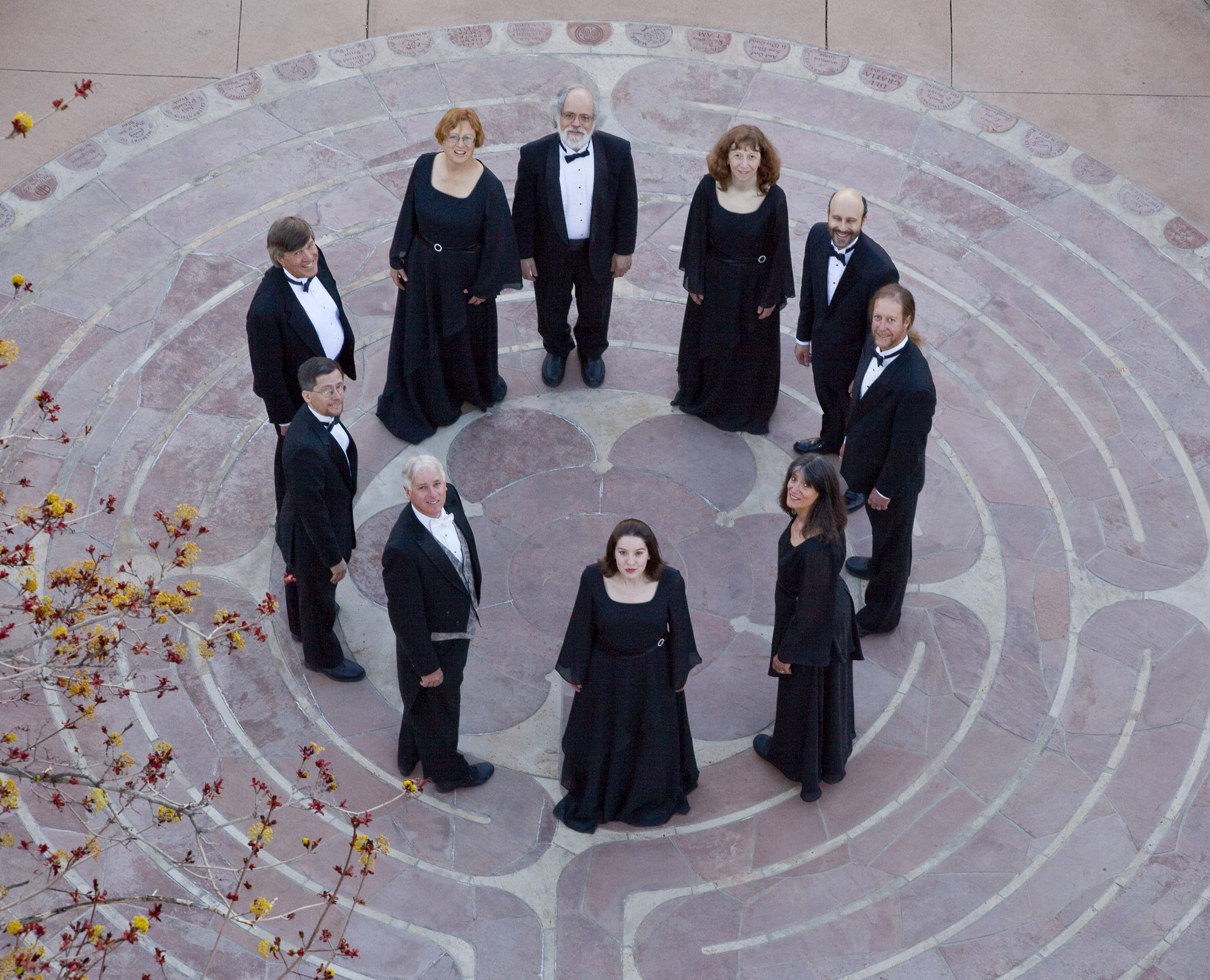
Ars Nova Singers

Ars Nova Singers

By Peter Alexander

“I have seen the map of the world . . . “

Those are the opening words of a lively Italian song of the late 15th century, when that statement meant something. It is even possible that Columbus’s sailors sang those words on the way to a world that was not yet on the European maps.

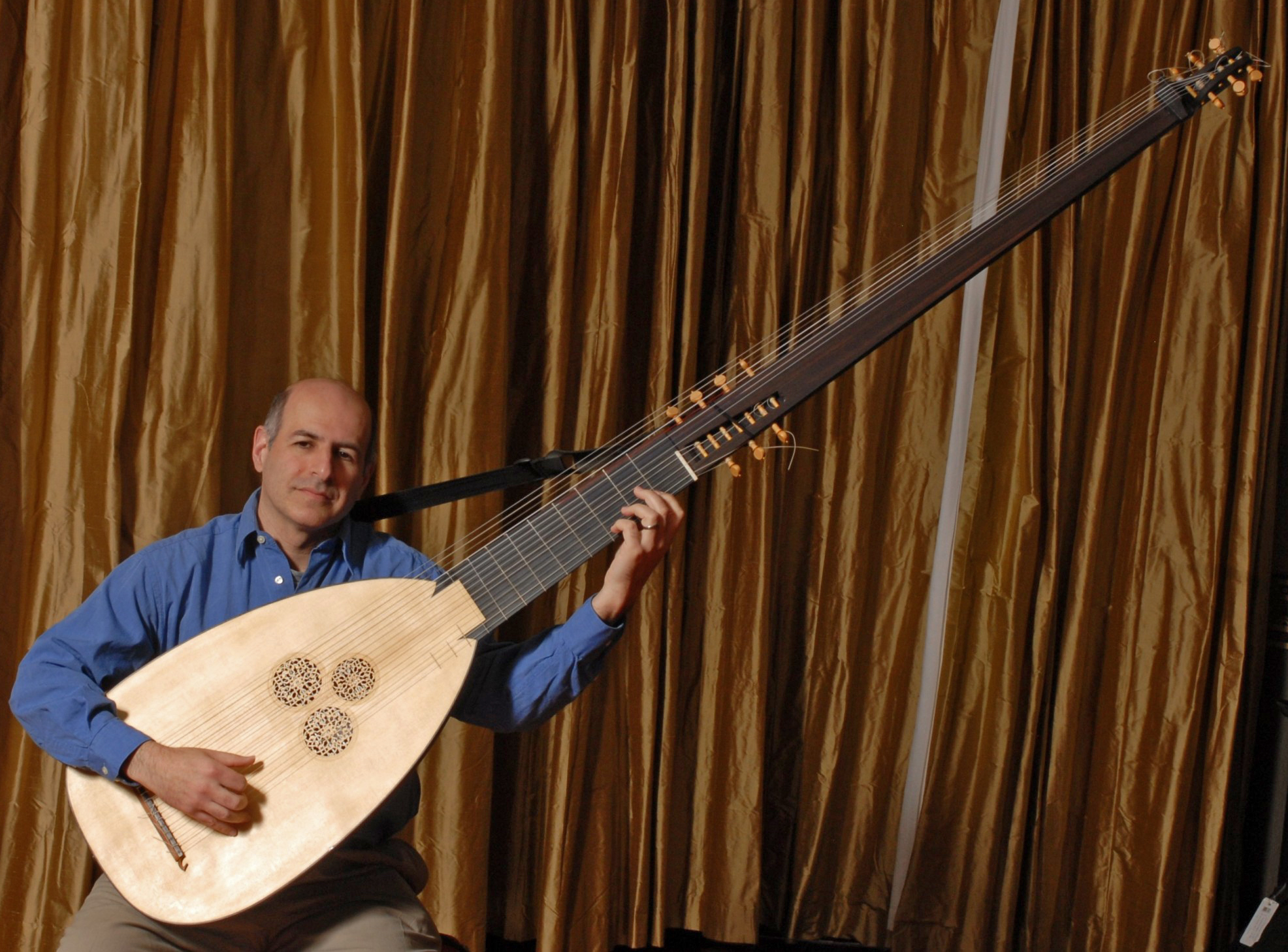
William Simms with theorbo

William Simms with theorbo

More than 500 year later, the same song will open a concert by Boulder’s Ars Nova Singers, “New World Renaissance,” presented at 7:30 p.m. Friday in Boulder and Saturday in Englewood (tickets available online: http://arsnovasingers.com). Ars Nova’s artistic director Thomas Edward Morgan will conduct the performance, which will feature guest artists Ann Marie Morgan, viola da gamba, and William Simms, theorbo (a long-necked bass lute) and Baroque guitar.

The concert will explore music that was written, or was likely performed in the New World during the 16th and 17th centuries. The featured work, Missa Ego flos campi by Juan Gutiérrez de Padilla, was written for performance at the cathedral in Puebla, Mexico, in the mid-17th century. The program also includes “Hanacpachap cussicuinin,” a hymn written in the Quechua language of the Incan Empire by the Franciscan priest Juan Pérez Bocanegra.

Read more at Boulder Weekly.

# # # # #

apr15-ship“New World Renaissance”

Ars Nova Singers, Tom Morgan, conductor
Ann Marie Morgan, viola da gamba
William Simms, theorbo and Baroque guitar
7:30 p.m. Friday, April 10, St. John’s Episcopal Church, 1419 Pine St.,, Boulder
7:30 p.m. Saturday, April 11, Bethany Lutheran Church, 4500 Hampden Blvd., Englewood
TICKETS

CU Presents offers a wide-ranging smorgasbord for 2015–16

Series will include Irish Chamber Orchestra, Indigo Girls, Twyla Tharp—and much more

Soweto Gospel Choir will be one of the colorful attractions of the 2015–16 season of CU Presents

Soweto Gospel Choir will be one of the colorful attractions of the 2015–16 season of CU Presents

By Peter Alexander

CU Presents, the series of ticketed events presented by the University of Colorado, Boulder, has announced their broad array of events for the 2016–16 season.

As in years past, the season encompasses a smorgasbord of events, from classical music and opera to popular music, jazz and gospel. Both professional touring attractions and performances by CU-based groups are included in the season. (See the full season listing below.)

Tákacs Quartet. Photo by Keith Saunders.

Tákacs Quartet. Photo by Keith Saunders.

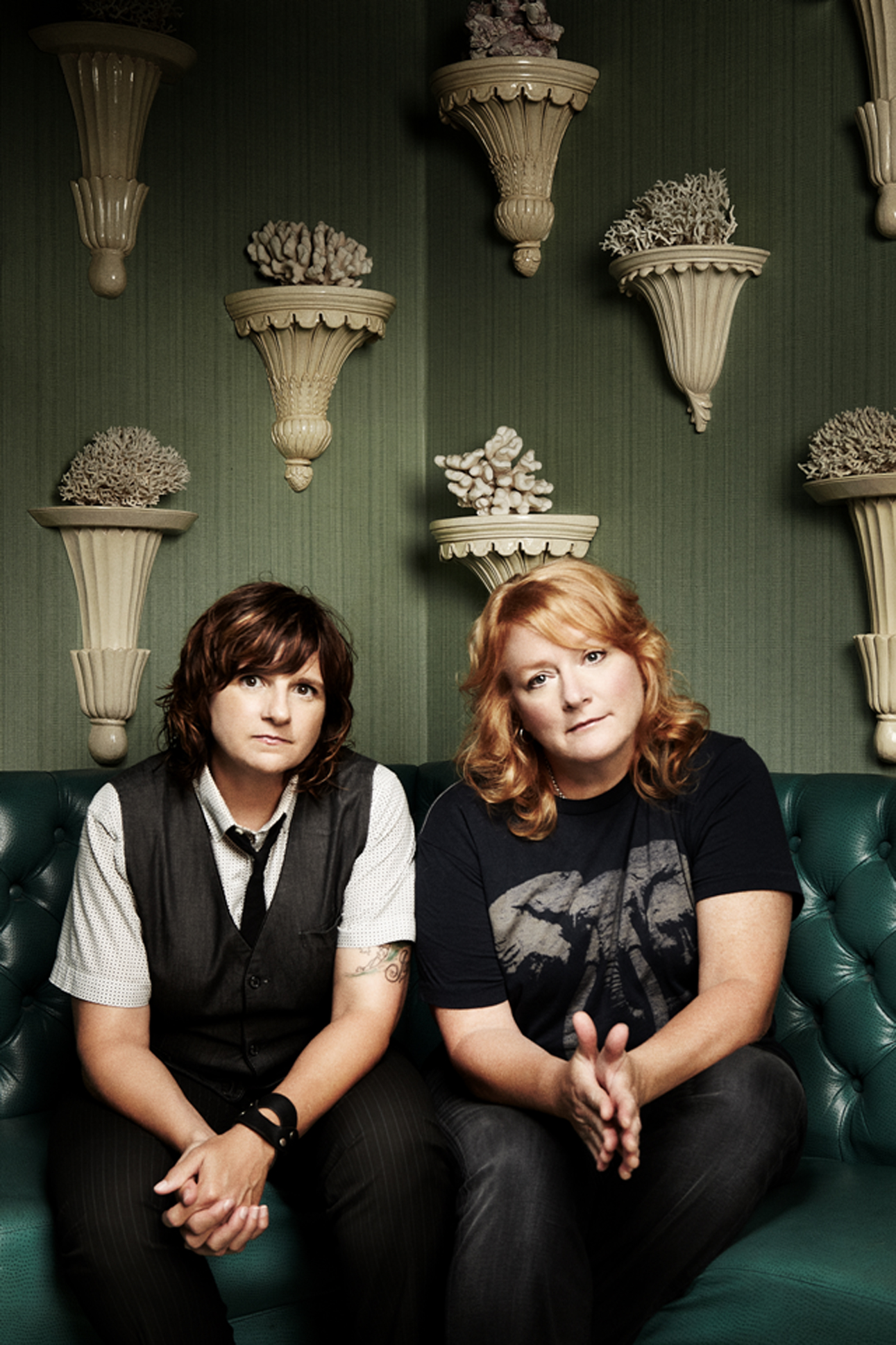
Among the musical highlights will be the Irish Chamber Orchestra conducted by their “principal artistic partner” and former Tákacs quartet member Gábor Tákacs-Nagy in November, the Indigo Girls performing with the CU Symphony in March, and of course the world renowned Tákacs Quartet itself through the season. The Takacs series—divided into the Sunday afternoon Chamber Series and the Monday evening Encore Series—will feature one program by the Attacca Quartet, an award-winning ensemble formed at Juilliard in 2003. You can preview the Attacca with their CD recording, “Fellow Traveler: The Complete String Quartets of John Adams.”

Other musical events will include the San Francisco Jazz Collective performing a “Tribute to Michael Jackson” in October and the Soweto Gospel Choir performing a Christmas concert in December. Rising Stars of the Metropolitan Opera will perform in March, and in April composer/pianist Pablo Ziegler and violinist Lara St. John will perform tangos by Ziegler and Astor Piazzolla.

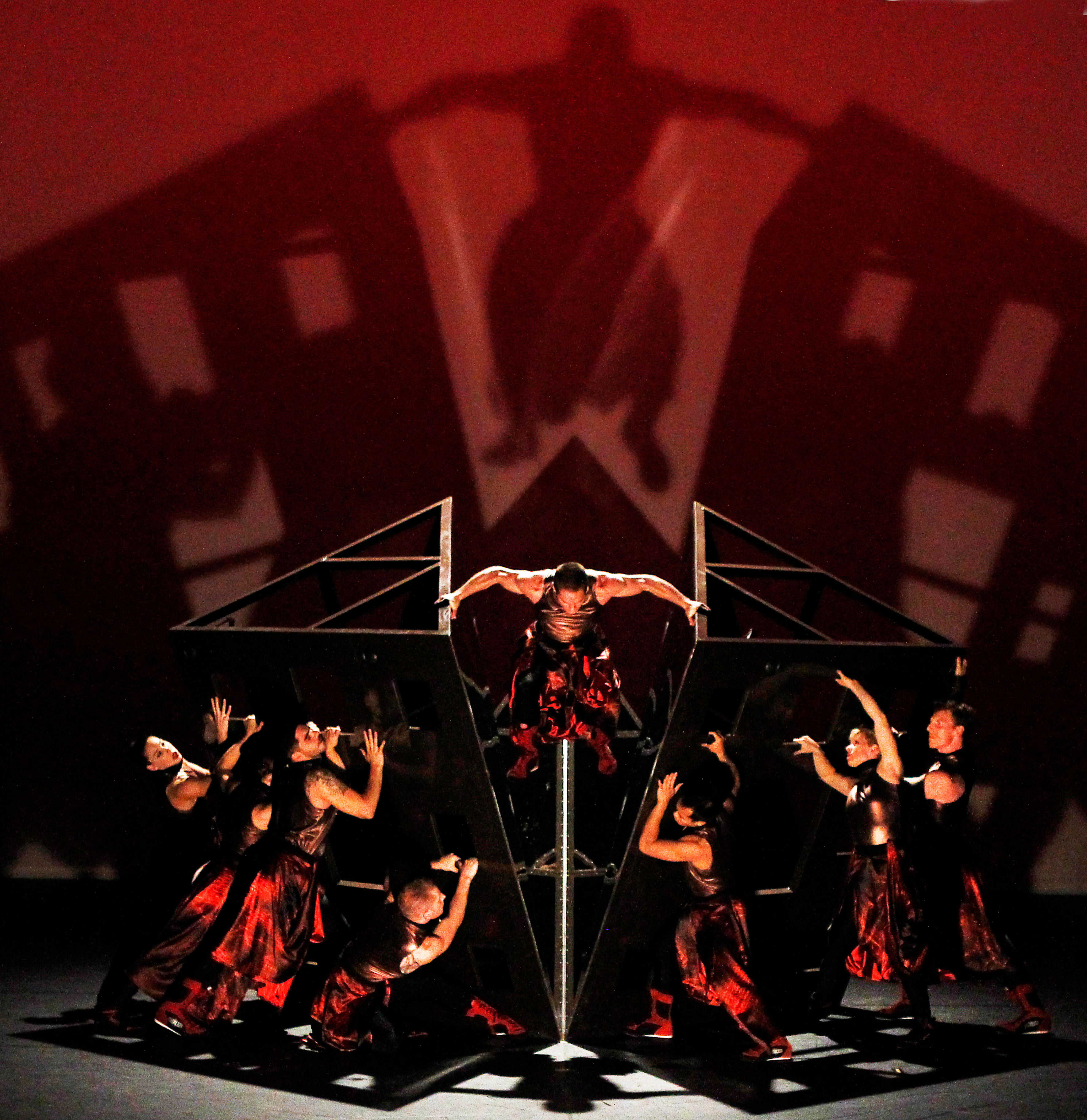
Diavolo Dance Co. Photo by Ammerpohl.

Diavolo Dance Co.

There will be dance performances by Twyla Tharp Dance, celebrating the choreographer’s 50th anniversary and appearing in Boulder for the first time since 1979; the unique Diavolo Dance Co., which bills itself as “architecture in motion”; and LA-based contemporary dance group Bodytraffic.

Next year’s schedule from the CU Eklund Opera Program will feature Macky Auditorium productions of Rossini’s comedy Cenerentola (Cinderella, sung in Italian with English surtitles); and Francis Poulenc’s haunting Dialogues of the Carmelites (sung in French with English subtitles). The spring will also see a Music Theatre production of Aaron Copland’s rarely performed Tender Land.

Series tickets will go on sale Monday (March 30) at cupresents.org.

# # # # #

CU Presents
2015-16 season

Twyla Tharp/ Photo by Marc VanBorstel.

Twyla Tharp. Photo by Marc VanBorstel.

Artist Series

Twyla Tharp Dance
50th Anniversary Tour
Sunday, Sept. 27, 7:30 p.m.

SF Jazz Collective
Tribute to Michael Jackson
Friday, Oct. 9, 7:30 p.m.

Irish Chamber Orchestra, Gábor Takács-Nagy, conductor
Friday, Nov. 6, 7:30 p.m.

Gabor Tákacs-Nagy. Photo by Klaus Rudolph.

Gabor Tákacs-Nagy. Photo by Klaus Rudolph.

Soweto Gospel Choir
Christmas concert
Friday, Dec. 11, 7:30 p.m.

Diavolo Dance Co.
Thursday, Jan. 21, 7:30 p.m.

Bodytraffic
Sunday, Feb. 14, 7:30 p.m.

Rising Stars of the Metropolitan Opera
Tuesday, March 1, 7:30 p.m.

Indigo Girls. Photo by Jeremy Cowart.

Indigo Girls. Photo by Jeremy Cowart.

Indigo Girls with the CU Symphony Orchestra
Thursday, March 31, 7:30 p.m.

Pablo Ziegler and Lara St. John
Piazzolla Central Park Concert Redux
Friday, April 15, 7:30 p.m.

Holiday Festival
7:30 p.m. Friday, Dec. 4
4 p.m. Saturday, Dec. 5
7:30 p.m. Saturday, Dec. 5
4 p.m. Sunday, Dec. 6

Eklund Opera Program
La Cenerentola (Cinderella)
By Gioachino Rossini
(Sung in Italian with English surtitles)
Friday, Oct. 23, 4 p.m.
Saturday, Oct. 24, 7:30 p.m.
Sunday, Oct. 25, 2 p.m.
Tickets start at $14
Macky Auditorium

Dialogues of the Carmelites
By Francis Poulenc
(Sung in French with English surtitles)
Friday, March 11, 7:30 p.m.
Saturday, March 12, 7:30 p.m.
Sunday, March 13, 2 p.m.
Tickets start at $14
Macky Auditorium

The Tender Land
By Aaron Copland
(Sung in English)
Friday, April 22, 7:30 p.m.
Saturday, April 23, 7:30 p.m.
Sunday, April 24, 2 p.m.
Tickets start at $14
Music Theatre

Takács Quartet

Attacca Quartet

Attacca Quartet

Chamber Series
4 p.m. Sunday, Sept. 20
4 p.m. Sunday, Oct. 11 (The Attacca Quartet)
4 p.m. Sunday, Nov. 8
4 p.m. Sunday, Jan. 10
4 p.m. Sunday, Feb. 28
4 p.m. Sunday, April 24

Encore Series
7:30 p.m. Monday, Sept. 21
7:30 p.m. Monday, Oct. 12 (The Attacca Quartet)
7:30 p.m. Monday, Nov. 9
7:30 p.m. Sunday, Jan. 11
7:30 p.m. Monday, Feb. 29
7:30 p.m. Monday, April 25

Spring Swing
CU-Boulder College of Music jazz bands and ensembles
2 p.m. Sunday, April 17

Music for movement, and movement to music

Boulder Bach Festival and 3rd Law Dance/Theater collaborate on “Bach UnCaged”

Zachary Carrettin with dancers from 3rd Law Dance/Theater

Zachary Carrettin with dancers from 3rd Law Dance/Theater

By Peter Alexander

The Boulder Bach Festival (BBF) will reprise its highly successful 2014 partnership with 3rd Law Dance/Theater with a new work that combines the music of J.S. Bach with iconoclastic 20th-century American composer John Cage.

The performance, “Bach UnCaged” (7 p.m. Friday and Saturday, March 27 and 28, at the Dairy Center in Boulder), is part of the festival’s “Compass Series,” which aims to present Bach’s music in new and unexpected contexts.

The performances will feature pieces for solo strings by Bach, played by BBF music director Zachary Carrettin on electric violin; interludes drawn from the sonatas for prepared piano by Cage, played by the festival’s executive director, Marcia Schirmer; and dance by 3rd Law Dance/Theater and choreographer Katie Elliott.

Carrettin will play a series of solo movements by Bach, from both the solo sonatas for violin and the solo suites for cello. Between the Bach movements, Schirmer will play individual sonatas for prepared piano by Cage. The separate pieces will be preceded and linked together by improvised passages by Carrettin—some using the notes C-A-G-E. Only at the end will the music of Bach and Cage sound together.

Read more at Boulder Weekly.