Pro Musica Colorado presents a rich exploration of sound and expression

By Peter Alexander

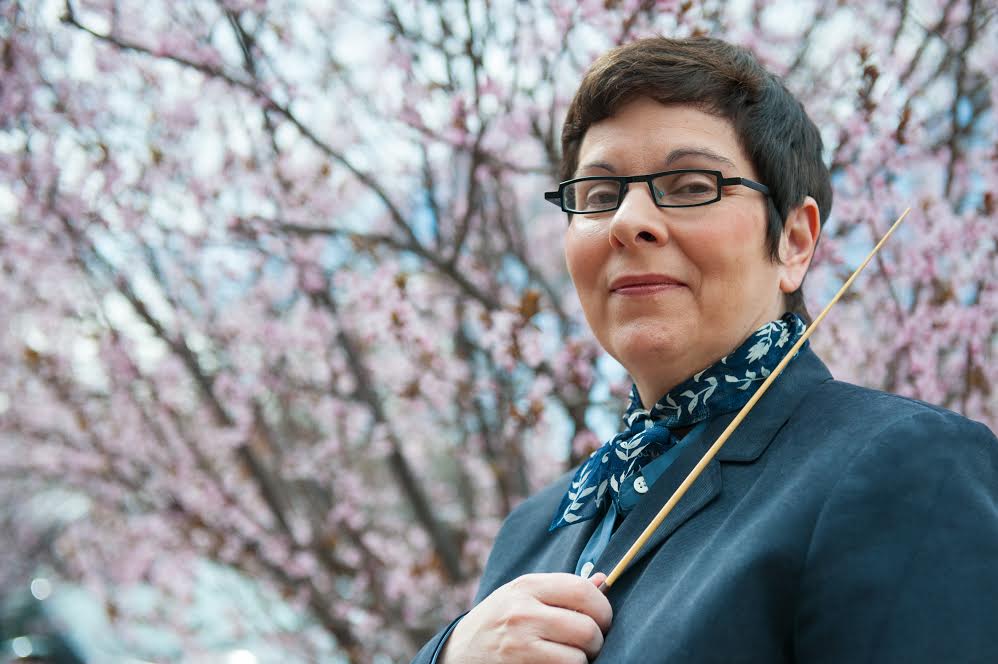
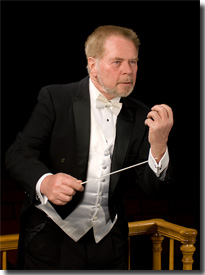
Cynthia Katsarelis, conductor of Pro Musica Colorado

Cynthia Katsarelis, conductor of Pro Musica Colorado

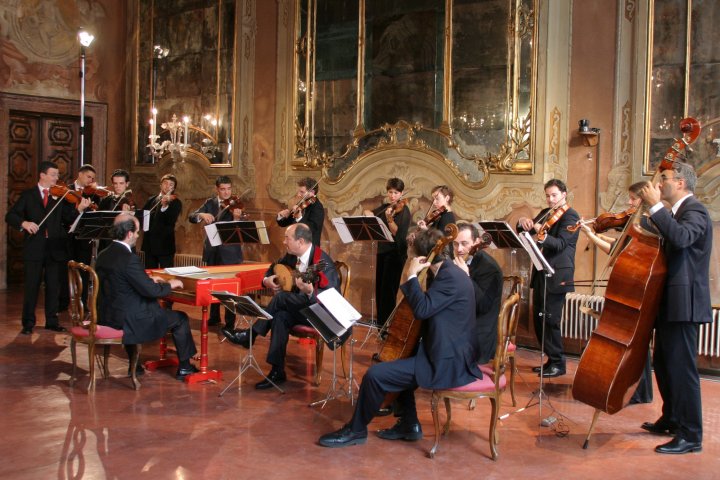
The Pro Music Colorado Chamber Orchestra performed a concert of music for strings last night (Feb. 7) with pieces that were inspired by poetry, by earlier music, and by nature.

Cynthia Katsarelis conducted Pro Musica’s string sections with both intensity and control. The performance proved to be a beautiful and rich exploration of sound and expression.

All three pieces on the program—Ralph Vaughan Williams’s Fantasia on a Theme of Thomas Tallis, Philip Glass’s Violin Concerto No. 2, “The American Four Seasons,” and the world premiere of . . . I give you my sprig of lilac by CU composition student Daniel Cox—originated in roughly the past 100 years, and all three impressed with the depth and breadth of sound that a string ensemble can produce.

The program opened with Cox’s brief, elegiac score. The winner of a composition competition, Cox turned to Walt Whitman’s memorial poem for Abraham Lincoln, “When Lilacs Last in the Dooryard Bloom’d,” for inspiration. The title comes from lines in the poem, describing the passage of Lincoln’s coffin through the streets: “With the tolling, tolling bells’ perpetual clang,/Here coffin that slowly passes,/I give you my sprig of lilac.”

The sound is warm and comforting as the music gradually emerges, swells, then trails into silence. The obvious comparison is of the funeral cortege slowly passing, but it would undervalue the music to hear it only in pictorial terms. Cox has written a polished and assured work that reaches deeper levels of emotion and honors Whitman’s poem.

The earliest piece on the program was Vaughan Williams’s Fantasia, finalized 1919 and inspired by the music of the 16th-century English composer Thomas Tallis. The score harkens back to the idyllic days before the First World War, expressing the very apotheosis of the English pastoral style that emerged from the composer’s study of folk song.

The performance by Katsarelis and the Pro Musica players was impressive for both the fullness of sound—the sheer volume—that can be achieved by a small group of string players, and by the careful control of the music’s contour. Katsarelis loves to talk about the “journey” of each piece; here that journey was clearly delineated in her interpretation.

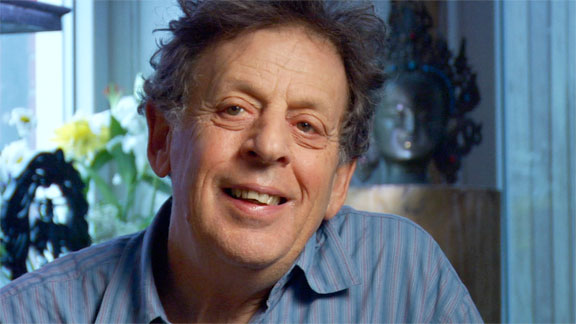
Philip Glass

Philip Glass

The second half of the concert was filled by Glass’s Concerto, written as a companion for the much loved Four Seasons concertos of Antonio Vivaldi. Although Glass has declined to indentify which seasons the individual movements represent, there is a sense of a journey—that word again!—through time and the stages of the year. And while Glass sticks mostly to the stylistic paths that he has long followed in his career, the music is varied in its expressive content and always rewarding.

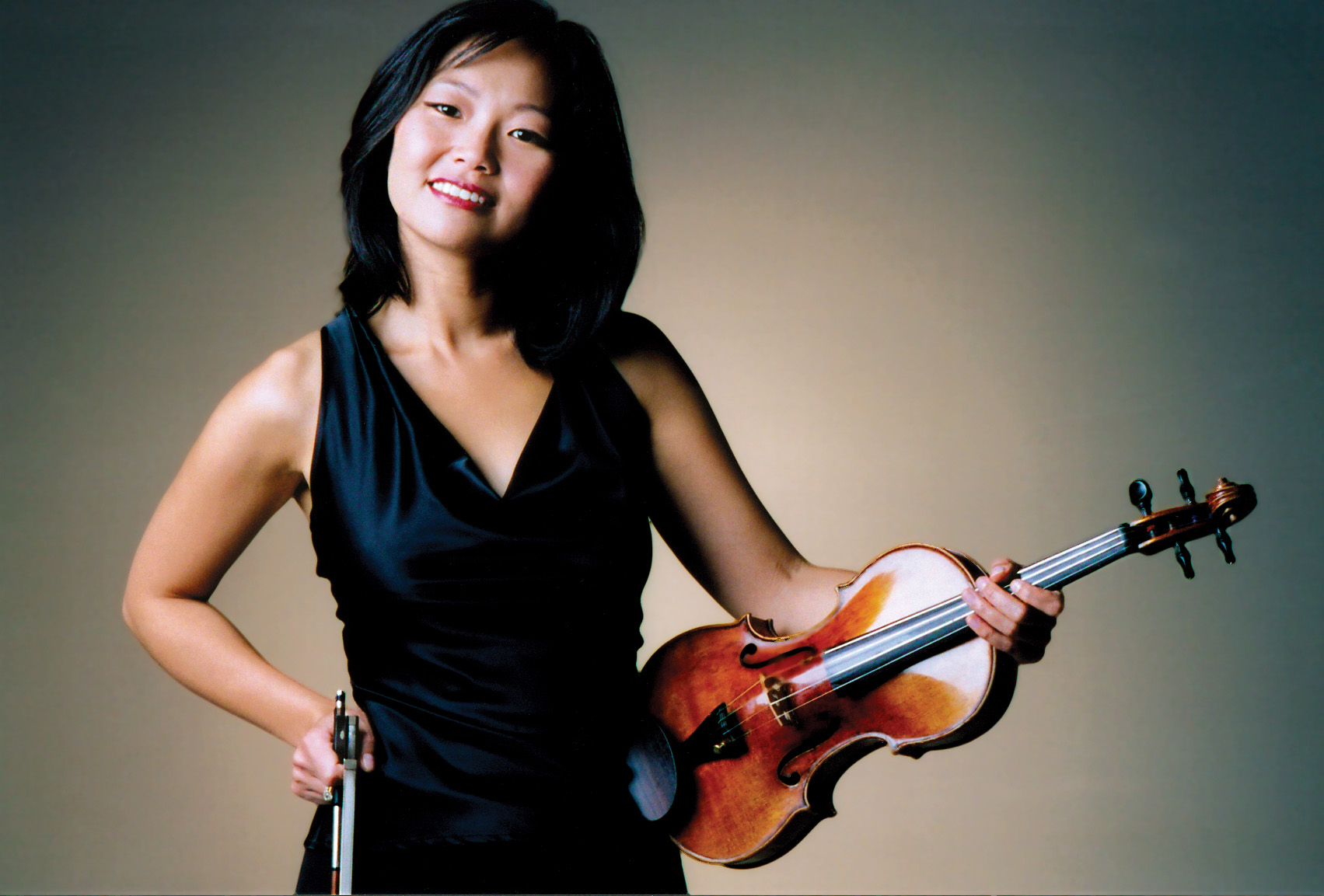
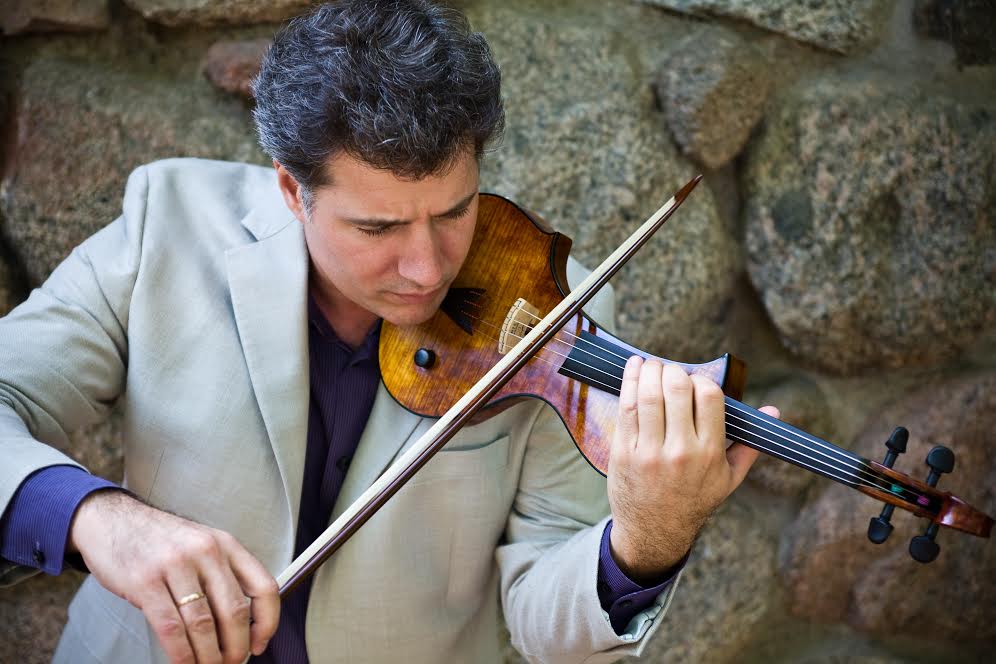
Yumi Hwang-Williams. Photo by r r jones

Yumi Hwang-Williams. Photo by r r jones

The concerto’s eloquent soloist was Yumi Hwang-Williams, concertmaster of the Colorado Symphony and an accomplished solo artist and chamber musician. She was equally impressive in the solo part’s seamless long lines, the breathless pianissimos, and the cascading arpeggios for which Glass is so well known.

Katsarelis and Pro Music provided full-bodied support, with great rhythmic propulsion when needed, the requisite chugging that never flagged in the lower parts, and delicately balanced chords in the gentler moments. This is a style that we do not hear often in Boulder, and it was delightful to hear Glass’s music so enthusiastically championed.

But which season is which? I have my ideas, but you won’t find an answer here. As a Buddhist, Glass likely honors the journey over the destination. So you will have to find your own answers; I would not deny my readers that personal journey of discovery.

Pro Musica Colorado Offers Four Seasons, But Can’t Say Which is Which

Also on the program: World Premiere by CU student Daniel Cox

By Peter Alexander

Philip Glass

Philip Glass

The Colorado Pro Musica Chamber Orchestra will perform Philip Glass’ Violin Concerto No. 2: “The American Four Seasons,” but don’t ask which season each movement represents.

Conductor Cynthia Katsarelis explains that the composer left it up to the listener to decide: “The concerto was commissioned by violinist Robert McDuffie,” she says. “But when McDuffie and Glass got together, they didn’t agree on which parts went with which season.

“Glass saw that as an opportunity for the listener to make their own interpretation—and that’s the invitation to our audience.”

yumi-hipThe performances (Friday, Feb. 6, in Denver and Saturday, Feb. 7, in Boulder, both at 7:30 p.m.) will feature violinist Yumi Hwang Williams, concertmaster of the Colorado Symphony as soloist. Other works on the program will be the world premiere of . . . I Give you my Sprig of Lilac by CU composition student Daniel Cox, and the Fantasia on a Theme of Thomas Tallis by Ralph Vaughan Williams.

Katsarelis thinks that Hwang-Williams is the ideal interpreter for Glass’s concerto. “Yumi’s appetite for music goes beyond the orchestral,” Katasrelis says.

“She is a concertmaster who runs the full gamut of repertoire, as concerto soloist she runs the gamut, she has particular experience in the contemporary repertoire, and she’s a formidable chamber musician. All of that comes to bear in making her one of the most fabulously intelligent and deep feeling soloists that you could have.”

Read the full article in Boulder Weekly.

# # #

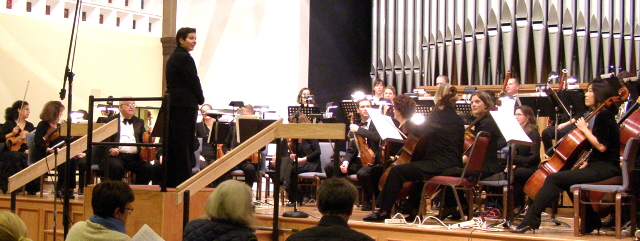
Cynthia Katsarelis and the Colorado Pro Musica Chamber Orcehstra

Cynthia Katsarelis and the Colorado Pro Musica Chamber Orcehstra

“American Seasons”
Pro Musical Colorado Chamber Orchestra
Cynthia Katsarelis conductor, with Yumi Hwang-Williams, violin

7:30 p.m. Friday, Feb. 6, St. John’s Cathedral, 1350 Washington St., Denver
7:30 p.m. Saturday, Feb. 7, First United Methodist Church, 1421 Spruce St., Boulder

Click here for tickets; or call 720-443-0565

Recent News from around the classical music world

By Peter Alexander

Posts on this blog have been rather few so far in 2015, due partly to pressing family and personal business that has taken a great deal of my time. But the classical music world spins on, and, in case you missed them, here are some the more intriguing topics of the past month, with links to more extensive stories.

As reported in the Denver Post on Monday, Colorado was ranked No. 1 nationally for visits to theaters, museums and concerts hall in a new report from the National Endowment for the Arts. Many will be surprised by the ranking, but it has been clear to me that all the arts are alive and well in Boulder.

Danish National Chamber Orchestra

Danish National Chamber Orchestra

Elsewhere around the world, it is struggling musical organizations that are generating headlines. The Danish National Chamber Orchestra came to world-wide attention when the Danish government suddenly cancelled their funding on short notice. Scheduled to be disbanded on Jan. 1, the orchestra decided to fight back. Their most notorious stunt—or imaginative publicity gesture, depending on how you look at it—was their hilarious and ridiculous “Hot Chili Challenge,” where they filmed themselves playing after eating hot peppers.

According to the latest reports, the orchestra has been saved by a crowd-funding campaign that started with Kickstarter and ended up with donations from Danish businesses. Read the article in the Guardian—and if you haven’t seen it before, be sure to watch the Chili Challenge video at the end.

The Ulster Orchestra in Northern Ireland has been facing a similar crisis. In their case, the orchestra has secured a reprieve, but their long-term future is far from assured. Read about it in the Guardian.

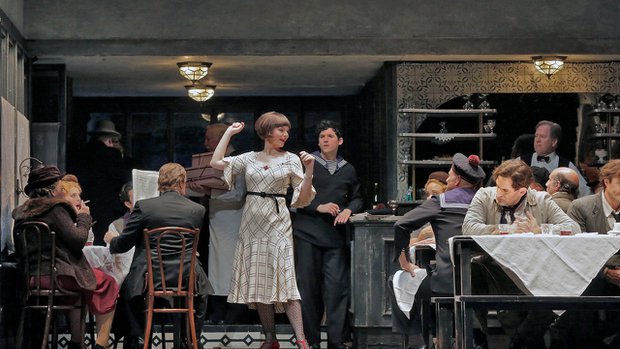
The San Diego Opera's production of "La Boheme" (with Sara Gartland as Musetta). Photo: Ken Howard

The San Diego Opera’s production of “La Boheme” (with Sara Gartland as Musetta). Photo: Ken Howard

Another arts company that nearly went under but bounced back at the last moment was the San Diego Opera. With a change of general mangers and an outpouring of public support, the opera is back in business, and this review from the San Diego Union Times is good news for everyone.

At least none of these companies had their chief executives charged with corruption—unlike the Valencia Opera in Spain, where former director Helga Schmidt was both fired and arrested. You can read this story at Valencia Today.

Finally, we can end with some good news. Down in Texas, the Houston Opera has exceeded their fundraising goal of $165 million, raising a total of $172.9 million for “world premieres, new productions of established operas and the company’s first staging of Richard Wagner’s The Ring of the Nibelung.” You can read the whole story in the Houston Chronicle.

With the Boulder Phil, Conrad Tao conquers audience, Beethoven, and Elliott Carter

By Peter Alexander

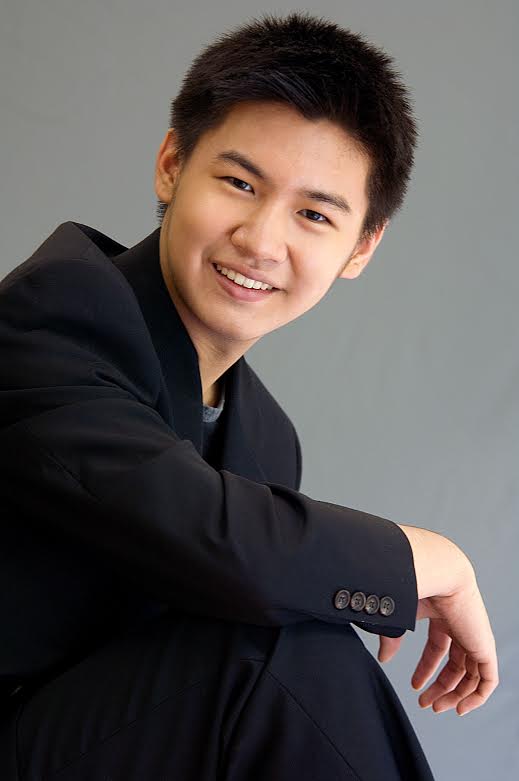
Conrad Tao. Photo: Ruimin Wang

Conrad Tao. Photo: Ruimin Wang

Conrad Tao conquered the audience last night, playing with the Boulder Philharmonic in Macky Auditorium.

The concert under music director Michael Butterman featured the highly talented young pianist as the soloist in Beethoven’s “Emperor” Concerto, which he seemed to navigate in comfort. Impressively, the multi-talented Tao also played piano in the orchestra for Darius Milhaud’s La création du monde and composed one of the pieces on the program.

The concert took its theme, “Creative Legends,” from Tao’s composition. Titled Pángu, it was inspired by a Chinese legend of creation, in which the god Pángu wakes up in an egg and creates the world we live in out of his own body.

Speaking before the performance, Tao said that he used a “cinematic palette” in composing the score. If so, it is cinematic in the best sense, using the orchestra to create a sense of color and motion. While not literally pictorial, the score suggests that something is happening throughout: the music is highly directive and leads to a powerful conclusion.

Tao also commented that when he finished, he realized that the style was “Bernstein adjacent.” This seems to imply an idiom that is symphonic yet inflected, as Bernstein’s music so often was, by American pop and jazz styles. It is a highly effective score that was realized with great energy by Butterman and the Boulder Phil.

Taking a cue from the subject of Pángu, Butterman filled out the first half of the concert with other works derived from stories about creation. Beethoven’s Overture to The Creatures of Prometheus was given an energetic, clean and transparent reading. It was followed by the music depicting “Chaos,” the very opening movement of Haydn’s oratorio The Creation. A rare visitor to the concert hall, this was a pleasure for any Haydn fans—such as myself— in the audience.

The least effective part of the program was Milhaud’s Création du monde. The performance was delicately balanced and carefully played, but lacked the raw energy that would better reveal the score’s origin in Milhaud’s visits to Harlem jazz clubs in the 1920s. It was nonetheless a welcome addition to the program, giving a glimpse into the impact of African-American music on France and French musicians in the early years of the 20th century. It is a colorful, original, and fun piece.

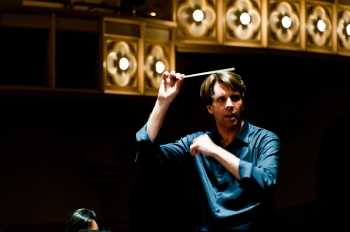
Michael Butterman

Michael Butterman

The real meat of the program came after intermission, with the Beethoven Concerto. Here the Philharmonic proved to be a good Beethoven orchestra, with a smooth, homogenous string sound and effective punch in the winds and the timpani. Butterman provided an attentive and supportive accompaniment to the solo part.

Tao played with a rambunctious energy appropriate to his 20 years, most notably in the spirited finale, but his interpretation was not without more modulated moments. He made good use of the modern piano’s wide range of dynamics, from the majestic chords and flourishes of the opening movement, to the delicate passages of the slow movement. His ability to project even the softest sounds into Macky’s large space was a valuable interpretive tool.

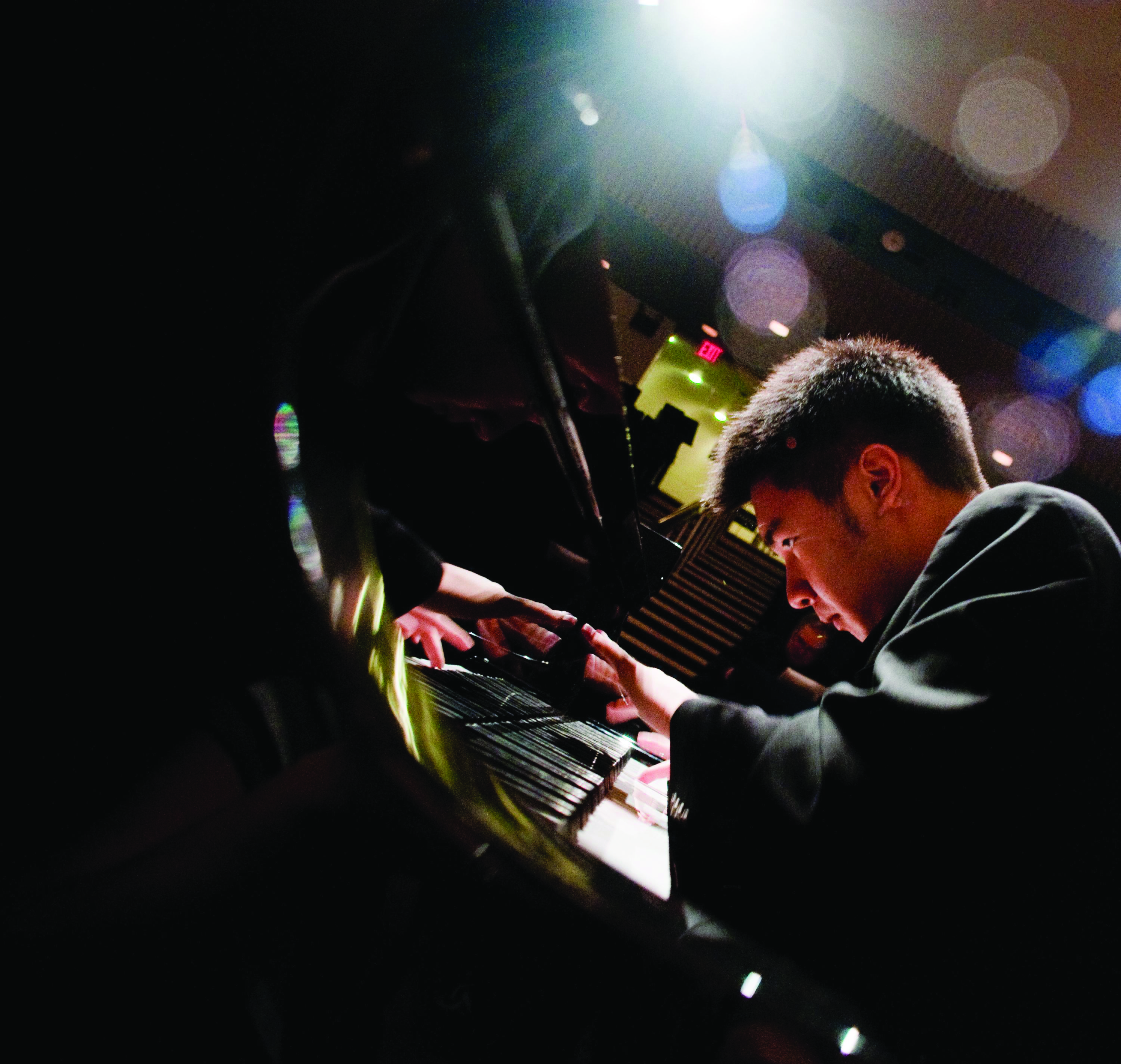
Conrad Tao. Photo: Vanessa Briceno.

Conrad Tao. Photo: Vanessa Briceno.

For an encore, Tao leaped centuries, styles, and all over the keyboard to play Elliott Carter’s Caténaires, a stunning and frenetic tour de force that ought to be impossible to memorize—and is nearly impossible to play. Once again Tao seemed to toss it off without breaking a sweat. I’m not sure everyone appreciated a non-tonal encore that was written in 2006, but I thought it was the perfect closer—a virtuosic “palette cleanser,” as Tao said, and also something completely unexpected. What more could you want from an encore?

Having conquered Beethoven, Elliott Carter, and the audience, Tao seemed completely unruffled as he stepped into the lobby to sign CDs and chat with his fans. Whether you were in Macky last night, heard the concert through Colorado Public Radio’s live broadcast, or are just reading this review, remember the name Conrad Tao: his impressive talent will take him far.

Pianist harkens Back to Beethoven’s days

Conrad Tao will be both soloist and composer Saturday evening

By Peter Alexander

Conrad

Conrad Tao. Photo by Vanessa Briceno.

Conrad Tao can do it all.

Saturday with the Boulder Philharmonic, the talented young pianist will be the soloist for Beethoven’s “Emperor” Concerto. And he will play in the orchestra. And he composed one piece on the program.

“And he could sweep up afterwards, too,” Michael Butterman, the orchestra’s music director, says with a laugh.

“When one thinks of composers in Beethoven’s days, they were very often the performers as well,” he continues. “So here we have somebody doing something in a way that harkens back to that earlier time.”

Before the Beethoven concerto, Tao will play the prominent orchestral piano part for Darius Milhaud’s jazzy ballet score Creation du Monde (Creation of the world). Tao the composer is represented by Pangu, an orchestral piece inspired by another creation legend. The concert, titled “Creative Legends,” will open with Beethoven’s Overture to The Creatures of Prometheus, which will be followed by a piece inspired by the Biblical story of creation: “Chaos” from Haydn’s oratorio The Creation.

For more, see Boulder Weekly.

# # #

“Creative Legends”
logo2Music of Beethoven, Haydn, Milhaud and Conrad Tao
Boulder Philharmonic, Michael Butterman, conductor
Conrad Tao, pianist
7:30 p.m. Saturday, Jan. 17, Macky Auditorium

Tickets

Time for Three raise the roof at Boulder Theater

Bach, Beatles, Bluegrass and more make a concert to be savored

Time for Three.

Time for Three.

By Peter Alexander

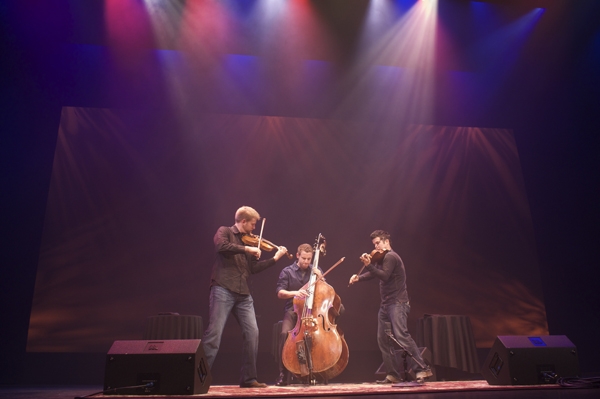
Time for Three, the classically trained, pop/jazz/gypsy/bluegrass inflected virtuoso trio of two violins and a bass got the rock star treatment last night (Jan. 8) from a cheering audience at Boulder Theater.

The occasion was a fundraiser for the Colorado Music Festival, where Time for Three, or Tf3 as their fans know them, gave their first performances in Boulder. Since those first appearances, the group and Boulder have developed an vibrant mutual admiration. Not only was the audience cheering before Tf3 played their first note, Nick Kendall—one of the violinists and the buoyant, boyish sparkplug of the group—couldn’t say enough about Boulder

“This is an amazing music town,” he said more than once. “You guys are fun!

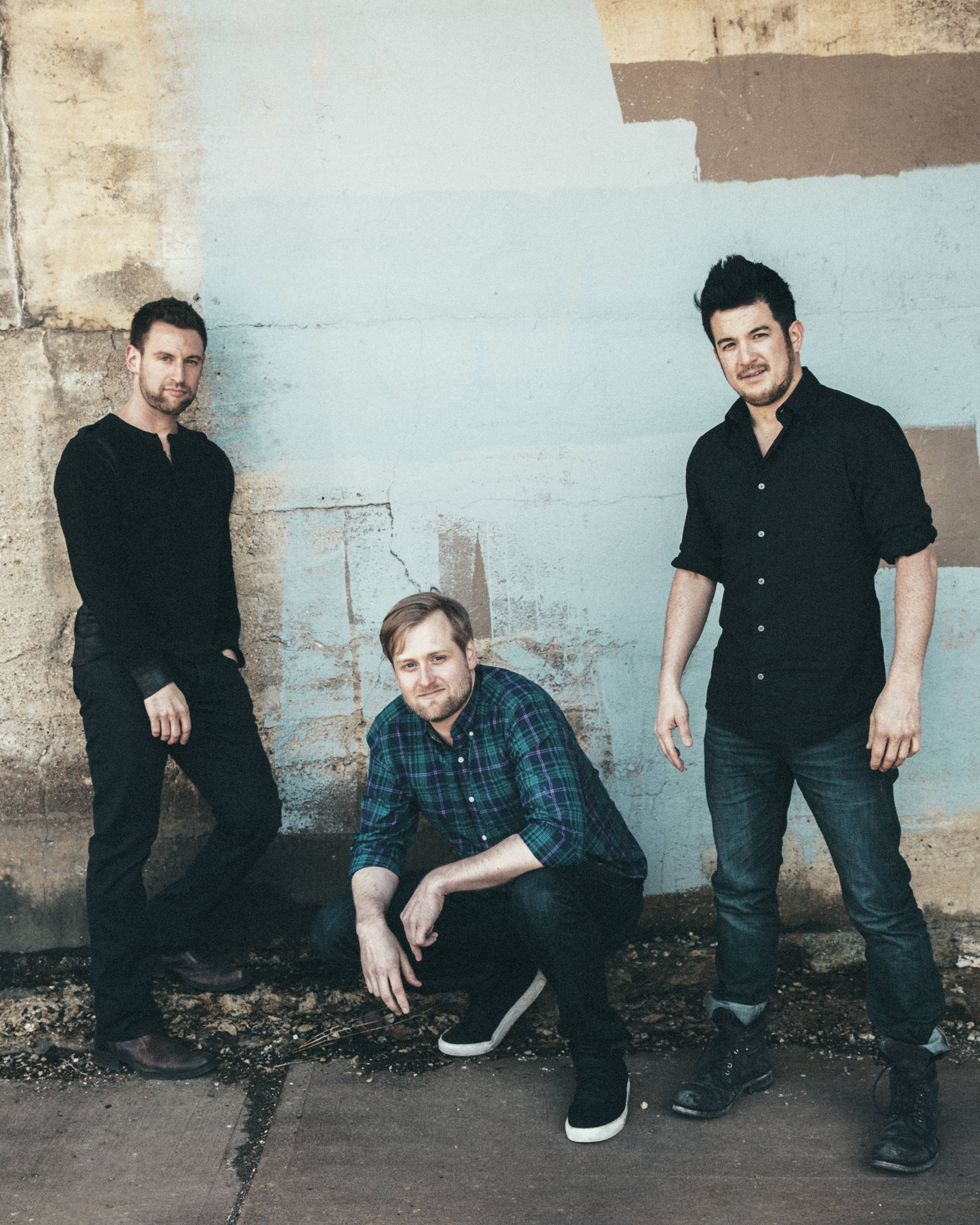
Time for Three: Ranaan Meyer, Zach De Pue, Nick Kendall. Photo by LeAnn Mueller

Time for Three: Ranaan Meyer, Zach De Pue, Nick Kendall. Photo by LeAnn Mueller

In fact, the performance had some elements of a rock show. The three players—Kendall and Zach De Pue, violins, and Ranaan Meyer, bass—made their entrance through stage smoke, and there were some discreet suggestions of a light show. But it’s really the energy and style of performance that got the audience pumped.

Their sheer virtuosity—the ability to play all of those notes, together—wows everyone who hears them. And the mixing of styles and genres, which they have mastered, draws in both the classical audiences who recognize the Bach and Chopin and Stravinsky, and the younger audiences who recognize the Katy Perry and the Mumford and Sons and the Cold Play.

And I’m sure both audiences love the Beatles.

But on top of the ability to merge seamlessly from one style to another, and the awesome technical chops, they are great musicians. The intonation is impeccable, even among all the fireworks, and the balance (except for the odd amplification glitch) and ensemble precision are at the highest level.

In short, Tf3 is the real thing. Those boys can play!

The show opened with three pieces written by members of the group, all from the group’s CDs: Kendall’s “Roundabouts” combined dreamy chords and a funky, jazzy outburst; Meyer’s “Banjo Love” reflected his wish to make his bass into “the world’s largest banjo”; and “Thunderstomp,” also by Meyer, was a Celtic-styled piece written with Béla Fleck in mind. Later they played Meyer’s “Philly Phunk” and their cheeky mashup of Stravinsky’s “Firebird” with Katie Perry’s “Fireworks.”

Their partnership with Steve Hackman, known to Boulder audiences for the Mashup Concerts at the Colorado Music Festival, was represented with “Winter Chaconne,” freely and funkily based on the famous Bach D-minor “Chaconne” for solo violin. And it is likely that Hackman, a longtime partner of the trio, was behind other classical/pop mashups they played.

Signature tunes from Tf3’s live shows were the “Czardas” that closed the first half, and their blazing hot version of “Orange Blossom Special” that seems to grow longer and wilder and faster every time I hear it. After that roof-raising display, encores were a gentle mashup of the Beatles “Norwegian Wood” with a Chopin Ballade (Steve Hackman, is that you?), and an even gentler arrangement of Leonard Cohen’s “Hallelujah” that sent the fans out satisfied, into the freezing rain.

I hope everyone made it home safely. That was a concert to be savored.

Je suis Charlie

pens.1

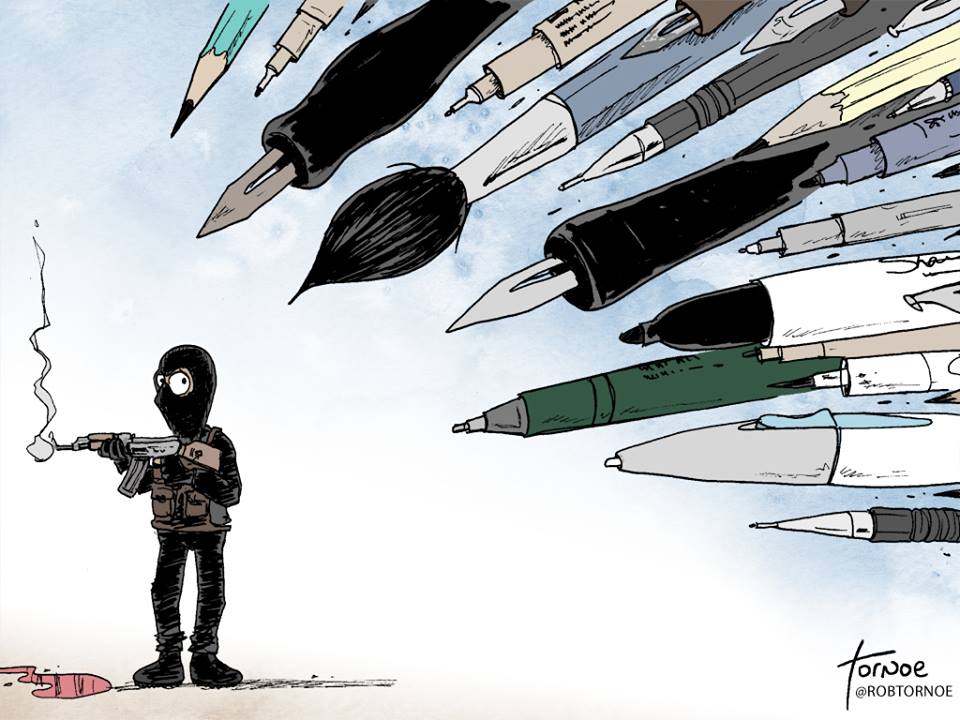
Cartoon by Rob Tornoe in response to the killings in Paris.

By Peter Alexander

What happened is Paris today (Jan. 7) has nothing to do with classical music and nothing to do with Boulder. But some principles transcend artistic categories and borders.

In that spirit, and as a journalist in my own little corner of the media world, I declare my absolute solidarity with the cartoon artists and journalists of Charlie Hebdo, of France, and of the world. Freedom of expression, which is enshrined in the very first amendment to the U.S. Constitution, is an irreplaceable cornerstone of democracy and freedom in a progressive society.

Are some of the cartoons that Charlie Hebdo has published offensive? Yes. But the magazine offended widely, not narrowly; to use an overworked phrase, they were truly an “equal opportunity offender,” far more so that most who claim that title. Do some of them cross a line that I would not want to cross? Yes. But the right of the Charlie Hebdo cartoonists to offend and to cross lines is part of the freedom that we cherish. Freedom of expression is no freedom at all if it only applies to opinions that are endorsed by social convention. Which is why I am posting this on sharpsansflatirons.

I also want to express my deepest sympathy to the family and friends of the French journalists and police who were slaughtered. I cannot imagine the anguish that is being felt. But I have been heartened by the response of the French people and the world’s press.

Here are links to a few of the responses that I have found, and that I urge readers to look at and consider. There is much duplication among the cartoons, but it is valuable to observe how widely they are being shared around the world today. That is, if nothing else, an indication of how universal the response has been to this horrible—but sadly no longer unthinkable—tragedy.

onislam: “What Muslim Scholars Say About Paris Attack”

Buzzfeed: “23 Heartbreaking Cartoons From Artists Responding to the Charlie Hebdo Shooting”

BBC: “Charlie Hebdo Attack: the response in pictures”

Vox: “12 Powerful Political Cartoons responding to the Charlie Hebdo attack”

Washington Post: “#JeSuisCharlie: Cartoonists react to the Charlie Hebdo massacre in Paris”

Toronto Globe and Mail: “Cartoonists Around the World Respond”

Starkland’s new CD features music that is both accessible and deeply emotional

Boulder-based CD label releases acclaimed album of music by Martin Bresnick

By Peter Alexander

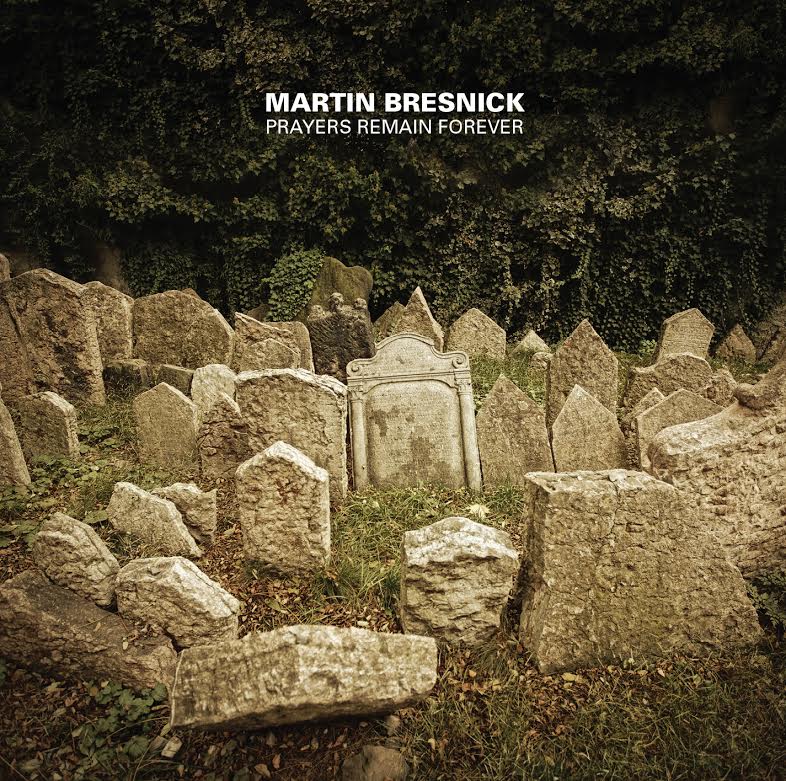
Pryaers cover“Prayers Remain Forever,” a new CD release from Boulder-based Starkland, is a wonderfully varied and deeply satisfying collection of six works by composer Martin Bresnick.

The six pieces on the album spring from very different sources: One was inspired by a personal experience, one by a painting by Goya, and three by literary sources. They are also diverse in instrumentation, ranging from solo violin and solo piano to a mixed quartet of violin, oboe, viola and cello. What they have in common is their expressivity. Bresnick, who teaches composition at Yale, is represented here by music that is personal, has an emotional depth, and is accessible to the listener.

Tom Steenland, who operates the Starkland CD label (which is under the umbrella of Spruceland Music, Inc., in case you were not already confused), is delighted to be issuing music that is easily appreciated. “I’m probably more excited about [new music today] than ever,” he says.

“In the mid-70s when I was studying composition, new music was pretty esoteric and not enjoyed much by the general public, but there’s been sort of a revolution since then. Music is more accessible, it’s exciting. People are interested in what composers are composing.

“It’s been a tremendous change I never would have envisioned.”

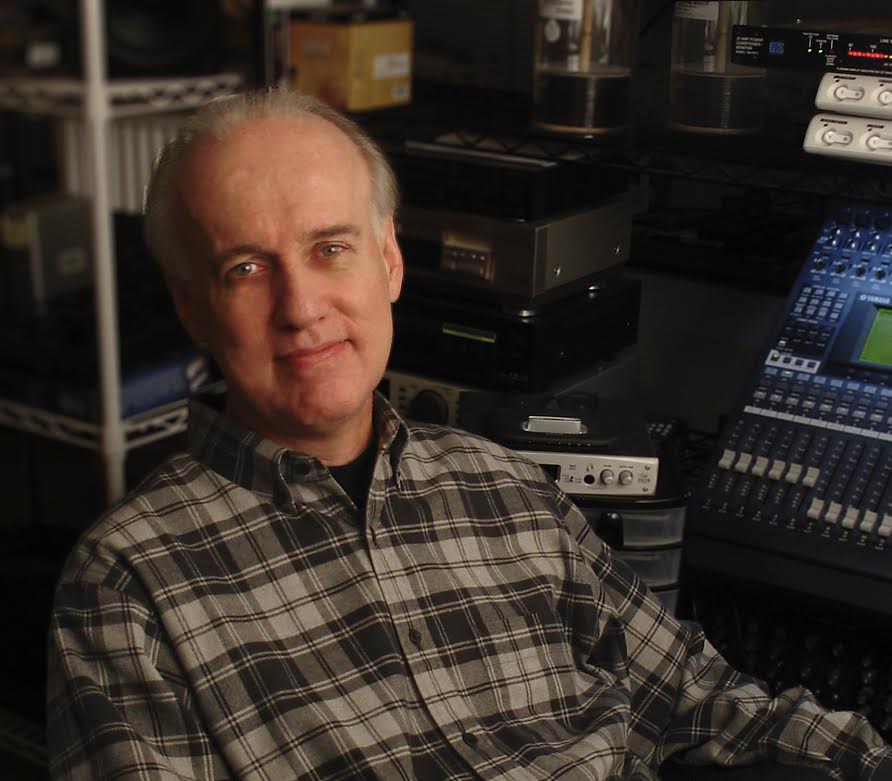
Tom Steenland

Tom Steenland

Steenland started the Starkland label in 1991 as a way of transferring music by Tod Dockstader from vinyl LPs to more up-to-date CDs. From that very first release, Steenland has seen the mission of his label to be the “promotion of alternative classical, experimental, and avant-garde music through the production of high-quality recordings.”

Composers in the Starkland catalogue include Jay Cloidt, Paul Dresher, Aaron Jay Kernis, Meredith Monk, Pauline Oliveros, John Zorn, and others. The label typically releases 3 or 4 recordings a year of about 1000 CDs each.

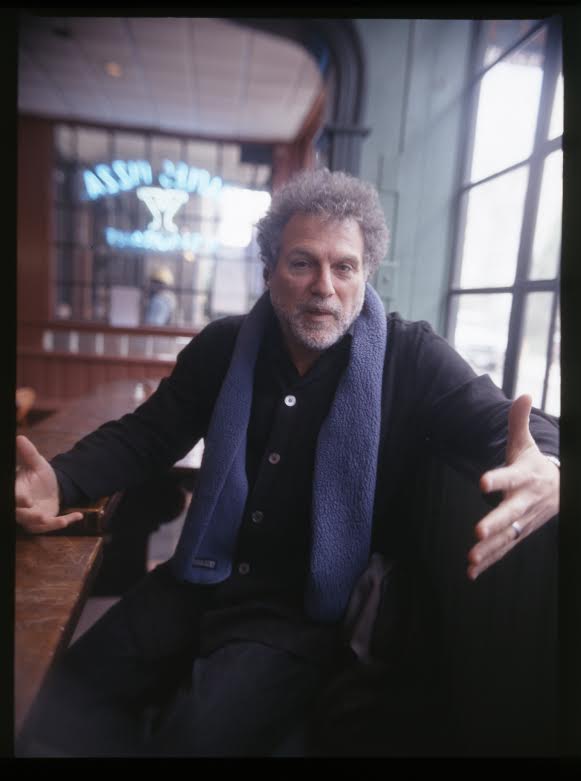
Martin Bresnick. Photo by Marc Ostow

Martin Bresnick. Photo by Marc Ostow

“Prayers Remain Forever” opens with “Going home – Vysoke, My Jerusalem” for oboe, violin, viola and cello. A mournful meditation on a visit to his ancestral home in Russia, where his immigrant grandparents had witnessed the murder of family members, this is a wonderful opening track that draws the listener in and prepares the emotional ground that Bresnick covers throughout the album. To my ears, this is the most deeply moving piece on the album, with the plaintive oboe weaving in and out of sustained strings, seeking but never quite finding repose.

“Ishi’s Song” for piano is based on a fragment of song recorded by Ishi, the last of California’s Yahi-Yani Indians, who died in 1916. The song fragment, sung by the pianist at the outset, is transformed into a bright, rhythmic minimalist sketch colored by pentatonic elements.

“Josephine The Singer” for solo violin is based on a Kafka story about a mouse who is—or fancies herself?—a great singer, although the fragmented, sketchy sounds from the violin do not suggest a singer of great lyrical qualities.

Francisco Goya: "Strange Devotion," Plate 66 of "Disasters of War"

Francisco Goya: “Strange Devotion,” Plate 66 of “Disasters of War”

“Strange Devotion” for piano was inspired by a Goya etching from “Disasters of War” in which peasants are kneeling before a cart of corpses drawn by a donkey. The plodding chords and the jingling of the donkey’s bells in the piano part both illustrate the image and convey the remorseless futility of war.

In “A Message From the Emperor,” two percussionists both recite and provide decoration for another short story by Kafka. Rattling marimba and xylophone capture the truly Kafka-esque tale of a messenger dispatched by a dying emperor with a critical message than can never be delivered.

The CDs final, title track, “Prayers Remain Forever” for cello and piano, takes its inspiration from a poem by Israeli poet Yehuda Amichai, “Gods Come and Go, Prayers Remain Forever.” A virtuoso passage of accumulating momentum suddenly breaks down into a long, intense section that seems to illustrate the poem’s opening line, “Tombstones crumble.” The virtuosic, headlong rush into destruction ends the CD with a powerful image of finality.

I don’t listen to a lot of new CDs, but this strikes me as one of the best recordings of new music that I have heard in a long time. I am not alone in that evaluation: “Prayers Remain Forever” has been selected one of the best albums of new music in 2014 by Sequenza21, an important new music Web site; and received glowing reviews in the classical music publications Gramophone and Fanfare.

“Prayers Remain Forever”
StarkLogo04c2
Music of Martin Bresnick: Going Home – Vysoke, My Jerusalem; Ishi’s Song; Josephine the Singer; Strange Devotion; A Message from the Emperor; Prayers Remain Forever. Performers: Double Entendre (Christa Robinson, oboe; Caleb Burhans, violin; John Pickford Richards, viola; and Brian Snow, cello); Lisa Moore, piano; Sarita Kwok, violin; Michael Compitello and Ian Rosenblum, percussion and speakers; Ashley Bathgate, cello.

Starkland ST-221 (60:38)

Available from Amazon, Arkiv and iTunes.

Great Musicians we lost in 2014

Distinguished conductors lead the list, along with legendary singers, players, composers

By Peter Alexander

New Year’s Eve is a time for reflections, not least of those who we could celebrate at the beginning of the year, but who are no longer with us.

A surprising number this year were conductors, but there were several legendary opera singers from past generations and other performers who have left their mark. And of course each and every one will be missed by families, by friends, by colleagues, and by the thousands who made up their audiences.

Below is a partial list of great musical artists who died during the year. This is a highly personal list: it includes great classical artists, but also other musicians who have touched me in some way. This should be more than a sad chronicle; perhaps it will help us remember to celebrate those great artists who give us so much, while they are still among the living.

To the memory of each person below, I can only express undying gratitude for the dedication, the love of music, and the incredibly hard work that each put in over a lifetime to bring us the music we treasure.

Claudio Abbado, conductor, 80
Licia Albanese, soprano, 105
Carlo Bergonzi, tenor, 90
Frans Brüggen, recorder player, conductor, scholar, 79
George Christie, manager of Glyndebourne Opera, 79
Buddy DeFranco, jazz clarinetist, 91
José Fenghali, pianist, 53
Claude Frank, pianist, 89
Rafael Frühbeck de Burgos, conductor, 91
Alice Herz-Sommer, pianist and Holocaust survivor, 110
Christopher Hogwood, conductor, harpsichordist, organist, scholar, 73
Joseph Kerman, musicologist, 89
Lorin Maazel, conductor, 84
Manitas de Plata, flamenco guitarist, 91
Gerard Mortier, opera director, 70
Stephen Paulus, composer, 65
Julius Rudel, conductor, 93
Peter Sculthorpe, composer, 85
Pete Seeger, folksinger, songwriter, activist, 94
John Shirley-Quirk, baritone, 82
Elaine Stritch, Broadway singer and great interpreter of Stephen Sondheim’s music, 89
Laszlo Varga, cellist, 89

May you rest in peace. You will be remembered.

2014 in Review: The classical music scene in Boulder

Now in the rear-view mirror, 2014 was a busy year in classical music.

2014-Monthly-CalendarBy Peter Alexander

It was a time of stability, it was a time of change.

With apologies to Charles Dickens, 2014 brought the classical institutions of Boulder both stability and change, and happily there was “the spring of hope” in the changes rather than a prolonged “winter of despair.”

In other words, there was a lot of news in 2014.

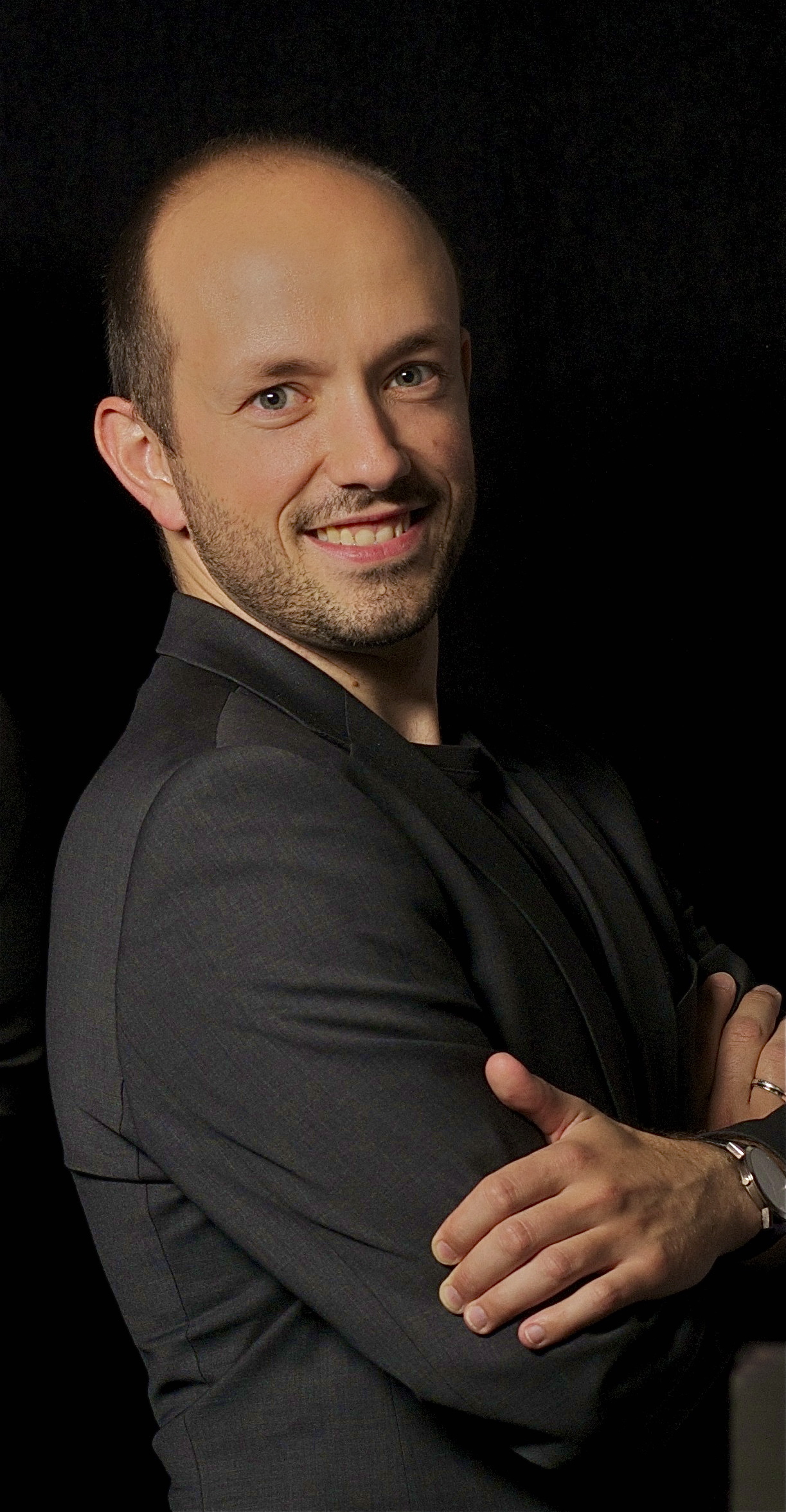
Andrew Bradford

Andrew Bradford

The most significant news came from the Colorado Music Festival, which underwent perhaps not a winter but a few days of despair in January when their newly hired executive director backed out before a single day on the job. But hope was certainly in the offing by summer, when new Executive Director Andrew Bradford was on hand and three well qualified candidates to replace Michael Christie as music director led concerts in the Chautauqua Auditorium.

Jean-Marie Zeitouni

Jean-Marie Zeitouni

In September CMF announced the selection of Jean-Marie Zeitouni, a dynamic young conductor from Montreal as music director. Putting words to the hopes that many Boulder residents have for the future of the festival, Zeitouni said “I feel blessed to have been given the opportunity to serve as music director of this wonderful organization, and . . . I take this responsibility with great respect and care.

“I think I am coming to understand the great love and passion so many people in this community have for CMF and CMA, and I intend not only to create new, exciting programs for their enjoyment but also to be a steward of the organization.”

Since then, Bradford and Zeitouni have been hard at work planning the 2015 festival season. We will know more what their leadership will mean for the festival and Boulder audiences when the summer schedule is announced in February. That announcements already looks to be near the top of the classical music news for 2015.
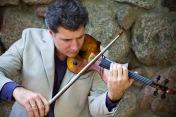
Zachary Carrettin with electric violin. Photo by Michelle Maloy Dillon.

Zachary Carretin with electric violin. Photo by Michelle Maloy Dillon.

Boulder’s Bach Festival also has a new director, now in his second year. Zachary Carretin moved permanently to Boulder this year, which allows the festival to expand its offerings outside of the traditional one week in the spring. “We are continuing that tradition,” Carretin said of the festival week, “and that definitely centers around the great masterworks of Johann Sebastian Bach. But we are expanding the season throughout the academic year to include more concerts, and of varying sizes from solo to chamber to orchestral.”

One important aspect of the expanded offerings is the Compass Series, designed to present Bach’s music in non-traditional ways. “I consider the music of Bach to be a compass from which I view and hear all other music,” Carretin says. “It serves as a point of reference from which one can peer into the distance, travel backward in time or examine how those old music forms influenced subsequent sounds.”

In effect, the Compass Series will re-imagine Bach’s music, presenting it with unexpected media and in unexpected contexts. Good examples will be found in the coming months, with concerts of Bach on electric violin in February and Bach paired with the music of John Cage in March, both presented at the Dairy Center.

Robert Olson

Robert Olson

One more change on the local scene is on the way, although not for another year. In March 2014, Robert Olson announced that the 2015 Mahler Festival will be his last. As the founding director of the festival, he has been a part of Boulder’s musical life for 27 years. Thus far, no announcement has been made about the festival’s future without Olson.

Michael Butterman

Michael Butterman

If 2014 was a time of change for CMF and the Bach Fest, it was a time to celebrate stability for the Boulder Philharmonic, which renewed the contract of maestro Michael Butterman. Always a thoughtful and provocative programmer, Butterman well deserved the confidence reflected in his new five–year contract, through the 2018–19 season.

In 2014 there were also some noteworthy performances in Boulder.

You will have your own favorites, which you are invited to share in comments. Here are eight performances that I found particularly memorable at the end of the year:

Venice Baroque Orchestra

Venice Baroque Orchestra

Feb. 13: Venice Baroque Orchestra brought their fresh and energetic playing into Macky Auditorium. With hometown ties to Vivaldi and a commitment to the excitement of playing Baroque music, Venice Baroque showed how far “authentic” performance has come in the 21st century. The days are long gone of “sewing-machine” Baroque music. This was a virtuoso performance that raised Vivaldi to the ranks of the great 18th-ceturey composers, where he belongs.

July 17–18: The orchestral concert conducted at CMF by Carlos Miguel Prieto, one of the three candidates for music director, was a wonderful exploration of music both familiar and not quite familiar. It included the full ballet The Three Cornered Hat by Manuel de Falla, which includes some slightly familiar excepts. Heard in full, the score emerged as a fascinating display of Spanish culture and music. On the same program, Prieto presented the brash and colorful original scoring of Stravinsky’s Petrushka. I was delighted to hear one of my favorite pieces in different garb, blazing with all the colors Stravinsky first imagined.

Aug. 1: Andrew Grams, not a candidate for the CMF position but clearly well liked by orchestra and audience alike, led a program of Russian masterworks as part of the CMF season. Under his baton, Tchaikovsky’s Symphony No. 4, a hoary evergreen of the orchestral repertoire that too easily descends into melodramatic excess, emerged as an exciting showpiece that had musicians and listeners alike wowed at concert’s end.

Aug. 7–8: The third, and successful candidate for the music director’s position at CMF, Jean-Marie Zeitouni, conducted a committed, energetic reading of two great tone poems by Richard Strauss, Don Juan and Ein Heldenleben. So much Strauss in one evening can be heavy going, but it was a rare treat to hear Ein Heldenleben live. True virtuoso orchestral music, these two scores elicited the best virtuoso orchestra playing from the CMF’s wonderful orchestra and showcased Zeitouni’s orchestral leadership.

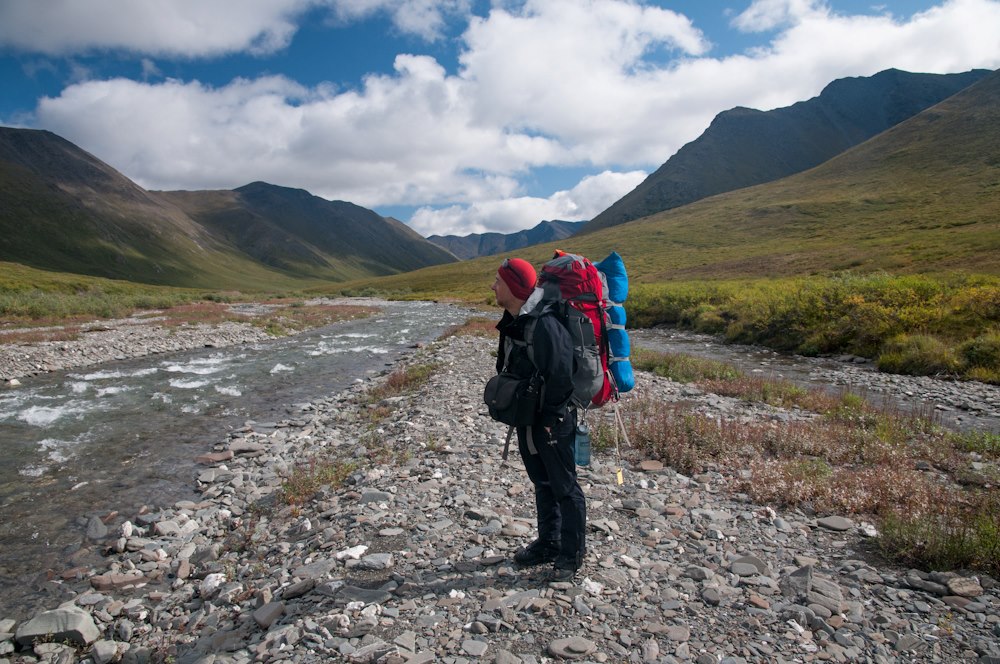
Stephen Lias in Gates or the Arctic National Park. Photo courtesy of the composer.

Stephen Lias in Gates or the Arctic National Park. Photo courtesy of the composer.

Sept. 13: Boulder Philharmonic and Michael Butterman chose to open their 2014–15 season with the world premiere of Stephen Lias’s Gates of the Arctic. Something of a musical travelogue that the composer acknowledges is almost film music, Gates of the Arctic is, I wrote in my review, “thoroughly entertaining” but also “a well crafted and skillfully designed piece that features strong contrasts and great musical drama, woven into an effective orchestral score.” The same concert also introduced the Boulder Phil’s new concertmaster, Charles Weatherbee, in a skillful and satisfying performance of Rimsky-Korsakov’s orchestral showpiece Scheherazade.

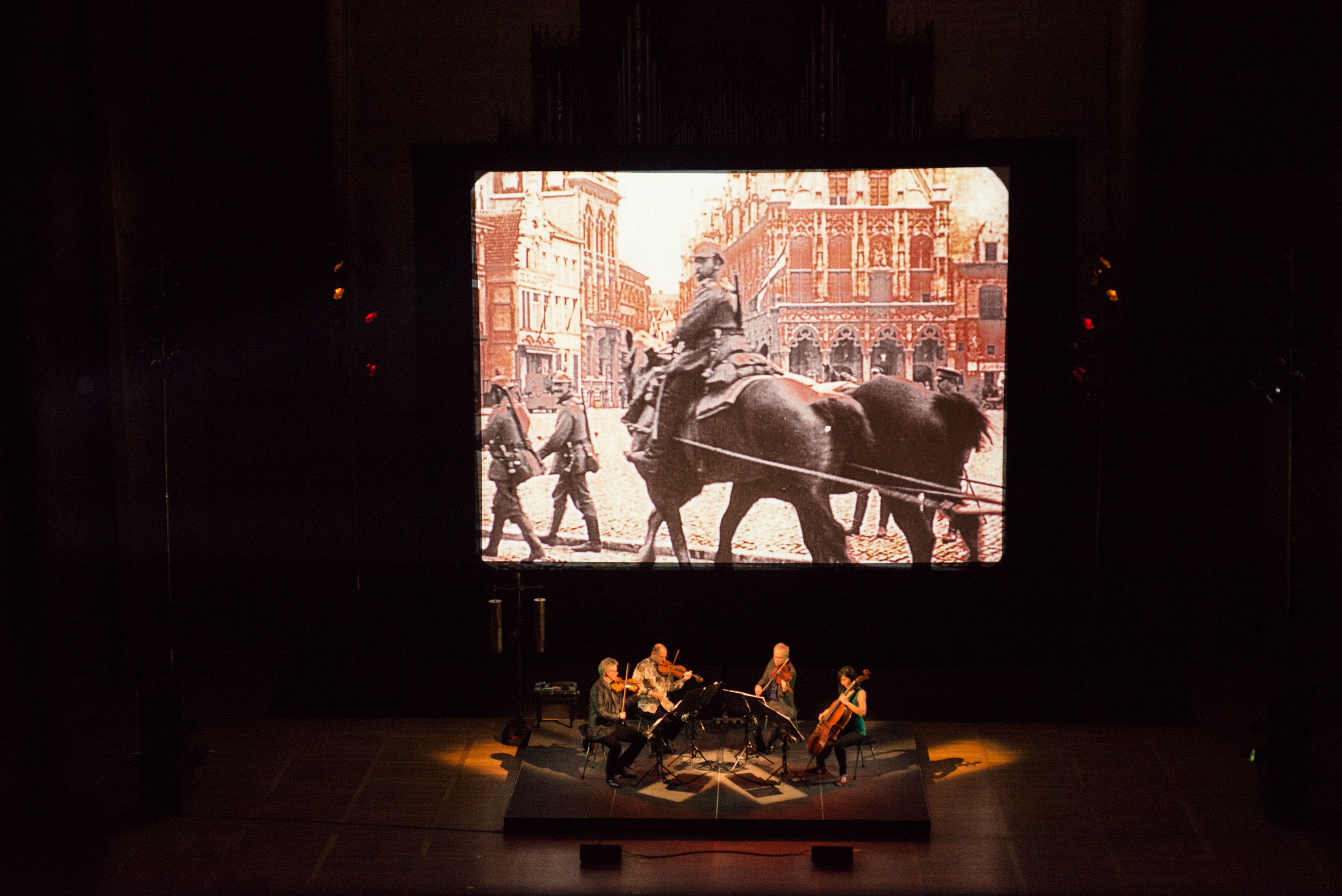
Kronos Quartet performing Beyond Zero. Photo courtesy of Kronos Quartet

Kronos Quartet performing Beyond Zero. Photo courtesy of Kronos Quartet

Oct. 8: Kronos Quartet’s performance in Macky Auditorium was a treat for fans of new music, or anyone who loves a good musical adventure. I thought the performance of Aleksandra Vrebalov’s Beyond Zero: 1914–1918, a multi-media remembrance of World War I, was one of the most powerful musical experiences of the year. The program also included a notable premier of Speak, Time by Boulder native Yuri Boguinia, and a number of pieces that draw upon Eastern European folk song. As always with Kronos, the entire concert was a fascinating musical journey. Love ‘em or hate ‘em, they are never dull.

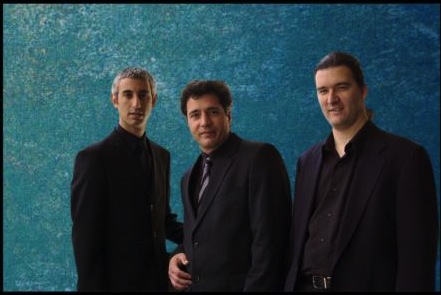
Aeris: Avi Stein, Zachary Carrettin, William Skeen

Aeris: Avi Stein, Zachary Carretin, William Skeen

Oct. 16: The Baroque-instrument trio Aeris’ program of virtuoso sonatas by Italian composers Vivaldi, Veracini, Stradella, Valentini, Locatelli and Nicola Matteis, and a very Italianate and wildly virtuosic sonata by J.S. Bach, was a telling opening for the 2014­–15 Bach Festival. The program reflected the intention of the festival’s director, Zachary Carretin, to put Bach into new and exciting contexts, giving audiences a deeper appreciation of his role in the musical world; and it also showed Carretin’s virtuoso abilities as the trio’s violinist. More from that menu will be welcome.

Oct. 17: The performance of Samuel Barber’s Knoxville: Summer of 1915 by the Pro Musica Colorado Chamber Orchestra under conductor Cynthia Katsarellis and soprano Amanda Balastrieri gave a depth and dark poignancy to a score that is often treated as simple nostalgia. The rest of the concert—Sibelius and Mozart—was delightful, but the reading of Barber will stay with me and color every other performance I hear of the evocative score.

I apologize to anyone not mentioned here; there were many wonderful and worthy performances that just fell short of making the list. (And then there were the concerts I didn’t get to!) When it comes to memorable concerts, there are no wrong answers. Your experience is as valid as anyone’s, which is why I would love to hear everyone’s reflections on the past year. In the meantime, Happy New Year and many musical returns to all!

NOTE: The story was edited 12/3/15 to clarify sentences that readers found unclear, and to change the spelling of Petrushka to conform with previous stories.