Boulder Phil brings music of hope to audience

World premiere by Jeffrey Nytch, “Land Without Evil” by Richard Scofano, and Brahms

By Peter Alexander Nov. 13 at 12:20 a.m.

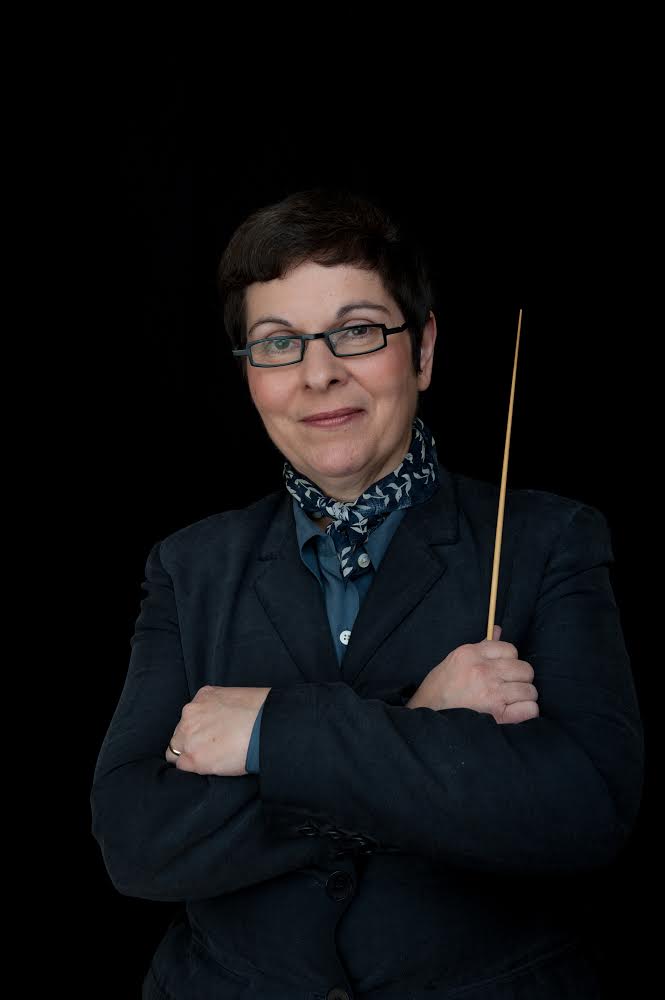
The Boulder Philharmonic with conductor Michael Butterman presented a concert in Macky Auditorium last night (Nov. 12) of music expressing hope and optimism.
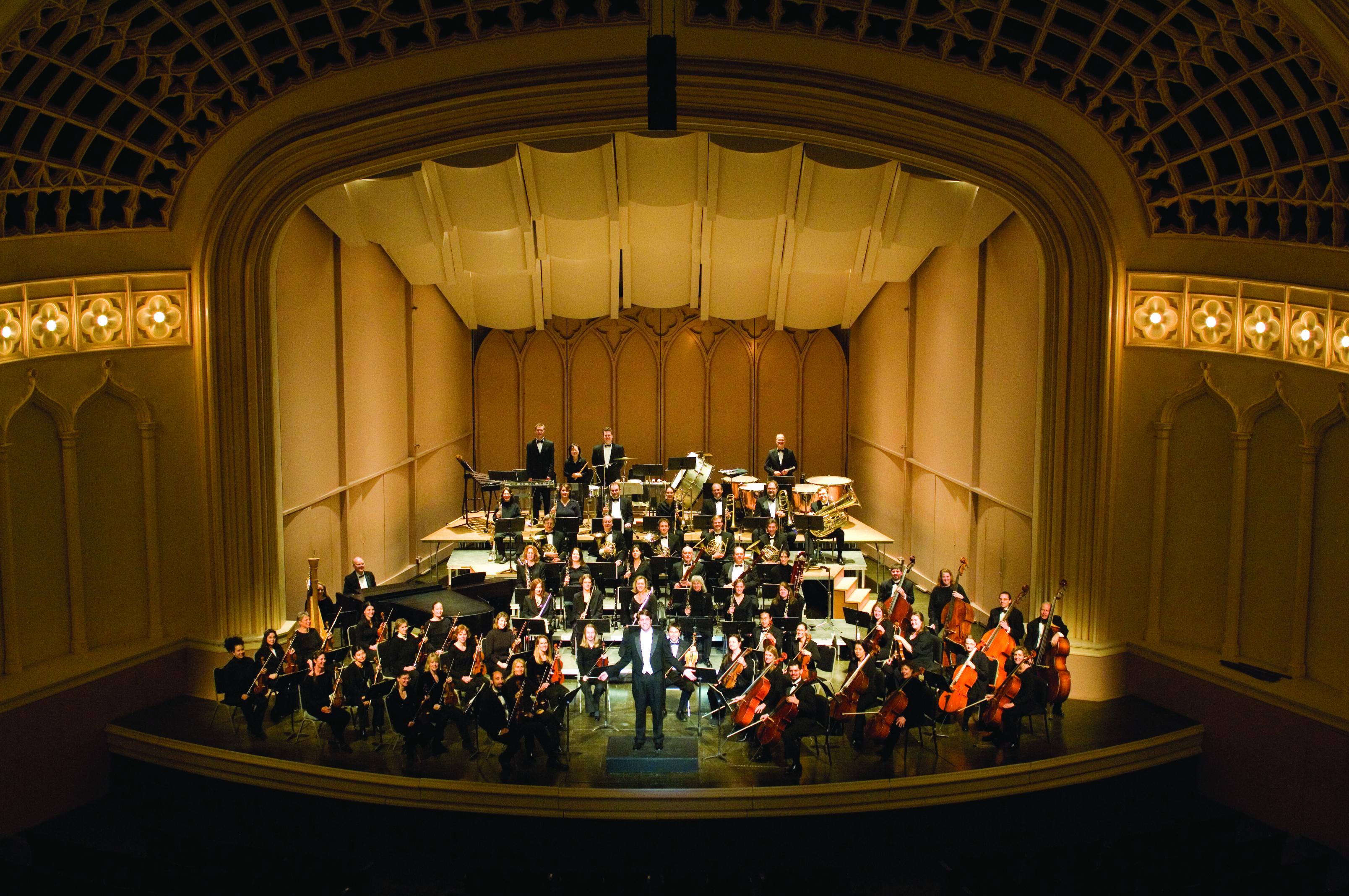
Michael Butterman and the Boulder Philharmonic in Macky Auditorium

Titled “Visions of a Brighter Tomorrow,” the program featured Brahms’s uplifting Symphony No. 1, a musical depiction of a “Land without Evil” by Argentinian composer/bandoneonist Richard Scofano, and the world premiere of a new piece by CU music professor Jeffrey Nytch. In very different ways, all three pieces fulfilled the spirit of the concert’s title.

The concert opened with Nytch’s Beacon, a piece written in celebration of the 75th anniversary of the Boulder Star. Speaking before the performance, Nytch explained that he was inspired not only by the star as a symbol of the Holidays, but also it’s role as a source of consolation and comfort in times of stress in the community, including the days after 9/11, the King Soopers shooting and the Marshall Fire.
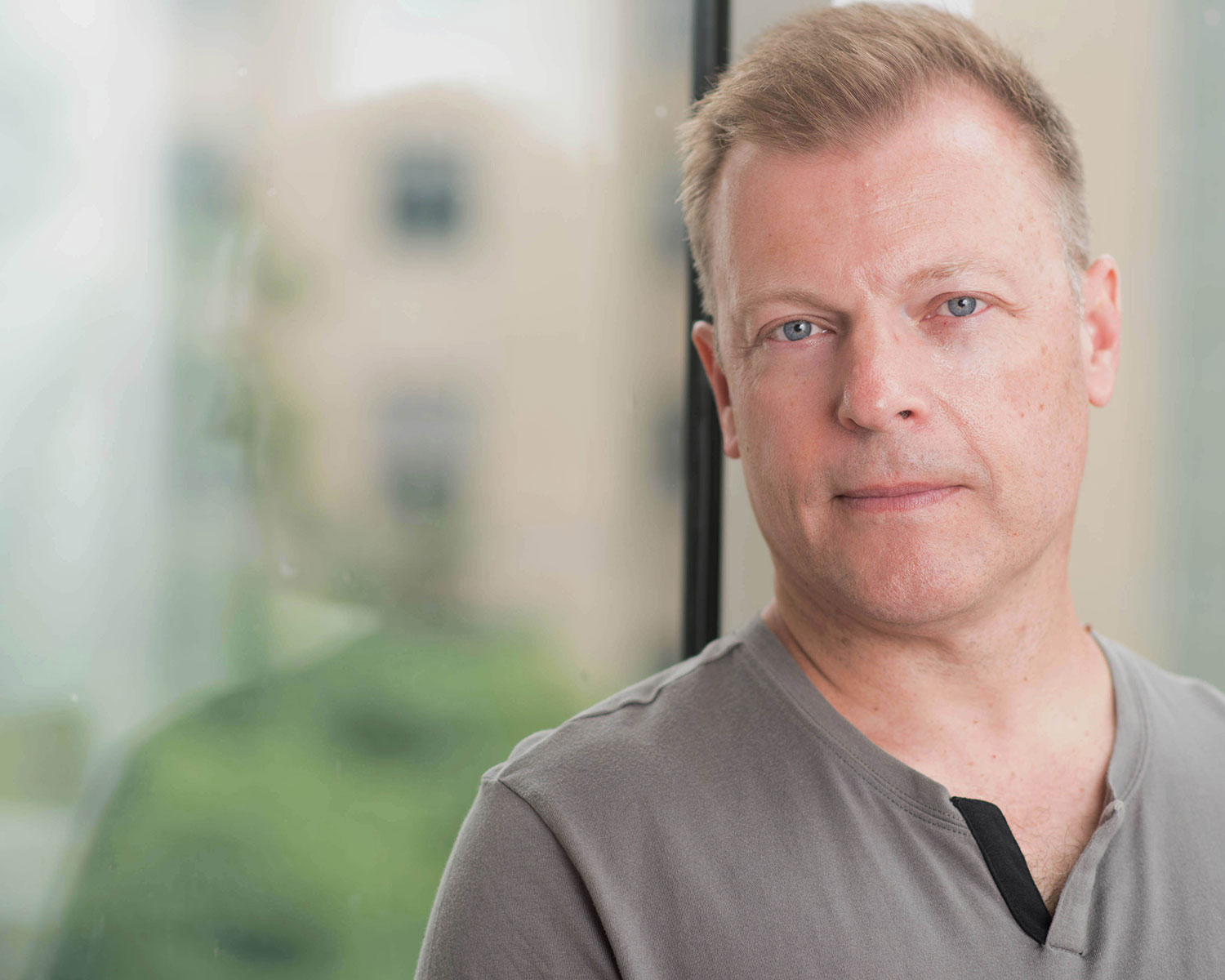
CU Prof. Jeffrey Nytch

Beacon is undoubtedly an effective concert opener, starting with bright sounds, transitioning into the mournful reflectiveness of somber emotions, and returning to the brightness of the Holiday season. My only question is whether it is too Boulder-centric to be widely performed, because it the kind of piece that on a musical basis alone should reach a wider audience.

The opening captures our cultural perceptions of the Holiday season so well that I expected to look up and see images of snowy but brightly-lit streets filled with revelers carrying home their Christmas packages. After a sparkly (Nytch’s word), high-pitched introduction, lyrical horns are accompanied by fluttery woodwinds, followed by soaring strings. 

For the central section, Nytch recalls CU cello student Louis Saxton, who played at the makeshift memorial outside of King Soopers in the days following the shooting. The familiar opening of Bach’s Suite No. 1 for solo cello, one of the pieces that Saxton played, was freely adapted to the orchestral setting. Played by the Phil’s principal cellist Charles Lee, it had an eloquent flexibility. The score quickly returns to a Holiday mood with bright statements in the brass and more sparkly timbres. 

This new score was played with evident care and commitment by the orchestra. It was actually Nytch’s second world premiere in two days, since he adapted parts of Beacon for brass quintet as a “Boulder Star Fanfare” that was played Saturday at the official lighting ceremony on the roof of the Boulder Museum. An effective occasional piece, this should become an annual part of the lighting ceremony.

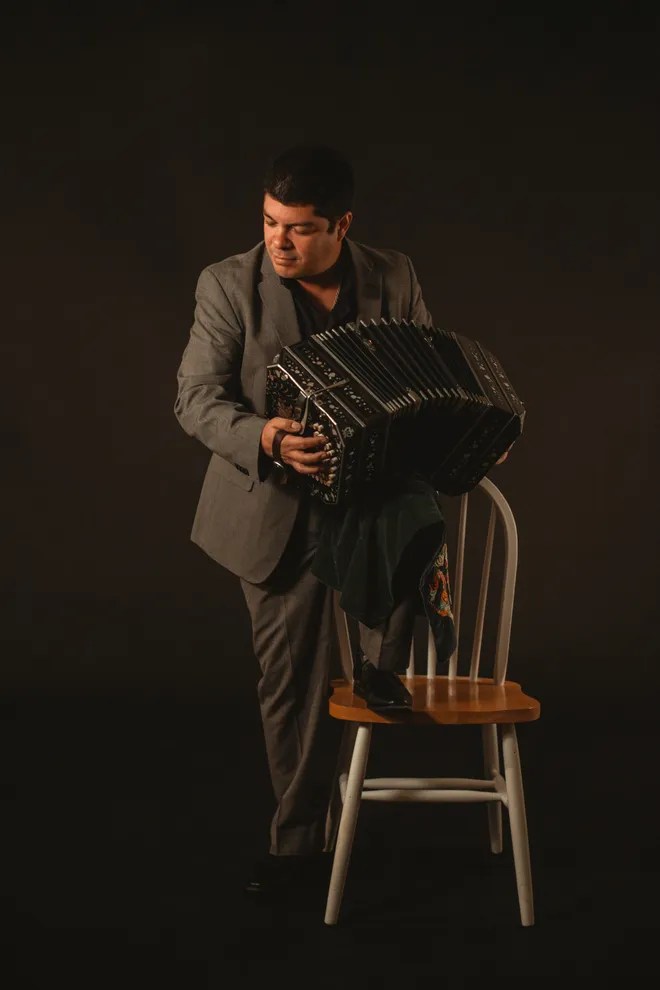
The performance of Scofano’s La Tierra sin mal (The land without evil) featured Scofano on bandoneon—a concertina associated with the tango music of Argentina—and a performance by Boulder’s 3rd Law Dance/Theatre. The score convey’s Scofano’s image of an idyllic paradise, a world that has no pain. As such it is a more than pleasurable journey that features insistent Latin rhythms as well as moments of peacefulness that seem to come from another world, one exotic to our north American ears.

In a convincing and impactful performance, Butterman and the Phil conveyed well the imagery of the score. The bandoneon part, expressively played by Scofano, is generally part of the orchestral texture, so I cannot judge him as a soloist. Likewise, I am in no sense a dance critic; I will only note that the dancers, limited to the front of the stage, made creative use of their narrow space. To my eye, the choreography responded meaningfully to the music without slavishly following the score, gesture by gesture.

Butterman gave a cogent music-appreciation introduction to Brahms’s First, pointing out its connection to Beethoven, especially the latter’s “Ode to Joy,” while describing the mood and affect of each movement in turn. Although abbreviated, it was an almost Bernstein-like presentation. In performance, Butterman emphasized the turn from a dramatic, tense C minor in the opening movement, to a jubilant C major at the end.

The sound throughout the symphony was a little hazy where it needed to be decisive, but in Macky Auditorium it’s difficult to know if that is the orchestra or the unreliable acoustic. If there were no audience, I would wandered about and see if I could find a better spot to listen; the front balcony is often better than anywhere on the main floor.

That said, individual solos in the winds—clarinet, flute, oboe—were all outstanding. The individual players of the Phil are exceptional and always worthy of careful listening. I found the slow movement the least successful, carefully executed but too blurry to take flight. The third movement Intermezzo, “poco allegretto e grazioso,” was the most rewarding movement, gently moving with a nice flow and, again, good woodwind playing. 

The lack of clarity was most problematic in the finale, which never took fire or landed with the impact it can have at its best. Again, I attribute that in part to the hall, which often deadens warmth and suppresses richness of sound. I have been told that the Phil generally sounds better in other halls. I look forward to an opportunity to test that report.
Boulder Phil celebrates “Visions of a Brighter Tomorrow”

Subjects of Sunday’s concert range from the Boulder star to Guaraní mythology

By Peter Alexander Nov. 9 at 3:15 p.m.

Michael Butterman heard a musical vision of a land without evil and immediately wanted to perform the piece in Boulder.

The conductor of the Boulder Philharmonic was listening to the NPR program “Performance Today” on the radio and heard La Tierra sin Mal (The land without evil) by Argentine composer and bandoneon player Richard Scofano. “I heard the last five minutes or so, which has harp and bandoneon (a concertina popular in Argentina) and sustained strings, and it’s just so beautiful,” he says. “Almost paradise-like music.”

Richard Scofano with bandoneon

Scofano’s piece was the starting point for a program titled “Visions of a Brighter Tomorrow” that the Phil will perform Sunday (7 p.m. in Macky Auditorium). Scofano will perform as the bandoneon soloist for his piece, which will feature dancers from Boulder’s 3rd Law Dance Company. The program also includes the world premiere of Beacon, a new piece by CU professor Jeffrey Nytch that celebrates the 75th anniversary of the Boulder Star; and Brahms’s First Symphony.

“I love the way that Scofano integrated the bandoneon with the rest of the orchestra,” Butterman says. “It’s a featured instrument, but I would not call it a concerto. He uses the bandoneon as just another color, part of the orchestral texture.”

The idea of the piece came from a myth of the Guaraní people, an indigenous group from Paraguay and Argentina. According to their mythology, they are searching for a place revealed by their ancestors where people live without suffering, what they call “the land without evil.” 

“I wondered whether there was a narrative arc to this piece,” Butterman says. “I could imagine a filmmaker being inspired to create something visual to go with it. So I approached 3rd Law, one of the wonderful dance companies we have in Boulder, and (asked) if they might be interested in setting choreography to this work.

“I don’t know what approach they are taking, and I don’t think (Scofano) knows either, but he was game to allow us to do it. (La Tierra sin Mal) would be a lovely piece as music, but I’m intrigued by the possibility that dance will bring to the work as well.”

Butterman was looking for a piece to go with the Scofano on the first half of the program when Nytch approached him with an idea. Nytch learned that this year is the 75th anniversary of the Boulder Star that is lit during the Holidays and wanted to write a piece to celebrate the occasion. 

Jeffrey Nytch

“They normally light (the star) right around Veterans Day, which is almost exactly when we will perform this concert,” Butterman explains. “I know the star very well from my years in Boulder, and it’s always a heart-filling sight. Since it’s our mission as an orchestra to reflect our community, it just seems an absolutely appropriate idea.”

Nytch was inspired to write Beacon when he attended the lighting ceremony for the star a year ago. “There are those rare occasions where you get a spark of an idea, and you immediately know what it should be,” he says. “Before I got home that night I knew I wanted to write an orchestra piece and call it Beacon. I was already hearing musical ideas. It was incredible how quickly this just locked into place.”

Especially inspiring to Nytch was the fact that the Star has been displayed at times of community tragedies, including the Marshall Fire and the King Soopers shooting, as well as the Holidays. “That was a really powerful idea, that there’s this beacon that shines over the city during good times and bad times,” he says.

As director of the Entrepreneurship Center for Music at CU, Nytch knew how to move forward. He worked with the Boulder Chamber of Commerce, who are responsible for the star, and put together funding for the composition and the performance. “We have 10 individual donors, coordinating through the Chamber, and Premiere Members Credit Union stepped in to help with the production costs,” he explains.

With the funding in place, he went to Butterman and the Phil. Nytch had written other successful pieces for the orchestra, and since Beacon was already paid for, and especially because it fit the date and the program so well, they were delighted to present the premiere.

Both Butterman and Nytch describe the opening of the piece as “sparkly,” portraying the brightness of the star in the Holiday season. Nytch says he thought, “O my gosh, I’m using every high, sparkly instrument there is—piano and harp and glockenspiel and piccolo!”

Cellist Louis Saxton playing at the memorial for the King Soopers shooting victims. Photo by Hart Van Denburg/CPR News

To contrast with the brightness of the opening fanfare, he wanted to write something that reflected the more sombre moments when the star has been lit. He remembered the cello student at CU, Louis Saxton, who had just left the King Soopers store before the shooting there, and later brought his cello to the makeshift memorial outside the store and played Bach cello suites. 

“I couldn’t get that image out of my head,” Nytch says. “That idea of meeting horrific violence with beauty is the turning point, where we go from this dark place back into this place of light and hope. And so there is a quote of the Bach Cello Suite. It’s a little snippet that drifts in and then the music turns the corner and begins to build back up again.”

Later Nytch realized that the sparkly fanfare unintentionally shared the bass line and musical gestures with the Bach. “When I realized that my brain just exploded,” Nytch says. “That’s when you know that something is right.”

To complete the program, Butterman chose the First Symphony of Brahms. It seemed to fit the occasion, he thought, because the final movement has a theme that famously resembles the theme to Beethoven’s jubilant “Ode to Joy.” The Symphony progresses from C minor to C major, ending with “a very uplifting and positive feeling,” Butterman says. “It has an epic quality that seems appropriate when one is contemplating the idea of utopia.”

Nytch agrees completely. “When I saw the rest of the program, I thought, this really is perfect, because I adore that symphony,” he says. “It’s my favorite of the four Brahms symphonies. It has moments of struggle and reflection but the end is just so gloriously hopeful. 

“It just lifts you up.”

# # # # #

“Vision of a Brighter Tomorrow”
Boulder Philharmonic Orchestra, Michael Butterman, conductor
With Richard Scofano, bandoneon, and 3rd Law Dance/Theater

  • Jeffrey Nytch: Beacon (world premiere)
  • Richard Scofano: La Tierra sin Mal (The land without evil)
  • Brahms: Symphony No. 1 in C major

7 p.m. Sunday, Nov. 12
Macky Auditorium

TICKETS

Performance “unlike anything you’ve ever experienced” comes to the Dairy

Pittsburgh New Music Ensemble’s Gray Cat and the Flounder Friday and Saturday

By Peter Alexander Oct. 1 at 5:10 p.m.

FBpersonalprofileheader

The Gray Cat and the Flounder may be the only musical show you will ever see that includes a song about the Dewey Decimal System.

The show, which will be presented Friday and Saturday (Oct. 4 and 5) by the Dairy Arts Center and the Pittsburgh New Music Ensemble, celebrates the lives of Joe Newcomer (the flounder) and his wife Bernadette Callory (the gray cat), who was a librarian. Newcomer, an amateur cartoonist and longtime supporter of PNME, commissioned The Gray Cat in Callory’s memory. His cartoons, collected over their 46-year marriage, are used within the performance.

kieren.macmillan

Composer Kieren MacMillan

The show was created by composer Kieren MacMillan together with PNME director Kevin Noe. PNME presented The Gray Cat and the Flounder this past summer at the Edinburgh Fringe Festival in multi-media performances featuring diverse musical styles, animation, shadow puppetry, spoken narration, and state-of-the art binaural sound design. Reviews from the festival hailed the show as “strikingly original” and “exceptionally uplifting.”

In a home performances, Pittsburgh Post-Gazette critic Elizabeth Bloom called the show “difficult to classify. Is it an opera?” she wrote. “A musical? A chamber music concert? A children’s show, filled with puppetry and cartoons?”

It is certainly more than a children’s show The first half is funny, quirky, sometimes downright silly, but the second half faces the loss of Newcomer’s life partner, ending with a performance of Callory’s favorite song, Stephen Foster’s “Beautiful Dreamer,” which Newcomer sang to her on her deathbed.

jeffrey_nytch

Jeffrey Nytch

The Boulder performance is presented by PNME and the Dairy Arts Center in partnership with the University of Colorado, Boulder’s Entrepreneurship Center for Music. Professor Jeffrey Nytch, the director of the center, has long been associated with PNME.

He got his start in music administration as executive director of the group, a position that ultimately led him to the Entrepreneurship Center at CU. He has maintained his relationship with PNME, serving as board president, and also performs as the narrator of The Gray Cat, a role he filled in Edinburgh.

“It’s a complete blast,” Nytch says of his role as narrator. “The show is filled with puns, as a tribute to both of them—they were both really into puns. And so there’s a whole bunch of really groan-worthy puns.”

But at the midway point, after an absurdly funny, over-the-top shadow-puppet ballet, the mood suddenly changes. “We do a very quick shift,” Nytch says. “The show from then on out takes a much more serious turn. You get the audience laughing to set them up for something more serious. And so the end of the show is very cathartic.”

The musical styles range from pure Broadway to the Stephen Foster arrangements, to pieces that are more modern—“unmistakably of our time, although not especially crazy, or crunchy,” Nytch says. And yes, it includes a piece about the Dewey Decimal System.

“Bernadette was a librarian, we wanted to in some way to celebrate that part of who she was,” Nytch says. “There’s a piece for marimba and solo clarinet and spoken word, where the text is taken from Dewey’s own introduction to his system. The music uses the numerological and organizational structures of the Dewey Decimal System to create the musical material. It’s an absolutely brilliant piece!”

binaural mic

Members of PNME with binaural microphone

The most innovative aspect of the show may be the binaural sound design. The sound is transmitted from the stage through a binaural microphone to the headphones worn by each member of the audience. “We travel with the cabling and the infrastructure, which has to be laid down in advance,” Nytch explains. “We have 180 (headphones), so we only sell 180 tickets.

“What a binaural microphone does is recreate sounds the way our ears hear sound. The microphone is actually shaped like a human head and has microphones in each of the ears. You hear not just direction, where it is coming from, but also proximity. I do a little demo at the beginning where I go right up in the right ear of the microphone and whisper gently, and you would swear that I was whispering in your right ear.

“It creates this incredibly saturated sound world that’s unlike anything, I guarantee you, that you’ve ever experienced.”

# # # # #

The Gray Cat and the Flounder
Music by Kieren MacMillan; story by Kevin Noe and Kieren MacMillan
Performed by the Pittsburgh New Music Ensemble

7:30 p.m. Friday and Saturday, Oct. 4 and 5
Gordon Gamm Theater, Dairy Arts Center

Tickets: Here or call 303-444-7328

NB: Edited to correct typos and punctuation errors 11:20 p.m. Oct. 1.


CU professor’s book is for musicians, administrators, patrons and board members

Jeffrey Nytch: The Entrepreneurial Muse

By Peter Alexander Jan. 4 at 4:20 p.m.

kglsp_fq

Jeffrey Nytch

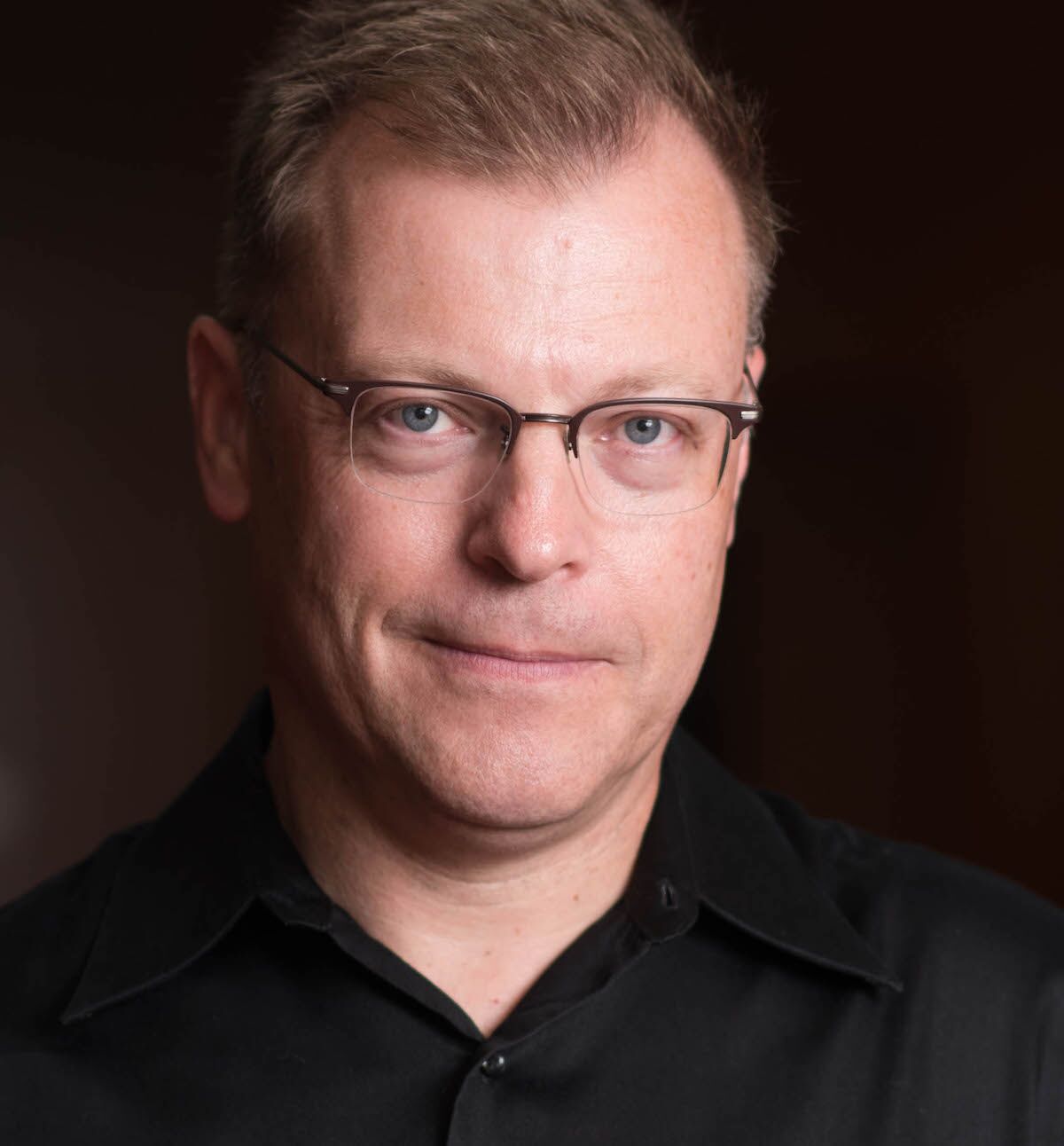
Jeffrey Nytch is a composer, an associate professor at the CU College of Music, director of the CU Entrepreneurship Center for Music, author of a text book—and sometimes a translator.

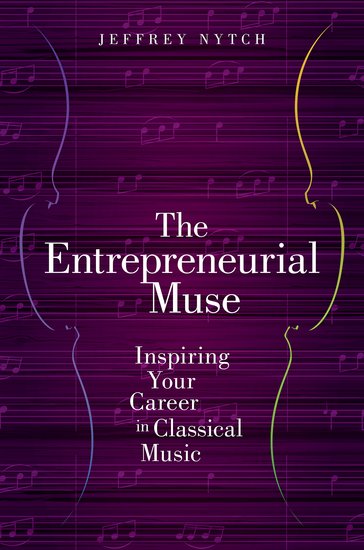
What he translates is the language of business. He translates it into language that anyone can easily grasp, and he does it through teaching as well as through his recently published book, The Entrepreneurial Muse: Inspiring Your Career in Classical Music.

“I feel like I’m a translator taking concepts that are well established in business but foreign to people in the arts,” he says. “It’s being able to say, let’s take ‘opportunity recognition.’ Let me explain to you what that means—translate it such that it demystifies it and helps the artist see that it is relevant to what they do.”

Written as a text book for classes such as “Building Your Music Career,” one of the courses he teaches through the College of Music, The Entrepreneurial Muse also aims at a larger audience. “It’s something that we talked a lot about in the conceptual stage of the book,” he says. “Oxford University Press is an academic press. They know how to market to educational institutions, so it’s been a little bit tricky in that regard.”

Nevertheless, he says, “I do think of a broader readership. I tried to write it in a conversational way, [with] the personal stories that are woven into it. Yes it’s a text book, but I wanted it to be a good read too.”

nytch.museMaking it “a good read” starts at the very beginning, with a personal experience we can all understand, what Nytch calls “The Popcorn Epiphany” (Prologue, p. xv; but you’ll have to read it for yourself). Those kinds of informal, accessible anecdotes can be found throughout the book.
Of course, it necessarily reads like a textbook in some chapters. Nytch is careful to lay the groundwork, explain the concepts, define the terms—in other words, translate the business language for his audience of musicians and music administrators.

One thing that makes the book understandable is that lot of what Nytch describes—concepts like latent and inchoate demand, and long-tail markets—are things that musicians and audiences will intuitively recognize, even if they don’t know the vocabulary. And as you move into the book, it becomes more and more fascinating to anyone who is active in the world of music, as a performer, professional administrator, supporter or consumer. Insights abound.

Music entrepreneurship has emerged as an important field over the past 20–30 years. CU created the first entrepreneurship program in the arts in 1999, and Nytch came to CU as head of the program in 2009. “Now, [the field] has really started to take off,” he says.

“In the last 20 years the numbers of [music students] have continued to grow and there are no longer the jobs for all of those students. Performing arts schools in general and music schools in particular began to recognize that we need to prepare our graduates for professional lives beyond just preparing them to be performers.”

Nytch himself came into the field of music entrepreneurship almost accidentally. Before taking the job at CU he had received a doctorate in composition, managed the Pittsburgh New Music Ensemble, and co-founded a non-profit service organization. As he explains it, “I did not recognize that I was laying the groundwork for this new career. I was just trying to figure out how to keep music in my life and make a living.”

ecmmusicThen in 2008 he heard about the job opening at CU. “I’m reading the job description,” he recalls. “I’ve got a DMA in music, I have 15 years as a freelance composer, I’d run a small arts organization and my day job for six years was being the operations director for a small business. Basically, I checked every box that they were looking for. I read that job description, and I knew it was for me.”
The textbook emerged from his experience teaching entrepreneurship. “The educators, my colleagues in the arts entrepreneurship field, need resources for their own teaching,” Nytch says. In addition, “there are music students, there are individual musicians who are out in the world, especially folks that are in the earlier stages of their career.

“Entrepreneurship is also useful for traditional art management programs. A lot of arts organizations, symphony orchestras and opera companies and chamber music societies, they could benefit from learning to think entrepreneurially as well.”

ecm_main_0.png

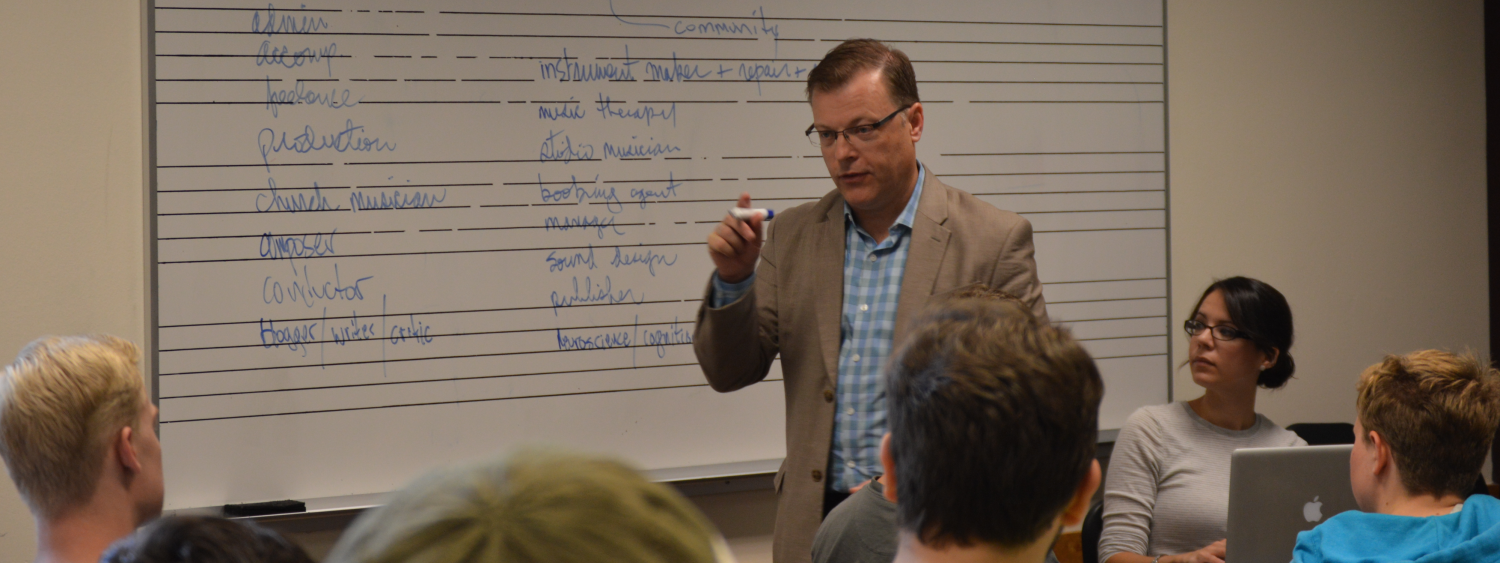
Jeffrey Nytch teaching at the Entrepreneurship Center for Music

One part of the music world in particular gets Nytch’s attention: the amateurs who support professional organizations, as patrons or contributors or board embers. “Those folks are invested in the future of their organizations, but they may not have the mechanism to think about options in a strategic way.

“A lot of boards end up doing what I call shucking peanuts. They say ‘We ought to do this,’ and ‘Actually, we ought to do this,’ or ‘Maybe we could try this.’ You go around the table and you spend two hours shucking peanuts. Some of those might be good ideas, some of them might be terrible ideas. But if there’s no way to evaluate them, then you’re never going to get any further than shucking peanuts. So thereis an audience who would find [the book] useful.”

In other words: If you are a musician in the early stages of your career, you should read this book; if you know a musician, buy it for them. If you are an arts administrator, you should read this book; if you know an arts administrator, buy it for them. If you are a board member of an arts organization, you should read this book; if you know a board member, buy it for them.

More concisely, I recommend this unique and valuable book to anyone who makes, supports or listens to music. It fills a unique and important space in the music world, and it does it extremely well.

The Entrepreneurial Muse: Inspiring Your Career in Classical Music by Jeffrey Nytch. Oxford: Oxford University Press, 2018. 240 pages. ISBN: 9780190630980 $24.99 (paperback; also available in hardback and E-book formats)

Can also be purchased from Amazon.

Edited 1/5/19 to update top photo of Jeffrey Nytch.


Dusinberre, Katsarelis and Pro Musica premiere concerto by Jeffrey Nytch

Powerfully expressive work, written from the heart, reaching out to hearts

By Peter Alexander April 15 at 12:15 a.m.

A remarkable new work by Jeffrey Nytch, the Violin Concerto: Costa Concordia, has been brought to Colorado audiences by the Colorado Pro Music Chamber Orchestra, conductor Cynthia Katsarelis and violinist Edward Dusinberre.

The official premiere was Friday (April 13) in Denver, with a second performance, which I attended, last night in Boulder (April 14). Both performance and work were assured, polished, and deeply moving.

Nytch,Jeffrey

Composer Jeffrey Nytch. Courtesy CU photo archive.

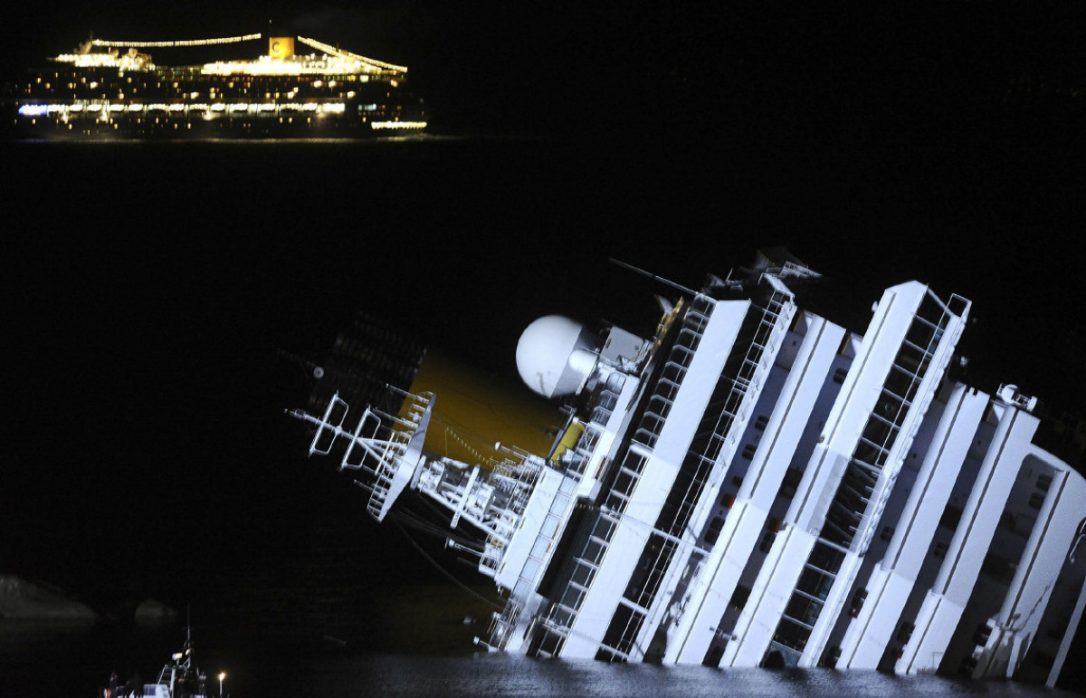
Nytch is an associate professor of composition and director of the Entrepreneurship Center for Music at the CU College of Music. He was inspired to write the concerto by the fate of the Hungarian violinist Sandor Feher, who died when the cruise ship Costa Concordia sank in 2012. When the ship collided with the rocky shore, Feher first assisted other passengers, including children, and then went to retrieve his violin. He never came back.

“I heard this story and felt that I had to respond to it in a musical way,” Nytch has said. What he chose to do was to tell the story of the violin, not the violinist. This is a highly original creative decision, one that led Nytch away from the events of Feher’s story, toward the moods the story passes through. The concerto is thus more universal, and more deeply moving.

Feher.violinist19n-3-web

Sandor Feher

Looked at in another way, the concerto is programmatic, but not in the usual sense. That is, it does not have a program of events, with music representing the collision or Feher’s descent back into the ship. Instead it has an emotional program, portraying in turn the jollity of the fiddle and its player in good times, the loneliness of their separation, and finally a vision of their reunion in another realm.

cruise.jpeg.size-custom-crop.1086x0

The Costa Concordia sinking (2012)

The result is a powerfully expressive work, because Nytch found effective musical means to convey each step of this emotional journey. And that emotional program, written from the composer’s heart, pulls the listeners in and reaches out to their hearts.

The concerto starts with a deep and foreboding prologue, with a ”churning,” the section title tells us, that could be the ship’s propellers swirling beneath the waves. This is followed by an impassioned cadenza that dramatically invokes the unity of player and instrument. Here Dusinberre became the ideal interpreter, playing with intensity and technical brilliance.

The next section of the work, titled “Dancing, lighthearted,” has hints of Eastern European rhythms and dances that Feher might have played, but without sounding like quotes of folk music or specific Gypsy tunes. The lighter mood gives away to ever more frantic fiddling until a furious climax is reached.

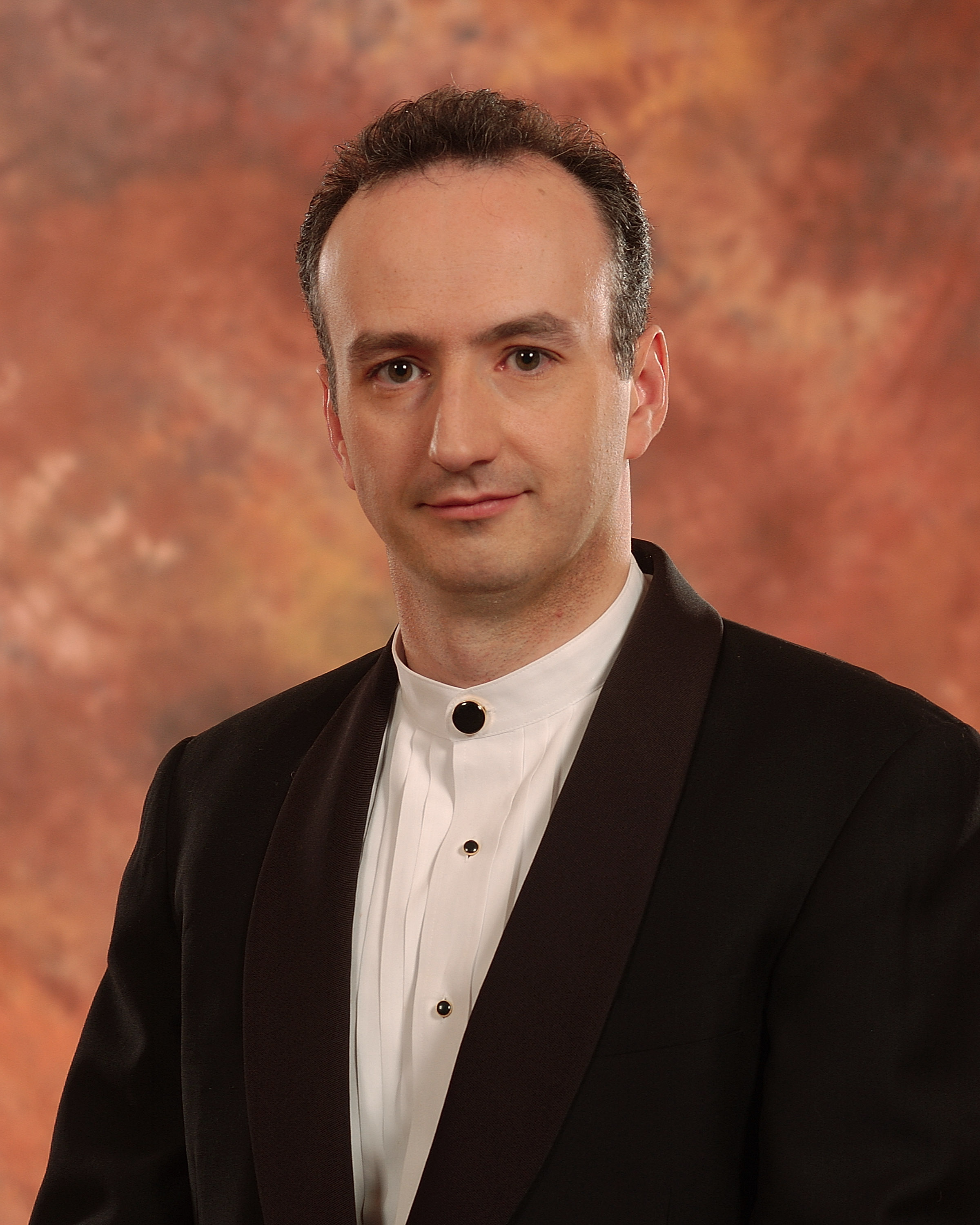
Ed Dusinberre Takacs Quartet Publicity Photo

Edward Dusinberre. Courtesy CU photo archive.

The remainder of the concerto contains the most arresting and original music of the piece. First there is a lengthy passage of utter emptiness, suggesting loneliness yet without despair. Borrowing from Dusinberre’s description, “there’s an extraordinary disembodied quality to it, (as if) the violinist ceases to be there, (leaving only) the sound of the instrument.”

Slow moving, tonal chords used to represent a sweet, consoling ending is one of the most obvious clichés of Western music, and yet Nytch makes them fresh and effective. The sheer beauty of the final section feels like the inevitable outcome of the concerto’s emotional journey. This, I thought, is the story that Nytch had to tell: not the specifics of Feher’s heroism and sacrifice, but a universal yearning for transcendence.

Dusinberre, more often heard as first violinist of the Takacs Quartet, was an inspired interpreter of the concerto. He had mastered the concerto’s many technical demands, playing with a consistency and beauty of tone. He easily soared above the texture, in spite of the sometimes urgent activity of the orchestra. Based on this riveting performance, I would like to hear him more often as a concerto soloist, if only his other far-flung commitments would allow it.

Photography by Glenn Ross. http://on.fb.me/16KNsgK

Cynthia Katsarelis. Photo by Glenn Ross.

Katsarelis and the players of Pro Musica gave solid and committed support, ideally matching the composer’s moods. Before Costa Concordia, they gave an assured and well prepared performance of Bartók’s Divertimento for String Orchestra. Throughout, the different episodes from which the score is constructed were well characterized, all of the changes of mood clearly delineated.

They did not hold back for the more bumptious sections or the most piercing climaxes, which were well contrasted with moments of near silence. The Divertimento represented a satisfying performance of a piece that Katsarelis and the players obviously enjoy. Sometimes, that’s just what you want.

Pro Musica’s ‘Heart of Hungary’ puts the spotlight on a world premiere

New Violin Concerto by Jeff Nytch will feature Edward Dusinberre as soloist

By Peter Alexander April 13 at 5:20 p.m.

Some stories just have to be told.

Nytch,Jeffrey

Jeff Nytch. Courtesy of CU Photo Archive.

That is what composer Jeffrey Nytch thought when he heard about Sandor Feher, a violinist on the cruise ship Costa Concordia who died going back to retrieve his violin when the ship sank off the coast of Italy in 2012. “I heard this story and I was just incredibly moved by it,” Nytch says. “I felt that I had to respond to it in a musical way.”

The world premiere Nytch’s musical response, his Violin Concerto: Costa Concordia, will be presented by violinist Edward Dusinberre with the Pro Musica Colorado Chamber Orchestra and conductor Cynthia Katsarelis. Performances will be Friday (April 13) in Cherry Hills Village and Saturday (April 14) in Boulder.

Pro Musica will also perform Bartók’s Divertimento for Strings both nights.

Read more in Boulder Weekly.

# # # # #

Pro Musica Colorado Chamber Orchestra, Cynthia Katsarelis, conductor
With Edward Dusinberre, violin

Jeffrey Nytch: Violin Concerto:Costa Concordia(World Premiere)
Béla Bartók: Divertimento for String Orchestra

7:30 p.m. Friday, April 13
Bethany Lutheran Church, 4500 E. Hampden Avenue,Cherry Hills Village
7:30 p.m. Saturday, April 14
Mountain View United Methodist Church, 355 Ponca Place, Boulder

Tickets