The good and the unfortunate: News of recent visitors to Boulder

Terrence Wilson, Stephen Lias, Time for Three

By Peter Alexander

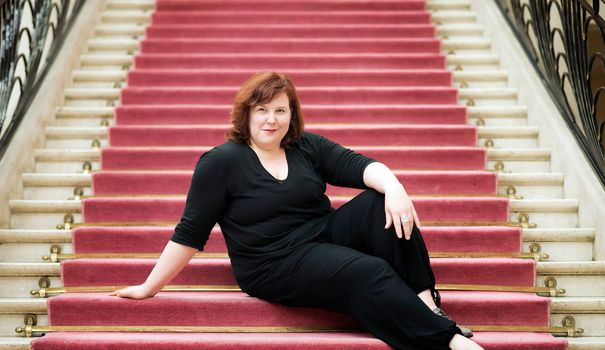
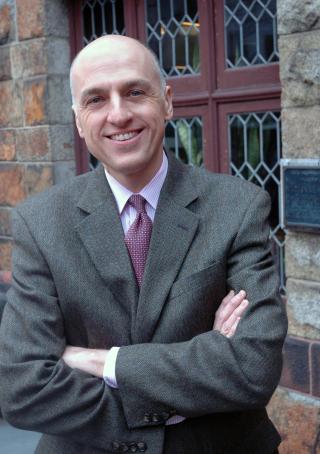
Recent visitors on the boulder musical scene have been in the news, with stories that range from near-tragic to positive to fascinating. They concern Terrence Wilson, the pianist whose performance of Michael Daugherty’s Deus Ex Machina piano concerto electrified audiences at the Colorado Music Festival just last month; composer Stephen Lias, the world premiere of whose Gates of the Arctic opened the 2014–15 season of the Boulder Philharmonic to great acclaim; and Time for Three, the “classically trained garage band” trio of two violins and bass who have upturned many expectations for classical audiences, at CMF and elsewhere.

Pianist Terrence Wilson suffers great losses in fire

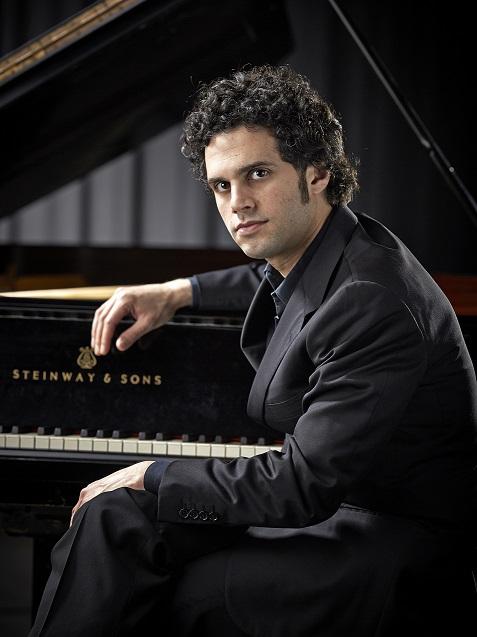
Terrence Wilson (right) with conductor David Danzmayer (l) and composer Michael Daugherty (c) following the performance of

Terrence Wilson (right) with conductor David Danzmayr (l) and composer Michael Daugherty (c) following the performance of Daugherty’s “Deus Ex Machina” at CMF

On July 9 and 10, Terrence Wilson was dazzling CMF audiences with Daugherty’s virtuoso Deus Ex Machina. Barely two weeks later, he lost all of his music and his piano when a fire broke out in his apartment building in Montclair, New Jersey.

According to a report published by TAPinto Montclair, Wilson had left his fourth-floor apartment briefly to get something to eat. “As soon as I turned the corner, I could smell the smoke and see them fighting the fire,” the report quotes him saying. That story continues, “He lived two floors above the second floor apartment where the fire started. When he returned, Wilson said that his entire apartment was in flames.

“Wilson was in tears as he pondered the losses of his prized possessions, including his Grammy memorabilia, music scores and his piano.”

Daugherty sent out an appeal through Facebook: “This past weekend, my friend and pianist Terrence Wilson‘s New Jersey apartment was tragically burned down in a fire. In addition to losing years of musical scores and personal belongings, his grand piano was destroyed. He had no renters insurance. Please consider making any small contribution at the GoFundMe page below to help Terrence rebuild his life.”

If you would like to help Wilson, you may contribute through the GoFundMe page.

Composer Stephen Lias offers a new CD of music inspired by the national parks

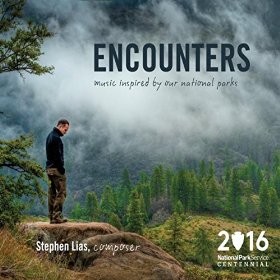
Encounters.coverStephen Lias has made a career of writing music about our National Parks. He has secured residencies in several parks, each time creating a new work from the experience. He has combined that experience with his teaching for the last four summers, through the field course “Composing in the Wilderness.”

For the 2015 program, Lias took nine composers into the Denali National Park and Preserve and the Yukon-Charley Rivers National Preserve in Alaska for eight days. At the end of the course, the composers had the opportunity to hear their new works performed at the Fairbanks Summer Arts Festival.

The past year also saw a successful Kickstarter campaign to fund a CD of music by Lias that was inspired by Big Bend, Mesa Verde, Carlsbad Caverns, Yosemite and Denali national parks. The CD was timed to be available for the 2016 centennial of the National Park Service, with the hope that the CD will be sold in national park bookstores around the country.

In the meantime, you can sample the CD or purchase downloads of the five works on Lias’s own Web page. The recording is also available for purchase through Amazon and iTunes.

Time for Three announce a personnel change

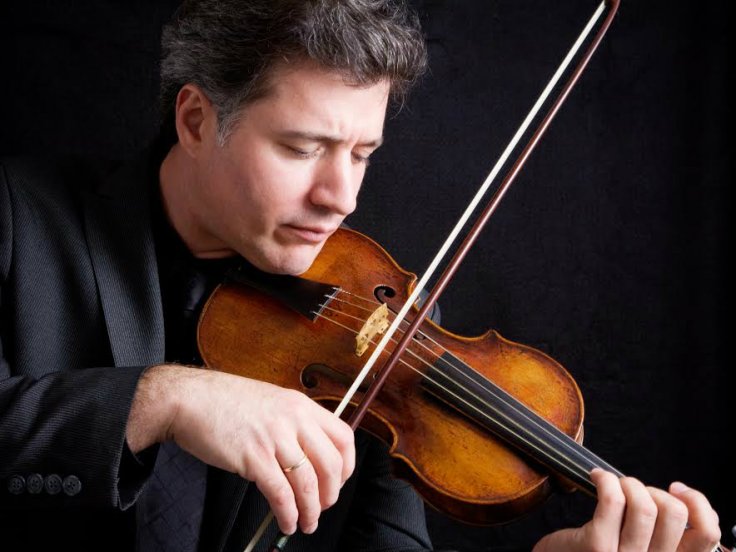
Nikki Chooi Tf3

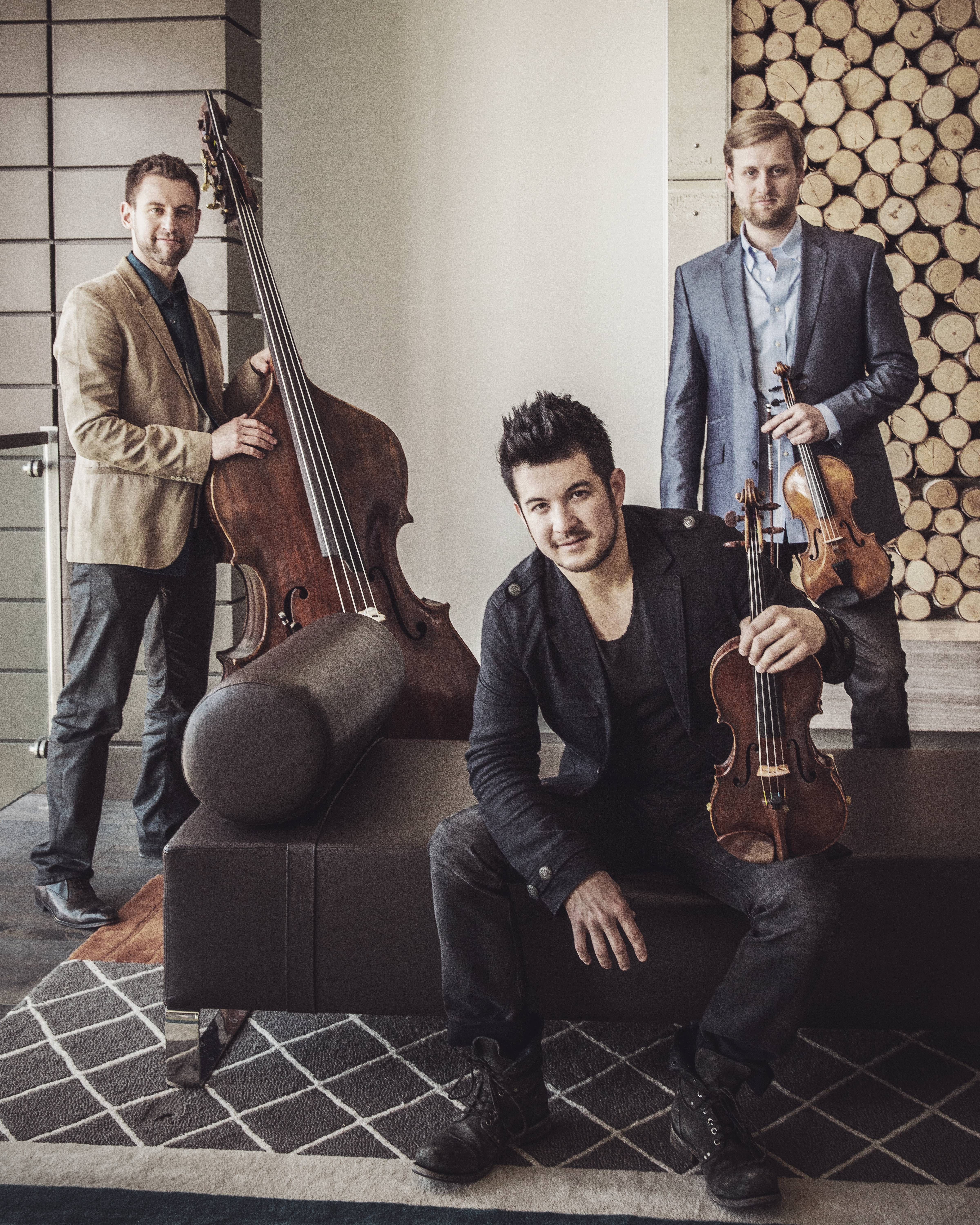
Nikki Chooi (center) with Ranaan Meyer (l) and Nick Kendall (r), the new lineup of Time for Three. June Etta Photography.

Zach De Pue, the co-founding violinist who has been with Time for Three since the trio was founded 15 years ago, has announced that he has decided to focus his time on his position as concertmaster of the Indianapolis Symphony. Over the next year he will leave the group, to be replaced by Canadian violinist Nikki Chooi, winner of the 2013 Michael Hill International Violin Competition.

The announcement on the Time for Three Web page states: “This has been an incredible new door for us to open, and there is a lot planned as we take steps together towards a new, fulfilling future!!

“Nikki will be appearing on selected dates with Time for Three during the 2015-16 season, fulfilling his schedule of international concert dates while starting to play as a full time member of the band. In coordination with his duties at the Indianapolis Symphony, Zach will intersperse appearances with TF3 throughout and until the end of the same season, helping Ranaan and Nick make the seamless transition. Nikki will take over fully beginning with the 2016-2017 season.”

Chooi has said he is “beyond thrilled” to join the highly successful and fun group. You may read a longer story about the transition in Strad Magazine.

Note: This story was edited Aug. 2, with minor grammatical corrections.

Famed operatic baritone Samuel Ramey will appear at the Colorado Music Festival

The international opera star will step into the leading role in Bluebeard’s Castle July 23 & 24

By Peter Alexander

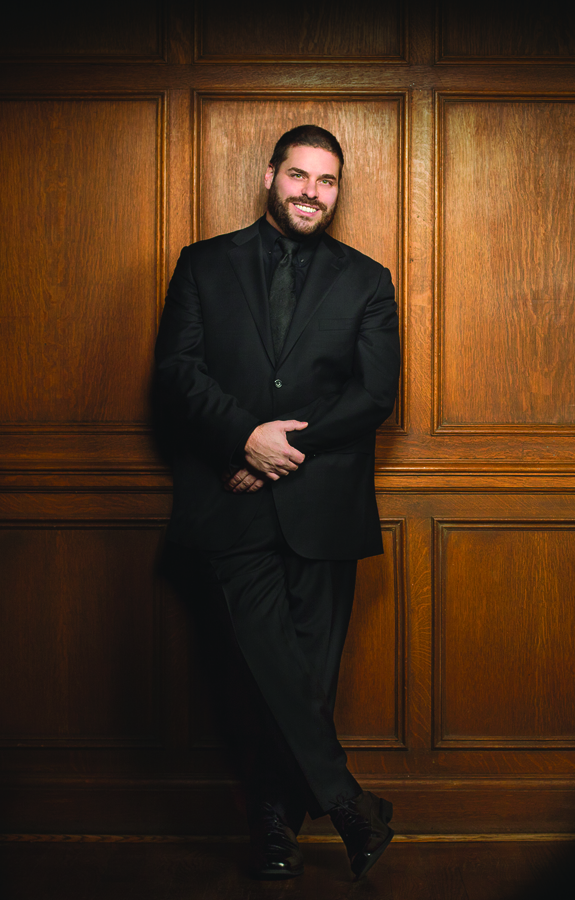
Samuel Ramey. Photo by Christian Steiner.

Samuel Ramey. Photo by Christian Steiner.

The Colorado Music Festival (CMF) announced today (July 14) that Samuel Ramey will sing the lead role in their concert performances of Bartók’s one-act opera, Bluebeard’s Castle, to be performed in the Chautauqua Auditorium Thursday and Friday, July 23 and 24.

Ramey will step in for Hungarian bass-baritone Gabor Betz, who was forced to withdraw, the CMF said, “due to visa complications.”

Bluebeard’s Castle will be sung in Hungarian with English supertitles projected above the stage. The performances will be paired with Stravinsky’s Firebird Suite (1919 version) as part of the regular Festival Orchestra series of Thursday-Friday concert pairs. CMF music director Jean-Marie Zeitouni will conduct.

One of the most recognized and acclaimed baritones performing today, Ramey has sung at leading opera houses around the world, including La Scala in Milan, the Vienna State Opera, the Royal Opera, Covent Garden in London, and the Metropolitan in New York. His repertoire includes most of the major baritone roles, but it is especially noteworthy that he has made the role of Duke Bluebeard a specialty, having performed it at the Met for a PBS broadcast. His partners in the two-person opera have included American opera stars Jessye Norman at the Met and Denyce Graves at the Washington National Opera, as well as Krisztina Szabó, who will be his partner for the CMF performances, in Chicago.

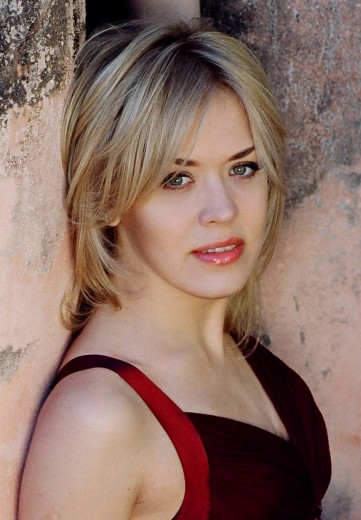
Krisztina Szabó

Krisztina Szabó

A Canadian-Hungarian mezzo-soprano, Szabó is on the voice faculty of the University of Toronto. She performs frequently with the Canadian Opera Company, where she has sung a variety of roles from Musetta in La Bohéme to The Woman in Schoenberg’s Erwartung.

A preview of the CMF Festival Orchestra performances of Bluebeard’s Castle and Firebird Suite will appear next Thursday, July 23, in Boulder Weekly.

More information about the performances and tickets to all CMF performances are available here.

Central City Opera Announces 2016 summer season of performances in Central City

Two major operas in the historic opera house, two one-acts in alternative venues

By Peter Alexander

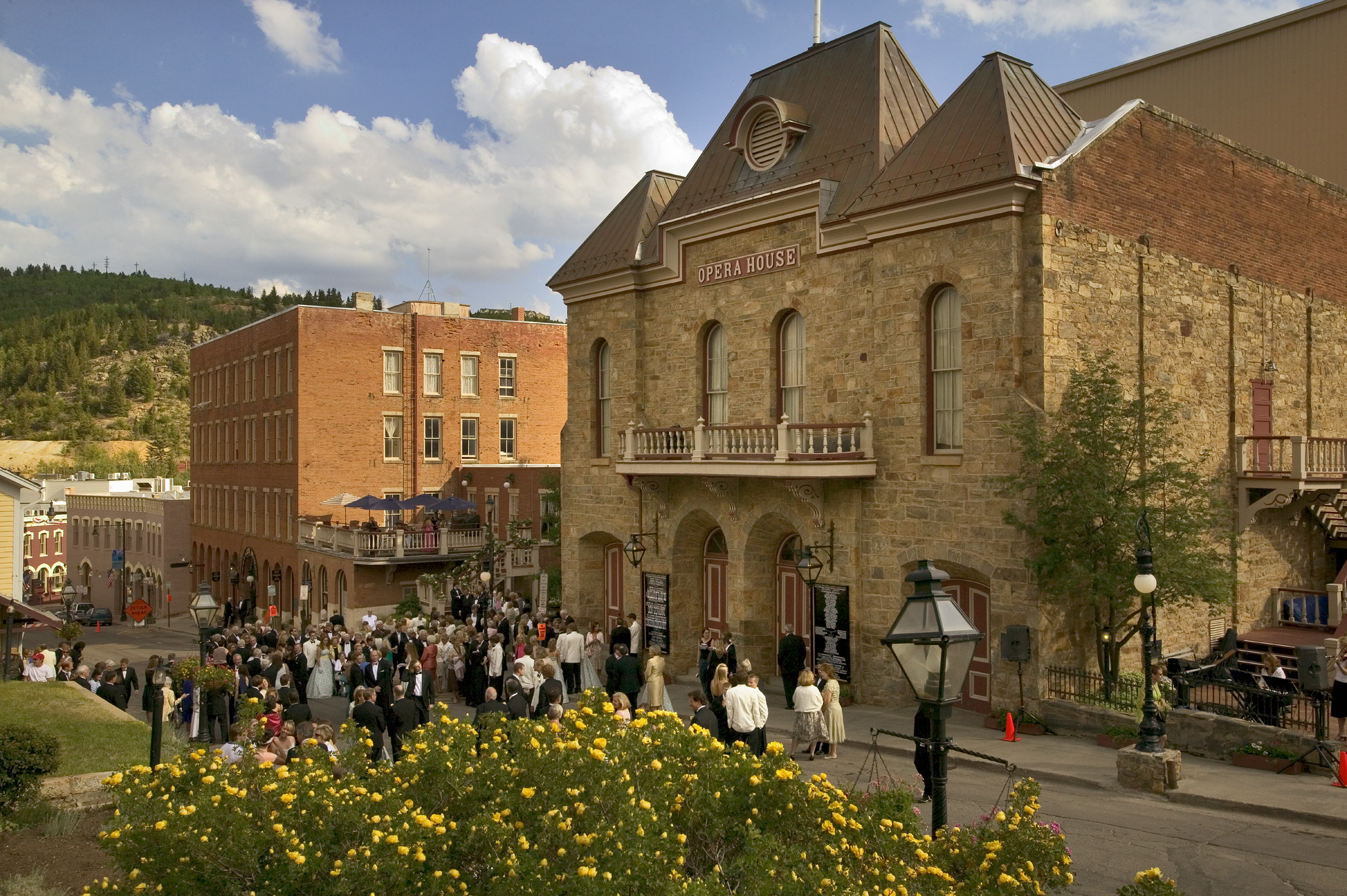
Opening Night at Central City Opera.  (From Central City Opera's 75th anniversary book,

Opening Night at Central City Opera. (From Central City Opera’s 75th-anniversary book, “Theatre of Dreams, The Glorious Central City Opera—Celebrating 75 Years.”)

The Central City Opera, having impressively opened their 2015 summer season last Saturday (July 11) with a highly satisfying production of Verdi’s La Traviata, has now announced their 2016 summer season of performances in Central City. There will be two major productions in the historic Central City Opera House, and two one-act operas in alternative locations in Central City, during a season that runs from July 9 to Aug. 7.

The season will open July 9 with a 60th-anniversary production of The Ballad of Baby Doe by Douglas Moore, which had its world premiere at the Central City Opera in 1956. Based on the true story of two of Colorado’s colorful figures from the days of the silver boom, roughly 1879 to 1893, the English-language opera has enjoyed considerable success since its first performances in the Central City Opera House.

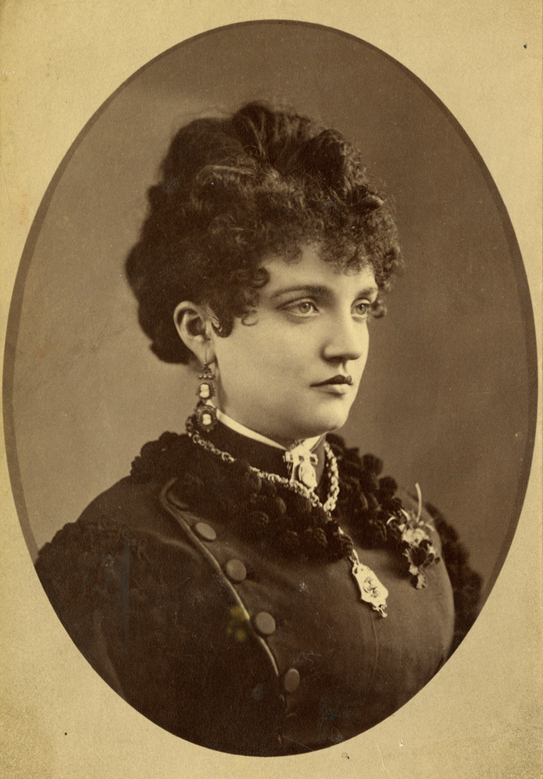
Baby Doe Tabor.

Baby Doe Tabor (by Webster, Oshkosh; licensed under public domain via Wikimedia Commons)

The opera is the tale of a classic love triangle: Horace Tabor, known as “The Bonanza King” of Leadville, Colo., was a respectably married businessman and politician. In the 1880s, at the height of the silver boom, he met and fell in love with Elizabeth “Baby Doe” McCourt. He divorced his wife, Augusta Tabor, and married Baby Doe in Washington, D.C, in 1883. Their society wedding was considered the scandal of the age. Not long after, the collapse of the silver market wiped out Tabor’s fortune. After he died in 1899, Baby Doe lived on in poverty at the Matchless Mine—now a tourist attraction in Leadville—until her death in 1935.

The Ballad of Baby Doe will run in repertory at the Central City Opera House through Aug. 6, 2016.

Tosca, Puccini’s tragic opera of passion and betrayal, will be Central City Opera’s second offering of the 2016 Festival. This production opens on July 16 and runs through Aug. 7, 2016, also in the Central City Opera House.

One of the most popular operas in the repertoire, Tosca is set in 1800 Rome. It follows the story of a fiery prima donna, Floria Tosca, who struggles to rescue her true love, the painter Mario Cavaradossi, from the clutches of Baron Scarpia, the evil chief of police. Tosca will be performed in Italian with English supertitles.

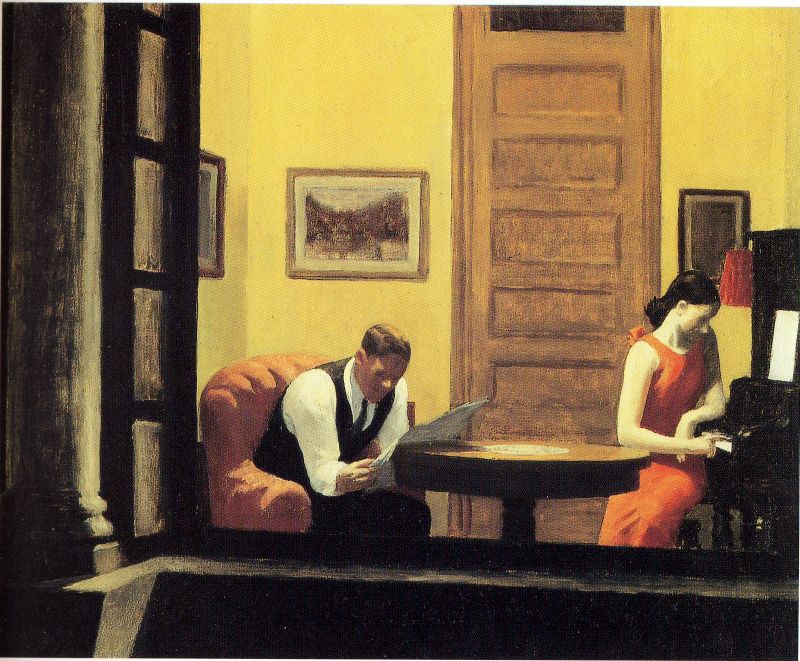
“It’s a lullaby to New York,” composer John Musto said on NPR’s Weekend Edition Sunday. He was talking about his opera Later the Same Evening, which will be the third offering of Central City Opera’s 2016 Festival. One of the two one-acts to be presented next summer, this contemporary opera with a libretto by Mark Campbell had its professional premiere at Glimmerglass Opera in 2011.

Edward Hopper,

Edward Hopper, “Room in New York,” one of the paintings that inspired composer John Musto.

The opera imagines the lives of the figures in five paintings by American painter Edward Hopper, weaving a narrative that connects them on a single night in New York City in 1932. Later the Same Evening will be performed in English at an alternative venue in Central City.

As its final production for 2016, Central City Opera presents Mozart’s comic one-act opera, The Impresario. The opera tells the whimsical story of an entrepreneur who is required to put together a company of actors and singers while dealing with their whims, rivalries and demands for exorbitant amounts of money. Through a number of twists and turns, the performers and the impresario find a way to reconcile all in the end. The Impresario will be performed in English at an alternative venue in Central City.

This season of four operas follows several years when Central City Opera has sought new audiences around Colorado, first by presenting musicals in Denver, and now this year by taking one-act chamber operas on tour to smaller venues in Colorado Springs and Ft. Collins. The 2016 season follows the general plan of the current season, with two major productions in the Central City Opera House and two smaller productions in other locations; touring performances for the one-act operas have not been announced for 2016.

“We have been experimenting over the past few seasons with the way we deliver our product,” Central City Opera general director Pelham (Pat) Pearce says. “While we met thousands of new friends through our offerings presented in Denver at the Buell and the Ellie, we determined that the most important thing Central City Opera can provide to our patrons—in addition to a great production—is the truly unique experience we provide in Central City.”

Additional performance dates, as well as artistic staff announcements and casting for the 2016 Summer Festival, will be announced at a later date. Subscription packages for the 2016 Festival will go on sale in the fall of 2015. Further information on the 2016 season will be available at the Central City Opera Web page.

# # # # #

Central City Opera
2016 Summer Season

CCOperaLogoPreferredThe Ballad of Baby Doe by Douglas Moore (60th-anniversary production)
July 9–Aug. 6, Central City Opera House

Tosca by Giacomo Puccini
July 16–Aug. 7, Central City Opera House

Later the Same Evening by John Musto
Dates and location in Central City tba

The Impresario by Wolfgang Amadeus Mozart
Dates and location in Central City tba

# # # # #

There will be a collaborative program with the Boulder Philharmonic during the spring of 2016:

St. Matthew Passion
 by J.S. Bach
Semi-staged production by the Boulder Philharmonic, Central City Opera, Boulder Bach Festival & CU Choruses
Michael Butterman, conductor
7 p.m. April 23, 2016, Macky Auditorium, Boulder

Boulder Philharmonic selected for a brand new festival at the Kennedy Center

One of only four orchestras nationwide chosen for the inaugural event

By Peter Alexander

11215713_10153195763195865_3630514800314949666_nThe Boulder Philharmonic is one of only four orchestras from across North America chosen to participate in a new festival at the Kennedy Center in Washington, D.C.

The new weeklong SHIFT Festival will take place at the Kennedy Center March 27–April 2, 2017. The other groups participating will be the Atlanta Symphony, the North Carolina Symphony, and the Brooklyn-based ensemble The Knights.

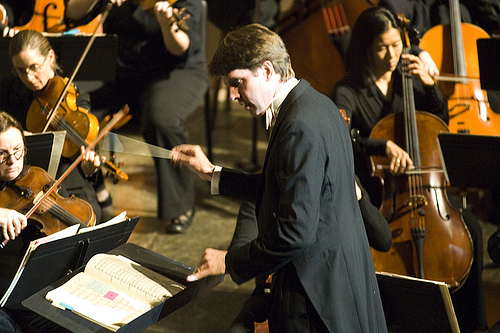
The selection was announced today (May 28) by the Kennedy Center and Washington Performing Arts. Michael Butterman, music director of the Boulder Phil, commented: “I am thrilled and honored that we’ve been selected to perform in our nation’s capital alongside some of the finest orchestras in the country.

Michael Butterman

Michael Butterman

“For several seasons, we’ve been fine-tuning our new mode for programming, called ‘The Spirit of Boulder,’ which reflects our community’s own values, creativity, and sense of place. By connecting people to orchestral music, the Boulder Phil strives to be an essential part of our community’s cultural fabric. We couldn’t be more delighted to share what’s working so well in Boulder with those involved in the first SHIFT Festival.”

The Boulder Phil’s performance at the Kennedy Center will be at 8 p.m. March 28, 2017. Butterman will conduct the program, “Nature and Music,” which was also the theme of the orchestra’s 2013–14 season. The concert will feature one world premiere and three pieces from the 2013–14 season:

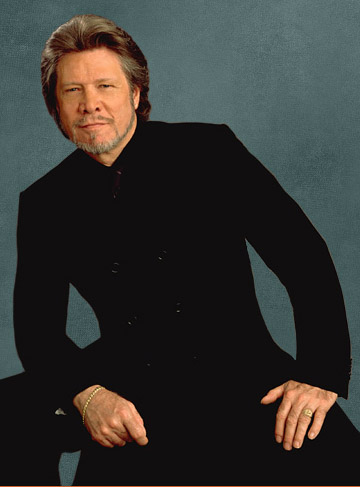
Composer Stephen Lias

Composer Stephen Lias

A new work by Stephen Lias, commissioned to commemorate the 100th anniversary of the National Park Service, performed with photography by Colorado photographer John Fielder. Lias has won several National Park artist-in-residence grants, and the Boulder Phil presented the world premiere of his orchestral work Gates of the Arctic at the opening concert of the 2014–15 season. Other works by Lias celebrating national parks include Denali for string orchestra; Glacier Bay for orchestra; Ghosts of Mesa Verde for two flutes; Kings Canyon for trumpet ensemble; Sequoia for trombone choir; and The Timberline Sonata for trumpet and piano, written following Lias’ 2010 residency in Rocky Mountain National Park.
• Jeff Midkiff’s Mandolin Concerto: From the Blue Ridge, performed by the Boulder Phil in April, 2014. Midkiff will be the soloist for the Kennedy Center performance, as he was in 2014.
• Ghosts of the Grasslands by Steve Heitzeg, performed in Boulder in March, 2014.
• Aaron Copland’s Appalachian Spring, performed with Boulder’s aerial dance troupe Frequent Flyers. Boulder Phil and Frequent Flyers presented Appalachian Spring in Macky Auditorium in November, 2013.

Boulder Phil with Frequent Flyers. Photo by Glenn Ross.

Boulder Phil with Frequent Flyers. Photo by Glenn Ross.

As part of their involvement in the SHIFT Festival, each participating orchestra will engage in a mini-residency, interacting with the surrounding community through educational and outreach activities, symposia, and community events in venues throughout Washington, D.C. Proposed festival activities for the Boulder Phil include nature hikes in Washington, D.C.’s Rock Creek, led by naturalist Dave Sutherland from Boulder’s Open Space & Mountain Parks, and outdoor performances by Boulder Phil ensembles.

These events draw on the activities of the 2013–14 season, which capitalized on local residents’ love of the outdoors by exploring the many ways that composers have been inspired by nature. Among other activities, the orchestra offered guided musical hikes, with the aim of bringing concert audiences outside, and enticing nature lovers into the concert hall.

“The SHIFT Festival showcases how America’s orchestras have shifted their visions to reflect the music and programming that’s unique to their own communities,” Butterman said. “We couldn’t be more honored to share our vision of the Boulder Phil, The Spirit of Boulder, with other orchestras across the country, doing the same thing.”

SHIFT: A Festival of American Orchestras is the first significant collaboration between the Kennedy Center and Washington Performing Arts in their shared history. The Andrew W. Mellon Foundation has awarded a $900,000 grant for the collaboration, of which $700,000 will be leveraged as matching funds for new gifts to support the program. Kennedy Center President Deborah Rutter and Washington Performing Arts President & CEO Jenny Bilfield made the announcement May 28 in Cleveland at the League of American Orchestras’ annual conference before an audience of nearly 1,000 orchestra administrators, musicians, trustees, and volunteers.

Collectively, the participating orchestras will offer repertoire by nine living composers, two world premieres, and numerous D.C.-area premieres during the festival, inspired by themes of nature, Americana, creation and creativity, and choral influences.

# # # # #

You may read the Boulder Philharmonic’s press release here.

Information on the SHIFT Festival from the Kennedy Center can be seen here.

Colorado MahlerFest announces new music director

Kenneth Woods will be second permanent director in festival history

By Peter Alexander

Kenneth Woods. Photo by Benjamin Ealovega.

Kenneth Woods. Photo by Benjamin Ealovega.

Colorado MahlerFest has announced the hiring of Kenneth Woods to succeed the festival’s founding director Robert Olson as music director and conductor.

Olson conducted his final performances, powerful and moving interpretations of Mahler’s elegiac Symphony No. 9, Saturday and Sunday (May 16 and 17) in Mackey Auditorium, as the culmination of the 28th festival. Woods’ appointment as only the second director in the festival’s history was announced at the performances.

Woods will direct the 29th MahlerFest in 2016, with performances scheduled for May 21 and 22 in Boulder.

Artistic director and principal conductor of the English Symphony Orchestra located in Worcester and Worcestershire, England, Woods has been an enthusiastic advocate of Mahler’s music. In addition to conducting and recording versions of Mahler’s music, he has participated in panel discussions of Mahler’s music for the BBC and NPR.

Woods commented, “I’m thrilled and humbled to be invited to steer the festival’s ongoing exploration of one of the greatest composers of all time. I’ve always been impressed by the sophistication of MahlerFest’s programming and presentation, not to mention the musical standards attained by its participants.

Robert Olson, founding director of Colorado MahlerFest. Photo by Keith Bobo.

Robert Olson, founding director of Colorado MahlerFest. Photo by Keith Bobo.

“I must extend enormous congratulations to Bob Olson for everything he has achieved. The complexity and scale of some tasks can only be fully appreciated once you’ve done them yourself, and as someone who has put together a few crazy Mahler projects of my own over the years, I know something about the kind of heroic effort Bob has made to build and sustain this festival. I take very seriously my responsibility to keep the torch he has lit blazing brightly for many years to come.”

Olson noted that “It wasn’t easy for me to wrap my brain around turning this over to somebody else. For obvious reasons, I would want someone who had the same dedication and passion to the music that I hope I bring to it. I’m just thrilled to say I will be supporting (Woods) 100%. I think he will be terrific for the festival.”

Olson started Colorado MahlerFest in 1988 with an all-volunteer, unpaid orchestra performing Mahler’s First Symphony. Since then, he has guided the festival through three nearly complete cycles of Mahler’s 10 symphonies and other major works, all the while recruiting outstanding players and singers for the festival and maintaining the volunteer character of the orchestra and chorus. Today players come from all across the U.S. at their own expense for the opportunity to play in the festival orchestra.

For the third full cycle of Mahler’s major works, only symphonies Seven, Eight and Ten, and the complete Lied von der Erde, remain unperformed. Programming for the 2016 festival has not yet been announced, but Woods said that completing the third cycle is a possible goal for his first years with the festival.

[NOTE: I will be posting an interview with Woods in a few days. In the meantime, readers who wish to get acquainted with him may read his blog, A View from the Podium.]

Boulder Chamber Orchestra puts tickets on sale for 2015–16

Season runs from Baroque to Brahms to Britten, plus the Boulder premiere of a piano (yes: a piano, not a player)

By Peter Alexander

Bahman Saless and the Boulder Chamber Orchestra. Photo by Keith Bobo.

Bahman Saless and the Boulder Chamber Orchestra. Photo by Keith Bobo.

Bahman Saless and the Boulder Chamber Orchestra will expand beyond the usual Classical/Baroque repertoire of smaller ensembles for their 2015–16 season, with concertos by Romantic composers Brahms and Tchaikovsky.

The season will also include contemporary works by John Rutter and Astor Piazzolla, music from Alfred Hitchcock’s iconic film Psycho, and the Boulder debut of a historical piano that was built in Paris in 1895.

Series tickets for the 2015–16 season are now available from the BCO. The full season schedule is not yet listed on the orchestra’s Web page, but the BCO shared a preliminary program with Sharpsandflatirons, as listed below. While some programs are incomplete, the dates and venues are definite. Watch the BCO Web page for more details.

There will also be a series of mini-chamber concerts, to be announced later.

Mina Gajić

Mina Gajić

The season will open Oct. 30 in Boulder and Oct. 31 in Lakewood with a concert featuring pianist Mina Gajić performing on an 1895 straight-strung Érard piano. A performer who has played on many Romantic-era pianos, Gajić found the Érard in Amsterdam and had it shipped to her home in Boulder in 2014. The one-of-a-kind instrument was commissioned by a noble family in Brussels, and was hand painted for them.

The historic instrument is ideal for one work on the program—Franz Liszt’s one-movement Malédiction for piano and strings, which was composed in the 1830s. Gajić will also play a 20th-century work on the same piano, Benjamin Britten’s Young Apollo for piano and strings. The program, calling on the BCO strings only, will also feature film music from Psycho and Mozart’s Adagio and Fugue in C minor for strings.

Zachary Carrettin

Zachary Carrettin

The following concerts, Dec. 4 in Boulder and Dec. 5 in Broomfield, will present the pairing of Vivaldi’s evergreen Four Seasons concertos for violin and strings, and the Vivaldi-inspired Four Seasons of Buenos Aires by Argentinean tango composer Astor Piazzolla. The soloist will be Zachary Carrettin, known in Boulder as the adventurous director of the Boulder Bach Festival. Though far from Bach, Piazzolla is not out of Carrettin’s rather large musical ball park by any means: he performed for 10 years in a duo with a “Tango Nuevo” composer working in the same style as Piazzolla.

It is noteworthy that this will be the second opportunity in less than two years for Boulder audiences to hear the Vivaldi/Piazzolla pairing, which was presented by the Pro Musica Colorado Chamber Orchestra in April of 2014, with violinist Lina Bahn and conductor Cynthia Katsarelis. The pairing of these two works was popularized by violinist Gidon Kremer when he recorded them together, and it has been played by violinists around the world.

The performance is also the second collaboration between the Bach Festival and a Boulder-based orchestra to be announced for the coming year, along with a semi-staged performance of the St. Matthew Passion with the Boulder Philharmonic and conductor Michael Butterman scheduled for April 23 and 24, 2016.

Jennifer Ellis Kampani

Jennifer Ellis Kampani

Concerts Dec. 19 in Boulder and Dec. 20 in Broomfield will feature soprano Jennifer Ellis Kampani performing Baroque vocal music (full program to be announced later). Especially known for performing the music of Spain and Latin America, Kampani has sung numerous roles in Baroque opera productions and appeared with leading early music ensembles in the U.S. and Europe.

On the same program BCO will play John Rutter’s Suite Antique for flute, harpsichord and strings; and Sibelius’ Rakastava (The lover), a short suite for string orchestra based on folksongs that tell of a nighttime tryst that must end at dawn.

BCO will continue its recent tradition of playing a News Year’s Eve concert at the Lakewood Cultural Center. The program will be announced later.

Soheil Nasseri

Soheil Nasseri

The final two programs of the season, in April and May, will see the orchestra entering Romantic repertoire with two much loved virtuoso concertos. Concerts April 15 in Broomfield and April 16 in Boulder will feature pianist Soheil Nasseri returning to the BCO for Brahms’s Second Piano Concerto, on a program that will include Mozart’s Symphony No. 40 in G minor.

The final concert of the season will be May 6 in Broomfield and May 8 in Boulder. Multiple prize-winning violinist Chloé Trevor will play Tchaikovsky’s Violin Concerto on a program with Beethoven’s “Pastoral” Symphony.

# # # # #
Season XII 2015–16
Boulder Chamber Orchestra
Bahman Saless, Music Director and Conductor

Friday, Oct. 30, First United Methodist Church, Bouldernewbanner3
Saturday, Oct. 31, Lakewood Cultural Center
Benjamin Britten: Young Apollo for piano and strings, op. 16
Franz Liszt: Malédiction in E minor for piano and strings
Music from Psycho
Mozart: Adagio and Fugue in C minor for strings, K546
With Mina Gajić, piano

Friday, Dec. 4, First United Methodist Church, Boulder
Saturday, Dec. 5, Broomfield Auditorium
Antonio Vivaldi: The Four Seasons
Astor Piazzolla: Four Seasons of Buenos Aires
With Zachary Carrettin, violin

Saturday, Dec. 19, Seventh-day Adventist Church, Boulder
Sunday, Dec. 20, Broomfield Auditorium
Jan Sibelius: Rakastava (The lover) for string orchestra, op. 14
John Rutter: Suite Antique for flute, harpsichord and strings
Baroque vocal music
With Jennifer Ellis Kampani, soprano

Thursday, Dec. 31, Lakewood Cultural Center
New Year’s Eve Concert
Program to be announced

Friday, April 15, Broomfield Auditorium
Saturday, April 16, Seventh-day Adventist Church, Boulder

Chloé Trevor

Chloé Trevor

Mozart: Symphony No 40 in G minor, K550
Brahms: Piano Concerto No. 2 in B-flat major, op. 83
With Soheil Nasseri, piano

Friday, May 6, Broomfield Auditorium
Sunday, May 8, Seventh-day Adventist Church, Boulder
Beethoven Symphony No. 6 in F major, op. 68 (“Pastoral”)
Tchaikovsky: Violin Concerto
With Chloe Trevor, violin

Season tickets

Jean-Marie Zeitouni will lead Colorado Music Festival and audiences on “a journey together”

2015 season includes expanded chamber series and “Cellobration” mini-festival

By Peter Alexander
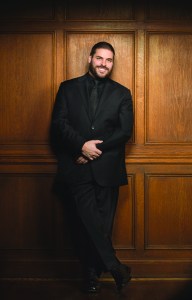
Jean-Marie Zeitouni

Jean-Marie Zeitouni

“This will be a season to get acquainted” Jean-Marie Zeitouni, new music director of the Colorado Music Festival, told the festival’s friends and supporters last night (Feb. 26) in introducing the program for the summer of 2015.

“It will be a chance to get to know one another better, and for me and the orchestra to know each other,” he said.

The festival program that Zeitouni and CMF’s executive director Andrew Bradford laid out included features that provide continuity with past festivals, as well as elements that reflect the personality of the new music director. (The full schedule is now listed below.)

Continuity will be represented in the general layout of the festival, with weekly concerts by the Festival Orchestra and Chamber Orchestra during the season, which runs from June 26 to Aug. 9. That is a slight shift from past festivals, opening on a Friday and ending on a Sunday, rather than ending with a Friday concert by the Festival Orchestra.

There will be many elements familiar from past festivals, including Music Mash-up concerts directed by Steve Hackman; an expanded series of five chamber concerts, moved to Boulder’s First Congregational Church (1128 Pine St.); and a one-week mini-festival, this time a “Cellobration” presenting both chamber and orchestral works that feature the cello.

In introducing the mini-festival, Zeitouni joked that Bradford, a cellist, had insisted on the “Cellobration.” In fact, the programs are well chosen, and will provide audiences the opportunity to hear a foundational instrument of orchestral and chamber music in a wide variety of contexts, including solo works, sonatas with piano, concertos, and as a member of large and small ensembles.
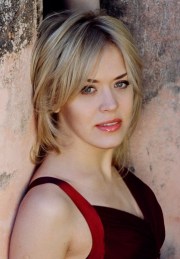
Olga Kern

Olga Kern. Photo by Fernando Baez

There will also be some new wrinkles to the festival. One will be a solo piano recital in the Chautauqua Auditorium by Van Cliburn Competition Gold Medalist and CMF favorite Olga Kern. Another surprise will be an evening of musical humor by Igudesman & Joo. Two classically trained and exceptional performers, violinist Aleksey Igudesman and pianist Hyung-ki Joo will present their wildly popular program, “A Little Nightmare Music.”

Zeitouni’s musical personality will be reflected principally in the orchestral repertoire of the festival. One aspect is his love of vocal music, reflected in the appearance of solo singers with the orchestra; another is the inclusion of some intriguing and not always familiar bits of French music.
Marie-Nicole Lemieux

Marie-Nicole Lemieux

Those interests show up already on the Festival Opening Night (July 1). Zeitouni and the Festival Orchestra will present a program of French and Italian music—“a voyage, to start our journey together,” Zeitouni said. Like any good voyage, this one starts on the sea, with Debussy’s La Mer. Contralto Marie-Nicole Lemieux will sing Ravel’s song cycle Shéhérazade, based on poems by the eccentric French poet who adopted the pseudo-Wagnerian name Tristan Klingsor. To enhance the audience’s understanding of the cycle, the Colorado Shakespeare Festival’s Timothy Orr will read translations of the poems.

The second, Italian half of the program will include a number of operatic arias for contralto by Rossini, again sung by Lemieux, and conclude with Respighi’s colorful Pines of Rome.

The season will end Aug. 9 with “A Royal Finish,” featuring the chamber orchestra, soprano Sarah Coburn, and the Colorado Music Festival Chorus in vocal works by Mozart and Handel. Once again there are familiar pieces, like Mozart’s Exsultate, Jubilate and Handel’s Music for the Royal Fireworks. But there are also some great music that should be heard more often, including Mozart’s early Regina Coeli K. 108, and Handel’s splendid Zadok the Priest.
Composer Michael Daugherty

Composer Michael Daugherty

The remainder of the orchestral series will include popular works from the standard repertoire—Beethoven and Tchaikovsky symphonies, Stravinsky’s Firebird Suite—as well as some less familiar works that will appeal to Boulder’s musical adventurers. Among these, one has to mention the Colorado premiere of the Grammy-Award winning piano concerto “Deus Ex Machina” by the seriously hip pop-influenced composer Michael Daugherty; and the Colorado premiere of Opening Remarks by Lee Actor.

Also off the beaten path will be the North American premiere of the Festive Overture by Spanish composer Benet Casablancas; the much admired if rarely heard Third Symphony by American Charles Ives; and the even more rarely heard Jazz Symphony by the self-proclaimed “bad boy of music,” George Antheil.

Continuing the focus on vocal music will be a concert performance of Bartók’s two-character opera Bluebeard’s Castle, performed in Hungarian with English supertitles. Hungarian singers Krisztina Szabo, soprano, and Gabor Bretz, bass-baritone, will be guest soloists.

Joining nature and music, “John Fielder’s Colorado” will celebrate the centennial of Rocky Mountain National Park. Fielder’s acclaimed photos will be coordinated with performances of Sibelius’ Symphony No. 5 and Beethoven’s Symphony No. 6.

Steve Hackman

Steve Hackman

Turning to this year’s Music Mash-Up series, Steve Hackman will once again bring a completely new score, Bartók + Bjork. The other mash-ups feature an earlier Hackman score, Copland + Bon Iver, the Colorado group SHEL, and singer/actress Storm Large with her band, Le Bonheur.

Finally, Bradford has announced the very welcome return of the “Click Commission.” This program, which gives the audience the chance to select the recipient of a commission of a new piece for the following year’s festival, will now be expanded to include a mini-residency at the CMF for the winning composer.

The commission for the 2016 festival will go to one of three composers selected by the CMF: Pierre Jalbert, Hannah Lash and Daniel Wohl. Potential contributors to the program will have the opportunity to hear works by all three, and to vote with their contributions for the composer they prefer. This is your chance to pay the piper and call the tune! Watch the CMF Web page for details.

# # #

In September of last year, I stuck my neck out by offering suggestions for the future of the Colorado Music Festival. While I do not claim any influence on the professional directors and the board of the festival, I am pleased that three of my six suggestions—reinstate the “Click Commission,” expand the chamber music series, and bring back the mini-festival—were addressed in the program for the coming year. I believe that all three are integral to the unique character of the Colorado Music Festival.

Another idea I offered—that the festival should treasure its orchestra—is honored in Zeitouni’s selection of repertoire, which will certainly give the orchestra the opportunity to shine throughout the summer. This is a season that the players will enjoy.

And my preference to hear challenging explorations of music by living composers gets some satisfaction from the inclusion of works by Michael Daugherty, Lee Actor and Benet Casablancas.

With less than one year to pull a festival together, Zeitouni and Bradford have delivered an interesting season. There’s plenty for all of CMF’s diverse constituencies, and much to relish.

# # #

Subscription tickets will be available starting early in March, with single tickets going on sale April 1. See the CMF Web page for details as they become available.

# # #

COLORADO MUSIC FESTIVAL
2015 Season Program
All Concerts in Chautauqua Auditorium unless otherwise indicated

Week 1

10 a.m. Friday, June 26, and Saturday, June 27
Young People’s Concerts, program TBD
7:30 p.m. Wednesday, July 1: Opening Night, Welcome Jean-Marie!
Festival Orchestra, Jean-Marie Zeitouni, conductor, with Marie-Nicole Lemieux, contralto, and Timothy Orr, speaker
Debussy: La Mer
Ravel: Shéhérazade
Rossini: Arias from Trancredi and Semiramide
Respighi: Pines of Rome
7:30 p.m. Friday, July 3: An Evening with Olga Kern
Olga Kern, piano
Beethoven: Variations on a Theme by Salieri, WoO 73
Charles-Valentin Alkan: Etude No. 3
Chopin: Sonata No. 2 in B-flat minor
Rachmaninoff: Twelve Preludes

Week 2

7:30 p.m. Monday, July 6, First Congregational Church: Piano Chamber Music
Musicians of the CMF
Dvorák: Piano Quartet
Schumann: Piano Quintet in E-flat Major, Op. 44
7:30 p.m. Tuesday, July 7: Music Mash-Up, Bartók + Bjork
Steve Hackman, conductor, with singers TBA
Hackman: Bartók + Bjork Mash-Up (World Premiere)
7:30 p.m. Thursday, July 9, and Friday, July 10: Tchaikovsky and the Grammys
Festival Orchestra, David Danzmayr, conductor, with Terrence Wilson, piano
Lee Actor: Opening Remarks (Colorado premiere)
Michael Daugherty: Deus ex Machina (Colorado premiere)
Tchaikovsky: Symphony No. 5
7:30 p.m. Sunday, July 12: An Evening in Vienna
Chamber Orchestra, David Danzmayr, conductor, with Alexandra Soumm, violin
Schubert: German Dance in D major (arr. Anton Webern)
Mozart: Violin Concerto in D major, K.218
Beethoven: Symphony No. 2

Week 3: Cellobration Mini-Festival

4 & 8 p.m. Tuesday, July 14, First Congregational Church: Complete Bach Suites for solo cello
Bjorn Ranheim and Guy Fishman, cello
7:30 p.m. Thursday, July 16, and Friday, July 17: Impossible Dreams
Festival Orchestra, Jean-Marie Zeitouni, conductor, with Desmond Hoebig, cello
Wagner: Prelude to Tristan und Isolde
Prokofiev: Romeo and Juliet Suite No. 2
Richard Strauss: Don Quixote
4 & 8 p.m. Saturday, July 18, First Congregational Church: Complete Beethoven cello sonatas
Musicians of the CMF
7:30 p.m. Sunday, July 19: Monday July 20 in Estes Park
Chamber Orchestra, Jean-Marie Zeitouni, conductor, with Julie Albers, cello
Mozart: Overture to The Marriage of Figaro
Haydn: Cello Concerto No. 2 in D major
Bach: Brandenburg Concerto No. 3
Mozart: Symphony No. 31 in D major (“Paris”)

Week 4

7:30 p.m. Tuesday, July 21: Music Mash-Up, Copland + Bon Iver Featuring SHEL
Steve Hackman, conductor
7:30 p.m. Thursday, July 23, and Friday, July 24: Beyond Fairy Tales
Festival Orchestra, Jean-Marie Zeitouni, conductor, with Krisztina Szabo, soprano, and Gabor Bretz, bass-baritone
Stravinsky: The Firebird Suite (1919 version)
Bartók: Bluebeard’s Castle (In Hungarian with English supertitles)
7:30 p.m. Sunday, July 26; Monday July 27 in Estes Park: Sounds of the Mediterranean
Chamber Orchestra, Jean-Marie Zeitouni, conductor, with Ana Vidovic, guitar
Benet Casablancas: Festive Overture (North American premiere)
Joaquin Rodrigo: Concierto d’Aranjuez
Vivaldi: Guitar Concerto in D major, RV.93
Mendelssohn: Symphony No. 4 (“Italian”)

Week 5

7:30 p.m. Tuesday, July 28, First Congregational Church: Chamber Music for Strings
Musicians of the CMF
Brahms: Sextet for Strings in G major
Schoenberg: Verklärte Nacht
7:30 p.m. Thursday, July 30, and Friday, July 31: John Fielder’s Colorado
Festival Orchestra, Jean-Marie Zeitouni, conductor
Sibelius: Symphony No. 5
Beethoven: Symphony No. 6 (“Pastoral”)
Performed with projected images by photographer John Fielder
7:30 p.m. Saturday, Aug. 1: A Little Nightmare Music
Igudesman & Joo
7:30 p.m. Sunday, Aug. 2; Monday, Aug. 3 in Estes Park: Nature’s Tableaux
Chamber Orchestra, Jean-Marie Zeitouni, conductor, with Calin Lupanu, violin
Jean-Philippe Rameau: Les Boreades
Charles Ives: Symphony No. 3
Vaughan Williams: The Lark Ascending
Haydn: Symphony No. 73 in D major (“The Hunt”)

Week 6

7:30 p.m. Tuesday, Aug. 4: Music Mash-Up, The Crazy Arc of Love with Storm Large
Steve Hackman, Storm Large & Le Bonheur
7:30 pm. Thursday, Aug. 6, and Friday, Aug. 7: Trading Places
Festival Orchestra, Jean-Marie Zeitouni, conductor, with Marc-André Hamelin, piano
Bernstein: Overture to Candide
Ravel: Piano Concerto for the Left Hand
George Antheil: Jazz Symphony (1955 version)
George Gershwin: An American in Paris
Darius Milhaud: A Frenchman in New York
7:30 p.m. Saturday, Aug. 8, First Congregational Church: Chamber Music for winds and piano
Musicians of the CMF
Samuel Barber: Summer Music
Walter Piston: Wind Quintet
Beethoven: Quintet for piano and winds
7:30 p.m. Sunday, Aug. 9: A Royal Finish
Chamber Orchestra, Jean-Marie Zeitouni, conductor, with Sarah Coburn, soprano, and the Colorado Festival Chorus
Mozart: Ave Verum Corpus
Mozart: Exsultate Jubilate
Mozart: Regina Coeli K.108
Handel: Zadok the Priest
Handel: Music for the Royal Fireworks
Handel: Excerpts from Ode for St. Cecilia’s Day

Edited Feb. 27 for minor corrections in the program, consistency between the program listing and the text of the article, and to insert the date of the announcement.

Edited March 1 to correct the title of Milhaud’s Frenchman in New York.

CU College of Music receives gift for endowed chair of Baroque music

College of Music receives its fifth $1 million-plus gift in 18 months 

By Peter Alexander

Baroque music lovers can look forward to greater riches to come.

An endowed chair of Baroque music in the College of Music is one part of a $6 million estate gift to the University of Colorado, Boulder, by a music-loving economics alumnus of the university.

The $6 million commitment by donor Eugene D. Eaton Jr. is the largest gift CU-Boulder has received since 2007. Funding from the gift will endow two faculty chairs—one in economics and the one in Baroque music—and create a travel sabbatical program for undergraduates in economics.

Boulder is already the home of the Boulder Bach Festival and the Seicento Baroque Enemble. With the addition of the CU chair in Baroque music and the expected expansion of programs in Baroque music at the College of Music, Boulder will become even more of a center for the study and performance of Baroque music.

CU College of Music Dean Robert Shay

CU College of Music Dean Robert Shay

The $2.36 million directed to the College of Music represents the fifth gift of more than $1 million received by the college in the past 18 months. Last month, the college received gifts to establish endowments for the Eklund Opera Program and the Ritter Family Classical Guitar Program. In December 2013 the college announced a scholarship endowment for top performing student-musicians and in early 2013 an endowment for the Thompson Jazz Studies Program was established.

“The CU-Boulder College of Music deeply appreciates Eugene Eaton’s significant bequest, which will enable us to expand our offerings in Baroque music through the creation of a new faculty position in this area,” Robert Shay, dean of the College of Music, said. “This gift is a real testament to the impact of music, which in this case crossed disciplinary lines and clearly touched the life of a former CU student in a lasting and meaningful way.”

Eaton earned three economics degrees from CU-Boulder: a bachelor’s in 1965, a master’s in 1967 and a doctorate in 1971. While economics engaged his mind and led to his successful career as a consultant in Alaska, it was music that riveted the economist outside of the classroom. As a student, Eaton attended many of the College of Music’s concerts and embraced deep discussions with the economics faculty; from afar he continued his interest in CU until his death in 2013.

Read the CU news release announcing Eaton’s gift here.

“We do apologize for the confusion and the customer’s inconvenience”

US Airways spokesman comments on yesterday’s incident at LAX

By Peter Alexander

Earlier today I spoke with Andrew Christie, a spokesman for American Airlines and US Airways about yesterday’s incident when bassist Ranaan Meyer of Time for Three was not allowed to check his double bass on a US Airways flight from Los Angeles International Airport (LAX) to Philadelphia. (Read more about the incident below.)

Christie noted that American Airlines and US Airways currently have “two different operating certificates, and we’re in the process of integrating our policies and procedures.” This explains why the two share some policies and differ with others, and it probably contributes to employees’ confusion about the actual polices they are supposed to enforce.

In the case of musical instruments, US Airways and American Airlines each state policies on their respective Web pages, and each page refers to the other for passengers of that airline. No doubt having separate policies for airlines that are in the process of integration creates confusion for the airlines and their employees, but it should not become a hindrance for musicians traveling on professional business.

Concerning the specific incident in Los Angeles, Christie said:

“I must first state that our policies are in line with the FAA Modernization and Reform Act of 2012. Unfortunately confusion on our policy led to denial of checking the customer’s instrument. We are in the process of working to clarify our policies on checked musical instruments with our employees to ensure that they are being applied correctly and so that we don’t have a repeat incident such as yesterday. We do apologize for the confusion and the customer’s inconvenience. We have refunded the customer’s tickets and customer relations will be reaching out to the customer to apologize.”

I pointed out that the US Airways policy on double basses as currently stated on the their Web page is nonsensical, in that it says that “Cellos and bass violas will only be accepted as seat baggage,” meaning they cannot be transported as checked baggage. This makes no sense, because a double bass would never fit in the cabin and can only be transported as checked baggage.

Christie responded:

“That is correct, and we did try—that was our first option when he [Meyer] was working with the customer service agent in LA. Our first hope is to store it in the cabin in an extra seat, but as you stated, the double bass is far too tall and it wouldn’t clear the drop on the overhead. Then our next step is to see about checking it, and again that’s where the confusion about our policy led to the denial of checking that customer’s instrument. But now as far as the policy online, we are working to clarify that policy online as well.”

“While we worked hard to accommodate Mr. Meyers [sic] on US Airways and worked to find an alternate flight with another carrier, we did fall short of providing the level of service to our customer that they’ve come to expect, and for that we do sincerely apologize.”

A clarification and consistent application of the policy would benefit everyone—the airline, their employees, and most of all the musicians who must travel to maintain a career. In the meantime, this story—just like previous stories about traveling musicians—has spread pretty rapidly around the world. Here are a few links to other stories about the saga of Ranaan Meyer and US Airways:

The Stad

Slipped Disc

WIBC Radio, Indianapolis

WQXR Radio, New York

The Contrapuntist

Double (bass) Travel Trouble for Time for Three

US Airways refuses to allow double bass as luggage, in apparent violation of FAA regulations

By Peter Alexander

[NOTE: This story has been updated Nov. 19 to include more details. See below for additional details.]

[FURTHER NOTE: I just received a call from a spokesperson for US Airways. I will post his statement shortly.]

Time for Three at Colorado Music Festival

Time for Three at Colorado Music Festival

Just today (Nov. 18), Time for Three, the eclectic violin-violin-bass trio that has had several popular appearances at the Colorado Music Festival, encountered serious travel troubles with US Airways.

Again.

You may recall that in May of this year, the group’s violinists, Zach DePue and Nick Kendall, were refused permission to bring their violins on board a US Airways flight from Charlotte, N.C., to Fayetteville, Ark., where they were scheduled to play at the Artosphere Arts and Nature Festival.

In violation of both FAA rules and the airline’s own policies, the captain refused permission for them to carry their violins into the cabin. Nick and Zach were told that they would either have to put the instruments in the luggage compartment—something no violinist would agree to—or be booted from the flight. They were literally left standing on the tarmac, where Zach played an impromptu performance.

In that case, the violinists eventually were placed on a later flight. The captain of that flight—being either more of a music lover or more inclined to honor the FAA regulations—did not raise any objections, and they did get to their destination in time.

Time for Three: Ranaan Meyer, bass; Nick Kendall; and violinist Zach DePue. Photo by LeAnn Mueller.

Time for Three: Ranaan Meyer, bass; Nick Kendall, violin; and Zach DePue, violin. Photo by LeAnn Mueller.

Nevertheless, the refusal by the captain of the first flight to allow the violins on board created quite a stir among musicians and fans of Time for Three. Such unpredictable travel barriers make life nearly impossible for professional musicians who have to travel to pursue their careers, as many do.

Since then, the YouTube video of Zach playing Bach outside the airplane has had more the 300,000 hits, and Time for Three has marketed a t-shirt for travelling string players that has Section 403 of the FAA Modernization of Reform Act of 2012 printed on the back. It states in part, that carriers “shall permit a passenger to carry a violin, guitar, or other musical instrument in the aircraft cabin.”

Then, things died down a bit. But today, US Airways struck again. The same airline. Ignoring the same FAA regulations. But this time it was the third member of the group, bassist Ranaan Meyer, and this time it was an outright refusal to take his bass on board.

Ranaan was returning home after an appearance on “Dancing with the Stars” when the airline refused to accept his bass—packed to go with luggage, as basses normally do—at all. Appeals to the US Airways shift manager were useless. Ranaan ended up booking with Delta Airlines, which accepted him and his bass with no hesitation.

Time for Three is understandably perplexed. Like many musicians, the group travels professionally with their instruments. A lot. They cannot understand—and neither can I—why an airline would court bad publicity and the displeasure of professional travelers who cover so many miles each year. Time for Three is considering what the next step might be to assure their ability to travel professionally.

At this point, we should step back and understand what is supposed to happen with traveling string players and their instruments. Because of their value, the violins and violas played by professional musicians must never be placed in luggage. Recognizing that, both FAA regulations and most airlines’ policies allow those instruments to qualify as carry-on bags. This normally does not create a problem, although there are occasional exceptions, such as Nick and Zach’s run-in with US Airways last May.

Professional-quality cellos are equally delicate, and they again should never be packed as luggage. Because they are clearly not small enough to fit in overhead compartments, cellists usually book extra seats for their instruments. That normally does not create any problems, although there are occasional stories that crop up where traveling cellists encounter obstinate flight crews or airlines: read more here, here and here.

Double basses obviously have to be packed to go in the luggage compartment. That has long been accepted practice with most airlines and all musicians that I know. Until today, I had never heard of a bass being refused as checked baggage provided the plane was large enough to accomodate the instrument, as was the case in this incident.

As of now, I have requested comment from American Airlines/US Airways. Time for Three has received a message on Twitter asking for flight information so that the airline could “look into the incident” (quoting the email I received from a representative of Time for Three).

This story will be updated as new information becomes available. I would welcome a statement from the airline.

# # #

Nov. 19, 2014, Update: Today I would like to fill in some of the details that did not make it into yesterday’s initial story (above).

Ranaan Meyer, the bassist for Time for Three, was returning home to Philadelphia yesterday (Nov 18) from Los Angeles, where he and the other members of the trio had performed on “Dancing with the Stars.” When he went to check in his bass with US Airways, the instrument was refused as checked baggage, a decision that was appealed to the shift manager—the highest US Airways official at the checkin area—who confirmed that the bass would not be allowed on the flight. (Meyer’s video shows her walking away after declining to say anything on camera.)

In other words, he never got past the checkin counter. He was not turned away at the airplane door or at the gate—unlike previous incidents of musicians having problems boarding flights with their instruments.

Several points are important here. First: Meyer has flown with his bass as checked baggage literally hundreds of times, on many different airlines, and it has never even been questioned. This is completely standard for bass players who have to travel for their professional work. I have not yet found one who has ever had his bass turned away by an airline. Meyer reports that he often flies on smaller planes into Sun Valley, Id., one of the smaller airports on his travels, with no problems.

Second, several people have pointed out that US Airways has a written policy on musical instruments posted on their web page that seems to support the shift manager’s decision. But their policy (a) makes little sense as written and (b) would prohibit any bass players from ever buying a ticket on their airlines for professional travel. The policy states that “Cellos and bass violas will only be accepted as seat baggage,” which is nonsensical because a “bass viola” (by which I assume they mean bass viol, or double bass) certainly would not fit in an airline seat, or anywhere in the cabin. Consequently, this policy would automatically disqualify US Airways as a carrier for bass players traveling on professional business.

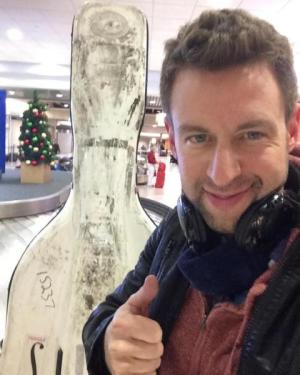
Ranaan Meyer and his bass arrive in Philadelphia via Delta Airlines.

Ranaan Meyer and his bass arrive in Philadelphia via Delta Airlines.

Finally, it should be noted that Meyer has a travel case for his bass that is made for the instrument to be shipped in the baggage compartment, and he expects to pay any excess baggage charges when traveling with the bass. Time for Three reports that those charges can range from as little as $150 up to as much as $400 each way. So it’s not as if he’s a free-loader.

Incidentally, bass players report that Southwest Airlines has the lowest charges for transporting their instruments—usually $150. A contact with Time for Three has written to me that “Other bass players we have worked with and that I have booked travel for always request Southwest. It is sort of known that they are the cheapest and the easiest to work with when it comes to oversized luggage!”

To finish the story of Meyer’s odyssey, he had purchased a non-stop ticket on US Airways because he had an appointment in Philadelphia at 6 p.m. In the end, Delta airlines took Meyer and his bass with no questions asked. He was routed through Atlanta and arrived in Philadelphia at 5:20, just barely giving him time to meet his appointment.

No lasting damage was done, but Meyer, Time for Three, and musicians all around the country are left with questions in their minds whether they would be turned away in similar circumstances. This creates a very difficult environment for the music industry, one that sooner or later should be resolved, for the benefit of airlines—who can’t want constant stories about their mistreatment of musicians trickling out—and of the professionals who depend upon travel for their careers.

 # # #

NOTE: The original story has been edited to correct the spelling of Nick Kendall on 18 November.