Boulder Chamber Orchestra features “Boulder Celebrities”

Violinist Ed Dusinberre and violist Richard O’Neill will play Mozart

By Peter Alexander Feb. 27 at 5:15 p.m.

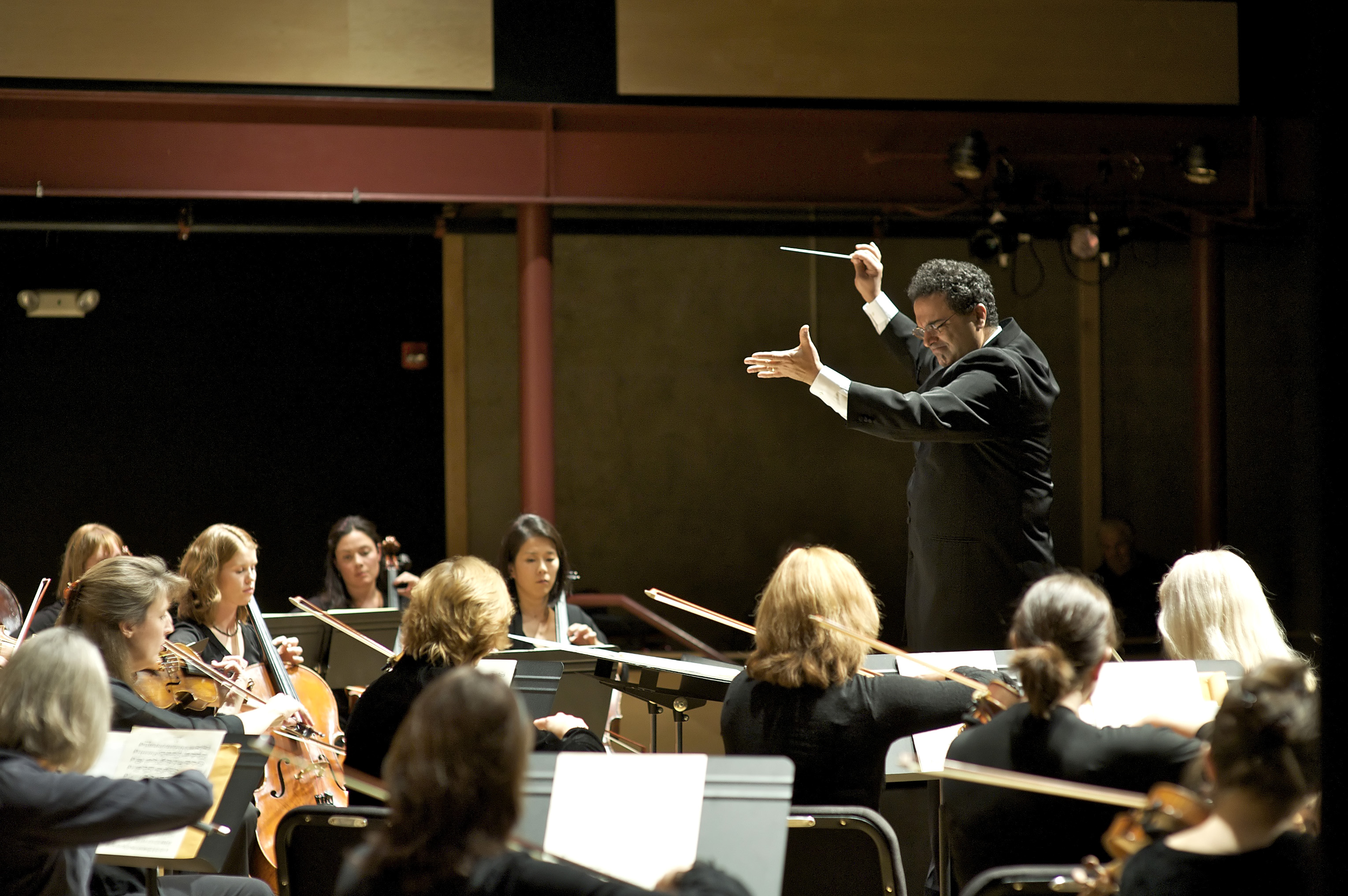
The Boulder Chamber Orchestra (BCO) traces the history of classical music on their next concert (7:30 p.m. Saturday, March 1; details below), with a concerto grosso from the Baroque era, music from the heart of the classical style, and a symphony pointing the way to the early Romantic era.

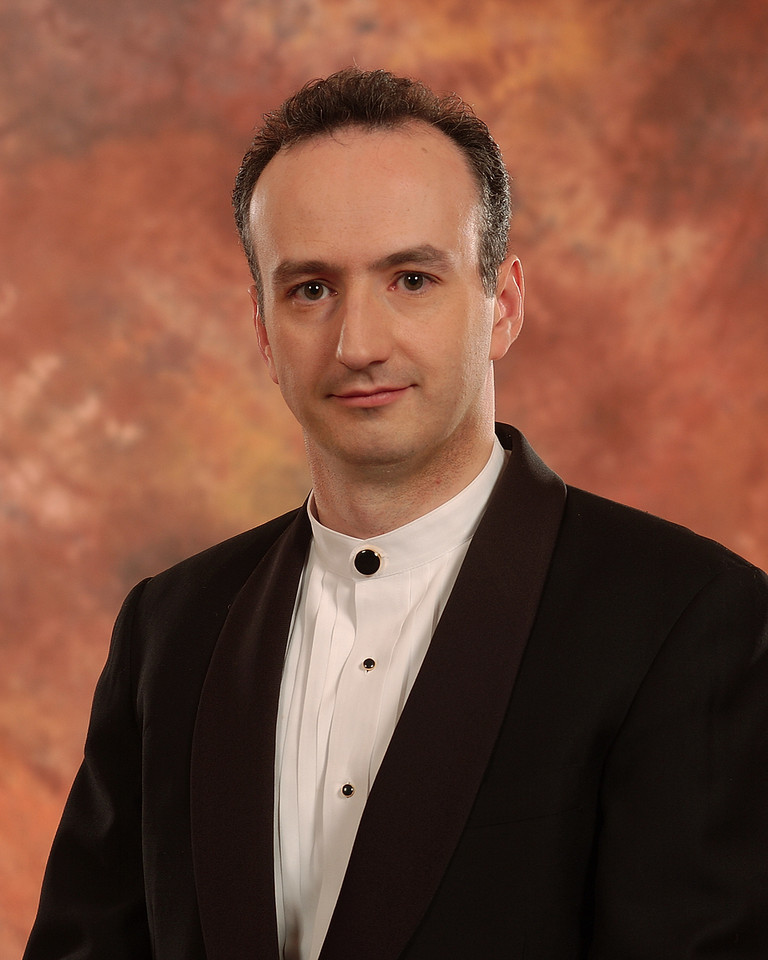
The concert under conductor Bahman Saless will feature violinist Edward Dusinberre and violist Richard O’Neill from the Takács Quartet playing Mozart’s exquisite Sinfonia Concertante for violin and viola with orchestra. Two of the superstars of the classical music world, Dusinberre and O’Neill are hailed in the concert’s title as “Boulder Celebrities.”
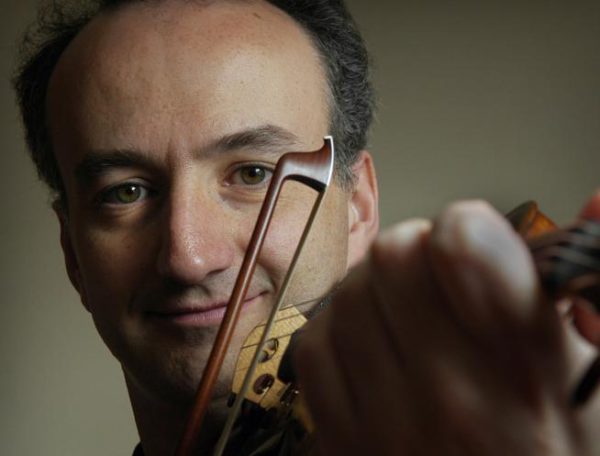
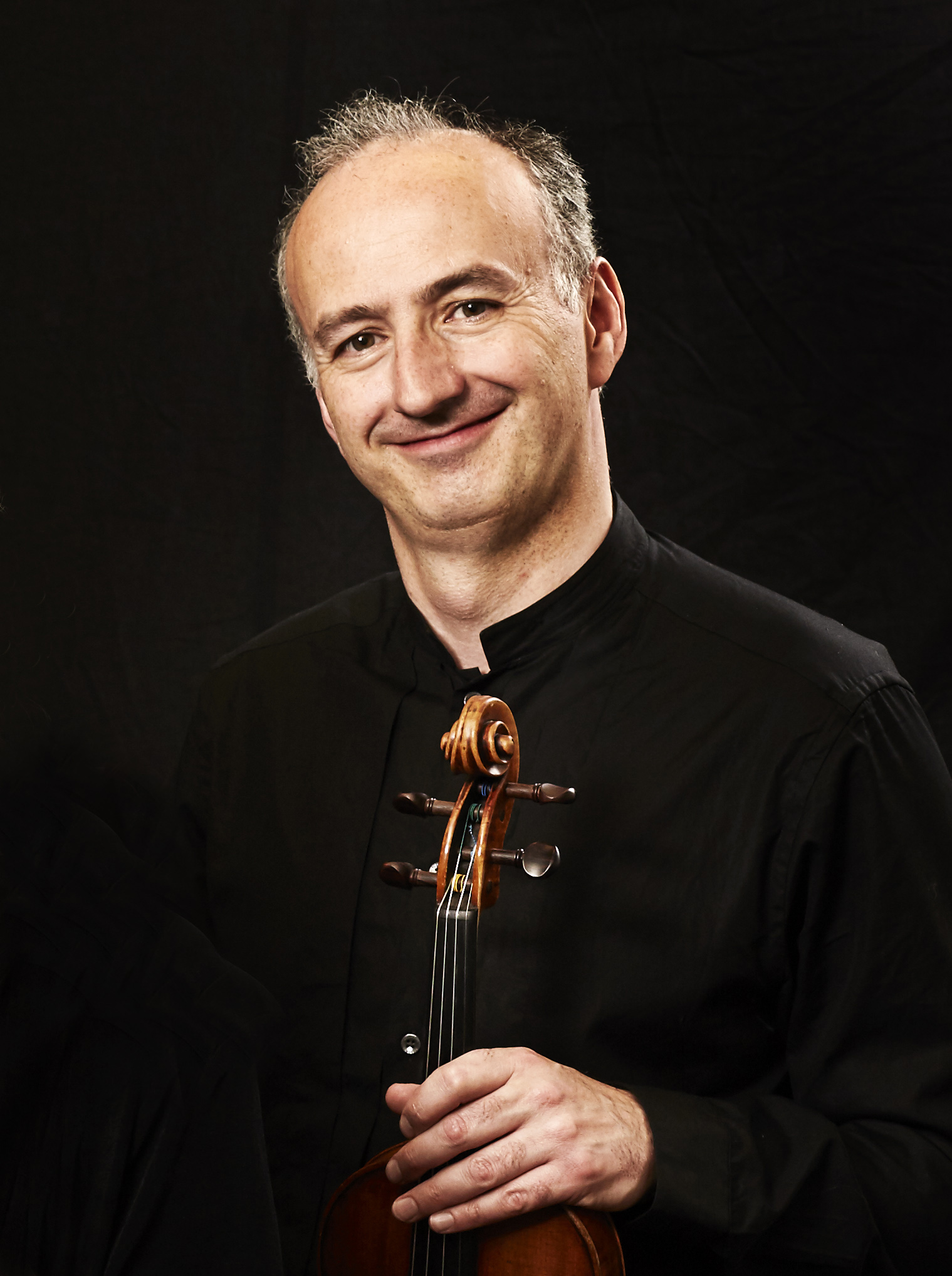
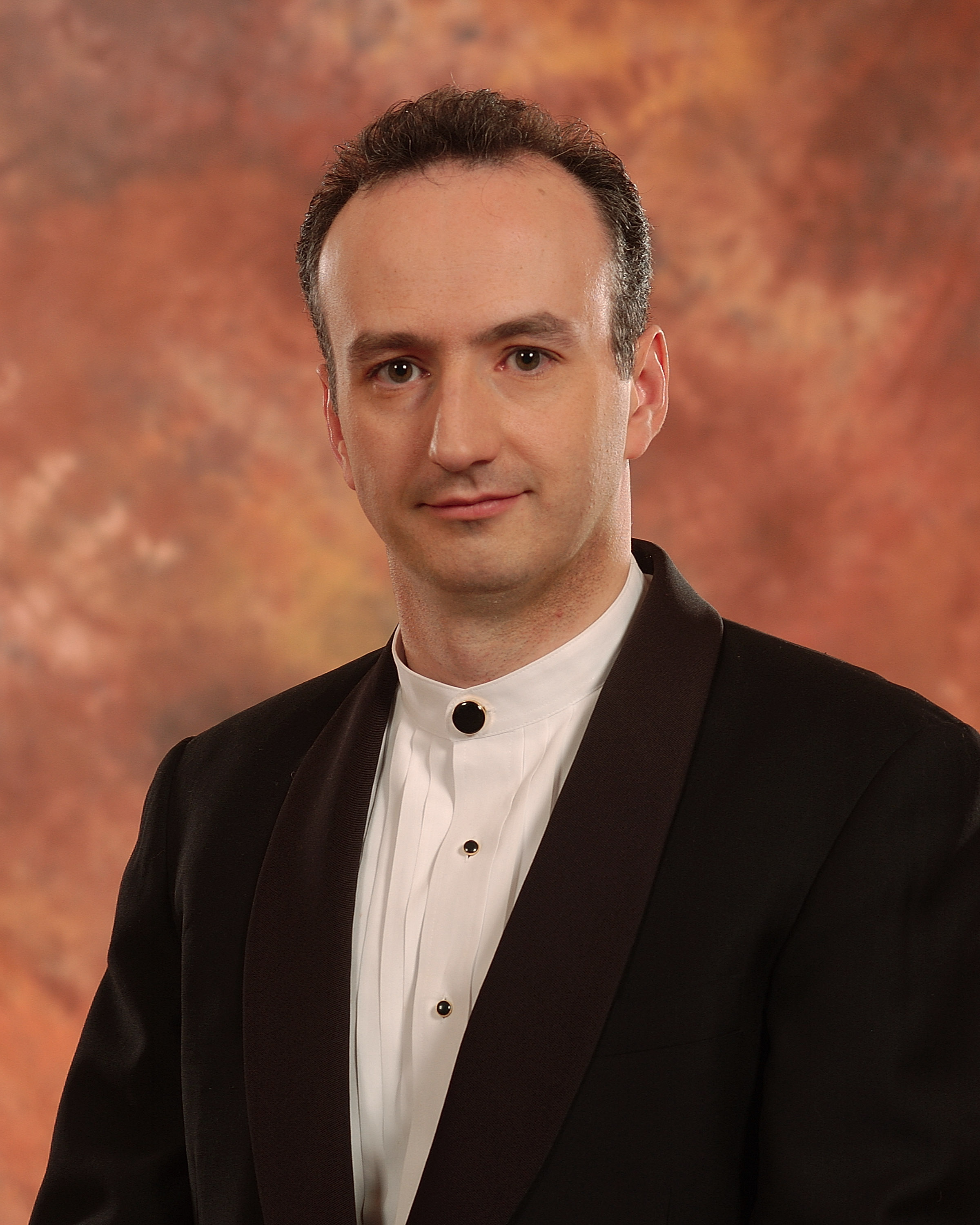
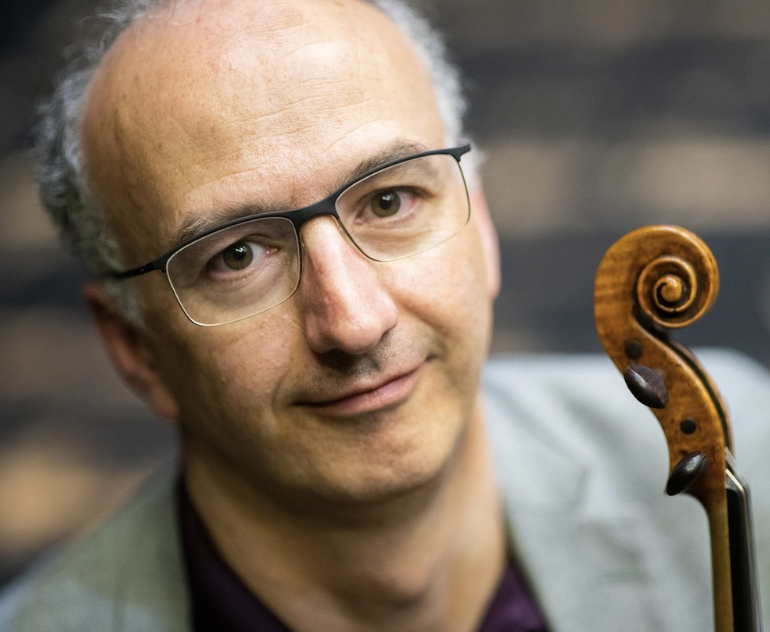
Edward Dusinberre

Works framing the Mozart are the Concerto Grosso in F major attributed to Handel, and Schubert’s Symphony No. 5 in B-flat major. All three are bright and cheerful works, giving the entire concert an uplifting spirit.

With its two soloists, the Mozart stands as the centerpiece of the program. Dusinberre and O’Neill know each other well, having played together in the Takács since the latter joined the group five years ago. In addition to their work in the quartet, they both have concert and recording careers as soloists and both have won a classical music Grammy. 

Mozart’s Sinfonia Concertante is one of the composer’s most loved pieces, and one that O’Neill has played many times. “For some violists it’s the reason they play the viola,” he says. “It’s such an amazing work, and it has been a lifetime dream for me, visiting it through different stages of my life. (There is) the joy of playing it over the years with different orchestras and different violinists, each having their own distinct views on the piece.”

He says he learns from every violinist he plays it with, but this is his first time with Dusinberre. And it’s a special experience playing with someone he knows so well from their work together in the Takács. 

“Part of the magic of being in a string quartet is that you spend so much time with your colleagues, and you get to know them under many different circumstances,” O’Neill says. “I’ve played (the Mozart) with brilliant soloists, but this time with Ed we’ve been able to dig into the more psychological aspects of the music, because we already know each other’s playing pretty well.”
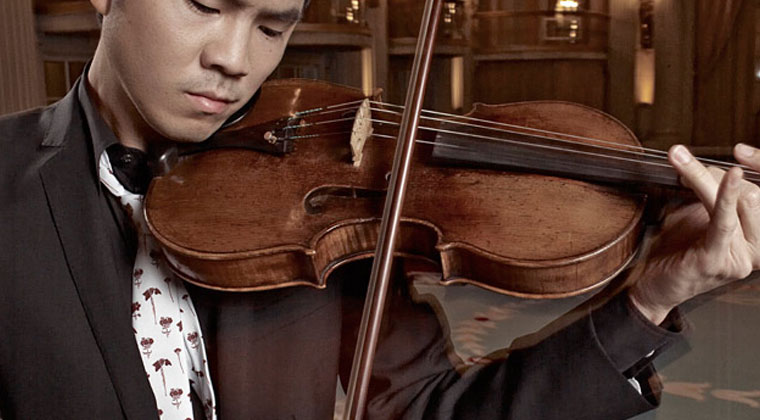
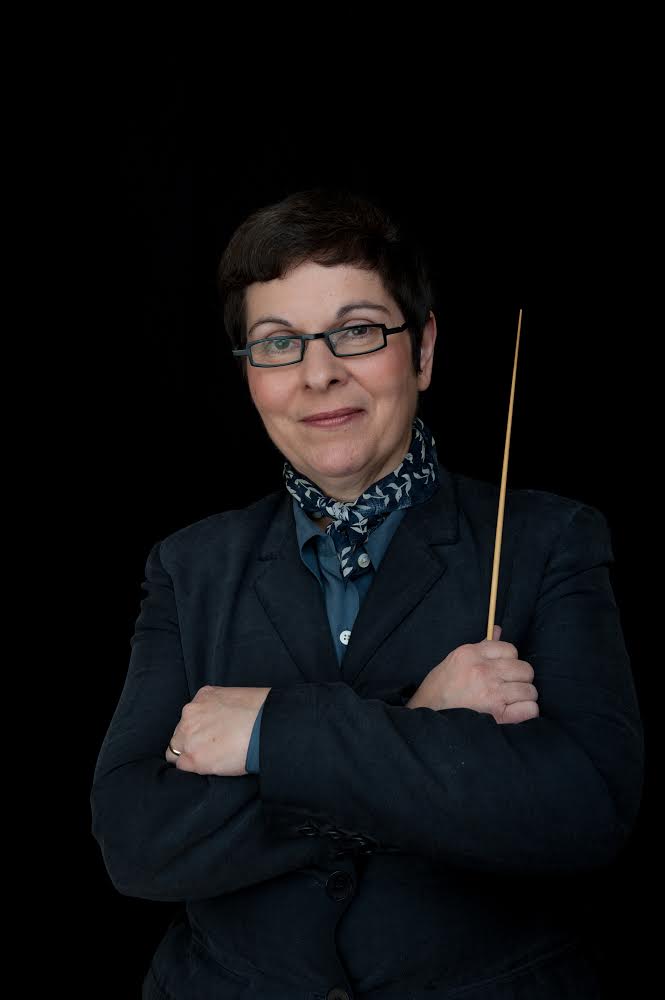
Richard O’Neill

In other words, O’Neill and Dusinberre were able to skip past the early stages of getting to know a musical partner and get down to details right away. The quartet just returned to Boulder from a tour, but they were able to rehearse Mozart together on the road, O’Neill says. Now, “I’m really looking forward to working with the orchestra and Bahman (Saless),” he says.

One thing he urges the audience to tune into with the Sinfonia Concertante is how the two solo parts relate to one another. “Mozart pairs the violin and viola like they’re operatic characters,” he explains. “It’s like a conversation.

“The person that talks first often frames the way the conversation will go. In the first movement,  the violin says, then the viola says, and then the violin says and the viola says. There’s a lot of playful discussion, and then in the recapitulation—the viola says it first!”

The concerto grosso was a form common in the Baroque period, featuring a small group of soloists with orchestra. The Concerto Grosso in F features two oboes with a string orchestra. The soloists will be guest artist Ian Wisekal and BCO member Sophie Maeda. 

The Concerto is “attributed to Handel” because publishers of the time often printed and sold works that had been pirated, or changed the name of the composer, making authenticity uncertain. In the case of this concerto—which is certainly an authentic representative of the Baroque style—it has appeared under Handel’s name and as an anonymous composition.

Schubert wrote his Fifth Symphony in 1816, when he was 19 years old. It is the most classical of Schubert’s symphonies, having been written for a smaller orchestra, with one flute and no clarinets, trumpets or timpani. Schubert was infatuated with Mozart’s music, and wrote in his diary ”O Mozart, immortal Mozart!”

At the time he was unemployed, hanging out with a group of young artists, poets and musicians. The first reading of the symphony was given by this circle of friends in a private apartment, with the first public performance occurring 13 years after Schubert’s death.

The music of the symphony is often described as “Mozartian” in its gracefulness and melodiousness. It conforms closely to the standard four-movement structure of the classical period, with a minuet movement in third place. At the same time, the harmonic palette suggests the Romantic style to come, particularly in Schubert’s works of the remaining 12 years of his life.

But regarding the program’s title, the question of classical musicians being genuine “celebrities” might be debatable—but if it’s possible it would be in Boulder, where the Takács Quartet routinely sells out two performances of every program. 

Superstars or celebrities, Grammy winners both, Dusinberre and O’Neill are always worth hearing.

# # # # #

“Boulder Celebrities”
Boulder Chamber Orchestra, Bahman Saless, conductor
With Edward Dusinberre, violin, and Richard O’Neill, viola

  • Handel: Concerto Grosso in F major, op. 3 no. 4
  • Mozart: Sinfonia Concertante in E-flat major for violin and viola with orchestra, K364
  • Schubert: Symphony No. 5 in B-flat major, D485

7:30 p.m. Saturday, March 1
Boulder Adventist Church, 345 Mapleton Ave.
TICKETS

New and familiar works from the Boulder Chamber Orchestra

BCO launches 20th anniversary season that will take them to Carnegie Hall

By Peter Alexander Oct. 1 at 2:50 p.m.

About 20 years ago, Bahman Saless was standing in a church basement, getting ready to conduct his first concert ever.

“We started with just an idea, and I had never conducted before. We only had two professional players (in the orchestra) and didn’t know who was going to come. It was a complete surprise—it was standing room only!”

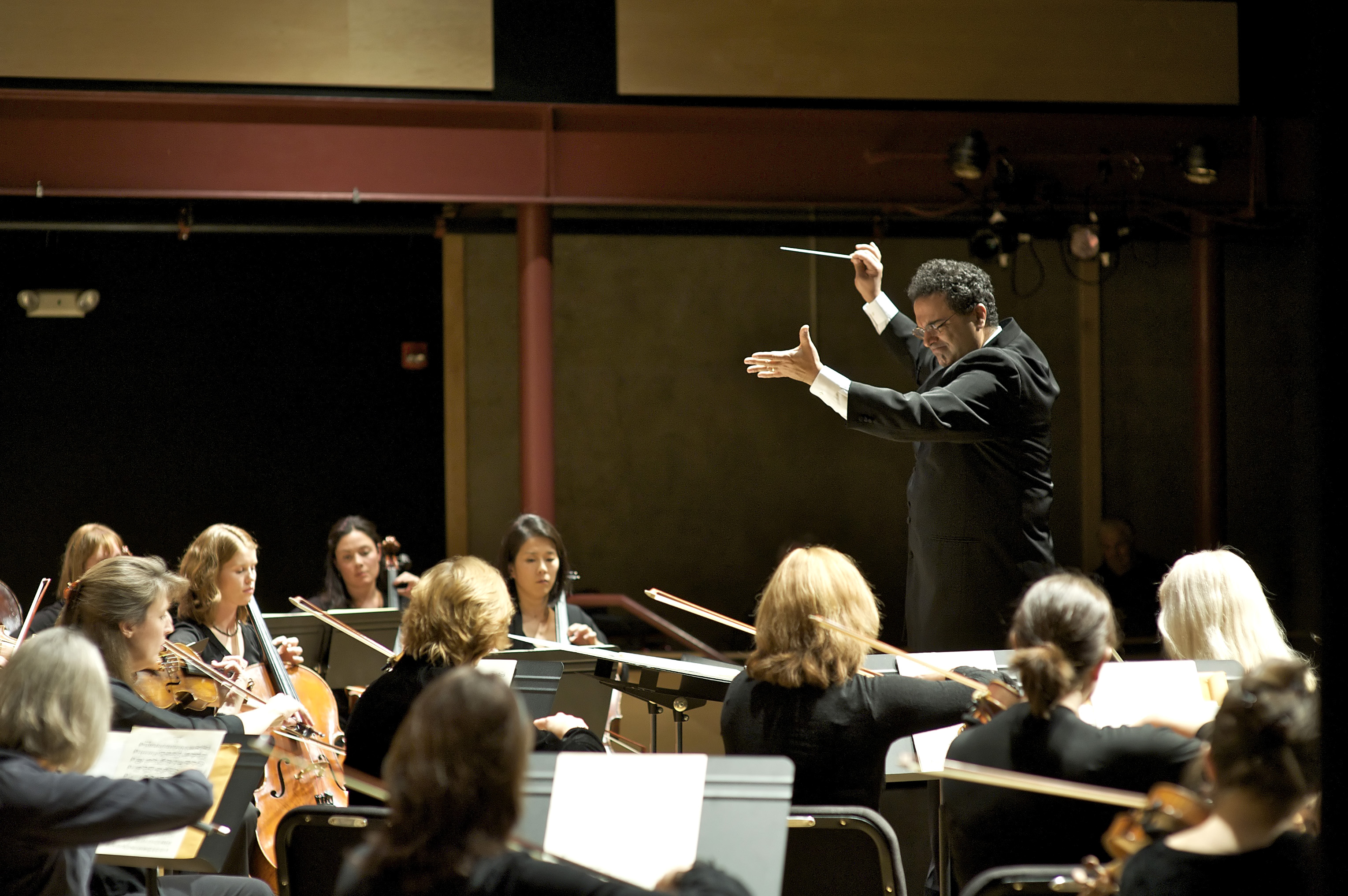
Bahman Saless leading the Boulder Chamber Orchestra

That successful idea, which became the Boulder Chamber Orchestra (BCO), celebrates its 20th anniversary this year, starting with a concert at the Boulder Adventist Church Sunday (7:30 p.m. Oct. 6; details below) and culminating with with a concert at Carnegie Hall in New York May 18 (7:30 p.m.; details HERE).

To open the anniversary year, Saless decided to write a piece celebrating Colorado, titled Ode to the Rocky Mountains. Although he has rarely programmed his own music before, he had several years of experience writing and scoring film music in Hollywood before he started the BCO.  “I did a lot of (uncredited) trailers for Hollywood films at Universal Studios,” he says.

To start the season, “I thought what’s better than something that celebrates Colorado?” Saless says. “I wrote a little piece that’s based on the two Colorado state songs, ‘Where the Columbine Grow’ and ‘Rocky Mountain High.’ It has five episodes that represent our own experience every time we go to the mountains.”

In the space of about five and half minutes, its five episode are: “Entering the Boulder Valley off Highway 36, heading West to the Mountains,” “Resting by the Brook in the Meadow,” “Playful Wildlife Amidst the Columbine,” “The Grand Landscape is to Behold,” and “Homeward Bound.”

The remainder of the opening concert program is all Beethoven: The Violin Concerto, featuring Edward Dusinberre of the Takács Quartet as soloist, and the Seventh Symphony. The concerto was chosen because Dusinberre had played with the orchestra before, and he suggested Beethoven for this concert. “He did the Brahms Concerto with us last year, and he did Mozart the previous year, so he’s going through the concerti,” Saless says.

Violinist Edward Dusinberre

Saless is especially thrilled to perform the Beethoven Concerto with Dusinberre. “It’s one of these pieces that I am very picky about who I would perform it with,” he says. “I think it requires a certain amount of maturity, no matter how good technically someone is. To play it with Ed is like a dream come true!”

As for the Seventh Symphony, Saless selected it to go on the Carnegie Hall program and then decided to open the season with it as well. “I wanted to do something (in New York) that I thought we could do really well, and would fit the programming (for the opening concert),” he says. “I thought, what could we do that I would feel comfortable, because I connect to it. If I’m going to go to Carnegie Hall and my legs are going to be shaking of nervousness, I need something that I could literally do in my sleep. So I picked Seven.”

He also wants the players to be comfortable. “If you’re going to perform in Carnegie Hall, you want a piece that you’ve already done during that season,” he says. “(That means) a smaller amount of preparation (later), and everybody feels less nervous.”

He also thinks you have to be a little bit crazy to perform the Seventh Symphony, but, he says, “I qualify!” Often noted for its dance-like rhythms, the Seventh Symphony is almost obsessive in repeating those rhythms. Saless calls it “borderline personality disorders in music, obsessive and frenetic.”

The powerful slow movement alternates a series of chords that underlay a mournful melody in a minor key with a bright theme in major. “It’s like (Beethoven) is trying to write a piece that is not a funeral march but sounds like one,” Saless says. “It’s kind of conflicted, and I find that very interesting.”

Saless faced a logistical complication in planning the season. As much as possible, he wanted to have the same players during the season as in New York. But he had to schedule around rehearsals and performance of the Colorado Ballet, because so many of his best players were also in their orchestra. 

“I have to literally set up my schedule based on Colorado Ballet,” he says. BCO’s musicians, like all orchestras in Boulder, are free-lance players and Colorado Ballet pays very well. And every ballet production has numerous rehearsals and performances, all of which had to be scheduled around.

The New York appearance was made possible by a sponsor who was willing to underwrite both the orchestra and piano soloist Adam Żukiewicz playing in New York. Żukiewicz, who appeared on one of the BCO’s Mini-Chamber Concerts in January, and returns for another chamber concert Nov. 23 (7:30 p.m.; see the BCO season schedule HERE) will play a concerto with the orchestra in Carnegie Hall.

# # # # #

“Titanic Journey”
Boulder Chamber Orchestra, Bahman Saless, conductor
With Edward Dusinberre, violin

  • Bahman Saless: Ode to the Rocky Mountains
  • Beethoven: Concerto in D major for violin and orchestra
    —Symphony No. 7 in A major

7:30 p.m. Sunday, Oct. 6
Boulder Adventist Church, 345 Mapleton Ave.
TICKETS

Takács Quartet’s Dusinberre appears as soloist in Brahms Concerto

Concert with the Boulder Chamber Orchestra will be Saturday

By Peter Alexander Feb. 9 at 2:10 p.m.

“You know you’re going to want more later,” Bahman Saless says about the Brahms Violin Concerto.

“It’s like German chocolate cake. It’s heavy, it’s sweet, it’s filling—I love the entire piece!”

Edward Dusinberre

Saless will conduct this tasty concerto with the Boulder Chamber Orchestra on Saturday (7:30 p.m., Feb. 11; details below) with violinist Edward Dusinberre of the Takács Quartet as soloist. Other works on the program will be Beethoven’s Overture to Egmont and Mendelssohn’s Symphony No. 4 in A major (“Italian”).

Dusinberre has especially warm feelings for the concerto, which he learned as a student at the Royal College of Music in London. “I first performed the piece with an amateur orchestra in northwest England,” he wrote in an email communication. “My grandfather was playing in the viola section. 

“What I remember more than the actual concert was my Dad driving from many miles away, both to hear the concert and so that he could drive me south afterwards. I was . . . a bit insecure about how I had played. I cherish that memory of his reassuring presence as we drove late at night through the countryside.”

Dusinberre cherishes the concerto not only because of that memory, but also for its musical qualities. “I love the balance of drama and lyricism,” he wrote. “The first solo entrance and other sections are propulsive and intense, but the movement has moments of ethereal wonderment—those are some of my favorite passages in all music.”

Both Saless and Dusinberre singled out the slow movement for comment. “The slow movement is one of the greatest slow movements of any violin concerto,” the conductor says, while the soloist wrote that “after the serenity of the slow movement, the high-spirited, at times joking mood of the finale is a necessary foil and satisfying conclusion.”

Saless hopes that as they listen to the concerto, the audience will pay attention to how the violin and orchestra relate and interact. “Brahms wrote it as a piece of music where it isn’t necessarily always the orchestra that’s going to accompany the violin,” he explains.

“A lot of the melodic line is in the orchestra, which is fascinating. There are some incredible parts that require the listener to really listen to the orchestra.”

Bahman Saless with the Boulder Chamber Orchestra

Saless chose to open the concert with Beethoven’s Egmont Overture because it is such an ideal program opener. “It’s so powerful and captivating that it’s like Beethoven’s Fifth Symphony in eight minutes,” he says. And “it’s a great piece, not only because of the quality of it, but as far as marketing is concerned there are a lot of people that know it.”

Following the drama of Beethoven and the deep beauty of the Brahms, the program switches gears for the final piece, Mendelssohn’s Symphony No. 4. Known as the “Italian” Symphony, it was begun when Mendelssohn was visiting Italy as a young man and is full of the cheery liveliness so often associated with that country. “It will be the jolliest piece I have ever done,” Mendelssohn wrote to his sister.

“To me it definitely does show that joy and brightness of Italy, and the energy and life of Italian culture,” Saless says. “It’s one of these pieces that as soon as I start listening to it or singing it, it doesn’t stop. It’s a very fun piece that I thought would be good compliment to a relatively heavy Brahms and Beethoven half (of the concert). It’s kind of a lighter, brighter piece, and also we’ve got such a great string section I thought it would be a really good showcase for them.”

Once again Saless wants to draw attention to the slow movement. “It’s simplicity at it best, short, very simple,” he says. “It also has a tiny bit of Bach. Mendelssohn was a huge fan of Johann Sebastian Bach, and it’s almost like an homage to him with the way that the basses have this little walking bass part that reminds you of a lot of Bach pieces.”

Saless and Dusinberre are both pleased to have the opportunity to work together. “I’m honored to have Ed perform with us,” Saless says. “I’m really, really looking forward to this.”

As for Dusinberre, in addition to his busy world-wide concert schedule with the Takács Quartet, he is happy to play a favorite concerto with the local musicians of the BCO. “Every now and again it’s great to return to works that I played before I joined the Takács,” he wrote. “It’s a joy to perform with Bahman and the BCO, many of whose players are friends or former students. There’s an inspiring spirit of community in the orchestra.

“I feel grateful to be part of that.”

# # # # #

Boulder Chamber Orchestra, Bahman Saless, conductor
With Edward Dusinberre, violin

  • Beethoven: Overture to Egmont
  • Brahms: Violin Concerto in D major
  • Mendelssohn: Symphony No. 4 in A major (“Italian”)

7:30 p.m. Saturday, Feb. 11
Seventh-Day Adventist Church, 345 Mapleton Ave., Boulder

TICKETS  

Edward Dusinberre on music and performing

New book opens to the door into the inner life of a string quartet

By Peter Alexander Jan. 5 at 1:30 p.m.

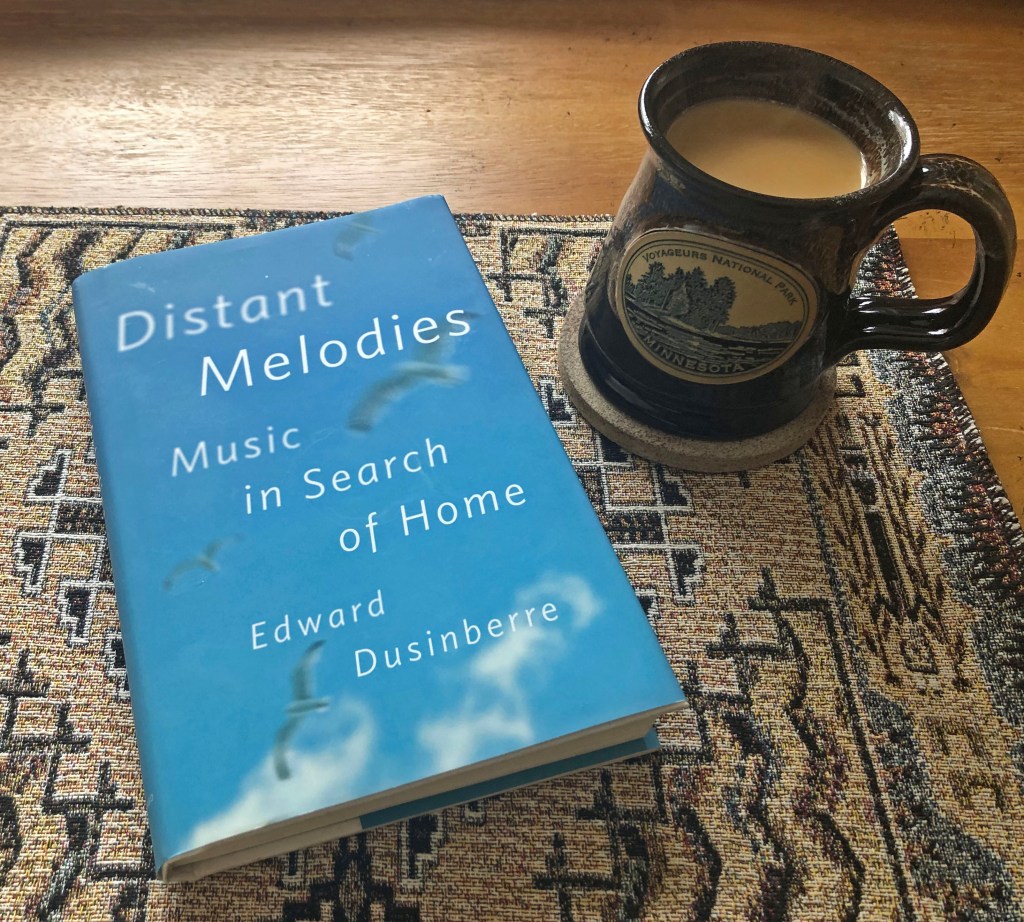
Edward Dusinberre’s new book, Distant Melodies: Music in Search of Home, is a fascinating read on many levels.

Distant Melodies: Music in Search of Home. By Edward Dusinberre. Chicago: University of Chicago Press, 2022. 233pp.

A lovely companion for your morning coffee, it is also unlike any other book on music I have read. But it is certainly one that lovers of chamber music and fans of the Takács Quartet will want to read.

Dusinberre focuses on just four composers—Edward Elgar, Antonín Dvořák, Béla Bartók and Benjamin Britten—and music by them that he has played and recorded as first violinist of the Takács. In each case, he discusses the composer’s life and what “home” might mean to them, and to him.

This interest on Dusinberre’s part grows out of his experience as a dual national who grew up in England but has lived many years in the United States. Like Dusinberre, three of the composers left their homes for the U.S. at some point in their careers: Dvořák, who lived in New York and Iowa 1892–95 before returning permanently to his homeland in Bohemia; Bartók, who was forced to flee Europe in 1940 and died in the United States in 1945; and Britten, who voluntarily moved to the US at the outbreak of war in 1939 but whose longing for home led him to return in 1942.

In contrast, Elgar lived his entire life in Britain, apart from tours in the U.S. and continental Europe, and he provided some of the most identifiably “British” music in the form of his “Pomp and Circumstance” marches and other works.

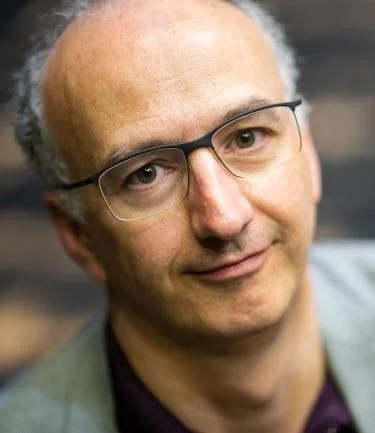
Edward Dusinberre

But the book is far more than an introduction to these composer’s biographies, because Dusinberre describes his own relationship with each work, both individually and as a member of a leading quartet. He begins in fact with his own childhood in Leamington Spa and his move to New York, followed by his rediscovery of Elgar, as it were, as acknowledgment of his own Englishness. That sets the theme of the connection between home and music.

The section on Elgar is best understood to those who are familiar with British geography, such as the Malvern Hills, which I had to look up. The rest is easily accessible to American readers, and it is great fun to read about life in a top string quartet—both in and out of rehearsals, which are both mundane work and distilled artistry. If you follow the Takács, these will be your favorite parts of the book. For others, it will be the insight into the specific works around which the book revolves—Elgar’s Piano Quintet, Dvořák’s “American” String Quartet, Bartók’s Sixth String Quartet and Britten’s Third String Quartet—and the related works that Dusinberre mentions.

Throughout the book, he connects the works he has played to other works of the same composer, to literary works, and to the times in which they were written. As I said at the outset, I know of no other book that manages this balancing act, combining personal experience with digressions without ever losing the thread. 

In its scant 210 pages of text, I came to enjoy Dusinberre’s pleasurable company, I learned from his many insights into music, and ultimately I was sorry to put it down at the end.

Grace Notes: Three classical organizations announce 2022–23 seasons

Boulder Chamber Orchestra, Pro Musica Colorado and Boulder Opera

By Peter Alexander Oct. 3 at 5:15 p.m.

With the 2022–23 concert season getting underway, Boulder’s many classical music organizations are getting their season schedules up on the Web. Here are three of the planned seasons for the coming year, from the Boulder Chamber Orchestra, starting Oct. 29; Pro Musica Colorado Chamber Orchestra, starting Nov. 19; and Boulder Opera., starting Dec. 9.

While the seasons include some pretty standard repertoire, including Beethoven and Mendelssohn symphonies and two different renderings of Mozart’s early Symphony in A major, K201, it will also offer pieces that are not standard. These include Beethoven’s Mass in C by the Boulder Chamber Orchestra and Boulder Chamber Chorale, and music by Florence Price and Caroline Shaw by the Pro Musica Colorado Chamber Orchestra.

Here are the respective seasons:

# # # # #

The Boulder Chamber Orchestra opens its season Oct. 29 without conductor Bahman Saless. Guest conductor Giancarlo De Lorenzo and violinist Loreto Gismondi, both from Italy, will perform a mostly Mozart concert featuring that composer’s Violin Concerto No. 4 in D major, K218, and Symphony No. 29 in A major, K201. Opening the concert will be Handel’s “Arrival of the Queen of Sheba” from the oratorio Solomon. 

This concert is part of an exchange between De Lorenzo and Saless, who previously conducted the Italian orchestra with which De Lorenzo is affiliated.

Other orchestral concerts during the year will be “A Gift of Music” on Saturday, December 17, with soprano Szilvia Shrantz, BCO bassist Kevin Sylves and holiday selections; and a performance of music by Beethoven, Brahms and Mendlessohn with violinist Edward Dusinberre on Saturday, Feb. 11, 2023. The season concludes with a performance of Beethoven’s Mass in C with the Boulder Chamber Chorale on Saturday, April 1. Saless will lead these performances.

Concerts by the Boulder Chamber Orchestra will take pace in the Seventh-day Adventist Church, 345 Mapleton Ave. Here is the full season schedule:
7:30 p.m. Saturday, Oct. 29
Boulder Chamber Orchestra with guest conductor Giancarlo De Lorenzo and Loreto Gismondi, violin

  • Handel: “Arrival of Queen of Sheba” from Solomon
  • Mozart: Violin Concerto No. 4 in D major, K218
  • Mozart: Symphony No. 29 in A major, K201

7:30 p.m. Saturday, Dec. 17
Boulder Chamber Orchestra, Bahman Saless, conductor, with Szilvia Shrantz, soprano, and Kevin Sylves, double bass

  • Handel: Selected arias
  • Henry Eccles: Sonata in G minor for double bass and strings
  • J.S. Bach: Concerto in D minor for two violins and orchestra 

7:30 p.m. Saturday, Feb.11
Boulder Chamber Orchestra, Bahman Saless, conductor, with Edward Dusinberre, violin

  • Beethoven: Overture to Egmont
  • Brahms: Violin Concerto
  • Mendelssohn: Symphony No. 4 in A major (“Italian”)

7:30 p.m. Saturday, April 1
Boulder Chamber Orchestra, Bahman Saless, conductor, with the Boulder Chamber Choir

Beethoven: Mass in C

TICKETS  

# # # # #

The Pro Musica Colorado Chamber Orchestra will celebrate its “Sweet 16th” concert season with three programs, presented Nov. 19, Jan. 28, and April 29.

The programs feature several works by women composers, including a woman of color and two living composers, in addition to classic works by Mozart and Beethoven, and a major work of the early 20th century by Arnold Schoenberg. All three performances will be at 7:30 p.m. in Pro Musica’s musical home, Mountain View United Methodist Church at 355 Ponca Place Boulder.

Performances by Pro Musica Colorado will be under the direction of their music director, Cynthia Katsarelis. 

The opening concert will feature pianist Jennifer Hayghe, the chair of the Roser Piano and Keyboard Program at CU-Boulder, playing the Piano Concerto in One Movement by Florence Price. The first female African American composer to have a symphony performed by a major orchestra, Price was well known in the 1930s and 1940s/ After fading from prominence, her name has recently been returning to concert programs.

Other soloists during the season will be cellist Meta Weiss, chamber music coordinator at CU-Boulder, and Takács Quartet members Harumi Rhodes, violin, and Richard O’Neiill, viola. Each concert will be preceded by a pre-concert talk at 6:30 p.m. Here is the full season’s schedule:

7:30 p.m. Saturday, Nov. 19
“Apotheosis of the Dance”
Pro Musical Colorado Chamber Orchestra, Cynthia Katsarelis, conductor, with Jennifer Hayghe, piano

  • Ben Morris: The Hill of Three Wishes
  • Florence Price: Piano Concerto in One Movement
  • Beethoven: Symphony No. 7 in A major, op. 92

7:30 p.m. Saturday, Jan. 28, 2023
“Through the Looking Glass”
Pro Musical Colorado Chamber Orchestra, Cynthia Katsarelis, conductor, with Meta Weiss, cello

  • Caroline Shaw: Entr’acte
  • Haydn: Cello Concerto in C major
  • Mozart: Symphony No. 29 in A major, K201

7:30 p.m. Saturday, April 29
“Transfigured Night”
Pro Musical Colorado Chamber Orchestra, Cynthia Katsarelis, conductor, with Harumi Rhodes, violin, and Richard O’Neill, viola

  • Jessie Lausé: World premiere
  • Mozart: Sinfonia Concertante for violin and viola in E-flat major, K364
  • Arnold Schoenberg: Verklärte Nacht

TICKETS  

# # # # #

Boulder Opera has announced their 11th season, featuring a family-themed production for the holiday season and a French Grand Opera early in 2023.

The first production of the season will be Engelbert Humperdinck’s Hansel and Gretel, which is a perennial holiday event for families with children in Germany and Austria. The Boulder opera production, scheduled for Dec. 9 through 18 at the Dairy Arts Center, will be presented in an abridged English version with narrator. 

Designed as an ideal introduction to opera, the performances will last only one hour, and include a Q&A session after each performance. The performance is suitable for children age three and up.

After the new year, Boulder Opera will present two performances of Manon by Jules Massenet, one of the classics of the French Grand Opera tradition. Performances will be Feb. 18 and 19 in the Dairy Arts Center. Here is the full schedule:

Engelbert Humperdinck: Hansel and Gretel
Boulder Opera, stage directed by Michael Travis Risner
Aric Vihmeisterr, piano, and Mathieu D’Ordine, cello

7 p.m. Friday, Dec. 9
2 and 4 p.m. Sunday, Dec. 11 and Saturday, Dec. 17
2 p.m. Sunday, Dec. 18
Grace Gamm Theater, Dairy Arts Center

TICKETS  

Jules Massenet: Manon
Boulder Opera, Steven Aguiló-Arbues, conductor, and Gene Roberts, stage director

7 p.m. Saturday, Feb. 18
3 p.m. Sunday, Feb. 19
Gordon Gamm Theater, Dairy Arts Center

TICKETS   

Takacs Quartet presents campus series with new second violinist Harumi Rhodes

Programs from the heart of the chamber music repertoire

By Peter Alexander Sept. 20 at 7:30 p.m.

09-Takacs-Quartet-Amanda-Tipton-photography.jpg

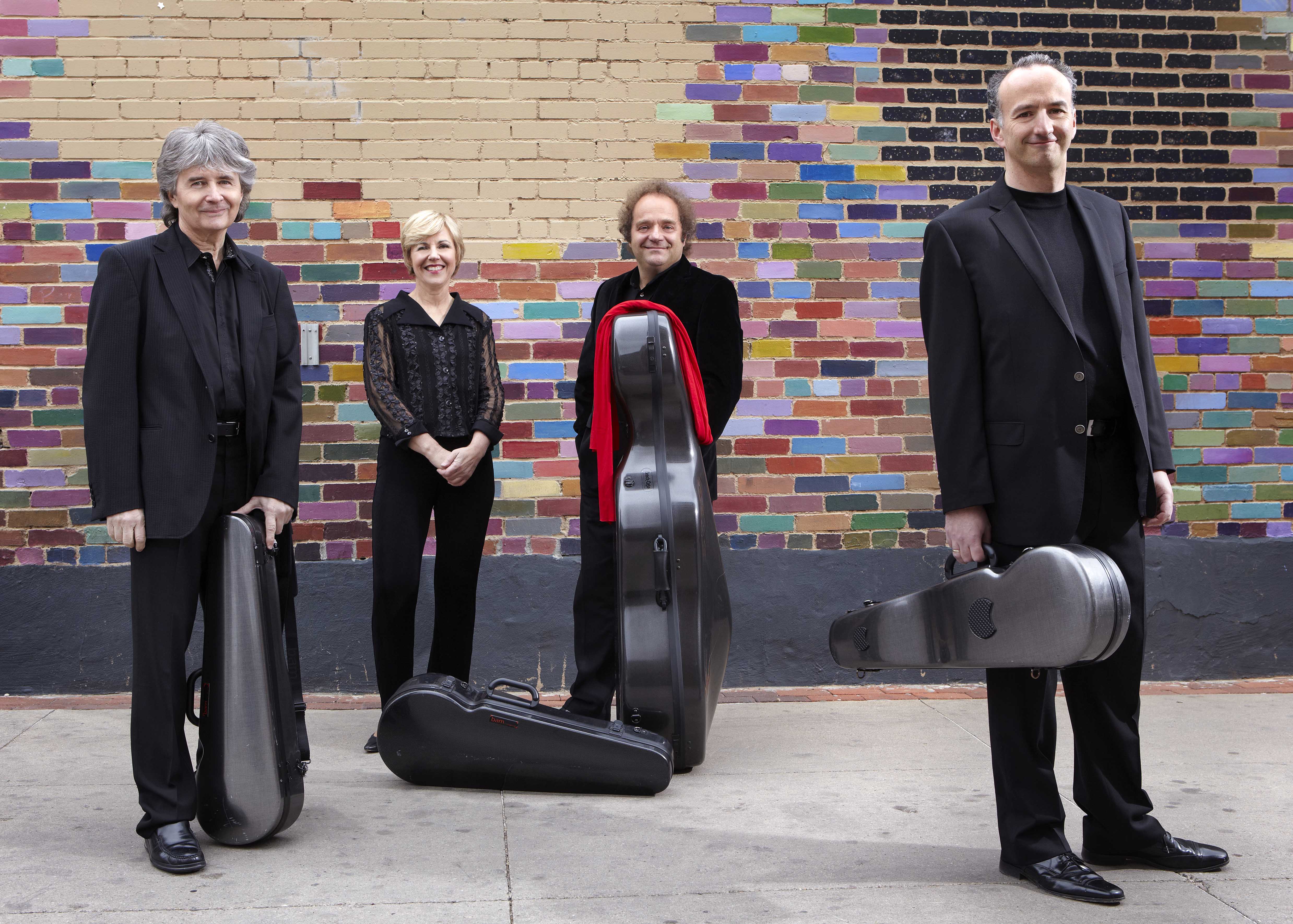
Takacs Quartet: Edward Dusinberre, Geraldine Walther, Harumi Rhodes, and András Fejér (L-R). Photo by Amanda Tipton

The Takacs Quartet launches their 2018–19 CU campus concert series, the first with new second violinist Harumi Rhodes, Sunday and Monday (Sept. 23–24).

Rhodes joined the quartet last spring, following the retirement of founding second violinist Károly Schranz. She has made one recording and toured with the quartet over the summer, but this will be her first year-long series as a member.

The program for the fall’s opening concerts features works by three great composers of chamber music for strings: Joseph Haydn, Schubert and Shostakovich. Two of the pieces are not well known, as they are not performed often—Haydn’s Quartet in D major, op. 20 no. 4, and Shostakovich’s String Quartet No. 4. In contrast, the third work on the program, Schubert’s String Quintet in C major, is one of the greatest and most beloved chamber works of the 19th century.

Cellist David Requiro, a member of the College of Music faculty, will join the members of Takacs for the Schubert’s Quintet.

The second concert of the fall semester is scheduled for Oct. 28 and 29. It will feature another piece by Haydn—the Quartet in D minor, op. 76—alongside works by Bartók and Brahms. Notably, both concerts feature composers considered to be the heart of the Classic-Romantic chamber music repertoire.

Takacs.Dusinberre.CUphoto-X2

Edward Dusinberre

You might think that changing members in a well tuned ensemble such as the Takacs Quartet would require difficult adjustments, but Edward Dusinberre, the quartet’s first violinist, says that has not been the case. “We feel very comfortable with her,” he says of Rhodes. “We’re having a great time. She’s got chamber music and string quartets in her blood.”

He also points out that playing in a string quartet is always a process of negotiation among the ensemble members, and Rhodes fits into the environment very well. “When you’re playing chamber music, every phrase is an adjustment,” he says. “She’s got a very strong artistic voice, and that’s one of the reasons we chose her.

“Within the group there are always three or four different opinions, so that doesn’t change. It’s not like she’s coming into a situation where three of us have a standardized view of how things should be played. It’s totally not like that, so (adding Rhodes) feels like continuing the good work.”

Rhodes1

Harumi Rhodes

The transition has been very positive for Rhodes, too. She was a unable to speak to me, but sent some written observations: “Everything about joining the Takacs has changed my life for the better,” she wrote. “As soon as I joined the Takacs, I assumed a new identity. Filling this role with pride and joy is what every bone in my body was made to do.”

She has played chamber music for many years, but she has found new pleasures in the Takacs. “The biggest surprise has been the luxury of performing the same piece many times. I’ve always enjoyed the process of rehearsing and performing. But the trajectory is completely different when you have a life-long relationship with this music in this way, a relationship that spans many concerts in one season. This is new to me.”

Her email to me concluded with great enthusiasm: “I look at the season ahead and can’t wait to dive in.”

Dusinberre says that whether the pieces are familiar or not, everything on the Sept. 23–24 concerts is music the quartet enjoys. “Haydn’s Op. 20 No. 4 is one of our favorite pieces,” he says. “It’s got a slow movement where the solos are very well distributed between the parts. The minuet is tremendously fun, sort of off-kilter—Haydn tricking his audience, tricking us sometimes!”

According to Dusinberre, the first movement is one of the places where quartet playing does require negotiation among the members. “It’s got a rather simple opening theme that comes back many times, in different ways. There’s different ways of bowing it, and it’s like opening a can of worms to find out what bowing we’re going to do. We’ve already had some entertaining rehearsals on that.”

David Requiro

Cellist David Requiro

The Shostakovich Fourth Quartet is actually one that the Takacs has not played before. “It’s quite fun because it’s new for all of us, and not just Harumi, and I think that’s quite nice, because it sort of levels the playing field,” he says. “It’s a wonderful piece (that has) a strong sense of folk melodies early in the piece, and then it turns into something a bit darker and more dramatic and more exciting.”

The Schubert Quintet in C major is part of larger plans by the quartet. “We’re playing (the quintet) on the road with David (Requiro), at the White Lights Festival at Lincoln Center in October,” Dusinberre says.

“He’s a wonderful player. We’re very excited to explore this piece with him.”

# # # # #

Takacs Quartet
CU Fall Concerts

04-Takacs-Quartet-Amanda-Tipton-photography.jpg

Takacs Quartet. Photo by Amanda Tipton.

4 p.m. Sunday, Sept. 23, and 7:30 p.m. Monday, Sept. 24
Grusin Music Hall

Haydn: String Quartet in D Major, op. 20 no. 4
Shostakovich: String Quartet No. 4 in D Major, op. 83
Schubert: String Quintet in C Major, D956
With David Requiro, cello

4 p.m. Sunday, Oct. 28, and 7:30 p.m. Monday, Oct. 29
Grusin Music Hall

Haydn: String Quartet No. 2 in D minor, op. 76
Bartók: String Quartet No. 1
Brahms: String Quartet No. 2 in A minor, op. 51

Tickets

Dusinberre, Katsarelis and Pro Musica premiere concerto by Jeffrey Nytch

Powerfully expressive work, written from the heart, reaching out to hearts

By Peter Alexander April 15 at 12:15 a.m.

A remarkable new work by Jeffrey Nytch, the Violin Concerto: Costa Concordia, has been brought to Colorado audiences by the Colorado Pro Music Chamber Orchestra, conductor Cynthia Katsarelis and violinist Edward Dusinberre.

The official premiere was Friday (April 13) in Denver, with a second performance, which I attended, last night in Boulder (April 14). Both performance and work were assured, polished, and deeply moving.

Nytch,Jeffrey

Composer Jeffrey Nytch. Courtesy CU photo archive.

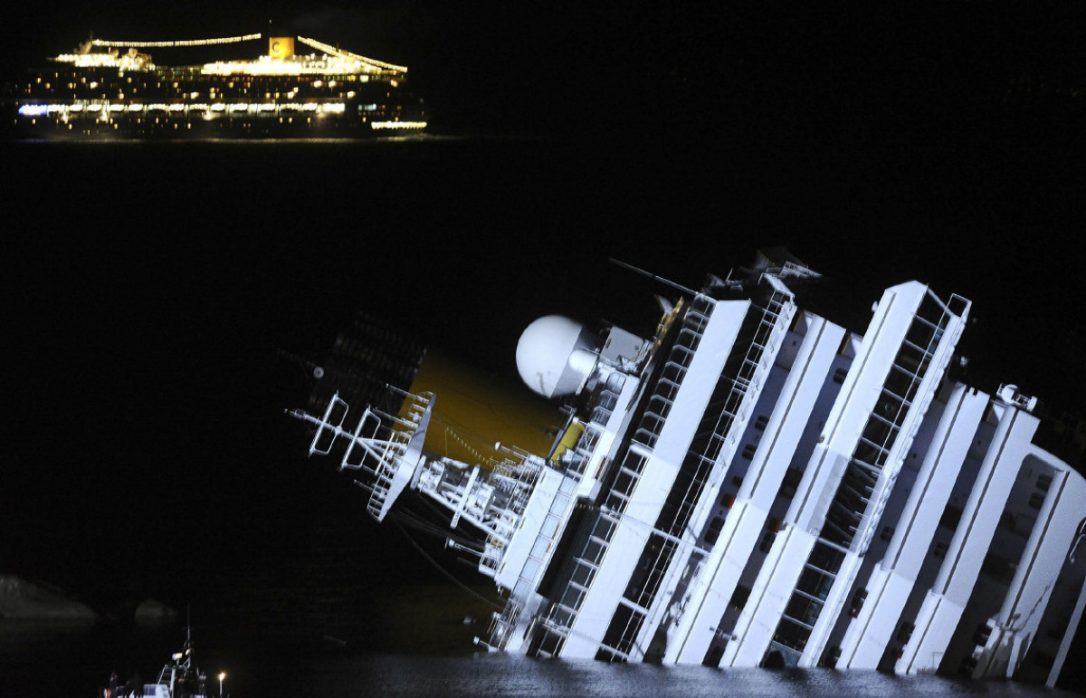
Nytch is an associate professor of composition and director of the Entrepreneurship Center for Music at the CU College of Music. He was inspired to write the concerto by the fate of the Hungarian violinist Sandor Feher, who died when the cruise ship Costa Concordia sank in 2012. When the ship collided with the rocky shore, Feher first assisted other passengers, including children, and then went to retrieve his violin. He never came back.

“I heard this story and felt that I had to respond to it in a musical way,” Nytch has said. What he chose to do was to tell the story of the violin, not the violinist. This is a highly original creative decision, one that led Nytch away from the events of Feher’s story, toward the moods the story passes through. The concerto is thus more universal, and more deeply moving.

Feher.violinist19n-3-web

Sandor Feher

Looked at in another way, the concerto is programmatic, but not in the usual sense. That is, it does not have a program of events, with music representing the collision or Feher’s descent back into the ship. Instead it has an emotional program, portraying in turn the jollity of the fiddle and its player in good times, the loneliness of their separation, and finally a vision of their reunion in another realm.

cruise.jpeg.size-custom-crop.1086x0

The Costa Concordia sinking (2012)

The result is a powerfully expressive work, because Nytch found effective musical means to convey each step of this emotional journey. And that emotional program, written from the composer’s heart, pulls the listeners in and reaches out to their hearts.

The concerto starts with a deep and foreboding prologue, with a ”churning,” the section title tells us, that could be the ship’s propellers swirling beneath the waves. This is followed by an impassioned cadenza that dramatically invokes the unity of player and instrument. Here Dusinberre became the ideal interpreter, playing with intensity and technical brilliance.

The next section of the work, titled “Dancing, lighthearted,” has hints of Eastern European rhythms and dances that Feher might have played, but without sounding like quotes of folk music or specific Gypsy tunes. The lighter mood gives away to ever more frantic fiddling until a furious climax is reached.

Ed Dusinberre Takacs Quartet Publicity Photo

Edward Dusinberre. Courtesy CU photo archive.

The remainder of the concerto contains the most arresting and original music of the piece. First there is a lengthy passage of utter emptiness, suggesting loneliness yet without despair. Borrowing from Dusinberre’s description, “there’s an extraordinary disembodied quality to it, (as if) the violinist ceases to be there, (leaving only) the sound of the instrument.”

Slow moving, tonal chords used to represent a sweet, consoling ending is one of the most obvious clichés of Western music, and yet Nytch makes them fresh and effective. The sheer beauty of the final section feels like the inevitable outcome of the concerto’s emotional journey. This, I thought, is the story that Nytch had to tell: not the specifics of Feher’s heroism and sacrifice, but a universal yearning for transcendence.

Dusinberre, more often heard as first violinist of the Takacs Quartet, was an inspired interpreter of the concerto. He had mastered the concerto’s many technical demands, playing with a consistency and beauty of tone. He easily soared above the texture, in spite of the sometimes urgent activity of the orchestra. Based on this riveting performance, I would like to hear him more often as a concerto soloist, if only his other far-flung commitments would allow it.

Photography by Glenn Ross. http://on.fb.me/16KNsgK

Cynthia Katsarelis. Photo by Glenn Ross.

Katsarelis and the players of Pro Musica gave solid and committed support, ideally matching the composer’s moods. Before Costa Concordia, they gave an assured and well prepared performance of Bartók’s Divertimento for String Orchestra. Throughout, the different episodes from which the score is constructed were well characterized, all of the changes of mood clearly delineated.

They did not hold back for the more bumptious sections or the most piercing climaxes, which were well contrasted with moments of near silence. The Divertimento represented a satisfying performance of a piece that Katsarelis and the players obviously enjoy. Sometimes, that’s just what you want.

Pro Musica’s ‘Heart of Hungary’ puts the spotlight on a world premiere

New Violin Concerto by Jeff Nytch will feature Edward Dusinberre as soloist

By Peter Alexander April 13 at 5:20 p.m.

Some stories just have to be told.

Nytch,Jeffrey

Jeff Nytch. Courtesy of CU Photo Archive.

That is what composer Jeffrey Nytch thought when he heard about Sandor Feher, a violinist on the cruise ship Costa Concordia who died going back to retrieve his violin when the ship sank off the coast of Italy in 2012. “I heard this story and I was just incredibly moved by it,” Nytch says. “I felt that I had to respond to it in a musical way.”

The world premiere Nytch’s musical response, his Violin Concerto: Costa Concordia, will be presented by violinist Edward Dusinberre with the Pro Musica Colorado Chamber Orchestra and conductor Cynthia Katsarelis. Performances will be Friday (April 13) in Cherry Hills Village and Saturday (April 14) in Boulder.

Pro Musica will also perform Bartók’s Divertimento for Strings both nights.

Read more in Boulder Weekly.

# # # # #

Pro Musica Colorado Chamber Orchestra, Cynthia Katsarelis, conductor
With Edward Dusinberre, violin

Jeffrey Nytch: Violin Concerto:Costa Concordia(World Premiere)
Béla Bartók: Divertimento for String Orchestra

7:30 p.m. Friday, April 13
Bethany Lutheran Church, 4500 E. Hampden Avenue,Cherry Hills Village
7:30 p.m. Saturday, April 14
Mountain View United Methodist Church, 355 Ponca Place, Boulder

Tickets

Boulder Phil in fine form for Mozart, Beethoven and Adés

Dusinberre and Walther delightful in Mozart Sinfonia Concertante

By Peter Alexander

The Boulder Philharmonic was in fine form last night (Nov. 6), as they presented two exquisite soloists as part of a season of duo-solo performances.

ed-geri_ellenappel_04-01

Edward Dusinberre and Geraldine Walther

Violinist Edward Dusinberre and violist Geraldine Walther, members of the Takacs Quartet, played Mozart’s Sinfonia Concertante for violin and viola with the orchestra. Conductor Michael Butterman also led the Phil in a fascinating work by British composer Thomas Adés and a bracing performance of Beethoven’s Eighth Symphony.

But first things first: Mozart. The interplay of the two soloists is central to the Sinfonia Concertante, and it is here that Dusinberre and Walther elevated their performance to the highest level. They are of course great individual players, but as members of a world-class string quartet, chamber music partners who play together professionally virtually every day, they have honed the ability to respond to one another in tone, mood, phrasing and pitch—all the myriad details that make a great performance.

Of all the delights they offered, I will single out one: There is a joint cadenza in the first movement, with the parts written out for the players. Walther and Dusinberre were so perfectly aligned in pitch and rhythm and the freedom of their phrasing that it sounded like one person on two instruments. I have never heard that passage better.

Their experienced partnership made the performance a pleasure to watch as well as hear. You could see the communication between them, as they shared their enjoyment of Mozart’s playful interchanges between soloists in the outer movements, and the beautiful sharing of extended melodies of the slow movement. And through their interactions, they shared that enjoyment with the audience.

It has to be said that Macky is not a great venue for this work There is a reason that Butterman has programmed more Romantic works than Mozart, in order to achieve what he calls “a sonic size appropriate for Macky Auditorium.” At times the Mozart sounded distant—and if it sounds that way from Row M, what must it sound like from the back or the mezzanine?

The concert began with Adés’s Three Studies from Couperin, orchestrations of harpsichord works by the French Baroque composer François Couperin. Himself a keyboard player, Adés has said that the best day he could imagine would be playing Couperin all day. I expect few in the audience have that degree of enthusiasm for the composer, but last night’s performance may well have boosted the appreciation for his strongly characterized and characteristic works.

Like the originals, Adés’s orchestrations are highly individual, offering a wondrous mix of colors. These are watercolors to the bright paintings of some orchestra arrangements—subtle and subdued hues that were given a well blended and warm interpretation by Butterman and the orchestra.

Buttermn.new

Michael Butterman. Photo by Glenn Ross

Beethoven’s Eighth Symphony was the first orchestral score I ever owned, so the rare performances are always both musical and nostalgic treasures for me. I admit I am prejudiced in favor of anyone who programs the Eighth, but I was definitely not disappointed by last night’s performance. Even though the Eighth is scored for a smaller classical orchestra, without trombones or doubled winds, the Phil’s sound was full enough to create a real presence in the hall.

Butterman’s interpretation was highly energetic, a bit on the muscular side, but none the less enjoyable for that. He found a good balance between Beethovenian outbursts, aided and abetted by a vigorous timpanist, and the more lyrical and light-hearted moments of the symphony. The second movement, marked Allegretto scherzando, was very brisk, more scherzando than allegretto. A slightly slower pace would allow the listener to enjoy Beethoven’s good cheer a bit more in this cheeky, clucking stand-in for a slow movement.

The finale was, as it should be, even faster, but here the tempo worked entirely to Beethoven’s advantage. The Boulder Philharmonic stayed right with Butterman’s galloping pace right to the end. Beethoven’s Eighth is perhaps too light hearted to elicit cheers, but the performance was more than worthy of a hearty “Bravo!”

CU’s Takács Quartet and Edward Dusinberre in the news

The Economist praises Dusinberre’s “fascinating book”

By Peter Alexander

Takacs.Dusinberre.CUphoto-X2

Edward Dusinberre

The Economist, the weekly newsmagazine published in London, has published an article—it is more a description of the book and its subject than a review—about Takács Quartet first violinist Edward Dusinberre’s new book on the Beethoven string quartets.

The Tákacs is the quartet-in-residence at the University of Colorado, Boulder College of Music; Dusinberre and the other members are Ralph E. and Barbara L. Christoffersen Faculty Fellows.

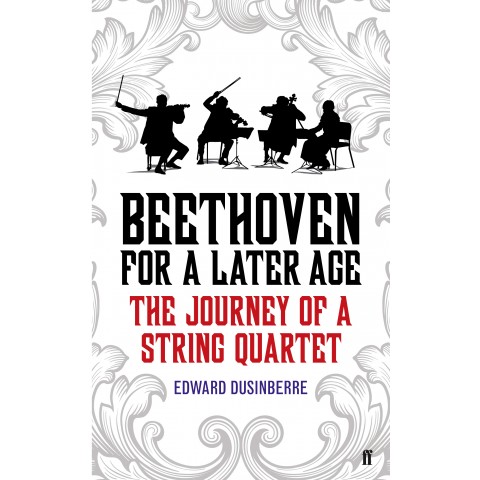
Beethoven for a Later Age: The Journey of a String Quartet was published in England by Faber & Faber and will be published in the U.S. by the University of Chicago Press in May. “Mr Dusinberre is the lead violinist of the Takács Quartet, one of the world’s most highly regarded string ensembles, and he has written a fascinating book about the musical life of this group of players,” the publication states in the unsigned article.

“Interwoven with that is the story of Beethoven’s 16 string quartets, works of extraordinary power written over a quarter-century that moved the genre on from the earlier masters and are now regarded as the apogee of the chamber-music repertoire.” (Read the full article in The Economist.)

Takasce SQ

Tákacs Quartet. Photo by Keith Saunders.

Like most books today, Beethoven for a Later Age has already attracted a number of celebrity blurbs and reviews. For example, pianist Garrick Ohlsson comments, “Dusinberre brilliantly spans Beethoven’s life, works, and the real issues of music making for his contemporaries into our time—via the working process of a great modern quartet living with Beethoven’s creations in the twenty-first century.”

Writing in the The Telegraph, Rupert Christiansen points out that Dusinberre intends to do more than elucidate the music. “Dusinberre’s second, and perhaps more daring, aim is to reveal something of the personal dynamics of the Takács Quartet itself, generally ranked as one of the two or three finest quartets active in the world today,” he writes.

“The glimpse Dusinberre gives us of their working is fascinating, but the alchemy that makes the Takács perform as sublimely as it does remains a mystery.”

# # # # #

25329.books.origjpgBeethoven for a Later Age: The Journey of a String Quartet. By Edward Dusinberre. 232 pages, 14 line drawings. Faber & Faber; £18.99. To be published in America by University of Chicago Press in May; $30. ISBN: 9780226374369; an e-book edition will also be published.