Eklund Opera presents Verdi’s madcap Falstaff

‘One of the greatest Italian ensemble operas’ Friday and Sunday

By Peter Alexander Oct. 25 at 5:40 p.m.

“Reverenza!”

That extravagant one-word greeting delivered by Mistress Quickly to the corpulent Sir John Falstaff (“Your reverence!”) sets off all the madcap action of Verdi’s final opera, the comedy Falstaff. A series of hilarious escapades follow, leaving Falstaff dumped in the river at the end of the second act and the butt of a comedic thrashing in the third. In spite of the abuse, it all ends with Falstaff cheerfully proclaiming “All the world’s a jest.” The entire cast joins him for, of all things, a rollicking 10-part fugue.
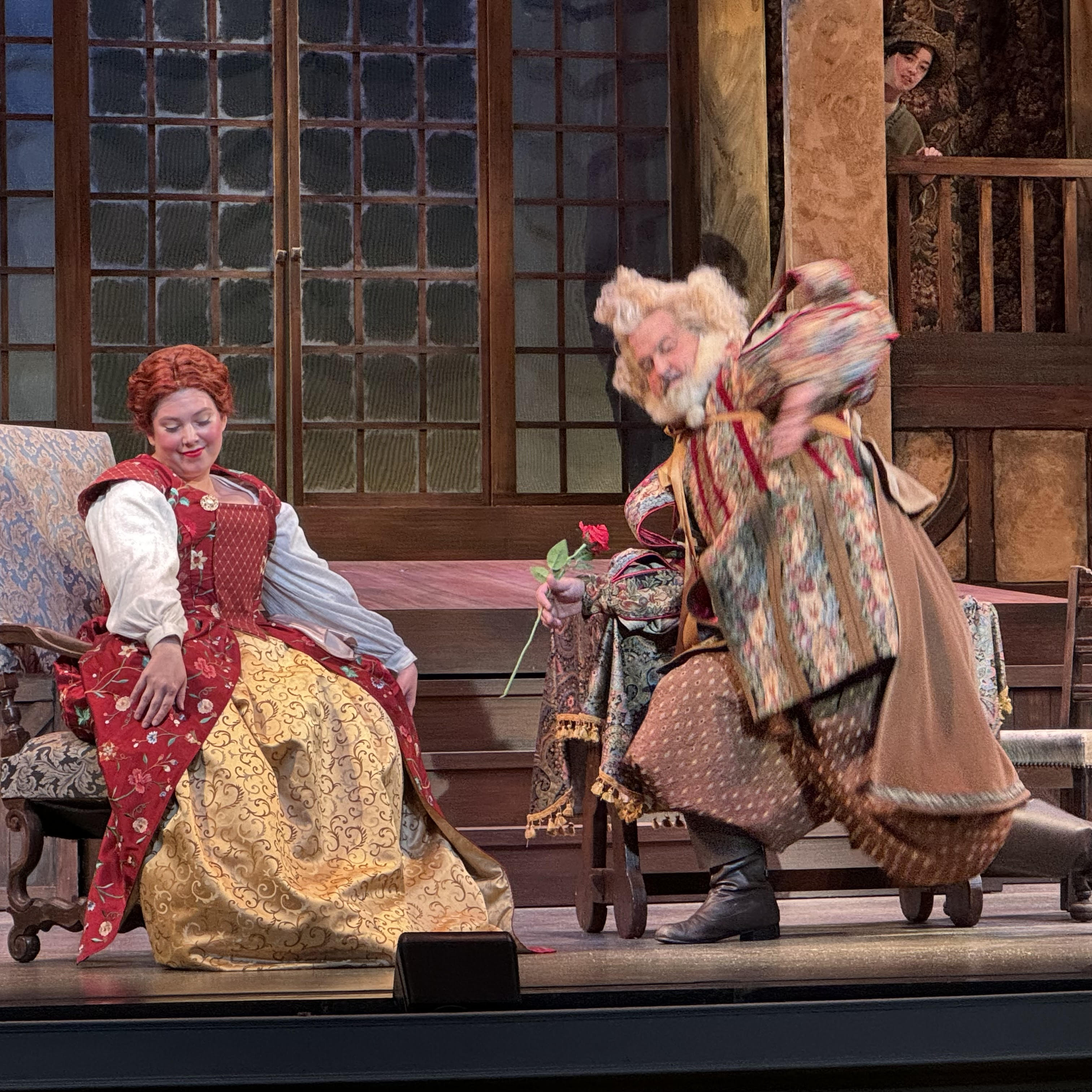
Melissa Lubecke (Alice Ford) and Andrew Hiers (Falstaff) in Eklund Opera’s Falstaff. Photo by Leigh Holman.

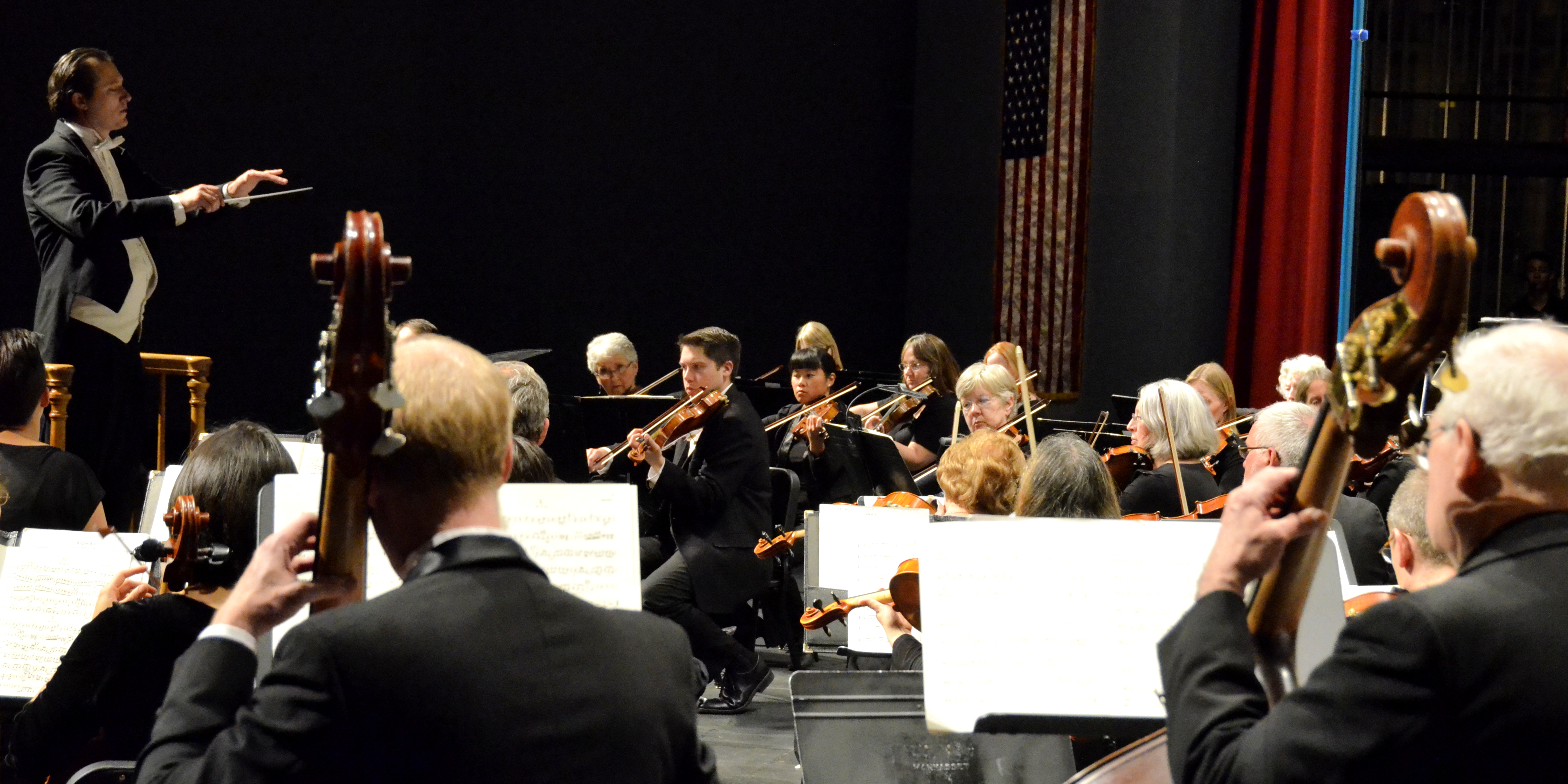
Falstaff will be the fall production of the CU College of Music’s Eklund Opera Company, with performances this coming Friday and Sunday in Macky Auditorium (Oct. 27 at 7:30 p.m., Oct. 29 at 2 p.m.; tickets available HERE). Performances are stage directed by Leigh Holman and conducted by Nicholas Carthy.

The opera is derived from Shakespeare’s Merry Wives of Windsor. Verdi had already retired twice when his publisher passed him the libretto, crafted by the Italian composer Arrigo Boito who also wrote the libretto for Verdi’s Otello. Verdi couldn’t resist, and Falstaff had its premiere in February 1893, when the composer was nearly 80.

The opera has two intertwining plots: Falstaff is trying to woo two wealthy wives in order to get at their fortunes; and one of their husbands, Ford, wants to marry his young daughter Nanetta to his friend Dr. Caius. She, however—in typical comic-opera fashion—is in love with someone her own age, Fenton. And also in comic-opera fashion, the women are far cleverer than the men and hilariously foil both plots.

Falstaff is seldom performed by student opera companies. For one thing, the role of Falstaff requires an experienced singer. As Carthy explains, this is an opera “where, if we get one person in, we can cast around them. So you bring a Falstaff in and it allows you to do one of the greatest Italian ensemble operas there is. Bringing in that one person is a fantastic opportunity to do something (the students) wouldn’t normally do.”
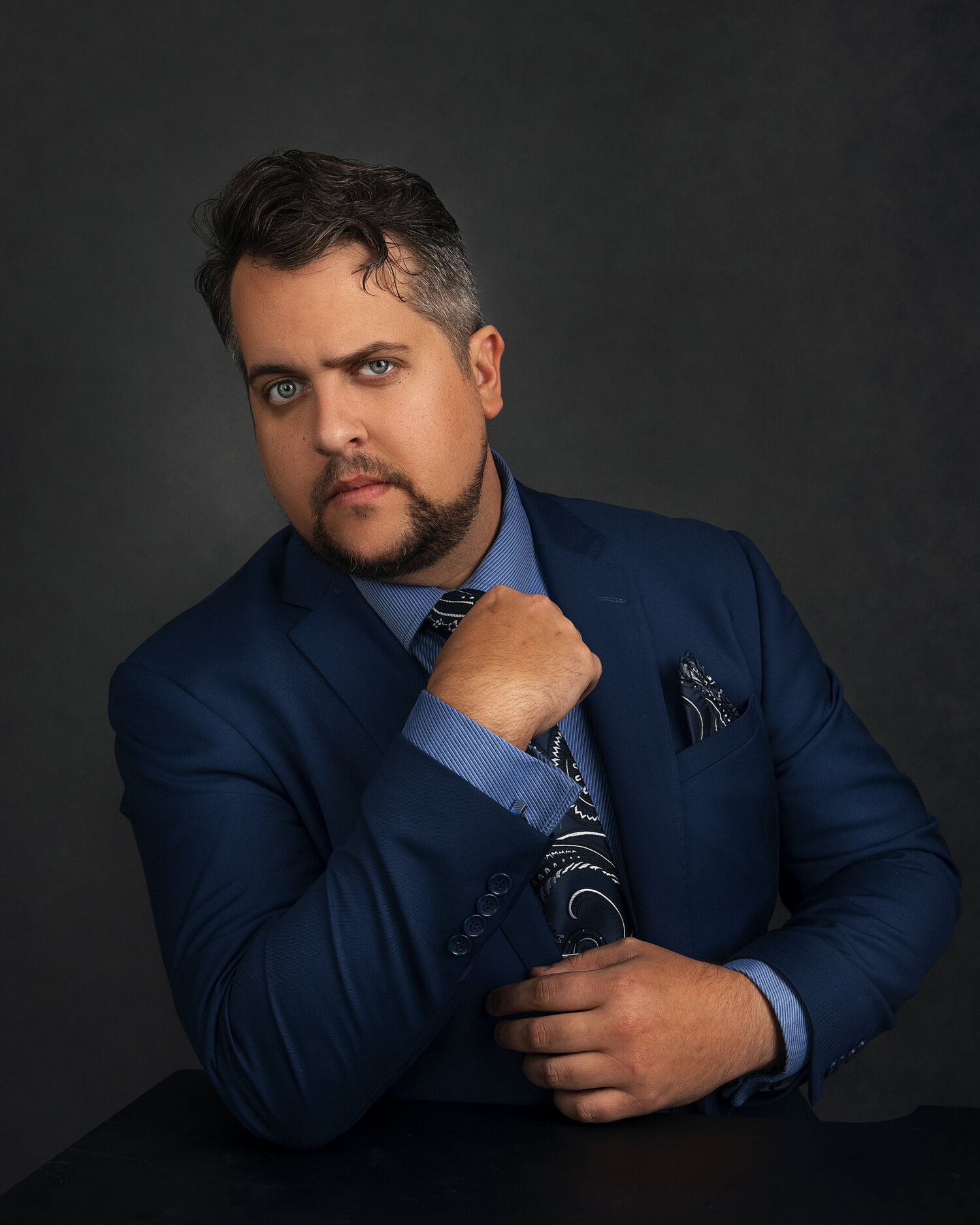
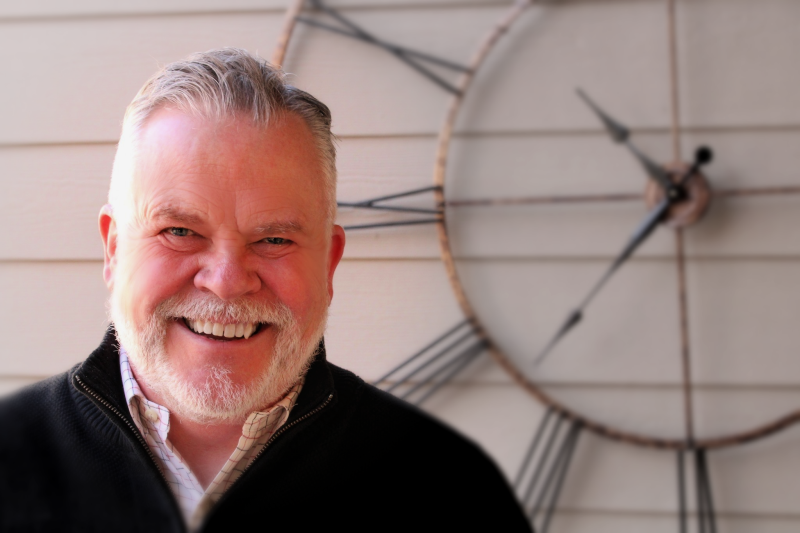
Andrew Hiers. Photo by Anthony Perez.

Eklund Opera has engaged Andrew Hiers (pronounced “hires”), who has performed with the San Francisco Opera Merola program, Opera Colorado, and the St. Petersburg (Fla.) Opera, to sing Falstaff. “He’s really good,” Holman says. “It ups everything a level, both in that it allows the students to do an opera that they might not otherwise be able to do. But also in what he brings, the experience that he has.

“He’s a really great actor, and the students are learning a lot working beside him. Every rehearsal, he’s just going, going, going, never complains, he’s just going. And it’s great for (the students) to see that.”

Other than Falstaff, Holman says, “We had all the other forces, including Quickly, who’s an artist diploma student”—Jenna Clark. That could be a difficult role to cast with students, but Holman says, “she’s really got the gravitas and the voice to pull that off.”

Another challenge is the breakneck pace of the music. “It’s a massive challenge for everybody,” Carthy says. “You don’t have time to do anything before something else comes along. It’s very tough, and we rarely have that sort of pacing in an opera. We’ve done Bohème and Traviata, but even Bohème doesn’t have that wickedness of pace that Falstaff does.”

“I would say the same thing,” Holman says. “It’s a difficult piece. As the director there’s just a lot coming at you.”
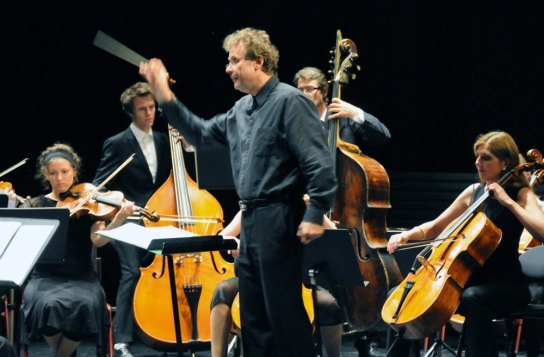
Nicholas Carthy

Carthy points out that the same is true for the orchestra and conductor. “Getting a mostly undergraduate orchestra, many (of whom) have never been in a pit before, to play Verdi or anything approaching Falstaff, is always going to be a challenge,” he says. “It’s this massive challenge to coordinate, but thats what I love doing that’s what I’ve spent my life doing.”

After all of Verdi’s dramatic, tragic operas, the speed and lightness of Falstaff is surprising. “It’s got more words, more notes, more melodies than anything else he ever wrote. It’s unlike his other operas in that it’s through-composed—it’s not arias and set pieces,” Carthy says. That lack of arias meant that Falstaff was not an immediate success, but the overall richness of Verdi’s invention has won over critics and musicians alike.

A good example is the love music between Nanetta and Fenton. He has one aria, but otherwise their scenes together are brief, made up of highly distilled lyrical expressions of love that are gorgeous but only last a minute or two. “It’s as if Verdi decided that he had trunks full of melodies to get rid of,” Carthy says. “And so he just threw them all at this thing.”

In Holman’s opinion, this is a do-not-miss performance. “We have wonderful singers with an amazing sense of humor and an amazing sense of comic and dramatic timing,“ she says.

“You’ll laugh the whole time!”

# # # # #

CU Eklund Opera Program
Leigh Holman, director
Nicholas Carthy, music director

  • Verdi: Falstaff

7:30 p.m. Friday, Oct. 27
2 p.m. Sunday, Oct. 29
Macky Auditorium
TICKETS

Boulder Chamber Orchestra presents mini-chamber concert Saturday

“Mini-Chamber 1: Capturing the Folk Spirit”

By Peter Alexander Oct. 19 at 3:45 p.m.

The Boulder Chamber Orchestra will present the first of four ”Mini-Chamber” concerts on their 2023–24 season schedule at 7:30 p.m. Saturday (Oct. 21, at the Boulder Adventist Church; ticket information below).

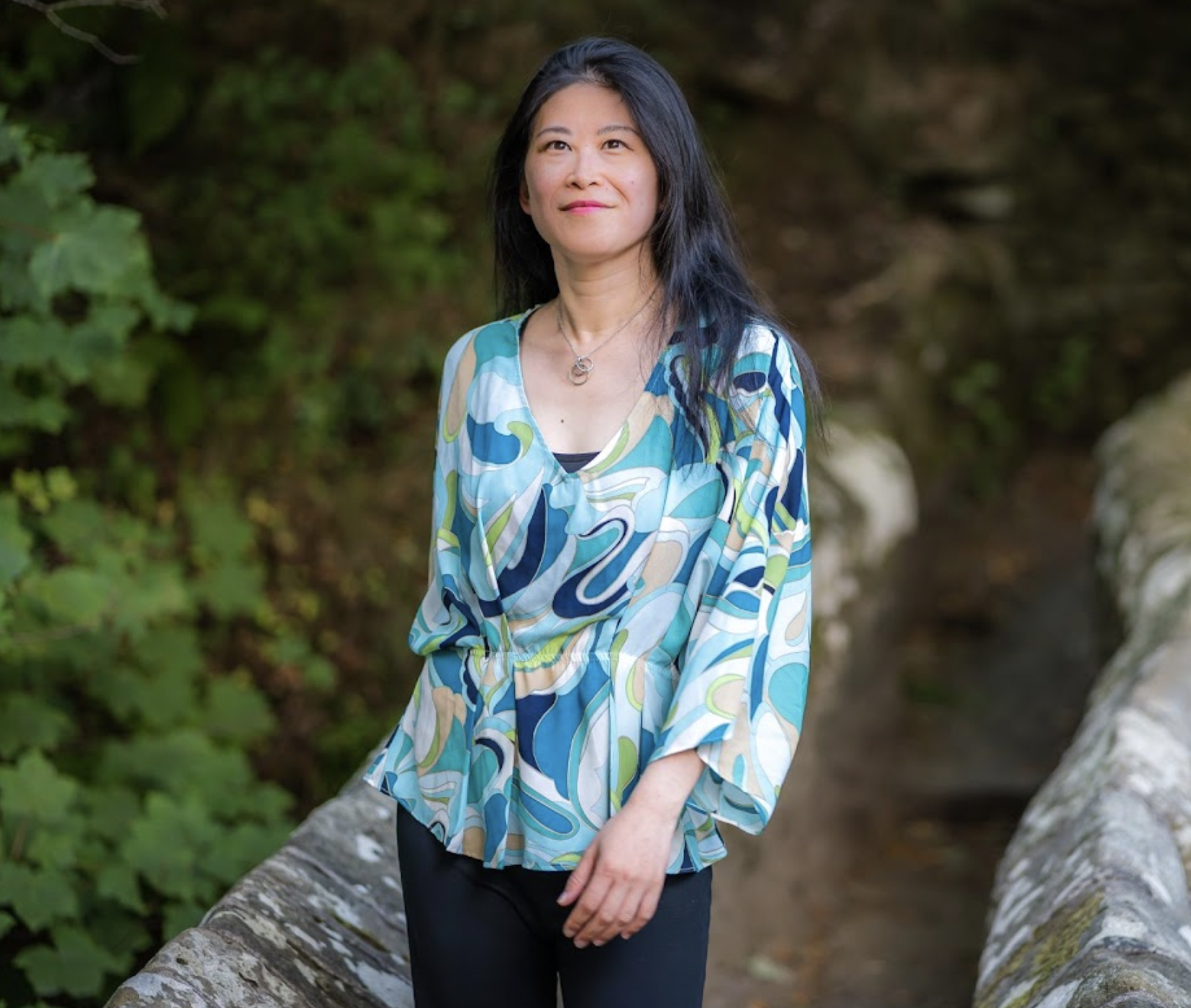
Three of the concerts—Saturday, and further performances Feb. 17 and April 6—will feature BCO’s artist-in-residence, pianist Hsing-Ay Hsu, performing chamber works with members of the orchestra. The other “Mini-Chamber” concert, Jan. 20, 2024, will feature pianist Adam Zukiewicz with members of the orchestra.

Boulder Chamber Orchestra artist-in-residence Hsing-Ay Hsu

The ”Mini-Chamber” concerts are distinguished from the BCO’s other performances in that they feature pure chamber music—small, one-player-per-part ensembles—rather than the full chamber orchestra itself under director Bahmann Saless.

Saturday’s concert features three pieces with differing instrumentation. The first will be the violin-and-piano version of Bartók’s Romanian Folk Dances. A suite of six short pieces originally written for piano, based on Romanian tunes from the Transylvania—once part of Hungary and later part of Romania. Bartók himself wrote a version for small ensemble, and there have been arrangements for violin and other instruments with piano. It has been one of Bartók’s most popular pieces with performers. 

The program also includes Dvořák’s Quintet for piano and string quartet in A major. Composed in 1887, it is considered one of the leading works for Piano Quintet. It comprises four movements indulging two that are based in Eastern European folk culture: Dumka, a movement that alternates between melancholy and exuberance with a title that derives from Ukranian; and Furiant, a fiery Bohemian folk dance.

Finally, Hsu alone will pay Brahms’s Klavierstücke (Piano pieces) op. 118, a set of six pieces that Brahms dedicated to Clara Schumann, widow of the composer Robert Schumann. Composed in 1893, they were the composer’s next-to-last completed work.

# # # # #

“Capturing the Folk Spirit”

Boulder Chamber Orchestra Mini-Chamber 1
Hsing-ay Hsu, piano, with members of the Boulder Chamber Orchestra

  • Bartók: Romanian Folk Songs for violin and piano
  • Dvořák: Quintet for piano and strings in A major
  • Brahms: Klavierstücke, op. 118 no. 3

7:30 p.m. Saturday, Oct. 21
Boulder Adventist Church

TICKETS 

Korevaar tackles “iconic masterpiece” filled with humor and joy

“Transcendence”: Bach’s Goldberg Variations at the Dairy Saturday

By Peter Alexander Oct. 19 at 2:25 p.m.

Bach’s Goldberg Variations is widely regarded as one of the great works of the European musical tradition, but pianist David Korevaar doesn’t want you to think of it that way.

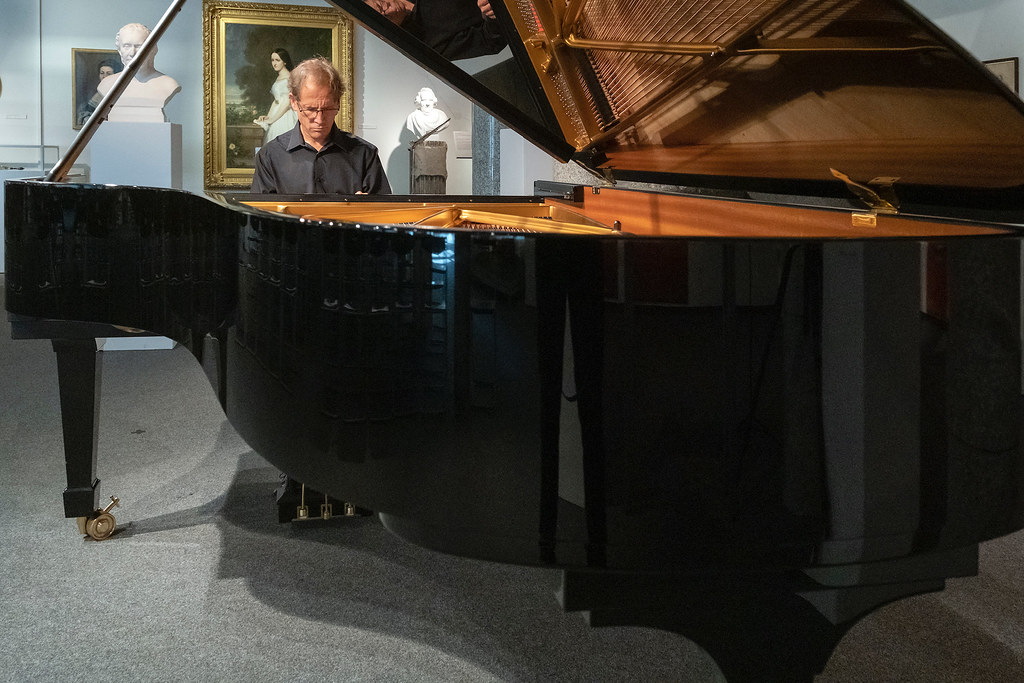
David Korevaar. Photo by Manfred Fuss.

Korevaar will play the Goldberg Variations Saturday at the Dairy Arts Center (4 p.m. in the Gordon Gamm Theater) on a program titled “Transcendence” that is part of the 2023–24 Boulder Bach Festival concert series. “Although the piece is an iconic masterpiece,” Korevaar says, “it should be a piece that is full of joy and dances and sings, rather than an object of worship.”

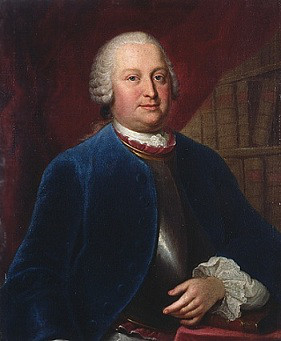
Johann Gottlieb Goldberg

The Variations were written around 1740 and are named after harpsichordist and organist Johann Gottlieb Goldberg. Goldberg was employed by Count Kayserling, the Russian ambassador to the Court of Saxony and may have been one of Bach’s pupils. A story of dubious authenticity has been told by Bach’s biographer Johann Nikolaus Forkel that Kayserling suffered from insomnia. To cheer him up on sleepless nights, Bach is supposed to have written the variations for Goldberg to play.

The completed score comprises an Aria and 30 variations, with the aria to be repeated at the end. Every third variation is a canon for two voices, with an increasing musical interval between the voices. In musical terms, Variation 3 is a canon at the unison, Variation 6 a canon at the second, and so forth to Variation 27, which is a canon at the ninth. 

Scholars have found patterns in the layout of the other variations as well, with one Baroque movement type and one rapid free movement in every pair of variations between the canons. The final variation is a “Quodlibet” (Latin for “whatever you wish”) that combines several German folk songs.

Korevaar recorded the Goldberg Variations once about 18 years ago, but he has not gone back to re-listen to that recording because he wants to approach the music afresh. “That was the first time that I set my hands to that music” he says, suggesting that his understanding of the music has evolved over the intervening years.

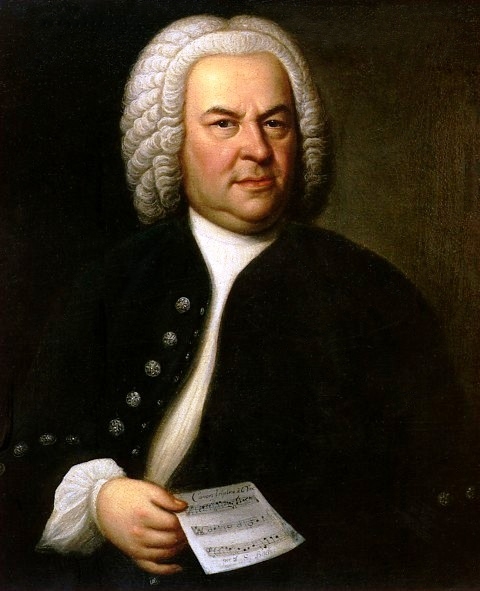
J.S. Bach

Because this is the first time he has played the full set with nothing else on the program, he has made the decision to take all of the repeats that Bach wrote into the score—something he did not do in his recording or in recital performances. “I do some embellishment with repeats,” he says, “but even in a case where I’m not doing embellishment, I think it’s worth hearing the music twice.”

“You also have to have the patience to accept the length of the piece. Isn’t it nice to slow down the pace of the world a little bit, and spend a little more time with some music?”

Korevaar believes that the time spent with the Goldberg Variations should be entertaining for the listeners. In spite of the complexity of Bach’s compositional stye, there is a lot of fun in the music. “I’m not going to say that there’s no profundity there, there’s plenty,” he says.  “But most of the piece is in an emotional range from contentment to outright joy.

“What we can miss is the humor, and a certain amount of show-off-iness, which of course Bach did occasionally. I think he had a good time writing this piece.”

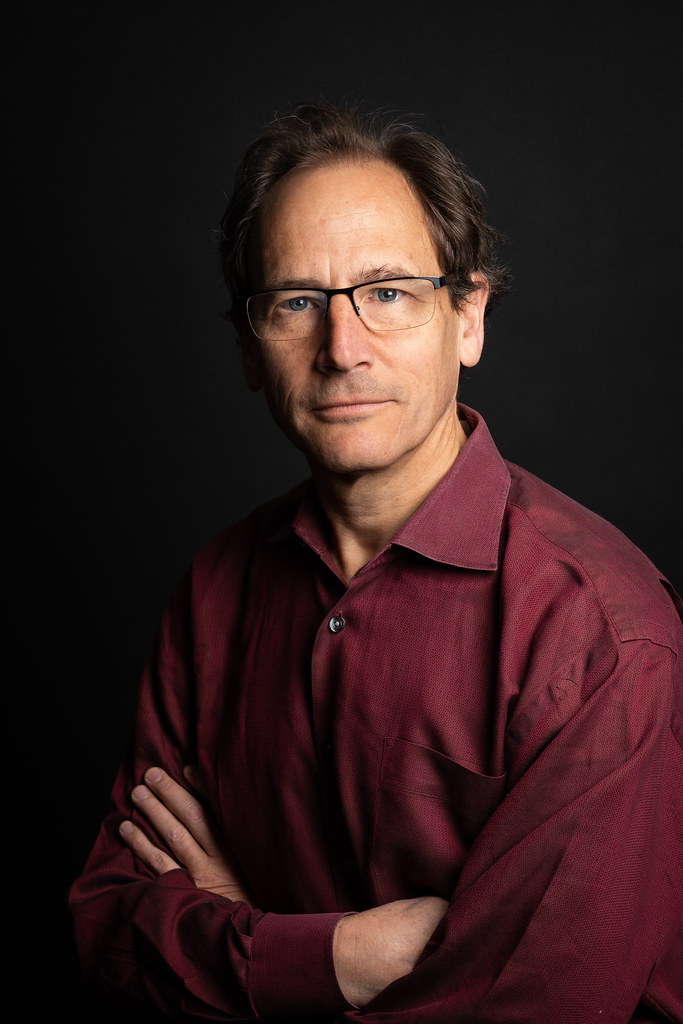
David Korevaar. Photo by Matthew Dine

If Bach is showing off as a composer, with his canons and widely varying styles of variations, the music also gives the performer space to show off, too. “There is a combination of compositional virtuosity and keyboard virtuosity here,” Korevaar says. “It would be silly to claim that there’s not an aspect of bravura to this music. This music actually is very difficult and sounds very difficult!”

Bach wrote the Goldberg Variations specifically for harpsichord, as the piano was not yet well developed in 1740. Korevaar is playing them on piano, but he is not averse to more historically accurate performances. “I love my modern piano, but I also love listening to a wonderful harpsichordist play,” he says.

The modern instrument has different expressive possibilities and parameters than the harpsichord. “Color, dynamics and shaping are an inevitable part of playing the piano” he says. “And those parameters are much less available to a harpsichordist.” In contrast, he explains, the harpsichord and other historical instrument depends much more on flexibility of time and tempo to create expression.

And that’s what Korevaar seeks above all in performing Bach’s music. “I believe very deeply that Bach was essentially an expressive composer,” he says. 

“And so to understand that and to bring that music to life in a way that sings and dances and speaks—that’s what I admire and strive for.”

# # # # #

Boulder Bach Festival
“Transcendence”
David Korevaar, piano

  • J.S. Bach: Goldberg Variations, S988

4 p.m. Saturday, Oct. 21
Gordon Gamm Theater, Dairy Arts Center

TICKETS

Boulder Philharmonic gently opens 2023-24 concert season Sunday

“Transformations” and “Visions of a Brighter Tomorrow” on the masterworks series

By Peter Alexander Oct. 11 at 5:40 p.m.

Conductor Michael Butterman and the Boulder Philharmonic Orchestra will slip gently into their new season with a concert at 4 p.m. Sunday, Oct. 15, in Macky Auditorium. (Please note the change of time and day from recent seasons.)

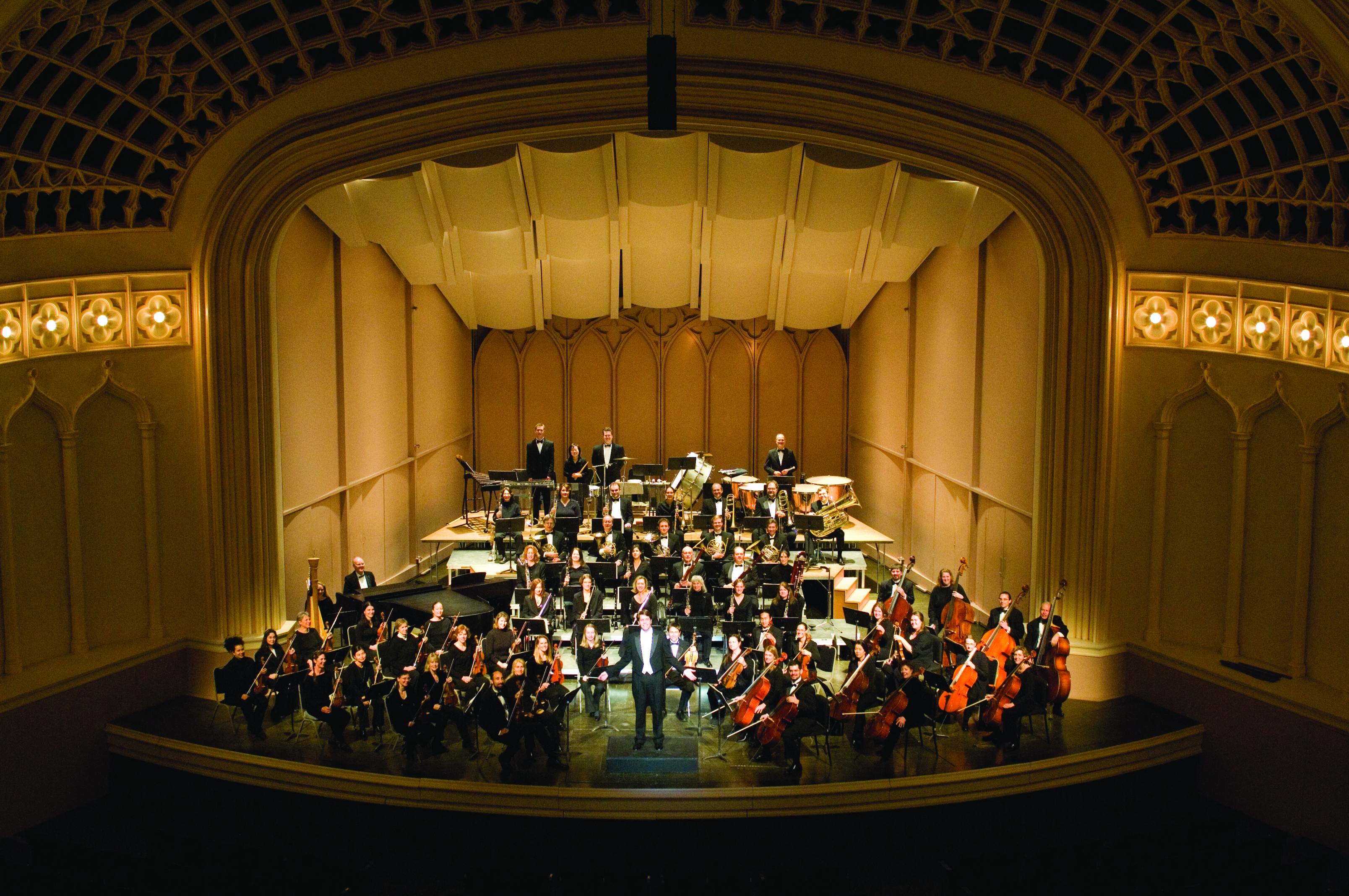
Michael Butterman and the Boulder Phil in Macky Auditorium
The first piece on the program will be Cantus in Memory of Benjamin Britten by the living Estonian composer Arvo Pärt, a quiet, reflective piece for strings and a tolling chime. “It’s a very effective work,” Butterman says. “It’s totally hypnotic, this sort of neo-minimalist language, if you want to call it that, that is very deeply felt and meditative.

“There are typically two ways to start a program. Either you get people’s attention with a lot of fireworks, loud and fast, or (you can have) a very centered piece to open the concert, rather than one that gets your blood pressure up. Either approach is effective, but we’re going to (open the season) relatively calm and quiet.” 

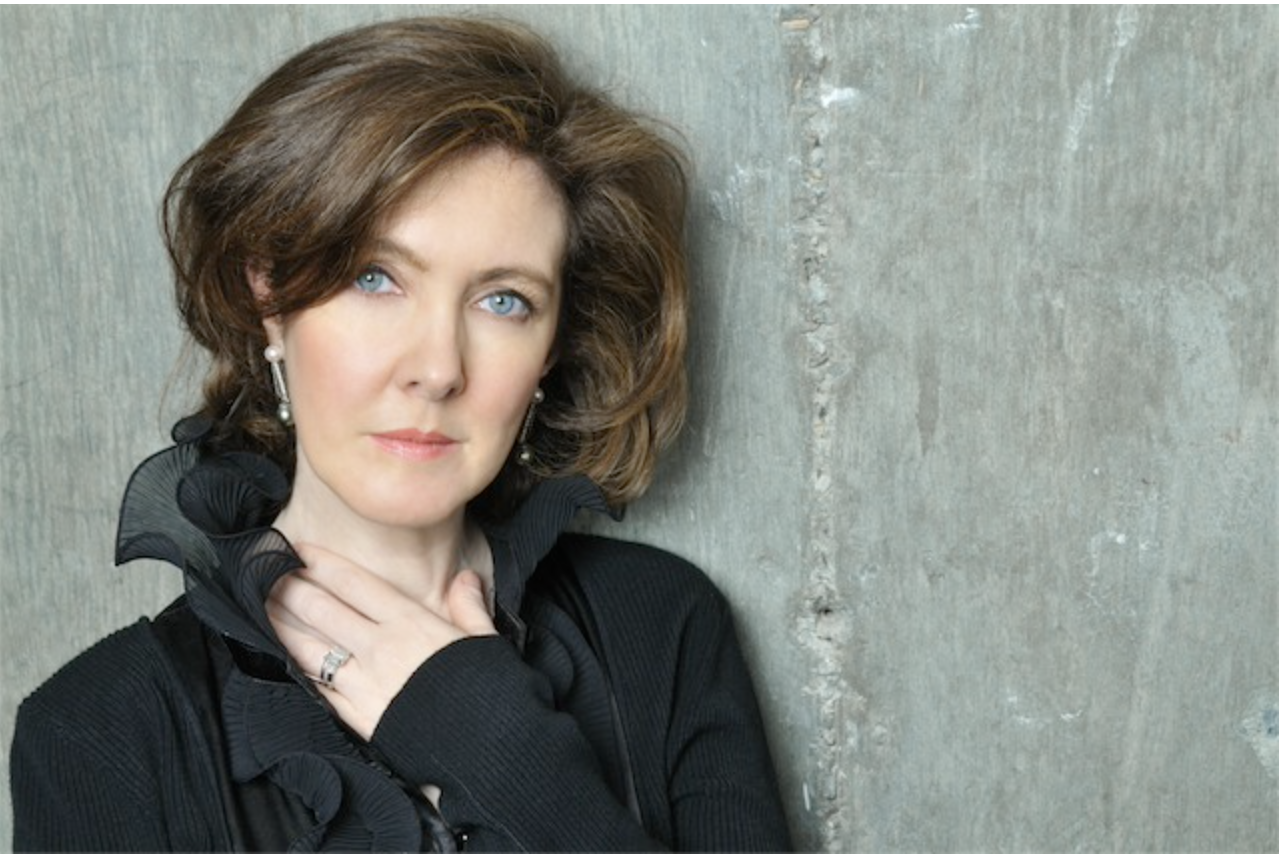
Anne-Marie McDermott

Following the gentle and soothing strains of the Cantus, Butterman and the Phil will be joined by pianist Anne-Marie McDermott for Beethoven’s Fourth Piano Concerto, a work that certainly has its showy moments but is generally more amiable than most Beethoven. 

“The Beethoven Fourth is my favorite piano concerto,” Butterman says. “There’s something very special about it, especially the second movement. It’s very affecting and dramatic in its relatively simple construct.”

Unlike other concertos of the time, Beethoven Fourth Piano Concerto starts with the solo instrument alone, playing dolce e piano (sweetly and softly)—continuing the gentle mood of the concert. The dramatic second movement, which juxtaposes the piano and the strings, has been described by Beethoven’s pupil Carl Czerny as “an antique tragic scene.” The following finale is both lyrical and jovial, more in the mood of Haydn than either the grandiosity or the ferocity of Beethoven’s more powerful concertos and symphonies.

Butterman has not worked with McDermott before, but he knows her recordings and her reputation in the music world. “Knowing especially her affinity for and experience in chamber music, this seems like an ideal concerto for her to play,” he says. “I’m looking forward to welcoming her.”

In addition to her recordings of music by composers form Bach to Shostakovich, McDermott has been an artist member of the Chamber Music Society of Lincoln Center. Her recordings of 20th-century music, including the complete piano works of Prokofiev and Gershwin, have received extensive critical praise. She is currently director of Colorado’s Bravo! Vail Music Festival.

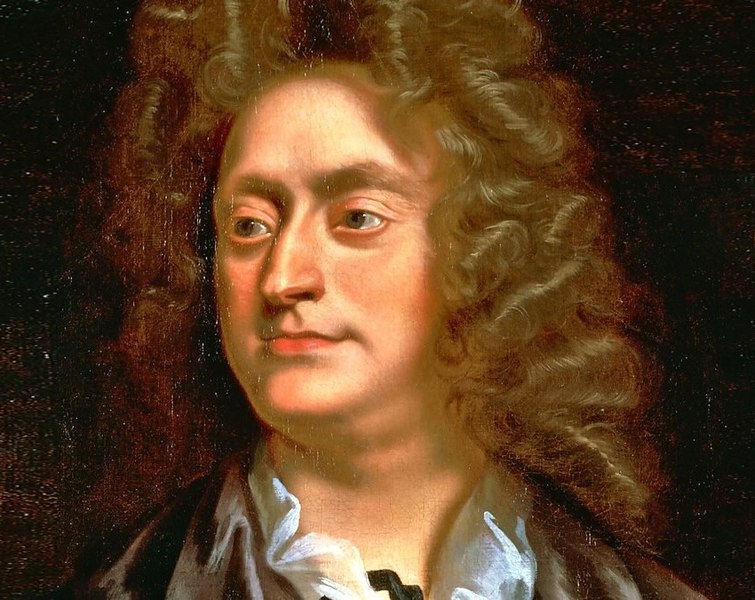
Henry Purcell

Butterman explains how he selected the remainder of the concert program: “The question was, do you end with a symphony or something like that?” he says. But instead of a single larger work, he selected two pieces, both by 20th-century composers and both based on earlier music from their home countries: Benjamin Britten’s Variations on a Theme by Purcell and Paul Hindemith’s Symphonic Metamorphosis of Themes of Carl Maria von Weber.

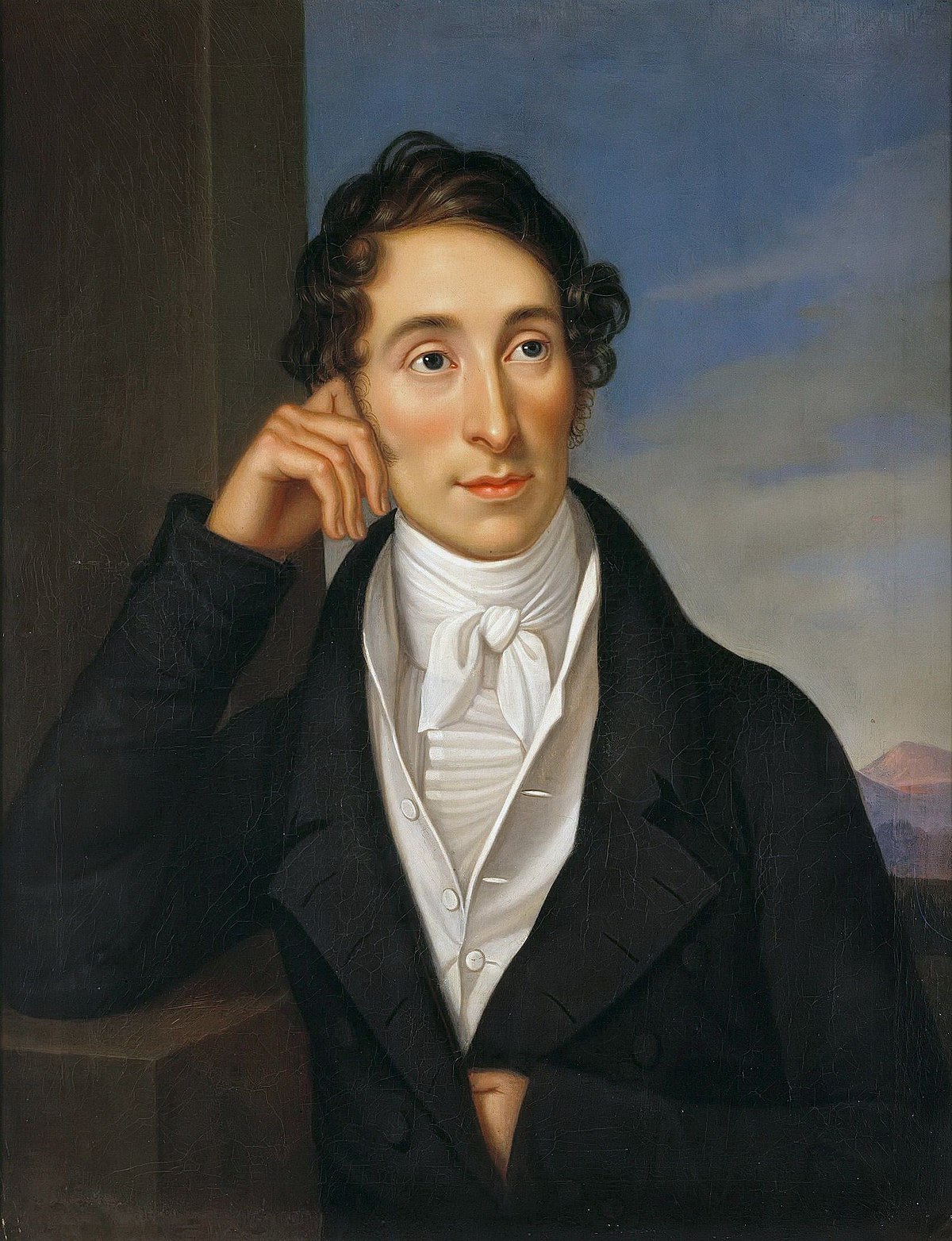
Carl Maria von Weber. Portrait by Caroline Bardua

 Britten’s score, known as A Young person’s Guide to the Orchestra when performed with a narration, comprises 13 variations, each devoted to a single instrument or section of the orchestra, and a fugue that brings them all together. Hindemith’s Symphonic Metamorphosis features four movements, each a transformation of music by the early Romantic German composer Carl Maria von Weber. Like Britten’s piece, it is a virtuoso score for orchestra, although it is not constructed as a set of variations.

“Together the two of them are 40 or 44 minutes,” Butterman says. “Taken together they have the time span and the weight of a symphony, although they are not constructed that way. They are much more episodic, and they are each colorful in their own way.

“I think of each of them as real showcases for the orchestra—Britten intentionally so, but no less so in the case of Hindemith as he crafts some really colorful and stirring renditions of these pieces.

“I think those are good season-starter kinds of pieces, because they’re rousing.”

The second masterworks concert of the fall (Nov. 12) is listed below. Tickets for the entire Boulder Phil season are available HERE. Please note that the opening concert will be at 4 p.m. Sunday. All of the masterworks concerts during the fall will be Sunday afternoon, as opposed to the usual Saturday evening times of recent seasons.

# # # # #

Boulder Philharmonic Orchestra
Fall 2023 concert series

“Transformation”
Boulder Philharmonic, Michael Butterman, conductor
With Anne-Marie McDermott, piano

  • Arvo Pärt: Cantus in Memory of Benjamin Britten
  • Beethoven: Piano Concerto No. 4 in G major
  • Benjamin Britten: Variations on a Theme by Purcell
  • Paul Hindemith: Symphonic Metamorphosis of Themes of Carl Maria von Weber 

4 p.m. Sunday, Oct. 15
Macky Auditorium
TICKETS

“Visions of a Brighter Tomorrow”
Boulder Philharmonic, Michael Butterman, conductor
With 3rd Law Dance/Theater and Richard Scofano, bandoneon

  • Jeffrey Nytch: Beacon (world premiere)
  • Scofano: La Tierra Sin Mal (The World without Evil)
  • Brahms: Symphony No. 1 in C minor

4 p.m. Sunday, Nov. 12
Macky Auditorium

TICKETS

The Nutcracker
Boulder Philharmonic, Gary Lewis, conductor
With Boulder Ballet

  • Tchaikovsky: The Nutcracker Ballet

2 p.m. Friday, Nov. 24
2 p.m. and 6:30 p.m. Saturday Nov. 25
2 p.m. Sunday, Nov. 26
Macky Auditorium

TICKETS

“Holiday Brass”
Boulder Phil Brass and Percussion
Gary Lewis, conductor

4 p.m. Sunday, Dec. 17
Mountain View Methodist Church

TICKETS

Central City Opera announces Scott Finlay as CEO

Search for permanent Artistic Director to get under way

By Peter Alexander Oct. 6 at 12:50 p.m.

The board and leadership of Central City Opera (CCO) yesterday announced the appointment of Scott Finlay as president and CEO of the opera company.

Finlay has been with Central City Opera for 12 years, most recently as vice-president of development. In announcing Finlay’s appointment, the company said that they will now begin a national search for a new artistic director—a position that has been open since the resignation of Pat Pearce from CCO leadership in June, 2022. That search will be led by Management Consultants for the Arts, a longstanding consulting firm that has clients large and small throughout the United States, from the Chicago Symphony to the Napa Valley Opera House in California.

Scott Finlay

In CCO’s news release, Finlay wrote “I am deeply honored to assume the position of President & CEO at Central City Opera. This institution’s legacy is unparalleled, and I am committed to honoring its past while embracing the necessary changes to ensure a vibrant and sustainable future. I am excited about the possibilities that lie ahead and the opportunity to lead CCO into a new era.”

CCO board co-chair Heather Miller writes, “[Finlay’s] dynamic leadership and tenure with the company make him the perfect fit for us. He brings a deep understanding of the organization from both the artistic and administrative sides. We are looking forward to seeing Scott, and the company flourish.”

Finlay succeeds former CEO Pamela Pantos, who was employed by the company from January, 2022, until she left the company last July, near the end of CCO’s 2023 summer festival. Pantos had overseen difficult and at times contentious negotiations for a new contract with the American Guild of Musical Artists (AGMA), a union representing singers and apprentice artists at the company. That conflict was resolved with the signing of a new contract in May, 2023.

Longmont Symphony opens their season Saturday shooting for the stars

Exhilarating fanfare, a new harp concerto and Holst’s Planets form the program 

By Peter Alexander Oct. 5 at 3 p.m.

The Longmont Symphony Orchestra (LSO) and conductor Elliot Moore will open their fall concert series Saturday evening with a concert titled “Shoot for the Stars” (7 p.m., Vance Brand Civic Auditorium; details below).

Longmont Symphony and conductor Elliot Moore

The program’s title comes not from music about literal stars, but other astronomical bodies: The Planets, Holst’s suite that portrays in music the mythical and astrological character of seven of the planets in our solar system. While the opening movement, “Mars, the Bringer of War,” is the most popular of the seven, it is later movements in the cycle that best reflect the composer’s fascination with mysticism and astrology—especially the last three, “Saturn, the Bringer of Old Age,” “Uranus, the Magician” and “Neptune, the Mystic.”

The ending of the final movement is especially haunting, as an unaccompanied, wordless female chorus sings music of uncertain tonality. They get softer and softer as a door between them and the stage is slowly closed, and finally they vanish into silence.

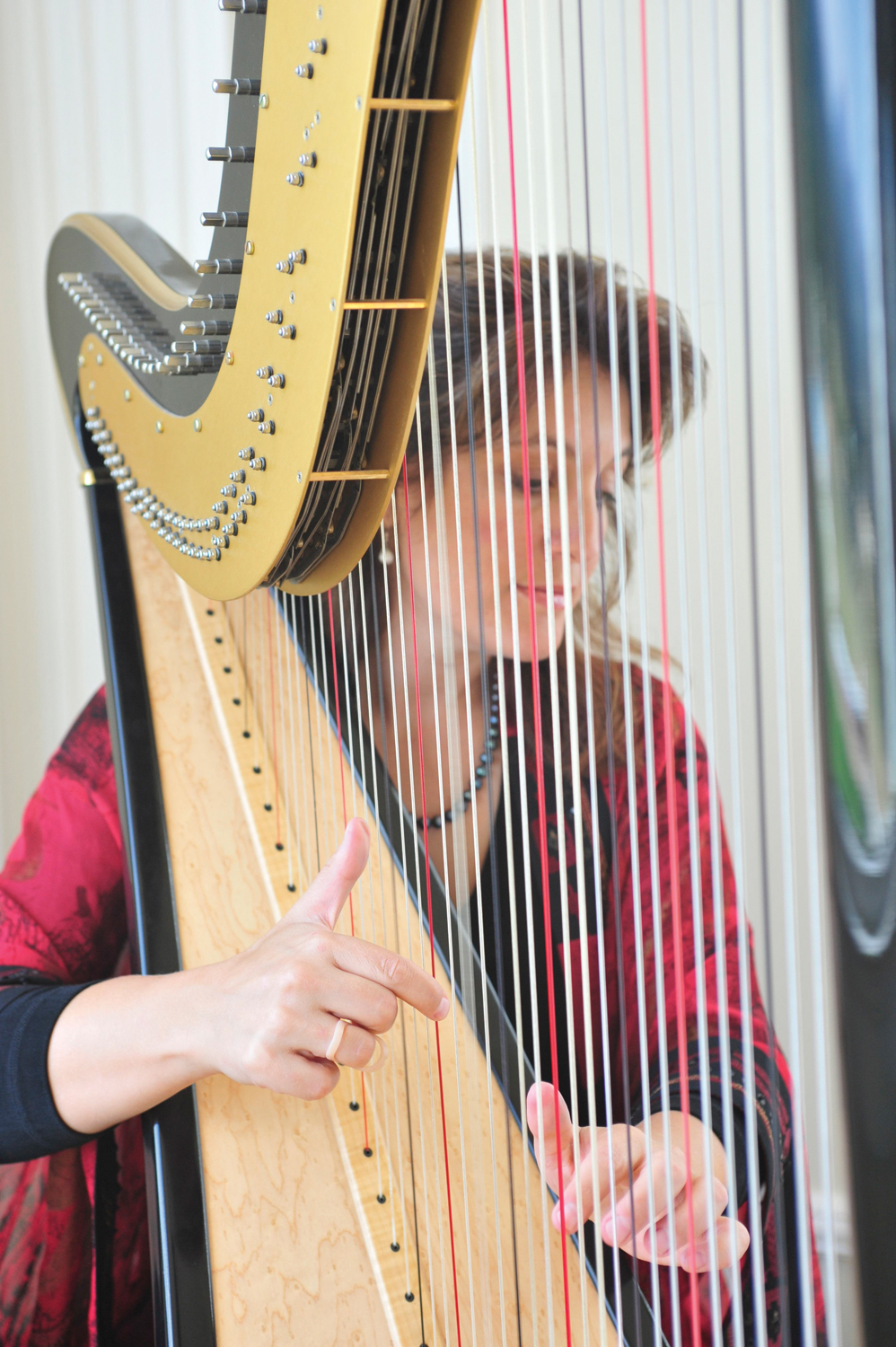
Rachel Starr Ellins

Soloist for the concert will be harpist Rachel Starr Ellins, who has been principal harp with the LSO since 1996. Second harpist and first-call substitute with the Colorado Symphony, she has taught at CSU and maintains her own harp studio. She will play Harp of Ages by Michael Daugherty, a concerto that was commissioned by the Colorado Symphony and premiered earlier this year. 

An exploration of the history of the harp, Harp of Ages comprises seven movements, each based on a harpist of history or legend. These range from the Greek lyric post Sappho to Uhura on the Starship Enterprise in Star Trek to the Biblical David and Harpo Marx. Stops along the way include a Mexican convent and an Irish wedding. Known for his fluency in contemporary pop dooms, Daugherty even indulges in the blues at one point.

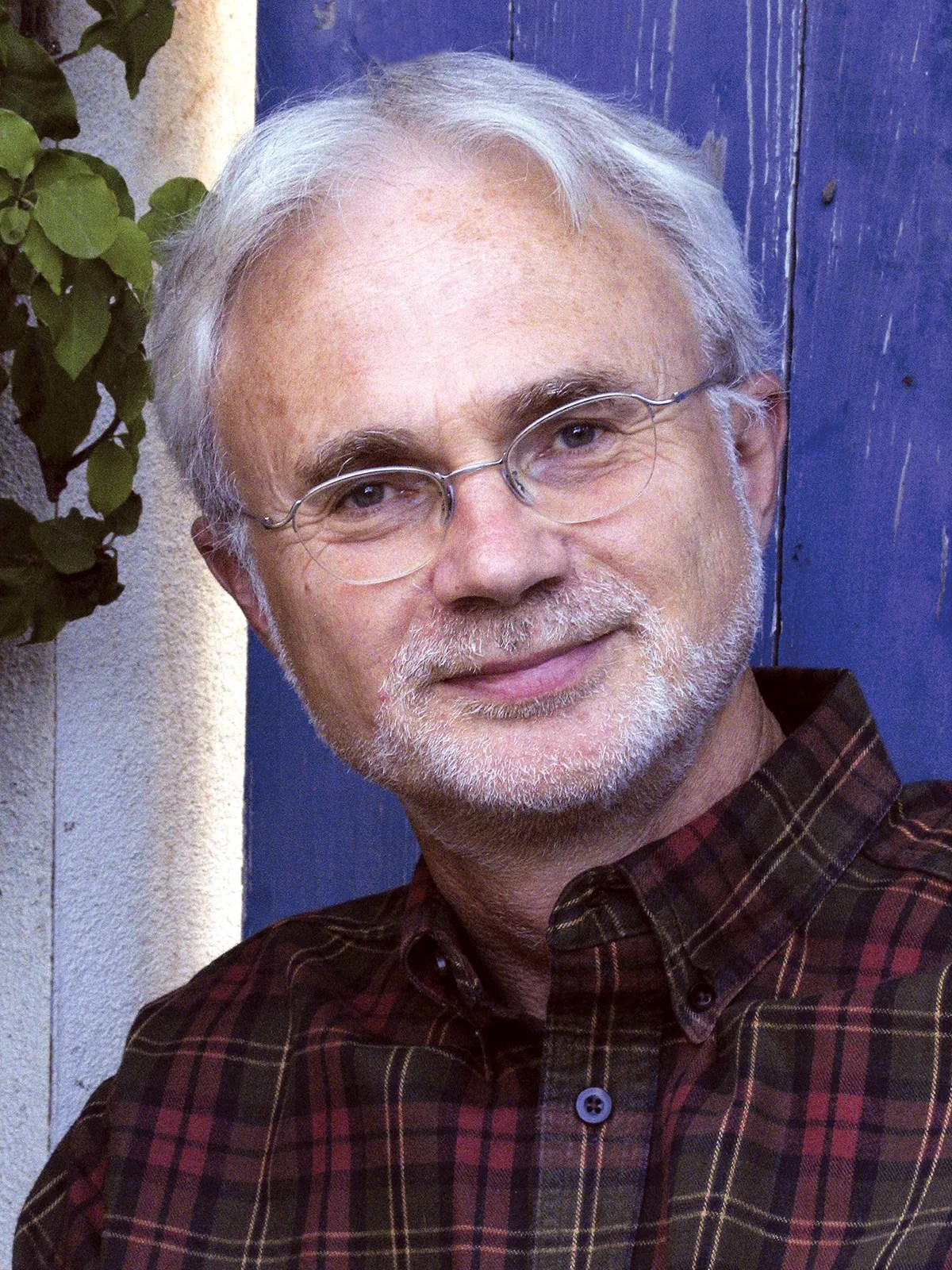
John Adams. Photo by Deborah O’Grady

The concert will open with Short Ride in a Fast Machine, a fanfare by American composer John Adams that was written in 1986 for the Pittsburgh Symphony. An energetic and at times frenzied composition, it quickly became popular as a concert opener and was in fact the most frequently performed orchestral work by a living American composer during the 1990s. To this day, its insistent woodblock, excited brass chords and pulsing polyrhythms make it just about the most exhilarating way there is to open a concert—or a concert season.

Tickets for the full season, as well as Friday’s concert are available on the LSO Web page. You may see the fall concerts listed below.

# # # # #

Longmont Symphony Orchestra
Fall 2023 Concerts

“Shoot for the Stars”
Longmont Symphony, Elliot Moore conductor
With Rachel Starr Ellins, harp

  • John Adams: Short Ride in a Fast Machine
  • Michael Daugherty: Harp of Ages
  • Gustav Holst: The Planets

7 p.m. Saturday Oct.  7
Vance Brand Civic Auditorium

“Mahler at the Museum” ISOLD OUT
Longmont Symphony, Elliot Moore, conductor
With Ekaterina Kotcherguina, soprano

  • Mark Crawford: The Social Dilemma Suite (World Premiere)
  • Mahler: Symphony No. 4 in G major

7 p.m. Saturday, Oct. 21
Stewart Auditorium, Longmont Museum

Shostakovich No. 5″
Longmont Symphony, Elliot Moore conductor
With Clancy Newman, cello

  • Beethoven: Overture to Coriolan
  • Ernest Bloch: Schelomo, Hebrew Rhapsody for cello and orchestra
  • Shostakovich: Symphony No. 5

7 p.m. Saturday, Nov. 18
Vance Brand Civic Auditorium

The Nutcracker
Longmont Symphony, Elliot Moore, conductor
With Boulder Ballet, Ben Needham-Wood, artistic director

“Gentle Nutcracker”
Shortened, sensory-friendly performance of the Nutcracker ballet
1 p.m. Saturday, Dec. 2
Vance Brand Civic Auditorium

Tchaikovsky: The Nutcracker Ballet
4 p.m. Saturday, Dec. 2
2 p.m. Sunday, Dec. 3
Vance Brand Civic Auditorium

“Candlelight: A Baroque Christmas”
Longmont Symphony, Elliot Moore, conductor

  • Vivaldi: Gloria
  • Other Christmas music form the Baroque era

4 p.m. Saturday, Dec. 16
Vance Brand Civic Auditorium

Tickets for all LSO concerts may be purchased through the orchestra’s WEB PAGE.

Rarely performed Mozart Mass in C Minor will be heard in Boulder, Greeley

Boulder Chamber Chorale and Chamber Orchestra join forces Friday

By Peter Alexander Oct. 4 at 12:10 p.m.

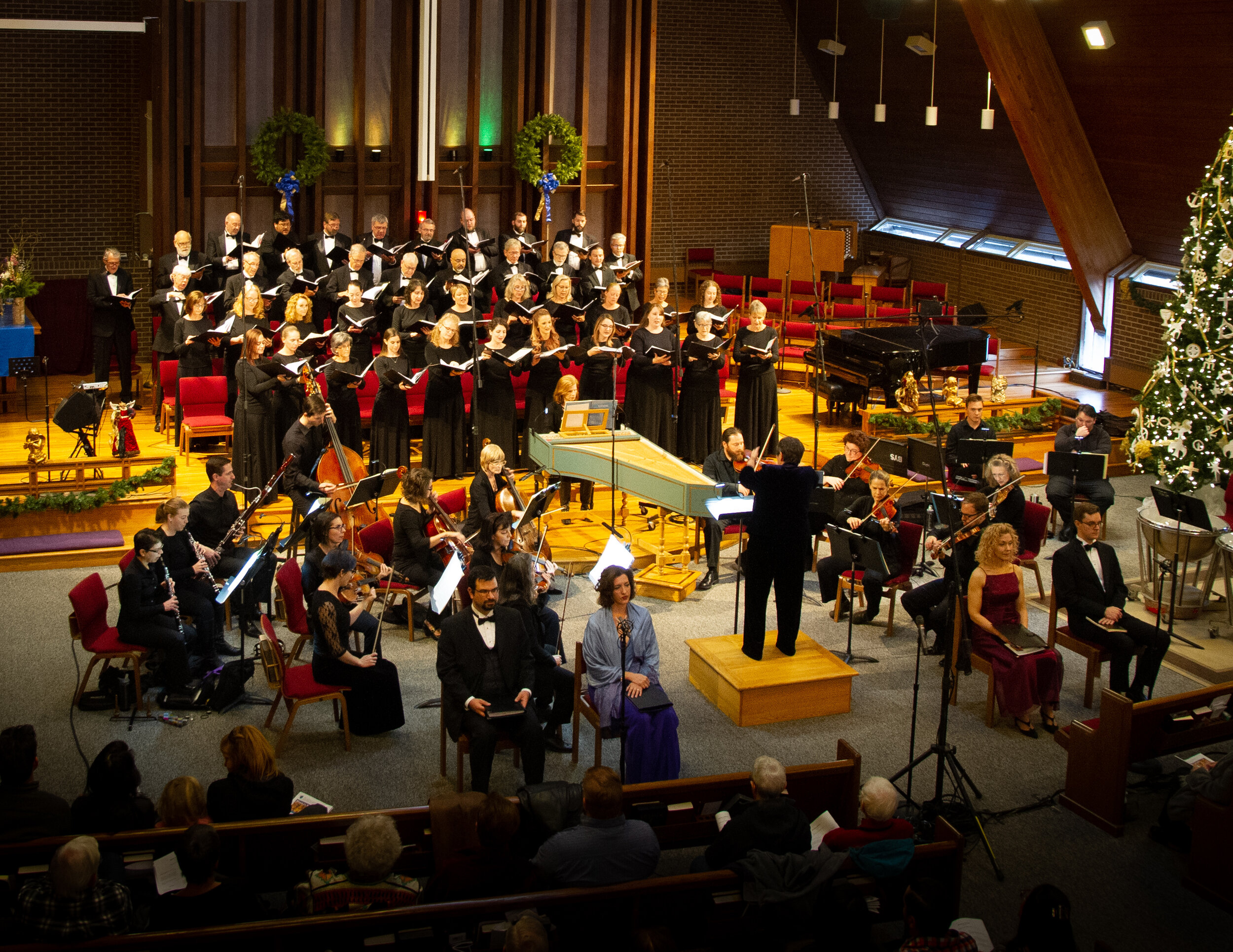
Conductor Bahman Saless and the Boulder Chamber Orchestra (BCO) will join together with Vicki Burrichter and the Boulder Chamber Chorale to perform one of the least known of Mozart’s major works Friday (7:30 p.m., First United Methodist Church; details below).

The C Minor Mass is, alongside the Requiem, one of two major choral works that Mozart left unfinished. Probably because it was never finished, and also because it is a difficult piece to put together, it is not performed very often. 

Bahman Saless with the Boulder Chamber Orchestra

Mozart began this very large-scale setting of the Ordinary of the Mass—those portions that are performed year-round as opposed to texts that are specific to individual days of the year—in 1782, soon after his marriage to Constanze Weber. Mozart said he started the Mass in honor of his marriage, but he never finished the work. 

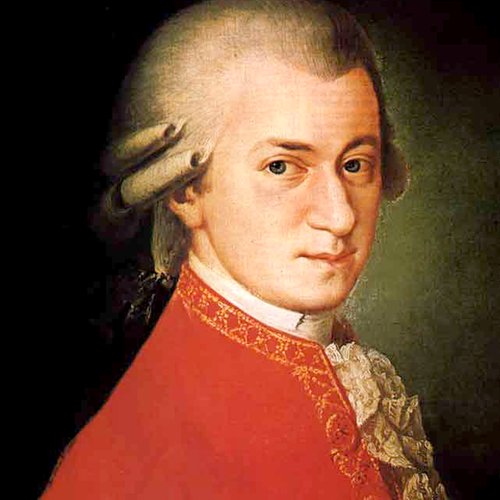
Mozart

The opening Kyrie movement and the Gloria were completed, as were two sections of the Credo, as well as the Sanctus and Benedictus. The remainder of the Credo and the Agnus Dei text were never written. On the basis of the completed movements, a full Mass would have been an extensive work.

Mozart and Constanze visited the composer’s father Leopold in Salzburg in October of 1782, with the completed portions of the Mass in hand. At least some portions of Mozart’s score were performed as part of a service in Salzburg, including Constanze singing Et incarnatus est, a beautiful and difficult soprano solo. What else was performed is unknown, and Mozart never wrote another note of the Mass after the visit to Salzburg.

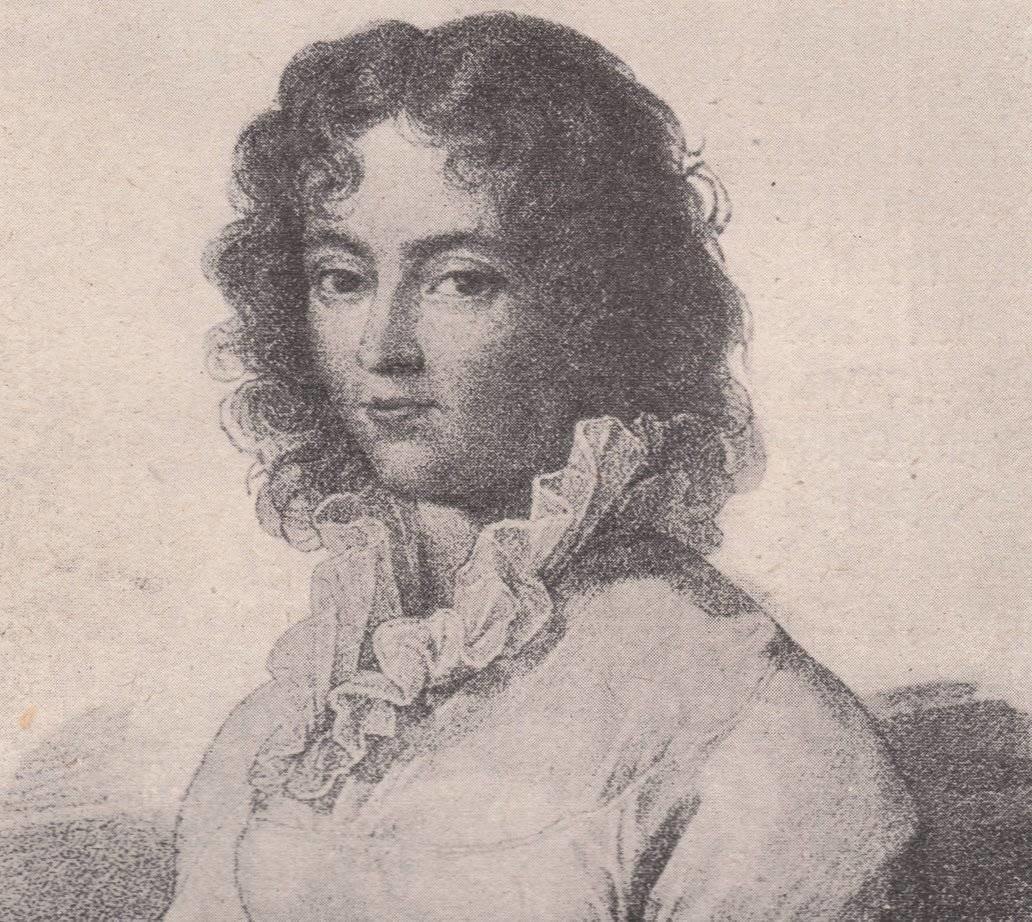
Constanze Mozart. Portrait by Joseph Lange

One theory is that Mozart had started the mass as a gesture to his very religious father, who had not approved of the marriage with Constanze. Having mollified the testy Leopold during his visit, he had no reason to write more, as there were no performance possibilities for a large-scale Mass setting in Vienna, due to the policies of the Austrian Emperor Joseph II.

In any case, the Mass in C minor falls at a transition point in Mozart’s life, at the time not only of his marriage but of his move to Vienna and his emergence as an independent composer. It also represents a new development in his musical style, which came about from his study of the Baroque masterpieces of Bach and Handel. The Mass contains several large-scale fugues and a few movements for double-chorus, which add to the complexity and difficulty of the choral parts.

“Every movement has a different challenge,” Burrichter, who rehearsed the chorus, says. “The double choruses certainly are challenging, in terms of listening to each other, and the fugues are extremely difficult and long. But in spite of the difficulties, we’ve all been thrilled with learning it. As Mozart is, it’s so beautifully melodic, it’s so emotionally powerful, and it’s a treat.”

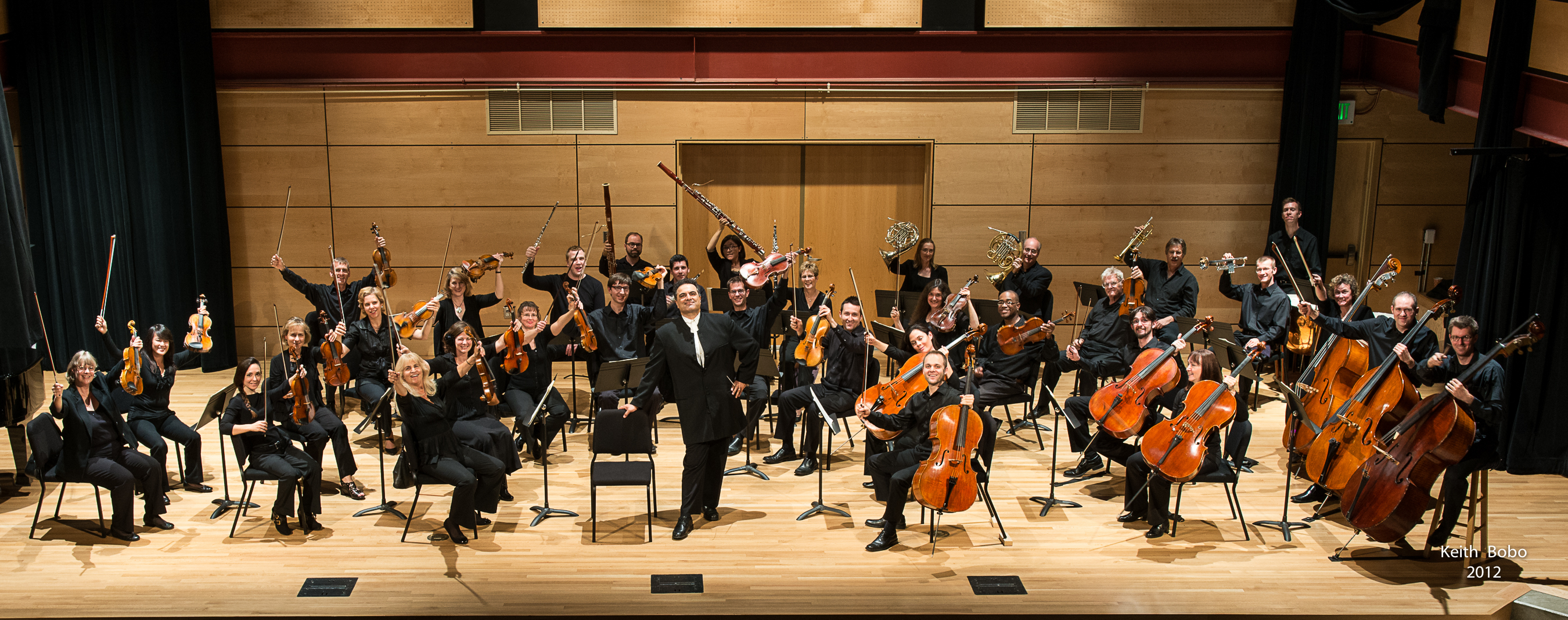
Boulder Chamber Chorale with Burrichter (far right)

Saless, who will conduct the performance, shares Burrichter’s appreciation for Mozart’s music. “It’s a beautiful piece, and it has incredibly gorgeous arias,” he says. 

Among the arias, Burrichter points specifically to the one that Mozart wrote for Constanze. “The Et incarnatus est, one of the great soprano solos, is just one of the best things he ever wrote,” she says. “It’s really stunning!”

To sum up the Mass, Burrichter particularly likes to quote Patrick Mackie, who wrote in his book Mozart in Motion that “The C-Minor mass is . . . a sort of total statement on everything music could be . . . (It) has a surging monumentality and a giddy, athletic zip.”

The concert will open with the Colorado premiere of Summation, a brief piece for chorus and orchestra by composers Jim Klein and Ian Jamison. The performance by the BCO was commissioned by Klein, a successful businessman and entrepreneur who works as a visual artist in a studio outside Greeley and owns an art gallery in Scottsdale, Arizona. 

“We’re really delighted to showcase music by local Colorado composers,” Saless says. “It’s obvious this piece was inspired by a spiritual experience.”

Klein explains that source of inspiration in his program notes, where he writes “On my daily early morning walk down our farm lane over the decades, I have often asked the question, ‘Who am I?’” One day, while walking with his dog, he writes that the answer came to him in a text that begins “God is in me.” 

WIth that thought in mind, he worked with Jamison to express the text in music. “Hopefully,” he writes, “this internal investment will pass on for future generations.”

In addition to the Boulder performance Friday, the program will be presented at the University of Northern Colorado Commons in Greeley at 3 p.m. Sunday. Links for the purchase of tickets are listed below.

# # # # #

“Mozart Mass and More”
Boulder Chamber Orchestra with Boulder Chamber Chorale
Bahman Saless, conductor, with sopranos Szilvia Schranz and Moira Murphy; tenor Thomas Bocchu; and baritone Tyler Padgett

  • Jim Klein and Ian Jamison: Summation
  • Mozart: Mass in C Minor

7:30 p.m. Friday Oct. 6
First United Methodist Church, 1421 Spruce St, Boulder

TICKETS

3 p.m. Sunday, Oct. 8
University of Northern Colorado Commons
Beethoven in the Rockies Concert Series

TICKETS

Pro Musica Colorado announces 2023-24 concert season

This will be the final season for director Cynthia Katsarelis

By Peter Alexander Oct. 2 at 10:28 p.m.

Boulder’s Pro Musica Colorado Chamber Orchestra made a major announcement over the weekend.

Actually, it was two announcements: first, the concert dates and repertoire for the coming season; and second, that the season would be conductor Cynthia Katsarelis’s last with the orchestra that she founded in 2007 and has led since. She has taken a position in South Bend, Ind., and will return to Boulder to conduct all three concerts on the current season. No replacement has been announced.

Cynthia Katsarelis, the Pro Musica Colorado Chamber Orchestra and the Boulder Chamber Chorale perform Messiah in 2018

All three concerts will be held at the Mountain View Methodist Church at 7:30 p.m. on Saturdays Oct. 28, Dec. 2 and April 6. Full program listings and ticket information are given below. 

Composer Jessie Lausé

The announcement noted several highlights of the coming season: the world premier of a new work by University of Colorado graduate student Jessie Lausé, a performance of the Christmas portion of Handel’s Messiah, and collaborations with local soloists including guitarist Nicolò Spera, soprano Jennifer Bird-Arvidsson, and bass-baritone Ashraf Sewailam. 

Each of the three programs includes a work by a woman: Lausé’s Periphery on Oct. 28, Florence Price’s Adoration on Dec. 2, and the Symphony No. 3 in G minor by little-known 19th-century French composer and virtuoso pianist Louise Farrenc on April 6.

Katsarelis released a statement when she announced her departure. “I’m really excited about this season.” the statement reads. “It gives me the opportunity to express my gratitude to all our supporters and patrons, as well as our tremendous musicians, soloists, and artistic partners, and we end on mission, with tremendous works by women composers on each concert.” 

# # # # #

Pro Musica Colorado Chamber Orchestra
Cynthia Katsarelis, conductor
2023-24 Season

“Passione!”
With Stacy Lesartre, violin

  • Jessie Lausé: Periphery
  • Mozart: Violin Concerto No. 5 in A Major (“Turkish”)
  • Haydn: Symphony No. 49 in F Minor (“Passione”)

Saturday, Oct. 28, Mountain View United Methodist Church, 355 Ponca Pl, Boulder

“Messiah!”
With Jennifer Bird-Arvidsson, soprano; Nicole Asel, alto; Steven Soph, tenor; Ashraf Sewailam, bass-baritone; and the Boulder Chamber Chorale, Vicki Burrichter, director 

  • Florence Price: Adoration
  • Mozart: Divertimento in D Major
  • Handel:  Messiah, Part I, Christmas

7:30 p.m. Saturday, Dec. 2, Mountain View United Methodist Church

“Nicolò!”
With Nicolò Spera, guitar

  • Joaquin Rodrigo: Fantasía para un gentilhombre
  • Louise Farrenc: Symphony No. 3 in G Minor

7:30 p.m. Saturday, April 6, Mountain View United Methodist Church

TICKETS for all three concerts

“Community Focused” Boulder Symphony opens their season Friday

Programs include guitarist Trace Bundy, a live film soundtrack and a family concert

By Peter Alexander Sept. 28 at 2:40 p.m.

The Boulder Symphony, a self-described “community focused orchestra” that began as a community orchestra and has grown into a larger organization that includes a Music Academy for young students, opens its 2023–24 concert season Friday with a concert featuring guitarist Trace Bundy (7:30 p.m. at Boulder Theater; see ticket information below).

John Clay Allen

The program, under the direction of Devin Patrick Hughes, includes works from Bundy, the Beatles, Leonard Cohen and U2, among others, arranged for the orchestra by John Clay Allen. A member of the faculty at Metropolitan State University in Denver, Allen is also the composer-in-residence with the Boulder Symphony. The world premiere of his Eroica Forgotten is also part of the program for Friday’s concert.

The concert is sponsored by Suerte Tequila, an independent craft Tequila made in Jalisco, Mexico, with offices in Boulder. During the concert, Suerte Tequila will be sold at the Boulder Theater bar.

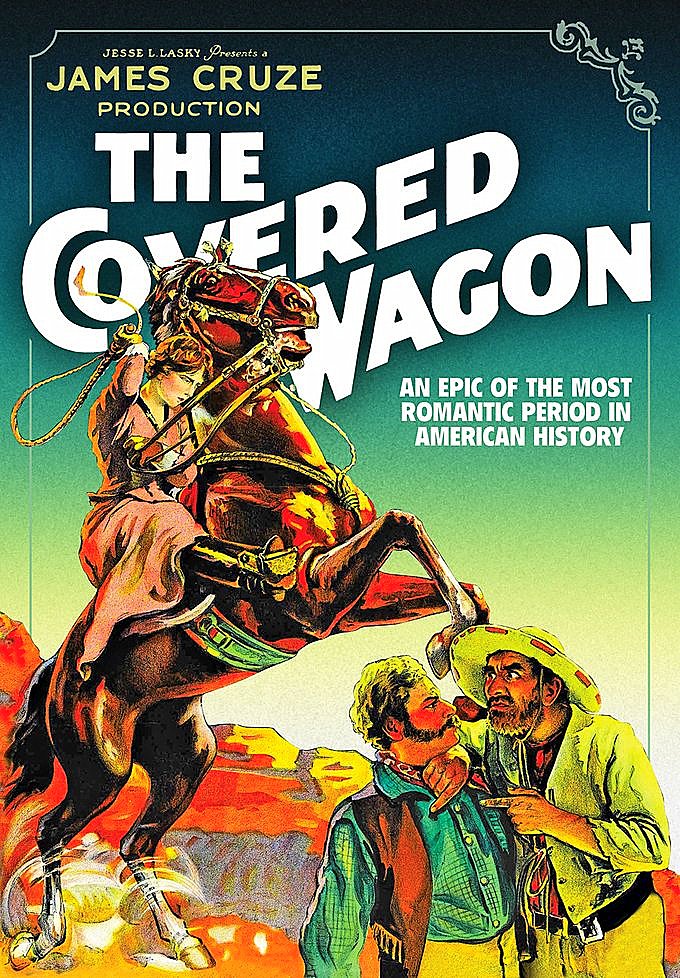
In October, the orchestra will present live music for the silent film The Covered Wagon and one of their “Curiosity Concerts,” short concerts designed for family attendance. The performance of music for The Covered Wagon (7:30 p.m. Saturday Oct. 14; details below) is presented in conjunction with the Northern Arapaho Eagle Society and in observance of the second week of October as Indigenous Peoples Week.

The Covered Wagon is a 97-minute 1923 silent film that included 500 Arapaho tribal members from the Wind River Reservation in the cast. The original film was premiered in New York City with a soundtrack score by Hugo Riesenfeld. University of Wyoming music prof. Anne Guzzo was commissioned to compile a new soundtrack, “Arapaho Covered Wagon Redux,” that aims to reverse negative Native American stereotypes and retell the story from a tribal perspective. Her compilation was arranged for orchestra and the Northern Arapaho drummers by Allen.

The performance is a combination concert presentation of the film and recording session. 

Later in the month, the Boulder Symphony presents their first “Curiosity Concert” of the season (3 p.m. Saturday, Oct. 28 in the orchestra’s primary home, Grace Commons Church in Boulder, which is called Grace Commons Concert Hall for performances). Titled “Perfectly Imperfect,” the performance is a program of the classical music education producer Extra Crispy Creatives.

With music ranging from Mozart to Billie Eilish, “Perfectly Imperfect” explores “what makes Earth’s music the best in the galaxy.” The performance with full orchestra and an alien named “Blip” will last approximately 45 minutes.

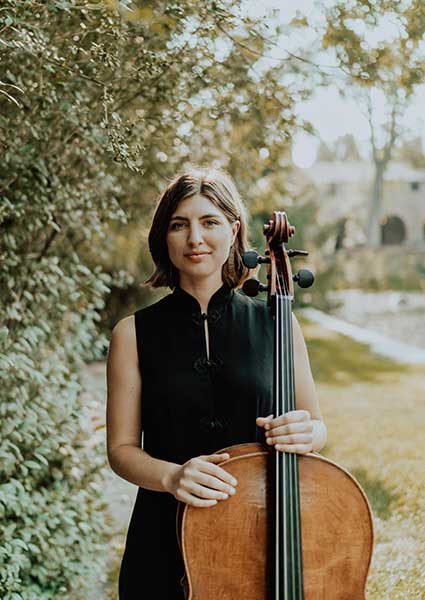
Erin Patterson

The fall’s full formal concert by the Boulder Symphony will take place at Grace Commons at 7:30 p.m. Friday, Nov. 17. Cellist Erin Patterson, a member of the Altius String Quartet, will be soloist in a performance of DANCE for cello and orchestra by Anna Clyne. Other works on the program, conducted by Hughes, will be Finlandia by Sibelius and the Symphony No. 2 of Rachmaninoff.

Clyne’s DANCE is effectively a five-movement concerto for cello, based on a five-line poem by Rumi. Each movement is titled after one line of the poem: 
Dance, when you’re broken open.
Dance, if you’ve torn the bandage off.
Dance in the middle of the fighting.
Dance in your blood.
Dance, when you’re perfectly free.

Composed in 1906–07, Rachmaninoff’s Second Symphony was an important milestone for the composer. The 1897 premiere of his First Symphony had been a failure. Rachmaninoff became depressed after the performance, and doubted his abilities as a composer. For his Second Symphony, he moved to Dresden, Germany, to have time for composing away from Russia, and after completing and extensive and revision of the score, he was able to present the symphony in St. Petersburg in January, 1908.

The performance was a great success, and the symphony won an award for the composer. This event restored Rachmaninoff’s confidence, and the Second Symphony, while subject to considerable later revisions, has remained one of his most popular compositions.

Tickets for performances by the Boulder Symphony are available on the organization’s Web page

# # # # #

Boulder Symphony
Fall Concerts in Boulder

7:30 p.m. Friday, Sept. 29
Boulder Symphony, Devin Patrick Hughes, conductor
With Trace Bundy, guitar

Program includes:

  • John Clay Allen: Eroica Forgotten (World premiere)
  • Trace Bundy: “Elephant King” (arr. by John Clay Allen)
  • Lennon/McCartney: “Dear Prudence” (arr. by John Clay Allen)
  • Leonard Cohen: “Hallelujah” (arr. by John Clay Allen)
  • The Edge/Bono: “Where the Streets Have no Name” (arr. by John Clay Allen)

Boulder Theater
Concert presented by Suerte Tequila

The Covered Wagon
Live Silent Film soundtrack recording session
7:30 p.m. Saturday, Oct. 14
Boulder Symphony, Devin Patrick Hughes, conductor, 
With the Northern Arapaho Eagle Society

  • Soundtrack compiled by Anne Guzzo; arranged by John Clay Allen

Pine Street Church, 1237 Pine St., Boulder

Fall Curiosity Concert
3 p.m. Saturday, Oct. 28
Boulder Symphony, Devin Patrick Hughes, conductor
Perfectly Imperfect, production of Extra Crispy Creatives

Program includes original music and arrangements from:

  • Sia: “Cheap Thrills”
  • Mozart: Symphony No. 40 in G minor
  • Rossini: Overture to William Tell
  • Richard Strauss: Also sprach Zarathustra
  • Billie Eilish: “Bad Guy”

Grace Commons Church, 1820 15th St.

7:30 p.m. Friday, No. 17
Boulder Symphony, Devin Patrick Hughes, conductor
With Erin Patterson, cello

  • Sibelius: Finlandia
  • Anna Clyne: DANCE for cello and orchestra
  • Rachmaninoff: Symphony No. 2 in E minor, op. 27

Grace Commons Church, 1820 15th St.

TICKETS and information for all Boulder Symphony performances on their Web page

CORRECTION: When originally posted, one of the paragraphs in this article was accidentally misplaced. Although it did not change the meaning, the error has been corrected and all parts of the story are in the correct order (11:15 p.m. 9/27/23).

Fall activities are coming to life at the CU College of Music

Takács Quartet, Faculty Tuesday concerts have begun for 2023–24

By Peter Alexander Sept. 14 at 10:30 p.m.

You may still be stuck in a Summer mood—I know I am—but on the CU campus and around the Imig music building, Fall is well under way.

Even more reliable signs of the season than the turning of the leaves, the College of Music’s Faculty Tuesday series and the Takács Quartet’s campus concert series are already ongoing for the 2023-24 year. The Takács will play music of Haydn, Bartók and Beethoven Sunday afternoon and Monday evening (4 p.m. Sept. 17 and 7:30 pm. Sept. 18 in Grusin Hall), in their customary two-performance pairing. They have one more program during the fall (Nov. 5 and 6; program below) and more performances after the first of the year.

Takács Quartet. Photo by Ian Malkin.

Then next Tuesday (7:30 p.m. Sept. 19, also in Grusin), the quartet’s second violinist Harumi Rhodes and pianist Hsiao-Ling Lin will present the music of Robert Schumann and Beethoven on a faculty Tuesday recital titled “MEMORIA.” The centerpiece of the program features visual art by Michiko Theurer with three short pieces by Kaija Saariaho, performed with cellist Meta Weiss.

The Faculty Tuesday series continues nearly weekly for the remainder of the academic year; listings of all College of Music concerts can be found on the school’s Web page. All Faculty Tuesday performances are free and open to the public.

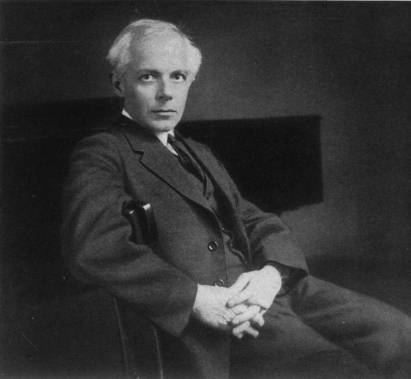
Béla Bartók

Both fall performances by the Takács will feature works by Hungarian composer Béla Bartók. The original membership of the Takács Quartet was entirely Hungarian: the quartet was founded in Budapest by students at the Franz Liszt Academy, and the music of their fellow-Hungarian Bartók was home territory for them. Cellist András Fejér, the one original member and one Hungarian in the Takács today says that is still the case, and has been through all changes in personnel in the group’s history.

“Absolutely,” Fejér says. “Ed (Dusinberre) was the first (new member) with us, and we learned and re-learned them together. And what we found with him, and also with all the new partners, was an immense hunger to enjoy and to interpret in a meaningful way.”

That does not mean that the Takács’s interpretation of Bartók’s quartets doesn’t change. “When we put them to rest for a while and then start practicing again, the questions we ask are completely different,” Fejér says. “Any given problem gets a different light, and we’ve been changing in the interim period. That’s what makes this whole process so fresh and alive and fascinating all of these decades.”

But one thing that remains consistent, he says, is their view of Bartók not as an aggressive modernist but as a Romantic composer. “In spite all the dissonance, we still feel he is a wonderfully Romantic composer,” he says. “Even when it sounds harsh, you realize it should’t sound harsh, it should sound like a village piece, or lonesome mourning. If we attack from that angle, one can discover millions of wonderful things!”

The other composer present in both concerts during the fall semester is Joseph Haydn. For two reasons, Haydn is also central to the Takács’s work. First, Haydn has his own Hungarian connections, having been born on the border between Austria and Hungary and spent long periods of his life in Hungary at the castle of Prince Esterhazy. And he is considered the creator of the string quartet, having written nearly 70 quartets starting before it was a recognized concert genre.

András Fejér

Fejér wants the audience to realize what a creative composer Haydn was. “Just because Haydn is often the first piece we are playing at our concerts, doesn’t mean that it’s a warm-up piece,” he says. “It’s extremely inventive, full of the most wonderful characters. I cannot emphasize (enough) the originality of the pieces, and we are just happy enjoying it. Sometimes even today I cannot quite believe how wonderfully dense—or densely wonderful—they are!”

The other composer represented in the fall programs is Beethoven, whose Quartet in E minor, op. 59 no. 2 is on the opening program Sunday and Monday. That is the second of the three “Rasumovsky” Quartets, written for the Russian Ambassador in Vienna around 1808. In his honor, it includes a Russian folk tune that also appears in Mussorgsky’s opera Boris Gudonov.

Information on the full Takács season and box office information can be found on the Takács Quartet listing through CU Presents. Tickets are available for both in-person attendance in Grusin Hall and for streaming access to the performances.

# # # # #

Takács  Quartet
Fall concert series, 2023
(All concerts in Grusin Hall)

4 p.m. Sunday, Sept. 17
7:30 p.m. Monday, Sept. 18

  • Joseph Haydn: String Quartet in D Major, Op. 71, No. 2
  • Béla Bartók: String Quartet No. 5
  • Ludwig van Beethoven: String Quartet in E Minor, Op. 59, No. 2

4 p.m. Sunday, Nov. 5
7:30 p.m. Monday, Nov. 6

  • Béla Bartók: String Quartet No. 1
  • Joseph Haydn: String Quartet in C Major, Op. 20 No. 2
  • Béla Bartók: String Quartet No. 4

TICKETS for Takács quartet concerts on the CU campus are available from CU Presents.