Those we lost in 2023

Notable musicians who have died over the past 12 months

By Peter Alexander Dec. 28 at 5:42 p.m.

Now is the time to reflect on the past year, and among the many good things we all can recall there are losses, as well. The following list is necessarily incomplete, and likely represents my personal interests, as it includes a few people that I knew personally. Readers are encouraged to add any names they want in the comments section.

Dec. 31, 2022: Anita Pointer, the lead vocalist of the Pointer Sisters, the popular Grammy-winning vocal group of the 1970s and ‘80s that comprised Anita with her sisters Ruth, Bonnie and June and their band, whose recorded hits includes “Slow Hand,” “I’m So Excited,” “Dare Me” and “Yes We Can Can,” 74

Jan. 10: Jeff Beck, rock guitarist who is considered one of the most skilled and influential guitarists in rock history, who succeeded Eric Clapton in the Yardbirds and later formed his own band, The Jeff Beck Group featuring the singer Rod Stewart, and who also had a significant solo career, 78

Jan. 12: Lisa Marie Presley, a singer-songwriter who aimed to create her own sound and also pay homage to her famous father, Elvis; who not only lost her father when she was nine, but also her former husband, Michael Jackson, and her son, Benjamin Keough, and who appeared at the Golden Globes award ceremony only two days before her death, 54
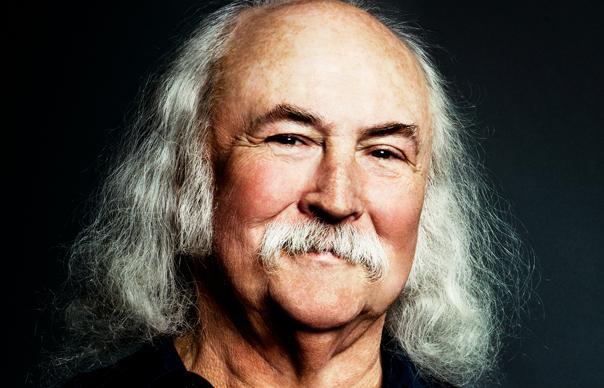
David Crosby

Jan. 19: David Crosby, the singer-songwriter-guitarist and founding member of the Byrds and Crosby, Stills and Nash (later Crosby, Stills, Nash and Young), and two-time inductee into the Rock & Roll Hall of Fame, who struggled with addictions but continued to record until last year, 81

Feb. 8: Burt Bacharach, composer, arranger, conductor and record producer, winner of two Academy Awards for film scores, whose upbeat hit songs including “The Look of Love,” “What the World Needs Now is Love” and “Raindrops Keep Fallin’ on my Head” were part of the 1960s, 94

Feb. 14: Friedrich Cerha, Austrian composer and conductor who took on the difficult task of completing Alban Berg’s unfinished opera Lulu, considered one of the greatest operatic works of the 20th century, who was himself the composer of several operas and other stage works, as well as orchestral and chamber music, 96
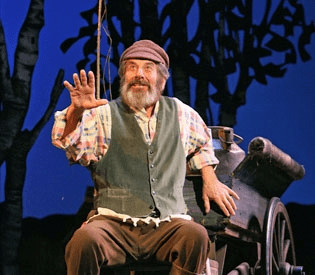
Topol as Tevye

March 2: Wayne Shorter, saxophonist who contributed to the modern jazz style from the 1960s on, working with two of the leading groups of times, Art Blakey’s Jazz Messengers and the Miles David Quintet; and later as a leader of Weather Report and in collaborations with Joni Mitchell, Carlos Santana and Steely Dan, 89

March 9: Chaim Topol, known simply by his last name, the Israeli actor who sang and acted his way through more than 3,500 performances as Tevye in the beloved musical Fiddler on the Roof starting with the 1971 movie version and including a 1990 Broadway revival, and also appeared in films including Galilleo (1975) and the James Bond flic For Your Eyes Only with Roger Moore (1981), 87
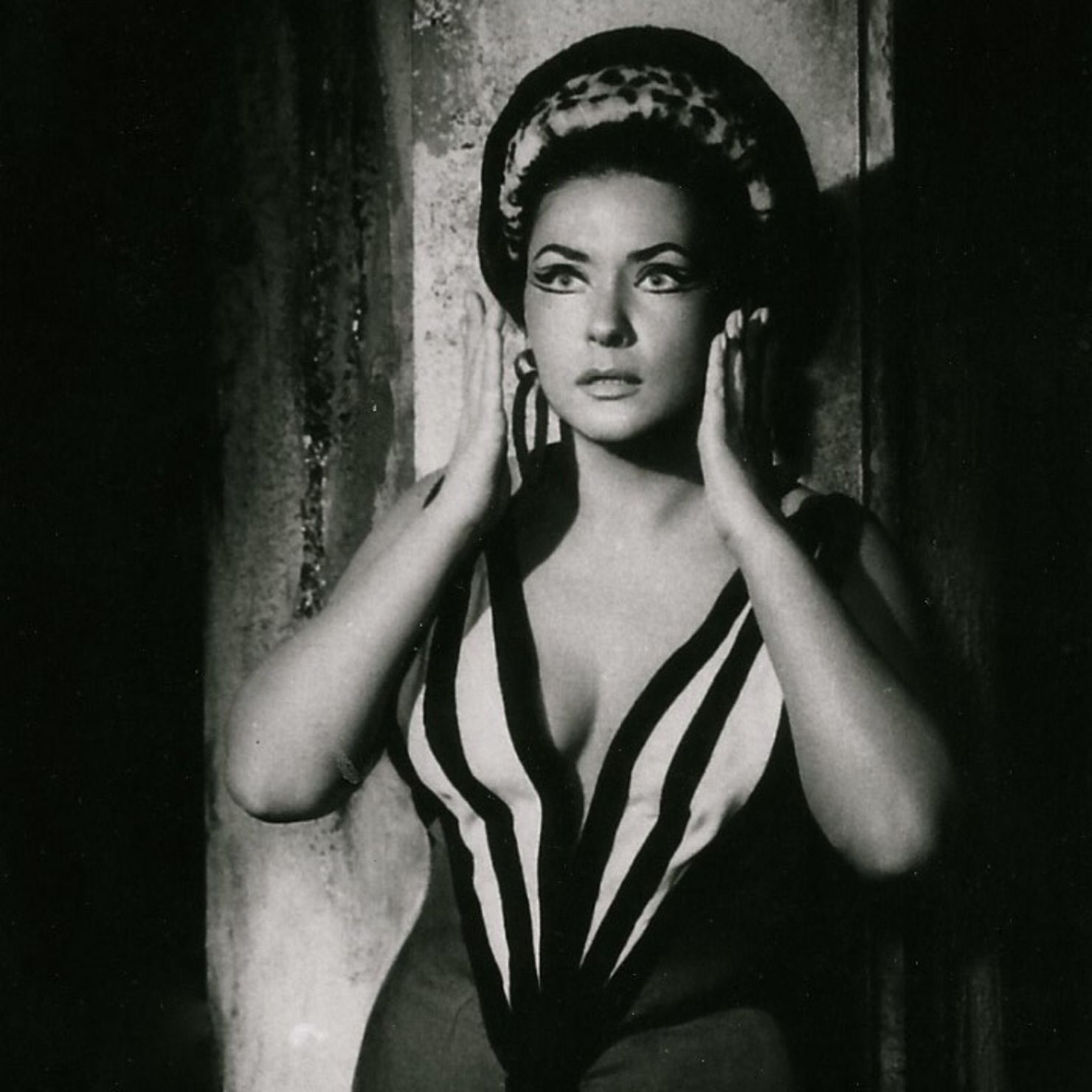
Virginia Zeani as Aida

March 20: Virginia Zeani, Romanian soprano who sang 69 roles over her 34-year operatic career, at La Scala, the Met, and other major houses worldwide, including an astonishing 648 performances as Violetta in Verdi’s La Traviata, who originated the role of Blanche in Poulenc’s Dialogues of the Carmelites in 1957, and who passed on her skill as a teacher at Indiana University (1984–2002) and later from her home in Florida, 97

March 25: Christopher Gunning, British composer, arranger and conductor, best known in England for his music for film and television, whose Symphony No. 10 was performed on the same program with Mahler’s Symphony No. 3 as part of Colorado MahlerFest XXXV last year in Macky Auditorium, 78
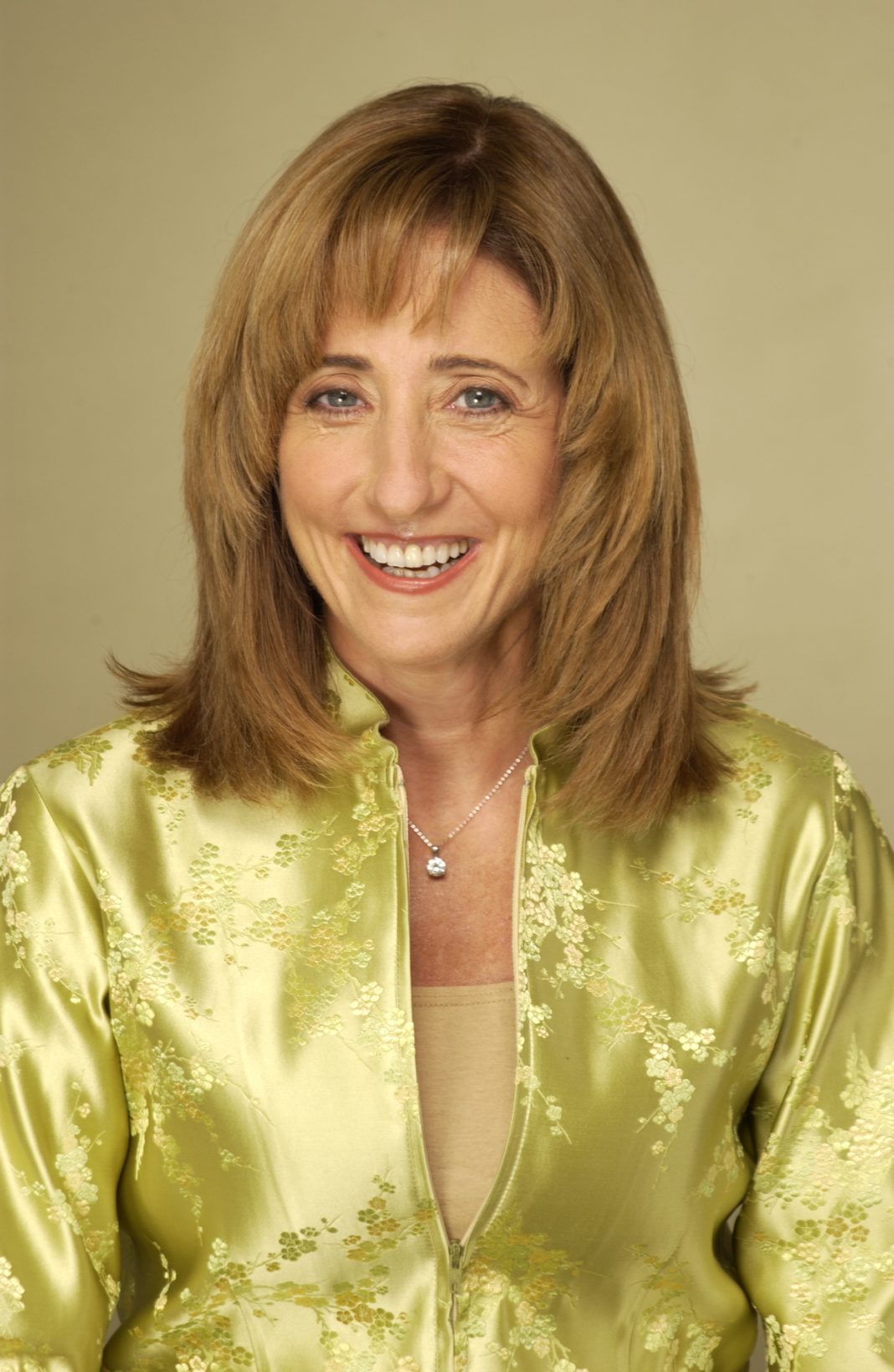
Blair Tindall

April 12: Blair Tindall, accomplished freelance oboist and later journalist, author of Mozart in the Jungle: Sex, Drugs and Classical Music, a salacious memoir that led to a television series; whose candor or exaggerations, depending on your point of view, divided critics while the author always said she intended serious points about the classical music world, 63

April 17: Ahmad Jamal, jazz pianist who won a lifetime achievement Grammy and a National Endowment for the Arts Jazz Master award, and whose spare style influenced artists including Miles Davis, 92

April 19: Otis Redding III, son of the legendary soul singer who formed the funk band The Reddings with his brother, Dexter, in the 1980s, and who was often asked to sing his father’s songs including “Sitting on the Dock of the Bay,” 59
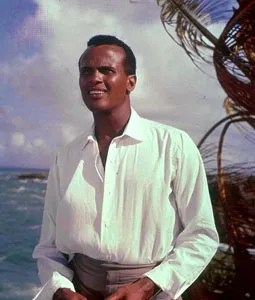
Harry Belafonte

April 25: Harry Belafonte, smooth-voiced American singer who smashed racial barriers in the 1950s and ignited the craze for Caribbean music with songs including “Day-O (The Banana Boat Song)” and “Jamaica Farewell,” who also starred in several movies and continued to perform into the 21st century, and who concentrated on Civil Rights later in his life at least as much as his entertainment career, 96

May 1: Gordon Lightfoot, Canadian folksinger known for “The Canadian Railroad Trilogy” and the perennial November favorite “The Wreck of the Edmund Fitzgerald,” who was inspired to join the folk music scene in Toronto in the 1960s, went on to international recognition, continued to perform even after a mild stroke in 2006, and recorded his final album in 2020, 84
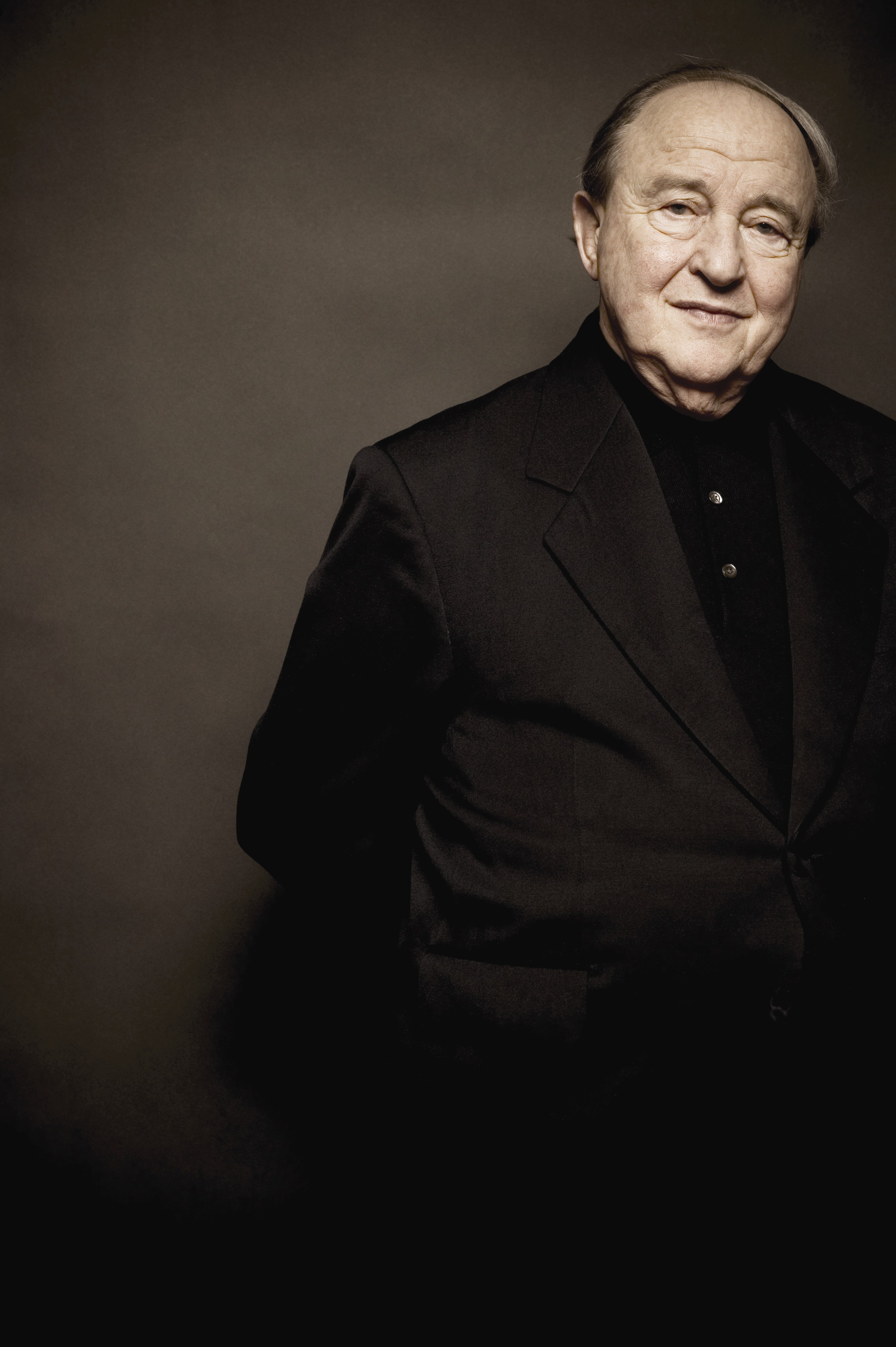
Menahem Pressler

May 6: Menahem Pressler, distinguished professor of piano at the Indiana University Jacobs School of Music and founding member of the renowned Beaux Arts Trio, of which he was the heart and soul for more than 50 years and with whom he recorded nearly all of the piano trio repertoire, who fled from his native Germany to Israel in 1939 and joined the Indiana faculty in 1955, where he taught until his death, and who continued to tour as soloist and chamber musician until 2018, 99

May 7: Grace Bumbry, courageous and ground-breaking mezzo-soprano who became one of the first Black opera stars, who created a scandal by singing Venus in Wagner’s Tannhäuser at Bayreuth in 1961, which led to a performance at the White House, a contract with impresario Sol Hurok, major mezzo and soprano roles around the world, and more than 200 appearances at the Metropolitan Opera, 86

May 14: Ingrid Haebeler, Viennese pianist known for her performances and recordings of music by Mozart who gave her first public performance at 11 and later studied at the Mozarteum in Salzburg, was featured on many recordings of Mozart and other composers, most recently a boxed set, “Ingrid Haebeler: The Philips Legacy,” released by last year by Decca; believed to be 96

May 24: Tina Turner, soul and rock singer of vast energy since the 1960s, who came to prominence in the Ike and Tina Turner Revue with major tours in the late ‘60s, suffered a setback following her breakup with husband Ike Turner but returned to stardom in the 1980s after her recording “What’s Love Got to Do With It” won three Grammies in 1985, later recognized by the Guinness Book of World Records as having appeared live before more people than any other individual artist, 83
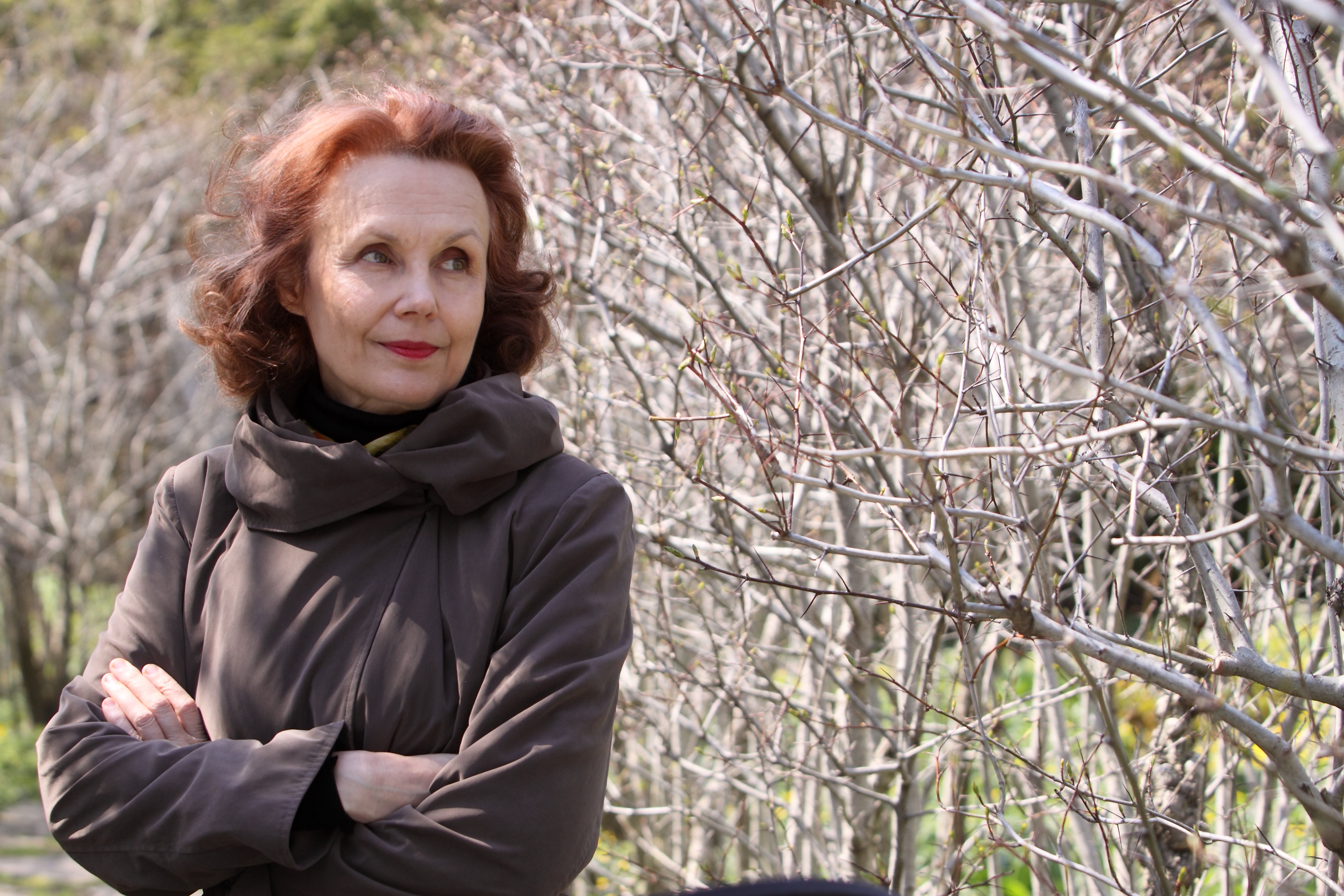
Kaija Saariaho

June 2: Kaija Saariaho, Finnish composer whose opera L’Amour de Loin (Love from afar) broke a 2013-year absence of female composers at the Metropolitan Opera in 2016 and propelled her to international renown, a minor celebrity in her home country where she was often recognized on the street, known for creating works that challenged traditional forms and genres while remaining accessible, 70

June 4: George Winston, pop-music pianist who played what he called “rural folk piano” and others described as “new age,” whose albums of soothing instrumentals carried titles referring to seasons and nature including “Autumn”—his 1980 breakthrough hit on the Windham Hill label—“Sea,” “Woods,” and “December”; 74

June 5: Astrud Gilberto, sexy-voiced Brazilian singer whose first recording ever made her famous world wide, performing the bossa nova hit “The Girl from Ipanema” by her then husband João Gilberto with saxophonist Stan Getz in 1963, a recording that won the Grammy Award for record of the year and eventually sold more than a million copies, 83
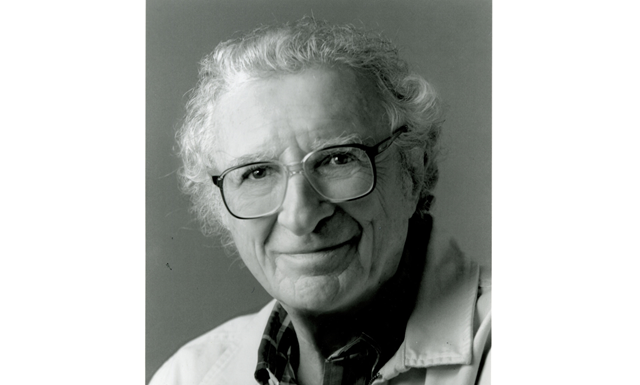
     Sheldopn Harnick

June 23: Sheldon Harnick, lyricist for memorable Broadway shows including Tony-award winners Fiddler on the Roof and Fiorello! which he created with composer Jerry Bock, as well as the musical She Loves Me, which was based on the same play as the movie You’ve Got Mail, and other shows, and who also wrote and translated opera librettos, 99

July 6: Graham Clark, English tenor who sang a wide variety of roles from Mime in Rheingold and Siegfried to the Captain in Wozzeck and Almaviva in Barber of Seville, at the English National Opera, Covent Garden, the Bayreuth Festival, and the MET where he sang 82 times over 15 seasons, including Bégearss in the 1991 world premiere of John Corgiliano’s Ghosts of Versailles, 81

July 6: Peter Nero, concert pianist and consummate showman who combined classical and pops and light jazz, whose banter with the audience earned a large and devoted following, who appeared with Frank Sinatra, Mel Tormé, Johnny Mathis and others, released 72 albums and conducted the Philly Pops for 34 years, mixed Liszt, Prokofiev and the American songbook on his programs, and wrote a cantata based on The Diary of Anne Frank, 89
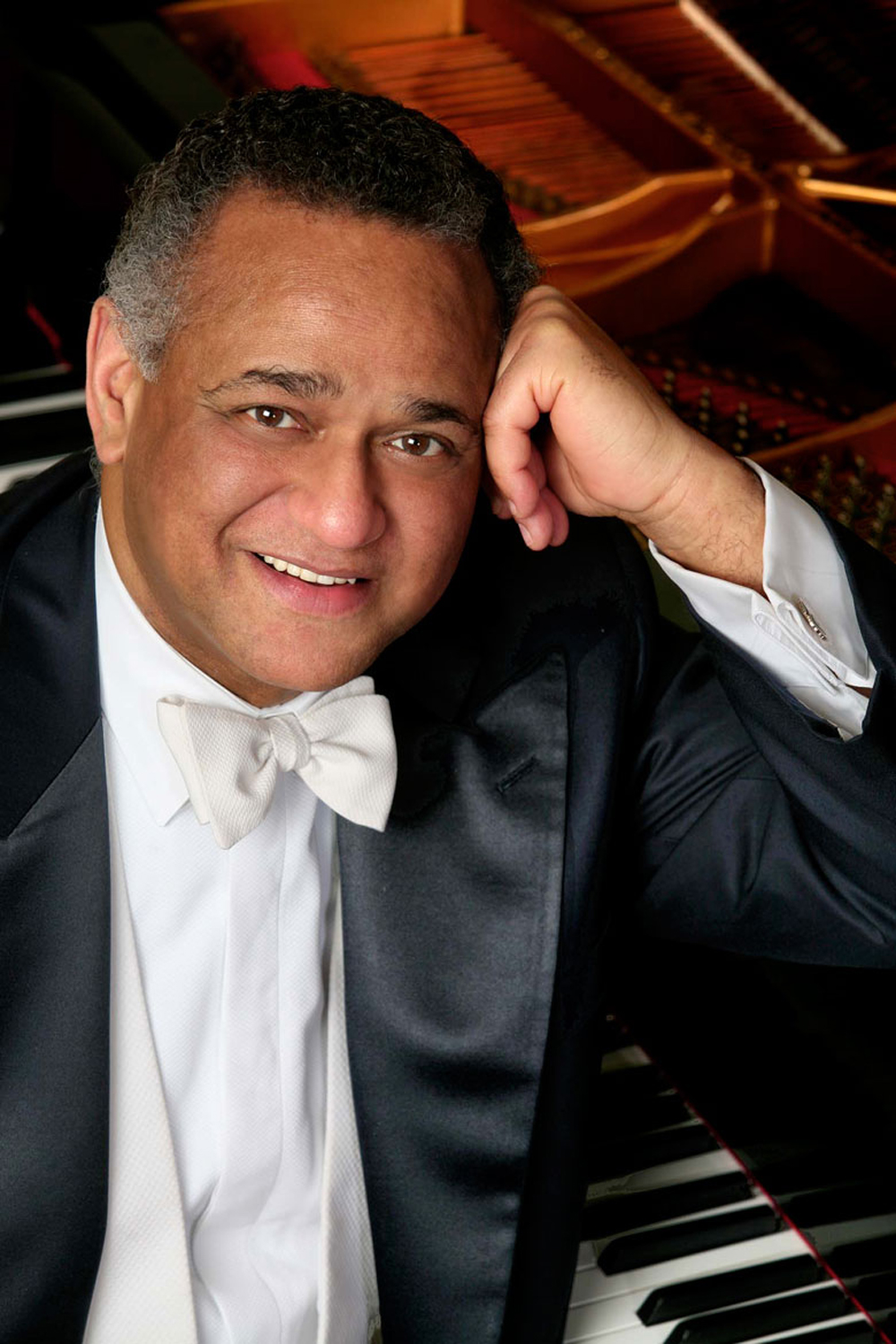
Andre Watts

July 12: André Watts, Black American pianist and classical music superstar who rose to fame starting with an appearance with Leonard Bernstein and the New York Philharmonic at the age of 16 in 1963, who won a Grammy the following year, performed at White House state dinners in addition to his solo and orchestral appearances on tour, and joined the faculty of the Indiana University Jacobs School of Music in 2004, 77

July 21: Tony Bennett (born Anthony Dominick Benedetto), a quintessential interpreter of the American songbook and other musical standards over a career of more than 70 years, performing concert and club dates, making more than 150 recordings, who joined other entertainers to participate in the Selma-to-Montgomery Civil Rights March in 1965, performed at the While House of presidents Kennedy and Clinton, at Buckingham Palace for Queen Elizabeth and for Nelson Mandela in South Africa, and who continued to perform into his 90s in spite of the onset of Alzheimer’s, notably with Lady Gaga in 2021 for his last public performance, 96

About July 25: Sinead O’Connor, outspoken Irish singer/songwriter whose 1990 Grammy- winning album “I Do Not Want What I Haven’t Got” included a cover of Prince’s “Nothing Compares 2 U,” which became a world-wide hit; whose strong political stances led to controversy, especially in 1992 when she tore up a portrait of Pope John Paul II on “S.N.L.” as protest against sexual abuse in the Catholic Church, and whose mental health struggles were well documented and publicly acknowledged by the singer, 56

Aug. 9: Robbie Robertson, Canadian musician who was lead guitarist and composer for The Band, often celebrated for his ability to capture a vision of rural and Southern America that came to be known as Americana, in such songs as “The Night They Drove old Dixie Down,” “Up On Cripple Creek” and “The Weight,” 80

Aug. 11: Tom Jones, the lyricist who with composer Harvey Schmidt wrote The Fantasticks, a musical comedy that opened in Greenwich Village in 1960 and ran for 42 years, making it the longest running musical in history; who also wrote the lyrics to 110 in the Shade and I Do! I Do!, other collaborations with Schmidt, 95
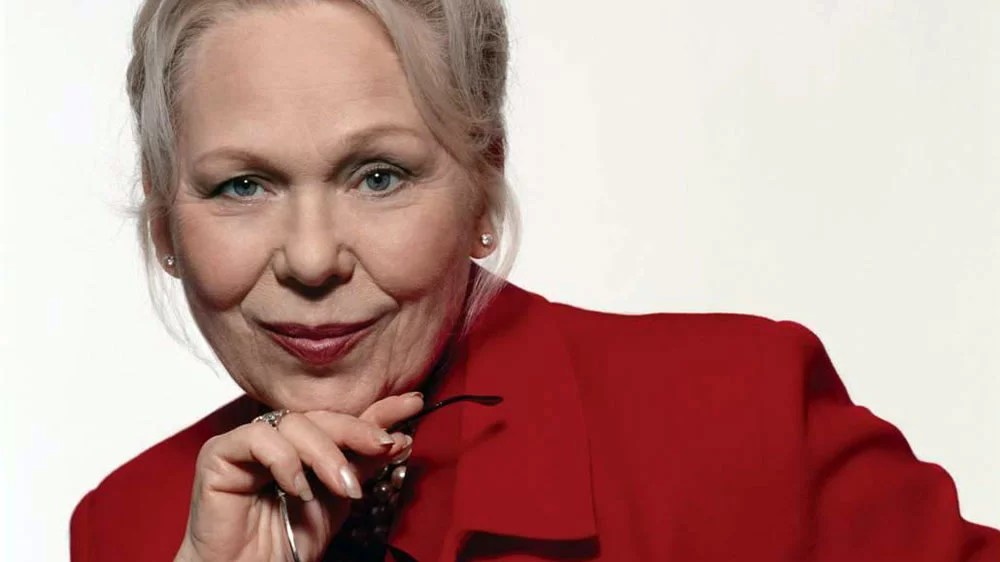
Renata Scotto

Aug. 16: Renata Scotto, brilliant Italian soprano who was a favorite at the Metropolitan Opera with more than 300 performances in 26 roles, and who was renowned for her acting as well as her singing in major roles including Cio-Cio San in Madama Butterfly, Mimi in La Bohème and Violetta in La Traviata, and who was also known for her fiery temperament, 89

Aug. 19: Gloria Coates, composer of 17 idiosyncratic symphonies including works subtitled “Music on Open Strings” and “Music in Microtones,” known particularly for her use of glissandi, a Wisconsin native who lived most of her adult life in Germany, where she curated a concert series of American contemporary music, 89
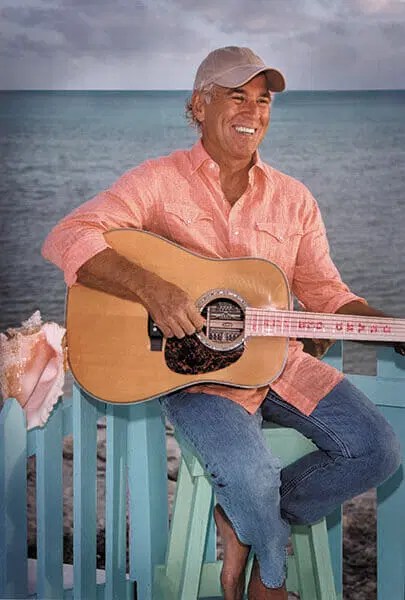
Jimmy Buffett

Sept. 1: Jimmy Buffett, singer/songwriter who celebrated the beach-bum life of the Caribbean and the Gulf Coast, leader of a group of like-minded fans known as “Parrot Heads,” with hits including “Margaritaville” and “Cheeseburger in Paradise,” backed by the Coral Reefer Band that gave his songs an easy-going blend of calypso, country and rock, and who became a multi-millionaire with a business empire of restaurants, hotels, tequila, t-shirts and footwear, 76

Sept. 30: Russell Batiste Jr., drummer who was a vital part of the New Orleans funk and R&B scene, member of a celebrated musical family who started playing with the family band at the age of 6, known for playing with a ferocity that sometimes broke his foot pedals with bands including Russell Batiste and the Orchestra From Da Hood and a trio named for the Cy Young Award-winning pitcher Vida Blue, 57

Sept. 30: Russell Sherman, an American pianist and music educator who was the first American to record the complete Beethoven sonatas and concertos for piano but also recorded other composers from Liszt to Schoenberg as well as new pieces composed for him, who performed with major orchestras in the US and abroad, and who gave his last recital five years ago at the age of 88, 93

Oct. 11: Rudolph Isley, one of the Isley Brothers from their breakthrough in 1959 until he left the group in 1989 to pursue a career in the ministry, who was both a harmony singer in the group and co-writer of many of their hits, and was known for making fashion statements by wearing hats and furs and carrying a jeweled cane, 84
Carla Bley

Oct. 17: Carla Bley, prolific jazz composer, arranger and pianist known for everything from delicate miniatures to rugged fanfares, who was considered an avant-garde musician early in her career and continued to surprise thereafter, whose jazz-rock opera Escalator Over the Hill won the Grand Prix du Disque in 1973, 87

Oct. 25: Zdenek Macal, Czech-born conductor who performed around the world, including visits to the United States where he led the New Jersey Symphony 1992–2003 and guest conducted the Chicago Symphony, as well as other major orchestras world-wide; known for his performances of late Romantic composers including his fellow-Czech Dvořák, 87

Nov. 2: Yuri Temirkanov, Russian conductor who was music director of the St. Petersburg Philharmonic 1988–2022 as well as the Baltimore Symphony 2000–2006 and artistic director of the Kirov opera, known especially for his leadership of the Russian repertoire, including Shostakovich, whom he knew, as well as Tchaikovsky and Prokofiev, 84
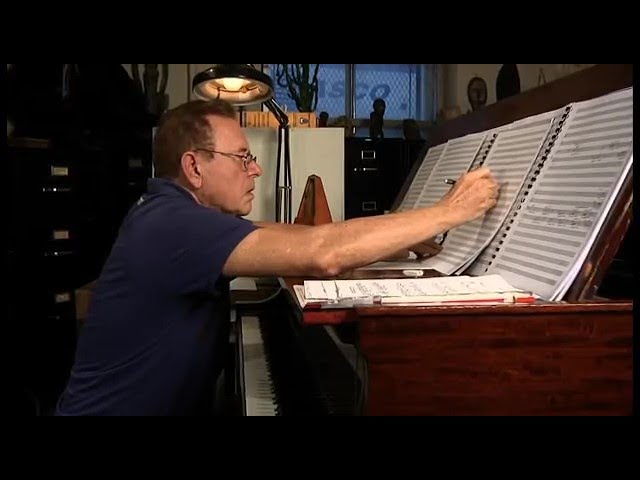
David Del Tredici

Nov. 18: David Del Tredici, Pulitzer Prize-wining composer known first in the 1960s as an experimental composer who set works of James Joyce; in the 1970s and ‘80s as an exponent of “new romanticism” in a series of works based on Lewis Carrol’s “Alice” books, culminating in the hour-long “Final Alice” for soprano and very large orchestra (1975), and in the early 2000s, a series of works about gay sexuality, 86

Nov. 19:  Colette Maze, French pianist who began lesson at the age of 5, later studied with Alfred Cortot and Nadia Boulanger, who recorded her first album at the age of 90, became an internet sensation at 105, and became the oldest pianist ever to record an album, “109 ans de piano” (109 years of piano), released just this year and featuring music of Gershwin, Debussy and others, 109

Nov. 29: Mildred Miller (Posvar), an American mezzo who sang Mozart’s Cherubino at the Metropolitan Opera 61 times and many other mezzo roles, famously recorded a definitive Das Lied ben der Erde with Bruno Walter, and after retirement from the Met co-founded the Opera Theater of Pittsburgh, 98
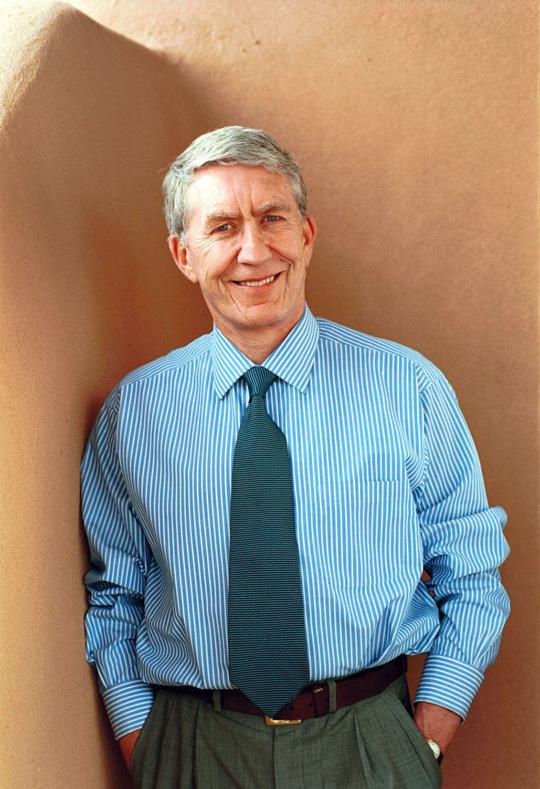
Richard Gaddes

Dec. 12: Richard Gaddes, founding director of the St. Louis Opera Theater who led that company from 1976 to ’85, and was general director of the Santa Fe Opera 2000–08, succeeding founder John Crosby, winner of the Opera Honors Award from the National Endowment for the Arts (2008), known for having introduced important artists to the U.S. including soprano Kiri Tr Kanawa and mezzo-soprano Frederica von Stade, 81

DEc. 15: Eduardo Villa, American tenor who came to opera from a career in musicals, studied voice at USC and with Margaret Harshaw, won the Metropolitan Opera Auditions in 1982, and had contracts in Basel, Paris and Munich before singing 25 performances in 10 different roles at the Met, 70

Dec. 17: Buddy Baker, trombonist from Indiana who toured with both Stan Kenton and Woody Hermann, later established the jazz program at the Indiana University School of Music, taught at the University of Northern Colorado, played in the Greeley Philharmonic for 33 years, and served as president of the International Trombone Association, 91

GRACE NOTES: Two more concerts in 2023

Boulder Piano Quartet, Boulder Phil Holiday Brass Dec. 15 & 17

By Peter Alexander Dec. 13 at 6:15 p.m.

The Boulder Piano Quartet continues its season of guest violinists Friday (7 p.m. Dec. 15, Chapel Hall at the Academy) with Jubal Fulks, a faculty member at the University of Northern Colorado College of Music.

Fulks joins standing Boulder Piano Quartet members Matthew Dane, viola, Thomas Heinrich, cello and David Korevaar, piano, for two late Tomantic-era quartets, by the little known composer Amanda Röntgen-Maier and a young Richard Strauss. 

Fulks is the second of four guest violinists who will appear with the Boulder Piano Quartet during their 2023–24 season. All are appearing in place of the quartet’s long-time previous violinist, Chas Wetherbee, following his untimely death last year. Remaining concerts by the quartet during the current season will be Jan. 19 and May 3 at the Academy.

The quartet likes to include one piece by an unfamiliar composer on each program, to go with pieces by better known composers. Clearly the unknown composer for Dec. 15 is Röntgen-Maier. The first female graduate of the Royal College of Music in Stockholm, she married Julius Röntgen, the son of her violin teacher, who himself became a well known composer.

Her Quartet in E minor is her final major composition, written on a trip to Norway in 1891. It pairs well with the Quartet in C minor of Richard Strauss, a comparably late-Romattic work written 1884-85. Written when the composer was 20, it is one of his earliest works and shows the influence of Brahms.

– – –

Boulder Piano Quartet Jubal Fulks, guest violin, with Matthew Dane, viola, Thomas Heinrich, cello and David Korevaar, piano

  • Amanda Röntgen-Maier: Piano Quartet in E minor (1891)
  • RIchard Strauss: Piano Quartet in C minor (1884-85)

7 p.m. Friday, Dec. 15
Chapel Hall, The Academy, 833 10th St., Boulder
Free with reservation, available HERE

Concert funded by the Ruth M Shanberge Chamber Music Fund in memory of Academy resident Ruth Shanberge.

 # # # # #

Holiday Brass, an ensemble of brass and percussion players from the Boulder Philharmonic Orchestra, will present the Phil’s annual Holiday concert, under the direction of Gary Lewis, at 4 p.m. Sunday, Dec. 17, at the Mountain View Methodist Church, 355 Ponca Place in Boulder.

In the words of the Boulder Phil Web page, the program “includes a variety of beloved holiday tunes, ranging from traditional carols to popular holiday songs, all arranged to showcase the sound of the brass and percussion ensemble.”

– – –

Holiday Brass
Boulder Philharmonic Brass ad Percussion Gary Lewis, conductor

  • Seasonal music including traditional carols and holiday songs from the pop repertoire  

4 p.m. Sunday, Dec. 17
Mountain View Methodist Church, 355 Ponca Place, Boulder

TICKETS

Central City Opera looks to the future

Summer 2024 Festival calendar has been set, and the new CEO is thinking ahead

By Peter Alexander Dec. 7 at 10:45 a.m.

Things are definitely back on track at Central City Opera (CCO).

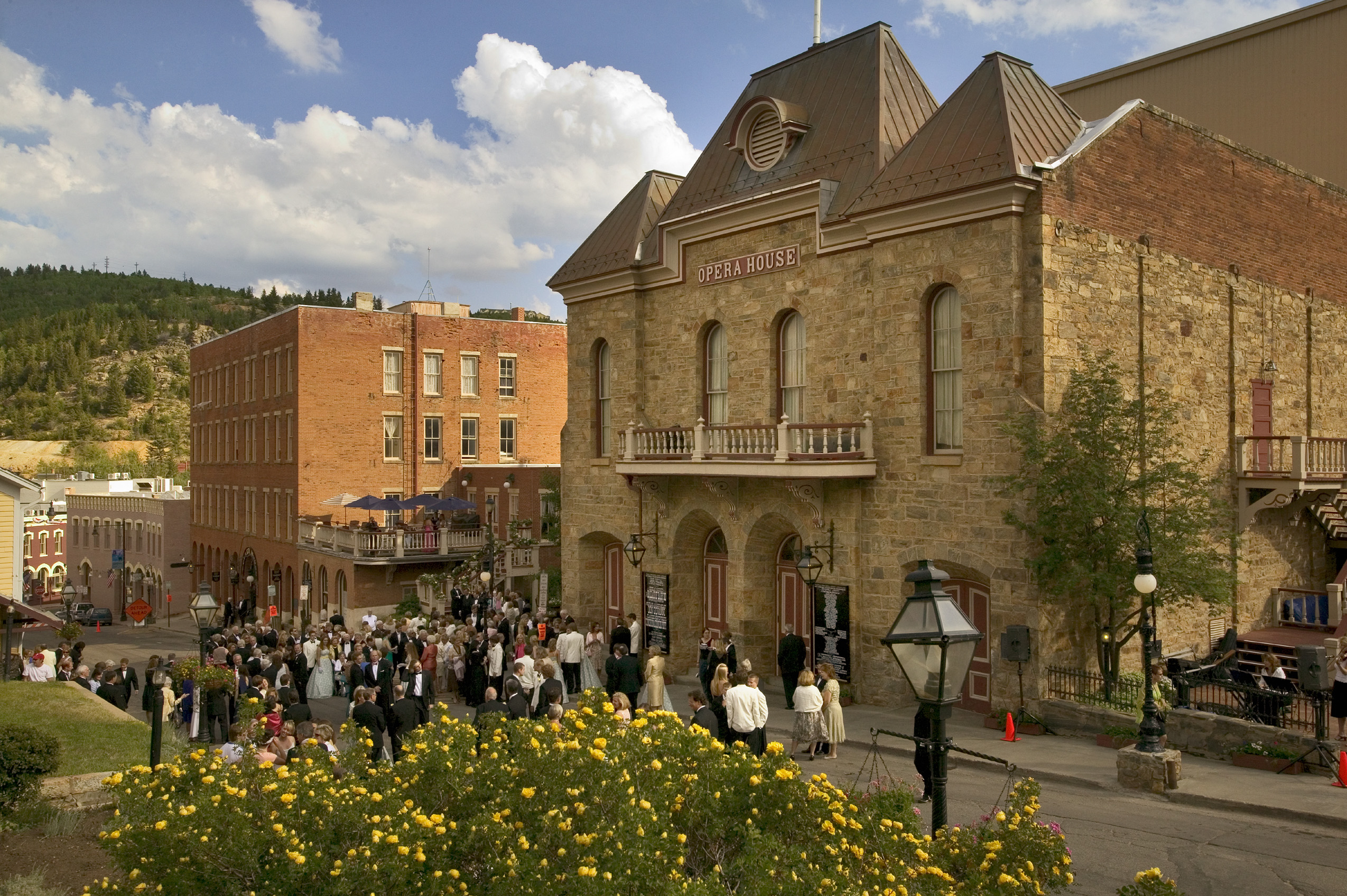
Opening Night at Central City Opera. From “Theatre of Dreams, The Glorious Central City Opera- Celebrating 75 Years.“

The labor unrest from last summer has been settled, and the summer season for 2024 has been officially set and announced. A new CEO is in place, and a search is underway for a new artistic director, replacing Pelham (“Pat”) Pearce, who led the company for more than 20 years. And with things on an even keel, the CCO administration and artistic staff are looking to the future.

The 2024 season will comprise three major productions. As announced previously, the three shows will be Gilbert and Sullivan’s Pirates of Penzance, one of the most popular of the G&S operettas; Puccini’s American frontier fable Fanciulla del West (Girl of the Golden West), transported from the California gold fields of 1849 to the Colorado Gold Rush days in Central City a decade later; and Street Scene, a hybrid opera/musical by Kurt Weill about New York tenement life, based on Elmer Rice’s Pulitzer Prize-winning play of the same name, with lyrics by Langston Hughes.

Since the three productions were announced last summer, CCO has established the full schedule for the summer’s performances, which is listed below. Subscription sales for the summer will begin Jan. 1, and single tickets will go one sale April 1.

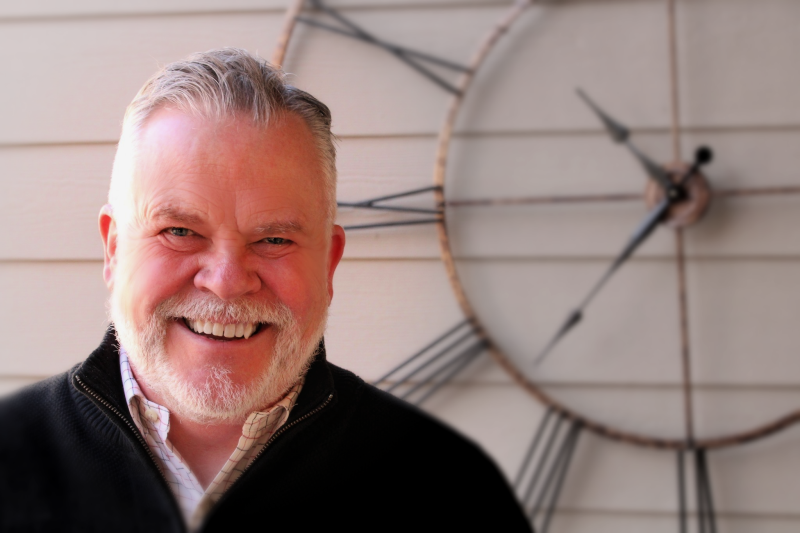
Scott Finlay

In the meantime, new CEO Scott Finlay “sees blue skies on the horizon” for the company, he says. “There’s a lot of support out there for CCO and folks are very excited on the future here, and that feels good.”

Finlay came to CCO in 2010 as a grant writer and later associate director of development. After a stint as senior director of development at the CU College of Music, he returned to CCO as vice-president for development, the position he held until he was selected CEO last summer.

Everyone on the artistic side of the company that I have spoken with was enthusiastic about Finlay’s appointment. Coming after a period of uncertainty, his experience as the company’s development officer, together with his background both as a singer and as a fundraiser, is the kind of reassuring presence that CCO needs.

Ken Cazan, who has stage directed numerous productions at CCO, wrote in an email, “I am happy that someone as positive and supportive as Scott Finlay will be the new CEO of CCO. Scott has been a stalwart fundraiser for CCO on and off for years and a friend to all of the artists who have worked there. I hope and believe that he will be able to lead CCO into a new and adventurous era, free and clear of the baggage that was left behind.”

Ashraf Sewailam, who has both sung and stage directed for CCO, is very clear about his feelings. “I think he is the perfect choice,” he says. “He already has established relationships (with CCO’s supporters) and he can only stand to improve on that. And he’s a good person. He wants to serve well the art form as well as the establishment that he works for.”

Finlay says that all the feedback he received after his appointment was positive. “I’ve received a lot of e-mails and calls and facebooks posts from artists, and they are optimistic that we are moving in the right direction,” he says. 

That’s important in the wake of last year’s labor issues. Addressing the fallout from those events, Finlay says “It’s no secret to anyone that we’ve gone through a couple of years of rocky starts and stops, especially with the AGMA (American Guild of Musical Artists union) negotiations that were going on at the beginning of the year. And I’m happy to report that we are on a different page and a different chapter with them now. 

“I think that my relationships and my leadership and reputation will reinforce and shore up the trust that (the artists) have with this company.”

Looking to the future, Finlay sees the hiring of a new artistic director as the next milestone for the company. “We launched that search and it’s ongoing right now. I’m excited to see who the candidates are and where we might be moving forward.”

Of first importance is the artistic quality of the company, of course, but Finlay recognizes other attractions that make Central City Opera unusual. “We are known for artistic excellence, we put a fantastic product on the stage,” he says. “But the real juju for this company is the setting. . . . The location plays a large role in your experience of the art form.”

Looking farther into the future, Finlay knows where he wants CCO to be in five or 10 years. “We’ve got to explore alternative revenue streams, that’s one thing. Without financial stability we can’t do anything artistically. So my first job is to get us financially stable. The City of Central is going through somewhat of a renaissance right now, there are some businesses coming in, lots of construction, lots of renovation of the old buildings. I think that there’s some opportunity up there.”

Apart from the business side of his job, Finlay remains committed to opera, both as an art form and as a part of the community where it takes place. Engagement with the public around the themes of the operas being presented, is definitely part of his plan. “Community engagement is critical for us,” he says. “I really want to see that our work is meaningful.

“One of the things that I have been saying for a long time and I hope I get to say louder now, is that we as Central City Opera have a job. We hope that we can make people lovers of Central City Opera, but I think that we should try to make people lovers of opera. Opera matters, and we’re the ones who have to put that out there.”

Just one more thing: Finlay is committed to the health of CCO as an organization and the quality of the workplace. “We’ve gone through a couple of years, and we’ve lost a lot of staff, a lot of good people, and I’m excited to turn that tide and move things forward in a different kind of motion,” he says. “I want people to love working here, and I think I can do that.

“I want to make this the best place to work in the Denver area.”

# # # # #

Central City Opera
Summer 2024 Festival Season

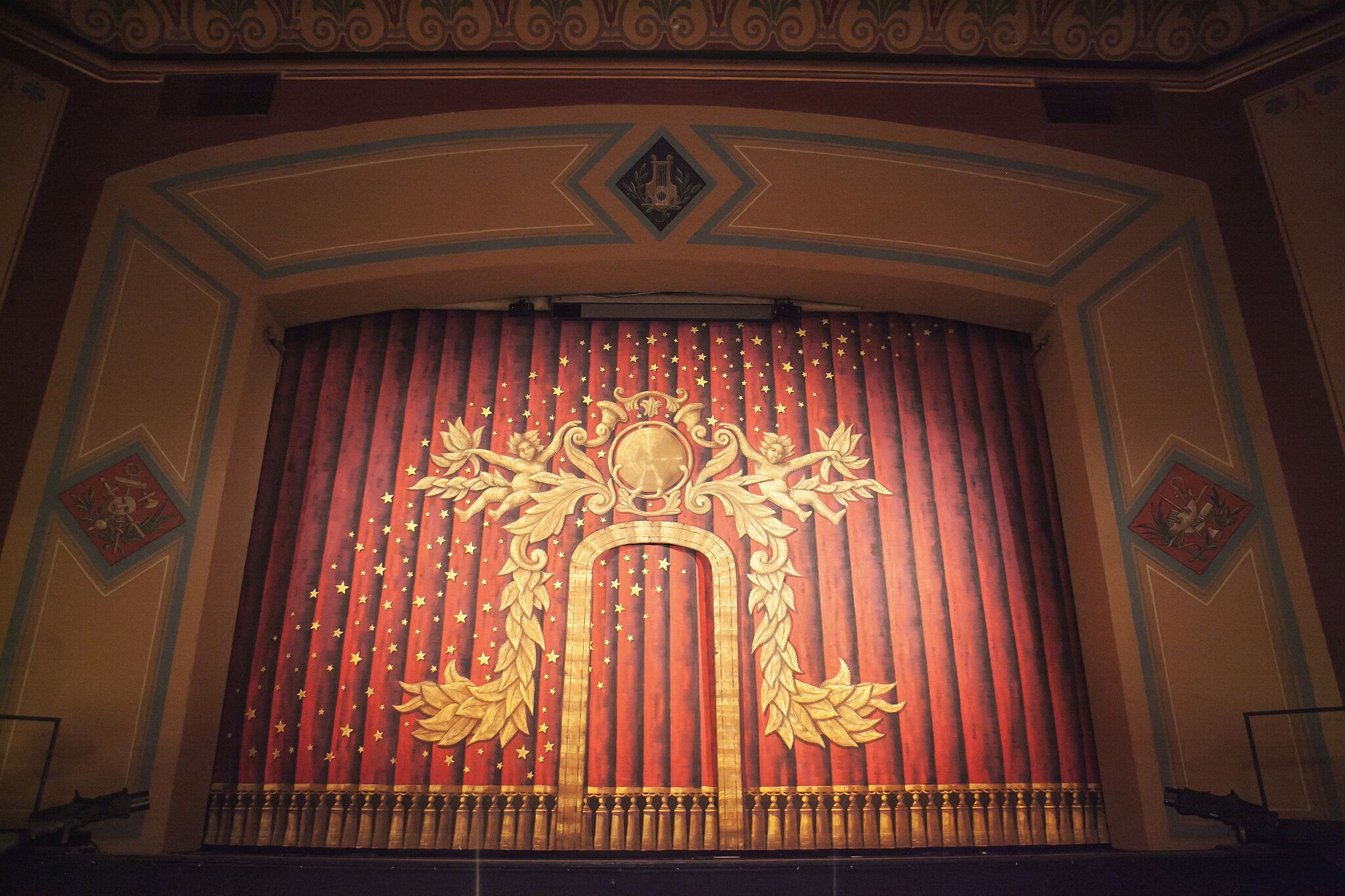
Central City Opera House Interior

Sir Willam Gilbert and Sir Arthur Sullivan: Pirates of Penzance

7:30 p.m. Saturday, June 29; Saturday, July 20; Saturday, July 27; 

2 p.m. Wednesday, July 3; Friday July 5; Sunday, July 7; Saturday, July 13; Tuesday, July 16; Wednesday, July 24; Friday, Aug. 2

Giacomo Puccini: La fanciula del West (Girl of the golden West)

7:30 p.m. Saturday, July 6; Saturday, Aug. 3

2 p.m. Wednesday, July 10; Friday, July 12; Sunday, July 14; Friday, July 19; Saturday, July 21; Tuesday, July 23; Saturday, July 27; Wednesday, July 31
Kurt Weill: Street Scene

7:30 p.m. Saturday, July 12

2 p.m. Wednesday, July 17; Saturday, July 20; Friday, July 26; Sunday, July 28; Tuesday, July 30; Saturday, Aug. 3

Current subscribers may renew their subscriptions now through Dec. 8. Renewal packets will be sent by mail.

New subscriptions will go on sale Jan. 1, 2024, and may be ordered HERE, or call the box office at 303-292-6700.

Single tickets will go on sale April 1, 2024, through the CCO WEB PAGE, or call the box office at 303-292-6700.

GRACE NOTES: Holiday performances everywhere

Popular themes of the 2023 Holidays include the solstice and music of the Baroque

By Peter Alexander Nov. 29 at 2:41 p.m.

The Longmont Symphony and Boulder Ballet start their 2023 series of Nutcracker  performances Saturday afternoon (1 p.m. Dec. 2) at Vance Brand Civic Auditorium with their annual “Gentle Nutcracker.” 

A shortened, sensory-friendly performance designed for neurodiverse individuals, their families and caregivers, the “Gentle Nutcracker” is approximately 90 minutes in length. 

That special presentation will be followed by two full performances Saturday and Sunday of Tchaikovsky’s beloved ballet, with the Christmas party, the Nutcracker Prince, “The Dance of the Sugar Plum Fairy,” and all the other features that have made both the music and the ballet a Holiday favorite (4 p.m. Saturday, Dec. 2 and 2 p.m. Sunday, Dec. 3; details below).

NOTE At the time of writing, there are only a few seats left, mostly in the balcony. There is no guarantee that tickets will be available by the time this story appears.

– – –

Longmont Symphony Orchestra, Elliot Moore, conductor
Boulder Ballet

“Gentle Nutcracker”

1 p.m. Saturday, Dec. 2 NOW SOLD OUT
Vance Brand Civic Auditorium

TICKETS

Tchaikovsky: The Nutcracker Ballet

4 p.m. Saturday, Dec. 2
2 p.m. Sunday, Dec. 3
Vance Brand Civic Auditorium

TICKETS

* * * * *

Conductor Cynthia Katsarelis and the Pro Musica Colorado Chamber Orchestra will present the Christmas portion of Handel’s Messiah Saturday (7:30 p.m. Dec. 2) at Mountain View Methodist Church (details below).

In addition to the Christmas section, chorus and orchestra will perform the much loved “Hallelujah” chorus from Messiah. The program opens with “Adoration” by Florence Price and Mozart’s Divertimento in D major, K136.

The Christmas portion of Messiah is one of three major divisions of the work. It comprises 21 separate movements including the opening Overture, choruses including “For unto us a Child is Born” and “Glory to God,” recitatives, and arias for soprano, tenor and bass soloists. Pro Musica will be joined by the Boulder Chamber Chorale and soloists Jennifer Bird-Arvidsson, soprano; Nicole Asel, alto; Steven Soph, tenor; and Ashraf Sewailam, bass.

– – –

Pro Musica Colorado Chamber Orchestra, Cynthia Katsarelis, conductor
With the Boulder Chamber Chorale and Jennifer Bird-Arvidsson, soprano; Nicole Asel, alto; Steven Soph, tenor; and Ashraf Sewailam, bass

  • Florence Price: Adoration
  • W.A. Mozart: Divertimento in D major, K136 
  • G.F. Handel: Messiah, Part I
  • —“Hallelujah” chorus

7:30 p.m. Saturday, Dec. 2
Mountain View Methodist Church, 355 Ponca Place, Boulder

TICKETS

* * * * *

The CU College of Music presents its annual Holiday Festival this coming weekend, Friday through Sunday in Macky Auditorium (Dec. 8–10; details below).

One of the most popular Holiday events in Boulder, the Holiday Festival features numerous ensembles from the College of Music, each presenting their own selections. Featured groups in this year’s program are the Chamber singers, the Holiday Festival Chorus made up of singers from several groups in the college, the Holiday Festival Orchestra, the Trombone Choir, Holiday Festival Brass, Holiday Festival Jazz, and the West African Highlife Ensemble.

NOTE: At the time of writing, there are limited tickets available for the four performances of the Holiday Festival program. Performances generally sell out, so interested persons should check the CU Presents Web page for availability.

– – –

Holiday Festival, Donald McKinney, artistic director
CU College of Music Ensembles

Chamber Singers, Leila Heil, conductor
Noelle Romberger, graduate conductor

Holiday Festival Chorus
Galen Darrough, Raul Dominguez and Jessie Flasschoen, conductors 
Jun Young Na and Noelle Romberger, graduate conductors

Holiday Festival Orchestra, Gary Lewis, music director 
With Donald McKinney and Nelio Zamorano, conductors

Trombone Choir, Sterling Tanner, conductor

Holiday Festival Jazz, Brad Goode, director

Holiday Festival Brass, Lauren Milbourn, conductor

West African Highlife Ensemble, Maputo Mensah, director

7:30 p.m. Friday, Dec. 8
1 and 4 p.m. Saturday, Dec. 9
4 p.m. Sunday, Dec. 10
Macky Auditorium

TICKETS

* * * * *

Cellist Charles Lee, the principal cellist of the Boulder Philharmonic Orchestra, will join Ars Nova Singers and conductor Tom Morgan for “Evergreen,” the latest edition of their annual celebration of the winter solstice.

The program will be presented four times, once in Longmont (Saturday, Dec. 9), once in Denver (Sunday, Dec. 10) and twice in Boulder (Thursday and Friday, Dec. 14 and 15; times and locations below). The program includes music by the medieval Benedictine abyss Hildegard Bingen, the English Renaissance master William Byrd, and the north German early Baroque composer Heironymus Praetorius. 

Not to be confused with his better known younger contemporary Michael Praetorius, Heironymus is known for his elaborate multi-voices motets. Also on the program are more contemporary works by the living composers Eriks Esenvalds, Jocelyn Hagan and Taylor Scott Davis. 

In a written news release, Morgan sets the stage for this concert timed to nearly coincide with the solstice, writing: “Dark and light, motion and stasis, intimate and universal, deeply familiar and refreshingly new—our season searches for the balance point in all of these, through the power and majesty of the human voice.”

– – –
Ars Nova Singers, Tom Morgan, director
With Charles Lee, cello

“Evergreen”

  • Hildegard of Bingen: O frondens virga
  • Two 15th century English carols
  • Heoronymus Praetorius: In dulci jubilo (à 8)
  • William Byrd: O magnum mysterium
  • Ola Gjeilo: Serenity (O Magnum mysterium)
  • Andrea Casarrubios: Caminante
  • Taylor Scott Davis: Solstice
  • Eriks Esenvalds: Rivers of Light
  • Jocelyn Hagen: Mother’s Song
  • Dan Forrest: The Sun Never Says
  • Michael Head: The Little Road to Bethlehem
  • Arrangements of Holiday songs by Tom Morgan, Joanna Forbes, Alexander L’Estrange and others

7:30 p.m. Saturday, Dec. 9
United Church of Christ, 1500 9th Ave., Longmont

12:30 p.m. Sunday, Dec. 10
St. Paul Lutheran Church, 1660 Grant. St., Denver

7:30 p.m. Thursday, Dec. 14 and Friday, Dec. 15
Mountain View United Methodist Church, 355 Ponca Place, Boulder

TICKETS

* * * * *

CU Presents will round out the university’s holiday performances with Christmas with the Canadian Brass at 7:30 p.m. Tuesday, Dec. 13 in Macky Auditorium.

The Canadian Brass generally announce their program from the stage. Nonetheless, the Christmas set list is more predictable and will likely feature some Canadian Brass favorites, including “Ding Dong Merrily on High,” evergreen Holiday music including “White Christmas” and “Carol of the Bells,” and jazzy arrangements including “Glenn Miller Christmas.”

Founded in 1970, the Canadian Brass has been a recognized and esteemed part of the musical scene for more than 50 years. Touring world-wide, they have made the repertoire of chamber music for brass, and specifically brass quintets, widely appreciated. 

There is still one original member of the quintet, tubist Chuck Dellenbach, while other members have joined over the years. The most recent addition, making her Canadian Brass debut this year, is trumpet player Ashley Hall-Tighe, who first met the members of the Canadian Brass in 2001 as a student in their chamber music residency at the Music Academy of the West.

With more than 10 Christmas albums, the Canadian Brass are especially well known for their holiday performances. Their total recording history currently totals more than 130 albums and more than 2 million sold worldwide.

NOTE: At the time of writing, there are limited tickets available.

– – –

Canadian Brass

“Christmas with the Canadian Brass”

  • Program to be announced from the stage may include:
  • “Ding Dong Merrily on High” (arr. Henderson)
  • Gabrieli: Canzona per sonare No. 4
  • “White Christmas” (arr. Henderson)
  • Mykola Leondovich: “Carol of the Bells” (arr. McNeff)
  • Vince Guaraldi: “Christmas Time is Here” (arr. Ridenour)
  • Glenn Miller: “Glenn Miller Christmas” (arr. Dedrick)

7:30 p.m. Wednesday, Dec. 13
Macky Auditorium

TICKETS

* * * * *

The Longmont Symphony will look back to the 18th century for Candlelight: A Baroque Christmas at 4 p.m. Saturday, Dec. 16, in Vance Brand Civic Auditorium.

Under the direction of Elliot Moore, the featured work on the program will be the Gloria of Antonio Vivaldi. Composed around 1715, it is one of the Venetian composer’s most frequently performed works. Its 12 movements, divisions of the “Gloria” text from the Catholic Mass ordinary, call for chorus, orchestra, and soprano and alto soloists.

Celebrating the holiday season, the Candlelight Concert has long been a part of the Longmont Symphony’s season. There will be candles again this year, although the orchestra has announced that they will be battery-operated this year, rather than relying on a flame.

– – –

Longmont Symphony and Chorus, Elliot Moore, conductor

“Candlelight: A Baroque Christmas”

  • Corelli: Concerto Grosso
  • Handel: “Rejoice greatly” from Messiah
  • Scarlatti: Christmas Cantata for soprano and strings
  • Vivaldi: Gloria

4 p.m. Saturday, Dec. 16
Vance Brand Civic Auditorium

TICKETS

* * * * *

All the choirs of the Boulder Chorale and Boulder Children’s Chorale will join together to present “Season of Light,” their annual concert of music for the holidays, Saturday and Sunday (Dec. 16 and 17; details below).

The concert title refers to the tradition found in many different cultures to use light to counteract the dark of winter and forecast the return of the light in the weeks to come. In the words of the Boulder Chorale’s press information, the program “traces the history and development of many of the world’s most endearing holiday customs, all of which involve lighting up the winter season—from the burning Yule log, sparkling Christmas tree lights and candles in windows, to the lighting of luminaries (often called luminarias) in the American Southwest and the traditional ritual of the Hanukkah menorah.”

Tickets are available both at the door and through the Boulder Chorale Web page. The Sunday performance will also be presented through live streaming, available at the same Web page.

– – –

Boulder Chorale, Vicki Burrichter, artistic director
With Boulder Children’s Chorales, Nathan Wubbena, artistic director

“Season of Light”

Children’s Chorale Bel Canto
Nathan Wubbena, conductor

  • John Rutter: “Angels’ Carol”
  • Flory Jagoda: “Ocho Kandelikas” (arr. Joshua Jacobson)

Children’s Chorale Volante
Kiimberly Dunninger, conductor

  • Franklin J. Willis: “Be the Light “
  • Robert Cohen and Ronald Cadmus: “The Joy of Simple Things”

Chamber Chorale
Vicki Burrichter, conductor

  • John Newell: “Light of Heaven” (text based on the Buddhist vajra guru mantra)

Chamber Choir, Bel Canto and Volante
Nathan Wubbena, conductor

  • Ryan Main: “Go! Said the Star”

Children’s Choir Piccolini
Melody Sebald, conductor

  • “Winter Canon” (arr. Andy Beck)
  • John Henry Hopkins Jr.: “We Three Kings”

Children’s Choir Prima Voce
Anna Robinson, conductor

  • Ruth Ann Schram: “Winter Solstice”
  • “This Little Light of Mine” (arr. Masa Fukuda)

Concert Chorale
Vicki Burrichter, conductor

  • Enya and Nicky Ryan: “Amid the Falling Snow” (words by Roma Ryan, arr. Audry Snyder)
  • Craig Carnahan: “Dancing on the Edges of Time” (words by Rabindranath Tagore)
  • Stephanie K. Andrews : “On Compassion” (words by the 14th Dalai Lama Tenzin Gyatso)

Combined Choirs
Kim Dunninger and Vicki Burrichter, conductors

  • Benji Pasek and Justin Paul: “Do a Little Good” (from Spirited)
  • Franz Gruber/David Kantor: “Night of Silence” (includes “Silent Night”; arr. Nathan Wubbena; Spanish text by Cynthia Garcia-Barrera)

4 p.m. Saturday and Sunday, Dec. 16 and 17
First United Methodist Church, 1421 Spruce St., Boulder

TICKETS

* * * * *

The Boulder Chamber Orchestra will combine its holiday celebration with the music of Beethoven in a program featuring pianist Adam Zukiewicz.

Their “Holidays Celebration with Beethoven” will be at 7:30 p.m. Saturday, Dec. 16 in the Boulder Seventh-Day Adventist Church. Zukiewicz will perform Beethoven’s Piano Concerto No. 2 with the orchestra and conductor Bahmann Saless. 

Other works on the program are Mozart’s Overture to The Marriage of Figaro, conducted by Nadia Artman; Chocolats Symphoniques (Symphonic chocolates) by Maxime Goulet; and the world premiere of the Concerto for Flute and Orchestra by Sylvie Bodrova with the BCO’s principal flutist Cobus DuToit as soloist. 

Part of the reason for combining the holiday music with Beethoven is that the composer’s birthday is believed to be Dec. 16. The date is not certain, since the only documents record his baptism on Dec. 17, but the birthday is traditionally observed on Dec. 16. That would make Dec. 16, the date of the concert, the 253rd anniversary of his birth.

As it happens, the full 2023–24 season has three of Beethoven’s five piano concertos listed. the Third Concerto was played by Petar Klasan Sept. 1, and the Concerto No. 5 (“Emperor:) will be performed with the BCO by  Jennifer Hayghe Feb 3 (7:30 p.m., Boulder Seventh-Day Adventist Church).

Goulet’s Chocolats Symphoniques was previously performed by the BCO on their holidays concert in 2021. The work’s four movements refer to four different flavors of chocolate: “Caramel Chocolate,” “Dark Chocolate,” “Mint Chocolate” and “Coffee-infused Chocolate.”

– – –

Boulder Chamber Orchestra, Bahman Saless, conductor
With Cobus DuTois, flute, and Adam Zukiewicz, piano
Nadia Artman, conductor

“Holidays Celebration with Beethoven”

  • Mozart: Overture to The Marriage of Figaro
  • Maxime Goulet: Chocolats Symphoniques (Symphonic chocolates)
  • Sylvie Bodorova: Concerto for Flute and Orchestra (world premiere)
  • Beethoven: Concerto No. 2 for Piano and Orchestra

7:30 p.m. Saturday, Dec. 16
Boulder Seventh-Day Adventist Church, 345 Mapleton Avenue

TICKETS  

* * * * *

The Boulder Bach Festival (BBF) will present “Handel’s Messiah Reimagined” in their very own version, based on an edition created by music director Zachary Carrettin.

Messiah will be performed by a string orchestra from the BBF’s Compass Resonance (CORE) Ensemble with harpsichord and chamber organ continuo and a 16-voice choir. Five featured solo singers will also perform within the chorus. The entire performance will be presented without conductor.

The program also incudes two a cappella vocal works and a violin concerto b Antonio Vivaldi. The concerto will be played by BBF’s artistic director, Zachary Carrettin, with Baroque guitar continuo played by Keith Barnhart.

– – –

Boulder Bach Festival CORE ensemble
Mara Riley, soprano; Sarah Moyer, soprano; Claire McCahan, mezzo-soprano;
Daniel Hutchings, tenor; and Adam Ewing, baritone
With Zachary Carrettin, violin, and Keith Barnhart, Baroque guitar

“A Baroque Christmas: Handel’s Messiah Reimagined”

4 p.m. Sunday, Dec. 17

Gordon Gamm Theater, Dairy Arts Center, Boulder

TICKETS  

GRACE NOTES: Orchestras in Boulder and Longmont, Sphere Ensemble at BPL

Guest cellists thrive, while Sphere does “90s Retro”

By Peter Alexander November 16 at 10:25 p.m.

Erin Patterson, principal cellist of the Boulder Symphony will step forward as soloist with the orchestra Friday evening for a concert under director Devin Patrick Hughes.

Patterson will play Dance for cello and orchestra by English composer Anna Clyne. Other works on the program will be Sibelius’s Finlandia and the Symphony No. 2 in E minor by Rachmaninoff.

Erin Patterson

Currently serving as composer-in-residence with the Helsinki Philharmonic in Finland, Clyne has written a long list of orchestra, chamber, vocal and choral works. She currently lives and works in New York City. Her Dance, essentially a concerto for cello and orchestra, is a five-movement work, based on a five-line poem by Rumi:
Dance when you’re broken open.
Dance, if you’ve torn the bandage off.
Dance in the middle of the fighting.
Dance in your blood.
Dance when you’re perfectly free.

Both other works on the program and staples of the orchestral repertoire. Written in 1899, Finlandia remains the best known of Sibelius’s works for orchestra. As musical protest against Russian control of Finland, for many years the score had to be performed under other names to bypass Russian censorship.

Composed in 1906–07, Rachmaninoff’s Second Symphony was an important milestone for the composer. The 1897 premiere of his First Symphony had been a failure. Rachmaninoff became depressed after the performance, and doubted his abilities as a composer. For his Second Symphony, he moved to Dresden, Germany, to have time for composing away from Russia, which was in turmoil during the pre-Revolutionary era. After completing and extensive revision of the score, he was able to present the symphony in St. Petersburg in January, 1908.

The performance was a great success, and the symphony won an award for the composer. This event restored Rachmaninoff’s confidence, and the Second Symphony, while subject to considerable later revisions, has remained one of his most popular compositions.

# # # # #

Boulder Symphony, Devin Patrick Hughes, conductor
With Erin Patterson, cello

  • Sibelius: Finlandia
  • Anna Clyne: Dance for cello and orchestra (Colorado premiere)
  • Rachmaninoff: Symphony No. 2 in E minor, op. 27

7:30 p.m. Friday, Nov. 17
Grace Commons Church

TICKETS 

# # # # #

The Longmont Symphony also features a cello soloist for their concert Saturday evening. Clancy Newman, who is a composer as well as cellist, will perform Schelomo, Hebrew Rhapsody for cello and orchestra with the LSO and conductor Elliot Moore at
7 p.m. in Vance Brand Civic Auditorium.

Clancy Newman

Other works on the program will be Beethoven’s Overture to Coriolan and Shostakovich’s Symphony No. 5.

Born to Australian parents in Albany, New York, Newman won the International Naumburg Competition in 2001 and an Avery Fisher Career Grant in 2004. In addition to his solo performances around the world, he has performed with the Chamber Music Society of Lincoln Center and Musicians form Marlboro. His most original compositional project is “Pop-Unpopped,” in which he has written solo cello caprices based on the top pop song every  month for a year. 

Composed in 1915–16, Schelomo (Solomon) was the final work of Bloch’s Jewish Cycle of works that drew on Jewish folk and synagogue melodies and rhythms of the Hebrew language. Written for solo cello and orchestra, Schelomo is the best known of these works, and is today considered a standard piece in the cello repertoire. It is written in a single movement that encompasses three interrelated sections.

When he wrote his Fifth Symphony in 1937, Shostakovich was under a cloud of suspicion caused by the brutal criticism of his opera Lady Macbeth of the Mtsensk District. A review of the opera putatively dictated by Stalin himself was titled “Muddle Instead of Music” and suggested that “things could end very badly” for the composer if he did not change aesthetic directions.

Shostakovich clearly considered the symphony a reply, deferentially subtitling it “A Soviet Artist’s Responses to Just Criticism.” The symphony’s premiere received 30-minute ovation, no doubt responding to the bold, brassy and triumphalist final movement. Whether the finale was a serious artistic statement, or a parody of the vulgar taste of Stalin and his retinue of followers, has been widely debated. In any case, the symphony has remained popular with concert audiences world wide.

# # # # #

Longmont Symphony Orchestra
Elliot Moore, conductor
With Clancy Newman, cello

  • Beethoven: Overture to Coriolan
  • Ernest Bloch: Shelomo, Hebrew Rhapsody for cello and orchestra
  • Shostakovich: Symphony No. 5, op. 47

7 p.m. Saturday, Nov. 18
Vance Brand Civic Auditorium

TICKETS

# # # # #

Colorado’s Sphere Ensemble, a Denver-based ensemble of 14 string players, will give a musical tour of the ‘90s from five different centuries, with performances at the Boulder Public Library Canyon Theater (7:30 p.m. Saturday, Nov. 18) and the Savoy in Denver (2700 Arapahoe St. 5 p.m. Sunday, Nov. 19; details and tickets below).

The creative program, titled “90s Retro” without specifying a century, has arrangements for the Sphere instrumentation of music form the Renaissance, Baroque, Classical, Romantic and contemporary eras. This is keeping with Sphere’s approach to programming, which typically includes arrangements made by members of the group.

Sphere Ensemble

As part of the presentation of the music from the ‘90s of different centuries, Sphere ties the music to prominent events form the same years. For example, the opera Alcide, for which Marina Marais wrote the Overture that Sphere will perform, was written in the same year as the Benedictine monk Dom Pérignon invented Champagne, 1793. This was one year after the Salem with trials and the year Mt. Etna in Sicily erupted.

Just over a century later, in 1796 the British pianist/singer/composer Maria Hester Park wrote a Sonata in C that Sphere has arranged for the concert. Around the same time, Napoleon Bonaparte was appointed commander of the French army in Italy and John Adams was elected the second president of the United States. With such details, Sphere gives context to the music they will perform.

# # # # #

“90s Retro”
Sphere Ensemble

  • Josquin des Prez: “Nymphes des bois” (Nymphs of the woods; 1497)
  • John Dowland: “Can She Excuse my Wrongs” (1597)
  • Marin Marais: Overture to Alcide (1693)
  • Maria Hester Park: Sonata in C (1796)
  • Teresa Carreño: Serenade for Strings (1895)
  • Chen Yi: Romance and Dance for strings (1995)
  • “90s Pop Radio,” arr. Sphere

7:30 p.m Saturday, Nov. 18
Boulder Public Library Canyon Theater

5 p.m. Sunday, Nov. 19
The Savoy, 2700 Arapahoe St., Denver

TICKETS for in-person attendance and Livestream.

Seicento’s ‘Rare Byrd’ features viols, not ornithology

400th anniversary of English composer’s death brings varied program

By Peter Alexander Nov. 15 at 8:45 p.m.

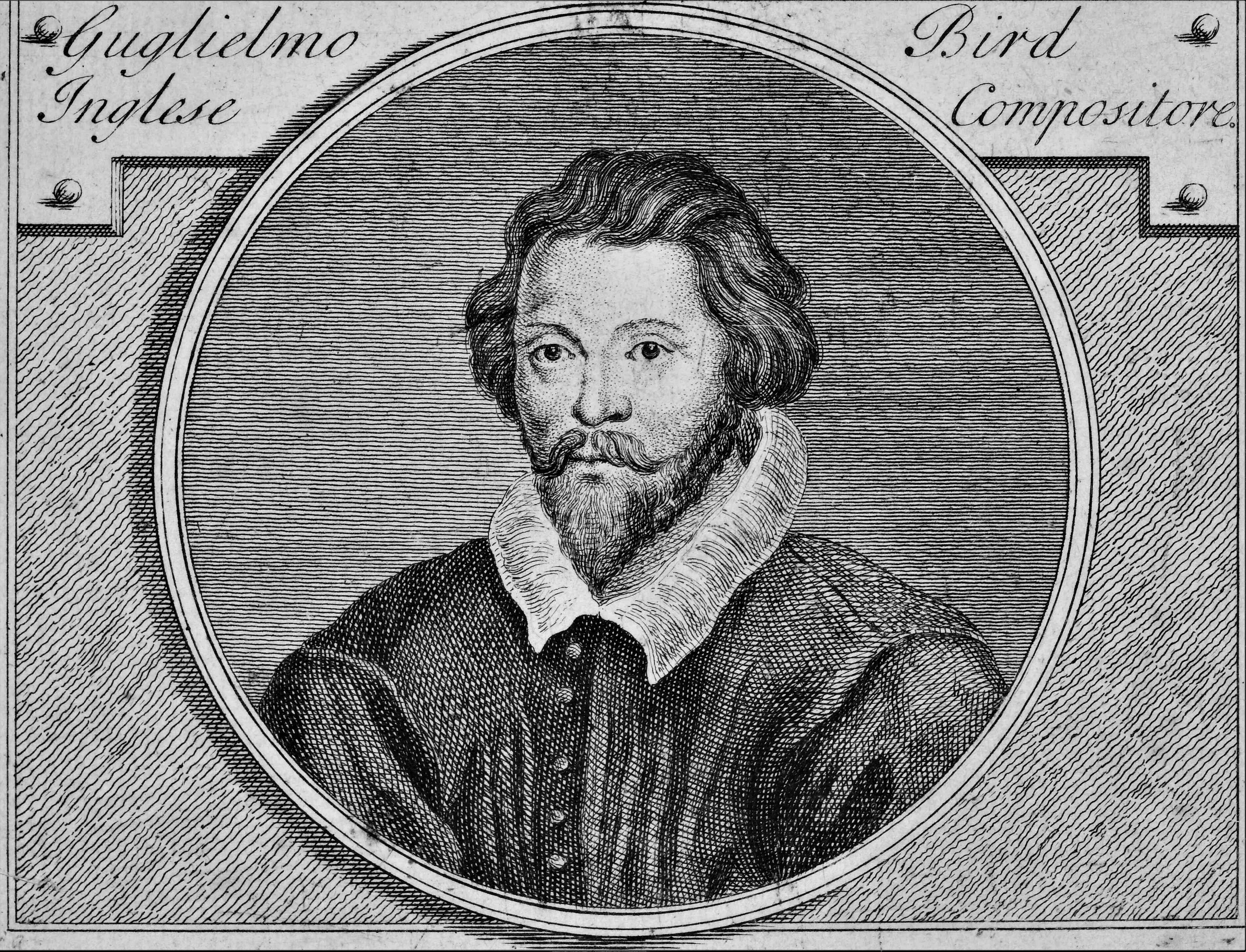
The New York Times has called William Byrd “an essential English composer for four centuries.”

William Byrd

If you are not familiar with his music, he may be the greatest composer you don’t know. But observations this year of the 400th anniversary of his death show the esteem with which he is regarded by musicians.

Boulder’s Seicento Baroque Ensemble joins the party this weekend with “Rare Byrd,” a varied program of music for voices and viols that will be presented in Denver, Boulder and Longmont Friday, Saturday and Sunday respectively (details below).

A recusant Catholic in 17th-century England, when it was illegal to remain loyal to the Catholic Church, Byrd is best known to musicians for his settings of the Catholic Mass. These works, which could only be performed or circulated in private, are well known and frequently performed today within the early-music movement.

Seicento’s program is titled “Rare Byrd” because it avoids those celebrated mass settings and instead offers a variety of shorter, lesser known works. These rarities including madrigals, part songs, anthems and verse anthems. Conductor Evanne Browne says that when she was planning the concert, “it was a major turning point for me to think, ‘You know what? It’s OK [to omit the masses]. There’s so much that hasn’t been heard that audiences deserve to hear!’”

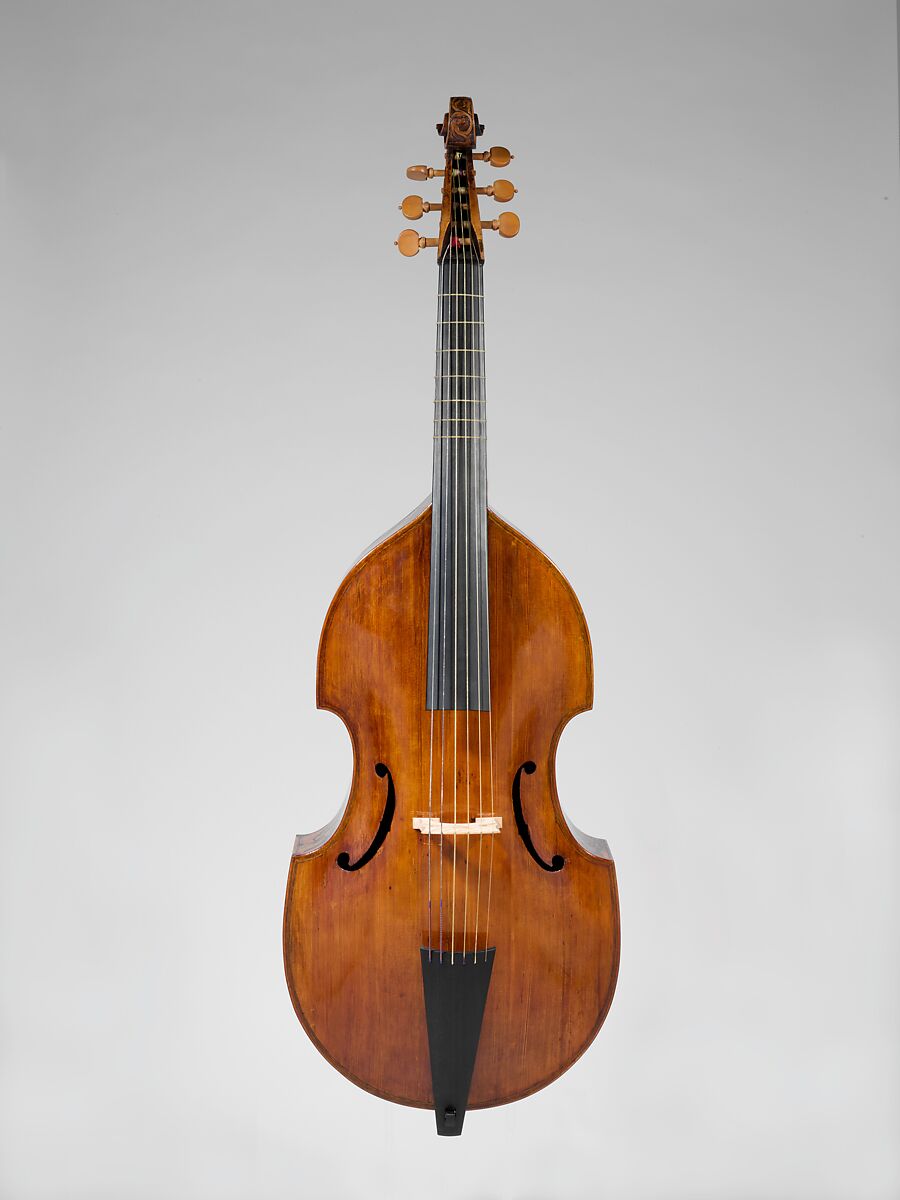
Available in several sizes, the viola da gamba looks like a cello, but has more strings and is played without an end pin.

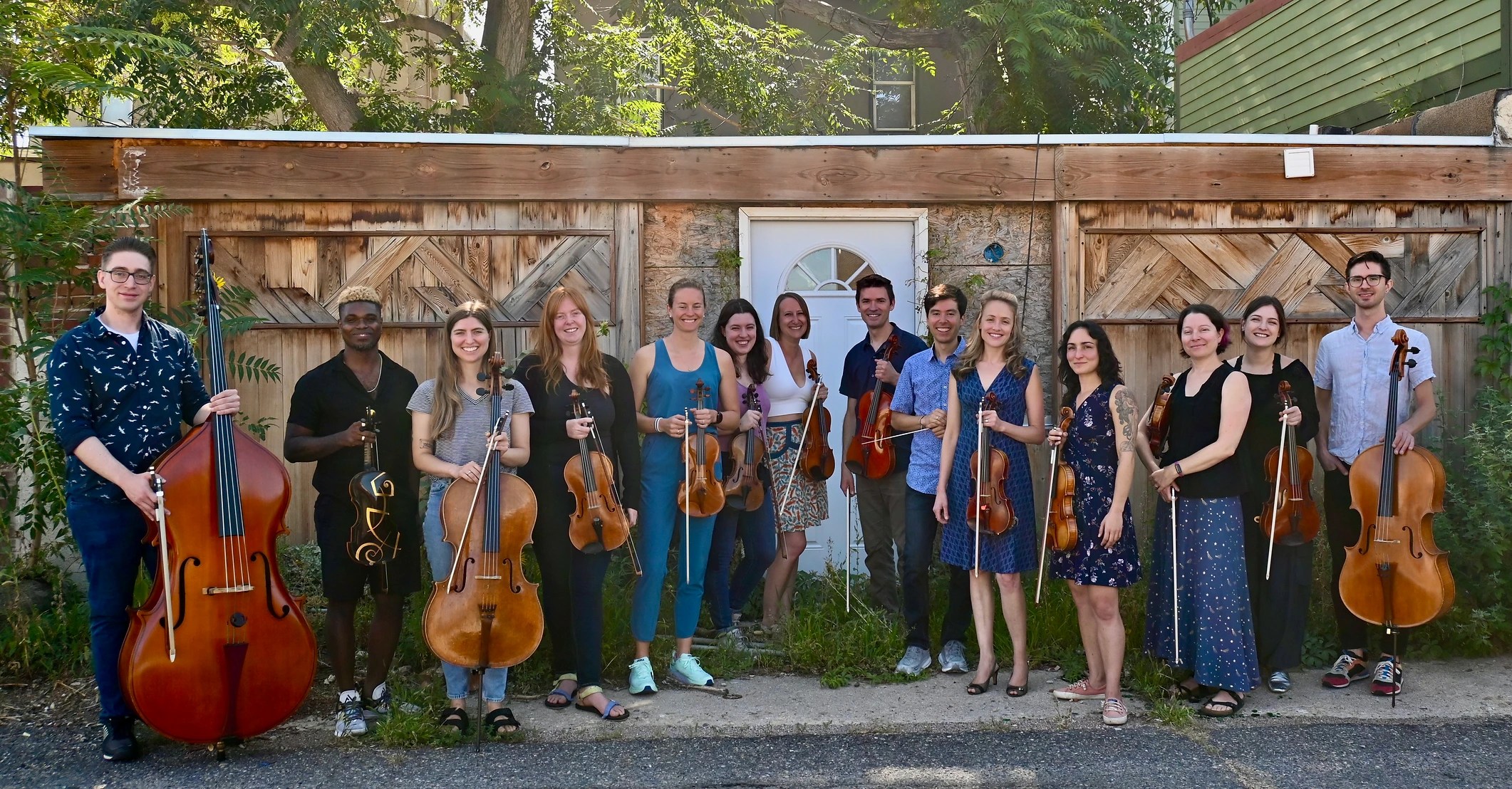
Another turning point in planning the program was the decision to collaborate with five viola da gamba (viol) players. Only a few years ago, Seicento had to bring in viol players from Chicago in order to include them in a performance. Today, Browne says, “there are plenty of first-rate viol players in Colorado that are professional level.

“Using the viol consort is a joy. There’s so much fun to be had with consort songs and part songs and madrigals, and we’re doing some sacred things with the viol consort that normally would be done with organ. We’re having a great time!”

If you don’t know the different genres that Browne mentions, the madrigals are entertaining settings of secular poetry for voices, generally expressive texts about love and nature. They would often be performed in a social gathering, with people getting together in someone’s home to sing the latest madrigals. When these secular texts are sung by a soloist or soloists and accompanied by viols, then it is known as a part song or a consort song. 

The sacred pieces on the program are multi-voice settings of Psalms and other sacred texts. The verse anthems alternate between full choir and a soloist or, in one case, two soprano soloists. These pieces were often accompanied by organ in church, but they could also be performed with viols playing an arrangement of the organ part, which is how Seicento will present them.

Evanne Browne

In addition to the choral music, the viol consort will perform two pieces separately. One is a piece known as the “Browning Variations,” based on a folk song that was well known in Byrd’s time. “In the variations Byrd takes this little eight-measure theme and goes wild with it,” Browne explains. “(Byrd takes) that little bit and then just goes crazy, ‘let’s do duple (time), let’s do triple, let’s augment it, just change the rhythm’—that’s a lot of fun.”

The pieces sung by Seicento include some that are familiar to early-music enthusiasts, including the madrigals “The Fleet and Merry Month of May” and “Though Amaryllis Dance in Green.” Browne knows both from her experience singing in early-music ensembles, but there are also “a couple that I never heard of,” she says. One of these is “Who made thee, Hob, forsake the plough?”

Browne observes that this playful song is “one of those dialogs for shepherds,” a common type of madrigal text in the Renaissance. “I have two guys doing the solos with the viols, and talking about, what took you away from your work, Hob? And the answer of course is love.”

The inclusion of a number of anthems has also allowed Browne to explore repertoire she had not known before. “There are a couple of pieces on this concert that I could just do over and over and over again,” she says. “One is called ‘Christ Rising,’ which is a verse anthem. I’ve never sung that, even though it has two beautiful soprano solos. 

“When the soloists sing a verse the choir kind of echoes the main point, and it is just fabulous. The word painting is great. The beginning goes up (an interval of) a fourth, up a fifth, up a sixth, up a seventh—so the climax on the words ‘Christ rising’ is spectacular.”

One more factor Browne hopes people will recognize is how well Byrd writes for voices. “His music is just so easily sung,” she says. “Although some of the rhythms are killers. The rhythm’s always tricky, (but it’s) beautifully set for the voice. He can certainly set the words so that you know what it means. I’m really excited about this program.”

Her final thought for the audience? “Come with the expectation to be surprised at how wonderful and varied the music is.”

# # # # #

“Rare Byrd”
Seicento Baroque Ensemble, Evanne Brown, conductor
With Adaiha MacAdam-Somer, Zoe Weiss, Sarah Graf, Sarah Biber and Karl Reque, viols

Music of William Byrd:

  • Haec Dies (anthem)
  • Praise our Lord, All ye Gentiles (anthem)
  • Have Mercy upon me, God (verse anthem)
  • Alack, when I look back (verse anthem)
  • Come Woeful Orpheus (madrigal)
  • Fantasia: Browning/The leaves be green (viol consort)
  • Christ Rising Again (verse anthem)
  • This Sweet and Merry Month of May (madrigal)
  • Ye Sacred Muses (elegy for Thomas Tallis)
  • If Women could be Fair (part song)
  • Who made, Thee, Hob? (part song)
  • Pavan and Galliard in A minor (viol consort)
  • Though Amarillis dance in green (madrigal)
  • O God that guides the cheerful sun (verse anthem)

7:30 p.m. Friday, Nov. 16, St. Paul’s Lutheran Church, 1600 Grant St., Denver
7:30 p.m. Saturday, Nov. 17, Mountain View Methodist, 355 Ponca Place, Boulder
3 p.m. Sunday, Nov. 18, United Church of Christ, 1500 9th St., Longmont

Tickets are available HERE in person for for all three performances and for the live stream of the Denver performance.  

Boulder Phil brings music of hope to audience

World premiere by Jeffrey Nytch, “Land Without Evil” by Richard Scofano, and Brahms

By Peter Alexander Nov. 13 at 12:20 a.m.

The Boulder Philharmonic with conductor Michael Butterman presented a concert in Macky Auditorium last night (Nov. 12) of music expressing hope and optimism.

Michael Butterman and the Boulder Philharmonic in Macky Auditorium

Titled “Visions of a Brighter Tomorrow,” the program featured Brahms’s uplifting Symphony No. 1, a musical depiction of a “Land without Evil” by Argentinian composer/bandoneonist Richard Scofano, and the world premiere of a new piece by CU music professor Jeffrey Nytch. In very different ways, all three pieces fulfilled the spirit of the concert’s title.

The concert opened with Nytch’s Beacon, a piece written in celebration of the 75th anniversary of the Boulder Star. Speaking before the performance, Nytch explained that he was inspired not only by the star as a symbol of the Holidays, but also it’s role as a source of consolation and comfort in times of stress in the community, including the days after 9/11, the King Soopers shooting and the Marshall Fire.

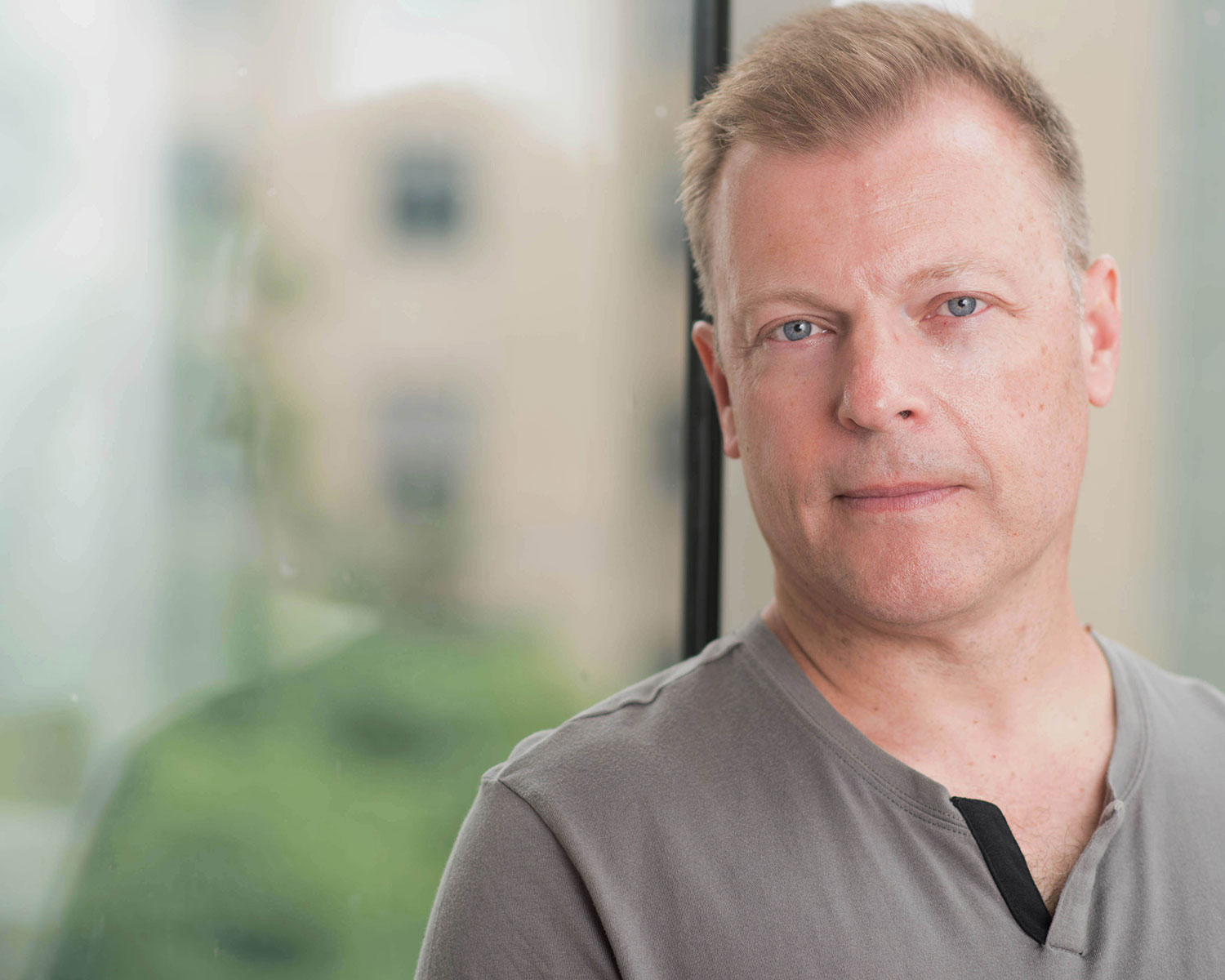
CU Prof. Jeffrey Nytch

Beacon is undoubtedly an effective concert opener, starting with bright sounds, transitioning into the mournful reflectiveness of somber emotions, and returning to the brightness of the Holiday season. My only question is whether it is too Boulder-centric to be widely performed, because it the kind of piece that on a musical basis alone should reach a wider audience.

The opening captures our cultural perceptions of the Holiday season so well that I expected to look up and see images of snowy but brightly-lit streets filled with revelers carrying home their Christmas packages. After a sparkly (Nytch’s word), high-pitched introduction, lyrical horns are accompanied by fluttery woodwinds, followed by soaring strings. 

For the central section, Nytch recalls CU cello student Louis Saxton, who played at the makeshift memorial outside of King Soopers in the days following the shooting. The familiar opening of Bach’s Suite No. 1 for solo cello, one of the pieces that Saxton played, was freely adapted to the orchestral setting. Played by the Phil’s principal cellist Charles Lee, it had an eloquent flexibility. The score quickly returns to a Holiday mood with bright statements in the brass and more sparkly timbres. 

This new score was played with evident care and commitment by the orchestra. It was actually Nytch’s second world premiere in two days, since he adapted parts of Beacon for brass quintet as a “Boulder Star Fanfare” that was played Saturday at the official lighting ceremony on the roof of the Boulder Museum. An effective occasional piece, this should become an annual part of the lighting ceremony.

The performance of Scofano’s La Tierra sin mal (The land without evil) featured Scofano on bandoneon—a concertina associated with the tango music of Argentina—and a performance by Boulder’s 3rd Law Dance/Theatre. The score convey’s Scofano’s image of an idyllic paradise, a world that has no pain. As such it is a more than pleasurable journey that features insistent Latin rhythms as well as moments of peacefulness that seem to come from another world, one exotic to our north American ears.

In a convincing and impactful performance, Butterman and the Phil conveyed well the imagery of the score. The bandoneon part, expressively played by Scofano, is generally part of the orchestral texture, so I cannot judge him as a soloist. Likewise, I am in no sense a dance critic; I will only note that the dancers, limited to the front of the stage, made creative use of their narrow space. To my eye, the choreography responded meaningfully to the music without slavishly following the score, gesture by gesture.

Butterman gave a cogent music-appreciation introduction to Brahms’s First, pointing out its connection to Beethoven, especially the latter’s “Ode to Joy,” while describing the mood and affect of each movement in turn. Although abbreviated, it was an almost Bernstein-like presentation. In performance, Butterman emphasized the turn from a dramatic, tense C minor in the opening movement, to a jubilant C major at the end.

The sound throughout the symphony was a little hazy where it needed to be decisive, but in Macky Auditorium it’s difficult to know if that is the orchestra or the unreliable acoustic. If there were no audience, I would wandered about and see if I could find a better spot to listen; the front balcony is often better than anywhere on the main floor.

That said, individual solos in the winds—clarinet, flute, oboe—were all outstanding. The individual players of the Phil are exceptional and always worthy of careful listening. I found the slow movement the least successful, carefully executed but too blurry to take flight. The third movement Intermezzo, “poco allegretto e grazioso,” was the most rewarding movement, gently moving with a nice flow and, again, good woodwind playing. 

The lack of clarity was most problematic in the finale, which never took fire or landed with the impact it can have at its best. Again, I attribute that in part to the hall, which often deadens warmth and suppresses richness of sound. I have been told that the Phil generally sounds better in other halls. I look forward to an opportunity to test that report.

Boulder Phil celebrates “Visions of a Brighter Tomorrow”

Subjects of Sunday’s concert range from the Boulder star to Guaraní mythology

By Peter Alexander Nov. 9 at 3:15 p.m.

Michael Butterman heard a musical vision of a land without evil and immediately wanted to perform the piece in Boulder.

The conductor of the Boulder Philharmonic was listening to the NPR program “Performance Today” on the radio and heard La Tierra sin Mal (The land without evil) by Argentine composer and bandoneon player Richard Scofano. “I heard the last five minutes or so, which has harp and bandoneon (a concertina popular in Argentina) and sustained strings, and it’s just so beautiful,” he says. “Almost paradise-like music.”

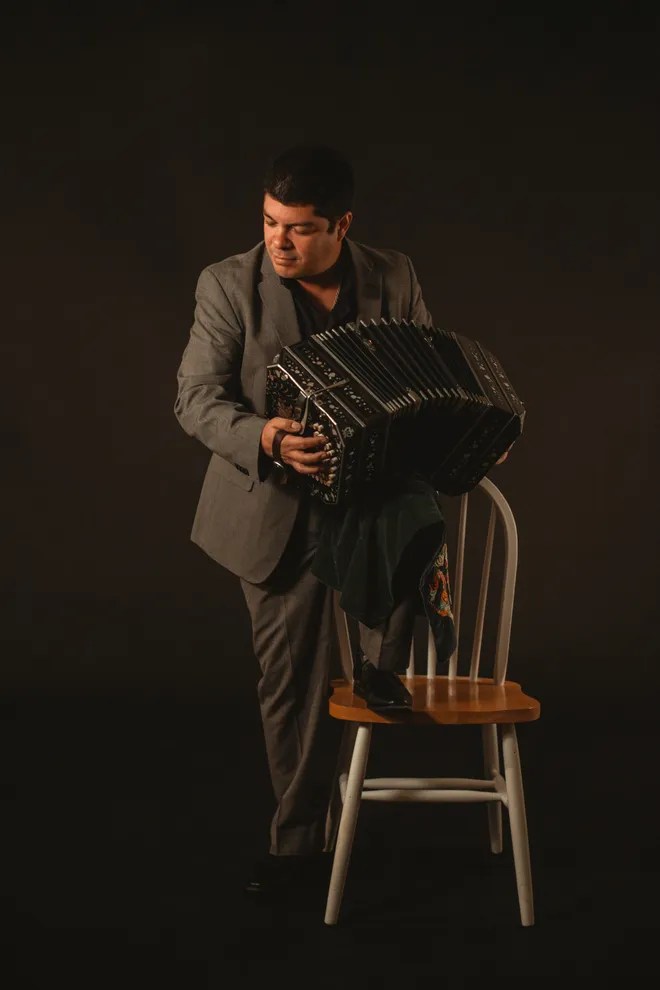
Richard Scofano with bandoneon

Scofano’s piece was the starting point for a program titled “Visions of a Brighter Tomorrow” that the Phil will perform Sunday (7 p.m. in Macky Auditorium). Scofano will perform as the bandoneon soloist for his piece, which will feature dancers from Boulder’s 3rd Law Dance Company. The program also includes the world premiere of Beacon, a new piece by CU professor Jeffrey Nytch that celebrates the 75th anniversary of the Boulder Star; and Brahms’s First Symphony.

“I love the way that Scofano integrated the bandoneon with the rest of the orchestra,” Butterman says. “It’s a featured instrument, but I would not call it a concerto. He uses the bandoneon as just another color, part of the orchestral texture.”

The idea of the piece came from a myth of the Guaraní people, an indigenous group from Paraguay and Argentina. According to their mythology, they are searching for a place revealed by their ancestors where people live without suffering, what they call “the land without evil.” 

“I wondered whether there was a narrative arc to this piece,” Butterman says. “I could imagine a filmmaker being inspired to create something visual to go with it. So I approached 3rd Law, one of the wonderful dance companies we have in Boulder, and (asked) if they might be interested in setting choreography to this work.

“I don’t know what approach they are taking, and I don’t think (Scofano) knows either, but he was game to allow us to do it. (La Tierra sin Mal) would be a lovely piece as music, but I’m intrigued by the possibility that dance will bring to the work as well.”

Butterman was looking for a piece to go with the Scofano on the first half of the program when Nytch approached him with an idea. Nytch learned that this year is the 75th anniversary of the Boulder Star that is lit during the Holidays and wanted to write a piece to celebrate the occasion. 

Jeffrey Nytch

“They normally light (the star) right around Veterans Day, which is almost exactly when we will perform this concert,” Butterman explains. “I know the star very well from my years in Boulder, and it’s always a heart-filling sight. Since it’s our mission as an orchestra to reflect our community, it just seems an absolutely appropriate idea.”

Nytch was inspired to write Beacon when he attended the lighting ceremony for the star a year ago. “There are those rare occasions where you get a spark of an idea, and you immediately know what it should be,” he says. “Before I got home that night I knew I wanted to write an orchestra piece and call it Beacon. I was already hearing musical ideas. It was incredible how quickly this just locked into place.”

Especially inspiring to Nytch was the fact that the Star has been displayed at times of community tragedies, including the Marshall Fire and the King Soopers shooting, as well as the Holidays. “That was a really powerful idea, that there’s this beacon that shines over the city during good times and bad times,” he says.

As director of the Entrepreneurship Center for Music at CU, Nytch knew how to move forward. He worked with the Boulder Chamber of Commerce, who are responsible for the star, and put together funding for the composition and the performance. “We have 10 individual donors, coordinating through the Chamber, and Premiere Members Credit Union stepped in to help with the production costs,” he explains.

With the funding in place, he went to Butterman and the Phil. Nytch had written other successful pieces for the orchestra, and since Beacon was already paid for, and especially because it fit the date and the program so well, they were delighted to present the premiere.

Both Butterman and Nytch describe the opening of the piece as “sparkly,” portraying the brightness of the star in the Holiday season. Nytch says he thought, “O my gosh, I’m using every high, sparkly instrument there is—piano and harp and glockenspiel and piccolo!”

Cellist Louis Saxton playing at the memorial for the King Soopers shooting victims. Photo by Hart Van Denburg/CPR News

To contrast with the brightness of the opening fanfare, he wanted to write something that reflected the more sombre moments when the star has been lit. He remembered the cello student at CU, Louis Saxton, who had just left the King Soopers store before the shooting there, and later brought his cello to the makeshift memorial outside the store and played Bach cello suites. 

“I couldn’t get that image out of my head,” Nytch says. “That idea of meeting horrific violence with beauty is the turning point, where we go from this dark place back into this place of light and hope. And so there is a quote of the Bach Cello Suite. It’s a little snippet that drifts in and then the music turns the corner and begins to build back up again.”

Later Nytch realized that the sparkly fanfare unintentionally shared the bass line and musical gestures with the Bach. “When I realized that my brain just exploded,” Nytch says. “That’s when you know that something is right.”

To complete the program, Butterman chose the First Symphony of Brahms. It seemed to fit the occasion, he thought, because the final movement has a theme that famously resembles the theme to Beethoven’s jubilant “Ode to Joy.” The Symphony progresses from C minor to C major, ending with “a very uplifting and positive feeling,” Butterman says. “It has an epic quality that seems appropriate when one is contemplating the idea of utopia.”

Nytch agrees completely. “When I saw the rest of the program, I thought, this really is perfect, because I adore that symphony,” he says. “It’s my favorite of the four Brahms symphonies. It has moments of struggle and reflection but the end is just so gloriously hopeful. 

“It just lifts you up.”

# # # # #

“Vision of a Brighter Tomorrow”
Boulder Philharmonic Orchestra, Michael Butterman, conductor
With Richard Scofano, bandoneon, and 3rd Law Dance/Theater

  • Jeffrey Nytch: Beacon (world premiere)
  • Richard Scofano: La Tierra sin Mal (The land without evil)
  • Brahms: Symphony No. 1 in C major

7 p.m. Sunday, Nov. 12
Macky Auditorium

TICKETS

GRACE NOTES: Opera Colorado, Takács Quartet

Don Giovanni in Denver, Haydn and Bartók in Grusin

By Peter Alexander Nov. 2 at 12:15 a.m.

Opera Colorado opens their 2023-24 season of three operas Saturday night with Mozart’s dark comedy Don Giovanni. The performance will be the first of four in the Ellie Caulkins Opera House in downtown Denver (dates and ticket information below).

The second of three operas Mozart created together with the librettist Lorenzo Da Ponte, Don Giovanni was premiered in Prague in 1787. Together with his other two Da Ponte operas—Marriage of Figaro (1786) and Così fan tutte (1790)—it is considered one of Mozart’s greatest works.

Subtitled “The Rake Punished,” Don Giovanni is based on the Spanish legend of the libertine Don Juan. In the course of the opera, Don Giovanni attempts a number of largely unsuccessful seductions of a noble woman (Donna Anna), a peasant girl (Zerlina)  and a maid, while rejecting the one woman who is pursuing him out of a hopeless infatuation (Donna Elvira), while his servant (Leporello) is forced to act as an accomplice. 

The opera follows the misadventures of Giovanni and Leporello in, and in the countryside outside of, Seville. Musical highlights include Leporello’s aria listing all of Giovanni’s conquests (“Catalogue” aria) and Giovanni’s “Champagne” aria. At the end, an older man that Giovanni had killed at the outset of the opera (the Commendatore, father of Donna Anna), enters in the form of his graveyard statue and demands that Giovanni repent his sins. Giovanni refuses, and the Commendatore drags Giovanni down to Hell. All of the characters join together in relief to sing the opera’s moral, “Such is the end of the evildoer.”

Ellie Caulkins Opera House in the Denver Performing Arts Complex

During his lifetime Mozart was extremely popular in Prague, and the opera was a massive success. In fact, Mozart parodies his own popularity by having an onstage band that is entertaining Giovanni at dinner play the aria “Non più andrai” from The Marriage of Figaro. As soon as the tune begins, Leporello comments, “I know that all too well!”

One fascinating footnote to the opera’s story is that Da Ponte knew well the only person who rivals Don Juan in the popular imagination as a womanizer, either in real life or legend: Giacomo Casanova. A manuscript in Casanova’s handwriting was found several years ago that includes part of the text of Don Giovanni, leading to the suggestion that Casanova might have written a few verses of the libretto.

In addition to Don Giovanni, the Opera Colorado season offers productions of The Flying Dutchman by Richard Wagner (Feb 24 and 27, March 1 and 3, 2024) and Samson and Delilah by Camille Saint-Saëns (May 4, 7, 10 and 12). Details are available on the Opera Colorado Web page.

# # # # #

Opera Colorado
Ari Pelto, conductor, and David Lefkowich, stage director

  • W.A. Mozart and Lorenzo Da Ponte: Don Giovanni

7:30 p.m. Saturday, Nov. 4, Tuesday, Nov. 7, and Friday, Nov. 10
2:30 p.m. Sunday, Nov. 12
Ellie Caulkins Opera House, 14th St. at Curtis St., Denver

TICKETS

# # # # #

CU’s Takács Quartet will play music of Bartók and and Haydn on their second campus concert of the season. Performances will be in Grusin Hall at 4 p.m. Sunday and 7:30 p.m. Monday (Nov. 5 and 6).

The current season will see the Takács playing five of the six quartets by Bartók. They played the Fifth Quartet earlier this fall, and will play quartets nos. 2 and 3 in early 2024. Bartók is a composer closely associated with the Takács Quartet, as the quartet was originally an all-Hungarian group, founded in 1975 by students at the Franz Liszt Academy in Budapest.

Only one of the original four members remains in the group—cellist András Fejér—but they have maintained a strong connection to the group’s Hungarian origin. Their 1998 recording of the Bartók quartets has earned strong critical praise. Blair Sanderson described it as “one of the truly great sets of Bartók’s monumental String Quartets,” while Gramophone magazine wrote that the set “communicates Bartok’s all-embracing humanity.”

Takács Quartet. Photo by Ian Malkin.

Quartets 1 and 4 were composed 19 years apart and so come from different times in the composer’s life. The First Quartet was written in 1909, when the composer was still in his twenties, and was partly inspired by an unrequited love affair. In style it looks back to the Romantic era more than forward, and lacks the aggressive new playing techniques prominently featured in the later quartets.

The Fourth Quartet from 1928 comes from the period between the world wars, and is more clearly influenced by Bartók’s study of Hungarian folk music. Its five movements are laid out in a symmetrical, or “arch,” arrangement, a formal pattern that Bartók employed in several works.  The central, slow movement is an example of the composer’s spooky “night music” style. The second and fourth movements are fast scherzo-like movements, the second with mutes the fourth pizzicato. The first and fifth, both marked allegro, are joined by a theme that occurs in both.

Haydn’s C-major String Quartet Op. 20 No. 2, is part of a set of six that Haydn wrote to entertain his patron, Prince Nikolaus Esterhazy, in 1772. The second quartet of the set is one of three from Op. 20 that end with a fugue, which may be interpreted as a return to Baroque-era techniques and seriousness, in contrast to the buoyant, cheerful manner of the fashionable mid-century Rococo style. Op. 20 is considered one of the milestones in the development of the string quartet, raising it to the level of serious concert music.

# # # # #

Takács Quartet

  • Bartók: String Quartet No. 1
  • Joseph Haydn: String Quartet in C major, op. 20 no. 2
  • Bartók: String Quartet No. 4

4 p.m. Sunday. Nov. 5
7:30 p.m. Monday, Nov. 6
Grusin Hall, Immig Music Building

In-person and streaming tickets HERE.  

GRACE NOTES: Chamber music, orchestras, operas and chorus, all in one weekend

Piano Quartet returns with guest violinist, Pro Musica plays world premiere

By Peter Alexander Oct. 26 at 6:35 p.m.

The Boulder Piano Quartet, one of Boulder’s most creative musical groups, has been silent since the untimely death of violinist Chas Wetherbee last year. 

For the coming season, they will have four concerts with four different guest violinists who are at least informally auditioning to take the quartet’s empty seat. The first program—Friday night at the Academy in Boulder (7 p.m. Oct. 27, 970 Aurora Ave., Boulder)—will feature violinist Hilary Castle Green, who teaches strings at the Shining Mountain Waldorf School in Boulder. 

Green maintains a private virtual teaching studio based in New York and is also a faculty member at Bow and Heart, a program dedicated to providing ensemble opportunities to string students in New York City. She has performed extensively on the east coast, including appearances at Carnegie Hall, Lincoln Center’s Avery Fisher and Alice Tully halls, and Bargemusic.

Friday’s program offers two works: the Piano Quartet in A major by Brahms, and the “Spanish” Quartet for piano and strings by Louise Héritte-Viardot.  The granddaughter of renowned tenor and singing instructor Manuel Garcia and the niece of soprano Maria Malibran, Héritte-Viardot came from a renowned musical family. She was a composer, largely of chamber music, as well as singer, pianist and conductor.

Remaining concerts by the quartet during the 2023–24 concert season will be Dec. 15 with violinist Jubal Fulks from the University of Northern Colorado; Jan. 19; and May 3, all at the Academy. Performances at the Academy are free with prior registration. You may register for Friday’s concert HERE.

# # # # #

Boulder Piano Quartet
Hilary Castle Green guest violinist; Matthew Dane, viola; Thomas Heinrich, cello; and David Korevaar, piano

  • Louise Héritte-Viardot: Quartet No. 2 in D major for piano and strings (“Spanish Quartet)
  • Brahms: Quartet in A major for piano and strings

7 pm. Friday, Oct. 27
The Academy, Boulder

Free with reservation, available HERE 

# # # # #

The Boulder Symphony will present its first “Curiosity Concert” of the season Saturday (3 p.m. Oct. 28) at the group’s home base, Grace Commons Church at 1820 15th St. in Boulder. Devin Patrick Hughes will conduct the program that ranges from Mozart to Bille Eilish. 

The orchestra’s “Curiosity Concerts” are family-oriented programs designed to provide an introduction to music for young listeners. The Boulder Symphony offers a “Curiosity Concert” in the fall, and another in the spring, the latter scheduled for 3 p.m. Saturday, March 23, 2024.

Titled “Perfectly Imperfect,” Saturday’s performance is a program of the classical music education producer Extra Crispy Creatives. With music ranging from Mozart to Billie Eilish, “Perfectly Imperfect” explores “what makes Earth’s music the best in the galaxy.” The performance with full orchestra and an alien named “Blip” will last approximately 45 minutes.

# # # # #

Fall Curiosity Concert: “Perfectly Imperfect”
Boulder Symphony, Devin Patrick Hughes, conductor
Production of Extra Crispy Creatives

Program includes original music and arrangements from:

  • Sia: “Cheap Thrills”
  • Mozart: Symphony No. 40 in G minor
  • Rossini: Overture to William Tell
  • Richard Strauss: Also sprach Zarathustra
  • Billie Eilish: “Bad Guy”

3 p.m. Saturday, Oct. 28
Grace Commons Church, 1820 15th St., Boulder

TICKETS

# # # # #

Boulder Chorale will explore the music of the Nordic countries in their season-opening “Nordic Lights” concert, at 4 p.m. Saturday and Sunday (Oct. 28 and 29 at First United Methodist Church). Under the direction of Vicki Burrichter, the concert will feature Ola Gjeilo’s Sunrise Mass and other choral works from Nordic countries.

The music of Scandinavia stands somewhat apart from the mainstream of classical concert music. While the names of Edvard Grieg, Jan Sibelius and Carl Nielsen are known, there are many younger composers writing music today, particularly choral music, who are not well known outside of their home countries. 

One of those successful young Scandinavian composers, Gjeilo grew up and first studied music in Norway. Later a graduate of both the Royal College of Music in London and the Juilliard School in New York, he currently lives in Manhattan, where he works as a freelance composer.

His Sunrise Mass is in four movements that evoke aspects of the rising sun rather than movements of the traditional mass. The movements are titled “The Spheres,” “Sunrise,” “The City” and “Identity.”

# # # # #

“Nordic Lights”
Bouder Chorale, Vicki Burrichter, conductor

  • Ola Gjeilo: Sunrise Mass
  • Other choral works from Nordic traditions

4 p.m. Saturday, Oct. 28, and Sunday, Oct. 29
First United Methodist Church, 1421 Spruce St., Boulder

TICKETS

# # # # #

Boulder Opera will present one of the best known and most popular of operas from the 18th, or any, century Saturday and Sunday (7 p.m. Oct. 28 and 3 p.m. Oct. 29) at the Dairy Arts Center: Mozart’s Magic Flute.

First performed in 1791, the last year of Mozart’s life, The Magic Flute is based on Masonic ideals and symbolism. It features Tamino, a young prince who gets caught up in a conflict between the Queen of the Night and Sarastro, respectively representing evil and wisdom. Tamino is initiated into Sarastro’s temple in a scene that reflects traditional Masonic initiation rites. In the end, he is paired with Pamina, the daughter of the Queen of the Night who rejects her mother in order to embrace Sarastro’s wisdom.

Other characters in the opera include Tamino’s sidekick Papageno, a simple but good-hearted birdcatcher; his mate-to-be Papagena; the malicious slave Monostatos; a trio of ladies who serve the Queen of the Night; and a trio of young boys who represent goodness and innocence.

In spite of the serious aspects of the plot, The Magic Flute is broadly comic, especially the role of Papageno. The libretto was written by Emanuel Schikaneder, a multi-talented comic actor, singer and impresario who was Mozart’s Masonic brother in a lodge in Vienna, and who played the role of Papageno in the original production at Vienna’s Theater an der Wien.

Boulder Opera will present The Magic Flute in a family-friendly production that will feature an orchestra on stage in the Dairy Arts Center’s Gordon Gamm Theater. It will be sung in the original German with English titles. The performance will be conducted by Steven Aguiló-Arbues. The stage director is Madeleine Snow.

# # # # #

Boulder Opera
Steven Aguiló-Arbues, conductor
Madeleine Snow, stage director

  • W.A. Mozart: The Magic Flute

7 p.m. Saturday, Oct. 28
3 p.m.Sunday, Oct. 29
Gordon Gamm Theater, Dairy Arts Center

TICKETS

# # # # #

Conductor Cynthia Katsarelis is back in Colorado, visiting from her position as professor of conducting at Notre Dame University in South Bend, Ind., to lead the Colorado Pro Musical Chamber Orchestra (CPM)in their opening concert of the 2023-24 season.

Titled “Passione!” the program includes a symphony by Haydn with that nickname, as well as the world premiere of a new piece by CU composition student Jessie Lausé and Mozart’s “Turkish” Violin Concerto played but the CPM’s concertmaster, Stacy Lesartre.

Lausé’s Stretch in Periphery was the winner of the most recent CU-PMC composition competition, a contest started by the PMC which every year premieres a work that is selected by Katsarelis and the CU composition faculty from among submissions by their students. The winner receives a performance by PMC and an award of $1000.

PMC’s program notes explain that Lausé’s score “uses color, improvisatory devices, and traditional harmonies that ‘push out’ into spicy dissonances, to tell a story of the last four years, both autobiographically and in our common life here in the US. It is dedicated to ‘anyone who lives their lives in the margins’.”

Haydn’s Symphony No. 49 is one of a group of symphonies written in the 1760s that have been associated with a literary movement known as Sturm und Drang (“storm and stress“). The works associated with that title are generally in a minor key with a lot of  forceful rhythmic activity creating an anxious—or “stormy”—mood. 

Mozart’s Violin Concerto No. 5 has the nickname “Turkish” from a march section that interrupts the minuet finale. The march uses cymbals and other percussion instruments that give it a quality that was conventionally known as alla turca (in a Turkish style) in the late 18th century. The style was popular in operas of the time and was used to evoke the music of the Middle Eastern countries as an exotic element.

In addition to her role with PMC, Lesartre is concertmaster of the Cheyenne Symphony and has played with the Houston and the Colorado symphonies. She is also a member of the Amber Quartet and teaches private violin students and chamber music in Colorado.

Because of her recent appointment out of state, Katsarelis has announced that she will leave PMC at the end of this program year. She will return to Colorado for all three planned concerts, including Handel’s Messiah Dec. 2 (7:30 p.m., Mountain View Methodist) and a concert featuring guitarist Nicoló Spera April 6 (7:30 p.m., Mountain View Methodist).

# # # # #

“Passione!”
Pro Musica Colorado ChamberOrchestra
Cynthia Katsarelis, conductor, with Stacy Lesartre, violin

  • Jessie Lausé: Stretch in Periphery (world premiere)
  • W.A. Mozart: Violin Concerto No. 5 in A major, K219 (“Turkish”)
  • Joseph Haydn: Symphony No 49 n F minor (“Passione”)

7:30 p.m. Saturday, Oct. 18
Mountain View Methodist Church, 355 Ponca Place, Boulder

TICKETS