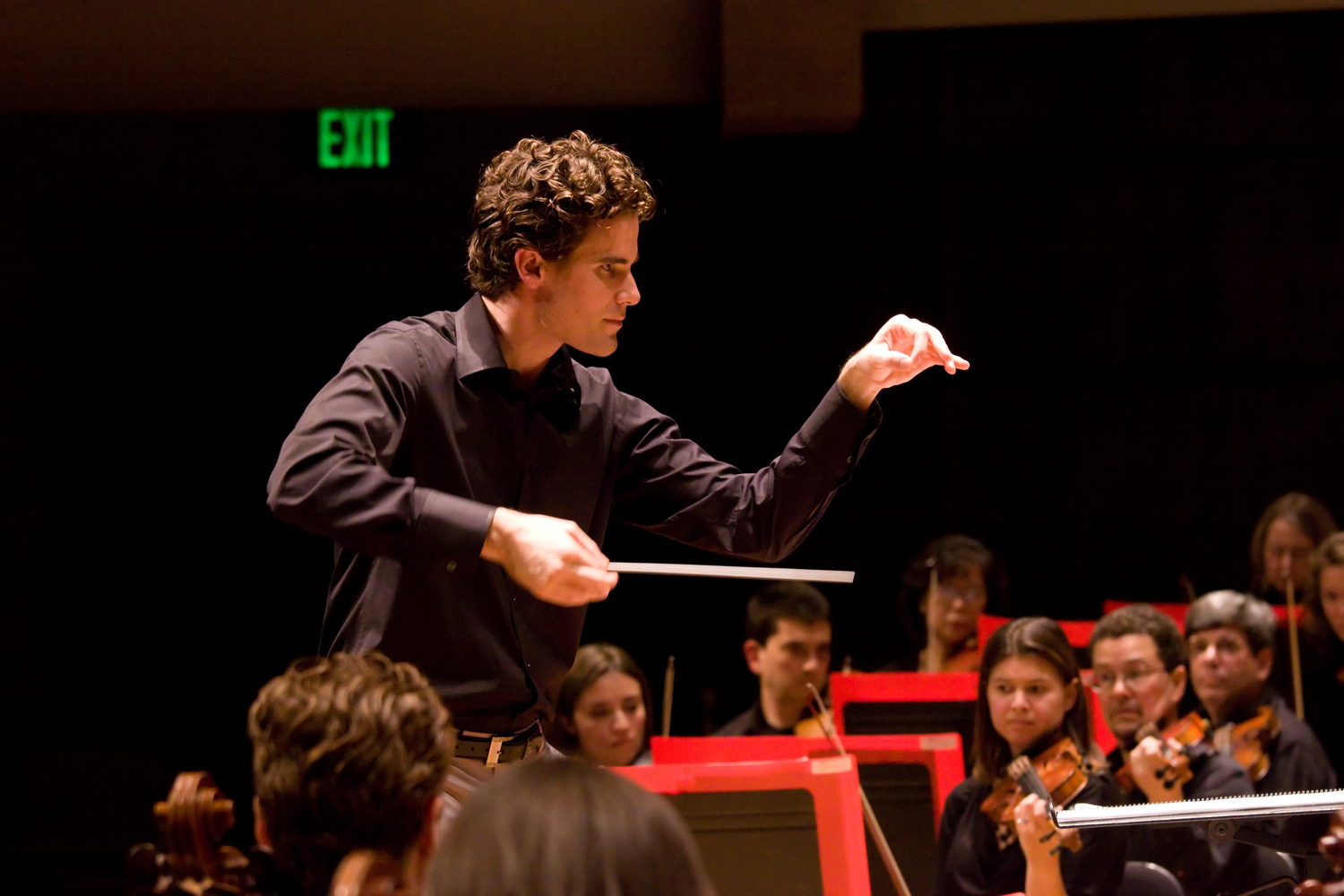
Barking pirates, Barbies and a parasol

Gilbert and Sullivan’s Pirates of Penzance opens at CU

By Peter Alexander

Paul Kroeger as Frederic and Frank Fainer as the Pirate King in the CU production of 'Pirates of Penzance' (Photo by Glenn Asakawa/University of Colorado)

Paul Kroeger as Frederic and Frank Fainer as the Pirate King in the CU production of ‘Pirates of Penzance’
(Photo by Glenn Asakawa/University of Colorado)

Watch for the Barbie dolls.

They will be part of the fun when the University of Colorado Opera Theater, with two full casts of students and the CU orchestra in the pit, presents Gilbert and Sullivan’s Pirates of Penzance.

Not that the production will be a post-modern reinterpretation of the classic British musical comedy.

“The pirates will be pirates,” stage director and CU director of opera Leigh Holman says. “No Martians. Nothing on the moon. It’s straightforward and very colorful.”

General Stanley, one of the central comic characters, will definitely be a general, although British humor being what it is, he will be, Holman says, “a general with a parasol.”

The pirates will even have a ship. “Pirates of Penzance is not usually done on a ship,” she explains. “But I told the [set] designer [Peter Dean Beck] I want those guys to be on a ship, so we’ve got ropes hanging and they can swing from the ropes.”

Read more in Boulder Weekly—including Malibu Barbie!

# # #

Rex Smith as Frederic, Linda Ronstadt as Mabel, and Kevin Kline as the Pirate King in a famous 1980 production of 'Pirates of Penzance' that was a favorite of CU Opera director Leigh Holman.

Rex Smith as Frederic, Linda Ronstadt as Mabel, and Kevin Kline as the Pirate King in a famous 1980 production of ‘Pirates of Penzance’ that was a favorite of CU Opera director Leigh Holman.

Pirates of Penzance
CU Opera Theater
Leigh Holman, stage director
Nicholas Carthy, music director
Peter Dean Beck, deisgner

7:30 p.m. Friday and Saturday, Oct. 24 and 25
2 p.m. Sunday, Oct. 26
CU Macky Auditorium

Get tickets to the CU Opera production of Pirates of Penzance here.

Pro Musica Colorado opens season with beautiful music but no theme

By Peter Alexander

Cynthia Katsarelis. Photo by Glenn Ross.

Cynthia Katsarelis. Photo by Glenn Ross.

Pro Musica Colorado, the professional chamber orchestra directed by Cynthia Katsarelis, has told us “Stories” and taken us on “Journeys” in their past seasons. But there is no theme for 2014–15.

“Sometimes in classical music, when you’re putting together beautiful programs, the pieces are perfect together, but you can’t come up with a great theme,” Katsarelis explains.

That particularly seems true of the first concert of Pro Musica’s season, which will be performed Friday in Denver and Saturday in Boulder (7:30 p.m. both nights; season information). The program comprises three pieces with no evident connection among them: Sibelius’ tone poemRakastava for strings and percussion, Samuel Barber’s deeply moving setting of James Agee’s prose poem Knoxville: Summer of 1915 for soprano and chamber orchestra, and Mozart’s Symphony No. 39.

Read more in Boulder Weekly.

# # #

Pro Musica Colorado Chamber Orchestra

Amanda Balastrieri, soprano soloist in "Knoxville: Summer of 1915"

Amanda Balastrieri, soprano soloist in “Knoxville: Summer of 1915”

Cynthia Katsarelis, Music Director
With Amanda Balastrieri, soprano

Jean Sibelius: Rakastava
Samuel Barber: Knoxville: Summer of 1915
Mozart: Symphony No. 39

7:30 p.m. Friday Oct. 17, Montview Presbyterian, Denver
7:30 p.m. Saturday, Oct. 18, First United Methodist, Boulder

Season details and tickets

Festival Looks Back to Bach while Rushing Confidently into the Future

By Peter Alexander

J.S. Bach

J.S. Bach

Johann Sebastian Bach died more than 250 year ago, but the Boulder Bach Festival is clearly not stuck in the past.

Zachary Carrettin

Zachary Carrettin

Under music director Zachary Carrettin, the festival, which launches its 34th season this week, will regard Bach from a multitude of perspectives, old and new. The festival will continue to feature the great sacred monuments of Bach’s career, but also his secular music, his many instrumental works, and even some wild virtuoso showpieces, as well as music by a diverse array of other composers. This year his music will be paired with contemporaries, and with 19th-century Impressionist and post-Impressionist composers; it will be performed on historical Baroque instruments, on electric violin, and on a 19th-century piano.

“These are all tools, they are all brushes that we use as we paint music,” Carrettin says. “I hope that the Bach festival will continue to present this music in a variety of guises and from a variety of perspectives.”

The opening concerts—Thursday at St. John’s Episcopal in Boulder, Friday at St. John’s Cathedral in Denver and Saturday in First Lutheran in Longmont, all at 7:30—will be performed by Aeris, a trio comprising Carrettin on violin with cellist William Skeen and harpsichordist Avi Stein.

AERIS.115

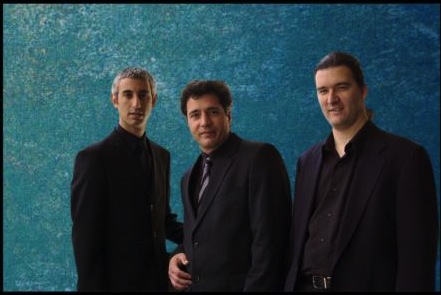
Aeris: Avi Stein, Zachary Carrettin, William Skeen

Using gut strings, Baroque bows and historically accurate instruments, Aeris focuses on the extensive and sometimes astonishing virtuoso violin repertoire of the 18th century. To launch the 2014-15 festival, they will perform a sonata by Bach, but also sonatas by Italian composers of the era, including Locatelli, Veracini, Stradella and Vivaldi.

“These are phenomenal characters in music,” Carrettin says. “Stradella was stabbed to death twice, the second time successfully, due to his marital infidelities. Veracini was such a virtuoso that the great Tartini went home to practice bowing technique after he heard Veracini, because he was so blown away. And Niccolo Matteis, was a great Italian who showed up with a backpack and no money in London around 1670.”

As outlandish as those Italians may sound, Carrettin believes that Bach belongs right in there with them, at least musically: “We pick music that explores the fantasia dreamscape, explores in a sense the out-of-body experience. And the Bach sonata that we chose for this program completely fits that description.

“It is stunning pyrotechnics of the violin, with an unrelenting sustained pedal, and finally when the whole thing just blows up, the aria movement is full of heart-wrenching suspensions and dissonances, and asymmetrical phrases. It’s really incredible, and it’s completely Italian in every sense of the word.”

A fascination with that kind of virtuoso music that pushes the limits is something that the members of Aeris have in common. “We came together some years ago and realized that when it comes to the 17th- and 18th-century Italian violin literature, we’re really on the same page,” Carrettin says.

“It’s as if we’ve known each other for several lifetimes at this point. Our improvisations are very intertwined and very exploratory, and I don’t think any one of us could do it without the other two members of the group. Without a doubt I play better and more imaginatively with them and because of them.”

# # #

Carrettin has recently moved from Texas, where he held a full-time university position, to live in Boulder. This gives him an opportunity to be more involved in the running of the festival and its educational efforts.

“It is such a spectacular place that I’m so thankful that I get to spend this time of my life in Boulder,” Carrettin says. “My being here allows me to observe what we’re already doing and to become more intimately familiar with this 34-year-old organization. And one of the great advantages for the organization is that now we can function more like chamber music.

“If you take a string quartet, they spend time together, they rehearse together, they have meals together. Well, now when I look at my relationship to the board and the executive director and artists from the front range, I get to out and have coffee and have conversations and dream and take notes about what other people are telling me. There’s so much more time for the chamber music of running an organization.”

One of Carrettin’s ventures will be an outreach to people who may not have taken an interest in the Bach Festival in previous years. “We now have a sub-series called Compass, which is away of presenting Bach in a non-traditional format, in different venues and maybe attracting some of the audiences that we don’t have yet.

Carrettin and electric violin.Photo by Michelle Maloy Dillon.

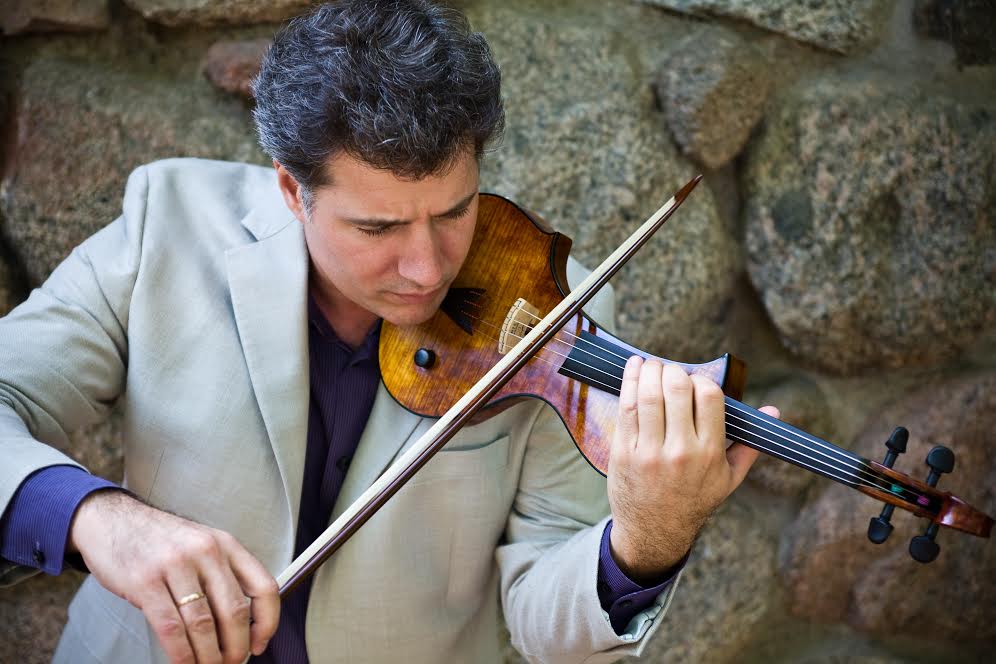
Carrettin and electric violin. Photo by Michelle Maloy Dillon.

“For example, I’m doing an all-electric violin performance of the Bach Cello Suites at the Diary Center for the Arts (7 p.m. Feb. 6, 2015), with amplified reverb. It’s an interesting way bringing archaic music into relevance for a younger generation in the 21st century that may not yet be familiar with Bach’s music language.”

In some ways, the second Compass concert will be even more radical. “Bach UnCaged” (7 p.m. March 17 and 28 at the Dairy) will feature music by Bach and by American 20th-century avant-garde composer John Cage performed on electric violin and keyboard, with 3rd Law Dance/Theater.

The most traditional program of the season, performances of Bach’s Mass in B minor (7:30 p.m. Feb. 27 at Montview Presbyterian Church in Denver and Feb. 28 at First United Methodist Church in Boulder), will bring back one of the mainstays of the festival’s history, and one of the great musical works of the European tradition, but they will also have a new twist of their own.

“The piece was never performed in its entirety in Bach’s lifetime, and aside from the structure of the Mass, there are some questions as far as the intention of how it was to be performed,” Carrettin explains. “I’ll surprise your audience by saying I’ve made some minor adjustments in the form and added in a couple of surprises that I hope will pull together a Mass into more of a concert experience.”

The last concert of the season (7:30 p.m. June 6, 2015, in Grusin Hall on the CU campus) will feature Carrettin with pianist Mina Gajić playing a program of Bach along with late 19th-century Impressionists and post-Impressionists. And this is the program that will bring in that 19th-century piano.
Mina Gajic

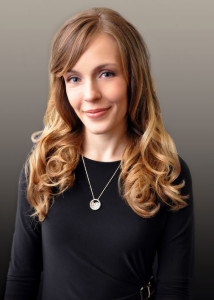
Pianist Mina Gajić

Gajić has a decade of experience with 19th-century pianos, and she fell in love with a 19th-century piano in Amsterdam,” Carrettin explains. “It would be the piano for playing Debussy or Ravel or even Bartók, but you know, it’s also the piano for playing Bach. It’s a spectacular instrument, and in the 21st century, I hope we’re starting to look at the notion of period instruments differently.”

As he settles into his residence in Boulder, meeting musicians from across Colorado and bringing in life-long friends from around the country, Carrettin is finding a sense of mission in his work for the Boulder Bach Festival.

“Combining front-range world-class artists with great musicians form other parts of the country is part of my own personal mission,” he says. “I think we all as musicians love meeting new people and seeing old friends, and that’s how we do it, that’s part of the reason we do this for a living, with all of its struggle.”

# # #

BOULDER BACH FESTIVAL
Zachary Carrettin, music director

AERIS: “Capriccio”
Season-opening chamber music concert
Zachary Carrettin, violin; William Skeen, cello; and Avi Stein, harpsichord
Sonatas by Locatelli, Veracini, Matteis, Stradella, Vivaldi and Bach
7:30 p.m. Thursday, Oct. 16, St. John’s Episcopal Church, Boulder
7:30 p.m. Friday, Oct. 17, St. John’s Cathedral, Denver
7:30 p.m. Saturday, Oct. 18, First Lutheran Church, Longmont

Electric Compass
7 p.m. Feb. 6, 2015
Dairy Center for the Arts, Boulder

J.S. Bach: Mass in B minor, “Dance of Life”
7:30 p.m. Feb. 27, 2015, Montview Presbyterian Church, Denver
7:30 p.m. Feb. 28, 2015, First United Methodist Church, Boulder

Bach UnCaged
With 3rd Law Dance/Theater
7 p.m. March 27 & 28, 2015
Dairy Center for the Arts, Boulder

Six Degrees of Separation
Zachary Carrettin, violin, and Mina Gajić, piano
7:30 p.m. June 6, 2015
Grusin Music Hall, Imig Music Building, CU Boulder

Tickets

Piano virtuosity, with and without the Boulder Chamber Orchestra

Spanish pianist Victoria Aja will be heard in two performances in Boulder

By Peter Alexander

Bahman Saless. Photo by Keith Bobo

Bahman Saless. Photo by Keith Bobo

When a soloist comes all the way across the Atlantic, Bahman Saless likes to give her a real opportunity to be a star.

That is certainly the case for Victoria Aja, a Spanish pianist who has played extensively in Europe but is not well known here. Aja will be the soloist with Saless and the Boulder Chamber Orchestra on their next concert, at 7:30 p.m. Friday, Oct. 3, in the First United Methodist Church in Boulder (program to be repeated at 7:30 p.m. Saturday in the Broomfield Auditorium; tickets). And a week later, she will play a solo recital, “A Night of Spanish Piano Masterpieces,” at 7:30 p.m. Friday, Oct. 10, in Grace Lutheran Church in Boulder (tickets).

“I really wanted to expose her to the Boulder audiences, in her own intimate setting, which is she does a lot of piano recitals,” Saless says. “I decided, she’s come all the way from (Spain) to here, we will basically host her the entire week, and have her do another recital program of just Spanish music.”

Pianist Victoria Aja

Pianist Victoria Aja

For the orchestra program, Aja will play two large pieces, virtual concertos, with the BCO: a chamber orchestra version of Manuel de Falla’s atmospheric piano showpiece Nights in the Gardens of Spain; and French composer Cesar Franck’s more serious work Symphonic Variations for piano and orchestra.

The orchestra will also play two works that complete the Spanish/French pairing: de Falla’s “Ritual Fire Dance” from El Amor Brujo and the early Symphony in C major by Georges Bizet.

The solo recital program of Spanish music, to be played without intermission, will include the complete Suite from El Amor Brujo, arranged for piano, as well as other works by de Falla, Isaac Albeniz, Joaquin Larregla, and two of the Fifteen Basque Preludes by Padre Jose Antonio Donostia.

Aja comes from the Basque region of Spain, near the border with France. A Basque musicologist and composer, Donostia based his Basque Preludes on the traditional music of the region.

Saless learned of Aja when she wrote to him a few years ago, including a resume and several DVD recordings of her solo recitals. “I had been wanting to do a Spanish program for quite a while, and I thought she would probably be a good fit,” Saless says.

“She is really from the more gypsy end of Spanish pianists—very sort of hot blooded, you know, rubatos, a crazy pianist. She specializes in de Falla, so I thought, let’s bring her in, we’ll do something cool and crazy.”

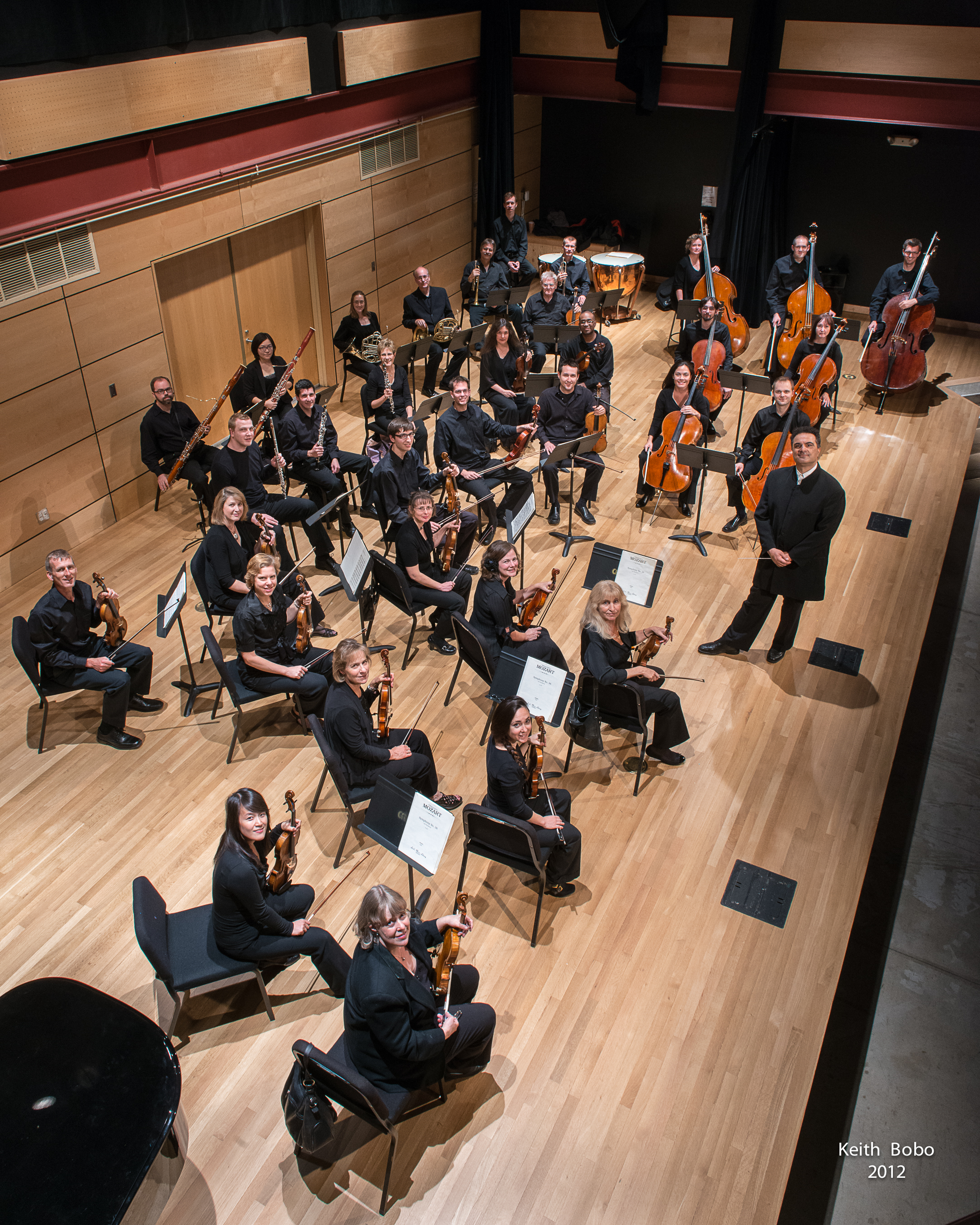
Boulder Chamber Orchestra. Photo by Keith Bobo.

Boulder Chamber Orchestra. Photo by Keith Bobo.

Friday and Saturday’s orchestra program, Oct. 3 and 4, is titled “Glamour,” but not for the exotic European piano virtuoso. “No,” Saless says, “really the glamour comes from the French-Spanish (culture) of that era, when the music was written. It’s very chic.

“It’s an amazing, exquisite program. It’s really very luscious. Sandwiched by the “Fire Dance” at the beginning and the Bizet Symphony at the end, it’s a really fun and jolly concert. In between, the de Falla pieces are so exotic and I think people are not used to hearing so much color. Color is everywhere with de Falla, and with that sense it’s a really unusual concert for us because you don’t do much color with a chamber orchestra.”

But Saless believes that the Oct. 10 solo recital will be Aja’s “signature event.”

“She is much more of a recital pianist than an orchestra pianist,” he explains. “I think that concert is really going to be fun, filled with music that you just will not hear here in the US. It will showcase her very stylistic, gypsy sort of piano.

“She’s extremely musical— she cannot not be musical!”

# # # # #

“Glamour”

Boulder Chamber Orchestra
Bahman Saless, conductor, with Victoria Aja, piano
“Ritual Fire Dance” from El Amor Brujo by Manuel de Falla
Nights in the Gardens of Spain by Manuel de Falla
Symphonic Variations for piano and orchestra by Cesar Franck
Symphony in C major by Georges Bizet

7:30 p.m. Friday, Oct. 3, First United Methodist Church, Boulder
7:30 p.m. Saturday, Oct. 4, Broomfield Auditorium

Tickets

“A Night of Spanish Piano Masterpieces”

Victoria Aja, piano
Presented by the Boulder Chamber Orchestra
7:30 p.m. Friday, Oct. 10
Grace Lutheran Church, Boulder

Tickets
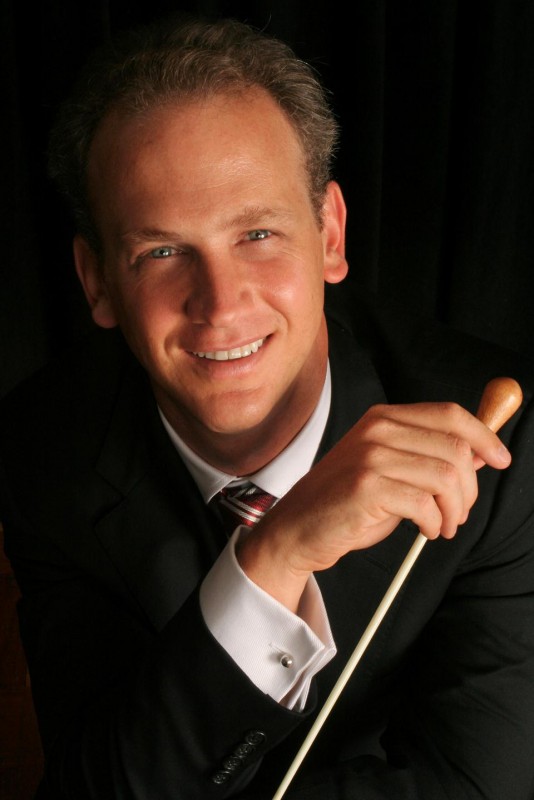
Boulder’s Barsamian joins Kronos Quartet for Oct. 8 concert at Macky

Concert will feature music commemorating the 1914 outbreak of World War I

By Peter Alexander

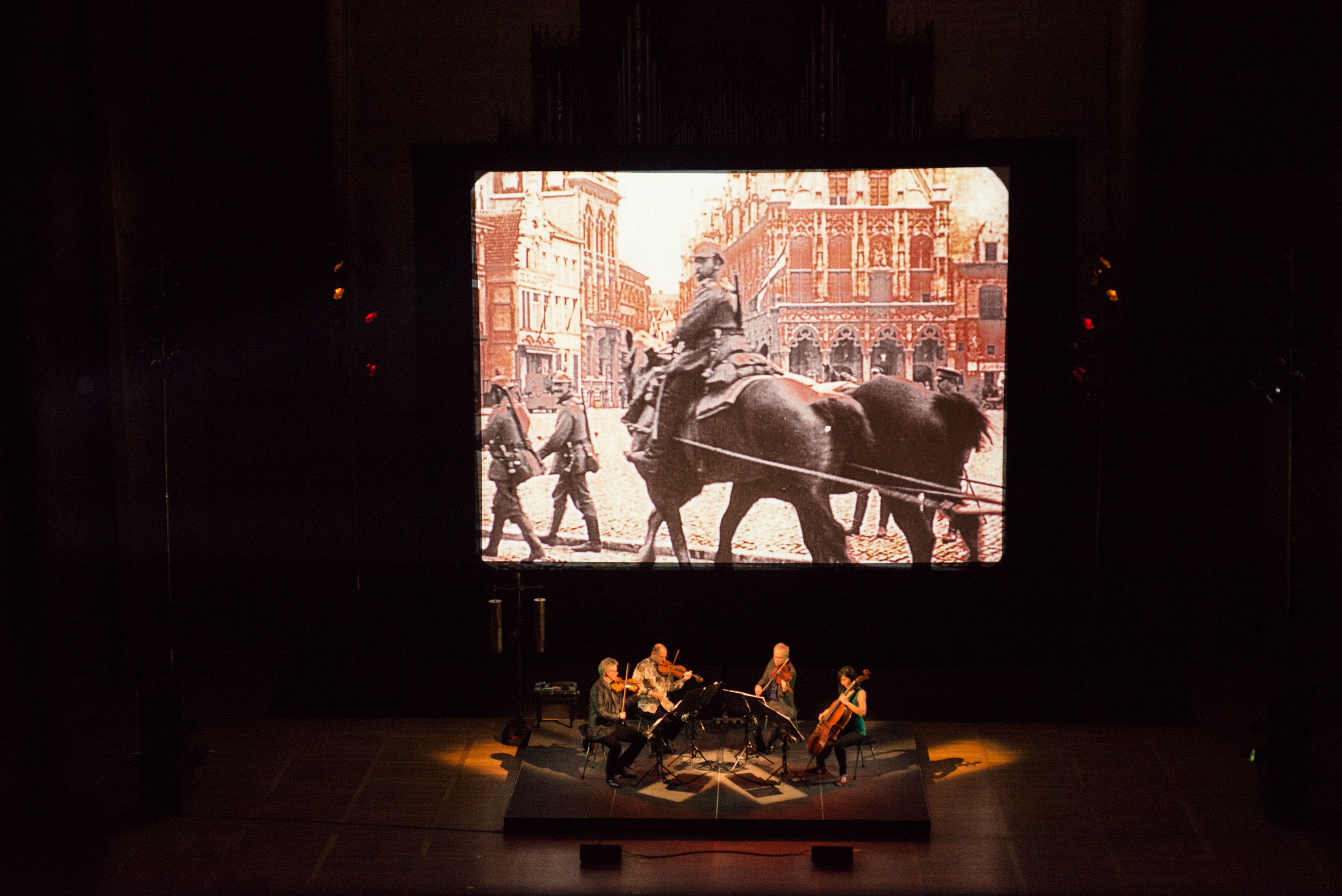
Kronos Quartet performing Beyond Zero. Photo courtesy of Kronos Quartet

Kronos Quartet performing Beyond Zero. Photo courtesy of Kronos Quartet

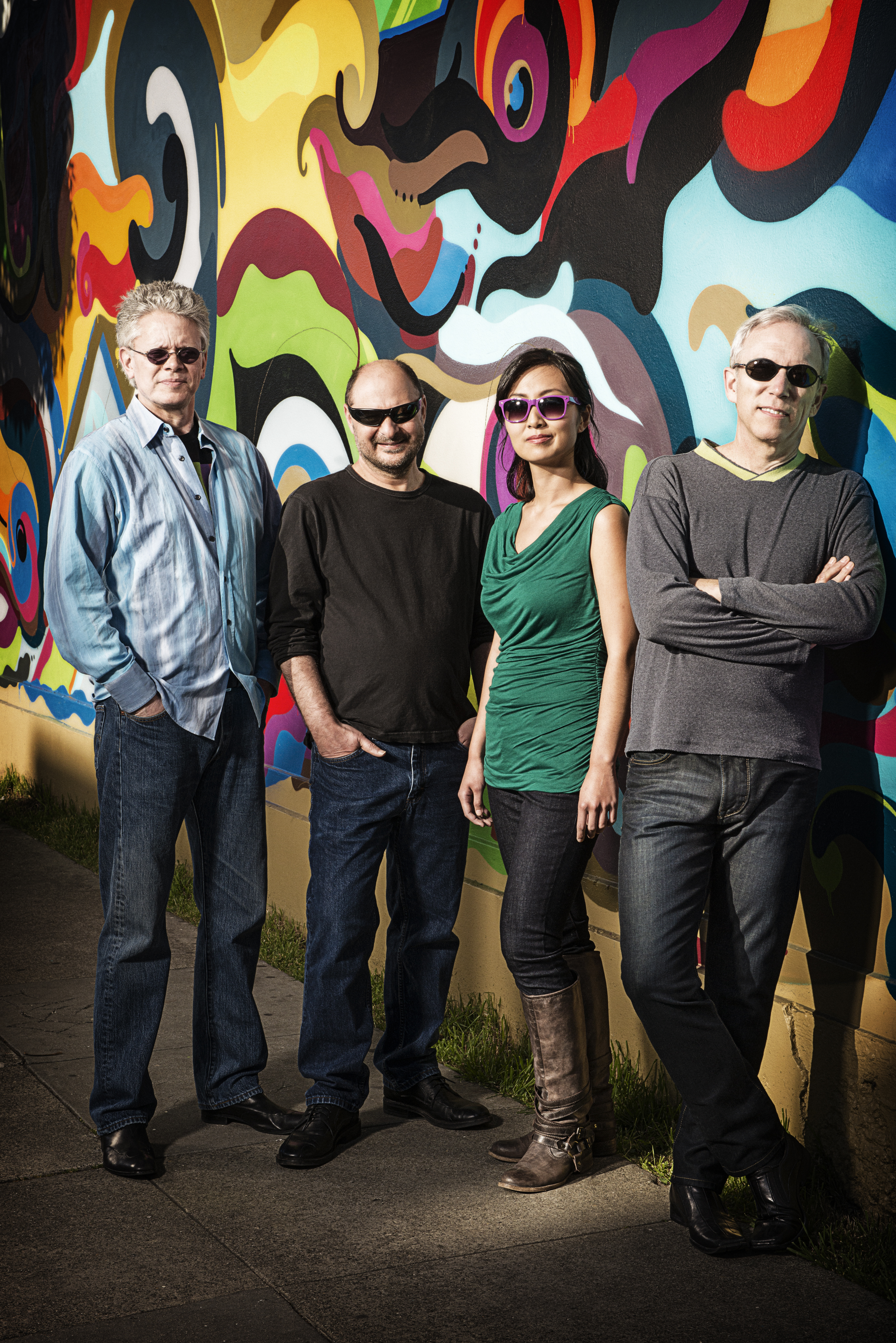
The Kronos Quartet, always bold, brings Boulder artists to Boulder for their appearance at Macky Auditorium at 7:30 p.m. Wednesday, Oct. 8.

The concert will feature the world premiere of Speak, Time by Yuri Boguinia, who grew up in Boulder; and an appearance by broadcaster and writer David Barsamian, who founded Boulder’s Alternative Radio in 1986.

Barsamian will speak while Kronos performs songs from the early years of the 20th century. That performance will lead to the major work of the program, filling the second half of the concert: Beyond Zero: 1914–1918, a new multimedia work for string quartet and film that Kronos commissioned for the centennial of the outbreak of World War I.

Kronos

Courtesy of Kronos Quartet

Beyond Zero was written by Serbian composer Aleksandra Vrebalov and will be performed with film restored by experimental filmmaker Bill Morrison from extremely rare and badly deteriorated original films of the war.

Read more in Boulder Weekly.

# # # # #

CU Presents: Kronos Quartet
Death to Kosmische by Nicole Lizée
World premiere of Speak, Time by Yuri Boguinia
Four songs from the time of World War I with David Barsamian
Beyond Zero: 1914–1918 by Aleksandra Vrebalov, with film by Bill Morrison
7:30 p.m. Wednesday, Oct. 8, Macky Auditorium
Tickets

Delayed but not Washed Out in Lyons

At ‘Sounds of Lyons,’ the flood of 2013 is past but not forgotten

By Peter Alexander

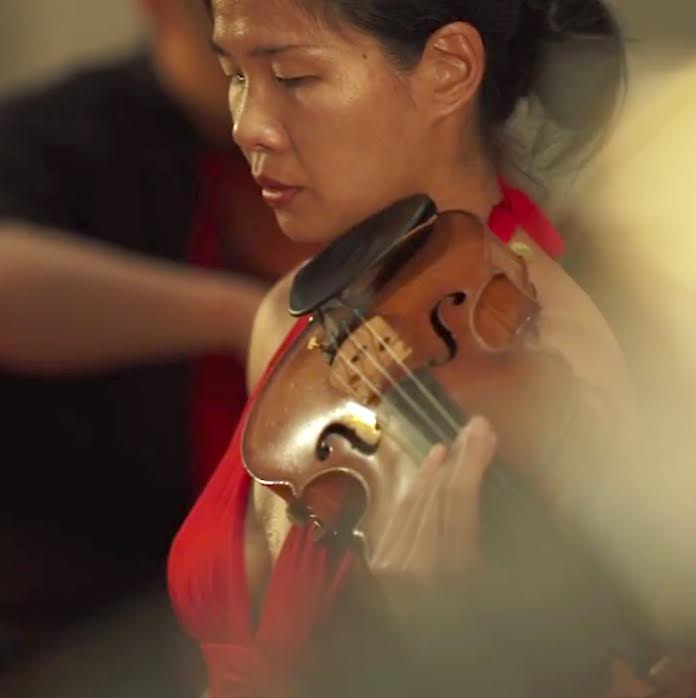
MinTze Wu, founder and director of Sounds of Lyons

MinTze Wu, founder and director of Sounds of Lyons

MitTze Wu is modern-day musical Molly Brown.

Brown survived the sinking of the Titanic in 1912 and came back stronger than ever. Wu and her Sounds of Lyons chamber music festival survived the flood of 2013 and have come back with a robust and eclectic series of concerts that are better than ever.

Like Brown, Wu seems to be unsinkable.

The 2014 festival will take place in various venues in Lyons Friday through Sunday, Sept. 12 through 14. This is a displacement from the usual timing of the festival in May and early June, but that slight delay is the only sign that the flood has directly affected the festival.

Indirectly, however, you could say that the flood runs through and under everything in this year’s Sounds of Lyons.

The major events of the festival maintain what has become Sounds of Lyons’ signature: three principal concerts, ranging from world music crossovers to serious classical chamber music. Surrounding the three main concert events are activities for children and families in Sandstone Park, culminating at 3 p.m. Sunday, Sept. 14, in an event titled “Celebrating Lyons II.” (For full concert programs and tickets, click here.)

“This has been the same format since the first year,” Wu says. “It will be balanced and dynamic—that’s just the way my brain works.”

Filmmaker Jem Moore

Filmmaker Jem Moore

The Saturday night concert, at 8 p.m. in Rogers Hall (4th and High streets in Lyons), is the festival’s central event, both in the order of events and emotionally in that it is the concert most directly inspired by the flood. Titled “Life True,” the performance will feature movements from string quartets by Haydn and Beethoven interspersed among four short documentary films by Jem Moore, profiling four remarkable characters in Macau, China.

“The flood is very present with everybody here in Lyons,” Wu says. “It is definitely present in the psychic space. Since I do much of the programming in exploration of what is happening in me and around me, I think the flood entered my consciousness of wanting to find strength. And for that I always, always turn to the music of Beethoven, especially the late string quartets.”

Wu likens the four films to the movements of a classical symphony or string quartet. The first film is preceded by a string quartet movement by Haydn, and then each film is followed by a carefully selected movement from a Beethoven quartet.

All four films were made in Macau, a ”special administrative region” within mainland China, similar to Hong Kong, which is right across the bay. Macau is best known for gambling, which is one of its primary sources of income, and as an offshore tax haven.

“It’s a four movement form,” Wu explains. “It goes like film, music, film, music—each film and music pair is grouped to make one large movement.

Coffee Plantation from "Life True" I

Coffee Plantation from “Life True” I

“The first movement is a coffee plantation owner, the second movement is a singer-songwriter. The third movement is a very poignant one about an immigrant massage therapist who left a very poor village in the Philippines to go to work in Macau, which is kind of her salvation (as well as) a place of sin. And the last movement is about a Buddhist calligrapher/chef.”

The musical performances will be by the Sage Quartet, consisting of Wu and Margaret Gutierrez, violin; Chieh-Fan Yiu, viola; and Michael Graham, cello. They are more or less the resident quartet for Sounds of Lyons, except that the personnel varies from year to year. In fact, “Sage Quartet’ Is more of a concept and an approach to music making than a specific collection of players.

“It doesn’t matter to me who is in the Sage Quartet at Sounds of Lyons,” Wu says. “I keep myself anonymous. The quartet is a collective spirit, I would say. And the really beautiful thing is how we work together.”

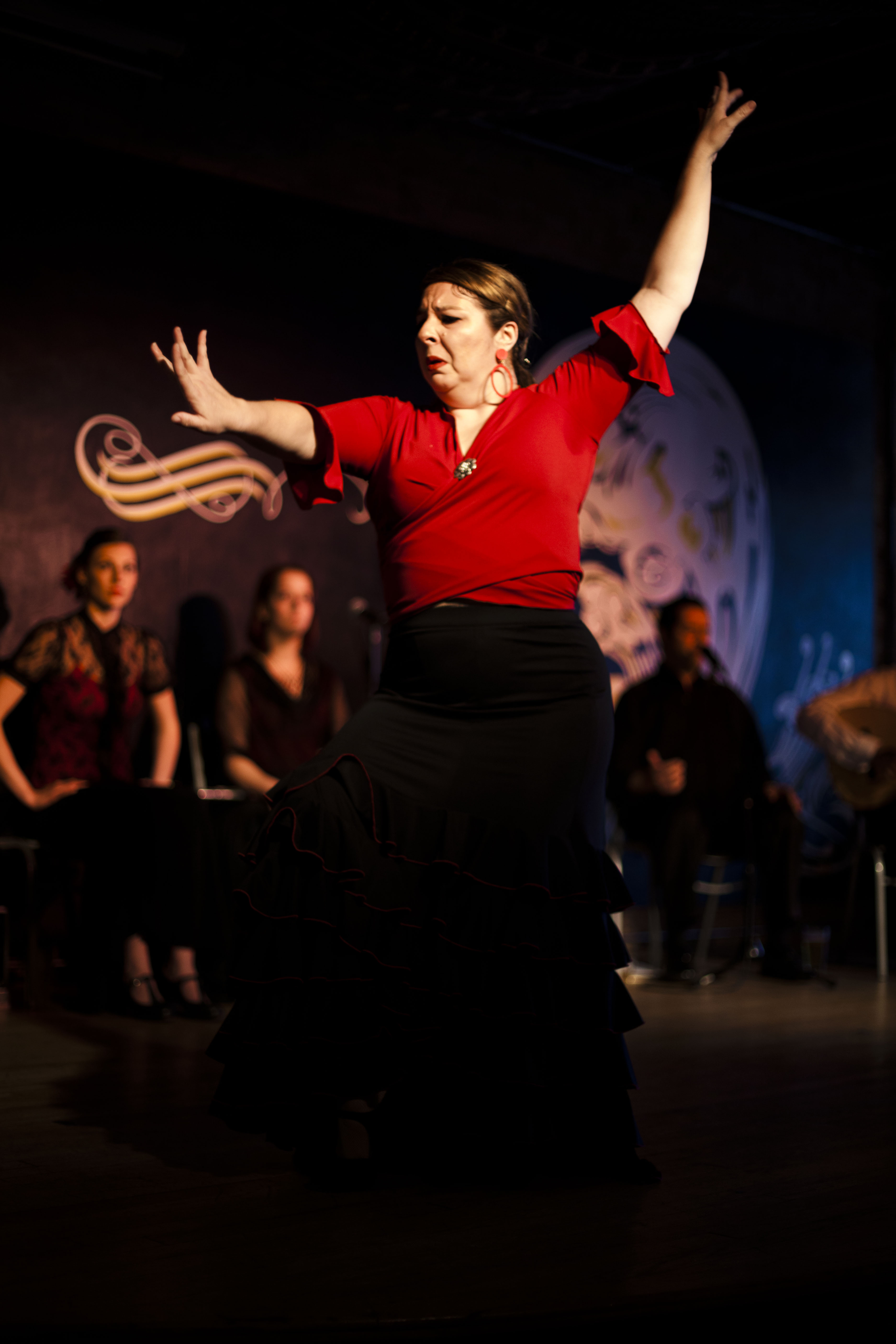
Flamenco dancer Natalia Perez del Villar

Flamenco dancer Natalia Perez del Villar

It has traditionally been the opening concerts of Sounds of Lyons that have the most eclectic and genre-blending programs. This year’s opener, “Crazy About You,” will continue that pattern at 8 p.m. Friday in

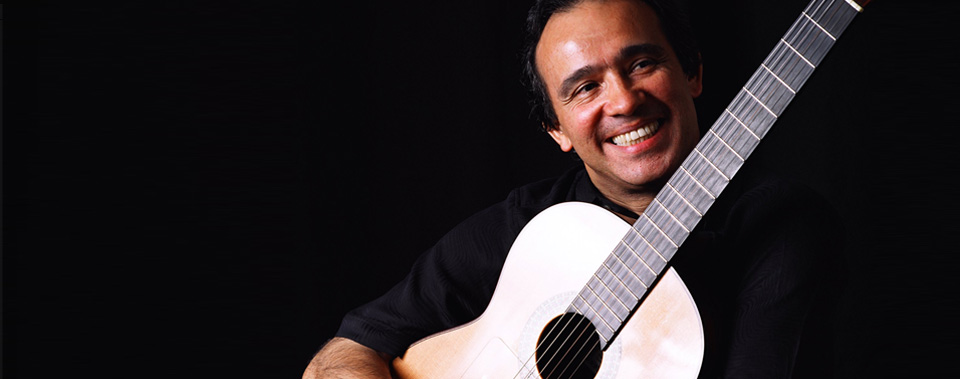
Alfredo Muro

Alfredo Muro

Rogers Hall. As described on the festival’s Web page, it will be “a tapestry woven through classical, flamenco, Brazilian, Spanish, original, folk music, songs and dances.”

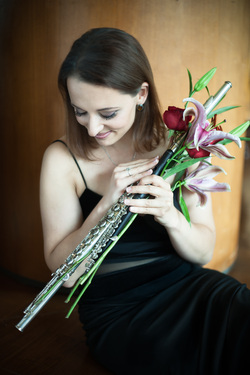
Performers will be the Sage Ensemble—a trio of violin, viola and cello from the Sage Quartet joining with the guitar-flute duo of Alfredo Muro and Emma Shubin, vocalist Shannon Johnson, and the Flamenco Underground duo of guitarist/singer Mark Herzog and dancer Natalia Pérez del Villar.

SoL.Emma.Shubin

Emma Shubin

The wide-ranging program includes Brazilian choros—a melancholy style of dance music that often includes extensive improvisation similar to jazz—bossa nova, samba, tango, and Spanish folk dance, as well as more classical compositions by Isaac Abeniz, Heitor Villa Lobos and the 17th-century German composer Heinrich Ignaz von Biber.

But listing the titles hardly does the planned concert justice. “There’s room for each group to present their art form,” Wu says. “Then there will be numbers that we all work together, to bring flamenco, and classical and folk and all that together.’ Even the Biber—a rather strict passacaglia from Renaissance times—will “sort of turn flamenco at the end,” she says.

The final concert, Sunday at 8 in Lyons Community Church at 350 Main Street, will feature a single piece: The Goldberg Variations by J.S. Bach. But characteristically, these will be the Goldberg Variations as you’ve never heard them before.

To begin with, the Variations have been transcribed from Bach’s keyboard original into an arrangement for the same string trio that plays on opening night. But the transcribed music is only part of the performance. Wu love to tell stories, and the Goldberg Variations, written to be played late nights for an insomniac German count, gave her all the inspiration she needs. In between the variations, the musicians will engage in a conversation with each other and the audience about insomnia.

“We’ll be kind of bouncing back and forth some quotes and some essays, some thoughts, about insomnia,” Wu says. “Some could be spontaneous and some could be quotes. We’re leaving some space for spontaneity amongst the performers on stage, so I can’t quite tell what’s going to happen.”

Returning to the subject of the flood, Wu is clear that it was never a thought that she would not hold the festival this year. Making and sharing music is too much a part of Lyons to be left behind.

“Lyons is culturally a very spiritual kind of place,” she says. “In one way we are doing absolutely what’s needed to flood recovery—fixing the roads, and raising funds, and doing everything that’s necessary. But you also see that huge need and desire to raise ourselves above that feeling of devastation, to be uplifted and to uplift others.”

# # # # #

SoundsOfLyonsLOGOSounds of Lyons

Friday–Sunday, Sept. 12–14

Complete program and tickets here.

Final week at CMF features aspects of love

Carmen, Bernstein and Strauss, but no Andrew Lloyd Weber

By Peter Alexander

It’s all about love.

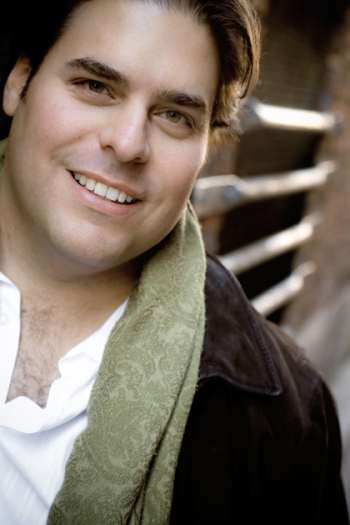
Zeitouni

Conductor Jean-Marie Zeitouni

That’s how conductor Jean-Marie Zeitouni describes the concert he will lead with the Colorado Music Festival Chamber Orchestra Sunday evening, Aug. 3.

One of three official candidates to succeed Michael Christie as music director of the festival, Zeitouni will conduct just two works on the program: the Carmen Suite by Rodion Shchedrin; and Leonard Bernstein’s Serenade (after Plato’s Symposium) for solo violin, strings, harp and percussion, with violinist Adele Anthony.

[NOTE: Anthony is a replacement for the previously announced Jennifer Koh, who had to withdraw after suffering a concussion.]

Like the other candidates who have visited CMF this summer, Zeitouni will also conduct a pair of concerts with the full orchestra. He will lead this year’s finale concerts Thursday and Friday, Aug. 7 and 8. The program will be anchored by Don Juan and Ein Heldenleben (A hero’s life), two tone poems by Richard Strauss, whose 150th birthday is being celebrated this year. The concert will open with the overture to the opera Don Giovanni by Mozart.

Read more in Boulder Weekly.

Prieto programs favorites for festival

Concerts include Diaghelev Ballets and music by Haydn, Mozart, Beethoven

Carlos Miguel Prieto. Photo by Peter Schaaf

Carlos Miguel Prieto. Photo by Peter Schaaf

Carlos Miguel Prieto brings two very different programs to the Colorado Music Festival.

The Mexican conductor, the second of three candidates for the position of music director of the festival, will lead the full Festival Orchestra in a program of early 20th-century ballets on July 17 and 18, and the Chamber Orchestra in a program of 18th/19th-century classics on July 20.

“I wanted to do two very contrasting programs,” Prieto says, “one with a very colorful orchestra of early 20th-century dimensions, and [one] with a completely classical-period program.”

Read more at Boulder Weekly.

Off on a light note

First CMF music director candidate crafts light program

By Peter Alexander

William Boughton; photo by Harold Shapiro

William Boughton; photo by Harold Shapiro

William Boughton does not believe the concert hall should be a cathedral of high art.

The first of three candidates for music director of the Colorado Music Festival to conduct at Chautauqua this summer, Boughton will lead two programs, with the chamber orchestra July 6 and the full orchestra July 10-11 (7:30 p.m. in the Chautauqua Auditorium).  And he is clear that he aspires to be no high priest at the altar of great music.

“Concerts are supposed to be enjoyable things,” he says.

Read more in Boulder Weekly.

Music Mash-Ups headline 2014 Colorado Music Festival

Festival gets under way Sunday, June 29

Candidates to replace Michael Christie will lead concerts

Hackman.104

Steve Hackman, director of Colorado Music Festival’s Music Mash-up series

By Peter Alexander

When the Colorado Music Festival gets underway Sunday (June 29, 7:30 p.m. in Chautauqua Auditorium), many of the festival’s familiar features will be in place.

There will be family concerts, patriotic pops, orchestral showpieces, guest artists, and a mix of popular and classical styles on the “Music Mash-up” series (July 1, 15 and 29). In addition, audiences will have a chance to preview three finalists to replace former music director Michael Christie, conducting two programs each: William Boughton (July 6, 10 & 11); Carlos Miguel Prieto (July 17, 18 & 20); and Jean-Marie Zeitouni (Aug. 3, 7 & 8; festival program at http://www.comusic.org/2014-summer-festival/).

Read more in Boulder Weekly.


Colorado Music Festival

June 29–Aug. 8, Chautauqua Auditorium and eTown Hall, Boulder
Festival Details: http://www.comusic.org/2014-summer-festival/
Tickets: http://www.comusic.org/buy-tickets/

Opening Concert, Michael Butterman, conductor
Christopher Taylor, piano
7:30 p.m. June 29, Chautauqua Auditorium

Music Mash-Up concerts
7:30 p.m., July 1, 15 and 29, Chautauqua Auditorium
http://www.comusic.org/music-mash-up/