Renée Fleming presents a musical tribute to the natural world

“Voice of Nature” will feature songs and a film from National Geographic

By Peter Alexander Jan. 22 at 5:50 p.m.
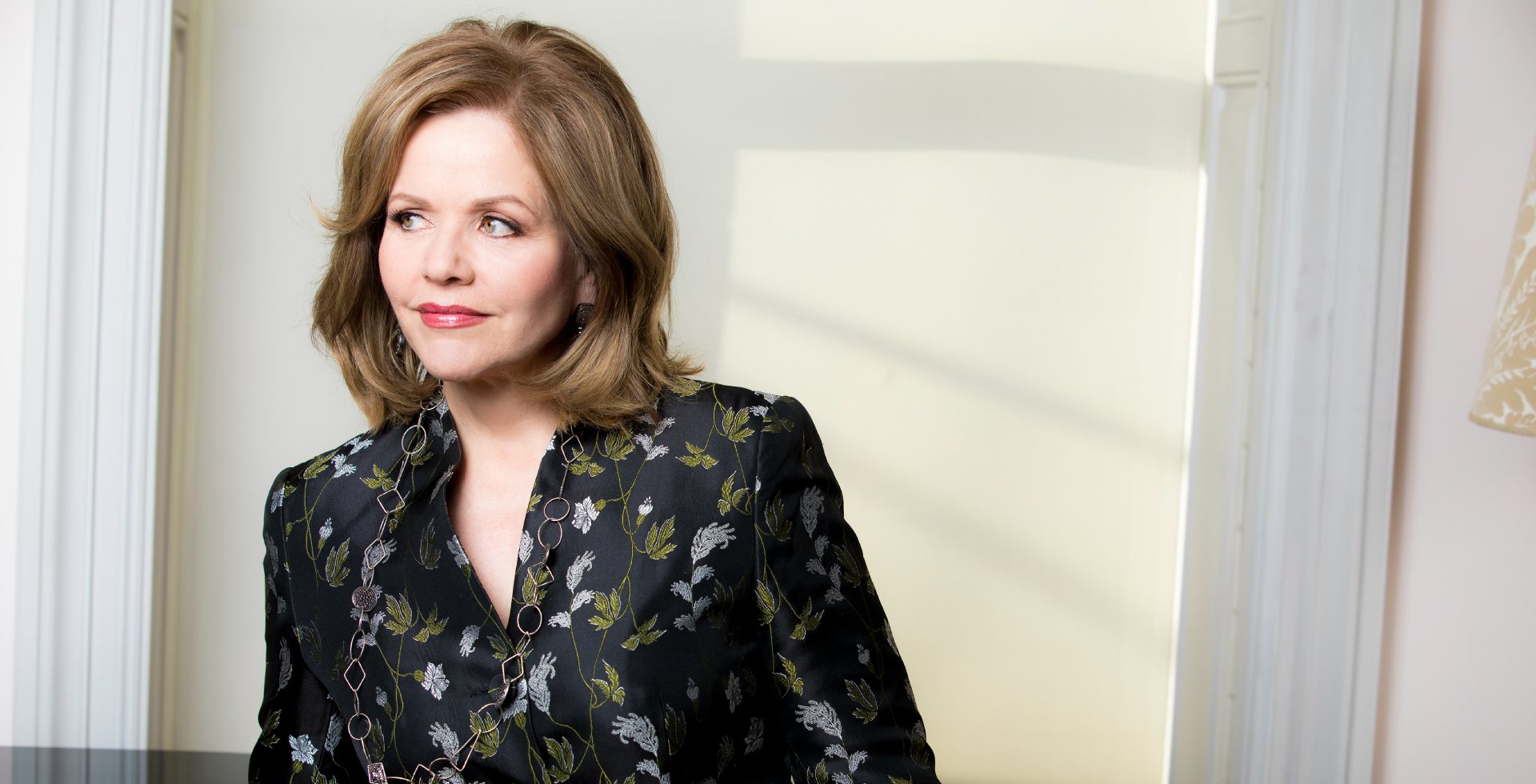
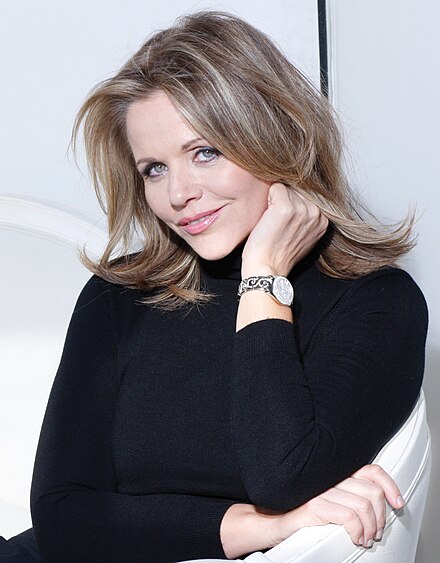
Soprano Renée Fleming

Soprano Renée Fleming will come to Macky Auditorium next week (7:30 p.m. Friday, Jan. 31) to present a program that she developed while cut off from her professional life during the COVID pandemic of 2020–21.
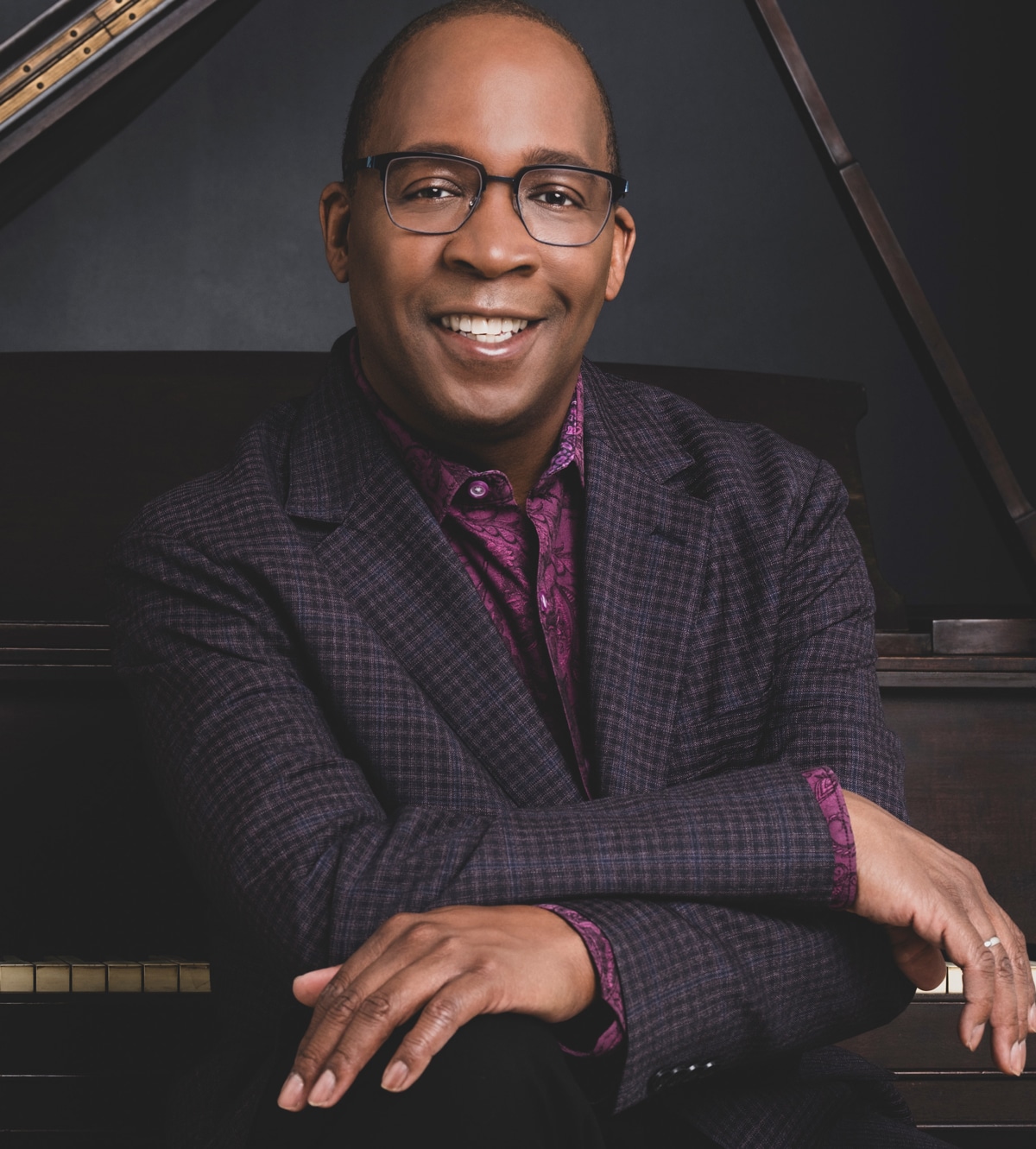
Collaborative pianist Howard Watkins

Titled “Voice of Nature: The Anthropocene,” the concert features Fleming and pianist Howard Watkins. The repertoire draws on a Grammy-winning album of the same title that Fleming recorded in 2023 with Yannick Nézet-Séguin, music director of the Metropolitan Opera, as pianist, and features songs that mention or reflect on the natural world. Part of the program will be accompanied by a film produced by the National Geographic Society.

“During the pandemic, the most comforting and healing activity for me was just being outside,” Fleming says. “Walking every day, gardening—to the point that I didn’t even want to come in. I always found it interesting that art song, especially the 19th century, also the 18th century and early 20th century, uses poetry that brought nature into the conversation about any aspect of the human condition. I found that interesting, in comparison with new works, which very often never mention nature.”

In that context, she worked with Nézet-Séguin to put together an album of songs that celebrate the consoling and healing power of nature. She decided to commission new songs from three living composers—Kevin Puts, Nico Muhly and Caroline Shaw—to bring the program up to today, and combine them with selected pieces from the extant song literature.
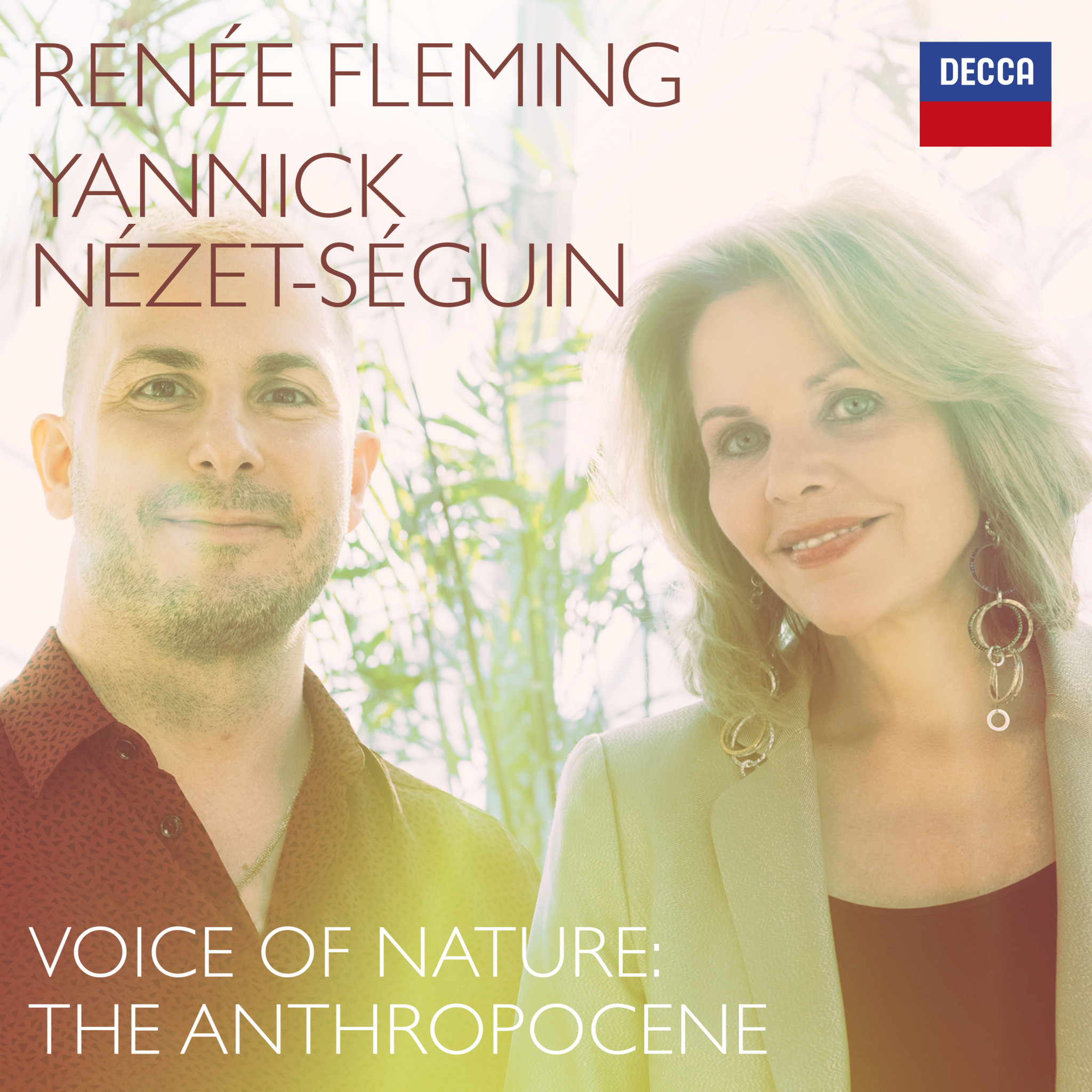
Yannick Nézet-Séguin and Renée Fleming on their album cover

“It was really fun to put the program together,” Fleming says. For the 19th-century art songs, “obviously I had to find things I thought would suit Yannick (Nézet-Séguin), give him enough of an interesting program that he would want to play it. And also because Yannick is French-Canadian, (the French) language works beautifully for him.”

The result is an album that features some very lovely but unfamiliar songs by Gabriel Fauré and Reynaldo Hahn, both French composers of the early 20th century, and also songs by Liszt and the Norwegian composer Edvard Grieg. “I just chose beautiful music that has powerful poetry and stuff I hadn’t performed before,” Fleming says. “I had performed Grieg, I had not performed Hahn at all, and I was thrilled to put Fauré” on the program.

The next step occurred when the album won a Grammy. Fleming decided to take a version of the program on tour, but with some additions. “Rather than just doing ‘Voice of Nature,’ the album, I added some more popular things that I’ve recorded and never perform, like a Björk song and a selection from Lord of the Rings,” Fleming explains. She also added songs by Burt Bacharach and Jerome Kern, and one of the most popular operatic arias in her repertoire, “O mio babbino caro” from Puccini’s Gianni Schicchi.

The final musical addition is a recording Fleming made of Jackson Browne’s “Before the Deluge” together with the Grammy winning folk singer/fiddler and opera composer Rhiannon GIddens, multi-Grammy winning bluegrass singer/fiddler Alison Krauss, and Nézet-Séguin, in an arrangement by composer Caroline Shaw. The recording will be played about halfway through the concert intermission.

Once she committed to the tour, Fleming had another idea: “I thought, let’s take this on the road but I’d like to have film with it,” she says. “I said, I’d really like to do something that shows the planet and encourages us to protect it.

“I happened to meet someone who worked with National Geographic at a dinner party. I was telling him about it and he said ‘I can introduce you to the head of National Geographic.’ So I had a two minute Zoom call with the CEO (Michael Ulica), and he said, ‘We’re looking for influencers and we’ll make your film.’ They did it in about three weeks and I’ve been touring it ever since, because it’s a beautiful piece.”

Fleming says that her devotion to nature and the planet dates back a long way. “When I was a teenager I saw a film that had a huge impact on me,” she says. “The film came out in the ‘70s, Soylent Green. 

“The scene that really had a powerful effect on me was the one in which Edward G. Robinson, who was dying of cancer, (played a scientist who) had signed up for end of life care, and was looking at beautiful pictures of earth, and none of that existed anymore. I thought, ‘How could that possibly ever happen?’ And here we are, later in my life—if we don’t get a handle on this, I think we’re ultimately talking about the destruction of us on the planet.”

In an artist’s statement on the “Voice of Nature” program, Fleming writes: “Thankfully, the stunning natural world depicted in (the National Geographic) film still exists, unlike that movie scene so upsetting to my younger self. In blending these beautiful images with music, my hope is, in some small way, to rekindle your appreciation of nature, and encourage any efforts you can make to protect the planet we share.”

# # # # #

“Voice of Nature: The Anthropocene”
Renée Fleming, soprano, and Howard Watkins, piano
  • Hazel Dickens: “Pretty bird” 
  • Handel: “Care Selve” from Atalanta 
  • Nico Muhly: “Endless Space” 
  • Joseph Canteloube: “Bailero” from Songs of the Auvergne 
  • Maria Schneider: “Our Finch Feeder” from Winter Morning Walks 
  • Björk: “All is Full of Love”
  • Heitor Villa-Lobos: “Epílogo” from Floresta do Amazonas (piano solo) 
  • Howard Shore: “Twilight and Shadow” from Lord of the Rings 
  • Kevin Puts: “Evening” 
  • Curtis Green: “Red Mountains Sometimes Cry” 
  • Burt Bacharach: “What the World Needs Now” 
    To be played halfway through the intermission—:
  • Recording of Jackson Browne: “Before the Deluge” (arr. by Caroline Shaw) by Rhiannon Giddens, Alison Krauss, Renée Fleming; with Yannick Nézet-Séguin, piano 
  • Gabriel Fauré: “Au Bord De L’eau” 
    —“Les Berceaux” 
  • Edvard Grieg: “Lauf Der Welt” 
    —“Zur Rosenzeit” 
  • Puccini: “O mio babbino caro” from Gianni Schicchi 
  • Jerome Kern: “All the Things You Are” 
  • Andrew Lippa: “The Diva” 

7:30 p.m. Friday, Jan. 31
Macky Auditorium

NOTE: Very few tickets are left for this performance. You can check availability HERE.
CMF final weekend opens with terrific performances

Kevin Puts, Tchaikovsky, Dvořák will be featured again tonight

By Peter Alexander Aug. 2 at 12:15 a.m.

The Colorado Music Festival launched into its final weekend of the 2024 season last night (Aug. 1) with a program that had all the hallmarks of the CMF under Music Director Peter Oundjian.

There was a piece by a living American composer—Two Mountain Scenes by Kevin Puts; a sensational soloist playing an audience favorite—violinist Augustin Hadelich and Tchaikovsky’s Violin Concerto; and great piece that is just off the most familiar path—a symphony by Dvořák, but not the “New World” or the Eighth, but the Seventh Symphony in D minor. And the performances were terrific.

The Two Mountain Scenes have a Colorado connection, as they were written for the Bravo! Vail Music Festival and the New York Philharmonic. The first scene evokes an echoing trumpet call sounding against the backdrop of valleys and distant mountain peaks. The CMF trumpet section nailed the treacherous opening, which calls for four trumpets sharing what appears to be a single fanfare with notes dying in the distance.

These calls are answered by sweeping lines in the strings, painting the image of remote mountain ridges. After the tiniest of breaks, the second scene conjures a powerful storm, with a kaleidoscope of orchestral colors cascading down and thrusting forward. Oundjian and the Festival Orchestra gave a stirring performance that asked: why don’t we hear this colorful, evocative score more often?

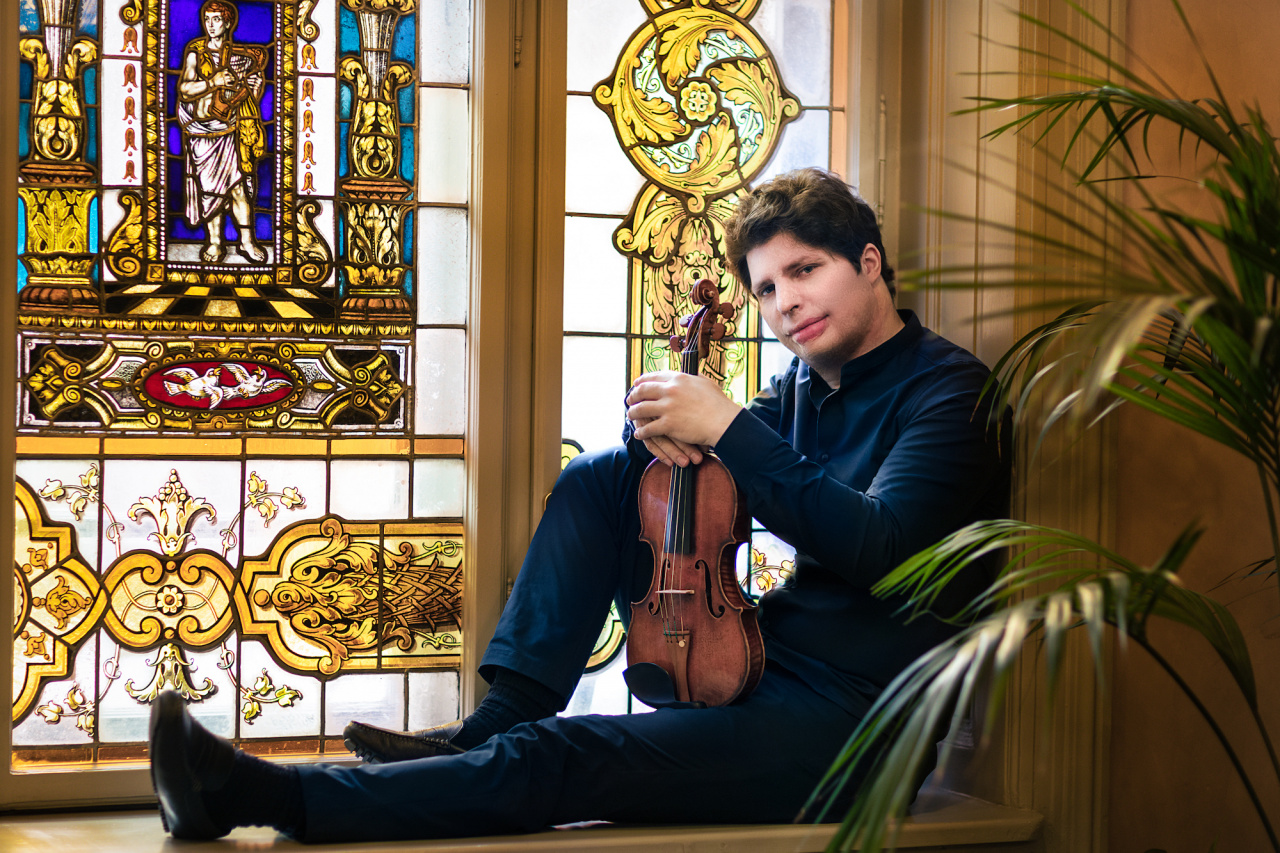
Violinist Augustin Hadelich. Photo by Suxiao Yang.

Hadelich, who shares an obvious musical bond with Oundjian and has been a soloist on previous CMF seasons, gave a stunning performance of the Tchaikovsky Concerto. But don’t be fooled: it’s not as easy as he makes it seem!

The best word to describe Hadelich’s performance might be fluid, but that would not do justice to the brilliant fireworks that he also provided. He has the ability to play tenderly, as at the beginning, and yet penetrate the Chautauqua Auditorium to the back row. In addition to the gentle moments, that were exquisitely played, he has the technique to accelerate cleanly, building speed and volume into the climactic moments.

Handelich’s creamy sound and well crafted restraint in the gentle moments gave more scope for a big buildup, as at the end of the first movement. There, the growing excitement led to spontaneous applause from a normally cultivated audience. Hadelich and Oundjian smiled happily at the crowd before continuing.

One of the pleasures of this performance was seeing knowing glances between Hadelich and Oundjian, who share the experience of having played the concerto. The soaring slow movement and the leap into the brilliant finale were impeccably performed. After a second outburst of enthusiasm from the audience, Hadelich came back to play an encore of “Orange Blossom Special” on steroids that had the audience alternately chuckling and gasping in appreciation. A second standing ovation followed.

The performance of Dvořák’s sometime turbulent, sometimes lyrical Seventh was marked by sleek transitions in and out of the score’s darker moments. Oundjian managed the many tempo shifts and thematic contrasts handsomely, always profiling the drama inherent in the music. 

Dvořák can build to an exciting ending as well as any composer I know. He appears to do that in the first movement, but suddenly pulls back in a surprise fading away that was handled eloquently. The finale builds without holding back, leading to the powerful close that was expected before. With its command of a wide dynamic range, the Festival Orchestra created the climax Dvořák asks for.

Horn solos in the first two movements were exceptionally well played, earning a solo bow. Similarly the woodwind solos were as usual outstanding throughout, leading to more solo bows at the end. It was a special pleasure to hear this symphony, both for the quality of the playing and because the Seventh is not heard as often as it deserves.

The same program will be repeated tonight (Aug. 2) at 6:30 p.m. at the Chautauqua Auditorium.  The CMF 2024 season wraps up Sunday with Johann Strauss’ Overture to Die Fledermaus, Ravel’s orchestral song cycle Shéhérazade and Mahler’s Fourth Symphony, also at 6:30 p.m. Tickets are available from the Chautauqua Box Office

“Music of Today” at Colorado Music Festival

Music by two living composers and a piece by Beethoven, who “always will be alive”

By Peter Alexander July 23 at 1:10 a.m.

The Colorado Music Festival celebrated the “Music of Today” last night (Jul. 22) with a premiere, a second piece by a living composer, and a new arrangement of music by a composer who, in the words of artistic director Peter Oundjian, “always will be alive”: Beethoven.

The premiere was Forestallings by Hannah Lash, originally planned as part of the 2020 Beethoven 250thanniversary celebration. A CMF co-commission, it was inspired by Beethoven’s Second Symphony.

Hannah Lash. Photo by Karjaka Studios.

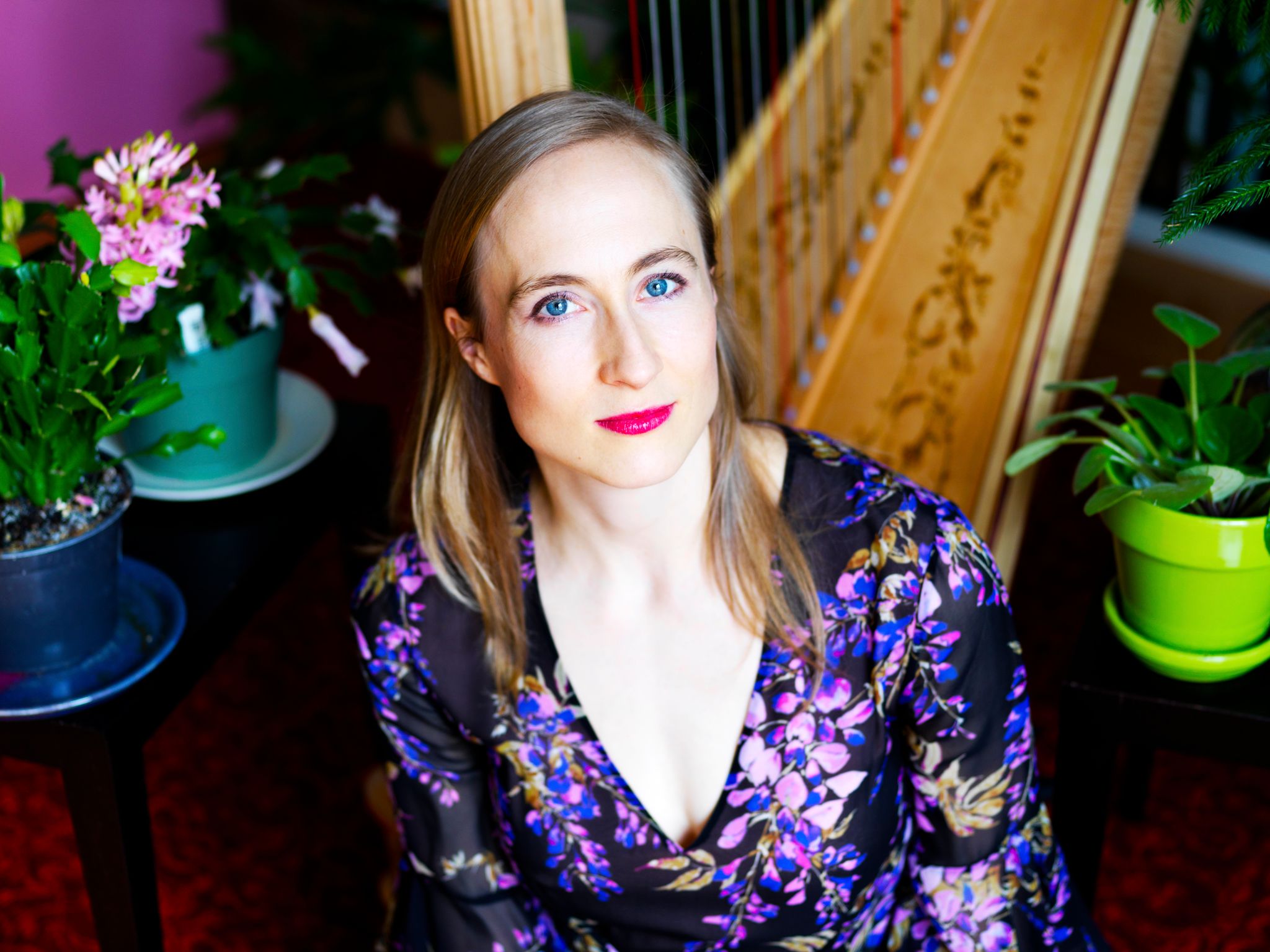
Lash was introduced by Oundjian to speak about her piece before the performance. This represented a return to the festival, since Lash played the premiere of her Second Harp Concerto, a CMF “Click” Commission, here in 2016. Last night she chose to let her music speak for itself; she said little more than that she has loved the Beethoven Second since childhood.

Except for the dramatic opening gesture, Forestallings does not quote Beethoven directly. Instead, Lash says, the score has “moments of opening a window between me and Beethoven,” after which she very much goes her own way. That way is likely shaped by Beethoven, however; the music makes use of the classical sound world, and offers a relaxed clarity that is not often heard in more intense new pieces.

This makes the development of ideas easy to follow. Lash briefly returns to the opening Beethovenian gesture, after which the first movement doesn’t so much end as just cease. The second movement begins in a Romantic, almost Mahlerian mood. In spite of lush harmonies, the texture remains open and clear, so that you can hear through the entire orchestra from top to bottom. Here Lash’s lyrical writing is particularly ingratiating.

Oundjian and the CMF players revealed the clarity of the music and brought out the strong profile of the score with a careful, attentive performance. In all, Forestallings proved an enjoyable piece that may well go on to further performances.

The second work on the program, the Marimba Concerto of Kevin Puts, was no less enjoyable. Puts may be known to some in the audience who remember that former CMF music director Michael Christie conducted and recorded Puts’s Pulitzer Prize-wining opera Silent Night at the Minnesota Opera in 2011.

Like Forestallings, Puts’s concerto draws on classical models, in this case the piano concertos of Mozart. According to the composer, that influence is found in the near-equal relationship between soloist and orchestra, but attentive listeners will hear a suggestion of Mozartian lyricism. The very opening could almost be the beginning of a Mozart concerto before Puts, like Lash, goes his own way, into a pastoral world with twittering winds and murmuring strings.

There are moments of great loveliness and gentle beauty through the concerto, qualities that were emphasized by the strong string sound of the CMF players. The final movement becomes more virtuosic, opening with a brilliant, almost epic gesture and driving on to the very fast finish.

Ji Su Jung

The performance featured soloist Ji Su Jung, who is one of those true virtuosos who has the ability to make her performance look simple. (It’s not!) She flew through all the fireworks that Puts asks for, and maintained the greatest delicacy in the exquisitely controlled ending of the second movement. After the accelerating finale the audience, duly impressed, provided a standing ovation—which of course is routine at concerts today.

At Oundjian’s urging, Jung played an encore that turned out to be “Somewhere Over the Rainbow.” This sudden change of direction showed Jung’s comfort with varied styles, playing an arrangement that has just enough of the lounge-pianist vibe to entertain. She handled the style with polish, and ended with a deft musical wink to the audience.

The second half of the concert was given over to Oundjian’s arrangement for string orchestra of Beethoven’s String Quartet in C-sharp minor, op. 131. This is undoubtedly one of the great works for string quartet or any medium. Oundjian’s spoken introduction reflected insights gained from more than 150 performances of the quartet as a violinist, and showed the distance between program note analysis and the deep understanding gained inside a piece of music.

The piece, and the opportunity to conduct music he can no longer play, are clearly precious to Oundjian, but I have to admit mixed feelings about arrangements of this, or any string quartet for full string orchestra. In this case, there are definite gains, but also losses. Sometimes the extra heft of the full sections yields expressive rewards, but elsewhere the intimacy of the chamber ensemble captures things that the full orchestra cannot.

The very opening of Op. 131, a chromatic line permeated with despair, is more personal played by a quartet; by full sections, the despair becomes less intimate, a larger landscape of desolation. Is one better, or the other? Is it just different? Each listener must decide.

On the negative side of the ledger are details that get muddied in a full section sound, the rapid gestures than six players cannot play as cleanly as one. The transparency that a good quartet projects, particularly in contrapuntal passages, may get lost.

On the other hand, Beethoven’s stomping fury in the final movement definitely gains from the full section sound. That passage always sounds like it needs more in a quartet performance—although the straining of just four instruments has an expressive quality, too. Full section pianissimo has its own beauty and sense of suspense. The sections where Oundjian’s arrangement alternates solo passages with full section punctuation are very effective.

I have no doubt that every member of the CMF string sections has played this work—possibly excepting the basses—and it is rewarding to see and hear them joining together for something that they all revere. It would be harsh to deny Oundjian, the players and the audience the opportunity to share this performance.

And yet, I cannot escape the thought that the piece is even better played by a great quartet. 

Puts’s Manchurian Candidate wins the audience on opening night

Michael Christie leads taut premiere

750x400_04Manchurian_2

By Peter Alexander

The Minnesota Opera rocked the Ordway last night (March 7) with the world premiere of Kevin Puts’s new opera, The Manchurian Candidate.

The performance was conducted by Michael Christie, former music director of the Colorado Music Festival who is now music director of the Minnesota Opera. A strong cast and first-rate orchestra gave a taut, polished performance that swept the audience up in its brisk, powerful motion, from the brittle, menacing opening sounds in the orchestra to the final, brutal punctuation mark.

Composer Kevin Puts

Composer Kevin Puts

Puts’s only previous opera, the Pulitzer Prize-winning Silent Night, had its premiere by the Minnesota Opera in 2011. For Manchurian Candidate he set a very effective libretto by Mark Campbell, based on Richard Condon’s 1950s novel of the same title. A gripping if improbable tale of cold-war brainwashing set against the McCarthy-era red scares, the novel was twice made into a film—first in 1962 starring Frank Sinatra, Laurence Harvey and Angela Lansbury; and again in 2004 with Denzel Washington, Meryl Streep and Liev Schreiber.

Campbell, who also wrote the libretto for Silent Night, here created a very efficient text from Condon’s clunky potboiler. What he could not do is give depth to characters who are often little more than plot devices: Raymond Shaw, the tainted “war hero” who is a pawn of the communists; his war buddy Ben Marco, whose role it is to unlock Shaw’s corrupted mind; Jocie Jordan, who exists only to be Shaw’s love interest and to die tragically near the end; her father, Thomas Jordan, the “good” senator of liberal beliefs; Eleanor Iselin, Shaw’s predatory mother; and her husband, Johnny Iselin, the stand-in for Sen. Joe McCarthy.

That said, the opera runs lucidly through the various complexities of the original story, dispensing with events and characters not essential to the unwinding of the plot’s mainspring. It is this focus on the central story, and Puts’ compelling music, that give the opera both clarity and momentum. And at just over 2 hours including intermission, Manchurian Candidate never drags.

0356-750x400

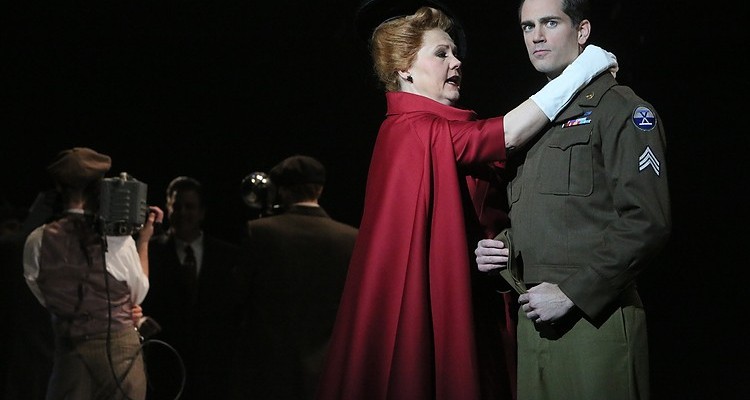
Brenda Harris as Eleanor Iselin and Mathew Worth as Sgt. Raymond Shaw. Minnesota Opera production of “The Manchurian Candidate” by Kevin Puts. Photo by Michal Daniel.

Puts has written a score of power and complexity. As scene moves rapidly to scene, he is extremely effective in changing moods and providing what contours he can to the relatively flat characters. The aura of menace around Shaw’s mother is creepily apparent, and one cannot miss the bluster and pomposity of her dim-witted husband. Similarly, the horror of Shaw’s brainwashing, the shallowness of the political hangers-on, and the languid warmth of Shaw’s “summer by the lake” are all well conveyed through the music.

Puts has mastered a range of styles, from the military band music that greets Raymond Shaw’s arrival as a Medal of Honor winner, to the delightful train music of one lighter scene, to a patriotic hymn, to the manic music of a political convention. The text is set clearly and is almost always intelligible, with the vocal parts embedded in atmospheric orchestral sounds that illuminate the meaning of the text.

The text only lost intelligibility when two different scenes were unfolding at once. Then one was grateful to have supertitles; otherwise, the audience would have no way of knowing what occurred in a some critical moments in the opera. In a theater without titles, this could be a serious shortcoming.

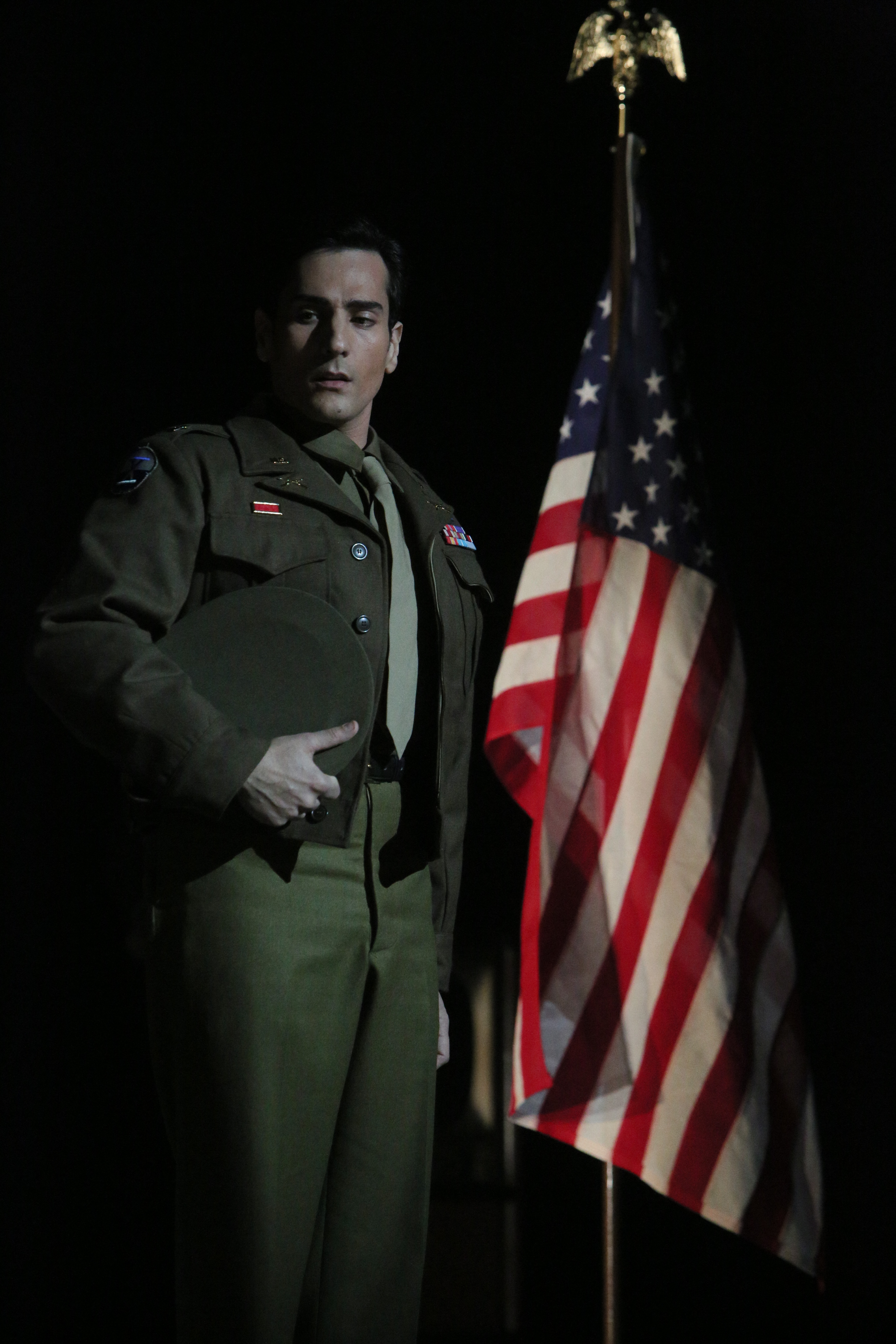
Matthew Worth as Sergeant Raymond Shaw in the Minnesota Opera production of The Manchurian Candidate. Photo by Michal Daniel.

Matthew Worth as Sergeant Raymond Shaw. Photo by Michal Daniel.

In his setting of English, Puts appears to have learned from the operas of Benjamin Britten—nowhere more so that in Raymond Shaw’s “mad scene,” in which the mixed fragments of previously-heard texts recall Britten’s mad scene for Peter Grimes. If not original, it is effective and was powerfully sung by baritone Matthew Worth.

Leonardo Capalbo as Captain Ben Marco in the Minnesota Opera production of The Manchurian Candidate. Popto by Michal Daniel

Leonardo Capalbo as Captain Ben Marco. Photo by Michal Daniel.

While it is not possible to cover everyone in the large cast, mention should be made of Leonardo Capalbo as Ben Marco. His scene recalling his nightmares, “Night After Night,” was one of the most effective set pieces in the opera.

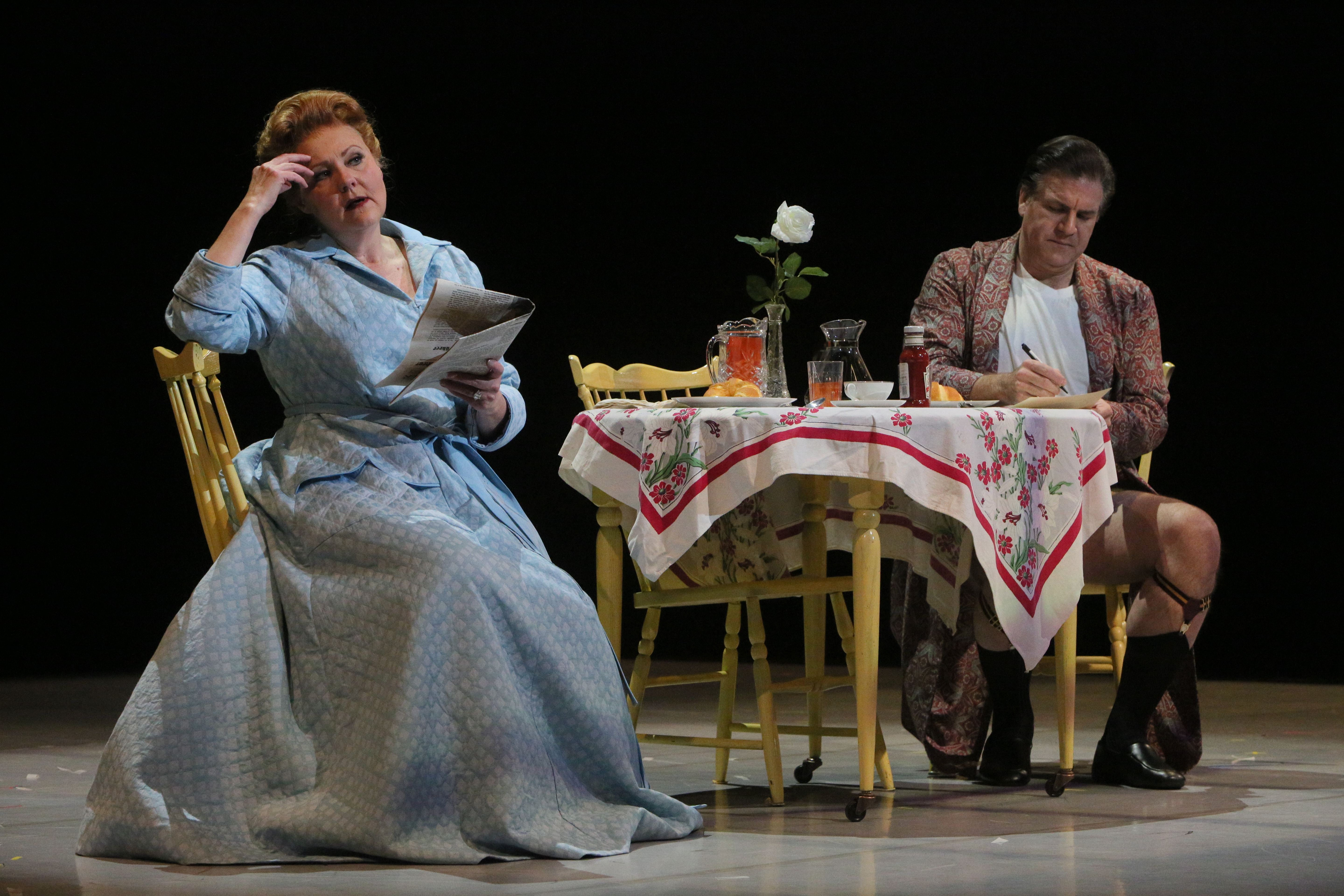
Brenda Harris as Eleanor Iselin and Daniel Sumegi as Senator Johnny Iselin in the Minnesota Opera production of The Manchurian Candidate. Photo by Michal Daniel.

Brenda Harris as Eleanor Iselin and Daniel Sumegi as Senator Johnny Iselin. Photo by Michal Daniel.

Soprano Brenda Harris has the opera’s most virtuosic music, particularly in her scene at the end of Act I, calling on “My darling little boy” and foretelling that “Terrible, terrible things will happen in this country.” This moment of almost Queen-of-the-Night threat and fireworks is a great dramatic stroke, set in the middle of a party scene that can only be described as satirical, and it was spectacularly dispatched by Harris.

Daniel Sumegi’s rough-hewn voice was appropriate for Johnny Iselin’s bluster, if not particularly beautiful. Angela Mortellaro was a lovely, winsome Jocie Jordan. Other roles, from the Chinese and Russians who brainwashed Shaw to the partygoers at the Iselins’, all filled their roles ably.

The production made good use of designer Robert Brill’s unit set. Kevin Newbury’s direction was uncomplicated and natural. There were a number of effective touches, including the menacing men in suits who moved furniture and seemed to be looming behind the scenes at critical moments, and the lighting effects that seemed to put Shaw in the shadow of prison bars when others were in open light.

Michael Christie

Michael Christie

But above all one must credit conductor Michael Christie and the musicians of the Minnesota Opera orchestra. Playing in an exposed pit, they only once covered the singers. Christie maintained the flow of the opera ably. Although it is hard to judge a new work, every tempo felt right, the transitions happened smoothly and there were no audible stumbles in the complex score. I particularly appreciated that Christie did not make an entrance into the pit to elicit applause, but just started both halves with no warning.

The Manchurian Candidate is an important new opera, and it was given a worthy premiere performance at the Ordway Music Theater last night. The audience responded warmly at the end, and recognized Harris in particular as a favorite with shouts and a standing ovation.

One must congratulate the Minnesota Opera for their ongoing commissioning and support of new opera. They far surpass some much larger companies in that regard. Indeed, the recent history of the Minnesota Opera in general, and the success of The Manchurian Candidate in particular, shows that new operas can provide compelling music drama and find an important place in a successful company.

Additional performances of Manchurian Candidate will be March 8, 12, 14 and 15. Visit the Minnesota Opera Web page for details and tickets.

# # #

The same weekend as the premiere of Manchurian Candidate, the St. Paul Chamber Orchestra opened a beautiful new concert hall in the Ordway complex, with concerts Thursday and Friday evening (March 5 and 6).

This is the first time in its 30-plus-year history that the SPCO has had a home that was designed for a chamber orchestra. Previously they played many concerts in the Ordway Music Theater, whose proscenium stage, members of the orchestra say, muddied and muffled the sound that reached the audience.

To judge by the performance I heard (Friday evening, March 6), the new hall is a spectacular success. It is a beautiful space, with gentle curves, warm wood and sound-reflective gypsum blocks dominating the visual aspect. No one is more than 90 feet from the stage. The sound is very present all the way to the top of the second tier—where I was sitting. Even the softest pizzicatos carried well and the texture was consistently clean and transparent. I didn’t know if the audience’s standing ovation at the end of the concert was for the performance, or for the hall.

The first half of the program was well chosen to show the orchestra and the hall to good advantage. Playing without a conductor but following concertmaster Steve Copes’s cues, the orchestra gave a brilliant account of Prokofiev’s “Classical” Symphony. Every note of the sparkling string parts came through, and the winds were bright and clear throughout.

After Prokofiev, the SPCO gave an unlisted performance of Charles Ives’s Unanswered Question, apparently decided on at the last minute. With string playing at a barely-audible whisper and the trumpet sounding beautifully from the balcony, this was an extreme test of both orchestra and hall, and both passed, again brilliantly.

The piece commissioned for the occasion, Coraggio for string orchestra (from String Quartet No. 3) by George Tsontakis, is a pleasant, unchallenging score that passed muster as an occasional piece. If it did not test the orchestra as much as Prokofiev and Ives, it served its festive purpose well.

The second half of the concert, again without conductor, was Beethoven’s “Eroica” Symphony. It was good to hear it played by an orchestra of the size Beethoven would have known, especially of the quality of the SPCO. The dynamic range was impressive, and the momentum at the end brought the audience to their feet. But on the whole I found it less satisfying than the earlier pieces: the balance was less sure, some individual lines were too prominent, and the overall contour of the piece less controlled than might be the case with a conductor.

Still, it was a wonderful concert, and it gives hope to all fans of the SPCO. They now have a home worthy of the orchestra’s quality.

# # #

NOTE: Updated March 8 to include the running time of the performance and future performance dates  of Manchurian Candidate.