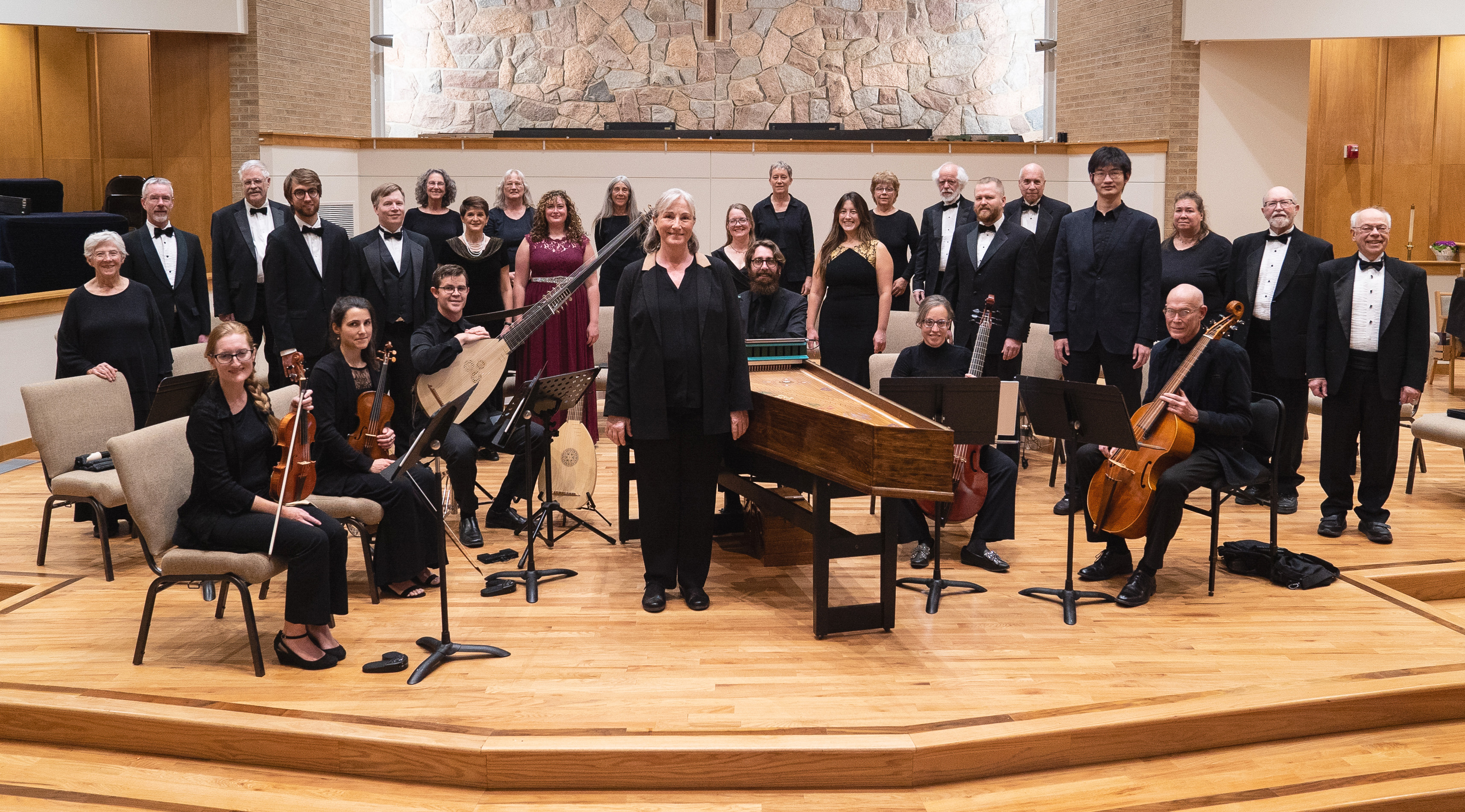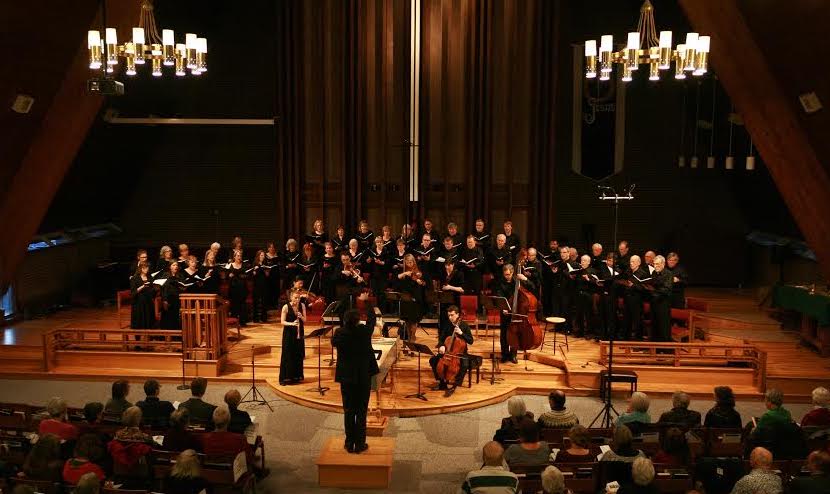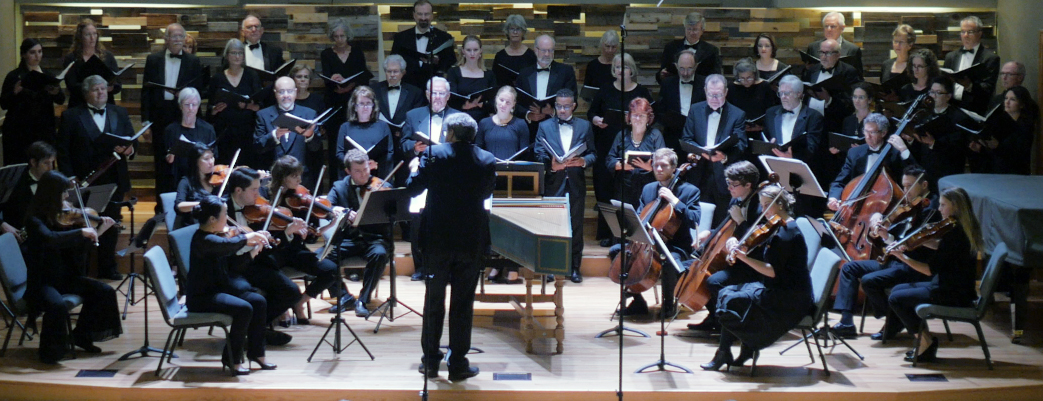
GRACE NOTES: B-minor Mass and string quartet with guitar 

LSO presents Bach’s “Magnum Opus,” Takács Quartet partners with Nicoló Spera

By Peter Alexander April 9 at 5:20 p.m.
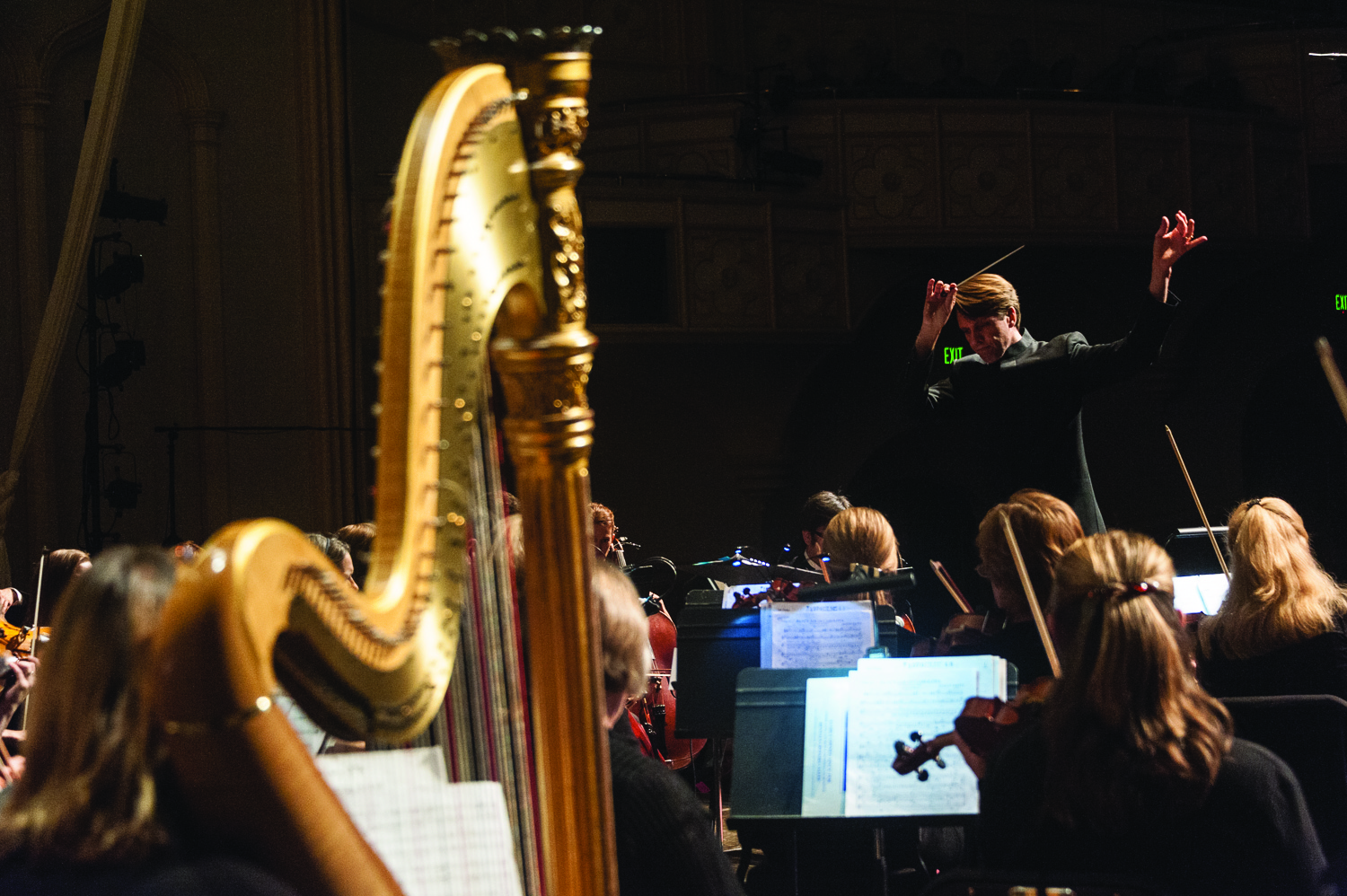
The Longmont Symphony Orchestra (LSO) and conductor Elliot Moore end their season with one of the most significant pieces by J.S. Bach, his monumental Mass in B minor.

The performance of this large-scale work will be Saturday evening at Vance Brand Civic Auditorium in Longmont (7 p.m. April 12; details below). Moore and the LSO will team up with the Boulder Chamber Chorale, a select group from the Boulder Chorale directed by Vicki Burrichter. Soloists will be soprano Dawna Rae Warren, countertenor Elijah English, tenor Joseph Gaines and baritone Andy Konopak.

Choral settings of the Mass ordinary—the five texts sung every week in Catholic church services, as opposed to texts that vary with the liturgical calendar—had a long history in Europe. However, Bach’s setting is too long to be easily incorporated into a normal service, which is why it is generally performed as a concert piece rather than a liturgical mass.
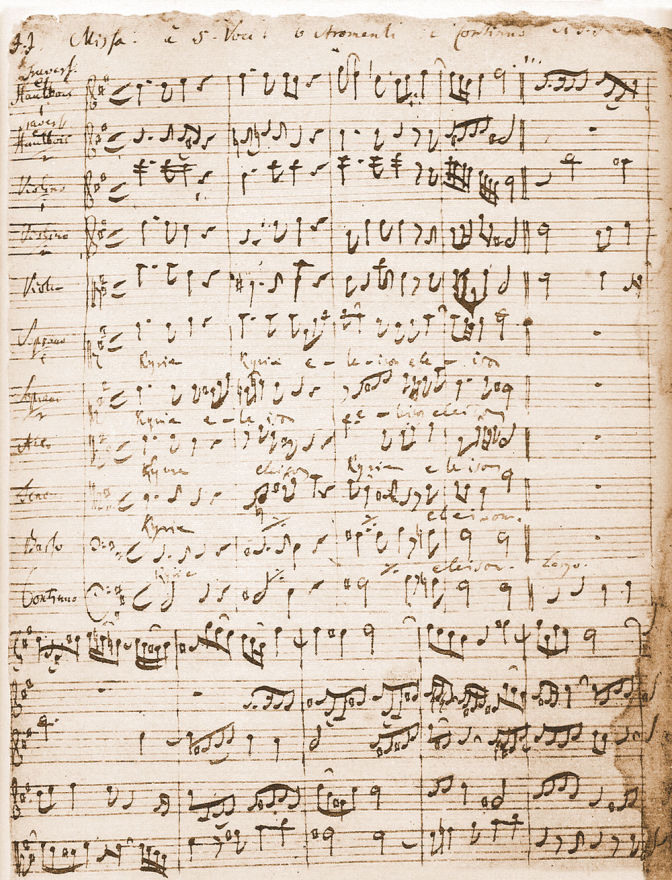
Bach’s manuscript of the B-minor Mass

The structure and composition history of the Mass are complicated. The final work as we know it today comprises the main sections of the Catholic Mass ordinary—Kyrie, Gloria, Credo, Sanctus and Agnus Dei—in 27 separate movements for orchestra, choir and soloists. Bach composed the first two portions of the Mass, Kyrie and Gloria, in 1733. These are the portions that are common to both Catholic and Lutheran services and were theoretically usable at the Lutheran Thomaskirche in Leipzig where Bach was employed. 

Bach presented those two movements to the incoming Elector of Saxony, a Catholic ruler, in 1733. He did not compose the remaining portions of the Mass, which were exclusive to the Catholic services, until  the final years of his life. Some of the music was newly composed, but other movements were reworkings of music from earlier cantatas and other works. 

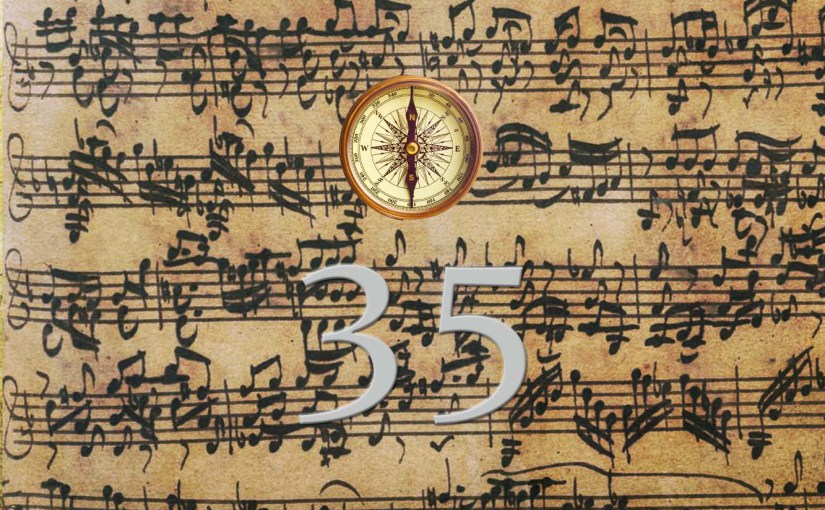
It is remarkable that a piece written over so many years with many different sources would emerge as a unified work universally revered as one of Bach’s crowning achievements. But the entire B-minor Mass was probably never performed in Bach’s lifetime, and clearly would not have been suitable for a service in Bach’s church. It includes music written over 35 years of the composer’s lifetime, assembled and re-appropriated into a final form dictated by the structure of the Catholic Mass, by a resolutely Lutheran composer.

# # # # #

“A Magnum Opus”
Longmont Symphony Orchestra, Elliot Moore, conductor
With the Boulder Chamber Chorale, Vicki Burrichter, direcotr; Dawna Rae Warren, soprano; Elijah English, countertenor; Joseph Gaines, tenor; and Andy Konopak, baritone

  • J.S. Bach: Mass in B minor

7 p.m. Saturday, April 12
Vance Brand Civic Auditorium

TICKETS

# # # # #

The Takács Quartet and guitarist Nicoló Spera will come together over the weekend for concerts in Grusin Hall on the CU Campus (Sunday, April 13, and Monday, April 14; details below).

Their joint performance of the Quintet for guitar and string quartet by Giacomo Susani will be framed by two works from the standard string quartet repertoire, Haydn’s late Quartet in G major, op. 77 no. 1, written in 1799; and Dvořák’s Quartet in F major, op. 96, composed during the composer’s visit to the Czech immigrant community of Spillville, Iowa, in the summer of 1893.
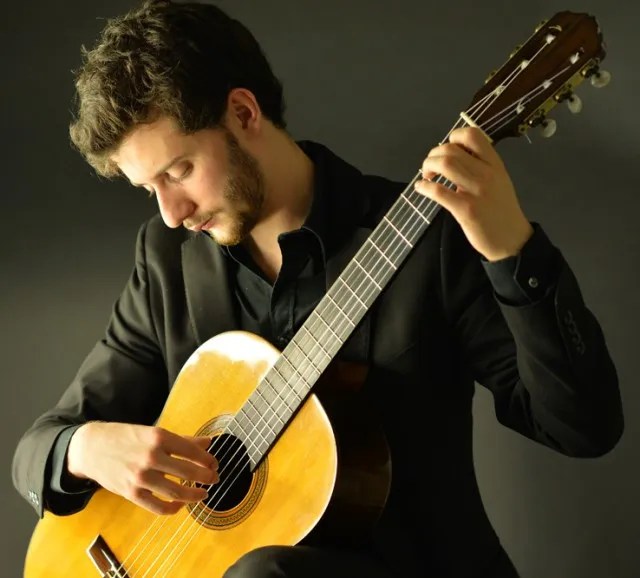
Giacomo Susani

Susani keeps very busy, with a performing career on guitar in Europe and the United States, a compositional career, and as artistic director of the Homenaje International Guitar Festival in Padova, Italy. As a performer he has released four recordings on the Naxos label. He conducted the world premier of his Concerto for 10-string guitar and orchestra in Boulder this past December, with Spera and the Boulder Chamber Orchestra. The Guitar Quintet was written in 2016.

Listeners may be familiar with the string and guitar quintets of Luiggi Boccherini, the best known but not the only works for that combination of instruments. There were several written in the 20th century, including one by Italian composer Mario Castelnuovo-Tedesco. That work is recognized in the last of Susani’s three movements, “Omaggio a Castelnuovo-Tedesco” (Homage to Castelnuovo-Tedesco). The first two movements are titled respectively “La Tempesta” (The storm) and “Liberamente, non trope lento” (Freely, not too slow).

At the age of 67 Haydn began a set of string quartets commissioned by the wealthy aristocratic patron and music lover Prince Lobkowitz. He completed two quartets of a likely set of six, but other projects intervened before he could complete a larger set. The two quartets were published as Op. 77 nos. 1 and 2, and were his final completed string quartets. He only completed two movements of another planned quartet, published in 1806 as Op. 103.
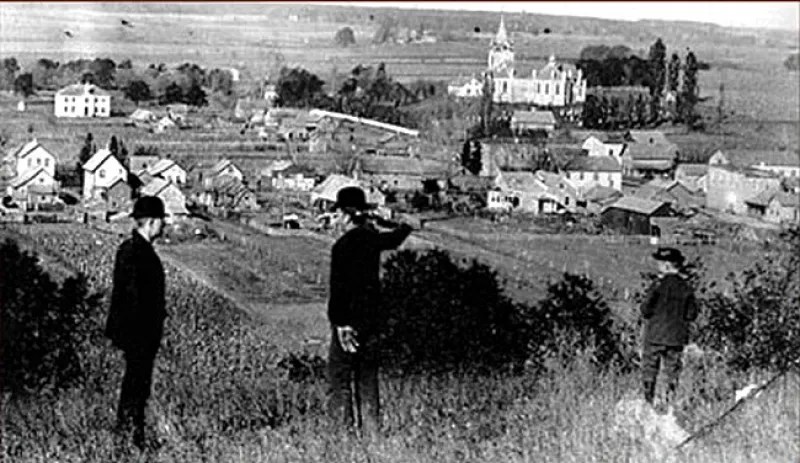
Spillville, Iowa, in 1895, shortly after Dvořák’s visit

Dvořák wrote many of  his best known pieces in the United States. He spent the years 1892–95 as director of the National Conservatory of Music in New York. Intrigued by the idea of a village of Czech immigrants on the Western plains, he spent an idyllic summer in the tiny village of Spillville, Iowa, in 1893. While in the United States he wrote his Symphony No. 9, “From the New World” and his Cello Concerto in New York, and a string quartet and string quintet, now known as the “American” Quartet and Quintet, in Spillville.

Spillville was very much a Czech community, with the people speaking Czech and observing Czech customs that Dvořák found congenial. He frequently played the organ at the local church, which is still standing, and made many friends in the community. 

Dvořák was deeply moved in Spillville, especially by the emptiness of the prairie, perhaps reflected in the Quartet’s melancholy slow movement, and the singing of birds, quoted in the scherzo. Attempts to connect the Quartet’s uncomplicated musical style to American influences have met skepticism. The composer himself once wrote, “I wanted to write something for once that was very melodious and straightforward . . . and that is why it all turned out so simply.

“And it’s good that it did.”

# # # # #

Takács Quartet with Nicoló Spera, guitar

  • Haydn: String Quartet in G Major, op. 77 no. 1
  • Giacomo Susani: Quintet for Guitar and String Quartet
  • Dvořák: String Quartet in F Major, op. 96 (“American”)

4 p.m. Sunday, April 13, and 7:30 p.m. Monday, April 14
Grusin Hall

In-person and streaming tickets HERE.
“The Wheel of Time” at the Dairy Arts Center

Boulder Bach Festival and the Dairy present orchestral program Sunday

By Peter Alexander April 3 at 5:25 p.m.

Co-presenters Boulder Bach Festival (BBF) and the Dairy Arts Center join together for an orchestral program of wide variety and styles, concluding the BBF’s 2024–25 concert season.

The program, titled “Wheel of Time,” will be performed Sunday in the Dairy’s Gordon Gamm Theater (4 p.m. April 6; details below). The performance features the BBF’s conductorless chamber orchestra, COmpass REsonance (CORE). Soloists will be the BBF’s music director, Zachary Carrettin, violin; Mina Gajic, piano; and Mara Riley, soprano and flute.

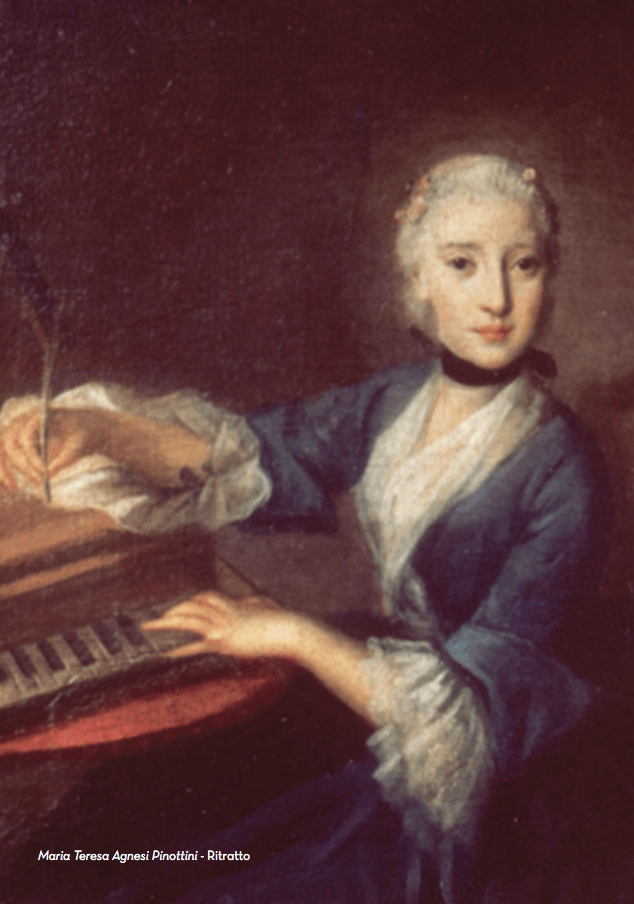
Maria Teresa Agnesi Pinottini

The program features works from the 18th to the 21st centuries, including the first Colorado performance of Overture for a Changing World by Carrettin. Riley will sing two arias, one a sonnet by Petrarch set by Maria Teresa Agnesi Pinottini, an 18th-century Italian composer, singer and harpsichordist; and the other from an opera by Vivaldi. Riley will also appear with CORE as the flute soloist in a performance of J.S. Bach’s Brandenburg Concerto No. 5.

The other work on the program is Ernest Bloch’s Concerto Grosso No. 1 for piano and string orchestra, featuring Gajic as soloist. Composed in 1925, the Concerto Grosso has an interesting origin. At the time, Bloch was director of the Cleveland Institute of Music, where many students were skeptical of “old” techniques in music, including classical forms and tonality.

Bloch decided to respond to their skepticism by writing a new piece that used a classical form, the concerto grosso, and tonality in a contemporary way. He gave the new piece to the school orchestra, who read it with interest. According to legend, after the reading, Bloch said to the students, “What do you think now?”

# # # # #

“Wheel of Time”
Boulder Bach Festival COmpass REsonance, Zachary Carrettin, music director
With Mara Riley, soprano and flute, and Mina Gajic, piano

  • Zachary Carrettin: Overture for a Changing World
  • Maria Teresa Adnesi: Non piangete
  • Ernest Bloch: Concerto Grosso No. 1 for piano and string orchestra
  • Vivaldi: Aria from La verity in cement (Truth in contention)
  • J.S. Bach: Brandenburg Concerto No. 5

4 p.m. Sunday, April 6, Gordon Gamm Theater, Dairy Arts Center

TICKETS

Rare performance of major work by Bach in Boulder, Denver

Seicento presents original instrument version of St. John Passion

By Peter Alexander May 4 at 10:40 p.m.

Seicento, Boulder’s choral group that specializes in Baroque music, is thriving—and it’s thanks to Bach.

“I had a number of singers who asked me, could I be with you in the choir this year?” artistic director Evanne Browne says. “They want to do something this important!”

That “something important” is a historically informed performance of J.S. Bach’s 1724 St. John Passion. According to Browne that will be a first in Colorado. Performances will be Friday through Sunday in Arvada, Denver and Boulder (May 5–7; details below).

Seicento Baroque Ensemble with artistic director Evanne Browns (first row, left)

This major work is done a little less frequently than Bach’s St. Matthew Passion or Mass in B minor. And while modern instrument performances do happen from time to time, the difficulty of assembling all the pieces for a historically informed, original instrument performance makes that even more rare.

In addition to Seicento’s usual chorus, Browne had to assemble an orchestra of Baroque-era string and wind players from around the world. Colorado has Baroque string players, Browne says, but wind players—and especially Baroque bassoonists—are harder to find. Collecting the players was like putting together a jigsaw puzzle where the pieces are scattered around the world.

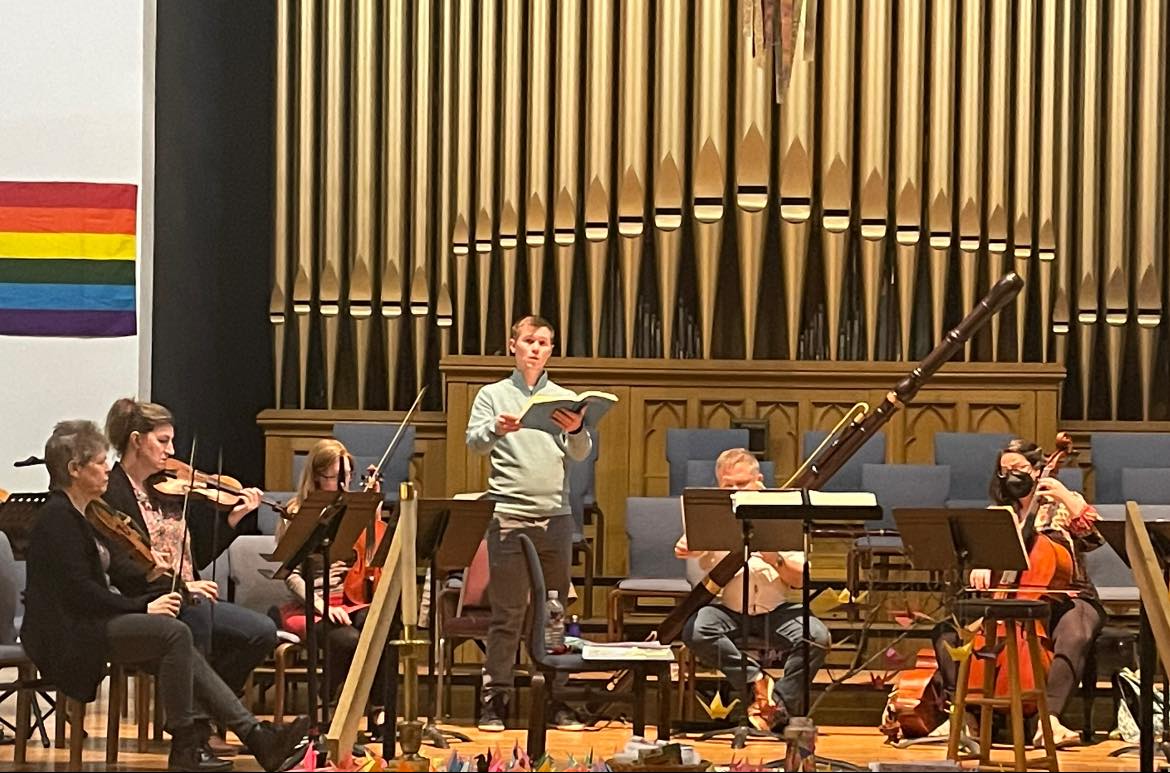
Rehearsal of the St. John passion featuring the Baroque contrabassoon played by Keith Collins

“I call it a Tetris puzzle,” Browne says. “It’s not just ‘it takes a village,’ it takes a city to do this! It is a huge administrative task, to fly these people in and figure out when they’re coming to the airport and where they can stay and all of that.”

Browne points out that there are a lot of people working behind the scenes who will not be seen onstage. “I have a good board, and I also have four or five excellent volunteers who have done incredible work. And donors and grant writers and publicity! It’s a bigger undertaking than anything that Seicento has done.”

Among the specialized instruments required are the Baroque bassoon, a contrabassoon that stands more than seven feet tall, and such rarities as the oboe ‘d’amore and oboe de caccia—oboes with distinctive sounds that are pitched differently than the modern instrument. “It’s not just using the instruments, it’s having knowledgeable instrumentalists who have spent years studying the style as well as perfecting the sound,” Browne explains.

She also has worked with the choir to achieve a historically informed stye of performance. She has trained the singers to achieve a sound that is brighter in places and less open on the higher notes. Another issue is the way musical phrases are shaped. “The choir is doing a lot of sub-phrasing within a long phrase,” Browne says. “Within one long phrase there are many divisions—it’s lots more detailed.”

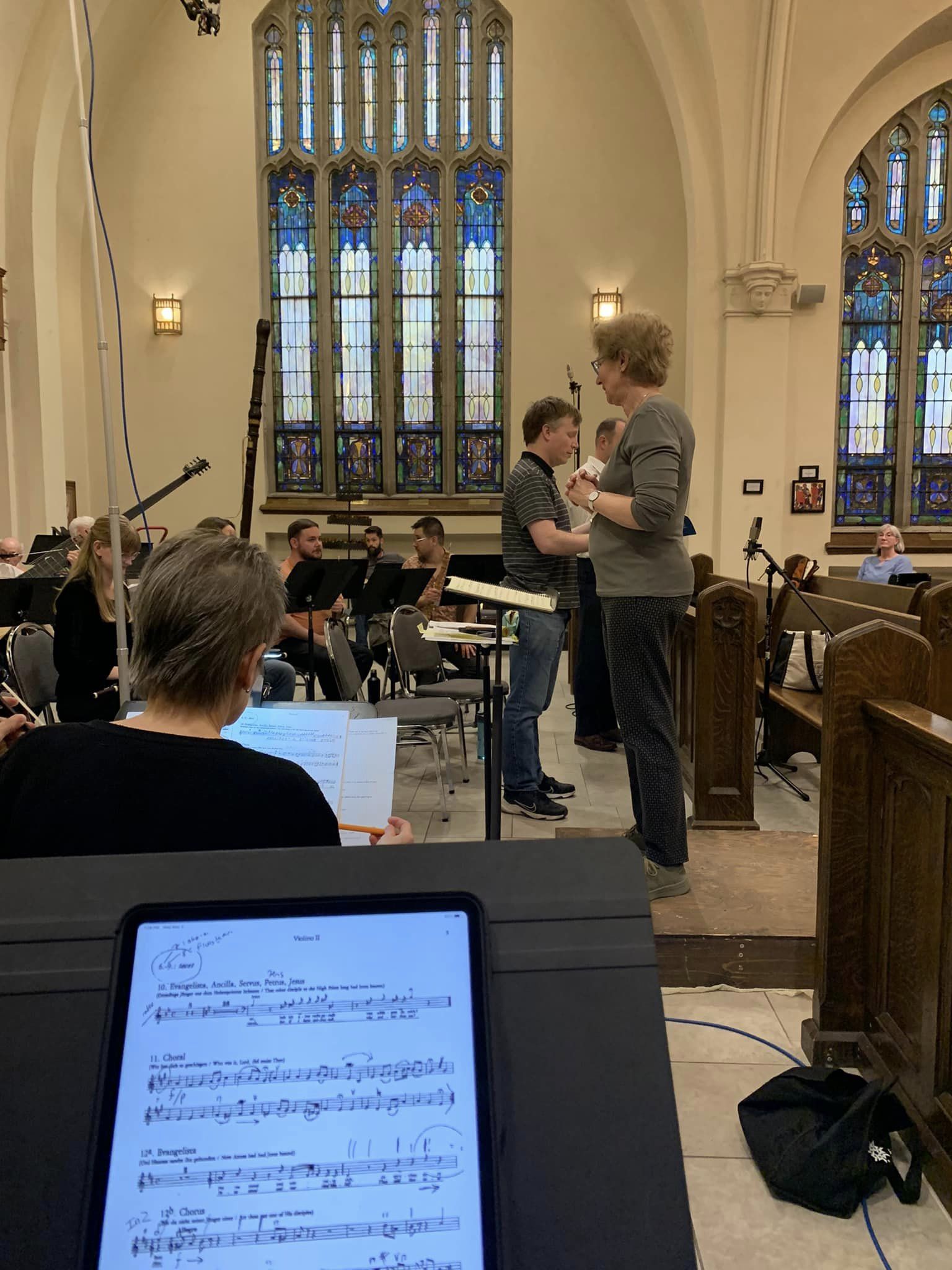
Evanne Browne rehearing the St. John Passion with Seicento

A performance of the St. John Passion unfolds on several levels. The text from the Gospel of John is sung by a soloist identified as the Evangelist. His narration lays out the story of Jesus’s arrest, trial and crucifixion. Lutheran chorales are sung by the chorus, representing the response of the congregation of believers. The choir also sings the words of the crowd in John’s story, and framing choruses that open and close Bach’s score. Arias are sung by soloists that are settings of poetic texts chosen by Bach to illuminate the story.

Portions of the Passion that pose issues for contemporary listeners are passages considered antisemitic, when the crowd described as Juden (Jews) calls for Jesus to be killed. “There are issues with the text,” Browne acknowledges. “There’s a strong emotional response, and I think Bach’s music contributes to the controversy because it’s so well done.

“We’re not softening that, but what we are hoping to do is raise the consciousness of people who might not think about the presentation being antisemitic. We have talked about it, we have had good discussions. I wrote about it in the program notes, because I want people to know we’re not making a religious statement, we are presenting an historical work that is musically very worth while.”

That last point is especially important for Browne: the opportunity to present an important work as it would have been heard by the composer. It’s both an aesthetic and an educational mission. “Part of Seicento’s mission is about education,” she says. “That doesn’t just mean that we go to a school where there are children that haven’t heard Bach before—although we have done that.”

The mission includes helping the performers learn Baroque style and giving the audience the opportunity to learn about the musical works of the Baroque era. In fact, to reach the audience Browne has already posted an introduction the St. John Passion online (here.)

In the meantime, she is looking forward to the upcoming performances. “The choir is doing fabulously,” she says. “I think it’s going to be exciting for everybody. 

“It certainly is for me!”

# # # # #

J.S. Bach: St. John Passion
Seicento Baroque Ensemble, Evanne Brown, conductor

7 p.m. Friday, May 5, Arvada United Methodist Church, Arvada
7 p.m. Saturday, May 6, St. Paul Lutheran Church, Denver
3 p.m. Sunday, May 7, Mountain View Methodist Church, Boulder

TICKETS for live performances and livestream

The unfamiliar familiar by Seicento

Baroque Ensemble celebrates it 10th anniversary at the weekend

By Peter Alexander April 21 at 1:30 pm.

Boulder’s Seicento Baroque Ensemble celebrates its 10th anniversary this weekend (April 22–24) performing a piece that is both familiar—and not.

The piece is the Magnificat by J.S. Bach, which as the Magnificat in D is one of the most celebrated works of the Baroque master. But they will not perform that Magnificat, but a lesser known, earlier version in E-flat that has much of the same music, with interesting twists.

Artistic director Amanda Balestrieri with Seicento. Photo courtesy of Seicento.

Completing the program, titled “Magnificent Magnificats,” are two other settings of the same sacred Christian text, known as the Canticle of Mary. One is anonymous, although previously attributed to the German composer Dietrich Buxtehude, and the other is by the 17th-century French composer Marc-Antoine Charpentier. Performances will be Friday through Sunday in Longmont, Arvada and Boulder.

Read more in Boulder Weekly.

# # # # #

Magnificent Magnificats
Seicento Baroque Ensemble, Amanda Balestrieri, conductor
Choir, soloists and orchestra

  • Anonymous (attr. Buxtehude): Magnificat
  • Marc-Antoine Charpentier: Magnificat
  • J.S. Bach: Magnificat (original version in E-flat)

7 p.m. Friday, April 22
Longmont Museum Stewart Auditorium

7 p.m. Saturday, April 23
Arvada Methodist Church, Arvada

3 p.m. Sunday, April 24
First United Methodist Church, Boulder

6 p.m. Friday, May 6
Streamed Virtual Performance

TICKETS

‘A space of awe and wonder’

Pro Musica brings musical and spiritual insights to Bach’s Mass in B Minor

By Peter Alexander Oct. 24 at 4:10 p.m.

J.S. Bach’s monumental Mass in B Minor is one of the great works in the European musical tradition.

AC_Courtesy-of-Pro-Musica-Colorado

Photo courtesy of Pro Musical Colorado Chamber Orchestra

Cynthia Katsarelis, conductor of the Pro Musical Colorado Chamber Orchestra describes it as “a cathedral in both sound and spirit.” She will conduct the Mass in B Minor Friday and Saturday (Oct. 25 and 26) in Denver and Boulder. In addition to Pro Musica, the performances will feature St. Martin’s Chamber Choir, directed by Tim Kreuger, and four soloists: soprano Jennifer Bird, tenor Derek Chester, mezzo-soprano Julie Simson, and baritone Jeffery Seppala.

“It’s certainly a bucket-list piece, for both me and Tim Kreuger,” Katsarelis says. “We’ve talked about this for years, and it was time. There’s something about Bach and particularly the choral masterpieces and the B-minor Mass in particular that is so universal and so touches the spirit and the soul, and connects us to our humanity.”

Katsarelis relates that perception of the Mass to an underlying theme for the current season of three concerts: Social conscience and the human condition. The second concert (Feb. 1 and 2) is titled “Diverse Voices” and will feature music by African-American composers William Grant Still and Gabriela Frank. In March they will present “Composing Climate,” featuring Gwyneth Walker’s Earth and Sky, which has texts from Native American leaders Chief Joseph and Chief Seattle, alongside words by Henry David Thoreau.

See more in Boulder Weekly.

# # # # #

Pro Musica Colorado Chamber Orchestra, Cynthia Katsarelis, conductor
St. Martin’s Chamber Choir, Tim Kreuger, director
Jennifer Bird, soprano; Derek Chester, tenor; Julie Simson, mezzo-soprano; Jeffery Seppala, baritone

J.S. Bach: Mass in B minor

7:30 p.m. Friday, Oct. 25, Mountview Presbyterian Church, Denver
7:30 p.m. Saturday, Oct. 26, Mountain View United Methodist, Boulder

Tickets


Boulder Bach Festival returns to the B-Minor Mass, but differently

Concert performance in Macky Auditorium will not be ‘historically informed’

By Peter Alexander Nov. 8 at 12:00 noon

Photography by Glenn Ross. http://on.fb.me/16KNsgK

Photo by Glenn Ross

Conductor Zachary Carrettin and the Boulder Bach Festival return to one of J.S. Bach’s masterworks of their repertoire on Sunday (Nov. 11), the Mass in B minor. But if you heard it the last time they performed the same work, in 2015, you should know this time will be different.

Then it was performed in intimate settings in Boulder and Denver; now it will be performed in Macky Auditorium. Then it was performed by a small chorus and orchestra; now the numbers will be greater. Then there were period instruments; now there are not. Then the soloists were early-music specialists; now they include operatic voices.

In fact, this will be very much a “modern” performance, with no self-consciously historical performance practices. Doing a deliberately non-historical performance seems unusual for an organization devoted to early music, but that decision was influenced both by the large concert hall where it will be presented and by Carrettin’s own philosophy.

“I firmly believe that the acoustic environment, the ensemble size, and the approach that we take with phrasing and tone production and balance should change from concert to concert,” he says.

Read more in Boulder Weekly

# # # # #

Dance of Life: Mass in B Minor
Johann Sebastian Bach

Boulder Bach Festival Chorus and Orchestra, Zachary Carrettin, conductor
With Jennifer Bird-Arvidsson, soprano; Abigail Nims, mezzo-soprano; Peter Scott Drackly, tenor; and Ashraf Sewailam, bass-baritone

Veterans’ Day and 100th Remembrance Day
2 p.m. Sunday Nov. 11
Macky Auditorium

Tickets from Macky Auditorium

Boulder Bach Festival returns to its central mission with four choral works

‘Four of the greatest soloists’ will be featured March 15

By Peter Alexander March 8, 4:40 p.m.

It will be back to basics for the Boulder Bach Festival.

ZC conducts chorus May 2017

Zachary Carrettin leading the Boulder Bach Festival orchestra and chorus. Photo courtesy of the Boulder Bach Festival.

Its next concert will return to the original focus of the festival by presenting choral works by J.S. Bach with soloists and orchestra. After several concerts featuring music by composers before and after Bach, and introducing various performance styles, the program will comprise four of Bach’s church cantatas: No. 4, Christ lag in Todesbanden; No. 50, Nun ist das Heil und die Kraft; No. 61, Nun komm, der Heiden Heiland; and No. 63, Christen, ätzet diesen Tag.

“All of these works have great arias, beautiful duets, riveting choruses and gorgeous orchestral writing,” Zachary Carrettin, the festival’s artistic director, says. “I love these four works, and I thought they would be fabulous on one program.”

Carrettin will conduct the Boulder Bach Festival Chorus and Orchestra, with soloists Josefien Stoppelenburg, soprano; Abigail Nims, mezzo-soprano; Derek Chester, tenor; and Ashraf Sewailam, bass. “These are four of the greatest soloists we’ve programmed,” he says. “I couldn’t think of a better quartet of individuals to collaborate with our chorus and orchestra.”

Read more in Boulder Weekly.

# # # # #

“Eternal Spirit”
Boulder Bach Festival, Zachary Carrettin, artistic director
Bach Festival Orchestra and Chorus\
Josefien Stoppelenburg, soprano
Abigail Nims, mezzo-soprano
Derek Chester, tenor
Ashraf Sewailam, bass

Four cantatas by J.S. Bach

7:30 p.m. Thursday, March 15
Seventh-Day Adventist Church, 345 Mapleton Ave., Boulder

Tickets


Boulder Bach Festival goes exploring in an intriguing concert

Unfamiliar works and an unfamiliar instrument are unexpected treasures

By Peter Alexander

compass-logo-plusThere is a reason that the Boulder Bach Festival (BBF) uses a compass in its logo.
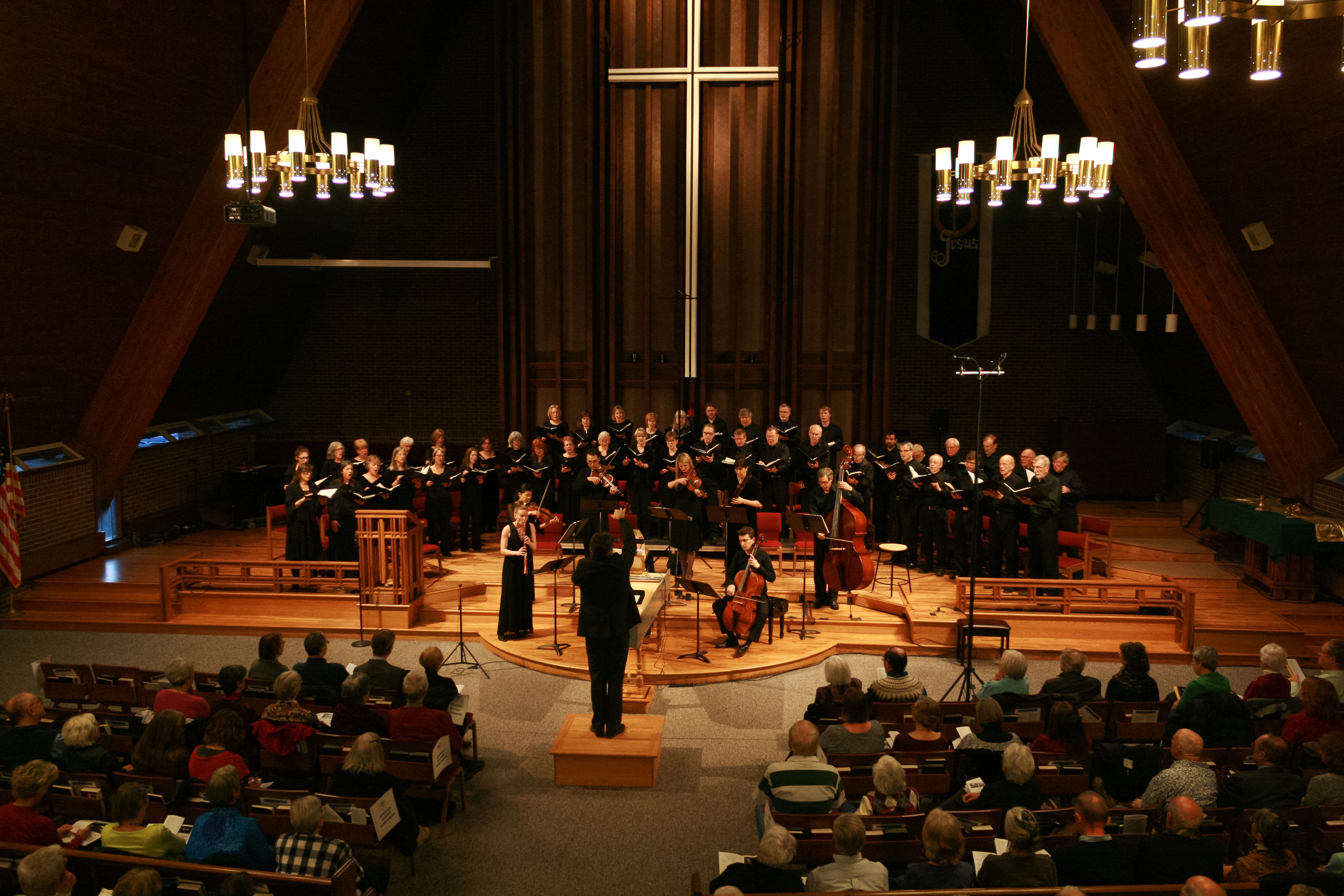
As demonstrated in their 2016–­17 season-opening concert yesterday (Oct. 15), the BBF under music director Zachary Carrettin goes sailing out into Bach’s musical world, looking for new discoveries for players and audiences alike. And usually, like yesterday’s concert, they bring back unexpected treasures.

The performance, given in Boulder’s Adventist Church, was a repetition of a program given Friday evening in St. John’s Episcopal Cathedral in Denver. Titled “Concertos and Chorales Contextualized,” the program explored the many different ways Lutheran chorale tunes were arranged and used as the basis of larger works in the Baroque period (late 1500s to roughly 1750), and also how Bach’s concertos reflected compositional techniques that had been refined through settings of chorale tunes.

Photography by Glenn Ross. http://on.fb.me/16KNsgK

Boulder Bach Festival Chorus and players. Photography by Glenn Ross.

There was music on the program from the early Baroque, starting with a work by the truly obscure Bartholomeus Gesius (1562–1613), through the slightly better known Michael Praetorius (1571–1621), Johann Hermann Schein (1586–1630), and Samuel Scheidt (1587–1654), and culminating with J.S. Bach (1685–1750). (See my preview of the concert here.)

Unfortunately, the space at the Boulder Adventist Church does not lend itself to clarity of the complex counterpoint you find in much Baroque music. This was evident with both the small orchestra assembled for two of J.S. Bach’s concertos, and the Boulder Bach Festival Chorus, which sang several works on the program.

The fault is not with the performers, who sang and played confidently. Carrettin led the program decisively, with a fine sense of style. Nevertheless, works performed from the front of the church were not always as clean as one would wish. Mid- to low-range sounds tended to get murky, and the bass lines were not always clear.

holman-headshot

Organist Christopher Holman

The sound is better when the music originates from the choir loft, at the back of the sanctuary. The choir sounded cleaner and clearer from the loft, and the organ, played splendidly by Christopher Holman, was transparent and at times sparkling.

In spite of any acoustic limitations, it was a thoroughly worthwhile and intriguing program, and may well have been more fully satisfying in the Denver venue.

Before the second half of the concert, Carrettin gave a brief talk on how the word Ach (the German equivalent of “Ahh!”) in Bach’s motet Jesu Meine Freude corresponds to similar exhalations in other cultures and spiritual traditions around the world. This both served to make the music, firmly grounded in north German Lutheran religious practice, more universal, and personified the festival’s motto “Across Time, Across Cultures”—the spirit that underlies the adventurous direction of today’s Boulder Bach Festival.

Three parts of the program were particularly pleasing. The anonymous setting of Ach Gott, vom Himmel sieh darein (Oh God, look down from heaven) for organ was a delightful discovery, with rippling runs and a growing sense of pace. As throughout the concert, Holman’s playing brought the music energetically to life.

Of the two concertos, Bach’s Brandenburg Concerto No. 6 was the best instrumental selection on the concert. A string ensemble with violas at the top of the texture runs the risk of being murky throughout, but the smaller ensemble and careful work by the players mostly overcame the danger. The texture was generally transparent.

The playing by viola soloists Aniel Cabán and Tal McGee was particularly lovely in the slow movement, and the finale romped along with great energy.

dsc-close-action-spalla-1

BBF artistic director Zachary Carrettin with his cello de spalla

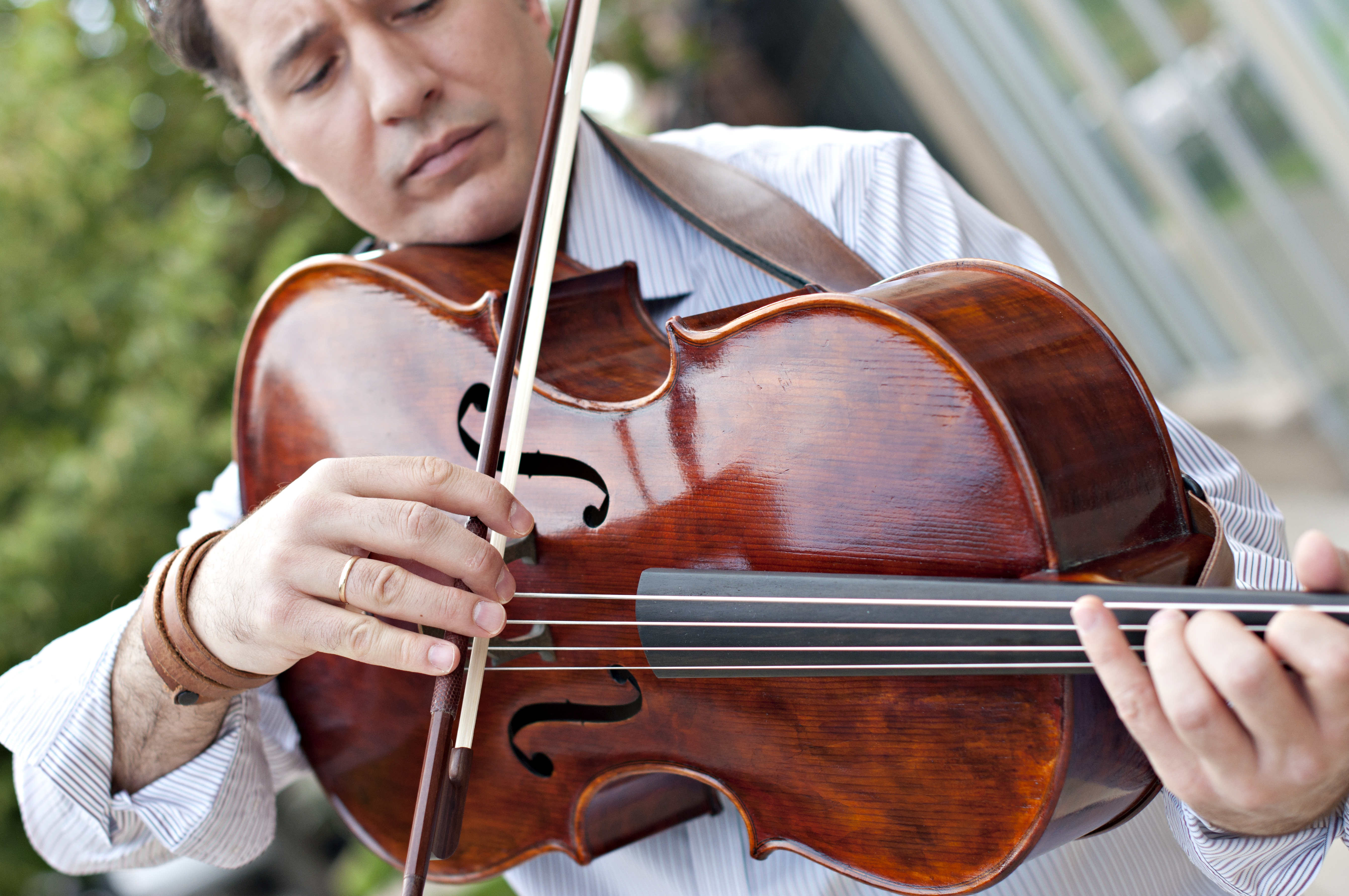
A word about the cello da spalla (shoulder cello) that Carrettin introduced in this work. He and Renee Hemsing Patten played two interior parts (originally written for viola de gamba) on this unusual and somewhat awkward looking instrument. When heard individually, they projected a solid, clean string tone, and they obviously filled their parts well. To really judge the instruments, it would be necessary to hear one in a solo role—which Carrettin has planned for the BBF concert Dec. 8 in Boulder and Dec. 9 in Longmont.

The final set of the concert comprised three works for the Christmas season, by Michael Praetorius, J.S. Bach, and Gesius. Each work was pleasing, starting with music sung by a chamber choir, and ending with the Gesius sung in surround sound with a rank of singers in each aisle. This was good program planning: ending with the fullest and clearest choral sound of the concert, and yet another fine discovery brought back from the larger musical world.

Boulder Phil will present three works in one

Performances of Bach’s St. Matthew Passion will be a collaboration with several organizations

By Peter Alexander

J.S. Bach’s St. Matthew Passion is at least three different works.

Michael Butterman conducts the Boulder Phil - Glenn Ross Photo.jpg

Michael Butterman and the Boulder Philharmonic. Photo by Glenn Ross.

It is a sacred work, written and performed in Bach’s lifetime as part of Good Friday services at the Thomaskirche in Leipzig. It is a concert work that has been performed apart from religious services for most of the 266 years since Bach’s death. And it is a dramatic work, the closest Bach came to writing an opera.

This weekend’s performances by the Boulder Philharmonic, a semi-staged production presented in conjunction with the Boulder Bach Festival, Central City Opera, the CU College of Music and the Boulder Children’s Chorale, will definitely tilt toward the third option. (Performances will be at 7 p.m. Saturday in Macky Auditorium, with supertitles projected over the stage; and at 2 p.m. Sunday in Denver’s Central Presbyterian Church.)

Bach’s score unfolds on different levels: There is a tenor singing the Biblical narration, a baritone singing the words of Jesus, and individuals from the chorus who sing the words of other characters named by St. Matthew; there is a double chorus, which sings large choral movements that introduce and close the work, the words of the crowd, and Lutheran chorales that symbolically represent the reaction of the congregation; and there are aria soloists who sing non-Biblical poetic texts that reflect upon the story.

To these musical events, this performance will add an onstage dramatization, but not in a literal way. “There’s very little that’s literal action,” stage director Robert Neu says. “What we’re trying to do is take it a little bit out of the realm of a traditional concert performance. The piece is very operatic in the way it’s shaped, it’s very dramatic, but given the nature of the piece, you can’t be overly literal about it.”

Read more in Boulder Weekly.

# # # # #

Bach’s St. Matthew Passion
Boulder Philharmonic, Michael Butterman, music director
A semi-stage production with
Central City Opera, Robert Neu, stage director
Boulder Bach Festival chorus, Zachary Carrettin, artistic director
The University of Colorado, Boulder, University Singers and University Choir, Gregory Gentry, chorus master
Boulder Children’s Chorale, Kate Klotz, artistic director
Vocal soloists

7 p.m. Saturday, April 23 [Note early starting time]
Macky Auditorium, Boulder
Preceded by pre-performance discussion, 6 p.m.

2 p.m. Sunday, April 24
Central Presbyterian Church, Denver

Tickets

Boulder Bach Festival comes to Longmont—inspired by Pink Floyd

Program “wanders through a labyrinth of pre-Bach Italian mysticism”

By Peter Alexander

compass-manuscript1J.S. Bach never heard Pink Floyd or visited St. Mark’s Cathedral in Venice, but both play a part in the Boulder Bach Festival’s opening program for their 35th season.

The concert, “Italian Roots,” will be performed at 7:30 p.m. Friday in the Stewart Auditorium at the Longmont Museum in Longmont, and at 7:30 p.m. Saturday in St. John’s Episcopal Church in Boulder (tickets). The program includes music by Heinrich Ignaz Franz Biber, Jacques Arcadelt, Dario Castello, Johann Jakob Froberger, Biagio Marini, Marco Uccelini and Johann Christoph Bach on the first half, and two works by festival namesake J.S. Bach after intermission.

The Longmont performance opens the Bach Festival’s 2015–16 season and “Bach in Longmont,” a series of three concerts in the new Stewart Auditorium. The series also includes educational events centered at the Longmont Museum.

Performers will include violinist Zachary Carrettin, musical director of the Boulder Bach Festival (BBF) and the Bach Chamber Singers, a small ensemble of four singers. Featured guest artists will be soprano Josefien Stoppelenburg, who sang on the BBF performance of the Bach B-minor Mass in February of this year; Matthew Dirst, a Grammy-nominated harpsichordist and renowned scholar; and violinist Michiko Theurer, BBF artist-in-residence.

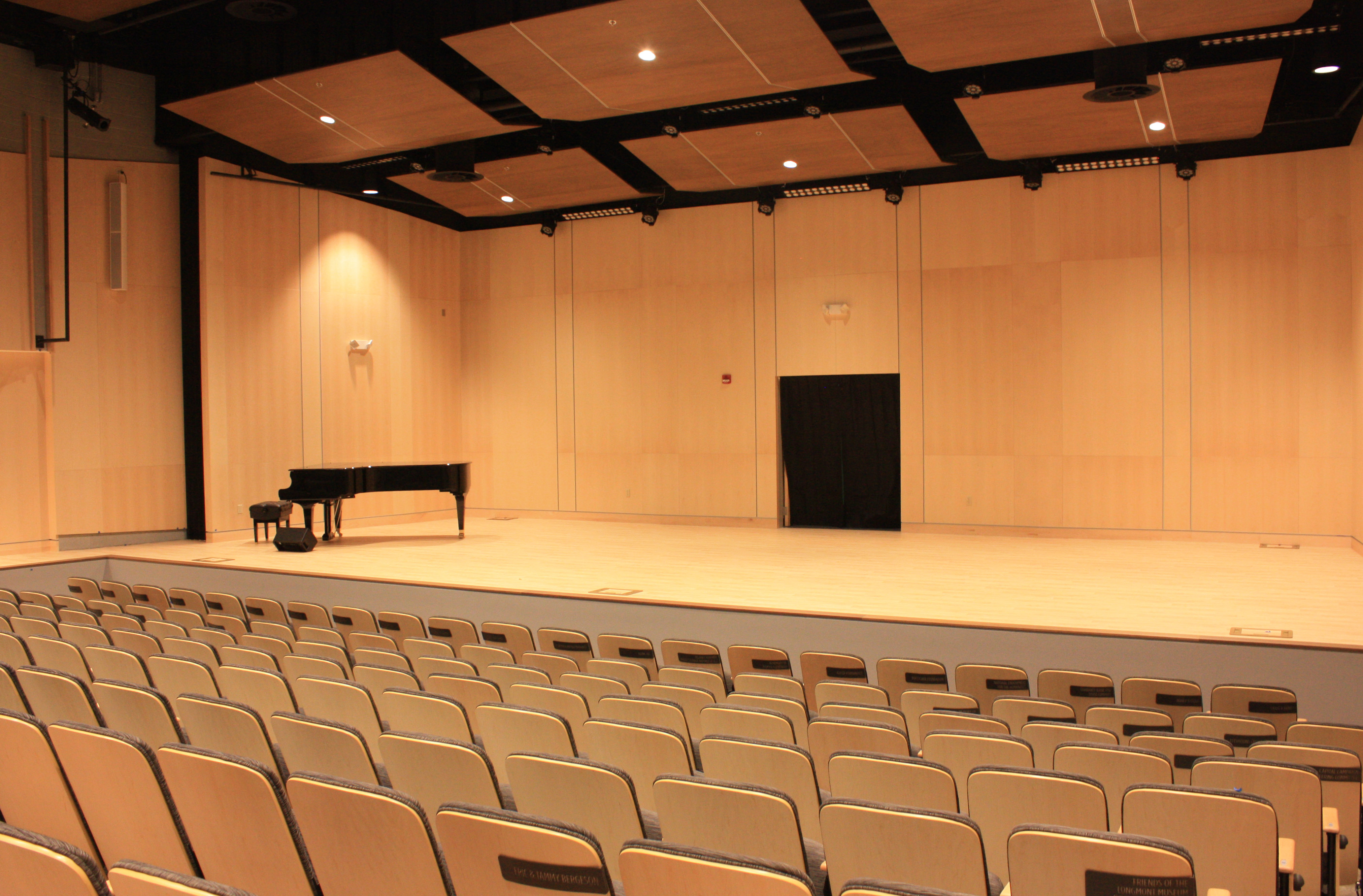
Interior of the new Stewart Auditorium at the Longmont Museum. Photo by Peter Alexander

Interior of the new Stewart Auditorium at the Longmont Museum. Photo by Peter Alexander

Carrettin praises the new auditorium in Longmont. “It’s a beautiful acoustic space, and the lobby is very inviting,” he says. “As (people) walk into the hall, they will realize that it’s an intimate hall, but world class nonetheless.” The connection to St. Mark’s Cathedral, which is famous for having multiple choir lofts so that sounds come from different directions, will be in the creative way Carrettin creates similar effects in the intimate auditorium.

“Whether you want to use the ancient term antiphonal, or the 20th-century term stereophonic, we will be placing artists in different parts of the hall,” he says. “That’s an element of the way we are presenting the entire first half of the program, without pauses between pieces. We’ll improvise transitions from one work to another, and sometimes traveling from left to right on stage.

“The idea is to create half of a concert that is sewn together as its own journey. I have to think of the Pink Floyd albums, or the Yes albums, and the way the artists would weave together pieces of music, sometimes bringing back ideas from previously played songs so that by the end of the album the listener feels that they’ve been told a story.”

According to the BBF Web page, that story will be one of “wandering through a labyrinth of pre-Bach Italian mysticism.” What makes it a labyrinth is perhaps the fact that the composers vary from text-book names unfamiliar to most audience members down to the utterly obscure, but Carrettin is happy to illuminate the various corners of the labyrinth.

“It’s not in the program, [but] I decided to open the program with the Passacaglia for solo violin by [17th-century German composer] Heinrich Biber,” Carrettin says. “The Passacaglia, with its repeated bass line and variations, immediately brings the audience into a space of timelessness.”

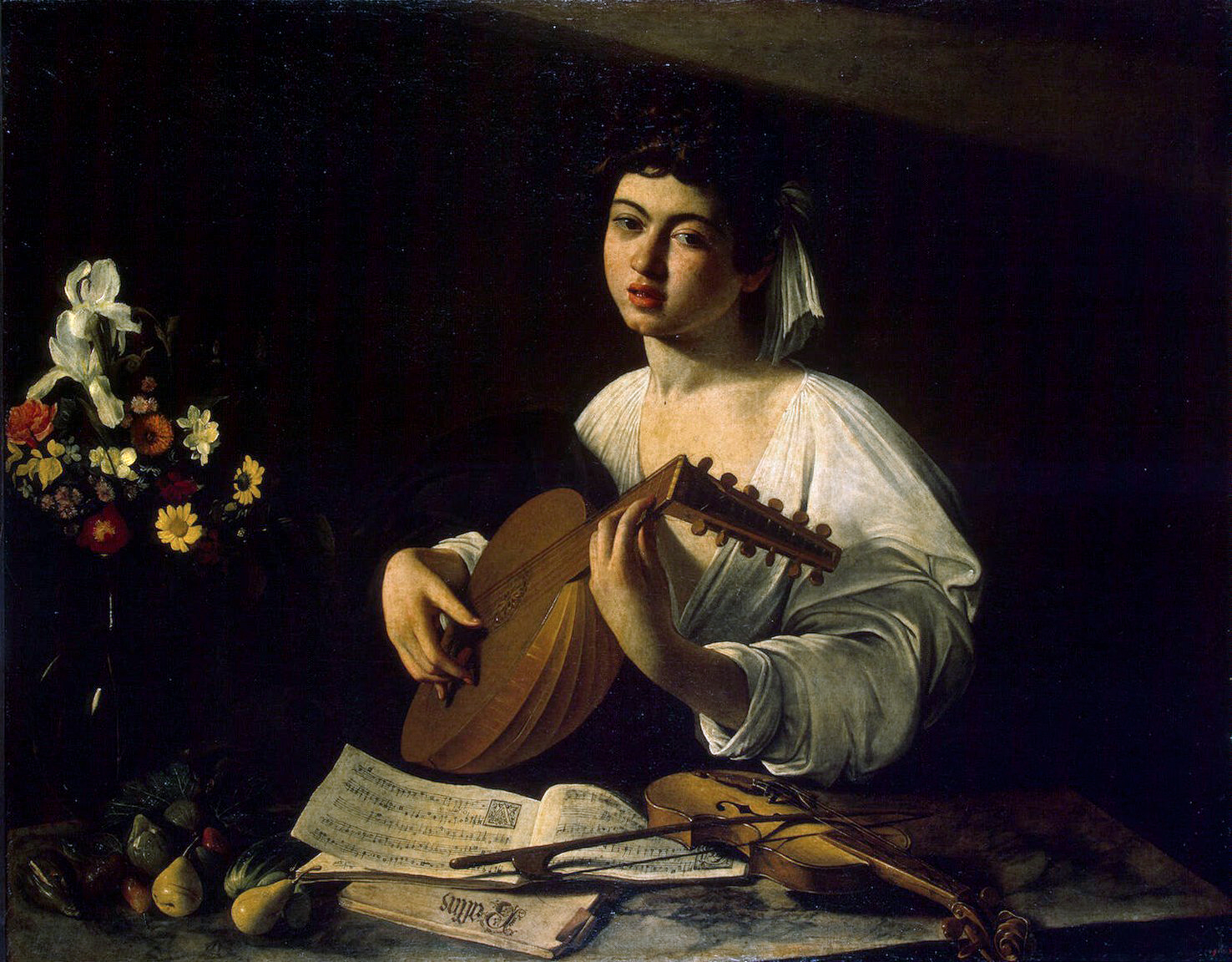
Michelangelo_Caravaggio_020

Caravaggio’s “The Lute Player”

That timelessness sets the stage for the earliest piece on the program, a madrigal by 16th-century Flemish composer Arcadelt. He was so well known in his lifetime that a 1596 painting by Caravaggio, featured on the BBF Web page, shows a lutenist playing one of his pieces. The text, about love and death—like many madrigals—in turn sets the stage for later works on the program.

The next piece returns to the 17th century with a Toccata by Froberger, who was known as a the composer of keyboard suites and descriptive pieces. “Bach was a virtuoso keyboardist and improviser,” Carrettin says, “so Froberger is an opportunity for us to look at other great keyboard composers.

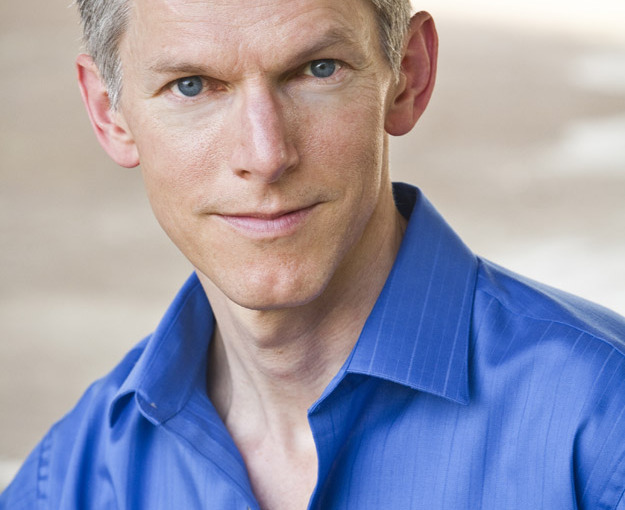
Harpsichordist and scholar Matthew Dirst

Harpsichordist and scholar Matthew Dirst

“Matthew Dirst ,who’s performing [Froberger’s Toccata] is really an incredible, dynamic scholar and author of a recent book called Engaging Bach. He is perfect for bridging the Italian style and Bach, starting with a piece that just plays with the facility of a keyboard instrument.

“As the program progresses, you’ll hear Matthew in various perspectives and lights.”

The rest of the first half plays out with Dirst playing first a sonata for violin and harpsichord by Castello with Theurer; then a set of variations for harpsichord and two violins by Marini, with Theurer and Carrettin; and another piece by Froberger. The first half ends with the Bach Chamber Singers performing music by one of J.S. Bach’s older relatives, Johann Christoph Bach.

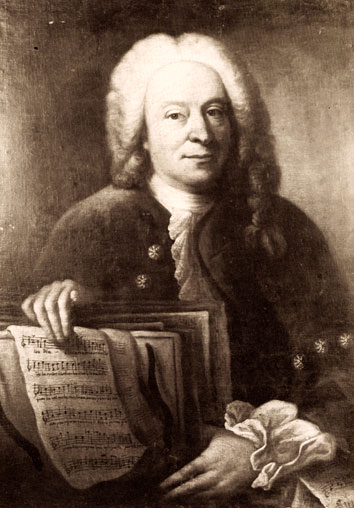
Johann Christoph Bach

Johann Christoph Bach

“He was actually the most known Bach composer before Johann Sebastian, but history doesn’t remember him,” Carrettin says. “This short motet, World, goodnight, is stunningly beautiful, so I think it’s a great way to end the first half.” Like the Arcadelt, this is another piece reflecting on death.

Carrettin describes the first half of the program as “fragments within a dream,” which contrasts with the two very familiar works by J.S. Bach that will be played in full on the second half: the much loved Harpsichord Concerto in D minor, BWV 1052, and a version of the cantata Ich habe genug, BWV82a for soprano—the concert’s final musical meditation on death.

“Dirst will perform the most famous Bach harpsichord concerto,” Carrettin says. “He’ll be just accompanied by string quartet, so you will really get the sound of the harpsichord ringing throughout the hall.”

Soprano Josefien Stoppelenburg

Soprano Josefien Stoppelenburg

Turning to the cantata, Carrettin says “There are several special elements of our performance. One is that we are doing this one per part, featuring Ysmael Reyes on flute. We’ll have two violins one viola, one cello, and one double bass, and Dirst will play harpsichord.

“Soprano Josefien Stoppelenburg, who thrilled audiences in the B minor Mass, will return to sing this. And what’s so special about this performance is that we’re using the rarely performed version that Bach wrote for soprano.”

Bringing together guest artists with local musicians in something Carrettin especially enjoys. “What thrills me is having an internationally recognized harpsichordist, and an internationally recognized virtuoso soprano sharing the stage with expert front-range musicians and young professionals,” he says.

“What I like is bringing together different generations, different life experiences, and artists from different geographical locations. What ends up happening is these paths of discovery and relationships are created. To me that’s as thrilling as the music.”

# # # # #

Italian Roots
Music by Biber, Arcadelt, Castello, Froberger, Marini, Uccelini, Johann Christoph Bach and J.S. Bach
Boulder Bach Festival Chamber Singers with Zachary Carrettin, violin, and guest artists

7:30 p.m. Friday, Oct. 16
Stewart Auditorium at the Longmont Museum, Longmont

7:30 p.m. Saturday, Oct. 17
St. John’s Episcopal Church, Boulder

Tickets