
Longmont Symphony hosts violinist Andrew Sords Saturday
By Peter Alexander Nov. 14 at 9:24 p.m.
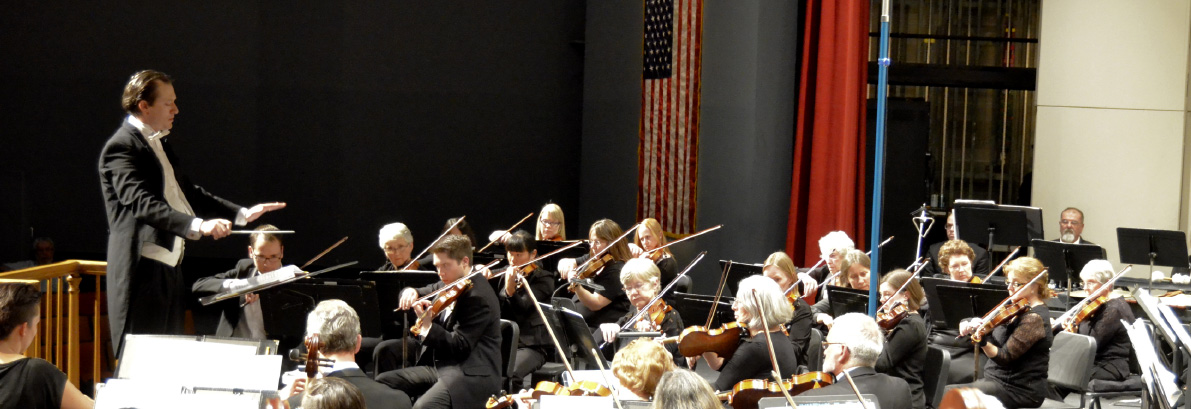
The Longmont Symphony Orchestra (LSO) returns to its long-time home venue, Vance Brand Civic Auditorium at Skyline High School, at 7 p.m. Saturday (Nov. 16; details below) for their second concert of the 2024–25 season.
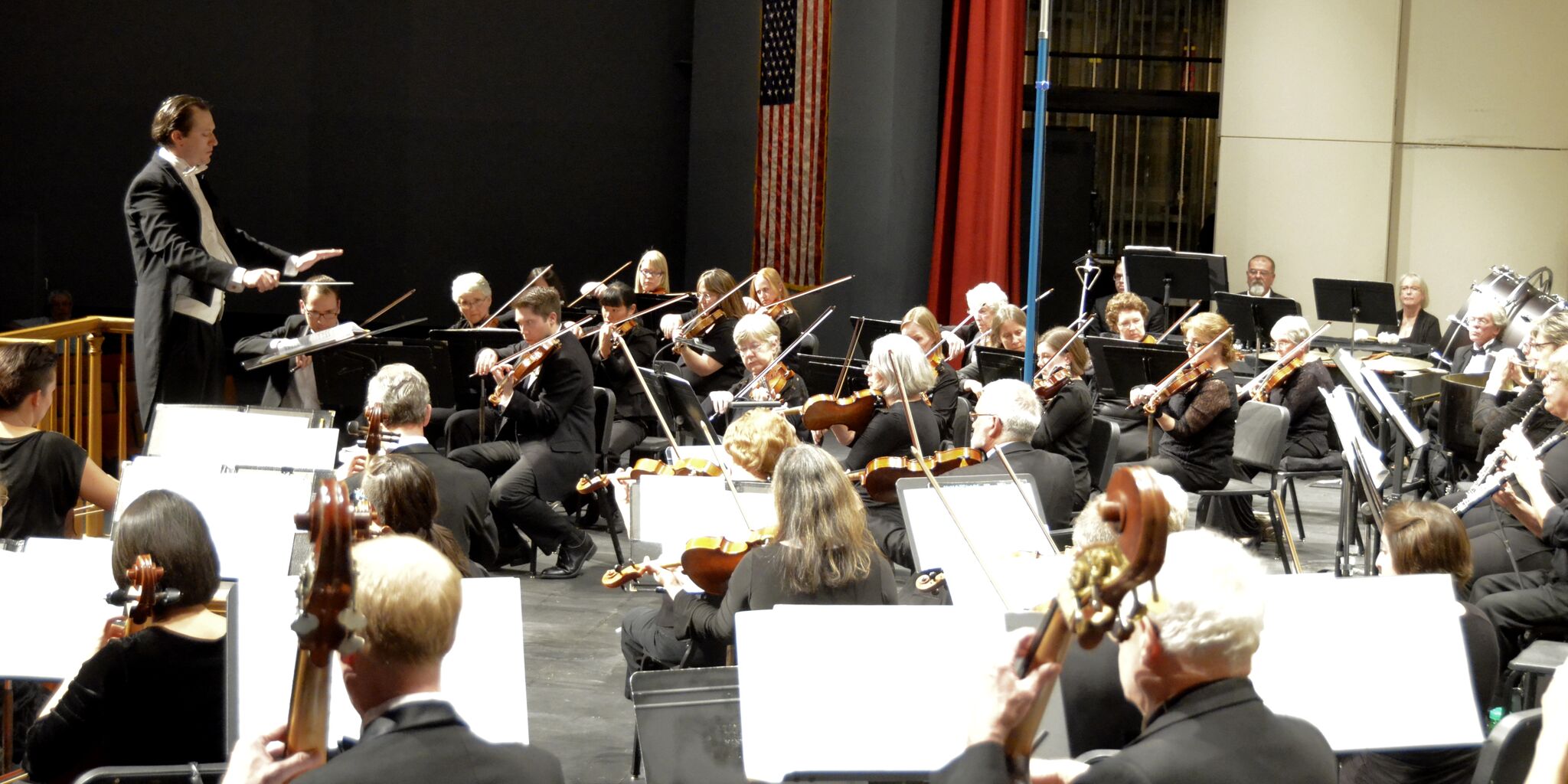
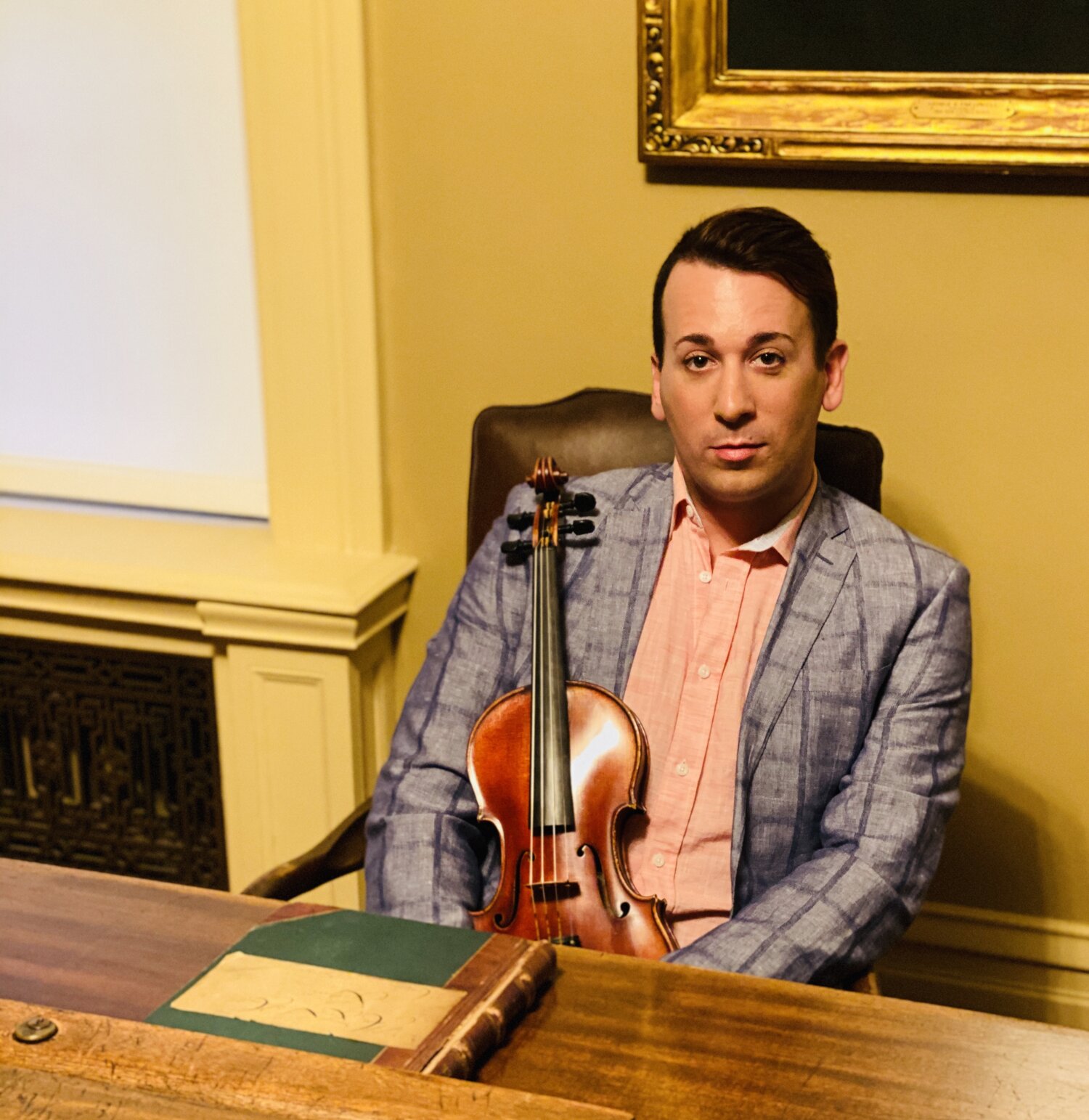
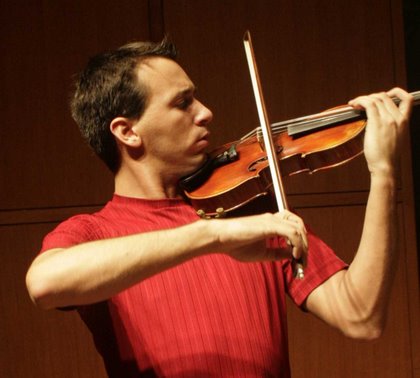
The opening concert on Oct. 7 was in the Longmont High School Auditorium while Vance Brand Auditorium was under repair. Saturday’s concert, titled “An Evening of Romance,” will be conducted by Elliot Moore, the LSO’s music director. Featured soloist Andrew Sords will perform Max Bruch’s Scottish Fantasy.
Other works on the program will be Mendelssohn’s Overture The Hebrides (also known as Fingal’s Cave); Debussy’s impressionist tone poem Prélude à l’après-midi d’un faune (Prelude to the afternoon of a faun); and the Suite from Der Rosenkavalier by Richard Strauss. The concert will be preceded at 6 p.m. by a pre-concert talk by Moore.
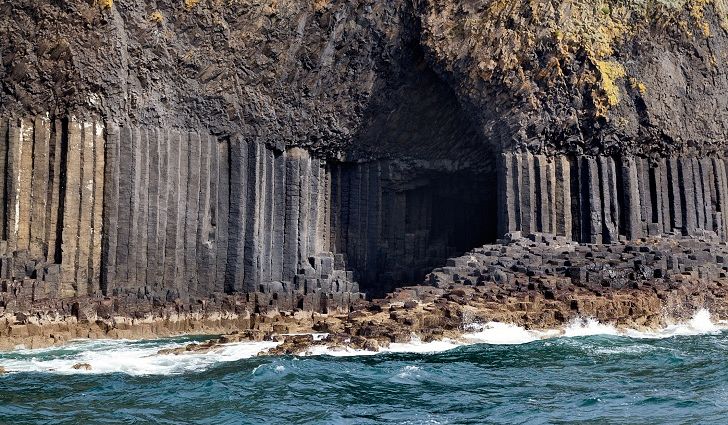
The Concert Overture The Hebrides is one of Mendelssohn’s most popular works. It was inspired by Mendelssohn’s 1829 visit to the island of Staffa off the coast of Scotland. Staffa is famous for it’s basalt formation known as “Fingal’s Cave.” The music was written to stand alone as a concert overture. As such it is virtually a symphonic poem inspired by the spectacular cave.
The German composer Max Bruch wrote his Fantasie für die Violine mit Orchester und Harfe unter freier Benutzung schottischer Volksmelodien—happily just known as The Scottish Fantasy—for the great Spanish violin virtuoso Pablo de Sarasate. Bruch had never been to Scotland when he wrote the Fantasy in 1879–80, but he had seen a book of Scottish folk songs in a library in Munich.
Although titled a fantasy, the work is structured in four movements much like a traditional concerto, and in some performances it was in fact called “Concerto for Violin (Scotch)” and “Third Violin Concerto (with free use of Scottish melodies).” Each of the movements is based on a separate Scottish folk song.
Debussy’s atmospheric Prelude to the Afternoon of a Faun is known for its languid opening flute solo and its role in establishing the impressionist style in music—as conductor and composer Pierre Boulez wrote, “the flute of the faun brought new breath to the art of music.” Debussy wrote the Prelude in 1894 and it achieved greater fame and notoriety when it was given a highly suggestive treatment by the Russian dancer Vaslav Nijinsky in 1912.
Richard Strauss’ comic opera Der Rosenkavalier—a nearly untranslatable word that means loosely “the rose cavalier”—is one of Strauss’ greatest and most popular operas. It was written to a libretto by the Austrian writer Hugo von Hofmannstal in 1909–10 and premiered in Dresden in 1911. Its comic situations and deep exploration of the characters’ personalities make it one of the most human and touching operas in the repertoire.
The opera itself was quickly translated into other languages and performed widely in Europe soon after the premiere. The Viennese-style waltzes and other memorable numbers from the opera have been popular as music for orchestral concerts, as reflected in the suite.
The American violinist Andres Sords has had a highly successful career as a soloist, appearing with nearly 300 orchestras on four continents. He also performs in a trio with John Walz, cello and Timothy Durkovic, piano, in addition to solo recital appearances. He grew up in Shaker Heights, Ohio, and studied at the Cleveland Institute of Music and Southern Methodist University in Dallas.
# # # # #
“An Evening of Romance”
Longmont Symphony Orchestra, Elliot Moore, conductor
With Andrew Sords, violin
- Mendelssohn: The Hebrides Concert Overture
- Max Bruch: Scottish Fantasy
- Debussy: Prélude à l’après-midi d’un faune (Prelude to the afternoon of a faun)
- Richard Strauss: Suite from Der Rosenkavalier
7 p.m. Saturday, Nov. 16
Vance Brand Civic Auditorium



 Sharps & Flatirons