Between tours, Takács Quartet plays hometown concerts March 6–7 and April 10–11

Programs include Haydn, Shostakovich, Dvořák, Schumann, Mendelssohn

By Peter Alexander March 4 at 1:25 p.m.

COVID-19 is, momentarily, receding, and the Takács Quartet is back to a full performing schedule.

They had to cancel several concert tours over the past two years, but not in 2022. “We just came home from Princeton, Berkeley and Los Angeles,” the group’s cellist, András Fejér, explains. “And now we will go to New York, Sarasota, Los Angeles and San Francisco.”

Around and between those trips, they have their usual concerts on the CU campus: music by Haydn, Shostakovich and Dvořák March 6 and 7; and music by Schumann performed with pianist David Korevaar, and Mendelssohn with the CU graduate quartet in residence, the Ivalas Quartet, April 10 and 11 (see performance details below).
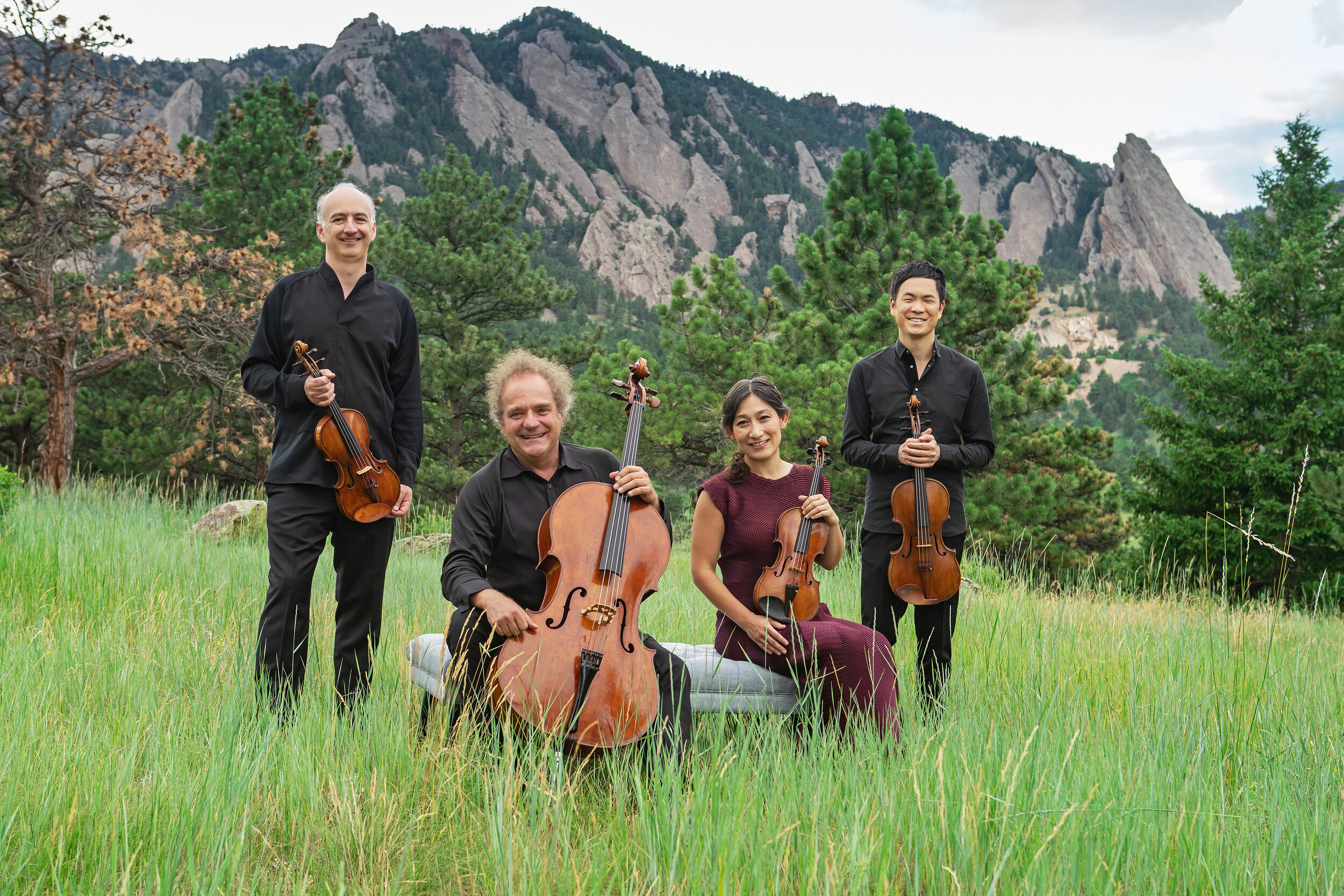
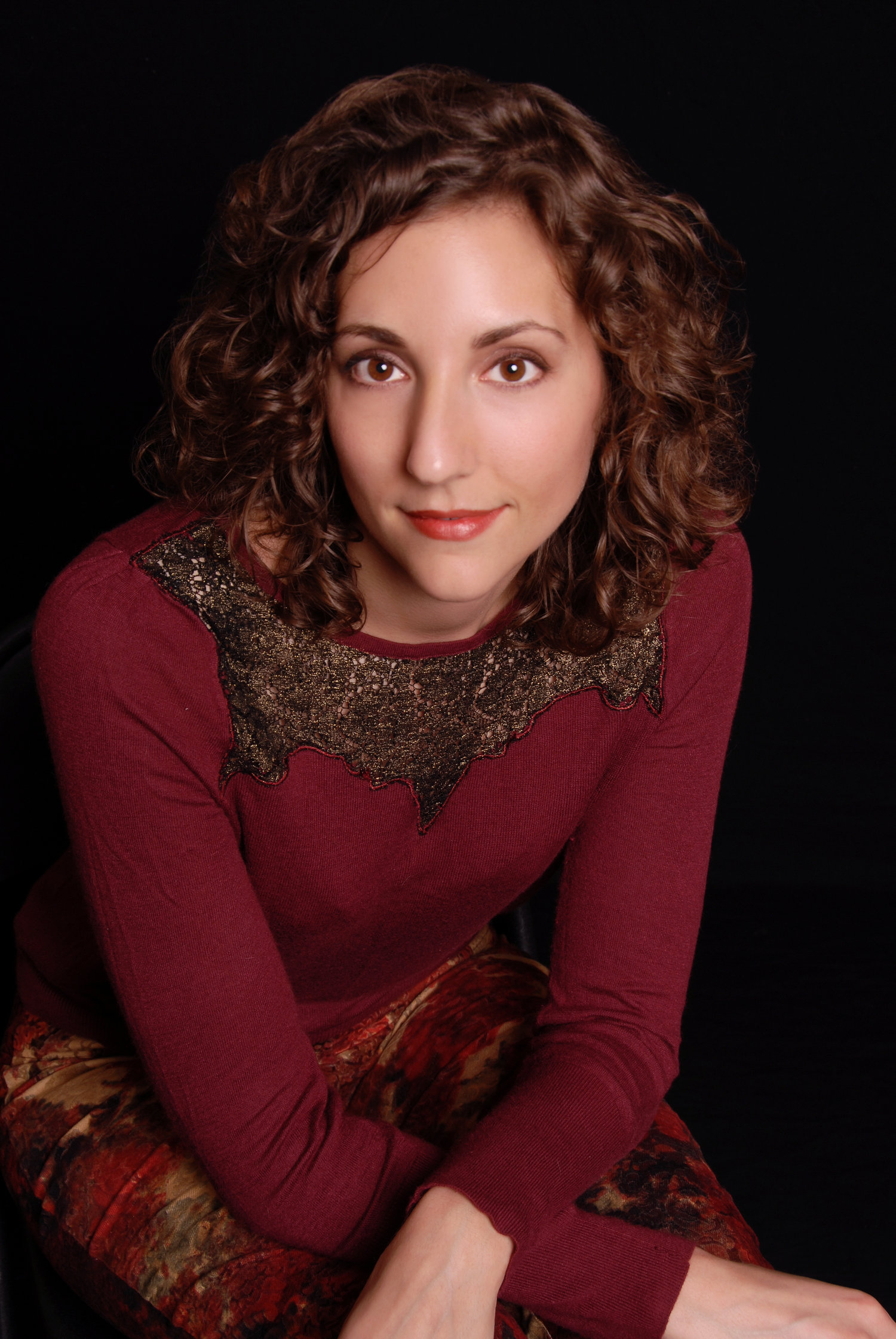
Takács Quartet. L-R: Edward Dusinberre, András Fejér, Harumi Rhodes, Richard O’Neill. Image by
Amanda Tipton Photography

Except for the interruption caused by the pandemic, touring is a normal part of life for the Takács Quartet. “It’s a nice chugging-along routine,” Fejér says. “We just say we would love to tour, say, 10 days each month in the States, and that gives us enough time to rehearse and teach and rest a little.” They also make longer tours every year to Europe and Asia, all arranged through their agents.
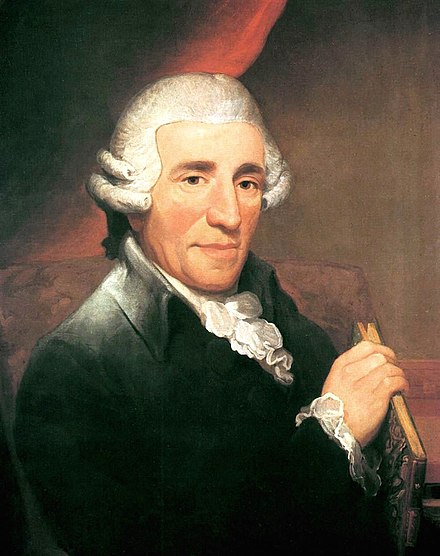
Joseph Haydn. Painting by Thomas Hardy.

Like the Takács now, Haydn had just returned from touring in 1796, in his case home to Vienna from two trips to London. Upon his return, an aristocratic patron commissioned a set of six quartets, published a few years later as Op. 76. These works are considered the pinnacle of Haydn’s quartet composition.

The Fourth Quartet of the set, known as the “Sunrise Quartet,” opens the Takacs’s March concerts—but Fejér wants you to know that Haydn is not “just a warmup piece” for the rest of the program. “I mean, the guy invented the (string quartet)!” he says. “We are just in awe—(playing his music) is a constant wonderment. Even familiar pieces, we try to dig deeper. We always try to give his music justice.”

Likewise, Dvořák wrote his G major String Quartet, the final piece on the program, soon after returning home from his years in America. It is considered one of the composer’s most profoundly expressive quartets, particularly the meditative slow movement.

The quartet has enjoyed exploring Dvořák ‘s score. “It’s fascinating for us,” Fejér says. “Its scope is unprecedented, in length and orchestration. Most of the time it sounds totally symphonic. He goes left and right and returns—just totally unpredictable and delightful. We love it.”
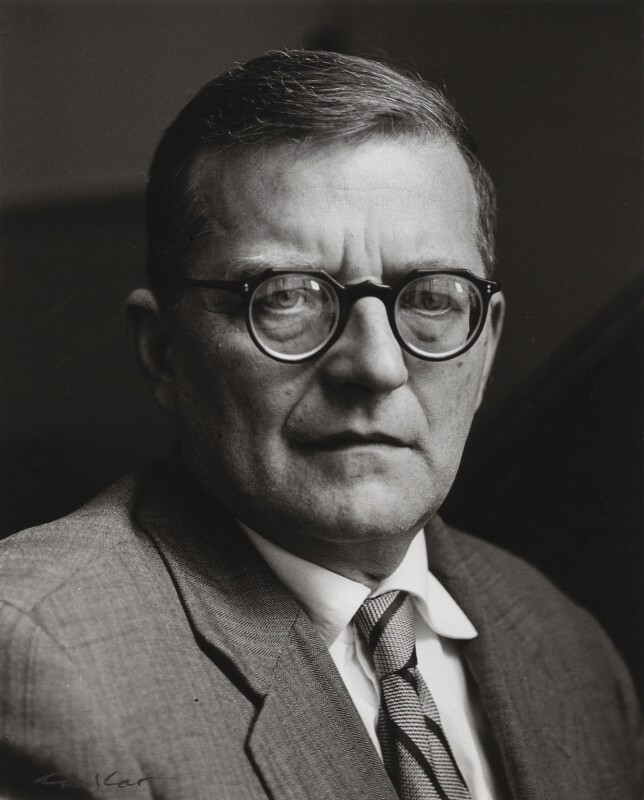
Dmitri Shostakovich

Between Haydn and Dvořák, the Takács will play Shostakovich’s Eleventh Quartet. Written in memory of a violinist with the Beethoven Quartet, which was long associated with Shostakovich’s music, the Eleventh Quartet is an austere work that uses the instruments sparingly. It’s seven movements are anything but cheerful, but as Fejér says, with Shostakovich “cheerful is not the first description which would come to mind.

“I’m always amazed about the simplicity of his motifs. How such simple notes can work in mysterious ways on the audience is unbelievable. You cannot put together a more simple music and somehow the effect on audiences is mesmerizing. I notice it every time.”

For the April concerts the quartet has programmed two pieces, each of which includes invited guests. First they will be joined by pianist David Korevaar to perform Robert Schumann’s Piano Quintet. Written in 1842 and dedicated by the composer to his wife, Clara, it is the first major quintet written for piano and string quartet.

Schumann alternates between intimate passages that feature conversational exchanges among the five instruments, and nearly symphonic passages that feature the four strings together against the piano. At a time when chamber performances were first moving into the concert hall, Schumann helped create the model for the quintets that followed by Brahms, Dvořák and Franck, all destined for the concert hall.

The April program concludes with another piece that had no precedent, the Octet for Strings, which the Takács will play with the members of the Ivalas Quartet. Like the Schumann Quintet, the combination of instruments was unprecedented when Mendelssohn wrote the Octet at the age of 17, and it’s one of the most magical pieces to come out of the Romantic era. “It’s such an adrenalin rush (to play it),” Fejér says.
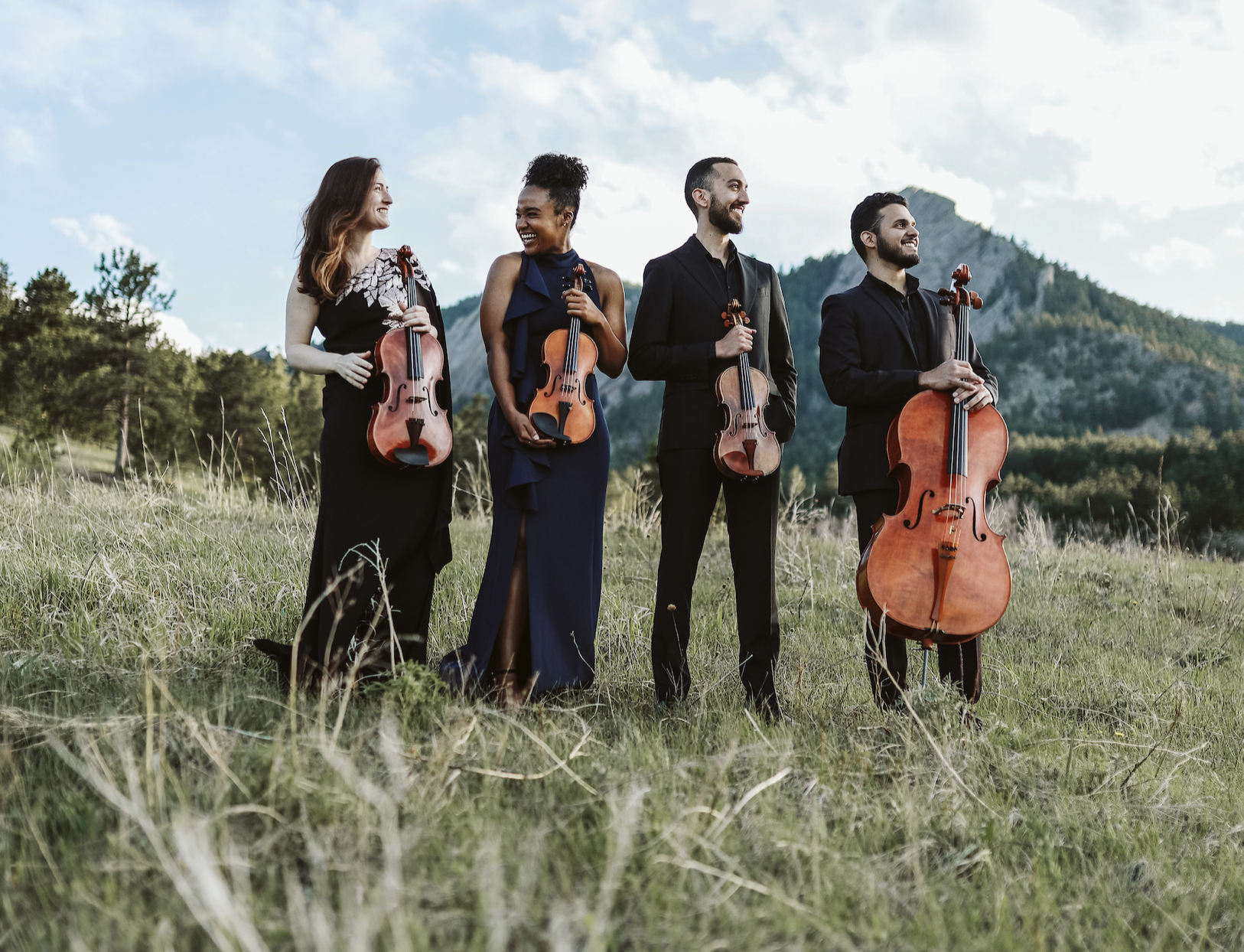
Ivalas Quartet. L-R Aimée MsAnulty, Tiani Butts, Reuden Kebede, Pedro Sánchez.

“It’s wonderful and makes you humble all over again. Comparing what most of us had been doing at 17, it’s even more impressive.”

Fejér gives two reasons that he is looking forward to playing the Octet. First, he says, “we love playing with additional people because the function of our individual instruments is different from a string quartet. I’m not playing as much bass line as I usually do, (and) I enjoy the different role very much.”

The second reason is the opportunity to share the stage with the their students in the Ivalas Quartet. “It is their final month in April at CU of their three years, and we loved working with them,” Fejér says.

“We look forward very much to have fun with capital letters with this Mendelssohn Octet!”

# # # # #

Takács Quartet

  • Haydn: String Quartet in B-flat Major. op.76 no. 4 (“Sunrise”)
  • Shostakovich: String Quartet Nr.11, op.122
  • Dvořák: String Quartet No. 13 in G-major, op.106

4 p.m. Sunday, March 6
7:30 p.m. Monday, March 7
Grusin Music Hall

TICKETS

Takács Quartet and guests

  • Schumann: Quintet for piano and strings in E-flat major, op. 44
    With David Korevaar, piano
  • Mendelssohn Octet for Strings in E-flat major, op. 2
    With the Ivalas Quartet

4 p.m. Sunday, April 10
7:30 p.m. Monday, April 11
Grusin Music Hall

TICKETS

NOTE: Digital tickets are available for both programs
LSO continues Beethoven cycle over next two programs

Symphonies Five, Six and Seven provide musical “comfort food”

By Peter Alexander Feb. 24 at 10:56 p.m.

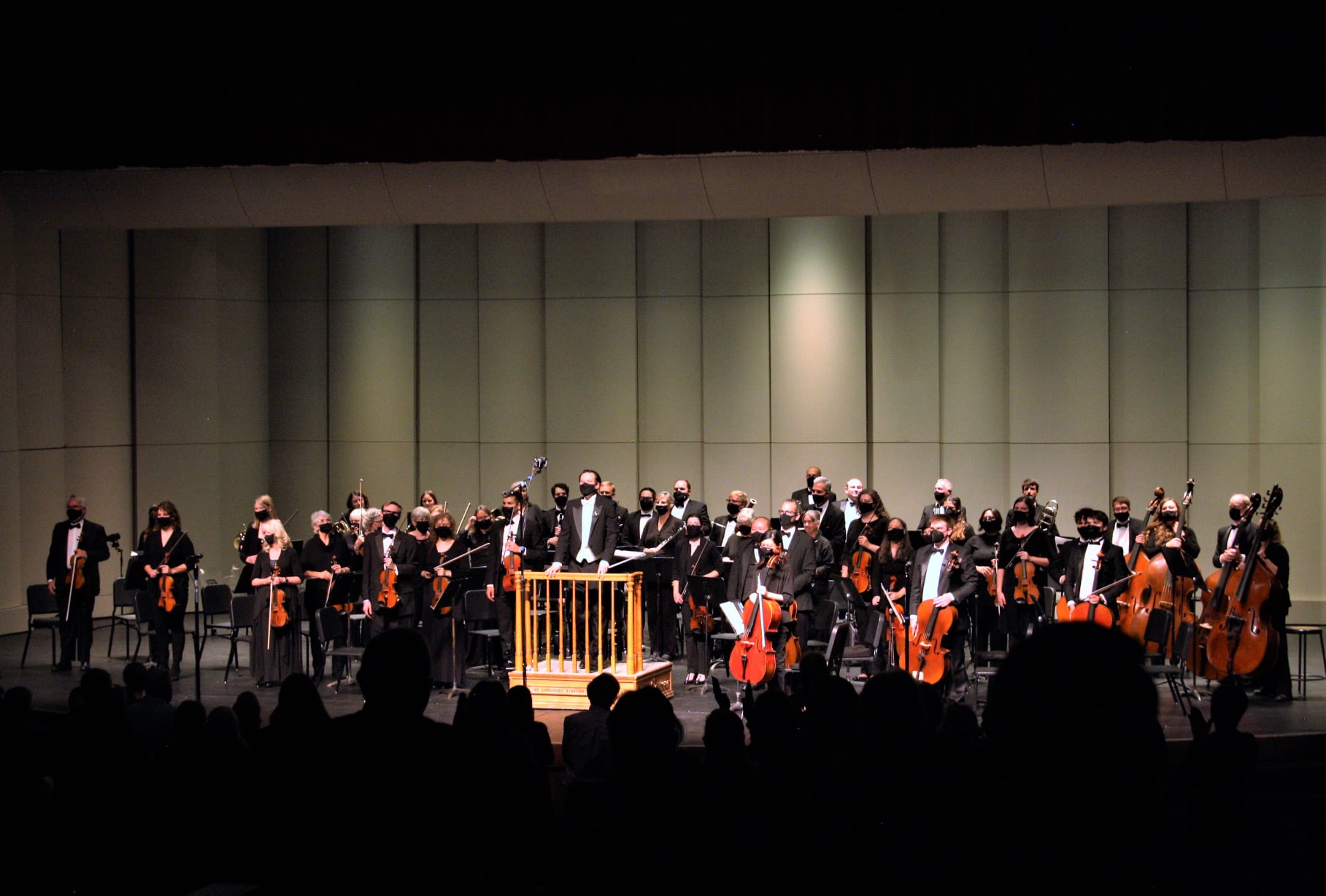
The Longmont Symphony Orchestra (LSO) and their conductor Elliot Moore continue their ongoing cycle of the nine Beethoven symphonies with their next two concert programs. 

Symphonies Five and Six will be performed Saturday, Feb. 26 (7:30 p.m., Vance Brand Auditorium), and the Seventh Symphony will be performed alongside works by Haydn and Mozart Saturday and Sunday, March 12 and 13 (7 p.m. and 4 p.m. respectively, Stewart Auditorium of the Longmont Museum; full programs below).

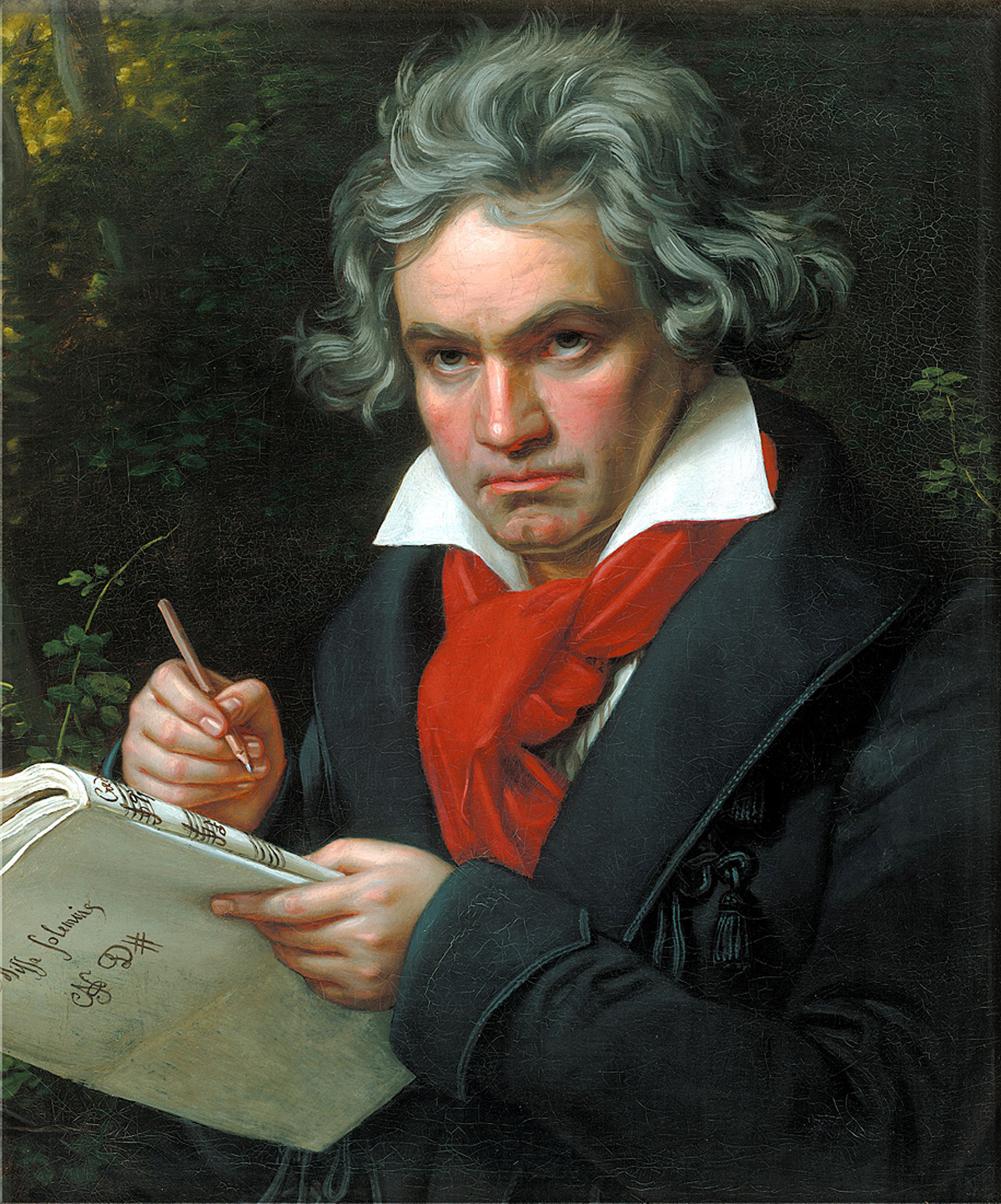
Beethoven. Portrait by Joseph Karl Stieler, 1820

While Beethoven is just about the most frequently performed classical composer in the world, Moore points out that his symphonies have not often been performed in Longmont. When he first announced plans for the full cycle of all nine symphonies, he said “particularly the earlier symphonies of Beethoven have been underperformed here in Longmont. 

“I think it’s important to understand how the Beethoven symphonies helped bring the symphony into its current form.”

He has always been clear that this is part of the educational mission of the LSO as a community-based orchestra. He has named two groups that will benefit: “One is the orchestra, the other is the audience,” he says. “I want (both groups) to experience the freshness of the classical style.”

First up in this next round of the cycle will be Symphonies Five and Six, performed Saturday, Feb. 26, as part of a program titled “Beethoven: A Portrait.” The Fifth Symphony, with its progression from the ominous opening four-note motive to the triumphant finale, has been taken as a symbolic expression of the composer’s own triumph over his deafness.

Because of the uplifting narrative, it has become one of the most familiar orchestral works for audiences everywhere. It has been recorded countless times, by all the great orchestras and conductors, but Moore has no hesitation in having the LSO bring the symphony to its local audience.

“I think it’s important that we know how to play Beethoven’s Fifth Symphony,” he says of the orchestra. And of his opportunity to conduct a work that so may have led before him, he says “What allows me to feel OK is that I’ve spent so much time studying the score. That’s the only reason I have any right to get up in front of those people (in the orchestra).”

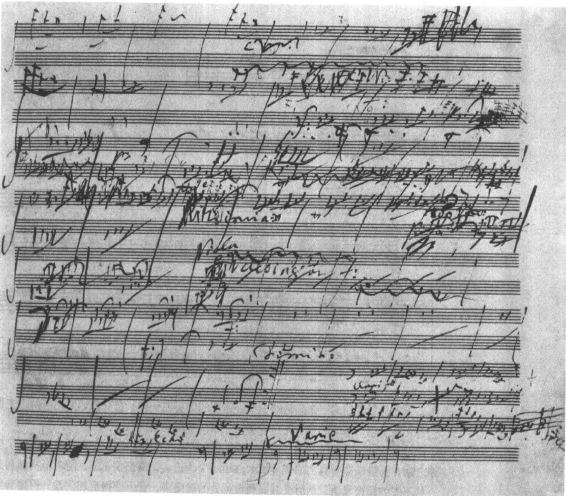
Beethoven: sketches for the Sixth Symphony

The Sixth Symphony is known as the “Pastoral” because it describes a day in the country, as the composer often experienced in his walks outside Vienna. The movement titles are “Awakening of cheerful feelings on arrival in the countryside,” “Scene by the brook,” “Merry gathering of country folk,” “Thunderstorm,” and “Shepherd’s song: Cheerful and thankful feelings after the storm.”

Some literal details are embedded in the music, including the sounds of bird songs and the rumbling of the thunder. But Moore sees more than a series of picturesque scenes in the score. “I think that it’s religious music,” he says.

“Beethoven believed in a higher power, which he found in nature, which the ‘Pastoral Symphony’ reflects. How we are rehearsing, how we are bringing out a sound that matches the intent of the work—that is proving very meaningful for the musicians, and hopefully will be meaningful for the audience.”

The program scheduled for March 12 and 13 is titled ““The First Viennese School,” which refers to the three great composers who lived in Vienna just before and after 1800: Haydn, Mozart and Beethoven. Opening the program is Haydn’s Sinfonia, or Overture, to his opera L’incontro improvviso (The unexpected encounter). 

Moore expects this to be a fun piece to perform, because it is an example of a popular musical genre of the late 18th century, “Janissary music.” Based on the music of the Turkish military, Janissary music typically included drums, bells, cymbals, triangles and other percussion, which was not always fully written out.

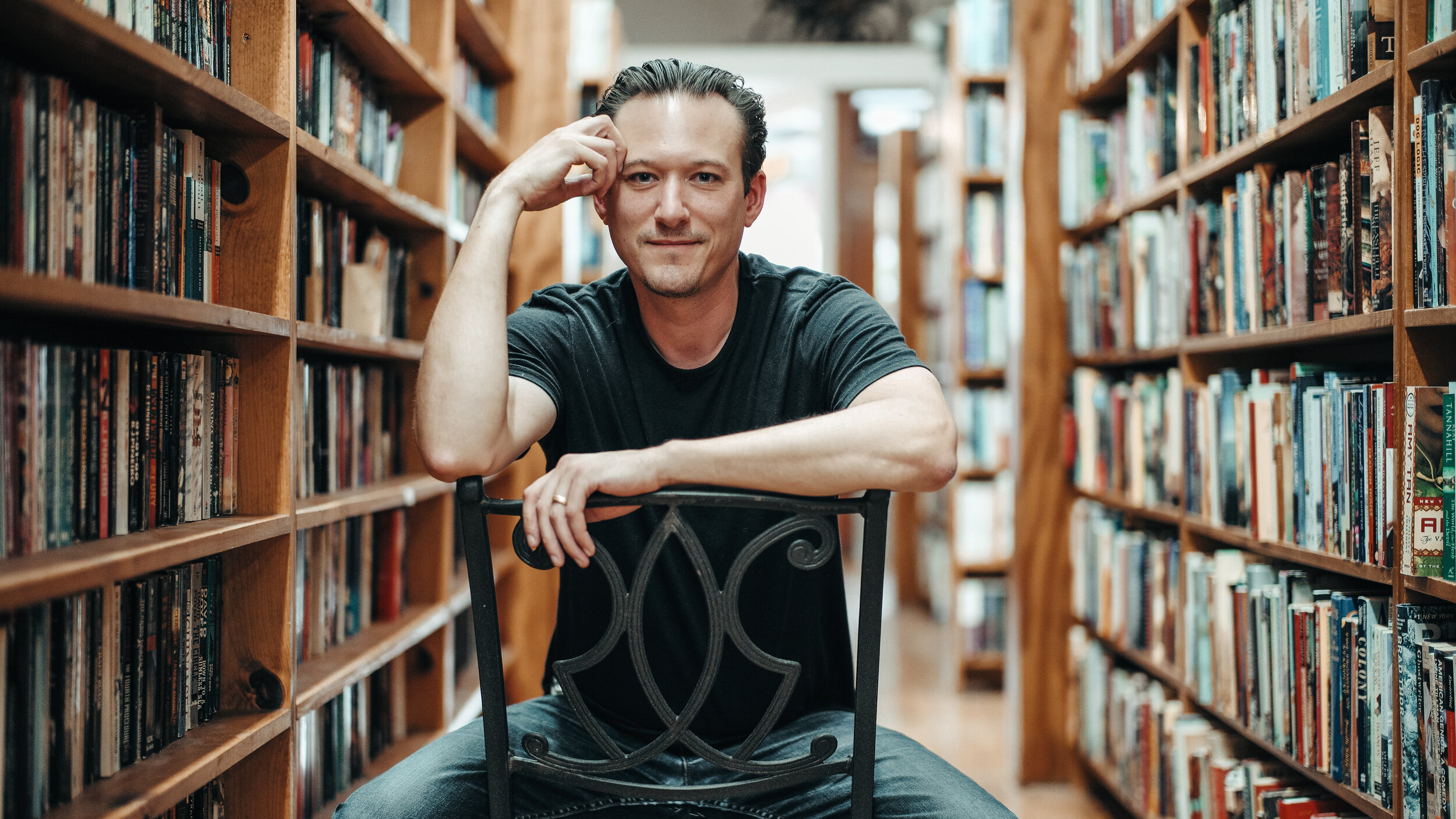
Elliot Moore

“The conductor gets to work with the principal percussionist on what instruments are appropriate,” Moore says. “You have some freedom built in, so I think its going to be a lot of fun to come up with what’s in the style.”

Mozart is represented on the program with his Symphony No. 31 in D major, which was written in 1788 for the Concert Spirituel, a prominent concert series in Paris. At the time Mozart was hoping for a job in Paris, and so he made every effort to please the local audience. He incorporated a number of brilliant orchestral gestures that he knew would please the listeners. 

“The audience was quite carried away,” he wrote afterwards to his father. “There was a great outburst of applause!”

The program concludes with Beethoven’s Seventh Symphony, a work filled with driving rhythms that is one of the most energized works of the time. Among other things, Moore says, it includes “the first time a triple fortissimo arrives in the orchestral repertoire—certainly in Beethoven’s symphonies.” 

He believes that moment, near the end of the finale, should be the high point of the entire work. “You have to keep something in reserve for that moment,” he says.

Moore talks about another facet of the symphony that is not often described. “Beethoven wrote 179 British Isle folk tunes,” he points out. “I think that the folk songs played a pretty large role, especially for the finale of the Seventh Symphony. It sounds like a Scottish reel! I think that is reason that it has energy. It’s an extension of all the things that he had been doing.”

Moore has one more thought about performing so much music by a composer as familiar as Beethoven at this particular time. “There’s been so much trauma in the world in the past two years that I think there’s something about being comfortable,” he says.

“There’s a thing called comfort food, and I think that Beethoven is comforting.”

# # # # #

Elliot Moore with the Longmont Symphony Orchestra

“Beethoven: A Portrait”
Longmont Symphony Orchestra, Elliot Moore, conductor

  • Beethoven: Symphony No. 6 in F major (“Pastoral”)
  • Beethoven: Symphony No. 5 in C minor

7:30 p.m. Saturday, Feb. 26
Vance Brand Auditorium
TICKETS

“The First Viennese School”
Longmont Symphony Orchestra, Elliot Moore, conductor

  • Haydn: Sinfonia from L’incontro improvviso (The unexpected encounter)
  • Mozart: Symphony No. 31 in D major (“Paris”)
  • Beethoven: Symphony No. 7 in A major

7 p.m. Saturday, March 12
4 p.m. Sunday, March 13
Stewart Auditorium, Longmont Museum
Live stream with ticket purchase, beginning Saturday, March 19
TICKETS

Ars Nova Singers offers free online performance Friday

By Peter Alexander Feb. 17 at 9:40 p.m.

“We wanted to bring the music from one of our finer performances,” Tom Morgan says.

The conductor of Boulder’s Ars Nova Singers wanted to offer a free online gift to the disaster-wearied local community at the start of 2022, before the choir starts having in-person rehearsals and performances later in the spring. But he faced one problem: the group has made a lot of sound recordings of their concerts, but not any videos. 

Tom Morgan wanted to give a gift to the Boulder community

What he wanted to share was a pre-COVID performance from October 2018, of Will Todd’s Mass in Blue, a jazz-inflected, modern setting of movements from the Latin Mass. Morgan decided that rather than showing a static image or series of still images, which he says are “not particularly interesting to look at,” he would create his own video with abstract and natural imagery to accompany the music.

Under the title “Made Cool,” the resulting video will be offered free to the public at 7:30 p.m. Friday, Feb. 18, through the Ars Nova Web page.

Soprano Kathryn Radakovich performs the virtuosic solos in the Mass in Blues

With imagery that responds to the music rather than any specifics of the liturgical texts, the video transcends specific religious or doctrinal interpretations. Morgan feels that style of video fits well with the score, which brings together a jazz trio of piano, bass and drums with a virtuosic soprano solo and the choir.

“Todd in his conception and setting is making a pretty clear attempt to universalize the mass,” Morgan says. “He’s trying to make it more both modern and universal by taking it into this musical language.

“I thought we should go even a step further with the visuals. It adds another layer of meaning to the music. To establish the intent of universalizing the mass and bringing it to a wider audience, I thought a video overlay that also universalizes the mass opened it up to more interpretation, (by) not being overly literal with the mass.”

The video is very much a COVID-era product. To build his skills in video editing, Morgan took online video-editing classes during the early months of pandemic. He first used his newly-developed abilities in his former job as music director at St. John’s Episcopal Church in Boulder. With that experience, he then transferred those skills to his work with Ars Nova.

Morgan plans to make more use of his video editing experience in future work with Ars Nova. Now that he has retired from his church job, he has “more opportunities to think about how we do the art that we do, in ways that is not the usual concert,” he says. Since the pandemic, “we’re having to think in new ways and broaden what we do. It’s a good challenge, but a necessary one right now.”

In creating the “Made Cool” video, Morgan selected a different visual theme for each of the six movements of Todd’s Mass. These range from photos he himself took in a church in England to visuals of nature and natural phenomena. Other than the photos Morgan took in the Sanctus movement, they mostly came from online sources.

“There’s online libraries of all kind of video possibilities, used for advertising,” Morgan explains. “There’s also wonderful public libraries like from NASA, and those have been valuable and interesting to work with, too.”

In some cases Morgan was able to connect with specific photographers whose online material he responded to, and get more material from them. He could use the visuals in that way to create continuity within a movement, for example—“so that it’s not completely a mishmash,” he says.

“I thought about how a narrative might come through each particular movement, and also something that would connect across the piece. I tried to find little arcs within the movements and then find an overall one that would allow the music to expand into that space. That also ties into what an actual Mass is, in terms of a sequence that has a relationship to redemptive history.”

Many of the videos were available for a small fee, although Morgan and Ars Nova drew the line at paying one videographer in England £45 per second for his video. “That’s way out of our price range,” Morgan says. “We said, ‘Let’s find something else!’” Other material however they paid for the rights to use, the same as they did for the music and the performances of the musicians  involved.

With the video, Morgan is taking part in the development of new forms of art—a kind of classical choral-music video. “It’s a different take on the traditional choral concert,” he says. 

“I hope it will get out to a wider audience than our usual concert supporters.”

# # # # #

“Made Cool”
Ars Nova Singers, Tom Morgan, director
With Kathryn Radakovich, soprano; Scott Martin, piano; Mark Diamond, bass; and Russ Meissner, drums
Video editing by Tom Morgan

Will Todd: Mass in Blue

  • Kyrie
  • Gloria
  • Credo
  • Sanctus
  • Benedictus
  • Agnus Dei

7:30 p.m. Friday, Feb. 18

Free virtual performance HERE

Boulder Phil and Rachel Barton Pine present premiere

Guest conductor Gary Lewis steps in at last minute to hold things together

By Peter Alexander Feb. 13 at 12:10 a.m.

Billy Childs, versatile jazz pianist and composer of concert music, finally saw the premiere of his Second Violin Concerto in Macky Auditorium last night (Feb. 12), courtesy of violinist Rachel Barton Pine and the Boulder Philharmonic.

Guest conductor Gary Lewis stepped in at the last minute for the Phil’s music director, Michael Butterman, who was unable to travel due to COVID restrictions. But that was not the only impact COVID had on the concerto. Two earlier planned premieres at the Grant Park Festival in Chicago—Pine’s hometown—were postponed, making Boulder’s the very first performance.

Like Butterman, I was unable to attend the performance, having been exposed to someone who tested positive for COVID last weekend in St. Paul, Minn. (See my reviews from that trip here.) I’m fine, but I was only able to experience the Boulder Phil concert by live stream. My impressions are necessarily limited by the quality of the sound through the speaker attached to my desktop computer. Normally I would not write a review under those circumstances; for a world premiere, some kind of report is appropriate.

As finally presented last night, the concerto fittingly evokes the mood of the last two years during the COVID pandemic. That was in fact, the strongest impression made by the concerto—a sequence of moods, from consoling, to elegiac, to nervous and jittery. In creating these moods the piece is effective, but beyond that there were no themes nor specific musical gestures that remained in the memory.

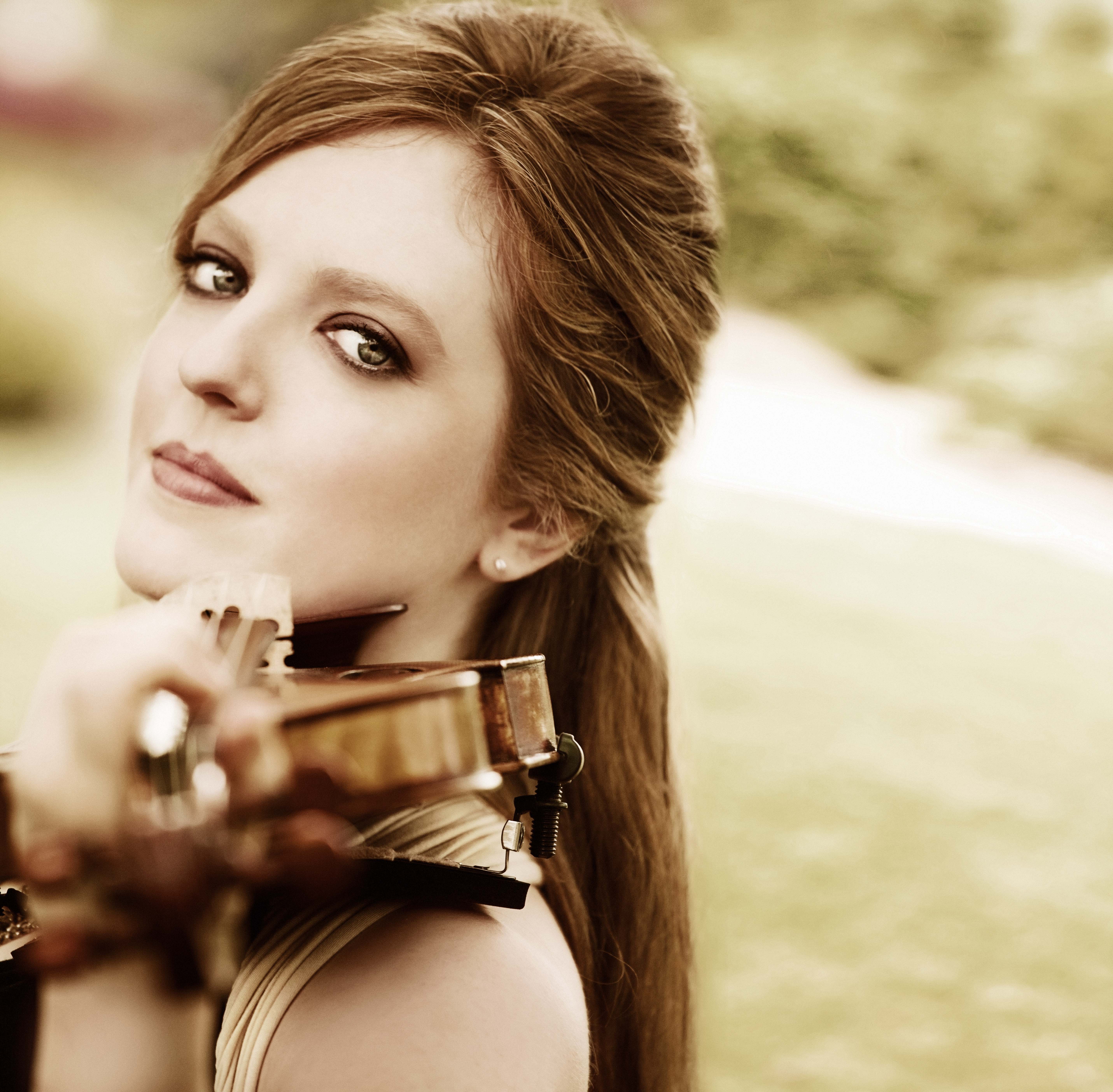
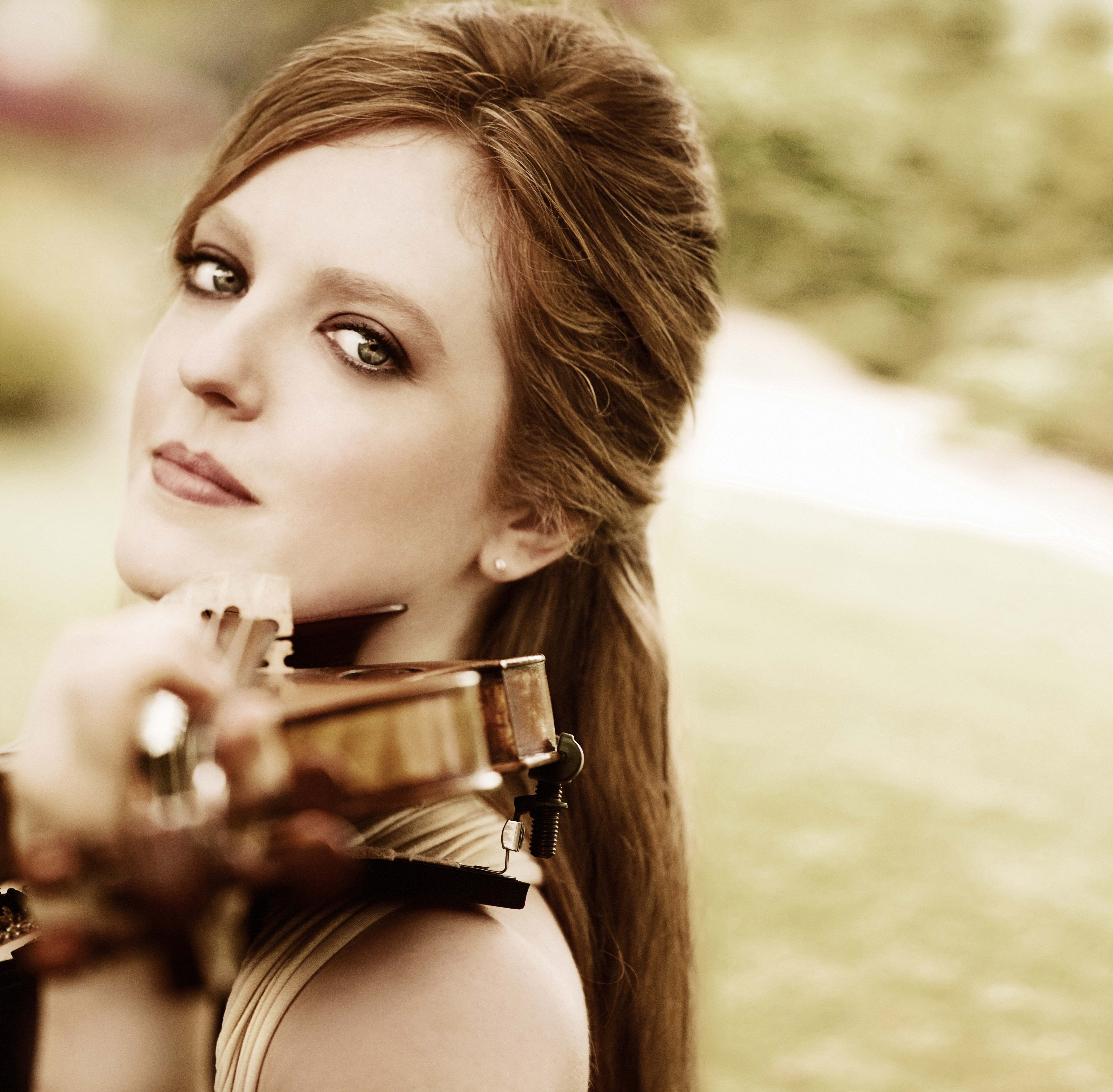
Rachel Barton Pine played the premiere of Billy Childs’s Second VIolin Concerto with the Boulder Phil. Photo by Lisa-Marie Mazzucco.

Childs’s classically-based music—as opposed to his jazz work—is as he has said, “in the style of the mid-20th-century composers.” He has given Ravel and Barber as models, but his orchestra lacks the brilliance of those examples. Today the style seems like something out of the past, and as such it sounds derivative, imitative rather than strongly individual in any way.

It should be stated, however, that this relatively weak impression cannot be laid at the feet of the soloist. Pine played with a passion and commitment that came through the live feed loud and clear. The technical passages were played with extraordinary precision and clarity, while the lyrical passages were all rendered with beautiful tone and deep expression. Pine is an exceptional artist, and it was  a pleasure to hear her perform.

She concluded the first half of the concert with a lovingly played movement from a Bach Sonata for solo violin. This is of course music of great depth, and far more than the concerto it revealed the artistry of the performer.

The second half of the concert was taken by Beethoven’s ever-popular Symphony No. 7. Lewis led a performance that seemed safe, straightforward, but lacking the excitement and the textural clarity the symphony wants. This may be a reflection of limited rehearsal time having been given to a piece that is, after all, familiar to most of the musicians. 

But here’s where the quality of the live stream becomes an issue. What came through my speakers sounded cautious, murky, sometimes plodding. The themes and gestures were under-characterized, and the tempo dragged in spots, particularly in the highly energized, onrushing third movement. Only in the finale did the orchestra start to generate real excitement, but from what I heard, a lack of precision and control got in the way of clarity.

But Beethoven wins in the end. The finale provided the conclusion that everyone wanted for the program. Lewis deserves thanks and credit for holding the concert together under challenging conditions. 

Boulder Phil plays world premiere by Billy Childs, Saturday

Gary Lewis substitutes for Michael Butterman with violinist Rachel Barton Pine

By Peter Alexander Feb. 10 at 9:55 p.m.

Billy Childs might think his new Violin Concerto is under a curse.

Commissioned by several groups including the Boulder Philharmonic, it was twice scheduled to premiere at the Grant Park Music Festival in Chicago, in 2020 and 2021, and it was twice postponed by COVID. It will finally have its premiere Saturday by the Boulder Philharmonic with violinist Rachel Barton Pine, for whom it was written (7:30 p.m. Feb. 12 in Macky Auditorium).

Gary Lewis will substitute for Michael Butterman with the Boulder Philharmonic

But Boulder Phil music director Michael Butterman is unable to travel to Colorado, so prof. Gary Lewis of the CU College of Music has stepped in at the last minute to conduct the premiere. And it will finally make its way to the Grant Park Festival in the coming summer—hopefully.

Childs’s brand new Concerto shares the program with a very familiar piece, Beethoven’s Symphony No. 7 in A major. Termed “the apotheosis of the dance” by Richard Wagner, the Seventh has been one of the most performed of all Beethoven’s symphonies, standing at No. 3 on the list of orchestral works performed at Carnegie Hall. It’s standing in Boulder may not be quite third, but it certainly has been performed here several times in the last few years.

Pine appeared with the Boulder Phil once before, in 2015, when she played the Berg Violin Concerto. A musician of wide ranging interests, she has performed heavy metal as well as classical music, and created a foundation to promote the music of Black composers from the 18th to the 21st centuries.

Rachel Barton Pine. Photo by Lisa-Marie Mazzucco.

The concerto, Childs’s Violin Concerto No. 2, is not the first piece he has written for Pine. They met through his work as a board member of Chamber Music America, and he wrote his Four Portraits for solo violin, modeled on the Bach D-minor Partita for solo violin, for her in 2017. That was followed by Incident on Larpenteur Avenue for violin and piano, and now the concerto.

“The pieces have been getting exponentially bigger,” Childs says. “Solo violin, then piano and violin, and then all of a sudden a quantum leap into orchestra and violin.” And what’s next? 

“I would love to write something for her and my jazz chamber ensemble,” he says.

Every bit as much as Pine, Childs is a musician of diverse interests. A jazz pianist who has played with Freddie Hubbard and Wynton Marsalis, he has also written concert music in the classical tradition, including chamber and orchestral pieces. Speaking of his musical training, he says “Jazz was the strongest (influence), but there was no one that I was tethered to.” 

Growing up he heard Bach and Handel at home, but also Nat “King” Cole. This was in the ‘70s, so he also heard the Temptations, the Four Tops and the Supremes. His older sisters introduced him to Bob Dylan, Laura Nyro, Paul Simon and Joni Mitchell. In school he became acquainted with Emerson, Lake and Palmer, Genesis and Yes. “My musical influences were all over the map,” he says.

“I started thinking, what music do I like that dramatically moves me? That’s all I care about. I don’t care about the genre.” 

He approaches each piece he writes in terms of the expressive capabilities of the instruments. “I am concerned with the story of each piece, the dramatic implications of a piece, what instruments I’m writing for and how those instruments express the drama of the piece,” he says.

“There are certain thing that an orchestra does that no other ensemble does, so you listen to the masters of that genre. You check out what they did—people like Ravel, Bartók, Samuel Barber.”

Billy Childs. Photo by Raj Nail.

In terms of musical style, “my aim had always been to marry, or create a hybrid form of Western European classical music and American classical music—jazz—but do that on an organic level,” he says. But don’t listen for specific jazz influences in the concerto. “If you hear Ellington, it’s because you want to,” he says.

”I’m reluctant to describe the music, because that’s impossible. But it’s in the style of the mid-20th century composers. I took a cue from that language. Since it’s orchestra, I tried to do what the great orchestrators do—the Ravels, the Barbers, Stravinsky. How they used the orchestra—I tried to do that.”

The shape of the concerto was partly determined by the fact that Childs wrote the movements in reverse order. “I wrote the last movement first, and the first movement last,” he says. “I don’t know why that happened, I guess because the last movement is a very exciting and angular and difficult movement.

“That was the first thing that I wrote during 2019 and 2020. Especially during 2020 when COVID hit, things were just out of our control. And then I kind of calmed down. There’s a lyricism in all the movements, but the second movement is elegiac, and the first one is celebratory.”

So two years after the planned premiere, is the Concerto really finished? Well, not exactly. “I really like what I wrote, but I know that I will be going in there (to the performance) with a notepad, changing a lot of stuff,” Childs says.

“You never really know until you actually hear it.”

# # # # #

“Beethoven and Billy Childs”
Boulder Philharmonic Orchestra, Gary Lewis, guest conductor
With Rachel Barton Pine, violin

  • Billy Childs: Violin Concerto No. 2 (World premiere, co-commission)
  • Beethoven: Symphony No. 7 in A major

7:30 p.m. Saturday, Feb. 12
Macky Auditorium
TICKETS

Out of the Ordinary at the Ordway

St. Paul Chamber Orchestra, Minnesota Opera explore unusual repertoire

By Peter Alexander Feb. 7 at 9:35 p.m.

A weekend in St. Paul, Minn., provided the opportunity to hear some musical works that were completely new to me, and to most in the audience. On Friday (Feb. 4) the St. Paul Chamber Orchestra played music by Thomas Adès, Karl Amadeus Hartmann and some Austrian named Joseph Haydn. And Saturday (Feb. 5) Minnesota Opera presented the company premiere of The Anonymous Lover by Joseph Bologne, Chevalier de Saint-Georges.

The Ordway Concert Hall before the SPCO concert. Photo by Peter Alexander.

Adès is a Grammy-winning British composer best known in this country for his operas The Tempest and The Exterminating Angel, both presented by the Metropolitan Opera (2012 and 2017, respectively). The SPCO opened their COVID-impacted, intermissionless, limited-capacity concert in the Ordway concert hall with “O Albion” from his Arcadiana for string quartet, one of his gentlest, most audience-friendly if not quite conventional movements. 

Thomas Adès

First performed at the 1994 Cambridge Elgar Festival, the brief piece recalls in mood and gesture the “Nimrod” variation from Elgar’s Enigma Variations. Played with warmth and expression by four players from the SPCO, this was a quiet and genial beginning to the program.

Hartmann deserves to be better known, for both musical and political reasons. Born in Munich, Germany, in 1905, he survived the Second World War in spite of his profound but largely silent opposition to the Nazi regime. During the war he withdrew from public life and declined to have any of his music performed as long as the Nazis remained in power, a position sometimes described as “internal emigration.”

His music mostly conforms to the modernist aesthetic of the 1930s. He is remembered chiefly as the composer of eight well structured symphonies. The work chosen by the SPCO was Hartmann’s Chamber Concerto for the unusual combination of clarinet, string quartet and string orchestra. The clarinet, here played by SPCO principal Sang Yoon Kim, is the virtuoso star of the work. 

Inspired by and written in honor of Zoltán Kodály, the Chamber Concerto is permeated by Hungarian idioms. A central set of variations is framed by melancholy, reflective movements that allowed Kim to show his dynamic control and beautiful tone in the softest passages. Following the yearning mood of the opening, the variations erupt in propulsive folk dance rhythms and a series of virtuoso variations that Kim carried off with impressive technique. The final Fantasie movement returns to the quiet character of the opening, with the clarinet and string quartet players fading in and out as their parts intertwine. At the end they all vanish in silence.

This is an attractive piece that I would love to hear again, especially performed with such commitment and polish. Anyone in Boulder willing to take up this unfamiliar gem?

SPCO concertmaster Steven Copes

Like the rest of the concert, Haydn’s Symphony No. 43 in E-flat was ably led from the concertmaster’s chair by violinist Steven Copes. Sometimes called the “Mercury” Symphony for reasons unknown, it was written in 1771—early in the development of the symphony. It comprises four relatively short movements.

Playing on modern instruments, the SPCO gave a spirited reading of the symphony. They brought out all the drama of the first movement, with attention to the expressive potential of every motive and gesture. They made the most of the relatively routine slow movement, which is not the strongest part of the work.

The modern stringed instruments created a robust sound, especially for the repeated chords that mark the minuet. Other than slight smudges getting started, the finale was clean and precise, characterized by great energy and strong contrasts in dynamics. The winds—pairs of oboes, bassoons and horns—are limited to harmonic support in the symphony, and in that role they played with admirable restraint.

This is an ideal program: attractive newer pieces deserving of attention combined with lesser known works by familiar composers. Such a program can expand the horizons of audiences in both directions. I would love to hear more concerts built on this model, in place of the usual repetitions of well-trod repertoire with only the occasional unfamiliar piece thrown in. 

# # # # # 

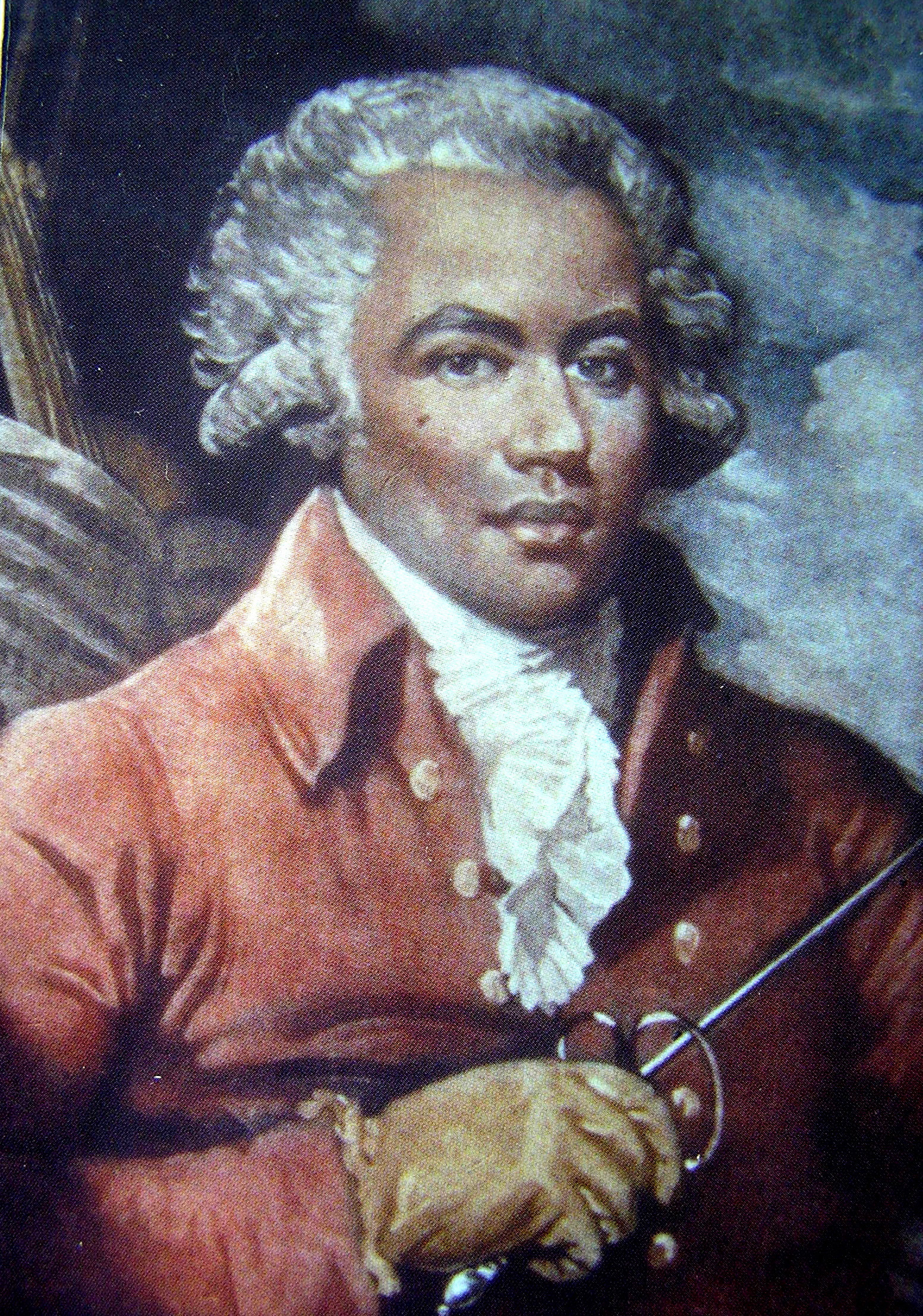
Joseph Bologne, Chevalier de Sanit-Georges

The son of a French aristocrat and a teenaged Afro-Caribbean slave, Bolonge was born  in Guadeloupe in 1745 and spent most of his life in Paris, where he was renowned as a swordsman. As a violinist he rose to the position of concertmaster and conductor of a popular concert series,  Le Concert des Amateurs, in the 1770s. He composed at least six operas, of which only The Anonymous Lover (1780) has survived complete.

Bologne has received long overdue attention over the past two years, as both the COVID hiatus in performing schedules and political events have stimulated explorations of music by composers of color. His Violin Concerto in G major was performed by Harumi Rhodes with the Colorado Pro Musica Chamber Orchestra in October, and others of his works have been presented from Bangor, Maine, to Los Angeles and overseas. The Anonymous Lover has received several productions, both staged and virtual.

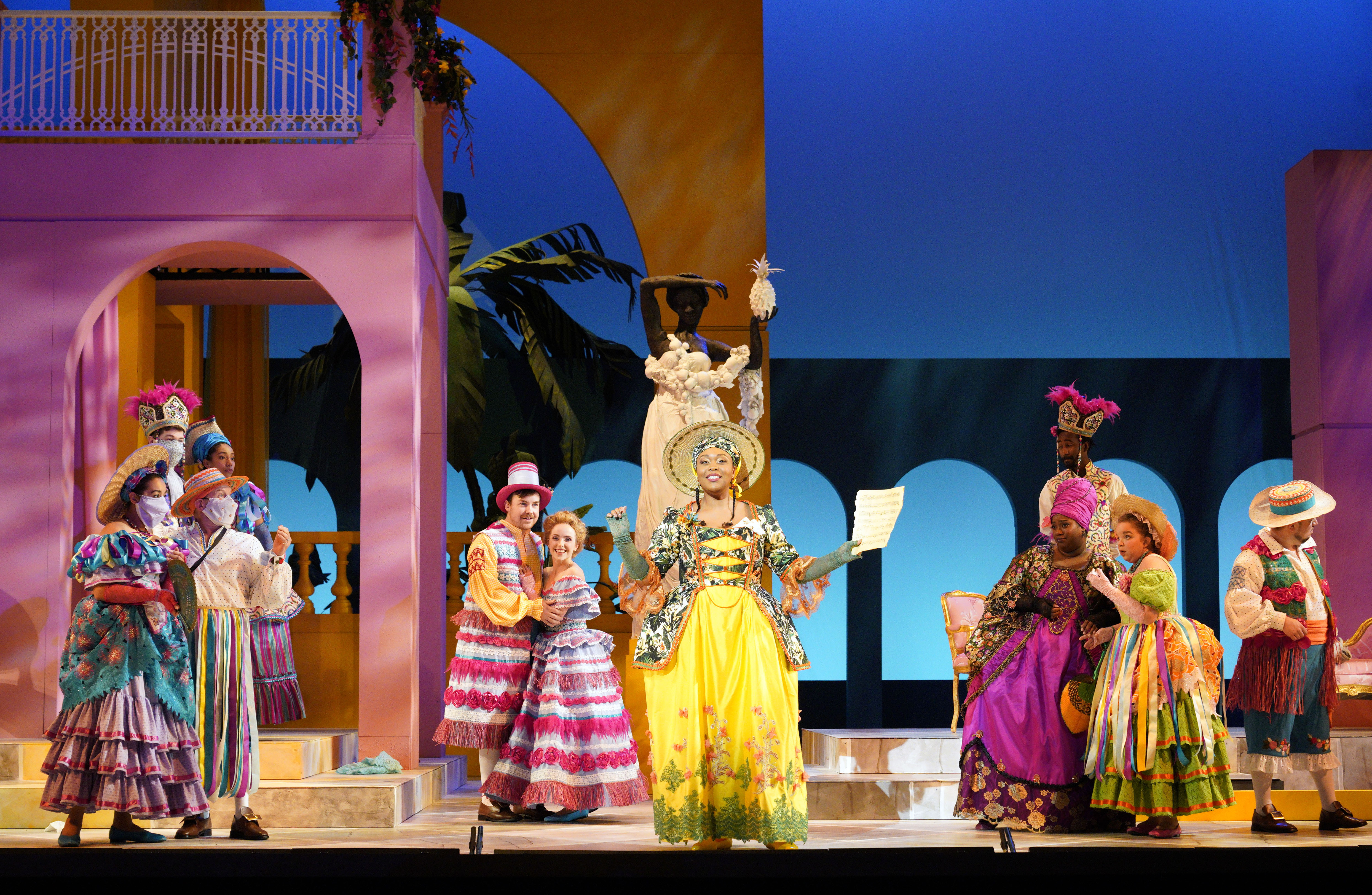
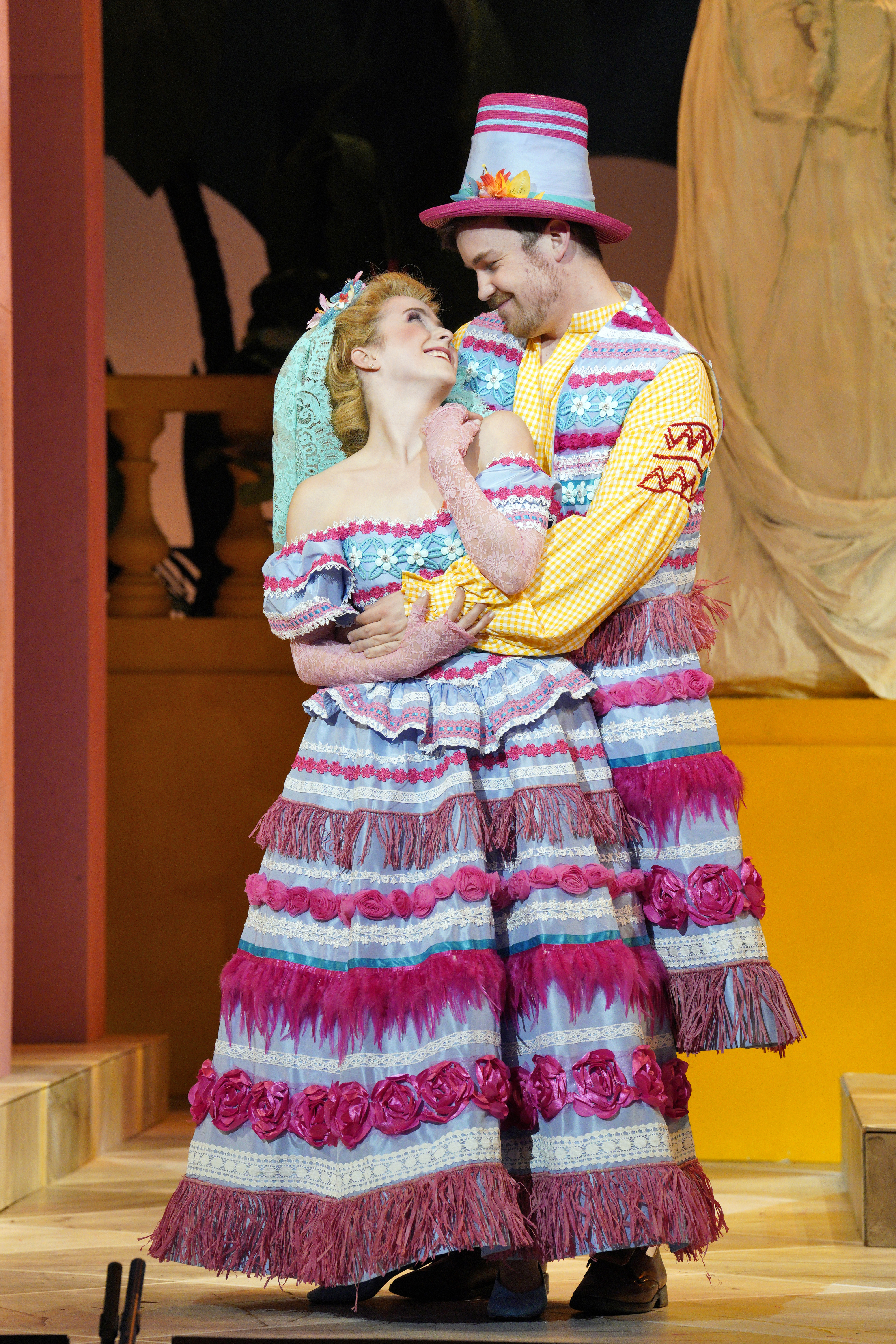
The Minnesota Opera production took full advantage of Bologne’s background, placing the events in 18th-century Guadaloupe. With that Caribbean inspiration, the unit set was filled with dazzling colors and flooded with tropical sunlight for the daytime—a welcome sight in subfreezing St. Paul!—and romantic moonlight for night. The choreography and some stage direction were inspired by Latin dance, with exuberant festivity on stage sometimes covering the music. 

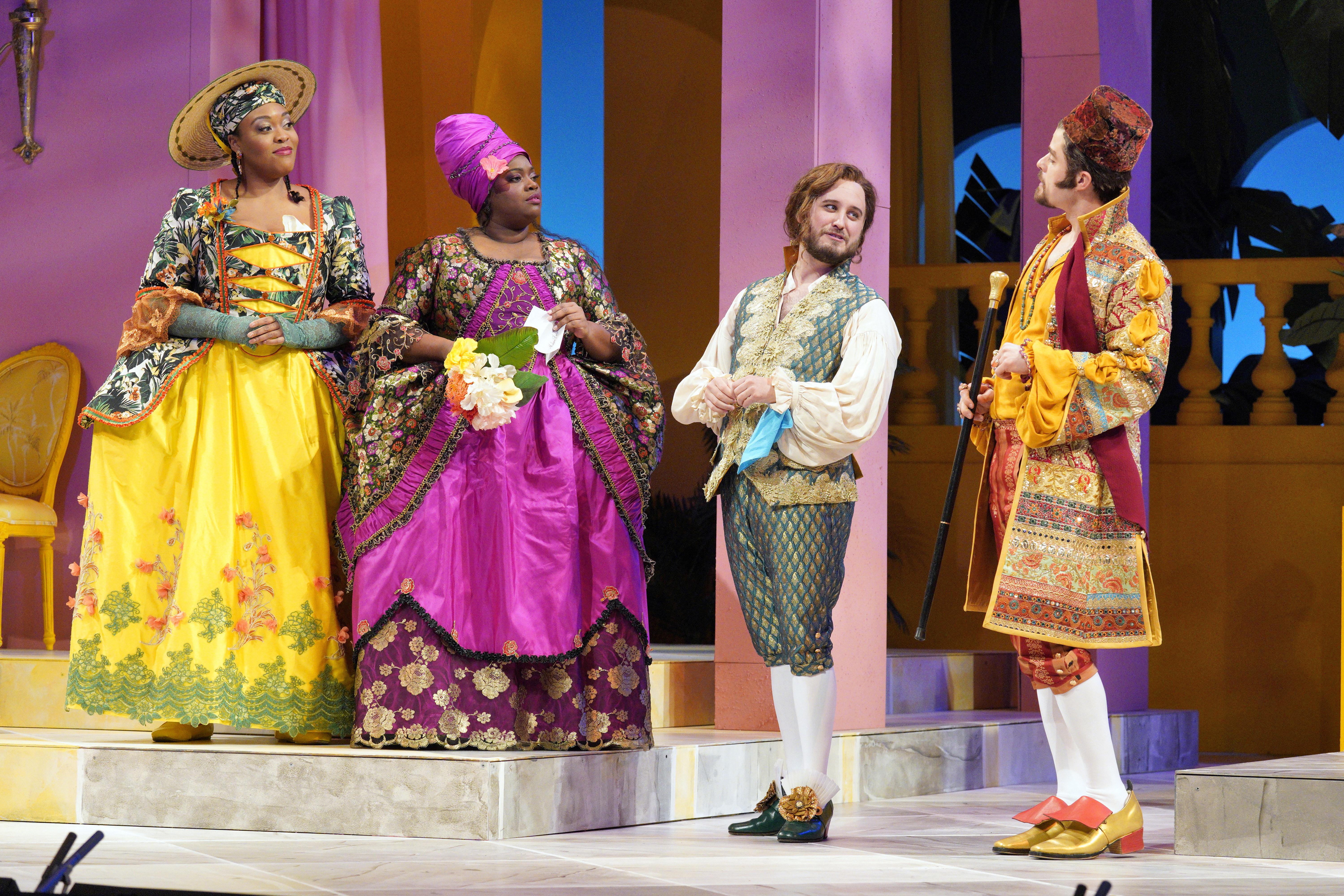
Cast and set for the Minnesota Opera production of The Anonymous Lover. Production photos by Cory Weaver.

There were several other innovations for this production. Bologne is portrayed onstage by a dancer, who overlooks the proceedings from a balcony while pretending to be an immobile piece of decoration when noticed by the operatic characters below. This just too-clever device sometimes upstaged the main action and detracted from the singing, but served to remind the audience of the composer’s position as a mixed-race man legally defined as a slave.

There were other hints of Bologne’s life as well: some adroit fencing moves in the opera’s first duet, a violin candenza inserted into the Overture. In other modifications, two songs by Bologne have been added to the score for Dorothèe, otherwise a purely spoken role.

Leading cast members of The Anonymous Lover: Zoie Reams (Dorothèe), Symone Harcum (Lèontine) , Carlos Enrique Santelli (Valcour), and Aaron Kenney (Ophémon).

Any pedantic reservations aside, the production is endlessly fun, bright and gorgeous to see, and filled with action. Stage director Maria Todaro has created a highly entertaining and appealing version of an opera that is otherwise improbable in its action and often shallow in its emotions. Sometimes her endless imagination got in the way of the larger picture—as with the figure of Bologne, or the characters who kept hiding from one another, until all the ducking in and out of alcoves became tedious. Nevertheless, the opening night audience was delighted.

One innovation for which Todaro claims credit is that the leading female character Léontine overhears the supposedly anonymous lover, so that she knowns the truth throughout. A welcome interpolation in a typically male-centric operatic story, this serves to even the score: since she knows throughout who the anonymous admirer really is, she is manipulating him as much as the other way around.

The dancers Brian Bose as Bologne and his partner Jennifer Mack as Madame de Genlis were decorous and graceful. It’s not their fault they sometimes distracted from the rest of the performance. Individual musical numbers are separated by extensive passages of spoken dialog, but conductor Christopher Franklin kept the music moving at a suitably brisk pace. 

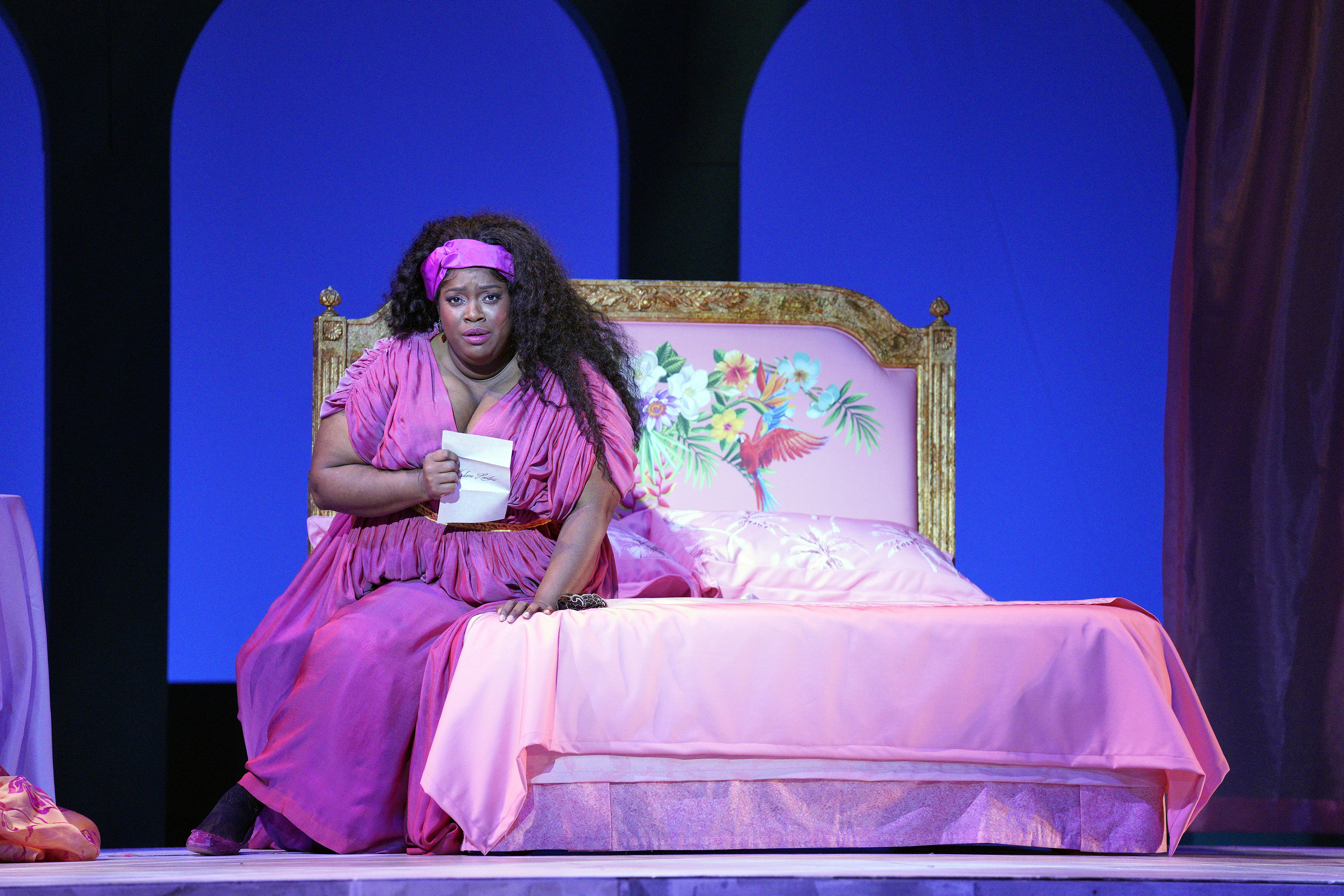
Symone Harcum (Lèontine)

A standout member of the cast was Symone Harcum as Léontine, the woman who is receiving the attention of the anonymous lover. Her strong, commanding voice rang out well in the 1900 seat Music Theater, and she found satisfying expressive content in her music. Her minor-key entrances, with suggestions of anxiety and frustration, are the strongest arias in the opera, and they were strongly presented.

As Valcour, the lover himself, Carols Enrique Santelli was challenged by the top of the range, where his bright tenor developed a hard edge, but was otherwise a sympathetic character. As his co-conspirator in anonymity, Ophémon, Aaron Keeney acted his part well and sang with confidence. Though dry in sound, his baritone blended well in the ensembles that are the largest part of his role.

Leah Brzyski (Jeanette) and Joseph Leppek (Colin)

As Dorothèe, Zoie Reams milked her interpolated arias for all they were worth musically and dramatically. Some stagey business with a handkerchief, reprised for curtain calls, turned hers into a memorable role. As the young lovers Jeanette and Colin—a sort of Caribbean Zerlina and Masetto—Leah Brzyski and Joseph Leppek were every bit as charming as they were meant to be. With her bright soprano and gift for perkiness, Brzyski has a future in the so-called “-ina” roles, should she want them.

Todaro and Harrison David Rivers are credited with the translations of the dialog, which were as natural as one dared hope for. In fact, The Anonymous Lover is an entirely artificial 18th-century comedy. The action is implausible and superficial, but Bologne’s music is polished and never less than enjoyable, even if it does not rise to the Mozartian level of transcending its material. Minnesota Opera and their capable cast have made Bologne’s previously overlooked opera into a treat well worth a trip to St. Paul for the remaining performances next weekend (Feb. 10, 12 and 13).

At 90 minutes, The Anonymous Lover is ideal for performance during a pandemic, as it can easily be played without intermission. The not-quite sold out Ordway audience remained safely masked during the performance.

Pro Musica responds to past year’s events in Boulder with music

“A Concert for Healing” in Longmont Friday, Boulder Saturday

By Peter Alexander Jan. 31 at 5 p.m.

Cynthia Katsarelis. Photo by Glenn Ross.

Cynthia Katsarelis planned the next concert for Pro Musica Colorado (PMC) Chamber Orchestra as an opportunity for healing for the Boulder community—from the March 2021 King Sooper’s Shooting and from the pandemic.

In planning the 2021-22 season over the summer, she says, “I’m thinking about our response to the pandemic and all our losses there, and the King Soopers shooting.” In that context, she decided that the first concert program of 2022 would be devoted to healing, with music that seemed suited for that purpose. 

“Mozart: A Concert for Healing” will be performed in Longmont at 7:30 Friday (Feb. 4) at the Stewart Auditorium and in Boulder at 7:30 Saturday (Feb. 5) at the First United Methodist Church (see concert details below).

“Something I think always works medicinal magic in the hearts of human beings is Mozart,” Katsarelis says. And so two of Mozart’s symphonies became the bookends of the program: Symphony No. 15, chosen in honor of the orchestra’s 15th season to open the program, and the “Jupiter” Symphony to round it off with a masterpiece.

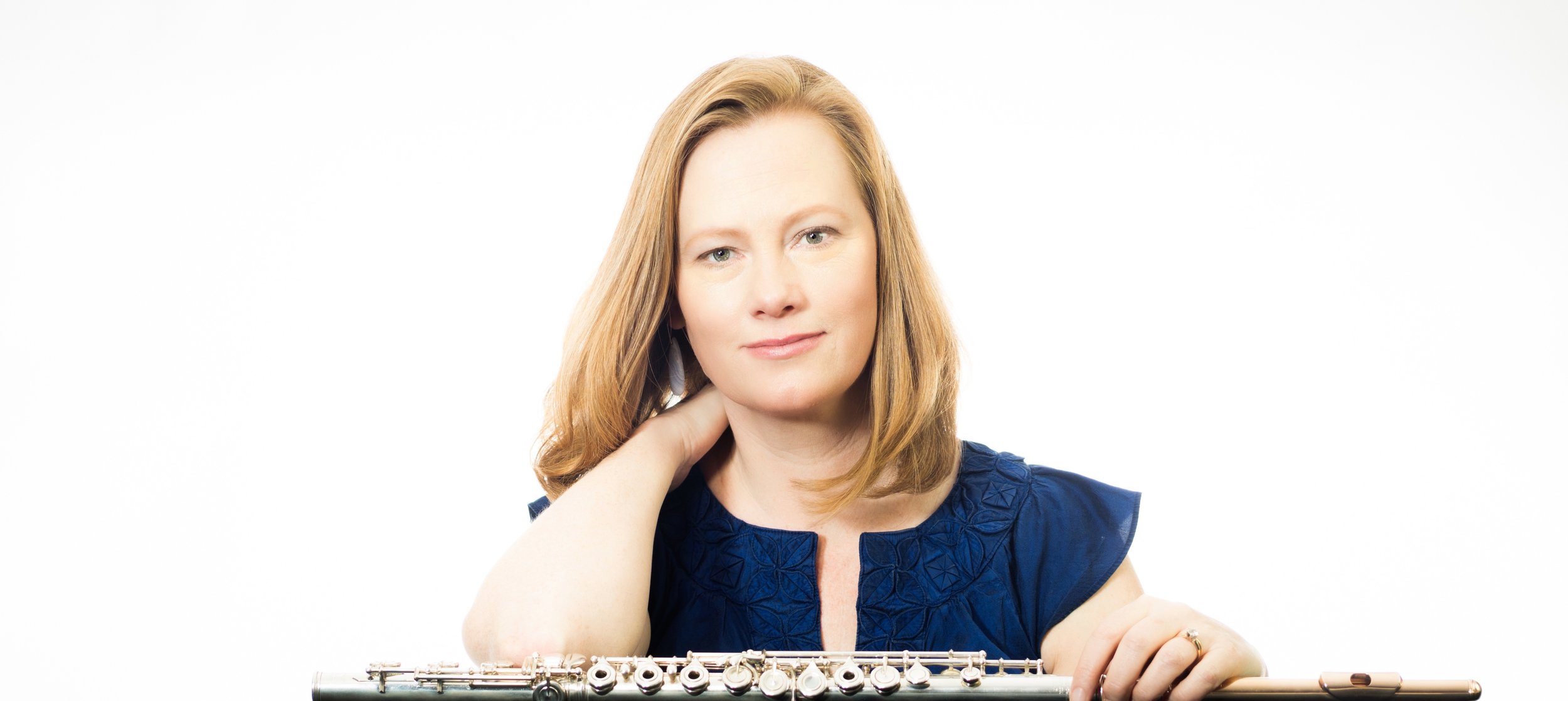
Flutist Christian Jennings

The rest of the program fell into place through a collaboration with flutist Christina Jennings from the CU Music faculty. Last summer Katsarelis and Jennings were talking about what they could do together, and Jennings said, “Maybe Carter (Pann, a CU composition professor) will write something for me.”

“She must have texted him,” Katsarelis says, because in less than half an hour, Jennings had Pann’s agreement. “Of course we’ll do a world premiere,” Katsarelis says. “The idea was born via text in about 30 minutes!” And completing the program Jennings will play one of the flute’s most lively pieces, Vivaldi’s Concerto for Flute known as “The Goldfinch.”

Carter Pann

It should be remembered that at the time she planned this program, Katsarelis had no idea that a third disaster would strike in the middle of the orchestra’s season. “Of course we didn’t know the Marshall Fire was going to happen,” she says. “I’m glad that we planned this concert as we had.”

Katsarelis was looking around for pieces numbered 15 to fit the PMC’s anniversary, and since Mozart is always a good programming choice she decided to look at his 15th Symphony. Written when Mozart was 16, it is not a well known work, but Katsarelis says “he’s pretty mature actually by that point.

“The symphony has a lot of witty details. In the recapitulation, when you expect the scale to go up as it had before, it goes down—things like that. It’s four movements, but they’re really short. It makes a good opener—it has wonderful energy, and these wonderful ideas. It’s a dynamite piece.”

At the opposite end of the program and of Mozart’s career is his last symphony, the “Jupiter.” “It marks Mozart’s progression as a composer,” Katsarelis says. “It marks [the transition] of the early classical to the high classical style, and Mozart is in dialog with Bach with contrapuntal and fugal writing.

“Mozart’s always loaded with ideas, and they’re always beautiful and balanced and have incredible variety and different kinds of energies and characters. But this [symphony] goes beyond. This is just astonishing.”

As familiar as the “Jupiter” Symphony has become, the key for performers and listeners, Katsarelis says, is to approach it like a new piece, “like it’s the freshest idea ever. That’s how you have to present it. That’s (PMC’s) approach to Mozart—doing it like we’re composing it ourselves. That’s what we bring to it, and I think that the aspect of familiarity done really beautifully in this way is part of healing.”

European Goldfinch

Of the two pieces that Jennings will play, the Vivaldi concerto is bright, cheerful and showy. It was written for girls at a famous orphanage in Venice, the Ospedale della Pietà, where Vivaldi taught. The girls’ orchestra was internationally famous, with people coming from all across Europe to hear their performances. With music as their main activity, the girls were renowned for their virtuosity.

Carter Pann’s piece creates a strong contrast with Vivaldi, and it fits the concert theme very well. “It’s beautiful and evocative,” Katsarelis says. “Christina (Jennings) was really into the theme about healing, and wanting a beautiful , cantabile kind of work—something that was more soulful and more cantabile. That’s what we thought would be really nice in this program, and I think it works out really well. 

As she talks about the concert, Katsarelis keeps reflecting on subject of healing and the triple challenge Boulder has had to face in the past year, with a pandemic, a shooting and then a fire. “I just never thought I would see that level of devastation,” she says. “It seems to me that the arts have to respond. All of us in the arts need to think deeply and ponder our role, what do we need to say, who do we need to be for the community.

“That’s been on my heart a great deal.“

# # # # #

“Mozart: A Concert of Healing”
Pro Musica Colorado Chamber Orchestra, Cynthia Katsarelis, conductor
With Christina Jennings, flute

  • Mozart: Symphony No. 15 in G major, K. 124
  • Vivaldi: Concerto for Flute in D major, op. 10 no. 3, “The Goldfinch”
  • Carter Pann: My Cross for solo flute and chamber orchestra (world premiere)
  • Mozart: Symphony No. 41 in C major, K. 551 (“Jupiter”)

7:30 p.m. Friday, Feb. 4
Stewart Auditorium, Longmont Museum

7:30 p.m. Saturday, Feb. 5 
First United Methodist Church, 1421 Spruce St., Boulder

TICKETS

NOTE: All Pro Musica musicians have been vaccinated. Audience members must show proof of vaccination at the door. Audience members age 2 and up will be required to wear a mask. Audience capacity will be limited to allow for approhripriate distancing, and patrons are asked to observe social distancing in the hall and the lobby. If you cannot receive the vaccine for medical or religious reasons, you will be asked to show a negative COVID test taken 72 hours before the performance.

Pianist Andrew Staupe brings two very different concertos to the BCO

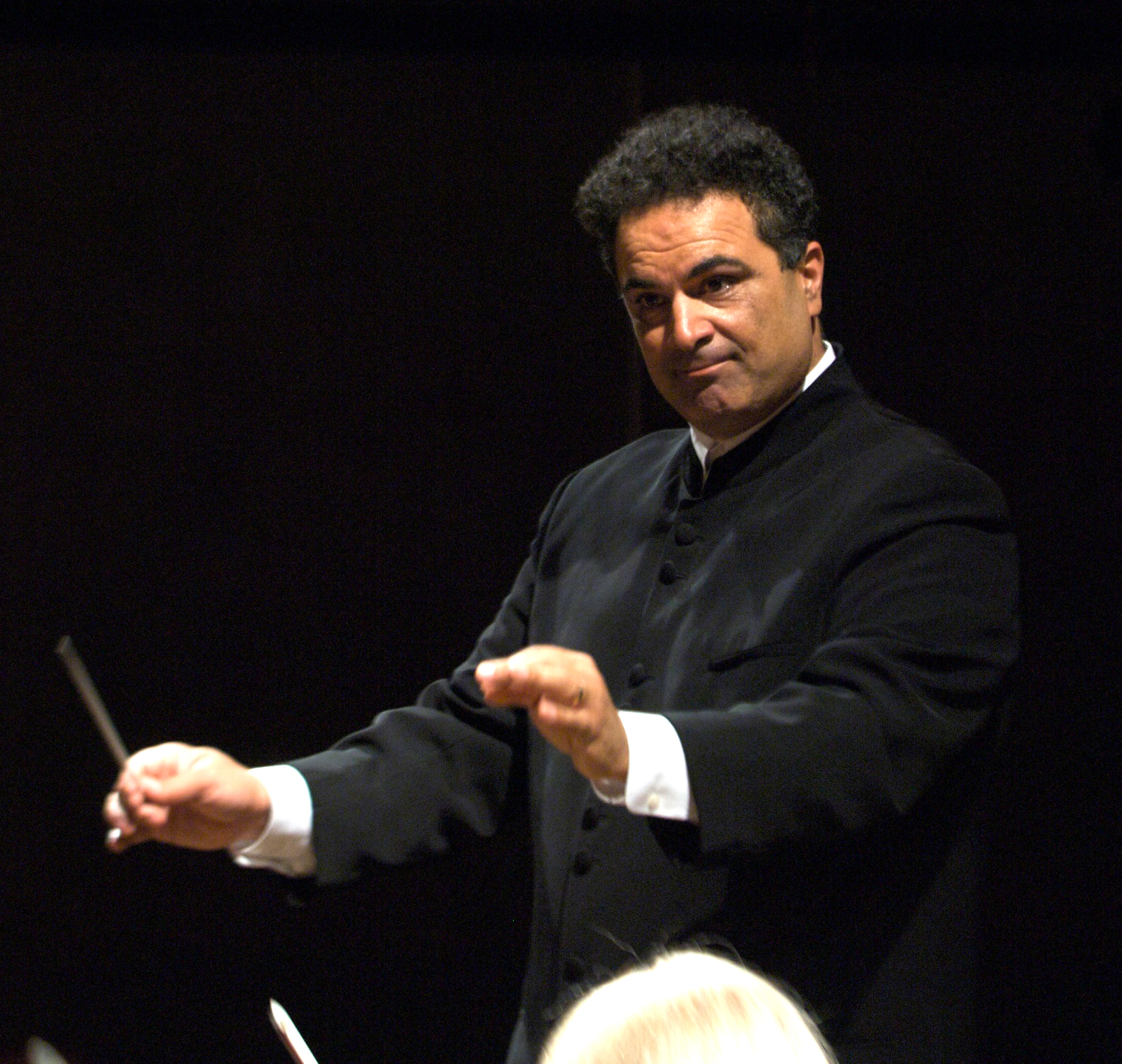
Bahman Saless will conduct works by J.C Bach, Shostakovich and Tchaikovsky

By Peter Alexander Jan. 26 at 10 p.m.

Bahman Saless. Photo by Keith Bobo.

Conductor Bahman Saless will join with pianist Andrew Staupe and the Boulder Chamber Orchestra Saturday (7:30 p.m. Jan. 29 at the Boulder Adventist Church) to present “Diversions from History,” a program that balances some diversions from the usual programming with one of the most familiar works from the Romantic era.

“That’s what you do when you do programming,” Saless says. “You go ‘well, we need something that brings the audience in.’”

“Something” in this case is the Tchaikovsky Serenade for Strings, a piece that the often self-critical composer wrote “does not lack artistic worth.” It does not lack admirers, either, being one of the most performed of Tchaikovsky’s works. It has been heard in films, TV shows, and, remarkably, as the lead in to commercial breaks for an NFL playoff game.

If the Serenade provided the audience draw, the other two works on the program provided the concert’s title. And they are certainly a diversion from the standard repertoire: the Piano Concerto in E-flat, op 7 no. 5, by Johann Christian Bach, and the Concerto No. 1 for Piano by Shostakovich. 

Andrew Staupe

“Staupe wanted to do two small concertos,” Saless explained. This may have been a reaction to his last performance with Saless and the BCO in 2018, when he played the massive Piano Concerto No 3 of Johann Nepomuk Hummel, a contemporary of Beethoven. “It’s crazy hard!” Saless says of that concerto, suggesting that Staupe wanted something different this time.

When they started looking for shorter concertos, Saless remembered conducting music by J.C. Bach in Europe. “I was fascinated,” he says. “Also, I read that he and another composer, (Carl Friedrich) Abel, wrote the first piano concertos, the way we know them, in terms of writing for piano rather than harpsichord.”

The youngest son of J.S. Bach, Johann Christian is known as “The London Bach” from having lived there for many years. He is important in history as a transitional figure between his father’s Baroque style and the high classic style of Mozart and Haydn, and for having taught the eight-year-old Mozart in London. In fact, the young Mozart’s first concertos were modeled on works by J.C. Bach.

At a distance of more than 150 years, Shostakovich stands at a long remove from J.C. Bach. “We’re basically playing the music by a composer from the beginning of piano concerto as we’re familiar with, to the end of piano concerto as we’re familiar with,” Saless says.

But there is a musical connection, in that Shostakovich ties his concerto to earlier eras in various ways. He uses contrapuntal textures that recall the Baroque era of the elder Bach in the concerto’s fast movements, and quotes themes by Beethoven, including the “Appassionata” Sonata at the very outset, and the so-called “Rage Over a Lost Penny” in the finale.

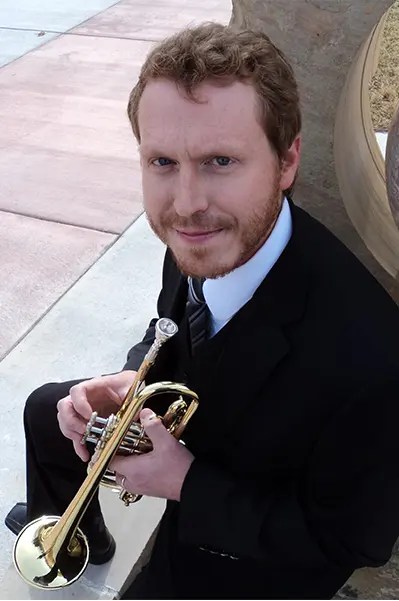
Derek McDonald

Shostakovich originally set out to write a trumpet concerto, but at some point he decided that the music needed a piano. As he continued to compose, the piano became more prominent, until he decided it was turning into a concerto for piano—with trumpet—although it is effectively a double concerto for the two instruments. The trumpet soloist will be Derek McDonald, the principal trumpet of the BCO.

The two soloists have their work cut out for them, Saless says. “The tempos are so wild! When it’s that fast, it’s a hard piece to put together. We’re going to have to practice a lot.”

Because of the fast tempos, “the pianist makes the decisions because the jumps in the left hand between the very end of the piano and the middle are ridiculous. Most of the tempos came from (Staupe) and (McDonald) is just making sure that he can play at the tempo that Andrew wants.”

In places it goes so fast that “the best thing (for the conductor) is not to get in the way,” Saless says. “You just conduct really small and let them do it. And you pray!”

Tchaikovsky wanted a large, lush string orchestra for the Serenade. The BCO is limited in numbers, due to COVID and the small stage space of the Adventist Church where they perform. “The problem is, how many people can we fit on that stage, and how many people do we WANT on the stage during the pandemic,” Saless says.

“But we’ve got 24 strings, so this is one of our bigger string sections. We have five cellos and two basses, which is pretty big for us. It’s going to be a nice, full sound.”

It’s not obvious, but the Serenade’s rich, Romantic score has a connection to the Classical elements of the other works on the program. Tchaikovsky was an ardent admirer of Mozart, to whom he intended a tribute in the Serenade’s first movement.

Whether you hear a connection with Mozart—and it is subtle—or hear the Beethoven quotations in Shostakovich, the program of three varied works is designed to appeal to varied tastes. And Saless hopes you will want to experience all three. “Come hear,” he says, suggesting a pun. 

“Come see. And listen!”

# # # # #

“Diversions in History’
Boulder Chamber Orchestra, Bahman Saless, conductor
With Andrew Staupe, piano, and Derek McDonald, trumpet

  • Johann Christian Bach: Piano Concerto in E-flat major, op. 7 no. 5
  • Shostakovich: Concerto No. 1 for Piano
  • Tchaikovsky: Serenade for Strings

7:30 p.m. Saturday, Jan. 29
Boulder Adventist Church, 345 Mapleton Ave., Boulder

TICKETS

Boulder Phil and Marcus Roberts Trio celebrate the return to live performances

“Gershwin Celebration” at Macky hits the right notes for a festive event

By Peter Alexander Jan. 23 at 12:20 a.m.

The Boulder Philharmonic and the Marcus Roberts Trio both returned to a live stage last night (Jan. 22) for the first time in two years, to present “A Gershwin Celebration” in Macky Auditorium. And it was a celebration for certain.

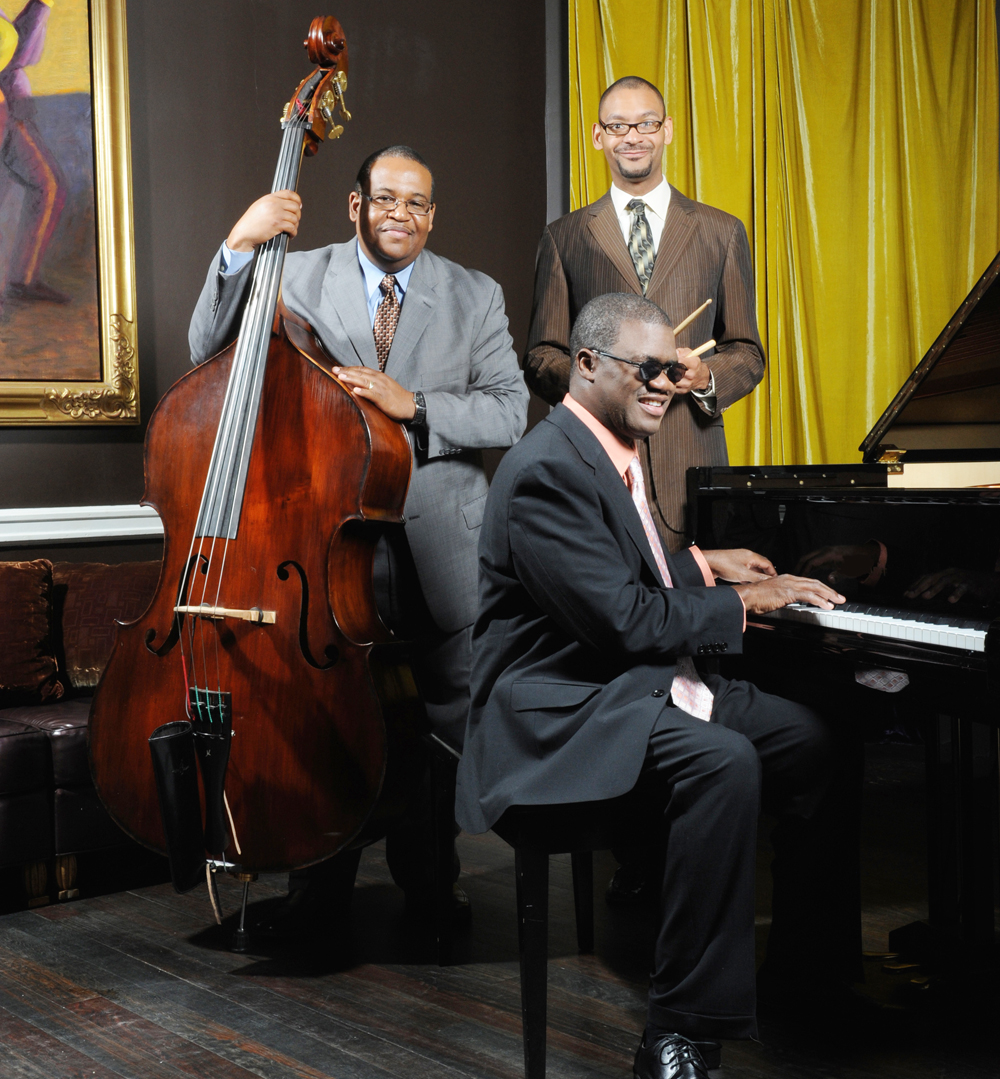
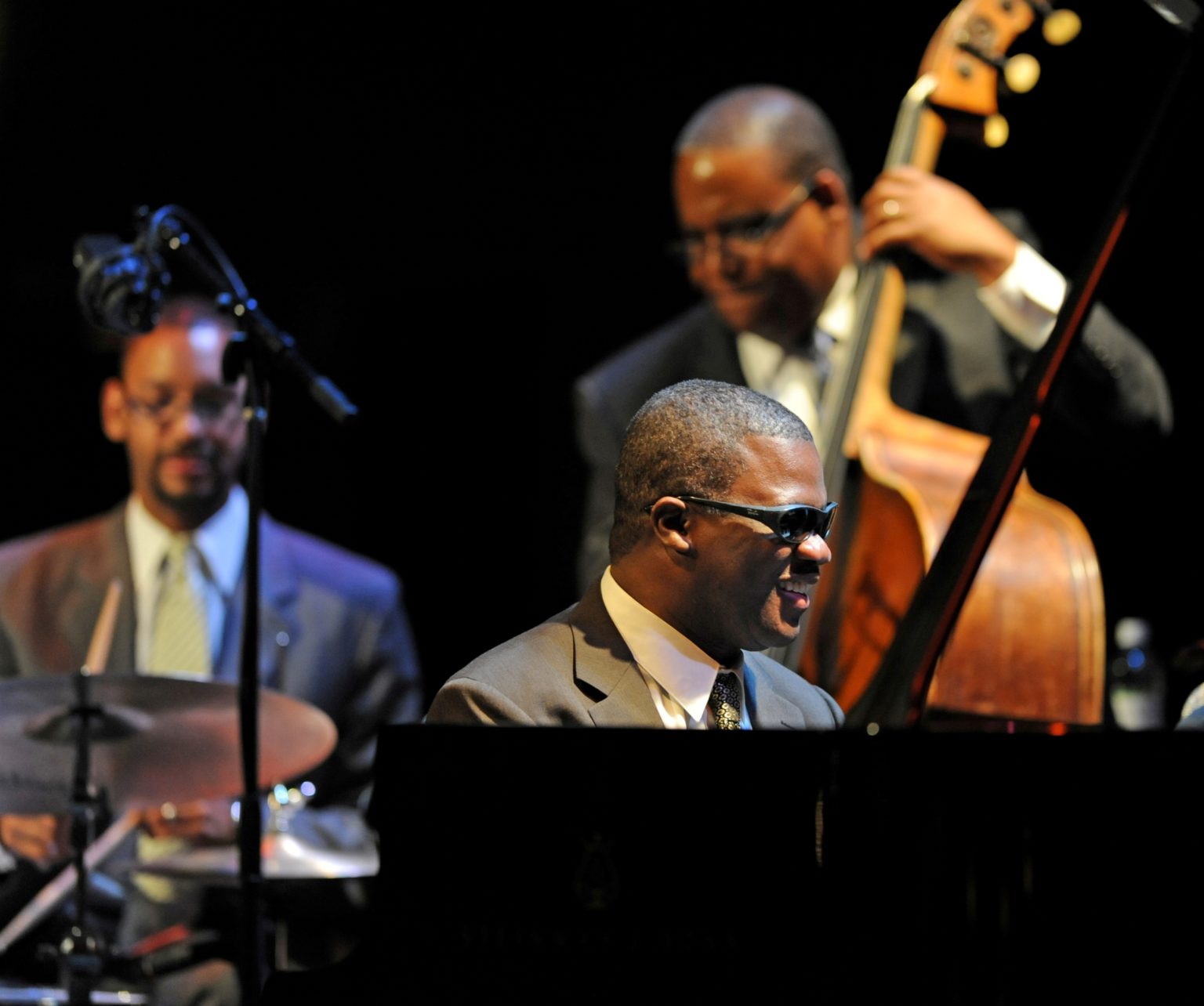
Two works by Gershwin were on the program: An American in Paris, and the Piano Concerto in F with the trio—Marcus Roberts, piano, Jason Marsalis, drums, and Rodney Jordan, bass—as a solo ensemble with the orchestra. The interpretation of Gershwin’s concerto, which Roberts first did with conductor Seiji Ozawa nearly 20 years ago, has become something of a specialty for the trio. They did it with the Boulder Phil once before, in conductor Michael Butterman’s first season with the orchestra 15 years ago.

We should be grateful that Butterman decided to return to that experience. The program, and especially the performance with the trio, hit all the right notes for a festive event. It was brilliantly creative, it was fun, it was musical art on a very high level.

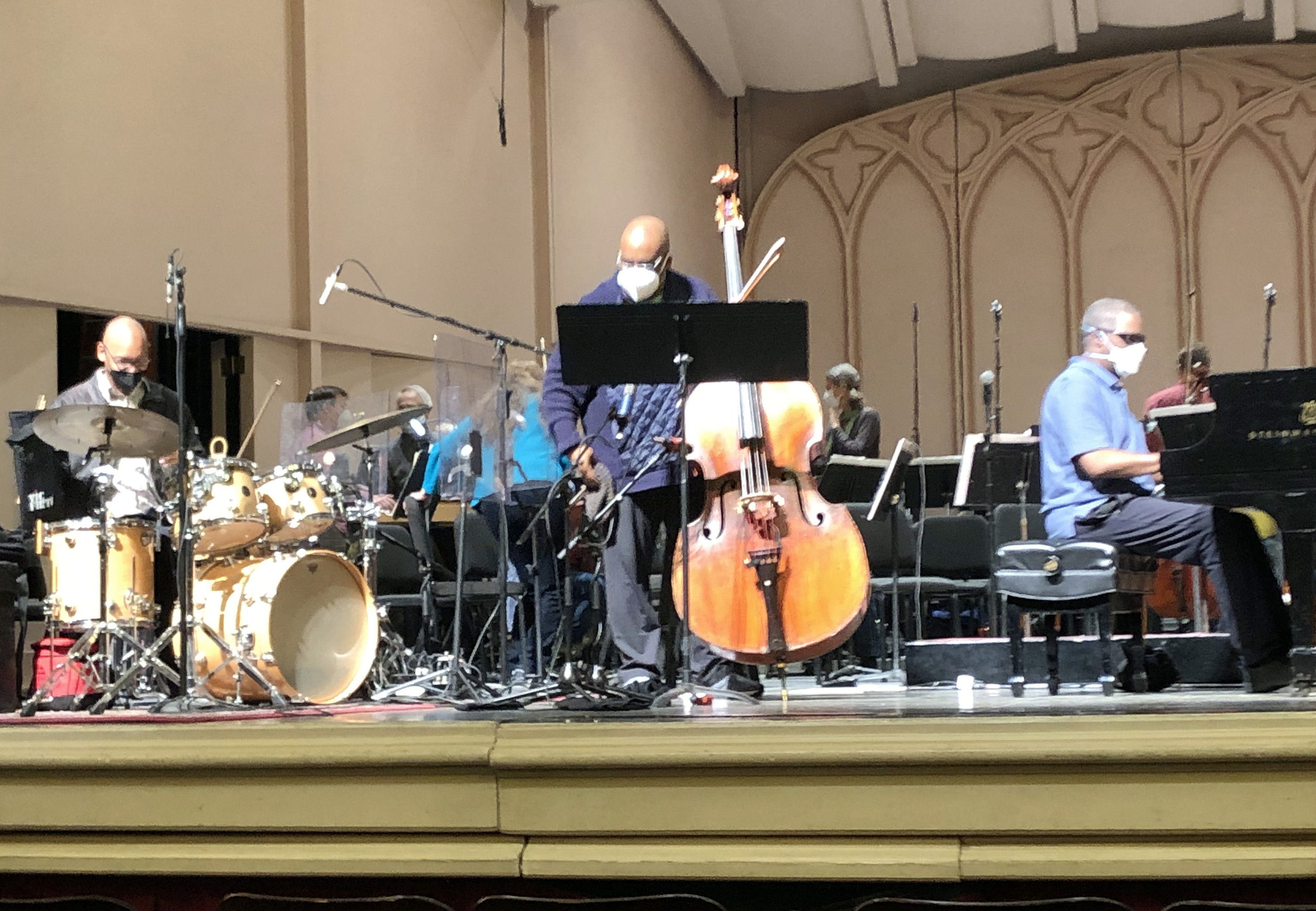
Mar us Roberts Trio rehearsing with the Boulder Phil. Photo by Peter Alexander.

The performance was live-streamed from Macky to anyone who had bought a ticket. I had the privilege of first attending the rehearsal yesterday morning, so that I could hear how the trio put their interpretation and interpolated solos together with the orchestra, and watching the live stream in the evening to hear how it all fit together.

One advantage of “attending” the concert by live stream is that you can see things that are not easily seen from seats in the hall—the very busy percussionists, for example, and who is playing the solos. That is very much a worthwhile pleasure. Since COVID, streaming is common, since it allows people to take in a concert without being in a crowd. Let’s hope streaming becomes normal, as it gives access to people who otherwise would not be able to attend. 

And it give us all the opportunity to hear performances from around the world, building a larger, shared musical culture.

The program opened with An American in Paris, which has earned a place in the orchestral repertoire—and in American audience’s hearts. It’s not fair to “review” a streamed performance because as a listener I am at the mercy of the sound engineers and the speakers on my desktop. But Butterman and the Boulder Phil clearly gave a fluid, polished performance.

For the Concerto, the orchestra played almost entirely what Gershwin wrote. When playing with the orchestra, Roberts observed, if he did not exactly reproduce, what Gershwin wrote in the piano part. At times he spun off from Gershwin’s line—but Gershwin did the same.

The Marcus Roberts Trio

There were also “breaks” for the jazz trio when the orchestra sat out and turned the performance over to the trio. These moments were, for me, the most joyous parts of the concert, because all three members of the trio are just so darned good. It was delightful to hear Roberts work bits of Gershwin into the multi-hued fabric of his improvisations, and to witness the exchanges among three musicians who know each other so well. Like any tight jazz group, whatever direction Roberts went, the others were with him.

Hearing both the rehearsal and the concert, it was not hard to find the essence of both classical and jazz styles. “We want to make sure that [audiences] understand the grandeur and beauty and structural logic that classical music has,” Roberts told me earlier, “and the freedom of improvisation and the spontaneity of jazz.”

Both were evident in Macky. The “grandeur of classical music” was present in the full orchestral passages of the concerto, which frame and culminate the solo passages. Of course those grandiose passages were the same in the morning and in the evening; that’s classical music. 

The improvised, jazz passages, however, were not the same; in their exuberant unpredictability they showed the “spontaneity of jazz”—and therein lies is the true greatness of the art form. The true greatness of Roberts’s performance of the Concerto in F is in bringing the two together.

As an encore, the trio alone played their version of another Gershwin staple, “I Got Rhythm,” which is both a nod to the composer’s variations for piano and orchestra on “I Got Rhythm” and recognition of the place the tune’s chord progression has taken in jazz history. Here the trio was playful, trading riffs at the beginning and the end, and giving a welcome chance for Marsalis on drums and Jordan on bass to have their own solos.

They all killed it. It was a dazzling demonstration of what we have missed for the past two years, and an exhilarating end to the celebration.

# # # # #

The Boulder Phil and the Marcus Roberts Trio will repeat their performance of “A Gershwin Celebration” this afternoon, at 1:30 p.m. Sunday, Jan. 23, at the Lone Tree Arts Center. You may purchase tickets for that live performance here.

Boulder Phil returns to Macky with Gershwin Celebration

Concert with pianist Marcus Roberts Jan. 22 will also be streamed

By Peter Alexander Jan. 20 at 11 a.m.

The Boulder Philharmonic Orchestra returns to Macky Auditorium Saturday (7:30 p.m., Jan. 22) for the first time in two years, with an all-Gershwin program.

Marcus Roberts Trio

Two works are featured: An American in Paris and the Piano Concerto in F, performed with the Marcus Roberts trio: Roberts, piano, Rodney Jordan, bass, and Jason Marsalis, drums. The same program will be presented Sunday at the Lone Tree Arts Center (1:30 p.m. Jan. 23). Tickets to both concerts, and for a live stream Saturday, are available through the Boulder Phil Web page.

While an all-Gershwin program is a little unusual for a symphony orchestra, “this is a nice way to get back to Macky” conductor Michael Butterman says. “A Gershwin celebration just feels festive.”

The Concerto harks back to a concert early in Butterman’s tenure with the orchestra, when Roberts and his trio played the Concerto in F. “I think it was my very first season,” Butterman says. “I remember that as one of the highlights of my time in Boulder, because it’s exciting to see the musicians of the orchestra so engaged.”

Read more in Boulder Weekly.

# # # # #

Gershwin Celebration
Boulder Philharmonic Orchestra, Michael Butterman, conductor
With Marcus Roberts Trio: Marcus Roberts, piano; Rodney Jordan, bass; Jason Marsalis, drums

  • Gershwin: An American in Paris
    —Piano Concerto in F

7:30 p.m. Saturday, Jan. 22, Mackey Auditorium
1:30 p.m. Sunday, Jan. 23, Lone Tree Arts Center
Masks and proof of vaccination are required.

Live steam 7:30 p.m. Saturday, Jan. 22

TICKETS