Santa Fe Opera: Così fan tutte is a mixed bag, Jenůfa a triumph

There’s still time to see the SFO productions

By Peter Alexander Aug. 8 at 9:20 p.m.

The Santa Fe Opera’s current production of Mozart’s Così fan tutte is a very mixed bag.

Musically, the performance I saw was superior. The cast is excellent from top to bottom, and Harry Bicket’s direction captured the Mozartian spirit well. Dramatically, however, the production is relentlessly sententious, sometimes baffling and, for long stretches, visually uninteresting.

First, the musical details: The small orchestra played beautifully, especially the wind solos, of which there are many by clarinets, flutes and horns. One or two tempos I thought were on the slow side, but the sublime beauty of Mozart’s score always shone through.
Cosi3

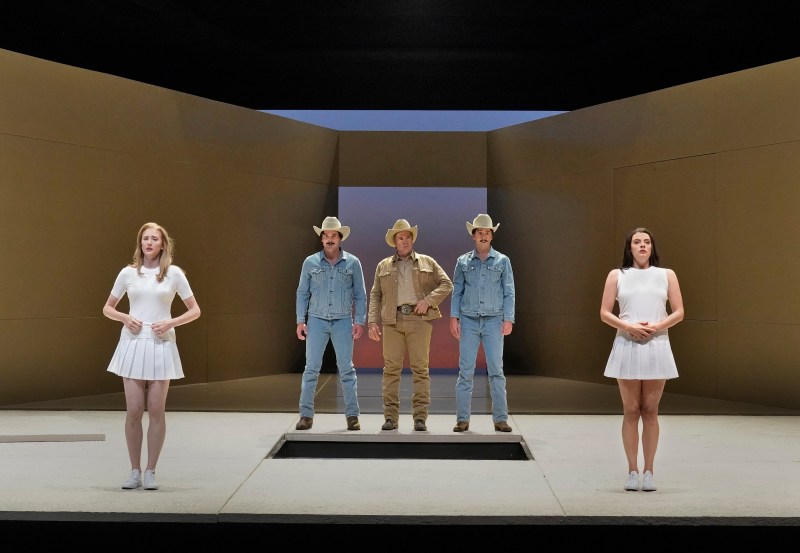
The five main principals of Così fan tutte: Fiordiligi (Amanda Majeski), Guglielmo (Jarett Ott), Don Alfonso (Rod Gilfry), Ferrando (Ben Bliss) and Dorabella (Emily D’Angelo). Photo by Ken Howard for the Santa Fe Opera.

The singers playing the four lovers around whom Mozart’s artificial world turns—Ben Bliss as Ferrando, Jarrett Ott as Guglielmo, Amanda Majeski as Fiordiligi and Emily D’Angelo as Dorabella—are appropriately young and attractive and vocally outstanding. Their ensembles were beautifully sung and well balanced. The magical trio “Suoave sia il vento,” with Majeski, D’Angleo and Rod Gilfry as Don Alfonso, was especially memorable.

In Dorabella’s first-act aria “Smanie implacabili,” D’Angelo exploited a big, rich voice, singing with great control in spite of stage directions that had her on her back and rolling across the stage. Majeski sang Fiordiligi’s arias with a bright, strong voice, managing the formidable leaps handily.
Cosi2

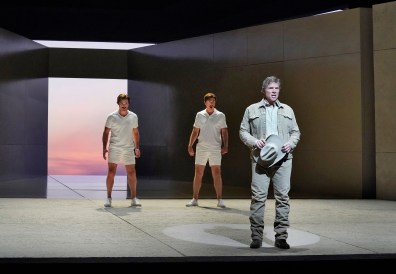
Jarrett Ott and Ben Bliss as the frat-boy lovers Guglielmo and Ferrando, with Ron Gilfry as the cowboy Don Alfonso. Photo by Ken Howard.

Bliss brought a light, flexible tenor to his role as Ferrando. Ott sang Guglielmo with a strong, resonant baritone. Rod Gilfry was occasionally a little rough as Don Alfonso, but his portrayal perfectly matched the production’s concept of Alfonso as a cowboy. Tracy Dahl avoided all the traditional flirty-cutesy clichés for Despina, casting the character as a darker sidekick for Alfonso. As such, she was very effective. Her singing was expressive, if underpowered in the lowest range.

The eternal problem with Così fan tutte is that the story of two men donning disguises to woo each others’ fiancées, if taken literally, is distasteful at best. The betrayal of the women they claim to love is shocking, especially at the moment when the women learn that they have been betrayed and humiliated for the sake of a bet.

Even treated as an allegory, that no one is perfect and we all have to accept the imperfections of our partners, Così can be discomfiting. To avoid that trap, the Santa Fe production jettisoned the period decorations and literal presentation of the plot, paring it down to the barest psychological core. Everything beyond the emotional journey of the six main characters has been eliminated, and that single focus has been insistently pounded home.Some will find that illuminating, but others will be frustrated by the lack of theatrical qualities.

The set by Paul Tate Depoo III places the action inside a stark white box that narrows to the rear and, once all the singers are onstage, closes so that they are trapped inside. Depoo’s blank walls are not enlivened with color, with only the barest of lighting effects to distinguish one area from another. There is no furniture and few props. Only the six principal characters are present. The chorus, singing from offstage, is heard but not seen.

At the two couple’s first entrance into the colorless set, they are dressed in all white—the women in tennis outfits, the men in t-shirts and shorts. In their actions, they are recognizable contemporary types, the women silly sorority girls, the men macho frat boys. Fair enough; they are supposed to be callow and superficial.
Cosi1

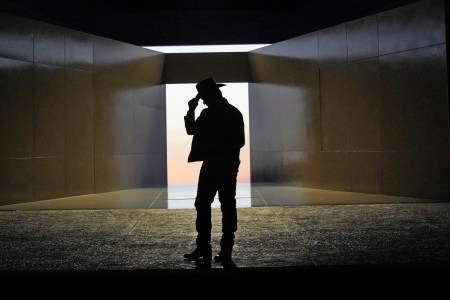
Rod Gilfry portrays Don Alfonso as an iconic Cowboy, Photo by Ken Howard.

Don Alfonso makes the first entrance, ahead of the white-clad lovers, costumed as a rough-hewn cowboy. In director’s R.B. Schlather’s interpretation, he exerts magical control over the other characters, who stagger back from his voice and are unable to resist his machinations. He oversees virtually everything that happens onstage, sometimes crouching against the outside wall and observing.

From this reduction of the opera to essentials, the characters loose obvious differentiation. The men’s “disguise” is identical blue denim and cowboy hats. The careful distinctions that Mozart and librettist Lorenzo Da Ponte made has to be conveyed through singing and acting.

Schlather and Depoo’s distillation of the opera enhances the impact of the emotions, particularly the betrayal and humiliation that is imposed on the women at the end. That was more viscerally felt than in any production I have seen. But the flip side of the psychological purification is that the opera became correspondingly less visually interesting.

Some portions became a concert performance in costume, with the characters standing in symmetrical configurations, singing in place. At such points, interest wanes. And throughout there were touches that were simply baffling. Why does Despina put on multiple aprons, then engage in comic business with them, distracting from the other singers onstage? Why does she as the magnetic “doctor” continuously fire off sparklers when once would make the point?

And why does the opera end with all four lovers seated across the front of the stage, immobile, during the final scenes, with no action whatever—no evidence of a wedding, no entrances and exits that are in the text, no visual discovery of the women’s betrayal—while Alfonso pours water over each of their heads? If your audience has to puzzle about such things, the point may get missed.

# # # # #

Jenůfa, Leoš Janáček’s breakthrough opera composed in 1903, is one of the great works of the 20th century. It is probably Janáček’s highly individual style, based deeply in Czech language and culture, that has kept it from being performed outside its homeland.

The Santa Fe performances, using a production originally created by the English National Opera, is a welcome opportunity to see this great work, and it is in every way a triumph, something that every Janáček fan and every lover of 20th-century opera should see. Jenůfa has only one more performance, Aug. 15.

Jenufa6

Alexander Lewis as Laca cowers outside the Soviet-era mill of designer Charles Edwards. Photo by Ken Howard.

The scenic design of Charles Edwards, costumes by Jon Morrell and direction by David Alden place Jenůfa firmly in the Soviet era. The mill of the first act has dingy corrugated metal walls, and the room where the rest of the opera takes place is authentically shabby. The clothes mark the class of every character, from the mill workers to the mayor, and just like Soviet times, none are fashionable.

To my eyes and ears, this setting fits the story of rural jealousy and violence as well as the original, and deepens the conflicts of social status inherent in the story. Alden’s direction was well attuned to the emotional drama, especially between Jenůfa andLaca, the suitor whose love turns out to be genuine.

Jenufa2

Patricia Racette as Kostelnička (right) with Laura Wilde as Jenůfa and Alexander Lewis as Laca. Photo by Ken Howard.

The excellent cast was led by the powerful Kostelnička of Patricia Racette, a role debut. Racette, who has appeared at Santa Fe for more than 20 years, has previously sung the title role in the same production in Houston and Washington.

Her performance was thrilling, portraying the crucial character of Kostelnička as a whole person. She sang with fire and dramatic passion, particularly in the first-act narration of her unhappy past. Equally memorable was her transformation from the dominating, self-righteous conscience of the village in the first act to the repentant, suffering figure at the end.

Laura Wilde was a sympathetic Jenůfa, someone who is trying to elevate both herself and her village by marrying up and teaching reading to her neighbors. She is visibly reluctant to enter into the drunken celebrations in Act I, and her distaste for her fiancé’s swaggering arrogance was both visible and audible. She used her warm, vibrant sound well.

Jenufa1

Laura Wilde as Jenůfa and Richard Trey Smagur as Števa. Photo by Ken Howard.

As the fiancé, Števa, Richard Trey Smagur was just the kind of thuggish bully the role requires, but does not always get. His shallow attraction to Jenůfa’s beauty and his smug expectation to be admired—qualities portrayed in action and voice—made him repulsive from his very first entrance. His performance strengthened the psychological sinews of the drama and set up his shameful refusal to marry Jenůfa after she had been disfigured.

Laca, Števa’s half brother who attacks Jenůfa in the first act in spite of his genuine love for her, is a tricky role for any singer. It is an exposed balancing act—he has to be angry enough to do violence, but then believable as a repentant lover.

In this regard, I thought the first act was overplayed. Alexander Lewis’s Laca was beyond anger, essentially nasty and uncontrolled, and later he seemed more cowed than supportive to Jenůfa; perhaps this was Alden’s intent. His voice was thin and brittle, neither forceful enough at the outset nor warm enough at the end.

In the smaller roles, veteran Suzanne Mentzer was pleasing as the Grandmother, successful both vocally and in getting a chuckle with her feistiness in the final act. Will Liverman successfully portrayed the mill foreman as a Soviet-era stereotype—a supervisor who seems not to actually do anything. Alan Higgs and Kathleen Reveille had just the right superciliousness as the floridly dressed mayor and his wife.

Jenufa3

L to R: Susanne Mentzer (Grandmother), Kathleen Reveille (Mayor’s Wife), Laura Wilde (Jenůfa), Gina Perregrino (Herdswoman), Alan Higgs (Mayor) and Patricia Racette (Kostelnička). Photo by Ken Howard.

Janáček’s characteristic small orchestral motifs and expressive accompaniments, created so individually and effectively to underline the emotional shifts of the plot, were well managed by conductor Johannes Debus. The orchestra played well, with nicely blended brass and woodwinds.

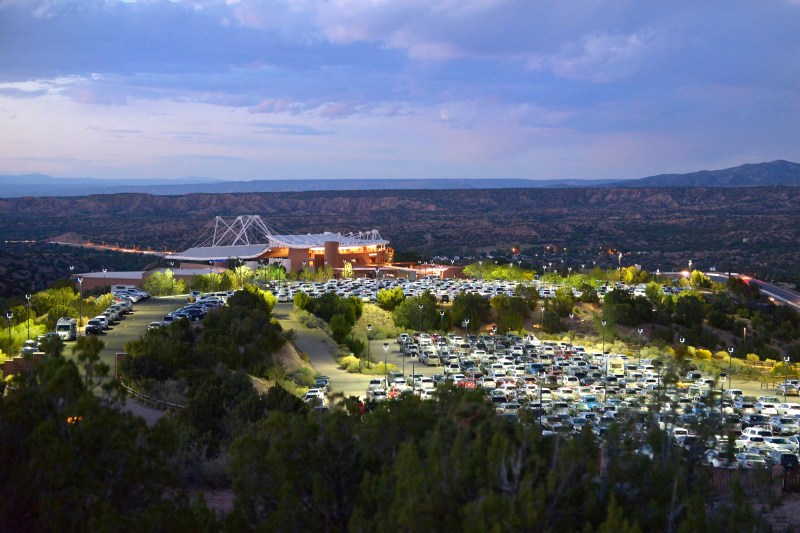
Sometimes, nature and good luck conspire to enhance performances in Santa Fe. The night I attended, the beautiful sunset above the distant hills behind the theater helped establish the rural setting, and a brief rainstorm later could be taken as symbolic of the emotional storm onstage. Of course, I cannot promise that you will experience the same enhancements Aug. 15, but for every other virtue of the production it is well worth the trip to Santa Fe.

# # # # #
SFO02.Robert Goodwin

Santa Fe Opera house. Photo by Robert Goodwin.

Così fan tutte continues through Aug. 22, Jenůfa through Aug. 15.Tickets for the remaining performances in Santa Fe can be purchased through the calendar on the Santa Fe Opera Web page.


Jean-Marie Zeitouni, David Danzmayr return to CMF

Guest conductors will lead orchestra concerts for the next two weeks

By Peter Alexander July 11 at 4 p.m.

The Colorado Music Festival hosts the return of two guest conductors for the central portion of the six-week festival, July 11–23.

For orchestral concerts July 11-12 and July 14, Jean-Marie Zeitouni, principal guest conductor of the festival, returns to lead the Festival Orchestra and Chamber Orchestra. David Danzmeyer, who appeared as guest conductor in 2015 and 2018, will lead the CMF orchestra July 18-19 and 21.

JMZBowtie

Jean-Marie Zeitouni. Photo by David Curleigh

“I’m excited about coming back” says Zeitouni, who was the festival music director 2015–17. “I share so much beautiful music making with the CMF orchestra, that it’s really heartwarming for me. And I have my favorite spot for good coffee, a good meal, a good hike, a good sunset, so this is fun.”

Zeitouni opens his CMF visit with a pair of concerts titled “Romantic Duos,” Thursday and Friday (July 11–12. Three of the pieces have romantic couples in their titles: Pelleas et Mélisande by Gabriel Fauré,Romeo and Julietby Tchaikovsky, and Bacchus et Arianeby Albert Roussel. Also on the program is Brahms’s Double Concerto for violin and cello, played by the real-life romantic duo of Mira Wang and Jan Vogler, who are married.

Zeitouni’s second CMF concert is part of the summer series tracing Beethoven’s reach into the future. Titled “Beethoven’s Path to Neoclassicism,” it will feature Beethoven’s First Symphony and Stravinsky’s Symphony in Three Movements played with alternating movements. Completing the program is Prokofiev’s Third Piano Concerto played by pianist Lilya Zilberstein.

Read more in Boulder Weekly.

# # # # #

Colorado Music Festival
July 11–23
All performances at 7:30 p.m. in the Chautauqua Auditorium

Thursday & Friday July 11 & 12, 7:30 PM
ROMANTIC DUOS
Jean-Marie Zeitouni, conductor, with Mira Wang, violin, and Jan Vogler, cello

Fauré: Pelleas et Mélisande Suite
Brahms: Concerto for Violin and Violoncello
Tchaikovsky: Romeo and Juliet Overture
Roussel: Bacchus et Ariane, Suite No. 2

ZIlberstein

Lilya Zilberstein

Sunday, July 14
BEETHOVEN’S PATH TO NEOCLASSICISM
Conductor: Jean-Marie Zeitouni, with Lilya Zilberstein, piano

Beethoven: Symphony No. 1 and Stravinsky: Symphony in Three Movements (movements played alternately)
Prokofiev: Piano Concerto No. 3

Tuesday, July 16
QUINTESSENTIAL HARP
CMF Chamber Players

Arnold Bax: Quintet for Harp and String Quartet
Ravel: Introduction and Allegro for Harp, Flute, Clarinet
Ravel: String Quartet
Brahms: String Sextet No. 1 in B-flat Major

Montero.920x920.Colin Bell

Gabriela Montero. Photo by Colin Bell

Thursday & Friday, July 18 & 19
TCHAIKOVSKY’S SYMPHONY NO. 6 “PATHETIQUE”
David Danzmayr, conductor, with Gabriela Montero, piano

Golijov: Sidereus
Grieg: Piano Concerto
Tchaikovsky: Symphony No. 6 (“Pathétique”)

Sunday, July 21
MAGNIFICENT MOZART MINI-FESTIVAL I
David Danzmayr, conductor, with Stefan Jackiw, violin

Mozart: Symphony No. 32
Violin Concerto No. 5 (“Turkish”)
Overture from Don Giovanni
Symphony No. 38 (“Prague”)

Tuesday, July 23
RUSSIAN MASTERS
CMF Chamber Players

Shostakovich: Piano Trio No. 1 in C Minor
Tchaikovsky: Piano Trio in A Minor

Tickets from the Chautauqua Box office.


CMF: Jazz, pizzazz, patriotism and a lot of fun

Pianist Jon Kimura Parker performs Gershwin, plus Billy Joel

By Peter Alexander July 6 at 12:25 a.m.

The Colorado Music Festival offered a concert titled “Revolution and Freedom” for its not-quite-the-Fourth of July concert last night (July 5). The program offered equal bits of jazz, pizzazz and patriotism, and a whole lot of fun.

Peter-Alpha

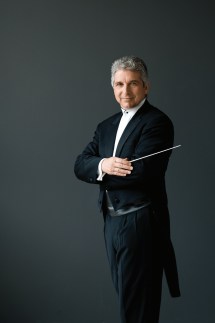
Peter Oundjian

After starting with a brisk performance of the National Anthem, conductor Peter Oundjian and the Festival Orchestra took up the more serious parts of the program, starting with Aaron Copland’s Outdoor Overture. The performance was bright and forceful, with more vigor than clarity in the opening section. The following lyrical passages were enhanced by lovely solos from flute and clarinet.

Oundjian delineated the contrasting sections well, and brought precision and a welcome energy to the performance. Though Canadian-English-Scottish by ancestry, Oundjian shows that he understands American styles of music—or at least how to unleash an American orchestra.

The American theme continued with Gershwin’s Concerto in F for piano and orchestra, with the assured and spirited Jon Kimura Parker as soloist. From the very beginning, he made the concerto his with a strong and sure interpretation. Listening, you might think, “This is what Gershwin wanted his Concerto to sound like!”

Oundjian was an attentive accompanist, finding both playful moments and powerful climaxes in the score. He maintained a truly precise connection between soloist and orchestra: I did not hear a single moment when they were not right together. Several times he and Parker—friends since their student days at Juilliard—exchanged beaming smiles.

The bluesy second movement offers its own challenge. The CMF performance was nicer than real blues—but was it a cautious interpretation, or Gershwin’s desire to write concert music that created that result? It was atmospheric, expressive, but stayed well away from anything that could be mistaken for dirty blues.

2001_KimuraParker_1280-900x661

Jon Kimura Parker. Courtesy of Colorado Music Festival.

The final movement was all energy and (that word again!) precision. Parker commanded attention with every entrance, driving the performance as a soloist should. After a rapturous ovation, he played a virtuosic version of Billy Joel’s “Scenes from an Italian Restaurant” as an encore, while a beaming Oundjian stood beside the piano.

The second half of the concert was all dessert, starting with a bouncy and bumptious Overture to La Gazza Ladra by Rossini. From the multiple snare drums trading off the solos that open the overture, it was all a good show, with great individual playing through the wind sections—horns, piccolo, and clarinet being especially noticeable—and as loud as it needed to be at climaxes. It was all, Rossini would agree, “stupendo!”

If any piece in the repertoire can be called a potboiler, it is Tchaikovsky’s 1812 Overture. Played for Independence Day concerts everywhere, it is an easy piece for orchestras and conductors to toss off thoughtlessly, but Oundjian took pains to say that it is “always a joy to play this piece! It is remarkable and beautiful, even before the canons come in.”

His interpretation lived up that statement. He showed great attention to musical details from the very opening hymn played by solo cellos and violas through to the end. While parts of it were “very noisy,” as the composer himself once said, with occasional blare in the brass sound, it was never less than thrilling.

The remainder of the program comprised three marches by John Philip Sousa, Washington Post, The Liberty Bell  and of course, Stars and Stripes Forever. All were spirited and great fun to hear in the concert hall, if a little toned down from the best band performances. Stars and Stripes was faster than I am used to hearing it, but did not suffer from the tempo.

A word about the central march: Oundjian selected an enthusiastic audience member from the back of the hall, to conduct The Liberty Bell. A young percussionist with some band experience, the impromptu conductor showed that he had played the piece before. He gave appropriate cues throughout, including offbeat chimes near the end, and got the orchestra to follow a dramatically slower tempo for the very final strain.

Loud cheers followed the final, conclusive “stinger.” Did I say it was a lot of fun? Clearly a good time was had by all. What more could you want for a holiday concert?

Puccini, Britten, and two short sacred works at Central City Opera

‘The roof is going to come off’ says Central City Opera general director

By Peter Alexander July 3 at 2:30 p.m.

Central City Opera (CCO) opens its 2019 festival season Saturday (July 6) with one of opera’s most loved works, Puccini’s Madama Butterfly.

2019 Central City Opera Festival.Madama Butterly

Madama Butterfly. Courtesy of Central City Opera.

Other works on the schedule are less familiar: Billy Budd by Benjamin Britten, which has an all-male cast; and a double bill of two short works for all women, Debussy’s Blessed Damozel and Francis Poulenc’s Litanies to the Black Virgin. Puccini and Britten will be presented in the Central City Opera House, and the shorter works in St. Mary of the Assumption Catholic Church, at 135 Pine St. in Central City.

The season came together around the choice of Billy Budd for one of the mainstage productions. Pelham Pearce, the general/artistic director of CCO, is a fan of Britten’s music and aims to eventually do all of his operas at CCO. So far they have done six.

Billy Budd, with its large all-male cast and setting on a British man-of-war, is a challenge for any opera company, much less a small house like Central City. “Billy Budd is, at this point, the biggest show we will ever have done inside the theater,” Pearce says. “There are so many people it’s just crazy, but it’s such a glorious work, I swear the roof is going to come off.”

Read more in Boulder Weekly.

# # # # #

Central City Opera
Summer 2019


Giacomo Puccini:  Madama Butterfly

Adam Tuner, conductor; Allison Moritz, director
8 p.m. July 6, 18, 26 and 30
2:30 p.m. July 10, 12, 14, 16, 20, 24, 28; Aug. 1 and 4
Central City Opera House

Full cast, credits, and tickets  here.

Billy Budd

Billy Budd. Courtesy of Central City Opera.

Benjamin Britten: Billy Budd
Libretto by Eric Crozier and E.M. Forster

John Baril, conductor; Ken Cazan, director
8 p.m. July 13, 19 and 25
2:30 p.m. July 17, 21, 23, 27, 31; Aug. 2
Central City Opera House

Full cast, credits and tickets here.

Double Bill
Debussy: The Blessed Damozel
Libretto by Dante Rosetti
Francis Poulenc: Litanies to the Black Virgin

Peter Walsh, music director; Alessandro Talevi, director
1 p.m. July 23, 24, 31 and Aug. 1
St. Mary of the Assumption Catholic Church, 135 Pine St., Central City

Tickets here.

“Beethoven’s Path to Romanticism” opens CMF June 27

First two weeks, June 27–July 9, set the pattern for the summer festival

By Peter Alexander June 27 at 4 p.m.

The Colorado Music Festival opens its 2019 season tonight (Thursday, June 27) with Beethoven’s Overture to Egmont, followed by a series of works that form a bridge forward into the Romantic era.

44063748070_f8f6dd56b3_o

Natasha Paremski will play Rachmaninoff’s Second Piano Concerto. Photo by Clarence Chan

CMF Music Director Peter Oundjian will conduct the Festival Orchestra, and Russian-American pianist Natasha Paremski will perform Rachmaninoff’s Second Piano Concerto. The program, also featuring Verdi’s Overture to La forza del destinoand Respighi’s Pines of Rome, will be repeated Friday (June 28).


Peter-Oundjian_Credit-Sian-Richards.jpg

Peter Oundjian. Photo by Sian Richards

Under the title “Beethoven’s Path to Romanticism,” the program sets a pattern for other orchestra concerts during the summer: a keystone work by Beethoven, with other pieces that share a stylistic affinity. These programs and others fit into the summer’s overarching theme, “Beethoven’s Path to the Future.”


“The idea is to create beautiful programs with a general theme,” Oundjian says. “Obviously, every composer after Beethoven was in some way in his shadow. I don’t want to suggest that all (of them) were influenced by Beethoven. I just wanted to give a journey through each program.”

The festival opens its Sunday chamber orchestra series June 30 with Oundjian conducting a concert titled “Beethoven’s Path to Modernism,” and the annual CMF Family Concert will be Sunday, July 7

Read more in Boulder Weekly.

# # # # #

Colorado Music Festival: Opening Weeks
June 27–­July 9

7:30 p.m. Thursday& Friday, June 27 & 28
OPENING NIGHT: BEETHOVEN’S PATH TO ROMANTICISM
Peter Oundjian, conductor, with Natasha Paremski, piano

Beethoven:Egmont Overture
Rachmaninoff: Piano Concerto No. 2
Verdi: Overture to La forza del destino
Respighi: Pines of Rome

7:30 p.m. Sunday, June 30
BEETHOVEN’S PATH TO MODERNISM
Peter Oundjian, conductor, with James Ehnes, violin

Berlioz:Roman Carnival Overture
Mendelssohn: Violin Concerto
R. Strauss: Wind Serenade
Beethoven: Grosse Fuge

7:30 p.m. Tuesday, July 2
BRAHMS & DVOŘÁK
CMF Chamber Players

Brahms: Trio for horn, violin and piano in E-Flat Major
Dvořák: Piano Quintet No. 2 in A Major

7:30 p.m. Friday July 5
REVOLUTION AND FREEDOM
Peter Oundjian, conductor, with Jon Kimura Parker, piano

Copland: Outdoor Overture
Gershwin: Piano Concerto in F
Rossini: Overture to La gazza ladra
Tchaikovsky: Overture 1812
Sousa: “Washington Post,” “Liberty Bell,” and “Stars and Stripes Forever”

3 p.m. Sunday, July 7
FAMILY CONCERT “PETER AND THE WOLF”

Earl Lee, conductor, with Really Inventive Stuff ensemble

Saint-Saëns: Carnival of the Animals
Prokofiev: Peter and the Wolf
Sensory-friendly Performance

7:30 p.m. Tuesday, July 9
STRINGS AT SUNSET
CMF Chamber Players

Mozart: String Trio in B Flat Major for Two Violins and Cello
Boccherini: String Trio No. 5 in G Minor
Dvořák: String Quintet in G Major

All performances in Chautauqua Auditorium
Tickets from the Chautauqua Box office


CU NOW presents scenes from Tom Cipullo’s comedy ‘Hobson’s Choice’

Performances June 14 and 16 will be free and open to the public

By Peter Alexander June 13 at 1 p.m.

Leigh Holman, director of the University of Colorado Eklund Opera Theater, has made Boulder a mecca for composers.

CU_Now_Rehearsal32GA-X4

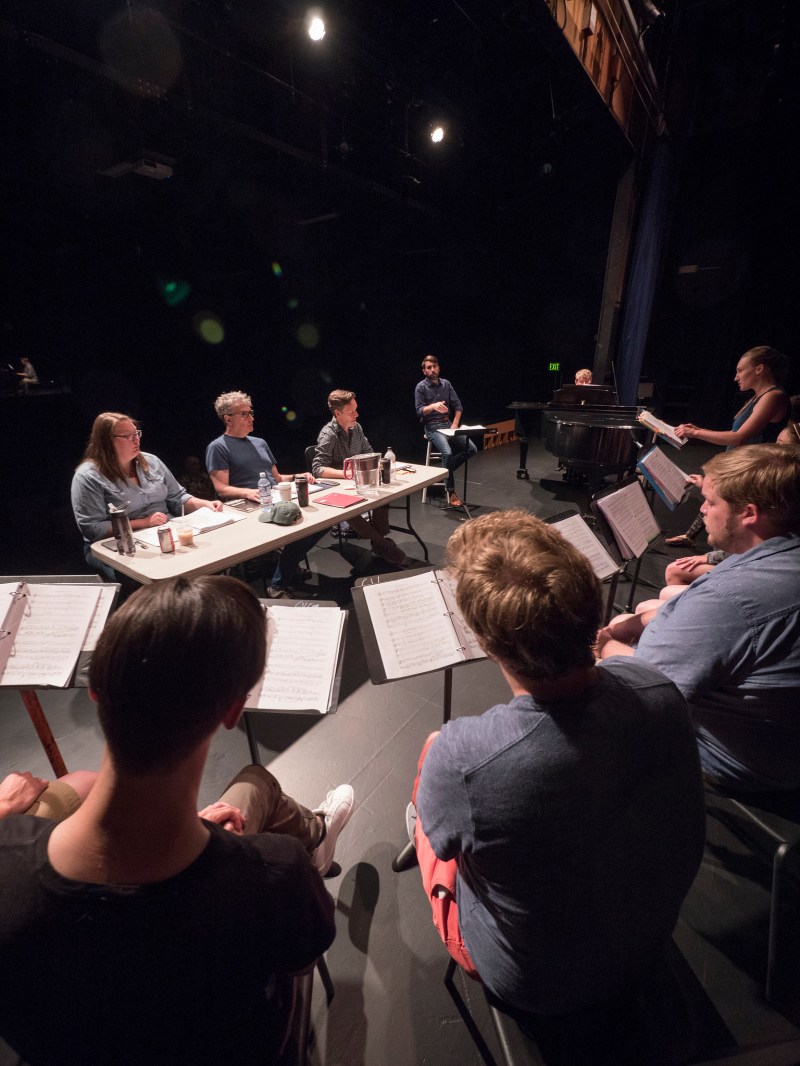
2018 CU NOW Workshop rehearsal. Photo by Glenn Asakawa, CU Presents

Every June for the past 10 years, prominent composers have brought operas in progress to the CU New Opera Workshop (CU NOW), where they can spend two to three weeks hearing their work sung by students, making changes, and polishing the score.

This year, the opera to be workshopped will be a comedy, Hobson’s Choice by Tom Cipullo.Selected scenes will be performed with piano at 7:30 p.m. Friday and 2 p.m. Sunday, June 14 and 16. Additionally, new scenes by CU composition students will be performed at 7:30 p.m. Saturday, June 15. All performances will be in the Music Theater of the CU Imig Music Building, and will be open to the public free of charge.

“It’s such a great opportunity,” Cipullo says. “A lot of workshops you work with people, but you don’t work with them for 17 days. What did you put in the water that these young people suddenly don’t have lives?” he says laughing. “They’re on call six hours a day.”

Read more in Boulder Weekly.

# # # # #

CU New Opera Workshop festival (CU NOW)
Leigh Holman, director
Jeremy Reger, director of music

Hobson’s Choice, Music and libretto by Tom Cipullo
7:30 p.m. Friday June 14, Music Theatre
2 p.m. Sunday, June 16, Music Theatre

Opera scenes by CU Boulder composition students
7:30 p.m. Saturday, June 15
Music Theatre

Performances are free and open to the public.

Peter Oundjian wants Colorado Music Festival to be dynamic, “exciting, a celebration”

First year as Music Director will be ‘about consolidating, preparing’ for the future

By Peter Alexander June 6 at  3:15 p.m.

PeterOundjian-GrayCoat

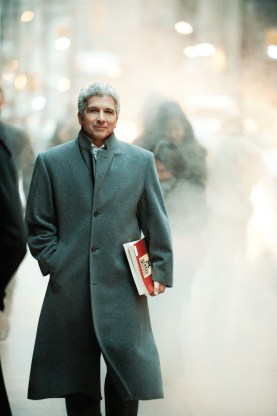
Peter Oundjian

Violinist/conductor Peter Oundjian served as artistic advisor of the Colorado Music Festival for the 2018 season, a position halfway between giving advice and being responsible for the season’s programming. He conducted three of the six weeks of orchestral concerts and invited some of the guest artists, in a season that featured works by American composers.

Now, he has been appointed the CMF’s fourth-ever music director, making 2019, in a way, “his” festival. “I guess you’re right,” he says thoughtfully about that observation, and then goes on talk in general terms about what he would like CMF to be under his direction.

“A festival should be a celebration,” he says. “I want it to be really dynamic, really exciting, with artists from all over the world., making concerts really appealing and building larger audiences.”

He is still conducting about half of the orchestral concerts, but he has shaped the programming of the entire 2019 festival and given the orchestra series an explicit theme. In anticipation with the 250thanniversary in 2020 of Beethoven’s birth, the 2019 season is an exploration of Beethoven’s influence on music that came after him, from the 19ththrough the 20thcenturies.

Read more in Boulder Weekly.

The full summer schedule and ticket information for the 2019 Colorado Music Festival may be found here.

MahlerFest XXXII offers two orchestral concerts in expanded schedule

Arrangements, by Mahler and of Mahler, are part of the program

By Peter Alexander  May 16, 2019, at 2:35 p.m.

Colorado MahlerFest is growing.

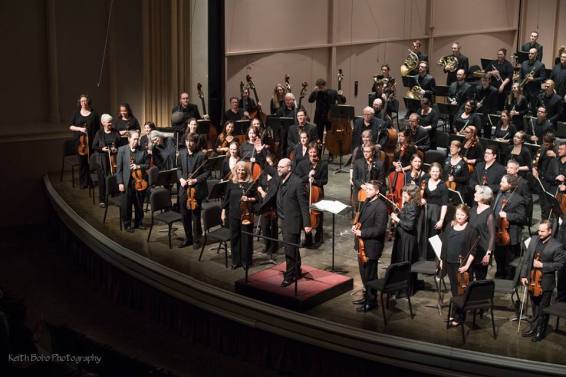
Orchestra from Keith Bobo

Director Kenneth Woods with the MahlerFest Orchestra

This year, the 32nd edition of the festival will feature more repertoire than ever, including two separate orchestra programs in Macky Auditorium on Saturday and Sunday of the festival weekend (May 18–19), and a chamber music concert Friday evening (May 17).

The Festival started in Boulder in 1988 as an opportunity to hear Mahler’s symphonies, which were then not often performed. For many years the orchestra program, featuring one of the symphonies, was performed Saturday and Sunday. That has now changed, with a chamber orchestra concert on Saturday and the large orchestra concert, this year featuring Symphony No. 1, on Sunday.

MahlerFest has gone through nearly the entire symphonic cycle three times. The fourth cycle that starts this year will be the first full cycle under conductor Kenneth Woods, who succeeded festival founder Robert Olsen as director in 2016.

# # # # #

Colorado MahlerFest XXXII

2 p.m. Friday, May 17, at The Academy
Chamber music Concert

Hans Krása: Tanec
Hans Krása: Passacaglia and Fugue for String Trio
Anton Bruckner: String Quintet in F Major

Free

9 a.m.–3:30 p.m. Saturday, May 18
Grusin Hall, Imig Music Buildering, CU Boulder

Program
Free

7:30 p.m. Saturday, May 18, Macky Auditorium
Colorado MahlerFest Chamber Orchestra, Kenneth Woods, conducting
With Joshua DeVane, baritone

Johann Strauss, Jr., arr. Arnold Schoenberg: The Emperor Waltz
Mahler, arr. Schoenberg: Lieder eines fahrenden Gesellen(Songs of a wayfarer)
Viktor Ullmann, arr. Kenneth Woods: Chamber Symphony (String Quartet No. 3)
Beethoven, arr. Mahler: Quartet in F Minor, op 95 (“Serioso”)

3:30 p.m. Sunday, May 19, Macky Auditorium
Stan Ruttenberg Memorial Concert
Colorado MahlerFest Orchestra, Kenneth Woods, conductor
With Zoë Byers, violin

Beethoven, orchestrated by Mahler: LeonoreOverture No. 3
Mahler: Symphony No. 1 in D major. World Premiere of new critical edition
Mahler: “Blumine” Symphonic Fragment. World Premiere of new critical edition
Erich Wolfgang Korngold: Violin Concerto

Tickets
Full schedule for Colorado MahlerFest XXXII here.

Longmont Symphony announces 2019–2020 season, “Music is Life”

Handel’s Messiah and ongoing Beethoven cycle will be among season’s highlights

By Peter Alexander May 15 at 2:15 p.m.

The 53rdseason of the Longmont Symphony will include a performance of Handel’s Messiah, two programs in the orchestra’s ongoing Beethoven cycle, and two performances each of two chamber orchestra programs in the Longmont Museum’s Stewart Auditorium.

Elliot Moore with the Longmont Symphony 3.smiling_elk

Elliot More with there Longmont Symphony. Smiling Elk Photography.

Under the title “Music is Life,” the 2019–20 season is the third under music director Elliot Moore. There will be six concerts in the LSO’s home, Vance Brand Auditorium, including a Pops concert, “LSO at the Movies!” (May 9, 2020), and a family concert (Jan. 18, 2020; see full schedule below).

LSO Music Director Elliot Moore_preview

Elliot Moore

During Moore’s first two years with the LSO, the Beethoven cycle included performances of the First and Second symphonies by a chamber orchestra in Stewart Auditorium. For 2019–20, the cycle moves into Vance Brand Auditorium for a performance of the Third Symphony by the full LSO (Nov. 9), followed by the Fourth Symphony performed by the Longmont Chamber Orchestra back in Stewart Auditorium (March 7 & 8).

A longstanding tradition of the LSO, performances of Tchaikovsky’s Nutcracker with Boulder Ballet, will continue on Dec. 7 & 8. The “Gentle Nutcracker,” a sensory-friendly performance of the beloved ballet designed for individuals with special needs and their families, will be presented Dec. 7.

The Main Series opening night, Oct. 5, will feature organist Brian du Fresne playing Francis Poulenc’s Concerto for Organ and the organ part of Camille Saint-Saëns’ Symphony No. 3 “avec orgue” (with organ), popularly known as the “Organ Symphony.” Other soloists during the season will include Russian cellist Adrian Daurov, playing Shostakovich’s Cello Concerto No. 1 (Nov. 9); the return to Longmont of violinist Andrew Sords for John Corigliano’s Violin Concerto “The Red Violin” (Feb. 15); and percussionist Cameron Leach performing Jennifer Higdon’s Percussion Concerto (April 4).

conover2

Christie Conover

The Messiah performance (Dec. 15) will feature the Longmont Chorale Singers and vocal soloists TBA. Soprano Christie Conover and bass Joshua South will perform Stravinsky’s complete Pulcinella ballet with the Chamber Orchestra in Stewart Auditorium (Oct. 19­–20), on a program that will also include Conover singing Mozart arias with the orchestra.

Kicking off the entire season is the LSO’s annual free concert July 4 in Thompson Park. As in past years, the program will be shared with the Longmont Chorale and the Longmont Youth Symphony.

Six‐concert subscription packages for the LSO’s 53rdseason go on sale on Monday, May 20 (call 303‐772‐5796;10 a.m.–2 p.m. Mondays; and 10 a.m.–4 p.m. Tuesdays, Thursdays and Fridays). Series subscribers receive up to 20% off single ticket prices. Single tickets for Main Series concerts are $25 for adults, $22 for seniors and active military, $5 for children/students ($10 for the Pops and Messiah performances).

All LSO Museum concerts are $35 (includes a glass of wine and post‐concert reception). Handel’s Messiah tickets are $30 for adults; children/students $10. Family Concert tickets are $10. Single tickets go on sale on Monday, Aug. 26, via phone and online here.

# # # # #

JULY 4TH CONCERT IN THE PARK

7.4.LSO.2

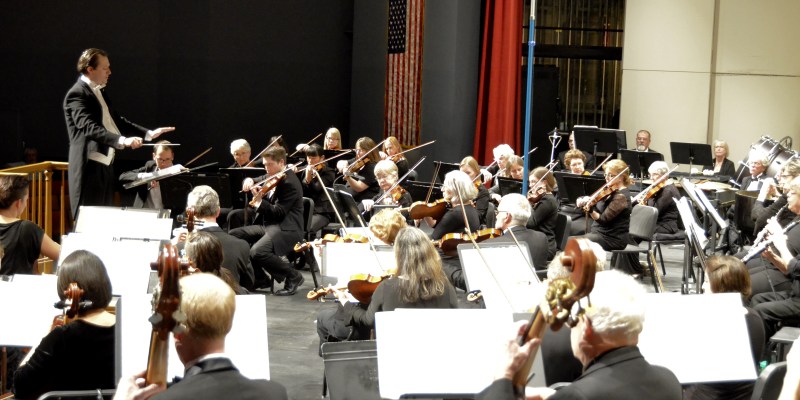
LSO in Thompson Park. Photo by Peter Alexander.

Thursday, July 4, 11:30 a.m.
Thompson Park, 420 Bross Street, Longmont (Free and open to the public)
11:30 a.m. – Longmont Youth Symphony
12:30 p.m. – Longmont Chorale
1 p.m. – Longmont Symphony, Elliot Moore, conductor

MAIN SERIES CONCERTS
All Main Series Concerts are conducted by Elliot Moore and performed at Vance Brand Civic Auditorium at Skyline High School. 

Opening Night: The Organ Symphony
7:30 p.m. Saturday, Oct. 5
With Brian du Fresne, organ

J.S. Bach, arr. Stokowski: Passacaglia and Fugue
Francis Poulenc: Concerto for Organ
Saint‐Saëns: Symphony No. 3, “Organ Symphony” 

Adrian1-copy-1160x1740

Adrian Daurov

Beethoven Cycle
7:30 p.m. Saturday, Nov. 9
With Adrian Daurov, cello

George Enescu: Prelude in Unison
Shostakovich: Cello Concerto No. 1
Beethoven: Symphony No. 3, “Eroica”

The Force of Destiny
7:30 p.m. Saturday, Feb. 15
With Andrew Sords, violin

Verdi: Overture to La forza del destino
John Corigliano: The Red Violin Violin Concerto
Paganini: Violin Concerto No. 2, Rondo (“La Campanella”)
Respighi: The Pines of Rome

Cameron+Leach+18-19+Headshot+COLOR

Cameron Leach

A Fanfare for All: Sidebyside with the Longmont Youth Symphony
7:30 p.m. Saturday, April 4
With Cameron Leach, percussion

Gwyneth Walker: Open the Door
Jennifer Higdon: Percussion Concerto
Copland: Symphony No. 3

Pops Concert: LSO at the Movies!
7:30 p.m. Saturday, May 9

Music from Chariots of Fire, Cinema Paradiso, Batman, Titanic, Lord of the Rings, and other films

MUSEUM CONCERTS
Stewart Auditorium, Longmont Museum

museumconcert.cropped

La Commedia dell’arte
Longmont Chamber Orchestra
Elliot Moore, conductor, with Christie Conover, soprano; tenor TBA; and Joshua South, bass

7 p.m. Saturday, Oct. 19
4 p.m. Sunday, Oct. 20

Mozart: Overture to Le nozze di Figaro
Mozart: Selected arias for soprano and orchestra
Stravinsky: Pulcinella (complete ballet)

Beethoven_Hornemann

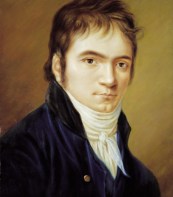
Beethoven. Portrait by Christian Horneman, 1803

Beethoven Cycle: Schubert & Beethoven
Longmont Chamber Orchestra, Elliot Moore, conductor

7 p.m. Saturday, March 7
4 p.m. Sunday, March 8

Schubert: Symphony No. 5
Beethoven: Symphony No. 4


HOLIDAY EVENTS

 The Nutcracker with the Boulder Ballet
Music by Tchaikovsky
Elliot Moore, conductor

4 p.m. Saturday, Dec. 7,
2 p.m. Sunday, Dec. 8
Vance Brand Civic Auditorium 

The Gentle Nutcracker
1 p.m. Saturday, Dec. 7, 1 p.m.
Vance Brand Civic Auditorium

A sensory‐friendly performance for individuals with special needs and their families.


Handel’s Messiah
Longmont Chamber Orchestra and Longmont Chorale Singers
Elliot Moore, conductor, with vocal soloists TBA

4 p.m. Sunday, Dec. 15
Westview Presbyterian Church, Longmont

FAMILY CONCERT


Longmont Symphony Orchestra, Elliot Moore, conductor
4 p.m. Saturday, Jan. 18
Vance Brand Civic Auditorium

Saint‐Saëns: Selections from Carnival of the Animals
Bizet: Les Toreadores from Carmen
Prokofiev: Peter and the Wolf 

LSOTopBannerM2

Subscription tickets for the LSO go on sale Monday, may 20. Call 303-772-5796. Single tickets will go on sale Monday, Aug. 26.

Dvořák’s “underrated masterpiece”

Boulder Symphony and Boulder Chorale join forces for the Stabat Mater

By Peter Alexander May 9, 2019 at 9:30 p.m.

Violin

Photo courtesy of Boulder Symphony

Antonín Dvořák has written some of the most, and least, familiar works in the classical music repertoire.

On the one hand are the “New World” Symphony, the Cello Concerto—both written in the United States—and a handful of other pieces that are immediately recognizable to most concertgoers. And on the other hand are many pieces almost never heard outside of the composer’s native Bohemia, including most of Dvořák’s operas and almost all of his sacred vocal music.

Among the latter is the Stabat Mater, a large-scale religious cantata for chorus, orchestra and four soloists, based on the 13th-century sacred hymn text “Stabat mater dolorosa” (Grieving mother, standing at the cross). Now the Boulder Symphony and the Boulder Chorale have joined forces to bring Boulder audiences a piece that conductor Vicki Burrichter calls “an underrated masterpiece.”

Burrichter, who is artistic director of the Boulder Chorale, will conduct the performances Saturday and Sunday, May 11 and 12.

Read more in Boulder Weekly.

# # # # #

“Spirit”
Boulder Symphony with the Boulder Chorale
Vicki Burrichter, conductor

J.S. Bach: Concerto for oboe, violin and strings
Keynes Chen, violin and leader; Ingrid Anderson, oboe

Dvořák: Stabat Mater
Julianne Davis, soprano; Clea Huston, mezzo-soprano; Jason Baldwin, tenor; and Malcolm Ulbrick, baritone

7 p.m. Saturday, May 11
2:30 p.m. Sunday, May 12
First Presbyterian Church, 1820 15thSt., Boulder

Tickets