“Beautiful Minds—Darkness and Light” includes world premiere April 15
By Peter Alexander April 13 at 10:05 p.m.
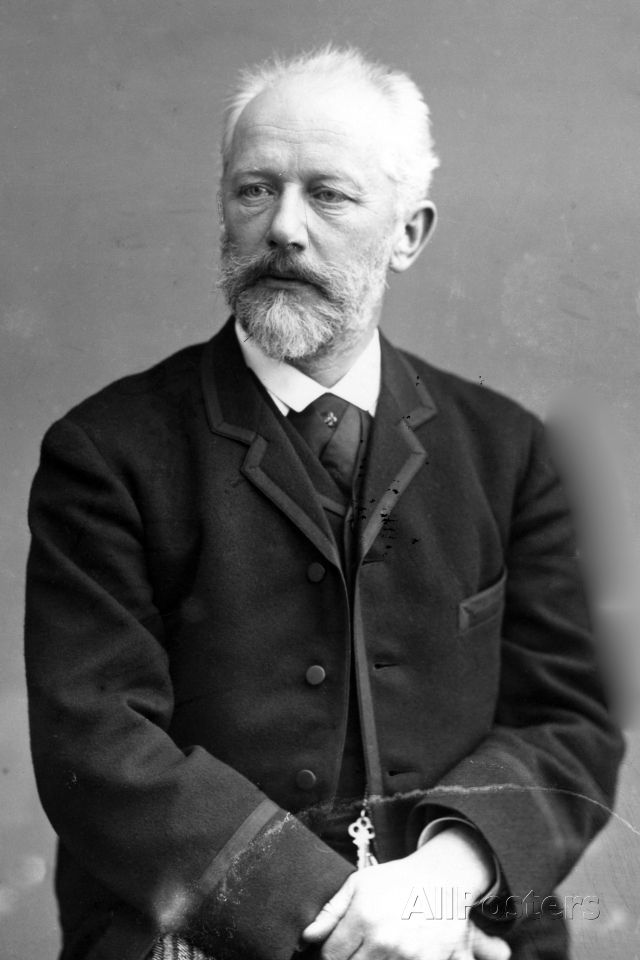
Tchaikovsky
Tchaikovsky’s Sixth Symphony, known as the “Pathétique,” appears frequently on orchestral programs. But conductor Elliot Moore and the Longmont Symphony will turn this standard piece of programming in to a little bit of a statement for their next concert, Saturday (7:30 p.m. April 15; full details below) in Vance Brand Civic Auditorium.
The program features two works: the “Pathétique” and the world premiere of a new work by composer Tyler Harrison commissioned by the LSO. Harrison’s Symphony No. 3, subtitled “The Garden of Tears,” was planned as an answer to Tchaikovsky’s final and most emotionally wrought symphony. The programming has been announced by the orchestra as recognizing “Mental Health Awareness Month” (May 1-30) and “Pride Month” (June 1–30).
It is well known that Tchaikovsky was gay, and in 19th-century Russia he necessarily suffered both legal and emotional trauma as a result. It has even been suggested that his death, soon after the completion of the symphony, was a suicide because of his homosexuality being revealed. While that remains speculative, there is no doubt that the composer suffered personal anguish throughout his life.
The Longmont Symphony Web page states that the two works “take a look at musical expressions of mental health and identity struggles from two similar voices, separated by a century.” But ultimately, Harrison’s symphony has a more optimistic character than Tchaikovsky’s “Pathétique.” Harrison wrote of his music, “The garden of life thrives on the tears that water it, but it is laughter that ultimately defines its beauty.”
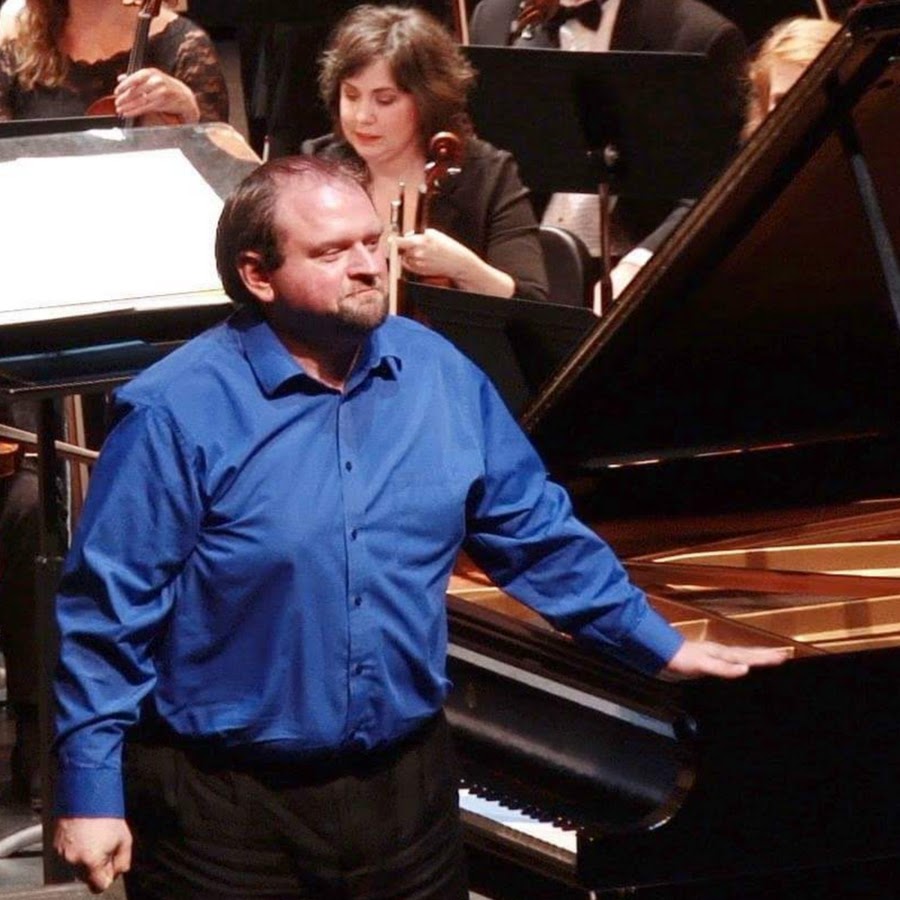
Tyler Harrison
# # # # #
“Beautiful Minds—Darkness and Light” Longmont Symphony Orchestra, Elliot Moore, conductor
Tchaikovsky: Symphony No. 6, “Pathétique”
Tyler Harrison: Symphony No. 3, “The Garden of Tears” (LSO commission; World Premiere)
7:30 p.m. Saturday, April 15 Vance Brand Civic Auditorium
Season includes Beethoven cycle, Handel’s Messiah, world premieres
By Peter Alexander June 8 at 1:54 p.m.
The Longmont Symphony recently announced their 2022–23 season of concerts. The season features six mainstage concerts, three chamber orchestra concerts, and a Messiah singalong during the Holiday season (Dec. 18; see full season listings below).
The Beethoven symphony cycle will continue with Symphony No. 8 (Oct. 22 and 23), and other familiar orchestral repertoire will be represented by works of Dvořák and Sibelius. There will also be works by less familiar composers, including two world premieres, adding up to a season with intriguing discoveries to be made on most programs.
Composer John Heineken
The first of the two world premieres is Symphony for the Great Return by American composer John Hennecken on the opening night of the new season, Oct. 8. With it on the same program are Dvořák’s familiar Cello Concerto, played by Naumburg Competition winner Clancy Newman, Aaron Copland’s Fanfare for the Common Man, and George Walker’s elegiac Lyric for Strings.
The next installment of the LSO’s Beethoven cycle will feature the Eighth Symphony, possibly the least familiar of the canonical nine symphonies (Oct. 22 and 23 in Stewart Auditorium). Sharing the same chamber orchestral program is a symphony by Anton Reicha, a contemporary and friend of Beethoven. An adventurous and experimental composer for his times, Reicha is little known today, but his work serves to fill in the context in which Beethoven worked.
Jerod Impichchaachaaha’ Tate
The major work on the November mainstage concert (Nov. 19) will be Dvořák’s Symphony No. 8 in G major, a cheerful and upbeat piece that was written shortly before the composer’s 1892–93 visit to the United States. It will be preceded by three works that reflect the native American experience: Overture to the choral-orchestral Song of Hiawatha by the black British composer Samuel Coleridge-Taylor; American composer Michael Daugherty’s Trail of Tears for flute, strings and harp, inspired by the forced removal of Cherokees from their homeland; and Chokfi’ (Rabbit) for strings and percussion by Jerod Impichchaachaaha’ Tate, a composer who is a citizen of the Chickasaw Nation in Oklahoma. Flute soloist for Trail of Tears will be Brice Smith.
The LSO will celebrate the Holidays with a complete performance of Handel’s Messiah (Dec. 17), followed by an audience-participation truncated Messiah “singalong.”
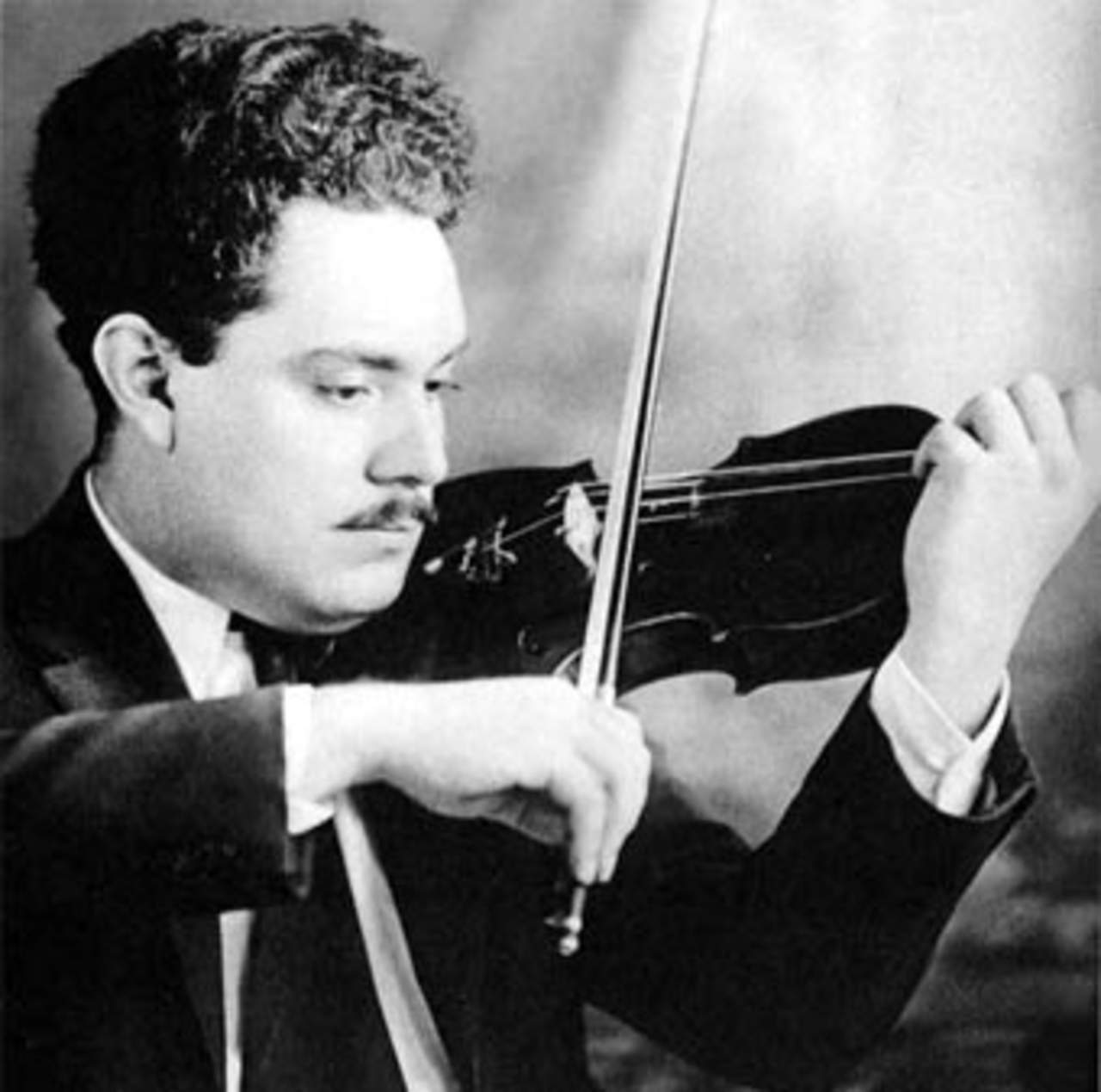
Silvestre Revueltas
The new year begins with a family concert (“Painting the Orchestra,” Jan. 21, 2023), followed by an all-Sibelius program (Feb. 18, 2023). Sibelius is generally under-represented in orchestra repertoire now, so it’s good to have a complete concert of his music, even if the program sticks to his more familiar works—Finlandia, the Violin Concerto with soloist Judith Ingolfsson, and the Symphony No. 2 in D major.
March 18 and 19 will see the second concert of the “Made in America” series, opening with Alcancías (Penny banks) for chamber orchestra by the 20th-century Mexican composer Silvestre Revueltas. Jason Shafer, principal clarinet with the Colorado Symphony and a previous soloist with the LSO, returns to play Copland’s Clarinet Concerto. Completing the program are Gershwin’s Lullaby and Ravel’s Le Tombeau de Couperin, written for piano as a tribute to the Baroque composer François Couperin and later transcribed for orchestra.
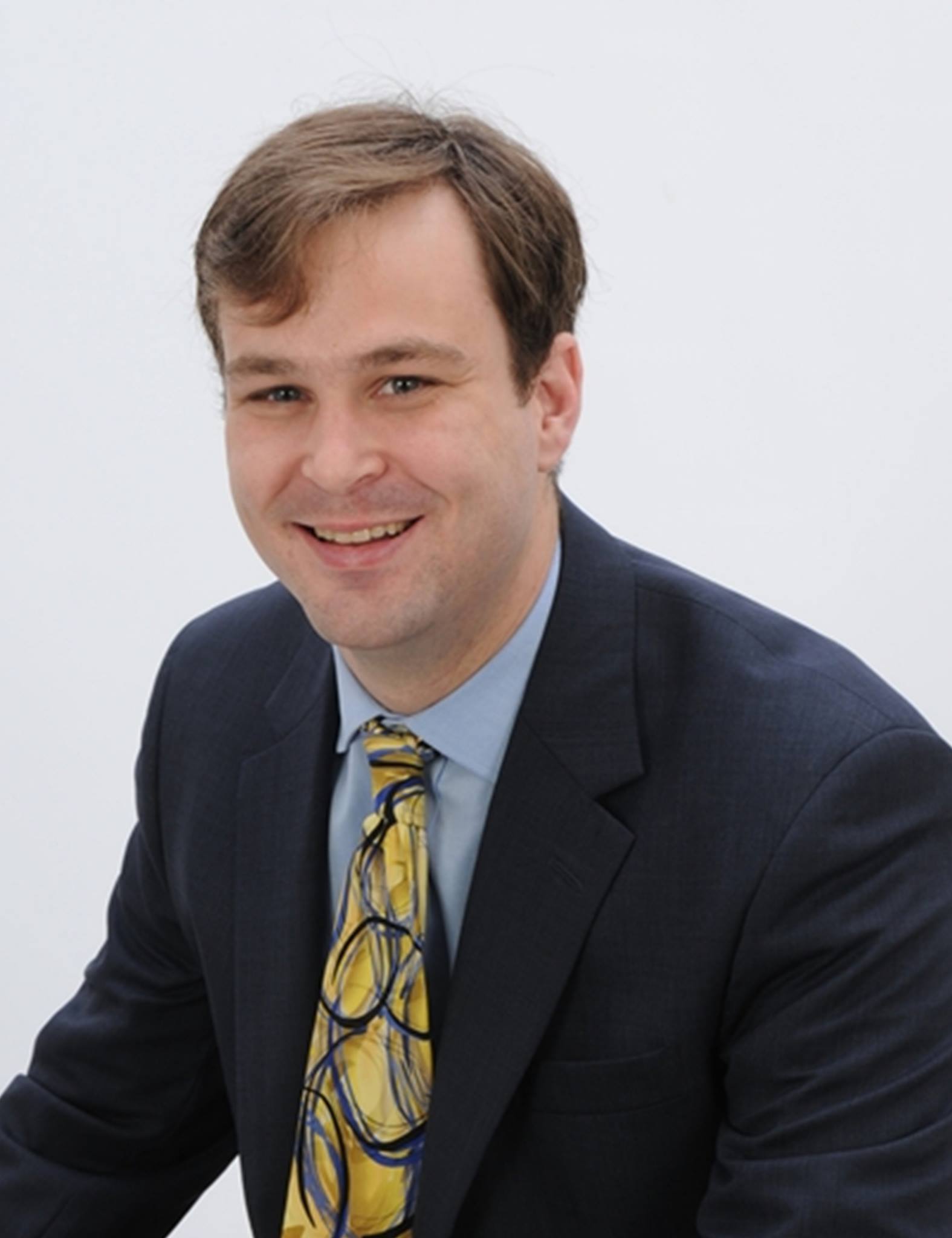
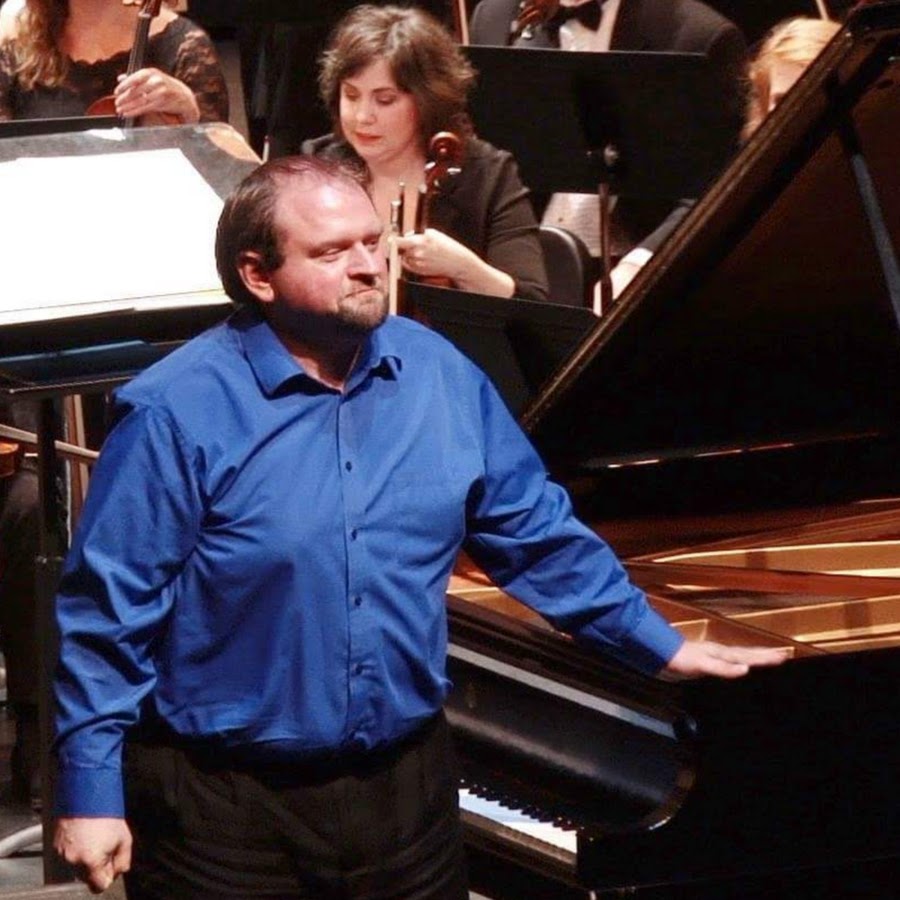
Tyler Harrison
The season’s second world premiere will be the Symphony No. 3 by pianist/composer and CU, Boulder, alumnus Tyler Harrison. It will be paired with Tchaikovsky’s brooding Symphony No. 6, “Pathétique,” in a program titled “Darkness and Light” (April 15).
The 2022–23 concert season wraps up May 6 with a lighter program, “LSO Goes to the Movies,” featuring music by John Williams, Ennio Morricone and Hans Zimmer. Subscriptions are available through the LSO Web page. Tickets to individual concerts will go on sale Friday, July 29.
# # # # #
2022–23 Concert Season Longmont Symphony Orhestra
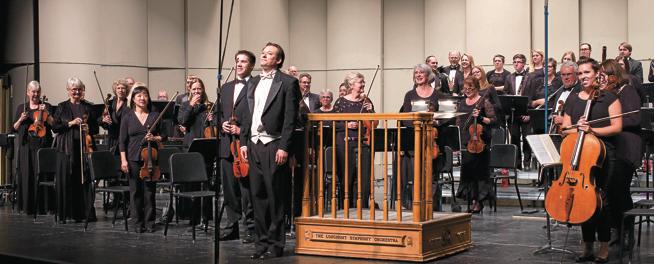
Longmont Symphony and conductor Elliot Moore
“The Great Return” Elliot Moore, conductor, with Clancy Newman, cello
Copland: Fanfare for the Common Man
George Walker: Lyric For Strings
John Hennecken: Symphony for the Great Return (World premiere)


 Sharps & Flatirons