CU NOW explores new opera by Mark Adamo

Opera producer/conductor Sarah Caldwell as Greek tragedy

By Peter Alexander June 11 at 10:15 p.m.

Mark Adamo knows his Greek mythology.

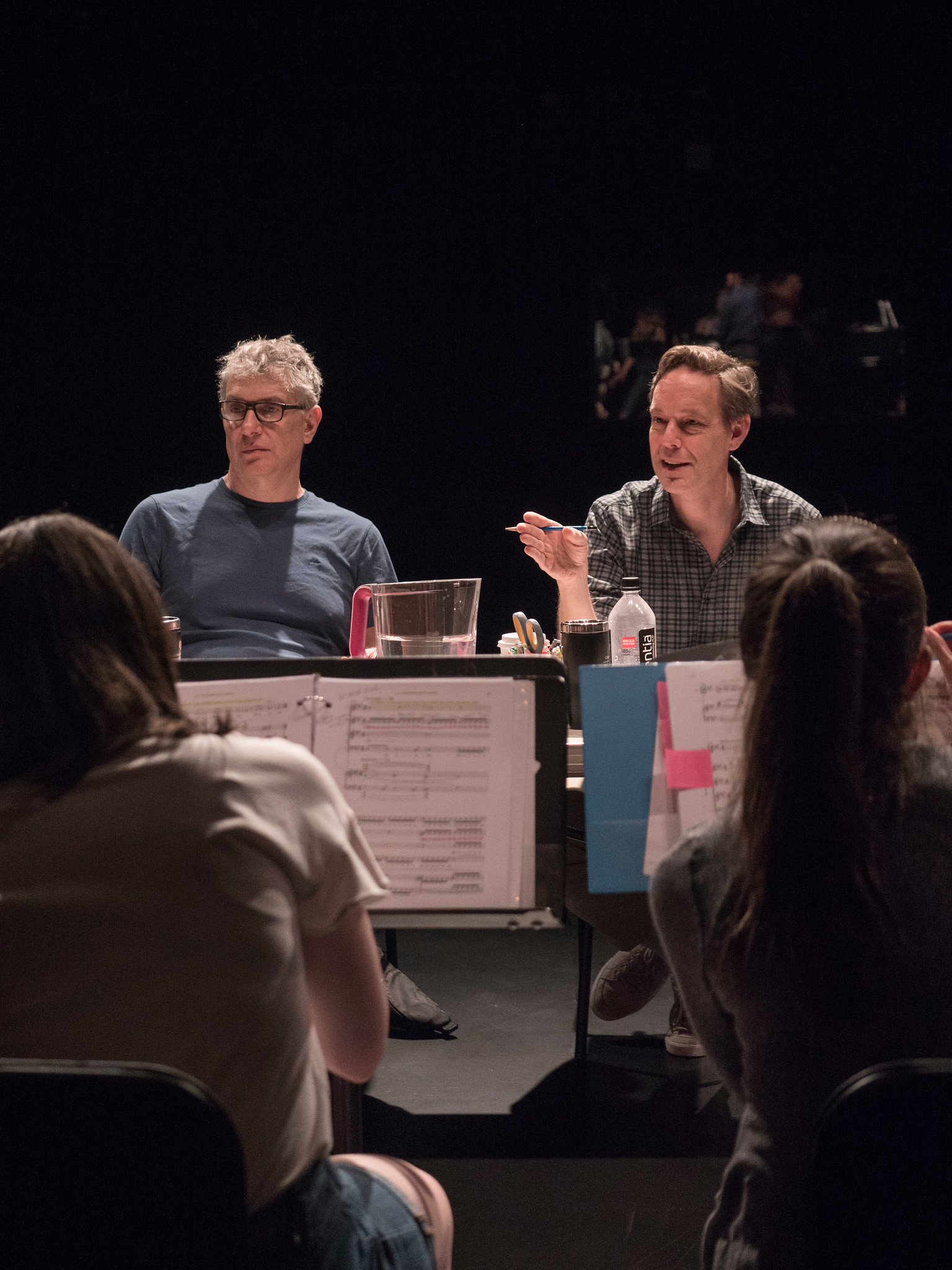
The composer/librettist is known not only for having written an opera on Aristophanes’s Lysistrata, but also having linked Bram Stoker’s Dracula with the Greek myth of the Bacchae as librettist for John Corigliano’s 2021 opera The Lord of Cries. And now Adamo is in Boulder workshopping his opera-in-progress Sarah in the Theater at the University of Colorado New Opera Workshop (CU NOW).

And once again he has found a Greek connection. “This is what happens when you give a 10-year-old Greek mythology to read,” he says.

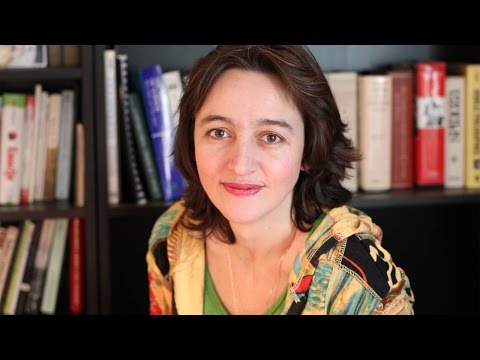
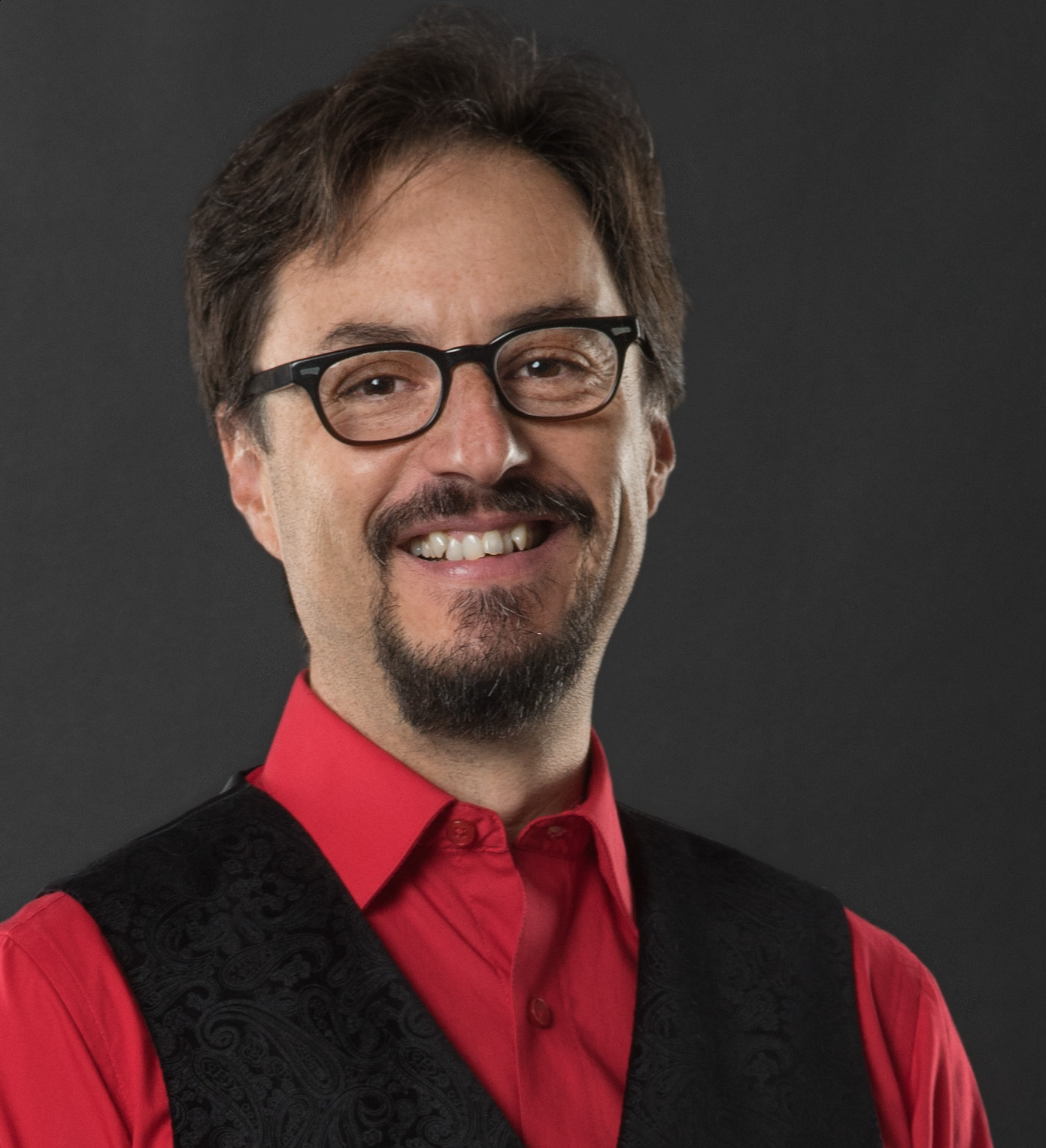
Mark Adamo. Photo by Daniel Welch

With the first act mostly done, Adamo’s new opera about the opera conducting and producing legend Sarah Caldwell will have semi-staged workshop performances of excerpts this weekend (Friday and Sunday, June 13 and 15; details below). Nick Carthy, music director of the CU Eklund Opera Program will conduct. The performance will cover the first act, but “there will be a surprise,” Adamo says cryptically.

Adamo discovered a parallel between Caldwell’s career and a Greek myth when he first undertook work on the opera. “As I’m sketching out (the opera), I had a sense of what I wanted to do with her as a character,” he says. “I’m asking the question, is there some kind of narrative template that’s going to make sense of the themes in her character, which is that she’s extremely ambitious but she doesn’t see limits. Whatever happens in the theatre is the only thing that matters.

“(I thought) there has to be some kind of pre-existing trope that I can pull from. I don’t know—Icarus! I said, that’s it!”

In the opera, the story of Icarus, who flew too close to the sun and fell to his death, is the subject of an opera within the the opera. It becomes both an opera that Caldwell is rehearsing, revealing her relentlessly focused work ethic, and a symbol of her own high-flying career and ultimate crash.

Caldwell founded the Boston Opera Group, which became the Opera Company of Boston.  Against all odds and considerable financial difficulties, she presented a wide range of operas and developed a reputation for producing remarkable results with limited means. Because of her intense focus on her work, she was known both for attracting ardent admirers and for driving others away under duress.
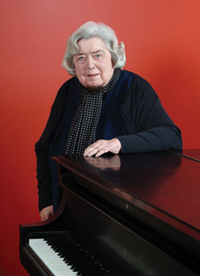
Sarah Caldwell

A synopsis of the opera released by the commissioning organization, Odyssey Opera, states: “Over one sleepless day and night: haunting the theater she created, made legendary, and now, by morning, may lose; the director, conductor, and impresario Sarah Caldwell—brilliant, obsessed, intractable—inspires her artists, fends off creditors, relives her triumphs, and battles with ghosts as we wait to learn if she will be given one final chance to continue the work she lives for or whether demons of self-sabotage have, at last, outrun her luck.”

Adamo is returning to Boulder for his second workshop with CU NOW, following a successful reworking of his opera The Gospel of Mary Magdalen in 2017. “(CU NOW) is the perfect balance of seriousness about the work, and un-seriousness about ego,” Adamo says.

“Nick (Carthy) and our pianists know it cold, but part of the point of the workshop is that you want the flexibility to change things. The magic here is that people came in with a base knowledge of the score, and also not only the ability but the imagination to get it better. I am ‘directing’ this, (but) in real life this is a co-production of me and the singers. Half the ideas on the stage will come from them.”

For all of her impact in the opera world Caldwell might not occur to most composers as the subject of an opera. The original idea came from Gil Rose, conductor of the Boston Modern Orchestra Project and founder of Odyssey Opera, who commissioned Sarah in the Theatre. But make no mistake, Adamo sees her as a great subject for drama. “She’s like Orson Wells,” he says. “It’s a race between the genius and the demons.”

Taking on the roles of both librettist and composer might seem dangerous, because the history of opera is littered with legendary battles between composers and librettists. Adamo sidesteps any conflict between the two parts of his creative mind by starting with an outline of the various characters’ motives and the emotional arc of the story. The emotional development suggests in turn the musical demands of the finished piece.

 “By the time you do the first draft of the libretto, it’s coming to the first draft of the score, because you’ve got these musical requirements that you’re trying to write around,” he says. “And then by the time you get to that libretto and by the time you’re setting it, ideally you avoid the composer-librettist clash, because the composer has been there from the beginning.”

The final word on any new opera belongs to the performers who bring it to life. After several weeks of intensive work, Carthy knows where he stands on Sarah in the Theatre. “It’s a great work,” he says.

“It’s really a greek tragedy.”

# # # # #

CU New Opera Workshop (CU NOW)
Nick Carthy, conductor

Mark Adamo: Sarah in the Theatre (Act I excerpts with two pianos)

7:30 p.m. Friday, June 13 and 2 p.m. Sunday, June 15
Music Theatre, Imig Music Building
Free
Eklund Opera presents Gilbert & Sullivan

The perennially popular Pirates of Penzance puts in at Macky for the weekend

By Peter Alexander 10:40 p.m. March 12

CU’s Eklund Opera Program will present Gilbert and Sullivan’s hilarious Pirates of Penzance Friday through Sunday in Macky Auditorium (March 14–16; details below), and conductor Nicholas Carthy wants everyone to know what to expect.

“It’s a comedy,” he says. “This is not (Shakespeare’s) Henry V! It’s supposed to be ridiculous.”

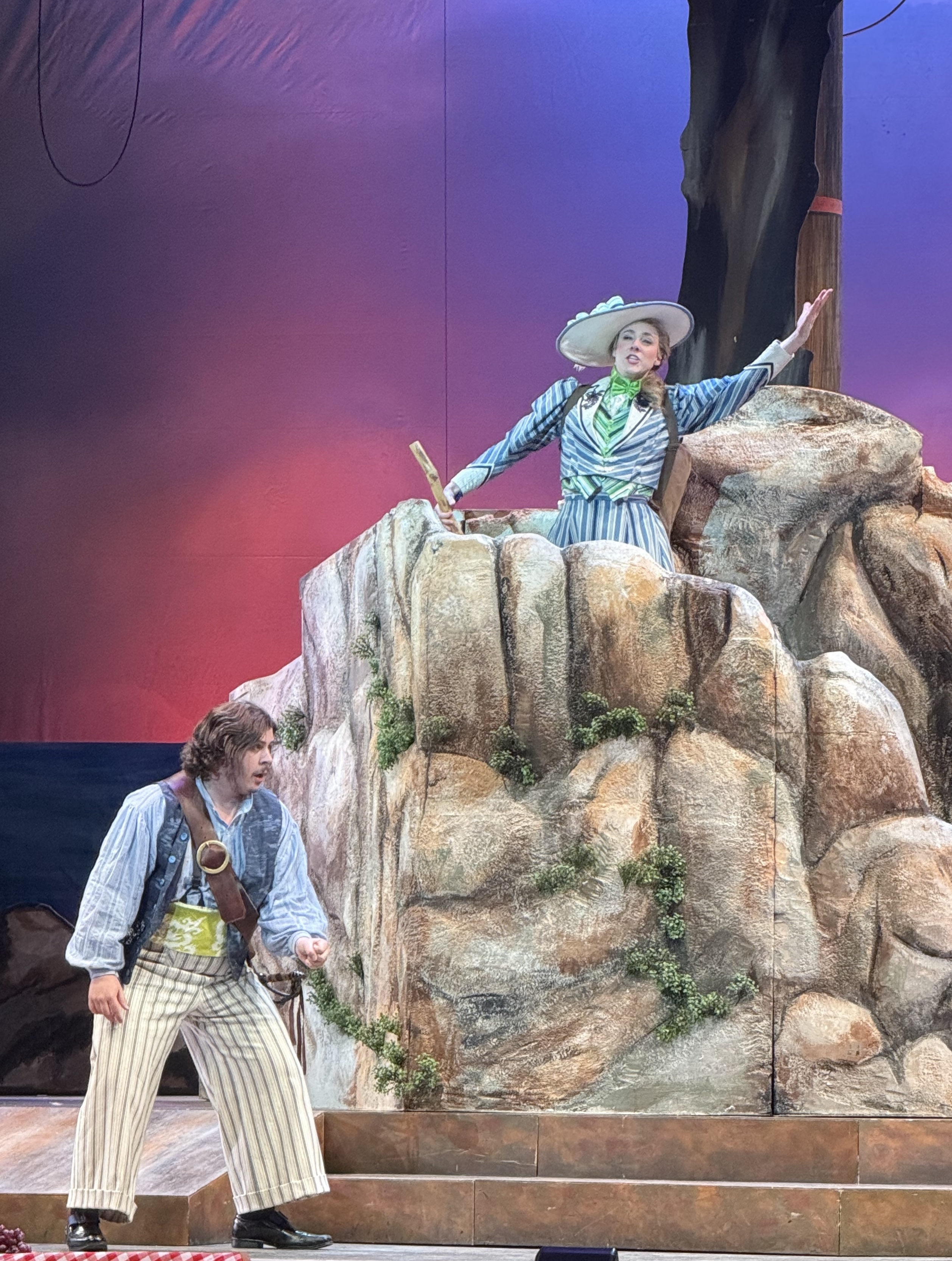
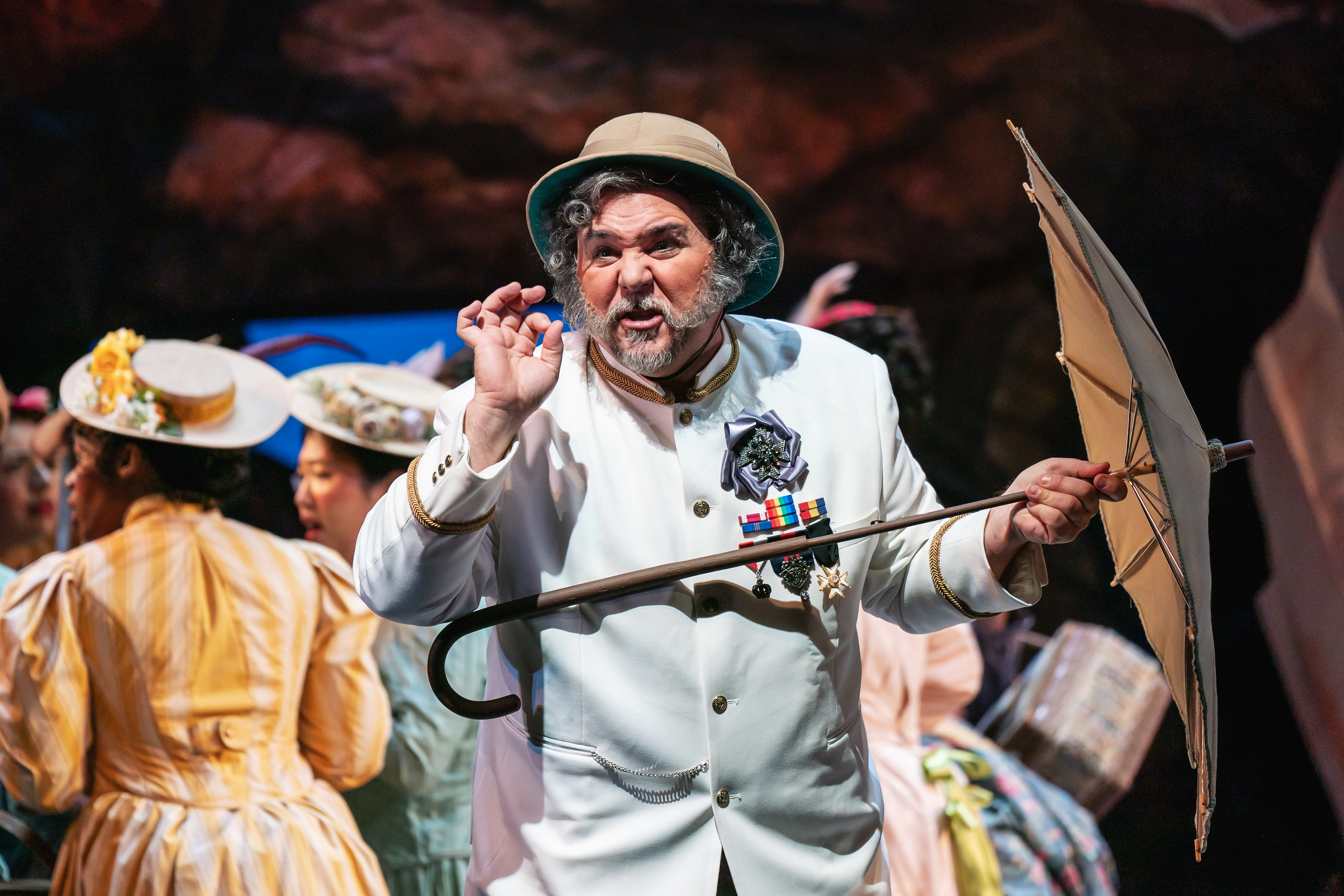
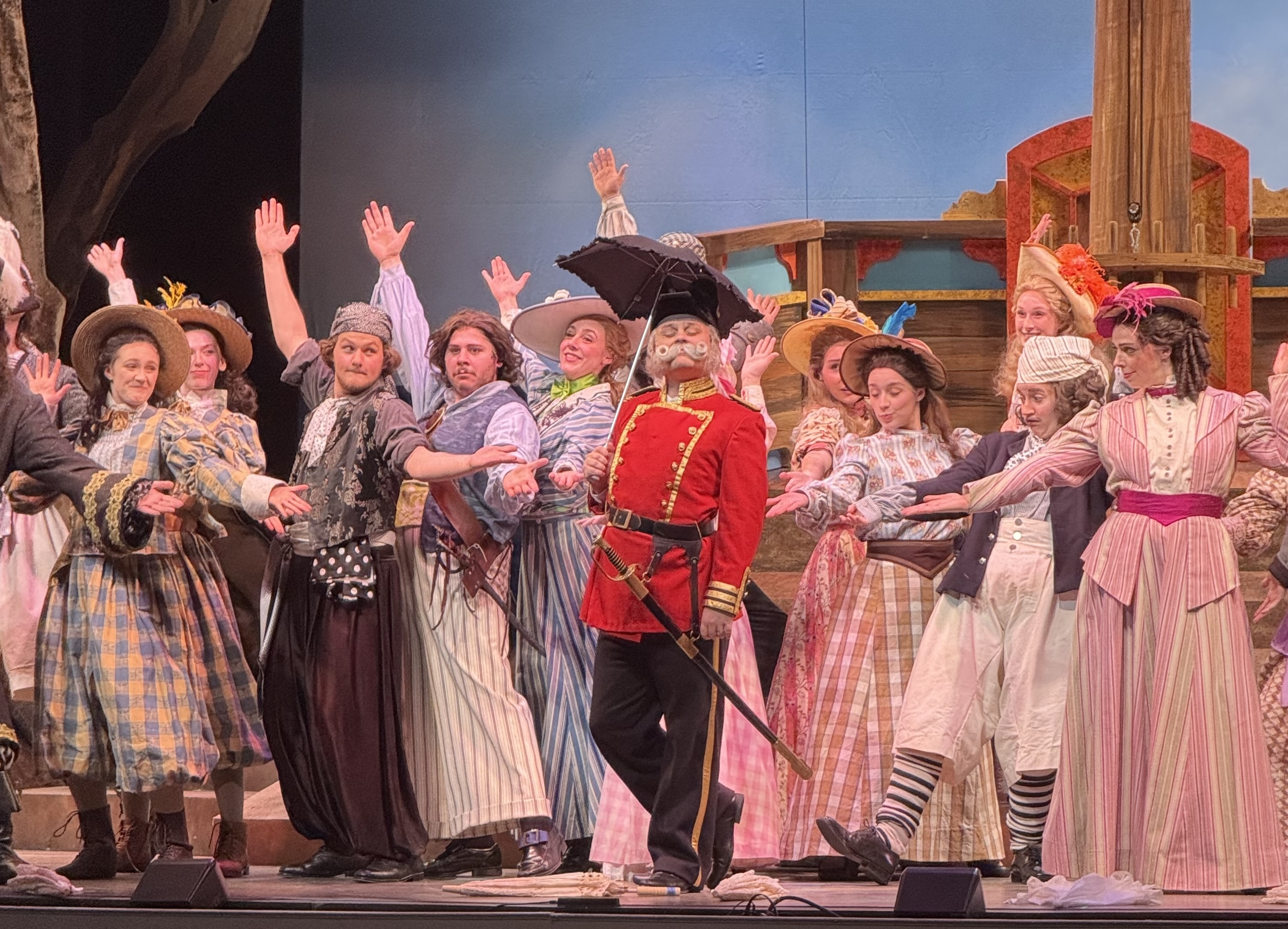
Reese Phillips as Major-General Stanley. Photo by Andrew Konopak.

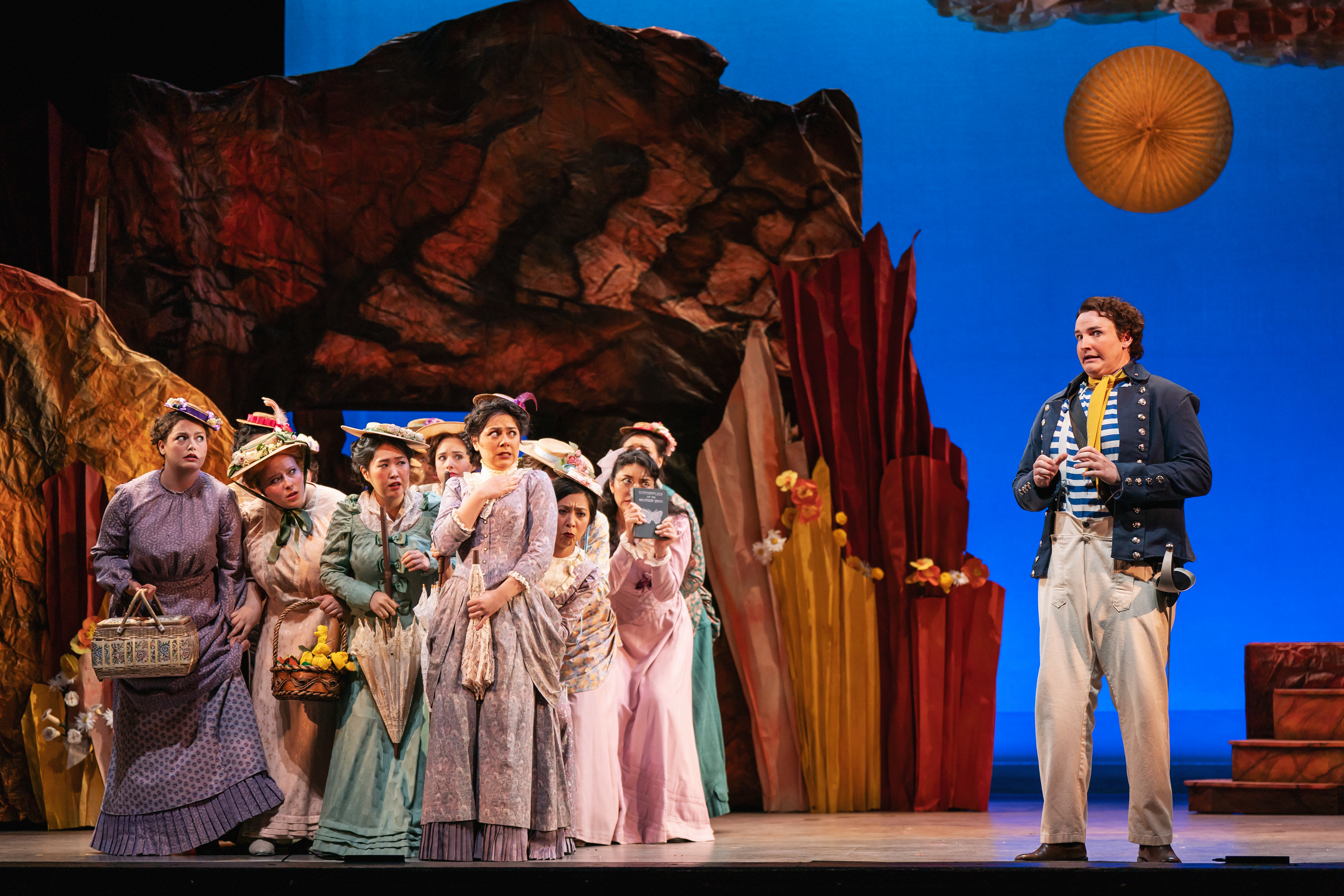
And ridiculous it is, in some ways. If you don’t know the story, the callow youth Frederic has been apprenticed to a band of soft-hearted pirates through a confusion between a “pirate” and a ship’s “pilot.” He is bound until his 21st birthday, but because he was born on Feb. 29, that won’t happen until he is in his 80s. 

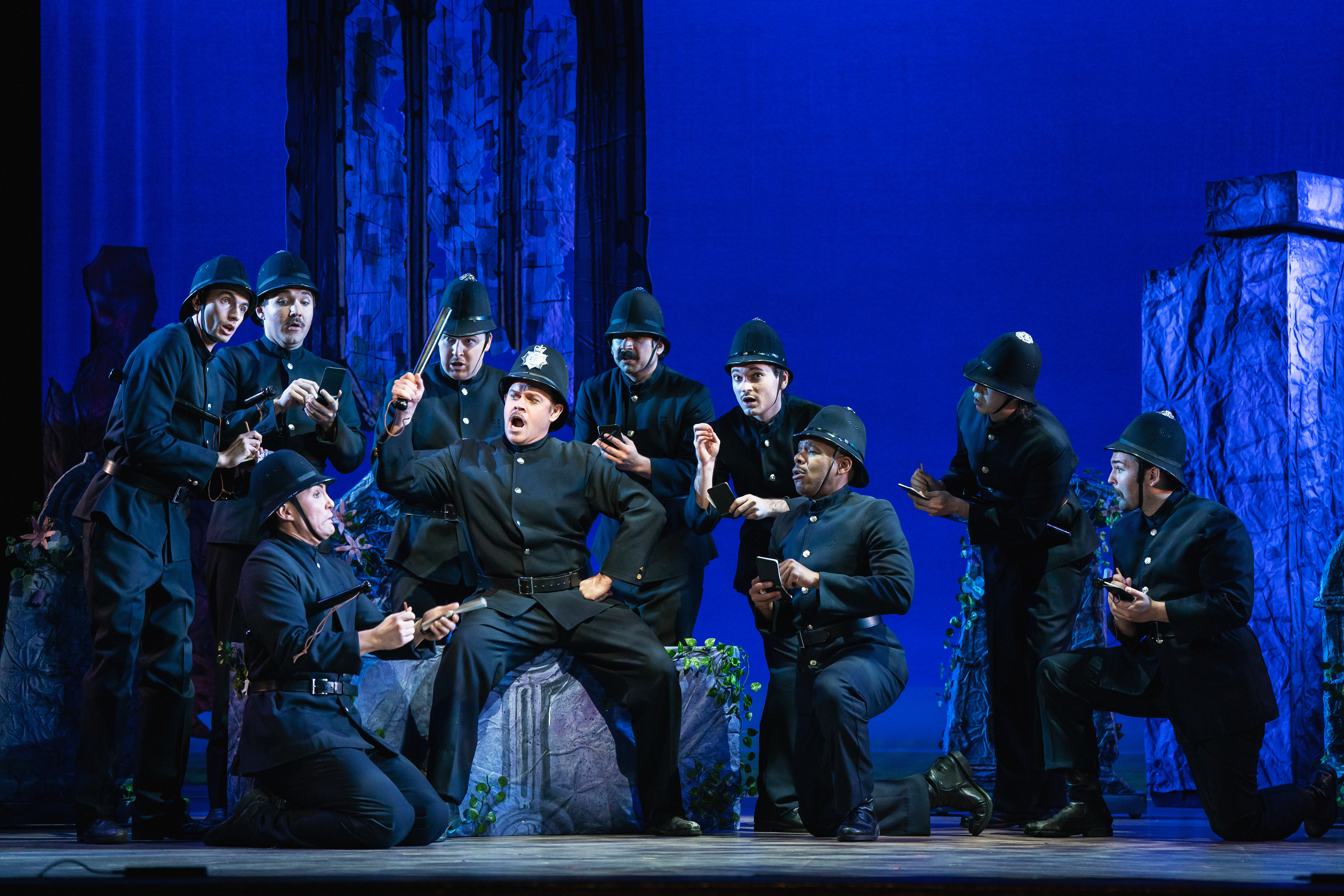
Due to his exaggerated sense of duty, Frederic cheerfully agrees to remain with the pirate band for 60-plus more years, even though he has to postpone marriage to his true love Mabel, one of many wards of the pompous Major-General Stanley. After misadventures with the curiously ineffective pirates and the bumbling police, the day is saved when Frederic’s nursemaid Ruth reveals that the “pirates” are actually noblemen.

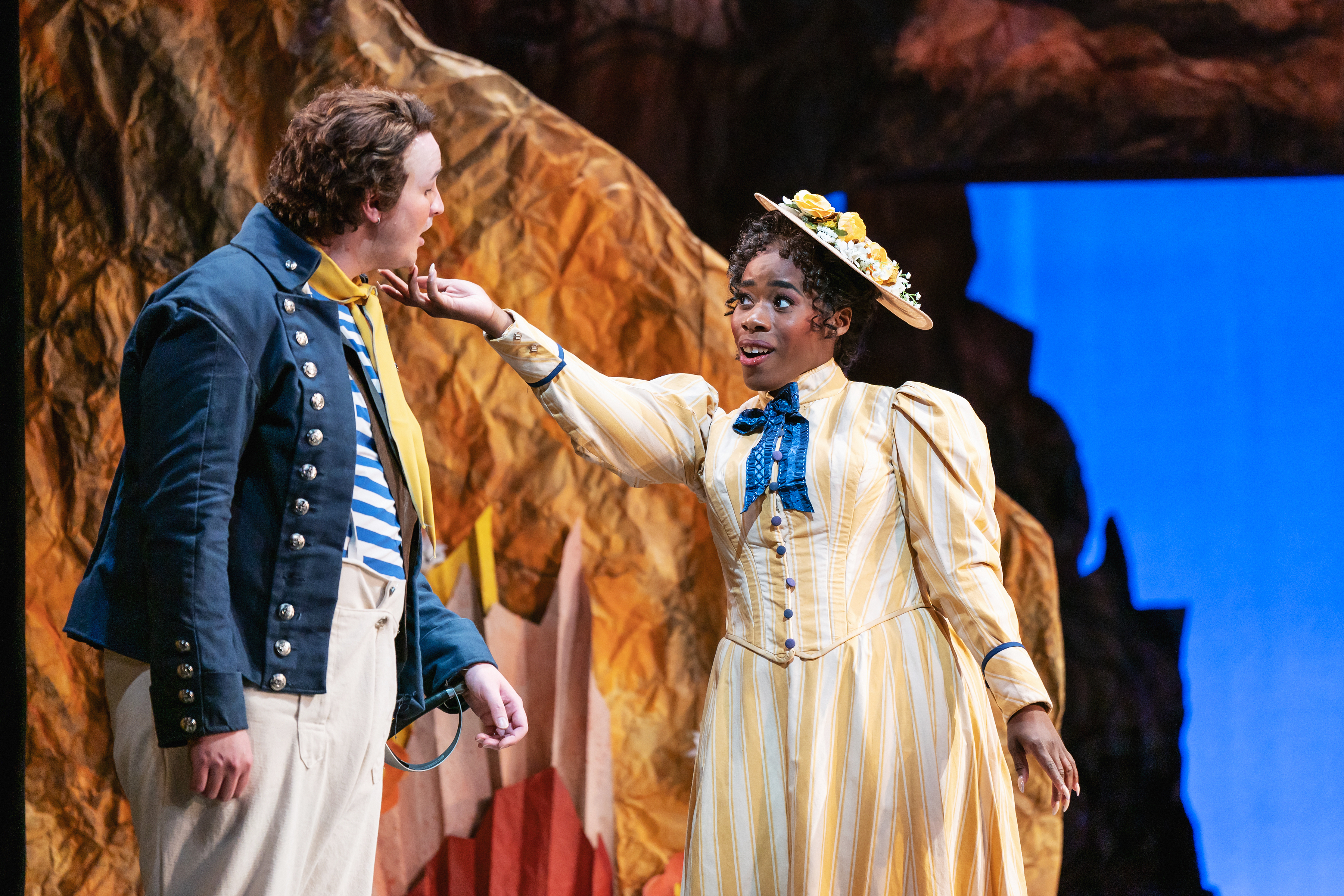
Davian Raggio (Frederic), Madison Falkenstine (Mabel). Photo by Andrew Konopak.

When they declare their loyalty to Queen Victoria, the way is cleared for Frederic and Mabel to marry.

The CU production is stage directed by Leigh Holman, director of the Eklund Opera Program, with choreography by Laura Malpass. The production uses the same sets as previous CU performances in 2014, but with new costumes by Holly Jenkins Evans and new lighting design by Jonathan Dunkle. 

“It will look different,” Holman says, “but in terms of interpretation, we took the same approach as last time. There are many different levels where the show can entertain. There are Gilbert & Sullivan fans that know all the intricacies, and there are people that will learn it as they’re sitting there. Other people will see the slapstick, and they’ll enjoy it too.”

The show must have wide appeal, since it has been selling exceptionally well. According to Holman, “the last show that reached this (many) ticket sales was West Side Story.”

There are several specific aspects of Pirates that Holman and Carthy hopes the audience will recognize. For one, there are clues that the pirates are really from the upper class. For one, “they’re drinking sherry at the beginning,” Carthy says. “If they were real pirates they would be drinking rum.”

At the same time, there is sharp satire of the upper classes. As Carthy puts it, the performers are “having a nod and a wink at the audience, saying, ‘we know what these people are like, and you do too, don’t you?’ Both the audience and the people onstage are in on the joke.”

That pointed satire explains why Gilbert’s text was not popular with the Queen and nobility, even though Sullivan’s music was. “These little barbs against royalty were what Queen Victoria disapproved of,” Carthy says, “which is why Sullivan got knighthood and Gilbert didn’t.”

In one example, the Pirate King, himself a noble, takes a particularly brutal jab at the rigidly “respectable” upper classes. Speaking of piracy, he says, “I don’t think much of our trade, but compared with respectability, it is relatively honest.”

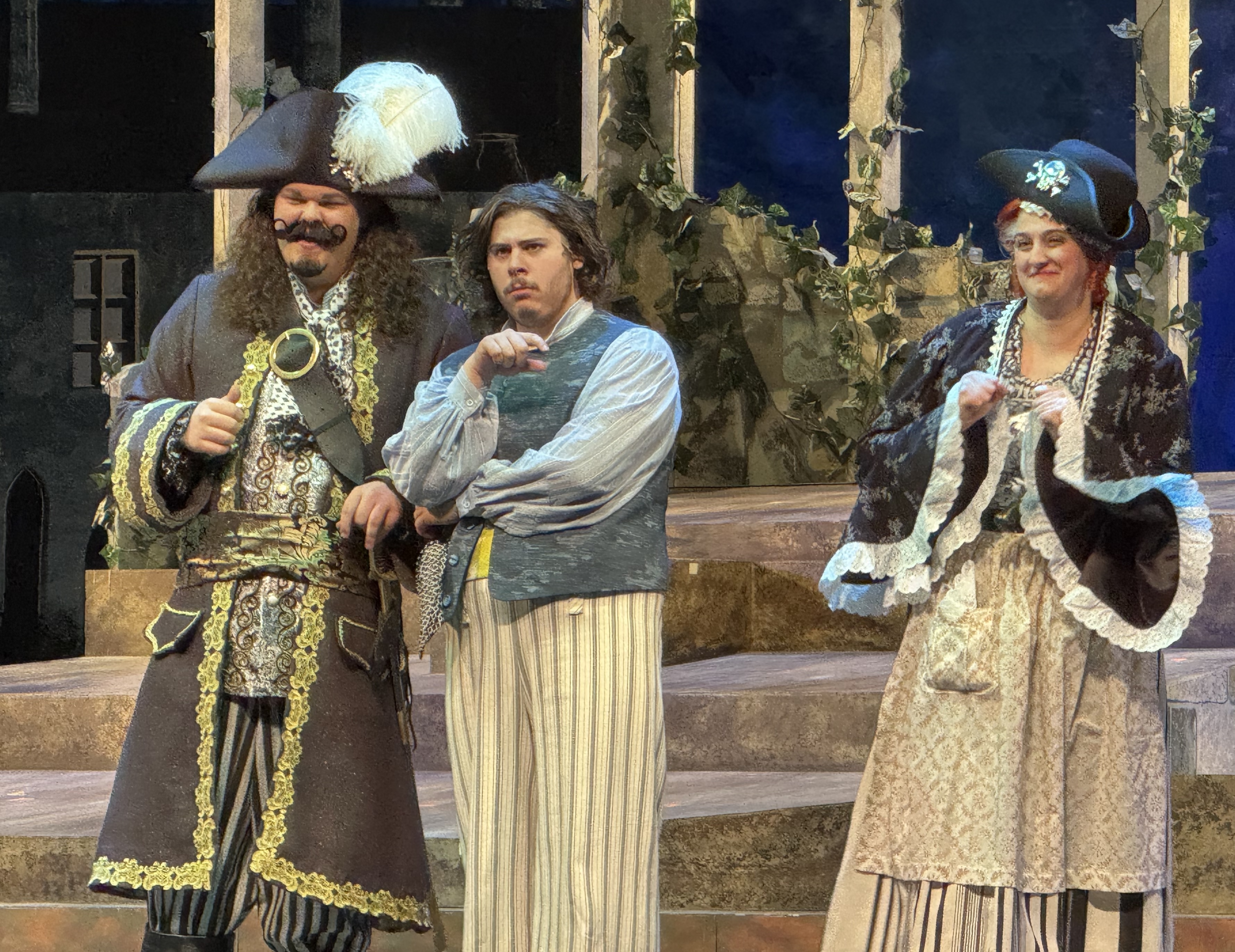
James Robinson (Pirate King), Davian Raggio (Frederic), Carrina Macaluso (Ruth). Photo by Andrew Konopak.

Satire of the upper classes appears in all cultures. It is central to much British literature, but also dates from Roman and Greek theater into the 20th-century. “Gilbert and Sullivan’s policemen are exactly the same as Monty Python’s policemen,” Carthy says. “They are of a particular class and accent—that is a thread through the ages.”  

It is also important to know that Sullivan aimed higher than writing popular potboilers. “Sullivan wanted to be a serious composer and ended up hating Gilbert,” Carthy says. “He wanted to stop (working with Gilbert), but then he lost money in a market crash and had to sign on for another five years.”

Musical evidence of Sullivan’s aspirations is found in throughout the show. “There are little bits of Sullivan as a serious composer, and not just this sort of thing, that we remember him for,” Carthy says, singing an oom-pah accompaniment.

In some places, there are even traces of serious opera, including hints of Donizetti and Rossini. Holman finds these passages especially expressive. “The love duet (between Mabel and Frederic) is beautiful,” she says. “It’s the most sincere thing in the show. That piece is just gorgeous.”

She also hopes you will notice the choreography. “It’s a beast to choreograph, with so much movement,” she says. “Malpass has taken predominantly non-dancers and done amazing jobs with them. (In this show), there’s always something to see, lots of physicality (as well as) great singing!”

Carthy admits that Pirates does not always conform to modern sensibilities. “It’s a piece of its age,” he says.  But he believes its comedy is universal, transcending Victorian sensibilities. “It’s quirky but it works, and it suggests a little depth,” he says.

“Above all, it knows what its audience wants.”

# # # # #

University of Colorado Eklund Opera
Leigh Holman, stage director; Nicholas Carthy, conductor

  • W.S. Gilbert and Arthur Sullivan: The Pirates of Penzance

7:30 p.m. Friday, March 14, and Saturday, March 15
2 p.m. Sunday, March 16
Macky Auditorium

TICKETS

NOTE: The spelling of Eklund Opera was corrected March 13. The original story incorrectly had the spelling as Ecklund.

Central City Opera announces 2025 season

A barber, a regional first and a Broadway show

By Peter Alexander Oct. 31 at 2:20 p.m.

The Central City Opera (CCO) has announced its 2025 summer season—or at least two thirds of it.

As in recent years, there will be two operas and a Broadway musical performed in the historic opera house in Central City. For 2025 the two operas will be Rossini’s enduring comic masterpiece The Barber of Seville, and a new work by Serbian-American composer Aleksandra Vrebalov, The Knock

The Broadway musical has not been announced, although a recent news release from CCO says, coyly, “We won’t be shy about announcing the title of the Golden-Age musical comedy after it ends its limited run on Broadway in January.” I won’t speculate, but you can fuel your imagination by looking up the shows currently on Broadway.

The French playwright Pierre Beaumarchais wrote three plays about the cagey character of Figaro, starting with The Barber of Seville. It was adopted several times as an opera, including a popular version by Giovanni Paisiello. When Rossini’s version premiered in Rome in 1816 it was booed on opening night but—thanks to the brilliant score—soon vanquished all previous versions. 

In the play and opera, Figaro cleverly outwits the elderly Dr. Bartolo, who has designs on his young ward, Rosina, and arranges her marriage to her lover, Count Almaviva. In addition to several comic ensemble scenes, the score includes Figaro’s famous entry aria “Largo al factotum” and Rosina’s virtuosic showpiece “Una voce poco fa.”

Aleksandra Vrebalov

Born in Serbia, Vrebalov came to the United States to study in 1995 and became a U.S. citizen in 2005. She holds a doctorate in music from the University of Michigan. Her works have been performed by the Kronos Quartet, Glimmerglass Opera with Cincinnati Opera, the English National Ballet and the Belgrade Philharmonic, among others. 

A patriotic story of military wives awaiting news of their deployed husbands, The Knock is Verbalov’s third opera. It was commissioned by the Cincinnati Opera, but due to the COVID pandemic the stage premiere was postponed. The first performance was recorded on film with the Glimmerglass Festival Orchestra. That performance was directed by Alison Moritz, now the artistic director of Central City Opera. 

The CCO production will represent a regional premiere, following sold-out onstage performances in Cincinnati.

Rare and well done in Central City

Kurt Weill’s seldom seen Street Scene has it all—music, dance, drama

By Peter Alexander July 23 at 3:20 p.m.

Anyone who loves Broadway theater, drama, bluesy musical numbers and zippy dance routines needs to go into the mountains.

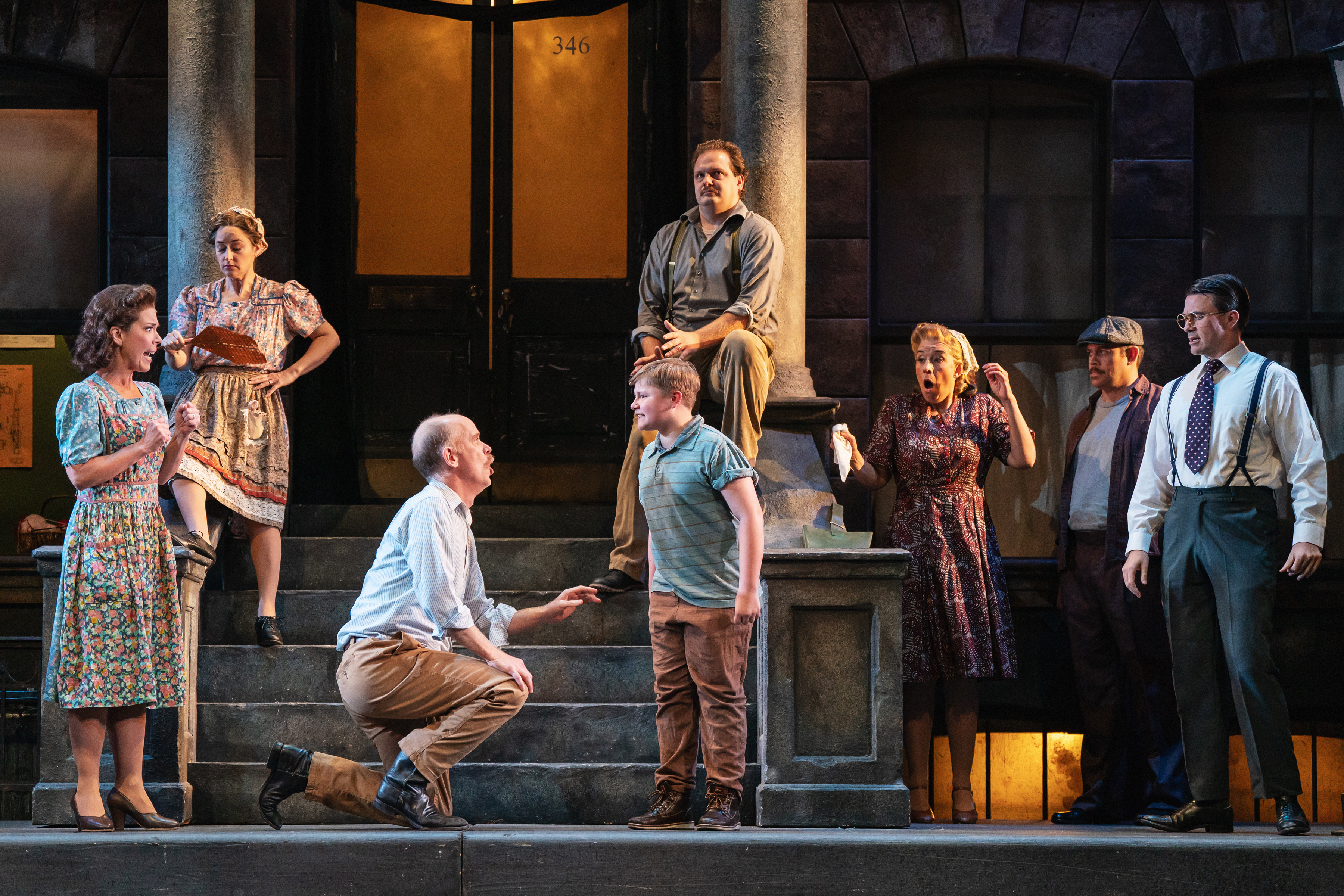
Central City Opera’s production of Street Scene by the German-American composer Kurt Weill has all that and more. A thoroughly strong cast brings the drama to life, and the direction and choreography by Daniel Pelzig hits all the right notes. A realistic setting with no revisionist points to make captures the essence of the 1946 original, a gritty portrait of life in a Manhattan tenement building, with gossipy neighbors, a bullying husband and cheating wife, idealistic young lovers yearning to escape, and a potpourri of ethnicities.

Weill had one of the most remarkable and diverse careers of any 20th-century composer. Following his sensational success in Berlin working with playwright Bertolt Brecht on the jazzy Dreigroschenoper (Threepenny opera) and other works he fled Nazi Germany in 1933 and came to New York in 1935. From that point on, he wrote musicals for Broadway and aimed to create an American opera that combined popular styles with grand opera.

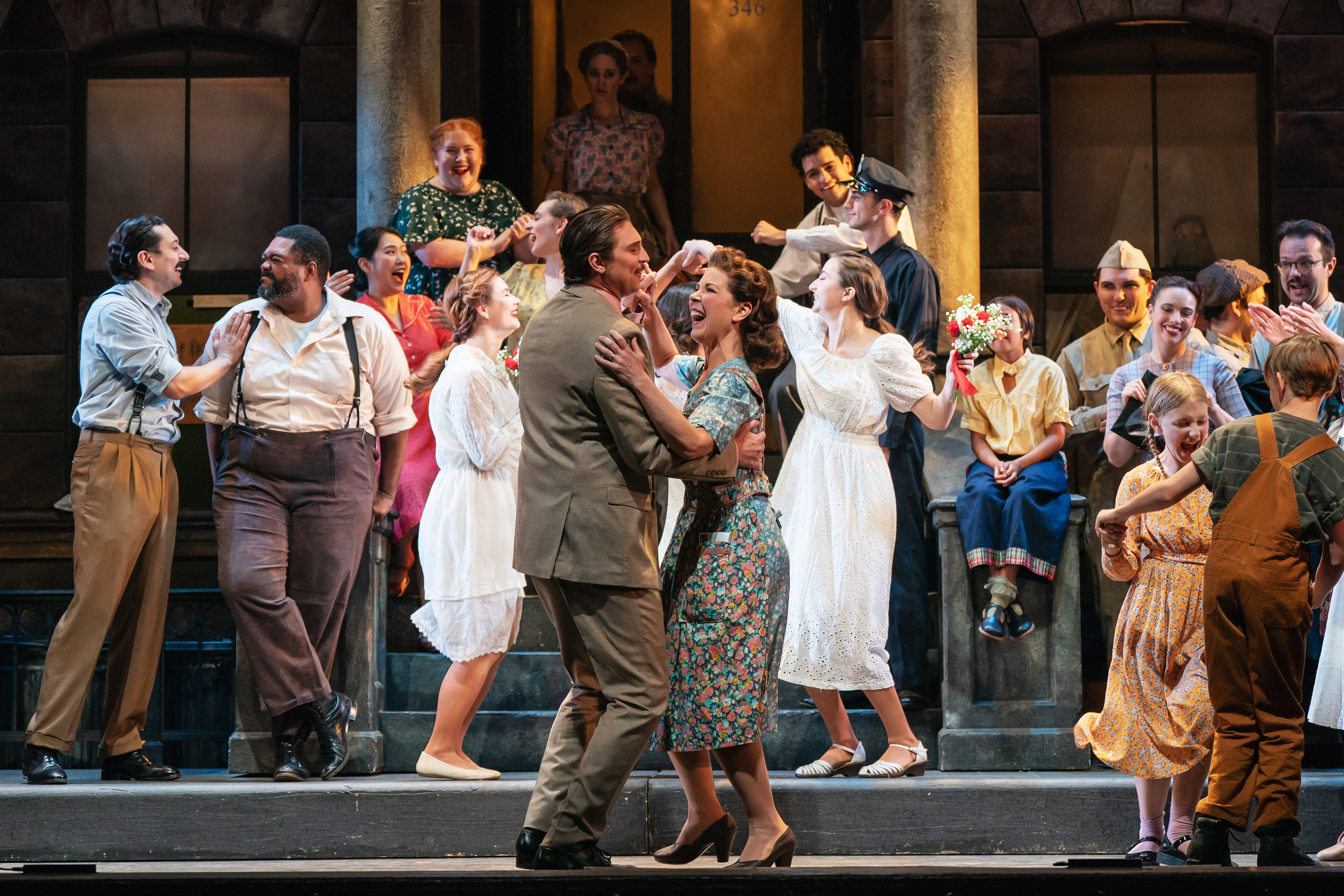
Tenement house neighbors in Street Scene. Image by Amanda Tipton Photography

Street Scene, which opened on Broadway in 1946, may be the closest he came to that goal, and it is certainly one of this finest works. It has an ideal American pedigree, with lyrics by Langston Hughes and a story based on the Pulitzer-prize winning play of the same title by Elmer Rice, who also wrote the book for the opera.

The music is appealing, combining Broadway set pieces like the ensemble for graduating students “Wrapped in a  Ribbon and Tied in a Bow” and the dance number “Moon-faced, Starry-eyed,” with blues-tinged arias, like “Lonely House” sung by the young hero Sam Kaplan, and Puccini-esque arias like “Somehow I could Never Believe” sung by Anna Maurrant.

As great as it is, Street Scene is not often performed—another reason to travel to Central City this summer. Among reasons for its rarity are the challenges it presents, including a cast with more than 30 named roles, each with their own story to tell. Without care, a performance can become loosely episodic. A similar danger is that the most appealing Broadway-style numbers are extraneous to the plot, and can easily seem tacked on.

Front steps of the tenement building. Design by David Harwell. Kevin Burdette (Frank Maurant) and Brian Erickson (Willie Maurant). Image by Amanda Tipton Photography

Fortunately, Pelzig’s direction met these difficulties head on. He created a fast-moving show, where the diversity of the tenement community is part of the story, and the numbers were pulled into the musical flow. David Harwell’s set was traditional, with realistic tenement steps and apartment windows on two floors looking out to the street, but it suits the show perfectly. Once again, the gritty realism is part of the plot.

With so many singers, it is not possible to recognize all of the many cast members who made a strong contribution to the show. Of the leading roles, Katherine Pracht in the role of Anna Maurant, the wayward but kindly wife of the building bully, gave a good portrayal of a fragile woman with romantic dreams while living on the brink of disaster. She sang with great expression, but with a strong vibrato that occasionally threatened to obscure the text.

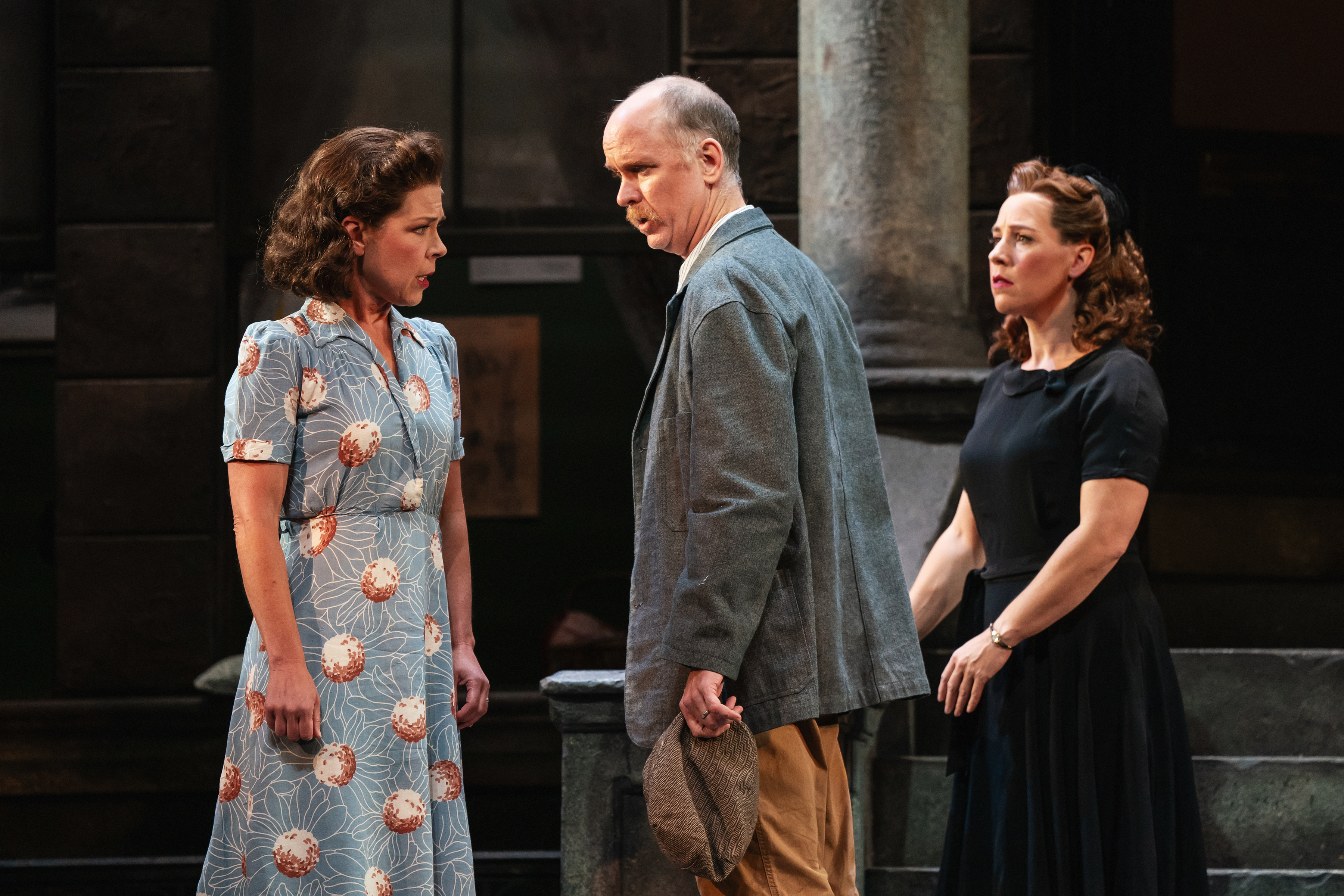
Katherine Pracht (Anna Maurant), Kevin Burdette (Frank Maurant) and Christie Conniver (Rose Maurant) in Street Scene. Image by Amanda Tipton Photography

As her abusive husband, Frank Maurant, Kevin Burdette used a rough edge to his voice to convey the character’s menace. A veteran of bad guy roles, including Claggert in Billy Budd in Central City and Sweeney Todd in Dallas, he softened his portrayal in the final scenes, creating a whole character. If his sudden tenderness seems less than convincing, that is the script and not the performance, which was heartfelt.

Christie Conover was endearing as Rose, the Maurants’ daughter who is pursed by a number of undesirable suitors as well as by Sam, the shy young male romantic lead who cannot quite express his love. She sang with a poised and polished sound that stood out from the more rough-hewn characters. As Sam, Christian Sanders had to reach for some of the high notes, but sang an appealing and well shaped aria in “Lonely House.” Their gradually blooming romantic duet, “Remember that I Care,” offered the opera’s tenderest moments.

I enjoyed the gossiping neighbor ensembles, which become a latter-day Greek chorus commenting on the action. The cast embraced the ethnic types written into the score, rarely overdoing it. Apprentice singer James Mancuso produced a definitively Italian sound as Lippo Fiorentino, the most strongly stereotyped of the neighbors. 

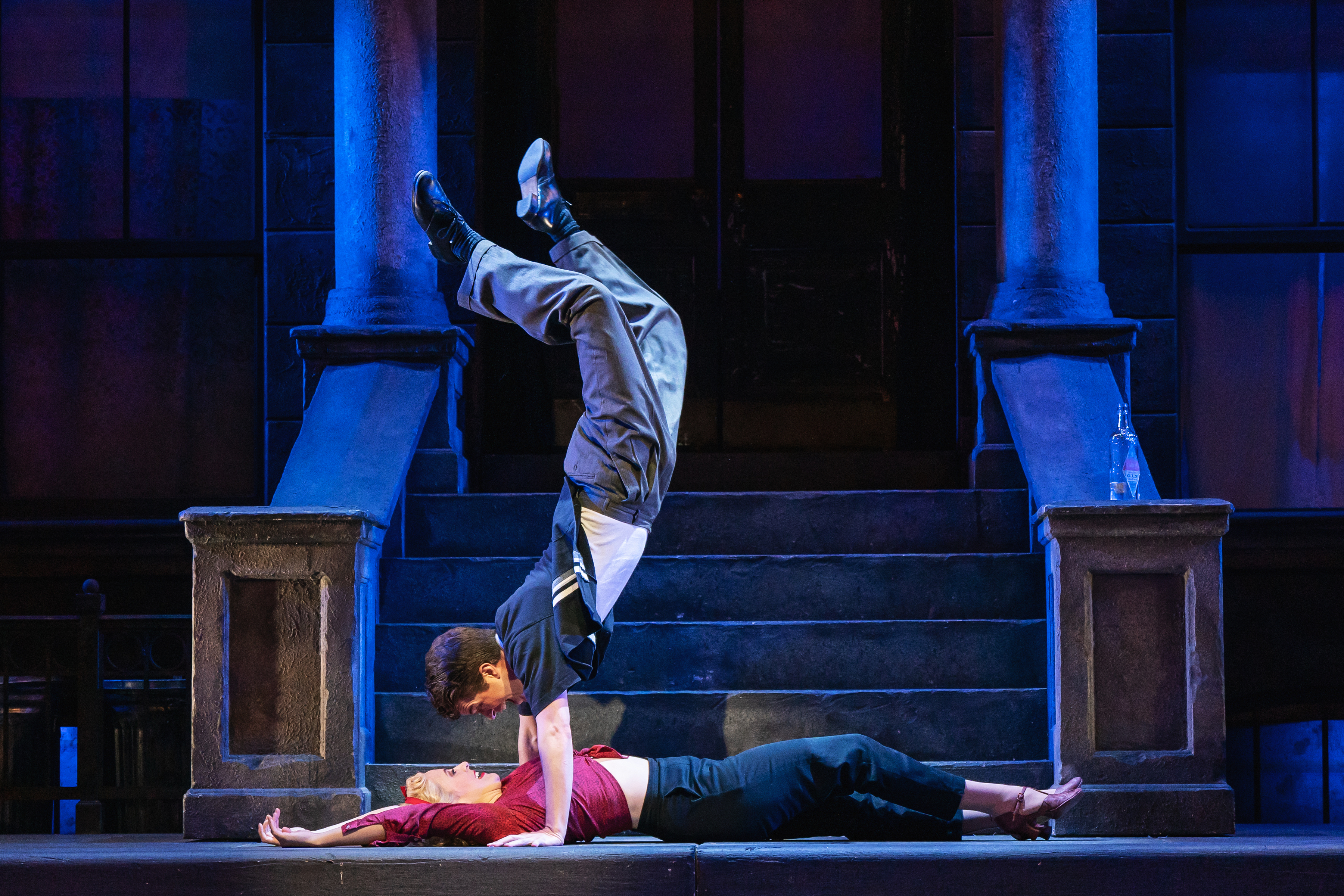
Lauren Gemelli and Jeffrey Scott Parsons in the dance routine “Moon-faced, Starry-eyed.” Image by Amanda Tipton Photography

Bernard Holcomb brought a big, robust voice and a friendly demeanor to the role of Henry Davis, the building janitor. As the overheated lovers in the big dance number, “Moon-faced, Starry-eyed,” Lauren Gemelli and Jeffrey Scott Parsons nearly stole the show with their saucy dialog and athletic dancing.

Members of the Colorado Children’s Chorale sang strongly and conveyed a rowdy sense of fun in their teasing game at the beginning of the second act. Brian Erickson acted strongly in the role of Willie Maurant, Rose’s rowdy little brother.

Conductor Adam Turner led the Central City orchestra in a stylish performance, getting the Broadway idioms right and supporting the singers well. A few times they covered the spoken dialog, but the big musical numbers were all outstanding. In short: this production of Street Scene is a rare opportunity to see an important work of American musical theater done well.

Two operas worth a trip into the mountains

Pirates and desperados at Central City Opera

By Peter Alexander July 16 at 3:48 p.m.

Central City Opera’s performance of Gilbert & Sullivan’s Pirates of Penzance (July 13) started with a delightful, well nuanced reading of the Overture, and from there went from one entertaining moment to another. 

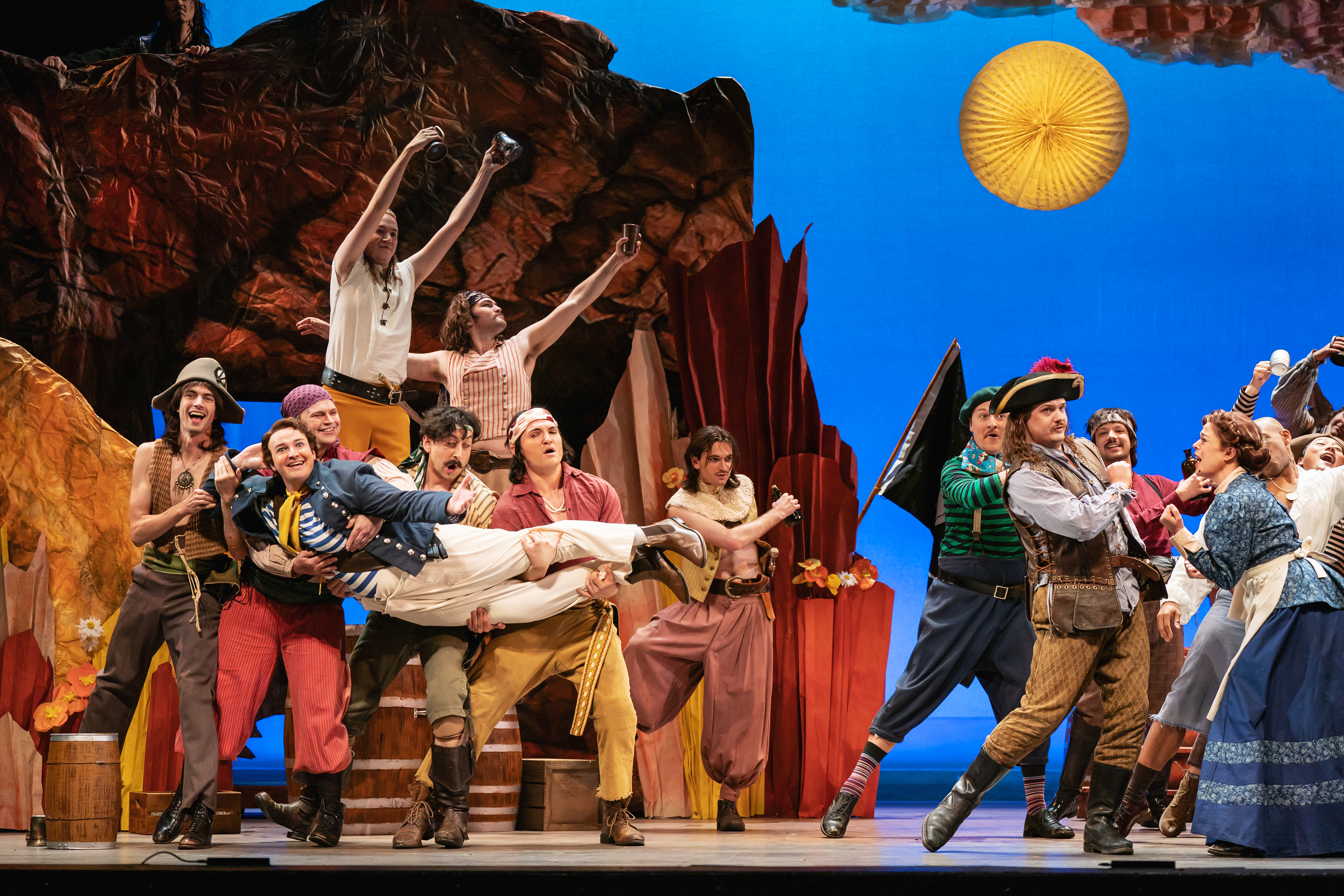
The Pirates of Penzance holding Frederic, the heartthrob hero. Image by Amanda Tipton Photography

The cast conveyed the silly and satirical spirit of the popular G&S operetta. Even 145 years later, their soft-hearted pirates, ineffectual police, sentimental lovers and ridiculous misunderstandings—all delightful skewerings of British stereotypes in 1879—can still delight audiences, even as far removed from Albion as in a Colorado mining town that was barely 20 years old when Pirates premiered in New York City.

The attractive and practical stage settings from Papermoon Opera Productions, known for their creative use of paper in building scenery, worked well on Central City’s small stage, leaving space for pirates, police and Major General Stanley’s many daughters to move about. Direction by Kyle Lang both honored and departed appropriately from the traditions of G&S comedy. Some of the shtick preserved in traditional English productions was replaced by more up to date shtick—such as young women competing to provide CPR and mouth-to-mouth on the heatthrob hero. 

The Major General daughters and Frederic (Chris Mosz) in Pirates of Penzance. Image by Amanda Tipton Photography

Lang handled the three groups of characters well, including enjoyable moments when the chorus burst off the stage into the audience or entered through the back of the house. There was a little too much of the daughters moving here and there in a tight clump, a consequence of the small stage at CCO, but otherwise the handling of the the different groups contributed well to the comedy.

If at times the humor was overacted, it never crossed the line into gross parody—quite. The greatest flaw was the uneven adoption of a British accent, noticeable only on certain words. Especially ripe for modification was the vowel sound “o” as “eeow” as in “Altheeow” or “You may geeow.” Even this simplified Biritishism was unevenly applied, with some actors (Jennifer DeDominici as the nursemaid Ruth) applying it thicker than others (Alex DeSocio as the Pirate King). Used consistently it might have been a useful class distinction (working class vs. nobility, as the pirates turn out to be), but English class accents are more varied than non-English casts are likely to convey. It was noticeable, but distracted little from enjoyment of the comedy.

The cast was full of strong comic-opera voices. Pirate King DeSocio has a robust voice and, like most of the cast and chorus, sang with clear diction. His stage movements were fluid, no doubt due to Lang’s choreography as well as stage direction. 

Frederic (Chris Mosz) and Mabel (Jasmine Habersham). Image by Amanda Tipton Photography

As the romantic lead Frederic, Chris Mosz sang with a strong but edgy tenor sound and a rapid vibrato that cut through orchestra and chorus. His voice was more than powerful enough for the small Central City house, but more tenderness would be welcome.

Jasmine Habersham handled Mabel’s coloratura flights with firm accuracy. Her bright, clear voice came on a little too forcefully at first, but in the second act melted nicely into the warm, lyrical passages. Her “Poor Wand’ring One,” one of the highlights of any performance, was especially lovely, first smooth then popping the top notes.

Adelmo Guidarelli as the pompous Major General. Image by Amanda Tipton Photography

As Ruth, DeDominici is fairly young, and as presented onstage far too attractive, for the joke about her age (supposedly 47) to work. When Frederic first sees the General’s daughters, he exclaims that she misled him in saying she was attractive (“I’ve been told so,” she says coyly). Otherwise, she was effective and funny as the hard-of-hearing nursemaid whose error in apprenticing Frederic to a pirate rather than a nautical pilot launches the whole plot.

Baritone Adelmo Guidarelli was an appropriately self-important Major General. He was first-rate at everything the role requires: pomposity, patter song and comic timing. Milking it for all it was worth, he breezed through the accelerated reprise of his well known patter song (“I am the Very Model of the Modern Major General”; one cannot complain about dropped final consonants at that speed!), and weeped equally comically in the second act.

Andrew Harris and his bumbling bobbies. Image by Amanda Tipton Photography

Andrew Harris’s booming bass made a powerful effect as the bombastic, if less than dauntless Sargeant of Police. The policeman’s chorus added their own touch of humor, waddling in and out and about, singing as forcefully as required. The entire chorus—pirates, daughters and police—deserve mention for their musical performance filling the house at times, or dissolving into softer moments. 

The small orchestra under Brandon Eldredge was excellent from the overture on, supporting but never drowning the singers. Tempos were brisk, but only in the Major General’s encore breakneck.

If you are a fan of light opera, you will want to see CCO’s Pirates of Penzance. You can’t do better than to see Gilbert & Sullivan in an opera house built in their lifetimes. But if you go, be warned: repairs on I-70 create massive slowdowns and outright stoppages between Denver and Idaho Springs. Choose another route into the mountains. 

# # # # # 

Gilbert and Sullivan’s hapless pirates are tenderhearted, and as it turns out so are the gritty goldminers in Puccini’s Fanciulla del West (Girl of the Golden West).

The romanticized story, based on wild west myths and set in a location Puccini never saw, has the miners singing sentimental songs about home and wanting to see “mama” again, and in the end forgiving the outlaw Ramerrez, removing the noose from his neck and allowing him to walk away with Minnie, the love of his life—and theirs.

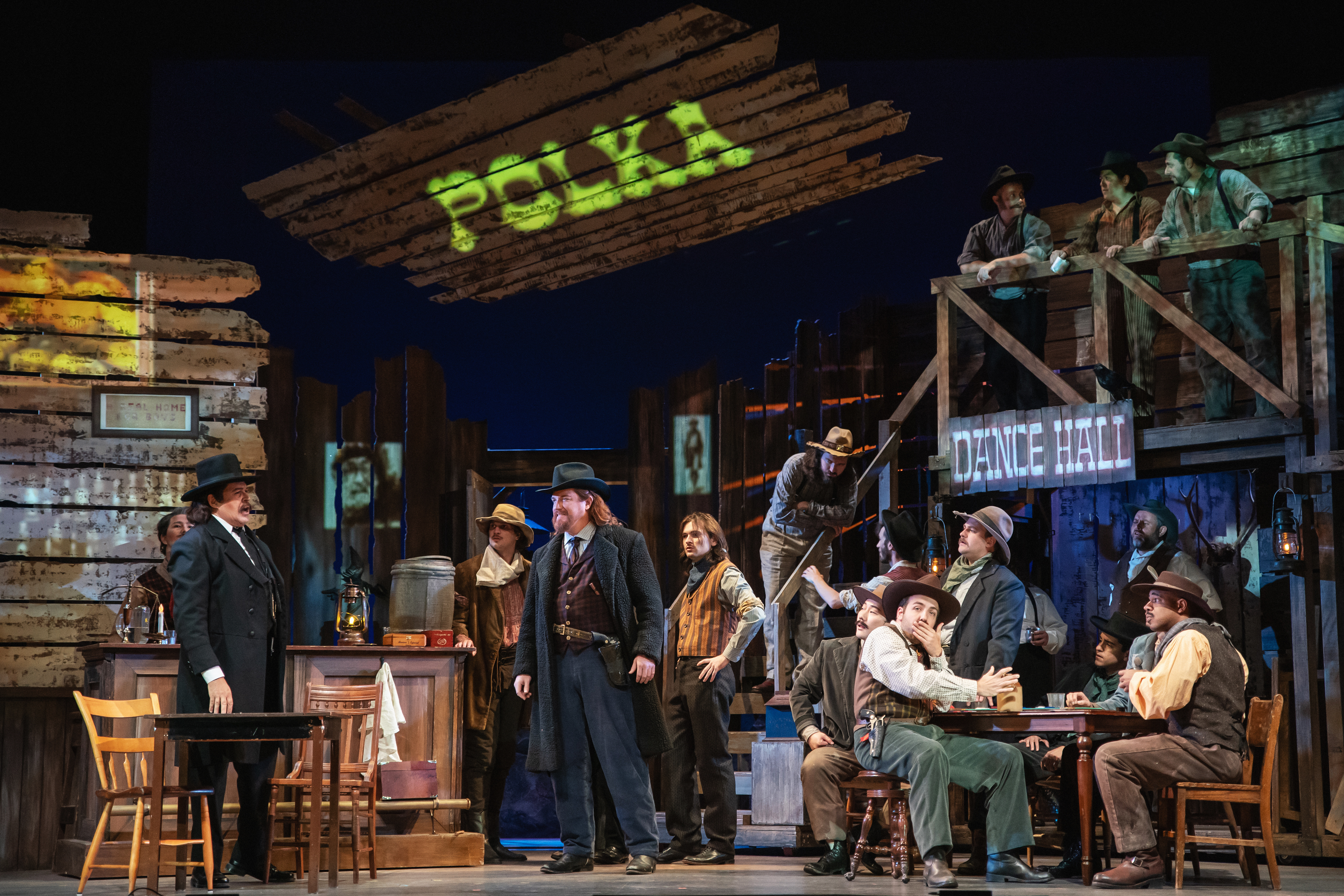
Jack Rance (Grant Youngblood, L) and Wells Fargo agent Ashby (Christopher Job, R) in the Polka Saloon. Image by Amanda Tipton Photography

With a strong cast and thoughtful production, CCO’s Fanciulla is well worth the trip into the mountains. Transferred from the California gold fields to Central City in the 1860s, the revised setting makes perfect sense with only the slightest of changes in the text (Ramerrez and Minnie are “returning to California” instead of “leaving California” at the end). Occasional projections suggest the Central City location.

The sets by Papermoon Opera Production are refreshingly downscale and simple, much closer to the reality of a mining camp than the large-scale sets major opera companies often choose to provide. Made largely with paper and cardboard, the sets are evocative of a time and place the people in Central City know well, having models right outside the theater. Minnie’s Polka saloon is appropriately ramshackle, as is her cabin, and the final scene is placed, as written, in a forest. The simplified sets, based in goldfield reality, helped bring the drama to the fore.

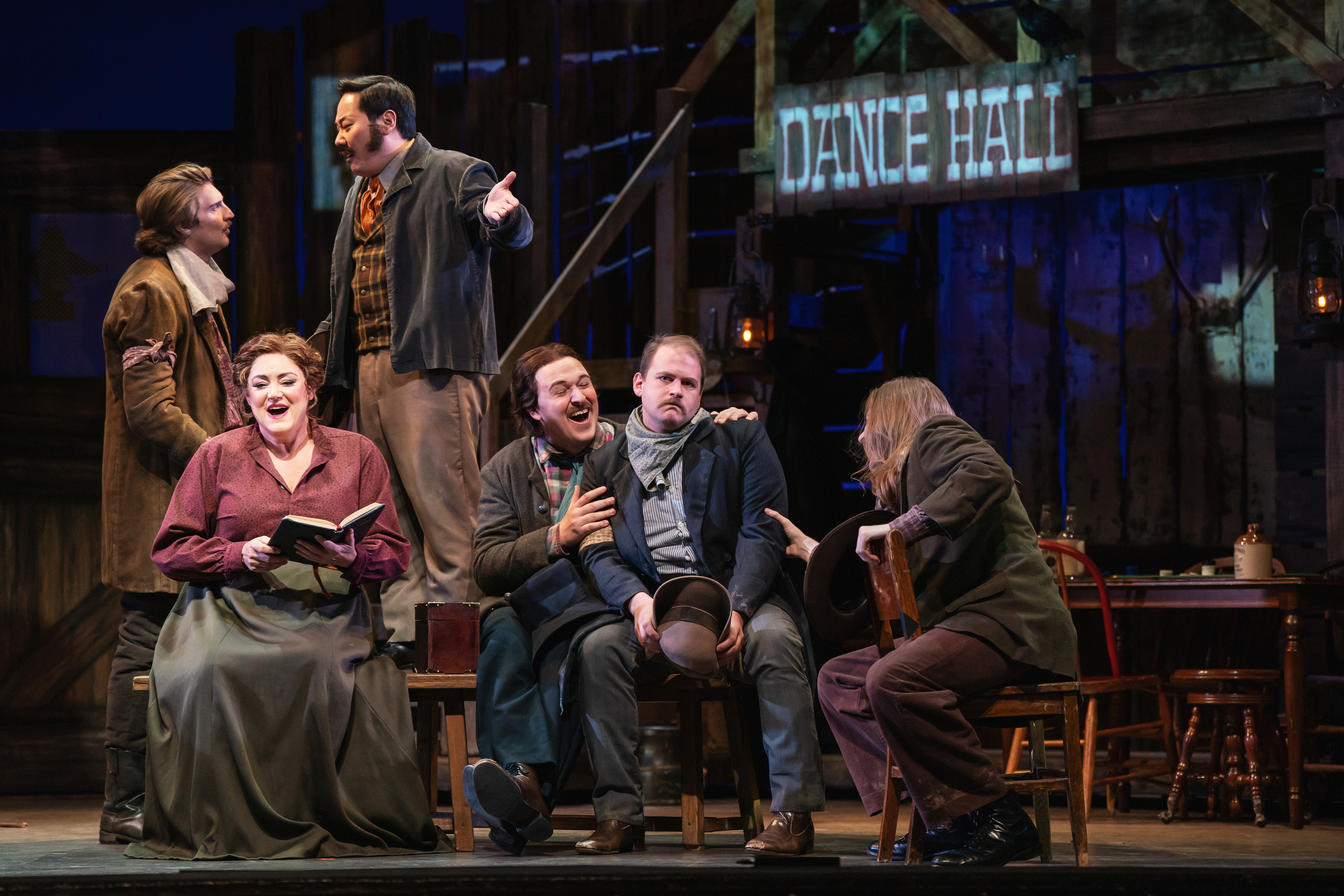
Minnie (Kara Shay Thomson) reading the Bible to the miners. Image by Amanda Tipton Photography

In the title role of Minnie, the “Fanciulla” who commands the Polka saloon, Kara Shay Thomson offered a large, powerful voice. Hers is the critical role, controlling the plot throughout; she is the one Puccini heroine who is never a victim but survives by being the strongest character in town. She was superb throughout.

At her best Thomson produced a bright, shining soprano, only occasionally sliding into the top notes. Her Bible-reading scene with the miners was well modulated, gentle or soaring as needed. In Act II she was girlish with her lover Ramerrez and defiant before the Sheriff Jack Rance, always in control musically and dramatically. Her brief scene in the final act, when she faces down Rance again and persuades the miners to release the outlaw Ramerrez for her, she continued to dominate the action.

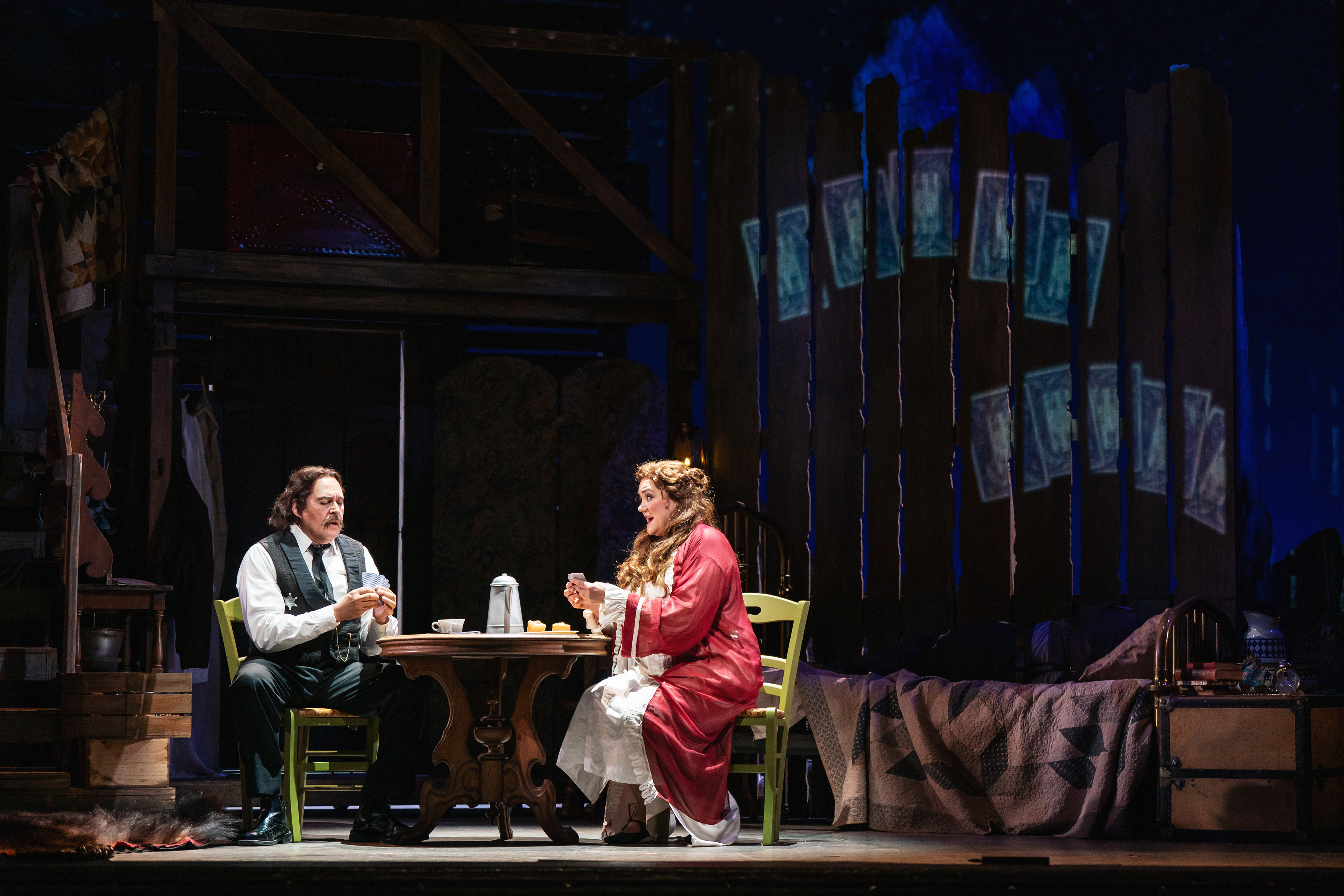
The fatal card game: Rance (Grant Youngblood) and Minnie (Kara Shay Thomson). Image by Amanda Tipton Photography

As Rance, baritone Grant Youngblood filled the stock role—spurned lover, blustering villain—effectively. In the standard black hat and suit he was every inch the bullying lawman, showing his obsession with Minnie any time he was onstage. He made the second act showdown a dramatic highpoint, and sang solidly throughout. 

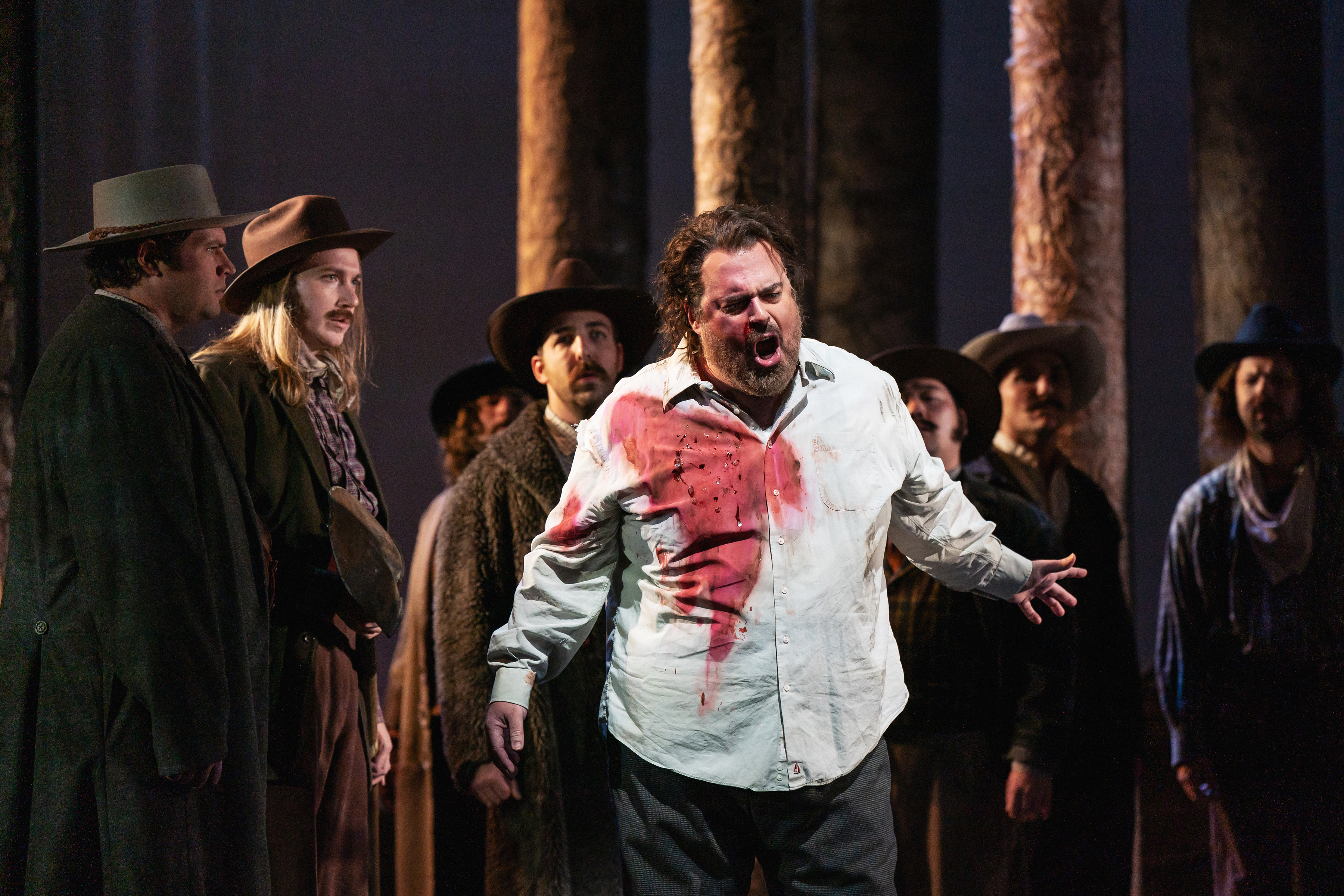
As lead tenor Dick Johnson/Ramerrez—the last of the three corners of the love triangle to enter the stage—Jonathan Burton expressed more with this singing than his acting. He was able to belt out the soaring climaxes of his individual numbers with a ringing tone, and conveyed musically his growing love for Minnie. His one aria, “Che’lla mi creda libero e lontano,” the keystone of the final act, was warmly received. His stage presence was not always assured, however, and he relied too often on an artless grin to make himself look guiltless.

Supporting roles were all filled ably. At the performance I saw (July 14), apprentice artist Nicholas Lin filled in capably as Nick, the bartender-of-all-trades. Christopher Job used his deep bass and a gritty sound to create the menacing character of Ashby, the Wells Fargo agent who only wants to catch the bandit.  Matthew Cossack sang expressively as Sonora, the most sympathetic of the miners.

Jonathan Burton as Johnson/Ramerrez, singing his final-act aria. Image by Amanda Tipton Photography

A special word should go to Steele Fitzwater and apprentice artist Xochitl Hernandez as the couple Billy Jackrabbit and Wowkle. Too often portrayed as racist, native American stereotypes, here they were characters with dignity. In this production directed by Fenlon Lamb, Billy is a white man who has had a child by an Indian woman, an historically viable and interesting choice that puts a more subtle spin on characters traditionally based on narrow, hidebound notions of the American Indian. Both sang well.

Lamb’s direction made good use of the space available, like Pirates expanding briefly into the house. The action was clear, and the second act conveyed the rising tension powerfully. The card game—one of Puccini’s greatest moments of suspense, created with the simplest of musical means—was exquisitely melodramatic. The chorus—all men, naturally—generated excitement in the final act, filling the hall with sound. Conductor Andrew Bisantz led the outstanding CCO orchestra with a fine feeling for the ebb and flow of Puccini’s flexible musical fabric.

__________

Both Pirates of Penzance and Fanciulla del West continue in repertory through the remainder of the Central City Opera summer season, which ends August 4. The calendar is listed HERE, and tickets may be purchased through the CCO Web page.

The production of Kurt Weill’s Street Scene, originally scheduled to open July 13, will open Wednesday, July 17. A review will appear next week.

Central City offers three works first performed in New York

Pirates of Penzance, Girl of the Golden West and Street Scene on this summer’s bill

By Peter Alexander June 25 at 4:02 p.m.

Central City Opera opens its 2024 festival season Saturday with a staple, not of the grand opera house, but of the English light-opera stage: Gilbert and Sullivan’s delightful and sometimes silly Pirates of Penzance (7:30 p.m. June 29; full summer schedule below).

Opening Night at Central City Opera. Featured in Central City Opera’s 75th anniversary book, “Theatre of Dreams, The Glorious Central City Opera- Celebrating 75 Years.”

The fifth collaboration between author Sir Willam Gilbert and composer Sir Arthur Sullivan, Pirates surprisingly had its official premiere at the Fifth Avenue Theater in New York City Dec. 31, 1879. The show, known for its bumbling police, its only slight less inept pirate gang, and its often parodied Major General’s patter song, has long been one of the most popular of the G&S operettas. 

A 1980 production in Central Park, part of the “Shakespeare in the Park” summer series, was so successful that it was transferred to Broadway. In 1983 it was made into a film with original cast members Linda Ronstadt (Mabel), Kevin Kline (the Pirate King) and Rex Smith (Frederic), plus Angela Lansbury (Ruth). 

At Central City this summer, Pirates shares the rotating repertory bill with two other works also premiered in New York, neither of which is truly part of the core operatic canon: Kurt Weill’s Street Scene, premiered at New York’s Adelphi Theater in 1947; and Puccini’s La fanciulla del West (Girl of the Golden West), premiered at the Metropolitan Opera Dec. 10, 1910.

* * * 

Pirates of Penzance is a typical G&S operetta in the way that it satirizes British habits. The pirates are goofily sentimental, the Major General is preposterously pompous, the police are ridiculously hapless, and Frederic takes his very British devotion to duty to comic extremes. The whole plot turns on two ridiculous misunderstandings: That Frederic was apprenticed by his near-deaf nursemaid to nautical pirates rather than pilots; and that he was apprenticed not for 21 years but until his 21st birthday—which, because he was born on Feb. 29, means not until he is in his 80s.

That he and his chaste bride-to-be Mabel accept this delay with unnaturally bright composure is just one of many implausible turns of plot—as one expects from Gilbert and Sullivan. In addition to the patter song “I Am the very Model of a Modern Major General,” the score contains several memorable songs, including Mabel’s “Poor Wandering One,” which pairs alluring sentiment with brilliant coloratura; and the pirate chorus’s “With Cat Like Tread,” in which they noisily proclaim their intent to creep silently into the Major General’s household. 

* * *

Also written for the popular stage, Kurt Weill’s Street Scene is a different matter entirely. With lyrics by Langston Hughes and a book by Elmer Rice, it is a gritty tale of tenement dwellers on Manhattan’s east side. Among a mix of residents of Swedish, Italian, German and Jewish background there is an abusive husband, an alcoholic, a radical intellectual, gossipy neighbors, a sleazy boss, an adulterous milkman, a birth, an eviction and a double murder.

And of course a pair of young lovers, who survive but are forced apart by the violent events around them.

Weill came to the United States in 1935, after a successful career in his native Germany—particularly works created with playwright Bertolt Brecht including their Dreigroschenoper (Threepenny Opera). In this country Weill wrote several works for the Broadway stage, including Knickerbocker Holiday, Lady in the Dark and Lost in the Stars, but he was always aiming to create a form that combined serious opera with popular theater and song.

The work that came closest to that goal might be Street Scene, which freely mixes operatic elements, such as the aria “Lonely House” sung by the male romantic lead Sam Kaplan, with Broadway entertainment including dance numbers and a lively number for graduating students, “Wrapped in a Ribbon and Tied in a Bow.” Other notable numbers in the score are the “Ice Cream Sextet,” the duet by nursemaids gawking at the scene of the murders, and the dreamy aria “What Good Would the Moon Be,” sung by the female lead, Rose Maurrant.

It is the operatic aspects that have left their mark on Street Scene, which has been performed by opera companies but never returned to Broadway. Even operatic performances are infrequent today, due in part to the large cast that Weill requires—more than 30 named roles.

* * *

The closest thing to a repertoire item this summer, Puccini’s Fanciulla del West has that rarest of serious opera features, a happy ending. No one dies in the course of the opera, and the leading soprano is neither a naive innocent nor a victim; in fact, she is about the strongest character in the opera, who even cheats at cards to reach the opera’s happy end.

The plot features Minnie (soprano), who owns the Polka Saloon; the sheriff Jack Rance (baritone) who hopes in vain to marry Minnie; and the romantic tenor lead, the outlaw Ramerrez, who under the name Dick Johnson becomes Minnie’s true love.

Very much part of the action, Minnie forges her own destiny, first by owning the saloon in a mining camp, and then by playing cards for her lover’s life. Production stage director Fenlon Lamb observes that this is very different from other Puccini soprano roles.

Fenlon Lamb

“Other Puccini heroines are stuck in what society allowed them to be,” she says. “When you transfer things to the Wild West, the rules are gone. All bets are off! And she’s freer to be one of the guys. She’s the girl of the camp, but they all respect her, right to the end.”

The plot is fairly simple: Minnie’s bar is the favorite place for the men of a mining camp to find solace. The arrival of a stranger alarms the sheriff and the Wells Fargo agent, who are looking for the outlaw Ramerrez. Minnie recognizes him from a previous meeting as Johnson and the two fall in love. Later in her cabin Minnie and the sheriff play cards for the outlaw’s life. 

She wins by pulling cards out of her boot, but Johnson/Ramerrez is later captured and brought back to town to be hanged. Just as the noose it put around his neck, Minnie contrives to create a happy ending—but you will have to buy a ticket to know the details.

As a woman, Lamb acknowledges that she might approach female characters differently than men might. “I give a little bit more understanding and support to the female characters,” she says. “I love working with singers, but I especially support the women in my productions. We spend more time figuring out what the heroine is trying to say, through her singing and her actions.”

Another way that Fanciulla differs from most Puccini operas is that there are no big arias. The music has the same lush melodies and Romantic impulses—“it is gorgeous!” Lamb says—but unlike most grand opera, the action never pauses for a stand-alone aria.

Appropriately, the Central City production has moved the setting from the California Gold Rush to Colorado 10 years later. “We’re not the ’49ers, we’re the ’59ers out here” in Central City, Lamb explains. “It gives us the opportunity to use actual pieces and parts from Central City. In doing that, we’ve only changed one word—instead of ‘addio California’ (goodbye California) Minnie says ‘andiamo a California’ (let’s go to California)” before riding into the sunset.

Puccini had never been to the American West, so his knowledge was taken from popular stereotypes and the original story, so not all of his characters ring true. The miners are heavily romanticized and cleaned up for the stage, the Wells Fargo agent is a typical stage villain, but the most difficult characters are Minnie’s Native American servants, Wowkle and Billy Jackrabbit.

They are often treated as crude stereotypes, but compared to many productions, Lamb says, “you can give these characters real depth. We’ve decided that Billy Jackrabbit is a white trader (who) goes into different native camps and understands some of the language, (who) might marry a native woman. It’s getting into what happened at the time and finding ways to tell the story that are not stereotyped.”

Having spent some time in Central City and visited some of the actual mines in the area, Lamb sees a larger picture than the love story at the heart of the opera. “Everybody’s proud of the mining tradition here,” she says.

“The focus [of the production] is on these guys in a mining camp. And there’s a focus on the fragility of this mass of humans, and how are they getting along together. In the end, it’s forgiveness that really saves the day, it’s being able to connect and understand the other person, and their needs, and forgive.

“I think it’s an opportunity to see the strength juxtaposed with fragility of the community, and then forgiveness is pretty much the answer.”

# # # # #

Central City Opera
2024 season
(performances in Central City Opera House)

Sir Willam Gilbert and Sir Arthur Sullivan: Pirates of Penzance
Sung in English with English supertitles

7:30 p.m. Saturday, June 29; Saturday, July 20; Saturday, July 27; 
2 p.m. Wednesday, July 3; Friday July 5; Sunday, July 7; Saturday, July 13; Tuesday, July 16; Wednesday, July 24; Friday, Aug. 2

Single tickets

Giacomo Puccini: La fanciula del West (Girl of the golden West)
Sung in Italian with English supertitles

7:30 p.m. Saturday, July 6; Saturday, Aug. 3
2 p.m. Wednesday, July 10; Friday, July 12; Sunday, July 14; Friday, July 19; Saturday, July 21; Tuesday, July 23; Saturday, July 27; Wednesday, July 31

Single tickets

Kurt Weill: Street Scene
Sung in English with English supertitles

7:30 p.m. Saturday, July 12
2 p.m. Wednesday, July 17; Saturday, July 20; Friday, July 26; Sunday, July 28; Tuesday, July 30; Saturday, Aug. 3

Single tickets

Season Subscription tickets for all three productions

NOTE: Casts and other creative contributors to the productions of Pirates of Penzance, Street Scene and La fanciulla del West are all listed on the Central City Opera Web page.

“Popular Entertainment” anchors 2024 CU NOW

Gene Scheer and Bill Van Horn conjure a musical play from an 18th-century sequel

By Peter Alexander June 12 at 11:50 p.m.

“If it’s a success, write a sequel!”

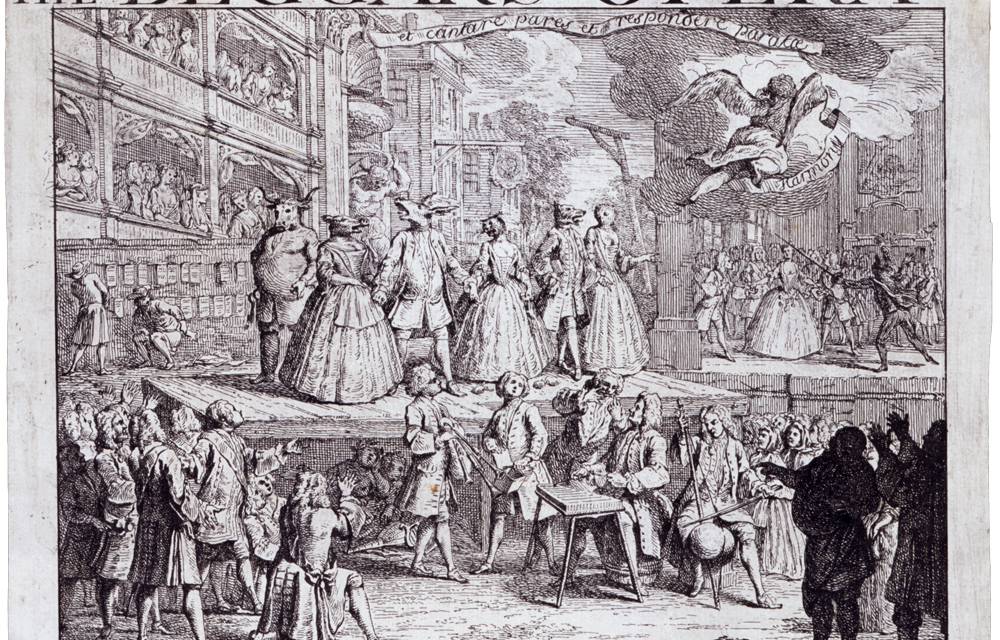
That’s the commentary of theater veteran Bill Van Horn, who is helping turn just such a sequel from the 18th century into a modern-day operetta—or “popular entertainment about history,” as he describes it. The work in question brings together Van Horn as librettist with Gene Scheer as song writer. Their Polly Peachum, based on the sequel that English dramatist John Gay wrote to his own hugely successful Beggar’s Opera of 1728, will be presented by the CU New Opera Workshop (CU NOW) Friday and Sunday (June 14 and 16; details below)

18th-century outdoor performance of Gay’s Beggar’s Opera, engraving by William Hogarth

Between the two performances of Polly Peachum CU NOW will present operatic scenes by composition students Alan Mackwell, Holly McMahon and Joshua Maynard. As part of CU NOW they have participated in the Composer Fellows’ Initiative (CFI), working on their own operatic works with composer Tom Cipullo.

Gene Scheer (l) and Jake Heggie (r) at CU NOW, 2018 (Photo by Glenn Asakawa/University of Colorado)

Scheer and Van Horn are both widely experienced in the theater. Scheer has been at CU NOW before, working on new operas as librettist with composer Jake Heggie (Wonderful Life, If I Were You, Intelligence). He has also written librettos for other works by Heggie (Two Remain, Radio Hour) and other composers including Jennifer Higdon (Cold Mountain), and he has written songs and other musical works of his own.

Although he has never been to Colorado before, Van Horn has done almost everything in the theater except, he says, “count money.” As he tells the story, “I started just showing up at theaters saying ‘Is there anything you need to be done?’ Eventually you get asked to be in a play, and I’d sort of take up residence in different theaters.” From that unconventional start, he has gone on to translating plays and operettas, writing plays, adapting plays and directing plays.

The idea for the modern Polly Peachum arose more than 30 years ago, when Scheer was playing the central role of Macheath—aka “Mack the Knife”—in Kurt Weill’s Threepenny Opera, a 20th-century adaptation of Gay’s Beggar’s Opera. His mother gave him a book of The Beggar’s Opera, where he learned that Gay had written a sequel titled Polly Peachum, named for a character in both works.

Bill Van Horn (Photo by Mark Garvin)

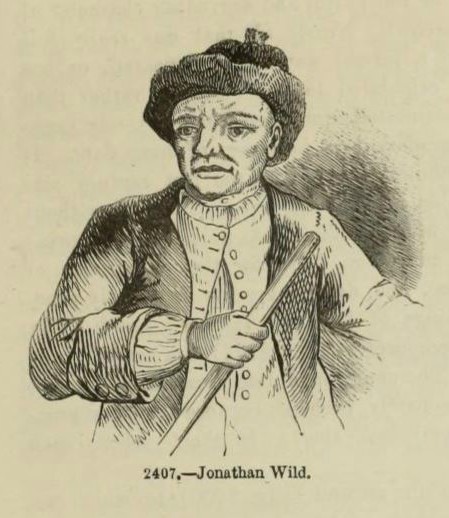
“The problem is that the play Polly is not that good,” Scheer says. “I got the idea of doing a prequel. I showed this to (Van Horn), and we developed the idea together, the making of The Beggar’s Opera, in which the world of government intrigue, ham actors, and Jonathan Wild, who was the inspiration for Macheath,” are blended.

Leigh Holman, the director of CU NOW and CU’s Ecklund Opera Program, says that “(Scheer) told me about this piece two or three years ago, and we’ve been trying to find the right time to bring him here. This was the right time, so we’re so excited for him do this. It’s been amazing so far. This piece has been great for (the students).”

Both Scheer and Van Horn praise the contributions the students have made in rehearsals. “They’re extraordinary,” Scheer says. “They’re teaching us as we teach them. They are all extraordinary singers, they’re extraordinarily well trained.”

“They’re going to be indelibly on my mind as the characters, forever, because they’re the first ones to do it,” Van Horn adds. “It’s in the best tradition of old-school summer stock, where everybody does a little bit of everything. That’s the best kind of theater!”

Johnathan Wild, book illustration

In Scheer and Van Horn’s Polly fictional characters, such as Polly Peachum, are combined with real-life characters, including the dramatist Gay and Wild. Of these, it is Wild who is the most outlandish and theatrical character.

“Wild was the ‘thieftaker general’,” Van Horn explains. “He bought things that people stole and then told the owner, ‘I can get this back for you.’” He charged the true owners what seemed like a small portion of the items’ actual value, but the thieves were all working for him and he accumulated an enormous fortune.

“The thieves of London would bring the stolen goods to his warehouse,” Scheer says. “Wild would publish what he had, and people would come and buy possessions that had been stolen from them.”

In the end, Wild got cocky and careless. He was eventually arrested, convicted and sentenced to be hanged in Tyburn Square in London. His hanging in 1725 was a sensational public event that attracted thousands, but Wild drugged himself before the hanging. Although he did not succeed in killing himself, he was in a coma when hanged—which is one way the stage plot diverges from history.

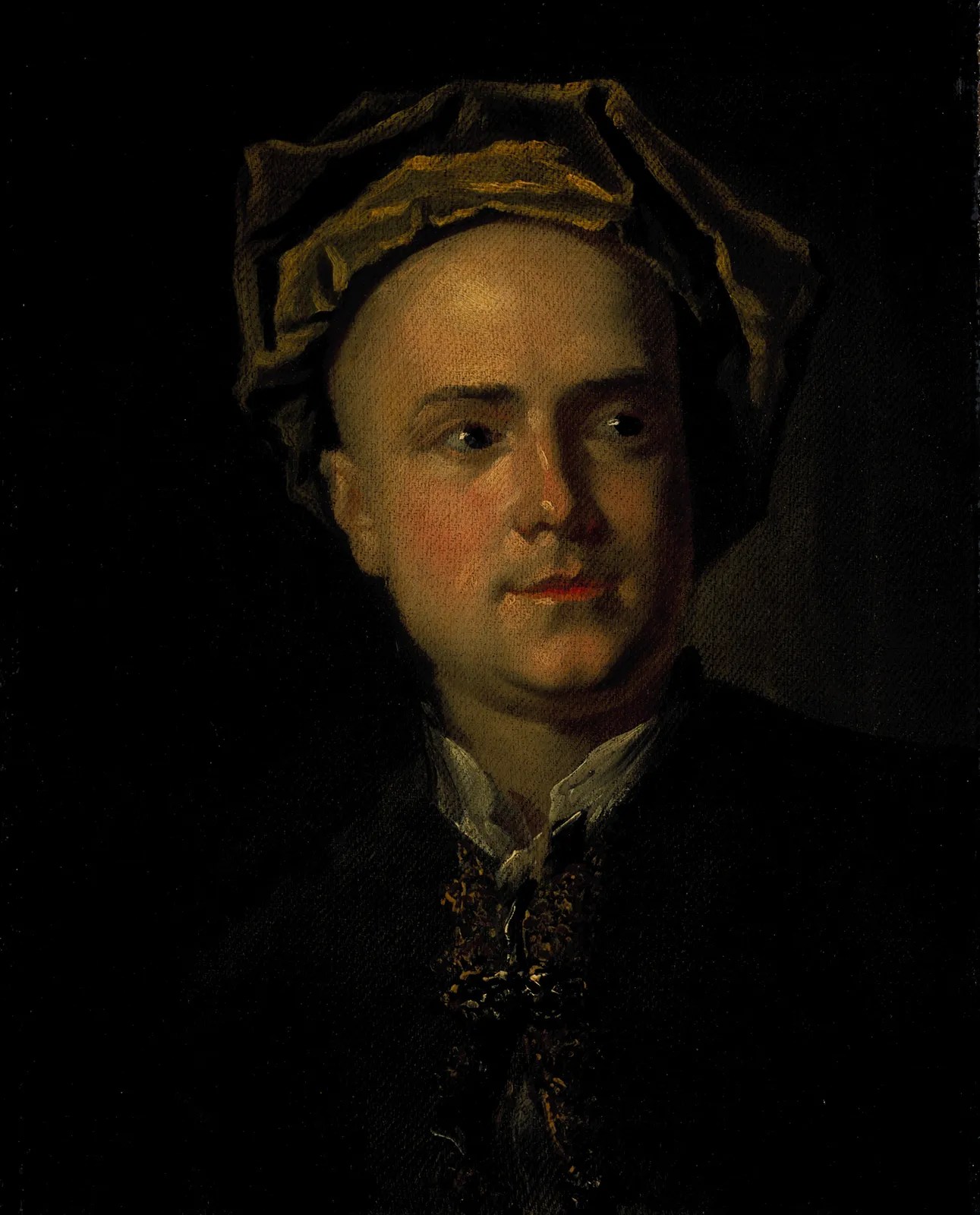
John Gay, oil painting by William Aikman in the Scottish National Portrait Gallery, Edinburgh

In Scheer and Van Horn’s version, the fictional Polly Peachum works for the historical Wild, and the two are lovers. When Wild is arrested, his gang is pursued and Polly hides out in the warehouse. Meanwhile Gay’s manuscript for The Beggar’s Opera is stolen and he goes to the warehouse to purchase it back. Instead he meets Polly, who joins his theater company as a way of hiding from the police. She becomes Gay’s muse as he completes The Beggar’s Opera and they fall in love.

In the meantime, Wild is supposed to be hanged, but instead of taking laudanum, as history has it, he gives it to the minister who comes to administer the last rites. The minister is hanged in his place, and Wild escapes. Polly thinks he is dead until he shows up at the theater. His sudden appearance creates a conventional love triangle, with Polly forced to choose between Wild, the fugitive, and Gay, the theater manager. 

If that sounds familiar, it’s still the same old story. Or as Van Horn says, “If you recognize any parallels with Casablanca, it’s intentional.”

And performances are free.

# # # # #

CU New Opera Workshop (CU NOW)  2024

Polly Peachum
Music by Gene Scheer, book and lyrics by Bill Van Horn and Gene Scheer

7:30 Friday, June 14
2 p.m. Sunday, June 16

Composer Fellows’ Initiative (CFI): Scenes
7:30 p.m. Saturday, June 15

All performances in the Music Theater, Imig Music Building.
Admission is FREE.

CU Eklund Opera presents “American Stories by American Women”

Two short, supernatural operas by Amy Beach and Missy Mazzoli

By Peter Alexander April 23 at 6:30 p.m.

The CU Eklund Opera Program offers American history this weekend, seen through a surreal and supernatural lens.

Two striking operas by American women, both based on important moments in history, form a double bill that will be performed Thursday through Sunday at the Music Theatre in the Imig Music Building (April 25–28; details below). Presented together under the title “American Stories by American Women,” they are Cabildo by Amy Beach (1867–1944) and Proving Up by the living composer Missy Mazzoli. In addition to their historical basis, both operas are ghost stories, but the similarities end there. 

Cabildo is located in New Orleans during the War of 1812 and features the pirate Pierre Lafitte (brother of Jean) and his true love, Lady Valerie, both of whom appear in a dream. In a totally different vein, Proving Up takes place on the harsh Nebraska frontier shortly after the homestead act of 1862, where the fictional Zegner family is struggling to survive while haunted by their dead daughters.

Guest stage director Sara E. Widzer

The operas will be directed by guest director Sara E. Widzer, a member of the faculty at the Lee Strasberg Theatre and Film Institute and intimacy director and consent consultant for Los Angeles Opera. She has directed opera throughout the United States as well as for companies in Asia. CU faculty member Nicholas Carthy will conduct.

The program originated when Carthy discovered that Amy Beach—a composer that he admires—had written an opera. It was only in manuscript, but he  eventually got a copy. A printed edition has now been published, which Carthy is editing based on the manuscript.

“Beach always wanted to write an opera, but she was afraid of it never being performed because (operatic) forces are too big,” Carthy says. “So she wrote a deliberately small opera, seven people (in the orchestra). And it still didn’t get performed.”

The first performance took place in 1949, four years after Beach’s death. After another 40 years, it finally became known and was produced by Central City Opera in 2017. 

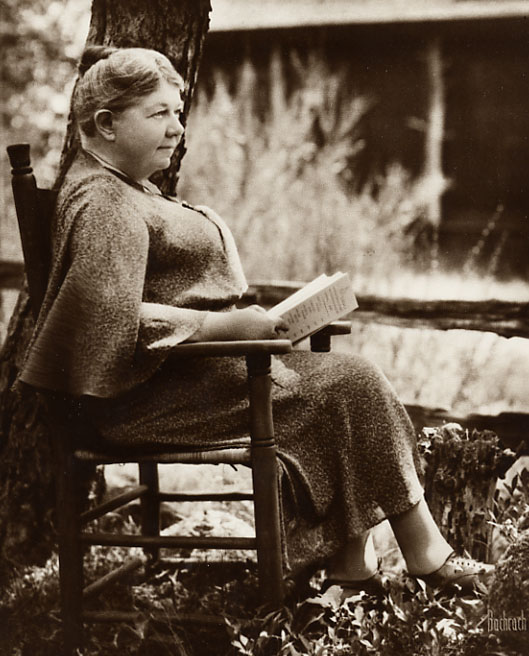
Amy Beach. Photographer: Bachrach

“She was such a fascinating creature,” Carthy says of Beach. “She was an absolute feminist and a suffragette, and she was a member of the Boston Six (a group of composers around the turn of the 20th century), but her husband said she had to be a Boston matriarch and so she couldn’t teach, and she only performed twice a year.”

At that time she was known as “Mrs. H.H.A. Beach.” After her husband died in 1910, she began performing and publishing as “Amy Beach,” and had a substantial career as a pianist. Among her better known works are her Piano Concerto and her “Gaelic” Symphony. 

The plot of Cabildo revolves around the pirate Pierre Lafitte and his participation in the Battle of New Orleans. Lafitte fought on the side of major general (later President) Andrew Jackson, for which Lafitte was pardoned. In the opera, Lafitte is mysteriously freed from prison, perhaps by Valerie’s ghost who appears in a dream, making their love the central theme of the story.

As Widzer explains, “at the end of the opera, Mary (the character who dreams of Lafitte and Valerie) says, ‘We don’t have America because of the War of 1812 and General Jackson. We have America because of the importance of love’.”

Switching from New Orleans to the Nebraska frontier of the 1860s, Mazzoli’s opera is the bleak tale of a family trying to establish a homestead under a law that required a sod house, five years of successful harvests and a glass window in order to claim their land. Based on a short story by  Karen Russell, the opera dramatizes the struggles of the Zegner family to “prove up” and receive their land grant. 

Missy Mazzoli at the Kennedy Center for the premiere of Proving Up. Photo by Ser Amantio di Nicolao.

In the opera, the glass window is both a powerful symbol and a central dramatic element. In reality, the homestead act resulted in many people being displaced from the land. “Mazzoli wrote the opera in repose to the housing crisis of 2008,” Widzer explains. 

“When you look at it through the sense of loss and uncertainty—it’s not just a housing crisis. Its the crisis of 2008 because we lost so many arts organizations and so many people trying to figure out how to save their lives.”

“The music is absolutely fantastic,” Carthy says. “What the music really succeeds in doing is creating a past, a present and a future at the same time. The music has a timelessness, and it has episodes where it comes into focus.”

In her director’s role Widzer sees characters in the music beyond the singers. “We have weather,” she says. “Mazzoli composes weather, Mazzoli composes time. Mazzoli composes the supernatural, loss, excitement.”

While Cabildo has a set that refers to a specific place—New Orleans—the set and staging for Proving Up are abstract. “(The opera) travels through so many locations, to do a traditional set wouldn’t make sense. It blurs reality past, present, supernatural. And the family is so disconnected in their attempt to be whole it just pulls farther and farther apart.”

A common element that ties the production to the Nebraska frontier, where pioneers lived in sod houses, is dirt. “We’re dealing with dirt,” Widzer says. “Sometimes, it’s dust in our show, sometimes it’s the grave of the daughters, sometimes it’s on people’s faces.”

The obvious differences in the two operas give the student singers opportunities to explore different kinds of music and drama. “One of the most important things that we’re always doing, is that you see how the students develop, and how they take on incredibly difficult things,” Carthy says.

“They change the drama and the drama changes them—which is the way it should be.”

# # # # #

“American Stories by American Women”
CU College of Music Eklund Opera Program
Nicholas Carthy, music director, and Sara E. Widzer, guest stage director

  • Amy Beach: Cabildo
  • Missy Mazzoli: Proving Up

7:30 p.m. Thursday, April 25, Friday, April 26 and Saturday, April 27
2 p.m. Sunday, April 28
Music Theater, Imig Music Building

TICKETS

Boulder Opera children’s performance is sold out

Free Sunday performance at the Boulder Public Library is full

By Peter Alexander Jan. 24 at 3:10 p.m.

Chris Pratorius Gómez

Boulder Opera’s upcoming performance of the children’s opera Xochitl and The Flowers by Chris Pratorius Gómez is sold out.

That is, all of the tickets for this free performance have been claimed. One of three children’s operas Pratorius Gómez wrote for the Hands-On-Opera project of Opera Parallèle in San Francisco, Xochitl and The Flowers is a bilingual opera sung in both Spanish and English. The plot is based on true events that took place in San Francisco’s Mission neighborhood, about an immigrant family’s determination to put down roots while preserving their native heritage. 

The performance will include an explanation of opera and the plot and an art activity for children making cutout flowers. 

While this performance is already full, Boulder Opera has plans to tour Xochitl and The Flowers next season.

# # # # #

Boulder Opera—SOLD OUT

  • Chris Pratorius Gómez: Xochitl and The Flowers

3 p.m. Sunday, Jan. 28
Boulder Public Library Canyon Theater

SOLD OUT: Free tickets have all been claimed