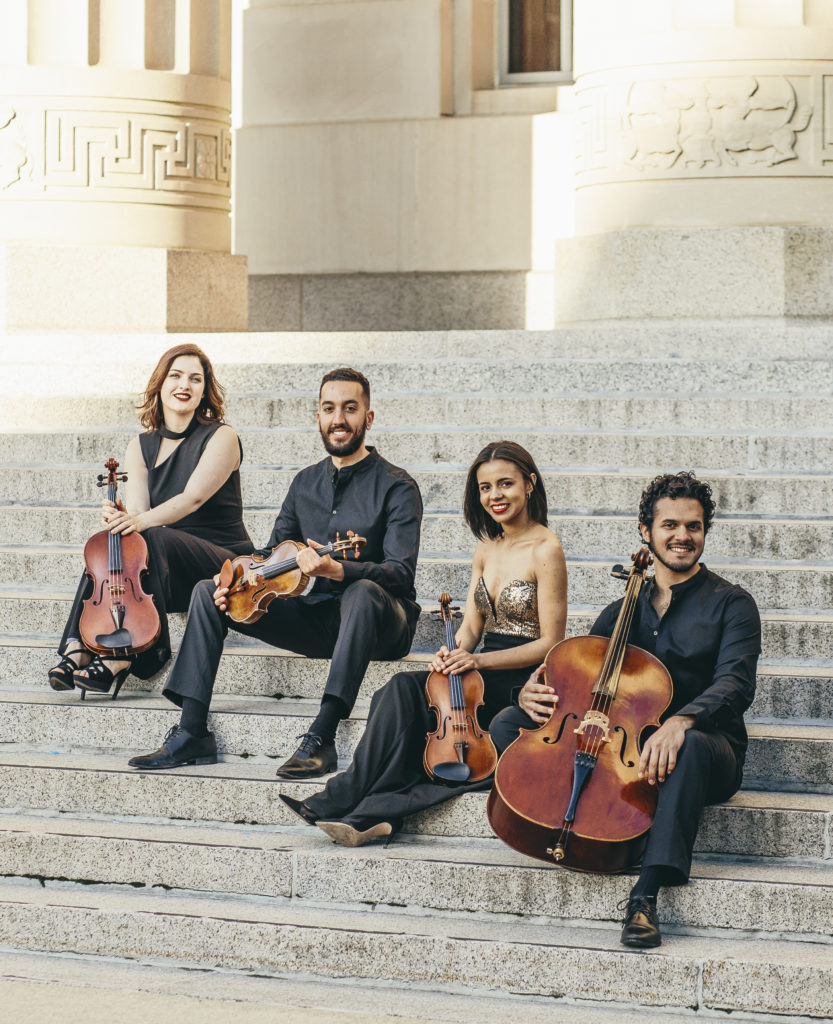
The Parker Quartet from Harvard will perform Sunday and Monday at CU

They will play in Grusin Hall as guests of CU’s Takacs Quartet

By Peter Alexander Nov. 17 at 5:20 p.m.

The Parker Quartet may be the only string quartet named for a hotel.

Formed when the original members were students at the New England Conservatory, they wanted a name that reflected their connection to Boston. “None of us is from Boston, but we call Boston home,” says Ken Hamao, the quartet’s second violinist. “To have a landmark from the city to name ourselves after was appropriate.”
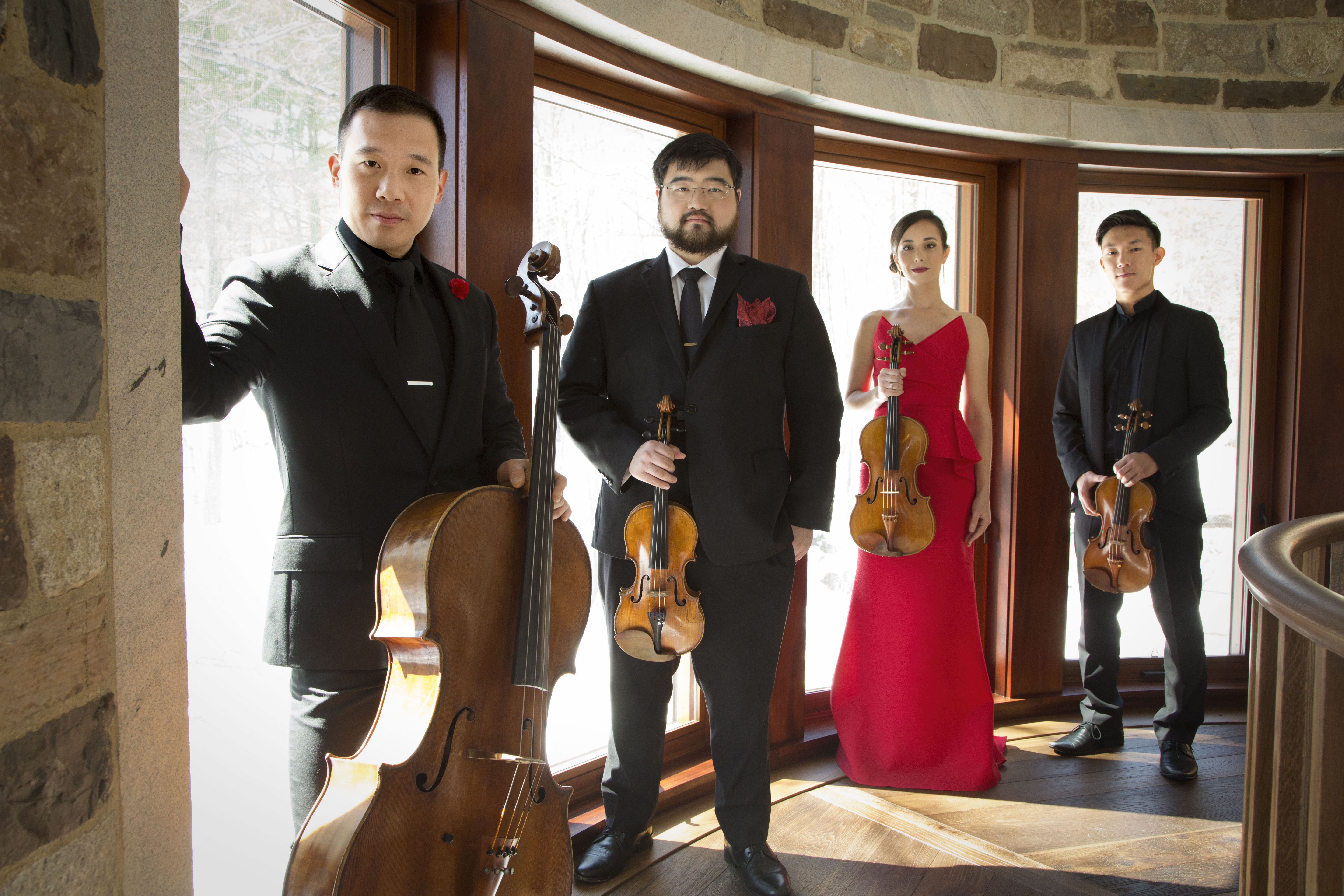
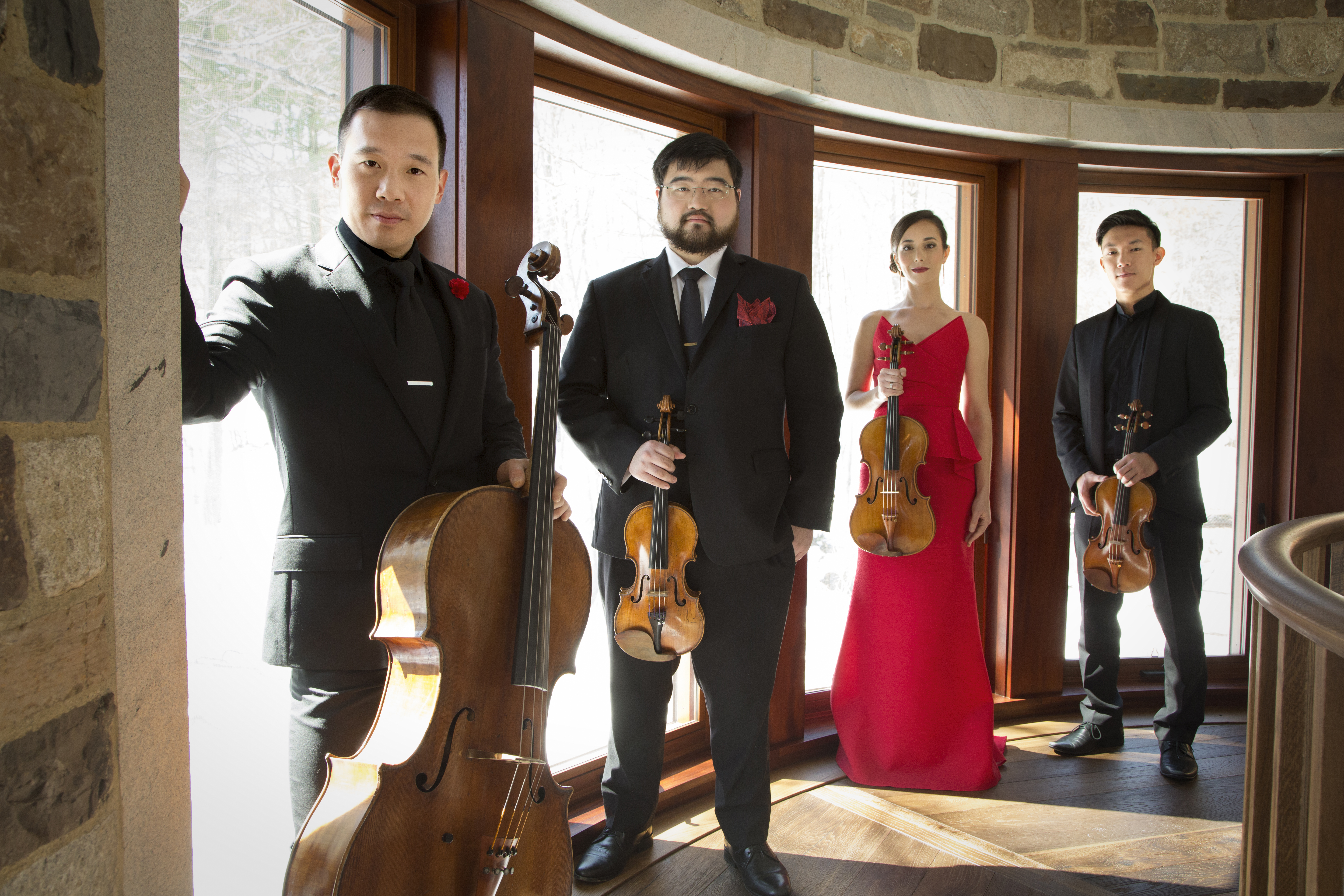
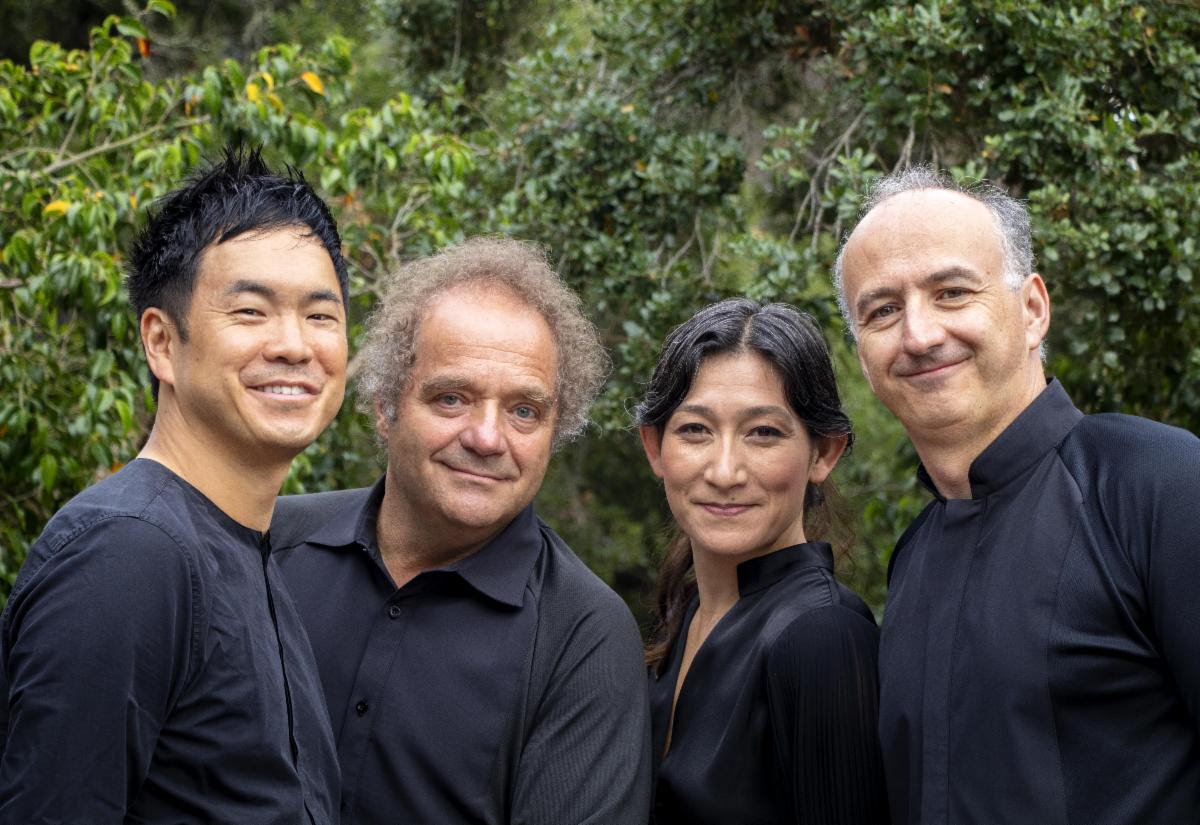
Parker Quartet. Photo by Luke Ratray

Today the Parker Quartet members maintain their ties to Boston, as Blodgett Artists-in-residence and faculty at Harvard University’s department of music. 

The landmark is the Parker House, which you may recognize from dinner rolls but which was an important gathering place for America’s literary figures in the 19th century, including Emerson, Hawthorne and Thoreau, and later for politicians including presidents U.S. Grant, Franklin D. Roosevelt, John F. Kennedy and Bill Clinton.

The Parker Quartet will perform at 4 p.m. Sunday, Nov. 21, and 7:30 p.m. Monday, Nov. 22, in Grusin Hall. They are appearing in the guest slot on the fall concert series of CU’s Takacs Quartet. Their eclectic program features the Lyric Suite by Alban Berg and the Third String Quartet of Robert Schumann, as well as shorter works by Adolphus Hailstork and György Kurtág.

Both in-person and digital tickets can be purchased from CU Presents. Masks are required in all indoor spaces in the CU campus, regardless of vaccination status.
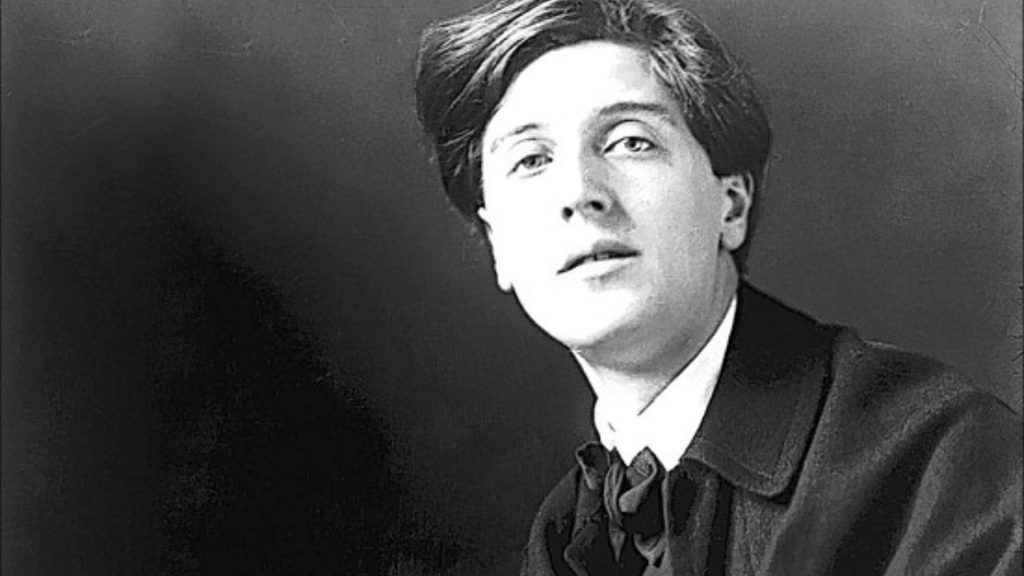
Alban Berg

The central work on the program is Berg’s Lyric Suite, an emotionally and musically challenging work in six intense movements. It has always been seen as a dramatic and passionate piece of music, but more than 50 years after it was written in 1926, a secret “program” was found embedded in the score that explained the intensity of the music.

A combination of musical initials standing for the composer and his lover, multiple other musical symbols, the inclusion of Wagner’s Tristan chord and other musical references, all reflect Berg’s passionate and illicit affair with a married woman, Hanna Fuchs-Robettin. Even the movement titles suggest the subject: amoroso (lovingly), appassionato (passionately) and estatico (ecstatic).

But you don’t need to know the story to appreciate the music, Hamao says. “For us as performers, it helps us to get into the composer’s mindset, but on its own it’s just a very dynamic work, hugely expressive,” he says.

“We’ve been talking about performing it for many years, and after so many years you want to tell each other, ‘Let’s just go for it’. It’s really exciting (because) it has that drama, the very, very highs and the very, very lows of the affair. It did make sense (with) the Schumann as a companion piece. The Lyric Suite is as passionate as it also is desolate, while the Schumann is more uplifting.”
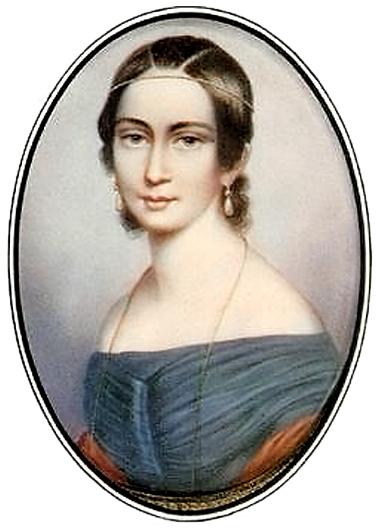
Calra Schumann. Portrait by Franz von Lenbach

Hamao describes the Schumann Third Quartet as representing a different kind of romantic love, that of the composer for his wife, Clara Schumann. “It’s just a love letter to his wife,” he says. “From the very first two notes that you hear, this Clara motive, he’s yearning for his wife. From the first page it’s a declaration of love.”

Hailstork’s Adagio is a piece that the quartet discovered more recently. “It was a piece that we fell in love with immediately and wanted to program it as soon as we can,” Hamao says. “In a program that can be as intense as the Lyric Suite can be, having this beautiful Adagio made a lot of sense to us.

“I think of it as an incredibly beautiful piece that kind of discovers itself throughout the whole piece. It’s definitely tonal but has what you might call notes that don’t quite belong to the scale. For a beautiful piece there’s a lot of surprises, but at the end of the day it’s a really gorgeous movement.”

Kurtág’s Aus der Ferne (From the distance) V is one of a group of pieces for different media. Two of are for string quartet—Aus der Ferne III and V. The Parker Quartet has worked directly with the composer in the past, and recently released a CD recording of his quartets, including those two miniatures. 

“Kurtág has an incredible ability to tap into the idea of drama,” Hamao says. “There is a sense of narrative. I don’t think there is an explicit one, but an abstract narrative. He’s able to pack a story into two minutes of music. [He has] this incredible ability to create a lot of expression through quite minimal means.”

Whatever narrative you discover will have to be “in each listener’s imagination,” Hamao says, but that is part of the reward for both performer and listener.

# # # # #

Parker Quartet

  • Adolphus Hailstork: Adagio from String Quartet No. 1
  • György Kurtág: Aus der Ferne V (From the distance)
  • Alban Berg: Lyric Suite
  • Schumann: String Quartet No. 3, Op. 41 No. 3

4 p.m. Sunday, Nov. 21
7:30 p.m. Monday, Nov. 22
Grusin Recital Hall, CU Imig Music Building

In-person and Sunday live stream tickets available from CU Presents
Grace Notes: Reminders of two concerts this coming weekend

By Peter Alexander Oct. 28 at 9:50 p.m.

Boulder Phil presents “The Art of Jazz” Saturday at Mountain View Methodist

The Boulder Philharmonic will perform the second of their two short concerts scheduled for the month of October at 4 p.m Saturday, Oct. 30, in the Mountain View United Methodist  church in Boulder.

Tickets are available through the Boulder Phil Web page. Audience members will be required to present proof of vaccination and wear masks throughout the concert. The short program will be presented without intermission, to reduce interaction among audience members. You may read the orchestra’s full, up-to-date COVID protocols here.  

The program features three pieces for small orchestra that were influenced by American jazz: the Jazz Suite No. 1 by Shostakovich, Darius Milhaud’s Creation of the World, and Little Threepenny Music, an orchestral suite arranged from the music for Kurt Weill’s Threepenny Opera. Michael Butterman will conduct. You may read more about this performance in an earlier post on this blog.

# # # # #

Takacs Quartet performs music by Mozart, Henri Dutilleux and Smatana

The Takacs Quartet will present the second of their 2021-22 campus concerts at 4 p.m. Sunday and 7:30 p.m. Monday, Oct. 31 and Nov. 1, in Grusin Music Hall of the CU Imig Music Building.

Masks must be worn inside all buildings on the CU campus. Please note that online streaming tickets for Sunday’s performance are also available, and the stream will remain available for a full week following the Monday performance. Tickets for both in-person attendance at the streamed performance are available through CU Presents.

The quartet will play three works on the concert. One is a familiar part of the standard string quartet repertoire: Mozart’s String Quartet in D minor, K421/417b. The others are less familiar: Ainsi la suit by the French composer Henri Dutilleux, and the String Quartet No. 1 in E minor, “From my Life,” by Smetana. You may read more about this performance in an earlier post on this blog.

Takács Quartet recording wins Gramophone award for 2021

Piano Quintet recording with pianist Garrick Ohlsson winner in chamber category

By Peter Alexander Sept. 28 at 11:30 a.m.

The London-based classical music monthly Gramophone recently announced the winners of their Classical Music Awards for 2021, including a recording by the Takács Quartet and pianist Garrick Ohlsson in the chamber music category.

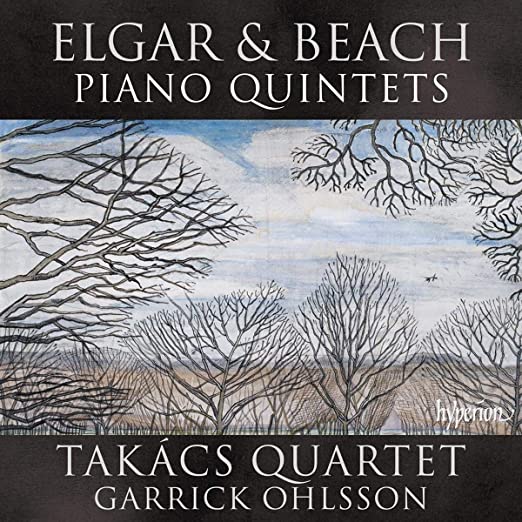
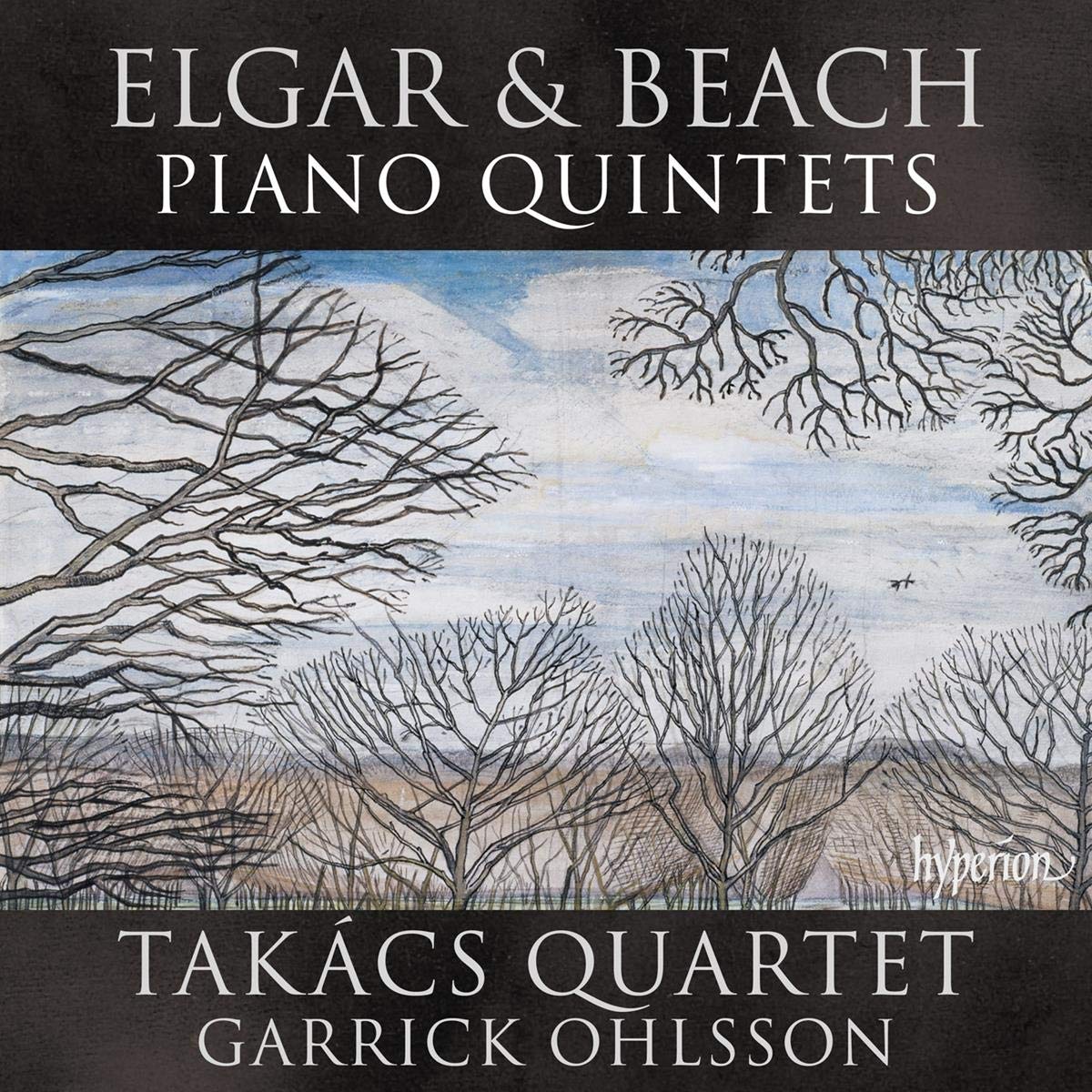
Primarily a magazine devoted to reviews of new recordings, Gramophone annually selects the recordings it considers to be the best in a variety of categories. For 2021, the winner in the Chamber Music category is Ohlsson and the Takács’s recording of piano quintets by Sir Edward Elgar and Amy Beach. This CD was reviewed on this site earlier this year.

Jeremy Dibble’s Gramophone review, which is included in the announcement of the winner, states “Ohlsson and the Takács are to be congratulated for the warmth of their interpretation and for their ability to encompass the challenging range of Elgar’s complex moods.”

You may see the full list of 2021 Gramophone Classical Music Awards winners here. The winners are all automatically in contention for Gramophone’s award for Classical Music Recording of the Year. That award will be announced at the Gramophone Awards ceremony, which will be available online at 12 noon MDT (7 p.m. BST) Tuesday, Oct. 5, on the Gramophone YouTube channel.

Takács Quartet opens 2021–22 campus concert series Sunday

Performances will be available for in-person attendance and streaming

By Peter Alexander Sept. 10 at 4:30 p.m.

The CU College of Music and the resident Takács Quartet go into the 2021–22 academic year with a full schedule of on-campus concerts.

Naturally, this marks a change from last year, when COVID-19 and construction in the Imig Music Building prevented the usual activities in the college from taking place in person. What effect the emergence of the Delta Variant of COVID-19 will have remains unknown, but for now the live series gets under way at 4 p.m. Sunday (Sept. 12) in Grusin Music Hall with a full concert program. The Takács series also includes guest performances by the Parker Quartet from Harvard University.

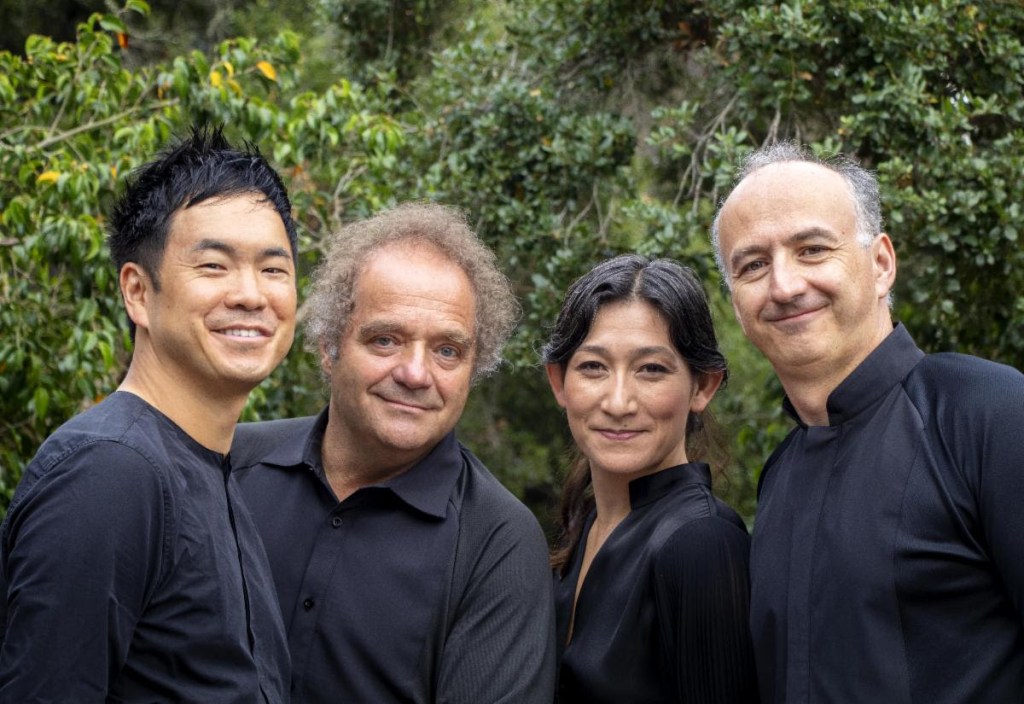
Takács Quartet— Amanda Tipton, Photographer

At this time, masks are required in public indoor spaces on the CU Boulder campus regardless of vaccination status. Furthermore, an order from Boulder County Public Health also mandates masks indoors in public spaces throughout Boulder County. This order applies, regardless of vaccination status, to all persons age two and up. Dates in the future remain subject to any changes in university policy. 

As in past years, all Sunday Takács programs are scheduled to be repeated on Monday evenings. Each concert will also be available through a ticketed live stream Sunday afternoon that will remain available up to one week after the Monday performances. Details and tickets to live performances and the streams are available through CU Presents.

In addition to familiar works from the standard repertoire—quartets by Haydn, Mozart and Schubert—the Takács Quartet will play two important works by Czech composers that are heard less often. These are the String Quartet No. 2 by Leoš Janáček, titled “Intimate Letters” by the composer (Sept. 12 & 13); and the String Quartet No. 1 by Smetana, titled ”From My Life” (Oct. 31 & Nov. 1).

Written in 1928, Janáček’s Quartet No. 2 was inspired by the composer’s unrequited love for a married woman nearly 40 years his junior. The title refers to the more than 700 letters between Janáček and the woman, Kamila Stösslová, who remained emotionally distant but was with the composer when he died. Janáček wrote to Stösslová, “You stand behind every note” of the quartet.

One of his last works, the quartet was premiered a month after Janáček’s death.

Smetana’s quartet was also written relatively late in the composer’s life and is also autobiographical. The name “From My Life” was provided by the composer, making the quartet, and along with Janáček’s Quartet No. 2, one of the few deliberately programmatic chamber works. 

The first three movements refer to different stages in Smetana’s life—his youthful romanticism, his love for dancing as a young man, and his love for his wife. The final movement dramatizes the persistent ringing that developed in the composer’s ears in his later years, represented by a sustained high E, and his subsequent loss of hearing.

The quartet was composed in 1876 and given its official public premiere in 1879. For an earlier private performance the viola part, which has a prominent solo at the beginning of the first movement, had been played by the young Dvořák.

Another lesser known work will be performed during the fall, Henri Dutilleux’s Aini la nuit (“Thus the night”) Oct. 31 and Nov. 1. Composed over period of years 1973–76, Dutilleux’s quartet was inspired in part by the quartets of Beethoven, Bartók and the 12-tone works of Anton Webern.

A meticulous composer who has a relatively small output, Dutilleux was not a strict adherent of serialism, although he does make use of pitch series. The quartet, aimed at evoking a sense of the night, is in seven strongly contrasting movements with four very short interludes he called “parentheses” serving as transitions between movements.

Though performed relatively infrequently, Ainsi la nuit is regarded as one of the most important works for string quartet from the late 20th century.

Parker Quartet. Photo by Luke Ratray.

The Parker Quartet, whose members are Blodget Artsists-in-Residence at Harvard University’s College of Music, will complete the fall series with guest performances Nov. 21–22. Their program has not yet been announced.

# # # # #

Takács Quartet
Fall 2021 concert series

Takács Quartet

  • Haydn: String Quartet in F minor, Op. 20 No. 5 
  • Leoš Janáček: String Quartet No. 2, “Intimate Letters” 
  • Schubert: String Quartet No. 14 in D minor, “Death and the Maiden”

4 p.m. Sunday, Sept. 12; 7:30 p.m. Monday, Sept. 13
Grusin Music Hall 

Takács Quartet

  • Mozart: String Quartet in D minor, K421
  • Henri Dutilleux: Ainsi la Nuit
  • Smetana: String Quartet No. 1 “From My Life”

4 p.m. Sunday, Oct. 31; 7:30 p.m. Monday, Nov. 1
Grusin Music Hall 

Parker Quartet

  • Program TBA

4 p.m. Sunday, Nov. 21; 7:30 p.m. Monday, Nov. 22
Grusin Music Hall 

In addition to live performances, each concert will be streamed live on  Sundays, and each stream will remain available until one week following the Monday performances. Details and tickets to both live performances and the streams are available through CU Presents.

Tickets available for Sunday’s concert by Takács Quartet

Music by Haydn, Schubert, Dutilleux: Stream available through May 10

By Peter Alexander April 7 at 12:30 p.m.

The CU-based Takács Quartet has played a series of concerts in Grusin Hall this year, but you can be forgiven if you missed them. They were played without an audience, and most of the live streams were available only to season ticket holders.

The final concert of ’20-21, at 4 p.m. Sunday, April 11, will again be in an empty hall, but tickets for the stream are available to the general public. The performance will be streamed live at 4 p.m., and the stream will remain available through Monday, May 10.

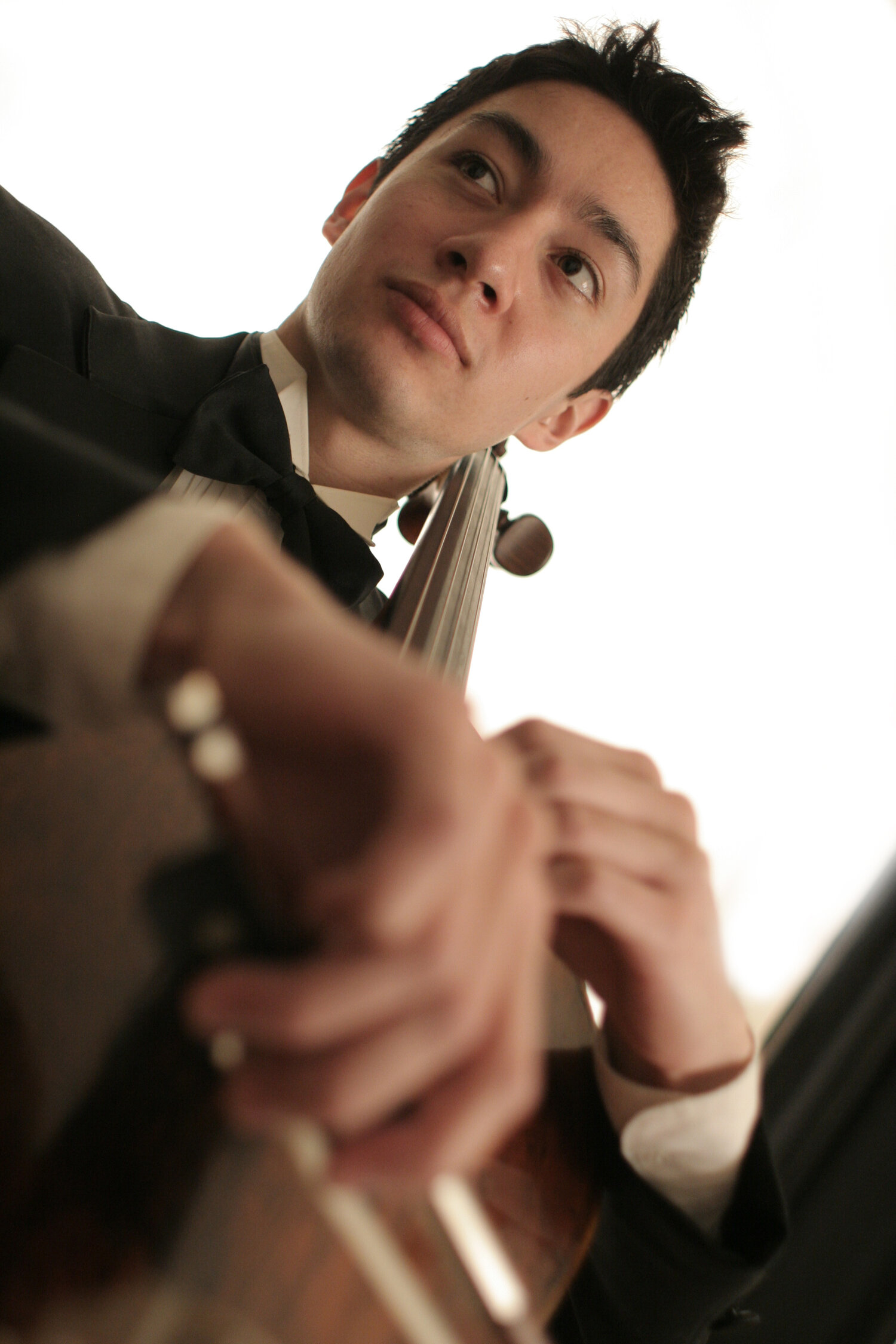
David Requiro

Cellist and CU faculty member David Requiro will join the Takács for Schubert’s much loved Quintet in C major for Strings, D956. Other works on the program will be two quartets by Joseph Haydn—Op. 42 and Op. 103, both in D minor—and the atmospheric Ainsi la nuit (Thus the night) by 20th-century French composer Henri Dutilleux.

András Fejér, the quartet’s cellist, has been with the Takács since it was founded in 1975. He has played everything on the program many times, but he never gets tired of his job. “The literature is so incredibly rich!” he says. “One can argue and counter argue on any page of any of the pieces for lifetime. It’s a joy to listen to (other players’) ideas.”

Take for example the two Haydn quartets that will open the program. “With Haydn, whenever we start learning and studying you are just swept away by his generosity of ideas—surprising key changes, character changes and trickery,” he says.

Fejér believes the “trickery,” for which Haydn is well known, was done for the composer to entertain his audience—and himself. “If you spend 40 years in a palace on the Austro-Hungarian border, however generous your patron is, you need to care about your own entertainment,” he says.

Some of the fun also comes from Haydn’s contact with the local peasants, Fejér believes. “They were full of joy, they were full of rowdiness, probably some dancing, and we can find most of it on those pages. Hopefully you will see the enjoyment in our body language, and you will be transported into the 18th-century. It’s got such spice and an earthy, primal energy. Wonderful!”

Both Haydn quartets are unusual among the composer’s works. For one thing, they are both in D minor, at a time when few works were written in minor keys. Further, both are short works that do not belong to a larger set, as most Haydn quartets do. Op. 42 is in four short movements—less than 20 minutes all together. 

One of the last pieces Haydn wrote, Op. 103 remains a fragment of two movements. Written in B-flat major and D minor, they are assumed to have been the second and third movements of a planned four-movement quartet, but even that is uncertain. Haydn was in poor health as he was writing, and was unable to finish a full quartet.

Like the Haydn Op. 103, Schubert’s Quintet in C major was the composer’s last piece of chamber music. It was completed about two months before Schubert’s death in Nov. 1828 but was not performed until 1850, and published three years after that.

Schubert added a second cello to the standard string quartet, which gives a great resonance and warmth of sound to the ensemble. This is especially true because the piece is in C major, and the two bottom string of the cello are C and G, tonic and dominant of the key. Fejér explains that “the open strings of the cello, C and G, resonate just by lightly touching the instrument. It just rolls out—wonderful!”

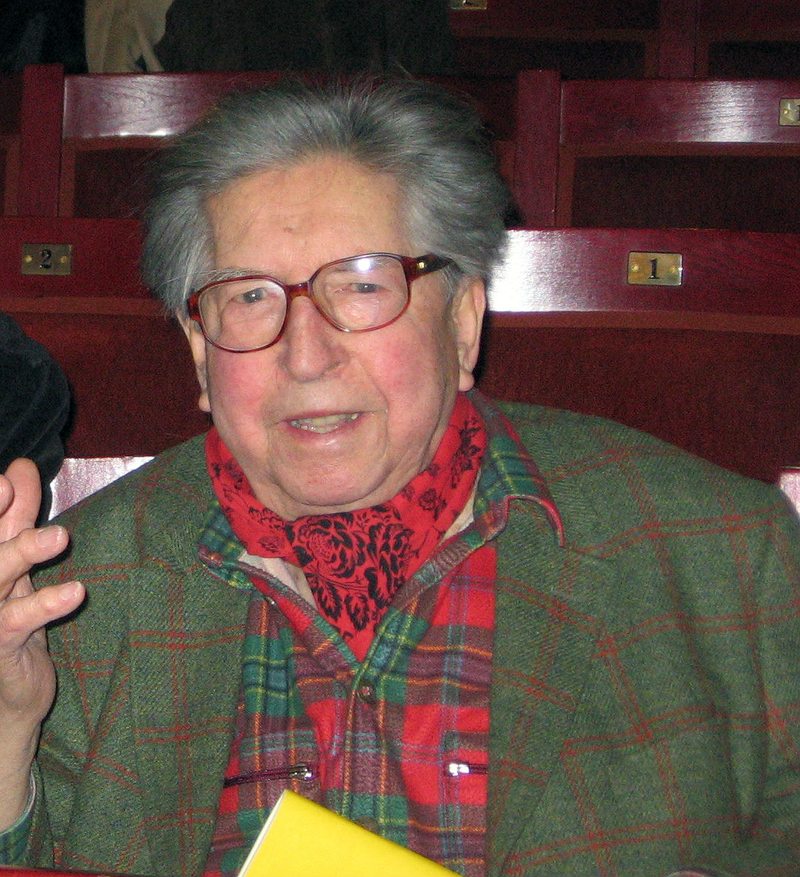
Henri Dutilleux

The Takács Quartet has performed the Schubert with Requiro in the past, including a performance at Lincoln Center. “We are just looking forward to (performing with) David Requiro,” Fejér says. “We already played the Quintet many times with him, and it was wonderful.”

Schubert’s String Quintet has become one of the most loved pieces of chamber music from the 19th century. Like many of Schubert’s last works, it has a warmth and benedictive quality that audiences have responded to. It is indicative of that quality, Fejér says, that “the most people I know ask for the Schubert Quintet slow movement for their own funeral.”

That is unlikely to be true for the final piece on the program, which comes from another world. Dutilleux’s Ainsi la nuit (Thus the night) is a highly atmospheric work from the late 20th century. The composer has been identified with the atonal 12-tone style of composition, although he notably rejected the more radical and intolerant aspects of musical modernism.

“The music is extremely atmospheric,” is how Fejér describes Ainsi la nuit. “Many composers were trying to give meaning for the noises of the night, and Dutilleux certainly tries it his own ways. As performers, we need to (bring out) the colors and character to give the audience some sense of within what cosmos are we moving about.

“There are clashes and supernovas and black matter and God knows what else, but the beauty and atmosphere keep recurring.”

# # # # #

Takács Quartet

Takács Quartet, with David Requiro, cello

Haydn: String Quartet in D minor, op. 42
Haydn: String Quartet in D minor, op. 103
Henri Dutilleux: Ainsi la nuit (Thus the night)
Schubert: String Quintet in C major, D956

Live stream at 4 p.m. Sunday, April 11; available through 11 p.m. Monday, May 10

Tickets

CU Faculty Member wins “Best Classical Instrumental Solo” Grammy

Violist Richard O’Neill, newest member of the Takacs Quartet, wins first Grammy award

By Peter Alexander March 22 at 3:51 p.m.

Violist Richard O’Neill, member of the CU College of Music faculty and the Takacs Quartet, has won the Grammy award for “Best Classical Instrumental Solo.”

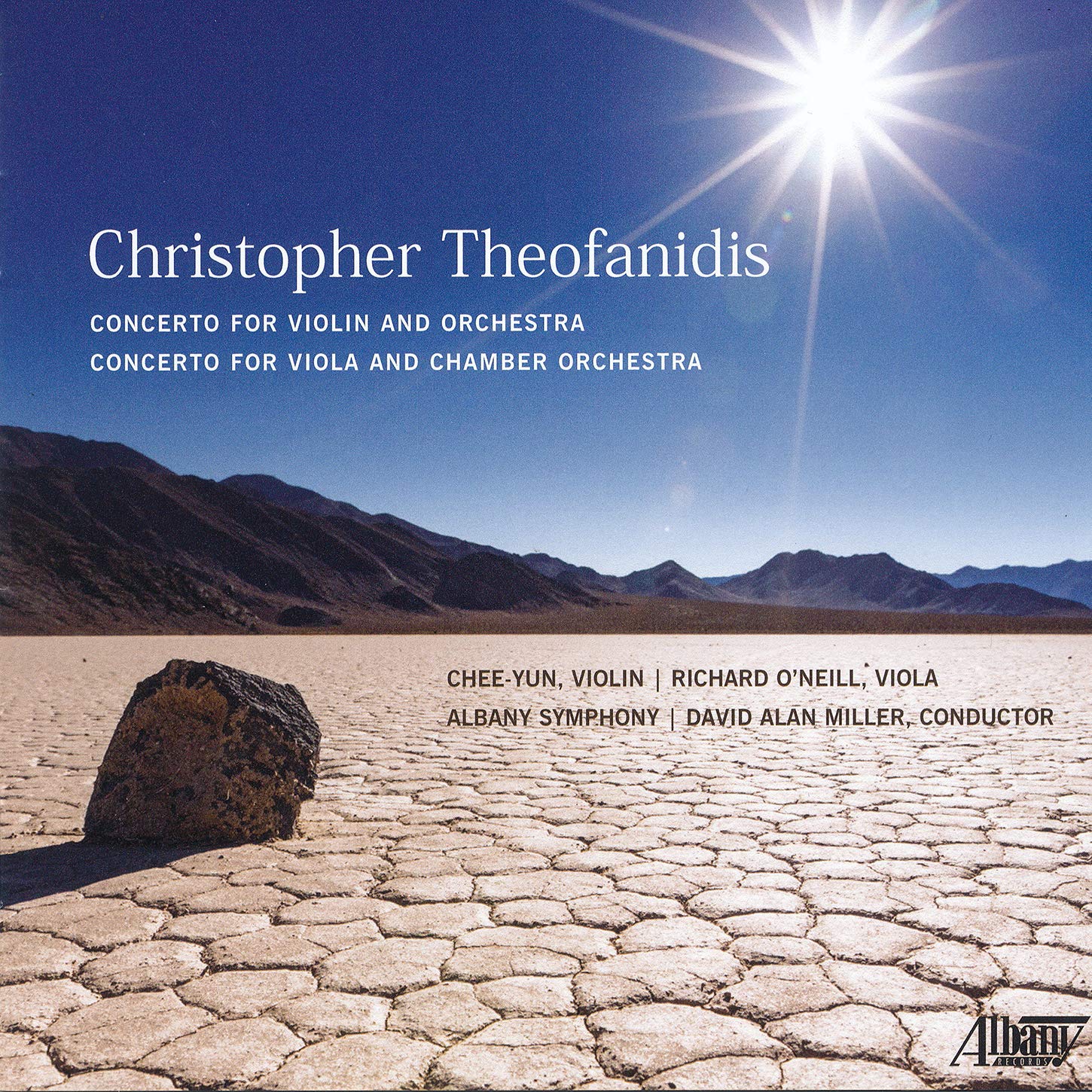
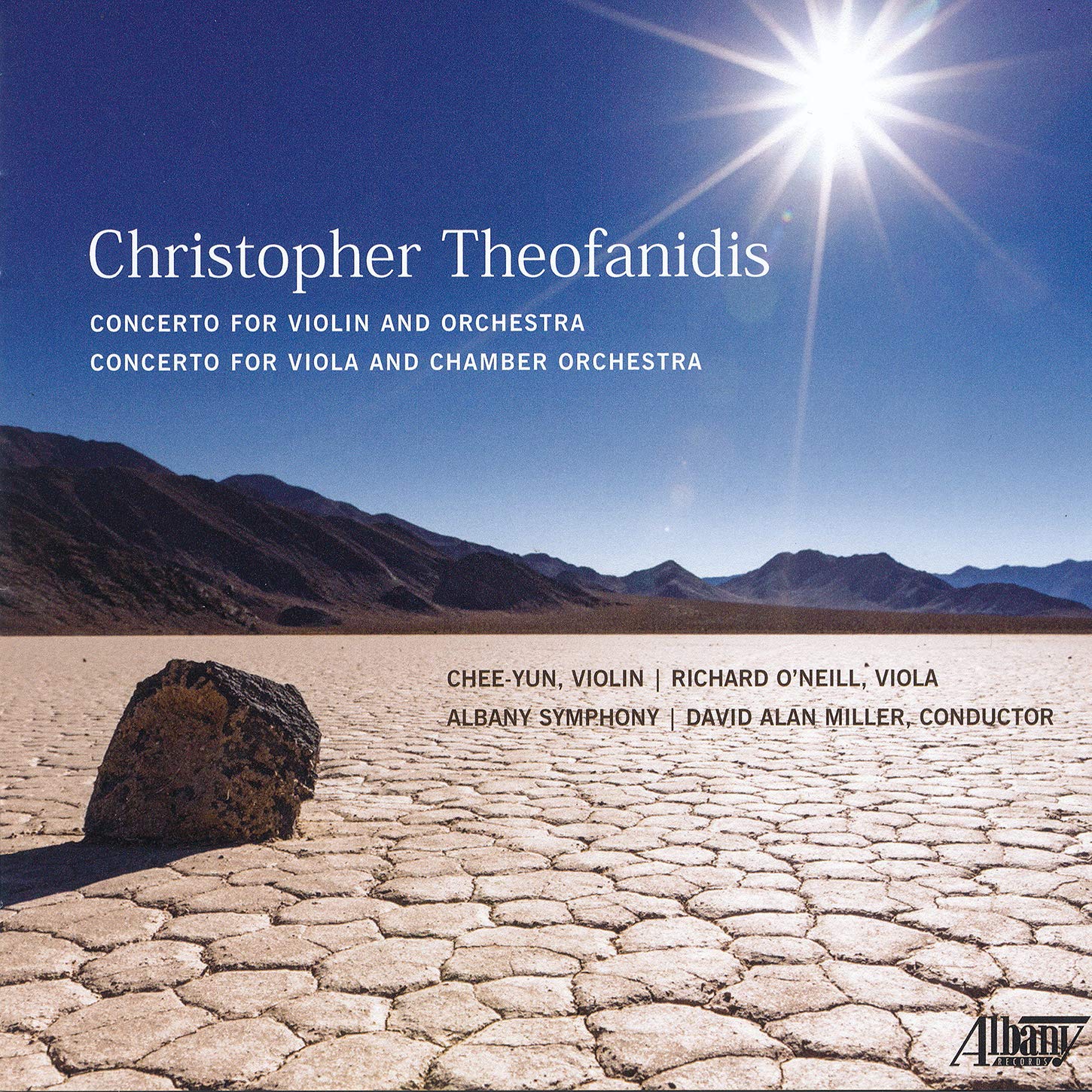
His recording of Christopher Theofanidis’ Concerto for Viola and Chamber Orchestra with David Alan Miller and the Albany Symphony (Albany Records TROY1816, released August 2020) was nominated along with these recordings: 
• pianist Kirill Gerstein playing the Thomas Adès Piano Concerto, with Adès and the Boston Symphony; 
• pianist Igor Levit playing the complete Beethoven piano sonatas; 
• violinist Augustin Hadelich playing “Bohemian Tales,” a collection of music by Dvořák, Janáček and Josef Suk, with Jakub Hrůša and the Symphonieorchester des Bayerischen Rundfunks; and
• pianist Daniil Trifonov playing the Second and Fourth piano concertos of Rachmaninov with Yannick Nézet-Séguin and the Philadelphia Orchestra.

O’Neill was caught by surprise last year when the nominees were announced. This time, of course he knew that he was in the running for the award and when the awards would be announced, but he nearly got caught by surprise again. For one thing, he looked at the distinguished list of other nominees, and thought, ‘OK, we’re going to lose’.”

For another, the streamed Grammy ceremony was held Sunday, March 14, the same day that Boulder was under a heavy blanket of snow. O’Neill had arranged to attend the ceremony online, but Sunday morning his internet kept going out. “I was like, ‘How am I going to be able to Zoom if I don’t have internet?’” he says. He even planned to walk to his studio in the CU Imig Music Building if he had to—since he couldn’t get out of his driveway.

Finally, the internet came back on just in time, but the ceremony was running ahead of schedule. “There was supposed to be 30 minutes buffer, and then you’re on,” he says. “I tuned in and it was basically five minutes to go! So I was like, ‘Holy, bleep!’ 

“And when they said ‘the Grammy goes to,’ I almost burst into tears. I just wasn’t expecting it.”

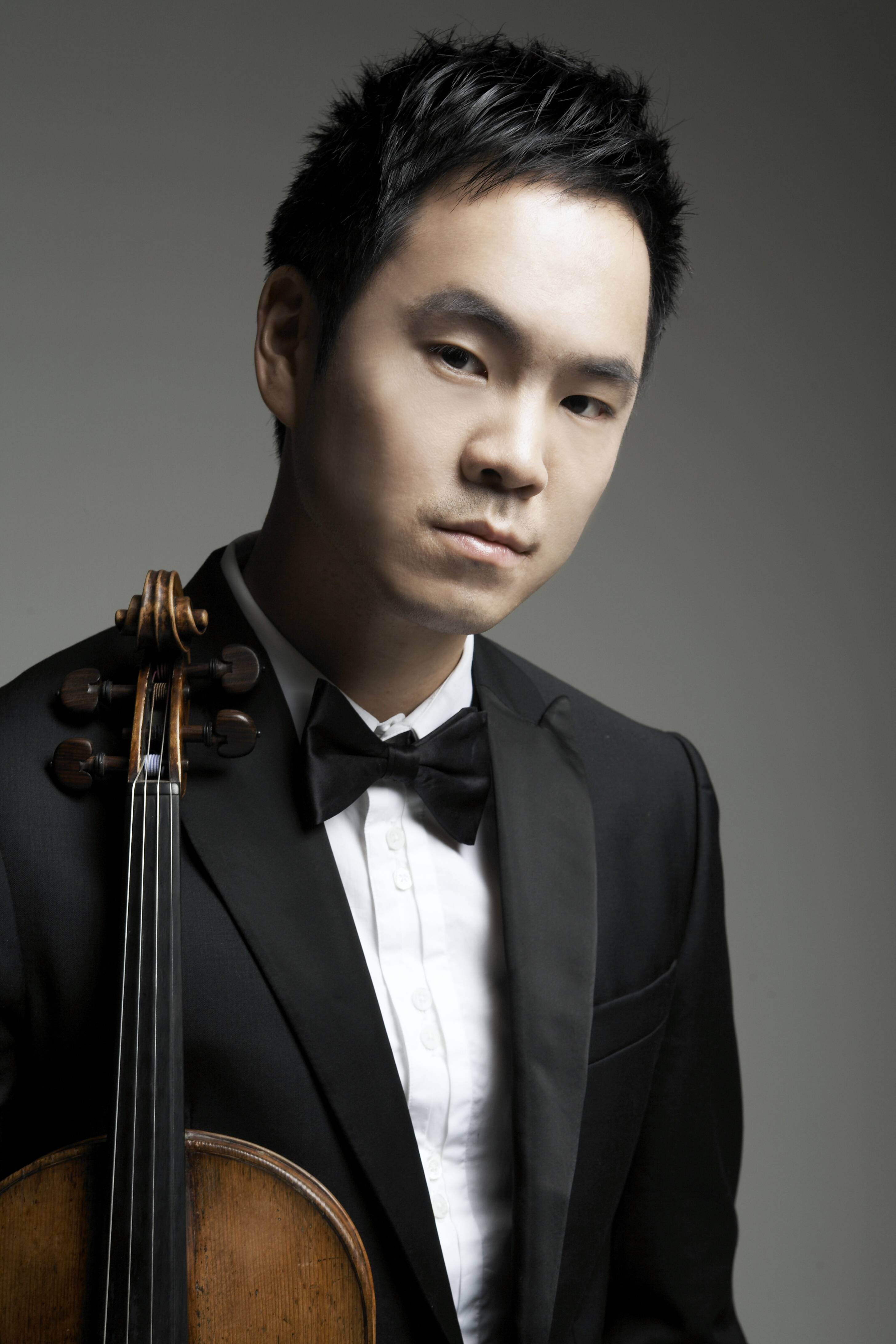
Richard O’Neill

To keep the ceremony on schedule, each recipient is allowed just 30 seconds to thank everyone. “There’s a very conspicuous clock, and it started right as they announced my name. Basically, they’ll just cut you off! It’s very, very short, but I tried my best to get everybody thanked. It was a really great, great moment, and then my phone was going crazy with all my friends who were watching.”

After than, O’Neill was asked to enter the virtual press room to take questions, and later he had several interviews with press from South Korea, where he is very well known. He took a quick break to step outside and gather his thoughts and chat with his neighbors, who were all out clearing their driveways and had no idea that he had just won a Grammy.

This was O’Neill’s third nomination for a Grammy and his first win. He also has won an Emmy Award and an Avery Fisher Career Grant. He has an extensive record of working with living composers, including the premieres of works written for him. Theofanidis’s Concerto was written for the distinguished violist Kim Kashkashian in 2002 and revised for O’Neill in preparation of his performances and recording.

O’Neill joined the Takacs Quartet in June of 2020, replacing Geraldine Walther as the group’s violist. He has appeared in streamed performances by the quartet, and in a handful of concerts before small, distanced audiences, but has not yet appeared onstage before a live Boulder audience.

Reflecting on the past year, O’Neill says it has been tough. He moved to Boulder, he joined the Takacs Quartet and the CU faculty, planned tours as solo artist and with the Takacs were interrupted by the pandemic, and his mother has had breast cancer—“This has been a long haul,” he says. 

“It feels good to have something nice happen.”

Musical Adventures 1: Now’s the time to explore new musical territories

A Grammy nominee and a new disc from the Takacs Quartet

By Peter Alexander Jan. 19 at 11:15 p.m.

I am someone who enjoys adventures, in music as in other ways.

I’m not as interested in new Beethoven recordings, although I got notices about plenty of them last year. (In case you were completely isolated last year: 2020 was the 250th anniversary of his birth.) But give me a recording with composers I have never heard before, and I will go straight to the CD player.

Since we are likely to be isolated for a while longer, now is a good time for you to have your own musical adventures. Committed performances of music we don’t know, even music we don’t like, helps clean out the ears and open the mind to new experiences. If you don’t like it, don’t listen again; but at least you know what’s out there.

In that spirit, this is the first of several articles I plan to write about recordings that offer musical adventures, small steps into new territory. And if one of these is not new territory for you, congratulations. I will have other suggestions.

There is no better place to start than a stunning recent recording by violist Richard O’Neill, the newest member of the Takács quartet. His performance of the Concerto for viola and chamber orchestra by Christopher Theofanidis with the Albany Symphony Orchestra and conductor David Alan Miller (Albany Records TROY1816, released August 2020) has been nominated for a classical music Grammy. Since the Grammy awards have been postponed until March 14, you can hear the recording before the winners are announced.

Theofanidis teaches composition at Yale and is co-director of the composition program at the Aspen Music Festival. His orchestral work Rainbow Body has been performed by more than 150 orchestras worldwide. He is a composer of remarkably wide imagination and creativity, as his Viola Concerto shows.

The concerto was written for the violist Kim Kashkashian in 2002 and revised for O’Neill in preparation of his performances and recording. Partly inspired by Navajo texts, it is by design a work of great emotional intensity. “It is written as a response to [Kashkashian’s] incredible intensity and focus as a performing artist,” Theofanidis wrote.

O’Neill provides all the intensity Theofanidis calls for. As soloist he creates a wide palette of sounds that match the kaleidoscopic moods and sounds of the score. The are passages of dark, brooding gloom and fleet passages of sheer virtuosity, with O’Neill flying through these changes without a hitch or a stumble.

Each movement has its own individual rewards. The first is dominated by pulsing sounds in the orchestra, an extension of drum patterns that open the movement, interrupted by fleet passages for the soloist. The second enters a totally different sound world, with a static orchestral haze overlaid with barely-musical fragments for the soloist that gradually coalesce to reach a moment of passionate intensity.

The emotional high point is the third movement, written in the aftermath of the 9/11 attacks and using a Sikh melody that was sung at a memorial held at Yankee Stadium. Here O’Neill’s expressive playing creates a deep sense of mourning. This is eloquent music of loss, a barren emotional landscape that accepts the light of consolation only at the end. After this catharsis, the scurrying finale closes the concerto with an explosion of energy.

So varied are the movements and their internal sections that it is easy to see why this recording stood out to the Grammy committee. O’Neill’s interpretation and integration of the disparate elements seems flawless as he flies confidently through this emotionally virtuosic work. “No matter what happens with this nomination,” O’Neill says, “ I think this piece deserves to be in the repertoire.”

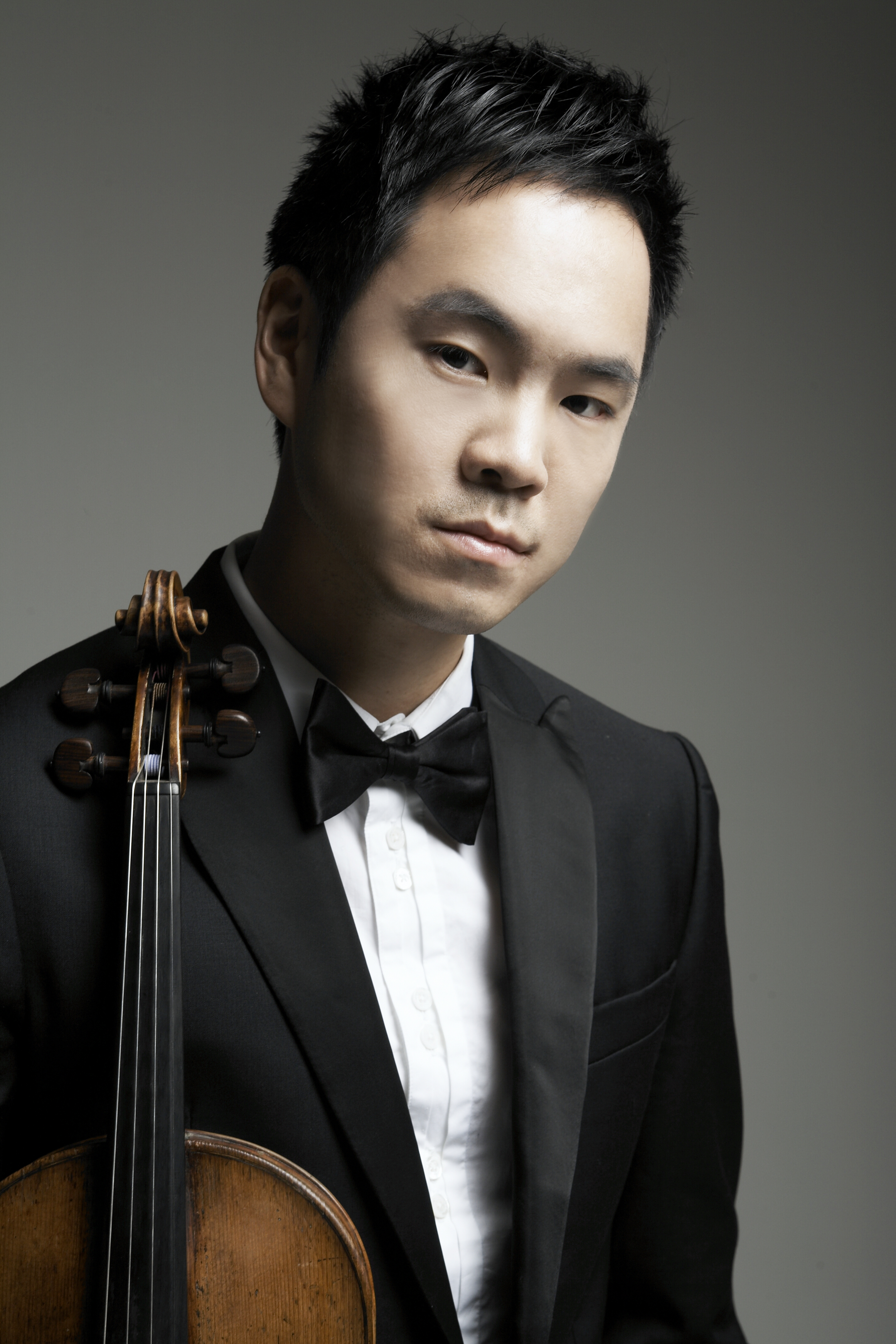
The Viola Concerto is paired on Albany’s disc with Theofanidis’s Violin Concerto, played by Miller and the Albany Symphony with violinist Chee-Yun. Another dramatic and varied work, it is dominated by a movement based on a theme the composer wrote for his new-born daughter. That moment of lyrical blossoming is framed by a dramatic movement where the soloist seems pitted in a struggle with forces of nature, and another whirlwind finale.

# # # # #

Takacs

The full Takacs Quartet, recorded before O’Neill replaced Geraldine Walther in the viola chair, offers a comfortable adventure with their recording of the piano quintets of Amy Beach and Edward Elgar. Released in June, the recording was made with pianist Garrick Ohlsson (Hyperion CDA68295).

The first American woman to achieve success as a composer, Beach was a teenaged piano prodigy in the 1880s but had to give up her public career when she married. She published first under the name Mrs. H.H.A. Beach until her husband’s death in 1910, and then as Amy Beach. Her Quintet in F-sharp minor for piano and strings of 1905 was widely performed in her lifteime, often with the composer playing the piano part.

The Quintet was heavily influenced by Brahms’s popular Quintet in F minor, which she had played. An echo of Brahms is heard in the first movement, but Beach announcers her own imagination at the very opening, sustained notes that overlay dramatic flourishes in the piano. Here the atmospheric performance by Ohlsson and the Takacs pulls the listener in from the first notes. They follow Beach’s expressive turns, through sudden changes of mood from warmth to spookiness and a gentle sigh at the ending.

The sigh is followed by a realm of sweetness and gentle repose through a second movement marked by long, lyrical lines that build to a strong climax, subsiding to a quiet close. The finale seems less integrated, as passage follows passage. This is no fault of the performers, who follow Beach in her rambling walk. Every section is well crafted, creating just the sound that the composer wants, but it fails to hang together as an organic whole. It is none the less pleasant for that, especially as played by Ohlsson and the Takacs.

Elgar is closer to the beaten path than Beach, although the Quintet is less familiar than his “Pomp and Circumstance” or “Enigma” Variations. Like his other works, the Quintet is marked by a cheerful mixture of drama and playfulness that seems thoroughly Victorian in style. It is a musically challenging work that lacks conspicuous flamboyance; even the most energetic passages remain genial in mood.

The first movement is a moderate allegro that anecdotally may be based on supernatural tales about a wooded copse near Elgar’s home. The exact source of inspiration remains mysterious, and any sense of menace the woods may have suggested is lessened by sudden bursts of song. 

The second movement begins in a state of serenity, in Elgar’s best warm if slightly fuzzy Romantic manner. One is easily carried along by the flow of the Takacs Quartet’s performance, which conveys a feeling of enveloping comfort, with no danger in sight.

One idea succeeds another succeeds another in the long, fantasy-like Finale. In the hands of Ohlsson and the Takacs Quartet, the changing tempos seem organic across a wide and shifting range. Each idea and section emerges seamlessly from the material before, even as Elgar extends and extends his material toward a final firm ending. The performance is well balanced among the instruments, with the performers achieving a notable clarity of texture in spite of Elgar’s luxuriant harmonic language.

Both performances are exemplary. There is no better place to begin your musical adventures than with these congenial and thoroughly enjoyable works. And if these works are not new to you, stand by for further suggestions.

Violist Richard O’Neill nominated for Classical music Grammy

Newest member of Takacs Quartet part of a very distinguished slate

By Peter Alexander Dec. 18 at 4 p.m.

Violist Richard O’Neill, the newest member of the Takacs String Quartet, has been announced as one of a distinguished slate of Grammy nominees in the “Best Classical Instrumental Solo” category.

O’Neill was nominated for his recording of the Concerto for Viola and Chamber Orchestra by Christopher Theofanidis, with the Albany Symphony and conductor David Alan Miller. This is O’Neill’s third nomination. Winners will be announced in an online ceremony Jan. 31, 2021.

O’Neill replaced Geraldine Walther as the Takacs Quartet’s violist starting in June of this year. He has appeared in streamed performances by the quartet, but has not yet appeared onstage before a live Boulder audience.

O’Neill learned of the nomination when he was in Los Angeles. “I was sort of lounging around and turned on the Grammy announcement on their Facebook page,” he says. “A friend of mine, Nicola Benedetti, was reading the names for the classical things. When she read my name I was just floored.

“It’s just an incredible honor.”

The other nominees for “Best Classical Instrumental Solo” are pianist Kirill Gerstein for the Thomas Adès Piano Concerto; pianist Igor Levit for the complete Beethoven piano sonatas; violinist Augustin Hadelich for “Bohemian Tales,” a collection of music by Dvořák, Janáček and Josef Suk; and pianist Daniil Trifonov for a recording of the Second and Fourth piano concertos of Rachmaninov.

O’Neill knows and admires most of the other nominees. “Those people, they’re just my favorite artists, every one!” he says.

O’Neill is speaking by Zoom from Korea, where he is quarantining in preparation for scheduled concerts over the Holidays. He notes that the current Covid-19 transmission rate in Seoul is almost high enough for a complete shutdown. “I might not have work when I get out of quarantine,” he says.

Richard O’Neill

Theofanidis’s Viola Concerto was originally written in 2001 for violist Kim Kashkashian and has since been revised. The current recording is the first of the revised version of the concerto. Before he performed and recorded the concerto, O’Neill met Theofanidis met at a Starbucks near Lincoln Center in New York to discuss the piece.

“I remember that meeting,” O’Neil says. “Everything he says is very meaningful. The way he talked to me about the third movement just moved me very deeply.”

That is partly due to one of the sources of inspiration for the work. In his program notes, Theofanidis writes “This work was written before, during, and in the shadow of September 11th, and I believe is deeply influenced by that event.”

O’Neill explains that “I had actually been living in [New York City] for a few weeks when the planes hit the twin towers. For anybody who was in the city at that time, especially a newbie like me, it felt like the end of the world.”

For O’Neill, just getting the nomination for a Grammy is very meaningful, regardless of who wins. “The nomination is not something that I lobbied or I wrote to somebody,” he says. “It was an anonymous panel that had hundreds if not thousands of records to listen to and judge, and they chose these five albums. That to me, to be in that category—it’s great.”

What matters most, he says, is the piece itself, more than the award. “What happens next is anybody’s guess, and that’s fine with me,” he says. “[Theofanidis] has written a piece that, no matter what happens with this nomination, I think this piece deserves to be in the repertoire and more played.”

Takács Quartet livestream will be available to all

Nov. 1 concert will feature music by Fanny Mendelssohn Hensel and Felix Mendelssohn

By Peter Alexander Oct. 30 at 10:50 a.m.

The next live stream of a CU campus concert by the Takács Quartet will be available to the public worldwide.

This is a change from their previous concerts this fall, which, due to contractual restrictions, were made available online only to prior subscribers to their CU performances. In this case, they will again be performing from the stage of an otherwise empty Grusin Hall in the Imig Music Building, at 4 p.m. Sunday, Nov. 1.

Takács Quartet

Virtual admission may be purchased through the CU Presents Web page. The performance will remain available online to ticket purchasers through 11 p.m. Sunday, Nov. 29.

The program will comprise three works by Felix Mendelssohn and his sister, Fanny Mendelssohn Hensel: Fanny’s String Quartet in E-flat major and Felix’s string quartets No. 6 in F minor, op. 80, and No. 2 A minor, op. 13.

The Takács Quartet will play two more online concerts from Grusin Hall this season, Jan. 10–11 and April 11–12, 2021. If conditions allow, those concerts will be performed before a live audience and single tickets will be sold as available. If live performances are deemed not to be safe, online access will only be available to previous season ticket holders.

The same will be true for a guest concert by the Jupiter String Quartet, March 7–8, 2021. Their concert was originally scheduled in October, and was postponed due to the pandemic.

The Takács Quartet has not announced their programs for the spring. The Jupiter String Quartet, which is the resident string quartet at the University of Illinois, will perform music by Mendelssohn, Schubert and Michi Wiancko.

# # # # #

Takács Quartet

Fanny Mendelssohn Hensel: String Quartet in E-flat Major
Felix Mendelssohn: String Quartet No. 6 in F minor, Op. 80
    String Quartet No. 2 in A minor, Op. 13

4 p.m. Sunday, Nov. 1: Live stream from Grusin Hall on the CU Boulder campus (program available through 11 p.m. Sunday, Nov. 29)

More information and tickets available from CU Presents 
Takács Quartet returns to the stage of an empty Grusin Hall Oct. 4

Performance with Ivalas Quartet will be available online to prior Takács subscribers

By Peter Alexander Oct. 2 at 3:20 p.m.

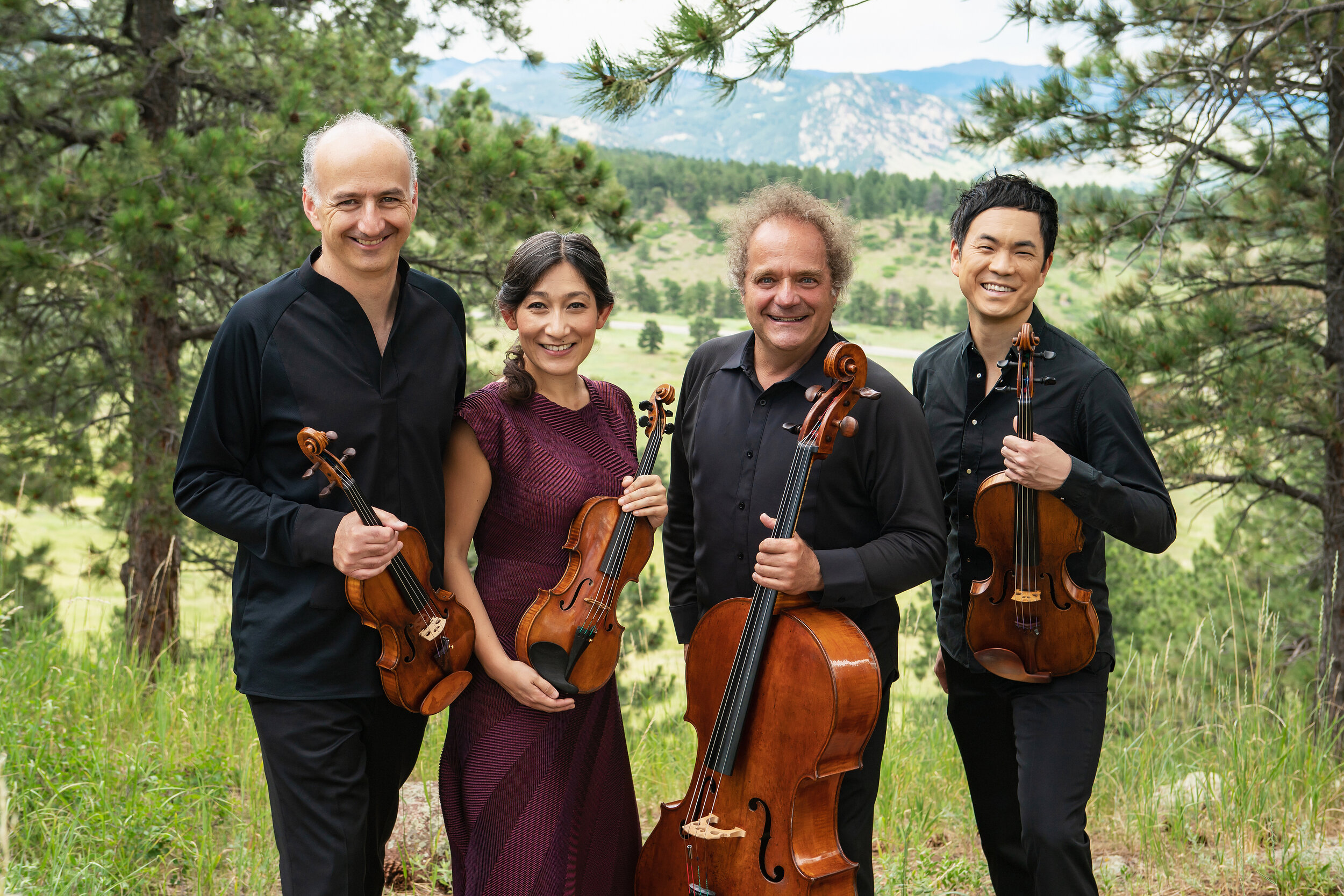
The Takács Quartet will be entering familiar territory Sunday (Oct. 4) when they step onstage in Grusin Music Hall for one of their campus concerts.

Takács Quartet. Photo by Amanda Tipton

But there won’t be an audience in the hall. The concert, and one scheduled for Nov. 1, will be streamed live for prior Takács season ticket holders. The concert will feature the Takács Quartet playing alone; the Ivalas Quartet, the current graduate quartet-in-residence at CU, playing alone; and the Takács and Ivalas players joining together as a string octet.

This will be only the Takács’s second campus concert since Richard O’Neill joined the quartet as violist, replacing the retired Geraldine Walther.

The program opens with the Takács playing Five Fantasiestücke, op. 5, by Samuel Coleridge-Taylor, a piece they have not played before. The Ivalas Quartet will play several short numbers: Strum by Jessie Montgomery; An Elegy: A Cry from the Grave by Carlos Simon; and two movements from Daniel Bernard Roumain’s String Quartet No. 5, “Rosa Parks.” Concluding the program will be a string octet arrangement of Villa-Lobos’s Bachianas brasileiras No.9.

The most notable feature of the program is the ethnic and racial diversity of the composers: African-English—Coleridge-Taylor; African-American—Montgomery and Simon; Haitian-American—Roumain; and Spanish-Brazilian— Villa-Lobos.

Ivalas Quartet

In this regard, the program also reflects the diversity of the Ivalas Quartet. One violinist is of mixed Danish/German and Ethiopian heritage and grew up in Des Moines, Iowa; the other violinist has American and French-Caribbean/African ancestors and grew up in Pennsylvania and Oklahoma; the cellist is Venezuelan; and the violist is from Southern California but has an Argentinian mother.

Members of the Takács Quartet are busy working to pull the program together, but first violinist Ed Dusinberre shared his thoughts by email. “This has been a time of reflection for us,” he wrote. “Over the summer we’ve been exploring works such as Coleridge Taylor’s extraordinary Fantasiestücke that to our shame we didn’t know previously.

“We always like to showcase our graduate quartet in different ways throughout their residency here. We can’t wait to play the Villa Lobos together and to hear Ivalas perform a variety of wonderful works that they feel passionately about.”

Samuel Coleridge-Taylor

Not widely known today, Coleridge-Taylor was prominent in English musical life early in the last century. Known in the U.S. as “The African Mahler,” he had several successful tours of the U.S. before he died at 37.

In his program notes, Simon wrote that A Cry from the Grave, written in 2015, “is an artistic reflection dedicated to those who have been murdered wrongfully by an oppressive power; namely Trayvon Martin, Eric Garner and Michael Brown.”

Roumain’s String Quartet No. 5 is dedicated to Rosa Parks, whose refusal to move to the back of a bus set off the Montgomery, Ala., bus boycott in 1956. Roumain, whose Haitian parents lived through the Civil Right movement in the U.S, wrote that he created the quartet “as a musical portrait of Rosa Parks’ struggle, survival and legacy. The music is a direct reflection of a dignified resistance.”

The Bachianas brasileiras are a series of nine suites by Villa-Lobos written for varying performance media. Each work aims to join Baroque compositional techniques to Brazilian musical material. Most of then are not well known in this country, although No. 5, for soprano and eight cellos, has achieved widespread popularity with classical audiences. The ninth of the series was originally written for chorus and string orchestra, and will be performed in an arrangement for string octet.

Grusin Hall

Performing into an empty hall might seem discomfiting, but Dusinberre says it is not that difficult for the players. “Of course it is an adjustment but compared with the challenges most people face during the pandemic, we feel very fortunate to have projects to work on at all,” he wrote. “We have become experienced at recording CDs over the years and to creating performance energy without a present audience.

“We hope our audience are staying safe. We are extremely grateful to CU Presents in being both sensible and innovative to find means by which we can still communicate with our loyal audience here.”

# # # # #

Takacs and Ivalas string quartets
Full program

Takács Quartet. Image by Amanda Tipton Photography

Samuel Coleridge-Taylor: Five Fantasiestücke, op. 5 
I. Prelude 
II. Serenade
III. Humoresque 
IV. Minuet
V. Dance 

Takács Quartet 

Jessie Montgomery: Strum
Carlos Simon: An Elegy: A Cry from the Grave 
Daniel Bernard Roumain: String Quartet No. 5, “Rosa Parks”
I. “I made up my mind not to move.” 
II. Klap Ur Handz 

Ivalas Quartet 

Heitor Villa-Lobos: Bachianas brasileiras No.9, W449, arranged for string octet
I. Preludio, Vagaroso e Mistico 
II. Fuga (Pouco apressando) 

Takács Quartet and Ivalas Quartet 

The shared Takács/Ivalas concert will be live streamed at 4 p.m. Sunday, Oct. 4, and will remain available through 11 p.m. Monday, Oct. 12. A second all-Mendelssohn program by the Takács alone will be live streamed at 4 p.m. Sunday, Nov. 1, and will be available through 11 p.m. Monday, Nov. 9. These performance will be available online only to prior Takács subscribers. A decision is pending on Takács Quartet performance arrangements for the spring.
———————
NOTE: Subhead changed 10/3 to include Ivalas Quartet.