Seicento Celebrates Women of the Renaissance

Program of ‘top-notch’ music by women from from 16th and 17th centuries

By Peter Alexander April 23 at 6:25 p.m.

The music only recently became available for the next concert program by Boulder’s Seicento Baroque Ensemble, but it’s 400 years old.

The program to be performed the coming weekend in Golden, Westminster and Boulder (Friday–Sunday April 25–27; details below) is titled “Renaissance Women” and features works by women composers of the 16th and 17th centuries. Most of them you have probably never heard of, including Maddalena Casulana, Sulpitia Lodovica Cesis and Vittoria Aleotti. Only a few—Francesca Caccini, Barbara Strozzi and Élisabeth Jacquet de La Guerre—are known at all to students of that era.

“Within the last five to 10 years there’s been an explosion of availability of scores by women composers of the Renaissance and Baroque periods,” Coreen Duffy, Seicento’s director, explains. “Up until now (those scores) were locked away, not published, and/or there were no modern editions available. So a lot of this music nobody knows about.

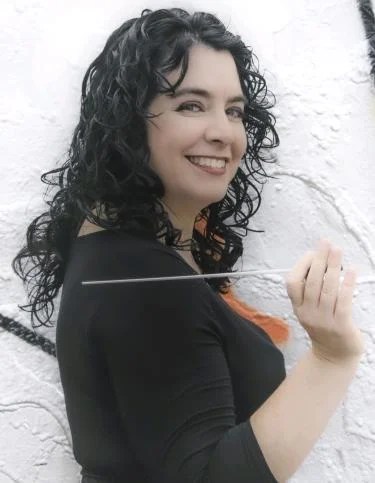
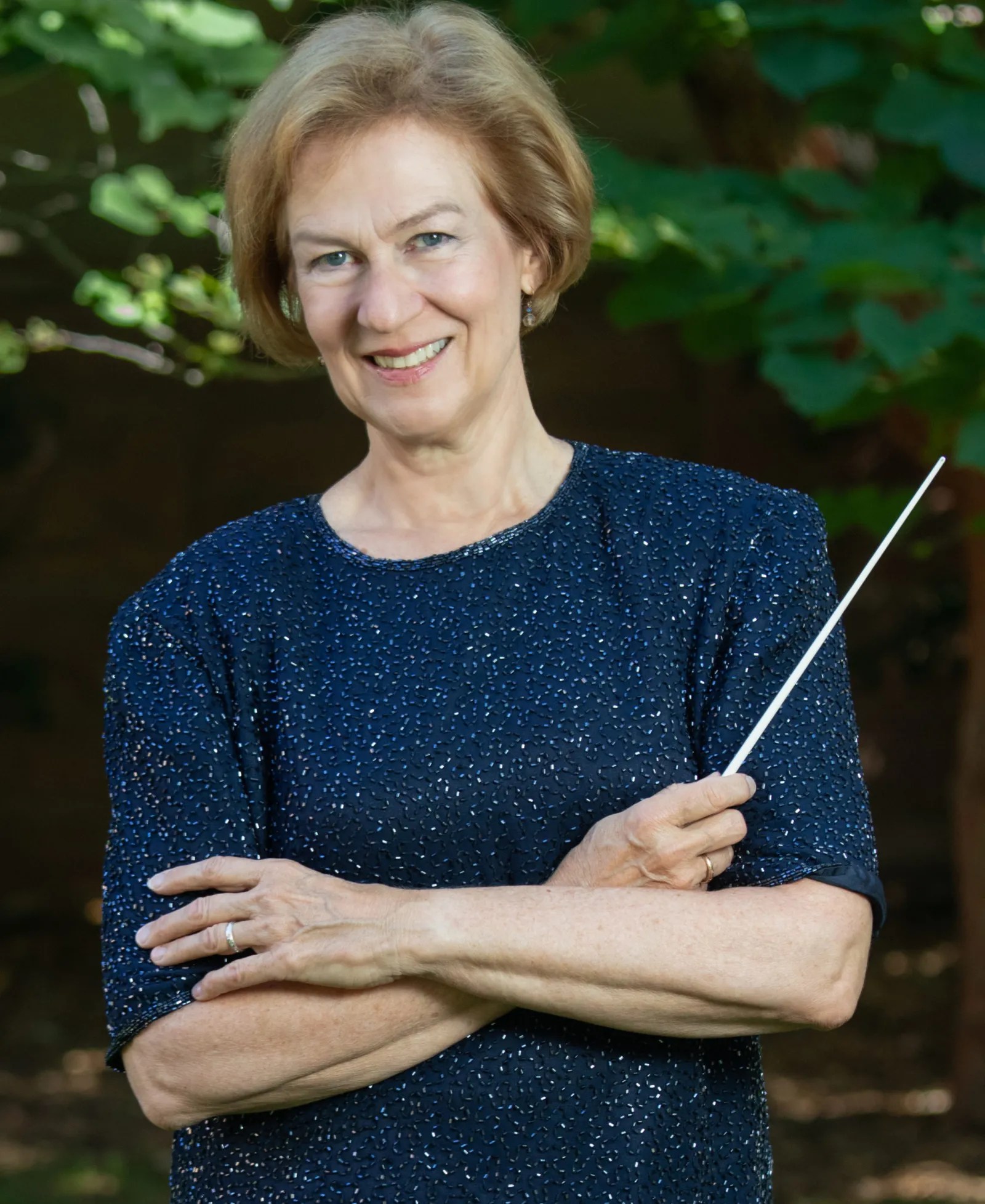
Coreen Duffy

“A lot of these composers I didn’t know about until I got the idea to start looking. Little by little this is coming to the surface now. So now is a great juncture to perform it, because some of it has been hardly performed in the last 400 years.”

The late Renaissance and early Baroque periods were a time of great cultural and musical flowering in Italy. Consequently it is no surprise that most of the composers—all but de la Guerre—are Italian. With the Italian nobility supporting the musical life of the time, Duffy says that nearly all of the Italian women composers fall into one of two groups. 

“Either they were in convents, or they were in the secular world and had connections that allowed them the kind of training they would need to become composers,” she says. Essentially that meant they were connected to one of the noble families such as the Medici, which would allow them to “gain the networking to get their music published and circulated,” Duffy says.

As for the convents, “a lot of these women ended up in convents not because they themselves chose that path, but because they were placed there by their families, to have a secure and safe life,” she says. “They’re writing sacred music, but they’re also writing secular music on poetry that is not devotional— some of it is a little racy. 

“For a lot of them the convent was like a little artists’ colony, a place where they had access to other trained musicians and singers who could perform this music that they were writing. So it was almost like a little sanctuary for them.”

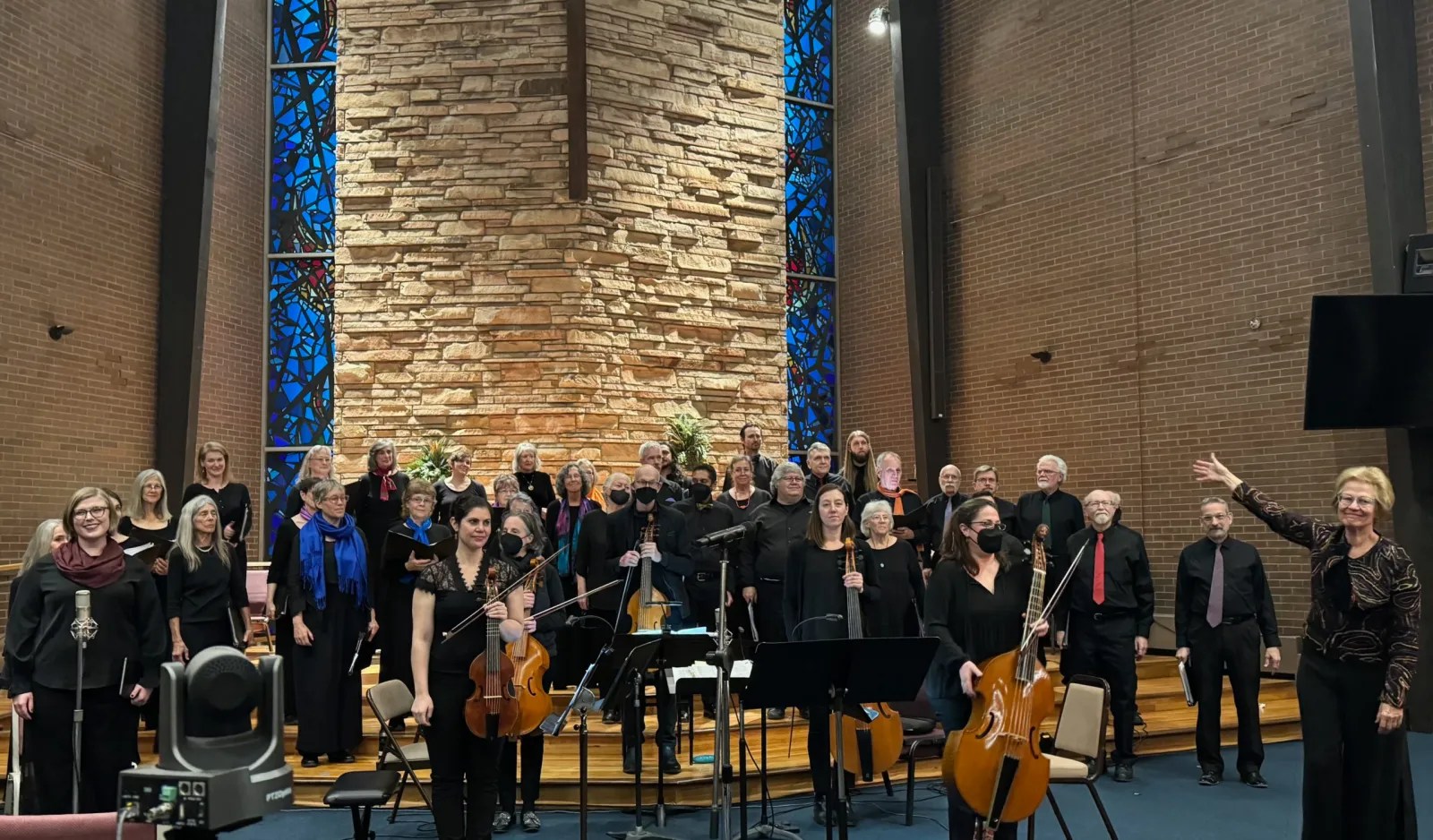
In addition to the full Seicento choir the concert features performances by a smaller ensemble, the Seicento Sirene (Seicento Sirens), a small group of professional singers within Seicento. They emerged when the larger choir didn’t have time to learn all of the music Duffy had selected for the program.

“The idea came from them,” she says. “A couple of members said ’Hey, this music you picked is so good, we want to do it, we already know it, can we please do it?’ 
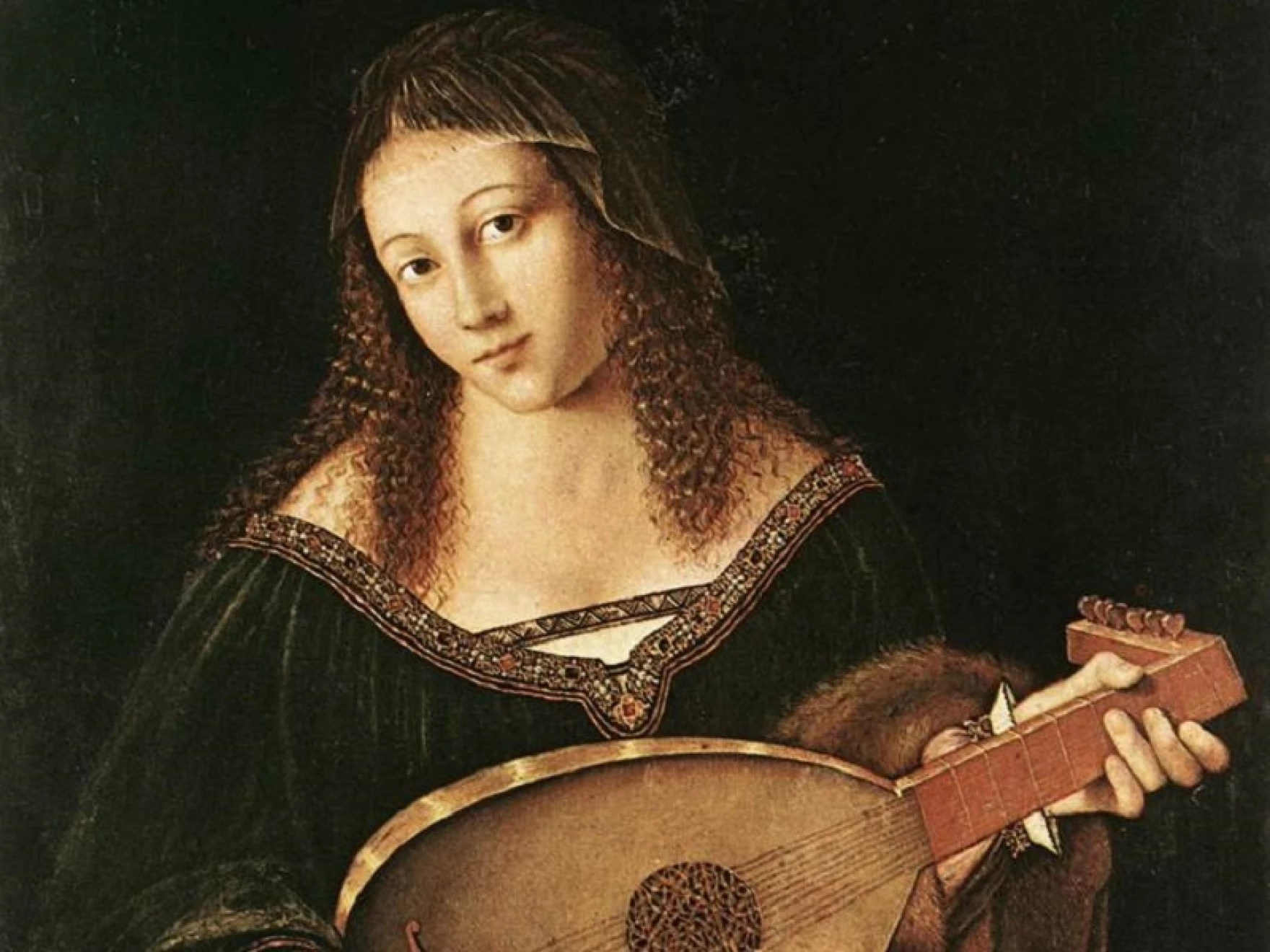
Maddalena Casulana

“I gave (the smaller group) a name, because once I heard how good they sounded, I was like, this is not a one-off. This will not be the last we hear from the Seicento Sirene. Just wait ’til folks hear them—their three selections are exquisite!”

One composer on the program stands out with six pieces. Though little-known today, Maddalena Casulana was the first woman in the history of European music to have an entire book of music published. Her Primo libro di madrigali (First book of madrigals) from 1568 is dedicated to Isabella de’ Medici, to gain her support. 

“I selected a bunch of (her music) because it’s so darn good,” Duffy says. “It’s gorgeous, all of the things to love about late 16th century music—the chromaticism, dissonance, extreme text painting, based on the Petrarchan style poetry that is full of double entendres and sexual innuendo. It’s everything you would want out of (her male contemporaries) Monteverdi, Gesualdo, Marenzio, all of these folks at the end of (the 16th) century who are doing so much cool stuff.”
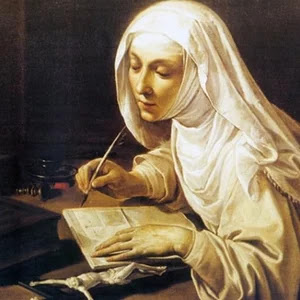
Sulpitia Lodovica Cesis (allegedly)

When asked for another piece to call attention to, Duffy hesitates. “There’s so much I don’t even know how . . .” she starts, then says, “Another composer I never heard of until I started this is Cesis. We’re doing her Stabat Mater and that’s gorgeous. The Cozzolani selections are pretty sensational.”

And Barbara Strozzi’s Con le belle (With beautiful women) “is the Barqoue version of (The Clash’s) ’Should I Stay or Should I Go?’ Everyone knows what’s really going on, but the language is perfectly above board so it’s fine.”

But in the end, she says the whole program “is just brilliant. The poetry is brilliant, the music is top notch and these are gems that people haven’t heard. 

“It’s a nice opportunity to hear music that’s been waiting around for 400 years!”

# # # # #

“Renaissance Women”
Seicento Baroque Ensemble and Seicento Sirene, Coreen Duffy, conductor
With Jeremiah Otto, harpsichord, and Joe Gailey, theorbo
Kevin Wille, guest conductor

  • Sulpitia Lodovica Cesis: Stabat Mater
  • Maddalena Casulana: Amor per qual cagion (Love, why did you put me on this earth)
    Amor per qual cagion (harpsichord/theorbo in tabulation)
    Morir no può ‘l mio core (My heart cannot die)
  • Vittoria Aleotti: T’amo, mia vita (I love you, my life)
  • Chiara Margarita Cozzolani: Messa à 4, Kyrie and Agnus Dei
  • Élisabeth Jacquet de La Guerre: Chaconne in D major from Pièces de Clavecin, Book II
  • Barbara Strozzi: Chi brama in amore (Who yearns for love)
  • Francesca Caccini: S’io men vò morirò (If I leave, I die)
  • Anna Bon: Andante from Sonata in B-flat major, op. 2 no. 2
  • Rosa Giacinta Badalla: Aria from Vuò cercando
  • Casulana: Tu mi dicesti Amore (You told me, love)
    Come fiammeggia e splende (How it blazes and shines)
  • Aleotti: Io piango che’l mio pianto (I cry that my cry)
  • Isabella Leonarda: Regina Caeli (ed. Meredith Y. Bowen)
  • Casulana: O notte, o ciel’, o Mar (Oh night, oh sky, oh shores)
  • Strozzi: Con le belle non ci vuol fretta (With beautiful women you cannot hurry)
  • Leonarda: Domine ad adiuvandum (Lord, to help, ed. Henry Lebedinsky)

7:30 p.m. Friday, April 25, Calvary Church, Golden
7:30 p.m. Saturday, April 26, Westminster Presbyterian Church
2 pm. Sunday, April 27, Mountain View Methodist Church, Boulder

Livestream also available 2 p.m. Sunday, April 27

In-person and livestream tickets HERE
Seicento introduces new director with Handel oratorio

Coreen Duffy will conduct ‘Judas Maccabeus’ Friday-Sunday

By Peter Alexander Nov. 13 at 5:55 p.m.

Seicento Baroque Ensemble is starting the concert season with a new conductor and a Handel oratorio that is likely new for many in the audience.

Coreen Duffy, newly hired as Seicento’s artistic director and as director of choral activities at the CU College of Music, is a specialist in Jewish choral music. She will conduct the singers of Seicento and an orchestra of Baroque period instruments in a performance of Handel’s oratorio Judas Maccabeus. Performances will be Friday through Sunday in Longmont, Boulder and Denver (Nov. 15–17; details below).

Seicento in 2022 with founding director Evanne Browne

Handel’s Judas Maccabeus was composed in 1746, the 18th of the composer’s remarkable output of 18 or 19 oratorios, depending on how you count them. Based on the historical event of the rebellion of the Jewish people against the Greek Seleucid Empire in the years 170–160 BCE, the libretto was written by Thomas Morell who wrote several oratorio texts for Handel.

The story of Judas Maccabeus is tied to the Jewish holiday of Hanukkah, which celebrates the return of Jewish worship to the Second Temple in Jerusalem during the revolt. Eventually the revolt led to victory over the Greeks and their expulsion from Judea.

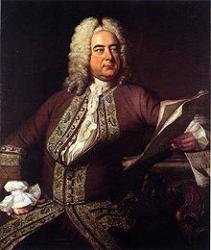
George Frideric Handel

Handel wrote Judas Maccabeus at a time that his oratorios were losing their popularity. To revive his success, he wrote Judas Maccabeus to celebrate the 1746 victory of the English over the Scots at Culloden. To appeal to the British audience, the libretto stresses the military victory of the Jewish people, rather than the “The Festival of Lights” and the Hanukkah story of lamps that miraculously burned for eight days. The premieretook place at in London on April 1, 1747, nearly a year after the battle of Culloden.

The oratorio comprises 68 separate musical numbers organized in three acts, much like Messiah. It includes 17 choruses, as well as arias for the soloists who portray Judas Maccabeus, his brother Simon, a messenger and other characters in the story.

Because it never achieved the broad popularity of Handel’s Messiah, Judas Maccabeus is often regarded as secondary to the more famous work. However, it does contain one of Handel’s most popular choruses, “See, the Conqu’ring Hero Comes!” This chorus has been adapted several times, including a set of variations for cello and piano by Beethoven, a hymn tune, and a movement of Henry Wood’s Fantasia on British Sea Songs.

A performance of Judas Maccabeus is a major undertaking. Seicento will feature its full choir, four soloists—Alice Del Simone, soprano; Alexandra Colaizzi, mezzo-soprano; Javier Abreu, tenor; and James Robinson, bass—and an orchestra with local Baroque-instrument string players and a number of period wind-instrument specialists, most brought in from outside Boulder. 

Duffy links the oratorio firmly to the celebration of Hannukah. She has written of the upcoming performance, “The Jewish High Holy Day season (is) a time of intense contemplation, when we consider the past year in retrospect, make amends with each other and set goals for the coming year.

“This year, the Seicento Baroque Ensemble has set an exciting performance goal . . . one of Handel’s greatest—yet under-performed—oratorios, Judas Maccabaeus. This Chanukah oratorio tells the story of the Maccabees’ fight for religious tolerance and freedom from persecution. Handel’s music soars over the conflict, desolation, and joy, lifting the Chanukah story up for new generations.”

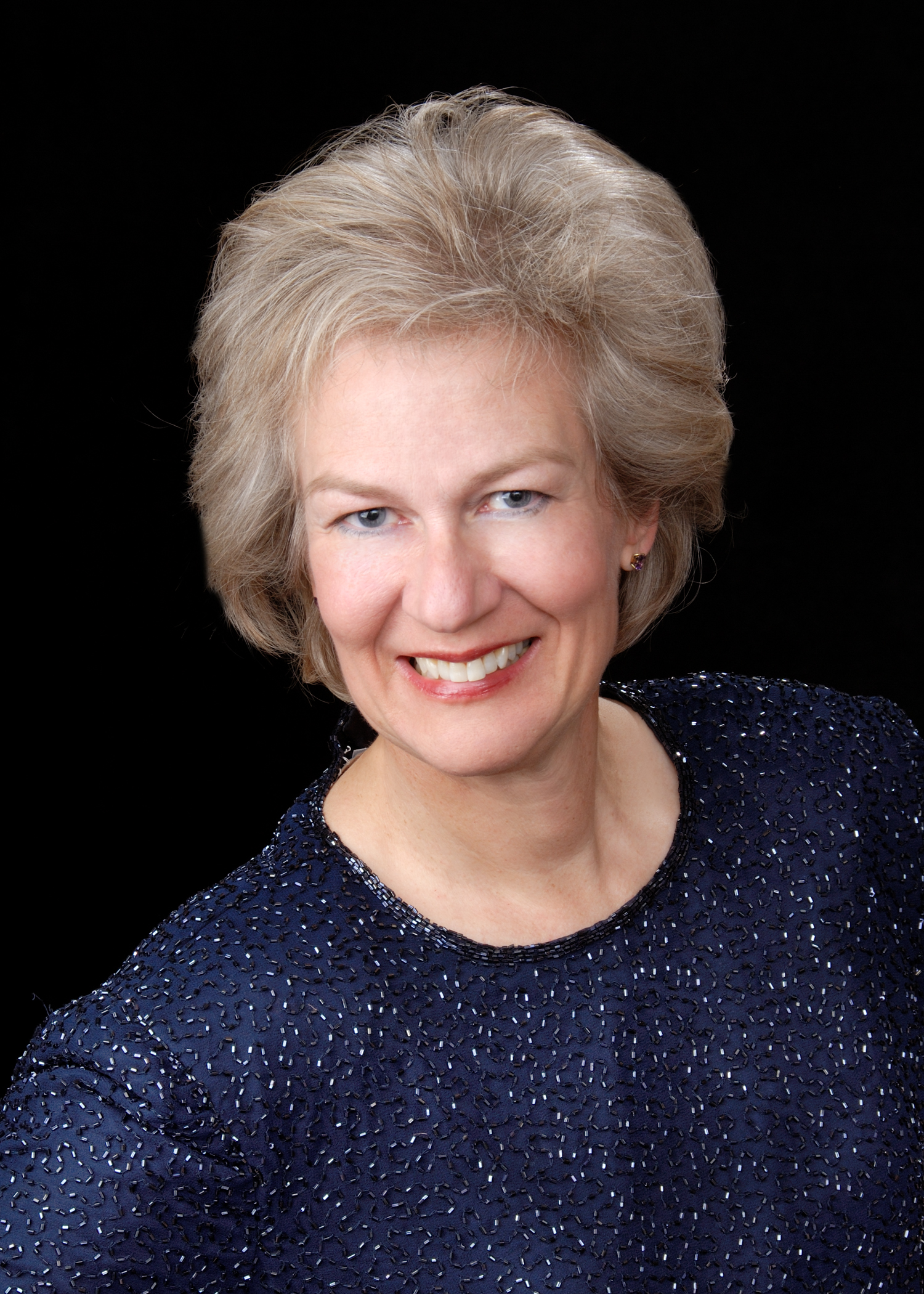
Coreen Duffy

Duffy replaces the founding director of Seicento, Evanne Browne. Her duties at the College of Music include leading the graduate program in choral conducting at both the master’s and doctoral levels. She earned degrees from the University of Michigan (bachelors degree with honors in English), the University of Michigan Law School (Juris Doctor), the University of Miami Frost School of Music (masters in conducting) and the USC Thornton School of Music (doctorate in choral music).

Before coming to CU-Boulder, Duffy was on the faculty of the University of Montana and the University of Miami Frost School of Music, and practiced law in California. She is excited to join the faculty at CU, saying “it’s a legacy program . . . the envy of the country in terms of the gold standard for choral literature studies.”

At Seciento, she says, “it’s a wonderful opportunity to continue the amazing work that Evanne Browne had done. We’re taking on the enormous project from the get-go this fall, with Judas Maccabeus. Next spring the title of the concert is “Renaissance women.” It will be all women composers of the Renaissance and Baroque.

“That will be really fun to do—music that doesn’t get done very often.”

# # # # #

Seicento Baroque Ensemble, Coreen Duffy, director
With Alice Del Simone, soprano; Alexandra Colaizzi, mezzo-soprano; Javier Abreu, tenor; and James Robinson, bass
Orchestra of Baroque-era period instrumentalists

  • Handel: Judas Maccabeus

7 p.m. Friday, Nov. 15, Stewart Auditorium, Longmont
7 p.m. Saturday, Nov. 116, Congregational Nevei Kodesh, Boulder
3 p.m. Sunday, Nov. 17, St. Thomas Episcopal Church, Denver

TICKETS (Students under 18 free)

CORRECTION: The name of bass soloist is James Robinson. It was originally incorrectly listed as James Robins.

Baroque music and jazz brought together by Seicento

“Improvisation in Baroque and Jazz,” March 1 and 2

By Peter Alexander Feb. 28 at 10:45 a.m.

Evanne Browne, conductor of Boulder’s Seicento Baroque Ensemble, is the daughter of jazz musicians—“jazz pianist mom and a bass player dad,” she says. “There was a lot of American songbook music going on in our house all the time.”

Evanne Browne

It might seem like a long way from jazz and the American songbook to Bach, Monteverdi, and the other specialities of Seicento. But as a trained early music performer, Browne believes the two musical styles are closer than you might think. And her next concert with Seicento will demonstrate that.

The concert, titled “Embellish! Improvisation in Baroque and Jazz” (7:30 p.m. Friday in Longmont and Saturday in Golden; details below), features Baroque music by Couperin, Monteverdi and others, mixed together with jazz by Duke Ellington and Charlie Parker, and even some pops and Broadway numbers (see full program below). In addition to the Seicento choir, performers will be violin and gamba player Tina Chancey, a jazz ensemble led by bassist Mark Diamond, and Seicento apprentice artists.

The inspiration for the program comes from the fact that in the early Baroque a lot of written music was sketchy, often only a bass part and one or two melody lines. Performances could vary, much as performances of jazz standards very from one artist or combo to another. There were traditional bass lines and chord progressions for dances that were filled in differently by different composers, much as the traditional 12-bar blues can be filled in differently by different performers.

“I’ve been thinking for a long time that when you look at charts for jazz and there’s melody and chords, and when you look at a basso continuo part for keyboard (in Baroque music) and there’s a bass line and chords, those things are similar,” Browne explains. “I just kind of started going down the list of what else was similar.”

Since jazz charts and Baroque scores—especially for the early operas by Monteverdi and others—left a lot to be filled in by performers, in both cases fans of the music distinguish between different versions, or realizations, of specific pieces. Another parallel that Browne found was that rhythms are often not played exactly as they are written, but are made more “swingy,” especially for dance music.

Seicento Baroque Ensemble and conductor Evanne Browne. Photo by Emily Bowman.

In the Baroque era, there was a convention in France called “notes inegales” (unequal notes), where notes on the beat were lengthened and the notes between the beats were shortened, to make the rhythms more pointed. This is not unlike the jazz tradition of “swinging” what are written as even notes. In jazz, Browne says, “you don’t play them ‘straight.’ People would think you were crazy if you did that. It’s exactly what notes inegales are in French.

“In dance music, the need for movement is something that turns duple into triplets and makes that more universally pleasing to us as listeners or performers.”

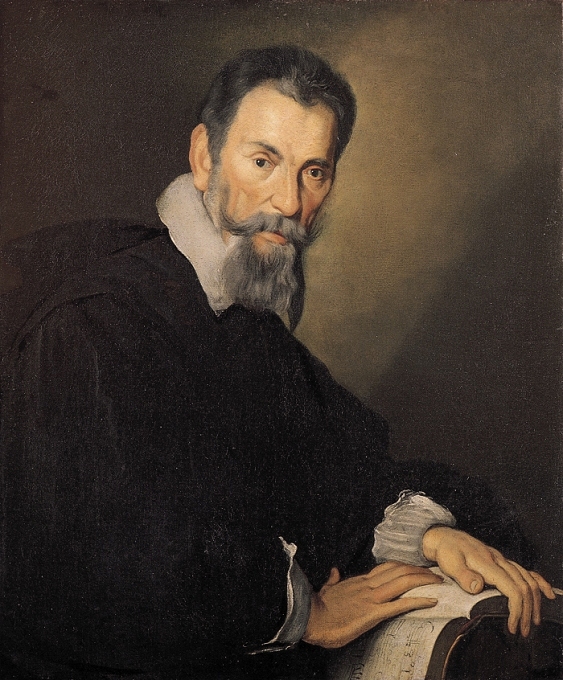
Claudio Monteverdi

As the music from the Baroque period and from jazz and popular idioms alternate on the program, there is one pairing that Browne particularly likes. “The Lamento della ninfa by Monteverdi and ‘Hit the Road, Jack’ are striking together,” she says. In Monteverdi, “we have this four-note bass line that is repeated, and this beautiful lament. Then going right into ‘Hit the Road Jack,’ it’s the same bass line—it’s interesting how that chord progression can be used expressively to emote what is being said.”

Browne has selected other pieces that demonstrate similarities in the structure of Baroque arias and jazz songs, with a slower and explanatory introduction that sets up the situation, followed by the main tune that expresses emotions. They both represent turning points in music, one the rise of dramatic music and opera in early 16th century Italy, and the other the rise of jazz and widely available popular dance music recordings in early 20th-century America.

In addition to examples that have a serious point to make, Browne also selected some parings on the program just because they are fun. Among the latter would be Monteverdi’s duet Bel Pastor dalcui bel guardo (Beautiful shepherd from whose beautiful gaze), which is a conversation between a shepherdess who keeps asking a shepherd if he really loves her, and that is paired with a song from Fiddler on the Roof where Tevye asks his wife Golde, “Do you love me?”

“So here’s these two (pieces)—we haven’t recovered from two centuries of learning about humanity,” Browne says. “We’re still insecure in love! So I thought that was a fun one.”

In fact, the word Browne uses most in describing the program is fun. “It’s a fun program,” she says. more than once.

“I think the audience will be laughing and tapping their toes.”

# # # # #

“Embellish! Improvisation in Baroque and Jazz”
Seicento Baroque Ensemble, Evanne Browne, director
With Tina Chancey, viola da gamba and violin, and jazz ensemble led by Mark Diamond

  • Louis Couperin: Prélude non mesuré (Unmeasured prelude)
  • Billy Strayhorn and Duke Ellington: “Take the A Train” (arr. Gordon Prugh)
  • Marin Marais: Fantasie from the Suite in A minor, Book III
  • Anon: Madre, non mi far monaca (Mother, don’t make me a nun)
  • Giralamo Frescobaldi: Missa sopra Aria della Monaca, Kyrie (Mass on La monaca)
  • Thomas “Fats” Waller: “Honeysuckle Rose”
  • Charlie Parker: “Scrapple from the Apple”
  • Frescobaldi: Così mi disprezzate (So you despise me?)
  • Diego Ortiz: Recercada segunda (Second ricrercar)
  • Claudio Monteverdi: Lamento della ninfa (The nymph’s lament)
  • Percy Mayfield: “Hit the Road, Jack”
  • Monteverdi: Come dolce oggi l’auretta (How sweet is the breeze today)
  • Don Raye and Hughie Prince” “Boogie Woogie Bugle Boy”
  • Monteverdi: Si dolce è’l tormento (The torment is so sweet) (choir, solo and jazz)
    —Bel Pastor dalcui bel guardo (Beautiful shepherd from whose beautiful gaze)
  • Jerry Bock: “Do You love me?” from Fiddler on the Roof
  • Jimmy McHugh: “On the Sunny Side of the Street”

7:30 p.m. Friday, March 1
First Congregational Church, Longmont

 7:30 p.m. Saturday March 2
Calvary Church, Golden

TICKETS  

NOTE: The spelling of conductor Evanne Browne’s name was corrected 2/28. The correct spelling of her last name is Browne.

Seicento’s ‘Rare Byrd’ features viols, not ornithology

400th anniversary of English composer’s death brings varied program

By Peter Alexander Nov. 15 at 8:45 p.m.

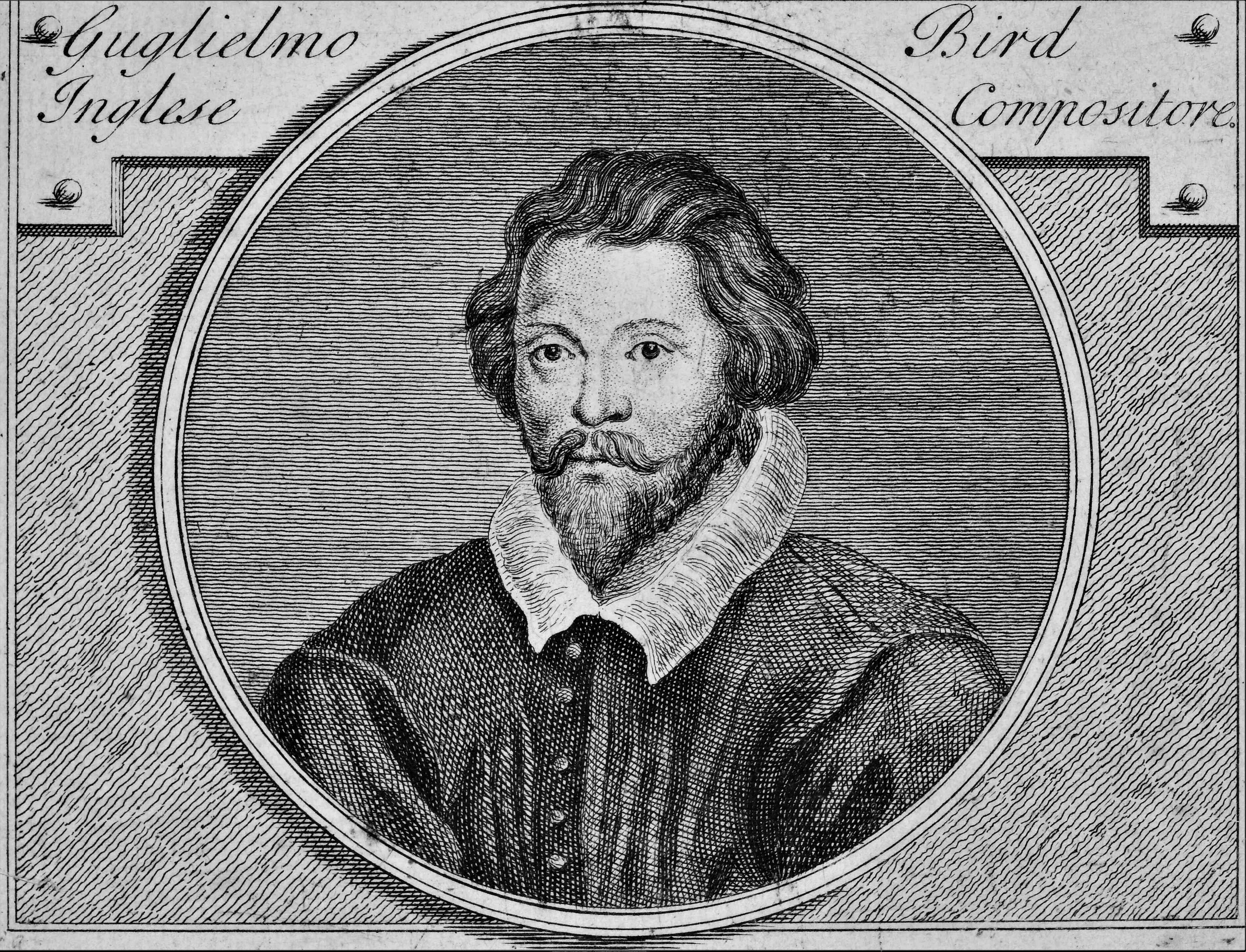
The New York Times has called William Byrd “an essential English composer for four centuries.”

William Byrd

If you are not familiar with his music, he may be the greatest composer you don’t know. But observations this year of the 400th anniversary of his death show the esteem with which he is regarded by musicians.

Boulder’s Seicento Baroque Ensemble joins the party this weekend with “Rare Byrd,” a varied program of music for voices and viols that will be presented in Denver, Boulder and Longmont Friday, Saturday and Sunday respectively (details below).

A recusant Catholic in 17th-century England, when it was illegal to remain loyal to the Catholic Church, Byrd is best known to musicians for his settings of the Catholic Mass. These works, which could only be performed or circulated in private, are well known and frequently performed today within the early-music movement.

Seicento’s program is titled “Rare Byrd” because it avoids those celebrated mass settings and instead offers a variety of shorter, lesser known works. These rarities including madrigals, part songs, anthems and verse anthems. Conductor Evanne Browne says that when she was planning the concert, “it was a major turning point for me to think, ‘You know what? It’s OK [to omit the masses]. There’s so much that hasn’t been heard that audiences deserve to hear!’”

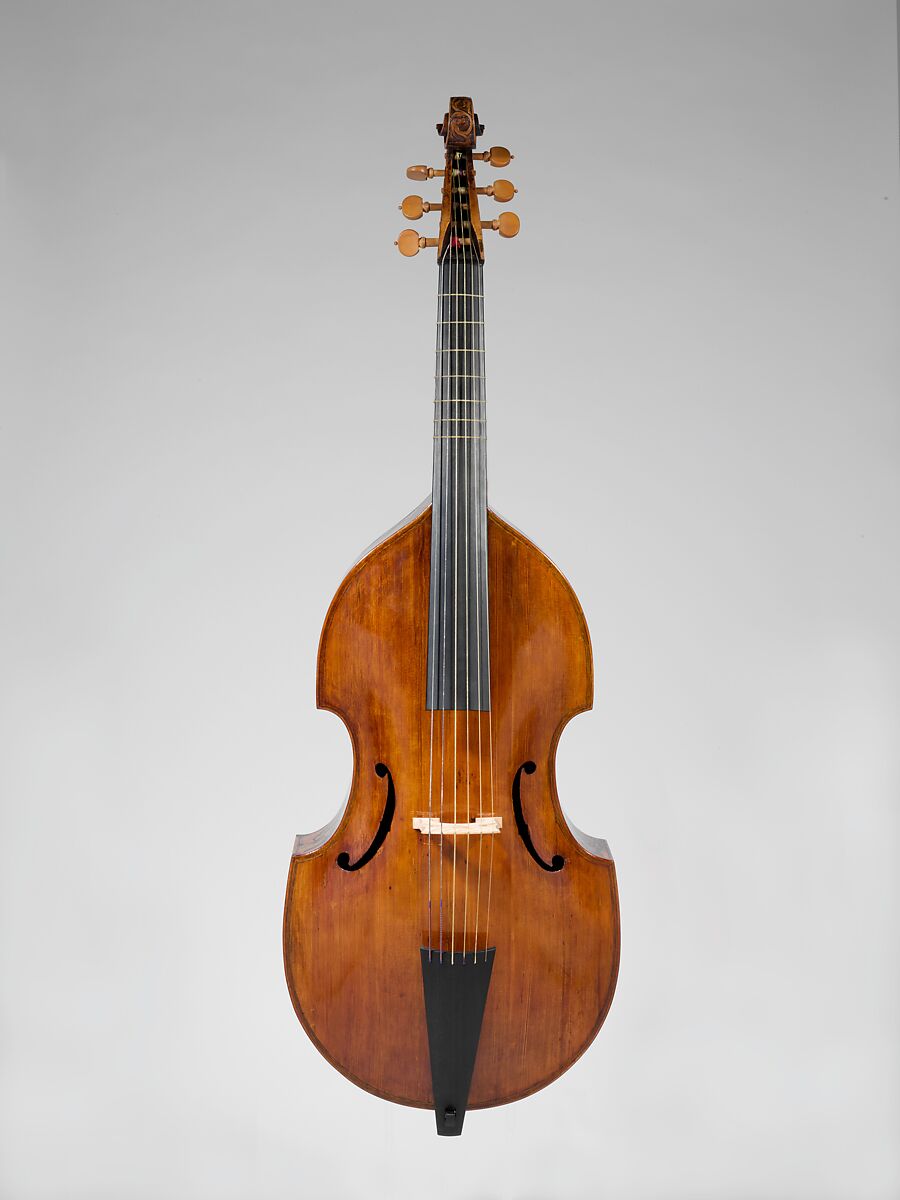
Available in several sizes, the viola da gamba looks like a cello, but has more strings and is played without an end pin.

Another turning point in planning the program was the decision to collaborate with five viola da gamba (viol) players. Only a few years ago, Seicento had to bring in viol players from Chicago in order to include them in a performance. Today, Browne says, “there are plenty of first-rate viol players in Colorado that are professional level.

“Using the viol consort is a joy. There’s so much fun to be had with consort songs and part songs and madrigals, and we’re doing some sacred things with the viol consort that normally would be done with organ. We’re having a great time!”

If you don’t know the different genres that Browne mentions, the madrigals are entertaining settings of secular poetry for voices, generally expressive texts about love and nature. They would often be performed in a social gathering, with people getting together in someone’s home to sing the latest madrigals. When these secular texts are sung by a soloist or soloists and accompanied by viols, then it is known as a part song or a consort song. 

The sacred pieces on the program are multi-voice settings of Psalms and other sacred texts. The verse anthems alternate between full choir and a soloist or, in one case, two soprano soloists. These pieces were often accompanied by organ in church, but they could also be performed with viols playing an arrangement of the organ part, which is how Seicento will present them.

Evanne Browne

In addition to the choral music, the viol consort will perform two pieces separately. One is a piece known as the “Browning Variations,” based on a folk song that was well known in Byrd’s time. “In the variations Byrd takes this little eight-measure theme and goes wild with it,” Browne explains. “(Byrd takes) that little bit and then just goes crazy, ‘let’s do duple (time), let’s do triple, let’s augment it, just change the rhythm’—that’s a lot of fun.”

The pieces sung by Seicento include some that are familiar to early-music enthusiasts, including the madrigals “The Fleet and Merry Month of May” and “Though Amaryllis Dance in Green.” Browne knows both from her experience singing in early-music ensembles, but there are also “a couple that I never heard of,” she says. One of these is “Who made thee, Hob, forsake the plough?”

Browne observes that this playful song is “one of those dialogs for shepherds,” a common type of madrigal text in the Renaissance. “I have two guys doing the solos with the viols, and talking about, what took you away from your work, Hob? And the answer of course is love.”

The inclusion of a number of anthems has also allowed Browne to explore repertoire she had not known before. “There are a couple of pieces on this concert that I could just do over and over and over again,” she says. “One is called ‘Christ Rising,’ which is a verse anthem. I’ve never sung that, even though it has two beautiful soprano solos. 

“When the soloists sing a verse the choir kind of echoes the main point, and it is just fabulous. The word painting is great. The beginning goes up (an interval of) a fourth, up a fifth, up a sixth, up a seventh—so the climax on the words ‘Christ rising’ is spectacular.”

One more factor Browne hopes people will recognize is how well Byrd writes for voices. “His music is just so easily sung,” she says. “Although some of the rhythms are killers. The rhythm’s always tricky, (but it’s) beautifully set for the voice. He can certainly set the words so that you know what it means. I’m really excited about this program.”

Her final thought for the audience? “Come with the expectation to be surprised at how wonderful and varied the music is.”

# # # # #

“Rare Byrd”
Seicento Baroque Ensemble, Evanne Brown, conductor
With Adaiha MacAdam-Somer, Zoe Weiss, Sarah Graf, Sarah Biber and Karl Reque, viols

Music of William Byrd:

  • Haec Dies (anthem)
  • Praise our Lord, All ye Gentiles (anthem)
  • Have Mercy upon me, God (verse anthem)
  • Alack, when I look back (verse anthem)
  • Come Woeful Orpheus (madrigal)
  • Fantasia: Browning/The leaves be green (viol consort)
  • Christ Rising Again (verse anthem)
  • This Sweet and Merry Month of May (madrigal)
  • Ye Sacred Muses (elegy for Thomas Tallis)
  • If Women could be Fair (part song)
  • Who made, Thee, Hob? (part song)
  • Pavan and Galliard in A minor (viol consort)
  • Though Amarillis dance in green (madrigal)
  • O God that guides the cheerful sun (verse anthem)

7:30 p.m. Friday, Nov. 16, St. Paul’s Lutheran Church, 1600 Grant St., Denver
7:30 p.m. Saturday, Nov. 17, Mountain View Methodist, 355 Ponca Place, Boulder
3 p.m. Sunday, Nov. 18, United Church of Christ, 1500 9th St., Longmont

Tickets are available HERE in person for for all three performances and for the live stream of the Denver performance.  

Rare performance of major work by Bach in Boulder, Denver

Seicento presents original instrument version of St. John Passion

By Peter Alexander May 4 at 10:40 p.m.

Seicento, Boulder’s choral group that specializes in Baroque music, is thriving—and it’s thanks to Bach.

“I had a number of singers who asked me, could I be with you in the choir this year?” artistic director Evanne Browne says. “They want to do something this important!”

That “something important” is a historically informed performance of J.S. Bach’s 1724 St. John Passion. According to Browne that will be a first in Colorado. Performances will be Friday through Sunday in Arvada, Denver and Boulder (May 5–7; details below).

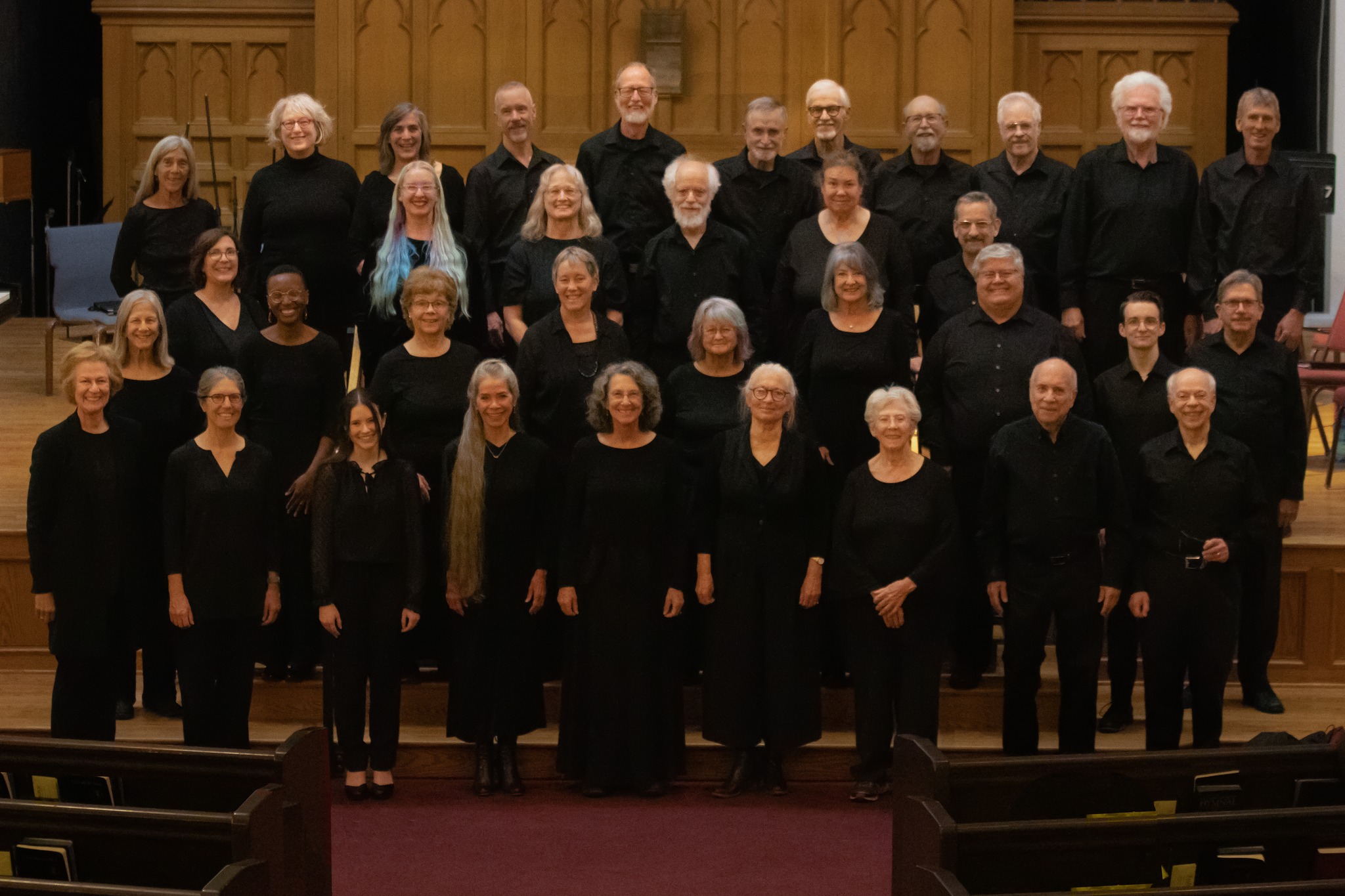
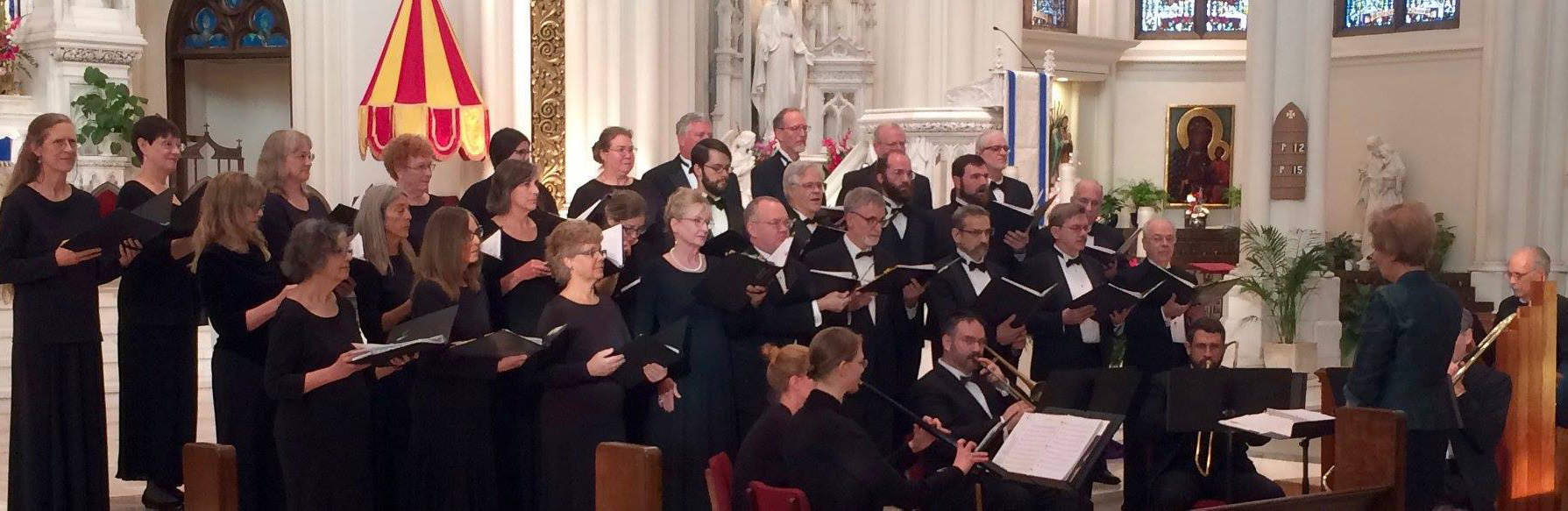
Seicento Baroque Ensemble with artistic director Evanne Browns (first row, left)

This major work is done a little less frequently than Bach’s St. Matthew Passion or Mass in B minor. And while modern instrument performances do happen from time to time, the difficulty of assembling all the pieces for a historically informed, original instrument performance makes that even more rare.

In addition to Seicento’s usual chorus, Browne had to assemble an orchestra of Baroque-era string and wind players from around the world. Colorado has Baroque string players, Browne says, but wind players—and especially Baroque bassoonists—are harder to find. Collecting the players was like putting together a jigsaw puzzle where the pieces are scattered around the world.

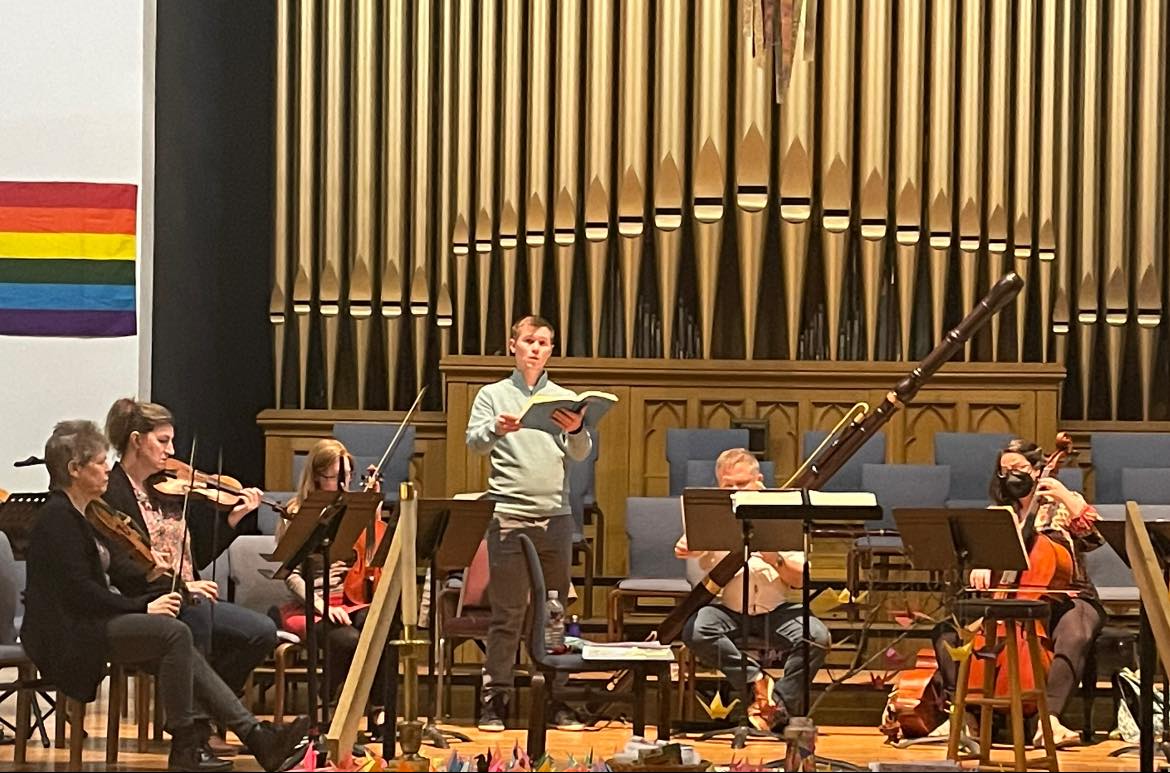
Rehearsal of the St. John passion featuring the Baroque contrabassoon played by Keith Collins

“I call it a Tetris puzzle,” Browne says. “It’s not just ‘it takes a village,’ it takes a city to do this! It is a huge administrative task, to fly these people in and figure out when they’re coming to the airport and where they can stay and all of that.”

Browne points out that there are a lot of people working behind the scenes who will not be seen onstage. “I have a good board, and I also have four or five excellent volunteers who have done incredible work. And donors and grant writers and publicity! It’s a bigger undertaking than anything that Seicento has done.”

Among the specialized instruments required are the Baroque bassoon, a contrabassoon that stands more than seven feet tall, and such rarities as the oboe ‘d’amore and oboe de caccia—oboes with distinctive sounds that are pitched differently than the modern instrument. “It’s not just using the instruments, it’s having knowledgeable instrumentalists who have spent years studying the style as well as perfecting the sound,” Browne explains.

She also has worked with the choir to achieve a historically informed stye of performance. She has trained the singers to achieve a sound that is brighter in places and less open on the higher notes. Another issue is the way musical phrases are shaped. “The choir is doing a lot of sub-phrasing within a long phrase,” Browne says. “Within one long phrase there are many divisions—it’s lots more detailed.”

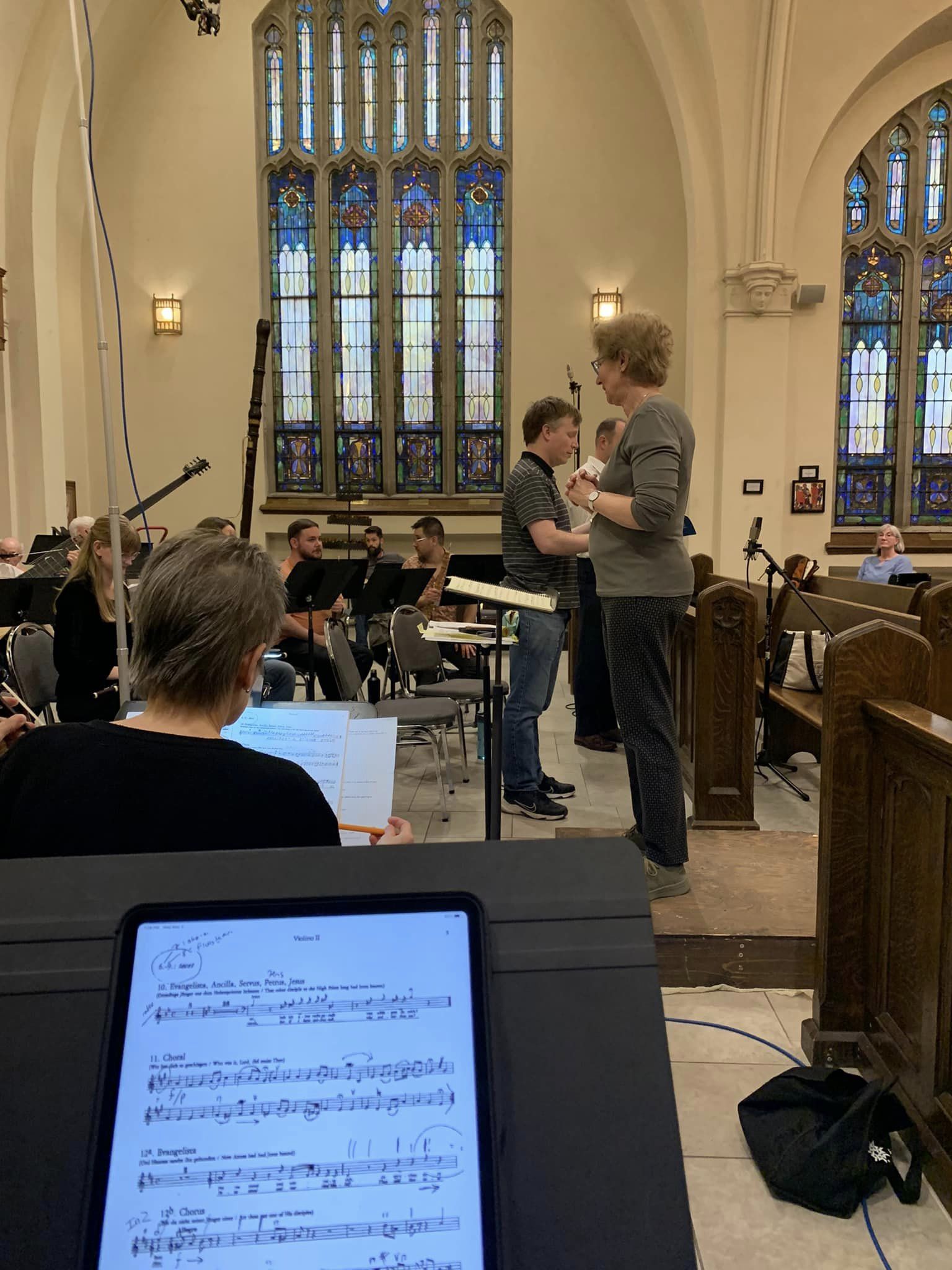
Evanne Browne rehearing the St. John Passion with Seicento

A performance of the St. John Passion unfolds on several levels. The text from the Gospel of John is sung by a soloist identified as the Evangelist. His narration lays out the story of Jesus’s arrest, trial and crucifixion. Lutheran chorales are sung by the chorus, representing the response of the congregation of believers. The choir also sings the words of the crowd in John’s story, and framing choruses that open and close Bach’s score. Arias are sung by soloists that are settings of poetic texts chosen by Bach to illuminate the story.

Portions of the Passion that pose issues for contemporary listeners are passages considered antisemitic, when the crowd described as Juden (Jews) calls for Jesus to be killed. “There are issues with the text,” Browne acknowledges. “There’s a strong emotional response, and I think Bach’s music contributes to the controversy because it’s so well done.

“We’re not softening that, but what we are hoping to do is raise the consciousness of people who might not think about the presentation being antisemitic. We have talked about it, we have had good discussions. I wrote about it in the program notes, because I want people to know we’re not making a religious statement, we are presenting an historical work that is musically very worth while.”

That last point is especially important for Browne: the opportunity to present an important work as it would have been heard by the composer. It’s both an aesthetic and an educational mission. “Part of Seicento’s mission is about education,” she says. “That doesn’t just mean that we go to a school where there are children that haven’t heard Bach before—although we have done that.”

The mission includes helping the performers learn Baroque style and giving the audience the opportunity to learn about the musical works of the Baroque era. In fact, to reach the audience Browne has already posted an introduction the St. John Passion online (here.)

In the meantime, she is looking forward to the upcoming performances. “The choir is doing fabulously,” she says. “I think it’s going to be exciting for everybody. 

“It certainly is for me!”

# # # # #

J.S. Bach: St. John Passion
Seicento Baroque Ensemble, Evanne Brown, conductor

7 p.m. Friday, May 5, Arvada United Methodist Church, Arvada
7 p.m. Saturday, May 6, St. Paul Lutheran Church, Denver
3 p.m. Sunday, May 7, Mountain View Methodist Church, Boulder

TICKETS for live performances and livestream

From Nutcracker to a sing-along Messiah

A listing of Holiday performances by area musical organizations

By Peter Alexander

‘Tis the season, and the halls are alive with the sounds of Christmas.

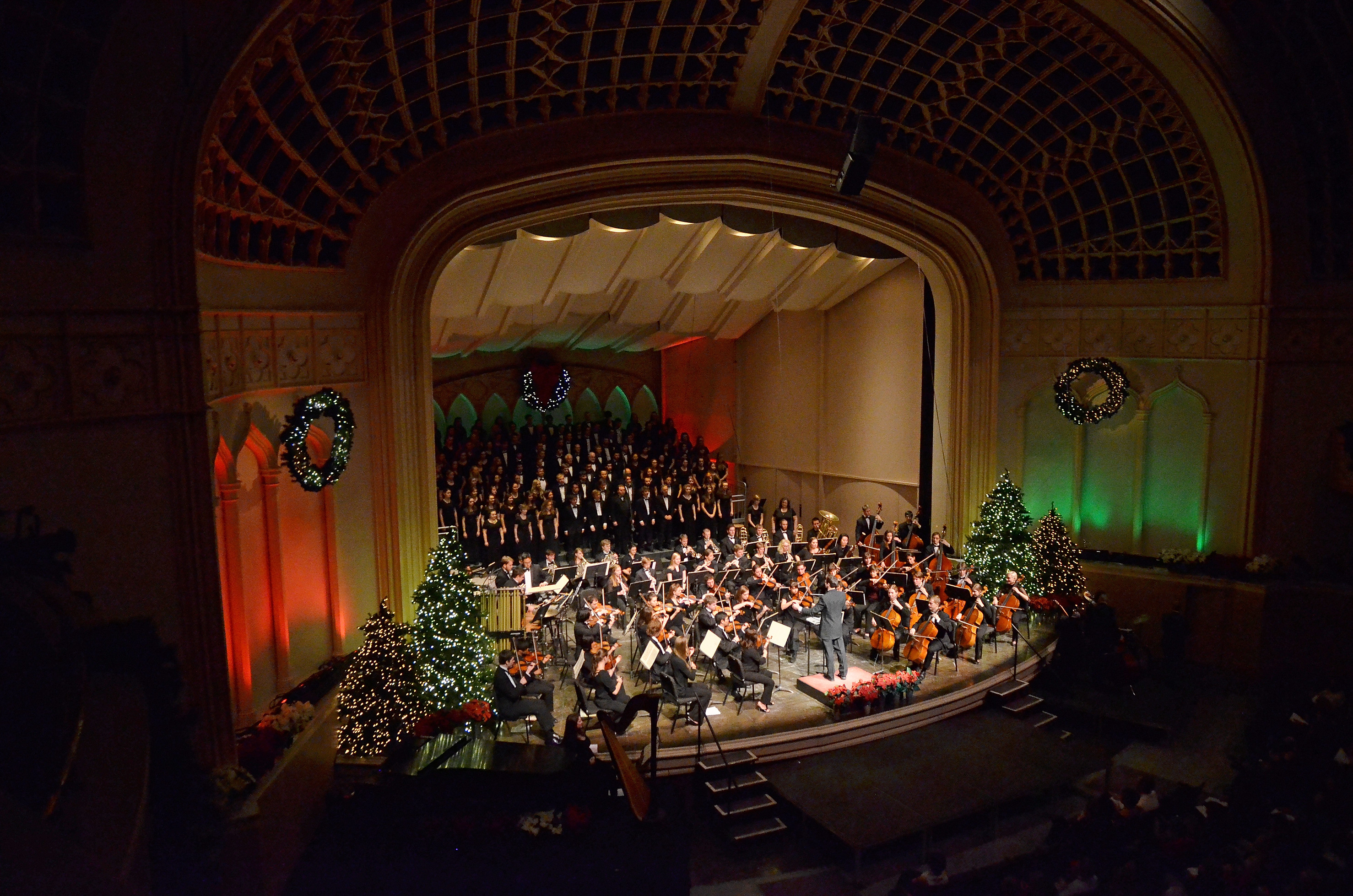
The 2013 Holiday Festival by the College of Music in Macky Auditorium (Photo by Casey A. Cass/University of Colorado)

In the coming weeks, area musical organizations will offer performances ranging from The Nutcracker to Messiah, from Gregorian chant to Judy Collins, and from the Bach Christmas Oratorio to A Charlie Brown Christmas

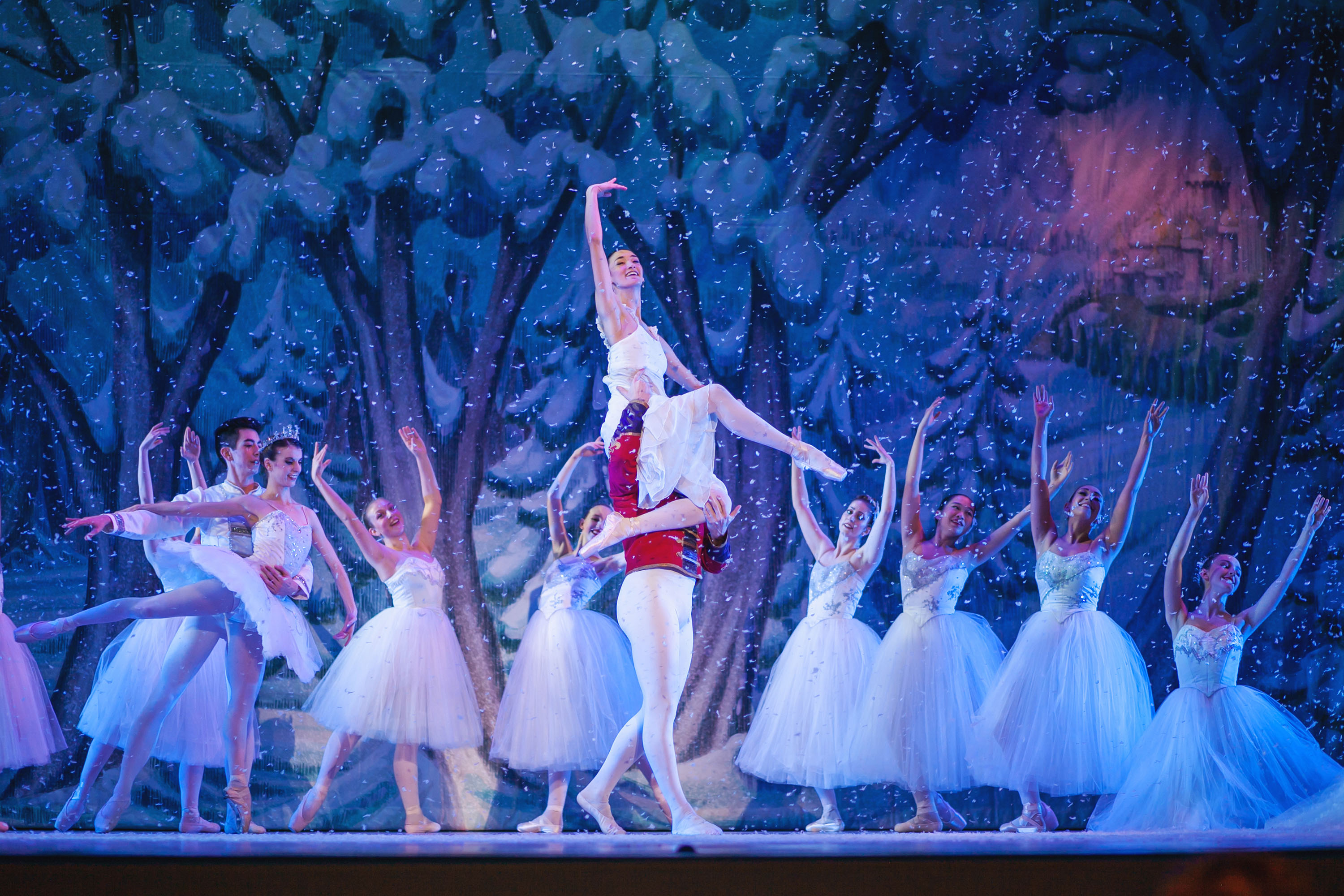
In fact, the first Nutcrackers have already been completed, with more performances coming this weekend in Longmont (Dec. 3–4 with the Longmont Symphony and Boulder Ballet; see below for details, including links for tickets for all performances mentioned in this article). The Longmont performances include a “gentle Nutcracker,” an abridged, “sensory friendly” performance that welcomes neurodiverse audience members, their families and caregivers.

Boulder Ballet Nutcracker. Image by Amanda Tipton Photography

Other dance companies in the area offer The Nutcracker well into December and can easily be found on the Web; here I am listing the many musical groups in our area. This weekend the very popular CU Holiday Festival, with CU orchestras, bands and choirs starts the festivities on Friday at 7:30 in Macky Auditorium, with additional performances Saturday and Sunday (Dec 2–4). Check the Web page soon; some performances are close to selling out.

If you get enough “Rudolph” and “White Christmas” in the mall, several organizations offer alternative Holiday fare. Seicento Baroque Ensemble will present ”Noel: Christmas in the late Renaissance and early Baroque” over the coming weekend, Friday through Sunday (Dec. 2–4), in Denver, Boulder and Longmont. Ars Nova Singers will present their usual eclectic fare in the same cities over the following week (Dec. 9 & 11, 15 & 16). Their program, titled “Solstice,” includes Gregorian chant, Renaissance music based on chant, contemporary works for the time of solstice, and the premiere of director Tom Morgan’s own arrangement of the French carol “Un Flambeau, Jeanette, Isabella” (“Bring a torch, Jeanette, Isabella”).

The most wide-ranging program is surely that of The Boulder Bach Festival’s CORE (COmpass REsonance) Chamber Choir. Their “Christmas Across the Ages” program (Dec. 16 in the Broomfield Auditorium) offers exactly that, with selections from J.S. Bach’s Christmas Oratorio and Vince Guaraldi’s Charlie Brown Christmas, music by early American composer William Billings and songs by John Denver and Judy Collins. 

With their familiar penchant for embracing musical cultures around the world, the Boulder Chorale and conductor Vicki Burrichter will present “A Celtic Winter,” a program of traditional music performed with a Celtic ensemble led by Jessie Burns. The Boulder Chamber Orchestra offers “The Gift of Music” Dec. 17 (Boulder’s Seventh Day Adventist Church), including Handel arias sung by soprano Szilvia Schranz. Instrumental pieces will include Bach’s “Double” Violin Concerto in D minor, and Holiday selections.

If you wanted to hear Handel’s Messiah in Longmont, you will have to bring a score and sing along. The Longmont Symphony’s performance Dec. 17 is already sold out, but the Sing-Along Messiah Dec. 18 still has tickets available. The Boulder Philharmonic Brass will perform traditional songs of Christmas and Hanukkah at Mountain View Methodist Dec. 18. And with that, the musicians that I know about will pack up their cases and likely enjoy some eggnog. There are surely other events out there that have not come to my attention. With a little enterprise you can find those performances online, too.

# # # # #

CU Holiday Festival
CU College of Music orchestras, bands and choirs

  • Traditional music of the Holiday season

7:30 p.m. Friday, Dec. 2
1 and 4 p.m. Saturday, Dev. 3
4 p.m. Sunday, Dec. 4
Macky Auditorium

TICKETS

# # # # #

“Noel: Christmas in the late Renaissance an early Baroque”
Seicento Baroque Ensemble, Evanne Browne, artistic director
With Wesley Leffingwell, organ; and Joseph Howe, Baroque cello

  • Program includes music by Palestrina, Victoria, Sweelinck and Rossi.

7:30 p.m. Friday, Dec. 2, St. Paul, Lutheran Church, Denver
7:30 p.m. Saturday, Dec. 3. First United Methodist Church, Boulder
3 p.m. Sunday, Dec. 4, First Congregational Church, Longmont

TICKETS

# # # # #

The Nutcracker ballet
Longmont Symphony, Elliot Moore, conductor
With the Boulder Ballet

  • Tchaikovsky: The Nutcracker

1 p.m. Saturday, Dec. 3 (“Gentle” Nutcracker: abridged, “sensory friendly” performance))
4 p.m. Saturday, Dec. 3
2 p.m. Sunday, Dec. 4

TICKETS

# # # # #

“Solstice”
Ars Nova Singers, Tom Morgan, director
With John Gunther, saxophone

Program includes:

  • Gregorian Chant, Vox clara Ecce Intonat
  • Gabriel Jackson: Vox clara Ecce Intonat
  • Tomás Luis de Victoria: Ave regina caelorum
  • Bob Chilcott: The Shepherd’s Carol
  • Tom Morgan, arr: Un Flambeau, Jeanette, Isabella (premiere)

7:30 p.m. Friday, Dec. 9, First Congregational Church, Longmont
4 p.m. Sunday, Dec. 11, St. Paul Lutheran Church, Denver
7:30 p.m. Thursday, Dec. 15, Mountain View Methodist Church, Boulder
7:30 p.m. Friday, Dec. 16, First United Methodist Church, Boulder
LIVESTREAM: 4 p.m. Sunday, Dec. 11

TICKETS

# # # # #

Christmas Across the Ages”
Boulder Bach Festival CORE Chamber Choir
With Claire McCahan, mezzo-soprano, and Jeremy Reger, keyboards

Program includes:

  • John Tavener: “A Christmas Round”
  • William Billings: “A Virgin Unspotted”
  • —“Bethlehem” (While shepherd watched their flocks by night)
  • Jamaican folk tune: “An’ She Rock de Baby”
  • John Denver: “Aspenglow”
  • Judy Collins: “The Blizzard”
  • J.S. Bach: Selections from Christmas Oratorio
  • Vince Guaraldi: “Christmastime is Here” (From A Charlie Brown Christmas)

7:30 p.m. Friday, Dec. 16
Broomfield Auditorium

TICKETS

# # # # #

Longmont Symphony
Elliot Moore, conductor, with chorus and soloists

  • G.F. Handel: Messiah

4 p.m. Saturday, Dec. 17
Westview Presbyterian Church, Longmont

SOLD OUT

# # # # #

“The Gift of Music”
Boulder Chamber Orchestra, Bahman Saless, conductor
With Szilvia Schranz, soprano, and Kevin Sylves, double bass

  • G.F. Handel: Selected arias
  • Henry Eccles: Sonata in G minor for double bass and strings
  • J.S. Bach: Concerto in D minor for two violins and orchestra
  • Holiday selections

7:30 p.m. Saturday, Dec. 17
Seventh-Day Adventist Church, Boulder

TICKETS

 # # # # #

“Singalong Messiah
Longmont Symphony, Elliot Moore, conductor
With vocal soloists

  • G.F. Handel: Selections from Messiah

4 p.m. Sunday, Dec. 18
Westview Presbyterian Church, Longmont

TICKETS

 # # # # #

“Holiday Brass”
Boulder Philharmonic brass and percussion
Brian Buerkle, conductor

  • Program includes traditional songs of Christmas and Hanukkah.

4 p.m. Sunday, Dec. 18
Mountain View Methodist Church, Boulder

TICKETS

Grace Notes: Boulder’s Choral Groups’ 2022–23 Seasons

Ars Nova Singers, Boulder Chorale and Seicento lay out plans for 2022-23

By Peter Alexander Oct. 12 at 2:52 p.m.

The Ars Nova Singers, the Boulder Chorale and Seicento Baroque Ensemble—three of Boulder’s leading choral groups—have distinct qualities, in terms of repertoire and performance style. All three groups have now announced their concert schedules for the 2022–23 season:

# # # # #

Under director Tom Morgan, Ars Nova generally avoids the historical middle of standard repertoire, preferring music either side of the 18th and 19th centuries—the Renaissance or the 20th and 21st centuries. Their concerts are challenging to the singers, and can be equally so to audiences, but they are always interesting as well.

On Nov. 4 they will be the first of the three to present a concert this season (see time and place below). Their opening program is devoted to one of the most fascinating figures of the late Renaissance. Carlo Gesualdo, the Prince of Venosa and Count of Conza, was the composer of harmonically advanced, highly chromatic madrigals unlike anything else of their time. He was also known for having murdered his first wife and her lover when he found them together in bed, a fact that has not gone unnoticed in appreciation of his extreme music.

Performances of Gesualdo’s music are rare, as is often the case with Ars Nova programming, so this performance is worth noting.

One major event of the Ars Nova season will be the presentation in March of the world-touring British a cappella group Voces 8. Their two performances under Ars Nova’s auspices will be Wednesday March 1, 2023 in Macky Auditorium (7:30 p.m., details below) and Thursday, March 2, at St. John’s Cathedral in Denver (7:30 p.m.; tickets on sale Oct. 15). Please note that these are two separate programs. (details below).

Here is a full listing of the Ars Nova 2022–23 season:

“Wonder”
Ars Nova Singers, Tom Morgan, director
With Sandra Wong, violin and nyckelharpa, and Ann Marie Morgan, viola da gamba
Carlo Gesualdo: Madrigals from Books 5 and 6

  • 7:30 p.m. Friday, Nov. 4
    St. John Episcopal Church, 1419 Pine St., Boulder
  • 7:30 p.m. Saturday, Nov5
    Stewart Auditorium of the Longmont Museum
  • 4 p.m. Sunday, Nov. 6
    St. Paul’s Lutheran Church, 1600 Grant St., Denver 

“Solstice”
Ars Nova Singers, Tom Morgan, director
With John Gunther, woodwinds
Music for the Winter Solstice and Christmas

  • 7:30 p.m. Friday, Dec. 9
    First Congregational Church, 1500 9th Ave., Longmont
  • 4 p.m. Sunday, Dec. 11
    St. Paul’s Lutheran Church, 1600 Grant St., Denver

“Stardust”
Ars Nova Singers, Tom Morgan, director

  • 7:30 p.m. Friday, Feb 10, 2023
    First United Methodist Church, 1421 Spruce St, Boulder
  • 7:30 p.m. Saturday, Feb. 11, 2023
    Central Presbyterian Church, 1660 Sherman St., Denver

“Choral Dances”
Voces 8
Music by Byrd, Bach, Britten and Berlin

  • 7:30 pm. Wednesday, March 1
    Macky Auditorium

TICKETS 

“Lux Aeterna”
Voces 8
Music by Mendelssohn, Rachmaninoff and Monteverdi

  • 7:30 p.m. Thursday, March 2
    St. John’s Cathedral, 1350 n. Washington St., Denver

TICKETS available Oct. 15

“Reflections”
Ars Nova Singers, Tom Morgan, director
Music by Mahler, Thomas Jennefelt and Caroline Shaw

  • 7:30 p.m. Friday, April 21
    First United Methodist Church, 1421 Spruce St., Boulder
  • 7:30 p.m. Saturday, April 22
    Bethany Lutheran Church, 400 E. Hampden Ave. Cherry Hills Village
  • 7:30 p.m. Saturday, June 3
    TANK Center for Sonic Arts, 233 County Rd. 46, Rangely, Colo

(This program will also be performed on tour in Colorado and New Mexico.)

See more information on the Ars Nova Web page

CORRECTION: The two programs by Voices 8 March 1 and March 2 were originally listed incorrectly. The correct information is “Choral Dances” on March 1 and “Lux Aeterna” on March 2, as now shown above.

# # # # #

The Boulder Chorale is actually three different groups, and serves a role in music education as well as performance—in the words of the Web page, “for singers aged 5 to 85.” The Concert Chorale, the Chamber Chorale and the Children’s Chorale—the last divided by age into four different ensembles—perform separately as well as together. Under director Vicki Burrichter, the repertoire of the adult groups is eclectic, notably including world music, traditional styles from both European and non-European sources, and new works. As in the current season, their repertoire has often included work for chorus and orchestra.

Boulder Chorale opens their season Nov. 5, one day later than Ars Nova. Their opening weekends overlap, but you can easily plan to attend both. The chorale’s program is an example of their pursuit of world music. Titled “Origins: The Fertile Crescent,” the program highlights music from the Middle East and North Africa, including the Chorale’s own arrangements by Adam Waite of music from Israel, Afghanistan, Spain, Morocco and Syria.

Later in the year, the Chorale partners with the Longmont Symphony for performances of Handel’s Messiah (Dec. 17) and a Messiah  singalong (Dec. 18; details below); and with the Boulder Chamber Orchestra for performances of Beethoven’s Mass in C.

Here is the full listing of the Boulder Chorale 2022–23 season through April 2023:

“Origins: The Fertile Crescent”
Boulder Chorale, Vicki Burrichter, conductor, with Catrene Payan, vocalist, and Middle Eastern instrumental ensemble, David Hinojosa,leader

  • 4 pm. Saturday, Nov. 5, and Sunday, Nov. 6
    First United Methodist Church, 1421 Spruce Street, Boulder, CO

“A Celtic Winter”
Boulder Chamber Chorale and Concert Chorale, Vicki Burrichter, director, and Boulder Children’s Chorale, Nathan Wubbena, director

  • 4 p.m. Saturday, Dec. 10, and Sunday, Dec. 11
    First United Methodist Church, Boulder 1421 Spruce Street, Boulder, CO

Handel’s Messiah
Longmont Symphony, Elliot Moore, conductor
With the Boulder Chamber Chorale, Vicki Burrichter, director

  • 4 p.m. Dec. 17
    Westview Presbyterian Church, 1500 Hover St., Longmont

“Hallelujah! A Messiah singalong”
Longmont Symphony, Elliot Moore, conductor
With the Boulder Chamber Chorale, Vicki Burrichter, director

  • 4 p.m. Dec. 18
    Westview Presbyterian Church, 1500 Hover St., Longmont

“A Nation of Immigrants
Boulder Chorale, Vicki Burrichter, conductor

  • 4 p.m. Saturday, March 18, and Sunday, March 19
    First United Methodist Church, 1421 Spruce Street, Boulder, CO

Beethoven Mass in C
Boulder Chamber Orchestra, Bahman Saless, conductor
With the Boulder Chamber Chorale, Vicki Burrichter, director

  • 7:30 p.m. Saturday, April 1
    Boulder Adventist Church, 345 Mapleton Ave., Boulder

For more information on these and other concerts, visit the Boulder Chorale Web page.  

CORRECTION: The concert “Story of My life,“ previously listed here, was included by error. That is a performance by the Boulder Children’s Chorales, and has been removed from this listing. Also, clarification has been added as to which of the three chorales is performing in each of the concerts.

# # # # #

Seicento specializes in Baroque music of the 17th (“Seicento” in Italian) and 18th centuries performed with, to use the currently accepted language, “historically informed” performance practice, including period instruments. Today they are directed by the group’s founder, Evanne Browne.

Founded in 2011, Seicento launches its second decade in December with “Nöel: Christmas in the late Renaissance and Early Baroque” (December 2–4), a program that includes carols still familiar today as well as little known choral works. The major event of the season will take place in May, when Seicento will be joined by an orchestra of historical instrument performers to present Colorado’s first historically informed performance of J.S. Bach’s St. John Passion.

Here is the full listing of Seicento’s season:

“Nöel: Christmas in the late Renaissance and Early Baroque”
Seicento Baroque Ensemble, Evanne Browne, conductor

  • 7:30 p.m. Friday Dec. 2
    St. Paul Lutheran Church, 1600 Grant St., Denver
  • 7:30 p.m. Saturday, Dec. 3
    First United Methodist Church, 1421 Spruce St., Boulder
  • 3 p.m. Sunday, Dec. 4
    First Congregational United Church of Christ, 1500 9th Ave., Longmont

J.S. Bach’s St. John Passion (BWV 245)
Seicento Baroque Ensemble and historical instrument orchestra, Evanne Browne, conductor

  • 7 p.m. Friday, May 5
    Arvada United Methodist Church, 6750 Carr St., Arvada
  • 7 p.m. Saturday, May 6
    St. Paul Lutheran Church, 1600 Grant St., Denver
  • 3 p.m. Sunday, May 7
    Mountain View United Methodist Church, 355 Ponca Place, Boulder 

For more information, see Seicento’s Web page.  

Doing an intricate dance, Seicento switches directors, then back again

The 2022–23 season features “Christmas in the Late Renaissance” and J.S. Bach

By Peter Alexander Sept. 20 at 11:32 a.m.

Changes in leadership for performing organizations happen all the time, but Seicento—Boulder’s semi-professional chamber choir and Baroque performance group—has pulled a double switch that is at least unusual.

Founding, and current, director Evanne Browne leads a concert by Seicento. Photo by John Lamb.

They just recently announced a change in the artistic director position, but to fully understand, you have to go back to the founding of the group in 2011.

Seicento was founded by Evanne Browne, an experienced early-music singer who served as artistic director until 2018, when she moved to Arlington, Virginia—“for love,” she says, moving to “explore a relationship that ended up wonderfully.” Amanda Balestrieri, a long-time friend who had performed alongside Browne in early music groups in the D.C. area and later moved to Boulder, took over and directed the group through COVID.

Now Browne and her husband, John Butterfield, have returned to Boulder, and by a total coincidence it’s Balestrieri who is moving to Virginia at the same time. It’s love again, but in this case a daughter and a grandchild.

Newly returned to Colorado, Browne told Seicento’s board, “I’m available!” And so she is returning to the organization she founded.

Musical pals and alternating Seicento directors Evanne Browne (l) and Amanda Balestrieri (r)

Have you got that? Today the artistic director is whichever of the two is not living in Virginia. Mostly.

That has worked out quite well, since Browne and Balestrieri have worked together enough that they know each other and trust each other explicitly. “That’s the beautiful thing about the two of us having both led Seicento,” Balestrieri says. “Even though Evanne or I leave Seicento, it’s going to be led the way that we both think it should be.”

The two musical partners arrived at this mutual respect from different backgrounds: Balestrieri from England, where she studied German and French at Oxford, and also studied voice in London and in Milan, Italy; and Browne from a musical education in the U.S., including voice studies at Rice University and post-graduate work in choral conducting.

“We come from different emphases and knowledge bases,” is the way Balestrieri puts it. But “the groundwork is always the note.”

In early music performance, not everyone always agrees even about the note, because the mists of time have left a lot to the interpretation of the performer. That’s where the shared background puts Browne and Balestrieri in agreement about the note, and much more. Their common professional experiences have led them to a mutual understanding of early music styles, and a shared interest in exploring the repertoire.

Balestrieri and Browne ended up in the Washington, D.C., area largely by chance, performing with early music ensembles including the Folger Consort and the Smithsonian Chamber Players. As they sang together in the same groups, they soon found great compatibility as singers. In fact, Browne says, “There were times where we could adjust our voices to be so similar that even I would sometimes go, who’s on which line?”

For a while their careers went in different directions. Balestrieri’s singing career took off, while Browne worked at the Smithsonian in Washington, picking up business skills that she has used with Seicento. Then it was again mostly by chance that they both ended up in Colorado.

Former director Amanda Balestrieri with Seicento

“That’s the beautiful thing, because we were not singing and performing together for quite a while,” Balestrieri says. “I wasn’t even assuming we’d see each other again musically, but it was lovely to reconnect, because we did have that background—even though it was not a continuous one.”

The best part of the saga is Balestrieri’s move to Virginia. She was well settled in Boulder, and had an ongoing relationship with Charley Samson of Colorado Public Radio. They both kept their homes, hers in Boulder and his in Denver, but were often together.

“I have two daughters, one was living in Virginia and one in San Francisco,” Balestrieri says. “The one in San Francisco said ‘Mom, are you going to move here?’ What was I supposed to do, choose? And so she moved to Virginia to call my bluff! She had a baby last December and bought a house. I was visiting her and the house next door came up for sale.”

Thinking that she would like to have a place to stay in both Colorado and Virginia, Balestrieri bought the house next door to her daughter. “I was struggling with leaving (the house in Boulder),” she says. “So I called (Samson) from Virginia and said, ‘Guess what I did! But I have this great idea.’

“So what we’ve done is, Charley sold his house, I bought the house next door to my daughter and I’m selling my house to Charley!”

Just like that, Balestrieri will have a base of operations in both places. She hopes to return to singing in D.C., where she still has many friends and professional contacts, and she has plans to perform in the Boulder area as well, both as a visitor with Seicento in the coming season and with other people she knows in this area.

In the meantime, Browne is going full steam ahead for the coming season of Seicento. The repertoire for two concerts—one in December and the other in May—has been set. The holiday concert, scheduled for December 2–4 with a venue tbd, is titled “Seicento’s Roots: Christmas in the late Renaissance.” The program will illustrate the transition from the choral style of the late Renaissance to the more ornate style of the Baroque period. The program will feature carols that are still familiar today, including “Lo How a Rose E’er Blooming” by Michael Praetorius.

The spring concert, scheduled for May 5–7, will be a 300th anniversary performance of J.S. Bach’s St. John Passion, with Balestrieri as featured soloist. As far as Browne knows, this will be the first performance in Colorado of this passion setting with original instruments. This is by far the greater challenge, since it requires hiring specialist performers on the instruments of Bach’s time, but Browne is unafraid.

“Seicento needs to do this because when we do something that everybody wants to come see, and sing, then you get the response that you want,” she says. “I could have picked something very obscure that didn’t have Baroque oboes or Baroque flute players, but the joy of Seicento and the passion for the music is to find these pieces.”

In the meantime, Balestrieri and Browne both believe that Seicento has put the travails of COVID behind them and can return to the level they had achieved before. “I’m excited to see Seicento get the energy back after COVID,” Balestrieri says.

The group’s most recent concert this past April, which she directed, “had a very good feel,” she says. “The cohesion and spirit was back. The audience reviews were great. I’m just excited to see it and to be there when I’m in town.”

NOTE: The announcement of concert venues and tickets for Seicento’s 2022-23 concerts will be available on the group’s Web page.

The unfamiliar familiar by Seicento

Baroque Ensemble celebrates it 10th anniversary at the weekend

By Peter Alexander April 21 at 1:30 pm.

Boulder’s Seicento Baroque Ensemble celebrates its 10th anniversary this weekend (April 22–24) performing a piece that is both familiar—and not.

The piece is the Magnificat by J.S. Bach, which as the Magnificat in D is one of the most celebrated works of the Baroque master. But they will not perform that Magnificat, but a lesser known, earlier version in E-flat that has much of the same music, with interesting twists.

Artistic director Amanda Balestrieri with Seicento. Photo courtesy of Seicento.

Completing the program, titled “Magnificent Magnificats,” are two other settings of the same sacred Christian text, known as the Canticle of Mary. One is anonymous, although previously attributed to the German composer Dietrich Buxtehude, and the other is by the 17th-century French composer Marc-Antoine Charpentier. Performances will be Friday through Sunday in Longmont, Arvada and Boulder.

Read more in Boulder Weekly.

# # # # #

Magnificent Magnificats
Seicento Baroque Ensemble, Amanda Balestrieri, conductor
Choir, soloists and orchestra

  • Anonymous (attr. Buxtehude): Magnificat
  • Marc-Antoine Charpentier: Magnificat
  • J.S. Bach: Magnificat (original version in E-flat)

7 p.m. Friday, April 22
Longmont Museum Stewart Auditorium

7 p.m. Saturday, April 23
Arvada Methodist Church, Arvada

3 p.m. Sunday, April 24
First United Methodist Church, Boulder

6 p.m. Friday, May 6
Streamed Virtual Performance

TICKETS

Seicento presents music from a lavish 16th-century wedding

Musical interludes from La Pellegrina were unmatched for splendor

By Peter Alexander Nov. 1 at 3:30 p.m.

It was the wedding of the century.

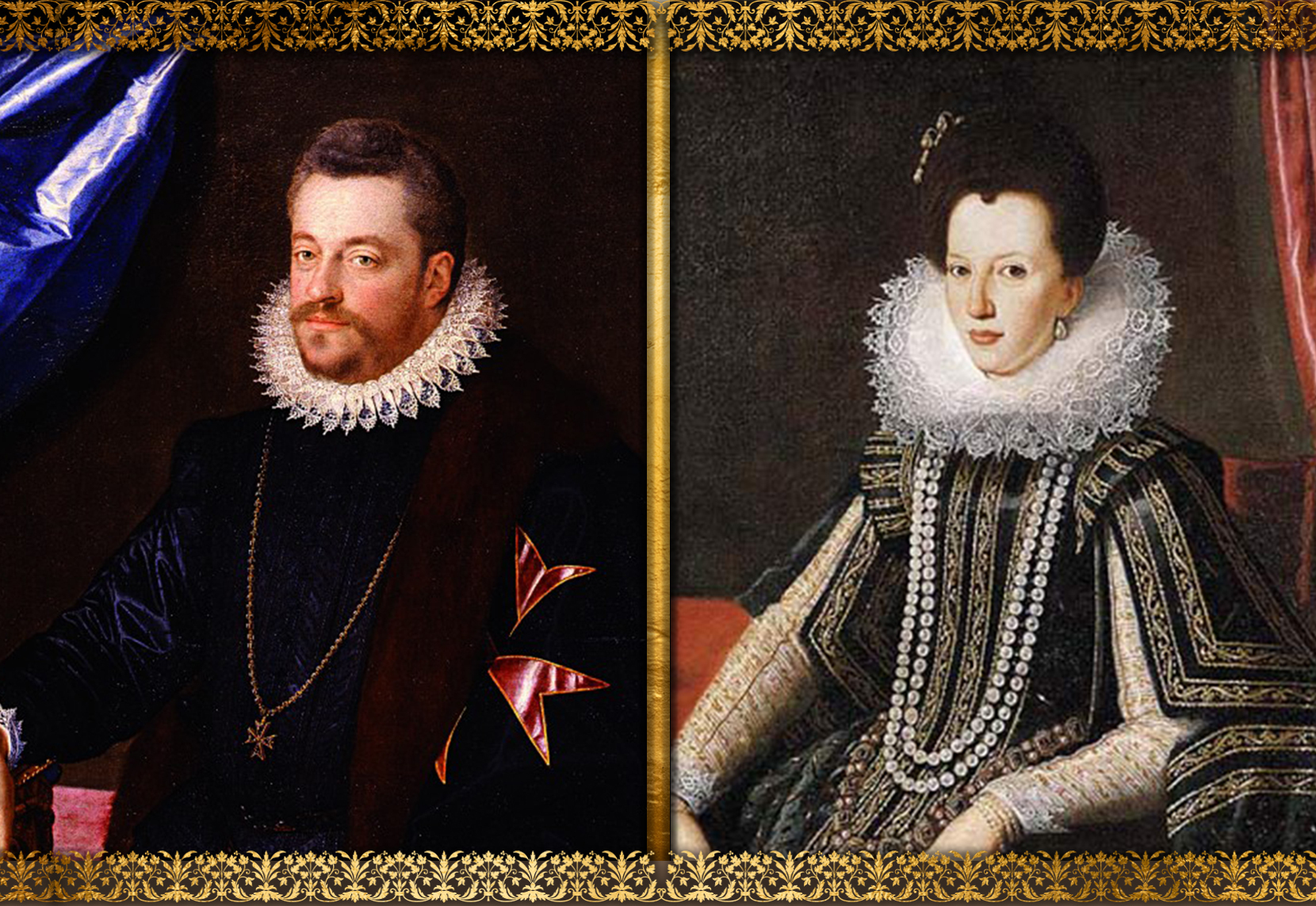
The marriage of Fernando I de Medici, the Grand Duke of Tuscany, with Christina of Lorraine was celebrated in Florence, Italy, in 1589 with all the pomp and splendor of which only the Medici were capable. And they made sure everyone knew it, too.

Fernando I de Medici, Grand Duke of Tuscany, and Christina of Lorraine

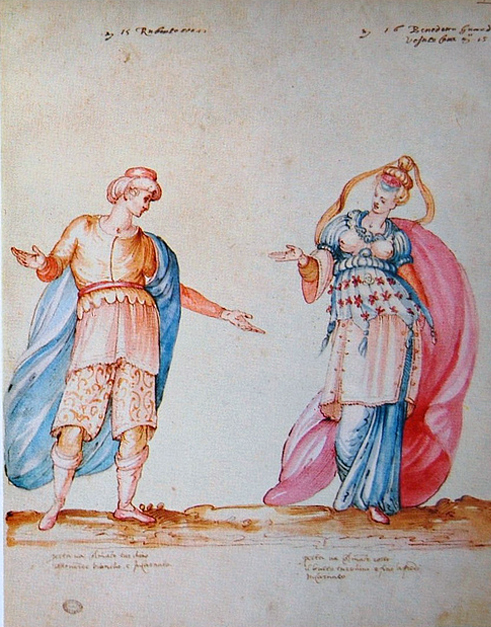
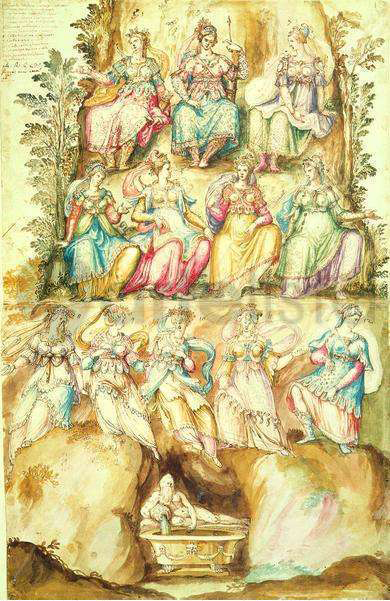
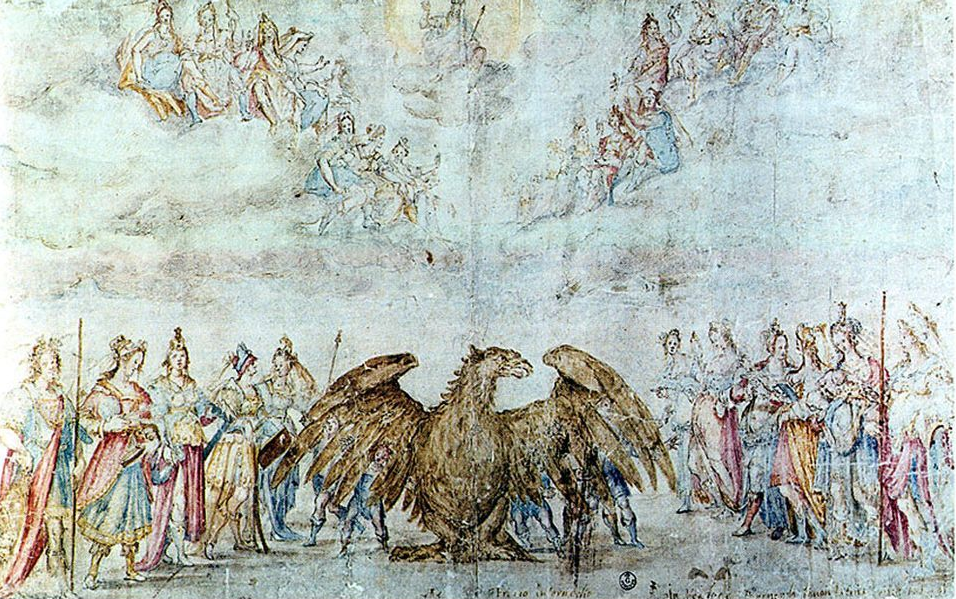
One of the grandest events of the month-long celebration was La Pellegrina (The pilgrim woman), a five-act play that was embellished by six elaborate intermedii—musical interludes—with music by by six different composers. Placed before, after, and between the acts of the  play, these interludes featured extravagant sets and costumes and virtuosic music, all designed to demonstrate the wealth and power of the Medici family.

The musical interludes have been recorded but are rarely performed live—and as far as research can tell, never in Boulder until now. Selections from five of the six intermedii will form the next program by Seicento Baroque Ensemble, with performances Friday through Sunday in Boulder, Arvada and Longmont (times and locations below), under the direction of Seicento’s artistic director, Amanda Balestrieri.

Bernardo Buontalenti, costume design for La Pellegrina

For this performance, Seicento will only have 12 singers rather than the usual 25, due to COVID, but this core group will be supplemented by an additional paid singer and a solo octet, plus two violins, two violas da gamba, a theorbo/lute/Baroque guitar player and harpsichord. Proof of vaccination and masks will be required of all audience members. Both in-person and virtual tickets are available through the Seicento Web page.

It would be hard to exaggerate the impact of the wedding celebration, which was more than a year in planning, and especially the intermedii. While La Pellegrina the play made no great impression then or since, the musical interludes were clearly the most brilliant star of the event, which included banquets, balls, and even a mock naval battle. 

For the play and its attendant interludes an entire new theater was constructed, offering the latest in theatrical capabilities. The elaborate settings were designed by Bernardo Buontalenti, who set the standards for late renaissance stage spectacles. Music was commissioned from the best known Italian composers of the time, including the Florentine court composer Luca Marenzio, plus the early pioneers of Baroque opera Giulio Caccini, Jacopo Peri and Emilio de Cavalieri—names all prominent in music history if not in most listeners’ experience. 

Bernardo Buontalenti, costume design for La Pellegrina

So successful was the theatrical spectacle of La Pellegrina that it became the model in both musical and theatrical style for early Baroque opera, which for many years excelled as a means for courts and kings to display their wealth. The splendor of the intermedii remains unsurpassed by any stage music of the era, and they represent one original source of the entire artform of opera.

Balestrieri chose these pieces specifically for Seicento’s post-Covid return to the stage. Not only is the resumption of live performances a cause for celebration, the year also marks the ensemble’s tenth anniversary season. “I wanted a grand piece of great beauty that is less well-known,” she wrote in a description of the program. “[I wanted the concert] to stand out and offer some relief from the funereal music performances emerging in late pandemic programming.”

In an intriguing coincidence, Seicento’s founding 10 years ago grew from another Colorado premiere, of music written only a few years after La Pellegrina. That performance of the Vespers composed in 1610 by Monteverdi led directly to the current Seicento ensemble.

Balestrieri explains how she arrived at the singers who will perform the music from La Pellegrina. “Our chorus is a volunteer chorus,” she writes. “Many singers decided to wait until the spring to sing with us again because of COVID, either for their own health or their children’s, since some have young children not yet eligible for the vaccine.

“Anticipating this, I hired one additional chorus tenor, making 13 total singers (for) the full chorus, plus eight chorister/soloists to make up the solo octet that will sing everything. A few of the full chorus will join the octet for a few numbers, the full chorus sings about four choruses, and the octet sings the rest of the numbers.”

She decided not to attempt the entire musical score, which runs more than 90 minutes, both because one venue asked Seicento to limit its performance to 60 minutes as a COVID precaution, and also because of limited rehearsal time for the singers. With a total time of about 50 minutes for the music, Balestrieri expects the entire performance to finish in about an hour, with no intermission.

Both the subjects and the social milieu of the intermedii are likely unfamiliar to most modern listeners, but Balestrieri has taken that fact into account. “The intermedii were originally elaborately costumed and staged tableaux representing both mythological stories well-known to the original audience and homage to the royal couple,” she writes in her notes to the performance. 

Bernardo Buontalenti, design for the final scene of La Pellegrina

 “The context will be explained in the program, and the texts and translations should do the rest.”

And so for the Seicento performance, there will be no royal couple. And no elaborate costumes, much less the lavish stage machinery of the original. But much of the splendor resides in the music, and that will be very much present.

# # # # #

La Pellegrina: “An Italian Intermezzo” 
Music performed at the wedding of the Grand Duke of Tuscany in Florence in 1589
Seicento Baroque Ensemble and guests
Amanda Balestrieri, conductor

7:30 p.m. Friday, Nov. 5, First United Methodist Church, Boulder
7 p.m. Saturday, Nov. 6, United Methodist Church, 6750 Carr St., Arvada
3 p.m. Sunday, Nov. 7, Stewart Auditorium, Longmont Museum

In person and virtual tickets available here.