Santa Fe Opera continues its exploration of Wagner’s music dramas
By Peter Alexander Aug. 11 at 5:35 p.m.
Editor’s Note: This is one of several posts covering four of the five operas presented this year at the Santa Fe Opera.
Die Walküre, the last of the Santa Fe Opera productions I saw this summer (Aug. 8), continues the company’s exploration of Wagner’s music dramas, following the 2022 production of Tristan und Isolde previously reviewed here.
Ryan Speedo Green (Wotan); Back: Tamara Wilson (Brüunhilde); photo by Curtis Brown for the Santa Fe Opera
The performance was marked by excellent singing, flexible but ultimately meaningless settings, and costumes that ranged from impressive to silly. The stage direction was busy, filled with ideas but no overriding concept.
Jamez McCorkle (Siegmund); photo by Curtis Brown for the Santa Fe Opera
Many operas today are time shifted; I have reviewed several of these at Santa Fe in the past (La Traviata and Don Giovanni, Rosenkavalier and L’elisir d’amore, Tosca). Die Walküre, based in legend, has no set era, but Santa Fe’s current production proposes many different historical time slots for the story. The opening act took place in an abstract space filled with 1950s appliances, Sieglinde wore a contemporary dress, Brünnhilde was clad in generic old-norse gear, and the Valkyries wore different military uniforms from across the globe and representing the middle ages to the 20th century.
L-R: Valkyries Gretchen Krupp, Jasmin Ward, Jessica Faselt, Lauren Randolph, Wendy Bryn Harmer, Deanna Ray Eberhart, Jennifer Johnson Cano, Aubrey Odle; photo by Curtis Brown for the Santa Fe Opera
The set remained abstract throughout—two horizontal panels filled with vertical, elastic cables that characters reach and enter through, that meet mid-stage to open or close as the staging requires. These panels are topped by a walkway with a railing of entangled red ropes, a symbol used throughout to represent marriage—literal ”ties that bind”—as enforced by Fricka. The upper walkway is used by Wotan, Fricka and others, as a viewpoint on the stage action below. As a setting, this is suggestive of nothing at all.
Various non-singing characters appear throughout. There are mysterious figures in black body suits who enter and leave the stage, handle Siegmund’s sword, Brünnhilde’s shield, and move set pieces around. There are actors representing Alberich, who is referred to but not present in the plot; Grimhilde, the Gibichung who will be mother to Alberich’s son Hagen later in the story; Erda, Siegmund’s, Sieglinde’s and the Valkyries’ earth-spirit mother; and other shadowy figures from Ring mythology.
Solomon Howard (Hunding); photo by Curtis Brown for the Santa Fe Opera
None of this clarifies the plot. Clearly, director Melly Still has many ideas about how to present Die Walküre within the Ring Cycle, but her disparate ideas do not add up. At it’s core Die Walküre tells a simple story—Siegmund runs off with his sister Sieglinde and they conceive a child; Sieglinde’s betrayed husband Hunding tracks them down and kills Siegmund.
But there is no story so simple that Wagner and stage directors cannot make it more complicated, which is what happens in Santa Fe. Wagner’s role, having written the libretto based on the Nordic myths, lies with meddling gods and magical weapons.
The stage director takes credit for the rest, starting with the black-clad figures, who only obfuscate the plot. While the basic action is clear, one is distracted by dark figures posing mysteriously behind the elastic bands, reaching through them, entering and leaving the stage, handling props. There is broader symbolism at work, but none of this helps to tell the story of Die Walküre. Another intrusion that seemed gratuitous was Wotan’s cadre of “enforcers,” military police characters dressed like Star Wars extras or World War I impersonators.
One moment in particular stands out as a missed opportunity. The first act ends with the walls of Hunding’s hut flying open and spring bursting over the twins/lovers Sieglinde and Siegmund, blessing—as Wotan later argues to Fricka—their incestuous love. Wagner’s music is powerful, soaring and blooming. It is expressing something that needs to be shown. But in Santa Fe, the panels open up and the lovers occupy a bare space on the stage. Of spring there is not the slightest visual sign.
Vida Miknevičiūtė (Sieglinde), Jamez McCorkle (Siegmund); photo by Curtis Brown for the Santa Fe Opera
In the role of Siegmund, Jamez McCorkle reached all of his notes, sang with strong feeling, but allowed a slight bleat enter his voice at crucial moments. This rough edge pushed his voice out, but as often with strained Wagner singers, it did not add beauty to the sound.
Vida Miknevičiūtė portrayed a slight Sieglinde, vulnerable and frightened by her rising feelings. Although light for Wagner, her voice was precise, employed carefully, only occasionally a little wobbly. She sang forcefully through the love duet with Siegmund, rising to steely heights, and melting into her gentler moments.
As Wotan, Ryan Speedo Green was struggling with altitude, or the dry mountain air, or both. While onstage he was handed water through the elastic bands in both acts II and III, and his voice sounded worn by the end of each act. At his best, he was a gruff, confrontational Wotan, consumed by his growing anger at being caught in his own trap. He easily commanded the stage in every appearance. Whatever his struggle, it did not diminish his presence.
Tamara Wilson (Brüunhilde), photo by Curtis Brown for the Santa Fe Opera
Tamara Wilson’s entrance as Brünnhilde was greeted with cheers. She was a solid member of the cast, singing with force and power, if not quite dominance. Her interactions with Green’s Wotan near the end was a forceful turning point, in both the opera and for the cycle beyond Walküre.
Sarah Saturnino provided a secure vocal element as Fricka. Her long Act II argument with Wotan—for me one of the most interesting portions of a long evening—was deeply engaging. Saturnino sang with genuine depth and expression.
Solomon Howard brought his big, resonant bass voice to the role of Hunding, filling the house with strong tones. His military-fatigue costuming lent an appropriately menacing air, although I hard a hard time getting past his resemblance to Jimi Hendrix. Contemporary costuming has its perils.
Soloman Howard (Hunding), Ryan Speedo Green (Wotan), Jamez McCorkle (Siegmund); photo by Curtis Brown for the Santa Fe Opera
The Valkyrie’s calls rang resoundingly over the orchestra, calling their warrior band together. All were potent contributors to the performance. With Brünnhilde, they displayed an infectious joy of companionship. James Gaffigan conducted with a sure hand, leading a performance steeped in experience and understanding of the score. The orchestra, and especially the expanded brass section so crucial to Wagner, played tirelessly over the music drama’s long duration, providing powerful heights as well as more intimate moments of sensitivity.
The Aug. 8 audience I take to have been about 75% Wagnerphiles—two gentlemen in front of me wore horned helmets of felt—who loved every minute of Wagner’s music. They know the story backwards and forwards, and so could recognize all the references and the crucial turns of the plot. They deservedly cheered the singers.
For those less familiar with the story, it must at times have been a mystery.
Die Walküre will be repeated at the Santa Fe Opera twice more, Aug. 13 and 21. Remaining tickets, if any, are available HERE.
Santa Fe Opera presents carnivalesque production of Verdi’s masterpiece
By Peter Alexander Aug. 11 at 1:45 p.m.
Editor’s Note: This is one of several posts covering four of the five operas presented this year at the Santa Fe Opera.
Santa Fe’s new production of Verdi’s Rigoletto opens on a carnivalesque scene: a chorus of courtiers dressed in stylized theatrical garb of mixed styles and periods, including Spanish breeches, Landsknecht jackets with slit sleeves, as well as shirts and pants of no discernible period. A few women sported Marie Antoinette gowns.
Front L-R: Duke Kim (Duke), Michael Chioldi (Rigoletto), Le Bu (Count Monterone), the Santa Fe Opera Chorus; photo by Curtis Brown for the Santa Fe Opera
The dark violet color patterns of the essentially anonymous courtiers all match, while named characters—Merullo, Ciprano and the Duke of Mantua—are dressed in black and white. Some jackets clearly have zippers. Rigoletto wears garters with his socks and a stylized jester’s cap. In short, everything catches the eye, nothing pertains to any one period.
Rigoletto (Michael Child) with the decadent tribe of courtiers (The Santa Fe Opera Chorus); photo by Curtis Brown for the Santa Fe Opera
This eclectic mix in Jean-Jacques Delmotte’s costumes is matched by Julien Chavaz’s inventive stage direction where the opera’s high drama and tragedy is mixed with comic touches that lighten some scenes, but sometimes distract from the real business of the singers. The chorus of courtiers are not only dressed alike, they move in lockstep conformity. They move as a pack, sometimes going into silly choreographic moves, showing their inability to break from the decadent tribe at court.
Chavez goes so far as to lightly mock operatic conventions, as when Giovanna mugs to the audience during Gilda and the Duke’s amply repeated goodbyes. There quiet chuckles are welcome, as in the well considered interplay between the assassin Sparafucille and his sister Magdalena in the final act.
On the other hand, the silly choreography for the chorus while the Duke sings his praise of love in the second act is an unnecessary indulgence. The Duke’s aria represents a critical moment, revealing that he has discovered a kind of love from Gilda he has never seen at court. It does not redeem him, but makes him a more rounded person, and should not be downplayed for easy entertainment, whatever the symbolic depth. The same principle could have been applied elsewhere.
Designer Jaime Vartan’s set for the Duke’s court is abstract, with abstractly decorated mobile flats that are moved around the stage. Scattered among them are colorfully lit pieces that come together at the end to briefly outline the jester’s hat and face, and then disintegrate as the tragedy destroys Rigoletto. The interiors of Rigoletto’s home and Sparafucile’s “tavern” roll on from the wings. Their well designed contrast with the rest of the stage creates a space of warmth and safety in one case, danger and decadence in the other.
Michael Chioldi (Rigoletto), Elena Villalón (Gilda); photo by Curtis Brown for the Santa Fe Opera
Portable lamps are sometimes used realistically, as light for Gilda’s reading, but also abstractly, carried about by the courtiers representing—who knows, enlightenment? The meaning was not clear to me. Why, for example, is Gilda discovered at court after her abduction, upstage, surrounded by lamps that are then moved downstage when Rigoletto orders the courtiers out of the room?
If the design and direction are a mixed bag, the music definitely is not. From the very first notes on Aug. 7, conductor Carlo Montanaro and the Santa Fe Opera orchestra take the drama in their teeth. Beyond the ferocity of the opening and all references to the curse invoked on Rigoletto and the Duke, Montanaro led with consistent flexibility and expressivity in supporting the singers. Musically, this was one of the most gripping Rigolettos I have seen.
Duke Kim’s light tenor warmed and strengthened over the evening, reaching a high level of passion by the end. His Donna e mobile in the last act was exciting, and his duets with Gilda were wonderful. His portrayal of the privileged, devil-may-care nobleman was winning (or fittingly vile, if you will), both musically and dramatically.
Elena Villalón (Gilda), Duke Kim (Duke); photo by Curtis Brown for the Santa Fe Opera
The star of the evening, as she should be, was the Gilda of Elena Villalón. Caro Nome was a moment of true beauty, and in every powerful duet—with Rigoletto and the Duke—she drove the drama to powerful heights. She carried a warm sound into the softest moments, beautifully holding out the longest phrases. Her acting was first rate, establishing her loving and confused relationship with her father. I particularly liked the touch of showing her reading, making her a full person, a young woman of genuine curiosity and thoughtfulness as well as innocence.
Michael Chioldi (Rigoletto); photo by Curtis Brown for the Santa Fe Opera
A late switch in the cast, Michael Chioldi as Rigoletto used his mature voice to establish a character of great experience and many woes. He mustered the power when needed to convey the depth of Rigoletto’s anguish; every exclamation of the curse was grim and powerful. His closing scene with the dying Gilda was chilling.
Stephano Park made a superb Sparafucile, summoning terror with his deep bass to the lowest note of his name. Marcela Rahal was equally telling as Magdalena, adding a flirtatiousness that fits the character and helps round out the final act. The interactions between brother and sister were more than just singing the notes; there was a touch of teasing in their bother-sister interactions that elicited a few light chuckles.
Le Bu sang the condemned Count Monterone “like thunder.” The named courtiers—Ryan Wolfe and Marcello, Korin Thomas-Smith as Count Ceprao, Mary Beth Zara’s as the perky page, and Ryan Bryce Johnson as Borja, all filled their smaller roles well.
The Santa Fe Opera production of Rigoletto will repeat Aug. 15 and 20. Tickets, if available, can be purchased HERE.
Editor’s Note: This is one of several posts covering four of the five operas presented this year at the Santa Fe Opera.
Santa Fe Opera’s production of Puccini’s La Bohème (seen Aug. 6) opens on a standard first-act set: a dingy apartment of Bohemian squalor with views of the Parisian rooftops, here created by projections. Two young men are at work.
L-R: Soloman Howard (Colline), Long Long (Rodolfo), Szymon Mechliński (Marcello); photo by Curtis Brown for the Santa Fe Opera
The first sign that something is up is when the poet Rudolfo starts pounding on a typewriter. This is not 1830s Paris, and when Mimi enters later in the act, her hair style shows that we are in the 1920s. In many ways this is a good choice: Paris in the ‘20s was a center of the avant garde, young artists were flourishing (think Hemingway and Picasso), and the free lifestyle of the operatic Bohemians was common.
L-R: Efraín Solís (Schaunard), Long Long (Rodolfo), Sylvia D’Eramo (Mimì), Soloman Howard (Colline), Szymon Mechliński (Marcello), Emma Marhefka (Musetta) Kevin Burdette (Alcindoro); photo by Curtis Brown for the Santa Fe Opera
For the most part, the temporal transposition works well, and it provides great opportunities for the costume designs of Costance Hoffman. Indeed, the second act in the streets of Montmatre and inside the Café Momus (transformed from a neighborhood bistro to a five-star restaurant) is a 1920s fashion pageant. The incongruity of grubby Bohemians in such surroundings, with plain people gaping through the windows, becomes part of the humor of the scene. It is good fun, if it does stretch credibility.
The third act continues the time shift: there is a motorized ambulance (doubling as a spot for a streetwalker’s hookups) outside the police post at the gates of the City. The fourth act returns to the first set, through a very clever scenery shift that earned applause. Colline’s overcoat has a definite ‘20s vibe, as does Musetta’s attire.
This visually engaging production replaces one that was presented in Santa Fe in 2019. It is a great improvement, with all the pieces fitting well together.
This is not to say that there are no issues with Allen Moyer’s set. In the second act, the elegant Cafe Momus and its crystal chandeliers require so much space that all the rest of the action—bustling crowds, busy children, the toy seller Parpignol, the act-ending parade—are pushed into narrow margins of the stage. If there is a meaning to the Bohemians being just more Parisians on the street, swallowed up by the Christmas Eve revelries, it is lost here.
L-R: Solomon Howard (Colline), Long Long (Rodolfo), Efraín Solís (Schaunard), Szymon Mechliński (Marcello); photo by Curtis Brown for the Santa Fe Opera
James Robinson’s stage direction meets the vital standard of telling the story. The camaraderie of the Bohemians is well portrayed, and all critical moments of the story are clear. He always handles the movements of actors in confined spaces comfortably.
In the name of realism—or so I assume—there are a few crude touches. Schaunard turns his back to the audience and then takes the chamber pot and throws its liquid contents out the garret window. After the third-act fight between Marcelo and Musetta, Marcelo angrily retreats into the ambulance with a friendly protstitue. Is it my age? I don’t see what these touches add to the opera.
Conductor Iván López Reynoso charged into the opening chords. Brusque and brisk, they propelled a quick tempo that thankfully stretched to accommodate the vocal lines, but for long periods did not let up. At times Reynoso allowed the brass free reign, and the orchestra sometimes covered the singers or pushed them to full volume. Otherwise, he controlled the musical flow well and kept the music moving.
Long Long (Rodolfo), Sylvia D’Eramo (Mimì); photo by Curtis Brown for the Santa Fe Opera
The success of any Bohème depends on the two leading roles, Rudolfo and Mimi. Both Long Long and Sylvia D’Eramo handled their assignments handsomely. Long Long sang with a ringing, Italianate tone, but the sound lacked a sense of freedom and comfort at the margins. Every phrase was delineated and sung with expression, but I did not sense a progression from one act to another. Rudolfo of Act IV was Rudolfo of Act I.
D’Eramo conveyed Mimi’s fragile state from her first entrance. In the softest moments she floated her pianissimos beautifully, and she used her voice well to convey the character’s declining health. I especially enjoyed her transformation from a shy neighbor to a young woman who is warming to the dawn of love in Act I. A blooming orchestra sound sometimes covered her lines, but she was always able to soar above the sound at climactic moments.
As Marcello, Szymon Mechliński sang with a booming if sometimes rough-edged baritone. This suits Marcello, a more rough-edged character than Rudolfo. His was a dominant character among the four artists, at his best in confrontations and combat with Musetta.
Emma Marhefka (Musetta); photo by Curtis Brown for the Santa Fe Opera
In the latter role, Emma Marhefka played the coquette to the nth degree. No character was more vivid throughout, justifying the bystanders who are delighted to spy her in the second act crowd scene. The famous Waltz was more languid than usual, but none the less effective with her rich voice.
Bass Solomon Howard made Colline a strong presence, singing with a resounding quality that only occasionally hit rough spots in the “Overcoat Aria” of Act IV. Efraín Solís was solid in the less prominent role of Schaunard, always part of the happy company of Bohemians. Santa Fe veteran Kevin Burdette brought the supporting roles of Benoît and Alicindoro to comic life, singing as well as ever.
In spite of any reservations, this is a thoroughly enjoyable Bohème. The cast is strong, the sets intriguing, the orchestra excellent, as always. And Santa Fe nights lend themselves perfectly to this drama of bohemian companionship, young love and loss.
Bohème repeats at the Santa Fe Opera Aug. 14, 19 and 23. Tickets are available HERE.
Britten’s The Turn of the Screw in a hauntingly ambiguous production
By Peter Alexander Aug. 10 at 1:15 p.m.
Editor’s Note: This is one of several posts covering four of the five operas presented this year at the Santa Fe Opera.
Benjamin Britten’s The Turn of the Screw is a challenging opera to produce.
Based on the short story by Henry James, it is a ghost story about a governess who cares for two children living on a remote estate. The children, Miles and Flora, are haunted, and lured into mischief or worse, by the spirits of deceased previous caretakers.
Or are they?
Jacquelyn Stucker (The Governess), Brenton Ryan (Prologue), photo by Curtis Brown for the Santa Fe Opera
As James’ story and the opera both make clear, the question is whether the ghosts are real presences, haunting the house and the children, or the products of the governess’ delusions, phantoms of an unbalanced mind. Whole books have been written on this issue; any production that fails to recognize the question has failed.
Jacquelyn Stucker (The Governess), Brenton Ryan (Peter Quint), photo by Curtis Brown for the Santa Fe Opera
In that respect, the current Turn in Santa Fe is the most successful I have seen. The relationships among the governess, the children, and the ghosts of Peter Quint and Miss Jessel, are adeptly handled. The problem is that Quint and Jessel sing, so it is necessary to have living actors onstage. How can they remain figments of the Governess’ imagination, when we, the audience, can see them?
A full description of all the astute choices in the Santa Fe production would require a separate essay, but several critical points illuminate the care taken by stage director Louisa Miller. In his first appearance Quint is only a vague apparition, seen though the window. But after Mrs. Grose, the housekeeper, gives names to what has happened in the past, who Peter Quint and former governess Miss Jessel were, suddenly they are seen more clearly, appearing onstage with the governess. This suggests that Mrs. Grose has stimulated the young governess’ overactive, and possibly paranoid, imagination.
Another telling point is that the children never see the ghosts. When Quint and Jessel are onstage, the children never turn to look at them, in spite of being called by name. Only the governess seems to see and hear the ghosts, and only she speaks to them. So the ghosts, if such they are, remain suggestions more than characters. Anything else can be explained by the fact that Quint and Jessel did interact with—and possibly lead astray—the children in the past. When Quint tells Miles to steal a letter, it could just as reasonably be a young boy’s naughty impulse pushing him to mischief. His later explanation—“I wanted to know what you wrote about us”—rings true.
Annie Blitz (Flora), Everett Baumgarten (Miles), Jacqulyn Stucker, photo by Curtis Brown for the Santa Fe Opera
It would be a mistake to overlook one innovation of this production. Britten’s score is divided into scenes and and purely orchestral interludes between them. Miller makes use of the interludes—usually played without action—for symbolic events, or to show the children playing (and kudos for the delightful period play, from hoop trundling to a play theater) with the governess joining in. The plot focuses on the descent to tragedy, ignoring the rest of the children’s lives and their happier interactions with the governess. These pantomime sequences add depth to all of of the characters.
In short, Miller’s direction carefully treads the line between ghost story and psychological case study. (It is useful to recall that Henry James’ brother William is one of the founders of modern psychology). She correctly leaves it to the audience to decide which version of the story is true—or to leave it undecided.
The scenic design is credited to Christopher Oram, as a Canadian Opera Company production that originated at the Garsington Opera in England. It has effectively been fit onto Santa Fe’s stage, where lighting by Malcolm Rippeth successfully adds to the suggestive, murky ambience of the setting.
The Aug. 5 cast was uniformly strong in presenting both music and character. The diction was always clear and understandable, a testament to both Britten’s care in scoring the opera and the singers’ efforts. Brenton Ryan brought a bright tenor voice to both the prologue and the role of Peter Quint. His alluring roulades, tailored for the original Quint of Peter Pears, were unexceptionable. In one of the more telling touches, the staging of the prologue briefly conflates Quint and the absent guardian, raising more questions of motive and reality.
Jacquelyn Stucker was an ideal Governess, with a clear and delicate sound at the outset. She gave a well considered performance; as the opera progressed, she became more unstable and desperate in her characterization, and her tone more brittle and biting in quality. In voice and presence, Jennifer Johnson Cano portrayed a stolid and sometimes baffled housekeeper. She sang with security, blending into the ensemble and never dominating the musical texture.
The two young characters were beautifully performed by treble Everett Baumgarten as Miles and young soprano Annie Blitz as Flora. Baumgarten’s pure sound was always audible, and was alluring in his eerie “Malo, malo.” Blitz’s voice was focused, consistently on pitch but at times piercing.
Wendy Bryn Harmer (Miss Jessel), photo by Curtis Brown for the Santa Fe Opera
Wendy Bryan Harper provided a brooding presence as Miss Jessel. Her slightly pushed tone suggested a character under pressure, never quite at ease. Otherwise, little acting was required, as she drifted phantom-like on and off the stage, usually through the onstage pond that represented both the estate’s lake, and its symbolism as a boundary space between the real and unreal.
It would be hard to overpraise the orchestral players in the pit. Britten’s virtuoso score for an ensemble of 13 players was ably led by conductor Gemma New, who convincingly knit the various musical elements together, from scene to interlude to scene, and brought out the shifting moods of the evocative score. While all the players mastered the virtuoso demands of their parts, special notice should be taken of prominent percussion passages throughout.
NOTE: The 2025 performances of Turnof the Screw have come to an end.
CU Eklund Opera and Opera Colorado announce 2025–’26 seasons
By Peter Alexander March 17 at 5:43 p.m.
Leigh Holman stepped before the rich, ruby-red curtains at Macky Auditorium yesterday (March 16) afternoon and spoke to the audience.
The occasion was the final performance of CU’s production of Gilbert & Sullivan’s Pirates of Penzance. Holman is the director of the Eklund Opera Program at CU-Boulder, and in addition to welcoming the full house in Macky, she made an announcement of interest to opera lovers in the area. She named the works in Eklund Opera’s 2025–26 season—or most of them.
Leigh Holman
The fall production, she said, will be one of the most successful operas of the past 25 years, Jake Heggie’s Dead Man Walking. Premiered in 2000 by the San Francisco Opera it has since been performed in dozens of productions, at CU in in 2007, Central City Opera in 2014, at the Metropolitan Opera in New York, Houston Grand opera, in university and regional productions around the country, and major houses around the world.
Based on the memoir of the same name by Sister Helen Prejean, Dead Man Walking features a libretto by playwright Terrence McNally. The plot revolves around Prejean’s death-row ministry with a convict who was executed for murder in Louisiana in 1984.
Homan then announced that in April, 2026, the Eklund program will present Leoš Janáček’s folk-ish Cunning Little Vixen, a charming and harsh tale of life in the animal world. Finally, she said that the third production, appearing in the March time slot, would be a musical comedy presented in conjunction with the CU program in musical theatre. Contractual obligations, common with the performance of musicals, prevent the release of the show’s title at this time.
Opera Colorado in Denver also has announced the operas that will be their main stage productions in the 2025–’26 season. November will see performances of Verdi’s La Traviata, and in May Opera Colorado will present Puccini’s Madama Butterfly. In the meantime, there will be semi-staged concert performances of Verdi’s Il Trovatore featuring a full cast with the Opera Colorado orchestra and chorus, 7:30 p.m. Saturday, April 26, and 2 p.m. Sunday, May 4, in the Ellie Caulkins Opera House at the Denver Performing Arts Complex.
Ellie Caulkins Opera House, Denver
The company’s Calendar of Events lists the dates for all performances and access to the box office for the purchase of individual tickets for the remainder of this season, as well as subscriptions for the ’25–’26 season.
Central City Opera House
Central City Opera’s summer 2025 season has already been announced, but if you missed it, this year’s summer festival at the Opera House in Central City will feature Rossini’s Barber of Seville, Aleksandra Verbelov’s contemporary The Knock, inspired by events during the 2003–’11 Iraq War, and the 1959 Broadway hit Once Upon a Mattress, recently revived in New York and Los Angeles to great acclaim.
The full summer calendar, and access to the purchase of subscriptions and group bookings can be found HERE. Individual tickets will go on sale April 1.
Not in Colorado but within a reasonable day’s drive for people in the Boulder area, the Santa Fe Opera presents productions in a unique and stunning outdoor theater in the New Mexico mountains. Productions for the summer of 2025 will be Puccini’s La Bohème, Mozart’s Nozze di Figaro (Marriage of Figaro), Verdi’s Rigoletto, Benjamin Britten’s Turn of the Screw and Wagner’s Die Walküre.
Santa Fe Opera. (c)Bob Godwin/rgbphotography@mac.com
The full calendar for the Santa Fe Opera is located HERE. Tickets can be purchased through the company’s 2025 Season page.
NOTE: At the request of the Eklund Opera Program, a quote that that could potentially identify the musical to be presented in March, 2026, was removed from the fifth paragraph of this story as of March 13, 2025.
Reviews of The Righteous, Der Rosenkavalier and L’elisir d’amore
By Peter Alexander Aug. 14 at 10:25 p.m.
The Santa Fe Opera premiere of The Righteous, a new opera by Gregory Spears to a libretto by Tracy K. Smith that I saw Aug. 7, offered some memorable singing, a skillful and expressive orchestral score, fine direction by Kevin Newbury, flexible set designs by Mimi Lien, and intermittent drama.
Anthony Roth Costanzo (Jonathan, l.) and Michael Mayes (David) in Gregory Spears’ The Righteous. Photo by Curtis Brown.
The plot is a tale of faith, betrayal and torn loyalties that shatter relationships and create family conflicts. The central character is David, a charismatic preacher widely known for his compassion. Surrounding him are his childhood friend Jonathan, a struggling gay man; Jonathan’s father Paul and sister Michele; David’s friend Sheila and her husband Eli. (If you are seeing Biblical implications in the names, that is entirely intentional.)
Jennifer Johnson Cano (Michele), Michael Mayes (David) and Elena Villalón (Sheila). Photo by Curtis Brown.
The situation offers possibilities for strong emotions, as David betrays his first wife (Michele) and breaks up another marriage pursuing an affair with Sheila, then gives up the ministry for a compromising career in politics. Along the way he turns his back on Jonathan, who is portrayed as a gay man lost in the treacherous waters of the 1980s AIDS crisis.
Unfortunately, the opera does little more than skate on the surface of these opportunities. The obvious issues of the time are touched—gay rights, women, AIDS, the war on drugs, racial justice, youth culture—but thrown up as tokens without depth or nuance. The opera boils down to a family drama, with faith and politics serving as context.
David’s farewell to Jonathan. Anthony Roth Costanzo (Jonathan, front) and Michael Mayes (David). Photo by Curtis Brown.
The potential emotional depths are sounded periodically in arias from the first act, where most of the action plays out. The second act turns into dry conversations about ‘80s politics. Both Michele and Sheila, David’s first and second wives, have arias exposing their feelings, but only at the very end do we get insight into David’s feelings. After Jonathan walks away from him to move to California, David questions how his choices have ruined his relationship with Jonathan, whom he loves deeply if platonically, and wonders if he has betrayed his principles.
In a stirring final scene with chorus, David asks God “What did I mistake for you?” and concludes “Life is long and wisdom slow.” This truism is certainly suggested by David’s trajectory, and the final chorus is stirring, building to some of the most impactful music of the opera. But a powerful ending does not redeem the dramatically stagnant scenes before it.
Spears writes effectively for orchestra, and it is the orchestral music that defines the opera’s progress. The setting and mood for each scene are established in the orchestra, which sets moods and outlines the action. But the vocal parts fall into an unfortunate pattern in contemporary opera: musical declamation of the text with wide leaps defining emotional high points, but little to remember. Both Michele and Sheila have emotive arias in the first act that delineate their respective dilemmas, but they are scarcely distinguishable one from the other.
Michael Mayes (David) and Jennifer Johnson Cano (Michele). Photo by Curtis Brown.
Of a generally strong cast, Michael Mayes was a standout as David. Both vocally and dramatically the center of every scene where he appears, he was thoroughly believable as a charismatic leader who would be tapped for political office. He had strength to spare all the way to the final choral apotheosis, his and Spears’s strongest moment, his confessional musings cutting through the powerful Santa Fe Opera chorus.
As Jonathan, the countertenor Anthony Roth Costanzo handled the wandering lines and leaps of his part cleanly and eloquently. His early portrayal of an angry post-adolescent was spot on, but I did not see him mature over the course of the opera, which spans 11 years. And I have to ask: is it succumbing to stereotypes to cast the gay man as a countertenor, who will always sound younger and more feminine than the other characters?
Elena Villalón (Sheila). Photo by Curtis Brown.
The leading women were all first-rate. As Sheila, Elena Villalón sang her first act profession of faith, “If I were a man of God,” with as much expression as the declamatory setting allowed. She handled the wide range of her part well, hitting all the leaps with accuracy and soaring smoothly into her highest rage. Jennifer Johnson Cano was a sympathetic Michele who sang with great conviction in her emotional confrontation with her husband. The rest of her part has little musical interest, but she did all that could be expected of a character who exists only to be betrayed and has no other defined qualities.
Greer Grimsley portrays Paul, Jonathan’s and Michele’s father and the governor of a “southwestern state” dependent on the oil economy (more Texas than New Mexico), as a conventional politician, full of self assurance and certainty of belief. Beyond swagger and a cowboy hat, there is little evidence of his personality.
As Paul’s wife Marilyn, Wendy Bryn Harmer was vocally solid. She created the perfect political wife, totally composed—big hair and all; it is the 1980s—in charge behind the scenes and basking in her husband’s success. Brenton Ryan was thoroughly real as the political consultant CM, always at the governor’s side and never at a loss.
Nicholas Newton (Jacob) and Michael Mayes (David). Photo by Curtis Brown.
In the role of Jacob, minister of a black church in a poorer—i.e., segregated—part of town, Nicholas Newton sang with power and conviction as he confronted David, by the second act a governor who on political grounds now wants to punish the poor and the black for the crack epidemic.
Jazmine Saunders and Natasha Isabella Gesto were perfectly in character as Sheila’s daughter and college friend, Shannon and Deirdre, young women of conviction who are facing an uncertain future in a turbulent time. Andrew Turner has little to do as Eli, Sheila’s abandoned husband who spends most of the opera on military deployment. The little he has he did with serious demeanor and commitment.
Lien’s set moved easily from one location to another with rotating side panels and a few movable pieces clearly defining each space. Kevin Newbury’s direction helped illuminate relationships and contexts. Demario Simmons’s costumes were faithful to a time period that I for one can recall, portraying the free-wheeling youth culture as well as the uptight political world. De Souza managed the orchestra with sensitivity and careful attention to the score, finding the right balance and style as scene followed scene.
The Righteous offers some powerful musical moments that punctuate a halting drama, especially in the women’s Act I arias and the final choral scene. These moments are moving and musically effective, but the drama does not live up to their impact.
* * * * *
Santa Fe’s Der Rosenkavalieris a shared production with Garsington Opera and Irish National Opera. It is visually striking, sometimes beautiful, but the last scene is so elaborate it took a 35-minute intermission to set it up, so that the performance ended after midnight (Aug. 8–9).
Rosenkavalier set by Gary McCann on the Santa Fe Opera stage. Photo by Curtis Brown.
The direction by Bruno Ravella shied away from neither the erotic content of the opera, nor the humor. At times this was welcome, since we are not as prudish today as in 1911, when Richard Strauss’ most loved opera was first performed. (Some early productions were forbidden to have a bed onstage in the first act.) And it is described as a comic opera.
But any performance requires a careful balancing act, because the opera also includes serious topics including aging, the treatment of women by men, the true meaning of love and the different meanings of nobility. The production leans too far in the comic direction. As an audience member whom I overheard said, “They could have done ten percent less.”
For example, consider Fanninal, the nouveau riche father of Sophie, the ingenue who captures Octavian’s heart. Like many new arrivals in the moneyed class, he is a little bit ridiculous. But Ravella directs him as a buffoon. This gets some easy laughs in the Second Act, when Sophie’s fiancé, the boorish Baron Ochs, arrives to claim his bride. But going too far in this direction undermines the role Fanninal plays in the deeply emotional final scenes.
Matthew Rose (Barons Ochs) in the final act. Photo by Curtis Brown.
The entire Third Act has to be handled carefully. If the burlesqueries designed to entrap Ochs and free Sophie from her disastrous engagement are too ridiculous, the audience will laugh (as they did here), but the transition to the profound sentiments of the final trio becomes difficult. There is plenty of fun to be had without a stage full of visibly “pregnant” women, an over-the-top musical band with a Simon Rattle look-alike conductor, and similar excesses. As much as I enjoyed the performance, a lighter touch here—“ten percent less”—would have been better.
The action for this production has been transferred to the 1950s, with the younger characters—mostly Sophie, since Octavian is usually in uniform—dressed for the ‘60s. The ‘50s dress works well, excepting only the Marchallin’s overdone white-and-silver ensemble in the final act. Sophie’s outfits perfectly captured the innocent teen of a wealthy ‘50s family. (Disclosure: I knew girls like that.)
But this updating has one big problem: 1950s Vienna was nothing like the 1740s Vienna of Strauss’ opera. All of Europe had been devastated by World War II; palaces were destroyed and life was hard. No one in postwar Vienna had swarms of liveried servants, as in the Marschallin’s and Fanninal’s homes. Altogether, the production portrays a style of life that never returned.
Further, the class divisions between nobility and the common people were not as strict as in the 18th century. Marriage regulations, a minor point in the plot, would have been unlike those of the 1740s. This destroys any credibility of the 1950s setting.
There are intentional mistranslations in the seat-back titles, designed to fit with the later period—a common occurrence with updated productions. In the libretto, the Marschallin invites Octavian to ride alongside her carriage in the Prater; the titles said that they could walk together. On the other hand, the Marchallin’s proto-feminist inclinations, when she tells Octavian “Don’t be like other men,” or “I’m starting to dislike all men,” fit better in the 20th century than the era of Empress Maria Theresa.
Rachel Willis-Sørensen (Marschallin) and Paula Murrihy (Octavian). Photo by Curtis Brown.
In the critical role of the Marschallin, Rachel Willis-Sørensen gave a memorable performance. She was able to sustain her luscious lines at the softest volume and sing at full volume without losing control. Her posture standing still at the end of her Act I monologue conveyed more than any affected pose. If she had less impact in the final act, that is because of the madness right before her entrance, and her frankly awkward gown.
In her movement and bearing, Paula Murrihy looked the part of the 17-year-old boy Octavian as well as anyone I have seen. Her voice was a little too lush and womanly to convince entirely, especially in the louder passages when her vibrato spread uncomfortably. Pitch placement was careful throughout, and the softer passages flowed smoothly. Her scenes with the Marschallin and with Sophie made the shock of discovering a girl his own age meaningful and deeply moving. I confess; I cannot see the final scene without getting a little misty, and I did here.
Ying Fang (Sophie). Photo by Curtis Brown.
Ying Fang was a delightful Sophie, moving with either girlish glee or the hesitant fragility of an adolescent trying to make her way in an adult world. Her facial expressions as she exchanged glances with Octavian would capture anyone’s heart, while her voice soared beautifully into the highest registers in their duets, always the touchstones of any Rosenkavalier performance. Musically and theatrically, she became the very essence of a convent girl on the threshold of adulthood.
Matthew Rose thoroughly embraced the comic aspects of Baron Ochs, just as his garish costumes captured the bad taste of the formerly rich provincial. He blazed though Ochs’s dense text in Act I capably, his sturdy bass always solid, even to the lowest notes that are the main obstacle of the role. Ochs must be fun for any bass, as it seemed to be for Rose.
Conductor Karina Cannelakis. Photo by Curtis Brown.
Within the limits imposed by the direction, Zachary Nelson filled the role of Fanninal admirably. Perfectly foolish in Act II, he was more dignified and human in the final act. The Italian tenor of David Portillo soared easily through his one aria, cutting through all the distracting craziness at the Marchallin’s levee (did they have those in the ‘50s?). Bernard Siegel and Megan Marino brought the scheming Valzacchi and Annina to life, making them the slippery characters they are supposed to be (and their types exist in every era).
The ultimate foundation of any performance of Rosenkavalier is the orchestra. Conductor Karina Cannelakis led a beautiful, expressive performance, showing a deep appreciation and understanding of Strauss’ late Romantic score, pulling out all the emotion that the orchestra can project. The orchestra responded with an idiomatic Romantic sound and performance, soaring strings, resounding brass and skittering woodwinds as required.
Yes, it ended late, but it was worth it for the transformative uplift of the end. And the last word goes, as it does in the opera, to a child, here played by Maximilian Moore. A welcome delight as Cupid, he was a worthy replacement for the original racist trope of the Marschallin’s servant. No dropped handkerchiefs here, just a sprite popping from the floor to wave a rose as Strauss’ music skips happily to its close.
* * * * *
Donizetti’s L’elisir d’amore (The elixir of love), coming after four operas with serious moments and strong emotions, was the perfect comic finale for the season (seen Aug. 9).
Luke Sutliff (Sgt. Belcore). Photo by Curtis Brown.
The production is full of raucous comedy that fits the spirit of the original. Here the only serious thought is the message not to run away from your true feelings. This moral is conveyed through ridiculous situations and one-dimensional, but strikingly funny, characters. It is a fun, colorful production, in keeping with both the buoyant spirit of Italian comic opera and the period selected for the production, Italy after World War II. Nemorino’s bright red sports car provided several especially funny moments. Sergeant Belcore and the soldiers drove in on a jeep. A priest entered on a motor scooter.
While the period provided good comedy and never got in the way of the fun, it created one huge logical hole that has to be ignored as it cannot be reconciled. A turning point in the opera comes when Nemorino, desperate to buy the wine he thinks is Isolde’s love potion, enlists in Belcore’s regiment for the bonus he will receive.
But, as shown in the production, Italy after the war was occupied by the U.S Army. Belcore is an American soldier. And no Italian peasant could have enlisted in the American Army. In case you miss this giant hole in the plot, Belcore displays an Uncle Sam recruitment poster. So what seems at first a clever and amusing updating turns out to be impossibly anachronistic.
Jonah Hoskins (Nemorino). Photo by Curtis Brown.
To be fair, the audience laughed throughout, either unaware of, or happy to ignore, the illogic at the core of the plot. Do stage directors—in this case the otherwise successful Stephen Lawless—not think about such issues? Or do they expect the audience not to care?
From the beginning Jonah Hoskins sang with an emotive tenor, his smooth, Italianate style only marred by a tight, nasal sound when pushed. His “Una furtive lagrima” was sung with sincerity of feeling and was rewarded with cheers.
Yaritza Véliz (Adina). Photo by Curtis Brown
Yaritza Véliz was a first-rate Adina, singing with a bright sound and gleaming coloratura. She floated buoyantly through her arias with no sign of strain. In a nuanced performance, her attraction to Nemorino was hinted throughout, making their apparent alienation all the more poignant, and the final reconciliation (including a quick, laugh-inducing make-out session in the sports car) more credible and satisfying.
Luke Sutliff shone as a bragging and swaggering Belcore, with a resounding voice and cocky manner. You cannot be surprised at the end when this lusty sergeant happily surrenders Adina, because “the world is full of women.”
Alfredo Daza (Dulcamara). Photo by Curtis Brown.
In the role of “Doctor” Dulcamara, Alfredo Daza, earlier the stern Giorgio Germont in La Traviata, was here an artful snake oil salesman, always with an eye on the main chance. Daza has the booming baritone that Dulcamara needs as he hawks his quack miracle cure to the credulous villagers. Caddie J. Bryan was charming as she played the awkward Gianetta with comic zest.
In his stage direction, Lawless found many original comic touches without resorting to formulaic slapstick or tired shtick. Conductor Roberto Kalb kept the performance moving ahead with great energy and zest. The Santa Fe Opera chorus was as usual terrific.
The Santa Fe Opera season concludes Aug. 24. To check ticket availability for remaining performances, visit the Santa Opera box office HERE.
Opera productions seem to go through trends. That was certainly the case at the Santa Fe Opera this summer: of the five productions, only one—the world premiere of The Righteous by Gregory Spears, set in the 1980s—remained in the time period for which it was conceived. The other four—La Traviata, Don Giovani, Der Rosenkavalier and L’elisir d’amore—were shifted forward to more recent times. Proving that time shifts can work in the right circumstances, some of the productions worked very well in their updated periods. Others were less successful.
Opera night at Santa Fe. Photo by Kate Russell.
Verdi’s La Traviata, updated to 1930s Paris, is a glittering success in almost every way. Armenian soprano Mané Galoyan is as good a Violetta as I have seen. As Alfredo, Uzbekistan tenor Bekhzod Davronov matches her vocally very well. Stand-in Alfredo Daza, the Mexican baritone rounding out the international cast, is a powerful, if blustery, Giorgio Germont.
Conductor Corrado Rovaris brought out the Italianate nuances of the score without ever overpowering the singers. The performance I heard (Aug. 5) was filled with glorious, touching pianissimo singing, especially from Galoyan, and every word, every note was clearly voiced no matter how softly. Luisa Muller’s direction created a human drama where many productions are satisfied with conventional routine.
La Traviata set by Christopher Oram. Photo by Curtis Brown.
The set by Christopher Oram places evocative spaces on a turntable. The Parisian interiors are elaborately decorated in silver, with discrete lighting adding a touch of color. The rotating set is used strategically: in the first act, Violetta’s public scenes at the party are placed in an ornate salon, while her private moments and scenes with Alfredo move smoothly to an interior bedroom, a contrast that sets up the following scenes with the public alternating with the private. The lovers’ country retreat is appropriately rustic, neither too grand nor too shabby. The sets and costumes adhere carefully to the 1930s aesthetic.
Santa Fe Opera chorus, Act II Scene 2 at Flora Bervoix’s costume party. Photo by Curtis Brown.
A special word for Act II Scene 2, at Flora’s party: Decorated in bright reds, it is a satanic costume party, with characters in various outrageous costumes. Intentionally over the top, the scene evokes every American conception of the Paris of Hemingway, Pound and les années folles (the crazy years) when the arts flourished in spite of a worldwide depression. After the restrained colors of the previous scenes, this hits like a blow to the face, creating exactly the shock that Violetta’s return to her life of decadence implies.
For all the strengths of the production, it is Galoyan’s Violetta that makes the greatest impact. Her bright, focused voice suits the role ideally. Her acting was on a par with her emotive singing, ranging from piercing moments of fury to heartrending fragility. Her delicate pianissimos carried easily and never lost nuance, or flattened out to expressionless undertones. Her most effecting moments were in the second and third acts, when she is overcome by the tragic fate that she can see coming. At the end, her frailty was made tragically real in her singing.
Mané Galoyan (Violetta) and Bakhzod Davronov (Alfredo). Photo by Curtis Brown.
In her director’s notes, Muller describes Traviata as a memory play, with the coming (or remembered) events suggested in tableaux during the Prelude. Violetta, she writes, is “a woman in command of her life choices” who “knows that the end of her life is approaching.” Both the staging and Galoyan’s performance reinforce that conception, making Violetta the emotional center of the opera. The life of a 19th-century courtesan seems remote today, but this is a Violetta current audiences can connect with.
Davronov sang strongly, with a ringing tone that matched well with Galoyan in their duets. If his acting was stiff in the country house scene, that is partly due to the limited space in the set. He sang with great expression and his tragedy was palpable by opera’s end.
Alfredo Daza (Giorgio Germont) and Bakhzod Davronov (Alfredo Germont). Photo by Curtis Brown.
Costumed as a military officer, Daza was an imposing figure, and his large baritone voice commanded the stage from his entrance. He was never a sympathetic figure in his long scene with Violetta, but he is not meant to be. Booked for Dulcamara in l’Elisir d’amore, he has sung Germont before and so was an obvious person to take over the role, which he filled admirably.
Sejin Park was appropriately arrogant as Baron Douphol. Elisa Sunshine sang well and understands her limited role as Violetta’s faithful maid Annina. Kaylee Nichols has a strong voice but didn’t seem dissolute enough for the scandalous Flora Bervoix.
The orchestra played admirably, following Rovaris’s expressive rubatos and supporting the singers well through the softest moments. The party-scene choruses were full voiced and strong, contrasting powerfully with the delicate and reflective moments of the lead singers—another level of contrast between the public and private lives of the characters.
This production, and the performance I saw, would stand out in anyone’s season. In a long history of memorable operas at Santa Fe, it is a production worth seeing and remembering.
* * * * *
The production of Mozart’s Don Giovanni(seen Aug. 6) has been transported to Victorian-era London. In some ways this works well, but in other ways, not.
The updating was inspired largely by the coincidence that Don Giovanni and Dorian Gray of Oscar’s Wilde’s novel The Picture of Dorian Gray share the initials DG, and that both pursue a life of hedonism. Beyond those superficial similarities, it is certainly true, as director Stephen Barlow points out in his notes, that both the world of Don Giovanni and Victorian England were class-bound societies. In the opera, each member of the cast is defined by their standing as nobility or peasantry, impenetrable social levels identified in the music. These musical distinctions put class, which would have been immediately clear to Mozart’s audience, at the heart of the opera, as it was to lives in Victorian England.
Leporello (Nicholas Newton) in Victorian London. Photo by Curtis Brown.
But in other ways, the updating is less successful. To maintain the transformed setting, Don Giovanni sings “Come to your window, my treasure” sitting in the lobby of a posh hotel. Instead of a graveyard, Giovanni “leap(s) over the wall” into an enclosed funeral parlor. And in a particularly baffling decision, there is no statue, only a casket sitting on a pedestal. Leporello sings of the immobile casket, “He looked at us.” There is no statue at all—a consistent feature of Don Juan mythology for centuries—in the final scene. The Commendatore enters through a picture frame as a ghost, again making nonsense of the sung text.
Some of the seat-back English titles strayed from the literal to contribute to the Victorian ambience. “Listen, guv,” Leporello sings to Giovanni, and the “Champagne Aria”—literally “As long as the wine warms the head”—has no mention of wine.
One other quibble: If Giovanni is an English Lord ravishing the women of London, why is England not mentioned in Leporello’s “Catalogue Aria”? And what’s the big deal with Spain? Or do we not expect the stage action to correspond to the text in concept productions?
But the musical performance was strong throughout. Conductor Harry Bicket led a stylish if unhurried performance, sometimes bordering on sluggish. To its credit, the orchestra followed his expressive direction faithfully. Once under way, the strings played with clean ensemble, and the horns sounded particularly bright.
Rachel Fitzgerald (Opening night Donna Anna), Ryan Speedo Green (Don Giovani) and David Portillo (Octavio). Photo by Curtis Brown.
Ryan Speedo Green, one of the leading baritones worldwide, was an ingratiating, seductive Giovanni. His voice, while used expressively, is almost too strong for the part. At times he struggled to keep it under control, and balance with Zerlina and other light-voiced characters was occasionally askew. He delivered all the hedonistic enthusiasm needed for the “Champagne Aria,” and made Giovanni a totally assured libertine.
Rachel Willis-Sørensen, engaged for the the Marschallin in Der Rosenkavalier and standing in as Donna Anna, was another singer who seemed at times out of her fach. Her strong, steely voice tended to get away from her at phrase climaxes, but she effectively conveyed the opera’s most tragic character. She was equally capable of expressively weighty tones and pure, bright high notes.
Donna Elvira (Rachael Wilson) and her luggage. Photo by Curtis Brown.
Rachael Wilson’s Donna Elvira was the very essence of the scorned woman. Her dramatic performance and assured singing made Elvira the central character of the unfolding drama, both strong in her confrontations with Giovanni and tragic in her repeated humiliations. She handled the seria aspects of her role with aplomb, with a few stumbles across registers.
Nicholas Newton provided a good comic performance as Leporello. His “Catalogue Aria” was thoroughly entertaining, as he embraced the comic emphasis of the production. David Portillo’s pleasant, light tenor is well suited to the role of Don Ottavio, even though he showed signs of fatigue by the end of a very long opera.
The peasant’s wedding party: William Guanbo Su (Masetto, center), and Liv Redpath (Zerlina, right). Photo by Curtis Brown.
Liv Repdpath was a sweet voiced Zerlina, capturing the character’s innocence well. William Guanbo Su portrayed an angry Masetto whose reconciliation with Zerlina seemed out of reach until the very end. Solomon Howard’s rotund bass suited the Commendatore perfectly.
Other notes on the production: a creative set with rotating panels created seamless scene transitions. Don Giovanni’s salon, with walls covered in portraits of the Don recalled the production’s inspiration in The Portrait of Dorian Gray at the same time that it confirmed Giovanni’s narcissism.
A red spot on the floor, marking where the Commendatore dies in the first scene, became a meaningful symbol. From one scene to the next, efforts to scrub it out always failed.
Don Giovanni (Ryan Speedo Green) is confronted by the ghost of the Commendatore (Salomon Howard) in his picture gallery. Photo by Curtis Brown.
Barlow’s production stressed the comic elements of the plot—the opera is labeled a drama giocoso, “comic drama”—but sometimes the resort to burlesque distracted from the singing. The most egregious example was the beginning of Act II, where some clumsy humor with luggage in the background distracted from Elvira’s mournful “Ah taci, ingiusto core.”
I’m not sure what the British Bobby contributes to the last scene, except that it recalls Ottavio’s promise to bring Giovanni to justice. Which raises the question: is the Victorian setting, evoked by Bobbies and street lamps as well as costumes, too familiar to audiences from television? This is not Downton Abbey. I wonder what expectations are raised with such clear signposts in the production.
The Santa Fe Opera Season continues through Aug. 24. A few tickets are still available for some performances. For information and tickets, visit the Santa Fe Opera box office HERE.
The Santa Fe Opera house and the Northern New Mexico twilight. Photo by Robert Goodwin.
Realistic, traditional productions are out. Most major opera houses today present re-interpretations of the original works, either transposed in time or symbolically represented to get at deeper truths within the artwork. At the Santa Fe Opera this summer, there were five productions, and each was presented in some kind of re-imagined setting. Every one offered some very strong musical performances, but the physical productions varied considerably.
Puccini’s Tosca (which I saw Aug.1) is the least re-interpreted of the summer’s five productions. It tells a story that is direct, brutal and melodramatic, a story of lust, piety, love, betrayal, and murder. Embedded in theatrical realism, it is not as suitable for symbolic or complex psychological representation as opera based in legend, myth, or literary symbolism. The current Santa Fe Opera production changes the time setting, but otherwise remains mostly faithful to the text.
The opera’s original setting—Rome in June 1800, during the Napoleonic Wars—is believably transferred to Fascist Rome of the 1930s, with few incongruities. That time period, shown by costumes, electric lights, an electric floor polisher and a camera, fits the main points of the story well. Scarpia is a believable representative of Mussolini’s regime. All the other characters—political prisoner, rebellious painter, operatic diva, pious sacristan and thuggish toadies—are types found in virtually any era.
However, not all updatings are equally successful. In the second act, designer Ashley Martin-Davis invented a cartoonish torture device with pulleys and levers that is more comical than frightening; Cavaradossi’s screams from an unseen room are more terrifying than watching him hoisted up and down with 1950s sci-fi electrodes attached to his head.
Leah Hawkins (Tosca) and Joshua Guerrero (Cavaradossi) in Ashley Martin-Davis’s set for Tosca. Photo by Curtis Brown for the Santa Fe Opera.
The substitution of electric lights for the iconic candles when Tosca stages Scarpia’s dead body was probably inevitable, but the effect is tame. I still don’t know how Tosca got blood on her hands from garotting the police chief, in place of the traditional stabbing, and Scarpia’s post-mortem convulsion was a shock without consequence.
Act III has some awkward moments. In spite of singer Joshua Guerrero’s best efforts, Cavaradossi’s collapse when shot is hampered by his being shackled to a post. The set does not allow Tosca to jump dramatically from the wall of the Castel Sant’Anglelo. Instead, she pulls out a gun she took from Scarpia and holds it to her head as she fades into darkness and another actor—a doppelgänger? A younger Tosca? A mysterious “other woman”?—rises from the floor and walks slowly into a gap at the back of the stage.
Martin-Davis’s minimal but serviceable set consists mostly of arcades of archways that can be moved around the stage during transitions, going smoothly from suggesting the church of Sant’Andrea della Valle in Act I, to Scarpia’s rooms in the Palazzo Farnese in Act II, to the Castel Sant’Angelo for the final act, with no attempt to duplicate the actual places.
Joshua Guerrero as Cavaradossi. Photo by Curtis Brown.
The opening act features a tower at the back of the stage that provides an opportunity to portray Angelotti’s escape from prison via a daring rope descent by an athletic Blake Denson. This nicely fills in the background for his breathless appearance in the church and rush to hide in the side chapel before he is seen. We already know he is an escapee.
The Santa Fe cast is filled with strong voices. Joshua Guerrero brought a vivid tenor and a strong sense of style to his portrayal of Cavaradossi. His sense of control and shaping of phrases were strengths throughout, with only a slight moment of strain marring the final act. His aria “E lucevan le stelle” was carefully controlled, from a quiet, reflective opening to a bold ending.
Leah Hawkins as Tosca. Photo by Curtis Brown.
Throughout he was a good partner for Leah Hawkins’ Tosca. Her soaring soprano met the part’s requirements well, with great intensity in Tosca’s fiercest moments. From her first entry in white furs that could have come directly from the glamour photos of the 1930s, she was every inch the diva, standing up to Scarpia’s threats and demands with appropriate hauteur.
As Scarpia, Reginald Smith Jr. conveyed well the brutal aspects of his character. But in spite of the gang of thugs that surround him, he is more than a back-alley bully. The aristocratic Baron Scarpia is polished as well as evil, and should display as much icy menace as overt threat. Smith sang strongly, never leaving any doubt of his power and brutality, but never quite conveyed the aloof and oily side of his character.
Scarpia takes over the church: Spencer Hamlin (Spoletta), Reginald Smith, Jr. (Scarpia), Ben Brady (Sciarrone). Photo by Curtis Brown.
At the end of the first act, Smith showed Scarpia’s command of the crowd and the terror he inspires, through the strength of his voice and his powerful presence on stage. But this point went over the top when he was shown being worshipped by the crowd and choristers. That sight clashes with the singing of the Te Deum in an Italian cathedral; Scarpia knows how to observe religious expectations.
Denson sang well in the relatively small part of Angelotti. Dale Travis was fine as the pious and comical Sacristan, earning the usual laughs in the usual places. Scarpia’s unprincipled henchmen Spoletta and Sciarrone were well portrayed by Spencer Hamlin and Ben Brady. Kai Edgar was a strong and clear voiced Shepherd Boy. Dressed like Cavaradossi, he was heard not outside the castle walls but onstage alongside the prisoner.
Conductor John Fiore gave an idiomatic and stylish account of Puccini’s score, with all the flexibility necessary to keep the opera on track. The orchestra followed well, providing firm and lush support for the singers. Only once during the offstage cantata did the balance go awry; otherwise it was well controlled and the singers remained clearly audible and understandable throughout.
* * * * *
At the opposite end of the dramatic spectrum, Monteverdi’s Orfeo (Aug. 2) is based on the ancient myth of Orpheus’s descent to Hades and rescue of Eurydice through song, and is therefore at its heart symbolic in meaning. Alas, Santa Fe’s disjointed production is by turns stunning, baffling, effective and frustrating. It is the kind of production we see too often, filled with ideas, many ideas, without a unifying point of view.
As performed at Santa Fe, Monterverdi’s 1607 masterpiece has been orchestrated for modern orchestra by composer Nico Mulhy. This is not the first time Santa Fe has presented updated versions of Baroque operas. In the 1970s and ‘80s they presented three different operas by Francesco Cavalli as arranged and orchestrated by Raymond Leppard. That was a time when authentic Baroque orchestras and trained Baroque singers were in short supply, and Leppard’s arrangement brought works to life that we would not otherwise hear.
Amber Norelai (Euridice), Rolando Villazón (Orfeo), Lucy Evans (La Ninfa), Luke Elmer (3rd Pastore). Photo by Curtis Brown.
In the Santa Fe program book, Muhly justifies his arrangement using the same argument today. He writes, “The reason to orchestrate Orfeo for modern orchestra is so it can actually be done,” but that is no longer a valid position. It would certainly surprise musicians and audiences in Europe, where Baroque opera is frequently presented with original instruments and Baroque performance specialists.
Nonetheless, Monteverdi was the first great composer of operas, and Orfeo was the first opera to remain stageworthy, and any opportunity to hear this wonderful music is a cause for celebration. The cast, led by tenor Rolando Villazón in the taxing role of Orfeo, sang with conviction and commitment, if somewhat uneven application of Baroque performance style.
Villazón began his career with traditional tenor roles, including Rodolfo (La Boheme), Don Jose (Carmen) and Alfredo (La Traviata). He has more recently added Orfeo to his repertoire, with performances in Europe, and while he applies some appropriate ornaments, his overall approach is intensely expressive, with no holds barred for the top notes and the expressive highlights, of which there are many in Orfeo’s music.
Rolando Villazón (Orfeo) suspended in the river Styx. Photo by Curtis Brown.
Villazón showed signs of stress throughout the evening. And Monteverdi’s music speaks best for itself when presented with restraint and careful application of ornamentation to provide emotional emphasis. The use of modern instruments in the pit, with their capacity for greater volume than Baroque strings, cornetti and sackbuts, no doubt encourages the greater volume and more intense projection that Villazón applied, but they do not serve Monteverdi’s music well.
One exception would be Orfeo’s great Act III aria “Possente Spirto,” directed to Charon, the gatekeeper of Hades. Considered one of the greatest musical pieces of the early Baroque, this show-stopping number was sung by Villazón while suspended above the stage, apparently swimming in the River Styx as represented by rippling projections. Perhaps it was the harness that held Villazón in the air, or the aria’s length, but he sang with more restraint here than in most of the opera, and the less passionate approach allowed the aria to build carefully to its end. This was a highlight of the performance.
Paula Murrihy (La Messaggera). Photo by Curtis Brown.
Another highlight was provided by Paula Murrihy as La Messaggera (The Messenger), who brings the news of Eurydice’s death. Her immobile figure against the darkening New Mexico sky behind the stage was striking enough, but she also sang beautifully, with a purity of sound that allowed the carefully applied ornaments to do their work and Monteverdi’s music to convey the depth of the tragedy with no unnecessary exaggeration.
Lauren Snouffer sang effectively as both La Musica and Speranza (Music and Hope), who first introduces the story and then conveys Orfeo to the gates of Hades. Her bright voice and straight tone allowed her to apply vibrato as an ornament, as is appropriate Baroque style. Eurydice has relatively little to sing, and Amber Morelai made the most of the expressive opportunities in her third-act aria.
James Creswell as Charon and Blake Denson as Pluto were appropriately sepulchral of voice. One is at a loss to accurately distinguish among the pastores and ninfe (shepherds an nymphs) who emerge from the chorus in brief solos, but they all fulfilled their roles well. The chorus sang with the rhythmic impulse that their dance-like music requires.
Rolando Villazón (Orfeo)with his golden gramophone. Photo by Curtis Brown.
There are many confounding aspects of the physical production. Some of the effects—the stark imagine of La Messaggera against the sunset sky, well timed for early August, Orfeo’s swimming in the projected waves of light, and Speranza’s appearance on a rising moon in the last scene—are stunning. Others, however are not effective, or seem outright humorous. For example, Pluto presenting Orfeo with a golden gramophone—as a going-away gift?—induced chuckles. I have more ideas of what that might symbolize than one opera can encompass.
More problematic is the setting of the opening and closing scenes on earth (as opposed to Hades). The stage is filled with a large green mound that apparently stood for the idyllic fields where the shepherds and nymphs live and play, but it was awkward in the extreme. Singers had to balance carefully on its steepening slope, and slide down to stage level; it had to be clambered onto with effort; and it so filled the stage that there was no room for the chorus to dance, when their music is definitely dance music. The chorus costumes in orange and fuchsia conveyed anything but arcadian shepherds and nymphs.
Orfeo: Santa Fe Opera chorus as shepherds and nymphs. Photo by Curtis Brown.
I have other questions. Why were La Musica and later Eurydice in hospital beds? Why did the chorus dress up as birds, rabbits, and donkeys? These and other ideas show that stage director Yuval Sharon was busy thinking about all of the meanings embedded in the opera, as is his reputation, but not all the ideas contributed to the whole. Harry Bickett led the orchestra with sensitivity to the expression embedded in the Baroque style. Muhly’s orchestration reflects the original sounds as well as one could want with modern instruments.
But the question remains: is it really necessary to update Monteverdi’s operas for modern orchestra, when we now have so many accomplished orchestras and Baroque performance specialists in the world? Any re-orchestration is in effect a compromise with what Monteverdi wrote. Fifty years ago that was the only way we could hear professional-level performances of Monteverdi, Cavalli, Caccini, or in some cases even Handel. But we are past those days.
* * * * *
Debussy’s Pelléas et Mélisande (Aug. 3), based on a symbolist drama by Maurice Maertilinck, is imbued with multiple layers of meaning.
That was the intent of the composer, who said that his ideal librettist would be “one who only hints at what is to be said.” In the case of Pelléas et Mélisande, both the text and the music fulfill that ideal. Many elements of the plot hint at symbols, some clear and others not. Mélisande is found alone in the forest; Golaud exits the first scene saying “I’m lost too.”
Some symbols are clear: Mélisande’s hair that in most productions engulfs Pelléas, sheep that are lost and not heading home, the setting sun as Mélisande dies. Others seem meaningful, even when the meaning is murky: A ship sailing into a storm, Golaud taking Pelléas to smell the stench of death below the castle. Clear or not, the action conveys many meanings.
Samantha Hankey (Mélisande), Huw Montague Rendall (Pelléas) in Netia Jone’s stage set with projections and doppelgängers. Photo by Curtis Brown
The production designed and directed by Netia Jones for Santa Fe Opera makes sure that you know that. Every major character has a doppelgänger who often moves in the background, or enters on the opposite side of the stage simultaneously with the actor singing the role. The fact that you may not know which is which until the singing starts certainly reinforces the murkiness, but it doesn’t help the audience.
Samantha Hankey (Mélisande), Zachary Nelson (Golaud). Photo by Curtis Brown.
The costumes are essentially stylized modern dress—Pelléas wears white tennies and in one scene has a hoodie—but the time period is uncertain. The setting may be a post-apocalyptic time with the castle a sanctuary against the outside world that Mélisande fears. Projections suggest at different times an industrial setting, or a laboratory with chemical diagrams and texts projected on the walls. Outside scenes are suggested by projections of leaves or water.
And then there is the shadow box downstage left that rotates to offer a screen for shadows of the doppelgängers, or other projections that may or may not be the same as the walls. One open side provides a space for Goulaud’s bed after his riding accident, and Mélisande’s death bed in the final scene. Of the window she asks to be opened to the setting sun, there is no hint, which indicates that not all symbols of the original remain in Jones’s realization.
Another lost symbol in this production is Mélisande’s hair, which in the plot reaches from her tower to Pelléas below. At Santa Fe, however, her hair is not long enough to reach her waist, and when the time comes for her to let it down to Pelléas, she takes scissors and cuts off tufts that she drops.
Zachary Nelson (Golaud), Raymond Aceto (Arkel). Photo by Curtis Brown.
Jones also added symbols, particularly with the character doubles. At the opening, Mélisande is sitting by a stream, with her double—drowned?—floating past, suggesting the character’s drift away from the real world. In one scene, the double of Pelléas and Mélisande moves slowly closer as the singers act out the text.
And there are curiosities in Jones’s direction. Arkel is nearly blind (shown by his darkened glasses) and only hobbles with a cane, yet he enters and exits down a steep spiral stairway before collapsing into a wheelchair. After his accident, Golaud is in bed, yet recovers fast enough to spring up to attack Mélisande. And why has Golaud’s sword become a knife—is that because of the modern setting? It is less menacing than a sword.
Huw Montague Rendall (Pelléas). Photo by Curtis Brown.
If piling obscurities on top of obscurities leaves the audience without a sure footing, the same cannot be said of the singers. Pelléas is as well cast as any production of this difficult work I have seen. Huw Montague Rendall’s Pelléas was clear voiced, secure into the top range, and eloquent. His voice sounded in turns clear, tentative, trembling, tender. It was a delight to hear such an expressive and well managed interpretation.
As Golaud, Gihoon Kim was solid, powerfully portraying the character’s growing menace. By the final scene Kim made his threat to the title characters palpable. Raymond Aceto was commanding as Arkel, the closest thing the opera has to a conscience. He used a rough hewn sound to convey his character’s age and infirmity, as well as an unsettled sense of moral authority.
Susan Graham (Geneviève). Photo by Curtis Brown.
Samantha Hankey sang Mélisande beautifully. Is it the director’s interpretation that she seemed more forthright and steady than the conventional, fragile Mélisande? Often immobile for long periods, she conveyed both hesitation and firmness, which added a different slant on her relationships. Susan Graham, well known and loved by Santa Fe audiences, provided just about the best French of the evening, and a memorable performance overall. She sang with the confidence of the veteran she is. As Geneviève, she commanded the stage in her short scenes.
Treble Kai Edgar made Yniold the vulnerable target of Golaud’s growing frustration. A sure-footed actor, he sang with a clear and precise sound; I only wish he had not been nearly covered by the orchestra so that his increasing fear could be heard more surely. As the physician, Ben Brady was a steady presence attending to first Arkel, then Golaud, then where he is usually seen, at Mélisande’s bedside.
Conductor Harry Bicket and the Santa Fe Opera orchestra capture the elusive quality of Debussy’s music, both the delicate sonorities and the constantly flexible rhythms. Pelléas et Mélisande is so steeped in French language and theatrical custom that it is difficult for most Americans to fully embrace. It communicates through the treatment of language more than melody. Even if one cannot grasp the subtleties, one can sense the subtle beauties even of a work that remains just beyond reach. Musically, Santa Fe provides that opportunity.
__________
NOTE: The remaining productions of the Santa Fe Opera’s 2023 season, Dvořák’s Rusalka and Wagner’s Flying Dutchman, will be reviewed in a later post.
Reviews of Carmen, M. Butterfly and Tristan und Isolde
By Peter Alexander Aug. 8 at 10:38 p.m.
The 2022 summer season at the Santa Fe Opera features three very different operas about three very different experiences of love—Bizet’s Carmen, the word premiere of Huang Ruo’s M. Butterfly, and Wagner’s Tristan und Isolde—as well as two of the great operatic comedies, Rossini’s Barber of Seville and Verdi’s Falstaff. First the love stories, if that’s what they are; I will write about the comedies in a later post.
Michael Fabiano as Don José and Isabel Leonard as Carmen. Photo by Curtis Brown. All photos courtesy of the Santa Fe Opera.
Carmen (I saw the performance of Aug. 2) is about a soldier’s obsessive love for a free-spirited woman. Don José is subject to the most violent passions over which he has no control, while Carmen remains an independent women who makes her own decisions right to the end, though it cost her her life. The score contains some of the most memorable music opera can offer. In Santa Fe the music was mostly in evidence, but the production was a confounding mishmash.
Director Mariame Clément and designer Julia Hansen had lots of ideas, but they added up to confusion more than concept. All four scenes were placed on the grounds of an abandoned third-rate carnival, with remnants of a roller-coaster track framing the stage, a solitary bumper car downstage left, randomly placed ticket booths and other suggestions of a long-forgotten fairgrounds. The costumes were somewhere between the 1970s and the present day, with Micaela dressed in bib overalls and a backpack, Carmen in drab student outfits, the smugglers in undistinguished modern dress. The soldiers were dressed in bland pale-green.
Isla Burdette as the child on the set of Santa Fe Opera’s Carmen. Photo by Curtis Brown.
Most confounding was a solitary child dancer, unidentified in the program but actually the seven-year-old daughter of bass Kevin Burdette who appeared in two of the summer’s other productions. She appeared repeatedly, sometimes pantomiming the music as in the opening prelude, at other times engaging with the characters. She bravely did all that was asked of her and moved with winning grace, but came across as just another idea that had no obvious point.
There were other gratuitous ideas throughout—smugglers carrying their contraband in upscale shopping bags, jugglers and tumblers among the Roma band, unmotivated entrances and exits by the chorus—but the evening was redeemed by the musical performance. The standout was Michael Fabiano as an ardent, impulsive Don José. He sang with a strong, expressive voice that commanded attention.
Isabel Leonard’s Carmen did not quite match his interpretation. She has a smoky voice that suits Carmen well, but lacked fire in her scenes with José. Her best moments were the Act I habanera, which elicited a strong ovation in spite of some aimless direction, and the card scene in Act III. At other times the directors left her looking lost on stage.
Michael Sumuel as Escamillo. Photo by Curtis Brown.
Michael Sumuel has a strong, commanding voice as Escamillo. He conveys the swagger and self-assurance one wants in the toreador, although the staging did not always work in his favor. Sylvia D’Eramo sang with sweetness of tone and expression as Micaëla, but had to push to be heard. Her lovely Scene 3 aria was marred by having the chorus of Roma women crowd around her for what should be an introspective moment of courage and fear.
The other roles in the Roma band—Magdalena Ku´zma and Kathleen Felty as Frasquita and Mercédes, Luke Sutliff and Anthony León as Dancaïre and Remendado—were handled ably, with sparkling precision in the treacherous quintet. David Crawford was vocally strong as the arrogant Lt. Zuniga, bringing out his contempt for Don José and his officer’s sense of entitlement toward Carmen.
Sylvia D’Eramo as Micaëla. Photo by Curtis Brown.
Conductor Harry Bicket kept the pace well and held all the tricky ensemble numbers together, including the quintet, just. The orchestral preludes were played with beauty and expression by the orchestra, particularly the flute and harp duo before Act III. The Santa Fe Opera chorus lent their weight and outstanding voices to their scenes, particularly before the bullfight in the final scene.
A word about the version that is being performed: Santa Fe is using the dialog that was used at the first performance in Paris, rather than the recitatives composed later by Ernest Giraud. The spoken text gives some useful background that is missing in the later version. One significant cut has been made: the charming children’s chorus that accompanies the changing of the guard has been removed. Apart from he loss of music that Carmen fans will miss, the appearance of José onstage seems sudden and unexplained.
# # # # #
If Carmen is about love as obsession, Huang Ruo’sM. Butterfly(Aug. 3) is about love as deception. Based on David Henry Hwang’s Tony-winning play of the same name, M. Butterfly adapts the true story of a French diplomat in Beijing who carried on a multi-year love affair with a Chinese opera singer without ever knowing that “she” was in fact a man. They both were later arrested in Paris for espionage after the diplomat shared official documents with his lover.
Kangmin Justin Kim as Song Liling and Mark Stone as René Gallimard in Song’s Beijing apartment. Photo by Curtis Brown.
Ruo’s score skillfully keeps the voices prominent at all times, so that the text—thanks to the careful diction throughout by the excellent Santa Fe Opera cast—is always understandable. Credit is especially due to baritone Mark Stone in the huge role as the French diplomat, named René Gallimard in the opera, and countertenor Kangmin Justin Kim as his lover, Song Liling in the opera. Both their dialog and their individual arias were clearly sung.
Ruo sets the text with expressive vocal lines that are supported emotionally and musically by the orchestra. The result is a score of eloquent melodic speech, effectively exploring the leading characters’ emotional journeys and Gallimard’s self-deception in fascinating depth. Choruses add drama, and arias by the two leading characters add emotional depth without lingering in the memory.
There are missed opportunities in the score. For example, Song’s “I am your Butterfly” is an emotional turning point, and could be occasion for musical emphasis, but simply repeating the phrase is not enough to make the moment climactic. The pair of arias by the two lovers in the second act are memorable, but they are eloquent without reaching lyrical beauty. While Ruo does not shy away from atonality and dissonance, the music is always in service of the text, so that the opera remains “accessible” to all but the most hidebound conservatives.
Song Liling (Kangmin Justin Kim), revealed to be a man, confronts Gallimard (Mark Stone) in prison. Photo by Curtis Brown.
The powerful exploration of human interiority and capacity for self-deception make M. Butterfly an important new opera. The reveal of Song’s true gender is a shattering moment. My one criticism of the score is that the musical texture is so unvaried that it approaches monotony. Individual voices move in heightened speech over well-crafted orchestra support; every chorus is set with all parts in rhythmic unison. While this aids intelligibility, it does not add variety to the texture.
The opera opens with a headline projected on the stage, “France Jails Two in Odd Case of Espionage” while the chorus, representing stunned Parisians at a cocktail party, mock Gallimard for his sexual gullibility. This virtuoso setting of gossip and laughter sets the stage for the following story and shows off the Santa Fe Opera chorus. The rest of the story is told in flashback, with Gallimard in prison recalling the course of his affair with Song. A series of connected scenes, effectively evoked by projections and moving panels, carry the story from Gallimard’s arrival in Beijing, to the Chinese Opera, to Song’s apartment and back to Paris and the courtroom where the lovers are convicted of espionage.
As the title suggests, both the story and the music contain references to Puccini’s Madame Butterfly, representing the history of Western objectification of all Asian women, regardless of nationality. Ranging from direct quotation of the familiar aria “Un bel di” to subtle evocations of harmony and texture integrated into Ruo’s contemporary style, these Puccinian “Easter eggs” can be found throughout the opera, all the way to the very end when Gallimard chooses self-delusion over reality and envisions himself as Butterfly.
Kangmin Justin Kim as Song Liling sings Puccini at for Western diplomats in Bejing. Photo by Curtis Brown.
Various musical gestures recur through the score and help guide the listener through the labyrinth of emotions. Particularly striking was a nervous figure in the brass that appeared repeatedly as Gallimard fell into delusion, both as a lover and simultaneously as a diplomat trying to serve French interests in China.
The direction of James Robinson and designs by Allen Moyer (scenery) and James Schultz (costumes) kept the various locations and the plot line clear and supported the emotional arc. Dancers under choreographer Seán Curran made outstanding contributions to the opera both as Chinese cultural revolutionaries and dressers assisting Gallimard in his opera-ending transformation into Puccini’s Butterfly.
Conductor Carolyn Kuan managed the difficult task of evoking strength and power from the players where needed while keeping the orchestra subordinate to the voices. She maintained tight ensemble and evoked a rich orchestral sound while maintaining momentum to the very final chords.
Stone has by far the largest part. This is a major role for any baritone, not to be undertaken lightly. Singing with a resonant sound and conviction he made Gallimard a sympathetic character. Kim negotiated the countertenor register with both beauty of sound and enough strength to match Stone’s sound. His “Un bel di” announces his skill in the soprano register from the outset, and he never flags to the very final bars.
Kevin Burdette as the French Ambassador and Mark Stone as Gallimard. Photo by Curtis Brown.
Kevin Burdette sang with an edgy sound that underscored the French ambassador’s distrust of Gallimard, equally appropriate when he appears later as the judge in Gallimard’s trial. Joshua Dennis made an effective brief appearance as Gallimard’s disdainful childhood friend, Marc, in a scene that illuminates Gallimard’s insecurity. Hung Wu struck the right tone of arrogant command as the communist party cadre Shu Fang.
There can be a special magic in the Santa Fe Opera’s open-air theater when music, drama and the capricious high desert weather work together. During the two lovers’ first night together, Song declaims “Ah, beautiful night.” And it was.
# # # # #
Richard Wagner’sTristan und Isolde (Aug. 5) is not really an opera about romantic love. The subject that inspired the composer and inhabits the opera from beginning to end is Arthur Schopenhauer’s philosophical notion of physical love as a yearning for oblivion—the “love death” with which the opera ends—and the corollaries of night as the realm of love and day as the realm of shallow reality. That was the opera’s underlying subject, but that said, there is enough action to provide a dramatic framework on which Wagner hung his lengthy monologues about day, night, love and death.
The Santa Fe Opera has long wanted to produce Tristan, a goal finally reached this summer. The only previous Wagner opera at Santa Fe was Flying Dutchman in the 1970s and ‘80s. Continuing this trend, the company has announced Dutchman again for the 2023 season.
Santa Fe’s abstract set for Tristan und Isolde, made of folding panels, with Tamara Wilson (Isolde) and Simon O’Neill (Tristan) Photo by Curtis Brown.
Most Tristan productions today, including Santa Fe’s, feature abstract sets—no ship, no sails, no rocky cliffs. This lack of specific place helps bring the deeper subject to the surface, serving Wagner’s underlying purpose. Here the well-engineered set by Charlap Hyman & Herrero comprised large panels that fold, shift, and open to create the spaces in which the action takes place.
So far so good, but abstract sets can create dramatic problems. In the first act, Tristan sings “If I left the helm, who would guide us to King Marke’s shore?”—while strolling across an empty stage with no helm in view. Other scenes that seem to contradict the text occur during the opera’s 4 1/2 hours.
John Torres’s powerful lighting in Tristan und Isolde. Photo by Curtis Brown.
A critical element of the production was John Torres’s lighting design that reinforced the text’s emphasis on light and dark, effectively tying libretto and set together. Most dramatically, as day breaks in the second act while Tristan and Isolde remain in the raptures of love, they remain enveloped in a penumbra of shadow while the dawn, threatening their imminent discovery, gradually fills the rest of the set.
Santa Fe has assembled an exceptionally strong cast. The three largest roles, Tristan, Isolde and Brangäne—all in their Santa Fe Opera debuts—were uniformly strong and well matched. Tamara Wilson brought a soaring, powerful voice to the role of Isolde. Her vocal expression ranged from palpable anger and fierce hatred at the outset to intense passion and her crucial transformation to ecstasy.
Simon O’Neill (Tristan) and Tamara Wilson (Isolde)/ Photo by Curtis Brown.
Simon O’Neill is a true heldentenor, with just the heft and edge to cut through the orchestra. The love duets with Isolde rose to the heights of passion. He sang expressively throughout, although his onstage presence tended to be wooden. His best moments were in his lengthy monologue as he faces the coming of night and death in the final act; ironically, he was more alive in his death scene than in the earlier acts.
Jamie Barton was outstanding in the crucial role of Isolde’s maid Brangäne. Whether resisting Isolde’s despair, warning of betrayal, or embracing her own despair at having disobeyed her mistress, she was dramatically solid and vocally splendid.
Eric Owens as King Marke. Photo by Curtis Brown.
Nicholas Brownlee, a former SFO apprentice who sang Mozart’s Figaro here in 2021, filled the role of Kurwenal. Solid, imposing, he rarely sang below forte. While this reveals the character’s strength, more nuance would be welcome. Eric Owens brought dignity to the betrayed and forgiving King Marke. He was somber and rich-voiced in his Act II monologue, but sometimes blurry in pitch.
Tristan provides a real challenge for stage directors: the pacing is not theatrical. In fact, the score is often more like a tone poem with voices, as action that only needs a moment is stretched into long reflective musical passages, virtual whole movements on betrayal, passion, or death. In that respect, it resembles Berlioz’s Roméo et Juliette (which Wagner knew well, and from which he borrowed several ideas including the music for the consumption of the love potion) more than any previous opera.
One good example is King Marke’s lengthy monologue when he discovers Tristan and Isolde’s betrayal. This passage is an eloquent reflection of his emotional state, but all he really says (to Tristan) is “I raised you from childhood, and yet you betrayed me!” The musical expression is powerful, but dramatically nothing happens for ten whole minutes.
Nicholas Brownlee (Kurwenal, above) and Simon O’Neill (Tristan) in Tristan’s death scene. Photo by Curtis Brown.
Limited by the pace of Wagner’s score, the stage direction by Zack Winokur and Lisenka Heijboer Castañón was necessarily more stately than dramatic. Nonetheless, they kept the focus on the important characters and made the action clear.
James Gaffigan led the Santa Fe orchestra with a welcome sense of direction. The music never lagged, and the orchestral sound was as exciting as Wagner requires. Two members of the orchestra deserve special notice: Michael Taylor Eiffert played the numerous bass clarinet solos with surprising delicacy (disclosure: as a clarinetist I was especially enthralled by his playing); and Julia DeRosa played the extensive Act III English horn solos with flowing beauty.
The moment that everyone awaits—those hardy enough to stay to the end—is of course the Liebestod when Isolde undergoes transformation by grief and ecstasy. Wilson sailed through the carefully paced scene, ending as she should on the crest of the wave before literally disappearing into the night and Wagner’s metaphoric oblivion.
NOTE: Remaining dates for the 2022 season at the Santa Fe Opera can be found on the SFO Web page.
CORRECTION (8/10): As originally posted, the article gave the title of Huang Ruo’s opera incorrectly as M Butterfly. There should a period after the M: M. Butterfly.
Summer 2024 will include company’s 19th world premiere
By Peter Alexander June 22 at 3:45 p.m.
Robert K. Meya. Screen shot 10.25.2020
Robert K. Meya, general director of the Santa Fe Opera, has announced the repertoire, cast and creative artists for the company’s 2023 summer season.
Opening the opera’s 66th Festival Season will be Puccini’s Tosca and Wagner’s The Flying Dutchman, followed by Debussy’s Pelléas et Mélisande, Dvořák’s Rusalka and Monteverdi’s Orfeo with a new orchestration by American composer Nico Muhly. Meya also announced the commission of a new opera by composer Gregory Spears and librettist Tracy K. Smith, The Righteous, to be premiered in 2024.
The Righteous will be the company’s 19th world premiere.
The 66th Festival Season will feature a total of 38 performances, including two special Sunday evenings presentring the opera’s singing and technical apprentices in staged scenes, August 13 and 20. Tickets for the 2023 season are now on sale at the Santa Fe Opera’s Web page.
# # # # #
Santa Fe Opera 2023 66th Festival Season
Santa Fe Opera. Photo by Kate Russell.
Giacomo Puccini: Tosca John Fiore, conductor Keith Warner, stage director Cast includes Angel Blue, Leah Hawkins, Joshua Guerrero, Freddie De Tommaso and Reginald Smith, Jr. Santa Fe Opera new production Sung in Italian with English and Spanish titles June 30; July 5, 8, 14, 21; August 1, 7, 12, 19, 23 & 26, 2023
Richard Wagner: The Flying Dutchman Thomas Guggeis and Alden Gatt, conductors David Alden, stage director Cast includes Nicholas Brownlee, Elza van den Heever and Morris Robinson Santa Fe Opera new production Sung in German with English and Spanish titles July 1, 7, 12, 31; August 5, 10, 15, 25, 2023
Claude Debussy: Pelléas et Mélisande Harry Bicket, conductor Netia Jones, stage director Cast includes Huw Montague Rendall, Samantha Hankey and Gihoon Kim Santa Fe Opera new production Sung in French with English and Spanish titles July 15, 19, 28; August 3, 9, & 18, 2023
Antonín Dvořák: Rusalka Lidiya Yankovskaya, conductor Sir David Pountney, stage director Cast includes Ailyn Pérez, Robert Watson, James Creswell and Michaela Martens Santa Fe Opera premiere and new production Sung in Czech with English and Spanish titles July 22, 26; August 4, 8, 17 & 22, 2023
Claudio Monteverdi, orchestration by Nico Muhly: Orfeo Harry Bicket, conductor Yuval Sharon, stage director Cast includes Rolando Villazón, Lauren Snouffer, James Creswell and Blake Denson World premiere of new orchestration; Santa Fe Opera premiere and new production Sung in Italian with English and Spanish titles July 29; August 2, 11, 16 & 24, 2023
Read the complete news release from the Santa Fe Opera, with full cast and credits, here.

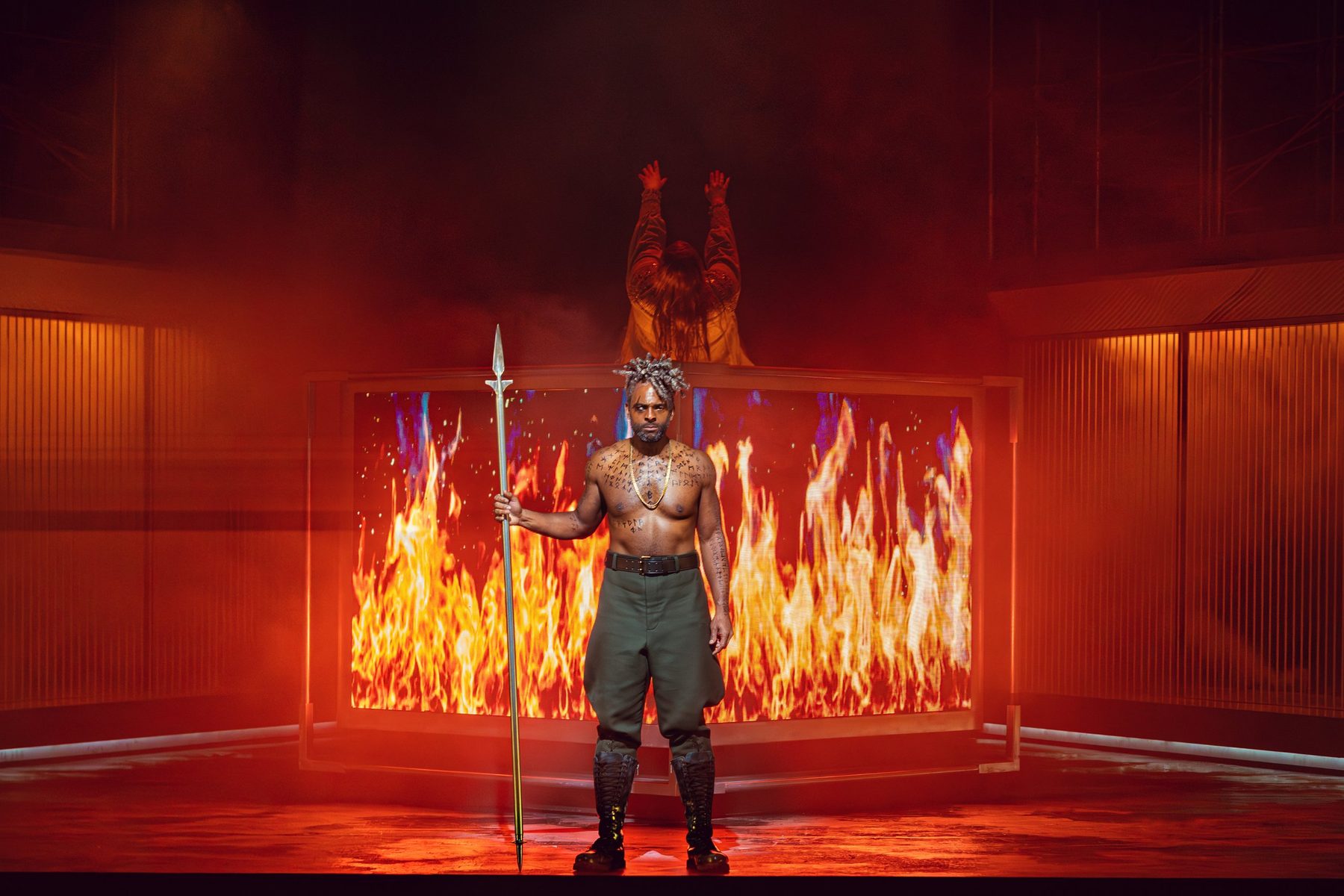
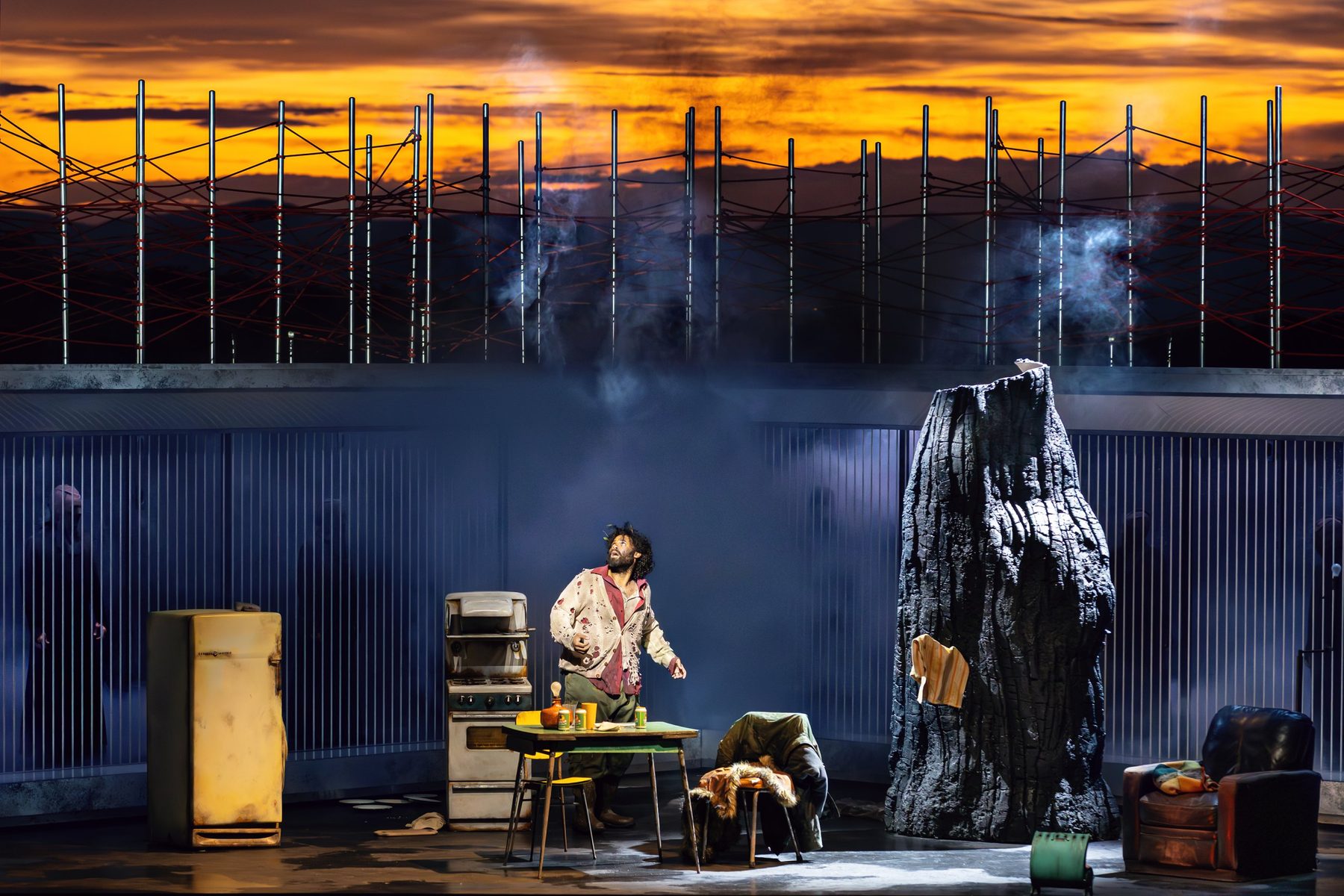
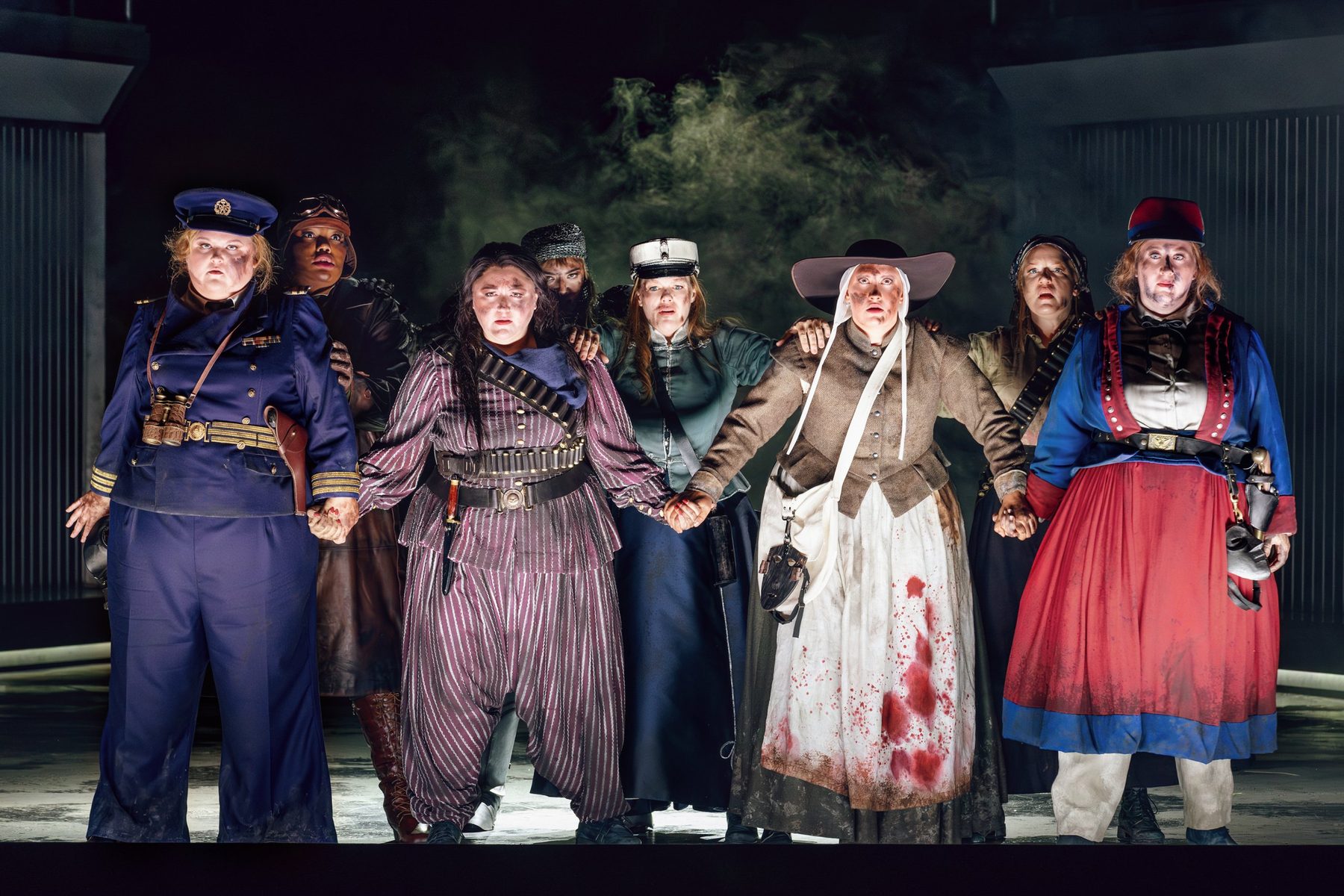
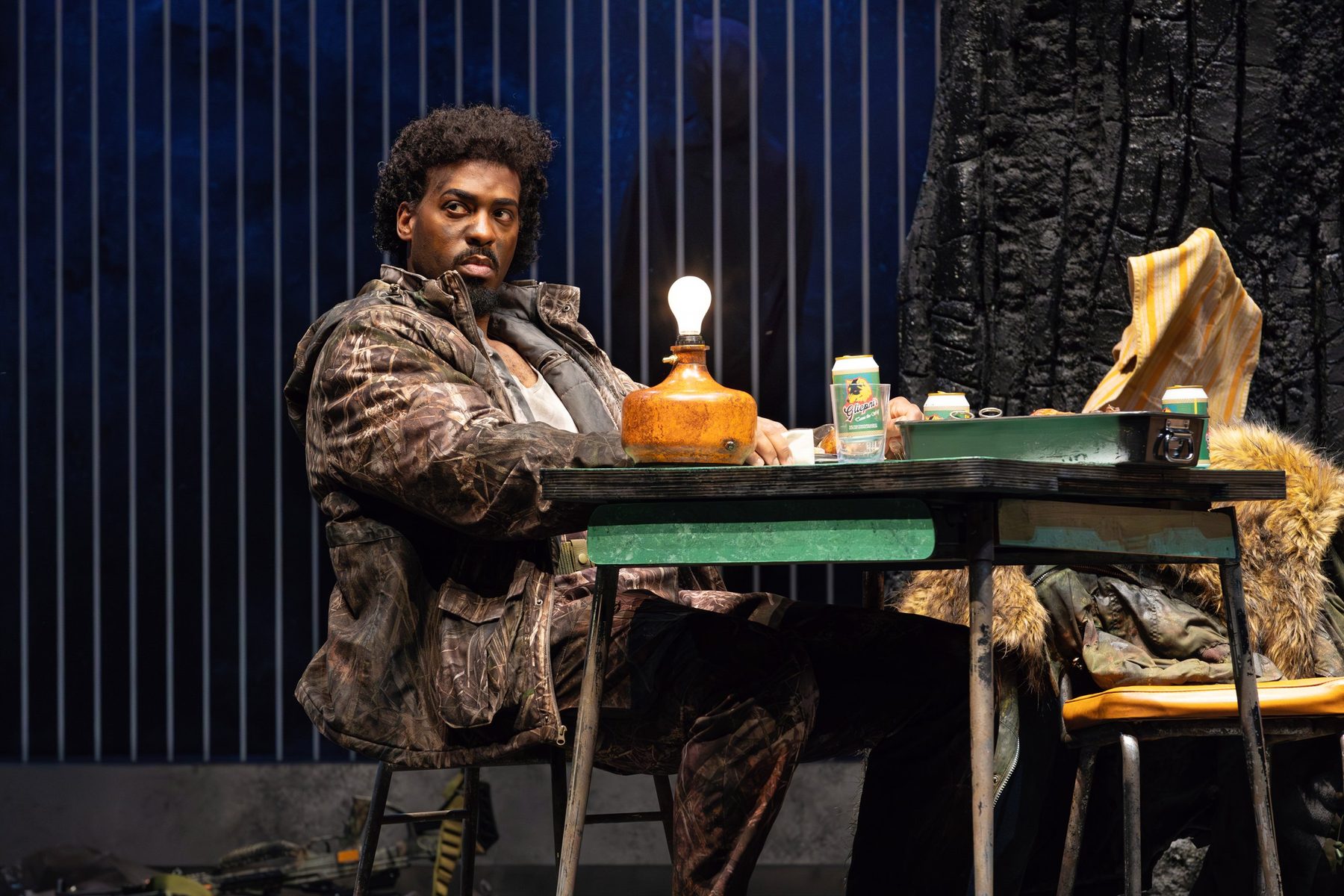
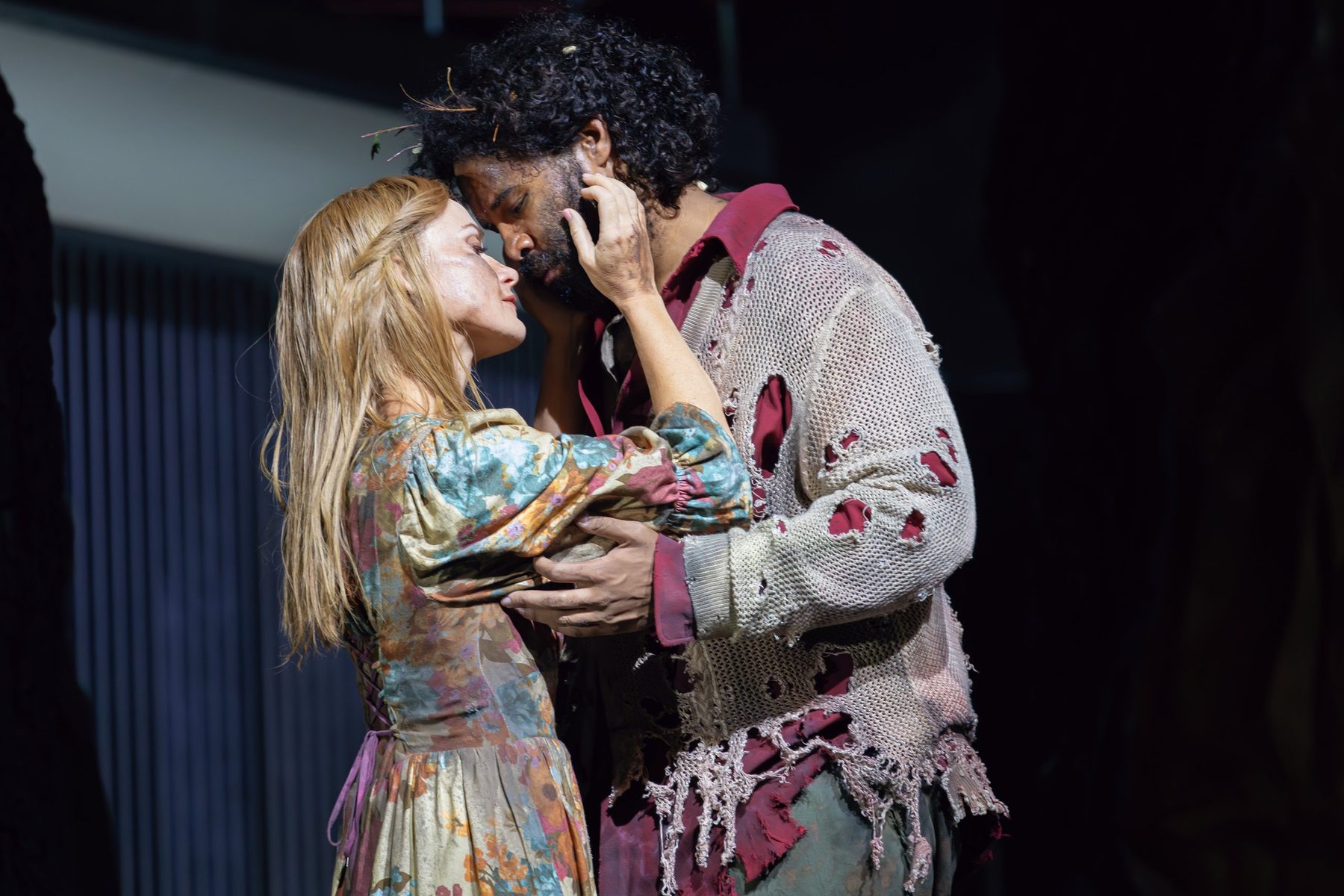
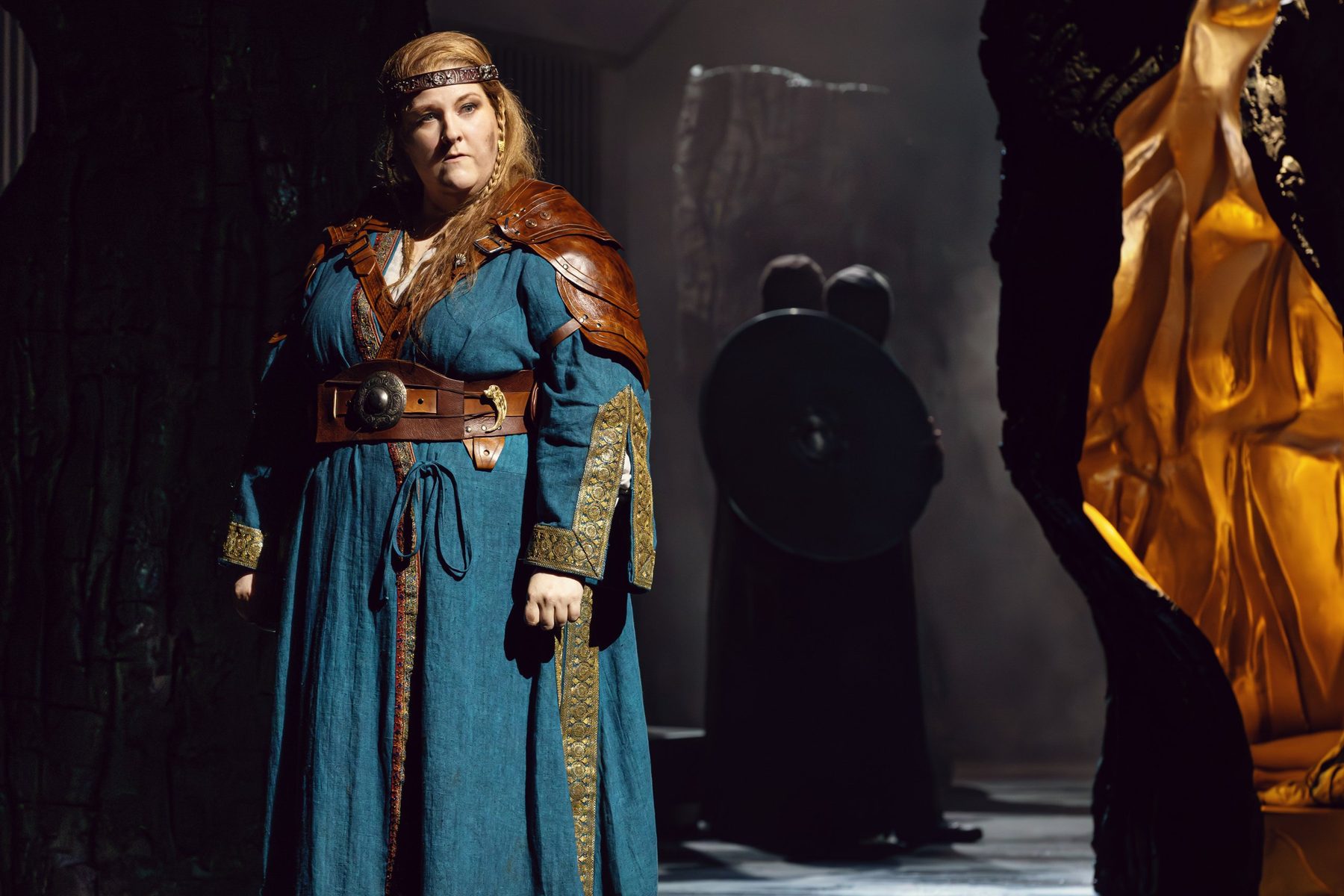
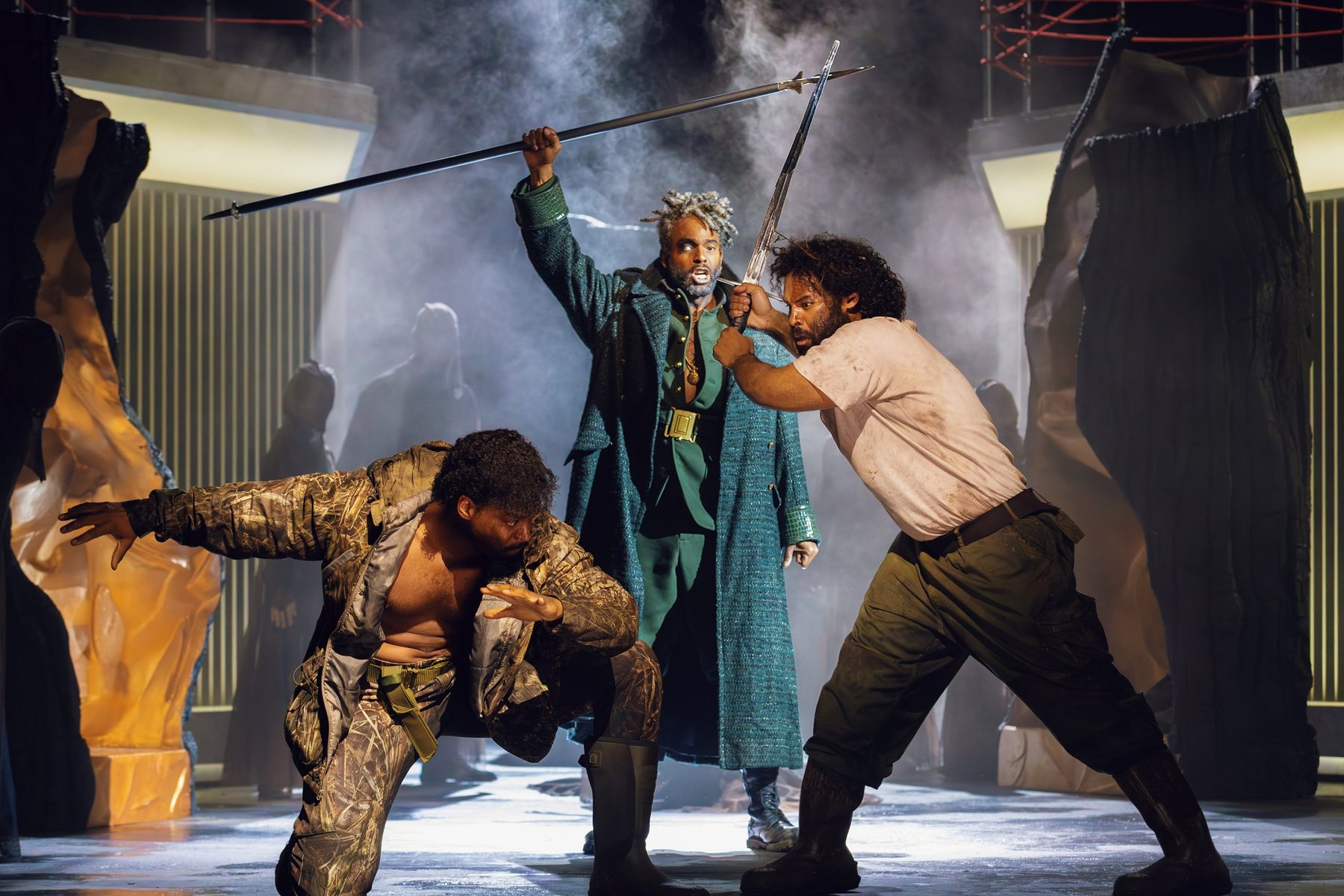
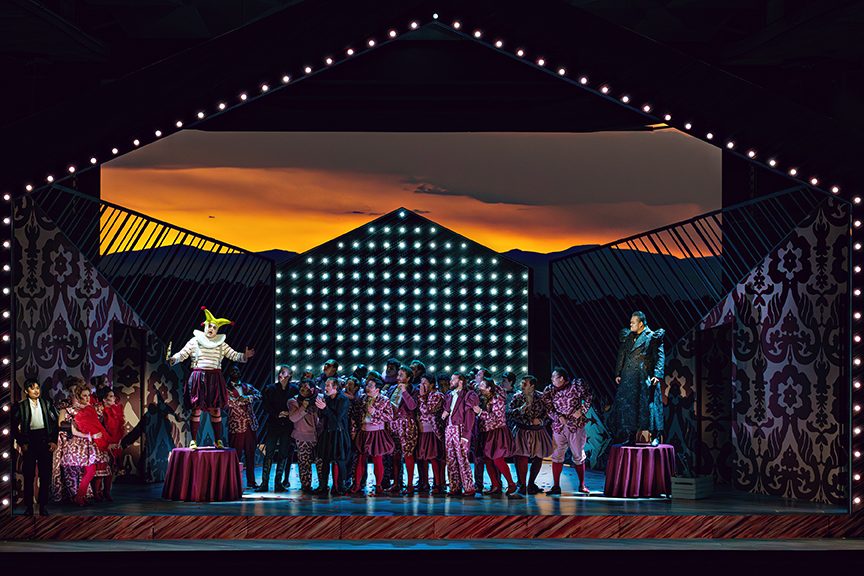
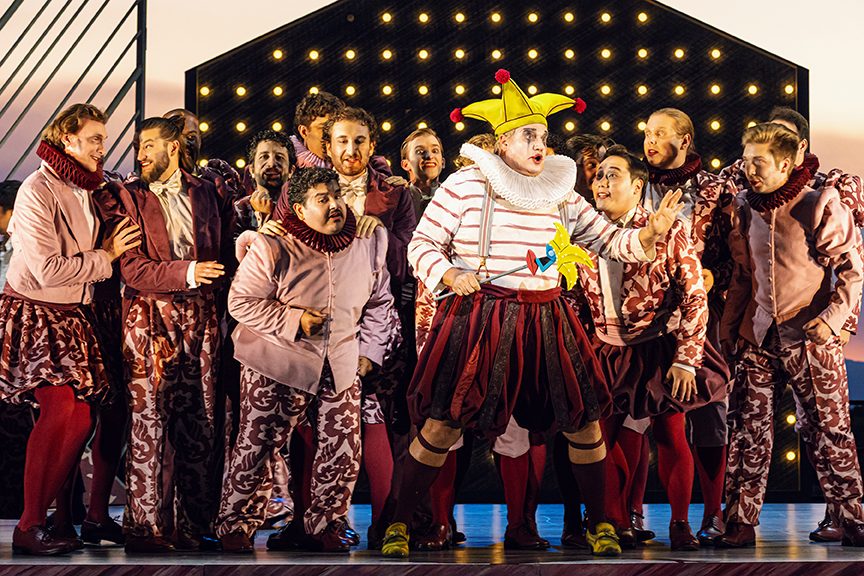
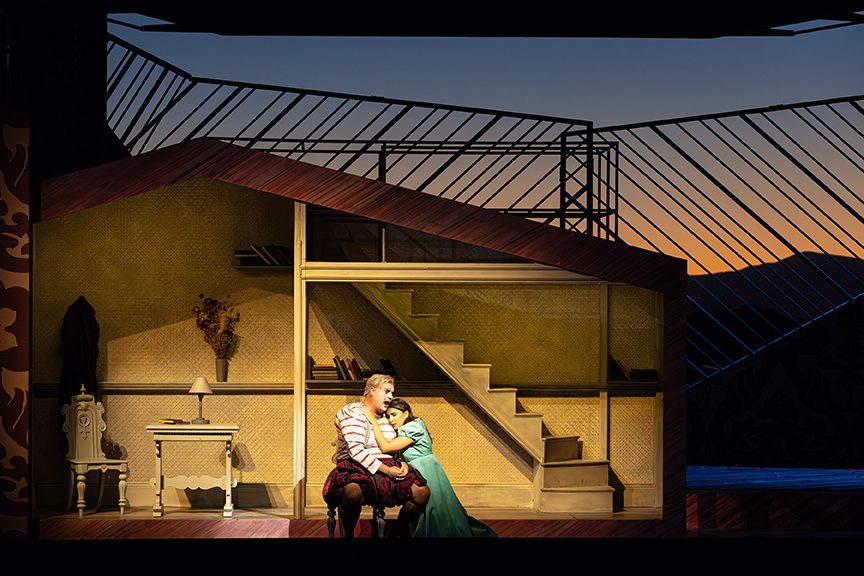
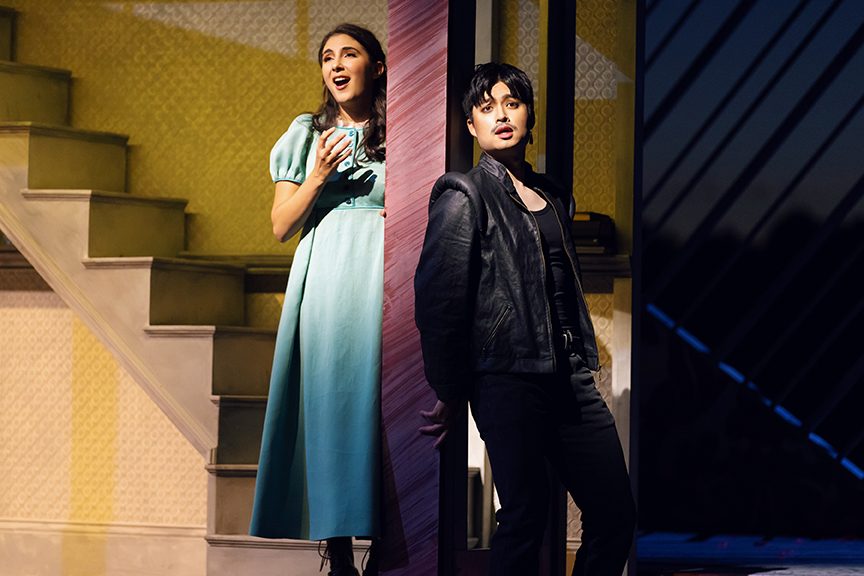
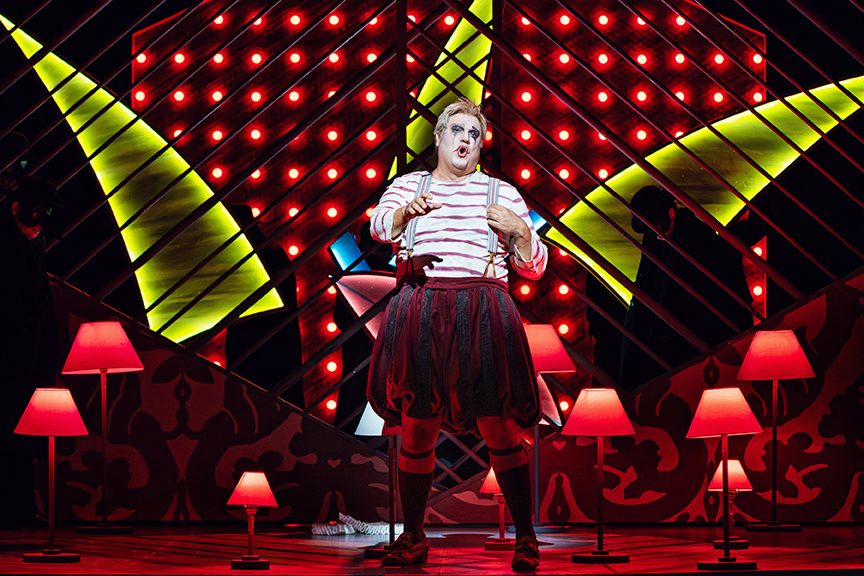
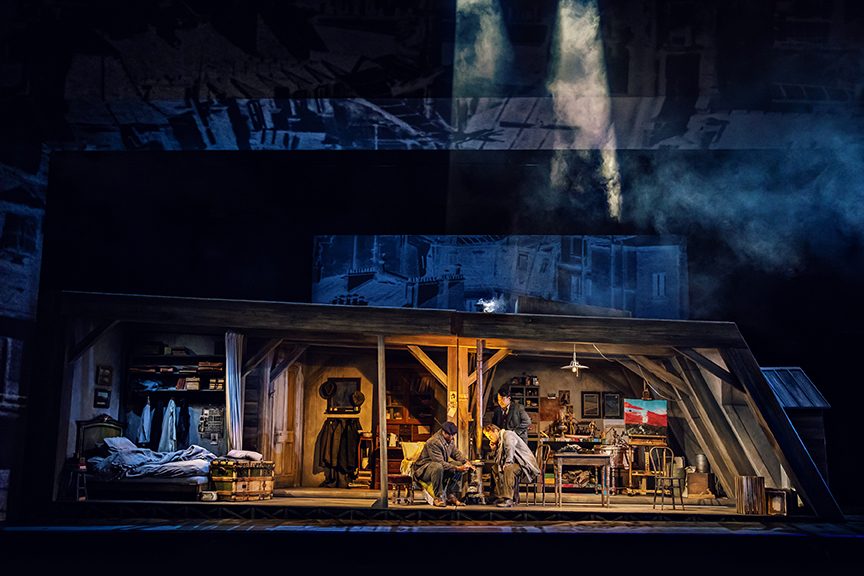
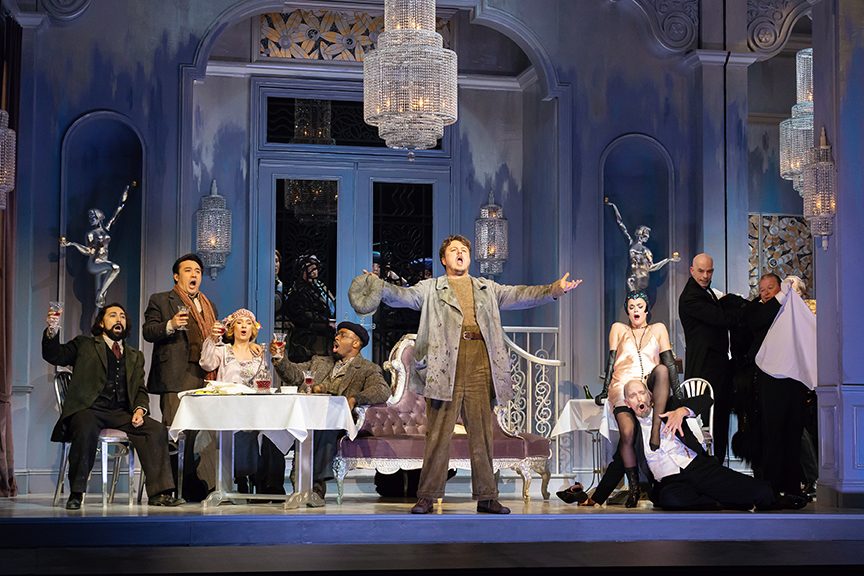
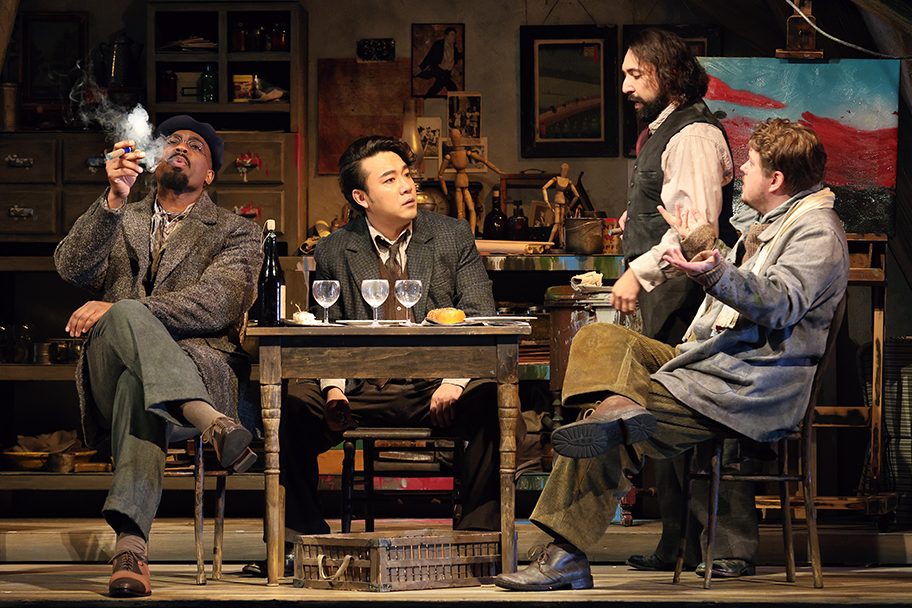
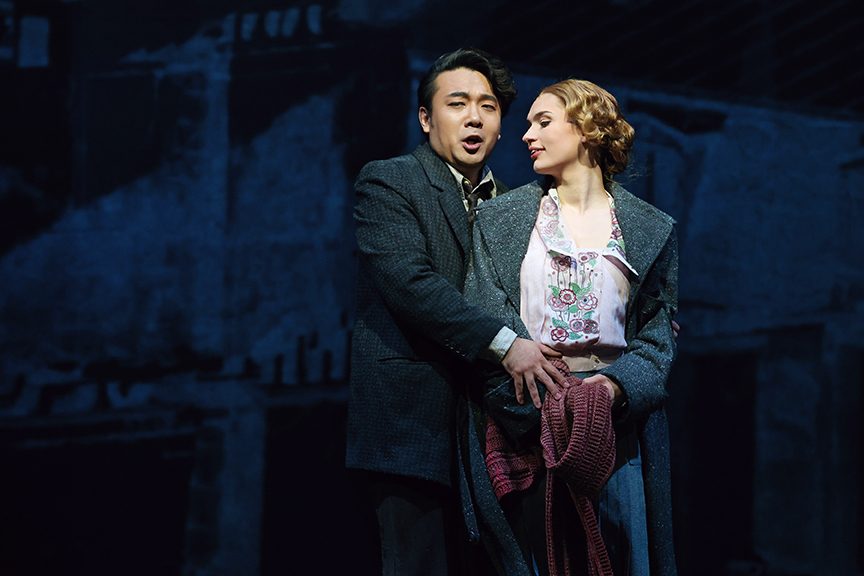
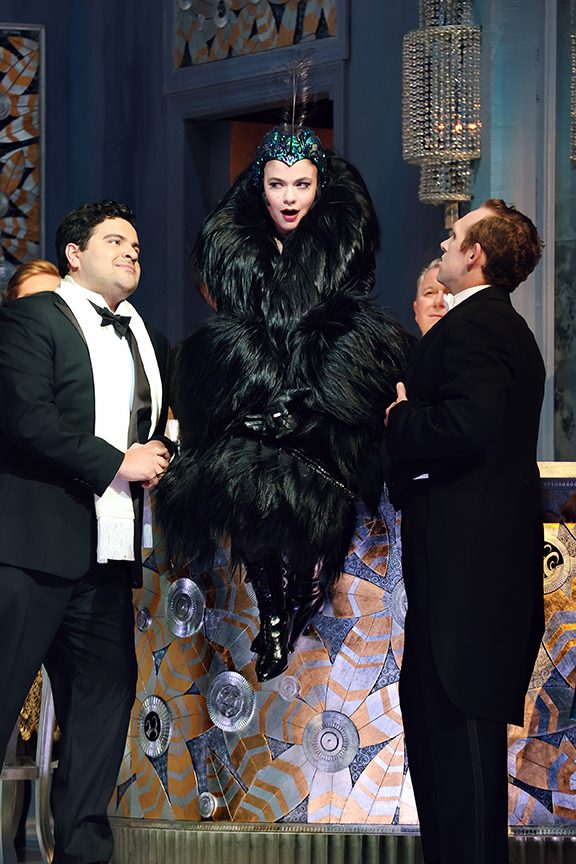
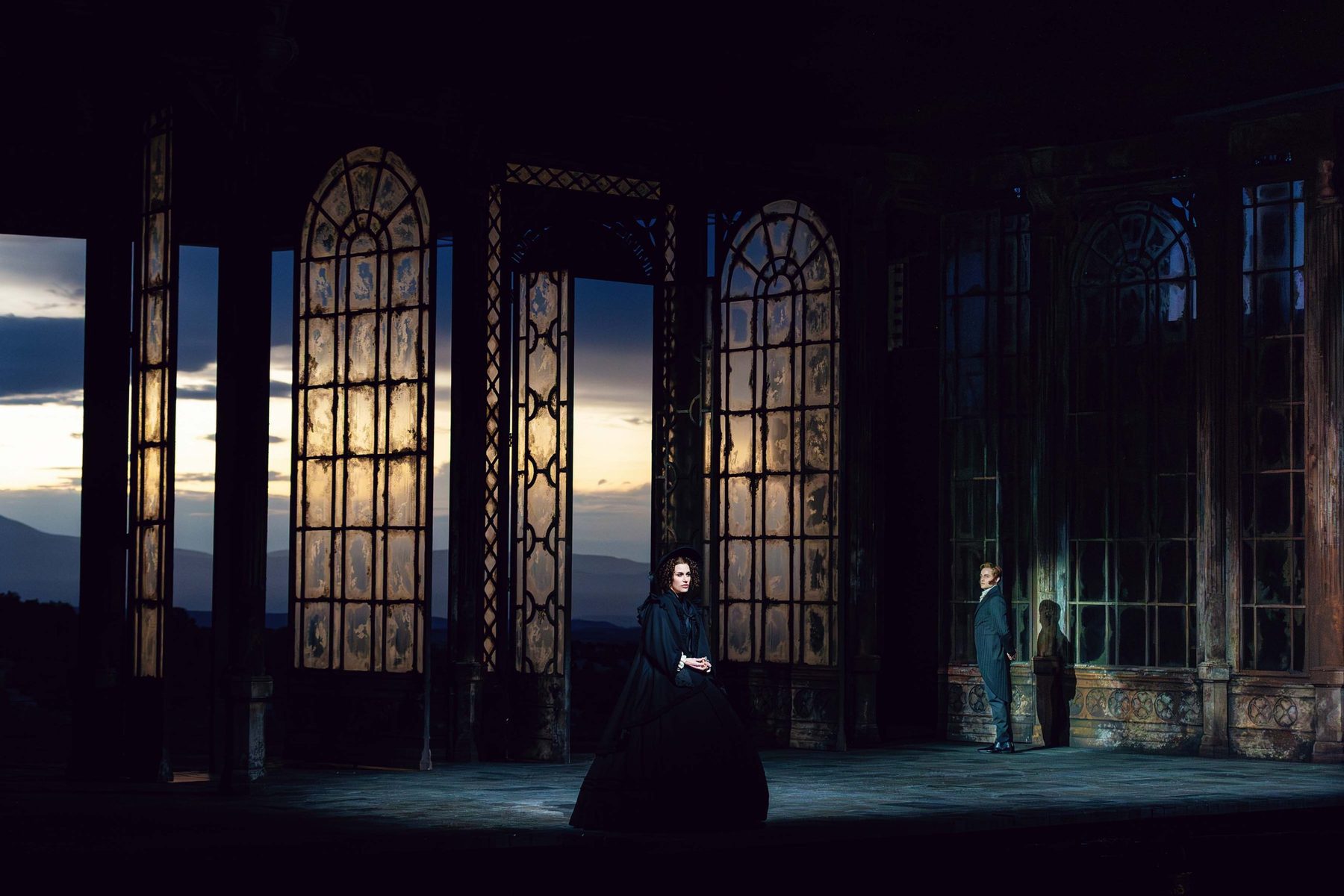
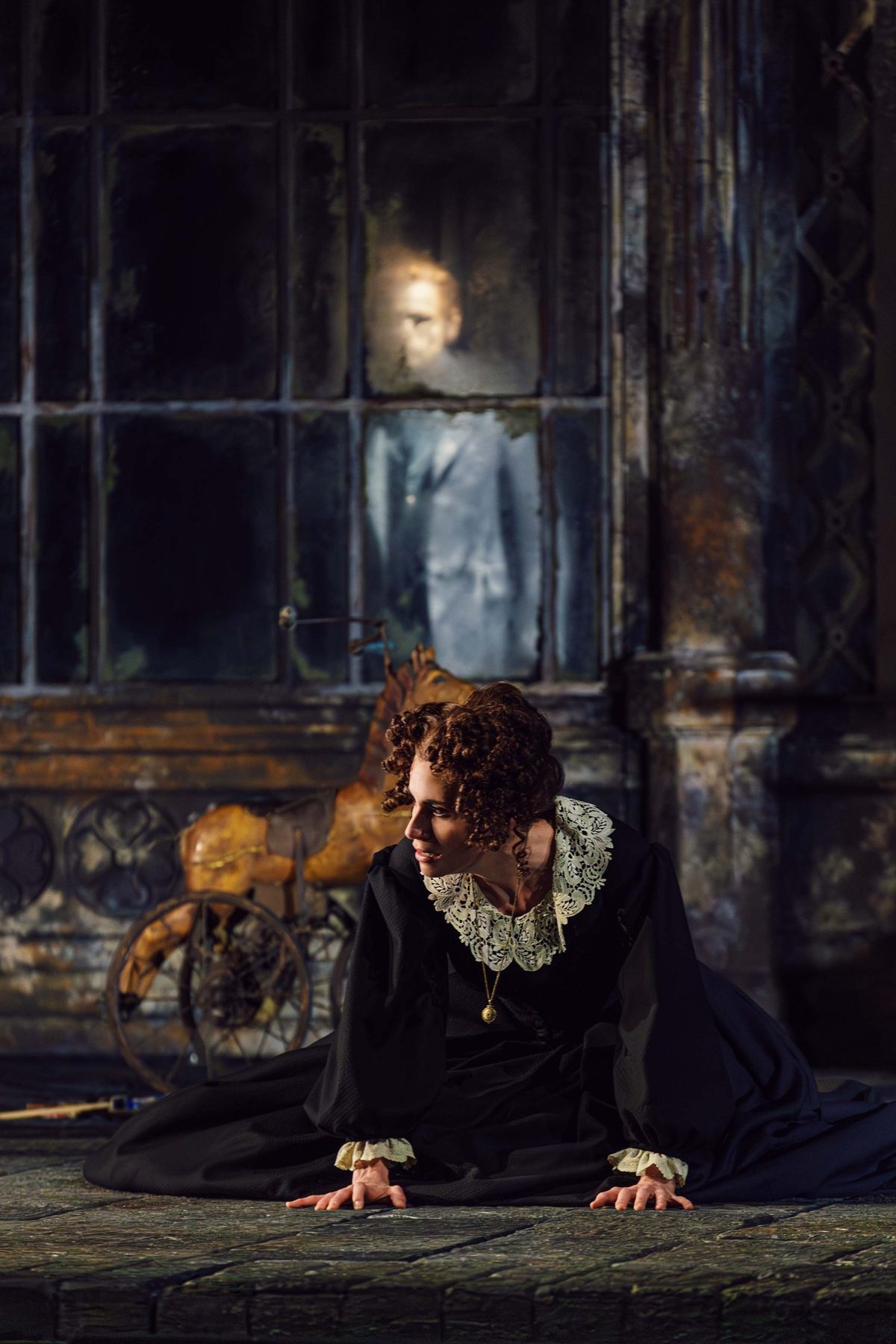
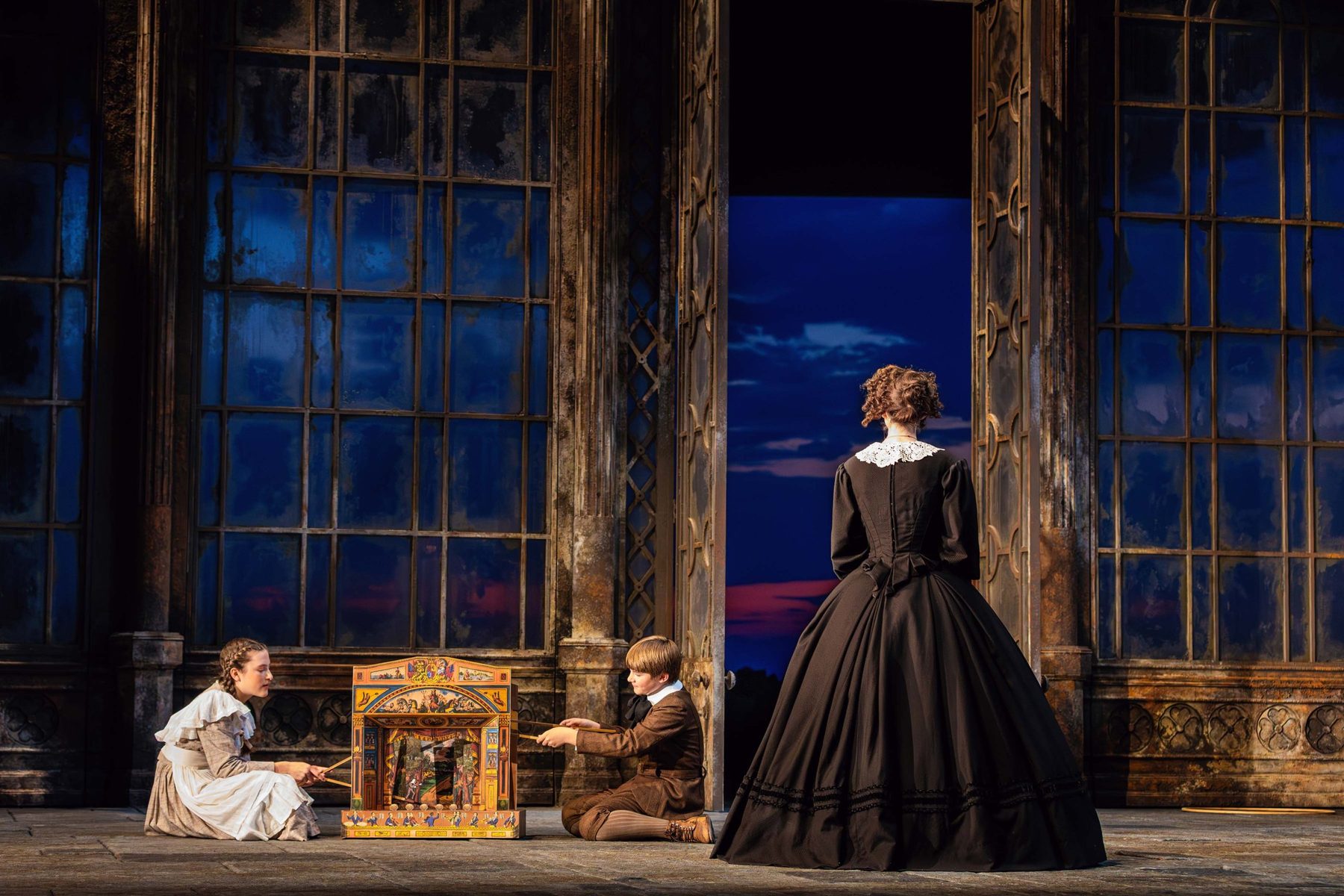
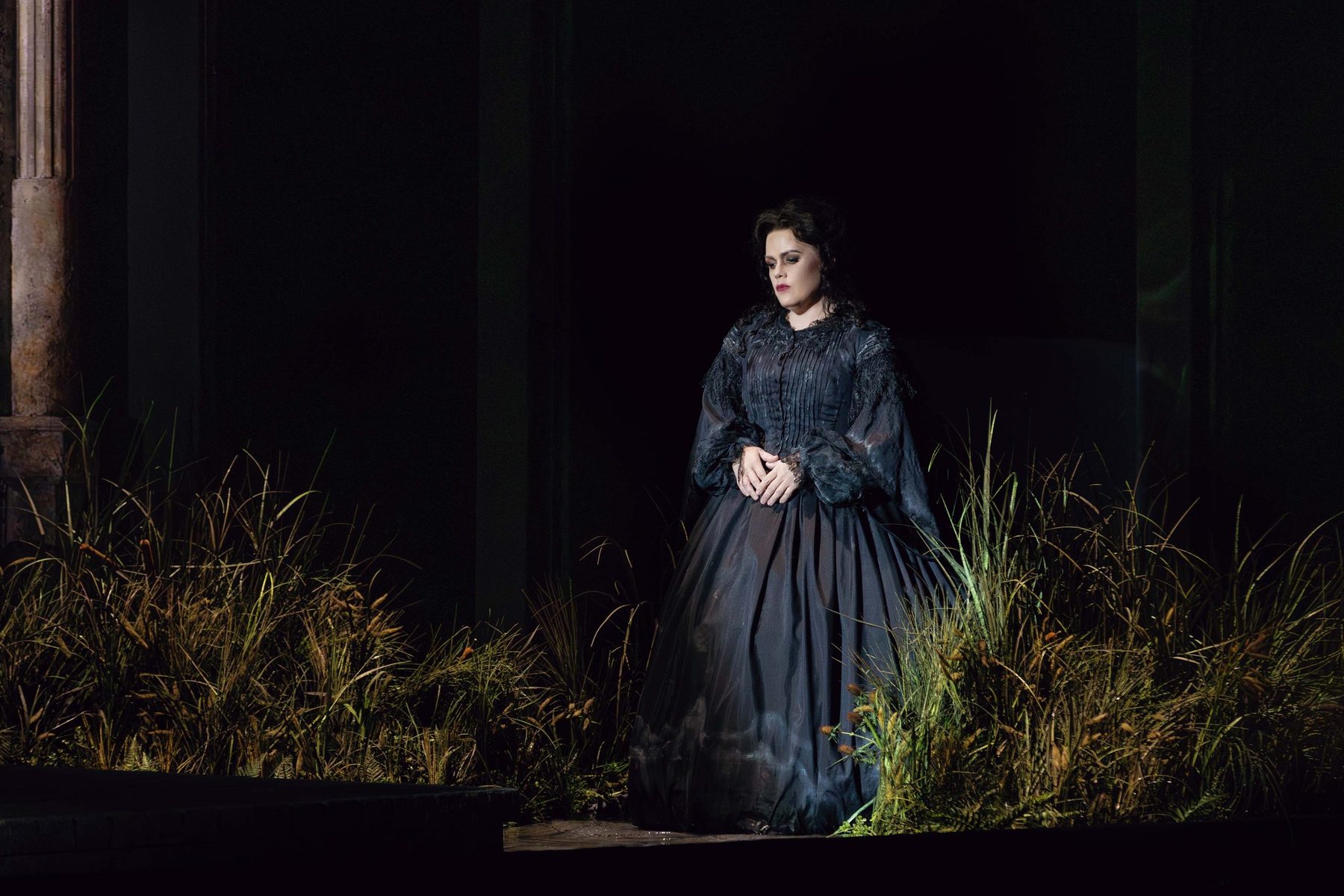


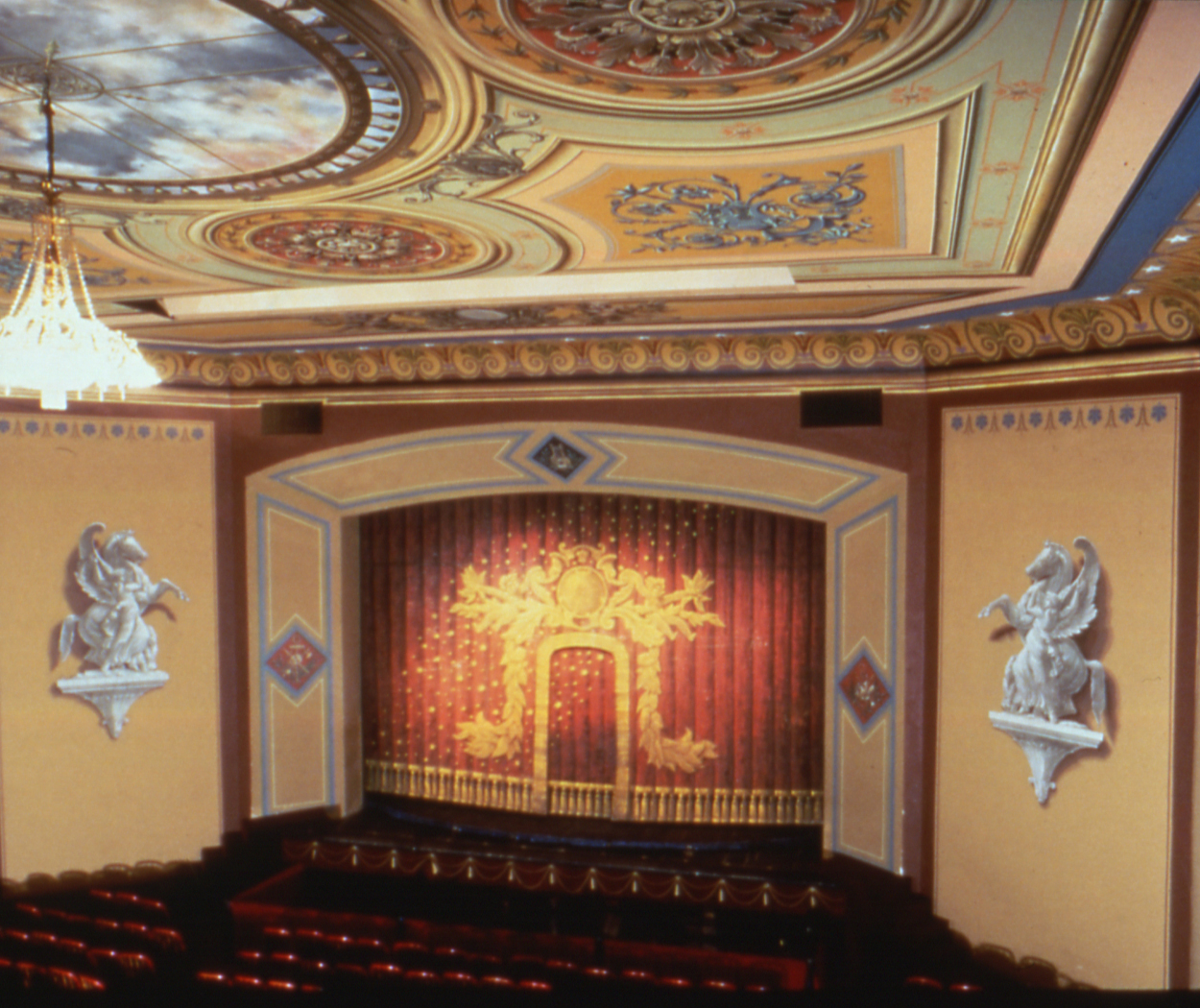

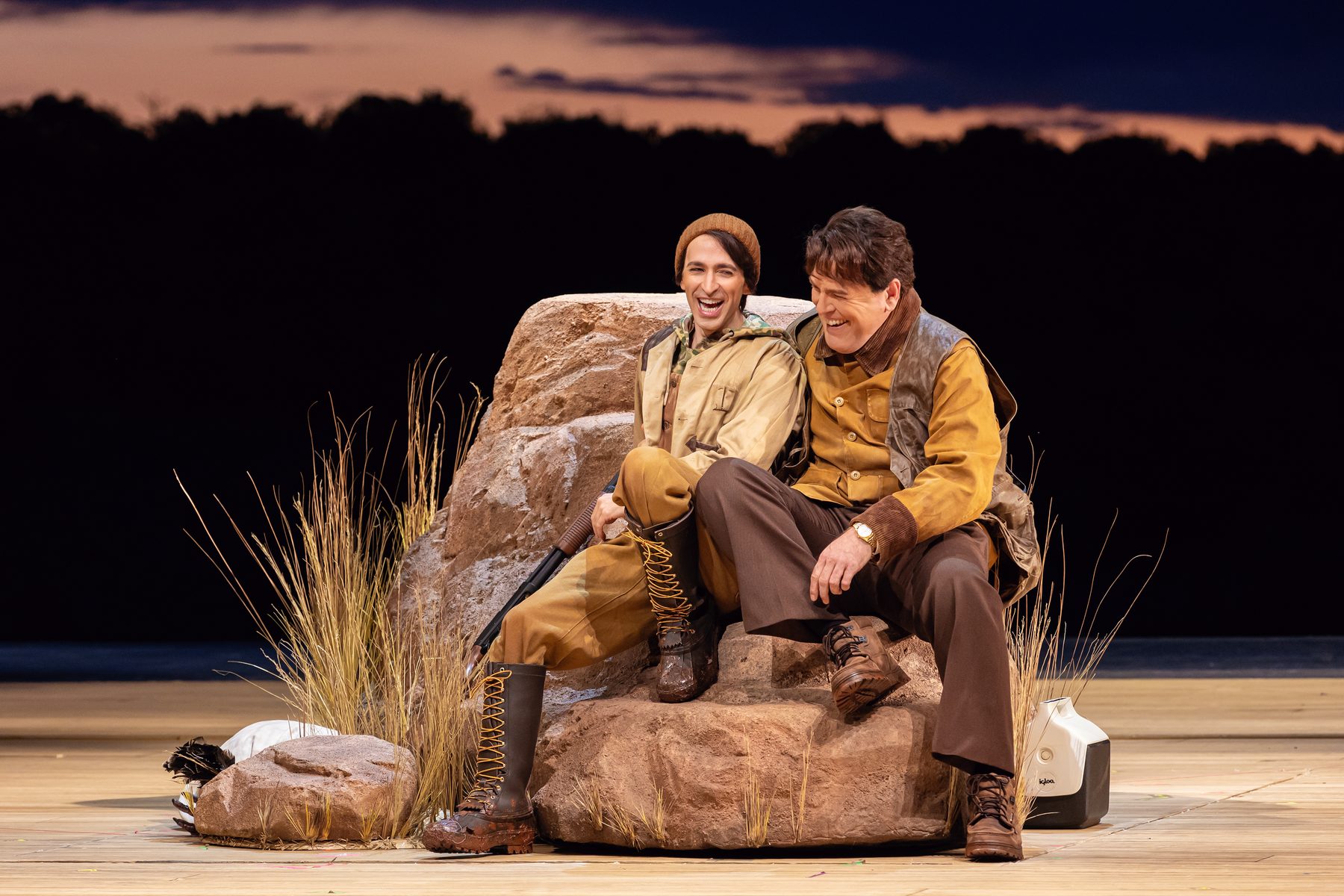
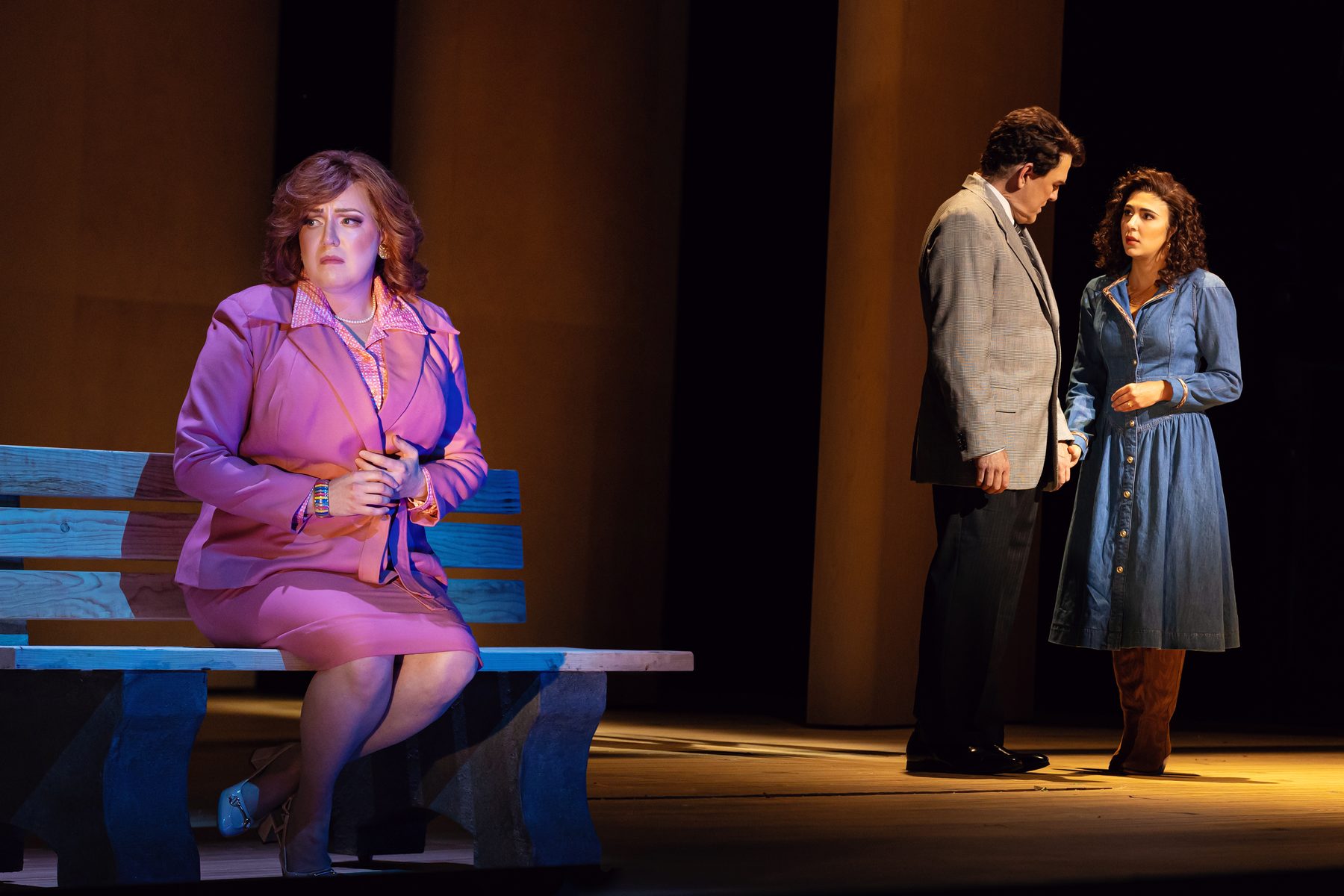
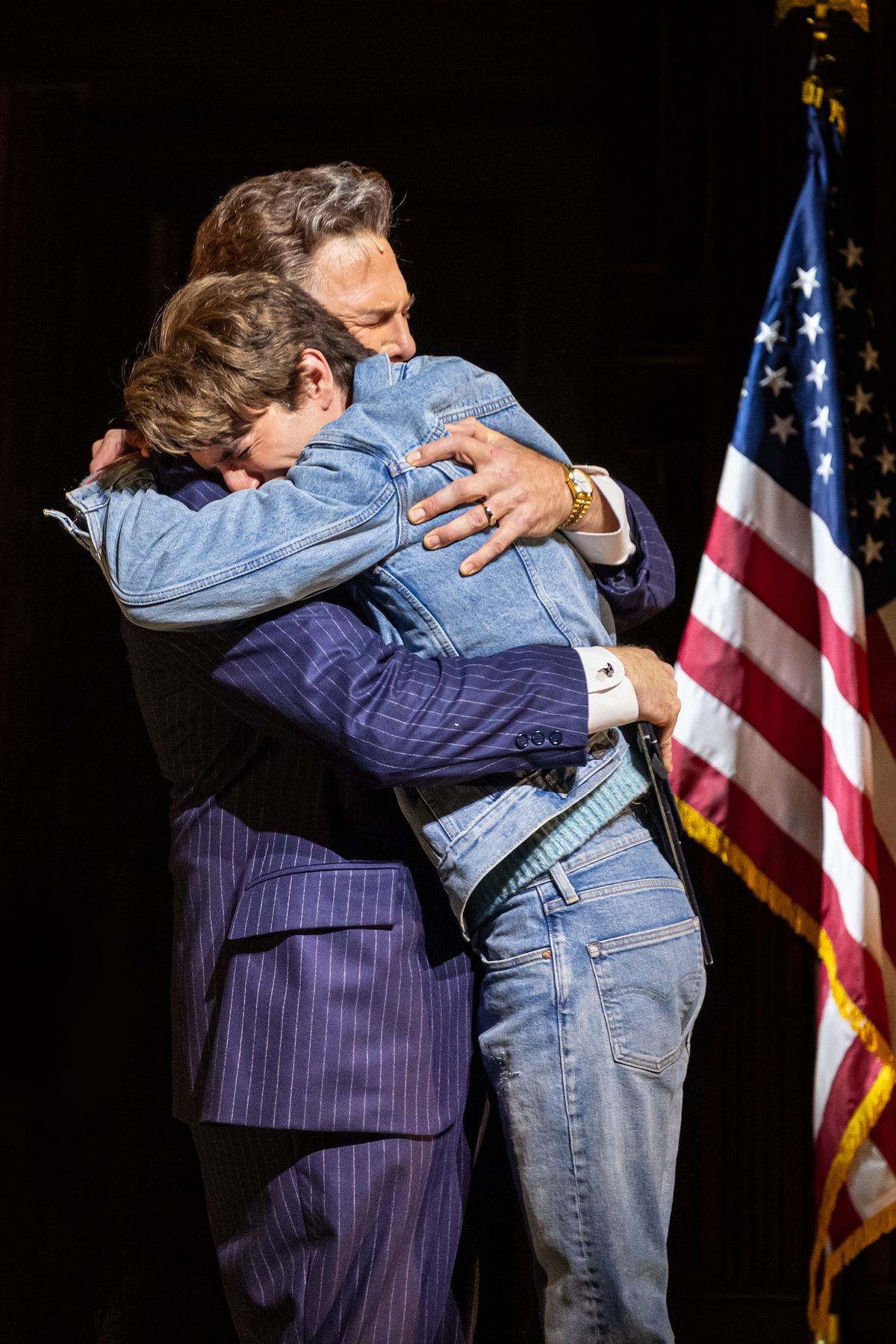
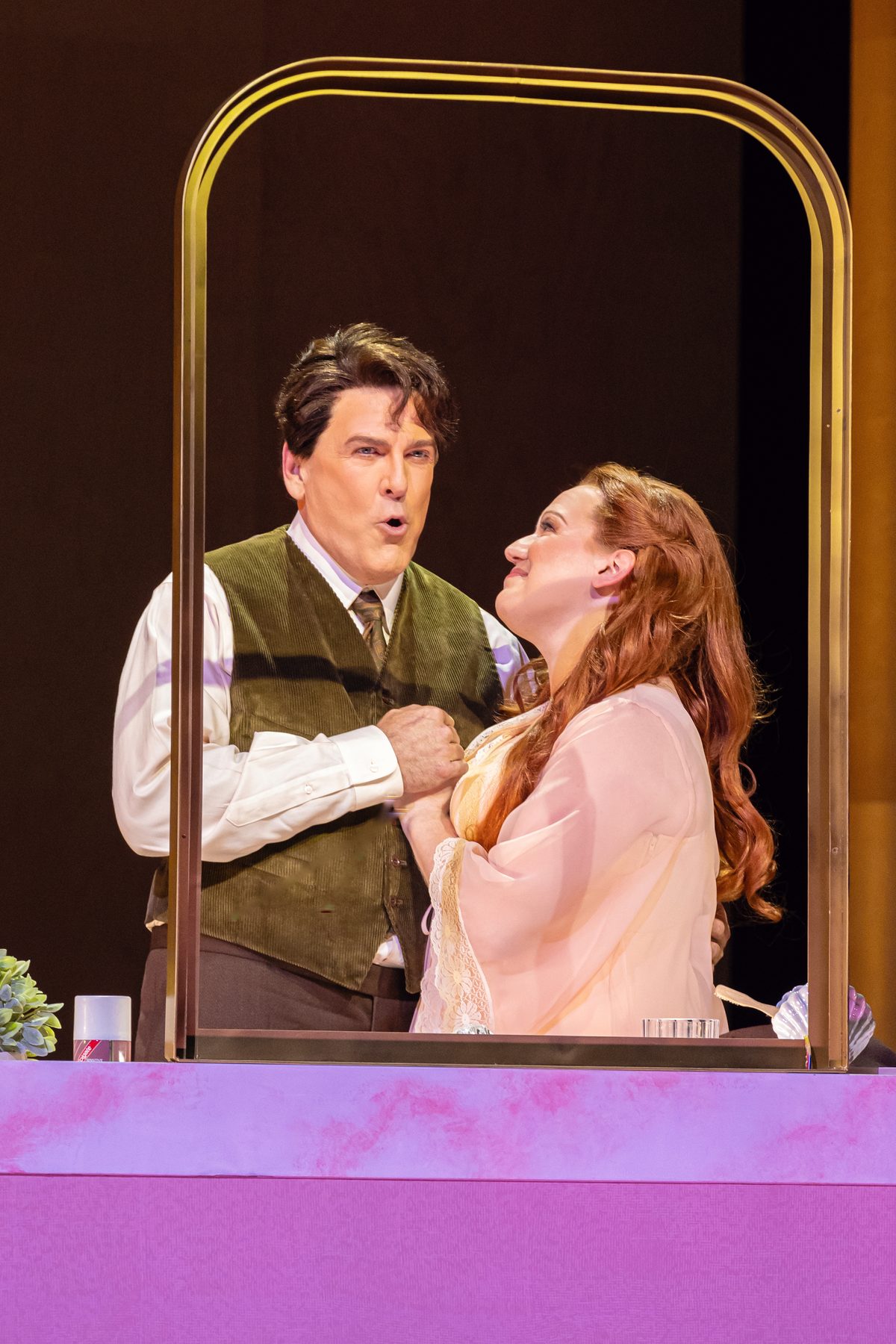
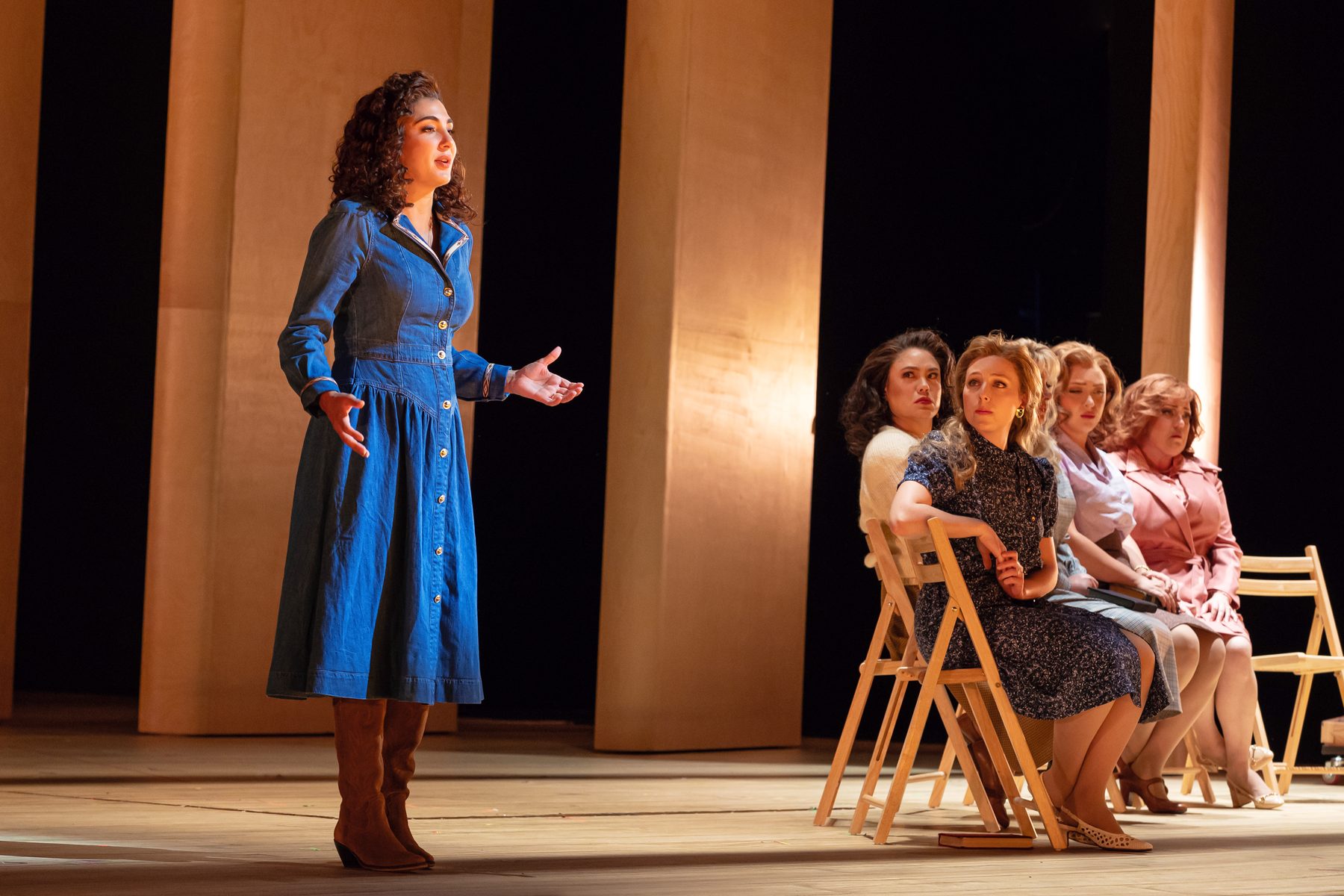
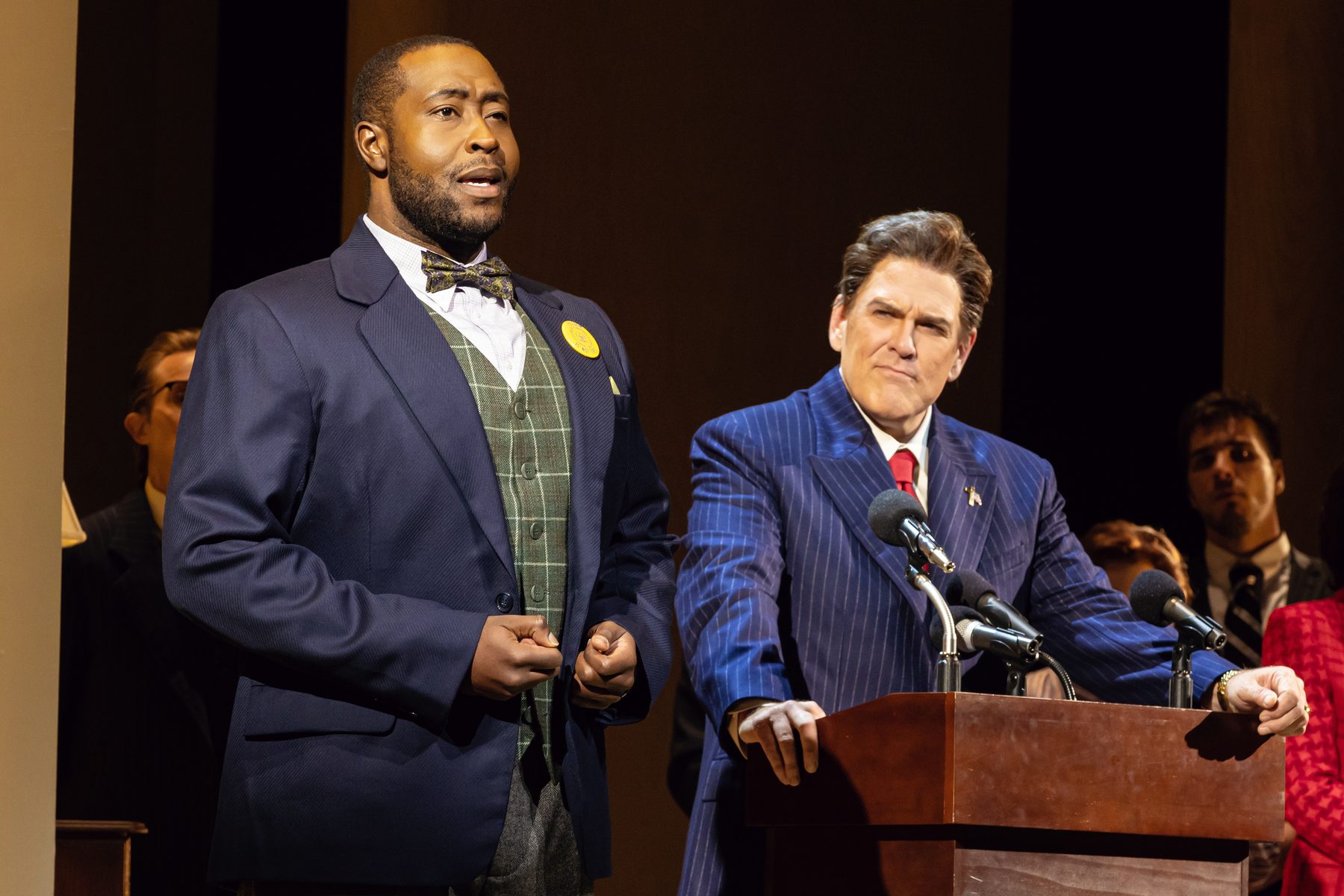
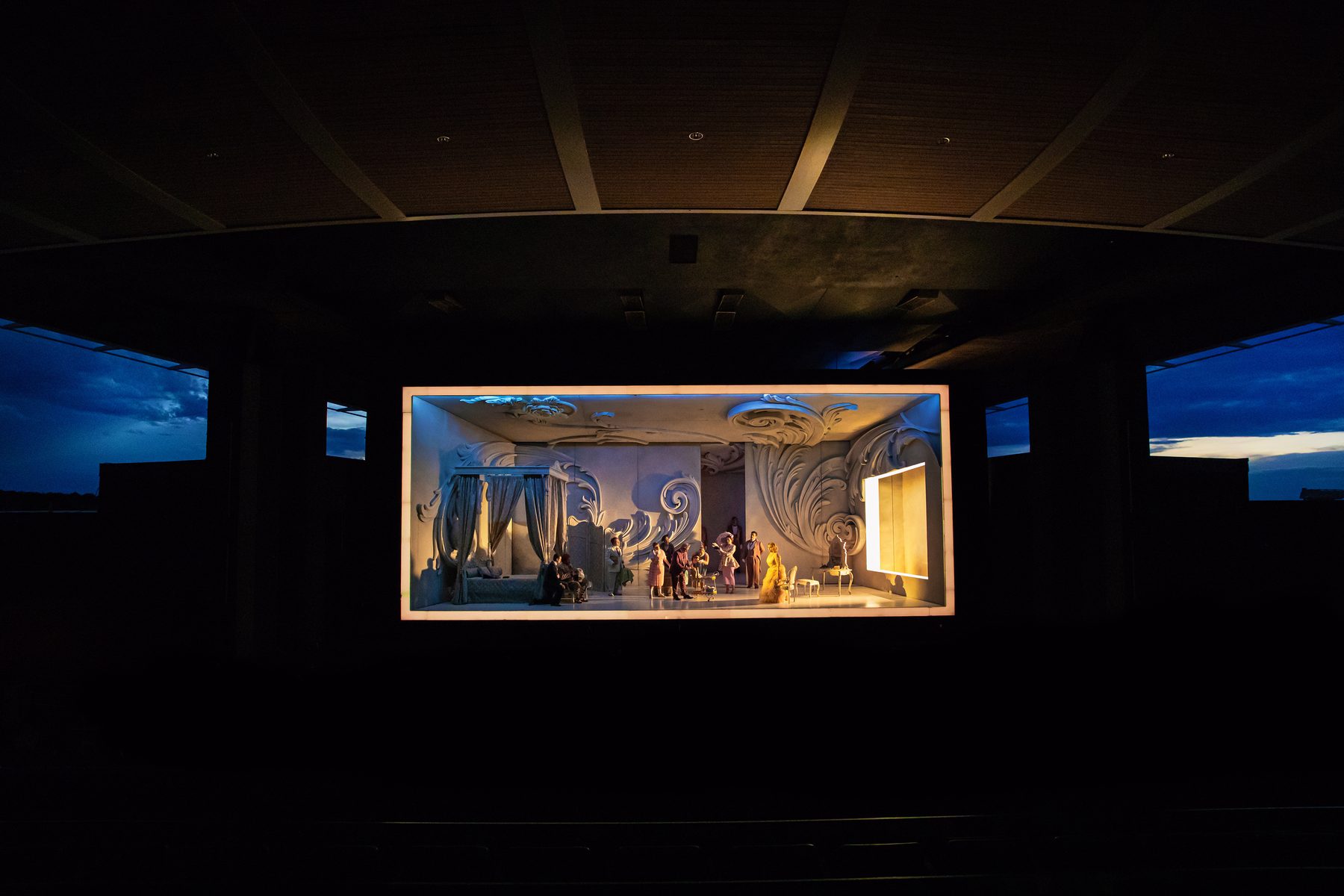
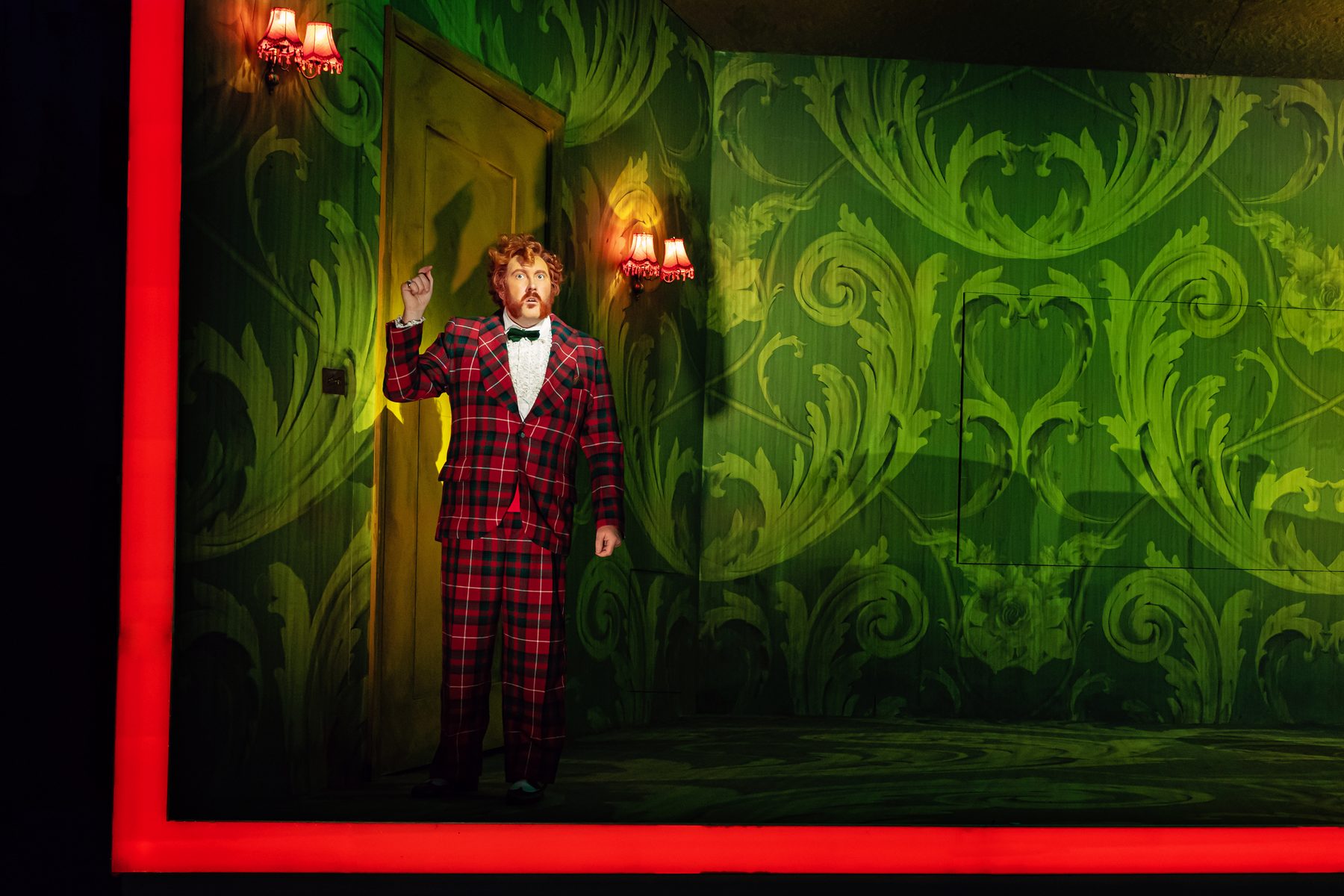
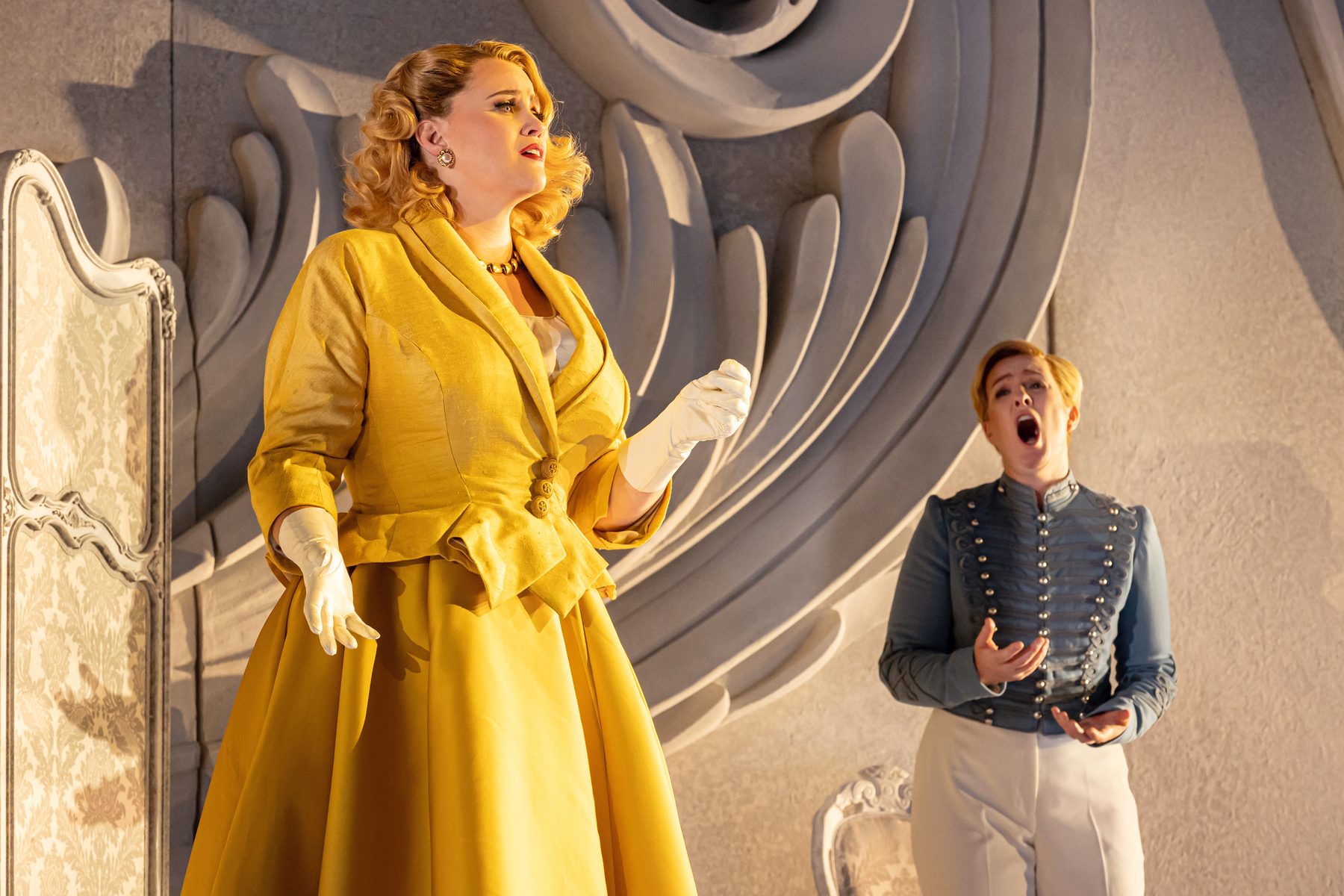
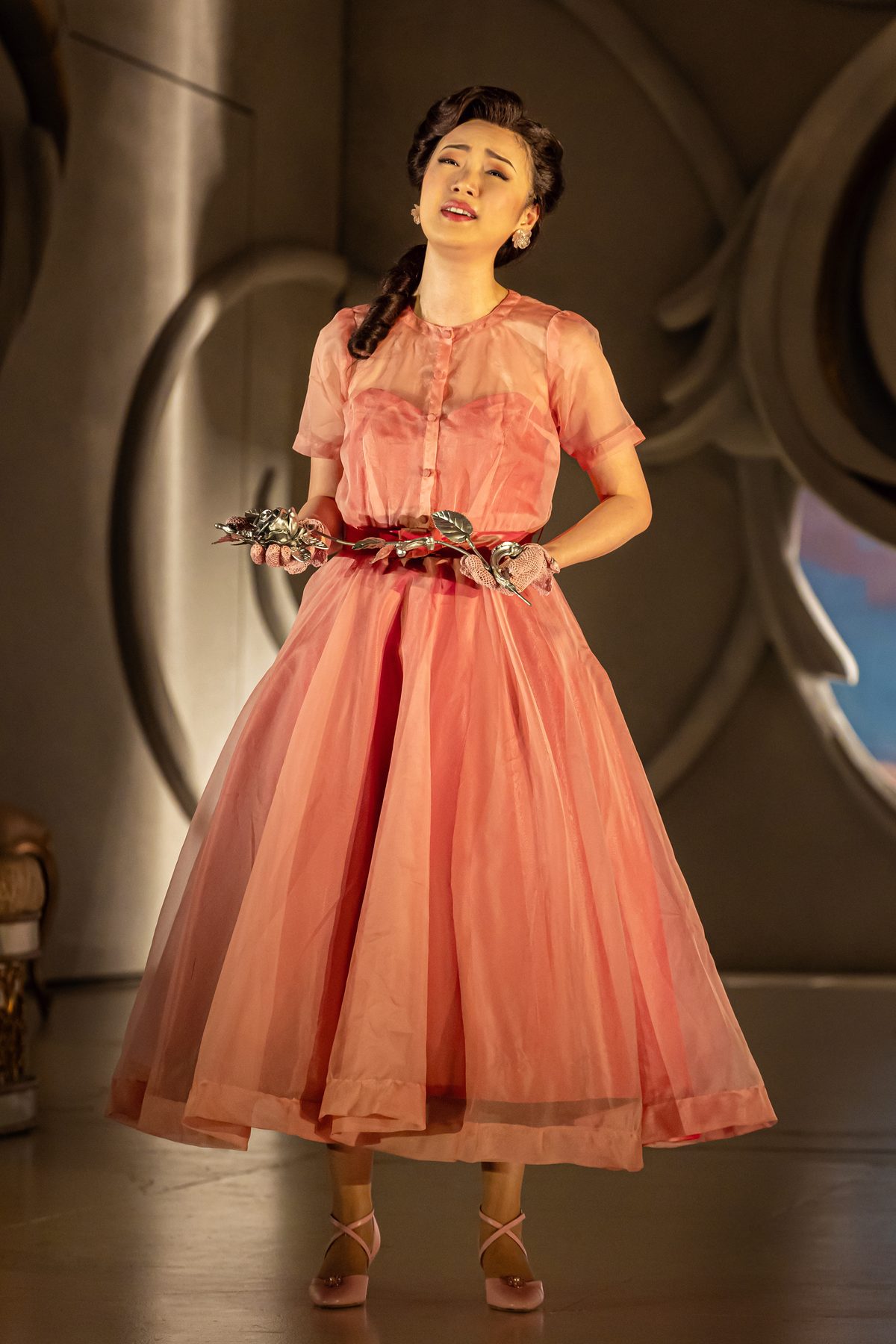
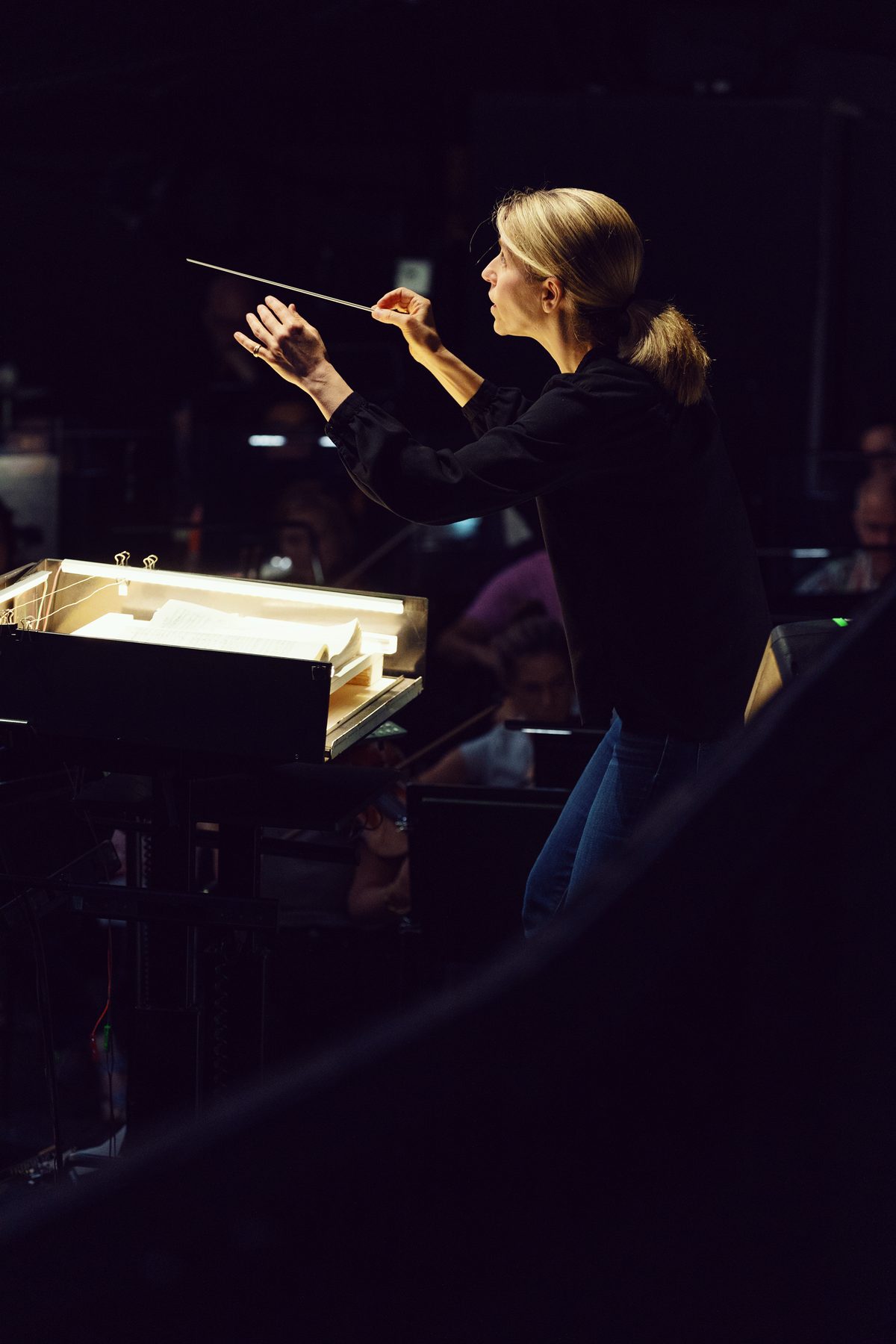
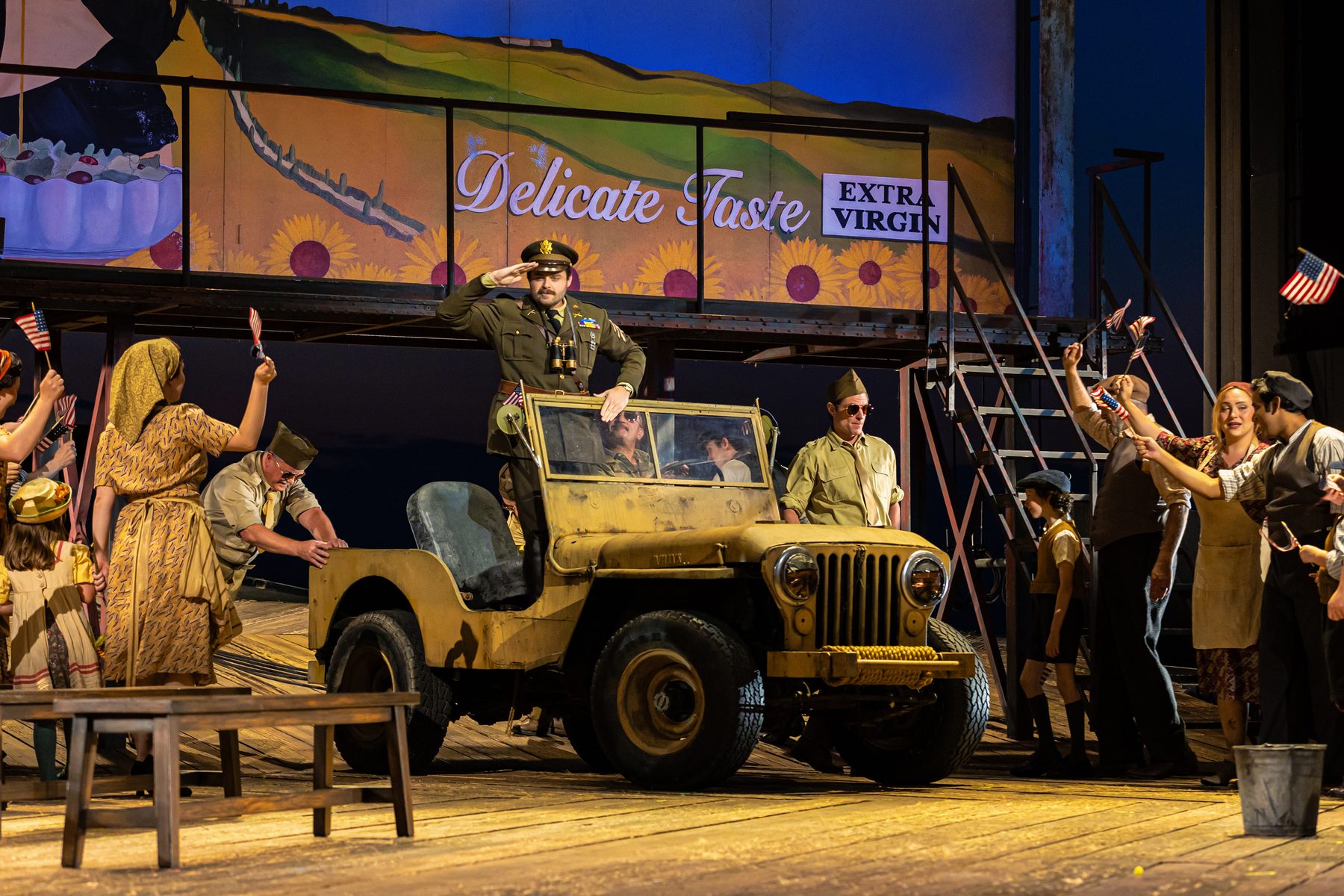
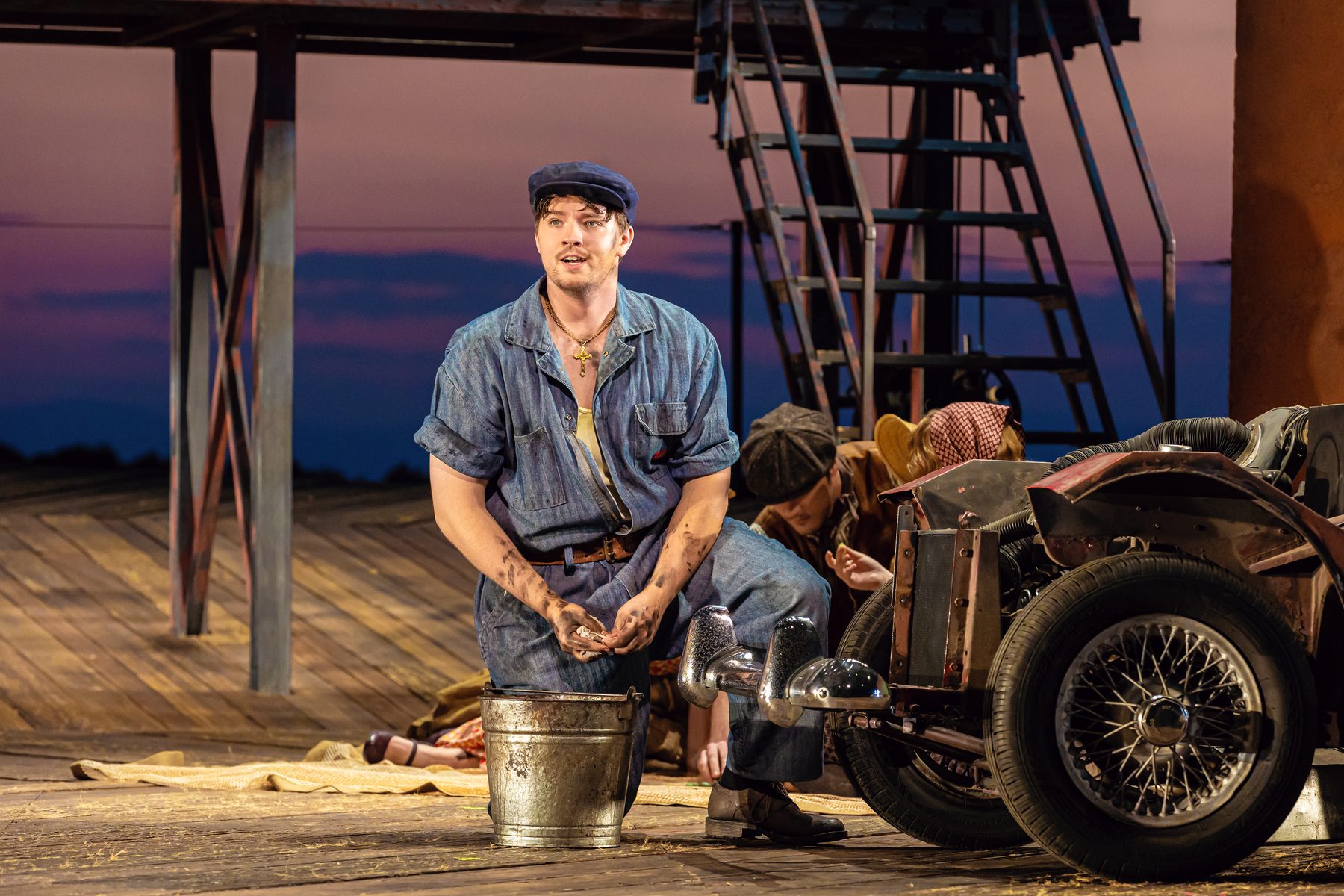
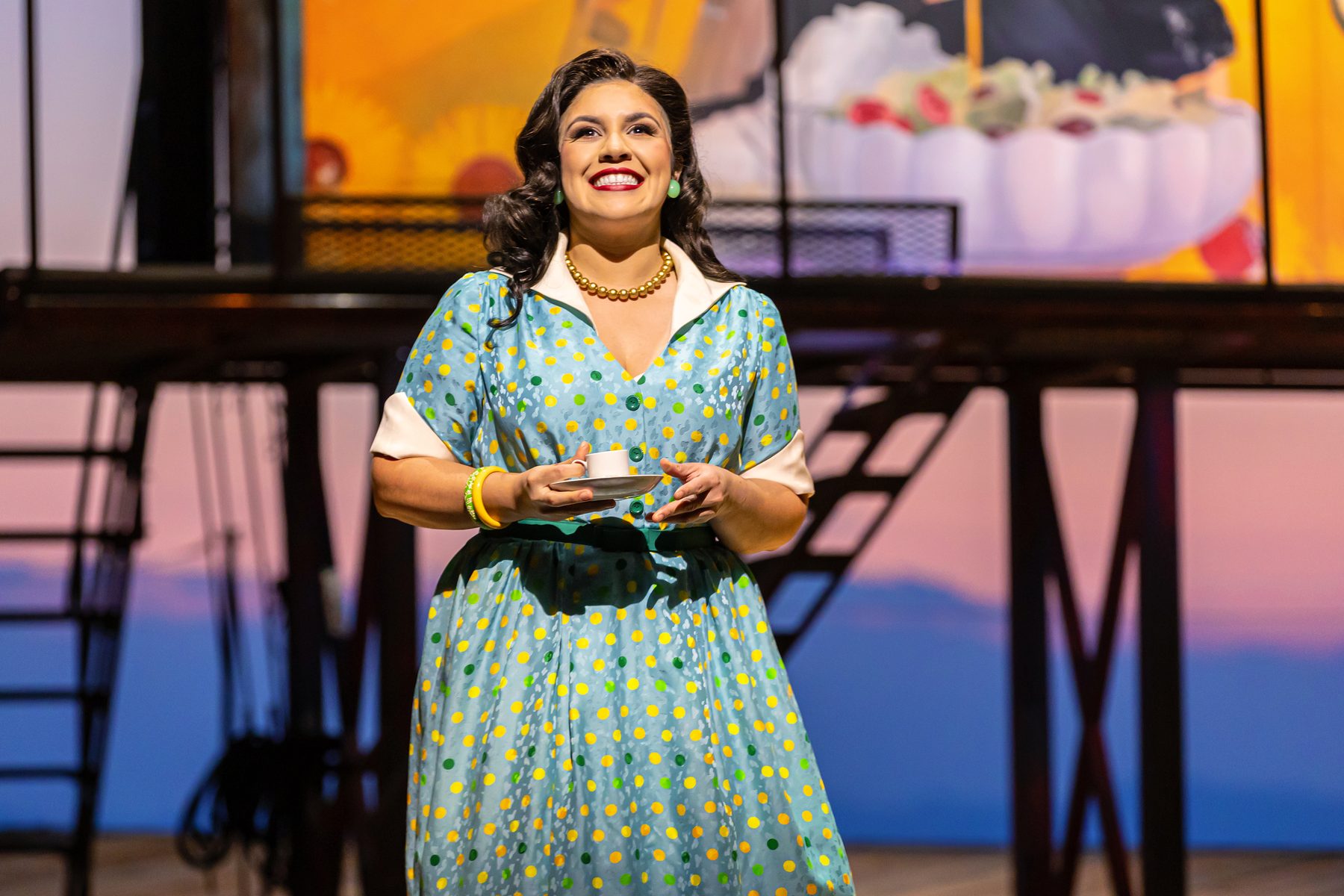
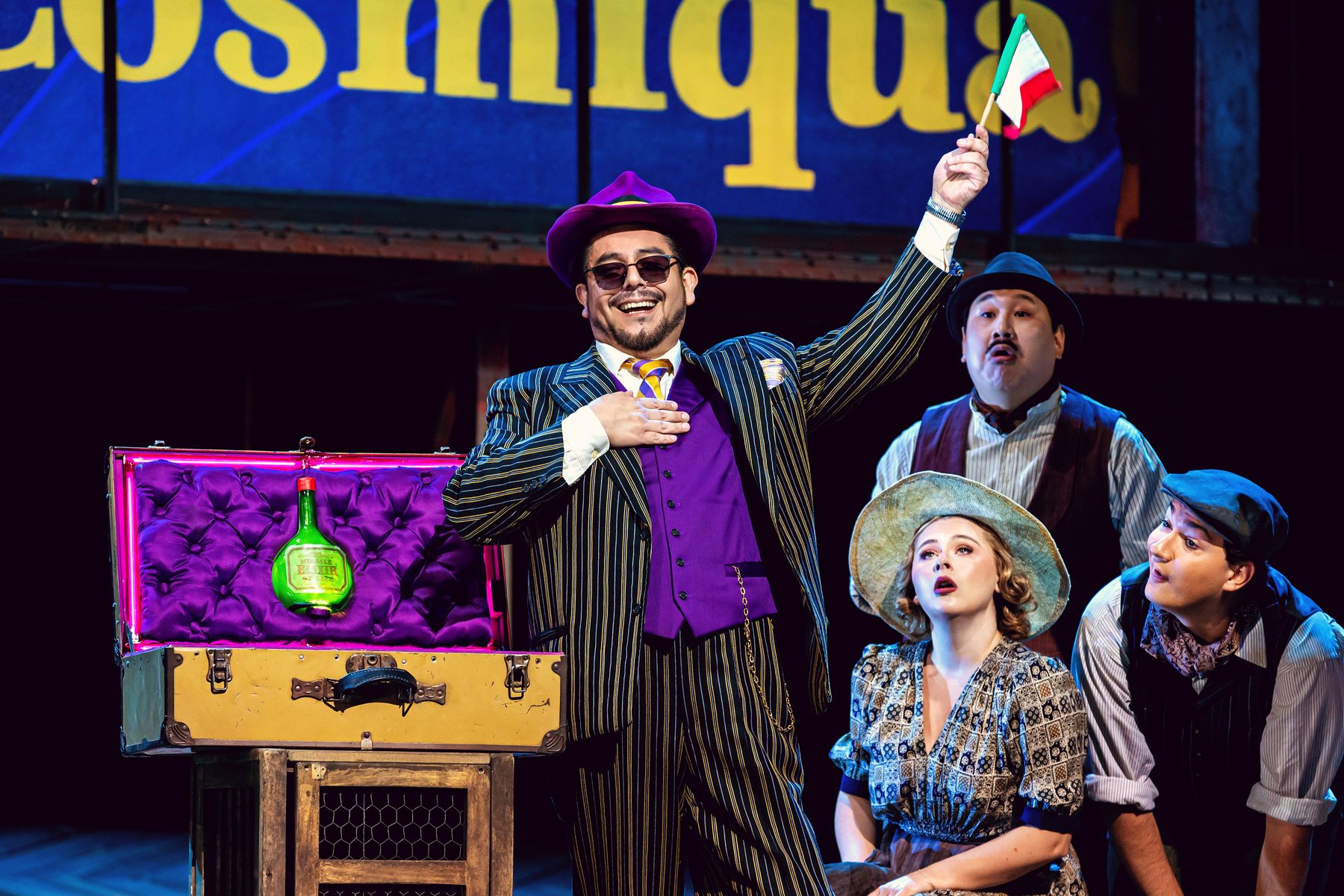
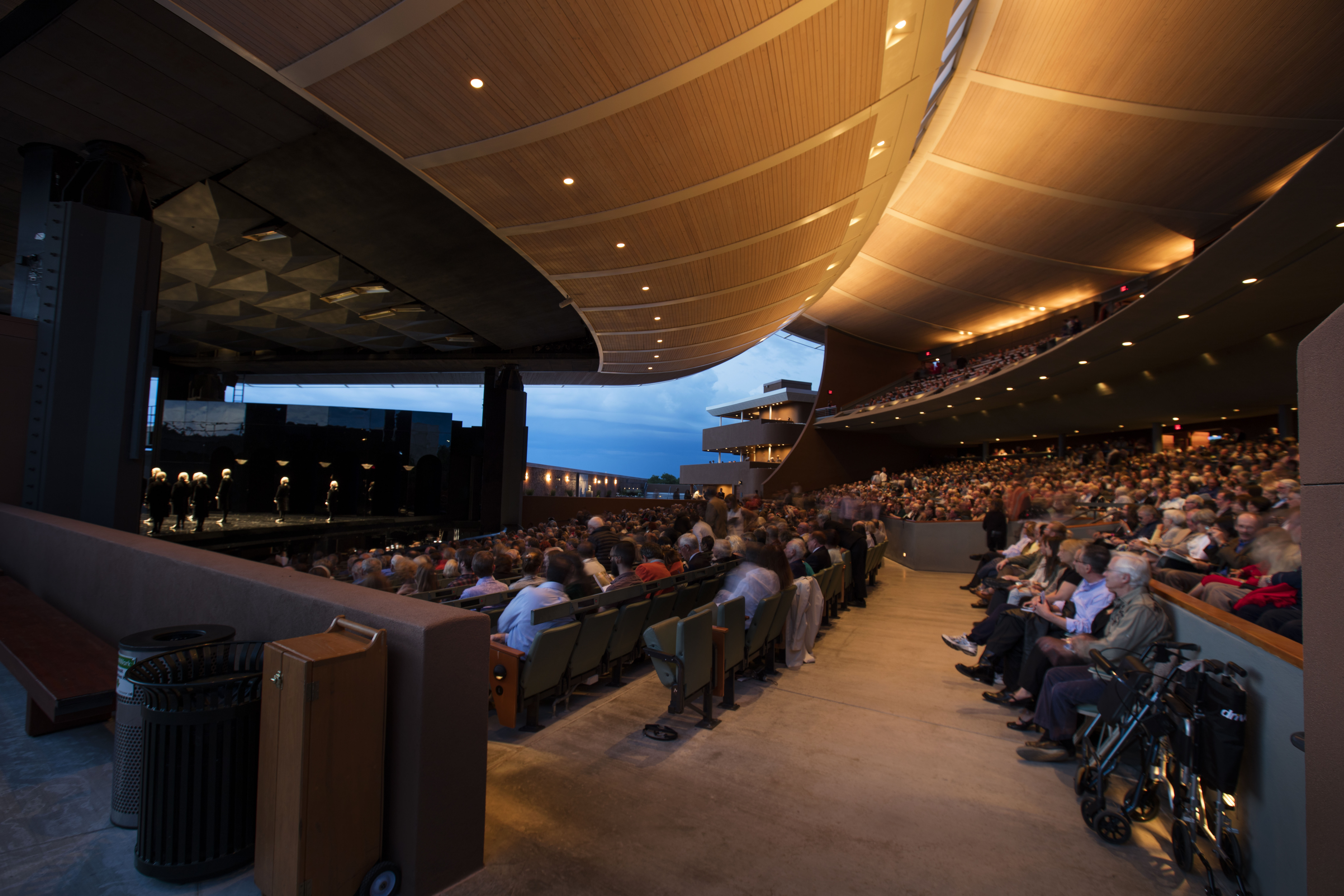
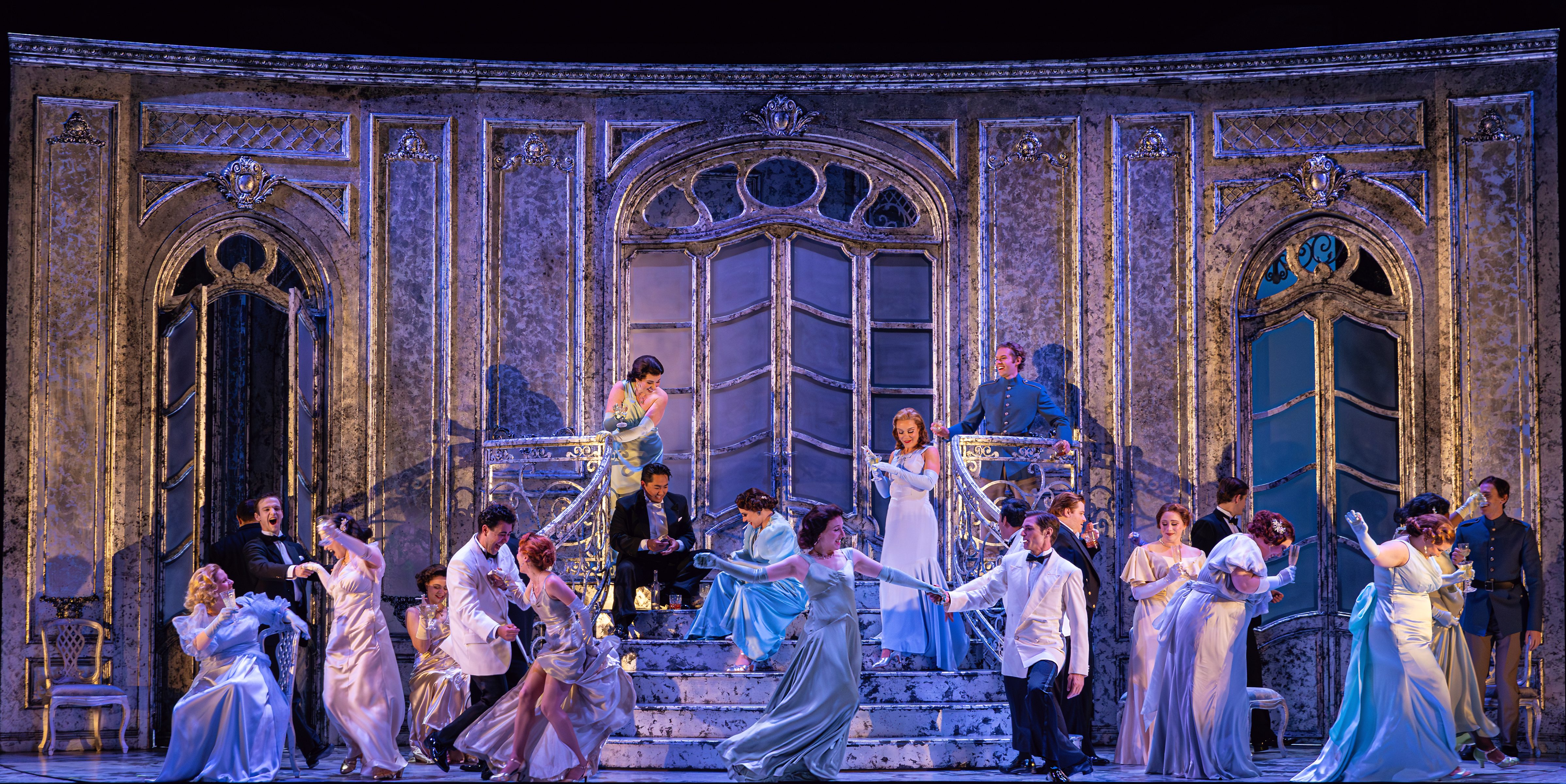
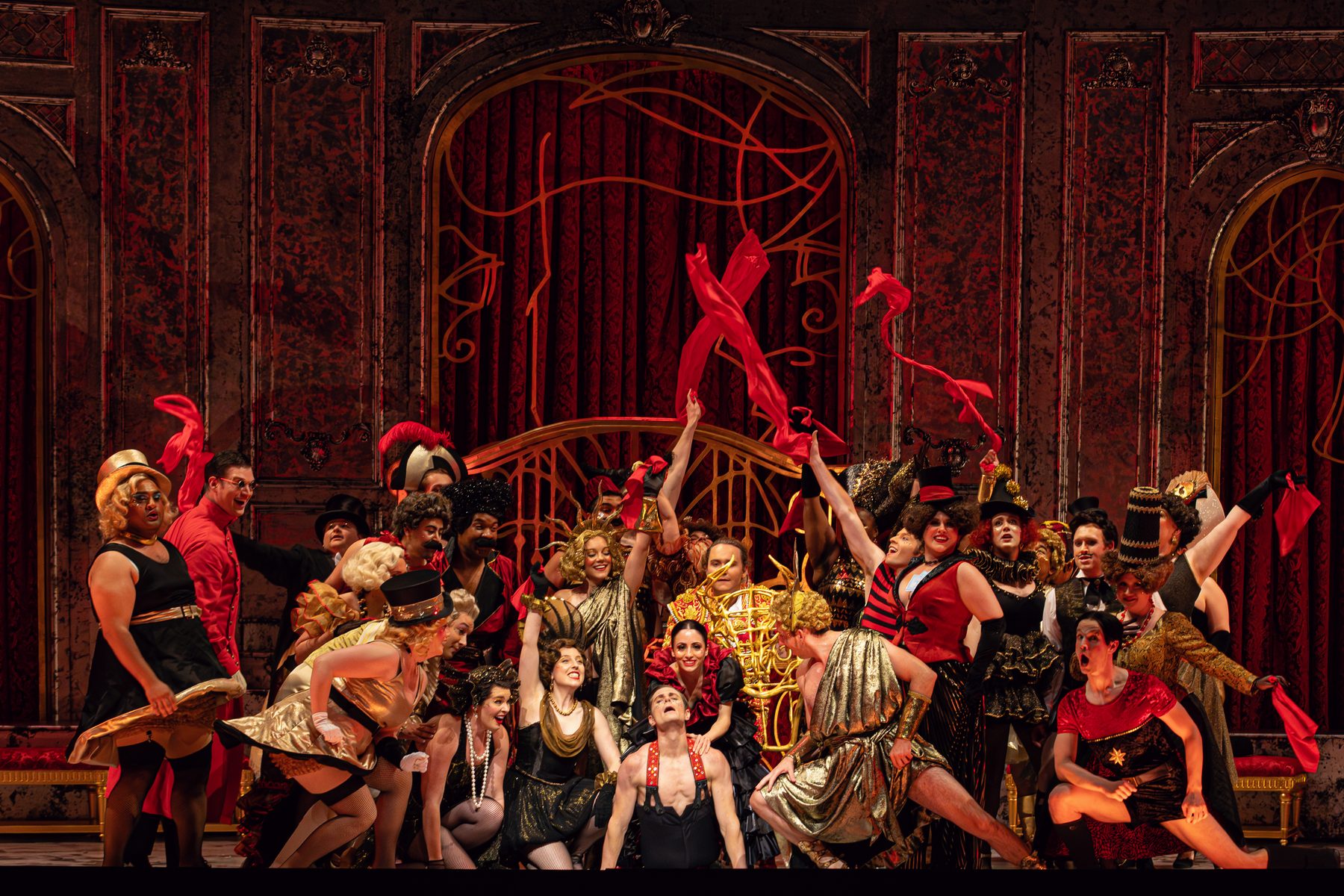
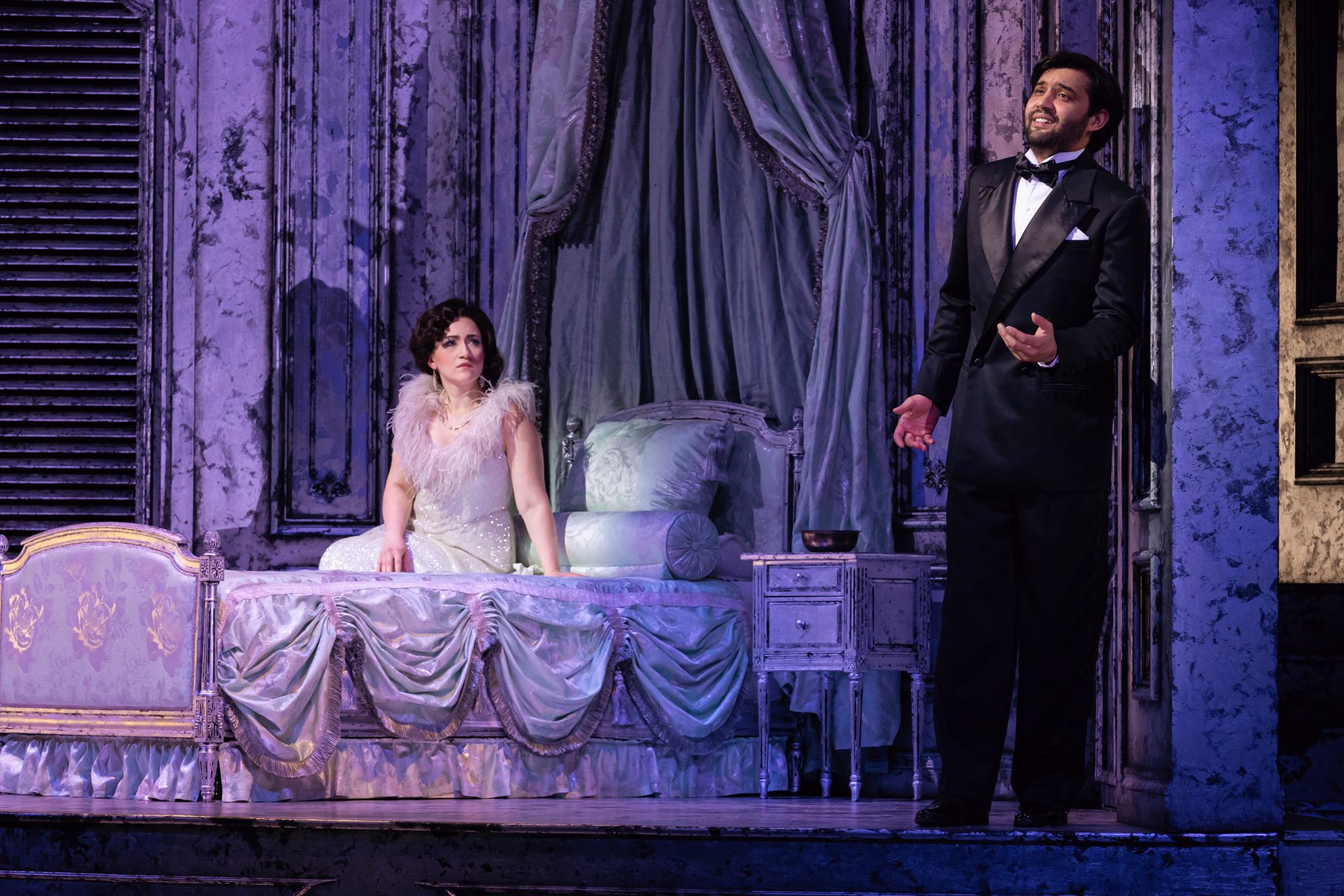
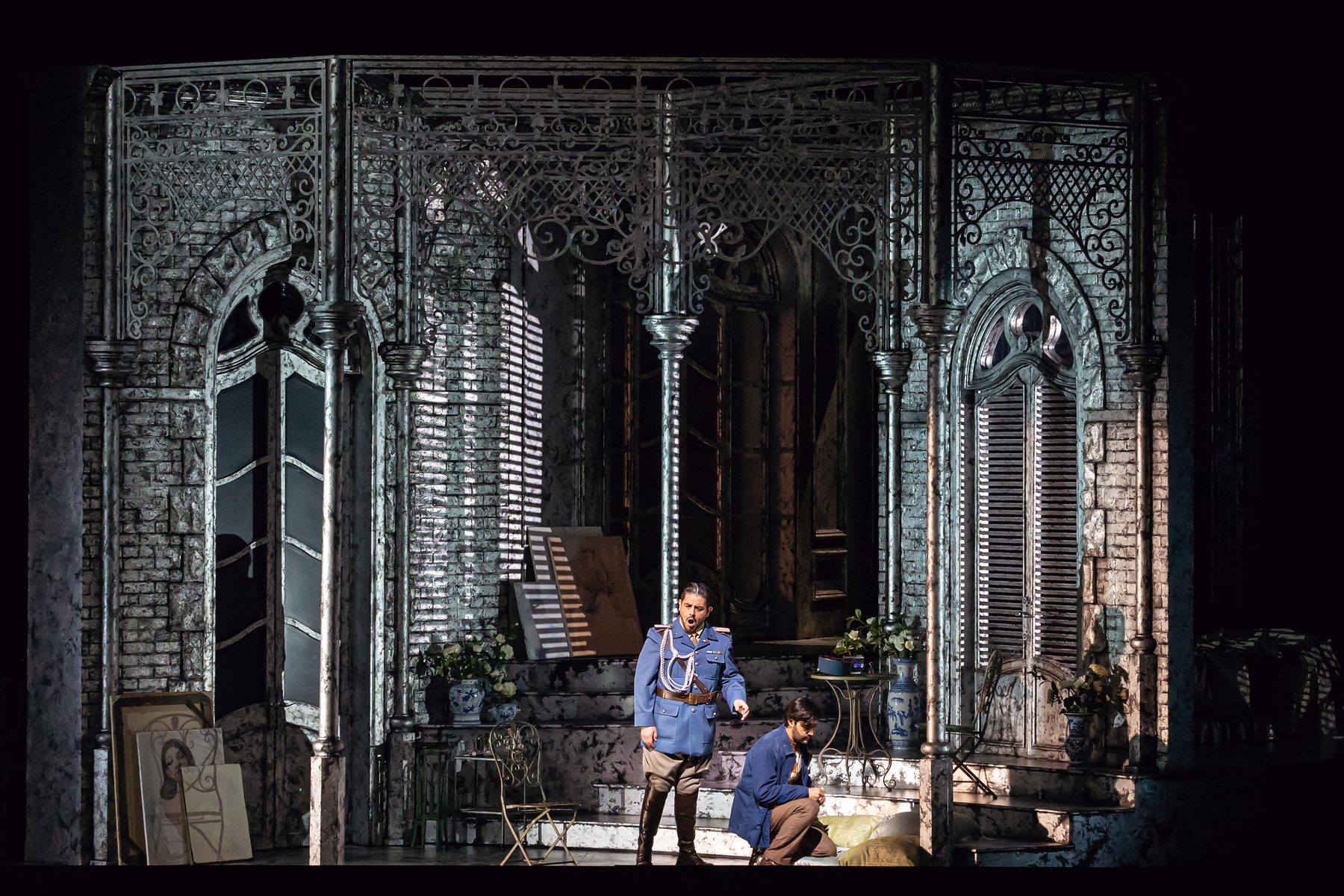
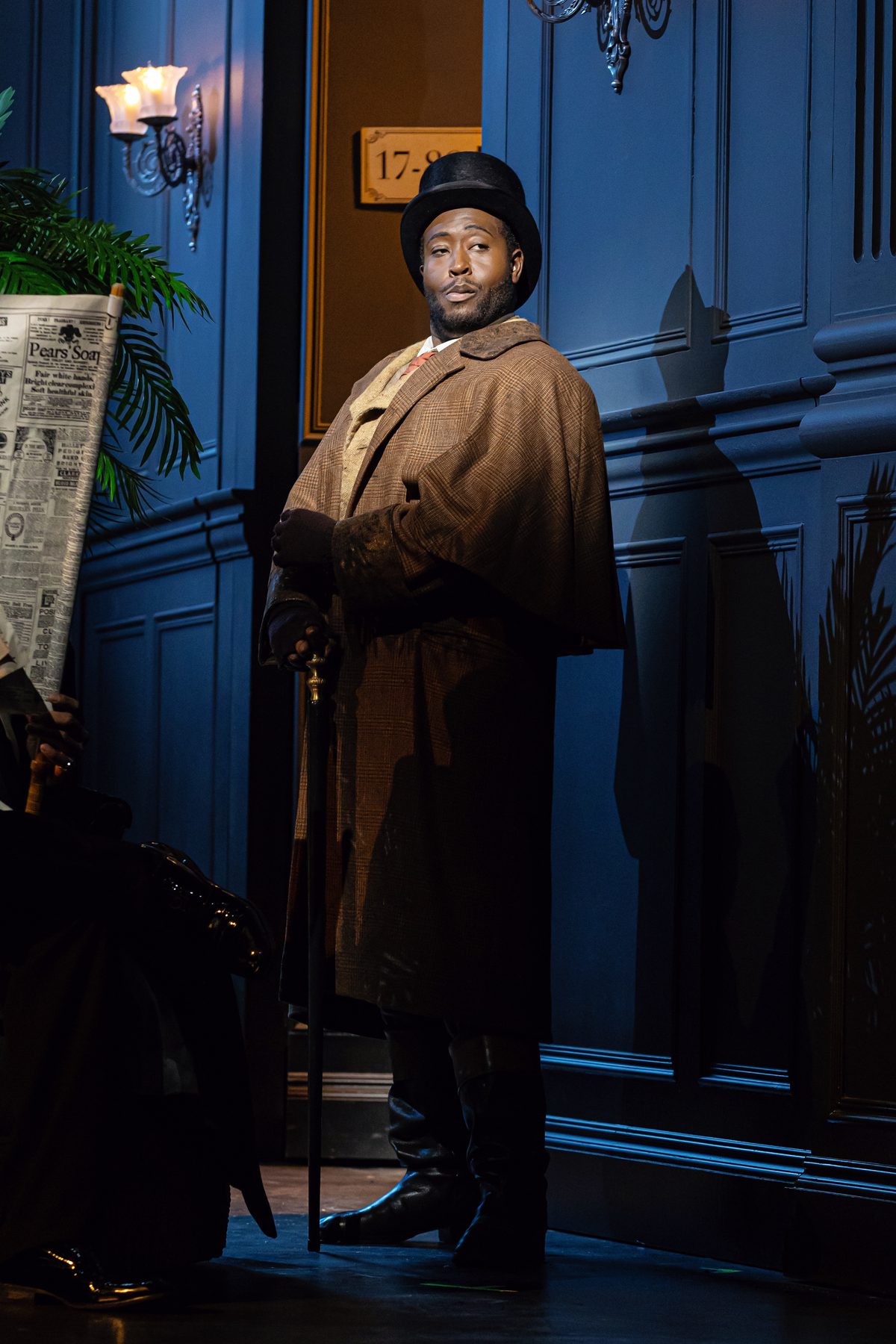
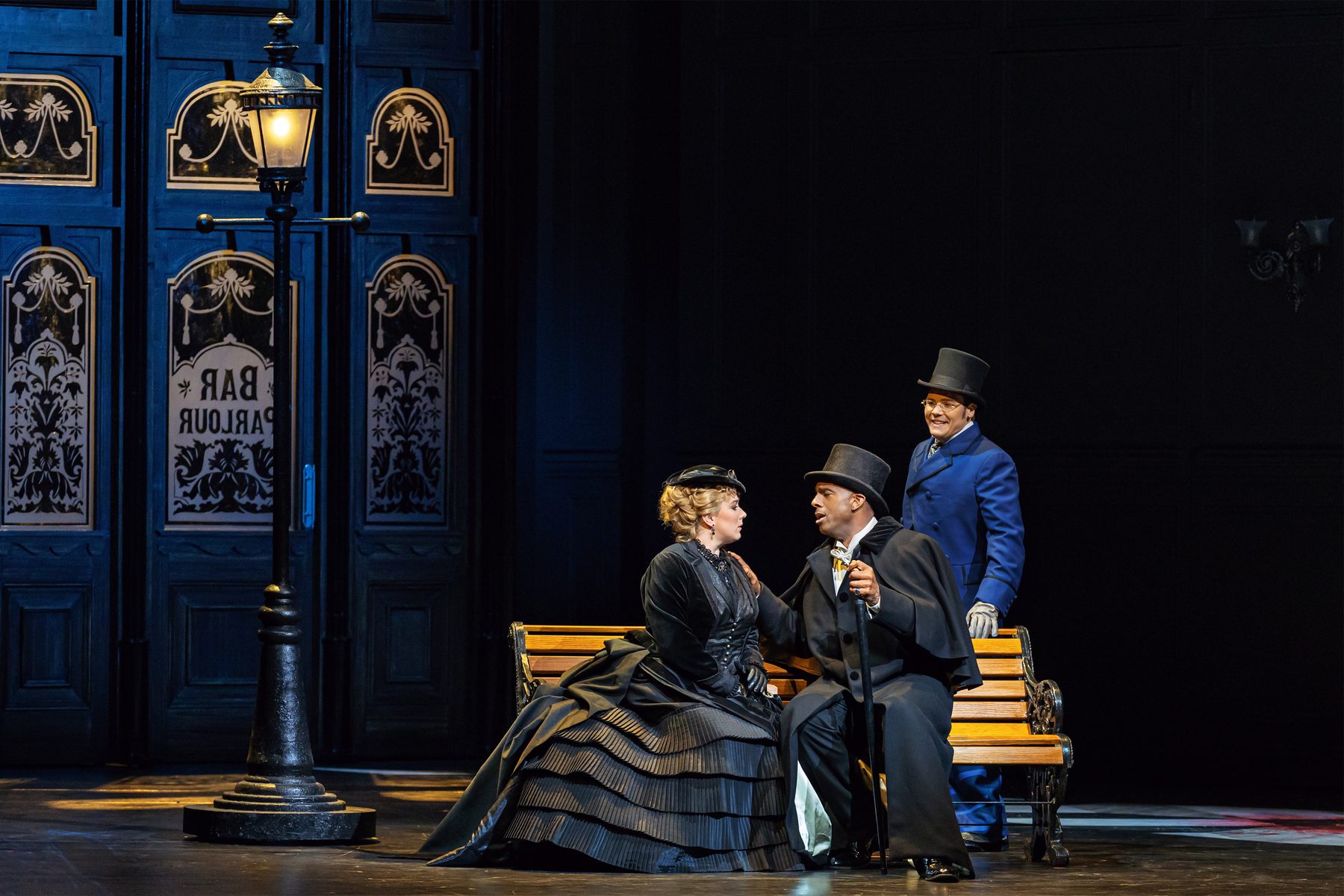
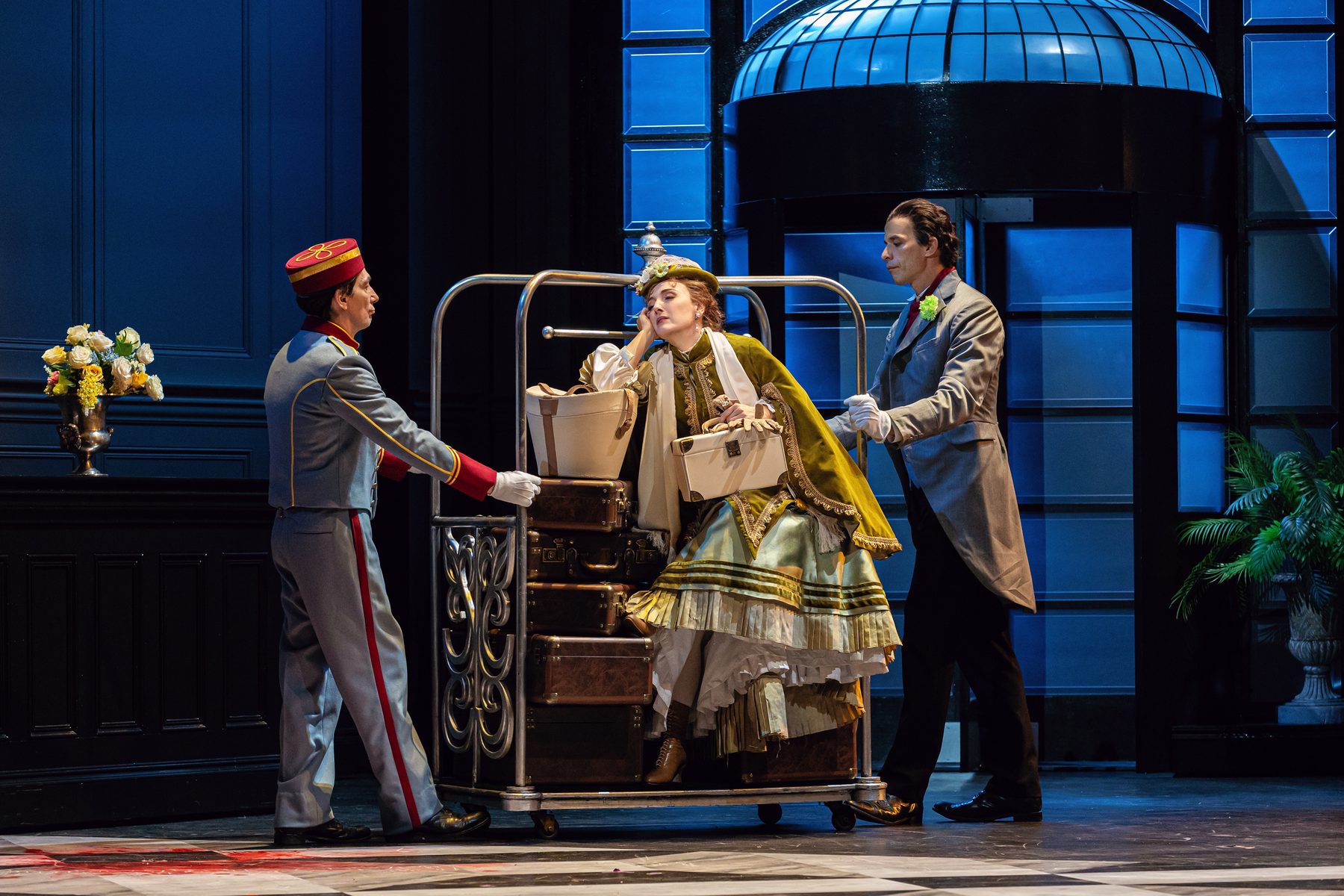
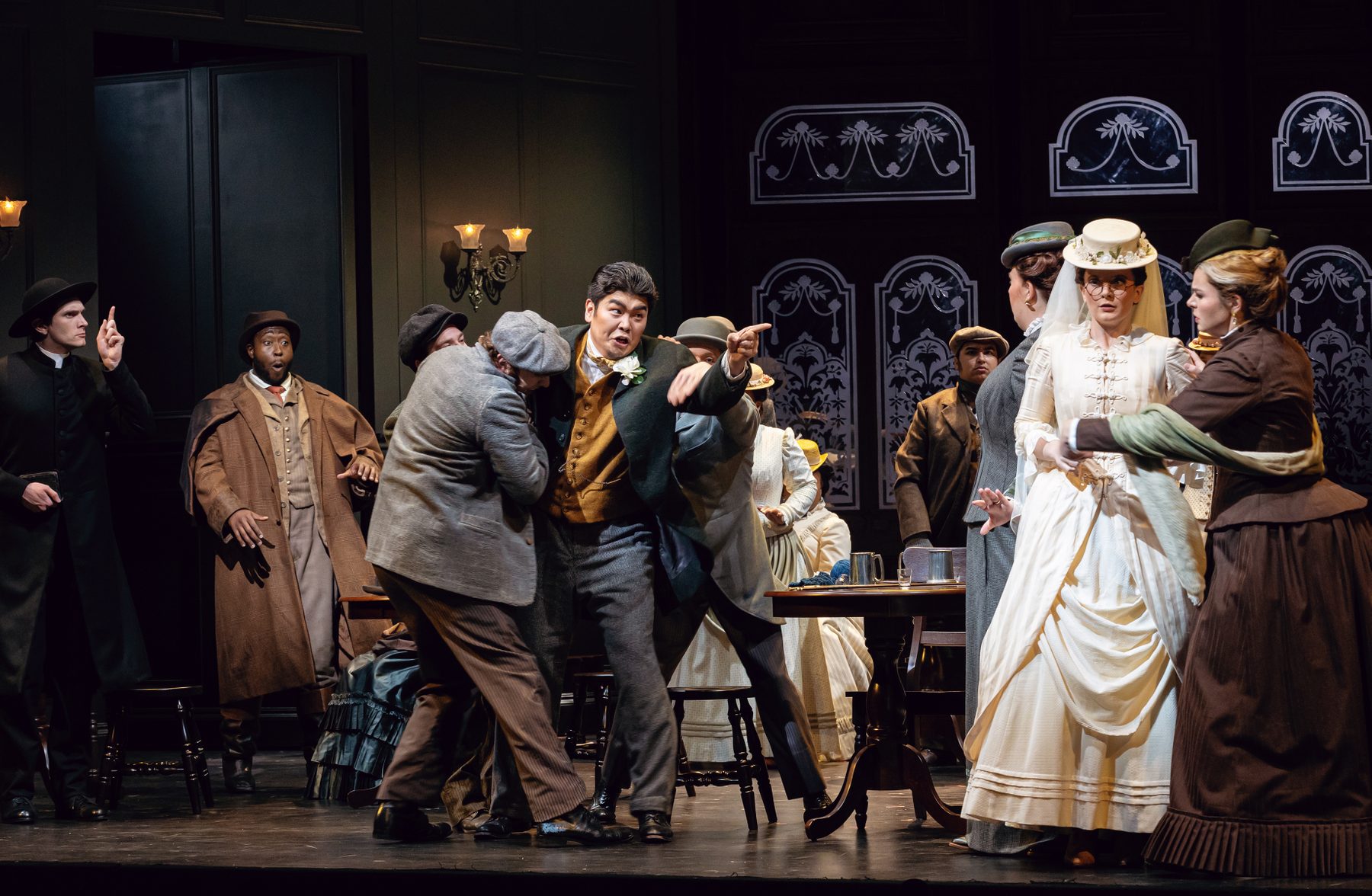
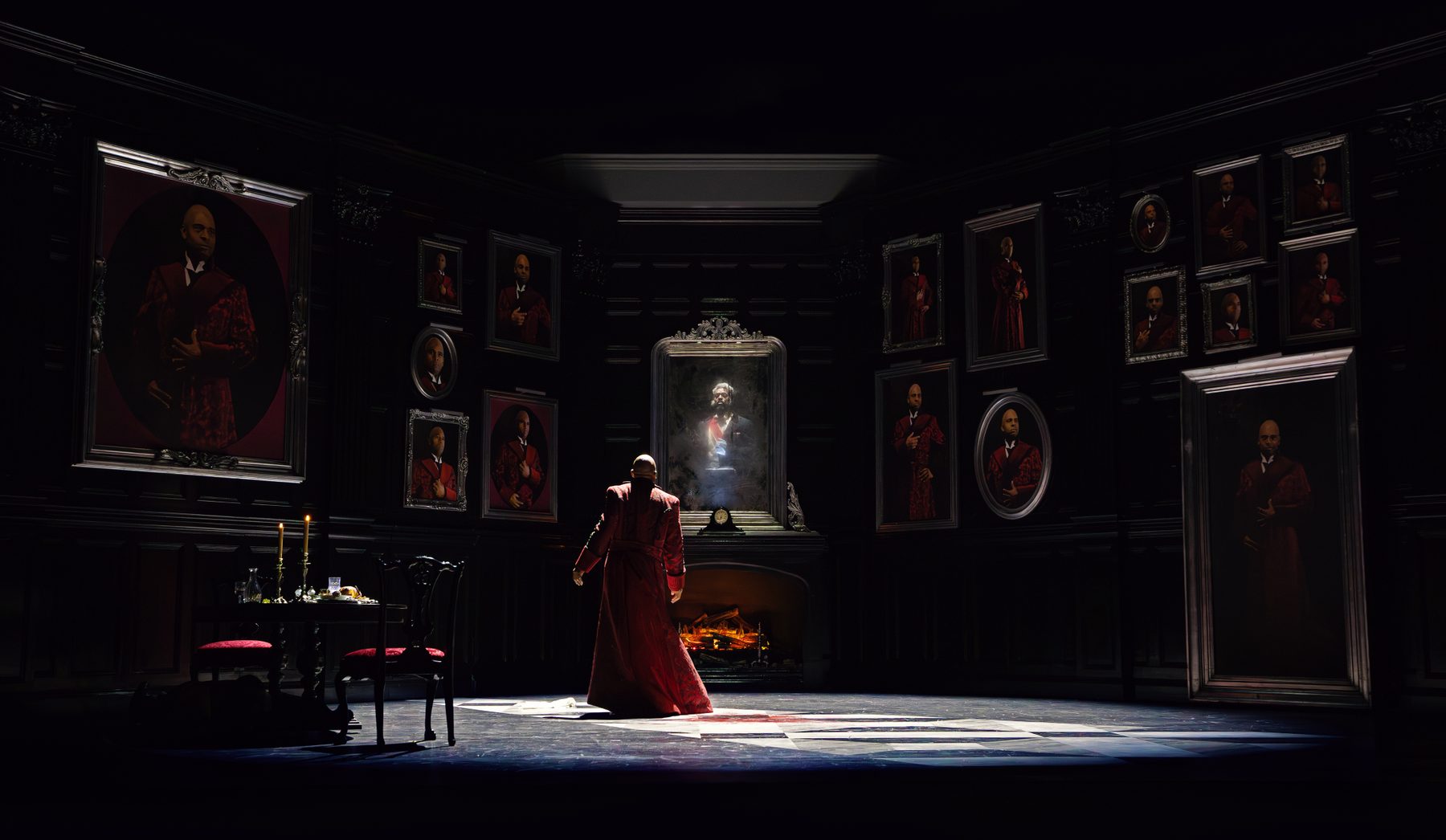

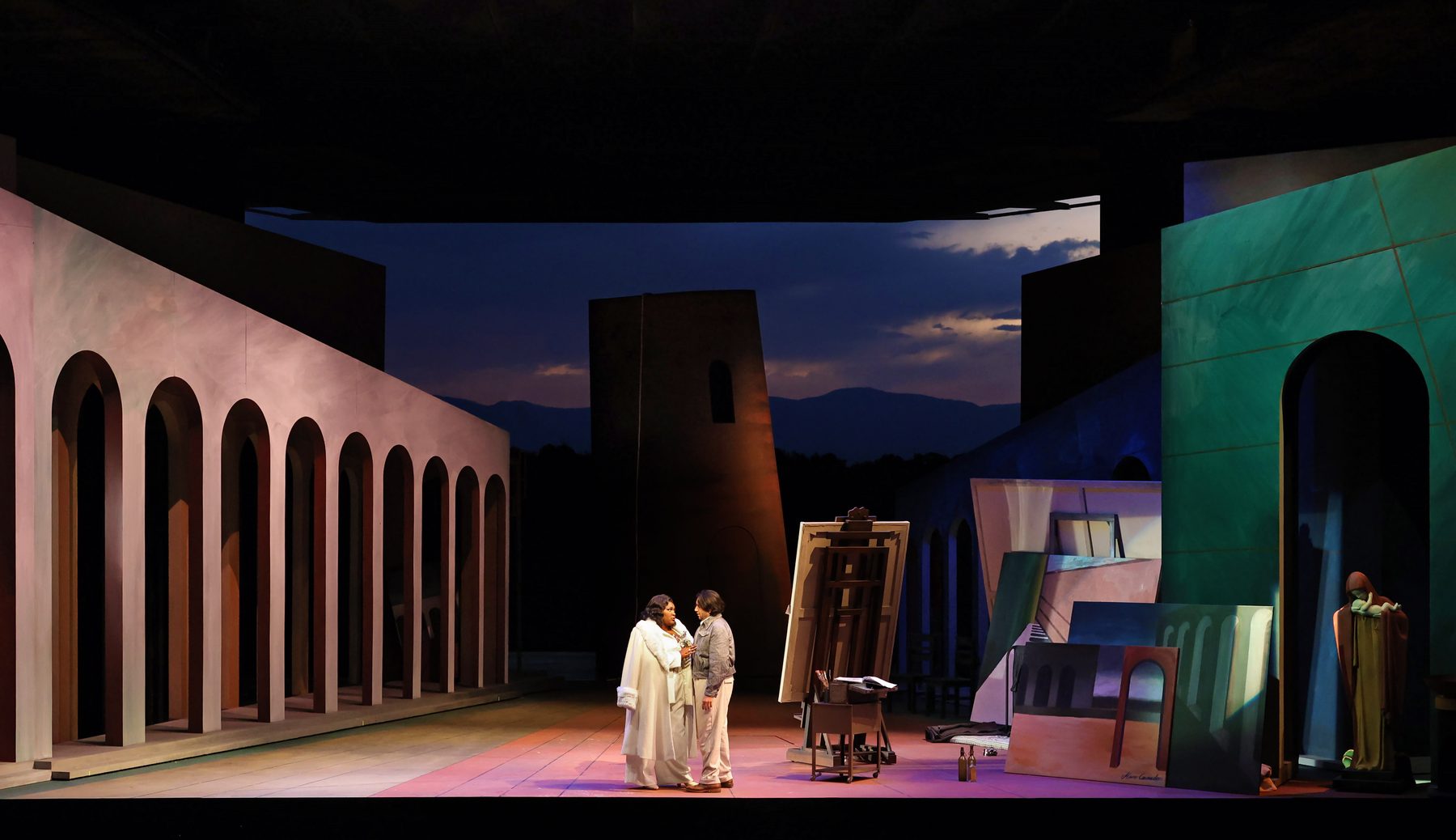
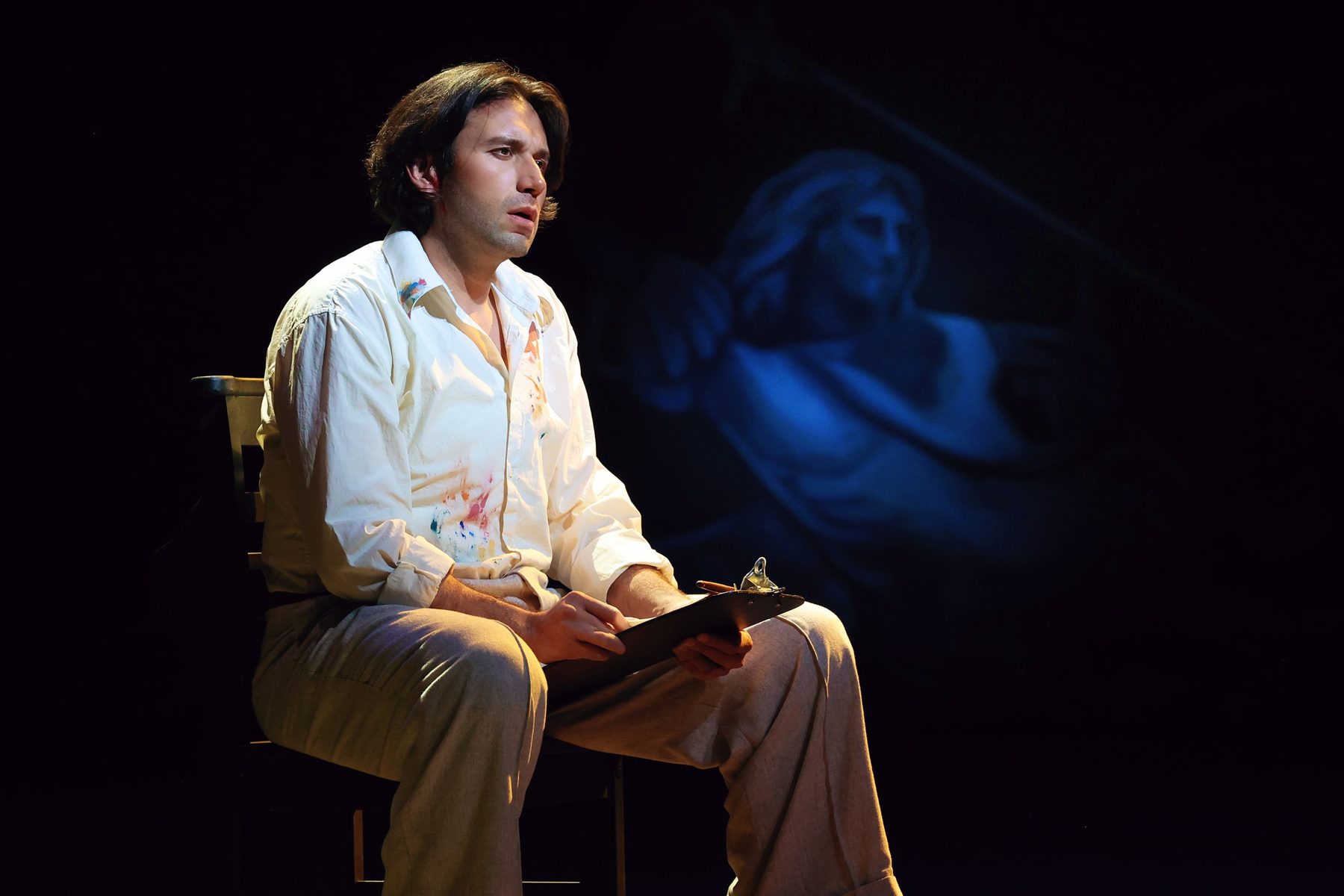
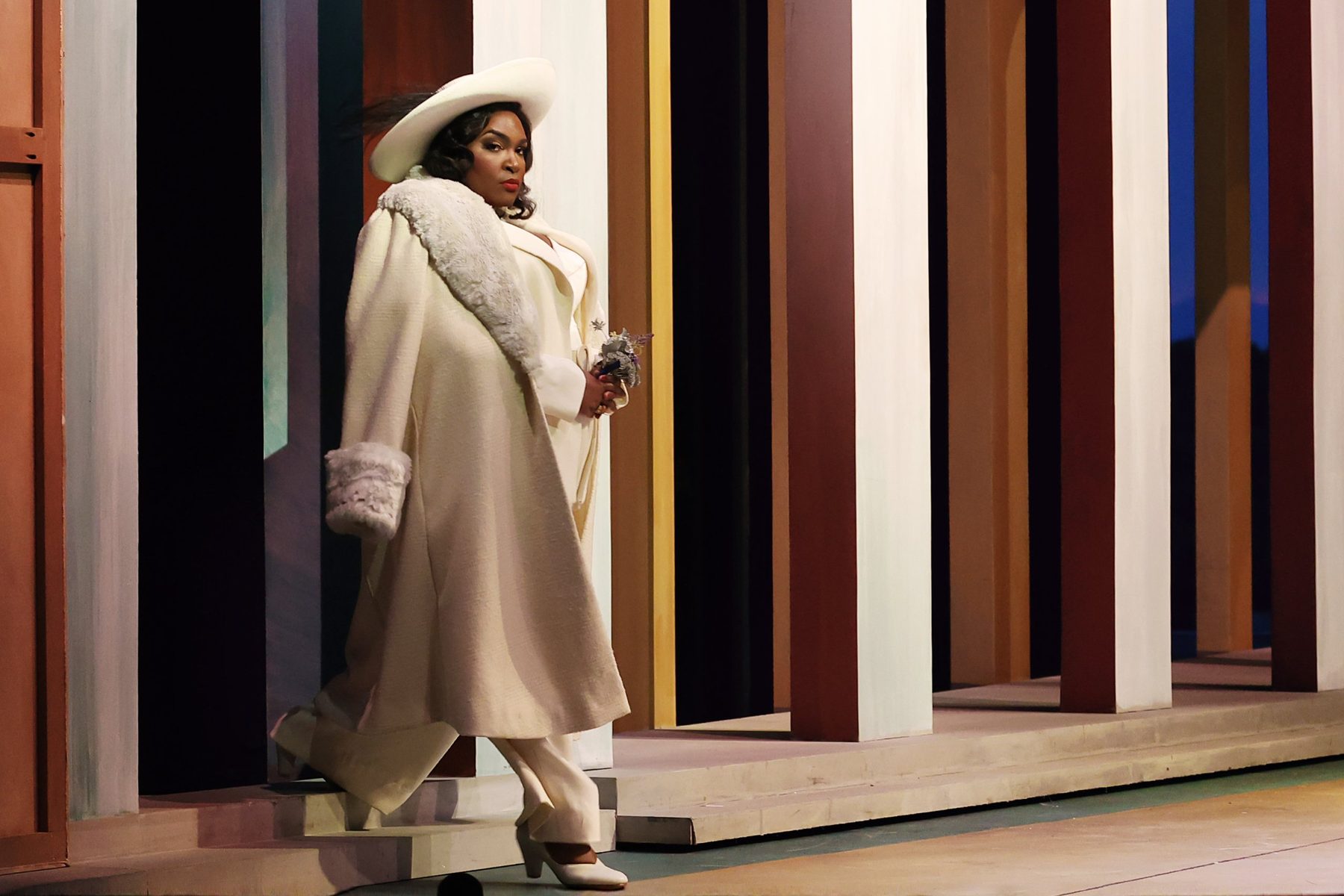
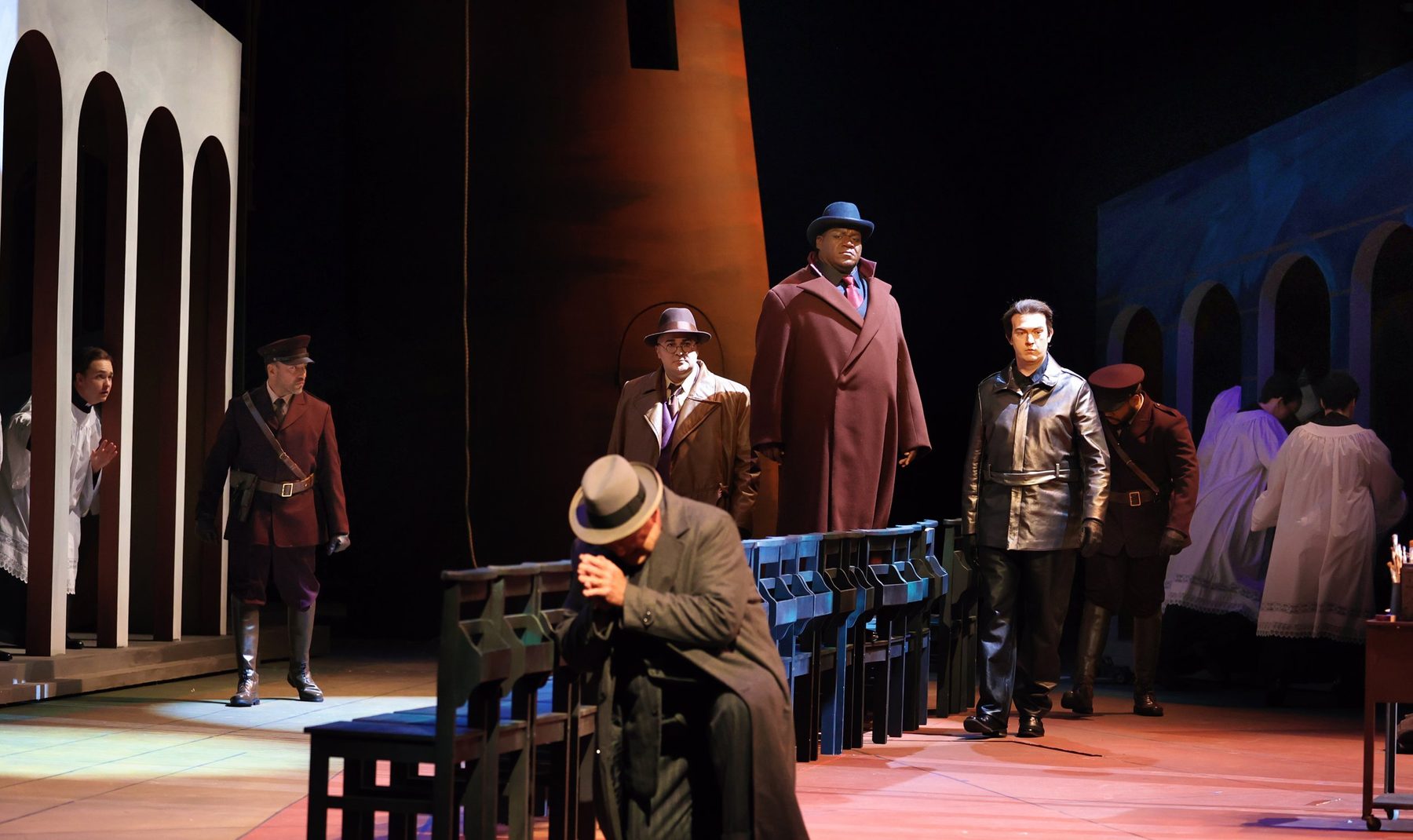
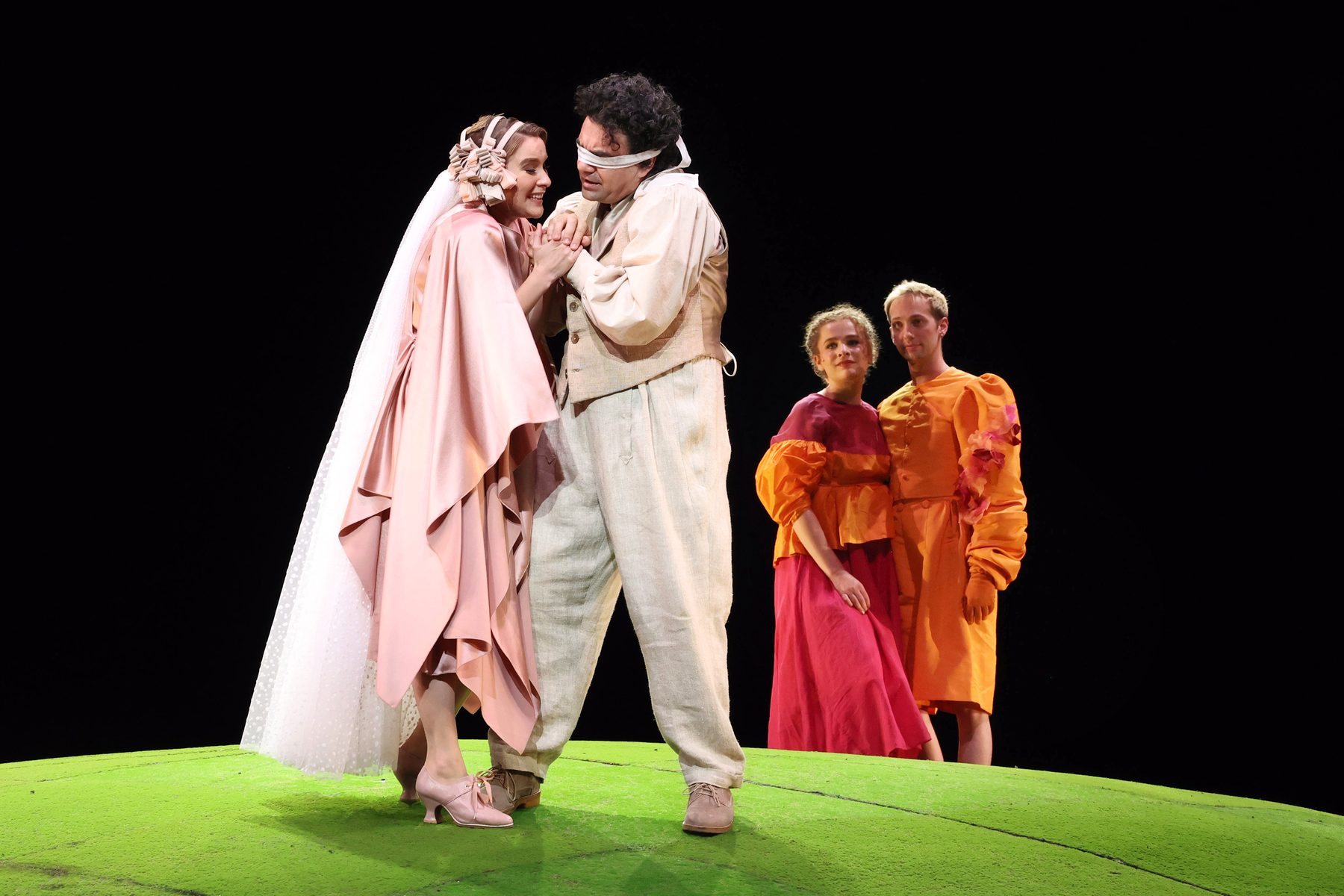
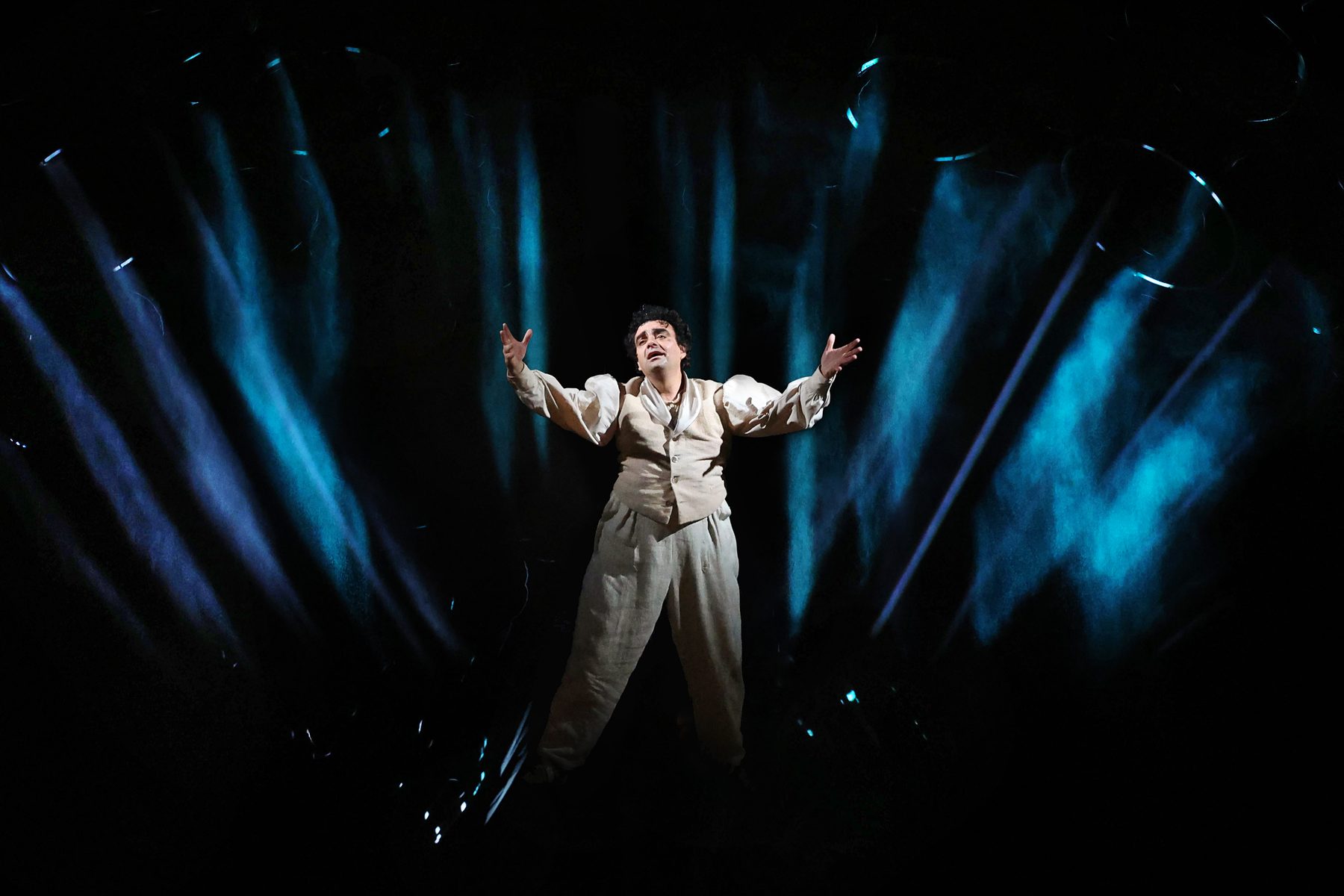
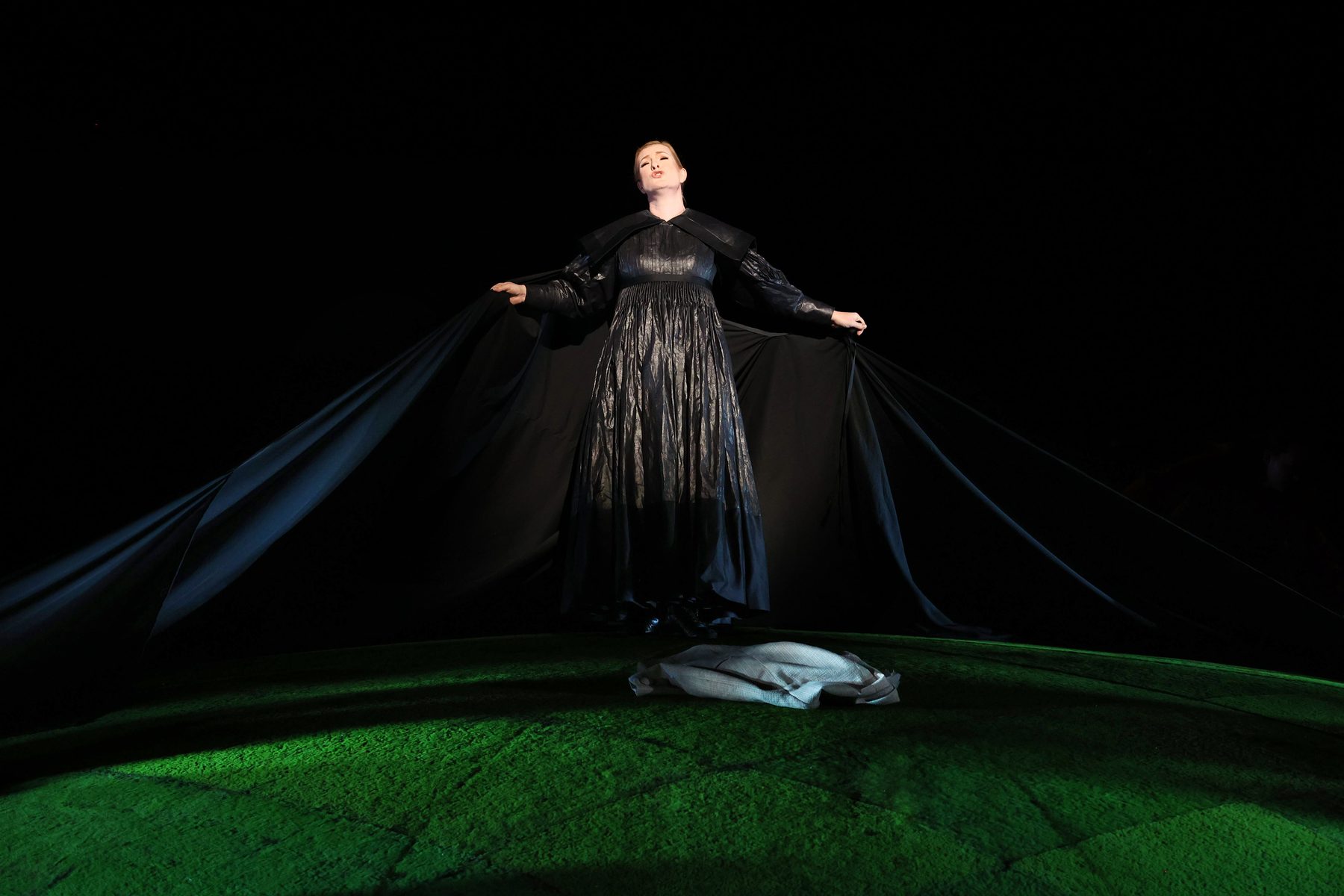
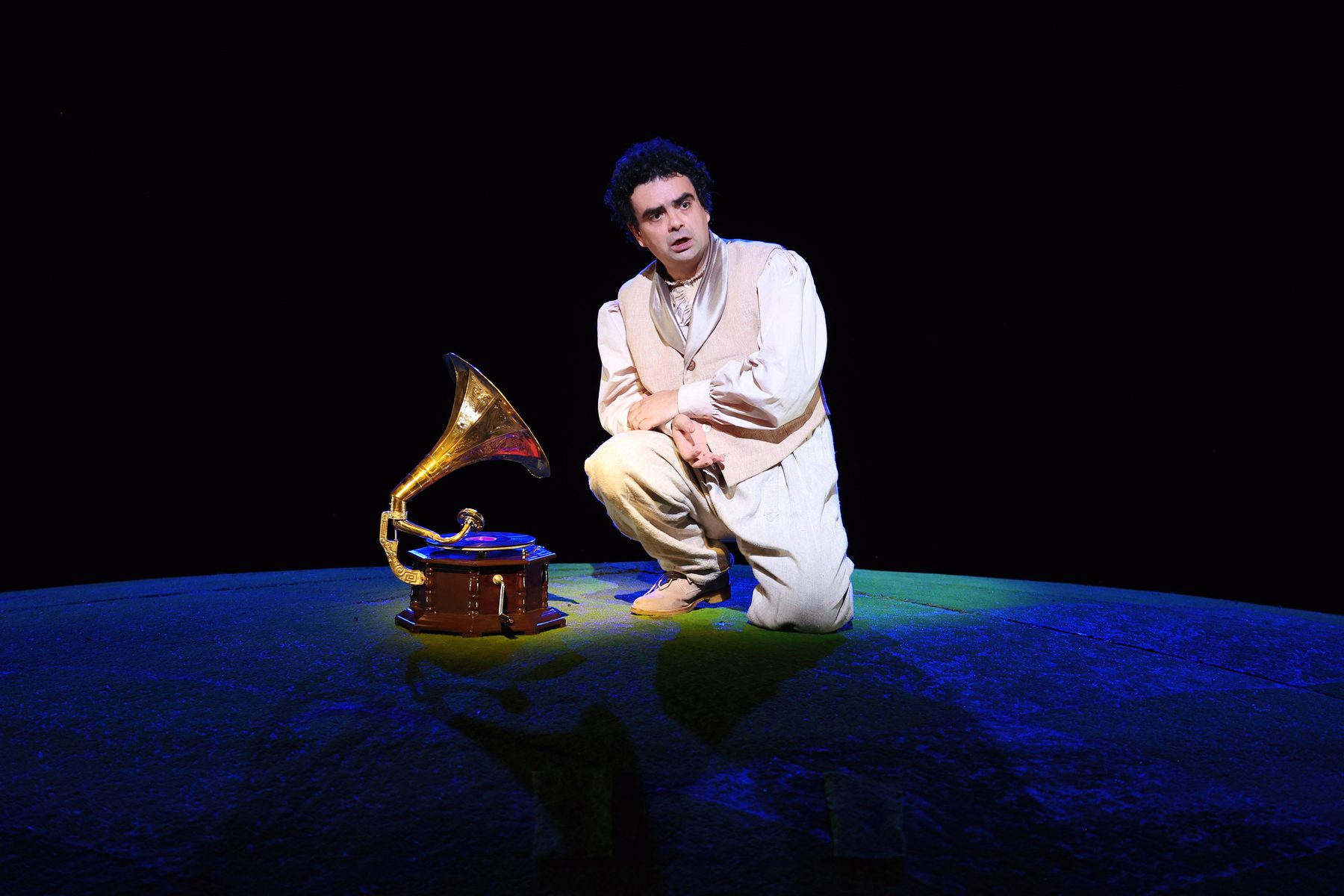
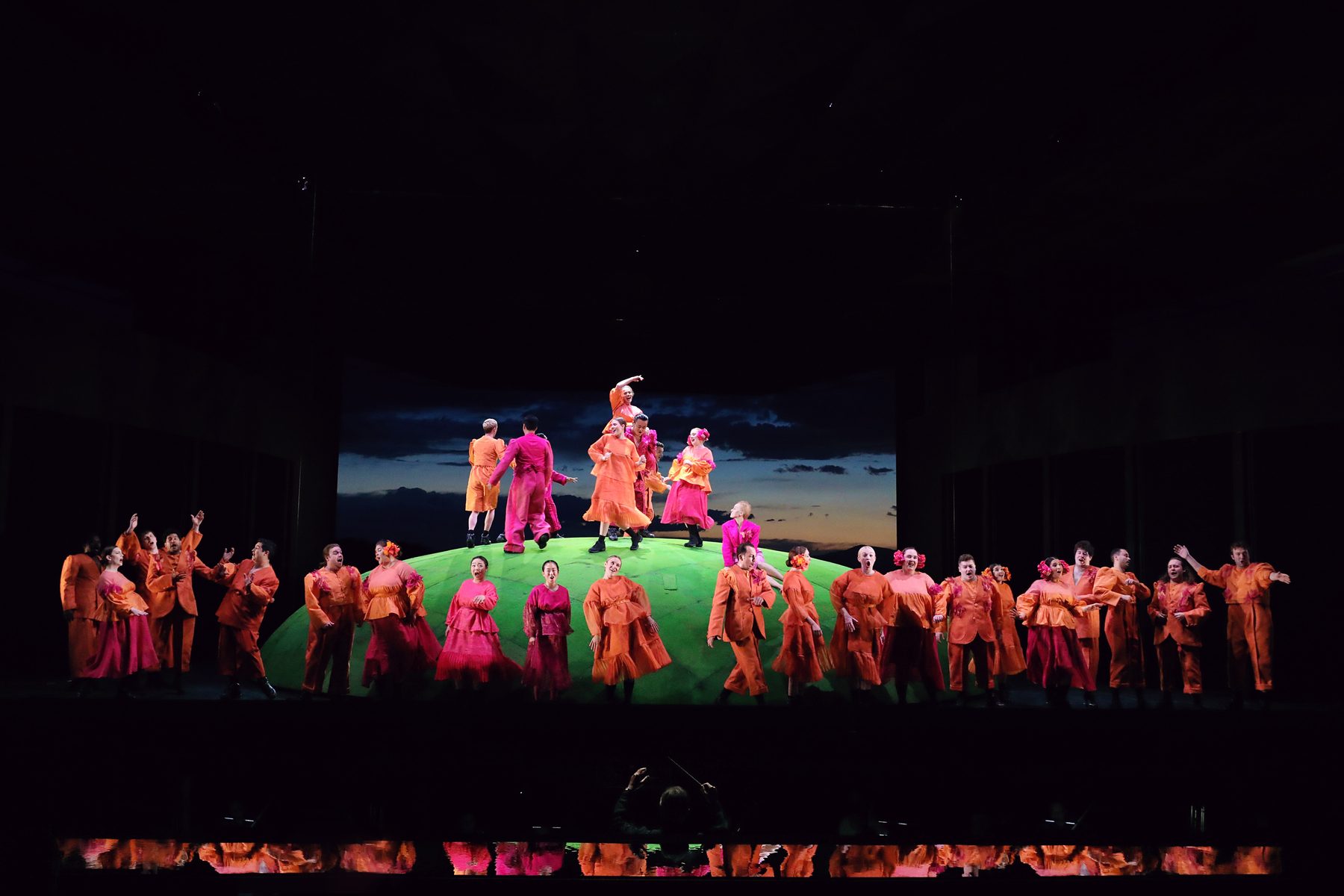
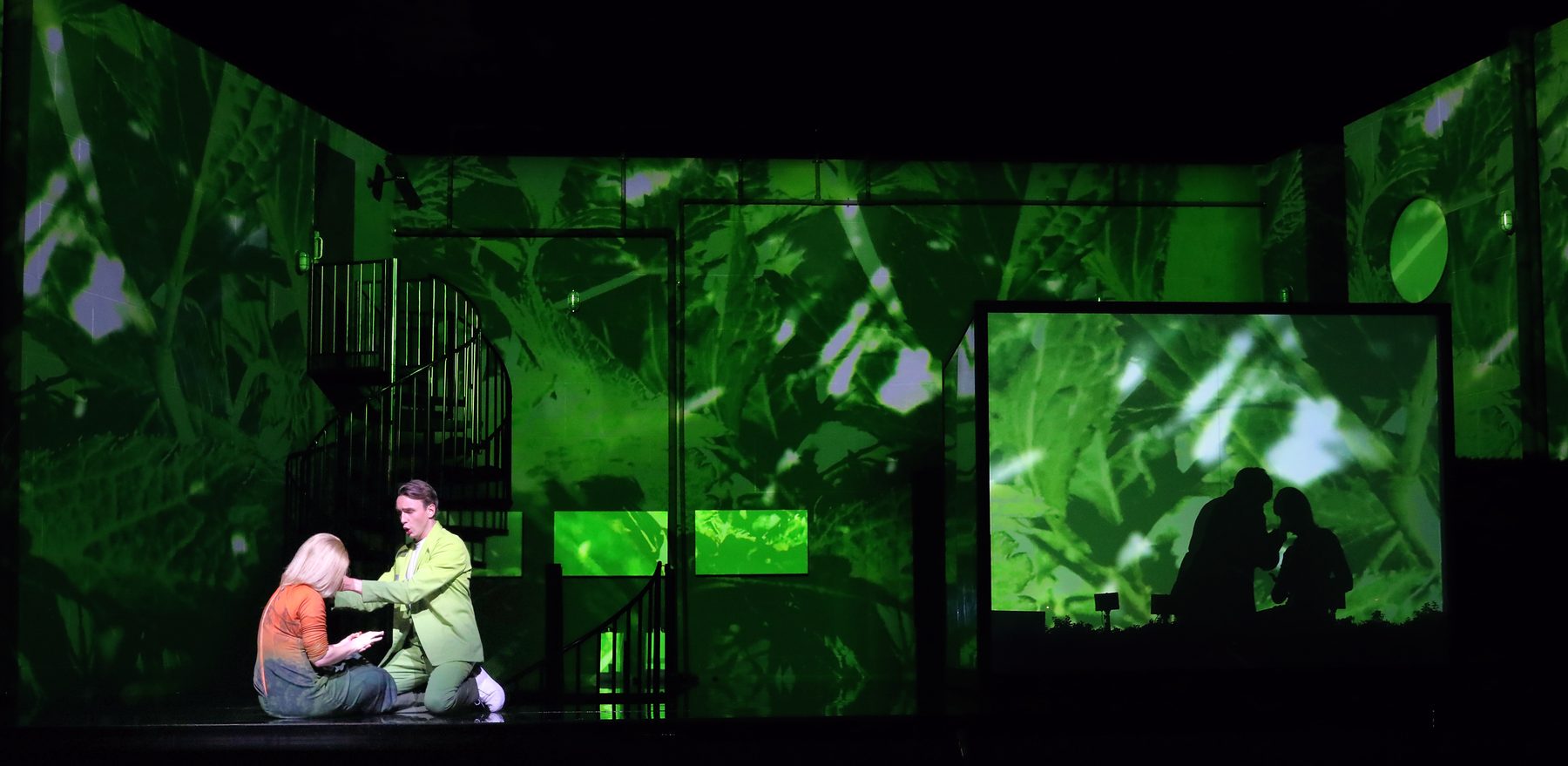
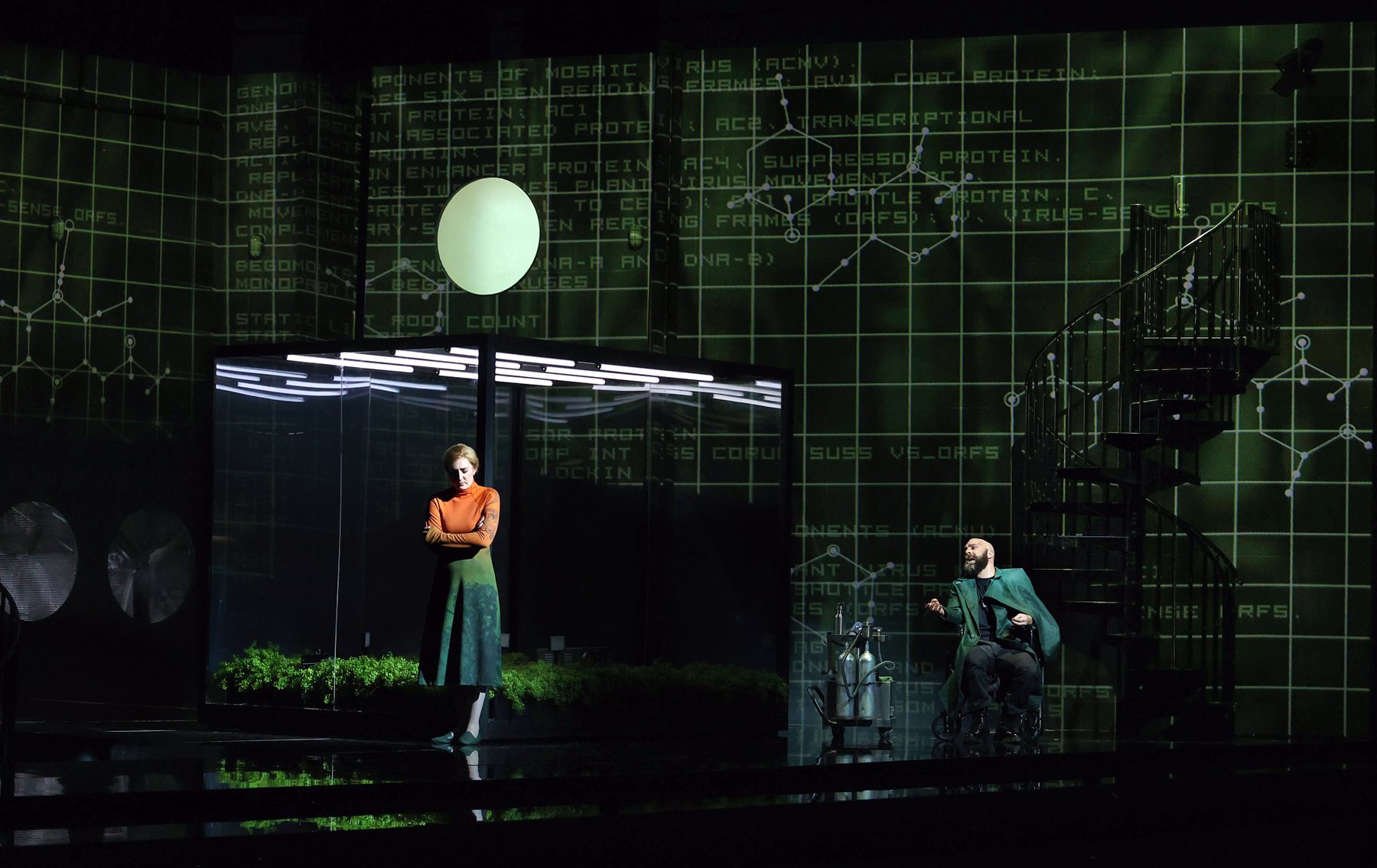
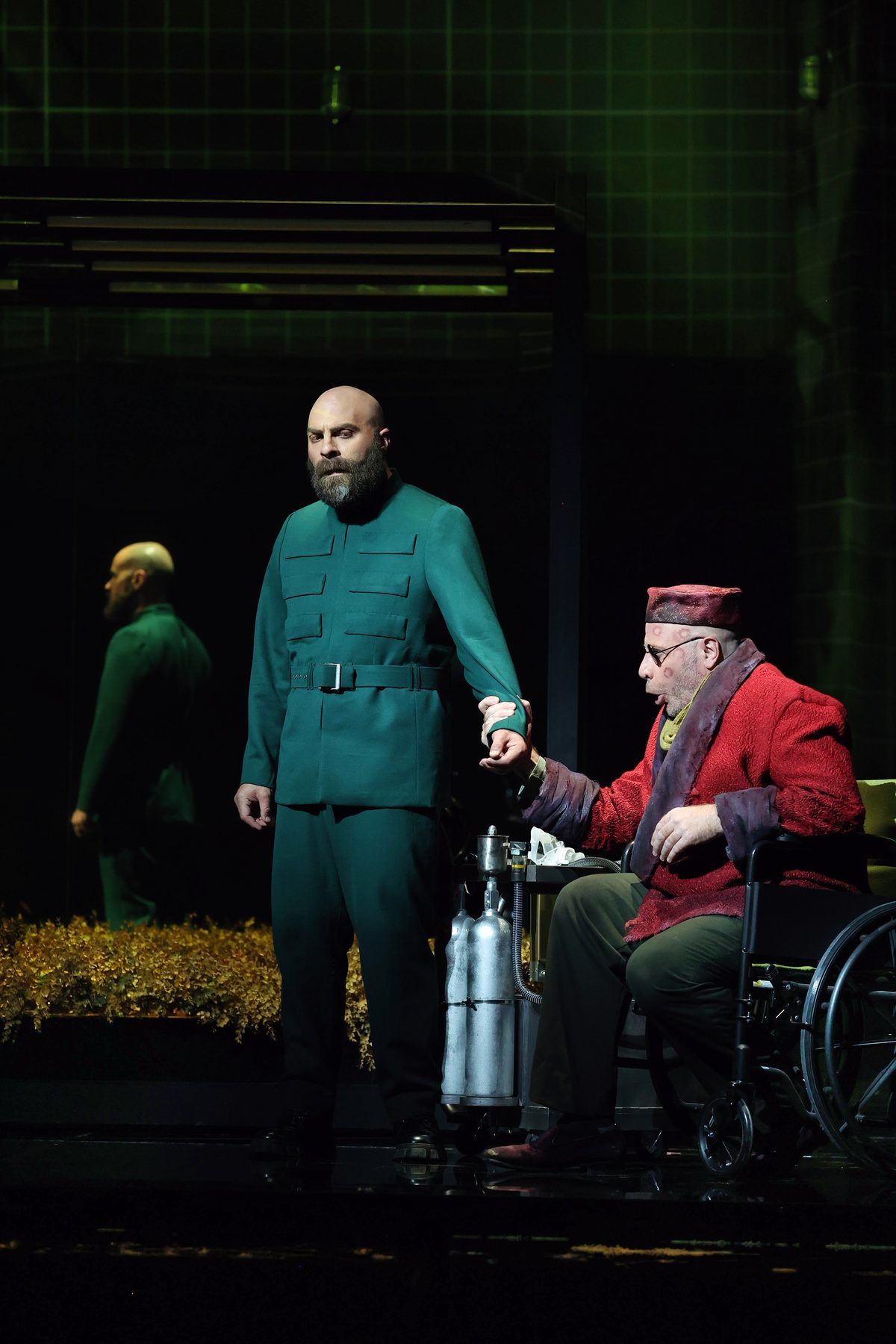
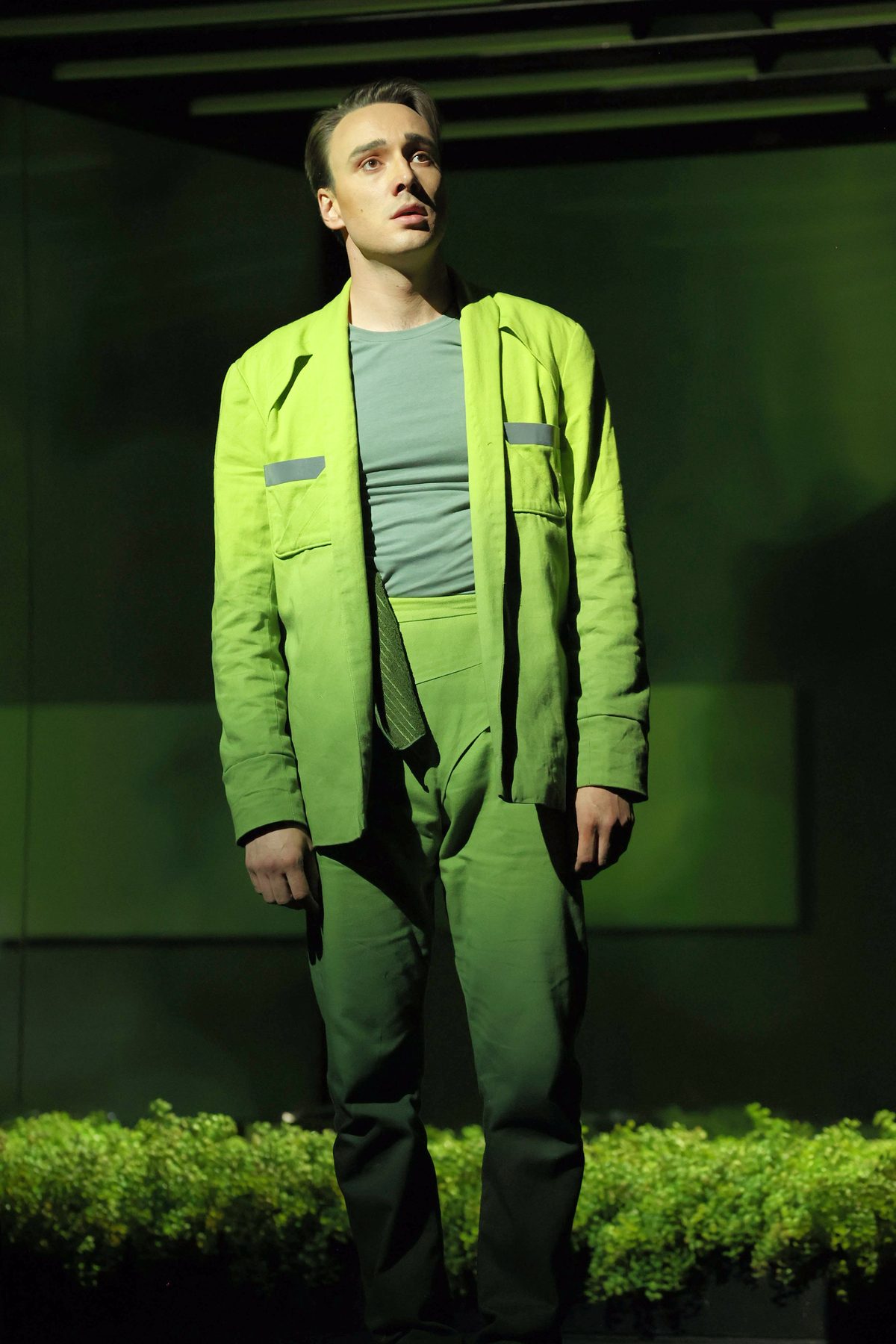
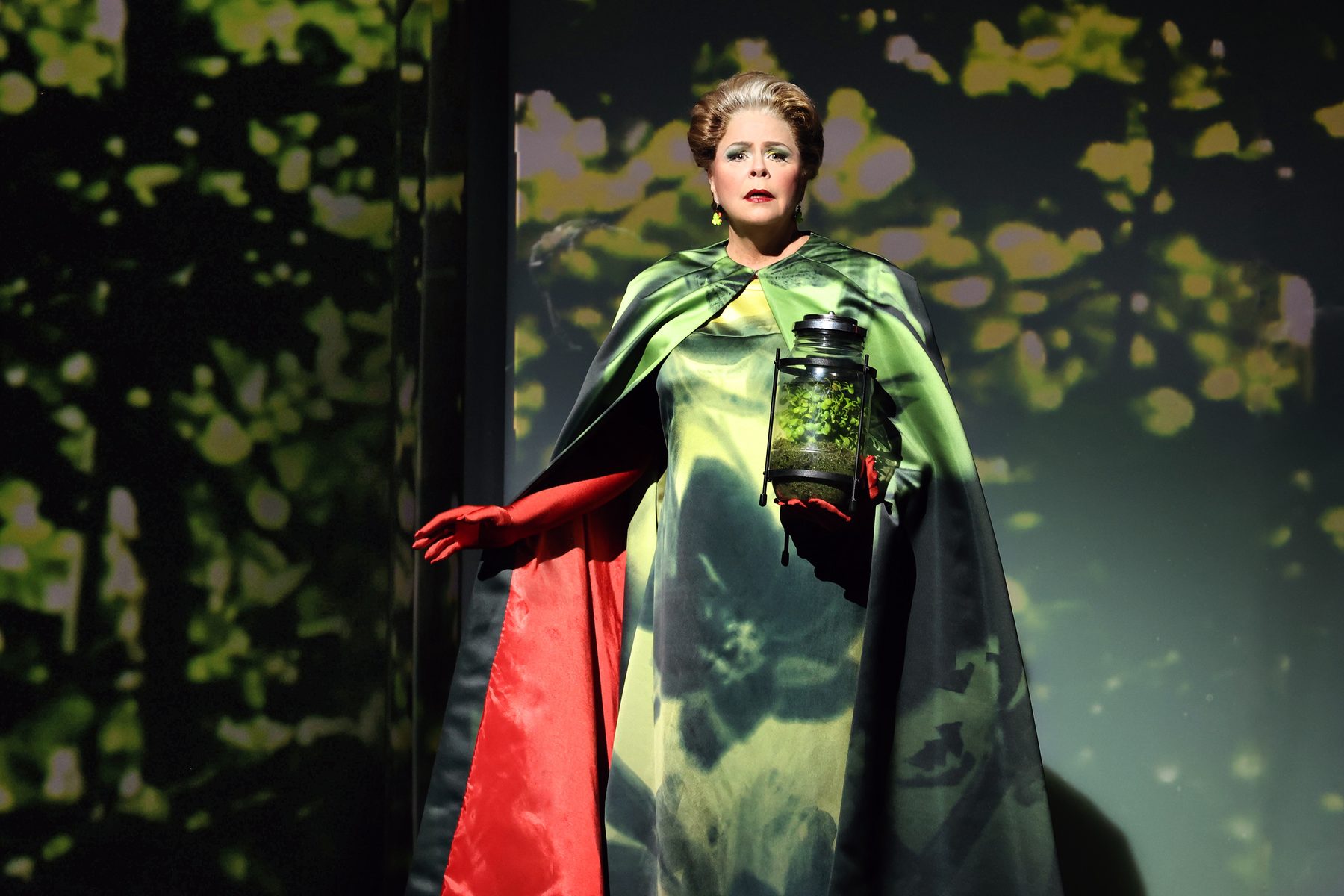
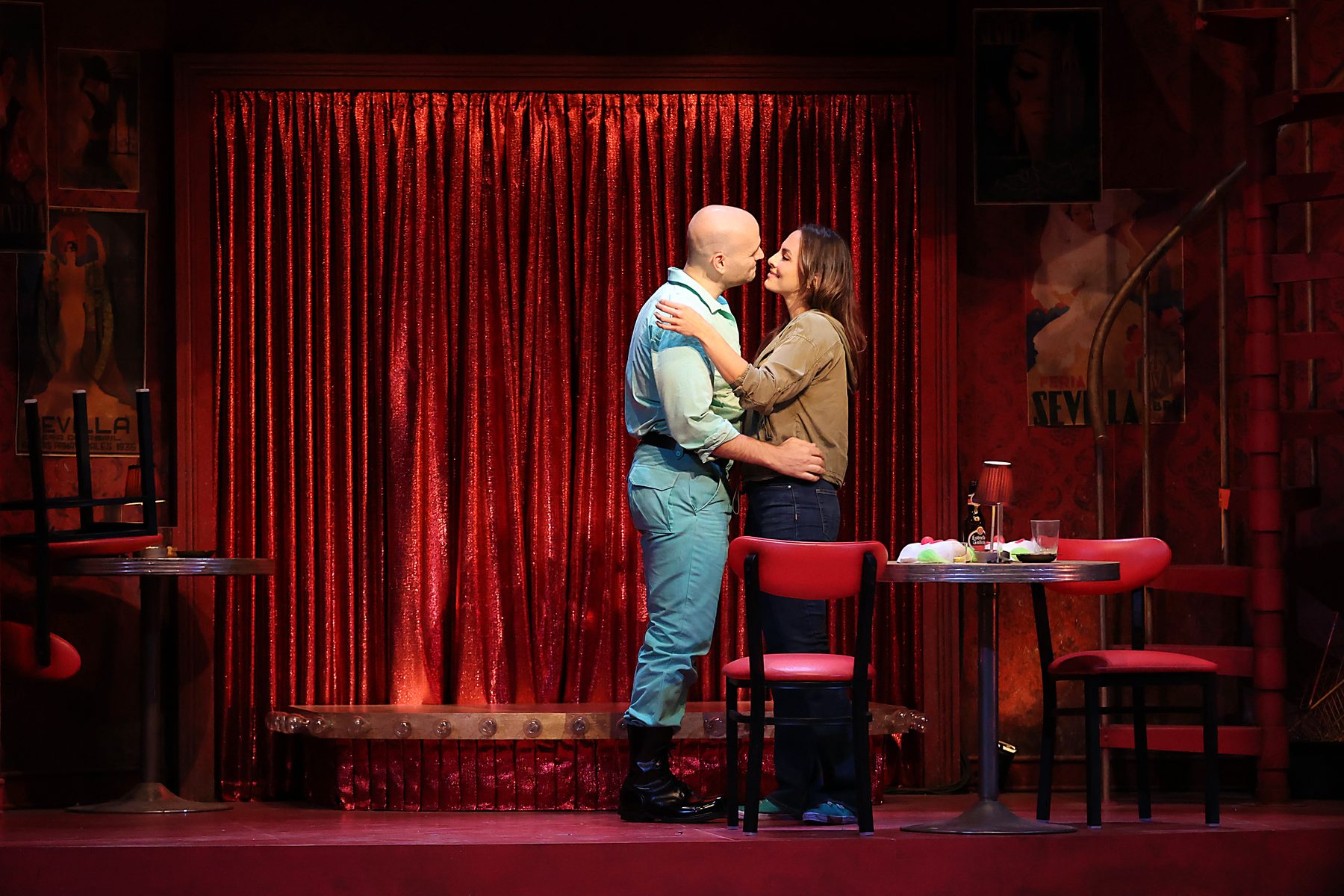
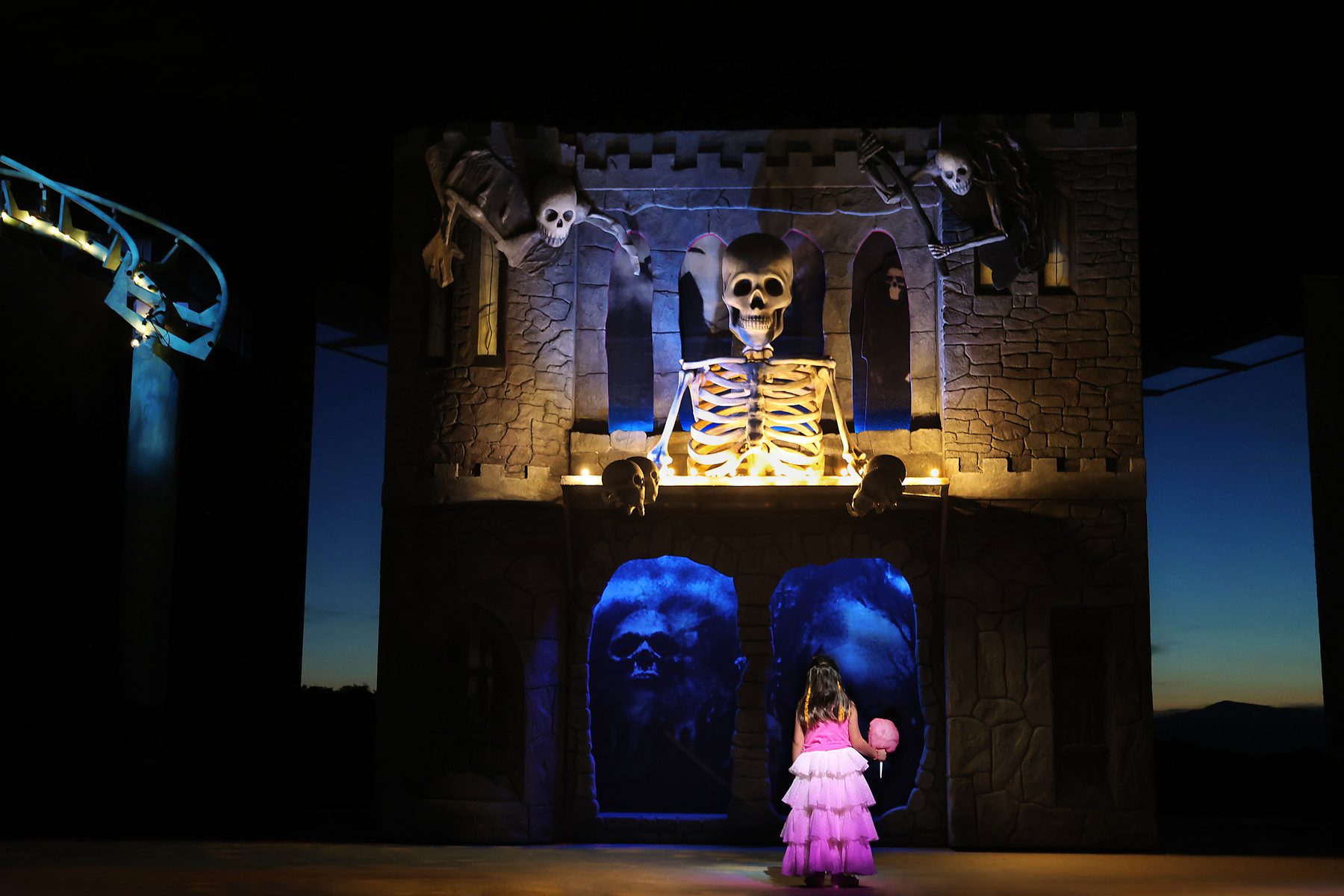
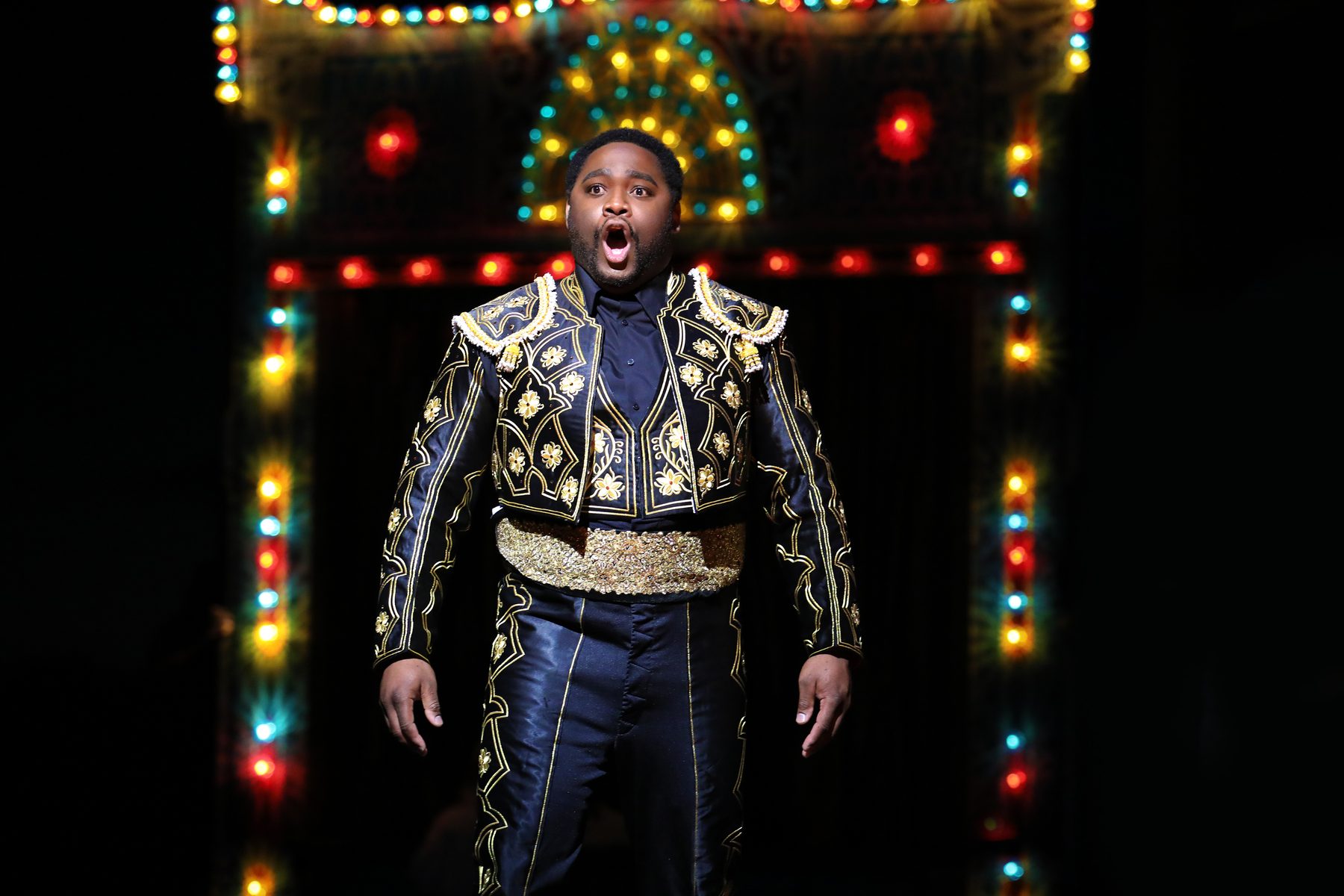
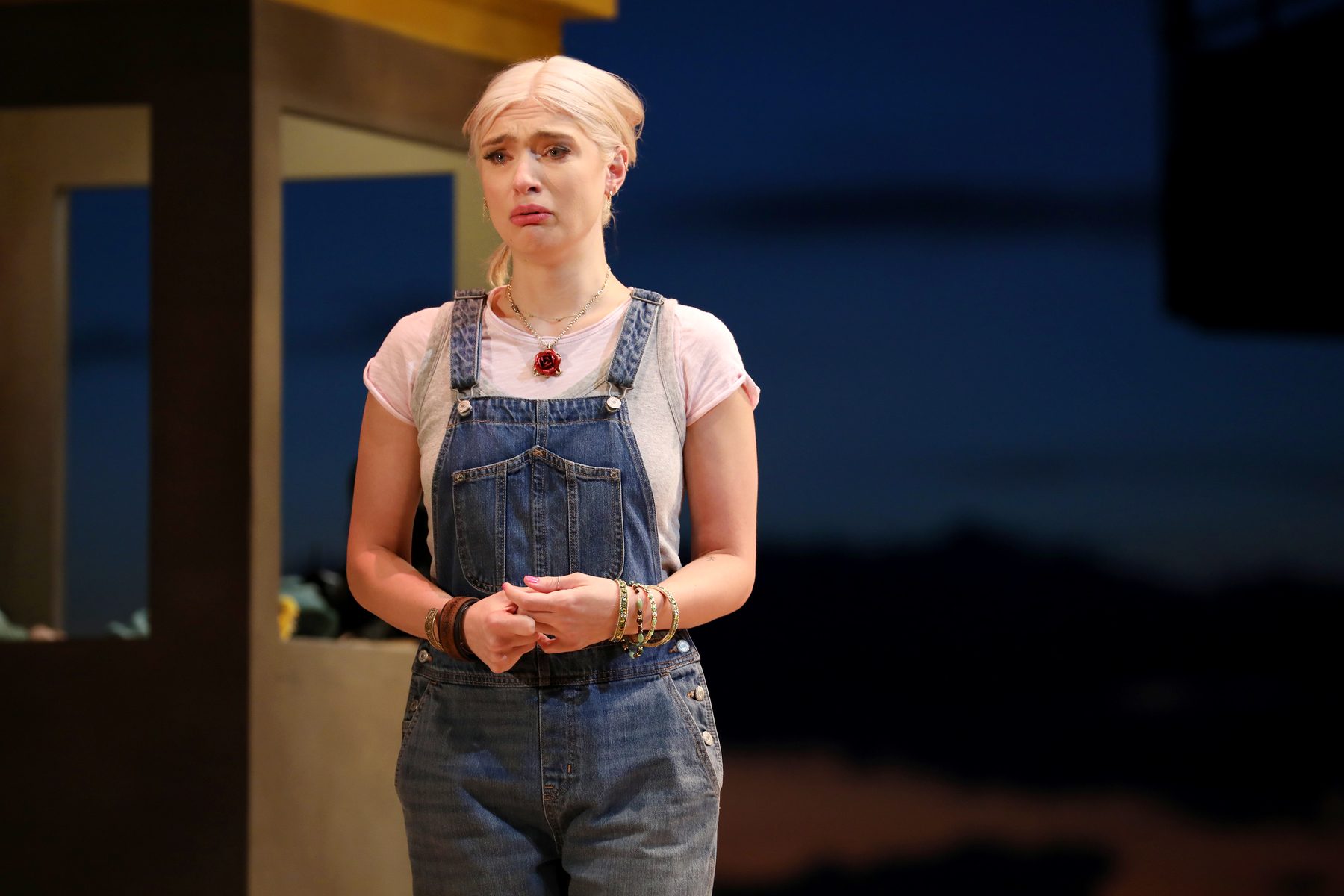
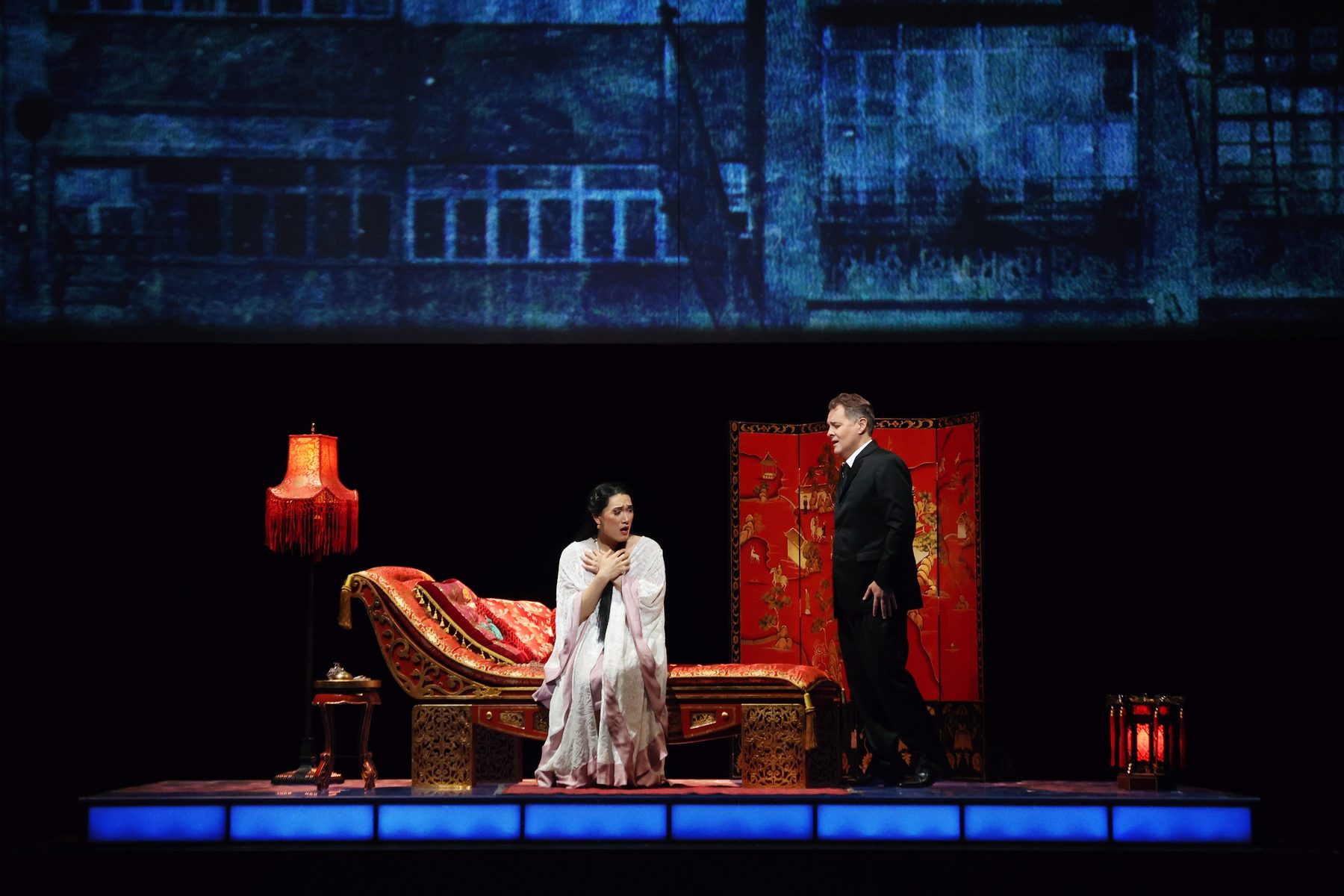
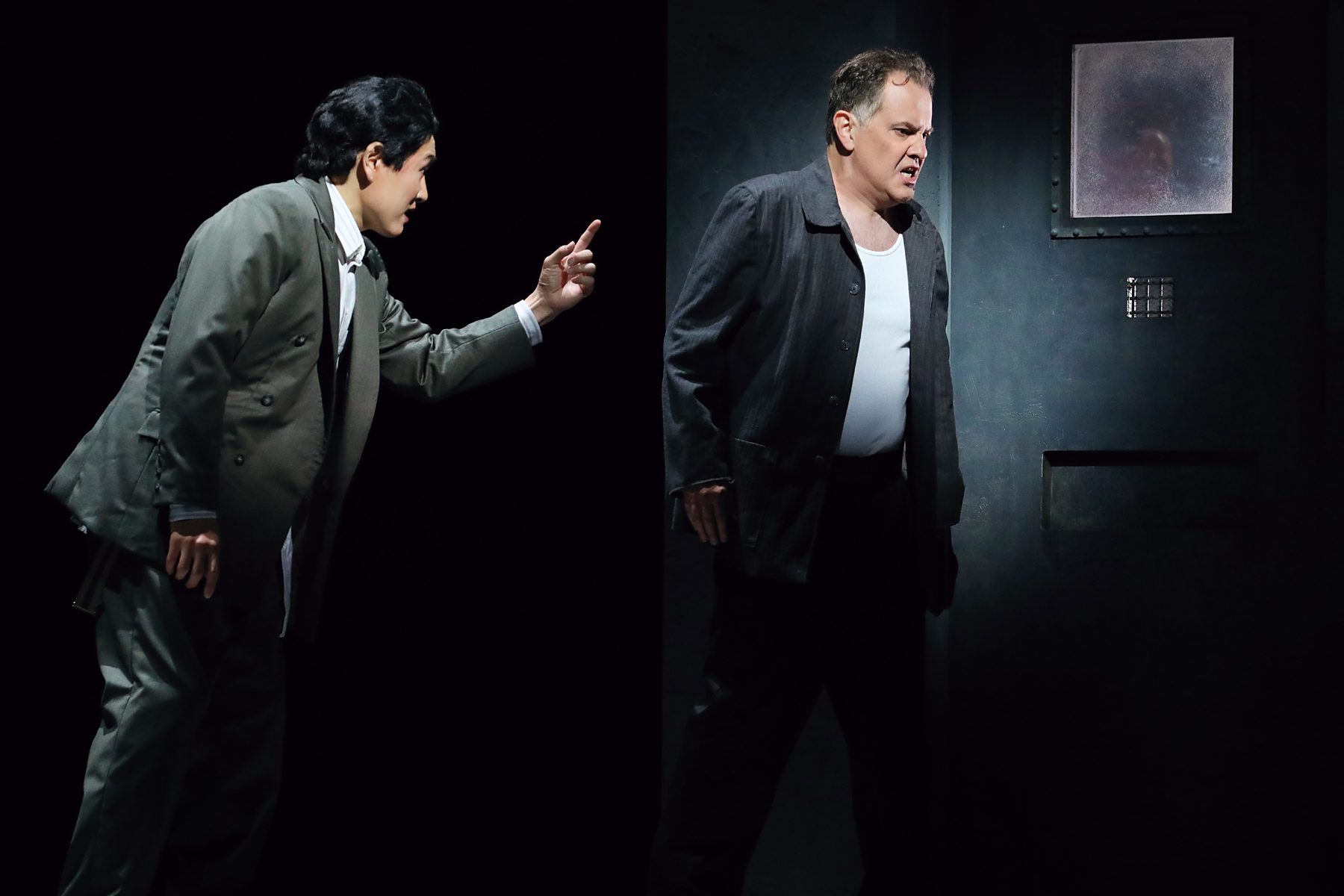
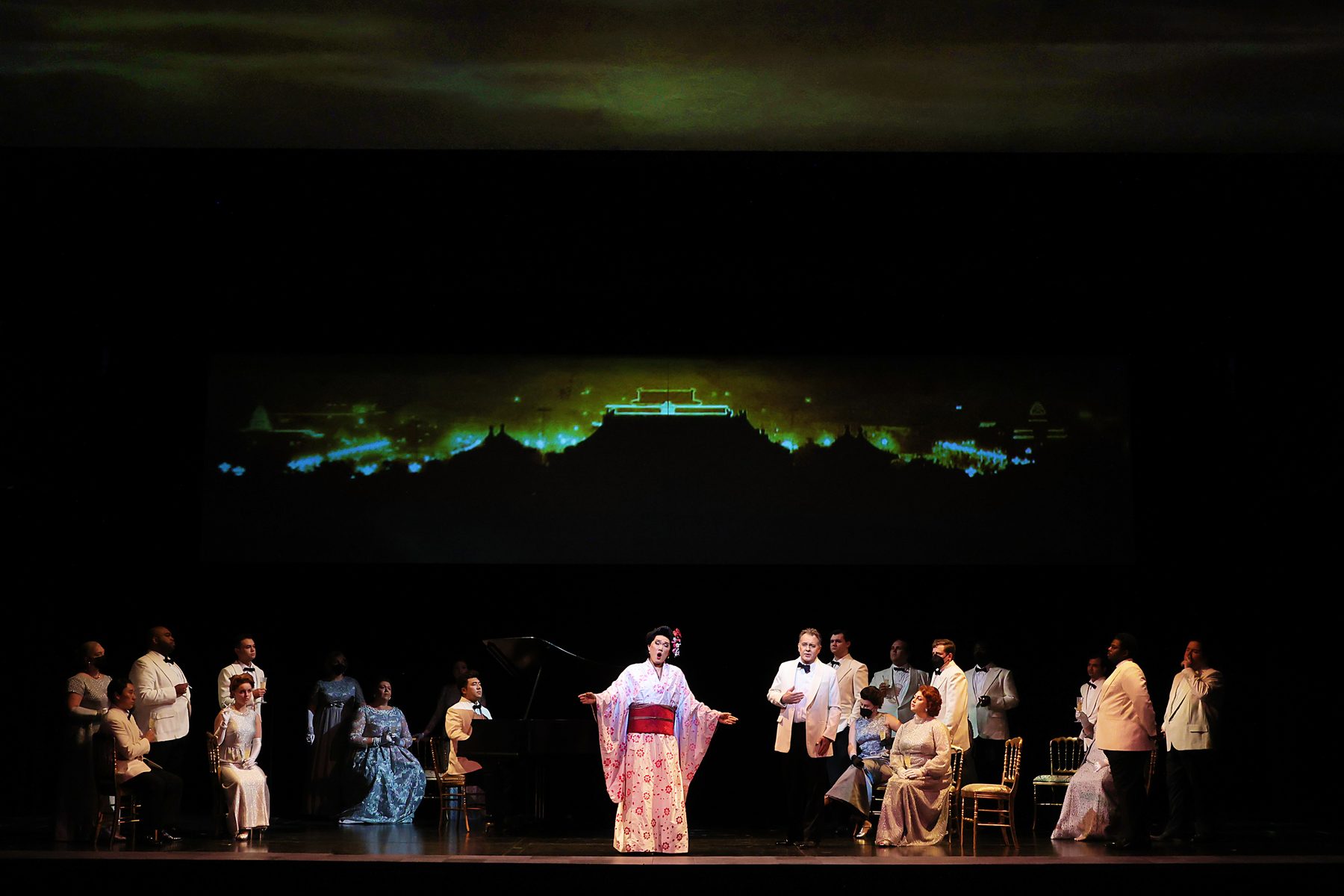
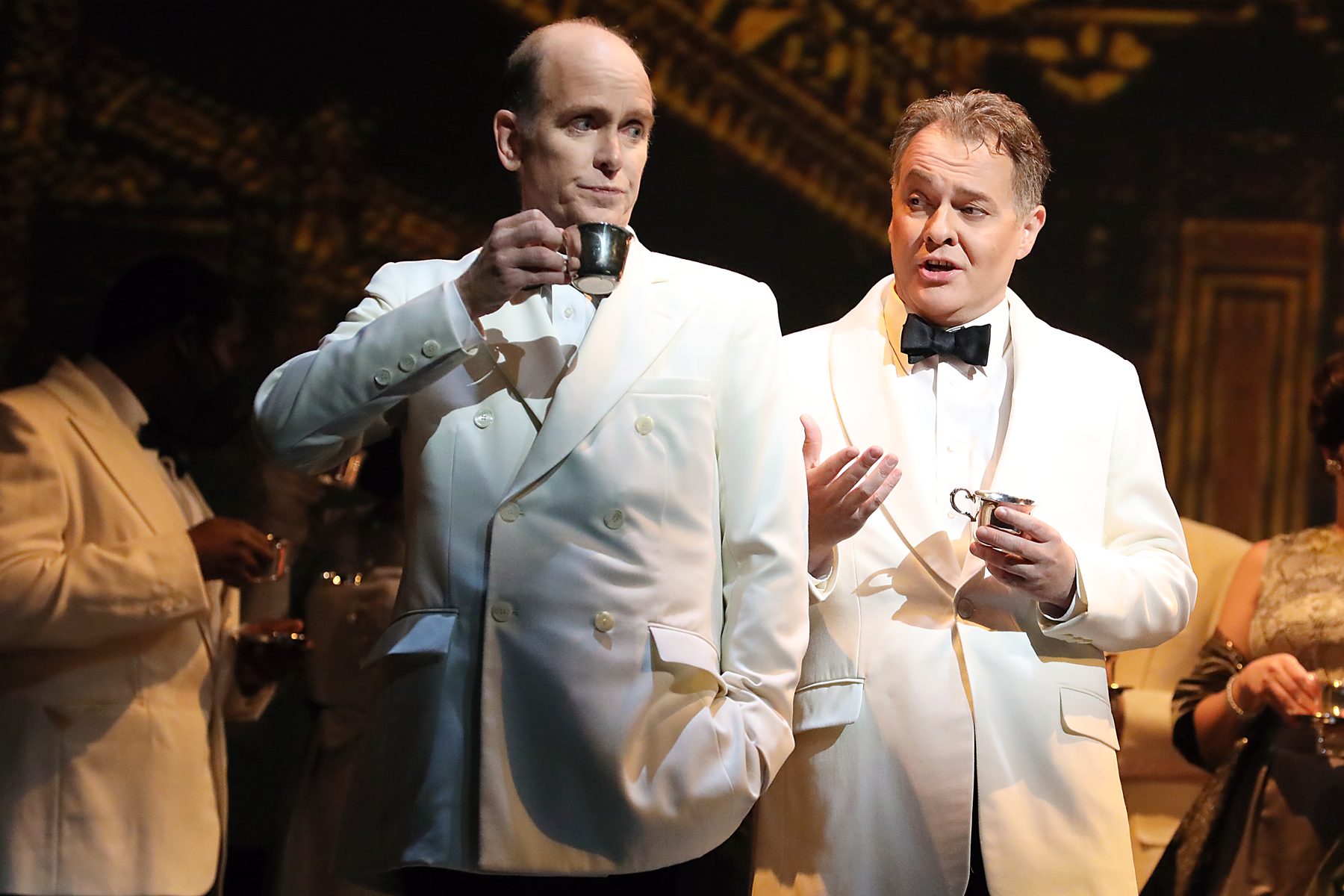
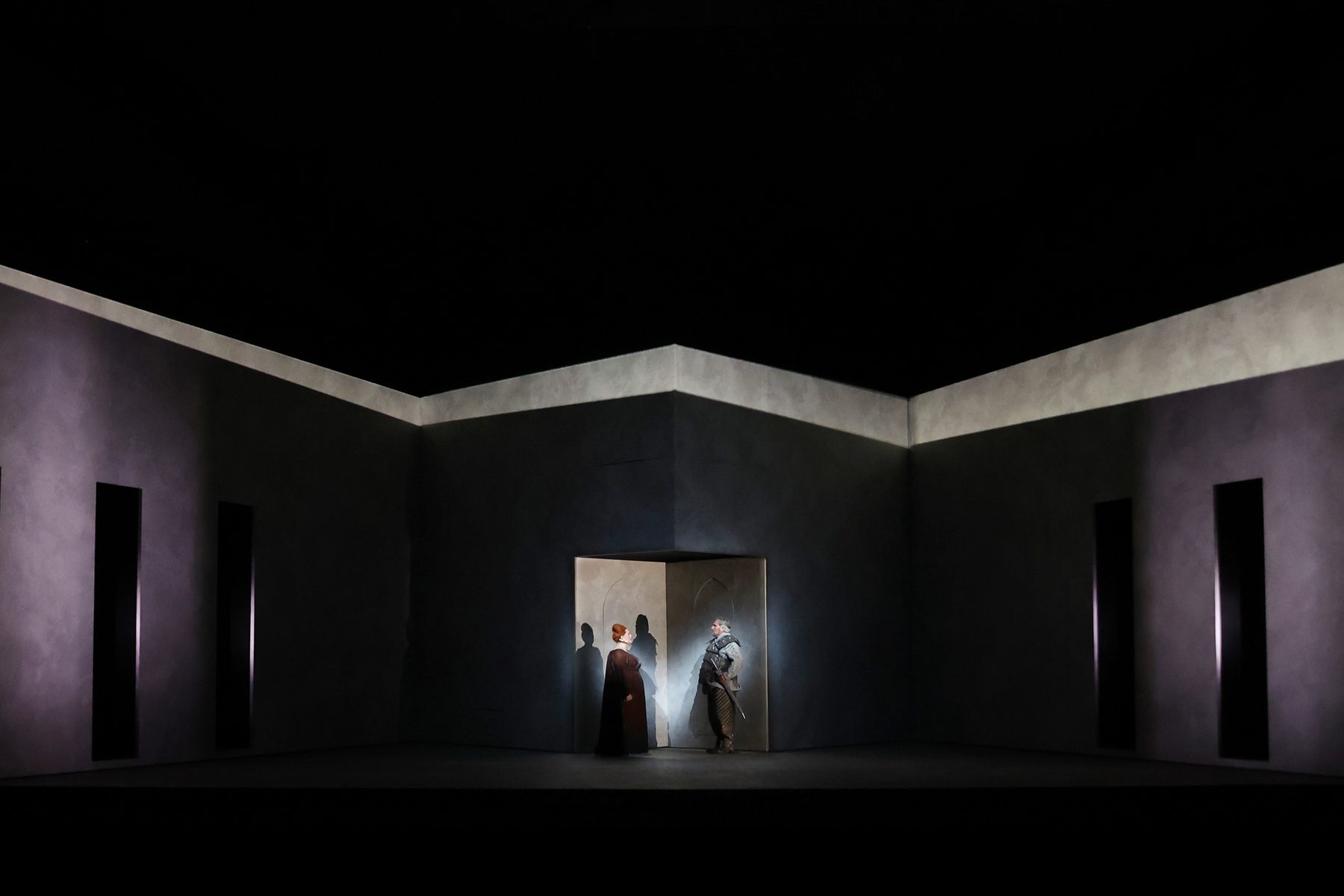
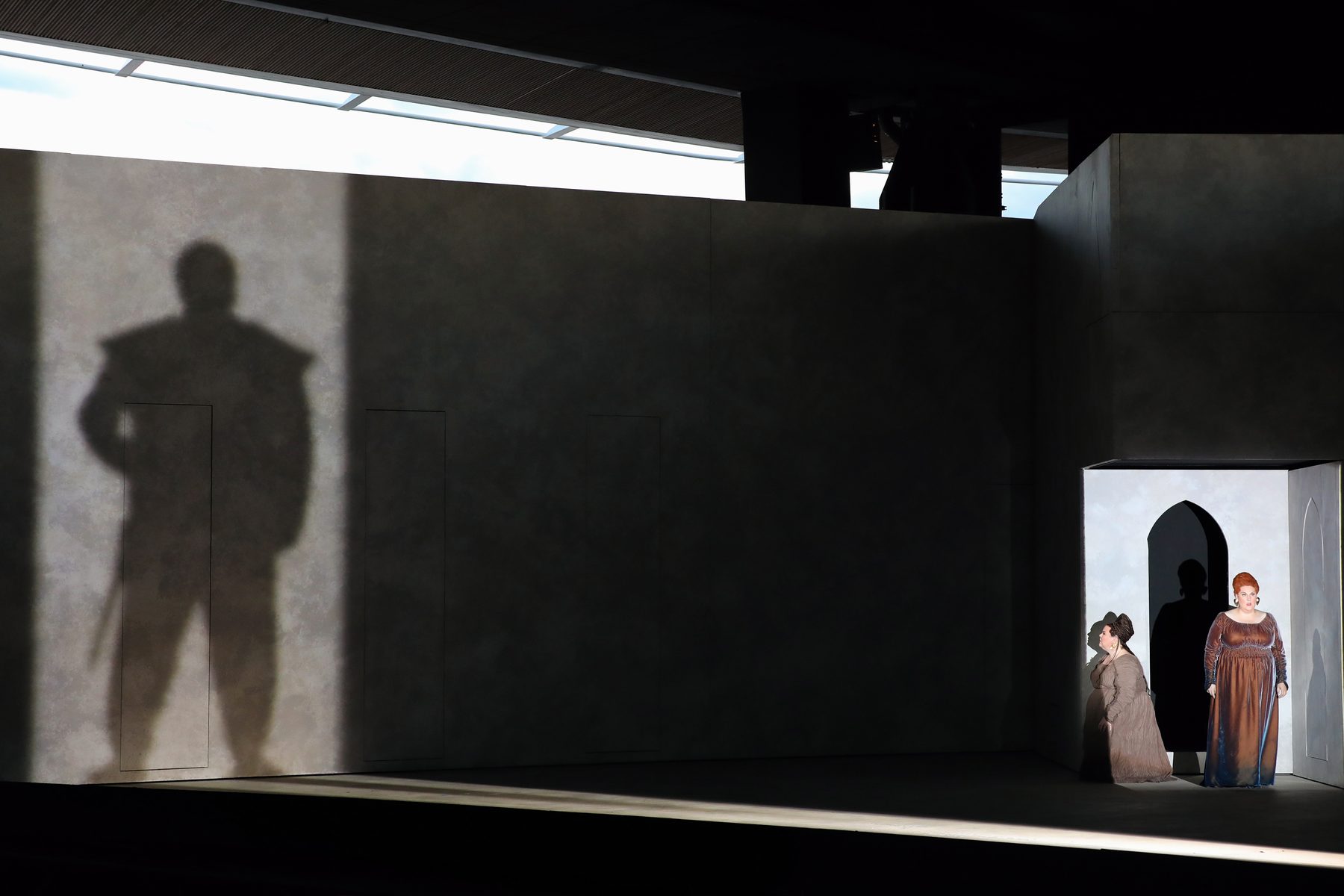
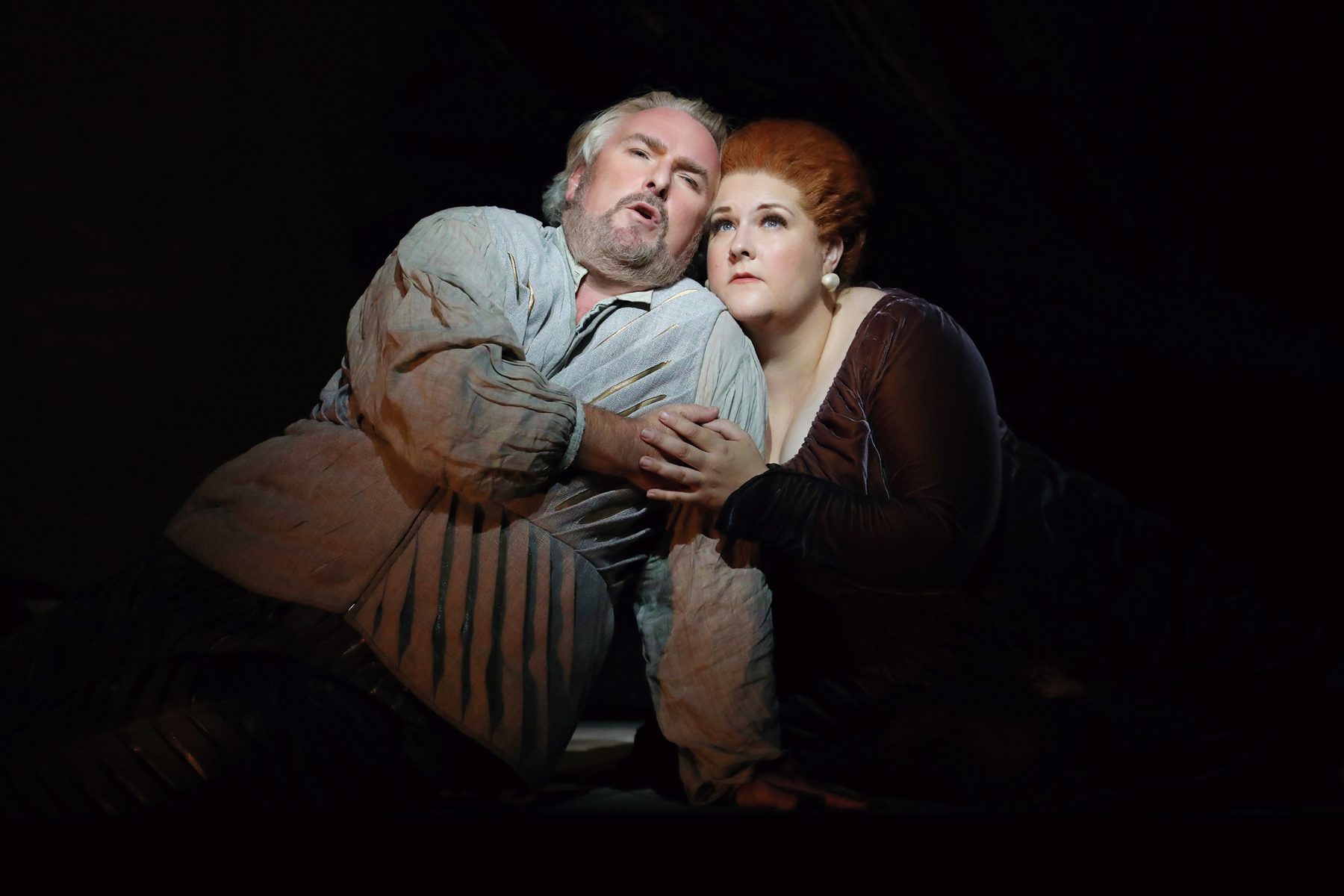
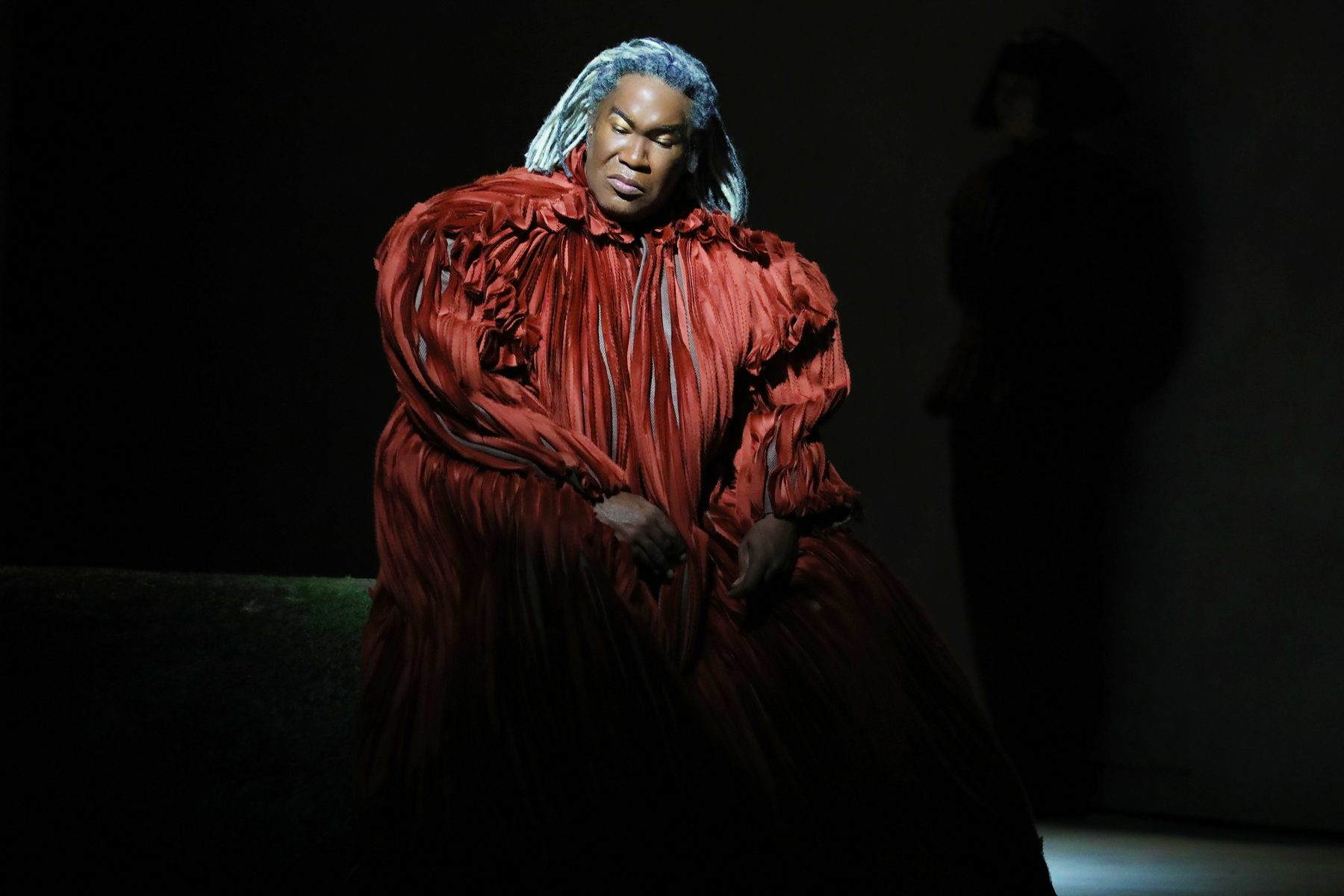
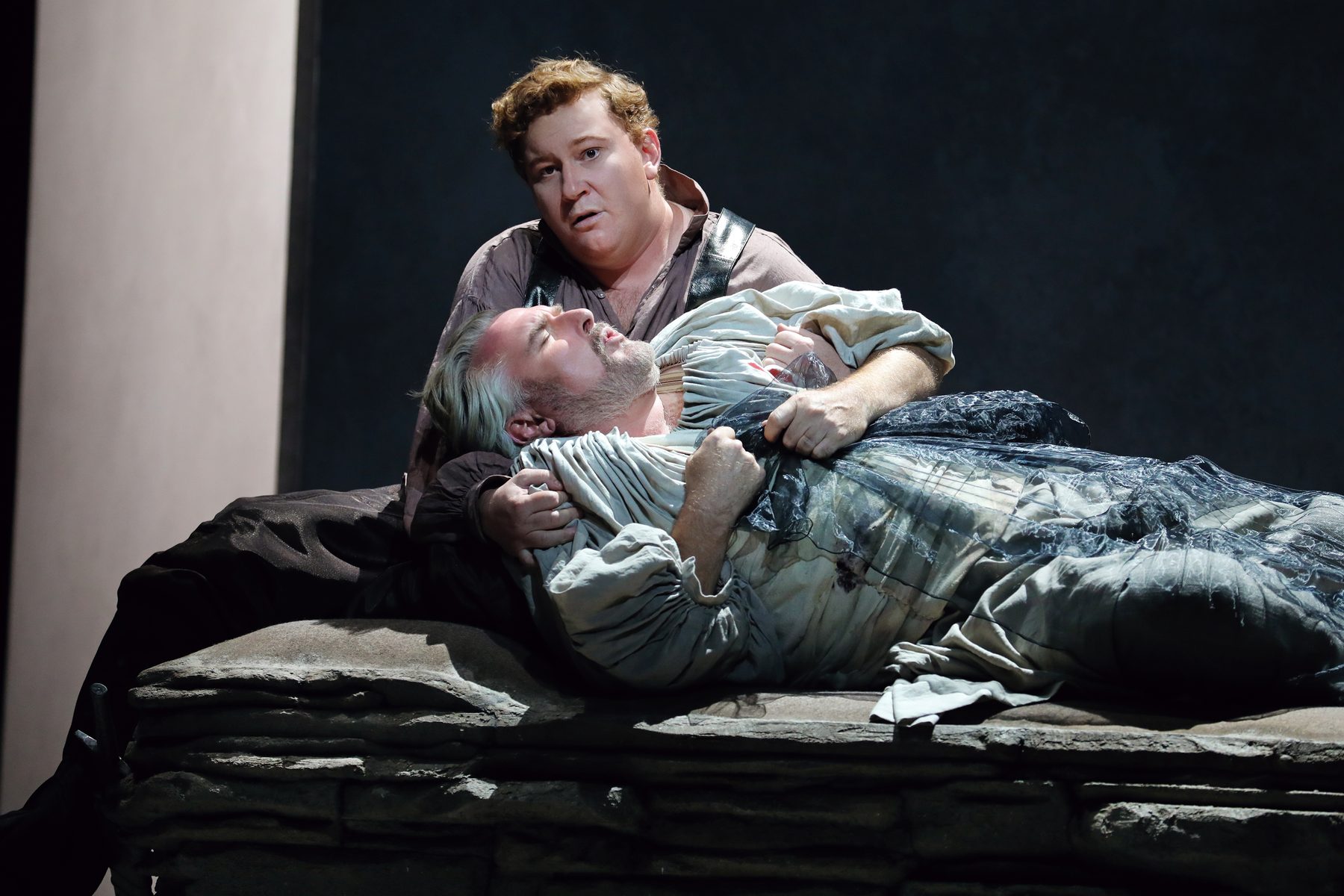

 Sharps & Flatirons