
World premiere by Jeffrey Nytch, “Land Without Evil” by Richard Scofano, and Brahms
By Peter Alexander Nov. 13 at 12:20 a.m.
The Boulder Philharmonic with conductor Michael Butterman presented a concert in Macky Auditorium last night (Nov. 12) of music expressing hope and optimism.
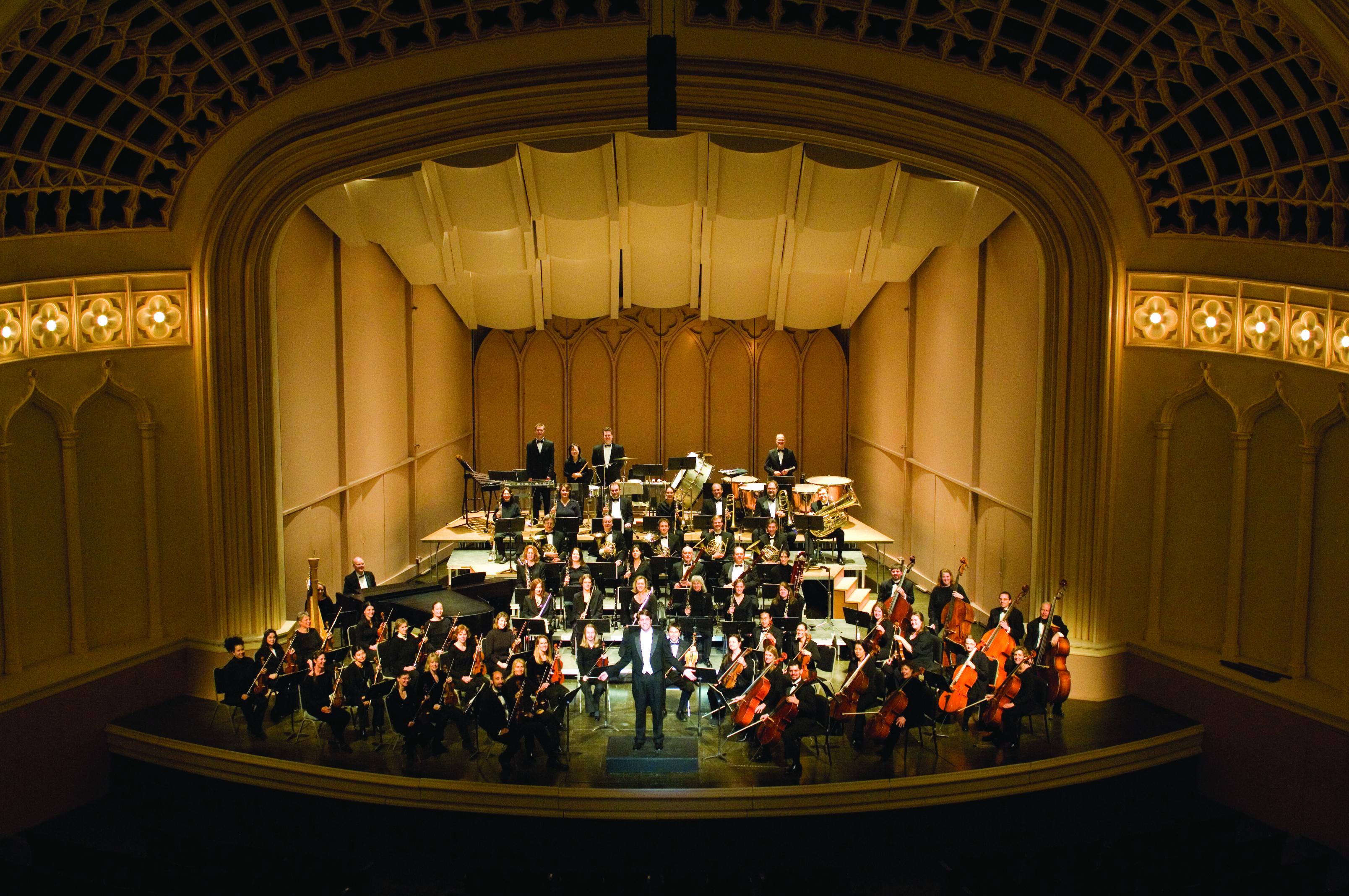
Titled “Visions of a Brighter Tomorrow,” the program featured Brahms’s uplifting Symphony No. 1, a musical depiction of a “Land without Evil” by Argentinian composer/bandoneonist Richard Scofano, and the world premiere of a new piece by CU music professor Jeffrey Nytch. In very different ways, all three pieces fulfilled the spirit of the concert’s title.
The concert opened with Nytch’s Beacon, a piece written in celebration of the 75th anniversary of the Boulder Star. Speaking before the performance, Nytch explained that he was inspired not only by the star as a symbol of the Holidays, but also it’s role as a source of consolation and comfort in times of stress in the community, including the days after 9/11, the King Soopers shooting and the Marshall Fire.
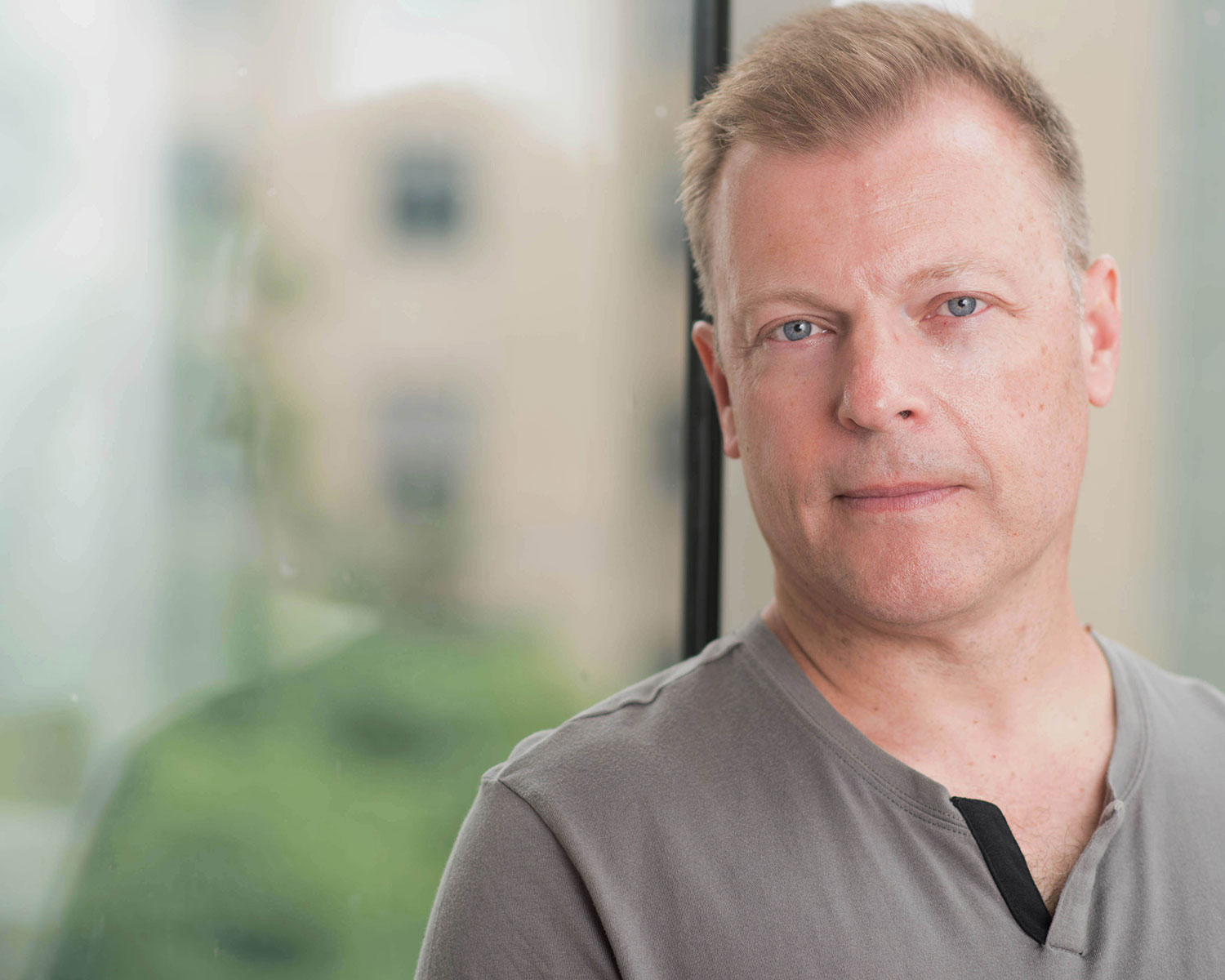
Beacon is undoubtedly an effective concert opener, starting with bright sounds, transitioning into the mournful reflectiveness of somber emotions, and returning to the brightness of the Holiday season. My only question is whether it is too Boulder-centric to be widely performed, because it the kind of piece that on a musical basis alone should reach a wider audience.
The opening captures our cultural perceptions of the Holiday season so well that I expected to look up and see images of snowy but brightly-lit streets filled with revelers carrying home their Christmas packages. After a sparkly (Nytch’s word), high-pitched introduction, lyrical horns are accompanied by fluttery woodwinds, followed by soaring strings.
For the central section, Nytch recalls CU cello student Louis Saxton, who played at the makeshift memorial outside of King Soopers in the days following the shooting. The familiar opening of Bach’s Suite No. 1 for solo cello, one of the pieces that Saxton played, was freely adapted to the orchestral setting. Played by the Phil’s principal cellist Charles Lee, it had an eloquent flexibility. The score quickly returns to a Holiday mood with bright statements in the brass and more sparkly timbres.
This new score was played with evident care and commitment by the orchestra. It was actually Nytch’s second world premiere in two days, since he adapted parts of Beacon for brass quintet as a “Boulder Star Fanfare” that was played Saturday at the official lighting ceremony on the roof of the Boulder Museum. An effective occasional piece, this should become an annual part of the lighting ceremony.
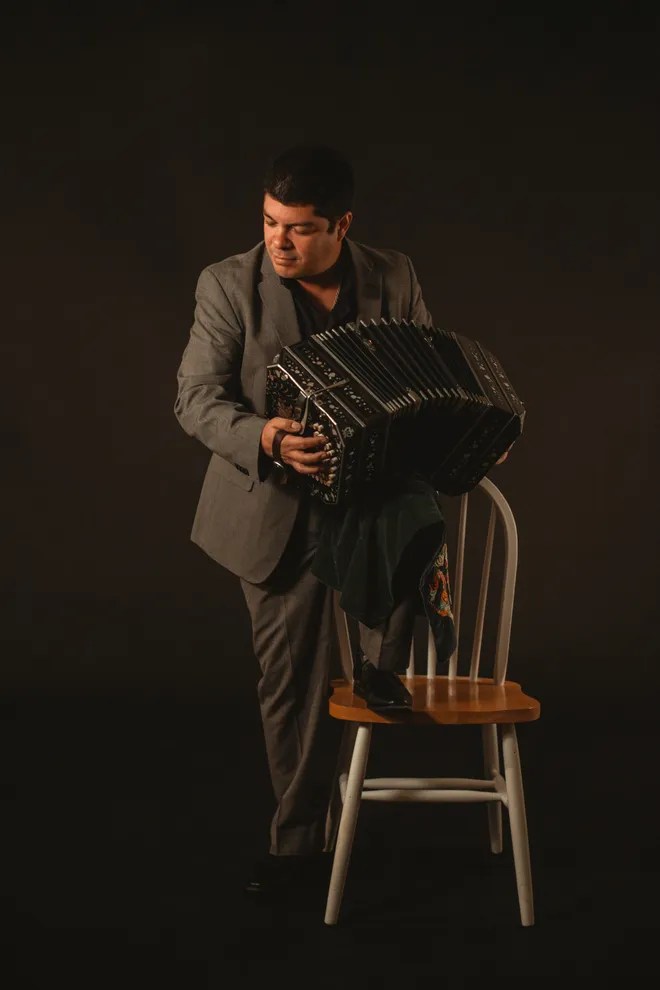
The performance of Scofano’s La Tierra sin mal (The land without evil) featured Scofano on bandoneon—a concertina associated with the tango music of Argentina—and a performance by Boulder’s 3rd Law Dance/Theatre. The score convey’s Scofano’s image of an idyllic paradise, a world that has no pain. As such it is a more than pleasurable journey that features insistent Latin rhythms as well as moments of peacefulness that seem to come from another world, one exotic to our north American ears.
In a convincing and impactful performance, Butterman and the Phil conveyed well the imagery of the score. The bandoneon part, expressively played by Scofano, is generally part of the orchestral texture, so I cannot judge him as a soloist. Likewise, I am in no sense a dance critic; I will only note that the dancers, limited to the front of the stage, made creative use of their narrow space. To my eye, the choreography responded meaningfully to the music without slavishly following the score, gesture by gesture.
Butterman gave a cogent music-appreciation introduction to Brahms’s First, pointing out its connection to Beethoven, especially the latter’s “Ode to Joy,” while describing the mood and affect of each movement in turn. Although abbreviated, it was an almost Bernstein-like presentation. In performance, Butterman emphasized the turn from a dramatic, tense C minor in the opening movement, to a jubilant C major at the end.
The sound throughout the symphony was a little hazy where it needed to be decisive, but in Macky Auditorium it’s difficult to know if that is the orchestra or the unreliable acoustic. If there were no audience, I would wandered about and see if I could find a better spot to listen; the front balcony is often better than anywhere on the main floor.
That said, individual solos in the winds—clarinet, flute, oboe—were all outstanding. The individual players of the Phil are exceptional and always worthy of careful listening. I found the slow movement the least successful, carefully executed but too blurry to take flight. The third movement Intermezzo, “poco allegretto e grazioso,” was the most rewarding movement, gently moving with a nice flow and, again, good woodwind playing.
The lack of clarity was most problematic in the finale, which never took fire or landed with the impact it can have at its best. Again, I attribute that in part to the hall, which often deadens warmth and suppresses richness of sound. I have been told that the Phil generally sounds better in other halls. I look forward to an opportunity to test that report.

 Sharps & Flatirons