Boulder Chamber Orchestra features “Boulder Celebrities”

Violinist Ed Dusinberre and violist Richard O’Neill will play Mozart

By Peter Alexander Feb. 27 at 5:15 p.m.

The Boulder Chamber Orchestra (BCO) traces the history of classical music on their next concert (7:30 p.m. Saturday, March 1; details below), with a concerto grosso from the Baroque era, music from the heart of the classical style, and a symphony pointing the way to the early Romantic era.

The concert under conductor Bahman Saless will feature violinist Edward Dusinberre and violist Richard O’Neill from the Takács Quartet playing Mozart’s exquisite Sinfonia Concertante for violin and viola with orchestra. Two of the superstars of the classical music world, Dusinberre and O’Neill are hailed in the concert’s title as “Boulder Celebrities.”
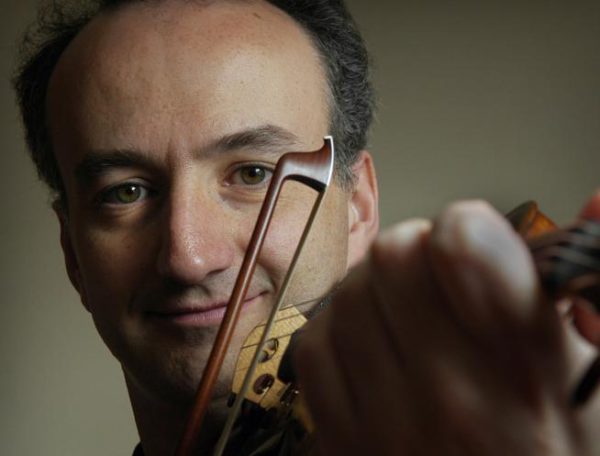
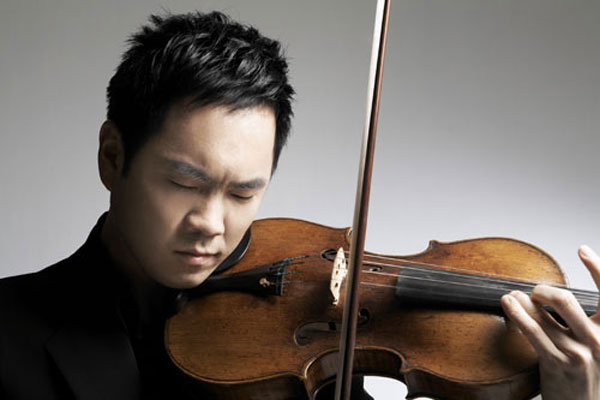
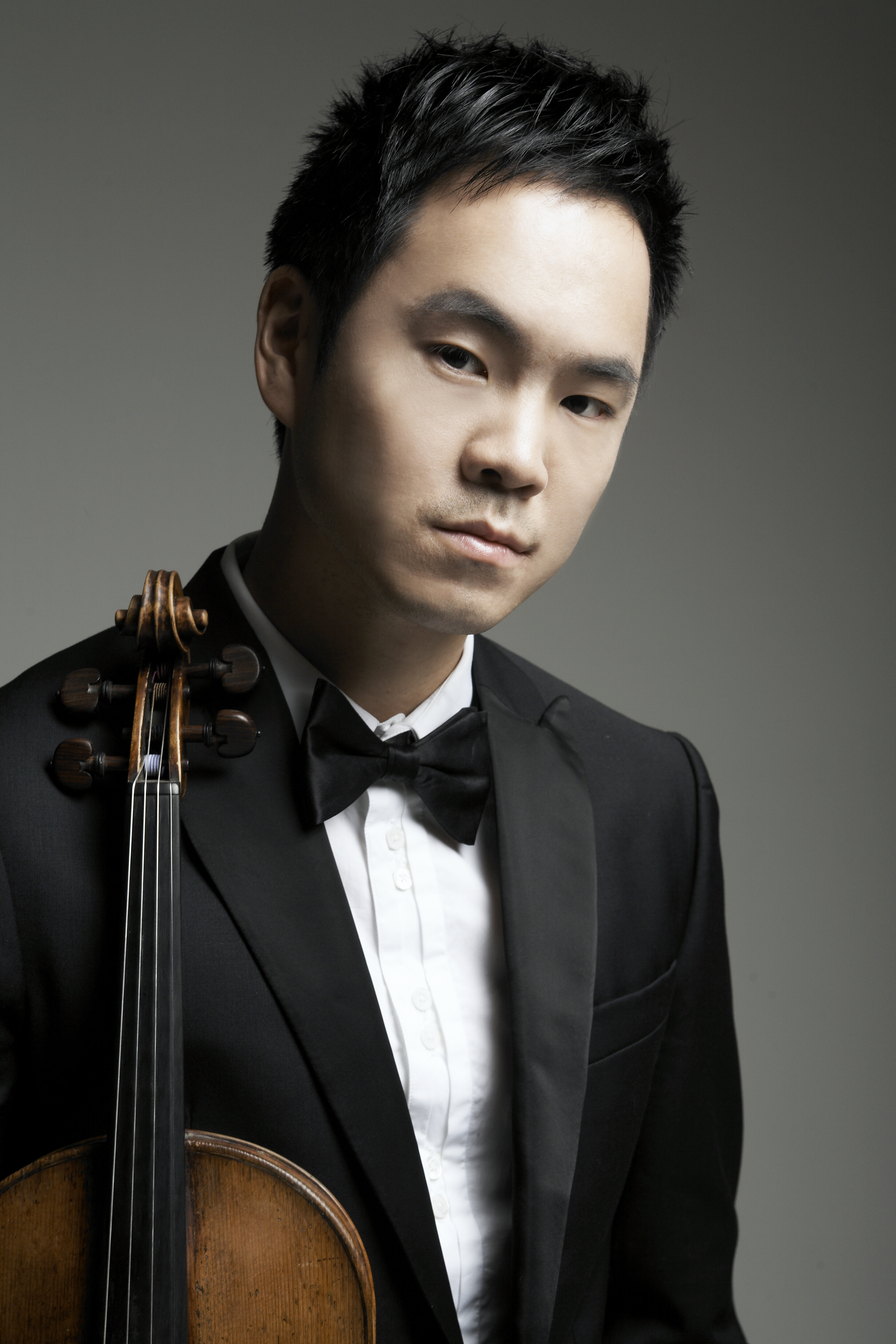
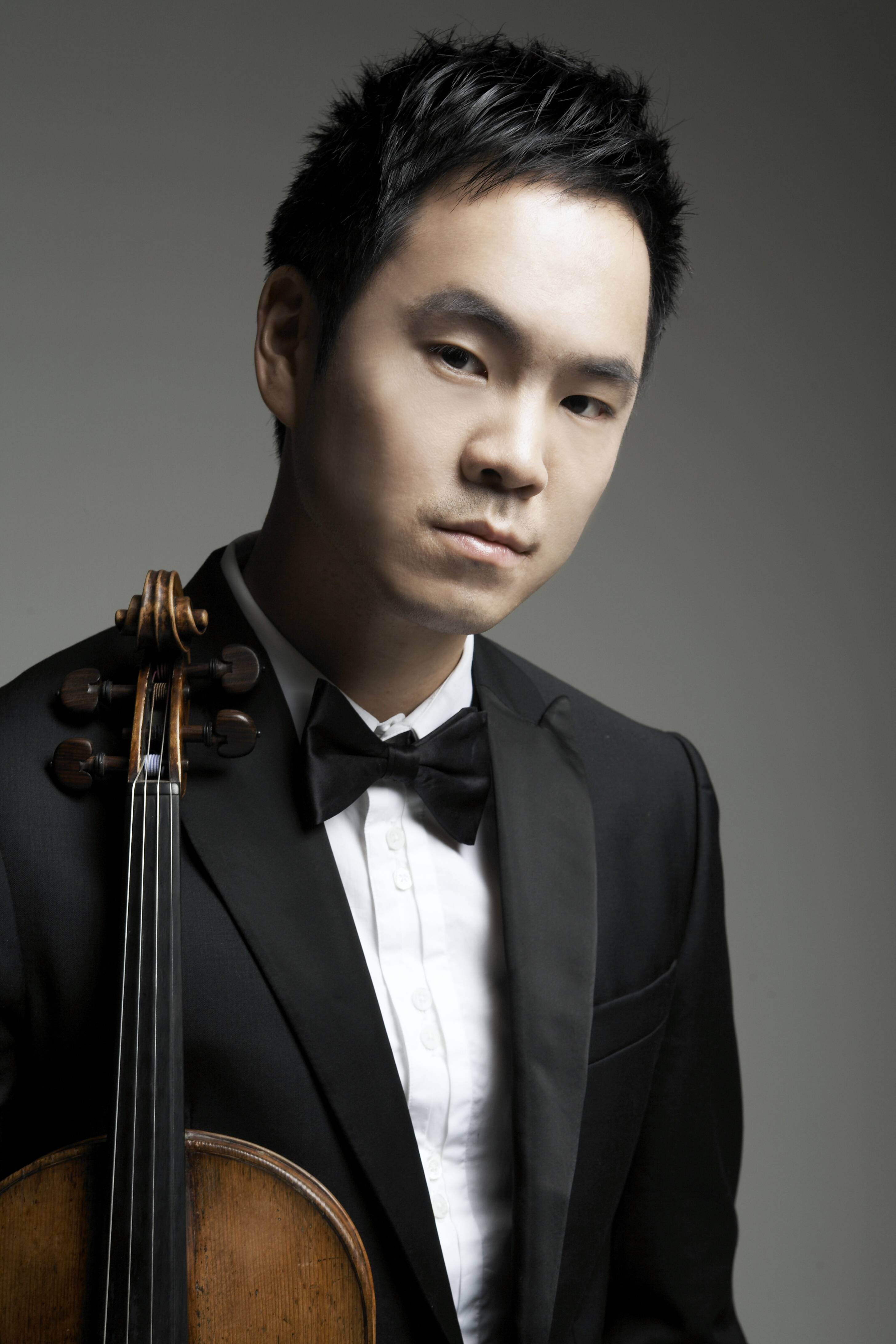
Edward Dusinberre

Works framing the Mozart are the Concerto Grosso in F major attributed to Handel, and Schubert’s Symphony No. 5 in B-flat major. All three are bright and cheerful works, giving the entire concert an uplifting spirit.

With its two soloists, the Mozart stands as the centerpiece of the program. Dusinberre and O’Neill know each other well, having played together in the Takács since the latter joined the group five years ago. In addition to their work in the quartet, they both have concert and recording careers as soloists and both have won a classical music Grammy. 

Mozart’s Sinfonia Concertante is one of the composer’s most loved pieces, and one that O’Neill has played many times. “For some violists it’s the reason they play the viola,” he says. “It’s such an amazing work, and it has been a lifetime dream for me, visiting it through different stages of my life. (There is) the joy of playing it over the years with different orchestras and different violinists, each having their own distinct views on the piece.”

He says he learns from every violinist he plays it with, but this is his first time with Dusinberre. And it’s a special experience playing with someone he knows so well from their work together in the Takács. 

“Part of the magic of being in a string quartet is that you spend so much time with your colleagues, and you get to know them under many different circumstances,” O’Neill says. “I’ve played (the Mozart) with brilliant soloists, but this time with Ed we’ve been able to dig into the more psychological aspects of the music, because we already know each other’s playing pretty well.”
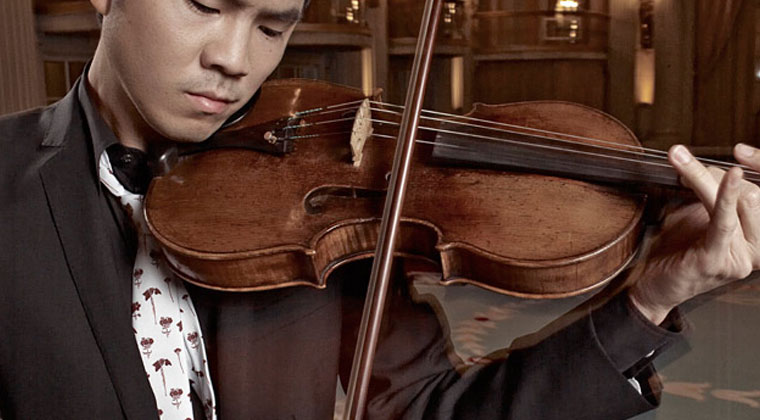
Richard O’Neill

In other words, O’Neill and Dusinberre were able to skip past the early stages of getting to know a musical partner and get down to details right away. The quartet just returned to Boulder from a tour, but they were able to rehearse Mozart together on the road, O’Neill says. Now, “I’m really looking forward to working with the orchestra and Bahman (Saless),” he says.

One thing he urges the audience to tune into with the Sinfonia Concertante is how the two solo parts relate to one another. “Mozart pairs the violin and viola like they’re operatic characters,” he explains. “It’s like a conversation.

“The person that talks first often frames the way the conversation will go. In the first movement,  the violin says, then the viola says, and then the violin says and the viola says. There’s a lot of playful discussion, and then in the recapitulation—the viola says it first!”

The concerto grosso was a form common in the Baroque period, featuring a small group of soloists with orchestra. The Concerto Grosso in F features two oboes with a string orchestra. The soloists will be guest artist Ian Wisekal and BCO member Sophie Maeda. 

The Concerto is “attributed to Handel” because publishers of the time often printed and sold works that had been pirated, or changed the name of the composer, making authenticity uncertain. In the case of this concerto—which is certainly an authentic representative of the Baroque style—it has appeared under Handel’s name and as an anonymous composition.

Schubert wrote his Fifth Symphony in 1816, when he was 19 years old. It is the most classical of Schubert’s symphonies, having been written for a smaller orchestra, with one flute and no clarinets, trumpets or timpani. Schubert was infatuated with Mozart’s music, and wrote in his diary ”O Mozart, immortal Mozart!”

At the time he was unemployed, hanging out with a group of young artists, poets and musicians. The first reading of the symphony was given by this circle of friends in a private apartment, with the first public performance occurring 13 years after Schubert’s death.

The music of the symphony is often described as “Mozartian” in its gracefulness and melodiousness. It conforms closely to the standard four-movement structure of the classical period, with a minuet movement in third place. At the same time, the harmonic palette suggests the Romantic style to come, particularly in Schubert’s works of the remaining 12 years of his life.

But regarding the program’s title, the question of classical musicians being genuine “celebrities” might be debatable—but if it’s possible it would be in Boulder, where the Takács Quartet routinely sells out two performances of every program. 

Superstars or celebrities, Grammy winners both, Dusinberre and O’Neill are always worth hearing.

# # # # #

“Boulder Celebrities”
Boulder Chamber Orchestra, Bahman Saless, conductor
With Edward Dusinberre, violin, and Richard O’Neill, viola

  • Handel: Concerto Grosso in F major, op. 3 no. 4
  • Mozart: Sinfonia Concertante in E-flat major for violin and viola with orchestra, K364
  • Schubert: Symphony No. 5 in B-flat major, D485

7:30 p.m. Saturday, March 1
Boulder Adventist Church, 345 Mapleton Ave.
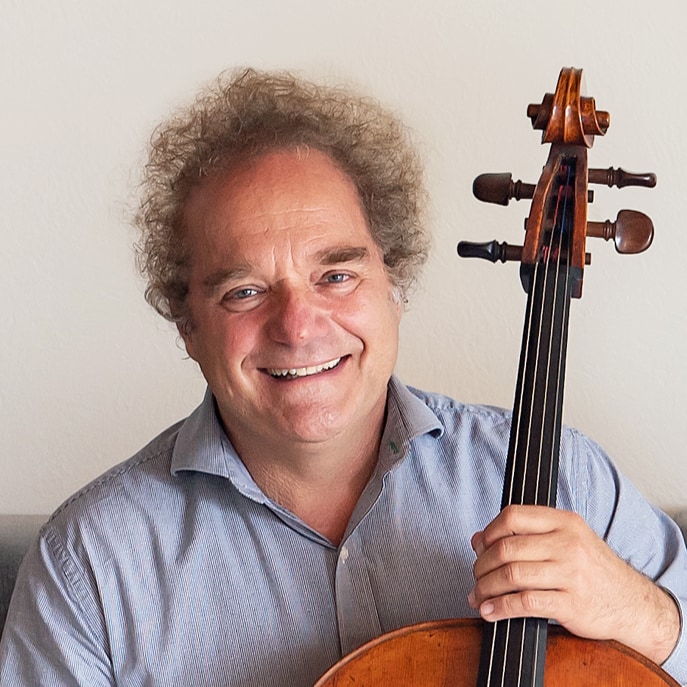
TICKETS

Takács String Quartet celebrates its 50th season

Mutual respect, love of music and supportive audiences inspire the players

By Peter Alexander Sept. 12 at 9:14 p.m.

Fifty years is a long time in any job, but that is the landmark that András Fejér, cellist of the world renowned Takács Quartet, is approaching as the quartet enters its fiftieth season, 

András Fejér

The Takács String Quartet was founded in Budapest in September 1975—49 years ago—and has been in residence at the CU College of Music since 1983. The only original member of the quartet still with the group, Fejér is now 70, but he shows no sign of seeking a quiet retirement.

“I’m loving it,” he says about playing in the quartet and continuing the group’s busy concert schedule around the world. “I feel passionate about it, and I cannot imagine doing anything else.”

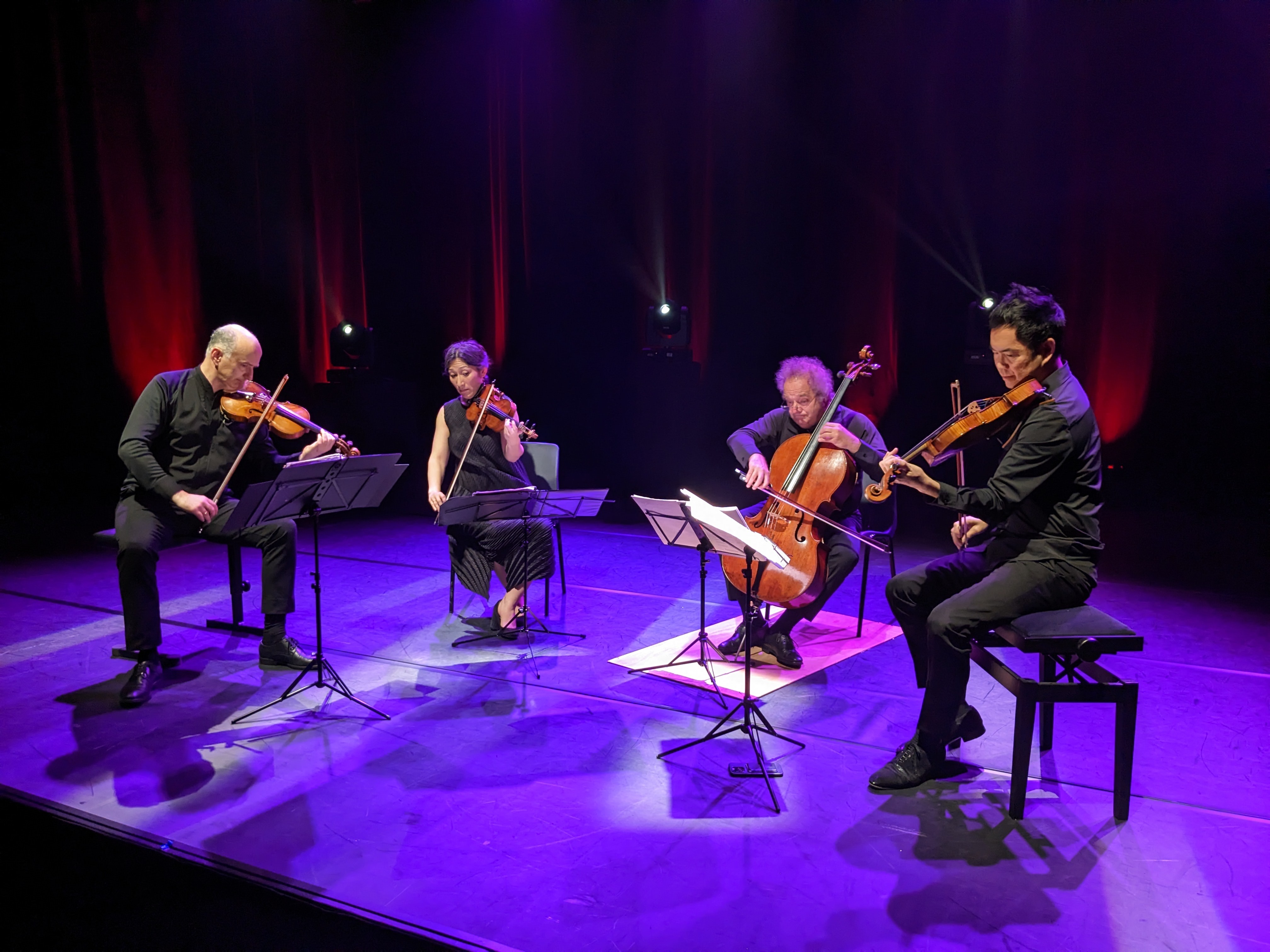
Fejér and the other members of the quartet—first violinist Edward Dusinberre, second violinist Harumi Rhodes and violist Richard O’Neill—will take the stage at Grusin Music Hall Sunday and Monday (4 p.m. Sept. 15 and 7:30 p.m. Sept. 16) for a standard string quartet program—a 20th century quartet by Leoš Janáček, sandwiched between classical-era works by Joseph Haydn and Beethoven (see full program below). This is a standard Takács program, and Fejér says they have no special plans for the half-century celebration.

“We just do what we are trying to do—classics nicely mixed with contemporary pieces,” he says. “We try to play them as much as we can. It’s a heartwarming mission.”

Richard O’Neill

The newest member of the quartet, O’Neill feels the same way about the busy life in a world-traveling quartet. “The greatest luxury is getting to do what we do,” he says. “I really love travel, even in the worst scenarios. There are things that can go wrong nowadays, but I still get excited to pack my suitcase and go out the door.”

If he likes anything more than travel, it’s playing for the Boulder audience. “The community here is such a unique community and (Boulder is) such an incredibly beautiful place,” he says. “Every concert we’re backstage at Grusin I really like hearing all the people (in the audience) excited to be together.”

O’Neill noticed the musicians’ connection with their audience from his very first Boulder home concerts with the Takács in 2021, but the relationship has not changed over Fejér’s years in the quartet. “We found it extremely supportive here (in 1983), with a wonderfully enthusiastic audience, and that’s how we feel until this day,” he says. “We got the support and the love of the audience, and the way it makes you feel, it’s a wonderful reaction with the audience.”

With all the personnel changes over 50 years—two first violinists, two second violinists, now three violists with the one cellist—the Takács has maintained its place among the top quartets in the world. That’s not because they have one authoritative way of doing things. Fejér identifies their defining quality more in the integrity of their approach to the music. 

“The quality is the combination of expressivity, character and technique,” he says. “There are many ways to interpret the same phrase, many ways to interpret any page of any piece. We are listening to new ideas, because we feel it keeps the process fresh. As our wonderful teacher in Budapest put it, nobody has a letter from Haydn or Beethoven.

Takács String Quartet. Photo by Ian Malkin.

“We are honest, and being honest gives you a major conviction. As long as the message rings true, the audience is happy and immersed in the performance.”

That does not mean that the players always agree. “We had our fair share of arguments, especially when we were young and unwise,” he says. “But the moment we realized that there are many ways, what we can do is (say) ‘OK, in New York we try your idea, and then at Berkeley we will try my idea,‘ and then we will settle down with something. Everybody‘s happy, and then we all have a good giggle afterwards. It‘s great fun.”

O’Neill learned from the outset that every member is included in those conversations, no matter how long they have been with the group. “András could probably pull the seniority card on me, (but) he never does that,” he says.

“What I really love about the Takács is that if any one of us have a reservation, musical or personal about something that we’re doing, the quartet won’t do it. I really respect that. We’re all very distinct individuals, and of course we have our differences, but we respect each other. I think that‘s the magic combination.

“There‘s nothing like being in a group where you really get to know everyone like family,” he says. So whenever the Takács “family” walks onstage, you know they are doing what they love doing together. 

And they love the music. Of the first piece on the current program, Haydn’s Quartet in C Major, op. 54 no. 2, O’Neill says, “I have never played (the piece before), but it’s like vaudeville for music. The humor is so palpable and overt, and I love it. With Mozart, humor is either tinged with sadness or hidden in refinement, but with Haydn it’s unabashed. It’s just flat out funny. It‘s an amazing work.”

Janáček’s Quartet No. 1, however, is not humorous. Known as “The Kreutzer Sonata,” it is based on the Tolstoy novella of that name about a man who kills his wife for having an affair with a violinist with whom she plays Beethoven’s “Kreutzer” Sonata. Written by a composer of many great operas, the quartet is almost operatic in its drama and intensity.

“We adore both quartets (by Janáček),” Fejér says. “The language, the harmonies, the technical realization is so specific to Janáček. You can recognize his music right away. We are talking about murder and jealousy and seemingly idyllic music. We have everything in between idyllic and ‘I’ll kill you!’”

The final piece is one of the most loved works for string quartet, Beethoven’s Quartet in F Major, op. 59 no. 1, one of three quartets Beethoven wrote for the Russian ambassador in Vienna, Count Razumovsky. Originally regarded as audaciously long and difficult, all three are now accepted in the standard repertoire and loved by audiences.

The first of the set is in the key of F major, which in works like the Pastoral Symphony, the Symphony No. 8 and the Romance for violin, inspired some of Beethoven’s most lyrical and melodic music. That quality is evident from the very beginning of the quartet, with a long theme from the cello playing in its richest register. 

“When you start with a cello solo, how can you go wrong?” O’Neill says. “I love the piece very much.”

But equal to the music on the program is the survival of the Takács Quartet over the past 49 years, which few chamber music ensembles have matched and for which the Boulder audience shows its appreciation every year and every concert. Fejér gives what may be the best explanation for that when he says “We are like kids on the playground, enjoying the toys. 

“We are totally involved and just enjoying ourselves.”

# # # # #

Takács String Quartet

  • Haydn: String Quartet in C Major, op. 54 no. 2
  • Leoš Janáček: String Quartet No. 1, (“The Kreutzer Sonata”)
  • Beethoven: String Quartet in F Major, op. 59 no. 1 (“Razumovsky”)

4 p.m. Sunday, Sept 15 and 7:30 p.m. Monday, Sept. 16
Grusin Music Hall
Live Stream: 4 p.m Sunday, Sept. 15 until 11 p.m. Monday, Sept.

In-person and livestream TICKETS

Other fall concerts

Takács String Quartet

  • Beethoven: String Quartet in A minor, op. 132
  • Other works TBA

4 p.m. Sunday, Oct. 13 and 7:30 p.m. Monday, Nov. 4
Live Stream: 4 p.m. Sunday, Oct. 13 through Monday, Oct. 21

In-person and livestream TICKETS

Quartet Integra

4 p.m. Sunday, Nov. 3 and 7:30 p.m. Monday, Oct. 14
Live Stream: 4 p.m. Sunday, Nov. 3 through Monday, Nov. 11

In-person and livestream TICKETS

Boulder Chamber Orchestra strings present “Virtuosity!” with Richard O’Neill

Takács Quartet violist plays music by Telemann and Piazzolla Saturday

By Peter Alexander Feb. 29 at 11:07 p.m.

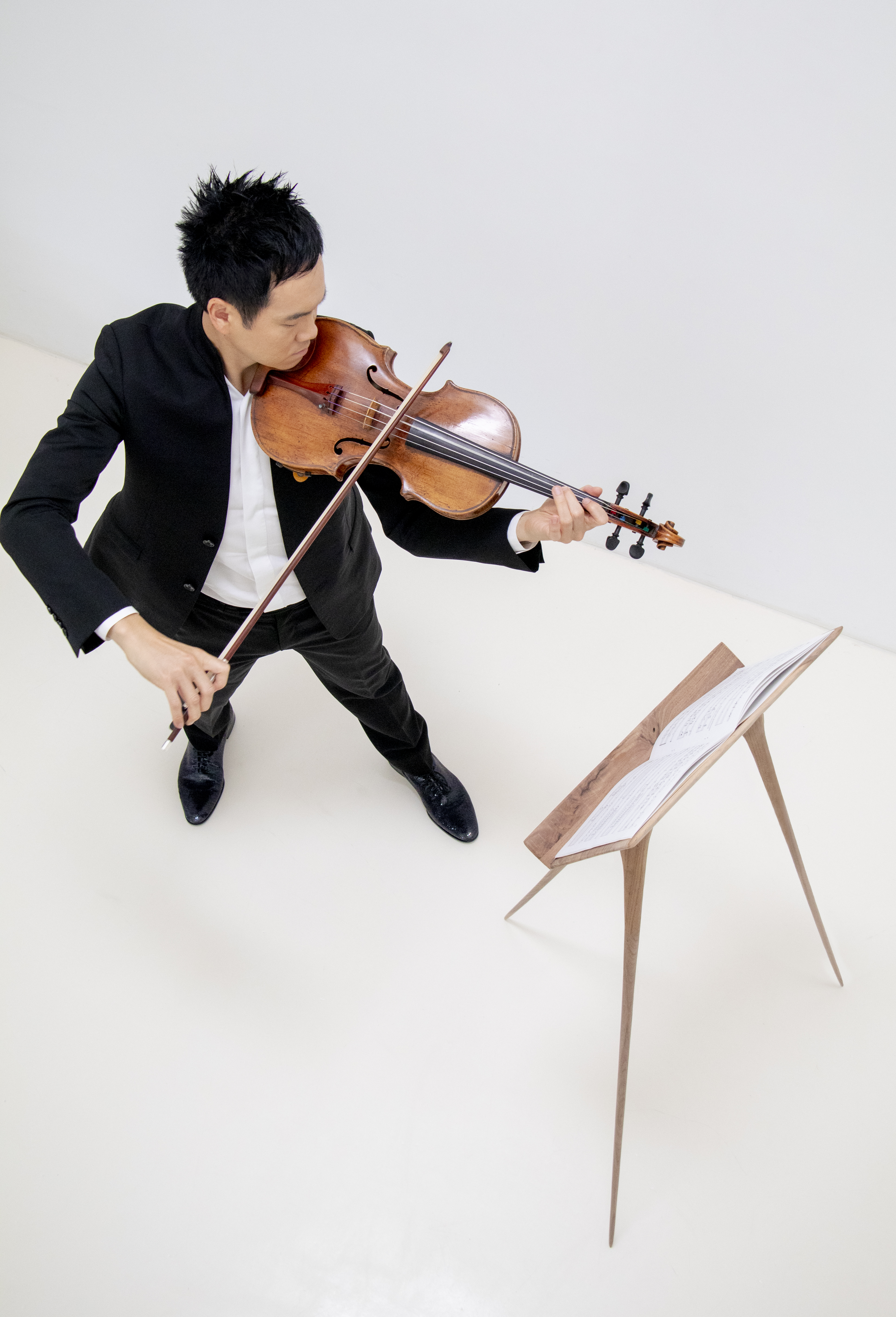
Violist Richard O’Neill has a wide-ranging background, both geographically and musically.

Richard O’Neill

For example, when he plays as soloist with the Boulder Chamber Orchestra Saturday (7:30 p.m. March 2; details below), he polished one of his pieces by playing with members of Germany’s distinguished early-music ensemble Musica Antiqua Köln, and the other he researched near the docks in Buenos Aires, Argentina.

The first would be the Concerto in G major for viola by the prolific Baroque composer Georg Philipp Telemann; the other is the “Grand Tango,” originally for cello, by Argentine bandoneon player and band leader Astor Piazzolla. Other works on the program, featuring the BCO strings under music director Bahman Saless, are Valse Triste by early 20th-century Czech composer Oskar Nedbal, and Beethoven’s Grosse Fuge (Great fugue), originally the finale of the composer’s String Quartet in B-flat, op. 130.

Two more different composers than Telemann and Piazzolla would be hard to imagine. And yet, O’Neill says, they are not incompatible. “They’re very contrasting, probably on polar opposite ends of the musical timeline,” O’Neill says. “But they share some commonalities—most of all the spirit of the dance.”

The Telemann is the first known true viola concerto, and it is a piece that O’Neill plays often. “I think it’s a gorgeous, amazing piece,” he says.

Georg Philipp Telemann

O’Neill recorded the concerto in 2008 when he was asked to make a recording with members of Musica Antiqua Köln. It was definitely a learning experience for O’Neill, giving him an opportunity to work with a Baroque-style bow that has much less tension on the bow hairs, and to improvise in Baroque music. 

The latter did not come naturally, he admits. “I remember them asking me, ‘play a cadenza, be free! Do whatever you like!’” O’Neill says. “I did something, and it was free for sure! I was stopped and it was like, ‘Who are you, Yo-Yo Ma?’ But it was all said with a smile.

“One thing I learned, things were a lot different when performers and composers were the same person. And it was amazing how prolific (Telemann) was. A lot of times you look at the score and it’s very bare, but in some ways it has everything you need—you just have to understand what you’re going to do.”

His approach to Piazzolla’s music was very different. O’Neill first heard Piazolla’s music when he was a 15-year-old student in Las Vegas, and the Cuarteto Latinoamericano played Piazzolla’s “Four, for Tango.” “I was completely blown away!” he says.

“I had never heard anything like this. It was so rhythmic, so fun, the instruments were doing all of these cool, weird effects like percussive effects and (playing) behind the bridge. I was, ‘what is going on there?’ I found the Kronos (Quartet) recording and listened to it all the time. I fell in love with Piazzolla.”

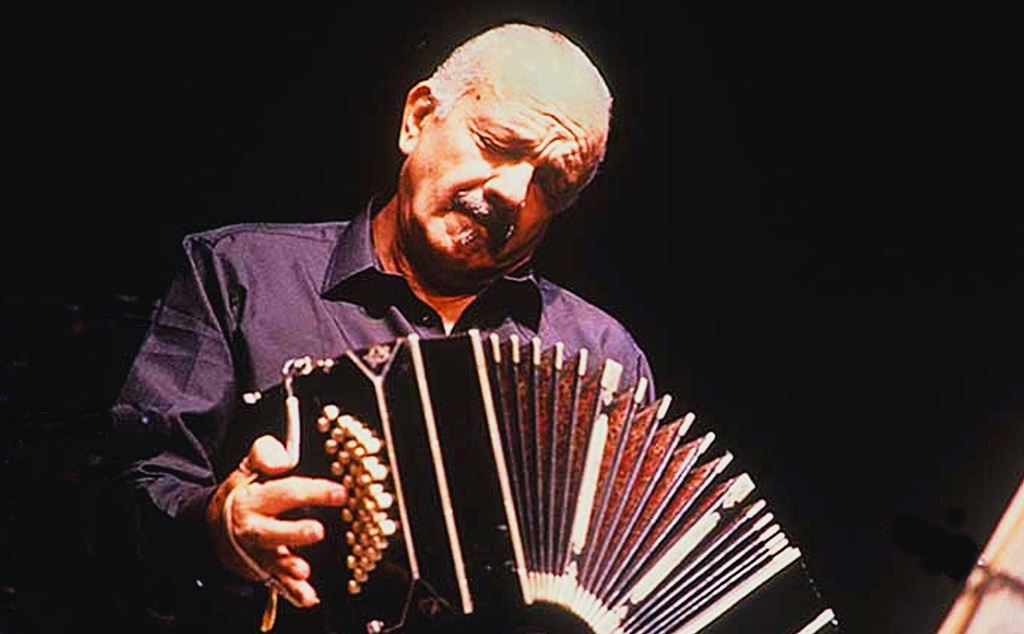
Astor Piazzolla

Later he had the chance to study Piazzolla’s musical origins up close. He was in Buenos Aires, and saw an opportunity to learn more. “I wanted to see what the tango was about,” he says.

“I went down to the docks (in Buenos Aires), where the Argentinian tango was originally from. I was shocked to find out it wasn’t the Parisian version of tango, which is Romantic and dignified. It was actually really rough.  I went to a few tango shows in cafes, but it was mainly the vibe of Buenos Aires that changed me.”

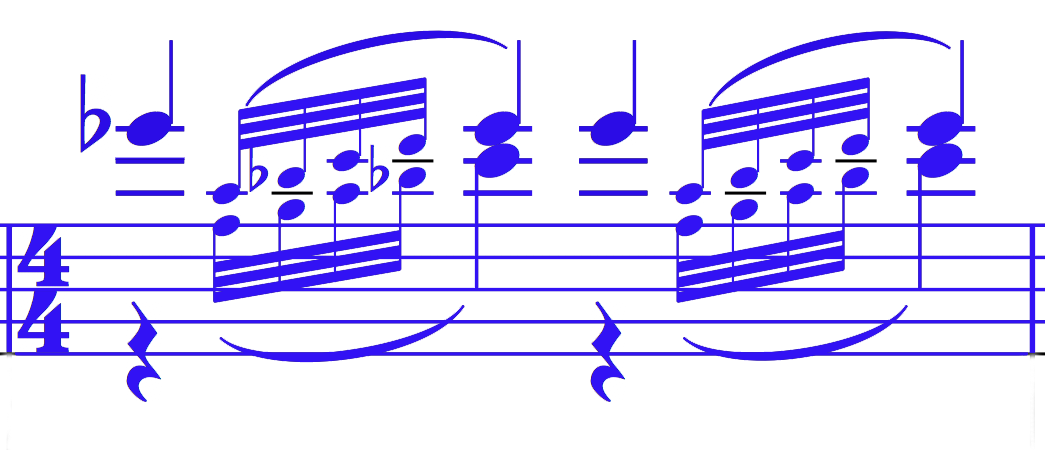
Piazzolla originally wrote the “Grand Tango” for the cellist Mstislav Rostropovich, but the viola arrangement that O’Neill plays fits the instrument very well. “Piazzolla wrote a lot of the (original cello) part very high,” he explains—meaning he can play it at the same pitch on the viola. 

O’Neill loves both pieces he is playing on BCO’s program, but it is the Piazzolla that gets him excited. “The music is just so incredible and evocative,” he says. “It’s almost like it’s so rhythmic that you can’t help being swept away by it.”

Nedbal’s Valse triste is from the ballet Pohadka o Honzov (known in English as the Tale of Simple Johnny). It was composed in 1902 for orchestra, but Nedbal later arranged the Valse for string quartet, in which form it has become especially popular. Trained as a violinist and a composition student of Dvořák, Nedbal was principal conductor of the Czech Philharmonic 1896–1906. 

When Beethoven wrote his String Quartet in B-flat in 1825, he provided an unusual finale: an extensive double fugue that takes up to 16 minutes in performance. That movement was criticized at the time for its complexity and for being “a confusion of Babel.” Since then, however, its standing has risen, to the point that Stravinsky famously said that it “will be contemporary forever.”

Beethoven’s publisher was afraid that such a difficult finale would hinder sales of the quartet, so Beethoven wrote a shorter movement that appeared with the String Quartet in B-flat. He then published the Grosse Fuge separately in 1827. Today it is hailed as one of the composers greatest compositions.

# # # # #

“Virtuosity!”
Boulder Chamber Orchestra, Bahman Saless, conductor
With Richard O’Neill, viola

  • Oskar Nedbal: Valse Triste
  • Telemann: Concerto in G for viola and orchestra
  • Astor Piazzolla: Grand Tango
  • Beethoven: Grosse Fugue, op. 133

7:30 p.m. Saturday, March 2
Seventh-Day Adventist Church, 345 Mapleton, Boulder

TICKETS

GRACE NOTES: A sellout at CU; RM Chorale; Transfigured Night

All performances of CU’s Chicago are sold out, but RMC and Pro Musica have tickets

By Peter Alexander April 25 at 10:55 p.m.

If the “Merry Muderesses” of Kander and Ebb’s Chicago are your cup of tea, you might be out of luck.

That is, unless you already have your ticket to the CU College Music production this weekend. The five performances in the Music Theatre of the Imig Music Building are completely sold out. The box office has a wait list that you can join HERE.

# # # # #

John Kander and Fred Ebb: Chicago
CU College of Music

7:30 p.m. Thursday–Saturday, April 27–29
2 p.m. Saturday and Sunday April 29 and 30

Music Theater

SOLD OUT

# # # # #

Jimmy Howe, conductor of the Rocky Mountain Chorale, wanted plenty of variety in the group’s spring program.

To achieve that, he hit upon the idea of a “composite mass,” settings of the five sections of the Mass Proper by five different composers. He himself provided the music for the first movement Kyrie, a movement that he described in program notes as “set to mimic classical style.” Other movements are by actual Baroque and Classical-era composers, plus one living composer. 

The Gloria movement is by Vivaldi, the Credo  by Schubert. They will be followed by “The Ground” from the Sunrise Mass of Norwegian-American composer Ola Gjielo, representing the Hosanna movement. The Composite Mass concludes with the Agnus Dei from Joseph Haydn’s Missa in tempore belli (Mass in time of war).

The other major work on the program is The Hope of Living, a five-part work for chorus and string quartet by Jake Runestad. In his description of the score, Runestad wrote “I continue to dwell on the importance and impact of love—love shown to others and love shown to oneself.” Commissioned by the Miami-based choral group Seraphic Fire, the five movements of The Hope of Loving are based on mystical writings about love selected by the composer.

Howe filled out the program with shorter works by himself, Susan Blockoff and Mark Sirrett.

A mixed choir of more than 60 singers, the Rocky Mountain Chorale was founded in 1978. Their repertoire typically includes classical works as well as pop and world folk music.

# # # # #

“Hope of Loving”
Rocky Mountain Chorale, Jimmy Howe, conductor
With Parker Steinmetz, asst. conductor; Walton Lott, piano
Jennifer Crim and Marci Pilon, violin; Aaron Lockhart, viola; Desiree Anderson, cello

Program includes: 

  • Composite Mass:
    —Jimmy Howe: Kyrie
    —Vivaldi: Gloria
    —Schubert: Credo
    —Ola Gjeilo: Hosanna from Sunrise Mass
    —Haydn: Agnus Dei from Missa in tempore belli (Mass in time of war)
  • Jake Runestad: The Hope of Living
    —I. “Yield to Love”
    —II. “Wild Forces”
    —III. “Wondrous Creatures”
    —IV. “My Soul is a Candle”
    —V. “The Hope of Loving”

7:30 p.m. Friday April 28, Heart of Longmont Church, Longmont
7:30 p.m. Saturday, April 29, First Methodist Church, Boulder

TICKETS   

# # # # #

A solar eclipse in the mountains, a magical night in the forest, and a little Mozart: Those are the ingredients of the next program to be presented by the Pro Musica Chamber Orchestra of Colorado Saturday (7:30 p.m. April 29; details below).

The concert, led by Pro Musica’s music director Cynthia Katsarelis, will also feature violinist Harumi Rhodes and violist Richard O’Neill, both members of the Takács String Quartet.

Composer Anne Guzzo

The program opens with The Bear and the Eclipse by Anne M. Guzzo, a faculty member at the University of Wyoming in Laramie. Inspired by and dedicated to the bears of Grand Teton National Park, the score portrays the story of a bear experiencing, and being transformed by, a solar eclipse.

As a bookend to The Bear and the Eclipse, Schoenberg’s Verklárte Nacht closes the program. A work with its feet equally planted in both the richly Romantic style of the late 19th century and the expressionistic style of the early 20th century, it is a musical interpretation of a poem describing a man and woman walking through the forest on a moonlit night. The woman confesses a troubling secret and finds that the man’s love has transfigured the darkness to splendor. 

In her program notes, Katsarelis wrote “I love the stories in both (pieces). One is an origin story for the solar and lunar eclipses . . . and ‘Transfigured Night’ is the story of a woman overcoming the fear of telling her story. . . . The whole program is about human connection in the context of cosmic beauty.”

The central pillar of the program is Mozart’s Sinfonia Concertante for violin, viola and orchestra, featuring the two soloists. Essentially a concerto with more than one soloist, the Sinfonia Concertante was a popular genre in 18th-century Paris and Mannheim, two cities Mozart visited on his travels. “The music is sublimely beautiful and the interaction between the violin and viola soloists is not to be missed,” Kartsarelis wrote. 

# # # # #

“Transfigured Night”
Pro Musical Colorado Chamber Orchestra, Cynthia Katsarelis, conductor
With Harumi Rhodes, violin, and Richard O’Neill, viola

  • Anne M. Guzzo: The Bear and the Eclipse
  • Mozart: Sinfonia Concertante in E-flat major for violin, viola and orchestra, K364 
  • Schoenberg: Verklárte Nacht (Transfigured night)

7:30 p.m. Saturday, April 29
Mountain View United Methodist Church, 355 Ponca Pl., Boulder

TICKETS 

Grace Notes: Three classical organizations announce 2022–23 seasons

Boulder Chamber Orchestra, Pro Musica Colorado and Boulder Opera

By Peter Alexander Oct. 3 at 5:15 p.m.

With the 2022–23 concert season getting underway, Boulder’s many classical music organizations are getting their season schedules up on the Web. Here are three of the planned seasons for the coming year, from the Boulder Chamber Orchestra, starting Oct. 29; Pro Musica Colorado Chamber Orchestra, starting Nov. 19; and Boulder Opera., starting Dec. 9.

While the seasons include some pretty standard repertoire, including Beethoven and Mendelssohn symphonies and two different renderings of Mozart’s early Symphony in A major, K201, it will also offer pieces that are not standard. These include Beethoven’s Mass in C by the Boulder Chamber Orchestra and Boulder Chamber Chorale, and music by Florence Price and Caroline Shaw by the Pro Musica Colorado Chamber Orchestra.

Here are the respective seasons:

# # # # #

The Boulder Chamber Orchestra opens its season Oct. 29 without conductor Bahman Saless. Guest conductor Giancarlo De Lorenzo and violinist Loreto Gismondi, both from Italy, will perform a mostly Mozart concert featuring that composer’s Violin Concerto No. 4 in D major, K218, and Symphony No. 29 in A major, K201. Opening the concert will be Handel’s “Arrival of the Queen of Sheba” from the oratorio Solomon. 

This concert is part of an exchange between De Lorenzo and Saless, who previously conducted the Italian orchestra with which De Lorenzo is affiliated.

Other orchestral concerts during the year will be “A Gift of Music” on Saturday, December 17, with soprano Szilvia Shrantz, BCO bassist Kevin Sylves and holiday selections; and a performance of music by Beethoven, Brahms and Mendlessohn with violinist Edward Dusinberre on Saturday, Feb. 11, 2023. The season concludes with a performance of Beethoven’s Mass in C with the Boulder Chamber Chorale on Saturday, April 1. Saless will lead these performances.

Concerts by the Boulder Chamber Orchestra will take pace in the Seventh-day Adventist Church, 345 Mapleton Ave. Here is the full season schedule:

7:30 p.m. Saturday, Oct. 29
Boulder Chamber Orchestra with guest conductor Giancarlo De Lorenzo and Loreto Gismondi, violin

  • Handel: “Arrival of Queen of Sheba” from Solomon
  • Mozart: Violin Concerto No. 4 in D major, K218
  • Mozart: Symphony No. 29 in A major, K201

7:30 p.m. Saturday, Dec. 17
Boulder Chamber Orchestra, Bahman Saless, conductor, with Szilvia Shrantz, soprano, and Kevin Sylves, double bass

  • Handel: Selected arias
  • Henry Eccles: Sonata in G minor for double bass and strings
  • J.S. Bach: Concerto in D minor for two violins and orchestra 

7:30 p.m. Saturday, Feb.11
Boulder Chamber Orchestra, Bahman Saless, conductor, with Edward Dusinberre, violin

  • Beethoven: Overture to Egmont
  • Brahms: Violin Concerto
  • Mendelssohn: Symphony No. 4 in A major (“Italian”)

7:30 p.m. Saturday, April 1
Boulder Chamber Orchestra, Bahman Saless, conductor, with the Boulder Chamber Choir

Beethoven: Mass in C

TICKETS  

# # # # #

The Pro Musica Colorado Chamber Orchestra will celebrate its “Sweet 16th” concert season with three programs, presented Nov. 19, Jan. 28, and April 29.

The programs feature several works by women composers, including a woman of color and two living composers, in addition to classic works by Mozart and Beethoven, and a major work of the early 20th century by Arnold Schoenberg. All three performances will be at 7:30 p.m. in Pro Musica’s musical home, Mountain View United Methodist Church at 355 Ponca Place Boulder.

Performances by Pro Musica Colorado will be under the direction of their music director, Cynthia Katsarelis. 

The opening concert will feature pianist Jennifer Hayghe, the chair of the Roser Piano and Keyboard Program at CU-Boulder, playing the Piano Concerto in One Movement by Florence Price. The first female African American composer to have a symphony performed by a major orchestra, Price was well known in the 1930s and 1940s/ After fading from prominence, her name has recently been returning to concert programs.

Other soloists during the season will be cellist Meta Weiss, chamber music coordinator at CU-Boulder, and Takács Quartet members Harumi Rhodes, violin, and Richard O’Neiill, viola. Each concert will be preceded by a pre-concert talk at 6:30 p.m. Here is the full season’s schedule:

7:30 p.m. Saturday, Nov. 19
“Apotheosis of the Dance”
Pro Musical Colorado Chamber Orchestra, Cynthia Katsarelis, conductor, with Jennifer Hayghe, piano

  • Ben Morris: The Hill of Three Wishes
  • Florence Price: Piano Concerto in One Movement
  • Beethoven: Symphony No. 7 in A major, op. 92

7:30 p.m. Saturday, Jan. 28, 2023
“Through the Looking Glass”
Pro Musical Colorado Chamber Orchestra, Cynthia Katsarelis, conductor, with Meta Weiss, cello

  • Caroline Shaw: Entr’acte
  • Haydn: Cello Concerto in C major
  • Mozart: Symphony No. 29 in A major, K201

7:30 p.m. Saturday, April 29
“Transfigured Night”
Pro Musical Colorado Chamber Orchestra, Cynthia Katsarelis, conductor, with Harumi Rhodes, violin, and Richard O’Neill, viola

  • Jessie Lausé: World premiere
  • Mozart: Sinfonia Concertante for violin and viola in E-flat major, K364
  • Arnold Schoenberg: Verklärte Nacht

TICKETS  

# # # # #

Boulder Opera has announced their 11th season, featuring a family-themed production for the holiday season and a French Grand Opera early in 2023.

The first production of the season will be Engelbert Humperdinck’s Hansel and Gretel, which is a perennial holiday event for families with children in Germany and Austria. The Boulder opera production, scheduled for Dec. 9 through 18 at the Dairy Arts Center, will be presented in an abridged English version with narrator. 

Designed as an ideal introduction to opera, the performances will last only one hour, and include a Q&A session after each performance. The performance is suitable for children age three and up.

After the new year, Boulder Opera will present two performances of Manon by Jules Massenet, one of the classics of the French Grand Opera tradition. Performances will be Feb. 18 and 19 in the Dairy Arts Center. Here is the full schedule:

Engelbert Humperdinck: Hansel and Gretel
Boulder Opera, stage directed by Michael Travis Risner
Aric Vihmeisterr, piano, and Mathieu D’Ordine, cello

7 p.m. Friday, Dec. 9
2 and 4 p.m. Sunday, Dec. 11 and Saturday, Dec. 17
2 p.m. Sunday, Dec. 18
Grace Gamm Theater, Dairy Arts Center

TICKETS  

Jules Massenet: Manon
Boulder Opera, Steven Aguiló-Arbues, conductor, and Gene Roberts, stage director

7 p.m. Saturday, Feb. 18
3 p.m. Sunday, Feb. 19
Gordon Gamm Theater, Dairy Arts Center

TICKETS   

Violist Richard O’Neill gives stunning performance with Boulder Phil

All-English program features Walton Viola Concerto, works by Elgar and Anna Clyne

By Peter Alexander May 15 at 12:10 a.m.

The Boulder Philharmonic finished the 2021–22 classical concert series with sound and fury last night (May 14).

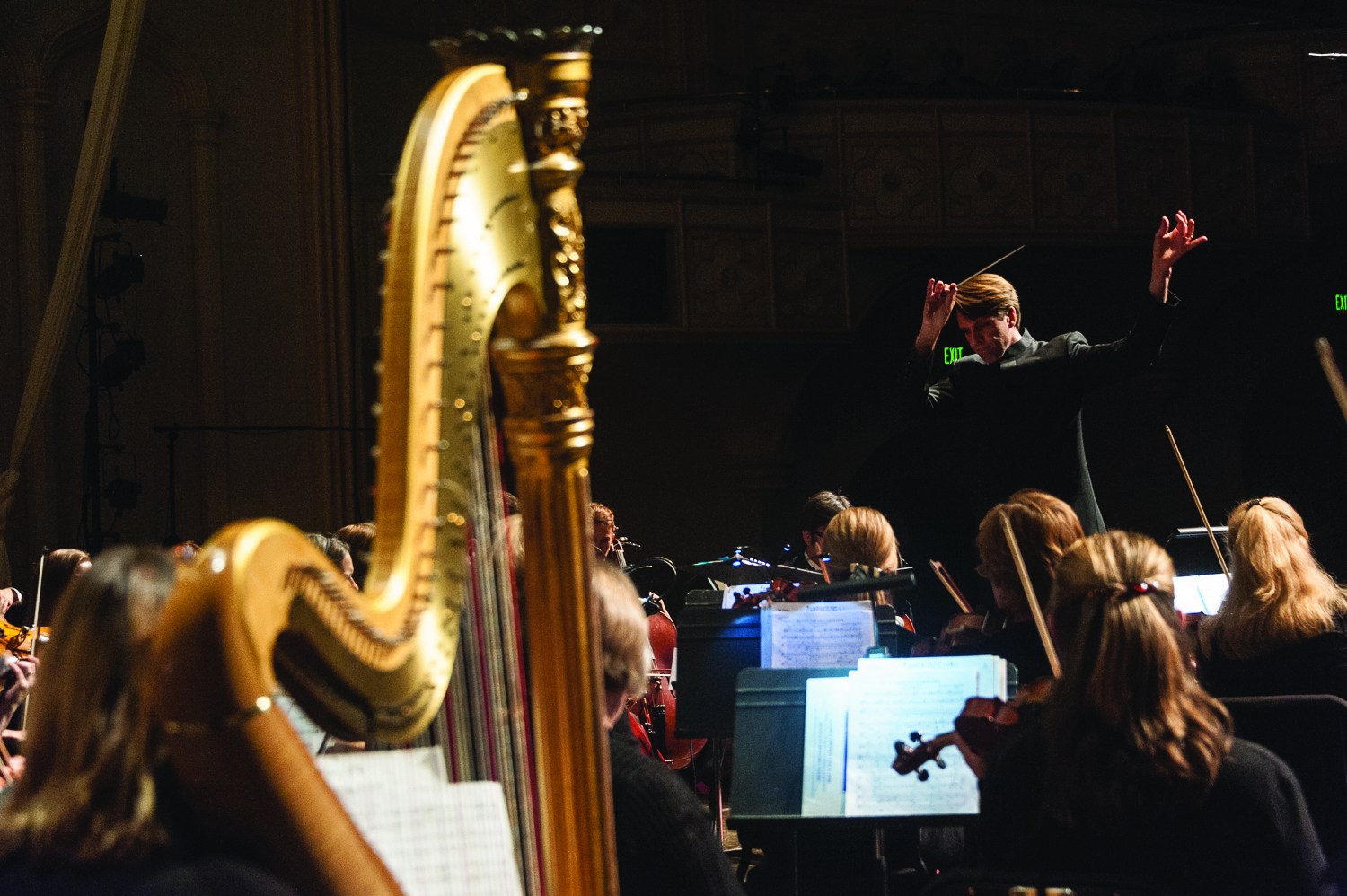
Conductor Michael Butterman and the Boulder Philharmonic in Macky Auditorium. Photo by Glenn Ross.

No, that is not a criticism. The first piece listed on the program was Anna Clyne’s Sound and Fury, inspired in part by Macbeth’s soliloquy featuring that phrase. In practice, though, Clyne was preceded by an “off-menu special,” in the words of conductor Michael Butterman: Elgar’s familiar “Pomp and Circumstance” March No. 1, in honor of the region’s recent graduates.

The performance was led by an honorary guest conductor, Boulder’s outstanding arts patron Gordon Gamm. Looking dapper in a fedora, Gamm did a creditable job of getting things started and holding the orchestra together. Indeed, the only audible error—one out-of-place note—cannot be laid to the conductor. 

Butterman preceded Clyne’s Sound and Fury with a helpful music-appreciation style introduction, with an explanation of it’s connection to “The Scottish Play” and illustrations from a Haydn symphony quoted in the score. The performance was strongly profiled, with contrasting sections nicely characterized and distinguished, lacking only the precision necessary for clarity in the skittering string parts and the full depth of sound that a larger orchestra could provide. 

The recorded voice speaking the “Tomorrow, and tomorrow, and tomorrow” soliloquy near the end was not always intelligible, but it did show how those words fit into the scheme of the piece. This is a new piece (2019) that is definitely comprehensible and enjoyable for the classical audience, and I would welcome hearing it again.

Violist Richard O’Neill

A friend told me about this concert, “The Walton Concerto won’t sell any tickets.” If that’s right, I’m sorry for anyone who was not sold a ticket because they don’t know Walton’s music. They missed a fun piece, and a stunning performance by violist Richard O’Neill, the newest member of the Takács Quartet. Where is their sense of fun, of adventure, interest in new things? This is not difficult music.

Composed in 1929, the Viola Concerto shows the composer’s quirky style to good advantage. At times lush, at times shifting, surging and dying away, its kaleidoscopic episodes and unexpected turns provide an ideal palette for an instrumental soloist of O’Neill’s qualities.

His performance was glittery (and no, I don’t mean his shoes) and perfectly assured. Visibly reacting to every twist and turn of the orchestra part, he showed in both gesture and musical interpretation his connection with the players. Utterly at ease playing all the virtuoso material the concerto throws at the soloist, O’Neil gave a solo performance of the highest caliber. 

Here the issues were of balance, both within the orchestra and (from where I was sitting) with the soloist. The boisterous second movement was my favorite, but the more gentle moments were equally well played. Two profound tributes to O’Neil: he held the audience in silence for at least 20 second at the end of the concerto, and it was the orchestra, stamping their feet, that brought him back for his final curtain call. 

Again channeling his inner Leonard Bernstein, Butterman gave an insightful introduction to Elgar’s “Enigma” Variations, showing how the variations brought their subjects—the composer’s friends—to life. This to me is a better preparation for the audience than program notes about “the return of the subsidiary theme” or “remote tonalities.”

Elgar’s “Enigma,” one of the greatest sets of orchestral variations of the Romantic or any period, received the best orchestral performance of the evening—maybe because it is a piece well known to all orchestral pros. Rehearsal time then can be devoted to details of interpretation, of unity, of sound. Butterman found the telling elements in each variation and brought out their individual characters. 

As one hopes and expects, the familiar “Nimrod” variation swelled calmly from shimmering pianissimo strings to a rich, full orchestral climax before falling back. Other variations had the sparkle, or the weight, to communicate character and meaning. This is a fun piece for brass, who enjoyed their moments of grandeur, and for the timpanist, who brought both visual and aural flash to the performance. 

Finally, this program had many of the ingredients of a successful concert: some exploration, a dazzling soloist, a great piece of music. I happily note the inclusion of a living female composer in the stew. It’s a recipe musical organizations should follow.

Grammy-winning violist to play with Boulder Phil

Richard O’Neill of the Takacs Quartet will play Walton Concerto Saturday

By Peter Alexander May 12 at 1:20 p.m.

Richard O’Neill

It was in the middle of the pandemic and a massive blizzard when Richard O’Neill won a Grammy award. 

The Grammy awarded in 2021 was for his recording of the Viola Concerto by American composer Christopher Theofanidis—during the same year that he joined the Takács Quartet, moved to Boulder and joined the CU faculty. “This has been a long haul,” he said at the time. 

Hopefully, things are closer to whatever can be called normal for a performing musician/recording artist, as O’Neill takes the stage Saturday (May 14) to perform William Walton’s Viola Concerto with the Boulder Philharmonic and conductor Michael Butterman (concert details below; tickets here).

A demanding and dramatic work. Walton’s concerto was composed in 1929, when the composer was 27 years old, and premiered that year by the composer/violist Paul Hindemith. Since then it has become one of the landmarks of the viola repertoire.

Composer Anna Clyne has drawn on a variety of sources for inspiration in her compositions, from the paintings of Mark Rothko to music by Beethoven. Her Sound and Fury was inspired by Shakespeare’s soliloquy for Macbeth and by Haydn’s unusual and quirky six-movement Symphony No. 60, Il distratto (The distracted one), which began as incidental music for a comic play.

Anna Clyne. Photo by Jennifer Taylor.

In a program note, Clyne wrote: “My intention with Sound and Fury is to take the listener on a journey that is both invigorating—with ferocious string gestures that are flung around the orchestra—and reflective—with haunting melodies that emerge and recede.”

Sir Edward Elgar’s Variations on an Original Theme, known as the “Enigma Variations” from the word Elgar wrote at the top of the score, remains one of the most popular works in the orchestral repertoire, more than 120 years after its premiere. Each of the 14 variations has an inscription that refers to one of Elgar’s friends. 

Those subjects of the individual variations have been identified. The larger enigma, however, is what Elgar wrote in his program note: “The Enigma I will not explain. Its ‘dark saying’ must be left unguessed. . . . Over the whole set another and larger theme ‘goes,’ but is not played.”

Whether that “larger theme” is a musical or a philosophical one is one of the many mysteries that surround the piece. Guesses as to the musical theme have ranged from “Rule Britannia” to “Pop Goes the Weasel” to Luther’s “A Might Fortress is Our God,” to Liszt’s Les Preludes, none of which have convinced a majority of musical scholars.

And so that enigma remains unsolved. Feel free to go to the concert and devise your own solution.

# # # # #

Boulder Philharmonic Orchestra, Michael Butterman, conductor
With Richard O’Neill, viola

  • Anna Clyne: Sound and Fury
  • William Walton: Viola Concerto
  • Elgar: Enigma Variations

7:30 p.m. Saturday, May 14
Macky Auditorium

TICKETS

Boulder Philharmonic announces 2021–22 season

Live concerts again at last, and a return to CU Macky Auditorium in January

By Peter Alexander 8 a.m. May 22

The Boulder Philharmonic is taking cautious steps back to the future.

In other words, they will return to full orchestral concerts in Macky Auditorium, suspended for the COVID-19 pandemic, but not all at once. In announcing their 2021–22 season, they have revealed a schedule that will feature four small orchestra concerts in a smaller space in the fall, followed by a return to Macky in January, 2022.

Boulder Philharmonic and conductor Michael Butterman in Macky Auditorium

Those will not necessarily be full capacity concerts. According to a statement from the orchestra, they have “developed health and safety protocols to ensure a safe environment for performers, audience members, staff, and volunteers. Measures will include adjusting venue capacity and seating plans, and wearing masks. Plans will adjust in response to public health measures as they evolve in the coming months.”

The fall portion of the season will take place in Mountain View United Methodist Church in Boulder (355 Ponca Place). There will be two programs, each presented twice without intermission (see full schedule below) and led by the orchestra’s music director, Michael Butterman. The first will be a program of music for chamber orchestra, including Haydn’s very first symphony, composed in 1759, and the second a program of 20th-century music from Europe influenced by jazz, featuring works by the Russian Shostakovich, the French composer Darius Milhaud and the German Kurt Weill.

December will see a return of the evergreen Nutcracker ballet, performed by the Boulder Phil with Boulder Ballet in Macky Auditorium. CU music prof. Gary Lewis will conduct. Tickets to Nutcracker will be available in the fall.

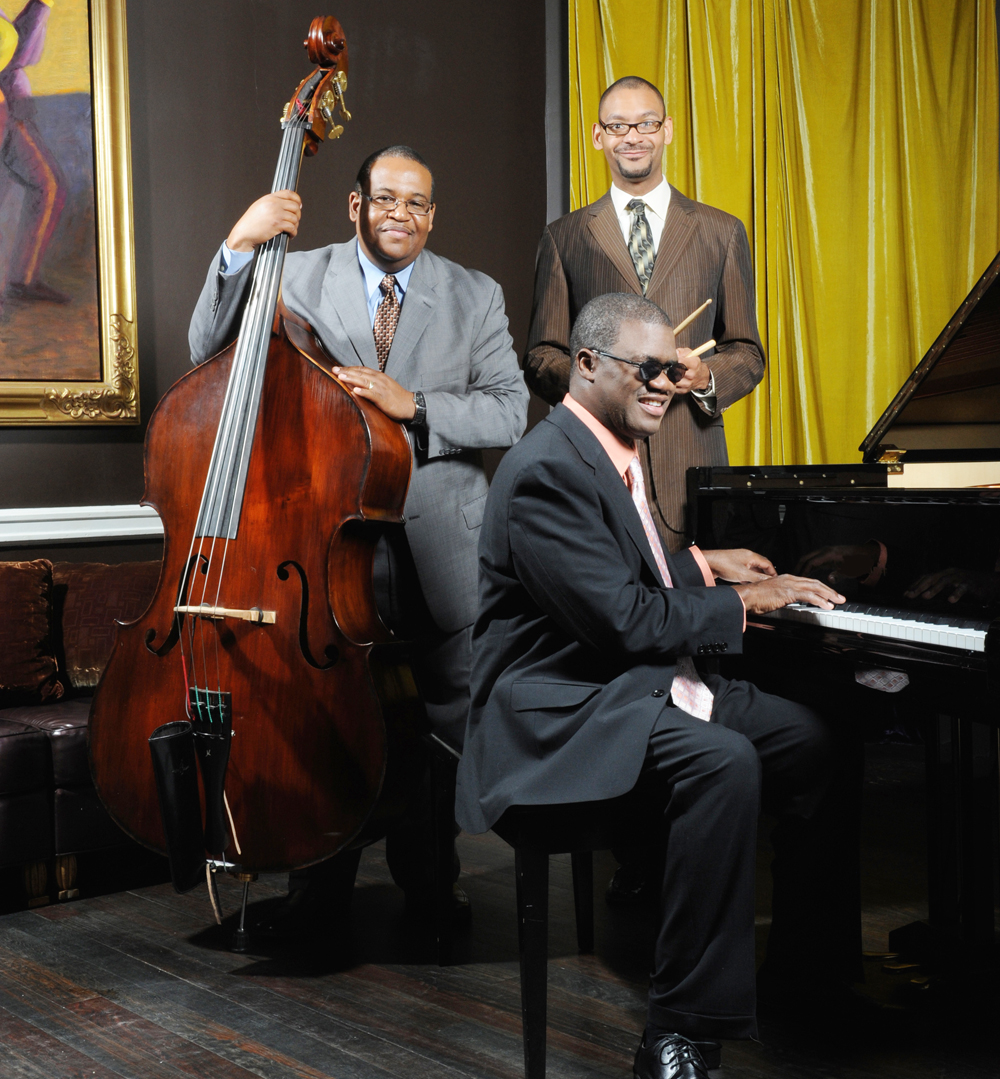
The Marcus Roberts Trio will join the Boulder Phil for their first concert back in Macky Auditorium

After the holidays, the Phil will present a subscription series of six concerts, January through May. These concerts will feature guests soloists and collaborations, starting with the “Opening Weekend” concert Jan. 22, a “Gershwin Celebration.” Renowned jazz pianist Marcus Roberts and his Trio will join the Phil for a performance of Gershwin’s Piano Concerto in F on a program that also features An American in Paris. This program will be repeated at the Lone Tree Arts Center Jan. 23.

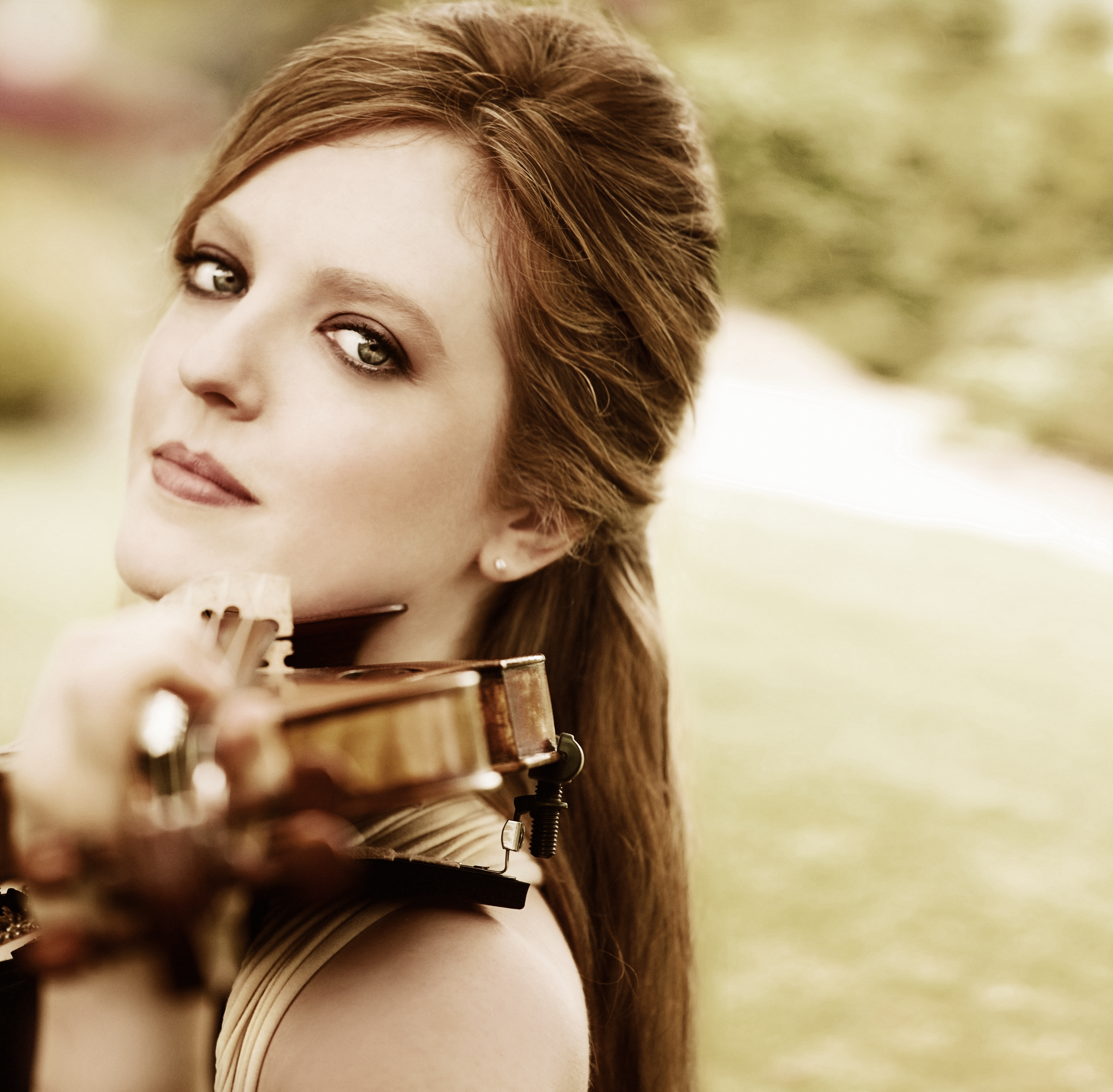
Violinist Rachel Barton Pine returns to Boulder Feb. 12 to play the world premiere of the Violin Concerto by Grammy-winning jazz pianist Billy Childs. Pine was in Boulder in 2014, when she played the Berg Violin Concerto with the Philharmonic. Other soloists through the spring will be pianist Terence Williams, who will play Rachmaninoff’s Third Piano Concerto March 19; Philharmonic concertmaster Charles Wetherbee, who will play The Butterfly Lovers Concerto on a program that will also feature Frequent Flyers Aerial Dance, April 30; recent Grammy winner violist Richard O’Neill, who will play William Walton’s Viola Concerto May 14; and ukulele virtuoso Jake Shimabukuro, who will appear with the Phil and his trio, May 28.

Subscription packages of the six concerts in 2022 go on sale Monday, May 24. Subscription purchasers can add any of the concerts at Mountain View Methodist Church at a discounted price. Any remaining single tickets will be available in September, along with Nutcracker tickets. Information and, starting on Monday, subscription purchases will be available on the Boulder Phil Web page

# # # # #

Boulder Philharmonic Orchestra
Michael Butterman, music director
2021-22 Season Schedule

Michael Butterman. Photo by Shannon Palmer

“Together Again”
Michael Butterman, conductor

  • Haydn: Symphony No. 1 in D Major
  • —Sinfonia concertante in B-flat Major
  • Frank Martin: Petite symphonie concertante, op. 54

4 & 6 p.m. Sunday, Oct. 3 (no intermission)
Mountain View United Methodist Church, 355 Ponca Place, Boulder

“The Art of Jazz”
Michael Butterman, conductor

  • Shostakovich: Jazz Suite No. 1
  • Darius Milhaud: The Creation of the World, op. 81a
  • Kurt Weill: Little Threepenny Music

4 & 6 p.m. Saturday, Oct. 30 (no intermission)
Mountain View United Methodist Church, 355 Ponca Place, Boulder

The Nutcracker with Boulder Ballet
Gary Lewis, conductor

2 p.m. Friday, Nov. 26, Saturday Nov. 27 and Sunday, Nov. 18
7 p.m. Saturday, Nov. 27
Macky Auditorium

Opening Weekend: “Gershwin Celebration”
Michael Butterman, conductor
Marcus Roberts Trio: Marcus Roberts, piano; Rodney Jordan, bass; Jason Marsalis, drums

  • Gershwin: An American in Paris
  • —Piano Concerto in F

7:30 p.m. Saturday, Jan. 22, 2022 
Macky Auditorium

1:30 p.m. Sunday Jan. 23, 2022
Lone Tree Arts Center

Rachel Barton Pine. Photo by Lisa-Marie Mazzucco

Michael Butterman, conductor, with Rachel Barton Pine, violin

  • Billy Childs: Concerto for Violin and Orchestra (world premiere/co-commission)
  • Beethoven: Symphony No. 7 in A Major, Op. 92

7:30 p.m. Saturday, Feb. 12
Macky Auditorium

Michael Butterman, conductor, with Terrence Wilson, piano

  • Cindy McTee: Circuits
  • Alan Hovhaness: Symphony No. 2, “Mysterious Mountain”
  • Rachmaninoff: Piano Concerto No. 3

7:30 p.m. Saturday, March 19, 2022
Macky Auditorium

The Firebird & Frequent Flyers
Michael Butterman, conductor, with Charles Wetherbee, violin
Frequent Flyers Aerial Dance

  • Mason Bates: Undistant
  • He Zhanhao/Chen Gang: The Butterfly Lovers’ Violin Concerto
  • Rimsky Korsakov: Russian Easter Overture
  • Stravinsky: Firebird Suite (1919)
Richard O’Neill

7:30 pm. Saturday, April 30, 2022
Macky Auditorium

Michael Butterman, conductor, with Richard O’Neill, viola

  • Anny Clyne: Sound and Fury
  • William Walton: Viola Concerto
  • Elgar: Enigma Variations

7:30 p.m. Saturday, May 14, 2022
Macky Auditorium

Jake Shimabukuro, ukulele, and trio, with the Boulder Phil
Michael Butterman, conductor

7:30 p.m. Saturday, May 28, 2022
Macky Auditorium

CU Faculty Member wins “Best Classical Instrumental Solo” Grammy

Violist Richard O’Neill, newest member of the Takacs Quartet, wins first Grammy award

By Peter Alexander March 22 at 3:51 p.m.

Violist Richard O’Neill, member of the CU College of Music faculty and the Takacs Quartet, has won the Grammy award for “Best Classical Instrumental Solo.”

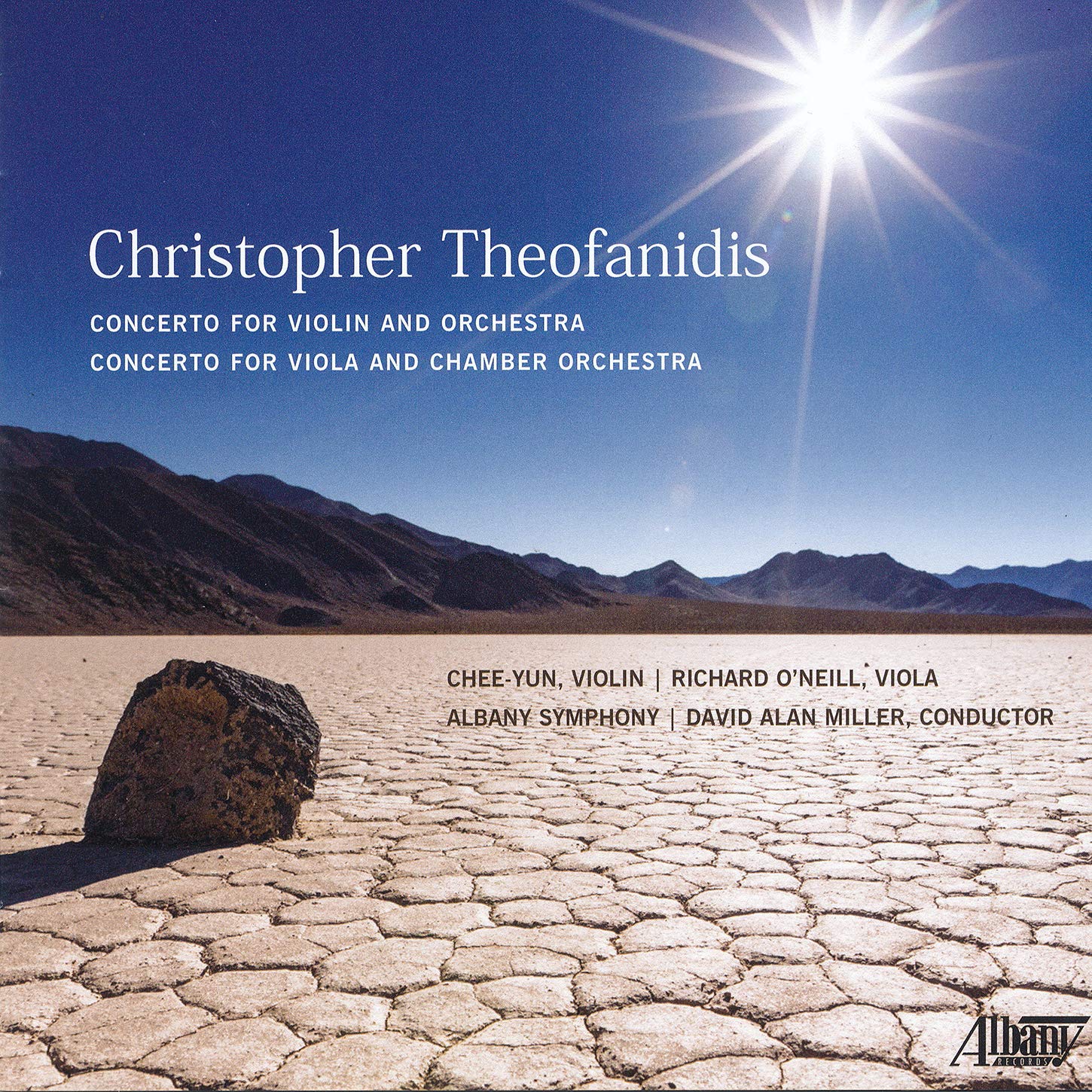
His recording of Christopher Theofanidis’ Concerto for Viola and Chamber Orchestra with David Alan Miller and the Albany Symphony (Albany Records TROY1816, released August 2020) was nominated along with these recordings: 
• pianist Kirill Gerstein playing the Thomas Adès Piano Concerto, with Adès and the Boston Symphony; 
• pianist Igor Levit playing the complete Beethoven piano sonatas; 
• violinist Augustin Hadelich playing “Bohemian Tales,” a collection of music by Dvořák, Janáček and Josef Suk, with Jakub Hrůša and the Symphonieorchester des Bayerischen Rundfunks; and
• pianist Daniil Trifonov playing the Second and Fourth piano concertos of Rachmaninov with Yannick Nézet-Séguin and the Philadelphia Orchestra.

O’Neill was caught by surprise last year when the nominees were announced. This time, of course he knew that he was in the running for the award and when the awards would be announced, but he nearly got caught by surprise again. For one thing, he looked at the distinguished list of other nominees, and thought, ‘OK, we’re going to lose’.”

For another, the streamed Grammy ceremony was held Sunday, March 14, the same day that Boulder was under a heavy blanket of snow. O’Neill had arranged to attend the ceremony online, but Sunday morning his internet kept going out. “I was like, ‘How am I going to be able to Zoom if I don’t have internet?’” he says. He even planned to walk to his studio in the CU Imig Music Building if he had to—since he couldn’t get out of his driveway.

Finally, the internet came back on just in time, but the ceremony was running ahead of schedule. “There was supposed to be 30 minutes buffer, and then you’re on,” he says. “I tuned in and it was basically five minutes to go! So I was like, ‘Holy, bleep!’ 

“And when they said ‘the Grammy goes to,’ I almost burst into tears. I just wasn’t expecting it.”

Richard O’Neill

To keep the ceremony on schedule, each recipient is allowed just 30 seconds to thank everyone. “There’s a very conspicuous clock, and it started right as they announced my name. Basically, they’ll just cut you off! It’s very, very short, but I tried my best to get everybody thanked. It was a really great, great moment, and then my phone was going crazy with all my friends who were watching.”

After than, O’Neill was asked to enter the virtual press room to take questions, and later he had several interviews with press from South Korea, where he is very well known. He took a quick break to step outside and gather his thoughts and chat with his neighbors, who were all out clearing their driveways and had no idea that he had just won a Grammy.

This was O’Neill’s third nomination for a Grammy and his first win. He also has won an Emmy Award and an Avery Fisher Career Grant. He has an extensive record of working with living composers, including the premieres of works written for him. Theofanidis’s Concerto was written for the distinguished violist Kim Kashkashian in 2002 and revised for O’Neill in preparation of his performances and recording.

O’Neill joined the Takacs Quartet in June of 2020, replacing Geraldine Walther as the group’s violist. He has appeared in streamed performances by the quartet, and in a handful of concerts before small, distanced audiences, but has not yet appeared onstage before a live Boulder audience.

Reflecting on the past year, O’Neill says it has been tough. He moved to Boulder, he joined the Takacs Quartet and the CU faculty, planned tours as solo artist and with the Takacs were interrupted by the pandemic, and his mother has had breast cancer—“This has been a long haul,” he says. 

“It feels good to have something nice happen.”

Musical Adventures 1: Now’s the time to explore new musical territories

A Grammy nominee and a new disc from the Takacs Quartet

By Peter Alexander Jan. 19 at 11:15 p.m.

I am someone who enjoys adventures, in music as in other ways.

I’m not as interested in new Beethoven recordings, although I got notices about plenty of them last year. (In case you were completely isolated last year: 2020 was the 250th anniversary of his birth.) But give me a recording with composers I have never heard before, and I will go straight to the CD player.

Since we are likely to be isolated for a while longer, now is a good time for you to have your own musical adventures. Committed performances of music we don’t know, even music we don’t like, helps clean out the ears and open the mind to new experiences. If you don’t like it, don’t listen again; but at least you know what’s out there.

In that spirit, this is the first of several articles I plan to write about recordings that offer musical adventures, small steps into new territory. And if one of these is not new territory for you, congratulations. I will have other suggestions.

There is no better place to start than a stunning recent recording by violist Richard O’Neill, the newest member of the Takács quartet. His performance of the Concerto for viola and chamber orchestra by Christopher Theofanidis with the Albany Symphony Orchestra and conductor David Alan Miller (Albany Records TROY1816, released August 2020) has been nominated for a classical music Grammy. Since the Grammy awards have been postponed until March 14, you can hear the recording before the winners are announced.

Theofanidis teaches composition at Yale and is co-director of the composition program at the Aspen Music Festival. His orchestral work Rainbow Body has been performed by more than 150 orchestras worldwide. He is a composer of remarkably wide imagination and creativity, as his Viola Concerto shows.

The concerto was written for the violist Kim Kashkashian in 2002 and revised for O’Neill in preparation of his performances and recording. Partly inspired by Navajo texts, it is by design a work of great emotional intensity. “It is written as a response to [Kashkashian’s] incredible intensity and focus as a performing artist,” Theofanidis wrote.

O’Neill provides all the intensity Theofanidis calls for. As soloist he creates a wide palette of sounds that match the kaleidoscopic moods and sounds of the score. The are passages of dark, brooding gloom and fleet passages of sheer virtuosity, with O’Neill flying through these changes without a hitch or a stumble.

Each movement has its own individual rewards. The first is dominated by pulsing sounds in the orchestra, an extension of drum patterns that open the movement, interrupted by fleet passages for the soloist. The second enters a totally different sound world, with a static orchestral haze overlaid with barely-musical fragments for the soloist that gradually coalesce to reach a moment of passionate intensity.

The emotional high point is the third movement, written in the aftermath of the 9/11 attacks and using a Sikh melody that was sung at a memorial held at Yankee Stadium. Here O’Neill’s expressive playing creates a deep sense of mourning. This is eloquent music of loss, a barren emotional landscape that accepts the light of consolation only at the end. After this catharsis, the scurrying finale closes the concerto with an explosion of energy.

So varied are the movements and their internal sections that it is easy to see why this recording stood out to the Grammy committee. O’Neill’s interpretation and integration of the disparate elements seems flawless as he flies confidently through this emotionally virtuosic work. “No matter what happens with this nomination,” O’Neill says, “ I think this piece deserves to be in the repertoire.”

The Viola Concerto is paired on Albany’s disc with Theofanidis’s Violin Concerto, played by Miller and the Albany Symphony with violinist Chee-Yun. Another dramatic and varied work, it is dominated by a movement based on a theme the composer wrote for his new-born daughter. That moment of lyrical blossoming is framed by a dramatic movement where the soloist seems pitted in a struggle with forces of nature, and another whirlwind finale.

# # # # #

Takacs

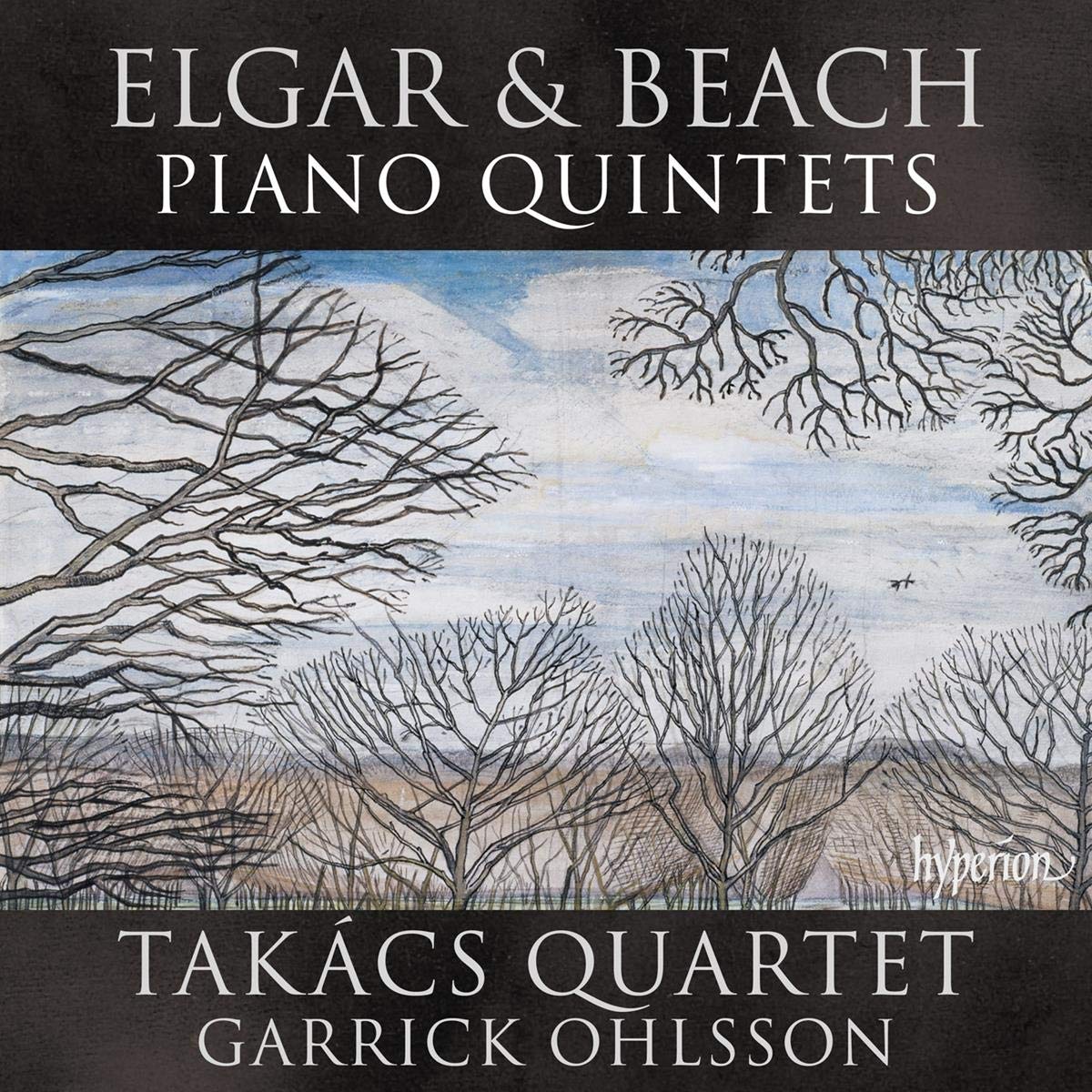
The full Takacs Quartet, recorded before O’Neill replaced Geraldine Walther in the viola chair, offers a comfortable adventure with their recording of the piano quintets of Amy Beach and Edward Elgar. Released in June, the recording was made with pianist Garrick Ohlsson (Hyperion CDA68295).

The first American woman to achieve success as a composer, Beach was a teenaged piano prodigy in the 1880s but had to give up her public career when she married. She published first under the name Mrs. H.H.A. Beach until her husband’s death in 1910, and then as Amy Beach. Her Quintet in F-sharp minor for piano and strings of 1905 was widely performed in her lifteime, often with the composer playing the piano part.

The Quintet was heavily influenced by Brahms’s popular Quintet in F minor, which she had played. An echo of Brahms is heard in the first movement, but Beach announcers her own imagination at the very opening, sustained notes that overlay dramatic flourishes in the piano. Here the atmospheric performance by Ohlsson and the Takacs pulls the listener in from the first notes. They follow Beach’s expressive turns, through sudden changes of mood from warmth to spookiness and a gentle sigh at the ending.

The sigh is followed by a realm of sweetness and gentle repose through a second movement marked by long, lyrical lines that build to a strong climax, subsiding to a quiet close. The finale seems less integrated, as passage follows passage. This is no fault of the performers, who follow Beach in her rambling walk. Every section is well crafted, creating just the sound that the composer wants, but it fails to hang together as an organic whole. It is none the less pleasant for that, especially as played by Ohlsson and the Takacs.

Elgar is closer to the beaten path than Beach, although the Quintet is less familiar than his “Pomp and Circumstance” or “Enigma” Variations. Like his other works, the Quintet is marked by a cheerful mixture of drama and playfulness that seems thoroughly Victorian in style. It is a musically challenging work that lacks conspicuous flamboyance; even the most energetic passages remain genial in mood.

The first movement is a moderate allegro that anecdotally may be based on supernatural tales about a wooded copse near Elgar’s home. The exact source of inspiration remains mysterious, and any sense of menace the woods may have suggested is lessened by sudden bursts of song. 

The second movement begins in a state of serenity, in Elgar’s best warm if slightly fuzzy Romantic manner. One is easily carried along by the flow of the Takacs Quartet’s performance, which conveys a feeling of enveloping comfort, with no danger in sight.

One idea succeeds another succeeds another in the long, fantasy-like Finale. In the hands of Ohlsson and the Takacs Quartet, the changing tempos seem organic across a wide and shifting range. Each idea and section emerges seamlessly from the material before, even as Elgar extends and extends his material toward a final firm ending. The performance is well balanced among the instruments, with the performers achieving a notable clarity of texture in spite of Elgar’s luxuriant harmonic language.

Both performances are exemplary. There is no better place to begin your musical adventures than with these congenial and thoroughly enjoyable works. And if these works are not new to you, stand by for further suggestions.