Young love in the 1920s

Thoroughly enjoyable Bohème at the Santa Fe Opera

By Peter Alexander Aug. 11 at 10:35 a.m.

Editor’s Note: This is one of several posts covering four of the five operas presented this year at the Santa Fe Opera.

Santa Fe Opera’s production of Puccini’s La Bohème (seen Aug. 6) opens on a standard first-act set: a dingy apartment of Bohemian squalor with views of the Parisian rooftops, here created by projections. Two young men are at work.
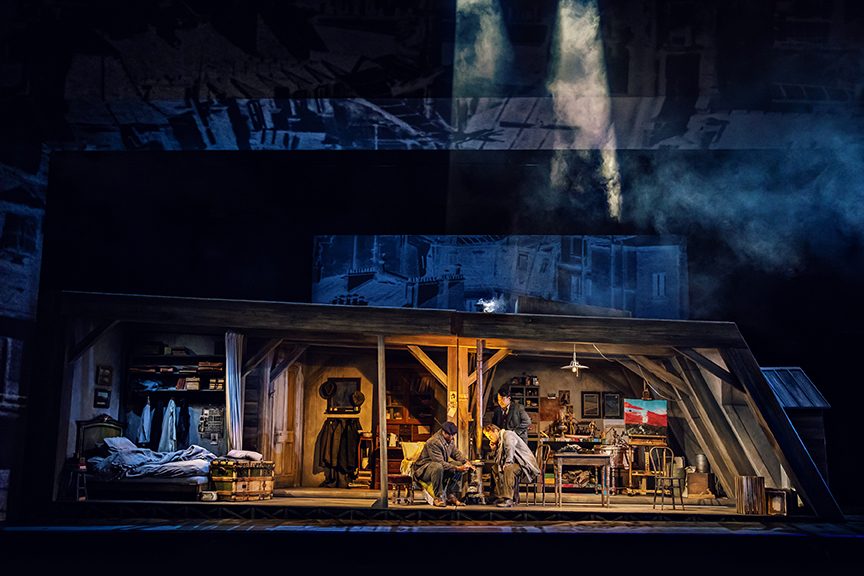
L-R: Soloman Howard (Colline), Long Long (Rodolfo), Szymon Mechliński (Marcello); photo by Curtis Brown for the Santa Fe Opera

The first sign that something is up is when the poet Rudolfo starts pounding on a typewriter. This is not 1830s Paris, and when Mimi enters later in the act, her hair style shows that we are in the 1920s. In many ways this is a good choice: Paris in the ‘20s was a center of the avant garde, young artists were flourishing (think Hemingway and Picasso), and the free lifestyle of the operatic Bohemians was common.
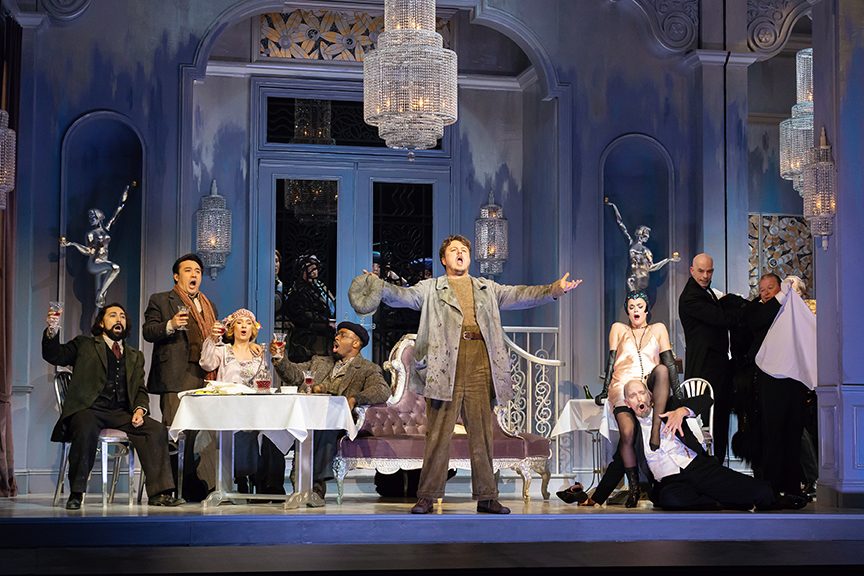
L-R: Efraín Solís (Schaunard), Long Long (Rodolfo), Sylvia D’Eramo (Mimì), Soloman Howard (Colline), Szymon Mechliński (Marcello), Emma Marhefka (Musetta) Kevin Burdette (Alcindoro); photo by Curtis Brown for the Santa Fe Opera

For the most part, the temporal transposition works well, and it provides great opportunities for the costume designs of Costance Hoffman. Indeed, the second act in the streets of Montmatre and inside the Café Momus (transformed from a neighborhood bistro to a five-star restaurant) is a 1920s fashion pageant. The incongruity of grubby Bohemians in such surroundings, with plain people gaping through the windows, becomes part of the humor of the scene. It is good fun, if it does stretch credibility.

The third act continues the time shift: there is a motorized ambulance (doubling as a spot for a streetwalker’s hookups) outside the police post at the gates of the City. The fourth act returns to the first set, through a very clever scenery shift that earned applause. Colline’s overcoat has a definite ‘20s vibe, as does Musetta’s attire.

This visually engaging production replaces one that was presented in Santa Fe in 2019. It is a great improvement, with all the pieces fitting well together. 

This is not to say that there are no issues with Allen Moyer’s set. In the second act, the elegant Cafe Momus and its crystal chandeliers require so much space that all the rest of the action—bustling crowds, busy children, the toy seller Parpignol, the act-ending parade—are pushed into narrow margins of the stage. If there is a meaning to the Bohemians being just more Parisians on the street, swallowed up by the Christmas Eve revelries, it is lost here.
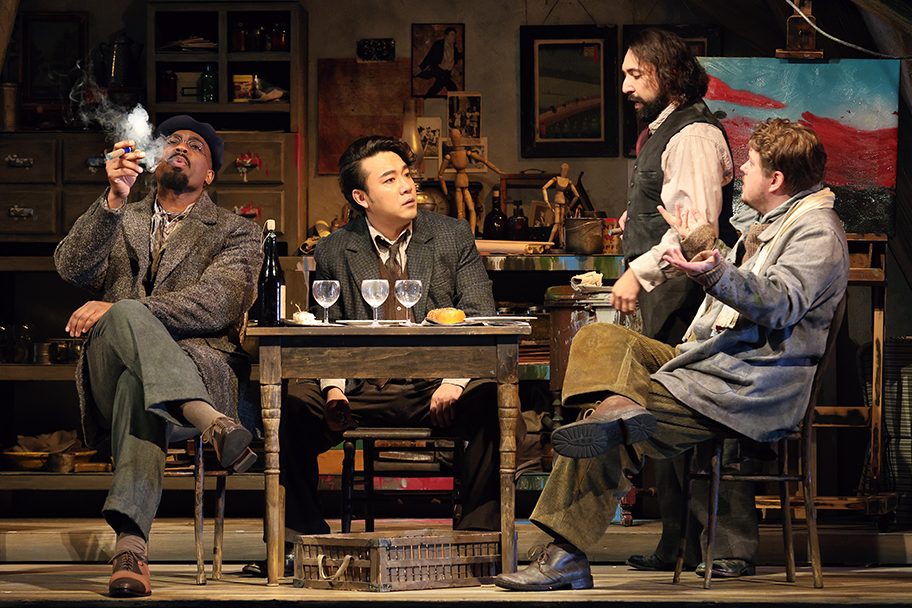
L-R: Solomon Howard (Colline), Long Long (Rodolfo), Efraín Solís (Schaunard), Szymon Mechliński (Marcello); photo by Curtis Brown for the Santa Fe Opera

James Robinson’s stage direction meets the vital standard of telling the story. The camaraderie of the Bohemians is well portrayed, and all critical moments of the story are clear. He always handles the movements of actors in confined spaces comfortably.

In the name of realism—or so I assume—there are a few crude touches. Schaunard turns his back to the audience and then takes the chamber pot and throws its liquid contents out the garret window. After the third-act fight between Marcelo and Musetta, Marcelo angrily retreats into the ambulance with a friendly protstitue. Is it my age? I don’t see what these touches add to the opera.

Conductor Iván López Reynoso charged into the opening chords. Brusque and brisk, they propelled a quick tempo that thankfully stretched to accommodate the vocal lines, but for long periods did not let up. At times Reynoso allowed the brass free reign, and the orchestra sometimes covered the singers or pushed them to full volume. Otherwise, he controlled the musical flow well and kept the music moving.
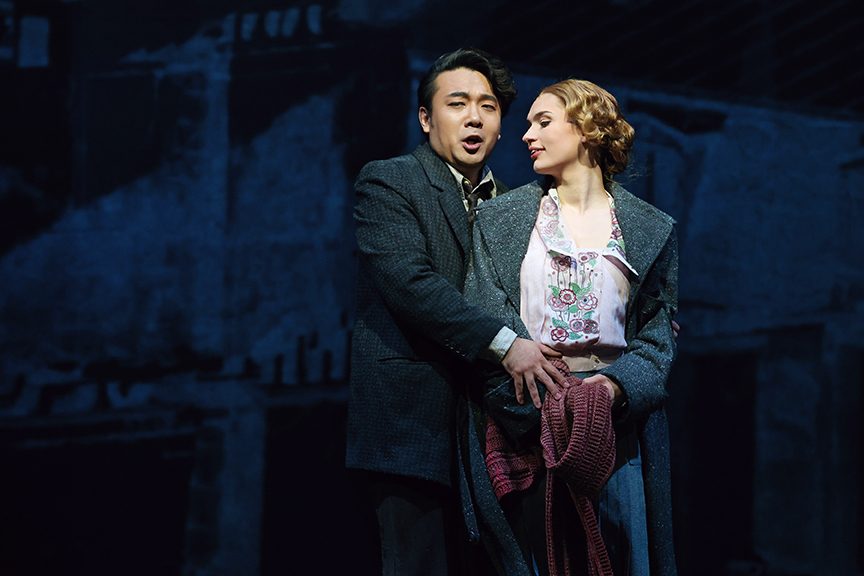
Long Long (Rodolfo), Sylvia D’Eramo (Mimì); photo by Curtis Brown for the Santa Fe Opera

The success of any Bohème depends on the two leading roles, Rudolfo and Mimi. Both Long Long and Sylvia D’Eramo handled their assignments handsomely. Long Long sang with a ringing, Italianate tone, but the sound lacked a sense of freedom and comfort at the margins. Every phrase was delineated and sung with expression, but I did not sense a progression from one act to another. Rudolfo of Act IV was Rudolfo of Act I.

D’Eramo conveyed Mimi’s fragile state from her first entrance. In the softest moments she floated her pianissimos beautifully, and she used her voice well to convey the character’s declining health. I especially enjoyed her transformation from a shy neighbor to a young woman who is warming to the dawn of love in Act I. A blooming orchestra sound sometimes covered her lines, but she was always able to soar above the sound at climactic moments. 

As Marcello, Szymon Mechliński sang with a booming if sometimes rough-edged baritone. This suits Marcello, a more rough-edged character than Rudolfo. His was a dominant character among the four artists, at his best in confrontations and combat with Musetta.
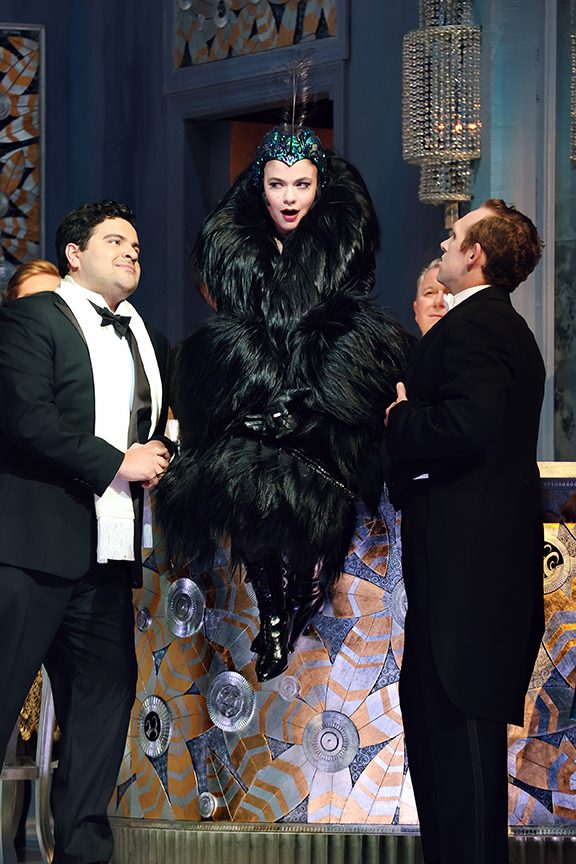
Emma Marhefka (Musetta); photo by Curtis Brown for the Santa Fe Opera

In the latter role, Emma Marhefka played the coquette to the nth degree. No character was more vivid throughout, justifying the bystanders who are delighted to spy her in the second act crowd scene. The famous Waltz was more languid than usual, but none the less effective with her rich voice.

Bass Solomon Howard made Colline a strong presence, singing with a resounding quality that only occasionally hit rough spots in the “Overcoat Aria” of Act IV. Efraín Solís was solid in the less prominent role of Schaunard, always part of the happy company of Bohemians. Santa Fe veteran Kevin Burdette brought the supporting roles of Benoît and Alicindoro to comic life, singing as well as ever. 

In spite of any reservations, this is a thoroughly enjoyable Bohème. The cast is strong, the sets intriguing, the orchestra excellent, as always. And Santa Fe nights lend themselves perfectly to this drama of bohemian companionship, young love and loss.

Bohème repeats at the Santa Fe Opera Aug. 14, 19 and 23. Tickets are available HERE.
Rare and familiar Puccini double bill at the Dairy

Boulder Opera pairs brutal tragedy with effervescent comedy

By Peter Alexander Feb. 6 at 3:00 p.m.

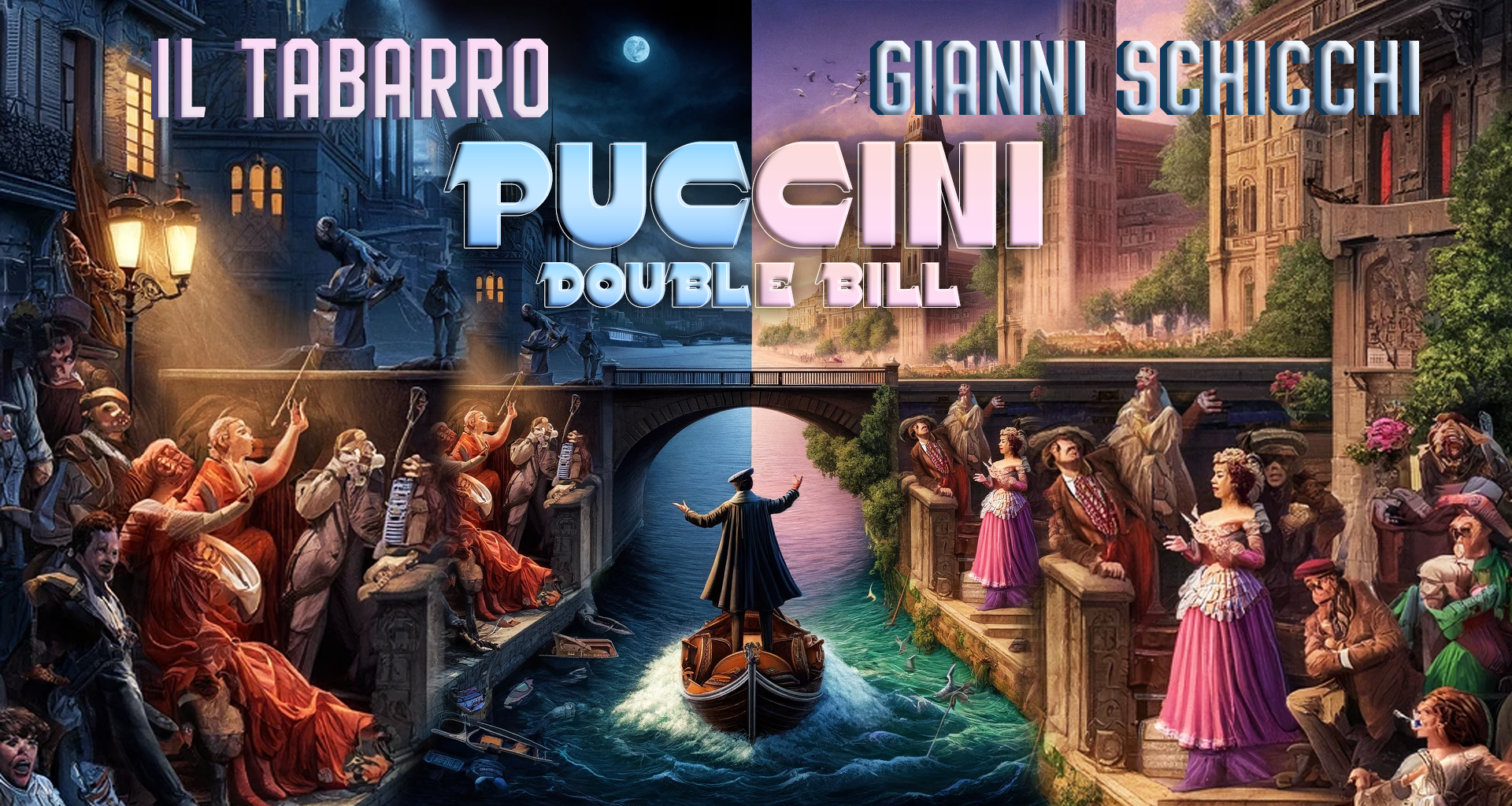
Boulder Opera Company (BOC) will present a double bill of two operas by Puccini at the Dairy  Arts Center this weekend (Friday, Saturday and Sunday, Feb. 7–9; details below).

Two more contrasting operas could hardly be imagined. Il Tabarro is a rarely performed, gritty and brutal tragedy of betrayal and murder; and Gianni Schicchi is a popular, frothy burlesque of a comedy contrasting avarice with young love. They are two thirds of a triptych of one-act operas known in Italian as Il Trittico

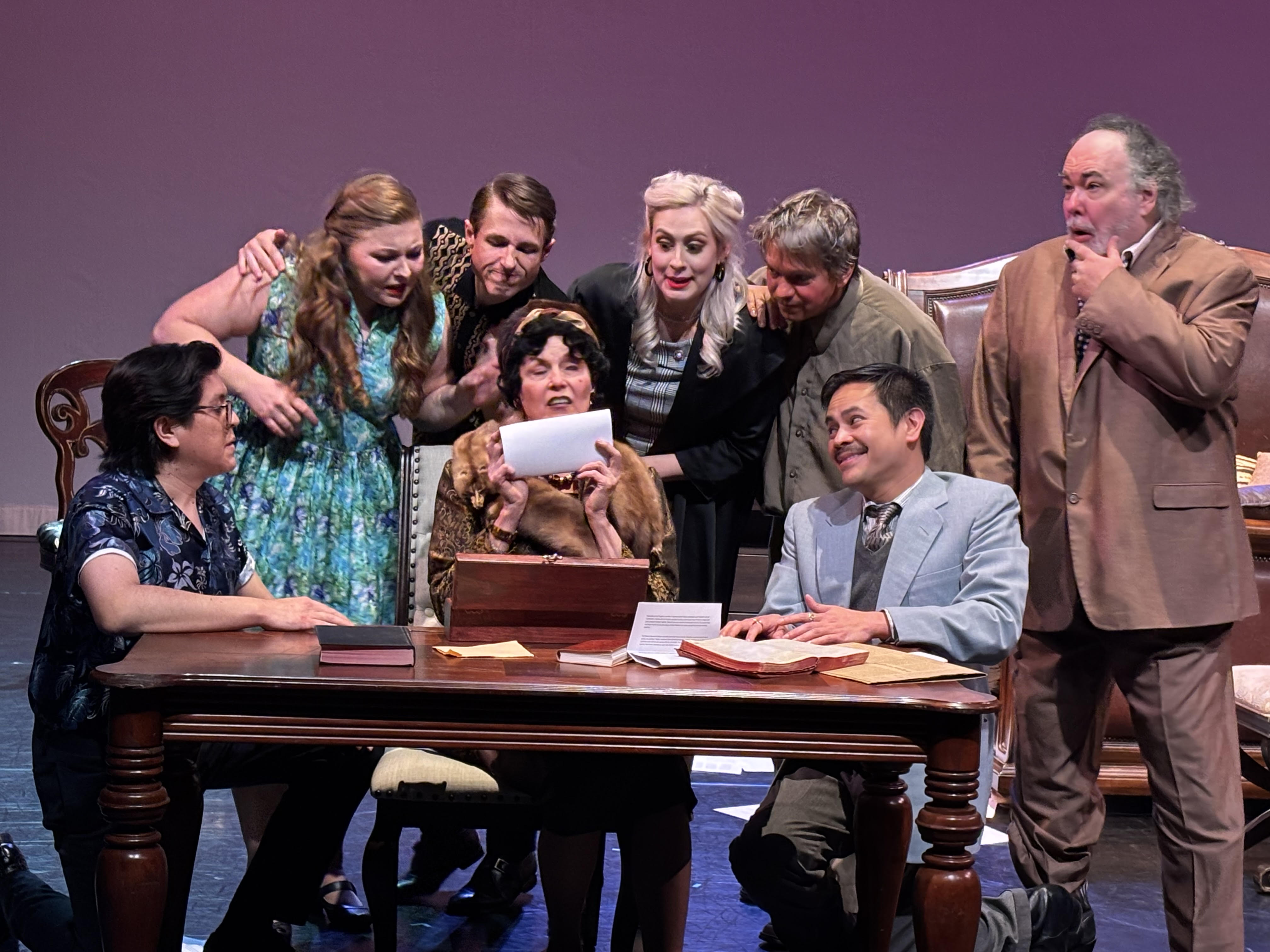
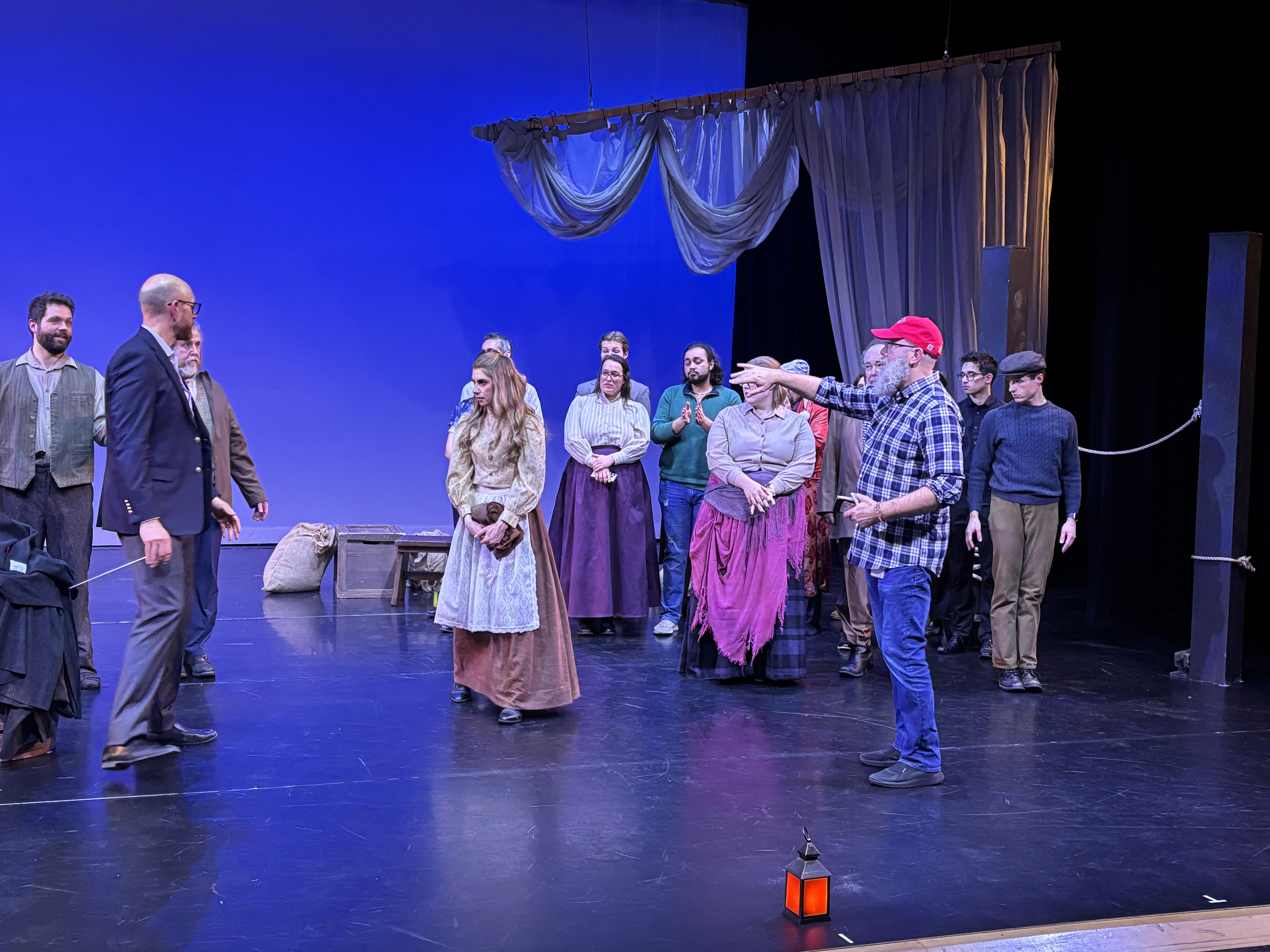
BOC dress rehearsal of Il Tabarro. Conductor Brandon Matthews (left, with baton) and stage director Gene Roberts (right, in red hat)

The triptych also includes Suor Angelica, a tender tale of faith and redemption. All three operas were first performed by the Metropolitan Opera in 1918.

BOC’s productions of Il Tabarro and Gianni Schicchi will be stage directed by Gene Roberts, who returns to Boulder having directed several of the company’s recent productions. An ensemble orchestra will be conducted by Brandon Matthews.

“We get to experience quite a landscape of emotion,” Roberts says of the pairing of two such disparate stories. These two operas are not usually heard together, he adds. “(Il Tabarro) is a treat to see, because unless it’s performed with all three of the operas, it is very rarely done. 

“They’re all wonderful works but you need a trio of dramatic voices to do Il Tabarro. The soprano, the tenor and the baritone need to have quite a bit of heft to their voices.”

Il Tabarro is the story of Michele and Giorgetta, who have lost a child before the opera opens. They operate a barge that has just arrived in Paris, where the stevedores are unloading their cargo. Over the course of the evening, Michele and Giorgetta argue, and it becomes clear that Giorgetta is having an affair with Luigi, one of the stevedores. When Giorgetta leaves, Michele confronts Luigi, and during a fight strangles him. 

Michele conceals Luigi’s body under his cloak. When Giorgetta returns hoping to reconcile, Michele opens his cloak, and Luigi’s body falls at her feet.

“It’s truly a tragedy that leaves us with emotional whiplash, because it all happens so fast,” Roberts says. “In this relatively short piece, boy is there some dramatic singing! All three of (the leads)—you could hear them in any opera house in the world! 

“There are big, meaty arias for the tenor and the baritone. When he has realized that his wife is having an affair, Michele just pours out his heart in a beautiful aria. The baritone doesn’t often get arias in Puccini operas, so that’s a wonderful treat.”

BOC production of Gianni Schicchi

The story of Gianni Schicchi is both simpler and more chaotic. Busoso Donati, a rich man living in Florence—the location is central to the plot—has died, and his relatives arrive at his apartment to learn who has inherited his riches. When it turns out that he has left everything to a monastery, they start on a wild effort to change the will before anyone learns that Donati has died. 

In the end, Gianni Schicchi, a neighbor whose daughter Lauretta is in love with Donati’s young cousin Rinuccio, arrives and saves the day by impersonating Donati and changing the will before a notary. But instead of rewarding the greedy relatives, Schicchi leaves the best items to himself, to be passed on to the young lovers who can now get married. The greedy relatives go on a frantic whirlwind, grabbing everything they can as they rush out of the apartment.

“There are moments throughout this where you are taken along in the chaos that the greed of this family brings on in a delightful way,” Roberts says. When suddenly “everyone remembers they’re supposed to be sad about it, you hear the crying in the orchestra, way overdone. They’re all sobbing and crying and then when they find out they’ve been disinherited, the big explosions (and the) chaos of looking for the will takes us up and down like the world’s largest roller coaster.”

Gianni Schicchi is an ensemble opera, with give and take among the characters as they argue and fight over Donati’s riches, but there is a moment of calm when you will hear one of the most loved of all Puccini’s arias. Lauretta persuades her father to help the family, in order to enrich Rinuccio, singing “O mio babino caro” (Oh my dear daddy)—an aria beloved of all sopranos and opera audiences worldwide.

Both operas will receive realistic productions, with no extra interpretations added. “(Puccini’s) verismo style was all about the realism of life,” Roberts says. “Il Tabarro was originally set in 1910, and that’s where we’ve got it. Gianni Schicchi was originally written to be in the year 1299, and we updated that one to 1955, but it’s still about avarice and greed at the death of a wealthy relative.”

With a reduced orchestra and simple scenery, BOC productions are produced inexpensively, but Roberts is excited about the singers. “Come to the Dairy Center,” he says after a rehearsal.  

“I can’t believe I just heard that level of singing, right here in Boulder!”

# # # # #

Puccini Double Bill
Boulder Opera Company, Brandon Matthews, conductor
Gene Roberts, stage director

Puccini: Il Tabarro (The cloak)
Gianni Schicchi

7 p.m. Friday, Feb. 7 and Saturday, Feb. 8
3 p.m. Sunday, Feb. 9
Dairy Arts Center

TICKETS

Central City offers three works first performed in New York

Pirates of Penzance, Girl of the Golden West and Street Scene on this summer’s bill

By Peter Alexander June 25 at 4:02 p.m.

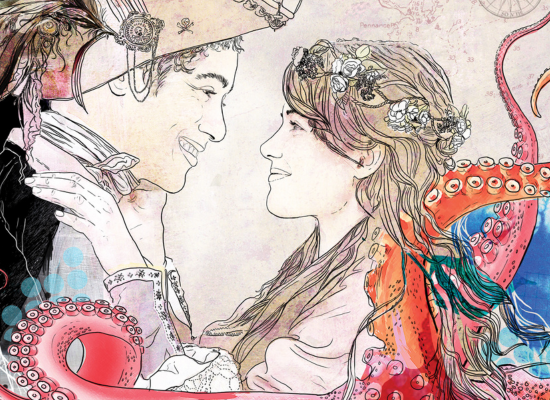
Central City Opera opens its 2024 festival season Saturday with a staple, not of the grand opera house, but of the English light-opera stage: Gilbert and Sullivan’s delightful and sometimes silly Pirates of Penzance (7:30 p.m. June 29; full summer schedule below).

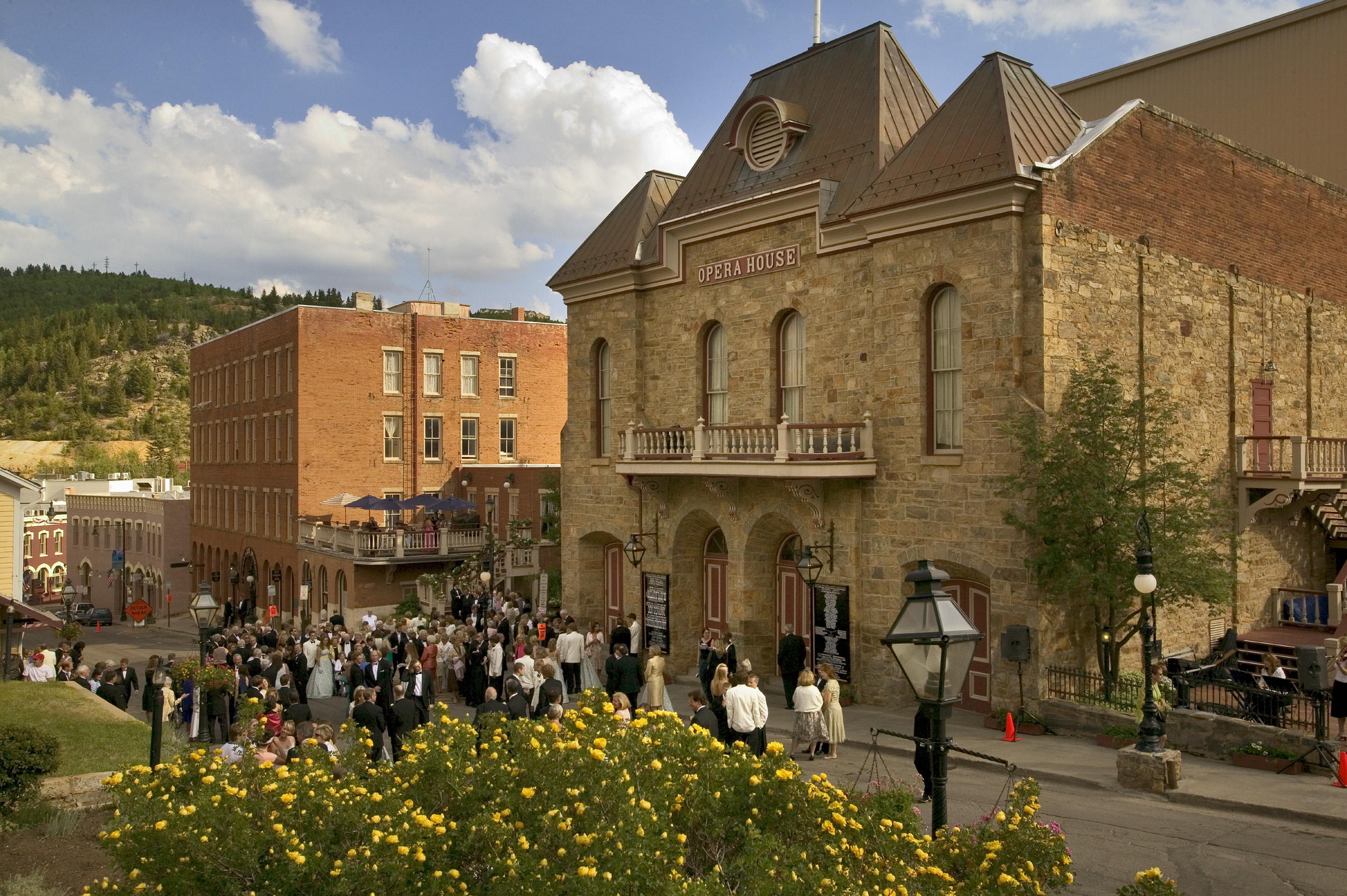
Opening Night at Central City Opera. Featured in Central City Opera’s 75th anniversary book, “Theatre of Dreams, The Glorious Central City Opera- Celebrating 75 Years.”

The fifth collaboration between author Sir Willam Gilbert and composer Sir Arthur Sullivan, Pirates surprisingly had its official premiere at the Fifth Avenue Theater in New York City Dec. 31, 1879. The show, known for its bumbling police, its only slight less inept pirate gang, and its often parodied Major General’s patter song, has long been one of the most popular of the G&S operettas. 

A 1980 production in Central Park, part of the “Shakespeare in the Park” summer series, was so successful that it was transferred to Broadway. In 1983 it was made into a film with original cast members Linda Ronstadt (Mabel), Kevin Kline (the Pirate King) and Rex Smith (Frederic), plus Angela Lansbury (Ruth). 

At Central City this summer, Pirates shares the rotating repertory bill with two other works also premiered in New York, neither of which is truly part of the core operatic canon: Kurt Weill’s Street Scene, premiered at New York’s Adelphi Theater in 1947; and Puccini’s La fanciulla del West (Girl of the Golden West), premiered at the Metropolitan Opera Dec. 10, 1910.

* * * 

Pirates of Penzance is a typical G&S operetta in the way that it satirizes British habits. The pirates are goofily sentimental, the Major General is preposterously pompous, the police are ridiculously hapless, and Frederic takes his very British devotion to duty to comic extremes. The whole plot turns on two ridiculous misunderstandings: That Frederic was apprenticed by his near-deaf nursemaid to nautical pirates rather than pilots; and that he was apprenticed not for 21 years but until his 21st birthday—which, because he was born on Feb. 29, means not until he is in his 80s.

That he and his chaste bride-to-be Mabel accept this delay with unnaturally bright composure is just one of many implausible turns of plot—as one expects from Gilbert and Sullivan. In addition to the patter song “I Am the very Model of a Modern Major General,” the score contains several memorable songs, including Mabel’s “Poor Wandering One,” which pairs alluring sentiment with brilliant coloratura; and the pirate chorus’s “With Cat Like Tread,” in which they noisily proclaim their intent to creep silently into the Major General’s household. 

* * *

Also written for the popular stage, Kurt Weill’s Street Scene is a different matter entirely. With lyrics by Langston Hughes and a book by Elmer Rice, it is a gritty tale of tenement dwellers on Manhattan’s east side. Among a mix of residents of Swedish, Italian, German and Jewish background there is an abusive husband, an alcoholic, a radical intellectual, gossipy neighbors, a sleazy boss, an adulterous milkman, a birth, an eviction and a double murder.

And of course a pair of young lovers, who survive but are forced apart by the violent events around them.

Weill came to the United States in 1935, after a successful career in his native Germany—particularly works created with playwright Bertolt Brecht including their Dreigroschenoper (Threepenny Opera). In this country Weill wrote several works for the Broadway stage, including Knickerbocker Holiday, Lady in the Dark and Lost in the Stars, but he was always aiming to create a form that combined serious opera with popular theater and song.

The work that came closest to that goal might be Street Scene, which freely mixes operatic elements, such as the aria “Lonely House” sung by the male romantic lead Sam Kaplan, with Broadway entertainment including dance numbers and a lively number for graduating students, “Wrapped in a Ribbon and Tied in a Bow.” Other notable numbers in the score are the “Ice Cream Sextet,” the duet by nursemaids gawking at the scene of the murders, and the dreamy aria “What Good Would the Moon Be,” sung by the female lead, Rose Maurrant.

It is the operatic aspects that have left their mark on Street Scene, which has been performed by opera companies but never returned to Broadway. Even operatic performances are infrequent today, due in part to the large cast that Weill requires—more than 30 named roles.

* * *

The closest thing to a repertoire item this summer, Puccini’s Fanciulla del West has that rarest of serious opera features, a happy ending. No one dies in the course of the opera, and the leading soprano is neither a naive innocent nor a victim; in fact, she is about the strongest character in the opera, who even cheats at cards to reach the opera’s happy end.

The plot features Minnie (soprano), who owns the Polka Saloon; the sheriff Jack Rance (baritone) who hopes in vain to marry Minnie; and the romantic tenor lead, the outlaw Ramerrez, who under the name Dick Johnson becomes Minnie’s true love.

Very much part of the action, Minnie forges her own destiny, first by owning the saloon in a mining camp, and then by playing cards for her lover’s life. Production stage director Fenlon Lamb observes that this is very different from other Puccini soprano roles.

Fenlon Lamb

“Other Puccini heroines are stuck in what society allowed them to be,” she says. “When you transfer things to the Wild West, the rules are gone. All bets are off! And she’s freer to be one of the guys. She’s the girl of the camp, but they all respect her, right to the end.”

The plot is fairly simple: Minnie’s bar is the favorite place for the men of a mining camp to find solace. The arrival of a stranger alarms the sheriff and the Wells Fargo agent, who are looking for the outlaw Ramerrez. Minnie recognizes him from a previous meeting as Johnson and the two fall in love. Later in her cabin Minnie and the sheriff play cards for the outlaw’s life. 

She wins by pulling cards out of her boot, but Johnson/Ramerrez is later captured and brought back to town to be hanged. Just as the noose it put around his neck, Minnie contrives to create a happy ending—but you will have to buy a ticket to know the details.

As a woman, Lamb acknowledges that she might approach female characters differently than men might. “I give a little bit more understanding and support to the female characters,” she says. “I love working with singers, but I especially support the women in my productions. We spend more time figuring out what the heroine is trying to say, through her singing and her actions.”

Another way that Fanciulla differs from most Puccini operas is that there are no big arias. The music has the same lush melodies and Romantic impulses—“it is gorgeous!” Lamb says—but unlike most grand opera, the action never pauses for a stand-alone aria.

Appropriately, the Central City production has moved the setting from the California Gold Rush to Colorado 10 years later. “We’re not the ’49ers, we’re the ’59ers out here” in Central City, Lamb explains. “It gives us the opportunity to use actual pieces and parts from Central City. In doing that, we’ve only changed one word—instead of ‘addio California’ (goodbye California) Minnie says ‘andiamo a California’ (let’s go to California)” before riding into the sunset.

Puccini had never been to the American West, so his knowledge was taken from popular stereotypes and the original story, so not all of his characters ring true. The miners are heavily romanticized and cleaned up for the stage, the Wells Fargo agent is a typical stage villain, but the most difficult characters are Minnie’s Native American servants, Wowkle and Billy Jackrabbit.

They are often treated as crude stereotypes, but compared to many productions, Lamb says, “you can give these characters real depth. We’ve decided that Billy Jackrabbit is a white trader (who) goes into different native camps and understands some of the language, (who) might marry a native woman. It’s getting into what happened at the time and finding ways to tell the story that are not stereotyped.”

Having spent some time in Central City and visited some of the actual mines in the area, Lamb sees a larger picture than the love story at the heart of the opera. “Everybody’s proud of the mining tradition here,” she says.

“The focus [of the production] is on these guys in a mining camp. And there’s a focus on the fragility of this mass of humans, and how are they getting along together. In the end, it’s forgiveness that really saves the day, it’s being able to connect and understand the other person, and their needs, and forgive.

“I think it’s an opportunity to see the strength juxtaposed with fragility of the community, and then forgiveness is pretty much the answer.”

# # # # #

Central City Opera
2024 season
(performances in Central City Opera House)

Sir Willam Gilbert and Sir Arthur Sullivan: Pirates of Penzance
Sung in English with English supertitles

7:30 p.m. Saturday, June 29; Saturday, July 20; Saturday, July 27; 
2 p.m. Wednesday, July 3; Friday July 5; Sunday, July 7; Saturday, July 13; Tuesday, July 16; Wednesday, July 24; Friday, Aug. 2

Single tickets

Giacomo Puccini: La fanciula del West (Girl of the golden West)
Sung in Italian with English supertitles

7:30 p.m. Saturday, July 6; Saturday, Aug. 3
2 p.m. Wednesday, July 10; Friday, July 12; Sunday, July 14; Friday, July 19; Saturday, July 21; Tuesday, July 23; Saturday, July 27; Wednesday, July 31

Single tickets

Kurt Weill: Street Scene
Sung in English with English supertitles

7:30 p.m. Saturday, July 12
2 p.m. Wednesday, July 17; Saturday, July 20; Friday, July 26; Sunday, July 28; Tuesday, July 30; Saturday, Aug. 3

Single tickets

Season Subscription tickets for all three productions

NOTE: Casts and other creative contributors to the productions of Pirates of Penzance, Street Scene and La fanciulla del West are all listed on the Central City Opera Web page.