GRACE NOTES: Chamber music from the Baroque to 20th century

Events presented by The Academy, Boulder Bach and Boulder Chamber Orchestra

By Peter Alexander Oct. 16 at 10:33 a.m.
The Academy, University Hill will present pianist Eugene Gaub and violinist Nancy McFarland Gaub performing in their Chapel Hall Friday evening (7 p.m. Oct. 18; details below).

Their performance of works by Beethoven and César Franck will be free, but audience members are asked to RSVP in advance. Eugene Gaub will perform Beethoven’s late Piano Sonata No. 28 in A major op. 101, and together they will perform Franck’s Sonata in A major for violin and piano. 

Eugene Gaub is emeritus professor of music at Grinnell College in Iowa, where he taught music theory and courses in music history from 1995 to 2022. A graduate of the Juilliard School, he holds a doctorate and performer’s certificate from the Eastman School of Music.
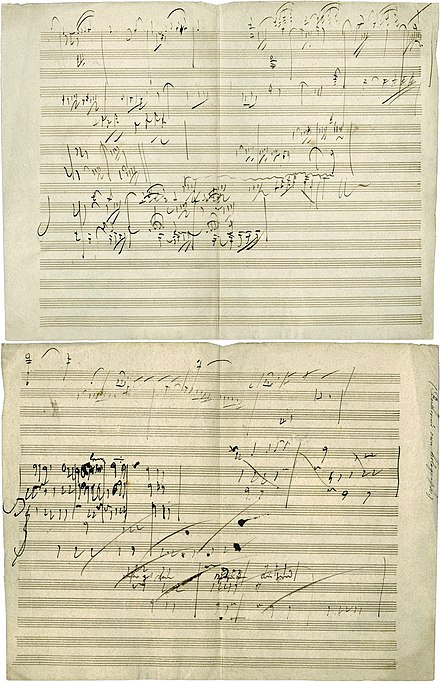
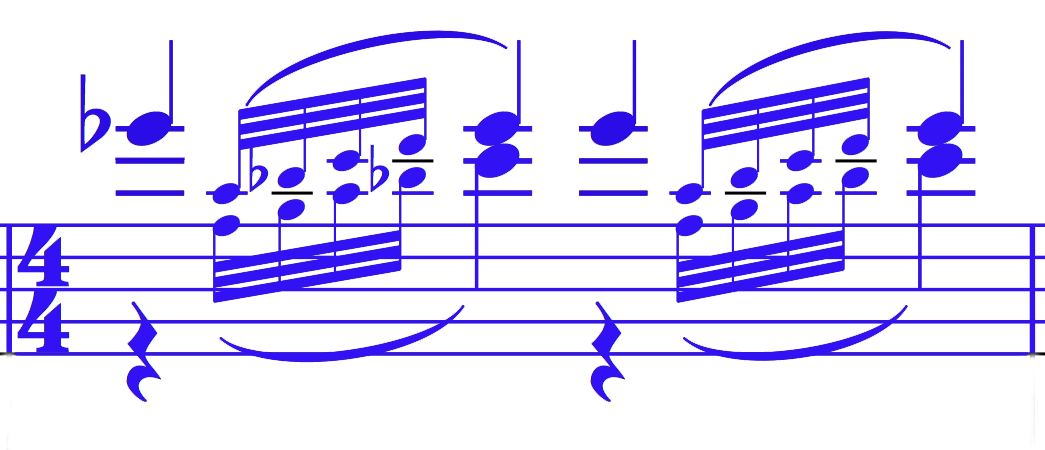
The manuscript of Beethoven’s Piano Sonata No. 28

Throughout her career, violinist and composer Nancy McFarland Gaub has performed as a soloist, chamber and orchestral musician in the U.S., Europe and Africa. She also was an artist-in-residence and taught violin and chamber music at Grinnell College for 25 years.

Composed in 1816, Beethoven’s Piano Sonata No. 28 is considered the beginning of his third and final period of composition. The composer himself called the sonata “a series of impressions and reveries.” When he wrote the sonata he was almost totally deaf, only able to communicate with friends through the notebooks that he kept for the remainder of his life. This isolation may be the reason that, like the other late sonatas, No. 28 creates a sense of intimacy.

Franck wrote his Violin Sonata in 1886 as a wedding gift for the violinist Eugène Ysaÿe. The public premiere of the sonata, given by Ysaÿe with the pianist Marie-Léontine Bordes-Pène has become something of a legend. It was the last piece on a long program given at the Museum of Modern Painting in Brussels. By the time the performers started the Sonata, it was already dusk, but the museum did not allow artificial light. Ysaÿe and Bordes-Pène had to complete the performance from memory in the darkened room. 

From that auspicious beginning, the Sonata has become one of the most revered sonatas for violin and piano, and one of Franck’s best known works.

# # # # #

Eugene Gaub, piano, and Nancy McFarland Gaub, violin

  • Beethoven: Piano Sonata No. 28 in A major, op. 101
  • César Franck: Sonata in A major for violin and piano

7 p.m. Friday, Oct. 18
Chapel Hall, The Academy University Hill, Boulder

Free; RSVP HERE

# # # # #
The Boulder Bach Festival will present its COmpass REsonance (CORE) ensemble and guest artists in a program of music by relatively little known Baroque composers Saturday at the Dairy Arts Center (4 p.m. Oct. 19 in the Gordon Gamm Theater; details below).

Featured artists will be the festival’s director, violinist Zachary Carrettin and 10-string guitarist Keith Barnhart, a member of the CORE ensemble. They will be joined by Chris Holman, harpsichord; Joseph Howe, cello; and guest artist soprano Mara Riley.

With little known composers, the program provides an opportunity to explore an intriguing and idiosyncratic segment of music history. The performers will play and sing music of the early Baroque period, in a style known as the stile moderno (modern style) that represented a striking departure from the music of the late Renaissance. 

Many of the composers included on the program were themselves virtuoso performers, and their works expanded the possibilities of both instrumental and vocal music. The composers on the program are Alessandro Stradella, Nicola Matteis, Marco Uccellini, Johann Heinrich Schmelzer, Giuseppi Maria Jacchini, Silvia Leopold Weiss and Tarquinio Merula.

# # # # #

“Passion and Poetry“
Boulder Bach Festival CORE Ensemble, Zachary Carrettin, music director/violinist
With Keith Barnhart, 10-string guitar; Chris Holman, harpsichord; Joseph Howe, cello; and Mara Riley, soprano

  • Works by Alessandro Stradella, Nicola Matteis, Marco Uccellini, Johann Heinrich Schmelzer, Giuseppi Maria Jacchini, Silvia’s Leopold Weiss and Tarquinio Merula

4 p.m. Saturday, October 19
Gordon Gamm Theater, Dairy Arts Center

TICKETS

# # # # #

Boulder Chamber Orchestra’s Mini-Chamber I, their first concert of chamber music for the 2024–25 season, will feature music by Beethoven, British composer Frank Bridge, and French composer Lili Boulanger Saturday (7:30 p.m. Oct. 19 at the Boulder Adventist Church; details below).

The program is the first in a series of four Mini-Chamber performances that will be presented by the Boulder Chamber Orchestra (BCO). Three of the performances, including Oct. 19, will feature the BCO’s artist in residence for the current season, pianist Jennifer Hayghe. For the first program she will be joined by orchestra members Sarah Whitnah, violin, and Andrew Brown, cello, for a program of music for piano trio. 

English composer Frank Bridge is remembered today mostly as the teacher of Benjamin Britten, who honored the older composer with his “Variations on a Theme of Frank Bridge” for strings. Bridge wrote three sets of miniatures for piano trio, from which Hayghe has chosen four pieces for this program. They were written for one of Bridge’s violin students, but critics have suggested that they are too sophisticated to be considered “student works.” 

The younger sister of the music teacher Nadia Boulanger, Lili died at the tragically young age of 24. The first female winner of the Prix de Rome composition prize, Lili showed precocious musical talent as young as four, when she accompanied her older sister to classes at the Paris Conservatoire. Her music has recently become better known.
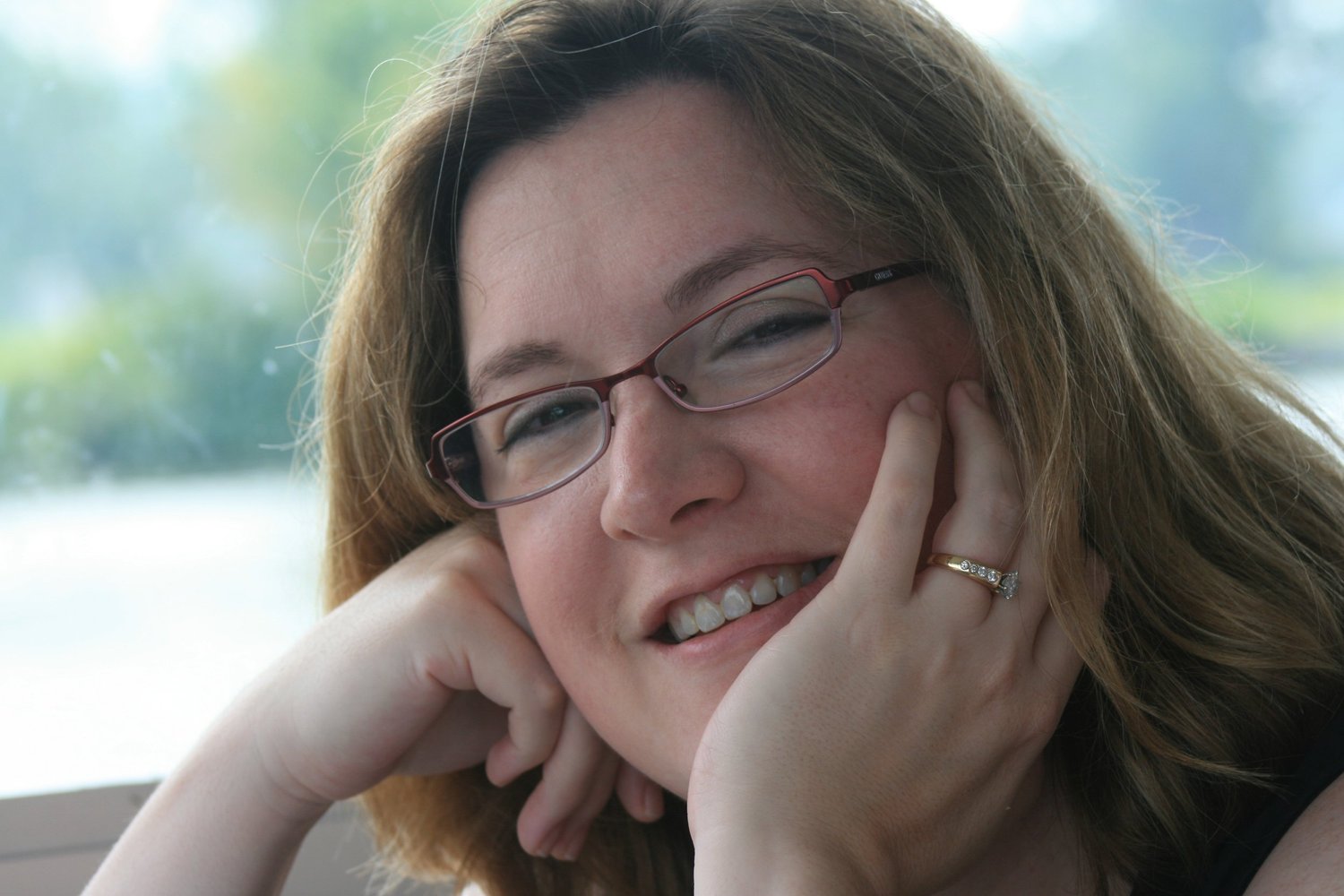
Jennifer Hayghe

Written in 1918, D’un matin de printemps (Of a spring morning) was one of the last works she completed. It was written in versions for solo violin, flute, and piano, for piano trio, and for orchestra. 

One of the most tuneful and frequently performed of Beethoven’s works, the Piano Trio Op. 97 is known as the “Archduke Trio.” It was dedicated to Archduke Rudolph of Austria, later the Archbishop of Olomouc (Olmütz) and a Catholic Cardinal. An amateur pianist, Rudolph was a patron and composition student of Beethoven, who dedicated several major works to him, including his Piano Concerto No. 5 (“Emperor”) and the Missa Solemnis.

The Trio was composed 1810–11, toward the end of Beethoven’s so-called “heroic” middle period of compositions. Written at a time when the composer was in unusually good spirits, the Trio has none of the angst or fierce drive of his Fifth Symphony and other music we associate with the more rebellious aspect of his character. It is composed in a traditional but expansive four-movement sonata form.

# # # # #

Mini-Chamber I
Jennifer Hayghe, piano, with members of the BCO

  • Frank Bridge: Miniatures for Piano Trio, Nos. III–IV–V–VIII
  • Lili Boulanger: D’un matin de printemps (Of a spring morning)
  • Beethoven: Piano Trio in B-flat major, op. 97 (“Archduke”)

7:30 p.m. Saturday, Oct. 19
Boulder Adventist Church
TICKETS

Grace Notes: Chamber Music in Boulder, Tchaikovsky in Boulder and Longmont

Piano trios, Tchaikovsky 5 and two Romantic piano concertos on programs

By Peter Alexander Feb. 13 at 2:38 p.m.

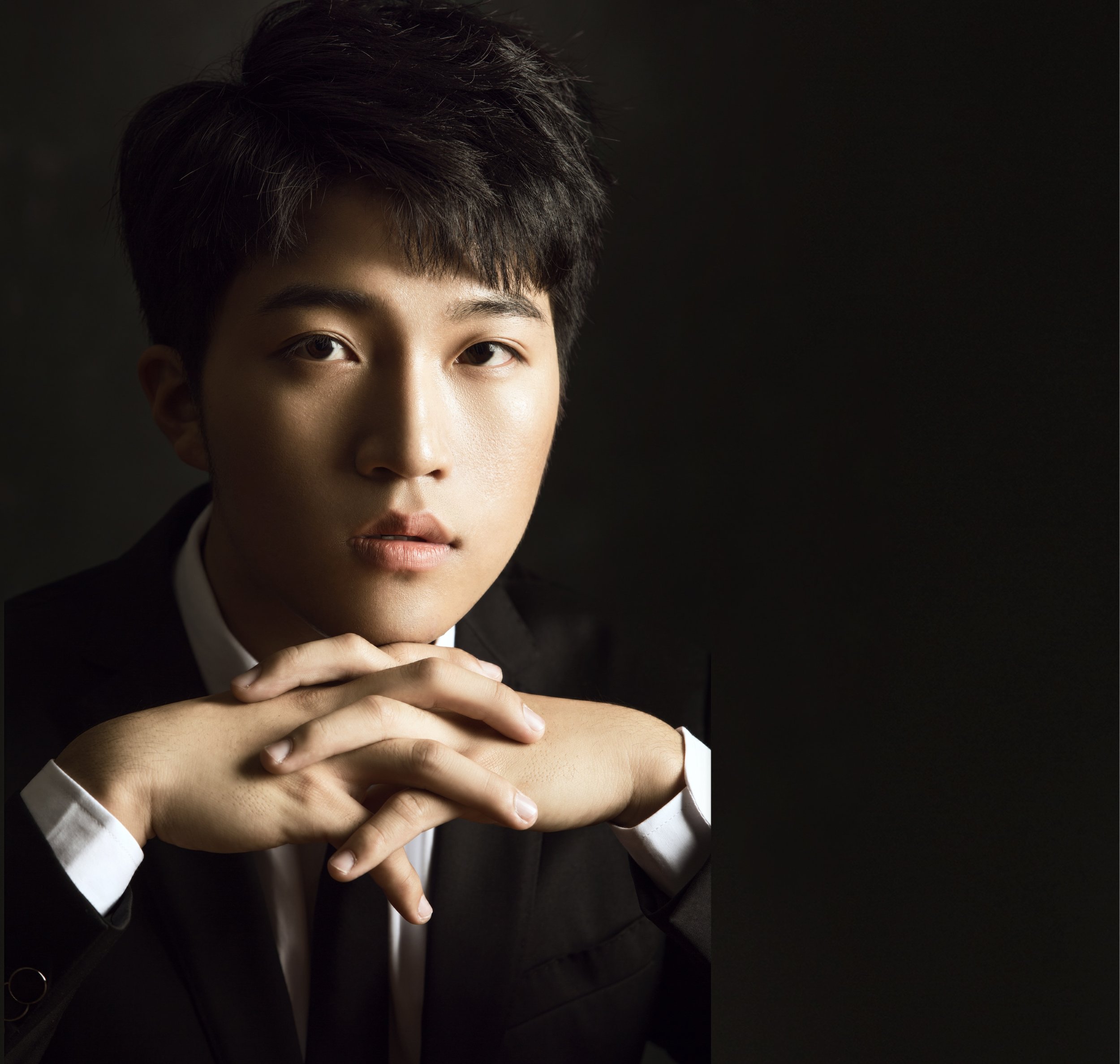
The Boulder Symphony will be the first of two area orchestras to perform Tchaikovsky’s Fifth Symphony this weekend, as part of a program Friday and Saturday (Feb. 16 and 17; details below) that also features Rachmaninoff’s Third Piano Concerto played by Chinese pianist Jialin Yao.

The program opens with Conga del Fuego Nuevo (“New fire” conga) by Mexican composer Arturo Marquez. The son of a Mexican mariachi musician, Marquez studied in Mexico and the United States, where he earned an MFA in composition at the California Institute of Fine Arts. A Cuban carnival dance, the conga was the source of the “conga line” made popular in the U.S. by Xavier Cougat and other bandleaders.

Jialin Yao

Currently a student at the Juilliard School of Music, Yao won the 2023 International Keyboard Odyssiad® and Festival Competition. Boulder Symphony’s conductor, Devin Patrick Hughes, was quoted in the concert press release: “Jialin is a rockstar! He plays the Rachmaninoff 3 . . .  with ease, soulfulness, and a virtuosity that rivals any of the great pianists.”

Rachmaninoff wrote his Third Piano Concerto, considered one of the most virtuosic and challenging piano concertos, in 1909 and played the first performance in New York later that year. The initial reception was mixed at best, but Rachmaninoff gave a more successful second performance the following January conducted by Gustav Mahler. Today the concerto is widely accepted as one of the greatest and most demanding works in the piano repertoire. 

The work that audiences can hear twice this weekend, Tchaikovsky’s Fifth Symphony, was composed over the summer of 1888. In spite of powerful emotional currents, the composer did not give the symphony any program or explicit personal meaning. After the first performances, he wrote in a letter “I have come to the conclusion that [the symphony] is a failure. There is something repellent in it . . . which the public instinctively recognizes.”

In spite of that conclusion, the Fifth Symphony has become on of Tchaikovsky’s most performed orchestra works. The coincidence of two performances, by two different orchestras on the front range in a single weekend, is an indication of how successful the symphony has been with both conductors and audiences. 

The Boulder Symphony will also play the Symphony on Sunday as part of its GLOW Project, free concerts designed for people with dementia, neurological and developmental disabilities. That performance will consist of only the symphony, played with no intermission and lasting approximately 45 minutes. 

* * * * *

Boulder Symphony, Devin Patrick Hughes, conductor
With Jialin Yao, piano

  • Arturo Marquez: Conga del Fuego Nuevo (“New fire” conga)
  • Rachmaninoff: Piano Concerto No. 3 in D minor
  • Tchaikovsky: Symphony No. 5 in E minor

7:30 p.m. Friday and Saturday, Feb. 16 and 17
Gordon Gamm Auditorium, Dairy Arts Center

TICKETS

GLOW Concert
Boulder Symphony, Devin Patrick Hughes, conductor

  • Tchaikovsky: Symphony No. 5 in E minor

2 p.m. Sunday, Feb. 18
Gordon Gamm Auditorium, Dairy Arts Center

REGISTRATION

* * * * *

The weekend’s second performance of Tchaikovsky’s Fifth Symphony will be provided by the Longmont Symphony (LSO)and conductor Elliot Moore (7 p.m. Saturday, Feb. 17; details below).

The program, which includes Tchaikovsky’s Fantasy Overture Romeo and Juliet and the Piano Concerto No. 1 in B-flat minor played by Marika Bournaki, is billed as “Portrait of a Composer.” This is an annual series for the LSO and Moore, providing an opportunity to focus on the life and works of a single composer who is part of the orchestral tradition.

Marika Bournaki

Bournaki teaches piano as a faculty member of Shenandoah University in Winchester, Va. She was born in Montreal—leading to her being dubbed “the Celine Dion of classical”—and received bachelor’s and master’s degrees from the Juilliard School of Music. She was the subject of an award-winning documentary film, “I Am Not a Rockstar,” that covered her musical studies, staring when she was 12 and first took lessons at Juilliard, through the age of 20.

She has performed extensively with regional orchestras in the United States and Canada as well as in Switzerland, Russia and Romania. She is also an active chamber musician who has performed at Bargemusic in Brooklyn and the Cape Cod music festival, among other venues. Her educational activities have included programs that bring music to underserved populations in Canada.

Tchaikovsky’s First Piano Concerto had its premiere in 1875 in Boston played by Hans von Bülow. Nikolai Rubinstein, for whom it had been written, was first critical of the piece leading to the first performance being given outside of Russia. Rubinstein later changed his mind about the concerto, and performed it widely. 

Today it is one of the most popular piano concertos. In addition to frequent appearances on orchestral programs, it was used as the sporting anthem for the Russian Olympic Committee at the Beijing Winter Olympics in 2022, during the time that Russian athletes were banned from appearing under the Russian national flag. American pianist Van Cliburn famously won the 1958 Tchaikovsky Competition in Moscow playing the concerto.

Almost as popular as the Piano Concerto, Tchaikovsky’s Romeo and Juliet is one of several works by the composer inspired by Shakespeare. After a stormy beginning, the music breaks into a soaring love theme that has been used in films and television, from The Three Musketeers to SpongeBob SquarePants

The concert concludes with the Fifth Symphony, one of four by two different organizations over the weekend—yet another testament to Tchaikovsky’s place in the orchestral repertoire and in the hearts of audiences.

* * * * *

Tchaikovsky: A Portrait
Longmont Symphony Orchestra, Elliot Moore, conductor
With Marika Bournaki, piano

  • Tchaikovsky: Romeo and Juliet Fantasy-Overture
    Piano Concerto No. 1 in B-flat minor
    —Symphony No. 5 in E minor

7 p.m. Saturday, Feb. 17
Vance Brand Civic Auditorium

TICKETS

* * * * *

The Boulder Chamber Orchestra (BCO) will present their current artist-in-residence, pianist Hsing-Ay Hsu, in a program of piano trios, played with members of the orchestra.

The concert, Saturday at 7:30 p.m. (Feb. 17; details below), is the third in the BCO’s series of mini-chamber concerts of the 2023–24 concert season. The fourth mini-chamber concert, featuring works including trios for clarinet, cello and piano, will be at 7:30 pm. April 6. (See the BCO Web Page for details.)

Hsing-Ay Hsu

Born in China, Hsu has studied at Juilliard, the Yale School of Music, the Ravinia Steans Music Institute, and the Aspen and Tanglewood festivals. A Steinway artist, she won the silver medal of the William Kapell International Piano Competition and first prize of the Ima Hogg National Competition, as well as several artist grants and fellowships. She taught at the CU College of Music, where she was artistic director of the Pendulum New Music Series.

The piano trio emerged as a distinct genre out of domestic music-making in the early classical era, when it was known as an “accompanied piano sonata.” Originally, the piano part was written for women, who were thought to have time for practice, with men—who were not expected to master instruments—playing violin and cello parts to reinforce the melody and bass line of the piano part. 

It was Mozart who first created piano trios with three equal parts, starting around 1780, followed by Beethoven. By the time that Brahms wrote his second and third piano trios, in the late 19th century, it had become a recognized chamber music genre.

* * * * *

Mini-Chamber Concert 3: Triptych of Trios
Hsing-Ay Hsu, piano, and members of the BCO

  • J.S. Bach: Trio Sonata in G major, S1039 (arr. from trio sonata for two flutes and continuo)
  • Mozart: Piano Trio in G major, K564
  • Brahms: Piano Trio No. 3 in C minor, op. 101

7:30 p.m. Saturday, Feb. 17
Boulder Seventh-Day Adventist Church, 345 Mapleton Avenue

TICKETS

NOTE: Corrections were made on Feb. 13, clarifying details of the performances and correcting typos in the original story.

Boulder Bach Festival presents new music from Iceland Saturday 

Mystery Sonata, the duo of Mina Gajić, piano, and Zachary Carrettin, violin, will perform

By Peter Alexander Feb. 5 at 6 p.m.

The duo Mystery Sonata, comprising pianist Mina Gajić and violinist Zachary Carrettin, will present a program of new music from Iceland at the Gordon Game Theater Saturday (4 p.m. Feb. 10, Dairy Arts Center).

Mystery Sonata: Mina Gajić and Zachary Carrettin

The program carries the title “Aequora,” a Latin word meaning the calm, even surface of the sea. As executive director and music director respectively of the Boulder Bach Festival, Gajić and Carrettin often perform together on the festival’s concert series. In this case they are playing works from a niche of the contemporary repertoire that is little known in the United States, including works that were specifically written for them. 

Composers on the program are Anna Thorvaldsdóttir, Páll Ragnar Pálsson, Daníel Bjarnason and María Huld Markan Sigfúsdóttir. All are living composers in their 40s who began their music studies in their native Iceland but have gone on to carve out international careers in music. Thorvaldsdóttir had graduate studies in the United States at  the University of California, San Diego, and won the 2012 Nordic Council Music Prize.

Bjarnason has a relationship with the Los Angeles Philharmonic, who have commissioned and premiered several of his works. Conductors who have performed his orchestral works include Gustavo Dudamel, John Adams and James Conlon. 

The youngest of the four composers, Sigfúsdóttir has worked as a violinist in a string quartet, as a member of the Icelandic band Amiina, with pop artists including Sigur Rós and Lee Hazelwood, and on film soundtracks. The title of the program derives from her work for orchestra,  Aequora. 

# # # # #

“Aequora”
Mystery Sonata: Mina Gajić, piano, and Zachary Carrettin, violin

  • Music by Anna Thorvaldsdóttir, Páll Ragnar Pálsson, Daníel Bjarnason and María Huld Markan Sigfúsdóttir

4 p.m. Saturday, Feb. 10
Gordon Gamm Theater, Dairy Arts Center

TICKETS