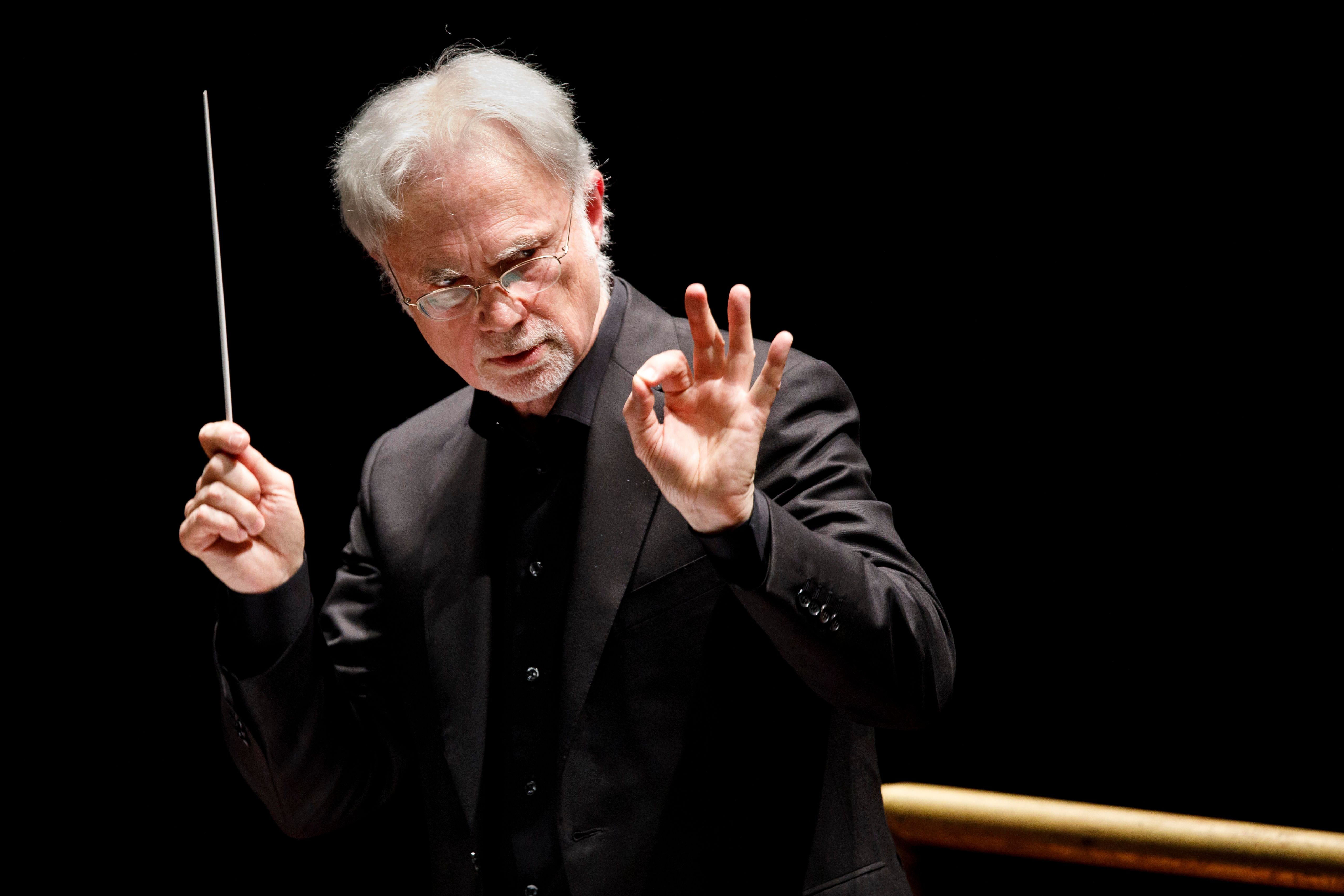
Colorado Music Festival continues July 23 to August 4

Guest soloists and a Mahler symphony bring 2024 festival to a close

By Peter Alexander July 18 at 3:20 p.m.

The remaining two weeks of the Colorado Music Festival (CMF) will see a series of guest artists—soloists, conductors and chamber musicians—and culminate with a Mahler symphony.
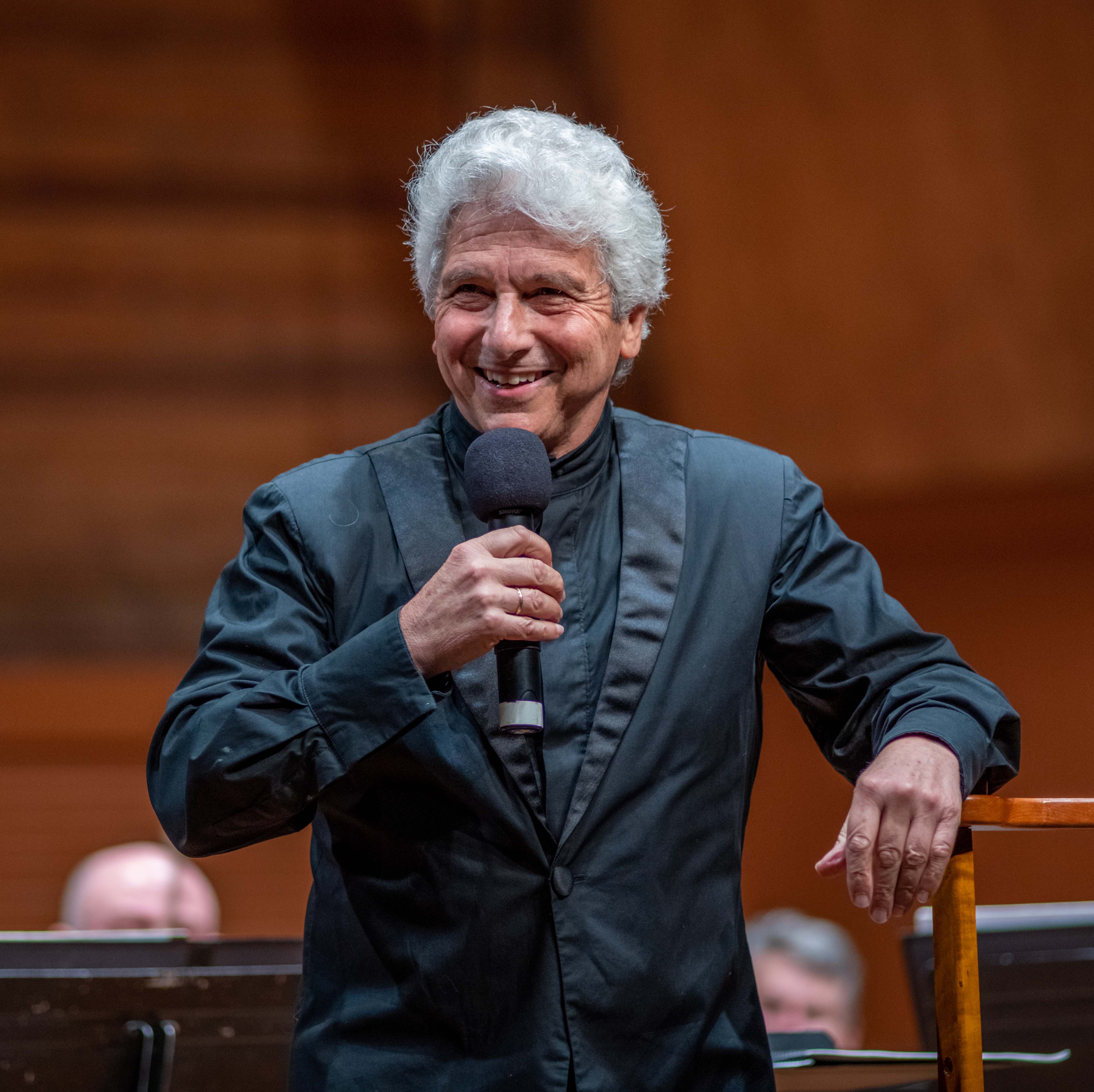
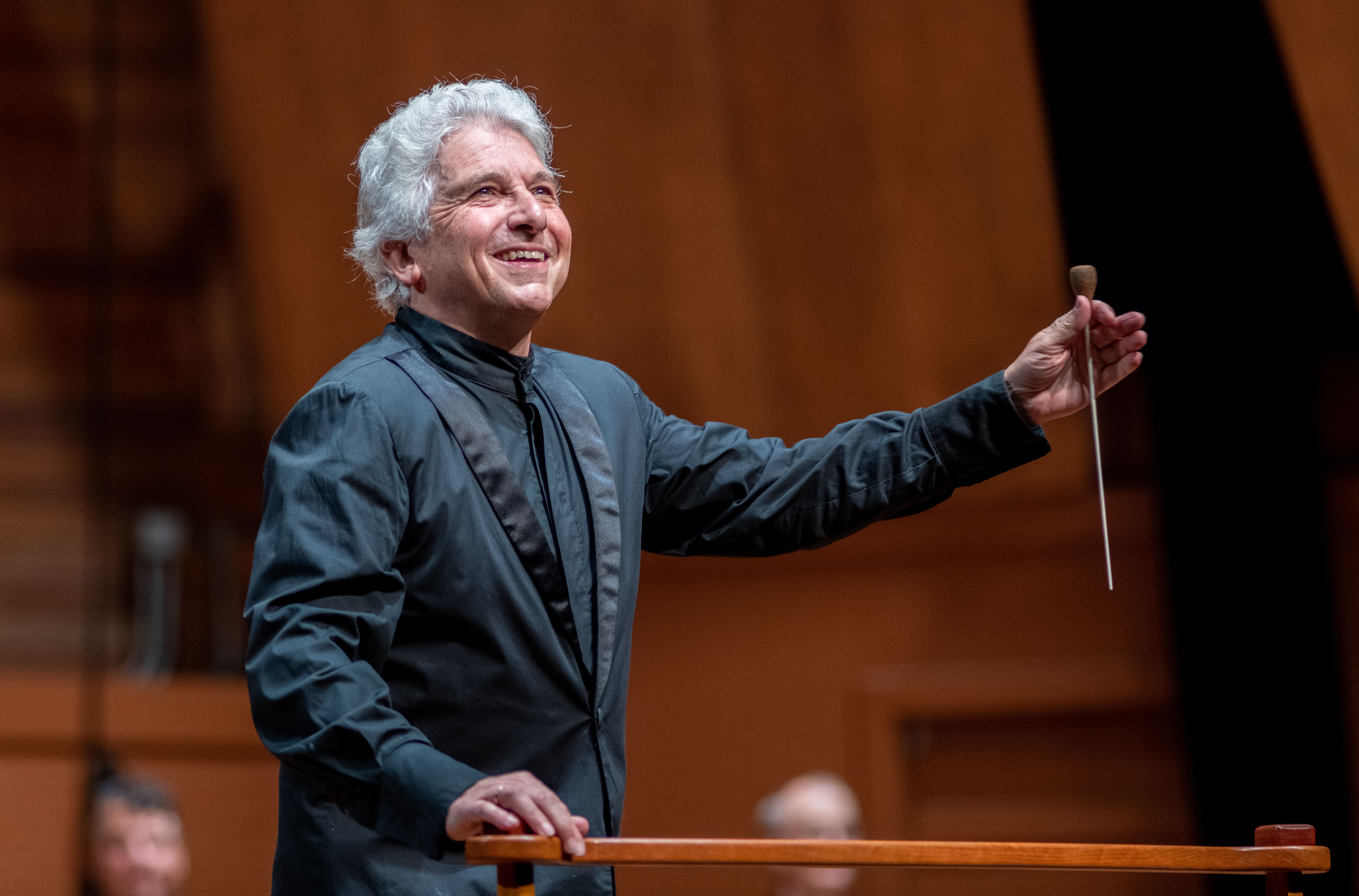
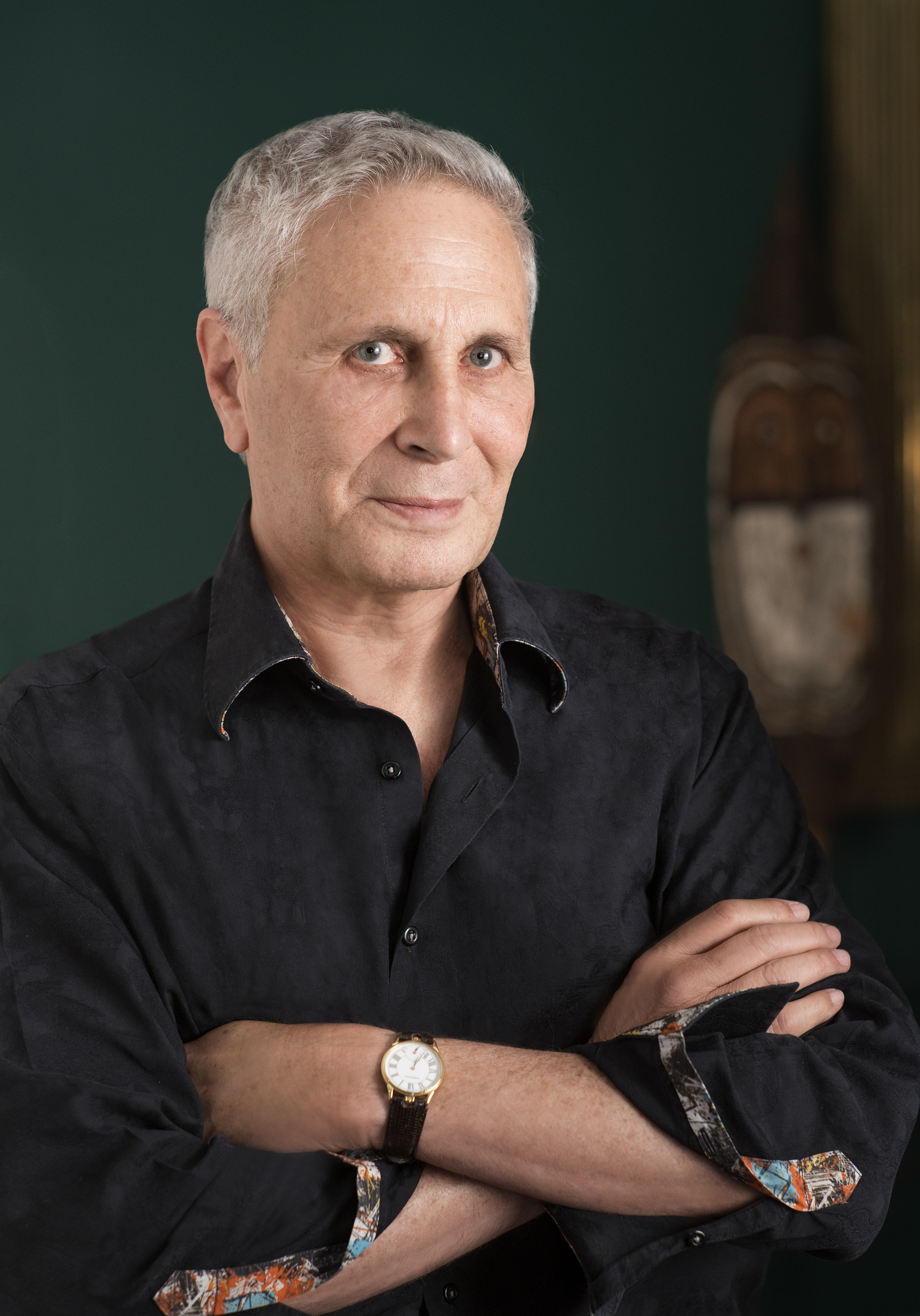
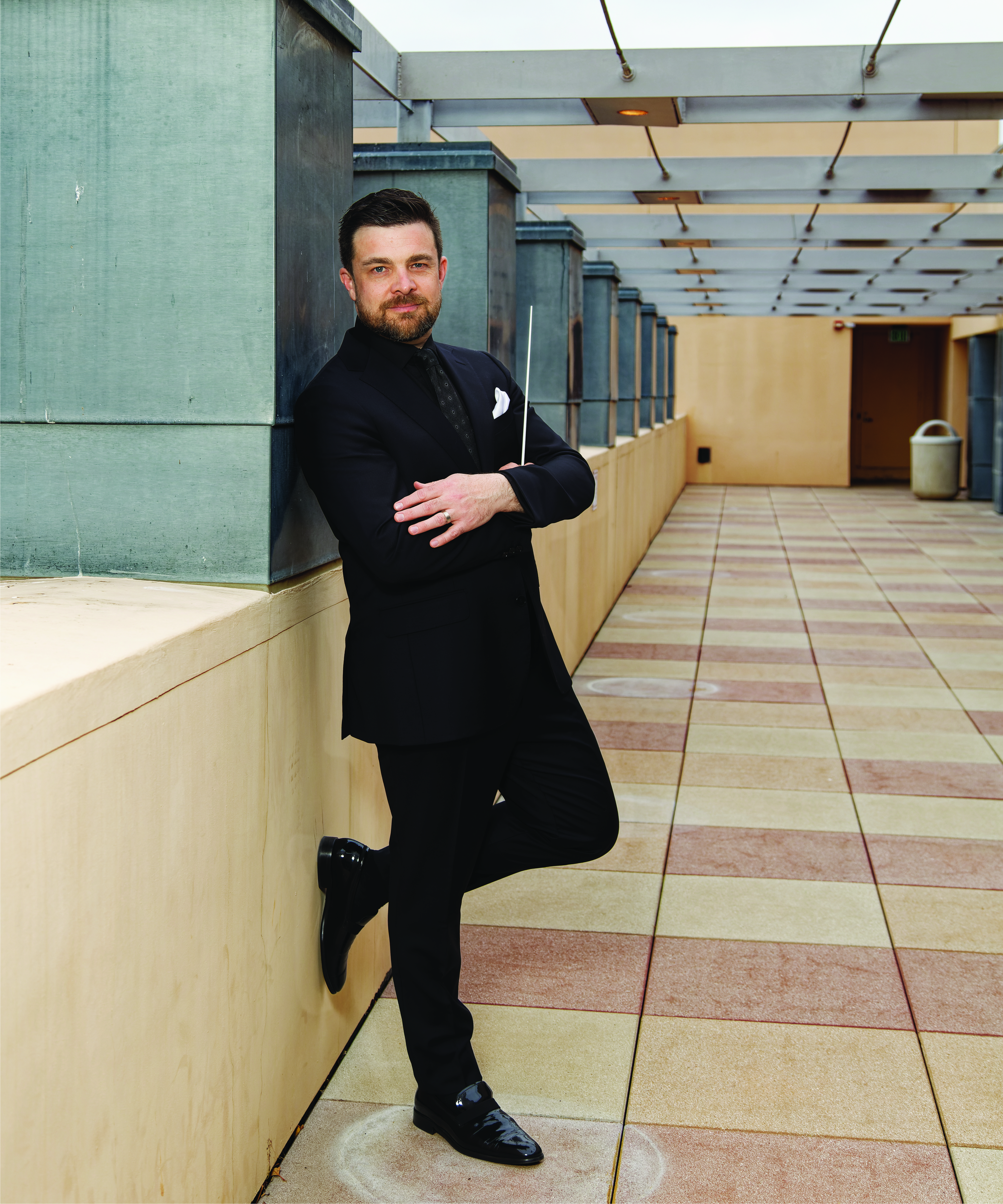
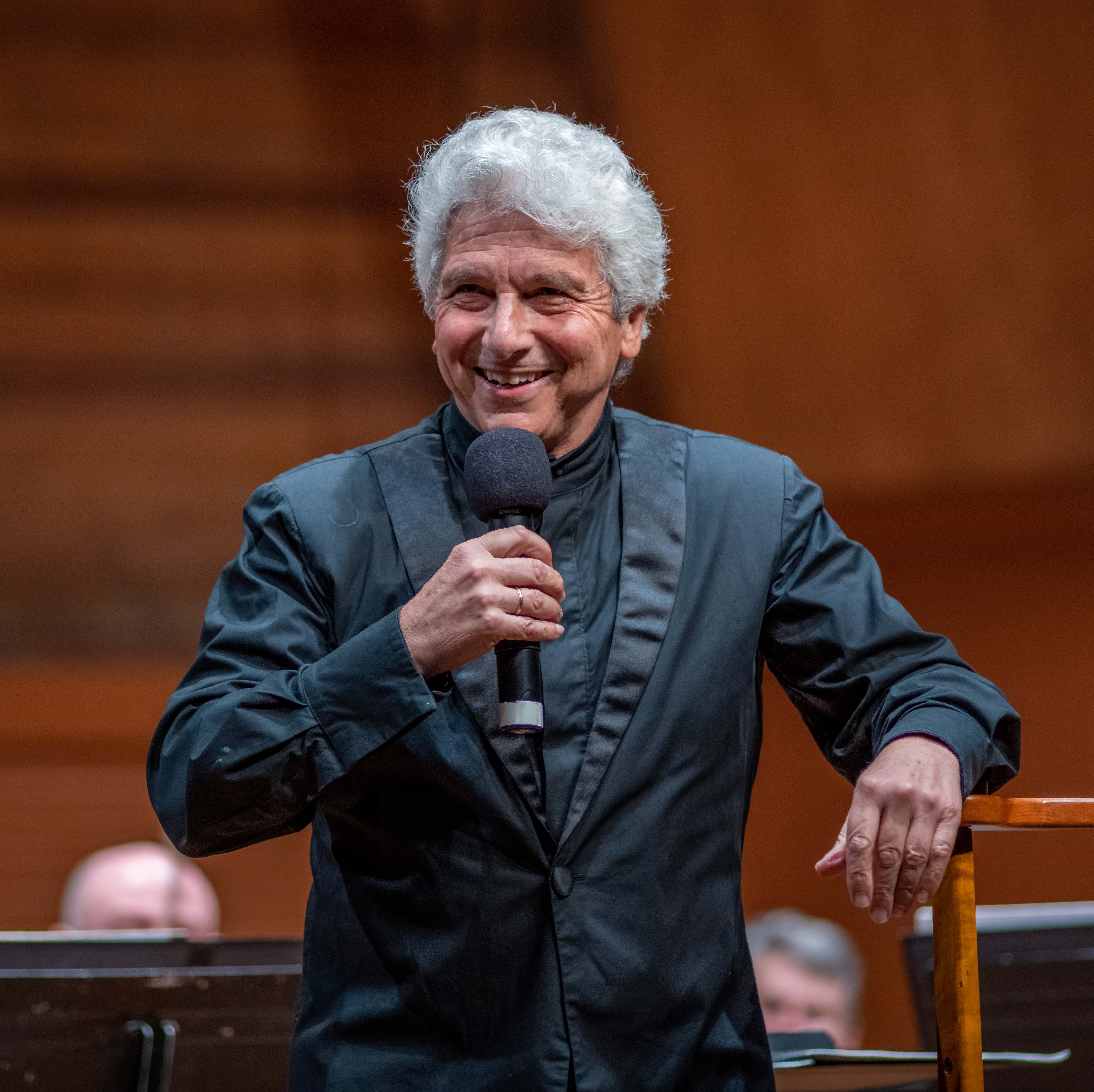
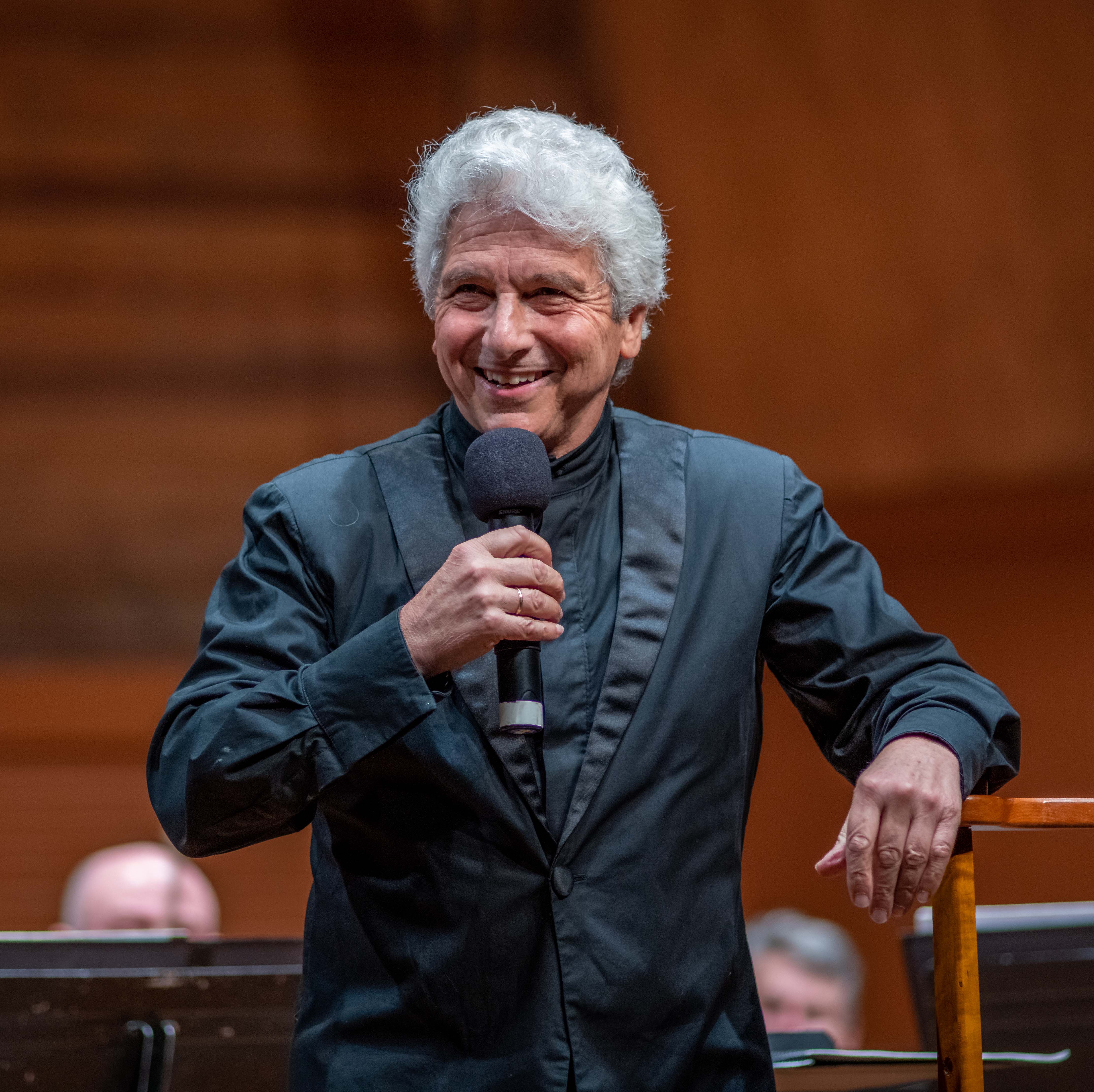
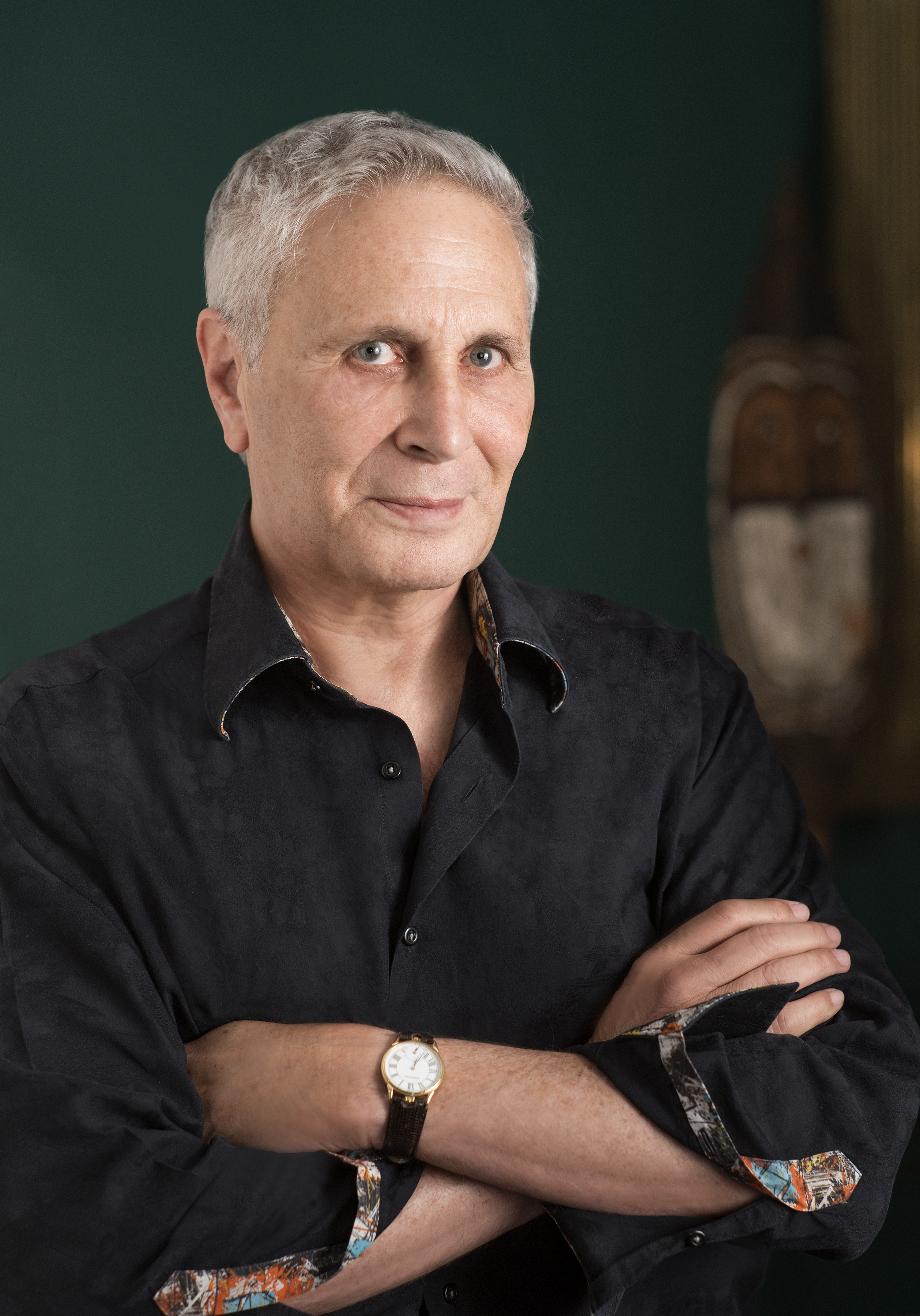
Peter Oundjian, artistic director of the Colorado Music Festival. Photo by Geremy Kornreich.

Ending the summer with Mahler has become a tradition at CMF. “It’s quite conscious,” artistic director and conductor Peter Oundjian says. “We did the Third (Symphony), we did the Fifth. The season of ’21 we ended with Beethoven, because couldn’t have a Mahler symphony”—due to onstage seating restrictions during COVID—but otherwise, Oundjian has made Mahler the preferred festival finale.

Before the season-ending concert Aug. 4, CMF still has intriguing programs of both orchestral and chamber music. Next Tuesday (7:30 p.m. July 23; full programs listed below), the Robert Mann Chamber Music Series continues with a concert by members of the Festival Orchestra. The program will include one of the most loved pieces by Mendelssohn, his String Octet in E-flat, written when the composer was only 16.

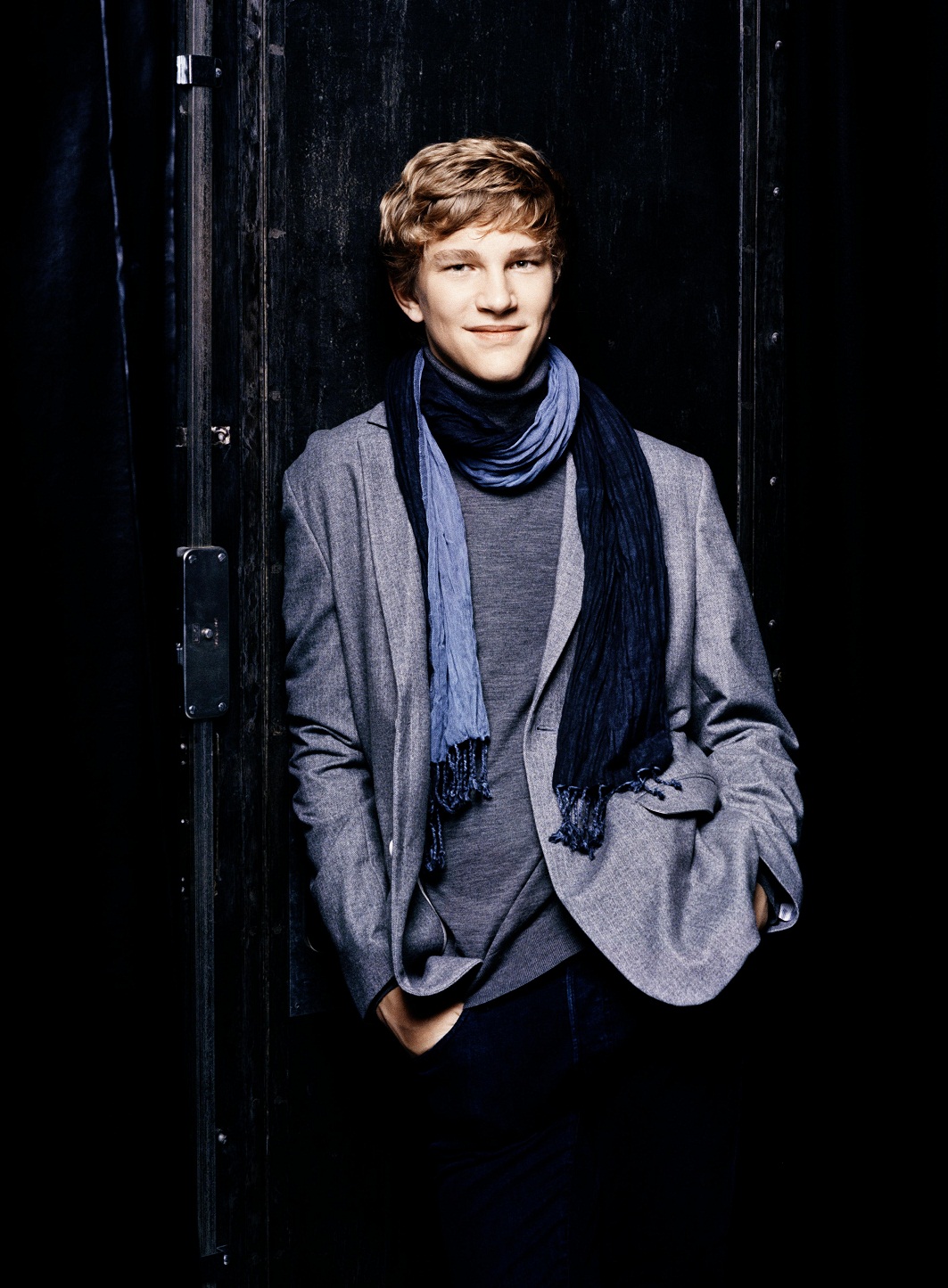
Danish String Quartet. Photo by Caroline Bittencourt.

One week later on July 30, the guest chamber group the Danish String Quartet closes the chamber music series with a diverse program of pieces and movements both familiar and unfamiliar. The Danish Quartet, known for creative programming, was originally scheduled in 2021, but due to COVID restrictions had to wait for the 2022 festival.

This summer’s program opens with the minuet from Joseph Haydn’s late quartet Op. 77 no. 2, followed by Three Pieces for String Quartet by Stravinsky and Three Melodies by the 17th-century blind Celtic harpist Turlough O’Carolan. An early divertimento by Mozart and the Third String Quartet by Shostakovich complete the program.
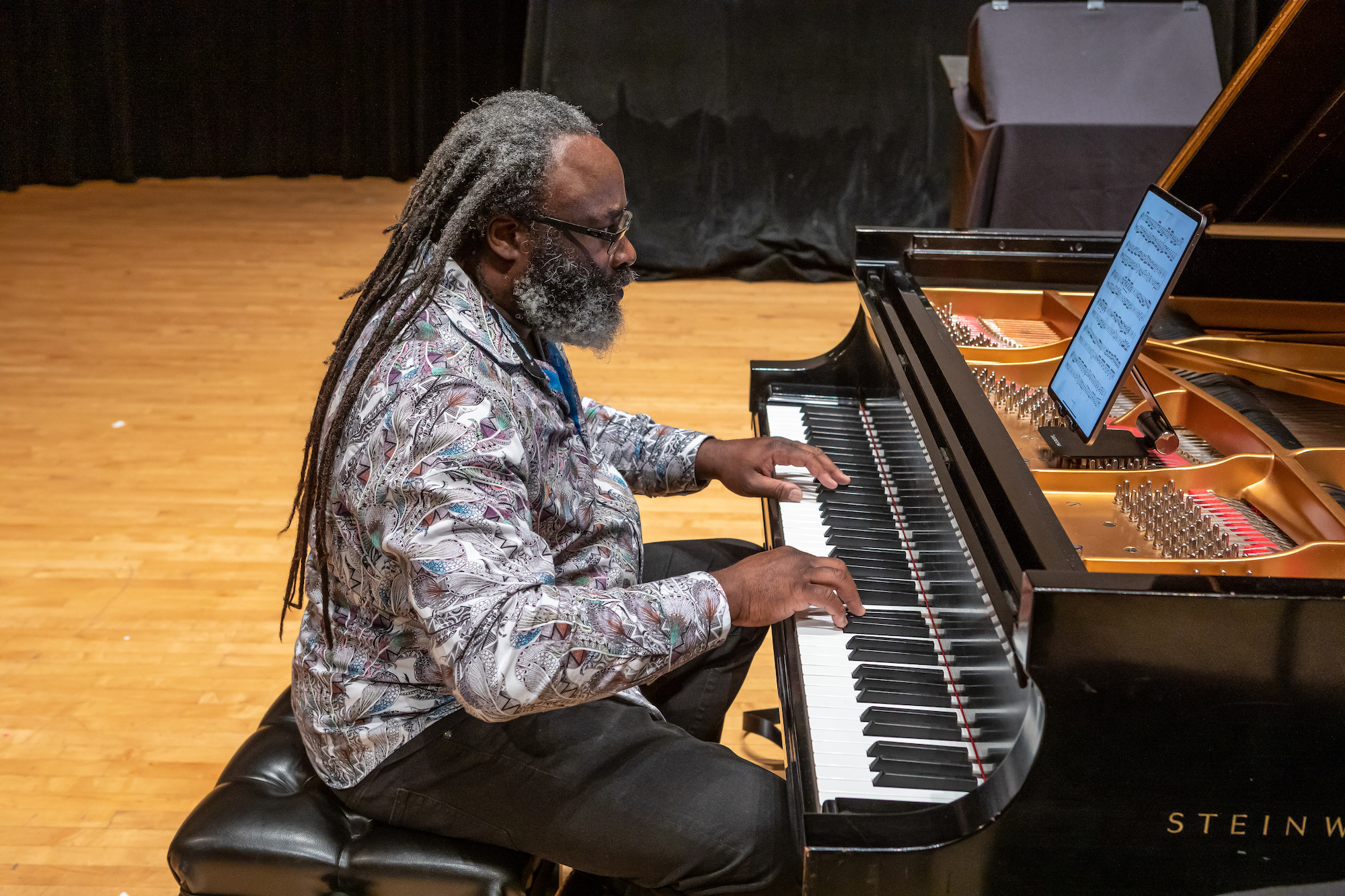
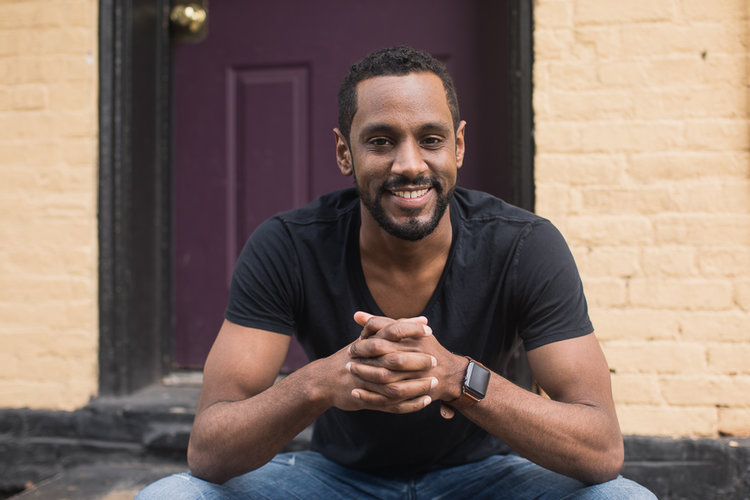
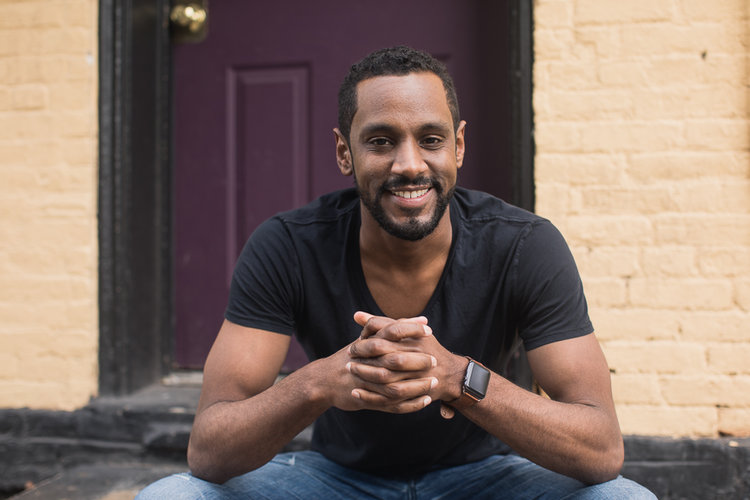
Awadagin Pratt

Pianist Awadagin Pratt will be the guest soloist for the Festival Orchestra concerts July 25 and 26. The first African-American pianist to win the Naumburg International Piano Competition, Pratt has had a protean career, performing with most major American orchestras, appearing on six continents, at the White House by invitation from presidents Clinton and Obama, and on Sesame Street.

Described in the Washington Post as “one of the great and distinctive pianists of our time,” Pratt is known for highly individual artistry and concert dress. A pianist of prodigious technique, he plays a wide ranging repertoire. For his appearance with Oundjian and the Festival Orchestra, Pratt will play a Keyboard Concerto by J.S. Bach and Rounds for piano and string orchestra by Jessie Montgomery. The program will also feature a staple of the large orchestra repertoire, Rimsky-Korsakov’s Scheherazade.
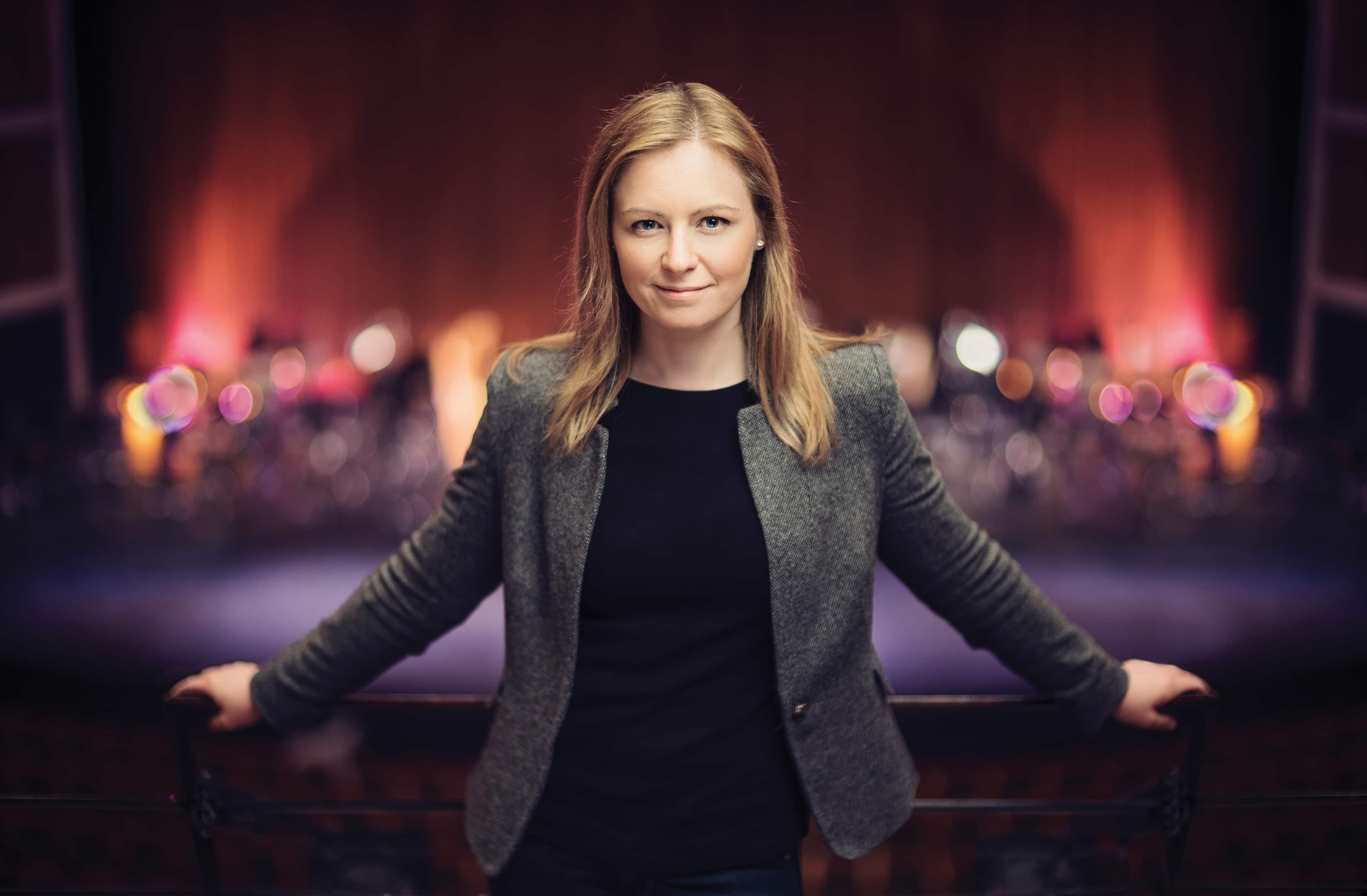
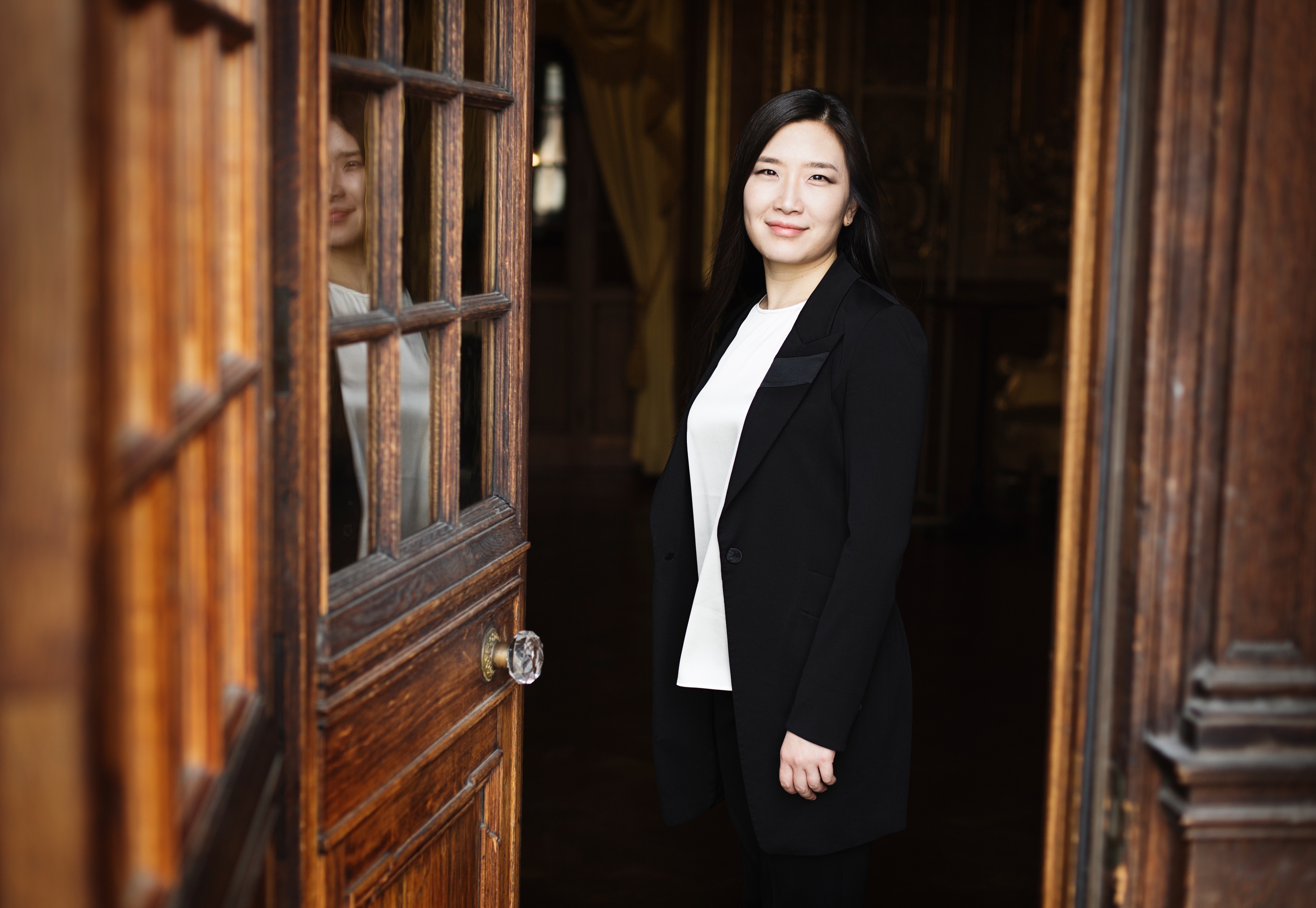
Gemma New. Photo by Anthony Chang.

Two guest artists and a guest conductor will be featured on the Chamber Orchestra concert July 28. Conductor Gemma New, hailed as “one of the brightest rising stars in the conducting firmament” by the St. Louis Post Dispatch, is a native of New Zealand where she leads the New Zealand Symphony. She comes to Colorado on her way to conduct the BBC Proms in London Aug. 16.

The program will feature the piano duo of Christina and Michelle Naughton as guest soloists, performing Mozart’s Concerto in E-flat Major for Two Pianos, K365. Other works on the all-Mozart program are Eine kleine Nachtmusik and the “Haffner” Symphony, No. 35 in D major.

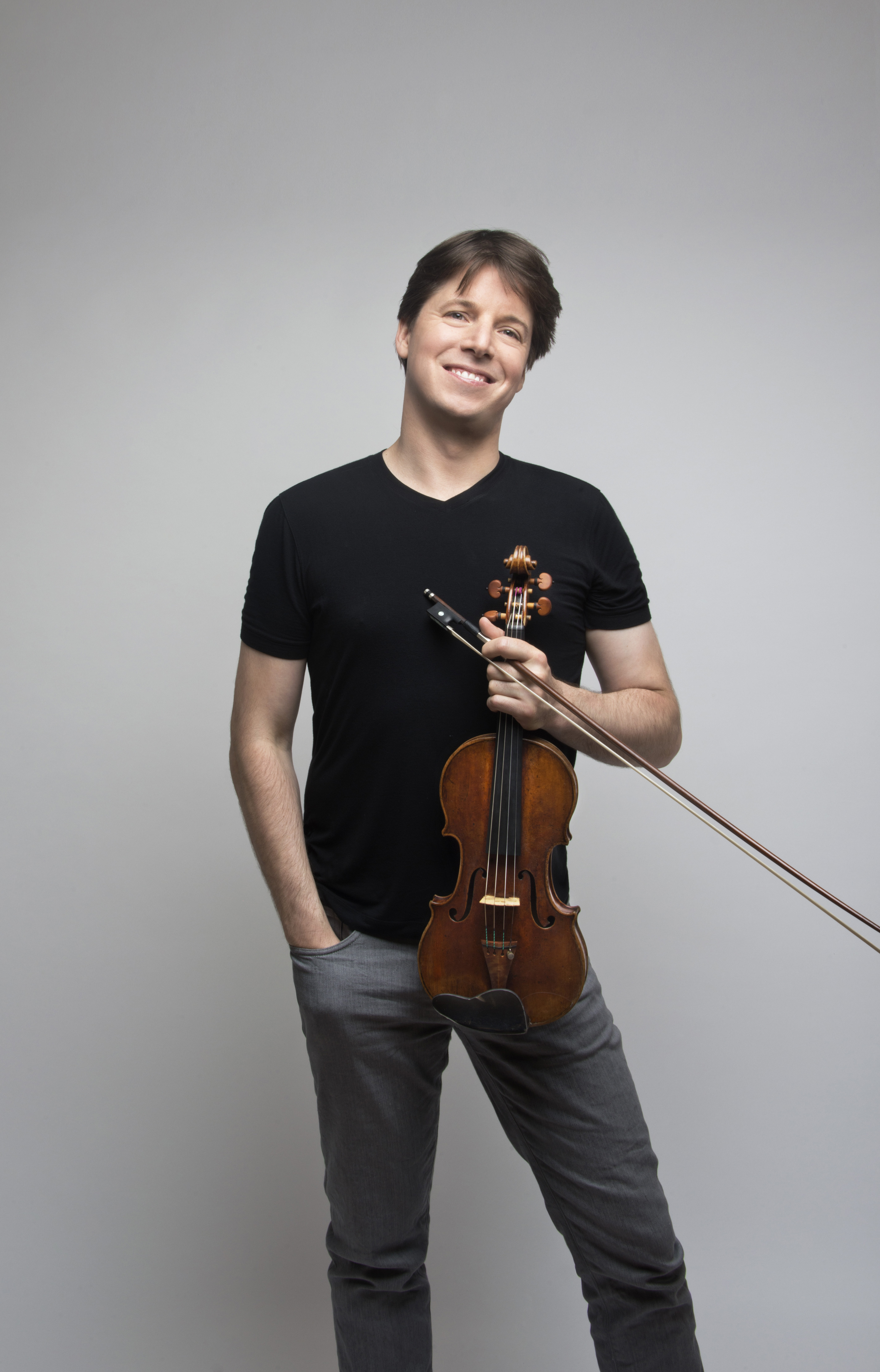
The next Festival Orchestra concert brings another outstanding soloist to Chautauqua: violinist Augustin Hadelich, who has become a CMF favorite since his first appearance at the festival in 2018. He appeared from Oundjian’s home by live stream during the COVID-canceled 2020 season, and returned as artist-in-residence in 2021.

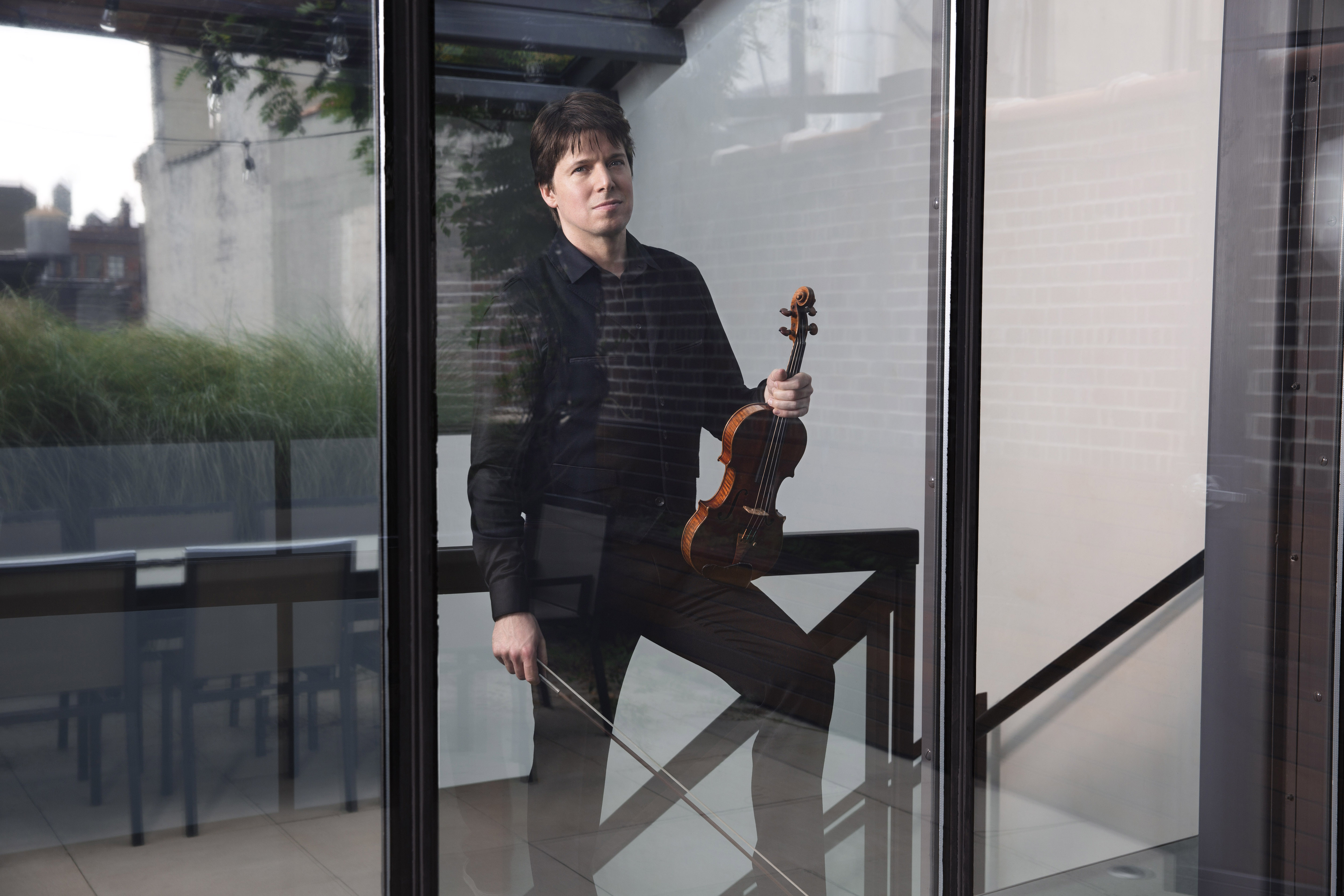
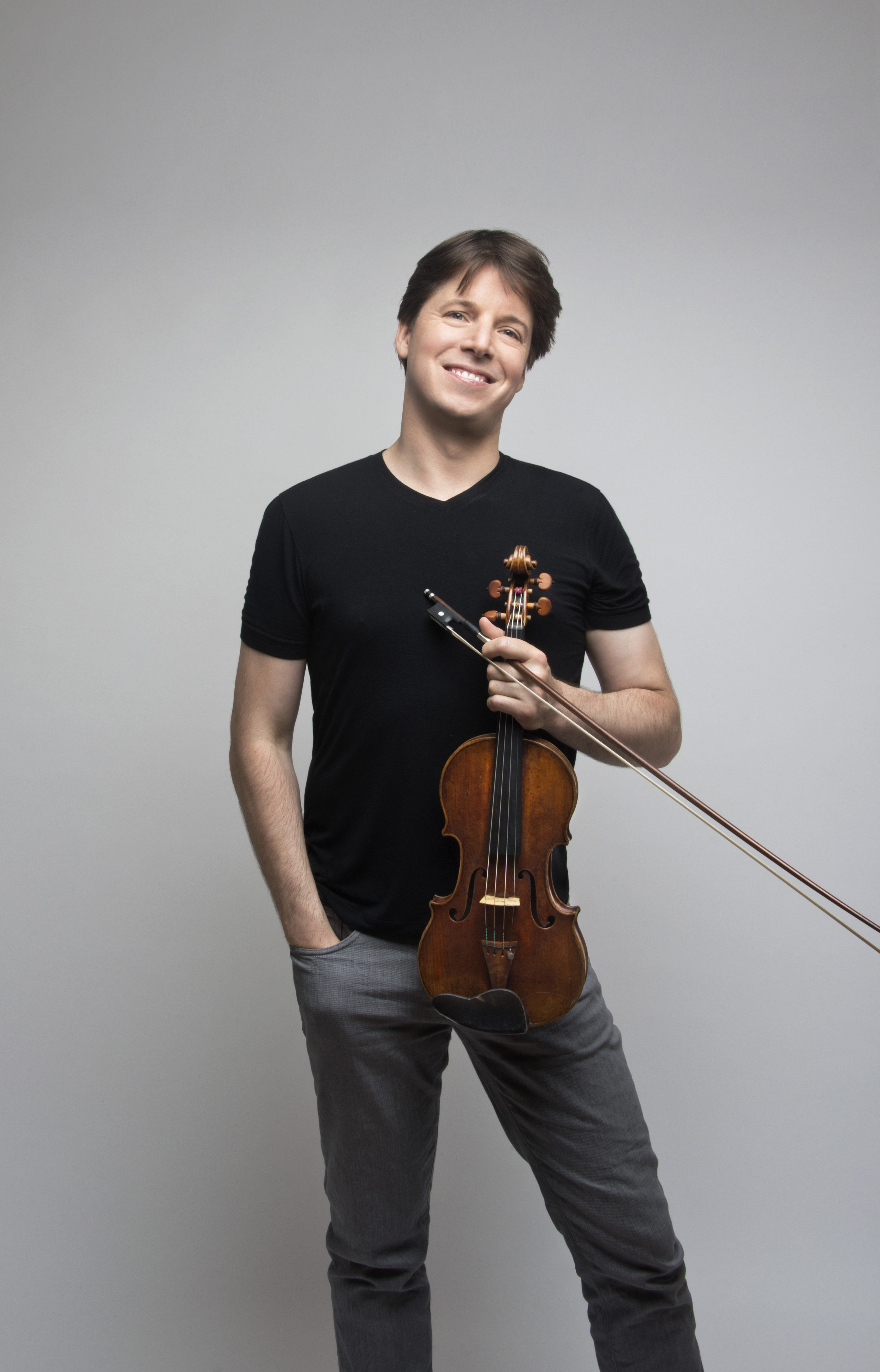
Augustin Hadelich. Photo by Suxiao Yang.

This season he will play the Tchaikovsky Violin Concerto (Aug. 1 and 2) on a program that also includes Two Mountain Scenes by Kevin Puts and Dvořák’s Symphony No. 7 in D minor. The latter, Oundjian says, “is for a lot of people Dvořák’s true masterpiece.

“Obviously the Ninth Symphony (the ‘New World’) is fantastic and the Eighth is so exquisitely beautiful, but Seven is the piece that made him famous. The premiere in London (1885) was kind of an epic moment for him. I have conducted it in a lot of different places, and orchestras love to play it. They know how magnificent it is.”

Puts’s Two Mountain Scenes was commissioned by the New  York Philharmonic and Bravo Vail! “It’s a real showpiece for orchestra, quite original but not forbidding,” Oundjian says. “You’d think living in Colorado it would be performed more often. It’s a wonderful piece!”

The final concert of the 2024 festival, Sunday, Aug 6, features the final guest artist, soprano Karina Gauvin.  A Canadian soprano who has performed with orchestras from San Francisco to Rotterdam, she will sing Ravel’s Shéhérazade and the final movement of the festival-closing Fourth Symphony of Mahler. And in another form of delight, the concert will open with Johann Strauss Jr.s spirited Overture to Die Fledermaus.
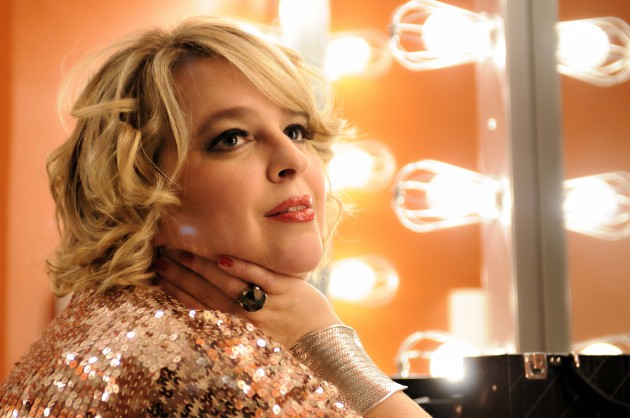
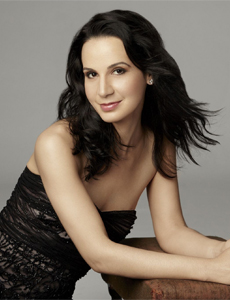
Karina Gauvin. Photo by Michael Slobodian.

Following the pattern of ending the festival with Mahler, it was the Fourth that  generated the rest of the program. Oundjian says that work “is in some ways the most fascinating narrative of all (of Mahler’s) symphonies. It’s like poetry. It also has a chamber quality that is very different from all the other Mahler symphonies.

“There’s something both playful and heavenly about the first movement, and something devilish about the second movement, with its falsely tuned violin that represents the devil. And typical of Mahler scherzo movements, where you have trio sections that are very beautiful and elegant. And then a slow movement, you think, ‘OK, this is the most beautiful music that’s ever been written’!”

The finale the gives the whole symphony the character of childish delight. A setting of a poem describing life in heaven, with everyone living “in sweetest peace” and enjoying endless banquets, it is one of Mahler’s most beguiling movements. It is, Oundjian says, a “wonderful image of heaven in this child-like voice, speaking to us from another place.

“I wanted to put (Ravel’s) Scheherazade with the Fourth Symphony. I think Scheherazade is staggering, with orchestration, the colors, harmonies, the way he uses the vocal line and shapes the vocal line. It’s just magnificent. And then to start it with Fledermaus is pure heaven!”

# # # # #

Colorado Music Festival, Peter Oundjian, music director
Remaining concerts, July 23–Aug. 4, 2024
All performances in Chautauqua Auditorium

Robert Mann Chamber Music Series
Colorado Music Festival musicians

  • Joseph Haydn, String Quartet in C Major, op. 20 no. 
  • Claude Debussy, Sonata for flute, viola and harp
  • Felix Mendelssohn, String Octet in E-flat Major, op. 20

7:30 p.m. Tuesday, July 23

Festival Orchestra Concert
Festival Orchestra, Peter Oundjian, conductor
With Awadagin Pratt, piano

  • J.S. Bach: Keyboard Concerto in A major, S1055 
  • Jessie Montgomery: Rounds for piano and string orchestra (2022)
  • Rimsky-Korsakov: Scheherazade

7:30 p.m. Thursday, July 25
6:30 p.m. Friday, July 26

Festival Chamber Orchestra Concert
Chamber Orchestra, Gemma New, conductor
With Christina and Michelle Naughton, piano duo

  • Mozart: Eine kleine Nachtmusik, K525
    —Concerto in E-flat Major for Two Pianos, K365
    —Symphony No. 35 in D major, K385 (“Haffner”)

6:30 p.m. Sunday, July 28

Robert Mann Chamber Music Series
Danish String Quartet 

  • Joseph Haydn: String Quartet, op. 77 no. 2: III, Andante
  • Stravinsky: Three Pieces for String Quartet
  • Turlough O’Carolan: Three Melodies
  • Mozart: Divertimento in F major, K138
  • Shostakovich: String Quartet No. 3 in F major, op. 73

7:30 p.m. Tuesday, July 30

Festival Orchestra Concert
Festival Orchestra, Peter Oundjian, conductor
With Augustin Hadelich, violin

  • Kevin Puts: Two Mountain Scenes (2007)
  • Tchaikovsky: Violin Concerto in D Major, op. 35
  • Dvořák: Symphony No. 7 in D minor, op. 70 

7:30 p.m. Thursday, Aug. 1
6:30 p.m. Friday, Aug. 2

Festival Finale Concert
Festival Orchestra, Peter Oundjian, conductor
With Karina Gauvin, soprano

  • Johann Strauss: Overture to Die Fledermaus
  • Ravel: Shéhérazade
  • Mahler: Symphony No. 4 in G major

6:30 p.m. Sunday, Aug. 4

Tickets for individual concerts can be purchased from the Chautauqua Box Office.

Colorado Music Festival opens 2024 summer season Friday

Commissioned premiere and birthday celebrations are early highlights

By Peter Alexander July 1 at 6:27 p.m.

Peter Oundjian at Chautauqua.

Peter Oundjian, artistic director of the Colorado Music Festival (CMF), is brimming with excitement for the coming summer concert season.

“I love every program because I programmed them all!” he says. Nevertheless, when pressed he points to two concerts in the first weeks of the CMF season as especially interesting for audiences.

“One is the world premier of the Gabriela Lena Frank string quartet concerto with the Takács Quartet (6:30 p.m. Sunday, July 21; see full programs July 5–12 below). On that program we’re also playing what I consider to be one of the great American masterpieces of the past five years, the Concerto for Orchestra by Joan Tower.

“The other one is the week before, where I am celebrating the birthdays of Schoenberg and Bruckner with arguably the most beautiful piece that either of them ever wrote (Schoenberg’s Verklärte Nacht and Bruckner’s Fourth Symphony; 6:30 pm. Sunday, July 14). On a Sunday evening, to listen to these two glorious pieces will be beautiful and also a healing experience.”

The festival opens Friday and Sunday (July 5 and  7) with three pieces selected for variety and compatibility. The opening piece, Anna Clyne’s Masquerade was written for the BBC Symphony and premiered at the Last Night of the Proms in London in 2013. That will be followed by Dvořák’s Cello Concerto, one of the pieces the Czech composer wrote while living in the United States.

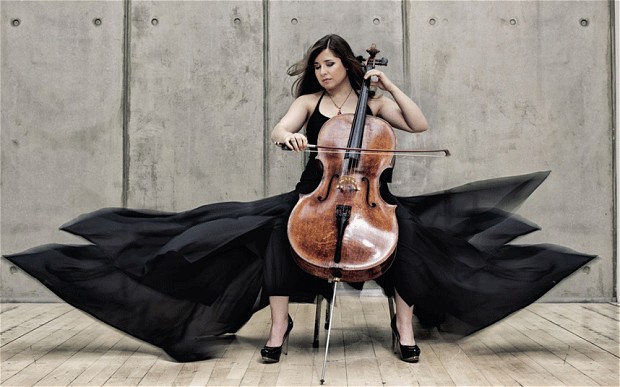
Alisa Weilserstein

Featured soloist for the concerto will be cellist Alisa Weilerstein, whom Oundjian calls “one of the great cellists in the history of the instrument, and an amazing musician. . . . Her Dvořák is spectacular,” he says. “It’s maybe (Dvořák’s) most profound work, because it’s so moving.”

To close the program Oundjian wanted something that would not compete with the intensity of the concerto. “I wanted to have a celebration in the second half,” he says. “I wanted everyone to feel great,” and for that he chose Mendelssohn’s “Italian” Symphony, certainly one of the most cheerful and ebullient pieces in the orchestral repertoire.

The opening week also features the CMF’s annual Family Concert Sunday morning at 10:30 a.m. (July 7), with some light orchestral pieces mixed with some fun, including a piece based on Dr. Seuss’s Green Eggs and Ham. Tuesday sees the first of the summer’s Robert Mann Chamber Music Series concerts, named for the late violinist and founding member of the Juilliard String Quartet. The series will continue the following three Tuesdays at 7:30 p.m.

Festival Orchestra Thursday and Friday pairs, at 7:30 and 6:30 p.m. respectively, start the first week with violinist Vadim Gluzman playing Prokofiev’s Second Violin Concerto, and the iconic 20th-century masterpiece, The Rite of Spring by Stravinsky (July 11 and 12). The program will open with the exhilarating Short Ride in a Fast Machine by the American composer John Adams, who was CMF composer-in-residence in 2022.

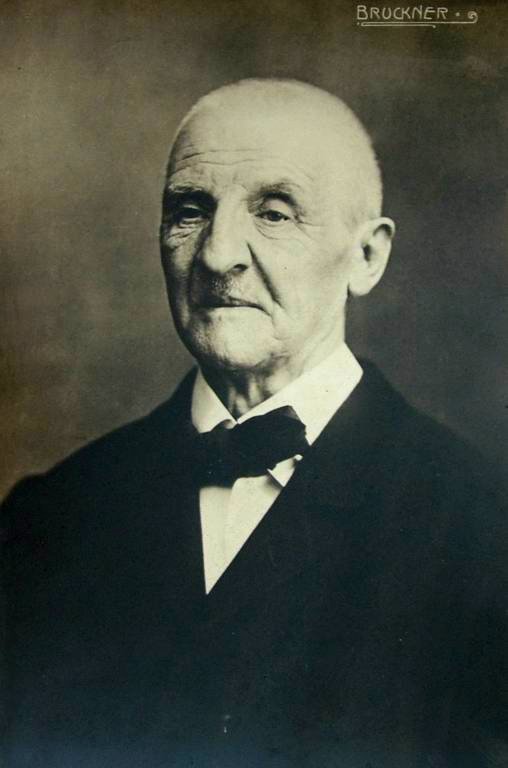
Anton Bruckner

“I did the (July 14) program because it’s the 150th birthday of Schoenberg and the 200th of Bruckner, and I wanted to acknowledge that,” Oundjian says. “I decided, let’s do it in one evening and make it a beautiful experience for everybody! The music is very spiritual (and) both pieces are fantastic to play, in that gorgeous acoustic at Chautauqua.”

The two composers took Wagner’s music and turned in different directions—Bruckner more conservatively by putting Wagner’s sound into the traditional form of the symphony, Schoenberg, born 50 years later, by pushing beyond Wagner’s harmonic freedom and the limits of tonality. 

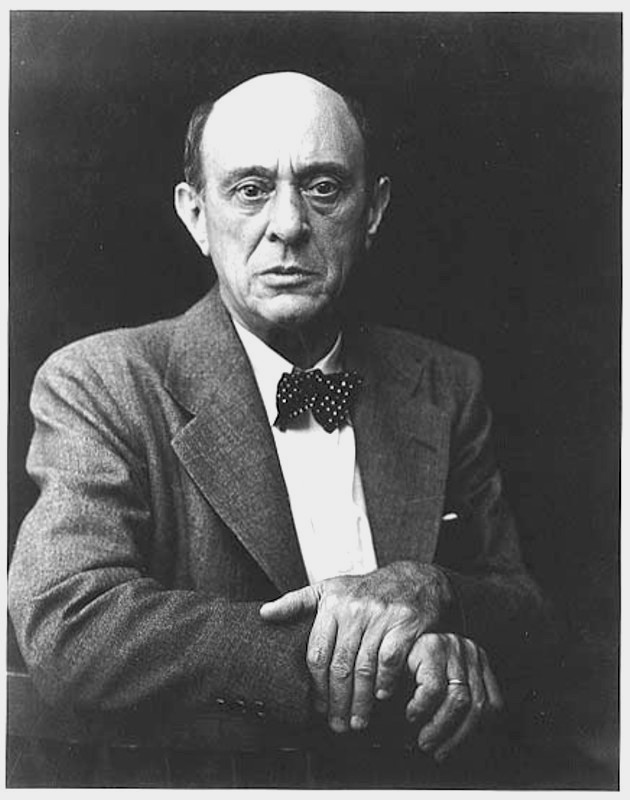
Arnold Schoenberg

“Bruckner’s Fourth Symphony is probably the most accessible (of his nine symphonies), because it’s fairly compact,” Oundjian says. “It has stunning themes and glorious horn solos, and you really hear the power of the orchestra. I find the music exquisitely beautiful and contemplative. It’s almost surreal in its staggering beauty, to me.”

If you think of Schoenberg only as a thorny modernist, you are missing the earlier works that followed much closer to Wagner than his later works. “Verklärte Nacht is basically like late Wagner, with its glorious string sound,” Oundjian says. “It’s a beautiful string orchestra piece.”

Pianist Olga Kern returns to CMF for concerts July 18 and 19. She will play Rachmaninoff’s Piano Concerto No. 2, which she played at CMF in 2013. The concert, under the direction of Norwegian guest conductor Rune Bergmann, will also feature Prayer by Canadian composer Vivian Fung—a work that had its premiere with a “virtual orchestra” of Canadian musicians during the COVID-19 pandemic—and Edvard Grieg’s Suites from music for the play Peer Gynt, narrated by Kabin Thomas.

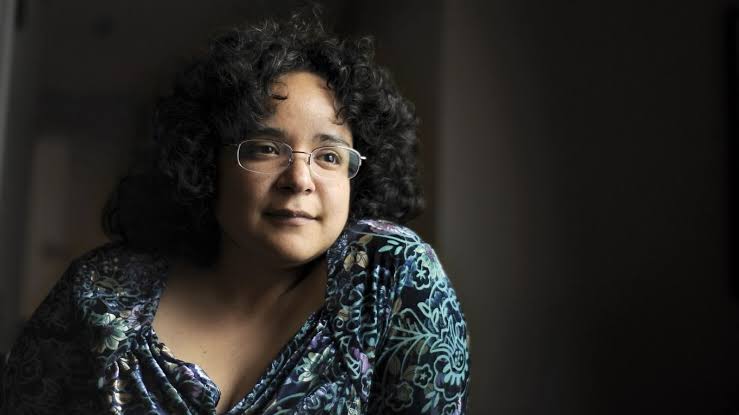
Gabriela Lena Frank

When he was looking for a new work to commission for the 2024 festival, Oundjian thought of a concerto for the Takács Quartet. “I said to (the quartet members), if we were to have a quartet concerto, who would you be interested in approaching, and without hesitation Gabriela’s name came up,” he says. “She  is a wonderful composer, Peruvian-American, and a very particular voice.”

Frank will be present for the July 21 premiere, as will Joan Tower, whose Concerto for Orchestra is on the same program.

Frank has written in her program notes, “Kachkanaraqmi, or ‘I still exist’ in the indigenous Quechua language of my Peruvian forbearers, speaks to the resilience, even insistence, of a racial soul through the generations. In this four-movement work, a brief pastoral Andean prelude, a moody mountain soliloquy, a romp of thieving winds, and a lyrical child’s wake utilize the sonorous possibilities of a concerto grosso for string quartet and string orchestra . . . Throughout, re-imaginings of age-old indigenous motifs and rhythms proliferate.”

Joan Tower

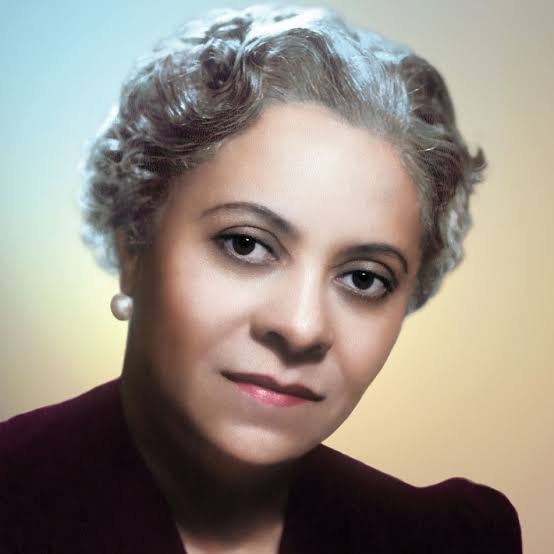
The premiere will be part of a concert of all-women composers, opening with Adoration by Florence Price, an early-20th-century African American composer whose works were forgotten for many years but recently have been rediscovered. Written in 1951, Adoration was originally for organ solo but has been arranged posthumously for various ensembles..

Joan Tower’s Concerto for Orchestra was commissioned jointly by the Chicago, St. Louis and New York orchestras, all of whom gave premieres but never played it again. “They always say this about compositions: Getting a commission is hard enough, but try to get second performances,” Oundjian says. “It’s one of those things that has really intrigued me, over my entire career: Let’s find out what’s just premiered in the last few years but has been undeservedly ignored.”

He discovered Tower’s Concerto for Orchestra when he was asked to conduct it in Iceland. “I said, ‘I don’t know that piece!’ I just loved it. It is so dramatic and so beautiful. There are two passages that are some of the most stunning contrapuntal harmony that I know in contemporary music. 

“It has tremendous drive and brilliance, and it demands everything from the orchestra.”

# # # # #

Colorado Music Festival, Peter Oundjian, music director
July 5–21, 2024
All performances in Chautauqua Auditorium

Opening Night
Festival Orchestra, Peter Oundjian, conductor
With Alisa Weilerstein, cello

  • Anna Clyne: Masquerade (2013)
  • Dvořák: Cello Concerto in B minor
  • Mendelssohn: Symphony No. 4 in A major (“Italian”)

6:30 p.m. Friday and Sunday, July 5 and 7

Family Concert: Green Eggs and Ham
Festival Orchestra, Jacob Joyce, conductor 
With Really Inventive Stuff and Jennifer DeDominici, mezzo-soprano

  • Glinka: Overture to Ruslan and Ludmilla
  • Daniel Dorff: Three Fun Fables
  • Mendelssohn: Overture to A Midsummer Night’s Dream
  • Rob Kapilow: Green Eggs and Ham

10:30 a.m. Sunday, July 7

Robert Mann Chamber Music Series
Colorado Music Festival musicians 

  • Ernst von Dohnányi: Sextet in C Major
  • Beethoven: “Duet with two Obligato Eyeglasses” in E-flat major for viola and cello, WoO 32
  • Schumann: Piano Quartet in E-flat Major, op. 47

7:30 p.m. Tuesday, July 9

Festival Orchestra Concert
Festival Orchestra, Peter Oundjian, conductor
With Vadim Gluzman, violin

  • John Adams: Short Ride in a Fast Machine
  • Prokofiev: Violin Concerto No. 2 
  • Stravinsky: Rite of Spring

7:30 p.m. Thursday July 11
6:30 p.m. Friday, July 12 

Bruckner Bicentennial Concert
Festival Orchestra, Peter Oundjian, conductor

  • Arnold Schoenberg: Verklärte Nacht (“Transfigured night”), op. 4
  • Anton Bruckner: Symphony No. 4 (“Romantic”)

6:30 p.m. Sunday, July 14

Robert Mann Chamber Music Series
Colorado Music Festival musicians

  • Carl Nielsen: Wind Quintet, op. 43
  • Schubert: String Quintet in C Major, D956

7:30 p.m. Tuesday, July 16

Festival Orchestra Concert
Festival Orchestra, Rune Bergmann, conductor
With Olga Kern, piano, and Kabin Thomas, narrator

  • Vivian Fung: Prayer
  • Rachmaninoff: Piano Concerto No. 2, op. 18
  • Edvard Grieg: Suites from Peer Gynt

7:30 p.m. Thursday, July 18
6:30 p.m. Friday, July 19

Festival Chamber Orchestra Concert
Festival Orchestra, Peter Oundjian, conductor
With the Takács Quartet and Gabriela Lena Frank, composer 

  • Florence Price: Adoration
  • Gabriela Lena Frank: Kachkanaraqmi (“I still exist”; world premiere)
  • Joan Tower: Concerto for Orchestra

6:30 p.m. Sunday, July 21

Tickets for individual concerts are available through the Chautauqua Box Office Web page.

Colorado Music Festival announces summer festival schedule

Subscriptions now available; single tickets on sale March 5

By Peter Alexander Feb. 4 at 4 p.m.

The Colorado Music Festival (CMF) has announced its 2024 festival season, July 5 through Aug. 4 at Chautauqua Auditorium in Boulder.

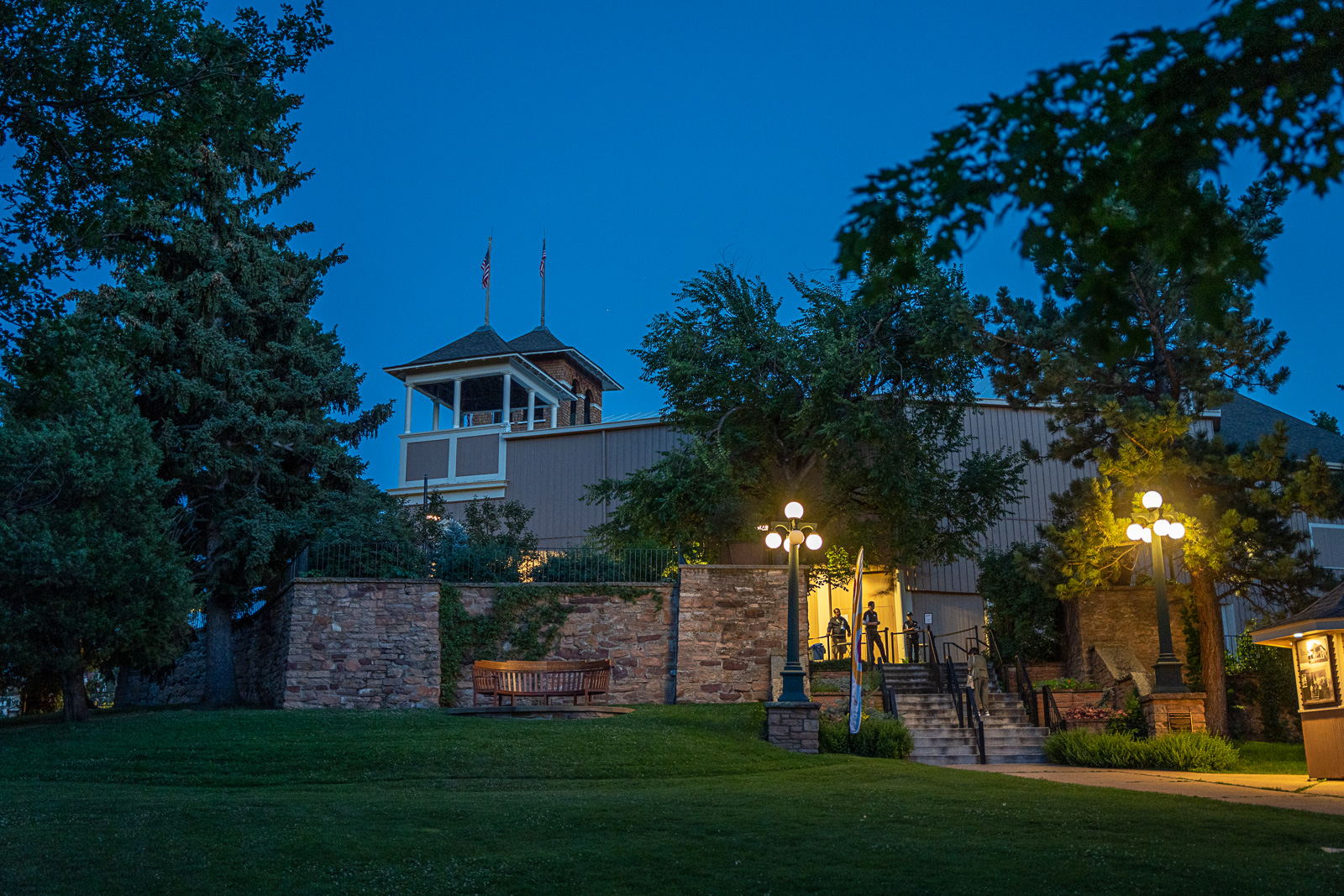
Chautauqua Auditorium. Photo by Jeremy Kornreich

This year’s festival will present 19 performances in 31 days—between four and five weeks and slightly shorter than recent previous festival seasons. In addition to the Festival Orchestra made up of musicians from around the country, it will feature the world premiere of a new piece by Gabriela Lena Frank; four Tuesday evening concerts on the Robert Mann Chamber Music Series, performed by members of the Festival Orchestra and the visiting Danish String Quartet; and guest artists including the CU-based Takács Quartet, cellist Alisa Weilerstien, and returning CMF favorites pianist Olga Kern and violinist Augustin Hadelich.

Performances by the full Festival Orchestra will be most Thursday and Friday evenings at 7:30 and 6:30 p.m. respectively. Orchestral concerts at 6:30 p.m. on Sunday will generally feature a smaller ensemble. The full festival schedule is listed below.

Gabriela Lena Frank

A highlight of the season will be the premiere of a new orchestral work with string quartet by Franks on July 21 (see details below). The summer’s only world premiere, the performance will feature the Takács Quartet. Other works by living composers will be featured throughout the summer, including Masquerade by Anna Clyne; Short Ride in a Fast Machine by John Adams, who was CMF composer-in-residence in 2022; Two Mountain Scenes by Kevin Puts, a work that was commissioned by the Bravo! Vail Valley Music Festival and the New York Philharmonic in 2007; and Joan Tower’s Concerto for Orchestra.

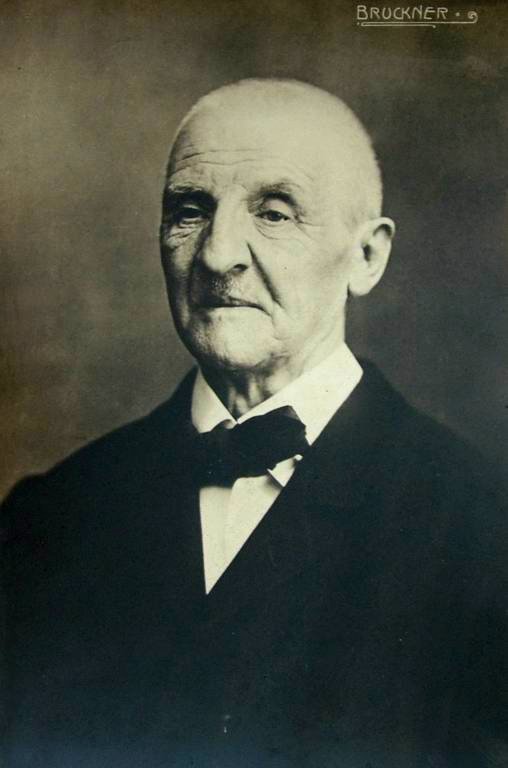
Anton Bruckner

On July 14 conductor Peter Oundjian and the CMF Orchestra will celebrate the 200th anniversary of the birth of Austrian composer Anton Bruckner with a performance of his Symphony No. 4 (“Romantic”). On the same program CMF will celebrate the 150th anniversary of Arnold Schoenberg’s birth with a performance of his late Romantic work for strings Verklärte Nacht (Transfigured Night). 

The annual CMF family concert at 10:30 a.m. Sunday, July 7, will feature some shorter standard classical overtures by Mikhail Glinka and Mendelssohn, as well as a performance of composer Rob Kapilow’s setting of Dr. Seuss’s Green Eggs and Ham. Also on the program is Three Fun Fables, a setting for narrator and orchestra of three of Aesop’s fables by Daniel Dorff, who is known for numerous works that introduce music and musical instruments to young audiences.

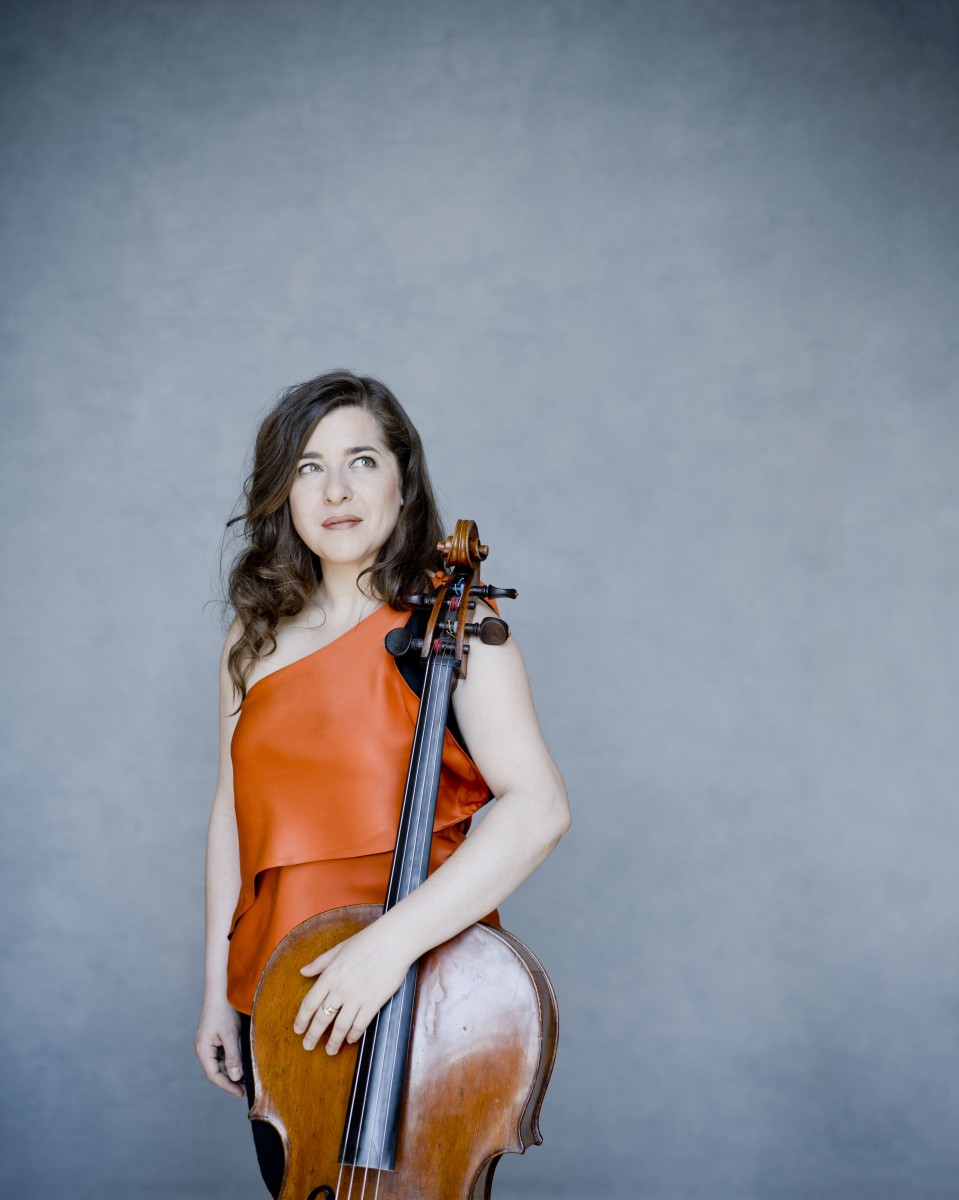
Alisa Weilerstein. Photo by Marco Borggreve

Outstanding guest artists have always been a feature of the CMF. This summer’s guest soloists will be:
—Cellist Alisa Weilerstein, a member of a renowned musical family, playing the Dvořák Cello Concerto on the opening night program, July 5 and 7;
—the playful ensemble Really Inventive Stuff, a favorite on past CMF summer schedules, and the mezzo-soprano Jennifer DeDominici for the family concert July 7;
—violinist Vadim Gluzman playing the Prokofiev Second Violin Concerto July 9;
—pianist Olga Kern playing the Rachmaninoff Second Piano Concerto July 18 and 19;
—Colorado Public Radio personality Kabin Thomas narrating Greig’s music for for Henrik Ibsen’s verse play Peer Gynt, alsoJuly 18 and 19;
—the Takács Quartet playing the world premiere of Gabriel Lena Frank’s new work July 21;
—pianist Awadagin Pratt, playing J.S. Bach’s Keyboard Concerto in A major and Jessie Montgomery’s Rounds for piano and string orchestra July 25 and 26;
—the Danish String Quartet, who last appeared at CMF in 2022, playing a varied program that ranges from Haydn to Stravinsky to the 18th-century blind Celtic harpist Turlough O’Carolan July 30;
—violinist Augustin Hadelich, returning to CMF to play Tchaikovsky’s Violin Concerto Aug. 1 and 2; and
—soprano Karina Gauvin to sing Ravel’s song cycle Shéhérazade and the final movement of Mahler’s Symphony No. 4 on the Festival Finale concert, Aug. 4.

Subscription tickets are currently available for the Colorado Music Festival. Tickets to individual concerts will go on sale through the Chautauqua Box Office March 5. More information on CMF tickets, including discounted youth and student tickets, is available HERE.

# # # # #

Colorado Music Festival, Peter Oundjian, music director
Summer 2024
All performances in Chautauqua Auditorium

Opening Night
Festival Orchestra, Peter Oundjian, conductor
With Alisa Weilerstein, cello

  • Anna Clyne: Masquerade (2013)
  • Dvořák: Cello Concerto in B minor
  • Mendelssohn: Symphony No. 4 in A major (“Italian”)

6:30 p.m. Friday and Sunday, July 5 and 7

Family Concert: Green Eggs and Ham
Festival Orchestra, Jacob Joyce, conductor 
With Really Inventive Stuff and Jennifer DeDominici, mezzo-soprano 

  • Glinka: Overture to Ruslan and Ludmilla
  • Daniel Dorff: Three Fun Fables
  • Mendelssohn: Overture to A Midsummer Night’s Dream
  • Rob Kapilow: Green Eggs and Ham

10:30 a.m. Sunday, July 7

Robert Mann Chamber Music Series
Colorado Music Festival musicians 

  • Ernst von Dohnányi: Sextet in C Major
  • Beethoven: “Duet with two Obligato Eyeglasses” in E-flat major for viola and cello, WoO 32
  • Schumann: Piano Quartet in E-flat Major, op. 47

7:30 p.m. Tuesday, July 9

Festival Orchestra Concert
Festival Orchestra, Peter Oundjian, conductor
With Vadim Gluzman, violin

  • John Adams: Short Ride in a Fast Machine
  • Prokofiev: Violin Concerto No. 2 
  • Stravinsky: Rite of Spring

7:30 p.m. Thursday July 11
6:30 p.m. Friday, July 12  

Bruckner Bicentennial Concert
Festival Orchestra, Peter Oundjian, conductor

  • Arnold Schoenberg: Verklärte Nacht (“Transfigured night”), op. 4
  • Anton Bruckner: Symphony No. 4 (“Romantic”)

6:30 p.m. Sunday, July 14

Robert Mann Chamber Music Series
Colorado Music Festival musicians 

  • Carl Nielsen: Wind Quintet, op. 43
  • Schubert: String Quintet in C Major, D956

7:30 p.m. Tuesday, July 16

Festival Orchestra Concert
Festival Orchestra, Rune Bergmann, conductor
With Olga Kern, piano, and Kabin Thomas, narrator

  • Vivian Fung: Prayer
  • Rachmaninoff: Piano Concerto No. 2, op. 18
  • Edvard Grieg: Suites from Peer Gynt

7:30 p.m. Thursday, July 18
6:30 p.m. Friday, July 19

Festival Chamber Orchestra Concert
Festival Orchestra, Peter Oundjian, conductor
With the Takács Quartet and Gabriela Lena Frank, composer 

  • Florence Price: Adoration
  • Gabriela Lena Frank: World Premiere
  • Joan Tower: Concerto for Orchestra

6:30 p.m. Sunday, July 21

Robert Mann Chamber Music Series
Colorado Music Festival musicians

  • Joseph Haydn, String Quartet in C Major, op. 20 no. 2
  • Claude Debussy, Sonata for flute, viola and harp
  • Felix Mendelssohn, String Octet in E-flat Major, op. 20

7:30p.m. Tuesday, July 23

Festival Orchestra Concert
Festival Orchestra, Peter Oundjian, conductor
With Awadagin Pratt, piano

  • J.S. Bach: Keyboard Concerto in A major, S1055 
  • Jessie Montgomery: Rounds for piano and string orchestra (2022)
  • Rimsky-Korsakov: Scheherazade

7:30 p.m. Thursday, July 25
6:30 p.m. Friday, July 26

Festival Chamber Orchestra Concert
Chamber Orchestra, Gemma New, conductor
With Christina and Michelle Naughton, piano duo

  • Mozart: Eine kleine Nachtmusik, K525
    —Concerto in E-flat Major for Two Pianos, K365
    —Symphony No. 35 in D major, K385 (“Haffner”)

6:30 p.m. Sunday, July 28

Robert Mann Chamber Music Series
Danish String Quartet 

  • Joseph Haydn: String Quartet, op. 77 no. 2: III, Andante
  • Stravinsky: Three Pieces for String Quartet
  • Turlough O’Carolan: Three Melodies
  • Mozart: Divertimento in F major, K138
  • Shostakovich: String Quartet No. 3 in F major, op. 73

7:30 p.m. Tuesday, July 30

Festival Orchestra Concert
Festival Orchestra, Peter Oundjian, conductor
With Augustin Hadelich, violin

  • Kevin Puts: Two Mountain Scenes (2007)
  • Tchaikovsky: Violin Concerto in D Major, op. 35
  • Dvořák: Symphony No. 7 in D minor, op. 70 

7:30 p.m. Thursday, Aug. 1
6:30 p.m. Friday, Aug. 2

Festival FInale Concert
Festival Orchestra, Peter Oundjian, conductor
With Karina Gauvin, soprano

  • Johann Strauss: Overture to Die Fledermaus
  • Ravel: Shéhérazade
  • Mahler: Symphony No. 4 in G major

6:30 p.m. Sunday, Aug. 4

Information on Subscription tickets is available HERE.
Single concert tickets will go on sale March 5.

NOTE: A correction was made Feb. 10. An earlier version of the story said that the 2024 festival would last four weeks. The correct length is 31 days—between four and five weeks.

CMF final week features one new work, five composers and Joshua Bell

Festival Finale concert ends with Mahler Symphony No. 1

By Peter Alexander July 26 at 11 a.m.

The 2023 Colorado Music Festival (CMF) is nearing its end up at the Chautauqua Auditorium, but one thing that remains the same all the way to the final concert is the felicitous mix of programming selected by Music Director Peter Oundjian.

CMF Music Director Peter Oundjian

Since his arrival at the festival as music advisor (2018) and then music director (2019), Oundjian has curated programs that recognize both the most interesting work being done by living composers and the greatest works from the standard repertoire, all performed by creative and adventurous musicians. That mixture continues.

The two final concerts conceived as a pair for Thursday, Aug. 3, and Sunday, Aug. 6 (7:30 p.m. and 6:30 p.m. respectively; see details below) are leading examples. Both concerts feature familiar orchestra works, plus violinist Joshua Bell, certainly one of the most distinctive and accomplished of soloists, playing a series of short pieces that were written for him by five different composers.

Or is it one piece?

Joshua Bell. Photo by Richard Ascroft

“Talk about a focused idea, I think it’s brilliant,” Oundjian says. Because the finished piece is scheduled for a series of official premieres starting in the fall, Oundjian thought Bell and the composers might like to hear their pieces in a workshop setting, where they could make adjustments.

“In one of my conversations with Josh, I said, ‘Do you want a preview series of performances where you can work the repertoire over an entire week?’ And we both felt it was really great way to introduce a new piece, for everyone including the composers, who I think are all going to be there. We’ll workshop these pieces over the week.”

That piece is The Elements: Suite for Violin and Orchestra. Bell contacted five composers that he knew—Jake Heggie, Jessie Montgomery, Edgar Meyer, Jennifer Higdon and Kevin Puts—and asked each to write a mini-concerto movement for him. To unify the piece, each movement (or are they separate pieces?) was based on an individual element: fire, ether, water, air and earth.

The three movements will be split over the final two concerts, both conducted by Oundjian and featuring Bell as soloist. The movements by Heggie, Montgomery and Meyer (“Fire,” “Ether,” “Water”) will be presented on Thursday, July 3, when they will share the program with Debussy’s La Mer—perhaps inevitable after the movement titled “Water”? 

The movements by Higdon and Puts (“Air” and “Earth”) will follow on the “Festival Finale Concert” Sunday (Aug. 6). They will share the program with Mahler’s Symphony No. 1 in D major. The latter might be the least surprising feature of the final week, but one that history suggests will be embraced by the audience. “We have created a tradition of closing with a Mahler symphony, so that’s going to continue,” Oundjian says.

Eun Sun Kim. Photo by Nikolaj Lund

Before the final concerts, there are two separate orchestral programs scheduled for the coming weekend, featuring guest conductors. Korean conductor Eun Sun Kim, whose appointment as music director of the San Francisco Opera starting in 2021 made headlines throughout the musical world. She will lead the Festival Orchestra Thursday and Friday playing Brahms’ gently lyrical Symphony No. 2 in D major. Joining Kim, German-Canadian cellist Johannes Moser will play the Cello Concerto No. 1 of Shostakovich. 

Opening the program will be The Rhapsody of Steve Jobs by Mason Bates. This is based on music from Bates’ opera The (R )evolution of Steve Jobs, which premiered at the Santa Fe Opera in 2017 under the baton of CMF Conductor Laureate Michael Christie. Bates wrote in his program notes that The Rhapsody of Steve Jobs “swirls together many key musical elements” of the opera, including electro-acoustic sound elements that “conjure the excitement of the early Information Age.”

Hannu Lintu. Photo by Veikko Kähkönen

Hannu Lintu, chief conductor of the Finnish Radio Symphony, happened to be on his way to California at the end of July, and as luck would have it, was able to stop off for a single concert at Chautauqua Sunday. “He is an absolutely extraordinary conductor,” Oundjian says. “He conducts major orchestras all over the world, so we’re delighted to have him!”

Like other programs at the CMF this summer, his concert will combine music from different centuries, opening with the 1972 orchestral score Cantus Arcticus by Finnish composer Einojuhani Rautavaara. Subtitled Concerto for Birds and Orchestra, the Cantus incorporates recordings of birds including the shore lark and the whooper swan, collected in northern Finland and near the Arctic Circle.

Moving back a century, Canadian pianist Tony Siqi Yun, first prize winner and gold medalist at the First China International Music Competition in 2019, will play the Schumann Piano Concerto from the mid-19th century with Lintu and the Festival Chamber Orchestra. And one more century: the program will close with Joseph Haydn’s Symphony No 96 in D major. 

One of the 6 symphonies Haydn wrote for his first trip to London 1791–92, No. 96 is known as the “Miracle” Symphony. The name, however, is misapplied; it actually refers  to an incident in 1795, when a chandelier fell at the premiere of Haydn’s Symphony No. 102 without harming the audience, which was crowded to the front of the hall.

No chandeliers will collapse at Chautauqua. No, the miracle of CMF is in the programming, with music from the 18th century to the 21st, familiar favorites mixed with intriguing discoveries. The festival is one of Boulder’s musical treasures, and there are only eleven more days to join the 2023 CMF audience.

# # # # #

COLORADO MUSIC FESTIVAL
2023 Summer Festival, remaining concerts
All performances at Chautauqua Auditorium

7:30 p.m. Thursday, July 27, and 6:30 p.m. Friday, July 28
Festival Orchestra: Eun Sun Kim, conductor
With Johannes Moser, cello

  • Mason Bates: The Rhapsody of Steve Jobs (2021)
  • Shostakovich: Cello Concerto No. 1 in E-flat Major, op. 107
  • Brahms: Symphony No. 2 in D Major, op. 73

6:30 p.m. Sunday, July 30
Festival Orchestra, Hannu Lintu, conductor,
With Tony Siqi Yun, piano

  • Einojuhani Rautavaara: Cantus Arcticus (1974)
  • Schumann: Piano Concerto in A Minor
  • Haydn: Symphony No. 96 in D Major (“Miracle”)

7:30 p.m. Tuesday, Aug. 1
Robert Mann Chamber Music Series: Members of the Colorado Music Festival Orchestra

  • Beethoven: String Trio in C Minor, op. 9 no. 3
  • Debussy: Danses sacrée et profane (Sacred and profane dances)
  • Dvořák: Piano Quintet No. 2 in A Major, op. 81

7:30 p.m. Thursday, Aug. 3
Festival Orchestra, Peter Oundjian, conductor
With Joshua Bell, violin

  • The Elements: Suite for Violin and Orchestra (commissioned by Joshua Bell)
    —“Fire” by Jake Heggie
    —“Ether” by Jessie Montgomery
    —Water” by Edgar Meyer
  • Debussy: La Mer

6:30 p.m. Sunday, Aug. 6: Festival Finale Concert
Festival Orchestra, Peter Oundjian, conductor
With Joshua Bell, violin

  • The Elements: Suite for Violin and Orchestra (commissioned by Joshua Bell)
    —“Air” by Jennifer Higdon
    —“Earth” by Kevin Puts
  • Mahler: Symphony No. 1 in D major

TICKETS

CORRECTION: The original version of this article listed the soloist in the Schumann Piano Concerto on July 30 as Lisa de la Salle. She had to cancel here appearance at CMF; the correct soloist for the Schumann Concerto is Tony Siqi Yun. I apologize for the error.

Breadth of composer John Corigliano’s creativity on display

Peter Oundjian led an all-Corigliano program by the CMF Festival Orchestra  

By Peter Alexander Jan. 14 at 12:24 a.m.

There are several reasons that John Corigliano is an important composer, and many of them were on display last night (July 13) at the Colorado Music Festival.

The Festival Orchestra under music director Peter Oundjian played an all-Corigliano program—a rare honor for a living composer that Oundjian has made a feature of his annual “Music of Today” programming. The three pieces on the program spanned not only 50 years of Corigliano’s work, as Oundjian pointed out from the stage; they also displayed some of the breadth and diversity of his creativity.

John Corigliano. Photo by J. Henry Fair

That breadth is certainly one of the reasons the Corigliano in important. For last night’s concert, the CMF Orchestra played two pieces that are great entertainment—the Gazebo Dances of 1974, and his recent Triathlon for saxophone and orchestra (2020), played by virtuoso saxophonist Timothy McAllister.

The third piece on the program, One Sweet Morning for voice and orchestra (2011), reaches for greatness, and find it though both texts and their settings. The expressive depth of this piece, commission for the 10th anniversary of the 9/11 attacks, clearly signals Corigliano’s importance. Grammy award winning mezzo-soprano Kelley O’Connor was the soloist.

Opening the program, Gazebo Dances seemed like a continuation of the Tuesday program by the JACK Quartet, titled “New York Stories.” The Dances come straight out of the 1970s New York and Broadway milieu that inspired Leonard Bernstein and others of the times.

Oundjian and the Festival Orchestra captured well the buoyant energy and sweet sentimentality of the Overture movement. The Waltz was just humorous enough, and the dreamy Adagio movement, played with careful attention to balance among the instruments, provided a comforting moment of relaxation before the jolly Tarantella.

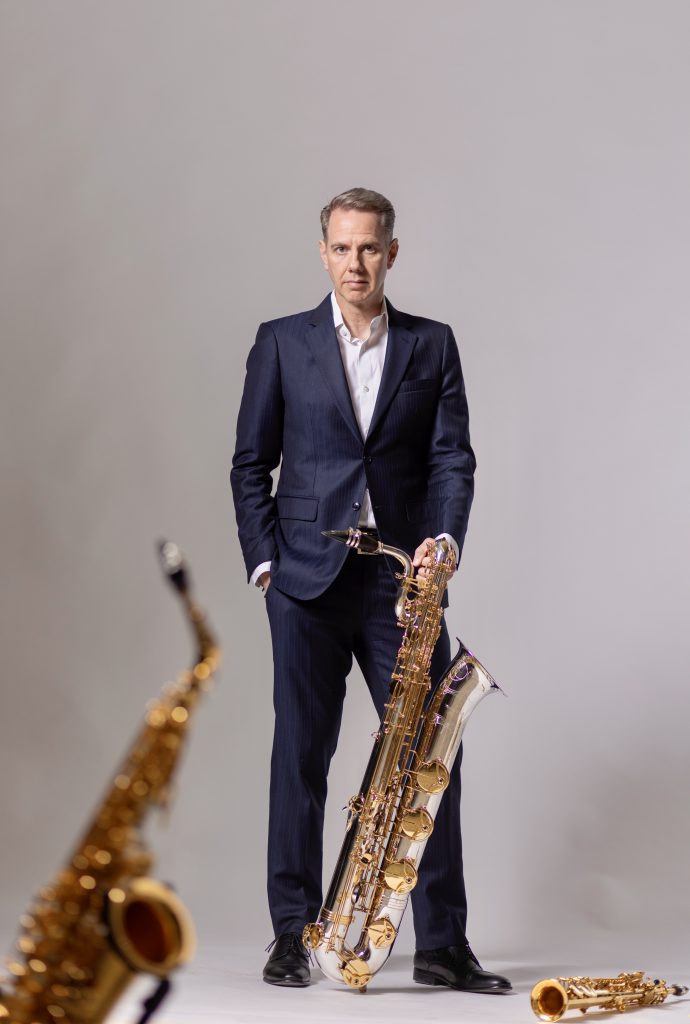
Multi-saxophonist Timothy McAllister

Triathlon requires a saxophonist who is a virtuoso on the soprano, alto and baritone saxes—the three events of the athletic triathlon the concerto represents—and the CMF certainly had that in McAllister. Apparently comfortable in every possible range—and some impossible ones, too—of each instrument, he was unquestionably the medalist of this Triathlon.

The first movement is filled with incredibly virtuosic passages all over the soprano sax. Sadly the balance was not always well judged, but when the soloist emerged from the brassy orchestral texture, blisteringly fast things were going on. McAllister played with silky smoothness on the alto sax for the second movement, even over passages of riverine rapids.

The baritone sax is the boisterous cousin of the other instruments, ideal for all kinds of playful hijinks—and all kind of playful hijinks is what Corigliano asks for and McAllister provided, from loudly slapped keys to slap-tongue blasts. The only thing missing was a return to the screaming heights of the soprano instrument, which is exactly what the score calls for at the end. With a soloist like that, who wouldn’t have fun at the concert?

Mezzo-soprano Kelley O’Connor

But it is One Sweet Morning that provided the emotional depths of the evening. Corigliano made inspired decisions picking four poetic texts that lament the horrors of violence and hope for a world without war. The poets could not be more diverse—Polish poet Czesław Miłosz foreseeing the end of the world in 1944, Homer describing the man-to-man brutality of the Trojan War, 8th-century Chinese poet Li Po revealing the anguish of wives and mothers, and pop-song lyricist E.Y. “Yip” Harburg (“Wizard of Oz”) dreaming of a world when “the rose will rise . . . (and) peace will come.”

The texts make an eloquent progression from anguish to brutality to hope, and here is where Corigliano reaches for greatness. Not only has he selected deeply moving poems, he matches each with music that powerfully captures in turn the deep melancholy of Miłosz’s words, the concentrated barbarity described by Homer and Li Po, and the healing grace suggested by Harburg.

Oundjian has a profound grasp of this music, and brought it out through the players. O’Connor sang with control and expressive precision, with no audible strain from the lowest notes to the highest. If she could not be heard during the scenes of war, that was not her fault; the orchestral sound there was as loud as I have heard at Chautauqua, but never uncontrolled.

These three pieces—fun dances, a fervent memorial and a splashy concerto—made up an optimal concert program, and it is one that I will remember as one of my favorite evenings at CMF.

__________

NOTE: The title of John Corigliano’s piece was corrected in the 10th paragraph on 7/14. The correct title is One Sweet Morning, not One Fine Day. We apologize for the error.

New Music and Conductor Michael Christie at the Colorado Music Festival

Peter Oundjian leads All-Corigliano program, world premieres for ‘Music of Today’

By Peter Alexander July 7 at 12:10 p.m.

The next two weeks of the Colorado Music Festival (CMF) will see the 2023 season in full swing.

The Robert Mann Chamber Music Series—named in honor of the founding first violinist of the esteemed Juilliard String Quartet—gets underway with performances by the JACK Quartet (July 11; program details below) and the Brentano Quartet (July 18). The performance by JACK also initiates a week of “Music of Today” featuring an all-John Corigliano program by the Festival Orchestra with saxophone soloist Timothy McAllister (July 13) and a program with three world premieres by Carter Pann of CU, his former student Jordan Holloway, and Adolphus Hailstork (July 16).

The festival’s third week embraces more familiar repertoire, with some excursions. The Brentano Quartet embellishes a program of Mozart and Beethoven with works by Scottish composer James MacMillan (July 16). CMF Music Director Emeritus Michael Christie marks his return to Chautauqua Auditorium with Tchaikovsky’s familiar Fourth Symphony and an interesting pairing of piano concertos by Ravel and Florence Price performed by Michelle Cann (July 20 and 21). The week closes with an all-Mozart program led by guest conductor François López-Ferrer and featuring violinist Grace Park (July 23).

JACK Quartet. Photo by Shervin Lainez

Known for their committed performances of new music, the JACK Quartet is the musical heir of the mold-breaking Kronos Quartet. “Kronos really paved the way,” first violinist Austin Wulliman says. “They were role models for people in our generation, and JACK modeled the way we commission (new works) after the way Kronos did it.”

Titled “New York Stories,” the July 11 concert features works by five composers: Morton Feldman, Caleb Burhans, Philip Glass, Caroline Shaw and John Zorn. The program came from “an intuitive feeling about New York, which is a place that is so now,” violist John Richards explains. “Cultural changes begin or are reflected very early on in New York, and I feel the longing for ‘before’ as a part of the experience of ‘now’ in New York.

Caroline Shaw. Photo by Kait Moreno

“This program gets into that, through a beautiful, melancholic longing that’s in Caroline Shaw’s (Entr’acte, which is) also filled with the kind of playful experimentation with form and instrumental techniques that can only be done today. It’s a beautiful marriage of those things.”

The players find the same duality in Zorn’s Remedy of Fortune, which they compare to standing in the Cloisters, a museum of medieval art in upper Manhattan, and hearing the sound of visitors’ cell phones alongside the echoes of medieval music.

Zorn is known for pieces inspired by the frenetic pace of early cartoons, but his latest pieces are more varied. “He draws on so many interesting influences now,” Wulliman says. “I hear the music of Alban Berg at the same time that I hear Art Tatum and Beethoven and medieval music.”

Wulliman suggests that when listening to Feldman’s Structures for String Quartet, you think of a painting rather than a narrative. “That’s a helpful inroad to how to listen to it,” he says. “It’s a visual arts approach to the page, where he’s filling our auditory field with splotches, textures and patterns that weave together.”

The least known composer on the program is probably Burhans, whom the JACK players knew as undergraduates at the Eastman School of Music. “The beauty and the emotional catharsis of that piece is a real lynchpin of the program,” Wulliman says. Richards adds that Burhans “joined the choir at Trinity Church Wall Street (in New York), and this music draws from that experience. There’s a beautiful middle section that grows and grows into a prayerful, ecstatic feeling of release.”

John Corigliano. Photo by J. Henry Fair

The most distinctive program of the summer is the concert devoted entirely to works by composer John Corigliano. That almost never happens with living composers, conductor and CMF Music Director Peter Oundjian says, but he also likes to remind people that new music today is not as daunting as it once was.

“I remember a time when if you presented one piece of contemporary music you could loose half your audience,” he says. But Corigliano is from “a generation that got a language that was astonishingly contemporary but acceptable at the same time.”

Oundjian wanted to present works from different parts of the composer’s career. “I said to John, ‘I want to do a piece from each of your periods’,” Oundjian says. “’I want to make you into Beethoven, (with) early, middle and late’.”

From the early period, he chose the Gazebo Dances (1972), which was likely inspired by the music of Leonard Bernstein. A suite in four contrasting movements, it has a Bernstein-like energy and flirtation with popular/Broadway idioms, which is not surprising since Corigliano’s father was concertmaster of the New York Philharmonic under Bernstein.

Next is One Sweet Morning (2010), written to commemorate the anniversary of the 9/11 attacks in New York. “Oh boy is it ever incredibly profound and moving,” Oundjian says. “It’s music of staggering beauty and depth, so it’s a fantastic contrast to the Gazebo Dances.”

The concert will conclude with Corigliano’s most recent concerto, Triathlon for saxophone and orchestra (2020). The soloist will be Timothy McCallister, who was featured last summer. “It’s a complete masterpiece,” Oundjian says. “I don’t know how these brilliant composers get their ideas, but it’s an honor to study the works and prepare to conduct them.”

Adolphus Hailstork. Photo by Jin Hailstork.

The centerpiece of the July 16 concert of world premieres will be JFK: The Last Speech, a work for orchestra, soprano and narrator by Adolphus Hailstork. The soloists will be soprano Janice Chandler-Eteme and bass-baritone Eric Owens as narrator.

The libretto incorporates parts of a speech President John F. Kennedy gave at Amherst College Oct. 26, 1963, 27 days before his assassination in Dallas. Kennedy’s speech was given in honor of poet Robert Frost, who had died nine months before. Neil Bicknell, who heard the speech as an Amherst senior, crafted the libretto combining Kennedy’s words, which will be spoken by the narrator, and Frost’s poetry, which will be sung by the soprano.

A project of the Amherst Class of 1964, JFK: The Last Speech will be performed around the country and at Amherst College this fall. Hailstork writes in his program notes, “My writing will reflect the autumn season, the solemnity of the moment, and the unique oratorical gifts of Kennedy the president and the profound literary gifts of Frost the poet.”

Holloway’s Flatirons Escapades was composed for the 125th anniversary of Boulder’s Colorado Chautauqua. A graduate of CU, Holloway recalls in his program notes both his positive experiences in the Chautauqua Park that served as an inspiration for his score, and the healing quality of the space during times of “anxiety and internal chaos” that “are woven into the piece as well.”

Pann was Holloway’s composition teacher at CU. He writes that his Dreams I Must Not Speak “emerged from a cathartic attempt to realize, in music, three dreams I experience during sleep with noticeable regularity. These are not nightmares nor are they pleasant images, but rather odd and somewhat psychedelic scenes that have remained distinct in my awakened conscience over the years.”

Michael Christie. Photo by Eugene Yankevich

For his return to Chautauqua Auditorium, CMF Music Director Emeritus Michael Christie will team up with pianist Michelle Cann to present concertos by Ravel and the remarkable African-American composer Florence Price. A graduate of the New England Conservatory, Price is recognized as the first African-American woman to have a work played by a major orchestra. “Price is one of these people that when an audience member hears the music, people are just bowled over by the inventiveness, by the grandness of it,” Christie says.

Price played her Piano Concerto in One Movement once in 1934, after which it was thought to be lost. However, some parts were found in 2009 at her former summer home, shortly before it was to be demolished, and other fragments turned up later. The score has been reconstructed, and the concerto has had real success in recent years. Curiously, the Concerto in One Movement actually has three movements, played without break

Florence Price

The combination of Price’s African-American heritage and her classical training led to what Christie calls “this wonderful blending of American and European traditions speaking to each other.” And he finds a parallel for that combination in the Ravel Concerto. “You have Maurice Ravel just oozing with American jazz throughout this piece,” he explains.

“You’re looking Florence Price being influenced by Europe and having her own American language, and then Ravel on the other side of the Atlantic, looking at America through the lens of his own language. So the concertos kind of cross each other, over the ocean.”

The Tchaikovsky Symphony that closes the program is a great showpiece for the orchestra, and it’s also one of the most familiar pieces on the summer program. Christie remembers that when he was music director at CMF, he would “throw lots of new things at the orchestra, and they were just exhausted by the end of the summer. I realized over time that balance (between familiar and unfamiliar pieces) is not only for the audience, it’s for the orchestra too.

“It’s always a relief for an orchestra to be able to kick back and play something that they know inside and out.”

# # # # #

COLORADO MUSIC FESTIVAL
Performances July 11–23
All performances at Chautauqua Auditorium

7:30 p.m. Tuesday, July 11
Robert Mann Chamber Music Series: JACK Quartet

  • Morton Feldman: Structures for String Quartet (1951)
  • Caleb Burhans: Contritus (2010) 
  • Philip Glass: String Quartet No. 5 (1991)
  • Caroline Shaw: Entr’acte (2011)
  • John Zorn: The Remedy of Fortune for String Quartet (2016)

7:30 p.m. Thursday, July 13
Festival Orchestra, Peter Oundjian, conductor
With Timothy McAllister, saxophone

  • John Corigliano: Gazebo Dances (for orchestra) (1974)
    One Sweet Morning for voice and orchestra (2010)
    Triathlon for saxophone and orchestra (2020)

6:30 p.m. Sunday, July 16
World premieres: Festival Orchestra, Peter Oundjian, conductor
With Janice Chandler-Eteme, soprano, and Eric Owens, narrator

  • Jordan Holloway: Flatiron Escapades (world premiere commission)
  • Carter Pann: Dreams I Must Not Speak (world premiere commission)
  • Adolphus Hailstork: JFK: The Last Speech (world premiere)

7:30 p.m. Tuesday, July 18
Robert Mann Chamber Music Series: Brentano String Quartet

  • Mozart: String Quartet in D Major, K499
  • James MacMillan: Memento for string quartet (1994)
    For Sonny for string quartet (2011)
  • Beethoven, String Quartet No. 13 in B-flat Major, op. 130

7:30 p.m. Thursday, July 20, and 6:30 p.m. Friday, July 21
Festival Orchestra, Music Director Emeritus Michael Christie, conductor
With Michelle Cann, piano

  • Ravel: Piano Concerto in G Major
  • Florence Price: Piano Concerto in One Movement
  • Tchaikovsky: Symphony No. 4 in F Minor, op. 36

6:30 p.m. Sunday, July 23
Festival Orchestra, François López-Ferrer, conductor
With Grace Park, violin

  • Mozart: Overture to The Impresario K486
    —Violin Concerto No. 3 in G Major, K216
    —Adagio and Fugue in C Minor, K546
    —Symphony No. 36 in C Major, (“Linz”) K425

TICKETS

‘Welcoming’ program opens 2023 Colorado Music Festival

Superstar Joshua Bell shines, dramatic “Pictures” grasp audience

By Peter Alexander June 30 at 1:08 a.m.

The 2023 Colorado Music Festival summer concert series got under way last night (June 29) with an orchestra program that was everything music director Peter Oundjian had promised.

“I think its important,” he has said, that the festival should open with “a very welcoming opening night.” Which indeed it was: an opening flourish, a warm romantic violin concerto warmly played, and a popular orchestra showpiece. Could you ask for more?

Carlos Simon. Photo by Terrance Ragland.

The concert opened with an exciting piece not even two years old, Motherboxx Connection by American composer Carlos Simon. Commissioned by the Sphinx Organization and the University of Michigan Symphony, it was premiered in January, 2022.

Conceived as part of a multi-movement work titled TALES, Motherboxx Connection evokes, in the words of the composer, “multi-faceted aspects of blackness.” All scurry and brilliance, the score exploits the full orchestra. There are rushing strings; syncopated bursts of sound from the brass; chattering woodwinds; and punctuating percussion. Here it was played with brio and precision, providing a sparkling introduction to the 2023 festival.

The musical high point of the evening came with the introduction of violinist Joshua Bell to play Bruch’s dramatic and lushly Romantic Violin Concerto in G minor. Bell is known for his skill with the 19th-centruy Romantic style, and this concerto, composed in 1866, is a perfect match for his playing. 

Joshua Bell. Photo by Lisa Marie Mazzucco.

From the very first note, deep in the violin’s lower register, Bell’s playing had a penetrating warmth and richness that brought the most lyrical moments to life. Here was the greatest virtue of the performance: the lyrical passages sang, and even the softest moments were well projected. Nor was Bell averse to the more heroic moments of this dramatic work, playing them with flair and intensity.

Conductor Peter Oundjian and the orchestra found all the drama and impact in the score. Bell was so well in accord with their interpretation that when not playing toward the audience, he often turned to Oundjian or the orchestra as if to connect more deeply with the other musicians on stage.

If there were any criticism of the performance, it would be that Bell’s playing was so controlled and lyrically shaped that the blazing finale seemed almost subdued. Indeed, you may hear more fiery performances of the Concerto, but you will never hear one more expressive and deeply felt.

Bell and Oundjian had an orchestral encore prepared, and it was one that spoke to the violinist’s strengths: the “Meditation” from Massenet’s opera Thaïs. Bell’s ability to sustain long, rhapsodic melodic lines and spin the softest phrases into silence made an unforgettable performance.

The concert concluded with Mussorgsky’s great showpiece Pictures at an Exhibition in the familiar Ravel orchestration. Never afraid to use the full force of brass and percussion, Oundjian achieved powerfully dramatic effects. I have never heard a more forthright and forceful opening “Promenade”: more than a stroll through the galleries, this was more of a robust hike. But all the better to contrast with the music that followed.

Conductor Peter Oundjian with the CMF Orchestra. Photo by Michael Ensminger.

From the boisterous “Children’s Quarrel” at the Tuileries, to the lumbering oxcart of “Bydlo,” to the delicate “Ballet of Unhatched Chicks,” Oundjian and the orchestra found a strongly characterized sound for each movement. The catacombs were suitably hushed and eerie, and I’m not sure I have ever heard a more violent “Baba Yaga’s Hut.” The entrance into the final sketch, “The Great Gate of Kiev,” was carefully held back, allowing the music to build over time.

With careful control, the “Great Gate” can hardly fail, and it did not. The climactic final chords had exactly the effect that Oundjian—and Ravel—wanted. The audience went away energized. And the festival is off to a scintillating start.

NOTE: The same program will be repeated tonight (June 30) at 6:30 p.m. Ticket are available from the Chautauqua Box Office.
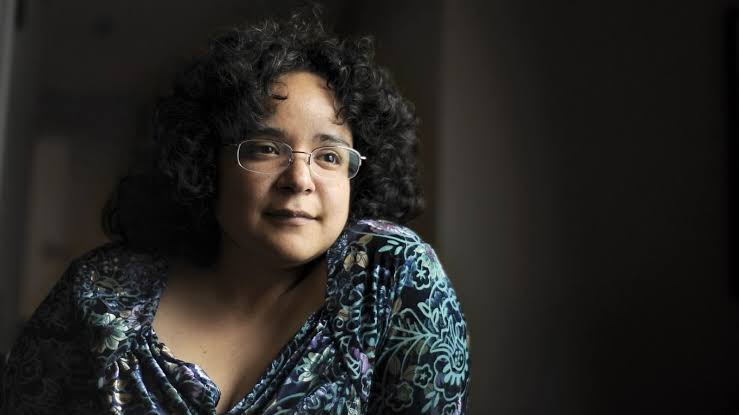
A FINAL DRAMATIC TOUCH: Only in Boulder? Departing patrons were greeted by blazing lights, flashing police cruisers, and a detour from the sidewalk. During the concert a bear had taken up residence in a tree on the Chautauqua grounds. This was just the extra drama a music festival should have at the base of the Flatirons!

A ‘welcoming opening night’ and a birthday at the 2023 Colorado Music Festival

Opening weeks: Joshua Bell plays Bruch, Rachmaninoff turns 150

By Peter Alexander Jun. 27 at 11:25 p.m.

Chautauqua Auditorium

The 2023 Colorado Music Festival (CMF) gets under way at the Chautauqua Auditorium Thursday with what music director Peter Oundjian calls “a very welcoming kind of opening night” (7:30 p.m. June 29; details below).

Peter Oundjian. Photo by Geremy Kornreich

By welcoming, Oundjian probably means comfortable for the audience. Or as he says, “you don’t want to do something too insanely eclectic on the opening night.” And indeed opening night is only a little bit eclectic, with a new piece by American composer Carlos Simon nestled with superstar violinist Joshua Bell playing Max Bruch’s G minor Violin Concerto and Mussorgsky’s evergreen favorite Pictures at an Exhibition in the familiar Ravel orchestral arrangement.

That program will be repeated at 6:30 p.m. Friday. Other events in the opening weeks of the festival are a family concert featuring Peter and the Wolf at 10:30 a.m. Sunday, July 2; and a celebration of the 150th anniversary of Rachmaninoff’s birth Thursday and Friday July 6 and 7, and Sunday, July 9 (times and programs below).

As the 2023 CMF artist in residence, Bell will be featured for the opening night concert, June 29–30; and at the closing two concerts, Aug. 3 and 6, when he will play a pre-premiere read-through of a suite for violin and  orchestra that he commissioned from five prominent American composers. While the later concerts explore Bell’s involvement in the music of our time, the opening night performance of the Bruch Concerto showcases his ability with Romantic music.

Joshua Bell. Photo by Phillip Knott

Oundjian has known Bell since he was 14 and values that ability. “He has always had this rare sort of skill, looking back to when people played in a Romantic fashion, with the repertoire that calls for it,” he says. Bell studied with legendary Russian-American violinist Josef Gingold, who was born in 1907 in Brest-Litovsk in what was then the Russian empire and who is considered one of the last links to the Romantic violin style.

“It was a beautiful old-school approach to the playing and the sound production,” Oundjian says of Gingold’s teaching. “The sound, the expressive fingering, finding a way to express like a singer would—that’s what’s so wonderful about Bell’s playing. He’s like a great singer.”

Bell has been unusually successful in the transition from prodigy at 14, and before, to a successful adult artist. “He’s very, very focused,” Oundjian says. “He’s very disciplined in terms of what his goals need to be, very clear I think in his career.”

The Bruch Concerto, written in 1866, is an ideal vehicle for the Romantic style that Bell represents. “It just never stops being stunningly beautiful,” Oundjian says. As for the rest of the opening program, “Carlos Simon is a great way to open it all up—it has drive and it’s surprising and it’s brand new.” And it’s programmed with Pictures at an Exhibition—”one of the most exciting orchestral pieces ever written.”

Carlos Simon. Photo by Terrance Ragland

Simon is currently composer in residence at the John F. Kennedy Center for the Performing Arts in Washington, D.C., and faculty at Georgetown University. He received the 2021 Medal of Excellence recognizing outstanding classical Black and Latinx musicians from the Sphinx Organization, which also commissioned Motherboxx Connection. The title is derived from the work of the cartoonist duo known as Black Kirby, which in turn is a pun on pioneering cartoonist Jack Kirby’s motherbox, a living computer.

Simon writes in his program notes, “To represent the power and intelligence of the motherboxx, I have composed a short, fast-moving musical idea that constantly weaves in and throughout the orchestra. A majestic, fanfare-like motif also provides the overall mood of strength and heroism. I imagine the motherboxx as an all-knowing entity that is aware of the multi-faceted aspects of blackness.”

For the second week of the festival, Oundjian put together programs that recognize the 150th anniversary of the birth of the great Russian composer Sergei Rachmaninoff. Two different programs will be shared over three concerts, July 6–7 and July 9. “The idea of celebrating the 150th birthday is completely obvious,” Oundjian says. “But what was less obvious was how to celebrate this.”

He thought of two things he could bring to American audiences that they might not know. First was that Rachmaninoff lived in the U.S. many years and eventually gained American citizenship; and the second was the playing of Russian pianist Nicolai Lugansky.

“What I decided was to focus on the great orchestral music, which included piano concertos created or premiered in America,” Oundjian explains. “It felt important for everyone to realize that Rachmaninoff, yes he was of Russian descent, but he died in America. In fact he got his American citizenship just weeks before he died. I think it’s important that we realize that this was his country. And this was where he found the most success and, I wouldn’t say happiness, but lack of unhappiness, more like.”

Those American works include familiar audience favorites—the Third Piano Concerto and the Rhapsody on a Theme of Paganini—but also works that are not well known but that Oundjian wants to bring to people’s attention.

“You have his magnificent Third Symphony which is not often played and I so love it, and the Third Piano Concerto, which was premiered by the New York Philharmonic,” he says. “And you have the other pieces written while he was living in America, the Symphonic Dances, which is an absolute masterpiece, and the Fourth Piano Concerto, which you never hear and is stunningly beautiful and the Paganini Variations which we all know and love.

“It just seemed to make up a beautiful week of celebration of Rachmaninoff in America.”

Nikolai Lugansky

For the concertos, Oundjian chose a pianist he has worked with in the past, but who is not well known in the U.S. “Nikolai Luganski is not well known in America, which is a reason that I thought it would be wonderful to bring him here. People should know about him.

“He plays the Rachmaninoff concerti in a style which is in line with the character and the true soul of Rachmaninoff. Rachmaninoff’s music shouldn’t be overzealously expressed, and Luganski’s playing is so powerful, it’s so spiritual—and (he has) a unique approach to Rachmaninoff that has a purity about it that I wanted to emphasize, because Rachmaninoff was a profoundly sensitive person.”

Oundjian is as pleased with the rest of the scheduled festival as he is with the opening concerts. “I was very fortunate that almost everything that we wanted to present became a reality—which is not always the case,” he says.

“People were available, and wanted to do the repertoire, so it came into place quite smoothly.”

NOTE: The remainder of the 2023 Colorado Music Festival will be previewed in subsequent articles.

# # # # #

COLORADO MUSIC FESTIVAL
Performances June 29–July 9
All performances at Chautauqua Auditorium

7:30 p.m. Thursday June 29 and 6:30 p.m. Friday, June 30: Festival Opening Program
Festival Orchestra, Peter Oundjian, conductor
With Joshua Bell, violin

  • Carlos Simon: “Motherboxx Connection” from Tales: A Folklore Symphony for orchestra
  • Max Bruch: Violin Concerto No. 1 in G minor
  • Mussorgsky: Pictures at an Exhibition (orchestrated by Ravel)      

Family Concert: 10:30 a.m. Sunday, July 2
Festival Orchestra, Kalena Bovell, conductor
With Jennifer Bird-Arvidsson, soprano, and Janae Burris, narrator

  • Bizet: Carmen Suite No. 1
  • Eric Whitacre: Goodnight Moon
  • Samuel Coleridge-Taylor: “Danse Nègre” from African Suite
  • Prokofiev: Peter and the Wolf     

7:30 p.m. Thursday, July 6 and 6:30 p.m. Friday July 7
Festival Orchestra, Peter Oundjian, conductor
With Nicolai Lugansky, piano

  • Rachmaninoff: Piano Concerto No. 3 in D Minor
    —Symphony No. 3 in A Minor      

6:30 p.m. Sunday, July 9
Festival Orchestra, Peter Oundjian, conductor
With Nicolai Lugansky, piano

  • Rachmaninoff: Rhapsody on a Theme of Paganini
    —Piano Concerto No. 4 in G Minor
    Symphonic Dances

TICKETS

Colorado Music Festival announces 2023 concerts

Joshua Bell as artist-in-residence, John Corigliano composer-in-residence

By Peter Alexander Jan. 25 at 11 a.m.

The Colorado Music Festival (CMF) has announced their 2023 summer season at Chautauqua. 

Peter Oundjian. Photo by Geremy Kornreich

The formal announcement of the season was made last night (Jan, 24) at the Center for Musical Arts in Lafayette, which is the sister organization of the CMF. The event was live streamed to the public.

Before the introduction of the concerts by music director Peter Oundjian, executive director Elizabeth McGuire announced that the CMF’s 2022 world premiere performance of Flying On the Scaly Backs of Our Mountains by Wang Jie had reached more than a million listeners world-wide through radio—“more than doubling the reach of the festival over its history with one performance,” she said.

Oundjian has written of the 2023 season, We are so fortunate to bring to you some of the greatest performers alive today, including artist-in-residence Joshua Bell, along with the extraordinary talents of eight of today’s brilliant composers. It is such a thrill to hear today’s voices alongside—and interacting with—groundbreaking voices from the past, giving us a unique window into centuries of the greatest in creativity.”

John Corigliano. Photo by J. Henry Fair

Since his appointment as music director in 2018, Oundjian has made the music of today a focus of the festival. Among the living composers whose music will be performed this summer is John Corigliano, winner of the Pulitzer Prize, four Grammies and an Academy Award. As composer-in-residence, Corigliano will be present at the festival for a concert devoted entirely to his music on July 13 (see full programs below).

Premieres will be presented of works by Jordan Holloway, CU faculty member Carter Pann, and Adolphus Hailstork. All three will be performed on July 16, as the culmination of a week of “Music of Today.” A preview of music by five other living composers will be offered by Bell, who has commissioned a five-movement suite for violin and orchestra from five different composers.

Joshua Bell. Photo by Phillip Knott

The suite, titled Elements, will have its official premiere later, but all five movements will be previewed over two concerts at CMF—the final two concerts of the season (Aug. 3 and 6). The composers who have contributed to Elements are among the most important composers working today: Jake Heggie, Jessie Montgomery, Edgar Meyer, Jennifer Higdon and Kevin Puts.

Bell will also be at CMF for the first week of the festival and will play Max Bruch’s Violin Concerto in G minor on the opening program, June 29 and 30.

A highlight of the 2023 festival will be two programs celebrating the 150th anniversary of the birth of composer Sergei Rachmaninoff (July 6–7 and July 9). Oundjian said that it seemed appropriate in 2023 to perform works composed outside Russia, many of them in the United States which was Rachmaninoff’s home in the later years of his life. These works include the Third and Fourth piano concertos, the beloved Rhapsody on a Theme of Paganini, and the rarely performed Symphony No. 3.

Michael Christie. Photo by Bradford Rogne

Another feature of the 2023 festival of which Oundjian is particularly proud is the continuation of the Robert Mann Chamber Music Series, named for the founding first violinist of the Juilliard String Quartet. In addition to performances by members of the Festival Orchestra, the four-concert series will also feature guest performances by the JACK Quartet, renowned for their performances of contemporary music, and the Brentano String Quartet.

The 2023 festival will also see the return of Music Director Emeritus Michael Christie to conduct concerts on July 20 and 21. Christie was the CMF music director 2000–13.

“Not only does the 2023 season promise to be artistically stunning, I know our audiences will appreciate the way the programming weaves so many diverse, timely, and relevant voices into the fabric of classical music,” executive director Elizabeth McGuire wrote.

Performances this summer will be at 7:30 p.m. on Tuesdays and Thursdays, and 6:30 p.m. Fridays and Sundays. As in past years, Tuesdays will be devoted to chamber music, other days to Festival Orchestra performances. In response to comments from patrons, the Family Concert on Sunday, July 2, has been moved earlier in the day, to 10:30 a.m. Other updates to the festival this year include a new ticketing system through the Chautauqua Box Office, and meals available for pre-order through the ticketing system.

Subscription tickets for the 2023 festival are available here. Single-concert tickets go on sale March 7 through the CMF Web page, or by phone at the Chautauqua Box Office at 303-440-7666. New for 2023, CMF is offering $10 tickets for youth (ages 18 and under) and students with current school identification. More information can be found HERE.

# # # # #

COLORADO MUSIC FESTIVAL
2023 Performance Schedule
All performances at Chautauqua Auditorium

7:30 p.m. Thursday June 29 and 6:30 p.m. Friday, June 30: Festival Opening Program
Festival Orchestra, Peter Oundjian, conductor
With Joshua Bell, violin

  • Carlos Simon: “Motherboxx Connection” from Tales: A Folklore Symphony for orchestra
  • Max Bruch: Violin Concerto No. 1 in G minor
  • Mussorgsky: Pictures at an Exhibition (orchestrated by Ravel)

Family Concert: 10:30 a.m. Sunday, July 2
Festival Orchestra, Kalena Bovell, conductor
With Jennifer Bird-Arvidsson, soprano, and Janae Burris, narrator

  • Bizet: Carmen Suite No. 1
  • Eric Whitacre: Goodnight Moon
  • Samuel Coleridge-Taylor: “Danse Nègre” from African Suite
  • Prokofiev: Peter and the Wolf

7:30 p.m. Thursday, July 6 and 6:30 p.m. Friday July 7
Festival Orchestra, Peter Oundjian, conductor
With Nicolai Lugansky, piano

  • Rachmaninoff: Piano Concerto No. 3 in D Minor,
    —Symphony No. 3 in A Minor

6:30 p.m. Sunday, July 9
Festival Orchestra, Peter Oundjian, conductor
With Nicolai Lugansky, piano

  • Rachmaninoff: Rhapsody on a Theme of Paganini
    —Piano Concerto No. 4 in G Minor
    Symphonic Dances

7:30 p.m. Tuesday, July 11
Robert Mann Chamber Music Series: JACK Quartet

  • Morton Feldman: Structures for String Quartet (1951)
  • Caleb Burhans: Contritus (2010) 
  • Philip Glass: String Quartet No. 5 (1991)
  • Caroline Shaw: Entr’acte (2011)
  • John Zorn: The Remedy of Fortune for String Quartet (2016)

7:30 p.m. Thursday, July 13
Festival Orchestra, Peter Oundjian, conductor
With Timothy McAllister, saxophone

  • John Corigliano: Gazebo Dances (for orchestra) (1974)
    One Sweet Morning for voice and orchestra (2010)
    Triathlon for saxophone and orchestra (2020)

6:30 p.m. Sunday, July 16
World premieres: Festival Orchestra, Peter Oundjian, conductor
With Janice Chandler-Eteme, soprano, and Eric Owens, narrator

  • Jordan Holloway: Flatiron Escapades (world premiere commission)
  • Carter Pann: Dreams I Must Not Speak (world premiere commission)
  • Adolphus Hailstork: JFK: The Last Speech (world premiere)

7:30 p.m. Tuesday, July 18
Robert Mann Chamber Music Series: Brentano String Quartet

  • Mozart: String Quartet in D Major, K499
  • James MacMillan: Memento for string quartet (1994)
    For Sonny for string quartet (2011)
  • Beethoven, String Quartet No. 13 in B-flat Major, op. 130

7:30 p.m. Thursday, July 20, and 6:30 p.m. Friday, July 21
Festival Orchestra, Music Director Emeritus Michael Christie, conductor
With Michelle Cann, piano

  • Ravel: Piano Concerto in G Major
  • Florence Price: Piano Concerto in One Movement
  • Tchaikovsky: Symphony No. 4 in F Minor, op. 36

6:30 p.m. Sunday, July 23
Festival Orchestra, François López-Ferrer, conductor
With Grace Park, violin

  • Mozart: Overture to The Impresario K486
    —Violin Concerto No. 3 in G Major, K216
    —Adagio and Fugue in C Minor, K546
    —Symphony No. 36 in C Major, (“Linz”) K425

7:30 p.m. Tuesday, July 25
Robert Mann Chamber Music Series: Members of the Colorado Music Festival Orchestra

  • Benjamin Britten: Phantasy Quartet for Oboe and Strings, op. 2
  • Francis Poulenc: Sextet in C Major for Piano and Winds
  • Brahms: String Sextet No. 2 in G Major, op. 36

7:30 p.m. Thursday, July 27, and 6:30 p.m. Friday, July 28
Festival Orchestra: Eun Sun Kim, conductor
With Johannes Moser, cello

  • Mason Bates: The Rhapsody of Steve Jobs (2021)
  • Shostakovich: Cello Concerto No. 1 in E-flat Major, op. 107
  • Brahms: Symphony No. 2 in D Major, op. 73

6:30 p.m. Sunday, July 30
Festival Orchestra, Hannu Lintu, conductor,
With Lise de la Salle, piano

  • Einojuhani Rautavaara: Cantus Arcticus (1974)
  • Schumann: Piano Concerto in A Minor
  • Haydn: Symphony No. 96 in D Major (“Miracle”)

7:30 p.m. Tuesday, Aug. 1
Robert Mann Chamber Music Series: Members of the Colorado Music Festival Orchestra

  • Beethoven: String Trio in C Minor, op. 9 no. 3
  • Debussy: Danses sacrée et profane (Sacred and profane dances)
  • Dvořák: Piano Quintet No. 2 in A Major, op. 81

7:30 p.m. Thursday, Aug. 3
Festival Orchestra, Peter Oundjian, conductor
With Joshua Bell, violin

  • The Elements: Suite for Violin and Orchestra (commissioned by Joshua Bell)
    “Fire” by Jake Heggie
    “Ether” by Jessie Montgomery
    “Water” by Edgar Meyer
  • Debussy: La Mer

6:30 p.m. Sunday, Aug. 6: Festival Finale Concert
Festival Orchestra, Peter Oundjian, conductor
With Joshua Bell, violin

  • The Elements: Suite for Violin and Orchestra (commissioned by Joshua Bell)
    “Air” by Jennifer Higdon
    “Earth” by Kevin Puts
  • Mahler: Symphony No. 1 in D Major (“Titan”)

Colorado Music Festival under way with music by living composers

Composer-in-residence John Adams, “Music of Today” are featured in the 2022 season

By Peter Alexander July 6 at 10:30 p.m.

The 2022 Colorado Music Festival (CMF), underway at Boulder’s Chautauqua Auditorium, offers some terrific programs, but if you want to know which ones are most exciting, don’t ask Peter Oundjian. The festival’s music director and conductor loves them all.

Peter Oundjian at Chautauqua

“Since I designed it, there’s nothing I’m not excited about,” he says of this year’s festival. “You’ve got really interesting guests and wonderful artists, the Takács Quartet and John Adams and Mahler’s Fifth and a fanfare by Wynton Marsalis. It’s full of exciting prospects!” (See the complete, updated program for the festival below.)

In fact, there is enough excitement that it’s hard to mention it all in one sentence. Other intriguing prospects for the summer are performances of all five Beethoven piano concertos on three concerts, by rising Canadian pianist Jan Lisiecki (July 7–10); a week of “Music of Today” (July 12–17); world premieres of music by Timo Andres (July 17) and Wang Jie (Aug. 4); guest performances by pianist Jeremy Denk (July 17), violinist Randall Goosby (July 21–22) and clarinetist Anthony McGill (Aug. 4).

Here are closer looks into some of the headline events during the summer:

Jan Lisiecki. Photo by Mathias Bothor—DG

Lisiecki’s Beethoven Piano Concerto series opens Thursday. “Jan is a young musician and p pianist, really remarkable, and he just recorded the piano concerti of Beethoven for Deutsche Grammophon [record label].” Oundjian says. “He was supposed to play them two years ago, for Beethoven’s 250th. I really didn’t want to lose that idea for the festival, and he promised that he would come back and play them all.”

Another anniversary, one this year, provided the other idea for programming the three concerts. The year 2022 is the 150th anniversary of the birth of the English composer Ralph Vaughan Williams, whose works will open the concerts that conclude with Beethoven’s piano concertos. Fantasia on a Theme by Thomas Tallis open the first of the Beethoven-Vaughan Williams concerts (July 7), followed by the Overture to The Wasps (July 8), and the Fifth Symphony (July 10).

“I’ve always been an enormous admirer of Vaughan Williams’s music,” Oundjian says. “It’s the 150th anniversary and I don’t think anybody in this country has acknowledged it, so that’s what we’re doing. The Fifth Symphony is really extraordinary—it’s so evocative, it’s so beautiful and so sad and reflective, but it ends with a great sense of optimism.”

“Music of Today” (July 12–17) is central to Oundjian’s concept of the festival. “I hope to think it’s important to everyone, but it’s certainly important to me,” he says. Music for the week-long mini-festival was selected by Oundjian together with the Pulitzer Prize-winning composer John Adams, who is the CMF composer-in-residence. In addition to his works being featured throughout the festival, Adams personally selected some of the composers for the festival, and he will conduct part of the programs July 14 and 17.

At 75, Adams is one of the country’s most revered composers. He is perhaps best known for his operas, including Nixon in China (1987) and Dr. Atomic (2005), but he has also written numerous orchestral, chamber, and solo piano works, several of which will be heard at CMF. His On the Transmigration of Souls, written in commemoration of the Sept. 11, 2001, terrorist attack on the World Trade Centra in New York, won the Pulitzer Prize.

John Adams. Photo by Riccardo Musacchio

All four of the “Music of Today” concert include music by Adams, but they also include younger composers who are, so far, less known. The mini-festival opens with the Attacca Quartet (July 12), a young string quartet who describe themselves as “passionate advocates of contemporary repertoire.” 

In addition to selections from Adams’s John’s Book of Alleged Dances, Attacca will perform music by Flying Lotus, a DJ, producer and rapper from Los Angeles; Anne Müller, a German cellist/composer; American singer-songwriter Louis Cole; Philip Glass; and Caroline Shaw, who at 30 became the youngest-ever winner of the Pulitzer Prize in composition.

A Festival Orchestra concert (July 14) will feature both Oundjian and Adams conducting. The program comprises Adams’s City Noir, an atmospheric and jazzy symphony inspired by the culture of Los Angeles and noir films of the ‘40s and ‘50s; a Chamber Concerto by his son, Samuel Adams; and the world premiere of Dark Patterns by pianist/composer Timo Andres, a CMF commission. In addition to Dark Patterns, Andres has received commissions from Carnegie Hall for the Takacs Quartet, the Boston Symphony, the St. Paul Chamber Orchestra and the New World Symphony. 

Surely a highlight of “Music for Today” will be the “Kaleidoscope” concert (July 15), with performances by guest artists Tessa Lark, violin, and Timothy McAllister, saxophone, with members of the CMF orchestra. Using lighting and video to create a theatrical performance as well as a concert, “Kaleidoscope” features, yes, a kaleidoscopic array of different composers—Adams, Glass, John Corigliano, Osvaldo Golijov, and others.

“It’s so much fun!” Oundjian says. “We put a screen up, and cameras everywhere, so you can watch the artists normally, or you can watch them at various different angles. And all of this cool lighting.! It’s like a theater evening rather than a concert.”

Gabriella Smith

“Music of Today” concludes with another concert shared by Oundjian and Adams as conductors of the CMF orchestra, with pianist Jeremy Denk playing Adams’s Must the Devil Have All the Good Tunes? (July 17).Also on the program is Tumblebird Contrails by Gabriella Smith, a committed environmentalist as well as composer. The score was inspired by an experience Smith had backpacking at the edge of the ocean at Pt. Reyes, Calif. The title, she writes, “is a Kerouac-inspired nonsense phrase.”

The final piece of the “Music of Today” week is also the only piece by a composer who is no longer living, the Symphony No. 6 by Christopher Rouse. “John and Christopher knew each other quite well,” Oundjian says. “(Rouse) basically composes his own final moments—when the gong sounds at the end, that is the final moment of life, and it’s very, very moving. So that’s why I’m ending the whole week with it.”

Later in  the summer, former CMF music director Jean-Marie Zeitouni will return to Boulder to lead two programs (July 18–29 and July 31). The first will feature more or less standard repertoire, including Venezuelan pianist Gabriela Montero playing Tchaikovsky’s every-popular First Piano Concerto. Known for her brilliant improvising skills, Montero has appeared in Boulder before, most recently with the CMF orchestra in July 2019.

Zeitouni’s second program is more interesting: Jessie Montgomery’s Starburst for strings, Bizet’s youthful Symphony in C major, and Mendelssohn’s incidental music to A Midsummer Night’s Dream. This very familiar music is rarely heard in its intended context—the play by William Shakespeare. The CMF performance will provide at least a taste of the original idea, with musical passages presented with texts from Shakespeare’s play spoken by actors John de Lancie and Marnie Mosiman. The performance will feature sopranos Jennifer Bird-Arvidsson and Abigail Nims.

The Festival Finale Concert (Aug. 7) ends the festival with a bang: the Colorado premiere of Wynton Marsalis’s fanfare Herald, Holler and Hallelujah! a CMF co-commission, and Mahler’s Fifth Symphony. Ending the summer with a Mahler is symphony is not a convention at CMF, but Oundjian would not mind if it were. 

“I wouldn’t want to call it a tradition yet, because we only did it ‘19.” he says. “There’s nothing quite like Mahler for an orchestra, for a conductor, for the experience to listening as a music lover. So I like the idea. We’re going to try again for ‘23.”

The festival’s mix of audience favorites—Beethoven’s “Emperor” Concerto, Tchaikovsky’s Piano Concerto and Mahler’s Fifth, for example—with interesting new works by John Adams, Christopher Rouse, and younger composers including Carolyn Shaw, Flying Lotus, Gabriella Smith and Timo Andres, brings Oundjian’s vision of the festival to life.

“You can’t only program for the box office,“ he says. “You have to program for vision, and for maybe down-the-road box office. If you put interesting juxtapositions together, people develop a trust in you, and they’ll buy stuff they wouldn’t have bought two years earlier.
“It’s like when you go into an art gallery: you don’t have to love everything you see. It’s important that you enjoy an incredibly select [portion] that’s just amazing.”
With such wide ranging repertoire, this year’s CMF gives the audience a lot of opportunities to discover something “just amazing.” And perhaps to discover some new favorite composers in the process.
# # # # #

Colorado Music Festival 2022
(Remaining concerts)
All performances at Chautauqua Auditorium

7:30 pm. Thursday, July 7
Peter Oundjian, conductor, with Jan Lisiecki, piano

  • Ralph Vaughan Williams: Fantasia on a Theme by Thomas Tallis
  • Beethoven: Piano Concerto No. 1 in C major
    —Piano Concerto No. 3 in C minor

6:30 p.m. Friday, July 8
Peter Oundjian, conductor, with Jan Lisiecki, piano

  • Ralph Vaughan Williams: Overture to The Wasps 
  • Beethoven: Piano Concerto No. 2 in B-flat major
    —Piano Concerto No. 4 in G major

6:30 p.m. Sunday, July 10
Peter Oundjian, conductor, with Jan Lisiecki, piano

  • Ralph Vaughan Williams: Symphony No. 5 in D major
  • Beethoven: Piano Concerto No. 5 in E-flat major (“Emperor”)

——-Music of Today——-

7:30 p.m. Tuesday, July 12
Attacca Quartet

  • John Adams: selections from John’s Book of Alleged Dances 
  • Flying Lotus: Clock Catcher
    Remind U
    Pilgrim Side Eye
  • Anne Müller: Drifting Circles 
  • Louis Cole: Real Life
  • Philip Glass: String Quartet No. 3, “Mishima”
  • Caroline Shaw: The Evergreen
  • Gabriella Smith: Carrot Revolution

7:30 p.m. Thursday, July 14
Peter Oundjian and John Adams, conductors
With Samuel Adams, composer; Tessa Lark, violin; and Timothy McAllister, saxophone

  • Timo Andres: Dark Patterns (world premiere commission)
  • Samuel Adams: Chamber Concerto 
  • John Adams: City Noir

7:30 p.m. Friday, July 15: Kaleidoscope
Timo Andres, piano; Tessa Lark, violin; Timothy McAllister, saxophone; and members of the Colorado Music Festival Orchestra

  • David Skidmore: Ritual Music 
  • Stacy Garrop: Reborn in flames (from Phoenix Rising)
  • Osvaldo Golijov: Last Round
  • Valerie Coleman: Red Clay & Mississippi Delta for Wind Quintet
  • Timo Andres: Honest Labor 
  • Roshanne Etezady: Recurring Dreams 
  • John Corigliano: STOMP 
  • Philip Glass: Etude No. 6 
  • John Adams: Road Movie

6:30 p.m. Sunday, July 17
Peter Oundjian and John Adams, conductors, Jeremy Denk, piano

  • Gabriella Smith: Tumblebird Contrails 
  • John Adams: Must the Devil Have All the Good Tunes? 
  • Christopher Rouse: Symphony No. 6

—————————

7:30 Tuesday, July 19: Flavors of Russia
Members of the Colorado Music Festival Orchestra

  • Borodin: String Sextet in D minor
  • Mikhail Glinka: Trio Pathétique in D minor
  • Tchaikovsky: Souvenir de Florence Sextet in D Minor, op. 70

7:30 p.m. Thursday, July 21
6:30 p.m. Friday, July 22
Ryan Bancroft, conductor, with Randall Goosby violin

  • Samuel Coleridge-Taylor: Ballade in A minor for orchestra
  • Florence Price: Violin Concerto No. 2
  • Saint-Saëns: Introduction and Rondo Capriccioso, op. 28
  • Sibelius: Symphony No. 2 in D major

6:30 p.m. Sunday, July 24
Ryan Bancroft, conductor, with Albert Cano Smit, piano

  • Mozart: Serenade in C minor for winds, K388 
    —Piano Concerto B-flat major, K595 
    —Symphony No. 39 in E-flat major, K543

7:30 p.m. Tuesday, July 26
Members of the Colorado Music Festival Orchestra

  • Mozart: Flute Quartet in D Major, K285
  • Coleridge-Taylor Perkinson: Movement for String Trio
  • Dvořák: Terzetto in C Major, op. 74
  • Brahms: Clarinet Quintet in B minor, op. 115

7:30 p.m. Thursday, July 28
6:30 p.m. Friday, July 29
Jean-Marie Zeitouni, conductor, with Gabriela Montero, piano

  • Mussorgsky, arr. Rimsky-Korsakov: Night on Bald Mountain
  • Tchaikovsky: Piano Concerto No. 1 in B-flat minor
  • Prokofiev: Symphony No. 5 in B-flat major

6:30 p.m. Sunday, July 31
Jean-Marie Zeitouni, conductor with Jennifer Bird-Arvidsson and Abigail Nims, sopranos; John de Lancie and Marnie Mosiman, actors

  • Jessie Montgomery: Starburst 
  • Georges Bizet: Symphony No. 1 in C major 
  • Felix Mendelssohn: Incidental Music to A Midsummer Night’s Dream

7:30 p.m. Tuesday, Aug. 2
Danish String Quartet

  • Henry Purcell, arr. Benjamin Britten: Chacony in G minor
  • Folk Music from the British Isles, arr. Danish String Quartet
  • Schubert: String Quartet No. 14 in D minor (“Death and the Maiden”)

7:30 p.m. Thursday, Aug. 4
Peter Oundjian, conductor, with Anthony McGill, clarinet

  • Wang Jie: Flying On the Scaly Backs of Our Mountains (world premiere)
  • Carl Maria von Weber: Clarinet Concerto No. 1 in F minor 
  • Debussy: Première Rhapsodie for clarinet and orchestra
  • Stravinsky: Suite from The Firebird (1919) 

6:30 p.m. Sunday, Aug. 7: Festival Finale Concert
Peter Oundjian, conductor

  • Wynton Marsalis: Herald, Holler and Hallelujah! (Colorado premiere, co-commission)
  • Mahler: Symphony No. 5 in C-sharp minor