Two Ninths add up to grand finale at CMF

Peter Oudjian to conduct famous last symphonies by Beethoven and Mahler

By Peter Alexander July 26 at 5:00 p.m.

Music director Peter Oundjian will conclude the 49th Colorado Music Festival (CMF) this week with performances of two very different ninth symphonies.
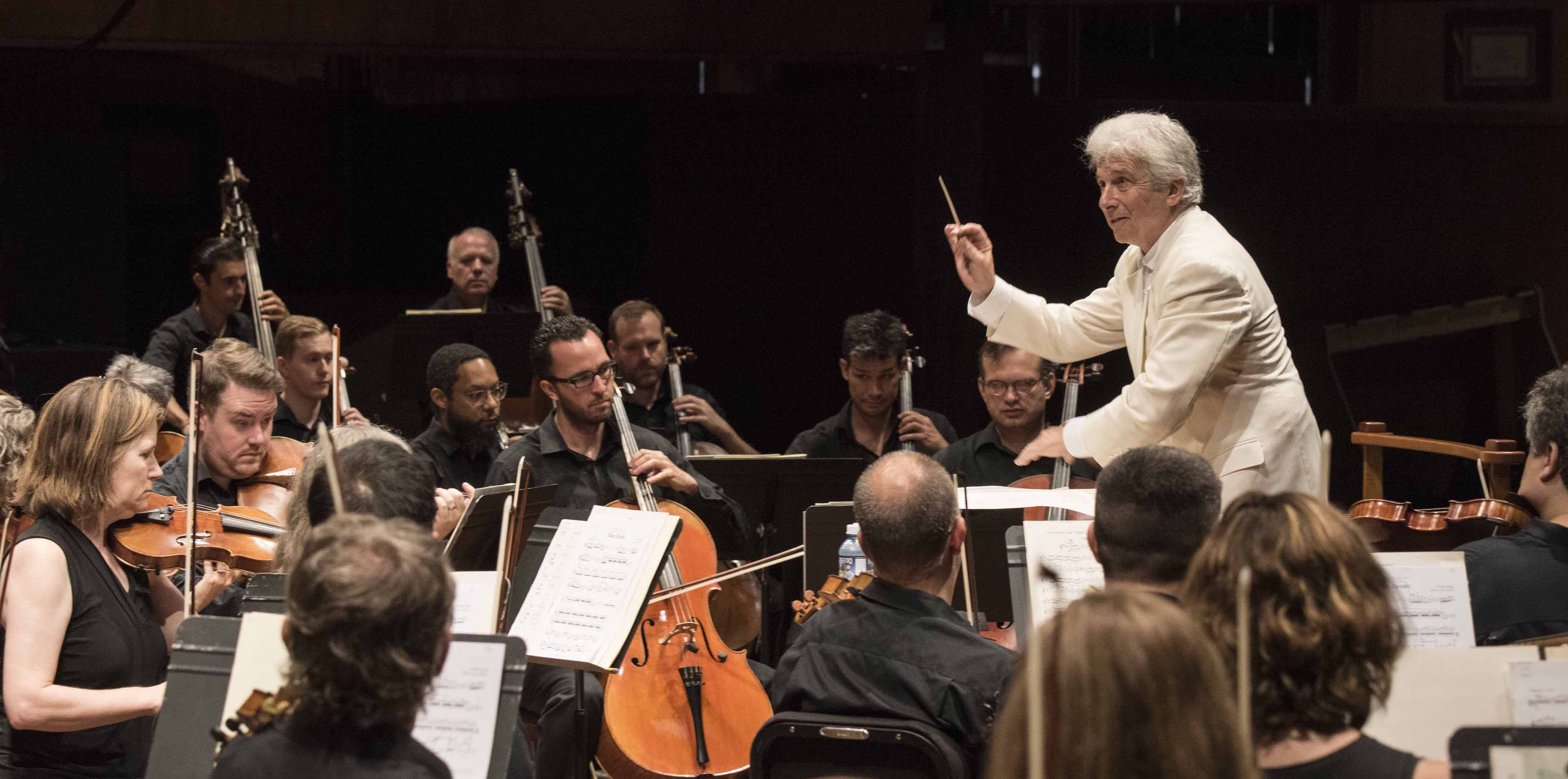
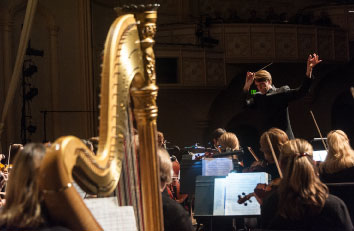
CMF Music director Peter Oundjian conducting the CMF Festival Orchestra

Thursday and Friday will see performances of one of the most famous symphonies ever written, Beethoven’s Symphony No. 9 in D minor for full orchestra, chorus and soloists (7:30 p.m. July 31 and 6:30 p.m. Aug. 1; full programs below). Two shorter works will fill out the program both evenings: Amplify, a short work for orchestra co-commissioned by CMF from composer Michael Abels; and Beethoven’s Elegischer Gesang (Elegiac song), op.118, for string quartet and vocal quartet.
Dover Quartet. Photo by Roy Cox.

The Sunday concert will feature a much less frequently performed Ninth Symphony, that of Gustav Mahler. At 87-plus minutes, the symphony stands alone on the program. “Mahler 9 is just enough of an experience for a listener, or for that matter for an orchestra or even for a conductor,” Oundjian says. “I have done it with other pieces, but I think it’s better just to say, ‘here’s  an epic thing.’ It’s more than fulfilling by any measure.”

The week begins with a chamber music concert by the Dover Quartet, playing string quartets from the heart of the 19th-century to late Romantic era: music by Schumann, Tchaikovsky and Leoš Janáček. (See program below.) The Dover Quartet was formed by four students at the Curtis Institute in 2008, and is currently the Penelope P. Watkins ensemble in residence at Curtis.

The culmination of Beethoven’s career, the Ninth Symphony was first performed in May of 1824. It was a revolutionary work at the time, both for its great length and for the inclusion of voices in a symphony. When he wrote it, Beethoven was profoundly deaf, at the end of the performance the composer, who was standing onstage, had to be turned around by one of the singers so that he could see the cheering audience.
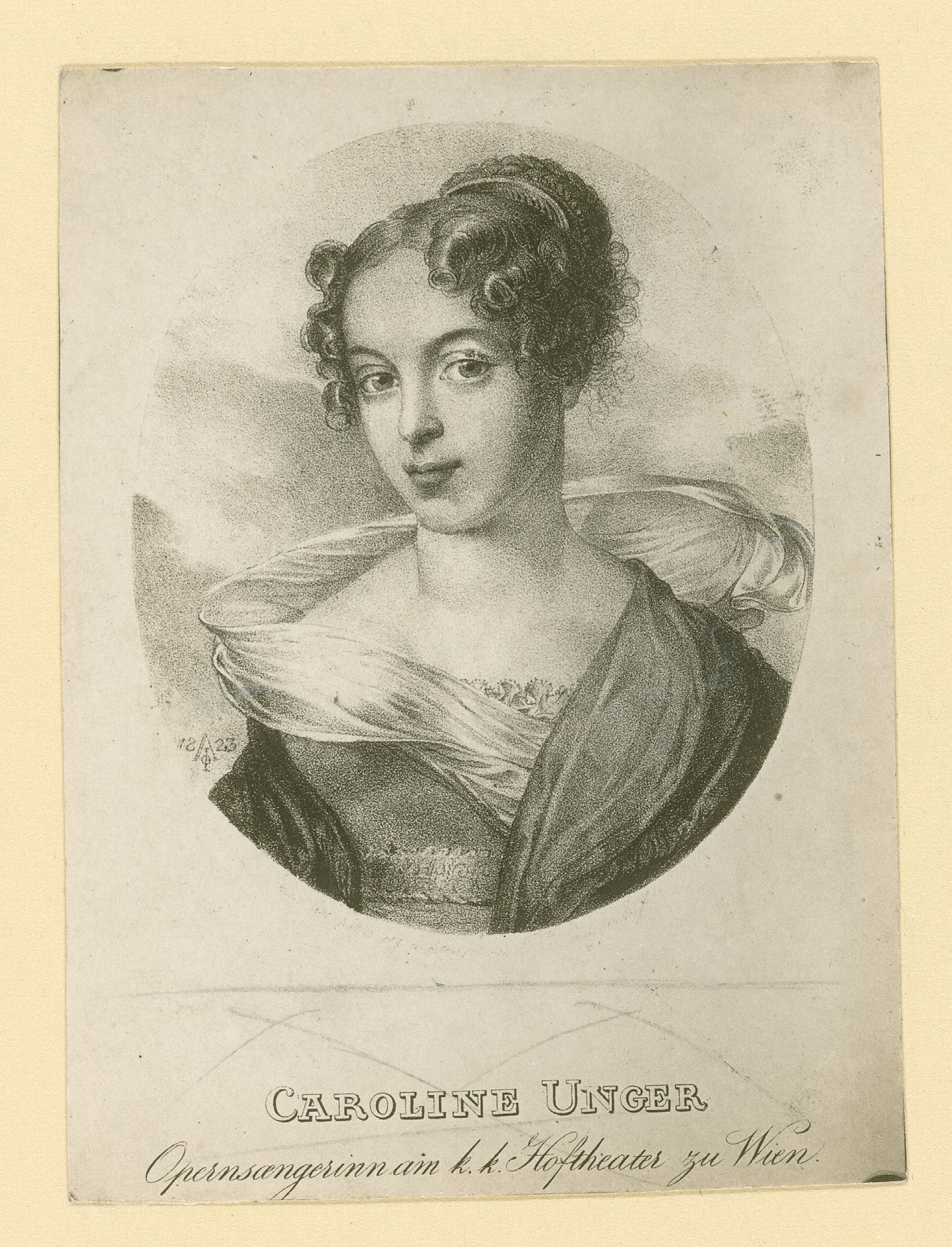
Alto Caroline Unger, who is said to have turned Beethoven to see the cheering audience for the Ninth Symphony.

Today the Ninth Symphony has become the favorite classical piece for celebrations, largely due to its joyful finale based on Friedrich Schiller’s poem “Ode to Joy.” It was famously performed in Berlin in 1989 by Leonard Bernstein and a combined orchestra from East and West Germany to celebrate the fall of the Berlin Wall, with the word “Freude” (Joy) replaced in the text with “”Freiheit” (Freedom).

As much as he loves the entire work, Oudjian says it’s “the profundity, beauty and sense of longing that the slow movement displays” that makes the Ninth a great work. “The depth of this slow movement is for me the peak of the experience,” he says.

“This is among the greatest (musical) variations that was every written. The way he uses the skill of embellishment and transformation among the most important elements (goes) beyond what one could ever imagine.”

Due to the impact of the symphony, and the fact that long after no major composer wrote more than nine symphonies, a legend grew that there was a supernatural limit on the number of symphonies one could write. No one bought into that legend more than Mahler, who avoided as long as possible writing a Ninth symphony. In fact, after his 8th, he called his next major piece Das Lied von der Erde (The song of the earth) rather than a symphony.
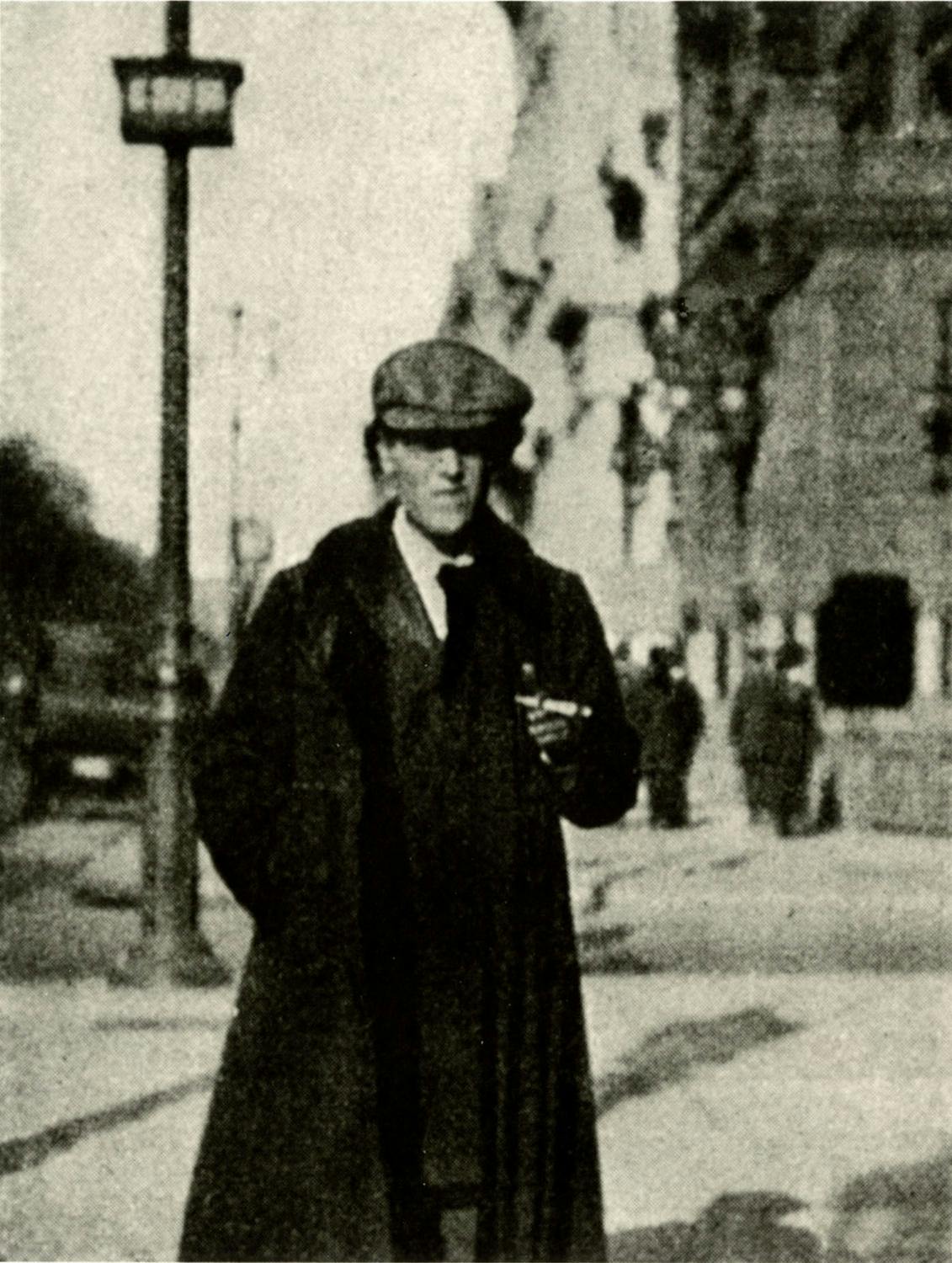
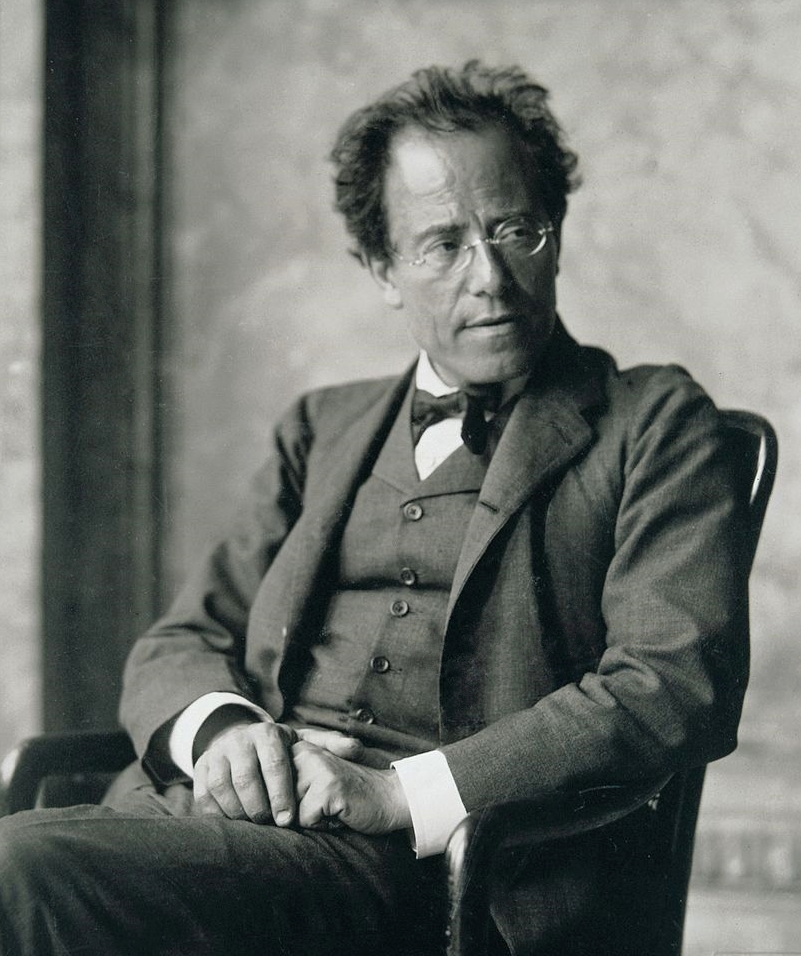
Gustav Mahler in New York shortly after the completion of his Ninth Symphony.

Having safely completed Das Lied, Mahler went on to complete his Ninth Symphony. Ironically, it was still his last completed symphony, although his Tenth has been completed by various editors based on one mostly finished movement and sketches.

As profound as it is, Mahler’s Ninth is not played nearly as often as Beethoven’s. That may be in part because it takes such focus to shape the music over such a long span of time. For Oundjian, the key is to conceive of the performance as a journey.

“[It takes] a tremendous amount of concentration, but you never say ‘Oh my god, I’ve still got to be playing this for 25 more minutes’,” he says. “You’re just thinking about where you are in the journey, and what’s coming and how important this moment is.”

In contrast to Beethoven’s Ninth, Mahler’s Ninth is less a grand celebration and more a final reduction of the symphony into its smallest elements. “Deconstruction is exactly what happens,” Oudjian says. “You have one little gesture that lasts a few notes, then another gesture that removes a couple of notes, and finally just a cadence.”

The key to understanding the Symphony is to hear how the very contrasting movements outline the journey from start to finish. “The first movement is the greatest expression of anguish that you could imagine, but also a strange kind of optimism,” Oundjian says. “The second movement is really bizarre, looking backwards to a simpler time, the Baroque or early classical period.
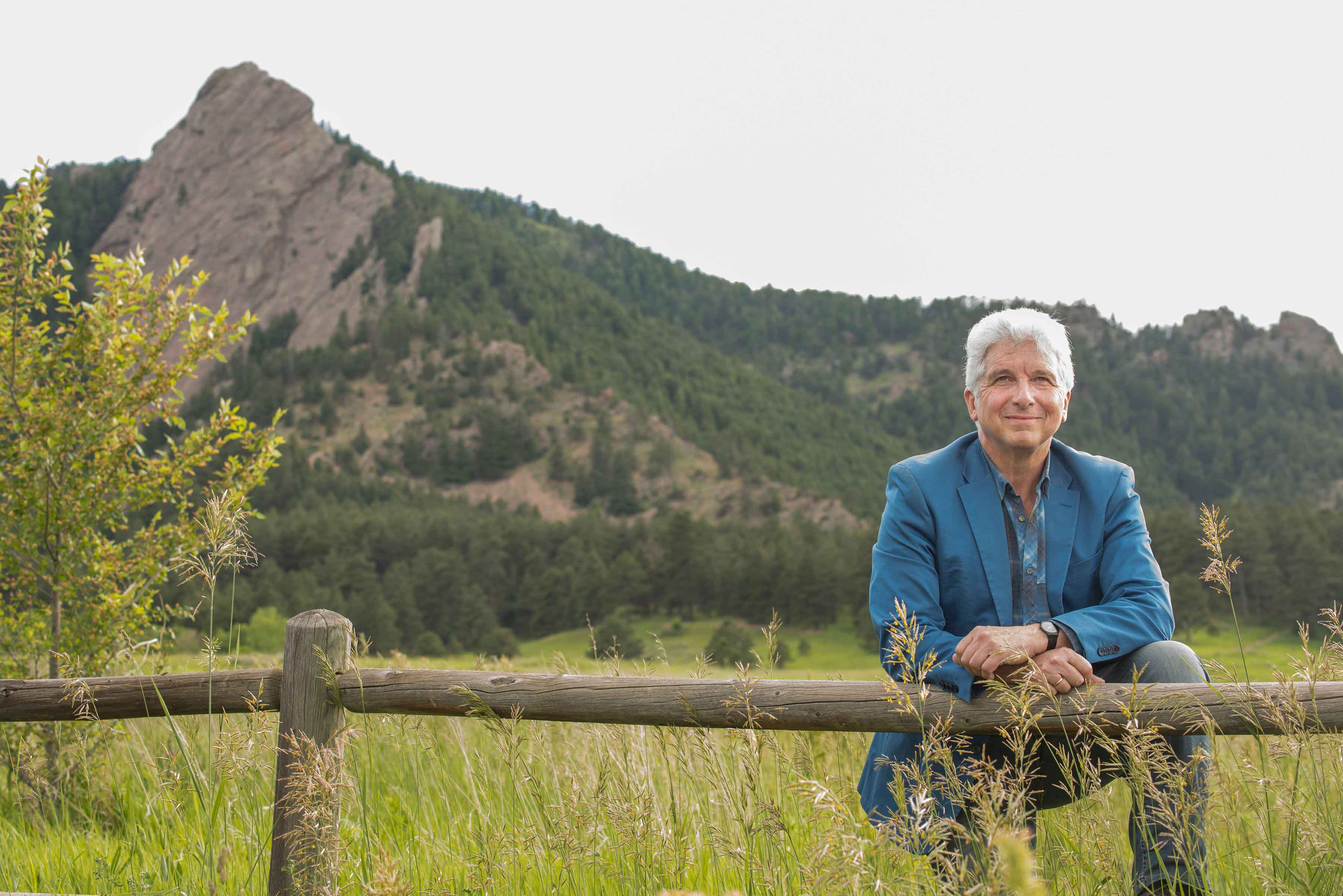
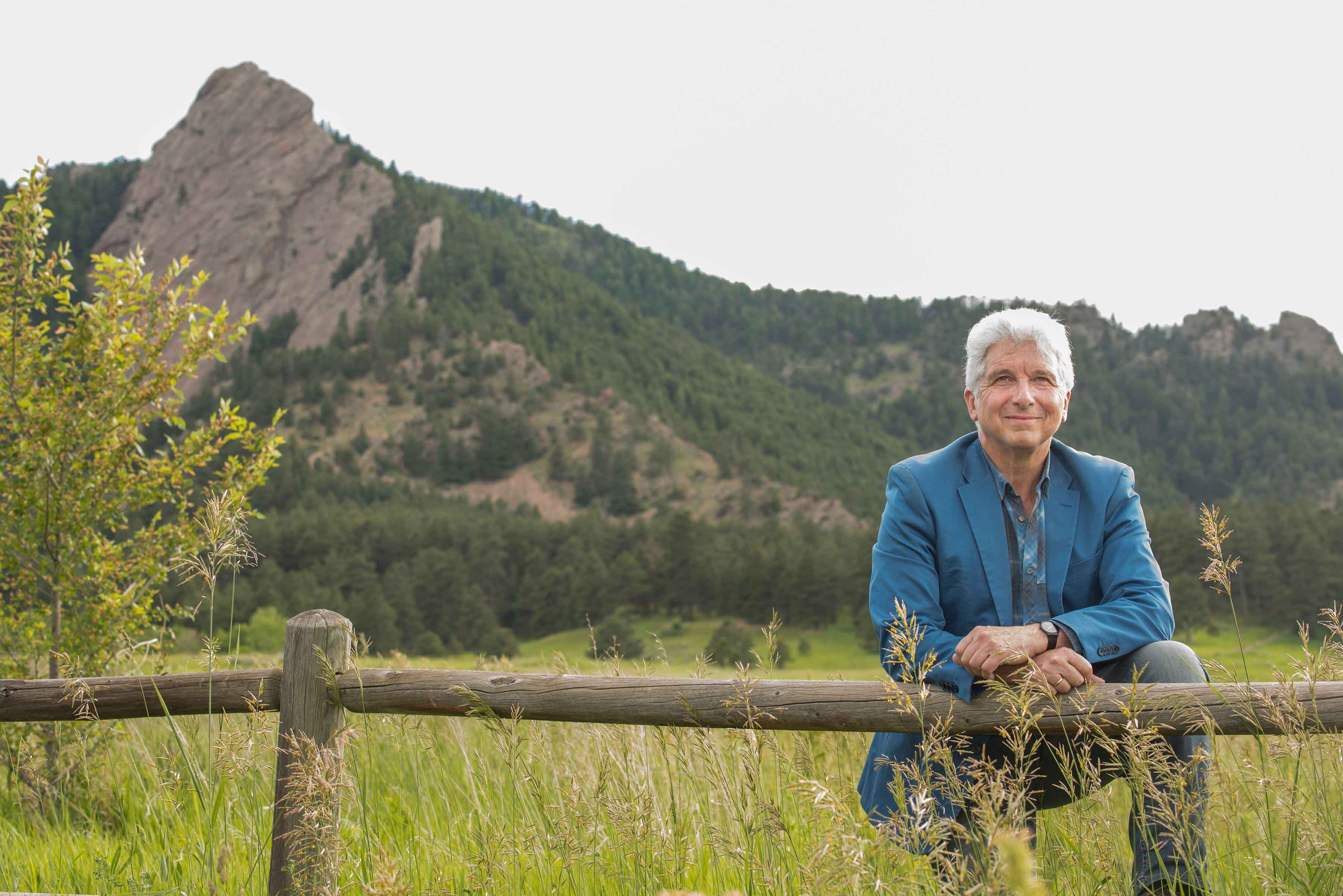
CMF Music Director Peter Oundjian

“The third movement looks forward to modernism in a way that you could never imagine. It sounds like Shostakovich or Hindemith half the time—later composers (who) were very influenced by Mahler. And the final movement is a statement unlike any other. It’s about eternal beauty and longing and possibility, and perhaps the end is an image of the afterlife, or even the journey between one life and the next. But it’s staggeringly beautiful and it uses silences in a way that no composer had ever dared to do.”

And in the end, Mahler’s silences will help close the 49th Colorado Music Festival.

# # # # #

Colorado Music Festival, Peter Oundjian, music director
Tuesday, July 29–Festival Finale, Sunday, Aug. 3
All performances in Chautauqua Auditorium

Chamber Music Concert
Dover Quartet

  • Leoš Janáček: String Quartet No. 1 (“Kreutzer Sonata”)
  • Schumann: String Quartet No. 1 in A minor, op. 41
  • Tchaikovsky: String Quartet No. 1 in D major, op. 11

7:30 p.m. Tuesday, July 29

Festival Orchestra Concert
Colorado Music Festival orchestra and the St. Martin’s Festival Singers
Peter Oundjian, conductor
With Lauren Snouffer, soprano; Abigail Nims, mezzo-soprano; Issachah Savage, tenor; and Benjamin Taylor, baritone

  • Michael Abels: Amplify (CMF co-commission)
  • Beethoven: Elegischer Gesang (Elegiac song), op. 118
    —Symphony No. 9 in D minor, op. 125

7:30 p.m. Thursday, July 31
6:30 p.m. Friday, Aug. 1

Festival Finale
Colorado Music Festival Orchestra, Peter Oundjian, conductor

Mahler: Symphony No. 9

6:30 p.m. Sunday, Aug. 3

Remaining tickets for these performances available through the CMF Web Page.
From American ballet to Shakespearean lovers

Anne Akiko Meyers plays moving new work by Eric Whitacre at CMF

By Peter Alexander July 18 at 1:20 a.m.

The Colorado Music Festival Orchestra presented a program of deeply expressive music last night (July 17), including a new work for violin and string orchestra by the American composer Eric Whitacre.

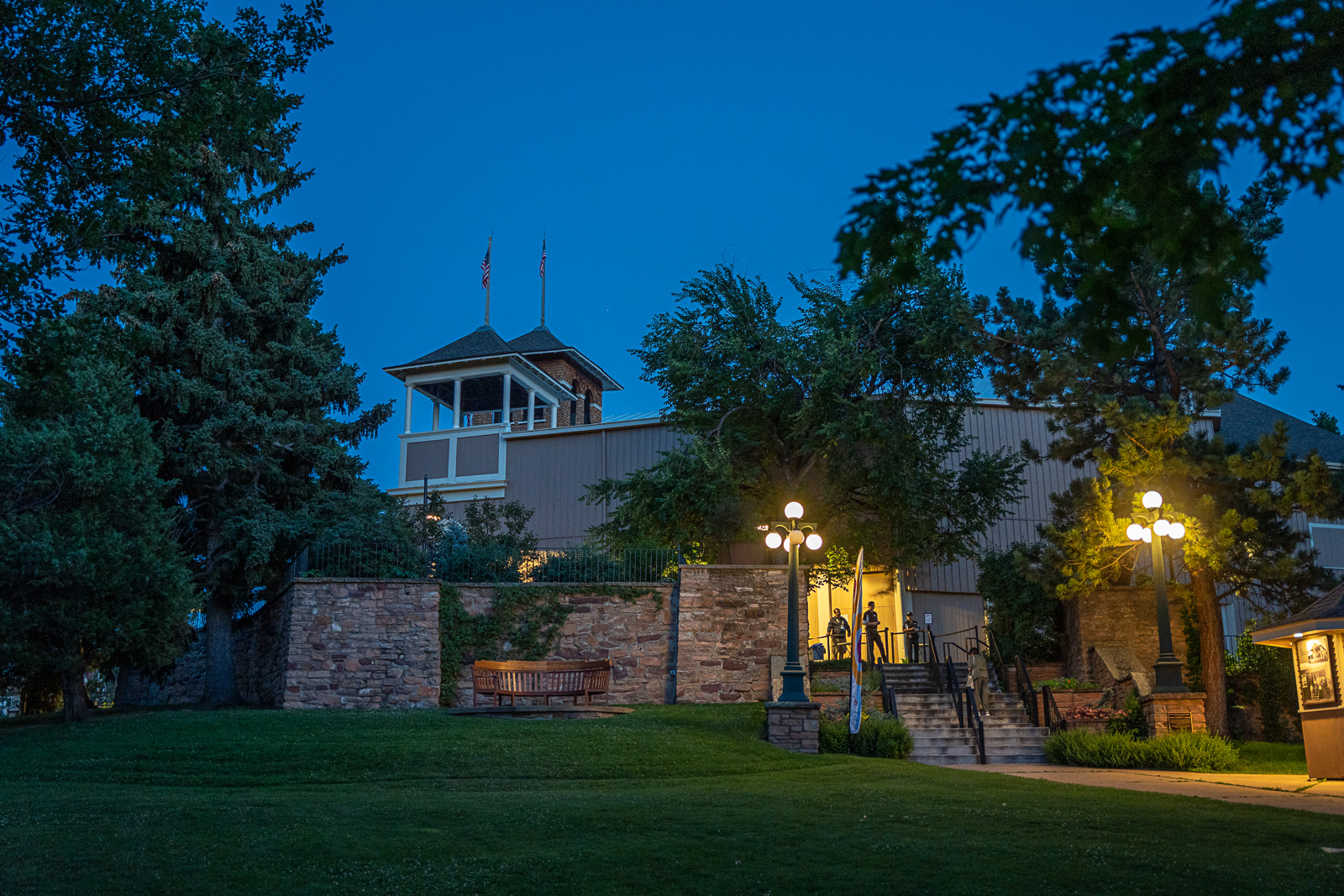
Chautauqua Auditorium. Photo by Geremy Kornreich.

The program, under the direction of music director Peter Oundjian, featured the violinist Anne Akiko Meyers as soloist. In addition to Whitacre’s The Pacific Has No Memory, Meyers gave a polished and captivating performance of Ravel’s virtuoso showpiece Tzigane.

The concert opened with Aaron Copland’s beloved Appalachian Spring. Written for the Martha Graham Dance Company, the music features kaleidoscopic changes of mood, from moments of quiet contemplation to moments of exuberant energy. These are more than changes of feeling; the music should reflect—or better yet—activate movement.

Oundjian and the Festival Orchestra ably captured that spirit. The quiet moments projected a delicate calmness of spirit. The hushed opening was a little hurried, but elsewhere the shifts of mood were well marked, the animated passages bursting with energy. In their solos, the winds played with great delicacy—especially the fluid clarinet solos of principal Louis DeMartino.

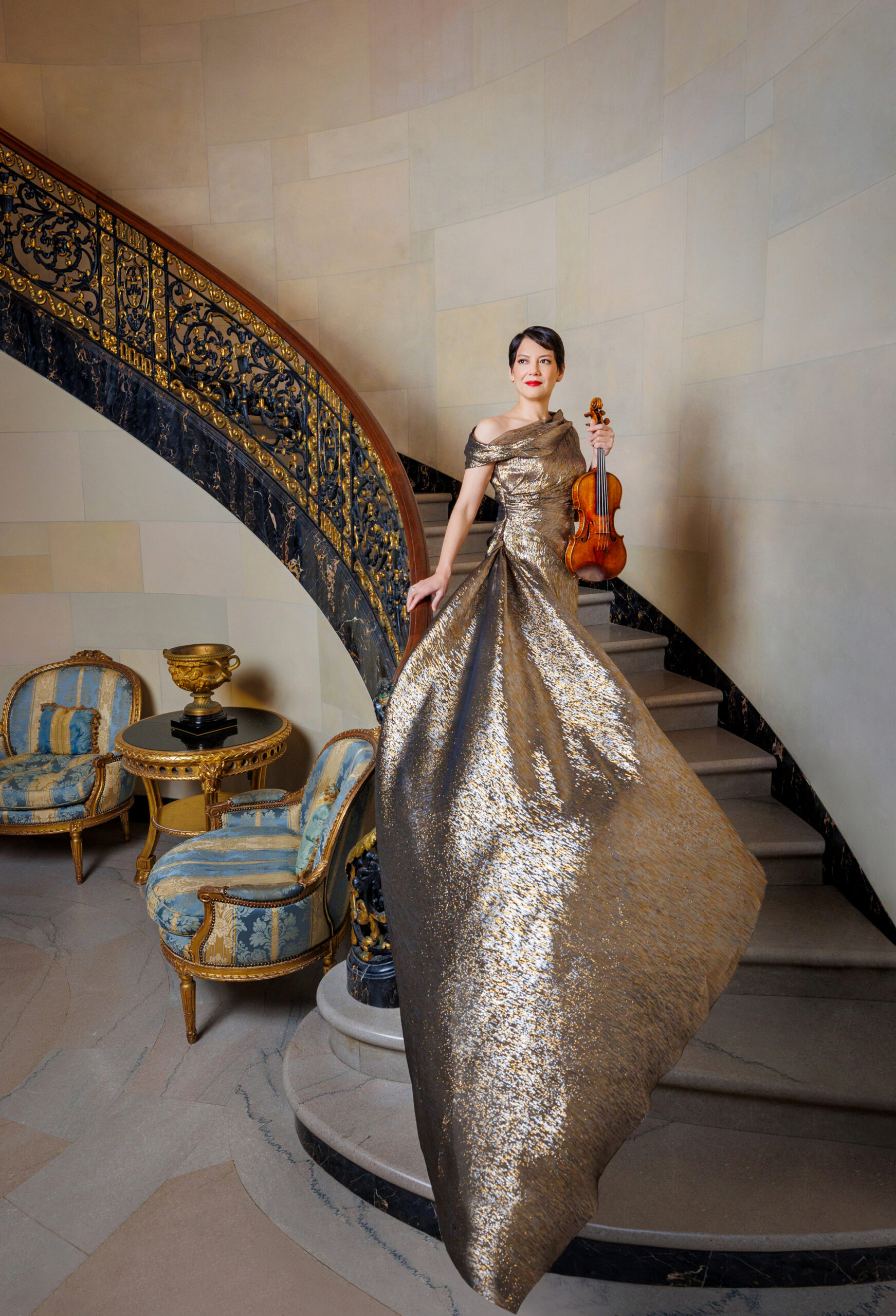
Anne Akiko Meyers

After the Copland, Meyers came on the stage for Tzigane, a colorful exploration of Roma fiddle tunes. From the first note, Meyers opened the floodgates of expression. Her identification with the music’s passionate spirit was reflected in her facial expressions and her dancing movements as she played. The performance was pure entertainment on the highest level.

Meyers introduced Whitacre’s piece by telling of her personal experience during the January fires in Southern California, when she and her family had to evacuate their Pacific Palisades home. Whitacre’s score memorializes the terrible losses in those fires.

In writing the music, he was inspired by the film The Shawshank Redemption, in which a character dreams of a beach on the Pacific Ocean, which he says “has no memory.” Whitacre used that thought as the source of the music’s title, The Pacific Has No Memory, and to symbolize the washing away of harsh memories. 

The music is suffused in a feeling of loss, but also consolation. In its gentle beauty, the score formed an oasis of calm at the center of the concert. No doubt reflecting her own sense of loss, Meyers gave a performance of deep expressivity.

After intermission, Oundjian has chosen works from the 19th-century that portray lovers from Shakespeare, but of wildly divergent types. First was the Overture to Béatrice and Bénédict by Berlioz. Based on Much Ado About Nothing, Berlioz’s opera follows the mad adventures of two lovers who engage in happy disputes and cheerful sparring, before finding a happy ending.

The music is flighty, protean in its moods and extreme in its contrasts. Oundjian and the Festival Orchestra embraced all the fickle leaps and bounds of the score, making it come vividly to life. As always, the Festival Orchestra negotiated the most extreme contrasts of volume, including the faintest pianissimos.

This is French music at its most effervescent, something I wish we heard more of in Boulder. And if you want to know the source of Berlioz’s uniquely mercurial style, listen to Rameau—something you are sadly unlikely to hear in the concert hall.

The second Shakespearean subject does not have a happy ending: Tchaikovsky’s Fantasy Overture Romeo and Juliet. Incorporating what Oundjian considers “one of the most beautiful melodies ever,” this one of the most eminent of war horses. But more than the love theme, memorable as it is, Tchaikovsky’s music expresses the conflict between the families, the street brawl, Juliet’s funeral procession, and the fateful blow of tragedy.

From the breathless emotion of adolescent infatuation, the love theme builds into struggle, then into transfiguration, and what one hopes is sorrowful realization and reconciliation. All of that is present in the music, and in the performance by the Festival Orchestra. In all—familiar works well played, a new work beautifully introduced, a brilliant soloist—this was one of the most invigorating concerts I have heard at CMF. 

The program will be repeated at 6:30 tonight (July 18) at the Chautauqua Auditorium. Tickets are available HERE.

Engaging World Premiere at CMF

Well shaped performance of “the greatest First Symphony”

By Peter Alexander July 11 at 12:24 a.m.

The world premiere of an engaging concerto for saxophone by American composer Joan Tower topped the bill at the Colorado Music Festival last night (July 10).

The Festival Orchestra was conducted by CMF music director Peter Oundjian, with Steven Banks as saxophone soloist. Tower was present for the premiere performance of her new score, and spoke briefly before the performance.

Titled Love Returns, the score is derived from a piece for solo piano titled Love Letter that Tower wrote in memory of her late husband after his death in 2022. Poignant, well constructed and emotionally coherent, Love Returns should become part of the concert repertoire for saxophone. 

The first of the work’s six movements starts tenderly, with beautiful string sounds providing a warm embrace for the soloist. Over the next three movements, the music grows in intensity, reaching an uneasy high point built from nervous swirls in the saxophone. The Fifth movement is a solo cadenza, developing jumpy fragments of scales. 

A virtuosic series of edgy passages leads into the final movement, where the nervous swirls loosen and return to the calm of the work’s opening. This creates a perceptible expressive arc, while the gentle ending suggests a moment of acceptance before the music settles into silence.

With a sweet tone and flawless technique, Banks gave an exemplary performance. The fluidity of his rapid passagework was remarkable, and he moved smoothly through all the shifts of mood and style. He has the ability to fade to silence in even the highest register. If recorded, his performance would create the standard for this valuable new work.

The concert opened with Aaron Copland’s Outdoor Overture, a strongly profiled work written for students at the High School of Music and Art in New York. To recognize the work’s origin, Oundjiuan turned over the podium to the CMF’s young assistant conductor Stefano Boccaci, who lead a bracing performance. 

Copland’s alternating sections of vigor and delicacy were well marked. As appropriate for a school piece, all sections of the orchestra have opportunities to step forward. The bright trumpet solos of principal Jeffrey Work were acknowledged at the end, but every section earned recognition. 

The concert ended with Brahms Symphony No. 1, which Oundjian likes to call “the greatest first symphony ever written.” Before the performance, he also noted that Brahms took 21 years to complete the symphony, during which time he progressed from a callow young musician to an experienced composer of international rank.

Oundjian and the Festival Orchestra gave a well shaped, controlled performance. The tense introduction to the first movement promised the drama to come. Throughout the engrossing first movement, the music surged from the tiniest pianissimos to full Brahmsian fortes. Oundjian convincingly varied the tempo to match the expressive needs of the score.

The slow second movement was carefully played but never came alive. The third movement projected relaxed good cheer, especially in the strolling music played by the woodwinds. Drama came to the fore again in the finale, which Oundjian built carefully to the climax. I heard bravos and cries of “Oh My God” at the end, signaling how well the symphony reached the audience.

The program will be repeated at 6:30 tonight (July 11) at the Chautauqua Auditorium. Tickets are available through the CMF Web Page

4th Colorado Music Festival starts with fireworks

Festival-opening concert ends with a crashing wave of sound

By Peter Alexander July 4 at 12:30 a.m.

It was July 3, and the fireworks started early at Chautauqua.

They were musical fireworks, as the 49th Colorado Music Festival (CMF) got underway last night with music by Russian composer Igor Stravinsky, literally titled “Fireworks” (Feu d’artifice). CMF music director Peter Oundjian conducted the Festival Orchestra in a fleet, bright performance of Stravinsky’s sparkling showpiece for orchestra.

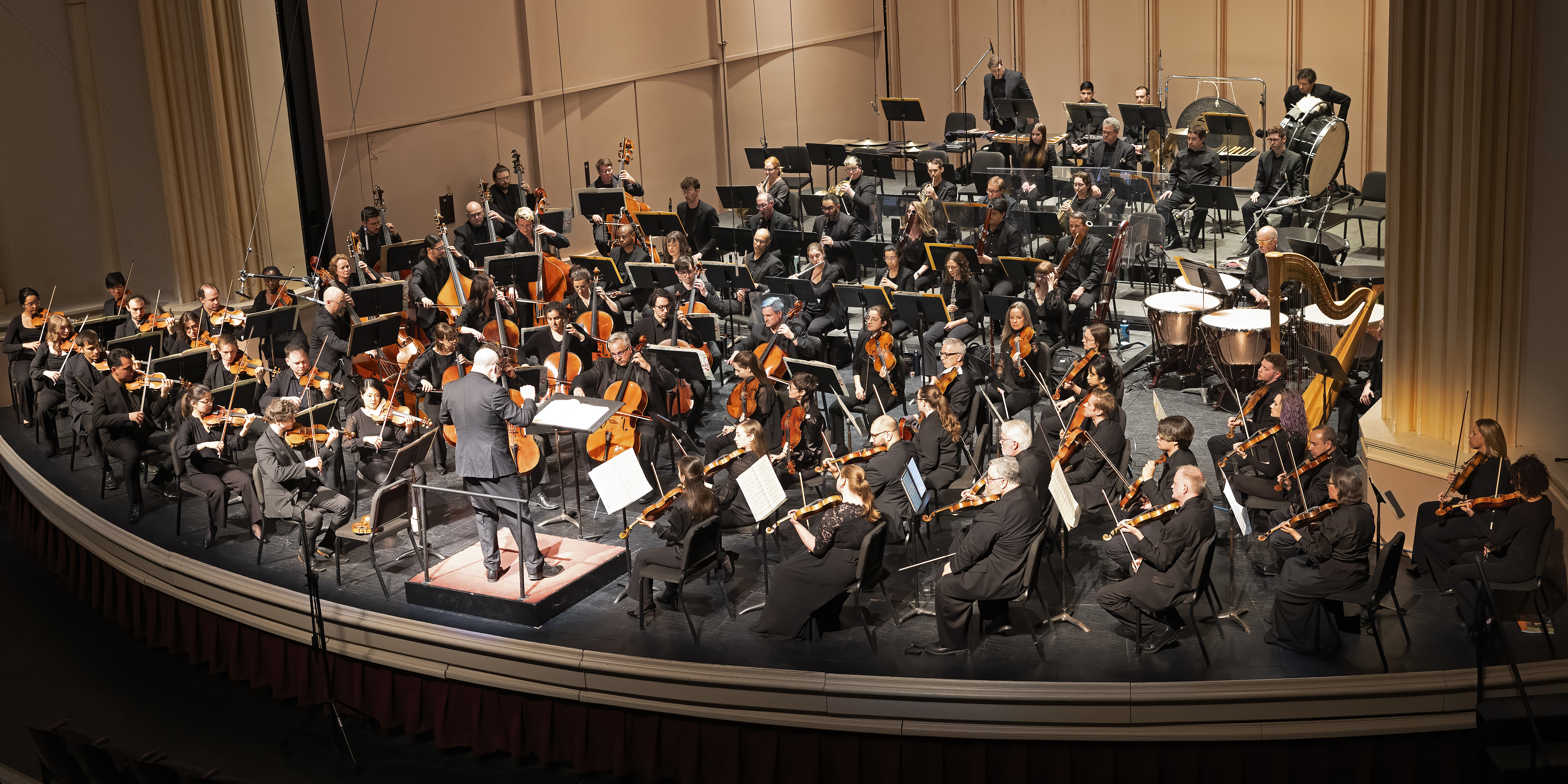
Music director Peter Oundjian with the Festival Orchestra. Photo by Geremy Kornreich

The brief opener was followed by soloist Hélène Grimaud performing Brahms’s First Piano Concerto. Before the performance, Oundjian said that the performance would represent the young Brahms—he was 21 when he started it—rather than the older, bearded Brahms we often see in photographs. I suppose he meant that the more muscular passages were imbued with youthful energy and strongly contrasted with the more tender passages.

The acoustics in the Chautauqua Auditorium flatter the orchestra more than the soloist, whose detailed, expressive playing was not always clearly heard. Here the pianist’s case is not helped by the fact that the piece went through several iterations, including a symphony. Consequently, the solo part does not always stand apart from the orchestra. 

No live performance can match the balance of a carefully engineered recording, but it’s too bad Grimaud could not always overcome the orchestral sound. What I heard of her playing was forceful and arresting. The contrasts within the music were well delineated, providing a firm sense of form and movement to the performance. 

The first movement was marked by the bright clarity of the woodwinds and the rich warmth of strings. Grimaud provided a well controlled profile of the lines and passages of the expressive slow movement, and took hold of the finale’s boisterous rondo theme from the very first. Even when the balance was less than ideal, you had the sense that she was in control of the music’s momentum. The audience, as CMF audiences do, responded with effusive enthusiasm.

The second half of the concert was devoted to music by Ravel, who this year celebrates the 150th anniversary of his birth. A great orchestrator, Ravel understood the orchestra so well that his music almost plays itself. That is, if you can play it—which Festival Orchestra can.

The two pieces presented last night, Suite No. 2 from Daphnis and Chloé and Bolero, are essentially about sound. The orchestra created magic from the very first gentle, rippling sounds in the woodwinds at the start of the Suite. The music surged to a strong climax in the full orchestra, followed by several evocative scenes of a more placid nature.The solo flute, Viviano Cuplido Wilson played her extensive solos with a warm, controlled sound and received individual recognition by Oundjian during the ovation.

Bolero is a piece that is heard not enough and too much. We don’t hear it often enough as written, but we hear it too often in cheesy arrangements that don’t honor the carefully calculated shape composed by Ravel.

Ravel’s score is about two things: an unchanging tempo as the theme is repeated, and a crescendo that reaches its climax at the very end. The CMF performance started as softly as any I have heard, to the point that I wasn’t actually sure when the first notes were played.

Once the piece starts, it is entirely in the hands of the players to control both the tempo—mainly the responsibility of the snare drummer—and the crescendo. With Oundjian’s careful attention, the Festival Orchestra created a steady, growing wave that crashed over the audience with the very final note.

NOTE: The opening concert will be repeated at 6:30 p.m. Sunday (July 6). The full schedule and tickets are available on the CMF Web page.

2025 CMF gets underway with “Rimsky-Korsakov on uppers”

Hélène Grimaud plays Brahms, Steven Banks premieres sax concerto by Joan Tower

By Peter Alexander July 1 at 11:34 a.m.

The 2025 Colorado Music Festival (CMF) does NOT open with Scheherazade or the Russian Easter Overture, but fans of composer Rimsky-Korsakov should be pleased anyway.

Music director Peter Oundjian says that the first piece on Thursday’s Opening Night concert (7:30 p.m. July 3), Stravinsky’s Feu d’artifice (Fireworks), “sounds like Rimsky-Korsakov on slight uppers.” 

CMF music director Peter Oundjian at Chautauqua

That’s intriguing but not surprising: Stravinsky studied with Rimsky-Korsakov, and wrote Feu d’artifice in 1908 as a wedding present for his teacher’s daughter. Calling it “a short orchestral fantasy,” Stravinsky piled on all the brilliant orchestral colors he could muster.

“It’s a fun, wonderful, four-and-a half-minute opening to a season,” Oundjian says. The “Opening Night” Concert will be repeated Sunday at 6:30 (July 6). 

Pianist Hélène Grimaud

After all the musical rockets have been fired, the program continues in a more serious vein with Brahms’s First Piano Concerto in D minor, performed by French virtuoso Hélène Grimaud. The second half of the program is given over to Ravel, honoring the 150th anniversary of his birth, with the Suite No. 2 from Daphnis et Chloé and Bolero.

Like all of the CMF concerts this summer, both performances will be in the Chautauqua Auditorium. The full schedule for the first two weeks is listed below.

Grimaud was originally scheduled to play Gershwin’s Piano Concerto, but Oundjian was happy when she said she would rather play Brahms. “I’ve conducted her with that piece several times, and it’s absolutely extraordinary,” he says. “When she said she’d prefer to play the Brahms, I thought OK, it adds real weight, and it’s not a long program anyway. 

“(Grimaud) is a very strong musical personality (who plays) with unbelievable color and the most excellent sense of rubato and expressive freedom. I have always thought her playing deeply moving, so I’m thrilled.”

It’s a stretch from the somber weight of the Brahms to the orchestral brilliance of Ravel, but to Oundjian that is part of the plan. “We always want to create wider contrasts,” he says.

“Ravel’s Second Suite (from Daphnis and Chloe) is lush and beautiful and unique to Ravel. And then to do Bolero—it’s a lesson in orchestration, which is just phenomenal. The use of the saxophone and the trombone—it’s an amazing piece!”

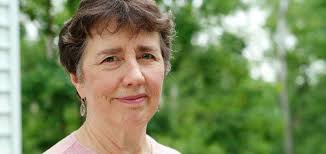
Joan Tower

The second Festival Orchestra concert, Thursday and Friday, July 10 and 11, features the world premiere of Love Returns for saxophone and orchestra by Joan Tower. A long-time personal friend of Oundjian, Tower has been featured at CMF before, including the premiere of A New Day for cello and orchestra in 2021 and a performance of her Concerto for Orchestra last summer.

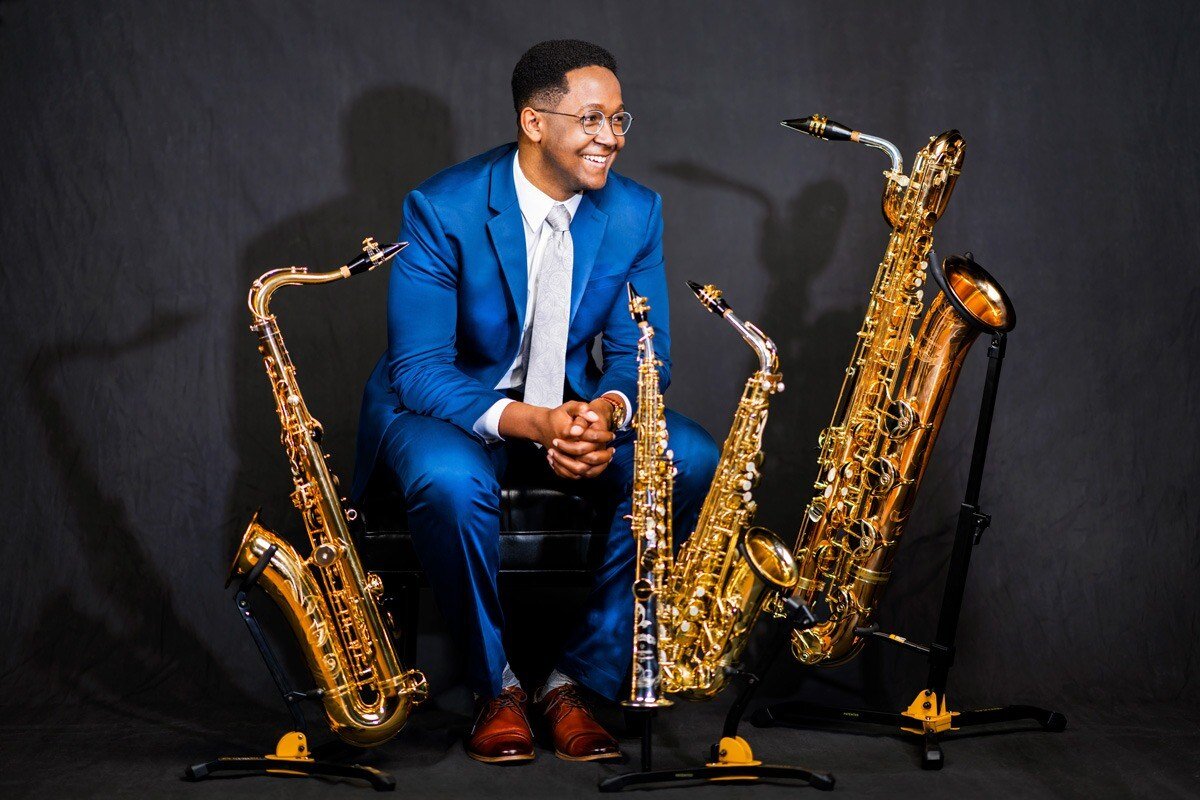
Steven Banks

Love Returns was written for saxophonist Steven Banks, whom Oundjian describes as “one of the most exquisite musicians I’ve ever met. He’s got so many colors—he makes the saxophone sounds like a flute, like a trombone. And he has impeccable musical taste and limitless technique.”

The score was inspired by a piano piece that Tower wrote in memory of her late husband. “It’s a very important piece for her,” Oundjian says. “It’s very exciting, but also very tender. She and (Banks) have become fast friends.”

The program opens with Copland’s Outdoor Overture, written as part of a campaign called “American Music for American Youth,” which aimed to generate new music for use in schools. Copland’s music is included this summer in honor of the 125th anniversary of his birth.

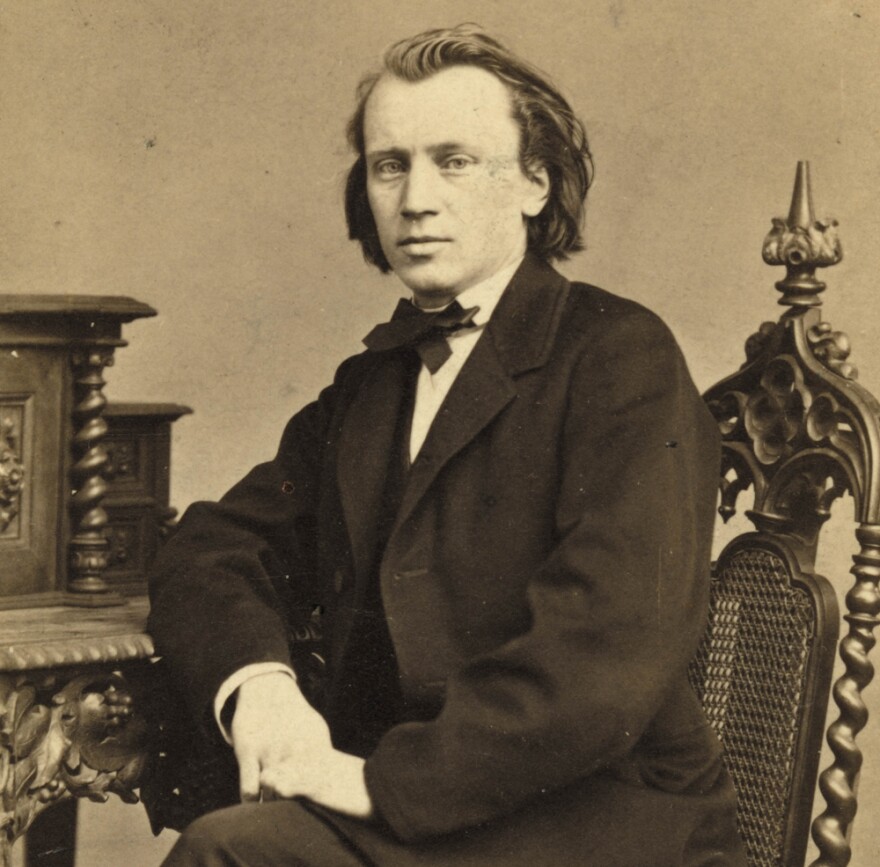
Brahms at the time of his First Symphony

The final piece on the program will be Brahms again, in this case his First Symphony. “The Symphony is exquisite, so powerful—probably the greatest First Symphony ever written,” Oundjian says. He also observes that it was written by a composer who was “young, very handsome, blue-eyed, blond-ish—not the Brahms we imagine as this bearded, sedate individual.”

The symphony has a special place in Oundjian’s life. When he was a student, the imposing German conductor Herbert van Karajan “came to give a masterclass at Juilliard,” he explains. “I was concertmaster of the orchestra and he made me conduct. He was two feet from me!

“I knew that he had asked me to conduct because he wanted to demonstrate that less is more. Conducting students were really trying to show what they had, and he knew that I would not over conduct. He was very complimentary about my conducting. Karajan encouraging me at a very young age was important to me when I was 39 and I couldn’t play the violin any more”—the point in his career when Oundjian turned to conducting

There are tickets available for two other concerts in the first weeks of CMF: a chamber music concert at 7:30 Tuesday, July 8, featuring CMF musicians, and an all-Mozart program under guest conductor Chloé van Soeterstède with violinist Benjamin Beilman at 6:30 the following Sunday, July 13 (full programs below). The annual Family Concert, part of the opening weekend, is sold out.

# # # # #

Colorado Music Festival, Peter Oundjian, music director
Thursday, July 3–Sunday, July 13
All performances in Chautauqua Auditorium

Opening Night
Festival Orchestra, Peter Oundjian, conductor
With Hélène Grimaud, piano

  • Stravinsky: Feu d’artifice (Fireworks)
  • Brahms: Piano Concerto No. 1 in D minor
  • Ravel: Daphnis et Chloé, Suite No. 2
    Bolero

7:30 p.m. Thursday, July 3
6:30 p.m. Sunday, July 6

Family Concert—SOLD OUT
Festival Orchestra, Shira Samuels-Shragg, conductor

Sherlock Holmes and the Case of the Missing Maestro

10:30 a.m. Sunday, July 6

Chamber Music Concert
Colorado Music Festival musicians

  • Schubert: String Trio in B-flat major, D471
  • Prokofiev: Quintet in G minor, op. 39
  • Brahms: Piano Quartet No. 3 in C minor, op. 60

7:30 p.m. Tuesday, July 8

Festival Orchestra Concert
Peter Oundjian, conductor
With Steven Banks saxophone

  • Copland: An Outdoor Overture
  • Joan Tower: Love Returns for saxophone and orchestra (world premiere)
  • Brahms: Symphony No. 1 in C minor, op. 68

7:30 p.m. Thursday, July 10
6:30 p.m. Friday, July 11

An Evening of Mozart
Festival Orchestra, Chloé van Soeterstède, conductor
With Benjamin Beilman, violin

  • Mozart: Overture to Don Giovanni
    —Violin Concerto No. 5 in A major, K219 (“Turkish”)
    —Overture to Le Nozze di Figaro (The Marriage of Figaro)
    —Symphony no. 34 in C major, K338

6:30 p.m. Sunday, July 13

Tickets to all concerts except the Family Concert available through the CMF Web page

MahlerFest 2025 culminates with tragic symphony

Programs are filled with music of defiance, resistance and remembrance, May 14–18 

By Peter Alexander May 12 at 8:08 p.m.

It all starts with the symphony.

Every year, the Colorado MahlerFest presents one of the symphonic works of composer Gustav Mahler—one of the ten symphonies, or another large-scale symphonic work such as the Lied von der Erde (Song of the earth). For the 38th MahlerFest taking place this week (May 14–18; see programs and other details below), that central work is the Symphony No. 6 in A minor. According to MahlerFest artistic director Kenneth Woods, everything else on the program is chosen to harmonize with the symphony.

Director Kenneth Woods with the MahlerFest Orchestra. Photo by Mark Bobb.

“It always starts with the Mahler symphony,” Woods says. “Mahler’s Sixth is his only tragic symphony—it’s the only one that ends in a minor key. His late works end slowly and softly, (but) they end with some hint of consolation, where the end of the Sixth is totally and utterly bleak.

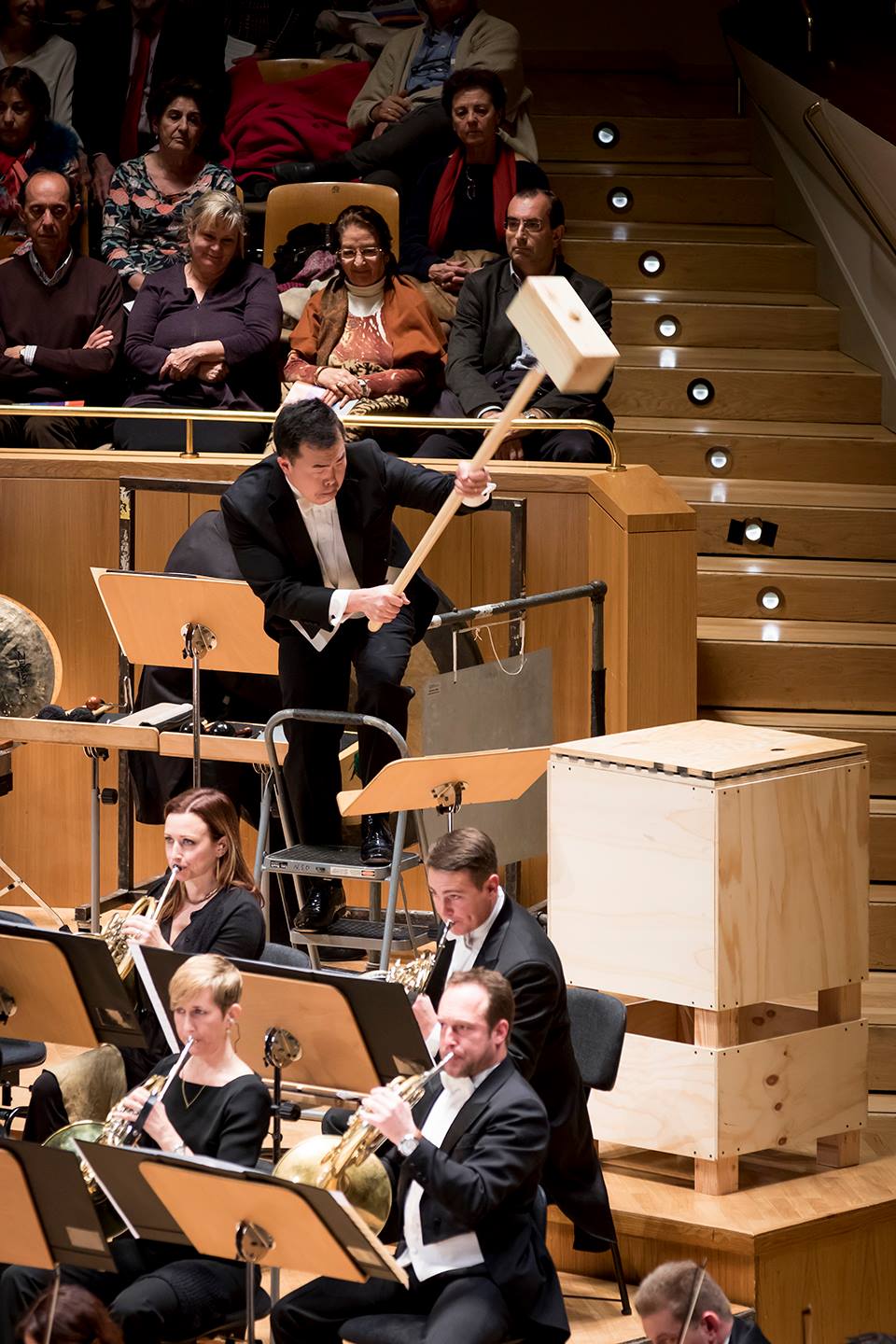
The final movement famously includes “hammer blows”—explosive thuds that represent the blows of fate. These loud, dull sounds are traditionally related to events in Mahler’s life: the death of his oldest daughter, the diagnosis of the heart condition that would hasten his death at age 50, and his dismissal from the Vienna State Opera.

Acting Principal Percussion Eric Shin plays a Mahler Box with the National Symphony Orchestra. Photo by Scott Suchman.

The hammer blows are unique in the symphonic repertoire, and getting the right combination of loud and dull is tricky. Most orchestras have their own custom-made “Mahler Boxes” for the Sixth. They are usually a wooden box that is struck dramatically by a percussionist with a large wooden hammer. 

Mahler contemplated as many as five hammer blows. Some scores include three, the same number as the blows in Mahler’s life. But in the end, Mahler settled on two, perhaps feeling that the third blow was symbolically fatal and should be avoided.

Performances vary, but MahlerFest will include only two. “His final decision was two hammer blows,” Woods says. “Maybe in a more pessimistic era you want to include more, but we decided to do what he wrote, rather than us decide what’s best.”

For Woods, the hammer blows and the bleak ending make the Sixth Symphony even more heroic. “These hammer blows announce the inevitability of destruction and defeat, but the hero fights on ever more bravely,” he says.

He explains the symphony’s ultimate meaning with a pop culture analogy from the film Saving Private Ryan. “When Tom Hanks’s character has finally found Private Ryan, he’s dying and he says to Ryan, ‘earn this.’ I think Mahler’s Sixth is not far away from that in spirit. Mahler takes us through the life of a character who is fighting for a better world—not because he’s going to benefit from it, but we might.

The music that Woods selected for other programs come out of times of struggle and suffering. The titles of the individual programs—“Songs of Protest and Defiance,” “Determination and Defiance”—reflect that perspective. Many of the pieces directly reflect their composer’s experience during the violence of the 20th century, especially the two world wars.

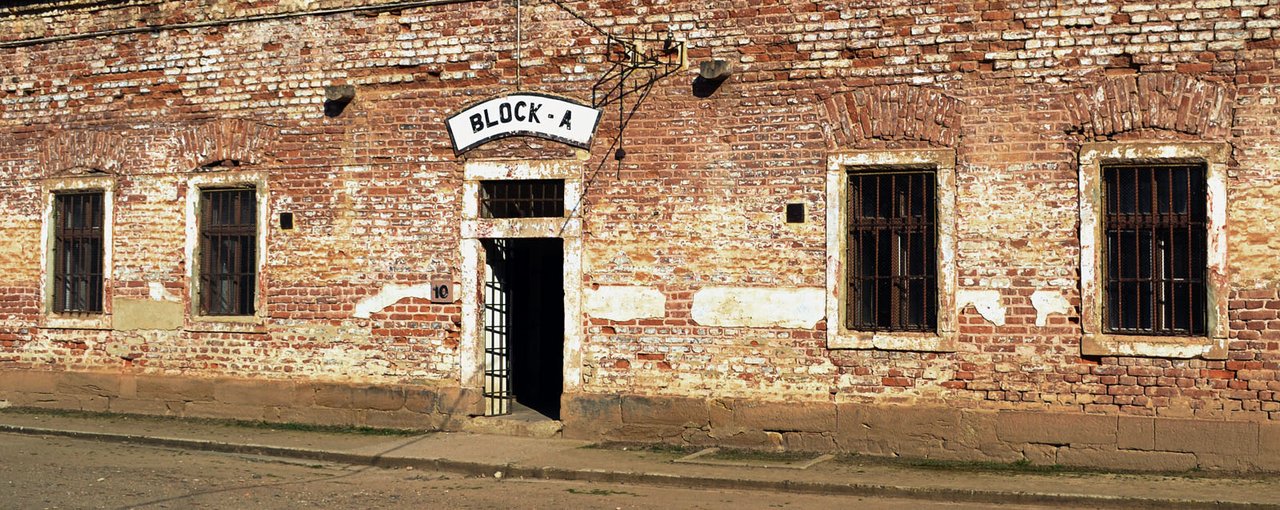
The Terezín Concentration Camp, where Viktor Ullmann wrote Der Kaiser von Atlantis

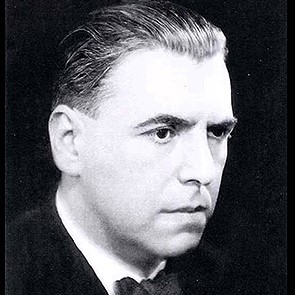
The festival’s opening night performance Wednesday (7:30 p.m. May 14 at Mountain View United Methodist Church) will present a piece actually written in the Terezín concentration camp in Austria during World War II. Although it was rehearsed in 1944, the Nazi authorities did not allow its performance, and both the composer, Viktor Ullmann, and the librettist, Peter Kien, were murdered at Auschwitz.

Titled Der Kaiser von Atlantis, oder Die Tod-Verweigerung (The Emperor of Atlantis, or The disobedience of death), it is a one-act opera about a power-mad dictator, Kaiser Überall (Emperor Overall) and Death, an overworked soldier who goes on strike. A biting, cynical piece, with the Kaiser an obvious satire of Hitler, it was a courageous statement during wartime.

“Here you have Ullmann in a camp, knowing he’s destined for Auschwitz,” Woods says. “His response was not to say, ‘oh, well,’ but to write incredibly sharp, multi-layered political satire. And dare I say, give the finger to Hitler, who was the model for the Kaiser. Ullmann is a challenge to us, because if he can set a story (mocking) Hitler in a concentration camp, then we shouldn’t feel like we can’t express ourselves directly, about music, or politics, or society.”

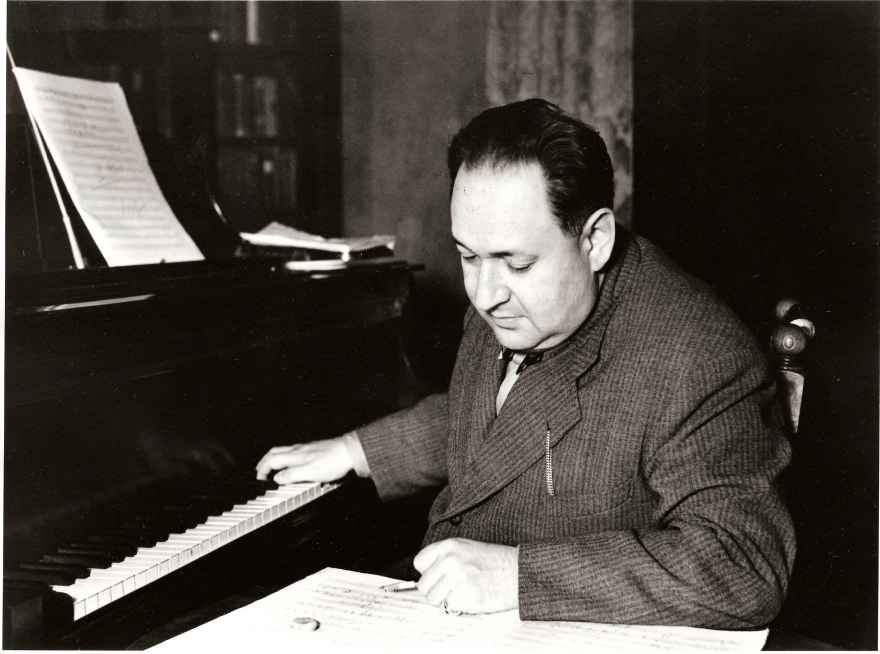
Erwin Schulhoff

Other works during the festival are worthy of attention. On the chamber music program “Determination and Defiance” (7 p.m. May 16 at the Roots Music Project), Erwin Schulhoff was a greatly gifted and widely recognized composer who emerged from serving in World War I with deep emotional scars. “Schulhoff is a particularly poignant case because the music is really touched by genius,” Woods says. 

“Everything I’ve done of his has been a huge discovery. Some of his stuff is biting, satirical, some of it is angular, and the Sextet is a tumultuous, fiery piece.”

On the same chamber program, Shostakovich’s Seventh String Quartet was written in 1959–60, at a particularly difficult time in the composer’s life. “To me, the Shostakovich (String Quartet) is an expression of what it is like to see the clouds on the horizon,” Woods says. “He’s hinting at a world of threats and shadows and whispers.”

Erich Wolfgang Korngold

Saturday’s orchestral program (7:30 p.m. May 17 in Macky Auditorium) features the Symphony in F-sharp by Erich Wolfgang Korngold, whose career was shaped by World War II. “That’s a fantastic work,” Woods says. “Korngold became a hugely successful opera and concert music composer, and when Hitler came to power, he had to flee.”

Korngold came to the U.S. in 1934. He moved to Hollywood, where he was a film composer, virtually inventing the modern film score in such films as Captain Blood, The Sea Hawk and The Adventures of Robin Hood.

“He felt that he could not write music for the concert hall as long as Hitler was alive,” Woods explains. “Following World War II he began to return to the concert hall. In 1948 he wrote his one and only symphony, which does seem to trace a historical arc of those difficult years.

“We’ve got a first movement that’s very forbidding and violent, a second movement that seems full of frantic activity, then a mournful, soulful adagio like a great lament for the losses of the war, and a finale that is a celebration of peace.”

Finally, Woods singles out the two works on the culminating Sunday concert with the Mahler Sixth (3 p.m. May 18 in Macky Auditorium), Bohuslav Martinů’s Memorial to Lidice and Dismal Swamp by American composer William Grant Still. “On one level (Dismal Swamp) is about the actual Great Dismal Swamp in Virginia, quite a forbidding one,“ Woods says. “But it becomes a pathway to freedom for enslaved people during the Civil War.”

Bohuslav Martinů

One of the most direct and poignant expressions of loss and resistance is Memorial to Lidice by the Czech composer Bohuslav Martinů. In June, 1942, the Nazis obliterated Lidice, a small Czech village outside Prague, in retaliation for the assassination of Reinhard Heydrich, one of the most cruel overseers of the Holocaust. All the men of Lidice were killed, the women and children sent to concentration camps, and the town burned to the ground.

Martinů, who was living in the U.S. heard of the atrocity and wrote an orchestral memorial to the town. “It’s an amazing work,” Woods says.

“You might ask why Martinů thought writing a short piece for orchestra was going to make any difference in the middle of a world war, but the piece has outlived Hitler. (Martinů thought) I’m going to do it because it’s the right thing to do.

“I’m going to write a piece about this atrocity so at least I did something to commemorate it.”

# # # # #

Colorado MahlerFest XXXVIII
“Defiance, Protest, Remembrance”
Kenneth Woods, artistic director

FULL SCHEDULE of all MahlerFest XXXVIII events HERE

Mahler. Photo by Moritz Nähr.

Musical Performances:

Wednesday, May 14
“Death Goes on Strike”
Colorado MahlerFest Chamber Orchestra, Kenneth Woods, conductor

  • Viktor Ullmann: Der Kaiser von Atlantis, oder Die Tod-Verweigerung (The emperor of Atlantis, or The disobedience of death)

7:30 p.m., Mountain View United Methodist Church, Boulder

Thursday, May 15
Songs of Protest and Defiance
Jennifer Hayghe, piano, with Alice Del Simone, soprano; Hannah Benson, mezzo-soprano; Brennen Guillory, tenor; Andrew Konopak, baritone; Ryan Hugh Ross, baritone; and Gustav Andreassen, bass;.

  • Mahler: “Revelge” (Reveille)
  • Philip Sawyers: Songs of Loss and Regret
  • Mahler: “Der Tamboursg’sell” (The drummer boy)
    —“Wo die schönen Trompeten blasen” (Where the fair trumpets sound)
  • Schubert: “Kriegers Ahnung” (Warrior’s foreboding)
  • Shostakovich:  “Réponse des Cosaques Zaporogues au Sultan de Constantinople
  • (Response of the Zaporozhian cossacks to the sultan of Constantinople) from Symphony No. 14
  • Mahler: “Lob des hohen Verstandes” (Praise of lofty intellect)
  • Spirituals and protest songs TBD

3 p.m., Canyon Theater, Boulder Public Library
Free and open to the public

Friday, May 16
“Determination and Defiance”
MahlerFest chamber music ensembles

  • Gwyneth Walker: “Raise the Roof!”
  • Kevin McKee: “Escape”
  • Ernst Bloch: Suite No. 3 for Solo Cello
  • Shostakovich: String Quartet No. 7 in F-sharp minor, op. 108
  • Erwin Schulhoff: String Sextet

7 p.m., Roots Music Project, 4747 Pearl St., Suite V3A

“Rhythm, Roots & Resonance”
Jones/Butterfield Duo

9 p.m., Roots Music Project

Saturday, May 17
“Celebrating Peace”
Mahlerfest Festival Orchestra, Kenneth Woods, conductor
With Daniel Kelly trumpet

  • Mahler: Todtenfeier
  • Deborah Pritchard: Seven Halts on the Somme, Concerto for Trumpet and Strings
  • Erich Wolfgang Korngold: Symphony in F-sharp, op. 40

7:30 p.m., Macky Auditorium

Sunday, May 18
“Resistance”
Stan Ruttenberg Memorial Concert
Mahlerfest Orchestra, Kenneth Woods, conductor|
With Leah Claiborne, piano

  • Bohuslav Martinů: Memorial to Lidice
  • William Grant Still: Dismal Swamp
  • Mahler: Symphony No. 6 in A minor

3:30 p.m., Macky Auditorium

TICKETS for all ticketed events in MahlerFest XXXVIII may be purchased HERE.

Boulder Phil presents Rachmaninoff and music of two festivals

Guest pianist Alessio Bax and soloists from orchestra in the spotlight

By Peter Alexander March 27 at 5:50 p.m.

Two works inspired by festivals will form bookends for the next Boulder Philharmonic concert, at 4 p.m. Sunday (March 30; details below), with a big, popular Romantic piano concerto in the center.

The Piano Concerto No. 2 by Rachmaninoff fills the central position. Guest artist Alessio Bax is the soloist and Michael Butterman will conduct.

The frame for the concerto will be provided by PIVOT by Anna Clyne, inspired by experiences at the Edinburgh Festival; and Stravinsky’s Petrushka, the brilliant score to a ballet that takes place during the Shrovetide festival in St. Petersburg, Russia.

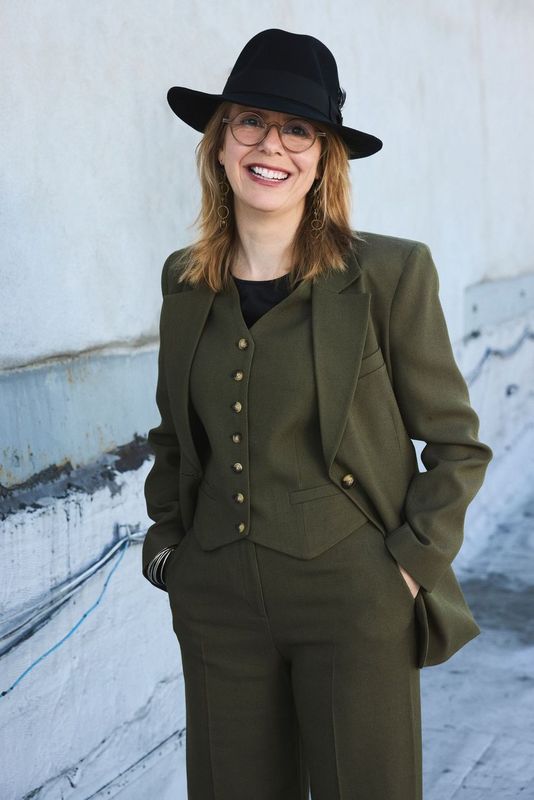
Anna Clyne

The common inspiration of a festival is what suggested to Butterman that Clyne and Stravinsky would make an effective framework for the program. “When we were thinking about programming Petrushka, it struck me that some of the swirling, calliope-like music in the opening section is kind of echoed in Anna Clyne’s PIVOT.

“It’s a piece that I’ve done once before, in Shreveport. You feel that you are walking through a space in which there are different happenings going on. You pass one, (with) a particular tempo and mood, and you turn around and you are facing something else entirely.”

The composer’s description of PIVOT closely matches Butterman’s. “It’s the idea of opening up doors as if you were going down a musical corridor,” she says. “You open one door and there’s a trapeze artist, and another there’s a lady singing an aria. PIVOT really takes you on lots of twists and turns in what’s actually a very short piece.”

It also reflects Clyne’s experience as an undergraduate student in Edinburgh in the 1990s, with a bit of history and folk music thrown in. “I really wanted to evoke a sense of celebration drawing on my experiences living in Edinburgh and being there during the festival,” she says. “Every nook and cranny becomes a venue, be it music, theater, comedy, dance—it’s every art form you can imagine.

“There’s a tune that I borrow called ‘The Flowers of Edinburgh,’ which is a traditional folk tune of Scottish lineage and also a tune that shows up in American folk music. PIVOT was co-commissioned between the Edinburgh International Festival and St. Louis Symphony, so I wanted to find music that brought those two countries together.”

The historical aspect comes from a pub where local musicians meet to share folk music. The pub is called The Royal Oak today, but 200 years ago it was called The Pivot. Thus the title both reflects the nature of the music and recalls the history of a musical venue in Edinburgh.

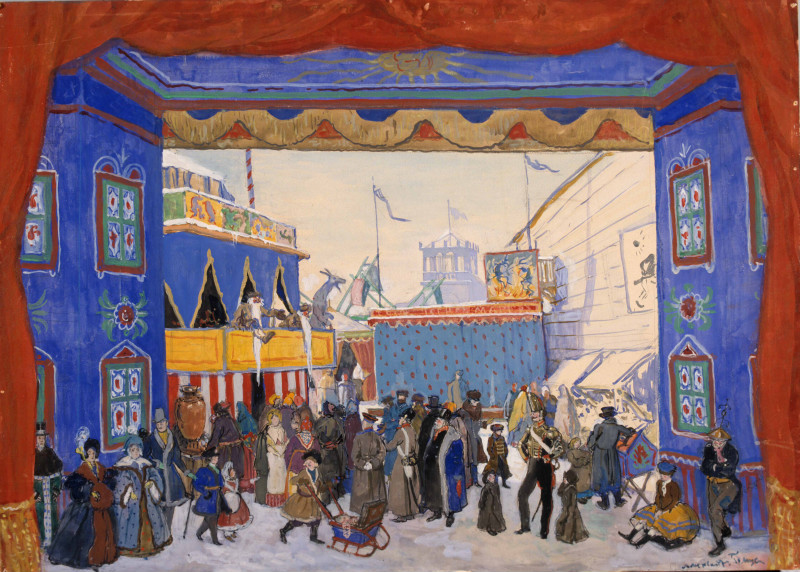
Original design by A. Benois for Stravinsky’s ballet Petrushka

At the opposite end of the program, Stravinsky’s Petrushka is a brilliant, colorful description of the crowds at a Russian Shrovetide (Mardi Gras) festival with various dances—some using Russian folk tunes—as well as drunken revelers, organ grinders, a dancing bear, and most central to the story, a puppet theater with three puppets that dance at the command of a magician.

One of the puppets is Petrushka, who is killed by another puppet as the fair is closing for the night. As the ballet ends, night descends over the empty square. Petrushka’s ghost appears above the theater as the magician runs off in fear.

“This is really a piece in which you need to have a sense of what is happening and what Stravinsky is evoking,” Butterman says. “It works very well as concert music, but it really is a full ballet score. Understanding the dramatic context is critical.”

The score notably includes a major piano part in the orchestra. “It is the most virtuosic orchestral piano part that I can think of, in the whole repertoire,” Butterman says. “It’s absolutely critical to much of the piece.” 

The Phil’s piano and keyboard position is currently vacant, and the solos in this case will be performed by Cody Garrison. A practicing dentist in Denver, Garrison works at Metropolitan State University as accompanist in the brass and woodwind departments. He also serves as pianist for Opera Colorado and staff accompanist for the Boulder Symphony, where he played Liszt’s Todtentanz (Dance of death) with the orchestra last season.

There are important solo parts for other members of the orchestra. Two in particular stand out in scenes for the three puppets: flute, which will be performed by visiting principal Hannah Tassler, and trumpet, which will be performed by principal player Leslie Scarpino.

Alessio Bax. Photo by Marco Borggreve.

The Rachmaninoff concerto is the most familiar piece on the program. It had a large impact on the composer’s career, since its success helped him overcome the failure of his First Symphony a few years before. Technically demanding of the pianist, the Concerto is also very tuneful and has become one of the most popular piano concertos in the standard repertoire.

“There’s no question why it’s so winning,” Butterman says. “It has lots and lots of virtuosity, and (Rachmaninoff) had the incredible gift for writing melodies that go straight to the heart, that have both a soaring, noble quality and more than a tinge of melancholy.”

The soloist, Alessio Bax, began his career in Italy, but is distantly related to the English composer Arnold Bax. Butterman relishes working with him. “I did this very same piece with him last season in Shreveport, and I find him an elegant player, yet full of the kind of passion that you want in this piece. I feel like I know where he’s going with a phrase, so from my perspective, it was a dream to lock in with him.

“I thought it was a very effective and memorable performance, so I’m expecting we’ll have a similar experience in Boulder.”

# # # # #

Masterworks Concert
Boulder Philharmonic, Michael Butterman, conductor
With Alessio Bax, piano
Orchestra soloists Cody Garrison, piano; Hannah Tassler, flute; and Leslie Scarpino, trumpet

  • Anna Clyne: PIVOT
  • Rachmaninoff: Piano Concerto No. 2 in C minor
  • Stravinsky: Petrushka (1947)

4 p.m. Sunday, March 30
Macky Auditorium

TICKETS

Correction: Typo corrected the headline, 3/28. The soloist’s name is Alessio Bax, not Max as spell corrector incorrectly changed it.

GRACE NOTES: Brahms 2nd twice and drummers, all on Saturday

Boulder and Longmont symphonies at home, Kodo at Mackey

By Peter Alexander Feb. 12 at 11:15 a.m.

The Boulder Symphony joins with the Niwot High School Symphony Orchestra for a performance of the spirited Danzón No. 2 of Arturo Márquez Saturday and Sunday (Jan. 15 and 16; details below) at the Dairy Arts Center.

Other works on the program, performed by the Boulder symphony, will be a Concerto for Violin titled “Paths to Dignity” by Lucas Richman, featuring violinist Mitchell Newman; and Brahms’s Symphony No. 2 in D major. Devin Patrick Hughes will conduct.

Richman has had an extensive career as a conductor. He currently leads the Bangor Symphony Orchestra in Bangor, Maine, and was previously music director of the Knoxville Symphony in Tennessee. He has also conducted scores for a number of films, including the Grammy-nominated score for The Village

Mitchell Newman

As a composer, he wrote Behold the Bold Umbrellaphant based on poetry by Jack Prelutsky, which the Longmont Symphony presented with Prelutsky in 2018. His Violin Concerto “Paths to Dignity” was inspired by the lives of homeless people and composed for Newman, a longtime advocate for the homeless and member of the violin section of the Los Angeles Philharmonic. 

The concerto has four movements that share a seven-note motive representing the word “DIGNITY.” The first movement, titled “Our Stories,” uses various instruments to represent homeless persons who are answered in turn by the violin. The second movement, “Fever Dreams/Move,” describes the disturbed dreams of a veteran suffering from PTSD who is living on the streets.

The third movement, “Shelter for My Child,” uses a musical representation of the Hebrew word “Tzadek,” which means “justice.” The finale, “Finding Home,” reiterates the “Tzadek” motive and concludes with variations on the “DIGNITY” theme.

An activist in bringing music to underserved communities, Newman was named a mental health hero by the California State Senate, and founded “Coming Home to Music,” a program that brings classical music to the homeless. He retired from the L.A. Phil in 2020 and currently teaches at Temple University.

# # # # #

“Harmony for Humanity”
Boulder Symphony, Devin Patrick Hughes, conductor
With Mitchell Newman, violin
Featuring the Niwot High School Symphony Orchestra

  • Arturo Márquez: Danzón No. 2
  • Lucas Richman: “Paths to Dignity” Concerto for Violin
  • Brahms: Symphony No. 2 in D major

7:30 p.m. Saturday Feb. 15, and 2 p.m. Sunday, Feb. 16
Dairy Arts Center

TICKETS

# # # # #

Also on Saturday, the Longmont Symphony Orchestra (LSO) offers a program titled “The Light after the Storm” (7 p.m. Feb. 15, details below) in which a vivid musical storm, the last of the Four Sea Interludes from the opera Peter Grimes by Benjamin Britten, leads to the sunny skies of Brahms’s Second Symphony.

Clancy Newman. Photo by Lisa-Marie Mazzucco

Between these two contrasting works on the program is the Cello Concerto of Sir Edward Elgar, which will be performed by Clancy Newman. The LSO will be conducted by Elliot Moore.

Britten was inspired to write Peter Grimes while he was in exile from England as a conscientious objector living in the United States during World War II. While in the U.S., he read George Crabbe’s narrative poem The Borough, which describes a village on the east coast of England and its colorful inhabitants. The poem inspired Britten not only to write an opera based on the solitary Grimes, one of Crabbe’s most distinctive characters, but also to return to England. He finished the opera after his return, in 1943.

Peter Grimes was premiered to great acclaim in June 1945, shortly after the end of the war in Europe. The Four Sea Interludes—“Dawn,” “Sunday Morning,” “Moonlight” and “Storm”—are taken from the interludes Britten wrote to fill scene changes during the opera, and they contain some of the most vividly descriptive music he ever composed.

Written shortly after World War I, the Cello Concerto was Elgar’s last completed major work. The first performance was under-rehearsed and considered a failure, but later the Concerto became one of the staples of the cello repertoire. It achieved a higher level of popularity when it was famously recorded by cellist Jacqueline du Prè in 1965.

A composer and a cellist, Newman has appeared with the LSO once before, in November, 2023.  The winner of the International Naumburg Competition in 2001 and an Avery Fisher Career Grant in 2004, he has performed as a soloist, with the Chamber Music Society of Lincoln Center and Musicians from Marlboro.

# # # # #

“The Light after the Storm”
Longmont Symphony, Elliot Moore, conductor
With Clancy Newman, cello

  • Benjamin Britten: Four Sea Interludes from Peter Grimes
  • Elgar: Cello Concerto
  • Brahms: Symphony No. 2 in D major

7 p.m. Saturday, Feb. 15
Vance Brand Civic Auditorium, Longmont

TICKETS

# # # # #

Kodō, the renowned taiko drumming ensemble from Japan, will present a program from their current “One Earth Tour 2025” at 7:30 p.m. Saturday, Feb. 15, at Macky Auditorium.

The performance is part of the Artist Series from CU Presents. Limited seats are available.

The Japanese word “kodo” has a double meaning that reflects the group’s ethos. It can mean “heartbeat,” which suggests the primal role of rhythm, but as written with different characters, it means both “drum” and “child.” The program title “Warabe” also refers to a child or children, or can refer to children’s songs. Or as the group’s program notes state, the performers are “forever children of the drum at heart.”

The “Warabe” program refers back to the repertoire and the aesthetics of the earliest incarnation of Kodō, when they were first formed out of another drumming ensemble in the 1980s. After several years of touring, they founded a village on Sado Island, off the west coast of Japan near the city of Niigata. Since their three sold-out performances at the 1984 Olympic Arts Festival in Los Angeles, Kodō has been recognized as a global phenomenon.

Today Kodō has its own cultural foundation and a North American organization known as  Kodō Arts Sphere America. In addition to their world-wide performances, they present workshop tours that open the world of taiko drumming to ever larger audiences.

# # # # # 

Kodō: One Earth Tour 2025
“Warabe”
Kodō, Yuichiro Funabashi, director
Dance arrangements by Koki Miura

  • Yuta Sumiyoshi: Koe
  • Miyake (arr. by Kodō)
  • Masayasu Maeda: Niwaka
  • Motofumi Yamaguchi: Hae
  • Sumiyoshi: Uminari
  • Koki Miura: Shinka
  • Maeda: Okoshi|Reo Kitabayashi: Dokuso
  • Ryotaro Leo Ikenaga: Inochi
  • Kenta Nakagome: O-daiko (arr. Kodō)
  • Yatai-bayashi (traditional, arr. Kodō)

7:30 p.m. Saturday, Feb. 15
Macky Auditorium

TICKETS (Limited seats available)

Michael Butterman returns to Boulder Phil

Conductor will lead premiere of new work by Stephen Lias on program “From the New World”

By Peter Alexander Jan. 8 at 12 noon

Michael Butterman, music director of the Boulder Philharmonic, returns to the Macky Auditorium stage to conduct the orchestra’s concert Sunday (4 p.m. Jan. 12; details below) after an absence of several months while he underwent cancer treatments at his home in Shreveport, La.

In addition to Butterman’s return, the concert is noteworthy in featuring two works by living composers, one of them a world premiere, and the much loved Symphony “From the New World” by Antonín Dvořák. The world premiere, Wind, Water, Sand by Stephen Lias, is a musical tribute to Colorado’s Great Sand Dunes National Park—his third national park-based score to be premiered by the Phil. Violinist Tessa Lark, who combines her Grammy-nominated skills as a classical soloist with prowess as a bluegrass fiddler, will play Michael Torke’s Sky: Violin Concerto, which was written for her.

Michael Butterman with the Boulder Phil, before his recent illness

Butterman is eager to return. “I  want to get back to making music,” he says. “I’ve completed the chemo therapy regimen with good results. My immune system is going to be subpar for a few months and I have to be cautious, (but) other than that, I can go about my business.”

Noting the visible effects of his chemo treatments, he names some famous bald conductors. “It’s a different look,” he says. “I pass the mirror every now and then, and I’m like, ‘who was that person?’”

Lias, whose Web page identifies him as an “adventurer-composer,” has written more than 20 concert works inspired by America’s national parks. Two that have been premiered by the Boulder Phil—Gates of the Arctic (2014), inspired by a residency in that Alaskan park, and All the Songs that Nature Sings (2017), inspired by Colorado’s Rocky Mountain National Park—were accompanied by visual images of the respective parks. 

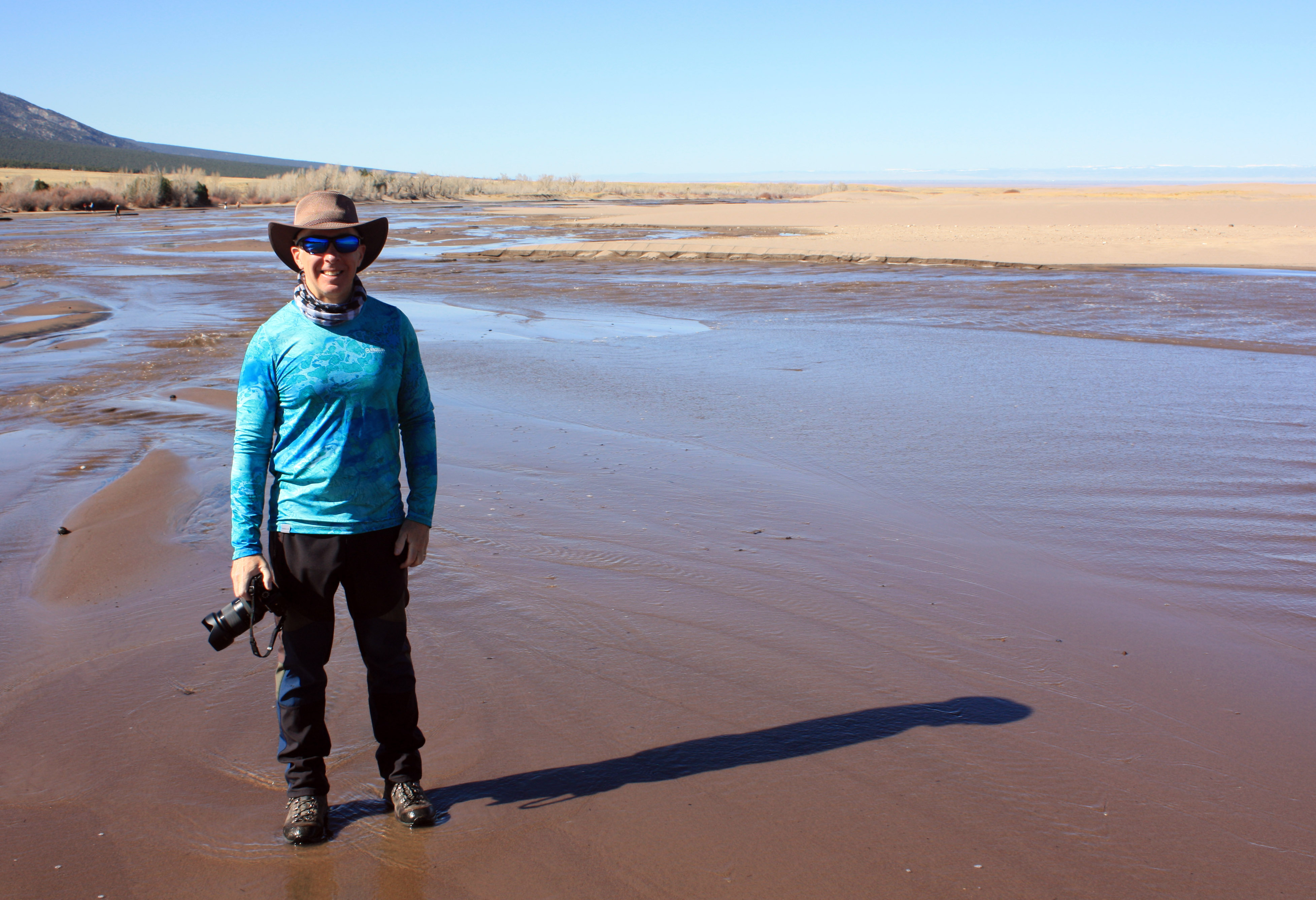
Stephen Lias at Great Sand Dunes N.P. in 2023 Photo by Peter Alexander

Wind, Water, Sand, however, does not have accompanying photos or videos. “I enjoy writing music that has imagery synchronized to it,” Lias says. “But Michael (Butterman) agreed at my request that this piece would not have imagery. 

“In this case, both because of the location and because of the musical challenge, I wanted to tap into the audience’s imagination, which is what we do when we listen to Beethoven’s ‘Pastoral’ Symphony or the Strauss Alpine Symphony. We allow our imagination to provide the imagery, and that was the direction that I wanted to go in this piece.”

Lias spent more than a week as a guest of Great Sand Dunes National Park in the spring of 2023. This was not a residency, but a one-time project between Lias, the park and the Boulder Philharmonic. Park officials “were very generous in allowing me access to the park, the museum and the staff there,” he says.

“What I wanted was to be completely open to the place (and) the experience there,” he said during his 2023 visit to the park. “I’m creating what I think of as ‘idea soup‘. I’m letting it stir, and we’ll see what it turns into.”

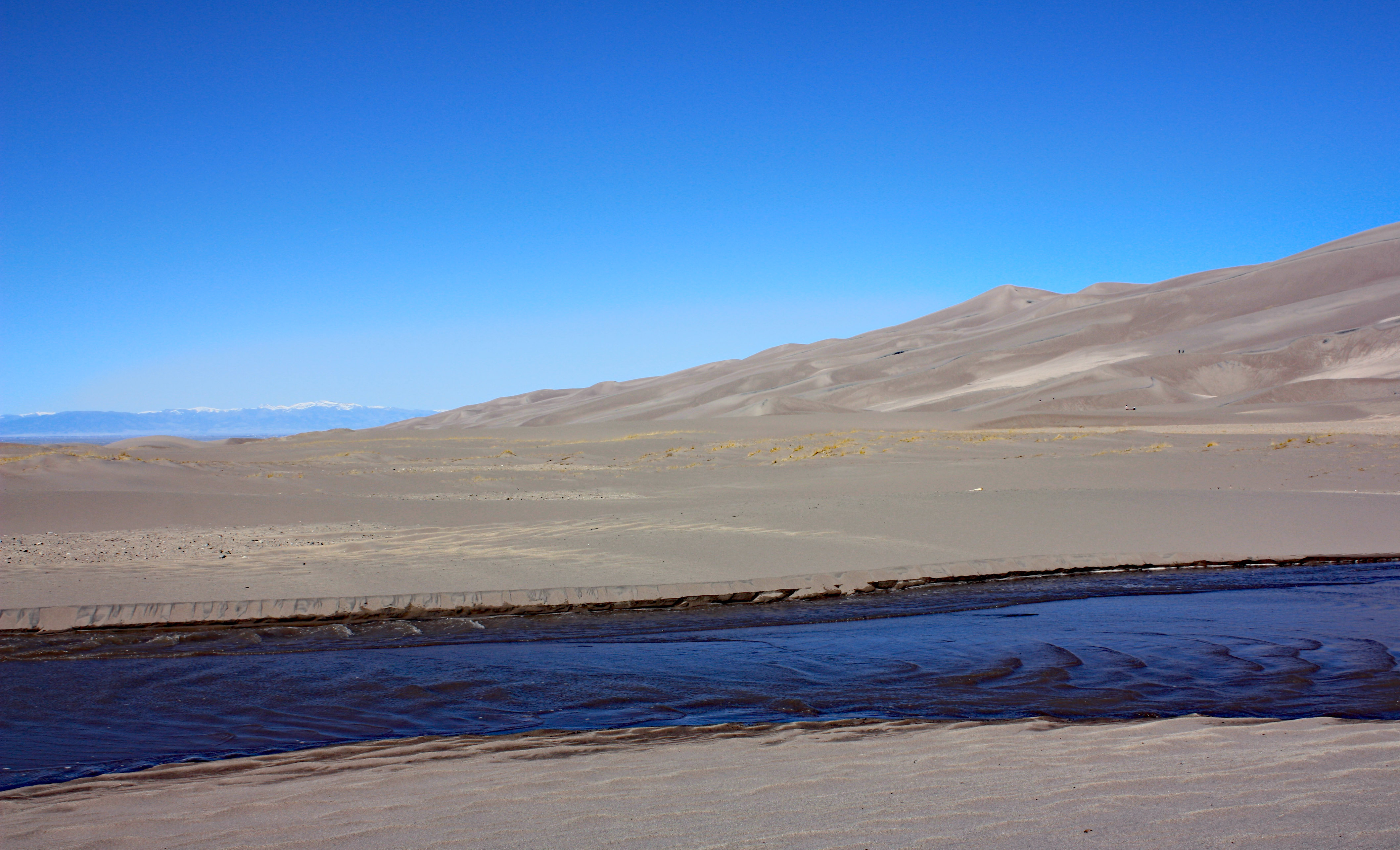
The flow of sand and water at Great Sand Dunes N.P. Photo by Peter Alexander

What turned into the basis of his score was the flowing motion of the wind across the dunes, of the water that runs beside the dunes, and of the sand as it forms the dunes—hence the title, Wind, Water, Sand. “All of those are doing the same thing at different paces and at different scales, from the very slow to the very fast, from the microscopic to the gargantuan,” Lias says. 

While those are separate elements in nature, they are not represented by separate musical ideas. “Rather than make a wind theme and a water theme and a sand theme,” Lias explains, “I focused on a group of ideas that go both slow and fast. There are little ornate, intricate elements in certain parts of the music that are re-used as whole notes as bass lines for other places in the piece.They are all participating in the same dance.”

An eclectic composer, Torke has written music influenced by minimalism, operas influenced by rap and disco, a rock opera version of Monteverdi’s L’incoronazione de Poppea (The Coronation of Poppea), music inspired by his synesthetic experiences of music and color—and now a Bluegrass concerto. Sky was commissioned in 2018 by a consortium of 11 orchestras around the country, including the Albany Symphony, with whom Lark played the premiere. “Tessa just owns that piece,“ Butterman says.

Lark grew up in Kentucky, where she studied the Suzuki method and performed with her father’s Bluegrass band. She later studied at the New England Conservatory and Juilliard, and while playing a Stradivari violin on loan she was inspired to record an album titled Stradgrass Sessions combining her classical and Bluegrass skills.  

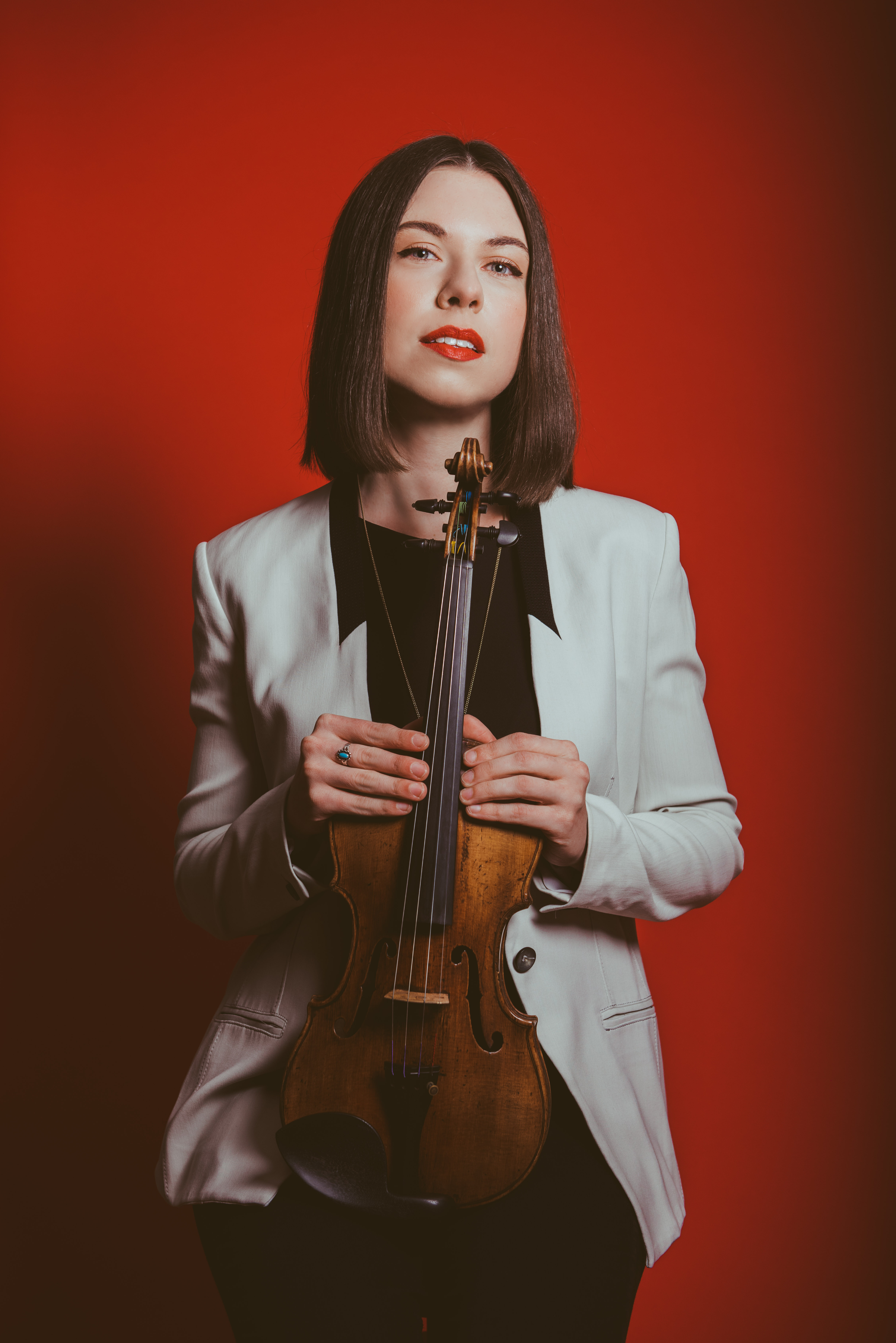
Tessa Lark

In his program notes, Torke writes “The inspiration for this concerto came from Tessa Lark . . . Banjo-picking technique given to the solo violin was the departure point in the first movement. For the second movement my source material was Irish reels, the forerunner of American Bluegrass. The template for the third movement was fiddle licks with a triplet feel. In each case I wrote themes of my own in these styles, and developed the ideas into a standard ‘composed’ violin concerto.”

Butterman describes Sky as having “a great deal of complexity in terms of the way the parts work with one another. It’s a workout for the orchestra, no question, but very successful with the audience.”

In the context of the two newer pieces, Butterman thought that Dvořák’s “New World” was the perfect compliment. “All of these pieces are American in one way or another,” he says. “The closest connection is between Torke and Dvořák. Dvořák was looking to show Americans how to celebrate our cultural richness through development of the spiritual, and also what he thought were native American elements. And in the Torke we have a Bluegrass influence.

“The Torke and the Dvorak, in spite of them being a hundred and however many years apart, come from similar motivations. And (Lias’s) piece is inspired by a beautiful slice of our American landscape (that) people in Colorado will appreciate and understand.”

# # # # #

“From the New World”
Boulder Philharmonic Orchestra, Michael Butterman, conductor
With Tessa Lark, violin

  • Stephen Lias: Wind, Water, Sand WORLD PREMIERE
  • Michael Torke: Sky: Violin Concerto
  • Dvořák: Symphony No. 9 in E minor, “From the New World”

4 p.m. Sunday, Jan. 12
Macky Auditorium

TICKETS

GRACE NOTE: A Gift of Music

Boulder Chamber Orchestra presents word premiere concerto for guitar

By Peter Alexander Dec. 17 at 2:20 p.m.

The Boulder Chamber Orchestra (BCO) will present their annual Holiday “Gift of Music” featuring guitarist Nicolò Spera Saturday (7:30 p.m. Dec. 21) at the Boulder Adventist Church.

Nicolò Spera

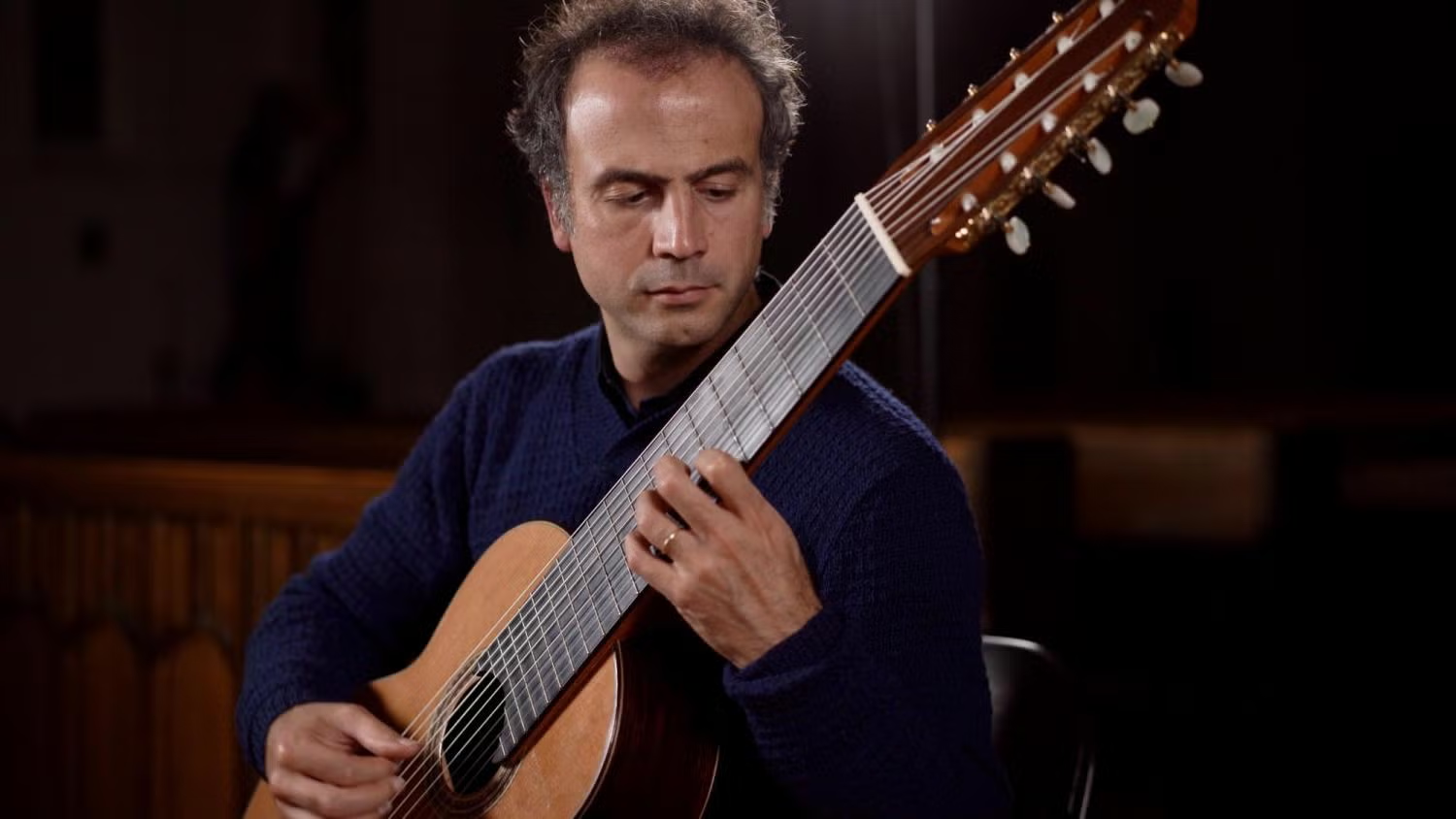
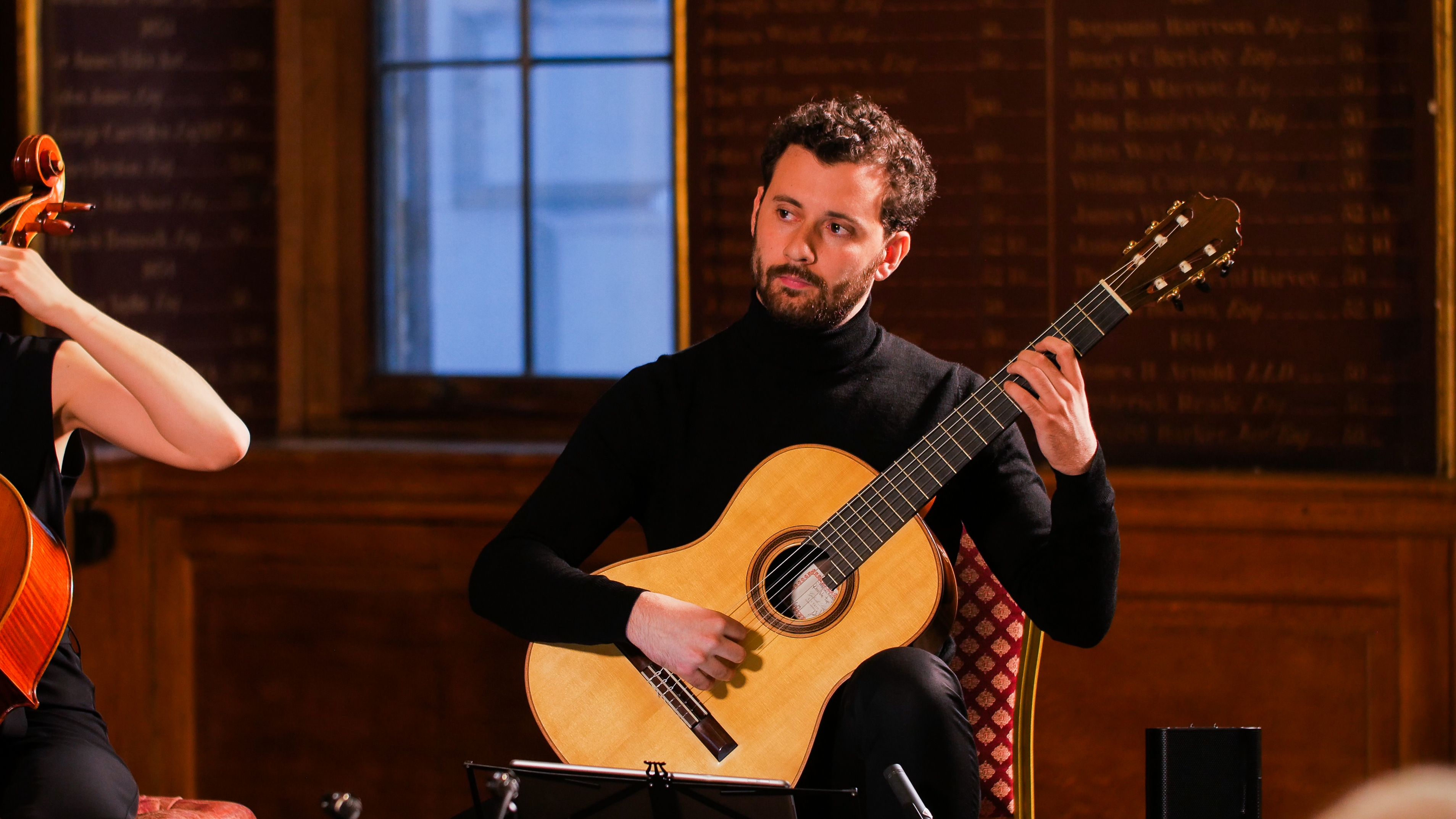
Bahman Saless, artistic director of the BCO, will share conducting duties with Nadia Artman and Giacomo Susani. Spera will play the world premier of Susani’s Concerto for 10-string guitar and orchestra, titled Lungo il Po (Along the Po river), conducted by the composer.

The orchestra’s concertmaster, Annamaria Karacson, will be the featured soloist for the “Méditation” from Thaïs by Jules Massanet, with Saless conducting. He will also lead the orchestra in the program’s closing work, Dvořák’s Czech Suite. Nadia Artman will conduct the opening work on the program, the Prélude from Bizet’s Carmen.

Susani has an active career as a guitar soloist in Europe, and recently presented his Carnegie Hall debut in New York. He taught guitar at the Junior Department of the Royal Academy of Music in London 2019–23, and is currently artistic director of the Homenaje International Guitar Festival in Padua, Italy, and co-artistic director and teacher of the Residenze Erranti, an initiative that supports young artists by providing scholarships for masterclasses, workshops and other events in Milan and Padua.

Giacomo Susani

Susani has recorded four albums on the Stradivarius label. Performances this year included appearances in the UK, at the Paganini Guitar Festival and the Conservatorio G. Puccini in Gallarate, Italy. His Guitar Concerto Lungo di Po is one of several works he has written for guitar.

Lungo il Po is based on a book of the same title by Federica Pocaterra. It was commissioned by Spera, to whom it is dedicated. Susani believes that it is the first concerto written for the unusual 10-string guitar and orchestra. The music includes quoted fragments of the Lamento di Arianna by Claudio Monteverdi, one of the most famous laments of the early Baroque period. 

Dvořák wrote the Czech Suite in 1879 for the German publisher Fritz Simrock, who was the principal publisher for both Dvořák and Brahms. It comprises five movements, three of which are Czech folk dances: a polka, a soudedska—a type of slower dance in triple time—and a furiant—a fast and fiery dance that Dvořák used in several of his works.

A member of the CU College of Music faculty, Spera is known for playing both the six-string and 10-string guitars, as well as the Renaissance theorbo, a member of the lute family. He holds degrees from the Conservatory of Bolzano, Italy, and the Accademia Musical Chigiana in Siena, Italy, as well as as an artist diploma from the University of Denver and a doctorate from CU, Boulder. In addition to his teaching duties at CU, Spera appears frequently as a solo performer, both locally and internationally.

A native of Moscow, Russia, Artman has appeared as a guest conductor of the BCO in past seasons, and manages Artman Productions in Boulder.

# # # # #

“The Gift of Music”
Boulder Chamber Orchestra, Bahman Saless, conductor
With Nicolò Spera, guitar, and Annamaria Karacson, violin
Guest conductors Nadia Artman and Giacomo Susani

  • Bizet: Prélude to Carmen
  • Giacomo Susani: Concerto for 10-string guitar and orchestra, Lungo il Po (Along the Po river)
  • Jules Massanet: “Méditation” from Thaïs
  • Dvořák: Czech Suite, op. 39

7:30 p.m. Saturday, Dec. 21
Boulder Adventist Church, 345 Mapleton Ave., Boulder

TICKETS