CU NOW explores new opera by Mark Adamo

Opera producer/conductor Sarah Caldwell as Greek tragedy

By Peter Alexander June 11 at 10:15 p.m.

Mark Adamo knows his Greek mythology.

The composer/librettist is known not only for having written an opera on Aristophanes’s Lysistrata, but also having linked Bram Stoker’s Dracula with the Greek myth of the Bacchae as librettist for John Corigliano’s 2021 opera The Lord of Cries. And now Adamo is in Boulder workshopping his opera-in-progress Sarah in the Theater at the University of Colorado New Opera Workshop (CU NOW).

And once again he has found a Greek connection. “This is what happens when you give a 10-year-old Greek mythology to read,” he says.
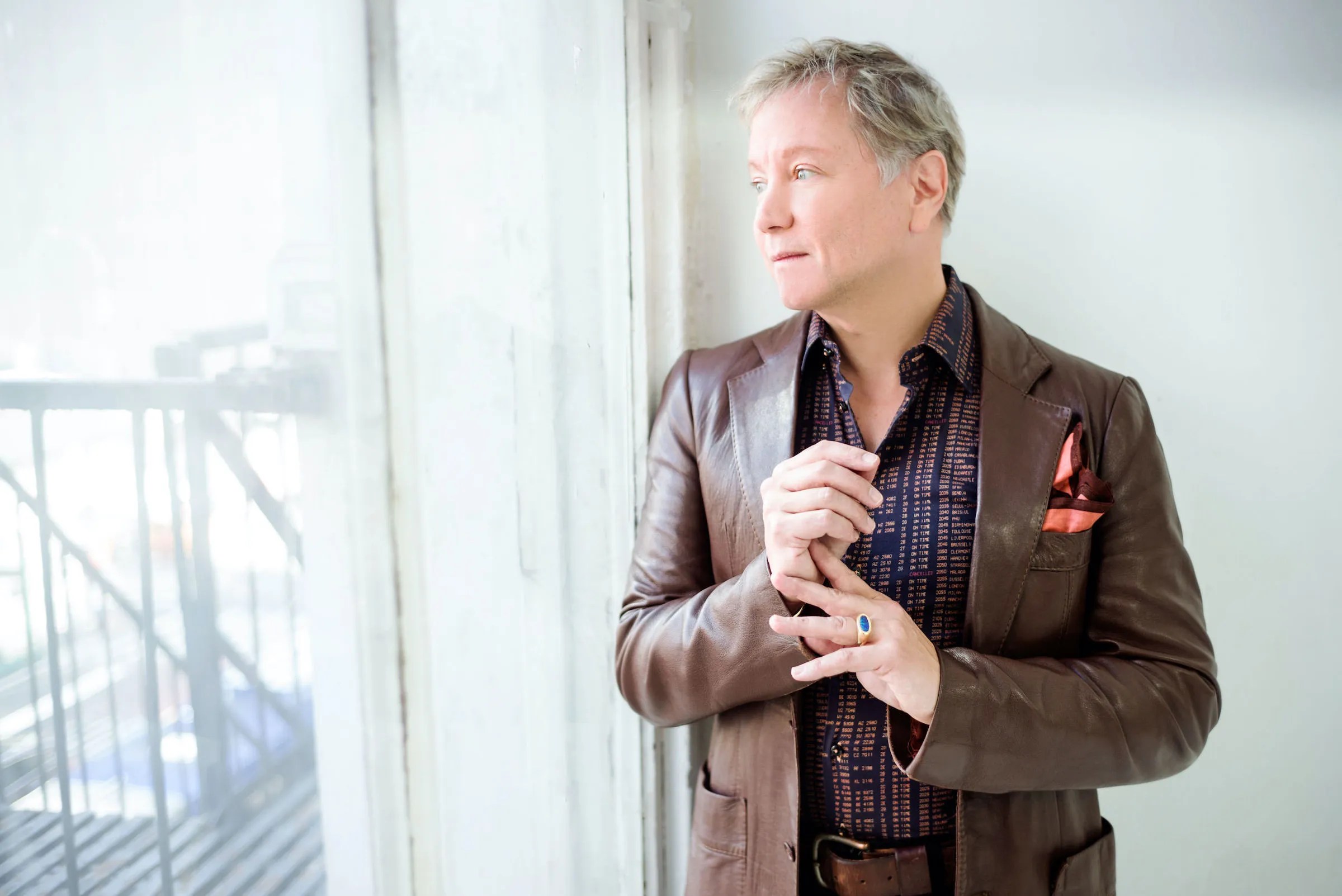
Mark Adamo. Photo by Daniel Welch

With the first act mostly done, Adamo’s new opera about the opera conducting and producing legend Sarah Caldwell will have semi-staged workshop performances of excerpts this weekend (Friday and Sunday, June 13 and 15; details below). Nick Carthy, music director of the CU Eklund Opera Program will conduct. The performance will cover the first act, but “there will be a surprise,” Adamo says cryptically.

Adamo discovered a parallel between Caldwell’s career and a Greek myth when he first undertook work on the opera. “As I’m sketching out (the opera), I had a sense of what I wanted to do with her as a character,” he says. “I’m asking the question, is there some kind of narrative template that’s going to make sense of the themes in her character, which is that she’s extremely ambitious but she doesn’t see limits. Whatever happens in the theatre is the only thing that matters.

“(I thought) there has to be some kind of pre-existing trope that I can pull from. I don’t know—Icarus! I said, that’s it!”

In the opera, the story of Icarus, who flew too close to the sun and fell to his death, is the subject of an opera within the the opera. It becomes both an opera that Caldwell is rehearsing, revealing her relentlessly focused work ethic, and a symbol of her own high-flying career and ultimate crash.

Caldwell founded the Boston Opera Group, which became the Opera Company of Boston.  Against all odds and considerable financial difficulties, she presented a wide range of operas and developed a reputation for producing remarkable results with limited means. Because of her intense focus on her work, she was known both for attracting ardent admirers and for driving others away under duress.
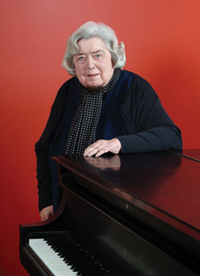
Sarah Caldwell

A synopsis of the opera released by the commissioning organization, Odyssey Opera, states: “Over one sleepless day and night: haunting the theater she created, made legendary, and now, by morning, may lose; the director, conductor, and impresario Sarah Caldwell—brilliant, obsessed, intractable—inspires her artists, fends off creditors, relives her triumphs, and battles with ghosts as we wait to learn if she will be given one final chance to continue the work she lives for or whether demons of self-sabotage have, at last, outrun her luck.”

Adamo is returning to Boulder for his second workshop with CU NOW, following a successful reworking of his opera The Gospel of Mary Magdalen in 2017. “(CU NOW) is the perfect balance of seriousness about the work, and un-seriousness about ego,” Adamo says.

“Nick (Carthy) and our pianists know it cold, but part of the point of the workshop is that you want the flexibility to change things. The magic here is that people came in with a base knowledge of the score, and also not only the ability but the imagination to get it better. I am ‘directing’ this, (but) in real life this is a co-production of me and the singers. Half the ideas on the stage will come from them.”

For all of her impact in the opera world Caldwell might not occur to most composers as the subject of an opera. The original idea came from Gil Rose, conductor of the Boston Modern Orchestra Project and founder of Odyssey Opera, who commissioned Sarah in the Theatre. But make no mistake, Adamo sees her as a great subject for drama. “She’s like Orson Wells,” he says. “It’s a race between the genius and the demons.”

Taking on the roles of both librettist and composer might seem dangerous, because the history of opera is littered with legendary battles between composers and librettists. Adamo sidesteps any conflict between the two parts of his creative mind by starting with an outline of the various characters’ motives and the emotional arc of the story. The emotional development suggests in turn the musical demands of the finished piece.

 “By the time you do the first draft of the libretto, it’s coming to the first draft of the score, because you’ve got these musical requirements that you’re trying to write around,” he says. “And then by the time you get to that libretto and by the time you’re setting it, ideally you avoid the composer-librettist clash, because the composer has been there from the beginning.”

The final word on any new opera belongs to the performers who bring it to life. After several weeks of intensive work, Carthy knows where he stands on Sarah in the Theatre. “It’s a great work,” he says.

“It’s really a greek tragedy.”

# # # # #

CU New Opera Workshop (CU NOW)
Nick Carthy, conductor

Mark Adamo: Sarah in the Theatre (Act I excerpts with two pianos)

7:30 p.m. Friday, June 13 and 2 p.m. Sunday, June 15
Music Theatre, Imig Music Building
Free
CU New Opera Workshop presents a show in search of a title

Portions of a new work—for now The Calling—will be performed June 16 & 18

By Peter Alexander June 14 at 11:25 a.m.

Composer Tom Cipullo is seeking a name for his new opera.

Composer Tom Cipullo (l) and Leigh Holman (r), artistic director of CU’s Eklund Opera program.
Photo by Stabio Productions for CU NOW.

Right now it’s The Calling; before that it was The Next Voice you Hear. His work-in-progress is the subject of the 2023 CU New Opera Workshop (CU NOW) in the College of Music, and the first thing Cipullo wanted to do in the workshop was find the right title.

“I think it was the first thing I said when I arrived here,” he says. “I need a better title!” The Calling was suggested by one of the performers, and so far that is the title that everyone likes best.

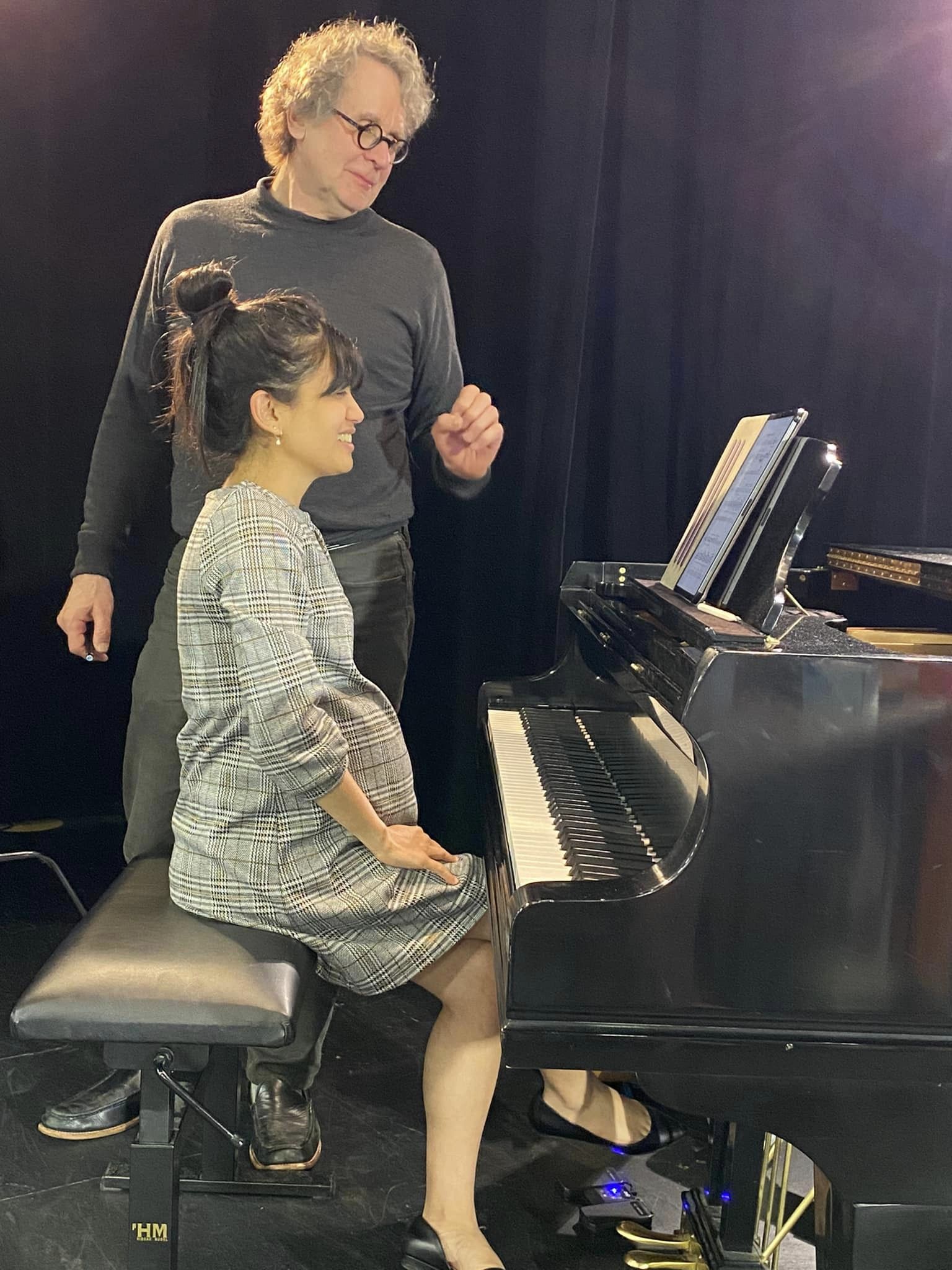
Conductor Nick Carthy (standing) with pianist Nathália Lato.

But whatever you call it, you can catch a preview this Friday and Sunday at the Music Theater in the CU Imig Music Building (7:30 p.m. June 16 and 2 p.m. June 18; admission is free). Portions of the opera-in-progress will be performed by early-career artists from the CU Eklund Opera program under the direction of conductor Nicholas Carthy and stage director Leigh Homan. They will be accompanied by pianist Nathália Kato.

The libretto, written by Cipullo, tells the intertwining stories of three characters: televangelist Pastor Dove; IRS Agent Cordero, who is investigating Dove’s ministry for potential tax violations; and Dolores Caro, an older woman who supports Dove’s ministry.

Two of these characters are based on models. The televangelist was inspired by someone Cipullo won’t name that he saw interviewed about his extravagant lifestyle. “He was so charming and frightening at the same time that I couldn’t take my eyes off of him,” Cipullo says. But he wants you to know he is not trying to mock the televangelist. 

“I was trying to tell his side of it,” he says. “He’s giving to people. Maybe it’s worth it for these people, what he’s giving them. (It makes) me think, the preacher actually believes he’s doing good.”

Dolores, the homebound contributor to the ministry, is partly Cipullo himself. She is surrounded by old-fashioned consumer goods and feeling left behind by the 21st century. “There’s a lot of me in her,” Cipullo admits. Like Dolores, “I still have a landline. And I can’t figure out how to work this (smartphone)!”

The character of the IRS agent was suggested to Cipullo, and he is more of an original creation. As someone who grew up religious and knows both the Bible and literature, Agent Cordero is an ideal foil to Dove.

With these three characters it would be easy to write a biting satire, but that’s not Cipullo’s game. “I hope it’s more nuanced than that,” he says. “The biting satirical way is the way that a lot of people in New York would look at people who give to televangelists, but I’m more interested in what the people who listen to these televangelists get out of it.”

When pressed, Cipullo says that The Calling is neither satire nor comedy, but both—and partly tragedy, in a way. “It’s all of these,” he says. “I think it is a commentary on the condition of the country, with tragic and comic overtones. Any good opera that wants to touch your heart has to have light moments in it.”

Getting the right balance of ingredients is one purpose of CU NOW and similar workshops. Composers can hear portions of their new works and see what works and what doesn’t, and to write new material when required. Often the performers themselves provide ideas that end up in the finished work—and not just the title.

When he arrived for the workshop, Cipullo says, “I had specific things that I was concerned about, and I had various epiphanies. I didn’t really have the title, there was too much wordiness and (I was concerned about) the momentum and how to shape it.

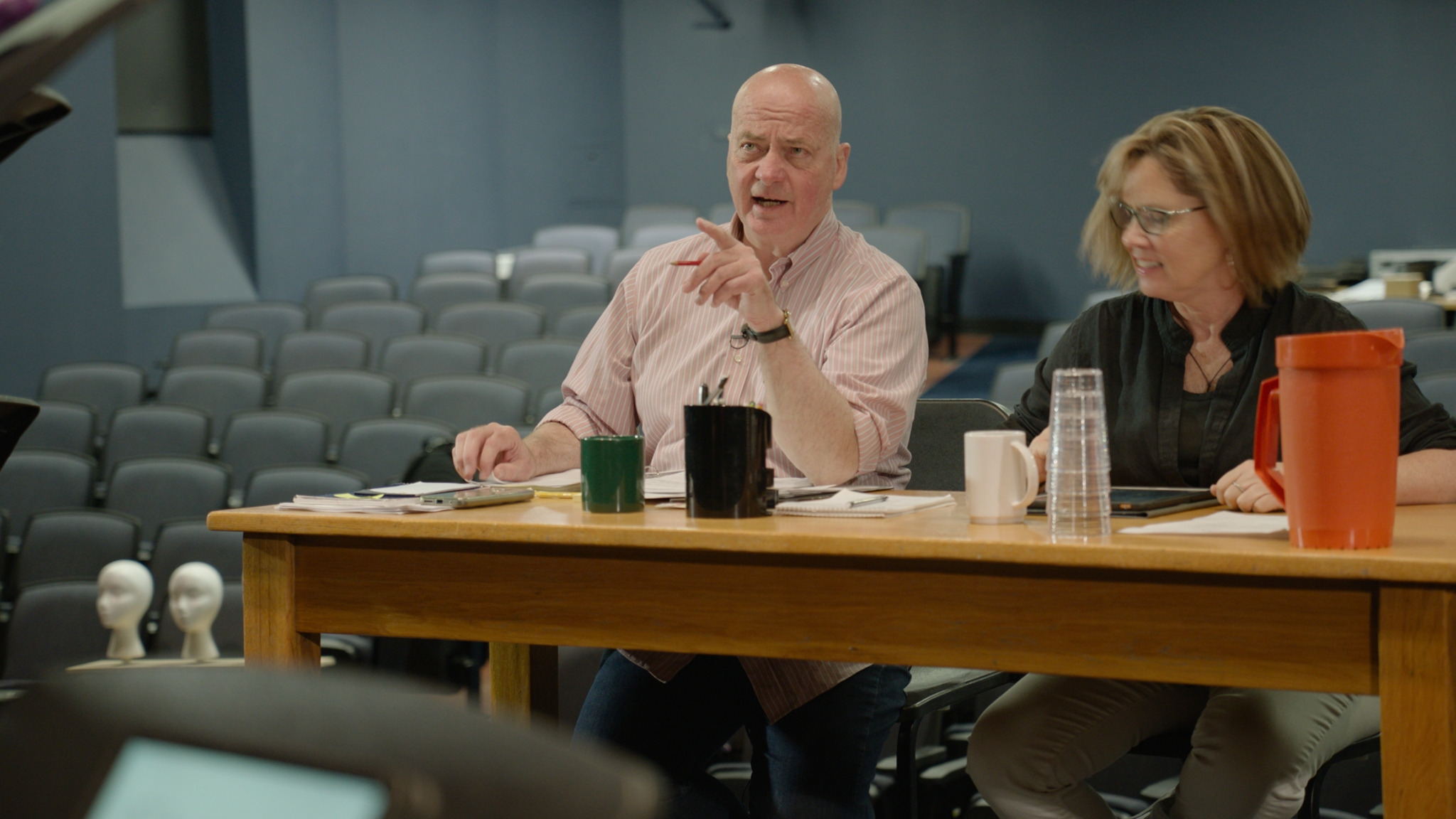
Leigh Holman (l) and composer Tom Cippullo (r) during a rehearsal for ’The Calling.’

“Then there are specific levels—for example, someone’s singing an aria, there are specific musical things. Maybe it’s only a moment, maybe it’s a beat, maybe it’s too long. Maybe something’s wrong. I don’t know what it is, but we have to try to figure out what it is, as a group.”

CU NOW, founded by Holman in 2010, provides a longer working period than most workshops—up to two or three weeks. This gives composers a chance to tackle more changes than they could in a few days, which is valuable to the creative process. Composers who have been part of CU NOW in the past include Cipullo, Kamala Sankaram, Jake Heggie and Mark Adamo.

But Holman makes it clear that CU NOW is first and foremost for the students, giving them experience they will need in their careers. Working with composers, and learning new music on short notice, have become more necessary as more new operas are being produced around the country. At first, she says, the singers struggled to keep up with the changes they had to make overnight. 

But “it’s developed now to they’re begging for music,” she says. “They ask, ‘Did you write me any music last night?’ And Tom is writing new music almost every day and sending it to them every morning, and by 2 o’clock they know it already!”

That experience prepares the students for the facts of professional life today. “This is a golden age of American Opera,” Holman says. “The singers, if they’re going to work, they need to have these skills. When we started, there weren’t other universities doing these workshops and now they’re doing them all over.”

And at this point Cipullo speaks up. “But there’s nothing like this one”! he says.

# # # # # 

CU New Opera Workshop
Leigh Holman, director
Nick Carthy, conductor
Nathália Kato, pianist

The Calling by Tom Cipullo (portions)

Music Theatre, Imig Music Building
7:30 pm. Friday, June 16
2 p.m. Sunday June 18

Free, no tickets required

CU Eklund Opera offers “toe-tapping good music”

Handel’s 1709 opera Agrippina will be streamed starting Friday

By Peter Alexander May 13 at 9:30 p.m.

“It’s toe-tapping good music,” Leigh Holman, director of the CU Eklund Opera Theater, says. “There’s always a beat going!”

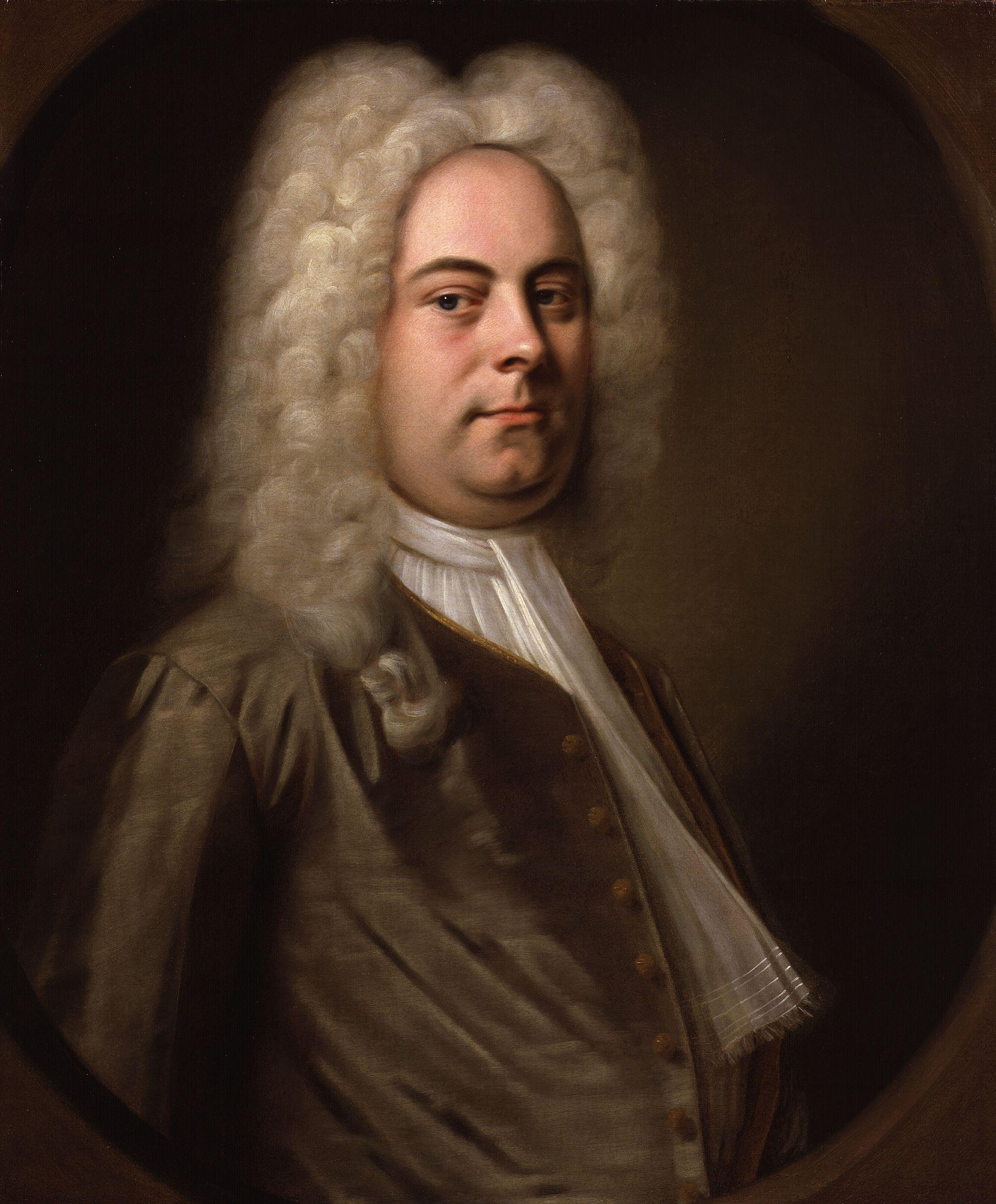
George Frideric Handel by Balthasar Denner

She’s talking about the company’s next production, Handel’s 1709 opera Agrippina, which opens in a streamed production at 7:30 p.m. Friday (May 14). The stream, which is offered on a pay-what-you-can basis, will be available here for three weeks, until 11 p.m. Friday, June 4.

The opera was rehearsed and performed with strict observance of social distance protocols. After a postponement due to the March snowstorm, two casts were filmed over a single weekend in the Music Theater of the Imig Music Building. The singers will be accompanied by a reduced orchestra of five players under the direction of Nick Carthy.

Baroque opera can be a challenge for audiences, because the stories are often based on classical mythology or, in the case of Agrippina, Roman history that may be unfamiliar to modern listeners. The music is presented in a series of arias that expose emotions, alternating with recitatives that advance the action. With all the arias structured the same, the lack of variety can be monotonous.

“That’s where I come in,” Holman says, referring to all the ways she as director can make the show accessible and more fun to watch. In the case of Agrippina, a story about the rise of the infamous Roman emperor Nero, Holman and CU have placed the production the board room of a modern high-tech firm in Silicon Valley.

For longtime PBS fans, the story of Agrippina starts up where the 1976 TV series I, Claudius leaves off. Emperor Claudius’ wife Agrippina wants her son, Nero, to be the next emperor—or in the CU production, the next CEO. When a false report arrives of Claudius’ death, she goes into overdrive trying to position Nero for the top job.

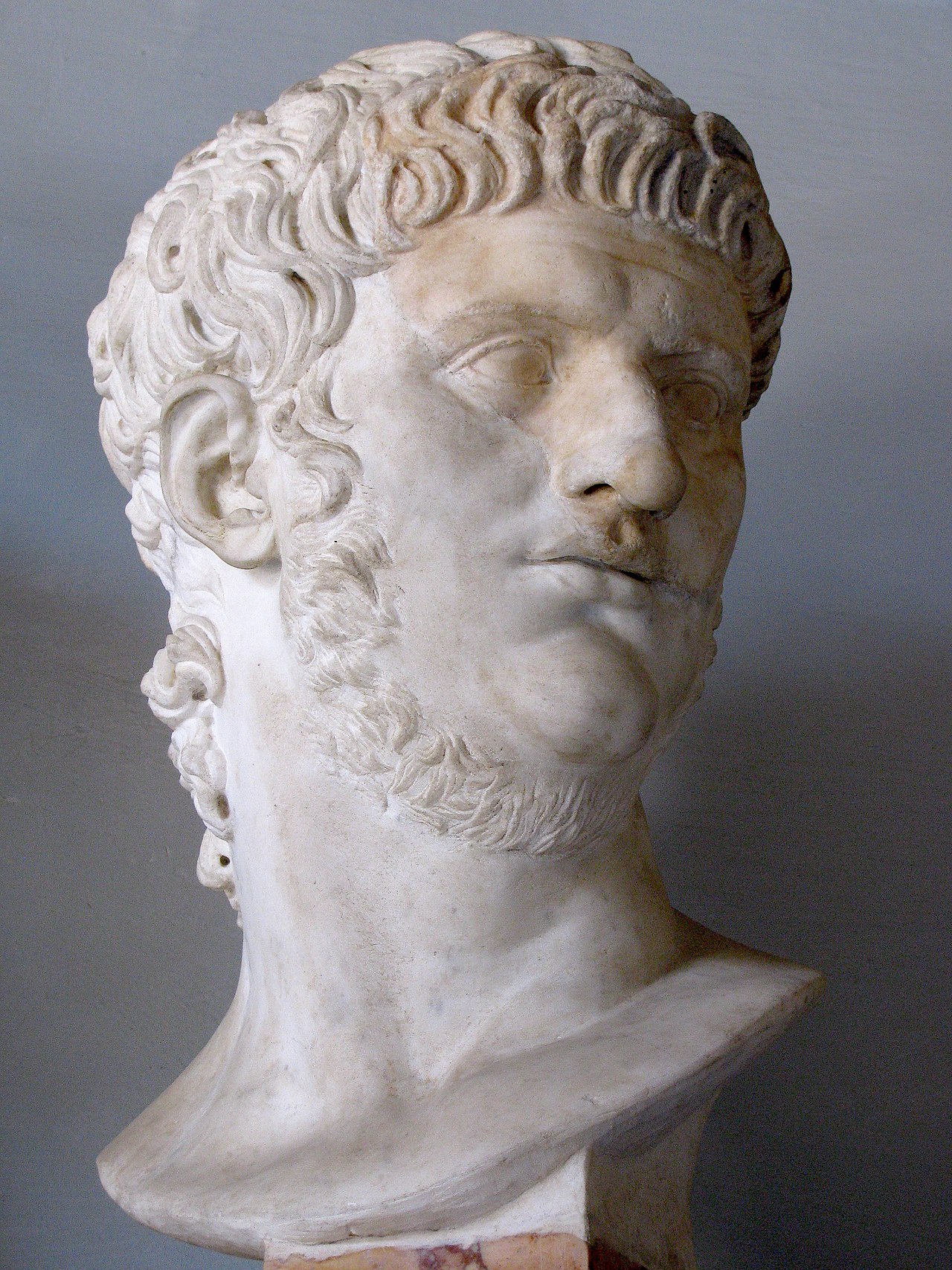
Bust of Nero at the Capitoline Museum, Rome

When Claudius turns up alive, Agrippina tries to manipulate everyone—Nero, who desperately wants to be emperor; Ottone, who is madly in love with Poppea; Claudius, who also lusts for Poppea; Poppea herself; and several minor characters—to clear the way for Nero’s ascent. After many twists and turns, Claudius realizes that Nero wants to be emperor and Ottone wants to marry Poppea, which he facilitates. Everyone is happy—for the moment. (History tells more that is not in the opera.)

In spite of the high stakes game being played by everyone, Holman insists that the opera is funny. “It’s a comedy, and we really had a good time bringing that out,” she says. “There is a pair, Pallante and Narciso, [who] are goofballs.”

At the same time, there are arias that are serious. “The aria by Ottone, when he realizes that nobody wants him and he’s left all alone—he sings this gorgeous aria and it’s one of the most touching things in the world.

“But in the next scene you’ve got goofball antics.”

Leigh Holman

Holman had to get the students to find the right groove for the opera’s comedy. “I kept saying to the students, I know this is Handel, and I know that this music is hard for you to sing,” she says. “But for those moments that are funny, don’t be too reverent!”

Handel, Holman likes to point out, wrote operas for entertainment. “This is for people to enjoy,” she says. “There are some very touching moments, but most of all it’s just entertainment and there’s nothing wrong with that. We need that right now!”

This is the third Baroque opera Holman has directed at CU. There was Monteverdi’s Coronation of Poppea—which takes up where Agrippina leaves off—in 2015, and Handel’s Ariodante in 2018. “Baroque opera is a challenge, because the actors, the director and the conductor can find so much,” she says. 

“There’s so much room to dig without it being handed to you. It opens up lots of different different ways to play it. I think that’s fun.”

The difficulty of having so many arias strung together, all in the same structure—diagrammed ABA—Holman sees as another challenge to the performers. She asks the singers what changes during the aria. “How does the character change in that aria,” she asks, “during A and then the different music in the B section, and then going back (to A)—why does the character do that? That gets them to think about those things.”

The singers have responded to the challenges of Baroque opera. “These students are very serious,” Holman says. “The only thing they need to do is read about the history of these characters. They’re really good about it—they seem to enjoy it.”

Holman has no doubt that people will enjoy Agrippina. “The music’s beautiful, and this is one of the greatest groups of singers we’ve had at CU,” she says. “People that are attracted to opera because they want to hear good voices, they’re going to get it. If they like good storytelling, they’ll be really happy. If they like good acting, they’re going to see students that are doing far more than I could ever imagine.

“There’s something for everyone in this production.” 

# # # # #

CU Eklund Opera
George Frideric Handel: Agrippina
Performed in Italian with English titles

Leigh Holman, stage director
Nicholas Carthy, music director

Stream available at 7:30 p.m. Friday, May 14, though 11 p.m. Friday, June 4.

Full cast and credits, and pay-what-you-can access to the streamed performance, are here.

CU Eklund Opera production of “Marriage of Figaro” now available online

Spring performances were canceled due to Coronavirus

By Peter Alexander June 23 at 9 p.m.

The University of Colorado College of Music/Eklund Opera student production of Mozart’s Marriage of Figaro was in the final week of dress rehearsals in March.

PR still for the Eklund Opera production of Le Nozze di Figaro (Photo by Glenn Asakawa—University of Colorado)

The production, under the musical direction of conductor Nick Carthy and stage directed by Eklund Opera director Leigh Holman, promised to be an outstanding realization of one of the greatest—or the greatest—operas in the repertoire. (Read my original preview story in Boulder Weekly.)

But at one of the very last dress rehearsals, Holman had to tell the cast that all performances on the CU campus had been canceled. They ran through the opera one last time, they cried, they hugged one another, and then they went home.

Now that final dress rehearsal has been made available through CU Presents. You can access the stream of the full dress rehearsal here. The stream is described as a “pay what you can performance,” in which viewers are asked to make whatever contribution they can afford after watching the stream.

The performance lasts 150 minutes (2 hours, 30 minutes), and has English titles throughout. The CU Presents Webpage does not say how long the stream will be available.

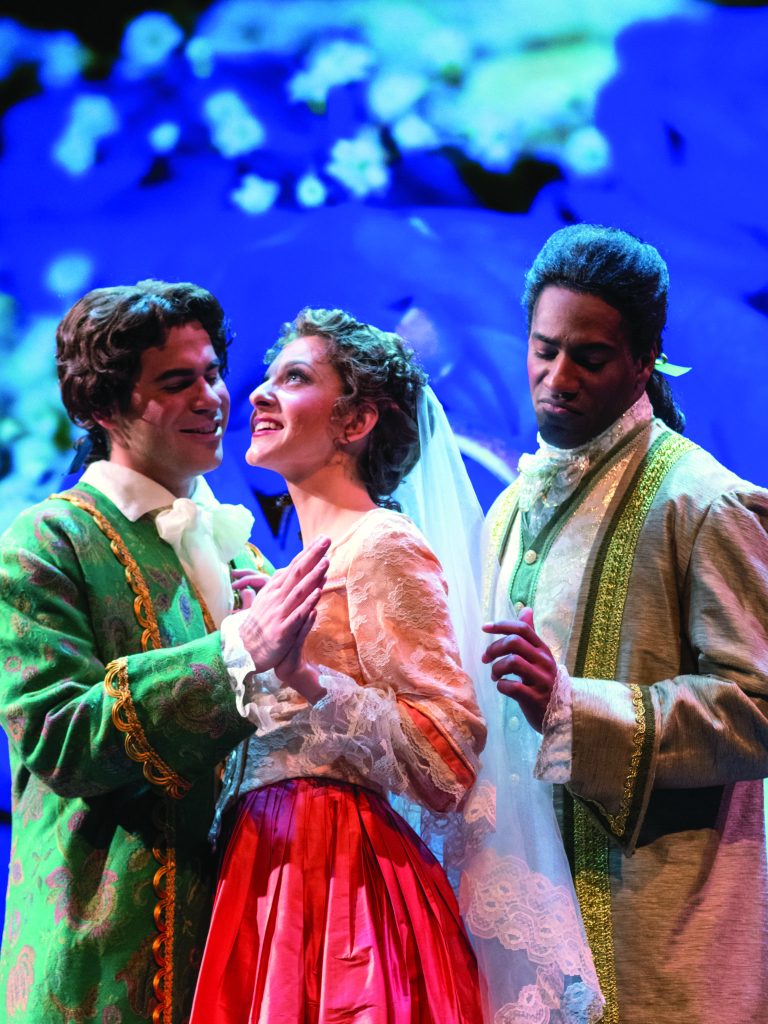
Eklund Opera’s “Marriage of Figaro,” production shot.