GRACE NOTES: Chamber piano with strings, bassoons and student soloists

Piano Quartet at the Academy, Bassoon Quartet with Cantabile, BCO with competition winners

By Peter Alexander May 7 at 4:40 p.m.
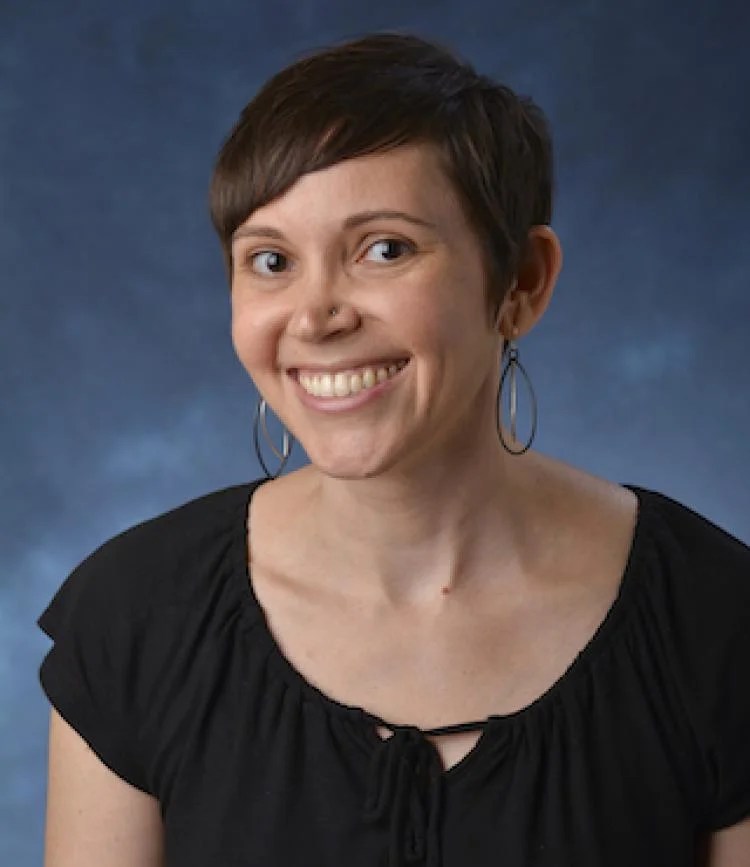
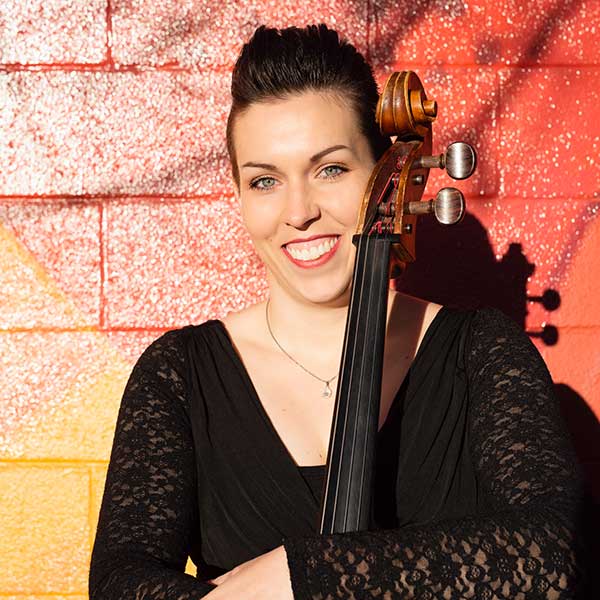
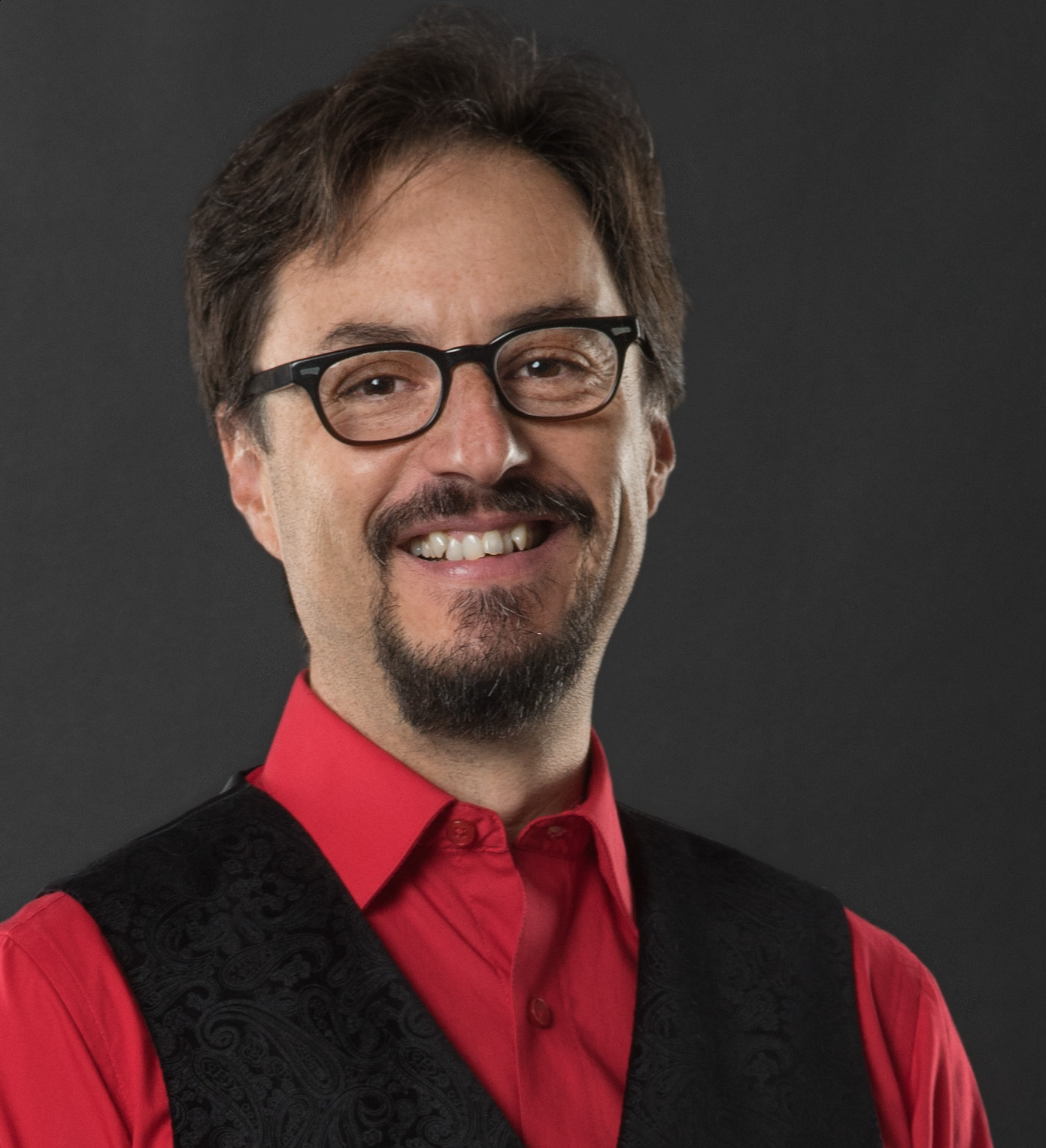
The Boulder Piano Quartet—pianist David Korevaar with violinist Igor Pikayzen, violist Matthew Dane and cellist Thomas Heinrich—will present a free concert in Chapel Hall at the Academy University Hill Friday (7 p.m. May 9; details below).

The central work on the program is the five-movement King of the Sun by Stephen Hartke, who is chair of composition at the Oberlin Conservatory. Written for the Los Angeles Piano Quartet, The King of the Sun was inspired by a series of five paintings by the Spanish painter Joan Miró. 
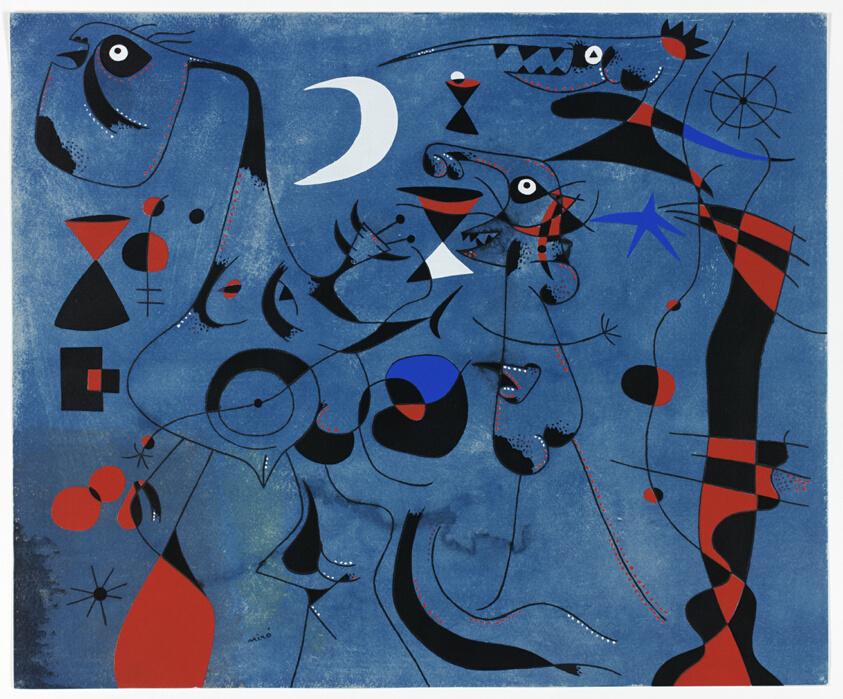
Miró: Characters in the night guided by the phosphorescent tracks of snails, Art Institute of Chicago

The five major movements of Hartke’s score are titled after the titles of the paintings: “Personages in the night guided by the phosphorescent tracks of snails,” “Dutch interior,” “Dancer listening to the organ in a gothic cathedral,” “The flames of the sun make the desert flower hysterical,” and “Personages and birds rejoicing at the arrival of night.” The third and fourth movements are  separated by a brief “Interlude,” leading Hartke to describe the piece as comprising “five and a half” movements. 

The title of the work, The King of the Sun, is a mistranslation of a 14th-century canon that is quoted in the second and fourth movements of Hartke’s score. The actual title of the canon is Le ray au soleil, which means the sun’s ray. The change of one letter—Le rey instead of Le ray—changes “The sun’s ray” into “The king of the sun.”

The program opens with Phantasy for Piano Quartet, written in 1910 by English composer Frank Bridge. It was commissioned by Walter Wilson Cobbett, who worked to promote the composition of British chamber pieces in the style of Fantasy, or Phantasy, a type of work that had flourished in Elizabethan times. Bridge was one of 11 British composers Cobbett commissioned to write a phantasy in 1910.

The final piece on the program is the Piano Quartet in E-flat major of Robert Schumann. It was composed in the summer of 1842, which became known as Schumann’s “year of chamber music.” He had mostly written piano music until 1840, a year in which he wrote 120 songs. The following year he wrote two symphonies, and then in 1842 he completed three string quartets, a piano trio, a piano quintet, and the Piano Quartet.

# # # # #

Boulder Piano Quartet
Igor Pikayzen, violin; Matthew Dane, viola; Thomas Heinrich, cello; and David Korevaar, piano

  • Frank Bridge: Phantasy for Piano Quartet
  • Stephen Hartke: The King of the Sun
  • Schumann: Piano Quartet in E-flat major, op. 47

7 p.m. Friday, May 9
Chapel Hall, The Academy University Hill, Boulder

Free

# # # # #
Quartets of all bassoons are a musical rarity—except in Boulder.

The Boulder Bassoon Quartet will present an unusual program of music for bassoon and chorus on a concert shared with Boulder’s Cantabile Singers, directed by Brian Stone, Friday and Sunday at the First Congregational Church (May 9 and 11; details below).
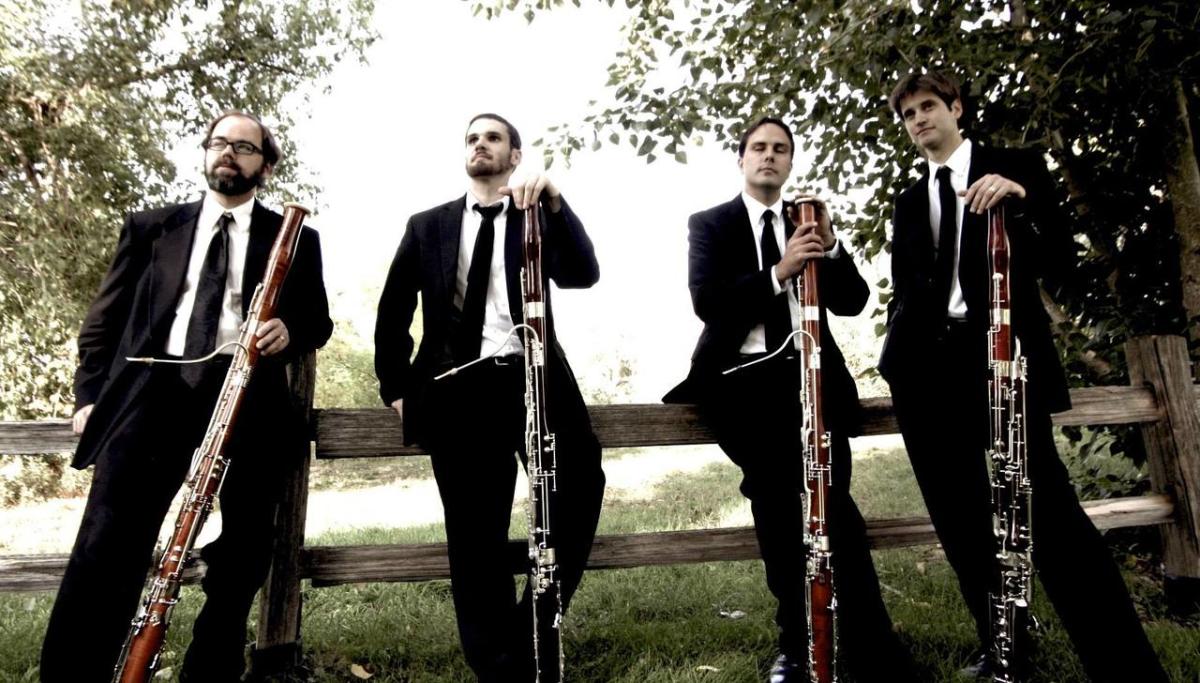
Boulder Bassoon Quartet

The program will be repeated at 3 p.m. Sunday, June 1, at the Boulder Bandshell

A centerpiece of the program will be the newly commissioned “I Shall Raise My Lantern” by Greg Simon. That work for chorus and bassoon quartet will be paired with “Three Earth Songs” by Bill Douglas. Other works on the program are a capella works for chorus by Ralph Vaughan Williams, Benjamin Britten, Craig Hella Johnson and Shawn Kirchner. 

The Sunday performance will be available online by a free live stream.

# # # # #

“The Beauty Around Us”
Cantabile Singers, Brian Stone, director, with the Boulder Bassoon Quartet

  • Greg Simon: “I Shall Raise My Lantern”
  • Bill Douglas: “Three Earth Songs”
  • Works by Ralph Vaughan Williams, Benjamin Britten, Craig Hella Johnson and Shawn Kirchner

7:30 p.m. Friday, May 9
3 p.m. Sunday, May 11
First Congregational Church, Boulder

3 p.m. Sunday, June 1, Boulder Band Shell

Tickets HERE

# # # # #
The Boulder Chamber Orchestra (BCO) will present the winners of the 2025 Colorado State Music Teachers Association (CSMTA) Concerto Competition as soloists on a concert program Saturday (8 p.m. May 10; details below).

The winners in four categories—Piano Elementary, Piano Junior, Piano Senior, and Strings/Harp—will each play the concerto movement that was required for the competition, with the orchestra (see the concert program below). BCO music director Bahman Saless will conduct.
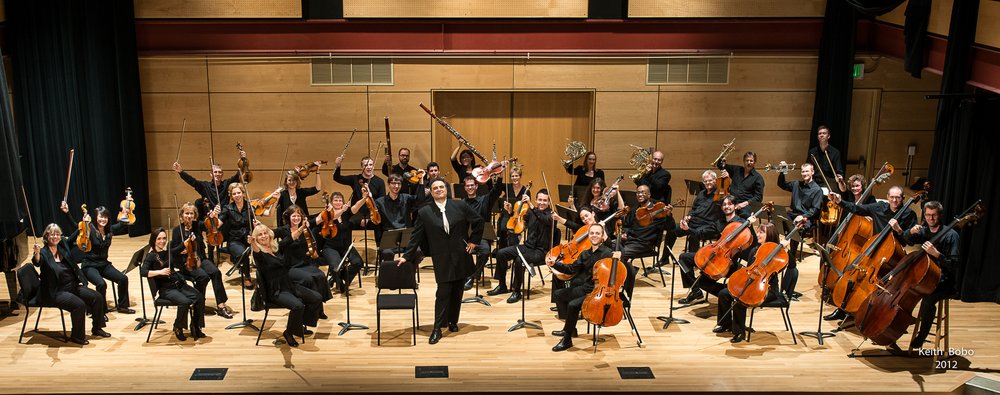
Boulder Chamber Orchestra with conductor Bahman Saless

An annual event, the CSMTA Concerto Competition has three piano categories that are held every year: elementary, junior and senior. There are vocal and instrumental categories in alternating years: strings/harp and voice in odd-numbered years, and winds/percussion in even-numbered years. The competition is for pre-college students up to age 19.

This year’s competition was held in March, and had violin, cello and harp contests in the strings/harp category. Every instrument has one concerto movement specified as its competition repertoire. The judges for the 2025 competition were Saless; Mary Beth Rhodes-Woodruff, artistic director of the Santa Barbara (Calif.) Strings; and Kate Boyd, professor of piano at Butler University.

The winners who will appear with the BCO are:
—Piano elementary: Natalie Ouyang
—Piano, junior: Lucy (Yuze) Chen
—Piano, senior: Bobby Yuan
—Strings/Harp: Sadie Rhodes Han (violin)

This is the second year that the BCO has presented the CSMTA Concerto Competition winners as concert soloists.

# # # # #

CSMTA Concerto Competition Winners’ Concert
Boulder Chamber Orchestra, Bahman Saless, conductor

  • Haydn: Keyboard Concerto in C major, Hob. XVIII/5, I. Allegro moderato
    -Natalie Ouyang, piano
  • Mozart: Piano Concerto No. 21 in C major; K467, I. Allegro maestoso
    -Lucy (Yuze) Chen, piano
  • Schumann: Piano Concerto in A minor, op 54, I. Allegro affettuoso
    -Bobby Yuan, piano
  • Saint-Saëns: Introduction et Rondo Capriccioso
    -Sadie Rhodes Han, violin

8 p.m. Saturday, May 10, Boulder Adventist Church
TICKETS

Central City Opera announces 2025 season

A barber, a regional first and a Broadway show

By Peter Alexander Oct. 31 at 2:20 p.m.

The Central City Opera (CCO) has announced its 2025 summer season—or at least two thirds of it.

As in recent years, there will be two operas and a Broadway musical performed in the historic opera house in Central City. For 2025 the two operas will be Rossini’s enduring comic masterpiece The Barber of Seville, and a new work by Serbian-American composer Aleksandra Vrebalov, The Knock

The Broadway musical has not been announced, although a recent news release from CCO says, coyly, “We won’t be shy about announcing the title of the Golden-Age musical comedy after it ends its limited run on Broadway in January.” I won’t speculate, but you can fuel your imagination by looking up the shows currently on Broadway.

The French playwright Pierre Beaumarchais wrote three plays about the cagey character of Figaro, starting with The Barber of Seville. It was adopted several times as an opera, including a popular version by Giovanni Paisiello. When Rossini’s version premiered in Rome in 1816 it was booed on opening night but—thanks to the brilliant score—soon vanquished all previous versions. 

In the play and opera, Figaro cleverly outwits the elderly Dr. Bartolo, who has designs on his young ward, Rosina, and arranges her marriage to her lover, Count Almaviva. In addition to several comic ensemble scenes, the score includes Figaro’s famous entry aria “Largo al factotum” and Rosina’s virtuosic showpiece “Una voce poco fa.”

Aleksandra Vrebalov

Born in Serbia, Vrebalov came to the United States to study in 1995 and became a U.S. citizen in 2005. She holds a doctorate in music from the University of Michigan. Her works have been performed by the Kronos Quartet, Glimmerglass Opera with Cincinnati Opera, the English National Ballet and the Belgrade Philharmonic, among others. 

A patriotic story of military wives awaiting news of their deployed husbands, The Knock is Verbalov’s third opera. It was commissioned by the Cincinnati Opera, but due to the COVID pandemic the stage premiere was postponed. The first performance was recorded on film with the Glimmerglass Festival Orchestra. That performance was directed by Alison Moritz, now the artistic director of Central City Opera. 

The CCO production will represent a regional premiere, following sold-out onstage performances in Cincinnati.

GRACE NOTES: Peace and Halloween fun on the program

Boulder Concert Chorale and Boulder Phil perform weekend concerts

By Peter Alexander Oct. 24 at 2 p.m.

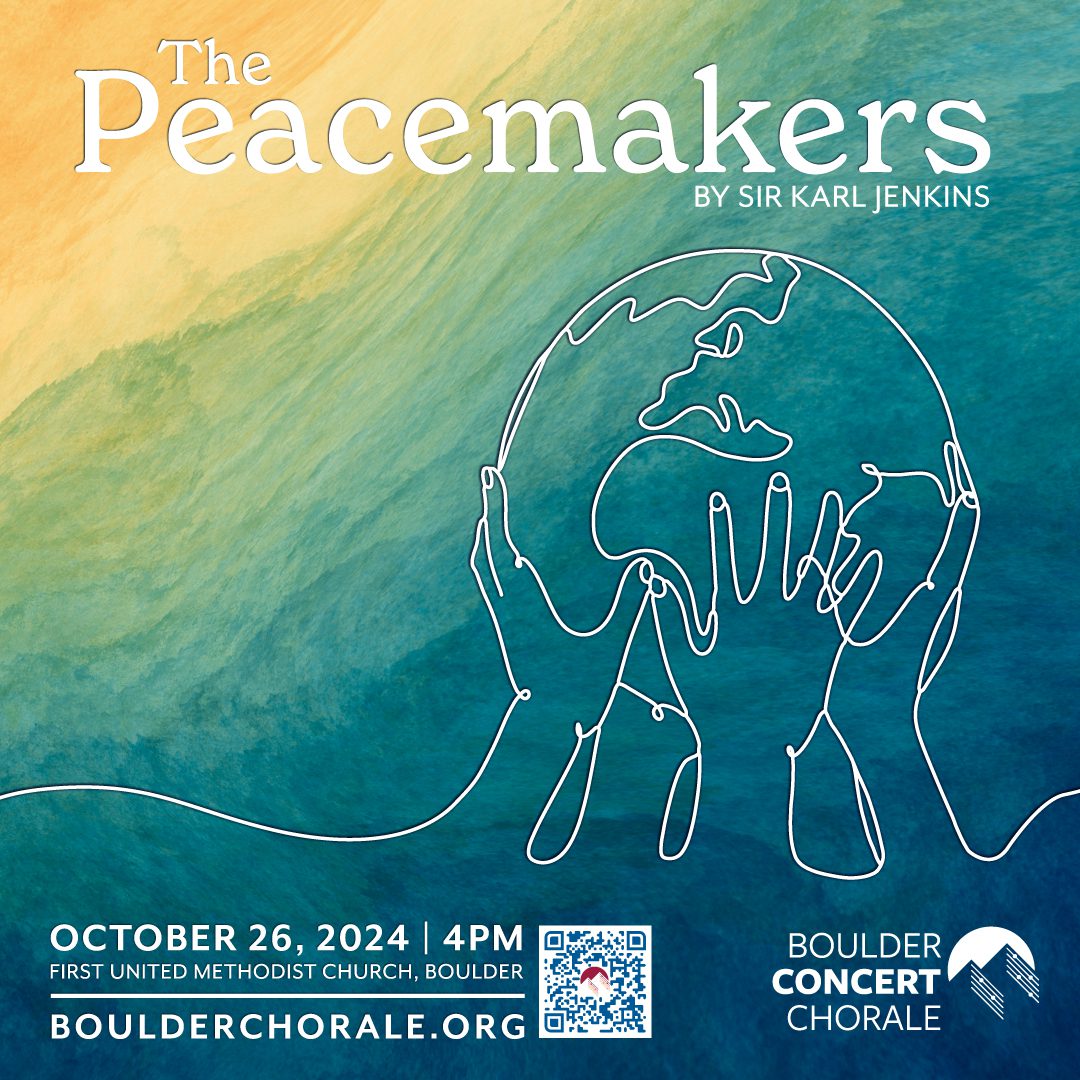
The Boulder Concert Chorale will present a work celebrating peace, with texts from more than a dozen authors, to start its 2024–25 season.

The concert, at 4 p.m. Saturday, Oct. 26, at the First United Methodist Church in Boulder, will feature The Peacemakers by Sir Karl Jenkins, a Welsh composer whose music is widely performed. Authors of texts for the 17 movements of The Peacemakers include Percy Bysshe Shelley, Gandhi, the Dalai Lama, Terry Waite, Mother Teresa, Albert Schweitzer, St. Francis of Assisi, Rumi, Nelson Mandela and Anne Frank.

Known principally as a jazz and jazz-rock musician, Jenkins plays baritone and soprano saxophones, keyboards and oboe. He has written music for advertising, winning prizes for work in that field, as well as a series of crossover albums under the title Adiemus. Originally written for a Delta Airlines advertisement, the original song Adiemus and the subsequent albums contributed to the growth of Jenkins’s recognition as a composer.

The Peacemakers was premiered in Carnegie Hall in 2012. Jenkins dedicated the score “to the memory of all those who lost their lives during armed conflict: in particular innocent civilians.” The composer has written that one line from Rumi summarizes the underlying idea of the piece: “All religions, all singing one song: Peace be with you.”

# # # # #

Boulder Concert Chorale
Vicki Burrichter, artistic director and conductor

  • Sir Karl Jenkins: The Peacemakers

4 p.m. Saturday, Oct. 26
First United Methodist Church, Boulder

TICKETS

# # # # #

The Boulder Philharmonic Orchestra presents “Bewitching,” a Halloween Extravaganza, Saturday in Northglenn and next Wednesday in Macky Auditorium (Oct. 27 and 30; details below).

Aiming to start “a new tradition,” the Boulder Phil added the Halloween concert this season to their usual schedule of masterworks concerts and special events including the annual Holiday performances of The Nutcracker. Along with the “Shift” series of informal concerts featuring players in unique venues, “Bewitching” represents a populist trend in programming running parallel to the more traditional orchestral concerts.

Billed as “a spine-tingling evening filled with haunting melodies and thrilling orchestral arrangements, perfect for audiences of all ages,” “Bewitching” features film music along with light classical music with magical or eerie associations. Concertgoers are encouraged to wear costumes. 

# # # # #

“Bewitching: Halloween Extravaganza”
Boulder Philharmonic Orchestra, Gary Lewis, conductor

Program includes:

  • Danny Elfman: “This is Halloween”
  • Edvard Grieg: “In the Hall of the Mountain King”
  • Klaus Nadelt: Music from Pirates of the Caribbean
  • John Williams: Harry Potter Suite
  • Alan Menken: Music from Beaty and the Beast
  • Paul Dukas: The Sorcerer’s Apprentice
  • Joe Hisaishi: “Merry-Go-Round of Life”

2 p.m. Sunday, Oct. 27
Parsons Theatre, Northglenn

6 p.m. Wednesday, Oct. 30
Macky Auditorium

TICKETS 

Two new resources for music parents and audiences

A Web page packed with info, and a music camp for kids

By Peter Alexander June 20 at 2:20 p.m.

Stephanie Bonjack wanted to support her son’s interest in music.

“I wanted to know what are the opportunities for my son, and for kids in general in this region,” she says. “And I’m not the only one who was curious about these things.”

Stephanie Bonjack

As the music librarian at the CU College of Music, she had plenty of contacts in the music world, “but it frustrates me when the only reliable source is word of mouth,” she says. She had also recently joined the chorus of Boulder’s Seicento Baroque Ensemble and was interested in knowing about other Baroque and early music performing groups in the area. 

“After the pandemic I got it in my head that I would really like to go hear all of the major performing ensembles in the region, and experience them in their major performance venues” she says. “The question is, ‘What are they?’ I have friends who are professional musicians and they can rattle off a few things, but being a librarian, I want to see the list!”

Not finding a reliable list, she decided to make her own, “Music on the Front Range,” which now appears on the Web page of the CU University Libraries. Links are provided to a wide variety of styles and types of performing groups, from opera to barbershop and from professional orchestras to community groups, in addition to a list of “Local Classical News” sources (including this blog) on the home page.

This listing serves both as a resource for finding groups of different levels that you might wish to join, and also groups whose performances you might wish to attend, The full list of performing categories included on the site comprises opera, choirs, orchestras, bands, early music, chamber groups, youth, barbershop, community singing and community playing.

Bonjack admits that she was surprised, not only by the number of performing groups, but by the popularity of some specific areas. “I was really surprised by the pervasiveness of barbershop ensembles,” she says. There are no fewer than 13 barbershop groups for men and women, in addition to nine student-run groups at CU.

Among the other things that stood out to Bonjack, she says, “I was impressed by how many specific ensembles there are for LGBTQ members of the community. (Nine groups are listed on the “Community Singing” page.) I love that there is a professional handbell ensemble in Denver, the Rocky Mountain Ringers. I also found it fascinating under the community singing sections, how many sacred ensembles exist that are not attached to places of worship.

While Bonjack was making her list, Katarina Pliego was also thinking about young musicians—in her case, about the music training she got when she started playing cello, and the relative deficiencies of music education in this country.

Katarina Pliego

Pliego grew up in Slovenia, where she had two cello lessons, orchestra and two music theory classes every week, all provided by the state. “Everyone plays and has really good music education,” she says.

After she left Slovenia, she came to the United Sates and studied cello at the University of Northern Colorado in Greeley. “I came here, and I was like, how do undergrads not know music theory?” she asks. “How are you not learning about what the relative minor scale is? I knew that when I was twelve. Oh my gosh, am I so grateful for that now!”

Like Bonjack, Pliego decided to fill the gap she saw, at least for a few young students in the Northern Colorado area. “I saw a need,” Pliego says. “I taught music at Front Range Community College for seven years, and I saw how some students don’t realize everything that they should know to be musicians.

“I started thinking, we really need to teach kids music theory, we need to teach them more about music history. There are all of these camps that are orchestra camps, but there’s nothing like the camp that I grew up going to. (We) need to have music theory for kids, to understand why they’re playing scales, how the scales are working. So I just went for it.”

This year’s edition of the camp, “LoCo Music Lab,” concluded June 8, but Pliego plans to continue the camp in future years. Described as a “musicianship camp,” LoCo Music Lab included lessons, ensembles, music theory, music history, masterclasses and other workshops, including a presentation on performance anxiety.

For this first year, the camp was available to a limited number of students, and was open on a first-come, first-served basis without audition. It was offered to three groups: Grades 1–6 violin, viola, cello and guitar; Grades 1–6 choir; and Grades 7–12 violin, viola, cello and guitar (see the full schedule of this year’s camp on the LoCo Music Lab Web page.)

“I reached out to my friends and explained what my vision is, and they were like, absolutely, this sounds great,” Pliego says. “I wanted to start smaller, see how it goes and take it from there.”

Season closing events in Boulder and Longmont

Programs feature piano quartet, acrobatics and film music

By Peter Alexander May 1 at 4:38 p.m.

The Boulder Piano Quartet presents it’s final concert of the 2023-24 season Friday featuring music by Dvořák and the 19th-century French musical prodigy Mélanie Hélène Bonis Domange, known as Mel Bonis (7 p.m. May 3 at the Academy University Hill; further details below).

This will be the fourth and final performance this concert season to feature a guest violinist with the Quartet, appearing in place of their former violinist Chas Wetherbee, who died in 2023. The guest violinist for this performance will be Hilary Castle Green. 

Mel Bonis

This program is the second time that the Boulder Quartet has played music by Bonis, who is virtually unknown in the United States. About a year ago in May 2023, they played her Second Piano Quartet. This year they are playing her First Quartet in B-flat major.

Born in 1858, Bonis taught herself to play piano and entered the Paris Conservatory at 16. She was in the same class with Debussy, and studied composition with Cesar Franck. At the time women were not expected to be composers, and Bonis was urged by her parents to marry an older businessman. Because he didn’t like music, she gave up composing for a number of years. 

Later she met a former classmate who encouraged her and connected her with publishers, which led her to begin writing music again. She wrote the First Piano Quartet soon after, in 1901. When the composer Camille Saint-Saëns heard the Quartet, he is supposed to have said “I never thought a woman could write such music.” After her husband died in 1918, Bonis devoted herself to music.

Dvořák won the Australian State Prize for composition—in effect a grant to allow artists the time for creative work—in 1875. At 34 years of age he was still relatively unknown to the larger musical world, even though he had written four symphonies, seven string quartets, three operas, and other works. During that year he wrote a number of larger pieces, including his Symphony No. 5, his Serenade for Strings and the Piano Quartet No. 1 in D major. 

The Quartet is in the standard classical chamber-music structure of three movements, arranged fast, slow, fast. Unlike other quartets of the time, the piano is not placed separate from, or against the strings, as if it were a chamber concerto. Instead the four parts are more fully integrated. Though only three movements, the Quartet is an expansive work. It was not performed for nearly five years, however, having its premiere in Prague in 1880. 

# # # # #

Boulder Piano Quartet: Matthew Dane, viola, Thomas Heinrich, cello, and David Korevaar, piano, with guest violin Hilary Castle Green

  • Mel Bonis: Piano Quartet No. 1 in B-flat major
  • Dvořák: Piano Quartet No. 1 in D major, op. 23

7 p.m. Friday, May 3, Academy Chapel Hall, Academy University Hill
Admission free with advance reservations

# # # # #

The Boulder Philharmonic will continue its relationship with the performing group Cirque de la Symphonie with two performances Saturday in Macky Auditorium (2 and 7:30 p.m. May 4; details below).

Classical music’s answer to Cirque du Soleil, Cirque de la Symphonie presents aerialists, jugglers, ribbon dancers, acrobats, contortionists and other acts to the accompaniment of classical music performed live on stage. Macky Auditorium will be especially rigged for the aerial acts, and the front of the stage reserved for other performers. The performance of selected short classics will be conducted by Renee Gilliland, associate director of orchestras at CU Boulder.

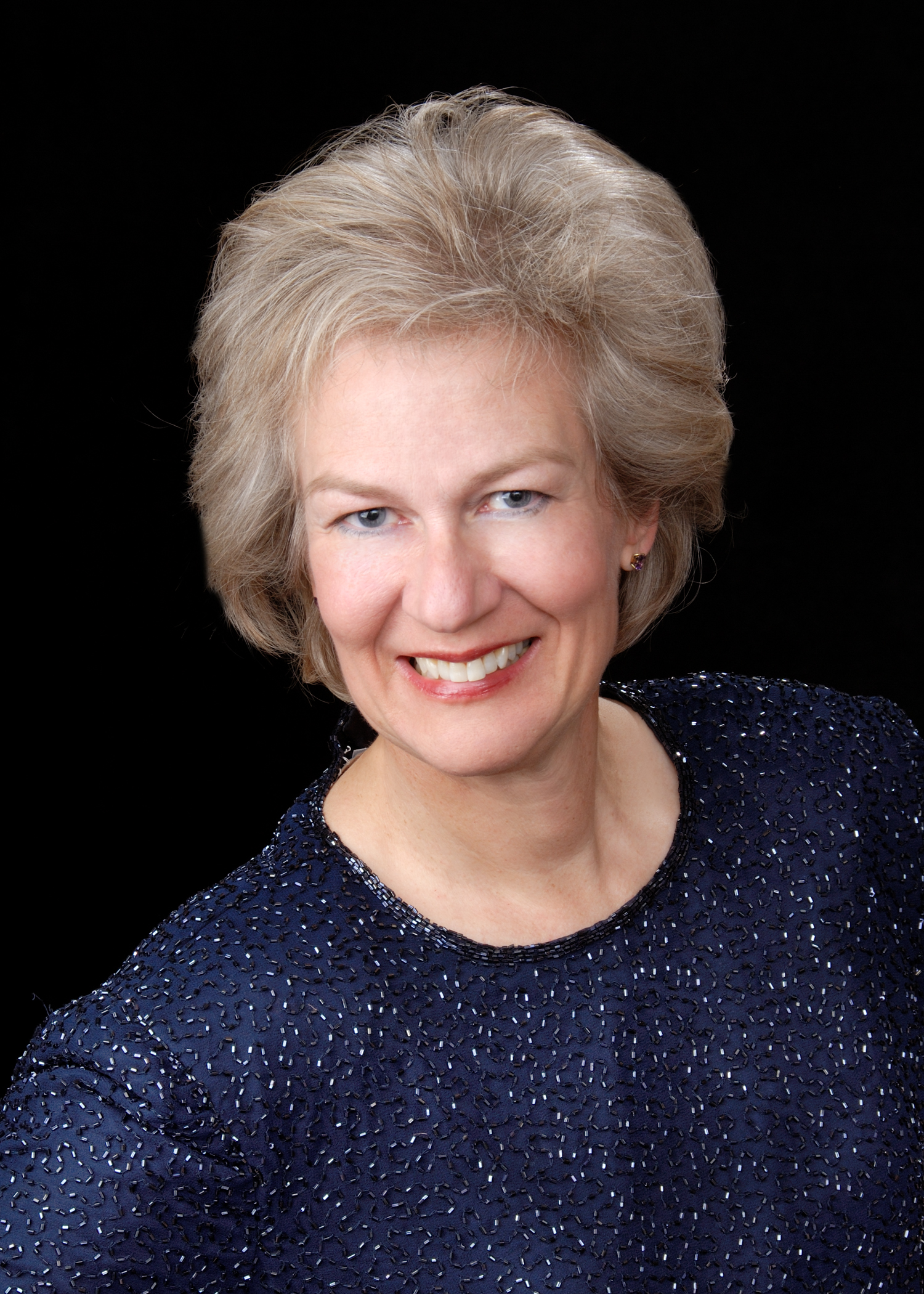
Renee Gilliland

This will be the fifth time that the Boulder Phil has hosted Cirque de la Symphonie at Macky. Their last previous appearance was in 2018. While limited tickets are still available for both scheduled performances Saturday, previous Cirque performances have sold out.

Gilliland earned a Doctor of Musical Arts in orchestral conducting and literature from CU Boulder, a Master of Music in viola performance with an outside area in conducting from the Indiana University Jacobs School of Music, and a Bachelor of Music in music education and certificate of violin performance from the University of Texas at Austin Butler School of Music. She was also awarded an Artist Diploma in orchestral conducting from the University of Denver where she was assistant conductor of the Lamont School of Music Symphony and Opera Theater orchestras.

She was formerly music director of the CU Anschutz Medical Orchestra and associate conductor of the Denver Philharmonic.

# # # # #

“Cirque Returns”
Boulder Philharmonic Orchestra, Renee Gilliland, conductor
With Cirque de la Symphonie

  • Dvořák: Carnival Overture, op. 92 (orchestra only)
  • Ary Barroso: Aquarela do Brasil
  • Brahms: Symphony No. 3 in F Major, III. Poco Allegretto
  • Bizet: Carmen Suite No. 1, Les Toreadores
    Carmen Suite No. 2, Danse Bohème
  • Mendelssohn: Symphony No. 4 in A major (“Italian”), IV. Saltarello (orchestra only)
  • Rimsky-Korsakov: Capriccio Espagnol, Scena e canto gitano
    —Fandango asturiano
  • Tchaikovsky: Swan Lake Suite, Danse des petits cygnes
  • Mikhail Glinka: Overture to Ruslan and Lyudmila (orchestra only)
  • Rimsky-Korsakov: The Snow Maiden Suite, Danse des Bouffons
  • Leroy Anderson: Bugler’s Holiday
  • Smetana: The Bartered Bride, “Dance of the Comedians” (orchestra only)
  • Johann Strauss, Jr.: Thunder and Lightning” Polka
  • Tchaikovsky: Swan Lake Suite, Valse
  • Bizet: Carmen Suite No. 1, Les Toreadores

2 p.m. and 7:30 p.m. Saturday, May 4
Macky Auditorium

TICKETS

NOTE: Indications of which pieces are played by the orchestra alone without Cirque performance added 5/2.

# # # # #

The Longmont Symphony Orchestra (LSO) concludes its 2023-24 concert season Saturday (May 4) with “A Tribute to John Williams,” featuring the music of one of Hollywood’s greatest film composers.

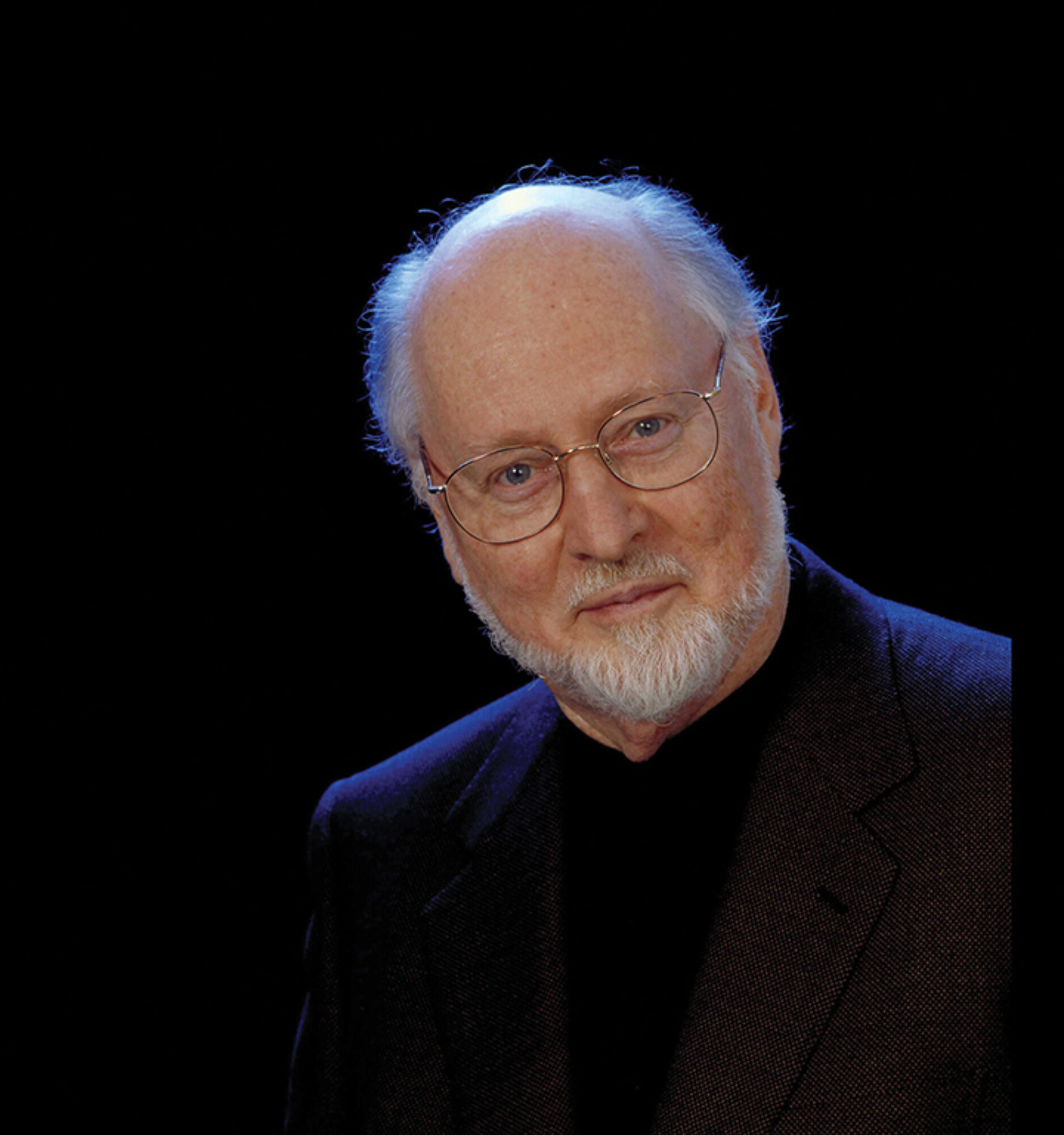
John Williams

The Pops Concert, at 7 p.m. in Longmont’s Vance Brand Civic Auditorium, will be under the direction of the LSO’s music director, Elliot Moore. The program will include music from the soundtracks for Star Wars, Jurassic Park, E.T. and Harry Potter, among other popular films.

With more than 1100 tickets already sold, there are only a few seats left at time of posting. Because of the size of crowd expected, the LSO advises attendees to arrive early. Overflow parking from the Skyline High School lot will be available at the Timberline School lot,  on Mountain View Avenue.

# # # # #

Tribute to John Williams
Longmont Symphony Orchestra, Elliot Moore, conductor

  • Music of John Williams

7 p.m. Saturday, May 4
Vance Brand Civic Auditorium, Longmont

Limited seats available HERE

Ars Nova features guest composer and conductor

Joan Szymko will lead her own works in Boulder and Cherry Hills Village

By Peter Alexander April 10 at 5:15 p.m.

Composer Joan Szymko has set to music poems by several of the leading poets of our times, including Mary Oliver and Wendell Berry. 

A conductor as well as composer, Szymko will lead Boulder’s Ars Nova Singers in performing her own works Friday in Boulder and Saturday in Cherry Hills Village (7:30 p.m. April 12 and 13; details below).

Joan Szymko

As a composer, Szymko does not limit her choice of texts to widely honored, prize-winning poets. As she herself points out, she also has set poems from the middle ages and by grade school students. Stressing the breadth of her inspiration, she has written, “My goal is to compose music that invites the audience in while challenging the notion that accessibility and musical integrity are incompatible concepts. 

“I have composed choral music to be performed with actors, poets, Taiko drummers, modern dancers, aerialists and accordion players. I have set texts by fourth graders and Pulitzer Prize winners, medieval mystics and contemporary poets. I am drawn to texts that invoke divine grace, speak to the universal yearning for good and that nurture a compassionate heart.”

Szymko grew up in Chicago and studied choral music at the Chicago Musical College at Roosevelt University and the University of Illinois at Urbana. She currently lives in Portland, Ore., where she served on the choral music faculty at Portland State University. She recently retired as artistic director of Portland’s Aurora Chorus, and holds workshops with choirs around the United States and abroad.

Her works have been commissioned by groups ranging from professional choruses to church and community choirs. They have been published by Oxford University Press, Walton Music, Roger Dean Publishing, and other leading publishers of choral music. 

The program that Ars Nova will present features Szymko’s “It is Happiness,” based on poems by Oliver including the much loved “Wild Geese,” as well as Berry’s popular “Peace of Wild Things,” a text by Teresa of Avila, and other diverse sources.

# # # # #

“Bloom”
Ars Nova Singers, Joan Szymko, guest conductor
With the CU Treble Choir and instrumental soloists

  • Joan Szymko: Vivos Voco (I call out to the living; text by Julian of Norwich)
  • —“How Did the Rose” (text by Kim Stafford)
  • Lo Lefached  (Be not afraid; text by Rebbe Nachman of Breslov)
  • —Nada te turbe (Let nothing disturb you; text by Teresa of Ávila)
  • —Invitation to Dance  (texts by Hafiz, adapted by Daniel Ladinsky)
  • —Where is the Door to the Tavern?
  • —Until
  • —The God Who Only Knows Four Words
  • Ubi Caritas (Where charity is)
  • It is Happiness (poetry by Mary Oliver)
  • —Be It Therefore Resolved (poetry by Kim Stafford)
  • —The Peace of Wild Things (poetry by Wendell Berry)
  • —Look Out (poetry by Wendell Berry)
  • —It Takes a Village
  • —We are All Bound Up Together (text by Frances Ellen Watkins Harper)

7:30 p.m. Friday, April 12
First United Methodist Church, Boulder

7:30 p.m. Saturday, April 13
Bethany Lutheran Church, Cherry Hills Village

TICKETS including livestream of Saturday’s performance

Baroque music and jazz brought together by Seicento

“Improvisation in Baroque and Jazz,” March 1 and 2

By Peter Alexander Feb. 28 at 10:45 a.m.

Evanne Browne, conductor of Boulder’s Seicento Baroque Ensemble, is the daughter of jazz musicians—“jazz pianist mom and a bass player dad,” she says. “There was a lot of American songbook music going on in our house all the time.”

Evanne Browne

It might seem like a long way from jazz and the American songbook to Bach, Monteverdi, and the other specialities of Seicento. But as a trained early music performer, Browne believes the two musical styles are closer than you might think. And her next concert with Seicento will demonstrate that.

The concert, titled “Embellish! Improvisation in Baroque and Jazz” (7:30 p.m. Friday in Longmont and Saturday in Golden; details below), features Baroque music by Couperin, Monteverdi and others, mixed together with jazz by Duke Ellington and Charlie Parker, and even some pops and Broadway numbers (see full program below). In addition to the Seicento choir, performers will be violin and gamba player Tina Chancey, a jazz ensemble led by bassist Mark Diamond, and Seicento apprentice artists.

The inspiration for the program comes from the fact that in the early Baroque a lot of written music was sketchy, often only a bass part and one or two melody lines. Performances could vary, much as performances of jazz standards very from one artist or combo to another. There were traditional bass lines and chord progressions for dances that were filled in differently by different composers, much as the traditional 12-bar blues can be filled in differently by different performers.

“I’ve been thinking for a long time that when you look at charts for jazz and there’s melody and chords, and when you look at a basso continuo part for keyboard (in Baroque music) and there’s a bass line and chords, those things are similar,” Browne explains. “I just kind of started going down the list of what else was similar.”

Since jazz charts and Baroque scores—especially for the early operas by Monteverdi and others—left a lot to be filled in by performers, in both cases fans of the music distinguish between different versions, or realizations, of specific pieces. Another parallel that Browne found was that rhythms are often not played exactly as they are written, but are made more “swingy,” especially for dance music.

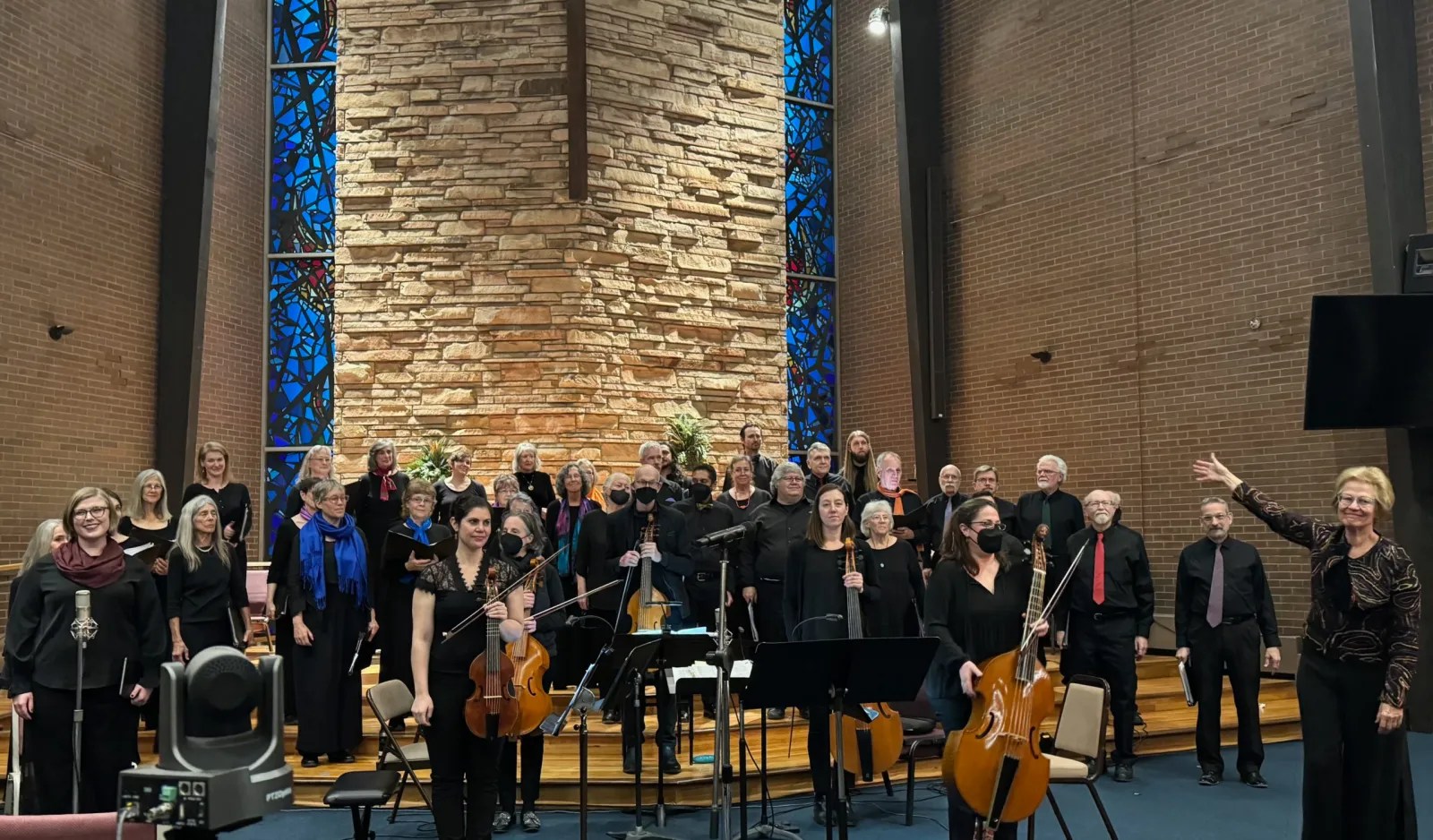
Seicento Baroque Ensemble and conductor Evanne Browne. Photo by Emily Bowman.

In the Baroque era, there was a convention in France called “notes inegales” (unequal notes), where notes on the beat were lengthened and the notes between the beats were shortened, to make the rhythms more pointed. This is not unlike the jazz tradition of “swinging” what are written as even notes. In jazz, Browne says, “you don’t play them ‘straight.’ People would think you were crazy if you did that. It’s exactly what notes inegales are in French.

“In dance music, the need for movement is something that turns duple into triplets and makes that more universally pleasing to us as listeners or performers.”

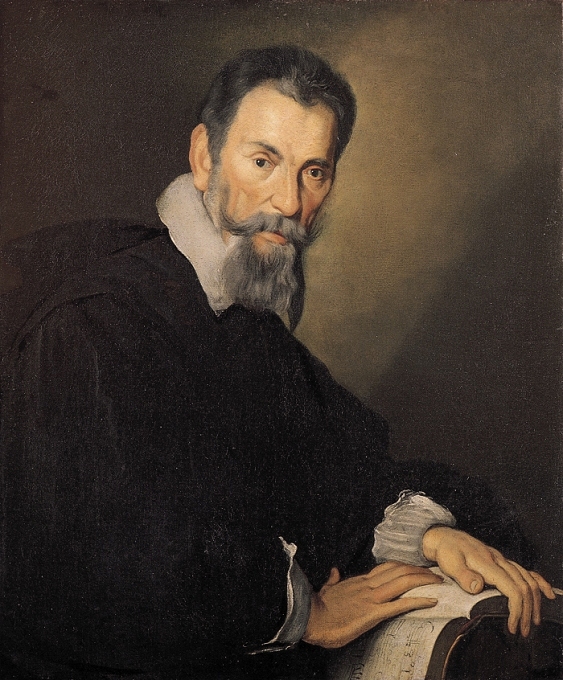
Claudio Monteverdi

As the music from the Baroque period and from jazz and popular idioms alternate on the program, there is one pairing that Browne particularly likes. “The Lamento della ninfa by Monteverdi and ‘Hit the Road, Jack’ are striking together,” she says. In Monteverdi, “we have this four-note bass line that is repeated, and this beautiful lament. Then going right into ‘Hit the Road Jack,’ it’s the same bass line—it’s interesting how that chord progression can be used expressively to emote what is being said.”

Browne has selected other pieces that demonstrate similarities in the structure of Baroque arias and jazz songs, with a slower and explanatory introduction that sets up the situation, followed by the main tune that expresses emotions. They both represent turning points in music, one the rise of dramatic music and opera in early 16th century Italy, and the other the rise of jazz and widely available popular dance music recordings in early 20th-century America.

In addition to examples that have a serious point to make, Browne also selected some parings on the program just because they are fun. Among the latter would be Monteverdi’s duet Bel Pastor dalcui bel guardo (Beautiful shepherd from whose beautiful gaze), which is a conversation between a shepherdess who keeps asking a shepherd if he really loves her, and that is paired with a song from Fiddler on the Roof where Tevye asks his wife Golde, “Do you love me?”

“So here’s these two (pieces)—we haven’t recovered from two centuries of learning about humanity,” Browne says. “We’re still insecure in love! So I thought that was a fun one.”

In fact, the word Browne uses most in describing the program is fun. “It’s a fun program,” she says. more than once.

“I think the audience will be laughing and tapping their toes.”

# # # # #

“Embellish! Improvisation in Baroque and Jazz”
Seicento Baroque Ensemble, Evanne Browne, director
With Tina Chancey, viola da gamba and violin, and jazz ensemble led by Mark Diamond

  • Louis Couperin: Prélude non mesuré (Unmeasured prelude)
  • Billy Strayhorn and Duke Ellington: “Take the A Train” (arr. Gordon Prugh)
  • Marin Marais: Fantasie from the Suite in A minor, Book III
  • Anon: Madre, non mi far monaca (Mother, don’t make me a nun)
  • Giralamo Frescobaldi: Missa sopra Aria della Monaca, Kyrie (Mass on La monaca)
  • Thomas “Fats” Waller: “Honeysuckle Rose”
  • Charlie Parker: “Scrapple from the Apple”
  • Frescobaldi: Così mi disprezzate (So you despise me?)
  • Diego Ortiz: Recercada segunda (Second ricrercar)
  • Claudio Monteverdi: Lamento della ninfa (The nymph’s lament)
  • Percy Mayfield: “Hit the Road, Jack”
  • Monteverdi: Come dolce oggi l’auretta (How sweet is the breeze today)
  • Don Raye and Hughie Prince” “Boogie Woogie Bugle Boy”
  • Monteverdi: Si dolce è’l tormento (The torment is so sweet) (choir, solo and jazz)
    —Bel Pastor dalcui bel guardo (Beautiful shepherd from whose beautiful gaze)
  • Jerry Bock: “Do You love me?” from Fiddler on the Roof
  • Jimmy McHugh: “On the Sunny Side of the Street”

7:30 p.m. Friday, March 1
First Congregational Church, Longmont

 7:30 p.m. Saturday March 2
Calvary Church, Golden

TICKETS  

NOTE: The spelling of conductor Evanne Browne’s name was corrected 2/28. The correct spelling of her last name is Browne.

Central City Opera will be inducted into Colorado Music Hall of Fame

Induction ceremony will be July 29 in Central City

By Peter Alexander Feb. 2 at 2:16 p.m.

The Central City Opera (CCO) will be inducted in the Colorado Music Hall of Fame, in the Hall’s first “destination induction,” to be held in Central City on Saturday, June 29.

In addition to the company, opera singer/professionals Cynthia Lawrence and Keith MiIller, and CCO’s late conductor/artistic director John Moriarty will also be inducted into the Hall of Fame. Under the title “Opera in the High Country,” the ceremony in Central City will be hosted jointly by CCO and the City of Central, and will take place in conjunction with the opening night of a CCO production of Gilbert and Sullivan’s Pirates of Penzance.

Scott Finlay, CCO’s president and CEO commented in a news release, “We are deeply honored to be receiving this recognition. Central City Opera’s 92 years of rich musical heritage is a testament to the dedication of our supporters, volunteers, artists, and staff who have made this milestone possible. This distinction is a tribute to their commitment.”

Interior view of Central City Opera’s historic opera house

Officials from the Hall of Fame and the City of Central also released statements. Karen Radman, executive director the Colorado Music Hall of Fame, wrote: “Colorado Music Hall of Fame is honored to be presenting an opera-themed induction class for the first time, recognizing the important contributions that opera has made in music while expanding to a new musical genre for our inductees. Opera in the High Country, focused around the impressive and historic Central City Opera and those whose careers were influenced by it, also expands The Hall of Fame’s reach into the Colorado mountains.”

Central City Mayor Jeremy Fey wrote: “It is a great honor for Central City to host Colorado Music Hall of Fame. We are especially proud as Central City Opera, a pillar of Colorado’s cultural landscape for 92 years, leads the 2024 class of inductees.”

VIP tickets that include a reception, dinner and seating for the induction ceremony, as well as the CCO performance of Pirates of Penzance, are available through the CCO box office

Founded in 1932, Central City Opera is the fifth oldest opera company in the United States. With major performances in the Central City Opera House, a National Historic Landmark that predates the opera company by 54 years, the company offers an annual of summer festival of opera and classic music theater, as well as smaller events in Central City. CCO’s Bonfils-Stanton Foundation Artists Training Program, founded by Moriarty in 1978, contributes to the professional development of young artists, many of whom go on to major operatic and musical theater careers. 

Boulder Opera children’s performance is sold out

Free Sunday performance at the Boulder Public Library is full

By Peter Alexander Jan. 24 at 3:10 p.m.

Chris Pratorius Gómez

Boulder Opera’s upcoming performance of the children’s opera Xochitl and The Flowers by Chris Pratorius Gómez is sold out.

That is, all of the tickets for this free performance have been claimed. One of three children’s operas Pratorius Gómez wrote for the Hands-On-Opera project of Opera Parallèle in San Francisco, Xochitl and The Flowers is a bilingual opera sung in both Spanish and English. The plot is based on true events that took place in San Francisco’s Mission neighborhood, about an immigrant family’s determination to put down roots while preserving their native heritage. 

The performance will include an explanation of opera and the plot and an art activity for children making cutout flowers. 

While this performance is already full, Boulder Opera has plans to tour Xochitl and The Flowers next season.

# # # # #

Boulder Opera—SOLD OUT

  • Chris Pratorius Gómez: Xochitl and The Flowers

3 p.m. Sunday, Jan. 28
Boulder Public Library Canyon Theater

SOLD OUT: Free tickets have all been claimed