Boulder Opera pairs brutal tragedy with effervescent comedy
By Peter Alexander Feb. 6 at 3:00 p.m.
Boulder Opera Company (BOC) will present a double bill of two operas by Puccini at the Dairy Arts Center this weekend (Friday, Saturday and Sunday, Feb. 7–9; details below).
Two more contrasting operas could hardly be imagined. Il Tabarro is a rarely performed, gritty and brutal tragedy of betrayal and murder; and Gianni Schicchi is a popular, frothy burlesque of a comedy contrasting avarice with young love. They are two thirds of a triptych of one-act operas known in Italian as Il Trittico.
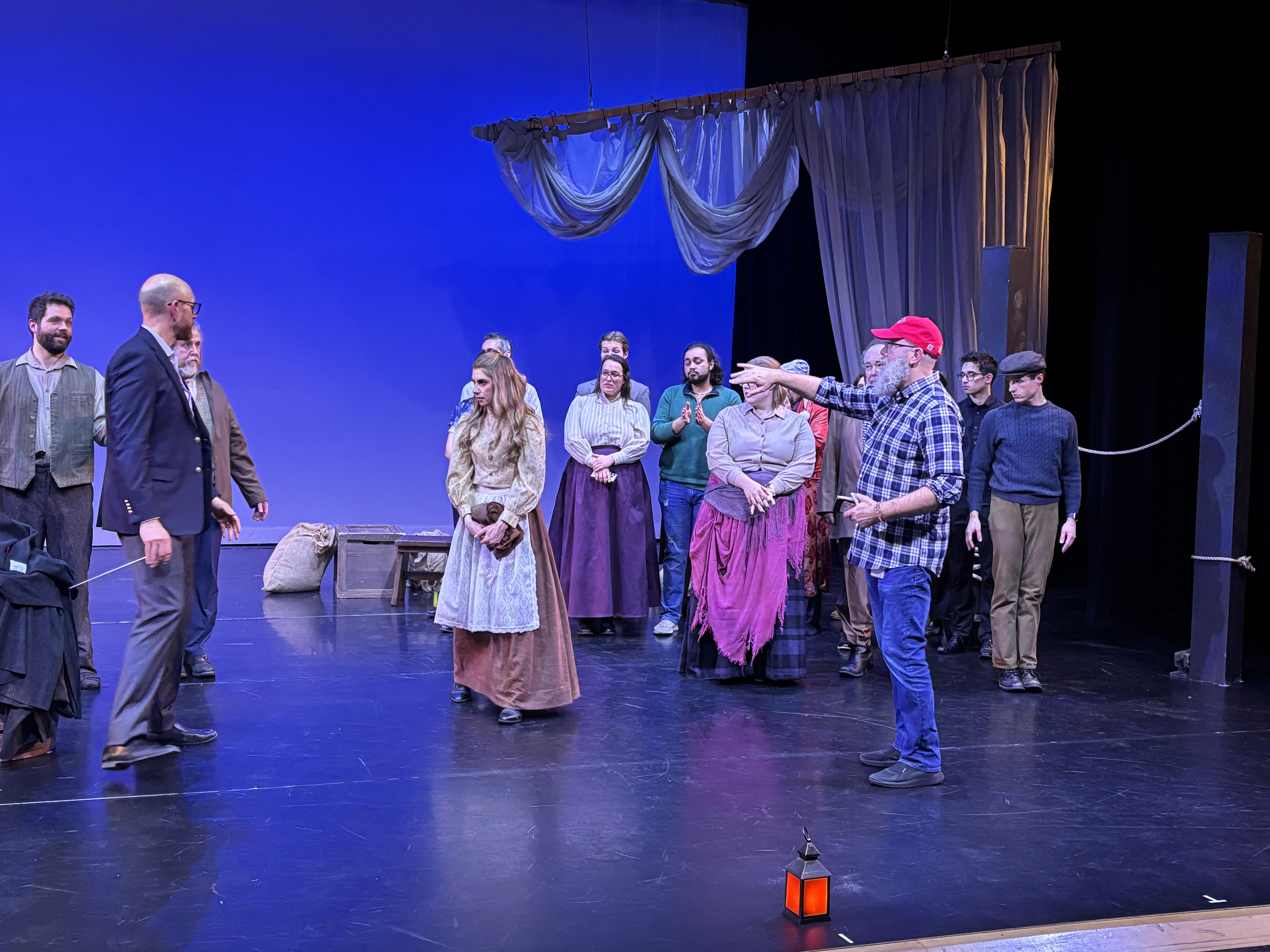
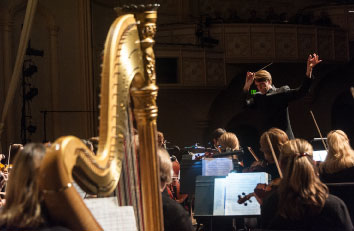
BOC dress rehearsal of Il Tabarro. Conductor Brandon Matthews (left, with baton) and stage director Gene Roberts (right, in red hat)
The triptych also includes Suor Angelica, a tender tale of faith and redemption. All three operas were first performed by the Metropolitan Opera in 1918.
BOC’s productions of Il Tabarro and Gianni Schicchi will be stage directed by Gene Roberts, who returns to Boulder having directed several of the company’s recent productions. An ensemble orchestra will be conducted by Brandon Matthews.
“We get to experience quite a landscape of emotion,” Roberts says of the pairing of two such disparate stories. These two operas are not usually heard together, he adds. “(Il Tabarro) is a treat to see, because unless it’s performed with all three of the operas, it is very rarely done.
“They’re all wonderful works but you need a trio of dramatic voices to do Il Tabarro. The soprano, the tenor and the baritone need to have quite a bit of heft to their voices.”
Il Tabarro is the story of Michele and Giorgetta, who have lost a child before the opera opens. They operate a barge that has just arrived in Paris, where the stevedores are unloading their cargo. Over the course of the evening, Michele and Giorgetta argue, and it becomes clear that Giorgetta is having an affair with Luigi, one of the stevedores. When Giorgetta leaves, Michele confronts Luigi, and during a fight strangles him.
Michele conceals Luigi’s body under his cloak. When Giorgetta returns hoping to reconcile, Michele opens his cloak, and Luigi’s body falls at her feet.
“It’s truly a tragedy that leaves us with emotional whiplash, because it all happens so fast,” Roberts says. “In this relatively short piece, boy is there some dramatic singing! All three of (the leads)—you could hear them in any opera house in the world!
“There are big, meaty arias for the tenor and the baritone. When he has realized that his wife is having an affair, Michele just pours out his heart in a beautiful aria. The baritone doesn’t often get arias in Puccini operas, so that’s a wonderful treat.”
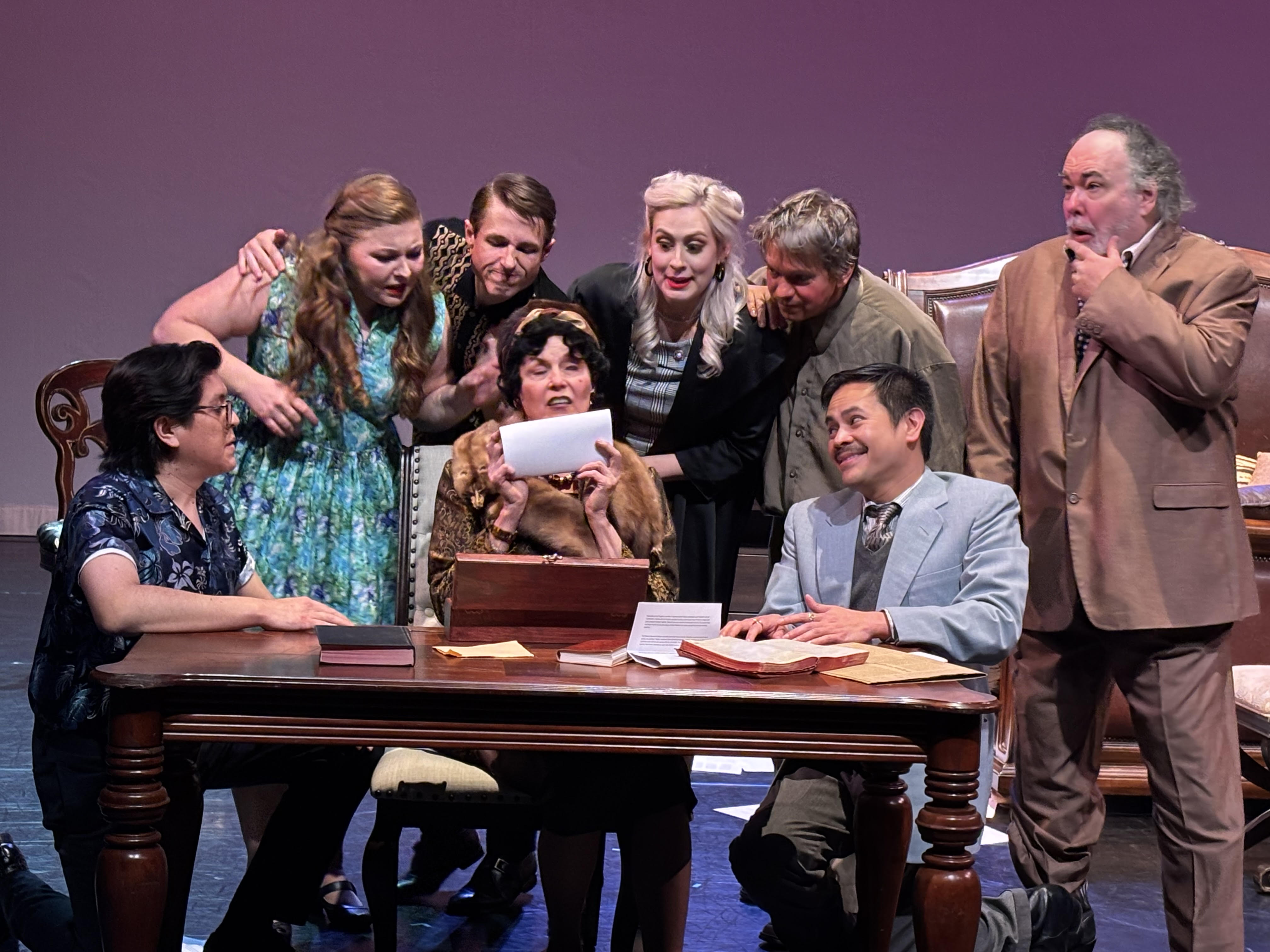
BOC production of Gianni Schicchi
The story of Gianni Schicchi is both simpler and more chaotic. Busoso Donati, a rich man living in Florence—the location is central to the plot—has died, and his relatives arrive at his apartment to learn who has inherited his riches. When it turns out that he has left everything to a monastery, they start on a wild effort to change the will before anyone learns that Donati has died.
In the end, Gianni Schicchi, a neighbor whose daughter Lauretta is in love with Donati’s young cousin Rinuccio, arrives and saves the day by impersonating Donati and changing the will before a notary. But instead of rewarding the greedy relatives, Schicchi leaves the best items to himself, to be passed on to the young lovers who can now get married. The greedy relatives go on a frantic whirlwind, grabbing everything they can as they rush out of the apartment.
“There are moments throughout this where you are taken along in the chaos that the greed of this family brings on in a delightful way,” Roberts says. When suddenly “everyone remembers they’re supposed to be sad about it, you hear the crying in the orchestra, way overdone. They’re all sobbing and crying and then when they find out they’ve been disinherited, the big explosions (and the) chaos of looking for the will takes us up and down like the world’s largest roller coaster.”
Gianni Schicchi is an ensemble opera, with give and take among the characters as they argue and fight over Donati’s riches, but there is a moment of calm when you will hear one of the most loved of all Puccini’s arias. Lauretta persuades her father to help the family, in order to enrich Rinuccio, singing “O mio babino caro” (Oh my dear daddy)—an aria beloved of all sopranos and opera audiences worldwide.
Both operas will receive realistic productions, with no extra interpretations added. “(Puccini’s) verismo style was all about the realism of life,” Roberts says. “Il Tabarro was originally set in 1910, and that’s where we’ve got it. Gianni Schicchi was originally written to be in the year 1299, and we updated that one to 1955, but it’s still about avarice and greed at the death of a wealthy relative.”
With a reduced orchestra and simple scenery, BOC productions are produced inexpensively, but Roberts is excited about the singers. “Come to the Dairy Center,” he says after a rehearsal.
“I can’t believe I just heard that level of singing, right here in Boulder!”
# # # # #
Puccini Double Bill Boulder Opera Company, Brandon Matthews, conductor Gene Roberts, stage director
Puccini: Il Tabarro (The cloak) —Gianni Schicchi
7 p.m. Friday, Feb. 7 and Saturday, Feb. 8 3 p.m. Sunday, Feb. 9 Dairy Arts Center
“Lost/Found” features forgotten work by Enrique Granados
By Peter Alexander Feb. 4 at 6:15 p.m.
David Korevaar is an adventurer, in the mountains and on the piano.
Cases in point: A photo of Korevaar on the summit of 13,088-ft. Paiute Peak in the Indian Peaks Wilderness (below); and his performances with the Ars Nova Singers and conductor Tom Morgan this weekend. Friday and Saturday (Feb. 7 and 8, in Boulder and Cherry Hills Village; details below) he will play three pieces that are new for him and that you likely have not heard before.
David Korevaar on the summit of Paiute Peak. Photo courtesy of the pianist.
One piece on the program is virtually unknown: Cant de les estrelles (Song of the stars) by the Spanish composer Enrique Granados, written for the unusual combination of piano with organ and choir. In fact, it is unusual enough that Ars Nova was only able to find two venues with a suitable piano and organ that were in tune with one another: Mountain View Methodist Church in Boulder (7:30 p.m. Friday) and Bethany Lutheran Church in Cherry Hills Village (7:30p.m. Saturday).
Cant de les estrelles had its premiere in Barcelona in 1911 on a concert Granados presented of his own music, and then disappeared for nearly a century. The manuscript suffered damage from fire, water and mold, but the music was re-discovered and performed in New York in 2007. When Morgan saw a score, he programmed the Cant de les estrelles on a program titled “Lost/Found,” along with other pieces that were never totally lost but that are obscure today.
One of those is by American composer Dominick Argento, a setting of the Wallace Stevens poem “Peter Quince at the Clavier,” a complex meditation on the power of music and the meaning of beauty. Once one of the leading modernist composers, Argento has fallen from fashion, and “Peter Quince at the Clavier” is not often performed today.
The third choral piece is Renouveau (Renewal) by Lili Boulanger, a celebration of spring that opens with the joyful words “Ladies and gentlemen, it is me—me, Springtime!”—a thought that is always welcome in February. Korevaar will play the piano parts on all three choral works, and add two of Granados’ solo piano pieces from Goyescas, a suite of pieces inspired by Goya’s paintings. The inclusion of the solo piano works is a bow to the 1911 concert that included the premieres of both the Cant de les estrelles and the Goyescas.
Enrique Granados
“The music is really gorgeous,” Korevaar says of Cant de les estrelles. “One of the reasons to come hear it live, is (that) it’s written for three separate mini choirs, essentially. You get antiphonal stuff happening between the piano in one place, the organ sound coming from somewhere else, and then singers in various places. You get sound from everywhere. It’s pretty spectacular.”
While Korevaar plays and records a highly varied repertoire, he claims no credit for discovering the Granados. “Tom Morgan gets full credit for this one,” he says.
Of the other works on the program, Korevaar calls particular attention to Argento’s piece. “There are not that many real concert works (composed specifically) for piano and choir,” he says. “Peter Quince at the Clavier is a real masterpiece. It’s a really marvelous piece.
“The poem itself is fascinating and complex. It has at its center a kind of gloss on the story of Susana and the elders, but it’s also a reflection on the power and meaning of music. Elissa Guralnick is going to be providing some commentary on the poem before we perform the piece.”
Argento called the piece a “sonatina for mixed chorus and piano concertante,” which describes the role of the piano part but also refers to the fact that the music is structured in four movements. The separate movements correspond to four separate sections in the poem, and also fit the outline of a small sonata, with an opening movement in a medium tempo, followed by a slow movement, a faster scherzo and a closing slow movement.
Lili Boulanger
Lili Boulanger was the younger sister of the famed French music teacher Nadia Boulanger and member of a musical family. The first woman to win the Prix de Rome composition award, she died tragically at only 24 and left relatively few finished compositions.
“It’s lovely little piece,” Korevaar says of Renouveau, composed when Boulanger was 17. “It’s a very charming poem about spring, and it’s kind of nice to have it in the middle of winter, because we get to have this moment of celebration of all the wonderful things about spring.”
As a musical adventurer, Korevaar is excited about playing with Ars Nova. “The whole program is fascinating,” he says. “I want to call out Tom (Morgan), because he dreamed this up. I came into it with great enthusiasm and excitement because the music is so wonderful.
“It’s going to be a treat.”
# # # # #
“Lost/Found” Ars Nova Singers, Tom Morgan, conductor With David Korevaar, piano
Dominick Argento: Peter Quince at the Clavier
Lili Boulanger: Renouveau
Enrique Granados: Goyescas: Fandango de candil (Fandango by candlelight) —Goyescas: La Maja y el ruisenor (The maiden and the nightingale) —Cant de les estrelles (Song of the stars)
“Voice of Nature” will feature songs and a film from National Geographic
By Peter Alexander Jan. 22 at 5:50 p.m.
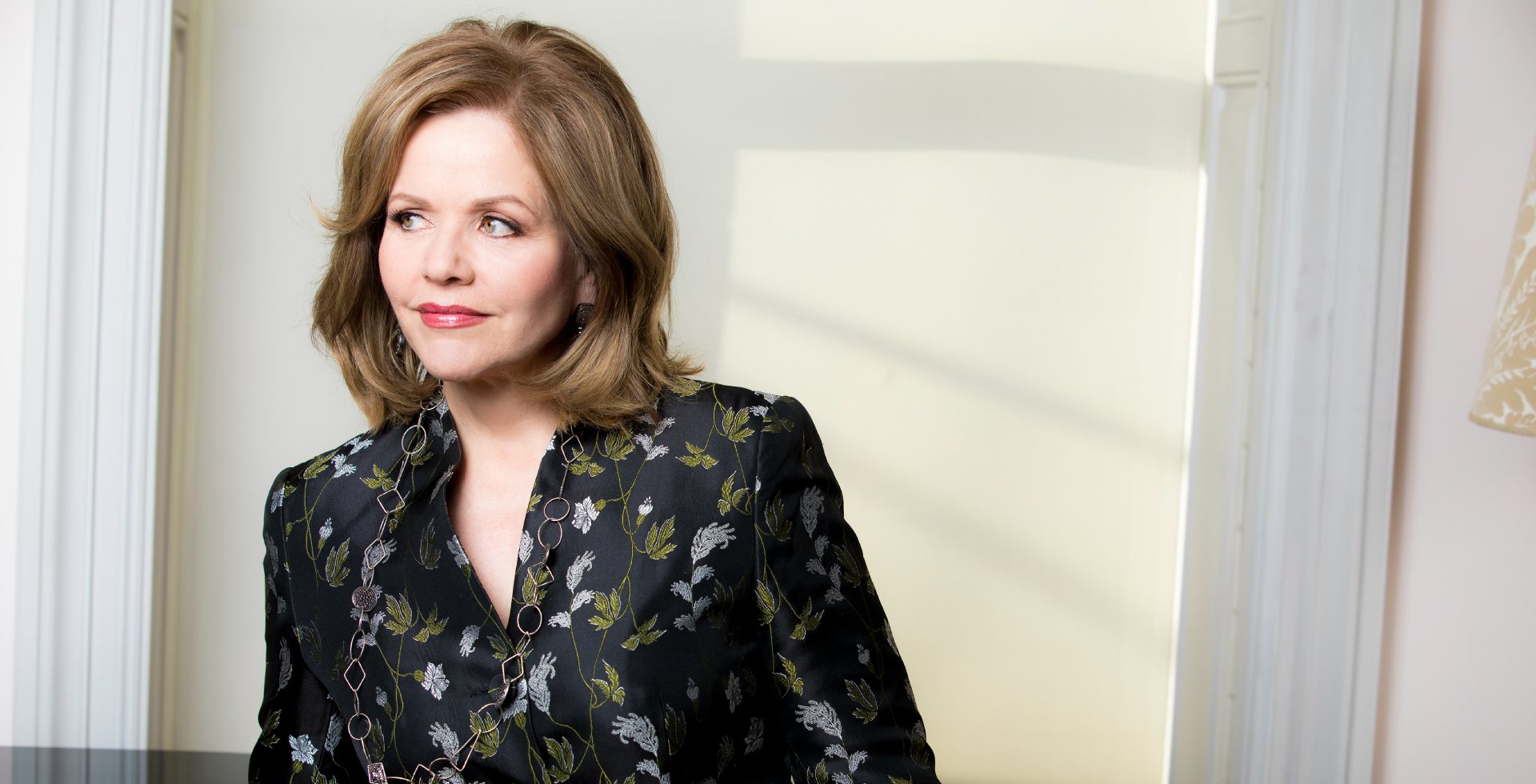
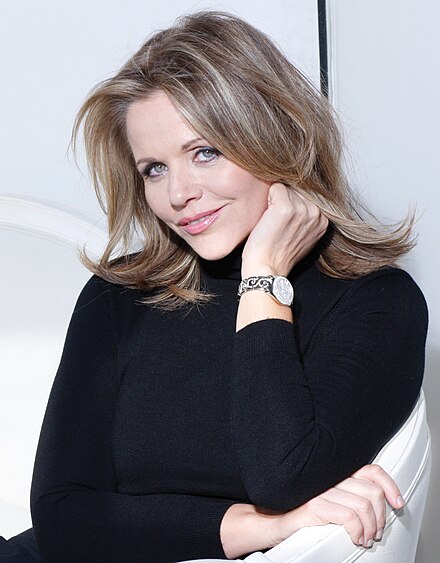
Soprano Renée Fleming
Soprano Renée Fleming will come to Macky Auditorium next week (7:30 p.m. Friday, Jan. 31) to present a program that she developed while cut off from her professional life during the COVID pandemic of 2020–21.
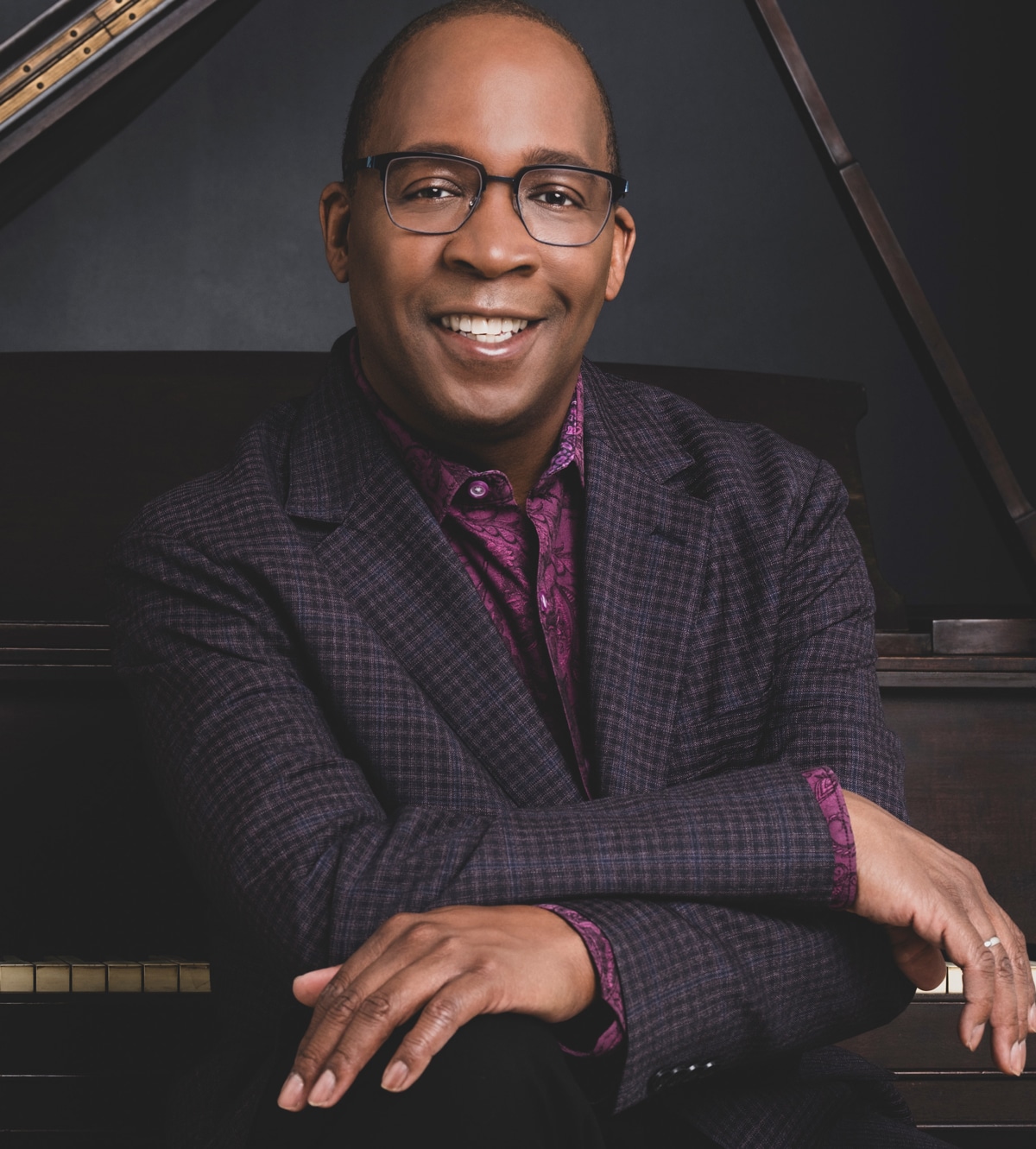
Collaborative pianist Howard Watkins
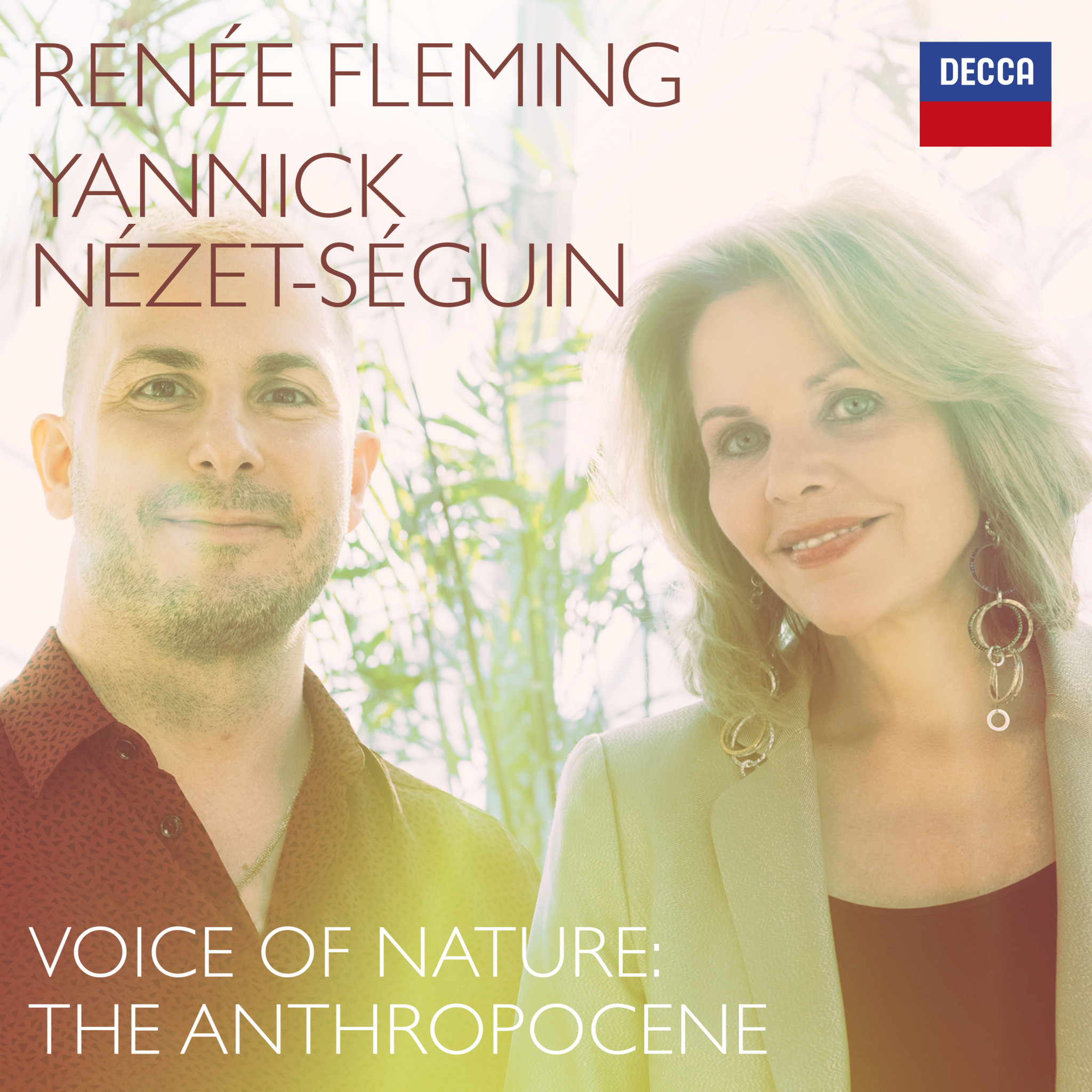
Titled “Voice of Nature: The Anthropocene,” the concert features Fleming and pianist Howard Watkins. The repertoire draws on a Grammy-winning album of the same title that Fleming recorded in 2023 with Yannick Nézet-Séguin, music director of the Metropolitan Opera, as pianist, and features songs that mention or reflect on the natural world. Part of the program will be accompanied by a film produced by the National Geographic Society.
“During the pandemic, the most comforting and healing activity for me was just being outside,” Fleming says. “Walking every day, gardening—to the point that I didn’t even want to come in. I always found it interesting that art song, especially the 19th century, also the 18th century and early 20th century, uses poetry that brought nature into the conversation about any aspect of the human condition. I found that interesting, in comparison with new works, which very often never mention nature.”
In that context, she worked with Nézet-Séguin to put together an album of songs that celebrate the consoling and healing power of nature. She decided to commission new songs from three living composers—Kevin Puts, Nico Muhly and Caroline Shaw—to bring the program up to today, and combine them with selected pieces from the extant song literature.
Yannick Nézet-Séguin and Renée Fleming on their album cover
“It was really fun to put the program together,” Fleming says. For the 19th-century art songs, “obviously I had to find things I thought would suit Yannick (Nézet-Séguin), give him enough of an interesting program that he would want to play it. And also because Yannick is French-Canadian, (the French) language works beautifully for him.”
The result is an album that features some very lovely but unfamiliar songs by Gabriel Fauré and Reynaldo Hahn, both French composers of the early 20th century, and also songs by Liszt and the Norwegian composer Edvard Grieg. “I just chose beautiful music that has powerful poetry and stuff I hadn’t performed before,” Fleming says. “I had performed Grieg, I had not performed Hahn at all, and I was thrilled to put Fauré” on the program.
The next step occurred when the album won a Grammy. Fleming decided to take a version of the program on tour, but with some additions. “Rather than just doing ‘Voice of Nature,’ the album, I added some more popular things that I’ve recorded and never perform, like a Björk song and a selection from Lord of the Rings,” Fleming explains. She also added songs by Burt Bacharach and Jerome Kern, and one of the most popular operatic arias in her repertoire, “O mio babbino caro” from Puccini’s Gianni Schicchi.
The final musical addition is a recording Fleming made of Jackson Browne’s “Before the Deluge” together with the Grammy winning folk singer/fiddler and opera composer Rhiannon GIddens, multi-Grammy winning bluegrass singer/fiddler Alison Krauss, and Nézet-Séguin, in an arrangement by composer Caroline Shaw. The recording will be played about halfway through the concert intermission.
Once she committed to the tour, Fleming had another idea: “I thought, let’s take this on the road but I’d like to have film with it,” she says. “I said, I’d really like to do something that shows the planet and encourages us to protect it.
“I happened to meet someone who worked with National Geographic at a dinner party. I was telling him about it and he said ‘I can introduce you to the head of National Geographic.’ So I had a two minute Zoom call with the CEO (Michael Ulica), and he said, ‘We’re looking for influencers and we’ll make your film.’ They did it in about three weeks and I’ve been touring it ever since, because it’s a beautiful piece.”
Fleming says that her devotion to nature and the planet dates back a long way. “When I was a teenager I saw a film that had a huge impact on me,” she says. “The film came out in the ‘70s, Soylent Green.
“The scene that really had a powerful effect on me was the one in which Edward G. Robinson, who was dying of cancer, (played a scientist who) had signed up for end of life care, and was looking at beautiful pictures of earth, and none of that existed anymore. I thought, ‘How could that possibly ever happen?’ And here we are, later in my life—if we don’t get a handle on this, I think we’re ultimately talking about the destruction of us on the planet.”
In an artist’s statement on the “Voice of Nature” program, Fleming writes: “Thankfully, the stunning natural world depicted in (the National Geographic) film still exists, unlike that movie scene so upsetting to my younger self. In blending these beautiful images with music, my hope is, in some small way, to rekindle your appreciation of nature, and encourage any efforts you can make to protect the planet we share.”
# # # # #
“Voice of Nature: The Anthropocene” Renée Fleming, soprano, and Howard Watkins, piano
Hazel Dickens: “Pretty bird”
Handel: “Care Selve” from Atalanta
Nico Muhly: “Endless Space”
Joseph Canteloube: “Bailero” from Songs of the Auvergne
Maria Schneider: “Our Finch Feeder” from Winter Morning Walks
Björk: “All is Full of Love”
Heitor Villa-Lobos: “Epílogo” from Floresta do Amazonas (piano solo)
Howard Shore: “Twilight and Shadow” from Lord of the Rings
Kevin Puts: “Evening”
Curtis Green: “Red Mountains Sometimes Cry”
Burt Bacharach: “What the World Needs Now” —To be played halfway through the intermission—:
Recording of Jackson Browne: “Before the Deluge” (arr. by Caroline Shaw) by Rhiannon Giddens, Alison Krauss, Renée Fleming; with Yannick Nézet-Séguin, piano
Gabriel Fauré: “Au Bord De L’eau” —“Les Berceaux”
Edvard Grieg: “Lauf Der Welt” —“Zur Rosenzeit”
Puccini: “O mio babbino caro” from Gianni Schicchi
Jerome Kern: “All the Things You Are”
Andrew Lippa: “The Diva”
7:30 p.m. Friday, Jan. 31 Macky Auditorium
NOTE: Very few tickets are left for this performance. You can check availability HERE.
The Colorado Music Festival (CMF) has announced its summer schedule of concerts at the Chautauqua Auditorium in Boulder.
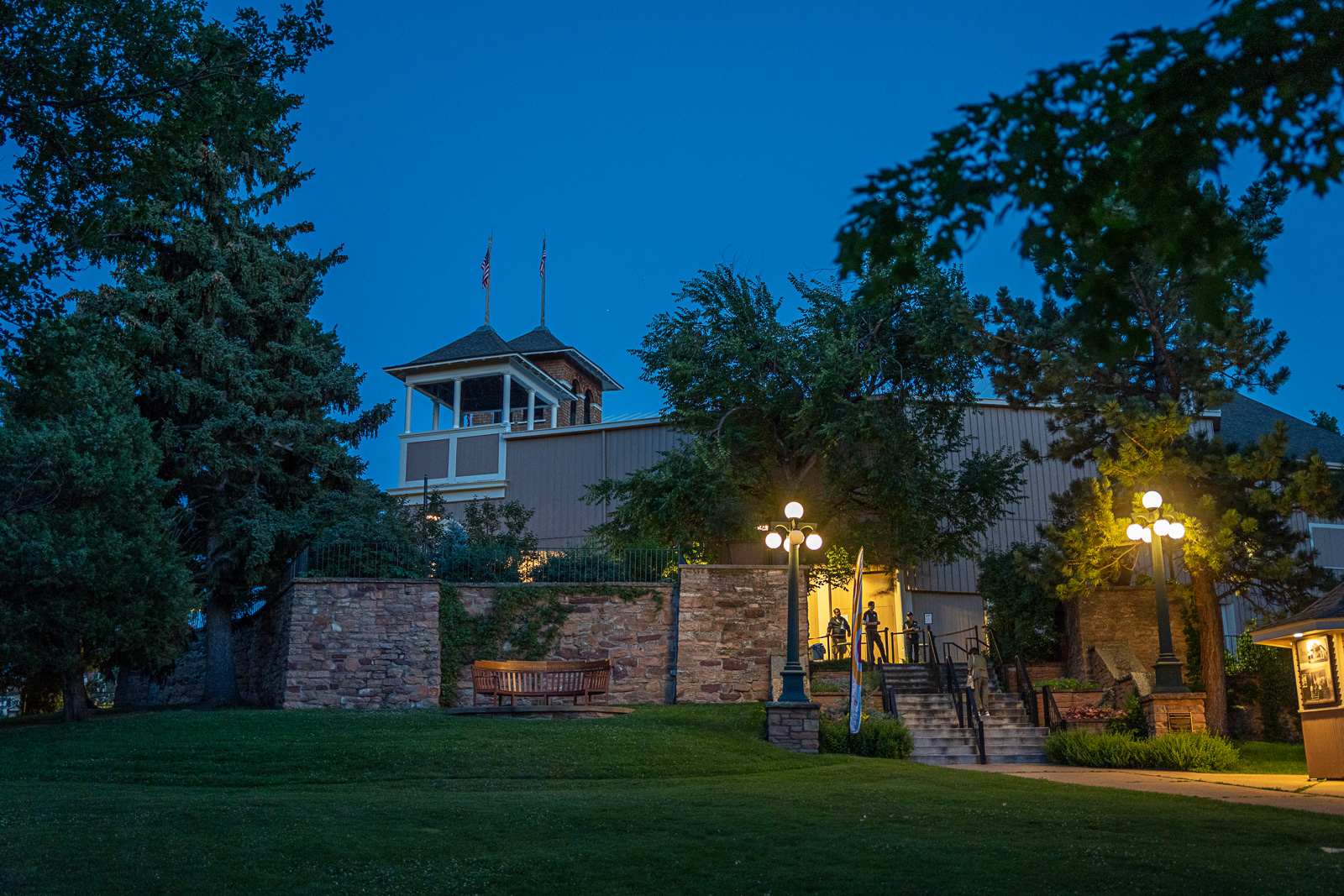
Chautauqua Auditorium. Photo by Geremy Kornreich
The season of 19 concerts will culminate with performances of two different ninth symphonies: Beethoven’s masterpiece, featuring the “Ode to Joy” finale, July 31 and August 1; and Mahler’s Ninth Aug. 3. Both are their composer’s last completed symphony, which has given a special mystique to the number of the “Ninth Symphony.”
Other highlights during the summer include appearances by outstanding solo artists, including pianist Hélène Grimaud playing the Gershwin Concerto in F on the opening night concert July 3 and 6; saxophonist Steven Banks playing the world premiere of Joan Tower’s Love Returns for saxophone and orchestra; and violinist Anne Akiko Meyers playing Eric Whitacre’s Murmur, a CMF co-commission written for her.
Two birth anniversaries will be celebrated during the summer: Ravel’s 150th, with performances of Daphinis et Chloé, Suite No. 2 and Bolero on the opening concert program, and Aaron Copland’s 125th with a performance of Appalachian Spring on July 17 and 18 and AnOutdoor Overture on July 11.
Some younger, rising artists will be featured this summer. Classical guitarist Xuefei Yang will perform Rodrigo’s popular Concierto de Aranjuez July 27. Violinist Benjamin Beilman and conductor Chloé van Soeterstède will appear on an all-Mozart program July 13. Cellist Hayoung Choi and conductor Maurice Cohn will perform July 20, and pianist Yeol Eum Son will appear with conductor Ryan Bancroft July 24 and 25.
This year’s Family Concert, presented at 10:30 a.m. July 6, will be an orchestral mystery, “Sherlock Holmes and the Case of the Missing Maestro.” Shira Samuels-Shragg will conduct the program, in which all of the musicians are suspects and Sherlock Holmes must investigate each of the instrument families.
All of the CMF’s summer concerts and programs are listed below. Tickets to the 2025 Festival will be available for purchase beginning March 4. For information or to purchase tickets for the 2025 festival, visit the CMF Web page, or call the Chautauqua box office at 303-440-7666.
# # # # #
Colorado Music Festival, Peter Oundjian, music director 2025 Summer Season All performances in Chautauqua Auditorium
Peter Oundjian and the CMF Orchestra. Photo by Geremy Kornreich, 2023
Opening Night Festival Orchestra, Peter Oundjian, conductor With Hélène Grimaud, piano
Stravinsky: Feu d’artifice (Fireworks)
Gershwin: Piano Concerto in F
Ravel: Daphnis et Chloé, Suite No. 2 —Bolero
7:30 p.m. Thursday, July 3 6:30 p.m. Sunday, July 6
Family Concert Festival Orchestra, Shira Samuels-Shragg, conductor
Sherlock Holmes and the Case of the Missing Maestro
10:30 a.m. Sunday, July 6
Chamber Music Concert Colorado Music Festival musicians
Schubert: String Trio in B-flat major, D471
Prokofiev: Quintet in G minor, op. 39
Brahms: Piano Quartet No. 3 in C minor, op. 60
7:30 p.m. Tuesday, July 8
Festival Orchestra Concert Peter Oundjian, conductor With Steven Banks saxophone
Copland: An Outdoor Overture
Joan Tower: Love Returns for saxophone and orchestra (world premiere)
Brahms: Symphony No. 1 in C minor, op. 68
7:30 p.m. Thursday, July 10 6:30 p.m. Friday, July 11
An Evening of Mozart Festival Orchestra, Chloé van Soeterstède, conductor With Benjamin Beilman, violin
Mozart: Overture to Don Giovanni —Violin Concerto No. 5 in A major, K219 (“Turkish”) —Overture to Le Nozze di Figaro (The Marriage of Figaro) —Symphony no. 34 in C major, K338
6:30 p.m. Sunday, July 13
Chamber Music Concert Brentano String Quartet
Schubert: Quartet in A minor, D804 (“Rosamunde”)
Anton Webern: Five Movements for String Quartet, op. 5
Brahms: String Quartet No. 3 in B-flat major, op. 67
7:30 p.m. Tuesday, July 15
Festival Orchestra Concert Peter Oundjian, conductor With Anne Akiko Meyers, violin
Copland: Appalachian Spring
Eric Whitacre: Murmur (CMF co-commission)
Ravel: Tzigane
Berlioz: Overture to Béatrice et Bénédict
Tchaikovsky: Romeo and Juliet Fantasy Overture
7:30 p.m. Thursday, July 17 6:30 p.m. Friday, July 18
Festival Orchestra Concert Maurice Cohn, conductor With Hayoung Choi, cello
Respighi: Gli uccelli (The birds)
Tchaikovsky: Variations on a Rococo Theme, op. 33
Beethoven: Symphony No. 1 in C major, op. 21
6:30 p.m. Sunday, July 20
Chamber Music Concert Colorado Music Festival musicians
Nico Muhly: Doublespeak (2012)
Mozart: Quintet for piano and winds in E-flat major, K452
Dvořák: String Quintet No. 3 in E-flat major, op. 97
7:30 p.m. Tuesday, July 22
Festival Orchestra Concert Ryan Bancroft, conductor With Yeol Eum Son, piano
Sofia Gubaidulina: Fairytale Poem (Märchenpoem, 1971)
Beethoven: Piano Concerto No. 3 in C minor, op. 37
Shostakovich: Symphony No. 10
7:30 p.m. Thursday, July 24
6:30 P.M. Friday, July 25
Festival Orchestra Concert Peter Oundjian, conductor With Xuefei Yang, guitar
Tchaikovsky: String Quartet No. 1 in D major, op. 11
7:30 p.m. Tuesday, July 29
Festival Orchestra Concert Colorado Music Festival orchestra and the St. Martin’s Festival Singers Peter Oundjian, conductor With Lauren Snouffer, soprano; Abigail Nims, mezzo-soprano; Issachah Savage, tenor; and Benjamin Taylor, baritone
Michael Abels: Amplify (CMF co-commission)
Beethoven: Elegischer Gesang (Elegiac song), op. 118 —Symphony No. 9 in D minor, op. 125
7:30 p.m. Thursday, July 31 6:30 p.m. Friday, Aug. 1
Festival Finale Colorado Music Festival Orchestra, Peter Oundjian, conductor
Clarinetist Kellan Toohey plays Concerto by Gerald Finzi
By Peter Alexander Jan. 21 at 11:12 p.m.
The Boulder Chamber Orchestra will present a concert Saturday featuring their string section (7:30 p.m. Jan. 25; details below), playing one of the great masterworks for strings, Dvořák’s Serenade for Strings.
The concert, under the direction of Bahman Saless, will also feature clarinetist Kellan Toohey playing the Concerto for clarinet and strings by British composer Gerald Finzi. The program also includes the Serenade for Strings by 20th-century Swedish composer Dag Wirén.
Kellan Toohey
Known mostly as a composer of songs and choral music, Finzi also wrote concertos for clarinet and cello, a Grand Fantasia and Toccata for piano and orchestra, and other instrumental pieces.
The Clarinet Concerto was written in 1949 for the Three Choirs Festival located in turn in the English cities of Gloucester, Hereford and Worcester, with which Finzi had a long association. The concerto is in three movements, of which the Adagio second movement is the expressive core. The quick rondo finale incorporates an English folk song. Finzi himself conducted the premiere, performed in Hereford by the London Symphony strings and clarinetist Frederick Thurston.
Wirén studied at the Stockholm Conservatory 1926–31, and won a state award that allowed him to live and study in Paris for several years. He wrote a number of orchestral works, including five symphonies and other concert works. His music is generally accessible to audiences, mixing traditional elements with modernist and innovative impulses.
His Serenade for Strings, composed just after his return to Sweden from Paris in 1937, is his most widely performed work. The composer wrote in his notes for the score, “The purpose of this little Serenade is simply to amuse and entertain, and if the listener, when the last note has faded, feels cheerful and happy, then I have reached my goal.”
Dvořák won the Austrian State Prize in music in 1875—the first of three times that he received that award and the support it offered young composers. It was those awards that gave Dvořák the freedom to purse his work as a composer. One of the judges of the competition was Brahms, who later became an important champion of Dvořák and introduced him to the German publisher N. Simrock.
In the months after winning the award, Dvořák composed his Fifth Symphony, several pieces of chamber music, and the Serenade for Strings. The Serenade was completed in only 12 days in May, 1875, but not performed until December 1876. One of his most tuneful and cheerful works, the Serenade has remained popular since the first performances. Dvořák was proud enough of the work that he included it with his application for his third state award in 1877.
In addition to performing as the principal clarinetist of the BCO, Toohey also plays with the Fort Collins Symphony, the Wyoming Symphony and the Cheyenne Symphony. He holds a doctorate from CU Boulder and has recorded a CD of music for clarinet and piano by Colorado composers, Scenes from Home.
Little known Quintet by Louise Farrenc and Prokofiev’s much loved Peter and the Wolf
By Peter Alexander Jan. 16 at 12:10 a.m.
The Boulder Piano Quartet will be joined by bassist Susan Cahill, a member of the Colorado Symphony, for a program of piano quintets Friday (7 p.m. Jan. 17; details below) at the Academy, University Hill.
The concert, to be held in the Academy’s Chapel Hall, will be free. Audience members are asked to RSVP HERE prior to the concert. All the works on the program are for a quintet of piano with with one each violin, viola, cello and string bass, whereas most piano quintets are set for piano with a string quartet of two violins, viola and cello.
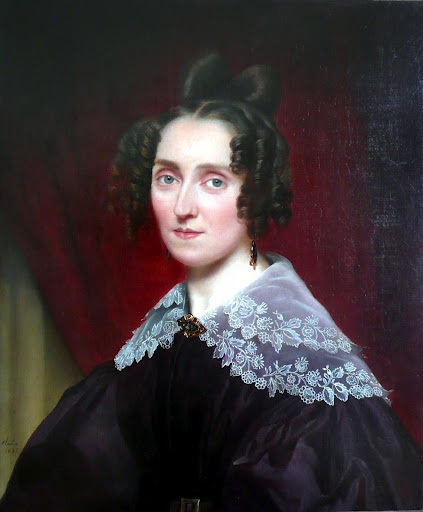
Louise Farrenc, portrait by Luigi Rubio (1835)
The performance will open with a quintet by Louise Farrenc, a 19th-century French composer who seems to be having a “moment” now. Though not widely known to American audiences, she has had several recent performances. Her Sextet for piano and winds was performed last Saturday (Jan. 11) on a Boulder Chamber Orchestra Mini Chamber concert, and her Third Symphony was performed in May on the Colorado Pro Musica’s farewell concert. Many of her works have recently been recorded, including music for piano, chamber music and symphonies (see listing HERE).
A pioneer among women pianists and composers, Farrenc was a successful concert pianist. She became the first woman appointed to the permanent faculty of the Paris Conservatory in 1842, a position she held for 30 years.
The Piano Quintet in C minor by Vaughan Williams is one of his least known works, largely because the composer removed it from his catalogue of compositions after World War I, presumably because he was no longer satisfied with it. It remained unperformed for more than 80 years until the composer’s widow allowed a performance, and subsequent publication, to honor the 50th anniversary of the composer’s death.
Schubert’s “Trout” Quintet is the best known of the piano quintets with string bass. It takes its name from the fourth movement, a set of variations on the theme from Schubert’s song “Die Forelle” (The trout). The performance Friday will only feature that one movement, ending the program on a familiar and cheerful note.
# # # # #
Boulder Piano Quartet Igor Pikayzen, violin; Matthew Dane, viola; Thomas Heinrich, cello; and David Korevaar, piano|With Susan Cahill, bass
Louise Farrenc: Piano Quintet No. 2 in E major, op. 31|
Ralph Vaughan Williams: Piano Quintet in C minor
Schubert: Piano Quintet in A major (“Trout”): 4. Andantino
7 p.m. Friday, Jan. 17 Chapel Hall, Academy University Hill
The Longmont Symphony Orchestra will present its annual Family Concert, featuring Prokofiev’s masterful setting of the Russian folk tale Peter and the Wolf, Saturday afternoon (4 p.m. Jan. 18; details below) in Vance Brand Auditorium.
The concert will be led by the LSO music director, Elliot Moore. Cameron A. Grant will narrate. In addition to the Prokofiev score, the program features selections from The Carnival of the Animals by Saint-Saëns.
Subtitled “A symphonic tale for children,” Prokofiev’s Peter and the Wolf illustrates the tale of a young boy who evades the dangerous wolf, with characteristic themes for each character in the story, including Peter, his grandfather, Peter’s animal friends, the hunters and of course, the wolf.
Prokofiev wrote an explanatory note for the score: “Each character of this tale is represented by a corresponding instrument in the orchestra: the bird by a flute, the duck by an oboe, the cat by a clarinet playing staccato in a low register, the grandfather by a bassoon, the wolf by three horns, Peter by the string quartet, the shooting of the hunters by the kettle drums and bass drum.”
Grant is a prominent attorney in Longmont, where he is a managing shareholder in the firm Lyons & Gaddis, but he is also familiar with the performing world. He holds an undergraduate degree in English and vocal music performance from Colorado College, and attended the Aspen Opera Theater Center. He has appeared with the Longmont Symphony as narrator for family concerts in the past, most recently in January, 2024.
# # # # #
Family Concert: Peter and the Wolf Longmont Symphony Orchestra, Elliot Moore, conductor With Cameron A. Grant, narrator
Saint-Saëns: Selections from Carnival of the Animals
Music for winds from the BCO, quartets and quintet from the Takács Quartet
By Peter Alexander Jan. 10 at 1:45 p.m.
The Boulder Chamber Orchestra (BCO) will present a program of French music for piano and winds for its third Mini-Chamber program of the season Saturday (7:30 p.m. Jan. 11; details below).
The orchestra’s current artist-in-residence, pianist Jennifer Hayghe, will be joined by members of the BCO to perform works by Vincent d’Indy, Albert Roussel, Francis Poulenc, Florent Schmitt and Louise Farrenc.
BCO artist in residence Jennifer Hayghe
The program that was curated by Hayghe offers an opportunity to hear pieces and composers that are little known to American audiences. French music in particular is less often programmed here than German and Austrian works. The least familiar, and the earliest of the composers is Farrenc, who lived in the 19th century. A successful concert pianist, she became the first woman to hold a permanent position at the Paris Conservatory, which she maintained for 30 years, from 1842 to 1872.
All the other composers lived and worked in the 20th century. The most familiar is probably Poulenc, who died in 1963. Known for his opera Dialogues des Carmélites (Dialogue of the Carmelites), his Organ Concerto and his choral Gloria, he also wrote a large number of pieces for chamber ensembles.
The other three composers—d’Indy, Roussel and Schmitt—were active in the first half of the 20th century. Offering a rare taste of a time and place that rarely shows up in concert programs in the U.S., Mini-Chamber 3 is a welcome opportunity for the chamber music audience to expand their horizons beyond the routine.
# # # # #
Boulder Chamber Orchestra Mini-Chamber 3 Jennifer Hayghe, artist in residence, piano With Rachelle Crowell, flute; Brittany Bonner, one; Kellan Toohey, clarinet; Kaori Uno-Jack, bassoon; and Devon Park, horn
The Takács Quartet will be joined by pianist Margaret McDonald to present one of the preeminent chamber works of the 19th century, Brahms’s Quintet in F minor for piano and strings.
The program will also feature Beethoven’s early String Quartet No. 1 in F major, op. 18 no. 1—actually the second quartet of the set to be written—and the String Quartet no. 1 by Stephen Hough, which was written for the Takács.
Hough’s quartet was first written to be heard alongside the Ravel String Quartet and Ainsi la nuit (Thus the night), a string quartet by the French composer Henri Dutilleux. Hough subtitled the quartet “Les Six Rencontres” (The six re-encountered), a reference to a group of early 20th-century composers active in France that did not include either Ravel or Dutilleux. Hough wrote that the subtitle “has in it a pun and a puzzle: the six movements as an echo of ‘Les Six,’ although there are no quotes or direct references from those composers; and ‘encounters’ which are unspecified.”
Margaret McDonald, guest pianist with the Takács Quartet
The six movements of the quartet have titles that indicate places, presumably in the Montparnasse district of Paris, where an encounter with a composer from “The Six” might have occurred: On the boulevard, in the park, at the hotel, at the theater, in the church and at the market. The Takács Quartet premiered “Les Six Rencontres” in Costa Mesa, Calif., Dec. 8, 2021.
One of the best known major pieces of chamber music from the 19th century, Brahms F minor Piano Quintet evolved through several forms before being finished as a quintet. It was first written as string quintet, a version that the composer later destroyed, and then as a duet for two pianos, and finally as a quintet for string quartet with piano. All of this stretched over six years, prior to the Quintet’s premiere in 1868.
# # # # #
Takács Quartet With Margaret McDonald, piano
Beethoven: String Quartet in F Major, op. 18 no. 1
Stephen Hough: String Quartet No. 1, “Les Six Rencontres” (The six re-encountered)
Johannes Brahms: Piano Quintet in F Minor, op. 34
4 p.m. Sunday, Jan. 12 7:30 p.m. Monday, Jan. 13 Grusin Music Hall
Conductor will lead premiere of new work by Stephen Lias on program “From the New World”
By Peter Alexander Jan. 8 at 12 noon
Michael Butterman, music director of the Boulder Philharmonic, returns to the Macky Auditorium stage to conduct the orchestra’s concert Sunday (4 p.m. Jan. 12; details below) after an absence of several months while he underwent cancer treatments at his home in Shreveport, La.
In addition to Butterman’s return, the concert is noteworthy in featuring two works by living composers, one of them a world premiere, and the much loved Symphony “From the New World” by Antonín Dvořák. The world premiere, Wind, Water, Sand by Stephen Lias, is a musical tribute to Colorado’s Great Sand Dunes National Park—his third national park-based score to be premiered by the Phil. Violinist Tessa Lark, who combines her Grammy-nominated skills as a classical soloist with prowess as a bluegrass fiddler, will play Michael Torke’s Sky: Violin Concerto, which was written for her.
Michael Butterman with the Boulder Phil, before his recent illness
Butterman is eager to return. “I want to get back to making music,” he says. “I’ve completed the chemo therapy regimen with good results. My immune system is going to be subpar for a few months and I have to be cautious, (but) other than that, I can go about my business.”
Noting the visible effects of his chemo treatments, he names some famous bald conductors. “It’s a different look,” he says. “I pass the mirror every now and then, and I’m like, ‘who was that person?’”
Lias, whose Web page identifies him as an “adventurer-composer,” has written more than 20 concert works inspired by America’s national parks. Two that have been premiered by the Boulder Phil—Gates of the Arctic (2014), inspired by a residency in that Alaskan park, and All the Songs that Nature Sings (2017), inspired by Colorado’s Rocky Mountain National Park—were accompanied by visual images of the respective parks.
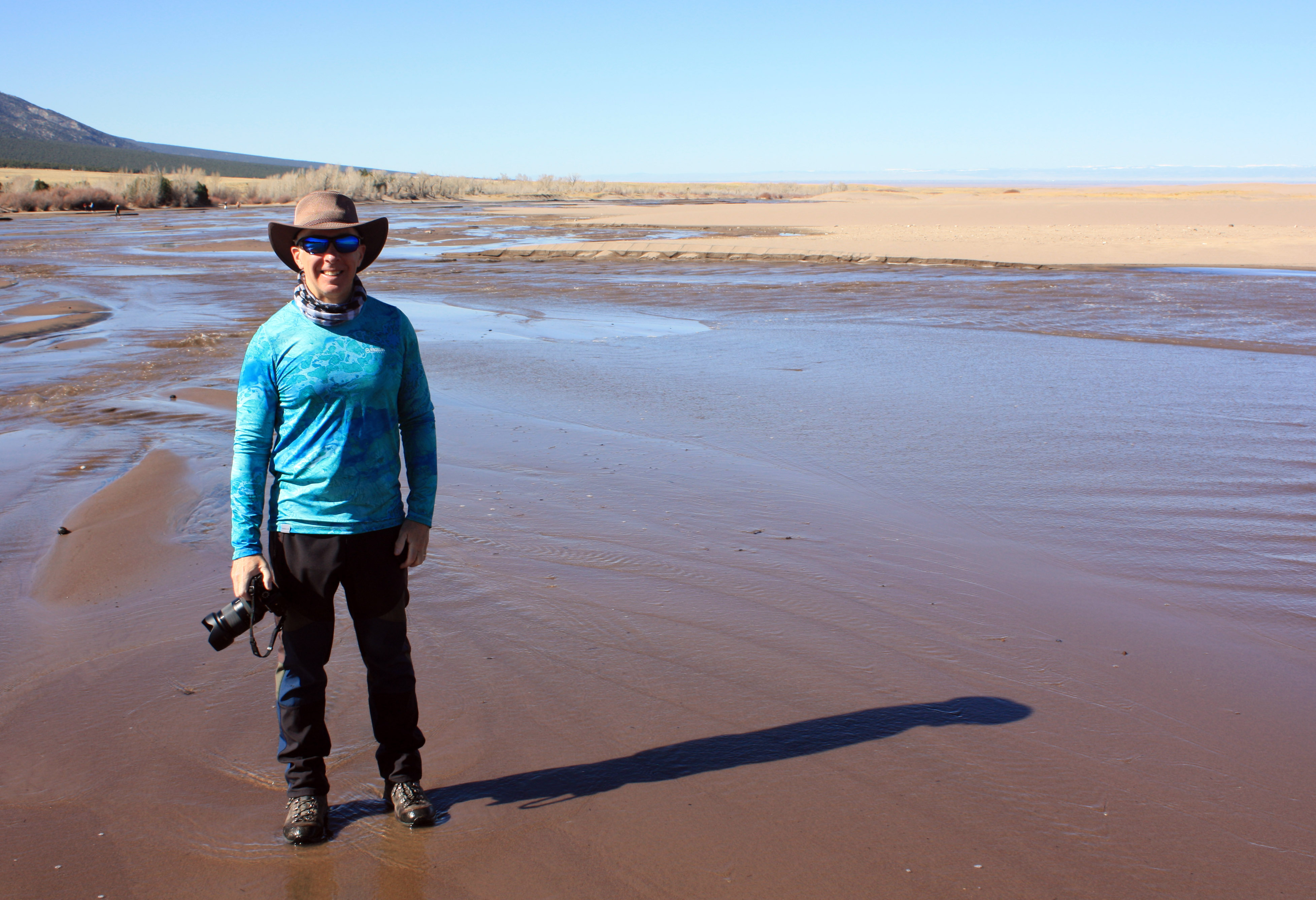
Stephen Lias at Great Sand Dunes N.P. in 2023 Photo by Peter Alexander
Wind, Water, Sand, however, does not have accompanying photos or videos. “I enjoy writing music that has imagery synchronized to it,” Lias says. “But Michael (Butterman) agreed at my request that this piece would not have imagery.
“In this case, both because of the location and because of the musical challenge, I wanted to tap into the audience’s imagination, which is what we do when we listen to Beethoven’s ‘Pastoral’ Symphony or the Strauss Alpine Symphony. We allow our imagination to provide the imagery, and that was the direction that I wanted to go in this piece.”
Lias spent more than a week as a guest of Great Sand Dunes National Park in the spring of 2023. This was not a residency, but a one-time project between Lias, the park and the Boulder Philharmonic. Park officials “were very generous in allowing me access to the park, the museum and the staff there,” he says.
“What I wanted was to be completely open to the place (and) the experience there,” he said during his 2023 visit to the park. “I’m creating what I think of as ‘idea soup‘. I’m letting it stir, and we’ll see what it turns into.”
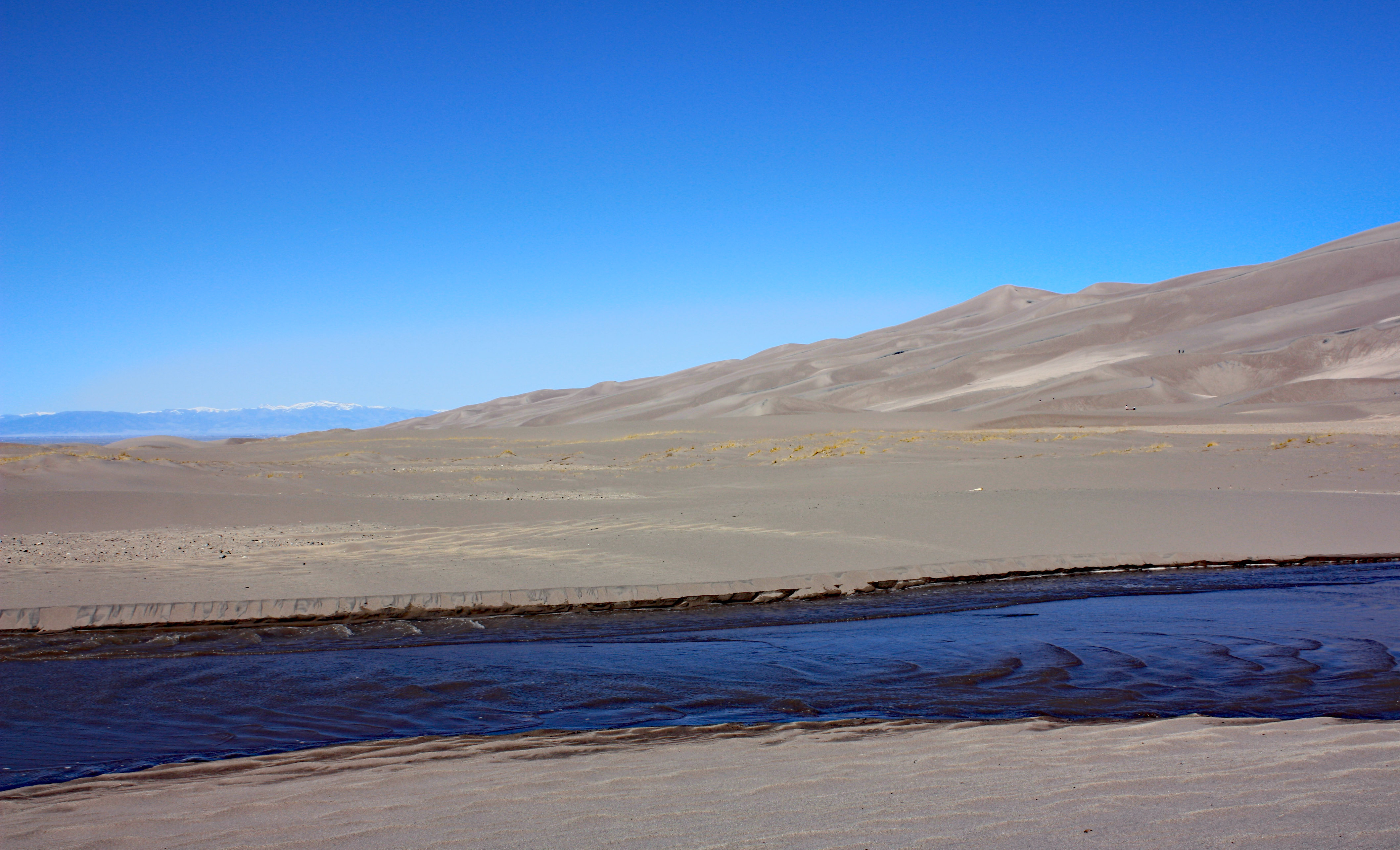
The flow of sand and water at Great Sand Dunes N.P. Photo by Peter Alexander
What turned into the basis of his score was the flowing motion of the wind across the dunes, of the water that runs beside the dunes, and of the sand as it forms the dunes—hence the title, Wind, Water, Sand. “All of those are doing the same thing at different paces and at different scales, from the very slow to the very fast, from the microscopic to the gargantuan,” Lias says.
While those are separate elements in nature, they are not represented by separate musical ideas. “Rather than make a wind theme and a water theme and a sand theme,” Lias explains, “I focused on a group of ideas that go both slow and fast. There are little ornate, intricate elements in certain parts of the music that are re-used as whole notes as bass lines for other places in the piece.They are all participating in the same dance.”
An eclectic composer, Torke has written music influenced by minimalism, operas influenced by rap and disco, a rock opera version of Monteverdi’s L’incoronazione de Poppea (The Coronation of Poppea), music inspired by his synesthetic experiences of music and color—and now a Bluegrass concerto. Sky was commissioned in 2018 by a consortium of 11 orchestras around the country, including the Albany Symphony, with whom Lark played the premiere. “Tessa just owns that piece,“ Butterman says.
Lark grew up in Kentucky, where she studied the Suzuki method and performed with her father’s Bluegrass band. She later studied at the New England Conservatory and Juilliard, and while playing a Stradivari violin on loan she was inspired to record an album titled Stradgrass Sessions combining her classical and Bluegrass skills.
Tessa Lark
In his program notes, Torke writes “The inspiration for this concerto came from Tessa Lark . . . Banjo-picking technique given to the solo violin was the departure point in the first movement. For the second movement my source material was Irish reels, the forerunner of American Bluegrass. The template for the third movement was fiddle licks with a triplet feel. In each case I wrote themes of my own in these styles, and developed the ideas into a standard ‘composed’ violin concerto.”
Butterman describes Sky as having “a great deal of complexity in terms of the way the parts work with one another. It’s a workout for the orchestra, no question, but very successful with the audience.”
In the context of the two newer pieces, Butterman thought that Dvořák’s “New World” was the perfect compliment. “All of these pieces are American in one way or another,” he says. “The closest connection is between Torke and Dvořák. Dvořák was looking to show Americans how to celebrate our cultural richness through development of the spiritual, and also what he thought were native American elements. And in the Torke we have a Bluegrass influence.
“The Torke and the Dvorak, in spite of them being a hundred and however many years apart, come from similar motivations. And (Lias’s) piece is inspired by a beautiful slice of our American landscape (that) people in Colorado will appreciate and understand.”
# # # # #
“From the New World” Boulder Philharmonic Orchestra, Michael Butterman, conductor With Tessa Lark, violin
Stephen Lias: Wind, Water, Sand WORLD PREMIERE
Michael Torke: Sky: Violin Concerto
Dvořák: Symphony No. 9 in E minor, “From the New World”
Here are the names of some of the musicians who passed away over the past 12 months. This list is not intended to be comprehensive, as I cannot catch every single one. Its is not exclusively classical artists, although those are the names I am most likely to see and notice. If there are names you don’t see here that you think should be included, please feel free to add them in the comments.
Dec. 24, 2023: Alice Parker, composer and arranger of choral music whose works were sung by church choirs and choral societies world wide, who was most famous for her 20-year collaboration with the Robert Shaw Chorale until it was disbanded in 1965, and later wrote song cycles, oratorios and even operas, up until her last work, “On the Common Ground,” completed in 2020, 98
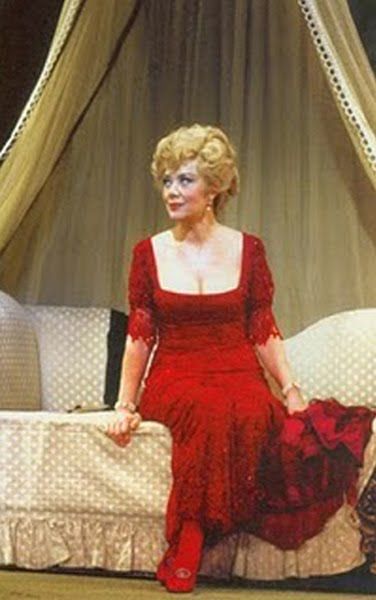
Glynis Johns in the original production of Sondheim’s A Little Night Music
Jan. 4: Glynis Johns, Welsh/British actress who created the role of Desirée Armfeldt in the Stephen Sondheim musical A Little Night Music, whose modest singing abilities shaped the show’s best loved and most performed single number, “Send in the Clowns,” and who performed in Hollywood films from The Court Jester with Danny Kaye in 1955, to Mary Poppins with Julie Andrews in 1964, to Superstar in 1999, 100
Jan. 6, 2024: Sarah Rice, the original Johanna in Sondheim’s Sweeney Todd, who also appeared in the original off-Broadway production of The Fantastics as well as productions of A Little Night Music, Candide, Showboat and other musicals and operettas, and sang operatic roles including Gilda in Rigletto and Marie in Daughter of the Regiment, and played the Theremin, 68
Jan. 8: Phil Niblock, American composer, film and video artist associated with the “downtown” scene in New York, known for slow-moving minimalist soundscapes using drones and incorporating unexpected instruments including bagpipes, often using layered microtones to generate complex overtones, who achieved a leading role in the experimental music world, in spite of having no formal training as a composer, 90
Peter Schickele. Photo by Peter Schaaf, Shaw Concerts
Jan. 16: Peter Schickele, aka P.D.Q. Bach, the fictional composer of such comic works as Concerto for Horn and Hardart and Iphigenia in Brooklyn, who was also a serious composer but whose concert music was largely eclipsed by his musical parodies, who won a single Grammy under his own name and four as P.D.Q. Bach, and who granted himself the imaginary professorship of musical pathology at the imaginary University of Southern North Dakota at Hoople, 88
Jan. 19: Ewa Podles, Polish alto whose career included performances at the Metropolitan Opera, The Royal Opera House in London, Teatro Real in Madrid, the Gran Teatro del Liceu in Barcelona and La Scala in Milan, known for a repertoire from Baroque opera to the 20th century, including works by Handel, Gluck, Rossini, Tchaikovsky and Shostakovich, 71
Jan. 23: Melanie Safka, American singer who performed as Melanie, made a splash at the Woodstock Festival in 1969, and had a No. 1 hit single, “Brand New Key,” two years later—a song that was banned by some radio stations because of the supposed innuendo of the lines “I’ve got a brand-new pair of roller-skates, you’ve got a brand new key,” 76
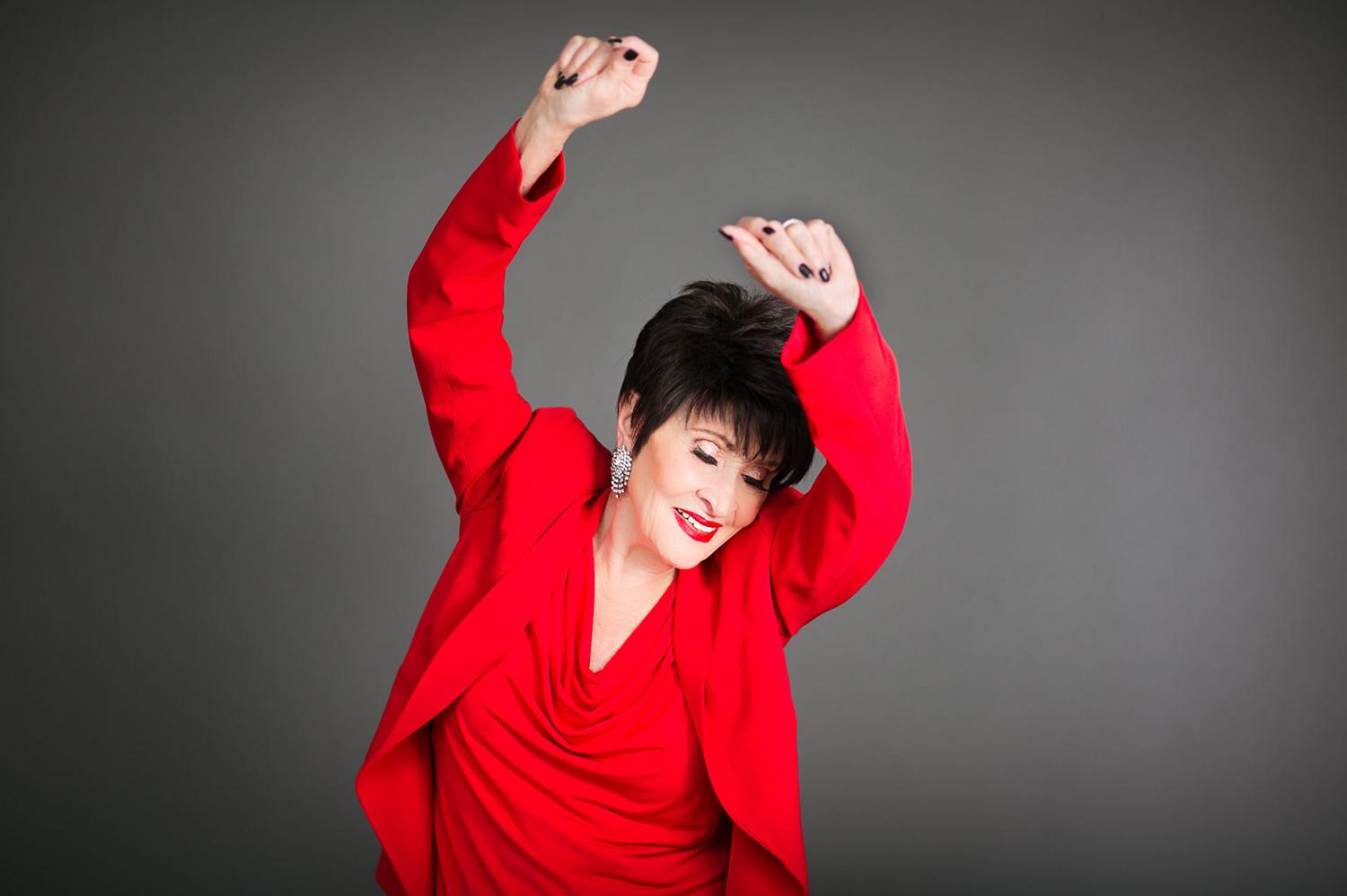
Chita Rivera
Jan. 30: Chita Rivera, remarkable American singer, dancer and actress of Puerto Rican descent who leaped to fame as Anita in West Side Story and later played a number of other tough women including Rosie in Bye Bye Birdie, the murderess Velma Kelly in Chicago and the title role in Kiss of the Spider Woman, who never fully recovered from a car accident that shattered her leg in 1986 but continued to perform in a cabaret act for many years, 91
Feb. 5: Toby Keith, country singer-songwriter from Oklahoma who worked as a rodeo hand and oil-field roughneck before achieving success and his first recording contract as a singer, who had several No. 1 country hits including “Who’s Your Daddy?” and controversial pro-America rants including “Courtesy of the Red, White and Blue,” 62
Seiji Ozawa. Photo by Shintaro Shiratori
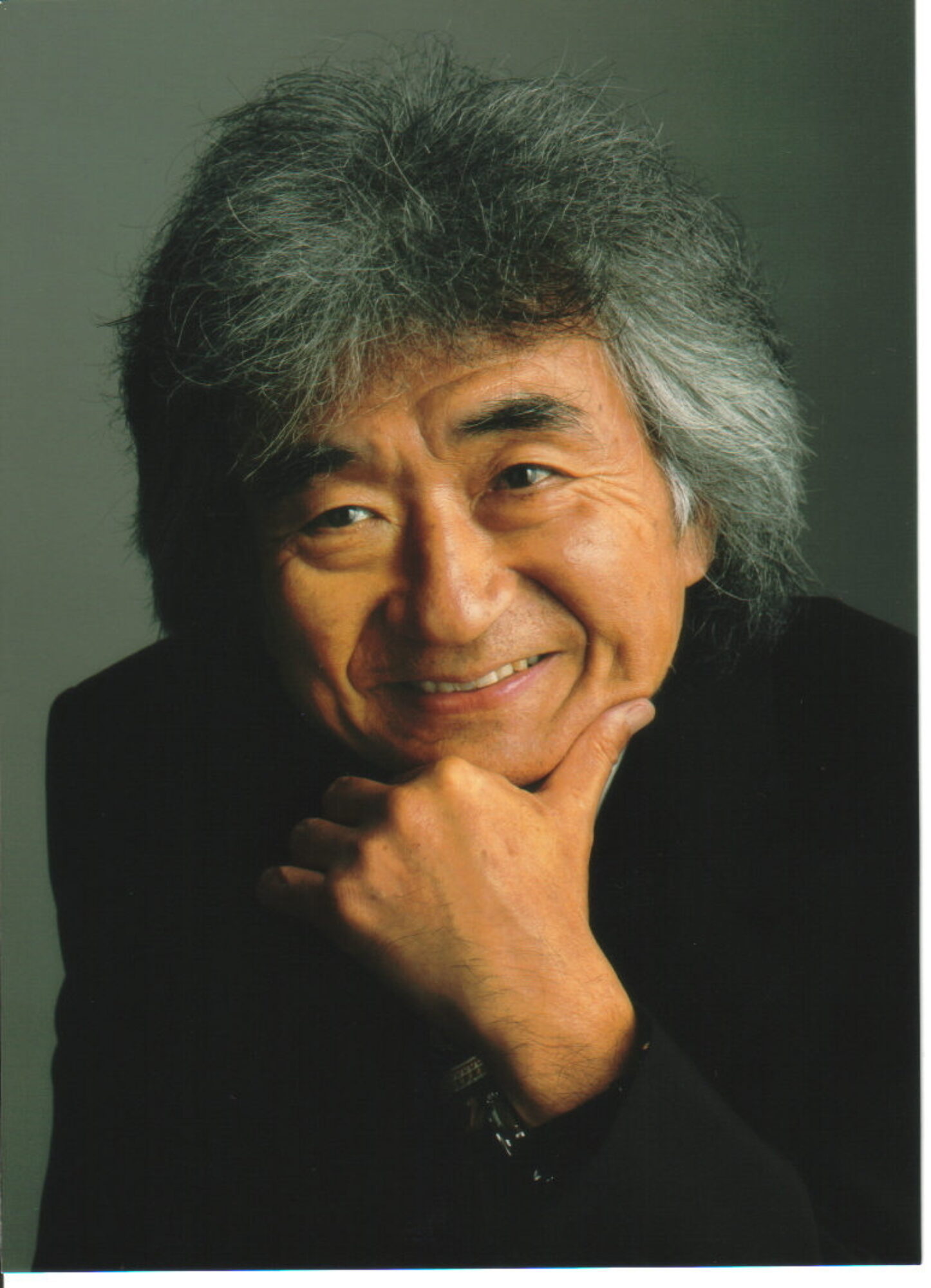
Feb. 6: Seiji Ozawa, the Japanese conductor who led the Boston Symphony longer than any conductor in its history 1972–2002, who studied with leading conductors including Charles Munch, Pierre Monteux and Herbert von Karajan, was appointed assistant conductor of the New York Philharmonic by Leonard Bernstein (1961–62), was music director of the Toronto Symphony (1965–69), the San Francisco Symphony (1977–77) and the Wiener Staatsoper (2002-10), founded his own music festival in Japan, won Emmy and Grammy awards, was awarded Chevalier of the Légion d’honneur in France, the Austrian Cross of Honor, the Order of Culture in Japan, and numerous other honors worldwide, 88
Feb. 7: Henry Fambrough, the last surviving member of the R&B vocal group the Spinners, which originated outside Detroit in 1954 and joined the Motown roster in 1964, then had a string of hits including “I’ll Be Around” and “Could it Be I’m Falling in Love,” while recording for Atlantic records from 1972 on; just a few months after the original group was inducted into the Rock & Roll Hall of Fame, 85
Feb. 22: Roni Stoneman, an American banjo virtuosa who appeared regularly on the country music variety show “Hee Haw” as the gap-toothed Ida Lee Nagger, was a member of the Appalachian string band the Stoneman Family, and was recognized in 1957 as the first woman to record on bluegrass banjo, 85
March 7: Steve Lawrence, Grammy- and Emmy-winning singer and lifelong onstage partner with his wife Eydie Gormé, who got his start on “Arthur Godfrey’s Talent Scouts” at 15, and together with Gormé performed in nightclubs, in concert, and as a regular on the “The Steve Allen Show,” and individually appeared on Broadway, in film and television shows, 88
Byron Janis, at the Chateau Thoiry, where he found two Chopin waltzes. Photo by Maria Cooper Janis.
March 14: Byron Janis, an American pianist known for performances of the Romantic repertoire, and for having studied with Josef and Rosina Lhevinne from the age of seven, who made his orchestral debut playing the Rachmaninoff Second Piano Concerto at 15 and subsequently studied with Vladimir Horowitz; who taught for many years at the Manhattan School of Music and in 1967 discovered two Chopin manuscripts in a French chateau, who while suffering from arthritis in his hands stopped performing and turned to songwriting, but later was able to return to playing, 95
March 20: Aribert Reimann, prolific German composer of complex and challenging operas based on works by Shakespeare, Kafka and others, best known for his 1978 opera Lear, based on Shakespeare’s King Lear, which has been produced more than 30 times around the world, a frequent collaborator and accompanist for Dietrich Fischer-Diskau, and who taught at the Hochschule für Music in Hamburg and the Hochschule (later Universität) der Künste in Berlin, 88
March 23, Maurizio Pollini, Italian pianist of formidable and precise technique and intellectual rigor whose broad repertoire included contemporary works by Stockhausen and Boulez as well as classics by Beethoven and Chopin, who grew up in an artistic family with a father who was both a violinist and an architect and a mother who was a singer and pianist, who began performing as a child and won notable prizes including first prize at the International Chopin Competition at the age of 18 in 1960, and later received notice as a member of the Italian Communist Party, 82
Sir Andrew Davis. Photo by Dario Acosta.
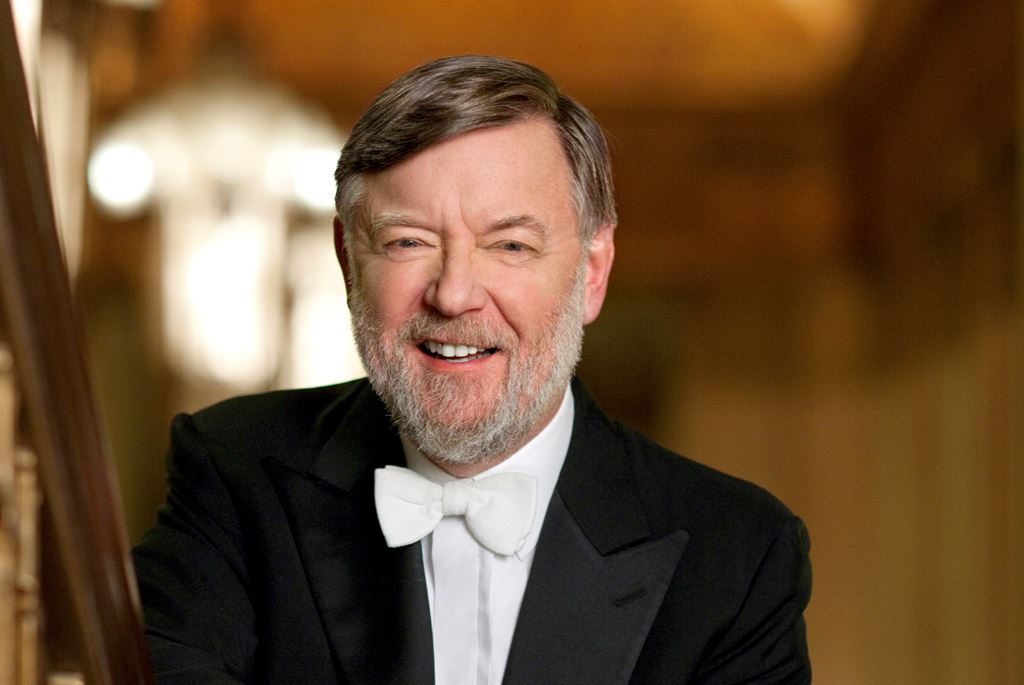
April 20: Sir Andrew Davis, distinguished British conductor, music director and principal conductor of the Chicago Lyric Opera 2000–21, former chief conductor of the BBC Symphony and musical director of the Glyndebourne Festival Opera, known his performances of 20th-century British composers and for his humorous speeches at the Last Night of the Proms (Promenade Concerts), a traditional event on the British music calendar which he led 12 times, who was also conductor of the Toronto Symphony Orchestra and the Melbourne Symphony Orchestra, 80
April 30: Duane Eddy, self-taught guitarist whose reverberant, staccato style of playing became known as “twang” and influenced Jimi Hendrix, Bruce Springsteen and other rock guitarists, and whose own hits including “Rebel Rouser” and “Forty Miles of Bad Road” sold millions of copies worldwide, 86
May 12: David Sanborn, prolific American alto saxophonist, winner of six Grammy awards, eight gold albums and one platinum one, who performed with jazz artists including Miles Davis, Sonny Rollins, Gil Evans and George Benson, as well as James Taylor, Paul Simon, David Bowie, Leonard Cohen and Elton John and other popular artists and band leaders; who took up the saxophone at 11 while recovering from polio, 78
May 25: Richard M. Sherman, younger of two songwriting brothers for Disney films who together won two Oscars and two Grammys, known best for their song “It’s a Small World” written for the ride unveiled at the New York World’s Fair in 1964 and later installed in Disneyland, and also for their songs from the 1964 film Mary Poppins, including “A Spoonful of Sugar” and “Chim Chim Cher-ee,” 95
Abdul “Duke“ Fakir. Photo credit: LBJ Library
July 22: Abdul “Duke” Fakir, first tenor and the last surviving member of the Motown singing group the Four Tops, who were known for their top hits including “I Can’t Help Myself (Sugar Pie, Honey Bunch)” and “It’s the Same Old Song,” who remained in Detroit when Motown records relocated to LA, and who were inducted into the Rock & Roll Hall of Fame in 1990, 88
July 23: Richard Crawford, noted scholar of American music and professor at the University of Michigan, who discovered American music as a specialty as a graduate student in the 1960s and made it an important area of research, author of America’s Musical Life: A History, 89
July 25: Benjamin Luxon, British baritone known for his performances in the operas of Benjamin Britten as well as roles including Don Giovanni and Falstaff, whose flourishing career was cut short in the 1990s by encroaching deafness, for whom Britten wrote the title role of his television opera Owen Wingrave, and who appeared at the Metropolitan Opera, La Scala and in Los Angeles as well as England, 87
July 27: Wolfgang Rihm, eminent German composer recognized as an original and prolific creative voice, the most performed German contemporary composer of concert music and operas, composer of more than 500 works including the opera Jakob Lenz and the orchestral song cycle Reminiszenz, professor at the Karlsruhe University of Music and director of the Lucerne Festival Academy, 72
Aug. 23: Russell Malone, jazz guitarist known for his relaxed playing style, who was a longtime member of the Ron Carter Trio, performed with Harry Connick, Jr., B.B. King, Branford Marsalis, Sonny Rollins and many others, in addition to his work as a solo artist and 10 albums as leader, 60
Sergio Mendez
Sept. 5: Sergio Mendes, Brazilian composer, pianist and band leader who made bossa nova a popular sensation with Brasil ’66, one of several ensembles he led, and who released more than 30 albums and won three Grammys over a career lasting more than six decades, including more recent collaborations with younger artists the Black Eyed Peas, John Legend, Pharrell Williams and others, 83
Sept. 28: Kris Kistofferson, American singer/songwriter, Rhodes scholar, U.S. Army helicopter pilot, and later movie star whose songs were recorded by dozens of artists, from the Grateful Dead to Gladys Knight and the Pips and from Johnny Cash to Janis Joplin, whose lyrics were distinguished by a literary quality in songs including “Me and Bobby McGee” and “Help Me Make it Through the Night,” and who won several Grammies and Country Music Association awards and a Golden Globe, 88
Leif Segerstam
Oct. 9: Leif Segerstam, a Finnish composer and self-proclaimed “Jesus of Music” who wrote literally hundreds of symphonies and conducted the Helsinki Philharmonic Orchestra, known for his mystifying comments on his own works and music in general as well as his masterful performances of music by his countryman Sibelius, 80
Oct. 10: Adam Abeshouse, Grammy Award-winning record producer much loved by the classical musicians he worked with, including Joshua Bell, Simone Dinnerstein, Itzhak Perlman and Leon Fleischer, and who also ran a foundation to help fund recordings of works not otherwise supported by major labels, 63
Oct. 17: Mitzi Gaynor, American dancer and actor who achieved fame as Nellie Forbush in the 1958 film of South Pacific and appeared in musicals with Gene Kelly, Bing Crosby and Frank Sinatra, and later became the highest paid female entertainer in Las Vegas, 93
Quincy Jones. Canadian Film Centre. Photo by Sam Santos.
Oct. 25: Phil Lesh, bassist of the Grateful Dead who made his role a leading one in the band, and who also sang high harmonies or lead vocal and wrote or co-wrote several of the Dead’s hits including “Trucking’” and “Box of Rain,” and had studied violin, and studied composition with Lucian Berio, 84
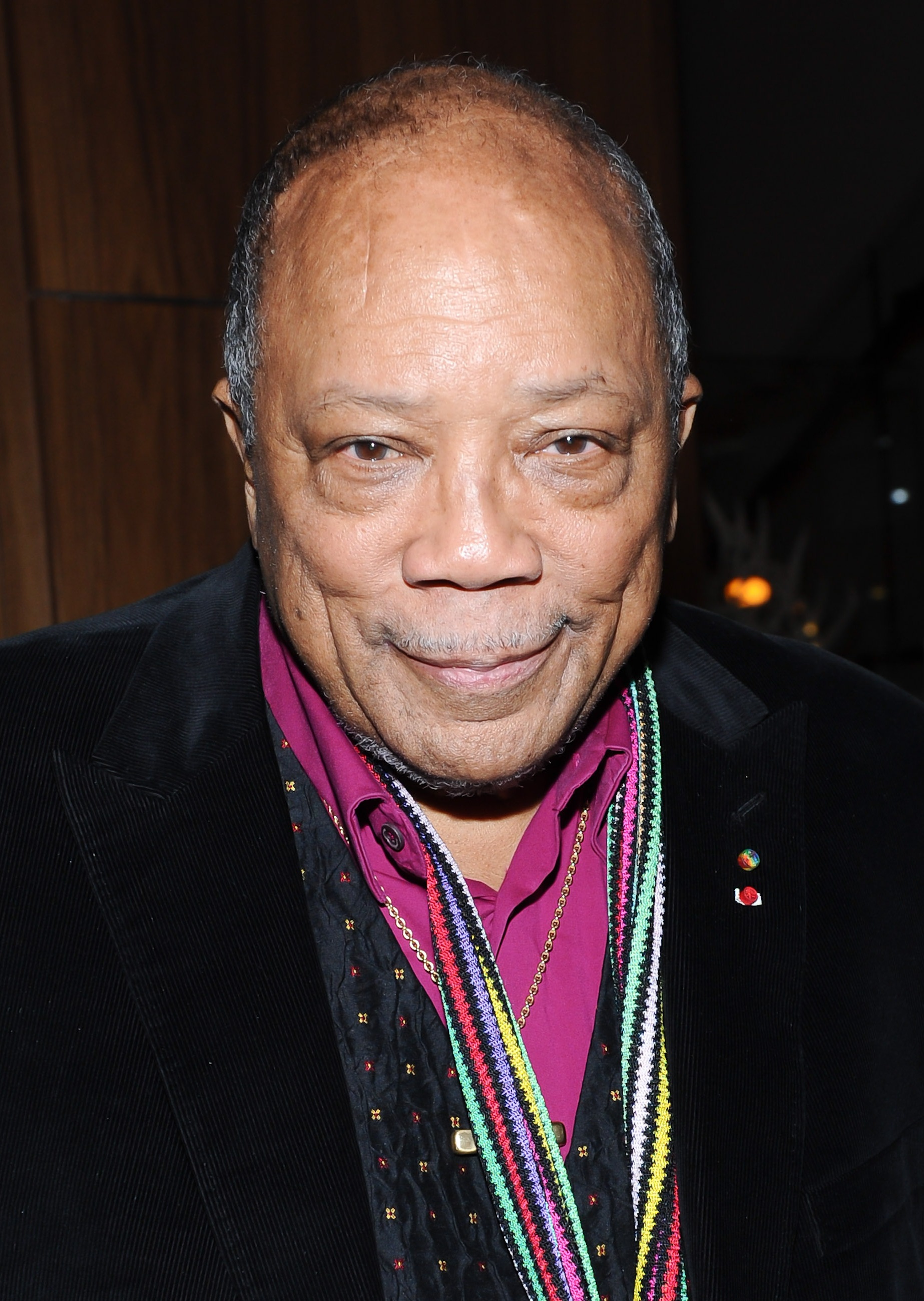
Nov. 3: Quincy Jones, one of the most prominent and powerful personalities in American popular music, whose remarkable range extended from studies with Nadia Boulanger and Olivier Messiaen to producing Michael Jackson’s “Thriller,” who had careers as a jazz trumpeter, arranger for Count Basie, film music composer and record producer, who was nominated for 80 Grammies and won 28—third highest behind Beyoncé and Georg Solti—received honorary degrees from Juilliard, Harvard, Princeton and the New England Conservatory as well as a National Medal of Arts, 91
Nov. 15 : Burton Fine, principal violist of the Boston Symphony for 29 years until 1993, when he retired to play as a member of the orchestra’s viola section for another 10 years, who studied with Ivan Galamian at the Curtis Institute and also had a doctorate in chemistry from the Illinois Institute of Technology and worked for nine years as a research chemist for NASA, 94
Dec. 14: Zakir Hussain, Indian percussionist and composer, revered as a master of North Indian classical music who performed primarily on the tabla and recorded with other leading Indian musicians including Ravi Shankar and Ali Akbar Khan and also worked with jazz musicians and as a member of the East-West fusion group Shakti, 73
Boulder Chamber Orchestra presents word premiere concerto for guitar
By Peter Alexander Dec. 17 at 2:20 p.m.
The Boulder Chamber Orchestra (BCO) will present their annual Holiday “Gift of Music” featuring guitarist Nicolò Spera Saturday (7:30 p.m. Dec. 21) at the Boulder Adventist Church.
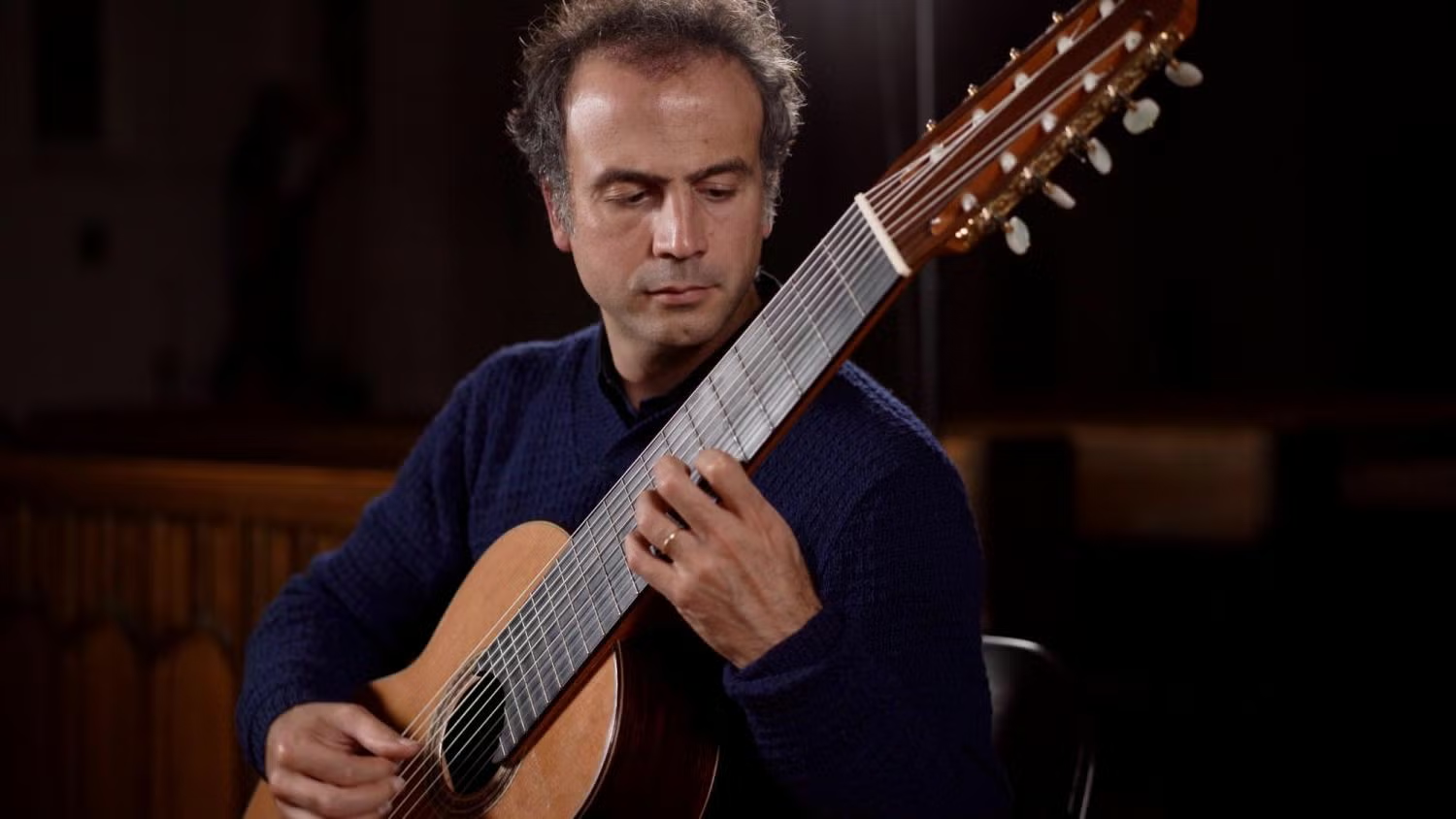
Nicolò Spera
Bahman Saless, artistic director of the BCO, will share conducting duties with Nadia Artman and Giacomo Susani. Spera will play the world premier of Susani’s Concerto for 10-string guitar and orchestra, titled Lungo il Po (Along the Po river), conducted by the composer.
The orchestra’s concertmaster, Annamaria Karacson, will be the featured soloist for the “Méditation” from Thaïs by Jules Massanet, with Saless conducting. He will also lead the orchestra in the program’s closing work, Dvořák’s Czech Suite. Nadia Artman will conduct the opening work on the program, the Prélude from Bizet’s Carmen.
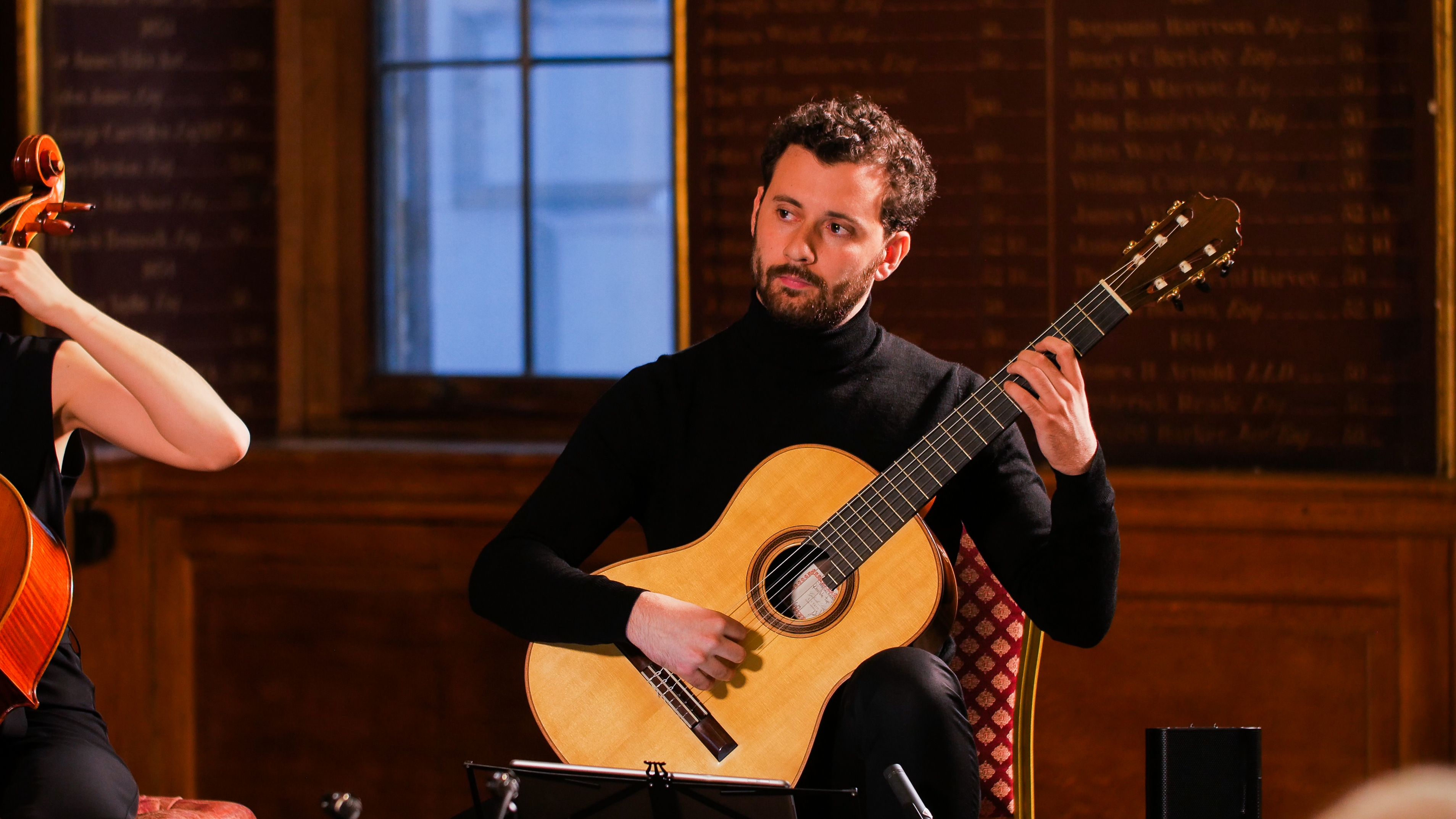
Susani has an active career as a guitar soloist in Europe, and recently presented his Carnegie Hall debut in New York. He taught guitar at the Junior Department of the Royal Academy of Music in London 2019–23, and is currently artistic director of the Homenaje International Guitar Festival in Padua, Italy, and co-artistic director and teacher of the Residenze Erranti, an initiative that supports young artists by providing scholarships for masterclasses, workshops and other events in Milan and Padua.
Giacomo Susani
Susani has recorded four albums on the Stradivarius label. Performances this year included appearances in the UK, at the Paganini Guitar Festival and the Conservatorio G. Puccini in Gallarate, Italy. His Guitar Concerto Lungo di Po is one of several works he has written for guitar.
Lungo il Po is based on a book of the same title by Federica Pocaterra. It was commissioned by Spera, to whom it is dedicated. Susani believes that it is the first concerto written for the unusual 10-string guitar and orchestra. The music includes quoted fragments of the Lamento di Arianna by Claudio Monteverdi, one of the most famous laments of the early Baroque period.
Dvořák wrote the Czech Suite in 1879 for the German publisher Fritz Simrock, who was the principal publisher for both Dvořák and Brahms. It comprises five movements, three of which are Czech folk dances: a polka, a soudedska—a type of slower dance in triple time—and a furiant—a fast and fiery dance that Dvořák used in several of his works.
A member of the CU College of Music faculty, Spera is known for playing both the six-string and 10-string guitars, as well as the Renaissance theorbo, a member of the lute family. He holds degrees from the Conservatory of Bolzano, Italy, and the Accademia Musical Chigiana in Siena, Italy, as well as as an artist diploma from the University of Denver and a doctorate from CU, Boulder. In addition to his teaching duties at CU, Spera appears frequently as a solo performer, both locally and internationally.
A native of Moscow, Russia, Artman has appeared as a guest conductor of the BCO in past seasons, and manages Artman Productions in Boulder.
# # # # #
“The Gift of Music” Boulder Chamber Orchestra, Bahman Saless, conductor With Nicolò Spera, guitar, and Annamaria Karacson, violin Guest conductors Nadia Artman and Giacomo Susani
Bizet: Prélude to Carmen
Giacomo Susani: Concerto for 10-string guitar and orchestra, Lungo il Po (Along the Po river)






 Sharps & Flatirons