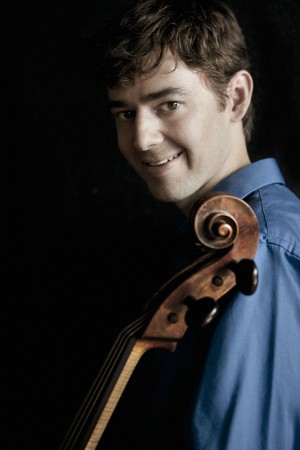
Musical Hoedown in Longmont May 3

Longmont Symphony Pops Concert features musical portraits of the West

By Peter Alexander April 29 at 5:22 p.m.

The Longmont Symphony and conductor Elliot Moore will end the 2024-25 concert season with their annual Pops Concert, Saturday at the Vance Brand Civic Auditorium (7 p.m. May 3; details below).

The program offers what the orchestra calls “an exciting trip out west”—or, since we are in Colorado, you might think of it as a musical step out the door and into the wide open spaces around us. Included are fiddle tunes, musical descriptions of the Grand Canyon and an 1878 cattle drive, and music to a cowboy ballet.

Richard Hayman, for many years chief musical arranger or the Boston Pops Orchestra, contributes Pops Hoedown. A collection of well known fiddle tunes including “The Devil’s Dream,” “Chicken Reel,” “Turkey in the Straw,” “Rakes and Mallow” and others, Pops Hoedown evokes the high spirits of a Saturday night barn dance.

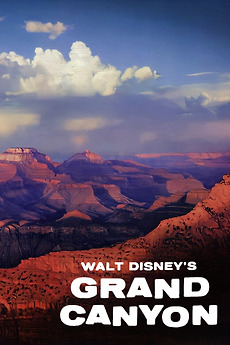
Disney’s 1958 film Grand Canyon won the Academy Award for best short film. The music written for the film by composer/arranger Ferde Grofé lived on long past the film itself in the form of the Grand Canyon Suite. Of the five movements of the full suite, the LSO will play the most familiar: “On the Trail,” describing the steady gait of donkeys into the canyon and their race back to the barn; and a movement depicting an afternoon “Cloudburst.”

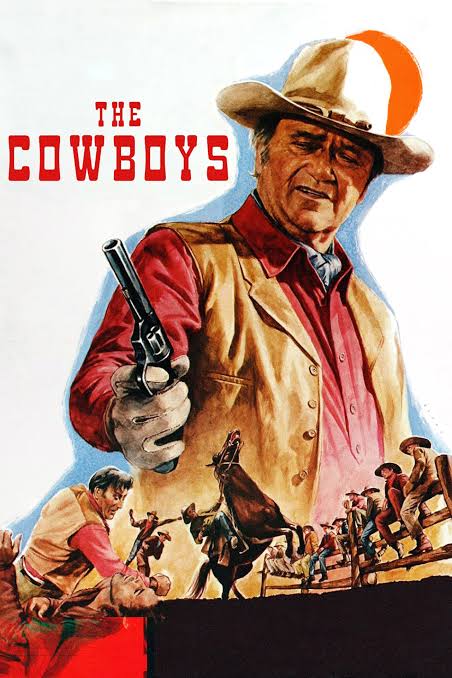
The 1972 Western film The Cowboys starred John Wayne, Bruce Dern, Colleen Dewhurst and Slim Pickens. The music for the film was one of John Williams’s earlier film scores, and the Overture Williams wrote drawn from  the film creates an intense, uptempo portrayal of a cattle drive and the young cowboys who are the film’s subjects.

Agnes de Mille’s ballet Rodeo had its premiere in 1942 at the Metropolitan Opera House, receiving 22 curtain calls. The success was due not only to de Mille’s inventive choreography—which led to her selection to choreograph Rogers and Hammerstein’s Broadway hit Oklahoma—but also the music by Aaron Copland. Subtitled “The Courting at Burnt Ranch,” the ballet tells the story of the romance between the Cowgirl and the Champion Roper.

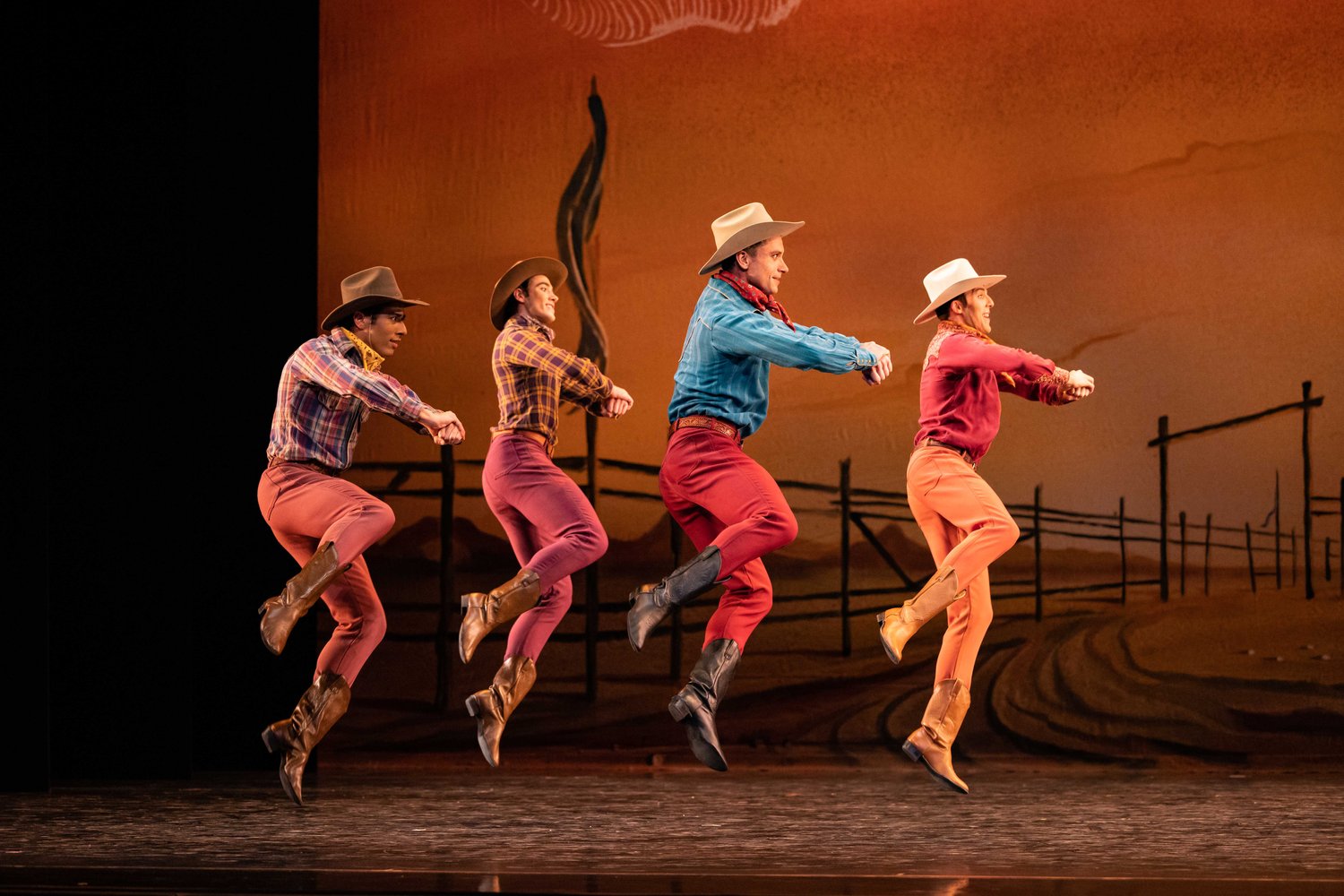
Vinicius Lima, Joseph Lynch, Brian Waldrep (“Head Wrangler”) and Tyler Gum (“Champion Roper”) in “Buckaroo Holiday” from Aaron Copland’s and Agnes de Mille’s Rodeo. Photo by Beau Pearson.

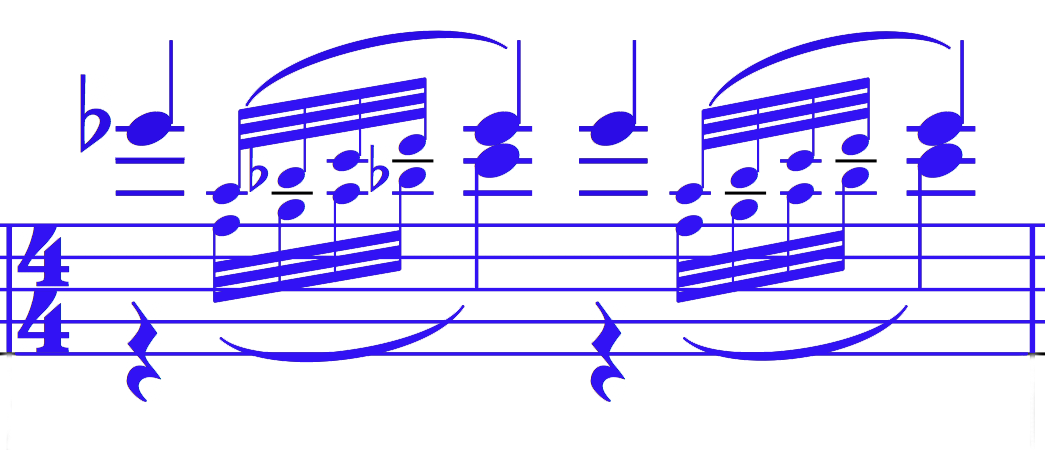
From its use in the orchestral suite and television commercials, Copland’s “Hoedown” from Rodeo has become instantly recognizable as musical Americana. Copland incorporates several fiddle tunes into the “Hoedown,” including “Bonaparte’s Retreat” and “Miss McLeod’s Reel.” The LSO will play the full ballet score, including sections titled “Buckaroo Holiday,” “Corral Nocturne,” “Ranch House Party” and “Saturday Nigh Waltz.”

In addition to these popular pieces inspired why the American West, the LSO Pops program includes Leroy Anderson’s Fiddle Faddle, The American Frontier by Calvin Custer and Cowboy Rhapsody by Morton Gould. 

# # # # #

“Pops: A Western Hoedown“
Longmont Symphony Orchestra, Elliot Moore, conductor

  • Leroy Anderson: Fiddle Faddle
  • Richard Hayman: Pops Hoedown
  • Ferde Grofé: Grand Canyon Suite
  • Calvin Custer: The American Frontier
  • John Williams: Overture to The Cowboys
  • Morton Gould: Cowboy Rhapsody
  • Aaron Copland: Rodeo

7 p.m. Saturday, May 3, Vance Brand Civic Auditorium

TICKETS 

GRACE NOTES: Curiosity and chamber music

Offerings from the Boulder Symphony and Boulder Chamber Orchestra

By Peter Alexander April 24 at 8:40 p.m.

The Boulder Symphony agrees to disagree for its upcoming Curiosity Concert (3 p.m. Saturday, April 26 at Grace Commons; details below).

Curiosity Concerts are aimed at children ages four to 12, but structured to appeal to the entire family. For April 26, the musical content revolves around a playful showdown between Mozart and “Snooty, Professor of Musical Snobbery.” Through their debates and the sharing of favorite pieces and styles, they will explore the diversity of musical preferences. 

The program under the direction of Devin Patrick Hughes features selections from a wide variety of both classical and popular pieces, including portions of Vivaldi’s Four Seasons, Tchaikovsky’s Serenade for Strings, Khachaturian’s “Sabre Dance” from the Gayane ballet suite, “Fireworks” from Harry Potter and “Enter Sandman” by Metallica.

The music is selected to illustrate various styles, including sad contemplative music, musical madness, the description of weather in music, and how instruments can sing like a human voice. Pop and classical styles will be contrasted with the same tune played in both styles, and the characteristics of film music will be demonstrated. 

The 45-minute program will be preceded and followed by an “instrument petting zoo” provided by Boulder’s HB Woodsongs, allowing children to see and try instruments. 

# # # # #

Spring Curiosity Concert: “Agree to Disagree”
Boulder Symphony, Devin Patrick Hughes, conductor

Program includes music from:

  • Vivaldi: The Four Seasons
  • J.S. Bach: Orchestral Suite No. 3 in D major
  • Nicholas Hooper: “Fireworks” from Harry Potter and the Order of the Phoenix
  • Samuel Barber: Adagio for Strings
  • Mozart: Presto from the Divertimento in D major, K136
  • Tchaikovsky: Serenade for Strings
  • Beethoven: Grosse Fuge
  • Khachaturian: “Sabre Dance” from Gayane
  • Richard Strauss: Also sprach Zarathustra (Thus spake Zarathustra)
  • Mozart and Metallica

3 p.m. Saturday, April 26
Grace Commons, 1820 15th St., Boulder

TICKETS

# # # # #

The Boulder Chamber Orchestra will wrap up its current season of Mini-Chamber Concerts featuring pianist Jennifer Hayghe as artist in residence Saturday (7:30 p.m. April 26; details below).

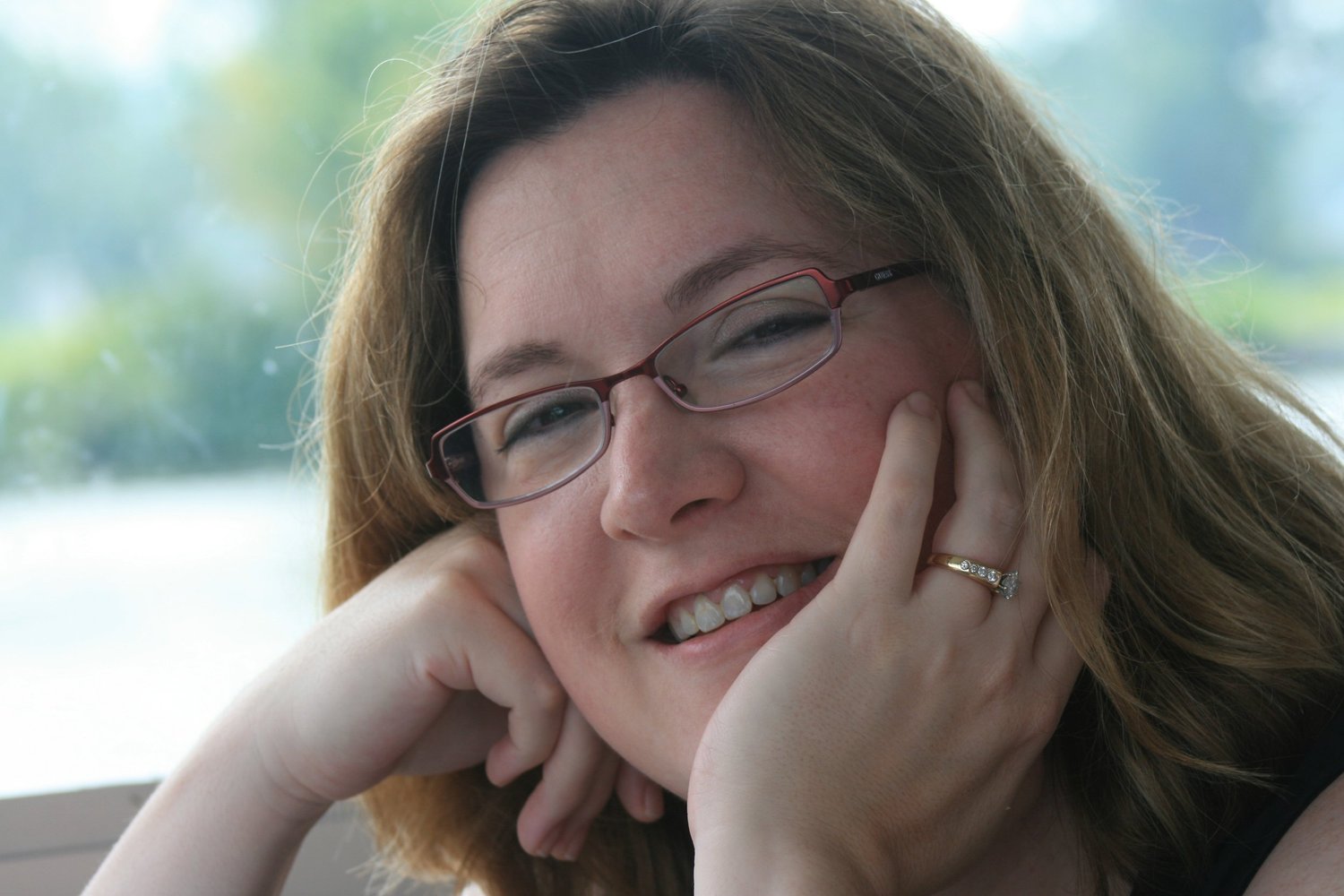
Jennifer Hayghe

The program, titled “Chamber Music Diamonds in the Rough,” features four works that are not often performed, in part because of their unusual instrumentation. Two of the composers—Aram Khachaturian and Max Bruch—are known for works that are featured on standard orchestral programs, but the other two—Mel Bonis and Nikolai Kapustin—are unfamiliar to American audiences.

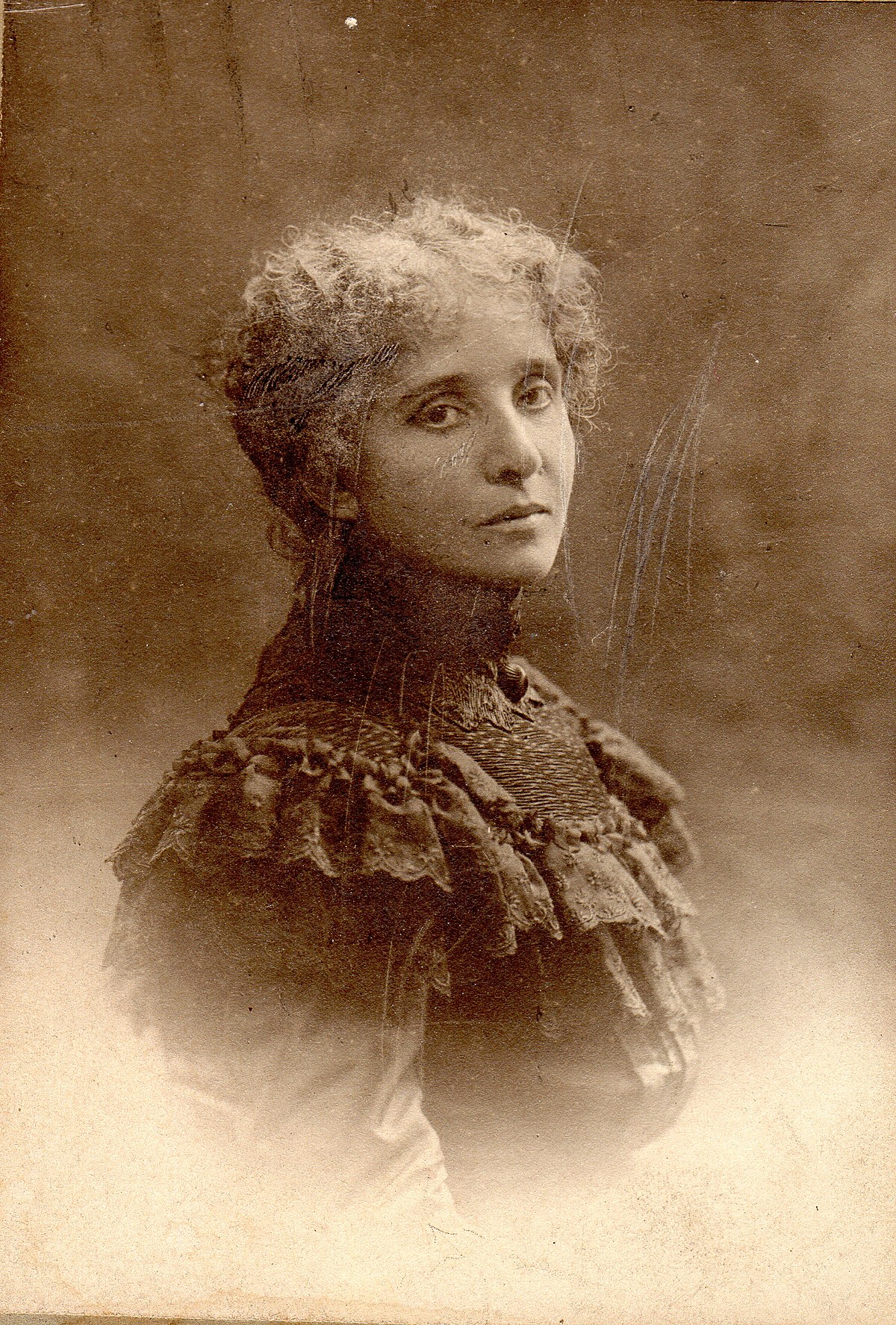
In fact, the music of Mélanie “Mel” Bonis is currently undergoing a period of rediscovery after many years of obscurity. Born in 1858, Bonis taught herself to play piano and entered the Paris Conservatory at 16. She was in the same class with Debussy, and studied composition with César Franck. 

Mel Bonis

Bonis gave up music for a number of years when her parents arranged her marriage to an older businessman who disliked music, but returned to composition later in her life. Composed in 1903, her three-movement Suite en trio for flute, violin and piano is one of the works she wrote after her husband’s death..

Known for his “Sabre Dance” from the ballet Gayane, his Piano Concerto and other orchestral music, Khachaturian wrote only two pieces of chamber music, both of them during his student years at the Moscow Conservatory. The Trio for violin, clarinet and piano features folk tunes and styles throughout, including highly ornamented passages in the first movement and variations on a folk-like melody in the finale.

The German Romantic composer Max Bruch is best known for his Scottish Fantasy and two concertos for solo violin with orchestra. He wrote his Eight Pieces for clarinet, viola and piano in 1910, when he was 72, for his son who was a professional clarinetist. He used the same combination of clarinet and viola in another work he wrote for his son, the Concerto for clarinet, viola and orchestra in E minor, op. 88.

Kapustin was born in Ukraine in 1937 and studied composition at the Moscow Conservatory. He discovered jazz around 1954 and became known as a jazz pianist and played in a jazz quintet and big band. His music combines elements of classical, jazz and pop styles, but he always insisted that he was a composer, not a jazz musician. “I never tried to be a real jazz pianist,” he once wrote. Composed in 1998, the Trio for flute, cello and piano is one of his most popular chamber works.

# # # # #

“Chamber Music Diamonds in the Rough”
Jennifer Hayghe, piano, with Rachelle Crowell, flute; Kellan Toohey, clarinet; Hilary Castle, violin; and Erin Patterson, cello

  • Mel Bonis: Suite en trio, op. 59
  • Khachaturian: Trio for violin clarinet and piano
  • Max Bruch: Eight Pieces for clarinet, viola and piano
  • Nikolai Kapustin: Trio for flute, cello and piano, op. 86

7:30 p.m. Saturday, April 26, Boulder Adventist Church

TICKETS

Seicento Celebrates Women of the Renaissance

Program of ‘top-notch’ music by women from from 16th and 17th centuries

By Peter Alexander April 23 at 6:25 p.m.

The music only recently became available for the next concert program by Boulder’s Seicento Baroque Ensemble, but it’s 400 years old.

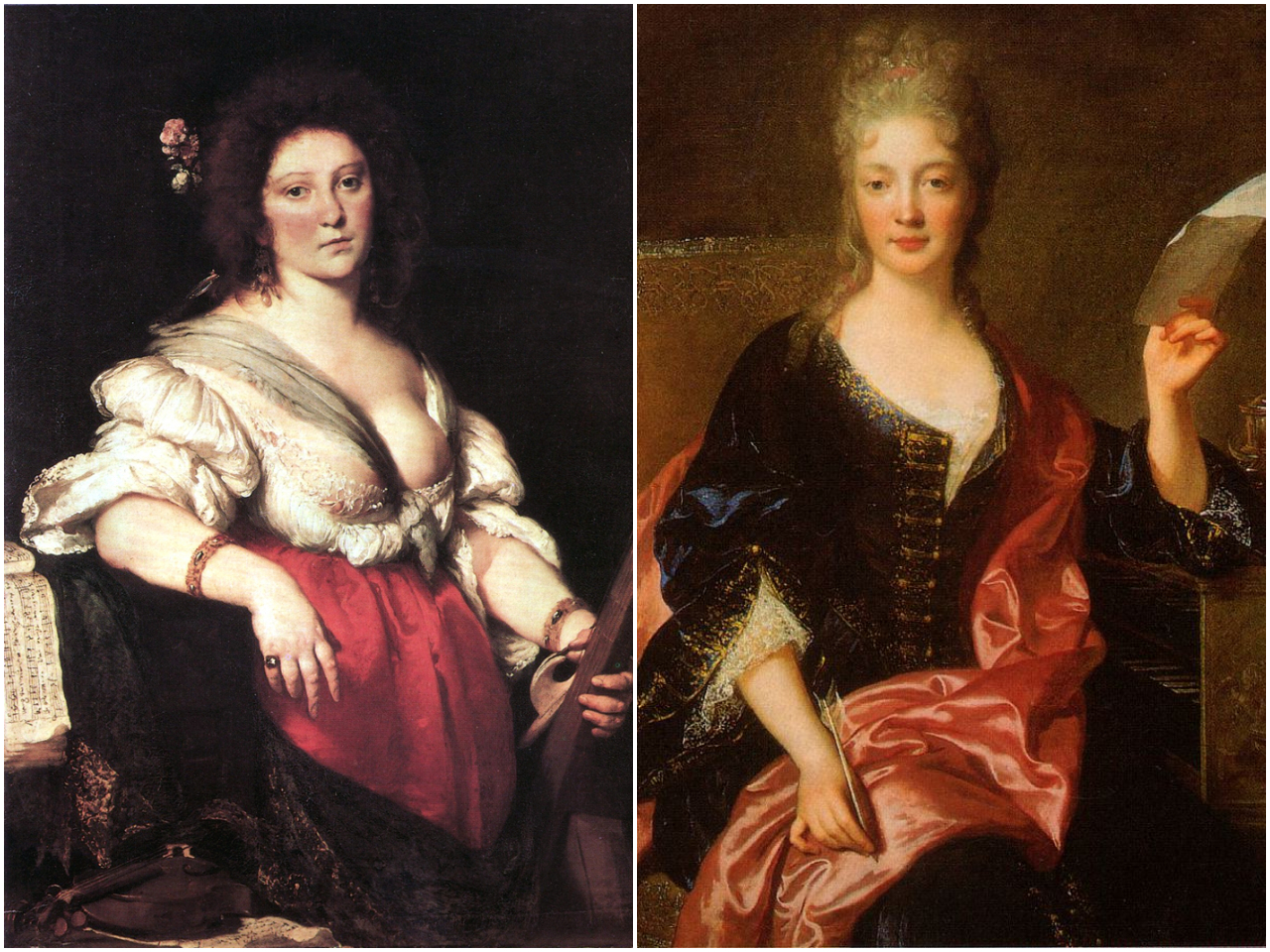
The program to be performed the coming weekend in Golden, Westminster and Boulder (Friday–Sunday April 25–27; details below) is titled “Renaissance Women” and features works by women composers of the 16th and 17th centuries. Most of them you have probably never heard of, including Maddalena Casulana, Sulpitia Lodovica Cesis and Vittoria Aleotti. Only a few—Francesca Caccini, Barbara Strozzi and Élisabeth Jacquet de La Guerre—are known at all to students of that era.

“Within the last five to 10 years there’s been an explosion of availability of scores by women composers of the Renaissance and Baroque periods,” Coreen Duffy, Seicento’s director, explains. “Up until now (those scores) were locked away, not published, and/or there were no modern editions available. So a lot of this music nobody knows about.

Coreen Duffy

“A lot of these composers I didn’t know about until I got the idea to start looking. Little by little this is coming to the surface now. So now is a great juncture to perform it, because some of it has been hardly performed in the last 400 years.”

The late Renaissance and early Baroque periods were a time of great cultural and musical flowering in Italy. Consequently it is no surprise that most of the composers—all but de la Guerre—are Italian. With the Italian nobility supporting the musical life of the time, Duffy says that nearly all of the Italian women composers fall into one of two groups. 

“Either they were in convents, or they were in the secular world and had connections that allowed them the kind of training they would need to become composers,” she says. Essentially that meant they were connected to one of the noble families such as the Medici, which would allow them to “gain the networking to get their music published and circulated,” Duffy says.

As for the convents, “a lot of these women ended up in convents not because they themselves chose that path, but because they were placed there by their families, to have a secure and safe life,” she says. “They’re writing sacred music, but they’re also writing secular music on poetry that is not devotional— some of it is a little racy. 

“For a lot of them the convent was like a little artists’ colony, a place where they had access to other trained musicians and singers who could perform this music that they were writing. So it was almost like a little sanctuary for them.”

In addition to the full Seicento choir the concert features performances by a smaller ensemble, the Seicento Sirene (Seicento Sirens), a small group of professional singers within Seicento. They emerged when the larger choir didn’t have time to learn all of the music Duffy had selected for the program.

“The idea came from them,” she says. “A couple of members said ’Hey, this music you picked is so good, we want to do it, we already know it, can we please do it?’ 

Maddalena Casulana

“I gave (the smaller group) a name, because once I heard how good they sounded, I was like, this is not a one-off. This will not be the last we hear from the Seicento Sirene. Just wait ’til folks hear them—their three selections are exquisite!”

One composer on the program stands out with six pieces. Though little-known today, Maddalena Casulana was the first woman in the history of European music to have an entire book of music published. Her Primo libro di madrigali (First book of madrigals) from 1568 is dedicated to Isabella de’ Medici, to gain her support. 

“I selected a bunch of (her music) because it’s so darn good,” Duffy says. “It’s gorgeous, all of the things to love about late 16th century music—the chromaticism, dissonance, extreme text painting, based on the Petrarchan style poetry that is full of double entendres and sexual innuendo. It’s everything you would want out of (her male contemporaries) Monteverdi, Gesualdo, Marenzio, all of these folks at the end of (the 16th) century who are doing so much cool stuff.”

Sulpitia Lodovica Cesis (allegedly)

When asked for another piece to call attention to, Duffy hesitates. “There’s so much I don’t even know how . . .” she starts, then says, “Another composer I never heard of until I started this is Cesis. We’re doing her Stabat Mater and that’s gorgeous. The Cozzolani selections are pretty sensational.”

And Barbara Strozzi’s Con le belle (With beautiful women) “is the Barqoue version of (The Clash’s) ’Should I Stay or Should I Go?’ Everyone knows what’s really going on, but the language is perfectly above board so it’s fine.”

But in the end, she says the whole program “is just brilliant. The poetry is brilliant, the music is top notch and these are gems that people haven’t heard. 

“It’s a nice opportunity to hear music that’s been waiting around for 400 years!”

# # # # #

“Renaissance Women”
Seicento Baroque Ensemble and Seicento Sirene, Coreen Duffy, conductor
With Jeremiah Otto, harpsichord, and Joe Gailey, theorbo
Kevin Wille, guest conductor

  • Sulpitia Lodovica Cesis: Stabat Mater
  • Maddalena Casulana: Amor per qual cagion (Love, why did you put me on this earth)
    Amor per qual cagion (harpsichord/theorbo in tabulation)
    Morir no può ‘l mio core (My heart cannot die)
  • Vittoria Aleotti: T’amo, mia vita (I love you, my life)
  • Chiara Margarita Cozzolani: Messa à 4, Kyrie and Agnus Dei
  • Élisabeth Jacquet de La Guerre: Chaconne in D major from Pièces de Clavecin, Book II
  • Barbara Strozzi: Chi brama in amore (Who yearns for love)
  • Francesca Caccini: S’io men vò morirò (If I leave, I die)
  • Anna Bon: Andante from Sonata in B-flat major, op. 2 no. 2
  • Rosa Giacinta Badalla: Aria from Vuò cercando
  • Casulana: Tu mi dicesti Amore (You told me, love)
    Come fiammeggia e splende (How it blazes and shines)
  • Aleotti: Io piango che’l mio pianto (I cry that my cry)
  • Isabella Leonarda: Regina Caeli (ed. Meredith Y. Bowen)
  • Casulana: O notte, o ciel’, o Mar (Oh night, oh sky, oh shores)
  • Strozzi: Con le belle non ci vuol fretta (With beautiful women you cannot hurry)
  • Leonarda: Domine ad adiuvandum (Lord, to help, ed. Henry Lebedinsky)

7:30 p.m. Friday, April 25, Calvary Church, Golden
7:30 p.m. Saturday, April 26, Westminster Presbyterian Church
2 pm. Sunday, April 27, Mountain View Methodist Church, Boulder

Livestream also available 2 p.m. Sunday, April 27

In-person and livestream tickets HERE

GRACE NOTES: B-minor Mass and string quartet with guitar 

LSO presents Bach’s “Magnum Opus,” Takács Quartet partners with Nicoló Spera

By Peter Alexander April 9 at 5:20 p.m.

The Longmont Symphony Orchestra (LSO) and conductor Elliot Moore end their season with one of the most significant pieces by J.S. Bach, his monumental Mass in B minor.

The performance of this large-scale work will be Saturday evening at Vance Brand Civic Auditorium in Longmont (7 p.m. April 12; details below). Moore and the LSO will team up with the Boulder Chamber Chorale, a select group from the Boulder Chorale directed by Vicki Burrichter. Soloists will be soprano Dawna Rae Warren, countertenor Elijah English, tenor Joseph Gaines and baritone Andy Konopak.

Choral settings of the Mass ordinary—the five texts sung every week in Catholic church services, as opposed to texts that vary with the liturgical calendar—had a long history in Europe. However, Bach’s setting is too long to be easily incorporated into a normal service, which is why it is generally performed as a concert piece rather than a liturgical mass.

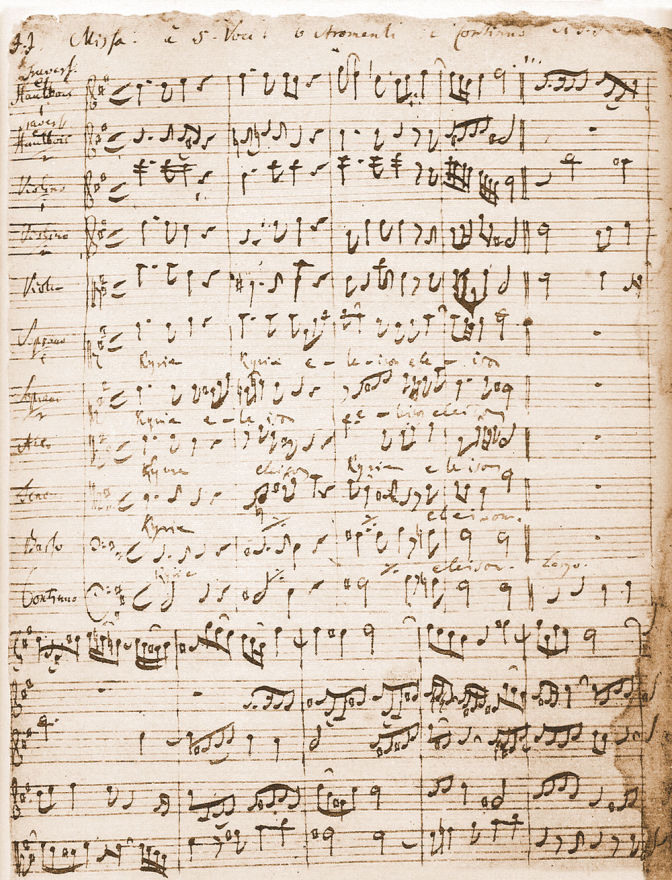
Bach’s manuscript of the B-minor Mass

The structure and composition history of the Mass are complicated. The final work as we know it today comprises the main sections of the Catholic Mass ordinary—Kyrie, Gloria, Credo, Sanctus and Agnus Dei—in 27 separate movements for orchestra, choir and soloists. Bach composed the first two portions of the Mass, Kyrie and Gloria, in 1733. These are the portions that are common to both Catholic and Lutheran services and were theoretically usable at the Lutheran Thomaskirche in Leipzig where Bach was employed. 

Bach presented those two movements to the incoming Elector of Saxony, a Catholic ruler, in 1733. He did not compose the remaining portions of the Mass, which were exclusive to the Catholic services, until  the final years of his life. Some of the music was newly composed, but other movements were reworkings of music from earlier cantatas and other works. 

It is remarkable that a piece written over so many years with many different sources would emerge as a unified work universally revered as one of Bach’s crowning achievements. But the entire B-minor Mass was probably never performed in Bach’s lifetime, and clearly would not have been suitable for a service in Bach’s church. It includes music written over 35 years of the composer’s lifetime, assembled and re-appropriated into a final form dictated by the structure of the Catholic Mass, by a resolutely Lutheran composer.

# # # # #

“A Magnum Opus”
Longmont Symphony Orchestra, Elliot Moore, conductor
With the Boulder Chamber Chorale, Vicki Burrichter, direcotr; Dawna Rae Warren, soprano; Elijah English, countertenor; Joseph Gaines, tenor; and Andy Konopak, baritone

  • J.S. Bach: Mass in B minor

7 p.m. Saturday, April 12
Vance Brand Civic Auditorium

TICKETS

# # # # #

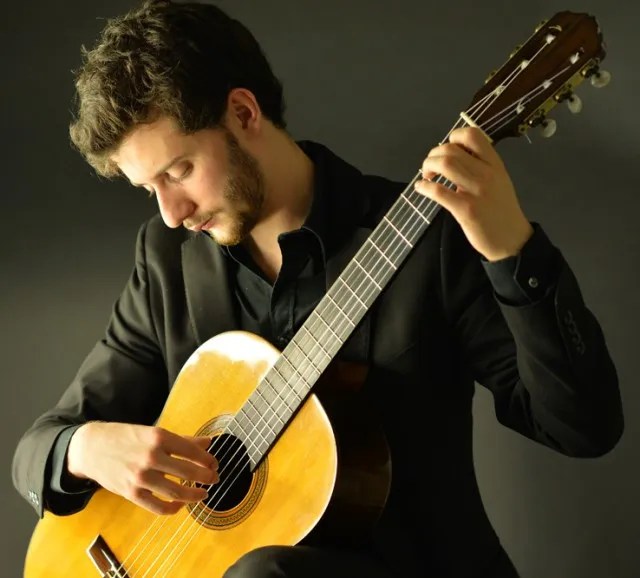
The Takács Quartet and guitarist Nicoló Spera will come together over the weekend for concerts in Grusin Hall on the CU Campus (Sunday, April 13, and Monday, April 14; details below).

Their joint performance of the Quintet for guitar and string quartet by Giacomo Susani will be framed by two works from the standard string quartet repertoire, Haydn’s late Quartet in G major, op. 77 no. 1, written in 1799; and Dvořák’s Quartet in F major, op. 96, composed during the composer’s visit to the Czech immigrant community of Spillville, Iowa, in the summer of 1893.

Giacomo Susani

Susani keeps very busy, with a performing career on guitar in Europe and the United States, a compositional career, and as artistic director of the Homenaje International Guitar Festival in Padova, Italy. As a performer he has released four recordings on the Naxos label. He conducted the world premier of his Concerto for 10-string guitar and orchestra in Boulder this past December, with Spera and the Boulder Chamber Orchestra. The Guitar Quintet was written in 2016.

Listeners may be familiar with the string and guitar quintets of Luiggi Boccherini, the best known but not the only works for that combination of instruments. There were several written in the 20th century, including one by Italian composer Mario Castelnuovo-Tedesco. That work is recognized in the last of Susani’s three movements, “Omaggio a Castelnuovo-Tedesco” (Homage to Castelnuovo-Tedesco). The first two movements are titled respectively “La Tempesta” (The storm) and “Liberamente, non trope lento” (Freely, not too slow).

At the age of 67 Haydn began a set of string quartets commissioned by the wealthy aristocratic patron and music lover Prince Lobkowitz. He completed two quartets of a likely set of six, but other projects intervened before he could complete a larger set. The two quartets were published as Op. 77 nos. 1 and 2, and were his final completed string quartets. He only completed two movements of another planned quartet, published in 1806 as Op. 103.

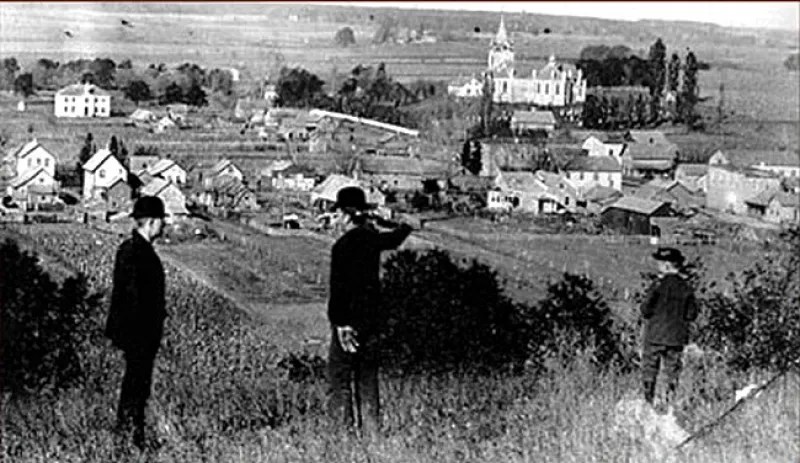
Spillville, Iowa, in 1895, shortly after Dvořák’s visit

Dvořák wrote many of  his best known pieces in the United States. He spent the years 1892–95 as director of the National Conservatory of Music in New York. Intrigued by the idea of a village of Czech immigrants on the Western plains, he spent an idyllic summer in the tiny village of Spillville, Iowa, in 1893. While in the United States he wrote his Symphony No. 9, “From the New World” and his Cello Concerto in New York, and a string quartet and string quintet, now known as the “American” Quartet and Quintet, in Spillville.

Spillville was very much a Czech community, with the people speaking Czech and observing Czech customs that Dvořák found congenial. He frequently played the organ at the local church, which is still standing, and made many friends in the community. 

Dvořák was deeply moved in Spillville, especially by the emptiness of the prairie, perhaps reflected in the Quartet’s melancholy slow movement, and the singing of birds, quoted in the scherzo. Attempts to connect the Quartet’s uncomplicated musical style to American influences have met skepticism. The composer himself once wrote, “I wanted to write something for once that was very melodious and straightforward . . . and that is why it all turned out so simply.

“And it’s good that it did.”

# # # # #

Takács Quartet with Nicoló Spera, guitar

  • Haydn: String Quartet in G Major, op. 77 no. 1
  • Giacomo Susani: Quintet for Guitar and String Quartet
  • Dvořák: String Quartet in F Major, op. 96 (“American”)

4 p.m. Sunday, April 13, and 7:30 p.m. Monday, April 14
Grusin Hall

In-person and streaming tickets HERE.

Boulder Phil presents Rachmaninoff and music of two festivals

Guest pianist Alessio Bax and soloists from orchestra in the spotlight

By Peter Alexander March 27 at 5:50 p.m.

Two works inspired by festivals will form bookends for the next Boulder Philharmonic concert, at 4 p.m. Sunday (March 30; details below), with a big, popular Romantic piano concerto in the center.

The Piano Concerto No. 2 by Rachmaninoff fills the central position. Guest artist Alessio Bax is the soloist and Michael Butterman will conduct.

The frame for the concerto will be provided by PIVOT by Anna Clyne, inspired by experiences at the Edinburgh Festival; and Stravinsky’s Petrushka, the brilliant score to a ballet that takes place during the Shrovetide festival in St. Petersburg, Russia.

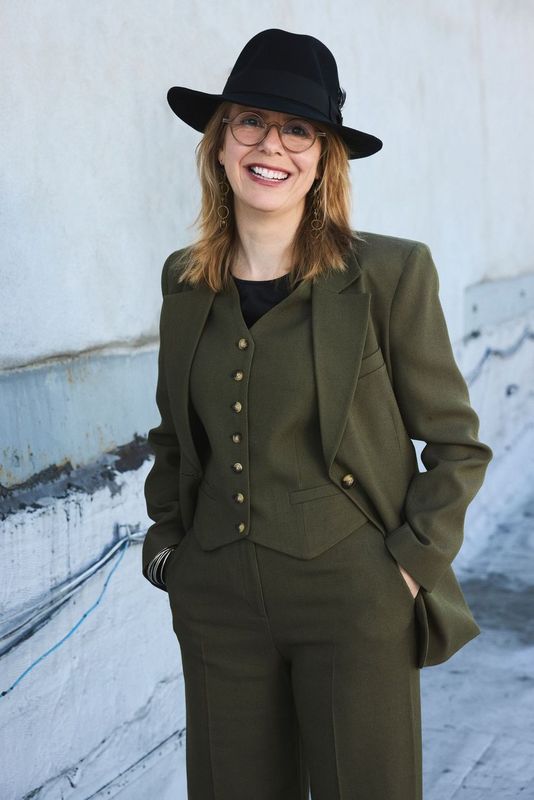
Anna Clyne

The common inspiration of a festival is what suggested to Butterman that Clyne and Stravinsky would make an effective framework for the program. “When we were thinking about programming Petrushka, it struck me that some of the swirling, calliope-like music in the opening section is kind of echoed in Anna Clyne’s PIVOT.

“It’s a piece that I’ve done once before, in Shreveport. You feel that you are walking through a space in which there are different happenings going on. You pass one, (with) a particular tempo and mood, and you turn around and you are facing something else entirely.”

The composer’s description of PIVOT closely matches Butterman’s. “It’s the idea of opening up doors as if you were going down a musical corridor,” she says. “You open one door and there’s a trapeze artist, and another there’s a lady singing an aria. PIVOT really takes you on lots of twists and turns in what’s actually a very short piece.”

It also reflects Clyne’s experience as an undergraduate student in Edinburgh in the 1990s, with a bit of history and folk music thrown in. “I really wanted to evoke a sense of celebration drawing on my experiences living in Edinburgh and being there during the festival,” she says. “Every nook and cranny becomes a venue, be it music, theater, comedy, dance—it’s every art form you can imagine.

“There’s a tune that I borrow called ‘The Flowers of Edinburgh,’ which is a traditional folk tune of Scottish lineage and also a tune that shows up in American folk music. PIVOT was co-commissioned between the Edinburgh International Festival and St. Louis Symphony, so I wanted to find music that brought those two countries together.”

The historical aspect comes from a pub where local musicians meet to share folk music. The pub is called The Royal Oak today, but 200 years ago it was called The Pivot. Thus the title both reflects the nature of the music and recalls the history of a musical venue in Edinburgh.

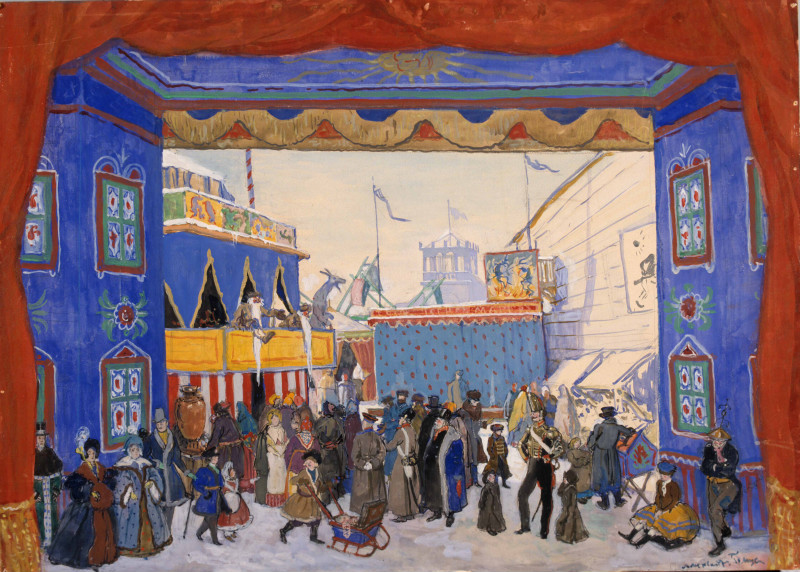
Original design by A. Benois for Stravinsky’s ballet Petrushka

At the opposite end of the program, Stravinsky’s Petrushka is a brilliant, colorful description of the crowds at a Russian Shrovetide (Mardi Gras) festival with various dances—some using Russian folk tunes—as well as drunken revelers, organ grinders, a dancing bear, and most central to the story, a puppet theater with three puppets that dance at the command of a magician.

One of the puppets is Petrushka, who is killed by another puppet as the fair is closing for the night. As the ballet ends, night descends over the empty square. Petrushka’s ghost appears above the theater as the magician runs off in fear.

“This is really a piece in which you need to have a sense of what is happening and what Stravinsky is evoking,” Butterman says. “It works very well as concert music, but it really is a full ballet score. Understanding the dramatic context is critical.”

The score notably includes a major piano part in the orchestra. “It is the most virtuosic orchestral piano part that I can think of, in the whole repertoire,” Butterman says. “It’s absolutely critical to much of the piece.” 

The Phil’s piano and keyboard position is currently vacant, and the solos in this case will be performed by Cody Garrison. A practicing dentist in Denver, Garrison works at Metropolitan State University as accompanist in the brass and woodwind departments. He also serves as pianist for Opera Colorado and staff accompanist for the Boulder Symphony, where he played Liszt’s Todtentanz (Dance of death) with the orchestra last season.

There are important solo parts for other members of the orchestra. Two in particular stand out in scenes for the three puppets: flute, which will be performed by visiting principal Hannah Tassler, and trumpet, which will be performed by principal player Leslie Scarpino.

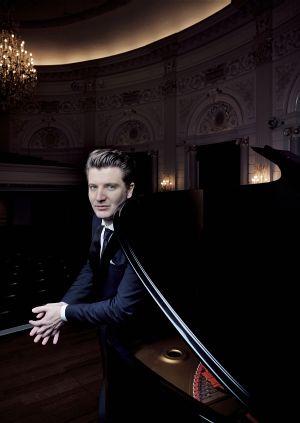
Alessio Bax. Photo by Marco Borggreve.

The Rachmaninoff concerto is the most familiar piece on the program. It had a large impact on the composer’s career, since its success helped him overcome the failure of his First Symphony a few years before. Technically demanding of the pianist, the Concerto is also very tuneful and has become one of the most popular piano concertos in the standard repertoire.

“There’s no question why it’s so winning,” Butterman says. “It has lots and lots of virtuosity, and (Rachmaninoff) had the incredible gift for writing melodies that go straight to the heart, that have both a soaring, noble quality and more than a tinge of melancholy.”

The soloist, Alessio Bax, began his career in Italy, but is distantly related to the English composer Arnold Bax. Butterman relishes working with him. “I did this very same piece with him last season in Shreveport, and I find him an elegant player, yet full of the kind of passion that you want in this piece. I feel like I know where he’s going with a phrase, so from my perspective, it was a dream to lock in with him.

“I thought it was a very effective and memorable performance, so I’m expecting we’ll have a similar experience in Boulder.”

# # # # #

Masterworks Concert
Boulder Philharmonic, Michael Butterman, conductor
With Alessio Bax, piano
Orchestra soloists Cody Garrison, piano; Hannah Tassler, flute; and Leslie Scarpino, trumpet

  • Anna Clyne: PIVOT
  • Rachmaninoff: Piano Concerto No. 2 in C minor
  • Stravinsky: Petrushka (1947)

4 p.m. Sunday, March 30
Macky Auditorium

TICKETS

Correction: Typo corrected the headline, 3/28. The soloist’s name is Alessio Bax, not Max as spell corrector incorrectly changed it.

Boulder Symphony weekend concerts will be recorded

U.S. premiere, arias by Rossini and Puccini, and Beethoven’s countryside

By Peter Alexander March 26 at 5:10 p.m.

The composer Peter Drew came late to a musical career.

After some inconclusive experiences in music as a youngster, he worked a succession of jobs including taxi driver and cruise-ship host and eventually settled in as a teacher. Feeling something was missing, he bought a clarinet and decided to take music more seriously. He played both classical and jazz and studied musical composition.

To make a long story short, his first symphony was recorded in 2022 by the Zagreb Symphony, with positive reviews. And now it will have its U.S. premiere by the Boulder Symphony Saturday and Sunday (March 29 and 30; details below).

Composer Peter Drew

Devin Patrick Hughes will conduct the performances, which will also include arias by Rossini and Puccini sung by soprano guest artist Anastasia Antropova. Beethoven’s “Pastoral Symphony” rounds out the program. Parma Recordings will record the performances.

Drew titled his First Symphony “Reminiscence.” He calls it a pastiche, based on music that had an impact on him and listing the specific sources for each movement. For example, the first movement is titled “Journey” and includes music reflecting Villa-Lobos’ descriptive piece for orchestra Little Train of the Caipira, as well as folk songs that recall Joseph Canteloube’s Songs of the Auvergne.

The second movement, “Pictures in an Album,” refers to Mussorgsky’s Pictures at an Exhibition, along with traces of Copland-esque Americana. The third movement evokes J.S. Bach while the finale, “The Return,” revisits ideas from the first movement.

Soprano Anastasia Andropova

Russian soprano Anastasia Antropova graduated from the St. Petersburg Conservatory in 2017 and since has performed extensively in Italy. She will perform Rossini’s “Una voce poco fa” (A voice spoke to me), the iconic aria of Rosina in The Barber of Seville; and Puccini’s poignant aria from Madama Butterfly, “Un bel di” (One fine day).

Boulder Symphony’s publicity material quotes Antropova commenting on “these iconic arias, each revealing a distinct operatic world. The fusion of music and text bring these characters to life, allowing me to fully immerse in their emotions.”

Beethoven Symphony No. 6 in F major, known as the “Pastoral Symphony,” is one of the composer’s more cheerful even-numbered symphonies, all of which are in major keys. It was made popular when it was used in Walt Disney’s animated musical film Fantasia, with a setting of pastoral scenes from Greek mythology.

Unlike most Beethoven symphonies, the Sixth has specific descriptive titles for the movements, all derived from the composer’s own excursions into the countryside outside Vienna. The five movements are titled “Awakening of cheerful feelings on arrival in the countryside,” “Scene by the brook,” “Merry gathering of country folk,” “Thunder, storm,” and “Happy and thankful feelings after the storm.”

The first performance took place in 1808 as part of a notorious four-hour concert that included premieres of the Fifth and Sixth symphonies, the Fourth Piano Concerto and the Choral Fantasy, along with selections from other works by Beethoven and improvisation at the piano by the composer. 

Held in an unheated hall, the program strained the audience’s attention. One attendee wrote afterwards, “There we sat, in the most bitter cold, from half past six until half past ten, and confirmed for ourselves the maxim that one may easily have too much of a good thing.”

Of course the Boulder Symphony performance will neither take place in a cold hall nor last four hours. And the good things it offers—a U.S. premiere, two beloved arias and a musical tour of the Austrian countryside—are pleasantly varied.

# # # # #

Boulder Symphony, Devin Patrick Hughes, conductor
With Anastasia Antropova, soprano

  • Rossini: “Una voce poco fa” (A voice spoke to me) from Barber of Seville
  • Peter Drew: Symphony No. 1 (“Reminiscence”), American premiere
  • Puccini: “Un bel di” (One fine day) from Madama Butterfly
  • Beethoven: Symphony No. 6 in F major, op. 68 (“Pastoral”)

7:30 p.m. Saturday, March 29
2 p.m. Sunday, March 30
Gordon Gamm Theater, Dairy Arts Center

TICKETS

GRACE NOTES: “The Feminine Divine” and string quartets

Boulder Bach’s CORE and the Takács Quartet fill the weekend

By Peter Alexander March 5 at 5:20 p.m.

COmpass REsonance (CORE), a string ensemble that began as the resident Baroque orchestra of the Boulder Bach Festival, will present a program of music by four women composers of the Baroque era on Saturday (4 p.m. March 8; details below).

Titled “The Feminine Divine,” the program features works by Barbara Strozzi (1619–1677), Elisabeth Jacquet de la Guerre (1665–1729), Francesca Caccini (1587–1641?), and Isabella Leonarda (1620–1704). The performance will be directed by Zachary Carrettin and feature soprano Sarah Moyer and mezzo-soprano Claire McCahan. 

Other guest artists will be Minneapolis-based harpsichordist Tami Morse and cellist Joseph Howe, performing with members of CORE. Carrettin will perform as violinist.

Composers Barbara Strozzi and Elisabeth Jacquet de la Guerre

The most renowned composer on the program, Strozzi published eight volumes of music during her lifetime, and at one point had more secular music in print than anyone else in Europe. She accomplished this as an independent artist, without the usual aristocratic support that most musicians of her era depended upon.

Strozzi first came to prominence as a singer, having been recognized for her virtuosity in her teens. Her first volumes of published music, titled Bizzarrie poetiche (poetic oddities), appeared before she turned 20. Although she dedicated her volumes of published music—all but one using secular texts—to prominent members of the nobility, she never received regular patronage from any of them.

Jacquet de la Guerre came from a family of musicians and instrument makers. An accomplished harpsichordist who performed at the French court of Louis XIV, she composed vocal music, including dramatic cantatas and songs, as well suites for harpsichord and sonatas for violin and harpsichord.  

Francesca Caccini was the daughter of the important composer of early operas, Giulio Caccini. She spent most of her life in service to the Medici Court in Florence. Most of her music has disappeared, including several staged works written for the court. Today she is remembered as the first woman to write an opera, and for a collection of solo songs and duets with basso continuo.

The least known of the four women composers, Leonarda spent most of her life in an Ursuline convent in Novara, Italy. While living in the convent she wrote about 200 compositions, including vocal motets, and instrumental sonatas that are notable for their unusual structure of as many as 13 separate movements. 

# # # # #

“The Feminine Divine”
Compass Resonance Ensemble (“CORE”)
Zachary Carrettinn, director and violin; Tami Morse, harpsichord; and Joseph Howe, cello
With Sarah Moyer, soprano, and Claire McCahan, mezzo-soprano

Music by Barbara Strozzi, Elisabeth Jacquet de la Guerre, Francesca Caccini, and Isabella Leonarda

4 p.m. Saturday, March Dairy Arts Center

TICKETS

# # # # #

The world renowned Takács Quartet, comprising artists in residence and Christoffersen Fellows at CU-Boulder, is currently celebrating its 50th anniversary year.

Between teaching duties and an international touring schedule, they will present one of their campus concerts Sunday and Monday in Grusin Music Hall (March 9 and 10; details below). After 50 years, one of the original members of the Takács still plays with the quartet, cellist András Fejér. Currently performing with him are violinists Edward Dusinberre and Harumi Rhodes, and violist Richard O’Neill.

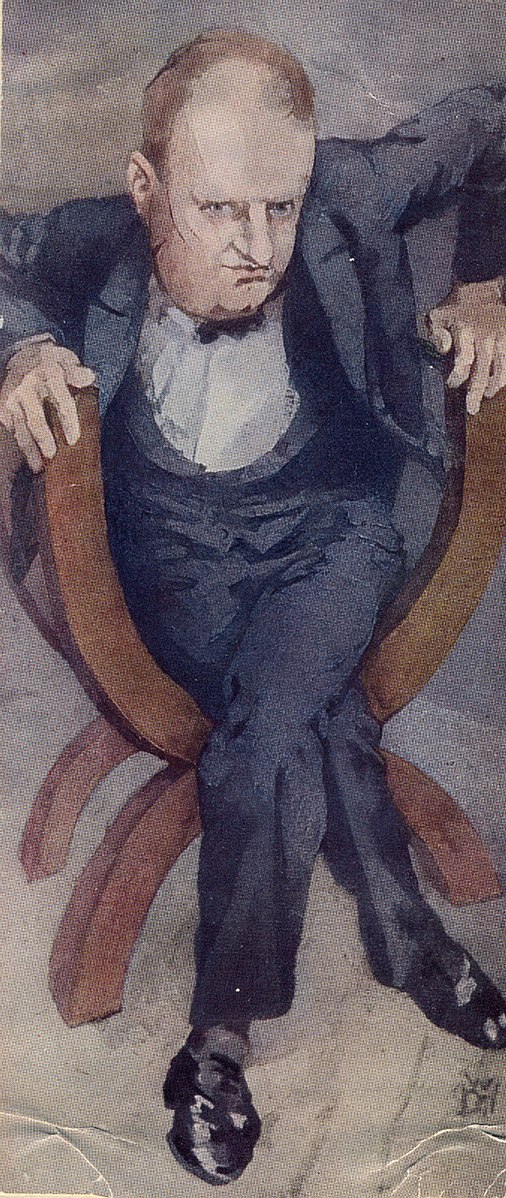
Paul Hindemith. Portrait by Rudolf Heinisch

Joining them for the March program, soprano and CU music faculty member Jennifer Bird-Arvidsson will perform Hindemith’s Four Songs, Melancholie, with the quartet. Bartók’s String Quartet No. 3 and Beethoven’s String Quartet in F major, op. 135, complete the program.

Hindemith served as a German soldier in the trenches near the end of Word War I. After the war he set four poems from a book by Christian Morgenstern titled Melancholie. The poems and the music reflect Hindemith’s feelings in the years after war, when he wrote to a friend “Everything is dreary and empty. I am deathly sad.” Hindemith dedicated Melancholie, one of his earliest and least known works, to a friend who died in the war.

As the last of his string quartets, Beethoven’s op. 135 comes from the opposite end of the composer’s life from Hindemith’s songs, and stands opposite to them in mood. Surprisingly one of Beethoven’s most cheerful and straightforward works—coming after other late quartets that explore unusual musical forms complex musical styles—Op. 135 shows the standard four movement layout for quartets, symphonies and other works.

Beethoven wrote to his publisher that this would be his last quartet, and headed the last movement “Der schwer gefasste Entschluss” (the difficult decision), suggesting that it was hard to give up a genre that he had explored throughout his life. Below that written title, the movement begins with three three-note motives that form its major themes. Under the musical notes, Beethoven wrote “Muss es seen? Es muss sein! Es muss sein!” (Must it be? It must be! It must be!)

The central piece on the program is Bartók, whose music has also played a central role in the 50-year history of the Takács Quartet, founded by four Hungarian string students. They have recorded the full set of six quartets twice and performed them frequently on tour. The shortest of Bartok’s quartets, the Third has a single movement divided into four parts that do, and don’t, recall the standard four-movement structure. 

# # # # #

Takács Quartet
With Jennifer Bird-Arvidsson, soprano

  • Paul Hindemith: “Melancholie,” Four Songs, op. 13
  • Bartók: String Quartet No. 3
  • Beethoven: String Quartet in F Major, op. 135

4 p.m. Sunday, March 9
7:30 p.m. Monday, March 10

Grusin Music Hall

In-person and streaming tickets available HERE.

Boulder Chamber Orchestra features “Boulder Celebrities”

Violinist Ed Dusinberre and violist Richard O’Neill will play Mozart

By Peter Alexander Feb. 27 at 5:15 p.m.

The Boulder Chamber Orchestra (BCO) traces the history of classical music on their next concert (7:30 p.m. Saturday, March 1; details below), with a concerto grosso from the Baroque era, music from the heart of the classical style, and a symphony pointing the way to the early Romantic era.

The concert under conductor Bahman Saless will feature violinist Edward Dusinberre and violist Richard O’Neill from the Takács Quartet playing Mozart’s exquisite Sinfonia Concertante for violin and viola with orchestra. Two of the superstars of the classical music world, Dusinberre and O’Neill are hailed in the concert’s title as “Boulder Celebrities.”

Edward Dusinberre

Works framing the Mozart are the Concerto Grosso in F major attributed to Handel, and Schubert’s Symphony No. 5 in B-flat major. All three are bright and cheerful works, giving the entire concert an uplifting spirit.

With its two soloists, the Mozart stands as the centerpiece of the program. Dusinberre and O’Neill know each other well, having played together in the Takács since the latter joined the group five years ago. In addition to their work in the quartet, they both have concert and recording careers as soloists and both have won a classical music Grammy. 

Mozart’s Sinfonia Concertante is one of the composer’s most loved pieces, and one that O’Neill has played many times. “For some violists it’s the reason they play the viola,” he says. “It’s such an amazing work, and it has been a lifetime dream for me, visiting it through different stages of my life. (There is) the joy of playing it over the years with different orchestras and different violinists, each having their own distinct views on the piece.”

He says he learns from every violinist he plays it with, but this is his first time with Dusinberre. And it’s a special experience playing with someone he knows so well from their work together in the Takács. 

“Part of the magic of being in a string quartet is that you spend so much time with your colleagues, and you get to know them under many different circumstances,” O’Neill says. “I’ve played (the Mozart) with brilliant soloists, but this time with Ed we’ve been able to dig into the more psychological aspects of the music, because we already know each other’s playing pretty well.”

Richard O’Neill

In other words, O’Neill and Dusinberre were able to skip past the early stages of getting to know a musical partner and get down to details right away. The quartet just returned to Boulder from a tour, but they were able to rehearse Mozart together on the road, O’Neill says. Now, “I’m really looking forward to working with the orchestra and Bahman (Saless),” he says.

One thing he urges the audience to tune into with the Sinfonia Concertante is how the two solo parts relate to one another. “Mozart pairs the violin and viola like they’re operatic characters,” he explains. “It’s like a conversation.

“The person that talks first often frames the way the conversation will go. In the first movement,  the violin says, then the viola says, and then the violin says and the viola says. There’s a lot of playful discussion, and then in the recapitulation—the viola says it first!”

The concerto grosso was a form common in the Baroque period, featuring a small group of soloists with orchestra. The Concerto Grosso in F features two oboes with a string orchestra. The soloists will be guest artist Ian Wisekal and BCO member Sophie Maeda. 

The Concerto is “attributed to Handel” because publishers of the time often printed and sold works that had been pirated, or changed the name of the composer, making authenticity uncertain. In the case of this concerto—which is certainly an authentic representative of the Baroque style—it has appeared under Handel’s name and as an anonymous composition.

Schubert wrote his Fifth Symphony in 1816, when he was 19 years old. It is the most classical of Schubert’s symphonies, having been written for a smaller orchestra, with one flute and no clarinets, trumpets or timpani. Schubert was infatuated with Mozart’s music, and wrote in his diary ”O Mozart, immortal Mozart!”

At the time he was unemployed, hanging out with a group of young artists, poets and musicians. The first reading of the symphony was given by this circle of friends in a private apartment, with the first public performance occurring 13 years after Schubert’s death.

The music of the symphony is often described as “Mozartian” in its gracefulness and melodiousness. It conforms closely to the standard four-movement structure of the classical period, with a minuet movement in third place. At the same time, the harmonic palette suggests the Romantic style to come, particularly in Schubert’s works of the remaining 12 years of his life.

But regarding the program’s title, the question of classical musicians being genuine “celebrities” might be debatable—but if it’s possible it would be in Boulder, where the Takács Quartet routinely sells out two performances of every program. 

Superstars or celebrities, Grammy winners both, Dusinberre and O’Neill are always worth hearing.

# # # # #

“Boulder Celebrities”
Boulder Chamber Orchestra, Bahman Saless, conductor
With Edward Dusinberre, violin, and Richard O’Neill, viola

  • Handel: Concerto Grosso in F major, op. 3 no. 4
  • Mozart: Sinfonia Concertante in E-flat major for violin and viola with orchestra, K364
  • Schubert: Symphony No. 5 in B-flat major, D485

7:30 p.m. Saturday, March 1
Boulder Adventist Church, 345 Mapleton Ave.

TICKETS

Boulder’s Starkland has three new albums

Electric guitar, accordion, and piano at the frontier of musical creativity

By Peter Alexander Feb. 20 at 10:30 p.m.

In the about the past two years—specifically since April, 2023—Starkland, a record label located in Boulder, has released three diverse new albums.

In keeping with the label’s stated goal of promoting “alternative classical, experimental, and avant-garde music through the production of high-quality recordings,” these albums feature new music that will appeal to the adventurerous listener. If you want to explore the current frontier of musical creativity, all three albums are worth your time.

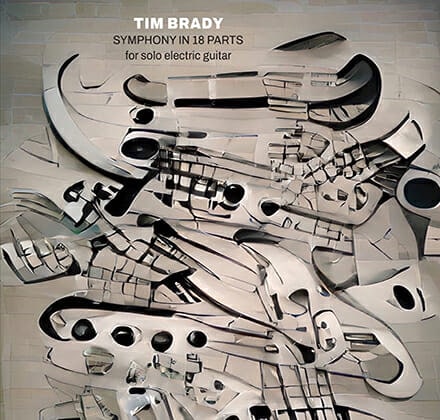
Symphony in 18 Parts for solo electric guitar
Tim Brady, composer, electric guitar
Starkland ST237
Released April 28, 2023

Symphony in 18 parts presents 18 short pieces composed and played by Tim Brady. Ranging from 1’34” to 4’47”, they loosely comprise a single composite work, or “symphony.” With so many short pieces, it offers variety rather than the kind of unity that past composers sought in their symphonies, and that is its strength as well as its weakness.

Brady acknowledged the diversity of his music when he wrote that “each movement (of the Symphony in 18 Parts) has its own world, its own unique way of proceeding, but together they are kaleidoscopic. This is a piece that is designed to feel that it can hold everything within it. That sounds symphonically ambitious to me.”

Indeed it does, and it echoes a well known remark of the Romantic symphonist Gustav Mahler, who wrote that a symphony “must be like the world. It must contain everything.”

One of the most intriguing aspects of Brady’s Symphony is the titles given to the individual movements. The relationship between title and musical content is not always clear, spurring thought and imaginings as one listens to the album, track by track. 

A few examples: The first track is titled “minor revolutions.” The music sounds like a post-modern/Baroque prelude, exploring sounds and chords up and down the fingerboard. The Prelude-ish style fits an opening movement, but what is revolutionary? You will have to listen and decide.

Track 6, “only the necessary equipment,” sound like background music for a teen slasher/horror film that could have been titled “entering the basement.” This might lead you to wonder, what IS the necessary equipment?

Particularly provocative is the title of Track 15, “lies beneath the surface.” Here the music suggests an opaque surface that might conceal something beneath. But is “lies” a noun or a verb? Again, that is for you to decide.

My favorite is Track 16, “noise: or who decides what and why.” The aggressive sounds here remind us that the line between noise and music has moved over the centuries. The movement opens with separated masses of sound, gradually developing musical rhythms, and then notes rushing up and down. This is a perfect musical demonstration of a truth I find all encompassing: every dispute can be reduced to two questions: Where do you draw the line, and, as Brady asks, who decides? 

The entire album demonstrates a very sensuous approach to musical sound. You won’t find tunes to recall, but you will find lots of evocative soundscapes, each different from the others. And much to think about as you ponder the relationship of titles to music.

Available from Bandcamp.

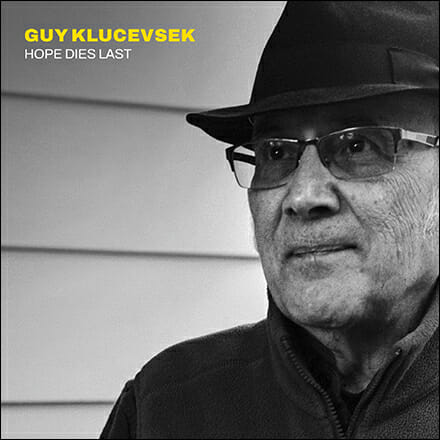
Guy Klucevsek: Hope Dies Last
Starkland ST238
Guy Klucevsek, Alan Bern, Nathan Koci, Will Holshouser, accordions
Bachtopus acccordion quartet: Robert Duncan, Peter Flint, Mayumi Miyaoka and Jeanne Velonis
Jenny Lin, piano, toy piano and celeste
Todd Reynolds and Jeff Gauthier, violins
Margaret Perkins, cello and whistling
Released Dec. 1, 2023

Hope Dies Last is a new collection of music by accordionist Guy Klucevsek, who has been accused by the Village Voice of writing “the world’s most abnormal ‘normal’ music.” I would describe the album as neither “normal” nor “abnormal,” but it is unusual, highly diverse and always intriguing. It joins my collection of favorite Starkland offerings.

Many of the tracks are creative versions of divergent dance types, including the opening “Slango,” a delightfully unbalanced 7/8 version of the tango. That is followed by “Feel the Bern,” a spirited hora written for and performed by Klucevsek’s long-time duo partner Alan Bern.

Several of the tracks are some version of a slow waltz, including the melancholy and stormy title track “Hope Dies Last” and the gently swaying “Seesaw Song.” The “Hornpipe” is exactly that, a carnivalesque dance that if not quite graceful, successfully evokes robust merrymaking. 

The final six tracks comprise a suite of pieces that Klucevsek wrote for Industrious Angels, a “hand-crafted-story-spinning-shadow-puppet-memory-play-with-music” created by actor/director Laurie McCants. Her script and Klucevsek’s music were in part inspired by Emily Dickinson’s poetry.

My favorite track—and not just for its unforgettable title—might be the jig-ish “Flying Vegetables of the Apocalypse.” Arranged for the violinist Todd Reynolds from music Klucevsek recorded in 1991, this version calls for both pre-recorded and live violin. 

“Flying Vegetables” offers what the liner notes calls three “gnarly bits:” a fast 3/4 section over a 3/4 ostinato, a canon for two violins three beats apart over an ostinato in 5/4, and a canon for three violins one beat apart over an ostinato in 7/4. These delightfully weird sections are followed by a more lyrical section in a  relaxed 6/8 meter, all adding up to one of those pieces where you never know what will come at you next.

If you are not familiar with Klucevsek’s “abnormal ‘normal’ music,” I suggest you unpack your curiosity and explore this album. With its remarkable variety of moods and styles, it can keep you engaged from beginning to end. 

Download available from Bandcamp.

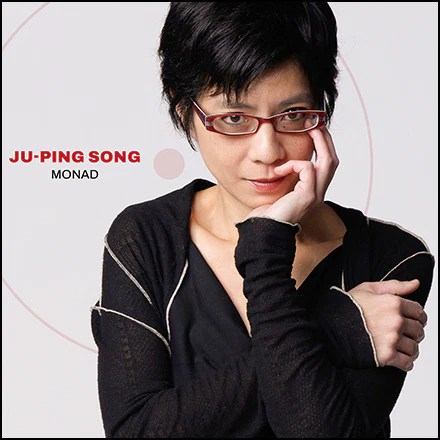
Monad
Ju-Ping Song, prerecorded and live piano
Starkland ST239
Released Dec. 6, 2024

Starkland’s most recent release, Monad, is not quite like the previous albums. Rather than numerous varied, evocative pieces that invite exploration, it is an immersive plunge into four very different sonic worlds. 

The album’s four tracks, all performed by pianist Ju-Ping Song, feature pieces by four different composers: Lois V Vierk, Molly Joyce, Kate Moore and Rahilia Hasanova. In different ways, they share a penchant for extreme pianism. As musically and technically challenging as they are, Song rises to meet the demands of all four. 

Vierk’s “Spin 2” takes its name from subatomic particles that have the same orientation 180 degrees apart—an image that suggested two grand pianos facing each other with a pianist at each keyboard. Composed for Ursula Oppens and Frederic Rzewski, it was revised by the composer in 2018. For this album, Song recorded both parts.

The score is an exploration of rhythm and sonority that begins with thudding rhythms articulated on the very lowest notes of the piano, contrasted with wispy inside-the-piano strumming of strings. Irregularly accented chords will remind some listeners of Stravinsky’s Rite of Spring. The pounding rhythms gradually fade into chords leaping across the full breadth of the keyboard, and finally into rippling scales and shimmering glissandi. 

Divided into sections defined by sonority, “Spin 2” creates a clear shape and sense of momentum as it shifts from one sonority to the next. In no sense “pretty” or melodic, it is a well crafted and intriguing sonic adventure.

Joyce’s “Rave” features a combination of live piano with prerecorded electronic sounds. It begins with long electronic tones overlaying widely separated notes in the piano that are almost indistinguishable from the electronics. Moving almost imperceptibly at the beginning, the music gradually speeds up over the course of the piece. As the piano fragments come faster, the two parts switch roles from foreground to background in ever inventive ways. 

The piece ends with strong chords in the piano, now definitively the foreground. This then was the goal all along: full, concluding chords in the piano, a resolution vaguely hinted by the piano part throughout. 

Moore describes her “Bestiary” for live piano and recorded soundtrack as a “sonic compilation of grotesque imaginary beasts,” but it is not the kind of literally descriptive music that occurs in Saint-Saëns’s Carnival of the Animals. I could not separate one beast from another in the unchanging musical texture that Song describes accurately as “endlessly repeating and changing chords.”

This is like much of the new music I have heard recently: exploration of an original and creative idea that goes on just too long. I prefer more spice and stronger sonic shapes, but that is personal taste. If you are a listener who can use “endlessly and repeating chords”—Song’s words—to enter a space of contemplation and reverie, you will be rewarded. Taste aside, it should said that this is an attentive performance that brings out the shifting rhythms and tempi of Moore’s detailed score.

Hasanova was born in Baku, Azerbaijan, where she witnessed the brutal “Black January” military attacks on hundreds of civilians by the Russian army in 1990. In her program notes, she writes of the “monad” as a basic unit underlying everything. “All diversity of the Universe and Beyond,” she writes, “is the multiplication of the monad.”

The music tells a more complicated and ominous tale. Written for a single pianist, “Monad” is a piece of powerful intensity nearly 20 minutes long that grows from a single rapid line of detached notes through ever faster and more complex patterns, reaching a point of wild passion and fury, before fading into deep, barely audible tones. Here one senses an expression of the horror Hasanova experienced during Black January.

Song gives a performance of great virtuosity, taking the listener on a compelling journey into bleak places. Here there is musical spice aplenty and a clear profile, but it is a journey without comfort or balm. I admire both the piece and the performance, even while finding the journey daunting.

CD and download available from Bandcamp.

NOTE: Minor typos and grammatical erros corrected 2/21/24.

GRACE NOTES: Brahms 2nd twice and drummers, all on Saturday

Boulder and Longmont symphonies at home, Kodo at Mackey

By Peter Alexander Feb. 12 at 11:15 a.m.
The Boulder Symphony joins with the Niwot High School Symphony Orchestra for a performance of the spirited Danzón No. 2 of Arturo Márquez Saturday and Sunday (Jan. 15 and 16; details below) at the Dairy Arts Center.

Other works on the program, performed by the Boulder symphony, will be a Concerto for Violin titled “Paths to Dignity” by Lucas Richman, featuring violinist Mitchell Newman; and Brahms’s Symphony No. 2 in D major. Devin Patrick Hughes will conduct.

Richman has had an extensive career as a conductor. He currently leads the Bangor Symphony Orchestra in Bangor, Maine, and was previously music director of the Knoxville Symphony in Tennessee. He has also conducted scores for a number of films, including the Grammy-nominated score for The Village

Mitchell Newman

As a composer, he wrote Behold the Bold Umbrellaphant based on poetry by Jack Prelutsky, which the Longmont Symphony presented with Prelutsky in 2018. His Violin Concerto “Paths to Dignity” was inspired by the lives of homeless people and composed for Newman, a longtime advocate for the homeless and member of the violin section of the Los Angeles Philharmonic. 

The concerto has four movements that share a seven-note motive representing the word “DIGNITY.” The first movement, titled “Our Stories,” uses various instruments to represent homeless persons who are answered in turn by the violin. The second movement, “Fever Dreams/Move,” describes the disturbed dreams of a veteran suffering from PTSD who is living on the streets.

The third movement, “Shelter for My Child,” uses a musical representation of the Hebrew word “Tzadek,” which means “justice.” The finale, “Finding Home,” reiterates the “Tzadek” motive and concludes with variations on the “DIGNITY” theme.

An activist in bringing music to underserved communities, Newman was named a mental health hero by the California State Senate, and founded “Coming Home to Music,” a program that brings classical music to the homeless. He retired from the L.A. Phil in 2020 and currently teaches at Temple University.

# # # # #

“Harmony for Humanity”
Boulder Symphony, Devin Patrick Hughes, conductor
With Mitchell Newman, violin
Featuring the Niwot High School Symphony Orchestra

  • Arturo Márquez: Danzón No. 2
  • Lucas Richman: “Paths to Dignity” Concerto for Violin
  • Brahms: Symphony No. 2 in D major

7:30 p.m. Saturday Feb. 15, and 2 p.m. Sunday, Feb. 16
Dairy Arts Center

TICKETS

# # # # #

Also on Saturday, the Longmont Symphony Orchestra (LSO) offers a program titled “The Light after the Storm” (7 p.m. Feb. 15, details below) in which a vivid musical storm, the last of the Four Sea Interludes from the opera Peter Grimes by Benjamin Britten, leads to the sunny skies of Brahms’s Second Symphony.

Clancy Newman. Photo by Lisa-Marie Mazzucco

Between these two contrasting works on the program is the Cello Concerto of Sir Edward Elgar, which will be performed by Clancy Newman. The LSO will be conducted by Elliot Moore.

Britten was inspired to write Peter Grimes while he was in exile from England as a conscientious objector living in the United States during World War II. While in the U.S., he read George Crabbe’s narrative poem The Borough, which describes a village on the east coast of England and its colorful inhabitants. The poem inspired Britten not only to write an opera based on the solitary Grimes, one of Crabbe’s most distinctive characters, but also to return to England. He finished the opera after his return, in 1943.

Peter Grimes was premiered to great acclaim in June 1945, shortly after the end of the war in Europe. The Four Sea Interludes—“Dawn,” “Sunday Morning,” “Moonlight” and “Storm”—are taken from the interludes Britten wrote to fill scene changes during the opera, and they contain some of the most vividly descriptive music he ever composed.

Written shortly after World War I, the Cello Concerto was Elgar’s last completed major work. The first performance was under-rehearsed and considered a failure, but later the Concerto became one of the staples of the cello repertoire. It achieved a higher level of popularity when it was famously recorded by cellist Jacqueline du Prè in 1965.

A composer and a cellist, Newman has appeared with the LSO once before, in November, 2023.  The winner of the International Naumburg Competition in 2001 and an Avery Fisher Career Grant in 2004, he has performed as a soloist, with the Chamber Music Society of Lincoln Center and Musicians from Marlboro.

# # # # #

“The Light after the Storm”
Longmont Symphony, Elliot Moore, conductor
With Clancy Newman, cello

  • Benjamin Britten: Four Sea Interludes from Peter Grimes
  • Elgar: Cello Concerto
  • Brahms: Symphony No. 2 in D major

7 p.m. Saturday, Feb. 15
Vance Brand Civic Auditorium, Longmont

TICKETS

# # # # #

Kodō, the renowned taiko drumming ensemble from Japan, will present a program from their current “One Earth Tour 2025” at 7:30 p.m. Saturday, Feb. 15, at Macky Auditorium.

The performance is part of the Artist Series from CU Presents. Limited seats are available.

The Japanese word “kodo” has a double meaning that reflects the group’s ethos. It can mean “heartbeat,” which suggests the primal role of rhythm, but as written with different characters, it means both “drum” and “child.” The program title “Warabe” also refers to a child or children, or can refer to children’s songs. Or as the group’s program notes state, the performers are “forever children of the drum at heart.”

The “Warabe” program refers back to the repertoire and the aesthetics of the earliest incarnation of Kodō, when they were first formed out of another drumming ensemble in the 1980s. After several years of touring, they founded a village on Sado Island, off the west coast of Japan near the city of Niigata. Since their three sold-out performances at the 1984 Olympic Arts Festival in Los Angeles, Kodō has been recognized as a global phenomenon.

Today Kodō has its own cultural foundation and a North American organization known as  Kodō Arts Sphere America. In addition to their world-wide performances, they present workshop tours that open the world of taiko drumming to ever larger audiences.

# # # # # 

Kodō: One Earth Tour 2025
“Warabe”
Kodō, Yuichiro Funabashi, director
Dance arrangements by Koki Miura

  • Yuta Sumiyoshi: Koe
  • Miyake (arr. by Kodō)
  • Masayasu Maeda: Niwaka
  • Motofumi Yamaguchi: Hae
  • Sumiyoshi: Uminari
  • Koki Miura: Shinka
  • Maeda: Okoshi|Reo Kitabayashi: Dokuso
  • Ryotaro Leo Ikenaga: Inochi
  • Kenta Nakagome: O-daiko (arr. Kodō)
  • Yatai-bayashi (traditional, arr. Kodō)

7:30 p.m. Saturday, Feb. 15
Macky Auditorium

TICKETS (Limited seats available)