CU Eklund Opera presents “American Stories by American Women”

Two short, supernatural operas by Amy Beach and Missy Mazzoli

By Peter Alexander April 23 at 6:30 p.m.

The CU Eklund Opera Program offers American history this weekend, seen through a surreal and supernatural lens.

Two striking operas by American women, both based on important moments in history, form a double bill that will be performed Thursday through Sunday at the Music Theatre in the Imig Music Building (April 25–28; details below). Presented together under the title “American Stories by American Women,” they are Cabildo by Amy Beach (1867–1944) and Proving Up by the living composer Missy Mazzoli. In addition to their historical basis, both operas are ghost stories, but the similarities end there. 

Cabildo is located in New Orleans during the War of 1812 and features the pirate Pierre Lafitte (brother of Jean) and his true love, Lady Valerie, both of whom appear in a dream. In a totally different vein, Proving Up takes place on the harsh Nebraska frontier shortly after the homestead act of 1862, where the fictional Zegner family is struggling to survive while haunted by their dead daughters.
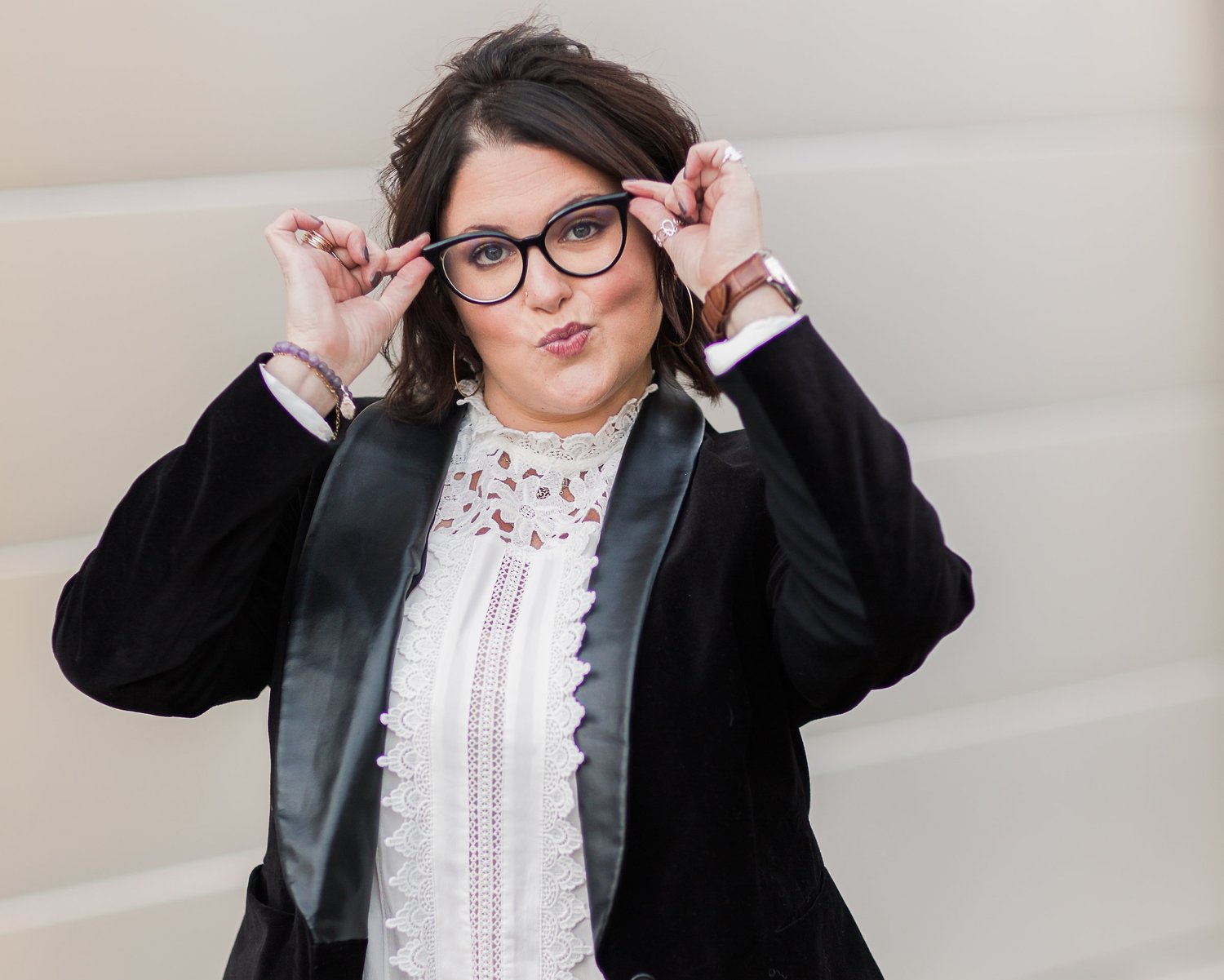
Guest stage director Sara E. Widzer

The operas will be directed by guest director Sara E. Widzer, a member of the faculty at the Lee Strasberg Theatre and Film Institute and intimacy director and consent consultant for Los Angeles Opera. She has directed opera throughout the United States as well as for companies in Asia. CU faculty member Nicholas Carthy will conduct.

The program originated when Carthy discovered that Amy Beach—a composer that he admires—had written an opera. It was only in manuscript, but he  eventually got a copy. A printed edition has now been published, which Carthy is editing based on the manuscript.

“Beach always wanted to write an opera, but she was afraid of it never being performed because (operatic) forces are too big,” Carthy says. “So she wrote a deliberately small opera, seven people (in the orchestra). And it still didn’t get performed.”

The first performance took place in 1949, four years after Beach’s death. After another 40 years, it finally became known and was produced by Central City Opera in 2017. 
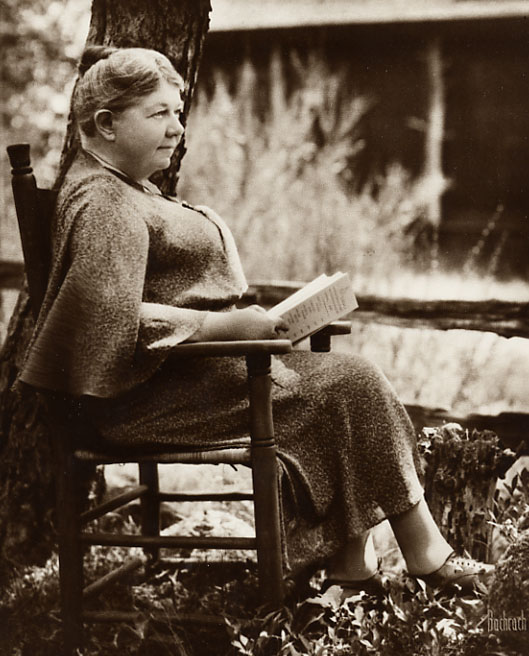
Amy Beach. Photographer: Bachrach

“She was such a fascinating creature,” Carthy says of Beach. “She was an absolute feminist and a suffragette, and she was a member of the Boston Six (a group of composers around the turn of the 20th century), but her husband said she had to be a Boston matriarch and so she couldn’t teach, and she only performed twice a year.”

At that time she was known as “Mrs. H.H.A. Beach.” After her husband died in 1910, she began performing and publishing as “Amy Beach,” and had a substantial career as a pianist. Among her better known works are her Piano Concerto and her “Gaelic” Symphony. 

The plot of Cabildo revolves around the pirate Pierre Lafitte and his participation in the Battle of New Orleans. Lafitte fought on the side of major general (later President) Andrew Jackson, for which Lafitte was pardoned. In the opera, Lafitte is mysteriously freed from prison, perhaps by Valerie’s ghost who appears in a dream, making their love the central theme of the story.

As Widzer explains, “at the end of the opera, Mary (the character who dreams of Lafitte and Valerie) says, ‘We don’t have America because of the War of 1812 and General Jackson. We have America because of the importance of love’.”

Switching from New Orleans to the Nebraska frontier of the 1860s, Mazzoli’s opera is the bleak tale of a family trying to establish a homestead under a law that required a sod house, five years of successful harvests and a glass window in order to claim their land. Based on a short story by  Karen Russell, the opera dramatizes the struggles of the Zegner family to “prove up” and receive their land grant. 

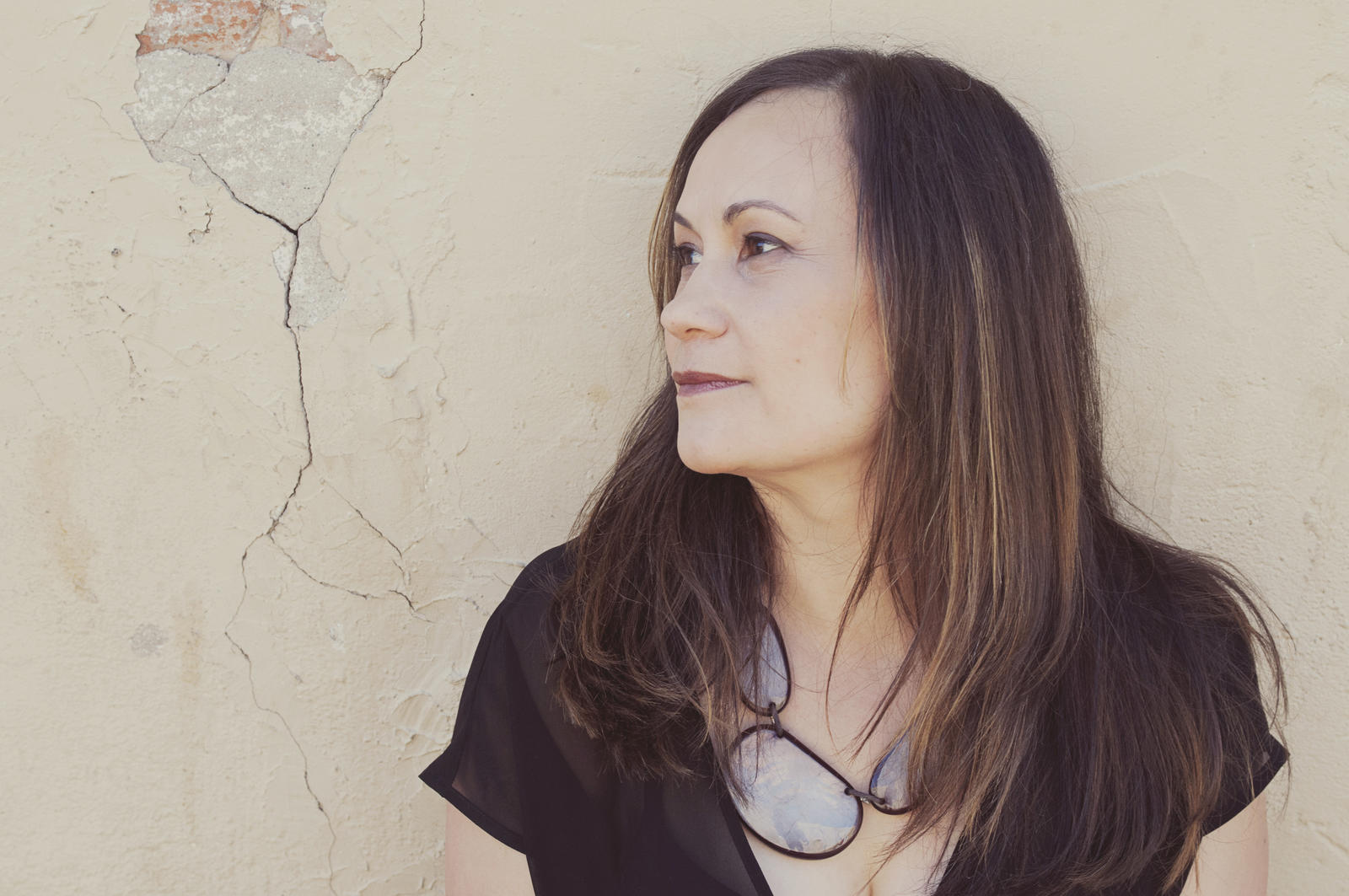
Missy Mazzoli at the Kennedy Center for the premiere of Proving Up. Photo by Ser Amantio di Nicolao.

In the opera, the glass window is both a powerful symbol and a central dramatic element. In reality, the homestead act resulted in many people being displaced from the land. “Mazzoli wrote the opera in repose to the housing crisis of 2008,” Widzer explains. 

“When you look at it through the sense of loss and uncertainty—it’s not just a housing crisis. Its the crisis of 2008 because we lost so many arts organizations and so many people trying to figure out how to save their lives.”

“The music is absolutely fantastic,” Carthy says. “What the music really succeeds in doing is creating a past, a present and a future at the same time. The music has a timelessness, and it has episodes where it comes into focus.”

In her director’s role Widzer sees characters in the music beyond the singers. “We have weather,” she says. “Mazzoli composes weather, Mazzoli composes time. Mazzoli composes the supernatural, loss, excitement.”

While Cabildo has a set that refers to a specific place—New Orleans—the set and staging for Proving Up are abstract. “(The opera) travels through so many locations, to do a traditional set wouldn’t make sense. It blurs reality past, present, supernatural. And the family is so disconnected in their attempt to be whole it just pulls farther and farther apart.”

A common element that ties the production to the Nebraska frontier, where pioneers lived in sod houses, is dirt. “We’re dealing with dirt,” Widzer says. “Sometimes, it’s dust in our show, sometimes it’s the grave of the daughters, sometimes it’s on people’s faces.”

The obvious differences in the two operas give the student singers opportunities to explore different kinds of music and drama. “One of the most important things that we’re always doing, is that you see how the students develop, and how they take on incredibly difficult things,” Carthy says.

“They change the drama and the drama changes them—which is the way it should be.”

# # # # #

“American Stories by American Women”
CU College of Music Eklund Opera Program
Nicholas Carthy, music director, and Sara E. Widzer, guest stage director

  • Amy Beach: Cabildo
  • Missy Mazzoli: Proving Up

7:30 p.m. Thursday, April 25, Friday, April 26 and Saturday, April 27
2 p.m. Sunday, April 28
Music Theater, Imig Music Building

TICKETS

Dairy Center asks “Who is Missy Mazzoli?”

Wednesday’s Soundscape concert poses questions and offers answers

By Peter Alexander

Missy Mazzoli

Missy Mazzoli

“Who is Missy Mazzoli?”

That’s the question being asked—and at least partly answered—by the Dairy Center for the Arts and music curator James Bailey on their Soundscape program at 2 p.m. Wednesday (Feb. 10).

The short answer is that Mazzoli is an adventurous composer from New York who writes in diverse genres, from opera to chamber music. She is in Boulder for a week for a Music Alive Composer Residency with the Boulder Philharmonic. The premiere of a new orchestral version of her Sinfonia (for Orbiting Spheres) by the orchestra and conductor Michael Butterman Friday evening (7:30 p.m. Feb. 12, Macky Auditorium) is only one part of her week-long residency. (More information in Boulder Weekly; tickets for the Boulder Phil concert here.)

Missy.skyline

Mazzoli with New York skyline

But it’s a deeper answer that Bailey is after—one that showcases many facets of a complex and label-defying artist. To give that fuller picture, Mazzoli and Bailey have put together a program that seems to live up to the New York Times’s description of her as “among the more consistently inventive and surprising composers now working in New York.” There will be pieces for solo violin, for viola with electronics, for string quartet, and two pieces for piano and electronics performed by Mazzoli herself. (Click here for tickets.)

weatherbee

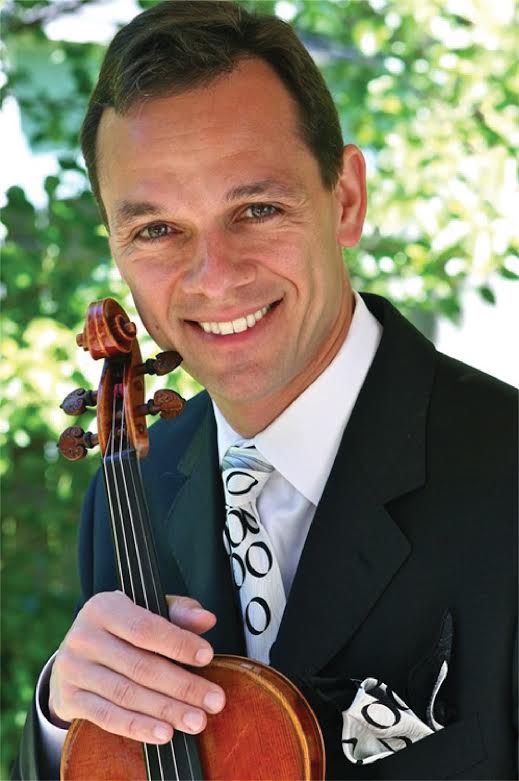
Charles Wetherbee

It is the pieces themselves that justify the adjective “inventive.” What is most surprising, however, is the fact that Mazzoli’s works will be presented in alternation with—of all things—the movements of Bach’s monumental Partita in D minor for solo violin, performed by Boulder Phil concertmaster and CU faculty member Charles Wetherbee.

“The motivation to include the Bach was because I have a solo violin piece called ‘Dissolve, O My Heart,’” Mazzoli explains. “It was a commission from the violinist Jennifer Koh, who did a project called ‘Bach and Beyond.’ She commissioned pieces based on existing works by Bach, and my piece (is based on) the famous solo violin Chaconne from the D-minor Partita.

“When (the Dairy Center) came to me for a program, I said why don’t we play the whole Partita and we could intersperse (my pieces). My other music doesn’t come directly out of that, but it has inspiration from Baroque material and ornamentation. There’s a lot of string pieces on this program, a string quartet, solo viola piece, electronic solo violin piece, and I’m also playing two piano pieces some with electronics.”

Altius_2.jpg

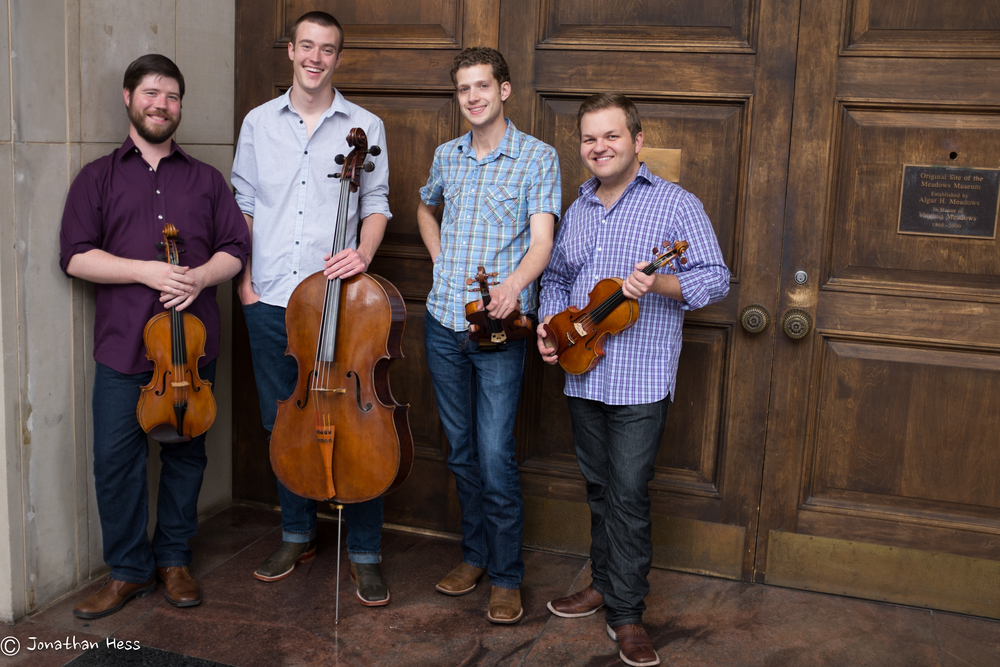
Altius String Quartet

The complete list of Mazzoli’s pieces on the program will be: Tooth and Nail for viola and electronics, performed by Wetherbee; Orizzonte for piano and electronics, performed by Mazzoli; A Thousand Tongues for piano and electronics, performed by Mazzoli; Dissolve, O My Heart for solo violin—the piece based on the Bach Chaconne—performed by Wetherbee; and Quartet for Queen Mab performed by the Altius String Quartet, the award-winning Fellowship String Quartet in Residence at CU, Boulder.

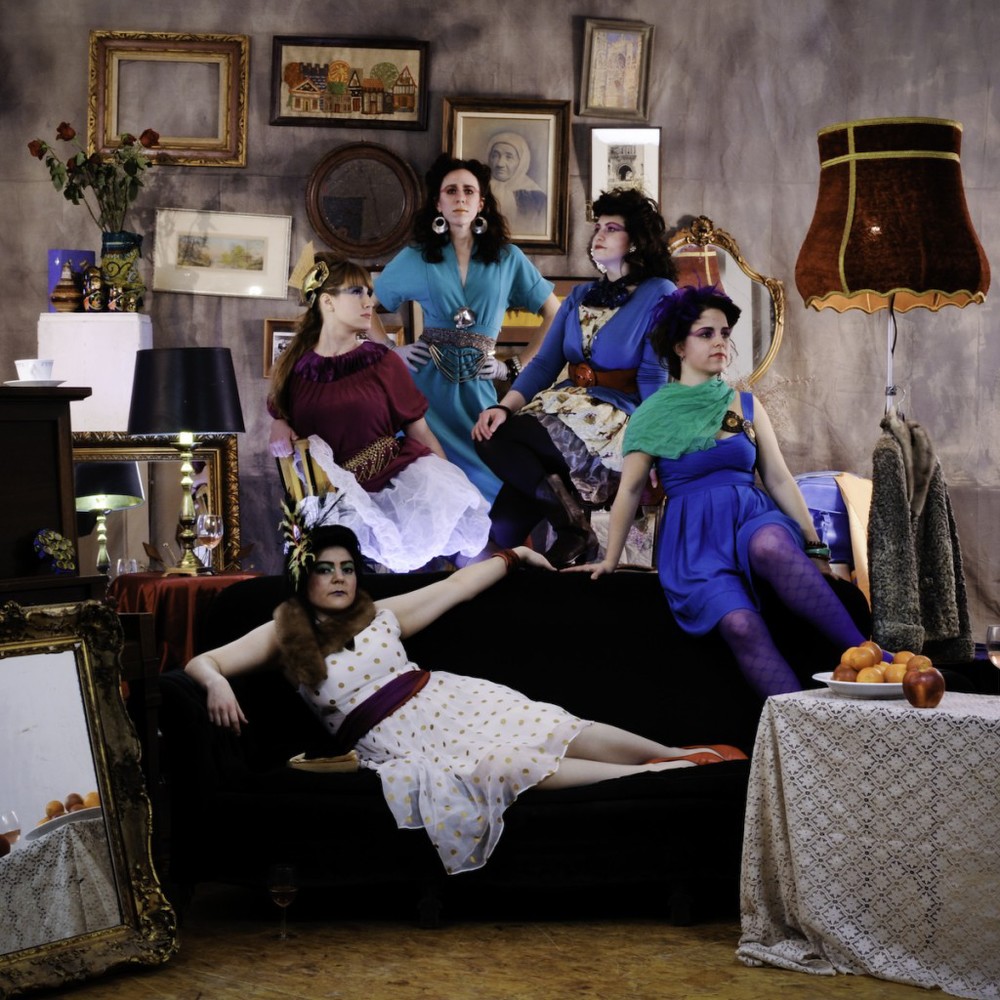
Reading about Mazzoli, one quickly becomes aware of how eclectic her work is. She has had commissions from individual artists, including Koh; from orchestras around the country; from the Kronos Quartet; and from the Grammy-nominated adventurous vocal ensemble Roomful of Teeth. Her works sometimes include electronics, sometime not, and she also performs with Victoire, an all-female band described by critic Alan Kozinn as “an art-rock band, a live electronic music group, or both.”

Glenn+and+Mizz

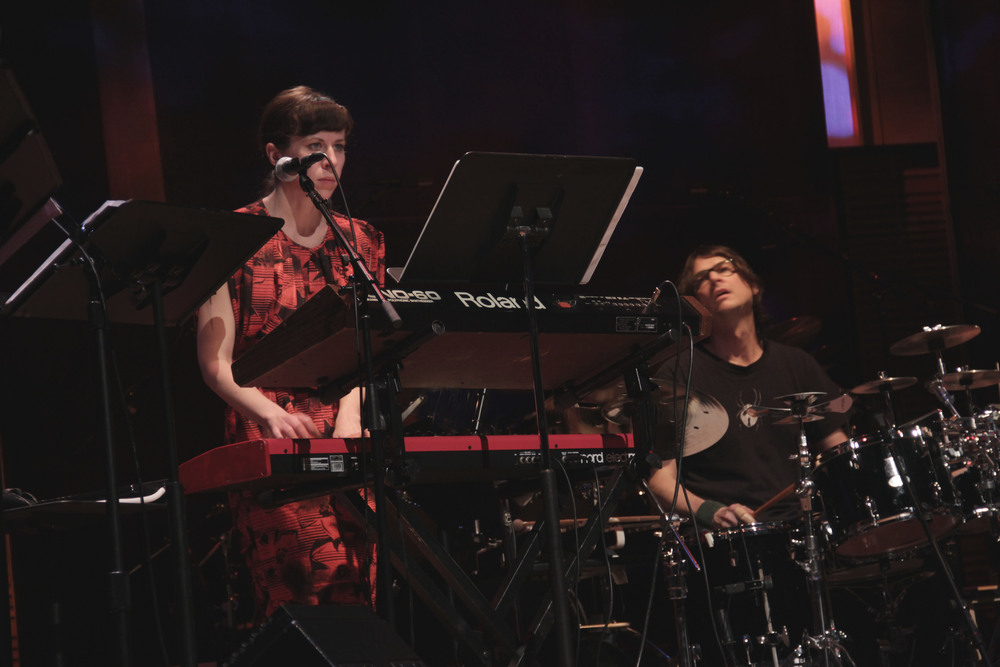
Mazzoli and Kotche. Photo by Michael Woody.

She and Victoire collaborated with Wilco percussionist Glenn Kotche and experimental keyboardist Lorna Dune for her recently recorded Vespers for a New Dark Age. National Public Radio’s “First Listen” asked, “Is Victoire’s music post-rock, post-minimalist or pseudo-post-pre-modernist indie-chamber-electronica? It doesn’t particularly matter. It’s just good music.”

Clearly, Mazzoli is an enthusiastic participant in many of the musical trends of our times. Writing in the Los Angeles Times, Mark Swed said that her “musical influences are John Adams, the Minimalists and the moody vocal sonorities of early sacred music, with a hint of rock.”

Victoire1-1024x1024.jpg

Victoire. Photo by Stephen Taylor.

Mazzoli does not deny these varied sources. “Studying classical music you would be surrounded by all of that, so yeah, I claim all of them proudly,” she says. “It’s become kind of a cliché to say, oh I have so many diverse interests, I’m interested in pop music as well as classical music, but I think it’s kind of a natural state growing up in the ‘80s.

“I wouldn’t even call it a trend. It’s as if the whole palette of sound is available for composers now from throughout history. It’s not as much a self-conscious choice as just sort of pulling from everything you’ve encountered in your life.”

But Mazzoli doesn’t want listeners to get hung up on labels or influences. “I want people to just hear music for what it is,” she says, “and to maybe be intrigued by one of those phrases, because it can sound like any one of those things.

“There’s bits and pieces of all of that in there.”

# # # # #

The Feb. 10 Soundscape concert is only one of many events exploring the world of contemporary musical performance to be presented by the Dairy Center this spring. The full schedule is listed below; visit the Dairy Center Webpage for updates.

 SOUNDSCAPE MATINEE SERIES

2 p.m. Wednesday, March 9: The Austin Piazzolla Quintet and the Boulder Chamber Chorale
After a sold out concert last season, the tango band from Texas returns to perform with the Boulder Chorale Chamber Singers.

Thow Down:Shot Up

CU’s Throw Down or Shut Up

2 p.m. Wednesday, April 13: Classical Music Unbuttoned
One of Boulder’s most innovative groups, Throw Down or Shut Up is a faculty quartet from the University of Colorado, Boulder. They will share the concert with Trio Cordillera another CU faculty trio, performing Argentine and Spanish music.

2 p.m. Wednesday, May 25: The Altius Quartet:  The Passion of the String Quartet
Winners of the silver medal at the 2014 Bischoff Chamber Music Competition, the Altius Quartet was selected to perform at the Melbourne International Chamber Music Competition. At the Dairy they will perform selected movements from quartets by Beethoven, Mendelssohn, Stravinsky, Bolcom—and Led Zepplin!

2 p.m. Wednesday, June 8: Youth be Served
A concert of music featuring some of Colorado’s most talented high school performers and ensembles.

ONE NIGHT ONLY SERIES

 7:30 p.m. Monday, February 22: Voxare Meets the Man with the Movie Camera
The Voxare String Quartet from New York City the soundtrack to Russian filmmaker Dziga Vertov’s remarkable 1929 silent masterpiece The Man with the Movie Camera.

Wendy_Woo

Wendy Woo

7:30 p.m. Friday, March 4: Wendy Woo—A 25 Year Retrospective
An evening with the guitarist and singer/songwriter Wendy Woo, together with musical artists from her 25 years on the Colorado music scene. The concert will be preceded by a First Friday reception in the new Dairy lobby.

7:30 p.m. Wednesday, March 30: Conversations
For Boulder Arts Week, the Dairy will present an evening of duets, including Irish, Indian and Turkish duos. Two performances will also feature Boulder’s Frequent Flyers aerial ballet group.

4 p.m. Sunday, June 26th: The Miami String Quartet
The internationally renowned string quartet returns to the Dairy with a new program.

JAZZ AT THE DAIRY SERIES

 7:30 p.m. Saturday, February 27: Jazz and Vonnegut

brad goode

Brad Goode


A concert with the David Fulker Quartet and jazz singer Robert Johnson in a program of jazz standards thematically wrapped around an unusual short story by Kurt Vonnegut.

7:30 p.m. Wednesday, May 4: The Brad Goode Quartet with Sheila Jordan
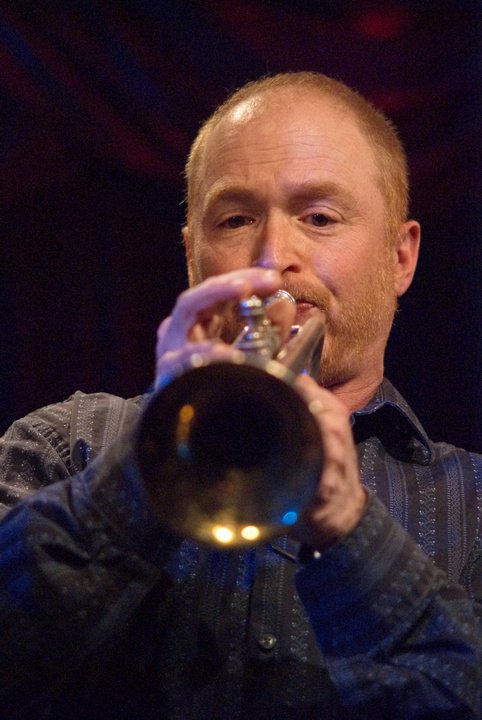
Brad Goode, Boulder’s jazz trumpet virtuoso, will appear with his traveling quartet and jazz vocalist Sheila Jordan.

SPECIAL PERFORMANCE

 4 p.m. Sunday, April 17: Never to Be Forgotten
This Dairy collaboration with the Boulder Jewish Community Center and the University of Colorado School of Religious Studies will focus on chamber music by composers who were lost in the Holocaust.

(Edited to correct typos 2/8/16)