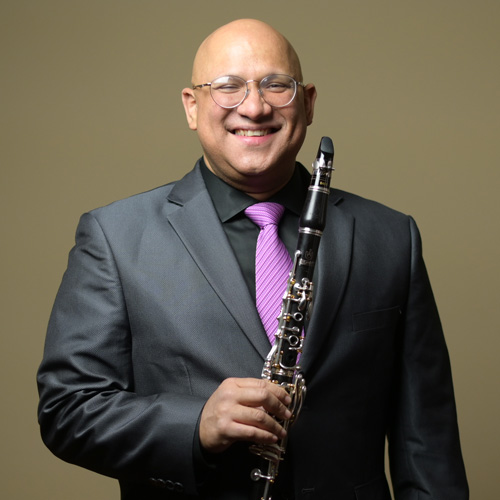
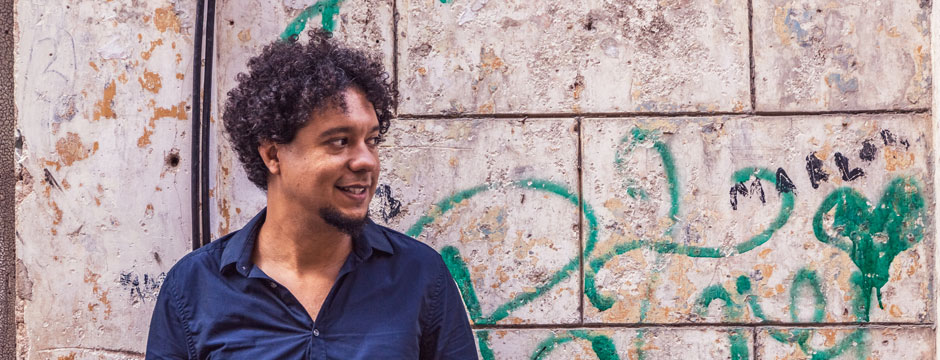
Rare Beethoven at the Boulder Phil

MIssa Solemnis, “Magnum Opus” of great extent and significance, May 4

By Peter Alexander April 30 at 5:50 p.m.

Beethoven was a few years years late.

He promised his friend, pupil and patron Archduke Rudolf that he would write a solemn mass—Missa Solemnis—for the latter’s investiture in 1820 as the Archbishop of Olomouc. But the massive score was not finished in time. In fact, it was not performed until April 7, 1824—in St. Petersburg, under the sponsorship of another of Beethoven’s patrons, Russian Prince Gallitsin.
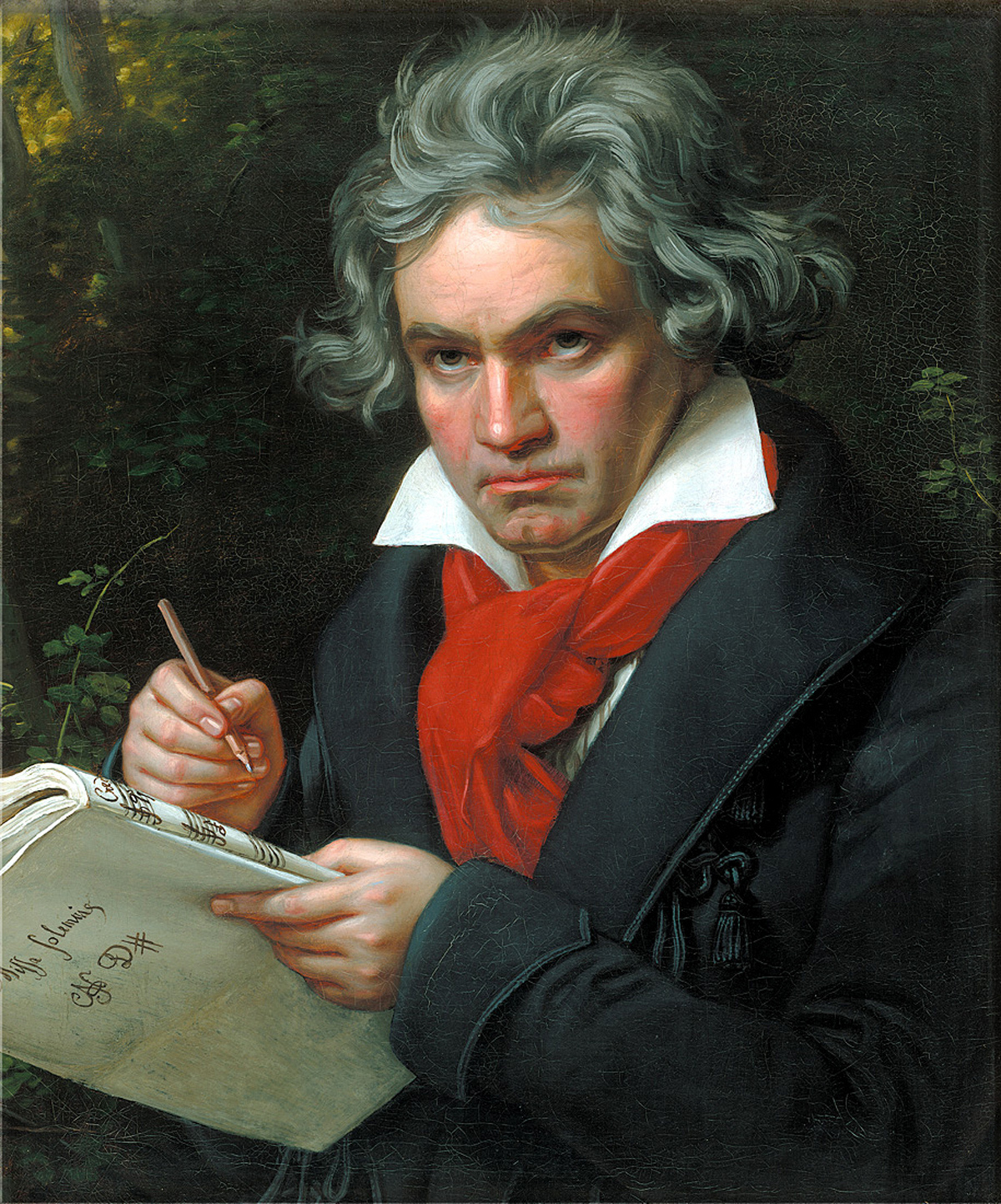
Portrait of Beethoven with the score to the Missa Solemnis

The size of the work, which takes 80 minutes to perform, and the difficulty of the choral parts remain obstacles to performances. So it is a noteworthy event that the Boulder Philharmonic and Boulder Chorale will join forces to present the Missa Solemnis Sunday at Macky Auditorium (4 p.m. May 3; details below).

Michael Butterman, music director of the Boulder Phil, will conduct. The full 130-member Boulder Chorale has been rehearsed by director Vicki Burrichter. Soloists will be Tess Altiveros, soprano; Abigail Nims, mezzo soprano; Kameron Lopreore, tenor; and Pectin Chen, bass.

This is the first time either Butterman or Burrichter have presented the work. “I have personally wanted to do it for years and years,” Butterman says. “It’s a huge lift for (the chorus), so you have to have a partner that is up to it and is willing to take it on.

“I’ve been in touch with Vicki at the Boulder Chorale through the years, and this came up when she and I were talking. She said ‘I think we can do it. I want to do it!’”

For her part, Burrichter says that the Chorale is now ready for the challenge. “I wouldn’t have done this piece with them even five years ago,” she says, “but they are now at a place where they are very highly trained up. This is my 10th year with the Chorale, and we’ve been working very hard to get to an even higher level than when I started.”

Several aspects of the music present challenges to the chorus. They sing almost nonstop, with no breaks for solo arias or duets. Their parts cover a wide range from very high to low, with difficult, angular melody lines. The fugues are often difficult to sing, especially when each part has to project the theme independently of the others.

Burrichter identifies other challenges as well. “Yes, the tessituras (voice ranges) are high, especially for the sopranos,” she says. “But the constant change in dynamics (loud to very soft and vice versa) is probably the hardest thing. You have to always look ahead. I think also the hardest thing is getting the flow of the piece, because it is dramatically different from Bach or Mozart. Understanding why (Beethoven) wrote what he did, what he was trying to say—those are things that take a long time (for the singers) to integrate.”
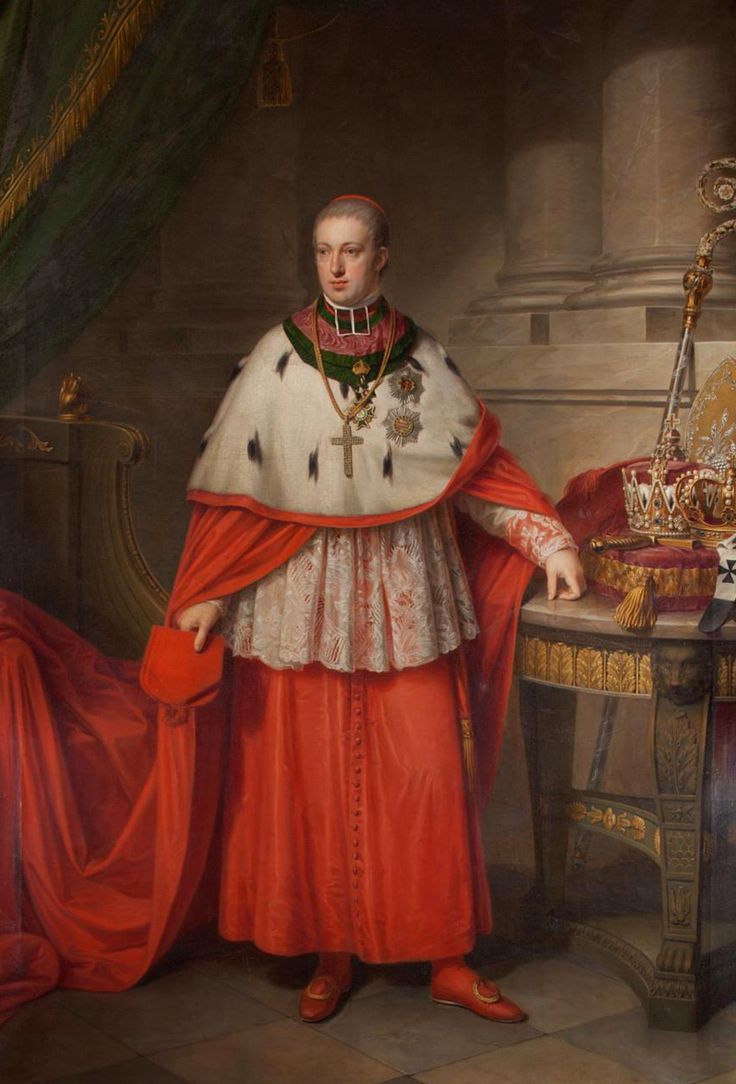
Beethoven’s pupil and friend, Archduke Rudolf of Austria, as Cardinal

“It is one of the most daunting works that I’ve ever put my mind to,” Butterman says. “I’m truly humbled by this piece. It seems so incredibly detailed, so dense, so masterful that I’m really in awe of this—written by someone who was probably profoundly deaf. It’s just staggering. The contrapuntal mastery that he displays over and over again, throughout the work, is astonishing.”

The use of counterpoint shows that Beethoven knew the traditions established in the mass settings by earlier composers. Other traditional gestures that he incorporated into the score include the use of fugue for certain texts, starting the Gloria with ascending joyful lines in the chorus, the use of traditional church modes, and the use of solo flute to represent the Holy Spirit. 

In other ways Beethoven added his own original ideas. One that is particularly powerful is the insertion of trumpets and drums suggesting military music right before the text Dona nobis pacem (Give us peace). Beethoven lived during a time of extended warfare across Europe, including the occupation of Vienna by French troops, giving the plea for peace special force.

Burrichter sees a relevance for that passage still. “Listen to how Beethoven changes the Dona nobis pacem, and how this relates to what’s happening in the world right now,” she says. “The message that Beethoven was trying to send in 1827 is just as relevant today.”

She also says “I think this piece has an unfair reputation as unsingable and an assault on the senses. What great composers do is demand great things of singers and instrumentalists. Beethoven was reaching for transcendence.” 

She advises the audience to “enter into the experience that Beethoven is trying to create. Enter into Beethoven’s world in the same way that you would one of his symphonies.”

But the last word on the Missa Solemnis should go to the composer. On the copy that he presented to his pupil and friend the Archbishop, Beethoven wrote “Von Herzen—Möge es wieder—Zu Herzen gehn!”

“From the heart—may it return to the heart!”

# # # # #

“Beethoven’s Magnum Opus”
Boulder Philharmonic, Michael Butterman conductor
With the Boulder Chorale, Vicki Burrichter, director
Tess Altiveros, soprano; Abigail Nims, mezzo soprano; Kameron Lopreore, tenor; and Pectin Chen, bass

  • Beethoven: Missa Solemnis, op. 123

4 p.m. Sunday, May 4, Macky Auditorium
TICKETS

Boulder Phil presents Rachmaninoff and music of two festivals

Guest pianist Alessio Bax and soloists from orchestra in the spotlight

By Peter Alexander March 27 at 5:50 p.m.

Two works inspired by festivals will form bookends for the next Boulder Philharmonic concert, at 4 p.m. Sunday (March 30; details below), with a big, popular Romantic piano concerto in the center.

The Piano Concerto No. 2 by Rachmaninoff fills the central position. Guest artist Alessio Bax is the soloist and Michael Butterman will conduct.

The frame for the concerto will be provided by PIVOT by Anna Clyne, inspired by experiences at the Edinburgh Festival; and Stravinsky’s Petrushka, the brilliant score to a ballet that takes place during the Shrovetide festival in St. Petersburg, Russia.

Anna Clyne

The common inspiration of a festival is what suggested to Butterman that Clyne and Stravinsky would make an effective framework for the program. “When we were thinking about programming Petrushka, it struck me that some of the swirling, calliope-like music in the opening section is kind of echoed in Anna Clyne’s PIVOT.

“It’s a piece that I’ve done once before, in Shreveport. You feel that you are walking through a space in which there are different happenings going on. You pass one, (with) a particular tempo and mood, and you turn around and you are facing something else entirely.”

The composer’s description of PIVOT closely matches Butterman’s. “It’s the idea of opening up doors as if you were going down a musical corridor,” she says. “You open one door and there’s a trapeze artist, and another there’s a lady singing an aria. PIVOT really takes you on lots of twists and turns in what’s actually a very short piece.”

It also reflects Clyne’s experience as an undergraduate student in Edinburgh in the 1990s, with a bit of history and folk music thrown in. “I really wanted to evoke a sense of celebration drawing on my experiences living in Edinburgh and being there during the festival,” she says. “Every nook and cranny becomes a venue, be it music, theater, comedy, dance—it’s every art form you can imagine.

“There’s a tune that I borrow called ‘The Flowers of Edinburgh,’ which is a traditional folk tune of Scottish lineage and also a tune that shows up in American folk music. PIVOT was co-commissioned between the Edinburgh International Festival and St. Louis Symphony, so I wanted to find music that brought those two countries together.”

The historical aspect comes from a pub where local musicians meet to share folk music. The pub is called The Royal Oak today, but 200 years ago it was called The Pivot. Thus the title both reflects the nature of the music and recalls the history of a musical venue in Edinburgh.

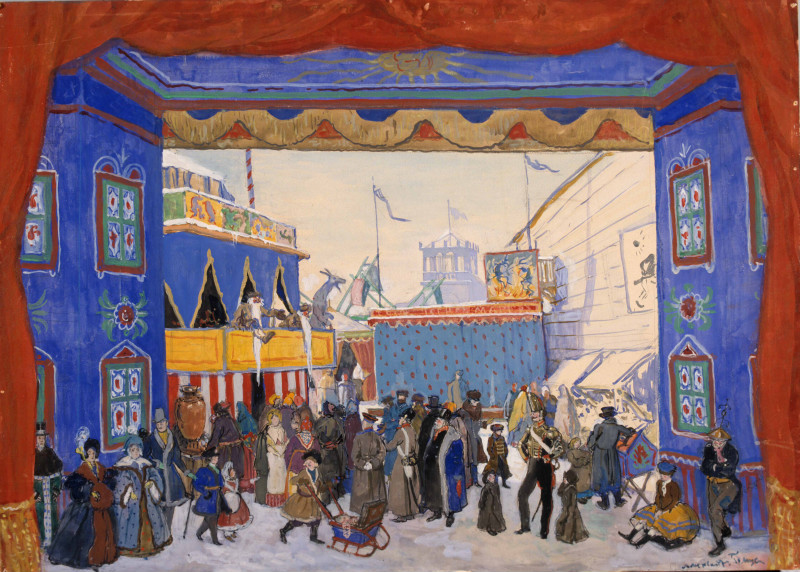
Original design by A. Benois for Stravinsky’s ballet Petrushka

At the opposite end of the program, Stravinsky’s Petrushka is a brilliant, colorful description of the crowds at a Russian Shrovetide (Mardi Gras) festival with various dances—some using Russian folk tunes—as well as drunken revelers, organ grinders, a dancing bear, and most central to the story, a puppet theater with three puppets that dance at the command of a magician.

One of the puppets is Petrushka, who is killed by another puppet as the fair is closing for the night. As the ballet ends, night descends over the empty square. Petrushka’s ghost appears above the theater as the magician runs off in fear.

“This is really a piece in which you need to have a sense of what is happening and what Stravinsky is evoking,” Butterman says. “It works very well as concert music, but it really is a full ballet score. Understanding the dramatic context is critical.”

The score notably includes a major piano part in the orchestra. “It is the most virtuosic orchestral piano part that I can think of, in the whole repertoire,” Butterman says. “It’s absolutely critical to much of the piece.” 

The Phil’s piano and keyboard position is currently vacant, and the solos in this case will be performed by Cody Garrison. A practicing dentist in Denver, Garrison works at Metropolitan State University as accompanist in the brass and woodwind departments. He also serves as pianist for Opera Colorado and staff accompanist for the Boulder Symphony, where he played Liszt’s Todtentanz (Dance of death) with the orchestra last season.

There are important solo parts for other members of the orchestra. Two in particular stand out in scenes for the three puppets: flute, which will be performed by visiting principal Hannah Tassler, and trumpet, which will be performed by principal player Leslie Scarpino.

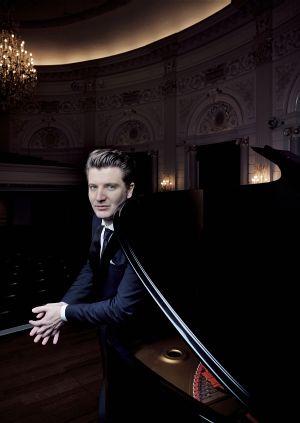
Alessio Bax. Photo by Marco Borggreve.

The Rachmaninoff concerto is the most familiar piece on the program. It had a large impact on the composer’s career, since its success helped him overcome the failure of his First Symphony a few years before. Technically demanding of the pianist, the Concerto is also very tuneful and has become one of the most popular piano concertos in the standard repertoire.

“There’s no question why it’s so winning,” Butterman says. “It has lots and lots of virtuosity, and (Rachmaninoff) had the incredible gift for writing melodies that go straight to the heart, that have both a soaring, noble quality and more than a tinge of melancholy.”

The soloist, Alessio Bax, began his career in Italy, but is distantly related to the English composer Arnold Bax. Butterman relishes working with him. “I did this very same piece with him last season in Shreveport, and I find him an elegant player, yet full of the kind of passion that you want in this piece. I feel like I know where he’s going with a phrase, so from my perspective, it was a dream to lock in with him.

“I thought it was a very effective and memorable performance, so I’m expecting we’ll have a similar experience in Boulder.”

# # # # #

Masterworks Concert
Boulder Philharmonic, Michael Butterman, conductor
With Alessio Bax, piano
Orchestra soloists Cody Garrison, piano; Hannah Tassler, flute; and Leslie Scarpino, trumpet

  • Anna Clyne: PIVOT
  • Rachmaninoff: Piano Concerto No. 2 in C minor
  • Stravinsky: Petrushka (1947)

4 p.m. Sunday, March 30
Macky Auditorium
TICKETS

Correction: Typo corrected the headline, 3/28. The soloist’s name is Alessio Bax, not Max as spell corrector incorrectly changed it.

Michael Butterman returns to Boulder Phil

Concert features world premiere, Bluegrass violin concerto, “New World” Symphony

By Peter Alexander Jan. 13 at 12:30 a.m.

Michael Butterman returned to the Boulder Philharmonic Orchestra yesterday (Jan. 12) to conduct an interesting and worthwhile program, having missed the fall season due to cancer treatments.

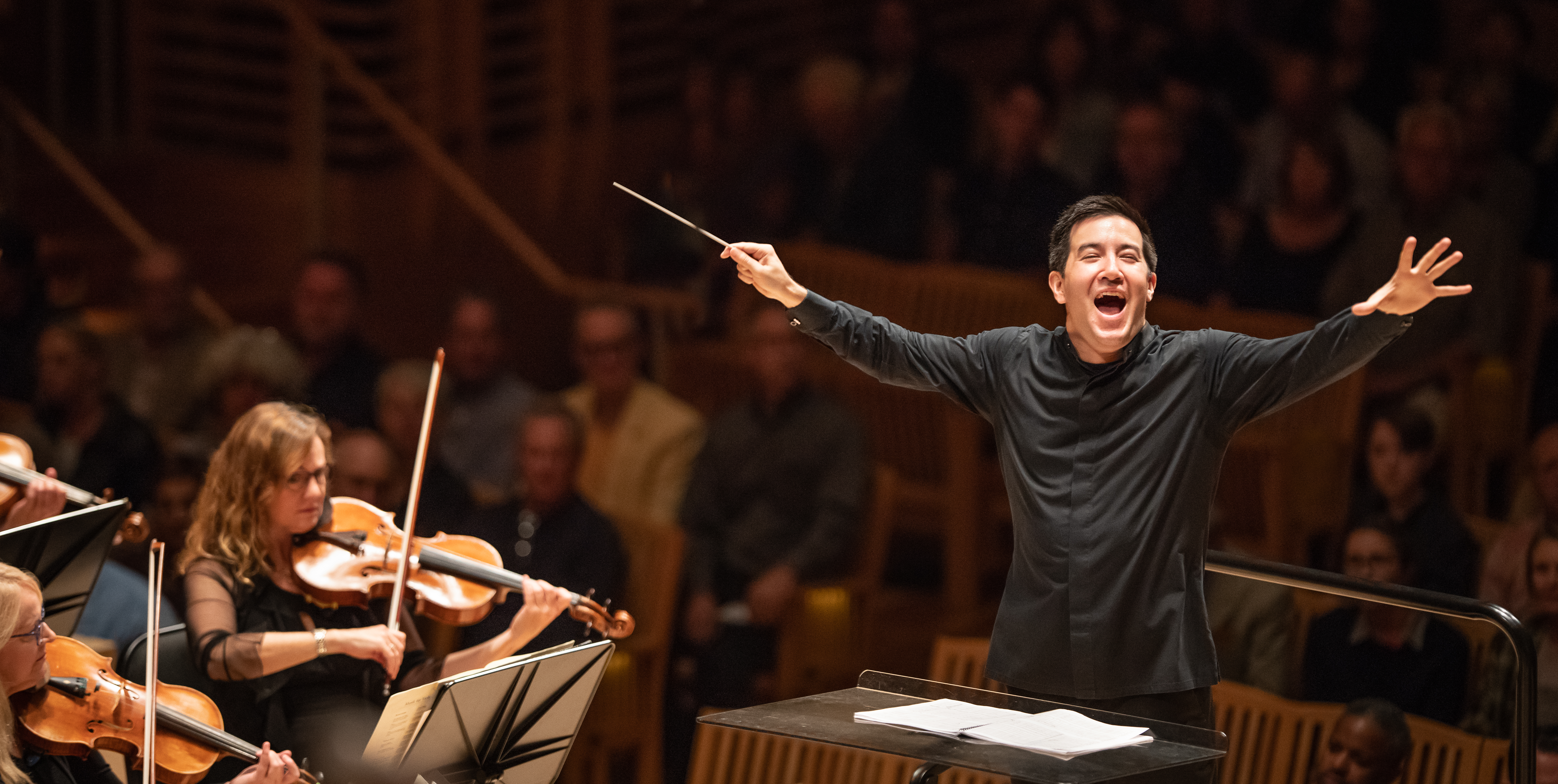
Newly bald from chemo therapy, Butterman was welcomed by the Macky Auditorium audience with cheers and applause. He led the full program with his usual energy.
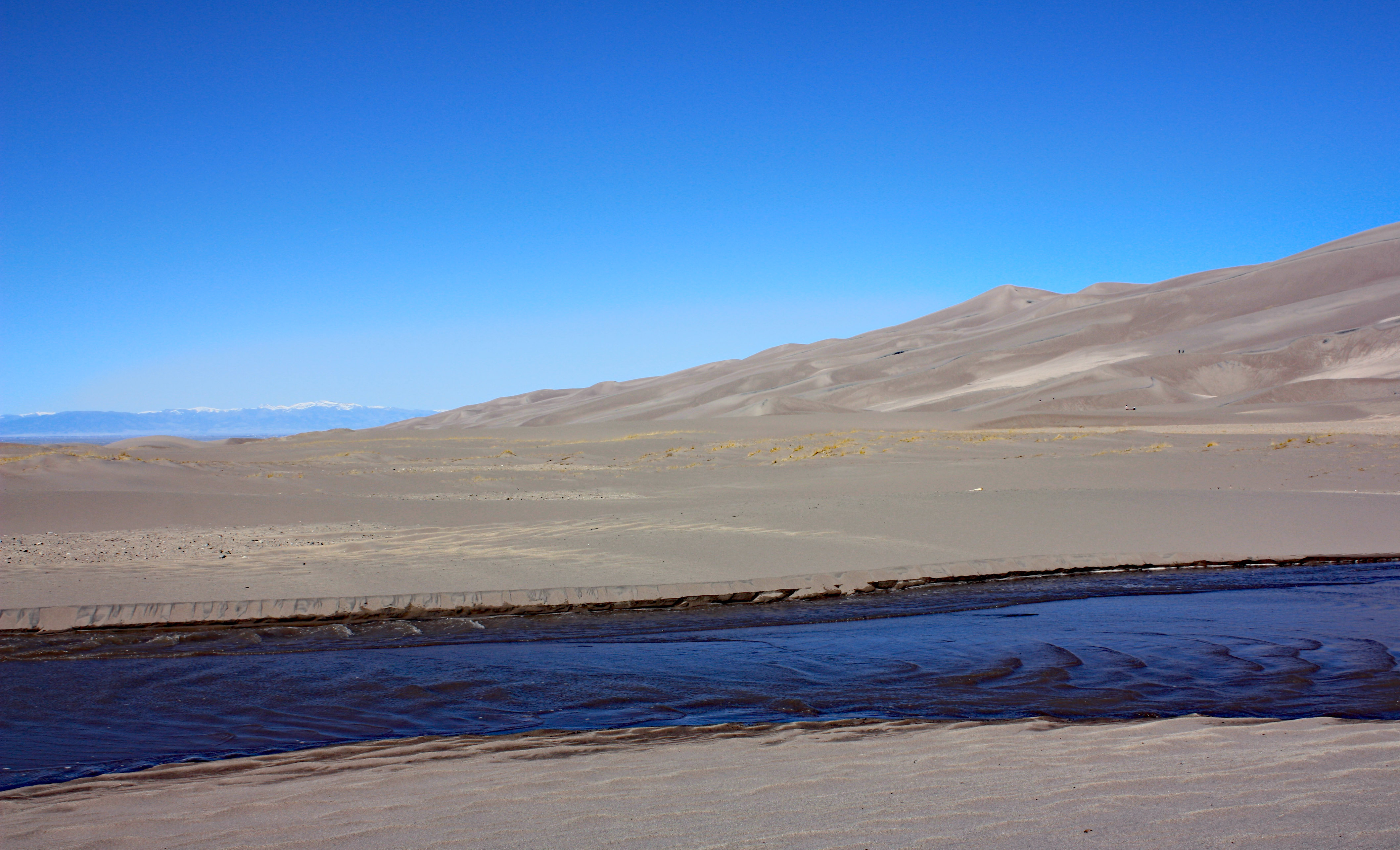
First was the world premiere of Wind, Water, Sand by Stephen Lias, inspired by Colorado’s Great Sand Dunes National Park. It is the third national park-inspired piece by Lias premiered by the Phil, after Gates of the Arctic (2014) and All the Songs that Nature Sings (Rocky Mountain, 2017). Unlike those works, Wind, Water, Sand does not have images to accompany the score. Lias has explained that he wanted this work to spur the listener’s imagination, instead of being linked to specific images of the park.

He also said the music expresses the flow of the three elements that created the park—the wind, the water, and the sand. There are closely related musical ideas that flow at various speeds, just as the three elements flow at different rates within the park.

The score opens with energetic ideas that are wonderfully evocative of motion. The intricate, rippling quality of these opening gestures suggest the wind flowing over the dunes, or the ripples of the stream that runs alongside the dunes. Thereafter, the orchestral sound is colorful and suggestive, but rarely specific enough to signal wind or water. 

The bustling opening gives way to a greater stillness, punctuated by outbursts of sound that I found evocative more of a summer storm than any of the three elements. Exciting contributions from the percussion animate this section, along with dramatic gestures from the brass that evolve into something that seems grander than sand dunes. 

Whatever one imagines, the piece is well structured from beginning to end. With its busy opening, its central section that grows in grandeur, and a return to the opening soundscape, it creates a satisfying whole.

People around me talked of the score having a cinematic quality—I heard mentions of Indiana Jones and Studio Ghibli; clearly the music struck home. On the basis of its musical qualities alone, Wind, Water, Sand deserves a future in concert halls.

Next Butterman introduced violinist Tessa Lark, who performed a piece written for her by Michael Torke. Titled Sky: Violin Concerto, it combines the structure and musical drama of the classical concerto with musical styles that reflect Lark’s fiddling skills from her native Kentucky.

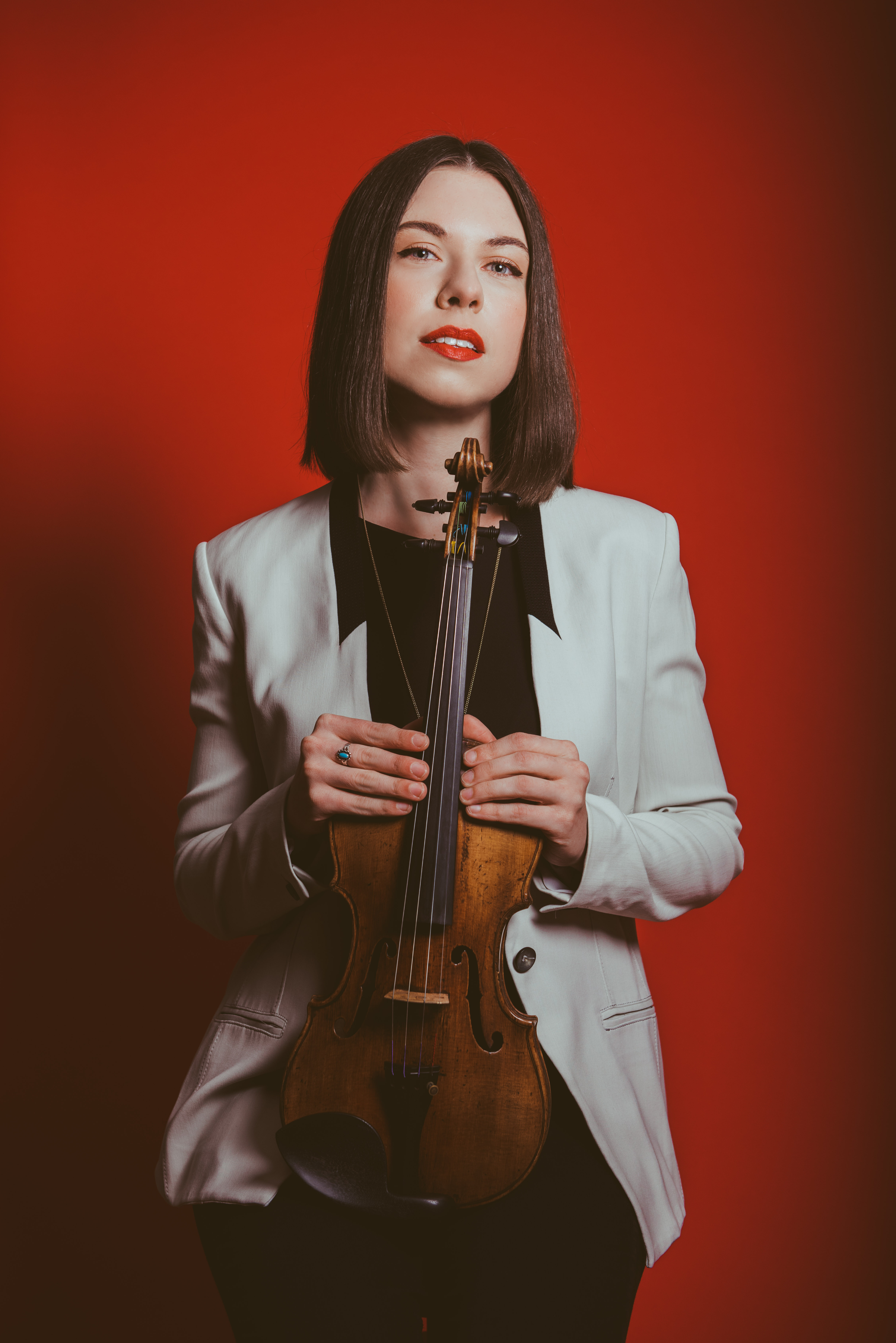
Lark occupied the concerto’s unique sound world like it was home—which in a way it is. She played the dazzling first movement with fire and a Bluegrass virtuosity that elicited spontaneous applause between movements. The wistful second movement—as it is labelled in the score—presents a series of meditative ideas skillfully knit together. And the final movement, now “spirited,” gave Lark the chance to play flashy fiddling licks with energy and bravura. 

The performance was not always ideally balanced in Macky’s uneven acoustic, but that seemed not to detract from the listeners’ enjoyment. Lark’s energetic body language, including bends and emphatic stomps, added to the overall excitement. The audience called Lark back for an encore that combined her country singing skills with down-home fiddling. 

The concert concluded with another piece from America, if not by a living American: Dvořák’s Symphony No. 9, “From the New World.” Butterman and the orchestra gave an expressive performance, marked by strategic variations of tempo. If a little more than I would like, these touches marked out the expressive contours of the familiar symphony. 

The best moment was provided by the brass chorale at the outset of the second movement, resonant and reverent. The movement also featured an eloquent English horn solo on the famous “Goin’ Home” theme that was later adopted into a pseudo-spiritual by one of Dvořák’s pupils. Butterman tore into the final movement at a speedy pace, but again used strategic variations of tempo to outline the expressive contours. 

The winds played strongly throughout, giving the symphony a muscular core, but occasionally overpowering the strings. All the wind solos were well played, including the treacherous horn solos and lovely contributions from the flute and clarinet. 

CORRECTION 1/13: The composer Stephen Lias’ name was incorrectly listed as Michael in the first version of this review.

Michael Butterman returns to Boulder Phil

Conductor will lead premiere of new work by Stephen Lias on program “From the New World”

By Peter Alexander Jan. 8 at 12 noon

Michael Butterman, music director of the Boulder Philharmonic, returns to the Macky Auditorium stage to conduct the orchestra’s concert Sunday (4 p.m. Jan. 12; details below) after an absence of several months while he underwent cancer treatments at his home in Shreveport, La.
In addition to Butterman’s return, the concert is noteworthy in featuring two works by living composers, one of them a world premiere, and the much loved Symphony “From the New World” by Antonín Dvořák. The world premiere, Wind, Water, Sand by Stephen Lias, is a musical tribute to Colorado’s Great Sand Dunes National Park—his third national park-based score to be premiered by the Phil. Violinist Tessa Lark, who combines her Grammy-nominated skills as a classical soloist with prowess as a bluegrass fiddler, will play Michael Torke’s Sky: Violin Concerto, which was written for her.

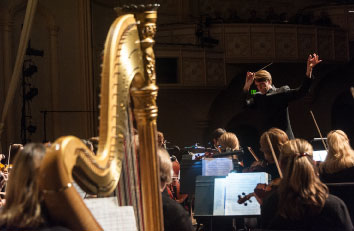
Michael Butterman with the Boulder Phil, before his recent illness

Butterman is eager to return. “I  want to get back to making music,” he says. “I’ve completed the chemo therapy regimen with good results. My immune system is going to be subpar for a few months and I have to be cautious, (but) other than that, I can go about my business.”

Noting the visible effects of his chemo treatments, he names some famous bald conductors. “It’s a different look,” he says. “I pass the mirror every now and then, and I’m like, ‘who was that person?’”

Lias, whose Web page identifies him as an “adventurer-composer,” has written more than 20 concert works inspired by America’s national parks. Two that have been premiered by the Boulder Phil—Gates of the Arctic (2014), inspired by a residency in that Alaskan park, and All the Songs that Nature Sings (2017), inspired by Colorado’s Rocky Mountain National Park—were accompanied by visual images of the respective parks. 

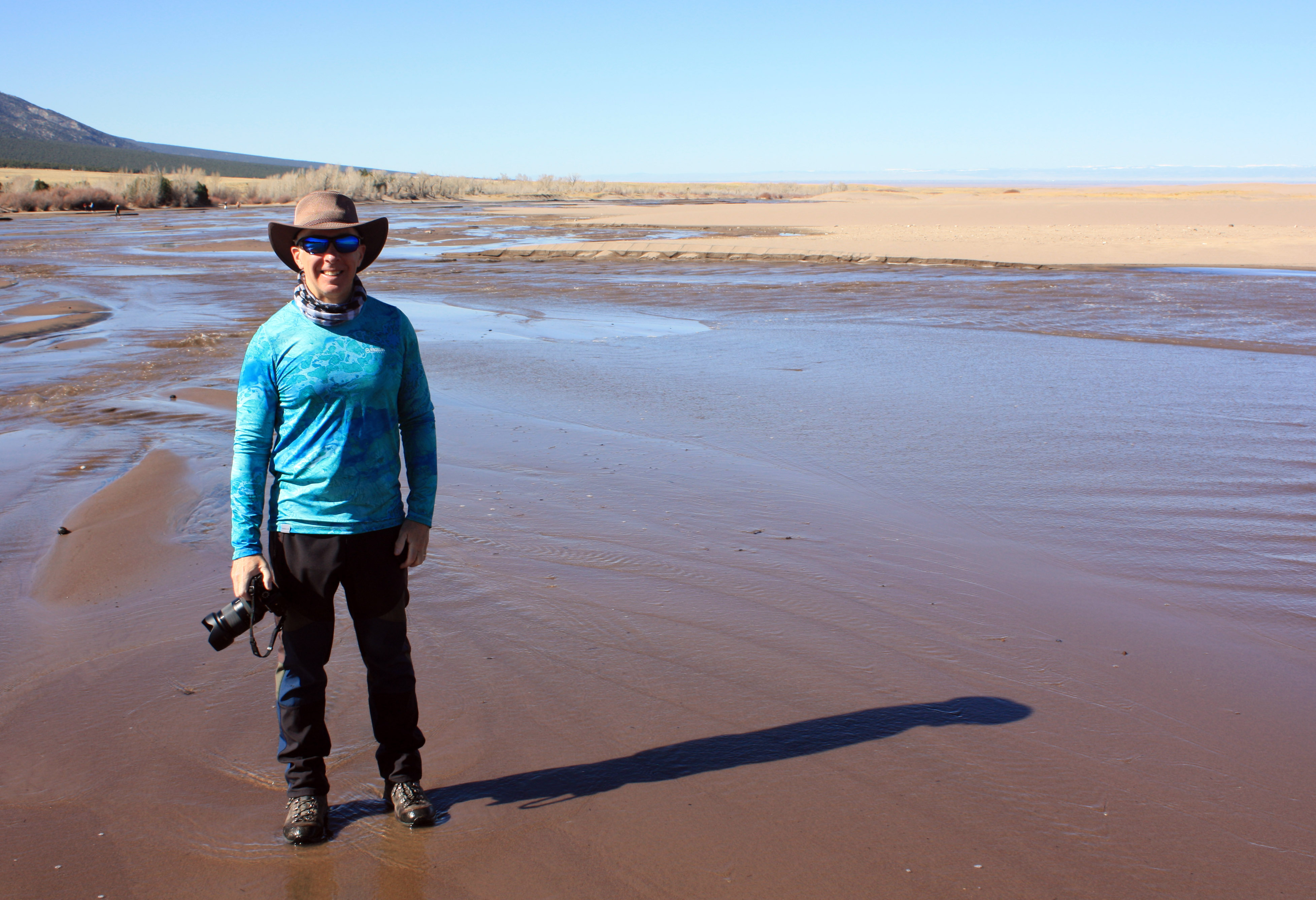
Stephen Lias at Great Sand Dunes N.P. in 2023 Photo by Peter Alexander

Wind, Water, Sand, however, does not have accompanying photos or videos. “I enjoy writing music that has imagery synchronized to it,” Lias says. “But Michael (Butterman) agreed at my request that this piece would not have imagery. 

“In this case, both because of the location and because of the musical challenge, I wanted to tap into the audience’s imagination, which is what we do when we listen to Beethoven’s ‘Pastoral’ Symphony or the Strauss Alpine Symphony. We allow our imagination to provide the imagery, and that was the direction that I wanted to go in this piece.”

Lias spent more than a week as a guest of Great Sand Dunes National Park in the spring of 2023. This was not a residency, but a one-time project between Lias, the park and the Boulder Philharmonic. Park officials “were very generous in allowing me access to the park, the museum and the staff there,” he says.

“What I wanted was to be completely open to the place (and) the experience there,” he said during his 2023 visit to the park. “I’m creating what I think of as ‘idea soup‘. I’m letting it stir, and we’ll see what it turns into.”

The flow of sand and water at Great Sand Dunes N.P. Photo by Peter Alexander

What turned into the basis of his score was the flowing motion of the wind across the dunes, of the water that runs beside the dunes, and of the sand as it forms the dunes—hence the title, Wind, Water, Sand. “All of those are doing the same thing at different paces and at different scales, from the very slow to the very fast, from the microscopic to the gargantuan,” Lias says. 

While those are separate elements in nature, they are not represented by separate musical ideas. “Rather than make a wind theme and a water theme and a sand theme,” Lias explains, “I focused on a group of ideas that go both slow and fast. There are little ornate, intricate elements in certain parts of the music that are re-used as whole notes as bass lines for other places in the piece.They are all participating in the same dance.”

An eclectic composer, Torke has written music influenced by minimalism, operas influenced by rap and disco, a rock opera version of Monteverdi’s L’incoronazione de Poppea (The Coronation of Poppea), music inspired by his synesthetic experiences of music and color—and now a Bluegrass concerto. Sky was commissioned in 2018 by a consortium of 11 orchestras around the country, including the Albany Symphony, with whom Lark played the premiere. “Tessa just owns that piece,“ Butterman says.

Lark grew up in Kentucky, where she studied the Suzuki method and performed with her father’s Bluegrass band. She later studied at the New England Conservatory and Juilliard, and while playing a Stradivari violin on loan she was inspired to record an album titled Stradgrass Sessions combining her classical and Bluegrass skills.  

Tessa Lark

In his program notes, Torke writes “The inspiration for this concerto came from Tessa Lark . . . Banjo-picking technique given to the solo violin was the departure point in the first movement. For the second movement my source material was Irish reels, the forerunner of American Bluegrass. The template for the third movement was fiddle licks with a triplet feel. In each case I wrote themes of my own in these styles, and developed the ideas into a standard ‘composed’ violin concerto.”

Butterman describes Sky as having “a great deal of complexity in terms of the way the parts work with one another. It’s a workout for the orchestra, no question, but very successful with the audience.”

In the context of the two newer pieces, Butterman thought that Dvořák’s “New World” was the perfect compliment. “All of these pieces are American in one way or another,” he says. “The closest connection is between Torke and Dvořák. Dvořák was looking to show Americans how to celebrate our cultural richness through development of the spiritual, and also what he thought were native American elements. And in the Torke we have a Bluegrass influence.

“The Torke and the Dvorak, in spite of them being a hundred and however many years apart, come from similar motivations. And (Lias’s) piece is inspired by a beautiful slice of our American landscape (that) people in Colorado will appreciate and understand.”

# # # # #

“From the New World”
Boulder Philharmonic Orchestra, Michael Butterman, conductor
With Tessa Lark, violin

  • Stephen Lias: Wind, Water, Sand WORLD PREMIERE
  • Michael Torke: Sky: Violin Concerto
  • Dvořák: Symphony No. 9 in E minor, “From the New World”

4 p.m. Sunday, Jan. 12
Macky Auditorium
TICKETS

Boulder Phil opens season with guest conductor

Boulder native Francesco Lecce-Chong subs for Michael Butterman

By Peter Alexander Sept. 5 at 9 p.m.

The Boulder Philharmonic opens its 2024–25 season Sunday afternoon in Macky Auditorium (4 p.m. Sept. 8) with music by Tchaikovsky and Mendlessohn. Sixteen-year-old rising musical star Amaryn Olmeda will be the soloist for Tchaikovsky’s Violin Concerto. 
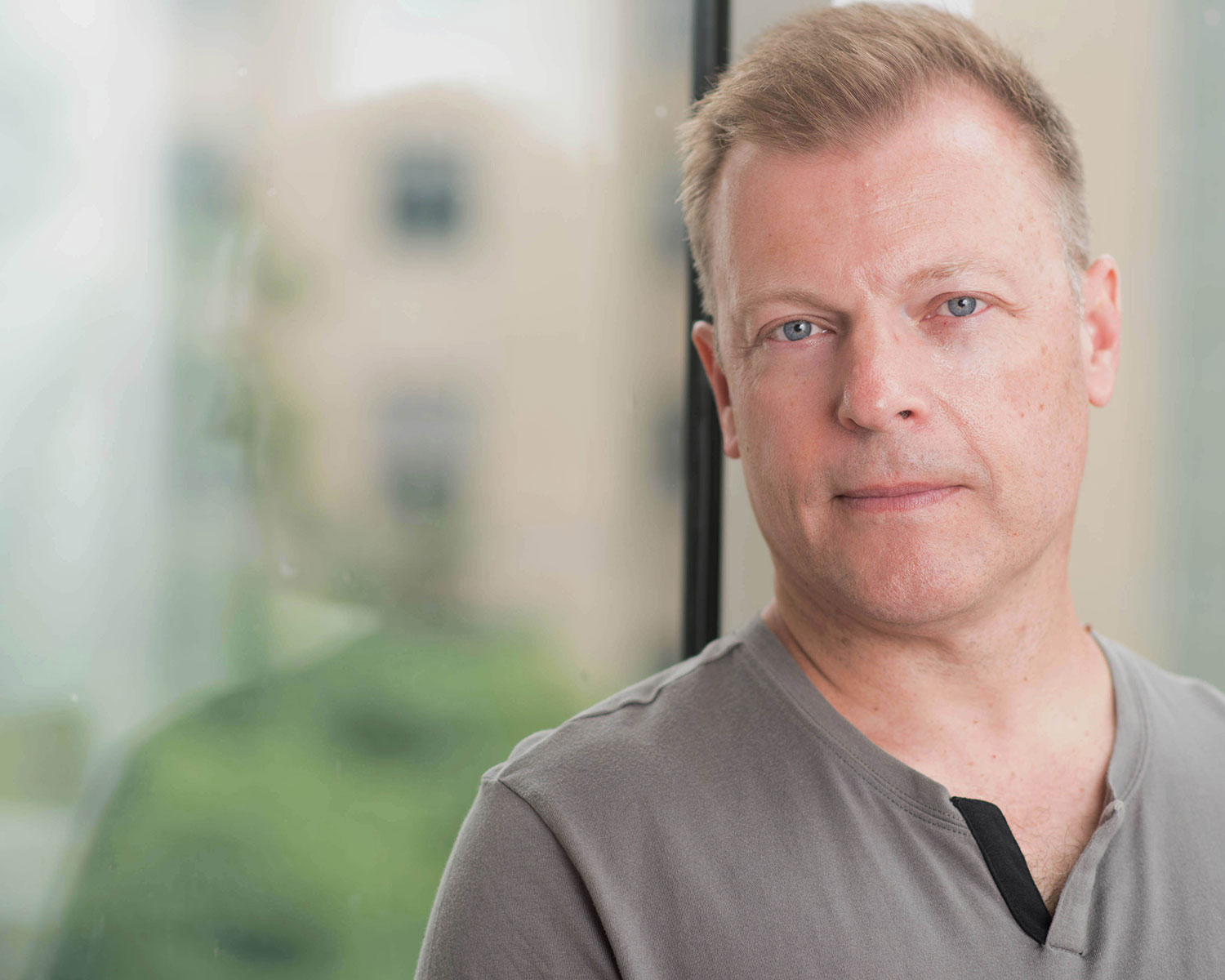
The concert will be led by guest conductor Francesco Lecce-Chong, substituting for an indisposed Michael Butterman. In addition to the concerto, Lecce-Chong will lead the orchestra in Mendelssohn’s “Reformation” Symphony, Vaughan Williams’ Fantasia on a Theme of Thomas Tallis, and English Renaissance composer John Dowland’s Lachrimae antiquae (Ancient tears).

Francesco Lecce-Chong

A familiar presence to the Philharmonic’s audience, Butterman was scheduled to conduct the program. However, he was diagnosed with lymphoma, and in a recently posted YouTube video says “I’m going to have to watch my energy (and) stay away from crowds.”

He has had to curtail his activities with all four orchestras he conducts, in Boulder; Shreveport, La., where he lives; Williamsburg, Va.; and Lancaster, Penn. Nevertheless, he says “I feel very good, my doctors are optimistic (and) I hope to be back as soon as it’s practical—hopefully later on this fall.”

Growing up in Boulder County, Lecce-Chong was extremely active in the local youth classical music scene, both as violinist and pianist. He is returning to Colorado for his first opportunity to conduct the Boulder Phil. The program he will lead was selected by Butterman as the season opener, except for one piece that was selected by a vote of the orchestra’s season subscribers, the Fantasia on a Theme of Thomas Tallis by Ralph Vaughan Williams.

Also on the program is Lachrimae antiquae (Antique tears) by the English Renaissance composer John Dowland. Written around 1600 as “Flow my Tears,” a song with lute accompaniment, it was arranged by Dowland for viol consort (an ensemble of string instruments) in a set of seven versions of which the Lachrimae antiquae is the first.

Each of the seven settings represents a different kind of tear, including sighing tears, sad tears, insincere tears and lover’s tears. As an expression of deep melancholy, the collection is considered one of Dowland’s most personal expressions. Another piece he wrote around the same time has the punning title “Semper Dowland, semper dolens” (always Dowland, always mournful). The Phil will play a transcription of the music for viol consort for modern strings.

The centerpiece of the concert will be Tchaikovsky’s Violin Concerto. As popular as it is, the concerto has not been presented by the Boulder Phil in many seasons. The concerto was composed in 1878. Tchaikovsky was in Switzerland, where he went to recover from the emotional damage from his brief marriage. 

The concerto was initially dedicated to the Hungarian virtuoso Leopold Auer, who however refused to perform it. The premiere was given instead by Russian violinist Adolph Brodsky, to whom Tchaikovsky later dedicated the work. In spite of mixed initial reviews, it eventually became one of the most popular staples of the violin repertoire. 

Amaryn Olmeda

At only 16, Olmeda has already started building an impressive musical resume. Born in Melbourne, Australia, she won the Sphinx Competition at 13, a national competition for string players. She currently studies at the New England Conservatory of Music. In addition to performances with the Sphinx Virtuosi chamber ensemble, she has appeared as soloist with the Philadelphia Orchestra, Seattle Symphony and Buffalo Philharmonic, among other major groups.

The final work on the program is Mendelssohn’s “Reformation” Symphony in D major/minor. It was comprised in 1830 for the 300th anniversary of the Augsburg Confession, one of the foundational documents of the Lutheran church. The second symphony Mendelssohn wrote, it was not published until 1868, 21 years after the composer’s death, leading to its numbering as his Fifth Symphony.

The symphony includes themes familiar to Lutheran congregations. The slow introduction makes use of the so-called “Dresden Amen,” a seven-note cadence sung by Lutheran choirs in Dresden and the German state of Saxony. Symbolic of the Protestant movement, it has been used by Wagner, Bruckner and other composers.

The final movement of the symphony is based on the chorale “Ein feste Burg ist unser Gott” (A mighty fortress is our God), composed by Martin Luther. In spite of the widespread popularity of Mendelssohn’s orchestral music, the Fifth Symphony is not as well known as either the Third (“Scottish) or Fourth (“Italian”) symphonies.

Growing up in the Boulder area, Lecce-Chong played in the  Longmont Youth Symphony and was an assistant to the the conductor of the Boulder Youth Symphonies. In 2002 he won first prize in the PeakArts Young Soloist Competition. After leaving Colorado he attended the Curtis Institute of Music, the Mannes College of Music, and Accademia Musicale Chigiana in Italy. 

He served as associate conductor of the Pittsburgh and Milwaukee symphonies, and is currently conductor of the Santa Rosa Symphony in California and artistic partner with the Eugene, Oregon, Symphony. He has appeared with orchestras around the U.S. including the San Francisco Symphony, New York Philharmonic, Seattle Symphony, Baltimore Symphony, Detroit Symphony and Saint Paul Chamber Orchestra.

# # # # #

“Tchaikovsky & Mendelssohn”
Boulder Philharmonic Orchestra, Francesco Lecce-Chong, guest conductor
With Amaryn Olmeda, violin

Ralph Vaughan Williams: Fantasia on a Theme of Thomas Tallis
John Dowland: Lachrimae antiquae (Antique tears)
Tchaikovsky: Violin Concerto
Mendelssohn: Symphony No. 5 in D major/minor (“Reformation”)

4 p.m. Sunday, Sept. 8
Macky Auditorium

TICKETS

Music from Haydn to Mariachi on a busy weekend

Boulder Phil, Boulder Chorale and Takács Quartet 

By Peter Alexander April 25 at 10:05 p.m.

It’s spring and thoughts at the Boulder Philharmonic turn to romance.

Their next concert under music director Michael Butterman, titled in fact “Spring Romance,” features a fleet and evocative musical meditation on the season, D’un matin de printemps (Of a spring morning) by Lili Boulanger. 

Also on the program to be performed Saturday (April 27; details below) at Macky Auditorium, Spanish/Mallorcan violinist Francisco Fullana will perform Saint-Saëns’s Violin Concerto No. 3 with the orchestra. The program concludes with Tchaikovsky’s Symphony No. 5.

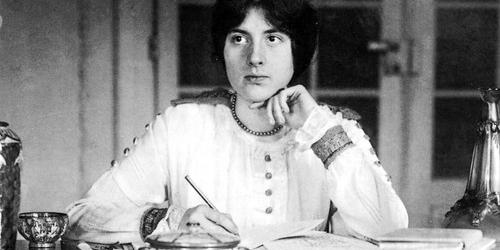
Lili Boulanger

The younger sister of the famous music teacher Nadia Boulanger, Lili died at the tragically young age of 24. The first female winner of the Prix de Rome composition prize, Lili showed precocious musical talent as young as four, when she accompanied her older sister to classes at the Paris Conservatoire. Long overshadowed by Nadia’s success, Lili and her music have become more prominent in recent years. 

Written in 1918, D’un matin de printemps was one of the last works she completed. It was written in versions for solo violin, flute, and piano, for piano trio, and for orchestra. The score’s origin as a solo piece is reflected in passages traded among first chair string players. 

A native of Mallorca, a Spanish island in the Mediterranean, Fullana won an Avery Fisher Career Grant in 2018. A versatile performer, he performs both 19th-century Romantic repertoire with major orchestras world wide, and early music that he has played as artist-in-residence with the ensemble Apollo’s Fire.

Dedicated to and premiered by the Spanish virtuoso Pablo de Sarasate, Saint-Saëns’s Third Concerto is one of his most frequently performed pieces for violin and orchestra. Characterized by colorful themes and virtuoso flourishes, it has often been chosen by young violinists as a debut concerto. The most striking moment comes at the beginning of the finale, when the violinist plays a recitative-like passage before proceeding to an energetic main theme.

One of the composer’s most popular works, Tchaikovsky’s Fifth Symphony is also one of his most emotionally wrought symphonies. Often gripped with insecurity, Tchaikovsky initially thought the Fifth Symphony was a failure. “There is something repellant about it,” he wrote. After Brahms heard it and praised the symphony, however, Tchaikovsky wrote “I have started to love it again.”

The symphony’s dramatic progression has suggested to many listeners that there is an underlying story, or program. The composer, however, insisted that the Fifth—unlike the Fourth and Sixth symphonies—was not programmatic. Regardless of what any listener hears within the score’s drama, however, its emotional force has made it one of the most popular pieces in the orchestral repertoire.

# # # # #

“Spring Romance”
Boulder Philharmonic Orchestra, Michael Butterman, conductor
With Francisco Fullana, violin

  • Lili Boulanger: D’un matin de printemps (Of a spring morning)
  • Saint-Saëns: Violin Concerto No. 3
  • Tchaikovsky: Symphony No. 5

7 p.m. Saturday, April 27
Macky Auditorium

TICKETS

# # # # #

While the Boulder Philharmonic is thinking about Spring, the Boulder Chorale and conductor Vicki Burrichter are musically off to Mexico for a Fiesta de las Luces (Festival of lights).

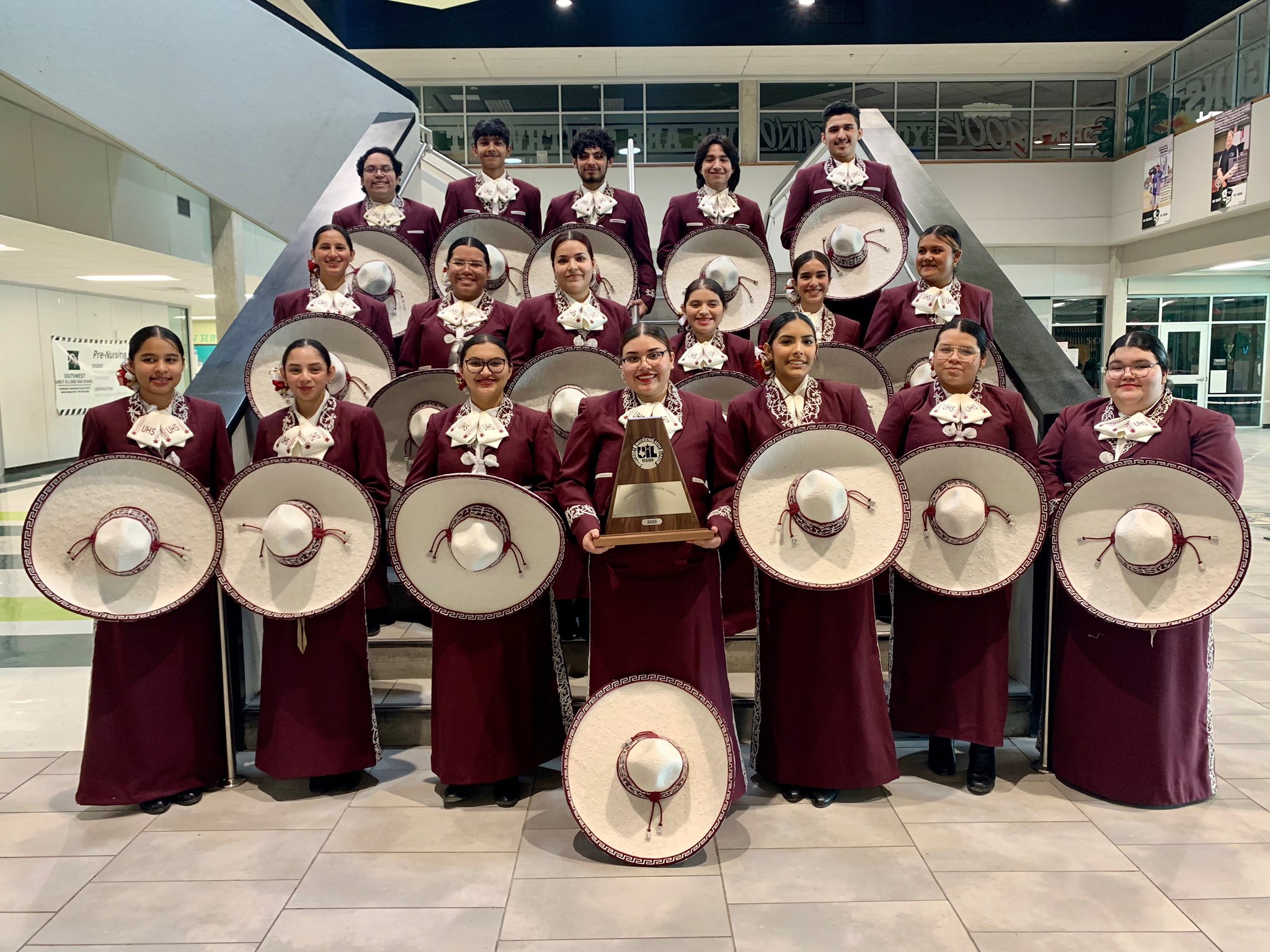
Their next program, to be presented Saturday and Sunday in Boulder and Longmont (April 27 and 28; see below) features Los Coyotes, an award-winning Mariachi Band from Uvalde, Texas, High School, as well as the Boulder Chorale’s children’s choir Bel Canto. The program is a celebration of Mexican culture in music, including both Mariachi music and other Mexican songs.

Los Coyotes, Uvalde High School, Texas

Founded in 1999, Los Coyotes won the Texas University Interscholastic League (UIL) Mariachi Championship in 2023. The outcome of the championship included a powerful feature article in Rolling Stone Magazine one year ago. The article brought out, among other things, the consoling impact of Mariachi music in Uvalde after the school shooting of 2022, and how a small program had grown into state champions under their current director, Albert Martinez.

As part of their visit to Colorado to perform with the Boulder Chorale, Los Coyotes have presented a workshop for local Mariachi students at Longmont’s Skyline High School, and have other appearances planned in addition to their concerts with the Boulder Chorale. Their full schedule is available HERE.

Each performance listed below will be preceded at 3:30 p.m. by a presentation by Burrichter and Martinez.

# # # # #

Fiesta de las Luces: Songs of Mexico
Boulder Chorale, Vicki Burrichter, conductor
With Los Coyotes, Mariachi band from Uvalde, Texas, High School, Albert Martinez, director;  and the Boulder Children’s Choir Bel Canto

Program of Mariachi music and Mexican songs arranged for chorus

4 p.m. Saturday, April 27 at First United Methodist Church, Boulder
4 p.m. Sunday, April 28, at Vance Brand Civic Auditorium, Longmont

TICKETS

# # # # #

The Takács Quartet wraps up their 2023–24 season of campus concerts Sunday and Monday (April 28 and 29; see details below). This was the quartet’s 49th season. 

The Sunday performance is sold out, but a few tickets are still available at the time of posting for Monday’s performance, and tickets are also available for the livestream of Sunday’s concert, which will be available online through Monday, May 6.

The program comes from the heart of the Classical/Romantic repertoire, opening with string quartets by Haydn and Schubert. To close out the concert, two additional CU music faculty members—violist Erika Eckert and cellist Meta Weiss—join the quartet to perform Brahms’s String Sextet in G major.

Most of Haydn’s string quartets were published in sets of six, which was the standard for most printed music at the time. Each published set generally has an opus number for the full set, with works numbered 1–6 within the set. The Quartet in D minor, op. 42, is an exception, however, as it stands alone as a single work issued as op. 42. 

It has been speculated that because it is a relatively simple quartet, Op. 42 might have been part of a planned set of three shorter works that were commissioned by two Spanish nobles, but never completed. It is in the standard four movements, in the order Andante ed innocentemente (walking speed and innocently), Minuet—Trio, Adagio and Presto.

Schubert’s String Quartet in B-flat was written in 1814, when the composer was only 17. It was never published during Schubert’s lifetime, so when it finally came out in 1863, it was given the late opus number of 168, even though it was an early work. Schubert wrote the quartet very quickly, completing the first movement in only four and a half hours, and the entire quartet in nine days. With such speed, it is not surprising that it is one of seven quartets Schubert completed in little more than a year.

Takács Quartet. Image by Amanda Tipton Photography.

All his life Brahms was wary of being compared to Beethoven. That likely why it took him 14 years to complete his first symphony, published when he was in his 40s, and why he destroyed his first 20 attempts at writing a string quartet. It is also sometimes speculated that he completed his two string sextets before his three quartets because they were not easily compared Beethoven’s masterful string quartets.

In any case, the Sextet in G major was written when Brahms was living comfortably near the resort town of Baden-Baden. The first movement contains a musical reference to the first name of the singer Agathe von Siebold, to whom Brahms had been briefly engaged some years before. Her significance to the composer is indicated by the fact that when he finished that movement, her wrote in a letter, “Here I have freed myself from my last love.”

Surprisingly, the Sextet was first performed in Boston in October 1866, a month before the European premiere in Zurich.

# # # # #

Takács Quartet
With Erika Eckert, viola, and Meta Weiss, cello

  • Haydn: String Quartet in D minor, Op. 42
  • Schubert: String Quartet in B-flat Major, D112
  • Brahms: String Sextet No. 2 in G Major, Op. 36

4 p.m. Sunday, April 28 SOLD OUT
7:30 p.m. Monday, April 29

Grusin Music Hall, CU Imig Music Building

TICKETS for live performances and for online stream of Sunday’s performance

Boulder Phil presents “The Best of Boulder”

Cellist David Requiro, oboists Sarah Bierhaus and Max Soto featured Sunday

By Peter Alexander Feb. 8 at 8:10 p.m.

The Boulder Philharmonic Orchestra often brings renowned soloists to Macky Auditorium.

In recent years, their guests have included pianists Angela Cheng, Simone Dinnerstein and Garrick Ohlsson; violinists Rachel Barton Pine, Anne Akiko Meyers and Hilary Hahn; cellists Astrid Schween and Zuill Bailey; and the Marcus Roberts Trio. Local artists have not been ignored—the late concertmaster Charles Wetherbee was a repeat soloist, and Grammy-winning violist, CU faculty and Takács Quartet member Richard O’Neill played with the orchestra in 2022.

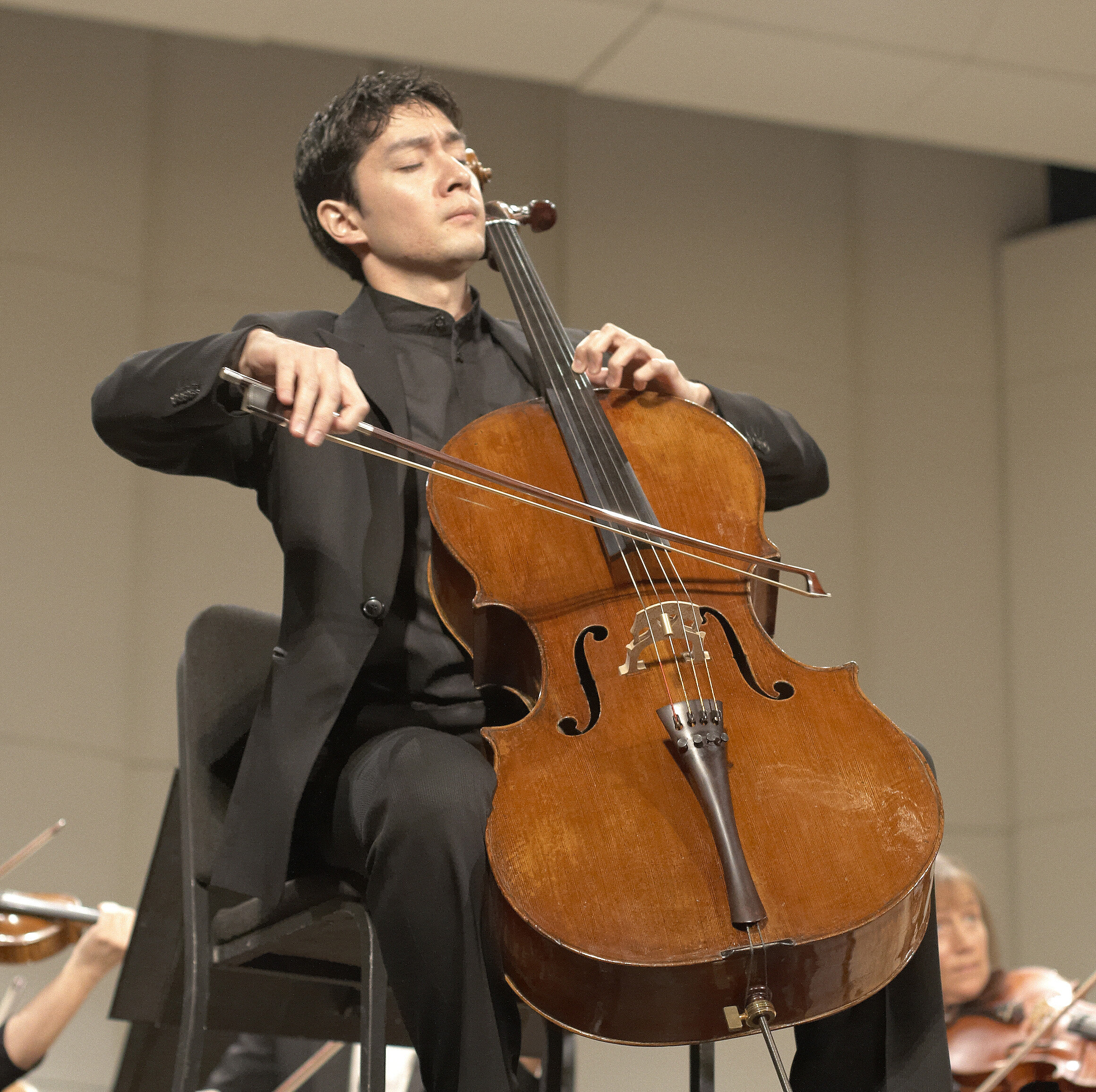
Cellist David Requiro

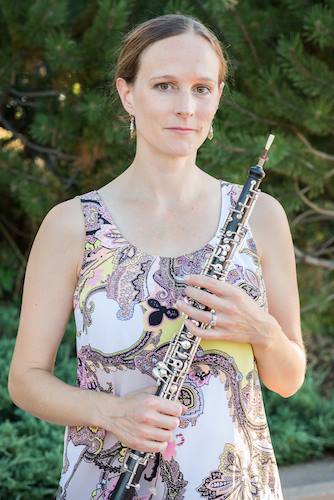
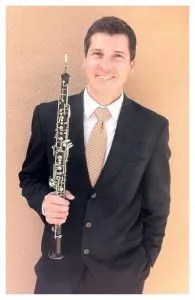
But now conductor Michael Butterman and the orchestra have devoted their next concert to presenting local artists as soloists. Under the title “The Best of Boulder,” the performance at 7 p.m. Sunday (Feb. 11 in Macky Auditorium; details below) will feature cellist David Requiro from the CU College of Music playing Tchaikovsky’s Variations on a Rococo Theme; and oboists Sarah Bierhaus—the Phil’s principle oboist—and Max Soto in composer Viet Cuong’s Extra(ordinarily) Fancy. 

Other works on the program are Caroline Shaw’s Entr’acte as the opener, and Mozart’s “Jupiter” Symphony—his last and one of his most celebrated works—as the concert’s finale.

Sarah Bierhaus

Cuong was born in California and grew up in Georgia. He has written in program notes that Extra(ordinarily) Fancy, a concerto for two oboes and orchestra, was partly inspired by Baroque-era oboe concertos by Vivaldi and Albinoni.

Max Soto

“After a short Vivaldi-esque introduction that establishes the main melodic ideas of the piece, the oboists go at it,” he wrote. “They mock each other, squawk at each other, and even talk over each other. The orchestra observes and joins in as the oboists continually bicker back and forth, all culminating in a reconciliation where the once-hesitant oboist learns (and even enthusiastically performs) a few multiphonics [a distorted sound that produces more than one pitch] alongside the other oboist.”

Tchaikovsky drew both inspiration and comfort from Mozart. He once wrote in a letter, “I not only love Mozart, I worship him . . . It is to Mozart that I am obliged for the fact that I have dedicated my life to music.” His orchestral Suite No. 4 was written as a tribute to Mozart, and came to be known as “Mozartiana.”

Another work that shows his reverence for Mozart and the classical style is his Variations on a Rococo Theme, composed in 1876 with the assistance of cellist Wilhelm Fitzenhagen. In fact, Fitzenhagen made numerous changes in the piece, including changing the order of variations and adding details in the solo part. It was Fitzenhagen’s version that was ultimately published.

The theme is not from the Rococo period, but is one that Tchaikovsky wrote in the style of that period, roughy 1740–70 between the Baroque and Classical eras. After the theme there are seven variations (excluding one that Fitzenhagen cut out) in varying moods, but all in a graceful and loosely classical style. More genial than some of Tchaikovsky’s music, this has proven one of his most popular pieces. 

Caroline Shaw

One of the most successful composers today, Caroline Shaw became the youngest winner of the Pulitzer Prize in music in 2013, and she is a member of the Grammy-winning vocal ensemble Roomful of Teeth. Also a violinist, she has written a number of works for string quartet, including Entr’acte. Although the inspiration may not be obvious to the listener, she wrote Entr’acte after hearing one of Haydn’s quartets, and later arranged it for string orchestra. She wrote of Haydn’s quartet, “I love the way some music suddenly takes you to the other side of Alice’s looking glass, in a kind of absurd, subtle, Technicolor transition.”

Mozart wrote his last three symphonies—Nos. 39, 40 and 41—potentially for a concert series during the summer of 1788, although there is no definite evidence that the Symphony No. 41 was played at that time. By the early 19th century, it was known as the “Jupiter Symphony”—perhaps so named by the English impresario Johann Peter Salomon but definitely not by Mozart.

The four movements follow the standard classical structure of Haydn, Mozart and Beethoven. The most striking movement is the finale, a quintuple fugue that is both a vivid demonstration of the composer’s mastery of counterpoint and a brilliant ending to the symphony—and any concert.

# # # # #

“The Best of Boulder”
Boulder Philharmonic Orchestra, Michael Butterman, conductor
With David Requiro, cello; Sarah Bierhaus, oboe; and Max Soto, oboe

  • Caroline Shaw: Entr’acte
  • Viet Cuong: Extra(ordinarily) Fancy
  • Tchaikovsky: Variations on a Rococo Theme
  • Mozart: Symphony No. 41 in C major, K551 (“Jupiter)

7 p.m. Sunday, Feb. 11
Macky Auditorium

TICKETS

NOTE: A correction was made on Feb. 9. An earlier version of this story misspelled two names. It is Caroline Shaw, not Carolyn, and Wilhelm Fitzenhagen, not William Fitzhagen.

Dreamy and jazzy world premiere by Boulder Philharmonic

Ricardo Morales played a new Clarinet Concerto by Aldo López-Gavilán

By Peter Alexander Jan 8 at 12:15 a.m.

The Boulder Philharmonic Orchestra and renowned clarinetist Ricardo Morales presented the world premiere of a concerto by Cuban composer Aldo López-Gavilán yesterday afternoon (Jan. 7) in Macky Auditorium. Michael Butterman conducted.

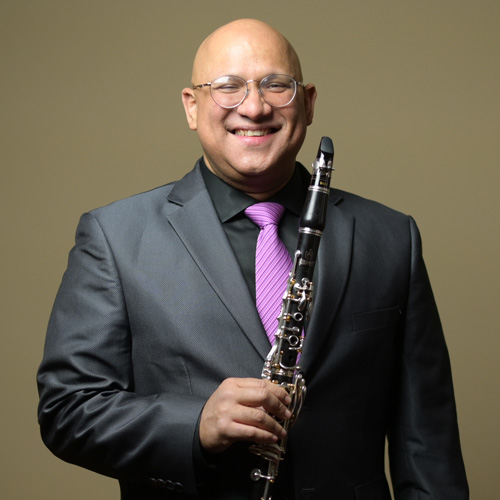
Ricardo Morales

Principal clarinet of the Philadelphia Orchestra, Morales is one of the most distinguished clarinet soloists today. His performance of López-Gavilán’s concerto—a work at times dreamy, quirky, playful and jazzy—had all the hallmarks of a top-rate performance. His fluid, resonant tone was captivating, and he was fully equal to the fiercely virtuosic passages of the scampering final movement. The Boulder Phil has a record of bringing notable soloists to Macky Auditorium, but none will exceed Morales for flair and artistry. (Disclosure: as a clarinetist I was delighted to hear Morales in person.)

The concerto unfolds in a traditional three-movement format. The first starts with pensive lines floating above the orchestra before settling into oddly off-beat rhythms in the orchestra. The movement proceeded energetically, even when the tumbling lines of the solo part were not clearly audible above the orchestra. These roulades colored the music without leaving a memorable imprint.

The second movement began as a mildly jazzy lullaby in which Morales’s velvety sound perfectly fit the music’s mood. Later, the soloist offered flitting, bird-like decoration over a gentle ebb and flow in the orchestral strings.

The final movement emerged suddenly with playful, romping rhythms that featured the clarinet at its best: brilliant, jaunty, scampering here and there with abandon. This frisky material was interrupted by a contrasting passage with a lazy clarinet line accompanied by pinging mallet percussion. As soon as the listener got into that calmer mood, the scampers began again, skipping to a breakneck finish. 

Under Butterman’s firm direction, the Phil made a strong case for López-Gavilán’s music. This is a concerto that should be welcomed by all clarinetists. It will please audiences with its varied moods and overall good nature, while the soloist has opportunities for both gentle expression and virtuoso flourishes.

Also López-Gavilán

The concerto was paired on the first half of the program with López-Gavilán’s three-movement piano concerto, titled Emporium, with the composer as soloist. A work that López-Gavilán and the Phil presented here in 2019, it was nevertheless welcome again. First begun as a birthday gift for López-Gavilán’s twin daughters’ ninth birthday, it is a gently ingratiating piece rather than a heroic concerto in the Romantic mold.

López-Gavilán was an ideal soloist, both in his command of the various classical, Afro-Cuban, jazz  and even church-hymn elements of the score, and in his evident devotion to the music. I particularly enjoyed the middle movement, which featured ominous drum rolls and eerie chords—a scary story for López-Gavilán’s girls?—that resolves safely into a hymn that almost sounds familiar before settling into sweet and comforting material. That benediction suddenly sweeps into full chords as the boisterous finale busts forth. Here I imagine that the children have awakened with energy.

It was in this movement that López-Gavilán showed his formidable technique. A cadenza-like passage leads to a grandiose finish. Once again the orchestra performed admirably, especially the solid, punctuating chords of the finale. Butterman apologized for bringing Emporium back to Macky again so soon, but the audience embraced the return enthusiastically.

The concert concluded with a somewhat subdued performance of Mussorgsky’s much-loved Pictures at an Exhibition in the familiar Ravel orchestration. After a brisk opening promenade in the solo trumpet, the character and mood of each picture—from the “Old Castle” with its saxophone minstrel, to the romping children of the “Tuileries,” to the lumbering oxcart “Bydlo, and on to the concluding “Great Gate of Kiev”—was carefully attended to.

Too carefully? The performance seemed restrained. The individual solos were generally well played by the Phil’s first-rate players, especially the woodwinds, and the contrasts between pictures were well delineated. I would single out the saxophone solo, and the flittering woodwinds in the “Tuileries” and “Unhatched Chicks” for special praise.

But the Macky stage cannot hold an orchestra large enough to provide the full impact of the “Great Gate,” even with strong brass and staunch percussion sections. “Baba Yaga’s Hut,” with its percussion blows and emphatic chords, was a fierce highpoint of the performance, but elsewhere more was wanted.

Boulder Philharmonic brings Caribbean spice to Macky Jan. 7

Recording of performances will be Phil’s first commercial release

By Peter Alexander Jan. 4 at 7:40 p.m.

The Boulder Philharmonic welcomes two guest artists from Caribbean islands for their concert Sunday (4 p.m. Jan. 7, Macky Auditorium)‚ composer/pianist Aldo López-Gavilán from Cuba and clarinetist Ricardo Morales from Puerto Rico.

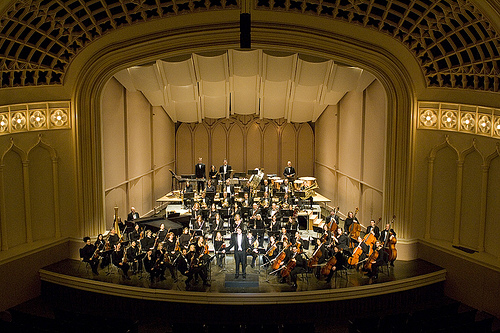
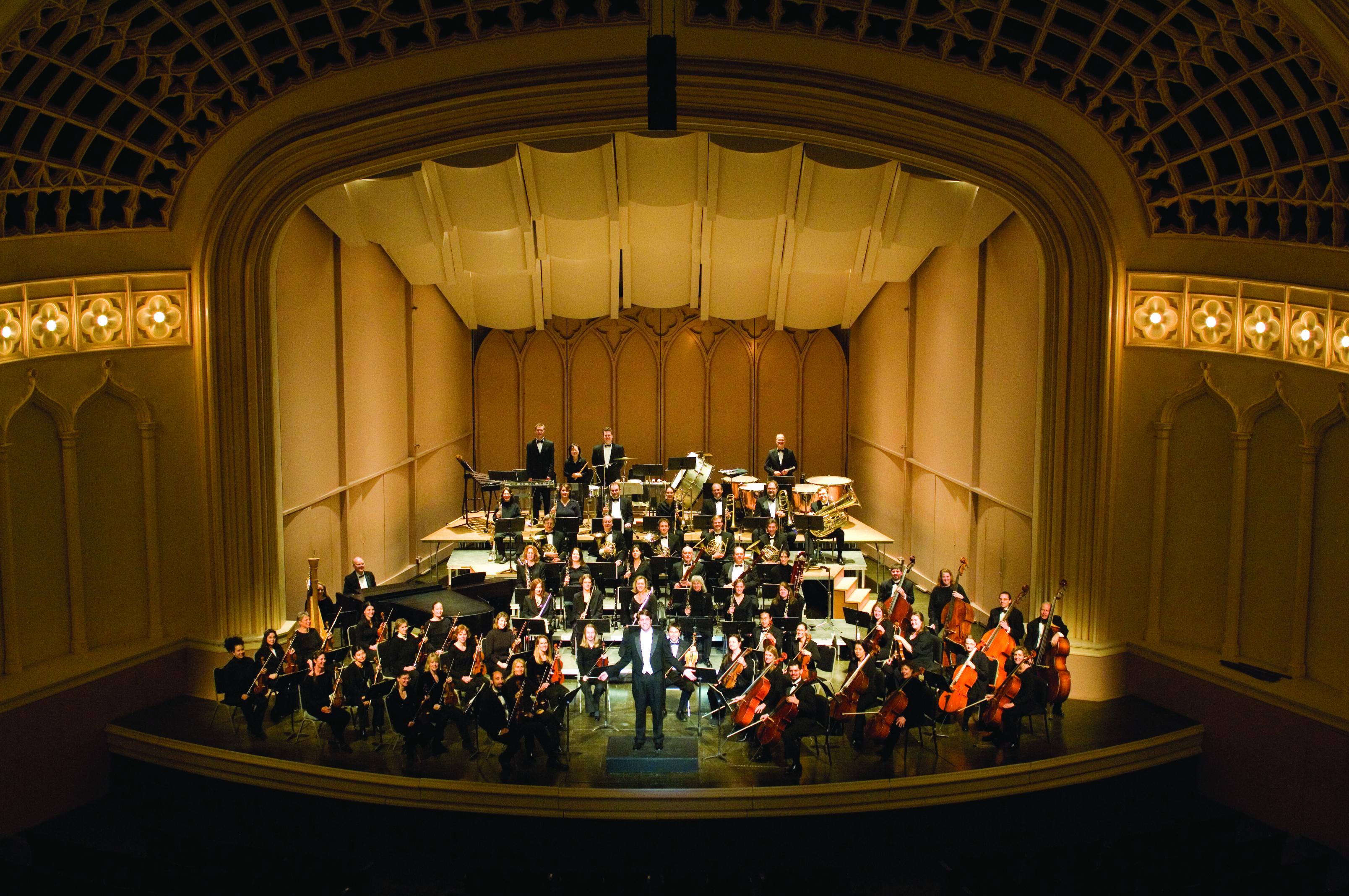
Boulder Philharmonic Orchestra in Macky Auditorium

Morales will play the world premiere of the Clarinet Concerto by López-Gavilán, who will also reprise his Emporium for piano and orchestra, which he played with the Phil in 2019. Completing the program will be Mussorgsky’s Pictures at an Exhibition in the familiar Ravel orchestration.

And in a first for the orchestra, portions of the program—the pieces by López-Gavilán—will be recorded for commercial release on the Reference Recordings label. Both the dress rehearsal and the performance will be recorded, with a make-up session afterward to patch any problems in the live recordings.

The full recording will feature both the Clarinet Concerto and Emporium, and additional solo performances by López-Gavilán. Conductor Michael Butterman says that “early fall of 2024 would be a likely target date” for the recording to be released.

Aldo López-Gavilán

Butterman first encountered López-Gavilán’s music when he heard a performance of Emporium on the NPR program “Performance Today.” That show has been one of his favorite sources for music he might not otherwise hear. “If it were not for that radio program, I don’t know what I would ever conduct,” he says, laughing.

“In 2018 I heard this amazingly interesting (music). It was one of those moments where you get to where you’re going and well, ‘I’m not going in now because I have to figure out what this is!’” Once he learned the title and the composer, he contacted López-Gavilán’s US management and arranged for him to play Emporium with the Phil the very next season.

That performance was so successful that Butterman started thinking of other ways to promote López-Gavilán’s music. “As soon as we had that success in 2019, the then-executive director and I got together and said, ‘this is a piece that really deserves to be heard.’ (I asked) could we figure out a way to record it with him?

“I knew that he had been writing a clarinet concerto, for his cousin in Cuba, and so the idea of putting them together has been in my mind for at least three years now. And I’m glad that we’re finally able to do it!”

López-Gavilán brings an interesting mix of jazz and classical background to his music. The son of a conductor and pianist, he grew up surrounded by classical music, but he also was drawn to the Afro-Cuban jazz he heard in his homeland. He performs in both realms.

He began Emporium as a gift for his twin daughters. “The whole thing is based on a theme that I dedicated to my daughters for their birthday, when they were nine,” he wrote in program notes. “I improvised this theme in the middle of the night, just to give them a surprise. Later, I started to play what would be the first movement with my jazz trio.

“Later on, I decided to orchestrate it [as a concerto], because I was invited . . . to perform at Classical Tahoe. You find that main theme from the first movement throughout the entire work, but with variations.”

Butterman says that the title Emporium evokes “a retail establishment with little bit of everything. I think Aldo’s use of that title reflects  that he is drawing on all sorts of influences in his musical life—classical music, Afro-Cuban jazz, more traditional jazz, and so on. It has a great deal of organic unity, however. He has a theme that he presents near the beginning that is used throughout, and so while it is eclectic, it’s not without a binding thread.”

Ricardo Morales

The Clarinet Concerto is written for a chamber orchestra, rather than the full Romantic orchestra of Emporium: single winds, horn and trumpet, plus fairly extensive percussion. As Butterman describes the style, “the outer movements are rhythmically complex, and it gets jazzy. The second movement is more lyrical and starts slowly but gets quicker. 

“There’s lots of opportunities for the clarinetist to do pitch-bending [and] the sorts of jazz-derived inflections that you might expect in a concerto by somebody that has so much jazz background. It feels very Latin, very Cuban, especially the last movement.”

The soloist, Ricardo Morales is from a neighboring island to Cuba, Puerto Rico, but Butterman says that’s not why he is the guest for this concert. “He’s perhaps that best clarinetist in the world right now,” he says. “And he’s a charming guy, too!”

Mussorgsky’s Pictures at an Exhibition hardly needs an introduction to classical music audiences. It was written in 1874 as a piano piece to honor the artist and designer Viktor Hartmann, a friend of Mussorgsky who had died suddenly at the age of 39. Each movement was inspired by a painting by Hartmann included in a memorial show of his works. Later the highly virtuosic piano score was arranged for orchestra by Maurice Ravel, creating one of the most colorful and popular pieces in the symphonic repertoire.

# # # # #

“Vignettes and Promenades”
Boulder Philharmonic Orchestra, Michael Butterman, conductor
With Aldo López-Gavilán, piano, and Ricardo Morales, clarinet

  • López-Gavilán: Clarinet Concerto (world premiere)
    Emporium
  • Mussorgsky: Pictures at an Exhibition, arr. Ravel

4 p.m. Sunday, Jan. 7
Macky Auditorium
TICKETS

Boulder Phil brings music of hope to audience

World premiere by Jeffrey Nytch, “Land Without Evil” by Richard Scofano, and Brahms

By Peter Alexander Nov. 13 at 12:20 a.m.

The Boulder Philharmonic with conductor Michael Butterman presented a concert in Macky Auditorium last night (Nov. 12) of music expressing hope and optimism.

Michael Butterman and the Boulder Philharmonic in Macky Auditorium

Titled “Visions of a Brighter Tomorrow,” the program featured Brahms’s uplifting Symphony No. 1, a musical depiction of a “Land without Evil” by Argentinian composer/bandoneonist Richard Scofano, and the world premiere of a new piece by CU music professor Jeffrey Nytch. In very different ways, all three pieces fulfilled the spirit of the concert’s title.

The concert opened with Nytch’s Beacon, a piece written in celebration of the 75th anniversary of the Boulder Star. Speaking before the performance, Nytch explained that he was inspired not only by the star as a symbol of the Holidays, but also it’s role as a source of consolation and comfort in times of stress in the community, including the days after 9/11, the King Soopers shooting and the Marshall Fire.

CU Prof. Jeffrey Nytch

Beacon is undoubtedly an effective concert opener, starting with bright sounds, transitioning into the mournful reflectiveness of somber emotions, and returning to the brightness of the Holiday season. My only question is whether it is too Boulder-centric to be widely performed, because it the kind of piece that on a musical basis alone should reach a wider audience.

The opening captures our cultural perceptions of the Holiday season so well that I expected to look up and see images of snowy but brightly-lit streets filled with revelers carrying home their Christmas packages. After a sparkly (Nytch’s word), high-pitched introduction, lyrical horns are accompanied by fluttery woodwinds, followed by soaring strings. 

For the central section, Nytch recalls CU cello student Louis Saxton, who played at the makeshift memorial outside of King Soopers in the days following the shooting. The familiar opening of Bach’s Suite No. 1 for solo cello, one of the pieces that Saxton played, was freely adapted to the orchestral setting. Played by the Phil’s principal cellist Charles Lee, it had an eloquent flexibility. The score quickly returns to a Holiday mood with bright statements in the brass and more sparkly timbres. 

This new score was played with evident care and commitment by the orchestra. It was actually Nytch’s second world premiere in two days, since he adapted parts of Beacon for brass quintet as a “Boulder Star Fanfare” that was played Saturday at the official lighting ceremony on the roof of the Boulder Museum. An effective occasional piece, this should become an annual part of the lighting ceremony.

The performance of Scofano’s La Tierra sin mal (The land without evil) featured Scofano on bandoneon—a concertina associated with the tango music of Argentina—and a performance by Boulder’s 3rd Law Dance/Theatre. The score convey’s Scofano’s image of an idyllic paradise, a world that has no pain. As such it is a more than pleasurable journey that features insistent Latin rhythms as well as moments of peacefulness that seem to come from another world, one exotic to our north American ears.

In a convincing and impactful performance, Butterman and the Phil conveyed well the imagery of the score. The bandoneon part, expressively played by Scofano, is generally part of the orchestral texture, so I cannot judge him as a soloist. Likewise, I am in no sense a dance critic; I will only note that the dancers, limited to the front of the stage, made creative use of their narrow space. To my eye, the choreography responded meaningfully to the music without slavishly following the score, gesture by gesture.

Butterman gave a cogent music-appreciation introduction to Brahms’s First, pointing out its connection to Beethoven, especially the latter’s “Ode to Joy,” while describing the mood and affect of each movement in turn. Although abbreviated, it was an almost Bernstein-like presentation. In performance, Butterman emphasized the turn from a dramatic, tense C minor in the opening movement, to a jubilant C major at the end.

The sound throughout the symphony was a little hazy where it needed to be decisive, but in Macky Auditorium it’s difficult to know if that is the orchestra or the unreliable acoustic. If there were no audience, I would wandered about and see if I could find a better spot to listen; the front balcony is often better than anywhere on the main floor.

That said, individual solos in the winds—clarinet, flute, oboe—were all outstanding. The individual players of the Phil are exceptional and always worthy of careful listening. I found the slow movement the least successful, carefully executed but too blurry to take flight. The third movement Intermezzo, “poco allegretto e grazioso,” was the most rewarding movement, gently moving with a nice flow and, again, good woodwind playing. 

The lack of clarity was most problematic in the finale, which never took fire or landed with the impact it can have at its best. Again, I attribute that in part to the hall, which often deadens warmth and suppresses richness of sound. I have been told that the Phil generally sounds better in other halls. I look forward to an opportunity to test that report.