Two Ninths add up to grand finale at CMF

Peter Oudjian to conduct famous last symphonies by Beethoven and Mahler

By Peter Alexander July 26 at 5:00 p.m.

Music director Peter Oundjian will conclude the 49th Colorado Music Festival (CMF) this week with performances of two very different ninth symphonies.
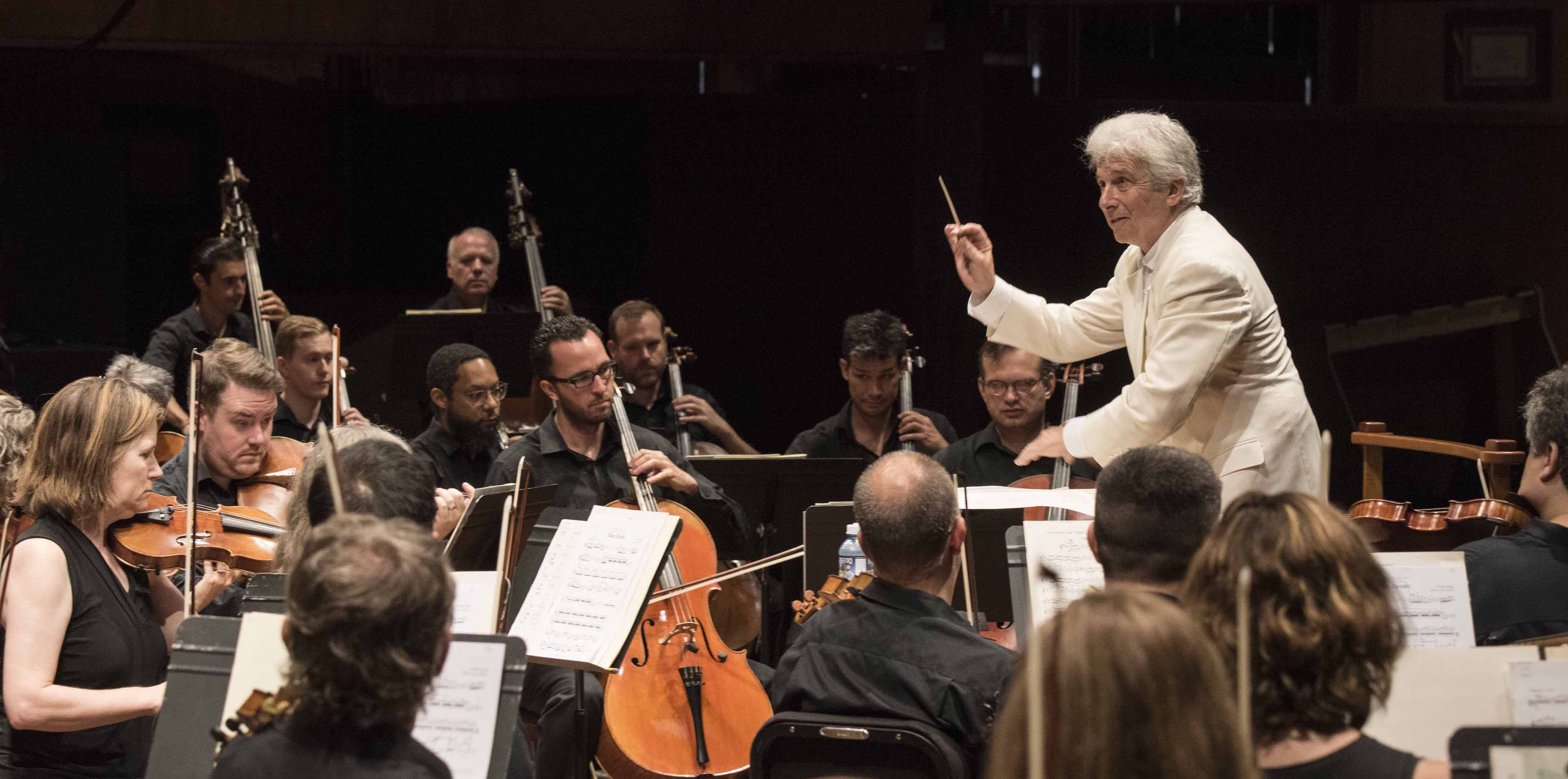
CMF Music director Peter Oundjian conducting the CMF Festival Orchestra

Thursday and Friday will see performances of one of the most famous symphonies ever written, Beethoven’s Symphony No. 9 in D minor for full orchestra, chorus and soloists (7:30 p.m. July 31 and 6:30 p.m. Aug. 1; full programs below). Two shorter works will fill out the program both evenings: Amplify, a short work for orchestra co-commissioned by CMF from composer Michael Abels; and Beethoven’s Elegischer Gesang (Elegiac song), op.118, for string quartet and vocal quartet.
Dover Quartet. Photo by Roy Cox.

The Sunday concert will feature a much less frequently performed Ninth Symphony, that of Gustav Mahler. At 87-plus minutes, the symphony stands alone on the program. “Mahler 9 is just enough of an experience for a listener, or for that matter for an orchestra or even for a conductor,” Oundjian says. “I have done it with other pieces, but I think it’s better just to say, ‘here’s  an epic thing.’ It’s more than fulfilling by any measure.”

The week begins with a chamber music concert by the Dover Quartet, playing string quartets from the heart of the 19th-century to late Romantic era: music by Schumann, Tchaikovsky and Leoš Janáček. (See program below.) The Dover Quartet was formed by four students at the Curtis Institute in 2008, and is currently the Penelope P. Watkins ensemble in residence at Curtis.

The culmination of Beethoven’s career, the Ninth Symphony was first performed in May of 1824. It was a revolutionary work at the time, both for its great length and for the inclusion of voices in a symphony. When he wrote it, Beethoven was profoundly deaf, at the end of the performance the composer, who was standing onstage, had to be turned around by one of the singers so that he could see the cheering audience.
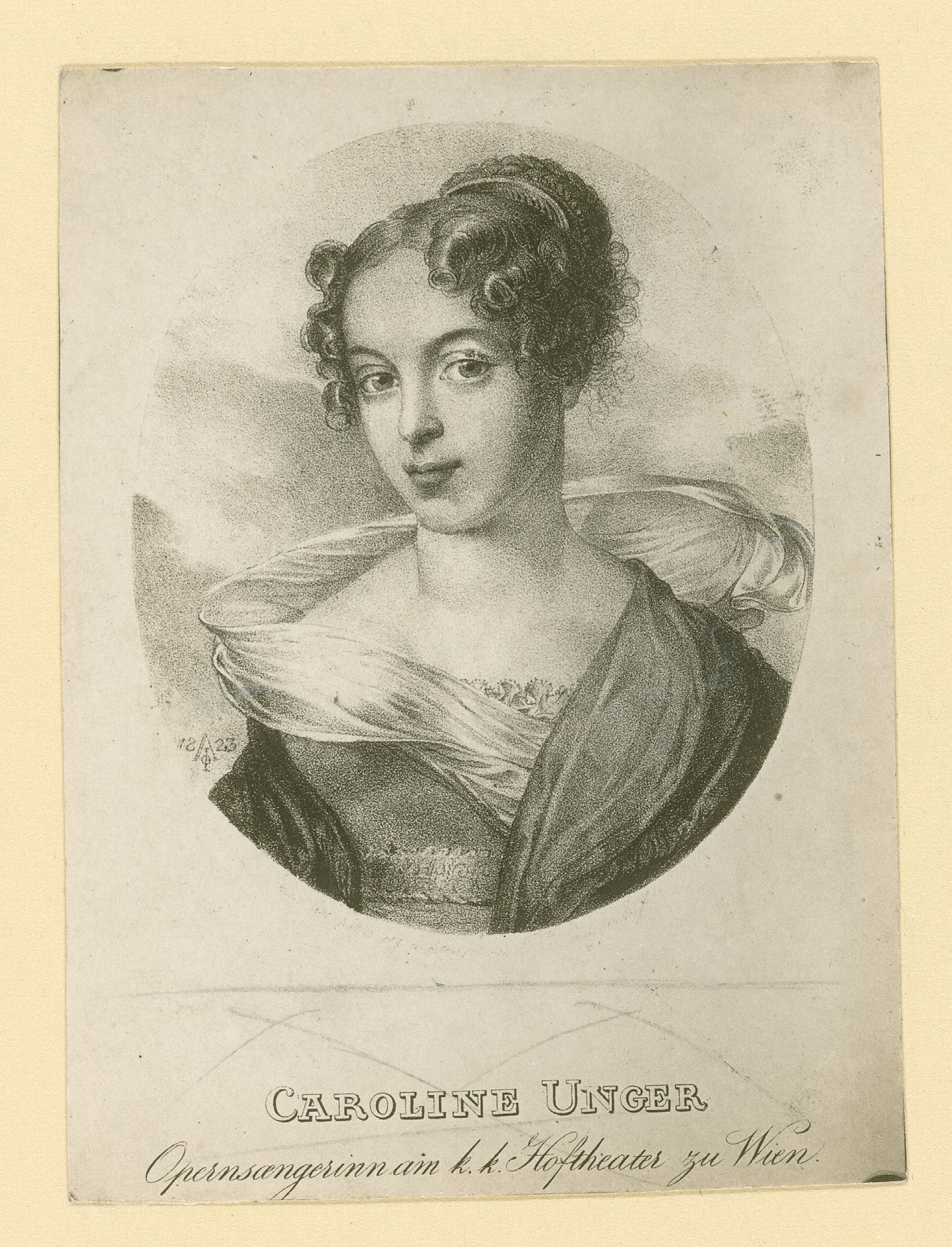
Alto Caroline Unger, who is said to have turned Beethoven to see the cheering audience for the Ninth Symphony.

Today the Ninth Symphony has become the favorite classical piece for celebrations, largely due to its joyful finale based on Friedrich Schiller’s poem “Ode to Joy.” It was famously performed in Berlin in 1989 by Leonard Bernstein and a combined orchestra from East and West Germany to celebrate the fall of the Berlin Wall, with the word “Freude” (Joy) replaced in the text with “”Freiheit” (Freedom).

As much as he loves the entire work, Oudjian says it’s “the profundity, beauty and sense of longing that the slow movement displays” that makes the Ninth a great work. “The depth of this slow movement is for me the peak of the experience,” he says.

“This is among the greatest (musical) variations that was every written. The way he uses the skill of embellishment and transformation among the most important elements (goes) beyond what one could ever imagine.”

Due to the impact of the symphony, and the fact that long after no major composer wrote more than nine symphonies, a legend grew that there was a supernatural limit on the number of symphonies one could write. No one bought into that legend more than Mahler, who avoided as long as possible writing a Ninth symphony. In fact, after his 8th, he called his next major piece Das Lied von der Erde (The song of the earth) rather than a symphony.
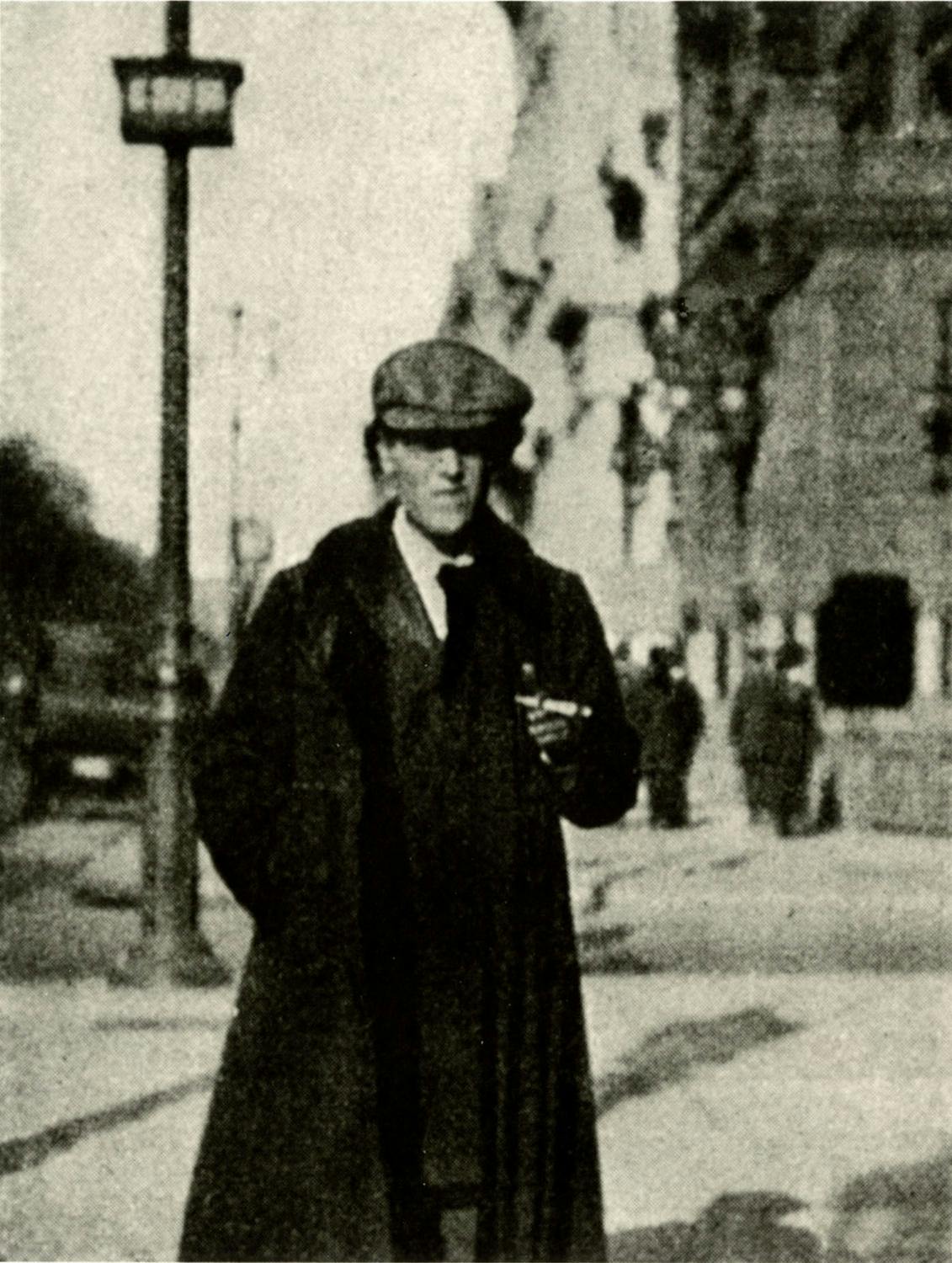
Gustav Mahler in New York shortly after the completion of his Ninth Symphony.

Having safely completed Das Lied, Mahler went on to complete his Ninth Symphony. Ironically, it was still his last completed symphony, although his Tenth has been completed by various editors based on one mostly finished movement and sketches.

As profound as it is, Mahler’s Ninth is not played nearly as often as Beethoven’s. That may be in part because it takes such focus to shape the music over such a long span of time. For Oundjian, the key is to conceive of the performance as a journey.

“[It takes] a tremendous amount of concentration, but you never say ‘Oh my god, I’ve still got to be playing this for 25 more minutes’,” he says. “You’re just thinking about where you are in the journey, and what’s coming and how important this moment is.”

In contrast to Beethoven’s Ninth, Mahler’s Ninth is less a grand celebration and more a final reduction of the symphony into its smallest elements. “Deconstruction is exactly what happens,” Oudjian says. “You have one little gesture that lasts a few notes, then another gesture that removes a couple of notes, and finally just a cadence.”

The key to understanding the Symphony is to hear how the very contrasting movements outline the journey from start to finish. “The first movement is the greatest expression of anguish that you could imagine, but also a strange kind of optimism,” Oundjian says. “The second movement is really bizarre, looking backwards to a simpler time, the Baroque or early classical period.
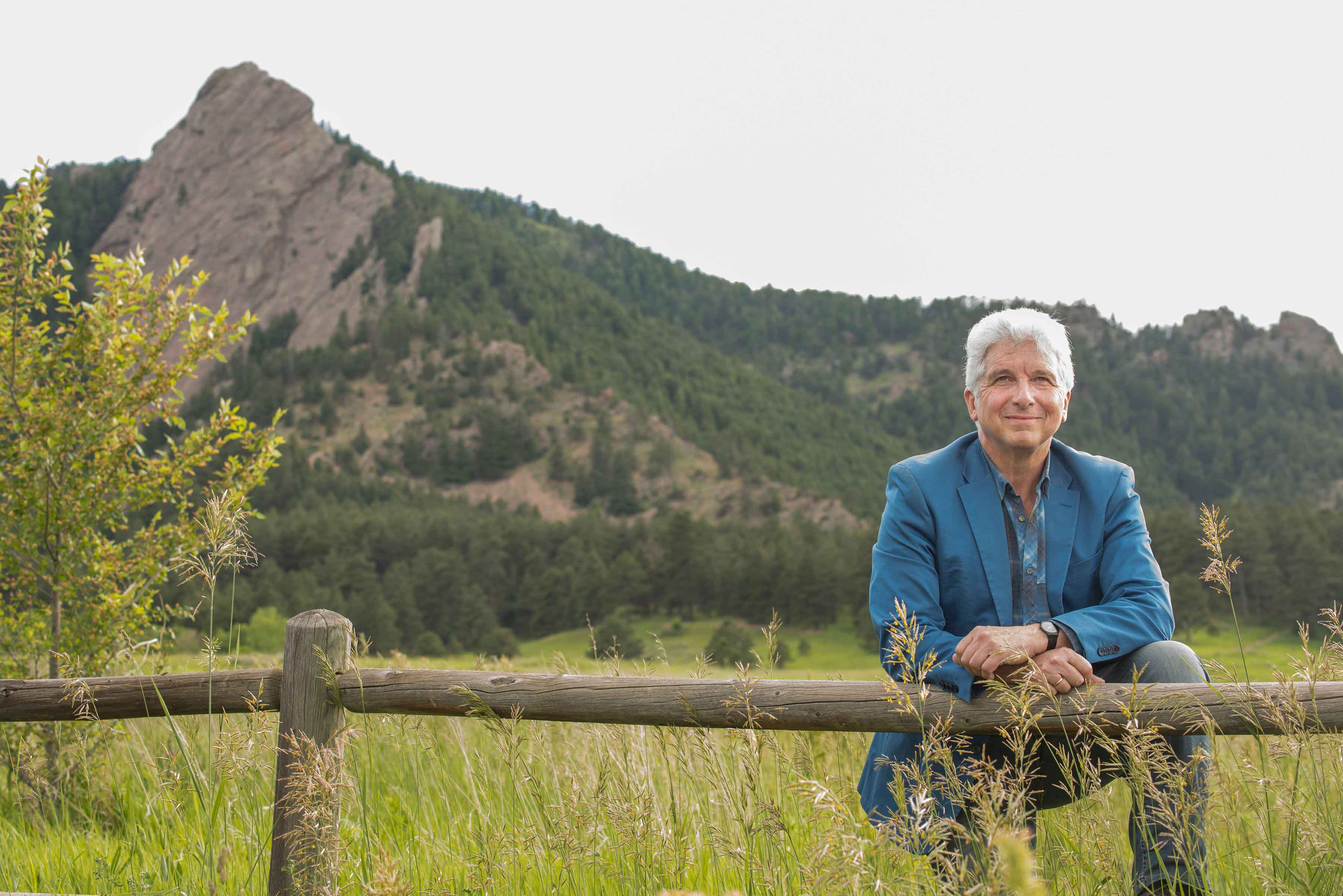
CMF Music Director Peter Oundjian

“The third movement looks forward to modernism in a way that you could never imagine. It sounds like Shostakovich or Hindemith half the time—later composers (who) were very influenced by Mahler. And the final movement is a statement unlike any other. It’s about eternal beauty and longing and possibility, and perhaps the end is an image of the afterlife, or even the journey between one life and the next. But it’s staggeringly beautiful and it uses silences in a way that no composer had ever dared to do.”

And in the end, Mahler’s silences will help close the 49th Colorado Music Festival.

# # # # #

Colorado Music Festival, Peter Oundjian, music director
Tuesday, July 29–Festival Finale, Sunday, Aug. 3
All performances in Chautauqua Auditorium

Chamber Music Concert
Dover Quartet

  • Leoš Janáček: String Quartet No. 1 (“Kreutzer Sonata”)
  • Schumann: String Quartet No. 1 in A minor, op. 41
  • Tchaikovsky: String Quartet No. 1 in D major, op. 11

7:30 p.m. Tuesday, July 29

Festival Orchestra Concert
Colorado Music Festival orchestra and the St. Martin’s Festival Singers
Peter Oundjian, conductor
With Lauren Snouffer, soprano; Abigail Nims, mezzo-soprano; Issachah Savage, tenor; and Benjamin Taylor, baritone

  • Michael Abels: Amplify (CMF co-commission)
  • Beethoven: Elegischer Gesang (Elegiac song), op. 118
    —Symphony No. 9 in D minor, op. 125

7:30 p.m. Thursday, July 31
6:30 p.m. Friday, Aug. 1

Festival Finale
Colorado Music Festival Orchestra, Peter Oundjian, conductor

Mahler: Symphony No. 9

6:30 p.m. Sunday, Aug. 3

Remaining tickets for these performances available through the CMF Web Page.

Boulder Phil opens 22–23 season with ‘Hymn to the Earth’

World premiere and first appearance of the Boulder Phil Chorus Oct. 8

By Peter Alexander Oct. 6 at 7:10 p.m.

Conductor Michael Butterman and the Boulder Philharmonic Orchestra will open their 2022–23 season Saturday evening (7 p.m. Oct. 8, Macky Auditorium) with a program aimed straight at Boulder’s social and environmental heart.

The Boulder Philharmonic with conductor Michael Butterman

Titled “Hymn to the Earth,” the program includes the world premier of Ozymandias: To Sell a Planet by Drew Hemenger, an environmental oratorio for orchestra, chorus and tenor co-commissioned by the Phil and the Rogue Valley Symphony of Oregon. Its five movements create an arc leading from a vision of unspoiled nature, through the industrial revolution to the current global climate crisis and culminating with Shelley’s dire warning about human arrogance in his great poem “Ozymandias.”

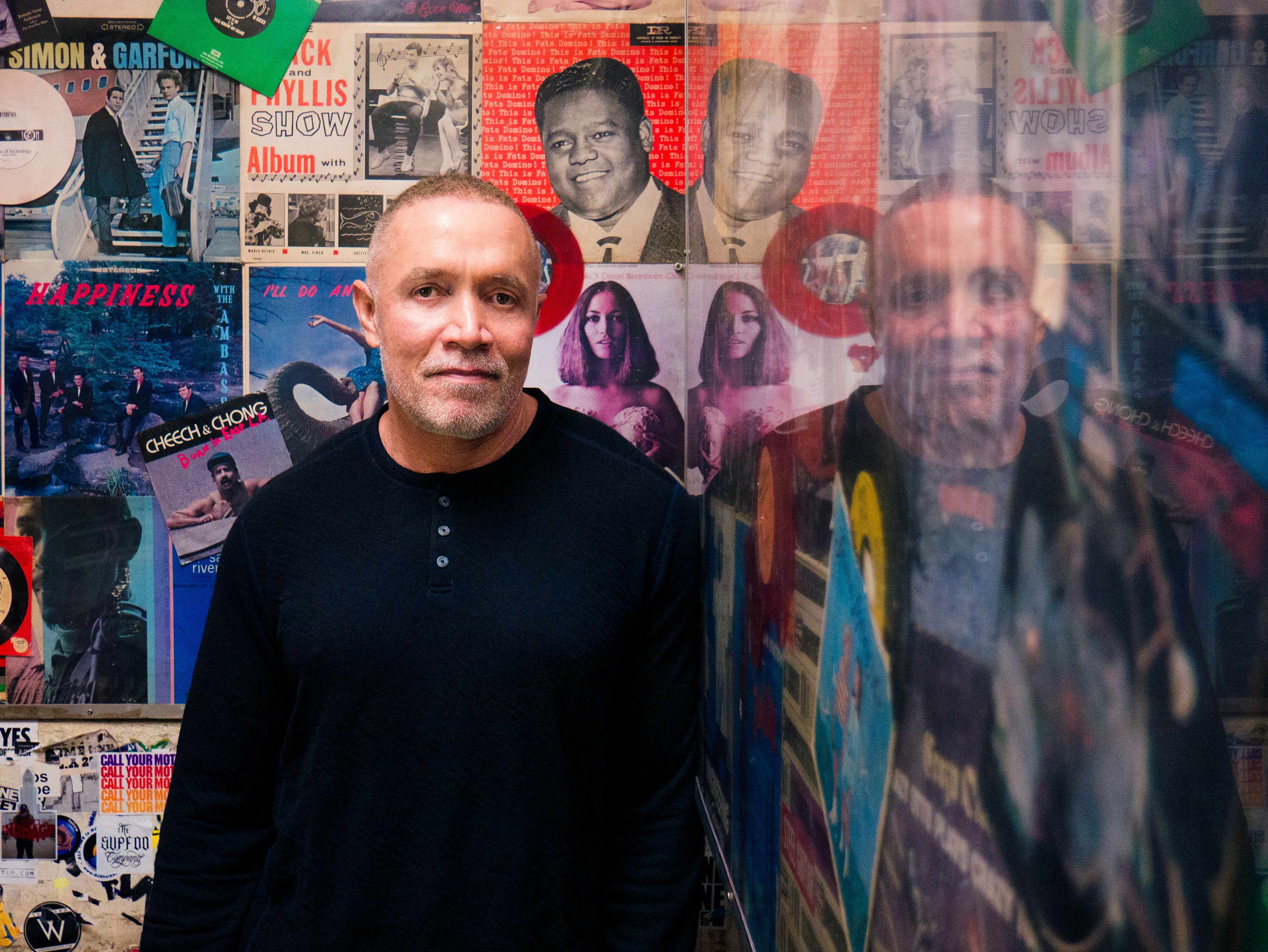
Composer Michael Abels. Photo by Eric Schwabel

The program opens with Global Warming by Michael Abels, a composer best known for his scores for the films of Jordan Peele. Not referring to climate, the title refers to the warming global relations at the end of the Cold War, and in in this context suggests the planetary unity required to face an environmental crisis. 

Works on the second half of the program have the theme of hubris and the consequences of humans’ heedlessness: the Overture to Mozart’s Don Giovanni; Siegfried’s funeral music from Wagner’s Götterdämmerung; and Richard Strauss’ tone poem Don Juan.

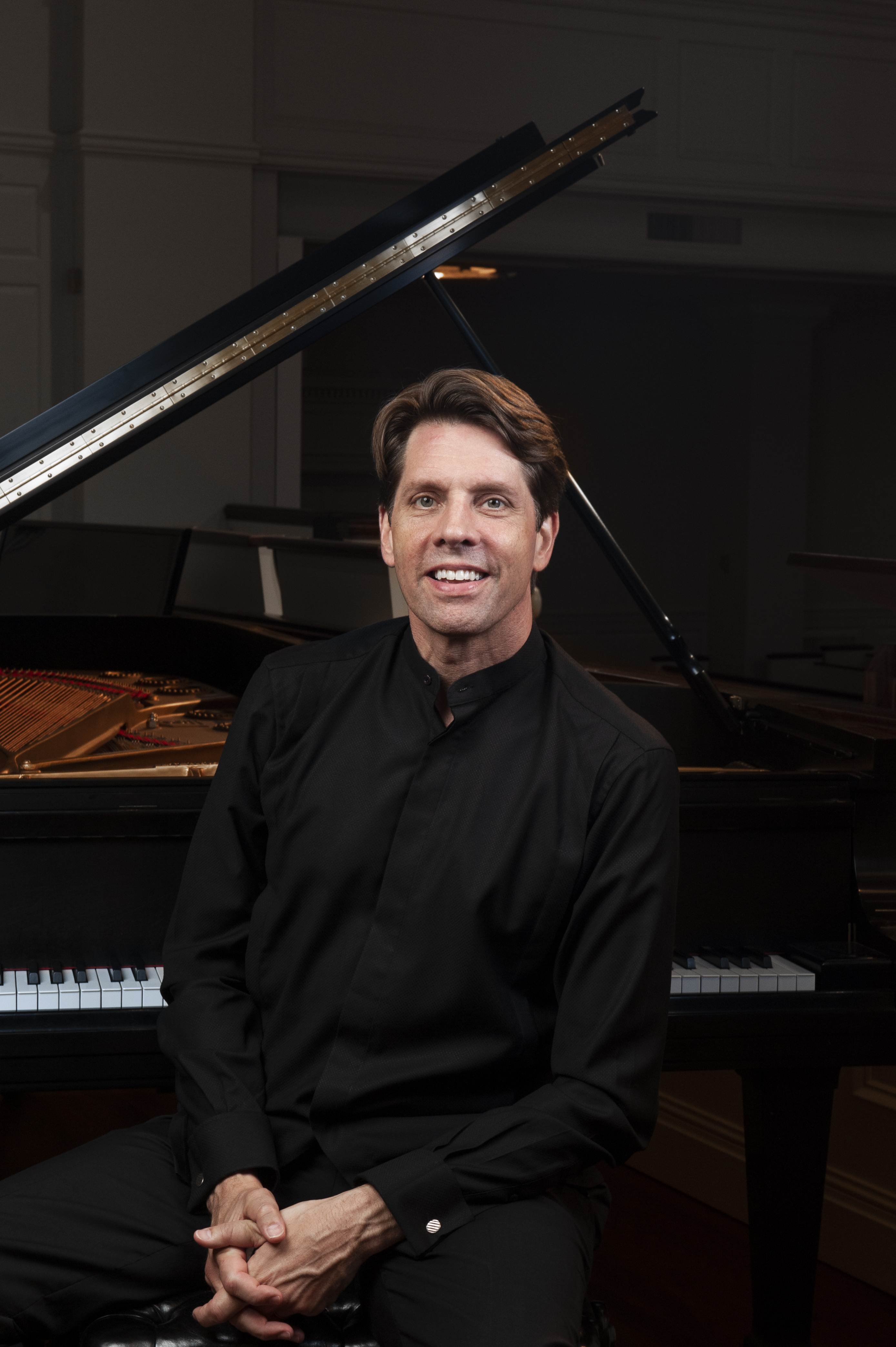
Gregory Gentry

The concert will be the first appearance of the Boulder Philharmonic Chorus, the newly-formed choral partner of the Phil, under the direction of Gregory Gentry. Tenor Matthew Plenk, a faculty member at the University of Denver’s Lamont School of Music, will be soloist for Ozymandias.

Ozymandias is a score of remarkable diversity, of both textual sources and musical style. The text draws on poetry by Shelley and William Wordsworth, as well as texts from Native Americans, speeches by climate activist Greta Thunberg, and a definitively unpromising text for music, the 2014 Fifth Assessment Report of the UN’s Intergovernmental Panel on Climate Change (IPCC). (Trust me; Hemenger makes it work.)

The commissioning of Ozymandias started with Butterman, who remembers reading Shelley’s poem many years ago. “I’ve loved that poem since I was a kid,” he says. “It’s short, but the irony of it smacks you in the face. He wrote this not thinking of climate change, but it’s the same hubris.”

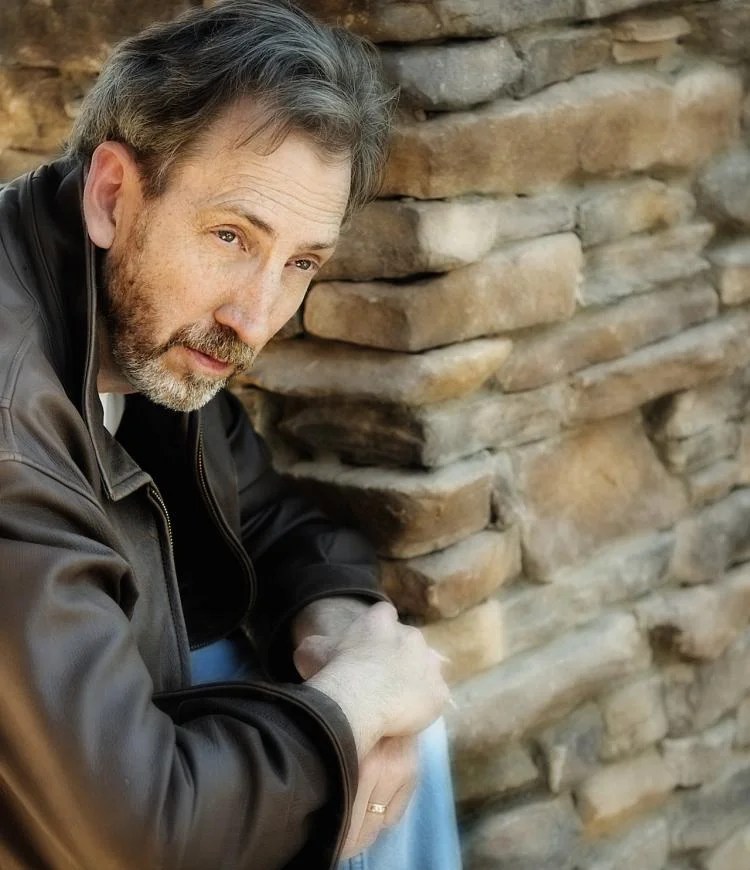
Composer Drew Hemenger

The first movement of Hemenger’s score is titled “The Spring is Come,” and is taken from the words of Chief Sitting Bull in 1877, describing a time when the Lakota people lived in harmony with the earth. The second movement is a setting of Wordsworth’s poem from around 1802, “The World Is Too Much with Us.” At the beginning of the industrial revolution, Wordsworth is pointing out that man’s greed is leading to the loss of a connection to nature: “Getting and spending, we lay waste our powers;/Little we see in Nature that is ours.”

The rhythmically driven third movement is entirely orchestral. The title is a Shawnee word, “Migeloti” (pronounced mah-jee-lo-ta), “which means a person who goes around disrespecting and destroying,” Hemenger says. Representing a society of decadence, “it’s like (Ravel’s) La Valse, filled with ecstasy and then collapse at the end.”

The fourth movement contains the chorus speaking text from the IPCC report and Thunberg’s speeches (“all you can talk about is money . . . how dare you!”), and sung texts from Shawnee Chief Tecumseh in 1810, “To Sell a Country.” “That is a preachy movement,” Hemenger admits, but “when you’re going to put that clear language (of the report), there didn’t seem to be any way around it.”

The finale is the setting of “Ozymandias,” ending with the forlorn words “the lone and level sands stretch far away.” The music, Hemenger writes in his program notes, “like the poem, fades away like the blowing dust in the desert.”

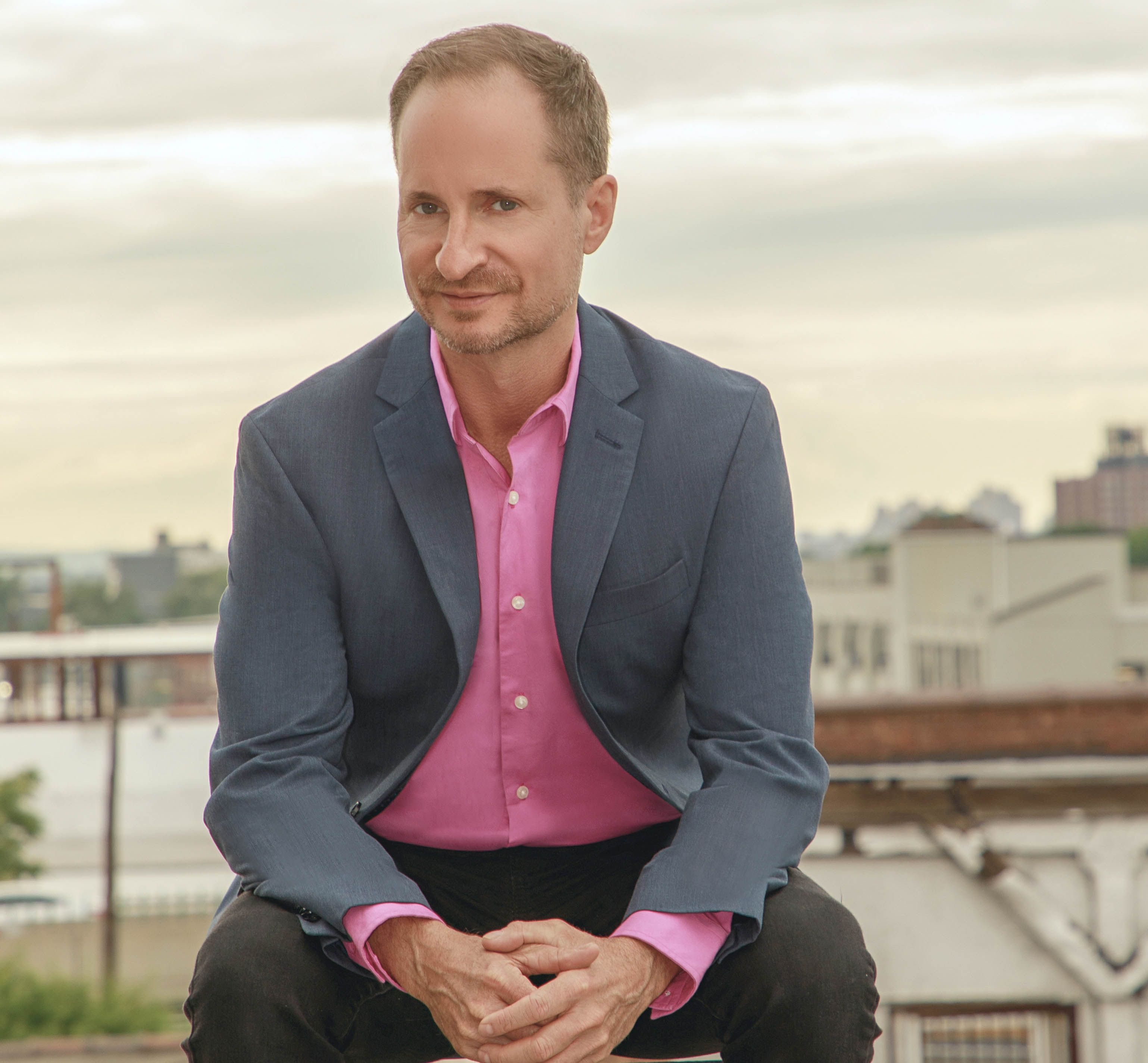
Michael Butterman. Photo by Shannon Palmer.

In spite of this message, Butterman hopes the program is not a downer. “I worry that the pieces are saying when you act as if things have no consequences, it doesn’t end well,” he says. “But since climate change is a huge issue that the world needs to pay attention to, and it’s something that many people in Boulder are sensitive to, it strikes me as a natural fit for this orchestra.”

He admires the music that resulted from his initial suggestions to the composer. “The fact that he went into Native American texts, the middle movement which is a latter-day La Valse, all of that was his idea, and I think it’s brilliant. There’s a lot of stuff in a relatively short piece, and I’m very pleased with how it turned out.”

The second half of the concert comprises pieces by Mozart, Wagner and Strauss that are known to classical audiences. While their composition had nothing to do with environmental issues, Butterman hopes the context can add meaning to those works. Particularly the Strauss will add brilliance to the overall program. “It’s so cinematic,” he says. “You get a very good image of this character (Don Juan), his personality, his swagger. Whether you like him or not, there might be something about him that you almost envy.”

For the concert, the Boulder Phil has partnered with the City of Boulder Climate Initiative Department. Members of the city’s climate team will be present at the performance to share climate action ideas and resources, and to collect submission to heir climate audio collage report.

Please note that the Boulder Phil has changed the starting time of their concerts for the season to 7 p.m., instead of 7:30 p.m.

# # # # #

“Hymn to the Earth”
Boulder Philharmonic, Michael Butterman, conductor
With Matthew Plenk, tenor, and the Boulder Philharmonic Chorus, Gregory Gentry, chorus master

  • Michael Abels: Global Warming
  • Drew Hemenger: Ozymandias: To Sell a Planet (world premiere)
  • Mozart: Overture to Don Giovanni
  • Wagner: Trauermusik from Götterdämmerung
  • Richard Strauss: Don Juan

7 p.m. Saturday, Oct. 8
Macky Auditorium

TICKETS

CORRECTION: The original version of this post gave the start time of Boulder Phil concerts as 8 p.m. The correct time this season will be 7 p.m.