GRACE NOTES: Curiosity and chamber music

Offerings from the Boulder Symphony and Boulder Chamber Orchestra

By Peter Alexander April 24 at 8:40 p.m.
The Boulder Symphony agrees to disagree for its upcoming Curiosity Concert (3 p.m. Saturday, April 26 at Grace Commons; details below).

Curiosity Concerts are aimed at children ages four to 12, but structured to appeal to the entire family. For April 26, the musical content revolves around a playful showdown between Mozart and “Snooty, Professor of Musical Snobbery.” Through their debates and the sharing of favorite pieces and styles, they will explore the diversity of musical preferences. 

The program under the direction of Devin Patrick Hughes features selections from a wide variety of both classical and popular pieces, including portions of Vivaldi’s Four Seasons, Tchaikovsky’s Serenade for Strings, Khachaturian’s “Sabre Dance” from the Gayane ballet suite, “Fireworks” from Harry Potter and “Enter Sandman” by Metallica.

The music is selected to illustrate various styles, including sad contemplative music, musical madness, the description of weather in music, and how instruments can sing like a human voice. Pop and classical styles will be contrasted with the same tune played in both styles, and the characteristics of film music will be demonstrated. 

The 45-minute program will be preceded and followed by an “instrument petting zoo” provided by Boulder’s HB Woodsongs, allowing children to see and try instruments. 

# # # # #

Spring Curiosity Concert: “Agree to Disagree”
Boulder Symphony, Devin Patrick Hughes, conductor

Program includes music from:

  • Vivaldi: The Four Seasons
  • J.S. Bach: Orchestral Suite No. 3 in D major
  • Nicholas Hooper: “Fireworks” from Harry Potter and the Order of the Phoenix
  • Samuel Barber: Adagio for Strings
  • Mozart: Presto from the Divertimento in D major, K136
  • Tchaikovsky: Serenade for Strings
  • Beethoven: Grosse Fuge
  • Khachaturian: “Sabre Dance” from Gayane
  • Richard Strauss: Also sprach Zarathustra (Thus spake Zarathustra)
  • Mozart and Metallica

3 p.m. Saturday, April 26
Grace Commons, 1820 15th St., Boulder

TICKETS

# # # # #

The Boulder Chamber Orchestra will wrap up its current season of Mini-Chamber Concerts featuring pianist Jennifer Hayghe as artist in residence Saturday (7:30 p.m. April 26; details below).
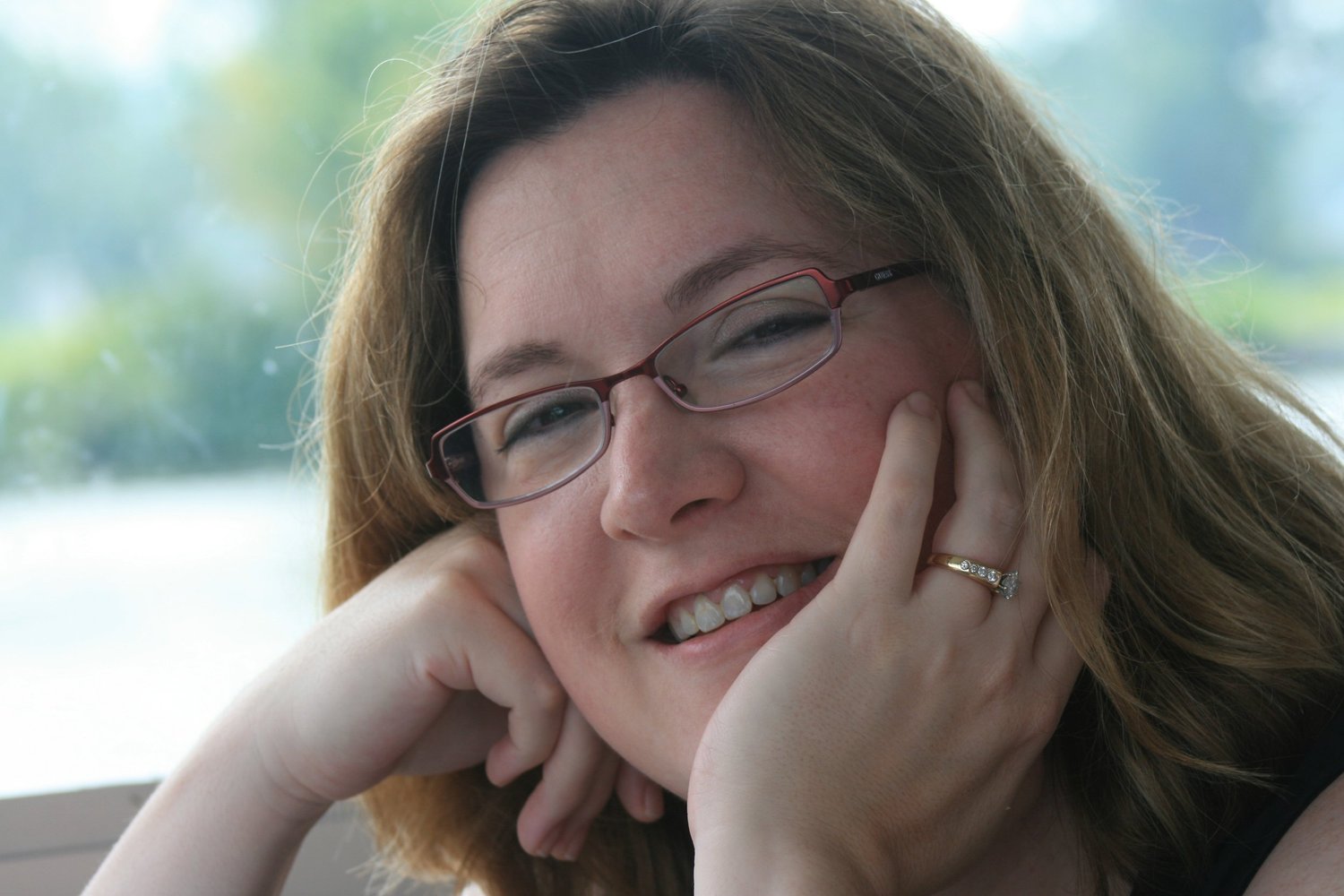
Jennifer Hayghe

The program, titled “Chamber Music Diamonds in the Rough,” features four works that are not often performed, in part because of their unusual instrumentation. Two of the composers—Aram Khachaturian and Max Bruch—are known for works that are featured on standard orchestral programs, but the other two—Mel Bonis and Nikolai Kapustin—are unfamiliar to American audiences.

In fact, the music of Mélanie “Mel” Bonis is currently undergoing a period of rediscovery after many years of obscurity. Born in 1858, Bonis taught herself to play piano and entered the Paris Conservatory at 16. She was in the same class with Debussy, and studied composition with César Franck. 
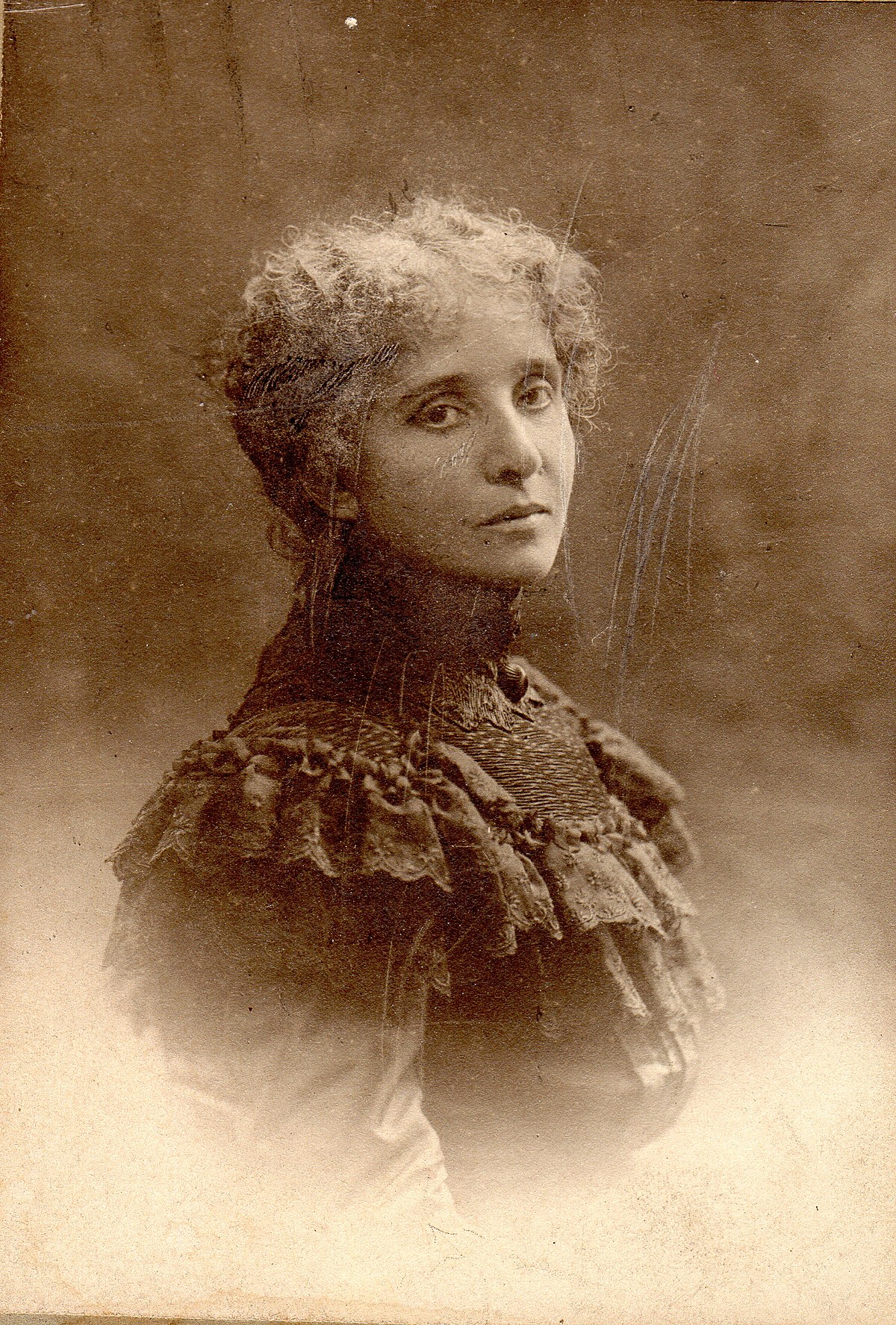
Mel Bonis

Bonis gave up music for a number of years when her parents arranged her marriage to an older businessman who disliked music, but returned to composition later in her life. Composed in 1903, her three-movement Suite en trio for flute, violin and piano is one of the works she wrote after her husband’s death..

Known for his “Sabre Dance” from the ballet Gayane, his Piano Concerto and other orchestral music, Khachaturian wrote only two pieces of chamber music, both of them during his student years at the Moscow Conservatory. The Trio for violin, clarinet and piano features folk tunes and styles throughout, including highly ornamented passages in the first movement and variations on a folk-like melody in the finale.

The German Romantic composer Max Bruch is best known for his Scottish Fantasy and two concertos for solo violin with orchestra. He wrote his Eight Pieces for clarinet, viola and piano in 1910, when he was 72, for his son who was a professional clarinetist. He used the same combination of clarinet and viola in another work he wrote for his son, the Concerto for clarinet, viola and orchestra in E minor, op. 88.

Kapustin was born in Ukraine in 1937 and studied composition at the Moscow Conservatory. He discovered jazz around 1954 and became known as a jazz pianist and played in a jazz quintet and big band. His music combines elements of classical, jazz and pop styles, but he always insisted that he was a composer, not a jazz musician. “I never tried to be a real jazz pianist,” he once wrote. Composed in 1998, the Trio for flute, cello and piano is one of his most popular chamber works.

# # # # #

“Chamber Music Diamonds in the Rough”
Jennifer Hayghe, piano, with Rachelle Crowell, flute; Kellan Toohey, clarinet; Hilary Castle, violin; and Erin Patterson, cello

  • Mel Bonis: Suite en trio, op. 59
  • Khachaturian: Trio for violin clarinet and piano
  • Max Bruch: Eight Pieces for clarinet, viola and piano
  • Nikolai Kapustin: Trio for flute, cello and piano, op. 86

7:30 p.m. Saturday, April 26, Boulder Adventist Church
TICKETS

Season closing events in Boulder and Longmont

Programs feature piano quartet, acrobatics and film music

By Peter Alexander May 1 at 4:38 p.m.

The Boulder Piano Quartet presents it’s final concert of the 2023-24 season Friday featuring music by Dvořák and the 19th-century French musical prodigy Mélanie Hélène Bonis Domange, known as Mel Bonis (7 p.m. May 3 at the Academy University Hill; further details below).

This will be the fourth and final performance this concert season to feature a guest violinist with the Quartet, appearing in place of their former violinist Chas Wetherbee, who died in 2023. The guest violinist for this performance will be Hilary Castle Green. 

Mel Bonis

This program is the second time that the Boulder Quartet has played music by Bonis, who is virtually unknown in the United States. About a year ago in May 2023, they played her Second Piano Quartet. This year they are playing her First Quartet in B-flat major.

Born in 1858, Bonis taught herself to play piano and entered the Paris Conservatory at 16. She was in the same class with Debussy, and studied composition with Cesar Franck. At the time women were not expected to be composers, and Bonis was urged by her parents to marry an older businessman. Because he didn’t like music, she gave up composing for a number of years. 

Later she met a former classmate who encouraged her and connected her with publishers, which led her to begin writing music again. She wrote the First Piano Quartet soon after, in 1901. When the composer Camille Saint-Saëns heard the Quartet, he is supposed to have said “I never thought a woman could write such music.” After her husband died in 1918, Bonis devoted herself to music.

Dvořák won the Australian State Prize for composition—in effect a grant to allow artists the time for creative work—in 1875. At 34 years of age he was still relatively unknown to the larger musical world, even though he had written four symphonies, seven string quartets, three operas, and other works. During that year he wrote a number of larger pieces, including his Symphony No. 5, his Serenade for Strings and the Piano Quartet No. 1 in D major. 

The Quartet is in the standard classical chamber-music structure of three movements, arranged fast, slow, fast. Unlike other quartets of the time, the piano is not placed separate from, or against the strings, as if it were a chamber concerto. Instead the four parts are more fully integrated. Though only three movements, the Quartet is an expansive work. It was not performed for nearly five years, however, having its premiere in Prague in 1880. 

# # # # #

Boulder Piano Quartet: Matthew Dane, viola, Thomas Heinrich, cello, and David Korevaar, piano, with guest violin Hilary Castle Green

  • Mel Bonis: Piano Quartet No. 1 in B-flat major
  • Dvořák: Piano Quartet No. 1 in D major, op. 23

7 p.m. Friday, May 3, Academy Chapel Hall, Academy University Hill
Admission free with advance reservations

# # # # #

The Boulder Philharmonic will continue its relationship with the performing group Cirque de la Symphonie with two performances Saturday in Macky Auditorium (2 and 7:30 p.m. May 4; details below).

Classical music’s answer to Cirque du Soleil, Cirque de la Symphonie presents aerialists, jugglers, ribbon dancers, acrobats, contortionists and other acts to the accompaniment of classical music performed live on stage. Macky Auditorium will be especially rigged for the aerial acts, and the front of the stage reserved for other performers. The performance of selected short classics will be conducted by Renee Gilliland, associate director of orchestras at CU Boulder.

Renee Gilliland

This will be the fifth time that the Boulder Phil has hosted Cirque de la Symphonie at Macky. Their last previous appearance was in 2018. While limited tickets are still available for both scheduled performances Saturday, previous Cirque performances have sold out.

Gilliland earned a Doctor of Musical Arts in orchestral conducting and literature from CU Boulder, a Master of Music in viola performance with an outside area in conducting from the Indiana University Jacobs School of Music, and a Bachelor of Music in music education and certificate of violin performance from the University of Texas at Austin Butler School of Music. She was also awarded an Artist Diploma in orchestral conducting from the University of Denver where she was assistant conductor of the Lamont School of Music Symphony and Opera Theater orchestras.

She was formerly music director of the CU Anschutz Medical Orchestra and associate conductor of the Denver Philharmonic.

# # # # #

“Cirque Returns”
Boulder Philharmonic Orchestra, Renee Gilliland, conductor
With Cirque de la Symphonie

  • Dvořák: Carnival Overture, op. 92 (orchestra only)
  • Ary Barroso: Aquarela do Brasil
  • Brahms: Symphony No. 3 in F Major, III. Poco Allegretto
  • Bizet: Carmen Suite No. 1, Les Toreadores
    Carmen Suite No. 2, Danse Bohème
  • Mendelssohn: Symphony No. 4 in A major (“Italian”), IV. Saltarello (orchestra only)
  • Rimsky-Korsakov: Capriccio Espagnol, Scena e canto gitano
    —Fandango asturiano
  • Tchaikovsky: Swan Lake Suite, Danse des petits cygnes
  • Mikhail Glinka: Overture to Ruslan and Lyudmila (orchestra only)
  • Rimsky-Korsakov: The Snow Maiden Suite, Danse des Bouffons
  • Leroy Anderson: Bugler’s Holiday
  • Smetana: The Bartered Bride, “Dance of the Comedians” (orchestra only)
  • Johann Strauss, Jr.: Thunder and Lightning” Polka
  • Tchaikovsky: Swan Lake Suite, Valse
  • Bizet: Carmen Suite No. 1, Les Toreadores

2 p.m. and 7:30 p.m. Saturday, May 4
Macky Auditorium

TICKETS

NOTE: Indications of which pieces are played by the orchestra alone without Cirque performance added 5/2.

# # # # #

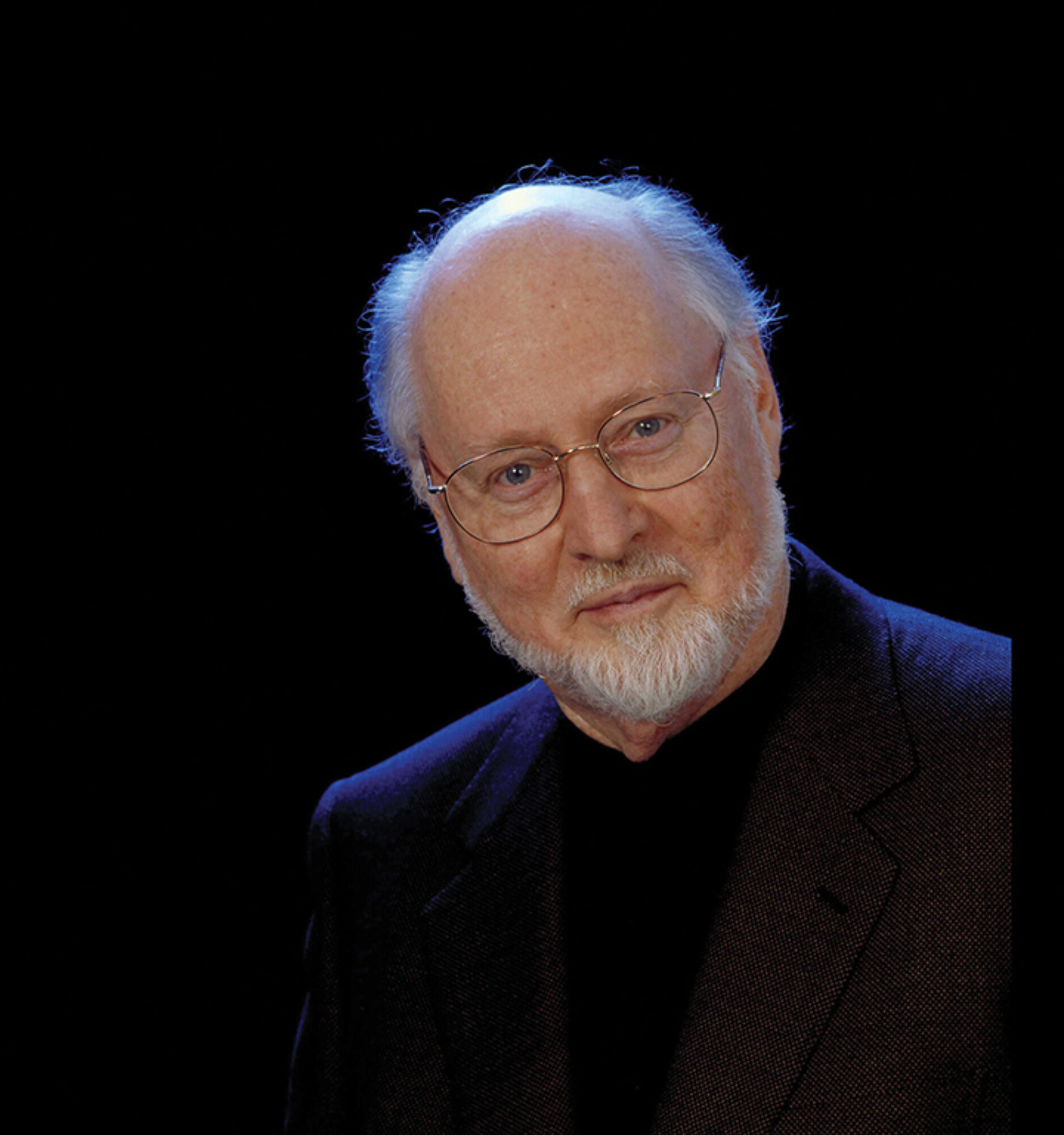
The Longmont Symphony Orchestra (LSO) concludes its 2023-24 concert season Saturday (May 4) with “A Tribute to John Williams,” featuring the music of one of Hollywood’s greatest film composers.

John Williams

The Pops Concert, at 7 p.m. in Longmont’s Vance Brand Civic Auditorium, will be under the direction of the LSO’s music director, Elliot Moore. The program will include music from the soundtracks for Star Wars, Jurassic Park, E.T. and Harry Potter, among other popular films.

With more than 1100 tickets already sold, there are only a few seats left at time of posting. Because of the size of crowd expected, the LSO advises attendees to arrive early. Overflow parking from the Skyline High School lot will be available at the Timberline School lot,  on Mountain View Avenue.

# # # # #

Tribute to John Williams
Longmont Symphony Orchestra, Elliot Moore, conductor

  • Music of John Williams

7 p.m. Saturday, May 4
Vance Brand Civic Auditorium, Longmont

Limited seats available HERE