GRACE NOTES: Chamber music on the weekend

Music for winds from the BCO, quartets and quintet from the Takács Quartet

By Peter Alexander Jan. 10 at 1:45 p.m.
The Boulder Chamber Orchestra (BCO) will present a program of French music for piano and winds for its third Mini-Chamber program of the season Saturday (7:30 p.m. Jan. 11; details below).

The orchestra’s current artist-in-residence, pianist Jennifer Hayghe, will be joined by members of the BCO to perform works by Vincent d’Indy, Albert Roussel, Francis Poulenc, Florent Schmitt and Louise Farrenc.
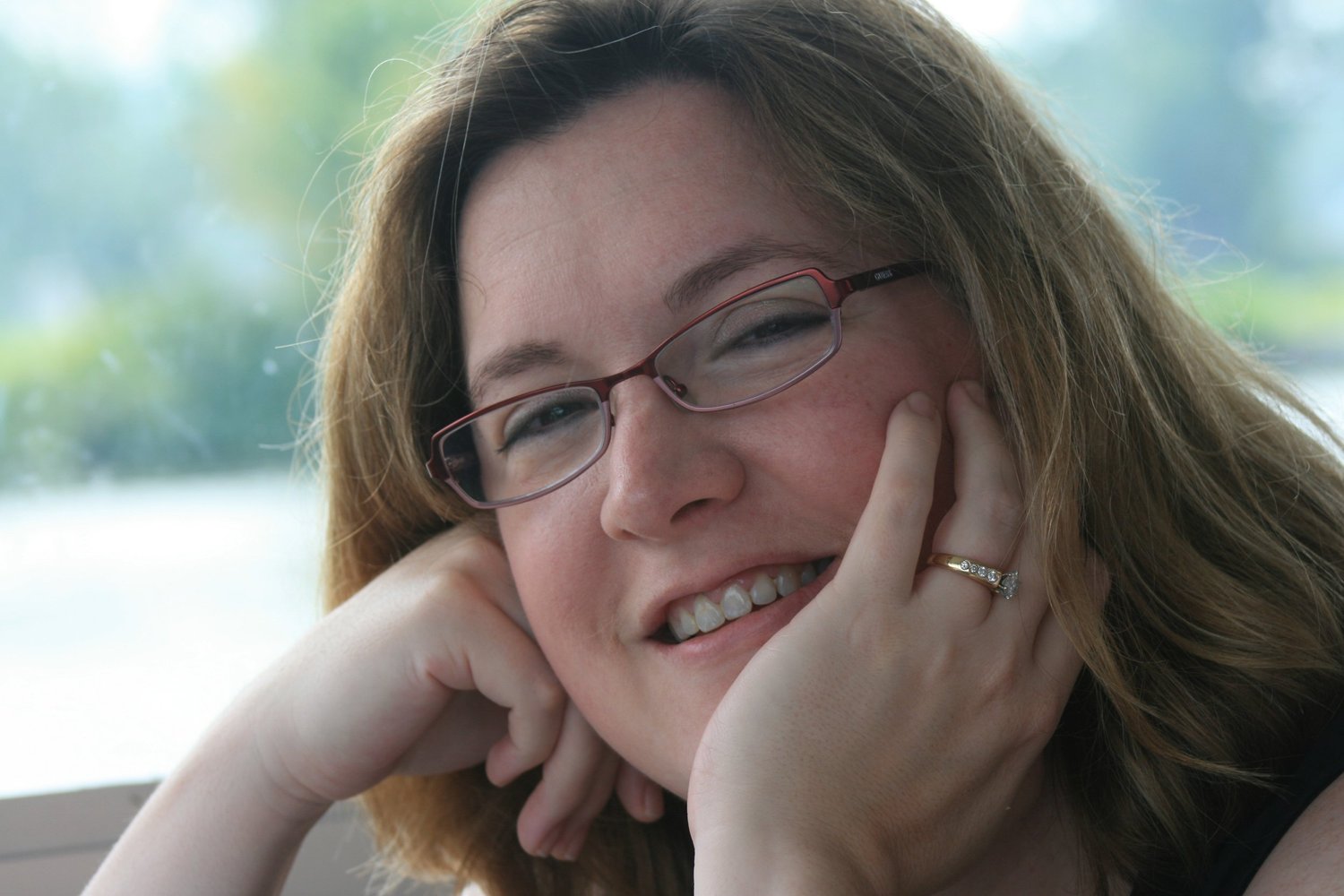
BCO artist in residence Jennifer Hayghe

The program that was curated by Hayghe offers an opportunity to hear pieces and composers that are little known to American audiences. French music in particular is less often programmed here than German and Austrian works. The least familiar, and the earliest of the composers is Farrenc, who lived in the 19th century. A successful concert pianist, she became the first woman to hold a permanent position at the Paris Conservatory, which she maintained for 30 years, from 1842 to 1872.

All the other composers lived and worked in the 20th century. The most familiar is probably Poulenc, who died in 1963. Known for his opera Dialogues des Carmélites (Dialogue of the Carmelites), his Organ Concerto and his choral Gloria, he also wrote a large number of pieces for chamber ensembles.

The other three composers—d’Indy, Roussel and Schmitt—were active in the first half of the 20th century. Offering a rare taste of a time and place that rarely shows up in concert programs in the U.S., Mini-Chamber 3 is a welcome opportunity for the chamber music audience to expand their horizons beyond the routine.

# # # # #

Boulder Chamber Orchestra Mini-Chamber 3
Jennifer Hayghe, artist in residence, piano
With Rachelle Crowell, flute; Brittany Bonner, one; Kellan Toohey, clarinet; Kaori Uno-Jack, bassoon; and Devon Park, horn

  • Vincent d’Indy: Sarabande et menuet, op. 72
  • Albert Roussel: Divertissement, op. 6
  • Francis Poulenc: Trio for oboe, bassoon and piano
  • Florent Schmitt: Sonatine en trio, op. 85
  • Louise Farrenc: Sextet in C minor, op. 40

7:30 p.m. Saturday, Jan. 11
Boulder Adventist Church, 345 Mapleton Ave., Boulder

TICKETS

# # # # #

The Takács Quartet will be joined by pianist Margaret McDonald to present one of the preeminent chamber works of the 19th century, Brahms’s Quintet in F minor for piano and strings.

The program will also feature Beethoven’s early String Quartet No. 1 in F major, op. 18 no. 1—actually the second quartet of the set to be written—and the String Quartet no. 1 by Stephen Hough, which was written for the Takács.

Hough’s quartet was first written to be heard alongside the Ravel String Quartet and Ainsi la nuit (Thus the night), a string quartet by the French composer Henri Dutilleux. Hough subtitled the quartet “Les Six Rencontres” (The six re-encountered), a reference to a group of early 20th-century composers active in France that did not include either Ravel or Dutilleux. Hough wrote that the subtitle “has in it a pun and a puzzle: the six movements as an echo of ‘Les Six,’ although there are no quotes or direct references from those composers; and ‘encounters’ which are unspecified.”
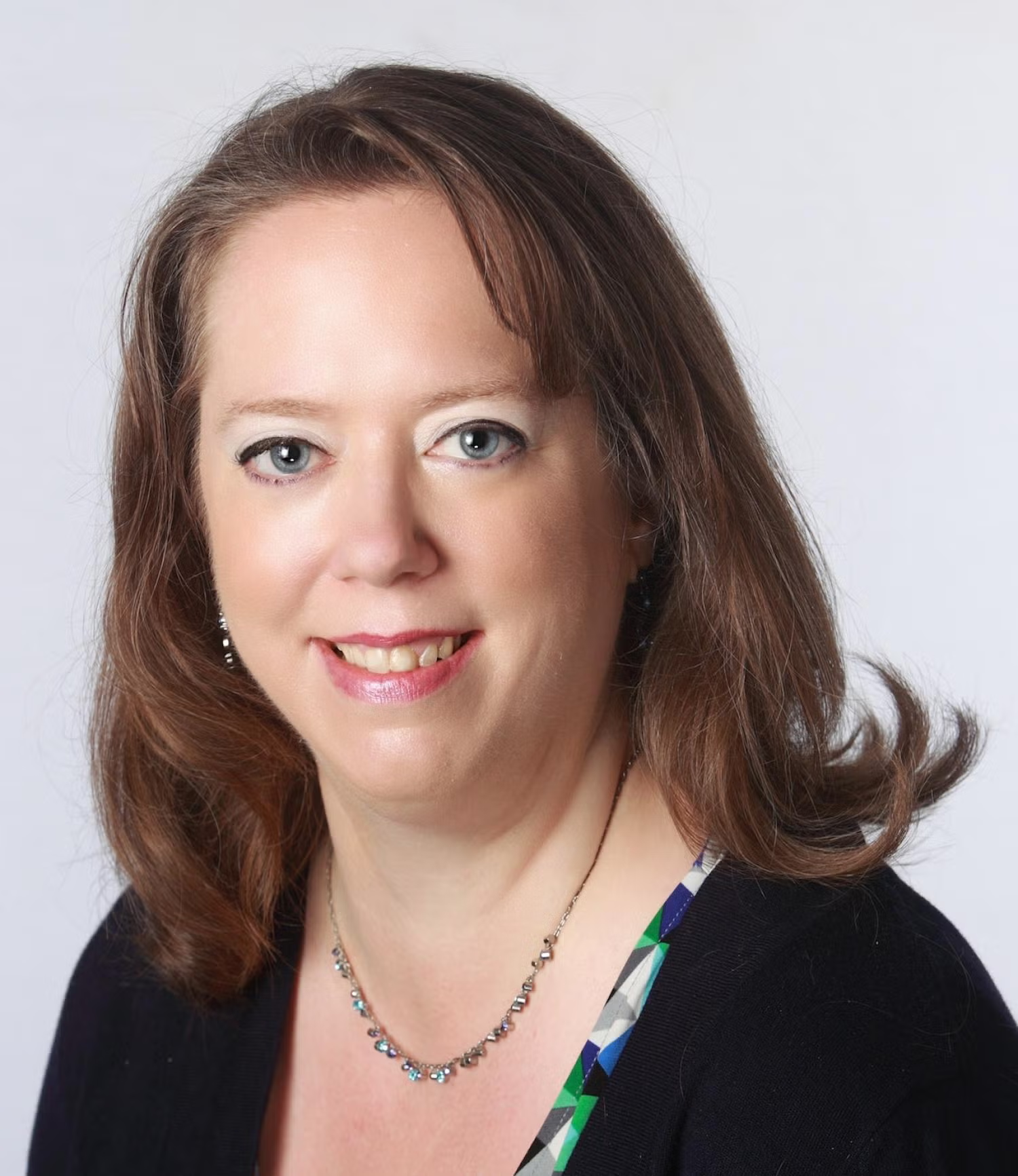
Margaret McDonald, guest pianist with the Takács Quartet

The six movements of the quartet have titles that indicate places, presumably in the Montparnasse district of Paris, where an encounter with a composer from “The Six” might have occurred: On the boulevard, in the park, at the hotel, at the theater, in the church and at the market. The Takács Quartet premiered “Les Six Rencontres” in Costa Mesa, Calif., Dec. 8, 2021.

One of the best known major pieces of chamber music from the 19th century, Brahms F minor Piano Quintet evolved through several forms before being finished as a quintet. It was first written as string quintet, a version that the composer later destroyed, and then as a duet for two pianos, and finally as a quintet for string quartet with piano. All of this stretched over six years, prior to the Quintet’s premiere in 1868.

# # # # #

Takács Quartet
With Margaret McDonald, piano

  • Beethoven: String Quartet in F Major, op. 18 no. 1
  • Stephen Hough: String Quartet No. 1, “Les Six Rencontres” (The six re-encountered)
  • Johannes Brahms: Piano Quintet in F Minor, op. 34

4 p.m. Sunday, Jan. 12
7:30 p.m. Monday, Jan. 13
Grusin Music Hall

In-person and streaming TICKETS
Zeitouni and Festival Orchestra embark on a Brahms voyage

Symphonies 1 & 2 open a two-day mini-festival

By Peter Alexander

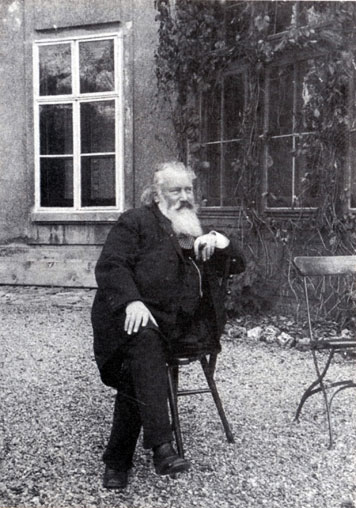
Brahms_GardenSeat

Johannes Brahms

Last night (July 7), Jean-Marie Zeitouni and the Colorado Music Festival Orchestra opened a mini-festival of music by Brahms with mostly satisfying performances of the symphonies No. 1 in C minor and 2 in D major.

The mini-festival, titled “Boulder Brahms,” concludes tonight (Friday, July 8) with the two later symphonies, Nos. 3 in F major and 4 in E minor (7:30 p.m., Chautauqua Auditorium). Even more Brahms is on offer next week, when Music Director Laureate Michael Christie returns to Chautauqua for “Bernstein and Brahms,” a concert featuring the Piano Concerto No. 1 D minor with pianist Orion Weiss.

Last night’s performance was marked by an exquisite control of dynamics, with beautiful pianissimos and powerful fortissimos, which is becoming a hallmark of Zeitouni’s performances in Boulder. This was true of both symphonies, but particularly stunning in the Second, which had several passages at a beautiful whisper.

Before the concert began, Zeitouni praised the orchestra for doing “four weeks’ work in four days” with the symphonies. Perhaps that explains why the first three movements of the First Symphony were not fully in the groove. They were unusually ragged for the usually excellent Festival Orchestra, with a few uneven entrances and imprecise intonation. The end of the second movement, with a lovely violin solo from concertmaster Calin Lupanu, was marred by a muffed trumpet entrance.

The finale was another story. The tricky accelerando pizzicati at the beginning were perfectly controlled, creating a great sense of suspense. The famous alp horn theme in the horn section rang out heroically, setting the stage for the Beethovenish allegro theme. Zeitouni’s careful control of tempo and dynamics gave the music all the momentum it needed to forge a powerful ending.

There is a joke that when cheerful, Brahms, known for a melancholy temperament, would sing “The Grave is my Joy.” That does not seem to be Zeitouni’s approach. While very sensitive to surface details, he did not go looking for hidden shadows or probe deeply into the darker moments of the First Symphony, which is marked by Beethoven’s influence.

JMZBowtie

Jean-Marie Zeitouni

The sound, particularly in the brass, was very bright and forward, sometimes a little edgy. Considering Zeitouni’s heritage, it would be too easy to say that this is a French rather than German sound—bright, transparent winds and fleeting strings, as opposed to a more blended, dark and brooding quality. This would not be completely inaccurate, but it would not be the whole picture: Zeitouni’s interpretation is consistent and of a piece, a careful rendering of the symphonies as he hears them.

Gallic, Canadian or personal, the sound worked well in the sunnier Second Symphony. The pastoral opening of the first movement was spun out beautifully, with exquisite dynamic control. The players were untroubled by Zeitouni’s rather brisk tempo, never sounding rushed or frantic. The solo flutist gets extra credit for making the lengthy triplet passage near the end of the exposition and the end of the movement sound utterly calm and peaceful.

The two following movements were fully in the groove, with good balance, clear textures and solid intonation. The second was an oasis of Brahmsian repose, and the third was as graziozo (graceful) as Brahms could ask for, with the winds dancing happily along.

The finale showed all the beauties and limitations of the performance. The opening sotto voce strings perfectly set up the orchestral outburst that the CMF program notes compared to Brahms leaping out and shouting “BOO” to the audience. The whole movement rushed by in a delightful romp, untroubled by any bumps or disturbances that might suggest gloomy depths. It was thoroughly enjoyable. It will surprise no-one that it garnered the expected standing ovation.

The wind players deserved the bows that Zeitouni granted them at the end of the program. I have already mentioned the horns, who were excellent throughout, and the flute. The bassoon, all the other woodwinds, and the full trombone choir were all first rate.

The chance to hear all four Brahms symphonies in two nights is a rare and welcome opportunity. As Zeitouni has said, “By listening to them all together, we get in closer contact with him as a man.” For Boulder’s devoted classical audience, that is more than worth a trip to Chautauqua.

# # # # #

Colorado Music Festival
Jean-Marie Zeitouni, Music Director

Boulder Brahms
Jean-Marie Zeitouni, conductor
Part 2: Symphonies 3 & 4
7:30 p.m. Friday July 8, Chautauqua Auditorium

Brahms and Bernstein
Michael Christie, conductor, with Orion Weiss, piano
Program including Brahms’ Piano Concerto No. 1 in D minor
7:30 p.m. Thursday, July 14
Chautauqua Auditorium

Tickets