GRACE NOTES: Curiosity and chamber music

Offerings from the Boulder Symphony and Boulder Chamber Orchestra

By Peter Alexander April 24 at 8:40 p.m.
The Boulder Symphony agrees to disagree for its upcoming Curiosity Concert (3 p.m. Saturday, April 26 at Grace Commons; details below).

Curiosity Concerts are aimed at children ages four to 12, but structured to appeal to the entire family. For April 26, the musical content revolves around a playful showdown between Mozart and “Snooty, Professor of Musical Snobbery.” Through their debates and the sharing of favorite pieces and styles, they will explore the diversity of musical preferences. 

The program under the direction of Devin Patrick Hughes features selections from a wide variety of both classical and popular pieces, including portions of Vivaldi’s Four Seasons, Tchaikovsky’s Serenade for Strings, Khachaturian’s “Sabre Dance” from the Gayane ballet suite, “Fireworks” from Harry Potter and “Enter Sandman” by Metallica.

The music is selected to illustrate various styles, including sad contemplative music, musical madness, the description of weather in music, and how instruments can sing like a human voice. Pop and classical styles will be contrasted with the same tune played in both styles, and the characteristics of film music will be demonstrated. 

The 45-minute program will be preceded and followed by an “instrument petting zoo” provided by Boulder’s HB Woodsongs, allowing children to see and try instruments. 

# # # # #

Spring Curiosity Concert: “Agree to Disagree”
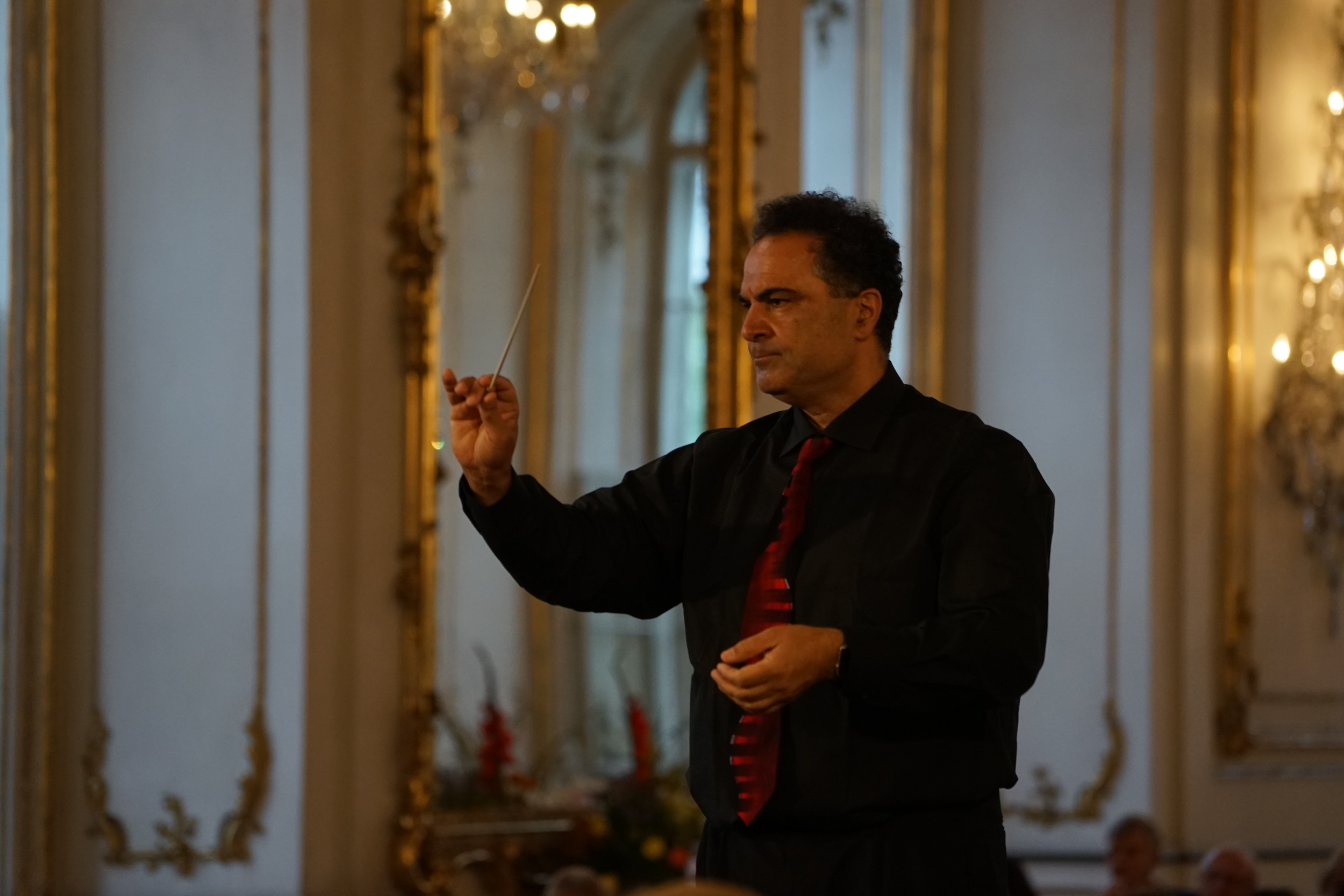
Boulder Symphony, Devin Patrick Hughes, conductor

Program includes music from:

  • Vivaldi: The Four Seasons
  • J.S. Bach: Orchestral Suite No. 3 in D major
  • Nicholas Hooper: “Fireworks” from Harry Potter and the Order of the Phoenix
  • Samuel Barber: Adagio for Strings
  • Mozart: Presto from the Divertimento in D major, K136
  • Tchaikovsky: Serenade for Strings
  • Beethoven: Grosse Fuge
  • Khachaturian: “Sabre Dance” from Gayane
  • Richard Strauss: Also sprach Zarathustra (Thus spake Zarathustra)
  • Mozart and Metallica

3 p.m. Saturday, April 26
Grace Commons, 1820 15th St., Boulder

TICKETS

# # # # #

The Boulder Chamber Orchestra will wrap up its current season of Mini-Chamber Concerts featuring pianist Jennifer Hayghe as artist in residence Saturday (7:30 p.m. April 26; details below).
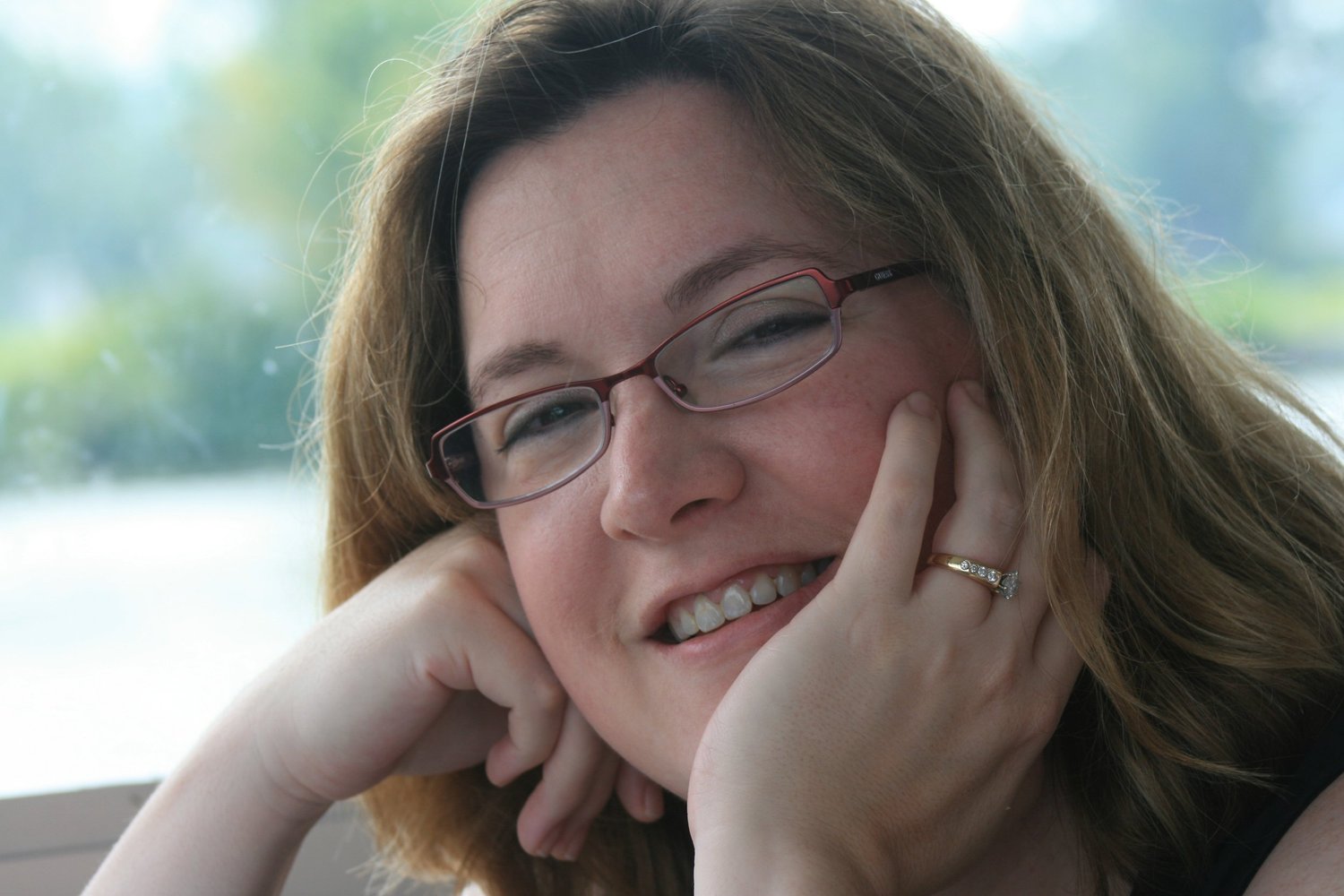
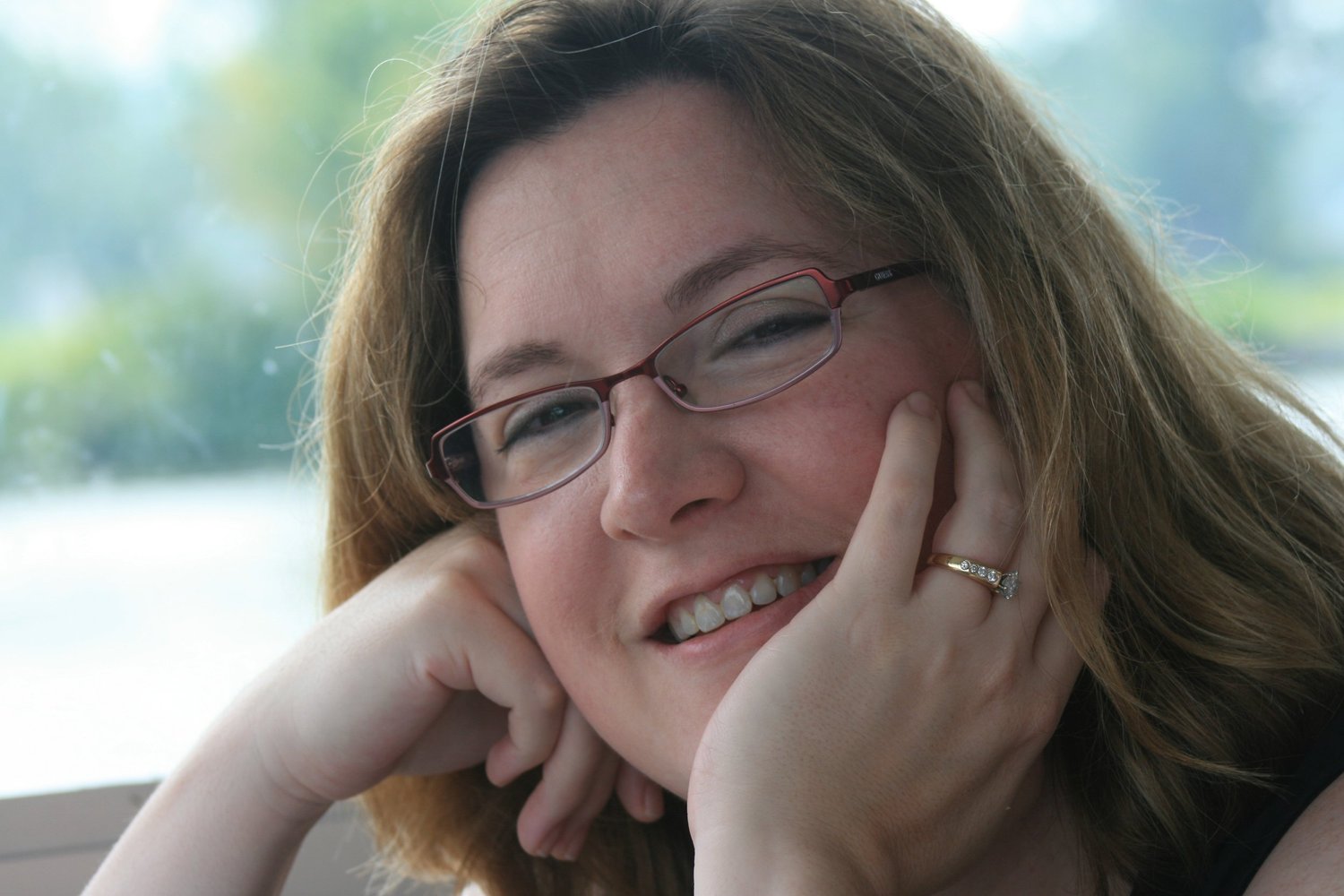
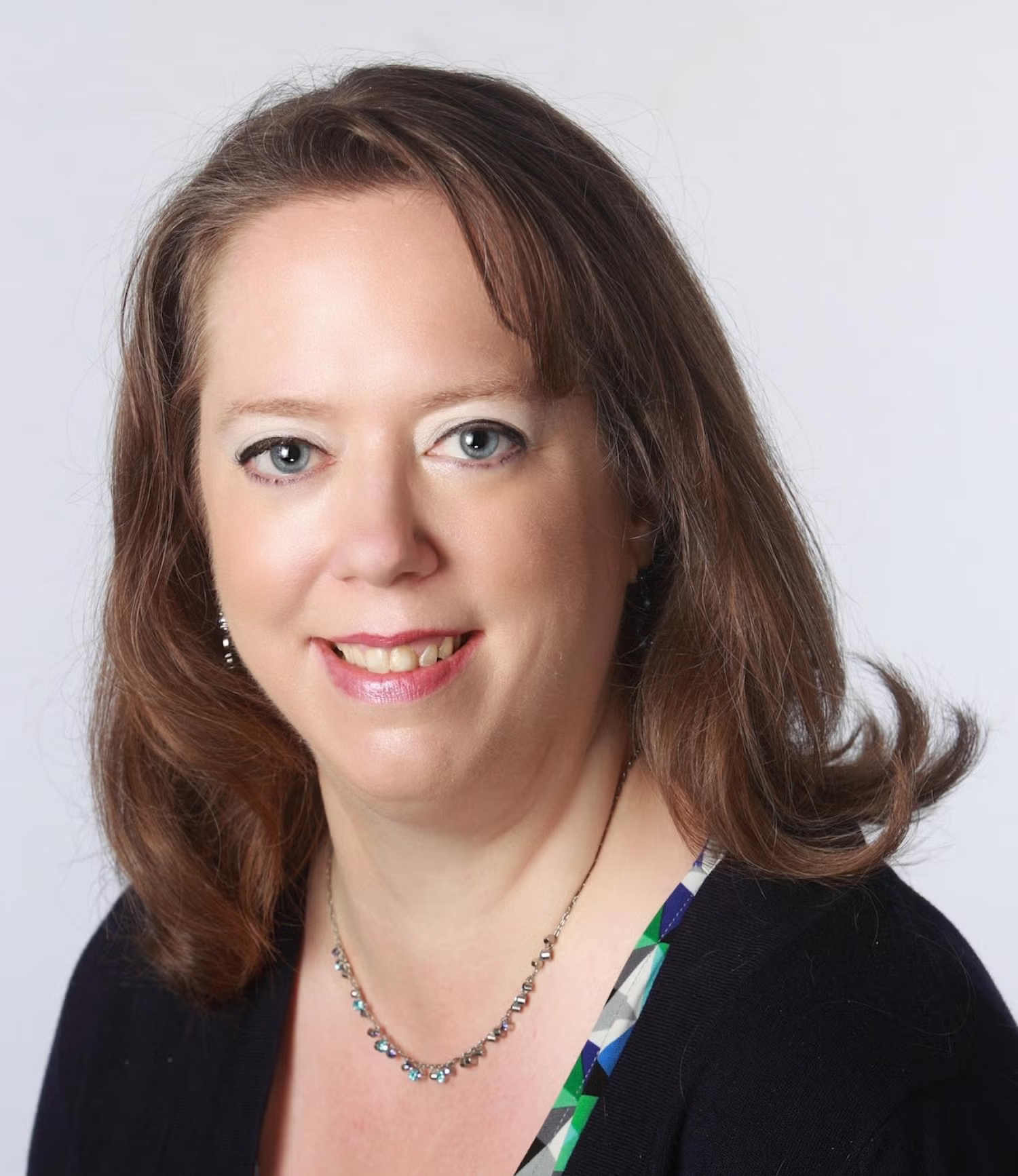
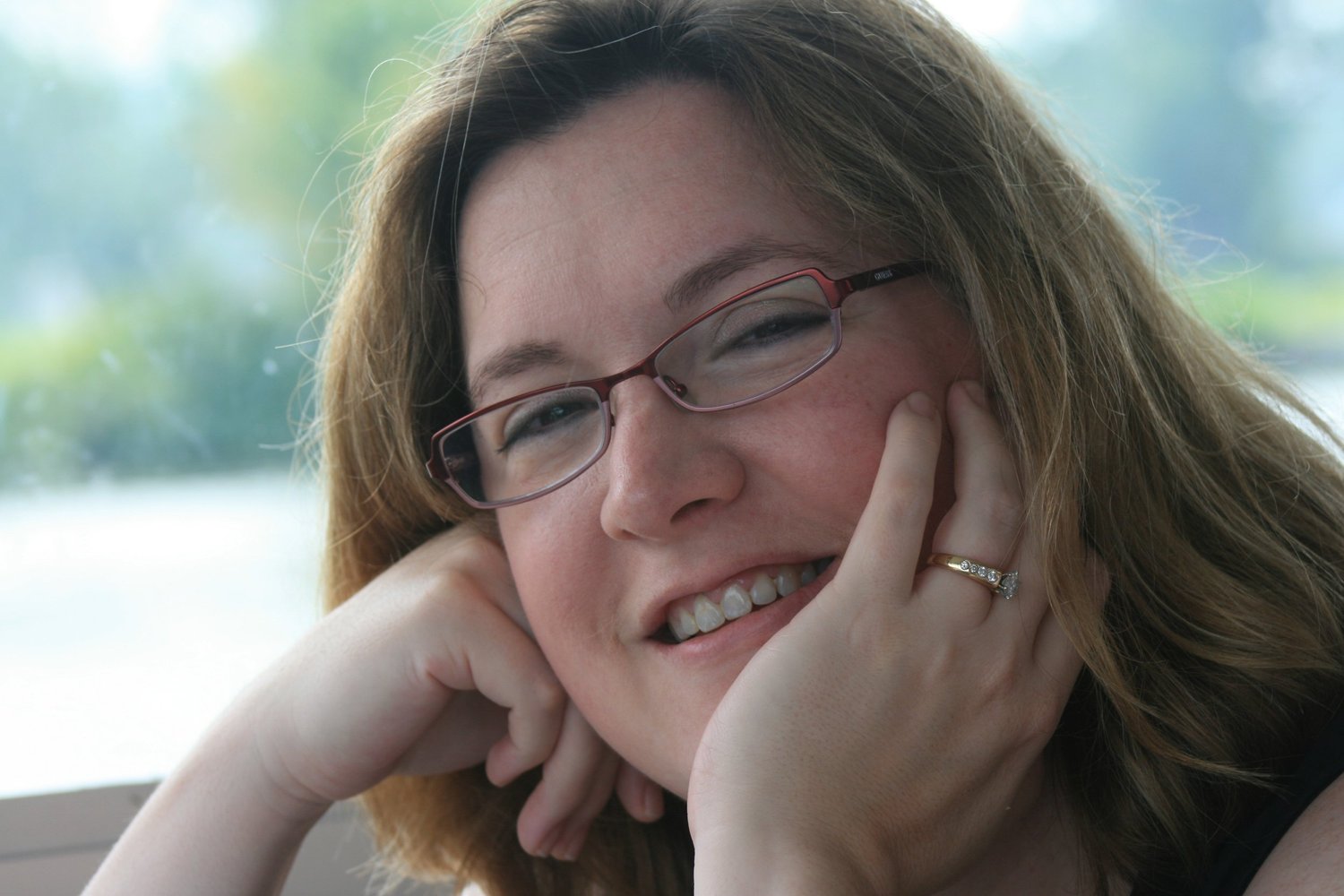
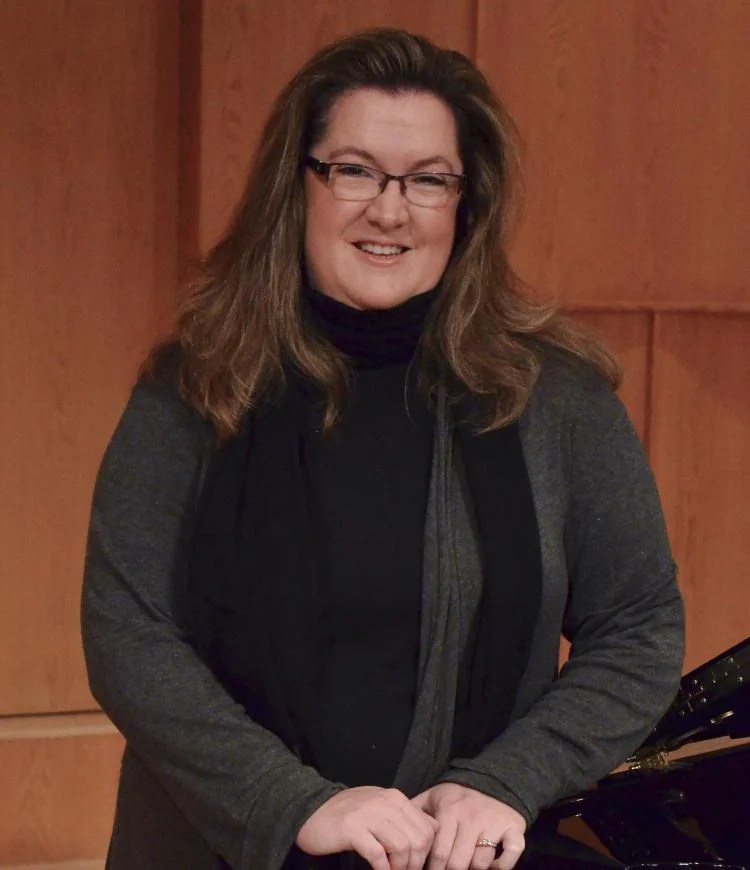
Jennifer Hayghe

The program, titled “Chamber Music Diamonds in the Rough,” features four works that are not often performed, in part because of their unusual instrumentation. Two of the composers—Aram Khachaturian and Max Bruch—are known for works that are featured on standard orchestral programs, but the other two—Mel Bonis and Nikolai Kapustin—are unfamiliar to American audiences.

In fact, the music of Mélanie “Mel” Bonis is currently undergoing a period of rediscovery after many years of obscurity. Born in 1858, Bonis taught herself to play piano and entered the Paris Conservatory at 16. She was in the same class with Debussy, and studied composition with César Franck. 
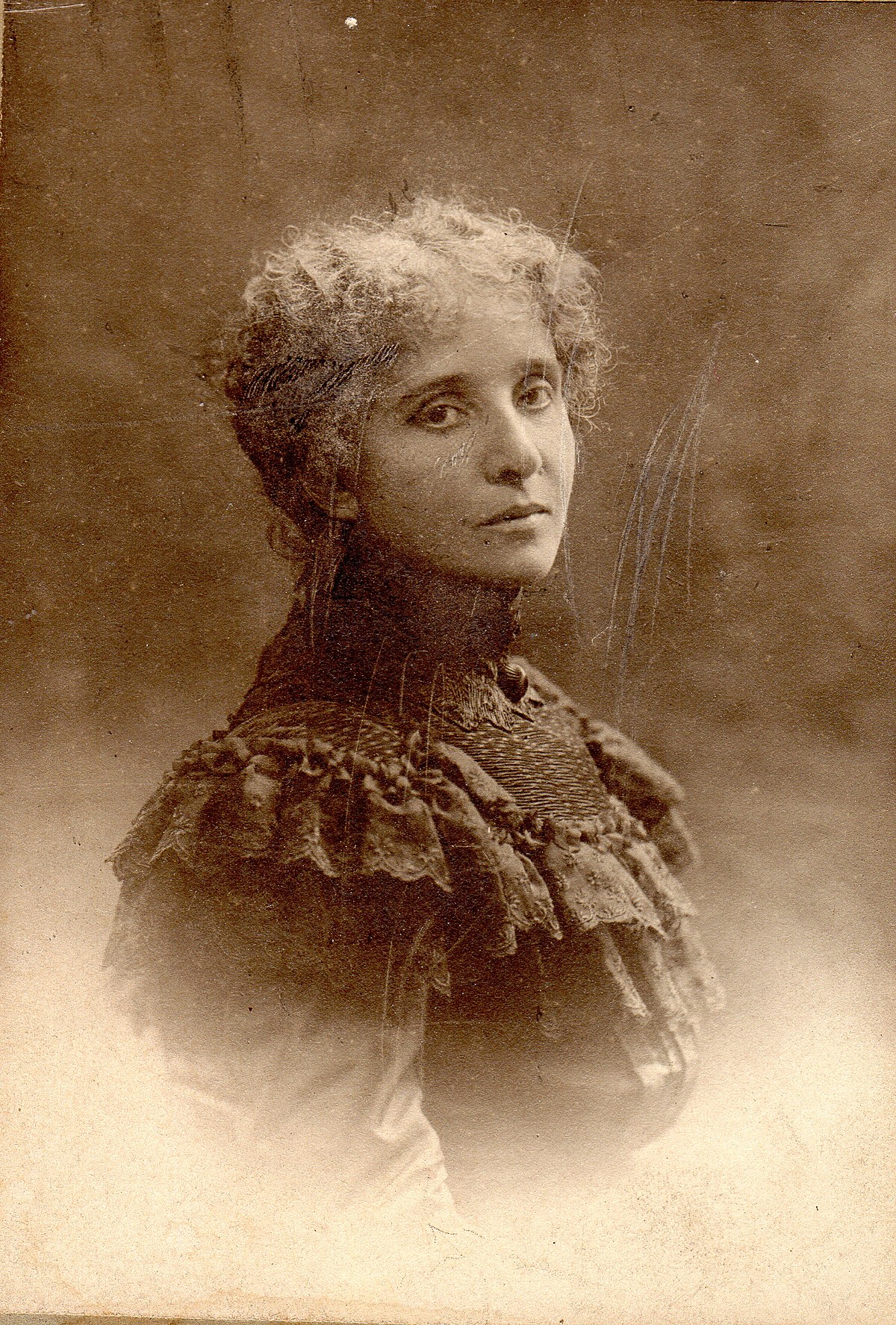
Mel Bonis

Bonis gave up music for a number of years when her parents arranged her marriage to an older businessman who disliked music, but returned to composition later in her life. Composed in 1903, her three-movement Suite en trio for flute, violin and piano is one of the works she wrote after her husband’s death..

Known for his “Sabre Dance” from the ballet Gayane, his Piano Concerto and other orchestral music, Khachaturian wrote only two pieces of chamber music, both of them during his student years at the Moscow Conservatory. The Trio for violin, clarinet and piano features folk tunes and styles throughout, including highly ornamented passages in the first movement and variations on a folk-like melody in the finale.

The German Romantic composer Max Bruch is best known for his Scottish Fantasy and two concertos for solo violin with orchestra. He wrote his Eight Pieces for clarinet, viola and piano in 1910, when he was 72, for his son who was a professional clarinetist. He used the same combination of clarinet and viola in another work he wrote for his son, the Concerto for clarinet, viola and orchestra in E minor, op. 88.

Kapustin was born in Ukraine in 1937 and studied composition at the Moscow Conservatory. He discovered jazz around 1954 and became known as a jazz pianist and played in a jazz quintet and big band. His music combines elements of classical, jazz and pop styles, but he always insisted that he was a composer, not a jazz musician. “I never tried to be a real jazz pianist,” he once wrote. Composed in 1998, the Trio for flute, cello and piano is one of his most popular chamber works.

# # # # #

“Chamber Music Diamonds in the Rough”
Jennifer Hayghe, piano, with Rachelle Crowell, flute; Kellan Toohey, clarinet; Hilary Castle, violin; and Erin Patterson, cello

  • Mel Bonis: Suite en trio, op. 59
  • Khachaturian: Trio for violin clarinet and piano
  • Max Bruch: Eight Pieces for clarinet, viola and piano
  • Nikolai Kapustin: Trio for flute, cello and piano, op. 86

7:30 p.m. Saturday, April 26, Boulder Adventist Church
TICKETS

GRACE NOTES: Chamber music on the weekend

Music for winds from the BCO, quartets and quintet from the Takács Quartet

By Peter Alexander Jan. 10 at 1:45 p.m.

The Boulder Chamber Orchestra (BCO) will present a program of French music for piano and winds for its third Mini-Chamber program of the season Saturday (7:30 p.m. Jan. 11; details below).

The orchestra’s current artist-in-residence, pianist Jennifer Hayghe, will be joined by members of the BCO to perform works by Vincent d’Indy, Albert Roussel, Francis Poulenc, Florent Schmitt and Louise Farrenc.

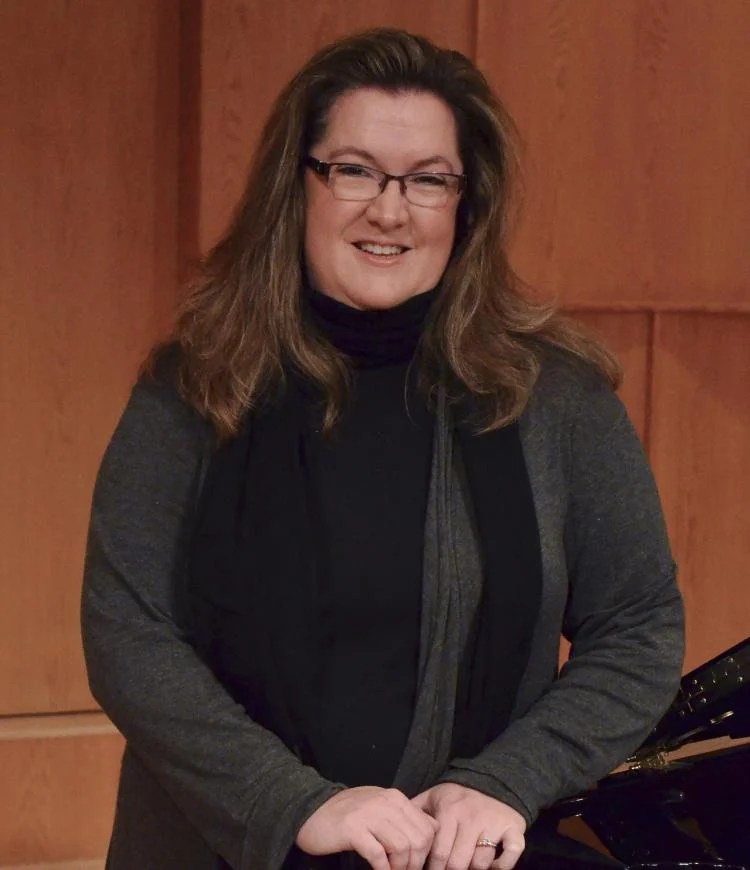
BCO artist in residence Jennifer Hayghe

The program that was curated by Hayghe offers an opportunity to hear pieces and composers that are little known to American audiences. French music in particular is less often programmed here than German and Austrian works. The least familiar, and the earliest of the composers is Farrenc, who lived in the 19th century. A successful concert pianist, she became the first woman to hold a permanent position at the Paris Conservatory, which she maintained for 30 years, from 1842 to 1872.

All the other composers lived and worked in the 20th century. The most familiar is probably Poulenc, who died in 1963. Known for his opera Dialogues des Carmélites (Dialogue of the Carmelites), his Organ Concerto and his choral Gloria, he also wrote a large number of pieces for chamber ensembles.

The other three composers—d’Indy, Roussel and Schmitt—were active in the first half of the 20th century. Offering a rare taste of a time and place that rarely shows up in concert programs in the U.S., Mini-Chamber 3 is a welcome opportunity for the chamber music audience to expand their horizons beyond the routine.

# # # # #

Boulder Chamber Orchestra Mini-Chamber 3
Jennifer Hayghe, artist in residence, piano
With Rachelle Crowell, flute; Brittany Bonner, one; Kellan Toohey, clarinet; Kaori Uno-Jack, bassoon; and Devon Park, horn

  • Vincent d’Indy: Sarabande et menuet, op. 72
  • Albert Roussel: Divertissement, op. 6
  • Francis Poulenc: Trio for oboe, bassoon and piano
  • Florent Schmitt: Sonatine en trio, op. 85
  • Louise Farrenc: Sextet in C minor, op. 40

7:30 p.m. Saturday, Jan. 11
Boulder Adventist Church, 345 Mapleton Ave., Boulder

TICKETS

# # # # #

The Takács Quartet will be joined by pianist Margaret McDonald to present one of the preeminent chamber works of the 19th century, Brahms’s Quintet in F minor for piano and strings.

The program will also feature Beethoven’s early String Quartet No. 1 in F major, op. 18 no. 1—actually the second quartet of the set to be written—and the String Quartet no. 1 by Stephen Hough, which was written for the Takács.

Hough’s quartet was first written to be heard alongside the Ravel String Quartet and Ainsi la nuit (Thus the night), a string quartet by the French composer Henri Dutilleux. Hough subtitled the quartet “Les Six Rencontres” (The six re-encountered), a reference to a group of early 20th-century composers active in France that did not include either Ravel or Dutilleux. Hough wrote that the subtitle “has in it a pun and a puzzle: the six movements as an echo of ‘Les Six,’ although there are no quotes or direct references from those composers; and ‘encounters’ which are unspecified.”

Margaret McDonald, guest pianist with the Takács Quartet

The six movements of the quartet have titles that indicate places, presumably in the Montparnasse district of Paris, where an encounter with a composer from “The Six” might have occurred: On the boulevard, in the park, at the hotel, at the theater, in the church and at the market. The Takács Quartet premiered “Les Six Rencontres” in Costa Mesa, Calif., Dec. 8, 2021.

One of the best known major pieces of chamber music from the 19th century, Brahms F minor Piano Quintet evolved through several forms before being finished as a quintet. It was first written as string quintet, a version that the composer later destroyed, and then as a duet for two pianos, and finally as a quintet for string quartet with piano. All of this stretched over six years, prior to the Quintet’s premiere in 1868.

# # # # #

Takács Quartet
With Margaret McDonald, piano

  • Beethoven: String Quartet in F Major, op. 18 no. 1
  • Stephen Hough: String Quartet No. 1, “Les Six Rencontres” (The six re-encountered)
  • Johannes Brahms: Piano Quintet in F Minor, op. 34

4 p.m. Sunday, Jan. 12
7:30 p.m. Monday, Jan. 13
Grusin Music Hall

In-person and streaming TICKETS

GRACE NOTES: Chamber music from the Baroque to 20th century

Events presented by The Academy, Boulder Bach and Boulder Chamber Orchestra

By Peter Alexander Oct. 16 at 10:33 a.m.

The Academy, University Hill will present pianist Eugene Gaub and violinist Nancy McFarland Gaub performing in their Chapel Hall Friday evening (7 p.m. Oct. 18; details below).

Their performance of works by Beethoven and César Franck will be free, but audience members are asked to RSVP in advance. Eugene Gaub will perform Beethoven’s late Piano Sonata No. 28 in A major op. 101, and together they will perform Franck’s Sonata in A major for violin and piano. 

Eugene Gaub is emeritus professor of music at Grinnell College in Iowa, where he taught music theory and courses in music history from 1995 to 2022. A graduate of the Juilliard School, he holds a doctorate and performer’s certificate from the Eastman School of Music.

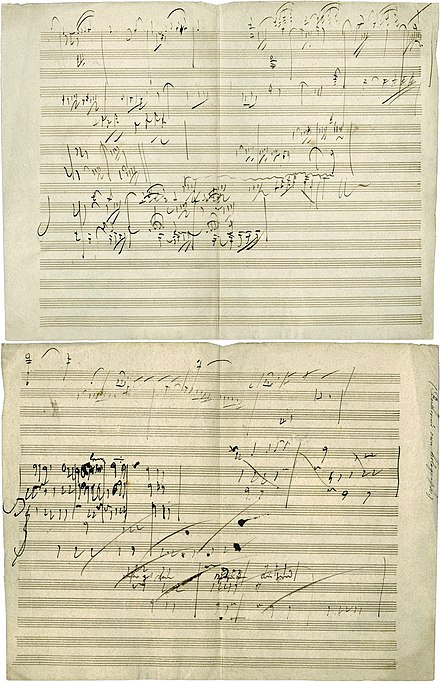
The manuscript of Beethoven’s Piano Sonata No. 28

Throughout her career, violinist and composer Nancy McFarland Gaub has performed as a soloist, chamber and orchestral musician in the U.S., Europe and Africa. She also was an artist-in-residence and taught violin and chamber music at Grinnell College for 25 years.

Composed in 1816, Beethoven’s Piano Sonata No. 28 is considered the beginning of his third and final period of composition. The composer himself called the sonata “a series of impressions and reveries.” When he wrote the sonata he was almost totally deaf, only able to communicate with friends through the notebooks that he kept for the remainder of his life. This isolation may be the reason that, like the other late sonatas, No. 28 creates a sense of intimacy.

Franck wrote his Violin Sonata in 1886 as a wedding gift for the violinist Eugène Ysaÿe. The public premiere of the sonata, given by Ysaÿe with the pianist Marie-Léontine Bordes-Pène has become something of a legend. It was the last piece on a long program given at the Museum of Modern Painting in Brussels. By the time the performers started the Sonata, it was already dusk, but the museum did not allow artificial light. Ysaÿe and Bordes-Pène had to complete the performance from memory in the darkened room. 

From that auspicious beginning, the Sonata has become one of the most revered sonatas for violin and piano, and one of Franck’s best known works.

# # # # #

Eugene Gaub, piano, and Nancy McFarland Gaub, violin

  • Beethoven: Piano Sonata No. 28 in A major, op. 101
  • César Franck: Sonata in A major for violin and piano

7 p.m. Friday, Oct. 18
Chapel Hall, The Academy University Hill, Boulder

Free; RSVP HERE

# # # # #

The Boulder Bach Festival will present its COmpass REsonance (CORE) ensemble and guest artists in a program of music by relatively little known Baroque composers Saturday at the Dairy Arts Center (4 p.m. Oct. 19 in the Gordon Gamm Theater; details below).

Featured artists will be the festival’s director, violinist Zachary Carrettin and 10-string guitarist Keith Barnhart, a member of the CORE ensemble. They will be joined by Chris Holman, harpsichord; Joseph Howe, cello; and guest artist soprano Mara Riley.

With little known composers, the program provides an opportunity to explore an intriguing and idiosyncratic segment of music history. The performers will play and sing music of the early Baroque period, in a style known as the stile moderno (modern style) that represented a striking departure from the music of the late Renaissance. 

Many of the composers included on the program were themselves virtuoso performers, and their works expanded the possibilities of both instrumental and vocal music. The composers on the program are Alessandro Stradella, Nicola Matteis, Marco Uccellini, Johann Heinrich Schmelzer, Giuseppi Maria Jacchini, Silvia Leopold Weiss and Tarquinio Merula.

# # # # #

“Passion and Poetry“
Boulder Bach Festival CORE Ensemble, Zachary Carrettin, music director/violinist
With Keith Barnhart, 10-string guitar; Chris Holman, harpsichord; Joseph Howe, cello; and Mara Riley, soprano

  • Works by Alessandro Stradella, Nicola Matteis, Marco Uccellini, Johann Heinrich Schmelzer, Giuseppi Maria Jacchini, Silvia’s Leopold Weiss and Tarquinio Merula

4 p.m. Saturday, October 19
Gordon Gamm Theater, Dairy Arts Center

TICKETS

# # # # #

Boulder Chamber Orchestra’s Mini-Chamber I, their first concert of chamber music for the 2024–25 season, will feature music by Beethoven, British composer Frank Bridge, and French composer Lili Boulanger Saturday (7:30 p.m. Oct. 19 at the Boulder Adventist Church; details below).

The program is the first in a series of four Mini-Chamber performances that will be presented by the Boulder Chamber Orchestra (BCO). Three of the performances, including Oct. 19, will feature the BCO’s artist in residence for the current season, pianist Jennifer Hayghe. For the first program she will be joined by orchestra members Sarah Whitnah, violin, and Andrew Brown, cello, for a program of music for piano trio. 

English composer Frank Bridge is remembered today mostly as the teacher of Benjamin Britten, who honored the older composer with his “Variations on a Theme of Frank Bridge” for strings. Bridge wrote three sets of miniatures for piano trio, from which Hayghe has chosen four pieces for this program. They were written for one of Bridge’s violin students, but critics have suggested that they are too sophisticated to be considered “student works.” 

The younger sister of the music teacher Nadia Boulanger, Lili died at the tragically young age of 24. The first female winner of the Prix de Rome composition prize, Lili showed precocious musical talent as young as four, when she accompanied her older sister to classes at the Paris Conservatoire. Her music has recently become better known.

Jennifer Hayghe

Written in 1918, D’un matin de printemps (Of a spring morning) was one of the last works she completed. It was written in versions for solo violin, flute, and piano, for piano trio, and for orchestra. 

One of the most tuneful and frequently performed of Beethoven’s works, the Piano Trio Op. 97 is known as the “Archduke Trio.” It was dedicated to Archduke Rudolph of Austria, later the Archbishop of Olomouc (Olmütz) and a Catholic Cardinal. An amateur pianist, Rudolph was a patron and composition student of Beethoven, who dedicated several major works to him, including his Piano Concerto No. 5 (“Emperor”) and the Missa Solemnis.

The Trio was composed 1810–11, toward the end of Beethoven’s so-called “heroic” middle period of compositions. Written at a time when the composer was in unusually good spirits, the Trio has none of the angst or fierce drive of his Fifth Symphony and other music we associate with the more rebellious aspect of his character. It is composed in a traditional but expansive four-movement sonata form.

# # # # #

Mini-Chamber I
Jennifer Hayghe, piano, with members of the BCO

  • Frank Bridge: Miniatures for Piano Trio, Nos. III–IV–V–VIII
  • Lili Boulanger: D’un matin de printemps (Of a spring morning)
  • Beethoven: Piano Trio in B-flat major, op. 97 (“Archduke”)

7:30 p.m. Saturday, Oct. 19
Boulder Adventist Church
TICKETS

Boulder Chamber Orchestra offers small-scale Wagner, Beethoven’s “Emperor”

Pianist Jennifer Hayghe performs the first piece she ever heard

By Peter Alexander Jan. 30 at 9:45 p.m.

Pianist Jennifer Hayghe returns to one of the first pieces of music she ever heard when she performs Beethoven’ “Emperor” Concerto with the Boulder Chamber Orchestra and conductor Bahman Saless Saturday (7:30 p.m. Feb. 3; details below).

Jennifer Hayghe

“My mother was an artist and she would stay home and paint, and listen to records,” she says. “The record that she listened to the most was Arthur Rubinstein playing the ‘Emperor’ Concerto. I have know it since I was in utero!

In addition to the “Emperor”—Beethoven’s Piano Concerto No. 5 in E-flat major—the program features the Valse triste (Sad waltz) by Jean Sibelius, a melancholy piece that has often been used to create a mood for films and TV; and the only piece that Wagner wrote for small orchestra, his Siegfried Idyll.

While Hayghe admits that she doesn’t remember her earliest exposure to the concerto, she did study it in graduate school. “I think I’ve been playing this for over 30 years,” she says. “It’s very familiar to me, and it’s such a majestic piece. I’ve performed it both with chamber orchestra and with larger orchestras. I much prefer playing it with the smaller orchestra. It has a very different feel and a very different sound.

“As a pianist there are things that we have to do to project with full orchestra that you don’t have to do with chamber orchestra. So much of the piano part is really texture, as part of what the orchestra is doing. If you’re trying to create that texture with a larger orchestra, you’re playing very differently than you are if it’s a smaller orchestra and you’re able to blend in. I really enjoy playing it with the chamber orchestra.”

Bahman Saless. Photo by Keith Bobo

She particularly enjoys playing the concerto in Boulder, where she has so many friends. “I enjoy working with Bahman (Saless),” she says. “And the orchestra has lots of friends in it, so it will be a nice experience.”

One of Beethoven’s most popular pieces, the Fifth Piano Concerto has several unusual or unique aspects. “The remarkable thing in the first movement is that the piano starts, with fantastic virtuoso cadenzas, but never really gets to [play a cadenza] again,” Hayghe says. In most concertos, she explains, “the piano gets to do their big cadenza at the end of the first movement. But after [the opening cadenzas in the ‘Emperor’], the piano is reigned in, and much of the movement the piano is providing texture—all of that figuration up at the top of the piano.”

Continuing a description of the concerto, she points out that the second movement is a set of variations with some moments that sound improvised. It’s “very sublime,” she says, and “completely different from the first movement. Again, the piano is blending with the orchestra in this very textural way. The second movement then never really ends, it transitions with a half-step move into this joyful, joyous, energetic last movement.”

Finally, she says, “everybody has to watch out, and listen for that very unusual timpani and piano duet at the end of the last movement.

“I think one of the fantastic things about this piece is the way Beethoven deals with the dual nature of concerto, the fighting of the forces that concertos often are, and also the the ‘in concert’ part of it as well. You do hear a lot of moments of the piano and the orchestra playing against each other, and then those fantastic moments where they come together and the soloist is playing inside the orchestra, in a sense. I don’t think people are always aware of that.”

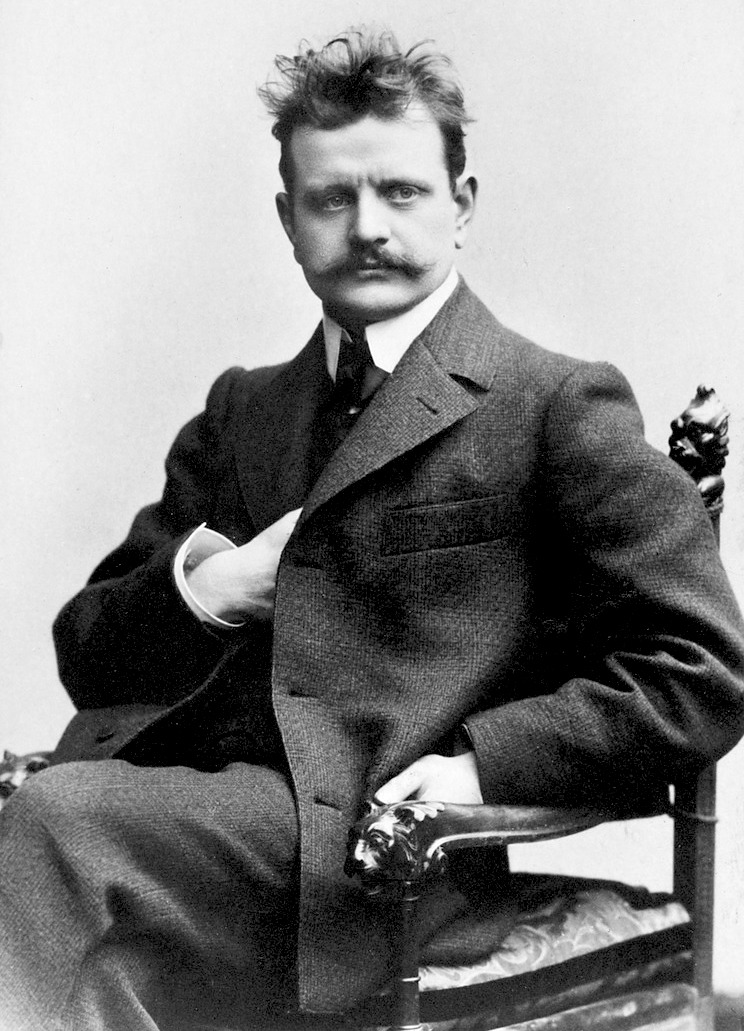
Jean Sibelius

Sibelius wrote Valse triste as part of music he wrote to accompany the play Kuolema (Death) by his brother-in-law, Arvid Järnefelt. In the play, it accompanies the last dance among spectral figures by a dying woman that ends when a door flies open and death stands on the threshold. This one piece proved more popular than the other movements written for the play, and has been performed alone in concert and used in film and TV, from Charlie Chaplin’s Great Dictator in 1940 to an episode of Twin Peaks in 1992.

Wagner wrote Siegfried Idyll as a birthday gift for his wife Cosima. It was first performed on the steps of their villa in Switzerland on Christmas morning, 1870. It was written as a celebration also of the birth of their son, named Siegfried, and the music was later used in part of Wagner’s 1876 music drama Siegfried. The score includes pieces of personal meaning to Wagner and Cosima, including the German lullaby “Schlaf, Kinder, schlaf” (Sleep little child, sleep) that was associated with their daughter. Originally scored for 13 players, Wagner later arranged it for a small orchestra of 35 players for publication. 

# # # # #

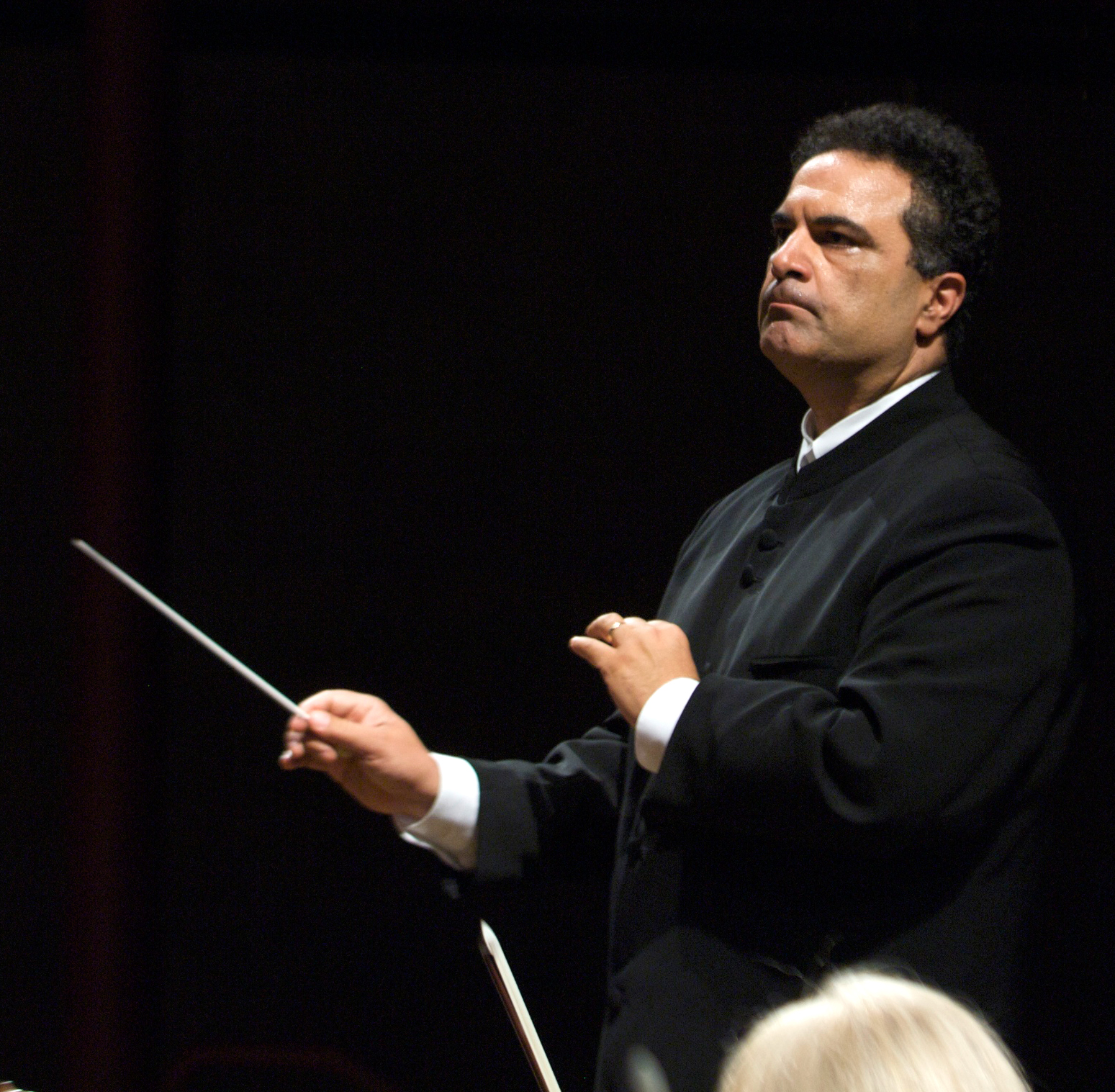
Boulder Chamber Orchestra, Bahman Saless, conductor
With Jennifer Hayghe, piano

  • Sibelius: Valse triste
  • Wagner: Siegfried Idyll
  • Beethoven: Piano Concerto No. 5 in E-flat major (“Emperor”)

7:30 p.m. Saturday, Feb. 3
Seventh Day Adventist Church, 345 Mapleton, Boulder

TICKETS

Rousing Beethoven from Pro Musica Colorado

Folkish new piece by UC grad Ben Morris, “utterly enjoyable” concerto by Florence Price

By Peter Alexander Nov. 20 at 12:15 a.m.

Last night (Nov. 19) conductor Cynthia Katsarelis and the Pro Musical Colorado Chamber Orchestra opened their 2022-23 concert season in the newly-renovated sanctuary of the Mountain View Methodist Church in Boulder.

Cynthia Katsarelis and the Pro Musica Colorado Chamber Orchestra

Venue renovations often bring gains and losses, and this was no exception. This is worth noting, because the Mountain View church is being used more as a concert venue. It is a visually attractive space, and offers about the best parking of any venue in Boulder.

The carpet has been removed and replaced with a hard wood floor, and the  pews have been replaced with reasonably comfortable chairs, which is all to the good. The sound is much more lively than before, and it may take performers a while to adjust to the new acoustic. Balance is problematic, as the strings had a hard time being heard over the boosted wind sounds. The wood floor certainly beefed up the bass, although not always in a helpful way. In time performers will likely adjust to the increased resonance.   

Ben Morris

The concert opened with the world premiere of The Hill of Three Wishes by Ben Morris, winner of the 2021 CU composition Competition. Reflecting the legend of Helgafell , a magical hill in Iceland that grants three wishes to anyone who can walk to the top without looking back, the score has an attractive folkish quality. It is written in a modal style that avoids harsh dissonance and welcomes listeners.

Morris makes great use of instrumental sounds to create a mythic quality that Katsarelis compared to The Lord of the Rings. Opening brass gestures establish the setting. An ancient Icelandic folk song adds a sense of timelessness, and at the end the music drifts atmospherically into silence. From the score I couldn’t tell if Morris was granted his wishes—did he, like Orpheus, submit to the temptation to look back?—but the hike is clearly a pleasant one. The brief score should find willing performers and audience enjoyment.

Another rare adventure was provided by the Piano Concerto in One Movement by Florence Price, whose music from the early 20th century was once forgotten but is being rediscovered. The first African American woman to have her music performed by a major orchestra when her First Symphony was premiered by the Chicago Symphony in 1933, Price was a skilled and accomplished composer. The concerto is symbolic of her fate: the full orchestral setting was lost and only rediscovered in 2019. Pro Musica is among the first to perform it as originally written. 

The concerto is, however, misnamed as it is not truly in one movement. There is a clear cadence and break between the first and second movements, and the dramatic transition from the slow movement to the lively finale parallels many classical concertos. Like many of Price’s works, the score draws on her African American heritage, from the bluesy trumpet and trombone riffs at the outset, to the slow movement that channels dozens of great spirituals, and the juba dance finale that could easily be mistaken for a Joplinesque rag. This is a unique and valuable part of our country’s musical history.

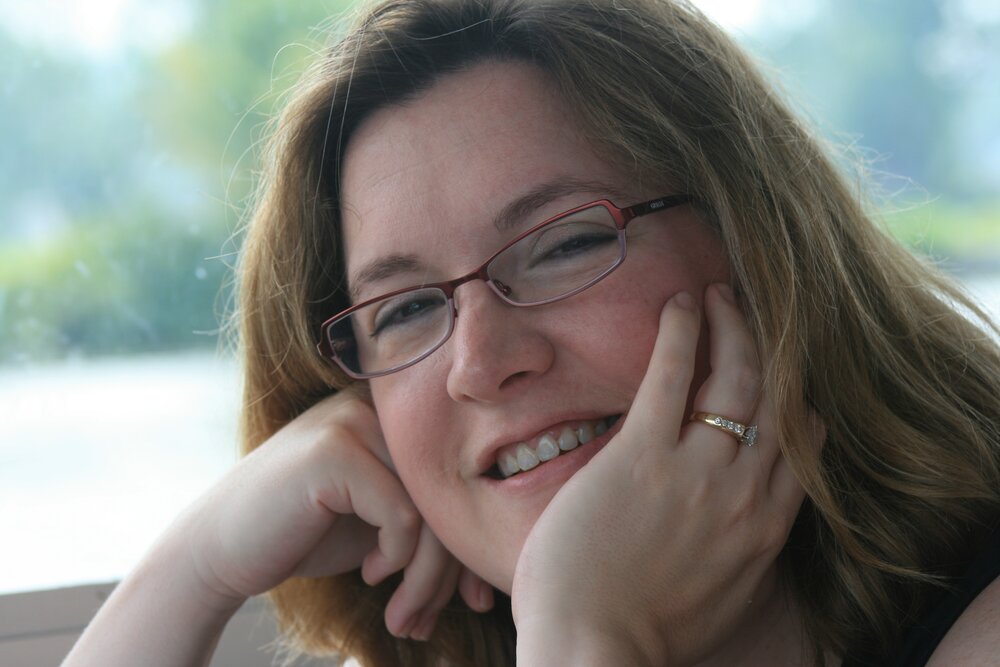
Jennifer Hayghe

Pianist Jennifer Hayghe gamely tackled the difficult solo part—Price herself was a virtuoso pianist—but while she started with a resounding first entrance, at other times balance issues prevented her playing from being clearly heard. Moments of lighter orchestration, with the piano against one or two winds, worked best. As well as I could hear, Hayghe carried off the solo part handily. Special notice should go to flutist Michelle Stanley, oboist Miriam Kapner and cellist Carole Whitney (if the program is to be trusted) for their solos in the second movement.

The finale had compelling energy, but as performed it was essentially an orchestral dance movement with the piano playing along. This is an utterly enjoyable movement, whether it shows off the pianist to full advantage or not. Katsarelis, Hayghe and the Pro Musica deserve our gratitude for bringing a valuable but rarely heard piece to the Boulder audience. Now that the original score has been reassembled, others should take up this concerto.

The concert concluded with a spirited reading of Beethoven’s powerful, popular Seventh Symphony. Audiences are used to hearing it played by larger ensembles, but a smaller orchestra like Pro Musica can bring a welcome muscularity and clarity to this and other classical scores. Once again, however, the lively acoustic was sometimes problematic. The fast rhythmic figures of the first movement and rapid passages in the strings were sometimes obscured by the punctuating chords or lost in the general resonance of the space.

Katsarelis followed all the road signs of Beethoven’s score, outlining both the structure and the drama of the piece.  While some dynamic differences were swallowed in the overall resonance, she kept the tempo and maintained the thrust all the way to the end. That’s just what Beethoven calls for, and it provided a rousing culmination for the concert.

Icelandic Legends and the Spirit of the Dance

Pro Musica Colorado concert has a hopeful message

By Peter Alexander Nov. 17 at 4:48 p.m.

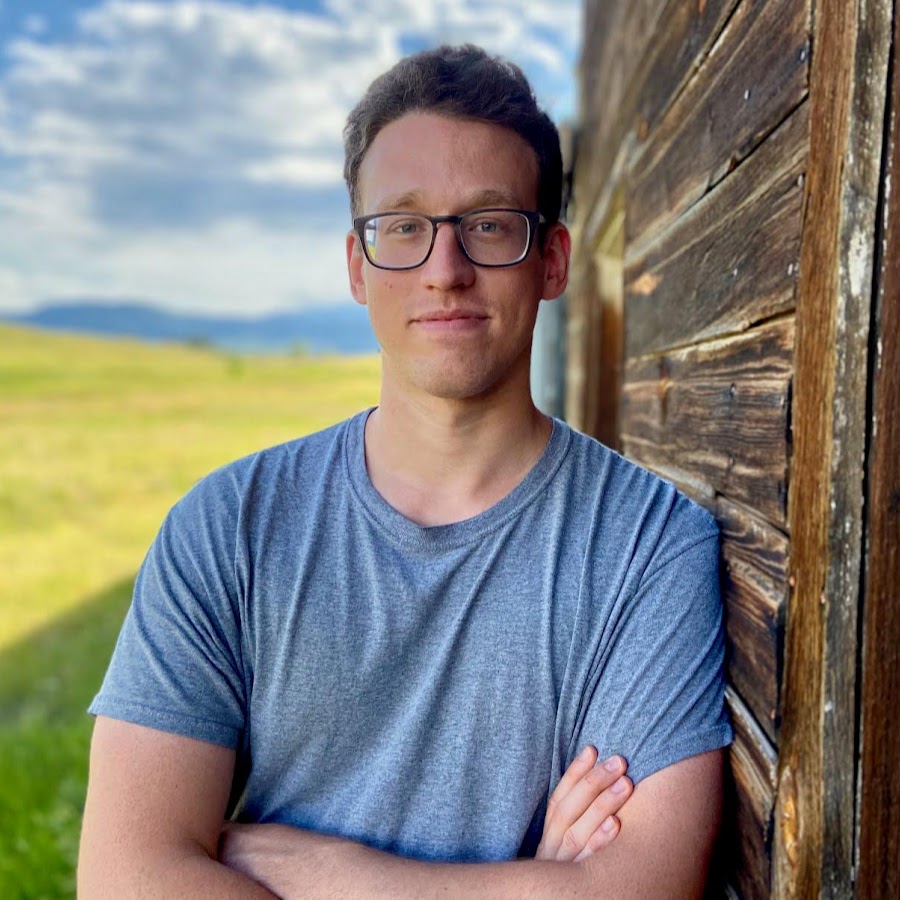
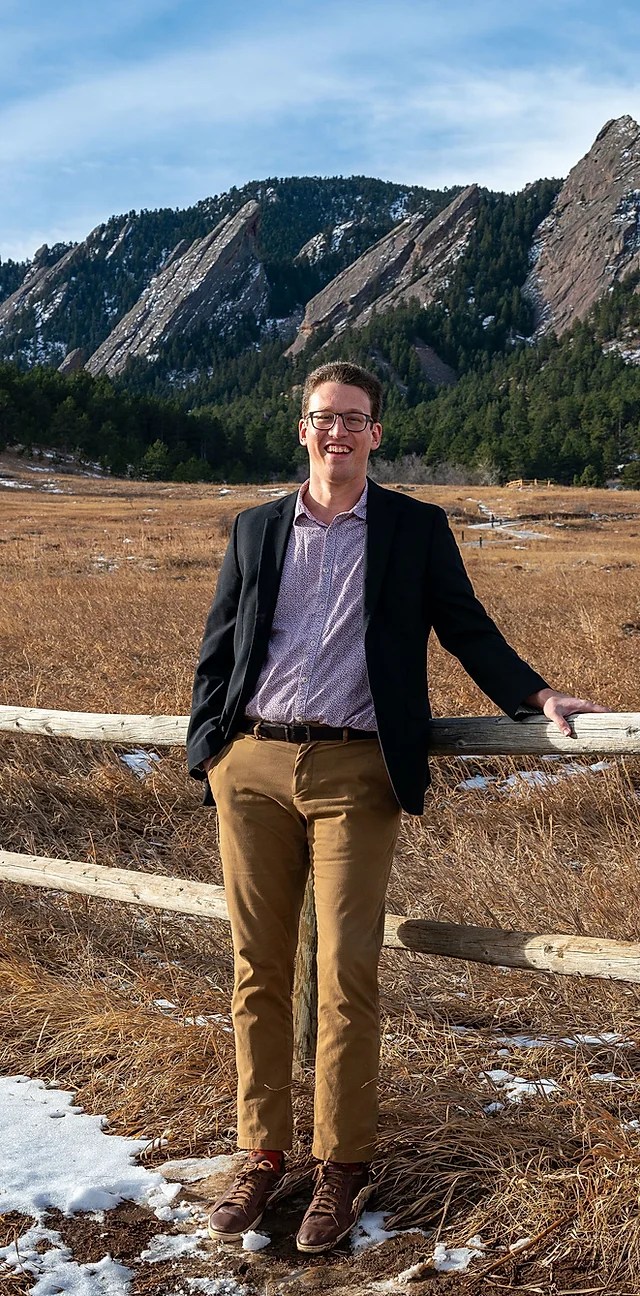
Composer Ben Morris

Conductor Cynthia Katsarelis and the Pro Musica Colorado Chamber Orchestra will present the world premiere of The Hill of Three Wishes by former CU composition student Ben Morris on their next concert, Saturday at Mountain View Methodist Church in Boulder (7:30 p.m. Nov. 19).

The score was selected last year as the winner of an annual competition that Pro Musica holds in collaboration with the CU composition department. The department gives Katsarelis works by several composers, and she selects one composer to receive a commission from a fund that was financed by the late Thurston Manning. Normally the new works are premiered in the spring, but last year’s planned performance was postponed. 

The concert, titled “Apotheosis of the Dance,” opens the Pro Musica 2022–23 season of three concerts. Other works on the program are Florence Price’s Piano Concerto in One Movement, which concludes with an African American juba dance; and Beethoven’s Seventh Symphony in A major, which has such exuberant rhythmic movement that Richard Wagner once called it “the apotheosis of the dance.”

Pianist Jennifer Hayghe, the chair of the CU Roser Piano and Keyboard Program, will be the soloist for Price’s concerto.

“Ben Morris is a wonderful emerging composer,” Katsarelis says. “First of all he really knows what to do with an orchestra. His orchestration is superb, and his colors, and the textures. 

“He has two major influences: a jazz background, but also a Scandinavian (Norwegian) background. And so he gets this Nordic folk music aspect into his music, sometimes with extended jazz chords.”

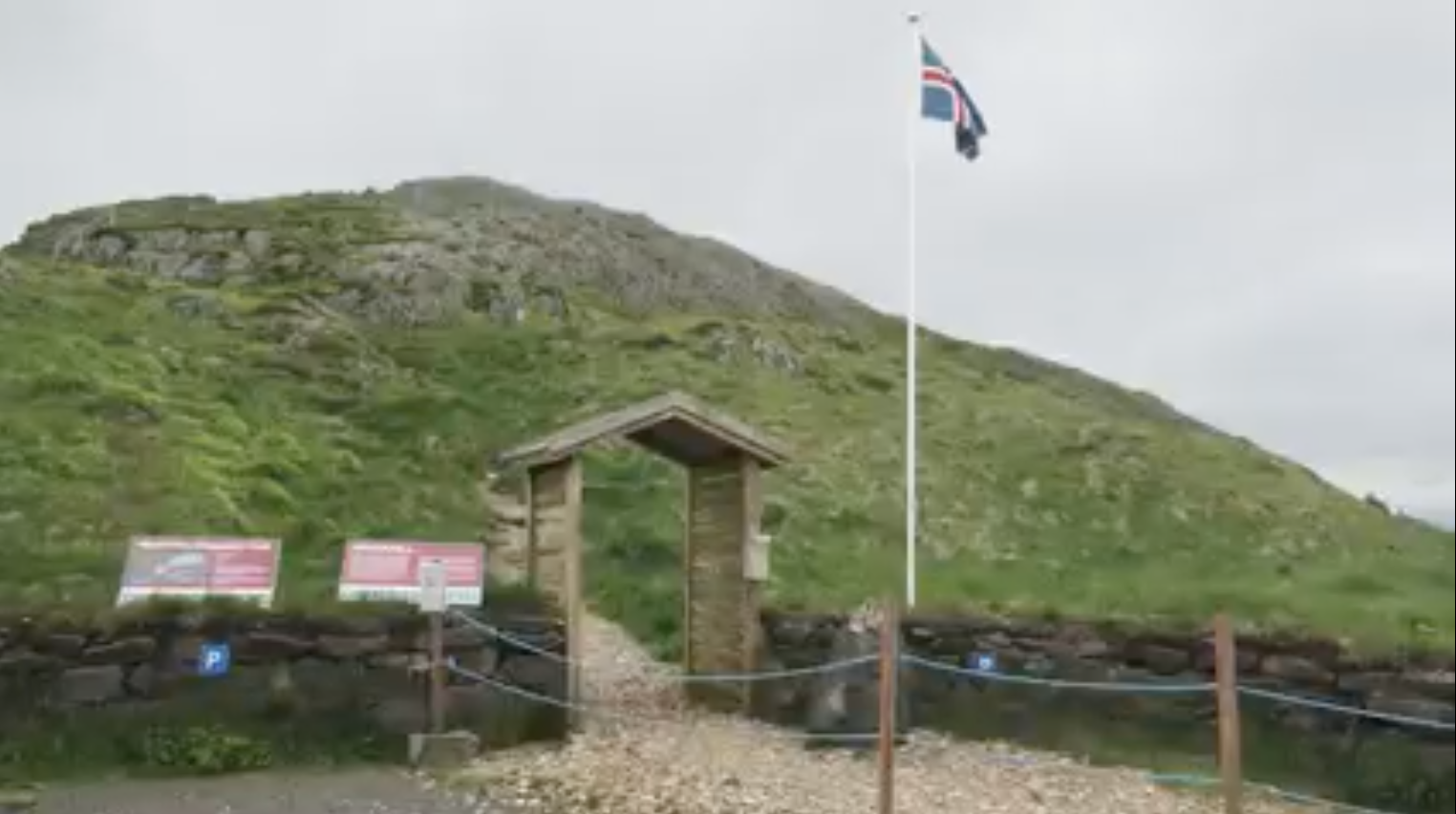
Helgafell, Iceland. Photo by Ben Morris.

The Hill of Three Wishes is based on Helgafell, a site in Iceland that Morris visited. The legend about Helgafell is that if you can hike to the top without looking back, you will be granted three wishes. He incorporated an ancient Icelandic song into the score, which gives the music “a medieval sound,” Katsarelis says. “He weaves it in nicely, and you can really imagine the climb up the hill.”

Price, whose career spanned the first half of the 20th century, was a composer, pianist and organist trained at the New England Conservatory. She was the first African American woman to have music presented by a major orchestra, when her First Symphony was played by the Chicago Symphony in 1933.

For many years, the original score of her Piano Concerto in One Movement was lost, and the piece was known only from a two-piano version. Some orchestral parts were found in Price’s former summer home, and others turned up recently at an auction, allowing the assembly of the original orchestration. That original version has been published and will be used by Pro Musica.

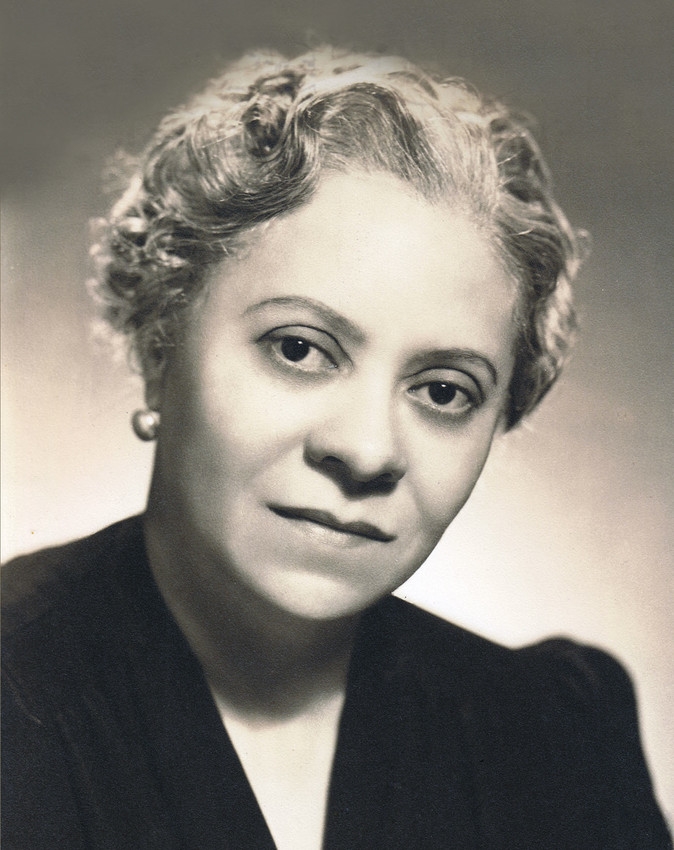
Florence Price. Photo by G. Niledoff.

“Although it’s a piano concerto in one movement, it does have three sections that correspond to a fast first movement, a slow second movement, and then a jolly finale,” Katsarelis says. “The finale is a juba dance, and the whole thing clearly draws on her African American background.

“The second movement is reflective (and) has a call and response aspect to it. The first movement has melodies that you can associate with spirituals, or maybe a blues. It’s quite virtuosic for the piano, which I think speaks to Florence Price’s (skills as a pianist).”

Price was born in Little Rock, Ark., but she and her family joined the Great Migration of Southern Blacks to the north and settled in Chicago. There she became part of what is called the “Chicago Renaissance,” which was akin to the Harlem Renaissance of the 1920s and ‘30s. “She was incredibly active,” Katsarelis says. 

“She belonged to two women’s music clubs, she was playing recitals all the time, she got her symphony performed by the Chicago Symphony, (and) her other symphonies were done by the Women’s Symphony in Chicago and Detroit. She got excellent reviews for the piano concerto and her symphony, and then it all disappeared. Her music is re-emerging, and rightfully so: it’s such a wonderful, authentic, American voice and we owe a great debt of gratitude for her.”

The program concludes with Beethoven Seventh Symphony, which Katsarelis selected for several reasons. “It’s one of his most beloved symphonies for good reason,” she says. “I could have picked a couple of other Beethoven symphonies, but I thought (the Seventh) went so well with the Florence Price, with the juba dance. It’s an incredibly joyful and energetic piece, with long (melodic) lines and moments of insanity—it takes you on a journey!”

Another reason is that she thinks that the symphony, with its joyful ending, speaks to our current time in an important way. “Beethoven’s music is perceived as coming out of that enlightenment philosophy of the common man who can rise above with his achievements,” she says. “That’s something that we always admire.

“Given the challenges of our time, I think it’s an inspirational and hopeful message.”

# # # # #

“The Apotheosis of the Dance”
Pro Musica Colorado Chamber Orchestra, Cynthia Katsarelis, conductor
With Jennifer Hayghe, piano

  • Ben Morris: The Hill of Three Wishes (world premiere)
  • Florence Price: Piano Concerto in One Movement (restored original version)
  • Beethoven: Symphony No. 7 in A major, op. 72

7:30 p.m. Saturday, Nov. 19
Mountain View Methodist Church, 35 Ponca Place, Boulder

Both in-person and online tickets are available HERE.

All-Beethoven concert will celebrate the heroes battling COVID

Boulder Chamber Orchestra will present the “Eroica” Symphony Saturday

By Peter Alexander Oct. 21 at 4:40 p.m.

Bahman Saless says that performing Beethoven is like reciting Shakespeare. 

“There are so many ways to say something that it never ends,” he says. “You can say it 50 different ways, and the way you phrase everything will make it a little bit different.” In other words, Beethoven is so protean that every performance reveals something new.

Jennifer Hayghe will play Beethoven/ Fourth Piano Concerto Oct. 23

Saless is talking about the next concert he will conduct as music director of the Boulder Chamber Orchestra. At 7:30 p.m. Saturday (Oct. 23), he and the orchestra will perform an all-Beethoven concert at the Boulder Seventh Day Adventist Church. Pianist Jennifer Hayghe from the CU Boulder College of Music will be the soloist for Beethoven‘s Fourth Piano Concerto, and the orchestra will perform the Third Symphony, known as the “Eroica.”

The in-person audience will be required to show either proof of vaccination, or a negative COVID test in the past 72 hours before the concert. All audience members 2 and older will be required to wear a mask; children 2 to 12 will be admitted with proof of a negative COVID test. (See details here.) Tickets are available on the BCO Web page.

Saless said that Beethoven, and particularly the “Eroica” Symphony, were chosen to honor the heroes of the past year who worked on the front lines of the battle against COVID. The comparison to Shakespeare certainly illustrates the composer’s iconic stature: his music is often chosen for special occasions, such as the return to the stage after a pandemic.

Beethoven’s Fourth Piano Concerto is not as well known as his Fifth—the “Emperor” Concerto—but it is equally esteemed by pianists and other musicians. “It is definitely the most intimate of Beethoven’s concertos, especially the first movement,” Saless says.

That intimacy is signaled at the very beginning as the concerto begins, not with the traditional orchestral introduction, but with a gentle chordal gesture by the piano that is answered by the orchestra, creating a pattern of intimate dialog for the rest of the concerto.

Bahman Saless

“Beethoven sets up a conversation, and literally the entire movement is the dialog between the orchestra and piano,” Saless says. “It’s very personal. It’s his softest first movement, I would say gentlest, and absolutely just gorgeous.

“The slow movement is the most intriguing movement of the three. It starts with the orchestra dominating the scene, and the piano has the meeker answer. Then gradually the piano takes over. It’s really an amazing piece of music.”

The “Eroica” is one of the best known works in the orchestral repertoire. But Saless wants you to know that this performance will have its own individual character. “You’re going to hear a chamber orchestra version, rather than a full symphonic version,” he says. 

He points out two things to listen for in the chamber orchestra performance. The first is that the winds will be more prominent than with a larger string section. “They will be a lot more prominent, and they have a much bigger role,” he says. Where they “have the really important parts, we’re going to make sure that you can hear all the detail.”

The other is that as a smaller and more agile orchestra, the BCO can come closer to the fast tempos that Beethoven marked in his score. Those tempos are regarded as so extreme that they are rarely observed, but “we’re going to try to take the first movement close to Beethoven’s tempo marking,” Saless says. 

“It’s going to be really fun. And it’s scary! It’s very scary to do this symphony. The ‘Eroica’ is a Titanic, but [the players and I] have a bond when it comes to Beethoven. I know the orchestra is looking forward to it, and they are aware of what it means to me.”

Saless is happy to be returning to live performances after the past two years. In fact, the experience of the pandemic has led him, like many musicians, to be reflective about returning to the music he loves. 

“After COVID, you know that we could be dead tomorrow,” he says. “When you’re doing the Beethoven Third, you have to realize this could be the last time you’re dong it. You need to be really thankful that you can be up there and present this work of art to the public. There’s nothing like it. It’s the ultimate experience.

“I’m the luckiest person alive.”

# # # # #

Boulder Chamber Orchestra
Bahman Saless, music director
Fall 2021 concerts

“Celebrating the Heroes:” All-Beethoven Concert

  • Beethoven: Symphony No. 3 in E-flat major, op. 55 (“Eroica”)
  • —Concerto for Piano No. 4 in G major, op. 58
    Jennifer Hayghe, piano

7:30 p.m. Saturday, Oct. 23, 2021
Boulder Seventh-Day Adventist Church
TICKETS

“A Gift of Music:” Celebrating the Season with BCO Stars.

  • Maxime Goulet: Symphonic Chocolates
  • Tchaikovsky: Variations on a Rococo Theme
    Joey Howe, cello
  • Mozart: Concerto in A for clarinet and orchestra
    Kellan Toohey, clarinet

7:30 p.m. Saturday, Dec.11
Boulder Seventh-Day Adventist Church
TICKETS 

Joining a growing trend, Boulder Chamber Orchestra plans return to the stage

2021-22 season will celebrate heroes and mourn victims of the past year

By Peter Alexander June 25 at 5:24 p.m.

Bahman Saless, music director of the Boulder Chamber Orchestra (BCO), can hardly wait to get back in front of a live audience

Bahman Saless and the Boulder Chamber Orchestra.

“Oh my god yes, I’m dying!” he says.

The BCO recently announced their 2021–22 season, which will feature a mix of orchestra concerts and mini-chamber concerts through the coming year—very much the pattern of previous seasons. “People want to feel that normalcy is back, and that was the whole plan,” Saless says. “We haven’t gone anywhere, we’re here, and we’re going to have a super season!”

For those who prefer to retain some social distancing in public situations, Saless points out that the current location of most of their concerts, Boulder’s Seventh-Day Adventist Church, had a large space that does not usually sell out. 

“We never filled all the seats, because Seventh Day Adventist is pretty big.” He says. “I think the same number of people will want to come back, in which case they would still be OK. They could occupy the entire place, sitting  every other seat. We’re all crossing our fingers that things will get even better and they will get back to normal by October. I’m pretty confident we should be OK.”

Saless says the programs were chosen to fit the timing, of opening up again after a pandemic. “We’re going to celebrate heroes, the people that were in the front line with COVID,” he says. “That’s the first concert, with the Beethoven “Eroica” (Symphony). And then (we remember) the victims, which is the last concert.”

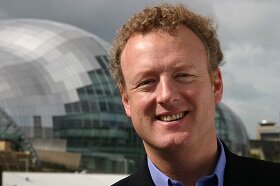
Howard Goodall

The major piece on that closing concert is Eternal Light by British composer Howard Goodall, a piece that Saless says recalls his years in a British boarding school. “I was homesick for so long about English hymn tunes,” he says. “When I heard this piece I was like ‘Oh my God, this is what I’ve wanted to do!’ I thought it would be very fitting to dedicate that concert to the people who lost their lives to COVID. And it’s absolutely gorgeous.”

Most of the rest of the season is music that Saless had originally planned for the “lost” season of 2020-21.

A discounted season ticket for the 2021–22 season is available here. You may purchase tickets to the individual concerts by clicking through from that page to the listing of each concert.

# # # # #

Mini-Chamber Concert
Members of the Boulder Chamber Orchestra performing string quintets

  • Dvorak: String Quintet, Op. 97
  • Mozart: String Quintet in G Minor, K. 515

8 PM, Sept. 23, 2021, Boulder Seventh-Day Adventist Church
“Celebrating the Heroes”: All-Beethoven Concert
Boulder Chamber Orchestra, Bahman Saless, conductor, with
Jennifer Hayghe, piano

  • Beethoven: Symphony No. 3 in E-flat major (“Eroica”)
  • Beethoven: Concerto for Piano No. 4 in G major

7:30 PM, Oct. 23, 2021, Boulder Seventh-Day Adventist Church

Maxime Goulet

“A Gift of Music”: Celebrating the Season with BCO Stars
Boulder Chamber Orchestra, Bahman Saless, conductor, with
Joey Howe, cello, and Kellan Toohey, clarinet

  • Maxime Goulet:  Symphonic Chocolates
  • Tchaikovsky: Variations on a Rococo Theme
  • Mozart: Clarinet Concerto

7:30 PM, Dec. 11, Boulder Seventh-Day Adventist Church

“Diversions in History”
Boulder Chamber Orchestra, Bahman Saless, conductor, with
Andrew Staupe, piano, and Sam Dusinberre, trumpet

  • Johann Christian Bach: Concerto for Piano in E-flat
  • Dimitri Shostakovich: Concerto for Piano No. 1
  • Tchaikovsky: Serenade for Strings.

7:30 PM, Jan. 29, 2022, Boulder Seventh-Day Adventist Church

Mini-Chamber concert
Program TBA
Feb. 12, 2022.

“Eternal Light”
Boulder Chamber Orchestra, Bahman Saless, conductor, with
Boulder Chorale, directed by Vicki Burrichter

  • Vladimir Martynov: Come in! (Colorado premiere)
  • Howard Goodall: Requiem Eternal Light (in memory of the lives lost due to the pandemic; Colorado premiere)

8 PM. April 1, 2022, First United Methodist Church