Fall activities are coming to life at the CU College of Music

Takács Quartet, Faculty Tuesday concerts have begun for 2023–24

By Peter Alexander Sept. 14 at 10:30 p.m.

You may still be stuck in a Summer mood—I know I am—but on the CU campus and around the Imig music building, Fall is well under way.

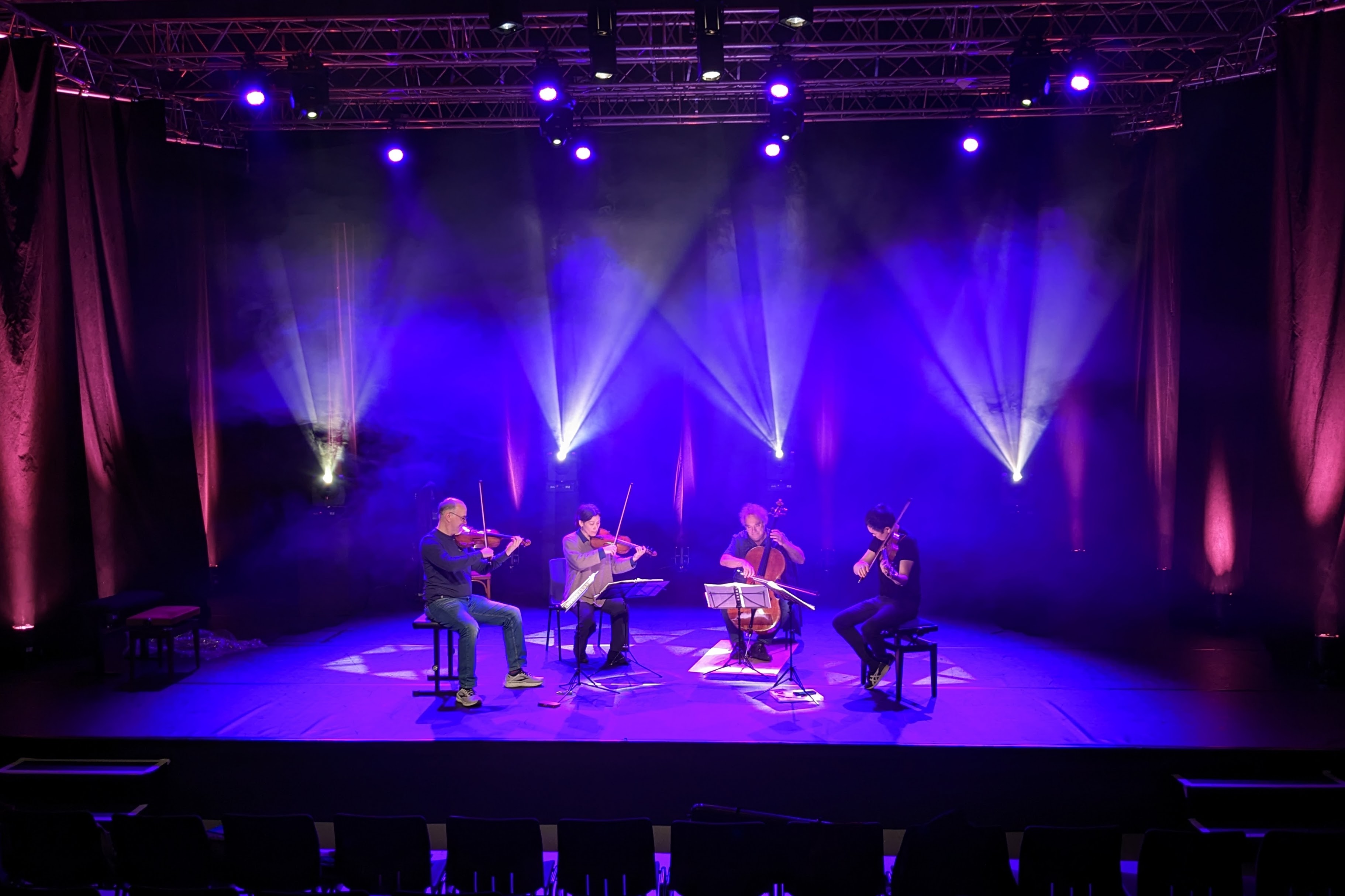
Even more reliable signs of the season than the turning of the leaves, the College of Music’s Faculty Tuesday series and the Takács Quartet’s campus concert series are already ongoing for the 2023-24 year. The Takács will play music of Haydn, Bartók and Beethoven Sunday afternoon and Monday evening (4 p.m. Sept. 17 and 7:30 pm. Sept. 18 in Grusin Hall), in their customary two-performance pairing. They have one more program during the fall (Nov. 5 and 6; program below) and more performances after the first of the year.

Takács Quartet. Photo by Ian Malkin.

Then next Tuesday (7:30 p.m. Sept. 19, also in Grusin), the quartet’s second violinist Harumi Rhodes and pianist Hsiao-Ling Lin will present the music of Robert Schumann and Beethoven on a faculty Tuesday recital titled “MEMORIA.” The centerpiece of the program features visual art by Michiko Theurer with three short pieces by Kaija Saariaho, performed with cellist Meta Weiss.

The Faculty Tuesday series continues nearly weekly for the remainder of the academic year; listings of all College of Music concerts can be found on the school’s Web page. All Faculty Tuesday performances are free and open to the public.

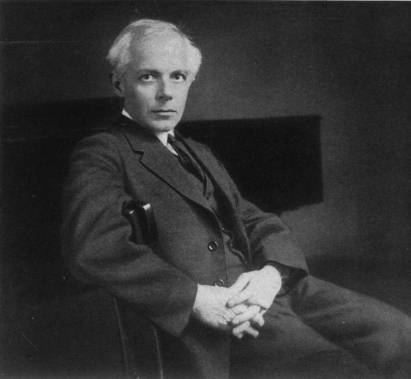
Béla Bartók

Both fall performances by the Takács will feature works by Hungarian composer Béla Bartók. The original membership of the Takács Quartet was entirely Hungarian: the quartet was founded in Budapest by students at the Franz Liszt Academy, and the music of their fellow-Hungarian Bartók was home territory for them. Cellist András Fejér, the one original member and one Hungarian in the Takács today says that is still the case, and has been through all changes in personnel in the group’s history.

“Absolutely,” Fejér says. “Ed (Dusinberre) was the first (new member) with us, and we learned and re-learned them together. And what we found with him, and also with all the new partners, was an immense hunger to enjoy and to interpret in a meaningful way.”

That does not mean that the Takács’s interpretation of Bartók’s quartets doesn’t change. “When we put them to rest for a while and then start practicing again, the questions we ask are completely different,” Fejér says. “Any given problem gets a different light, and we’ve been changing in the interim period. That’s what makes this whole process so fresh and alive and fascinating all of these decades.”

But one thing that remains consistent, he says, is their view of Bartók not as an aggressive modernist but as a Romantic composer. “In spite all the dissonance, we still feel he is a wonderfully Romantic composer,” he says. “Even when it sounds harsh, you realize it should’t sound harsh, it should sound like a village piece, or lonesome mourning. If we attack from that angle, one can discover millions of wonderful things!”

The other composer present in both concerts during the fall semester is Joseph Haydn. For two reasons, Haydn is also central to the Takács’s work. First, Haydn has his own Hungarian connections, having been born on the border between Austria and Hungary and spent long periods of his life in Hungary at the castle of Prince Esterhazy. And he is considered the creator of the string quartet, having written nearly 70 quartets starting before it was a recognized concert genre.

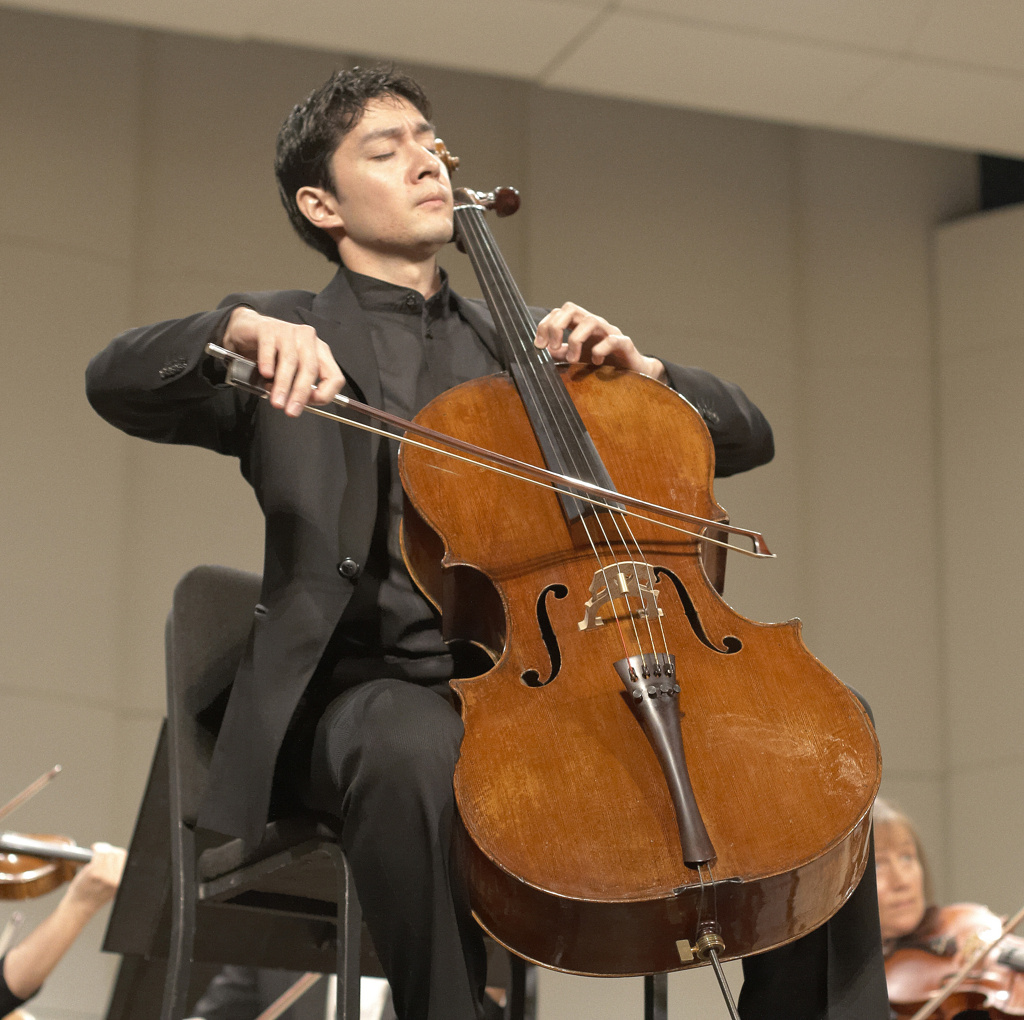
András Fejér

Fejér wants the audience to realize what a creative composer Haydn was. “Just because Haydn is often the first piece we are playing at our concerts, doesn’t mean that it’s a warm-up piece,” he says. “It’s extremely inventive, full of the most wonderful characters. I cannot emphasize (enough) the originality of the pieces, and we are just happy enjoying it. Sometimes even today I cannot quite believe how wonderfully dense—or densely wonderful—they are!”

The other composer represented in the fall programs is Beethoven, whose Quartet in E minor, op. 59 no. 2 is on the opening program Sunday and Monday. That is the second of the three “Rasumovsky” Quartets, written for the Russian Ambassador in Vienna around 1808. In his honor, it includes a Russian folk tune that also appears in Mussorgsky’s opera Boris Gudonov.

Information on the full Takács season and box office information can be found on the Takács Quartet listing through CU Presents. Tickets are available for both in-person attendance in Grusin Hall and for streaming access to the performances.

# # # # #

Takács  Quartet
Fall concert series, 2023
(All concerts in Grusin Hall)

4 p.m. Sunday, Sept. 17
7:30 p.m. Monday, Sept. 18

  • Joseph Haydn: String Quartet in D Major, Op. 71, No. 2
  • Béla Bartók: String Quartet No. 5
  • Ludwig van Beethoven: String Quartet in E Minor, Op. 59, No. 2

4 p.m. Sunday, Nov. 5
7:30 p.m. Monday, Nov. 6

  • Béla Bartók: String Quartet No. 1
  • Joseph Haydn: String Quartet in C Major, Op. 20 No. 2
  • Béla Bartók: String Quartet No. 4

TICKETS for Takács quartet concerts on the CU campus are available from CU Presents.

GRACE NOTES: A sellout at CU; RM Chorale; Transfigured Night

All performances of CU’s Chicago are sold out, but RMC and Pro Musica have tickets

By Peter Alexander April 25 at 10:55 p.m.

If the “Merry Muderesses” of Kander and Ebb’s Chicago are your cup of tea, you might be out of luck.

That is, unless you already have your ticket to the CU College Music production this weekend. The five performances in the Music Theatre of the Imig Music Building are completely sold out. The box office has a wait list that you can join HERE.

# # # # #

John Kander and Fred Ebb: Chicago
CU College of Music

7:30 p.m. Thursday–Saturday, April 27–29
2 p.m. Saturday and Sunday April 29 and 30

Music Theater

SOLD OUT

# # # # #

Jimmy Howe, conductor of the Rocky Mountain Chorale, wanted plenty of variety in the group’s spring program.

To achieve that, he hit upon the idea of a “composite mass,” settings of the five sections of the Mass Proper by five different composers. He himself provided the music for the first movement Kyrie, a movement that he described in program notes as “set to mimic classical style.” Other movements are by actual Baroque and Classical-era composers, plus one living composer. 

The Gloria movement is by Vivaldi, the Credo  by Schubert. They will be followed by “The Ground” from the Sunrise Mass of Norwegian-American composer Ola Gjielo, representing the Hosanna movement. The Composite Mass concludes with the Agnus Dei from Joseph Haydn’s Missa in tempore belli (Mass in time of war).

The other major work on the program is The Hope of Living, a five-part work for chorus and string quartet by Jake Runestad. In his description of the score, Runestad wrote “I continue to dwell on the importance and impact of love—love shown to others and love shown to oneself.” Commissioned by the Miami-based choral group Seraphic Fire, the five movements of The Hope of Loving are based on mystical writings about love selected by the composer.

Howe filled out the program with shorter works by himself, Susan Blockoff and Mark Sirrett.

A mixed choir of more than 60 singers, the Rocky Mountain Chorale was founded in 1978. Their repertoire typically includes classical works as well as pop and world folk music.

# # # # #

“Hope of Loving”
Rocky Mountain Chorale, Jimmy Howe, conductor
With Parker Steinmetz, asst. conductor; Walton Lott, piano
Jennifer Crim and Marci Pilon, violin; Aaron Lockhart, viola; Desiree Anderson, cello

Program includes: 

  • Composite Mass:
    —Jimmy Howe: Kyrie
    —Vivaldi: Gloria
    —Schubert: Credo
    —Ola Gjeilo: Hosanna from Sunrise Mass
    —Haydn: Agnus Dei from Missa in tempore belli (Mass in time of war)
  • Jake Runestad: The Hope of Living
    —I. “Yield to Love”
    —II. “Wild Forces”
    —III. “Wondrous Creatures”
    —IV. “My Soul is a Candle”
    —V. “The Hope of Loving”

7:30 p.m. Friday April 28, Heart of Longmont Church, Longmont
7:30 p.m. Saturday, April 29, First Methodist Church, Boulder

TICKETS   

# # # # #

A solar eclipse in the mountains, a magical night in the forest, and a little Mozart: Those are the ingredients of the next program to be presented by the Pro Musica Chamber Orchestra of Colorado Saturday (7:30 p.m. April 29; details below).

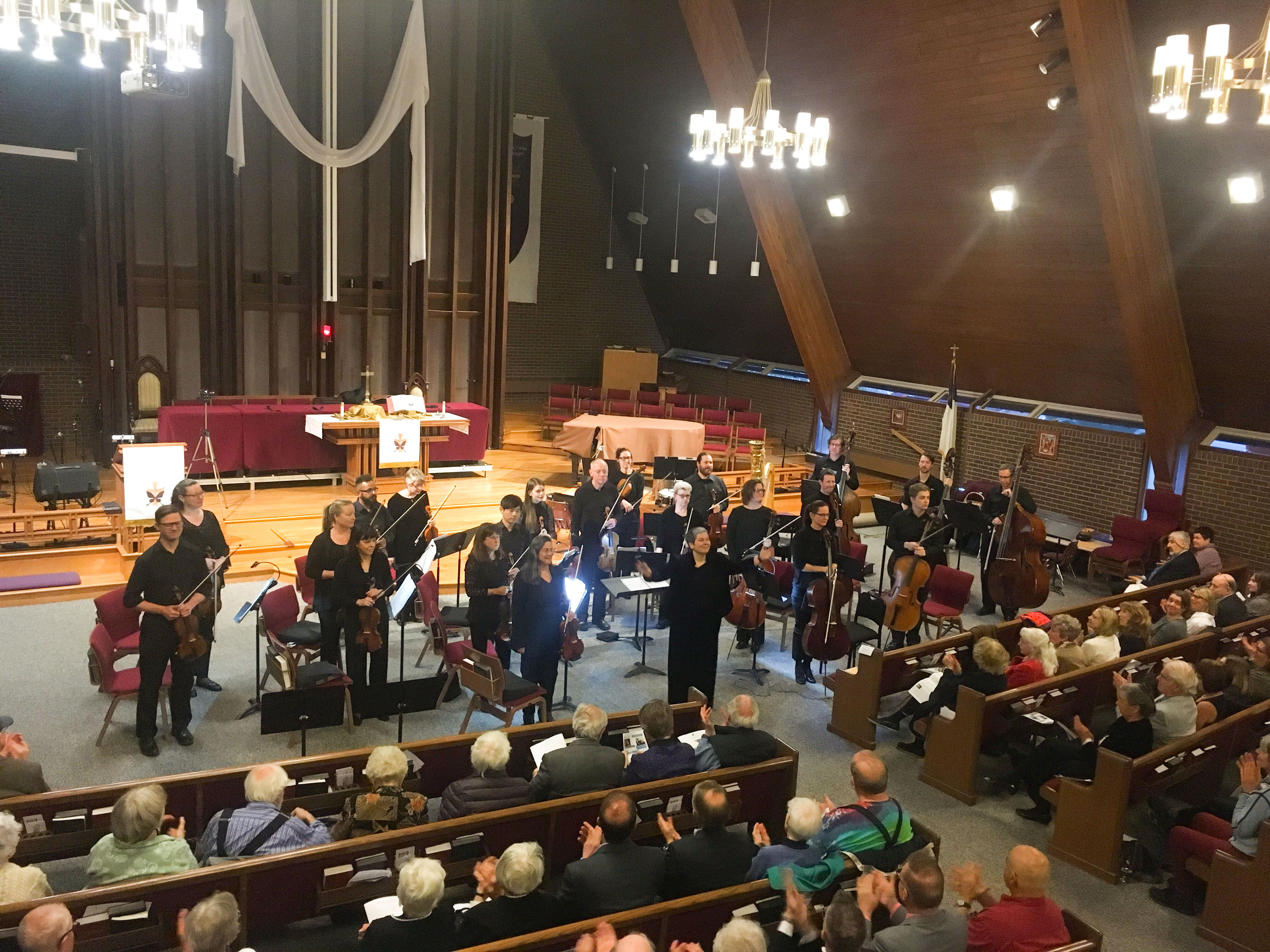
The concert, led by Pro Musica’s music director Cynthia Katsarelis, will also feature violinist Harumi Rhodes and violist Richard O’Neill, both members of the Takács String Quartet.

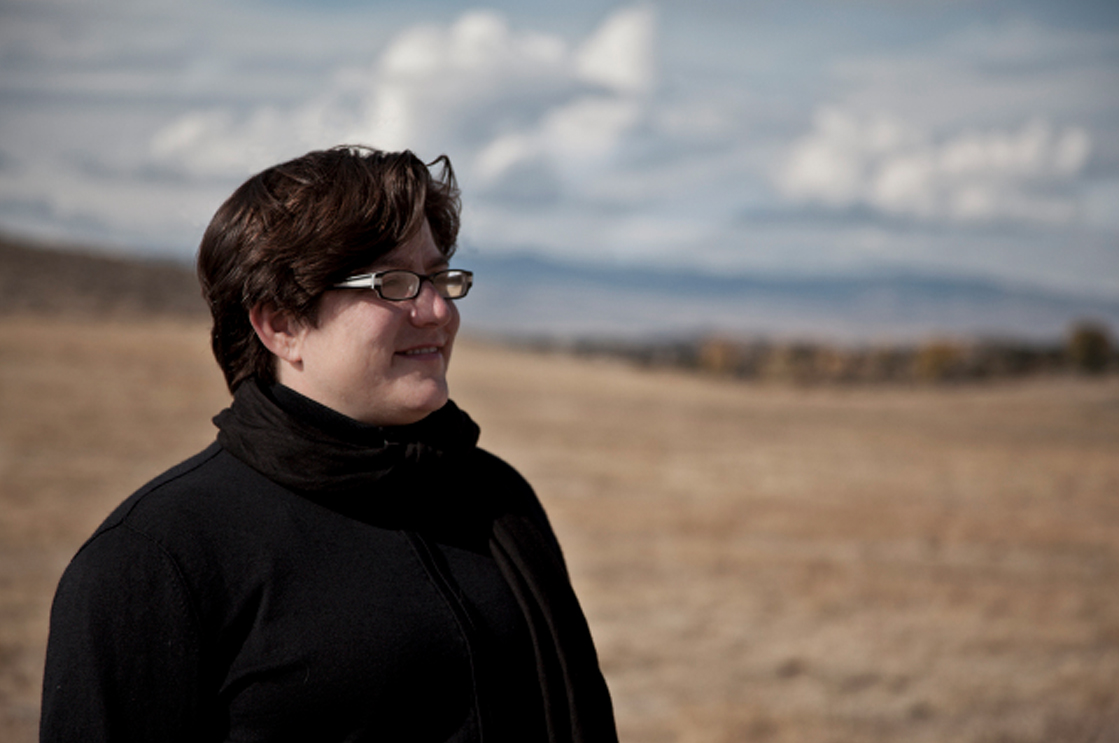
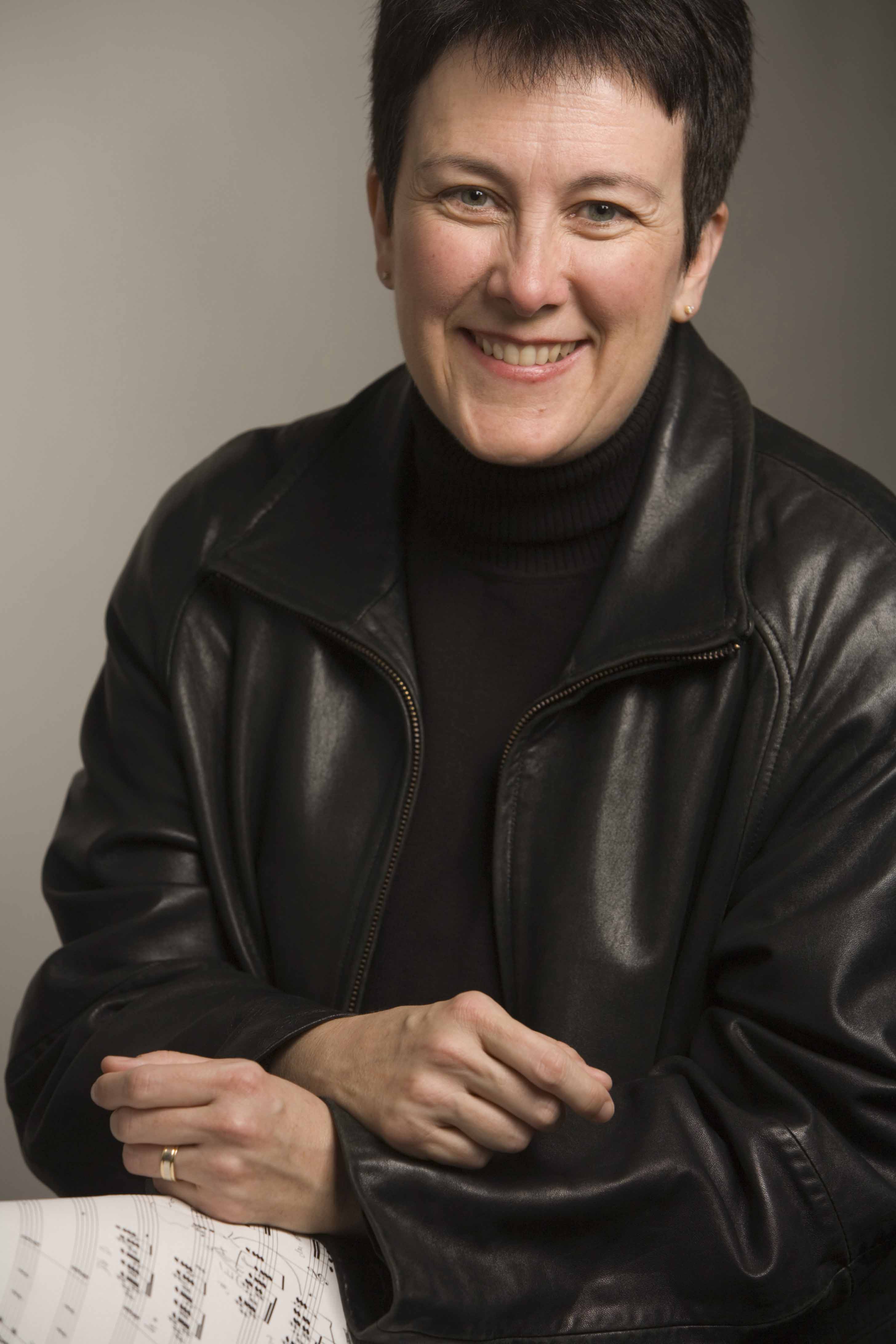
Composer Anne Guzzo

The program opens with The Bear and the Eclipse by Anne M. Guzzo, a faculty member at the University of Wyoming in Laramie. Inspired by and dedicated to the bears of Grand Teton National Park, the score portrays the story of a bear experiencing, and being transformed by, a solar eclipse.

As a bookend to The Bear and the Eclipse, Schoenberg’s Verklárte Nacht closes the program. A work with its feet equally planted in both the richly Romantic style of the late 19th century and the expressionistic style of the early 20th century, it is a musical interpretation of a poem describing a man and woman walking through the forest on a moonlit night. The woman confesses a troubling secret and finds that the man’s love has transfigured the darkness to splendor. 

In her program notes, Katsarelis wrote “I love the stories in both (pieces). One is an origin story for the solar and lunar eclipses . . . and ‘Transfigured Night’ is the story of a woman overcoming the fear of telling her story. . . . The whole program is about human connection in the context of cosmic beauty.”

The central pillar of the program is Mozart’s Sinfonia Concertante for violin, viola and orchestra, featuring the two soloists. Essentially a concerto with more than one soloist, the Sinfonia Concertante was a popular genre in 18th-century Paris and Mannheim, two cities Mozart visited on his travels. “The music is sublimely beautiful and the interaction between the violin and viola soloists is not to be missed,” Kartsarelis wrote. 

# # # # #

“Transfigured Night”
Pro Musical Colorado Chamber Orchestra, Cynthia Katsarelis, conductor
With Harumi Rhodes, violin, and Richard O’Neill, viola

  • Anne M. Guzzo: The Bear and the Eclipse
  • Mozart: Sinfonia Concertante in E-flat major for violin, viola and orchestra, K364 
  • Schoenberg: Verklárte Nacht (Transfigured night)

7:30 p.m. Saturday, April 29
Mountain View United Methodist Church, 355 Ponca Pl., Boulder

TICKETS 

Grace Notes: Three classical organizations announce 2022–23 seasons

Boulder Chamber Orchestra, Pro Musica Colorado and Boulder Opera

By Peter Alexander Oct. 3 at 5:15 p.m.

With the 2022–23 concert season getting underway, Boulder’s many classical music organizations are getting their season schedules up on the Web. Here are three of the planned seasons for the coming year, from the Boulder Chamber Orchestra, starting Oct. 29; Pro Musica Colorado Chamber Orchestra, starting Nov. 19; and Boulder Opera., starting Dec. 9.

While the seasons include some pretty standard repertoire, including Beethoven and Mendelssohn symphonies and two different renderings of Mozart’s early Symphony in A major, K201, it will also offer pieces that are not standard. These include Beethoven’s Mass in C by the Boulder Chamber Orchestra and Boulder Chamber Chorale, and music by Florence Price and Caroline Shaw by the Pro Musica Colorado Chamber Orchestra.

Here are the respective seasons:

# # # # #

The Boulder Chamber Orchestra opens its season Oct. 29 without conductor Bahman Saless. Guest conductor Giancarlo De Lorenzo and violinist Loreto Gismondi, both from Italy, will perform a mostly Mozart concert featuring that composer’s Violin Concerto No. 4 in D major, K218, and Symphony No. 29 in A major, K201. Opening the concert will be Handel’s “Arrival of the Queen of Sheba” from the oratorio Solomon. 

This concert is part of an exchange between De Lorenzo and Saless, who previously conducted the Italian orchestra with which De Lorenzo is affiliated.

Other orchestral concerts during the year will be “A Gift of Music” on Saturday, December 17, with soprano Szilvia Shrantz, BCO bassist Kevin Sylves and holiday selections; and a performance of music by Beethoven, Brahms and Mendlessohn with violinist Edward Dusinberre on Saturday, Feb. 11, 2023. The season concludes with a performance of Beethoven’s Mass in C with the Boulder Chamber Chorale on Saturday, April 1. Saless will lead these performances.

Concerts by the Boulder Chamber Orchestra will take pace in the Seventh-day Adventist Church, 345 Mapleton Ave. Here is the full season schedule:

7:30 p.m. Saturday, Oct. 29
Boulder Chamber Orchestra with guest conductor Giancarlo De Lorenzo and Loreto Gismondi, violin

  • Handel: “Arrival of Queen of Sheba” from Solomon
  • Mozart: Violin Concerto No. 4 in D major, K218
  • Mozart: Symphony No. 29 in A major, K201

7:30 p.m. Saturday, Dec. 17
Boulder Chamber Orchestra, Bahman Saless, conductor, with Szilvia Shrantz, soprano, and Kevin Sylves, double bass

  • Handel: Selected arias
  • Henry Eccles: Sonata in G minor for double bass and strings
  • J.S. Bach: Concerto in D minor for two violins and orchestra 

7:30 p.m. Saturday, Feb.11
Boulder Chamber Orchestra, Bahman Saless, conductor, with Edward Dusinberre, violin

  • Beethoven: Overture to Egmont
  • Brahms: Violin Concerto
  • Mendelssohn: Symphony No. 4 in A major (“Italian”)

7:30 p.m. Saturday, April 1
Boulder Chamber Orchestra, Bahman Saless, conductor, with the Boulder Chamber Choir

Beethoven: Mass in C

TICKETS  

# # # # #

The Pro Musica Colorado Chamber Orchestra will celebrate its “Sweet 16th” concert season with three programs, presented Nov. 19, Jan. 28, and April 29.

The programs feature several works by women composers, including a woman of color and two living composers, in addition to classic works by Mozart and Beethoven, and a major work of the early 20th century by Arnold Schoenberg. All three performances will be at 7:30 p.m. in Pro Musica’s musical home, Mountain View United Methodist Church at 355 Ponca Place Boulder.

Performances by Pro Musica Colorado will be under the direction of their music director, Cynthia Katsarelis. 

The opening concert will feature pianist Jennifer Hayghe, the chair of the Roser Piano and Keyboard Program at CU-Boulder, playing the Piano Concerto in One Movement by Florence Price. The first female African American composer to have a symphony performed by a major orchestra, Price was well known in the 1930s and 1940s/ After fading from prominence, her name has recently been returning to concert programs.

Other soloists during the season will be cellist Meta Weiss, chamber music coordinator at CU-Boulder, and Takács Quartet members Harumi Rhodes, violin, and Richard O’Neiill, viola. Each concert will be preceded by a pre-concert talk at 6:30 p.m. Here is the full season’s schedule:

7:30 p.m. Saturday, Nov. 19
“Apotheosis of the Dance”
Pro Musical Colorado Chamber Orchestra, Cynthia Katsarelis, conductor, with Jennifer Hayghe, piano

  • Ben Morris: The Hill of Three Wishes
  • Florence Price: Piano Concerto in One Movement
  • Beethoven: Symphony No. 7 in A major, op. 92

7:30 p.m. Saturday, Jan. 28, 2023
“Through the Looking Glass”
Pro Musical Colorado Chamber Orchestra, Cynthia Katsarelis, conductor, with Meta Weiss, cello

  • Caroline Shaw: Entr’acte
  • Haydn: Cello Concerto in C major
  • Mozart: Symphony No. 29 in A major, K201

7:30 p.m. Saturday, April 29
“Transfigured Night”
Pro Musical Colorado Chamber Orchestra, Cynthia Katsarelis, conductor, with Harumi Rhodes, violin, and Richard O’Neill, viola

  • Jessie Lausé: World premiere
  • Mozart: Sinfonia Concertante for violin and viola in E-flat major, K364
  • Arnold Schoenberg: Verklärte Nacht

TICKETS  

# # # # #

Boulder Opera has announced their 11th season, featuring a family-themed production for the holiday season and a French Grand Opera early in 2023.

The first production of the season will be Engelbert Humperdinck’s Hansel and Gretel, which is a perennial holiday event for families with children in Germany and Austria. The Boulder opera production, scheduled for Dec. 9 through 18 at the Dairy Arts Center, will be presented in an abridged English version with narrator. 

Designed as an ideal introduction to opera, the performances will last only one hour, and include a Q&A session after each performance. The performance is suitable for children age three and up.

After the new year, Boulder Opera will present two performances of Manon by Jules Massenet, one of the classics of the French Grand Opera tradition. Performances will be Feb. 18 and 19 in the Dairy Arts Center. Here is the full schedule:

Engelbert Humperdinck: Hansel and Gretel
Boulder Opera, stage directed by Michael Travis Risner
Aric Vihmeisterr, piano, and Mathieu D’Ordine, cello

7 p.m. Friday, Dec. 9
2 and 4 p.m. Sunday, Dec. 11 and Saturday, Dec. 17
2 p.m. Sunday, Dec. 18
Grace Gamm Theater, Dairy Arts Center

TICKETS  

Jules Massenet: Manon
Boulder Opera, Steven Aguiló-Arbues, conductor, and Gene Roberts, stage director

7 p.m. Saturday, Feb. 18
3 p.m. Sunday, Feb. 19
Gordon Gamm Theater, Dairy Arts Center

TICKETS   

Three CDs that appeared in the mailbox

Music from the last Romantic generation to the latest electronica

By Peter Alexander Sept. 6 at 3:30 p.m.

One of the perks of my work is that people send me CDs in the hopes I will write about them. Sometimes they are offered, by artists or recording companies, and I accept them when they have a Boulder connection—CU faculty, artists who have appeared here, or recordings from Boulder’s Starkland label—or the recording especially appeals to my interests; and sometimes they just show up in my mailbox.

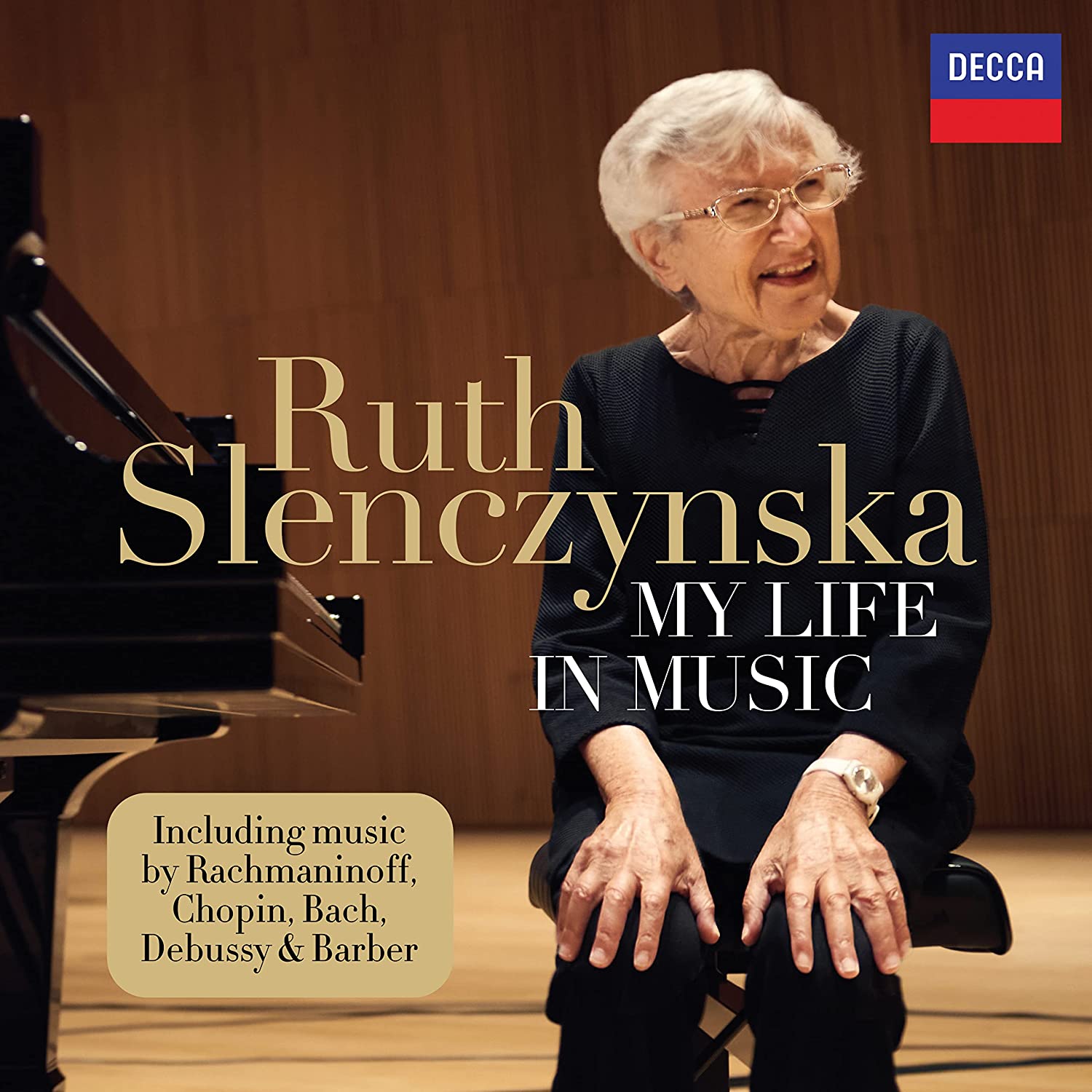
My Life In Music: Ruth Slenczynska. CD. Ruth Slenczynska, piano. Decca Classics B0035173-02.

One of the latter was “My Life in Music,” recorded by the remarkable 97-year-old pianist Ruth Slenczynska. Born in Sacramento, Calif., in 1925, she studied with a virtual who’s-who of early-20th-century pianists, including Josef Hoffman, Artur Schnabel, Alfred Cortot, Egon Petri and Sergei Rachmaninoff.

Because the recording was conceived as a narrative of the pianist’s life story, the program comprises pieces that have some connection to her teachers or people she knew. Unsurprisingly, the are pieces by Rachmaninoff, who was her teacher; Samuel Baber, whom she met when she was five; Grieg’s “Wedding Day at Troldhaugen,” which she first heard performed by another of her teachers, Josef Hofmann. Chopin is heavily represented as a nod to Slenczynska’s Polish heritage.

Her playing on the recoding is elegant, restrained and always marked by the utmost clarity. Throughout she plays with a restrained Romantic spirit marked by stylistic freedom that never descends into excess, but the air of restraint that marks her playing fits some pieces better than others.

Chopin’s Grande valse brillante, for example, is so controlled and carefully played as to be almost pallid. This approach fits Rachmaninoff’s “Daisies,” Barber’s Nocturne (“Homage to John Field)” and Debussy’s La Fille aux cheveux de lin (The girl with the flaxen hair) better than a piece titled “brillante.”

My favorite tracks were “Wedding Day at Troldhaugen,” Chopin’s Etude in E major, op. 10 no. 3, and the adjacent track, the Fantasie in F minor, op. 49. In all of these Slenczynska brought out the contrasts in the score well, showing great control and surprising strength for a pianist of 97. The clarity of her playing was especially welcome in the fugue of Bach’s Prelude and Fugue in C-sharp major that closes the album.

This remarkable collection is highly recommended, both for the precise quality of playing and for the fascinating collection of pieces that are important to a great artist from a generation that has almost disappeared. Here is the full track listing as it appears on the CD:

Rachmaninoff: “Daisies,” op. 38 no. 3
—Prelude in G, op/ 32 no. 5
Samuel Barber: Nocturne (“Homage to John Field),” op. 33
—“Let’s Sit it Out: I’d Rather Watch” from “Fresh from West Chester
Chopin: Grande valse brillante, Op. 18
—Berceuse in D-flat, op. 57
Grieg: “Wedding Day at Troldhaugen”
Debussy: La Fille aux cheveux de lin  (The girl with the flaxen hair)
Chopin: etude in E major, op. 10 no. 3
—Fantasie in F minor, op. 4
—Prelude in F major, op. 29 no. 23
J.S. Bach: Prelude and Fugue in C-sharp, BWV 848

# # # # #

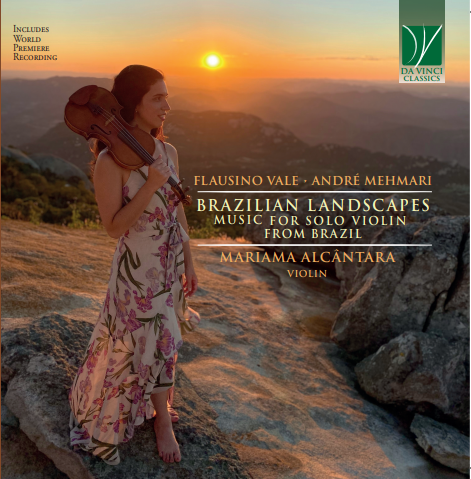
Brazilian Landscapes: Music for solo violin from piano. CD. Mariama Alcântara, violin. Da Vinci Classics C00501.

One of the recordings that came to my attention due to a Boulder connection is “Brazilian Landscapes,” a stunning collection of music for solo violin recorded by Mariama Alcântara, a doctoral graduate of CU Boulder where she studied violin with Harumi Rhodes. Born in Brazil, Alcântara has studied in the US and performed here as well as in Austria, France, and her native country.

The recording features two extensive works: the eye-opening 26 Prelúdios Caracteristicos e Concertantes para Violino Só (26 Characteristic and Concertante Preludes for Solo Violin) by Flausino Vale, a Brazilian violinist/composer form the first half of the 20th century; and the world-premiere recording of Partita para Violino Solo, a suite modeled on Bach’s partitas for solo violin that was commissioned by Alcântara from composer André Mehmari.

Ranging in length from one to two-and-a-half minutes, Vale’s preludes are violin showpieces comparable to Paganini’s caprices and other encore favorites. They make use of a wide variety of string techniques, including strumming (marked “alla guitarra”), left-hand pizzicato, harmonics, rapid arpeggiation and wide leaps across the fingerboard. 

The interest of these pieces lies in the rhythmic impulse—most are in faster tempos—and the variety of playing techniques, rather than pure melody. The individual preludes were inspired in part by the landscapes of Minas Gerais, the mountainous Brazilian state where Vale lived. Musically they draw on indigenous Brazilian rhythms and styles, particularly Caipira, a style associated with the rural life of Minas Gerais.

I urge all violinists to consider adding these pieces to their repertoire as encores. They are as enticing and entertaining as anything by Paganini but with an added element of Brazilian exoticism. I particularly liked No. 1 (“Batuque”), opening with an alla guitarra flourish, followed by rapid arpeggios and left-hand pizzicato; No. 5 (“Tico Tico”), with virtuoso arpeggiation over a repeated pedal note and a surprise ending that features extremely high harmonics disappearing into the stratosphere; No. 10 (“Interrogando o Destino”), an intriguing mix of stylistic ideas; and the sentimental No. 23 (“Implorando”). There is enough variety in those alone to capture the imagination or fill out any program; the whole set is wondrously varied.

Mehmari’s Partita comprises seven movements that draw on diverse Brazilian styles, just as Bach’s partitas draw on Baroque dances. This is a more serious work than Vale’s set, going deeper into the expression of each individual movement. It opens with a meandering, improvisatory movement titled Devaneio (Fantasy), a Bachian prelude re-imagined.

That is followed by Choro (Lament), a Brazilian genre marked by improvisation and, despite the title, fast tempos and a cheerful affect. Both the movements marked Furioso and Moto Perpetuo are effective displays of virtuosity, virtuosically played. Árida na Quarta Corda (Arid on the fourth string, a play on the popular title of Bach’s “Air on the G string”) is a beautifully played, haunting movement that pays homage to Brazil’s arid Northeast.

A native Brazilian, Alcântara is completely at home with the Brazilian styles of both works, and she handles the virtuoso flourishes with aplomb. Her graceful, stylish phrasing is always a treat. These are splendid recordings, worth investigating and revisiting over time. 

“Brazilian Landscapes” can be purchased here.

# # # # #

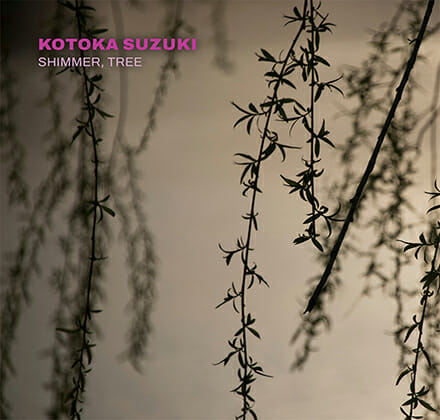
Kotoka Suzuki: Shimmer, Tree. CD. Starkland ST-236. Available Sept. 22 from Bandcamp. 

Boulder’s Starkland label has released a new recording, a fascinating and creative collection of pieces by Japanese-born composer Kotoka Suzuki with the enticing title “Shimmer Tree.” A graduate of Indiana University and Stanford University, Suzuki currently is on the faculty of the University of Toronto Scarborough.

Her official bio describes Suzuki as a “composer and sound artist,” whose work “frequently investigates the relationship between visual elements and sound, often crossing into theater.” This suggests that a sound recording only captures part of her compositions, which is the same impression I received listening to “Shimmer Tree.”

The seven pieces on the disc (see full list below) are purely electronic (three), electronic with live performance (three), and one for string quartet. They all unfold at a generally slow pace that is both dreamy and alluring. The listener has time to feel their way into Suzuki’s highly individual aural landscapes.

The opening track, “Epiphyllum Oxypetalum (Queen of the Night),” is a purely electronic piece for 14 speakers. It takes its name from a species of cactus that only blooms at night—a fitting reference, since the piece itself is inspired by imaginary places from Suzuki’s dreams.

The music emerges from and returns to silence, just as our dreams emerge from and return to emptiness. The sounds Suzuki has created are highly evocative of the specific scenes she describes in her notes, “a jungle landscape of moving trees” and “a deep, dark sea.” Throughout there seems to be an unknown threat, ominous movements just out of sight. If you awoke to hear this in the night, it would be more terrifying then wonderful, although the effect for a fully awake listener is more alluring.

“Minyo” (Japanese for folk song) uses the instruments of the string quartet to suggest the sounds of Japanese instruments, including Koto and taiko drums. Played convincingly by the recently dissolved Spektral Quartet, the score ranges from isolated wisps of sound to full chords.

“Automata” is a phantasmagorical audio tour through—according to the subtitle—a “Mechanical Garden.” Rapid ticking sounds, fragments of mechanical toy noises, music boxes, the ringing of bells and quacks are all embedded in an electronic soup. It all stimulates the imagination to visualize the garden with all of its entertaining and noisy devices.

If ”Automata” is the most delightful piece on the disc, the following track, “Reservoir,” is the most disturbing. A text taken from a Web page, now long disappeared, that appears to be instructions for suicide is alternately spoken, whispered and sung in both tenor and countertenor registers. Javier Hagen gives a virtuoso performance of all the vocal styles required, but no performance can erase the creepy climate created by the text.

The title track, written in memory of Suzuki’s teacher Jonathan Harvey rounds out the disc . The combination of ruminative piano (evocatively performed by Cristina Valdes) and electronic sounds suggests a space just beyond consciousness. Musical fragments that never quite coalesce create a dreamy sense of floating in that undefined space, which in effect takes us back to the opening piece on the album.

If you enjoy electronic music and pieces that suggest more than they define, this is a disc you will want to hear. It is recommended for that limited but committed audience.

Shimmer, Tree track list

1.    Epiphyllum Oxypetalum (Queen of the Night)
2.    In Praise of Shadows. Performed by Suzuki with paper instrument
3.    Minyo. Performed by Spektral Quartet
4.    Automata (Mechanical Garden)
5.    Reservoir. Performed by Javier Hagen, tenor/countertenor
6.    Sagiso¯
7.    Shimmer, Tree. Performed by Cristina Valdes, piano

Pro Musica Colorado opens 2021–22 season

Both in-person and streaming options are available for the 2021-22 season

By Peter Alexander Oct. 6 at 12 noon

The Pro Musica Colorado Chamber Orchestra returns to the stage with “Rainbow Strings! A Concert of Hope,” Thursday, Oct. 7, in Longmont and Saturday, Oct. 9, in Boulder.

For their first in-person concert post-pandemic, music director Cynthia Katsarelis and the orchestra will be joined by violinist Harumi Rhodes for the Violin Concerto in G major of Joseph Bologne, Chevalier de Saint Georges, the 18th-century mixed-race French-Caribbean violinist and fencing master sometimes referred to as “the Black Mozart.” Also on the program will be Dance Card by American composer Jennifer Higdon, and the much loved Serenade for Strings by Tchaikovsky.

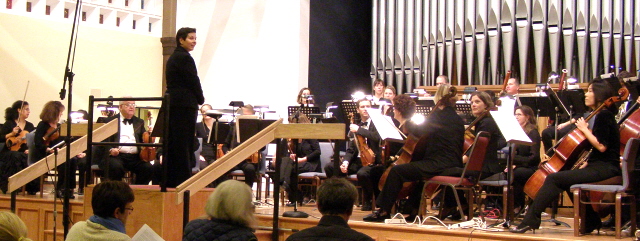
Cynthia Katsarelis with the Pro Music Colorado Chamber Orchestra

Thursday’s performance will be at 7:15 p.m. in Stewart Auditorium at the Longmont Museum, with tickets available from the museum. Saturday’s performance will be at 7:30 p.m. at the First United Methodist Church in downtown Boulder. Tickets for the concert are available through the Pro Musica Web page. Proof of vaccination and masks will be required for both in-person performances. Like other concerts in Boulder this fall, the program will be about an hour in length, with no intermission.

Digital access will also be available for anyone who prefers not to attend in person. Thursday’s performance in Stewart Auditorium will be recorded and streamed for digital access at 7:30 p.m. Saturday, at the time of the Boulder performance. Access to digital streams of this and other Pro Musica concerts in the coming year is available here.

Like other conductors this fall, Katsarelis thought seriously about how she wanted to begin live performances after such a long layoff. One consideration is that she wanted music that connected to Pro Musica’s mission. “We really believe in celebrating great music, and bringing forth voices that deserve to be heard,” Katsarelis says. That specifically means lifting up composers and music from under-represented groups, she says, listing BIPOC (Saint Georges), women (Higdon), and members of the LGBTQ+ community (Higdon and Tchaikovsky) for this program.

Jennifer Higdon. Photo by J.D. Scott

“Maybe you can’t hear [the color or sexual identity of the composer], but we can celebrate it,” she says. “I think that diversity, inclusion is about the tapestry of humanity. We want to experience all the parts of this tapestry and celebrate the difference, celebrate the identity, and celebrate the great music.”

Higdon’s Dance Card is particularly effective as a place to start because it is a fun and energetic piece. “It’s about the joy of being a string player,” Katsarelis says. “It has that rhythmic vitality that we associate with American music. Her music is very colorful in general, but her slow movements are impressionistic in an American way.

“It’s a fun piece to play. It’s a difficult piece, it’s a very tricky piece, but I think our players will sink their teeth deeply into it.”

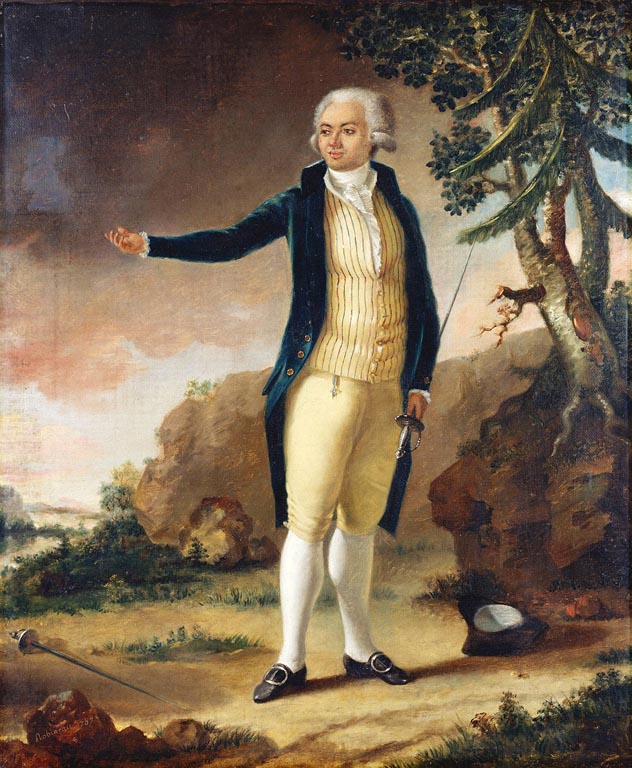
Saint Georges is one of the most interesting composers of the 18th century. He was born in the French colony of Guadeloupe, the child of a wealthy planter and a slave. He was educated in France, becoming both a virtuoso violinist and an accomplished swordsman. He played in and conducted an orchestra in Paris that commissioned and premiered the six “Paris” Symphonies of Joseph Haydn. After the revolution he fought for the French Republic as a colonel in the first all-Black regiment in Europe.

Chevalier de Saint Georges. Painting by Auguste Robineau.

Katsarelis and Rhodes had first planned to perform the concerto more than a year ago, but that performance was postponed due to COVID. “We didn’t want to cancel it, we really loved the piece,” Katsarelis says. “It’s got a lot of that style that you kind of expect around Mozart. It’s definitely that classical style, with a sort of French twist. And the virtuosity of string writing! I mean, it goes way up into the stratosphere. You can tell he was quite the virtuoso.

“When I hear his music, you can really see the Chevalier de Saint Georges with his sword. There’s a whole series of gestures that come with that. I can not hear that he’s black, but I believe that I can hear that he’s a champion fencer.”

The final work on the program was also chosen for this particular time, because it is a well loved and comforting piece for many listeners. The Serenade for strings is “a really heartfelt piece, one of Tchaikovsky’s favorites himself,” Katsarelis says. “He wrote it in the style of Mozart in terms of the form, but the emotional content is his. And the deeper I look into it [I find] how he goes from one place to another is not only genius and not only beautiful, but he’s found the way to be beautiful and at the same time his harmonies pull at the heart strings. 

“We call the concert ’Rainbow Strings,’ but it really could be ‘Heart Strings.’ The emotional content is really rich, deeply heartfelt, and I think very authentic. I thought it would be a great piece to hear, to experience, and for the players to play after the last year and a half of loss. 

“I think it’s going to be cathartic for us all.”

# # # # #

“Rainbow Strings! A Concert of Hope”
Pro Musica Colorado Chamber Orchestra
Cynthia Katsarelis, Music Director and Conductor
Harumi Rhodes, violin 

  • Jennifer Higdon: Dance Card
  • Joseph Bologne, Chevalier de Saint Georges: Violin Concerto in G Major
    Harumi Rhodes, violin
  • Tchaikovsky: Serenade for Strings 

7:15 p.m. Thursday, Oct. 7
Stewart Auditorium at the Longmont Museum
(Tickets available from the Longmont Museum)

7:30 p.m. Saturday, Oct. 9
First United Methodist Church, Boulder
In person and digital access tickets

FACULTY TUESDAYS CONTINUE FROM AN EMPTY GRUSIN HALL

Next Tuesday’s program offers works by Karol Szymanowski, György Kurtág and Fauré.

By Izzy Fincher Oct. 22 at 5:20 p.m.

CU-Boulder’s Grusin Hall is usually packed on Tuesday nights. Clusters of people gather, chatting and laughing, filling the hall with a pre-concert energy. 

They are here for Faculty Tuesdays, a free concert series featuring CU faculty, which runs from September to March.

Grusin Hall, empty as it now is on Tuesdays

Now on Tuesday nights, Grusin Hall sits mostly empty. But the Faculty Tuesdays series continues through livestreaming. Without an in-person audience, only the performers, a stagehand and the crew of audio technicians remain.

“At CU, we have this wonderful community of people who come to Faculty Tuesdays,” Alejandro Cremaschi, professor of piano pedagogy, says. “I hope that they feel like we are back together after not having live performances for a while. It’s not perfect, but it’s better than not having anything.”

Alejandro Cremaschi (Photo/Larry Harwood)

Cremaschi performed for the first Faculty Tuesdays concert on Sept. 1 with pianist Jéssica Pacheco. Their program featured female composers from the Americas.

Performing safely under social distancing protocols required flexibility. Pacheco and Cremaschi had to play four-hand works on two separate pianos, a challenging experience with fewer visual cues. For the livestream, with up-close cameras and mics rather than a distant live audience, Cremaschi had to tone down his loud announcement voice.

“I am used to speaking from the stage with a voice that projects,” Cremaschi says. “With the microphone, I was yelling so loud that the recording technicians changed the microphone to something that was less live.”

Yet, for Cremaschi, who hadn’t performed live since March at the time, his Faculty Tuesdays livestream was exciting.

“Even though we didn’t have an audience, we play differently when we are doing it for real,” Cremaschi says. “Jéssica loves being on stage, and I love that too. We sound better when we are playing for real. It was nice to have that feeling and energy coming from her. If I had been playing by myself, that would have been really hard.”

David Korevaar (Photo by Matthew Dine)

Pianist David Korevaar is also excited for his upcoming Faculty Tuesdays livestream. He will perform on the Oct. 27 concert, “Signs, Games + Messages,” which will feature works by Karol Szymanowski, György Kurtág and Fauré.

The performance of “Signs, Games + Messages” has been postponed for years. In 2016, Korevaar, David Requiro, Harumi Rhodes and Geraldine Walther, former violist of the Takács Quartet, planned to play this program for Faculty Tuesdays, but that concert fell through. 

Violist Richard O’Neill

Now in 2020, the concert will finally happen with three original collaborators, Korevaar, Requiro and Rhodes, plus Richard O’Neill, the Takács Quartet’s new violist in place of Walther. Korevaar calls it “long postponed, joyful music-making.” 

Korevaar will play on two of the three pieces: Szymanowski’s Mythes, op. 30, and Fauré’s Piano Quartet No. 2 in G minor, op. 45. Mythes is a virtuosic duet for violin and piano, filled with symbolism, extended tonalities and rich harmonies.

While isolated in Poland during World War I, Szymanowski turned to ancient Greek culture and drama for inspiration. Composed in 1915, Mythes shows this influence in the three movements: “I. La Fontaine d’Aréthuse,” “II. Narcisse” and “III. Dryades et Pan.”

Violinist Harumi Rhodes

“It’s an extraordinarily beautiful piece that isn’t done a lot in public because it is also extraordinarily difficult,” Korevaar says. “It’s a scary score to read, but it’s fun to play with a great musician. I am having a wonderful time.”

Korevaar also looks forward to Fauré’s Piano Quartet No. 2. The quartet, premiered in 1887, is a somber, complex work, marking a departure from Fauré’s First Piano Quartet, which was pleasantly simple and conventional. Cyclical themes, filled with rhythmic and melodic development, build and return throughout the later work. Aaron Copland described it as “mature work [that] shows the composer less carefree, less happy, more serious, more profound.”

For Korevaar, the rehearsal process has been largely the same as pre-COVID-19, though with increased distance between players. Masks are a bit more of a challenge—without facial expression cues, the musicians must rely on each other’s movements and gestures.

“(In chamber music,) we do a lot with eyes, with body motions, with the sense of breathing, which doesn’t mean we have to see the breathing apparatus,” Korevaar says. “It’s a whole-body thing.”

This will be Korevaar’s third livestream this fall, after a solo livestream and a duo livestream with violinist Charles Wetherbee in mid-October. He is still getting used to the experience. He says he feels more self-critical in front of cameras and misses the live audience’s energy. However, he finds the energy from other musicians makes the livestream more comfortable, and he looks forward to next Tuesday’s performance.

“It’s a new adventure,” Korevaar says. “In a livestream, you don’t have the opportunity to fix stuff, but you get the same self-consciousness about the bloopers. With chamber music, it’s easier because there is mutual energy, and everybody is working together.”

# # # # #

Signs, Games + Messages
Harumi Rhodes, violin, Richard O’Neill, viola, David Requiro, cello, and David Korevaar, piano
Streamed from CU-Boulder’s Grusin Hall

Karol Szymanowski: Mythes, Op. 30
György Kurtág: Signs, Games and Messages
Fauré: Piano Quartet No. 2 in G minor, Op. 45

7:30 p.m. on Tuesday, Oct. 27, on CU Presents 

__________________

See all remaining Faculty Tuesday performances here.

PRO MUSICA COLORADO’S 2020-2021 SEASON FOCUSES ON HEALING, DIVERSITY

The hybrid season will offer livestream and limited in-person tickets.

By Izzy Fincher Oct. 7 at 4:50 p.m.

Amidst the turmoil of 2020, we can turn to music for comfort.

“Music has such a capacity to heal,” Cynthia Katsarelis, conductor of Pro Musica Colorado, says. “It has the capacity to comfort. It has the capacity to connect us, to remind us of our humanity, and to remind us of who we are.”

Pro Musica Colorado Chamber Orchestra with conductor Cynthia Katasarelis

Katsarelis planned Pro Musica’s 2020-2021 season in response to the grief and suffering of 2020, hoping to offer comfort and healing to the audience through music.

“Usually we program a year or more in advance,” Katsarelis says. “But now with this season we can respond to what is going on in the world. We decided this season needed works that were healing, comforting and joyful discoveries.”

Cynthia Katsarelis. Photo by Glenn Ross

Katsarelis’ original plans for the season dissolved mid-summer. To comply with COVID-19 social distancing requirements, she had to find repertoire for strings without winds or vocalists. This reduced her options and forced her to look for local soloists on short notice. At that time, she also decided to offer the season as both a virtual and limited in-person experience.

The December program, originally planned to be Handel’s Messiah with the Boulder Chorale, was scrapped in favor of an all-strings program and a new soloist—Yumi Hwang-Williams, concertmaster of the Colorado Symphony. Katsarelis decided to open the concert with Samuel Coleridge-Taylor’s Novellette No. 1 for string orchestra, a lesser-known work for musical discovery, before moving to familiar works by Vivaldi, Corelli and Dvořák to heal.

For February’s concert, “Rainbow Valentine,” Katsarelis also wanted to begin the program with new discoveries. First, Pro Musica will premiere a new work by Jordan Holloway, the winner of CU-Boulder’s Composition Competition. Then they will play Joseph Bologne’s Violin Concerto No. 9 with soloist Harumi Rhodes, the second violinist of the Takács Quartet, and finish with the comforting Serenade for String Orchestra by Tchaikovsky.

Katsarelis is most excited for the Bologne violin concerto and feels grateful that Rhodes agreed to perform it on short notice. “This violin concerto is swashbuckling,” she says. 

Harumi Rhodes. Photo by
Michael Barnes

“Harumi sets the room on fire when she opens her violin case, let alone when the bow comes to the string. The combination of this swashbuckling concerto and Harumi will be electric. It will pass through the internet to all those tuned in.”

For the final concert in May, aptly named “Springtime,” Pro Musica will collaborate with Nicolò Spera, director of CU’s classical guitar program, on a concerto (currently TBA). The program will also include Carter Pann’s Three Secrets in Maine and  the chamber version of Copland’s Appalachian Spring. Katsarelis feels the works by Pann and Copland are distinctly American and will offer familiar sounds as the season’s final comforting gesture. 

Appalachian Spring is such a quintessential American piece,” she says. “It’s a good piece to play at this time. It’s a piece that reminds us who we are. It is an American work that speaks to the best of American culture.”

For those listening to concerts virtually, Katsarelis recommends working on a high-quality audio setup.

“People might want to get in touch with their inner audiophile,” Katsarelis says. “If they haven’t experimented with connecting their computer to decent speakers, now is the time. It would really enhance the listening experience.”

Beyond the three concerts, Pro Musica will also stay engaged with the Boulder community, particularly in local elementary schools, during the season. They will collaborate with Boulder MUSE, a non-profit organization that provides free music lessons for underprivileged children. Pro Musica’s string quartet will perform music by diverse composers, especially composers of color, from their previous season for young musicians at Columbine Elementary School and University Hill Elementary School. 

For Pro Musica, issues of diversity and representation have always been important. Since their conception in 2007, Pro Musica has aimed to share “new voices from ethnically and racially diverse cultures,” according to their mission statement. This perspective is important with 2020’s focus on diversity. This season includes works by two black composers, Coleridge-Taylor and Bologne.

For Katsarelis, diversity in classical music is personally important. She is currently the only female conductor of a professional orchestra in Colorado.

“This is something I have done my entire career, going back to the mid-1990s,” she says. “It’s not new for me or for Pro Musica. We have been presenting music by female composers, composers of color and underrepresented voices. We have a mission of bringing forward voices that have been silenced unjustly. 

“Artistic grounds alone are enough to bring this music forward. This is great music that has a lot to say to us and can really speak to our hearts.”

# # # # #

Pro Musica Colorado
2020-2021 Season
Limited tickets available for live performances
Live-stream tickets available for Saturday night of each program

Holiday Moods
Cynthia Katsarelis, conductor, with Yumi Hwang-Williams, violin

Samuel Coleridge-Taylor: Novellette No. 1
Corelli: Christmas Concerto
Vivaldi: “Fall” and “Winter” from The Four Seasons
Dvořák: Serenade for Strings

*7:30 p.m. Saturday, Dec. 5, Broomfield Auditorium, Broomfield 
3 p.m. Sunday, Dec. 6, First United Methodist Church, Boulder

Rainbow Valentine
Cynthia Katsarelis, conductor, with Harumi Rhodes, violin

Jordan Holloway (CU Composition Competition winner): World Premiere
Joseph Bologne: Violin Concerto No. 9
Tchaikovsky: Serenade for String Orchestra

*7:30 p.m. Saturday, Feb. 13, Broomfield Auditorium, Broomfield
2 p.m. Sunday, Feb. 14,Mountain View United Methodist Church, Boulder

Springtime
Cynthia Katsarelis, conductor, with Nicolò Spera, classical guitar

Carter Pann: Three Secrets in Maine
Concerto TBA
Copland: Appalachian Spring (chamber version)

*7:30 p.m. Saturday, May 1, Broomfield Auditorium, Broomfield
2 p.m. Sunday, May 2, Mountain View United Methodist Church, Boulder.

*Livestreamed concerts

Purchase individual in-person or livestream tickets or 2020-21 season subscriptions for Pro Musica Colorado here.

Takacs Quartet presents campus series with new second violinist Harumi Rhodes

Programs from the heart of the chamber music repertoire

By Peter Alexander Sept. 20 at 7:30 p.m.

09-Takacs-Quartet-Amanda-Tipton-photography.jpg

Takacs Quartet: Edward Dusinberre, Geraldine Walther, Harumi Rhodes, and András Fejér (L-R). Photo by Amanda Tipton

The Takacs Quartet launches their 2018–19 CU campus concert series, the first with new second violinist Harumi Rhodes, Sunday and Monday (Sept. 23–24).

Rhodes joined the quartet last spring, following the retirement of founding second violinist Károly Schranz. She has made one recording and toured with the quartet over the summer, but this will be her first year-long series as a member.

The program for the fall’s opening concerts features works by three great composers of chamber music for strings: Joseph Haydn, Schubert and Shostakovich. Two of the pieces are not well known, as they are not performed often—Haydn’s Quartet in D major, op. 20 no. 4, and Shostakovich’s String Quartet No. 4. In contrast, the third work on the program, Schubert’s String Quintet in C major, is one of the greatest and most beloved chamber works of the 19th century.

Cellist David Requiro, a member of the College of Music faculty, will join the members of Takacs for the Schubert’s Quintet.

The second concert of the fall semester is scheduled for Oct. 28 and 29. It will feature another piece by Haydn—the Quartet in D minor, op. 76—alongside works by Bartók and Brahms. Notably, both concerts feature composers considered to be the heart of the Classic-Romantic chamber music repertoire.

Takacs.Dusinberre.CUphoto-X2

Edward Dusinberre

You might think that changing members in a well tuned ensemble such as the Takacs Quartet would require difficult adjustments, but Edward Dusinberre, the quartet’s first violinist, says that has not been the case. “We feel very comfortable with her,” he says of Rhodes. “We’re having a great time. She’s got chamber music and string quartets in her blood.”

He also points out that playing in a string quartet is always a process of negotiation among the ensemble members, and Rhodes fits into the environment very well. “When you’re playing chamber music, every phrase is an adjustment,” he says. “She’s got a very strong artistic voice, and that’s one of the reasons we chose her.

“Within the group there are always three or four different opinions, so that doesn’t change. It’s not like she’s coming into a situation where three of us have a standardized view of how things should be played. It’s totally not like that, so (adding Rhodes) feels like continuing the good work.”

Rhodes1

Harumi Rhodes

The transition has been very positive for Rhodes, too. She was a unable to speak to me, but sent some written observations: “Everything about joining the Takacs has changed my life for the better,” she wrote. “As soon as I joined the Takacs, I assumed a new identity. Filling this role with pride and joy is what every bone in my body was made to do.”

She has played chamber music for many years, but she has found new pleasures in the Takacs. “The biggest surprise has been the luxury of performing the same piece many times. I’ve always enjoyed the process of rehearsing and performing. But the trajectory is completely different when you have a life-long relationship with this music in this way, a relationship that spans many concerts in one season. This is new to me.”

Her email to me concluded with great enthusiasm: “I look at the season ahead and can’t wait to dive in.”

Dusinberre says that whether the pieces are familiar or not, everything on the Sept. 23–24 concerts is music the quartet enjoys. “Haydn’s Op. 20 No. 4 is one of our favorite pieces,” he says. “It’s got a slow movement where the solos are very well distributed between the parts. The minuet is tremendously fun, sort of off-kilter—Haydn tricking his audience, tricking us sometimes!”

According to Dusinberre, the first movement is one of the places where quartet playing does require negotiation among the members. “It’s got a rather simple opening theme that comes back many times, in different ways. There’s different ways of bowing it, and it’s like opening a can of worms to find out what bowing we’re going to do. We’ve already had some entertaining rehearsals on that.”

David Requiro

Cellist David Requiro

The Shostakovich Fourth Quartet is actually one that the Takacs has not played before. “It’s quite fun because it’s new for all of us, and not just Harumi, and I think that’s quite nice, because it sort of levels the playing field,” he says. “It’s a wonderful piece (that has) a strong sense of folk melodies early in the piece, and then it turns into something a bit darker and more dramatic and more exciting.”

The Schubert Quintet in C major is part of larger plans by the quartet. “We’re playing (the quintet) on the road with David (Requiro), at the White Lights Festival at Lincoln Center in October,” Dusinberre says.

“He’s a wonderful player. We’re very excited to explore this piece with him.”

# # # # #

Takacs Quartet
CU Fall Concerts

04-Takacs-Quartet-Amanda-Tipton-photography.jpg

Takacs Quartet. Photo by Amanda Tipton.

4 p.m. Sunday, Sept. 23, and 7:30 p.m. Monday, Sept. 24
Grusin Music Hall

Haydn: String Quartet in D Major, op. 20 no. 4
Shostakovich: String Quartet No. 4 in D Major, op. 83
Schubert: String Quintet in C Major, D956
With David Requiro, cello

4 p.m. Sunday, Oct. 28, and 7:30 p.m. Monday, Oct. 29
Grusin Music Hall

Haydn: String Quartet No. 2 in D minor, op. 76
Bartók: String Quartet No. 1
Brahms: String Quartet No. 2 in A minor, op. 51

Tickets