Boulder Symphony presents “America-Centric” concerts

Symphony by Florence Price is the “American anchor” of programs Saturday and Sunday

By Peter Alexander Sept. 25 at 11:25 a.m.

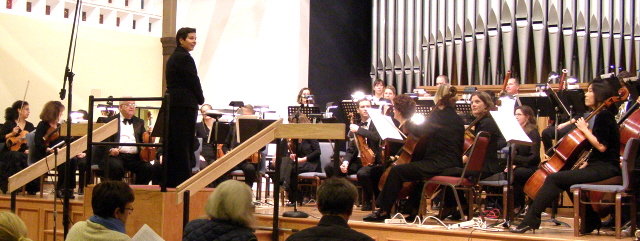
The Boulder Symphony opens a new season this weekend with what conductor Devin Patrick Hughes calls “a very America-centric concert.” Performances at the Gordon Gamm Theater of the Dairy Arts Center will be at 2 and 7:30 p.m. Saturday and 2 p.m. Sunday (full program and details below).
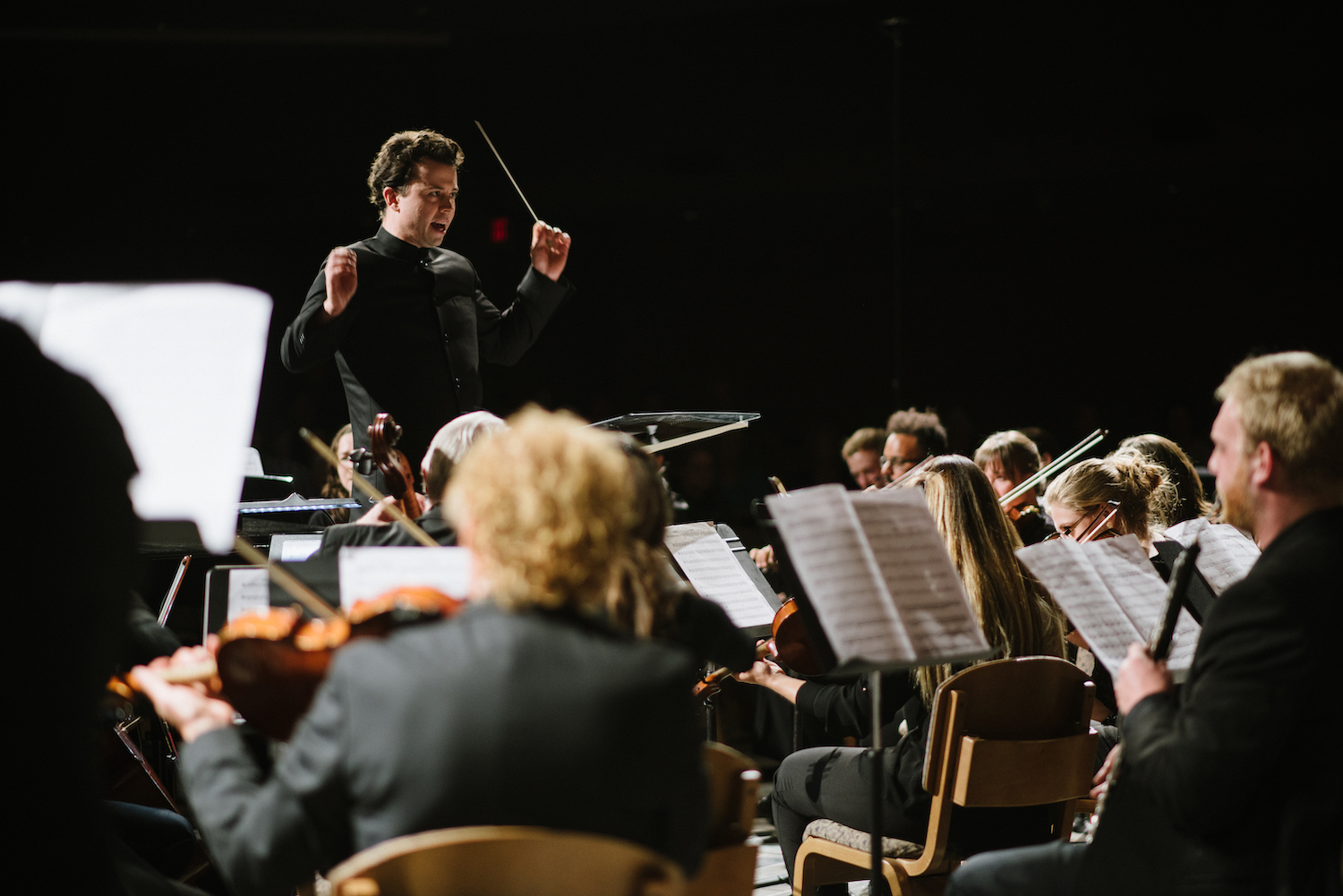
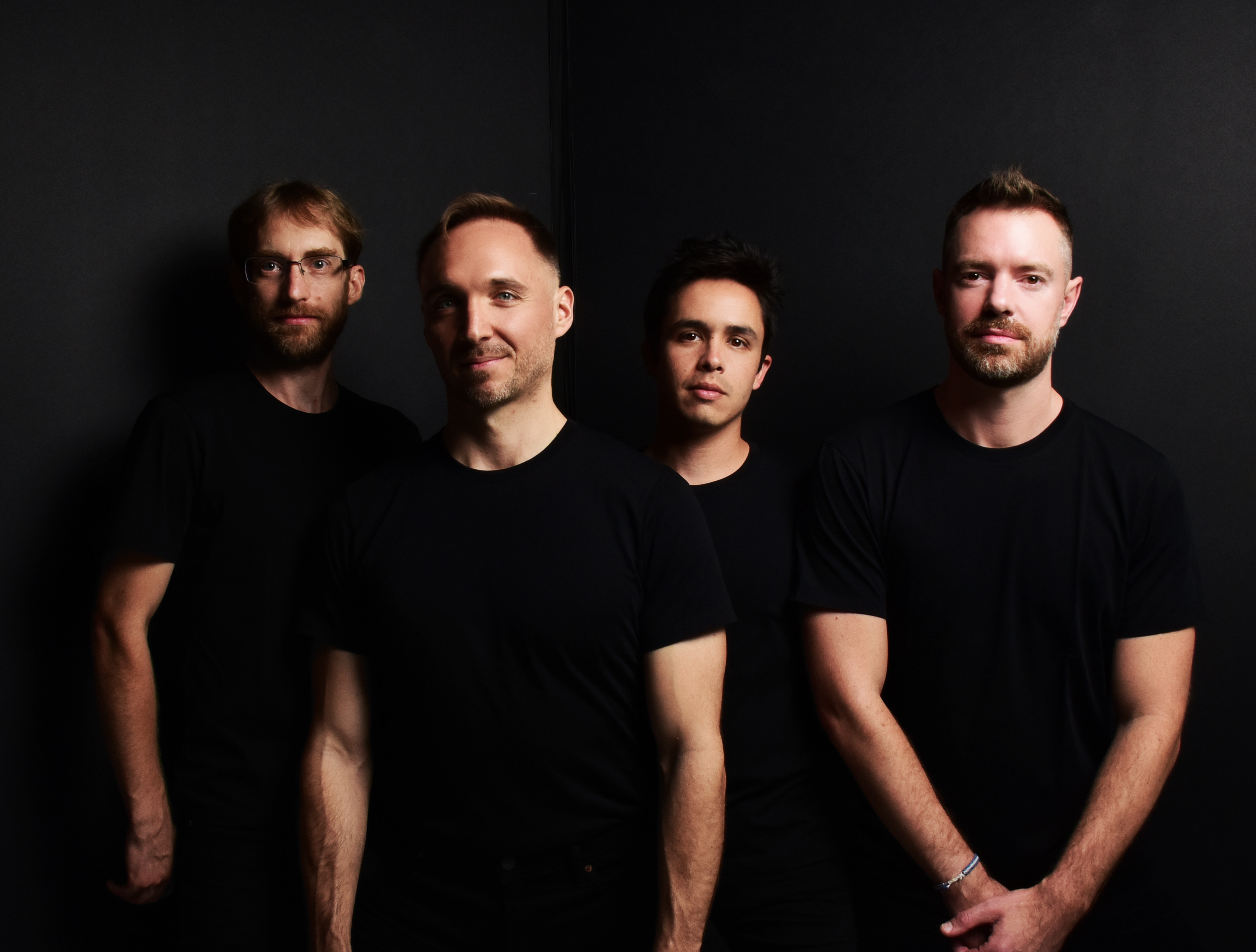
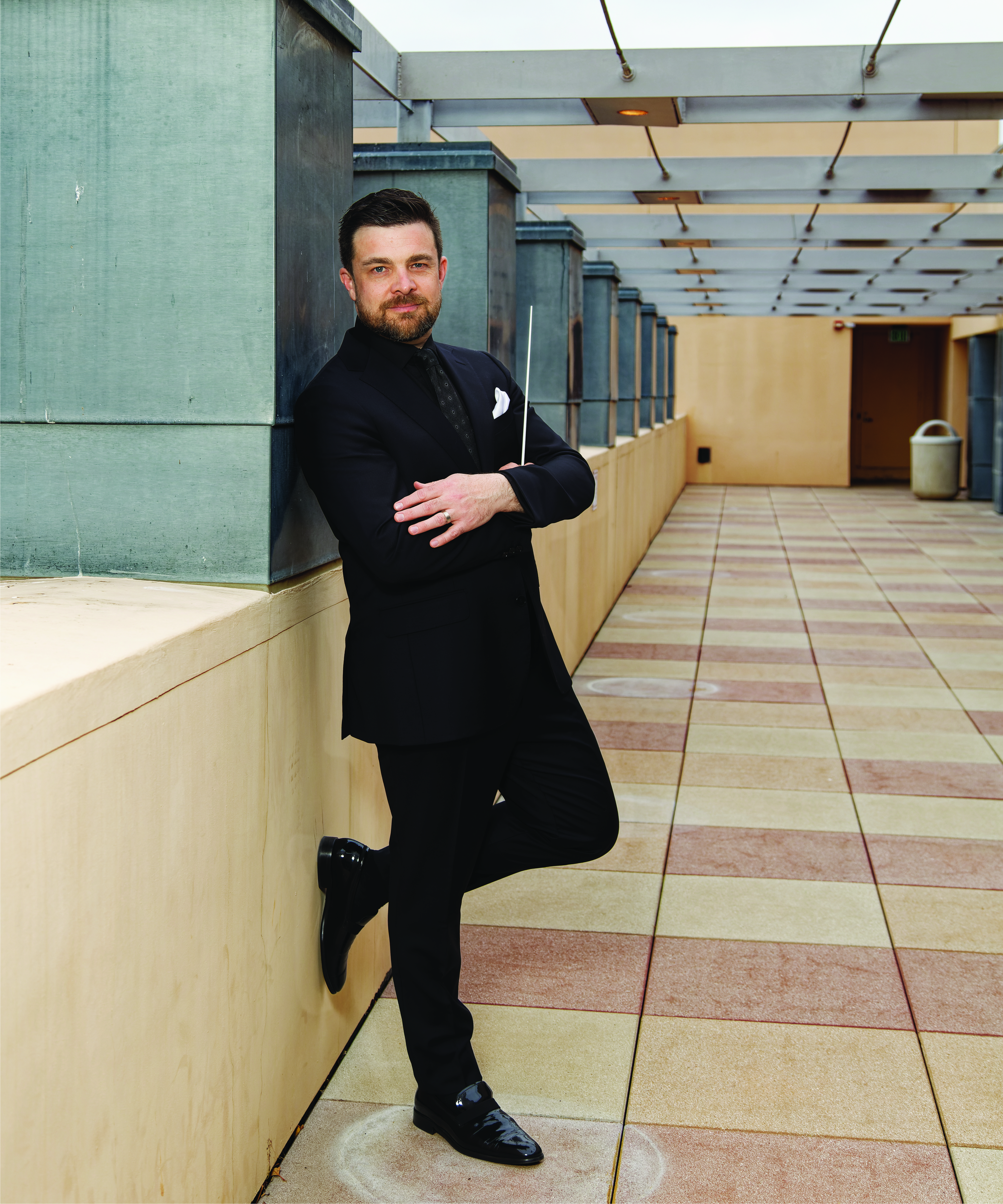
Boulder Symphony and conductor Devin Patrick Hughes

The most obviously American work on the program—in effect the American anchor to the concert—is the Symphony No. 1 by Florence Price. A prodigy who gave her first piano performance at the age of four and later attended the New England Conservatory, Price was the first African American woman to have music played by a major symphony.

Completing the program are two works by European composers with American connections: The Slavonic Dance No. 1 by Dvořák, who lived in the United States in the 1890s and whose “New World” Symphony inspired Price and other African American composers at the turn of the 20th century; and Tchaikovsky’s Piano Concerto No. 1, which was premiered in the U.S.

Soloist for the concerto will be Artem Kuznetsov, 2024 winner of the the International Keyboard Odyssiad & Festival in Ft. Collins. The Boulder Symphony has maintained a close relationship with the competition for a number of years by annually presenting the winner on one of their concerts.

Born in Arkansas, Price moved north during the “great migration” of the 1920s and settled in Chicago. She studied composition and organ and worked as an organist for silent films. In 1933 her First Symphony was premiered by the Chicago Symphony at the Century of Progress World’s Fair. 
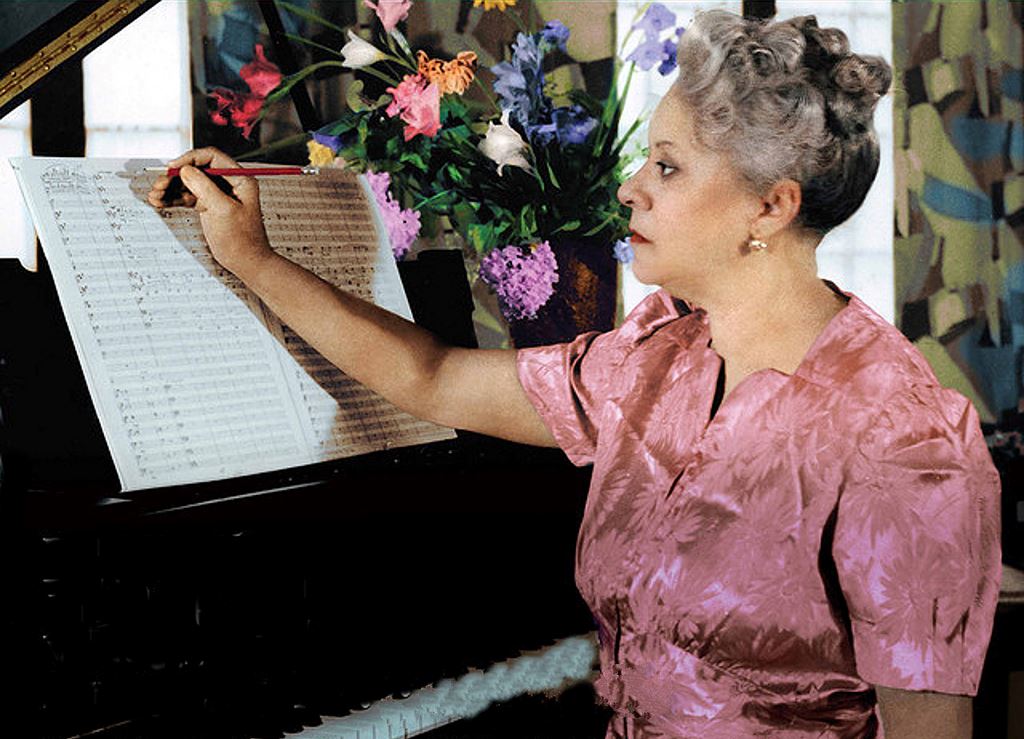
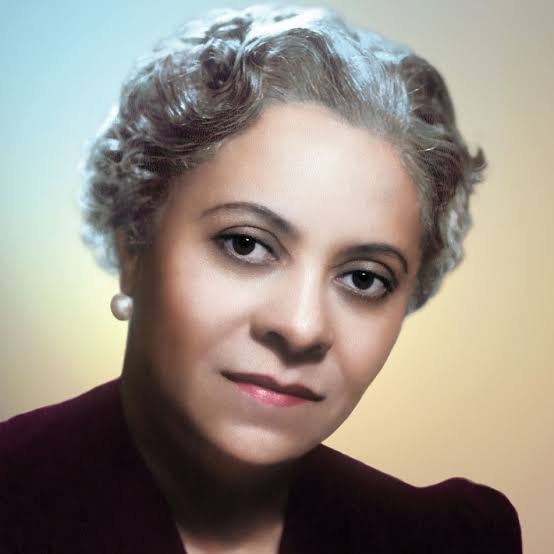
Florence Price (photo colorized)

“Florence Price is the quintessential American composer,” Hughes wrote in an email. “Her music takes from the melting pot of our culture, from spirituals and gospel, and blends them with the great European masters to create a unique American voice.”

Her total output includes four symphonies, a piano concerto, two violin concertos, and other works for orchestra, in addition to choral, vocal and piano pieces. In 2009 dozens of works by Price were discovered at her summer home, which had been abandoned for many years. Among this collection were the two violin concerto and the Fourth Symphony—works that would have been lost had the manuscripts not been found.

The First Symphony is in the traditional four movements. Price drew on her African-American heritage with pentatonic, spiritual-like melodies and a lively, syncopated third movement. Titled “Juba Dance,” it evokes a dance and rhythmic accompaniment performed by African slaves throughout the New World.

Another important influence is Dvořák’s Ninth Symphony, “From the New World.” Not only are both works in E minor, Price scholar Rae Linda Brown wrote that “an examination of Price’s symphony reveals that she had thoroughly studied Dvorak’s score.”

Among the most popular of Dvořák’s works, the two sets of Slavonic Dances were originally composed for piano four hands and later set for orchestra by the composer. It was the publication of the first set for piano four hands in 1878, facilitated by Brahms, that established Dvořák as an important and recognized composer. The first dance is a Furiant, an energetic Bohemian dance marked by shifting accents and alternating duple and triple time.

Dvořák’s connection to the American theme of the concert is through his years living in New York and his 1893 visit to the Czech village of Spillville in Iowa. His interest in African American and other American musical styles was very influential at the time.

As Hughes wrote, “Dvořák is at the crossroads of European and American voices. His symphonic work and educational initiatives in America in the 1890s paved the way for a new American school that recognized the importance of African American folk music as the future of an American school.”

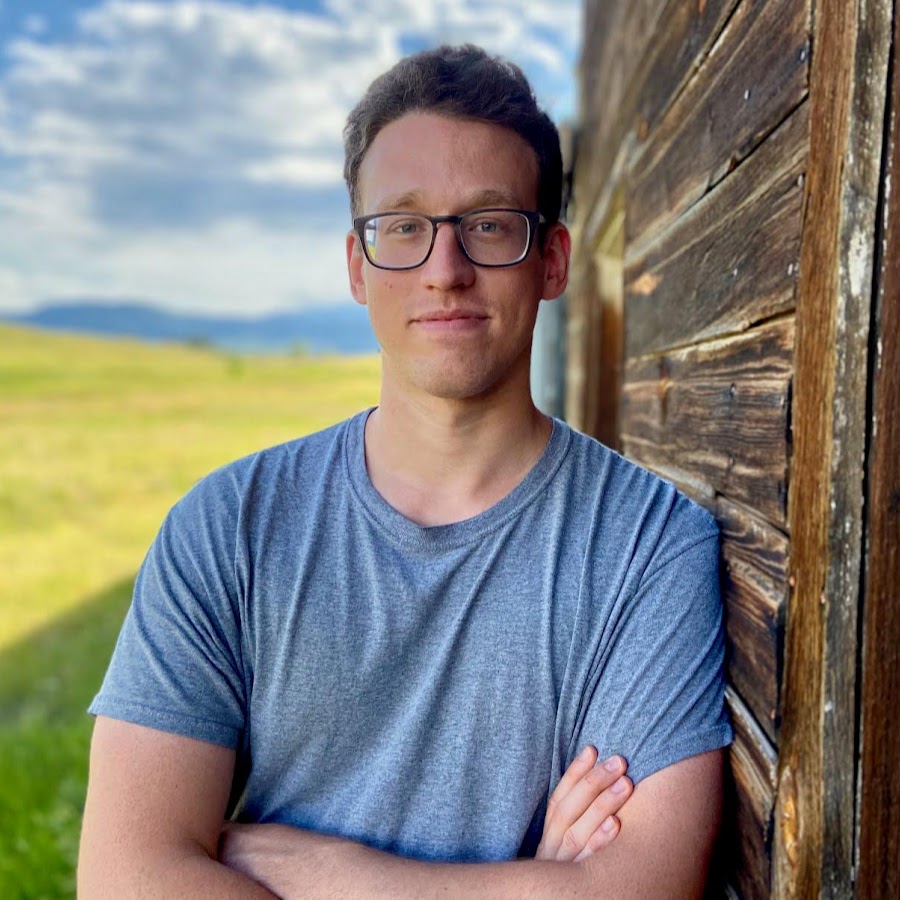
Pianist Artem Kuznetsov

Tchaikovsky wrote his First Piano Concerto in 1874-75. He hoped that the great Russian virtuoso Anton Rubinstein would play the premiere, but Rubinstein criticized the score when he saw it. As a result the premiere was played by the German pianist Hans von Bülow in Boston. Rubinstein later took back his criticism of the concerto and promoted it through performances. Today it is one of the best known piano concertos.

Continuing the American connection among the composers, Tchaikovsky came to the United States and conducted on four concerts in Carnegie Hall, including the hall’s opening night May 5, 1891—shortly before Dvořák arrived in the U.S.

A native of Balashov, Russia, Kuznetsov has won several international competitions in addition the International Keyboard Odyssiad. He holds Master of Music degree and Artist Diploma from the Shepherd School of Music at Rice University. He has performed across the United States, in Russia, Germany and the Netherlands.

The weekend’s concerts are the first in a series of three orchestral programs to be performed by the Boulder Symphony at the Dairy Arts Center, each including a work by an American composer. The season culminates in May with performances of Beethoven’s Ninth Symphony, presented in collaboration with Kim Robards Dance; you may see details on the orchestra’s Web page, along with information on their Curiosity Concerts for young people.

The Boulder Symphony also offers a music academy that is open to all talented students regardless of ability to pay. “Boulder Symphony created our Music Academy so every child could have access to musical instruments and instruction,” Hughes wrote. “Those who contribute to our scholarship program give the dream and promise of a lifetime of music-making to all kids in Boulder County.”

# # # # #

Boulder Symphony, Devin Patrick Hughes, conductor
With Artem Kuznetsov, piano

  • Dvořák: Slavonic Dance No. 1 in C major, op. 46 no. 1, “Furiant”
  • Tchaikovsky: Piano Concerto No. 1 in B-flat minor
  • Florence Price: Symphony No. 1 in E minor

2 and 7:30 p.m. Saturday, Sept. 28
2 p.m. Sunday, Sept. 29
Gordon Gamm Theater, Dairy Arts Center

TICKETS

CORRECTION: The first concert on Saturday, Sept. 28, is at 2 p.m., not 4 p.m. as originally posted.

Colorado Music Festival opens 2024 summer season Friday

Commissioned premiere and birthday celebrations are early highlights

By Peter Alexander July 1 at 6:27 p.m.

Peter Oundjian at Chautauqua.

Peter Oundjian, artistic director of the Colorado Music Festival (CMF), is brimming with excitement for the coming summer concert season.

“I love every program because I programmed them all!” he says. Nevertheless, when pressed he points to two concerts in the first weeks of the CMF season as especially interesting for audiences.

“One is the world premier of the Gabriela Lena Frank string quartet concerto with the Takács Quartet (6:30 p.m. Sunday, July 21; see full programs July 5–12 below). On that program we’re also playing what I consider to be one of the great American masterpieces of the past five years, the Concerto for Orchestra by Joan Tower.

“The other one is the week before, where I am celebrating the birthdays of Schoenberg and Bruckner with arguably the most beautiful piece that either of them ever wrote (Schoenberg’s Verklärte Nacht and Bruckner’s Fourth Symphony; 6:30 pm. Sunday, July 14). On a Sunday evening, to listen to these two glorious pieces will be beautiful and also a healing experience.”

The festival opens Friday and Sunday (July 5 and  7) with three pieces selected for variety and compatibility. The opening piece, Anna Clyne’s Masquerade was written for the BBC Symphony and premiered at the Last Night of the Proms in London in 2013. That will be followed by Dvořák’s Cello Concerto, one of the pieces the Czech composer wrote while living in the United States.

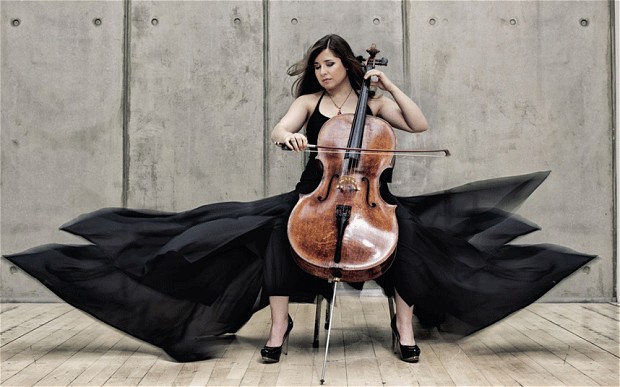
Alisa Weilserstein

Featured soloist for the concerto will be cellist Alisa Weilerstein, whom Oundjian calls “one of the great cellists in the history of the instrument, and an amazing musician. . . . Her Dvořák is spectacular,” he says. “It’s maybe (Dvořák’s) most profound work, because it’s so moving.”

To close the program Oundjian wanted something that would not compete with the intensity of the concerto. “I wanted to have a celebration in the second half,” he says. “I wanted everyone to feel great,” and for that he chose Mendelssohn’s “Italian” Symphony, certainly one of the most cheerful and ebullient pieces in the orchestral repertoire.

The opening week also features the CMF’s annual Family Concert Sunday morning at 10:30 a.m. (July 7), with some light orchestral pieces mixed with some fun, including a piece based on Dr. Seuss’s Green Eggs and Ham. Tuesday sees the first of the summer’s Robert Mann Chamber Music Series concerts, named for the late violinist and founding member of the Juilliard String Quartet. The series will continue the following three Tuesdays at 7:30 p.m.

Festival Orchestra Thursday and Friday pairs, at 7:30 and 6:30 p.m. respectively, start the first week with violinist Vadim Gluzman playing Prokofiev’s Second Violin Concerto, and the iconic 20th-century masterpiece, The Rite of Spring by Stravinsky (July 11 and 12). The program will open with the exhilarating Short Ride in a Fast Machine by the American composer John Adams, who was CMF composer-in-residence in 2022.

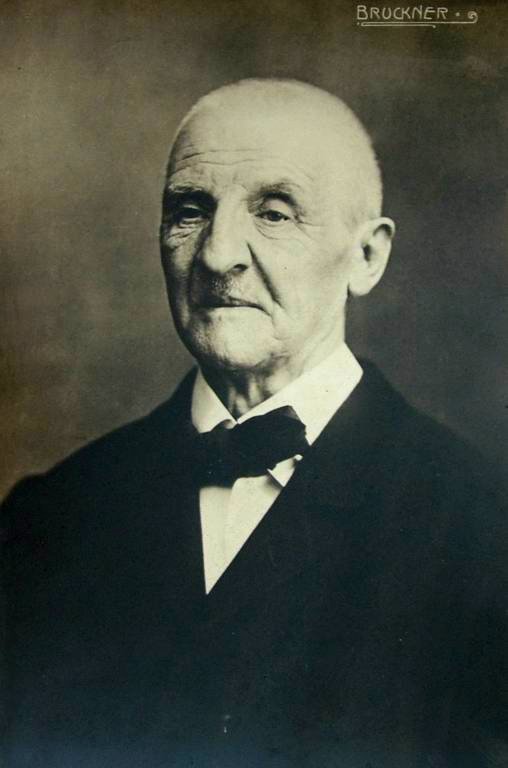
Anton Bruckner

“I did the (July 14) program because it’s the 150th birthday of Schoenberg and the 200th of Bruckner, and I wanted to acknowledge that,” Oundjian says. “I decided, let’s do it in one evening and make it a beautiful experience for everybody! The music is very spiritual (and) both pieces are fantastic to play, in that gorgeous acoustic at Chautauqua.”

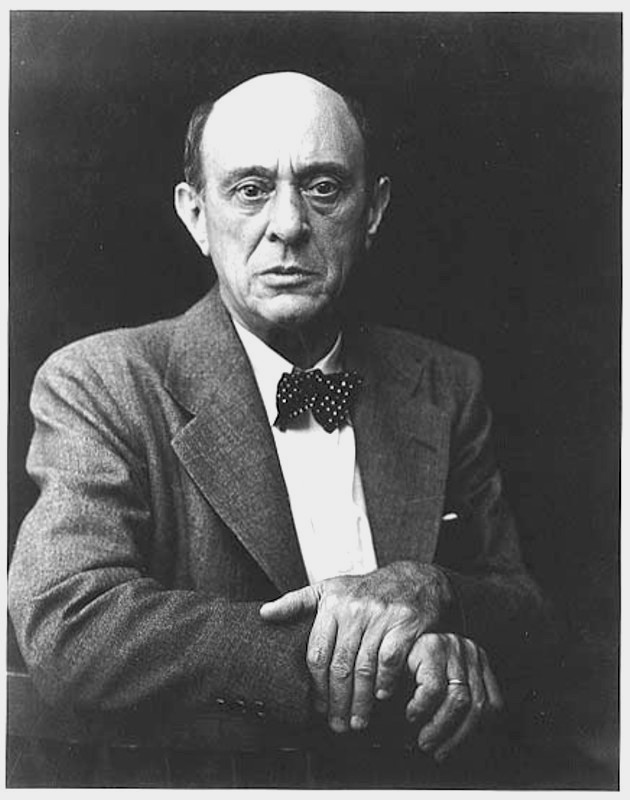
The two composers took Wagner’s music and turned in different directions—Bruckner more conservatively by putting Wagner’s sound into the traditional form of the symphony, Schoenberg, born 50 years later, by pushing beyond Wagner’s harmonic freedom and the limits of tonality. 

Arnold Schoenberg

“Bruckner’s Fourth Symphony is probably the most accessible (of his nine symphonies), because it’s fairly compact,” Oundjian says. “It has stunning themes and glorious horn solos, and you really hear the power of the orchestra. I find the music exquisitely beautiful and contemplative. It’s almost surreal in its staggering beauty, to me.”

If you think of Schoenberg only as a thorny modernist, you are missing the earlier works that followed much closer to Wagner than his later works. “Verklärte Nacht is basically like late Wagner, with its glorious string sound,” Oundjian says. “It’s a beautiful string orchestra piece.”

Pianist Olga Kern returns to CMF for concerts July 18 and 19. She will play Rachmaninoff’s Piano Concerto No. 2, which she played at CMF in 2013. The concert, under the direction of Norwegian guest conductor Rune Bergmann, will also feature Prayer by Canadian composer Vivian Fung—a work that had its premiere with a “virtual orchestra” of Canadian musicians during the COVID-19 pandemic—and Edvard Grieg’s Suites from music for the play Peer Gynt, narrated by Kabin Thomas.

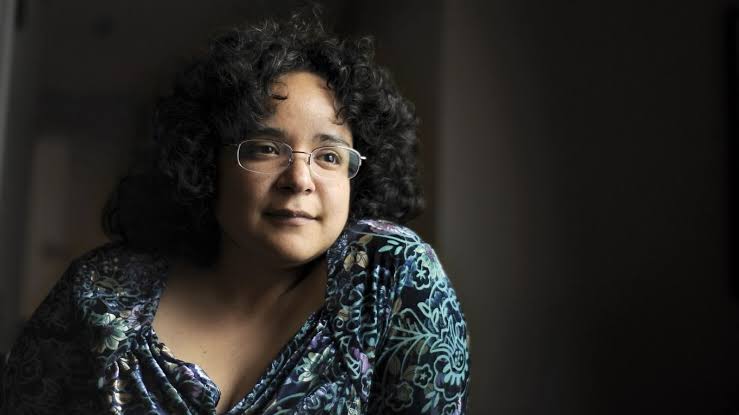
Gabriela Lena Frank

When he was looking for a new work to commission for the 2024 festival, Oundjian thought of a concerto for the Takács Quartet. “I said to (the quartet members), if we were to have a quartet concerto, who would you be interested in approaching, and without hesitation Gabriela’s name came up,” he says. “She  is a wonderful composer, Peruvian-American, and a very particular voice.”

Frank will be present for the July 21 premiere, as will Joan Tower, whose Concerto for Orchestra is on the same program.

Frank has written in her program notes, “Kachkanaraqmi, or ‘I still exist’ in the indigenous Quechua language of my Peruvian forbearers, speaks to the resilience, even insistence, of a racial soul through the generations. In this four-movement work, a brief pastoral Andean prelude, a moody mountain soliloquy, a romp of thieving winds, and a lyrical child’s wake utilize the sonorous possibilities of a concerto grosso for string quartet and string orchestra . . . Throughout, re-imaginings of age-old indigenous motifs and rhythms proliferate.”

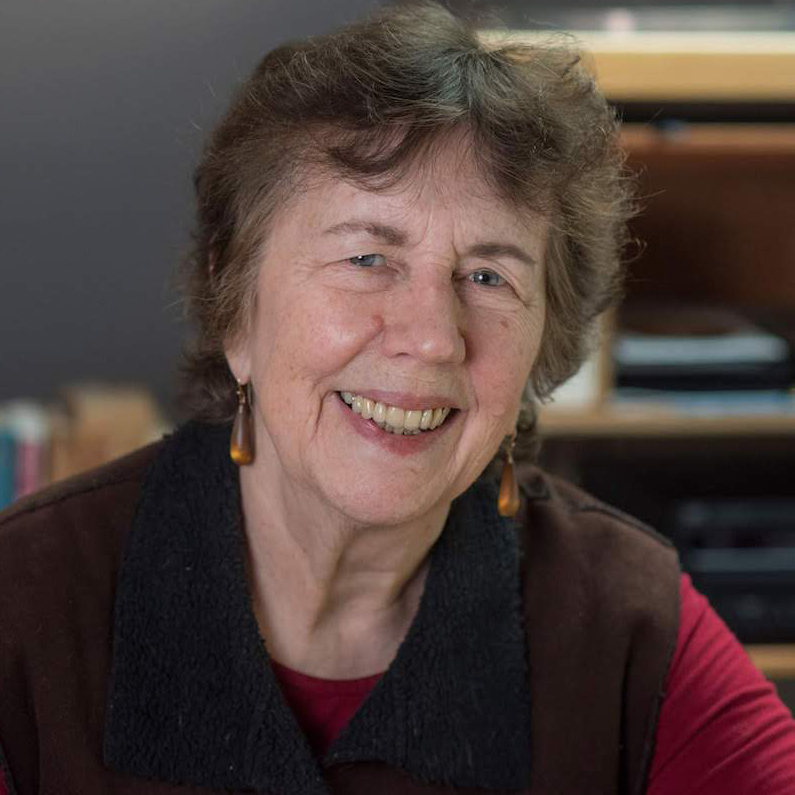
Joan Tower

The premiere will be part of a concert of all-women composers, opening with Adoration by Florence Price, an early-20th-century African American composer whose works were forgotten for many years but recently have been rediscovered. Written in 1951, Adoration was originally for organ solo but has been arranged posthumously for various ensembles..

Joan Tower’s Concerto for Orchestra was commissioned jointly by the Chicago, St. Louis and New York orchestras, all of whom gave premieres but never played it again. “They always say this about compositions: Getting a commission is hard enough, but try to get second performances,” Oundjian says. “It’s one of those things that has really intrigued me, over my entire career: Let’s find out what’s just premiered in the last few years but has been undeservedly ignored.”

He discovered Tower’s Concerto for Orchestra when he was asked to conduct it in Iceland. “I said, ‘I don’t know that piece!’ I just loved it. It is so dramatic and so beautiful. There are two passages that are some of the most stunning contrapuntal harmony that I know in contemporary music. 

“It has tremendous drive and brilliance, and it demands everything from the orchestra.”

# # # # #

Colorado Music Festival, Peter Oundjian, music director
July 5–21, 2024
All performances in Chautauqua Auditorium

Opening Night
Festival Orchestra, Peter Oundjian, conductor
With Alisa Weilerstein, cello

  • Anna Clyne: Masquerade (2013)
  • Dvořák: Cello Concerto in B minor
  • Mendelssohn: Symphony No. 4 in A major (“Italian”)

6:30 p.m. Friday and Sunday, July 5 and 7

Family Concert: Green Eggs and Ham
Festival Orchestra, Jacob Joyce, conductor 
With Really Inventive Stuff and Jennifer DeDominici, mezzo-soprano

  • Glinka: Overture to Ruslan and Ludmilla
  • Daniel Dorff: Three Fun Fables
  • Mendelssohn: Overture to A Midsummer Night’s Dream
  • Rob Kapilow: Green Eggs and Ham

10:30 a.m. Sunday, July 7

Robert Mann Chamber Music Series
Colorado Music Festival musicians 

  • Ernst von Dohnányi: Sextet in C Major
  • Beethoven: “Duet with two Obligato Eyeglasses” in E-flat major for viola and cello, WoO 32
  • Schumann: Piano Quartet in E-flat Major, op. 47

7:30 p.m. Tuesday, July 9

Festival Orchestra Concert
Festival Orchestra, Peter Oundjian, conductor
With Vadim Gluzman, violin

  • John Adams: Short Ride in a Fast Machine
  • Prokofiev: Violin Concerto No. 2 
  • Stravinsky: Rite of Spring

7:30 p.m. Thursday July 11
6:30 p.m. Friday, July 12 

Bruckner Bicentennial Concert
Festival Orchestra, Peter Oundjian, conductor

  • Arnold Schoenberg: Verklärte Nacht (“Transfigured night”), op. 4
  • Anton Bruckner: Symphony No. 4 (“Romantic”)

6:30 p.m. Sunday, July 14

Robert Mann Chamber Music Series
Colorado Music Festival musicians

  • Carl Nielsen: Wind Quintet, op. 43
  • Schubert: String Quintet in C Major, D956

7:30 p.m. Tuesday, July 16

Festival Orchestra Concert
Festival Orchestra, Rune Bergmann, conductor
With Olga Kern, piano, and Kabin Thomas, narrator

  • Vivian Fung: Prayer
  • Rachmaninoff: Piano Concerto No. 2, op. 18
  • Edvard Grieg: Suites from Peer Gynt

7:30 p.m. Thursday, July 18
6:30 p.m. Friday, July 19

Festival Chamber Orchestra Concert
Festival Orchestra, Peter Oundjian, conductor
With the Takács Quartet and Gabriela Lena Frank, composer 

  • Florence Price: Adoration
  • Gabriela Lena Frank: Kachkanaraqmi (“I still exist”; world premiere)
  • Joan Tower: Concerto for Orchestra

6:30 p.m. Sunday, July 21

Tickets for individual concerts are available through the Chautauqua Box Office Web page.

New Music and Conductor Michael Christie at the Colorado Music Festival

Peter Oundjian leads All-Corigliano program, world premieres for ‘Music of Today’

By Peter Alexander July 7 at 12:10 p.m.

The next two weeks of the Colorado Music Festival (CMF) will see the 2023 season in full swing.

The Robert Mann Chamber Music Series—named in honor of the founding first violinist of the esteemed Juilliard String Quartet—gets underway with performances by the JACK Quartet (July 11; program details below) and the Brentano Quartet (July 18). The performance by JACK also initiates a week of “Music of Today” featuring an all-John Corigliano program by the Festival Orchestra with saxophone soloist Timothy McAllister (July 13) and a program with three world premieres by Carter Pann of CU, his former student Jordan Holloway, and Adolphus Hailstork (July 16).

The festival’s third week embraces more familiar repertoire, with some excursions. The Brentano Quartet embellishes a program of Mozart and Beethoven with works by Scottish composer James MacMillan (July 16). CMF Music Director Emeritus Michael Christie marks his return to Chautauqua Auditorium with Tchaikovsky’s familiar Fourth Symphony and an interesting pairing of piano concertos by Ravel and Florence Price performed by Michelle Cann (July 20 and 21). The week closes with an all-Mozart program led by guest conductor François López-Ferrer and featuring violinist Grace Park (July 23).

JACK Quartet. Photo by Shervin Lainez

Known for their committed performances of new music, the JACK Quartet is the musical heir of the mold-breaking Kronos Quartet. “Kronos really paved the way,” first violinist Austin Wulliman says. “They were role models for people in our generation, and JACK modeled the way we commission (new works) after the way Kronos did it.”

Titled “New York Stories,” the July 11 concert features works by five composers: Morton Feldman, Caleb Burhans, Philip Glass, Caroline Shaw and John Zorn. The program came from “an intuitive feeling about New York, which is a place that is so now,” violist John Richards explains. “Cultural changes begin or are reflected very early on in New York, and I feel the longing for ‘before’ as a part of the experience of ‘now’ in New York.

Caroline Shaw. Photo by Kait Moreno

“This program gets into that, through a beautiful, melancholic longing that’s in Caroline Shaw’s (Entr’acte, which is) also filled with the kind of playful experimentation with form and instrumental techniques that can only be done today. It’s a beautiful marriage of those things.”

The players find the same duality in Zorn’s Remedy of Fortune, which they compare to standing in the Cloisters, a museum of medieval art in upper Manhattan, and hearing the sound of visitors’ cell phones alongside the echoes of medieval music.

Zorn is known for pieces inspired by the frenetic pace of early cartoons, but his latest pieces are more varied. “He draws on so many interesting influences now,” Wulliman says. “I hear the music of Alban Berg at the same time that I hear Art Tatum and Beethoven and medieval music.”

Wulliman suggests that when listening to Feldman’s Structures for String Quartet, you think of a painting rather than a narrative. “That’s a helpful inroad to how to listen to it,” he says. “It’s a visual arts approach to the page, where he’s filling our auditory field with splotches, textures and patterns that weave together.”

The least known composer on the program is probably Burhans, whom the JACK players knew as undergraduates at the Eastman School of Music. “The beauty and the emotional catharsis of that piece is a real lynchpin of the program,” Wulliman says. Richards adds that Burhans “joined the choir at Trinity Church Wall Street (in New York), and this music draws from that experience. There’s a beautiful middle section that grows and grows into a prayerful, ecstatic feeling of release.”

John Corigliano. Photo by J. Henry Fair

The most distinctive program of the summer is the concert devoted entirely to works by composer John Corigliano. That almost never happens with living composers, conductor and CMF Music Director Peter Oundjian says, but he also likes to remind people that new music today is not as daunting as it once was.

“I remember a time when if you presented one piece of contemporary music you could loose half your audience,” he says. But Corigliano is from “a generation that got a language that was astonishingly contemporary but acceptable at the same time.”

Oundjian wanted to present works from different parts of the composer’s career. “I said to John, ‘I want to do a piece from each of your periods’,” Oundjian says. “’I want to make you into Beethoven, (with) early, middle and late’.”

From the early period, he chose the Gazebo Dances (1972), which was likely inspired by the music of Leonard Bernstein. A suite in four contrasting movements, it has a Bernstein-like energy and flirtation with popular/Broadway idioms, which is not surprising since Corigliano’s father was concertmaster of the New York Philharmonic under Bernstein.

Next is One Sweet Morning (2010), written to commemorate the anniversary of the 9/11 attacks in New York. “Oh boy is it ever incredibly profound and moving,” Oundjian says. “It’s music of staggering beauty and depth, so it’s a fantastic contrast to the Gazebo Dances.”

The concert will conclude with Corigliano’s most recent concerto, Triathlon for saxophone and orchestra (2020). The soloist will be Timothy McCallister, who was featured last summer. “It’s a complete masterpiece,” Oundjian says. “I don’t know how these brilliant composers get their ideas, but it’s an honor to study the works and prepare to conduct them.”

Adolphus Hailstork. Photo by Jin Hailstork.

The centerpiece of the July 16 concert of world premieres will be JFK: The Last Speech, a work for orchestra, soprano and narrator by Adolphus Hailstork. The soloists will be soprano Janice Chandler-Eteme and bass-baritone Eric Owens as narrator.

The libretto incorporates parts of a speech President John F. Kennedy gave at Amherst College Oct. 26, 1963, 27 days before his assassination in Dallas. Kennedy’s speech was given in honor of poet Robert Frost, who had died nine months before. Neil Bicknell, who heard the speech as an Amherst senior, crafted the libretto combining Kennedy’s words, which will be spoken by the narrator, and Frost’s poetry, which will be sung by the soprano.

A project of the Amherst Class of 1964, JFK: The Last Speech will be performed around the country and at Amherst College this fall. Hailstork writes in his program notes, “My writing will reflect the autumn season, the solemnity of the moment, and the unique oratorical gifts of Kennedy the president and the profound literary gifts of Frost the poet.”

Holloway’s Flatirons Escapades was composed for the 125th anniversary of Boulder’s Colorado Chautauqua. A graduate of CU, Holloway recalls in his program notes both his positive experiences in the Chautauqua Park that served as an inspiration for his score, and the healing quality of the space during times of “anxiety and internal chaos” that “are woven into the piece as well.”

Pann was Holloway’s composition teacher at CU. He writes that his Dreams I Must Not Speak “emerged from a cathartic attempt to realize, in music, three dreams I experience during sleep with noticeable regularity. These are not nightmares nor are they pleasant images, but rather odd and somewhat psychedelic scenes that have remained distinct in my awakened conscience over the years.”

Michael Christie. Photo by Eugene Yankevich

For his return to Chautauqua Auditorium, CMF Music Director Emeritus Michael Christie will team up with pianist Michelle Cann to present concertos by Ravel and the remarkable African-American composer Florence Price. A graduate of the New England Conservatory, Price is recognized as the first African-American woman to have a work played by a major orchestra. “Price is one of these people that when an audience member hears the music, people are just bowled over by the inventiveness, by the grandness of it,” Christie says.

Price played her Piano Concerto in One Movement once in 1934, after which it was thought to be lost. However, some parts were found in 2009 at her former summer home, shortly before it was to be demolished, and other fragments turned up later. The score has been reconstructed, and the concerto has had real success in recent years. Curiously, the Concerto in One Movement actually has three movements, played without break

Florence Price

The combination of Price’s African-American heritage and her classical training led to what Christie calls “this wonderful blending of American and European traditions speaking to each other.” And he finds a parallel for that combination in the Ravel Concerto. “You have Maurice Ravel just oozing with American jazz throughout this piece,” he explains.

“You’re looking Florence Price being influenced by Europe and having her own American language, and then Ravel on the other side of the Atlantic, looking at America through the lens of his own language. So the concertos kind of cross each other, over the ocean.”

The Tchaikovsky Symphony that closes the program is a great showpiece for the orchestra, and it’s also one of the most familiar pieces on the summer program. Christie remembers that when he was music director at CMF, he would “throw lots of new things at the orchestra, and they were just exhausted by the end of the summer. I realized over time that balance (between familiar and unfamiliar pieces) is not only for the audience, it’s for the orchestra too.

“It’s always a relief for an orchestra to be able to kick back and play something that they know inside and out.”

# # # # #

COLORADO MUSIC FESTIVAL
Performances July 11–23
All performances at Chautauqua Auditorium

7:30 p.m. Tuesday, July 11
Robert Mann Chamber Music Series: JACK Quartet

  • Morton Feldman: Structures for String Quartet (1951)
  • Caleb Burhans: Contritus (2010) 
  • Philip Glass: String Quartet No. 5 (1991)
  • Caroline Shaw: Entr’acte (2011)
  • John Zorn: The Remedy of Fortune for String Quartet (2016)

7:30 p.m. Thursday, July 13
Festival Orchestra, Peter Oundjian, conductor
With Timothy McAllister, saxophone

  • John Corigliano: Gazebo Dances (for orchestra) (1974)
    One Sweet Morning for voice and orchestra (2010)
    Triathlon for saxophone and orchestra (2020)

6:30 p.m. Sunday, July 16
World premieres: Festival Orchestra, Peter Oundjian, conductor
With Janice Chandler-Eteme, soprano, and Eric Owens, narrator

  • Jordan Holloway: Flatiron Escapades (world premiere commission)
  • Carter Pann: Dreams I Must Not Speak (world premiere commission)
  • Adolphus Hailstork: JFK: The Last Speech (world premiere)

7:30 p.m. Tuesday, July 18
Robert Mann Chamber Music Series: Brentano String Quartet

  • Mozart: String Quartet in D Major, K499
  • James MacMillan: Memento for string quartet (1994)
    For Sonny for string quartet (2011)
  • Beethoven, String Quartet No. 13 in B-flat Major, op. 130

7:30 p.m. Thursday, July 20, and 6:30 p.m. Friday, July 21
Festival Orchestra, Music Director Emeritus Michael Christie, conductor
With Michelle Cann, piano

  • Ravel: Piano Concerto in G Major
  • Florence Price: Piano Concerto in One Movement
  • Tchaikovsky: Symphony No. 4 in F Minor, op. 36

6:30 p.m. Sunday, July 23
Festival Orchestra, François López-Ferrer, conductor
With Grace Park, violin

  • Mozart: Overture to The Impresario K486
    —Violin Concerto No. 3 in G Major, K216
    —Adagio and Fugue in C Minor, K546
    —Symphony No. 36 in C Major, (“Linz”) K425

TICKETS

Rousing Beethoven from Pro Musica Colorado

Folkish new piece by UC grad Ben Morris, “utterly enjoyable” concerto by Florence Price

By Peter Alexander Nov. 20 at 12:15 a.m.

Last night (Nov. 19) conductor Cynthia Katsarelis and the Pro Musical Colorado Chamber Orchestra opened their 2022-23 concert season in the newly-renovated sanctuary of the Mountain View Methodist Church in Boulder.

Cynthia Katsarelis and the Pro Musica Colorado Chamber Orchestra

Venue renovations often bring gains and losses, and this was no exception. This is worth noting, because the Mountain View church is being used more as a concert venue. It is a visually attractive space, and offers about the best parking of any venue in Boulder.

The carpet has been removed and replaced with a hard wood floor, and the  pews have been replaced with reasonably comfortable chairs, which is all to the good. The sound is much more lively than before, and it may take performers a while to adjust to the new acoustic. Balance is problematic, as the strings had a hard time being heard over the boosted wind sounds. The wood floor certainly beefed up the bass, although not always in a helpful way. In time performers will likely adjust to the increased resonance.   

Ben Morris

The concert opened with the world premiere of The Hill of Three Wishes by Ben Morris, winner of the 2021 CU composition Competition. Reflecting the legend of Helgafell , a magical hill in Iceland that grants three wishes to anyone who can walk to the top without looking back, the score has an attractive folkish quality. It is written in a modal style that avoids harsh dissonance and welcomes listeners.

Morris makes great use of instrumental sounds to create a mythic quality that Katsarelis compared to The Lord of the Rings. Opening brass gestures establish the setting. An ancient Icelandic folk song adds a sense of timelessness, and at the end the music drifts atmospherically into silence. From the score I couldn’t tell if Morris was granted his wishes—did he, like Orpheus, submit to the temptation to look back?—but the hike is clearly a pleasant one. The brief score should find willing performers and audience enjoyment.

Another rare adventure was provided by the Piano Concerto in One Movement by Florence Price, whose music from the early 20th century was once forgotten but is being rediscovered. The first African American woman to have her music performed by a major orchestra when her First Symphony was premiered by the Chicago Symphony in 1933, Price was a skilled and accomplished composer. The concerto is symbolic of her fate: the full orchestral setting was lost and only rediscovered in 2019. Pro Musica is among the first to perform it as originally written. 

The concerto is, however, misnamed as it is not truly in one movement. There is a clear cadence and break between the first and second movements, and the dramatic transition from the slow movement to the lively finale parallels many classical concertos. Like many of Price’s works, the score draws on her African American heritage, from the bluesy trumpet and trombone riffs at the outset, to the slow movement that channels dozens of great spirituals, and the juba dance finale that could easily be mistaken for a Joplinesque rag. This is a unique and valuable part of our country’s musical history.

Jennifer Hayghe

Pianist Jennifer Hayghe gamely tackled the difficult solo part—Price herself was a virtuoso pianist—but while she started with a resounding first entrance, at other times balance issues prevented her playing from being clearly heard. Moments of lighter orchestration, with the piano against one or two winds, worked best. As well as I could hear, Hayghe carried off the solo part handily. Special notice should go to flutist Michelle Stanley, oboist Miriam Kapner and cellist Carole Whitney (if the program is to be trusted) for their solos in the second movement.

The finale had compelling energy, but as performed it was essentially an orchestral dance movement with the piano playing along. This is an utterly enjoyable movement, whether it shows off the pianist to full advantage or not. Katsarelis, Hayghe and the Pro Musica deserve our gratitude for bringing a valuable but rarely heard piece to the Boulder audience. Now that the original score has been reassembled, others should take up this concerto.

The concert concluded with a spirited reading of Beethoven’s powerful, popular Seventh Symphony. Audiences are used to hearing it played by larger ensembles, but a smaller orchestra like Pro Musica can bring a welcome muscularity and clarity to this and other classical scores. Once again, however, the lively acoustic was sometimes problematic. The fast rhythmic figures of the first movement and rapid passages in the strings were sometimes obscured by the punctuating chords or lost in the general resonance of the space.

Katsarelis followed all the road signs of Beethoven’s score, outlining both the structure and the drama of the piece.  While some dynamic differences were swallowed in the overall resonance, she kept the tempo and maintained the thrust all the way to the end. That’s just what Beethoven calls for, and it provided a rousing culmination for the concert.

Icelandic Legends and the Spirit of the Dance

Pro Musica Colorado concert has a hopeful message

By Peter Alexander Nov. 17 at 4:48 p.m.

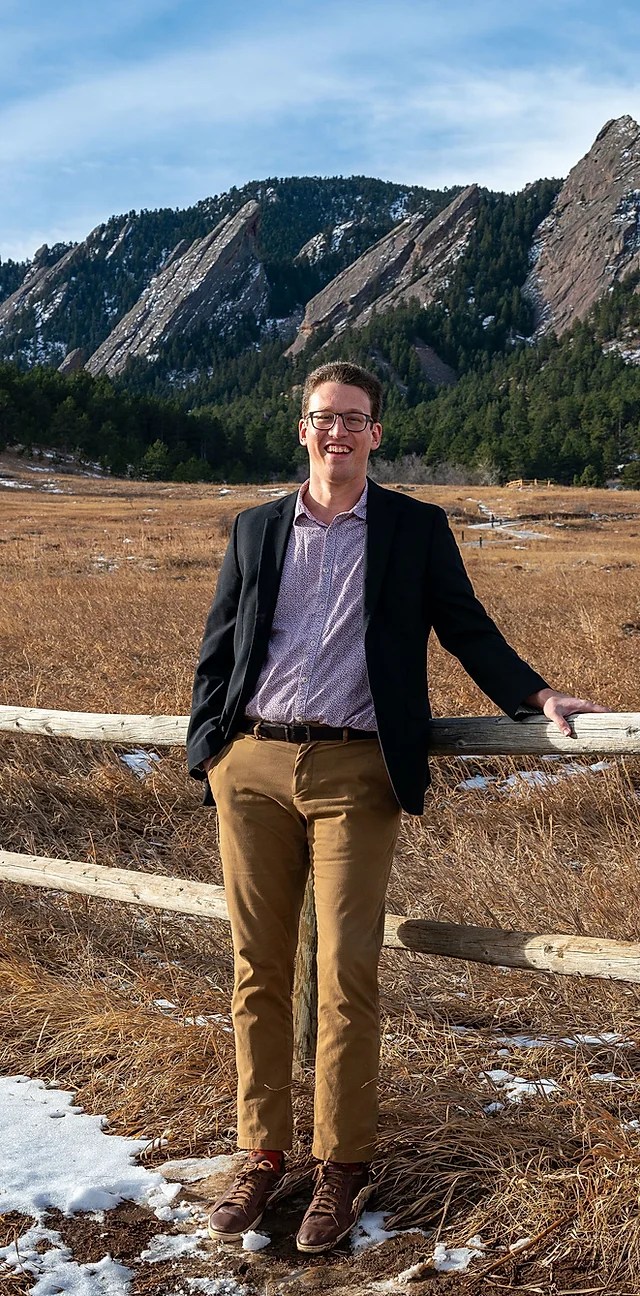
Composer Ben Morris

Conductor Cynthia Katsarelis and the Pro Musica Colorado Chamber Orchestra will present the world premiere of The Hill of Three Wishes by former CU composition student Ben Morris on their next concert, Saturday at Mountain View Methodist Church in Boulder (7:30 p.m. Nov. 19).

The score was selected last year as the winner of an annual competition that Pro Musica holds in collaboration with the CU composition department. The department gives Katsarelis works by several composers, and she selects one composer to receive a commission from a fund that was financed by the late Thurston Manning. Normally the new works are premiered in the spring, but last year’s planned performance was postponed. 

The concert, titled “Apotheosis of the Dance,” opens the Pro Musica 2022–23 season of three concerts. Other works on the program are Florence Price’s Piano Concerto in One Movement, which concludes with an African American juba dance; and Beethoven’s Seventh Symphony in A major, which has such exuberant rhythmic movement that Richard Wagner once called it “the apotheosis of the dance.”

Pianist Jennifer Hayghe, the chair of the CU Roser Piano and Keyboard Program, will be the soloist for Price’s concerto.

“Ben Morris is a wonderful emerging composer,” Katsarelis says. “First of all he really knows what to do with an orchestra. His orchestration is superb, and his colors, and the textures. 

“He has two major influences: a jazz background, but also a Scandinavian (Norwegian) background. And so he gets this Nordic folk music aspect into his music, sometimes with extended jazz chords.”

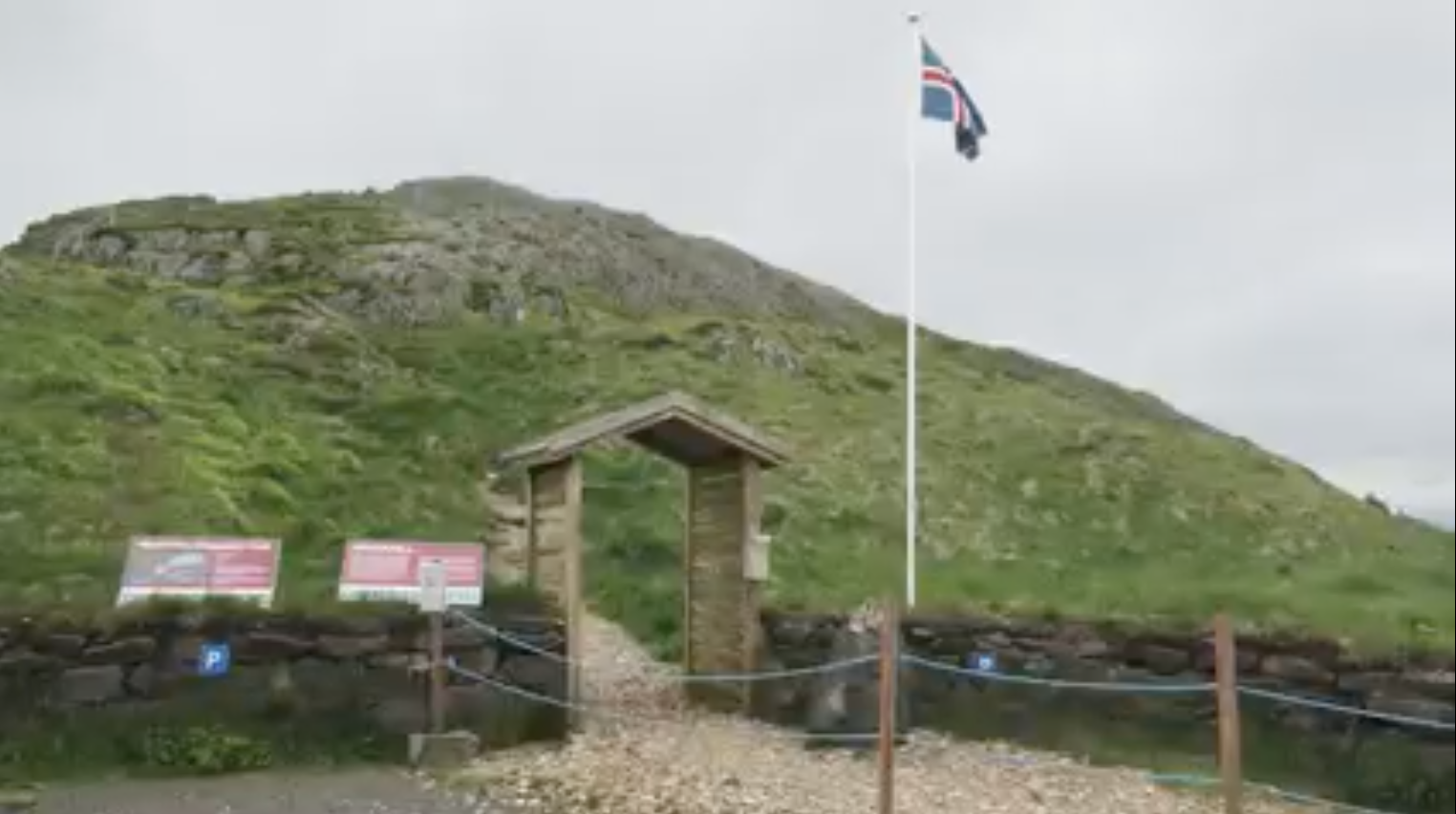
Helgafell, Iceland. Photo by Ben Morris.

The Hill of Three Wishes is based on Helgafell, a site in Iceland that Morris visited. The legend about Helgafell is that if you can hike to the top without looking back, you will be granted three wishes. He incorporated an ancient Icelandic song into the score, which gives the music “a medieval sound,” Katsarelis says. “He weaves it in nicely, and you can really imagine the climb up the hill.”

Price, whose career spanned the first half of the 20th century, was a composer, pianist and organist trained at the New England Conservatory. She was the first African American woman to have music presented by a major orchestra, when her First Symphony was played by the Chicago Symphony in 1933.

For many years, the original score of her Piano Concerto in One Movement was lost, and the piece was known only from a two-piano version. Some orchestral parts were found in Price’s former summer home, and others turned up recently at an auction, allowing the assembly of the original orchestration. That original version has been published and will be used by Pro Musica.

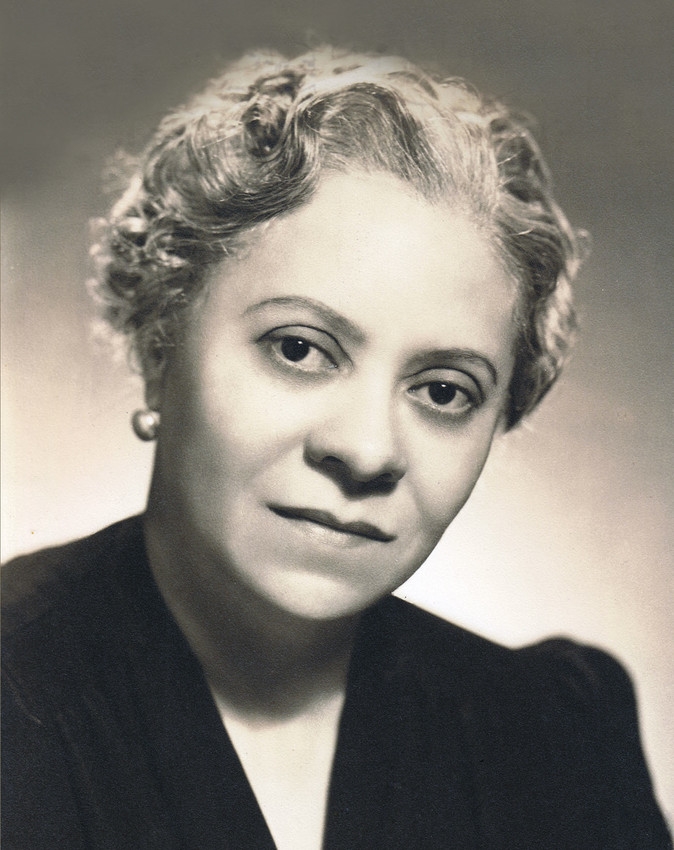
Florence Price. Photo by G. Niledoff.

“Although it’s a piano concerto in one movement, it does have three sections that correspond to a fast first movement, a slow second movement, and then a jolly finale,” Katsarelis says. “The finale is a juba dance, and the whole thing clearly draws on her African American background.

“The second movement is reflective (and) has a call and response aspect to it. The first movement has melodies that you can associate with spirituals, or maybe a blues. It’s quite virtuosic for the piano, which I think speaks to Florence Price’s (skills as a pianist).”

Price was born in Little Rock, Ark., but she and her family joined the Great Migration of Southern Blacks to the north and settled in Chicago. There she became part of what is called the “Chicago Renaissance,” which was akin to the Harlem Renaissance of the 1920s and ‘30s. “She was incredibly active,” Katsarelis says. 

“She belonged to two women’s music clubs, she was playing recitals all the time, she got her symphony performed by the Chicago Symphony, (and) her other symphonies were done by the Women’s Symphony in Chicago and Detroit. She got excellent reviews for the piano concerto and her symphony, and then it all disappeared. Her music is re-emerging, and rightfully so: it’s such a wonderful, authentic, American voice and we owe a great debt of gratitude for her.”

The program concludes with Beethoven Seventh Symphony, which Katsarelis selected for several reasons. “It’s one of his most beloved symphonies for good reason,” she says. “I could have picked a couple of other Beethoven symphonies, but I thought (the Seventh) went so well with the Florence Price, with the juba dance. It’s an incredibly joyful and energetic piece, with long (melodic) lines and moments of insanity—it takes you on a journey!”

Another reason is that she thinks that the symphony, with its joyful ending, speaks to our current time in an important way. “Beethoven’s music is perceived as coming out of that enlightenment philosophy of the common man who can rise above with his achievements,” she says. “That’s something that we always admire.

“Given the challenges of our time, I think it’s an inspirational and hopeful message.”

# # # # #

“The Apotheosis of the Dance”
Pro Musica Colorado Chamber Orchestra, Cynthia Katsarelis, conductor
With Jennifer Hayghe, piano

  • Ben Morris: The Hill of Three Wishes (world premiere)
  • Florence Price: Piano Concerto in One Movement (restored original version)
  • Beethoven: Symphony No. 7 in A major, op. 72

7:30 p.m. Saturday, Nov. 19
Mountain View Methodist Church, 35 Ponca Place, Boulder

Both in-person and online tickets are available HERE.