
“Improvisation in Baroque and Jazz,” March 1 and 2
By Peter Alexander Feb. 28 at 10:45 a.m.
Evanne Browne, conductor of Boulder’s Seicento Baroque Ensemble, is the daughter of jazz musicians—“jazz pianist mom and a bass player dad,” she says. “There was a lot of American songbook music going on in our house all the time.”
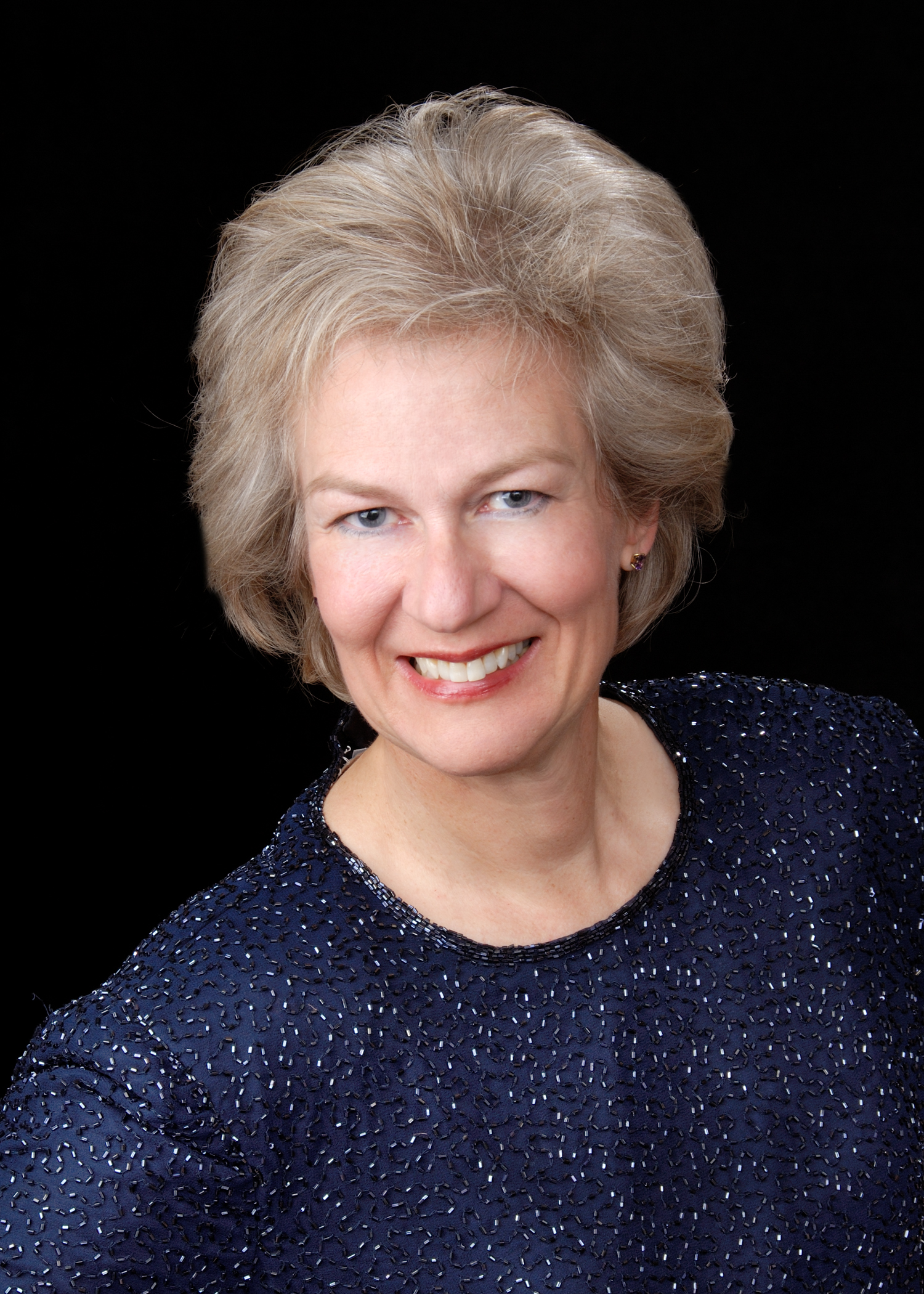
It might seem like a long way from jazz and the American songbook to Bach, Monteverdi, and the other specialities of Seicento. But as a trained early music performer, Browne believes the two musical styles are closer than you might think. And her next concert with Seicento will demonstrate that.
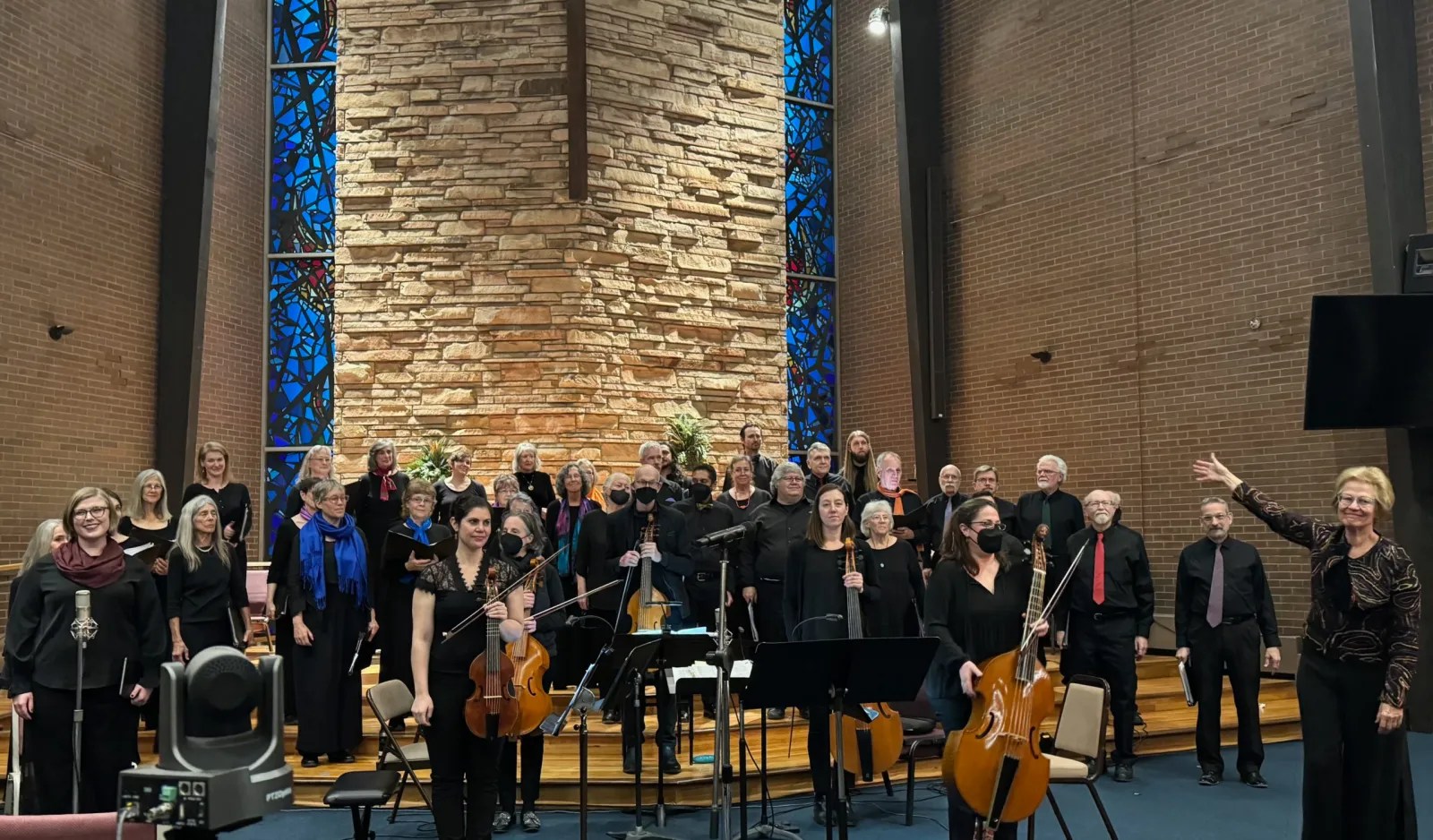
The concert, titled “Embellish! Improvisation in Baroque and Jazz” (7:30 p.m. Friday in Longmont and Saturday in Golden; details below), features Baroque music by Couperin, Monteverdi and others, mixed together with jazz by Duke Ellington and Charlie Parker, and even some pops and Broadway numbers (see full program below). In addition to the Seicento choir, performers will be violin and gamba player Tina Chancey, a jazz ensemble led by bassist Mark Diamond, and Seicento apprentice artists.
The inspiration for the program comes from the fact that in the early Baroque a lot of written music was sketchy, often only a bass part and one or two melody lines. Performances could vary, much as performances of jazz standards very from one artist or combo to another. There were traditional bass lines and chord progressions for dances that were filled in differently by different composers, much as the traditional 12-bar blues can be filled in differently by different performers.
“I’ve been thinking for a long time that when you look at charts for jazz and there’s melody and chords, and when you look at a basso continuo part for keyboard (in Baroque music) and there’s a bass line and chords, those things are similar,” Browne explains. “I just kind of started going down the list of what else was similar.”
Since jazz charts and Baroque scores—especially for the early operas by Monteverdi and others—left a lot to be filled in by performers, in both cases fans of the music distinguish between different versions, or realizations, of specific pieces. Another parallel that Browne found was that rhythms are often not played exactly as they are written, but are made more “swingy,” especially for dance music.
In the Baroque era, there was a convention in France called “notes inegales” (unequal notes), where notes on the beat were lengthened and the notes between the beats were shortened, to make the rhythms more pointed. This is not unlike the jazz tradition of “swinging” what are written as even notes. In jazz, Browne says, “you don’t play them ‘straight.’ People would think you were crazy if you did that. It’s exactly what notes inegales are in French.
“In dance music, the need for movement is something that turns duple into triplets and makes that more universally pleasing to us as listeners or performers.”
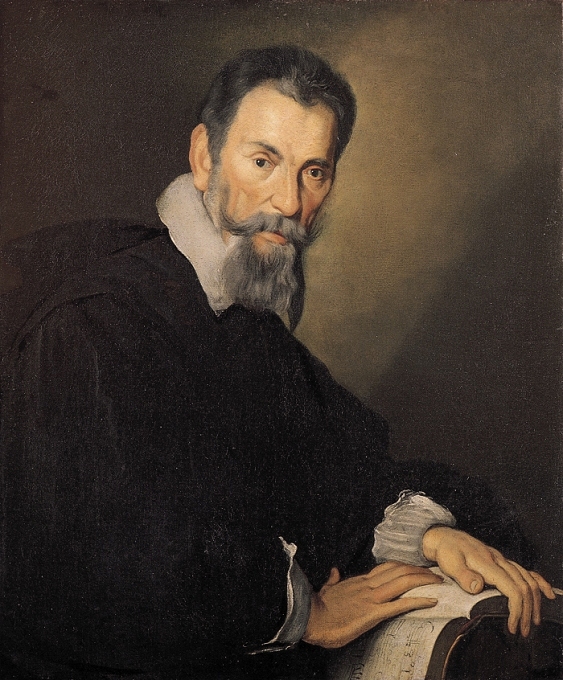
As the music from the Baroque period and from jazz and popular idioms alternate on the program, there is one pairing that Browne particularly likes. “The Lamento della ninfa by Monteverdi and ‘Hit the Road, Jack’ are striking together,” she says. In Monteverdi, “we have this four-note bass line that is repeated, and this beautiful lament. Then going right into ‘Hit the Road Jack,’ it’s the same bass line—it’s interesting how that chord progression can be used expressively to emote what is being said.”
Browne has selected other pieces that demonstrate similarities in the structure of Baroque arias and jazz songs, with a slower and explanatory introduction that sets up the situation, followed by the main tune that expresses emotions. They both represent turning points in music, one the rise of dramatic music and opera in early 16th century Italy, and the other the rise of jazz and widely available popular dance music recordings in early 20th-century America.
In addition to examples that have a serious point to make, Browne also selected some parings on the program just because they are fun. Among the latter would be Monteverdi’s duet Bel Pastor dalcui bel guardo (Beautiful shepherd from whose beautiful gaze), which is a conversation between a shepherdess who keeps asking a shepherd if he really loves her, and that is paired with a song from Fiddler on the Roof where Tevye asks his wife Golde, “Do you love me?”
“So here’s these two (pieces)—we haven’t recovered from two centuries of learning about humanity,” Browne says. “We’re still insecure in love! So I thought that was a fun one.”
In fact, the word Browne uses most in describing the program is fun. “It’s a fun program,” she says. more than once.
“I think the audience will be laughing and tapping their toes.”
# # # # #
“Embellish! Improvisation in Baroque and Jazz”
Seicento Baroque Ensemble, Evanne Browne, director
With Tina Chancey, viola da gamba and violin, and jazz ensemble led by Mark Diamond
- Louis Couperin: Prélude non mesuré (Unmeasured prelude)
- Billy Strayhorn and Duke Ellington: “Take the A Train” (arr. Gordon Prugh)
- Marin Marais: Fantasie from the Suite in A minor, Book III
- Anon: Madre, non mi far monaca (Mother, don’t make me a nun)
- Giralamo Frescobaldi: Missa sopra Aria della Monaca, Kyrie (Mass on La monaca)
- Thomas “Fats” Waller: “Honeysuckle Rose”
- Charlie Parker: “Scrapple from the Apple”
- Frescobaldi: Così mi disprezzate (So you despise me?)
- Diego Ortiz: Recercada segunda (Second ricrercar)
- Claudio Monteverdi: Lamento della ninfa (The nymph’s lament)
- Percy Mayfield: “Hit the Road, Jack”
- Monteverdi: Come dolce oggi l’auretta (How sweet is the breeze today)
- Don Raye and Hughie Prince” “Boogie Woogie Bugle Boy”
- Monteverdi: Si dolce è’l tormento (The torment is so sweet) (choir, solo and jazz)
—Bel Pastor dalcui bel guardo (Beautiful shepherd from whose beautiful gaze) - Jerry Bock: “Do You love me?” from Fiddler on the Roof
- Jimmy McHugh: “On the Sunny Side of the Street”
7:30 p.m. Friday, March 1
First Congregational Church, Longmont
7:30 p.m. Saturday March 2
Calvary Church, Golden
NOTE: The spelling of conductor Evanne Browne’s name was corrected 2/28. The correct spelling of her last name is Browne.
 Sharps & Flatirons