From American ballet to Shakespearean lovers

Anne Akiko Meyers plays moving new work by Eric Whitacre at CMF

By Peter Alexander July 18 at 1:20 a.m.

The Colorado Music Festival Orchestra presented a program of deeply expressive music last night (July 17), including a new work for violin and string orchestra by the American composer Eric Whitacre.
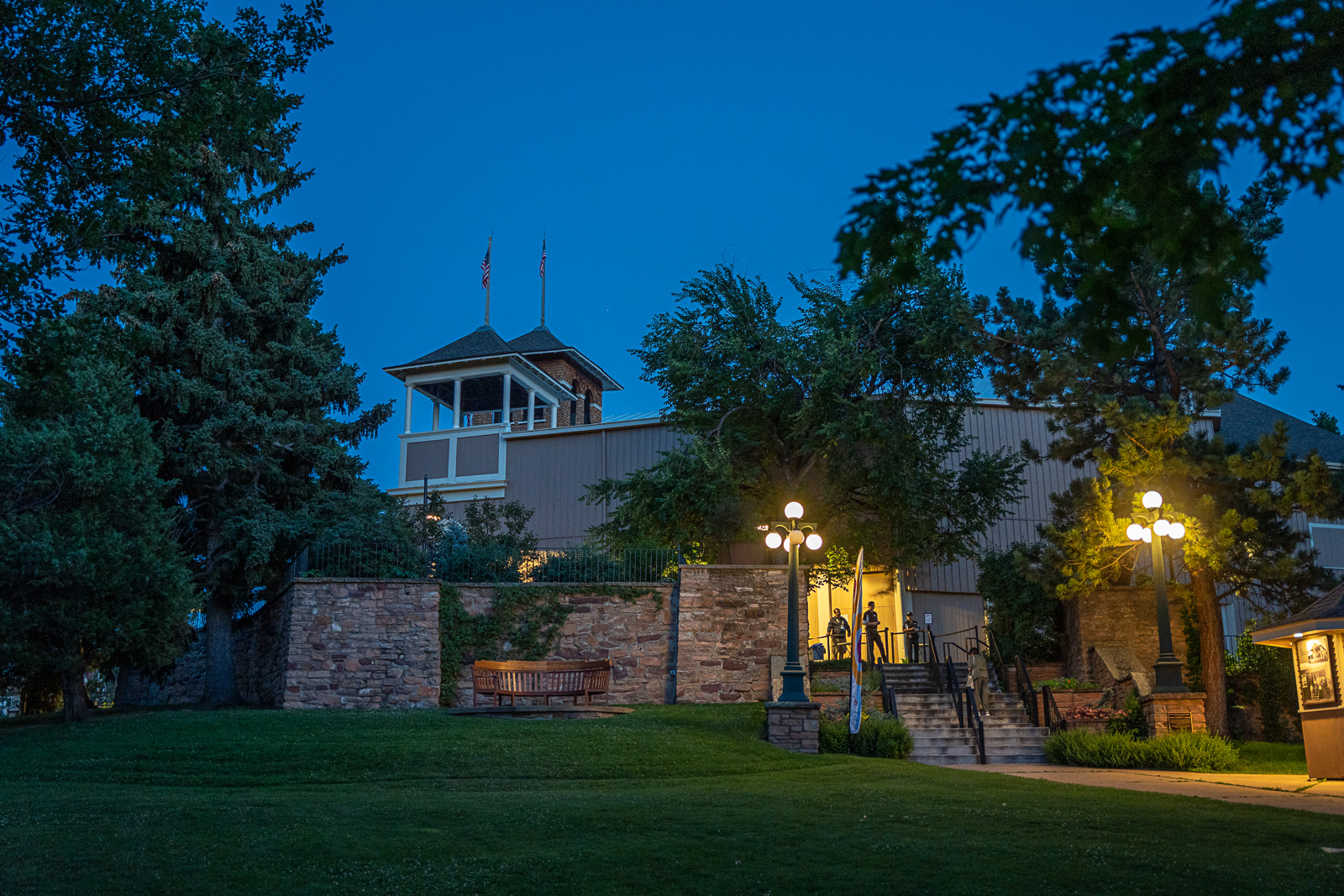
Chautauqua Auditorium. Photo by Geremy Kornreich.

The program, under the direction of music director Peter Oundjian, featured the violinist Anne Akiko Meyers as soloist. In addition to Whitacre’s The Pacific Has No Memory, Meyers gave a polished and captivating performance of Ravel’s virtuoso showpiece Tzigane.

The concert opened with Aaron Copland’s beloved Appalachian Spring. Written for the Martha Graham Dance Company, the music features kaleidoscopic changes of mood, from moments of quiet contemplation to moments of exuberant energy. These are more than changes of feeling; the music should reflect—or better yet—activate movement.

Oundjian and the Festival Orchestra ably captured that spirit. The quiet moments projected a delicate calmness of spirit. The hushed opening was a little hurried, but elsewhere the shifts of mood were well marked, the animated passages bursting with energy. In their solos, the winds played with great delicacy—especially the fluid clarinet solos of principal Louis DeMartino.
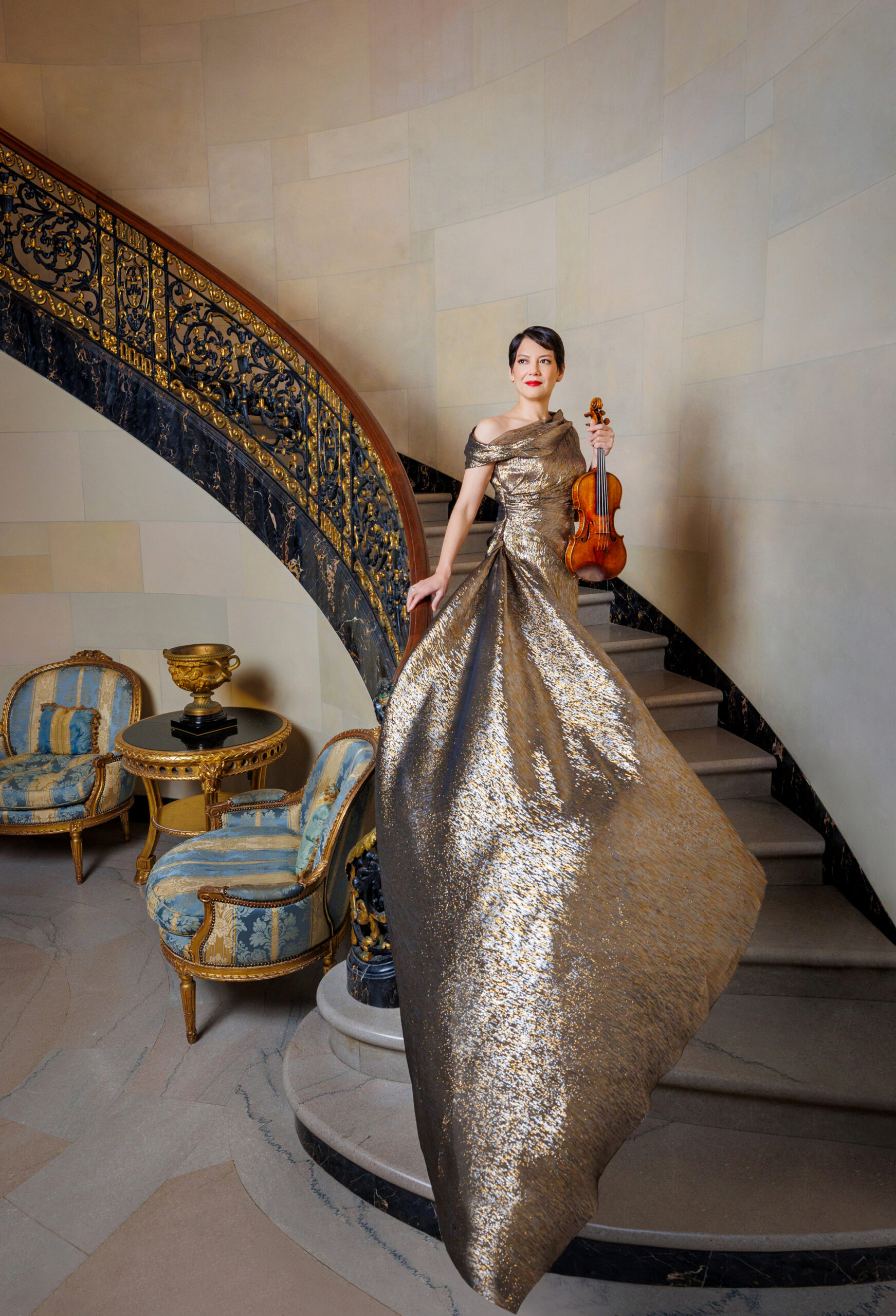
Anne Akiko Meyers

After the Copland, Meyers came on the stage for Tzigane, a colorful exploration of Roma fiddle tunes. From the first note, Meyers opened the floodgates of expression. Her identification with the music’s passionate spirit was reflected in her facial expressions and her dancing movements as she played. The performance was pure entertainment on the highest level.

Meyers introduced Whitacre’s piece by telling of her personal experience during the January fires in Southern California, when she and her family had to evacuate their Pacific Palisades home. Whitacre’s score memorializes the terrible losses in those fires.

In writing the music, he was inspired by the film The Shawshank Redemption, in which a character dreams of a beach on the Pacific Ocean, which he says “has no memory.” Whitacre used that thought as the source of the music’s title, The Pacific Has No Memory, and to symbolize the washing away of harsh memories. 

The music is suffused in a feeling of loss, but also consolation. In its gentle beauty, the score formed an oasis of calm at the center of the concert. No doubt reflecting her own sense of loss, Meyers gave a performance of deep expressivity.

After intermission, Oundjian has chosen works from the 19th-century that portray lovers from Shakespeare, but of wildly divergent types. First was the Overture to Béatrice and Bénédict by Berlioz. Based on Much Ado About Nothing, Berlioz’s opera follows the mad adventures of two lovers who engage in happy disputes and cheerful sparring, before finding a happy ending.

The music is flighty, protean in its moods and extreme in its contrasts. Oundjian and the Festival Orchestra embraced all the fickle leaps and bounds of the score, making it come vividly to life. As always, the Festival Orchestra negotiated the most extreme contrasts of volume, including the faintest pianissimos.

This is French music at its most effervescent, something I wish we heard more of in Boulder. And if you want to know the source of Berlioz’s uniquely mercurial style, listen to Rameau—something you are sadly unlikely to hear in the concert hall.

The second Shakespearean subject does not have a happy ending: Tchaikovsky’s Fantasy Overture Romeo and Juliet. Incorporating what Oundjian considers “one of the most beautiful melodies ever,” this one of the most eminent of war horses. But more than the love theme, memorable as it is, Tchaikovsky’s music expresses the conflict between the families, the street brawl, Juliet’s funeral procession, and the fateful blow of tragedy.

From the breathless emotion of adolescent infatuation, the love theme builds into struggle, then into transfiguration, and what one hopes is sorrowful realization and reconciliation. All of that is present in the music, and in the performance by the Festival Orchestra. In all—familiar works well played, a new work beautifully introduced, a brilliant soloist—this was one of the most invigorating concerts I have heard at CMF. 

The program will be repeated at 6:30 tonight (July 18) at the Chautauqua Auditorium. Tickets are available HERE.
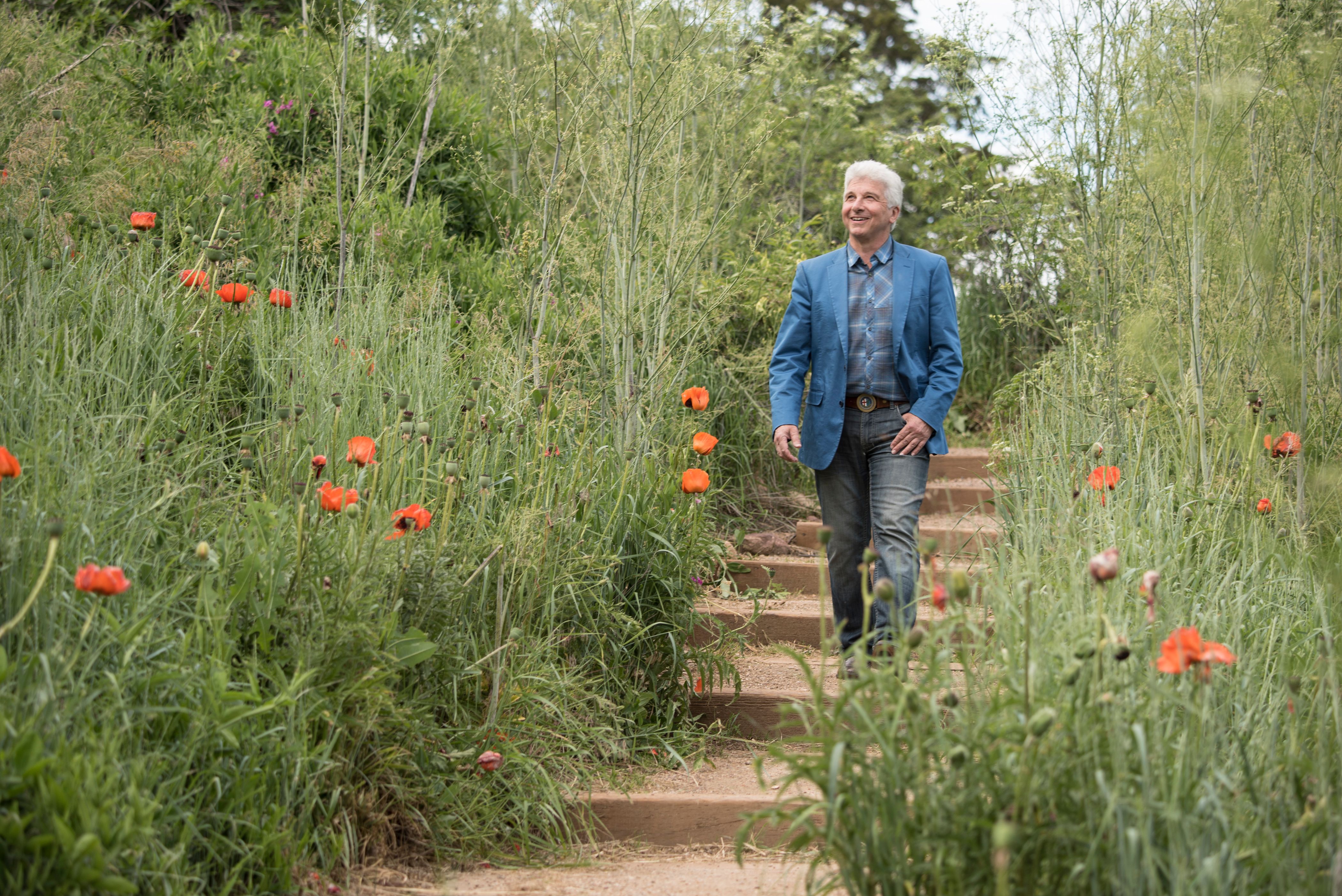
CMF Co-Commission, guests at the festival

Eric Whitacre’s Murmur features violinist Anne Akiko Myers

By Peter Alexander July 13 at 9 a.m.

Peter Oundjian often speaks in superlatives.

CMF Music Director Peter Oundjian

The music director of the Colorado Music Festival (CMF) says that the next two weeks of the festival (July 15–July 25) includes one of the composer’s “greatest pieces,” an overture that is “absolutely exquisite,” maybe “the most beautiful melody ever written,” and “an exquisite symphony” that is “as close to perfection as you can imagine!” 

You might think he loved the music he will conduct.  

Such enthusiasm tends to be contagious, and usually extends to both musicians and audiences. To find out for yourself, go to the festival’s Web page for tickets. (The full program of concerts for those dates is listed below.)

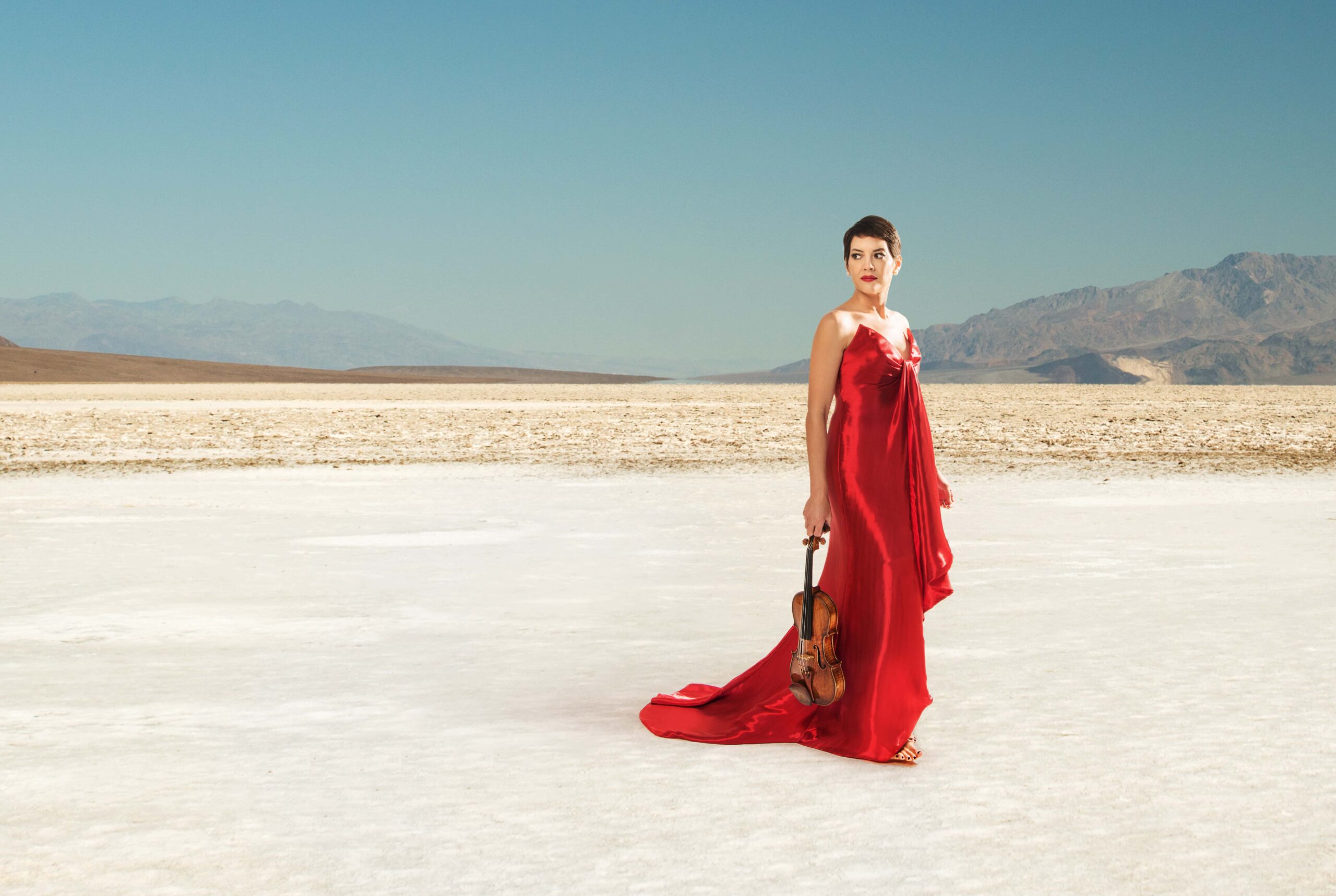
Violinist Anne Akiko Myers. Photo by David Zentz.

The next Festival Orchestra concert on Thursday and Friday evenings (7:30 p.m. July 17 and 6:30 p.m. July 18) features a work co-commissioned by the CMF from composer Eric Whitacre, who is best known for his choral music. Oundjian explained that he met with Whitacre in Los Angeles, “and we had a wonderful chat. I asked him what he was up to, and he already had this plan to write something for (violinist) Anne Akiko Meyers. At that point we said, ‘Let’s do it at the festival!’

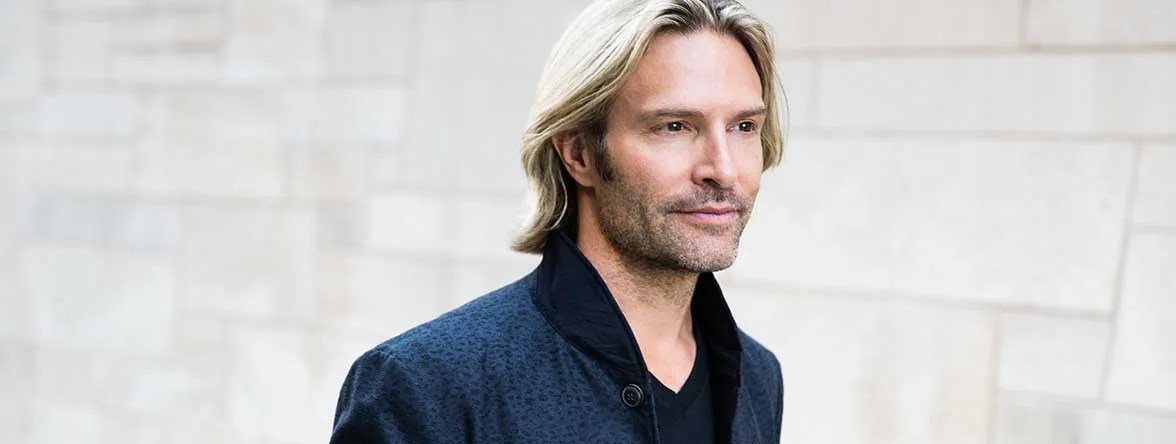
Composer Eric Whitacre

“It’s a short, very tender piece, only for strings. It ended up being a memorial to everyone who lost so much in the fires (in Los Angeles the past January). So it’s a very touching piece.”

The program opens with Aaron Copland’s Appalachian Spring, one of the most loved pieces of American concert music. “That’s still one of (Copland’s) great pieces,” Oundjian says. “It epitomizes what we think of as the great middle-20th-century American music.”

After intermission, the program features two works inspired by Shakespeare, and two very different pairs of lovers. First is Berlioz’s Overture to the opera Béatrice et Bénédict, based on the taunting, bickering “merry war” between the two characters in the comedy Much Ado about Nothing. That will be followed by Tchaikovsky’s Fantasy Overture inspired by the tragic teenaged lovers of Romeo and Juliet.

“The second half is one of my favorite little moments (of the summer), because it’s two completely contrasting couples,” Oundjian says. “The Berlioz is absolutely exquisite. And you might think you’ve heard (Tchaikovsky’s Romeo and Juliet) too many times, and then you hear it again, and Oh My God! Is it the most beautiful melody every written?”

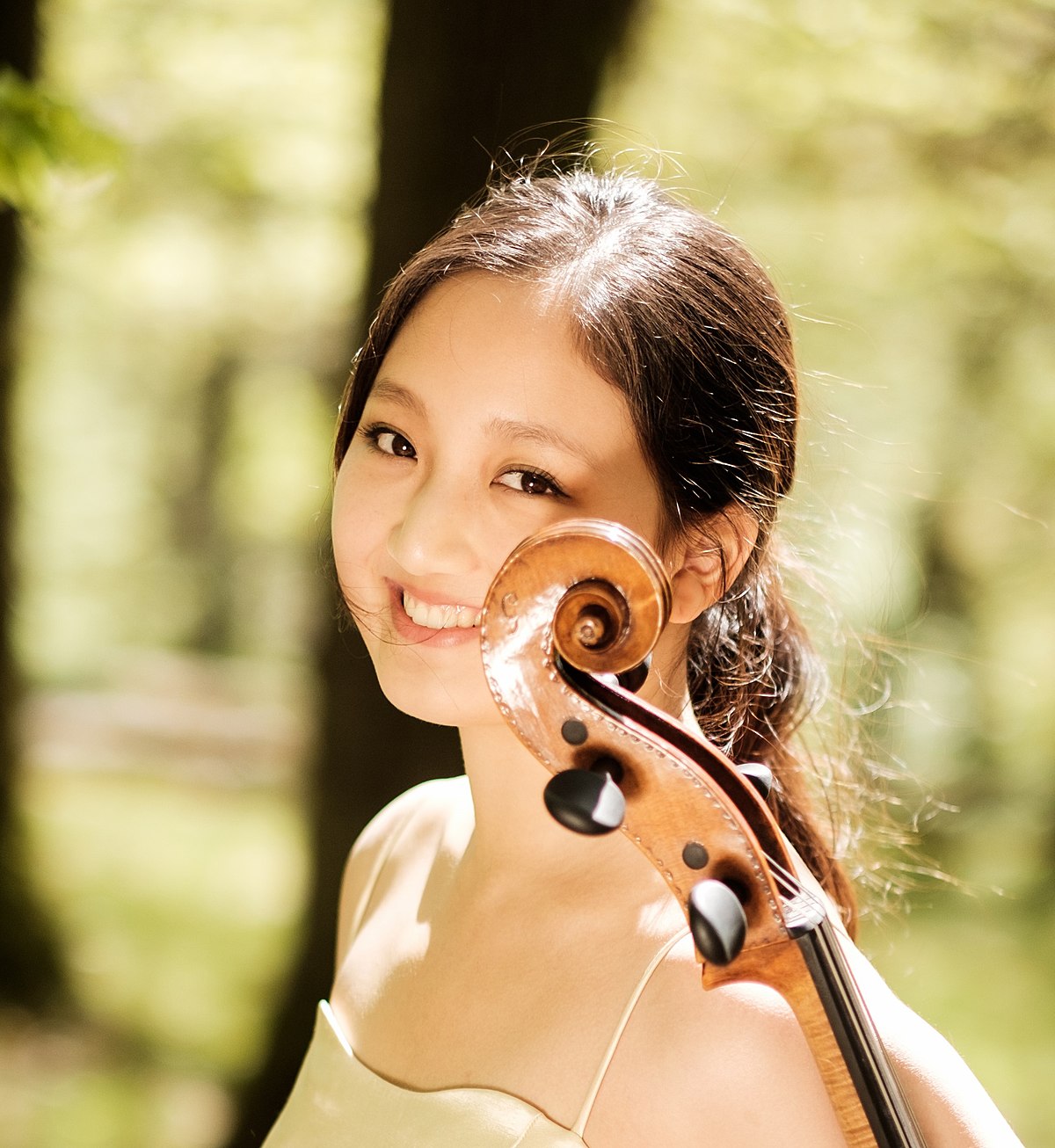
Cellist Hayoung Choi

On the following Sunday, guest conductor Maurice Cohn will lead the orchestra with South Korean/German cellist Hayoung Choi playing Tchaikovsky’s Variations on a Rococo Theme. One of Tchaikovsky’s most popular orchestral works, the Variations were inspired by the style of Mozart. Also on the program is Gli uccelli (The Birds), a suite for small orchestra that, like the Tchaikovsky, was inspired by music of an earlier age—in this case pieces evoking the sounds of birds from the 17th and 18th centuries.

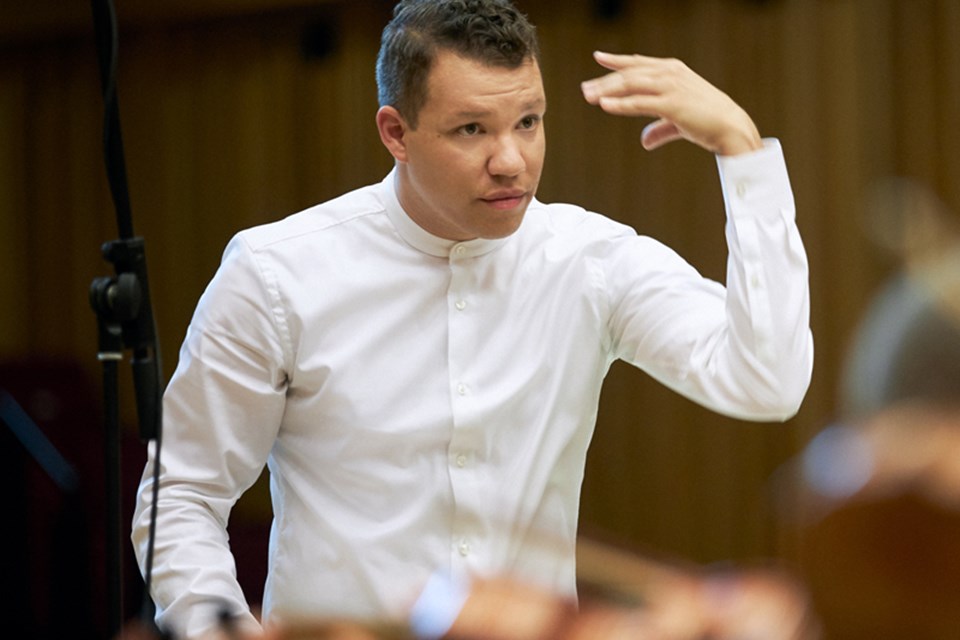
Another guest conductor, Ryan Bancroft of the BBC National Orchestra of Wales and the Royal Stockholm Philharmonic, will lead the CMF orchestra at the end of the following week (7:30 p.m. Thursday, July 24, and 6:30 p.m. Friday, July 25). South Korean pianist Yeol Eum Son will play Beethoven’s Piano Concerto No. 3 in C minor on a program that also includes the Fairy Tale Poem by Russian composer Sofia Gubaidulina, a musical fantasy based on a children’s story.

Ryan Bancroft. Photo by Benjamin Ealovega

Gubaidulina’s score portrays the tale of a piece of chalk that dreams of drawing castles and gardens, in spite of being confined to writing words and numbers in a school classroom. At the end, the dream comes true when a boy carries the last little piece of chalk home in his pants pocket.

The program concludes with a more deeply serious Russian work, Shostakovich’s Symphony No. 10. Like many of the composer’s works, the symphony contains esoteric musical symbols, including a musical anagram on letters of the composer’s name, and another musical anagram spelling ELMIRA, which the composer himself noted is similar to a theme from Mahler’s bleak Lied von der Erde (Song of the earth).

Oundjian returns to conduct the Festival Orchestra on Sunday, July 27. Chinese classical guitarist Xuefei Yang will play Joaquin Rodrigo’s Concerto de Aranjuez. Oundjian and the orchestra will play the Dances of Galánta, based on folk dances by the Hungarian composer Zoltán Kodály, and Schubert’s early Symphony No. 5.

“Schubert 5 is an exquisite symphony,” Oundjian says. “Nobody plays Schubert symphonies except maybe the ‘Unfinished,’ but Schubert 5—ah! It’s as close to perfection as you can imagine. If you think about how often pianists play the piano sonatas, or string quartets play the quartets, or the Trout Quintet, the symphonies kind of get ignored.”

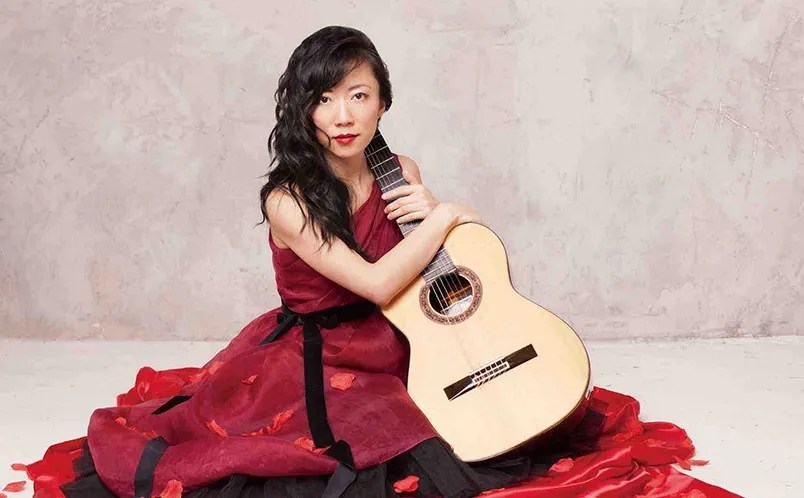
Guitarist Xuefei Yang

Not ignored is the Concerto de Aranjuez, arguably the most popular concerto for classical guitar. “I love Concerto de Aranjuez” is Oundjian’s judgment. We haven’t done it in years, so it’s time. And an amazing guitarist, Xuefei Yang. Oh my god what a musician!”

Between the Festival Orchestra concerts there will be Tuesday chamber music concerts by the Brentano String Quartet with music by Schubert and Brahms (7:30 p.m. July 15), and CMF musicians with music by Mozart and Dvořák (7:30p.m. July 22). The full programs and ticket information are listed below.

# # # # #

Colorado Music Festival, Peter Oundjian, music director
Tuesday, July 15–Sunday, July 25
All performances in Chautauqua Auditorium

Chamber Music Concert
Brentano String Quartet

  • Schubert: Quartet in A minor, D804 (“Rosamunde”)
  • Anton Webern: Five Movements for String Quartet, op. 5
  • Brahms: String Quartet No. 3 in B-flat major, op. 67

7:30 p.m. Tuesday, July 15

Festival Orchestra Concert
Peter Oundjian, conductor
With Anne Akiko Meyers, violin

  • Copland: Appalachian Spring
  • Eric Whitacre: Murmur (CMF co-commission)
  • Ravel: Tzigane
  • Berlioz: Overture to Béatrice et Bénédict
  • Tchaikovsky: Romeo and Juliet Fantasy Overture

7:30 p.m. Thursday, July 17
6:30 p.m. Friday, July 18

Festival Orchestra Concert
Maurice Cohn, conductor
With Hayoung Choi, cello

  • Respighi: Gli uccelli (The birds)
  • Tchaikovsky: Variations on a Rococo Theme, op. 33
  • Beethoven: Symphony No. 1 in C major, op. 21

6:30 p.m. Sunday, July 20

Chamber Music Concert
Colorado Music Festival musicians

  • Nico Muhly: Doublespeak (2012)
  • Mozart: Quintet for piano and winds in E-flat major, K452
  • Dvořák: String Quintet No. 3 in E-flat major, op. 97

7:30 p.m. Tuesday, July 22

Festival Orchestra Concert
Ryan Bancroft, conductor
With Yeol Eum Son, piano

  • Sofia Gubaidulina: Fairytale Poem (Märchenpoem, 1971)
  • Beethoven: Piano Concerto No. 3 in C minor, op. 37
  • Shostakovich: Symphony No. 10

7:30 p.m. Thursday, July 24
6:30 P.M. Friday, July 25

Festival Orchestra Concert
Peter Oundjian, conductor
With Xuefei Yang, guitar

  • Zoltán Kodály: Dances of Galánta
  • Joaquin Rodrigo: Concerto de Aranjuez
  • Schubert: Symphony No. 5 in B-flat major, D485

6:30 p.m. Sunday, July 27

Tickets to all concerts available through the CMF Web page

Ars Nova Singers meet Steampunk

“Science/Fantasy” program in Lafayette, Denver and Longmont

By Peter Alexander 11:45 p.m. April 2

It all started at a wedding.

The next concert by Boulder’s adventurous Ars Nova Singers and conductor Thomas Morgan is a departure from the usual. Normally devoted to music of the Renaissance and contemporary times, they will perform music from the Victorian era and some contemporary works that refer to advances in technology from different eras. 

Steampunk fashion. Renee Roush, photo by Austin Welch Photography

That curious and interesting program, titled “Science/Fantasy,” will be presented three times, in Lafayette, Denver and Longmont over the coming weekend (April 4–6; details below). The performers will not be the full Arts Nova ensemble, but a smaller group of 11 singers. To bring out the unique nature of the program, they will wear “Steampunk” costumes borrowed from various sources, including the CU Costume Shop.

Steampunk, if you don’t know, is defined as “a sub-genre of science fiction that incorporates retro-futuristic technology and aesthetics inspired by, but not limited to, 19th-century industrial steam-powered machinery.” As such it is often connected to Victorian times and styles. (You can learn more about Steampunk HERE.)

The hallmarks of Steampunk style are gears, goggles, pocket watches and Victorian-style clothing: tailcoats with vests, high collars, top hats, cuffs and corsets—modified by individual taste and creativity. For the Ars Nova concerts, if you and a friend put together your own Steampunk outfits, there is a bonus: one ticket will admit two people in Steampunk costume.

But back to that wedding.

“I was invited a couple of years ago to a Steampunk wedding,” Morgan explains. “The entire bridal party and guests were encouraged to come (in costume), and it was so much fun. The environment suggested to me both Victorian music and music that has a rhythmic and industrial feel to it—anything related to flying machines, exploration—the whole era.”

Thomas Morgan sporting Steampunk fashion

The appeal of Steampunk style is not lost on Morgan, who will appear in his own costume. But he wants to clarify that the celebration of Victorian culture does not overlook the drawbacks of the era. “Clearly it was an age of exploitation by colonialists, the subjugation of races by other races and women by men,” he says. 

“But one of the interesting things about (Steampunk) is, it seeks to redeem the past rather than glorify it. Built into the ‘punk’ part of the word, which is more rebellious and anti-establishment, is looking at what would have happened in that era if things had been more egalitarian.”

The program includes works that are genuinely Victorian, specifically music by Hubert Parry, an English composer who lived during the Victorian era. “He certainly represents the height” of that era musically, Morgan says. His “There is an Old Belief” from Songs of Farewell forms “an encapsulation of the musical ethos of the time. The musical language is really beautiful. It gets close to Mahler in many ways, but for voices.”

From a little earlier in the 19th century are two madrigal-like works by Robert Lucas Pearsall, an English composer of choral music who lived much of his life on the European continent. Ars Nova has previously performed and recorded Pearsall’s “Lay a Garland,” which Morgan describes as “one of the really great eight-part choral pieces.”

The program also includes contemporary music that connects with Steampunk ideas. Morgan says that the opening piece, Jennifer Lucy Cook’s “Time,” “is a fast piece on the concept of time, (selected) because clockworks and gear-driven machines are very much a part of the Steampunk aesthetic.”

“Vessels” by Philip Glass comes from his music for the film Koyaanisqatsi, which visually as well as musically portrays the destruction of the natural world through industrialization, something that blighted many Victorian cities polluted by coal-burning factories. The program also includes music by Ralph Vaughan Williams and Francis Poulenc, among others.

The Victorian fascination with flying machines is represented by two pieces, “Leonardo Dreams of His Flying Machine” by Eric Whitacre and “The Campers at Kitty Hawk” by Michael Dellaira. Whitacre’s piece was written 25 years ago, at the start of the composer’s career, and has become one of his best known works for choir. 

Leonardo DaVinci’s sketches for a flying machine

“It’s a wonderful piece that we haven’t done in a long time,” Morgan says. “A lot of the Victorian writers were interested in Leonardo’s designs and some of those were recreated as people were learning how to fly.”

Morgan reached out to Whitacre about performing his piece in the context of the Steampunk program, and the composer recorded comments that will be played before the performance.

The Steampunk theme “gives us a whole opportunity to play with some of these things,” Morgan says. “We have a couple of staged things that the singers do during the performance.

“It’s an opportunity for us to have a little more fun, as well as mix in some repertoire that we don’t always get a chance to do.”

# # # # #

“Science/Fantasy”
Ars Nova Singers, Thomas Morgan, conductor

  • Jennifer Lucy Cook: “Time”
  • Philip Glass: “Vessels” from Koyaanisqatsi
  • Ralph Vaughan Williams: “The Vagabond”
  • Robert Lucas Pearsall: “Sir Patrick Spens”
    —“Lay a Garland”
  • Charles Hubert Hastings Parry: “There is an old belief” from Songs of Farewell
  • Francis Poulenc: “Sanglots,” from Banalités
  • Bob Chilcott: “Sun, Moon, Sea, and Stars”
  • Eric Whitacre: “Leonardo Dreams of His Flying Machine”
  • Michael Dellaira: “The Campers at Kitty Hawk” from USA Stories
  • Leslie Bricusse and Anthony Newley: “Pure Imagination” (arr. Yumiko Matsouka)

7:30 p.m. Friday, April 4, Center for Musical Arts, 200 E. Baseline, Lafayette
5 p.m. Saturday, April 5, St. Thomas Episcopal Church, 2201 Dexter St., Denver
3 p.m. Sunday, April 6, Stewart Auditorium, Longmont

TICKETS