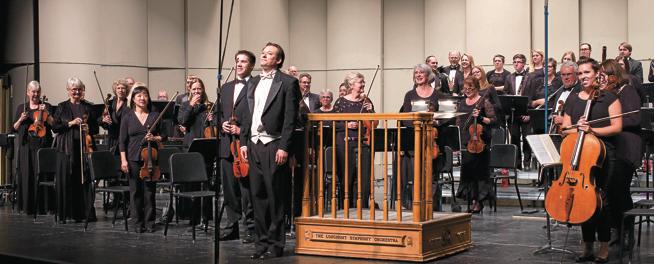
CMF final weekend opens with terrific performances

Kevin Puts, Tchaikovsky, Dvořák will be featured again tonight

By Peter Alexander Aug. 2 at 12:15 a.m.

The Colorado Music Festival launched into its final weekend of the 2024 season last night (Aug. 1) with a program that had all the hallmarks of the CMF under Music Director Peter Oundjian.

There was a piece by a living American composer—Two Mountain Scenes by Kevin Puts; a sensational soloist playing an audience favorite—violinist Augustin Hadelich and Tchaikovsky’s Violin Concerto; and great piece that is just off the most familiar path—a symphony by Dvořák, but not the “New World” or the Eighth, but the Seventh Symphony in D minor. And the performances were terrific.

The Two Mountain Scenes have a Colorado connection, as they were written for the Bravo! Vail Music Festival and the New York Philharmonic. The first scene evokes an echoing trumpet call sounding against the backdrop of valleys and distant mountain peaks. The CMF trumpet section nailed the treacherous opening, which calls for four trumpets sharing what appears to be a single fanfare with notes dying in the distance.

These calls are answered by sweeping lines in the strings, painting the image of remote mountain ridges. After the tiniest of breaks, the second scene conjures a powerful storm, with a kaleidoscope of orchestral colors cascading down and thrusting forward. Oundjian and the Festival Orchestra gave a stirring performance that asked: why don’t we hear this colorful, evocative score more often?
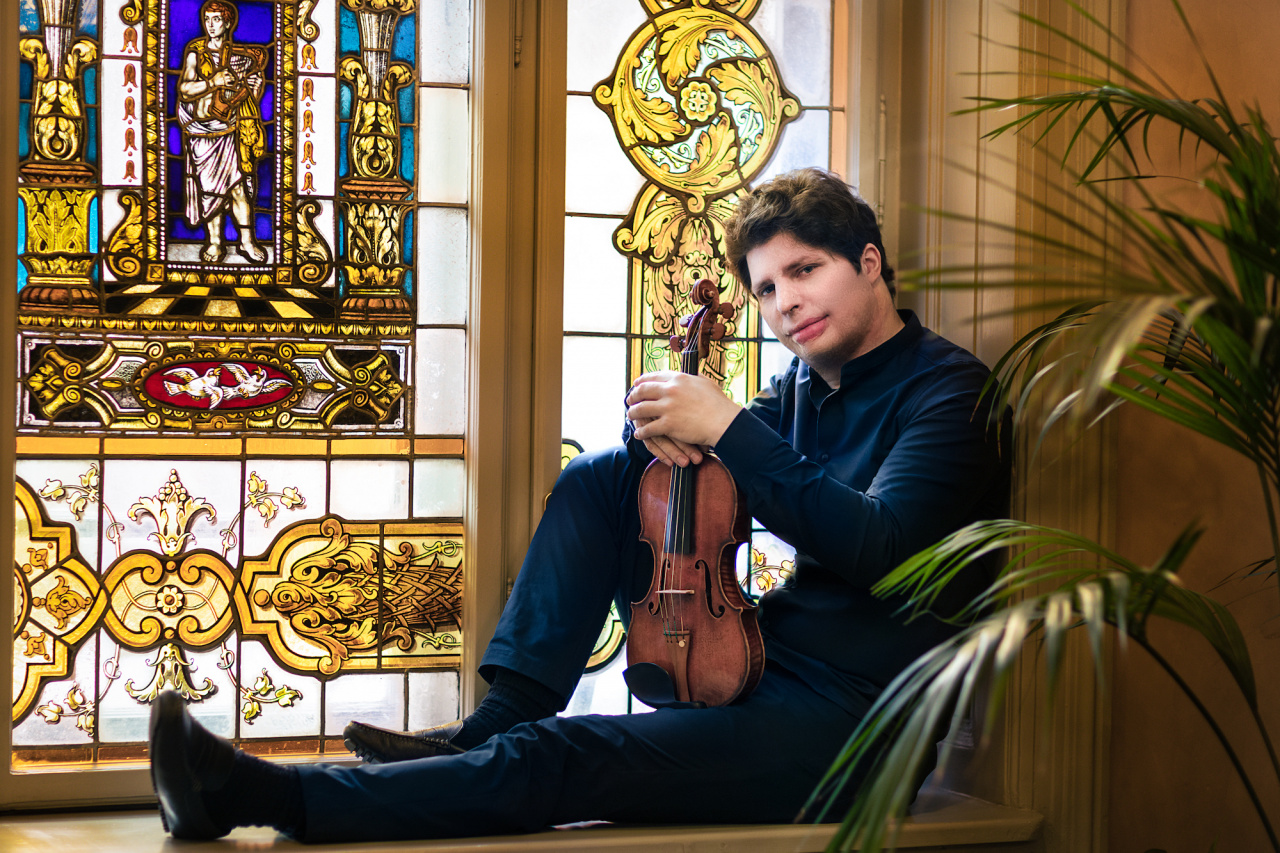
Violinist Augustin Hadelich. Photo by Suxiao Yang.

Hadelich, who shares an obvious musical bond with Oundjian and has been a soloist on previous CMF seasons, gave a stunning performance of the Tchaikovsky Concerto. But don’t be fooled: it’s not as easy as he makes it seem!

The best word to describe Hadelich’s performance might be fluid, but that would not do justice to the brilliant fireworks that he also provided. He has the ability to play tenderly, as at the beginning, and yet penetrate the Chautauqua Auditorium to the back row. In addition to the gentle moments, that were exquisitely played, he has the technique to accelerate cleanly, building speed and volume into the climactic moments.

Handelich’s creamy sound and well crafted restraint in the gentle moments gave more scope for a big buildup, as at the end of the first movement. There, the growing excitement led to spontaneous applause from a normally cultivated audience. Hadelich and Oundjian smiled happily at the crowd before continuing.

One of the pleasures of this performance was seeing knowing glances between Hadelich and Oundjian, who share the experience of having played the concerto. The soaring slow movement and the leap into the brilliant finale were impeccably performed. After a second outburst of enthusiasm from the audience, Hadelich came back to play an encore of “Orange Blossom Special” on steroids that had the audience alternately chuckling and gasping in appreciation. A second standing ovation followed.

The performance of Dvořák’s sometime turbulent, sometimes lyrical Seventh was marked by sleek transitions in and out of the score’s darker moments. Oundjian managed the many tempo shifts and thematic contrasts handsomely, always profiling the drama inherent in the music. 

Dvořák can build to an exciting ending as well as any composer I know. He appears to do that in the first movement, but suddenly pulls back in a surprise fading away that was handled eloquently. The finale builds without holding back, leading to the powerful close that was expected before. With its command of a wide dynamic range, the Festival Orchestra created the climax Dvořák asks for.

Horn solos in the first two movements were exceptionally well played, earning a solo bow. Similarly the woodwind solos were as usual outstanding throughout, leading to more solo bows at the end. It was a special pleasure to hear this symphony, both for the quality of the playing and because the Seventh is not heard as often as it deserves.

The same program will be repeated tonight (Aug. 2) at 6:30 p.m. at the Chautauqua Auditorium.  The CMF 2024 season wraps up Sunday with Johann Strauss’ Overture to Die Fledermaus, Ravel’s orchestral song cycle Shéhérazade and Mahler’s Fourth Symphony, also at 6:30 p.m. Tickets are available from the Chautauqua Box Office

Longmont Symphony announces 2022–23 season

Season includes Beethoven cycle, Handel’s Messiah, world premieres

By Peter Alexander June 8 at 1:54 p.m.

The Longmont Symphony recently announced their 2022–23 season of concerts. The season features six mainstage concerts, three chamber orchestra concerts, and a Messiah singalong during the Holiday season (Dec. 18; see full season listings below).

The Beethoven symphony cycle will continue with Symphony No. 8 (Oct. 22 and 23), and other familiar orchestral repertoire will be represented by works of Dvořák and Sibelius. There will also be works by less familiar composers, including two world premieres, adding up to a season with intriguing discoveries to be made on most programs.

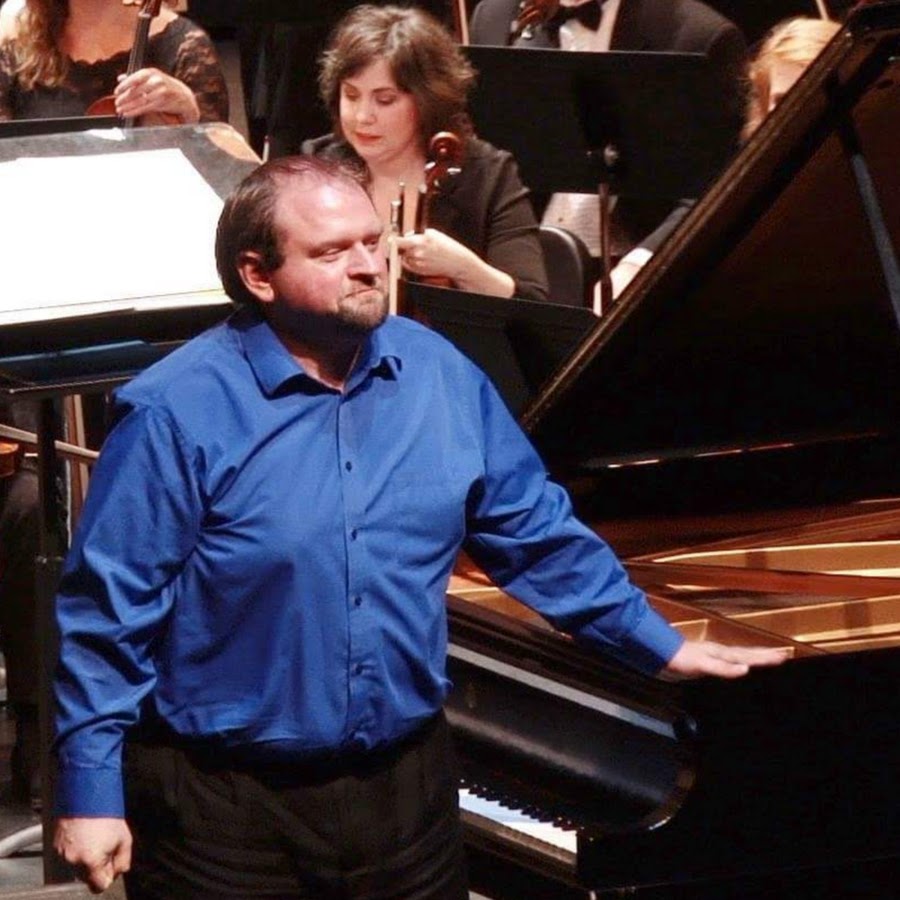
Composer John Heineken

The first of the two world premieres is Symphony for the Great Return by American composer John Hennecken on the opening night of the new season, Oct. 8. With it on the same program are Dvořák’s familiar Cello Concerto, played by Naumburg Competition winner Clancy Newman, Aaron Copland’s Fanfare for the Common Man, and George Walker’s elegiac Lyric for Strings.

The next installment of the LSO’s Beethoven cycle will feature the Eighth Symphony, possibly the least familiar of the canonical nine symphonies (Oct. 22 and 23 in Stewart Auditorium). Sharing the same chamber orchestral program is a symphony by Anton Reicha, a contemporary and friend of Beethoven. An adventurous and experimental composer for his times, Reicha is little known today, but his work serves to fill in the context in which Beethoven worked.

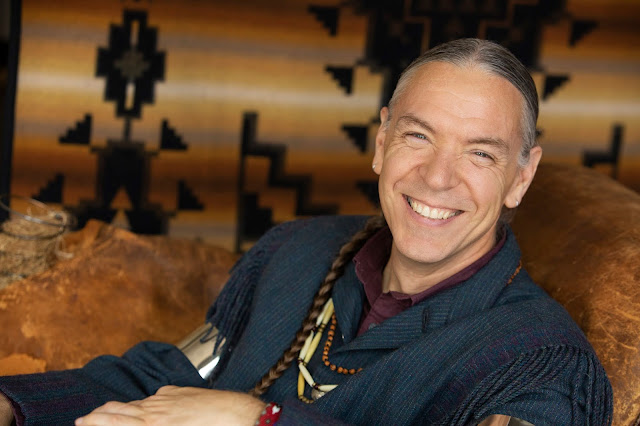
Jerod Impichchaachaaha’ Tate

The major work on the November mainstage concert (Nov. 19) will be Dvořák’s Symphony No. 8 in G major, a cheerful and upbeat piece that was written shortly before the composer’s 1892–93 visit to the United States. It will be preceded by three works that reflect the native American experience: Overture to the choral-orchestral Song of Hiawatha by the black British composer Samuel Coleridge-Taylor; American composer Michael Daugherty’s Trail of Tears for flute, strings and harp, inspired by the forced removal of Cherokees from their homeland; and Chokfi’ (Rabbit) for strings and percussion by Jerod Impichchaachaaha’ Tate, a composer who is a citizen of the Chickasaw Nation in Oklahoma. Flute soloist for Trail of Tears will be Brice Smith.

The LSO will celebrate the Holidays with a complete performance of Handel’s Messiah (Dec. 17), followed by an audience-participation truncated Messiah “singalong.”

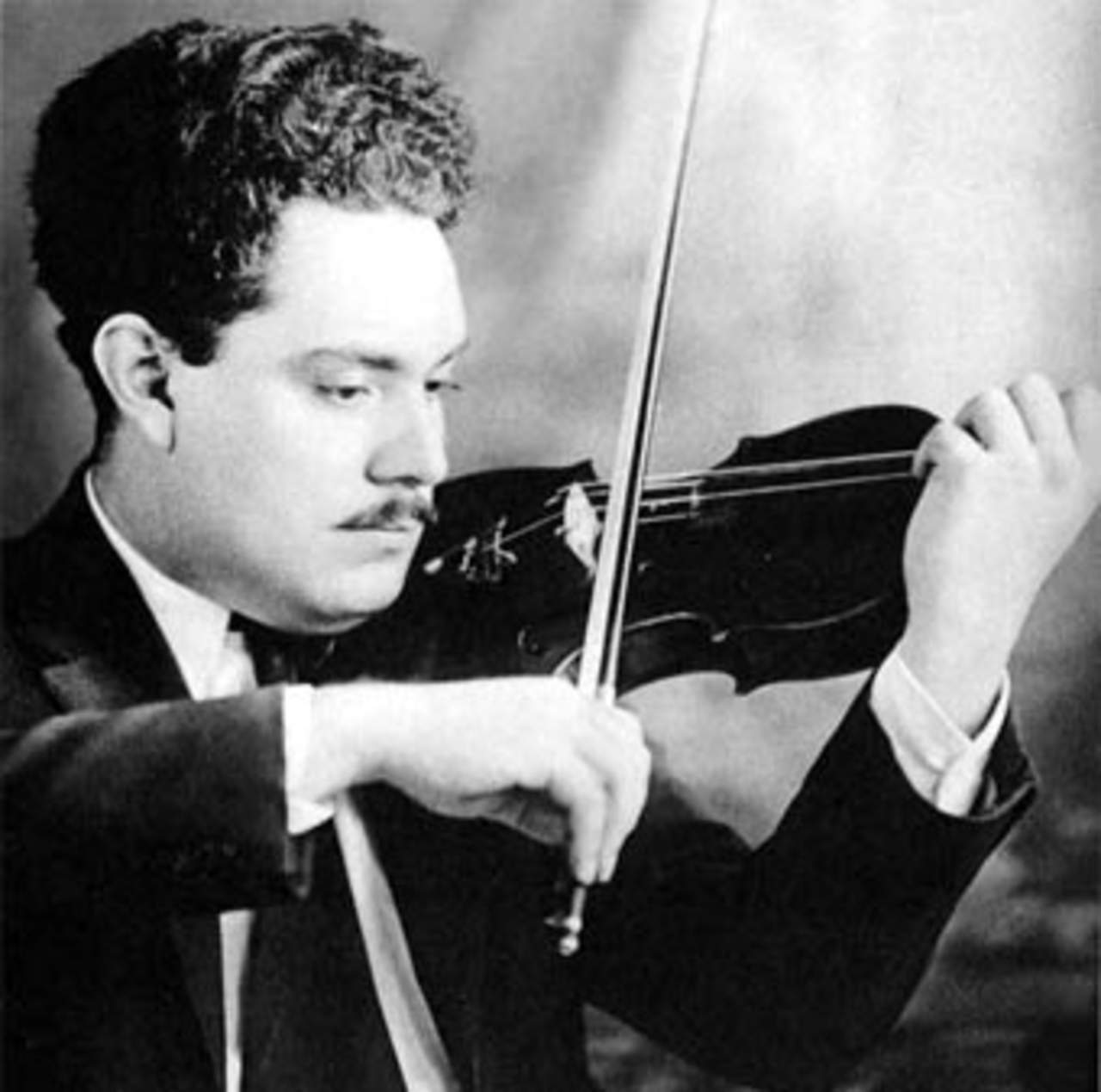
Silvestre Revueltas

The new year begins with a family concert (“Painting the Orchestra,” Jan. 21, 2023), followed by an all-Sibelius program (Feb. 18, 2023). Sibelius is generally under-represented in orchestra repertoire now, so it’s good to have a complete concert of his music, even if the program sticks to his more familiar works—Finlandia, the Violin Concerto with soloist Judith Ingolfsson, and the Symphony No. 2 in D major.

March 18 and 19 will see the second concert of the “Made in America” series, opening with Alcancías (Penny banks) for chamber orchestra by the 20th-century Mexican composer Silvestre Revueltas. Jason Shafer, principal clarinet with the Colorado Symphony and a previous soloist with the LSO, returns to play Copland’s Clarinet Concerto. Completing the program are Gershwin’s Lullaby and Ravel’s Le Tombeau de Couperin, written for piano as a tribute to the Baroque composer François Couperin and later transcribed for orchestra.

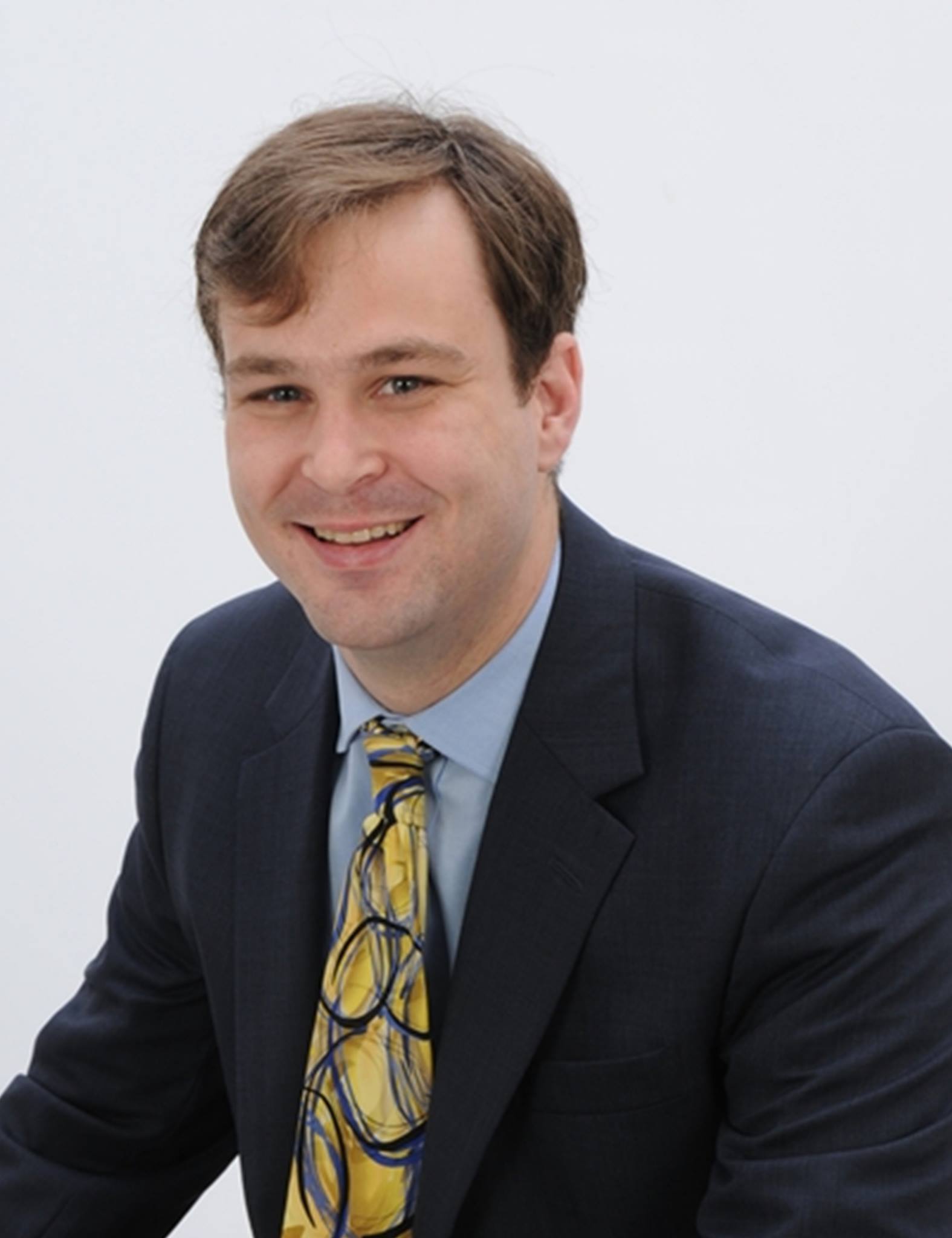
Tyler Harrison

The season’s second world premiere will be the Symphony No. 3 by pianist/composer and CU, Boulder, alumnus Tyler Harrison. It will be paired with Tchaikovsky’s brooding Symphony No. 6, “Pathétique,” in a program titled “Darkness and Light” (April 15).

The 2022–23 concert season wraps up May 6 with a lighter program, “LSO Goes to the Movies,” featuring music by John Williams, Ennio Morricone and Hans Zimmer. Subscriptions are available through the LSO Web page. Tickets to individual concerts will go on sale Friday, July 29.

# # # # #

2022–23 Concert Season
Longmont Symphony Orhestra

Longmont Symphony and conductor Elliot Moore

“The Great Return”
Elliot Moore, conductor, with Clancy Newman, cello

  • Copland: Fanfare for the Common Man
  • George Walker: Lyric For Strings
  • John Hennecken: Symphony for the Great Return (World premiere)
  • Dvořák: Cello Concerto

7:30 p.m. Saturday, Oct. 8
Vance brand Civic Auditorium

Beethoven Symphony Cycle
Elliot Moore, conductor

  • Anton Reicha: Symphony in G
  • Beethoven: Symphony No. 8

7 p.m. Saturday, Oct. 22
4 p.m. Sunday, Oct. 23
Stewart Auditorium, Longmont Museum

“Made in America,” Part 1
Elliot Moore, conductor, with Brice Smith, flute

  • Samuel Coleridge-Taylor: Overture to Song of Hiawatha
  • Michael Daugherty: Trail of Tears
  • Jerod Impichchaachaaha’ Tate: Chokfi’
  • Dvořák: Symphony No. 8 in G major

7:30 p.m. Saturday, Nov. 19
Vance Brand Civic Auditorium

Candlelight Concert
Elliot Moore, conductor

  • Handel: Messiah

4 p.m. Saturday, Dec. 17
Westview Presbyterian Church

Messiah Singalong
Elliot Moore, conductor

  • Handel: Messiah (selections)

4 p.m. Sunday, Dec. 18
Westview Presbyterian Church

”Painting the Orchestra!” Family Concert
Elliot Moore, conductor
Program includes:

  • Prokofiev: March from The Love for Three Oranges
  • John Williams: Nimbus 2000
  • Prokofiev: Cinderella Ballet Suite (selections)

4 p.m. Saturday, Jan. 21, 2023
Vance Brand Civic Auditorium

“Sibelius: A Portrait”
Elliot Moore, conductor, with Judith Ingolfsson, violin

  • Sibelius: Finlandia
  • —Violin Concerto
  • —Symphony No. 2 in D major

7:30 p.m. Saturday, Feb. 18
Vance Brand Civic Auditorium

“Made in America,” Part 2
Elliot Moore, conductor, with Jason Shafer, clarinet

  • Silvestre Revueltas: Alcancías
  • Copland: Clarinet Concerto
  • Gershwin: Lullaby
  • Ravel: L’Tombeau de Couperin

7 p.m. Saturday, March 18, 2023
4 p.m. Sunday, March 19, 2023
Stewart Auditorium, Longmont Museum

“Darkness and Light”
Elliot Moore, conductor

  • Tchaikovsky: Symphony No. 6, “Pathétique”
  • Tyler Harrison: Symphony No. 3 (World premiere)

7:30 p.m. Saturday, April 15, 2023
Vance Brand Civic Auditorium

“LSO Goes to the Movies”
Elliot Moore, conductor
Program includes:

  • John Williams: Music from Star Wars and Harry Potter films
  • Ennio Morricone: Music from Cinema Paradiso
  • Hans Zimmer: Music from Pirates of the Caribbean

7:30 p.m. Saturday, May 6, 2023
Vance Brand Civic Auditorium

Season tickets now available. Single-even tickets go on sale July 29.