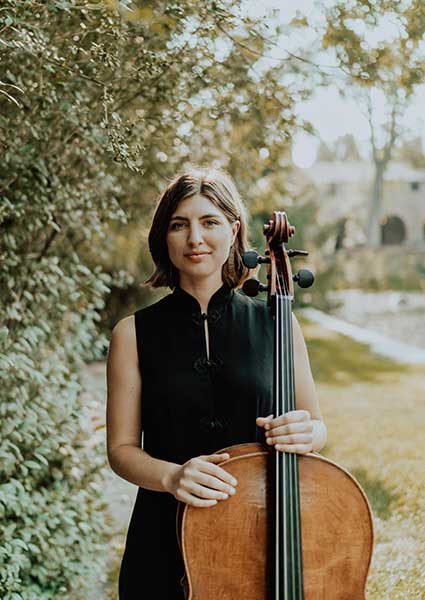
Boulder Symphony teams with Kim Robards Dance

Beethoven’s Ninth Symphony, with or without choreography

By Peter Alexander May 15 at 5:48 p.m.

The end of the concert season is prime time for orchestras to tackle the big works.
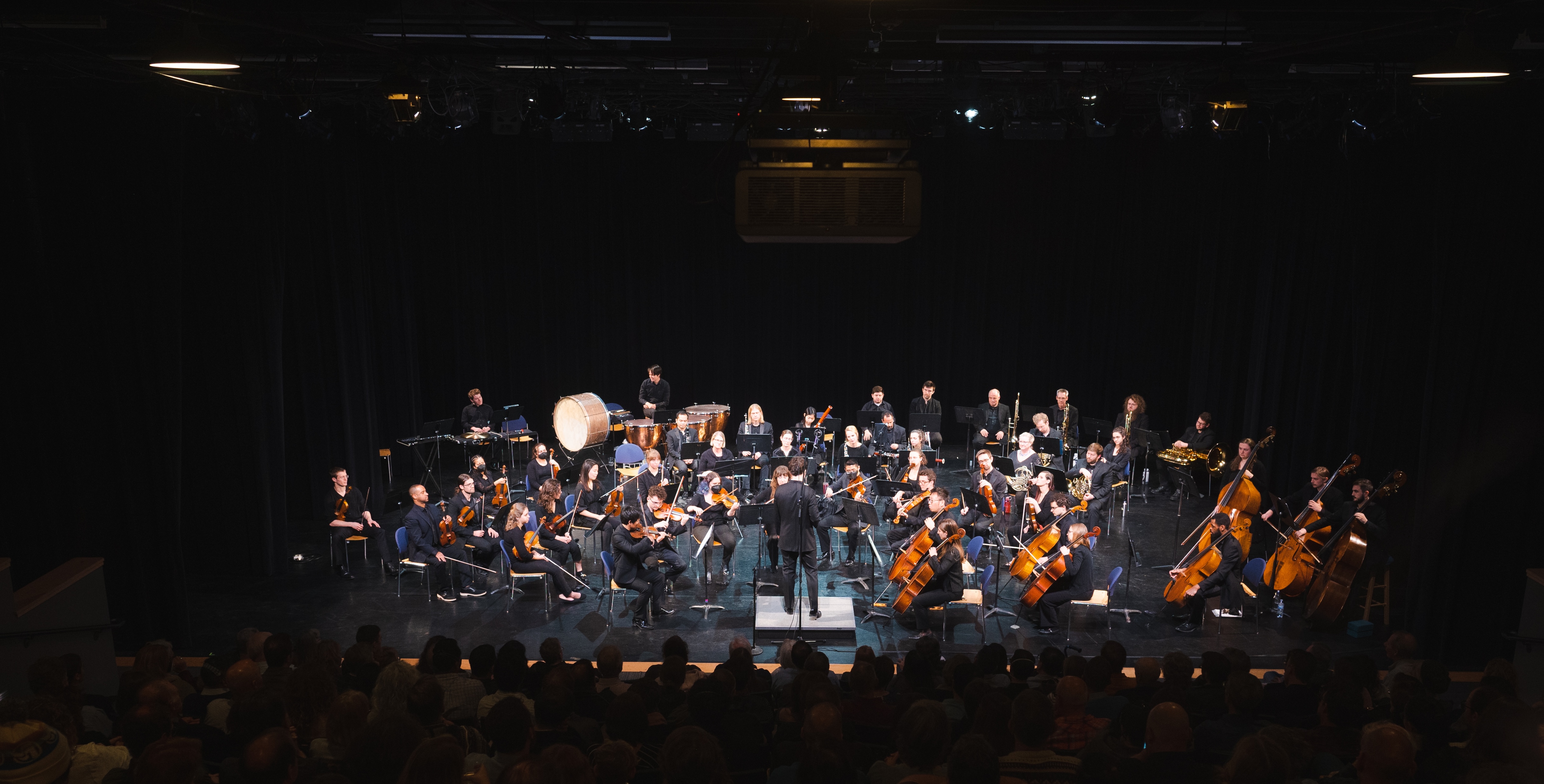
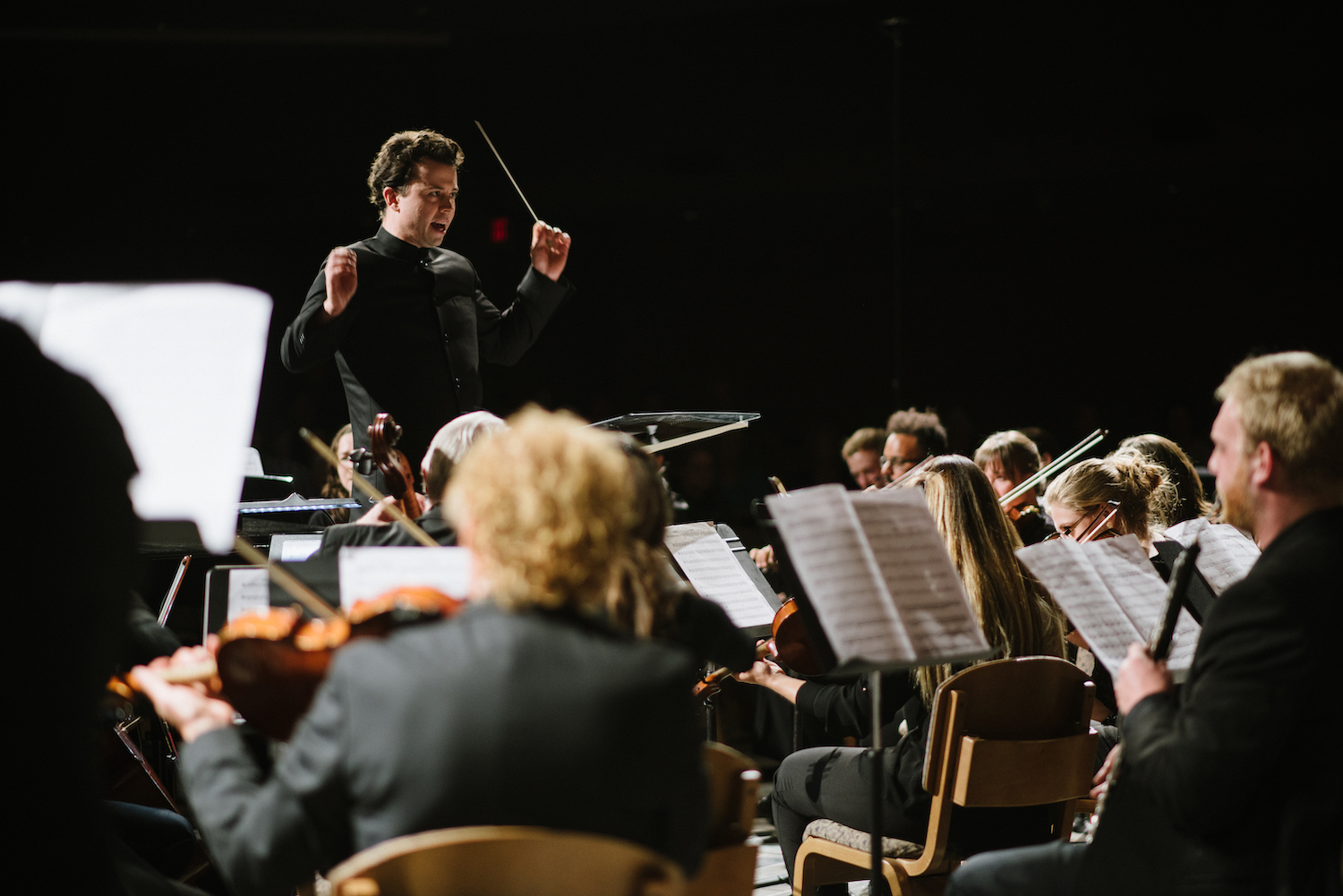
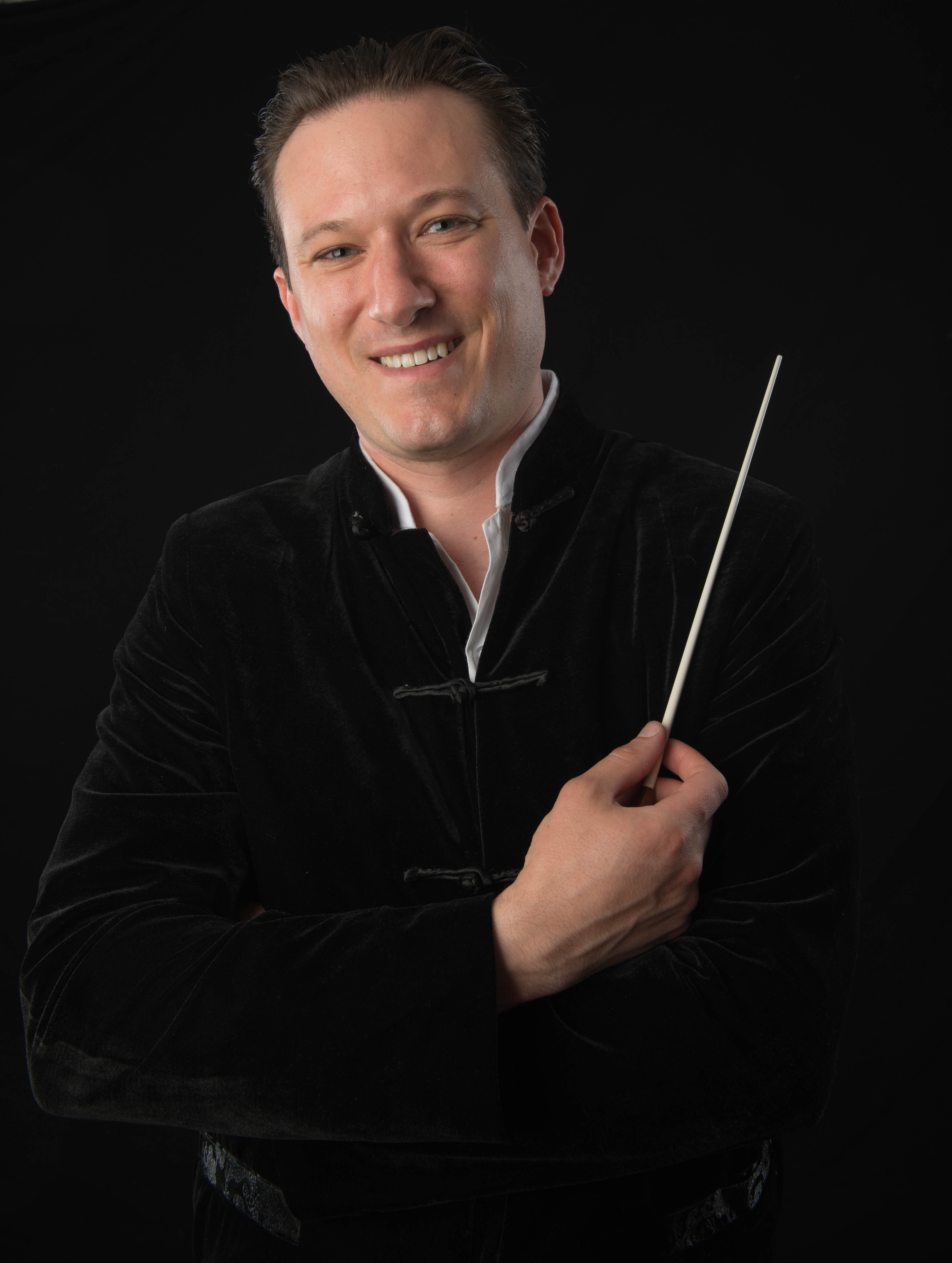
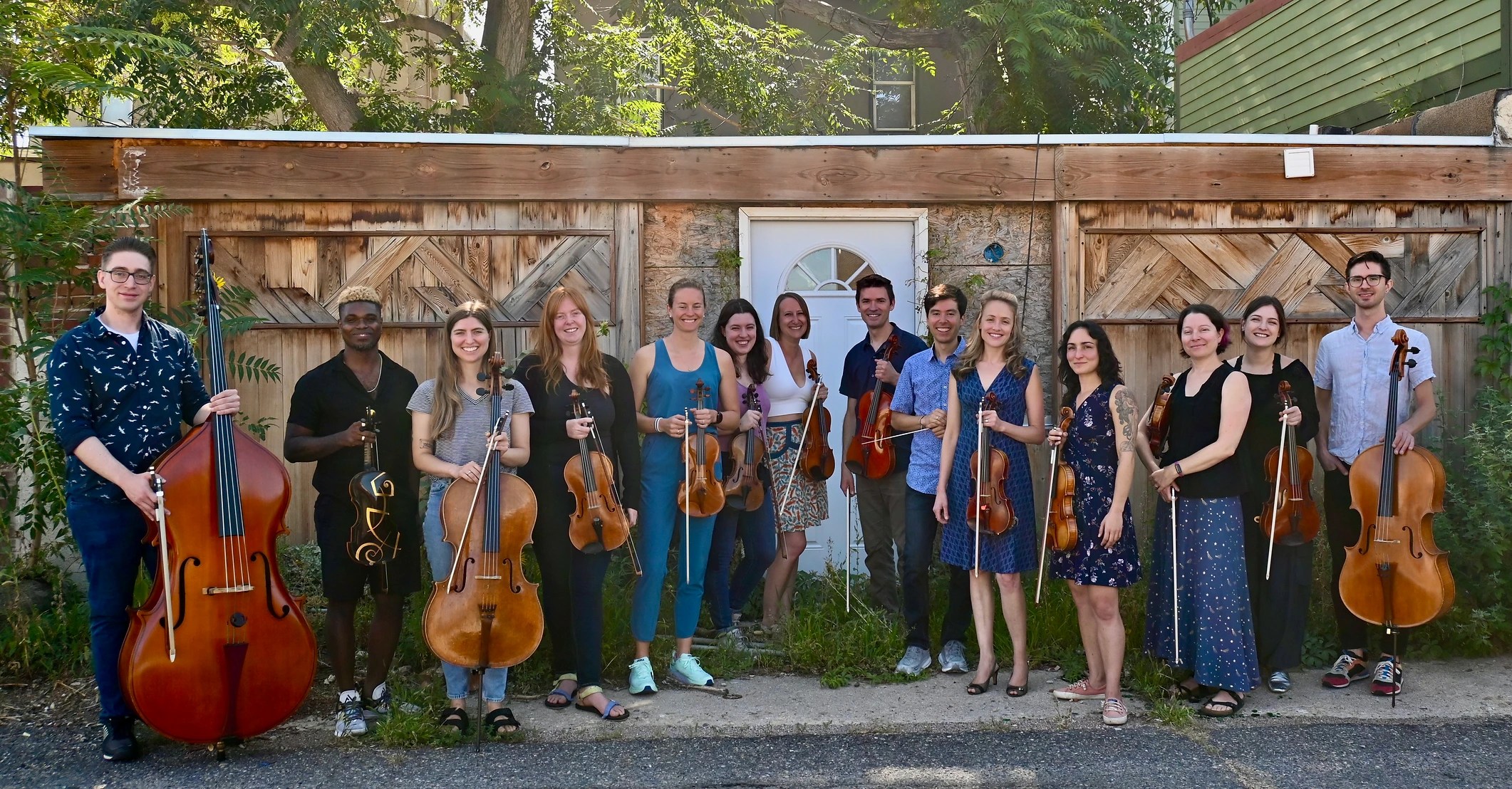
Boulder Symphony with conductor Devin Patrick Hughes

Toward the end of the 2024–25 season, in Boulder County we’ve had the Longmont Symphony presenting J.S. Bach’s Mass in B minor with the Boulder Chamber Chorale, and the Boulder Philharmonic with the full Boulder Chorale presenting Beethoven’s Missa Solemnis. And now conductor Devin Patrick Hughes and the Boulder Symphony step up with their own choral forces for Beethoven’s Ninth Symphony on the weekend. 
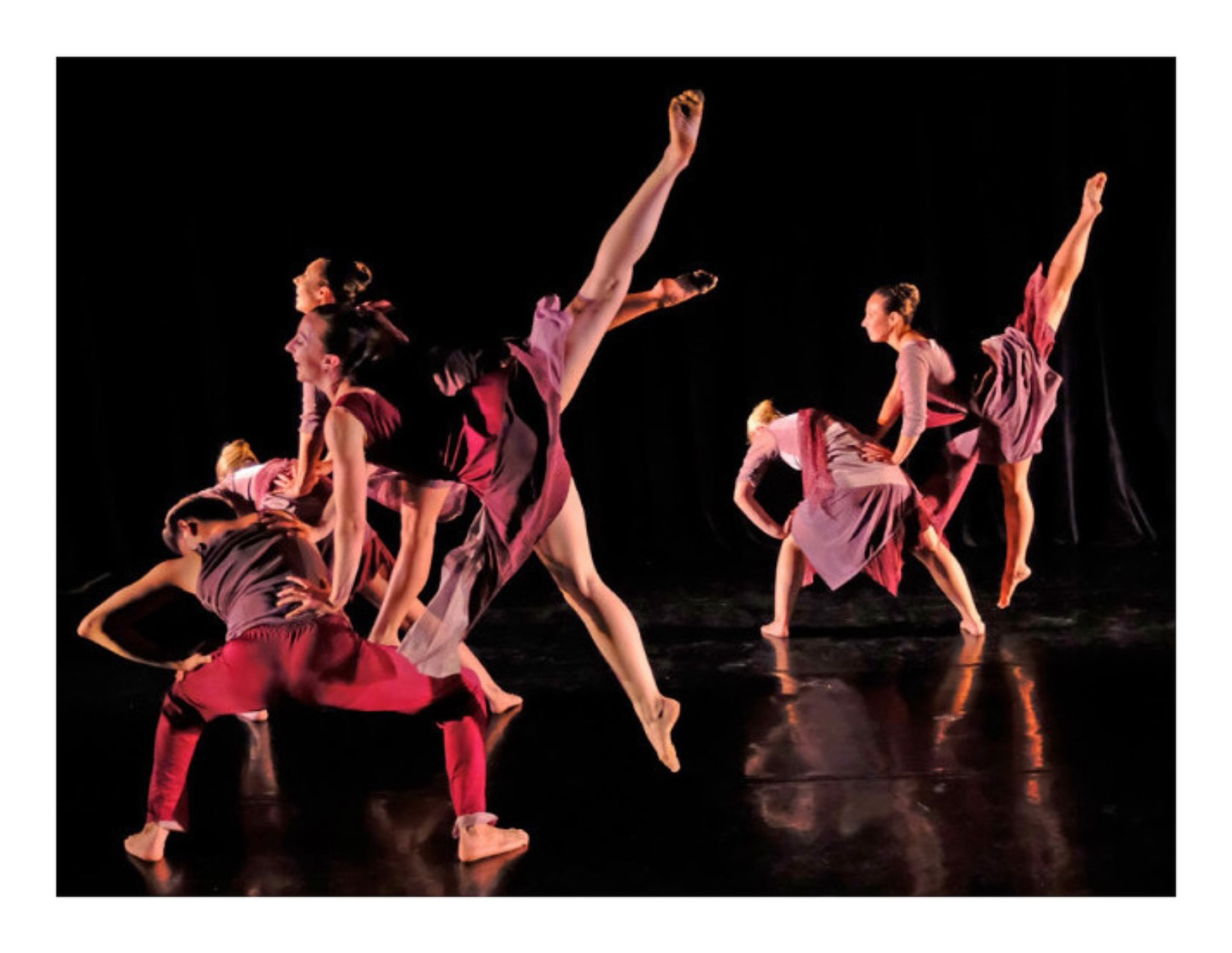
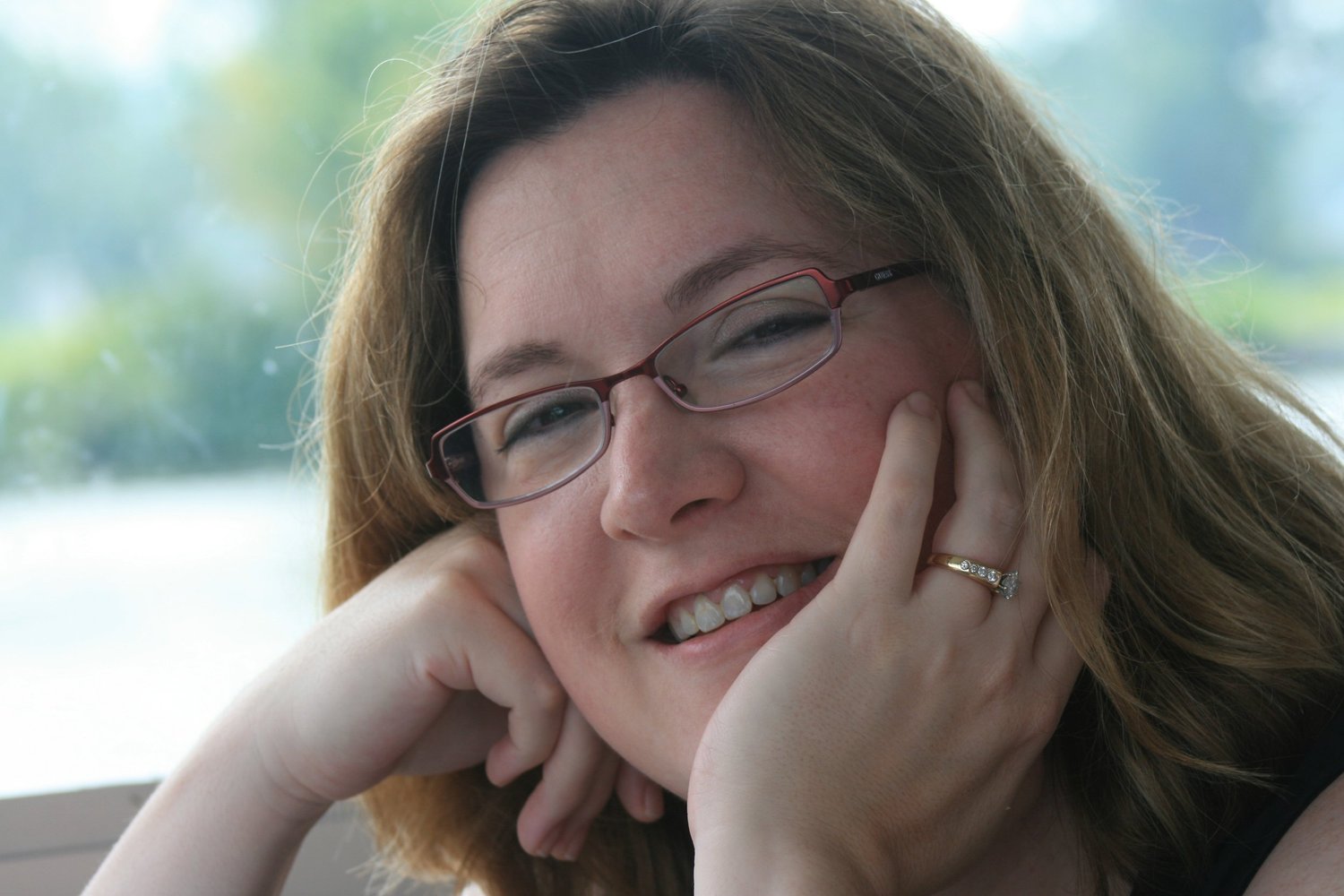
Kim Robards Dance

You can have your performance with or without choreography. The Ninth Symphony will be presented in partnership with Kim Robards Dance in a performance titled “Unstruck Sound” on Saturday (7:30 p.m. May 17 at the Waymire Dome in Brighton; details below). A second performance of the music alone will be presented by the orchestra and chorus Sunday (4 p.m. May 18 at Grace Commons in Boulder; details below).

Both performances will be conducted by Hughes, who is Boulder Symphony’s music director. Soloists for the symphony’s finale are Kyrie Laybourn, soprano; Kristin Gornstein, alto; Cody Laun, tenor; and Graham Anduri, bass. The performances will open with the Overture in E minor of the 19th-century French composer Louise Farrenc.

The last symphony that Beethoven completed, the Ninth was written over two years, 1822–24. Both its length—an hour or a little more—and the fact that it includes a chorus in the final movement marked it as a unique and radical work from its every first performance in Vienna. The concluding choral movement, based on Schiller’s poem “Ode to Joy,” has made it a first choice for celebrations around the globe. 
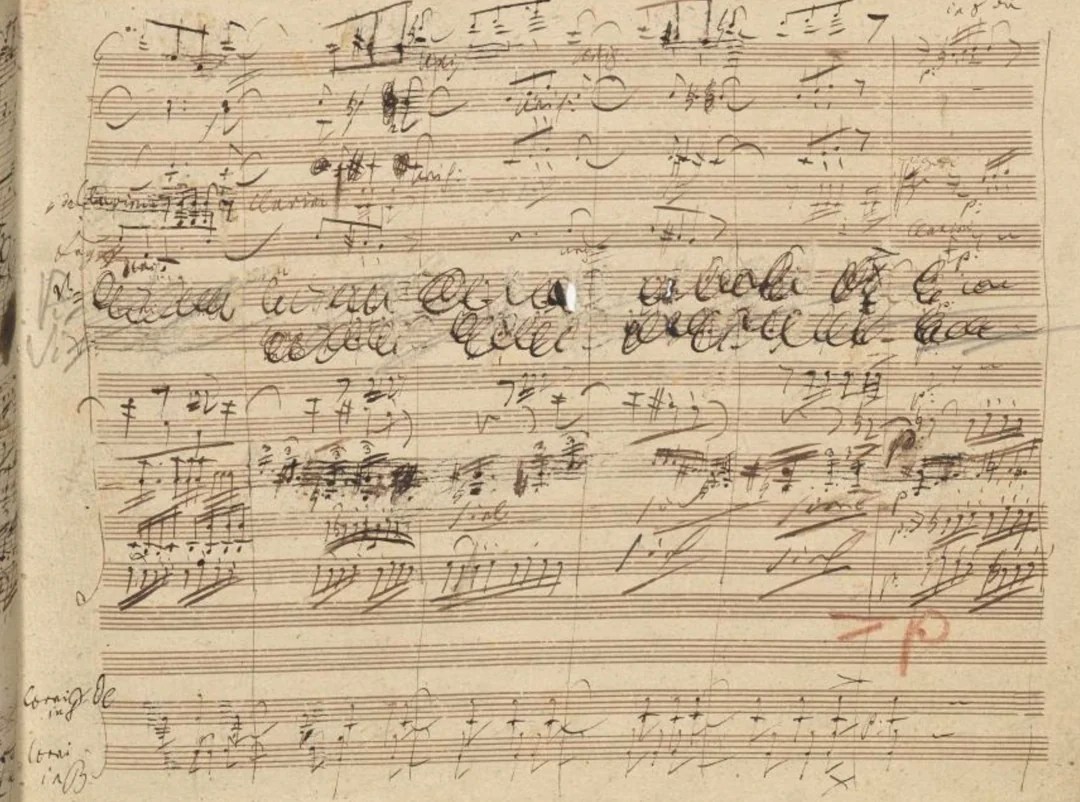
The manuscript of Beethoven’s 9th Symphony

It is also regarded as the culminating work in Beethoven’s career. The composer had expressed an interest in setting the “Ode to Joy” as early as 1792, an idea that can therefore be said to have occupied his thoughts for most of his life. Set in the somber key of D minor, that symphony progresses from a mysterious and powerful first movement, to a turbulent and disquieting scherzo, a beautiful and placid slow movement and the joyous choral finale in D major.

The work’s premiere in May of 1824 is one of the most famous performances in history. The nearly totally deaf Beethoven stood next to the conductor, watching the players and indicating tempos. At the end of the performance, the composer was unable to hear the tumultuous applause from the audience, and the alto soloist had to come forward and lead him to the edge of the stage so that he could see the response. 

The Symphony was perhaps most famously performed by in Berlin with Leonard Bernstein conducting on Christmas Day 1989, with the text of the finale altered to an “Ode to Freedom” as a celebration of the removal of the Berlin Wall. That was an international event, but the Ninth Symphony is selected for all kinds of major occasions, because of the text that celebrates the brotherhood of man. As such, it is also viewed as the ideal piece for the end of a season.
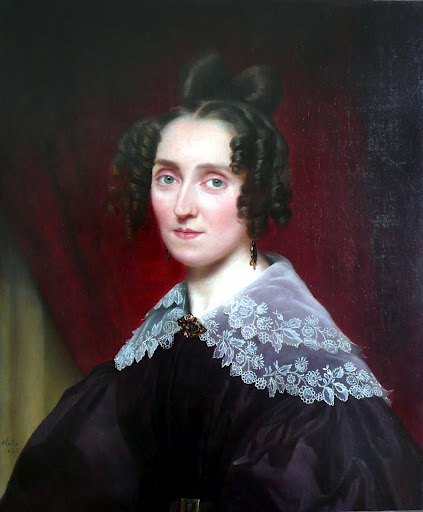
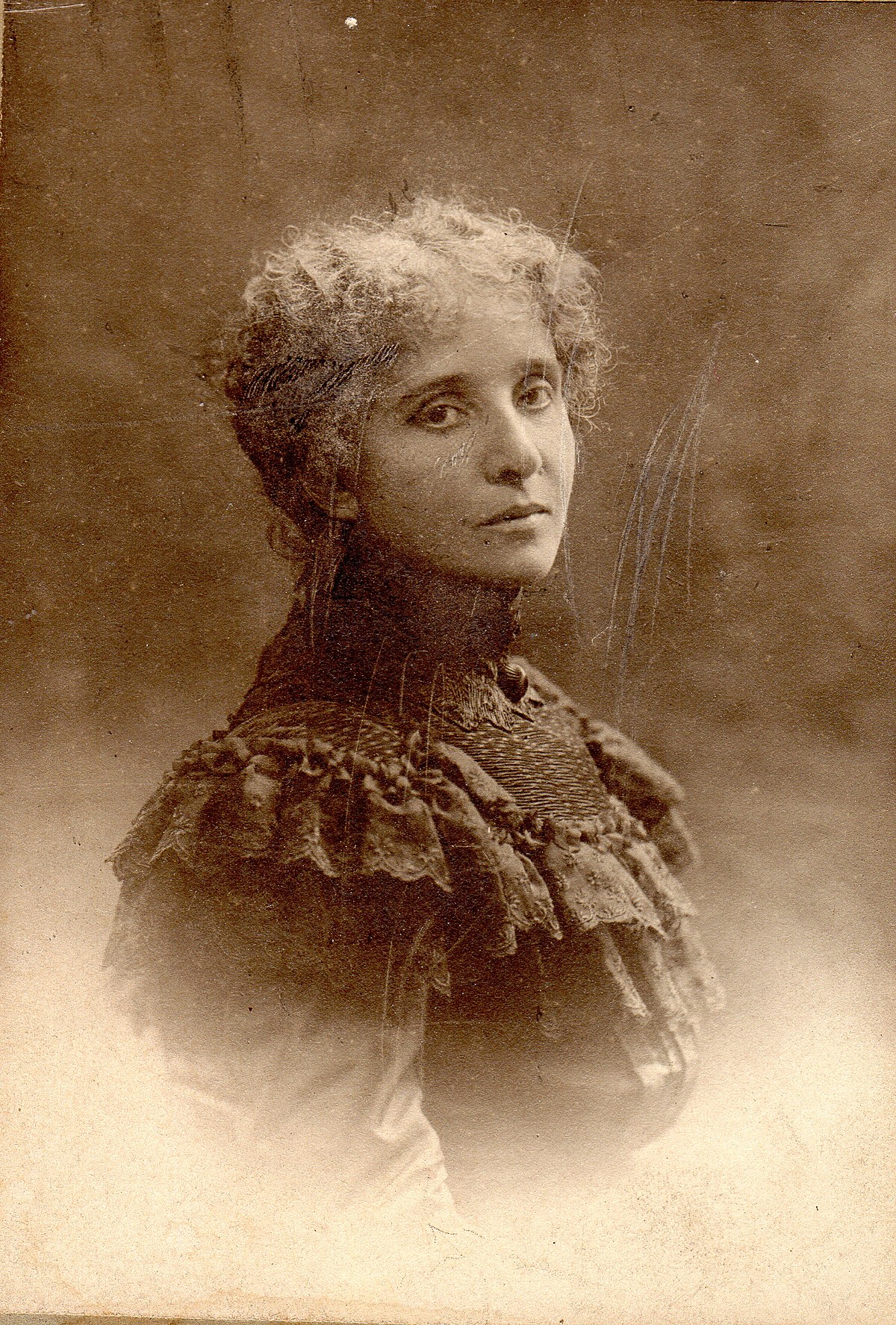
Louise Farrenc. Portrait (1835) by Luigi Rubio

Farrenc studied composition at the Paris Conservatory in the early 19th century, at a time when women had to study privately as they were not allowed to enroll in composition classes. Equally accomplished as a virtuoso pianist and composer, she became the first women teaching at the Conservatory, when she was appointed professor of piano in 1842. She held that position for 30 years. As a composer she wrote works for piano and chamber music, as well as three symphonies and two concert overtures.

Kim Robards Dance describe themselves as a “professional, multi-generational modern dance company.” The company was founded in Denver in 1987. A performance in New York was praised in the Times for “old-fashioned virtues, like a strong sense of craft and an affinity for lyrical movement and big musical scores.” There are fewer bigger scores than Beethoven’s Ninth, which has rarely if ever been danced.

# # # # #

Boulder Symphony, Devin Patrick Hughes, conductor
Chorus directed by Dana Vachharajani
With Kyrie Laybourn, soprano; Kristin Gornstein, alto; Cody Laun, tenor; and Graham Anduri, bass

  • Louise Farrenc: Overture in E minor, op. 23
  • Beethoven: Symphony No. 9 in D minor, op. 125

7:30 p.m. Saturday, May 17
Waymire Dome, 9755 Henderson Rd., Brighton
Performance with Kim Robards Dance, Kim Robards, choreographer

TICKETS

4 p.m. Sunday, May 18
Grace Commons, 1820 15th St., Boulder
(Musical performance only)
TICKETS

GRACE NOTES: Curiosity and chamber music

Offerings from the Boulder Symphony and Boulder Chamber Orchestra

By Peter Alexander April 24 at 8:40 p.m.

The Boulder Symphony agrees to disagree for its upcoming Curiosity Concert (3 p.m. Saturday, April 26 at Grace Commons; details below).

Curiosity Concerts are aimed at children ages four to 12, but structured to appeal to the entire family. For April 26, the musical content revolves around a playful showdown between Mozart and “Snooty, Professor of Musical Snobbery.” Through their debates and the sharing of favorite pieces and styles, they will explore the diversity of musical preferences. 

The program under the direction of Devin Patrick Hughes features selections from a wide variety of both classical and popular pieces, including portions of Vivaldi’s Four Seasons, Tchaikovsky’s Serenade for Strings, Khachaturian’s “Sabre Dance” from the Gayane ballet suite, “Fireworks” from Harry Potter and “Enter Sandman” by Metallica.

The music is selected to illustrate various styles, including sad contemplative music, musical madness, the description of weather in music, and how instruments can sing like a human voice. Pop and classical styles will be contrasted with the same tune played in both styles, and the characteristics of film music will be demonstrated. 

The 45-minute program will be preceded and followed by an “instrument petting zoo” provided by Boulder’s HB Woodsongs, allowing children to see and try instruments. 

# # # # #

Spring Curiosity Concert: “Agree to Disagree”
Boulder Symphony, Devin Patrick Hughes, conductor

Program includes music from:

  • Vivaldi: The Four Seasons
  • J.S. Bach: Orchestral Suite No. 3 in D major
  • Nicholas Hooper: “Fireworks” from Harry Potter and the Order of the Phoenix
  • Samuel Barber: Adagio for Strings
  • Mozart: Presto from the Divertimento in D major, K136
  • Tchaikovsky: Serenade for Strings
  • Beethoven: Grosse Fuge
  • Khachaturian: “Sabre Dance” from Gayane
  • Richard Strauss: Also sprach Zarathustra (Thus spake Zarathustra)
  • Mozart and Metallica

3 p.m. Saturday, April 26
Grace Commons, 1820 15th St., Boulder

TICKETS

# # # # #

The Boulder Chamber Orchestra will wrap up its current season of Mini-Chamber Concerts featuring pianist Jennifer Hayghe as artist in residence Saturday (7:30 p.m. April 26; details below).

Jennifer Hayghe

The program, titled “Chamber Music Diamonds in the Rough,” features four works that are not often performed, in part because of their unusual instrumentation. Two of the composers—Aram Khachaturian and Max Bruch—are known for works that are featured on standard orchestral programs, but the other two—Mel Bonis and Nikolai Kapustin—are unfamiliar to American audiences.

In fact, the music of Mélanie “Mel” Bonis is currently undergoing a period of rediscovery after many years of obscurity. Born in 1858, Bonis taught herself to play piano and entered the Paris Conservatory at 16. She was in the same class with Debussy, and studied composition with César Franck. 

Mel Bonis

Bonis gave up music for a number of years when her parents arranged her marriage to an older businessman who disliked music, but returned to composition later in her life. Composed in 1903, her three-movement Suite en trio for flute, violin and piano is one of the works she wrote after her husband’s death..

Known for his “Sabre Dance” from the ballet Gayane, his Piano Concerto and other orchestral music, Khachaturian wrote only two pieces of chamber music, both of them during his student years at the Moscow Conservatory. The Trio for violin, clarinet and piano features folk tunes and styles throughout, including highly ornamented passages in the first movement and variations on a folk-like melody in the finale.

The German Romantic composer Max Bruch is best known for his Scottish Fantasy and two concertos for solo violin with orchestra. He wrote his Eight Pieces for clarinet, viola and piano in 1910, when he was 72, for his son who was a professional clarinetist. He used the same combination of clarinet and viola in another work he wrote for his son, the Concerto for clarinet, viola and orchestra in E minor, op. 88.

Kapustin was born in Ukraine in 1937 and studied composition at the Moscow Conservatory. He discovered jazz around 1954 and became known as a jazz pianist and played in a jazz quintet and big band. His music combines elements of classical, jazz and pop styles, but he always insisted that he was a composer, not a jazz musician. “I never tried to be a real jazz pianist,” he once wrote. Composed in 1998, the Trio for flute, cello and piano is one of his most popular chamber works.

# # # # #

“Chamber Music Diamonds in the Rough”
Jennifer Hayghe, piano, with Rachelle Crowell, flute; Kellan Toohey, clarinet; Hilary Castle, violin; and Erin Patterson, cello

  • Mel Bonis: Suite en trio, op. 59
  • Khachaturian: Trio for violin clarinet and piano
  • Max Bruch: Eight Pieces for clarinet, viola and piano
  • Nikolai Kapustin: Trio for flute, cello and piano, op. 86

7:30 p.m. Saturday, April 26, Boulder Adventist Church

TICKETS

Boulder Symphony weekend concerts will be recorded

U.S. premiere, arias by Rossini and Puccini, and Beethoven’s countryside

By Peter Alexander March 26 at 5:10 p.m.

The composer Peter Drew came late to a musical career.

After some inconclusive experiences in music as a youngster, he worked a succession of jobs including taxi driver and cruise-ship host and eventually settled in as a teacher. Feeling something was missing, he bought a clarinet and decided to take music more seriously. He played both classical and jazz and studied musical composition.

To make a long story short, his first symphony was recorded in 2022 by the Zagreb Symphony, with positive reviews. And now it will have its U.S. premiere by the Boulder Symphony Saturday and Sunday (March 29 and 30; details below).

Composer Peter Drew

Devin Patrick Hughes will conduct the performances, which will also include arias by Rossini and Puccini sung by soprano guest artist Anastasia Antropova. Beethoven’s “Pastoral Symphony” rounds out the program. Parma Recordings will record the performances.

Drew titled his First Symphony “Reminiscence.” He calls it a pastiche, based on music that had an impact on him and listing the specific sources for each movement. For example, the first movement is titled “Journey” and includes music reflecting Villa-Lobos’ descriptive piece for orchestra Little Train of the Caipira, as well as folk songs that recall Joseph Canteloube’s Songs of the Auvergne.

The second movement, “Pictures in an Album,” refers to Mussorgsky’s Pictures at an Exhibition, along with traces of Copland-esque Americana. The third movement evokes J.S. Bach while the finale, “The Return,” revisits ideas from the first movement.

Soprano Anastasia Andropova

Russian soprano Anastasia Antropova graduated from the St. Petersburg Conservatory in 2017 and since has performed extensively in Italy. She will perform Rossini’s “Una voce poco fa” (A voice spoke to me), the iconic aria of Rosina in The Barber of Seville; and Puccini’s poignant aria from Madama Butterfly, “Un bel di” (One fine day).

Boulder Symphony’s publicity material quotes Antropova commenting on “these iconic arias, each revealing a distinct operatic world. The fusion of music and text bring these characters to life, allowing me to fully immerse in their emotions.”

Beethoven Symphony No. 6 in F major, known as the “Pastoral Symphony,” is one of the composer’s more cheerful even-numbered symphonies, all of which are in major keys. It was made popular when it was used in Walt Disney’s animated musical film Fantasia, with a setting of pastoral scenes from Greek mythology.

Unlike most Beethoven symphonies, the Sixth has specific descriptive titles for the movements, all derived from the composer’s own excursions into the countryside outside Vienna. The five movements are titled “Awakening of cheerful feelings on arrival in the countryside,” “Scene by the brook,” “Merry gathering of country folk,” “Thunder, storm,” and “Happy and thankful feelings after the storm.”

The first performance took place in 1808 as part of a notorious four-hour concert that included premieres of the Fifth and Sixth symphonies, the Fourth Piano Concerto and the Choral Fantasy, along with selections from other works by Beethoven and improvisation at the piano by the composer. 

Held in an unheated hall, the program strained the audience’s attention. One attendee wrote afterwards, “There we sat, in the most bitter cold, from half past six until half past ten, and confirmed for ourselves the maxim that one may easily have too much of a good thing.”

Of course the Boulder Symphony performance will neither take place in a cold hall nor last four hours. And the good things it offers—a U.S. premiere, two beloved arias and a musical tour of the Austrian countryside—are pleasantly varied.

# # # # #

Boulder Symphony, Devin Patrick Hughes, conductor
With Anastasia Antropova, soprano

  • Rossini: “Una voce poco fa” (A voice spoke to me) from Barber of Seville
  • Peter Drew: Symphony No. 1 (“Reminiscence”), American premiere
  • Puccini: “Un bel di” (One fine day) from Madama Butterfly
  • Beethoven: Symphony No. 6 in F major, op. 68 (“Pastoral”)
7:30 p.m. Saturday, March 29
2 p.m. Sunday, March 30
Gordon Gamm Theater, Dairy Arts Center

TICKETS

GRACE NOTES: Brahms 2nd twice and drummers, all on Saturday

Boulder and Longmont symphonies at home, Kodo at Mackey

By Peter Alexander Feb. 12 at 11:15 a.m.

The Boulder Symphony joins with the Niwot High School Symphony Orchestra for a performance of the spirited Danzón No. 2 of Arturo Márquez Saturday and Sunday (Jan. 15 and 16; details below) at the Dairy Arts Center.

Other works on the program, performed by the Boulder symphony, will be a Concerto for Violin titled “Paths to Dignity” by Lucas Richman, featuring violinist Mitchell Newman; and Brahms’s Symphony No. 2 in D major. Devin Patrick Hughes will conduct.

Richman has had an extensive career as a conductor. He currently leads the Bangor Symphony Orchestra in Bangor, Maine, and was previously music director of the Knoxville Symphony in Tennessee. He has also conducted scores for a number of films, including the Grammy-nominated score for The Village

Mitchell Newman

As a composer, he wrote Behold the Bold Umbrellaphant based on poetry by Jack Prelutsky, which the Longmont Symphony presented with Prelutsky in 2018. His Violin Concerto “Paths to Dignity” was inspired by the lives of homeless people and composed for Newman, a longtime advocate for the homeless and member of the violin section of the Los Angeles Philharmonic. 

The concerto has four movements that share a seven-note motive representing the word “DIGNITY.” The first movement, titled “Our Stories,” uses various instruments to represent homeless persons who are answered in turn by the violin. The second movement, “Fever Dreams/Move,” describes the disturbed dreams of a veteran suffering from PTSD who is living on the streets.

The third movement, “Shelter for My Child,” uses a musical representation of the Hebrew word “Tzadek,” which means “justice.” The finale, “Finding Home,” reiterates the “Tzadek” motive and concludes with variations on the “DIGNITY” theme.

An activist in bringing music to underserved communities, Newman was named a mental health hero by the California State Senate, and founded “Coming Home to Music,” a program that brings classical music to the homeless. He retired from the L.A. Phil in 2020 and currently teaches at Temple University.

# # # # #

“Harmony for Humanity”
Boulder Symphony, Devin Patrick Hughes, conductor
With Mitchell Newman, violin
Featuring the Niwot High School Symphony Orchestra

  • Arturo Márquez: Danzón No. 2
  • Lucas Richman: “Paths to Dignity” Concerto for Violin
  • Brahms: Symphony No. 2 in D major

7:30 p.m. Saturday Feb. 15, and 2 p.m. Sunday, Feb. 16
Dairy Arts Center

TICKETS

# # # # #

Also on Saturday, the Longmont Symphony Orchestra (LSO) offers a program titled “The Light after the Storm” (7 p.m. Feb. 15, details below) in which a vivid musical storm, the last of the Four Sea Interludes from the opera Peter Grimes by Benjamin Britten, leads to the sunny skies of Brahms’s Second Symphony.

Clancy Newman. Photo by Lisa-Marie Mazzucco

Between these two contrasting works on the program is the Cello Concerto of Sir Edward Elgar, which will be performed by Clancy Newman. The LSO will be conducted by Elliot Moore.

Britten was inspired to write Peter Grimes while he was in exile from England as a conscientious objector living in the United States during World War II. While in the U.S., he read George Crabbe’s narrative poem The Borough, which describes a village on the east coast of England and its colorful inhabitants. The poem inspired Britten not only to write an opera based on the solitary Grimes, one of Crabbe’s most distinctive characters, but also to return to England. He finished the opera after his return, in 1943.

Peter Grimes was premiered to great acclaim in June 1945, shortly after the end of the war in Europe. The Four Sea Interludes—“Dawn,” “Sunday Morning,” “Moonlight” and “Storm”—are taken from the interludes Britten wrote to fill scene changes during the opera, and they contain some of the most vividly descriptive music he ever composed.

Written shortly after World War I, the Cello Concerto was Elgar’s last completed major work. The first performance was under-rehearsed and considered a failure, but later the Concerto became one of the staples of the cello repertoire. It achieved a higher level of popularity when it was famously recorded by cellist Jacqueline du Prè in 1965.

A composer and a cellist, Newman has appeared with the LSO once before, in November, 2023.  The winner of the International Naumburg Competition in 2001 and an Avery Fisher Career Grant in 2004, he has performed as a soloist, with the Chamber Music Society of Lincoln Center and Musicians from Marlboro.

# # # # #

“The Light after the Storm”
Longmont Symphony, Elliot Moore, conductor
With Clancy Newman, cello

  • Benjamin Britten: Four Sea Interludes from Peter Grimes
  • Elgar: Cello Concerto
  • Brahms: Symphony No. 2 in D major

7 p.m. Saturday, Feb. 15
Vance Brand Civic Auditorium, Longmont

TICKETS

# # # # #

Kodō, the renowned taiko drumming ensemble from Japan, will present a program from their current “One Earth Tour 2025” at 7:30 p.m. Saturday, Feb. 15, at Macky Auditorium.

The performance is part of the Artist Series from CU Presents. Limited seats are available.

The Japanese word “kodo” has a double meaning that reflects the group’s ethos. It can mean “heartbeat,” which suggests the primal role of rhythm, but as written with different characters, it means both “drum” and “child.” The program title “Warabe” also refers to a child or children, or can refer to children’s songs. Or as the group’s program notes state, the performers are “forever children of the drum at heart.”

The “Warabe” program refers back to the repertoire and the aesthetics of the earliest incarnation of Kodō, when they were first formed out of another drumming ensemble in the 1980s. After several years of touring, they founded a village on Sado Island, off the west coast of Japan near the city of Niigata. Since their three sold-out performances at the 1984 Olympic Arts Festival in Los Angeles, Kodō has been recognized as a global phenomenon.

Today Kodō has its own cultural foundation and a North American organization known as  Kodō Arts Sphere America. In addition to their world-wide performances, they present workshop tours that open the world of taiko drumming to ever larger audiences.

# # # # # 

Kodō: One Earth Tour 2025
“Warabe”
Kodō, Yuichiro Funabashi, director
Dance arrangements by Koki Miura

  • Yuta Sumiyoshi: Koe
  • Miyake (arr. by Kodō)
  • Masayasu Maeda: Niwaka
  • Motofumi Yamaguchi: Hae
  • Sumiyoshi: Uminari
  • Koki Miura: Shinka
  • Maeda: Okoshi|Reo Kitabayashi: Dokuso
  • Ryotaro Leo Ikenaga: Inochi
  • Kenta Nakagome: O-daiko (arr. Kodō)
  • Yatai-bayashi (traditional, arr. Kodō)

7:30 p.m. Saturday, Feb. 15
Macky Auditorium

TICKETS (Limited seats available)

GRACE NOTES: Curiosity entertains while the Baroque blooms

Boulder Symphony celebrates Día de los Muertos; BCO presents Vivaldi and Pergolesi

By Peter Alexander Oct. 29 at 9:40 p.m.

“The Creative Spirit,” the Fall Curiosity Concert of the Boulder Symphony, will be presented Saturday (3 p.m. Nov. 2) at Grace Commons.

The Boulder Symphony and director Devin Patrick Hughes will present two Curiosity Concerts as part of their 2024–25 season, one each in the fall and the spring. Curiosity Concerts are designed as interactive, educational experiences for family audiences. They typically use humorous characters, trivia and original stories to entertain as well as educate the audiences.

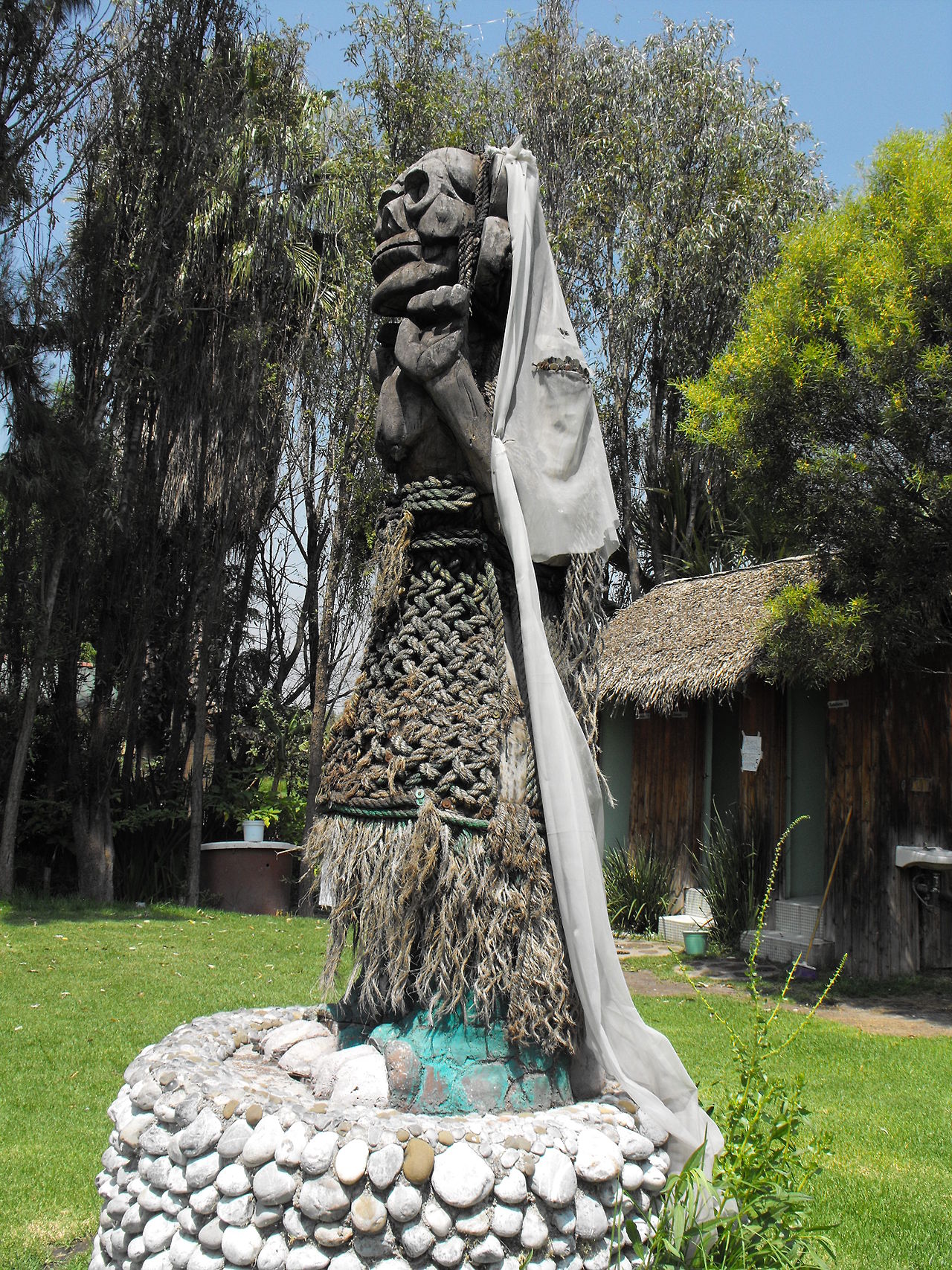
Statue of La Llorana at Xochimilco, Mexico. Photo by KatyaMSL.

The Fall Curiosity Concert, lasting 45 minutes, will celebrate La Día de los Muertos (Day of the Dead). Joining the Symphony for portions of the concert will be the Niwot High School Mariachi Ensemble and the Longmont Youth Symphony. 

The performance will tell the tale of a ghostly composer who reunites with a musical partner for the premiere of their final composition, only to discover that the piece was never finished. They turn to the audience for help completing the song before the ghostly composer vanishes again. 

The program will feature not only the imaginary composer’s new work but also familiar tunes including Radiohead’s “Creep,” Kate Bush’s “Running up the Hill” and “La Llorana” (The weeping woman), a Mexican folk song based on the legend of a woman weeping over the loss of her children, or her lover. The song has often been used for Día de los Muertos festivities.

The performance will also include music from the standard classical orchestra repertoire, including Beethoven’s Seventh Symphony and Arturo Márquez’s Dánzon No. 2.

# # # # #

Fall Curiosity Concert: The Creative Spirit
Boulder Symphony, Devin Patrick Hughes, conductor
With the Niwot High School Mariachi Ensemble and Longmont Youth Symphony

3 p.m. Saturday, Nov. 2, Grace Commons

TICKETS

# # # # #

The Boulder Chamber Orchestra (BCO) will present an all-Baroque program Saturday featuring violinist Zachary Carrettin, director of the Boulder Bach Festival playing concertos by Vivaldi, for violin solo and with other strings (7:30 p.m. Nov. 2 at the Boulder Adventist Church; details below). Other soloists for two of the concertos will be members of the BCO.

Also featured on the program are soprano Jennifer Ellis Kampani and mezzo-soprano Gabrielle Razafinjatovo performing the Stabat Mater of Giovanni Battista Pergolesi. The concert will be conducted by Bahman Saless, music director of the BCO.

Published as Op. 3, L’estro armonico is a set of 12 concertos by Vivaldi for stringed instruments. The set was published in Amsterdam in 1711, making it the first set of Vivaldi’s concertos to be printed. The concertos are organized in four sets of three concertos each, with each set containing first a concerto for four violins with strings; second for two violins, cello and strings; and third for solo violin and strings. 

Zachary Carrettin

The concertos were probably written for performance by students at the Ospedale della Pietà, the orphanage/music school where Vivaldi was employed as music teacher. Later the published edition was widely circulated in Europe and the concertos were performed as both church music and secular chamber pieces. At least six of the concertos were arranged in various settings by J.S. Bach.

The BCO performance will present two of the solo violin concertos with Carrettin as soloist, as well as one each for two violins and cello, and for four violins, with Carrettin joined by members of the orchestra as additional soloists. 

Pergolesi wrote his Stabat Mater in 1736, weeks before his untimely death at the age of only 26. The manuscript was preserved at the Benedictine Abbey of Monte Cassino in Italy, which was the site of brutal battles in World War II. After being nearly destroyed, the abbey was rebuilt after the war.

While many works attributed to Pergolesi were in fact written by others, due to the survival of the original manuscript the Stabat Mater is known to be his. The title literally means “The mother was standing.” The text is a 13th-century hymn to the Virgin Mary, describing her suffering during the crucifixion of Jesus. The hymn has been set by many European composers from the 15th century to the current day.

# # # # #

L’estro armonico
Boulder Chamber Orchestra, Bahman Saless, conductor
With Zachary Carrettin, violin; Brune Macary, Annamaria Karacson, Kina Ono, and Ava Pacheco, violins; Joey Howe, cello; Jennifer Ellis Kampani, soprano; and Gabrielle Razafinjatovo, mezzo-soprano

  • Vivaldi: Four concertos from L’estro armonico (The harmonic inspiration)
    Concerto No. 9 in D major for violin, RV230
    —Concerto No. 11 in D minor two violins and cello, RV565
    —Concerto  No. 6 in A minor for violin, RV 356
    —Concerto No. 10 in B minor for 4 violins, RV580
  • Pergolesi: Stabat Mater

7:30 p.m. Saturday, Nov. 2, Boulder Adventist Church

TICKETS

Boulder Symphony presents “America-Centric” concerts

Symphony by Florence Price is the “American anchor” of programs Saturday and Sunday

By Peter Alexander Sept. 25 at 11:25 a.m.

The Boulder Symphony opens a new season this weekend with what conductor Devin Patrick Hughes calls “a very America-centric concert.” Performances at the Gordon Gamm Theater of the Dairy Arts Center will be at 2 and 7:30 p.m. Saturday and 2 p.m. Sunday (full program and details below).

Boulder Symphony and conductor Devin Patrick Hughes

The most obviously American work on the program—in effect the American anchor to the concert—is the Symphony No. 1 by Florence Price. A prodigy who gave her first piano performance at the age of four and later attended the New England Conservatory, Price was the first African American woman to have music played by a major symphony.

Completing the program are two works by European composers with American connections: The Slavonic Dance No. 1 by Dvořák, who lived in the United States in the 1890s and whose “New World” Symphony inspired Price and other African American composers at the turn of the 20th century; and Tchaikovsky’s Piano Concerto No. 1, which was premiered in the U.S.

Soloist for the concerto will be Artem Kuznetsov, 2024 winner of the the International Keyboard Odyssiad & Festival in Ft. Collins. The Boulder Symphony has maintained a close relationship with the competition for a number of years by annually presenting the winner on one of their concerts.

Born in Arkansas, Price moved north during the “great migration” of the 1920s and settled in Chicago. She studied composition and organ and worked as an organist for silent films. In 1933 her First Symphony was premiered by the Chicago Symphony at the Century of Progress World’s Fair. 

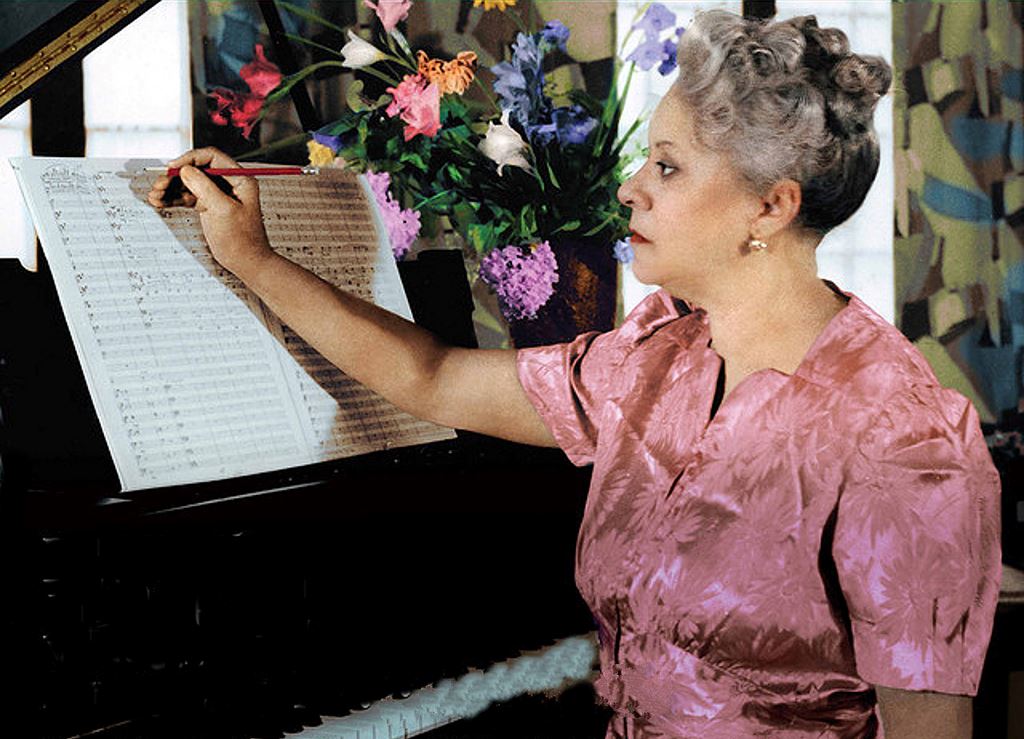
Florence Price (photo colorized)

“Florence Price is the quintessential American composer,” Hughes wrote in an email. “Her music takes from the melting pot of our culture, from spirituals and gospel, and blends them with the great European masters to create a unique American voice.”

Her total output includes four symphonies, a piano concerto, two violin concertos, and other works for orchestra, in addition to choral, vocal and piano pieces. In 2009 dozens of works by Price were discovered at her summer home, which had been abandoned for many years. Among this collection were the two violin concerto and the Fourth Symphony—works that would have been lost had the manuscripts not been found.

The First Symphony is in the traditional four movements. Price drew on her African-American heritage with pentatonic, spiritual-like melodies and a lively, syncopated third movement. Titled “Juba Dance,” it evokes a dance and rhythmic accompaniment performed by African slaves throughout the New World.

Another important influence is Dvořák’s Ninth Symphony, “From the New World.” Not only are both works in E minor, Price scholar Rae Linda Brown wrote that “an examination of Price’s symphony reveals that she had thoroughly studied Dvorak’s score.”

Among the most popular of Dvořák’s works, the two sets of Slavonic Dances were originally composed for piano four hands and later set for orchestra by the composer. It was the publication of the first set for piano four hands in 1878, facilitated by Brahms, that established Dvořák as an important and recognized composer. The first dance is a Furiant, an energetic Bohemian dance marked by shifting accents and alternating duple and triple time.

Dvořák’s connection to the American theme of the concert is through his years living in New York and his 1893 visit to the Czech village of Spillville in Iowa. His interest in African American and other American musical styles was very influential at the time.

As Hughes wrote, “Dvořák is at the crossroads of European and American voices. His symphonic work and educational initiatives in America in the 1890s paved the way for a new American school that recognized the importance of African American folk music as the future of an American school.”

Pianist Artem Kuznetsov

Tchaikovsky wrote his First Piano Concerto in 1874-75. He hoped that the great Russian virtuoso Anton Rubinstein would play the premiere, but Rubinstein criticized the score when he saw it. As a result the premiere was played by the German pianist Hans von Bülow in Boston. Rubinstein later took back his criticism of the concerto and promoted it through performances. Today it is one of the best known piano concertos.

Continuing the American connection among the composers, Tchaikovsky came to the United States and conducted on four concerts in Carnegie Hall, including the hall’s opening night May 5, 1891—shortly before Dvořák arrived in the U.S.

A native of Balashov, Russia, Kuznetsov has won several international competitions in addition the International Keyboard Odyssiad. He holds Master of Music degree and Artist Diploma from the Shepherd School of Music at Rice University. He has performed across the United States, in Russia, Germany and the Netherlands.

The weekend’s concerts are the first in a series of three orchestral programs to be performed by the Boulder Symphony at the Dairy Arts Center, each including a work by an American composer. The season culminates in May with performances of Beethoven’s Ninth Symphony, presented in collaboration with Kim Robards Dance; you may see details on the orchestra’s Web page, along with information on their Curiosity Concerts for young people.

The Boulder Symphony also offers a music academy that is open to all talented students regardless of ability to pay. “Boulder Symphony created our Music Academy so every child could have access to musical instruments and instruction,” Hughes wrote. “Those who contribute to our scholarship program give the dream and promise of a lifetime of music-making to all kids in Boulder County.”

# # # # #

Boulder Symphony, Devin Patrick Hughes, conductor
With Artem Kuznetsov, piano

  • Dvořák: Slavonic Dance No. 1 in C major, op. 46 no. 1, “Furiant”
  • Tchaikovsky: Piano Concerto No. 1 in B-flat minor
  • Florence Price: Symphony No. 1 in E minor

2 and 7:30 p.m. Saturday, Sept. 28
2 p.m. Sunday, Sept. 29
Gordon Gamm Theater, Dairy Arts Center

TICKETS

CORRECTION: The first concert on Saturday, Sept. 28, is at 2 p.m., not 4 p.m. as originally posted.

Grace Notes: Short Operas and Beethoven Symphonies

Boulder Opera’s “Operatizers,” Boulder and Longmont symphonies’ Beethoven 3 and 9

By Peter Alexander April 17 at 4:30 p.m.

The Boulder Symphony will present Beethoven’s Symphony No. 3—known as the “Eroica”—along with Grieg’s Piano Concerto and the “Lullaby” for string orchestra by George Gershwin Friday evening (7:30 p.m. April 19; details below).

Devin Patrick Hughes will conduct. Soloist for the Grieg Concerto will be Canadian pianist Lorraine Min, who has toured and performed extensively in North and South America, Europe and Asia. 

Originally written as a composition exercise on the piano, Gershwin’s “Lullaby” was arranged by the composer for string quartet. He later incorporated the tune into his 1922 musical, Blue Monday. The show was not a success, and it was not until 1967 that it became better known in performances by the Juilliard String Quartet. Today, performances by full orchestral string sections are common.

Grieg composed his Piano Concerto over the summer of 1868, during a vacation in the village of Søllerød, now part of København, Denmark. Although Grieg was never fully satisfied with the score, the concerto has remained one of his most popular pieces. A review of the premiere praised the concerto as “all Norway in its infinite variety and unity,” and fancifully described the  second movement as “a lonely mountain-girt tarn that lies dreaming of infinity.”

Beethoven’s Third Symphony is one of those musical works that are often described as a turning point in music history. It is nearly twice as long as any previous symphony, and indeed heroic in scope and feeling.

Beethoven’s title page to his Third Symphony, with “Bonaparte” forcefully scratched out

When he wrote it, Beethoven famously titled the symphony “Bonaparte” in honor of Napoleon, but scratched out the dedication in his manuscript when the French general crowned himself emperor. It was published in 1806 with the title “Heroic Symphony . . . composed to celebrate the memory of a great man.”

In place of a traditional slow introduction, Beethoven starts the symphony with two brash chords and spins out a lengthy movement starting with only the notes of the tonic E-flat chord. The second movement is an intense funeral march, a much more dramatic and powerful movement than his audience would have expected. In place of the normal minuet, Beethoven composed a rambunctious scherzo. 

In these first three movement, the realm of the symphony has been expanded. The finale is more typical of the times, a set of variations on a theme from Beethoven’s ballet The Creatures of Prometheus. But even here, the number of variations, a fugue on the theme and a section of development represent an extension beyond the normal variation finale of the time. Again, Beethoven expanded the scope of the symphony.

# # # # #

Boulder Symphony, Devin Patrick Hughes, conductor
With Lorraine Min, piano

  • Gershwin: “Lullaby” for string orchestra
  • Grieg: Piano Concerto in A minor
  • Beethoven: Symphony No. 3 in E-flat major, op. 55 (“Eroica”)

7:30 p.m. Friday, April 19
Grace Commons Church

TICKETS

# # # # #

Boulder Opera opens the door on “North American storytelling” with “Operatizers,” a program of five short operas by composers from American master Samuel Barber to contemporary operatic star composer Jake Heggie to Ft. Collins-based composer/songwriter Ilan Blanck.

Subjects of the opera include a parody of television soap operas to various meditations on modern love. Performances Saturday and Sunday (7 p.m. April 20 and 3 p.m. April 21 at the Diary Arts Center) will feature a “Maestro’s Reception” at intermission where audience members can meet cast members and directors and ask questions about the productions. 

Composer Ilan Blanck

The five operas and their plots are described on the Boulder Opera Web page:

  • Avow by Mark Adamo imagines a conflicted bride, her avid mother, the haunted groom, the ghost of his father, and a celebrant who really should make better efforts to remember which ceremony he’s performing.
  • At the Statue of Venus by Jake Heggie tells the story of an attractive woman waiting in a museum by the statue of the goddess of love to meet a man she has never seen before. Will he like her? Will she like him? We all know Mr. Right doesn’t exist – or does he?
  • A Hand of Bridge by Samuel Barber consists of two unhappily married couples playing a hand of bridge, during which each character has a brief aria expressing his or her inner desires.
  • Gallantry by Douglas Moore is parody of hospital soap operas with commercial interruptions.
  • Spare Room with a Shag Rug by lan Blanck is written in English and Spanish, plus a touch of Yiddish, paying homage to the composer’s own Mexican-Jewish heritage.

# # # # #

“Operatizers”
Boulder Opera Company

  • Mark Adamo: Avow
  • Jake Heggie: At the Statue of Venus
  • Samuel Barber: A Hand of Bridge
  • Douglas Moore: Gallantry
  • Ilan Blanck: Spare Room with a Shag Rug

7 p.m. Saturday, April 20
3 p.m. Sunday, April 21
Dairy Arts Center

TICKETS, including add-on tickets for the Maestro’s Reception at intermission

# # # # #

The Longmont Symphony Orchestra (LSO) and conductor Elliot Moore conclude their cycle of all nine Beethoven symphonies Saturday (7 p.m. Vance Brand Civic Auditorium; details below) with the massive Ninth Symphony, one of the symphonic icons of the 19th century.

The Longmont Chorale joins the LSO for this performance. Soloists will be soprano Dawna Rae Warren, mezzo-soprano Gloria Palermo, tenor Javier Abreu and bass-baritone Michael Leyte-Vidal. The LSO has performed the full Beethoven cycle over the past five seasons, starting in April, 2018.

Vaughan Williams wrote his Serenade to Music, based on a text by Shakespeare, as a tribute to conductor Henry Wood. Scored for orchestra and 16 vocal soloists, it was later arranged for orchestra with four soloists and chorus. Since the first performance in 1938, it has been loved by singers and audiences both for the sheer beauty of the vocal writing and the harmonies.

Elliot Moore

Beethoven’s Ninth Symphony, the first by a major composer with chorus in addition to orchestra, is one of the most performed and most loved works in the classical repertoire. It was composed in 1822-24, and first performed in Vienna May 7, 1824. 

The orchestra was led by Austrian composer and violinist Michael Umlauf with Beethoven, stone deaf by that time, standing at his side. In one famous anecdote, the composer was unable to hear the cheers of the audience at the end of the performance and the alto soloist, Caroline Ungar, had to take him by the hand and turn him around to see the enthusiasm of the listeners.

The choral last movement uses a text by German poet Friedrich Schiller that celebrates the brotherhood of men: “All men shall become brothers, wherever the gentle wings [of joy] hover. . . . Every creature drinks in joy at nature’s breast.” Because of this message of universal love, the symphony has been performed for many special occasions in history, including the original opening Wagner’s Bayreuth Festspielhaus (festival hall) and for its reopening after World War II, in 1989 to celebrate the fall of the Berlin Wall, and for the opening of the 1988 Winter Olympics in Japan, and other ceremonial occasions.

Performances of the Ninth Symphony are almost always considered special occasions, and almost always sell out. In addition to its popularity, the symphony has influenced composers from Dvořák to Bartók, and especially the symphonies by the Austrian composer Anton Bruckner.

# # # # #

Beethoven Cycle: Symphony No. 9
Longmont Symphony, Elliot Moore, conductor
With the Longmont Chorale, Nathan Wubbena, conductor 
Soprano Dawna Rae Warren, mezzo-soprano Gloria Palermo, tenor Javier Abreu and bass-baritone Michael Leyte-Vidal

  • Vaughan Williams: Serenade to Music
  • Beethoven: Symphony No. 9 in D minor (“Choral”)

7 p.m. Saturday, April 20
Vance Brand Civic Auditorium

TICKETS (Note: This concert is close to selling out. Availability of tickets cannot be guaranteed.)

Grace Notes: Chamber Music in Boulder, Tchaikovsky in Boulder and Longmont

Piano trios, Tchaikovsky 5 and two Romantic piano concertos on programs

By Peter Alexander Feb. 13 at 2:38 p.m.

The Boulder Symphony will be the first of two area orchestras to perform Tchaikovsky’s Fifth Symphony this weekend, as part of a program Friday and Saturday (Feb. 16 and 17; details below) that also features Rachmaninoff’s Third Piano Concerto played by Chinese pianist Jialin Yao.

The program opens with Conga del Fuego Nuevo (“New fire” conga) by Mexican composer Arturo Marquez. The son of a Mexican mariachi musician, Marquez studied in Mexico and the United States, where he earned an MFA in composition at the California Institute of Fine Arts. A Cuban carnival dance, the conga was the source of the “conga line” made popular in the U.S. by Xavier Cougat and other bandleaders.

Jialin Yao

Currently a student at the Juilliard School of Music, Yao won the 2023 International Keyboard Odyssiad® and Festival Competition. Boulder Symphony’s conductor, Devin Patrick Hughes, was quoted in the concert press release: “Jialin is a rockstar! He plays the Rachmaninoff 3 . . .  with ease, soulfulness, and a virtuosity that rivals any of the great pianists.”

Rachmaninoff wrote his Third Piano Concerto, considered one of the most virtuosic and challenging piano concertos, in 1909 and played the first performance in New York later that year. The initial reception was mixed at best, but Rachmaninoff gave a more successful second performance the following January conducted by Gustav Mahler. Today the concerto is widely accepted as one of the greatest and most demanding works in the piano repertoire. 

The work that audiences can hear twice this weekend, Tchaikovsky’s Fifth Symphony, was composed over the summer of 1888. In spite of powerful emotional currents, the composer did not give the symphony any program or explicit personal meaning. After the first performances, he wrote in a letter “I have come to the conclusion that [the symphony] is a failure. There is something repellent in it . . . which the public instinctively recognizes.”

In spite of that conclusion, the Fifth Symphony has become on of Tchaikovsky’s most performed orchestra works. The coincidence of two performances, by two different orchestras on the front range in a single weekend, is an indication of how successful the symphony has been with both conductors and audiences. 

The Boulder Symphony will also play the Symphony on Sunday as part of its GLOW Project, free concerts designed for people with dementia, neurological and developmental disabilities. That performance will consist of only the symphony, played with no intermission and lasting approximately 45 minutes. 

* * * * *

Boulder Symphony, Devin Patrick Hughes, conductor
With Jialin Yao, piano

  • Arturo Marquez: Conga del Fuego Nuevo (“New fire” conga)
  • Rachmaninoff: Piano Concerto No. 3 in D minor
  • Tchaikovsky: Symphony No. 5 in E minor

7:30 p.m. Friday and Saturday, Feb. 16 and 17
Gordon Gamm Auditorium, Dairy Arts Center

TICKETS

GLOW Concert
Boulder Symphony, Devin Patrick Hughes, conductor

  • Tchaikovsky: Symphony No. 5 in E minor

2 p.m. Sunday, Feb. 18
Gordon Gamm Auditorium, Dairy Arts Center

REGISTRATION

* * * * *

The weekend’s second performance of Tchaikovsky’s Fifth Symphony will be provided by the Longmont Symphony (LSO)and conductor Elliot Moore (7 p.m. Saturday, Feb. 17; details below).

The program, which includes Tchaikovsky’s Fantasy Overture Romeo and Juliet and the Piano Concerto No. 1 in B-flat minor played by Marika Bournaki, is billed as “Portrait of a Composer.” This is an annual series for the LSO and Moore, providing an opportunity to focus on the life and works of a single composer who is part of the orchestral tradition.

Marika Bournaki

Bournaki teaches piano as a faculty member of Shenandoah University in Winchester, Va. She was born in Montreal—leading to her being dubbed “the Celine Dion of classical”—and received bachelor’s and master’s degrees from the Juilliard School of Music. She was the subject of an award-winning documentary film, “I Am Not a Rockstar,” that covered her musical studies, staring when she was 12 and first took lessons at Juilliard, through the age of 20.

She has performed extensively with regional orchestras in the United States and Canada as well as in Switzerland, Russia and Romania. She is also an active chamber musician who has performed at Bargemusic in Brooklyn and the Cape Cod music festival, among other venues. Her educational activities have included programs that bring music to underserved populations in Canada.

Tchaikovsky’s First Piano Concerto had its premiere in 1875 in Boston played by Hans von Bülow. Nikolai Rubinstein, for whom it had been written, was first critical of the piece leading to the first performance being given outside of Russia. Rubinstein later changed his mind about the concerto, and performed it widely. 

Today it is one of the most popular piano concertos. In addition to frequent appearances on orchestral programs, it was used as the sporting anthem for the Russian Olympic Committee at the Beijing Winter Olympics in 2022, during the time that Russian athletes were banned from appearing under the Russian national flag. American pianist Van Cliburn famously won the 1958 Tchaikovsky Competition in Moscow playing the concerto.

Almost as popular as the Piano Concerto, Tchaikovsky’s Romeo and Juliet is one of several works by the composer inspired by Shakespeare. After a stormy beginning, the music breaks into a soaring love theme that has been used in films and television, from The Three Musketeers to SpongeBob SquarePants

The concert concludes with the Fifth Symphony, one of four by two different organizations over the weekend—yet another testament to Tchaikovsky’s place in the orchestral repertoire and in the hearts of audiences.

* * * * *

Tchaikovsky: A Portrait
Longmont Symphony Orchestra, Elliot Moore, conductor
With Marika Bournaki, piano

  • Tchaikovsky: Romeo and Juliet Fantasy-Overture
    Piano Concerto No. 1 in B-flat minor
    —Symphony No. 5 in E minor

7 p.m. Saturday, Feb. 17
Vance Brand Civic Auditorium

TICKETS

* * * * *

The Boulder Chamber Orchestra (BCO) will present their current artist-in-residence, pianist Hsing-Ay Hsu, in a program of piano trios, played with members of the orchestra.

The concert, Saturday at 7:30 p.m. (Feb. 17; details below), is the third in the BCO’s series of mini-chamber concerts of the 2023–24 concert season. The fourth mini-chamber concert, featuring works including trios for clarinet, cello and piano, will be at 7:30 pm. April 6. (See the BCO Web Page for details.)

Hsing-Ay Hsu

Born in China, Hsu has studied at Juilliard, the Yale School of Music, the Ravinia Steans Music Institute, and the Aspen and Tanglewood festivals. A Steinway artist, she won the silver medal of the William Kapell International Piano Competition and first prize of the Ima Hogg National Competition, as well as several artist grants and fellowships. She taught at the CU College of Music, where she was artistic director of the Pendulum New Music Series.

The piano trio emerged as a distinct genre out of domestic music-making in the early classical era, when it was known as an “accompanied piano sonata.” Originally, the piano part was written for women, who were thought to have time for practice, with men—who were not expected to master instruments—playing violin and cello parts to reinforce the melody and bass line of the piano part. 

It was Mozart who first created piano trios with three equal parts, starting around 1780, followed by Beethoven. By the time that Brahms wrote his second and third piano trios, in the late 19th century, it had become a recognized chamber music genre.

* * * * *

Mini-Chamber Concert 3: Triptych of Trios
Hsing-Ay Hsu, piano, and members of the BCO

  • J.S. Bach: Trio Sonata in G major, S1039 (arr. from trio sonata for two flutes and continuo)
  • Mozart: Piano Trio in G major, K564
  • Brahms: Piano Trio No. 3 in C minor, op. 101

7:30 p.m. Saturday, Feb. 17
Boulder Seventh-Day Adventist Church, 345 Mapleton Avenue

TICKETS

NOTE: Corrections were made on Feb. 13, clarifying details of the performances and correcting typos in the original story.

GRACE NOTES: Orchestras in Boulder and Longmont, Sphere Ensemble at BPL

Guest cellists thrive, while Sphere does “90s Retro”

By Peter Alexander November 16 at 10:25 p.m.

Erin Patterson, principal cellist of the Boulder Symphony will step forward as soloist with the orchestra Friday evening for a concert under director Devin Patrick Hughes.

Patterson will play Dance for cello and orchestra by English composer Anna Clyne. Other works on the program will be Sibelius’s Finlandia and the Symphony No. 2 in E minor by Rachmaninoff.

Erin Patterson

Currently serving as composer-in-residence with the Helsinki Philharmonic in Finland, Clyne has written a long list of orchestra, chamber, vocal and choral works. She currently lives and works in New York City. Her Dance, essentially a concerto for cello and orchestra, is a five-movement work, based on a five-line poem by Rumi:
Dance when you’re broken open.
Dance, if you’ve torn the bandage off.
Dance in the middle of the fighting.
Dance in your blood.
Dance when you’re perfectly free.

Both other works on the program and staples of the orchestral repertoire. Written in 1899, Finlandia remains the best known of Sibelius’s works for orchestra. As musical protest against Russian control of Finland, for many years the score had to be performed under other names to bypass Russian censorship.

Composed in 1906–07, Rachmaninoff’s Second Symphony was an important milestone for the composer. The 1897 premiere of his First Symphony had been a failure. Rachmaninoff became depressed after the performance, and doubted his abilities as a composer. For his Second Symphony, he moved to Dresden, Germany, to have time for composing away from Russia, which was in turmoil during the pre-Revolutionary era. After completing and extensive revision of the score, he was able to present the symphony in St. Petersburg in January, 1908.

The performance was a great success, and the symphony won an award for the composer. This event restored Rachmaninoff’s confidence, and the Second Symphony, while subject to considerable later revisions, has remained one of his most popular compositions.

# # # # #

Boulder Symphony, Devin Patrick Hughes, conductor
With Erin Patterson, cello

  • Sibelius: Finlandia
  • Anna Clyne: Dance for cello and orchestra (Colorado premiere)
  • Rachmaninoff: Symphony No. 2 in E minor, op. 27

7:30 p.m. Friday, Nov. 17
Grace Commons Church

TICKETS 

# # # # #

The Longmont Symphony also features a cello soloist for their concert Saturday evening. Clancy Newman, who is a composer as well as cellist, will perform Schelomo, Hebrew Rhapsody for cello and orchestra with the LSO and conductor Elliot Moore at
7 p.m. in Vance Brand Civic Auditorium.

Clancy Newman

Other works on the program will be Beethoven’s Overture to Coriolan and Shostakovich’s Symphony No. 5.

Born to Australian parents in Albany, New York, Newman won the International Naumburg Competition in 2001 and an Avery Fisher Career Grant in 2004. In addition to his solo performances around the world, he has performed with the Chamber Music Society of Lincoln Center and Musicians form Marlboro. His most original compositional project is “Pop-Unpopped,” in which he has written solo cello caprices based on the top pop song every  month for a year. 

Composed in 1915–16, Schelomo (Solomon) was the final work of Bloch’s Jewish Cycle of works that drew on Jewish folk and synagogue melodies and rhythms of the Hebrew language. Written for solo cello and orchestra, Schelomo is the best known of these works, and is today considered a standard piece in the cello repertoire. It is written in a single movement that encompasses three interrelated sections.

When he wrote his Fifth Symphony in 1937, Shostakovich was under a cloud of suspicion caused by the brutal criticism of his opera Lady Macbeth of the Mtsensk District. A review of the opera putatively dictated by Stalin himself was titled “Muddle Instead of Music” and suggested that “things could end very badly” for the composer if he did not change aesthetic directions.

Shostakovich clearly considered the symphony a reply, deferentially subtitling it “A Soviet Artist’s Responses to Just Criticism.” The symphony’s premiere received 30-minute ovation, no doubt responding to the bold, brassy and triumphalist final movement. Whether the finale was a serious artistic statement, or a parody of the vulgar taste of Stalin and his retinue of followers, has been widely debated. In any case, the symphony has remained popular with concert audiences world wide.

# # # # #

Longmont Symphony Orchestra
Elliot Moore, conductor
With Clancy Newman, cello

  • Beethoven: Overture to Coriolan
  • Ernest Bloch: Shelomo, Hebrew Rhapsody for cello and orchestra
  • Shostakovich: Symphony No. 5, op. 47

7 p.m. Saturday, Nov. 18
Vance Brand Civic Auditorium

TICKETS

# # # # #

Colorado’s Sphere Ensemble, a Denver-based ensemble of 14 string players, will give a musical tour of the ‘90s from five different centuries, with performances at the Boulder Public Library Canyon Theater (7:30 p.m. Saturday, Nov. 18) and the Savoy in Denver (2700 Arapahoe St. 5 p.m. Sunday, Nov. 19; details and tickets below).

The creative program, titled “90s Retro” without specifying a century, has arrangements for the Sphere instrumentation of music form the Renaissance, Baroque, Classical, Romantic and contemporary eras. This is keeping with Sphere’s approach to programming, which typically includes arrangements made by members of the group.

Sphere Ensemble

As part of the presentation of the music from the ‘90s of different centuries, Sphere ties the music to prominent events form the same years. For example, the opera Alcide, for which Marina Marais wrote the Overture that Sphere will perform, was written in the same year as the Benedictine monk Dom Pérignon invented Champagne, 1793. This was one year after the Salem with trials and the year Mt. Etna in Sicily erupted.

Just over a century later, in 1796 the British pianist/singer/composer Maria Hester Park wrote a Sonata in C that Sphere has arranged for the concert. Around the same time, Napoleon Bonaparte was appointed commander of the French army in Italy and John Adams was elected the second president of the United States. With such details, Sphere gives context to the music they will perform.

# # # # #

“90s Retro”
Sphere Ensemble

  • Josquin des Prez: “Nymphes des bois” (Nymphs of the woods; 1497)
  • John Dowland: “Can She Excuse my Wrongs” (1597)
  • Marin Marais: Overture to Alcide (1693)
  • Maria Hester Park: Sonata in C (1796)
  • Teresa Carreño: Serenade for Strings (1895)
  • Chen Yi: Romance and Dance for strings (1995)
  • “90s Pop Radio,” arr. Sphere

7:30 p.m Saturday, Nov. 18
Boulder Public Library Canyon Theater

5 p.m. Sunday, Nov. 19
The Savoy, 2700 Arapahoe St., Denver

TICKETS for in-person attendance and Livestream.

“Community Focused” Boulder Symphony opens their season Friday

Programs include guitarist Trace Bundy, a live film soundtrack and a family concert

By Peter Alexander Sept. 28 at 2:40 p.m.

The Boulder Symphony, a self-described “community focused orchestra” that began as a community orchestra and has grown into a larger organization that includes a Music Academy for young students, opens its 2023–24 concert season Friday with a concert featuring guitarist Trace Bundy (7:30 p.m. at Boulder Theater; see ticket information below).

John Clay Allen

The program, under the direction of Devin Patrick Hughes, includes works from Bundy, the Beatles, Leonard Cohen and U2, among others, arranged for the orchestra by John Clay Allen. A member of the faculty at Metropolitan State University in Denver, Allen is also the composer-in-residence with the Boulder Symphony. The world premiere of his Eroica Forgotten is also part of the program for Friday’s concert.

The concert is sponsored by Suerte Tequila, an independent craft Tequila made in Jalisco, Mexico, with offices in Boulder. During the concert, Suerte Tequila will be sold at the Boulder Theater bar.

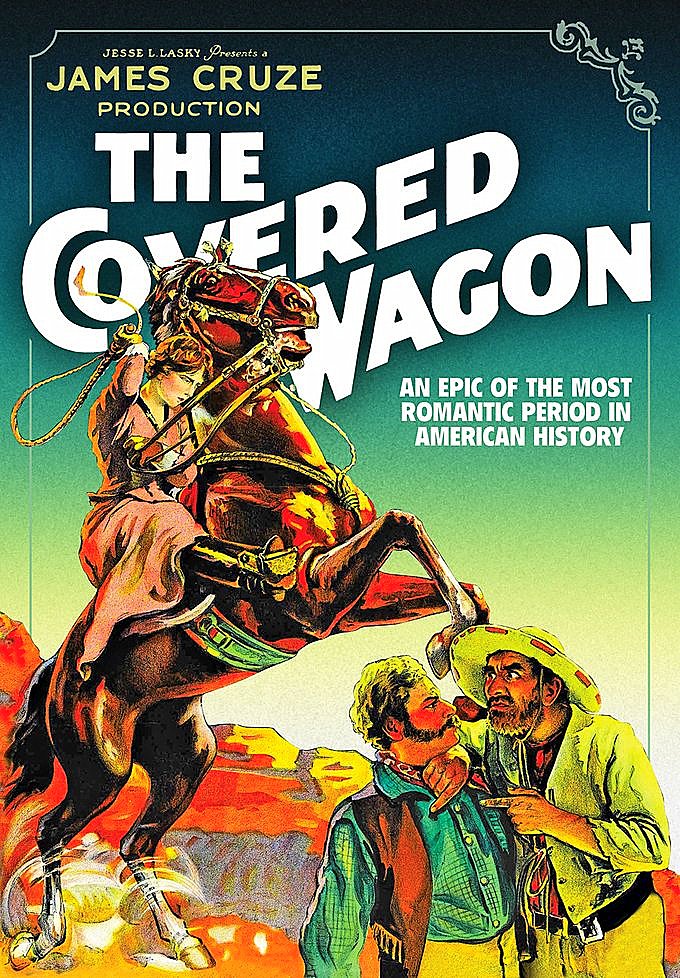
In October, the orchestra will present live music for the silent film The Covered Wagon and one of their “Curiosity Concerts,” short concerts designed for family attendance. The performance of music for The Covered Wagon (7:30 p.m. Saturday Oct. 14; details below) is presented in conjunction with the Northern Arapaho Eagle Society and in observance of the second week of October as Indigenous Peoples Week.

The Covered Wagon is a 97-minute 1923 silent film that included 500 Arapaho tribal members from the Wind River Reservation in the cast. The original film was premiered in New York City with a soundtrack score by Hugo Riesenfeld. University of Wyoming music prof. Anne Guzzo was commissioned to compile a new soundtrack, “Arapaho Covered Wagon Redux,” that aims to reverse negative Native American stereotypes and retell the story from a tribal perspective. Her compilation was arranged for orchestra and the Northern Arapaho drummers by Allen.

The performance is a combination concert presentation of the film and recording session. 

Later in the month, the Boulder Symphony presents their first “Curiosity Concert” of the season (3 p.m. Saturday, Oct. 28 in the orchestra’s primary home, Grace Commons Church in Boulder, which is called Grace Commons Concert Hall for performances). Titled “Perfectly Imperfect,” the performance is a program of the classical music education producer Extra Crispy Creatives.

With music ranging from Mozart to Billie Eilish, “Perfectly Imperfect” explores “what makes Earth’s music the best in the galaxy.” The performance with full orchestra and an alien named “Blip” will last approximately 45 minutes.

Erin Patterson

The fall’s full formal concert by the Boulder Symphony will take place at Grace Commons at 7:30 p.m. Friday, Nov. 17. Cellist Erin Patterson, a member of the Altius String Quartet, will be soloist in a performance of DANCE for cello and orchestra by Anna Clyne. Other works on the program, conducted by Hughes, will be Finlandia by Sibelius and the Symphony No. 2 of Rachmaninoff.

Clyne’s DANCE is effectively a five-movement concerto for cello, based on a five-line poem by Rumi. Each movement is titled after one line of the poem: 
Dance, when you’re broken open.
Dance, if you’ve torn the bandage off.
Dance in the middle of the fighting.
Dance in your blood.
Dance, when you’re perfectly free.

Composed in 1906–07, Rachmaninoff’s Second Symphony was an important milestone for the composer. The 1897 premiere of his First Symphony had been a failure. Rachmaninoff became depressed after the performance, and doubted his abilities as a composer. For his Second Symphony, he moved to Dresden, Germany, to have time for composing away from Russia, and after completing and extensive and revision of the score, he was able to present the symphony in St. Petersburg in January, 1908.

The performance was a great success, and the symphony won an award for the composer. This event restored Rachmaninoff’s confidence, and the Second Symphony, while subject to considerable later revisions, has remained one of his most popular compositions.

Tickets for performances by the Boulder Symphony are available on the organization’s Web page

# # # # #

Boulder Symphony
Fall Concerts in Boulder

7:30 p.m. Friday, Sept. 29
Boulder Symphony, Devin Patrick Hughes, conductor
With Trace Bundy, guitar

Program includes:

  • John Clay Allen: Eroica Forgotten (World premiere)
  • Trace Bundy: “Elephant King” (arr. by John Clay Allen)
  • Lennon/McCartney: “Dear Prudence” (arr. by John Clay Allen)
  • Leonard Cohen: “Hallelujah” (arr. by John Clay Allen)
  • The Edge/Bono: “Where the Streets Have no Name” (arr. by John Clay Allen)

Boulder Theater
Concert presented by Suerte Tequila

The Covered Wagon
Live Silent Film soundtrack recording session
7:30 p.m. Saturday, Oct. 14
Boulder Symphony, Devin Patrick Hughes, conductor, 
With the Northern Arapaho Eagle Society

  • Soundtrack compiled by Anne Guzzo; arranged by John Clay Allen

Pine Street Church, 1237 Pine St., Boulder

Fall Curiosity Concert
3 p.m. Saturday, Oct. 28
Boulder Symphony, Devin Patrick Hughes, conductor
Perfectly Imperfect, production of Extra Crispy Creatives

Program includes original music and arrangements from:

  • Sia: “Cheap Thrills”
  • Mozart: Symphony No. 40 in G minor
  • Rossini: Overture to William Tell
  • Richard Strauss: Also sprach Zarathustra
  • Billie Eilish: “Bad Guy”

Grace Commons Church, 1820 15th St.

7:30 p.m. Friday, No. 17
Boulder Symphony, Devin Patrick Hughes, conductor
With Erin Patterson, cello

  • Sibelius: Finlandia
  • Anna Clyne: DANCE for cello and orchestra
  • Rachmaninoff: Symphony No. 2 in E minor, op. 27

Grace Commons Church, 1820 15th St.

TICKETS and information for all Boulder Symphony performances on their Web page

CORRECTION: When originally posted, one of the paragraphs in this article was accidentally misplaced. Although it did not change the meaning, the error has been corrected and all parts of the story are in the correct order (11:15 p.m. 9/27/23).