GRACE NOTES: Chamber piano with strings, bassoons and student soloists

Piano Quartet at the Academy, Bassoon Quartet with Cantabile, BCO with competition winners

By Peter Alexander May 7 at 4:40 p.m.
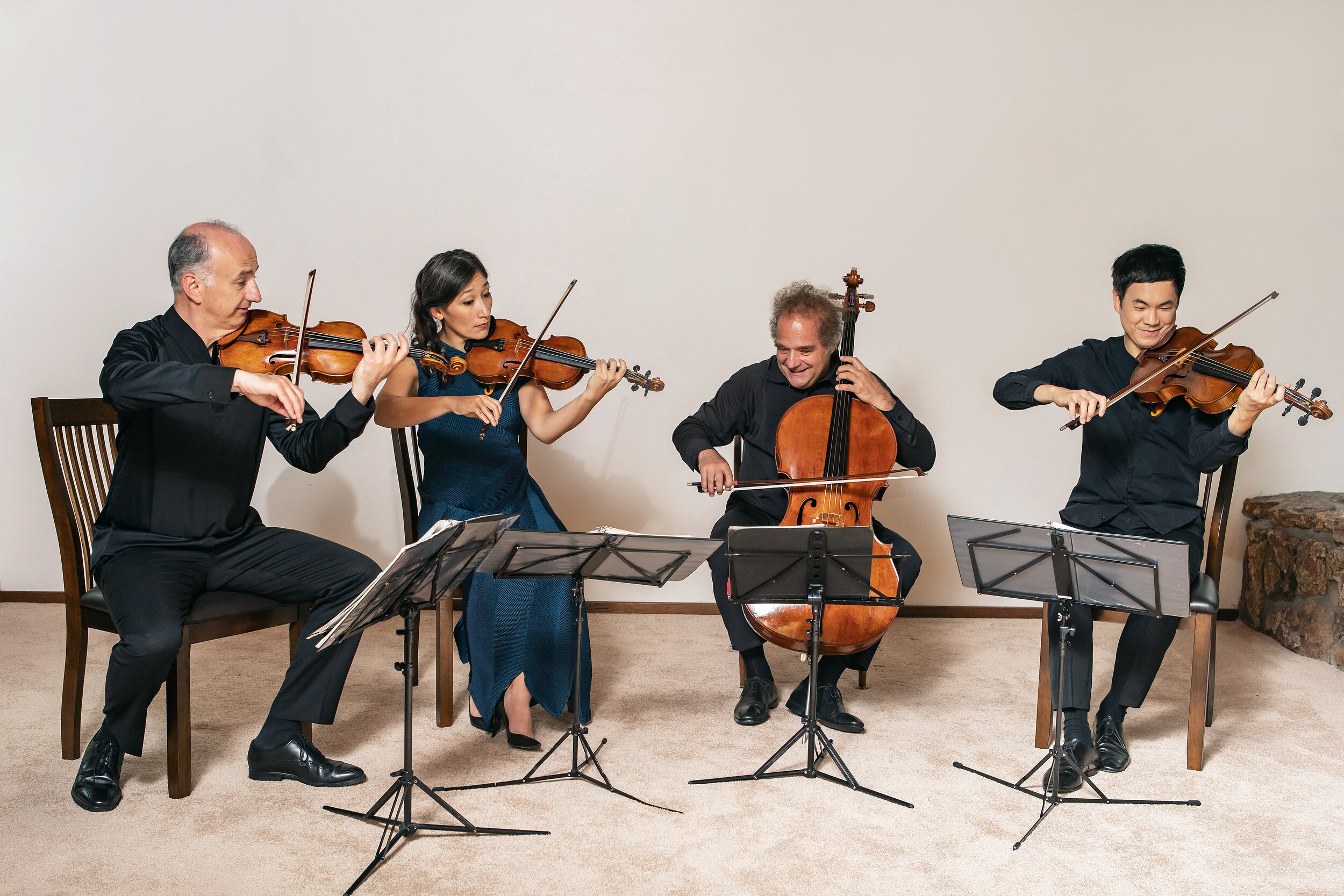
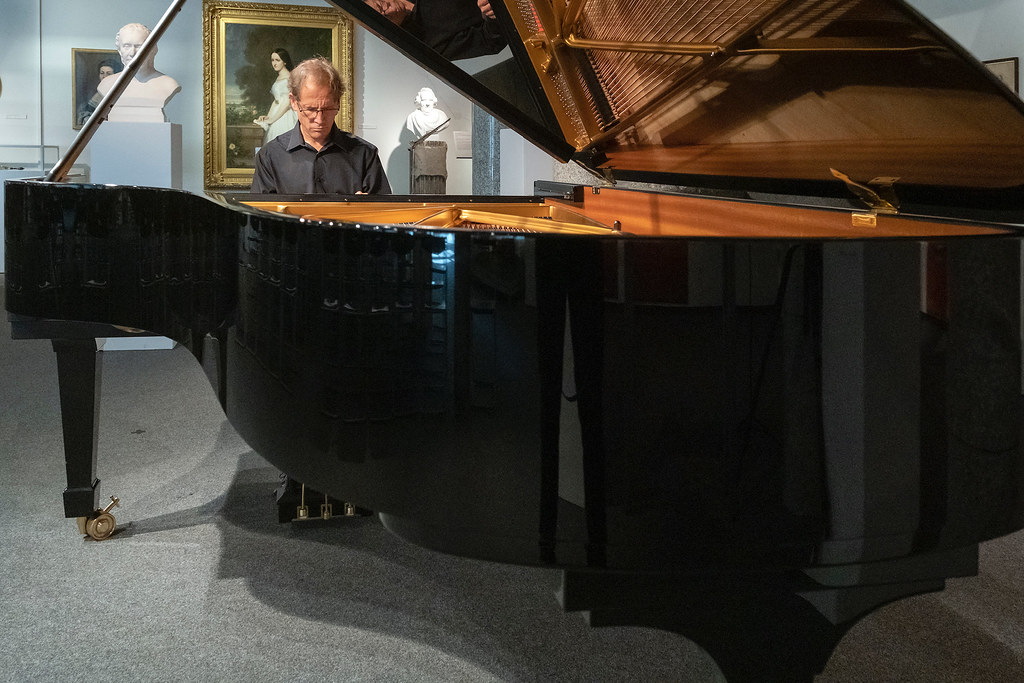
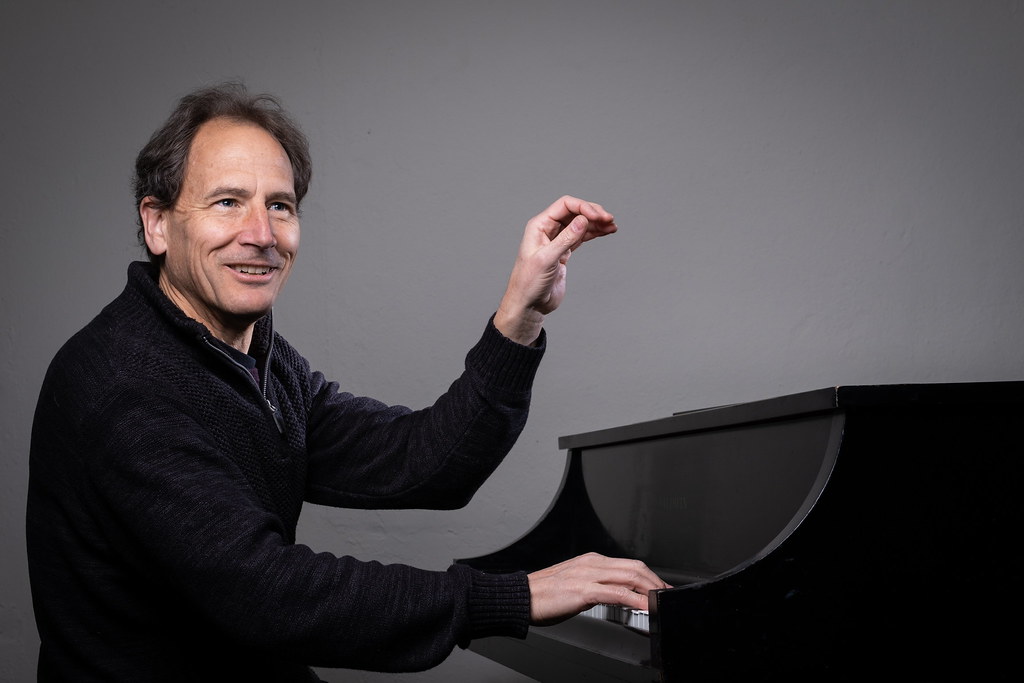
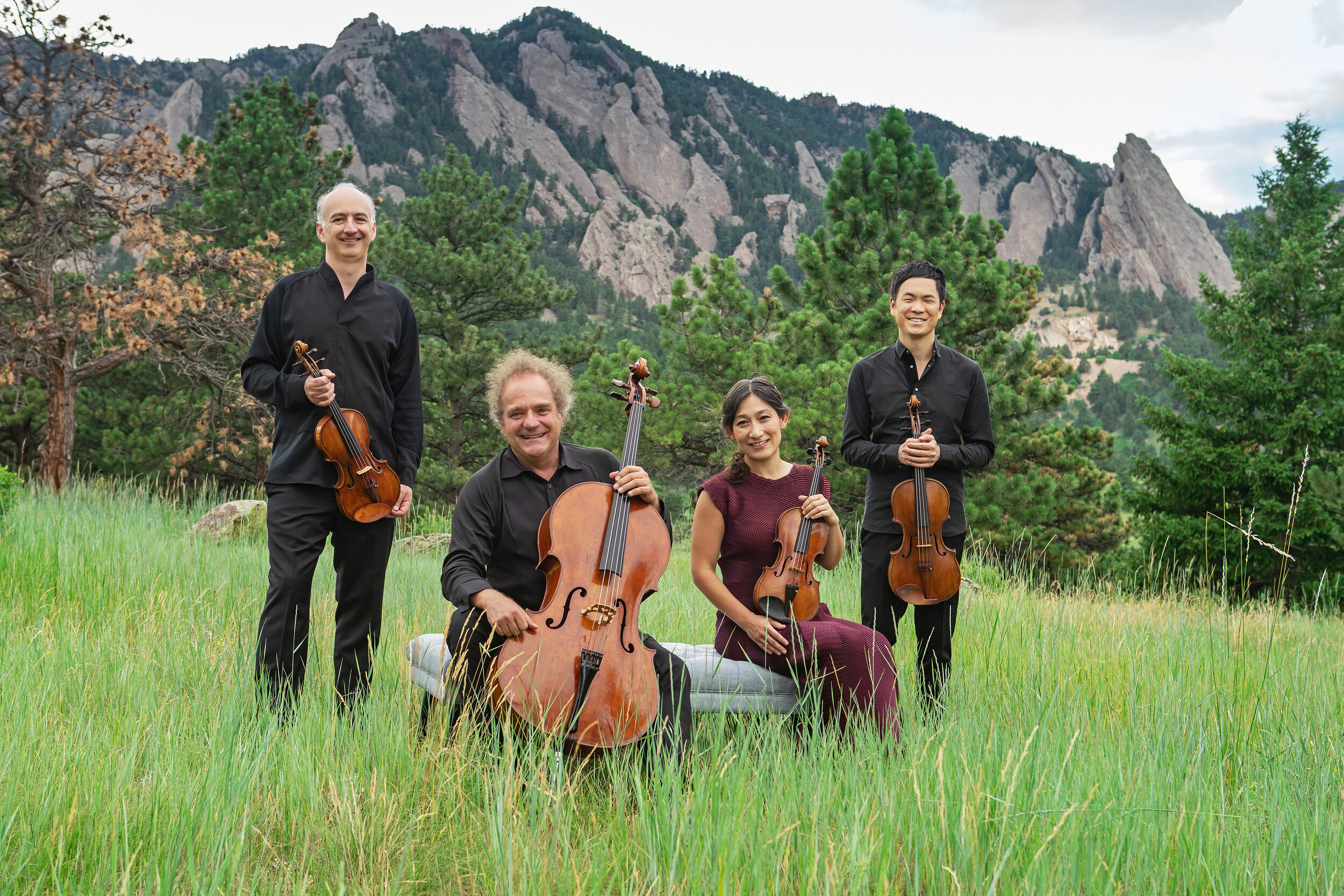
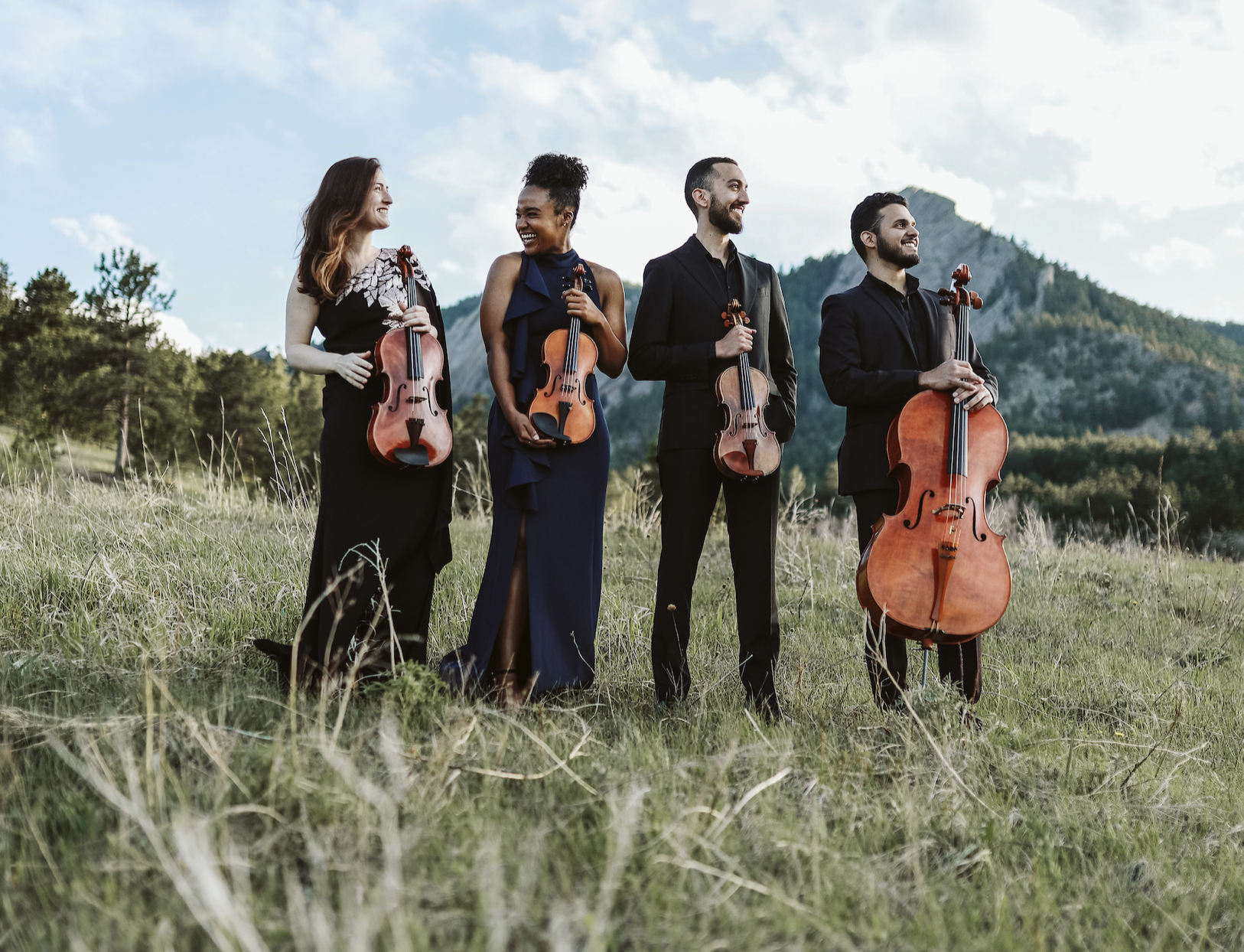
The Boulder Piano Quartet—pianist David Korevaar with violinist Igor Pikayzen, violist Matthew Dane and cellist Thomas Heinrich—will present a free concert in Chapel Hall at the Academy University Hill Friday (7 p.m. May 9; details below).

The central work on the program is the five-movement King of the Sun by Stephen Hartke, who is chair of composition at the Oberlin Conservatory. Written for the Los Angeles Piano Quartet, The King of the Sun was inspired by a series of five paintings by the Spanish painter Joan Miró. 
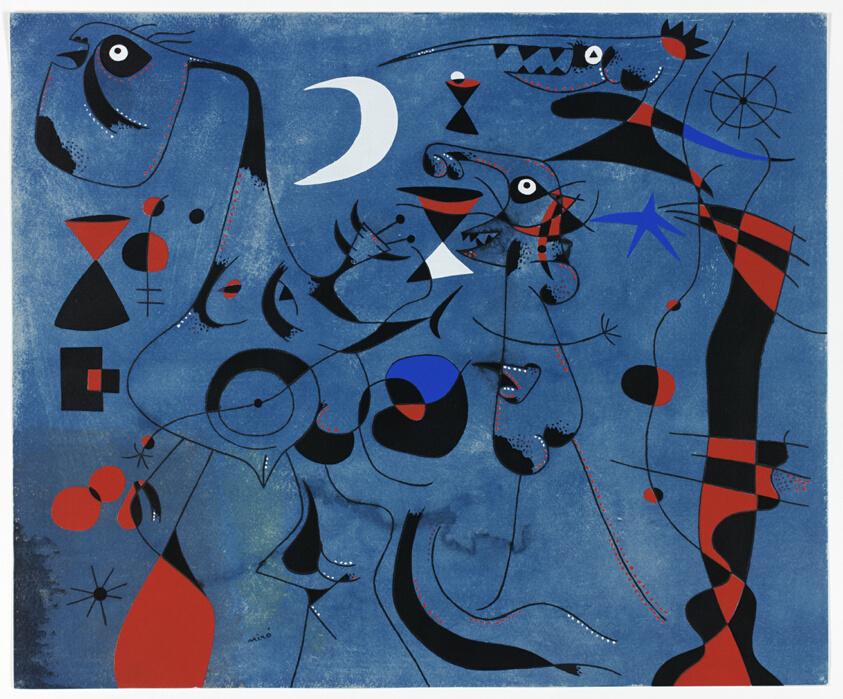
Miró: Characters in the night guided by the phosphorescent tracks of snails, Art Institute of Chicago

The five major movements of Hartke’s score are titled after the titles of the paintings: “Personages in the night guided by the phosphorescent tracks of snails,” “Dutch interior,” “Dancer listening to the organ in a gothic cathedral,” “The flames of the sun make the desert flower hysterical,” and “Personages and birds rejoicing at the arrival of night.” The third and fourth movements are  separated by a brief “Interlude,” leading Hartke to describe the piece as comprising “five and a half” movements. 

The title of the work, The King of the Sun, is a mistranslation of a 14th-century canon that is quoted in the second and fourth movements of Hartke’s score. The actual title of the canon is Le ray au soleil, which means the sun’s ray. The change of one letter—Le rey instead of Le ray—changes “The sun’s ray” into “The king of the sun.”

The program opens with Phantasy for Piano Quartet, written in 1910 by English composer Frank Bridge. It was commissioned by Walter Wilson Cobbett, who worked to promote the composition of British chamber pieces in the style of Fantasy, or Phantasy, a type of work that had flourished in Elizabethan times. Bridge was one of 11 British composers Cobbett commissioned to write a phantasy in 1910.

The final piece on the program is the Piano Quartet in E-flat major of Robert Schumann. It was composed in the summer of 1842, which became known as Schumann’s “year of chamber music.” He had mostly written piano music until 1840, a year in which he wrote 120 songs. The following year he wrote two symphonies, and then in 1842 he completed three string quartets, a piano trio, a piano quintet, and the Piano Quartet.

# # # # #

Boulder Piano Quartet
Igor Pikayzen, violin; Matthew Dane, viola; Thomas Heinrich, cello; and David Korevaar, piano

  • Frank Bridge: Phantasy for Piano Quartet
  • Stephen Hartke: The King of the Sun
  • Schumann: Piano Quartet in E-flat major, op. 47

7 p.m. Friday, May 9
Chapel Hall, The Academy University Hill, Boulder

Free

# # # # #
Quartets of all bassoons are a musical rarity—except in Boulder.

The Boulder Bassoon Quartet will present an unusual program of music for bassoon and chorus on a concert shared with Boulder’s Cantabile Singers, directed by Brian Stone, Friday and Sunday at the First Congregational Church (May 9 and 11; details below).
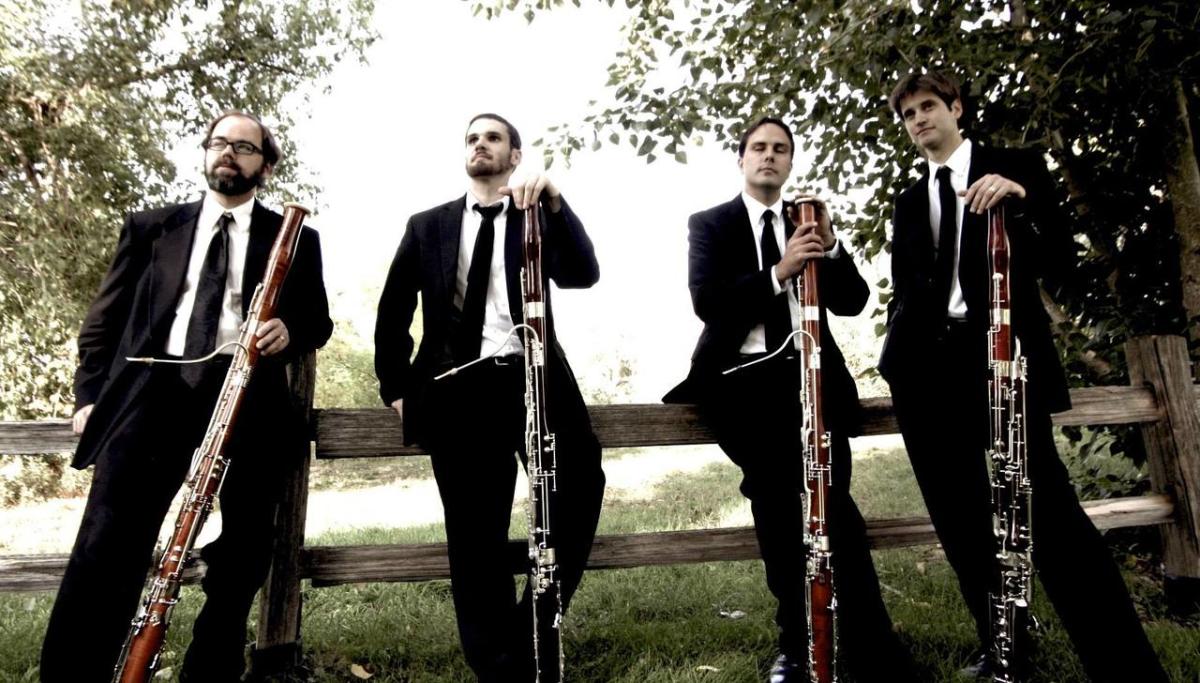
Boulder Bassoon Quartet

The program will be repeated at 3 p.m. Sunday, June 1, at the Boulder Bandshell

A centerpiece of the program will be the newly commissioned “I Shall Raise My Lantern” by Greg Simon. That work for chorus and bassoon quartet will be paired with “Three Earth Songs” by Bill Douglas. Other works on the program are a capella works for chorus by Ralph Vaughan Williams, Benjamin Britten, Craig Hella Johnson and Shawn Kirchner. 

The Sunday performance will be available online by a free live stream.

# # # # #

“The Beauty Around Us”
Cantabile Singers, Brian Stone, director, with the Boulder Bassoon Quartet

  • Greg Simon: “I Shall Raise My Lantern”
  • Bill Douglas: “Three Earth Songs”
  • Works by Ralph Vaughan Williams, Benjamin Britten, Craig Hella Johnson and Shawn Kirchner

7:30 p.m. Friday, May 9
3 p.m. Sunday, May 11
First Congregational Church, Boulder

3 p.m. Sunday, June 1, Boulder Band Shell

Tickets HERE

# # # # #
The Boulder Chamber Orchestra (BCO) will present the winners of the 2025 Colorado State Music Teachers Association (CSMTA) Concerto Competition as soloists on a concert program Saturday (8 p.m. May 10; details below).

The winners in four categories—Piano Elementary, Piano Junior, Piano Senior, and Strings/Harp—will each play the concerto movement that was required for the competition, with the orchestra (see the concert program below). BCO music director Bahman Saless will conduct.
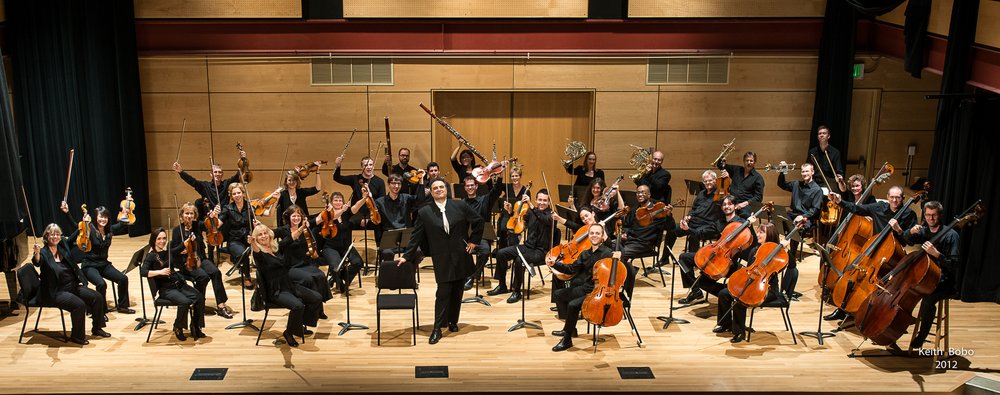
Boulder Chamber Orchestra with conductor Bahman Saless

An annual event, the CSMTA Concerto Competition has three piano categories that are held every year: elementary, junior and senior. There are vocal and instrumental categories in alternating years: strings/harp and voice in odd-numbered years, and winds/percussion in even-numbered years. The competition is for pre-college students up to age 19.

This year’s competition was held in March, and had violin, cello and harp contests in the strings/harp category. Every instrument has one concerto movement specified as its competition repertoire. The judges for the 2025 competition were Saless; Mary Beth Rhodes-Woodruff, artistic director of the Santa Barbara (Calif.) Strings; and Kate Boyd, professor of piano at Butler University.

The winners who will appear with the BCO are:
—Piano elementary: Natalie Ouyang
—Piano, junior: Lucy (Yuze) Chen
—Piano, senior: Bobby Yuan
—Strings/Harp: Sadie Rhodes Han (violin)

This is the second year that the BCO has presented the CSMTA Concerto Competition winners as concert soloists.

# # # # #

CSMTA Concerto Competition Winners’ Concert
Boulder Chamber Orchestra, Bahman Saless, conductor

  • Haydn: Keyboard Concerto in C major, Hob. XVIII/5, I. Allegro moderato
    -Natalie Ouyang, piano
  • Mozart: Piano Concerto No. 21 in C major; K467, I. Allegro maestoso
    -Lucy (Yuze) Chen, piano
  • Schumann: Piano Concerto in A minor, op 54, I. Allegro affettuoso
    -Bobby Yuan, piano
  • Saint-Saëns: Introduction et Rondo Capriccioso
    -Sadie Rhodes Han, violin

8 p.m. Saturday, May 10, Boulder Adventist Church

TICKETS

Ars Nova welcomes pianist David Korevaar

“Lost/Found” features forgotten work by Enrique Granados

By Peter Alexander Feb. 4 at 6:15 p.m.

David Korevaar is an adventurer, in the mountains and on the piano.

Cases in point: A photo of Korevaar on the summit of 13,088-ft. Paiute Peak in the Indian Peaks Wilderness (below); and his performances with the Ars Nova Singers and conductor Tom Morgan this weekend. Friday and Saturday (Feb. 7 and 8, in Boulder and Cherry Hills Village; details below) he will play three pieces that are new for him and that you likely have not heard before.

David Korevaar on the summit of Paiute Peak. Photo courtesy of the pianist.

One piece on the program is virtually unknown: Cant de les estrelles (Song of the stars) by the  Spanish composer Enrique Granados, written for the unusual combination of piano with organ and choir. In fact, it is unusual enough that Ars Nova was only able to find two venues with a suitable piano and organ that were in tune with one another: Mountain View Methodist Church in Boulder (7:30 p.m. Friday) and Bethany Lutheran Church in Cherry Hills Village (7:30p.m. Saturday).

Cant de les estrelles had its premiere in Barcelona in 1911 on a concert Granados presented of his own music, and then disappeared for nearly a century. The manuscript suffered damage from fire, water and mold, but the music was re-discovered and performed in New York in 2007. When Morgan saw a score, he programmed the Cant de les estrelles on a program titled “Lost/Found,” along with other pieces that were never totally lost but that are obscure today.

One of those is by American composer Dominick Argento, a setting of the Wallace Stevens poem “Peter Quince at the Clavier,” a complex meditation on the power of music and the meaning of beauty. Once one of the leading modernist composers, Argento has fallen from fashion, and “Peter Quince at the Clavier” is not often performed today.

The third choral piece is Renouveau (Renewal) by Lili Boulanger, a celebration of spring that opens with the joyful words “Ladies and gentlemen, it is me—me, Springtime!”—a thought that is always welcome in February. Korevaar will play the piano parts on all three choral works, and add two of Granados’ solo piano pieces from Goyescas, a suite of pieces inspired by Goya’s paintings. The inclusion of the solo piano works is a bow to the 1911 concert that included the premieres of both the Cant de les estrelles and the Goyescas.

Enrique Granados

“The music is really gorgeous,” Korevaar says of Cant de les estrelles. “One of the reasons to come hear it live, is (that) it’s written for three separate mini choirs, essentially. You get antiphonal stuff happening between the piano in one place, the organ sound coming from somewhere else, and then singers in various places. You get sound from everywhere. It’s pretty spectacular.”

While Korevaar plays and records a highly varied repertoire, he claims no credit for discovering the Granados. “Tom Morgan gets full credit for this one,” he says.

Of the other works on the program, Korevaar calls particular attention to Argento’s piece. “There are not that many real concert works (composed specifically) for piano and choir,” he says. “Peter Quince at the Clavier is a real masterpiece. It’s a really marvelous piece.

“The poem itself is fascinating and complex. It has at its center a kind of gloss on the story of Susana and the elders, but it’s also a reflection on the power and meaning of music. Elissa Guralnick is going to be providing some commentary on the poem before we perform the piece.”

Argento called the piece a “sonatina for mixed chorus and piano concertante,” which describes the role of the piano part but also refers to the fact that the music is structured in four movements. The separate movements correspond to four separate sections in the poem, and also fit the outline of a small sonata, with an opening movement in a medium tempo, followed by a slow movement, a faster scherzo and a closing slow movement.

Lili Boulanger

Lili Boulanger was the younger sister of the famed French music teacher Nadia Boulanger and member of a musical family. The first woman to win the Prix de Rome composition award, she died tragically at only 24 and left relatively few finished compositions.

 “It’s  lovely little piece,” Korevaar says of Renouveau, composed when Boulanger was 17. “It’s a very charming poem about spring, and it’s kind of nice to have it in the middle of winter, because we get to have this moment of celebration of all the wonderful things about spring.” 

As a musical adventurer, Korevaar is excited about playing with Ars Nova. “The whole program is fascinating,” he says. “I want to call out Tom (Morgan), because he dreamed this up. I came into it with great enthusiasm and excitement because the music is so wonderful.

“It’s going to be a treat.”

# # # # #

“Lost/Found”
Ars Nova Singers, Tom Morgan, conductor
With David Korevaar, piano

  • Dominick Argento: Peter Quince at the Clavier
  • Lili Boulanger: Renouveau
  • Enrique Granados: Goyescas: Fandango de candil (Fandango by candlelight)
    —Goyescas: La Maja y el ruisenor (The maiden and the nightingale)
    Cant de les estrelles (Song of the stars)

7:30 p.m. Friday, Feb. 7
Mountain View United Methodist Church, 355 Ponca Place, Boulder

7:30 p.m. Saturday, Feb. 8
Bethany Lutheran Church, 4000 E.Hampden Blvd., Cherry Hills Village

In-person and Livestream tickets HERE.

GRACE NOTES: Takács Quartet with guest pianists

Joyce Yang in Macky Friday, David Korevaar in Grusin Sunday and Monday

By Peter Alexander Jan. 10 at 3:10 p.m.

Pianist Joyce Yang, silver medalist at the Van Cliburn International Piano Competition at the age of 19, will be joined by the Takács Quartet for a concert at Macky Auditorium Friday (7:30 p.m. Jan. 12; details below).

Joyce Yang. Photo by K.T. Kim

The pairing of her solo performances and chamber music with the Takács recalls her appearance at the Cliburn Competition in 2005, when she won Best Performance of Chamber Music. In fact, she will play the same piece with the Takács they played together in Ft. Worth for her prize-winning performance: Dvořák’s Piano Quintet in A major—a work they also have played for the Lincoln Center Great Performers series.

Chamber music has been a large art of Yang’s career ever since the Cliburn competition. In addition to performances with the Takács, she has played with the Emerson Quartet on the Mostly Mozart Festival and has a standing partnership with the Alexander String Quartet, with whom she has recorded Mozart’s Piano Quartets.

Other works on Friday’s program include selections from Tchaikovsky’s Seasons and Rachmaninoff’s Preludes, op. 32. The first half of the program concludes with one of the great virtuoso showpieces of the piano repertoire, Guido Agosti’s arrangements of the “Infernal Dance,” “Berceuse” and “Finale” from The Firebird by Stravinsky. 

The least familiar of the solo piano pieces will be the selections from Tchaikovsky’s Seasons. A set of 12 pieces sketching each of the 12 months, the pieces were published monthly throughout 1876 in a St. Petersburg music journal. Each of the pieces has a subtitle that was provided by the publisher.

Dvořák’s Quintet forms the second half of the program. One of the composer’s most performed chamber works, the Quintet was actually the second such work Dvořák wrote. It began as an attempt at a revision of the earlier quintet, also in A major, written when the composer was 31. Unsatisfied with that work—which he had since discarded— Dvořák decided instead to write a completely new work. In the usual four-movement structure, the Quintet No. 2 features many hallmarks of the composer’s mature style including a Dumka—a movement alternating mournful and rapid, happy sections—and a Bohemian folk dance for the third movement.

# # # # #

Joyce Yang, piano, with the Takács  Quartet

  • Tchaikovsky: Selections from The Seasons
  • Rachmaninoff: Three Preludes
  • Stravinsky: Firebird Suite (arr. Guido Agosti)
  • Dvořák: Piano Quintet No. 2 in A major, op. 81

7:30 p.m. Friday, Jan. 12
Macky Auditorium

TICKETS

# # # # #

The Takács Quartet will kick off their spring concert series with another performance featuring a pianist joining them in a quintet.

This program—to be performed Sunday and Monday, Jan. 14 and 15 (details below)—will feature CU distinguished professor of piano and Helen and Peter Weil Faculty Fellow David Korevaar for the Piano Quintet in A minor of Florence Price. Other works to be performed by the Takács will be the Italian Serenade for string quartet by Hugo Wolf and Bartók’s String Quartet No. 1.

Takács Quartet. Image by Amanda Tipton Photography.

The early 20th-century African-American composer Florence Price has recently been rediscovered by orchestras and chamber music organizations across the U.S. The 2009 find of a trove of manuscripts in what had been her summer home in the village of St. Anne, Ill.,including previously unknown violin concertos and a symphony, has led to increased interest in her music. 

A native of Little Rock, Ark., Price studied at the New England Conservatory of Music and spent most of her life in Chicago, where she continued her education and worked as an organist for silent films. In 1933 her First Symphony was premiered to critical acclaim by the Chicago Symphony.

The Quintet in A minor was written in 1935, shortly after the premiere of the symphony. Price’s heritage is reflected in the third movement, titled “Juba”—a dance characterized by rhythmic hand-clapping that was associated with celebrations by enslaved Black people on Southern plantations.

Wolf’s Italian Serenade is often heard in its version for string orchestra but was originally written for quartet. Planned as part of a large, multi-movement work, the brief Serenade survives as a stand-alone work that is one of the most cheerful pieces by a composer whose largely unhappy life ended in an asylum. This is undoubtedly his best known chamber work, as most of his compositions were song collections by German poets from Goethe to Heine and Eichendorff.

The inspiration for Bartók’s first String Quartet, written in 1908, is often said to have been his rejection by the violinist Stefi Geyer,  as suggested by the mournful tone of the first movement. On the other hand, he got over the rejection well enough to marry someone else within a year.

The quartet is in three large, interconnected movements. Bartók had just stared collecting Hungarian folk songs by 1908, and other than the last movement, they had little influence on the First Quartet. In general the quartet is more Romantic in nature and less adventurous than his later quartets. The premiere of the First Quartet was given in 1910 by the Waldbauer-Kerpely Quartet, to whom Bartók dedicated his Second Quartet.

# # # # #

Takács Quartet with David Korevaar, piano

Hugo Wolf: Italian Serenade for string quartet
Bartók: String Quartet No. 1
Florence Price: Piano Quintet in A minor

4 p.m. Sunday, Jan. 14
7:30 p.m. Monday, Jan. 15
Grusin Hall

In person and digital TICKETS

Korevaar tackles “iconic masterpiece” filled with humor and joy

“Transcendence”: Bach’s Goldberg Variations at the Dairy Saturday

By Peter Alexander Oct. 19 at 2:25 p.m.

Bach’s Goldberg Variations is widely regarded as one of the great works of the European musical tradition, but pianist David Korevaar doesn’t want you to think of it that way.

David Korevaar. Photo by Manfred Fuss.

Korevaar will play the Goldberg Variations Saturday at the Dairy Arts Center (4 p.m. in the Gordon Gamm Theater) on a program titled “Transcendence” that is part of the 2023–24 Boulder Bach Festival concert series. “Although the piece is an iconic masterpiece,” Korevaar says, “it should be a piece that is full of joy and dances and sings, rather than an object of worship.”

Johann Gottlieb Goldberg

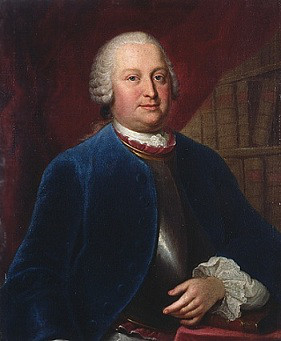
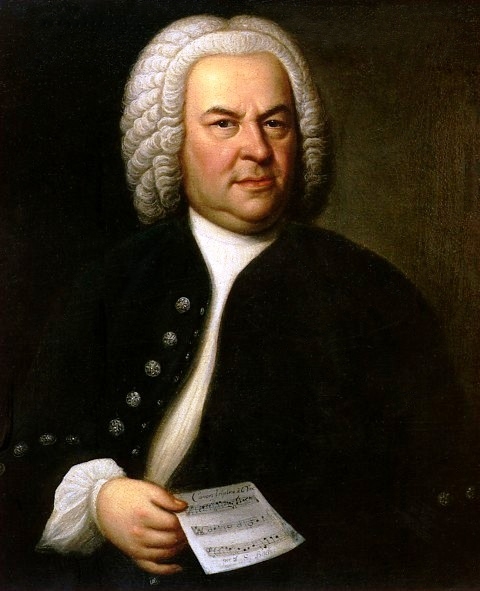
The Variations were written around 1740 and are named after harpsichordist and organist Johann Gottlieb Goldberg. Goldberg was employed by Count Kayserling, the Russian ambassador to the Court of Saxony and may have been one of Bach’s pupils. A story of dubious authenticity has been told by Bach’s biographer Johann Nikolaus Forkel that Kayserling suffered from insomnia. To cheer him up on sleepless nights, Bach is supposed to have written the variations for Goldberg to play.

The completed score comprises an Aria and 30 variations, with the aria to be repeated at the end. Every third variation is a canon for two voices, with an increasing musical interval between the voices. In musical terms, Variation 3 is a canon at the unison, Variation 6 a canon at the second, and so forth to Variation 27, which is a canon at the ninth. 

Scholars have found patterns in the layout of the other variations as well, with one Baroque movement type and one rapid free movement in every pair of variations between the canons. The final variation is a “Quodlibet” (Latin for “whatever you wish”) that combines several German folk songs.

Korevaar recorded the Goldberg Variations once about 18 years ago, but he has not gone back to re-listen to that recording because he wants to approach the music afresh. “That was the first time that I set my hands to that music” he says, suggesting that his understanding of the music has evolved over the intervening years.

J.S. Bach

Because this is the first time he has played the full set with nothing else on the program, he has made the decision to take all of the repeats that Bach wrote into the score—something he did not do in his recording or in recital performances. “I do some embellishment with repeats,” he says, “but even in a case where I’m not doing embellishment, I think it’s worth hearing the music twice.”

“You also have to have the patience to accept the length of the piece. Isn’t it nice to slow down the pace of the world a little bit, and spend a little more time with some music?”

Korevaar believes that the time spent with the Goldberg Variations should be entertaining for the listeners. In spite of the complexity of Bach’s compositional stye, there is a lot of fun in the music. “I’m not going to say that there’s no profundity there, there’s plenty,” he says.  “But most of the piece is in an emotional range from contentment to outright joy.

“What we can miss is the humor, and a certain amount of show-off-iness, which of course Bach did occasionally. I think he had a good time writing this piece.”

David Korevaar. Photo by Matthew Dine

If Bach is showing off as a composer, with his canons and widely varying styles of variations, the music also gives the performer space to show off, too. “There is a combination of compositional virtuosity and keyboard virtuosity here,” Korevaar says. “It would be silly to claim that there’s not an aspect of bravura to this music. This music actually is very difficult and sounds very difficult!”

Bach wrote the Goldberg Variations specifically for harpsichord, as the piano was not yet well developed in 1740. Korevaar is playing them on piano, but he is not averse to more historically accurate performances. “I love my modern piano, but I also love listening to a wonderful harpsichordist play,” he says.

The modern instrument has different expressive possibilities and parameters than the harpsichord. “Color, dynamics and shaping are an inevitable part of playing the piano” he says. “And those parameters are much less available to a harpsichordist.” In contrast, he explains, the harpsichord and other historical instrument depends much more on flexibility of time and tempo to create expression.

And that’s what Korevaar seeks above all in performing Bach’s music. “I believe very deeply that Bach was essentially an expressive composer,” he says. 

“And so to understand that and to bring that music to life in a way that sings and dances and speaks—that’s what I admire and strive for.”

# # # # #

Boulder Bach Festival
“Transcendence”
David Korevaar, piano

  • J.S. Bach: Goldberg Variations, S988

4 p.m. Saturday, Oct. 21
Gordon Gamm Theater, Dairy Arts Center

TICKETS

GRACE NOTES: Boulder Piano Quartet and Boulder Symphony Friday

Brahms and Bonis at the Academy; Beethoven, Britten and Korngold downtown

By Peter Alexander May 18 at 1:10 p.m.

The Boulder Piano Quartet will perform a piece by one of the most interesting composers you’ve never heard of—Mel Bonis, aka Mélanie Hélène Bonis Domange— as part of a concert Friday at the Academy in Boulder (7 p.m. May 19; details below).

Oh, and there will be some Brahms, too—someone who is slightly better known to music lovers today.

To be specific, the program comprises Bonis’s Piano Quartet No. 2 in D major and Brahms’s Piano Quartet No. 1 in G minor. The concert will feature performers Alex Gonzalez as guest violinist, with regular Boulder Quartet members Matthew Dane, viola; Thomas Heinrich, cello; and David Korevaar, piano. Gonzalez substitutes for the late Chas Wetherbee, a member of the quartet who died Jan. 9.

Born in 1858, Bonis was a child prodigy who taught herself to play piano. She entered the Paris Conservatory at 16, where she studied with Cesar Franck and was in the same class with Debussy. To satisfy her parents’ conservative sense of priorities she married a businessman who apparently didn’t like music, and consequently she gave up composition. Later she re-encountered a former classmate and ex-lover who was able to encourage her composition and connect her with publishers. Both her composing and her affair with the former classmate blossomed as a result.

When Saint-Saëns heard some of her music around 1901, he is supposed to have said “I never imagined a woman could write such music!” After her husband’s death in 1918, Bonis devoted herself fully to composition. The Second Piano Quartet, written in 1927, is one of her later pieces which she described as her “musical legacy.”

Brahms wrote his Piano Quartet in G minor 1856–61. It was premiered in his hometown of Hamburg in 1861 with Clara Schumann playing the piano part. Brahms himself later played it for his Vienna debut as a performer. The Quartet is best known for its finale, marked Rondo alla Zingarese, based on the Roma dance-music style that was often mistaken for Hungarian folk song. 

# # # # #

Boulder Piano Quartet

  • Mel Bonis: Piano Quartet No. 2 in D major, op. 124
  • Brahms: Piano Quartet No. 1 in G minor, op. 25

7 p.m. Friday, May 19
Chapel Hall, The Academy University Hill

Free admission; reservations HERE

# # # # #

The Boulder Symphony and conductor Devin Patrick Hughes open their concert Friday (7:30 p.m. May 19 at Grace Commons Church) with another interesting composer, and one who should be better known, Erich Wolfgang Korngold.

Music from Korngold’s score for the 1940 film starring Errol Flynn, The Sea Hawk, opens the program, which also features probably the best known symphony of all time, Beethoven’s Fifth. Between these works violinist Yumi Hwang-Williams and violist Andrew Krimm will appear as soloists for Benjamin Britten’s Double Concerto for violin and viola.

Korngold was one of many composers who came to the United States to escape the Nazi regime in Germany and Austria. Hailed as a child prodigy, the had a thriving career in Austria as a composer of operas and other major works. He moved to Hollywood in 1934, where he wrote the scores to 16 films, including several Errol Flynn adventure epics such as Captain Blood and The Sea Hawk

His concert music has recently enjoyed a revival, and Opera Colorado recently presented his 1920 opera Die tote Stadt (The dead city), written when the composer was 23. The Sea Hawk was the last of his scores for a “swashbuckler.” It is considered one of his best film scores, and it was a recording of that score and others by Korngold that sparked a revival of interest in his film music in the 1970s.

Britten’s Double Concerto ranks alongside Mozart’s Sinfonia Concertante as one of a very few works for solo violin and viola. Written in 1932 when Britten was 18, it was later rejected by the composer and not performed in the composer’s lifetime. However, a copy survived in a reduced score and the rediscovered concerto was premiered at the Aldeburgh Festival in 1997.

Nothing in classical music is more recognizable than the opening gesture of Beethoven’s Fifth—three shorts and a long, the four-note motive that came to stand for “Victory’ in World War II (based on the morse code signal for V, dot dot dot dash). The piece has become so familiar that it is easy to forget how tightly it is constructed, with the four-note motive running throughout in various forms, and the thrilling transformation from C minor to C major representing a kind of musical victory of its own.

Hwang-Williams has been concertmaster of the Colorado Symphony for 20 years and recently released two CD recordings of music by Korean composer Isang Yun. Krimm came to Colorado as a member of the award-winning Altius Quartet, the former quartet-in-residence at the CU, and is currently executive director of the Boulder Symphony.

# # # # #

Boulder Symphony, Devin Patrick Hughes, conductor
With Yumi Hwang-Williams, violin, and Andrew Krimm, viola

  • Erich Wolfgang Korngold: Film music from The Sea Hawk
  • Benjamin Britten: Double Concerto for violin and viola
  • Beethoven: Symphony No. 5 in C minor

7:30 p.m. Friday, May 19
Grace Commons Church, 1820 15th St., Boulder

TICKETS

Grace Notes: Sonic Alchemy at Boulder Bach; piano quintets with winds

Mozart, Pärt and Vasks at the Dairy; Mozart and Rimsky-Korsakov chamber music

By Peter Alexander April 5 at 11:45 p.m.

The Boulder Bach Festival continues to explore musical connections across time, as their upcoming concert (4 p.m. Saturday, April 8; details below) brings together works by Mozart with contemporary works by Arvo Pärt and Pēteris Vasks.

A composer from the Baltic nation of Estonia, Pärt is known for his development of a style he calls “tintinnabulation,” in which fragments of sound recur to suggest the ringing of bells. His music is deeply influenced by the mysticism of Byzantine Christianity, and in this concert will be contrasted with the rationality of the European Enlightenment, as reflected in the music of Mozart.

The two are conflated in Pärt’s Mozart-Adagio, a work for violin and piano that balances Mozart’s style and Pärt’s “tintunnabuli” and brings their two centuries—the 18th and the 20th—into close conjunction.

Vasks hails from another Baltic country, Latvia, where he was trained as a violinist and double-bass player. His highly original style has been described as “spiritual,” “powerfully evocative” and “imagematic”—i.e., creating a strong visual impression. Apart from his musical works, he is known primarily for his devotion to environmental causes, which often appear as the subjects of his works.

The performance, which includes two of Mozart’s keyboard fantasies, will be recorded for later release. That will be the second CD release from the Boulder Bach Festival, which has already issued a joint CD and Blu-ray recordings of music from the 2022 Boulder Bach Festival. That recording, “Boulder Bach Festival” on the Sono Lumnus label, can be purchased from the recording studio

# # # # #

“Sonic Alchemy”
Boulder Bach Festival: Mina Gajić, piano; YuEun Ki, violin; Coleman Itzkoff, cello

  • Mozart: Fantasia in C minor, K475
  • Arvo Pärt: Fratres for cello and piano
  • Pēteris Vasks: The White Scenery for piano solo
    Interior Castle for violin and cello
  • Pärt: Spiegel im Spiegel for violin and piano
  • Mozart: Fantasia in D minor, K397Pärt: Mozart-Adagio for piano trio

4 p.m. Saturday, April 8
The Gordon Gamm Theater, Dairy Arts Center

TICKETS   

# # # # #

The Boulder Chamber Orchestra (BCO) will present the last of its 2022-23 Mini-Chamber concerts Saturday (7:30 p.m. April 8; details below), featuring the music of Rimsky-Korsakov and Mozart.

Pianist David Korevaar, who has been the featured artist for the mini-chamber concerts this season, returns to play two quintets for piano and winds with members of the BCO. It is notable that both works feature the wind players as much as the piano.

David Korevaar. Photo by Matthew Dine.

In 1876, Rimsky-Korsakov wrote a String Sextet for a competition sponsored by the Russian Musical Society. After completing the Sextet, he decided to write a separate piece for piano and winds. The composer described the work in his autobiography as follows:

“The First movement, Allegro con brio, (is) in the classic style of Beethoven. The Second Movement, Andante, contained a good fugue for the wind instruments with a very free accompaniment in the piano. In the finale, Allegretto vivace, I wrote in rondo form. Of interest is the middle section where I wrote cadenzas for the flute, the clarinet and the horn to be played in turns. Each was in the character of the instrument and each was interrupted by the bassoon entering by octave leaps.”

Mozart’s Quintet was written for a concert the composer presented in 1784, when he was at the height of his success in Vienna. In came right after thee piano concertos, K449, K450 and K451, and can thus be considered virtually a chamber concerto for piano, although the winds each have their own solo moments as well. After finishing the quintet, Mozart wrote to his father, “I consider it the best work I have ever written.”

The Quintet has the same three-movement structure as a concerto. The first has a slow introduction followed by an allegro where each instrument has its own theme. That is followed by a gentle slow movement and a rondo that, like the central section of Rimsky-Korsakov’s finale, leads to cadenzas for all five players. 

# # # # #

Mini-Chamber Concert 3
David Korevaar, piano, with members of the Boulder Chamber Orchestra

  • Rimsky-Korsakov: Quintet for piano and winds in B-flat major
  • Mozart: Quintet for piano and winds in E-flat major, K452

7:30 p.m. Saturday, April 8
Boulder Adventist Church, 345 Mapleton Ave.

TICKETS

Grace Notes: The familiar and unfamiliar from Boulder orchestras

World premiere from Boulder Symphony, chamber music from BCO

By Peter Alexander Jan. 12 at 3:10 p.m.

The Boulder Symphony and conductor Devin Patrick Hughes will start the new year with a new piece—the world premiere of the Oboe Concerto by CU graduate John Clay Allen.

John Clay Allen

The premiere will be included on concerts at 7:30 p.m. Friday and Saturday (Jan. 13 and 14) in the Gordon Gamm Theater of the Dairy Arts Center. Other works on the same program are the much loved “New World” Symphony of Dvořák, the Overture to The Song of Hiawatha by Samuel Coleridge-Taylor, and music from the film Jurassic Park by John Williams.

Allen, who received his DMA in composition in 2019, has been active as a pianist and conductor in addition to his work as a composer. The soloist for the concerto will be the Boulder Symphony’s principal oboist, Ingrid Anderson.

One of the most familiar works in the symphony repertoire, the “New World” Symphony includes music inspired by Longfellow’s epic poem The Song of Hiawatha. The poem was familiar to Dvořák, who once planned an opera on the subject. That connection is highlighted by the inclusion of Coleridge-Taylor’s Overture to his trio of cantatas, The Song of Hiawatha.

# # # # #

Boulder Symphony, Devin Patrick Hughes, conductor
With Ingrid Anderson, oboe

  • John Clay Allen: Oboe Concert (World premiere)
  • John Williams: Themes from Jurassic Park
  • Samuel Coleridge-Taylor: Overture to The Song of Hiawatha
  • Dvořák: Symphony No. 9 in E minor (“From the New World”)

7:30 p.m. Friday and Saturday, Jan. 13 and 14
Gordon Gamm Theater, Dairy Arts Center

TICKETS

# # # # #

David Korevaar. Photo by Matthew Dine

Pianist David Korevaar returns for the second of two chamber music concerts with members of the Boulder Chamber Orchestra (BCO) at 7:30 p.m. Saturday (Jan. 14) at the Seventh Day Adventist Church in Boulder.
The program comprises two sextets for piano and woodwind quintet, one by the obscure composer Ludwig Thuille and one by the much more familiar Francis Poulenc. The third and final concert of Korevaar’s chamber series with the BCO, comprising quintets for piano with winds, will be April 8.

Thuille “is even more obscure than (his teacher) Rheinberger, which is saying something,” Korevaar says. Apart from the Sextet, his music is very rarely performed.

“The piece is wonderful, but it sounds very much of its time and place. (It represents) a nice late-Romantic idiom, with some occasional adventurous harmonies, (but) it doesn’t push boundaries in any way.

Poulenc’s Sextet is very popular with players and audiences alike. “It’s a classic,” Korevaar says. “If you think of one piece for piano and wind quintet, this is the piece you’ll think of. it’s very popular for good reason, filled with good infectious Poulenc-ey tunes, and the writing is brilliant for all the instruments. It’s just a marvelous, successful piece.”

# # # # #

David Korevaar, piano, with members of the Boulder Chamber Orchestra

  • Ludwig Thuille: Sextet in B-flat major for piano and wind quintet, op 6
  • Francis Poulenc: Sextet for piano and wind quintet

7:30 p.m. Saturday, Jan. 14
Seventh-Day Adventist Church, 345 Mapleton Ave., Boulder

TICKETS

David Korevaar featured in Mini-Chamber Series

Three performances planned with members of the Boulder Chamber Orchestra 

By Peter Alexander Sept. 22 at 2:25 p.m.

David Korevaar. Photo by Matthew Dine.

Pianist David Korevaar, distinguished professor of piano at the CU College of Music, will team up with members of the Boulder Chamber Orchestra (BCO) for a series of three concerts of chamber music with piano.

The first of the three concerts, featuring piano quintets with strings, will be Saturday, Sept. 24. Other concerts in the series will feature music for piano and winds, and will be Jan. 14 and April 8. All three concerts will be at 7:30 p.m. in the Boulder Adventist Church, 345 Mapleton Ave. in Boulder. (See full program llistings and ticket information below.)

Each of the concerts pairs a work that is fairly well known with one that notably more obscure. For Saturday’s concert, that pairing brings Schumann’s Piano Quintet in E-flat major with Elgar’s Piano Quintet in A minor. For Jan. 14 the program features Poulenc’s popular Sextet for pianos and winds with a Sextet for piano and wind quintet by Austrian composer Ludwig Thuille. And the concert April 8 combines Mozart’s Quintet in E-flat for piano and winds with Rimsky Korsakov’s rarely heard Quintet for piano and winds.

For the first concert (Sept. 24), Korevaar with appear with leaders of the BCO’s string sections—violinist Annamária Karacson, violist Aniel Cabán and cellist Joseph Howe—along with Karoly Schranz, the former second violinist of the Takács Quartet. Although the Elgar Quintet was recorded recently by the Takács Quartet and pianist Garrick Ohlsson, Korevaar has never played it before.

“It’s a piece that isn’t well known at all,” he says. “The fact that Takács has recorded it recently has given a little more visibility in our community. It was written at the same time as the Cello Concerto and the Violin Sonata, by the post-World War I, very mature Elgar. And it’s a beautiful piece.”

In contrast, Korevaar knows the Schumann Quintet very well, having learned it as a teenager and played it just recently with the Takács Quartet. “It’s the quintet that I first learned. I actually learned the first and last movement of the Schumann when I was 15 years old, in a summer camp.

“I don’t want to think what that sounded like—I think I play it a lot better now—but it’s been part of my life for a long, long time.”

Apparently the quintet caused a rift between the composer’s widow, Clara, and Franz Liszt, who thought it was rather pedantic. Liszt’s opinion aside, it has remained a popular piece in the chamber repertoire for pianists, and Korevaar says “it’s always a pleasure to play.

“For me, the piece feels like a (Baroque-era) concerto grosso, in the way (Schumann) treats the instruments. There’s opposition between the full forces and those areas where there might be two or three players. He works with the ensemble as if it were an orchestra, and then when he breaks out for solos it feels very much like the lightening of texture you get in a concerto grosso.”

Ludwig Thuille

Ludwig Thuille, who is featured on the January 14 concert, “is even more obscure than (his teacher) Rheinberger, which is saying something,” Korevaar says. Apart from the Sextet, his music is very rarely performed.

“The piece is wonderful, but it sounds very much of its time and place. (It represents) a nice late-Romantic idiom, with some occasional adventurous harmonies, (but) it doesn’t push boundaries in any way.

Poulenc’s Sextet is very popular with players and audiences alike. “It’s a classic,” Korevaar says. “If you think of one piece for piano and wind quintet, this is the piece you’ll think of. it’s very popular for good reason, filled with good infectious Poulenc-ey tunes, and the writing is brilliant for all the instruments. It’s just a marvelous, successful piece.”

The Rimsky-Korsakov Quintet for piano and winds that opens the April 8 concert is another piece that is rarely played. Korevaar has played it, but many years ago. “I don’t know what to say about the Rimsky-Korsakov, because I haven’t looked at it in so many years,” he says. “It’s Russian with good tunes, but in a rather old-fashioned style.”

Ending the concert series will be Mozart’s much-loved Quintet in E-flat for piano and winds, K452. Possibly the first piece for this combination of instruments—piano, oboe, clarinet, horn and bassoon—it is certainly the first that is familiar, and it inspired Beethoven to write a quintet for the same instruments and in the same key.

Mozart’s Quintet, Korevaar says, “reflects a chamber music aesthetic, because Mozart in Vienna had the professional (wind) players to work with. He writes this at the same time that he’s expanding his orchestration, particular in the piano concertos, to include much more important wind parts.

“There is a famous letter to his father in which he says he’s written this piece and it’s the best thing he’s ever composed. It’s one of his great works.”

Tickets for the BCO Mini-Chamber Concerts with David Korevaar can be purchased as season tickets, together with four concerts by the full orchestra under the direction of Bahman Saless Oct. 29, Dec, 17, Feb. 1 and April 1; or they can be purchased individually for each concert. More information and tickets are available on the BCO Web page.

# # # # #

Boulder Chamber Orchestra Mini-Chamber Series
In collaboration with pianist David Korevaar

7:30 p.m. Saturday, Sept. 24

David Korevaar, piano, with members of the Boulder Chamber Orchestra

  • Elgar: Piano Quintet in A minor, op. 84
  • Schumann: Piano Quintet in E-flat major, op. 44

7:30 pm. Saturday, Jan. 14

David Korevaar, piano, with members of the Boulder Chamber Orchestra

  • Ludwig Thuille: Sextet in B-flat major for piano and wind quintet, op 6 
  • Francis Poulenc: Sextet for piano and wind quintet

7:30 p.m. Saturday, April 8

David Korevaar, piano, with members of the Boulder Chamber Orchestra

  • Rimsky-Korsakov: Quintet in B-flat for piano and winds
  • Mozart: Quintet in E-flat major for piano and winds, K452

All concerts at the Boulder Adventist Church, 345 Mapleton Avenue

Tickets available from the BCO Web page.

GRACE NOTES: David Korevaar launches the fall performance season

By Peter Alexander Aug. 11 at 2:10 p.m.

David Korevaar. Photo by Matthew Dine.

David Korevaar, the CU, Boulder, College of Music distinguished professor of piano and an apparently tireless performer, has several performances coming up in the Boulder and northern Colorado region, from a faculty recital on the CU campus to a guest performance with the Ft. Collins Symphony.

Here is a list of his upcoming appearances:

7 p.m. Friday, Aug. 12: Beethoven’ Fourth Piano Concerto with the Ft. Collins Symphony, Wes Kenney, conducting. Other pieces on the all-Beethoven program will be the Coriolan Overture and the Symphony No. 7 I A  major. The performance will be in the Timberline Church in Ft. Collins. Tickets are available HERE.
7:30 p.m. Tuesday, Aug. 30: A CU faculty recital, titled “Comedy, tragedy, virtuosity and passion.” The program features sonatas by Florence Price and Beethoven, Chopin’s F-sharp minor Polonaise (“Tragic), and a selections of Chopin études. The performance will be free and open to the public. This performance will also be available by live stream HERE.

7:30 p.m. Tuesday, Sept. 24: A chamber concert, the first of three to be sponsored by the Boulder Chamber Orchestra The program features piano quintets by Edward Elgar and Schumann. The performance will be in the Boulder Adventist Church. Tickets are available HERE.

Between tours, Takács Quartet plays hometown concerts March 6–7 and April 10–11

Programs include Haydn, Shostakovich, Dvořák, Schumann, Mendelssohn

By Peter Alexander March 4 at 1:25 p.m.

COVID-19 is, momentarily, receding, and the Takács Quartet is back to a full performing schedule.

They had to cancel several concert tours over the past two years, but not in 2022. “We just came home from Princeton, Berkeley and Los Angeles,” the group’s cellist, András Fejér, explains. “And now we will go to New York, Sarasota, Los Angeles and San Francisco.”

Around and between those trips, they have their usual concerts on the CU campus: music by Haydn, Shostakovich and Dvořák March 6 and 7; and music by Schumann performed with pianist David Korevaar, and Mendelssohn with the CU graduate quartet in residence, the Ivalas Quartet, April 10 and 11 (see performance details below).

Takács Quartet. L-R: Edward Dusinberre, András Fejér, Harumi Rhodes, Richard O’Neill. Image by
Amanda Tipton Photography

Except for the interruption caused by the pandemic, touring is a normal part of life for the Takács Quartet. “It’s a nice chugging-along routine,” Fejér says. “We just say we would love to tour, say, 10 days each month in the States, and that gives us enough time to rehearse and teach and rest a little.” They also make longer tours every year to Europe and Asia, all arranged through their agents.

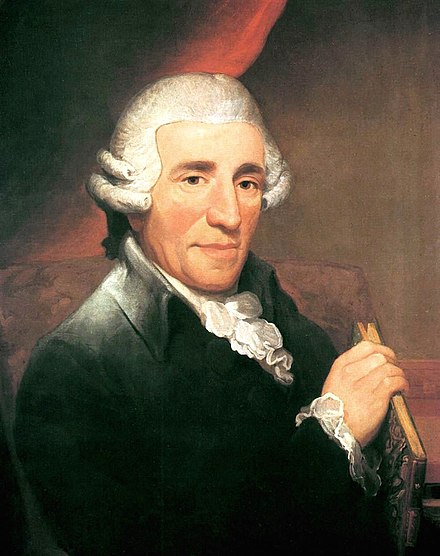
Joseph Haydn. Painting by Thomas Hardy.

Like the Takács now, Haydn had just returned from touring in 1796, in his case home to Vienna from two trips to London. Upon his return, an aristocratic patron commissioned a set of six quartets, published a few years later as Op. 76. These works are considered the pinnacle of Haydn’s quartet composition.

The Fourth Quartet of the set, known as the “Sunrise Quartet,” opens the Takacs’s March concerts—but Fejér wants you to know that Haydn is not “just a warmup piece” for the rest of the program. “I mean, the guy invented the (string quartet)!” he says. “We are just in awe—(playing his music) is a constant wonderment. Even familiar pieces, we try to dig deeper. We always try to give his music justice.”

Likewise, Dvořák wrote his G major String Quartet, the final piece on the program, soon after returning home from his years in America. It is considered one of the composer’s most profoundly expressive quartets, particularly the meditative slow movement.

The quartet has enjoyed exploring Dvořák ‘s score. “It’s fascinating for us,” Fejér says. “Its scope is unprecedented, in length and orchestration. Most of the time it sounds totally symphonic. He goes left and right and returns—just totally unpredictable and delightful. We love it.”

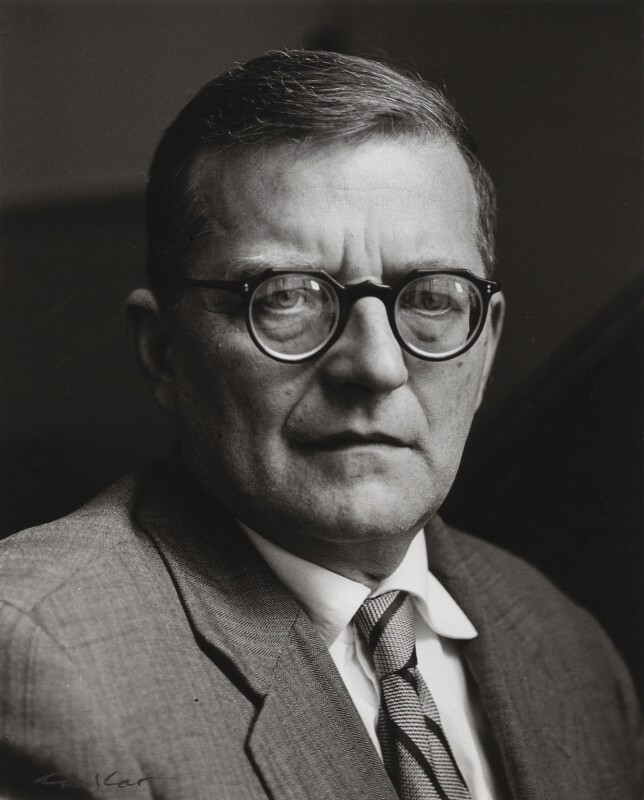
Dmitri Shostakovich

Between Haydn and Dvořák, the Takács will play Shostakovich’s Eleventh Quartet. Written in memory of a violinist with the Beethoven Quartet, which was long associated with Shostakovich’s music, the Eleventh Quartet is an austere work that uses the instruments sparingly. It’s seven movements are anything but cheerful, but as Fejér says, with Shostakovich “cheerful is not the first description which would come to mind.

“I’m always amazed about the simplicity of his motifs. How such simple notes can work in mysterious ways on the audience is unbelievable. You cannot put together a more simple music and somehow the effect on audiences is mesmerizing. I notice it every time.”

For the April concerts the quartet has programmed two pieces, each of which includes invited guests. First they will be joined by pianist David Korevaar to perform Robert Schumann’s Piano Quintet. Written in 1842 and dedicated by the composer to his wife, Clara, it is the first major quintet written for piano and string quartet.

Schumann alternates between intimate passages that feature conversational exchanges among the five instruments, and nearly symphonic passages that feature the four strings together against the piano. At a time when chamber performances were first moving into the concert hall, Schumann helped create the model for the quintets that followed by Brahms, Dvořák and Franck, all destined for the concert hall.

The April program concludes with another piece that had no precedent, the Octet for Strings, which the Takács will play with the members of the Ivalas Quartet. Like the Schumann Quintet, the combination of instruments was unprecedented when Mendelssohn wrote the Octet at the age of 17, and it’s one of the most magical pieces to come out of the Romantic era. “It’s such an adrenalin rush (to play it),” Fejér says.

Ivalas Quartet. L-R Aimée MsAnulty, Tiani Butts, Reuden Kebede, Pedro Sánchez.

“It’s wonderful and makes you humble all over again. Comparing what most of us had been doing at 17, it’s even more impressive.”

Fejér gives two reasons that he is looking forward to playing the Octet. First, he says, “we love playing with additional people because the function of our individual instruments is different from a string quartet. I’m not playing as much bass line as I usually do, (and) I enjoy the different role very much.”

The second reason is the opportunity to share the stage with the their students in the Ivalas Quartet. “It is their final month in April at CU of their three years, and we loved working with them,” Fejér says.

“We look forward very much to have fun with capital letters with this Mendelssohn Octet!”

# # # # #

Takács Quartet

  • Haydn: String Quartet in B-flat Major. op.76 no. 4 (“Sunrise”)
  • Shostakovich: String Quartet Nr.11, op.122
  • Dvořák: String Quartet No. 13 in G-major, op.106

4 p.m. Sunday, March 6
7:30 p.m. Monday, March 7
Grusin Music Hall

TICKETS

Takács Quartet and guests

  • Schumann: Quintet for piano and strings in E-flat major, op. 44
    With David Korevaar, piano
  • Mendelssohn Octet for Strings in E-flat major, op. 2
    With the Ivalas Quartet

4 p.m. Sunday, April 10
7:30 p.m. Monday, April 11
Grusin Music Hall

TICKETS

NOTE: Digital tickets are available for both programs