GRACE NOTES: Holiday Music Here and There

Warning! The most popular shows are selling out

By Peter Alexander Dec. 4 at 4:50 p.m.

The CU-Boulder College of Music’s annual “Holiday Festival” has limited tickets still available for the four performances Friday through Sunday (Dec. 6–8 in Macky Auditorium; details below).

The annual holiday extravaganza features orchestras, bands, jazz ensembles and world music groups and individual performers from the School of Music, in addition to faculty and guests. Based on previous years, it is almost a certainty that the performances will sell out by the weekend. If you wish to attend, move fast!

# # # # #

“Holiday Festival”
Performers from the CU College of Music:
—Chamber Singers, Coreen Duffy, conductor
—Holiday Festival Chorus, Coreen Duffy and Elizabeth Swanson, conductors
—Holiday Festival Orchestra, Gary Lewis and Matthew Dockendorf, conductors
—Trumpet Ensemble, Ryan Gardner conductor
—Holiday Festival Jazz, Brad Goode, conductor
—Holiday Festival Brass, Elias Gillespie conductor
—West African Highlife Ensemble, Maputo Mensah, director
—Andrew Garland, baritone; Daniel Silver, clarinet; and Bobby Pace, carillon 

  • Program of selected music for the Holidays

7:30 p.m. Friday, Dec. 6 LIMITED TICKETS
1 p.m. and 4 p.m. Saturday 7 LIMITED TICKETS
4 p.m. Sunday, Dec. 8 LIMITED TICKETS

TICKETS

The “Gentle Nutcracker,” a sensory-friendly, abridged version of Tchaikovsky’s Nutcracker ballet presented by Boulder Ballet and the Longmont Symphony Orchestra (LSO) for individuals with special needs and their families, has limited tickets available for Saturday’s performance in Longmont’s Vance Brand Auditorium (1 p.m. Dec. 7; details below).

The same is true for one performance of the full Nutcracker ballet, Saturday at Vance Brand (4 p.m. Dec. 7). While Sunday’s performance is sold out, a few more tickets are available for Saturday.  All performances will be led by the LSO music director Elliot Moore.

# # # # #

Boulder Ballet with the Longmont Symphony, Elliot Moore, conductor

“Gentle Nutcracker”

1–2 p.m. Saturday, Dec. 7
Vance Brand Civic Auditorium

TICKETS 

The Nutcracker

4 p.m. Saturday, Dec. 7 LIMITED TICKETS
2 p.m. Sunday, Dec. 8 SOLD OUT 
Vance Brand Civic Auditorium

TICKETS

Ars Nova Singers will celebrate the winter solstice with “Light/Shadow,” a program featuring rarely heard seasonal music that welcomes the return of light after winter’s darkness. A series of four concerts in Denver, Boulder and Longmont opens Saturday at the St. Paul Community of Faith in Denver with conductor Tom Morgan (Dec. 7; full concert details below).

Additional performances will be Sunday, Dec. 8 in Longmont; Thursday Dec, 12 at Mountain View Methodist  church in Boulder; and Friday, Dec. 13, at First Church in Boulder. All performances are at 7:30 p.m. In addition to the Ars Nova Singers, the performances will feature violist Matthew Dane and flutist Christine Jennings.

Highlights of the program will include the Magnificat by the Estonian composer Arvo Pärt, featuring the composer’s “tintinnabuli” style. This style, which Pärt introduced in the 1970s, combines a chant-like voice moving in stepwise motion with a “tintinnabular voice” that moves mostly in arpeggios. One of Pärt’s most popular works, the Magnificat is characterized by its gentle lyricism and calm mood.

Also noteworthy on the program is the U.S. premiere of the Vocalise for viola and choir by the Bulgarian composer Emil Tabakov. Known as both a conductor and composer in Bulgaria, Tabakov has written extensively for large ensembles, including 10 symphonies and a Concerto of Orchestra as well as a number of concertos. In that respect, the restrained and meditative Vocalise is exceptional among his works. 

Also on the program are pieces by the African-American composer B.E. Boykin, Shira Cion, the American singer/songwriter/actress Sara Bareilles, and arrangements of seasonal music by Morgan.

# # # # #

“Light/Shadow”
Ars Nova Singers, Tom Morgan, conductor
With Matthew Dane, viola, and Christina Jennings, flute

  • Phillipe Verdelot: Beata es Virgo Maria
  • Anton Bruckner: Virga Jesse floruit
  • Joan Szymko: Illumina le tenebrae
  • B. E. Boykin: O magnum mysterium
  • Arvo Pärt: Magnificat
  • Emil Tabakov: Vocalise for solo voila and choir (U.S. premiere)
  • Abbie Betinis: “Be Like the Bird”
  • John Rutter: Musica Dei donum
  • Mykola Leontovych: “Carol of the Bells”
  • Italian Carol: Dormi, dormi (arr. Guy Turner)Israeli song: Ma navu (arr. Shira Cion)
  • “The Angels and the Shepherds” (arr. Paulus/Morgan)
  • Sara Bareilles/Ingrid Michaelson: “Winter Song” (arr. Morgan)
  • Traditional “The Holly and the Ivy” (arr. Morgan)

7:30 p.m. Saturday, Dec. 7
St. Paul Community of Faith, 1600 Grant St., Denver

7:30 pm. Sunday, Dec. 8
United Church of Christ, 1500 9th Ave., Longmont

7:30 p.m. Thursday, Dec. 12
Mountain View United Methodist, 355 Ponca Place, Boulder

7:30 p.m. Friday, Dec. 13
First Church, 1421 Spruce St., Boulder

TICKETS

NOTE: Matthew Dane is the correct name of the guest violist for this concert. The original posting had his name correctly in the text by misspelled as “Dance” in the program listing below.

Eklund Opera presents renewed, colorful Hansel and Gretel

Fairytale opera takes the stage at Macky Friday and Sunday

By Peter Alexander Oct. 23 at 1:50 p.m.

In 1890, the German composer Englebert Humperdinck was asked by his sister, Adelheid Wette, to write some folk-style songs for a Christmas play she was creating for her children.

Their little family play was performed at Christmas, but over the next two years Humperdinck, with Wette’s help, turned those simple songs into one of the most popular full-scale German operas, one that is still produced annually at Christmas time at theaters across Germany. The subject of that opera—and of Wette’s original family entertainment—was the Brothers Grimm’s fairytale Hansel and Gretel.

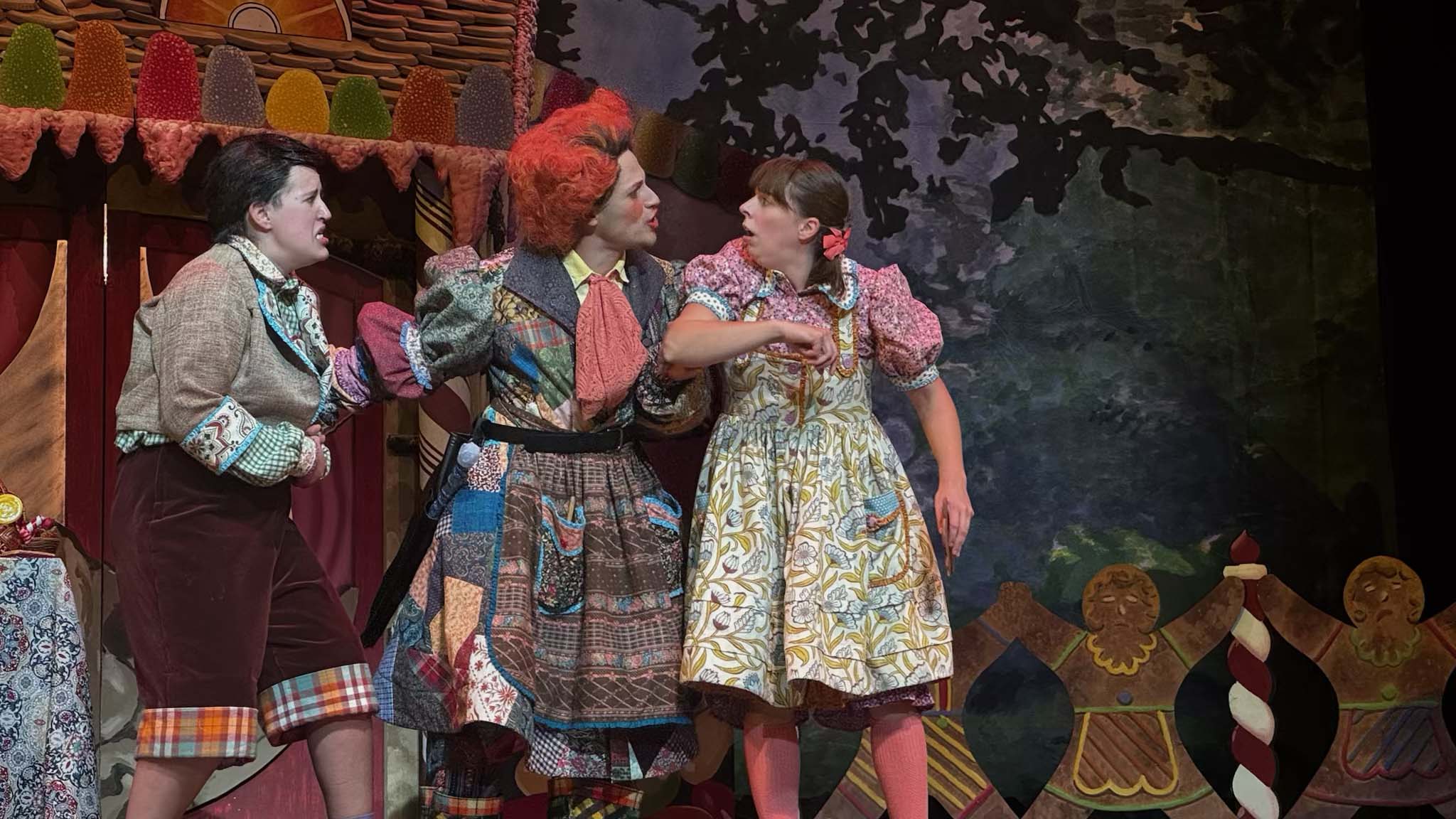
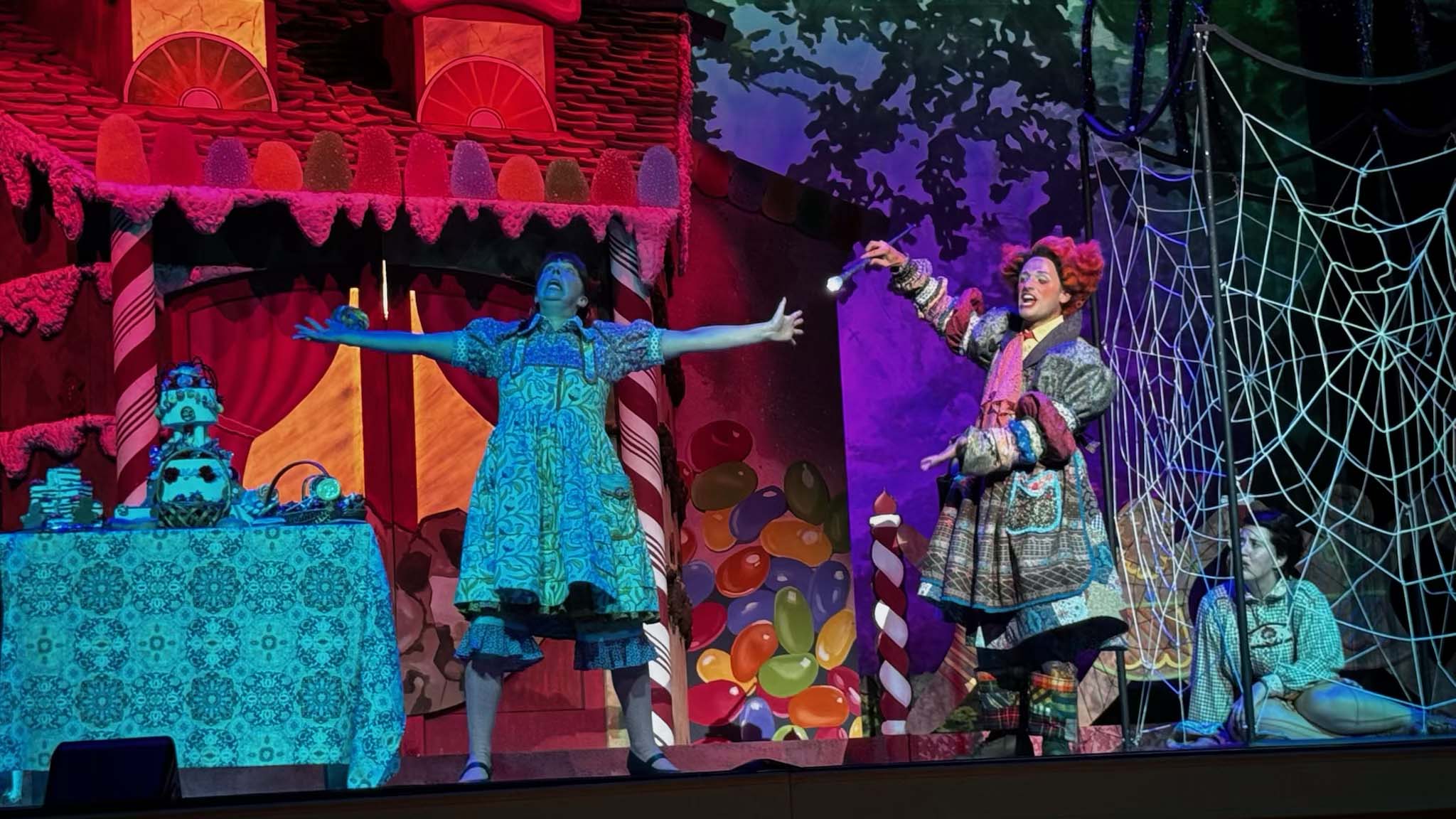
L to R: Salleigh Harvey as Hänsel, Thomas Bocchi as the Witch, Kristina Butler as Gretel in the CU Eklund Opera production of Hansel and Gretel

Humperdinck’s Märchenoper (fairy-tale opera) will be the next production of CU-Boulder’s Eklund Opera Program. And even if it’s a little early to get out the Holiday decorations, it will be given a festive production over the coming weekend (7:30 p.m. Friday and 2 p.m. Sunday, Oct. 25 and 27) in Macky Auditorium. (See ticket information below.)

The musical performance with full orchestra and student singers will be conducted by Nicholas Carthy and stage directed by Leigh Holman, director of the Eklund Opera Program. The sets by Peter Dean Beck, which CU Opera have used before, have been dressed up with new, colorful costume designs by Ann Piano and lighting effects by Jonathan Dunkle. It will be performed in German with English titles.

The story of Hansel and Gretel, which was originally a dark tale of malice and danger, was made milder over a series of transformations, through several editions of the Grimm story and then Wette’s libretto for Humperdinck’s opera. The original evil stepmother who sends the children into peril is turned into, as Carthy puts it, a beleaguered “mother with two children and a headache,” who simply sends the children out to gather strawberries. 

There are lighthearted moments in the opera—the children squabbling at the beginning of the first act, and their father cheerfully returning home after selling all of his brooms—and even in the forest the children are looked over by the Sandman, the Dew Fairy and the 14 angels of the beautiful Dream Pantomime. Even when accosted by the witch, Hansel and Gretel easily evade her evil designs. In the end, the witch is vanquished and all the gingerbread children are returned to life.

Musically, Humperdinck’s score has many folk-like tunes and simple melodies, but it is also full of musical challenges. As Carthy explains, the libretto uses “slightly archaic language, words that have fallen out of use and some of them are very difficult to pronounce. Hansel and Gretel are onstage for most of it, and the witch is a very big part. And then Act III suddenly gets more difficult—all of a sudden the music becomes more difficult to sing, much more difficult to play, much more difficult to conduct.”

The witch’s part can be a particular challenge, Holman says. “I think the Witch’s part is really, really difficult. The timing and the notes are kind of disjointed. It’s hard to find the pitches—seriously!”

Humperdinck worked as an assistant with Wagner, particularly on the late music drama Parsifal, and so his harmonic language and orchestration reflect late Wagner. That too can be a problem, Carthy says, especially when the orchestral sound becomes heavier and darker. “Balance (among the parts) is a problem, keeping it all together is a problem, keeping it transparent is a problem,” he says.

And “it’s a great challenge for the players, because it’s a massive piece,” he adds. “It never stops, as far as the players are concerned, (so it’s) quite an exercise in concentration and stamina. Three fourths of them have never played in a pit, so they are coming in without the experience of playing a long piece and concentrating for that amount of time. It’s invaluable for (the students), but as the conductor you have to know the piece backwards.”

The production uses sets that were designed by Peter Dean Beck and that have been used in previous CU productions of Hansel and Gretel. But this time there will be new costumes by Piano and other touches to bring more color to the stage. 

Kristina Butler as Gretel, Thomas Bocchi as the Witch, Salleigh Harvey as Hänsel (on the ground)

“I asked for a change in this production,” Holman says. “I asked that it not be so literal, a little bit more fantastical. And so we have lots of colors in it, in the costumes but also in other little elements. Even the brooms are colored, red ones and blue ones, so it kind of takes us out of reality and goes back to a storybook.

“We have a new lighting designer, Johnathan Dunkle, and we’re doing some new and interesting things with that. With the witch’s ride we have some lighting effects that we’re working on.”

Another new feature of this production that Holman is excited about is choreography for the 14 angels. “Laura Malpass is the choreographer, and she’s fantastic,” she says. “She teaches in the dance department, and she pulled together 14 trained ballet dancers to portray the 14 angels. It’s less than six minutes and it’s gorgeous.”

In fact, she and Carthy are looking forward to the entire opera. “We’re so excited about this piece,” Holman says. “The music is gorgeous, the orchestra is rich and full and the look of it—the visuals and brand new costumes and what you’re going to see onstage—is beautiful. 

“And it’s short! People are going to get out in two hours and 15 minutes.”

# # # # #

Eklund Opera Theater, Leigh Holman, director
Nicholas Carthy, music director

  • Hansel und Gretel by Englebert Humperdinck
    Libretto by Adelheid Wette

Performed in German with English titles

7:30 p.m. Friday, Oct. 25 and 2 p.m. Sunday, Oct. 27
Macky Auditorium

TICKETS

Takács String Quartet celebrates its 50th season

Mutual respect, love of music and supportive audiences inspire the players

By Peter Alexander Sept. 12 at 9:14 p.m.

Fifty years is a long time in any job, but that is the landmark that András Fejér, cellist of the world renowned Takács Quartet, is approaching as the quartet enters its fiftieth season, 

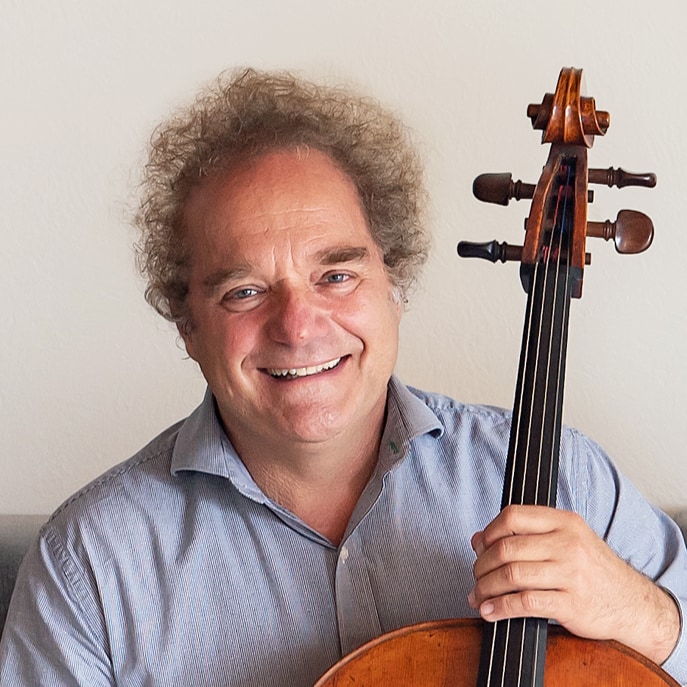
András Fejér

The Takács String Quartet was founded in Budapest in September 1975—49 years ago—and has been in residence at the CU College of Music since 1983. The only original member of the quartet still with the group, Fejér is now 70, but he shows no sign of seeking a quiet retirement.

“I’m loving it,” he says about playing in the quartet and continuing the group’s busy concert schedule around the world. “I feel passionate about it, and I cannot imagine doing anything else.”

Fejér and the other members of the quartet—first violinist Edward Dusinberre, second violinist Harumi Rhodes and violist Richard O’Neill—will take the stage at Grusin Music Hall Sunday and Monday (4 p.m. Sept. 15 and 7:30 p.m. Sept. 16) for a standard string quartet program—a 20th century quartet by Leoš Janáček, sandwiched between classical-era works by Joseph Haydn and Beethoven (see full program below). This is a standard Takács program, and Fejér says they have no special plans for the half-century celebration.

“We just do what we are trying to do—classics nicely mixed with contemporary pieces,” he says. “We try to play them as much as we can. It’s a heartwarming mission.”

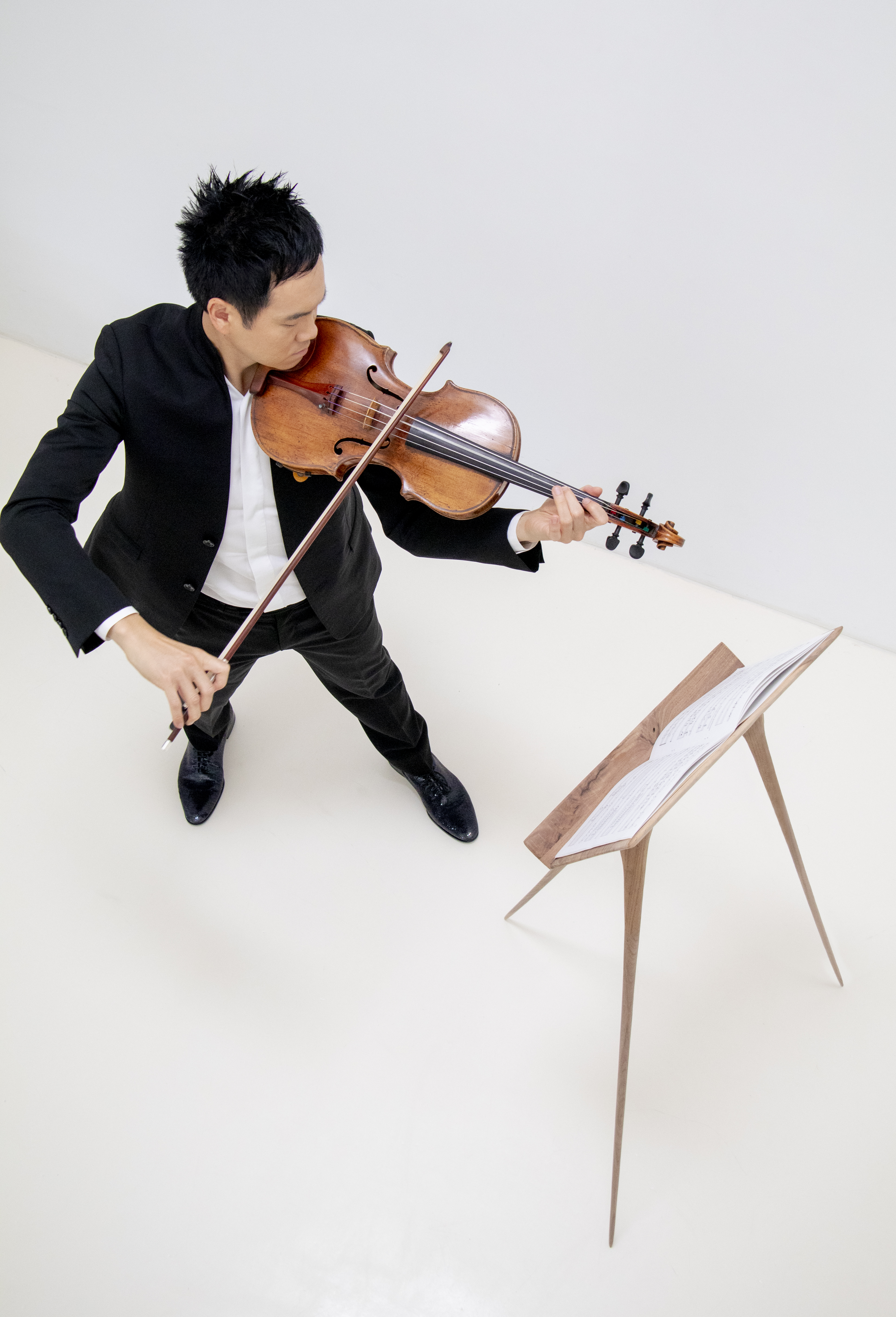
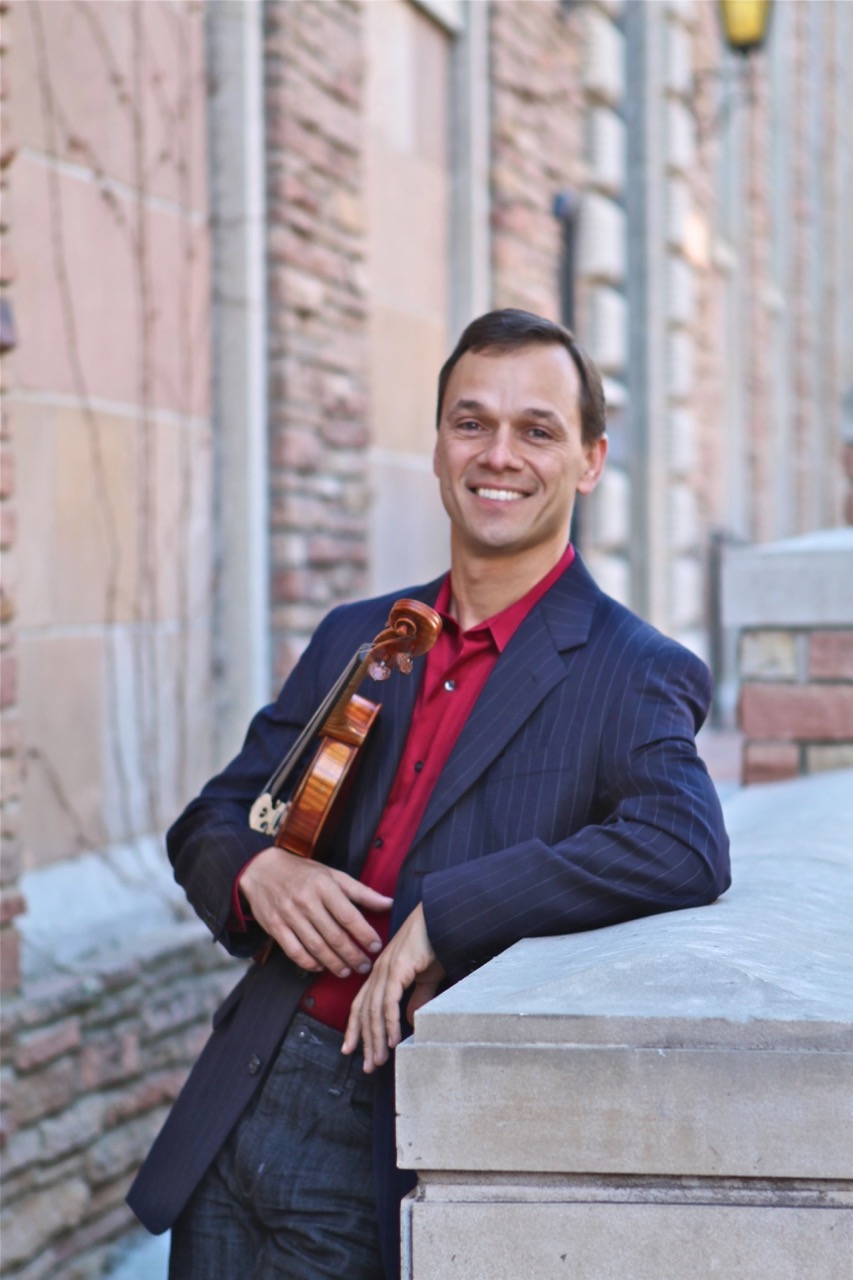
Richard O’Neill

The newest member of the quartet, O’Neill feels the same way about the busy life in a world-traveling quartet. “The greatest luxury is getting to do what we do,” he says. “I really love travel, even in the worst scenarios. There are things that can go wrong nowadays, but I still get excited to pack my suitcase and go out the door.”

If he likes anything more than travel, it’s playing for the Boulder audience. “The community here is such a unique community and (Boulder is) such an incredibly beautiful place,” he says. “Every concert we’re backstage at Grusin I really like hearing all the people (in the audience) excited to be together.”

O’Neill noticed the musicians’ connection with their audience from his very first Boulder home concerts with the Takács in 2021, but the relationship has not changed over Fejér’s years in the quartet. “We found it extremely supportive here (in 1983), with a wonderfully enthusiastic audience, and that’s how we feel until this day,” he says. “We got the support and the love of the audience, and the way it makes you feel, it’s a wonderful reaction with the audience.”

With all the personnel changes over 50 years—two first violinists, two second violinists, now three violists with the one cellist—the Takács has maintained its place among the top quartets in the world. That’s not because they have one authoritative way of doing things. Fejér identifies their defining quality more in the integrity of their approach to the music. 

“The quality is the combination of expressivity, character and technique,” he says. “There are many ways to interpret the same phrase, many ways to interpret any page of any piece. We are listening to new ideas, because we feel it keeps the process fresh. As our wonderful teacher in Budapest put it, nobody has a letter from Haydn or Beethoven.

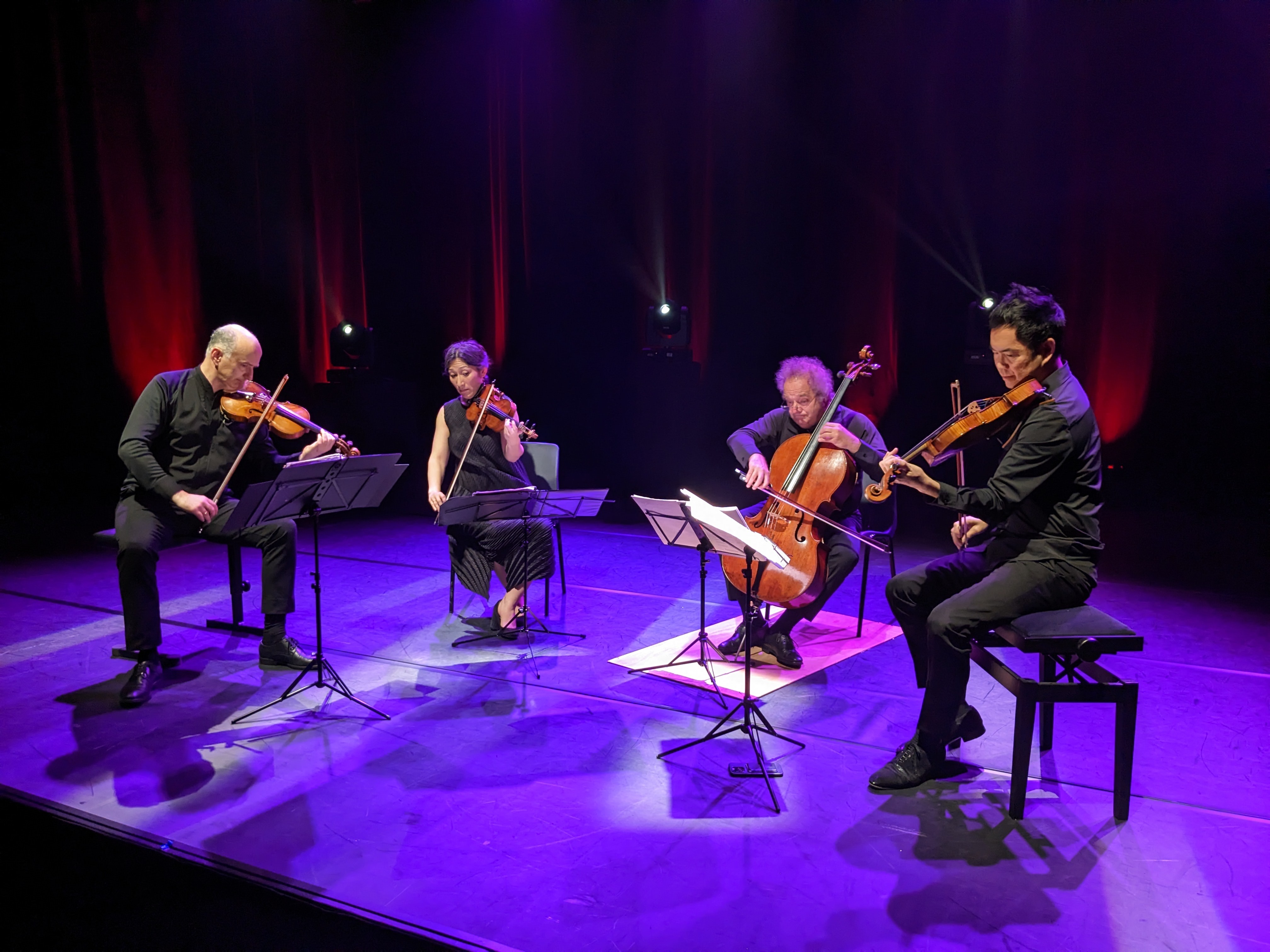
Takács String Quartet. Photo by Ian Malkin.

“We are honest, and being honest gives you a major conviction. As long as the message rings true, the audience is happy and immersed in the performance.”

That does not mean that the players always agree. “We had our fair share of arguments, especially when we were young and unwise,” he says. “But the moment we realized that there are many ways, what we can do is (say) ‘OK, in New York we try your idea, and then at Berkeley we will try my idea,‘ and then we will settle down with something. Everybody‘s happy, and then we all have a good giggle afterwards. It‘s great fun.”

O’Neill learned from the outset that every member is included in those conversations, no matter how long they have been with the group. “András could probably pull the seniority card on me, (but) he never does that,” he says.

“What I really love about the Takács is that if any one of us have a reservation, musical or personal about something that we’re doing, the quartet won’t do it. I really respect that. We’re all very distinct individuals, and of course we have our differences, but we respect each other. I think that‘s the magic combination.

“There‘s nothing like being in a group where you really get to know everyone like family,” he says. So whenever the Takács “family” walks onstage, you know they are doing what they love doing together. 

And they love the music. Of the first piece on the current program, Haydn’s Quartet in C Major, op. 54 no. 2, O’Neill says, “I have never played (the piece before), but it’s like vaudeville for music. The humor is so palpable and overt, and I love it. With Mozart, humor is either tinged with sadness or hidden in refinement, but with Haydn it’s unabashed. It’s just flat out funny. It‘s an amazing work.”

Janáček’s Quartet No. 1, however, is not humorous. Known as “The Kreutzer Sonata,” it is based on the Tolstoy novella of that name about a man who kills his wife for having an affair with a violinist with whom she plays Beethoven’s “Kreutzer” Sonata. Written by a composer of many great operas, the quartet is almost operatic in its drama and intensity.

“We adore both quartets (by Janáček),” Fejér says. “The language, the harmonies, the technical realization is so specific to Janáček. You can recognize his music right away. We are talking about murder and jealousy and seemingly idyllic music. We have everything in between idyllic and ‘I’ll kill you!’”

The final piece is one of the most loved works for string quartet, Beethoven’s Quartet in F Major, op. 59 no. 1, one of three quartets Beethoven wrote for the Russian ambassador in Vienna, Count Razumovsky. Originally regarded as audaciously long and difficult, all three are now accepted in the standard repertoire and loved by audiences.

The first of the set is in the key of F major, which in works like the Pastoral Symphony, the Symphony No. 8 and the Romance for violin, inspired some of Beethoven’s most lyrical and melodic music. That quality is evident from the very beginning of the quartet, with a long theme from the cello playing in its richest register. 

“When you start with a cello solo, how can you go wrong?” O’Neill says. “I love the piece very much.”

But equal to the music on the program is the survival of the Takács Quartet over the past 49 years, which few chamber music ensembles have matched and for which the Boulder audience shows its appreciation every year and every concert. Fejér gives what may be the best explanation for that when he says “We are like kids on the playground, enjoying the toys. 

“We are totally involved and just enjoying ourselves.”

# # # # #

Takács String Quartet

  • Haydn: String Quartet in C Major, op. 54 no. 2
  • Leoš Janáček: String Quartet No. 1, (“The Kreutzer Sonata”)
  • Beethoven: String Quartet in F Major, op. 59 no. 1 (“Razumovsky”)

4 p.m. Sunday, Sept 15 and 7:30 p.m. Monday, Sept. 16
Grusin Music Hall
Live Stream: 4 p.m Sunday, Sept. 15 until 11 p.m. Monday, Sept.

In-person and livestream TICKETS

Other fall concerts

Takács String Quartet

  • Beethoven: String Quartet in A minor, op. 132
  • Other works TBA

4 p.m. Sunday, Oct. 13 and 7:30 p.m. Monday, Nov. 4
Live Stream: 4 p.m. Sunday, Oct. 13 through Monday, Oct. 21

In-person and livestream TICKETS

Quartet Integra

4 p.m. Sunday, Nov. 3 and 7:30 p.m. Monday, Oct. 14
Live Stream: 4 p.m. Sunday, Nov. 3 through Monday, Nov. 11

In-person and livestream TICKETS

GRACE NOTES: Holiday performances everywhere

Popular themes of the 2023 Holidays include the solstice and music of the Baroque

By Peter Alexander Nov. 29 at 2:41 p.m.

The Longmont Symphony and Boulder Ballet start their 2023 series of Nutcracker  performances Saturday afternoon (1 p.m. Dec. 2) at Vance Brand Civic Auditorium with their annual “Gentle Nutcracker.” 

A shortened, sensory-friendly performance designed for neurodiverse individuals, their families and caregivers, the “Gentle Nutcracker” is approximately 90 minutes in length. 

That special presentation will be followed by two full performances Saturday and Sunday of Tchaikovsky’s beloved ballet, with the Christmas party, the Nutcracker Prince, “The Dance of the Sugar Plum Fairy,” and all the other features that have made both the music and the ballet a Holiday favorite (4 p.m. Saturday, Dec. 2 and 2 p.m. Sunday, Dec. 3; details below).

NOTE At the time of writing, there are only a few seats left, mostly in the balcony. There is no guarantee that tickets will be available by the time this story appears.

– – –

Longmont Symphony Orchestra, Elliot Moore, conductor
Boulder Ballet

“Gentle Nutcracker”

1 p.m. Saturday, Dec. 2 NOW SOLD OUT
Vance Brand Civic Auditorium

TICKETS

Tchaikovsky: The Nutcracker Ballet

4 p.m. Saturday, Dec. 2
2 p.m. Sunday, Dec. 3
Vance Brand Civic Auditorium

TICKETS

* * * * *

Conductor Cynthia Katsarelis and the Pro Musica Colorado Chamber Orchestra will present the Christmas portion of Handel’s Messiah Saturday (7:30 p.m. Dec. 2) at Mountain View Methodist Church (details below).

In addition to the Christmas section, chorus and orchestra will perform the much loved “Hallelujah” chorus from Messiah. The program opens with “Adoration” by Florence Price and Mozart’s Divertimento in D major, K136.

The Christmas portion of Messiah is one of three major divisions of the work. It comprises 21 separate movements including the opening Overture, choruses including “For unto us a Child is Born” and “Glory to God,” recitatives, and arias for soprano, tenor and bass soloists. Pro Musica will be joined by the Boulder Chamber Chorale and soloists Jennifer Bird-Arvidsson, soprano; Nicole Asel, alto; Steven Soph, tenor; and Ashraf Sewailam, bass.

– – –

Pro Musica Colorado Chamber Orchestra, Cynthia Katsarelis, conductor
With the Boulder Chamber Chorale and Jennifer Bird-Arvidsson, soprano; Nicole Asel, alto; Steven Soph, tenor; and Ashraf Sewailam, bass

  • Florence Price: Adoration
  • W.A. Mozart: Divertimento in D major, K136 
  • G.F. Handel: Messiah, Part I
  • —“Hallelujah” chorus

7:30 p.m. Saturday, Dec. 2
Mountain View Methodist Church, 355 Ponca Place, Boulder

TICKETS

* * * * *

The CU College of Music presents its annual Holiday Festival this coming weekend, Friday through Sunday in Macky Auditorium (Dec. 8–10; details below).

One of the most popular Holiday events in Boulder, the Holiday Festival features numerous ensembles from the College of Music, each presenting their own selections. Featured groups in this year’s program are the Chamber singers, the Holiday Festival Chorus made up of singers from several groups in the college, the Holiday Festival Orchestra, the Trombone Choir, Holiday Festival Brass, Holiday Festival Jazz, and the West African Highlife Ensemble.

NOTE: At the time of writing, there are limited tickets available for the four performances of the Holiday Festival program. Performances generally sell out, so interested persons should check the CU Presents Web page for availability.

– – –

Holiday Festival, Donald McKinney, artistic director
CU College of Music Ensembles

Chamber Singers, Leila Heil, conductor
Noelle Romberger, graduate conductor

Holiday Festival Chorus
Galen Darrough, Raul Dominguez and Jessie Flasschoen, conductors 
Jun Young Na and Noelle Romberger, graduate conductors

Holiday Festival Orchestra, Gary Lewis, music director 
With Donald McKinney and Nelio Zamorano, conductors

Trombone Choir, Sterling Tanner, conductor

Holiday Festival Jazz, Brad Goode, director

Holiday Festival Brass, Lauren Milbourn, conductor

West African Highlife Ensemble, Maputo Mensah, director

7:30 p.m. Friday, Dec. 8
1 and 4 p.m. Saturday, Dec. 9
4 p.m. Sunday, Dec. 10
Macky Auditorium

TICKETS

* * * * *

Cellist Charles Lee, the principal cellist of the Boulder Philharmonic Orchestra, will join Ars Nova Singers and conductor Tom Morgan for “Evergreen,” the latest edition of their annual celebration of the winter solstice.

The program will be presented four times, once in Longmont (Saturday, Dec. 9), once in Denver (Sunday, Dec. 10) and twice in Boulder (Thursday and Friday, Dec. 14 and 15; times and locations below). The program includes music by the medieval Benedictine abyss Hildegard Bingen, the English Renaissance master William Byrd, and the north German early Baroque composer Heironymus Praetorius. 

Not to be confused with his better known younger contemporary Michael Praetorius, Heironymus is known for his elaborate multi-voices motets. Also on the program are more contemporary works by the living composers Eriks Esenvalds, Jocelyn Hagan and Taylor Scott Davis. 

In a written news release, Morgan sets the stage for this concert timed to nearly coincide with the solstice, writing: “Dark and light, motion and stasis, intimate and universal, deeply familiar and refreshingly new—our season searches for the balance point in all of these, through the power and majesty of the human voice.”

– – –
Ars Nova Singers, Tom Morgan, director
With Charles Lee, cello

“Evergreen”

  • Hildegard of Bingen: O frondens virga
  • Two 15th century English carols
  • Heoronymus Praetorius: In dulci jubilo (à 8)
  • William Byrd: O magnum mysterium
  • Ola Gjeilo: Serenity (O Magnum mysterium)
  • Andrea Casarrubios: Caminante
  • Taylor Scott Davis: Solstice
  • Eriks Esenvalds: Rivers of Light
  • Jocelyn Hagen: Mother’s Song
  • Dan Forrest: The Sun Never Says
  • Michael Head: The Little Road to Bethlehem
  • Arrangements of Holiday songs by Tom Morgan, Joanna Forbes, Alexander L’Estrange and others

7:30 p.m. Saturday, Dec. 9
United Church of Christ, 1500 9th Ave., Longmont

12:30 p.m. Sunday, Dec. 10
St. Paul Lutheran Church, 1660 Grant. St., Denver

7:30 p.m. Thursday, Dec. 14 and Friday, Dec. 15
Mountain View United Methodist Church, 355 Ponca Place, Boulder

TICKETS

* * * * *

CU Presents will round out the university’s holiday performances with Christmas with the Canadian Brass at 7:30 p.m. Tuesday, Dec. 13 in Macky Auditorium.

The Canadian Brass generally announce their program from the stage. Nonetheless, the Christmas set list is more predictable and will likely feature some Canadian Brass favorites, including “Ding Dong Merrily on High,” evergreen Holiday music including “White Christmas” and “Carol of the Bells,” and jazzy arrangements including “Glenn Miller Christmas.”

Founded in 1970, the Canadian Brass has been a recognized and esteemed part of the musical scene for more than 50 years. Touring world-wide, they have made the repertoire of chamber music for brass, and specifically brass quintets, widely appreciated. 

There is still one original member of the quintet, tubist Chuck Dellenbach, while other members have joined over the years. The most recent addition, making her Canadian Brass debut this year, is trumpet player Ashley Hall-Tighe, who first met the members of the Canadian Brass in 2001 as a student in their chamber music residency at the Music Academy of the West.

With more than 10 Christmas albums, the Canadian Brass are especially well known for their holiday performances. Their total recording history currently totals more than 130 albums and more than 2 million sold worldwide.

NOTE: At the time of writing, there are limited tickets available.

– – –

Canadian Brass

“Christmas with the Canadian Brass”

  • Program to be announced from the stage may include:
  • “Ding Dong Merrily on High” (arr. Henderson)
  • Gabrieli: Canzona per sonare No. 4
  • “White Christmas” (arr. Henderson)
  • Mykola Leondovich: “Carol of the Bells” (arr. McNeff)
  • Vince Guaraldi: “Christmas Time is Here” (arr. Ridenour)
  • Glenn Miller: “Glenn Miller Christmas” (arr. Dedrick)

7:30 p.m. Wednesday, Dec. 13
Macky Auditorium

TICKETS

* * * * *

The Longmont Symphony will look back to the 18th century for Candlelight: A Baroque Christmas at 4 p.m. Saturday, Dec. 16, in Vance Brand Civic Auditorium.

Under the direction of Elliot Moore, the featured work on the program will be the Gloria of Antonio Vivaldi. Composed around 1715, it is one of the Venetian composer’s most frequently performed works. Its 12 movements, divisions of the “Gloria” text from the Catholic Mass ordinary, call for chorus, orchestra, and soprano and alto soloists.

Celebrating the holiday season, the Candlelight Concert has long been a part of the Longmont Symphony’s season. There will be candles again this year, although the orchestra has announced that they will be battery-operated this year, rather than relying on a flame.

– – –

Longmont Symphony and Chorus, Elliot Moore, conductor

“Candlelight: A Baroque Christmas”

  • Corelli: Concerto Grosso
  • Handel: “Rejoice greatly” from Messiah
  • Scarlatti: Christmas Cantata for soprano and strings
  • Vivaldi: Gloria

4 p.m. Saturday, Dec. 16
Vance Brand Civic Auditorium

TICKETS

* * * * *

All the choirs of the Boulder Chorale and Boulder Children’s Chorale will join together to present “Season of Light,” their annual concert of music for the holidays, Saturday and Sunday (Dec. 16 and 17; details below).

The concert title refers to the tradition found in many different cultures to use light to counteract the dark of winter and forecast the return of the light in the weeks to come. In the words of the Boulder Chorale’s press information, the program “traces the history and development of many of the world’s most endearing holiday customs, all of which involve lighting up the winter season—from the burning Yule log, sparkling Christmas tree lights and candles in windows, to the lighting of luminaries (often called luminarias) in the American Southwest and the traditional ritual of the Hanukkah menorah.”

Tickets are available both at the door and through the Boulder Chorale Web page. The Sunday performance will also be presented through live streaming, available at the same Web page.

– – –

Boulder Chorale, Vicki Burrichter, artistic director
With Boulder Children’s Chorales, Nathan Wubbena, artistic director

“Season of Light”

Children’s Chorale Bel Canto
Nathan Wubbena, conductor

  • John Rutter: “Angels’ Carol”
  • Flory Jagoda: “Ocho Kandelikas” (arr. Joshua Jacobson)

Children’s Chorale Volante
Kiimberly Dunninger, conductor

  • Franklin J. Willis: “Be the Light “
  • Robert Cohen and Ronald Cadmus: “The Joy of Simple Things”

Chamber Chorale
Vicki Burrichter, conductor

  • John Newell: “Light of Heaven” (text based on the Buddhist vajra guru mantra)

Chamber Choir, Bel Canto and Volante
Nathan Wubbena, conductor

  • Ryan Main: “Go! Said the Star”

Children’s Choir Piccolini
Melody Sebald, conductor

  • “Winter Canon” (arr. Andy Beck)
  • John Henry Hopkins Jr.: “We Three Kings”

Children’s Choir Prima Voce
Anna Robinson, conductor

  • Ruth Ann Schram: “Winter Solstice”
  • “This Little Light of Mine” (arr. Masa Fukuda)

Concert Chorale
Vicki Burrichter, conductor

  • Enya and Nicky Ryan: “Amid the Falling Snow” (words by Roma Ryan, arr. Audry Snyder)
  • Craig Carnahan: “Dancing on the Edges of Time” (words by Rabindranath Tagore)
  • Stephanie K. Andrews : “On Compassion” (words by the 14th Dalai Lama Tenzin Gyatso)

Combined Choirs
Kim Dunninger and Vicki Burrichter, conductors

  • Benji Pasek and Justin Paul: “Do a Little Good” (from Spirited)
  • Franz Gruber/David Kantor: “Night of Silence” (includes “Silent Night”; arr. Nathan Wubbena; Spanish text by Cynthia Garcia-Barrera)

4 p.m. Saturday and Sunday, Dec. 16 and 17
First United Methodist Church, 1421 Spruce St., Boulder

TICKETS

* * * * *

The Boulder Chamber Orchestra will combine its holiday celebration with the music of Beethoven in a program featuring pianist Adam Zukiewicz.

Their “Holidays Celebration with Beethoven” will be at 7:30 p.m. Saturday, Dec. 16 in the Boulder Seventh-Day Adventist Church. Zukiewicz will perform Beethoven’s Piano Concerto No. 2 with the orchestra and conductor Bahmann Saless. 

Other works on the program are Mozart’s Overture to The Marriage of Figaro, conducted by Nadia Artman; Chocolats Symphoniques (Symphonic chocolates) by Maxime Goulet; and the world premiere of the Concerto for Flute and Orchestra by Sylvie Bodrova with the BCO’s principal flutist Cobus DuToit as soloist. 

Part of the reason for combining the holiday music with Beethoven is that the composer’s birthday is believed to be Dec. 16. The date is not certain, since the only documents record his baptism on Dec. 17, but the birthday is traditionally observed on Dec. 16. That would make Dec. 16, the date of the concert, the 253rd anniversary of his birth.

As it happens, the full 2023–24 season has three of Beethoven’s five piano concertos listed. the Third Concerto was played by Petar Klasan Sept. 1, and the Concerto No. 5 (“Emperor:) will be performed with the BCO by  Jennifer Hayghe Feb 3 (7:30 p.m., Boulder Seventh-Day Adventist Church).

Goulet’s Chocolats Symphoniques was previously performed by the BCO on their holidays concert in 2021. The work’s four movements refer to four different flavors of chocolate: “Caramel Chocolate,” “Dark Chocolate,” “Mint Chocolate” and “Coffee-infused Chocolate.”

– – –

Boulder Chamber Orchestra, Bahman Saless, conductor
With Cobus DuTois, flute, and Adam Zukiewicz, piano
Nadia Artman, conductor

“Holidays Celebration with Beethoven”

  • Mozart: Overture to The Marriage of Figaro
  • Maxime Goulet: Chocolats Symphoniques (Symphonic chocolates)
  • Sylvie Bodorova: Concerto for Flute and Orchestra (world premiere)
  • Beethoven: Concerto No. 2 for Piano and Orchestra

7:30 p.m. Saturday, Dec. 16
Boulder Seventh-Day Adventist Church, 345 Mapleton Avenue

TICKETS  

* * * * *

The Boulder Bach Festival (BBF) will present “Handel’s Messiah Reimagined” in their very own version, based on an edition created by music director Zachary Carrettin.

Messiah will be performed by a string orchestra from the BBF’s Compass Resonance (CORE) Ensemble with harpsichord and chamber organ continuo and a 16-voice choir. Five featured solo singers will also perform within the chorus. The entire performance will be presented without conductor.

The program also incudes two a cappella vocal works and a violin concerto b Antonio Vivaldi. The concerto will be played by BBF’s artistic director, Zachary Carrettin, with Baroque guitar continuo played by Keith Barnhart.

– – –

Boulder Bach Festival CORE ensemble
Mara Riley, soprano; Sarah Moyer, soprano; Claire McCahan, mezzo-soprano;
Daniel Hutchings, tenor; and Adam Ewing, baritone
With Zachary Carrettin, violin, and Keith Barnhart, Baroque guitar

“A Baroque Christmas: Handel’s Messiah Reimagined”

4 p.m. Sunday, Dec. 17

Gordon Gamm Theater, Dairy Arts Center, Boulder

TICKETS  

CU College of Music recognizes two outstanding artists

Bass/baritone Ashraf Sewailam, writer/guitarist Izzy Fincher honored by the College of Music

By Peter Alexander April 27 at 7:01 p.m.

The University of Colorado College of Music recently announced honors for students and alumni. Two of the honorees—bass/baritone Ashraf Sewailam and writer/guitarist Izzy Fincher—may be familiar to readers of the Sharpsandflatirons blog, as their names have appeared here many times.

Ashraf Sewailam (CU-Boulder BM ’94, MM ’96, DMA ’08) has been selected to receive the College of Music’s 2023 Distinguished Alumnus Award. As a freelance operatic bass/baritone, Sewailam has appeared around the United States at the Minnesota Opera, Seattle Opera, Washington Concerto Opera and the Metropolitan Opera, among others. His international career has taken him to New Zealand and Australia, and he was a member of the Cairo Opera Company in his native Egypt for eight years.

Ashraf Sewailam

In announcing the award, the College of Music wrote that Sewailam is “an internationally recognized and prize-winning opera star (whose) extensive travels . . . include roles on the world’s most prestigious stages. . . . Sewailam’s stunning career stands out for its range. From serving as a voiceover actor for Disney when he was still living in Cairo . . . to winning over audiences around the world, Sewailam is ‘one of our most successful voice alums,’ according to associate professor of opera Leigh Holman.”

The announcement also states, “Sewailam credits his career accomplishments and accolades directly to the education, professional connections and personal relationships he gained while studying at the College of Music. ‘I couldn’t have started my professional career without having been situated at CU Boulder,’ he says.”

Sewailam first appeared in Sharpsandflatirons in January 2017, when he appeared in a performance of the Pro Musica Chamber Orchestra singing the music of Shostakovich. He has since been noted for performances with the Boulder Bach Festival and at Central City Opera, including roles in The Magic Flute and Il Trovatore. 

Most recently, Sewailam was reviewed here in Seattle Opera’s world premiere production of Sheila Silver’s A Thousand Splendid Suns, where I wrote that he “sang beautifully, using his resonant bass to create contrast with the violence that surrounds his family.” He is scheduled to direct Central City Opera’s production of Rossini’s Othello this summer. 

Izzy Fincher

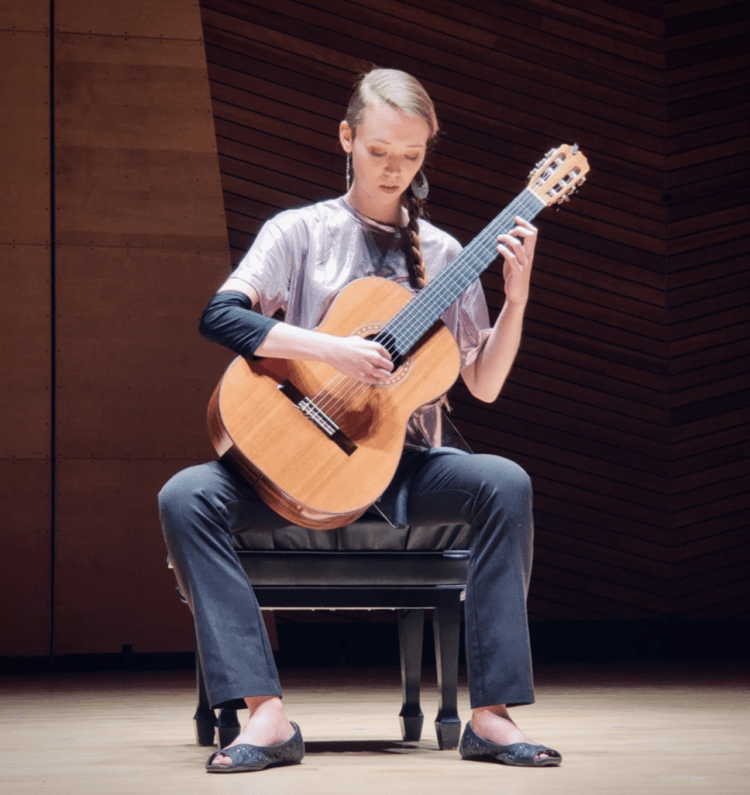
Among current undergraduate students, the College of Music singled out Izzy Fincher as their outstanding graduating senior. Fincher will graduate with a BM in classical guitar performance, a BA in journalism and a business minor, and has also been named outstanding graduate of the CU College of Media, Communications and Information. 

Outstanding students in the College of Music are selected each semester based on academic merit, a strong record of musicianship and a record of service and leadership. Fincher will be recognized and deliver a speech at the College of Music commencement ceremony on May 11.

Fincher served an internship with Sharpsandflatirons in the fall of 2020, writing both news articles on the limited events taking place during the COVID shutdown, and opinion pieces on “The White Male Frame” in classical music and “Reflections of a Female, Japanese-American Classical Guitarist.” Since then she has continued to write occasional preview articles and reviews, and she served as both a reporter and editor for the CU Independent. Her senior guitar recital April 23 reflected her research work on female composers of music for guitar.

After graduation, Fincher will attend the University of Wisconsin-Milwaukee to pursue a master’s degree in classical guitar performance under René Izquierdo. An outstanding and insightful writer, her presence at Sharpsandflatirons will be missed. 

GRACE NOTES: A sellout at CU; RM Chorale; Transfigured Night

All performances of CU’s Chicago are sold out, but RMC and Pro Musica have tickets

By Peter Alexander April 25 at 10:55 p.m.

If the “Merry Muderesses” of Kander and Ebb’s Chicago are your cup of tea, you might be out of luck.

That is, unless you already have your ticket to the CU College Music production this weekend. The five performances in the Music Theatre of the Imig Music Building are completely sold out. The box office has a wait list that you can join HERE.

# # # # #

John Kander and Fred Ebb: Chicago
CU College of Music

7:30 p.m. Thursday–Saturday, April 27–29
2 p.m. Saturday and Sunday April 29 and 30

Music Theater

SOLD OUT

# # # # #

Jimmy Howe, conductor of the Rocky Mountain Chorale, wanted plenty of variety in the group’s spring program.

To achieve that, he hit upon the idea of a “composite mass,” settings of the five sections of the Mass Proper by five different composers. He himself provided the music for the first movement Kyrie, a movement that he described in program notes as “set to mimic classical style.” Other movements are by actual Baroque and Classical-era composers, plus one living composer. 

The Gloria movement is by Vivaldi, the Credo  by Schubert. They will be followed by “The Ground” from the Sunrise Mass of Norwegian-American composer Ola Gjielo, representing the Hosanna movement. The Composite Mass concludes with the Agnus Dei from Joseph Haydn’s Missa in tempore belli (Mass in time of war).

The other major work on the program is The Hope of Living, a five-part work for chorus and string quartet by Jake Runestad. In his description of the score, Runestad wrote “I continue to dwell on the importance and impact of love—love shown to others and love shown to oneself.” Commissioned by the Miami-based choral group Seraphic Fire, the five movements of The Hope of Loving are based on mystical writings about love selected by the composer.

Howe filled out the program with shorter works by himself, Susan Blockoff and Mark Sirrett.

A mixed choir of more than 60 singers, the Rocky Mountain Chorale was founded in 1978. Their repertoire typically includes classical works as well as pop and world folk music.

# # # # #

“Hope of Loving”
Rocky Mountain Chorale, Jimmy Howe, conductor
With Parker Steinmetz, asst. conductor; Walton Lott, piano
Jennifer Crim and Marci Pilon, violin; Aaron Lockhart, viola; Desiree Anderson, cello

Program includes: 

  • Composite Mass:
    —Jimmy Howe: Kyrie
    —Vivaldi: Gloria
    —Schubert: Credo
    —Ola Gjeilo: Hosanna from Sunrise Mass
    —Haydn: Agnus Dei from Missa in tempore belli (Mass in time of war)
  • Jake Runestad: The Hope of Living
    —I. “Yield to Love”
    —II. “Wild Forces”
    —III. “Wondrous Creatures”
    —IV. “My Soul is a Candle”
    —V. “The Hope of Loving”

7:30 p.m. Friday April 28, Heart of Longmont Church, Longmont
7:30 p.m. Saturday, April 29, First Methodist Church, Boulder

TICKETS   

# # # # #

A solar eclipse in the mountains, a magical night in the forest, and a little Mozart: Those are the ingredients of the next program to be presented by the Pro Musica Chamber Orchestra of Colorado Saturday (7:30 p.m. April 29; details below).

The concert, led by Pro Musica’s music director Cynthia Katsarelis, will also feature violinist Harumi Rhodes and violist Richard O’Neill, both members of the Takács String Quartet.

Composer Anne Guzzo

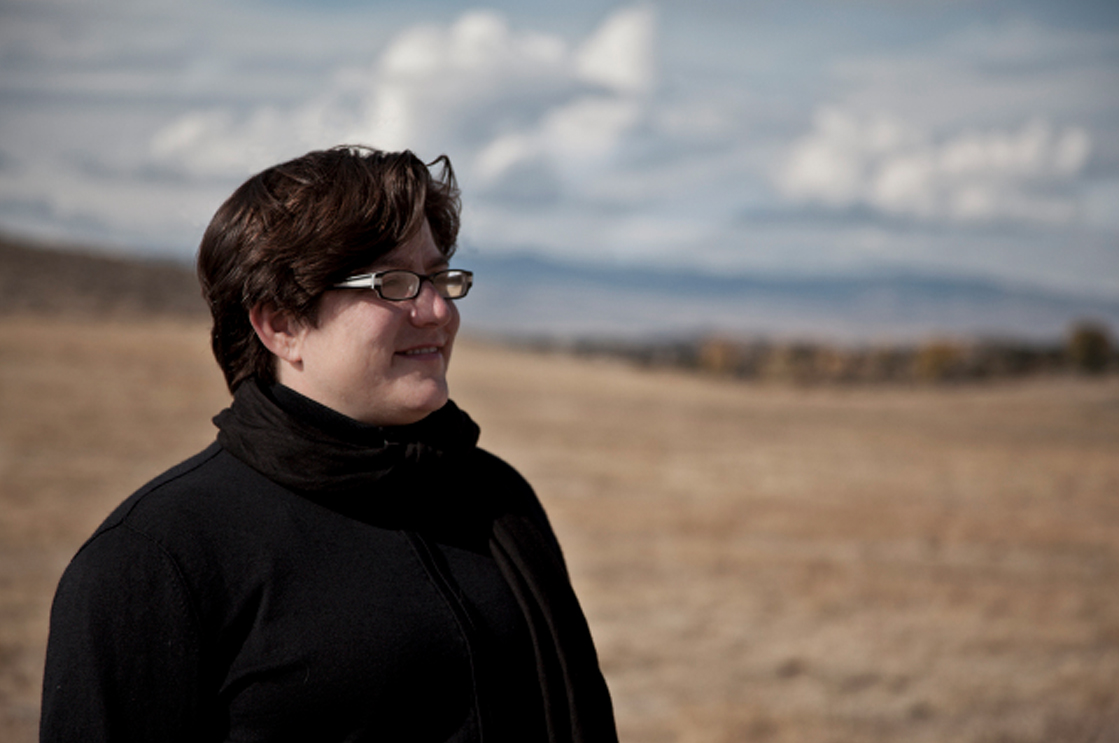
The program opens with The Bear and the Eclipse by Anne M. Guzzo, a faculty member at the University of Wyoming in Laramie. Inspired by and dedicated to the bears of Grand Teton National Park, the score portrays the story of a bear experiencing, and being transformed by, a solar eclipse.

As a bookend to The Bear and the Eclipse, Schoenberg’s Verklárte Nacht closes the program. A work with its feet equally planted in both the richly Romantic style of the late 19th century and the expressionistic style of the early 20th century, it is a musical interpretation of a poem describing a man and woman walking through the forest on a moonlit night. The woman confesses a troubling secret and finds that the man’s love has transfigured the darkness to splendor. 

In her program notes, Katsarelis wrote “I love the stories in both (pieces). One is an origin story for the solar and lunar eclipses . . . and ‘Transfigured Night’ is the story of a woman overcoming the fear of telling her story. . . . The whole program is about human connection in the context of cosmic beauty.”

The central pillar of the program is Mozart’s Sinfonia Concertante for violin, viola and orchestra, featuring the two soloists. Essentially a concerto with more than one soloist, the Sinfonia Concertante was a popular genre in 18th-century Paris and Mannheim, two cities Mozart visited on his travels. “The music is sublimely beautiful and the interaction between the violin and viola soloists is not to be missed,” Kartsarelis wrote. 

# # # # #

“Transfigured Night”
Pro Musical Colorado Chamber Orchestra, Cynthia Katsarelis, conductor
With Harumi Rhodes, violin, and Richard O’Neill, viola

  • Anne M. Guzzo: The Bear and the Eclipse
  • Mozart: Sinfonia Concertante in E-flat major for violin, viola and orchestra, K364 
  • Schoenberg: Verklárte Nacht (Transfigured night)

7:30 p.m. Saturday, April 29
Mountain View United Methodist Church, 355 Ponca Pl., Boulder

TICKETS 
Memorial Concert for late violinist Charles Wetherbee

CU Boulder’s College of Music presents concert March 21 at Grusin Hall

By Peter Alexander March 18 at 5:45 p.m.

Charles Wetherbee

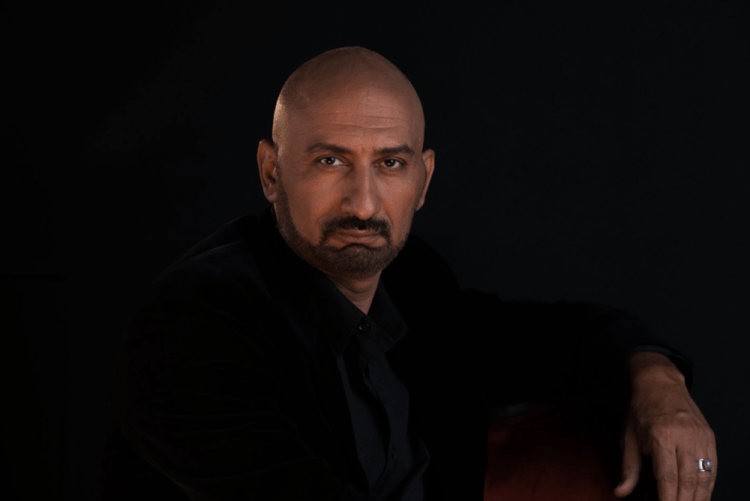
Violinist and CU music faculty member Charles Wetherbee touched people deeply—those he performed with, those he taught, and those who knew him only as audience members.

Wetherbee died  at the age of 56 Jan. 9, 2023, following a battle with cancer. The College of Music will dedicate a faculty recital to his memory Tuesday, March 21 (7:30 p.m. in Grusin Music Hall and by live stream; details below).

In addition to his teaching and performing duties at the College of Music, Wetherbee was first violinist of the Carpe Diem String Quartet and concertmaster of the Boulder Philharmonic Orchestra, who dedicated a performance to his memory Jan. 22.  He was a frequent collaborator with faculty colleagues and other musicians in chamber concerts on and off campus.

His faculty colleague, pianist David Korevaar described Wetherbee as “the best colleague anyone can have.” Korine Fujiwara, violist of the Carpe Diem Quartet, described him as “my best and most trusted friend . . . and a beautiful example of all that is good in the world.” 

In announcing the memorial concert, CU College of Music Dean John Davis wrote, “Chas Wetherbee was a beloved colleague and friend whose influence and inspiration reached far beyond the College of Music. With his passing in January, we lost a deeply valued and cherished member of our community.”

# # # # #

“A Musical Celebration to the Life and Legacy of Charles ‘Chas’ Wetherbee”

CU Boulder College of Music faculty, students, alumni, and guest artists, including members of the Carpe Diem String Quartet, Boulder Piano Quartet and Lírios Quartet 

Program includes works by J.S. Bach, Antonín Dvořák, Brahms, Richard Strauss, Schubert, John Gunther and Korine Fujiwara.

7:30 p.m. Tuesday, March 21
Grusin Music Hall, Imig Music Building
Free

Live Stream 

Charles (Chas) Wetherbee (July 14, 1966–Jan. 9, 2023)

Violinist, CU faculty member, father of three dies after battle with cancer

By Peter Alexander Jan. 11 at 12:45 p.m.

Some few special musicians go beyond the ability to reach listeners with their performances, and touch people with their generous and kind personalities. One of those was Charles (Chas) Wetherbee, concertmaster of the Boulder Philharmonic Orchestra, first violinist of the Carpe Diem String Quartet, and faculty member of the University of Colorado, Boulder, College of Music.

Wetherbee died Monday (Jan. 9) following a battle with cancer. He was 56.

Many tributes have been stated for Wetherbee, and a common theme has been going beyond his his great musical skills to recognize his human qualities. Korine Fujiwara, violist of the Carpe Diem Quartet, described him as “my best and most trusted friend . . . and a beautiful example of all that is good in the world.” Pianist David Korevaar, with whom Wetherbee collaborated on CU faculty concerts and other chamber music performances, wrote “You were a generous, open-hearted, wise, and patient friend. You were the best colleague anyone can have.”

Announcing that the next concert of the Boulder Philharmonic on Jan. 22 would be dedicated to Wetherbee’s memory, conductor Michael Butterman wrote that Wetherbee “brought out the best in everyone. . . . He radiated generosity, kindness and a selfless spirit that anyone in his presence could feel. The impact of his legacy is impossible to overstate.”

CU College of Music dean John Davis noted that “Chas brought a wealth of expertise and experience from his varied career as a soloist, chamber musician, orchestral concertmaster, teacher, coach and collaborator. . . . He was also a consummate mensch, widely known and loved for his kindness, enthusiasm, unwavering optimism and overall graciousness.”

A GoFundMe campaign that was started in December to support Wetherbee’s family has raised more than $200,000 from 1,200 donors, indicating both the breath and the depth of affection Wetherbee had in the local community of music lovers. Donations have ranged from $20 to $15,000.

Charles Tyler Wetherbee was born in Buffalo, New York, July 14, 1966. He made his debut with the Buffalo Philharmonic Orchestra under Semyon Bychkov, and since then has performed with the National Symphony under Mstislav Rostropovitch, as well as the Japan Philharmonic, the Concerto Soloists of Philadelphia, the Philharmonic Orchestra of Bogota (Columbia), the National Repertory Orchestra, the Orquesta Sinfónica Nacional de Mexico, the Symphony Orchestra of the Curtis Institute, the Buffalo Philharmonic, and the Virginia Symphony, among others.

A devoted chamber musician, Wetherbee was first violinist of the Carpe Diem String Quartet and performed in recital with pianist David Korevaar of the CU College of Music faculty. Wetherbee’s first orchestral appointment was as principal second violin with the National Symphony Orchestra in Washington, D.C. Following five years at the NSO, he served as concertmaster of the Columbus Symphony for 16 years. He joined the faculty of the CU College of Music in 2012 and became concertmaster of the Boulder Philharmonic in 2014. He directed the Snake River Music Festival in Dillon, Colorado, for many years 

Wetherbee is survived by his wife, Karina, a professional photographer and writer, and their three children, Tristan, Sebastian and Tessa. After Wetherbee’s death, Karina wrote on the GoFundMe page, “Chas composed his final note last night. . . . I know now that his life’s work was a symphony, of the most grand and sweeping and lyrical beauty, and each note of that music was made up of all the millions of interactions he had with every person who entered his life.”

CU Faculty Member wins “Best Classical Instrumental Solo” Grammy

Violist Richard O’Neill, newest member of the Takacs Quartet, wins first Grammy award

By Peter Alexander March 22 at 3:51 p.m.

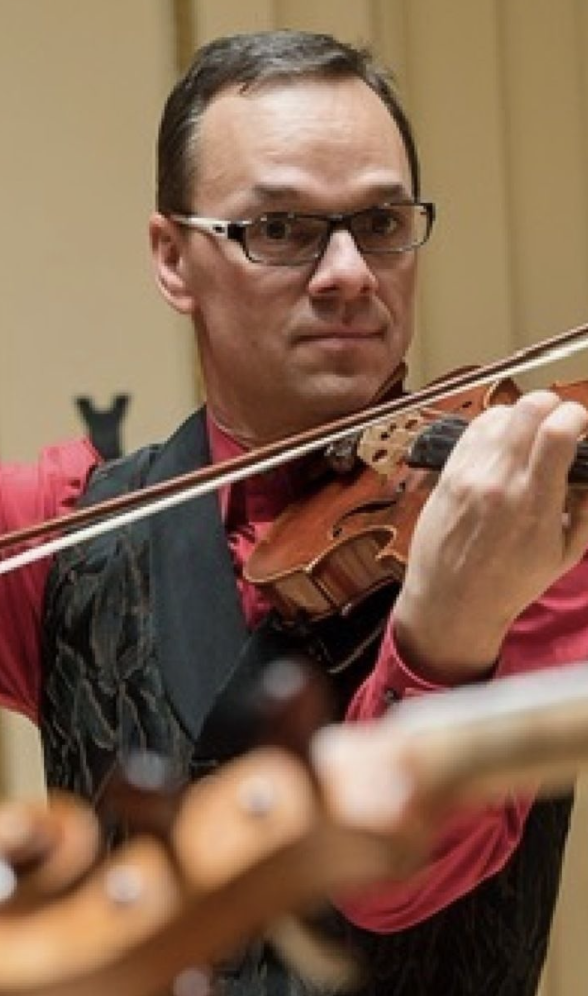
Violist Richard O’Neill, member of the CU College of Music faculty and the Takacs Quartet, has won the Grammy award for “Best Classical Instrumental Solo.”

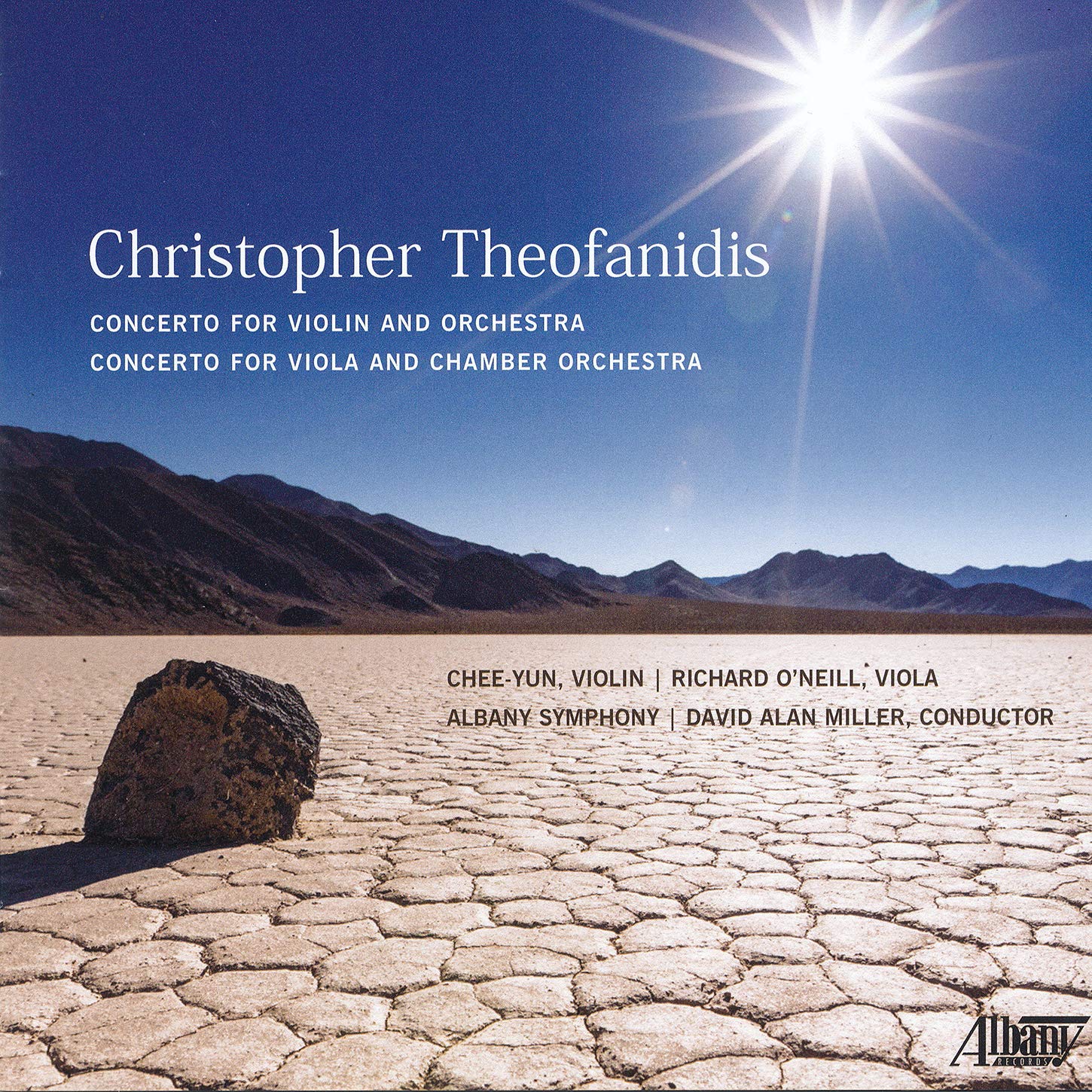
His recording of Christopher Theofanidis’ Concerto for Viola and Chamber Orchestra with David Alan Miller and the Albany Symphony (Albany Records TROY1816, released August 2020) was nominated along with these recordings: 
• pianist Kirill Gerstein playing the Thomas Adès Piano Concerto, with Adès and the Boston Symphony; 
• pianist Igor Levit playing the complete Beethoven piano sonatas; 
• violinist Augustin Hadelich playing “Bohemian Tales,” a collection of music by Dvořák, Janáček and Josef Suk, with Jakub Hrůša and the Symphonieorchester des Bayerischen Rundfunks; and
• pianist Daniil Trifonov playing the Second and Fourth piano concertos of Rachmaninov with Yannick Nézet-Séguin and the Philadelphia Orchestra.

O’Neill was caught by surprise last year when the nominees were announced. This time, of course he knew that he was in the running for the award and when the awards would be announced, but he nearly got caught by surprise again. For one thing, he looked at the distinguished list of other nominees, and thought, ‘OK, we’re going to lose’.”

For another, the streamed Grammy ceremony was held Sunday, March 14, the same day that Boulder was under a heavy blanket of snow. O’Neill had arranged to attend the ceremony online, but Sunday morning his internet kept going out. “I was like, ‘How am I going to be able to Zoom if I don’t have internet?’” he says. He even planned to walk to his studio in the CU Imig Music Building if he had to—since he couldn’t get out of his driveway.

Finally, the internet came back on just in time, but the ceremony was running ahead of schedule. “There was supposed to be 30 minutes buffer, and then you’re on,” he says. “I tuned in and it was basically five minutes to go! So I was like, ‘Holy, bleep!’ 

“And when they said ‘the Grammy goes to,’ I almost burst into tears. I just wasn’t expecting it.”

Richard O’Neill

To keep the ceremony on schedule, each recipient is allowed just 30 seconds to thank everyone. “There’s a very conspicuous clock, and it started right as they announced my name. Basically, they’ll just cut you off! It’s very, very short, but I tried my best to get everybody thanked. It was a really great, great moment, and then my phone was going crazy with all my friends who were watching.”

After than, O’Neill was asked to enter the virtual press room to take questions, and later he had several interviews with press from South Korea, where he is very well known. He took a quick break to step outside and gather his thoughts and chat with his neighbors, who were all out clearing their driveways and had no idea that he had just won a Grammy.

This was O’Neill’s third nomination for a Grammy and his first win. He also has won an Emmy Award and an Avery Fisher Career Grant. He has an extensive record of working with living composers, including the premieres of works written for him. Theofanidis’s Concerto was written for the distinguished violist Kim Kashkashian in 2002 and revised for O’Neill in preparation of his performances and recording.

O’Neill joined the Takacs Quartet in June of 2020, replacing Geraldine Walther as the group’s violist. He has appeared in streamed performances by the quartet, and in a handful of concerts before small, distanced audiences, but has not yet appeared onstage before a live Boulder audience.

Reflecting on the past year, O’Neill says it has been tough. He moved to Boulder, he joined the Takacs Quartet and the CU faculty, planned tours as solo artist and with the Takacs were interrupted by the pandemic, and his mother has had breast cancer—“This has been a long haul,” he says. 

“It feels good to have something nice happen.”

‘Exploring Cultural Identities’: Mosaic or Melting Pot?

March 9 CU Faculty Tuesday performance takes a look at identity in music

By Izzy Fincher March 4 at 11:55 p.m.

Is our cultural identity more of a mosaic or a melting pot?

With a cultural mosaic, individuals retain their distinct ethnic identities, while coexisting as a greater whole. With a melting pot, ethnic identities mix together, assimilating to create a singular culture.

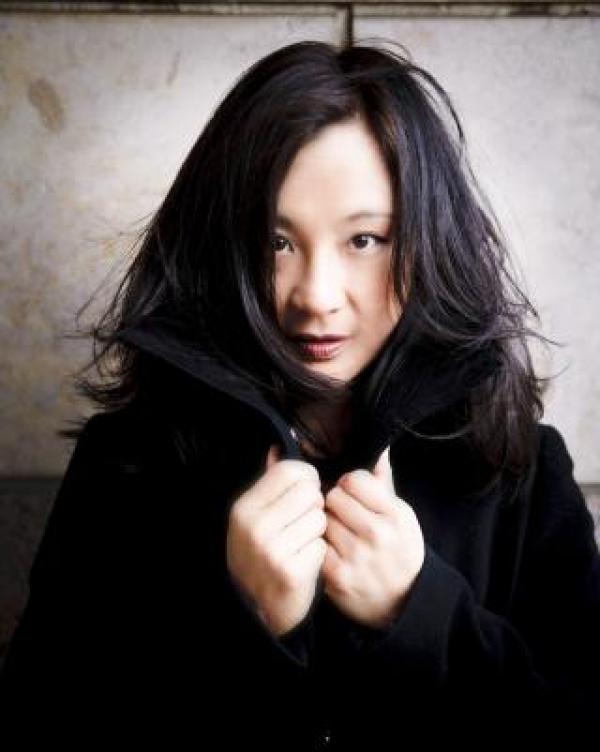
Alexandra Nguyễn

In “Exploring Cultural Identities,” three CU Boulder professors, pianist Alexandra Nguyen, violinist Claude Sim and cellist David Requiro, will tackle this dichotomy of cultural representation versus assimilation by exploring Asian and Slavic cultural identities in classical music. The program will include compositions by Zoltan Kodaly from Hungary, Alexina Louie from Canada and Antonín Dvořák from Bohemia (present-day Czech Republic).

“Exploring Cultural Identities” will be streamed on CU Presents at 7:30 p.m. on Tuesday, March 9, as part of CU Boulder’s Faculty Tuesday concert series.

“Presenting music through the lens of cultural identity is a fascinating exploration,” Sim says. “I believe that we truly play as we are. In other words, our artistry is a result of our diverse backgrounds, heritage and upbringing.”

Nguyen curated the program for “Exploring Cultural Identities” to pay tribute to her diverse heritage, later choosing her collaborators Sim and Requiro. As a Vietnamese Canadian, Nguyen often doesn’t see her identity reflected in the music she plays. 

“As an Asian woman, I am playing music by dead white men a majority of the time,” Nguyen says. “How can I relate to this music?”

To represent her own cultural identity, Nguyen has decided to champion Asian composers, particularly Louie, a Chinese Canadian. She feels very connected to Louie, who shares her Asian-Canadian heritage.

Alexina Louie

“In Canada, your heritage is a substantial part of your identity,” Nguyen says. “But in the U.S., the approach is very different. You want to blend in. No one wants to be the ‘other’.”

Nguyen will be playing Louie’s most famous work for solo piano, Scenes from a Jade Terrace, written in 1988, as the second piece on the program. The suite is filled with references to Chinese culture and folklore, while the harmonic language is colorful and complex, similar to contemporary composers George Crumb and Olivier Messiaen. 

David Requiro

Overall, the suite is aggressive in its texture and timbre. The first movement, “Warrior,” depicts the ghost of an ancient warrior and combines aggressive virtuosity with vulnerability. The second movement, ”Memories in an Ancient Garden,” feels eerily peaceful. Louie’s written direction on the score reflects this poetic, dreamy feeling, as she tells the performer “to play as if intoxicated by the scent of a thousand blossoms.” In the final movement, “Southern Sky,” the music depicts a dynamic starry night, as fast notes explode from the piano with sudden dynamic changes and intense dissonances. 

To complement Louie’s suite, Nguyen wanted to pivot toward exploring cultural identity through a European lens. She decided to program chamber music written by two Slavic composers, Kodaly and Dvořák, and to explore the role of Slavic nationalism in 19th and 20th century classical music. “Kodaly and Dvořák are two composers who felt strongly about their cultural identity and national heritage and (wanted to) reflect it in their music,” Nguyen says. 

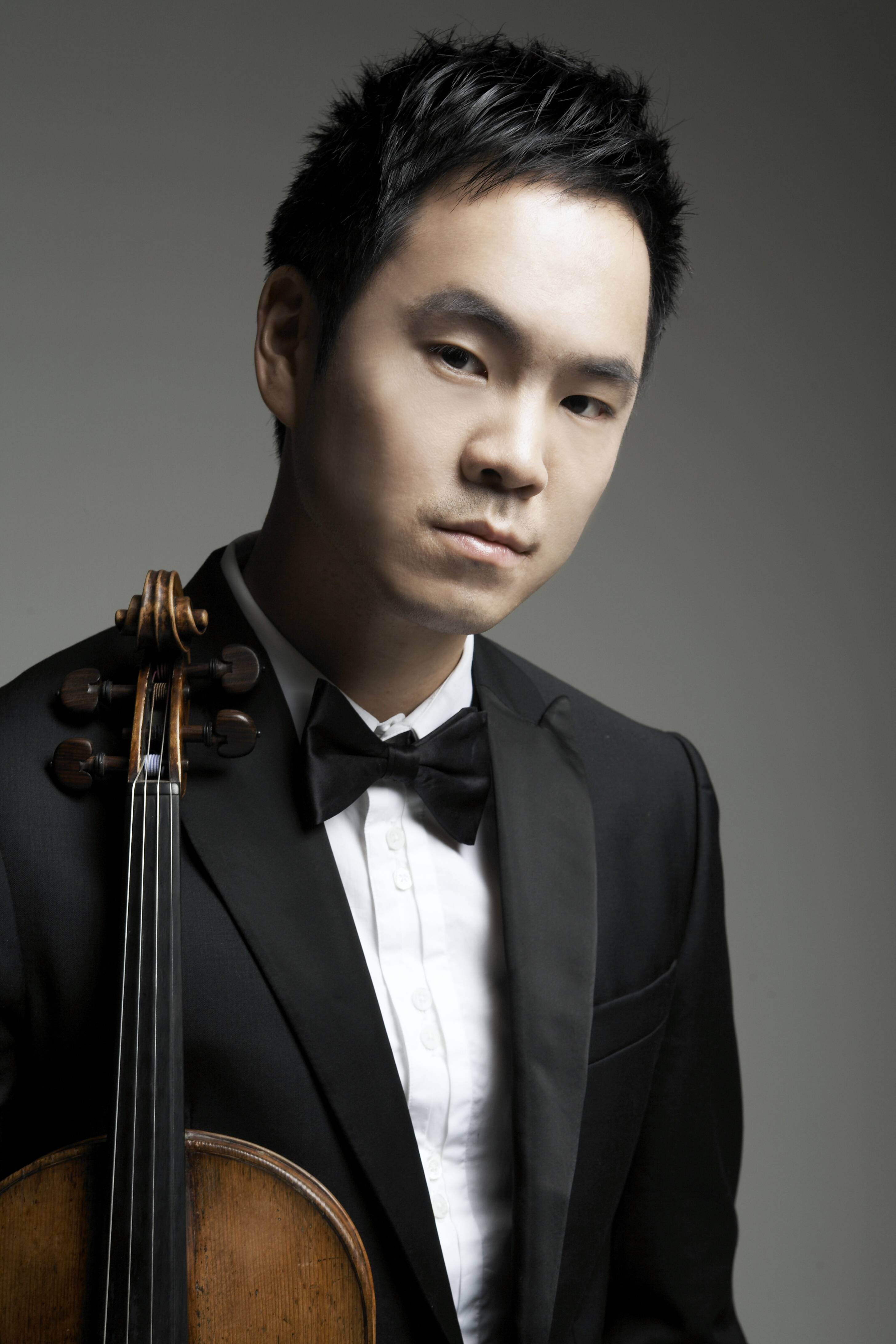
Claude Sim

The program will begin with Nguyen and Requiro performing Kodaly’s Sonata for Cello and Piano, Op. 4, which incorporates harmonies and dance forms from Hungarian folk music. To finish the concert, Requiro and Sim join Nguyen for Dvořák’s Piano Trio No. 4, Op. 90, nicknamed the “Dumky.” The trio uses elements of Bohemian folk music. The six-movement work is a “dumka,” a form used by Slavic composers to indicate a brooding, contemplative lament interspersed with cheerful, rhythmic, dance-like moments.

For her next Faculty Tuesday concert, Nguyen aims to go even further with her exploration of cultural identities with an all-Asian program with Asian performers. She wants to represent distinct cultural mosaics in CU Boulder’s concert hall, as her personal contribution to more diversity and inclusivity in classical music.  

“If we want to represent all voices, then we have to perform all those voices,” Nguyen says. “If we want to respect all voices, then we have to hear them all.” 

# # # # #

“Exploring Cultural Identities”
Alexandra Nguyen, piano; Claude Sim, violin; and David Requiro, cello 

Zoltan Kodaly: Sonata for Cello and Piano, Op. 4
Alexina Louie: Scenes from a Jade Terrace
Dvořák: Piano Trio No. 4, Op. 90 (“Dumky Trio”)

Streamed here at 7:30 p.m. Tuesday, March 9 

Free or pay what you can.