
Program of ‘top-notch’ music by women from from 16th and 17th centuries
By Peter Alexander April 23 at 6:25 p.m.
The music only recently became available for the next concert program by Boulder’s Seicento Baroque Ensemble, but it’s 400 years old.
The program to be performed the coming weekend in Golden, Westminster and Boulder (Friday–Sunday April 25–27; details below) is titled “Renaissance Women” and features works by women composers of the 16th and 17th centuries. Most of them you have probably never heard of, including Maddalena Casulana, Sulpitia Lodovica Cesis and Vittoria Aleotti. Only a few—Francesca Caccini, Barbara Strozzi and Élisabeth Jacquet de La Guerre—are known at all to students of that era.
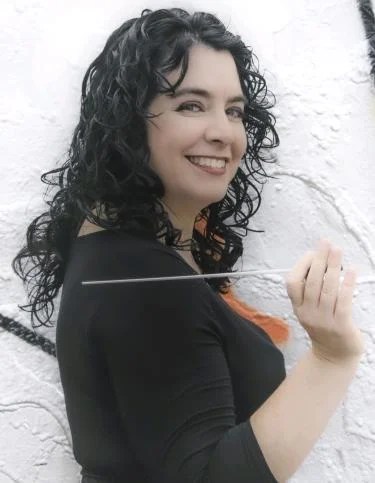
“Within the last five to 10 years there’s been an explosion of availability of scores by women composers of the Renaissance and Baroque periods,” Coreen Duffy, Seicento’s director, explains. “Up until now (those scores) were locked away, not published, and/or there were no modern editions available. So a lot of this music nobody knows about.
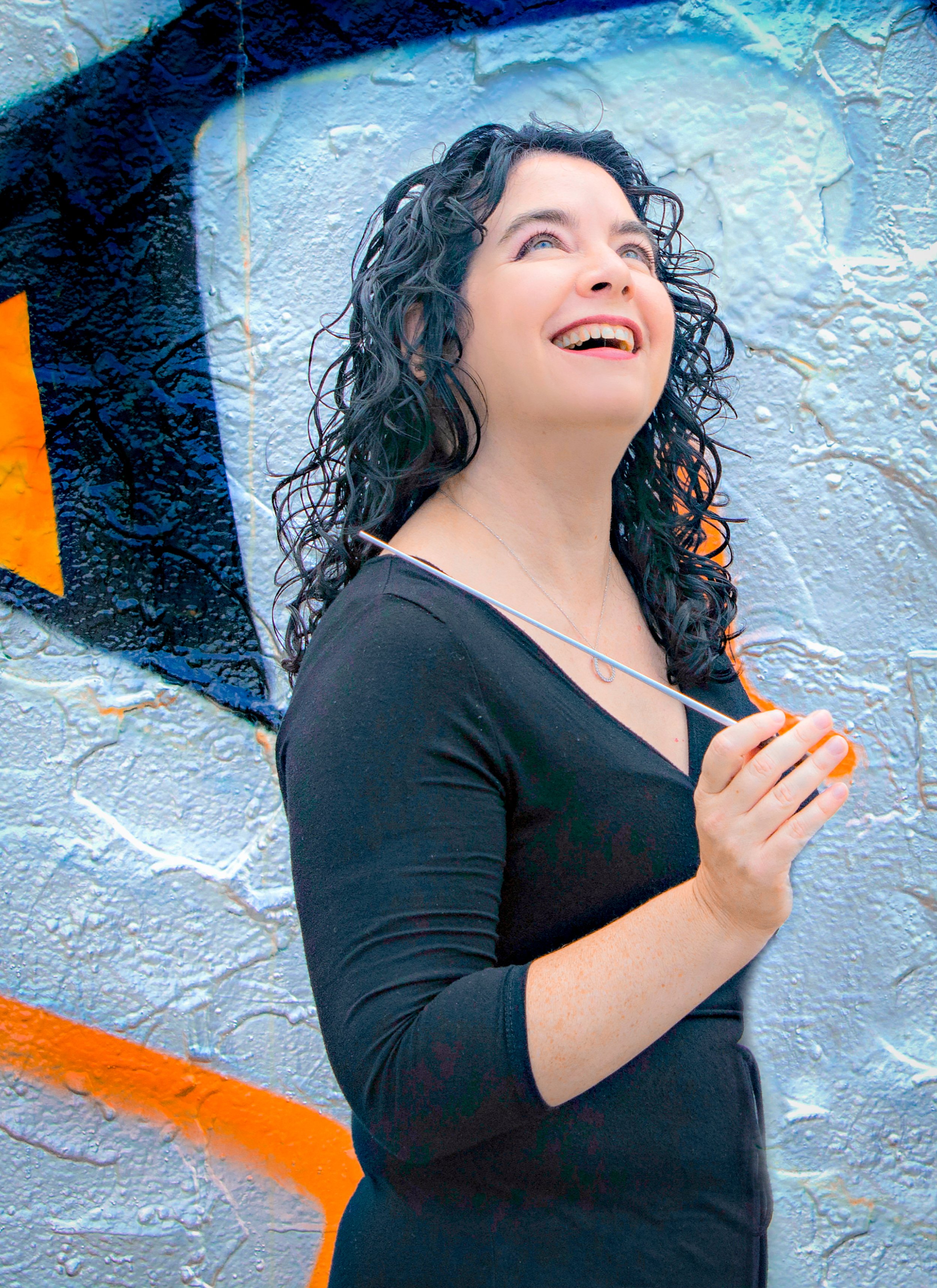
“A lot of these composers I didn’t know about until I got the idea to start looking. Little by little this is coming to the surface now. So now is a great juncture to perform it, because some of it has been hardly performed in the last 400 years.”
The late Renaissance and early Baroque periods were a time of great cultural and musical flowering in Italy. Consequently it is no surprise that most of the composers—all but de la Guerre—are Italian. With the Italian nobility supporting the musical life of the time, Duffy says that nearly all of the Italian women composers fall into one of two groups.
“Either they were in convents, or they were in the secular world and had connections that allowed them the kind of training they would need to become composers,” she says. Essentially that meant they were connected to one of the noble families such as the Medici, which would allow them to “gain the networking to get their music published and circulated,” Duffy says.
As for the convents, “a lot of these women ended up in convents not because they themselves chose that path, but because they were placed there by their families, to have a secure and safe life,” she says. “They’re writing sacred music, but they’re also writing secular music on poetry that is not devotional— some of it is a little racy.
“For a lot of them the convent was like a little artists’ colony, a place where they had access to other trained musicians and singers who could perform this music that they were writing. So it was almost like a little sanctuary for them.”
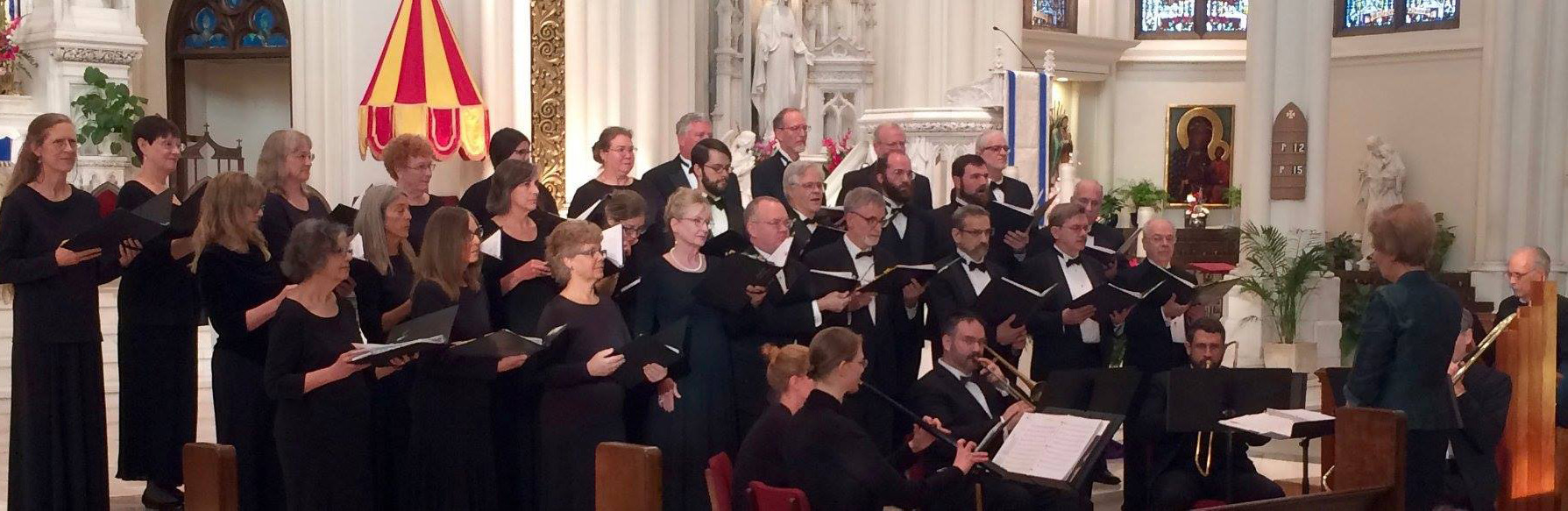
In addition to the full Seicento choir the concert features performances by a smaller ensemble, the Seicento Sirene (Seicento Sirens), a small group of professional singers within Seicento. They emerged when the larger choir didn’t have time to learn all of the music Duffy had selected for the program.
“The idea came from them,” she says. “A couple of members said ’Hey, this music you picked is so good, we want to do it, we already know it, can we please do it?’
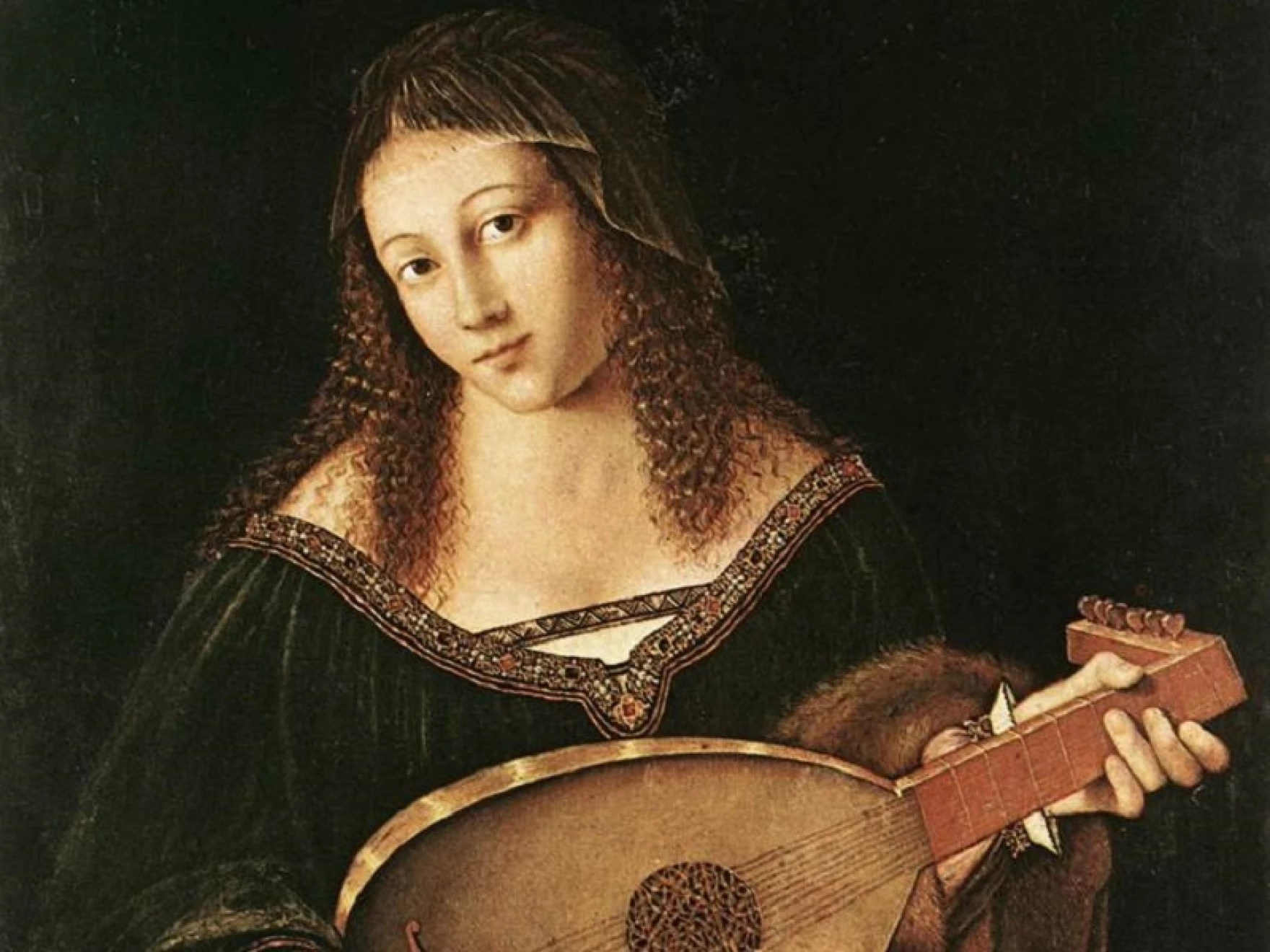
“I gave (the smaller group) a name, because once I heard how good they sounded, I was like, this is not a one-off. This will not be the last we hear from the Seicento Sirene. Just wait ’til folks hear them—their three selections are exquisite!”
One composer on the program stands out with six pieces. Though little-known today, Maddalena Casulana was the first woman in the history of European music to have an entire book of music published. Her Primo libro di madrigali (First book of madrigals) from 1568 is dedicated to Isabella de’ Medici, to gain her support.
“I selected a bunch of (her music) because it’s so darn good,” Duffy says. “It’s gorgeous, all of the things to love about late 16th century music—the chromaticism, dissonance, extreme text painting, based on the Petrarchan style poetry that is full of double entendres and sexual innuendo. It’s everything you would want out of (her male contemporaries) Monteverdi, Gesualdo, Marenzio, all of these folks at the end of (the 16th) century who are doing so much cool stuff.”
When asked for another piece to call attention to, Duffy hesitates. “There’s so much I don’t even know how . . .” she starts, then says, “Another composer I never heard of until I started this is Cesis. We’re doing her Stabat Mater and that’s gorgeous. The Cozzolani selections are pretty sensational.”
And Barbara Strozzi’s Con le belle (With beautiful women) “is the Barqoue version of (The Clash’s) ’Should I Stay or Should I Go?’ Everyone knows what’s really going on, but the language is perfectly above board so it’s fine.”
But in the end, she says the whole program “is just brilliant. The poetry is brilliant, the music is top notch and these are gems that people haven’t heard.
“It’s a nice opportunity to hear music that’s been waiting around for 400 years!”
# # # # #
“Renaissance Women”
Seicento Baroque Ensemble and Seicento Sirene, Coreen Duffy, conductor
With Jeremiah Otto, harpsichord, and Joe Gailey, theorbo
Kevin Wille, guest conductor
- Sulpitia Lodovica Cesis: Stabat Mater
- Maddalena Casulana: Amor per qual cagion (Love, why did you put me on this earth)
—Amor per qual cagion (harpsichord/theorbo in tabulation)
—Morir no può ‘l mio core (My heart cannot die) - Vittoria Aleotti: T’amo, mia vita (I love you, my life)
- Chiara Margarita Cozzolani: Messa à 4, Kyrie and Agnus Dei
- Élisabeth Jacquet de La Guerre: Chaconne in D major from Pièces de Clavecin, Book II
- Barbara Strozzi: Chi brama in amore (Who yearns for love)
- Francesca Caccini: S’io men vò morirò (If I leave, I die)
- Anna Bon: Andante from Sonata in B-flat major, op. 2 no. 2
- Rosa Giacinta Badalla: Aria from Vuò cercando
- Casulana: Tu mi dicesti Amore (You told me, love)
—Come fiammeggia e splende (How it blazes and shines) - Aleotti: Io piango che’l mio pianto (I cry that my cry)
- Isabella Leonarda: Regina Caeli (ed. Meredith Y. Bowen)
- Casulana: O notte, o ciel’, o Mar (Oh night, oh sky, oh shores)
- Strozzi: Con le belle non ci vuol fretta (With beautiful women you cannot hurry)
- Leonarda: Domine ad adiuvandum (Lord, to help, ed. Henry Lebedinsky)
7:30 p.m. Friday, April 25, Calvary Church, Golden
7:30 p.m. Saturday, April 26, Westminster Presbyterian Church
2 pm. Sunday, April 27, Mountain View Methodist Church, Boulder
Livestream also available 2 p.m. Sunday, April 27
In-person and livestream tickets HERE
 Sharps & Flatirons