Colorado Music Festival announces summer festival schedule

Subscriptions now available; single tickets on sale March 5

By Peter Alexander Feb. 4 at 4 p.m.

The Colorado Music Festival (CMF) has announced its 2024 festival season, July 5 through Aug. 4 at Chautauqua Auditorium in Boulder.
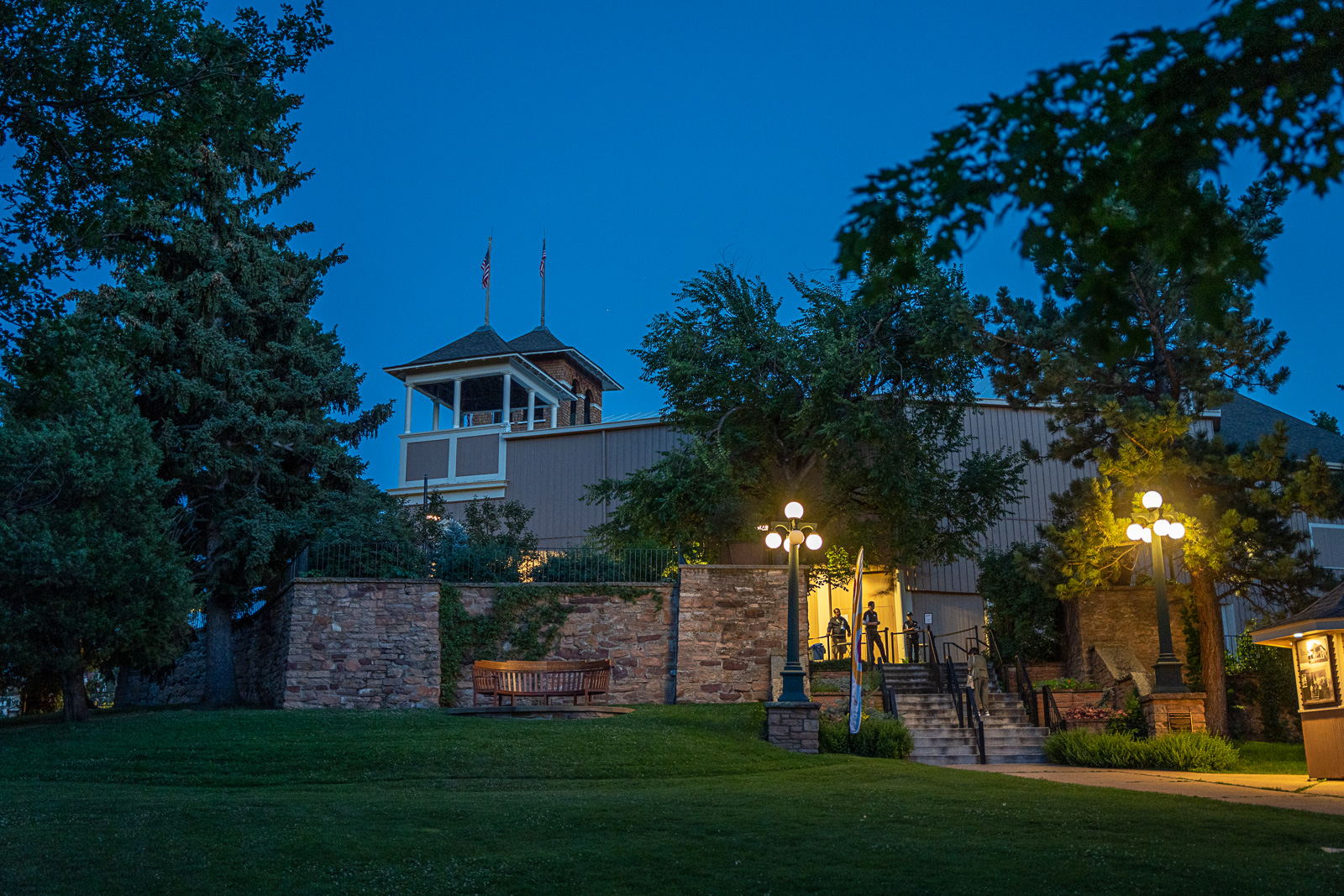
Chautauqua Auditorium. Photo by Jeremy Kornreich

This year’s festival will present 19 performances in 31 days—between four and five weeks and slightly shorter than recent previous festival seasons. In addition to the Festival Orchestra made up of musicians from around the country, it will feature the world premiere of a new piece by Gabriela Lena Frank; four Tuesday evening concerts on the Robert Mann Chamber Music Series, performed by members of the Festival Orchestra and the visiting Danish String Quartet; and guest artists including the CU-based Takács Quartet, cellist Alisa Weilerstien, and returning CMF favorites pianist Olga Kern and violinist Augustin Hadelich.

Performances by the full Festival Orchestra will be most Thursday and Friday evenings at 7:30 and 6:30 p.m. respectively. Orchestral concerts at 6:30 p.m. on Sunday will generally feature a smaller ensemble. The full festival schedule is listed below.
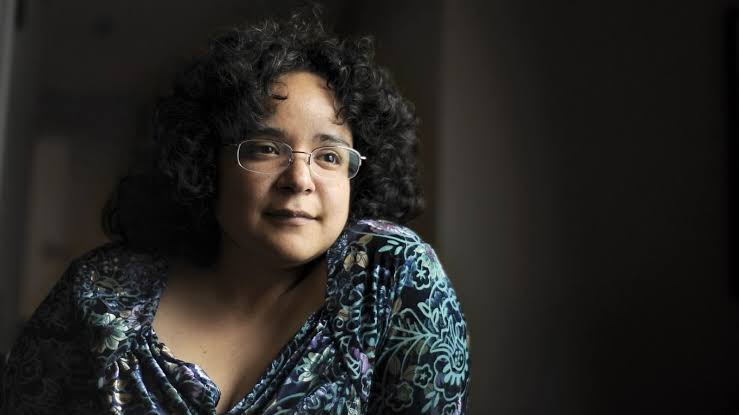
Gabriela Lena Frank

A highlight of the season will be the premiere of a new orchestral work with string quartet by Franks on July 21 (see details below). The summer’s only world premiere, the performance will feature the Takács Quartet. Other works by living composers will be featured throughout the summer, including Masquerade by Anna Clyne; Short Ride in a Fast Machine by John Adams, who was CMF composer-in-residence in 2022; Two Mountain Scenes by Kevin Puts, a work that was commissioned by the Bravo! Vail Valley Music Festival and the New York Philharmonic in 2007; and Joan Tower’s Concerto for Orchestra.
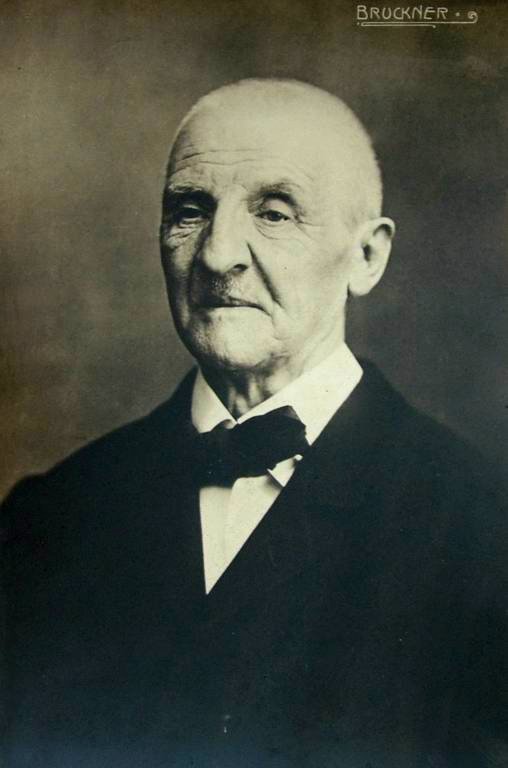
Anton Bruckner

On July 14 conductor Peter Oundjian and the CMF Orchestra will celebrate the 200th anniversary of the birth of Austrian composer Anton Bruckner with a performance of his Symphony No. 4 (“Romantic”). On the same program CMF will celebrate the 150th anniversary of Arnold Schoenberg’s birth with a performance of his late Romantic work for strings Verklärte Nacht (Transfigured Night). 

The annual CMF family concert at 10:30 a.m. Sunday, July 7, will feature some shorter standard classical overtures by Mikhail Glinka and Mendelssohn, as well as a performance of composer Rob Kapilow’s setting of Dr. Seuss’s Green Eggs and Ham. Also on the program is Three Fun Fables, a setting for narrator and orchestra of three of Aesop’s fables by Daniel Dorff, who is known for numerous works that introduce music and musical instruments to young audiences.
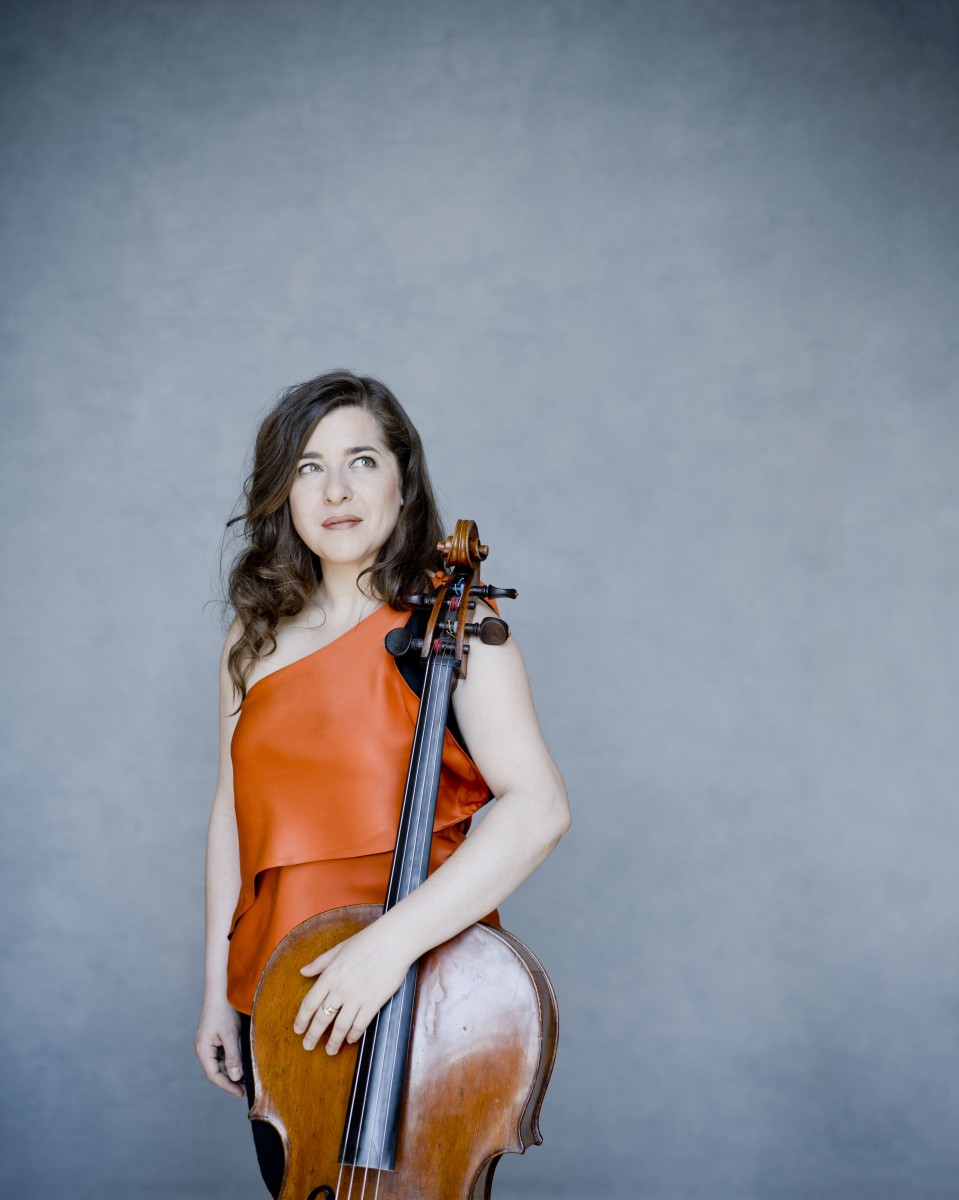
Alisa Weilerstein. Photo by Marco Borggreve

Outstanding guest artists have always been a feature of the CMF. This summer’s guest soloists will be:
—Cellist Alisa Weilerstein, a member of a renowned musical family, playing the Dvořák Cello Concerto on the opening night program, July 5 and 7;
—the playful ensemble Really Inventive Stuff, a favorite on past CMF summer schedules, and the mezzo-soprano Jennifer DeDominici for the family concert July 7;
—violinist Vadim Gluzman playing the Prokofiev Second Violin Concerto July 9;
—pianist Olga Kern playing the Rachmaninoff Second Piano Concerto July 18 and 19;
—Colorado Public Radio personality Kabin Thomas narrating Greig’s music for for Henrik Ibsen’s verse play Peer Gynt, alsoJuly 18 and 19;
—the Takács Quartet playing the world premiere of Gabriel Lena Frank’s new work July 21;
—pianist Awadagin Pratt, playing J.S. Bach’s Keyboard Concerto in A major and Jessie Montgomery’s Rounds for piano and string orchestra July 25 and 26;
—the Danish String Quartet, who last appeared at CMF in 2022, playing a varied program that ranges from Haydn to Stravinsky to the 18th-century blind Celtic harpist Turlough O’Carolan July 30;
—violinist Augustin Hadelich, returning to CMF to play Tchaikovsky’s Violin Concerto Aug. 1 and 2; and
—soprano Karina Gauvin to sing Ravel’s song cycle Shéhérazade and the final movement of Mahler’s Symphony No. 4 on the Festival Finale concert, Aug. 4.

Subscription tickets are currently available for the Colorado Music Festival. Tickets to individual concerts will go on sale through the Chautauqua Box Office March 5. More information on CMF tickets, including discounted youth and student tickets, is available HERE.

# # # # #

Colorado Music Festival, Peter Oundjian, music director
Summer 2024
All performances in Chautauqua Auditorium

Opening Night
Festival Orchestra, Peter Oundjian, conductor
With Alisa Weilerstein, cello

  • Anna Clyne: Masquerade (2013)
  • Dvořák: Cello Concerto in B minor
  • Mendelssohn: Symphony No. 4 in A major (“Italian”)

6:30 p.m. Friday and Sunday, July 5 and 7

Family Concert: Green Eggs and Ham
Festival Orchestra, Jacob Joyce, conductor 
With Really Inventive Stuff and Jennifer DeDominici, mezzo-soprano 

  • Glinka: Overture to Ruslan and Ludmilla
  • Daniel Dorff: Three Fun Fables
  • Mendelssohn: Overture to A Midsummer Night’s Dream
  • Rob Kapilow: Green Eggs and Ham

10:30 a.m. Sunday, July 7

Robert Mann Chamber Music Series
Colorado Music Festival musicians 

  • Ernst von Dohnányi: Sextet in C Major
  • Beethoven: “Duet with two Obligato Eyeglasses” in E-flat major for viola and cello, WoO 32
  • Schumann: Piano Quartet in E-flat Major, op. 47

7:30 p.m. Tuesday, July 9

Festival Orchestra Concert
Festival Orchestra, Peter Oundjian, conductor
With Vadim Gluzman, violin

  • John Adams: Short Ride in a Fast Machine
  • Prokofiev: Violin Concerto No. 2 
  • Stravinsky: Rite of Spring

7:30 p.m. Thursday July 11
6:30 p.m. Friday, July 12  

Bruckner Bicentennial Concert
Festival Orchestra, Peter Oundjian, conductor

  • Arnold Schoenberg: Verklärte Nacht (“Transfigured night”), op. 4
  • Anton Bruckner: Symphony No. 4 (“Romantic”)

6:30 p.m. Sunday, July 14

Robert Mann Chamber Music Series
Colorado Music Festival musicians 

  • Carl Nielsen: Wind Quintet, op. 43
  • Schubert: String Quintet in C Major, D956

7:30 p.m. Tuesday, July 16

Festival Orchestra Concert
Festival Orchestra, Rune Bergmann, conductor
With Olga Kern, piano, and Kabin Thomas, narrator

  • Vivian Fung: Prayer
  • Rachmaninoff: Piano Concerto No. 2, op. 18
  • Edvard Grieg: Suites from Peer Gynt

7:30 p.m. Thursday, July 18
6:30 p.m. Friday, July 19

Festival Chamber Orchestra Concert
Festival Orchestra, Peter Oundjian, conductor
With the Takács Quartet and Gabriela Lena Frank, composer 

  • Florence Price: Adoration
  • Gabriela Lena Frank: World Premiere
  • Joan Tower: Concerto for Orchestra

6:30 p.m. Sunday, July 21

Robert Mann Chamber Music Series
Colorado Music Festival musicians

  • Joseph Haydn, String Quartet in C Major, op. 20 no. 2
  • Claude Debussy, Sonata for flute, viola and harp
  • Felix Mendelssohn, String Octet in E-flat Major, op. 20

7:30p.m. Tuesday, July 23

Festival Orchestra Concert
Festival Orchestra, Peter Oundjian, conductor
With Awadagin Pratt, piano

  • J.S. Bach: Keyboard Concerto in A major, S1055 
  • Jessie Montgomery: Rounds for piano and string orchestra (2022)
  • Rimsky-Korsakov: Scheherazade

7:30 p.m. Thursday, July 25
6:30 p.m. Friday, July 26

Festival Chamber Orchestra Concert
Chamber Orchestra, Gemma New, conductor
With Christina and Michelle Naughton, piano duo

  • Mozart: Eine kleine Nachtmusik, K525
    —Concerto in E-flat Major for Two Pianos, K365
    —Symphony No. 35 in D major, K385 (“Haffner”)

6:30 p.m. Sunday, July 28

Robert Mann Chamber Music Series
Danish String Quartet 

  • Joseph Haydn: String Quartet, op. 77 no. 2: III, Andante
  • Stravinsky: Three Pieces for String Quartet
  • Turlough O’Carolan: Three Melodies
  • Mozart: Divertimento in F major, K138
  • Shostakovich: String Quartet No. 3 in F major, op. 73

7:30 p.m. Tuesday, July 30

Festival Orchestra Concert
Festival Orchestra, Peter Oundjian, conductor
With Augustin Hadelich, violin

  • Kevin Puts: Two Mountain Scenes (2007)
  • Tchaikovsky: Violin Concerto in D Major, op. 35
  • Dvořák: Symphony No. 7 in D minor, op. 70 

7:30 p.m. Thursday, Aug. 1
6:30 p.m. Friday, Aug. 2

Festival FInale Concert
Festival Orchestra, Peter Oundjian, conductor
With Karina Gauvin, soprano

  • Johann Strauss: Overture to Die Fledermaus
  • Ravel: Shéhérazade
  • Mahler: Symphony No. 4 in G major

6:30 p.m. Sunday, Aug. 4

Information on Subscription tickets is available HERE.
Single concert tickets will go on sale March 5.

NOTE: A correction was made Feb. 10. An earlier version of the story said that the 2024 festival would last four weeks. The correct length is 31 days—between four and five weeks.
Boulder Chamber Orchestra offers small-scale Wagner, Beethoven’s “Emperor”

Pianist Jennifer Hayghe performs the first piece she ever heard

By Peter Alexander Jan. 30 at 9:45 p.m.

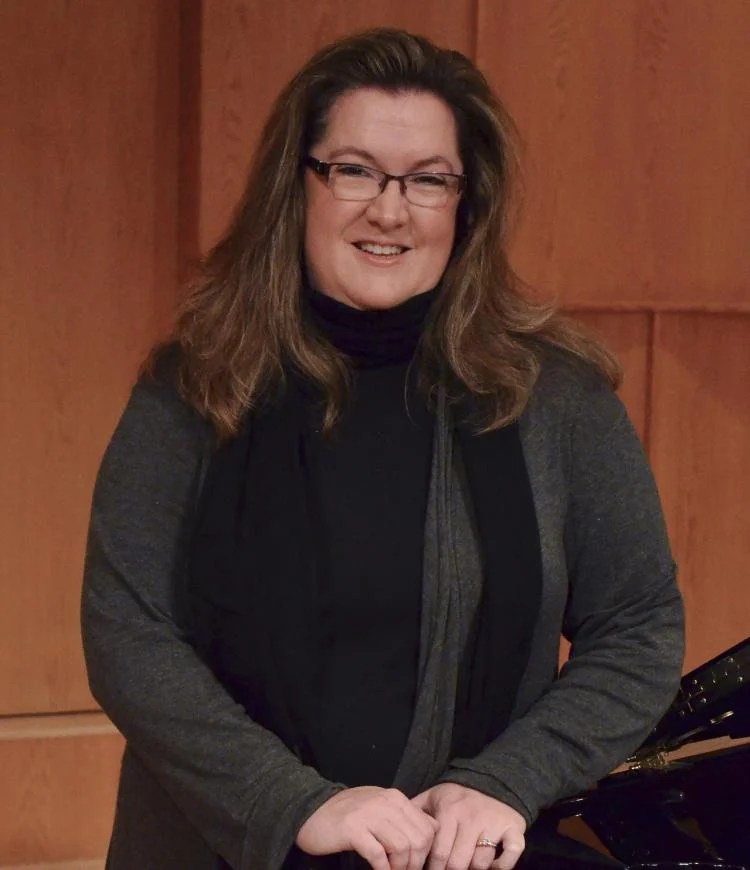
Pianist Jennifer Hayghe returns to one of the first pieces of music she ever heard when she performs Beethoven’ “Emperor” Concerto with the Boulder Chamber Orchestra and conductor Bahman Saless Saturday (7:30 p.m. Feb. 3; details below).

Jennifer Hayghe

“My mother was an artist and she would stay home and paint, and listen to records,” she says. “The record that she listened to the most was Arthur Rubinstein playing the ‘Emperor’ Concerto. I have know it since I was in utero!

In addition to the “Emperor”—Beethoven’s Piano Concerto No. 5 in E-flat major—the program features the Valse triste (Sad waltz) by Jean Sibelius, a melancholy piece that has often been used to create a mood for films and TV; and the only piece that Wagner wrote for small orchestra, his Siegfried Idyll.

While Hayghe admits that she doesn’t remember her earliest exposure to the concerto, she did study it in graduate school. “I think I’ve been playing this for over 30 years,” she says. “It’s very familiar to me, and it’s such a majestic piece. I’ve performed it both with chamber orchestra and with larger orchestras. I much prefer playing it with the smaller orchestra. It has a very different feel and a very different sound.

“As a pianist there are things that we have to do to project with full orchestra that you don’t have to do with chamber orchestra. So much of the piano part is really texture, as part of what the orchestra is doing. If you’re trying to create that texture with a larger orchestra, you’re playing very differently than you are if it’s a smaller orchestra and you’re able to blend in. I really enjoy playing it with the chamber orchestra.”

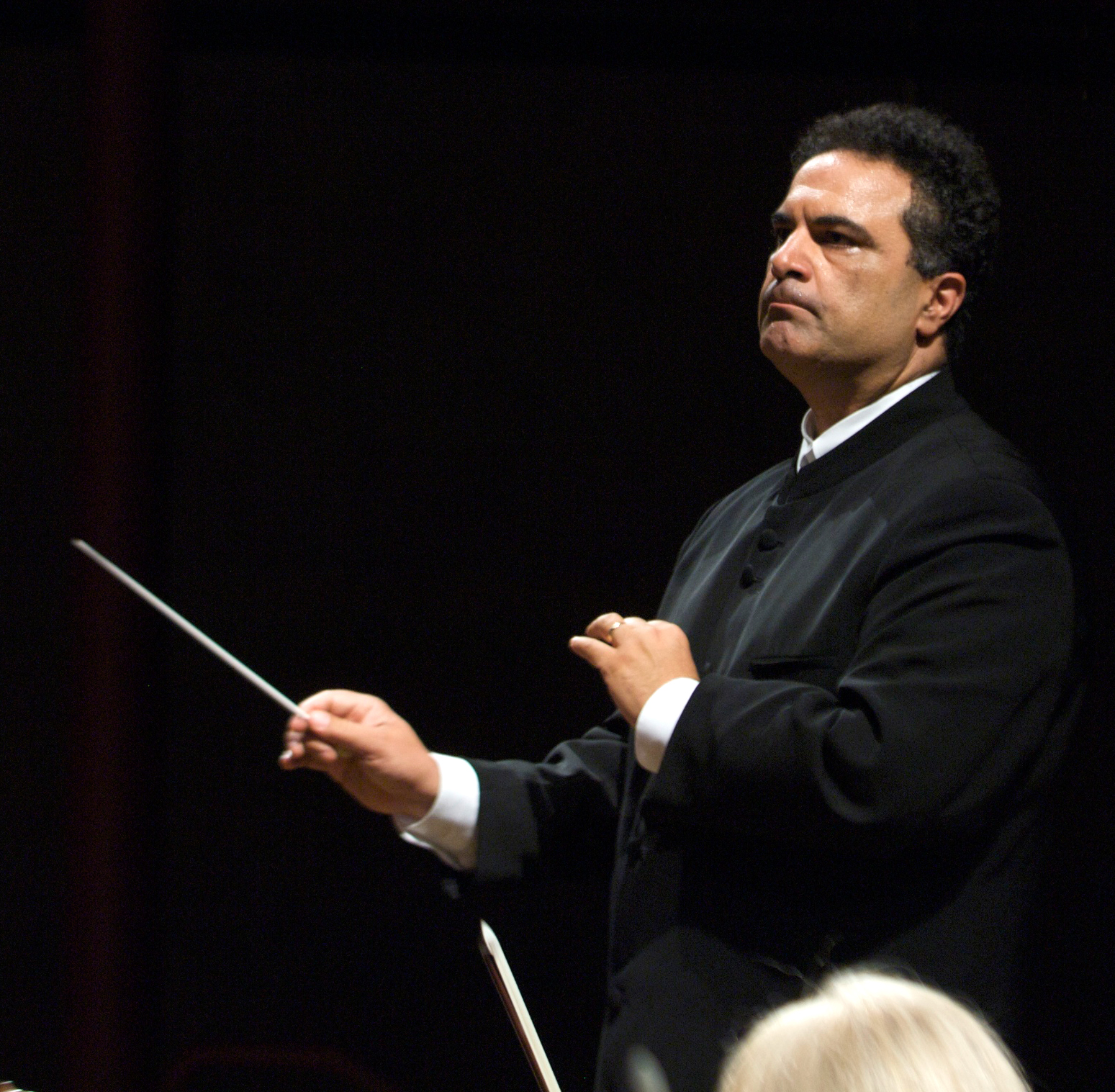
Bahman Saless. Photo by Keith Bobo

She particularly enjoys playing the concerto in Boulder, where she has so many friends. “I enjoy working with Bahman (Saless),” she says. “And the orchestra has lots of friends in it, so it will be a nice experience.”

One of Beethoven’s most popular pieces, the Fifth Piano Concerto has several unusual or unique aspects. “The remarkable thing in the first movement is that the piano starts, with fantastic virtuoso cadenzas, but never really gets to [play a cadenza] again,” Hayghe says. In most concertos, she explains, “the piano gets to do their big cadenza at the end of the first movement. But after [the opening cadenzas in the ‘Emperor’], the piano is reigned in, and much of the movement the piano is providing texture—all of that figuration up at the top of the piano.”

Continuing a description of the concerto, she points out that the second movement is a set of variations with some moments that sound improvised. It’s “very sublime,” she says, and “completely different from the first movement. Again, the piano is blending with the orchestra in this very textural way. The second movement then never really ends, it transitions with a half-step move into this joyful, joyous, energetic last movement.”

Finally, she says, “everybody has to watch out, and listen for that very unusual timpani and piano duet at the end of the last movement.

“I think one of the fantastic things about this piece is the way Beethoven deals with the dual nature of concerto, the fighting of the forces that concertos often are, and also the the ‘in concert’ part of it as well. You do hear a lot of moments of the piano and the orchestra playing against each other, and then those fantastic moments where they come together and the soloist is playing inside the orchestra, in a sense. I don’t think people are always aware of that.”

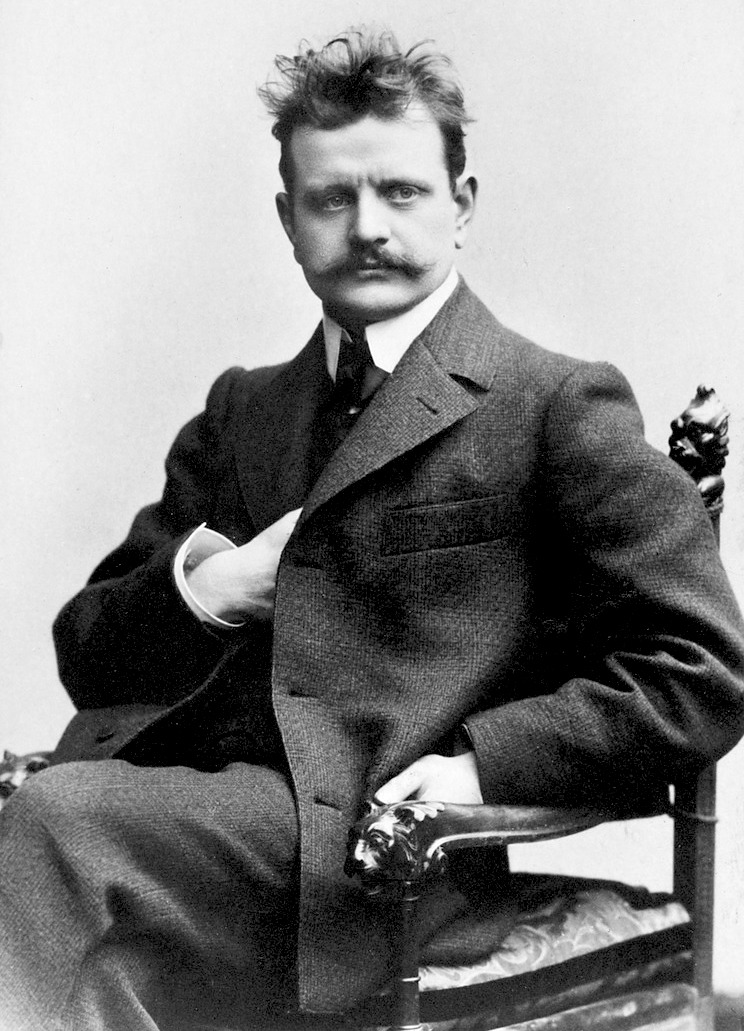
Jean Sibelius

Sibelius wrote Valse triste as part of music he wrote to accompany the play Kuolema (Death) by his brother-in-law, Arvid Järnefelt. In the play, it accompanies the last dance among spectral figures by a dying woman that ends when a door flies open and death stands on the threshold. This one piece proved more popular than the other movements written for the play, and has been performed alone in concert and used in film and TV, from Charlie Chaplin’s Great Dictator in 1940 to an episode of Twin Peaks in 1992.

Wagner wrote Siegfried Idyll as a birthday gift for his wife Cosima. It was first performed on the steps of their villa in Switzerland on Christmas morning, 1870. It was written as a celebration also of the birth of their son, named Siegfried, and the music was later used in part of Wagner’s 1876 music drama Siegfried. The score includes pieces of personal meaning to Wagner and Cosima, including the German lullaby “Schlaf, Kinder, schlaf” (Sleep little child, sleep) that was associated with their daughter. Originally scored for 13 players, Wagner later arranged it for a small orchestra of 35 players for publication. 

# # # # #

Boulder Chamber Orchestra, Bahman Saless, conductor
With Jennifer Hayghe, piano

  • Sibelius: Valse triste
  • Wagner: Siegfried Idyll
  • Beethoven: Piano Concerto No. 5 in E-flat major (“Emperor”)

7:30 p.m. Saturday, Feb. 3
Seventh Day Adventist Church, 345 Mapleton, Boulder

TICKETS

GRACE NOTES: Children and Chamber Music

LSO family concert, BCO mini-chamber concert Saturday

By Peter Alexander Jan. 16 at 9:35 p.m.

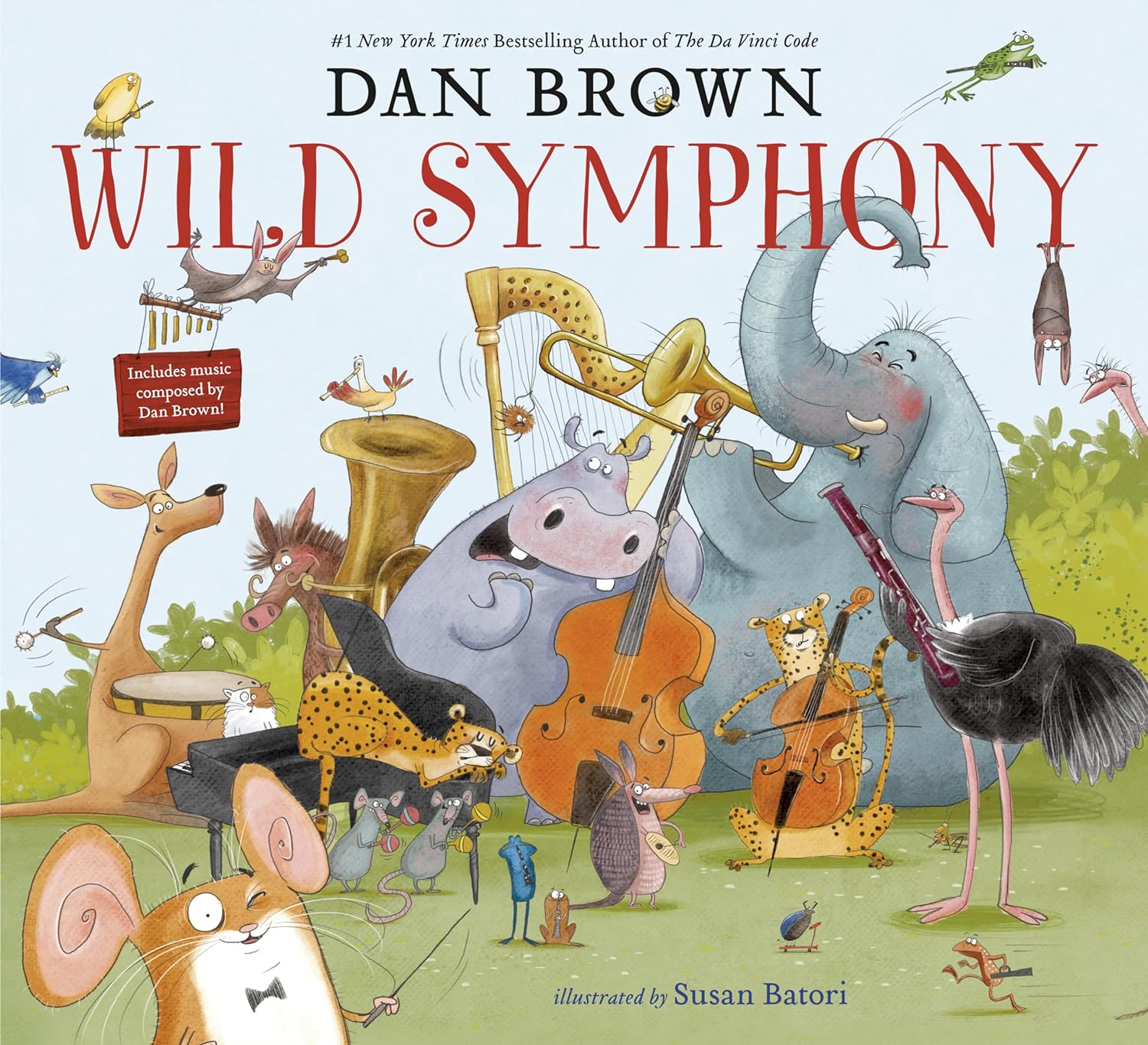
The Longmont Symphony Orchestra will introduce local families to musical animals including a bouncing kangaroo and a brilliant bat Saturday (4 p.m. Jan. 20) when they present the Wild Symphony by Dan Brown.

Yes, that’s the Dan Brown who wrote The da Vinci Code and other New York Times best-selling thrillers. The performance, under the direction of Elliot Moore, will feature Longmont native vocalist and attorney Cameron Grant as narrator. Wild Symphony has an accompanying children’s book, with colorful illustrations by Susan Batori.

The son of a math teacher and a church organist, Brown learned piano as a child and composed music before he wrote books. He says that he wrote the book to share his love of music with children. Each of the animals in the orchestra conducted by “Maestro Mouse” is associated with an instrument, and together they tell a story that includes portraits of the different animals and anagram puzzles on each page of the book. Among the 20 animals in the score are clumsy kittens, an anxious ostrich, dancing boars and busy beetles. 

A graduate of Niwot High School, Grant studied singing at Colorado College and sang with the Aspen Opera Theater, Colorado Symphony and Colorado Music Festival. After getting a law degree, he returned to Longmont where he practices in the field of real estate law.

# # # # #

Longmont Symphony Orchestra, Elliot Moore conductor,
with Cameron Grant, narrator

  • Dan Brown: Wild Symphony

4 p.m. Saturday, Jan 20
Vance Brand Civic Auditorium

TICKETS

The Boulder Chamber Orchestra (BCO) will present pianist Adam Żukiewicz, associate professor of piano at the University of Northern Colorado, in the second of their Mini-Chamber concerts of the 2023–24 season.

# # # # #

Titled “Adam Żukiewicz and Friends,” the concert will feature Żukiewicz playing quartets for piano and strings by Mozart and Brahms with members of the BCO, as well as Bartók’s popular Romanian Dances in their arrangement for piano and violin. The performance will be at 7:30 p.m. Saturday (Jan. 20) at the Boulder Seventh-Day Adventist Church. (See below for tickets.)

Adam Żukiewicz

A native of Poland, Żukiewicz has studied at the Royal Academy of Music in London and the Jacobs School of Music at Indiana University, and holds a doctorate from the University of Toronto, where he also served on the faculty. He won first prize both the 2011 Canada Trust Music Competition and the 2012 Shean Piano Competition in Canada, and was a medalist at several other contests. Since 2018 he has been a judge for the Steinway Piano Competition.

Mozart’s Piano Quartet in the turbulent key of G minor, one of the earliest works for that ensemble, was commissioned by the Viennese publisher Hoffmeister for sale to amateurs. Believing the work Mozart wrote was too difficult for amateur players, Hoffmeister canceled the rest of the order. Nevertheless, Mozart wrote another piano quartet several months later. 

When Brahms wrote his Piano Quartet in G minor nearly 100 years after Mozart’s Quartet in the same key, the quartet for piano and strings was a more established genre, even if not as common as string quartets and piano trios. The quartet is best known for its rousing “Rondo alla Zingarese” (Gypsy rondo) finale.

# # # # #

Boulder Chamber Orchestra Mini-chamber 2: Adam Żukiewicz and Friends
Members of the Boulder Chamber Orchestra with Adam Żukiewicz, piano

  • Mozart: Quartet in G minor for piano and strings, K478
  • Brahms: Quartet in G minor for piano and strings, op. 25
  • Bartók: Romanian Dances for piano and violin

7:30 p.m. Saturday, Jan. 20
Boulder Adventist Church

TICKETS