Music from Haydn to Mariachi on a busy weekend

Boulder Phil, Boulder Chorale and Takács Quartet 
By Peter Alexander April 25 at 10:05 p.m.
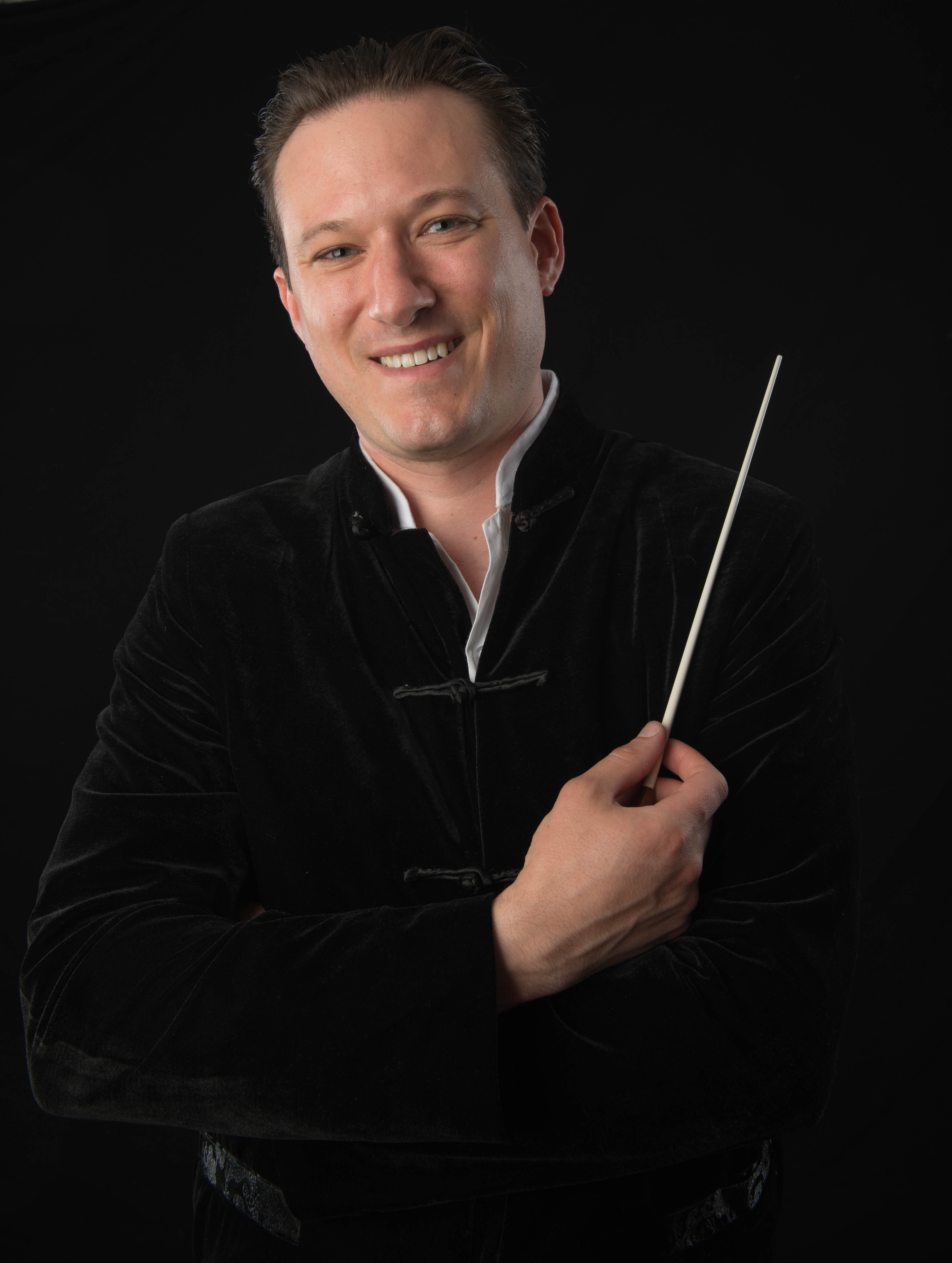
It’s spring and thoughts at the Boulder Philharmonic turn to romance.

Their next concert under music director Michael Butterman, titled in fact “Spring Romance,” features a fleet and evocative musical meditation on the season, D’un matin de printemps (Of a spring morning) by Lili Boulanger. 

Also on the program to be performed Saturday (April 27; details below) at Macky Auditorium, Spanish/Mallorcan violinist Francisco Fullana will perform Saint-Saëns’s Violin Concerto No. 3 with the orchestra. The program concludes with Tchaikovsky’s Symphony No. 5.
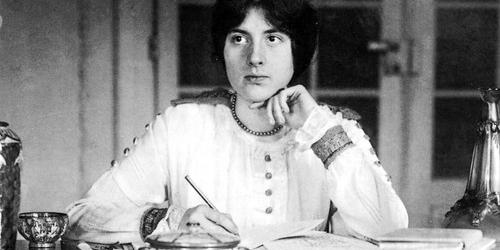
Lili Boulanger

The younger sister of the famous music teacher Nadia Boulanger, Lili died at the tragically young age of 24. The first female winner of the Prix de Rome composition prize, Lili showed precocious musical talent as young as four, when she accompanied her older sister to classes at the Paris Conservatoire. Long overshadowed by Nadia’s success, Lili and her music have become more prominent in recent years. 

Written in 1918, D’un matin de printemps was one of the last works she completed. It was written in versions for solo violin, flute, and piano, for piano trio, and for orchestra. The score’s origin as a solo piece is reflected in passages traded among first chair string players. 

A native of Mallorca, a Spanish island in the Mediterranean, Fullana won an Avery Fisher Career Grant in 2018. A versatile performer, he performs both 19th-century Romantic repertoire with major orchestras world wide, and early music that he has played as artist-in-residence with the ensemble Apollo’s Fire.

Dedicated to and premiered by the Spanish virtuoso Pablo de Sarasate, Saint-Saëns’s Third Concerto is one of his most frequently performed pieces for violin and orchestra. Characterized by colorful themes and virtuoso flourishes, it has often been chosen by young violinists as a debut concerto. The most striking moment comes at the beginning of the finale, when the violinist plays a recitative-like passage before proceeding to an energetic main theme.

One of the composer’s most popular works, Tchaikovsky’s Fifth Symphony is also one of his most emotionally wrought symphonies. Often gripped with insecurity, Tchaikovsky initially thought the Fifth Symphony was a failure. “There is something repellant about it,” he wrote. After Brahms heard it and praised the symphony, however, Tchaikovsky wrote “I have started to love it again.”

The symphony’s dramatic progression has suggested to many listeners that there is an underlying story, or program. The composer, however, insisted that the Fifth—unlike the Fourth and Sixth symphonies—was not programmatic. Regardless of what any listener hears within the score’s drama, however, its emotional force has made it one of the most popular pieces in the orchestral repertoire.

# # # # #

“Spring Romance”
Boulder Philharmonic Orchestra, Michael Butterman, conductor
With Francisco Fullana, violin

  • Lili Boulanger: D’un matin de printemps (Of a spring morning)
  • Saint-Saëns: Violin Concerto No. 3
  • Tchaikovsky: Symphony No. 5

7 p.m. Saturday, April 27
Macky Auditorium

TICKETS

# # # # #

While the Boulder Philharmonic is thinking about Spring, the Boulder Chorale and conductor Vicki Burrichter are musically off to Mexico for a Fiesta de las Luces (Festival of lights).

Their next program, to be presented Saturday and Sunday in Boulder and Longmont (April 27 and 28; see below) features Los Coyotes, an award-winning Mariachi Band from Uvalde, Texas, High School, as well as the Boulder Chorale’s children’s choir Bel Canto. The program is a celebration of Mexican culture in music, including both Mariachi music and other Mexican songs.
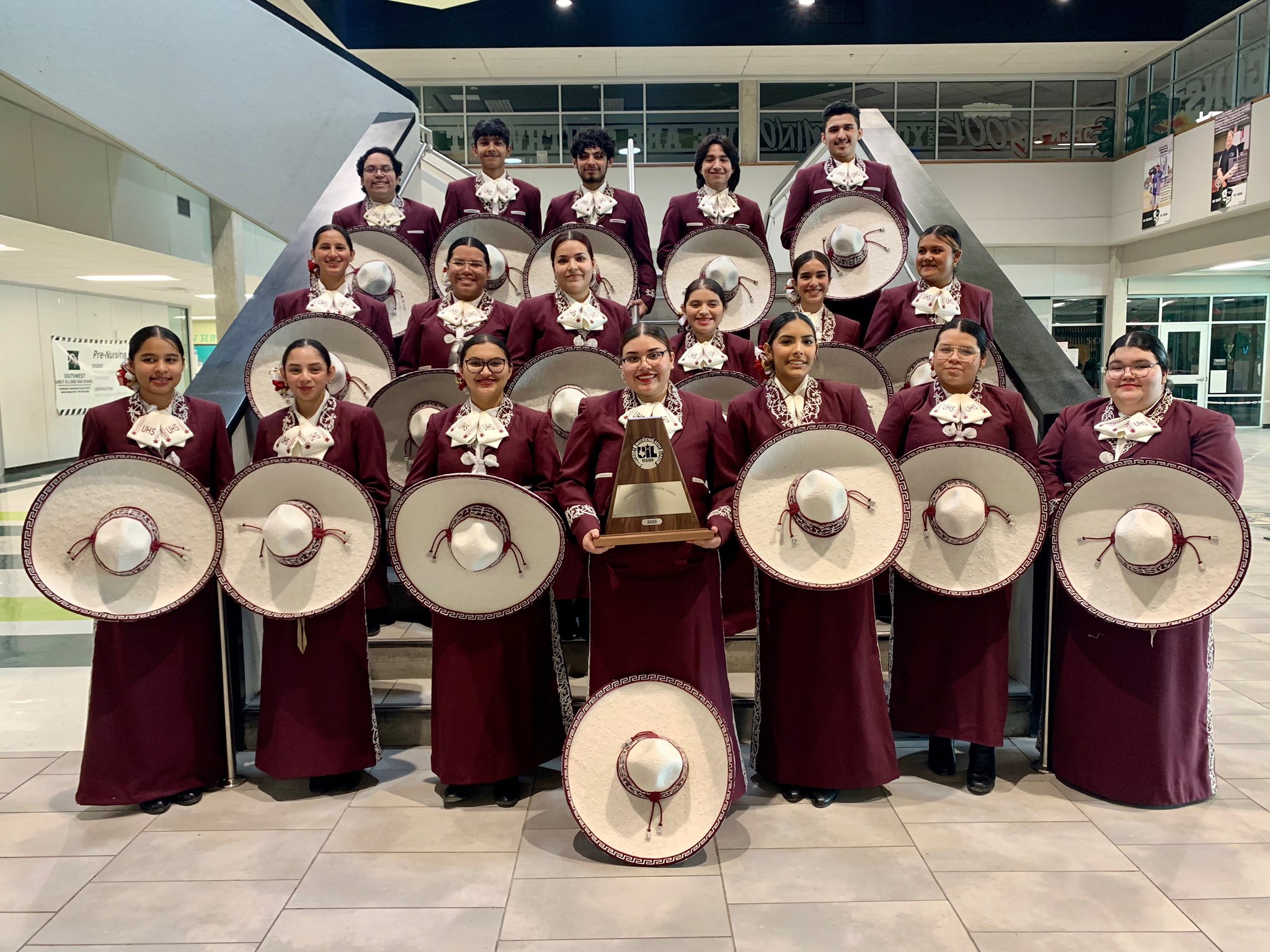
Los Coyotes, Uvalde High School, Texas

Founded in 1999, Los Coyotes won the Texas University Interscholastic League (UIL) Mariachi Championship in 2023. The outcome of the championship included a powerful feature article in Rolling Stone Magazine one year ago. The article brought out, among other things, the consoling impact of Mariachi music in Uvalde after the school shooting of 2022, and how a small program had grown into state champions under their current director, Albert Martinez.

As part of their visit to Colorado to perform with the Boulder Chorale, Los Coyotes have presented a workshop for local Mariachi students at Longmont’s Skyline High School, and have other appearances planned in addition to their concerts with the Boulder Chorale. Their full schedule is available HERE.

Each performance listed below will be preceded at 3:30 p.m. by a presentation by Burrichter and Martinez.

# # # # #

Fiesta de las Luces: Songs of Mexico
Boulder Chorale, Vicki Burrichter, conductor
With Los Coyotes, Mariachi band from Uvalde, Texas, High School, Albert Martinez, director;  and the Boulder Children’s Choir Bel Canto

Program of Mariachi music and Mexican songs arranged for chorus

4 p.m. Saturday, April 27 at First United Methodist Church, Boulder
4 p.m. Sunday, April 28, at Vance Brand Civic Auditorium, Longmont

TICKETS

# # # # #

The Takács Quartet wraps up their 2023–24 season of campus concerts Sunday and Monday (April 28 and 29; see details below). This was the quartet’s 49th season. 

The Sunday performance is sold out, but a few tickets are still available at the time of posting for Monday’s performance, and tickets are also available for the livestream of Sunday’s concert, which will be available online through Monday, May 6.

The program comes from the heart of the Classical/Romantic repertoire, opening with string quartets by Haydn and Schubert. To close out the concert, two additional CU music faculty members—violist Erika Eckert and cellist Meta Weiss—join the quartet to perform Brahms’s String Sextet in G major.

Most of Haydn’s string quartets were published in sets of six, which was the standard for most printed music at the time. Each published set generally has an opus number for the full set, with works numbered 1–6 within the set. The Quartet in D minor, op. 42, is an exception, however, as it stands alone as a single work issued as op. 42. 

It has been speculated that because it is a relatively simple quartet, Op. 42 might have been part of a planned set of three shorter works that were commissioned by two Spanish nobles, but never completed. It is in the standard four movements, in the order Andante ed innocentemente (walking speed and innocently), Minuet—Trio, Adagio and Presto.

Schubert’s String Quartet in B-flat was written in 1814, when the composer was only 17. It was never published during Schubert’s lifetime, so when it finally came out in 1863, it was given the late opus number of 168, even though it was an early work. Schubert wrote the quartet very quickly, completing the first movement in only four and a half hours, and the entire quartet in nine days. With such speed, it is not surprising that it is one of seven quartets Schubert completed in little more than a year.

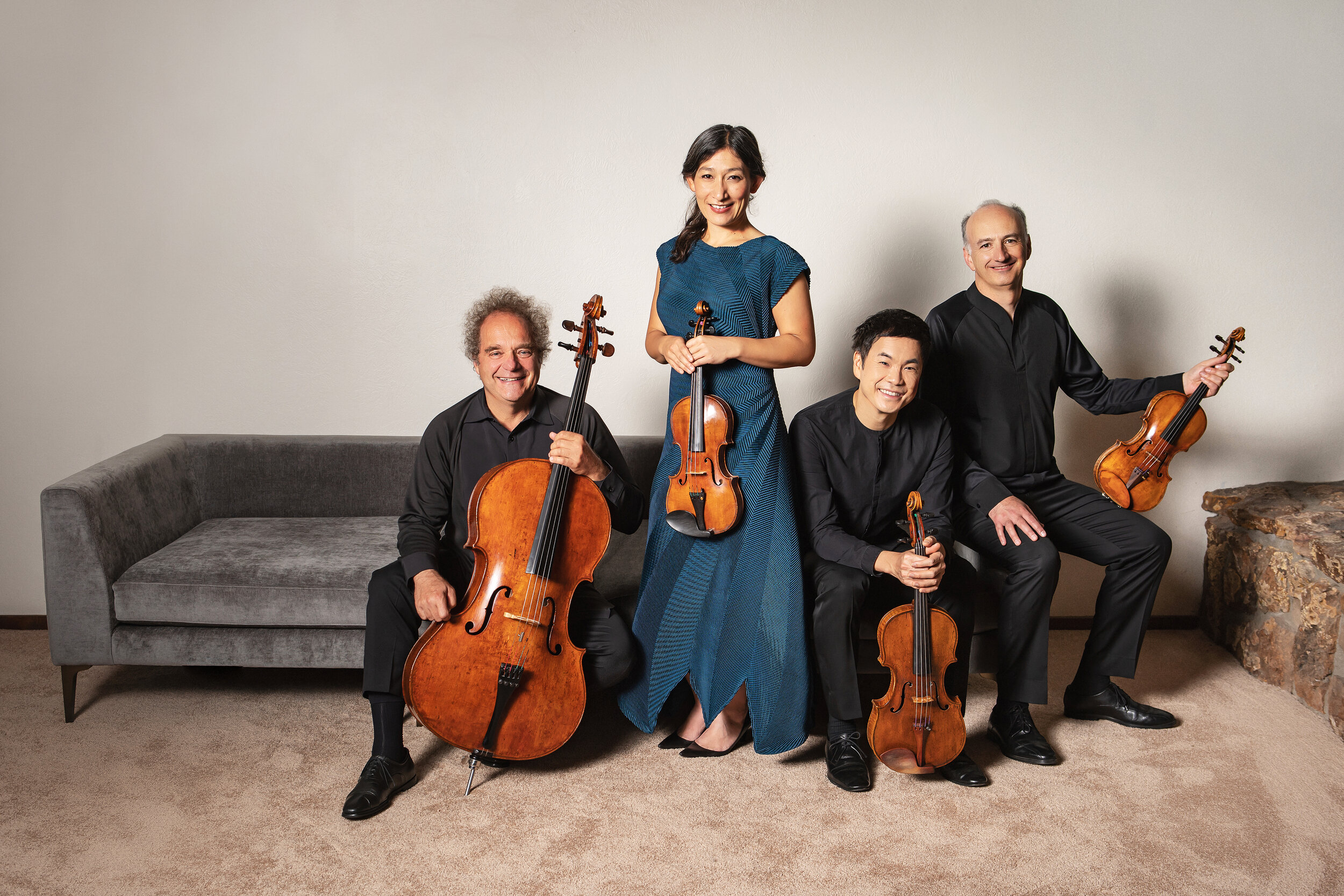
Takács Quartet. Image by Amanda Tipton Photography.

All his life Brahms was wary of being compared to Beethoven. That likely why it took him 14 years to complete his first symphony, published when he was in his 40s, and why he destroyed his first 20 attempts at writing a string quartet. It is also sometimes speculated that he completed his two string sextets before his three quartets because they were not easily compared Beethoven’s masterful string quartets.

In any case, the Sextet in G major was written when Brahms was living comfortably near the resort town of Baden-Baden. The first movement contains a musical reference to the first name of the singer Agathe von Siebold, to whom Brahms had been briefly engaged some years before. Her significance to the composer is indicated by the fact that when he finished that movement, her wrote in a letter, “Here I have freed myself from my last love.”

Surprisingly, the Sextet was first performed in Boston in October 1866, a month before the European premiere in Zurich.

# # # # #

Takács Quartet
With Erika Eckert, viola, and Meta Weiss, cello

  • Haydn: String Quartet in D minor, Op. 42
  • Schubert: String Quartet in B-flat Major, D112
  • Brahms: String Sextet No. 2 in G Major, Op. 36

4 p.m. Sunday, April 28 SOLD OUT
7:30 p.m. Monday, April 29

Grusin Music Hall, CU Imig Music Building

TICKETS for live performances and for online stream of Sunday’s performance
Seicento Baroque Ensemble explores music from the birth of the Baroque

Artistic Director Evanne Browne conducts her last program with Seicento

By Peter Alexander April 24 at 6:20 p.m.

Evanne Browne

Evanne Browne, the first and the fourth director of Boulder’s Seicento Baroque Ensemble, will perform some of her favorite music for her last performances with the group, Friday through Sunday in Denver, Boulder and Longmont (April 26–28; details below).

Browne has announced that she will retire as Seicento’s artistic director following the concerts, which mark the end of the ensemble’s current season. A search is under way for her successor.

Browne founded Seicento in 2011 then left the group when she moved to the east coast in 2017. Two conductors later, she returned to Colorado, and has led the group for the past two years. She says the program was planned in advance and not specifically chosen for her last concert with Seicento. It might well have been, though, as the early years of the Baroque are Browne’s specialty. 

“This is the era that I truly love—the early Italian Baroque,” she says. “This program is a passion of mine (and) was my specialty in my performing years.”

The music she is referring to comes from the period around 1600. The music of the Renaissance had mostly been written for choirs, but starting around 1600 music was written for solo singers with accompaniment of a bass line and simple chords played by keyboard or other stringed instruments. The emphasis in the solo singing was on expression of the text, with vocal lines that required extensive ornamentation.

“It is very virtuosic,” Browne explains. “It really is an approach that where, you have to fill in the blanks.”

To help promote understanding of the style, Browne has been working with four apprentice artists who will be featured on the program, sopranos Ann Jeffers and Andrea Weidemann, and mezzo-sopranos Emily Anderson and Gabrielle Razafinjatovo. 

“I’ve done a lot of that kind of music as a soloist,” Browne says. “It is very virtuosic, and my goal in having the apprentice artists program (was) to pass that knowledge on.”

Because much of the expression in the early Baroque was supplied by ornaments that were not written out, that was where Browne started with the apprentice artists. She started by teaching the most common ornaments, and suggested recordings they should listen to. “They learned the cadential ornaments [for endings of phrases],” she explains. “Then we started filling in thirds, and filling in fourths, and it was so much fun to see them go, ‘Oh!’”

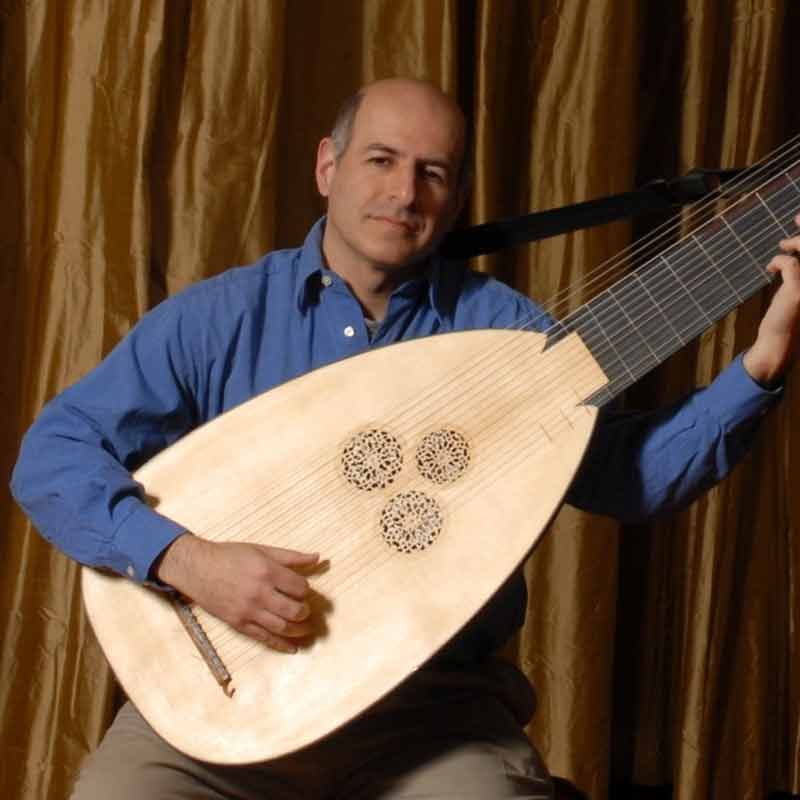
William Simms with theorbo
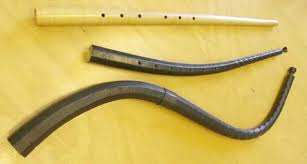
cornettos

To make an interesting program for both solo artists and the Seciento chorus, Browne selected both solo pieces in a style called “monody”—ornamented solo voice with continuo accompaniment that will be sung by the apprentice artists—and music from the period for the full chorus, including madrigals and a mass setting by Frescobaldi. There are also instrumental pieces played by local performers on Baroque instruments and three guest artists—William Simms on theorbo (a large stringed lute that can play chordal accompaniments), Chuck Colburn on cornetto (a fingered wind instrument with a trumpet-like mouthpiece), and Webb Wiggins on harpsichord.

Browne singles out two portions of the program that bring together the Seicento chorus and the other performers. “Things that I think are spectacular are our set of variations on a tune, sometimes called ‘La Monica’,” she says. “This tune is anonymous, (and) appears in the early 1500s. It appears in France, it appears in Italy, it appears in England, and different composers take that same tune and set it for different instruments.”

Frescobaldi

The set is based around music by Frescobaldi that incorporates the tune within a choral mass. Seicento’s set begins with a unison performance of the tune, followed by the mass with different instrumental versions of the tune interspersed between the movements. “The Mass is gorgeous, it’s a double choir mass,“ Browne says. 

Between movements, she explains, “William Simms is going to play variations on theorbo that were written by Piccini, our cornet player is going to do ornamentation on his own that shows what a performer would have done at the time, and then the violins have a Sonata by Marini that’s also a set of variations. I love this set!”

The final piece on the program, Venga dal ciel migliore (Come from the best heaven) by Giovanni Rovetta, also brings performers together. “That’s a highlight for me because it brings the violins and the soloists and the choir and all the continuo instruments (together), and the cornetto player’s going to be playing. 

“It’s from that transitional time when a piece of music has choral sections that are punctuated by solo sections. The solo sections have all of the ornamentation, a lot of written out runs, and very challenging technical parts, and then the choir comes in and kind of repeats what they said.”

Browne emphasizes how the musical changes at the beginning of the Italian Baroque are still familiar to us today. “We’ve been calling this kind of a revolution in music,” she says. “This is when we change to the melody accompanied by harmonies, which is a big change from Renaissance music.”

Browne and Seicento at a performance earlier this season. Photo by Emily Bowman.

Ultimately, the importance of the “revolution” was in creating a texture and style of music that continues to this day. In fact, any time you turn on the radio you will hear a melody accompanied by harmonies, in popular songs, in jazz, in show tunes—almost anything you hear today, 

As Browne wrote in her press release, “A lead melody supported by harmony and a prominent bass line is still the primary format of today’s music, from classical to jazz to rock and roll.”

And it all started around 1600.

# # # # #

“Prima Melodia: Birth of Baroque”
Seicento Baroque Ensemble, Evanne Browne, conductor
With sopranos Ann Jeffers and Andrea Weidemann, and mezzo-sopranos Emily Anderson and Gabrielle Razafinjatovo, Seicento apprentice artists.
William Simms, theorbo, Chuck Colburn, cornetto, and Webb Wiggins, harpsichord, guest artists

  • Monteverdi: Movete al mio bel suon
  • Sigismondo d’India: Cruda Amarilli
  • Cipriano de Rore: Ancor che col partire
  • Riccardo Rognoni: Ancor che col partire
  • Alessandro Grandi: Laetamini vos o caeli
  • Monteverdi: Quel sguardo sdegnosetto
  • Francesca Caccini: Maria, dolce Maria
  • Monteverdi: O come sei gentile
  • Girolamo Frescobaldi: Toccata Settima in D minor, Book 2

Variations on a Melody: “Aria della Monica”:

  • Anonymous: Madre, non mi far monaca (unison)
  • Frescobaldi: “Kyrie” from Missa sopra l’aria della Monica (chorus)
  • Alessandro Piccinini: Corrente sopra l’Alemana (theorbo)
  • Frescobaldi: “Gloria” from Missa sopra l’aria della Monica 
  • Une jeune fillette (embellishments improvised on cornetto)
  • Frescobaldi: “Sanctus” and “Agnus Dei” from Missa sopra l’aria della Monica
  • Biagio Marini: “Sonata sopra la Monaca” (two violins and continuo)
  • Luzzasco Luzzaschi: Toccata in e minor
  • O dolcezz’ amarissime d’amore
  • Giulio Caccini: Amor, io parto
  • Nicolò Corradini: Spargite flores
  • Giovanni Rovetta: Venga dal ciel migliore

7:30 p.m. Friday, April 26, St. Paul’s Lutheran Church, Denver
7:30 p.m. Saturday, April 27, Mountain View Methodist Church, Boulder
3 p.m. Sunday, April 28, United Church of Christ, Longmont

TICKETS, including live stream of Friday’s performance
Grace Notes: Short Operas and Beethoven Symphonies

Boulder Opera’s “Operatizers,” Boulder and Longmont symphonies’ Beethoven 3 and 9

By Peter Alexander April 17 at 4:30 p.m.

The Boulder Symphony will present Beethoven’s Symphony No. 3—known as the “Eroica”—along with Grieg’s Piano Concerto and the “Lullaby” for string orchestra by George Gershwin Friday evening (7:30 p.m. April 19; details below).

Devin Patrick Hughes will conduct. Soloist for the Grieg Concerto will be Canadian pianist Lorraine Min, who has toured and performed extensively in North and South America, Europe and Asia. 

Originally written as a composition exercise on the piano, Gershwin’s “Lullaby” was arranged by the composer for string quartet. He later incorporated the tune into his 1922 musical, Blue Monday. The show was not a success, and it was not until 1967 that it became better known in performances by the Juilliard String Quartet. Today, performances by full orchestral string sections are common.

Grieg composed his Piano Concerto over the summer of 1868, during a vacation in the village of Søllerød, now part of København, Denmark. Although Grieg was never fully satisfied with the score, the concerto has remained one of his most popular pieces. A review of the premiere praised the concerto as “all Norway in its infinite variety and unity,” and fancifully described the  second movement as “a lonely mountain-girt tarn that lies dreaming of infinity.”

Beethoven’s Third Symphony is one of those musical works that are often described as a turning point in music history. It is nearly twice as long as any previous symphony, and indeed heroic in scope and feeling.

Beethoven’s title page to his Third Symphony, with “Bonaparte” forcefully scratched out

When he wrote it, Beethoven famously titled the symphony “Bonaparte” in honor of Napoleon, but scratched out the dedication in his manuscript when the French general crowned himself emperor. It was published in 1806 with the title “Heroic Symphony . . . composed to celebrate the memory of a great man.”

In place of a traditional slow introduction, Beethoven starts the symphony with two brash chords and spins out a lengthy movement starting with only the notes of the tonic E-flat chord. The second movement is an intense funeral march, a much more dramatic and powerful movement than his audience would have expected. In place of the normal minuet, Beethoven composed a rambunctious scherzo. 

In these first three movement, the realm of the symphony has been expanded. The finale is more typical of the times, a set of variations on a theme from Beethoven’s ballet The Creatures of Prometheus. But even here, the number of variations, a fugue on the theme and a section of development represent an extension beyond the normal variation finale of the time. Again, Beethoven expanded the scope of the symphony.

# # # # #

Boulder Symphony, Devin Patrick Hughes, conductor
With Lorraine Min, piano

  • Gershwin: “Lullaby” for string orchestra
  • Grieg: Piano Concerto in A minor
  • Beethoven: Symphony No. 3 in E-flat major, op. 55 (“Eroica”)

7:30 p.m. Friday, April 19
Grace Commons Church

TICKETS

# # # # #

Boulder Opera opens the door on “North American storytelling” with “Operatizers,” a program of five short operas by composers from American master Samuel Barber to contemporary operatic star composer Jake Heggie to Ft. Collins-based composer/songwriter Ilan Blanck.

Subjects of the opera include a parody of television soap operas to various meditations on modern love. Performances Saturday and Sunday (7 p.m. April 20 and 3 p.m. April 21 at the Diary Arts Center) will feature a “Maestro’s Reception” at intermission where audience members can meet cast members and directors and ask questions about the productions. 

Composer Ilan Blanck

The five operas and their plots are described on the Boulder Opera Web page:

  • Avow by Mark Adamo imagines a conflicted bride, her avid mother, the haunted groom, the ghost of his father, and a celebrant who really should make better efforts to remember which ceremony he’s performing.
  • At the Statue of Venus by Jake Heggie tells the story of an attractive woman waiting in a museum by the statue of the goddess of love to meet a man she has never seen before. Will he like her? Will she like him? We all know Mr. Right doesn’t exist – or does he?
  • A Hand of Bridge by Samuel Barber consists of two unhappily married couples playing a hand of bridge, during which each character has a brief aria expressing his or her inner desires.
  • Gallantry by Douglas Moore is parody of hospital soap operas with commercial interruptions.
  • Spare Room with a Shag Rug by lan Blanck is written in English and Spanish, plus a touch of Yiddish, paying homage to the composer’s own Mexican-Jewish heritage.

# # # # #

“Operatizers”
Boulder Opera Company

  • Mark Adamo: Avow
  • Jake Heggie: At the Statue of Venus
  • Samuel Barber: A Hand of Bridge
  • Douglas Moore: Gallantry
  • Ilan Blanck: Spare Room with a Shag Rug

7 p.m. Saturday, April 20
3 p.m. Sunday, April 21
Dairy Arts Center

TICKETS, including add-on tickets for the Maestro’s Reception at intermission

# # # # #

The Longmont Symphony Orchestra (LSO) and conductor Elliot Moore conclude their cycle of all nine Beethoven symphonies Saturday (7 p.m. Vance Brand Civic Auditorium; details below) with the massive Ninth Symphony, one of the symphonic icons of the 19th century.

The Longmont Chorale joins the LSO for this performance. Soloists will be soprano Dawna Rae Warren, mezzo-soprano Gloria Palermo, tenor Javier Abreu and bass-baritone Michael Leyte-Vidal. The LSO has performed the full Beethoven cycle over the past five seasons, starting in April, 2018.

Vaughan Williams wrote his Serenade to Music, based on a text by Shakespeare, as a tribute to conductor Henry Wood. Scored for orchestra and 16 vocal soloists, it was later arranged for orchestra with four soloists and chorus. Since the first performance in 1938, it has been loved by singers and audiences both for the sheer beauty of the vocal writing and the harmonies.

Elliot Moore

Beethoven’s Ninth Symphony, the first by a major composer with chorus in addition to orchestra, is one of the most performed and most loved works in the classical repertoire. It was composed in 1822-24, and first performed in Vienna May 7, 1824. 

The orchestra was led by Austrian composer and violinist Michael Umlauf with Beethoven, stone deaf by that time, standing at his side. In one famous anecdote, the composer was unable to hear the cheers of the audience at the end of the performance and the alto soloist, Caroline Ungar, had to take him by the hand and turn him around to see the enthusiasm of the listeners.

The choral last movement uses a text by German poet Friedrich Schiller that celebrates the brotherhood of men: “All men shall become brothers, wherever the gentle wings [of joy] hover. . . . Every creature drinks in joy at nature’s breast.” Because of this message of universal love, the symphony has been performed for many special occasions in history, including the original opening Wagner’s Bayreuth Festspielhaus (festival hall) and for its reopening after World War II, in 1989 to celebrate the fall of the Berlin Wall, and for the opening of the 1988 Winter Olympics in Japan, and other ceremonial occasions.

Performances of the Ninth Symphony are almost always considered special occasions, and almost always sell out. In addition to its popularity, the symphony has influenced composers from Dvořák to Bartók, and especially the symphonies by the Austrian composer Anton Bruckner.

# # # # #

Beethoven Cycle: Symphony No. 9
Longmont Symphony, Elliot Moore, conductor
With the Longmont Chorale, Nathan Wubbena, conductor 
Soprano Dawna Rae Warren, mezzo-soprano Gloria Palermo, tenor Javier Abreu and bass-baritone Michael Leyte-Vidal

  • Vaughan Williams: Serenade to Music
  • Beethoven: Symphony No. 9 in D minor (“Choral”)

7 p.m. Saturday, April 20
Vance Brand Civic Auditorium

TICKETS (Note: This concert is close to selling out. Availability of tickets cannot be guaranteed.)

Ars Nova features guest composer and conductor

Joan Szymko will lead her own works in Boulder and Cherry Hills Village

By Peter Alexander April 10 at 5:15 p.m.

Composer Joan Szymko has set to music poems by several of the leading poets of our times, including Mary Oliver and Wendell Berry. 

A conductor as well as composer, Szymko will lead Boulder’s Ars Nova Singers in performing her own works Friday in Boulder and Saturday in Cherry Hills Village (7:30 p.m. April 12 and 13; details below).

Joan Szymko

As a composer, Szymko does not limit her choice of texts to widely honored, prize-winning poets. As she herself points out, she also has set poems from the middle ages and by grade school students. Stressing the breadth of her inspiration, she has written, “My goal is to compose music that invites the audience in while challenging the notion that accessibility and musical integrity are incompatible concepts. 

“I have composed choral music to be performed with actors, poets, Taiko drummers, modern dancers, aerialists and accordion players. I have set texts by fourth graders and Pulitzer Prize winners, medieval mystics and contemporary poets. I am drawn to texts that invoke divine grace, speak to the universal yearning for good and that nurture a compassionate heart.”

Szymko grew up in Chicago and studied choral music at the Chicago Musical College at Roosevelt University and the University of Illinois at Urbana. She currently lives in Portland, Ore., where she served on the choral music faculty at Portland State University. She recently retired as artistic director of Portland’s Aurora Chorus, and holds workshops with choirs around the United States and abroad.

Her works have been commissioned by groups ranging from professional choruses to church and community choirs. They have been published by Oxford University Press, Walton Music, Roger Dean Publishing, and other leading publishers of choral music. 

The program that Ars Nova will present features Szymko’s “It is Happiness,” based on poems by Oliver including the much loved “Wild Geese,” as well as Berry’s popular “Peace of Wild Things,” a text by Teresa of Avila, and other diverse sources.

# # # # #

“Bloom”
Ars Nova Singers, Joan Szymko, guest conductor
With the CU Treble Choir and instrumental soloists

  • Joan Szymko: Vivos Voco (I call out to the living; text by Julian of Norwich)
  • —“How Did the Rose” (text by Kim Stafford)
  • Lo Lefached  (Be not afraid; text by Rebbe Nachman of Breslov)
  • —Nada te turbe (Let nothing disturb you; text by Teresa of Ávila)
  • —Invitation to Dance  (texts by Hafiz, adapted by Daniel Ladinsky)
  • —Where is the Door to the Tavern?
  • —Until
  • —The God Who Only Knows Four Words
  • Ubi Caritas (Where charity is)
  • It is Happiness (poetry by Mary Oliver)
  • —Be It Therefore Resolved (poetry by Kim Stafford)
  • —The Peace of Wild Things (poetry by Wendell Berry)
  • —Look Out (poetry by Wendell Berry)
  • —It Takes a Village
  • —We are All Bound Up Together (text by Frances Ellen Watkins Harper)

7:30 p.m. Friday, April 12
First United Methodist Church, Boulder

7:30 p.m. Saturday, April 13
Bethany Lutheran Church, Cherry Hills Village

TICKETS including livestream of Saturday’s performance
GRACE NOTES: Prominent violinists and a sold-out Ugly Duckling

Vadim Gluzman, Ray Chen and the Colorado Symphony in Boulder and Longmont 

By Peter Alexander March 19 at 4:06 p.m.

The Boulder Bach Festival (BBF) will present the Ukrainian-Israeli violinist Vadim Guzman in a program that spans centuries, from J.S. Bach to Arvo Pärt.

The final concert of BBF’s 2023–24 season, Gluzman’s performance occurs on Bach’s birthday, at  4 p.m. Thursday, March 21 (Dairy Arts Center; details below). He will perform with the BBF CORE (COmpass Resonance Ensemble) and be joined by BBF music director Zachary Carrettin for Bach’s Double Violin Concerto.

Known for his wide repertoire, Gluzman has premiered works by Sofia Gubaidulina, Michael Daugherty and Pēteris Vasks, among others. His recordings have won numerous awards, including Gramophone magazine’s Editor’s Choice, and Disc of the Month from The Strad, BBC Music Magazine and other publications. He is currently distinguished artist-in-residence at the Peabody Conservatory. He performs on the 1690 ‘ex-Leopold Auer’ Stradivari, on extended loan through the Stradivari Society of Chicago.

# # # # #

“Old and New Dreams”
Boulder Bach Festival CORE with Vadim Gluzman and Zachary Carretttin, violin

Program includes:

  • J.S. Bach: Violin Concerto in A minor, S1040
  • Arvo Pärt: Passacaglia
  • J.S. Bach: Concerto in D minor for two violins, S1043

4 p.m. Thursday, March 21
Gordon Gamm Theater, Dairy Arts Center

TICKETS

# # # # #

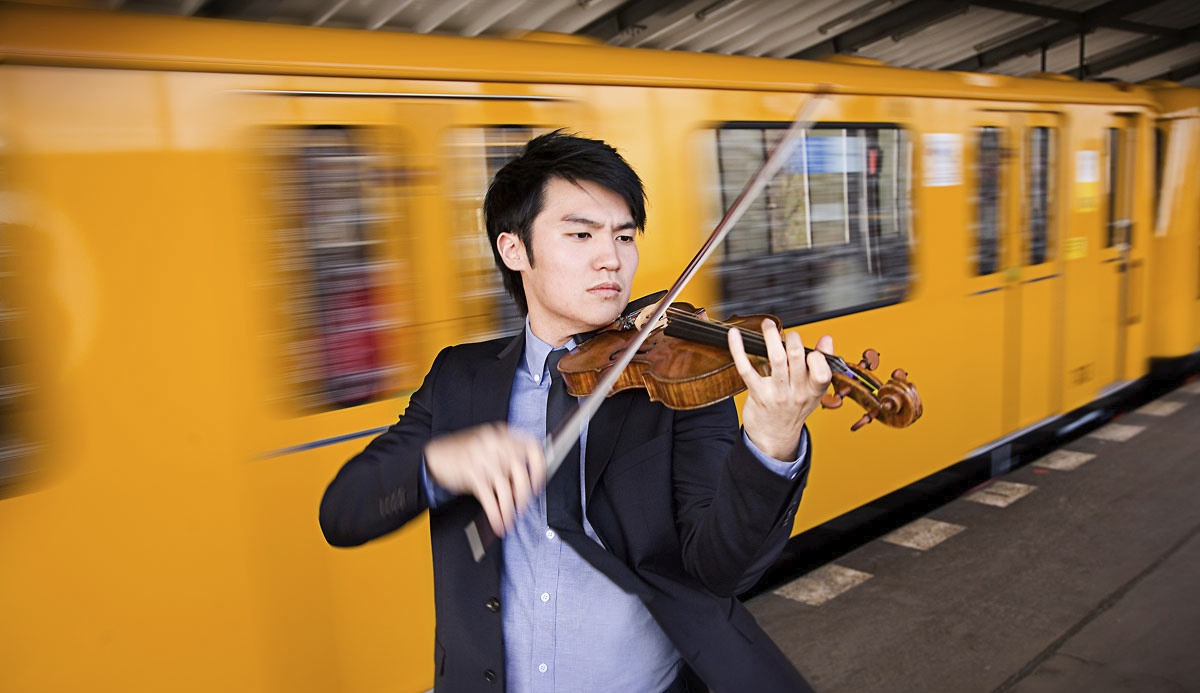
The CU Presents Artist Series will feature violinist Ray Chen, who is billed as “redefining what it means to be a classical musician in the 21st century,” together with Hispanic-American pianist Julio Elizalde in a concert program combining serious and lighter works Thursday ( 7:30 p.m. March 21 in Macky Auditorium; details below).

The major works on the program are Beethoven’s Violin Sonata No. 7 in C minor, op. 30 no. 2, and J.S. Bach’s Partita No. 3 in E major for solo violin, S1006. Filling out the program are encore material pieces, starting with Tartini’s showpiece the “Devil’s Trill” Sonata. After the two heavier works, Chen and Elizalde will wrap up the program with Antonio Bazzini’s brilliant “Dance of the Goblins,”  Fritz Kreisler’s arrangement of Dvořák’s Slavonic Dance No. 2, and their own arrangement of “Spain” by Chick Corea.

Beethoven’s Violin Sonata No. 7 is part of a set published in 1803 as “Sonatas for the pianoforte with the accompaniment of violin.” This label reflects an earlier time, when domestic music-making often featured female pianists, who were expected to have more time to practice than their male partners on violin, and who therefore could master more difficult parts. In the case of this Sonata, each movement opens with the piano and the violin part, while it is not insignificant, often follows the lead of the piano. Unusually for a piece named “sonata,” the Sonata No. 7 is in four movements, and the key of C minor marks it as an often dramatic and stormy work.

Bach’s Third Partita is a suite of dances, preceded by a Preludio. It is the last of his set of Six Sonatas and Partitas for solo violin, one of the pinnacles of the solo violin repertoire. In the bright key of E major, it is one of the most cheerful of the set. That is particularly true of the Preludio, a perpetual-motion movement that is one of Bach’s most familiar pieces. Apparently Bach was himself fond of this movement, which he re-used in a version for organ and orchestra in his Cantata No. 29.

Violinist Ray Chen

Chen came to wide attention in the music world when he won first prize in both the Yehudi Menuhin and Queen Elizabeth violin competitions, in 2008 and ’09 respectively. He is known for his use of social media to reach a wider audience, including as a co-founder of the Tonic Website that allows young musicians to practice and learn together.

Born in Taiwan and raised in Australia, he was accepted at Philadelphia’s Curtis Institute at the age of 15. He plays the 1714 “Dolphin” Stradivarius violin on loan from the Nippon Music Foundation and once owned by Jascha Heifetz. 

Pianist Julio Elizalde has been performing as a recital partner with Chen and violinist Sarah Chang for nearly ten years. A native of the San Francisco Bay area, he is a graduate of the San Francisco Conservatory of Music, where he is currently on the faculty, and the Juilliard School. He has collaborated with several living composers including Osvaldo Golijov, Stephen Hough and Adolphus Hailstork.

# # # # #

Ray Chen, violin, and Julio Elizalde, piano

  • Giuseppe Tartini: Sonata in G minor (“Devil’s Trill”; arr. Fritz Kreisler)
  • Ludwig van Beethoven: Violin Sonata No. 7 in C minor, op. 30 no. 2
  • J.S. Bach: Partita No. 3 in E major for solo violin, S1006
  • Antonio Bazzini: La Ronde des Lutins (“Dance of the Goblins”), op. 25
  • Dvořák: Slavonic Dance No. 2 in E minor, op. 72 (arr. Fritz Kreisler)
  • Chick Corea: “Spain” (arr. Elizalde and Chen)

TICKETS

# # # # #

Members of the Colorado Symphony will visit the Longmont Museum’s Stewart Auditorium Saturday (March 23) of present a bilingual concert that tells the story of “The Ugly Duckling.”

The interactive performance in English and Spanish, dubbed a “Mini Música,” will incorporate storytelling, singing and dance. It will be accompanied by a 16-piece orchestra made up of members of the Colorado Symphony.

The performances at 10 and 11:30 a.m. are free, but both are already full with advance reservations.

# # # # #

“The Ugly Duckling” Mini Música
Members of the Colorado Symphony

10 and 11:30 a.m. Saturday, March 23
Stewart Auditorium, Longmont Museum

SOLD OUT

CORRECTION on March 19: the word ”Música,” which had inadvertently dropped out, was restored in the penultimate paragraph of the story about Colorado Symphony’s performance of “The Ugly Duckling.”

Longmont Symphony’s Mahler performance is SOLD OUT
“Mahler at the Museum,” Saturday, March 16

By Peter Alexander March 13 at 5:25 p.m.

The Longmont Symphony and conductor Elliot Moore will present the last of their concerts at the Longmont Museum’s Stewart Auditorium for the 2023–24 season, a sold-out “Mahler at the Museum” performance, Saturday (March 16).

The program features a chamber version of Mahler’s Das Lied von der Erde for orchestra with alto (or baritone) and tenor soloists. Based on German translations of Chinese poems, the score was completed in 1909, near the end of the composer’s life. Although Mahler called it “A Symphony for Tenor, Alto (or baritone) Voice and Orchestra,” he did not give it a number as a symphony, supposedly because he feared that when he wrote his Ninth it would be his last symphony, as had been the case with Beethoven. 

Ironically, his next symphony, Number 9, was in fact the last symphony he completed.

# # # # #

“Mahler at the Museum”
Longmont Symphony, Elliot Moore, conductor
With Abigail Nims, mezzo-soprano, and Matthew Plenk, tenor

  • Mahler: Das Lied von der Erde (chamber version)

7 p.m. Saturday, March 16
Stewart Auditorium, Longmont Museum

SOLD OUT

Takács Quartet features music by Zimbabwean/ Japanese composer Nokuthula Ngwenyama

Haydn and Dvořák complete program for March 10 and 11

By Peter Alexander March 5 at 5:08 p.m.

The violist and composer Nokuthula Ngwenyama burst onto the classical musical scene in 1993, when she won the Primrose International Viola Competition at the age of 16.

Nokuthula Ngwenyama

Ngwenyama followed that distinction by winning the Young Concert Artist International Auditions the following year, and later an Avery Fisher Career Grant. An American of Ndebele (Zimbabwean) and Japanese descent, she attended the Coburn School of Performing Arts in Los Angeles and the Curtis Institute in Philadelphia. She later attended the Paris Conservatory as a Fulbright Scholar.

With concerts Sunday and Monday (March 10 and 11; details below), the Takács Quartet brings her Flow to Boulder audiences on a program that also includes works by Haydn and Dvořák. The performance will be presented for an in-person audience and by streaming with tickets available here.
The Takács presented the premiere of Flow in Berkeley last fall and have made it a part of their touring repertoire since. Flow was commissioned by the Takács and the presenter Cal Performances after their second violinist, Harumi Rhodes, got to know Ngwenyama at the Marlboro Music Festival in Vermont.

The quartet’s request was for a piece “inspired by the natural world.” Taking the request very seriously, Ngwenyama writes in her program notes that she “researched a wide array of subjects,” including “the life cycle, carbon reclamation, environmental protection, animal communication, starling murmurations, our last universal common ancestor (LUCA), black hole collisions and the sub-atomic realm.”

In conclusion, she writes, “Everything in nature flows and develops through time. Flow can be expressed mathematically, psychologically, physically, visually, and, now, via string quartet.  . . . Enjoy and go with the flow, we only know what we know.” Her extensive notes include NASA diagrams of the expansion of the universe over 13.77 billion years.

Flow is in four movements, arranged in an essentially traditional order: Prelude, Lento, Quark Scherzo, and Finale. The progression of movements is loosely linked in Ngwenyama’s notes to the development of the universe through time.

Takács Quartet. Image by Amanda Tipton Photography

Haydn’s “Sunrise” Quartet is among the composer’s last works in a genre that he created and defined. It was published in 1797, the fourth in a set of six quartets, opus 76. The title comes from the beginning of the first movement, with a sustained chord and a rising line in the first violin that suggests the sun rising above the horizon. That musical idea is developed throughout the movement, which is followed by the usual slow movement, a minuet and an energetic finale.

Sometimes called the “Slavonic Quartet,” Dvořák’s Quartet in E-flat major was written for and dedicated to violinist Jean Becker and the Florentine Quartet, a professional ensemble active in the composer’s time. Dvořák had attracted attention with the publication of his Slavonic Dances for two pianos, and Becker specifically asked for a quartet in the same style, based on folk-dance idioms. 

The most conspicuously “Slavonic” elements are heard in the second movement which is labelled “Dumka,” a type of movement derived from Ukrainian folk music that alternates between melancholy and exuberant sections; and the finale, which uses a rapid Czech dance called the skočná.

* * * * *

Takács Quartet

  • Haydn: String Quartet in B-flat major, op. 76 no. 4 (“Sunrise”) 
  • Nokuthula Ngwenyama: String Quartet Flow 
  • Dvořák: String Quartet No. 10 in E-flat major, op. 51

4 p.m. Sunday, March 10
7:30 p.m. Monday, March 11
Grusin Music Hall

In-person and streaming TICKETS HERE

NOTE: Minor typos corrected March 7.

Boulder Chamber Orchestra strings present “Virtuosity!” with Richard O’Neill

Takács Quartet violist plays music by Telemann and Piazzolla Saturday

By Peter Alexander Feb. 29 at 11:07 p.m.

Violist Richard O’Neill has a wide-ranging background, both geographically and musically.

Richard O’Neill

For example, when he plays as soloist with the Boulder Chamber Orchestra Saturday (7:30 p.m. March 2; details below), he polished one of his pieces by playing with members of Germany’s distinguished early-music ensemble Musica Antiqua Köln, and the other he researched near the docks in Buenos Aires, Argentina.

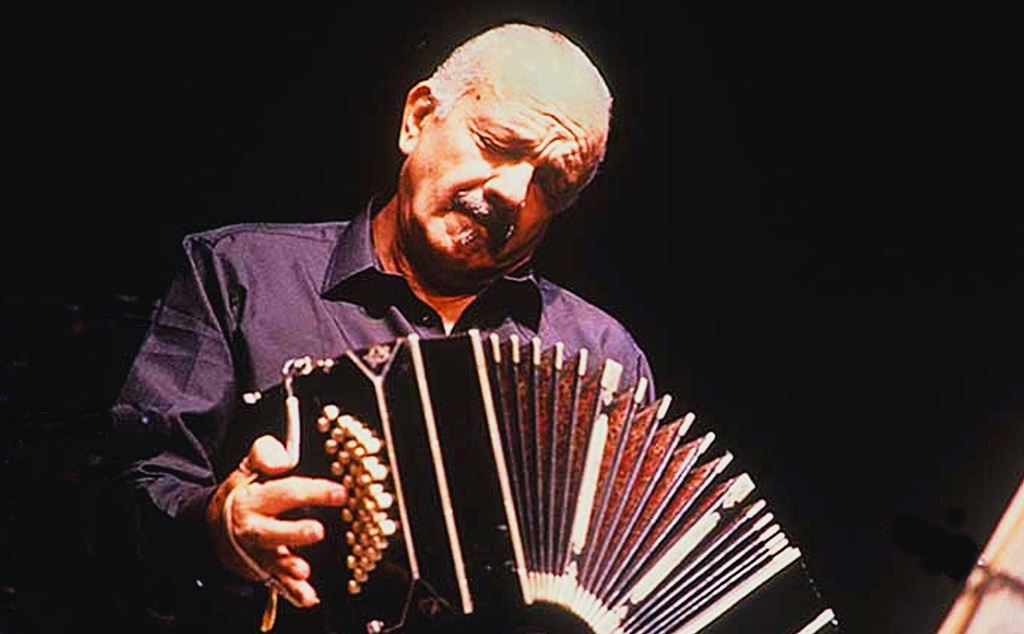
The first would be the Concerto in G major for viola by the prolific Baroque composer Georg Philipp Telemann; the other is the “Grand Tango,” originally for cello, by Argentine bandoneon player and band leader Astor Piazzolla. Other works on the program, featuring the BCO strings under music director Bahman Saless, are Valse Triste by early 20th-century Czech composer Oskar Nedbal, and Beethoven’s Grosse Fuge (Great fugue), originally the finale of the composer’s String Quartet in B-flat, op. 130.

Two more different composers than Telemann and Piazzolla would be hard to imagine. And yet, O’Neill says, they are not incompatible. “They’re very contrasting, probably on polar opposite ends of the musical timeline,” O’Neill says. “But they share some commonalities—most of all the spirit of the dance.”

The Telemann is the first known true viola concerto, and it is a piece that O’Neill plays often. “I think it’s a gorgeous, amazing piece,” he says.

Georg Philipp Telemann

O’Neill recorded the concerto in 2008 when he was asked to make a recording with members of Musica Antiqua Köln. It was definitely a learning experience for O’Neill, giving him an opportunity to work with a Baroque-style bow that has much less tension on the bow hairs, and to improvise in Baroque music. 

The latter did not come naturally, he admits. “I remember them asking me, ‘play a cadenza, be free! Do whatever you like!’” O’Neill says. “I did something, and it was free for sure! I was stopped and it was like, ‘Who are you, Yo-Yo Ma?’ But it was all said with a smile.

“One thing I learned, things were a lot different when performers and composers were the same person. And it was amazing how prolific (Telemann) was. A lot of times you look at the score and it’s very bare, but in some ways it has everything you need—you just have to understand what you’re going to do.”

His approach to Piazzolla’s music was very different. O’Neill first heard Piazolla’s music when he was a 15-year-old student in Las Vegas, and the Cuarteto Latinoamericano played Piazzolla’s “Four, for Tango.” “I was completely blown away!” he says.

“I had never heard anything like this. It was so rhythmic, so fun, the instruments were doing all of these cool, weird effects like percussive effects and (playing) behind the bridge. I was, ‘what is going on there?’ I found the Kronos (Quartet) recording and listened to it all the time. I fell in love with Piazzolla.”

Astor Piazzolla

Later he had the chance to study Piazzolla’s musical origins up close. He was in Buenos Aires, and saw an opportunity to learn more. “I wanted to see what the tango was about,” he says.

“I went down to the docks (in Buenos Aires), where the Argentinian tango was originally from. I was shocked to find out it wasn’t the Parisian version of tango, which is Romantic and dignified. It was actually really rough.  I went to a few tango shows in cafes, but it was mainly the vibe of Buenos Aires that changed me.”

Piazzolla originally wrote the “Grand Tango” for the cellist Mstislav Rostropovich, but the viola arrangement that O’Neill plays fits the instrument very well. “Piazzolla wrote a lot of the (original cello) part very high,” he explains—meaning he can play it at the same pitch on the viola. 

O’Neill loves both pieces he is playing on BCO’s program, but it is the Piazzolla that gets him excited. “The music is just so incredible and evocative,” he says. “It’s almost like it’s so rhythmic that you can’t help being swept away by it.”

Nedbal’s Valse triste is from the ballet Pohadka o Honzov (known in English as the Tale of Simple Johnny). It was composed in 1902 for orchestra, but Nedbal later arranged the Valse for string quartet, in which form it has become especially popular. Trained as a violinist and a composition student of Dvořák, Nedbal was principal conductor of the Czech Philharmonic 1896–1906. 

When Beethoven wrote his String Quartet in B-flat in 1825, he provided an unusual finale: an extensive double fugue that takes up to 16 minutes in performance. That movement was criticized at the time for its complexity and for being “a confusion of Babel.” Since then, however, its standing has risen, to the point that Stravinsky famously said that it “will be contemporary forever.”

Beethoven’s publisher was afraid that such a difficult finale would hinder sales of the quartet, so Beethoven wrote a shorter movement that appeared with the String Quartet in B-flat. He then published the Grosse Fuge separately in 1827. Today it is hailed as one of the composers greatest compositions.

# # # # #

“Virtuosity!”
Boulder Chamber Orchestra, Bahman Saless, conductor
With Richard O’Neill, viola

  • Oskar Nedbal: Valse Triste
  • Telemann: Concerto in G for viola and orchestra
  • Astor Piazzolla: Grand Tango
  • Beethoven: Grosse Fugue, op. 133

7:30 p.m. Saturday, March 2
Seventh-Day Adventist Church, 345 Mapleton, Boulder

TICKETS

Opera Colorado to present Wagner’s ‘Flying Dutchman’

Legendary ghost ship will sail into Denver Feb. 24, for four performances

By Peter Alexander Feb. 20 at 5:30 p.m.

Never mind the forecast; there will be stormy seas in Denver the end of February and early March.

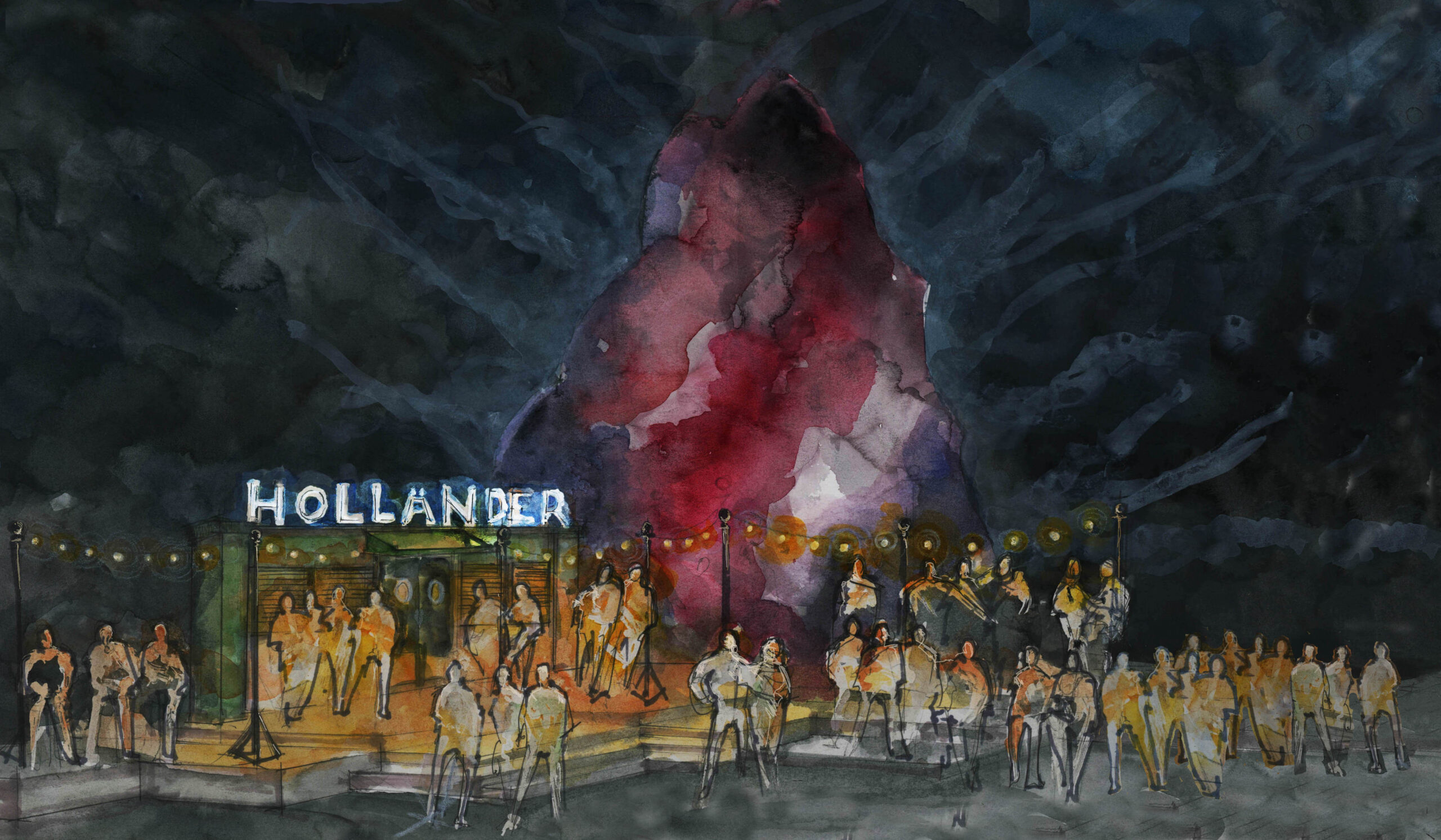
At least there will be on the stage of the Ellie Caulkins Opera House, where Opera Colorado will present Richard Wagner’s Fliegende Holländer (Flying Dutchman) for a total of four performances opening Feb. 24 (7:30 pm. Saturday; subsequent performances Feb. 27, March 1 and 3 are listed below). Performances under the musical direction of Ari Pelto will feature Norwegian baritone Olafur Sigurdarson in the title role and American soprano Marcy Stonikas as Senta.

Color sketch of Opera Colorado production of Fliegende Holländer. Courtesy of Opera Colorado.

Wagner wrote The Flying Dutchman in 1840 and ’41 while he was living in Paris. He wrote the text, based on a story by Heinrich Heine, and the music, setting a pattern that he would follow in his subsequent music dramas. Afterwards he wrote to his friends, “From here begins my career as poet, and my farewell to the mere concoctor of opera-texts.”

The 1843 premiere in Dresden was conducted by Wagner himself. Modestly successful at the first performance, The Flying Dutchman is generally regarded as Wagner’s first mature work. It is considered an opera, while his later works are classified as music dramas, a more thorough synthesis of music, text, setting and other dramatic elements.

Fliegende Holländer set under construction. Courtesy of Opera Colorado.

The opera enacts the tale of a ship’s captain who is condemned to sail the seas for eternity, until he is redeemed by the love of a woman. Allowed to land only once every seven years, the Dutchman encounters an avaricious Norwegian sea captain, Daland, and his dreamy daughter Senta, who has long been fascinated by a portrait of the Dutchman hanging in her home. For different reasons, both are eager to make the wealthy Dutchman part of the family through marriage, and in the end Senta makes the ultimate sacrifice, freeing the Dutchman from his curse.

The music that opens the opera was inspired by a stormy voyage Wagner had taken from Riga to London. This powerful opening has made the Overture to The Flying Dutchman a popular staple of the orchestral repertoire.

Opera Colorado has assembled an appealing cast for their production. Sigudarson has sung Wagner roles at Bayreuth and the Metropolitan Opera, among other houses, and other major roles throughout Europe. Stonikas has won several vocal competitions and sung leading roles at Seattle Opera. Cast as Daland, bass Harold Wilson has extensive Metropolitan Opera roles to his credit, and sang at Deutsche Opera Berlin for five seasons. Another Met veteran, Chad Shelton takes the leading tenor role of Erik.

# # # # #

Opera Colorado, Ari Pelto, conductor
Kathleen Smith Belcher, stage director; Alan E. Muraoka, set designer

  • Richard Wagner: Der fliegende Holländer (The Flying Dutchman)

7:30 p.m. Saturday, Feb. 24, Tuesday, Feb, 27, and Friday, March 1
2 p.m. Sunday, March 3
Ellie Caulkins Opera House, Denver Performing Arts Complex

Sung in German with English and Spanish subtitles at each seat.

TICKETS

Quartet named for a national park in Canada will perform Sunday and Monday at CU

Jasper Quartet will play lyrical pieces by Dvorak, Schumann and Grażyna Bacewicz

By Peter Alexander Feb. 15 at 4:30 p.m.

The Takács Quartet concert series will feature a guest ensemble Sunday and Monday (4 p.m. Feb. 18 and 7 :30 p.m. Feb. 19; details below) that is named for a place none of them have ever visited.

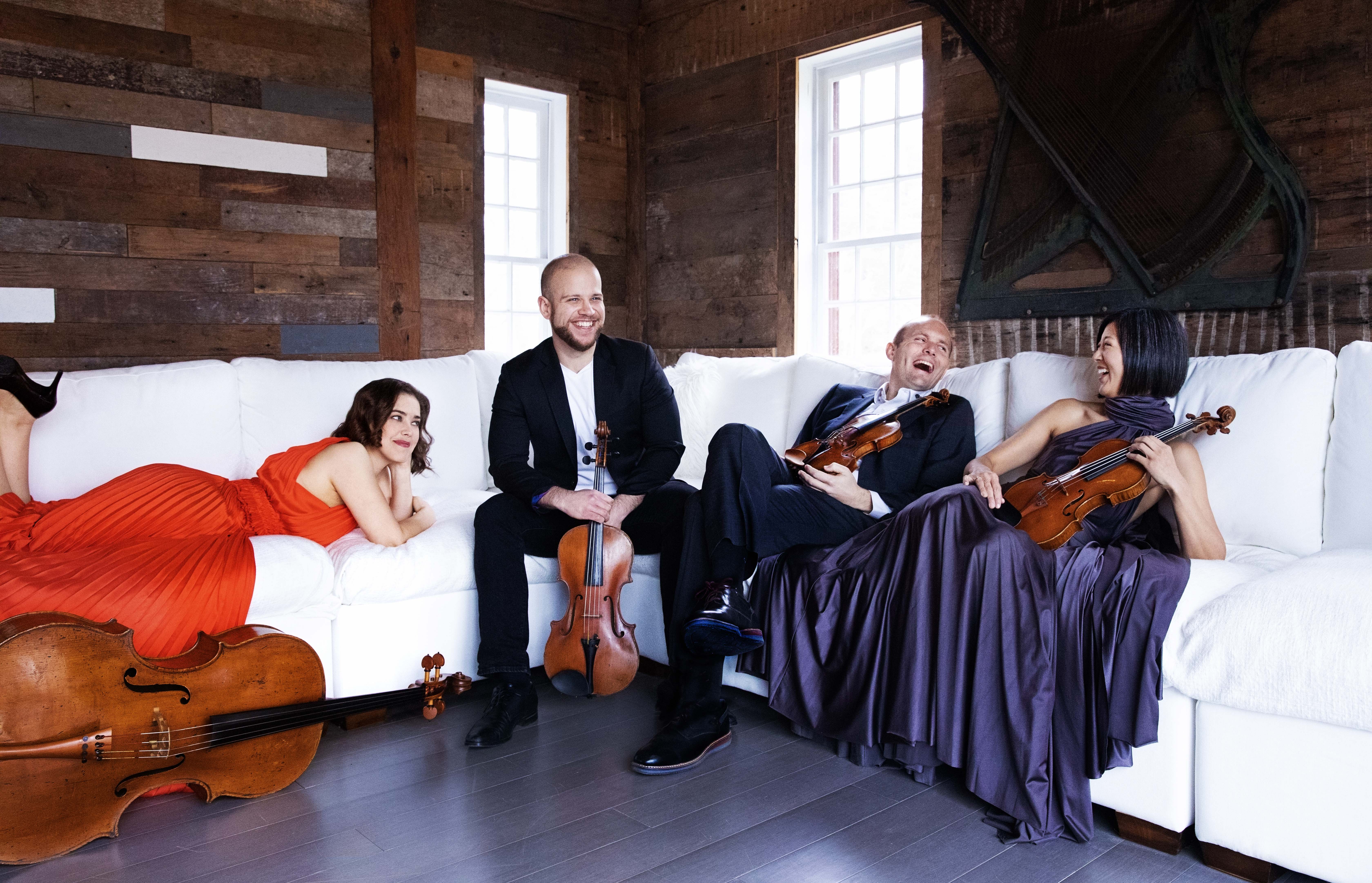
Jasper String Quartet

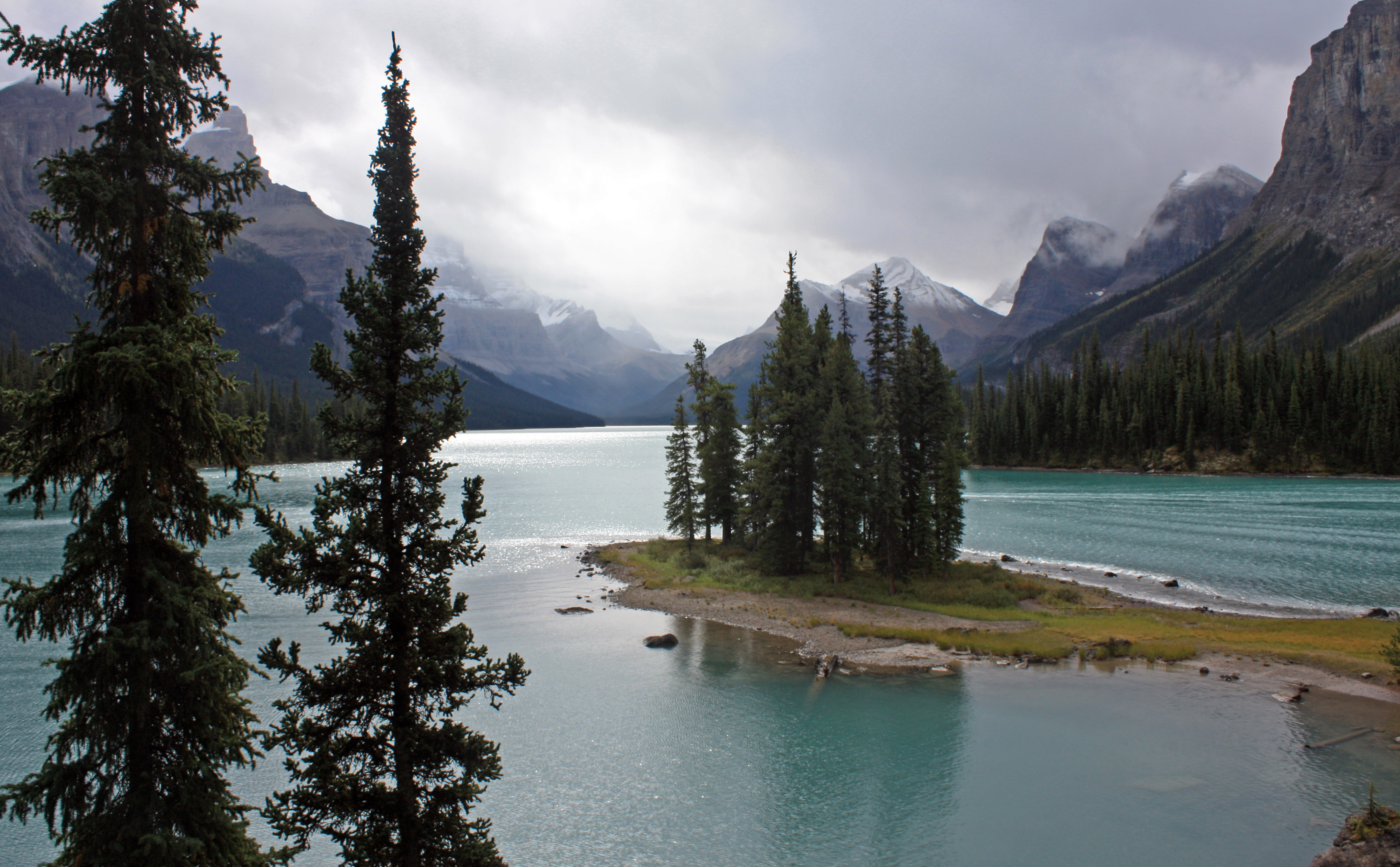
The Jasper String Quartet is named for the national park in Canada that they have only seen in photos—and a poster in at least one of their homes. “When we started the quartet it was quite difficult to think of a good name,” explains cellist Rachel Henderson Freivogel.

Spirit Island in Jasper National Park, Canada, the most celebrated view in the park. Photo by Peter Alexander

“We thought about things that we really liked to do, and one was being outside in a beautiful place. Our violist at the time said ‘What about Jasper? That’s a really beautiful place!’ And we loved the name, and we wanted to evoke natural beauty. It was easy to pronounce and just felt right to us. The closest we have been is Banff (about 180 miles south of Jasper)—although we do have a big poster of Jasper in my house.”

It is likely they haven’t had time to get to the Canadian park because they are too busy with their music. The professional quartet-in-residence at Temple University’s Center for Gifted Young Musicians, they have released eight albums. Earlier they were graduate quartet-in-residence at Rice University and Yale University with the Tokyo String Quartet, they have won top prizes and numerous chamber music competitions, and were the first ensemble chosen for Yale School of Music’s Horatio Parker Memorial Prize. They are currently in the eighth season of Jasper Chamber Concerts, a performance series founded by the quartet that is currently live-streamed from Philadelphia.

Their program in Boulder exemplifies the Jasper Quartet’s creative approach to programming. It opens with selections from Dvořák’s Cypresses, a set of love songs that the composer set for string quartet. That will be followed by the Quartet No. 4 by the Lithuanian/Polish composer Grażyna Bacewicz, and Schumann’s Quartet No. 1 in A minor.

This specific program evolved from the idea of a concert centered on lyricism, or an expression of love in music. “The Cypresses fit very well into that, since they’re settings of love songs,” Freivogel says. “The Bacewicz string quartet is based somewhat on folk tunes. The second  movement is incredibly lyrical, and I think there’s love there, also. And the third movement [of Schumann’s quartet] is just a beautiful love song.

“We try to pick pieces that really speak to each other in an interesting way. And [these pieces] all work together really well.”

Dvořák arranged 12 out of 18 songs in the original Cypresses cycle for string quartet. Of those 12, the Jasper will play six movements. “It made sense for us to play six of them because of the length of the other pieces,” Freivogel says. “We wanted to create a set that went together and had some contrast in it, because all of them are very, very beautiful. The ones that we selected have a natural flow. Some are very smooth and slow, and others are more exciting.”

Grażyna Bacewicz

Bacewicz is likely the least known composer on the program. “We’ve been wanting to play her music for quite a long time,” Freivogel says. “This is the first program that we constructed with her music, but we would really like to play more of it.

“The first quartet is a piece that our quartet teaches a lot. We got to know this piece by working on it with some great students, and really loved the piece and wanted to play it. It’s very approachable, and there’s a lot of lyricism in the first and second movements. And then the third movement is a very exciting kind of neo-classic dance that goes and goes.”

Schumann wrote three string quartets in 1841–42, a time when he was devoting himself to writing chamber music. The Op. 41 set of three quartets was dedicated to Mendelssohn, but was given as a birthday present to Schumann’s wife, Clara.

“In addition to the slow movement—and I speak for the quartet—I just love Schumann’s style of writing and the beauty in it,” Freivogel says. “You can hear in the first movement how the conversation flows around the quartet. It’s done in such a beautiful way. And seeing it live in person, there’s an energy in the room. You see how we are communicating with each other and having this conversation, and the language is about human feelings.

“I think that that comes through in a joyful and wonderful way.”

# # # # #

Jasper String Quartet
J Freivogel and Karen Kim, violins; Andrew Gonzalez, viola; and Rachel Henderson Freivogel, cello

  • Dvořák: Selections from Cypresses
    I. “I Know that on My Love to Thee”
    II. “Death Reigns in Many a Human Breast”
    III. “When Thy Sweet Glances Fall on Me”
    IX. “Thou Only, Dear One”
    XI. “Nature Lies Peaceful in Slumber and Dreaming” 
    XII. “You Ask Why My Songs”
  • Grażyna Bacewicz: String Quartet No. 4 (1951)
  • Schumann: String Quartet No. 1 in A minor, op. 41 no. 1

4 p.m., Sunday, Feb. 18 and 7:30 p.m., Monday, Feb. 19
Grusin Music Hall

In-person and streaming tickets HERE