Renée Fleming presents a musical tribute to the natural world

“Voice of Nature” will feature songs and a film from National Geographic

By Peter Alexander Jan. 22 at 5:50 p.m.
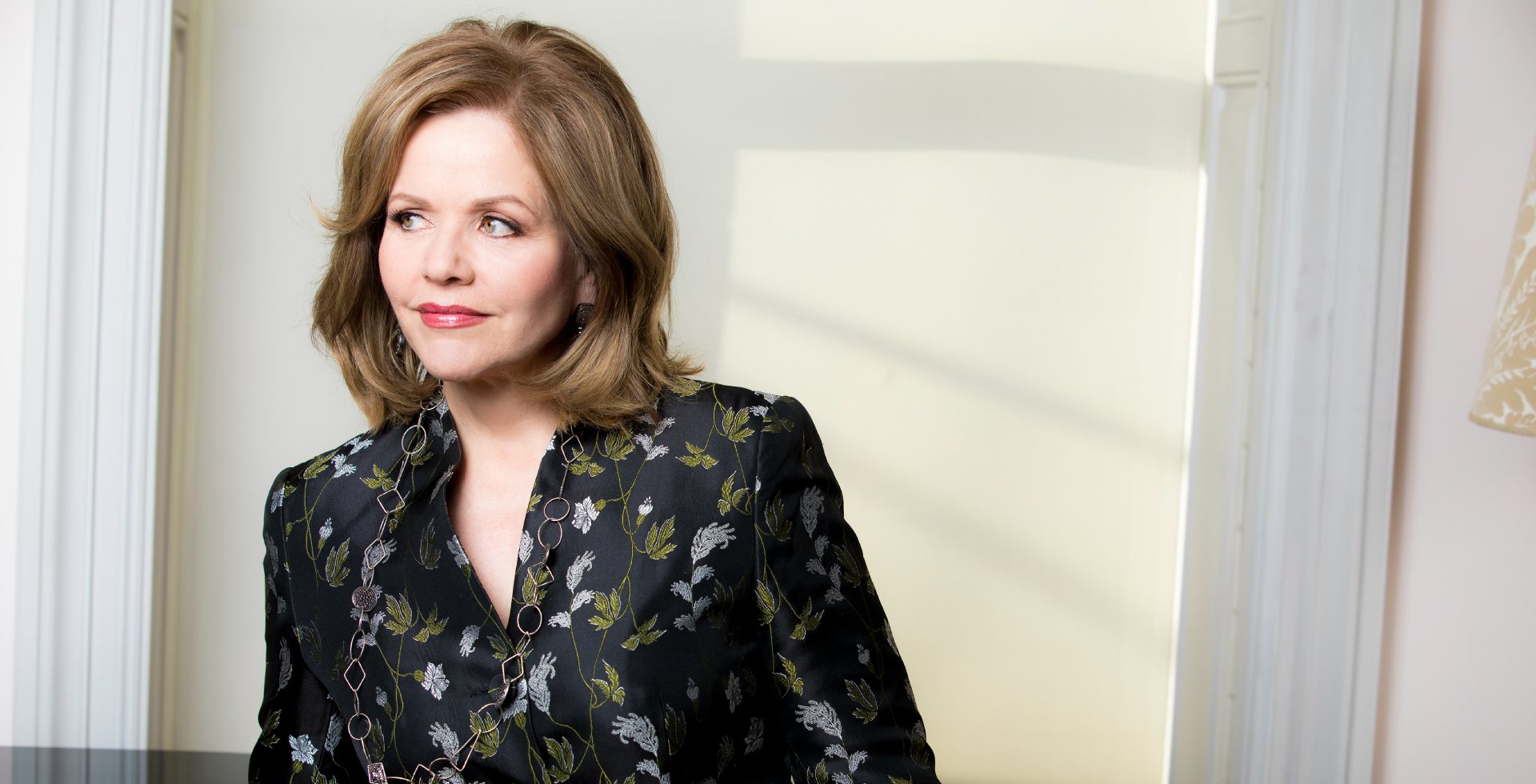
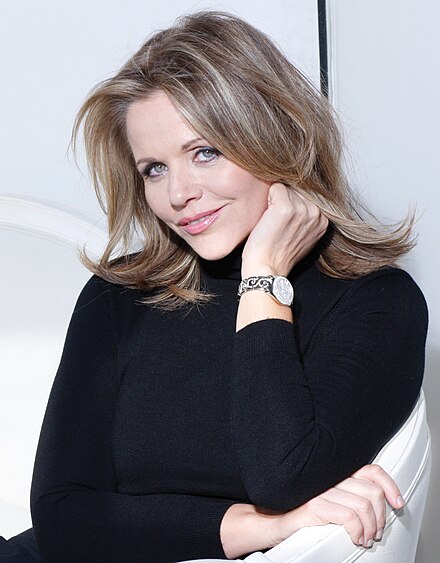
Soprano Renée Fleming

Soprano Renée Fleming will come to Macky Auditorium next week (7:30 p.m. Friday, Jan. 31) to present a program that she developed while cut off from her professional life during the COVID pandemic of 2020–21.
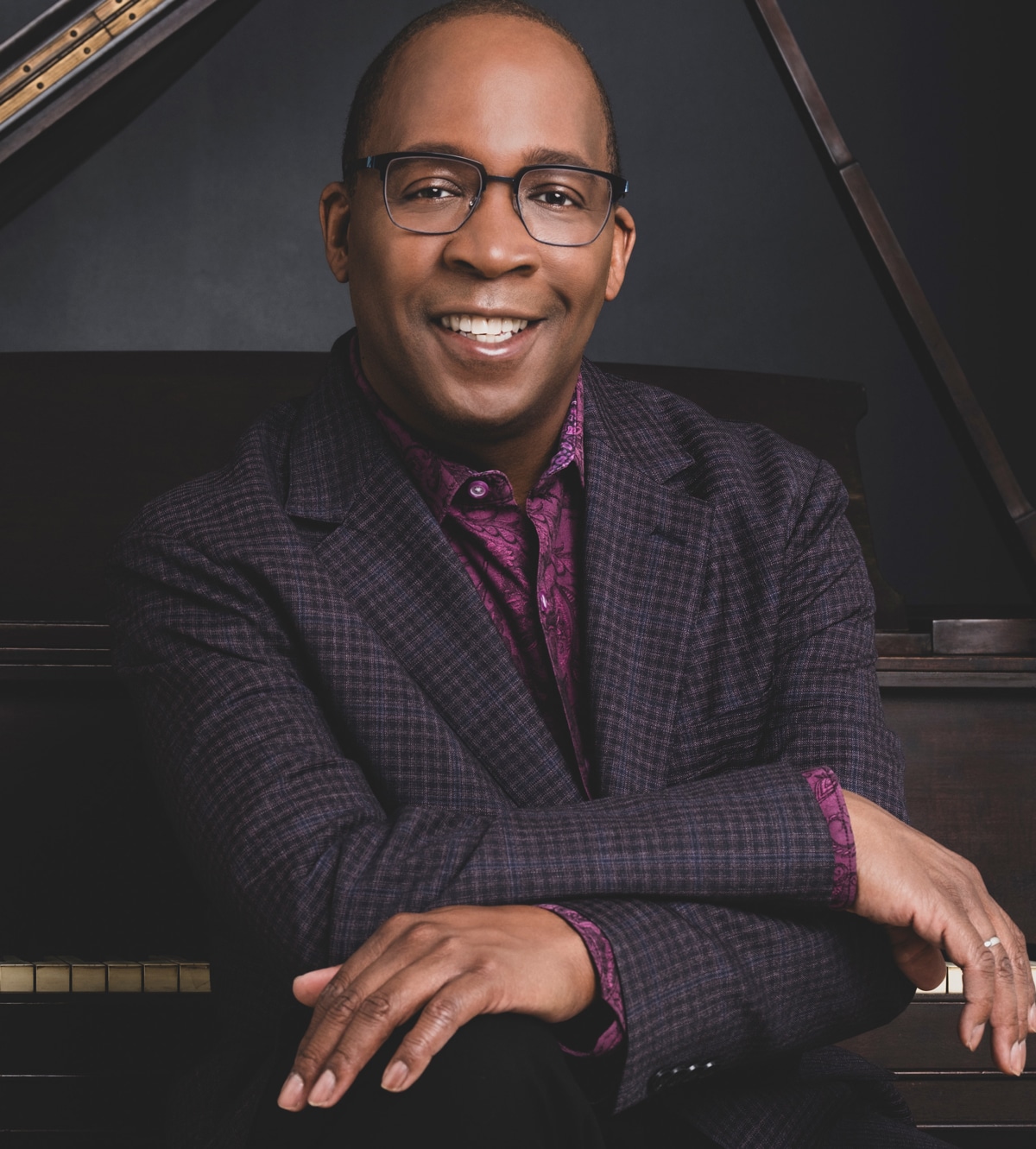
Collaborative pianist Howard Watkins

Titled “Voice of Nature: The Anthropocene,” the concert features Fleming and pianist Howard Watkins. The repertoire draws on a Grammy-winning album of the same title that Fleming recorded in 2023 with Yannick Nézet-Séguin, music director of the Metropolitan Opera, as pianist, and features songs that mention or reflect on the natural world. Part of the program will be accompanied by a film produced by the National Geographic Society.

“During the pandemic, the most comforting and healing activity for me was just being outside,” Fleming says. “Walking every day, gardening—to the point that I didn’t even want to come in. I always found it interesting that art song, especially the 19th century, also the 18th century and early 20th century, uses poetry that brought nature into the conversation about any aspect of the human condition. I found that interesting, in comparison with new works, which very often never mention nature.”

In that context, she worked with Nézet-Séguin to put together an album of songs that celebrate the consoling and healing power of nature. She decided to commission new songs from three living composers—Kevin Puts, Nico Muhly and Caroline Shaw—to bring the program up to today, and combine them with selected pieces from the extant song literature.
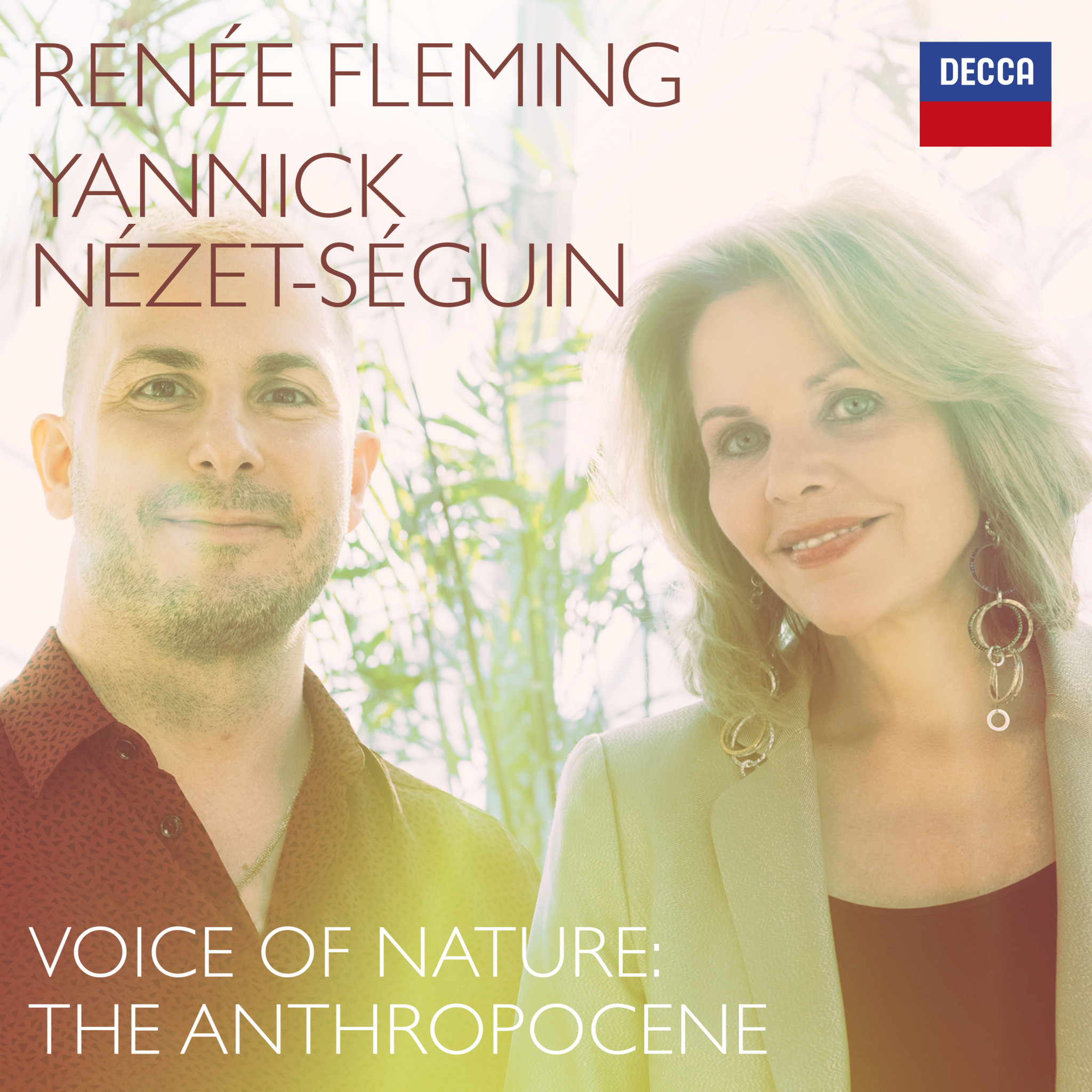
Yannick Nézet-Séguin and Renée Fleming on their album cover

“It was really fun to put the program together,” Fleming says. For the 19th-century art songs, “obviously I had to find things I thought would suit Yannick (Nézet-Séguin), give him enough of an interesting program that he would want to play it. And also because Yannick is French-Canadian, (the French) language works beautifully for him.”

The result is an album that features some very lovely but unfamiliar songs by Gabriel Fauré and Reynaldo Hahn, both French composers of the early 20th century, and also songs by Liszt and the Norwegian composer Edvard Grieg. “I just chose beautiful music that has powerful poetry and stuff I hadn’t performed before,” Fleming says. “I had performed Grieg, I had not performed Hahn at all, and I was thrilled to put Fauré” on the program.

The next step occurred when the album won a Grammy. Fleming decided to take a version of the program on tour, but with some additions. “Rather than just doing ‘Voice of Nature,’ the album, I added some more popular things that I’ve recorded and never perform, like a Björk song and a selection from Lord of the Rings,” Fleming explains. She also added songs by Burt Bacharach and Jerome Kern, and one of the most popular operatic arias in her repertoire, “O mio babbino caro” from Puccini’s Gianni Schicchi.

The final musical addition is a recording Fleming made of Jackson Browne’s “Before the Deluge” together with the Grammy winning folk singer/fiddler and opera composer Rhiannon GIddens, multi-Grammy winning bluegrass singer/fiddler Alison Krauss, and Nézet-Séguin, in an arrangement by composer Caroline Shaw. The recording will be played about halfway through the concert intermission.

Once she committed to the tour, Fleming had another idea: “I thought, let’s take this on the road but I’d like to have film with it,” she says. “I said, I’d really like to do something that shows the planet and encourages us to protect it.

“I happened to meet someone who worked with National Geographic at a dinner party. I was telling him about it and he said ‘I can introduce you to the head of National Geographic.’ So I had a two minute Zoom call with the CEO (Michael Ulica), and he said, ‘We’re looking for influencers and we’ll make your film.’ They did it in about three weeks and I’ve been touring it ever since, because it’s a beautiful piece.”

Fleming says that her devotion to nature and the planet dates back a long way. “When I was a teenager I saw a film that had a huge impact on me,” she says. “The film came out in the ‘70s, Soylent Green. 

“The scene that really had a powerful effect on me was the one in which Edward G. Robinson, who was dying of cancer, (played a scientist who) had signed up for end of life care, and was looking at beautiful pictures of earth, and none of that existed anymore. I thought, ‘How could that possibly ever happen?’ And here we are, later in my life—if we don’t get a handle on this, I think we’re ultimately talking about the destruction of us on the planet.”

In an artist’s statement on the “Voice of Nature” program, Fleming writes: “Thankfully, the stunning natural world depicted in (the National Geographic) film still exists, unlike that movie scene so upsetting to my younger self. In blending these beautiful images with music, my hope is, in some small way, to rekindle your appreciation of nature, and encourage any efforts you can make to protect the planet we share.”

# # # # #

“Voice of Nature: The Anthropocene”
Renée Fleming, soprano, and Howard Watkins, piano
  • Hazel Dickens: “Pretty bird” 
  • Handel: “Care Selve” from Atalanta 
  • Nico Muhly: “Endless Space” 
  • Joseph Canteloube: “Bailero” from Songs of the Auvergne 
  • Maria Schneider: “Our Finch Feeder” from Winter Morning Walks 
  • Björk: “All is Full of Love”
  • Heitor Villa-Lobos: “Epílogo” from Floresta do Amazonas (piano solo) 
  • Howard Shore: “Twilight and Shadow” from Lord of the Rings 
  • Kevin Puts: “Evening” 
  • Curtis Green: “Red Mountains Sometimes Cry” 
  • Burt Bacharach: “What the World Needs Now” 
    To be played halfway through the intermission—:
  • Recording of Jackson Browne: “Before the Deluge” (arr. by Caroline Shaw) by Rhiannon Giddens, Alison Krauss, Renée Fleming; with Yannick Nézet-Séguin, piano 
  • Gabriel Fauré: “Au Bord De L’eau” 
    —“Les Berceaux” 
  • Edvard Grieg: “Lauf Der Welt” 
    —“Zur Rosenzeit” 
  • Puccini: “O mio babbino caro” from Gianni Schicchi 
  • Jerome Kern: “All the Things You Are” 
  • Andrew Lippa: “The Diva” 

7:30 p.m. Friday, Jan. 31
Macky Auditorium

NOTE: Very few tickets are left for this performance. You can check availability HERE.
JACK Quartet lives up to their sterling reputation

Five pieces form the 20th and 21st centuries dazzle audience

By Peter Alexander July 12 at 12:46 a.m.

Last night (July 11) was a wonderful evening for a concert in Boulder: moderating temperatures, gentle breezes, and a late lingering dusk.

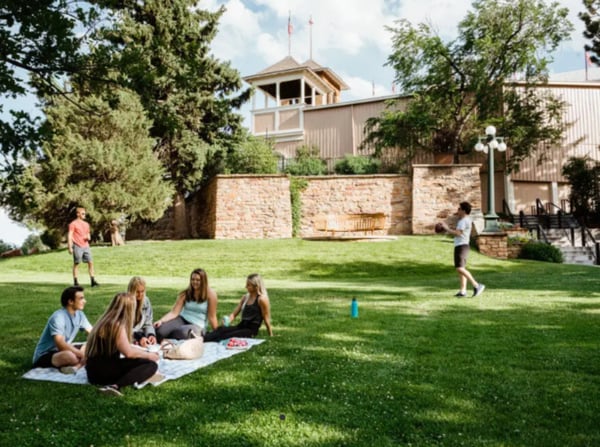
Afternoon on the grounds outside the Chautauqua Auditorium.

If you were fortunate enough to be at the Chautauqua Auditorium, only a single helicopter overflight disturbed the mood of an equally wonderful performance of music composed since 1950. The program was played by the JACK Quartet, a group known for their exemplary performances of contemporary concert music. 

Last night’s program, titled “New York Stories,” was part of the Colorado Music Festival’s Robert Mann Chamber Music Series. The performances lived up to JACK’s reputation and then some. The five pieces they played were strikingly varied, but the character of every piece emerged powerfully. Every transition was precise and controlled, and the unity of interpretation across the group was magical.

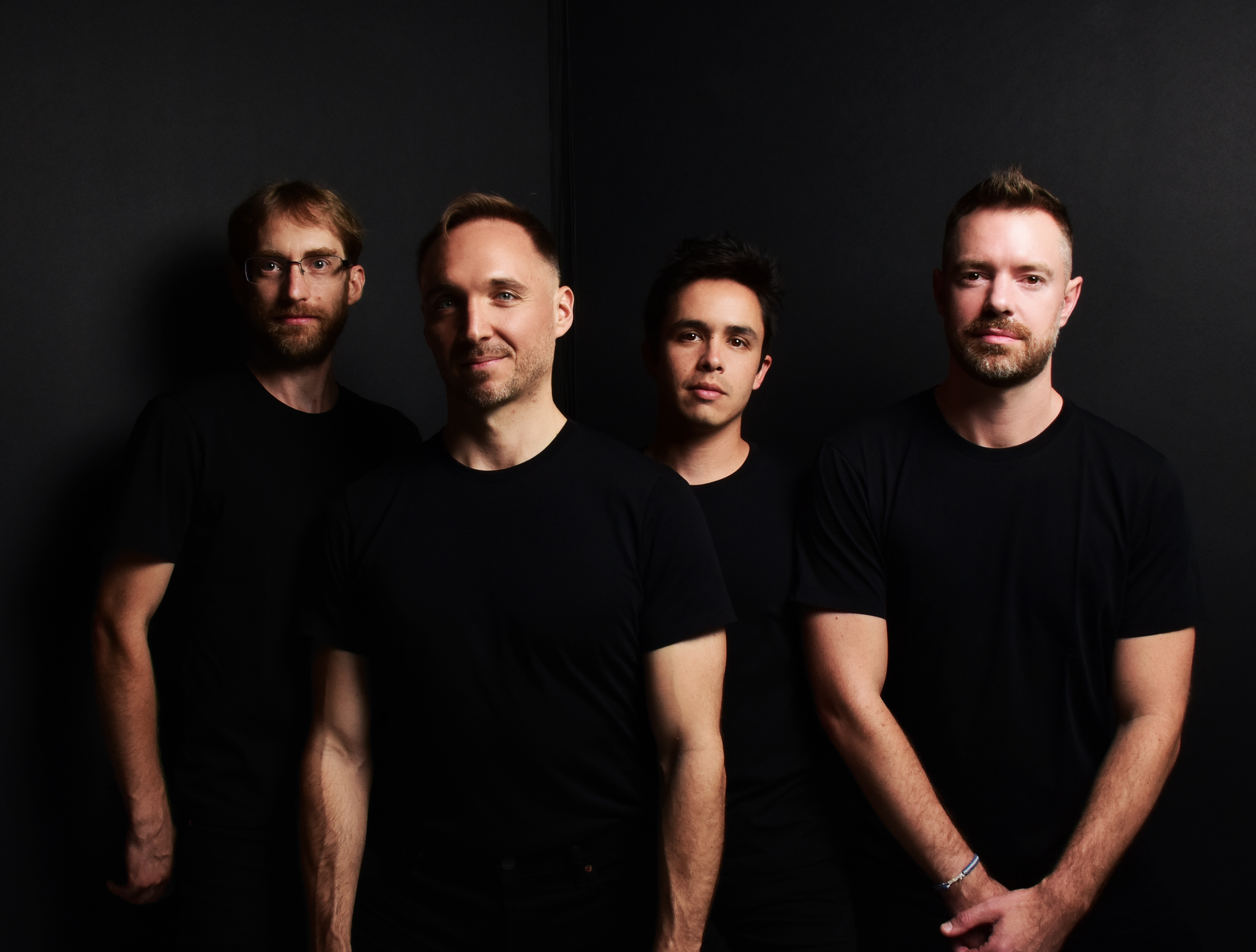
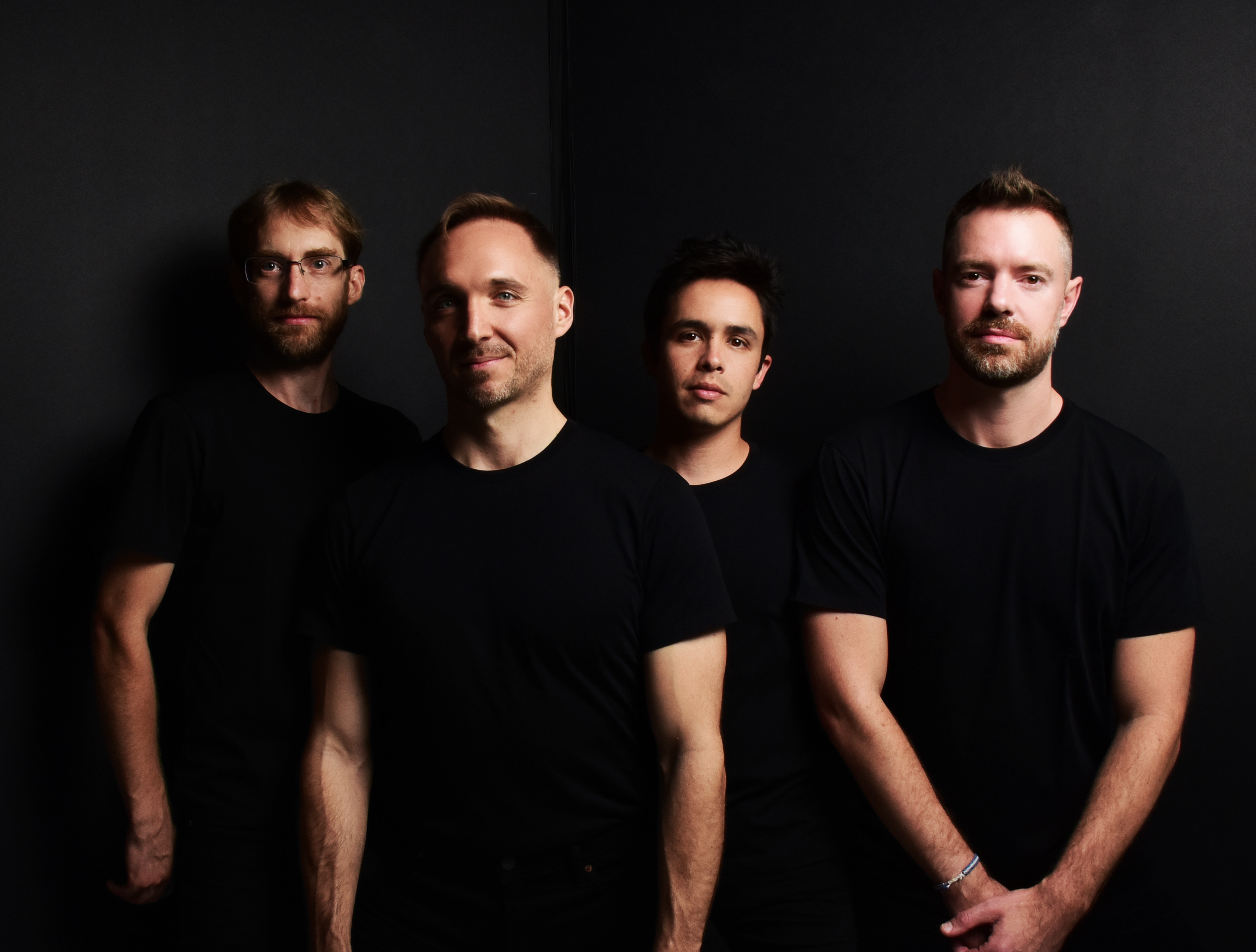
JACK Quartet. Photo by Shervin Lainez.

The concert opened with the only piece not by a living composer, Morton Feldman’s Structures for String Quartet from 1951. No recording can do justice to Feldman’s score, which is marked “as softly as possible.” You have to hear it live in a large hall, where you can physically feel the intimacy of the sound and let yourself be pulled into the world of Feldman’s music. The concentration of the players, and the balance they managed at such low volume was electrifying.

This performance would have pleased John Cage—he of 4’33” of silence—as it requires the listener to acknowledge the sound world around him. The cries of children in Chautauqua Park, the rustling of leaves outside and the murmuration of people inside, all became part of the experience, and served to elevate the music the more intently one listened.

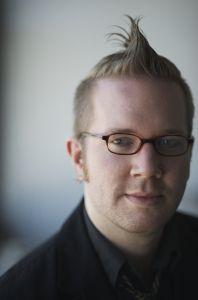
Caleb Burhans. Photo by Liz Linder

Contritus by Caleb Burhans was composed in 2010 to a commission from the quartet. The piece comprises three prayers of contrition that flow together in a single movement. It starts at about the volume of the Feldman, and you realize how intently you are attending to the music when it rises from just audible to a thunderous medium soft (mp). 

The control of volume and the emotional ebb and flow here was remarkable, proving again the JACK’s finesse in music of the greatest delicacy. Indeed, if all caps represents shouting, maybe they should rename themselves “jack.” For me, and others I heard from, this was the most moving piece of the evening.

The music of Philip Glass is so well known to followers of new music—from tours by the Philip Glass Ensemble, to movie scores and operas—that his Fifth String Quartet (1991) was the least captivating piece on the program. Yet JACK found entirely the character of Glass’s music, the throbbing pulse, the surge and flows with in energized texture, and the sudden shifts in character.

As ever the music was at time hypnotic, conducive to reflection, always pleasing. But with Glass, I am never sure how much it adds up to. As section follows section, it’s hard to identify an overall structure, even when musical ideas return for the end. But if you enjoy Glass, this was a performance to be prized.

After an intermission, JACK returned to play Caroline Shaw’s appealing Entr’acte. Shaw is one of the most interesting composers working today, one who keeps the listener enough off balance that you never know what could be next. And whatever it is, it usually wears a smile and takes you by surprise.

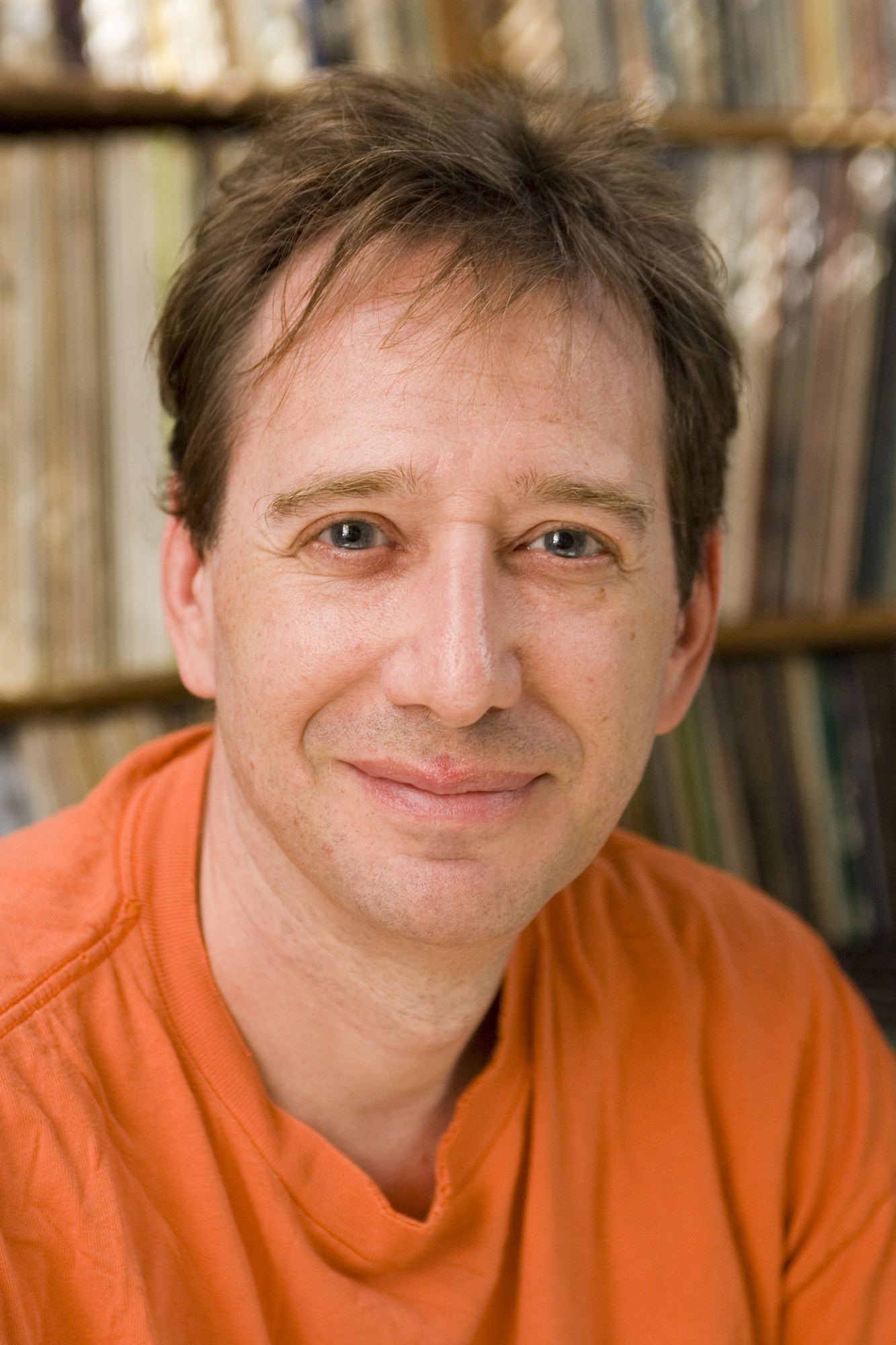
John Zorn

Entr’acte was inspired by Haydn minuets, and indeed contains Haydnesque moments of gentle humor as the music fades into and out of silence (silence again!). The more you think about Haydn while listening, the more you enjoy the piece. I could not imagine it played with more care , delicacy, or effectiveness.

The program closed with the most “New York” of the five pieces, John Zorn’s The Remedy of Fortune (2016). Here, it helps to know what the piece was composed for the Met Cloisters museum of medieval art and architecture in Upper Manhattan. In this score you can hear the bustle and cacophony of the streets of New York, with moments that recall the calm of the museum and the music of the Middle Ages. 

As difficult and disordered as the music sometimes sounds, it was all under the fingers of the JACK Quartet players. One should listen beyond the frantic surface to hear the streams within in the notes. When heard in that spirit the performance was dazzling, and worthy of the cheers and standing ovation from the faithful audience of contemporary music fans. One wishes that more people had heard such a consummate performance, before strolling out into the cooling twilight at Chautauqua Park.

New Music and Conductor Michael Christie at the Colorado Music Festival

Peter Oundjian leads All-Corigliano program, world premieres for ‘Music of Today’

By Peter Alexander July 7 at 12:10 p.m.

The next two weeks of the Colorado Music Festival (CMF) will see the 2023 season in full swing.

The Robert Mann Chamber Music Series—named in honor of the founding first violinist of the esteemed Juilliard String Quartet—gets underway with performances by the JACK Quartet (July 11; program details below) and the Brentano Quartet (July 18). The performance by JACK also initiates a week of “Music of Today” featuring an all-John Corigliano program by the Festival Orchestra with saxophone soloist Timothy McAllister (July 13) and a program with three world premieres by Carter Pann of CU, his former student Jordan Holloway, and Adolphus Hailstork (July 16).

The festival’s third week embraces more familiar repertoire, with some excursions. The Brentano Quartet embellishes a program of Mozart and Beethoven with works by Scottish composer James MacMillan (July 16). CMF Music Director Emeritus Michael Christie marks his return to Chautauqua Auditorium with Tchaikovsky’s familiar Fourth Symphony and an interesting pairing of piano concertos by Ravel and Florence Price performed by Michelle Cann (July 20 and 21). The week closes with an all-Mozart program led by guest conductor François López-Ferrer and featuring violinist Grace Park (July 23).

JACK Quartet. Photo by Shervin Lainez

Known for their committed performances of new music, the JACK Quartet is the musical heir of the mold-breaking Kronos Quartet. “Kronos really paved the way,” first violinist Austin Wulliman says. “They were role models for people in our generation, and JACK modeled the way we commission (new works) after the way Kronos did it.”

Titled “New York Stories,” the July 11 concert features works by five composers: Morton Feldman, Caleb Burhans, Philip Glass, Caroline Shaw and John Zorn. The program came from “an intuitive feeling about New York, which is a place that is so now,” violist John Richards explains. “Cultural changes begin or are reflected very early on in New York, and I feel the longing for ‘before’ as a part of the experience of ‘now’ in New York.

Caroline Shaw. Photo by Kait Moreno

“This program gets into that, through a beautiful, melancholic longing that’s in Caroline Shaw’s (Entr’acte, which is) also filled with the kind of playful experimentation with form and instrumental techniques that can only be done today. It’s a beautiful marriage of those things.”

The players find the same duality in Zorn’s Remedy of Fortune, which they compare to standing in the Cloisters, a museum of medieval art in upper Manhattan, and hearing the sound of visitors’ cell phones alongside the echoes of medieval music.

Zorn is known for pieces inspired by the frenetic pace of early cartoons, but his latest pieces are more varied. “He draws on so many interesting influences now,” Wulliman says. “I hear the music of Alban Berg at the same time that I hear Art Tatum and Beethoven and medieval music.”

Wulliman suggests that when listening to Feldman’s Structures for String Quartet, you think of a painting rather than a narrative. “That’s a helpful inroad to how to listen to it,” he says. “It’s a visual arts approach to the page, where he’s filling our auditory field with splotches, textures and patterns that weave together.”

The least known composer on the program is probably Burhans, whom the JACK players knew as undergraduates at the Eastman School of Music. “The beauty and the emotional catharsis of that piece is a real lynchpin of the program,” Wulliman says. Richards adds that Burhans “joined the choir at Trinity Church Wall Street (in New York), and this music draws from that experience. There’s a beautiful middle section that grows and grows into a prayerful, ecstatic feeling of release.”

John Corigliano. Photo by J. Henry Fair

The most distinctive program of the summer is the concert devoted entirely to works by composer John Corigliano. That almost never happens with living composers, conductor and CMF Music Director Peter Oundjian says, but he also likes to remind people that new music today is not as daunting as it once was.

“I remember a time when if you presented one piece of contemporary music you could loose half your audience,” he says. But Corigliano is from “a generation that got a language that was astonishingly contemporary but acceptable at the same time.”

Oundjian wanted to present works from different parts of the composer’s career. “I said to John, ‘I want to do a piece from each of your periods’,” Oundjian says. “’I want to make you into Beethoven, (with) early, middle and late’.”

From the early period, he chose the Gazebo Dances (1972), which was likely inspired by the music of Leonard Bernstein. A suite in four contrasting movements, it has a Bernstein-like energy and flirtation with popular/Broadway idioms, which is not surprising since Corigliano’s father was concertmaster of the New York Philharmonic under Bernstein.

Next is One Sweet Morning (2010), written to commemorate the anniversary of the 9/11 attacks in New York. “Oh boy is it ever incredibly profound and moving,” Oundjian says. “It’s music of staggering beauty and depth, so it’s a fantastic contrast to the Gazebo Dances.”

The concert will conclude with Corigliano’s most recent concerto, Triathlon for saxophone and orchestra (2020). The soloist will be Timothy McCallister, who was featured last summer. “It’s a complete masterpiece,” Oundjian says. “I don’t know how these brilliant composers get their ideas, but it’s an honor to study the works and prepare to conduct them.”

Adolphus Hailstork. Photo by Jin Hailstork.

The centerpiece of the July 16 concert of world premieres will be JFK: The Last Speech, a work for orchestra, soprano and narrator by Adolphus Hailstork. The soloists will be soprano Janice Chandler-Eteme and bass-baritone Eric Owens as narrator.

The libretto incorporates parts of a speech President John F. Kennedy gave at Amherst College Oct. 26, 1963, 27 days before his assassination in Dallas. Kennedy’s speech was given in honor of poet Robert Frost, who had died nine months before. Neil Bicknell, who heard the speech as an Amherst senior, crafted the libretto combining Kennedy’s words, which will be spoken by the narrator, and Frost’s poetry, which will be sung by the soprano.

A project of the Amherst Class of 1964, JFK: The Last Speech will be performed around the country and at Amherst College this fall. Hailstork writes in his program notes, “My writing will reflect the autumn season, the solemnity of the moment, and the unique oratorical gifts of Kennedy the president and the profound literary gifts of Frost the poet.”

Holloway’s Flatirons Escapades was composed for the 125th anniversary of Boulder’s Colorado Chautauqua. A graduate of CU, Holloway recalls in his program notes both his positive experiences in the Chautauqua Park that served as an inspiration for his score, and the healing quality of the space during times of “anxiety and internal chaos” that “are woven into the piece as well.”

Pann was Holloway’s composition teacher at CU. He writes that his Dreams I Must Not Speak “emerged from a cathartic attempt to realize, in music, three dreams I experience during sleep with noticeable regularity. These are not nightmares nor are they pleasant images, but rather odd and somewhat psychedelic scenes that have remained distinct in my awakened conscience over the years.”

Michael Christie. Photo by Eugene Yankevich

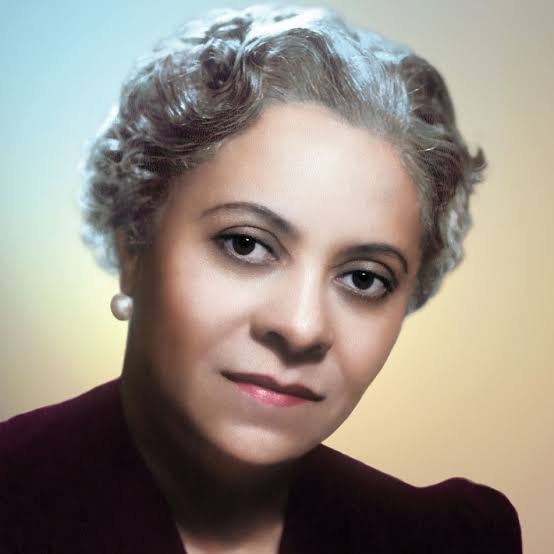
For his return to Chautauqua Auditorium, CMF Music Director Emeritus Michael Christie will team up with pianist Michelle Cann to present concertos by Ravel and the remarkable African-American composer Florence Price. A graduate of the New England Conservatory, Price is recognized as the first African-American woman to have a work played by a major orchestra. “Price is one of these people that when an audience member hears the music, people are just bowled over by the inventiveness, by the grandness of it,” Christie says.

Price played her Piano Concerto in One Movement once in 1934, after which it was thought to be lost. However, some parts were found in 2009 at her former summer home, shortly before it was to be demolished, and other fragments turned up later. The score has been reconstructed, and the concerto has had real success in recent years. Curiously, the Concerto in One Movement actually has three movements, played without break

Florence Price

The combination of Price’s African-American heritage and her classical training led to what Christie calls “this wonderful blending of American and European traditions speaking to each other.” And he finds a parallel for that combination in the Ravel Concerto. “You have Maurice Ravel just oozing with American jazz throughout this piece,” he explains.

“You’re looking Florence Price being influenced by Europe and having her own American language, and then Ravel on the other side of the Atlantic, looking at America through the lens of his own language. So the concertos kind of cross each other, over the ocean.”

The Tchaikovsky Symphony that closes the program is a great showpiece for the orchestra, and it’s also one of the most familiar pieces on the summer program. Christie remembers that when he was music director at CMF, he would “throw lots of new things at the orchestra, and they were just exhausted by the end of the summer. I realized over time that balance (between familiar and unfamiliar pieces) is not only for the audience, it’s for the orchestra too.

“It’s always a relief for an orchestra to be able to kick back and play something that they know inside and out.”

# # # # #

COLORADO MUSIC FESTIVAL
Performances July 11–23
All performances at Chautauqua Auditorium

7:30 p.m. Tuesday, July 11
Robert Mann Chamber Music Series: JACK Quartet

  • Morton Feldman: Structures for String Quartet (1951)
  • Caleb Burhans: Contritus (2010) 
  • Philip Glass: String Quartet No. 5 (1991)
  • Caroline Shaw: Entr’acte (2011)
  • John Zorn: The Remedy of Fortune for String Quartet (2016)

7:30 p.m. Thursday, July 13
Festival Orchestra, Peter Oundjian, conductor
With Timothy McAllister, saxophone

  • John Corigliano: Gazebo Dances (for orchestra) (1974)
    One Sweet Morning for voice and orchestra (2010)
    Triathlon for saxophone and orchestra (2020)

6:30 p.m. Sunday, July 16
World premieres: Festival Orchestra, Peter Oundjian, conductor
With Janice Chandler-Eteme, soprano, and Eric Owens, narrator

  • Jordan Holloway: Flatiron Escapades (world premiere commission)
  • Carter Pann: Dreams I Must Not Speak (world premiere commission)
  • Adolphus Hailstork: JFK: The Last Speech (world premiere)

7:30 p.m. Tuesday, July 18
Robert Mann Chamber Music Series: Brentano String Quartet

  • Mozart: String Quartet in D Major, K499
  • James MacMillan: Memento for string quartet (1994)
    For Sonny for string quartet (2011)
  • Beethoven, String Quartet No. 13 in B-flat Major, op. 130

7:30 p.m. Thursday, July 20, and 6:30 p.m. Friday, July 21
Festival Orchestra, Music Director Emeritus Michael Christie, conductor
With Michelle Cann, piano

  • Ravel: Piano Concerto in G Major
  • Florence Price: Piano Concerto in One Movement
  • Tchaikovsky: Symphony No. 4 in F Minor, op. 36

6:30 p.m. Sunday, July 23
Festival Orchestra, François López-Ferrer, conductor
With Grace Park, violin

  • Mozart: Overture to The Impresario K486
    —Violin Concerto No. 3 in G Major, K216
    —Adagio and Fugue in C Minor, K546
    —Symphony No. 36 in C Major, (“Linz”) K425

TICKETS

Pro Musica Colorado goes “through the looking glass” Jan. 28

Music from “periods of change:” Haydn, Mozart and Caroline Shaw

By Peter Alexander Jan. 26 at 5:41 p.m.

Pro Musica Colorado Chamber Orchestra celebrates their “Sweet Sixteen” anniversary Saturday (Jan. 28) with a nearly-new piece, a nearly-new soloist on the Boulder classical scene, and one piece from their very first concert.

The concert, at 7:30 p.m. in the Mountain View Methodist Church, will open with Caroline Shaw’s nearly-new and entirely intriguing Entr’acte for strings. Cellist Meta Weiss, who joined the CU faculty in January 2019 but has had little opportunity to perform in Boulder due to the pandemic, will play Haydn’s Cello Concerto in C major. The concert will conclude with Mozart’s Symphony No. 29 in A major, K201, a bright and cheerful piece that was on Pro Musica’s first concert.

Music director Cynthia Katsarelis will conduct.

Caroline Shaw

In her program note for the score, Shaw wrote that the Entr’acte was inspired by the minuet from Haydn’s String Quartet in F major ,op. 77 no. 2, a piece that “suddenly takes you to the other side of Alice’s looking glass. The shift from light and prancing to smooth and graceful . . . is certainly a distinct step into an utterly new place.”

That sense of going “through the looking glass,” which also gave the concert program its title, is what Shaw aims to recreate, but in a contemporary style. “One of the things that I love about her music and this particular piece is its dialog with the past,” Katsarelis says.

“She has nostalgic references to tonality and then it moves along to stuff that’s more modern. She uses some special effects, and kind of melts from the quasi-tonal idea into these special effects, and it’s really cool how she does that. It’s a real dialog with the past.”

Katsarelis particularly enjoys a part of the piece where the players create an effect of whispering. “They rub the bows pitchlessly over the strings,” she explains. “It sounds like whispers, so when we’re taking about a piece that’s in dialog with the past, it’s like ‘I wonder what they’re talking about. Are they talking about Haydn?’”

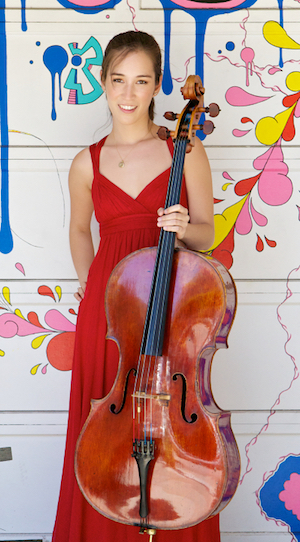
Meta Weiss. Photo by Betty Kershner

From a piece that might be talking about Haydn the program moves to a piece by Haydn, the Cello Concerto in C. Written around 1765, it is one of Haydn’s earlier pieces, and one of the earliest concertos for cello with orchestra to enter the repertoire.

“It’s such a happy piece,” Weiss says. “It’s just a perfect piece of music, it has a little bit of everything for everyone. It’s just so delightful, and it’s delightful to play.”

She knows, because it was the very first concerto she learned, when she was nine years old and studying cello in the San Francisco Bay area. She had been inspired to take up the cello when she heard Yo You Ma perform when she was about three-and-a-half. She went on to study with Joan Jeanrenaud, former cellist of Kronos, and then at Rice University and Juilliard. She came to CU in 2019, after teaching in Australia.

“There is a youthful exuberance to (Haydn’s Concerto),” she says. “We don’t always get that in concertos as cellists. It’s really nice to be able to explore the other side of the cello. And one of the beauties of the piece is that it’s so well written for the cello. It’s so well orchestrated, it’s perfect.”

It’s not surprising that Mozart’s A major Symphony K201 is one of Katsarelis’ favorite pieces that she has conducted. “The amount of repertoire that I’ve repeated is pretty small,” she says. “This will be my third time for Mozart 29. It’s a sublimely beautiful piece that I love.”

Katsarelis mentions that Mozart wrote the symphony in Salzburg, shortly before he moved to Vienna but also right after a trip to Italy, where he studied counterpoint. “He comes home with a great sense of counterpoint,” she says. That counterpoint, she believes, led to the full classical style by adding depth and intensity to the simple melodies and routine accompaniments in style right after the Baroque period.

“To have independent lines, very singing, beautiful lines going on underneath the melody, is a fairly new thing,” she says. ”If you love to enjoy the melodies, fine. If you love the inner voices and interplay, you’ve got it. The counterpoint is doing different things. It’s delighting the ear, it’s setting the mood, it’s adding excitement and complexity. It’s really fantastic.”

And that’s just the first movement. Katsarelis has equal praise for the rest of the symphony. “The slow movement is very singing, and again the inner lines are nice. The minuet is frolicking, and the symphony ends with a wonderful allegro con spirito, nice and fast with more counterpoint answering back and forth, which is really fun. It’s just delightfully enjoyable from start to finish.”

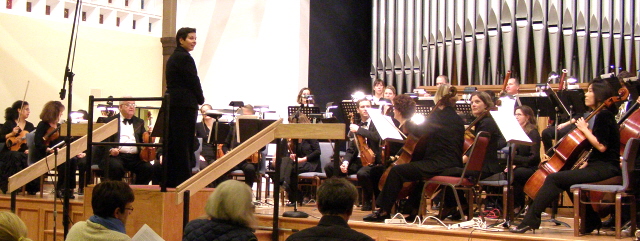
Cynthia Katsarelis with the Pro Musica Colorado Chamber Orchestra

Katsarelis thinks that the program is perfect for these days after COVID has started to recede. We are all still carrying memories of the pandemic, but thinking ahead to days with fewer restrictions.

“Through the looking glass,” she says. “I think that points to the fact that these pieces are all written during periods of change. That’s music looking backwards and forwards, at a time when we are all doing the same thing.”

# # # # # 

“Through the Looking Glass”
Pro Musica Colorado Chamber Orchestra, Cynthia Katsarelis, conductor
With Meta Weiss, cello

  • Caroline Shaw: Entr’acte
  • Haydn: Cello Concerto in C major
  • Mozart: Symphony No. 29 in A major, K201

7:30 p.m. Saturday, Jan. 28
Mountain View United Methodist Church

TICKETS