GRACE NOTES: Chamber piano with strings, bassoons and student soloists

Piano Quartet at the Academy, Bassoon Quartet with Cantabile, BCO with competition winners

By Peter Alexander May 7 at 4:40 p.m.
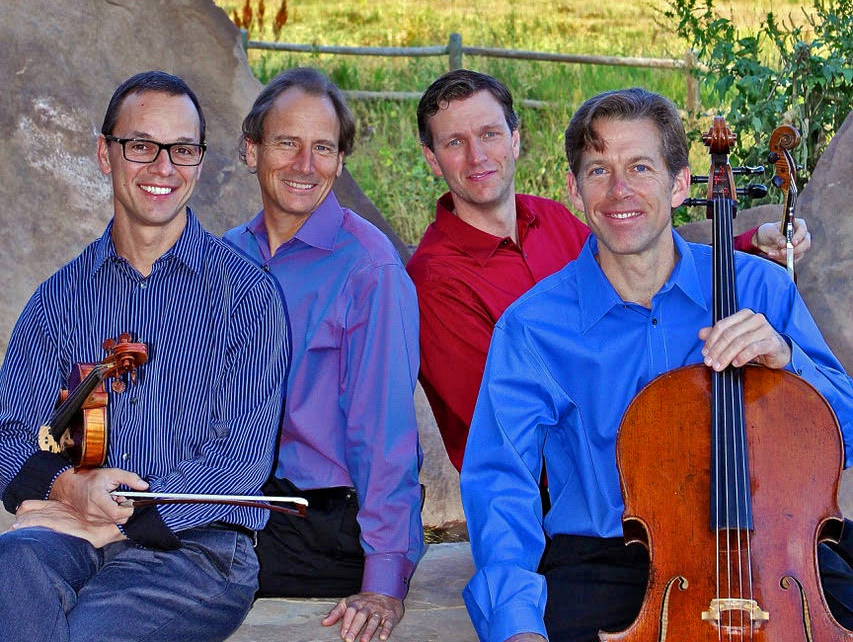
The Boulder Piano Quartet—pianist David Korevaar with violinist Igor Pikayzen, violist Matthew Dane and cellist Thomas Heinrich—will present a free concert in Chapel Hall at the Academy University Hill Friday (7 p.m. May 9; details below).

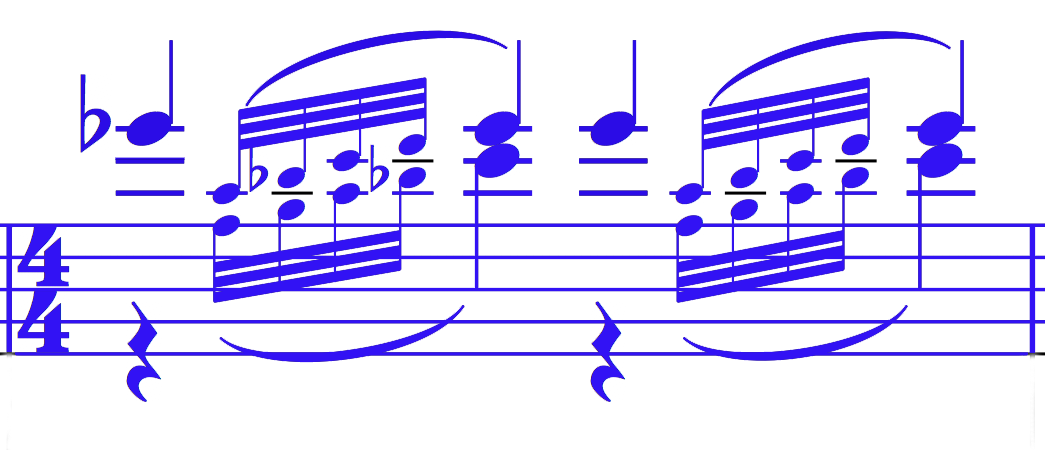
The central work on the program is the five-movement King of the Sun by Stephen Hartke, who is chair of composition at the Oberlin Conservatory. Written for the Los Angeles Piano Quartet, The King of the Sun was inspired by a series of five paintings by the Spanish painter Joan Miró. 
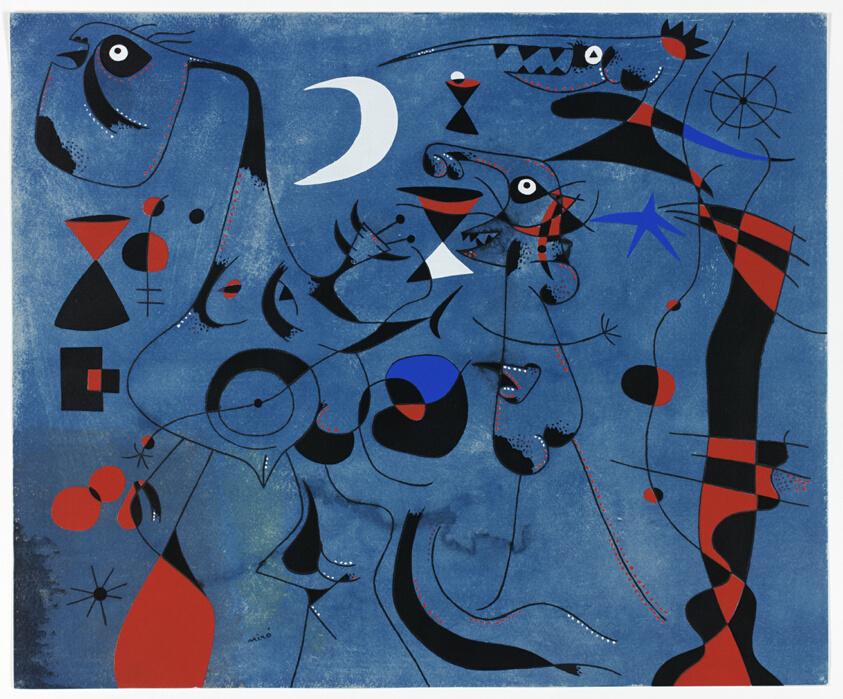
Miró: Characters in the night guided by the phosphorescent tracks of snails, Art Institute of Chicago

The five major movements of Hartke’s score are titled after the titles of the paintings: “Personages in the night guided by the phosphorescent tracks of snails,” “Dutch interior,” “Dancer listening to the organ in a gothic cathedral,” “The flames of the sun make the desert flower hysterical,” and “Personages and birds rejoicing at the arrival of night.” The third and fourth movements are  separated by a brief “Interlude,” leading Hartke to describe the piece as comprising “five and a half” movements. 

The title of the work, The King of the Sun, is a mistranslation of a 14th-century canon that is quoted in the second and fourth movements of Hartke’s score. The actual title of the canon is Le ray au soleil, which means the sun’s ray. The change of one letter—Le rey instead of Le ray—changes “The sun’s ray” into “The king of the sun.”

The program opens with Phantasy for Piano Quartet, written in 1910 by English composer Frank Bridge. It was commissioned by Walter Wilson Cobbett, who worked to promote the composition of British chamber pieces in the style of Fantasy, or Phantasy, a type of work that had flourished in Elizabethan times. Bridge was one of 11 British composers Cobbett commissioned to write a phantasy in 1910.

The final piece on the program is the Piano Quartet in E-flat major of Robert Schumann. It was composed in the summer of 1842, which became known as Schumann’s “year of chamber music.” He had mostly written piano music until 1840, a year in which he wrote 120 songs. The following year he wrote two symphonies, and then in 1842 he completed three string quartets, a piano trio, a piano quintet, and the Piano Quartet.

# # # # #

Boulder Piano Quartet
Igor Pikayzen, violin; Matthew Dane, viola; Thomas Heinrich, cello; and David Korevaar, piano

  • Frank Bridge: Phantasy for Piano Quartet
  • Stephen Hartke: The King of the Sun
  • Schumann: Piano Quartet in E-flat major, op. 47

7 p.m. Friday, May 9
Chapel Hall, The Academy University Hill, Boulder

Free

# # # # #
Quartets of all bassoons are a musical rarity—except in Boulder.

The Boulder Bassoon Quartet will present an unusual program of music for bassoon and chorus on a concert shared with Boulder’s Cantabile Singers, directed by Brian Stone, Friday and Sunday at the First Congregational Church (May 9 and 11; details below).
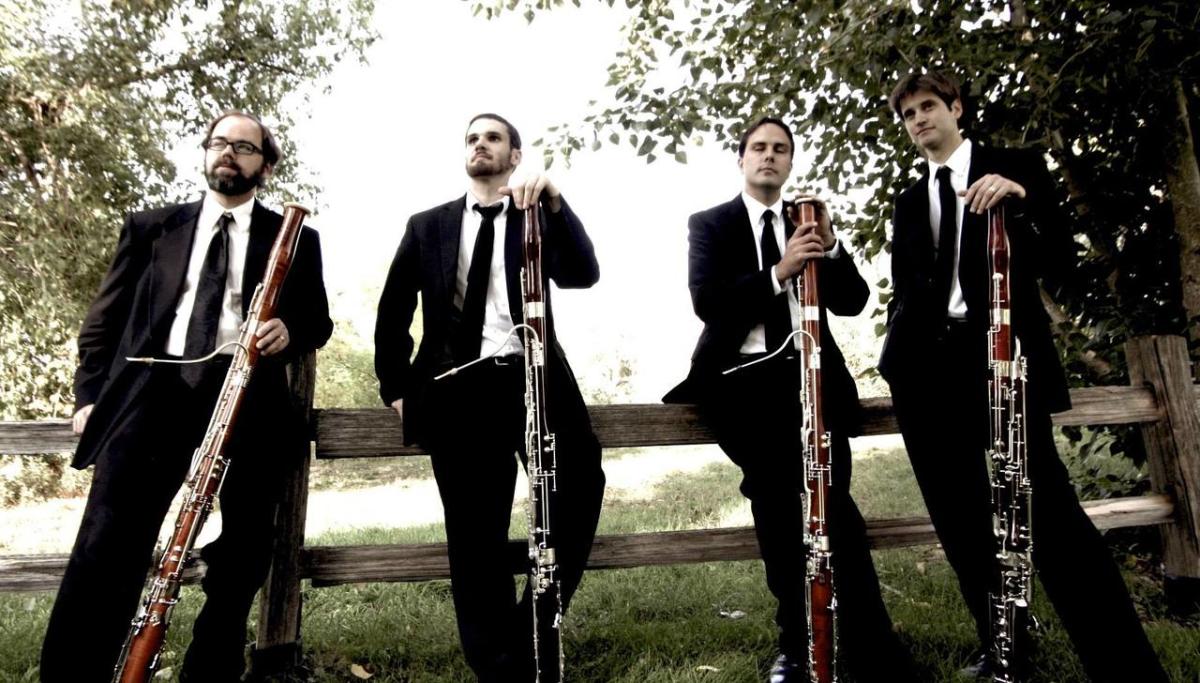
Boulder Bassoon Quartet

The program will be repeated at 3 p.m. Sunday, June 1, at the Boulder Bandshell

A centerpiece of the program will be the newly commissioned “I Shall Raise My Lantern” by Greg Simon. That work for chorus and bassoon quartet will be paired with “Three Earth Songs” by Bill Douglas. Other works on the program are a capella works for chorus by Ralph Vaughan Williams, Benjamin Britten, Craig Hella Johnson and Shawn Kirchner. 

The Sunday performance will be available online by a free live stream.

# # # # #

“The Beauty Around Us”
Cantabile Singers, Brian Stone, director, with the Boulder Bassoon Quartet

  • Greg Simon: “I Shall Raise My Lantern”
  • Bill Douglas: “Three Earth Songs”
  • Works by Ralph Vaughan Williams, Benjamin Britten, Craig Hella Johnson and Shawn Kirchner

7:30 p.m. Friday, May 9
3 p.m. Sunday, May 11
First Congregational Church, Boulder

3 p.m. Sunday, June 1, Boulder Band Shell

Tickets HERE

# # # # #
The Boulder Chamber Orchestra (BCO) will present the winners of the 2025 Colorado State Music Teachers Association (CSMTA) Concerto Competition as soloists on a concert program Saturday (8 p.m. May 10; details below).

The winners in four categories—Piano Elementary, Piano Junior, Piano Senior, and Strings/Harp—will each play the concerto movement that was required for the competition, with the orchestra (see the concert program below). BCO music director Bahman Saless will conduct.
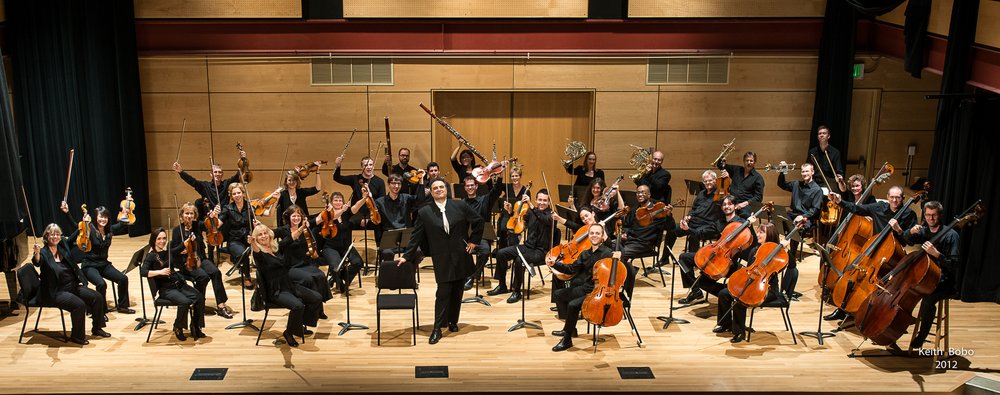
Boulder Chamber Orchestra with conductor Bahman Saless

An annual event, the CSMTA Concerto Competition has three piano categories that are held every year: elementary, junior and senior. There are vocal and instrumental categories in alternating years: strings/harp and voice in odd-numbered years, and winds/percussion in even-numbered years. The competition is for pre-college students up to age 19.

This year’s competition was held in March, and had violin, cello and harp contests in the strings/harp category. Every instrument has one concerto movement specified as its competition repertoire. The judges for the 2025 competition were Saless; Mary Beth Rhodes-Woodruff, artistic director of the Santa Barbara (Calif.) Strings; and Kate Boyd, professor of piano at Butler University.

The winners who will appear with the BCO are:
—Piano elementary: Natalie Ouyang
—Piano, junior: Lucy (Yuze) Chen
—Piano, senior: Bobby Yuan
—Strings/Harp: Sadie Rhodes Han (violin)

This is the second year that the BCO has presented the CSMTA Concerto Competition winners as concert soloists.

# # # # #

CSMTA Concerto Competition Winners’ Concert
Boulder Chamber Orchestra, Bahman Saless, conductor

  • Haydn: Keyboard Concerto in C major, Hob. XVIII/5, I. Allegro moderato
    -Natalie Ouyang, piano
  • Mozart: Piano Concerto No. 21 in C major; K467, I. Allegro maestoso
    -Lucy (Yuze) Chen, piano
  • Schumann: Piano Concerto in A minor, op 54, I. Allegro affettuoso
    -Bobby Yuan, piano
  • Saint-Saëns: Introduction et Rondo Capriccioso
    -Sadie Rhodes Han, violin

8 p.m. Saturday, May 10, Boulder Adventist Church
TICKETS

GRACE NOTES: Piano quintets and and a family concert

Little known Quintet by Louise Farrenc and Prokofiev’s much loved Peter and the Wolf

By Peter Alexander Jan. 16 at 12:10 a.m.

The Boulder Piano Quartet will be joined by bassist Susan Cahill, a member of the Colorado Symphony, for a program of piano quintets Friday (7 p.m. Jan. 17; details below) at the Academy, University Hill.

The concert, to be held in the Academy’s Chapel Hall, will be free. Audience members are asked to RSVP HERE prior to the concert. All the works on the program are for a quintet of piano with with one each violin, viola, cello and string bass, whereas most piano quintets are set for piano with a string quartet of two violins, viola and cello.

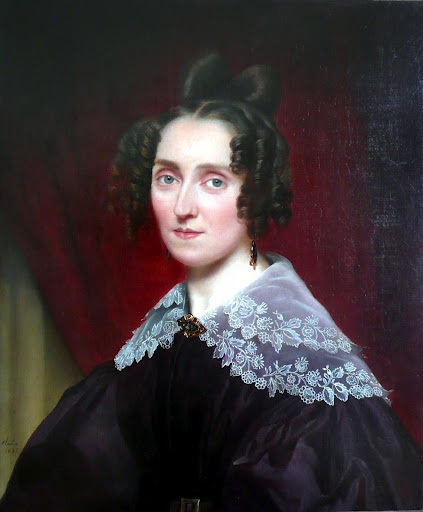
Louise Farrenc, portrait by Luigi Rubio (1835)

The performance will open with a quintet by Louise Farrenc, a 19th-century French composer who seems to be having a “moment” now. Though not widely known to American audiences, she has had several recent performances. Her Sextet for piano and winds was performed last Saturday (Jan. 11) on a Boulder Chamber Orchestra Mini Chamber concert, and her Third Symphony was performed in May on the Colorado Pro Musica’s farewell concert. Many of her works have recently been recorded, including music for piano, chamber music and symphonies (see listing HERE). 

A pioneer among women pianists and composers, Farrenc was a successful concert pianist. She became the first woman appointed to the permanent faculty of the Paris Conservatory in 1842, a position she held for 30 years.

The Piano Quintet in C minor by Vaughan Williams is one of his least known works, largely because the composer removed it from his catalogue of compositions after World War I, presumably because he was no longer satisfied with it. It remained unperformed for more than 80 years until the composer’s widow allowed a performance, and subsequent publication, to honor the 50th anniversary of the composer’s death.

Schubert’s “Trout” Quintet is the best known of the piano quintets with string bass. It takes its name from the fourth movement, a set of variations on the theme from Schubert’s song “Die Forelle” (The trout). The performance Friday will only feature that one movement, ending the program on a familiar and cheerful note.

# # # # #

Boulder Piano Quartet
Igor Pikayzen, violin; Matthew Dane, viola; Thomas Heinrich, cello; and David Korevaar, piano|With Susan Cahill, bass

  • Louise Farrenc: Piano Quintet No. 2 in E major, op. 31|
  • Ralph Vaughan Williams: Piano Quintet in C minor
  • Schubert: Piano Quintet in A major (“Trout”): 4. Andantino

7 p.m. Friday, Jan. 17
Chapel Hall, Academy University Hill

Free: RSVP HERE

# # # # #

The Longmont Symphony Orchestra will present its annual Family Concert, featuring Prokofiev’s masterful setting of the Russian folk tale Peter and the Wolf, Saturday afternoon (4 p.m. Jan. 18; details below) in Vance Brand Auditorium.

The concert will be led by the LSO music director, Elliot Moore. Cameron A. Grant will narrate. In addition to the Prokofiev score, the program features selections from The Carnival of the Animals by Saint-Saëns.

Subtitled “A symphonic tale for children,” Prokofiev’s Peter and the Wolf illustrates the tale of a young boy who evades the dangerous wolf, with characteristic themes for each character in the story, including Peter, his grandfather, Peter’s animal friends, the hunters and of course, the wolf. 

Prokofiev wrote an explanatory note for the score: “Each character of this tale is represented by a corresponding instrument in the orchestra: the bird by a flute, the duck by an oboe, the cat by a clarinet playing staccato in a low register, the grandfather by a bassoon, the wolf by three horns, Peter by the string quartet, the shooting of the hunters by the kettle drums and bass drum.”

Grant is a prominent attorney in Longmont, where he is a managing shareholder in the firm Lyons & Gaddis, but he is also familiar with the performing world. He holds an undergraduate degree in English and vocal music performance from Colorado College, and attended the Aspen Opera Theater Center. He has appeared with the Longmont Symphony as narrator for family concerts in the past, most recently in January, 2024.

# # # # #

Family Concert: Peter and the Wolf
Longmont Symphony Orchestra, Elliot Moore, conductor
With Cameron A. Grant, narrator

  • Saint-Saëns: Selections from Carnival of the Animals
  • Prokofiev: Peter and the Wolf

4 p.m. Saturday, Jan. 18
Vance Brand Auditorium

TICKETS

GRACE NOTES: Two quartets and Americana Redefined

Piano Quartet has new violinist, Takács has surprise pieces and Boulder Phil has a new series

By Peter Alexander Oct. 8 at 11 a.m.

The Boulder Piano Quartet returns to The Academy in Boulder for a concert featuring the music of Mozart alongside the much less familia Russian-Swiss composer Paul Juon.

The concert at 7 p.m. Friday, Oct. 11, in Chapel Hall at the Academy University Hill will be free, but audience members are asked to RSVP here before the performance. The works on the program are the Quartet in G minor, K478 by Mozart and Juon’s Piano Quartet No. 1 in F major, titled Rhapsodie

Violinist Igor Pikayzen, now with the Boulder Piano Quartet

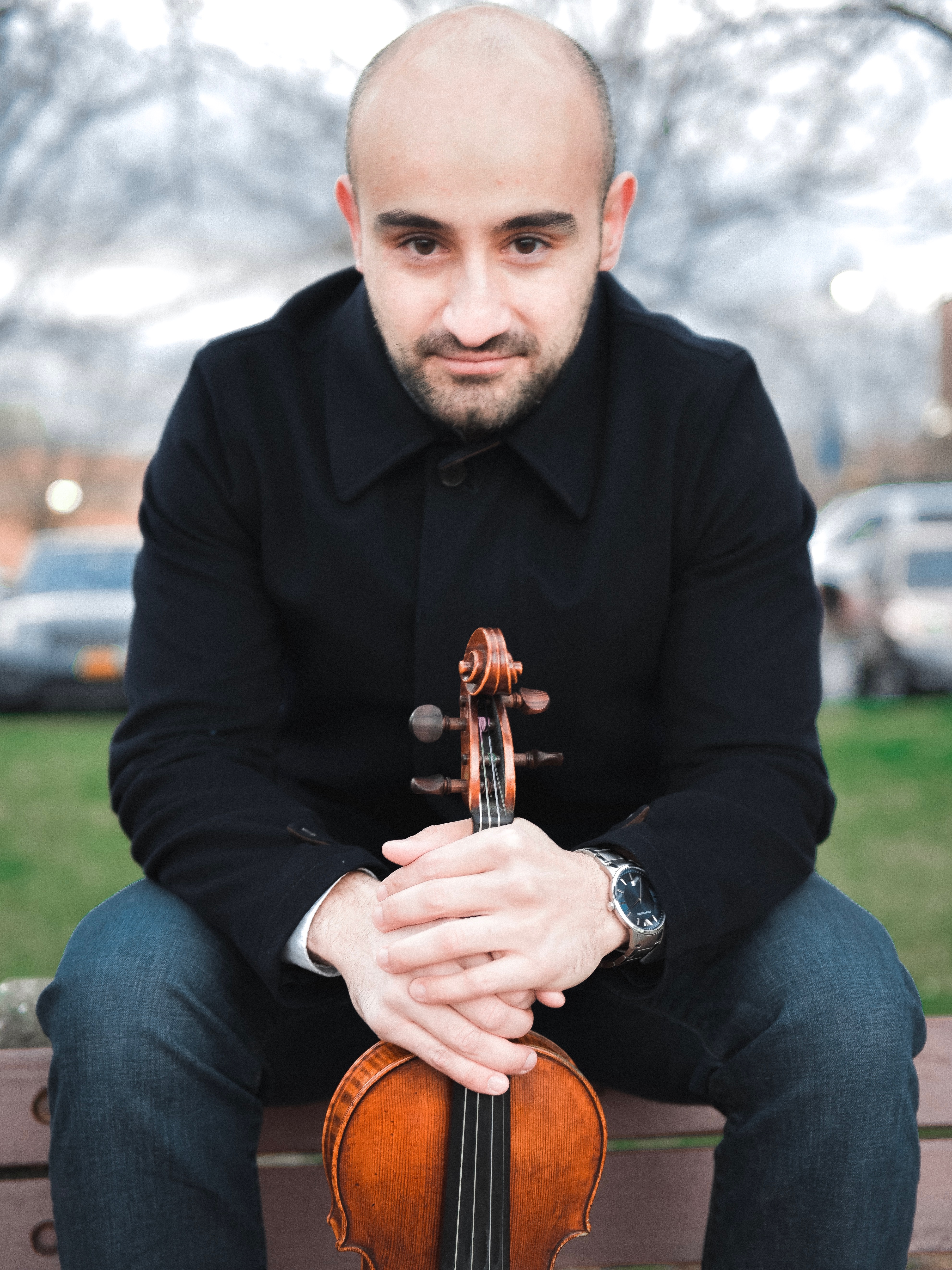
The concert will introduce the quartet’s new violinist, Igor Pikayzen, who teaches violin at the Lamont School of Music at the University of Denver. A graduate the Juilliard School and Yale, Pikayzen joins violist Matthew Dane, cellist Thomas Heinrich and pianist David Korevaar in the quartet, taking the position that was vacated by the untimely death of Charles Wetherbee in 2023.

Juon had a successful career as a teacher and composer before falling into obscurity. Born in Russia to Swiss parents, he was educated in Moscow and Berlin, and spent most of his professional life in the latter city. A relatively conservative late-Romantic composer, his music is associated with an earlier generation; during his lifetime, he was called “the Russian Brahms.”

His First Piano Quartet was in spired by an unusual first novel, The Saga of Gösta Berling by the Swedish Nobel Prize-winning writer Selma Lagerlöf. The plot concerns a defrocked Lutheran priest who is eventually redeemed after many wild adventures.

# # # # #

Boulder Piano Quartet: Igor Pikayzen, violin; Matthew Dane, viola; Thomas Heinrich, cello; and David Korevaar, piano

  • Mozart: Piano Quartet in G minor, K478
  • Paul Juon: Piano Quartet No. 1, “Rhapsody” 

7 p.m. Friday, Oct. 11
Chapel Hall, Academy University Hill

Free; RSVP HERE

# # # # #

Members of the Takács Quartet didn’t give the full program for their next upcoming CU concerts—until now.

The performances Sunday afternoon and Monday evening (4 p.m. Oct. 13 and 7:30 p.m. Oct. 14 in Grusin Music Hall) will feature Beethoven’s String Quartet in A minor, op. 132, for the second half of the program. But originally, the program only stated that the first half would be announced at the performance.

In a recent email, first violinist Ed Dusinberre solved the mystery. “We needed some extra flexibility for this concert,“ he wrote, “but have just now decided that the first half with be Mozart (String Quartet in D minor) K421 and (Benjamin) Britten String Quartet No.2.“ In the absence of program notes at the concert, he will talk about both pieces from the stage.

The program is the second in the Takács Quartet’s annual series of campus concerts. Remaining concert dates for the 2024–25 season, including a guest appearance by the Quartet Integra from the Colburn School in Los Angeles, are listed on the CU Presents Web page.

Beethoven’s Quartet in A minor, op. 132, is traditionally known as the Quartet No. 15 based on the order of publication of his quartets, although it was no. 13 in order of composition. Planned with the traditional four movements, the A minor quartet ended up with five movements when Beethoven decided to add a central movement as an expression of thanks for his recovery from illness. 

Titled “Heiliger Dankgesang eines Genesenen an die Gottheit” (Song of thanksgiving to the Deity from a convalescent), the central movement is a haunting movement written in the Lydian mode, evoking sacred music of the Middle Ages and Renaissance. The movement includes three principal elements: a brief fragment of counterpoint, a hymn-like passage, and a suddenly more energetic passage labelled “Feeling of new strength.” These programmatic and devout elements have made this one of the composer’s most recognized and popular movements. 

# # # # #

Takács Quartet

  • First Half to be announced form the stage
  • Beethoven: String Quartet in A minor, op. 132

4 p.m. Sunday, Oct. 13
7:30 p.m. Monday Oct. 14
Grusin Music Hall

Both in-person and live-stream TICKETS

# # # # #

The Boulder Philharmonic will present  “Americana Redefined,” the second in their Shift Series of informal concerts presenting their musicians in unusual venues and smaller groups, at 7 p.m. Wednesday, Oct. 16, at Planet Bluegrass in Lyons.

There will be two repetitions of the program’s ideas, the first in the Parsons Theater in Northglenn Feb. 9 featuring guest five-string violinist Enion Pelta-Tiller, the second in the Dickens Opera House Feb. 19 (details below).

Promotional materials describe “Americana Redefined” as combining music from diverse elements of America’s musical heritage, including gospel, jazz, blues and country. For this program, the Boulder Phil will be represented by a quartet of string section leaders, plus Pelta-Tiller for the Northglenn performance.

Boulder Phil executive director Mimi Kruger says the idea for the Shift Series is to showcase the orchestra’s musicians in unusual venues that are less formal than their usual home in Macky Auditorium on the CU campus. The programming will also show their flexibility outside of the standard classical repertoire.

“The idea is that they can be a little bit more eccentric with the programming,” Kruger says. “The programs focus on contemporary composers, and (are) also more cross-genre. The idea is that people can get to know our musicians and these programs and composers and connect in a different way.”

The series represents a partnership with Planet Bluegrass in Lyons. All of the planned programs will be presented there, and then go on to performances at the Dickens Opera House in Longmont and other venues in the area. The full Shift Series is listed HERE.

# # # # #

“Americana Redefined”
Musicians of the Boulder Philharmonic

7 p.m. Wednesday, Oct. 16
Wildflower Pavilion, Planet Bluegrass, Lyons, Colo.

With guest artist Enion Pelta-Tiller
2 p.m. Sunday, Feb. 9, 2025
Parsons Theatre Northglenn, Colo.

6:30 p.m. Wednesday, Feb. 19, 2025
Dickens Opera House, Longmont, Colo.

Information and TICKETS

Season closing events in Boulder and Longmont

Programs feature piano quartet, acrobatics and film music

By Peter Alexander May 1 at 4:38 p.m.

The Boulder Piano Quartet presents it’s final concert of the 2023-24 season Friday featuring music by Dvořák and the 19th-century French musical prodigy Mélanie Hélène Bonis Domange, known as Mel Bonis (7 p.m. May 3 at the Academy University Hill; further details below).

This will be the fourth and final performance this concert season to feature a guest violinist with the Quartet, appearing in place of their former violinist Chas Wetherbee, who died in 2023. The guest violinist for this performance will be Hilary Castle Green. 

Mel Bonis

This program is the second time that the Boulder Quartet has played music by Bonis, who is virtually unknown in the United States. About a year ago in May 2023, they played her Second Piano Quartet. This year they are playing her First Quartet in B-flat major.

Born in 1858, Bonis taught herself to play piano and entered the Paris Conservatory at 16. She was in the same class with Debussy, and studied composition with Cesar Franck. At the time women were not expected to be composers, and Bonis was urged by her parents to marry an older businessman. Because he didn’t like music, she gave up composing for a number of years. 

Later she met a former classmate who encouraged her and connected her with publishers, which led her to begin writing music again. She wrote the First Piano Quartet soon after, in 1901. When the composer Camille Saint-Saëns heard the Quartet, he is supposed to have said “I never thought a woman could write such music.” After her husband died in 1918, Bonis devoted herself to music.

Dvořák won the Australian State Prize for composition—in effect a grant to allow artists the time for creative work—in 1875. At 34 years of age he was still relatively unknown to the larger musical world, even though he had written four symphonies, seven string quartets, three operas, and other works. During that year he wrote a number of larger pieces, including his Symphony No. 5, his Serenade for Strings and the Piano Quartet No. 1 in D major. 

The Quartet is in the standard classical chamber-music structure of three movements, arranged fast, slow, fast. Unlike other quartets of the time, the piano is not placed separate from, or against the strings, as if it were a chamber concerto. Instead the four parts are more fully integrated. Though only three movements, the Quartet is an expansive work. It was not performed for nearly five years, however, having its premiere in Prague in 1880. 

# # # # #

Boulder Piano Quartet: Matthew Dane, viola, Thomas Heinrich, cello, and David Korevaar, piano, with guest violin Hilary Castle Green

  • Mel Bonis: Piano Quartet No. 1 in B-flat major
  • Dvořák: Piano Quartet No. 1 in D major, op. 23

7 p.m. Friday, May 3, Academy Chapel Hall, Academy University Hill
Admission free with advance reservations

# # # # #

The Boulder Philharmonic will continue its relationship with the performing group Cirque de la Symphonie with two performances Saturday in Macky Auditorium (2 and 7:30 p.m. May 4; details below).

Classical music’s answer to Cirque du Soleil, Cirque de la Symphonie presents aerialists, jugglers, ribbon dancers, acrobats, contortionists and other acts to the accompaniment of classical music performed live on stage. Macky Auditorium will be especially rigged for the aerial acts, and the front of the stage reserved for other performers. The performance of selected short classics will be conducted by Renee Gilliland, associate director of orchestras at CU Boulder.

Renee Gilliland

This will be the fifth time that the Boulder Phil has hosted Cirque de la Symphonie at Macky. Their last previous appearance was in 2018. While limited tickets are still available for both scheduled performances Saturday, previous Cirque performances have sold out.

Gilliland earned a Doctor of Musical Arts in orchestral conducting and literature from CU Boulder, a Master of Music in viola performance with an outside area in conducting from the Indiana University Jacobs School of Music, and a Bachelor of Music in music education and certificate of violin performance from the University of Texas at Austin Butler School of Music. She was also awarded an Artist Diploma in orchestral conducting from the University of Denver where she was assistant conductor of the Lamont School of Music Symphony and Opera Theater orchestras.

She was formerly music director of the CU Anschutz Medical Orchestra and associate conductor of the Denver Philharmonic.

# # # # #

“Cirque Returns”
Boulder Philharmonic Orchestra, Renee Gilliland, conductor
With Cirque de la Symphonie

  • Dvořák: Carnival Overture, op. 92 (orchestra only)
  • Ary Barroso: Aquarela do Brasil
  • Brahms: Symphony No. 3 in F Major, III. Poco Allegretto
  • Bizet: Carmen Suite No. 1, Les Toreadores
    Carmen Suite No. 2, Danse Bohème
  • Mendelssohn: Symphony No. 4 in A major (“Italian”), IV. Saltarello (orchestra only)
  • Rimsky-Korsakov: Capriccio Espagnol, Scena e canto gitano
    —Fandango asturiano
  • Tchaikovsky: Swan Lake Suite, Danse des petits cygnes
  • Mikhail Glinka: Overture to Ruslan and Lyudmila (orchestra only)
  • Rimsky-Korsakov: The Snow Maiden Suite, Danse des Bouffons
  • Leroy Anderson: Bugler’s Holiday
  • Smetana: The Bartered Bride, “Dance of the Comedians” (orchestra only)
  • Johann Strauss, Jr.: Thunder and Lightning” Polka
  • Tchaikovsky: Swan Lake Suite, Valse
  • Bizet: Carmen Suite No. 1, Les Toreadores

2 p.m. and 7:30 p.m. Saturday, May 4
Macky Auditorium

TICKETS

NOTE: Indications of which pieces are played by the orchestra alone without Cirque performance added 5/2.

# # # # #

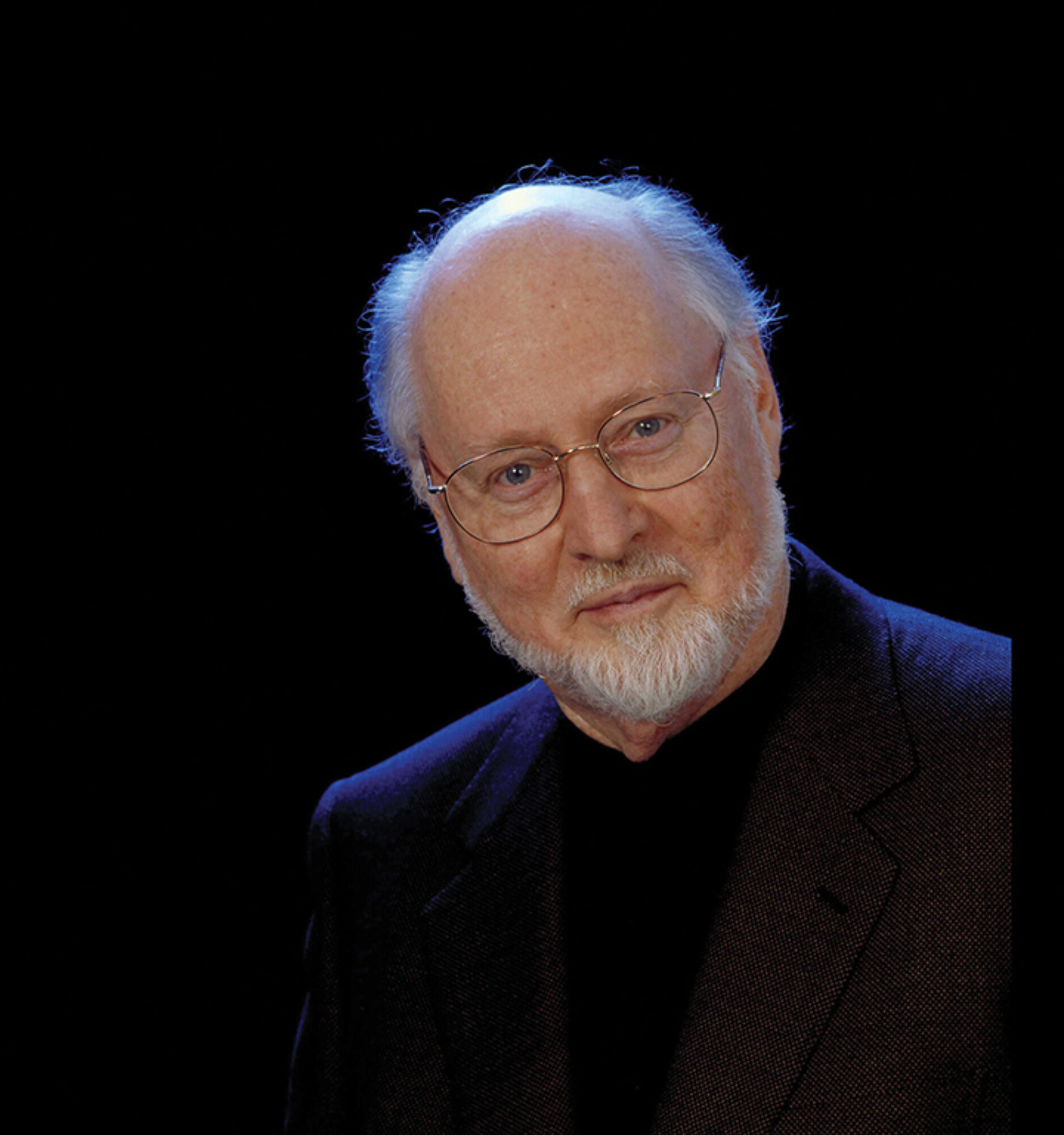
The Longmont Symphony Orchestra (LSO) concludes its 2023-24 concert season Saturday (May 4) with “A Tribute to John Williams,” featuring the music of one of Hollywood’s greatest film composers.

John Williams

The Pops Concert, at 7 p.m. in Longmont’s Vance Brand Civic Auditorium, will be under the direction of the LSO’s music director, Elliot Moore. The program will include music from the soundtracks for Star Wars, Jurassic Park, E.T. and Harry Potter, among other popular films.

With more than 1100 tickets already sold, there are only a few seats left at time of posting. Because of the size of crowd expected, the LSO advises attendees to arrive early. Overflow parking from the Skyline High School lot will be available at the Timberline School lot,  on Mountain View Avenue.

# # # # #

Tribute to John Williams
Longmont Symphony Orchestra, Elliot Moore, conductor

  • Music of John Williams

7 p.m. Saturday, May 4
Vance Brand Civic Auditorium, Longmont

Limited seats available HERE

GRACE NOTES: Two more concerts in 2023

Boulder Piano Quartet, Boulder Phil Holiday Brass Dec. 15 & 17

By Peter Alexander Dec. 13 at 6:15 p.m.

The Boulder Piano Quartet continues its season of guest violinists Friday (7 p.m. Dec. 15, Chapel Hall at the Academy) with Jubal Fulks, a faculty member at the University of Northern Colorado College of Music.

Fulks joins standing Boulder Piano Quartet members Matthew Dane, viola, Thomas Heinrich, cello and David Korevaar, piano, for two late Tomantic-era quartets, by the little known composer Amanda Röntgen-Maier and a young Richard Strauss. 

Fulks is the second of four guest violinists who will appear with the Boulder Piano Quartet during their 2023–24 season. All are appearing in place of the quartet’s long-time previous violinist, Chas Wetherbee, following his untimely death last year. Remaining concerts by the quartet during the current season will be Jan. 19 and May 3 at the Academy.

The quartet likes to include one piece by an unfamiliar composer on each program, to go with pieces by better known composers. Clearly the unknown composer for Dec. 15 is Röntgen-Maier. The first female graduate of the Royal College of Music in Stockholm, she married Julius Röntgen, the son of her violin teacher, who himself became a well known composer.

Her Quartet in E minor is her final major composition, written on a trip to Norway in 1891. It pairs well with the Quartet in C minor of Richard Strauss, a comparably late-Romattic work written 1884-85. Written when the composer was 20, it is one of his earliest works and shows the influence of Brahms.

– – –

Boulder Piano Quartet Jubal Fulks, guest violin, with Matthew Dane, viola, Thomas Heinrich, cello and David Korevaar, piano

  • Amanda Röntgen-Maier: Piano Quartet in E minor (1891)
  • RIchard Strauss: Piano Quartet in C minor (1884-85)

7 p.m. Friday, Dec. 15
Chapel Hall, The Academy, 833 10th St., Boulder
Free with reservation, available HERE

Concert funded by the Ruth M Shanberge Chamber Music Fund in memory of Academy resident Ruth Shanberge.

 # # # # #

Holiday Brass, an ensemble of brass and percussion players from the Boulder Philharmonic Orchestra, will present the Phil’s annual Holiday concert, under the direction of Gary Lewis, at 4 p.m. Sunday, Dec. 17, at the Mountain View Methodist Church, 355 Ponca Place in Boulder.

In the words of the Boulder Phil Web page, the program “includes a variety of beloved holiday tunes, ranging from traditional carols to popular holiday songs, all arranged to showcase the sound of the brass and percussion ensemble.”

– – –

Holiday Brass
Boulder Philharmonic Brass ad Percussion Gary Lewis, conductor

  • Seasonal music including traditional carols and holiday songs from the pop repertoire  

4 p.m. Sunday, Dec. 17
Mountain View Methodist Church, 355 Ponca Place, Boulder

TICKETS

GRACE NOTES: Chamber music, orchestras, operas and chorus, all in one weekend

Piano Quartet returns with guest violinist, Pro Musica plays world premiere

By Peter Alexander Oct. 26 at 6:35 p.m.

The Boulder Piano Quartet, one of Boulder’s most creative musical groups, has been silent since the untimely death of violinist Chas Wetherbee last year. 

For the coming season, they will have four concerts with four different guest violinists who are at least informally auditioning to take the quartet’s empty seat. The first program—Friday night at the Academy in Boulder (7 p.m. Oct. 27, 970 Aurora Ave., Boulder)—will feature violinist Hilary Castle Green, who teaches strings at the Shining Mountain Waldorf School in Boulder. 

Green maintains a private virtual teaching studio based in New York and is also a faculty member at Bow and Heart, a program dedicated to providing ensemble opportunities to string students in New York City. She has performed extensively on the east coast, including appearances at Carnegie Hall, Lincoln Center’s Avery Fisher and Alice Tully halls, and Bargemusic.

Friday’s program offers two works: the Piano Quartet in A major by Brahms, and the “Spanish” Quartet for piano and strings by Louise Héritte-Viardot.  The granddaughter of renowned tenor and singing instructor Manuel Garcia and the niece of soprano Maria Malibran, Héritte-Viardot came from a renowned musical family. She was a composer, largely of chamber music, as well as singer, pianist and conductor.

Remaining concerts by the quartet during the 2023–24 concert season will be Dec. 15 with violinist Jubal Fulks from the University of Northern Colorado; Jan. 19; and May 3, all at the Academy. Performances at the Academy are free with prior registration. You may register for Friday’s concert HERE.

# # # # #

Boulder Piano Quartet
Hilary Castle Green guest violinist; Matthew Dane, viola; Thomas Heinrich, cello; and David Korevaar, piano

  • Louise Héritte-Viardot: Quartet No. 2 in D major for piano and strings (“Spanish Quartet)
  • Brahms: Quartet in A major for piano and strings

7 pm. Friday, Oct. 27
The Academy, Boulder

Free with reservation, available HERE 

# # # # #

The Boulder Symphony will present its first “Curiosity Concert” of the season Saturday (3 p.m. Oct. 28) at the group’s home base, Grace Commons Church at 1820 15th St. in Boulder. Devin Patrick Hughes will conduct the program that ranges from Mozart to Bille Eilish. 
The orchestra’s “Curiosity Concerts” are family-oriented programs designed to provide an introduction to music for young listeners. The Boulder Symphony offers a “Curiosity Concert” in the fall, and another in the spring, the latter scheduled for 3 p.m. Saturday, March 23, 2024.
Titled “Perfectly Imperfect,” Saturday’s performance is a program of the classical music education producer Extra Crispy Creatives. With music ranging from Mozart to Billie Eilish, “Perfectly Imperfect” explores “what makes Earth’s music the best in the galaxy.” The performance with full orchestra and an alien named “Blip” will last approximately 45 minutes.

# # # # #

Fall Curiosity Concert: “Perfectly Imperfect”
Boulder Symphony, Devin Patrick Hughes, conductor
Production of Extra Crispy Creatives

Program includes original music and arrangements from:

  • Sia: “Cheap Thrills”
  • Mozart: Symphony No. 40 in G minor
  • Rossini: Overture to William Tell
  • Richard Strauss: Also sprach Zarathustra
  • Billie Eilish: “Bad Guy”

3 p.m. Saturday, Oct. 28
Grace Commons Church, 1820 15th St., Boulder

TICKETS

# # # # #

Boulder Chorale will explore the music of the Nordic countries in their season-opening “Nordic Lights” concert, at 4 p.m. Saturday and Sunday (Oct. 28 and 29 at First United Methodist Church). Under the direction of Vicki Burrichter, the concert will feature Ola Gjeilo’s Sunrise Mass and other choral works from Nordic countries.

The music of Scandinavia stands somewhat apart from the mainstream of classical concert music. While the names of Edvard Grieg, Jan Sibelius and Carl Nielsen are known, there are many younger composers writing music today, particularly choral music, who are not well known outside of their home countries. 

One of those successful young Scandinavian composers, Gjeilo grew up and first studied music in Norway. Later a graduate of both the Royal College of Music in London and the Juilliard School in New York, he currently lives in Manhattan, where he works as a freelance composer.

His Sunrise Mass is in four movements that evoke aspects of the rising sun rather than movements of the traditional mass. The movements are titled “The Spheres,” “Sunrise,” “The City” and “Identity.”

# # # # #

“Nordic Lights”
Bouder Chorale, Vicki Burrichter, conductor

  • Ola Gjeilo: Sunrise Mass
  • Other choral works from Nordic traditions

4 p.m. Saturday, Oct. 28, and Sunday, Oct. 29
First United Methodist Church, 1421 Spruce St., Boulder

TICKETS

# # # # #

Boulder Opera will present one of the best known and most popular of operas from the 18th, or any, century Saturday and Sunday (7 p.m. Oct. 28 and 3 p.m. Oct. 29) at the Dairy Arts Center: Mozart’s Magic Flute.

First performed in 1791, the last year of Mozart’s life, The Magic Flute is based on Masonic ideals and symbolism. It features Tamino, a young prince who gets caught up in a conflict between the Queen of the Night and Sarastro, respectively representing evil and wisdom. Tamino is initiated into Sarastro’s temple in a scene that reflects traditional Masonic initiation rites. In the end, he is paired with Pamina, the daughter of the Queen of the Night who rejects her mother in order to embrace Sarastro’s wisdom.

Other characters in the opera include Tamino’s sidekick Papageno, a simple but good-hearted birdcatcher; his mate-to-be Papagena; the malicious slave Monostatos; a trio of ladies who serve the Queen of the Night; and a trio of young boys who represent goodness and innocence.

In spite of the serious aspects of the plot, The Magic Flute is broadly comic, especially the role of Papageno. The libretto was written by Emanuel Schikaneder, a multi-talented comic actor, singer and impresario who was Mozart’s Masonic brother in a lodge in Vienna, and who played the role of Papageno in the original production at Vienna’s Theater an der Wien.

Boulder Opera will present The Magic Flute in a family-friendly production that will feature an orchestra on stage in the Dairy Arts Center’s Gordon Gamm Theater. It will be sung in the original German with English titles. The performance will be conducted by Steven Aguiló-Arbues. The stage director is Madeleine Snow.

# # # # #

Boulder Opera
Steven Aguiló-Arbues, conductor
Madeleine Snow, stage director

  • W.A. Mozart: The Magic Flute

7 p.m. Saturday, Oct. 28
3 p.m.Sunday, Oct. 29
Gordon Gamm Theater, Dairy Arts Center

TICKETS

# # # # #

Conductor Cynthia Katsarelis is back in Colorado, visiting from her position as professor of conducting at Notre Dame University in South Bend, Ind., to lead the Colorado Pro Musical Chamber Orchestra (CPM)in their opening concert of the 2023-24 season.

Titled “Passione!” the program includes a symphony by Haydn with that nickname, as well as the world premiere of a new piece by CU composition student Jessie Lausé and Mozart’s “Turkish” Violin Concerto played but the CPM’s concertmaster, Stacy Lesartre.

Lausé’s Stretch in Periphery was the winner of the most recent CU-PMC composition competition, a contest started by the PMC which every year premieres a work that is selected by Katsarelis and the CU composition faculty from among submissions by their students. The winner receives a performance by PMC and an award of $1000.

PMC’s program notes explain that Lausé’s score “uses color, improvisatory devices, and traditional harmonies that ‘push out’ into spicy dissonances, to tell a story of the last four years, both autobiographically and in our common life here in the US. It is dedicated to ‘anyone who lives their lives in the margins’.”

Haydn’s Symphony No. 49 is one of a group of symphonies written in the 1760s that have been associated with a literary movement known as Sturm und Drang (“storm and stress“). The works associated with that title are generally in a minor key with a lot of  forceful rhythmic activity creating an anxious—or “stormy”—mood. 

Mozart’s Violin Concerto No. 5 has the nickname “Turkish” from a march section that interrupts the minuet finale. The march uses cymbals and other percussion instruments that give it a quality that was conventionally known as alla turca (in a Turkish style) in the late 18th century. The style was popular in operas of the time and was used to evoke the music of the Middle Eastern countries as an exotic element.

In addition to her role with PMC, Lesartre is concertmaster of the Cheyenne Symphony and has played with the Houston and the Colorado symphonies. She is also a member of the Amber Quartet and teaches private violin students and chamber music in Colorado.

Because of her recent appointment out of state, Katsarelis has announced that she will leave PMC at the end of this program year. She will return to Colorado for all three planned concerts, including Handel’s Messiah Dec. 2 (7:30 p.m., Mountain View Methodist) and a concert featuring guitarist Nicoló Spera April 6 (7:30 p.m., Mountain View Methodist).

# # # # #

“Passione!”
Pro Musica Colorado ChamberOrchestra
Cynthia Katsarelis, conductor, with Stacy Lesartre, violin

  • Jessie Lausé: Stretch in Periphery (world premiere)
  • W.A. Mozart: Violin Concerto No. 5 in A major, K219 (“Turkish”)
  • Joseph Haydn: Symphony No 49 n F minor (“Passione”)

7:30 p.m. Saturday, Oct. 18
Mountain View Methodist Church, 355 Ponca Place, Boulder

TICKETS

GRACE NOTES: Boulder Piano Quartet and Boulder Symphony Friday

Brahms and Bonis at the Academy; Beethoven, Britten and Korngold downtown

By Peter Alexander May 18 at 1:10 p.m.

The Boulder Piano Quartet will perform a piece by one of the most interesting composers you’ve never heard of—Mel Bonis, aka Mélanie Hélène Bonis Domange— as part of a concert Friday at the Academy in Boulder (7 p.m. May 19; details below).

Oh, and there will be some Brahms, too—someone who is slightly better known to music lovers today.

To be specific, the program comprises Bonis’s Piano Quartet No. 2 in D major and Brahms’s Piano Quartet No. 1 in G minor. The concert will feature performers Alex Gonzalez as guest violinist, with regular Boulder Quartet members Matthew Dane, viola; Thomas Heinrich, cello; and David Korevaar, piano. Gonzalez substitutes for the late Chas Wetherbee, a member of the quartet who died Jan. 9.

Born in 1858, Bonis was a child prodigy who taught herself to play piano. She entered the Paris Conservatory at 16, where she studied with Cesar Franck and was in the same class with Debussy. To satisfy her parents’ conservative sense of priorities she married a businessman who apparently didn’t like music, and consequently she gave up composition. Later she re-encountered a former classmate and ex-lover who was able to encourage her composition and connect her with publishers. Both her composing and her affair with the former classmate blossomed as a result.

When Saint-Saëns heard some of her music around 1901, he is supposed to have said “I never imagined a woman could write such music!” After her husband’s death in 1918, Bonis devoted herself fully to composition. The Second Piano Quartet, written in 1927, is one of her later pieces which she described as her “musical legacy.”

Brahms wrote his Piano Quartet in G minor 1856–61. It was premiered in his hometown of Hamburg in 1861 with Clara Schumann playing the piano part. Brahms himself later played it for his Vienna debut as a performer. The Quartet is best known for its finale, marked Rondo alla Zingarese, based on the Roma dance-music style that was often mistaken for Hungarian folk song. 

# # # # #

Boulder Piano Quartet

  • Mel Bonis: Piano Quartet No. 2 in D major, op. 124
  • Brahms: Piano Quartet No. 1 in G minor, op. 25

7 p.m. Friday, May 19
Chapel Hall, The Academy University Hill

Free admission; reservations HERE

# # # # #

The Boulder Symphony and conductor Devin Patrick Hughes open their concert Friday (7:30 p.m. May 19 at Grace Commons Church) with another interesting composer, and one who should be better known, Erich Wolfgang Korngold.

Music from Korngold’s score for the 1940 film starring Errol Flynn, The Sea Hawk, opens the program, which also features probably the best known symphony of all time, Beethoven’s Fifth. Between these works violinist Yumi Hwang-Williams and violist Andrew Krimm will appear as soloists for Benjamin Britten’s Double Concerto for violin and viola.

Korngold was one of many composers who came to the United States to escape the Nazi regime in Germany and Austria. Hailed as a child prodigy, the had a thriving career in Austria as a composer of operas and other major works. He moved to Hollywood in 1934, where he wrote the scores to 16 films, including several Errol Flynn adventure epics such as Captain Blood and The Sea Hawk

His concert music has recently enjoyed a revival, and Opera Colorado recently presented his 1920 opera Die tote Stadt (The dead city), written when the composer was 23. The Sea Hawk was the last of his scores for a “swashbuckler.” It is considered one of his best film scores, and it was a recording of that score and others by Korngold that sparked a revival of interest in his film music in the 1970s.

Britten’s Double Concerto ranks alongside Mozart’s Sinfonia Concertante as one of a very few works for solo violin and viola. Written in 1932 when Britten was 18, it was later rejected by the composer and not performed in the composer’s lifetime. However, a copy survived in a reduced score and the rediscovered concerto was premiered at the Aldeburgh Festival in 1997.

Nothing in classical music is more recognizable than the opening gesture of Beethoven’s Fifth—three shorts and a long, the four-note motive that came to stand for “Victory’ in World War II (based on the morse code signal for V, dot dot dot dash). The piece has become so familiar that it is easy to forget how tightly it is constructed, with the four-note motive running throughout in various forms, and the thrilling transformation from C minor to C major representing a kind of musical victory of its own.

Hwang-Williams has been concertmaster of the Colorado Symphony for 20 years and recently released two CD recordings of music by Korean composer Isang Yun. Krimm came to Colorado as a member of the award-winning Altius Quartet, the former quartet-in-residence at the CU, and is currently executive director of the Boulder Symphony.

# # # # #

Boulder Symphony, Devin Patrick Hughes, conductor
With Yumi Hwang-Williams, violin, and Andrew Krimm, viola

  • Erich Wolfgang Korngold: Film music from The Sea Hawk
  • Benjamin Britten: Double Concerto for violin and viola
  • Beethoven: Symphony No. 5 in C minor

7:30 p.m. Friday, May 19
Grace Commons Church, 1820 15th St., Boulder

TICKETS

Obscure Russian composers provide gems for Boulder Piano Quartet

Music by Sergei Taneyev and Anton Rubinstein at The Academy

By Peter Alexander Dec. 11 at 6:45 p.m.

There is not a lot of music written for piano quartet.

BPQ.cropped

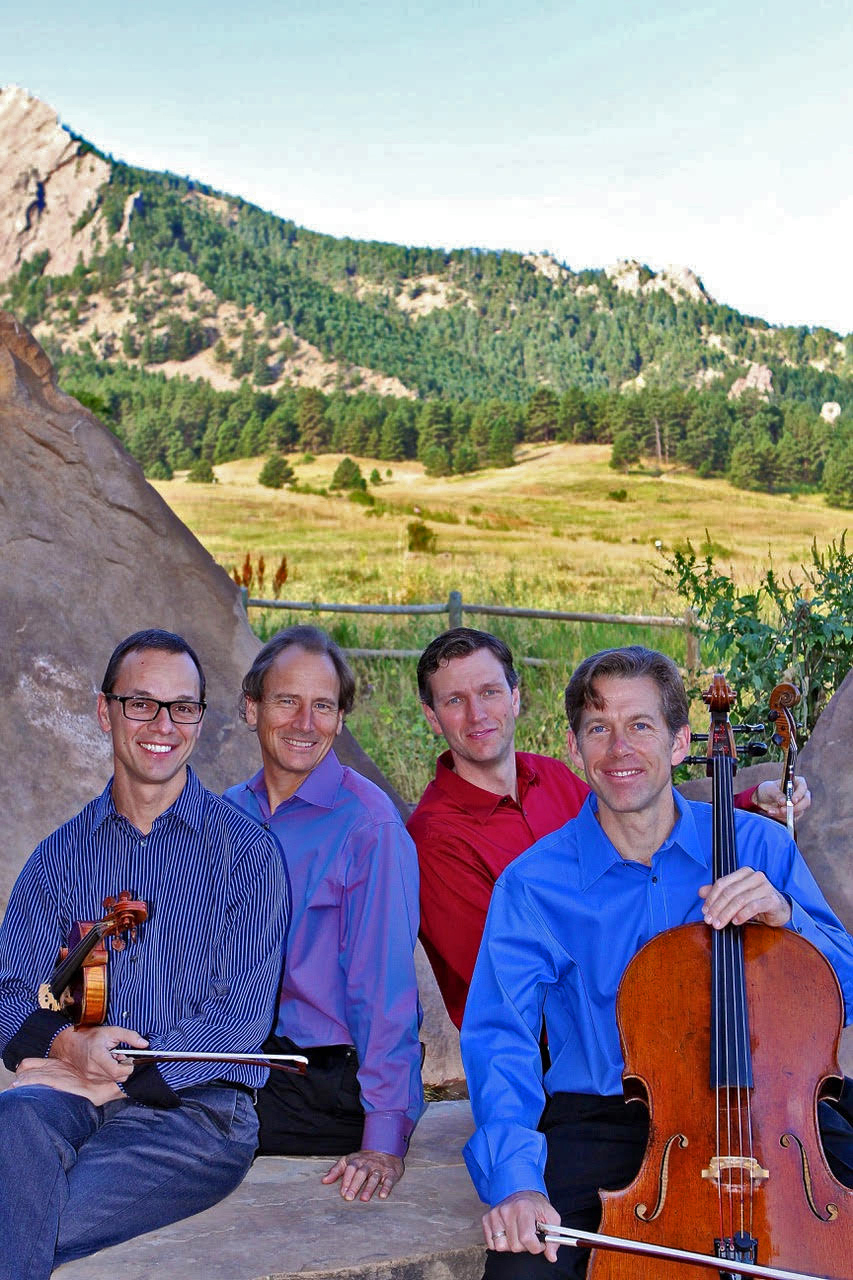
Boulder Piano Quartet

No, not four pianos; the “piano quartet” is an ensemble of piano with violin, viola and cello. As such, it falls between the trio of piano, violin and cello, for which there is a rich repertoire, and the quintet of piano with strings in different combinations that became a major genre for Romantic composers.

To be sure, Mozart wrote works for piano quartet, and other composers have followed since. Still, there are not that many pieces for the combination, so groups like the Boulder Piano Quartet— David Korevaar, piano; Charles Wetherbee, violin; Matthew Dane, viola; and Thomas Heinrich, cello—sometimes turn to obscure composers to fill out their programs.

That is indeed the case for their next performance, Friday at the Academy in Boulder, featuring one work each by composers that Korevaar refers to as “the obscure Russians.”

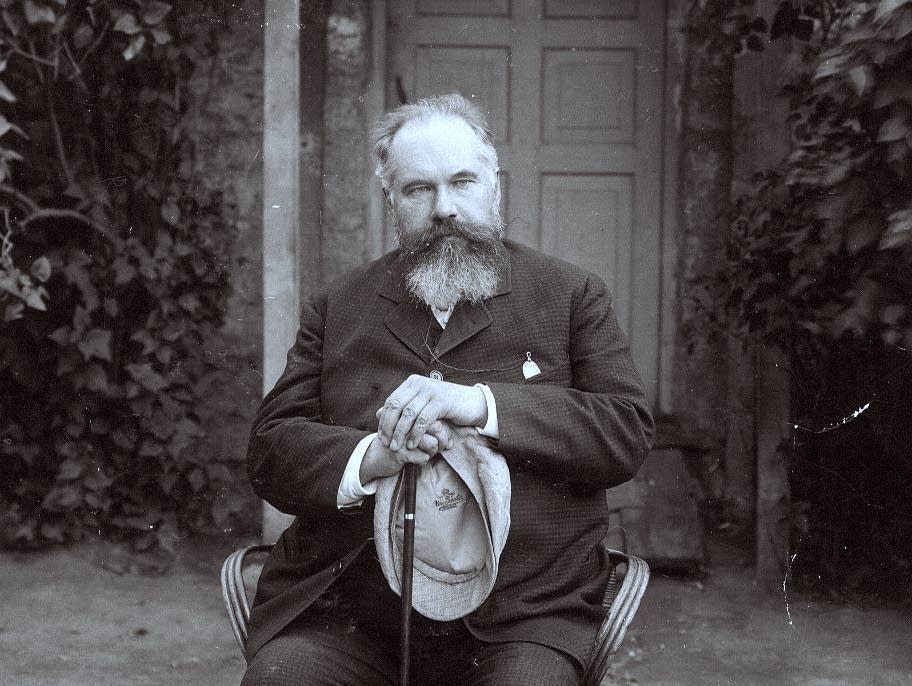
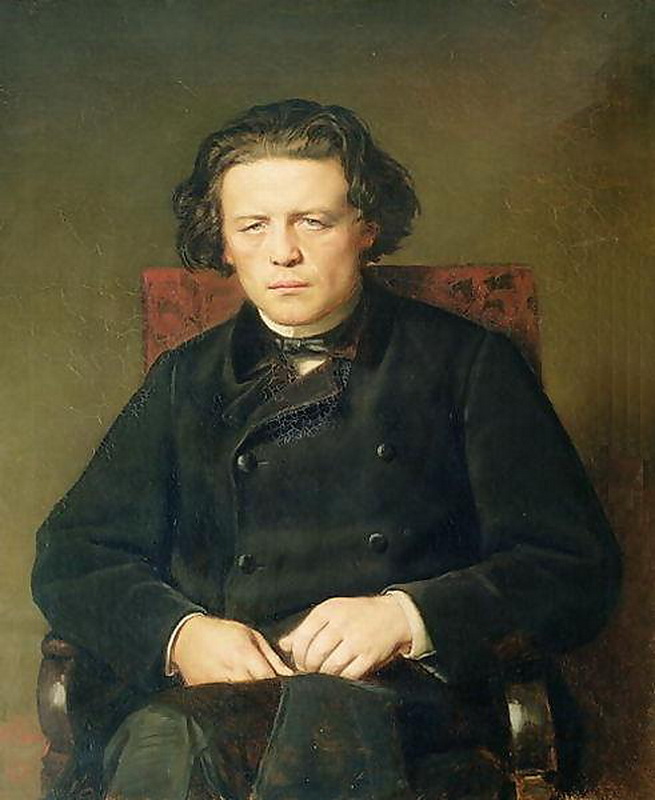
Make no mistake, though: obscure does not translate to unskilled. The two composers—Sergei Taneyev and Anton Rubinstein—were not only among the most prominent Russian musicians and music educators of the 19thcentury, they were highly skilled composers. Taneyev was so skilled writing counterpoint that he was known as “The Russian Bach.” A close friend of Tchaikovsky, he is most remembered for his extensive chamber music output, including his one Piano Quartet

Rubinstein, founder of the St. Petersburg Conservatory of Music was one of the greatest piano virtuosos of the 19thcentury. He is best known for his showy piano pieces, but he also wrote 20 operas, six symphonies, and a host of chamber pieces—including again a single Piano Quartet

“Both Rubinstein and Taneyev represent what was known somewhat disparagingly in Russia as the ‘cosmopolitan school’ of Russian composition,” Korevaar says. “That is to say, they were not nationalists”—meaning they followed the standard European classical models of their times and did not incorporate real or imitated Russian folk music into their compositions. This is in contrast to other Russian musicians, including Borodin and Mussorgsky.

989f75-20170531-taneyev

Sergei Taneyev

“Taneyev’s music is very attractive,” Korevaar says. “It’s also very difficult to play. He’s extraordinarily demanding of his players. The string parts and the piano writing are formidably complex.

“He also loves to show off his contrapuntal acumen, so the last movement of the quartet is filled with all kinds of contrapuntal combinations. It includes a fugue, and the coda brings back every theme from the quartet and combines them in various clever ways.”

But there is more to Taneyev than complexity and counterpoint, Korevaar says. For one thing, he begins the Quartet in a particularly engaging way, “like ballet or opera where something dramatic is already happening,” before introducing the first major theme.

“I have to say, he wrote good tunes,” Korevaar adds. “[The Quartet] is long, but it’s worthwhile long, not tedious long. The last movement is very busy and exciting all the time, so it keeps us all moving.”

portrait-of-the-composer-anton-rubinstein-1870

Anton Rubinstein

Korevaar is equally excited to play the Rubinstein Quartet, which he did not know before learning it for Friday’s concert. “I’m very excited we’re playing it because it’s so beautiful,” he says. “It’s a marvelous example of mid-19th-century Romantic voice. It’s very mainstream, and so the last movement you would never have any reason to think it was written by a Russian.”

Rubinstein’s own virtuosity made his piano writing challenging. “Rubinstein was famous for having very large hands,” Korevaar says. “He does write for the piano in a way that is representative of big-handed composers—there’s a lot more [finger] extensions than some other composers would be using. But in the end, I think it’s beautiful piece.

“It’s kind of a gem.”

# # # # #

0e8e49_5bd3f65d4a8f457b8a57e55e29af37ae~mv2

Boulder Piano Quartet
David Korevaar, piano; Charles Wetherbee, violin; Matthew Dane, viola; and Thomas Heinrich, cello

Sergei Taneyev: Quartet in E major for piano and strings
Anton Rubinstein: Piano in C major for piano and strings

7 p.m., Friday, Dec. 14
The Academy, 970 Aurora Ave., Boulder
(Entrance at 833 10thSt.)

Free; RSVP in advance to ande@theacademyboulder.com

Boulder Piano Quartet: free concerts at The Academy, March 9 and May 4

First-rate performances of interesting repertoire

By Peter Alexander March 4 at 11:30 p.m.

The Boulder Piano Quartet is hidden in plain sight.

BPQ

Boulder Piano Quartet

The group is made up of four well known, highly visible professionals from the front range area: violinist Charles Wetherbee and pianist David Korevaar from the CU College of Music, with violist Matthew Dane and cellist Thomas Heinrich. They present first-rate performances of interesting repertoire not often found on other concerts, and their concerts are free, making them the best chamber music deal you’ll find.

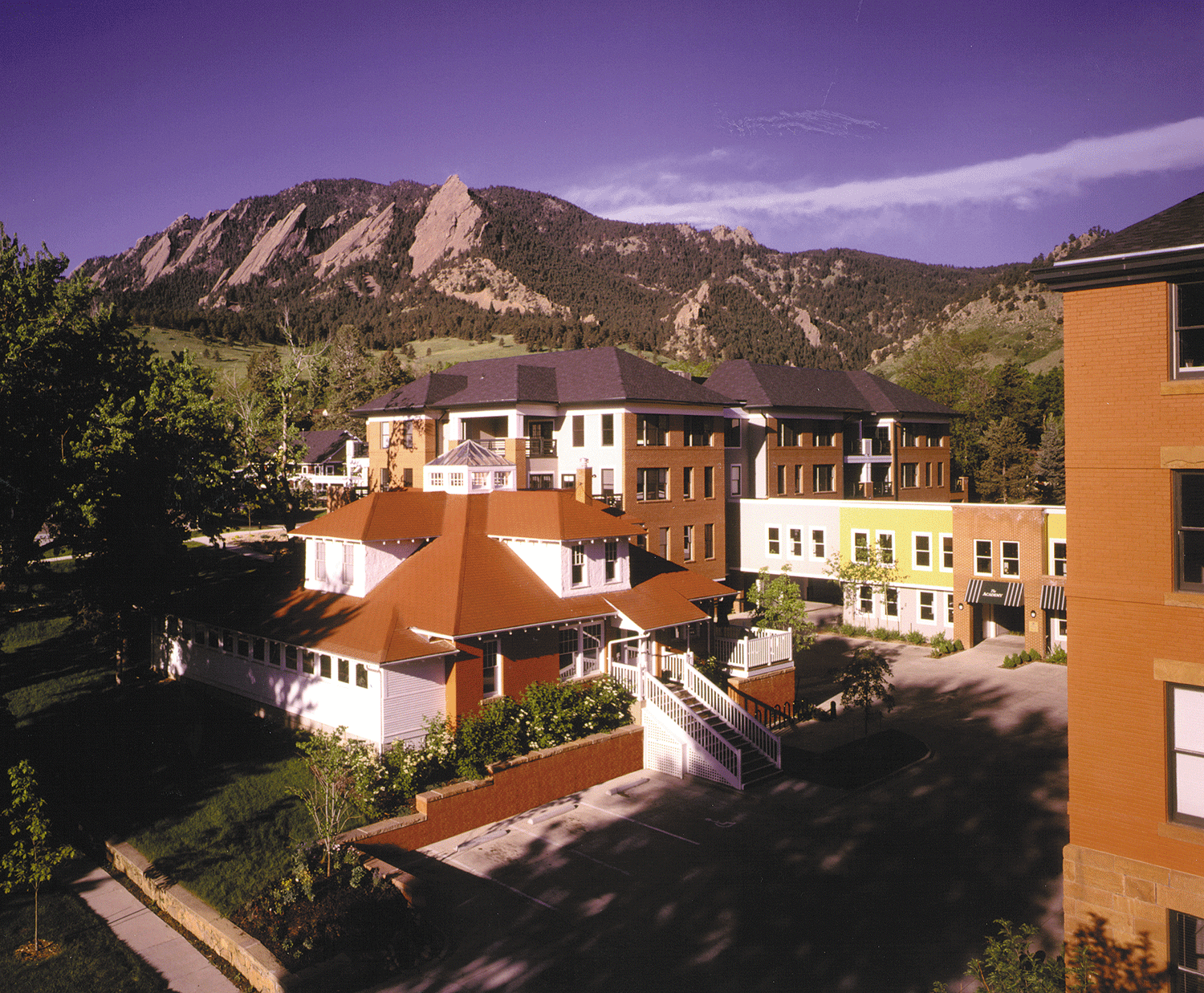
And yet they don’t have a very high profile, possibly because they don’t perform in the usual concert venues. Instead, they play at the Academy, a former girls’ school turned retirement community, which underwrites the concerts as enrichment for their residents. Performances are held in a former chapel, a large room with excellent acoustics, and are open to the public. Parking is easy to find in the neighborhood. Refreshments such as desserts or wine and cheese are provided at each performance.

academy18

The Academy in Boulder

In other words, there is no downside.

For the current season the BPQ has prepared four programs of which two remain, at 7 p.m. Fridays March 9 and May 4. The performance Friday of this week features music by Joaquin Turina, Pierre Jalbert and Dvořák. In May the program will comprise two large-scale late Romantic works by Zdenek Fibich and Richard Strauss.

Formed in the early 2000s, the quartet originally performed under the auspices of the Boulder Public Library. “We performed fairly regularly for a number of years, but around eight or nine years ago the library’s relationship with the performing arts was changing and things slowed down (for the quartet),” pianist David Korevaar explains.

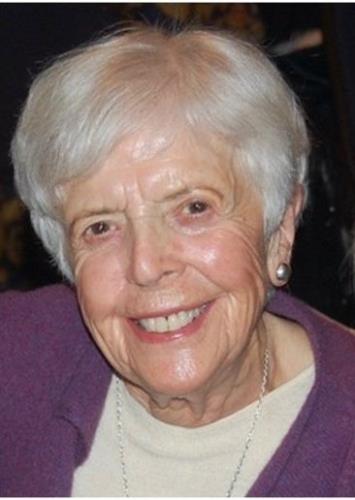
ruth shanberge

Ruth Shanberge

More recently Ruth Shanberge, a patron of the arts and an Academy resident who passed away in 2017, arranged for Korevaar and violinist Charles Wetherbee to present chamber music at the Academy. That became the impetus to re-start the quartet.

“Ruth was all about music and its role in culture,” Korevaar says. “Bringing music to the Academy was an important mission for her. That’s why we are now in our third season of presenting concerts (there). This has been a wonderful arrangement for us, because the Academy has been very welcoming and supportive of what we do.”

The repertoire for piano quartet (violin, viola, cello and piano) is less well known than that for piano trio (violin, cello and piano). “It’s nothing like as rich as the trio repertoire,” Korevaar says, “but the quartet repertoire is extremely good. One of the things we’ve been trying to do is get outside of what would be standard for the piano quartet.”

The central works for piano quartet are two quartets by Mozart, plus three works by Brahms, one by Schumann and two by Dvořák. But as you move into the 20th century there are many more works to chose from, some of which are on the upcoming concerts.

Jalbert-Pierre

Composer Pierre Jalbert

Of the works on Friday’s concert, Turina’s Piano Quartet was written in 1932, and Jalbert’s Secret Alchemy was premiered in 2012. The former is “a wonderful typical Turina piece, filled with Spanish bullfighter music,” Korevaar says. “It’s a wonderful piece. It’s not complex, it’s very attractive, and it’s beautifully put together and beautifully written for the ensemble. It’s quite fresh and it’s beautiful music.”

Jalbert currently teaches composition at Rice University and is known for his creative use of musical colors. The atmospheric movements of Secret Alchemy have suggestive titles, including “Mystical,” “Timeless, mysterious, reverberant” and “With great energy.”

The third piece on the program Friday is Dvořák’s First Piano Quartet. Even though it is one of the standard pieces for piano quartet, it is rarely performed. “A very beautiful piece, it does have some structural oddities,” Korevaar says. “The last movement is quite eccentric, but the music is beautiful, and it’s texturally very inventive. He does remarkable things in terms of each instrument and how he puts them together.”

The BPQ’s final concert of the spring will feature two works form the end of the 19th century, the Piano Quartet in E minor by Fibich and the Piano Quartet in C minor, an early work by Strauss. “That’s a very friendly program,” Korevaar says. ”It’s all this very central European kind of music. The gemütlickeit (warmth, or geniality) is very real, in the case of both of those pieces. So I think it’s an easy listening program.”

Of the two, the Strauss is the more difficult for the players. “Strauss likes to write to the extremes of all the instruments,” Korevaar says “As in his orchestral music, he’s interested in virtuosity. Everybody’s got a lot to do, and that makes it difficult to put together. But the music is wonderful.”

Although the Academy is a non-traditional location for concerts, Korevaar likes to play there. “It’s a slightly unconventional concert space, this former chapel in what was a girls’ school,” he says. “But it’s a wonderful space for chamber music. It’s a perfect large salon with a very high ceiling. The acoustics are very warm, and the strings sound great in that room.

“It’s a rewarding place to play, and there’s always a great ambience there.”

# # # # #

Boulder Piano Quartet
Charles Wetherbee, violin
Matthew Dane, viola
Thomas Heinrich, cello
David Korevaar, piano

7 p.m. Friday, March 9
Chapel Hall, The Academy, 970 Aurora Ave. (entrance off 10th St.), Boulder
Joaquin Turina: Piano Quartet
Pierre Jalbert: Secret Alchemy
Antonin Dvořák: Piano Quartet No. 1 in D major
Admission is free, but audience members are asked to RSVP at 303-938-1920.

7 p.m. Friday, May 4
Chapel Hall, The Academy, 970 Aurora Ave. (entrance off 10th St.), Boulder
Zdenek Fibich: Piano Quartet in E minor
Richard Strauss: Piano Quartet in C minor
Admission is free, but audience members are asked to RSVP at 303-938-1920.