Boulder Phil “together again” for two short concerts in October

Performances at Mountain View Methodist will be played without intermission

By Peter Alexander Sept. 29 at 3:40 p.m.

The Boulder Philharmonic Orchestra will be “together again,” as their first in-person concert since the pandemic is titled.

Two concerts for a reduced orchestra have been scheduled for October, both in the intimate Mountain View United Methodist Church in Boulder. Concerts in Macky Auditorium are scheduled to resume in 2022.
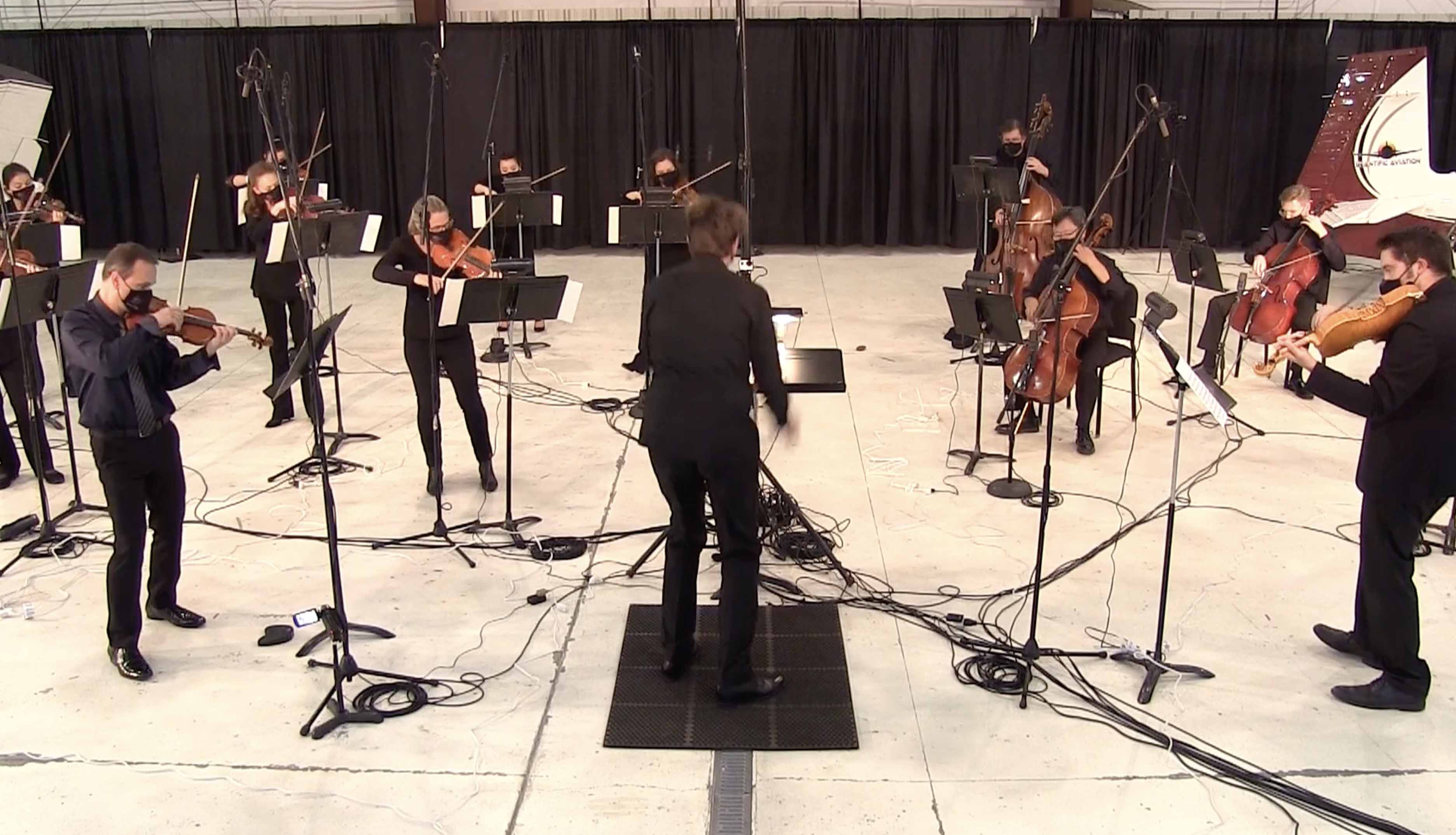
The Boulder Phil’s last pubic performances were recorded for online streaming during 2020-21.

The two October concerts will be “Together Again” at 4 p.m Sunday, Oct. 3, featuring music by Haydn and the Swiss composer Frank Martin; and “The Art of Jazz” at 4 p.m. Sunday, Oct. 30, featuring music of Shostakovich, Darius Milhaud and Kurt Weill. (Full programs are listed below.) Tickets for both concerts may be purchased at the Boulder Phil Webpage.

For safety reasons, both programs will be approximately one hour in length and will be played without intermission. In keeping with current COVID protocols in Boulder County, everyone attending these performances must be fully vaccinated, and must wear masks at all times. Consequently, children under the age of 12 cannot be admitted. 

The Boulder Philharmonic’s COVID-19 Health & Safety protocols are listed here

The first October concert, “Together Again,” features intriguing but little known works for small orchestra. Haydn’s Symphony No. 1 in D major was written in 1759 for Karl Joseph Count Morzin, a member of the Austrian nobility, before Haydn went to work for his better known employer Count Esterhazy. The symphony has three movements and lasts only about 12 minutes, making it a miniature precursor of the larger form that Haydn subsequently established over this career. 

The other two pieces on the program are sinfonias concertante, works similar to concertos with multiple soloists. The Sinfonia Concertante by Haydn, composed in London in 1792, features two soprano-bass instrument pairs: violin and cello, oboe and bassoon. Written on short notice near the end of Haydn’s first visit to London, the score treats the soloists as chamber musicians more than virtuoso soloists, and was a hit with English audiences. 
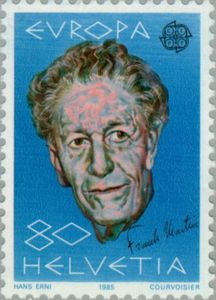
Composer Frank Martin, featured on a Swiss postage stamp

The second such work on the program is Martin’s Petite symphonie concertante (little sinfonia concertante). Composed at the end of World War II, it is scored for double string orchestra and a solo group that loosely corresponds to the Baroque continuo: harpsichord, piano and harp. This unusual combination creates a unique sound world that Boulder Phil music director Michael Butterman describes as “Bach and Stravinsky meet the Addams Family.”

The second concert in October, “The Art of Jazz,” shifts gears fully into the 20th century for three pieces by European composers that reflect, in different ways, the world-wide influence of American jazz. The least serious jazz influence is heard in the Jazz Suite No. 1 by Shostakovich, written in 1934 for a Leningrad dance band. The light and tuneful score, with a waltz, a polka and a foxtrot, is as much central European as jazzy, likely because at the time genuine jazz was either unknown or forbidden in the Soviet Union. 

However, French composer Darius Milhaud was certainly exposed to authentic jazz, during a 1922 trip to the United States that took him into Harlem nightclubs. A year later he wrote a ballet for the modernist Swedish dance company Ballets Suédois titled La Création du monde (The creation of the world) in which he refracted the jazz he had heard in Harlem through his own very French sensibility to create a work that is sui generis

Milhaud was especially impressed with the jazz drummers he heard, playing what he called “a complicated percussion section played by just one man.” He includes a full drum set in the score of Création du monde, as well as a saxophone that takes the place of viola in a string quartet and at times emerges as a soloist. Other echoes of Harlem can be heard in the brass-heavy scoring and the writing for clarinet, string bass and trombone.
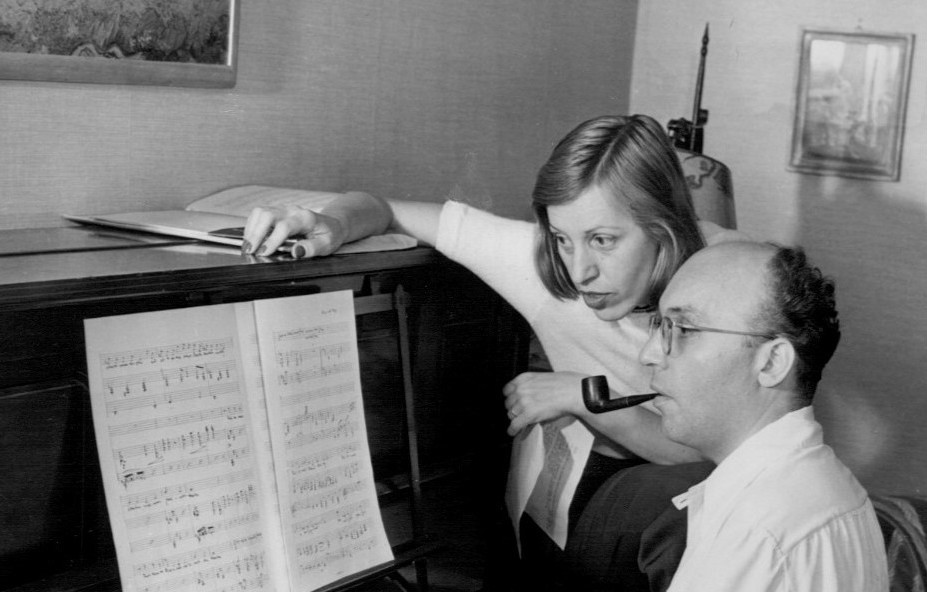
Kurt Weill and Lotte Lenya in New York in 1942

The final piece on the program refracts American jazz through the decadent cabaret scene in Berlin during the 1920s. Kurt Weill’s Dreigroschenoper (Threepenny Opera), a free translation into German by Marxist playwright Bertolt Brecht of the 18th-century Beggar’s Opera, was premiered in 1928. By the time it was banned by the Nazis in 1933, it had been translated in 18 languages and had been performed at least 10,000 times in Europe.

Weill’s music for the Dreigroschenoper was written for a small pit band of doubling players, much like modern Broadway shows. Weill easily made a transition to Broadway when the rise of the Nazis forced him to leave Germany. Among his subsequent American theatrical hits was the posthumous 1956 off-Broadway production of The Threepenny Opera, which earned a Tony Award for the singer Lotte Lenya. Songs from that version, including “Mack the Knife” and “Pirate Jenny,”  became well known in the United States through numerous pop covers.

The orchestral suite from the original show, Little Threepenny Music, was compiled in 1929, capturing the acerbic sound of Weill’s music without the bitter cynicism of Brecht’s lyrics.

# # # # #

Boulder Philharmonic Orchestra
Michael Butterman, music director

Together again
4 p.m. Sunday, Oct. 3
Featuring soloists from the orchestra

  • HAYDN  Symphony No. 1 in D Major
  • HAYDN  Sinfonia concertante in B-flat Major
  • MARTIN  Petite symphonie concertante, Op. 54

The Art of Jazz
4 p.m. Saturday, Oct. 30

  • SHOSTAKOVICH  Jazz Suite No. 1
  • MILHAUD  The Creation of the World, Op. 81a
  • WEILL  Little Threepenny Music

Bother performances at Mountain View United Methodist Church
355 Ponca Place, Boulder

TICKETS

NOTE: The second concert listing was corrected 10/28. Oct. 30 is Saturday, not Sunday.
Boulder Phil appoints new executive director

Collaborative pianist Sara Parkinson uses her musical skills in administration, too

By Peter Alexander June 3 at 2:30 p.m.

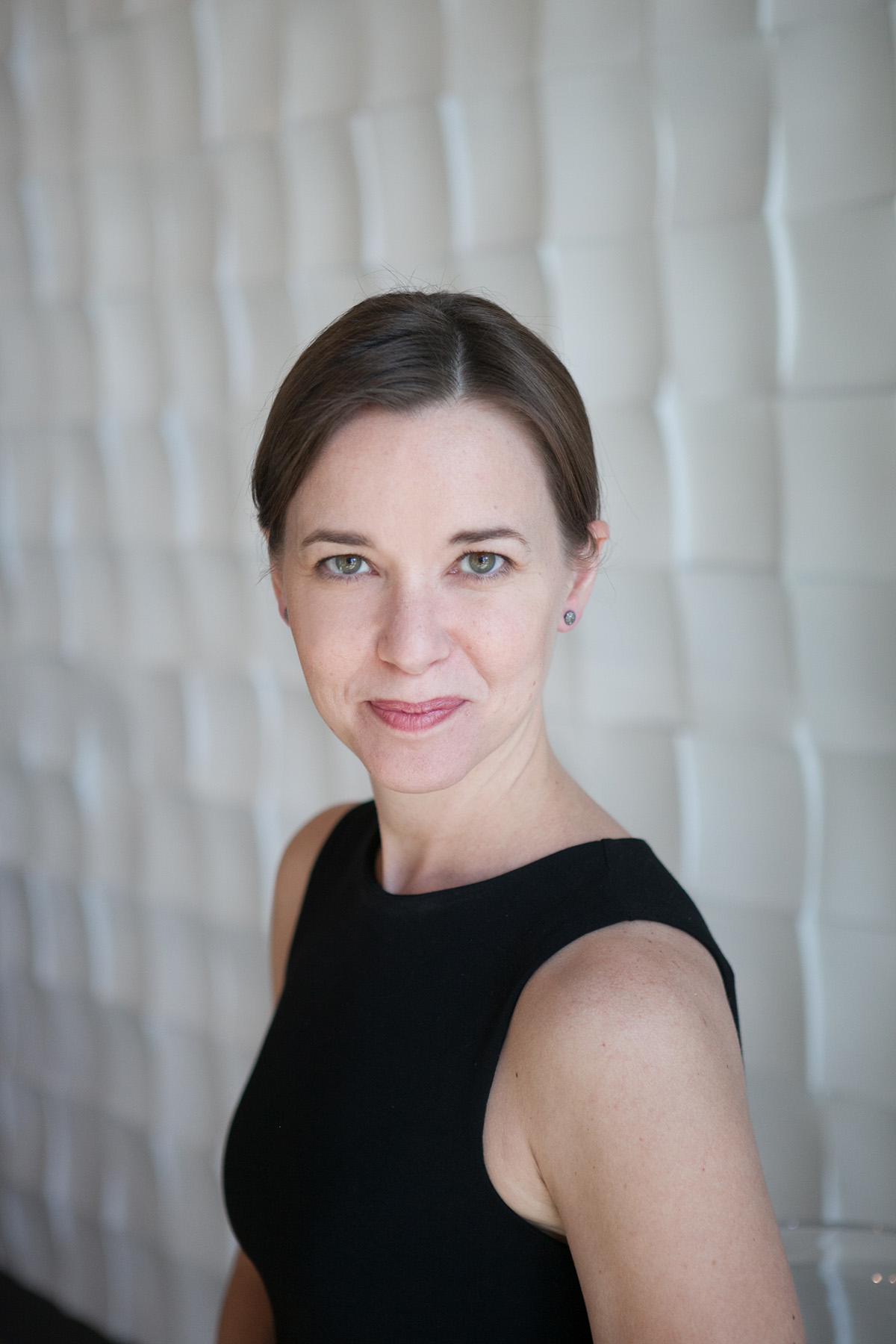
The new executive director of the Boulder Philharmonic credits her musical training for her success in administration.

Sara Parkinson

Sara Parkinson was recently appointed the Phil’s executive director, following nearly a year as interim director. Before that, she was director of education and community engagement for the orchestra. 

But she was trained in collaborative piano—including what you might call “accompanying”—a field in which she holds a doctorate from CU Boulder.

The job of the collaborative pianist is to solve problems. Whether accompanying a single soloist or playing in a chamber group, they must listen to and respond to the other players. If their collaborators skip a beat or lose their place, they must seamlessly make things right—which is not all that different from the job of directing an artistic organization.

“Absolutely, I have transferred all of my skills that I use as a pianist into the boardroom,” Parkinson says. “Stepping into this role during the pandemic year, seeing an organization through a crisis—I was cut out for situations like that. (As a collaborative pianist) you make things work. And beyond that, you see how to make it better.”

As for the responsibility she has been given to lead the organization, “It’s beyond an honor to see Boulder Phil through a crisis, and now to head into the future that is so bright,” she says.

“This is an exciting time, with (music director) Michael Butterman’s 15th season upon us, and my first season in this role, but we are a team and we are already talking about three years into the future. We have exciting plans in the works.”

One particular challenge for Parkinson was that she steeped into the interim director role during the pandemic. There was literally no guidance for running an orchestra at a time when they couldn’t play for an audience.

“There was no playbook,” she says. “I blazed my own path by bringing people together, which I have done throughout my career. That allowed me to lead in a way that I never had before, and to see the possibilities in the crisis. We continued to connect with our patrons, to build a full virtual season, not only with our main series concerts but with our education program. 

“Our discovery program, a highlight of the year for local schools—we pivoted online and we have reached over 16,000 students throughout the world. That includes 23 states and four different countries. Who knew that we could expand our reach that far?”

Parkinson has made it a priority to support Butterman and facilitate his goals. “My collaborative approach to everything really helps that relationship,” she says. “And I want to focus on our musicians. So many of the musicians in the orchestra are colleagues of mine. I’ve made music with so many of them, and they are the reason why I go to work every day.”

If moving into administration makes use of her skills as collaborative pianist, Parkinson is not giving up her life as performer. “Keeping that passion [for performance] alive—that’s not something I’ll leave behind,” she says.

Parkinson has served on the staff and faculties of University of Colorado at Boulder, Cornell College in Iowa and Metropolitan State University of Denver. She performs with the Colorado Ballet Orchestra and members of the Colorado Symphony, and she is a founding member of the tango ensemble Grande Orquesta Navarre. She made her operatic conducting debut in 2018 leading Mozart’s Così fan tutte for Boulder Opera, and she served as music director at St. Aidan’s Episcopal Church in Boulder 2015–2020. She holds degrees in piano performance from the University of Iowa and the New England Conservatory of Music, in addition to her doctorate in collaborative piano from CU. 

Boulder Philharmonic announces 2021–22 season

Live concerts again at last, and a return to CU Macky Auditorium in January

By Peter Alexander 8 a.m. May 22

The Boulder Philharmonic is taking cautious steps back to the future.

In other words, they will return to full orchestral concerts in Macky Auditorium, suspended for the COVID-19 pandemic, but not all at once. In announcing their 2021–22 season, they have revealed a schedule that will feature four small orchestra concerts in a smaller space in the fall, followed by a return to Macky in January, 2022.

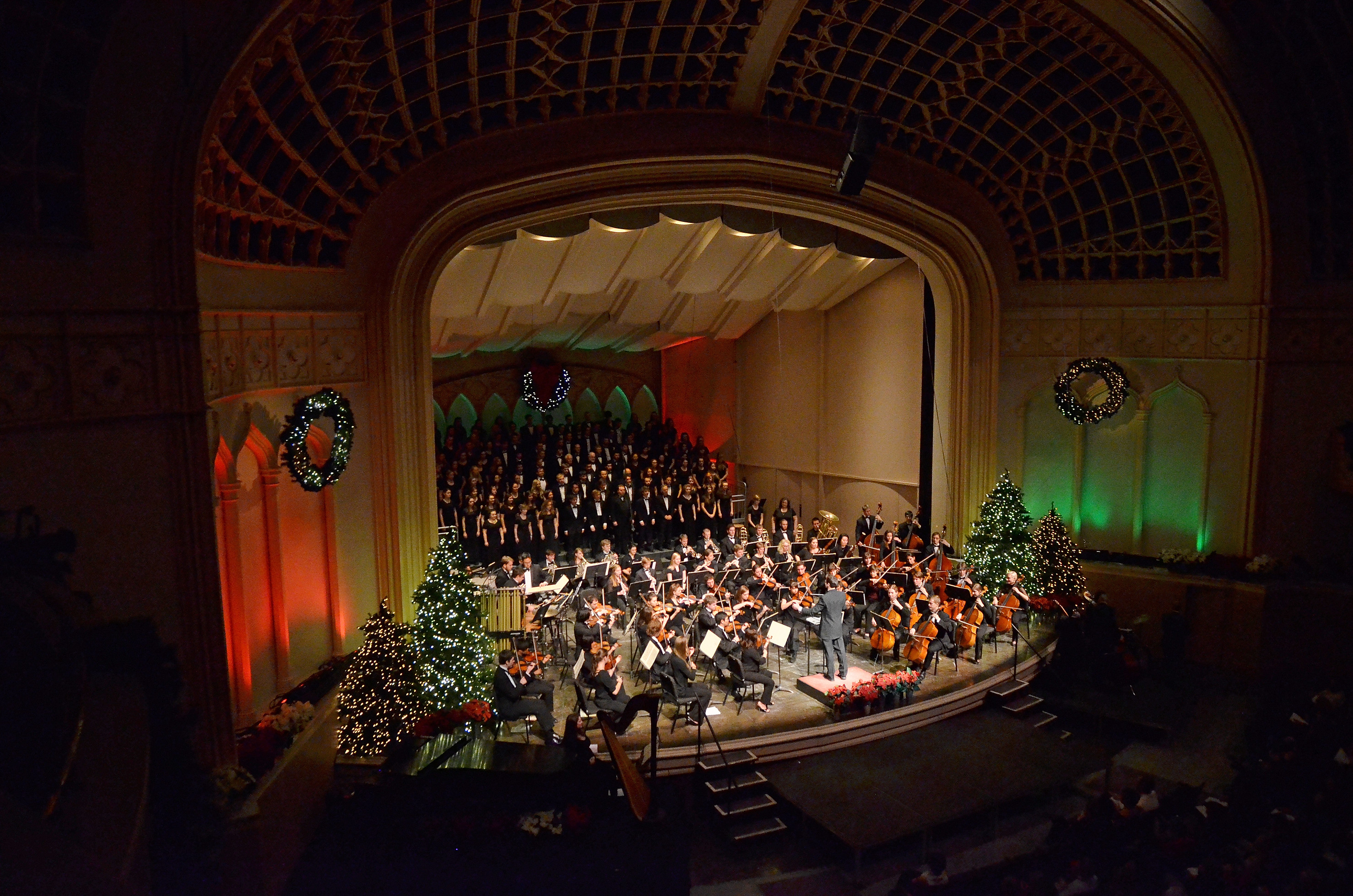
Boulder Philharmonic and conductor Michael Butterman in Macky Auditorium

Those will not necessarily be full capacity concerts. According to a statement from the orchestra, they have “developed health and safety protocols to ensure a safe environment for performers, audience members, staff, and volunteers. Measures will include adjusting venue capacity and seating plans, and wearing masks. Plans will adjust in response to public health measures as they evolve in the coming months.”

The fall portion of the season will take place in Mountain View United Methodist Church in Boulder (355 Ponca Place). There will be two programs, each presented twice without intermission (see full schedule below) and led by the orchestra’s music director, Michael Butterman. The first will be a program of music for chamber orchestra, including Haydn’s very first symphony, composed in 1759, and the second a program of 20th-century music from Europe influenced by jazz, featuring works by the Russian Shostakovich, the French composer Darius Milhaud and the German Kurt Weill.

December will see a return of the evergreen Nutcracker ballet, performed by the Boulder Phil with Boulder Ballet in Macky Auditorium. CU music prof. Gary Lewis will conduct. Tickets to Nutcracker will be available in the fall.

The Marcus Roberts Trio will join the Boulder Phil for their first concert back in Macky Auditorium

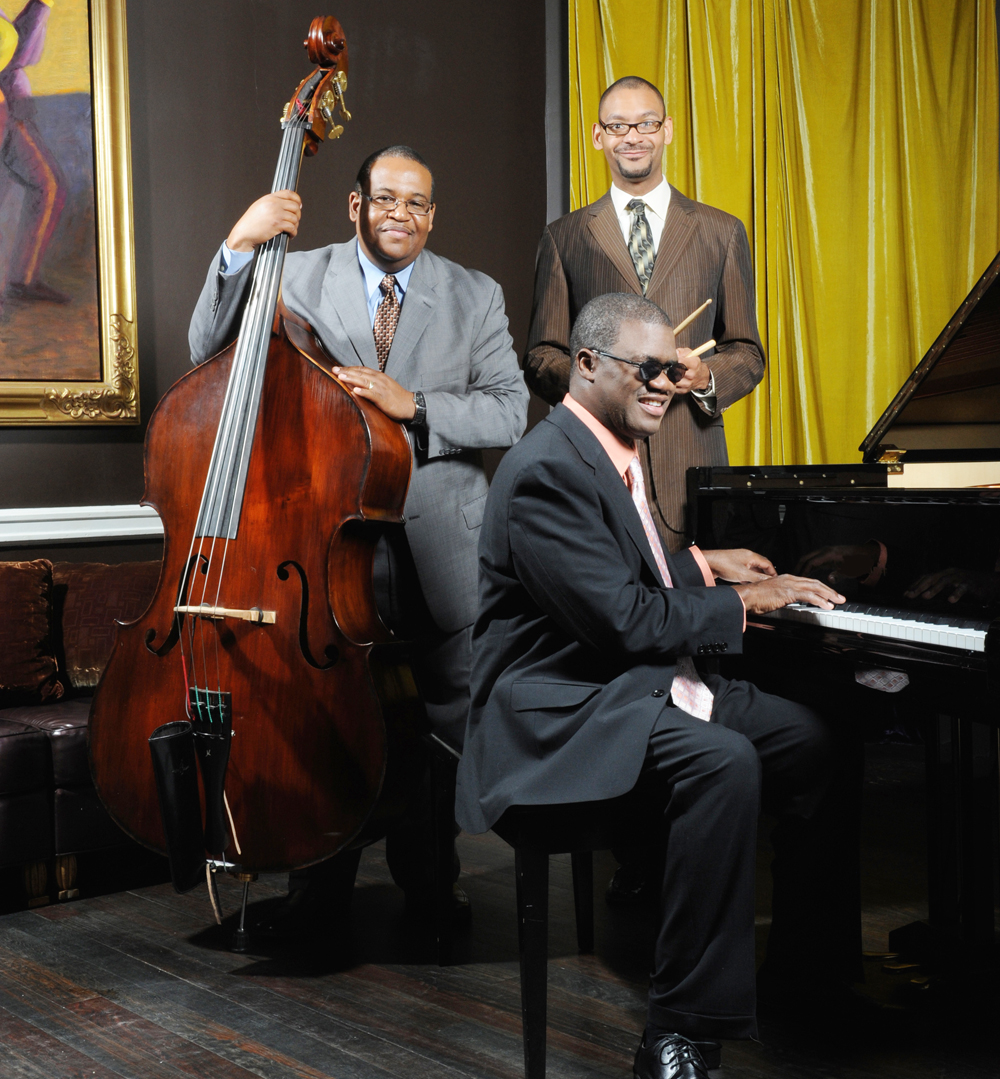
After the holidays, the Phil will present a subscription series of six concerts, January through May. These concerts will feature guests soloists and collaborations, starting with the “Opening Weekend” concert Jan. 22, a “Gershwin Celebration.” Renowned jazz pianist Marcus Roberts and his Trio will join the Phil for a performance of Gershwin’s Piano Concerto in F on a program that also features An American in Paris. This program will be repeated at the Lone Tree Arts Center Jan. 23.

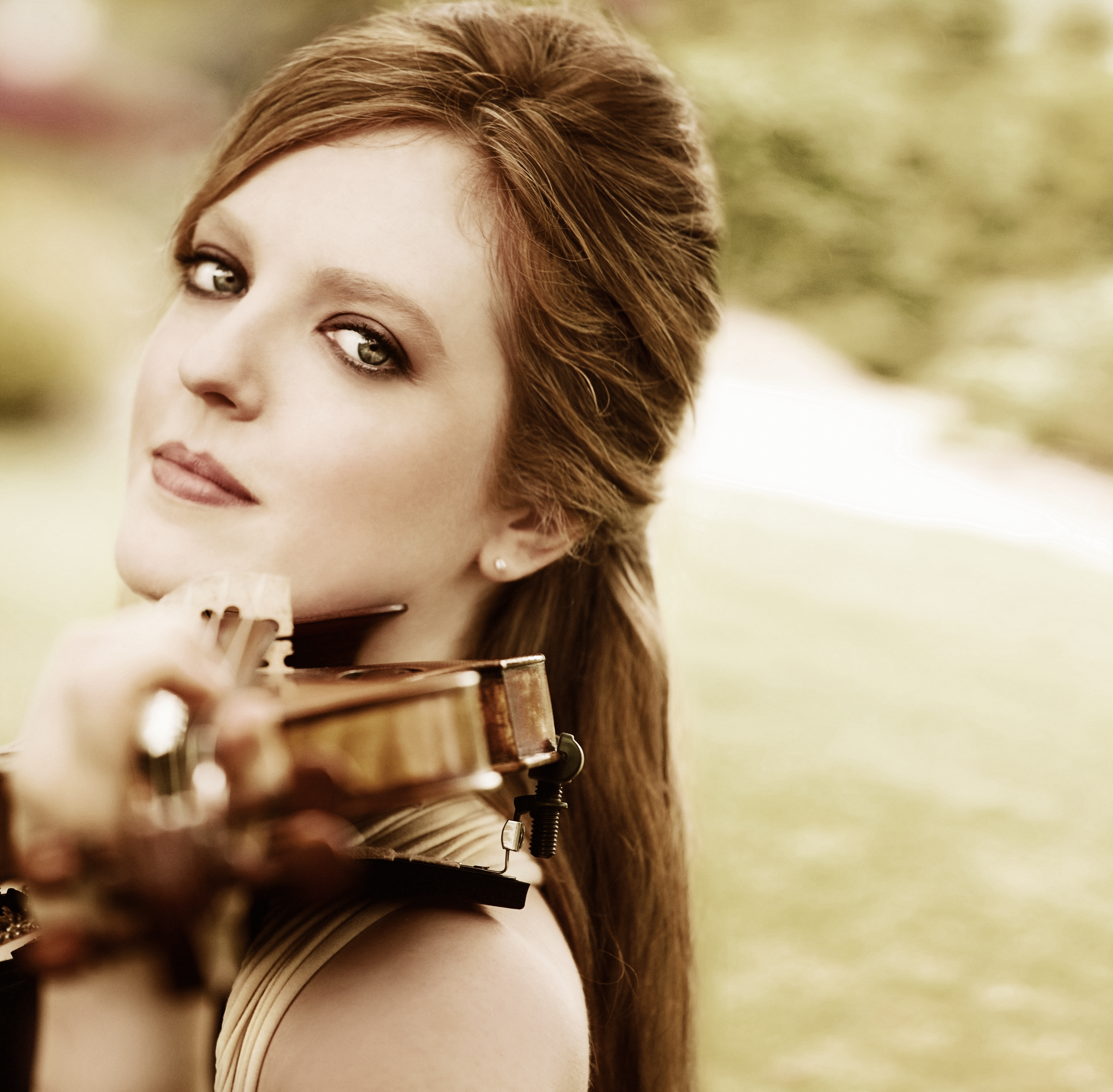
Violinist Rachel Barton Pine returns to Boulder Feb. 12 to play the world premiere of the Violin Concerto by Grammy-winning jazz pianist Billy Childs. Pine was in Boulder in 2014, when she played the Berg Violin Concerto with the Philharmonic. Other soloists through the spring will be pianist Terence Williams, who will play Rachmaninoff’s Third Piano Concerto March 19; Philharmonic concertmaster Charles Wetherbee, who will play The Butterfly Lovers Concerto on a program that will also feature Frequent Flyers Aerial Dance, April 30; recent Grammy winner violist Richard O’Neill, who will play William Walton’s Viola Concerto May 14; and ukulele virtuoso Jake Shimabukuro, who will appear with the Phil and his trio, May 28.

Subscription packages of the six concerts in 2022 go on sale Monday, May 24. Subscription purchasers can add any of the concerts at Mountain View Methodist Church at a discounted price. Any remaining single tickets will be available in September, along with Nutcracker tickets. Information and, starting on Monday, subscription purchases will be available on the Boulder Phil Web page

# # # # #

Boulder Philharmonic Orchestra
Michael Butterman, music director
2021-22 Season Schedule

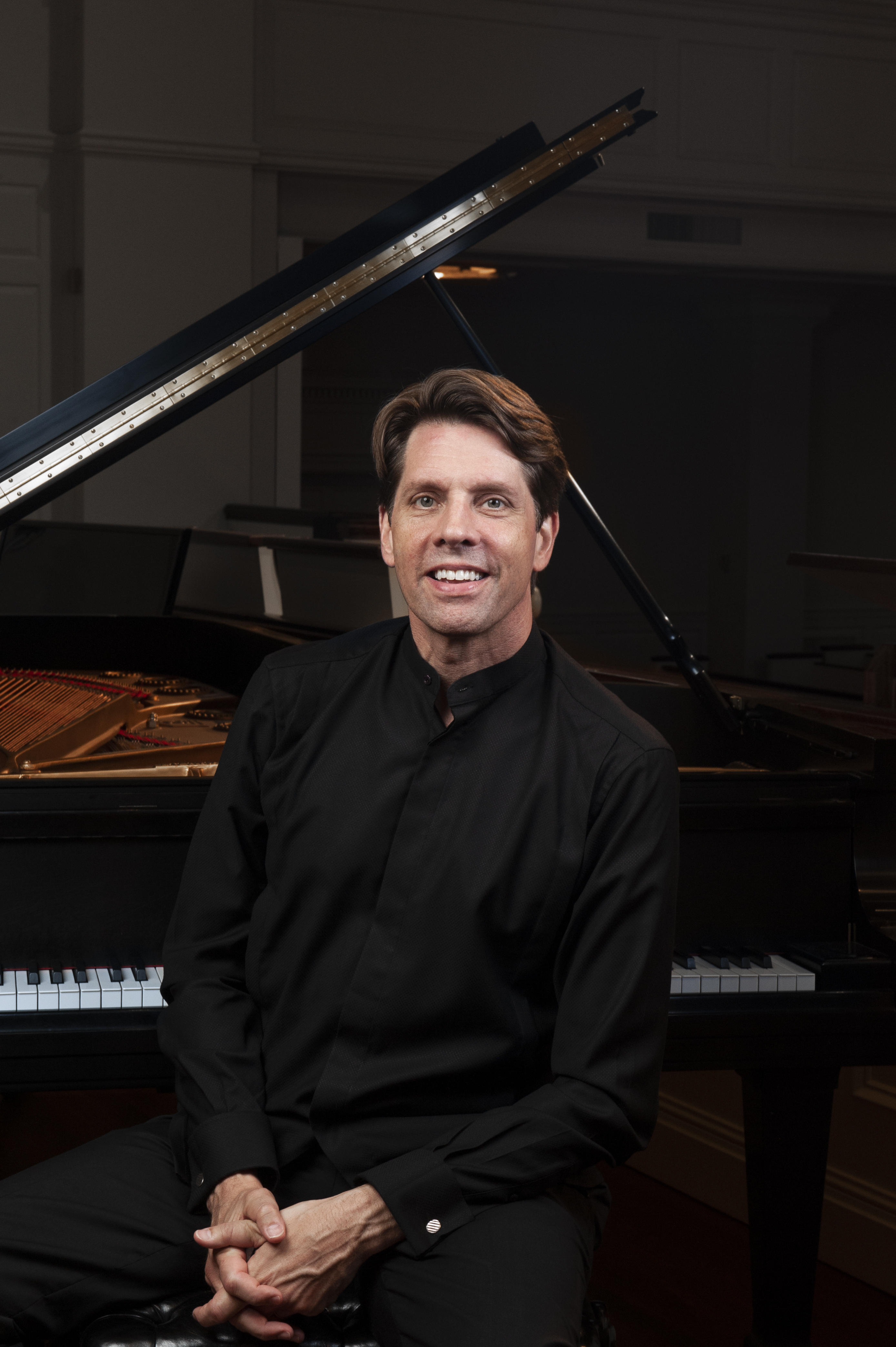
Michael Butterman. Photo by Shannon Palmer

“Together Again”
Michael Butterman, conductor

  • Haydn: Symphony No. 1 in D Major
  • —Sinfonia concertante in B-flat Major
  • Frank Martin: Petite symphonie concertante, op. 54

4 & 6 p.m. Sunday, Oct. 3 (no intermission)
Mountain View United Methodist Church, 355 Ponca Place, Boulder

“The Art of Jazz”
Michael Butterman, conductor

  • Shostakovich: Jazz Suite No. 1
  • Darius Milhaud: The Creation of the World, op. 81a
  • Kurt Weill: Little Threepenny Music

4 & 6 p.m. Saturday, Oct. 30 (no intermission)
Mountain View United Methodist Church, 355 Ponca Place, Boulder

The Nutcracker with Boulder Ballet
Gary Lewis, conductor

2 p.m. Friday, Nov. 26, Saturday Nov. 27 and Sunday, Nov. 18
7 p.m. Saturday, Nov. 27
Macky Auditorium

Opening Weekend: “Gershwin Celebration”
Michael Butterman, conductor
Marcus Roberts Trio: Marcus Roberts, piano; Rodney Jordan, bass; Jason Marsalis, drums

  • Gershwin: An American in Paris
  • —Piano Concerto in F

7:30 p.m. Saturday, Jan. 22, 2022 
Macky Auditorium

1:30 p.m. Sunday Jan. 23, 2022
Lone Tree Arts Center

Rachel Barton Pine. Photo by Lisa-Marie Mazzucco

Michael Butterman, conductor, with Rachel Barton Pine, violin

  • Billy Childs: Concerto for Violin and Orchestra (world premiere/co-commission)
  • Beethoven: Symphony No. 7 in A Major, Op. 92

7:30 p.m. Saturday, Feb. 12
Macky Auditorium

Michael Butterman, conductor, with Terrence Wilson, piano

  • Cindy McTee: Circuits
  • Alan Hovhaness: Symphony No. 2, “Mysterious Mountain”
  • Rachmaninoff: Piano Concerto No. 3

7:30 p.m. Saturday, March 19, 2022
Macky Auditorium

The Firebird & Frequent Flyers
Michael Butterman, conductor, with Charles Wetherbee, violin
Frequent Flyers Aerial Dance

  • Mason Bates: Undistant
  • He Zhanhao/Chen Gang: The Butterfly Lovers’ Violin Concerto
  • Rimsky Korsakov: Russian Easter Overture
  • Stravinsky: Firebird Suite (1919)
Richard O’Neill

7:30 pm. Saturday, April 30, 2022
Macky Auditorium

Michael Butterman, conductor, with Richard O’Neill, viola

  • Anny Clyne: Sound and Fury
  • William Walton: Viola Concerto
  • Elgar: Enigma Variations

7:30 p.m. Saturday, May 14, 2022
Macky Auditorium

Jake Shimabukuro, ukulele, and trio, with the Boulder Phil
Michael Butterman, conductor

7:30 p.m. Saturday, May 28, 2022
Macky Auditorium

Boulder Phil concludes re-imagined season with all-strings program

Orchestra partners with Frequent Flyers Aerial Dance 

By Peter Alexander April 22 at 4:12 p.m

Collaborations during a pandemic have to come in through the back door, as it were.

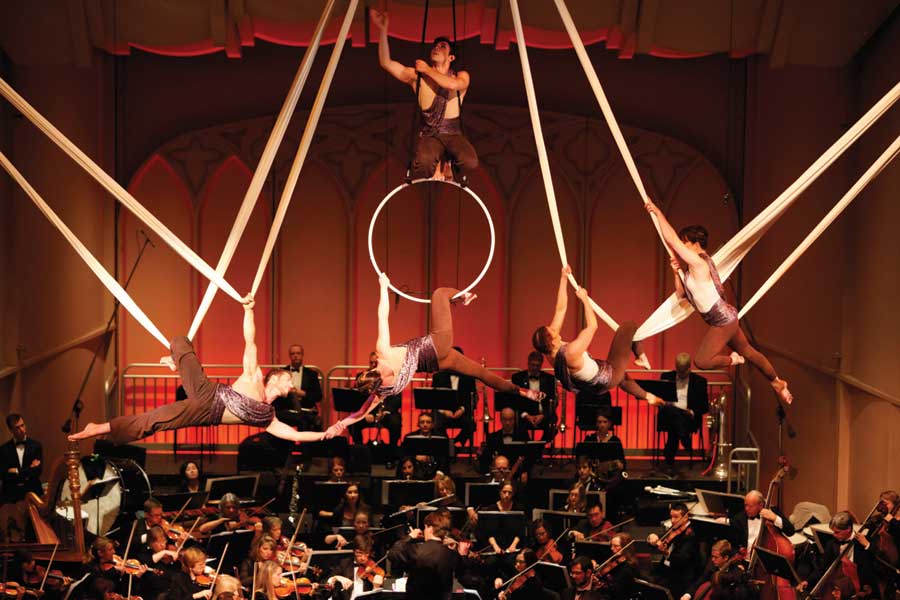
Frequent Flyers with the Boulder Philharmonic. Photo by
David Andrews

In the case of the Boulder Philharmonic and Frequent Flyers Aerial Dance, who are joining together for the orchestra’s final concert of the 2020-21 season, the musicians recorded Korine Fujiwara’s Suite from Claudel in one venue, and then the dancers performed to the recorded music in another venue. The resulting performance will be shown online at 7:30 p.m. Saturday, April 24.

Korine Fujiwara is also violist in the Carpe Diem String Quartet

It will remain available until Saturday, May 8. You may access the stream through the Boulder Phil Web page

Originally written for string quartet, the three movements of the Suite from Claudel were arranged for string orchestra by the composer. To simplify COVID precautions, Boulder Phil music director Michael Butterman wanted to have an entire program for strings, who can wear masks while playing. 

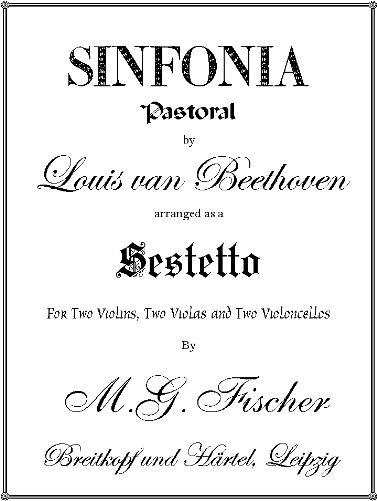
In addition to Fujiwara’s Suite, the program features the Lyric for Strings by George Walker and an arrangement of Beethoven’s Symphony No. 6 (known as the “Pastoral Symphony”) for string sextet.

Michael Butterman, music director of the Phil, noted that the orchestra has collaborated with Frequent Flyers several times in the past. “In this re-imagined season, I wanted to retain the community collaborations that have been a hallmark of our work as an orchestra,” he says.

Camille Claudel (l) at work in her studio

Fujiwara’s Claudel was originally a ballet celebrating the life and work of Camille Claudel, a pioneering woman sculptor of the early 20th century. Butterman identified three pieces from the larger ballet that he particularly liked, and asked the composer if she would arrange those movements for full string orchestra.

He also shared the music with Nancy Smith, artistic director of Frequent Flyers. She agreed to choreograph the suite, and decided to incorporate some elements of Claudel’s story. The three movements are titled “In the Woman’s Studio,” “Waltz” and “Age of Maturity”; the last two are taken from names of two of Claudel’s best-known works.

Butterman had hoped to record the entire piece together with the dancers, but that proved impractical under pandemic conditions. Instead, the Suite was recorded with the rest of the musical program at Mountain View Methodist Church, and several weeks later the dancers recorded their performance at the Dairy Center. Putting them together, along with the entire musical performance, is being engineered by Michael Quam of Quam Audio.

George Walker

Walker’s Lyric for Strings is one of the most performed string orchestra works of the 20th century. The first African-American composer to win the Pulitzer Prize, Walker was also the father of former Boulder Phil Concertmaster Gregory Walker.

Also titled “Lament,” the Lyric for Strings was composed in 1946 and dedicated to the memory of the composer’s grandmother. “It is a deeply felt work,” Butterman says. 

“It’s a good connection with our current moment, elegiac but [with] a lot of consolation. There’s a lot of sorrow, but also hope and rays of optimism, so it seems like a piece that in addition to being beautiful to listen to, can say something to our current moment.”

For modern audiences, the most unusual piece on the program will be the sextet arrangement of Beethoven’s Sixth Symphony. In Beethoven’s lifetime, arrangements of orchestral works for small ensembles were common. In a time when there were no recordings and orchestral concerts were infrequent, such arrangements were made and sold for home performances of music most people would otherwise not be able to hear.

The Sextet arrangement was made by M.G. Fischer, an organist and composer who was Beethoven’s contemporary. It was published in the composer’s lifetime by Breitkopf & Härtel in Leipzig, one of the most important European music publishers. That original edition has now been reprinted, for anyone who wants to try this at home. 

“A German orchestra shared this sextet version very early on in the pandemic,” Butterman explains. “Someone forwarded it to me and said, ‘Isn’t this great?’ And I thought it was.

“This captures quite well a work for full orchestra, but just with these six players. I wanted to have a masterwork or two on our season, and here’s a masterpiece of the full orchestral repertoire.”

Butterman says that the musicians enjoyed playing it, but found it challenging because they know it almost too well. “It’s kind of the same, but enough not that you really have to stay focused,” he says. “They’re busy all the time. They have to handle all of the things that they previously had to handle, but now they’re also given these other things to play, wind parts or whatever. It’s a tiring piece to play.”

Looking back over the past season, Butterman sees some good things that came out of the pandemic. “It’s been a year of experimentation and one that we’ve grown a lot in our understanding of how to share music with the public,” he says.

“There are some aspects that we’re going to take forward and continue to utilize in positive ways.”

# # # # #

Boulder Philharmonic, Michael Butterman, conductor
With Frequent Flyers Aerial Dance

  • George Walker: Lyric for Strings
  • Korine Fujiwara: Suite from Claudel
    Frequent Flyers Aerial Dance
  • Beethoven: Symphony No. 6 in F Major, op. 68 (“Pastoral”), arr. M.G. Fischer

Stream available at 7:30 p.m. Saturday, April 24
Pre-performance discussion at 7 p.m.

Tickets available here.

Note: Typos corrected 4/22/21.

Boulder Philharmonic continues exploring music for small orchestra

Streamed concert available April 3 will feature Stravinsky’s “Soldier’s Tale”

By Peter Alexander April 2 at 1 p.m.

The past year has been the year of the chamber orchestra.

To respect the need for safe distancing between players, orchestras including the Boulder Philharmonic have presented entire programs of music written, or arranged, for reduced orchestra or chamber ensembles. Each of the Philharmonic’s 2020-21 performances has been recorded and streamed for ticket purchasers to access from the safety of their homes—as most orchestras have done.

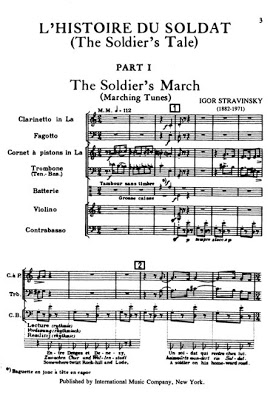
That trend continues with the Phil’s next concert, but with a twist. The one piece on the program for Saturday (April 3, available from 7:30 p.m.), Stravinsky’s theater piece L’Histoire du soldat (The soldier’s tale), is ideal for performance during a pandemic—because it was in fact written during the last global pandemic, the Spanish Flu of 1918–19.

Stravinsky sat out World War I in Switzerland. As the war was coming to an end, the production of large-scale works, such as his previous ballets The Firebird, Petrushka and The Rite of Spring, was no longer possible. Instead, Stravinsky thought of creating a theater piece for a small group of musicians and actors that could be toured to Swiss villages. 

Stravinsky and the Swiss writer C.F. Ramuz collaborated to write L’Histoire du soldat, based on a Russian folk tale and written for seven players (violin, string bass, clarinet, bassoon, trumpet, trombone and percussion), three actors and a dancer—ideal numbers for safely distanced performances. In the end, the flu defeated Stravinsky’s plan for a tour, but L’Histoire was premiered in Lausanne, Switzerland, in 1918. The music has retained a place in the chamber orchestra repertoire, and the score is important as a bellwether of the transition from the massive musical works of the pre-war period to the neo-classicism of the late 19-teens and ‘20s.

The folktale that provided the plot is one that Stravinsky knew from Russia, but it is found in many different cultures: A lonely soldier engages in a contest with the devil. This is a well known story, from legends of Paganini selling his soul for unnatural fiddle skills, to Blues musicians being in league with the devil, to the Charlie Daniels Band’s “The Devil Went Down to Georgia.”

C.F. Ramuz and Stravinsky

In the story worked up by Stravinsky and Ramuz, the soldier trades his fiddle—representing his soul—to the devil for knowledge that will make him wealthy. The soldier prospers and marries a princess, but the devil returns and triumphs in the end. 

“I think it’s a confusing story to follow,” Michael Butterman, conductor of the Boulder Phil, says. “It helps to have some frame of reference. I’m going to give a brief outline of what’s happening, so that people understand that the devil keeps coming back in different guises and disguises.”

The basic moral of the story, Butterman says, is that the soldier gets lots of stuff, but stuff doesn’t make him happy. “It’s all nothing without the fiddle—that’s your soul,” Butterman says. This is essentially the message of a passage from the Gospel According to Mark, “What shall it profit a man, if he shall gain the whole world, and lose his own soul?” Butterman suggests.

Although 20th-century modernist in style, the music is easily grasped by listeners. “We have marches,” Butterman explains. “Although they are not totally regular in their march rhythm, they still feel like left, right, left, right. You have three dances that are stylized, but clearly identifiable. And there’s chorales that sound like chorales.”

The dances are a tango, a waltz, and one titled “Ragtime”—but, Butterman observes, “it’s not going to remind anybody of Scott Joplin.” Stravinsky had never heard American jazz performed, although he had some printed copies. He used the rhythms as he saw them on the page and listeners will likely recognize the syncopations.

Michael Butterman. Photo by Rene Palmer.

“Stravinsky sees everything through his own unique prism,” Butterman says. “What’s interesting about the piece to me is that it sounds less complex that it appears on the page. It’s a very complicated piece to put together and to conduct, just technically speaking. Much of the music does not line up at all with the meter that he’s [notated].”

Those are complications for the performers, but not necessarily for the listeners. “There’s enough familiar both in terms of the story and in terms of the musical forms that you know where to glom onto it” Butterman says. “The music is accessible, it’s not highly dissonant, it’s downright tuneful, quite clever, and always given to you in digestible chunks.”

The performance is presented in collaboration with the CU Department of Theater and Dance and the Boulder Ballet. The performance, which has already been recorded, was staged by Bud Coleman, department chair. Theater students fill the roles of four actors—a narrator, the soldier, and two actors to portray the devil. Boulder Ballet has provided the dancer and choreography.

# # # # #

Members of the Boulder Philharmonic Orchestra
Michael Butterman, conductor
Staged by Bud Coleman with actors from the CU Dept. of Theater and Danc
Dance from the Boulder Ballet

Stravinsky: L’Histoire du soldat (The Soldier’s Tale)

Available at 7:30 p.m. Saturday, April 3 (through April 17)

Pre-concert discussion at 7 p.m.

Tickets

“A CELLO-BRATION”: THE CELLO TAKES THE SPOTLIGHT

Soloist Zuill Bailey joins the Boulder Phil for an intimate, cello-centric program. 

By Izzy Fincher March 11 at 9:35 p.m.

“Why write for violin when there is cello?” Rachmaninov asked. 

There is something particularly captivating about the cello, with its sonorous tenor and subtle grandeur. It is wildly expressive—lyrical, passionate and romantic, yet also mournful and solemn, and profound in a way that captures the heart and soul.

Zuill Bailey

To celebrate this instrument, the Boulder Phil will present “A Celebration of Cello” with soloist Zuill Bailey, streamed from 7:30 p.m., on Saturday, March 13.

The cello-centric program includes a reduced instrumentation of Schumann’s Cello Concerto and a double-cello concerto by contemporary Italian composer Giovanni Sollima. Other works on the program are a violin trio by the Phil’s own Paul Trapkus, plus works by Debussy and Wagner.

Bailey, a Grammy-award winning cellist, will lead the “cello-bration.” He will appear on two contrasting concertos, which displays the cello’s multifaceted personality. In Schumann’s Concerto in A minor, the cello’s sensitive lyricism is shown, while Sullima’s double- concerto, to be performed with Boulder Phil principal cellist Charles Lee, exhibits more of the cello’s boldness and virtuosity.

“In Schumann’s concerto, the cello is refined and elegant,” Boulder Phil conductor Michael Butterman says. “Whereas in Sollima’s (double concerto), the cello is an outgoing, extroverted rebel. The cadenza feels like rock’n’roll—it shreds. It’s crazy, with a lot of flash, energy and edginess.”

Lee believes the energetic double-cello concerto, titled “Violencelles, Vibrez!” (Cellos, vibrate!), will be a highlight of the program. Sollima, an Italian cellist and post-minimalist composer, juxtaposes the cello’s different moods, moving from brooding, dark echoes to a sweet, lyrical duet to a brisk, vivacious cadenza. 

Charles Lee at rehearsal with the Boulder Phil

“It starts very mysterious and lyrical with long, romantic lines, using lots of vibrato, sustaining sounds,” Lee says. “The added element of two cellists alternating gives it a special effect, like an echoing cave.” 

In the opening, the two cello lines weave together, nearly indistinguishable from each other. “At first, it’s not so striking that there are two cellos when you don’t focus on the visuals,” Lee says.

Later, the distinct cello parts emerge in captivating musical dialogue, riffing off each other’s energy in a virtuosic display. Lee described the cadenza with Bailey as exciting but very challenging to play. 

The rest of the program focuses on orchestral works, adapted for a smaller chamber setting, including Debussy’sPrelude to the Afternoon of a Faun and Wagner’s Siegfried Idyll,” an intimate musical love letter to his wife Cosima. 

Prelude to the Afternoon of a Faun has been arranged for chamber orchestra, created by Schoenberg’s student Benno Sachs during World War I. It was first played for Schoenberg’s Society for Private Musical Performances, a chamber concert series held in Vienna from 1918 to 1921. 

During the war and the 1918 Flu Pandemic, chamber series like this one were popular in Europe due to limited financial resources and available musicians. Now, in our current pandemic, the reorchestration is once again ideal for a smaller, socially-distanced orchestra. 

Though the cello isn’t directly in the spotlight in either work, it still plays a more prominent role than usual. “When you adapt a large work for a smaller ensemble, the cellos become even more noticeable and exaggerated,” Lee says.

“We usually aren’t the go-to melody instrument (in larger works). When the cellos take the melody, it’s a treat.”

The violin, however, does snatch back the orchestral spotlight with Trapkus’ Trio for 3 Violins. Trapkus, a former violinist for the Boulder Phil, is also an active composer, who has written four works for string quartet and string ensemble. “Trio for 3 Violins,” written in 2012, features the three violins as equal soloists, and its energetic, minimalistic aesthetic is similar to Sullima’s Violencelles, Vibrez!.  

Paul Trapkus

Butterman is excited for the Boulder Phil to perform Trapkus’s trio for the first time. He believes the Boulder Municipal Airport’s hangar, where the concert was filmed last fall, is an ideal setting for the trio, far more intimate than Macky Auditorium.  

“(The trio) is a work that I found interesting, tuneful and appealing on first hearing,” Butterman says. “It uses a lot of repeated, minimalistic patterns. There’s a lot of interplay, exchanges of ideas and taking turns between the three equal violin parts.”

Despite the brief violin interlude, the concert is still a “cello-bration” through and through. For cello lovers, it should be a special treat—a musical extravaganza with two talented soloists.

As Bailey comments, “I always say the only thing better than a cello is two cellos.”

# # # # #

“A Celebration of Cello”
The Boulder Philharmonic, Michael Butterman, conductor. with
Zuill Bailey and Charles Lee, cellos

Debussy, arr. Schoenberg: Prelude to the Afternoon of a Faun
Schumann, arr. Philip Lasser: Cello Concerto in A minor, Op. 129
Paul Trapkus: Trio for 3 Violins
Giovanni Sollima: Violencelles, Vibrez!
Wagner: Siegfried Idyll

Tickets can be purchased for $40 here. The concert can be streamed starting at 7:30 p.m., on Saturday, March 13. 

Boulder Phil will stream concert with pianist Simone Dinnerstein Saturday

“Mozart and Mendelssohn” program includes “a perfect piece of music”

By Peter Alexander Feb. 11 at 9:10 p.m.

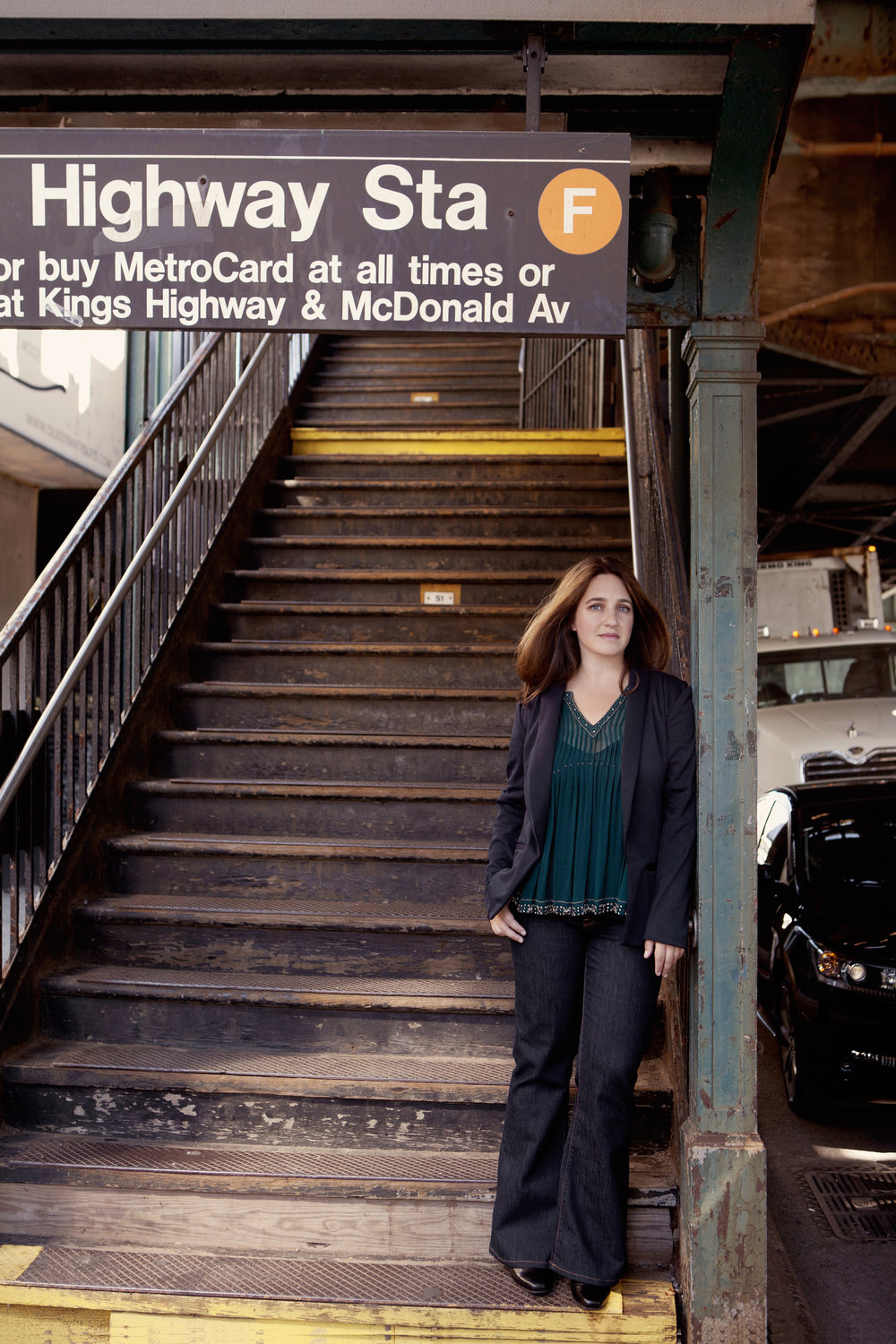
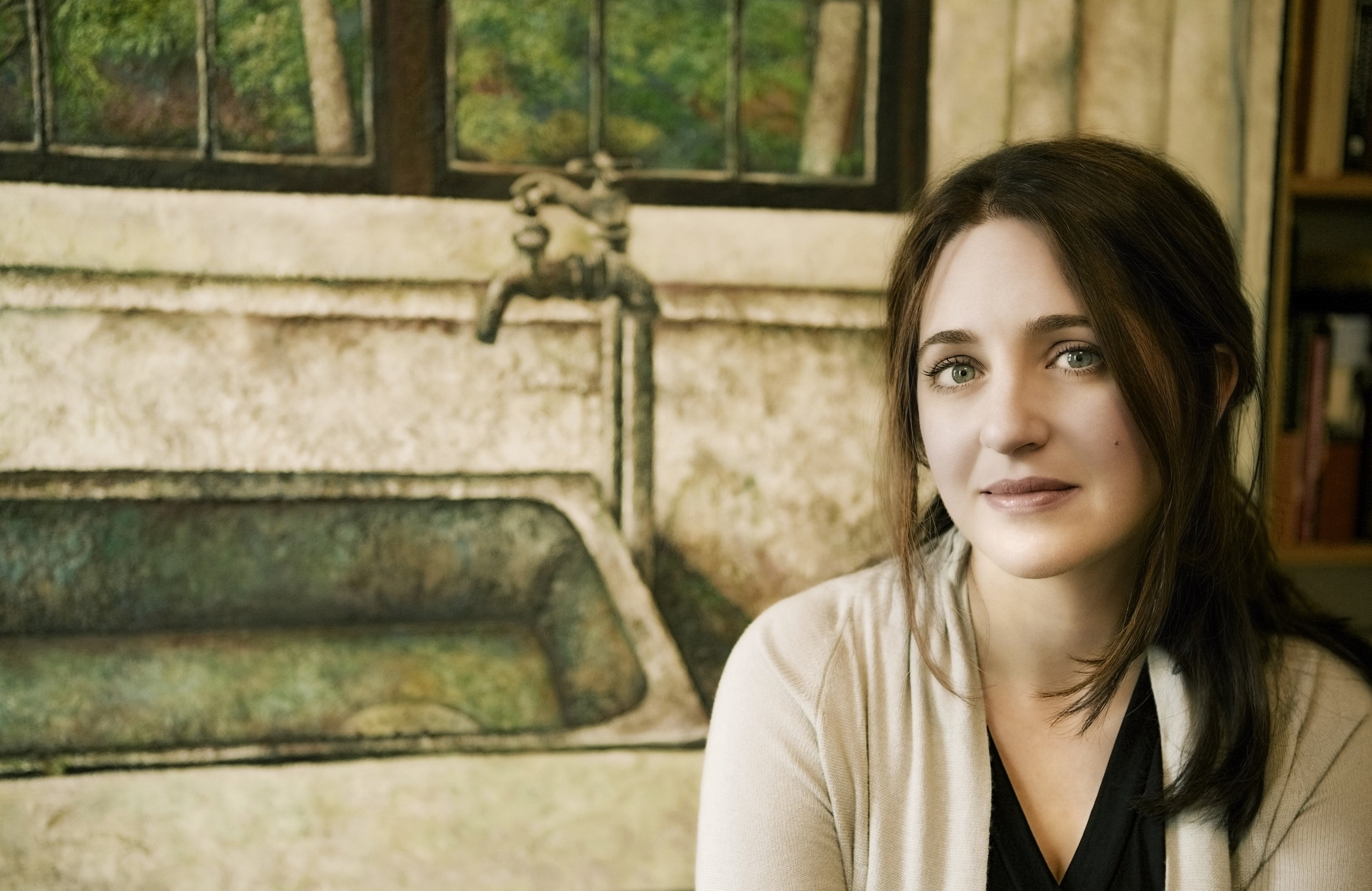
Dinnerstein, near her home in Brooklyn. Photo by Lisa Marie Mazzucco

Pianist Simone Dinnerstein was in Boulder last September, but since then she has hardly left her home in Brooklyn. A prisoner of COVID, she has had to cancel planned trips for concerts and recordings. 

“I’ve gone to New Jersey,” she says. “That’s about as far as I’ve gone, and that was a big trip!”

Fortunately for us, she recorded two concerts with members of the Boulder Philharmonic when she was here. The first was streamed in November, and the second will be streamed starting Saturday (Feb. 13) at 7:30 p.m., remaining available through Saturday, Feb. 27. Titled “Mozart and Mendelssohn,” the program features the former’s Piano Concerto in C major, K467, in a COVID-friendly arrangement for strings and piano, as supplemented by Dinnerstein and members of the orchestra; and the latter’s joyous Octet for Strings.

The concert also features Dinnerstein playing two works by Scott Joplin. The Boulder Phil asked her if she would play something for solo piano to complete the program. She picked two of her favorite pieces by Joplin, both in order to include a composer from an under-represented group, and as an opportunity to add some Joplin to her repertoire.

“Scott Joplin was one of the great 20th-century American composers,” she says. “I’ve read it for myself but I’ve never performed it.”

The pieces she picked are not the usual rags that Joplin is best known for. “Solace, a Mexican Serenade” has been part of the Joplin revival that began with the 1973 film The Sting, but “Bethena, a Concert Waltz” remains less known. Both pieces are tinged with melancholy, which seems to be fine with Dinnerstein.

“I’ve always loved these two pieces,” she says. “I do tend to like things that are a little bit gloomy.”

In spite of the chronological, geographic and cultural distances involved, she sees a connection between Joplin and the other two composers on the program. “There is a kind of freshness to [Joplin’s] music,” she says. “The music has more layers to it than you first hear, and I think that’s true of Mozart and Mendelssohn. In that way these three composers do relate to each other.”

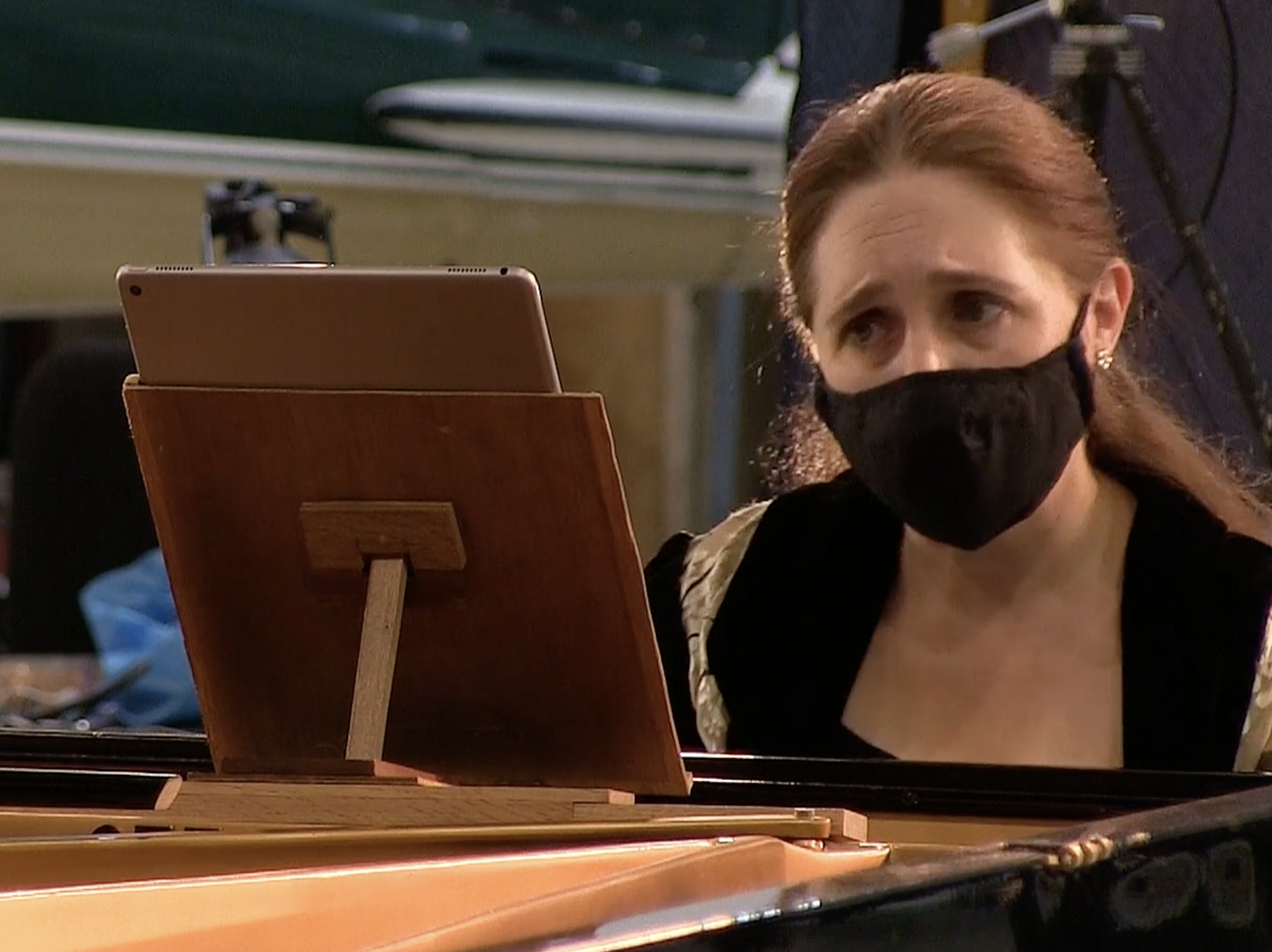
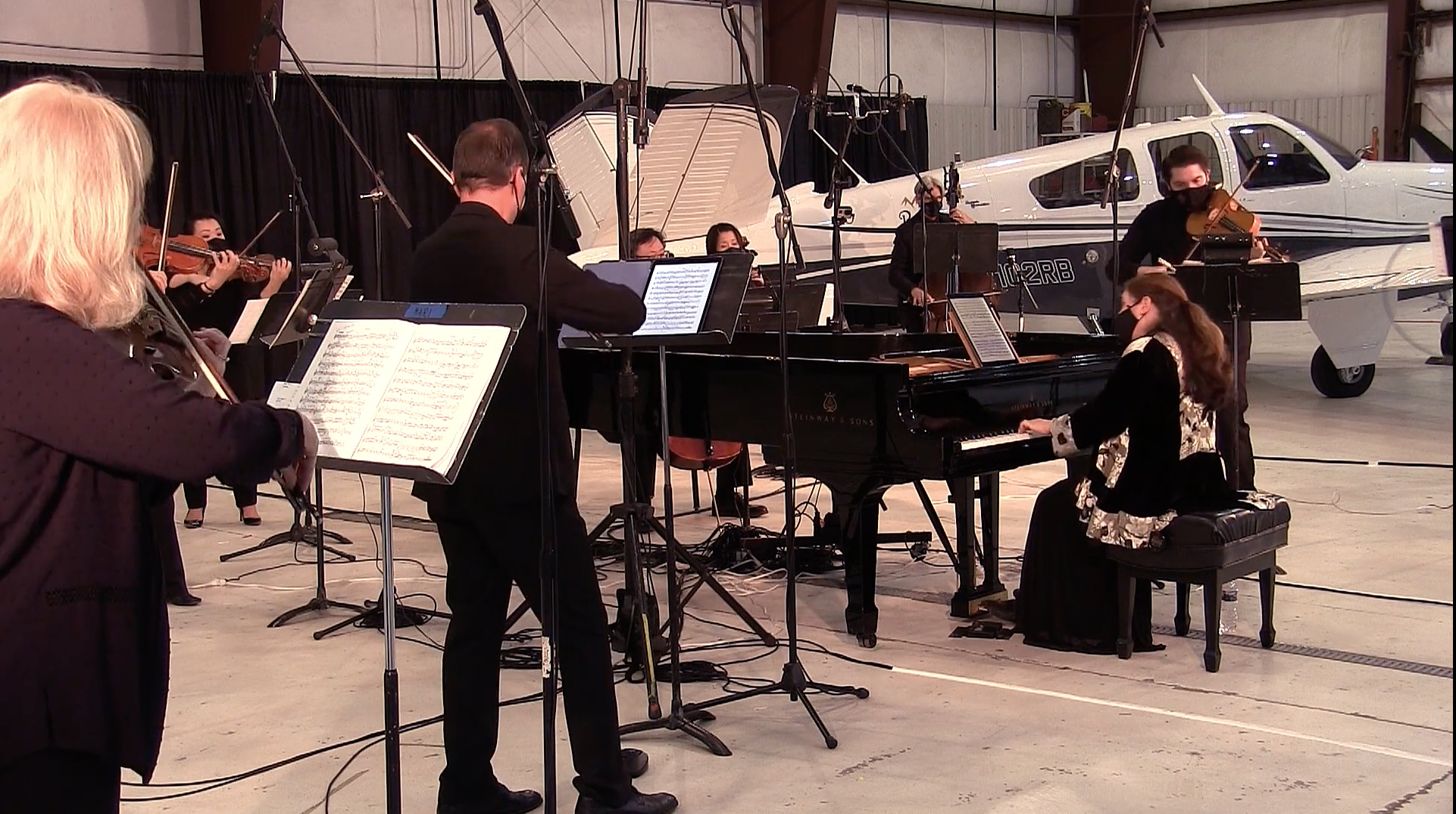
Dinnerstein during a recording session with the Boulder Philharmonic at Brungard Aviation, Boulder Municipal Airport. (Screenshot)

Neither the Mozart nor Mendelssohn pieces could remotely be considered gloomy. Mozart’s Piano Concerto K467 is in the sunny key of C major, and sunny it remains. “It’s been one of my favorite concertos since I was a teenager,” Dinnerstein says, adding thoughtfully, “I don’t normally relate much to music that is straightforwardly joyful.”

The version she and members of the Phil will perform was arranged for sting quintet by German composer Franz Lachner, probably to make the music available for home music making. But Dinnerstein discovered in rehearsal that Lachner’s arrangement was incomplete.

“There was no score , only the individual parts, which was slightly confusing,” she says. “When we started rehearsing I realized that certain lines were missing, and [the orchestra players] were very accommodating and wrote in some extra parts for themselves.”

The Concerto opens with a jolly march that has the usual proliferation of Mozartian themes from the very beginning. There are march rhythms, fanfares, lyrical moments, and a pervading sense of delight. 

The concerto is best known for its dreamy slow movement, which was used in the 1967 Swedish film Elvira Madigan. The movement, Dinnerstein says, “has the sense of romance to it, which may be colored by having seen the film when I was a teenager.

“Basically, the concerto is just effervescent and yet it has a weight to it as well. It’s just a perfect piece of music.”

The final piece on the program, Mendelssohn’s Octet for Strings was chosen by Boulder Philharmonic music director Michael Butterman. As Butterman has pointed out in the orchestra’s promotional materials, Mendelssohn is one of the few composers who ranked with Mozart as a youthful musical prodigy.

The Octet was written when he was 16, as a birthday present for his violin teacher. Today it is one of the composer’s most loved pieces. 

Its sheer exuberance is enjoyed by players and audiences alike. It is filled with the kind of sprightly music that Mendelssohn used to characterize the Shakespearian fairies in his music for A Midsummer Night’s Dream. Beneath the dazzling surface, however, Mendelssohn demonstrates his precocious mastery of counterpoint, especially in the eight-part fugue that opens the finale.

Paralleling Dinnerstein’s characterization of the Mozart Concerto, Scottish music critic Conrad Wilson wrote that the Octet’s “youthful verve, brilliance and perfection make it one of the miracles of 19th-century music.”

# # # # #

“Mozart and Mendelssohn”
Members of the Boulder Philharmonic Orchestra with
Simone Dinnerstein, piano

Scott Joplin: Solace, a Mexican Serenade and Bethena, Concert Waltz
Mozart, arr. Franz Lachner: Piano Concerto in C major, K467
Mendelssohn: Octet for Strings, op. 20

Streamed starting at 7:30 p.m. Saturday, Dec. 13, through Saturday, Feb. 27
Tickets available HERE

HOLIDAY CONCERTS TO STREAM AT HOME

Celebrate the holidays virtually this year with local festive concerts.

By Izzy Fincher and Peter Alexander December 3 at 10:45 a.m.

Relax with a hot cocoa, a warm blanket and your favorite holiday tunes, all from the comfort of your own home.

This year, holiday music on Boulder’s classical scene will not be the same without the decked-out concert halls and communal holiday spirit. However, the holiday celebrations will continue virtually in Boulder with CU-Boulder’s Holiday Fest and festive concerts from Pro Musica, the Boulder Phil and the Longmont Symphony. 

Holiday Festival 2020 Dec. 4

The 2013 Holiday Concert in Macky Auditorium. (Photo by Casey A. Cass/University of Colorado)

This year CU-Boulder’s Holiday Festival won’t be the usual grand event at Macky, where the auditorium is filled with students, faculty, family and other fans. Instead, 2020’s scaled-down online broadcast of the Holiday Fest will have pre-recorded performances of seasonal favorites and traditional selections from the fall semester. The holiday spirit of a festive Macky continues on from the comfort of home.

“Holiday Festival 2020”
CU-Boulder College of Music students and faculty
Available from 7:30 p.m. Friday, Dec. 4
Tickets

“Holiday Moods” Dec. 5 and 6

Under the direction of Cynthia Katsarelis, Pro Musica will present “Holiday Moods,” featuring both traditional and diverse holiday tunes. Earlier this year, Katsarelis planned to collaborate with the Boulder Chorale to perform Handel’s Messiah, but due to COVID-19 restrictions she decided on an all-strings program instead. 

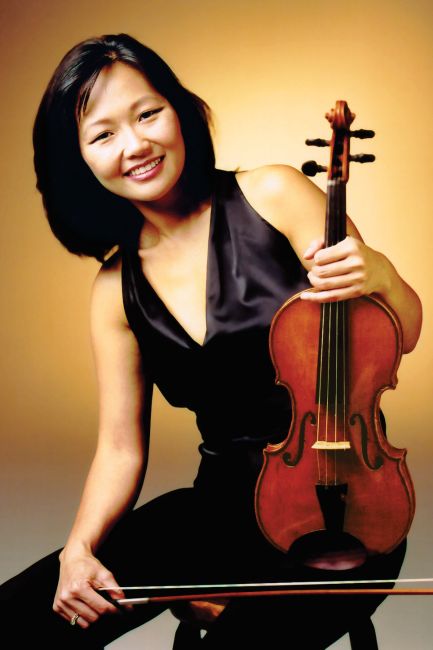
Yumi Hwang-Williams

The program will feature soloist Yumi Hwang-Williams, concertmaster of the Colorado Symphony. The two performances of “Holiday Moods” with a limited in-person audience at the Broomfield Auditorium and First United Methodist Church have been canceled and moved to an online broadcast, available for up to 48 hours after the concert times, 7:30 p.m. Saturday, Dec. 5, and 3 p.m. Sunday, Dec. 6.

“Holiday Moods” continues Pro Musica’s season theme of diversity and healing. The program opens with Novellette No. 1 by Samuel Coleridge-Taylor, a Black composer and conductor active in England in the early 20th century. The rest of the program is composed of traditional repertoire, to offer healing and comfort to listeners, according to Katsarelis.

The second work is Corelli’s Christmas Concerto, which was composed for Christmas night (Fatto per la notte di Natale) in 1690, likely for Corelli’s patron, Cardinal Pietro Ottoboni, in Rome. Next, Hwang-Williams takes center stage for “Fall” and “Winter” from Vivaldi’s Four Seasons, another Baroque classic. To end the program, Pro Musica will play Dvořák’s Serenade for Strings, one of the composer’s most popular orchestral works.

“Holiday Moods”
Pro Musica Colorado Chamber Orchestra
Cynthia Katsarelis, conductor, with Yumi Hwang-Williams, violinist
Available from 7:30 p.m. Saturday, Dec. 5, and 3 p.m. Sunday, Dec. 6
Tickets

“Happy Holidays from the Phil” Dec. 13

Michael Butterman rehearsing in the Brungard Aviation hangar at Boulder Municipal Airport

With conductor Michael Butterman, the Boulder Phil’s brass and percussion sections will present a selection of carols and other holiday tunes. Like the rest of the Boulder Phil’s fall 2020 season, this concert was recorded in a hangar at Boulder Municipal Airport, on a tight 48-hour rehearsal and recording schedule. 

The wide-ranging program is a mix of holiday favorites, including “Carol of the Bells,” “Deck the Halls,” “Have Yourself a Merry Little Christmas,” “God Rest Ye Merry Gentlemen” (mashed up with the French carol “Patapan”). The program also features lesser-known carols, including “Wassail Song” and “Tomorrow Shall Be My Dancing Day”; modern holiday music, Dan Forrest’s “Jubilate Deo”; and a Hanukkah observation, “A Celebration of Hanukkah.”

“Happy Holidays from the Phil”
Boulder Philharmonic Brass and Percussion, Michael Butterman, conductor
Available from 3 p.m. Sunday, Dec. 13, through Sunday, Dec. 27
No tickets required; contributions welcomed

Vocal Concert will substitute for Messiah Dec. 13

The Longmont Symphony Orchestra (LSO) will present a Holiday Concert Sunday, Dec. 13—but not the one they had originally planned. 

The LSO previously announced pared-down selections from Handel’s Messiah with four soloists but no chorus as their seasonal offering. That performance was to have been recorded in the Longmont Museum’s Stewart Auditorium and streamed starting at 4 p.m. Sunday, Dec. 13.

With the recent announcement that Boulder County has reached COVID Dial “Red Level: Severe Risk,” Stewart Auditorium became unavailable, and no other acceptable venue for the recording was found.An announcement from the LSO states, “The restrictions made it difficult to find a venue and to safely film the performance with our musicians.”

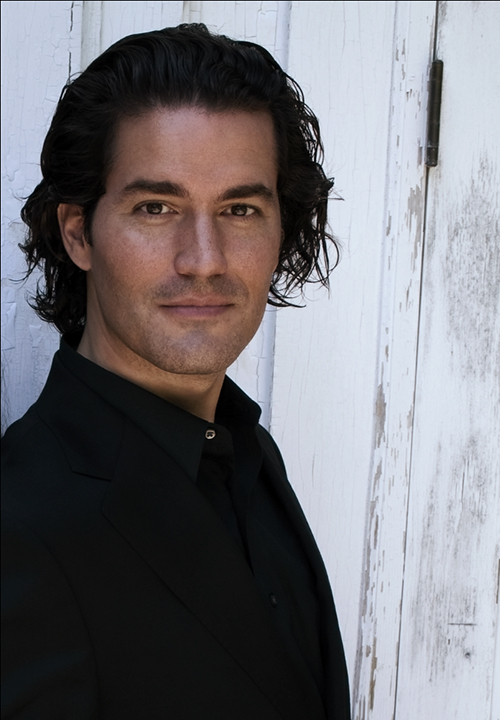
Consequently, the LSO reluctantly decided Tuesday (Dec. 1) to cancel the performance. Instead, the LSO will present a Holiday Concert featuring pianist Spencer Myer and baritone Mario Diaz-Moresco, from their home in New York City. The performance will include classical song selections by Handel and Schubert, as well as holiday favorites.

Their performance will be streamed at the same time as was announced for Messiah—4 p.m. Sunday, Dec. 13. Season tickets for the LSO fall 2020 season and tickets purchased separately for Messiah will be honored for the Myer/Diaz-Moresco concert. For more information, see the LSO Web page

“Holiday Concert, New York—Longmont”
Spencer Myer, piano, and Mario Diaz-Moresco, baritone
Available from 4 p.m. Sunday, Dec. 13
Tickets

AN INTIMATE NIGHT OF BACH WITH THE BOULDER PHIL

Featuring guest conductor/pianist Simone Dinnerstein and soloists

By Izzy Fincher Nov. 15 at 12:45 a.m.

Bach’s expressive, animated melodies poured out of my Bluetooth speakers.

Meanwhile, on Vimeo, musicians played for an empty airport hangar, the only audience a pair of Beechcraft airplanes and a few socially-distanced recording engineers. 

The Boulder Phil launched their second online concert of 2020–21, “The Beauty of Bach,” last night (Nov. 14). The concert, which was pre-recorded at Boulder’s Municipal Airport, featured conductor/pianist Simone Dinnerstein, flutist Christina Jennings and violinist Charles Wetherbee.

Simone Dinnerstein leads the Boulder Phil in Bach (screenshot)

Throughout “The Beauty of Bach,” Dinnerstein shined both as conductor and pianist. Her reputation as a Bach interpreter, which began with her 2007 recording of the Goldberg Variations, is certainly deserved. Her interpretations of Bach are flowing, evocative and lyrical, as she draws out beautiful melodies from Bach’s dense contrapuntal texture. 

“I think that Bach was somebody who was really interested in the sonorities of different instruments,” Dinnerstein said to conductor Michael Butterman in a pre-concert interview. “When I am playing Bach on the piano, I think about lots of other instruments, and in particular, I think a lot about the voice. How would somebody sing a line? Where would they breathe?

“I think about anything besides hammers hitting strings.”

The pre-recorded format enhanced the visuals of Dinnerstein’s performance. The opening wide shot showed the typical audience perspective of a pianist-conductor, Dinnerstein’s back as she faced the orchestra, her facial expressions and at times her hands hidden from view.

Later, alternate camera angles, including close-ups and front-facing shots, showed her expressiveness in a completely new way, from the perspective of the other musicians and Dinnerstein herself. Her facial expressions showed her intense passion for the music—sometimes her eyes even appeared to be shining with emotion.

Dinnerstein conducting from the piano (screenshot)

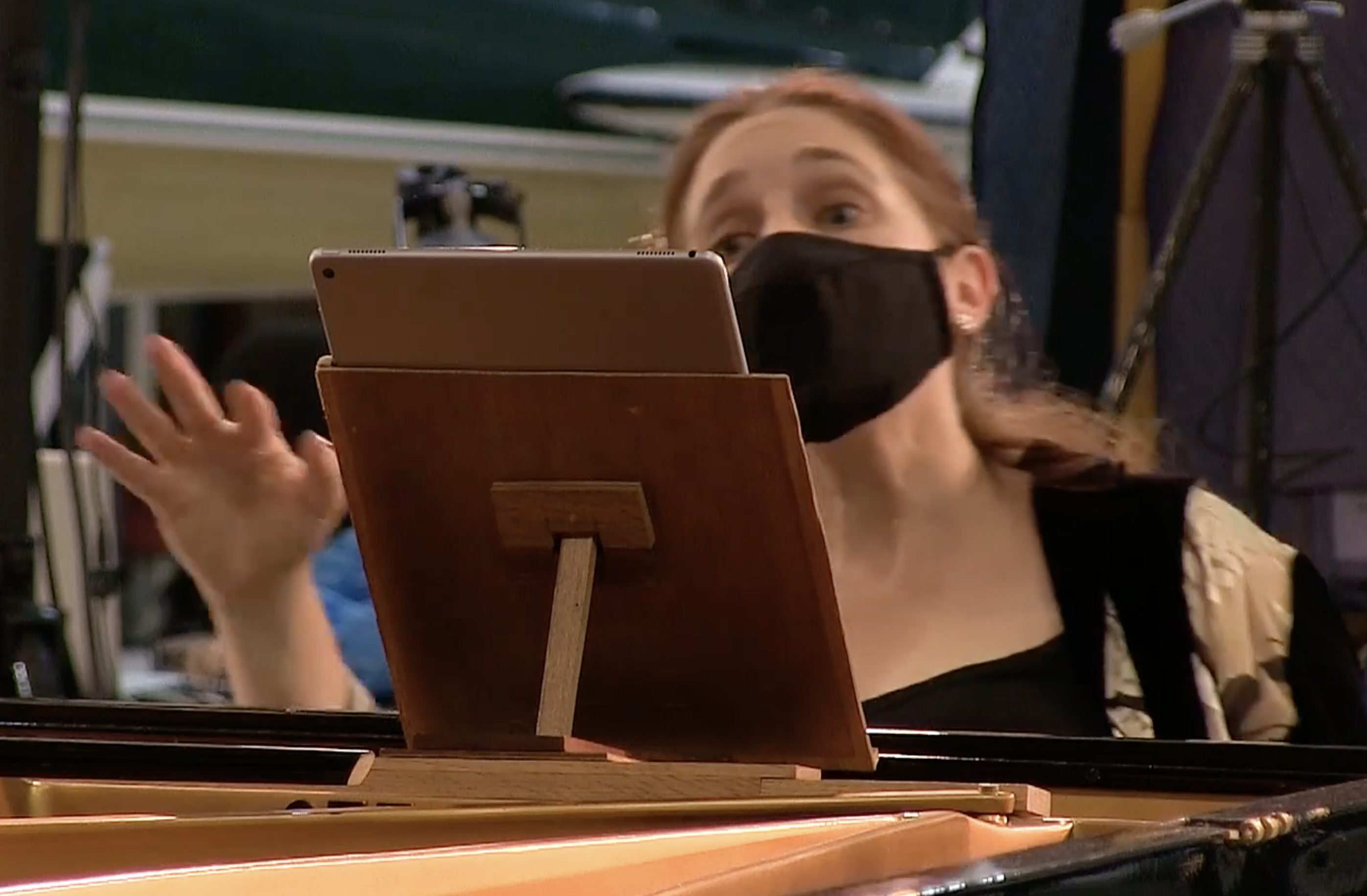
This perspective also highlighted her skill as a conductor, allowing the audience to see her interactions from the perspective of the Boulder Phil musicians. Using a skillful combination of subtle eye cues and whole body gestures, Dinnerstein conveyed her musical intentions clearly and powerfully, despite the black face mask obscuring her facial expressions. 

Dinnerstein played and conducted at her best when collaborating with flutist Jennings for the Orchestral Suite No. 2 in B Minor and Brandenburg Concerto No. 5. This is not surprising, considering Dinnerstein and Jennings have played this program together before, the last time in February at Columbia University, before the first COVID-19 shutdown. According to Jennings, bringing this Bach program back for the Boulder Phil has been both “eerie and wonderful.”

“(The Orchestral Suite) starts with the flute rather hidden,” Jennings said in her interview with Butterman. “Then the flute emerges more and more and becomes more prominent. I love the arrangement that we have created together with different timbres, different parts of the orchestra featured in different movements (and) a rousing finish.” 

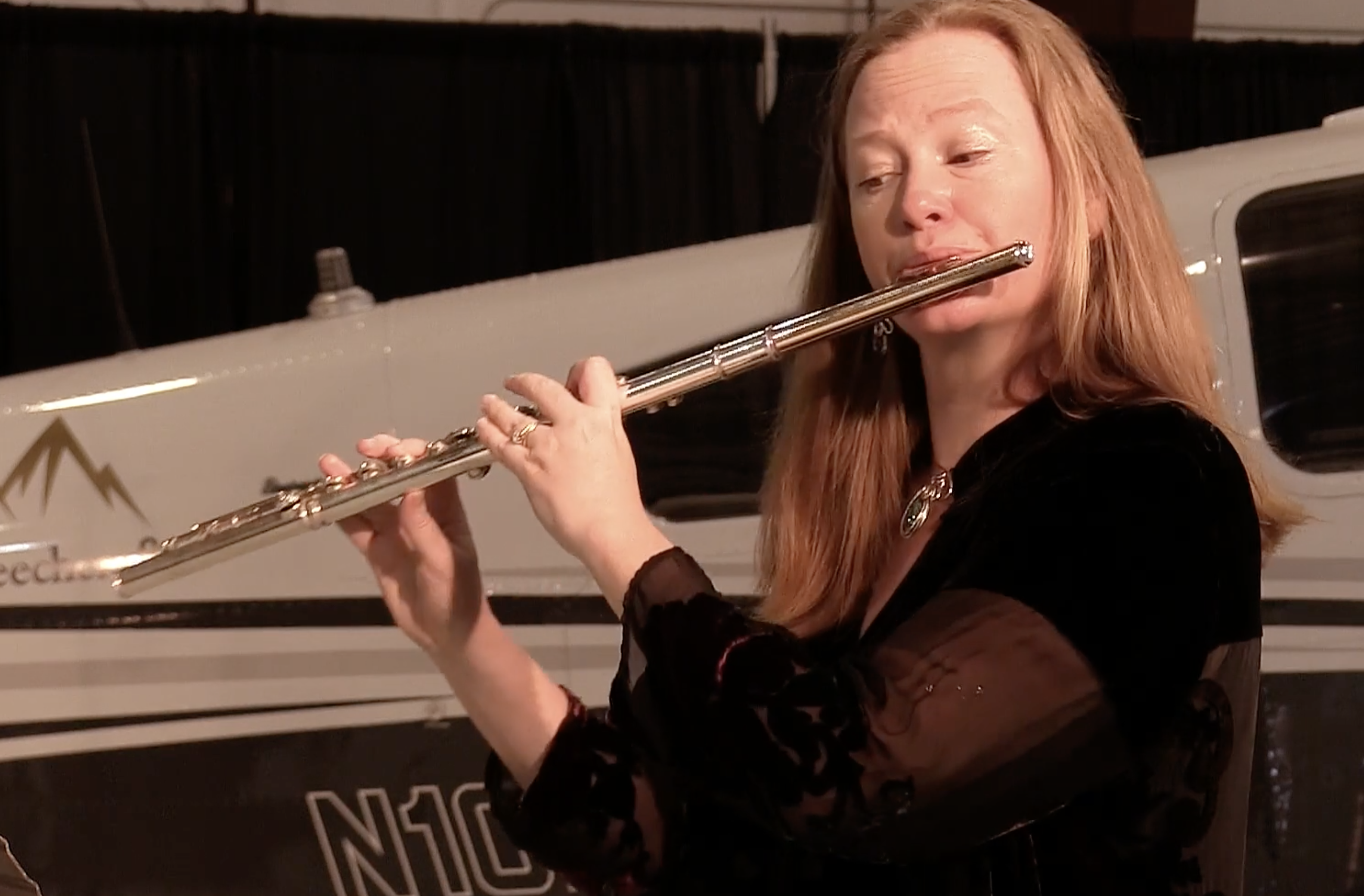
Flutist Christina Jennings (screenshot)

Jennings’ intentions for the Orchestral Suite certainly came through. At the beginning, she blended impeccably with the orchestra, nearly inaudible above the strings, before emerging from the texture with an elegant tone and an air of self-assurance. Her expertly executed trills floated above the entire orchestral texture, naturally melting into a sensitive vibrato. Despite the lightness of touch stylistically, Jennings was still able to dominate musically, her projection almost overpowering the rest of the orchestra and even Dinnerstein at times. 

The final piece of the night, the Brandenburg Concerto would have received a standing ovation, if there had been a live audience. The vivacious melodies paired with Dinnerstein’s pyrotechnic cadenzas were impressive, creating almost palpable excitement through the screen. 

The second “Allegro,” the concerto’s last movement, featured bouncy, energetic melodies on the flute and strings, underpinned by flowing, ostentatious scales on the piano. The gigue-like feel from continuous triplet eighth notes inspired vigorous head-nodding, foot-tapping and perhaps even a bit of clapping and dancing (now acceptable outside of the concert hall).

The Boulder Phil and Jennings, under Dinnerstein’s guidance, captured both the grandeur and intimate expressiveness of Bach’s music. Even with only a computer screen, Bluetooth speaker and unreliable Wi-Fi, “The Beauty of Bach” delivered as promised: a much-needed, beautiful musical experience. 

Boulder Philharmonic continues 20–21 season Nov. 14 with ‘Beauty of Bach’

Guest conductor/pianist Simone Dinnerstein, flutist Christina Jennings, violinist Charles Wetherbee are featured

By Peter Alexander Nov. 12 at 5:30 p.m.

Simone Dinnerstein has garnered a reputation as a Bach pianist, dating at least from the 2007 release of her recording of the Goldberg Variations. And in “Beauty of Bach,” a program performed with members of the Boulder Philharmonic, she reveals a new facet of her career: Bach conductor.

Simone Dinnerstein. Photo by Lisa Marie Mazzucco

Not only does she lead the orchestra in the keyboard concertos in the program—the Concerto in D minor and the Fifth Brandenburg Concerto—she also conducts two orchestral pieces—Philip Lasser’s arrangement of the chorale prelude Erbarm’ Dich and the Orchestral Suite in B minor. The latter two she conducts from the keyboard while playing continuo, the chordal accompaniment that is a feature of Baroque performance.

“I love so much of Bach’s music, not just the keyboard music, and I’m hoping that this is going to lead to more conducting,” Dinnerstein says. “I don’t yet feel comfortable to conduct without playing the piano, but I feel like I can transmit more through playing, even if I’m playing continuo.”

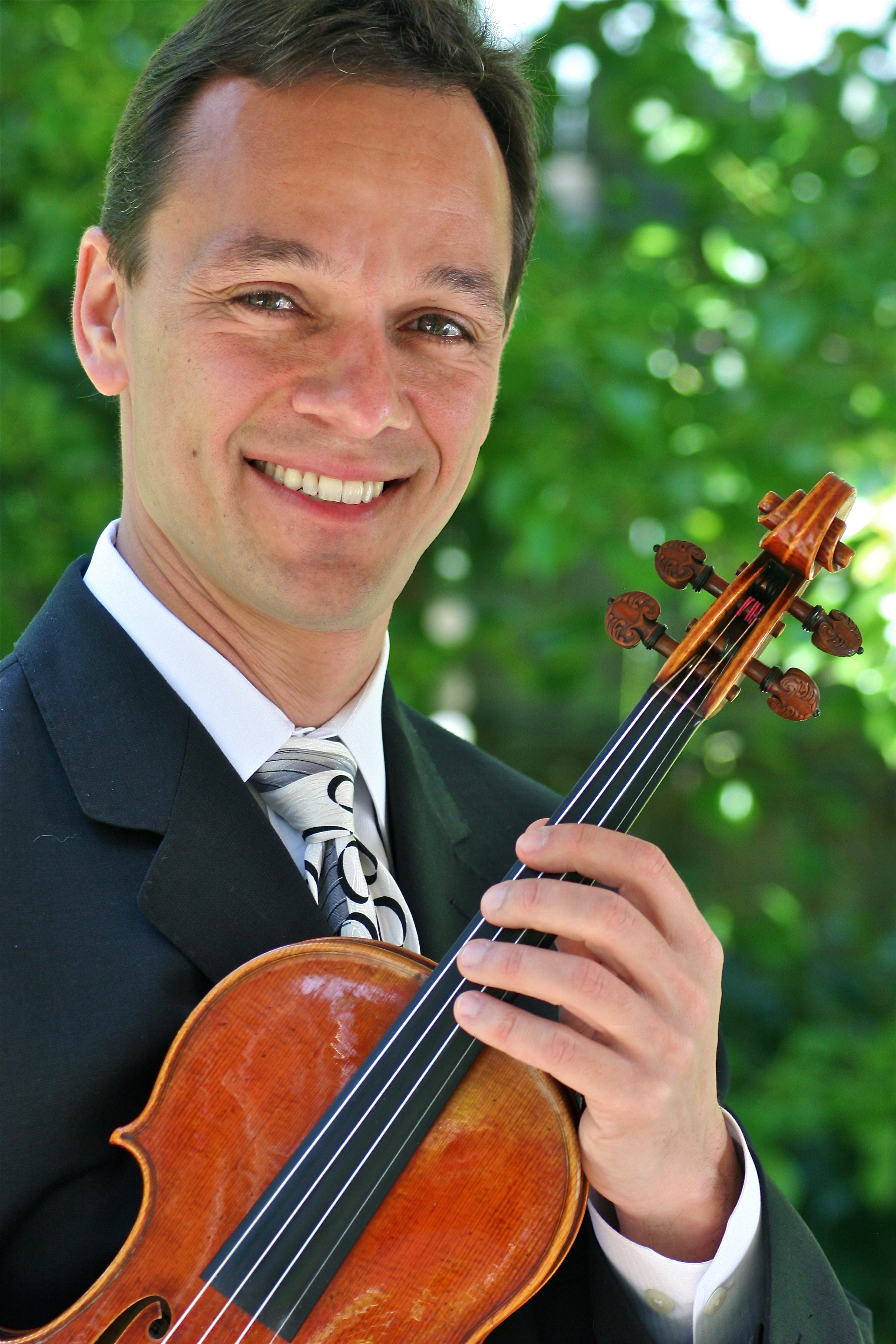
Charles Wetherbee

The performance was recorded at Boulder Airport in September for live streaming, and will be available at 7:30 p.m. Saturday (Nov. 14). Soloists with her for the Brandenburg Concerto are Charles Wetherbee, the Phil’s concertmaster, and flutist Christina Jennings, who also plays the flute solos in the Orchestral Suite No. 2 in B minor.

The program is a repeat of one given by Dinnerstein and Jennings at Columbia University in February, just before the pandemic halted most concert activity. That performance, her first as conductor, featured Baroklyn, a string ensemble that Dinnerstein created for her own performances.

When Michael Butterman, music director of the Boulder Phil, asked Dinnerstein to participate in the orchestra’s ‘20–’21 streamed season, she immediately thought of the concert she had done with Jennings. “He wanted a Bach program,” she says. “I suggested that we do that program, because Christina lives (in Boulder).”

In assembling the original program for the February concert, Dinnerstein was sensitive to the flow from one piece to the next. “I think it’s interesting to start the program with something that is a very contemporary take on Bach,” she says. “And it moves very beautifully into the orchestral suite, so I like that connection between the two pieces.

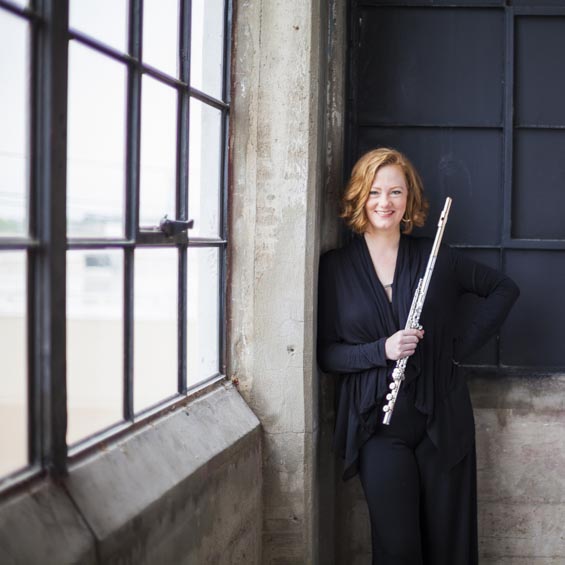
Christina Jennings

Erbarm’ Dich was arranged by Philip Lasser, who is a fantastic composer and has a deep understanding of Bach’s music. This particular transcription sounds almost as much like his music as it does like Bach. He didn’t change any notes, but the way that he voices it, it’s in the style of Philip Lasser.

“I like the juxtaposition of the D minor Concerto and the D major Brandenburg Concerto. The whole program shows different sides of Bach’s music, from this very profound chorale prelude to the ebullient Fifth Brandenburg Concerto, which couldn’t be more fun.”

Although most live concerts since the February program in New York have been cancelled due to COVID-19, Dinnerstein has kept busy. “I’ve been doing concerts similar to the one in Boulder, where I am filmed and then they’re streamed,” she says. “So I’ve been doing a little bit of traveling.”

Whatever her reputation at this point, Dinnerstein does not want to be pigeonholed as a Bach pianist. “I don’t think of myself as a Bach specialist,” she says. “I love Bach, and I have recorded a lot of Bach, but I’m not somebody who has an encyclopedic knowledge of Bach. I would not call myself a Bach scholar.”

Simone Dinnerstein. Photo by Lisa Marie Mazzucco

As for playing on the modern piano instead of a keyboard of Bach’s time, “There is a kind of abstraction to his music which is not instrument-specific,” she says. “He thought of music in a pure way.”

Like many musicians and other performing artists, she is looking forward to the days after COVID. She doesn’t want to guess how things will have changed in the meantime, however.

“I can’t quite process how it’s going to change our perception of concerts,” she says. “I think that it will certainly make us favor live concerts when we are able to attend them and perform at them.”

Like most of us, she has found both positive and negative aspects to the Zoom experience. In some ways it has enhanced her teaching. “I teach in New York, and I have students (in Asia) that I’ve never met in real life. I’ve been teaching them over Zoom for a few months now. It’s very striking how we’re getting a lot more work done than we did before.

“I think that all of this recording has made us listen more acutely to ourselves as musicians. There’s’ so much opportunity for reflection and there’s a lot more inward-looking action taking place—musically and in our lives in general—just because of this whole period of time.”

# # # # #

Photo by Lisa Marie Mazzucco

The Beauty of Bach
Simone Dinnerstein, pianist and conductor
Christina Jennings, flute, and Charles Wetherbee, violin

J.S. Bach/Philip Lasser: Erbarm Dich, S721
J.S. Bach: Orchestral Suite No. 2 in B minor, S1067
Keyboard Concerto in D minor, S1052
Brandenburg Concerto No 5 in D major, S1050

Available from 7:30 p.m. Saturday, Nov. 14. Ticket may be purchased here.