Rare Beethoven at the Boulder Phil

MIssa Solemnis, “Magnum Opus” of great extent and significance, May 4

By Peter Alexander April 30 at 5:50 p.m.

Beethoven was a few years years late.

He promised his friend, pupil and patron Archduke Rudolf that he would write a solemn mass—Missa Solemnis—for the latter’s investiture in 1820 as the Archbishop of Olomouc. But the massive score was not finished in time. In fact, it was not performed until April 7, 1824—in St. Petersburg, under the sponsorship of another of Beethoven’s patrons, Russian Prince Gallitsin.
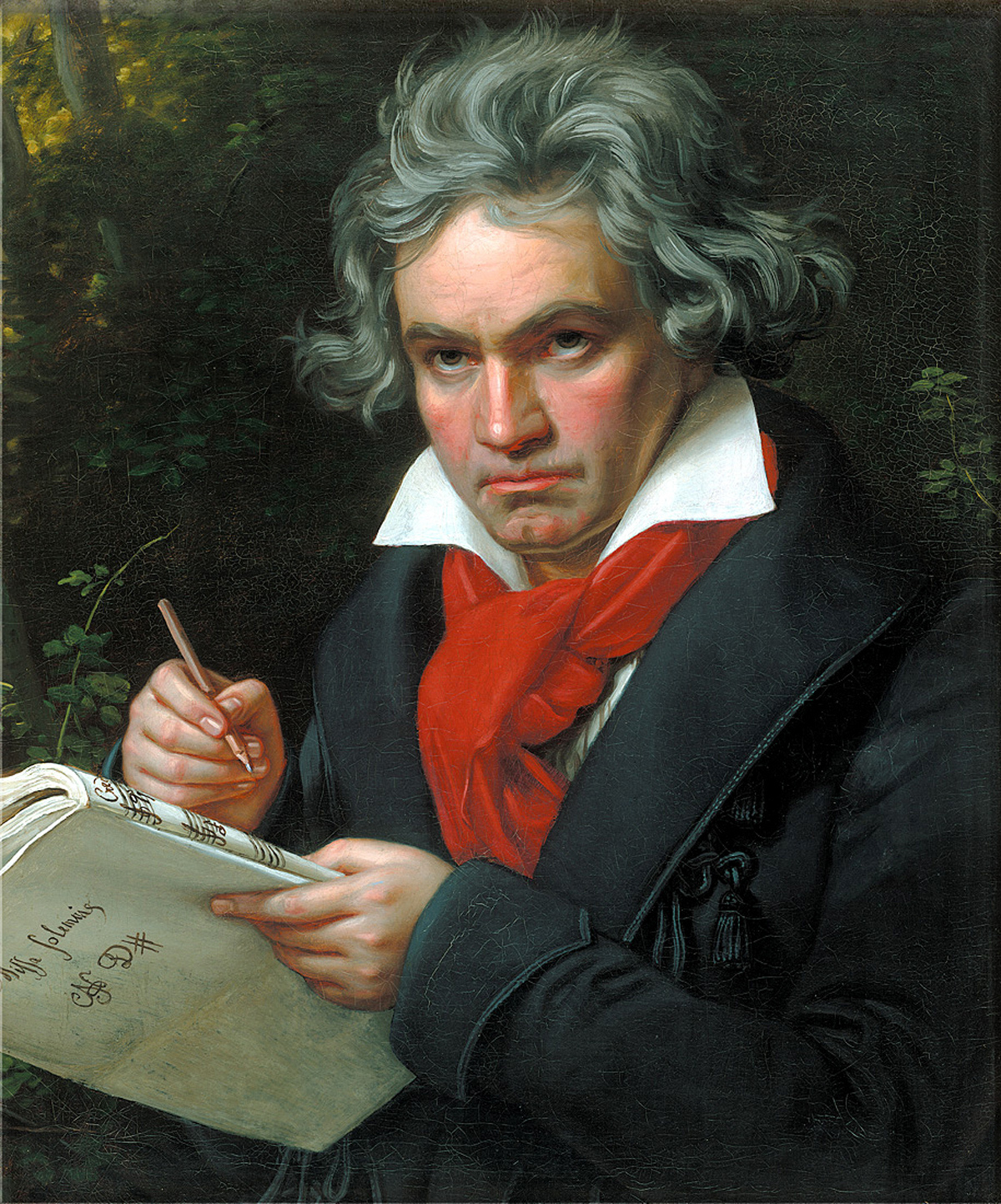
Portrait of Beethoven with the score to the Missa Solemnis

The size of the work, which takes 80 minutes to perform, and the difficulty of the choral parts remain obstacles to performances. So it is a noteworthy event that the Boulder Philharmonic and Boulder Chorale will join forces to present the Missa Solemnis Sunday at Macky Auditorium (4 p.m. May 3; details below).

Michael Butterman, music director of the Boulder Phil, will conduct. The full 130-member Boulder Chorale has been rehearsed by director Vicki Burrichter. Soloists will be Tess Altiveros, soprano; Abigail Nims, mezzo soprano; Kameron Lopreore, tenor; and Pectin Chen, bass.

This is the first time either Butterman or Burrichter have presented the work. “I have personally wanted to do it for years and years,” Butterman says. “It’s a huge lift for (the chorus), so you have to have a partner that is up to it and is willing to take it on.

“I’ve been in touch with Vicki at the Boulder Chorale through the years, and this came up when she and I were talking. She said ‘I think we can do it. I want to do it!’”

For her part, Burrichter says that the Chorale is now ready for the challenge. “I wouldn’t have done this piece with them even five years ago,” she says, “but they are now at a place where they are very highly trained up. This is my 10th year with the Chorale, and we’ve been working very hard to get to an even higher level than when I started.”

Several aspects of the music present challenges to the chorus. They sing almost nonstop, with no breaks for solo arias or duets. Their parts cover a wide range from very high to low, with difficult, angular melody lines. The fugues are often difficult to sing, especially when each part has to project the theme independently of the others.

Burrichter identifies other challenges as well. “Yes, the tessituras (voice ranges) are high, especially for the sopranos,” she says. “But the constant change in dynamics (loud to very soft and vice versa) is probably the hardest thing. You have to always look ahead. I think also the hardest thing is getting the flow of the piece, because it is dramatically different from Bach or Mozart. Understanding why (Beethoven) wrote what he did, what he was trying to say—those are things that take a long time (for the singers) to integrate.”
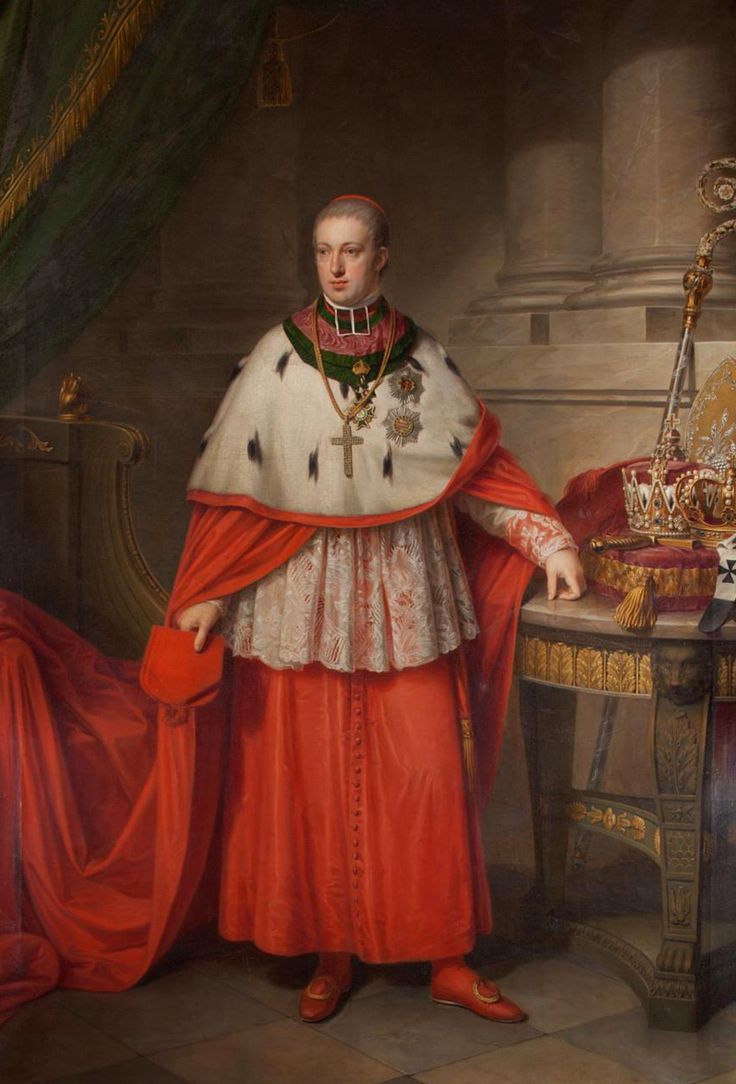
Beethoven’s pupil and friend, Archduke Rudolf of Austria, as Cardinal

“It is one of the most daunting works that I’ve ever put my mind to,” Butterman says. “I’m truly humbled by this piece. It seems so incredibly detailed, so dense, so masterful that I’m really in awe of this—written by someone who was probably profoundly deaf. It’s just staggering. The contrapuntal mastery that he displays over and over again, throughout the work, is astonishing.”

The use of counterpoint shows that Beethoven knew the traditions established in the mass settings by earlier composers. Other traditional gestures that he incorporated into the score include the use of fugue for certain texts, starting the Gloria with ascending joyful lines in the chorus, the use of traditional church modes, and the use of solo flute to represent the Holy Spirit. 

In other ways Beethoven added his own original ideas. One that is particularly powerful is the insertion of trumpets and drums suggesting military music right before the text Dona nobis pacem (Give us peace). Beethoven lived during a time of extended warfare across Europe, including the occupation of Vienna by French troops, giving the plea for peace special force.

Burrichter sees a relevance for that passage still. “Listen to how Beethoven changes the Dona nobis pacem, and how this relates to what’s happening in the world right now,” she says. “The message that Beethoven was trying to send in 1827 is just as relevant today.”

She also says “I think this piece has an unfair reputation as unsingable and an assault on the senses. What great composers do is demand great things of singers and instrumentalists. Beethoven was reaching for transcendence.” 

She advises the audience to “enter into the experience that Beethoven is trying to create. Enter into Beethoven’s world in the same way that you would one of his symphonies.”

But the last word on the Missa Solemnis should go to the composer. On the copy that he presented to his pupil and friend the Archbishop, Beethoven wrote “Von Herzen—Möge es wieder—Zu Herzen gehn!”

“From the heart—may it return to the heart!”

# # # # #

“Beethoven’s Magnum Opus”
Boulder Philharmonic, Michael Butterman conductor
With the Boulder Chorale, Vicki Burrichter, director
Tess Altiveros, soprano; Abigail Nims, mezzo soprano; Kameron Lopreore, tenor; and Pectin Chen, bass

  • Beethoven: Missa Solemnis, op. 123

4 p.m. Sunday, May 4, Macky Auditorium
TICKETS

Boulder Phil presents Rachmaninoff and music of two festivals

Guest pianist Alessio Bax and soloists from orchestra in the spotlight

By Peter Alexander March 27 at 5:50 p.m.

Two works inspired by festivals will form bookends for the next Boulder Philharmonic concert, at 4 p.m. Sunday (March 30; details below), with a big, popular Romantic piano concerto in the center.

The Piano Concerto No. 2 by Rachmaninoff fills the central position. Guest artist Alessio Bax is the soloist and Michael Butterman will conduct.

The frame for the concerto will be provided by PIVOT by Anna Clyne, inspired by experiences at the Edinburgh Festival; and Stravinsky’s Petrushka, the brilliant score to a ballet that takes place during the Shrovetide festival in St. Petersburg, Russia.

Anna Clyne

The common inspiration of a festival is what suggested to Butterman that Clyne and Stravinsky would make an effective framework for the program. “When we were thinking about programming Petrushka, it struck me that some of the swirling, calliope-like music in the opening section is kind of echoed in Anna Clyne’s PIVOT.

“It’s a piece that I’ve done once before, in Shreveport. You feel that you are walking through a space in which there are different happenings going on. You pass one, (with) a particular tempo and mood, and you turn around and you are facing something else entirely.”

The composer’s description of PIVOT closely matches Butterman’s. “It’s the idea of opening up doors as if you were going down a musical corridor,” she says. “You open one door and there’s a trapeze artist, and another there’s a lady singing an aria. PIVOT really takes you on lots of twists and turns in what’s actually a very short piece.”

It also reflects Clyne’s experience as an undergraduate student in Edinburgh in the 1990s, with a bit of history and folk music thrown in. “I really wanted to evoke a sense of celebration drawing on my experiences living in Edinburgh and being there during the festival,” she says. “Every nook and cranny becomes a venue, be it music, theater, comedy, dance—it’s every art form you can imagine.

“There’s a tune that I borrow called ‘The Flowers of Edinburgh,’ which is a traditional folk tune of Scottish lineage and also a tune that shows up in American folk music. PIVOT was co-commissioned between the Edinburgh International Festival and St. Louis Symphony, so I wanted to find music that brought those two countries together.”

The historical aspect comes from a pub where local musicians meet to share folk music. The pub is called The Royal Oak today, but 200 years ago it was called The Pivot. Thus the title both reflects the nature of the music and recalls the history of a musical venue in Edinburgh.

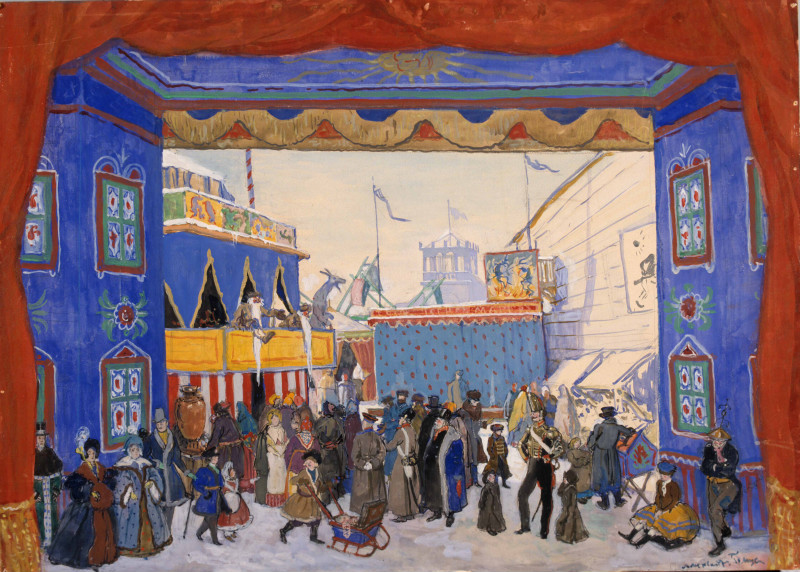
Original design by A. Benois for Stravinsky’s ballet Petrushka

At the opposite end of the program, Stravinsky’s Petrushka is a brilliant, colorful description of the crowds at a Russian Shrovetide (Mardi Gras) festival with various dances—some using Russian folk tunes—as well as drunken revelers, organ grinders, a dancing bear, and most central to the story, a puppet theater with three puppets that dance at the command of a magician.

One of the puppets is Petrushka, who is killed by another puppet as the fair is closing for the night. As the ballet ends, night descends over the empty square. Petrushka’s ghost appears above the theater as the magician runs off in fear.

“This is really a piece in which you need to have a sense of what is happening and what Stravinsky is evoking,” Butterman says. “It works very well as concert music, but it really is a full ballet score. Understanding the dramatic context is critical.”

The score notably includes a major piano part in the orchestra. “It is the most virtuosic orchestral piano part that I can think of, in the whole repertoire,” Butterman says. “It’s absolutely critical to much of the piece.” 

The Phil’s piano and keyboard position is currently vacant, and the solos in this case will be performed by Cody Garrison. A practicing dentist in Denver, Garrison works at Metropolitan State University as accompanist in the brass and woodwind departments. He also serves as pianist for Opera Colorado and staff accompanist for the Boulder Symphony, where he played Liszt’s Todtentanz (Dance of death) with the orchestra last season.

There are important solo parts for other members of the orchestra. Two in particular stand out in scenes for the three puppets: flute, which will be performed by visiting principal Hannah Tassler, and trumpet, which will be performed by principal player Leslie Scarpino.

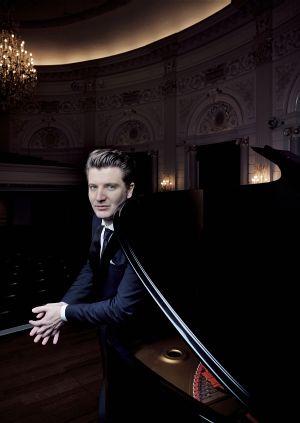
Alessio Bax. Photo by Marco Borggreve.

The Rachmaninoff concerto is the most familiar piece on the program. It had a large impact on the composer’s career, since its success helped him overcome the failure of his First Symphony a few years before. Technically demanding of the pianist, the Concerto is also very tuneful and has become one of the most popular piano concertos in the standard repertoire.

“There’s no question why it’s so winning,” Butterman says. “It has lots and lots of virtuosity, and (Rachmaninoff) had the incredible gift for writing melodies that go straight to the heart, that have both a soaring, noble quality and more than a tinge of melancholy.”

The soloist, Alessio Bax, began his career in Italy, but is distantly related to the English composer Arnold Bax. Butterman relishes working with him. “I did this very same piece with him last season in Shreveport, and I find him an elegant player, yet full of the kind of passion that you want in this piece. I feel like I know where he’s going with a phrase, so from my perspective, it was a dream to lock in with him.

“I thought it was a very effective and memorable performance, so I’m expecting we’ll have a similar experience in Boulder.”

# # # # #

Masterworks Concert
Boulder Philharmonic, Michael Butterman, conductor
With Alessio Bax, piano
Orchestra soloists Cody Garrison, piano; Hannah Tassler, flute; and Leslie Scarpino, trumpet

  • Anna Clyne: PIVOT
  • Rachmaninoff: Piano Concerto No. 2 in C minor
  • Stravinsky: Petrushka (1947)

4 p.m. Sunday, March 30
Macky Auditorium
TICKETS

Correction: Typo corrected the headline, 3/28. The soloist’s name is Alessio Bax, not Max as spell corrector incorrectly changed it.

Michael Butterman returns to Boulder Phil

Concert features world premiere, Bluegrass violin concerto, “New World” Symphony

By Peter Alexander Jan. 13 at 12:30 a.m.

Michael Butterman returned to the Boulder Philharmonic Orchestra yesterday (Jan. 12) to conduct an interesting and worthwhile program, having missed the fall season due to cancer treatments.

Newly bald from chemo therapy, Butterman was welcomed by the Macky Auditorium audience with cheers and applause. He led the full program with his usual energy.
First was the world premiere of Wind, Water, Sand by Stephen Lias, inspired by Colorado’s Great Sand Dunes National Park. It is the third national park-inspired piece by Lias premiered by the Phil, after Gates of the Arctic (2014) and All the Songs that Nature Sings (Rocky Mountain, 2017). Unlike those works, Wind, Water, Sand does not have images to accompany the score. Lias has explained that he wanted this work to spur the listener’s imagination, instead of being linked to specific images of the park.

He also said the music expresses the flow of the three elements that created the park—the wind, the water, and the sand. There are closely related musical ideas that flow at various speeds, just as the three elements flow at different rates within the park.

The score opens with energetic ideas that are wonderfully evocative of motion. The intricate, rippling quality of these opening gestures suggest the wind flowing over the dunes, or the ripples of the stream that runs alongside the dunes. Thereafter, the orchestral sound is colorful and suggestive, but rarely specific enough to signal wind or water. 

The bustling opening gives way to a greater stillness, punctuated by outbursts of sound that I found evocative more of a summer storm than any of the three elements. Exciting contributions from the percussion animate this section, along with dramatic gestures from the brass that evolve into something that seems grander than sand dunes. 

Whatever one imagines, the piece is well structured from beginning to end. With its busy opening, its central section that grows in grandeur, and a return to the opening soundscape, it creates a satisfying whole.

People around me talked of the score having a cinematic quality—I heard mentions of Indiana Jones and Studio Ghibli; clearly the music struck home. On the basis of its musical qualities alone, Wind, Water, Sand deserves a future in concert halls.

Next Butterman introduced violinist Tessa Lark, who performed a piece written for her by Michael Torke. Titled Sky: Violin Concerto, it combines the structure and musical drama of the classical concerto with musical styles that reflect Lark’s fiddling skills from her native Kentucky.

Lark occupied the concerto’s unique sound world like it was home—which in a way it is. She played the dazzling first movement with fire and a Bluegrass virtuosity that elicited spontaneous applause between movements. The wistful second movement—as it is labelled in the score—presents a series of meditative ideas skillfully knit together. And the final movement, now “spirited,” gave Lark the chance to play flashy fiddling licks with energy and bravura. 

The performance was not always ideally balanced in Macky’s uneven acoustic, but that seemed not to detract from the listeners’ enjoyment. Lark’s energetic body language, including bends and emphatic stomps, added to the overall excitement. The audience called Lark back for an encore that combined her country singing skills with down-home fiddling. 

The concert concluded with another piece from America, if not by a living American: Dvořák’s Symphony No. 9, “From the New World.” Butterman and the orchestra gave an expressive performance, marked by strategic variations of tempo. If a little more than I would like, these touches marked out the expressive contours of the familiar symphony. 

The best moment was provided by the brass chorale at the outset of the second movement, resonant and reverent. The movement also featured an eloquent English horn solo on the famous “Goin’ Home” theme that was later adopted into a pseudo-spiritual by one of Dvořák’s pupils. Butterman tore into the final movement at a speedy pace, but again used strategic variations of tempo to outline the expressive contours. 

The winds played strongly throughout, giving the symphony a muscular core, but occasionally overpowering the strings. All the wind solos were well played, including the treacherous horn solos and lovely contributions from the flute and clarinet. 

CORRECTION 1/13: The composer Stephen Lias’ name was incorrectly listed as Michael in the first version of this review.

Michael Butterman returns to Boulder Phil

Conductor will lead premiere of new work by Stephen Lias on program “From the New World”

By Peter Alexander Jan. 8 at 12 noon

Michael Butterman, music director of the Boulder Philharmonic, returns to the Macky Auditorium stage to conduct the orchestra’s concert Sunday (4 p.m. Jan. 12; details below) after an absence of several months while he underwent cancer treatments at his home in Shreveport, La.
In addition to Butterman’s return, the concert is noteworthy in featuring two works by living composers, one of them a world premiere, and the much loved Symphony “From the New World” by Antonín Dvořák. The world premiere, Wind, Water, Sand by Stephen Lias, is a musical tribute to Colorado’s Great Sand Dunes National Park—his third national park-based score to be premiered by the Phil. Violinist Tessa Lark, who combines her Grammy-nominated skills as a classical soloist with prowess as a bluegrass fiddler, will play Michael Torke’s Sky: Violin Concerto, which was written for her.

Michael Butterman with the Boulder Phil, before his recent illness

Butterman is eager to return. “I  want to get back to making music,” he says. “I’ve completed the chemo therapy regimen with good results. My immune system is going to be subpar for a few months and I have to be cautious, (but) other than that, I can go about my business.”

Noting the visible effects of his chemo treatments, he names some famous bald conductors. “It’s a different look,” he says. “I pass the mirror every now and then, and I’m like, ‘who was that person?’”

Lias, whose Web page identifies him as an “adventurer-composer,” has written more than 20 concert works inspired by America’s national parks. Two that have been premiered by the Boulder Phil—Gates of the Arctic (2014), inspired by a residency in that Alaskan park, and All the Songs that Nature Sings (2017), inspired by Colorado’s Rocky Mountain National Park—were accompanied by visual images of the respective parks. 

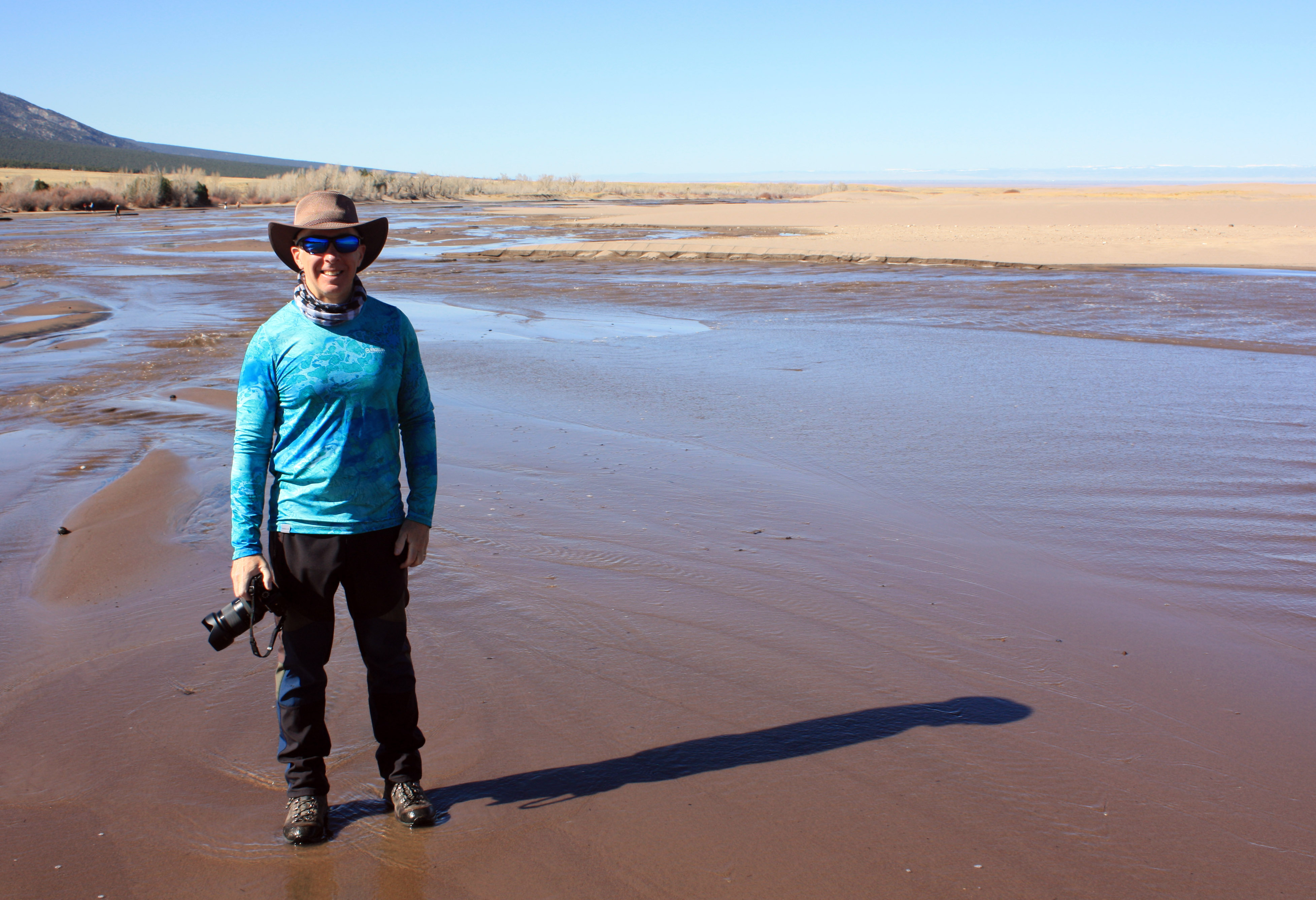
Stephen Lias at Great Sand Dunes N.P. in 2023 Photo by Peter Alexander

Wind, Water, Sand, however, does not have accompanying photos or videos. “I enjoy writing music that has imagery synchronized to it,” Lias says. “But Michael (Butterman) agreed at my request that this piece would not have imagery. 

“In this case, both because of the location and because of the musical challenge, I wanted to tap into the audience’s imagination, which is what we do when we listen to Beethoven’s ‘Pastoral’ Symphony or the Strauss Alpine Symphony. We allow our imagination to provide the imagery, and that was the direction that I wanted to go in this piece.”

Lias spent more than a week as a guest of Great Sand Dunes National Park in the spring of 2023. This was not a residency, but a one-time project between Lias, the park and the Boulder Philharmonic. Park officials “were very generous in allowing me access to the park, the museum and the staff there,” he says.

“What I wanted was to be completely open to the place (and) the experience there,” he said during his 2023 visit to the park. “I’m creating what I think of as ‘idea soup‘. I’m letting it stir, and we’ll see what it turns into.”

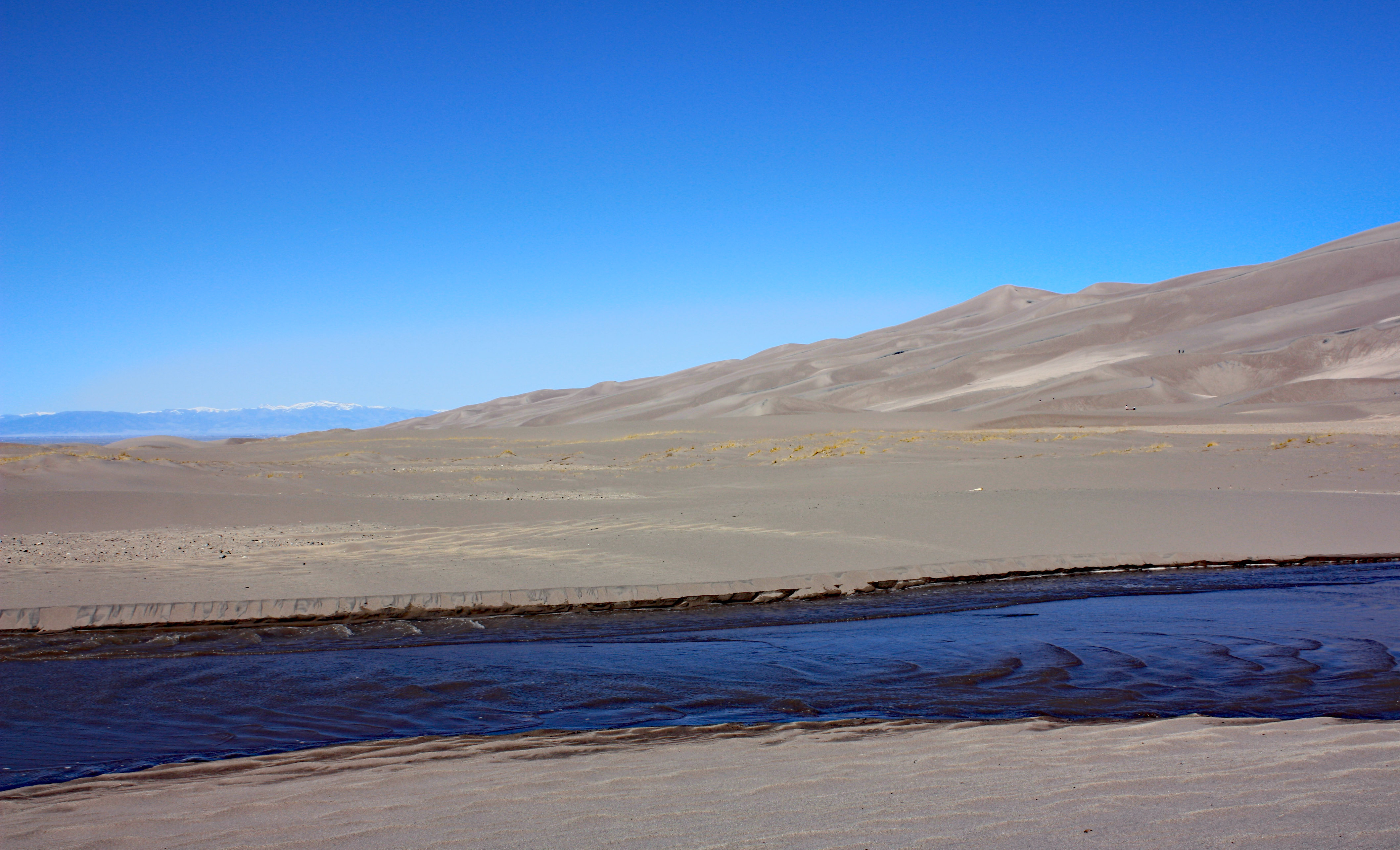
The flow of sand and water at Great Sand Dunes N.P. Photo by Peter Alexander

What turned into the basis of his score was the flowing motion of the wind across the dunes, of the water that runs beside the dunes, and of the sand as it forms the dunes—hence the title, Wind, Water, Sand. “All of those are doing the same thing at different paces and at different scales, from the very slow to the very fast, from the microscopic to the gargantuan,” Lias says. 

While those are separate elements in nature, they are not represented by separate musical ideas. “Rather than make a wind theme and a water theme and a sand theme,” Lias explains, “I focused on a group of ideas that go both slow and fast. There are little ornate, intricate elements in certain parts of the music that are re-used as whole notes as bass lines for other places in the piece.They are all participating in the same dance.”

An eclectic composer, Torke has written music influenced by minimalism, operas influenced by rap and disco, a rock opera version of Monteverdi’s L’incoronazione de Poppea (The Coronation of Poppea), music inspired by his synesthetic experiences of music and color—and now a Bluegrass concerto. Sky was commissioned in 2018 by a consortium of 11 orchestras around the country, including the Albany Symphony, with whom Lark played the premiere. “Tessa just owns that piece,“ Butterman says.

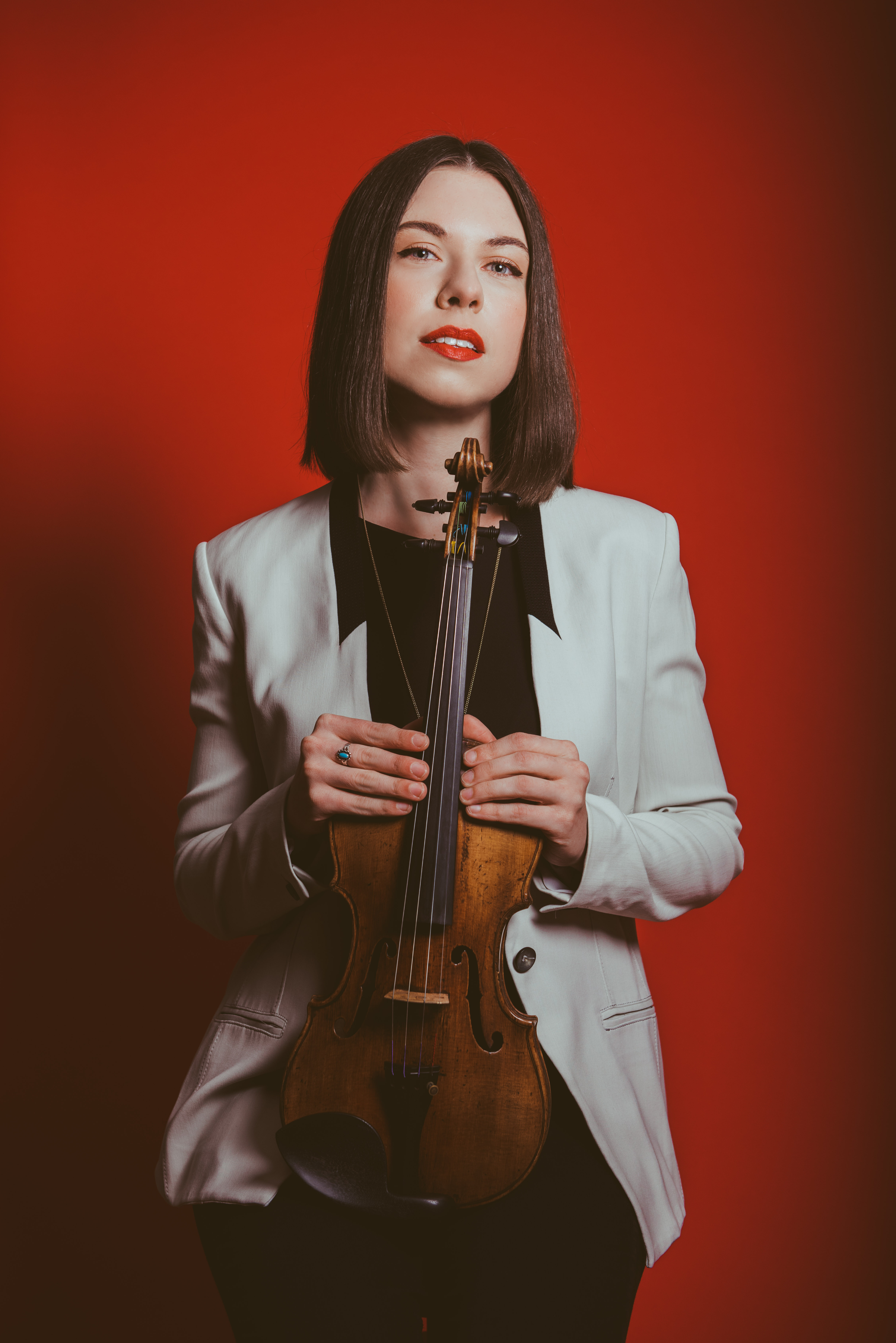
Lark grew up in Kentucky, where she studied the Suzuki method and performed with her father’s Bluegrass band. She later studied at the New England Conservatory and Juilliard, and while playing a Stradivari violin on loan she was inspired to record an album titled Stradgrass Sessions combining her classical and Bluegrass skills.  

Tessa Lark

In his program notes, Torke writes “The inspiration for this concerto came from Tessa Lark . . . Banjo-picking technique given to the solo violin was the departure point in the first movement. For the second movement my source material was Irish reels, the forerunner of American Bluegrass. The template for the third movement was fiddle licks with a triplet feel. In each case I wrote themes of my own in these styles, and developed the ideas into a standard ‘composed’ violin concerto.”

Butterman describes Sky as having “a great deal of complexity in terms of the way the parts work with one another. It’s a workout for the orchestra, no question, but very successful with the audience.”

In the context of the two newer pieces, Butterman thought that Dvořák’s “New World” was the perfect compliment. “All of these pieces are American in one way or another,” he says. “The closest connection is between Torke and Dvořák. Dvořák was looking to show Americans how to celebrate our cultural richness through development of the spiritual, and also what he thought were native American elements. And in the Torke we have a Bluegrass influence.

“The Torke and the Dvorak, in spite of them being a hundred and however many years apart, come from similar motivations. And (Lias’s) piece is inspired by a beautiful slice of our American landscape (that) people in Colorado will appreciate and understand.”

# # # # #

“From the New World”
Boulder Philharmonic Orchestra, Michael Butterman, conductor
With Tessa Lark, violin

  • Stephen Lias: Wind, Water, Sand WORLD PREMIERE
  • Michael Torke: Sky: Violin Concerto
  • Dvořák: Symphony No. 9 in E minor, “From the New World”

4 p.m. Sunday, Jan. 12
Macky Auditorium
TICKETS

Boulderites should act now for Holiday event

Low Ticket Warning for Dec. 1 Nutcracker in Macky; limited Longmont tickets still available

By Peter Alexander Nov. 26 at 12:05 a.m.

What would the Holiday season be without Tchaikovsky’s beloved ballet The Nutcracker?

For many families, something would definitely be missing from their celebrations. The Boulder Philharmonic and Boulder Ballet open their annual performances of Nutcracker this weekend, with performances Saturday and Sunday (Nov. 30 and Dec. 1; details below), but they are warning that the Sunday matinee, an especially popular time for families to attend events together, has a limited number of tickets left. 

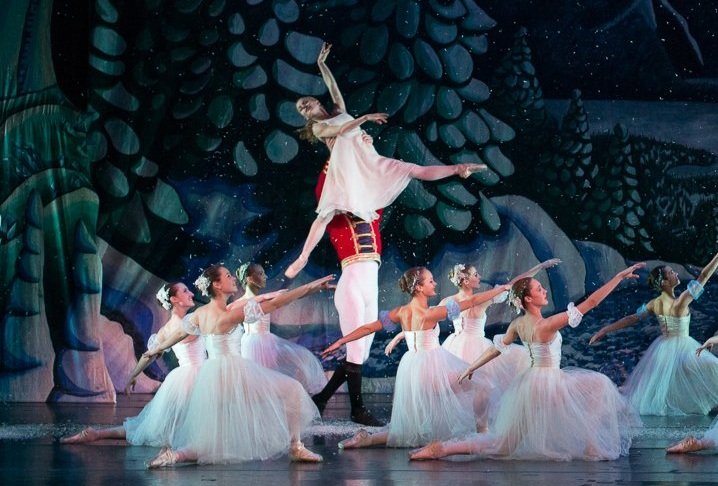
Boulder Ballet production of The Nutcracker

If you do miss the Boulder performances, however, you need not despair! Boulder ballet will also present The Nutcracker in Longmont the following weekend (Dec. 7 and 8; details below) with the Longmont Symphony. Tickets are limited but still available for those performances. 

The Boulder Ballet and the Longmont Symphony will also present their annual “Gentle Nutcracker,” an abbreviated and sensory-friendly one-hour version of the ballet at 1 p.m. Saturday, Dec. 7. These performances are designed for individuals with special needs and their families.

In addition to the performances of the full ballet, Boulder Ballet will also feature additional events. As part of a theme titled “Unlocking Tradition,” the stage curtain will be left open until 10 minutes before the performance begins. This will offer audience members a glance behind the scenes, as they will be able to see dancers, musicians and stage crew preparing for the performance. 

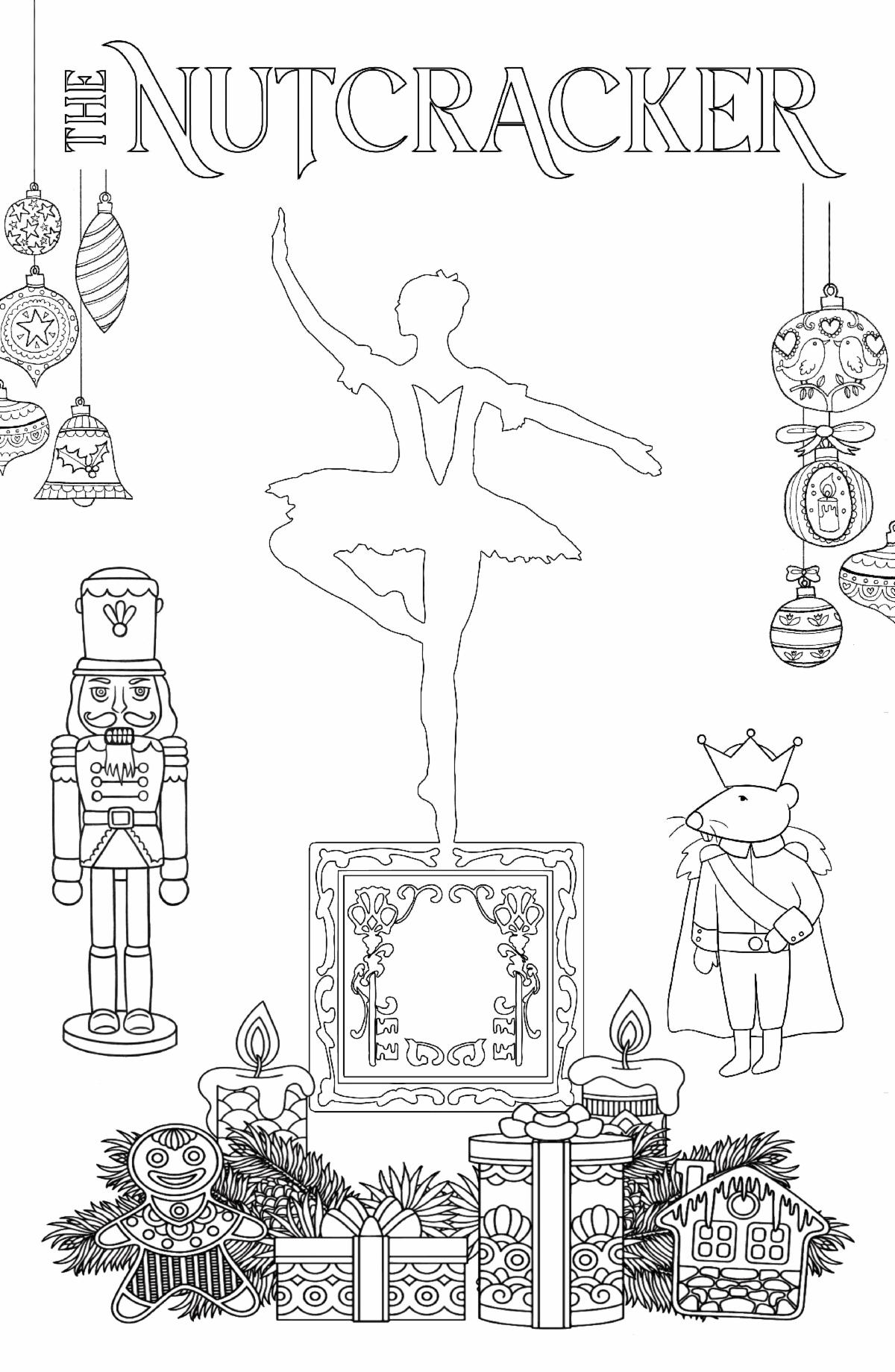
For the performance with the Boulder Philharmonic in Macky Auditorium, there will be a coloring contest for children. A line drawing of characters and images from The Nutcracker has been posted online. Children attending each performance are invited to color the drawing, and bring their colored pages to the performance for a chance to win a Nutcracker doll.

Tchaikovsky: The Nutcracker Ballet

Boulder Ballet with the Boulder Philharmonic, Gary Lewis, conductor

  • The Nutcracker
    1 and 6:30 p.m. Saturday, Nov. 30
    1 p.m. Sunday, Dec. 1 LOW TICKETS
    Macky Auditorium
TICKETS 

Boulder Ballet with the Longmont Symphony, Elliot Moore, conductor

  • “Gentle Nutcracker”
    1–2 p.m. Saturday, Dec. 7
    Vance Brand Civic Auditorium

TICKETS

  • The Nutcracker
    4 p.m. Saturday, Dec. 7
    2 p.m. Sunday, Dec. 8
    Vance Brand Civic Auditorium

TICKETS

GRACE NOTES: From Brahms to Taylor Swift

Mini Chamber concert in Boulder and Groovin’ in Longmont

By Peter Alexander Nov. 19 at 11:40 p.m.

The Boulder Chamber Orchestra (BCO)will present “Mini-Chamber 2,” the second of its chamber music programs for the 2024–25 season, Saturday (7:30 p.m. Nov. 23; details below).

The program features guest pianist Adam Żukiewicz performing quintets for piano and strings by Brahms and Théodore Dubois with members of the BCO string sections. Żukiewicz appeared on a Mini-Chamber concert last spring, and will be the soloist with the orchestra when they perform in New York in Zankel Hall at Carnegie Hall next spring.

Dubois was a prominent French composer in the late 19th and early 20th centuries. After winning the Prix de Rome in1861, he became organist and choirmaster at several churches in Paris and was professor of harmony at the Paris Conservatory 1871–91 and composition until 1896. He became director of the Conservatory in 1896, but had to resign from the position over his hostility to the adventurous student works of Ravel.

Adam Żukiewicz

Dubois was as conservative in his compositions as he was as a leader of the Conservatoire. He wrote orchestral chamber and choral works. most of which have disappeared from the standard repertoire, while his theoretical books are still used for teaching.

Brahms wrote in Piano Quintet in F minor over a number of years, first as a string quintet, then as a sonata for two pianos. The first version dates to 1861, and the final form, the Quintet for piano and strings, was completed in 1864 and premiered in 1868. Widely considered one of the great works of chamber music from the 19th century, it comprises four movements that last around 45 minutes in performance.

A native of Poland, Żukiewicz has studied at the Royal Academy of Music in London and the Jacobs School of Music at Indiana University, and holds a doctorate from the University of Toronto, where he also served on the faculty. He won first prize both the 2011 Canada Trust Music Competition and the 2012 Shean Piano Competition in Canada, and was a medalist at several other contests. Since 2018 he has been a judge for the Steinway Piano Competition.

# # # # #

Boulder Chamber Orchestra: Mini-Chamber 2
Adam Żukiewicz, piano, with members of the BCO

  • Théodore Dubois: Piano Quintet in F major
  • Brahms: Piano Quintet in F minor, op. 34

7:30 p.m. Saturday, Nov. 23
Boulder Adventist Church

TICKETS

# # # # #

The Boulder Philharmonic Orchestra will repeat its “Groove” concert, first presented at Planet Bluegrass in September, next Monday at the Dickens Opera House in Longmont (6:30 p.m. Nov. 25).

The concert is one in the Boulder Phil’s new “Shift” series, designed to bring the orchestra’s musicians into informal spaces and present them in smaller groups. Each program in the “Shift” series will be presented first at Planet Bluegrass in Lyons, and then taken to smaller venues in Longmont and Boulder.  

“Groove” features the Boulder Philharmonic String Quartet, principal players from each of the orchestra’s string sections. The program includes music by pop sensations from Lizzo to Taylor Swift alongside pieces by living composers including Philip Glass and Jessie Montgomery. And neither a pop sensation nor living, Vivaldi shows up on the program with one piece as well. 

# # # # #

“Groove”
Boulder Philharmonic String Quartet: Ryan Jacobsen and Hilary Castle-Green, violin; Stephanie Mientka, viola; and Amanda Laborete, cello

  • Takashi Yoshimatsu: Atomic Hearts Club Quartet, Movement I
  • Justin Bieber: “Peaches” (arr. Alice Hong)
  • Dinuk Wijeratne:Two Pop Songs on Antique Poems: “Letter from the afterlife”
  • Carlos Simon: “Loop”
  • Michael Begay: “Forest Fires”
  • Lizzo: “ Good As Hell” (arr. Alice Hong)
  • Jessie Montgomery: “VooDoo Dolls”
  • Philip Glass: String Quartet No. 3: VI “Mishima/Closing”
  • Taylor Swift: “All Too Well” (arr. Alice Hong)
  • Wijeratne: Two Pop Songs on Antique Poems: “I will not let you go”
  • Ed Sheeran: “Shape of You” (arr. Alice Hong)
  • Due Lipa: “Dance the Night” (arr. Zack Reaves)
  • Jessica Meyer: “Get into the NOW”: III. “Go Big or Go Home”
  • Vivaldi: Summer: Movement III (arr. Naughtin)

6:30 pm. Monday, Nov. 25
Dickens Opera House, Longmont

TICKETS

Moons and planets in Macky Auditorium
Boulder Phil to premiere a new work about the solar system Sunday

By Peter  Alexander Nov. 6 at 2:55 p.m.

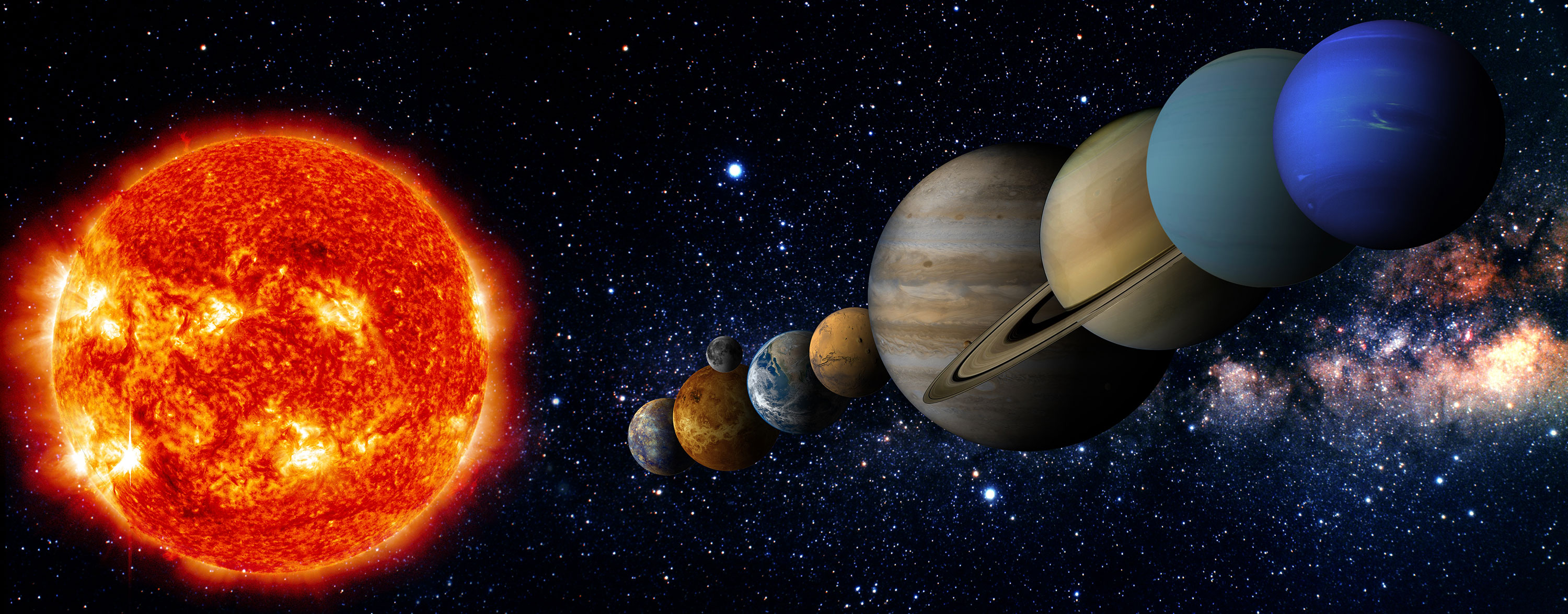
Gustav Holst’s seven-movement orchestral suite The Planets is one of the best known and most popular pieces in the orchestral repertoire. But did you know there is a new piece about the moons in our solar system to go with it?

That new piece, Moons of the Giants by Colorado composer John Heins, will receive its world premiere from the Boulder Philharmonic on a program that includes Holst’s score at 4 p.m. Sunday (Nov. 10; details below). The performance will be led by guest conductor Scott O’Neil, who is staff orchestrator and conductor for the Colorado Symphony. He replaces the Boulder Phil’s music director Michael Butterman, who will be out for the remainder of 2024 for health reasons.

John Heins

Heins wrote the piece without a commission, just from his own inspiration, and then hoped to find an orchestra that would play it. Butterman said he liked the score as soon as he took a look at it, and even though he won’t be able to conduct in it Boulder he plans to perform it with the Shreveport Symphony in Louisiana, which he also directs, in January. 

“I’m just sorry that I won’t get to conduct the premiere,” he wrote in an email.

In an online interview, Heins said “I’ve always been really interested in astronomy and space exploration. The Holst (Planets) is one of my favorite pieces, and I’ve thought about writing some type of piece like that. I came up with the idea to write about some of the moons of some of the planets.

“I narrowed it down to the so-called ‘gas-giant’ planets—Neptune, Uranus, Jupiter and Saturn—and picked one or two moons of each of these planets. . . . I picked six of the moons. Each one has a different character and mood. (The score is) pretty programmatic and moody, just trying to bring across the impression that the moons had on me when I researched them.”

In his written communication, Butterman noted that “Heins’ work will be presented along with video prepared by CU’s Fiske Planetarium.”

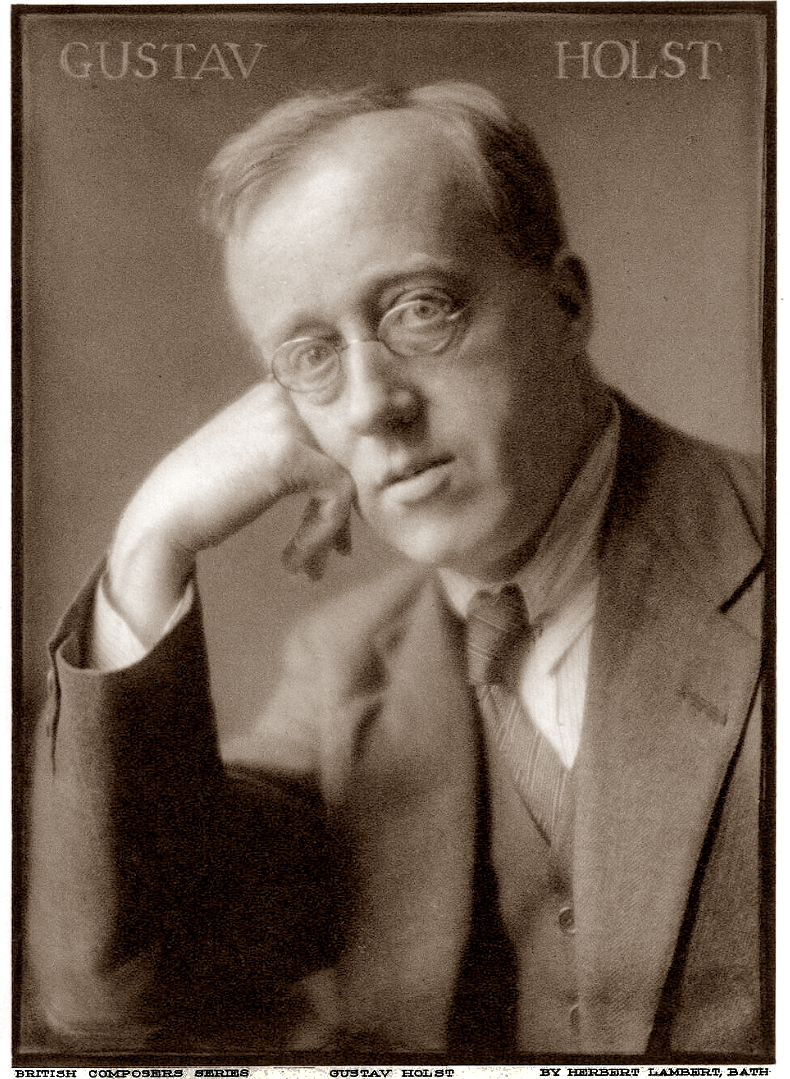
Gustav Holst

The second half of the program, comprising Holst’s Planets, is presented in honor of the 150th anniversary of the composer’s birth. Holst wrote The Planets over a three-year span from 1914 to 1917. Each movement describes not the physical nature of the planet but its astrological significance and the mythological character for which it is named. 

The first performance, given in London in 1918, was initially met with hostility from some critics, due to Holst’s imaginative use of color and harmony. Nevertheless, the suite quickly gained popularity with audiences. Today it is one of Holst’s most widely performed pieces, and has been recorded more than 80 times.

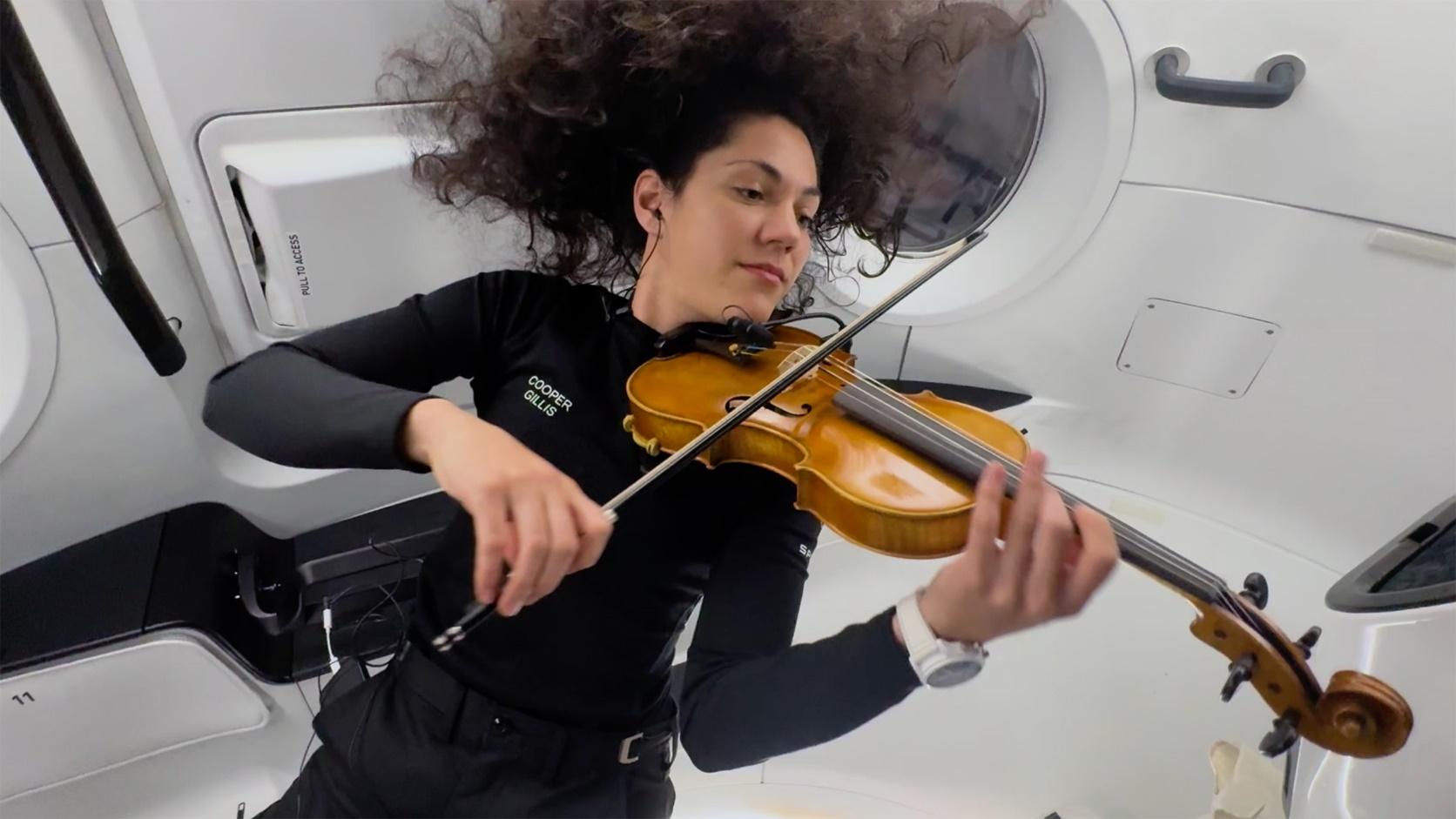
Sarah Gillis and violin on the Polaris Dawn spaceship

The concert will be preceded by a pre-performance talk starting at 3 p.m. featuring SpaceX astronaut Sarah Gillis who is a Boulder native. She studied Suzuki violin and played in the Youth Orchestra in Boulder, went to CU-Boulder, and even babysat for Butterman’s daughter during his first years with the orchestra. 

While on the recent Polaris Dawn mission, Gillis played her violin in orbit and completed a space walk. She will be onstage with conductor Scott O’Neil, and will be joined virtually by Butterman from Shreveport. 

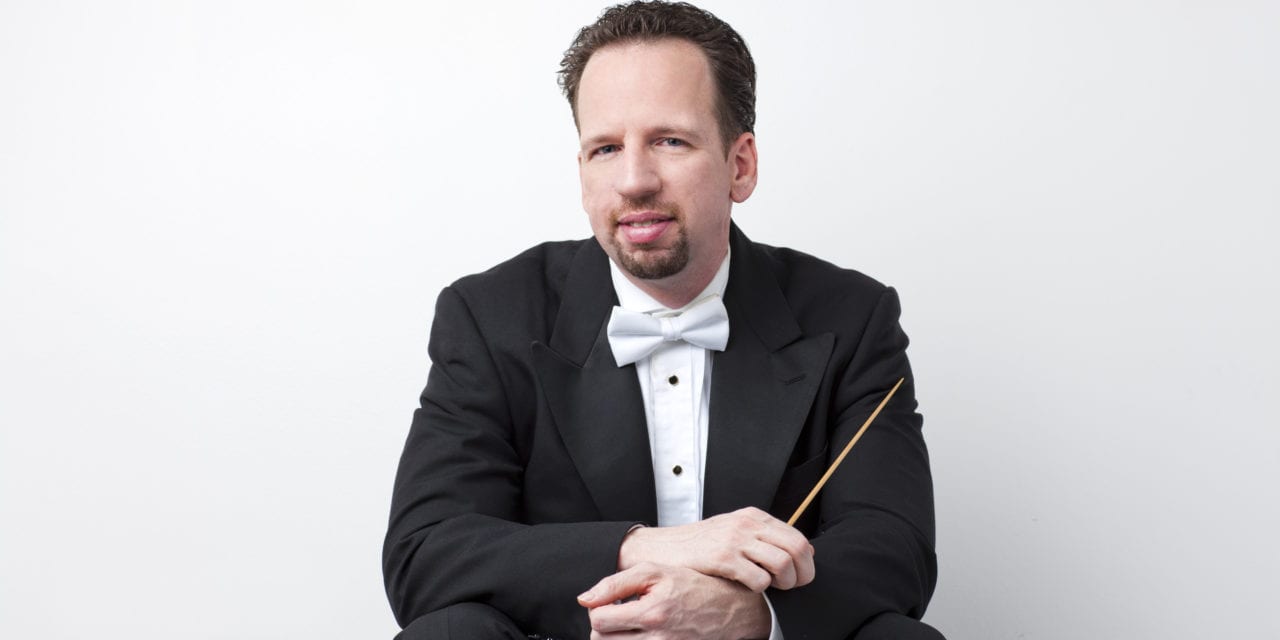
Guest conductor Scott O’Neill

O’Neil recently completed a nine-year tenure as Resident Conductor with the Colorado Symphony in Denver. During his time there he performed with renowned soloists, including Itzhak Perlman, Joshua Bell, Nadja Salerno-Sonnenberg, Pinchas Zukerman and Van Cliburn. O’Neil has also created and developed a series of educational concerts titled “Inside the Score” that combined art, entertainment and enlightenment to engage audiences.

As an arranger/orchestrator, O’Neil has created and orchestrated numerous works for the Colorado Symphony. He continues to guest conduct and to lead his own ensemble, the Rosetta Music Society, in Denver.

Heins’s compositions have been performed throughout the United States, Canada and Europe. His works include music for symphonic band and orchestra as well as solo piano works and chamber music. He received a bachelor’s degree from the University of Montana and a master’s degree from the University of Colorado, Boulder. He has taught at Rocky Mountain College in Billings, Montana.

# # # # #

“Moons and Planets”
Boulder Philharmonic Orchestra, Scott O’Neil, guest conductor

  • John Heins: Moons of the Giants (world premiere)
  • Gustav Holst: The Planets

4 p.m. Sunday, Nov. 10
Macky Auditorium
3 p.m.: Pre-performance discussion in the Macky Auditorium with O’Neill and SpaceX astronaut Sarah Gillis
TICKETS 

GRACE NOTE: Boulder Phil’s “Brass and Booze” at Planet Bluegrass

Orchestra’s “Shift” series of informal concerts continues Wednesday

By Peter Alexander Nov. 4 at 1:32 p.m.

The Boulder Philharmonic will present  “Brass and Booze,” their third “Shift” concert presenting their musicians in unusual venues and smaller groups, at 7 p.m. Wednesday, Nov. 6, at Planet Bluegrass in Lyons.

“We wanted to reach out into some new areas,” the Phil’s executive director Mimi Kruger says. “The idea is that people can get to know our musicians and connect in a different way.”

Wednesday’s program presents members of the Boulder Phil brass section playing music with jazz and Afro-Cuban influences. It will include new pieces as well as Duke Ellington’s “Do Nothin’ until You Hear from Me” and Freddie Mercury’s “Bohemian Rhapsody.”

Each of the Shift programs opens at Planet Bluegrass in Lyons, and will be repeated in another venue. Wednesday’s “Brass and Booze” program will be repeated at Wild Provisions Beer Project in Boulder April 22, 2025. The first two programs featuring string ensembles—“Groove” and “Americana Redefined”—will be repeated at the Dickens Opera House in Longmont Monday, Nov. 25, and Sunday, Feb. 9, 2025, respectively.

# # # # #

“Brass and Booze”
Players from the Boulder Philharmonic

  • Informal program includes Ellington, “Bohemian Rhapsody,” Afro-Cuban influenced music

7 p.m. Wednesday, Nov. 6
Planet Bluegrass, Lyons, Colo.

7 p.m. Tuesday, April 22, 2025
Wild Provisions, 2209 Central Ave., Boulder, Colo.

TICKETS

GRACE NOTES: Peace and Halloween fun on the program

Boulder Concert Chorale and Boulder Phil perform weekend concerts

By Peter Alexander Oct. 24 at 2 p.m.

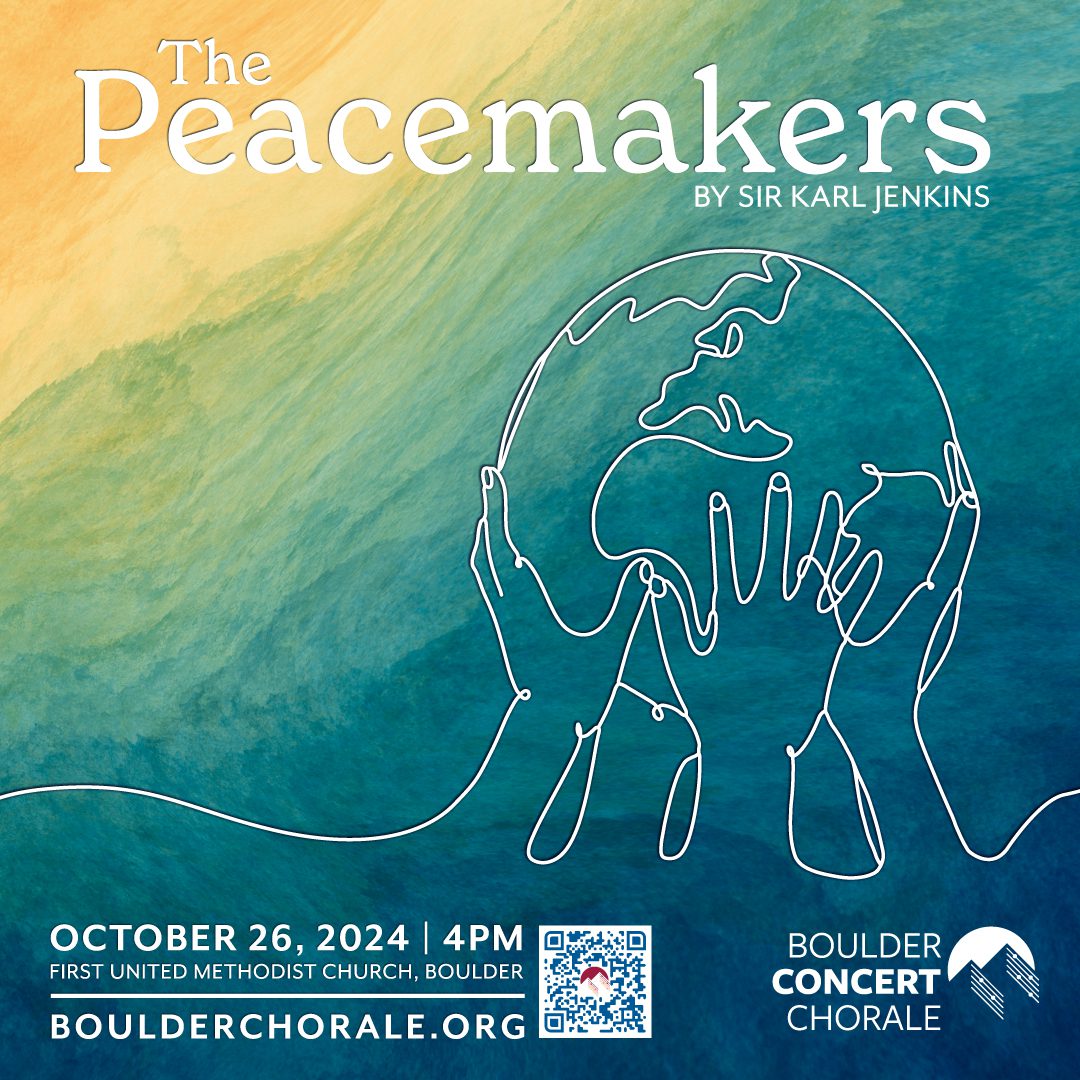
The Boulder Concert Chorale will present a work celebrating peace, with texts from more than a dozen authors, to start its 2024–25 season.

The concert, at 4 p.m. Saturday, Oct. 26, at the First United Methodist Church in Boulder, will feature The Peacemakers by Sir Karl Jenkins, a Welsh composer whose music is widely performed. Authors of texts for the 17 movements of The Peacemakers include Percy Bysshe Shelley, Gandhi, the Dalai Lama, Terry Waite, Mother Teresa, Albert Schweitzer, St. Francis of Assisi, Rumi, Nelson Mandela and Anne Frank.

Known principally as a jazz and jazz-rock musician, Jenkins plays baritone and soprano saxophones, keyboards and oboe. He has written music for advertising, winning prizes for work in that field, as well as a series of crossover albums under the title Adiemus. Originally written for a Delta Airlines advertisement, the original song Adiemus and the subsequent albums contributed to the growth of Jenkins’s recognition as a composer.

The Peacemakers was premiered in Carnegie Hall in 2012. Jenkins dedicated the score “to the memory of all those who lost their lives during armed conflict: in particular innocent civilians.” The composer has written that one line from Rumi summarizes the underlying idea of the piece: “All religions, all singing one song: Peace be with you.”

# # # # #

Boulder Concert Chorale
Vicki Burrichter, artistic director and conductor

  • Sir Karl Jenkins: The Peacemakers

4 p.m. Saturday, Oct. 26
First United Methodist Church, Boulder

TICKETS

# # # # #

The Boulder Philharmonic Orchestra presents “Bewitching,” a Halloween Extravaganza, Saturday in Northglenn and next Wednesday in Macky Auditorium (Oct. 27 and 30; details below).
Aiming to start “a new tradition,” the Boulder Phil added the Halloween concert this season to their usual schedule of masterworks concerts and special events including the annual Holiday performances of The Nutcracker. Along with the “Shift” series of informal concerts featuring players in unique venues, “Bewitching” represents a populist trend in programming running parallel to the more traditional orchestral concerts.

Billed as “a spine-tingling evening filled with haunting melodies and thrilling orchestral arrangements, perfect for audiences of all ages,” “Bewitching” features film music along with light classical music with magical or eerie associations. Concertgoers are encouraged to wear costumes. 

# # # # #

“Bewitching: Halloween Extravaganza”
Boulder Philharmonic Orchestra, Gary Lewis, conductor

Program includes:

  • Danny Elfman: “This is Halloween”
  • Edvard Grieg: “In the Hall of the Mountain King”
  • Klaus Nadelt: Music from Pirates of the Caribbean
  • John Williams: Harry Potter Suite
  • Alan Menken: Music from Beaty and the Beast
  • Paul Dukas: The Sorcerer’s Apprentice
  • Joe Hisaishi: “Merry-Go-Round of Life”

2 p.m. Sunday, Oct. 27
Parsons Theatre, Northglenn

6 p.m. Wednesday, Oct. 30
Macky Auditorium
TICKETS 

GRACE NOTES: Two quartets and Americana Redefined

Piano Quartet has new violinist, Takács has surprise pieces and Boulder Phil has a new series

By Peter Alexander Oct. 8 at 11 a.m.

The Boulder Piano Quartet returns to The Academy in Boulder for a concert featuring the music of Mozart alongside the much less familia Russian-Swiss composer Paul Juon.

The concert at 7 p.m. Friday, Oct. 11, in Chapel Hall at the Academy University Hill will be free, but audience members are asked to RSVP here before the performance. The works on the program are the Quartet in G minor, K478 by Mozart and Juon’s Piano Quartet No. 1 in F major, titled Rhapsodie

Violinist Igor Pikayzen, now with the Boulder Piano Quartet

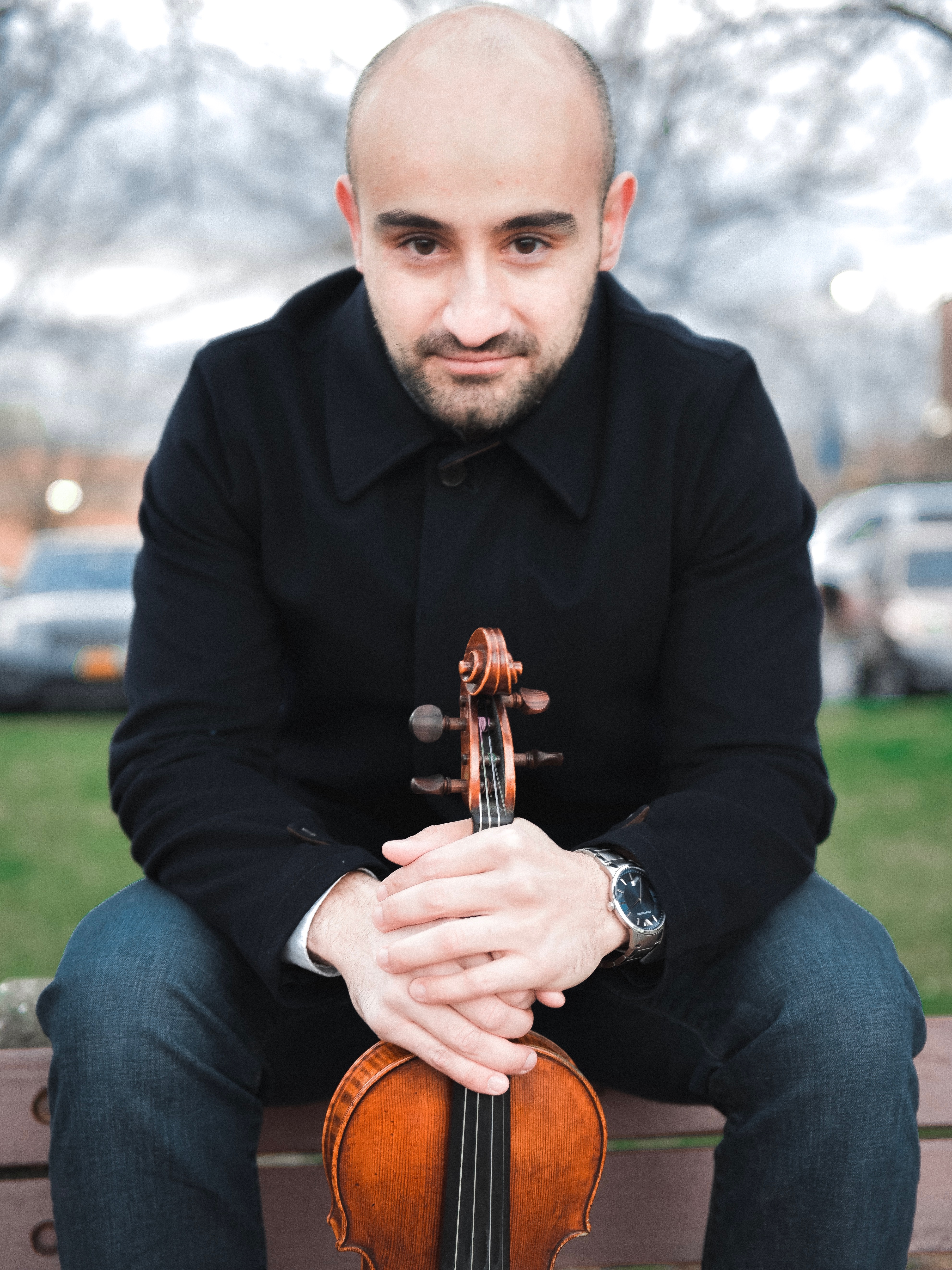
The concert will introduce the quartet’s new violinist, Igor Pikayzen, who teaches violin at the Lamont School of Music at the University of Denver. A graduate the Juilliard School and Yale, Pikayzen joins violist Matthew Dane, cellist Thomas Heinrich and pianist David Korevaar in the quartet, taking the position that was vacated by the untimely death of Charles Wetherbee in 2023.

Juon had a successful career as a teacher and composer before falling into obscurity. Born in Russia to Swiss parents, he was educated in Moscow and Berlin, and spent most of his professional life in the latter city. A relatively conservative late-Romantic composer, his music is associated with an earlier generation; during his lifetime, he was called “the Russian Brahms.”

His First Piano Quartet was in spired by an unusual first novel, The Saga of Gösta Berling by the Swedish Nobel Prize-winning writer Selma Lagerlöf. The plot concerns a defrocked Lutheran priest who is eventually redeemed after many wild adventures.

# # # # #

Boulder Piano Quartet: Igor Pikayzen, violin; Matthew Dane, viola; Thomas Heinrich, cello; and David Korevaar, piano

  • Mozart: Piano Quartet in G minor, K478
  • Paul Juon: Piano Quartet No. 1, “Rhapsody” 

7 p.m. Friday, Oct. 11
Chapel Hall, Academy University Hill

Free; RSVP HERE

# # # # #

Members of the Takács Quartet didn’t give the full program for their next upcoming CU concerts—until now.

The performances Sunday afternoon and Monday evening (4 p.m. Oct. 13 and 7:30 p.m. Oct. 14 in Grusin Music Hall) will feature Beethoven’s String Quartet in A minor, op. 132, for the second half of the program. But originally, the program only stated that the first half would be announced at the performance.

In a recent email, first violinist Ed Dusinberre solved the mystery. “We needed some extra flexibility for this concert,“ he wrote, “but have just now decided that the first half with be Mozart (String Quartet in D minor) K421 and (Benjamin) Britten String Quartet No.2.“ In the absence of program notes at the concert, he will talk about both pieces from the stage.

The program is the second in the Takács Quartet’s annual series of campus concerts. Remaining concert dates for the 2024–25 season, including a guest appearance by the Quartet Integra from the Colburn School in Los Angeles, are listed on the CU Presents Web page.

Beethoven’s Quartet in A minor, op. 132, is traditionally known as the Quartet No. 15 based on the order of publication of his quartets, although it was no. 13 in order of composition. Planned with the traditional four movements, the A minor quartet ended up with five movements when Beethoven decided to add a central movement as an expression of thanks for his recovery from illness. 

Titled “Heiliger Dankgesang eines Genesenen an die Gottheit” (Song of thanksgiving to the Deity from a convalescent), the central movement is a haunting movement written in the Lydian mode, evoking sacred music of the Middle Ages and Renaissance. The movement includes three principal elements: a brief fragment of counterpoint, a hymn-like passage, and a suddenly more energetic passage labelled “Feeling of new strength.” These programmatic and devout elements have made this one of the composer’s most recognized and popular movements. 

# # # # #

Takács Quartet

  • First Half to be announced form the stage
  • Beethoven: String Quartet in A minor, op. 132

4 p.m. Sunday, Oct. 13
7:30 p.m. Monday Oct. 14
Grusin Music Hall

Both in-person and live-stream TICKETS

# # # # #

The Boulder Philharmonic will present  “Americana Redefined,” the second in their Shift Series of informal concerts presenting their musicians in unusual venues and smaller groups, at 7 p.m. Wednesday, Oct. 16, at Planet Bluegrass in Lyons.

There will be two repetitions of the program’s ideas, the first in the Parsons Theater in Northglenn Feb. 9 featuring guest five-string violinist Enion Pelta-Tiller, the second in the Dickens Opera House Feb. 19 (details below).

Promotional materials describe “Americana Redefined” as combining music from diverse elements of America’s musical heritage, including gospel, jazz, blues and country. For this program, the Boulder Phil will be represented by a quartet of string section leaders, plus Pelta-Tiller for the Northglenn performance.

Boulder Phil executive director Mimi Kruger says the idea for the Shift Series is to showcase the orchestra’s musicians in unusual venues that are less formal than their usual home in Macky Auditorium on the CU campus. The programming will also show their flexibility outside of the standard classical repertoire.

“The idea is that they can be a little bit more eccentric with the programming,” Kruger says. “The programs focus on contemporary composers, and (are) also more cross-genre. The idea is that people can get to know our musicians and these programs and composers and connect in a different way.”

The series represents a partnership with Planet Bluegrass in Lyons. All of the planned programs will be presented there, and then go on to performances at the Dickens Opera House in Longmont and other venues in the area. The full Shift Series is listed HERE.

# # # # #

“Americana Redefined”
Musicians of the Boulder Philharmonic

7 p.m. Wednesday, Oct. 16
Wildflower Pavilion, Planet Bluegrass, Lyons, Colo.

With guest artist Enion Pelta-Tiller
2 p.m. Sunday, Feb. 9, 2025
Parsons Theatre Northglenn, Colo.

6:30 p.m. Wednesday, Feb. 19, 2025
Dickens Opera House, Longmont, Colo.

Information and TICKETS